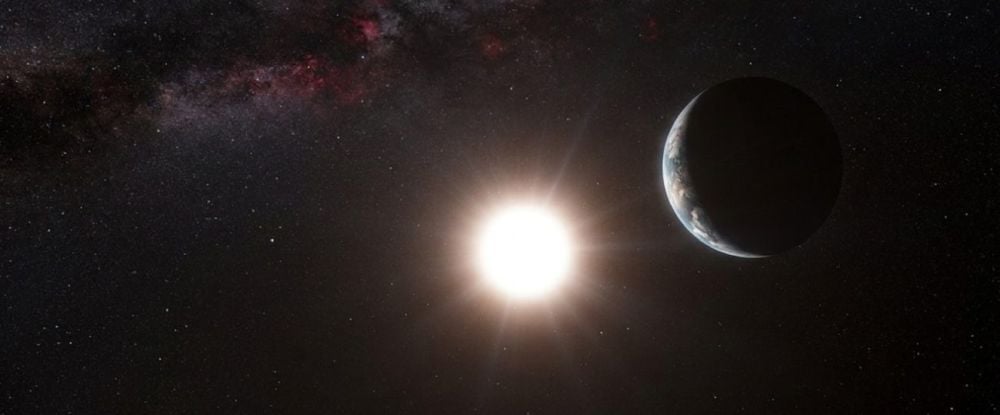
Planetary systems such as our solar system take hundreds of millions of years to evolve. But we see most exoplanet systems either very early in their development, or long after the systems have settled down. There's an information gap about what happens in the middle, and a rarely observed "adolescent" system is a valuable opportunity to learn more and to test models of planetary evolution.
Continue reading
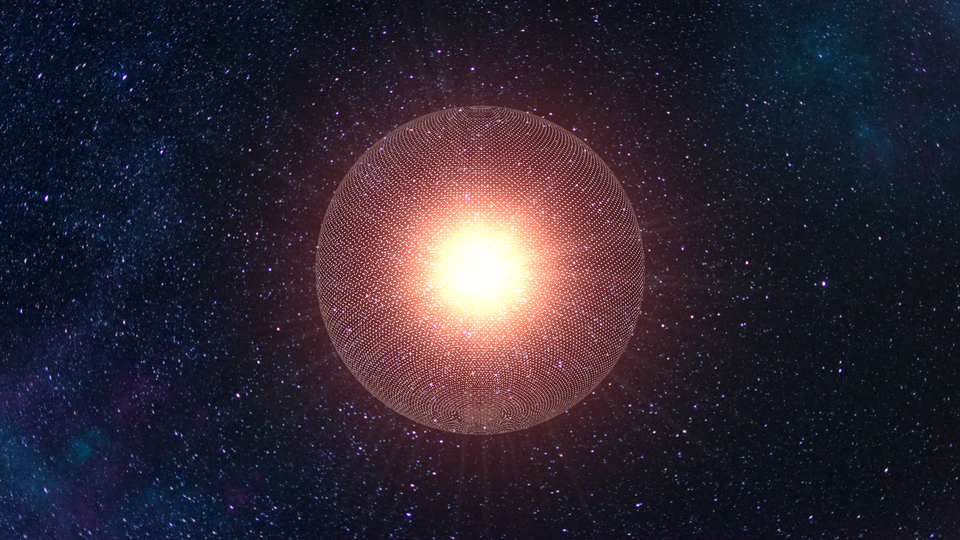
Ever since physicist Freeman Dyson first proposed the concept in 1960, the “Dyson sphere” has been the holy grail of techno-signature hunters. A highly advanced civilization could build a “sphere” (or, in our more modern understanding, a “swarm” of smaller components) around their host star to harvest its entire energy output. We know, in theory at least, that such a swarm could exist - but what would it actually look like if we were able to observe one? A new paper available in pre-print on arXiv, and soon to be published in Universe from Amirnezam Amiri of the University of Arkansas digs into that question - and in the process discloses the types of stars that are the most likely to find them around.
Continue reading
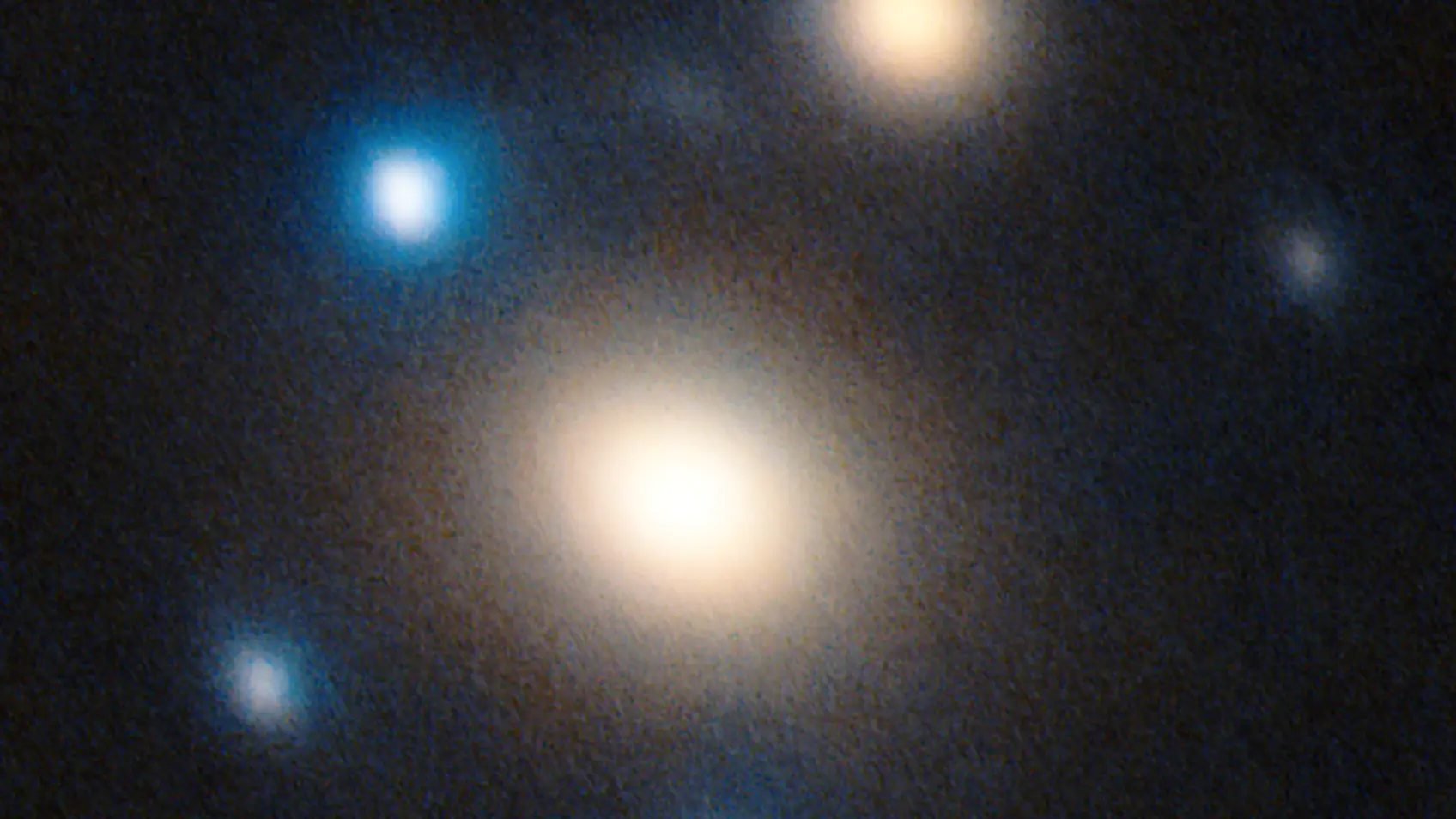
Researchers in Munich have used the Large Binocular Telescope in Arizona to capture five images of one and the same supernova in a single picture. The gravity of two foreground galaxies has deflected the light from a supernova far in the background along different paths to Earth.
Continue reading
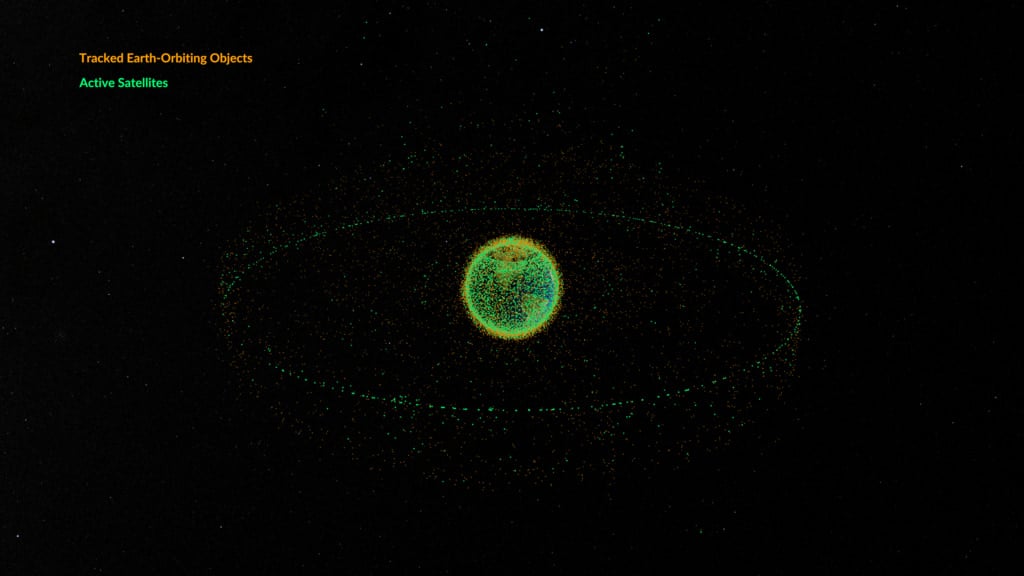
Satellite imaging is increasingly important to every field from crop monitoring to poverty reduction. So it’s no surprise that there have been more and more satellites launched to try to meet that growing demand. But with more satellites comes more risk for collision - and the debris field that comes after the collision. A new paper in Advanced in Space Research from John Mackintosh and his co-authors at the University of Manchester looks at how we might use mission design to mitigate some of the hazards of increasing the number of satellites even more
Continue reading
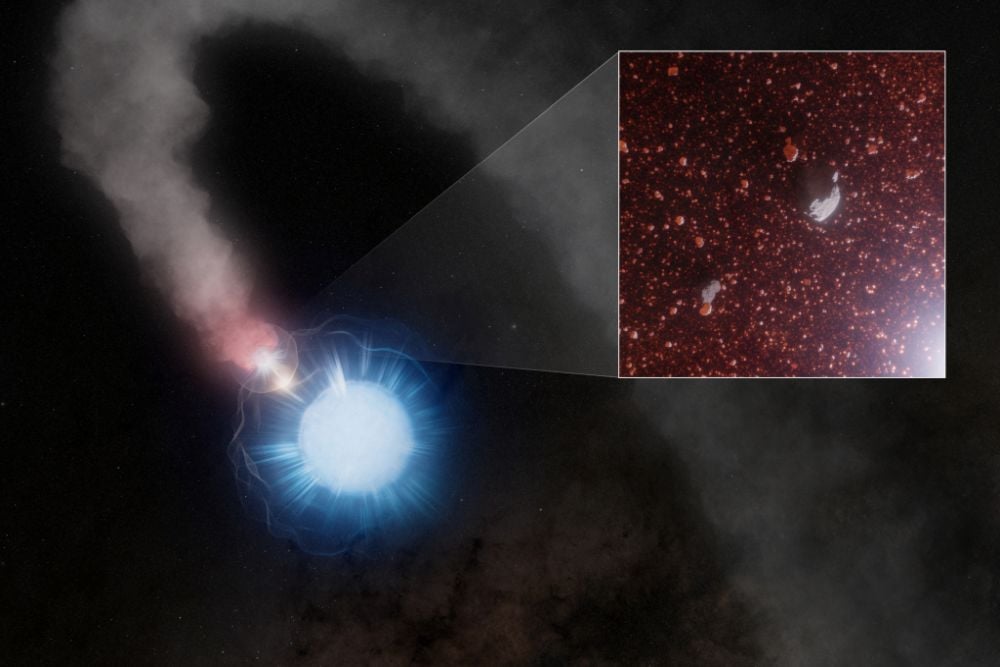
Star dust is at the root of everything that exists, and is produced in large quantities around Wolf-Rayet binaries. But there are some puzzling observations of dust grain sizes that require explanations. New research shows why different observations have found different dust grain sizes.
Continue reading
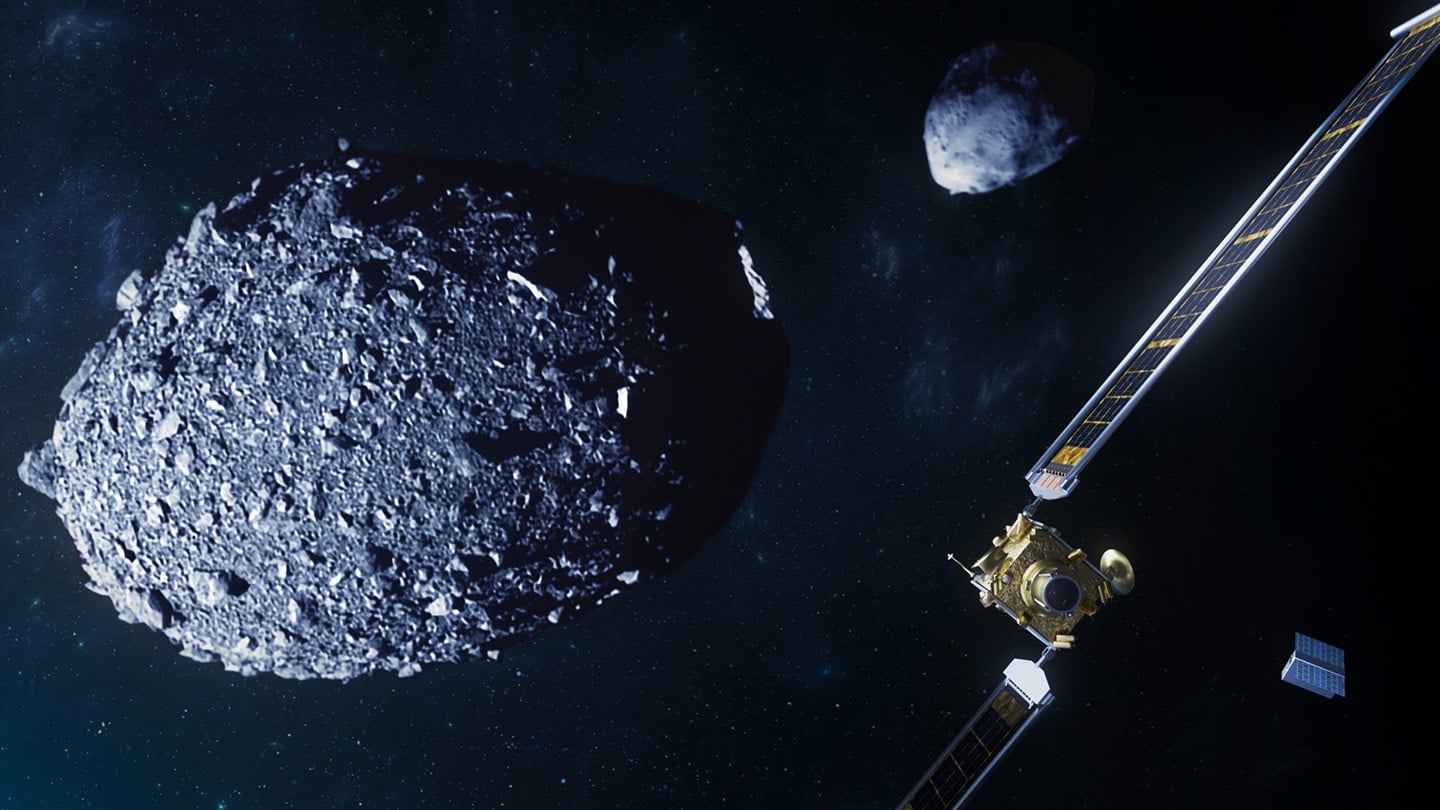
Estimating a mass for a potentially hazardous asteroid (PHA) is perhaps the single most important thing to understand about it, after its trajectory. Actually doing so isn’t easy though, as the mass for objects in the tens to hundreds of kilometers in size are too small to have their mass calculated by traditional radio-frequency tracking techniques. A new paper from Justin Atchison of the Johns Hopkins University Applied Physics Laboratory and his co-authors proposes a method that could find the mass of asteroids even on the smaller end of that range, but will require precise coordination.
Continue reading
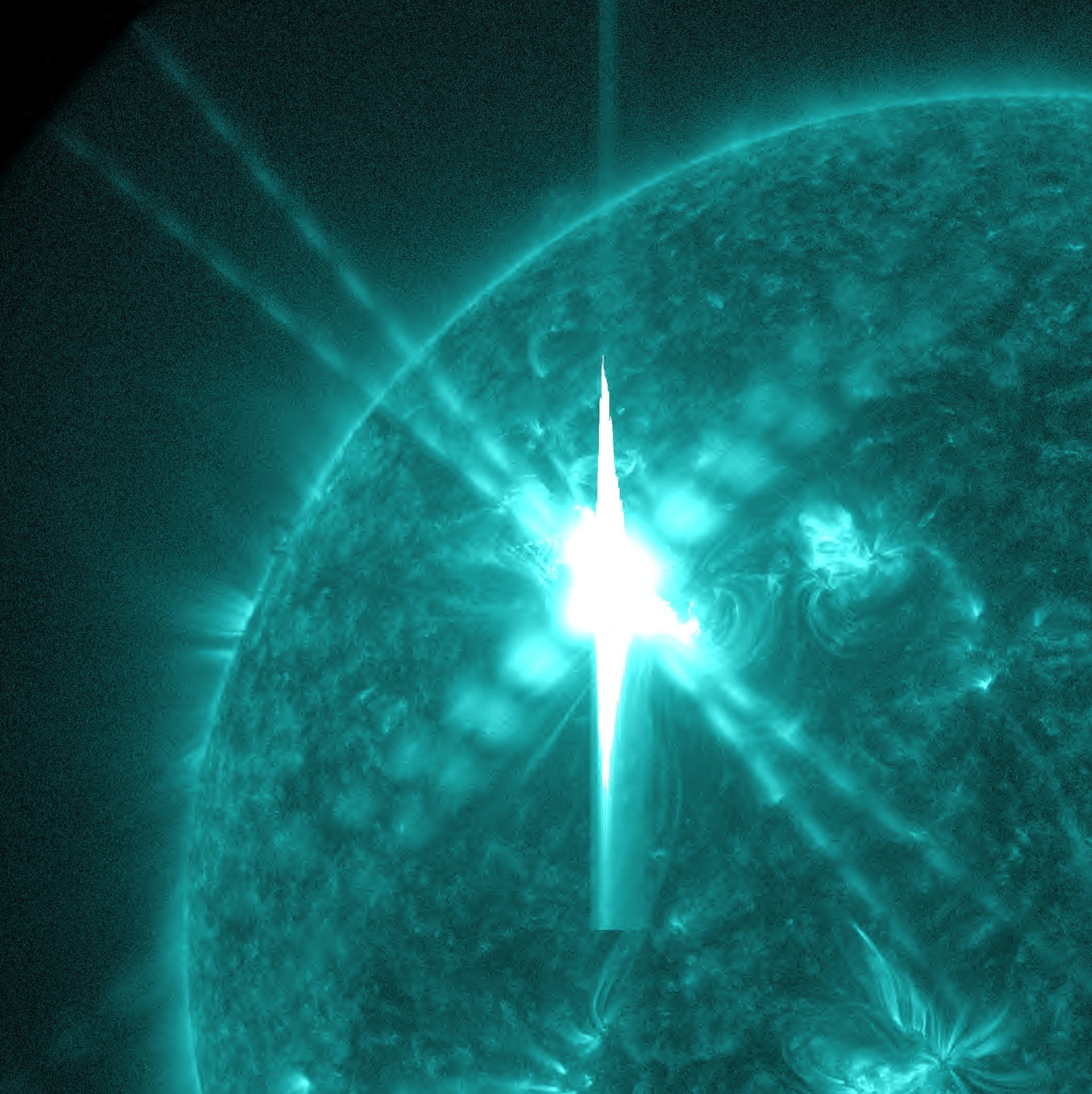
In the first four days of February this year the Sun unleashed six powerful X-class flares in rapid succession including an X8.1 that was the strongest in several years. And now, scientists have announced a new forecasting system that could give us up to a year's warning before the most dangerous solar storms arrive. The extraordinary thing is that the system has already been proved right by eruptions nobody knew about until after the forecast was made.
Continue reading
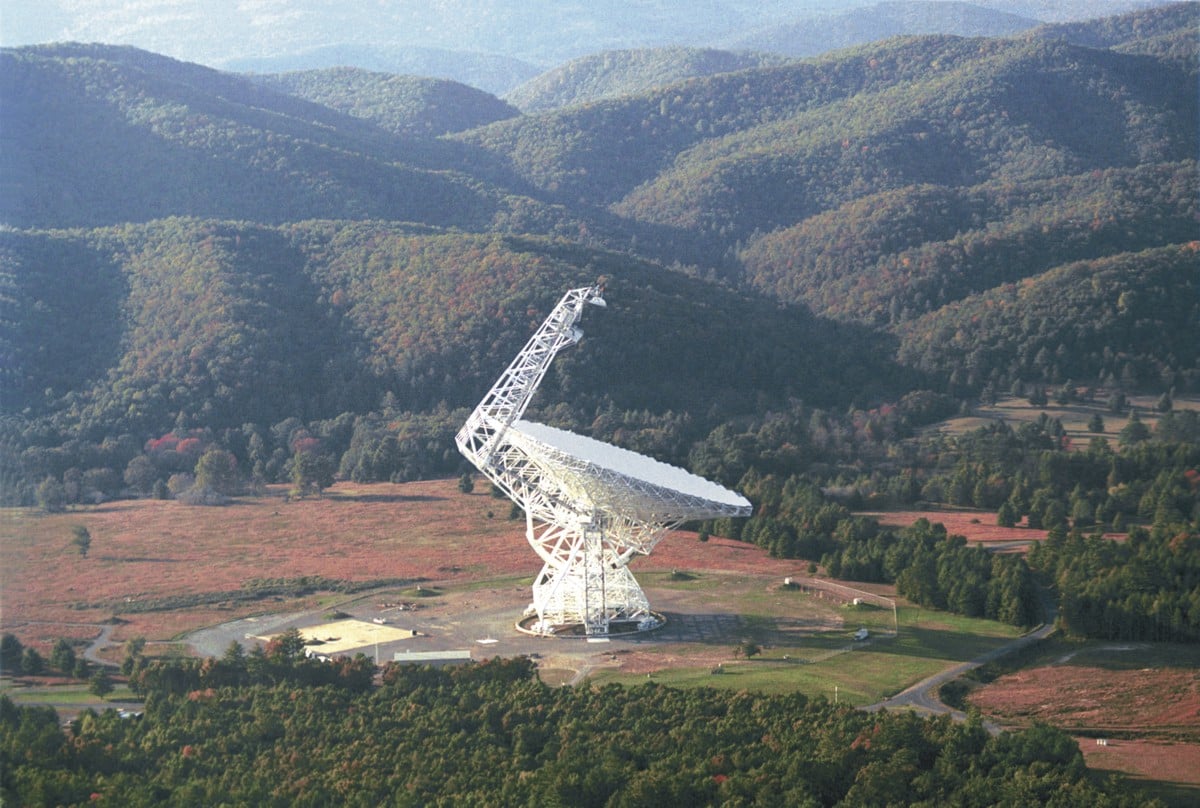
In 1950, the physicist Enrico Fermi sat down to lunch with colleagues and asked a question that has haunted astronomers ever since. If the universe is so vast, so old, and so full of stars, where is everybody? A new study has turned that question around and come up with an answer that is quietly unsettling. If intelligent life is common in the Galaxy, the mathematics suggests it cannot last very long.
Continue reading
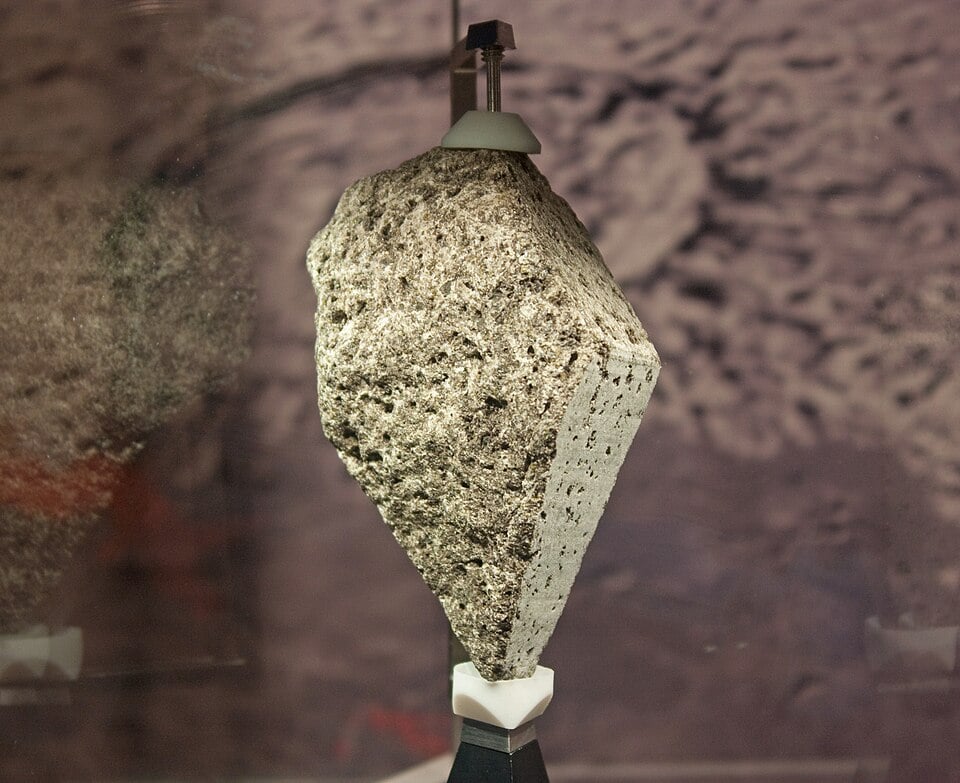
The rocks that twelve astronauts carried home from the Moon fifty years ago have just rewritten our understanding of lunar history. A new analysis of Apollo samples has finally resolved one of the most stubborn debates in planetary science and the answer turns out to be one that neither side of the argument was entirely right about.
Continue reading
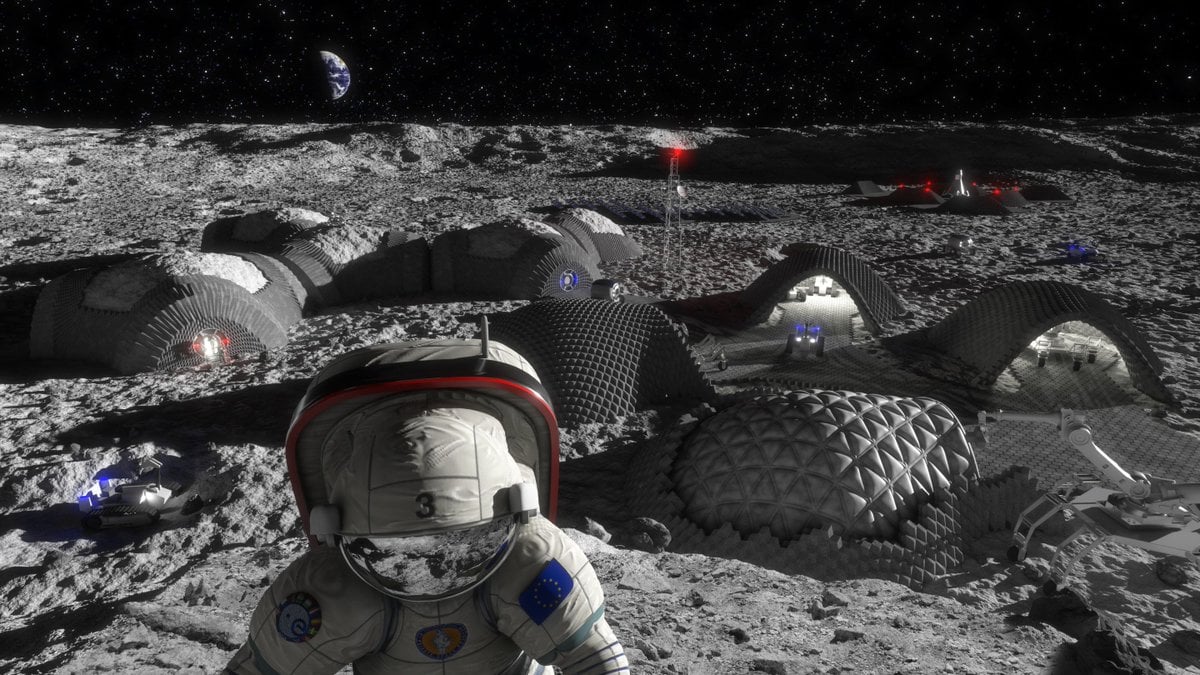
Simulated lunar dirt can be turned into extremely durable structures, potentially paving the way to more sustainable and cost-effective space missions, a new study suggests. Using a special laser 3D printing method, researchers melted fake lunar soil—a synthetic version of the fine dusty material on the moon surface, called regolith simulant—into layers and fused it with a base surface to manufacture small, heat-resistant objects.
Continue reading
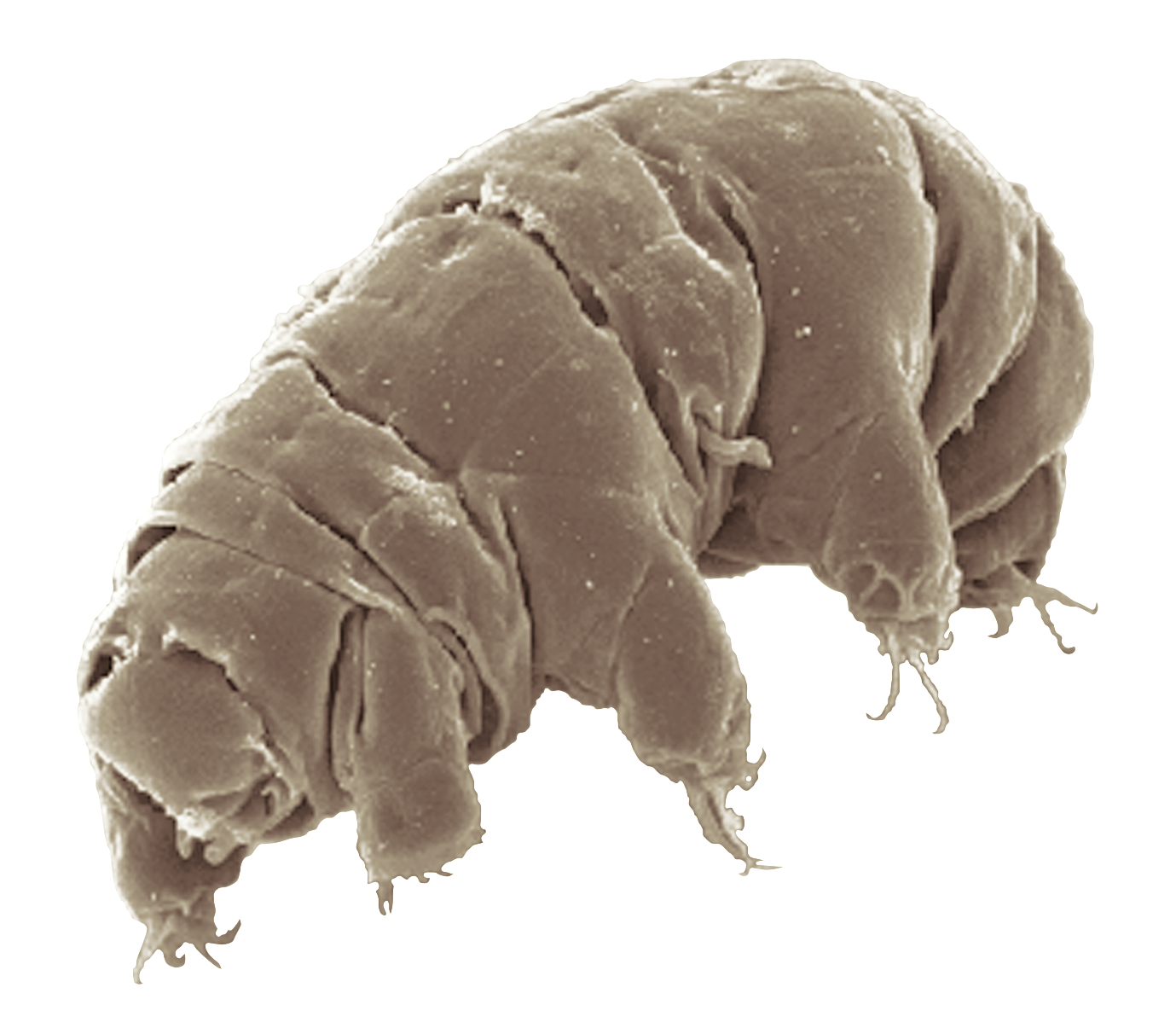
They are the toughest animals on Earth and possibly the key to surviving on Mars. Tardigrades, the microscopic creatures nicknamed 'water bears', have survived the vacuum of space, the crushing pressure of the deep ocean and temperatures that would kill virtually anything else. Now a new study has put them to work as unlikely pioneers, testing whether the hostile soil of Mars could ever support life and the results are full of surprises.
Continue reading
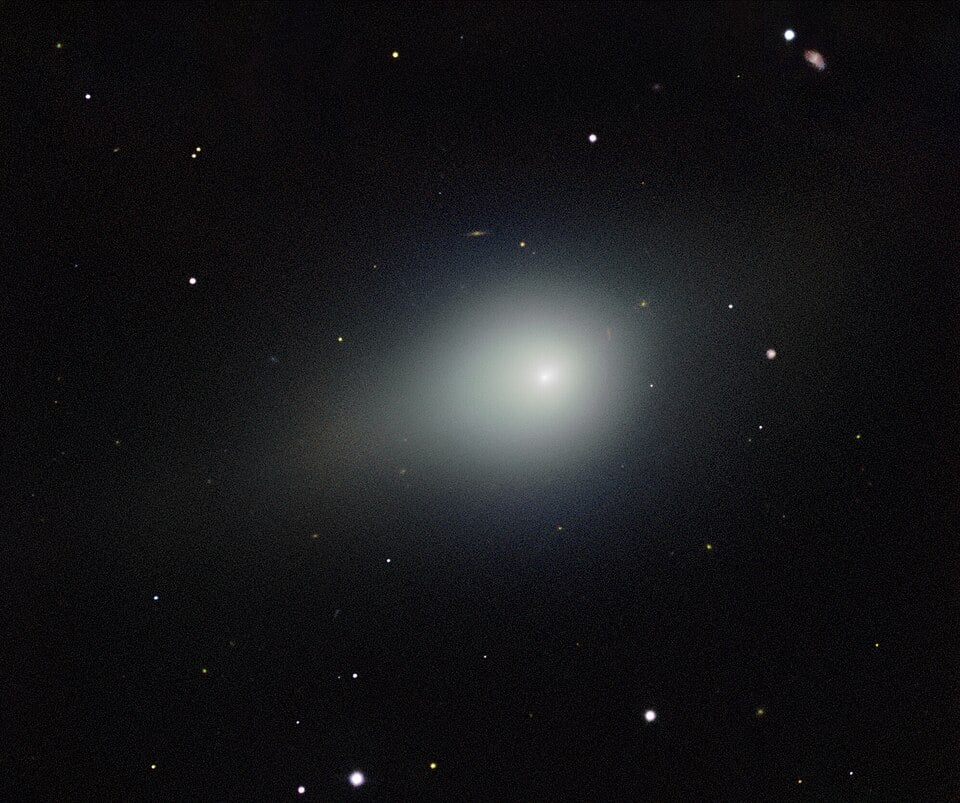
A visitor from another star system has just had its portrait taken by a spacecraft on its way to Jupiter and the image is superb. Comet 3I/ATLAS, only the third interstellar object ever discovered passing through our Solar System, has been captured in stunning detail by ESA's JUICE mission, revealing a glowing halo of gas, a sweeping tail, and hints of jets erupting from its ancient, icy heart. But the picture itself is just the beginning of the story.
Continue reading
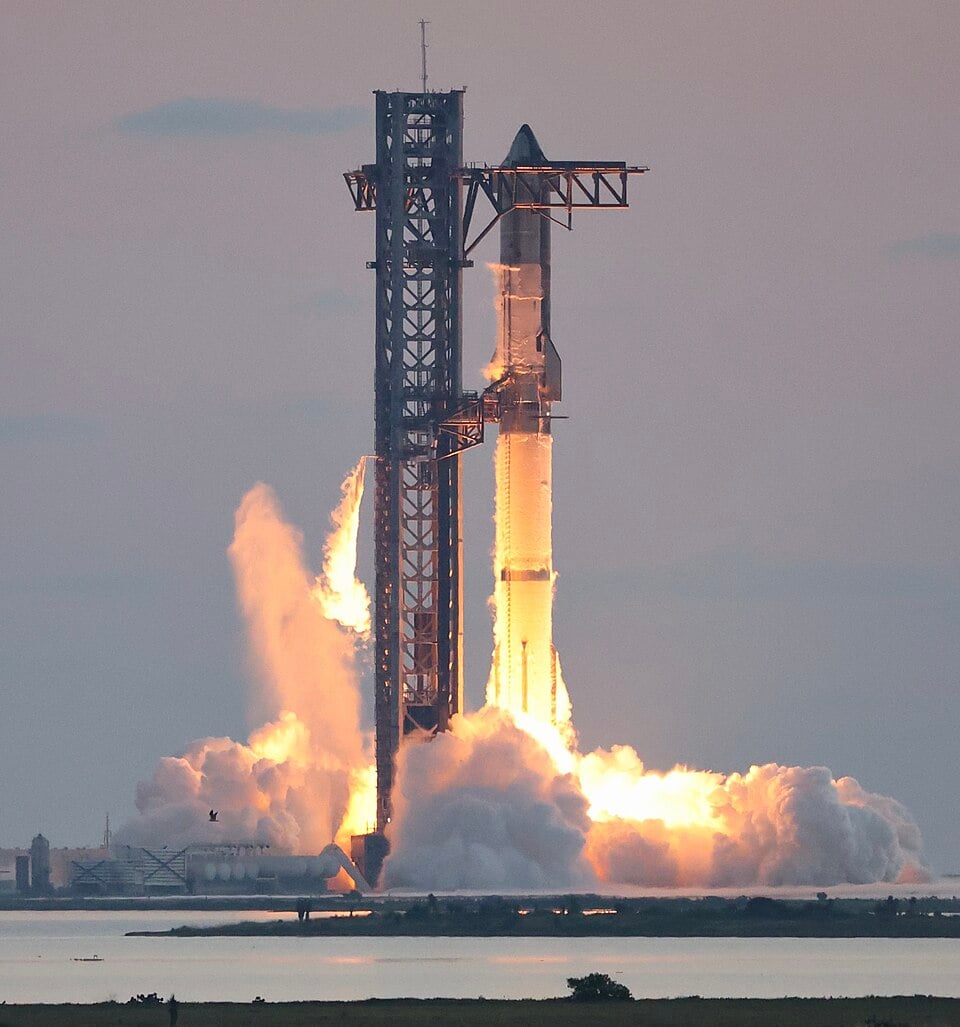
SpaceX's Starship is the most powerful rocket ever built and it may be about to change everything. But researchers at the German Aerospace Centre have been asking a question: does Europe have an answer? Their new study, built on meticulous analysis of Starship's own flight data, suggests the answer is yes although it will require a fundamentally different approach, and a willingness to think differently.
Continue reading
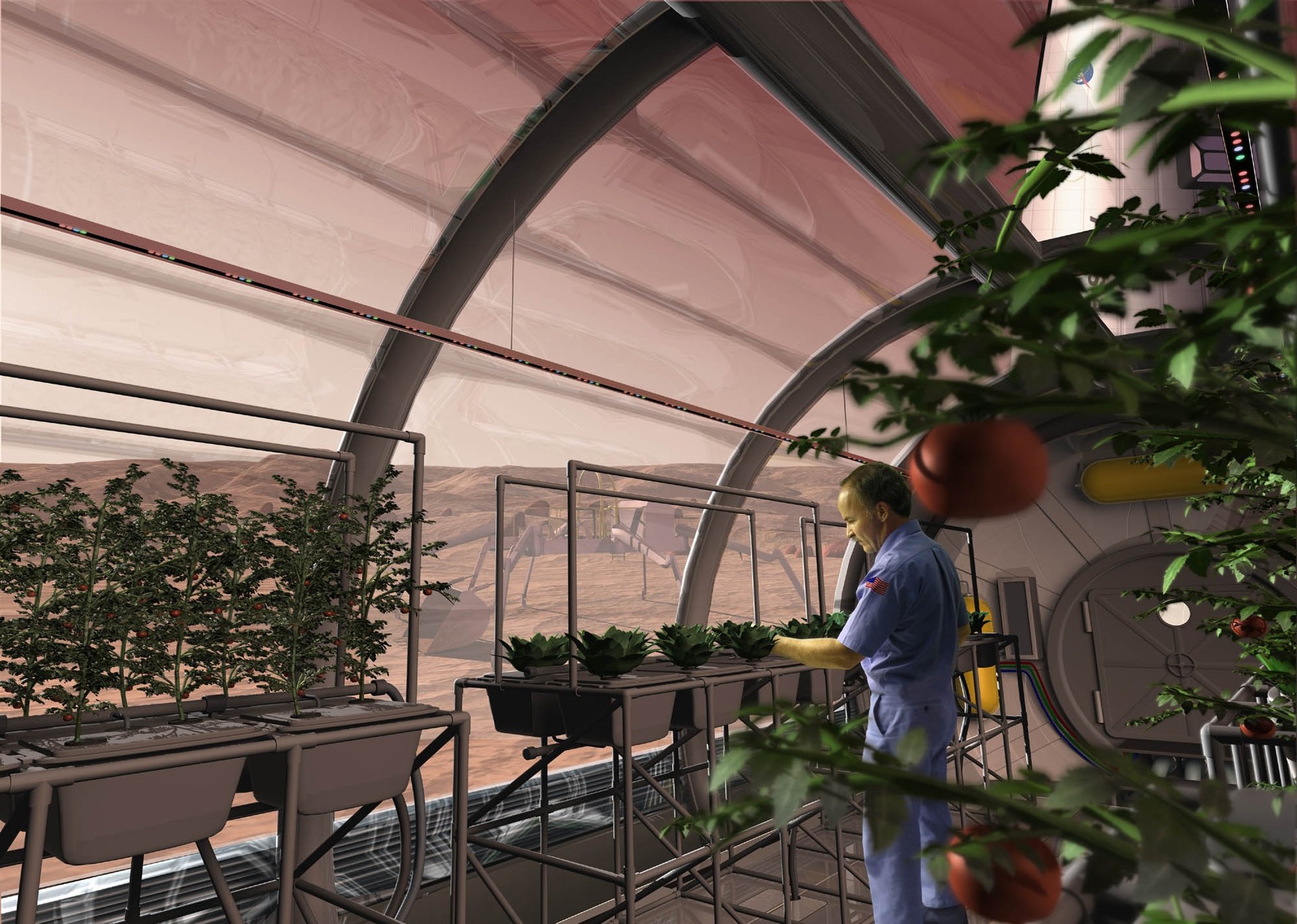
Future farmers on the Moon and Mars will have a big challenge: how to grow healthy food in two extremely unhealthy environments. That's because the soil on both worlds isn't at all hospitable to plants and animals. Neither are other conditions. Both are irradiated worlds, Mars has a thin atmosphere and the Moon has none at all. So, how will future colonists on either world grow their food?
Continue reading
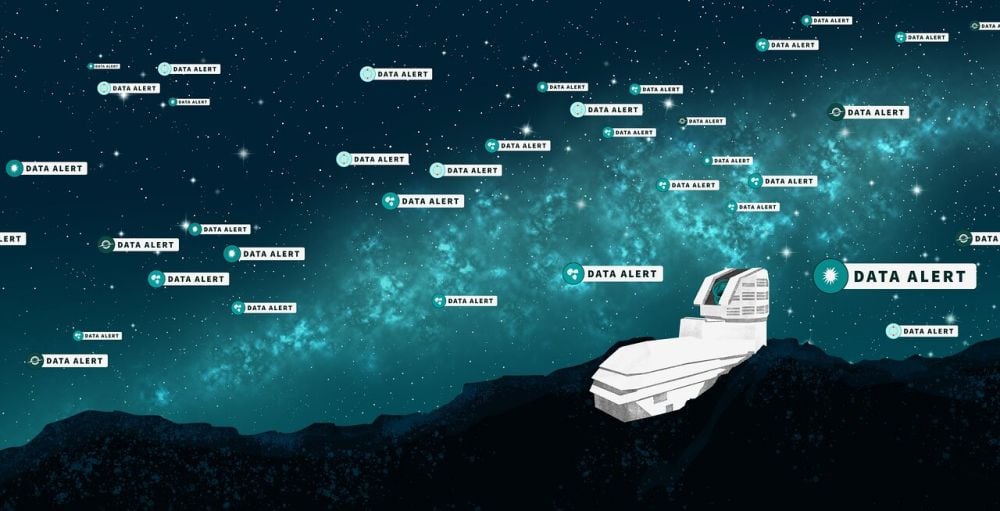
We've been waiting a long time for the Vera Rubin Observatory to begin its work. The observatory features the largest digital camera ever built. It'll create a time-lapse of the southern night sky for ten years with its 3.2 gigapixel camera. An untold number of discoveries awaits.
Continue reading
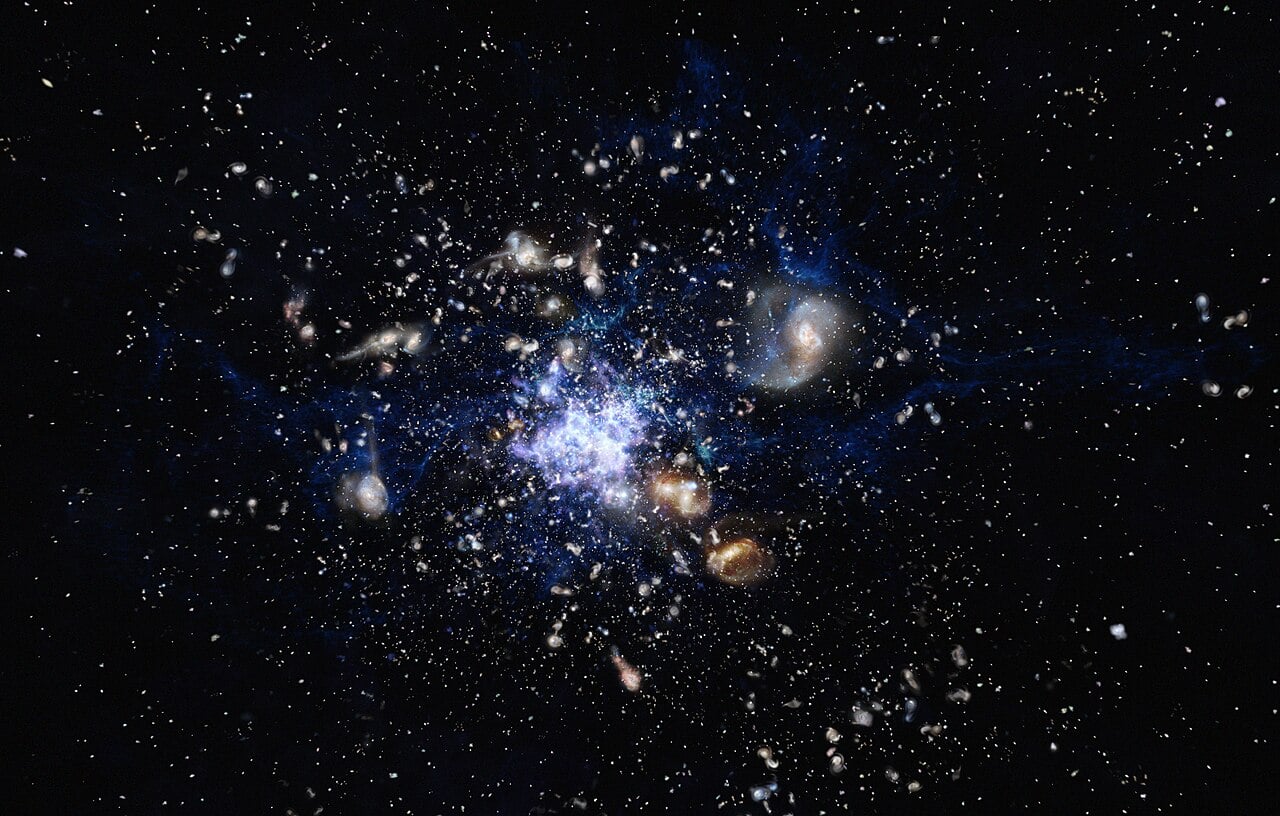
Astronomers have discovered a extraordinary celestial construction site hiding behind a natural magnifying glass in space and what they've found is unlike anything seen before. A cluster of at least 11 galaxies, all building stars at a ferocious rate in the early universe, has been caught in the act of becoming one of the most massive structures in the universe.
Continue reading
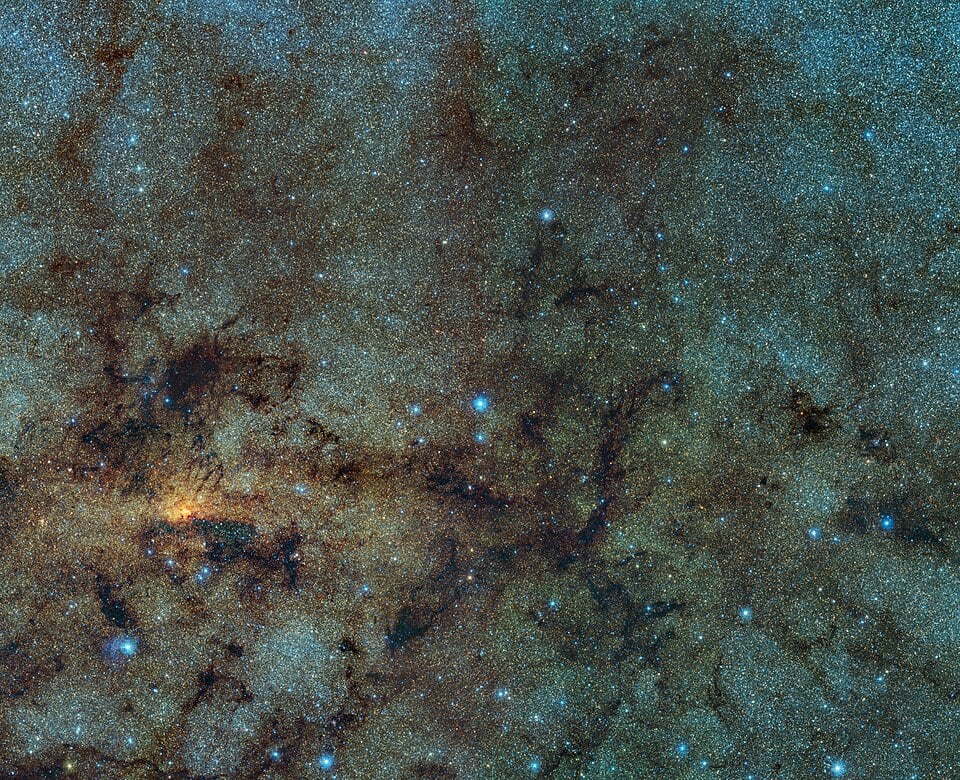
Astronomers have used a special class of ancient, pulsating stars as celestial lighthouses to map the earliest chapter of our Galaxy's life and what they've found is rewriting what we thought we knew about how the Milky Way was born. By building the largest ever catalogue of these stellar beacons and tracing their movements back billions of years, the team has uncovered surprising similarities between our Galaxy's earliest structures, and even found evidence of the same story playing out in our nearest galactic neighbour.
Continue reading
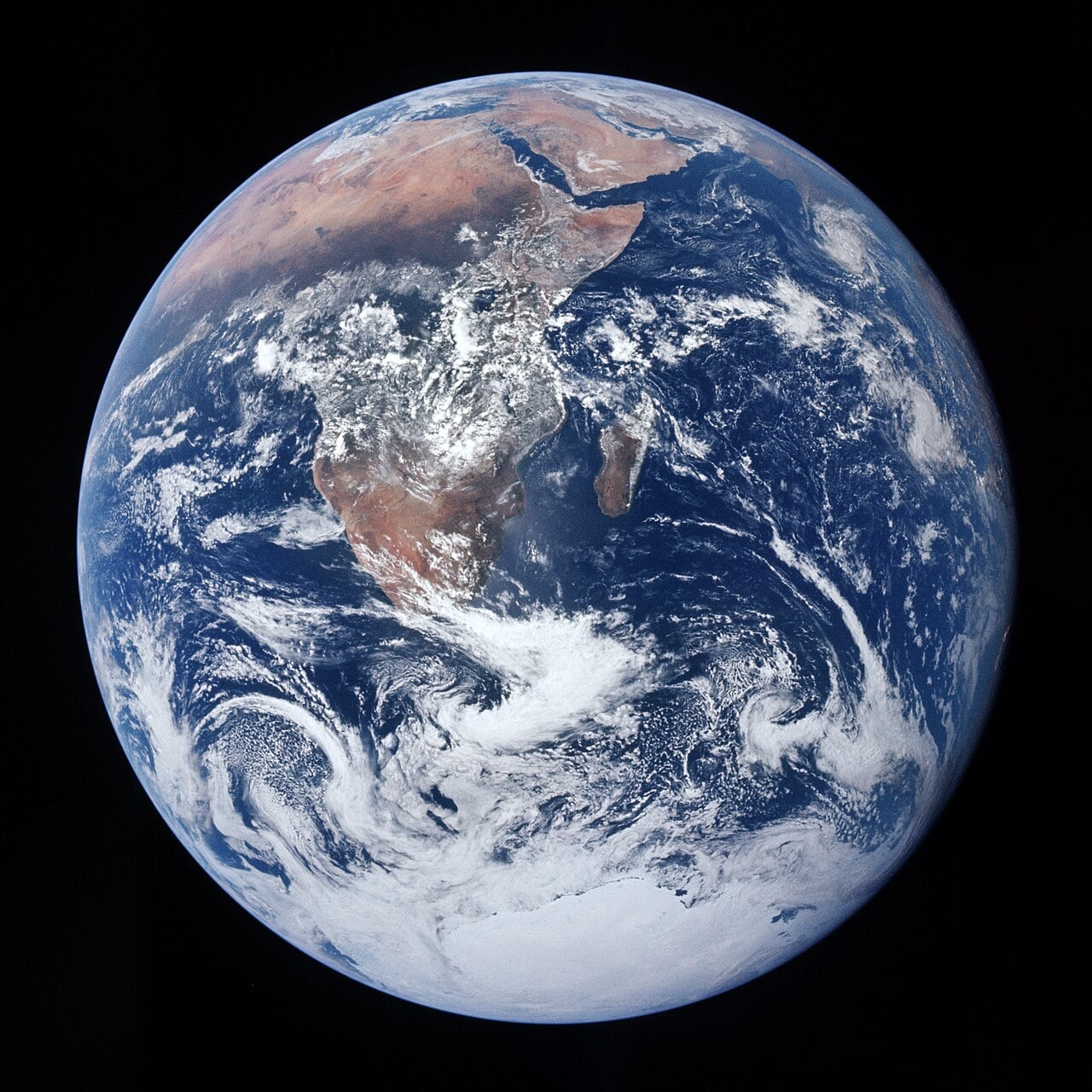
Scientists have built a working model of Earth without any life on it and what they found might change how we search for aliens. By simulating 4.5 billion years of our planet's evolution minus every bacterium, plant, and creature that ever existed, they've created a new tool for spotting genuinely habitable worlds among the thousands of rocky planets soon to be studied by the next generation of space telescopes.
Continue reading
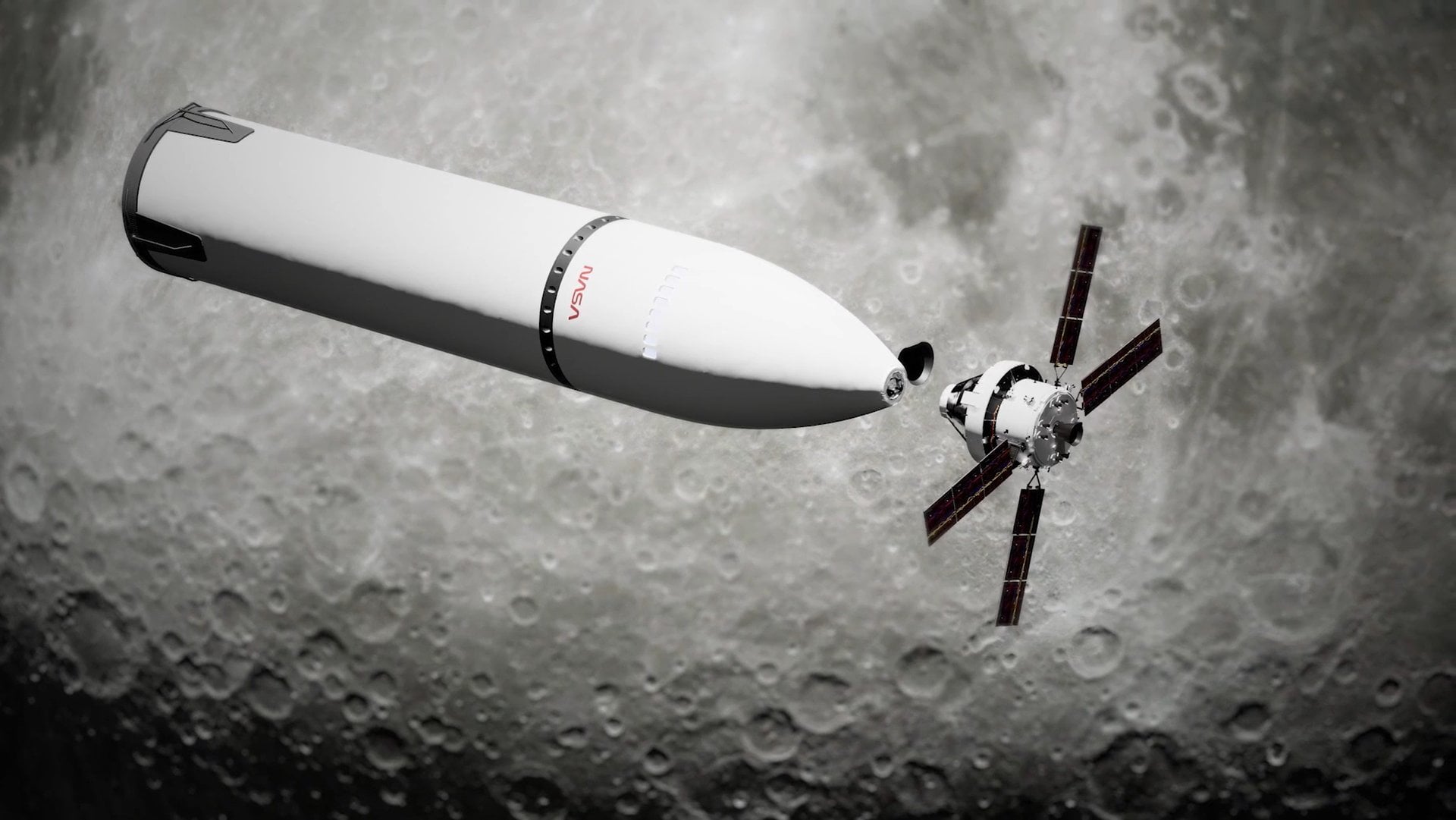
As part of a Golden Age of exploration and discovery, NASA announced Friday the agency is increasing its cadence of missions under the Artemis program to achieve the national objective of returning American astronauts to the Moon and establishing an enduring presence.
Continue reading
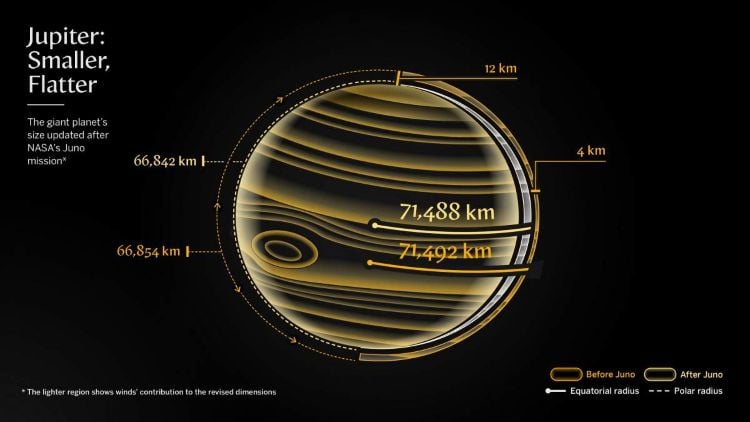
Jupiter is the largest planet in the solar system and has proudly boasted about this since time immemorial, with its scientific confirmation occurring by Galileo Galilei in 1610. It was later found that Jupiter has a bulging equator caused by its rapid rotation, turbulent atmosphere, and complex interior mechanisms despite its massive size, and scientists have even measured its “waistline” down to a tenth of a kilometer. Now, imagine being the largest planet in the solar system and you’re told you’re not as big as you thought. Where probably most humans would be thrilled to find this out, how do you respond if you’re Jupiter?
Continue reading
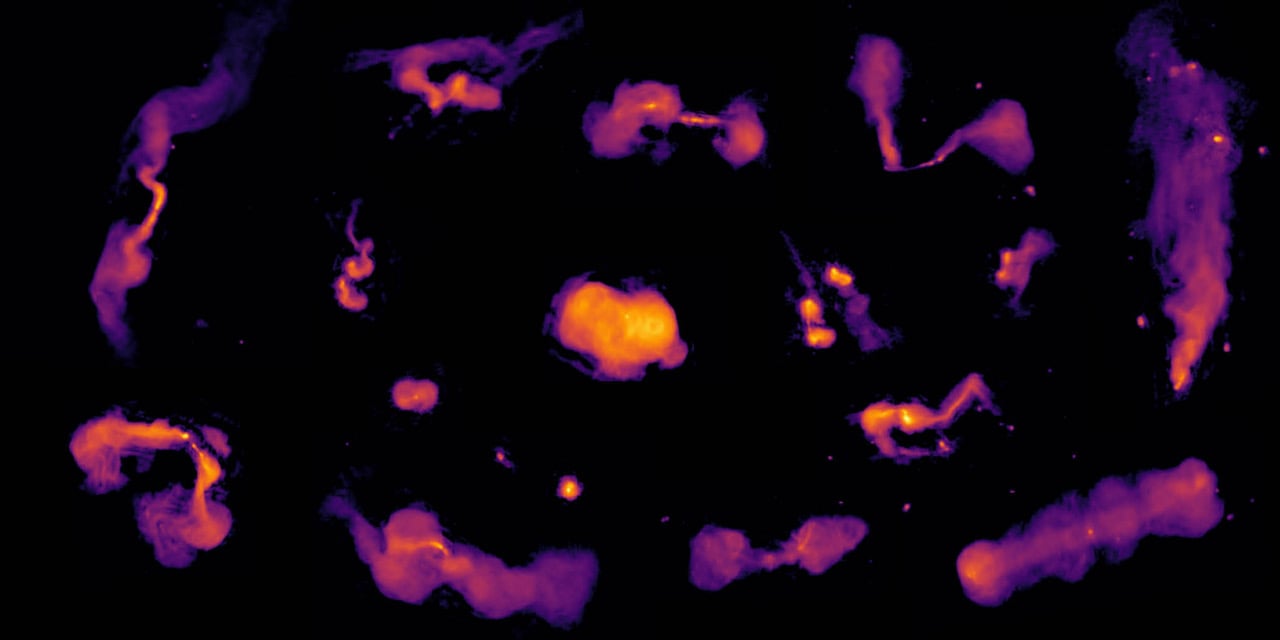
The radio telescope LOFAR, with a major contribution from Leiden Observatory, has produced the most detailed radio map of the Universe ever made. Never before have so many cosmic radio sources been captured in a single survey: 13.7 million.
Continue reading
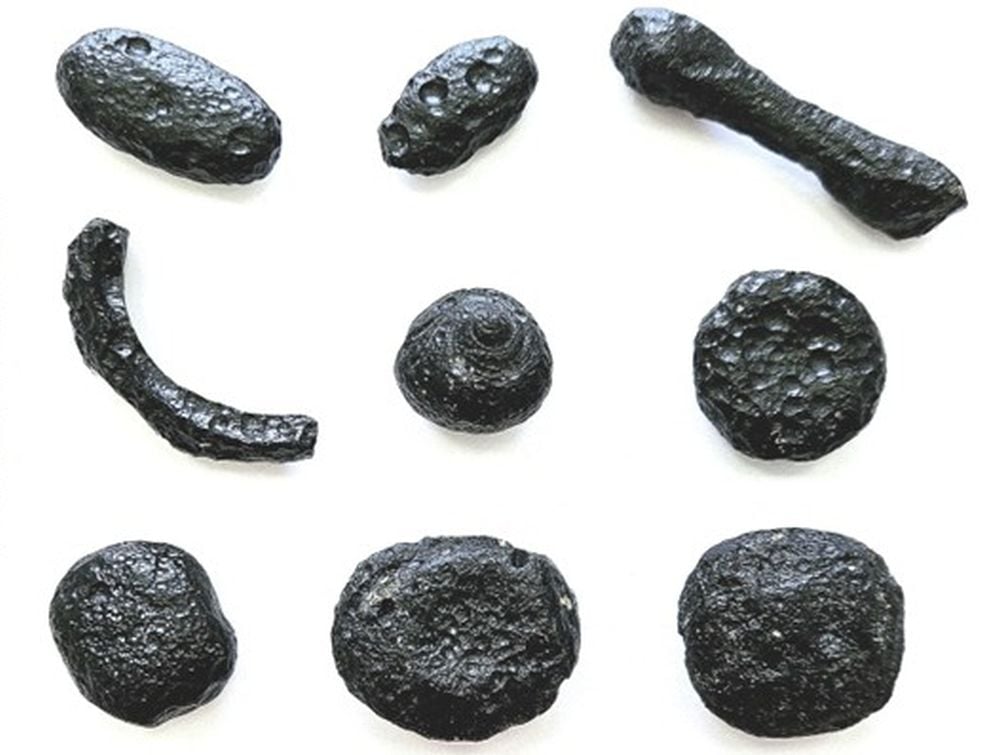
Researchers in Brazil have discovered another tektite field. Tektites are gravel-sized chunks of natural glass formed by impacts and spread over a wide area. Their presence indicates that a powerful impact occurred 6 million years ago.
Continue reading
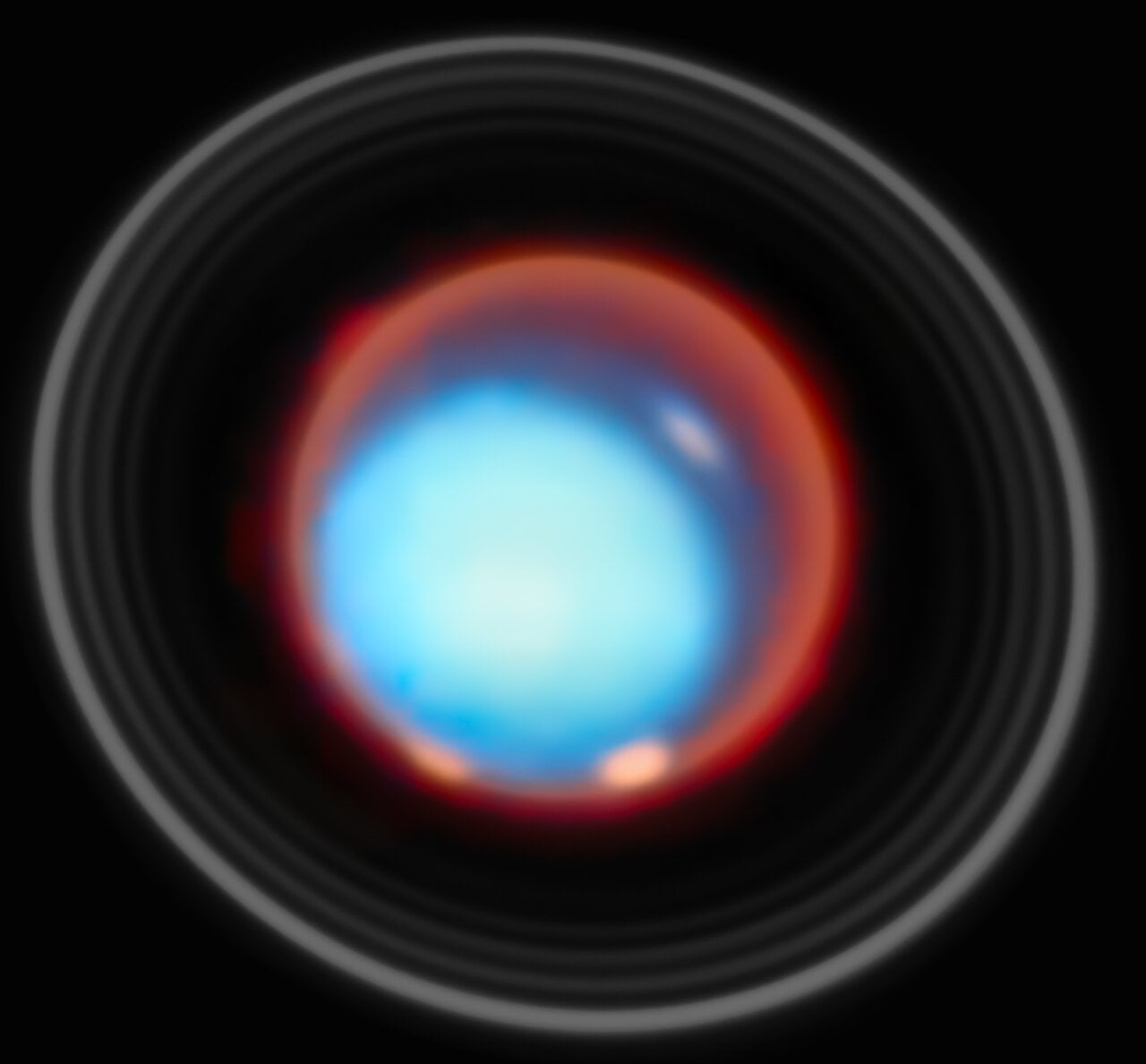
Uranus is a planet that seems to roll around on its side as it orbits the Sun. That's because it's tipped over, with an axial tilt of 97.8 degrees. That weird tilt gave the James Webb Space Telescope (JWST) a chance to probe the ionosphere using the Near Infrared Spectrometer (NIRSpec) instrument. An international team of astronomers used the data to map the vertical structure of that region and detect faint auroral displays.
Continue reading
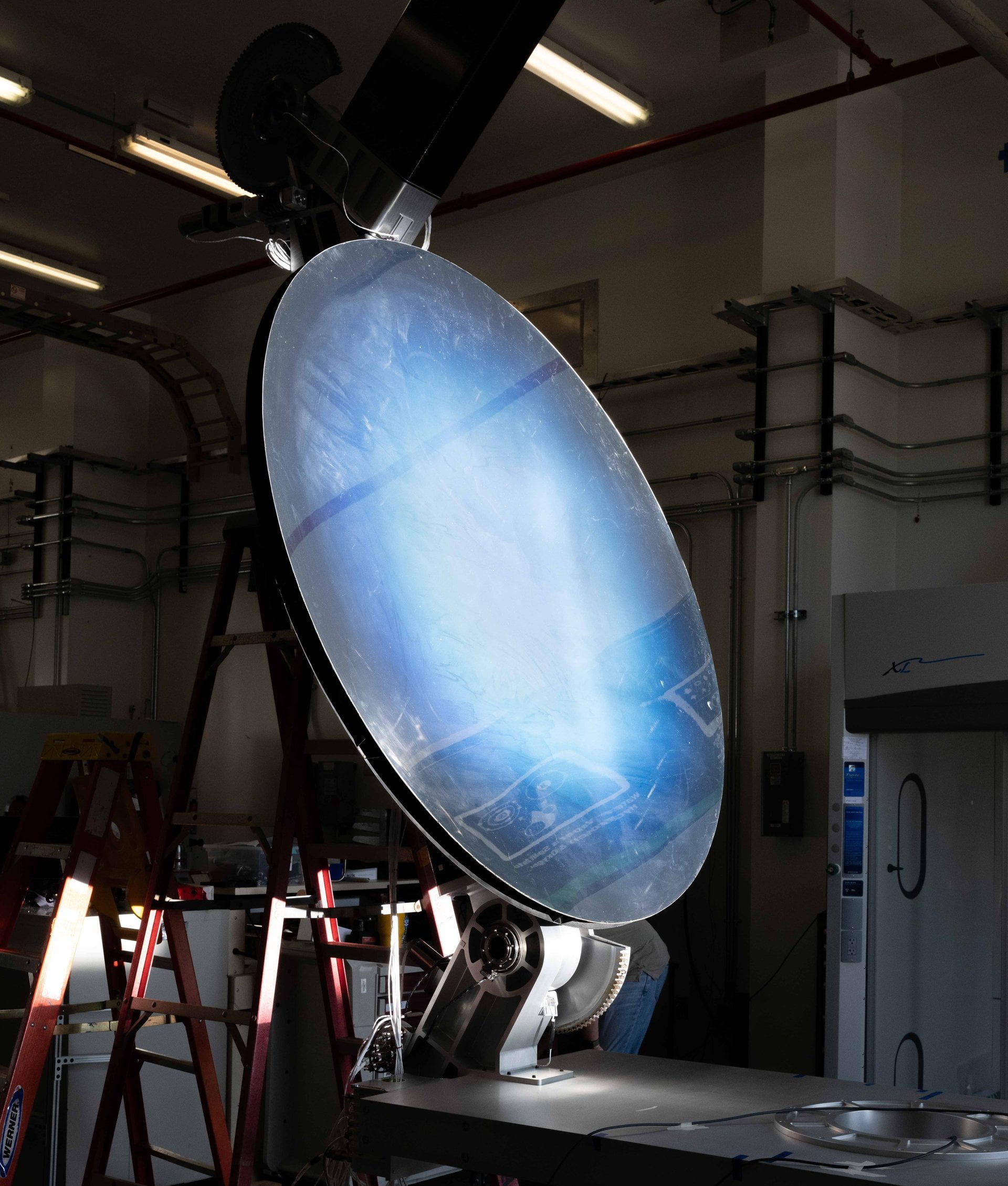
NASA’s Carbothermal Reduction Demonstration (CaRD) project completed an important step toward using local resources to support human exploration on the Moon.
Continue reading
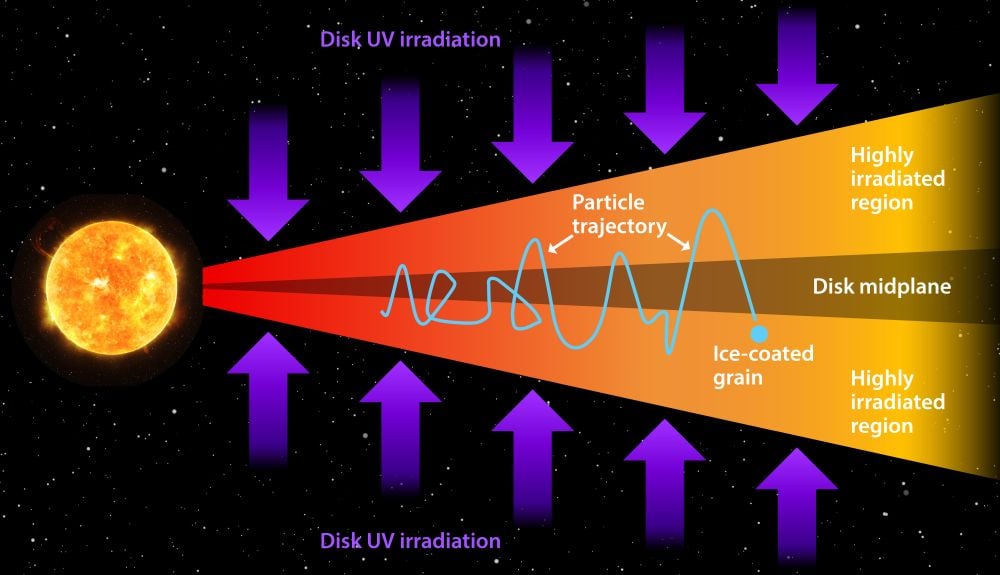
Complex Organic Molecules (COMs) are important building blocks for life. They can form in space and be delivered to planets. But new research shows some of them can form in circumplanetary disks where moons form, boosting the prospects for life in Europa's ocean.
Continue reading
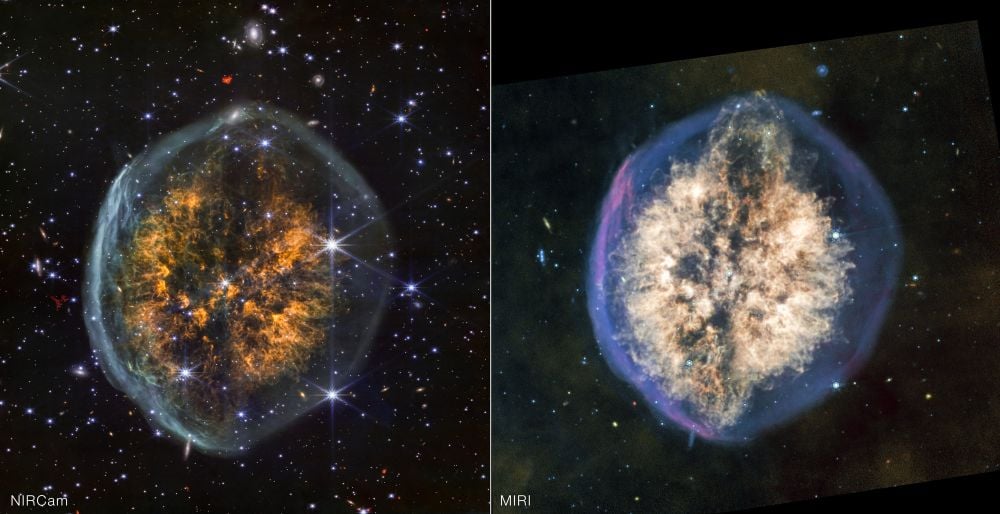
A dying star has ejected its outer layer and illuminated it with its powerful radiation. The resulting nebula looks every bit like a transparent human skull. Astronomers are calling the unusual structure the Exposed Cranium Nebula.
Continue reading
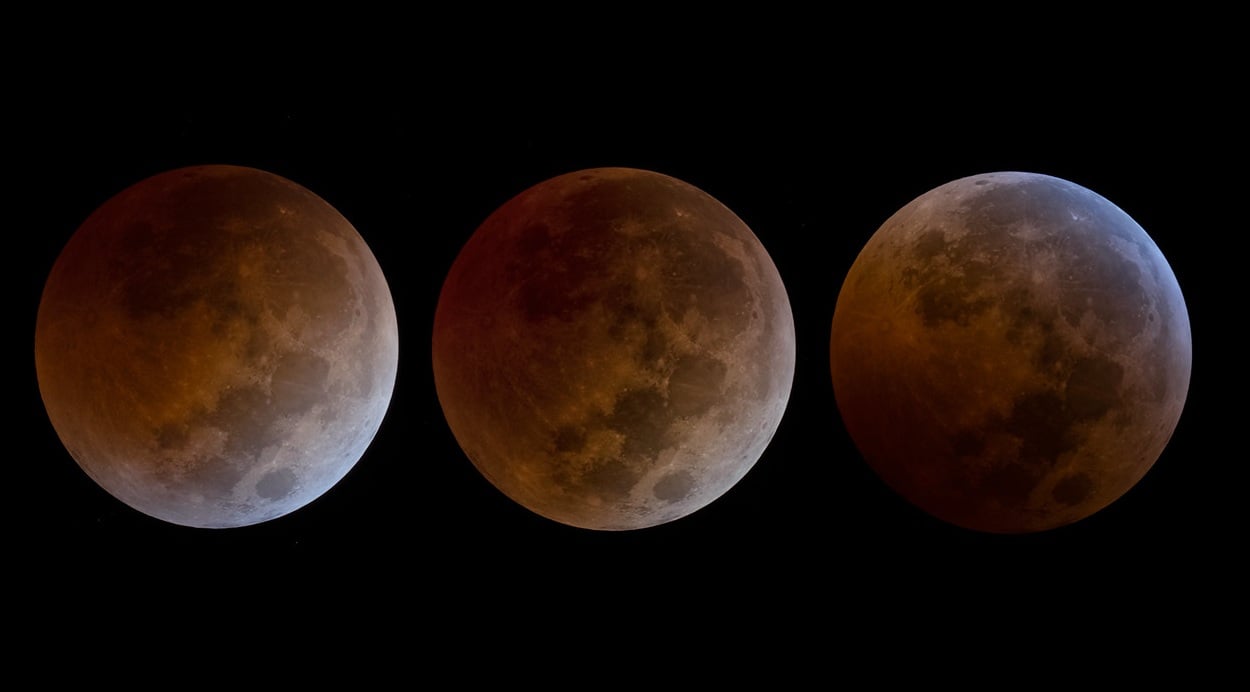
If skies are clear, don’t miss one of the top astronomical events of the year this coming Tuesday, March 3rd, as the Moon passes through the Earth’s shadow in a total lunar eclipse. This will be a fine leisurely affair centered around the Pacific Ocean region, with totality lasting almost an hour in duration. For many observers worldwide, this is the last total lunar eclipse until late 2028 and mid-2029.
Continue reading
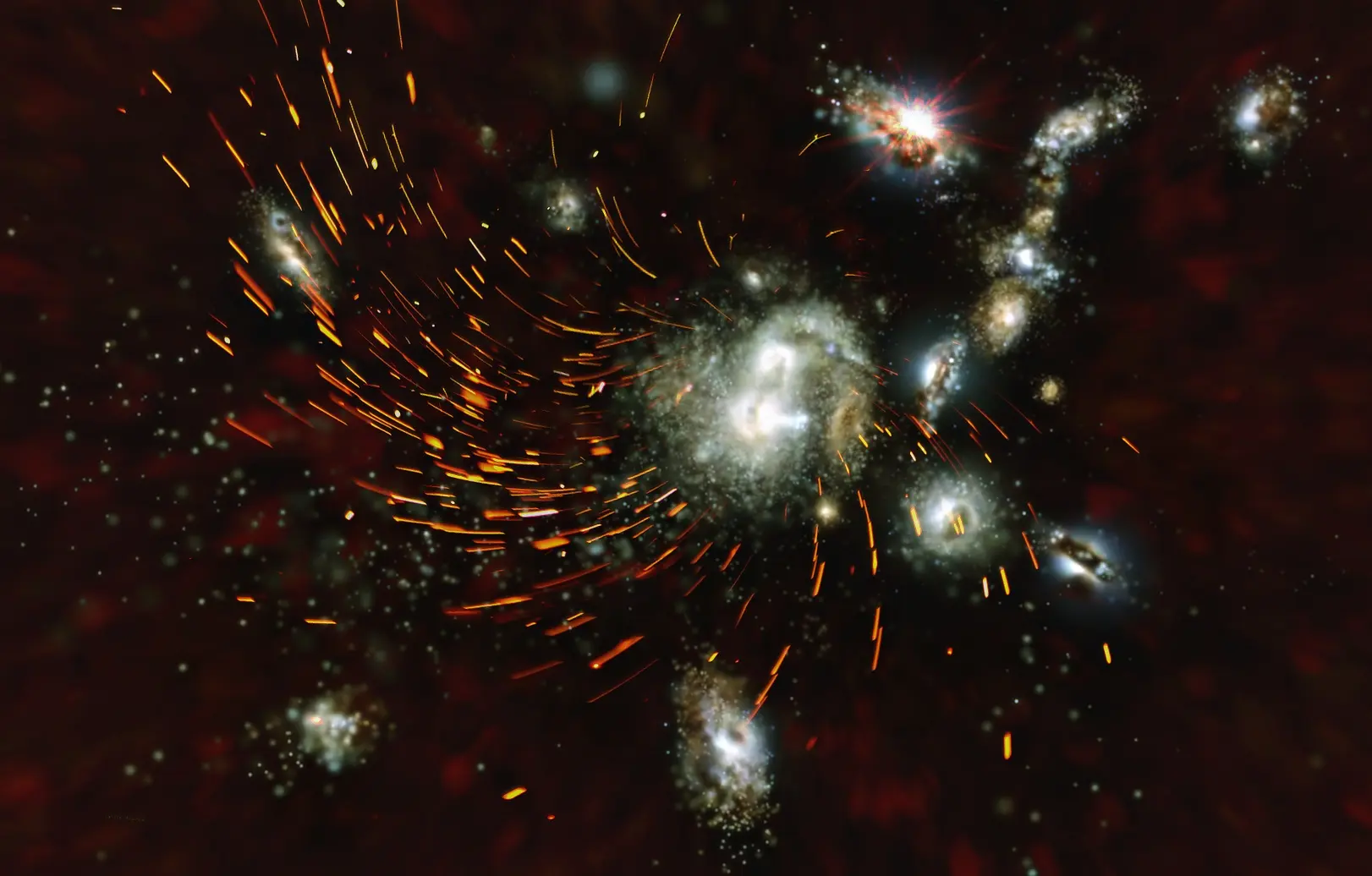
The existence of massive, elliptical galaxies in the early universe has puzzled astronomers for two decades. An international team led by Nikolaus Sulzenauer and Axel Weiß from the Max Planck Institute for Radio Astronomy (MPIfR) used data from the Atacama Large Millimeter/submillimeter Array (ALMA) to shed light on this open question of galaxy formation. They studied one of the most spectacular galaxy aggregations in great detail and published their results in the current issue of The Astrophysical Journal.
Continue reading
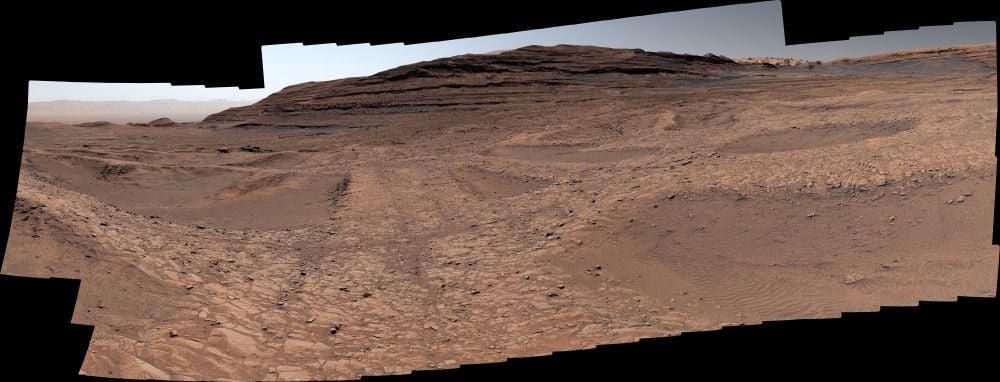
When MSL Curiosity was sent to Gale Crater, one of its goals was to study boxwork ridge features on Mt. Sharp. The rover has gathered its fourth sample from the rocks, and results are on their way. Previous samples showed tantalizing evidence in favour of ancient life on Mars. But we're still waiting for the extraordinary evidence required to conclude that Mars was once inhabited.
Continue reading
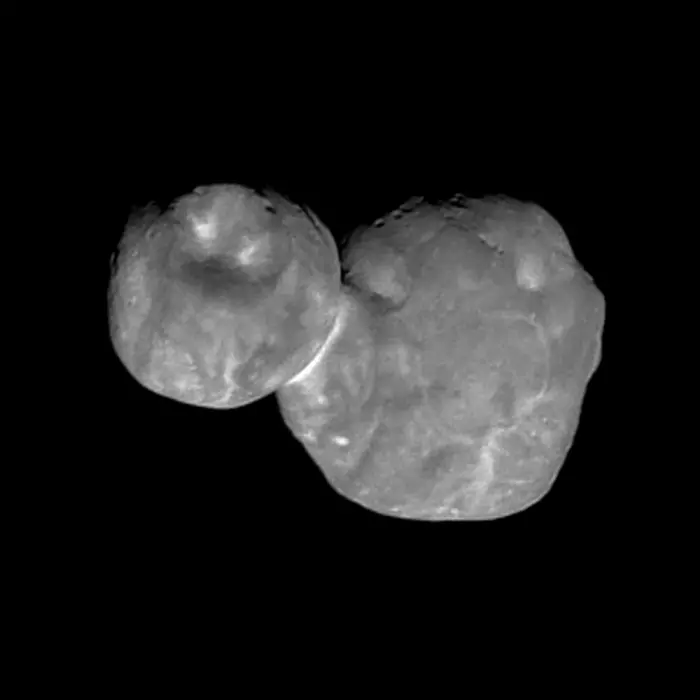
Astronomers have long debated why so many icy objects in the outer solar system look like snowmen. Michigan State University researchers now have evidence of the surprisingly simple process that could be responsible for their creation. Jackson Barnes, an MSU graduate student, has created the first simulation that reproduces the two-lobed shape naturally with gravitational collapse. His work is published in the Monthly Notices of the Royal Astronomical Society.
Continue reading
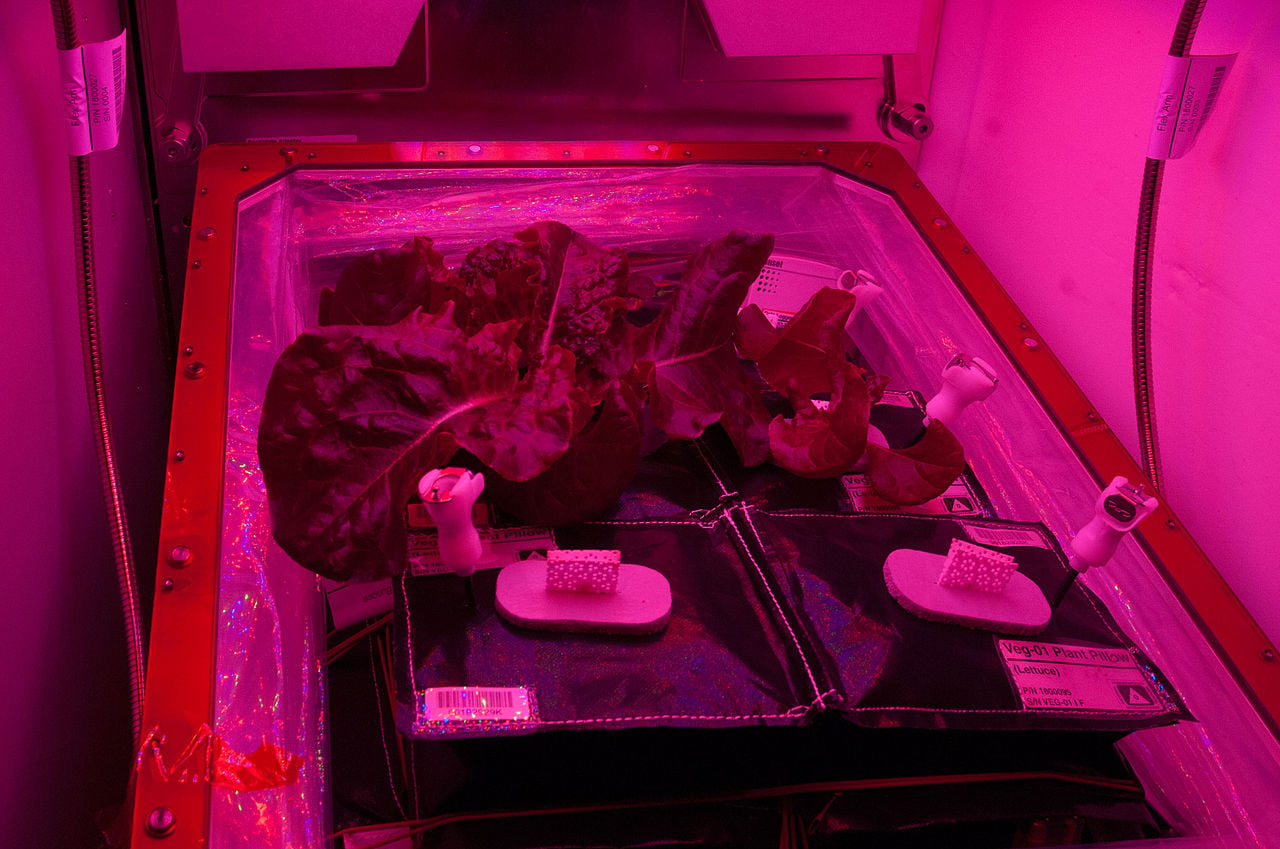
Thinking about food systems in deep space likely brings to mind something like the Martian where an astronaut is scratching barely enough food to survive out of potatoes grown in Martian regolith. Or perhaps a fancy hydroponic system on an interplanetary transport ship, with artificial lighting and all the associated technological wizardry. But a new paper published in Acta Astronautica by Tor Blomqvist and Ralph Fritsche points out that growing food is only one small part of the whole cycle of providing sustenance for astronauts in space. To really get a sense of how difficult it will be, we have to look at the whole picture.
Continue reading
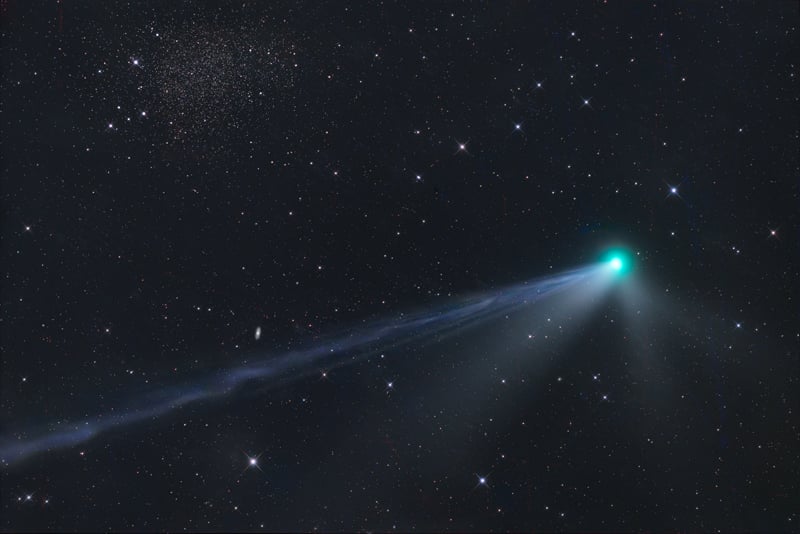
It seems that the southern hemisphere gets all the good comets. A bashful binocular comet is about to finally leave its southern perch, and briefly come into view for folks up north. Said comet of the moment is C/2023 E1 Wierzchos. Although the comet just passed perihelion last week, it should put on a fine encore show as it heads north in March at dusk.
Continue reading
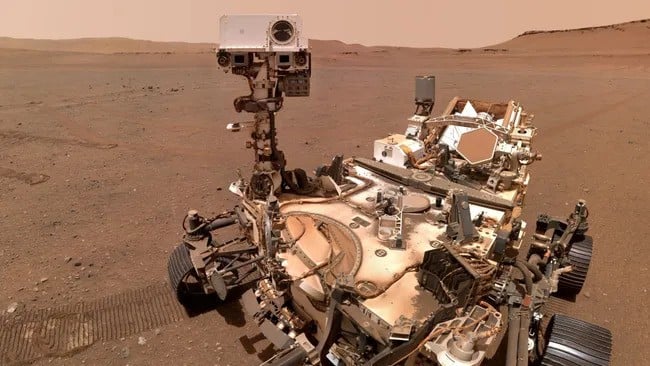
Searching for past or present life on Mars is the sole driving force behind every mission we send to the Red Planet, from orbiters to landers to rovers. However, there remains a concern in the scientific community of Earth-based microbes hitching a ride on Mars-bound spacecraft, also called forward contamination. The concern is potentially mistaking Earth microbes for Mars life or Earth microbes potentially influence samples of Mars life we might find. While NASA is dedicated to mitigating it as much as possible, could new methods help determine how long Earth-based microbes could survive on Mars, this alleviating concerns for forward contamination?
Continue reading
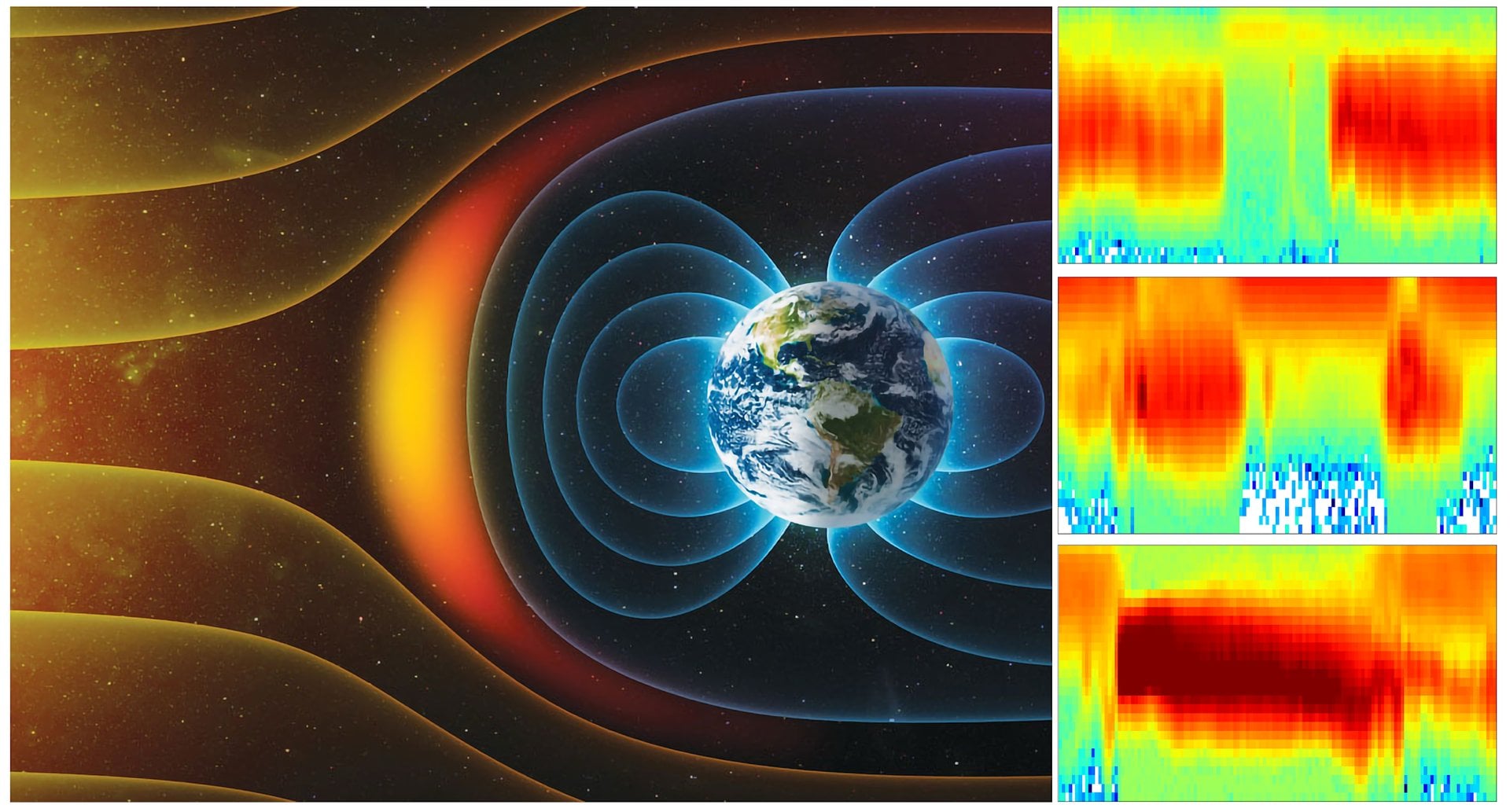
NASA has announced the Space Umbrella project, in which participants will use data from NASA’s Magnetosphere Multiscale (MMS) mission to shed light on solar storms.
Continue reading
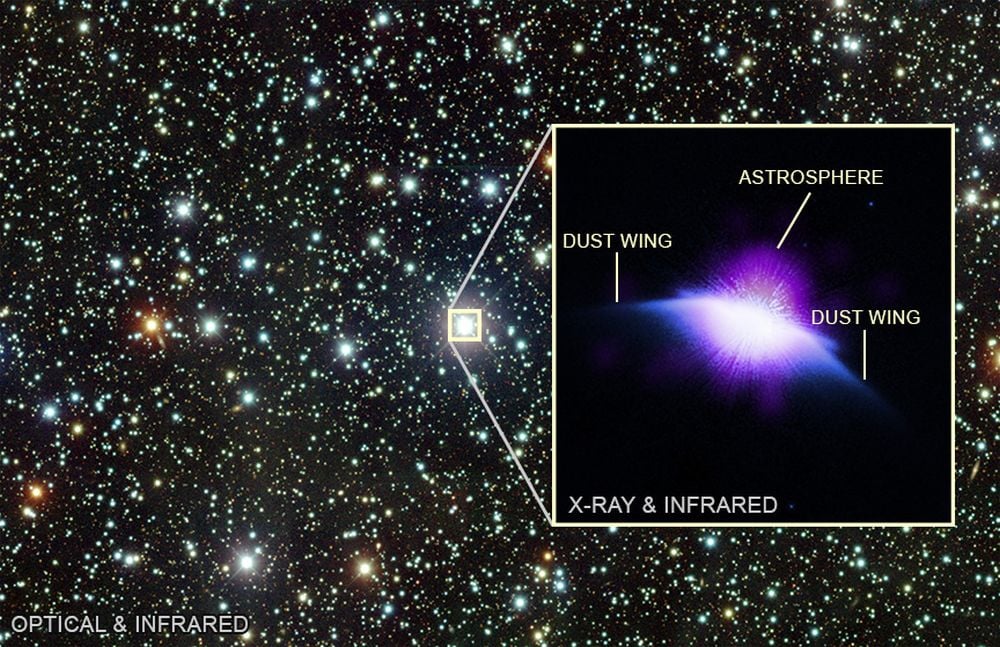
Chandra's X-ray Space Telescope, with some help from the Hubble, spotted a young Sun-like star about 120 light-years away with a powerful stellar wind. It's carving out its astrosphere, a bubble of relatively hot gas that's pushing into the surrounding, much cooler, interstellar medium. This is the same process our Sun went through 5 billion years ago when it created the heliosphere.
Continue reading
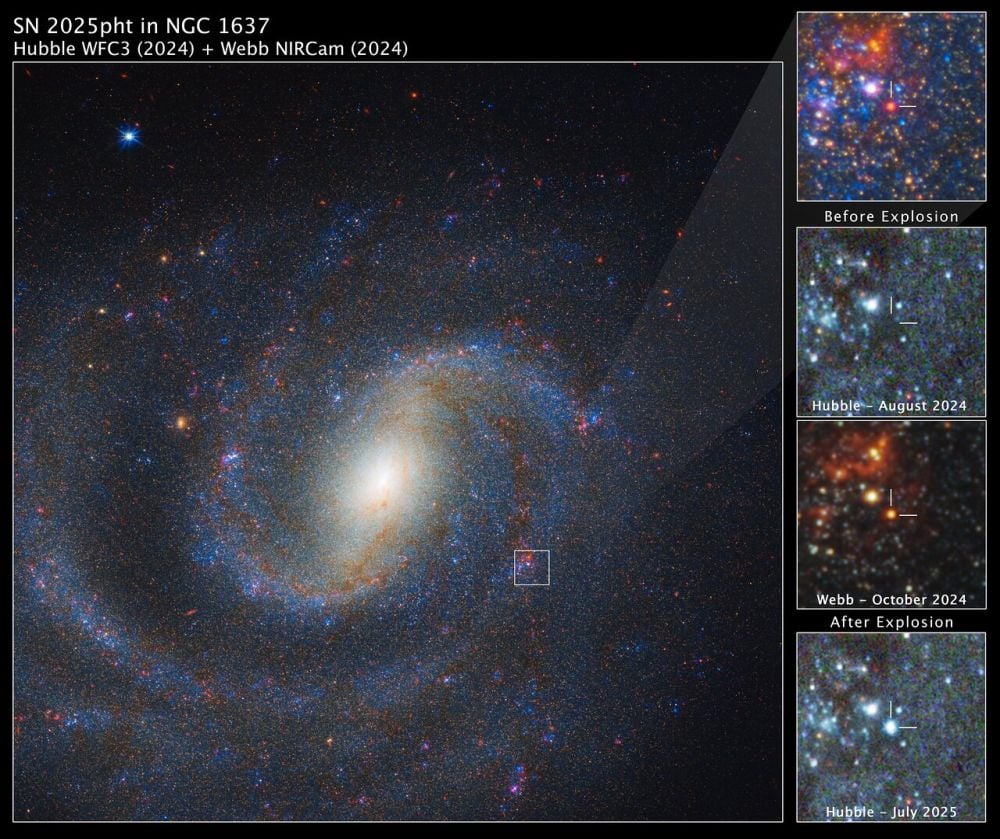
For the first time, astronomers have used images from the NASA/ESA/CSA James Webb Space Telescope to identify a supernova progenitor that could not be seen by any other telescope: a red supergiant that was located in a nearby galaxy. The supergiant’s surroundings were surprisingly dusty - dusty enough to render it invisible to the NASA/ESA Hubble Space Telescope.
Continue reading
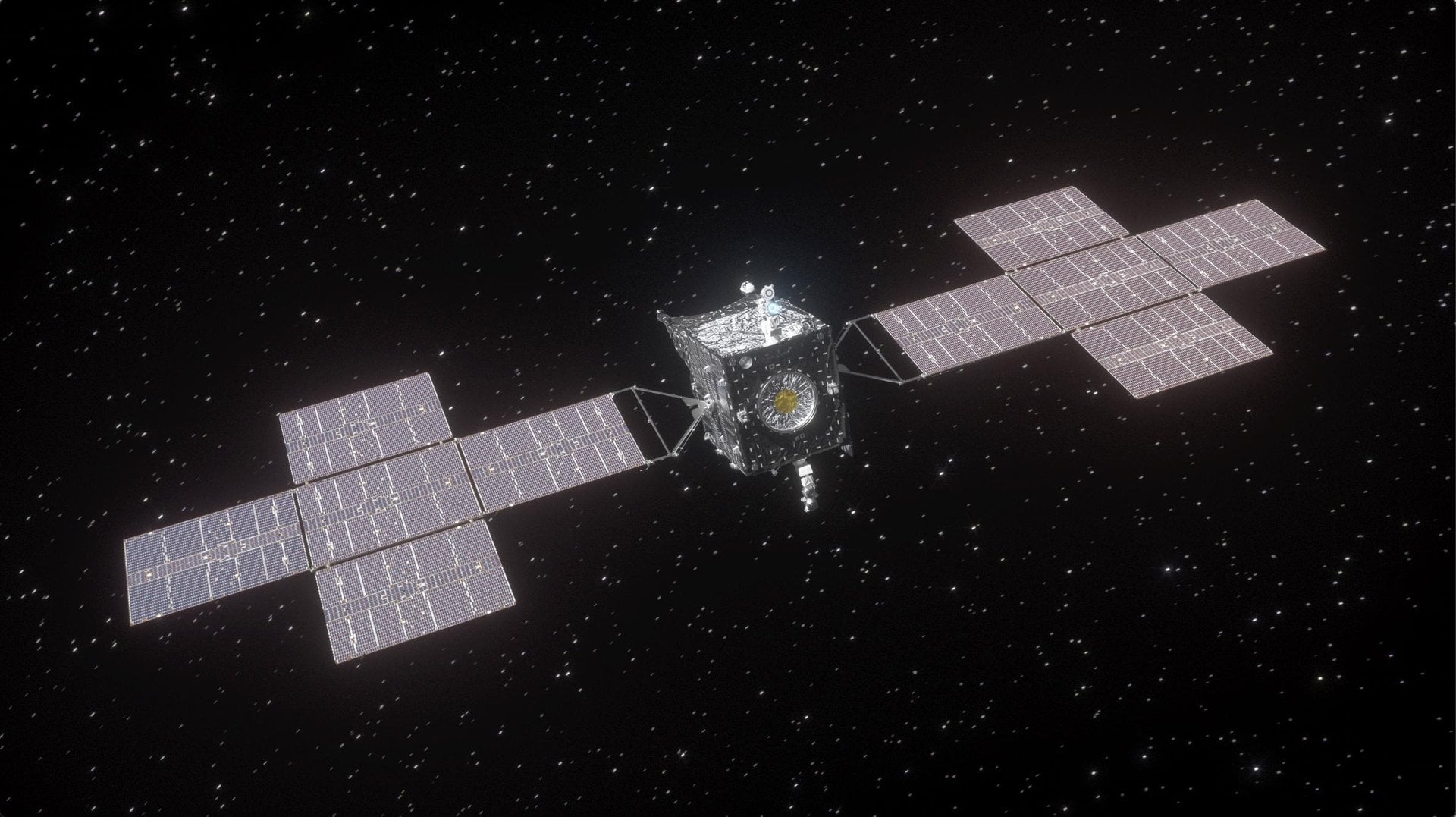
Asteroid mining companies are finally getting off the ground, and that is raising some concerns about the impact those activities will have on the space environment. A new paper published in Acta Astronautica from Anna Marie Brenna of the University of Waikato in New Zealand discusses a framework that she thinks might work to solve the legal challenges facing those who want to protect the space environment and those who want to exploit it.
Continue reading
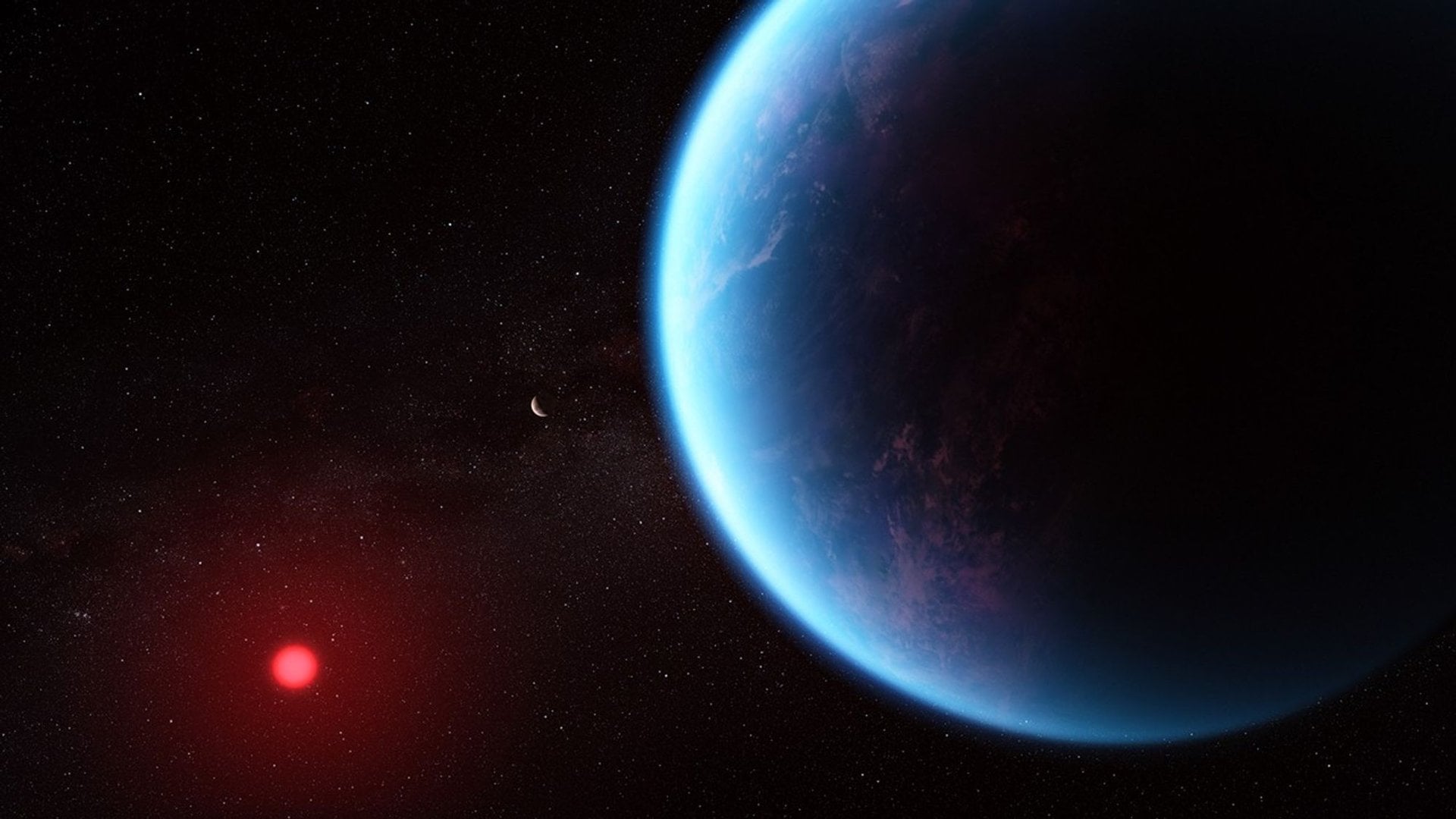
If you’ve been following exoplanet research over the last couple of years, you’ve definitely heard of K2-18b. Located 124 light years away in the constellation Leo, it’s attracted a lot of attention as it sits squarely in its red dwarf host star’s habitable zone, and measurements of the James Webb Space Telescope show its atmosphere is rich in carbon dioxide and methane. It’s one of the prime candidates for a “Hycean” world - one where a thick hydrogen-rich atmosphere covers a global liquid water ocean. It is such an intriguing target for Search for Extraterrestrial Intelligence (SETI) researchers that they turned two of the most powerful radio telescopes in the world to watch K2-18b’s system. A recent paper, available in pre-print on arXiv, shows that there is likely no artificial narrow-band radio signals that are equivalent to our technology level coming from the planet, despite millions of potential hits.
Continue reading
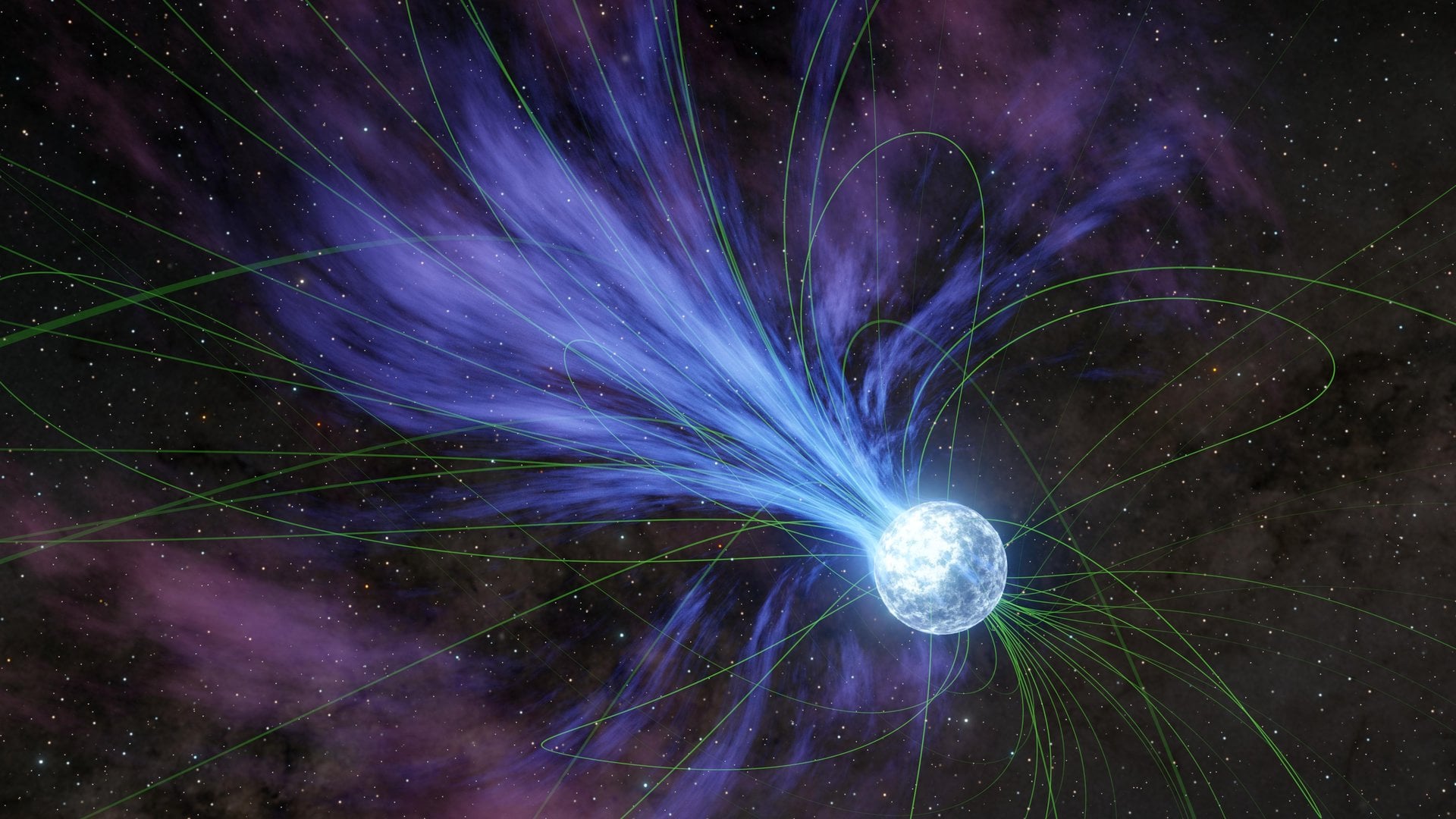
There have been plenty of attempts to resolve the “Hubble Tension” in cosmology. This feature describes how one of the most important variables in cosmology, the expansion of the universe, takes on different values depending on how you measure it. A new NASA Institute for Advanced Concepts (NIAC) Phase I report on the Cosmic Positioning System (CPS) details another potential solution to it - this one involving a network of five far-flung satellites spread throughout the solar system.
Continue reading
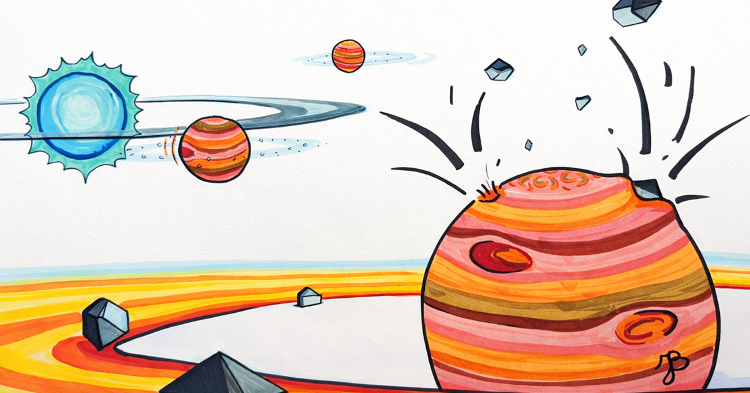
Our solar system is home to a wide diversity of planetary bodies, boasting eight planets, five officially recognized dwarf planets, and almost 1,000 confirmed moons. The eight planets consist of the four rocky (terrestrial) planets of the inner solar system and the four gas giant planets of the outer solar system. The largest planet in our solar system is Jupiter, measuring a radius and mass of 11 and 318 times of Earth, respectively. However, the discovery of exoplanets quickly altered our understanding of planetary sizes, as several have been discovered to have masses and radii several times that of Jupiter. So, how big can planet get, and are there limits to their sizes?
Continue reading
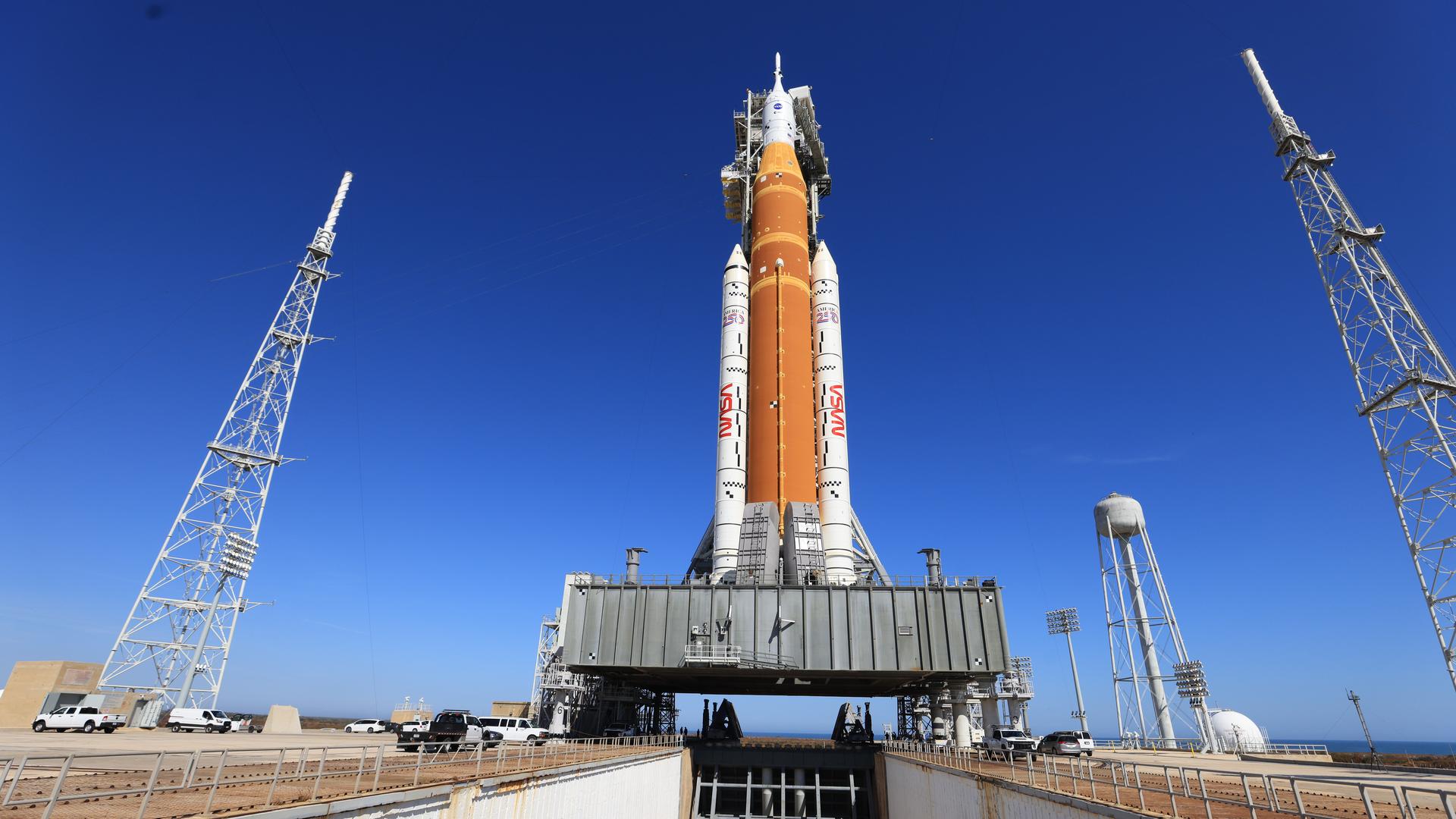
Grounded until at least April, NASA's giant moon rocket is headed back to the hangar this week for more repairs before astronauts climb aboard.
Continue reading
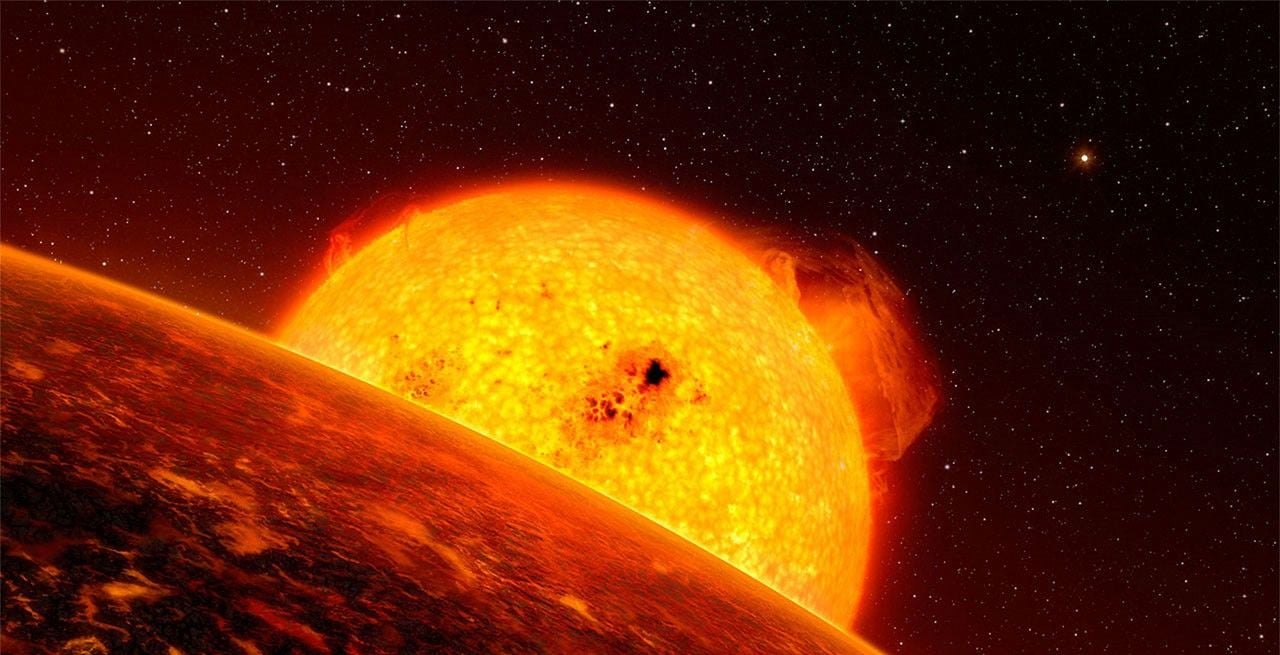
Researchers at University of Victoria's Astronomy Research Centre (ARC) and the University of Minnesota study the changes in the chemical composition at the surface of red giant stars.
Continue reading
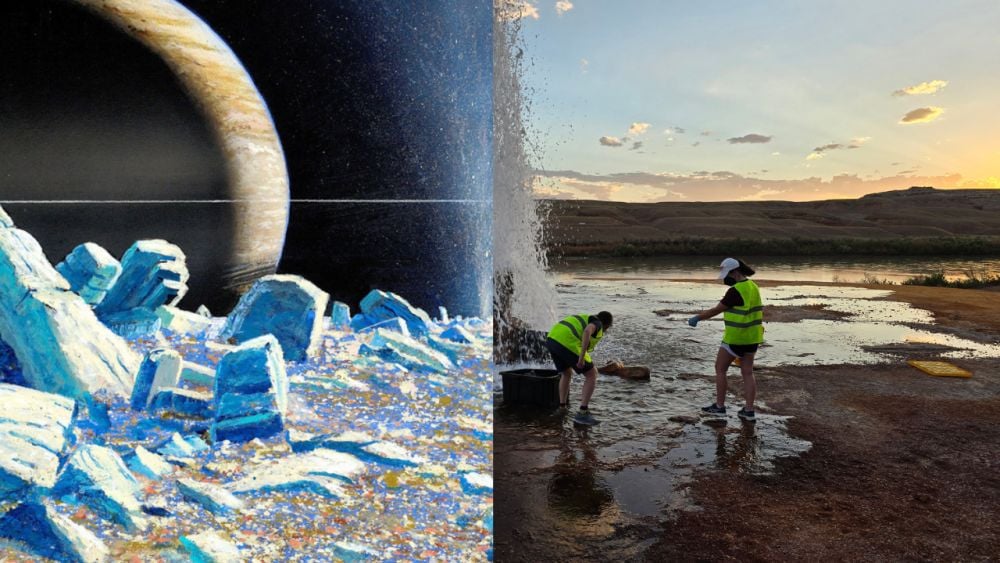
One way of studying and understanding distant, hard-to-reach locations elsewhere in the Solar System is to find analogues of them here on Earth. For example, deserts and lava fields are often used to understand aspects of the Martian surface. In new research, scientists collected samples from natural geysers in the Utah desert to try to understand the Solar System's icy ocean moons.
Continue reading
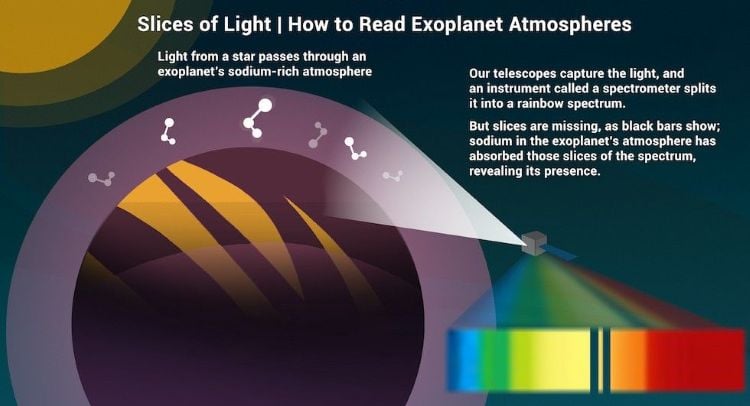
Searching for life beyond Earth has rapidly advanced in recent years. However, directly imaging an exoplanet and all their incredible features remain elusive given the literal astronomical distances from Earth. Therefore, astronomers have settled by exploring exoplanet atmospheres for signatures of life, also called biosignatures. This is currently conducted by analyzing the starlight that passes through an exoplanet’s atmosphere, known as spectroscopy, as it passes in front of its star, also called a transit. But improvements continue to be made to better explore exoplanet atmospheres, specifically cleaning up messy data.
Continue reading
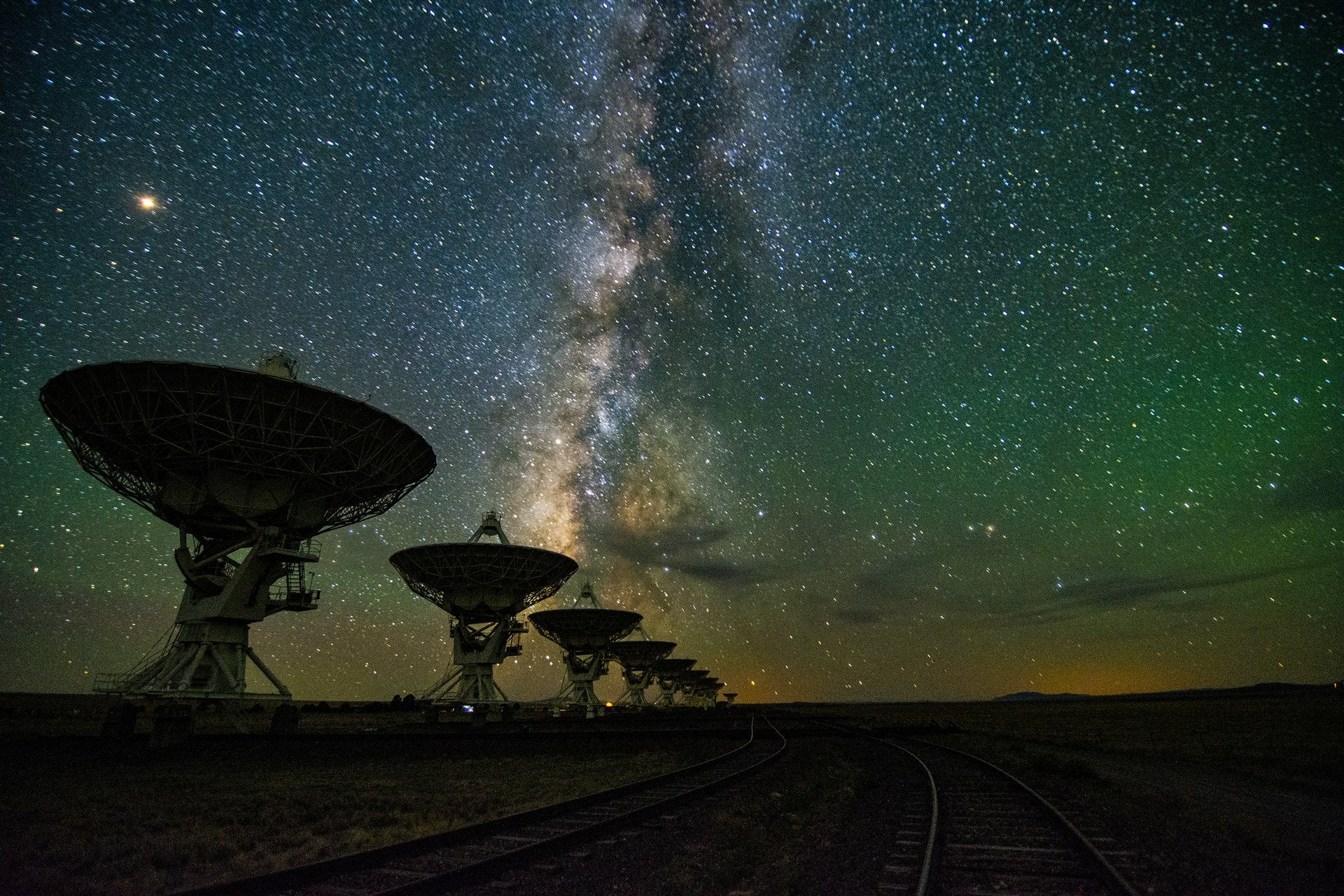
For decades, scientists have searched the skies for signs of extraterrestrial technology. A study from EPFL asks a sharp question: if alien signals have already reached Earth without us noticing, what should we realistically expect to detect today?
Continue reading
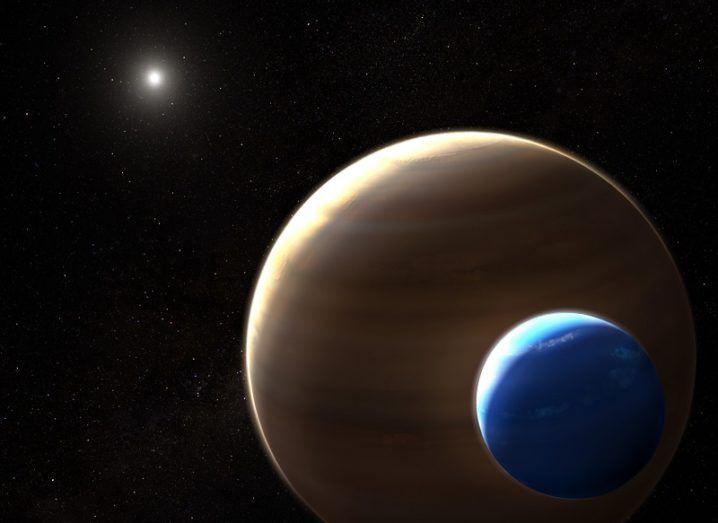
Our solar system hosts almost 900 known moons, with more than 400 orbiting the eight planets while the remaining orbit dwarf planets, asteroids, and Trans-Neptunian Objects (TNOs). Of these, only a handful are targets for astrobiology and could potentially support life as we know it, including Jupiter’s moons Europa and Ganymede, and Saturn’s moon Titan and Enceladus. While these moons orbit two of the largest planets in our solar system, what about moons orbiting giant exoplanets, also called exomoons? But, to find life on exomoons, scientists need to find exomoons to begin with.
Continue reading
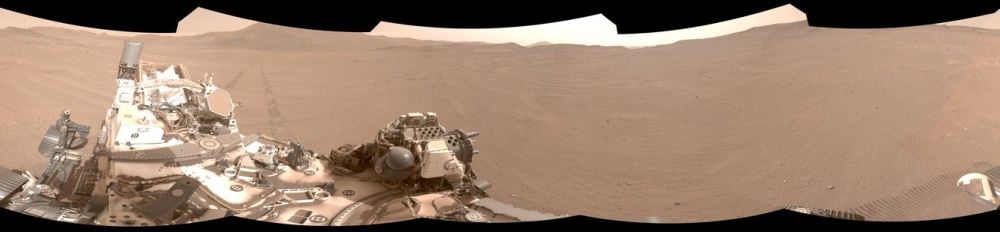
When the Perseverance rover was sent to Mars, it was largely dedicated to astrobiology. It's driving around an ancient paleolake, Jezero Crater, looking for evidence of past life. But the rover mission is also a testbed for greater autonomous operations. Now, NASA has given the inquisitive rover a way to better navigate the Martian surface with less human intervention.
Continue reading
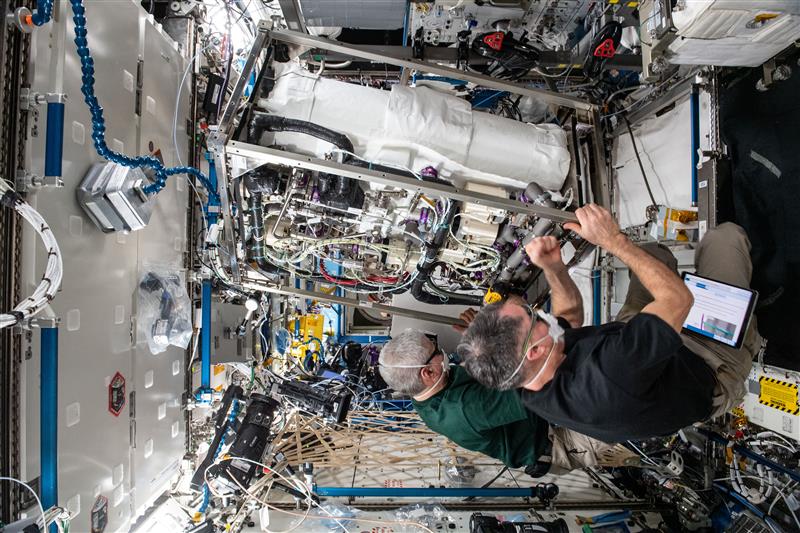
If humans want to live in space, whether on spacecraft or the surface of Mars, one of the first problems to solve is that of water for drinking, hygiene, and life-sustaining plants. Even bringing water to the International Space Station (ISS) in low Earth orbit costs on the order of tens of thousands of dollars. Thus, finding efficient, durable, and trustworthy ways to source and reuse water in space is a clear necessity for long-term habitation there.
Continue reading
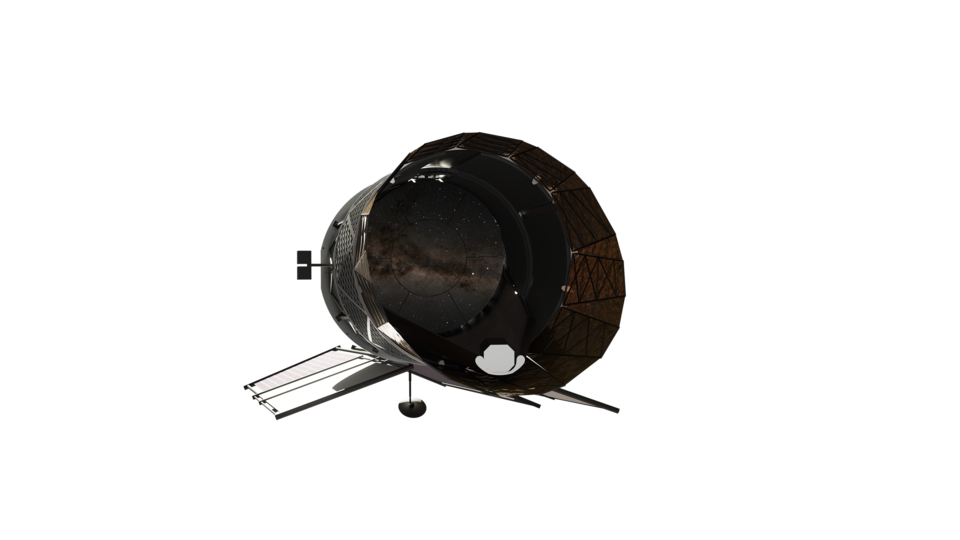
More and more papers are coming out about the upcoming Habitable Worlds Observatory (HWO). As the telescope moves from theory to practice (and physical manifestation), various working groups are discovering, defining, and designing their way to the world’s next major exoplanet observatory. A new paper from researchers at NASA Goddard Space Flight Center adds another layer of analysis - we even just reported on its immediate predecessor two weeks ago. In this one, the researchers compared the ability of the telescope to distinguish between carbon dioxide and methane/water, to come up with a specific wavelength the engineers should design for.
Continue reading
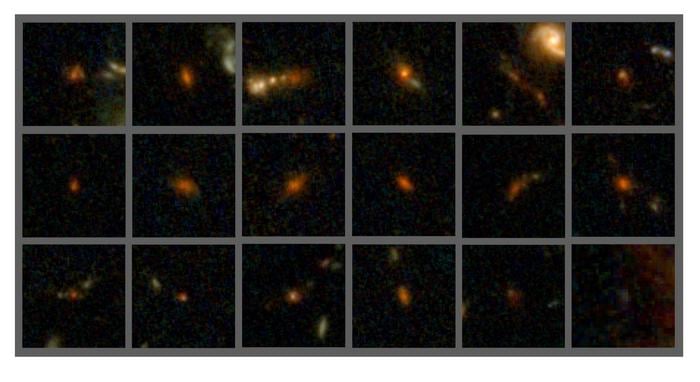
How do galaxies evolve? When did they start forming? Those are questions astronomers and cosmologists are working to answer. The standard path includes early bright starforming activity, a middle age, and then a quiescent old age where they stop making stars. That changes if the galaxy happens to collide with another one, because that spurs new bouts of starbirth. It's been this way since stars and galaxies first began forming, slightly less than a billion years after the Big Bang.
Continue reading
 Universe Today