Universe Today
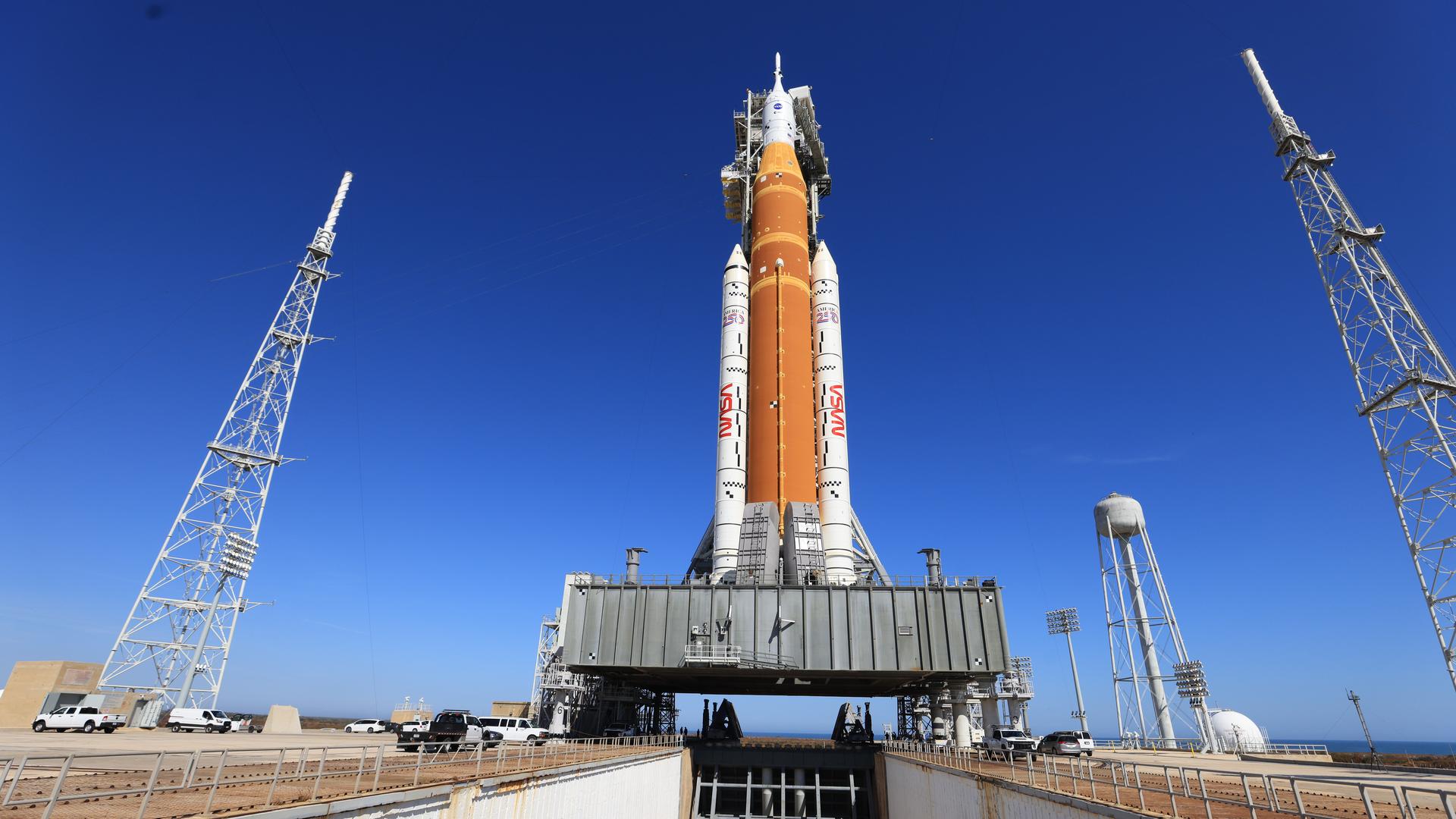
In the coming weeks or months, the Artemis II rocket will make its launch window and take off from Launch Pad 39A at NASA's Kennedy Space Center in Florida. The mission will then carry Commander Reid Wiseman, Pilot Victor Glover, Mission Specialist Christina Koch, and Canadian Mission Specialist Jeremy Hansen on a ten-day trip around the Moon. The flight will not only validate the Space Launch System (SLS) and Orion spacecraft for crewed missions. It will also raise the curtain on humanity's long-awaited return to the Moon; this time, with the intention of staying.
As the launch window approaches, ground crews and engineers are busy going over the rocket and spacecraft to ensure all systems are functioning and working together. After the most recent Wet Dress Rehearsal, where crews loaded the rocket with propellant and conducted a simulated countdown, engineers identified an interrupted flow of helium into the SLS rocket’s interim cryogenic propulsion stage. In the meantime, the rocket will be rolled back into the Maintenance and Assembly Bay (MAB), and ground crews and engineers will review the rehearsal data and plan a path forward.
The upper stage uses liquid helium to keep its engine at optimal working temperature and to pressurize the liquid hydrogen (LH2) and liquid oxygen (LOX) tanks. The systems worked during previous wet dress rehearsals, but teams noticed an interruption in the helium flow following the latest rehearsal on Feb. 19th. The teams are now reviewing potential causes of the issue, which include the connection between the ground and rocket lines, the valve in the upper stage, and a filter between the ground and rocket. The teams are also reviewing data from the Artemis I mission, since they had to troubleshoot the same issue before launch.
A rollback at this point means that NASA will not launch Artemis II during the March launch window. However, the teams are working rapidly to resolve all outstanding issues to preserve a potential April launch window. It all depends on how quickly engineers and ground crews can identify the problem, integrate solutions, and have the rocket ready to roll out again. In the meantime, NASA has stated that it will continue to provide regular updates.
Further Reading: NASA