Carolyn Collins Petersen
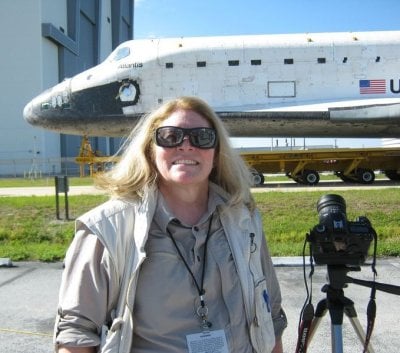
Carolyn Collins Petersen is a long-time science writer and former astronomy researcher. She writes about astronomy and space exploration and has written 8 books, countless articles, more than 60 documentaries for planetarium star theaters, and exhibits for Griffith Observatory, NASA/JPL, the California Academy of Sciences, the Shanghai Astronomical Museum, and the Lowell Observatory Dark Sky Planetarium. She is CEO of Loch Ness Productions. You can email Carolyn here.
Recent Articles
-
-
Growing Future Meals in Space Will Require Human Waste
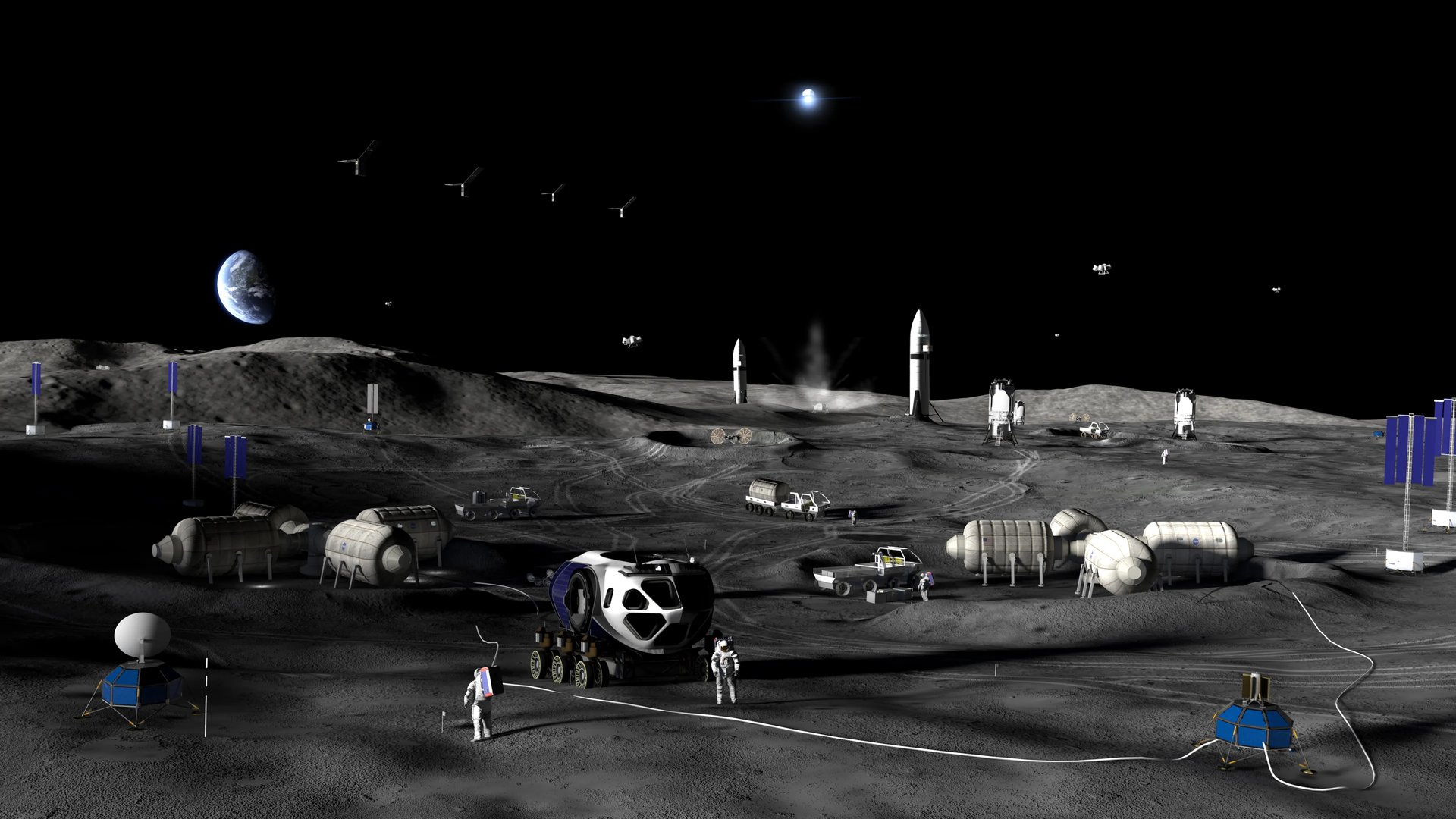
February 28, 2026Future farmers on the Moon and Mars will have a big challenge: how to grow healthy food in two extremely unhealthy environments. That's because the soil on both worlds isn't at all hospitable to plants and animals. Neither are other conditions. Both are irradiated worlds, Mars has a thin atmosphere and the Moon has none at all. So, how will future colonists on either world grow their food?
-
JWST Digs Into the Uranian Ionosphere
February 27, 2026Uranus is a planet that seems to roll around on its side as it orbits the Sun. That's because it's tipped over, with an axial tilt of 97.8 degrees. That weird tilt gave the James Webb Space Telescope (JWST) a chance to probe the ionosphere using the Near Infrared Spectrometer (NIRSpec) instrument. An international team of astronomers used the data to map the vertical structure of that region and detect faint auroral displays.
-
Searching Out Missing Links in Galaxy Evolution
February 20, 2026How do galaxies evolve? When did they start forming? Those are questions astronomers and cosmologists are working to answer. The standard path includes early bright starforming activity, a middle age, and then a quiescent old age where they stop making stars. That changes if the galaxy happens to collide with another one, because that spurs new bouts of starbirth. It's been this way since stars and galaxies first began forming, slightly less than a billion years after the Big Bang.
-
Ancient Massive Stars Enriched Early Clusters and Birthed First Black Holes
February 19, 2026The early Universe was a busy place. As the infant cosmos exanded, that epoch saw the massive first stars forming, along with protogalaxies. It turns out those extremely massive early stars were stirring up chemical changes in the first globular clusters, as well. Not only that, many of those monster stars ultimately collapsed as black holes.
-
Astronomers Get to the Heart of Mira A's Latest Outburst
February 18, 2026Just a few hundred light-years from Earth, the famous variable star Mira A is huffing and puffing its outer layers to space. Its most recent mass-loss event ejected more material at higher velocity than in past events. A team of astronomers led by Theo Khouri, Chalmers University in Sweden discovered two large clouds of material expanding away from Mira A in observations done by the Very Large Telescope and ALMA telescopes in South America in 2015 and 2023. Those clouds form two lobes of a cosmic "heart" shape surrounding the star. That structure is basically a cloud of dust at the edges, filled by gas from the star.
-
Sediment Cores Track Timing Hiccups in Earth's Magnetic Field Flips
February 13, 2026Every so often (in geologic time) Earth's magnetic field does a flip. The north and south magnetic poles gradually trade places in a phenomenon called a geomagnetic reversal. Scientists long thought this happened every ten thousand years or so. However, new evidence from deep ocean cores show that at least two ancient reversals didn't follow that script. One took about 18,000 years to flip and the other took 70,000 years. Such lengthy time lapses could have seriously affected Earth's atmospheric chemistry, climate, and evolution of life forms during the Eocene period of geologic history.
-
Cracks on Europa Sport Traces of Ammonia
January 31, 2026The search for life-supporting worlds in the Solar System includes the Jovian moon Europa. Yes, it's an iceberg of a world, but underneath its frozen exterior lies a deep, salty ocean and a nickel-iron core. It's heated by tidal flexing, and that puts pressure on the interior ocean, sending water and salts to the surface. As things turn out, there's also evidence of ammonia-bearing compounds on the surface. All these things combine to provide a fascinating look at Europa's geology and potential as a haven for life.
-
The Sun's Red Dwarf Neighbors Provide Clues to Origins of Carbon and Oxygen
January 24, 2026We live near a fusion reactor in space that provides all our heat and light. That reactor is also responsible for the creation of various elements heavier than hydrogen, and that's true of all stars. So, how do we know that stars are element generators?
-
Siwarha's Wake Gives it Away at Betelgeuse
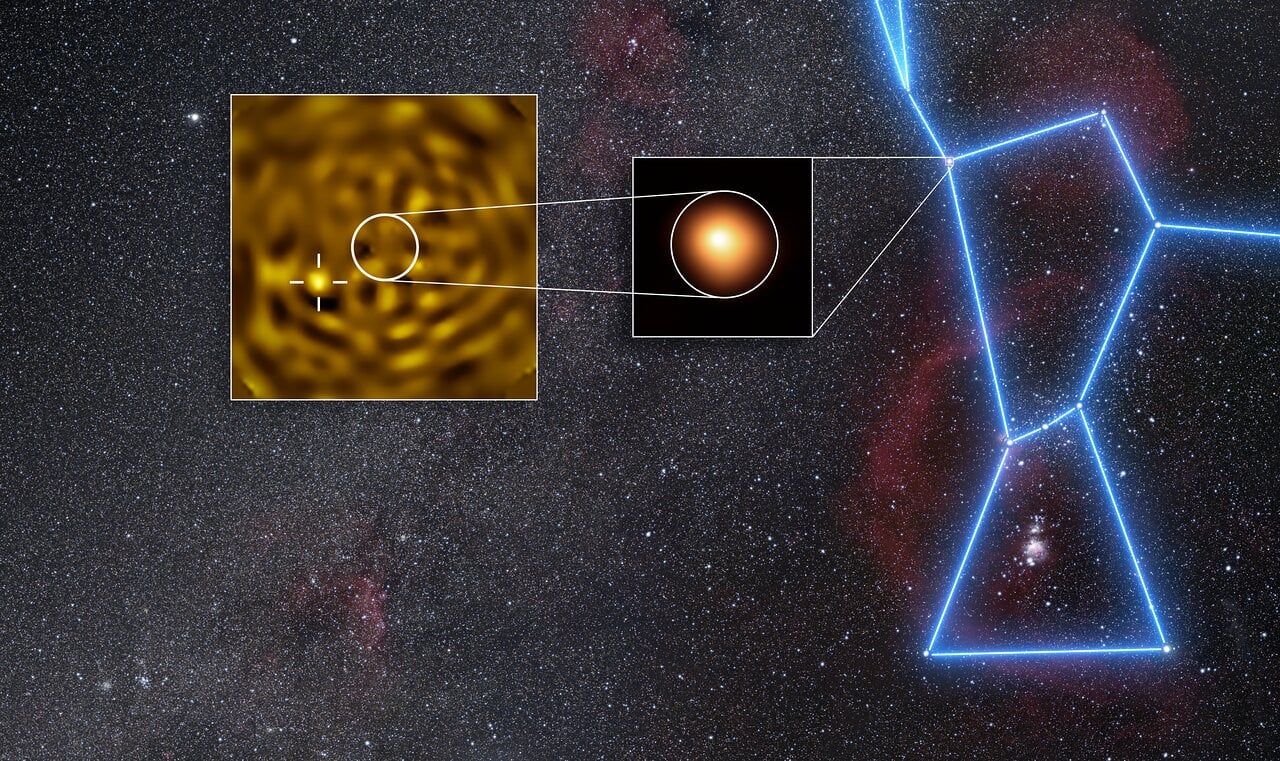
January 13, 2026Betelgeuse is the star that everybody can't wait to see blow up, preferably sooner than later. That's because it's a red supergiant on the verge of becoming a supernova and there hasn't been one explode this close in recorded human history. It's been changing its brightness and showing strange surface behavior, which is why astronomers track its activity closely. Are these changes due to its aging process? Do they mean it's about to blow up? Probably not.
-
Clusters and Chains of Stars Reveal a Dynamic Milky Way
September 16, 2025Gaia Proves Our Skies Are Filled with Chains of Starry Gatherings Gaia Proves Our Skies Are Filled with Chains of Starry Gatherings https://www.esa.int/Science_Exploration/Space_Science/Gaia/Gaia_proves_our_skies_are_filled_with_chains_of_starry_gatherings
-
Mystery Objects in the Distant Universe Challenge Galaxy Formation Ideas
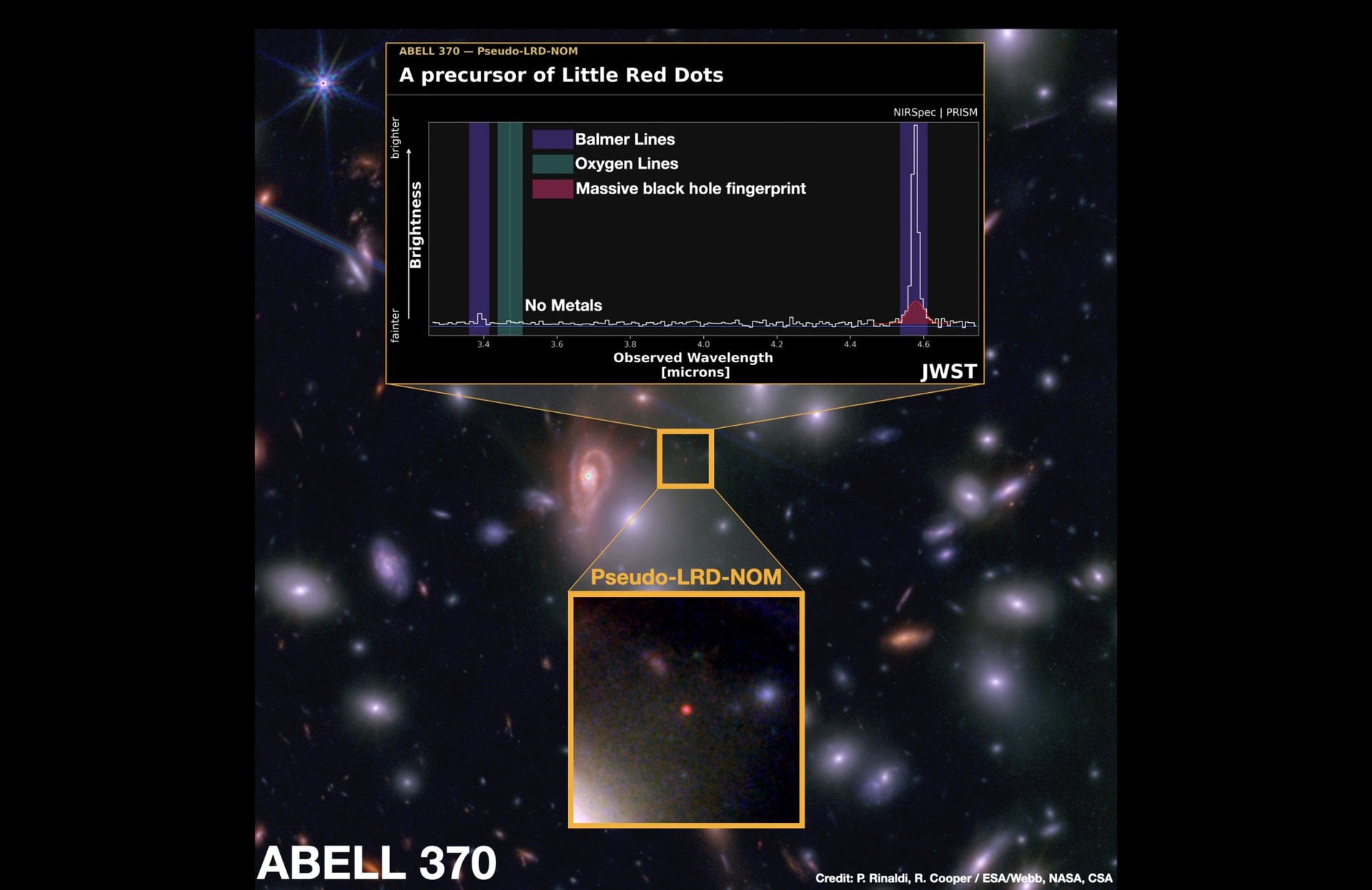
August 27, 2025The early Universe continues to spring surprises on astronomers. In a recent study of dim, distant objects, astronomers at the University of Missouri found at least 300 of them that look way too bright. That means they're forming stars much earlier than expected, or something else is going on. Whatever it is could affect our understanding of events in the infant cosmos.
-
Moonquakes Will Pose Risks To Long-term Lunar Base Structures
August 14, 2025Our Moon is a seismically active world and its long history of quakes could affect the safety of permanent base structures there. That's one conclusion from a study of quakes along the Lee-Lincoln fault in the Taurus-Littrow valley where the Apollo 17 astronauts landed in 1972. “The global distribution of young thrust faults like the Lee-Lincoln fault, their potential to be still active and the potential to form new thrust faults from ongoing contraction should be considered when planning the location and assessing stability of permanent outposts on the Moon,” said Smithsonian senior scientist emeritus Thomas R. Watters, lead author of the paper.
-
Simulating Ice Worlds in the Lab
August 04, 2025Many objects in the outer Solar System contain large amounts of water ice, leading to a thick icy shell surrounding an ocean of liquid water. This water behaves like lava on Earth, reshaping their surfaces through a process called cryovolcanism. To better understand this process, researchers have created a low-pressure chamber that simulates the near-vacuum conditions on the surfaces of worlds like Europa and Enceladus. They could watch water create features we see across the Solar System.
-
Cosmic Rays Could Support Life Just Under the Ice
July 31, 2025If you've ever dreamed of traveling through space as an explorer, you know there'll be some serious "downside dangers". One of them is cosmic rays. These high-speed particles slam through anything, including our bodies, damaging DNA and ripping molecules apart. As dangerous as they sound to unprotected spacefarers, they could actually help microscopic life survive hiding under the icy surfaces of places like Europa or Enceladus.
-
Ice in Space Isn't the Same as Ice on Earth
July 25, 2025Next time you're drinking a frosty iced beverage, think about the structure of the frozen chunks chilling it down. Here on Earth, we generally see it in many forms: cubes form, sleet, snow, icicles, slabs covering lakes and rivers, and glaciers. Water ice takes all these fascinating forms, thanks to its hexagonal crystal lattice. That makes it less dense than nonfrozen water, which allows it to float in a drink, in a lake, and on the ocean.
-
New Horizons Could Find Its Way to Proxima Centauri if it Wanted
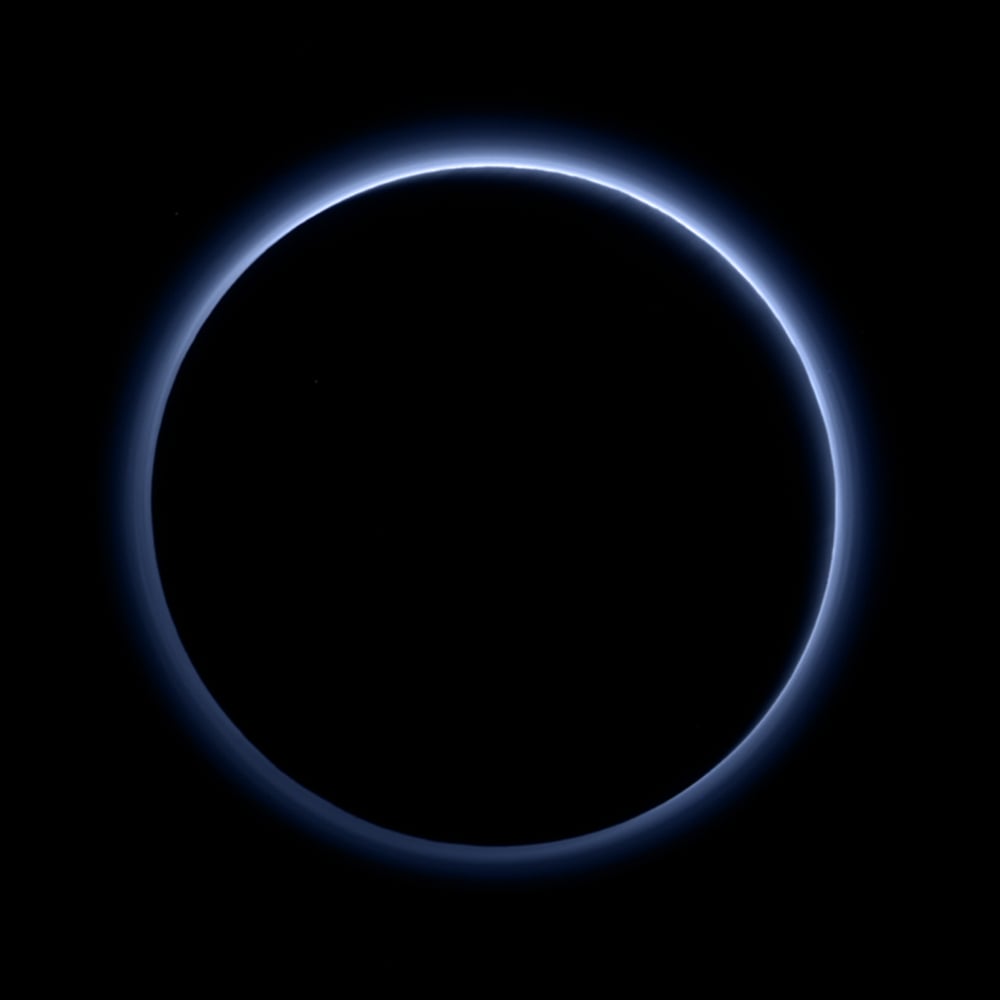
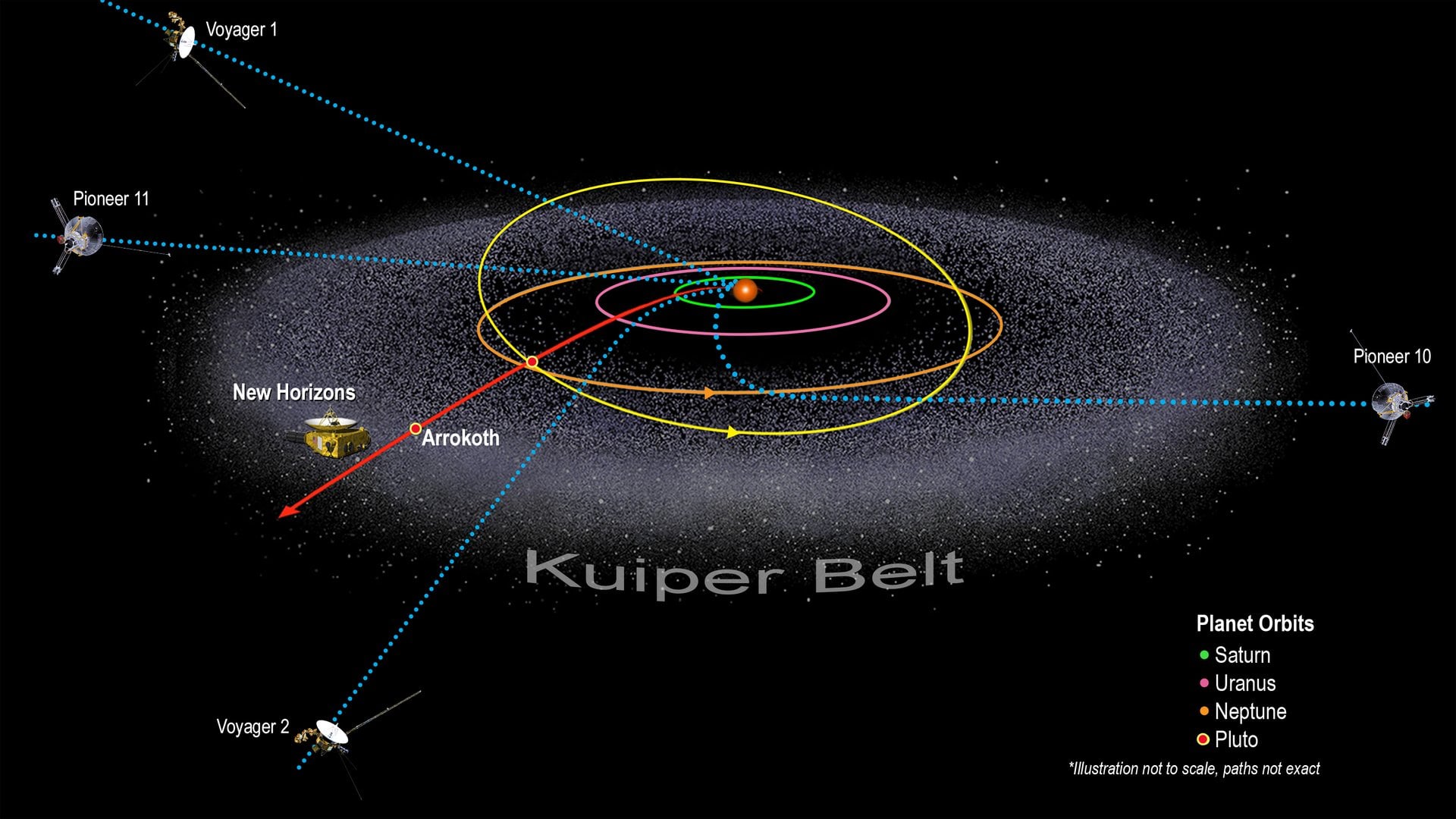
July 21, 2025The New Horizons spacecraft is humanity's fastest-moving spacecraft and headed to interstellar space. Since its exploration of Pluto 10 years ago and subsequent flyby of Arrokoth in 2019, it's been traversing and studying the Kuiper Belt while looking for other flyby objects. That's not all it's been doing, however. New Horizons also has an extended program of making heliophysics observations. The mission science team has also planned astrophysical studies with the spacecraft's instruments. Those include measuring the intensity of the cosmic optical background and taking images of stars such as Proxima Centauri. As the spacecraft moves, the apparent positions of its stellar navigation targets have changed, but that hasn't bothered New Horizons one bit. It knows exactly where it is thanks to 3D observations of those nearby stars.
-
Planets Can Trigger Damaging Flares
July 08, 2025We all know what it's like when Earth is on the receiving end of a solar flare. Things get spicy in the upper atmosphere, and the outbursts have the potential to disrupt technology here at home. Catastrophic flares of radiation devastate planets around other stars, too. Now it looks like scientists have found that planets orbiting close to their stars can trigger the flares that threaten to harm them.
-
Webb Refines the Bullet Cluster's Mass
July 06, 2025One of the most iconic cosmic scenes in the Universe lies nearly 3.8 billion light-years away from us in the direction of the constellation Carina. This is where two massive clusters of galaxies have collided. The resulting combined galaxies and other material is now called the Bullet Cluster, after one of the two members that interacted over several billion years. It's one of the hottest-known galaxy clusters, thanks to clouds of gas that were heated by shockwaves during the event. Astronomers have observed this scene with several different telescopes in multiple wavelengths of light, including X-ray and infrared. Those observations and others show that the dark matter makes up the majority of the cluster's mass. Its gravitational effect distorts light from more distant objects and makes it an ideal gravitational lens.
-
Galaxy Clusters Have Been Surrounded by High-Energy Particles for Almost Their Entire History
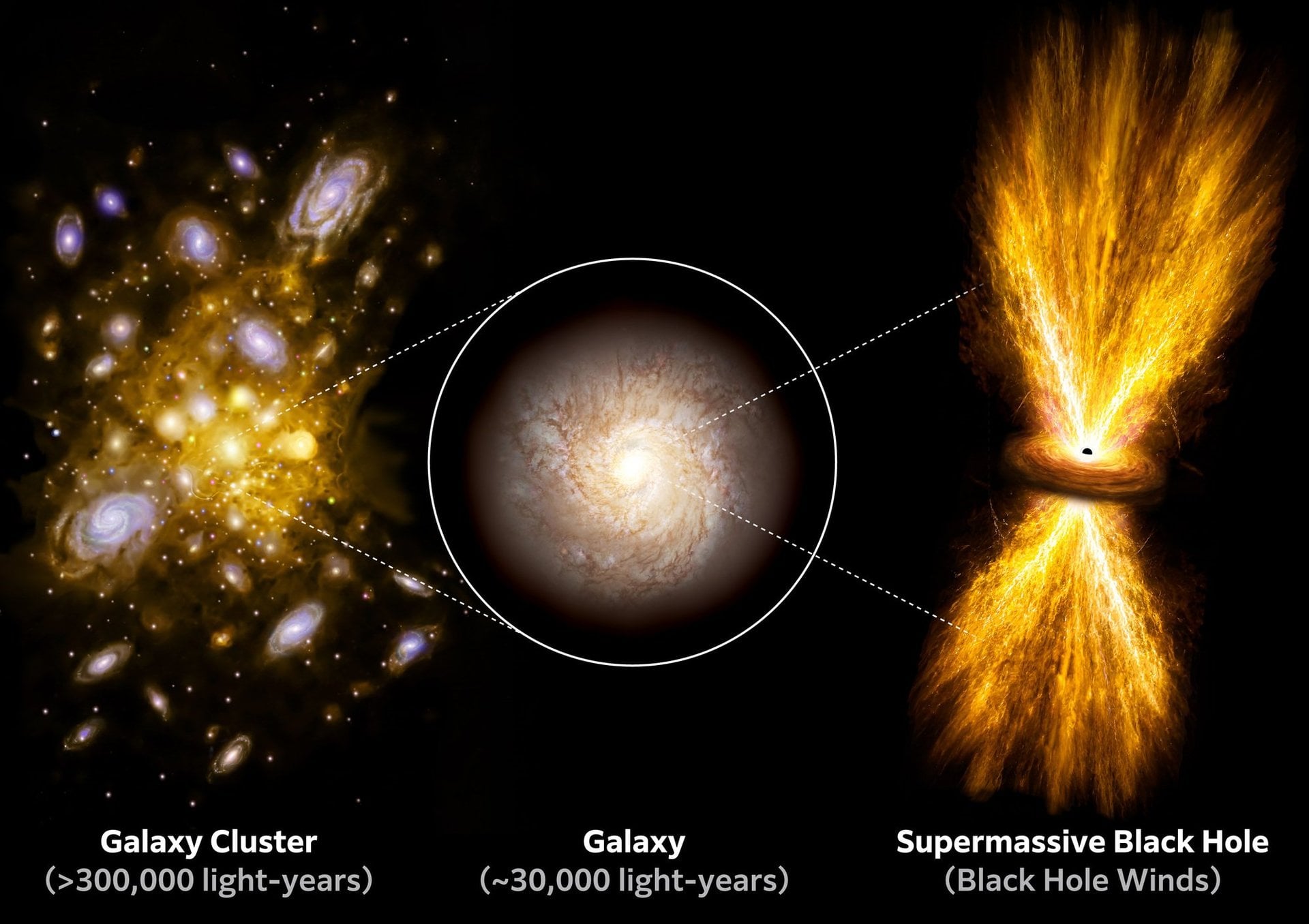
June 30, 2025If you could see the Universe through a radio-wave "eye", you'd detect mini-halos of relativistic particles creating radio emissions around some galaxy clusters. Astronomers long figured those halos are relative "recent" happenings in the nearby Universe and didn't occur in the early epochs of cosmic history. That's all changed now that the Low Frequency Array (LOFAR) radio observatory in Europe has revealed newborn galaxies in the early Universe already surrounded by a halo of particles. It's a rare look at what such clusters were like soon after they formed.
Universe Today