Universe Today
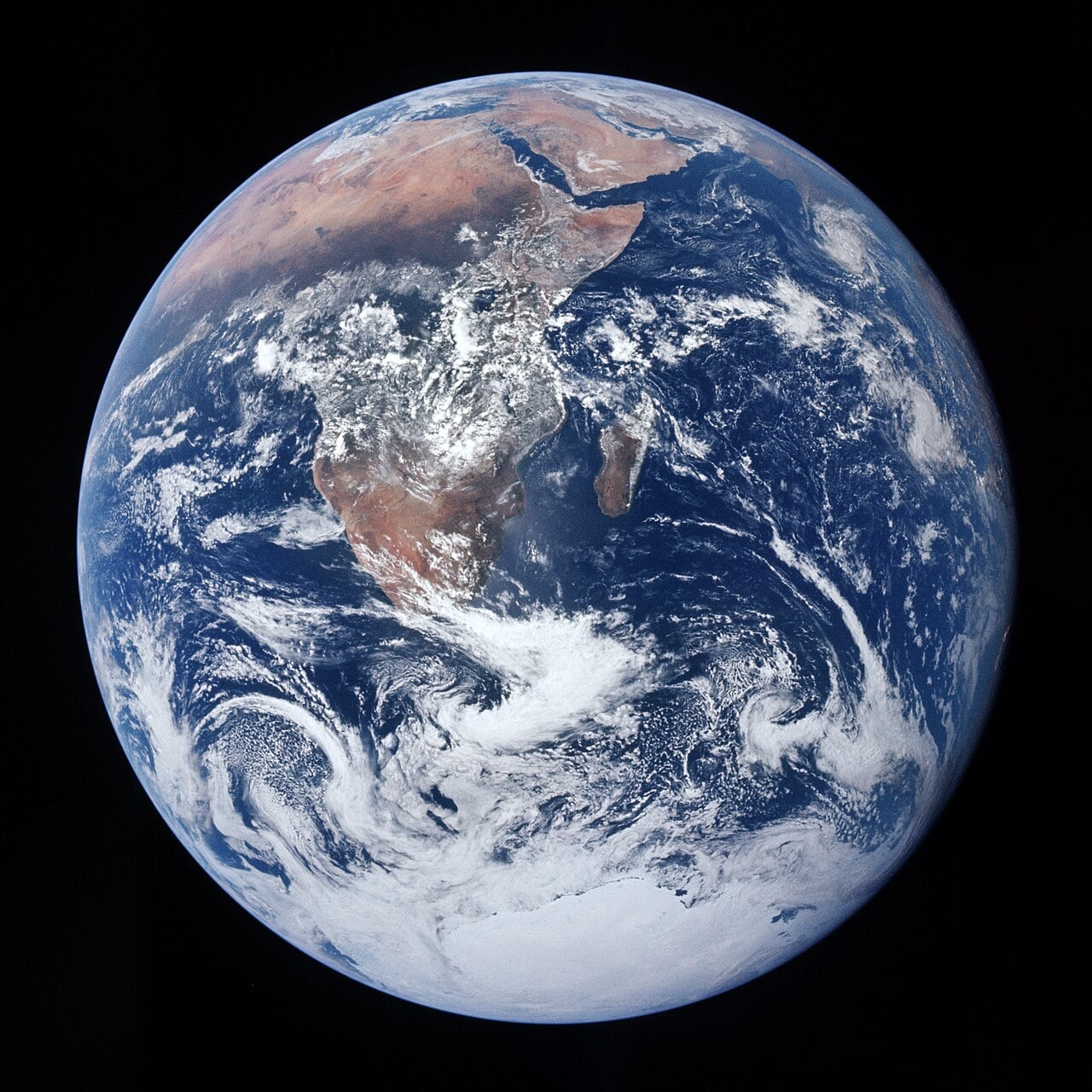
Here's a thought experiment that keeps planetary scientists awake at night. Strip every living thing from our planet, every bacterium, every blade of grass, every creature that has ever drawn breath and ask a simple but profound question: would Earth still be a world capable of supporting life?
The answer, it turns out, is yes. And that finding has enormous implications for how we search for life beyond our Solar System. The problem is subtle but important. Life does leave fingerprints in a planet's atmosphere. Oxygen is the classic example, almost all of Earth's atmospheric oxygen comes from photosynthesis. Without life, a world like ours would have far less of it.
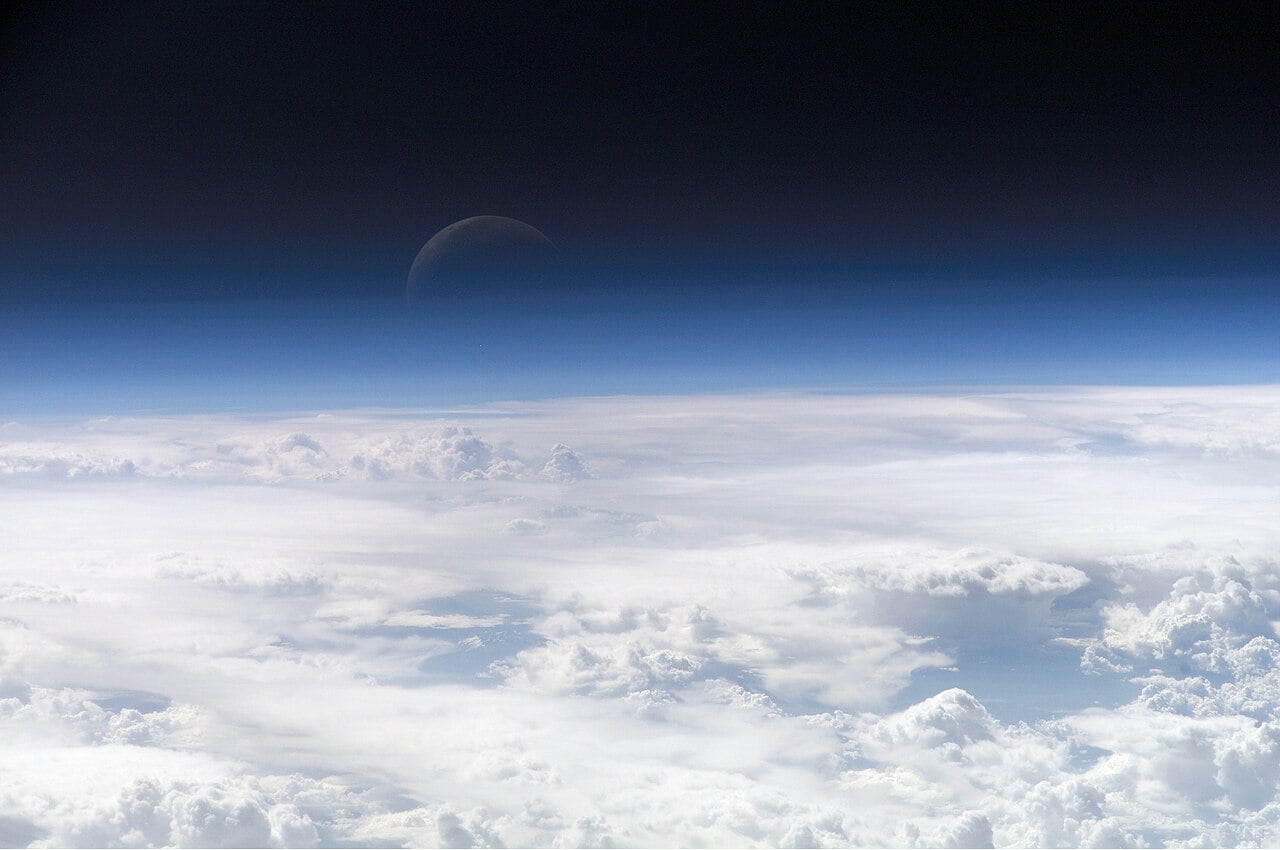 Earth's atmosphere from space, showing a blue layer at the stratosphere, above the clouds of the troposphere. The Moon is visible as a crescent in the background (Credit : NASA Earth Observatory)
A team of researchers has built the most detailed computer model yet of a lifeless Earth, tracking how our planet would have evolved over 4.5 billion years with no biology to interfere. They modelled everything from the slow cooling of the interior to volcanic outgassing, the gradual build up of an atmosphere, the carbon cycle and even the behaviour of sunlight bouncing off an ocean covered world. The model successfully reproduced 19 key measurements of the pre industrial Earth, its temperature, atmospheric composition and ocean chemistry all without a single living organism doing any of the work.
This matters enormously because of what is coming. NASA's Habitable Worlds Observatory (HWO,) currently in development, will be the first telescope capable of directly imaging rocky planets orbiting Sun like stars. When it does, it will collect light from those distant worlds and attempt to decode their atmospheres in search of signs of life. To do that well, scientists need to know exactly what a habitable but lifeless planet looks like, so they can tell it apart from an actually inhabited one.
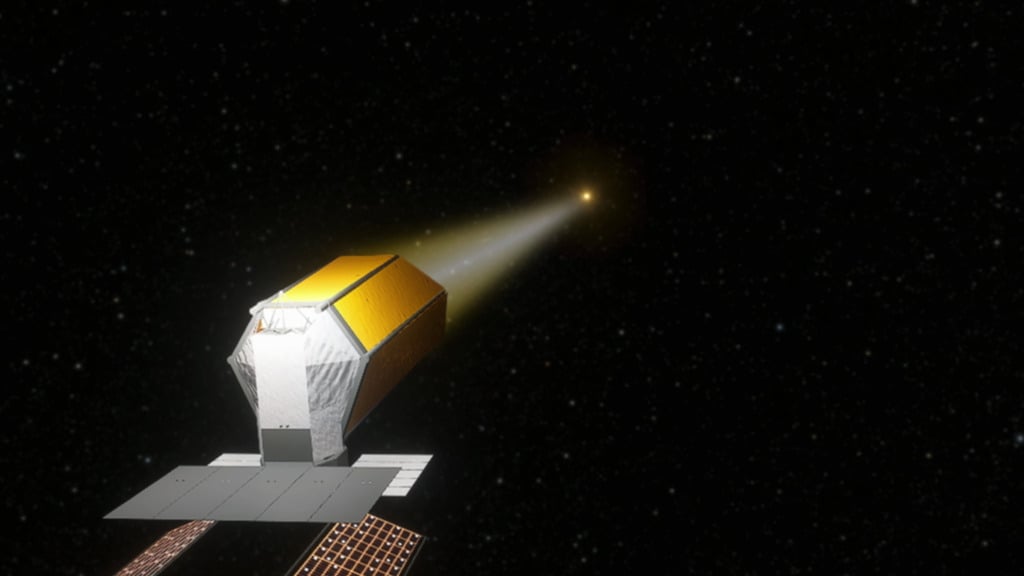 Artist impression of the Habitable Worlds Observatory (Credit : NASA's Scientific Visualisation Studio)
The new research shows that even without biology, a planet can maintain comfortable surface temperatures and liquid water for billions of years, driven entirely by geological processes.The team also produced a simulated spectrum of what lifeless Earth would look like to a distant telescope. It’s an incredibly useful reference point for interpreting whatever signals HWO eventually sends home.
Perhaps most striking is what the research implies about habitability itself. We have long assumed that complex life on Earth might have been necessary to keep the planet stable and hospitable. The new model pushes back on that idea. Geology alone appears sufficient. Life, it seems, found a ready made home, it did not build one.
That raises a tantalising possibility that, if habitability does not require life to sustain it, then there could be many more genuinely habitable worlds out there than we have dared hope. Worlds sitting quietly in the darkness, oceans intact, temperatures just right, waiting to be found .
Source : A whole-planet model of the Earth without life for terrestrial exoplanet studies