David Dickinson
David Dickinson is a freelance science writer and long-time sky watcher. He has built telescopes and observatories, chased eclipses, and travels and observes with his wife, Myscha, on a mission to get ‘eyes on the sky’ worldwide. His books The Universe Today Ultimate Guide to Observing the Cosmos, The Astronomer’s Deep-Sky Field Guide and science fiction short stories are available here.
Recent Articles
-
-
Probing the Mysteries of the Solar Corona with ESA’s Proba-3
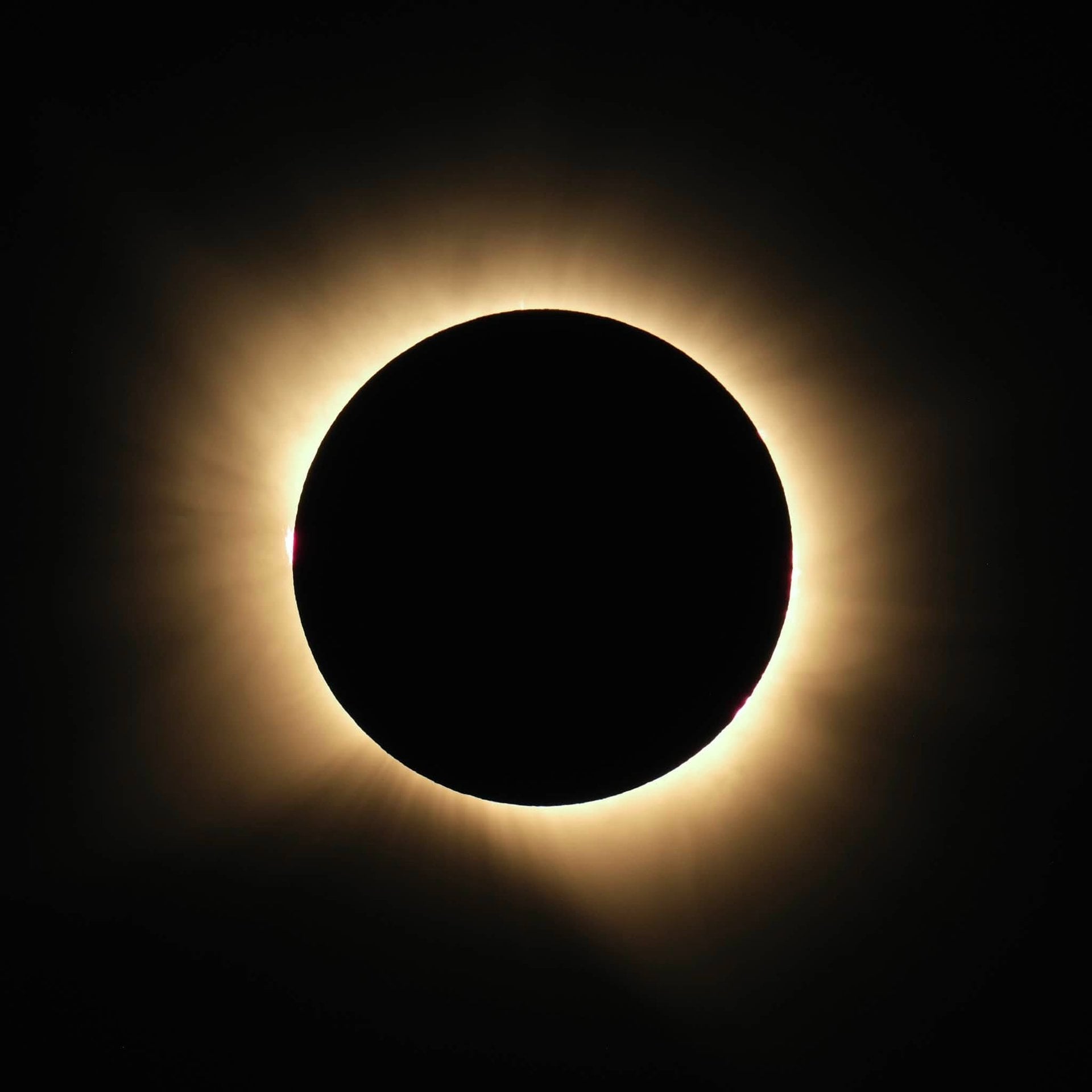
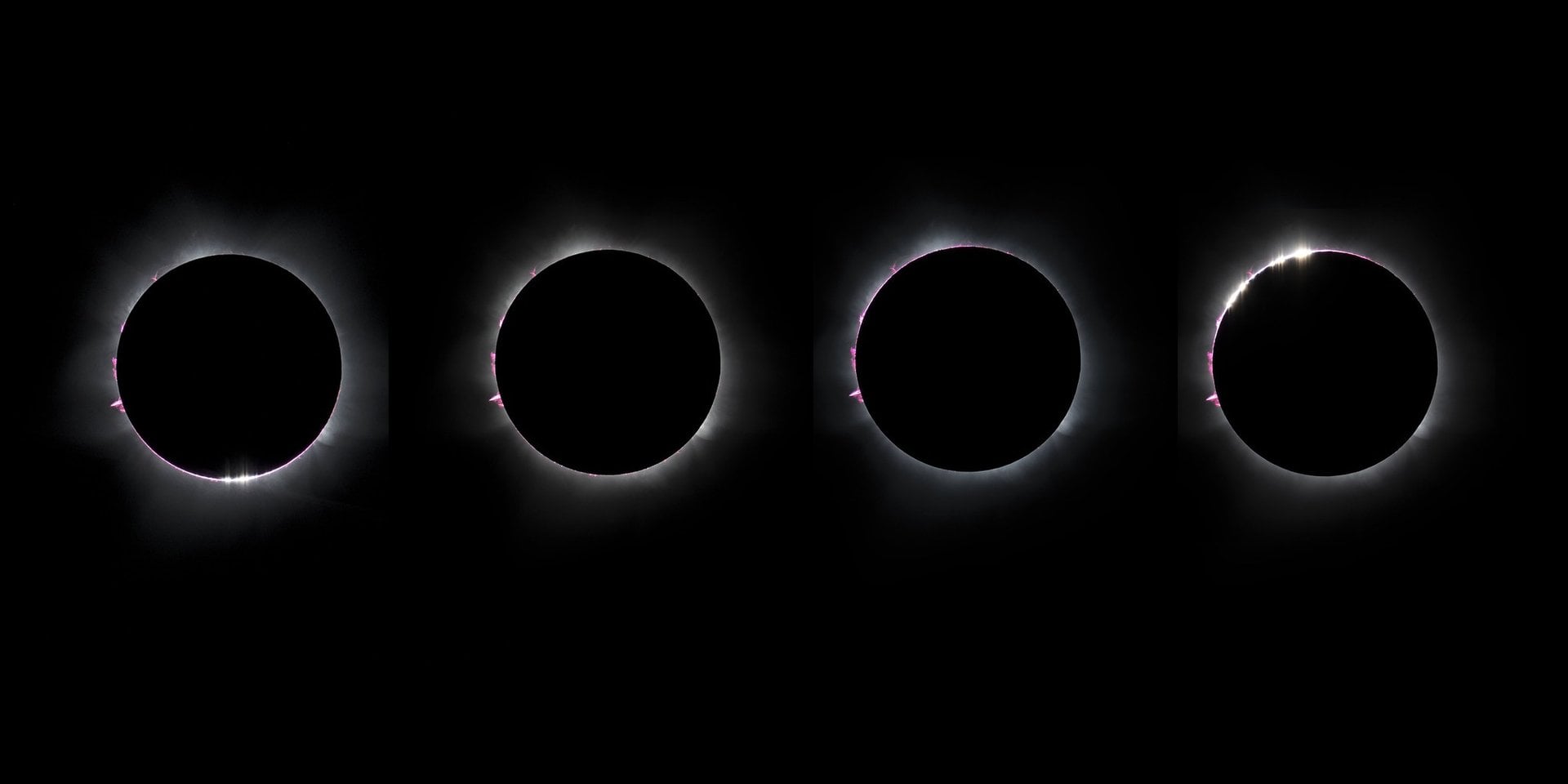
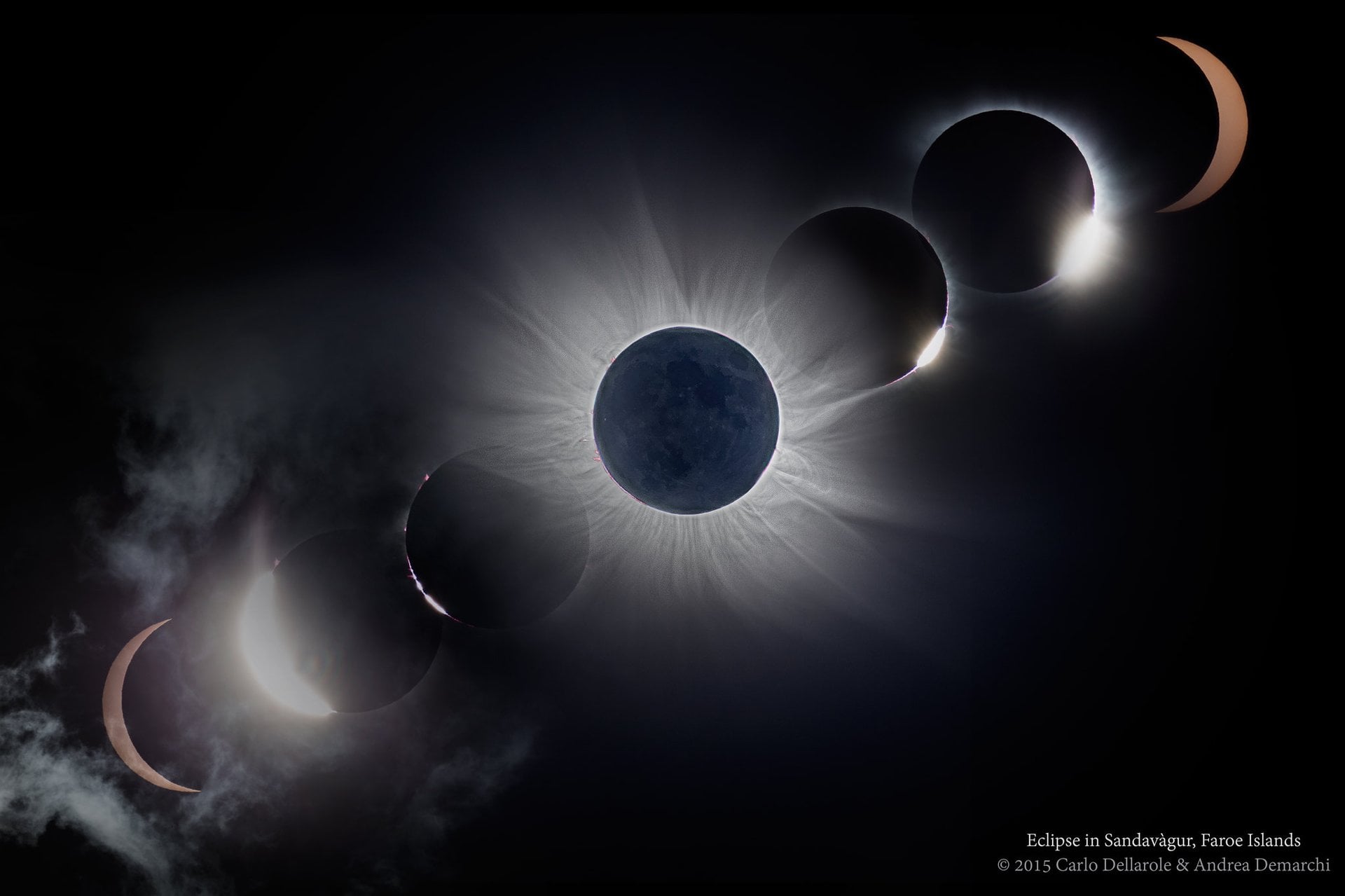
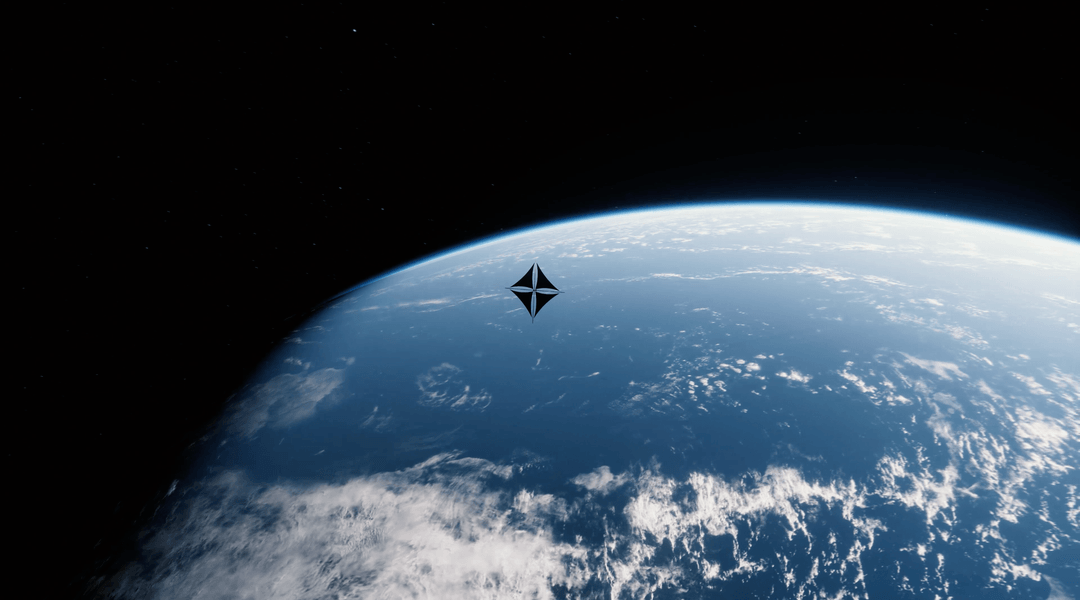
January 22, 2026Some really unique science can be done during a total solar eclipse. Totality is the one time we can see the elusive corona of the Sun, the pearly white segment of our host star’s lower atmosphere where space weather activity originates. The trouble is, totality is fleeting. What researchers really need are eclipses on demand. ESA’s innovative Proba-3 mission does just that, by making use of a free-flying occulting disk. Launched in late 2024, we’re now seeing some unique science and images from the space observatory.
-
Follow SpaceX's Returning Crew-11 Mission Wednesday Night
January 14, 2026In a historic first, an unspecified medical issue is prompting an early return from the International Space Station on Wednesday night, January 14th. And while the return will be featured live online from undocking to splashdown, if skies are clear, you might just be able to see the pair crossing the night sky tonight, shortly after undocking.
-
By Jove: Jupiter Reaches Opposition for 2026
January 07, 2026It was a question I heard lots this past weekend. “What’s that bright star near the Full Moon?” That ‘star’ was actually a planet, as Jupiter heads towards opposition rising ‘opposite’ to the setting Sun this coming weekend. This places the King of the Planets high in the northern sky, in the same general spot the Full Moon occupies in January.
-
The Quadrantid Meteors and Earth at Perihelion Usher in the New Skywatching Year
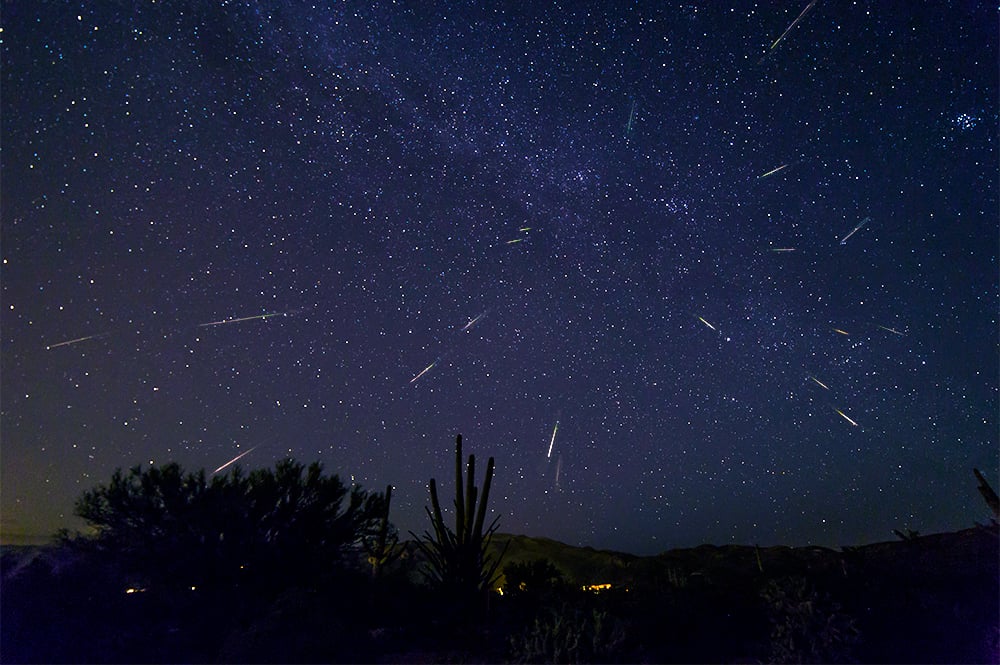
January 02, 2026It sneaks up on us, every annual flip of the calendar into the new year. If skies are clear, keep an eye out for the brief but strong Quadrantid meteors this weekend. The Quadrantids or ‘Quads’ have a brief but strong annual peak just after New Year’s Day. This also makes the shower notoriously elusive for observers.
-
Top Astronomical Events to Watch For in 2026
December 26, 2025Ready for another amazing year of skywatching? 2025 was a wild year, with a steady parade of comets knocking on naked eye visibility, and one extra special interstellar comet, 3I/ATLAS. The sky just keeps on turning into 2026. Watch for mutual eclipse season for the major moons of Jupiter, as the moons pass one if front of the other. The ongoing solar cycle is also still expected to be active into 2026, producing sunspots space weather and more. And (finally!) we’ll see the return of total solar eclipses on August 12th, as umbral shadow of the Moon crosses Greenland, Iceland and northern Spain.
-
ESA's XMM-Newton Examines Comet 3I/ATLAS Prior to Closest Earth Passage Friday
December 17, 2025Everyone’s favorite interstellar comet posed for one more portrait recently. The European Space Agency’s XMM-Newton mission nabbed 3I/ATLAS on December 3rd from about 283 million kilometers distant. This comes as the comet is set to make its closest passage versus Earth this coming Friday, on December 19th.
-
Why 2025 is an Amazing Year to Catch the Geminid Meteors
December 11, 2025It’s one of the better annual meteor showers, and 2025 is shaping up to give sky watchers a chance to see it at its best. If skies are clear this weekend, be sure to be vigilant for the Geminid meteors.
-
Historic May 2024 Gannon Solar Storm Compressed Earth’s Plasmasphere
December 05, 2025A powerful geomagnetic superstorm is a once a generation event, happening once every 20-25 years. Such an event transpired on the night of May 10/11, 2024, when an intense solar storm slammed into the Earth’s protective magnetic sheath. Now, a recent study shows just how intrusive that storm was, and how long it took for the Earth’s plasma layer to recover.
-
Devastating Stellar Storm Seen on Red Dwarf Star
November 27, 2025On Earth, Coronal Mass Ejections (CMEs) like the one we experienced earlier this month are aesthetic, even disruptive events, sending aurora southward and interrupting radio signals. But around other stars, they could prove lethal to life. This point was driven home by a recent CME detection from an M-class red dwarf star. This marks the first detection of an energetic Type II radio burst from a nearby star.
-
Sunday Night Doubleheader: Catch the 2025 Leonid Meteors and an Aurora Encore
November 16, 2025Keep an eye on the sky Sunday night and early Monday morning for the Leonid meteors, and a possible second auroral storm. Once every other generation, the Lion roars. If skies are clear Monday morning, keep an eye out for one of the best annual November showers, the Leonid meteors. Also as an extra treat, the skies may stream with aurora once again.
-
Miniature Binary Star System Hosts Three Earth-sized Exoplanets
November 14, 2025A new discovery adds to the growing menagerie of exoplanets. These days, word of a new exoplanet discovery raises nary an eyebrow. To date, the current number of known exoplanets beyond our solar system stands at confirmed 6,148 worlds and counting. But a recent study out of the University of Liège in Belgium titled Two Warm Earth-sized Planets and an Earth-sized Candidate in the Binary System TOI-2267 shows just how strange these worlds can be.
-
Spying Interstellar Comet 3I/ATLAS Near Perihelion
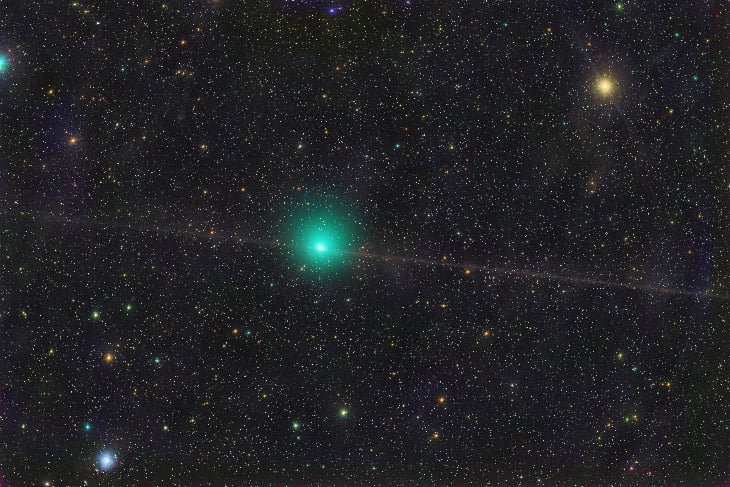
October 28, 2025Everyone’s favorite interstellar comet 3I/ATLAS isn’t really hiding near perihelion this week, as amateur astronomers reveal. Don’t believe the breathless ballyhoo that you’re currently reading around the web about interstellar Comet 3I/ATLAS. In a clockwork Universe, comets are the big wildcard, and interstellar comets doubly so. This particular comet is scientifically interesting enough in its own right, no alien interlopers needed.
-
XRISM Catches a Pulsar’s Cosmic Wind...and Sees a Surprising Result
October 24, 2025The Universe is a strange place. The X-Ray Imaging and Spectroscopy Mission (XRISM) orbiting observatory recently highlighted this fact, when it was turned on a pulsar to document its powerful cosmic winds. The discovery comes courtesy of ESA’s Resolve instrument, a soft X-ray spectrometer aboard XRISM. The study looked at neutron star GX 13+1. This is a strong X-ray source located in the constellation Sagittarius, very near the galactic plane towards the core of our galaxy. GX 13+1 is about 23,000 light-years distant.
-
ESA’s Swarm Constellation Sees Growth in the Magnetic Field’s 'Weak Spot'
October 17, 2025Earth is a dynamic place, both on its surface and down to its very core. The European Space Agency (ESA) recently released findings from its Swarm constellation of Earth-observing satellites highlighting this fact, documenting activity in the planet’s magnetic field during its decade plus of extended operations. One key finding shows the well-known Southern Atlantic Anomaly is expanding in size.
-
Arab Scholars May Have Noted the Supernovae of 1006 and 1181
October 14, 2025It’s great to see old astronomical observations come to light. Not only can these confirm or refute what’s known about historic astronomical events, but they can describe what early observers actually saw. A recent study cites two Arabic texts that may refer to accounts of two well-known supernovae seen in our galaxy: one in 1006 AD and another in 1181 AD.
-
Comet A6 Lemmon's Encore October Evening Show
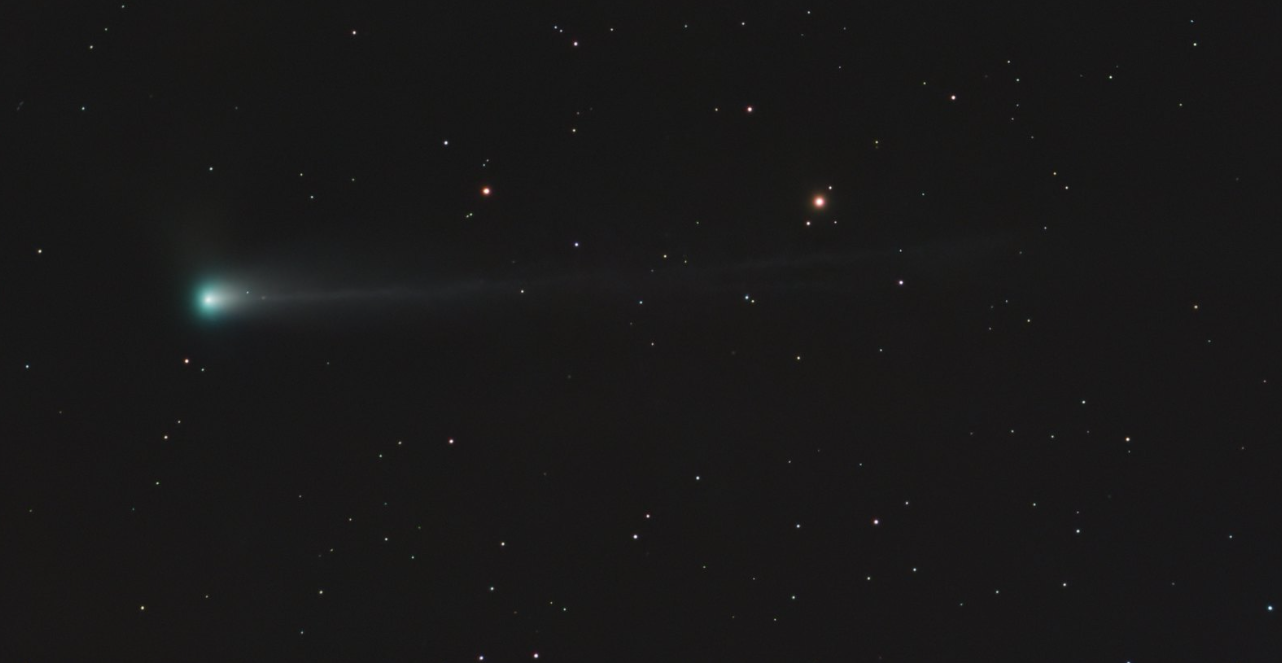
October 07, 2025October 2025 may provide a memorable sky scene, as Comet C/2025 A6 Lemmon puts on an encore appearance at dusk. The comet joins Comet R2 SWAN, which slides 0.26 Astronomical Units (AU) past Earth on October 20th. Both are currently fine objects for binoculars or a small telescope, vying for top spot at magnitude +6.
-
Catching the October Action With Jupiter’s Moons
October 03, 2025Jupiter and its moons are busy in October. If skies are clear, be sure to set your alarm and follow the largest planet in our solar system this month. While massive Jupiter always warrants a view through even a small telescope, its four major Galilean moons warrant special interest, as we’re in the midst of a season of rare double shadow transits.
-
Dedicated Amateur Discovers Supernova in Remote Galaxy
October 01, 2025Astronomy is increasingly becoming an online affair. Recent discoveries of interstellar Comet 3I/ATLAS and R2 SWAN highlighted this fact, when both were first discussed on message boards and verified via remote telescopes before confirmation. Another recent find also shows what’s possible, as devoted amateur astronomer Filipp Romanov accomplished an amazing feat, and discovered a supernova in a remote galaxy.
-
Catch a Far-Flung Partial Solar Eclipse This Weekend
September 18, 2025Subtle astronomical events can still produce memorable scenes, hidden away in distant locales. Such a spectacle goes down on Sunday/Monday, September 21st/22nd, with a partial solar eclipse. Although the eclipse only skims the southernmost portion of the South Pacific, viewers along the eastern coast of Australia, Antarctica and all of New Zealand will see an unforgettable sight, as a partially-eclipsed Sun rises out of the sea.
Universe Today