Matthew Williams
Matt Williams is a space journalist, science communicator, and author with several published titles and studies. His work is featured in The Ross 248 Project and Interstellar Travel edited by NASA alumni Les Johnson and Ken Roy. He also hosts the podcast series Stories from Space at ITSP Magazine. He lives in beautiful British Columbia with his wife and family. For more information, check out his website.
Recent Articles
-
-
Lessons from the Past: Responsible Science and Astrobiology
December 04, 2025In a recent paper, a team of SETI and astrobiology specialists examines four controversial claims about the existence of extraterrestrial life. From these, they present recommendations for scientists and science communicators when addressing future claims of discovery.
-
Scientists Investigate the Biological Effects of Spaceflight Using Worms
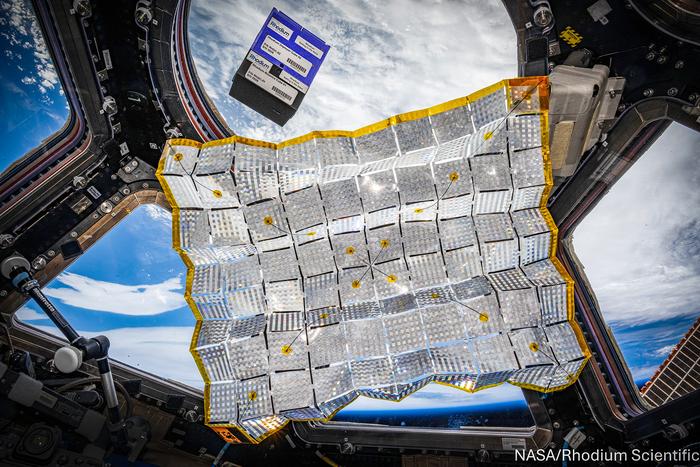
November 29, 2025A crew of tiny worms will be heading on a mission to the International Space Station in 2026 that will help scientists understand how humans can travel through space safely, using a Leicester-built space pod.
-
Massive Computer Simulation Creates a Hyper-Realistic Model of the Milky Way
November 27, 2025Research led by the RIKEN Center for Interdisciplinary Theoretical and Mathematical Sciences (iTHEMS) in Japan has successfully performed the world’s first Milky Way simulation that accurately represents more than 100 billion individual stars over the course of 10,000 years.
-
Astronomers Pinpoint 3I/ATLAS's Path Based on Data from Mars
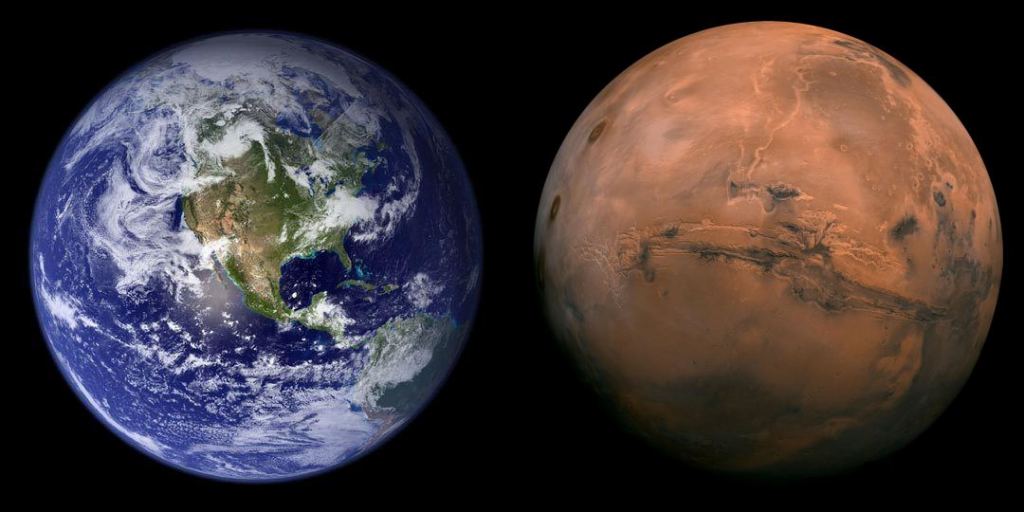
November 27, 2025Since comet 3I/ATLAS, the third known interstellar object, was discovered on 1 July 2025, astronomers worldwide have worked to predict its trajectory. ESA has now improved the comet’s predicted location by a factor of 10, thanks to the innovative use of observation data from our ExoMars Trace Gas Orbiter (TGO) spacecraft orbiting Mars.
-
NASA Finally Releases Images of 3I/ATLAS Taken by Its Missions at Mars
November 24, 2025Two orbiters and a rover captured images of the interstellar object — from the closest location any of the agency’s spacecraft may get — that could reveal new details.
-
Blue Origin to Build a "Super Heavy" Rocket to Compete with Starship
November 23, 2025Blue Origin announced a series of upgrades to New Glenn designed to increase payload performance and launch cadence, while enhancing reliability. The enhancements span propulsion, structures, avionics, reusability, and recovery operations, and will be phased into upcoming New Glenn missions beginning with NG-3.
-
New Research Suggest Earth and Theia were Neighbors Before They Collided
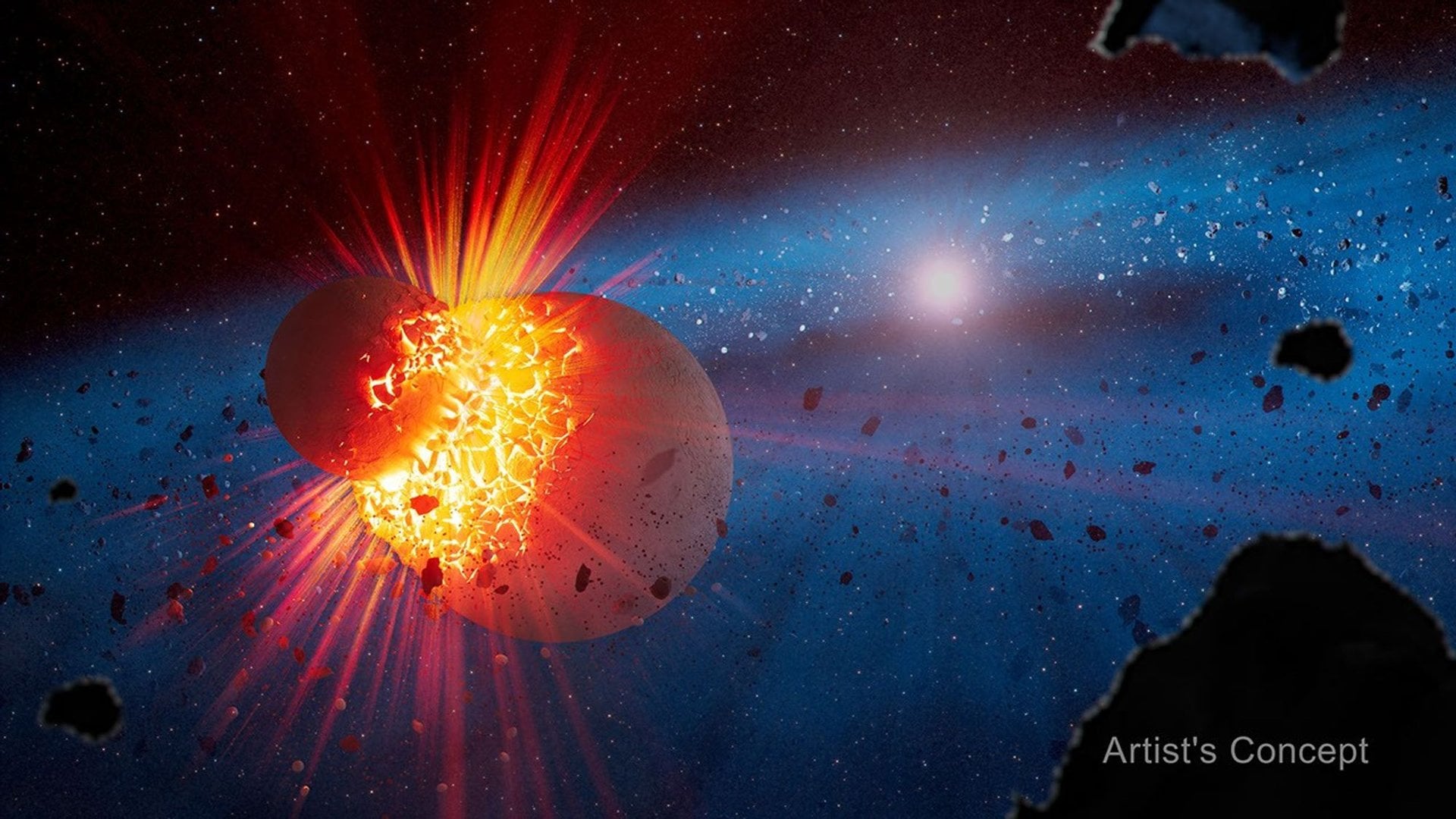
November 23, 2025About 4.5 billion years ago, the most momentous event in the history of Earth occurred: a huge celestial body called Theia collided with the young Earth. How the collision unfolded and what exactly happened afterward has not been conclusively clarified. What is certain, however, is that the size, composition, and orbit of Earth changed as a result—and that the impact marked the birth of our constant companion in space, the moon.
-
Ancient Underground Water Suggests Mars May Have Been Habitable Longer than Previously Thought
November 22, 2025Scientists from New York University Abu Dhabi (NYUAD) have uncovered new evidence that water once flowed beneath the surface of Mars, revealing that the planet may have remained habitable for life much longer than previously thought.
-
Tracking Mars' Ice Ages From Space
November 20, 2025Travelling up from Mars’s equator towards its north pole, we find Coloe Fossae: a set of intriguing scratches within a region marked by deep valleys, speckled craters, and signs of an ancient ice age.
-
Astronomers Detect the Early Shape of a Star Exploding for the First Time
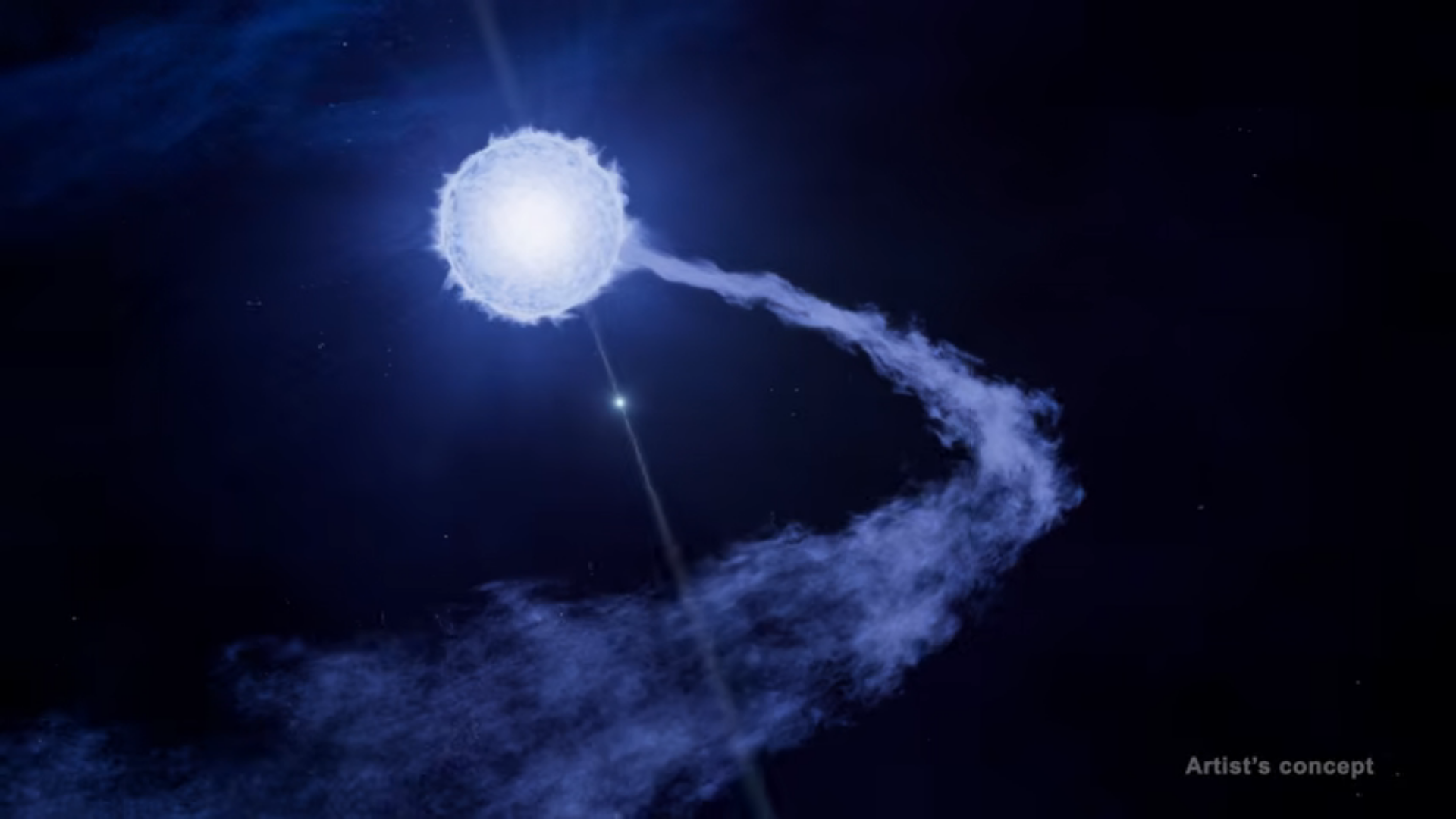
November 16, 2025Swift observations with the European Southern Observatory’s Very Large Telescope (ESO’s VLT) have revealed the explosive death of a star just as the blast was breaking through the star’s surface. For the first time, astronomers unveiled the shape of the explosion at its earliest, fleeting stage. This brief initial phase wouldn’t have been observable a day later and helps address a whole set of questions about how massive stars go supernova.
-
Chinese Astronauts Return After a Delay Imposed by Space Junk
November 15, 2025The Shenzhou-20 mission's three-person crew has returned home after more than a week of delays caused by damage to their spacecraft, allegedly caused by an impact with a tiny piece of space debris.
-
New Research Helps Narrow the Search for Elusive Neutrino Sources
November 13, 2025A research team has conducted the first systematic search for optical counterparts to a neutrino "multiplet," a rare event in which multiple high-energy neutrinos are detected from the same direction within a short period. The event was observed by the IceCube Neutrino Observatory, a massive detector buried deep within the Antarctic ice.
-
Euclid's First Data Release Sheds Light on Galaxy Evolution
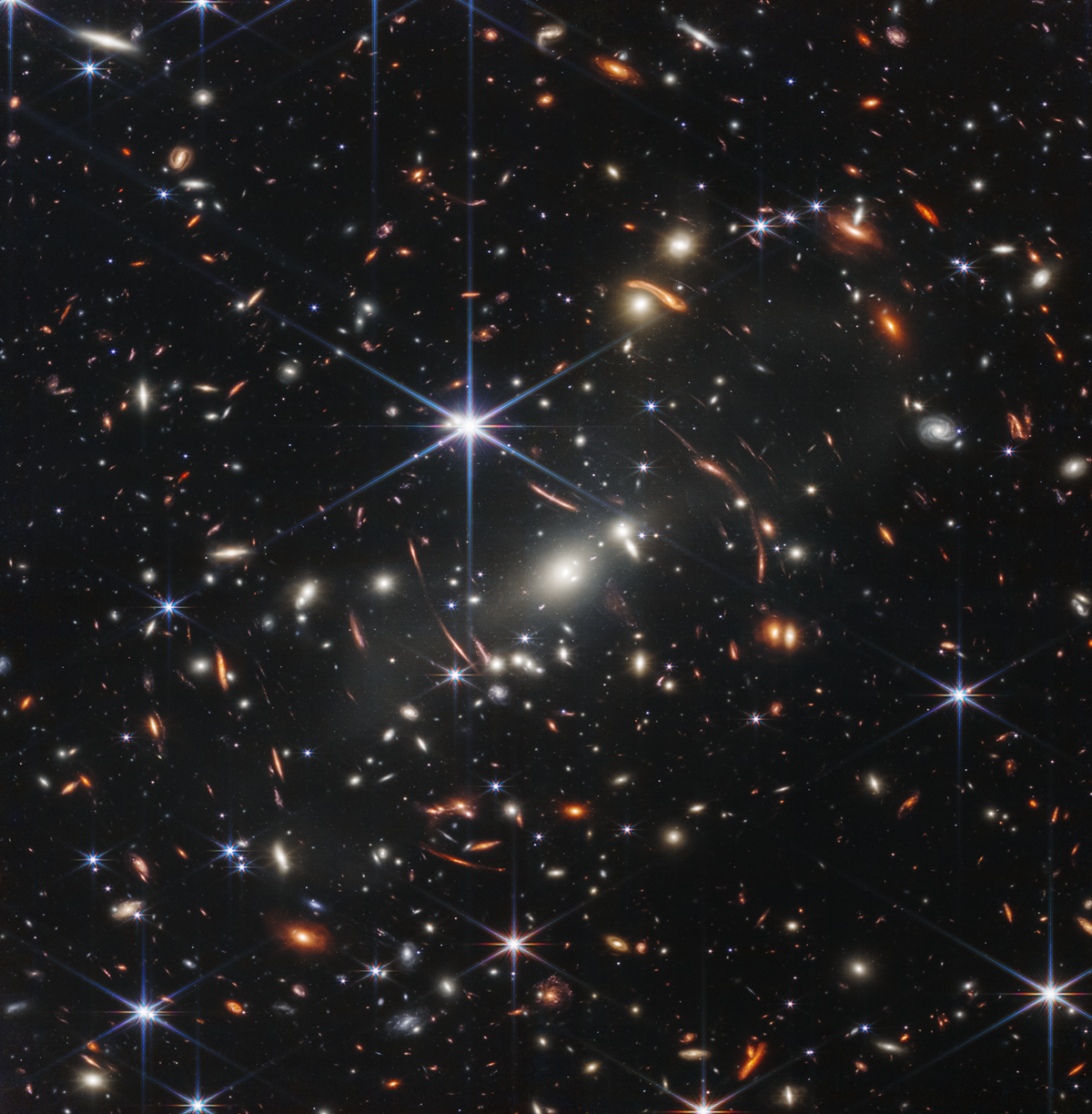
November 12, 2025ESA’s Euclid space telescope is revealing the patterns of galaxy evolution of millions of galaxies across cosmic time. Scientists from the Max Planck Institute for Extraterrestrial Physics (MPE) are using this data to trace how galaxies grow, merge, and transform.
-
Taikonauts Enjoy BBQ Aboard the Chinese Space Station
November 11, 2025Aboard China's space station, astronauts have begun using a new hot air oven delivered by Shenzhou XXI to prepare freshly baked dishes, including chicken wings and steaks, as shown in a recent video from orbit.
-
Dwarf Galaxies May Hold the Answers to the Debate on Dark Matter
November 09, 2025An international team of researchers, led by the Leibniz Institute for Astrophysics Potsdam (AIP), has shed light on a decades-long debate about why galaxies rotate faster than expected, and whether this behaviour is caused by unseen dark matter or a breakdown of gravity on cosmic scales.
-
The ExoMars Orbiter Captures Dark Streaks on the Slopes of Mars Caused by a Meteorite Impact
November 08, 2025The ESA's ExoMars Trace Gas Orbiter (TGO) recently captured images of streaks formed from a dust avalanche on the slopes of Apollinaris Mons the night before Christmas in 2023. A new study reveals that these types streaks are largely the result of seasonal factors, rather than meteoroid impacts.
-
China's Tianwen-1 Orbiter Spots 3I/ATLAS
November 08, 2025Using its high-resolution camera, China's Tianwen-1 orbiter has successfully observed the interstellar object 3I/ATLAS at a distance of about 30 million kilometers, according to the China National Space Administration (CNSA).
-
Astronomers Observe a Black Hole in Another Galaxy Tearing a Star Apart
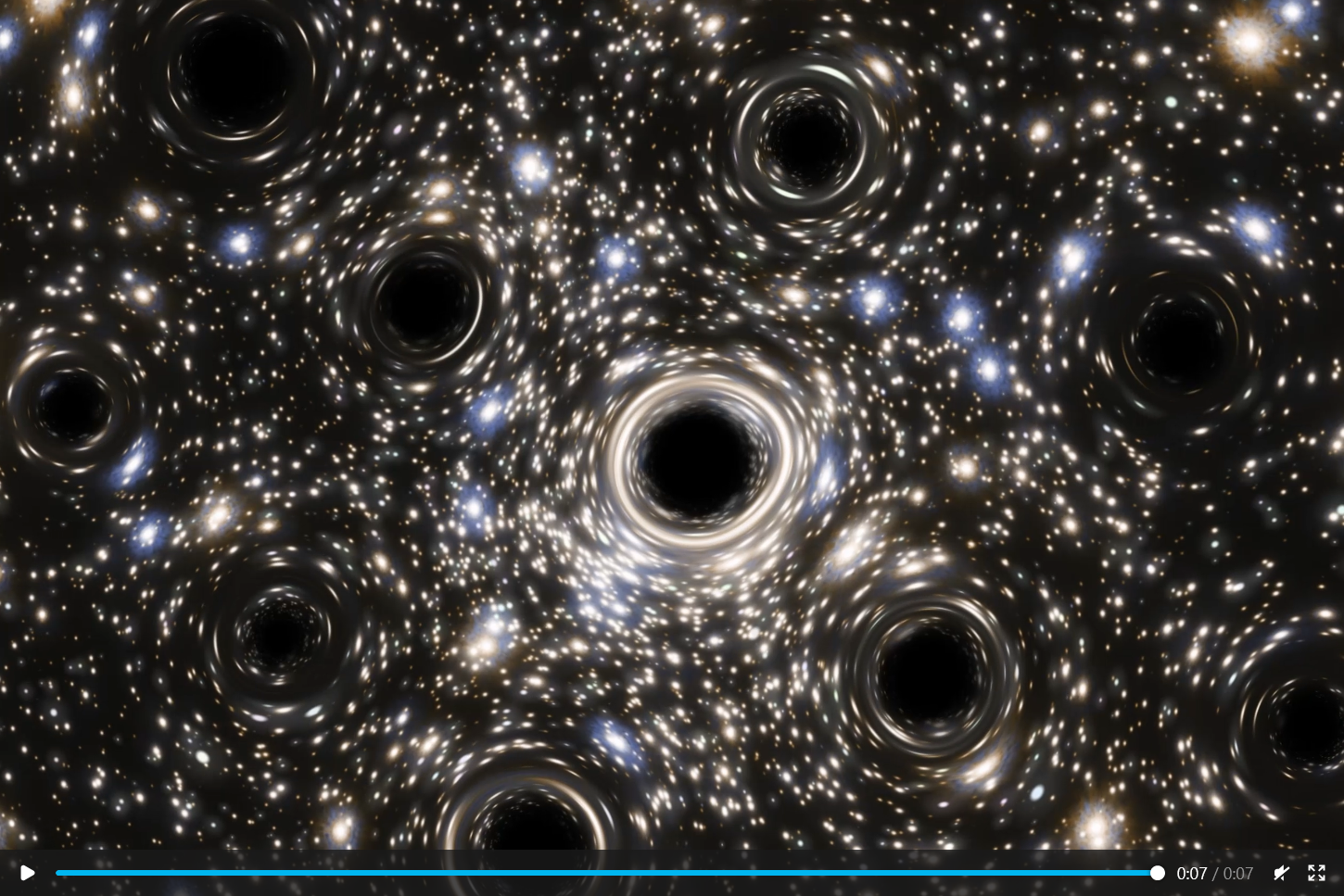
November 07, 2025New study reveals, for the first time, a tidal disruption event (TDE), where a black hole tears apart a star, occurring outside the center of a galaxy that produced exceptionally strong and rapidly evolving radio signals. This rare discovery shows that supermassive black holes can exist and remain active far from galactic cores, challenging current understanding of where such black holes reside and how they behave. The event’s delayed and powerful radio outbursts also suggest previously unknown processes in how black holes eject material over time.
-
The VST Captures an Image of a Spooky Bat In Time for Halloween
November 05, 2025A spooky bat has been spotted flying over the European Southern Observatory’s (ESO’s) Paranal site in Chile, right in time for Halloween. Thanks to its wide field of view, the VLT Survey Telescope (VST) was able to capture this large cloud of cosmic gas and dust, whose mesmerising appearance resembles the silhouette of a bat.
Universe Today