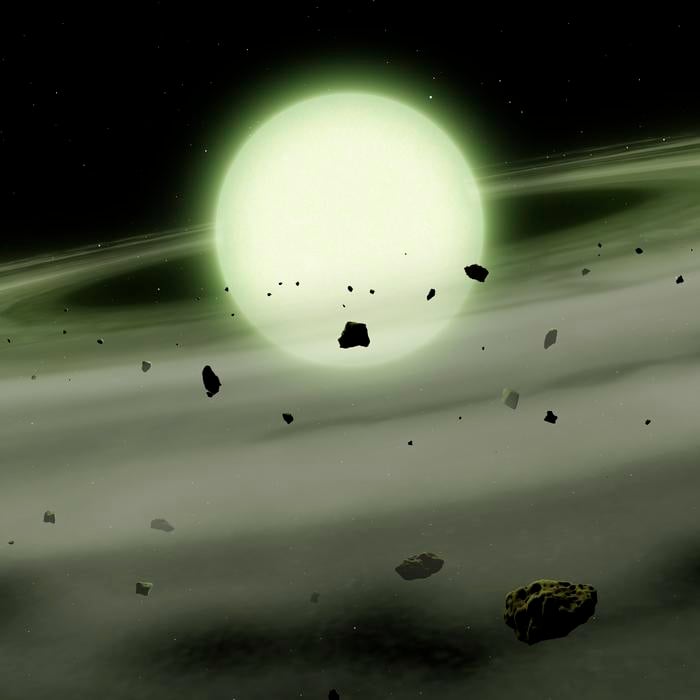
The universe hosts a myriad of star types, including supergiants, giants, main sequence, red dwarfs, brown dwarfs, white dwarfs, and neutron stars. What makes these stars stand out are just their sizes, but their colors, as each one hosts a distinct color based on their surface temperature, specifically orange, red, blue, and white based on cooler to hotter temperatures. While the correlation between star colors and surface temperatures has long been known throughout astronomy, what if star colors could change based on specific criteria, including their atmosphere?
Continue reading
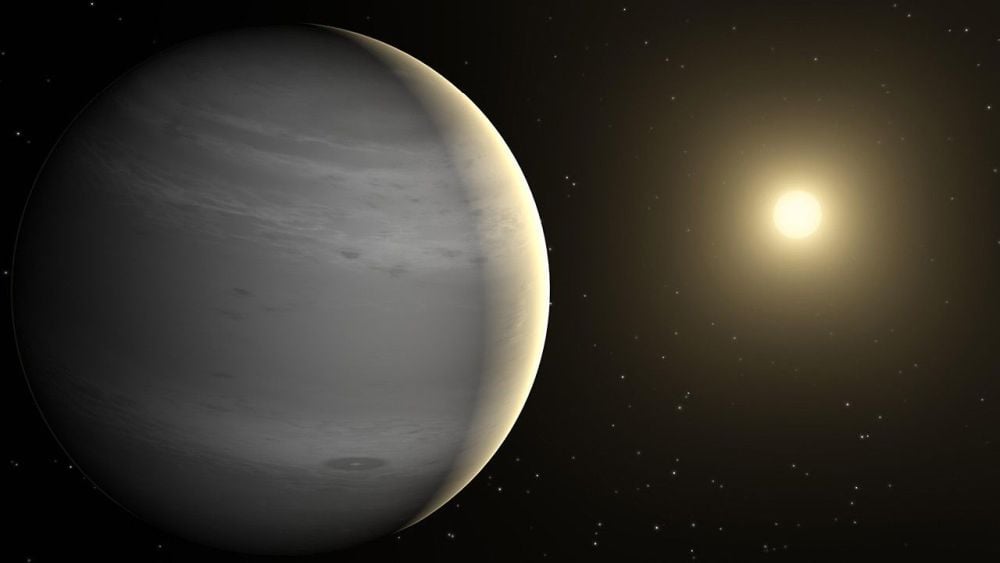
Get ready for the age of private space telescopes. The Lazuli Space Telescope will launch in a few years and part of its mission is to observe exoplanets. New research presents a list of 27 exoplanet targets, some of which are very well-known and will certainly benefit from deeper observations.
Continue reading
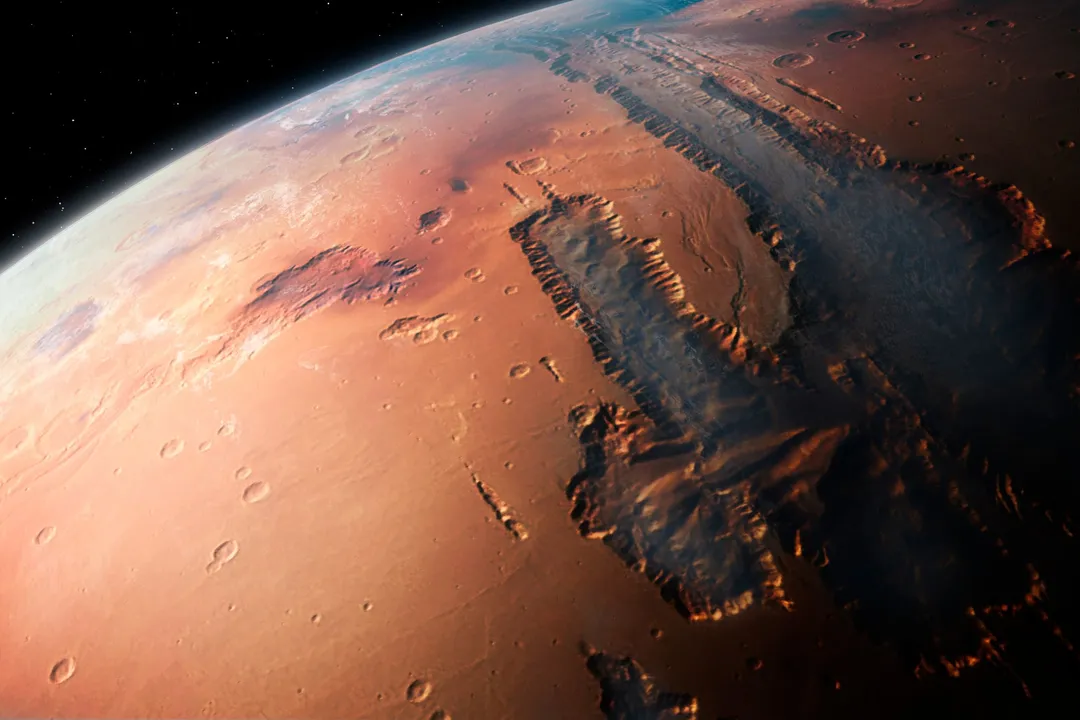
Scientists at Imperial College London and Columbia University have found that the largest canyon system in the solar system is still active and shaping Mars today, billions of years after it first formed.
Continue reading
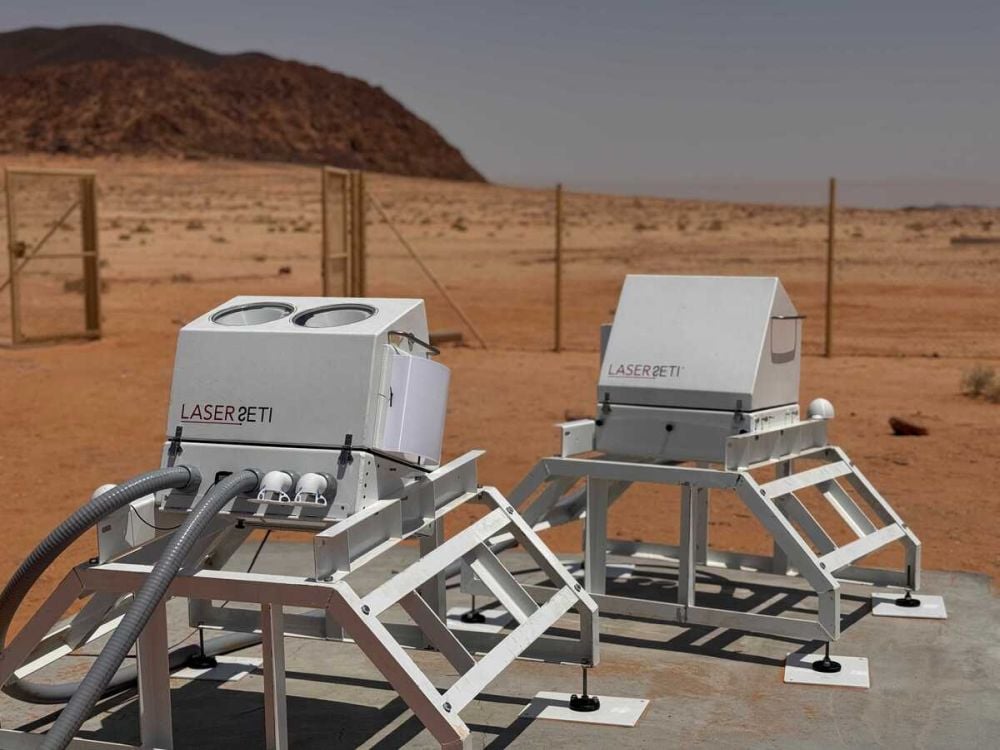
Saudi Arabia is joining the search for alien signals coming from the cosmos. They're collaborating with SETI in the endeavour. SETI has announced that two LaserSETI instruments will be positioned in Saudi Arabia, adding to a growing network of optical sensors designed to detect laser pulses that could come from alien technological civilizations.
Continue reading
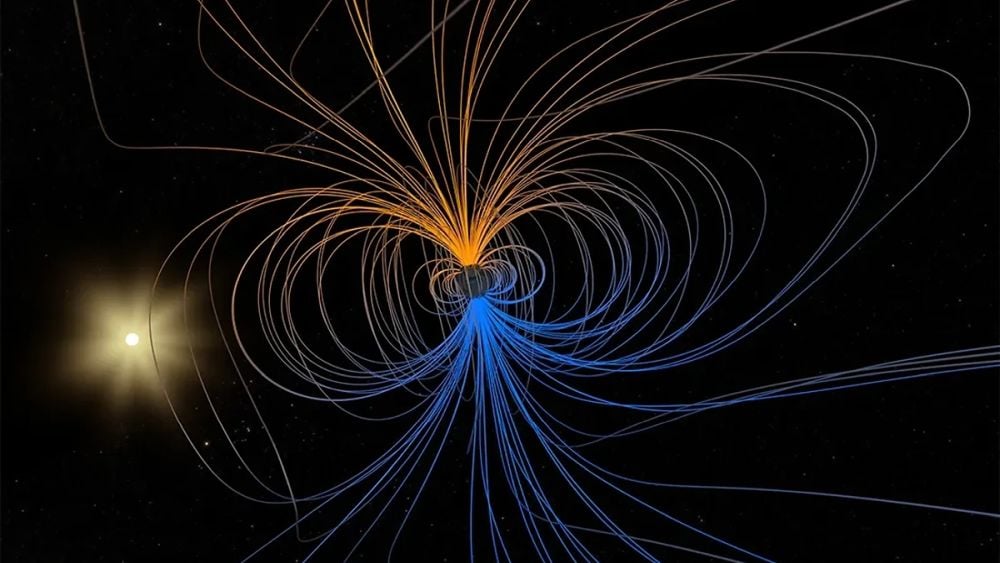
Scientists have wondered about a connection between Earth's geomagnetic reversals, or pole flips, and mass extinctions. They've found correlations, but nothing convincing enough to remove healthy doubts. But new research found a period of time with a concentrated number of reversals that coincides with and extinction and Large Igneous Provinces. It's likely not definitive proof, but it's certainly intriguing.
Continue reading
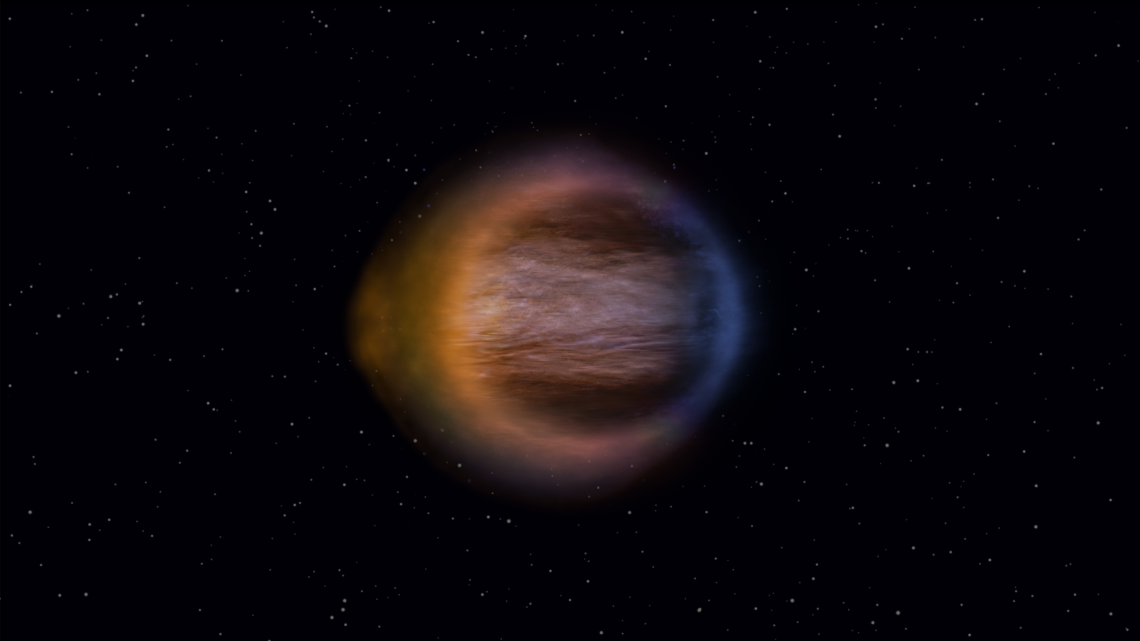
Typically, when we think of exoplanets, we think of neat spheres floating directly in front of their star, which acts as a giant spotlight. From our vantage point, they would look more like two perfect two dimensional circles than spheres, though. But nature is almost never so clean-cut. A new paper published in Nature Astronomy from researchers at Cornell and the University of Bristol details the first-ever study of an exoplanet that is noticeably lopsided.
Continue reading
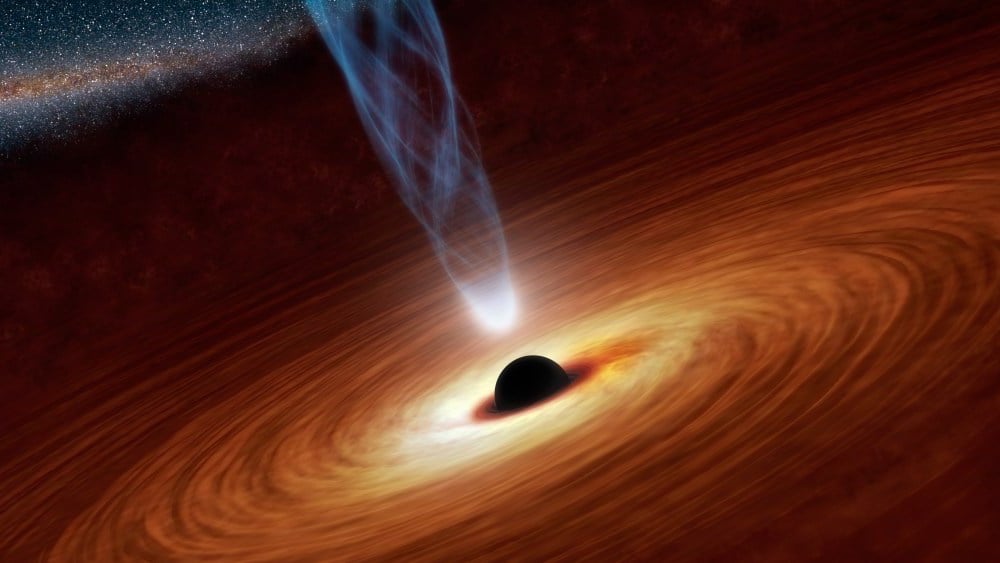
Professor Erin Kara of MIT's Kavli Institute for Astrophysics and Space Research is helping advance our understanding of the most extreme objects in the Universe by analyzing X-ray reverberations and other astrophysical data.
Continue reading
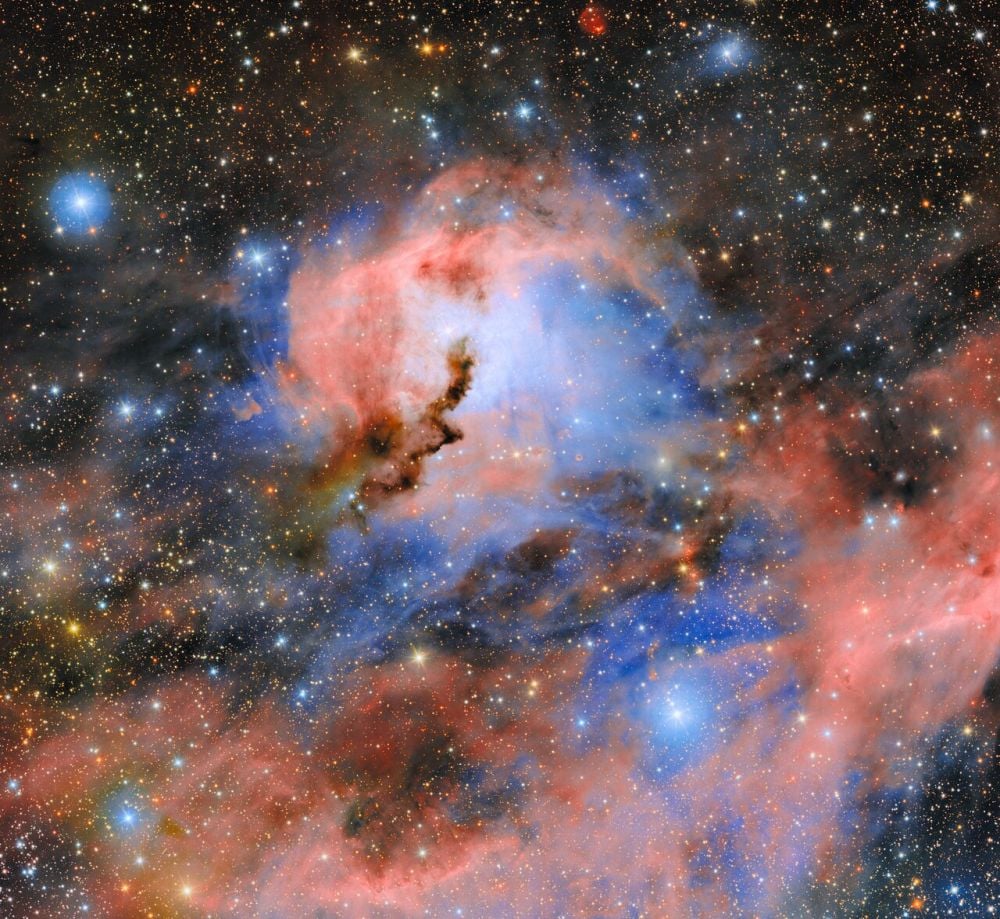
The Vera Rubin Observatory's Commissioning Camera operated for about 7 weeks in 2024, before the observatory released its well-known first look images. It's an engineering camera, and its job was to test the VRO's equipment and procedures. Now, the VRO has released the ComCam's image of the Seagull nebula. It's a pretty stunning image for an engineering camera.
Continue reading
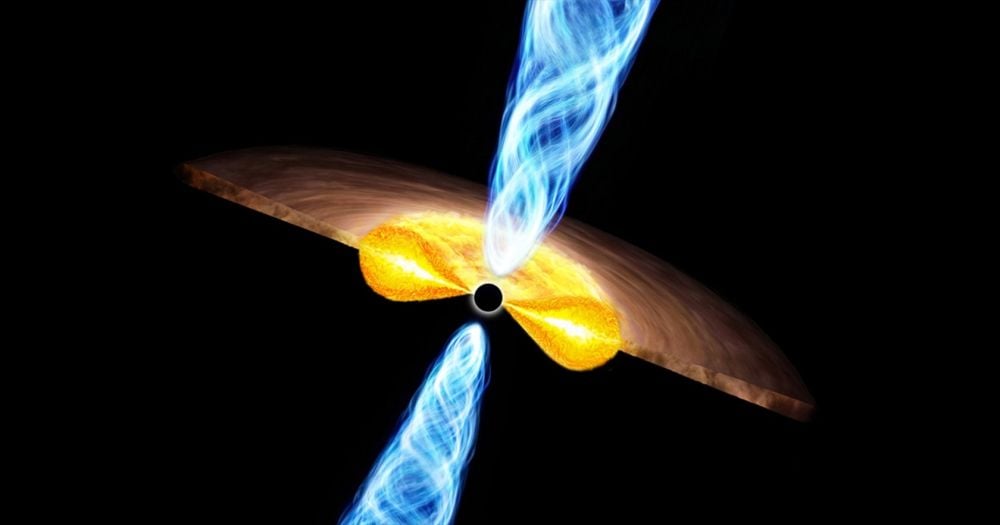
SMBH jets are driven by thick, hot accretion disks with powerful magnetic fields. But there's a bit of a paradox. Some SMBH produce jets, even though they appear to have thin, cold accretion disks. New research has solved this paradox, showing that disks can be truncated into an outer cold disk and an inner hot disk.
Continue reading
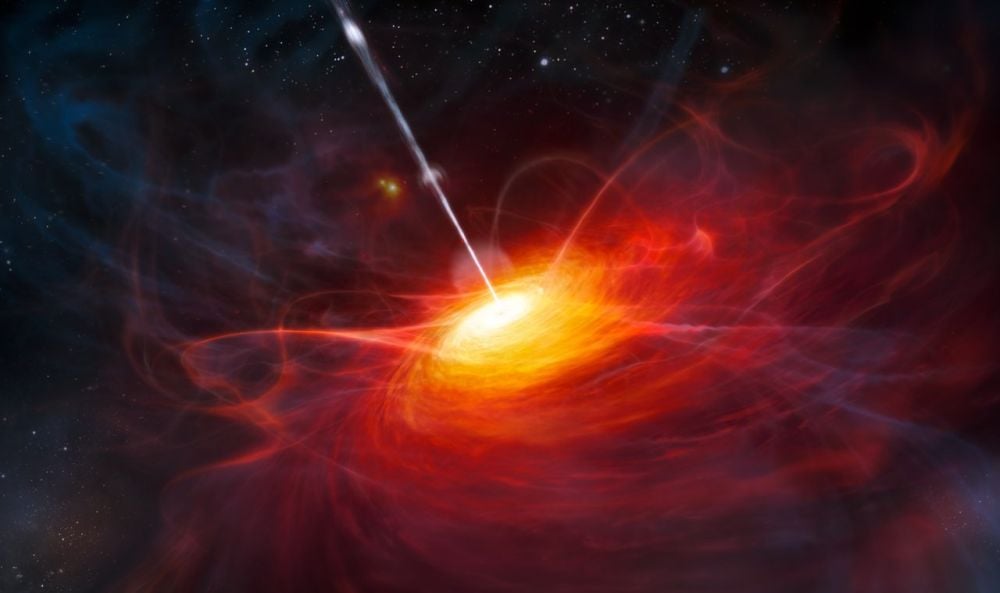
Theory says that during some SMBH mergers, the merger remnant receives a recoil kick from gravitational waves. Instead of sitting placidly in the galactic center, these recoiled SMBH are sent on a pendulum-like motion, back and forth through the galactic center. New research has found statistical evidence supporting their existence.
Continue reading
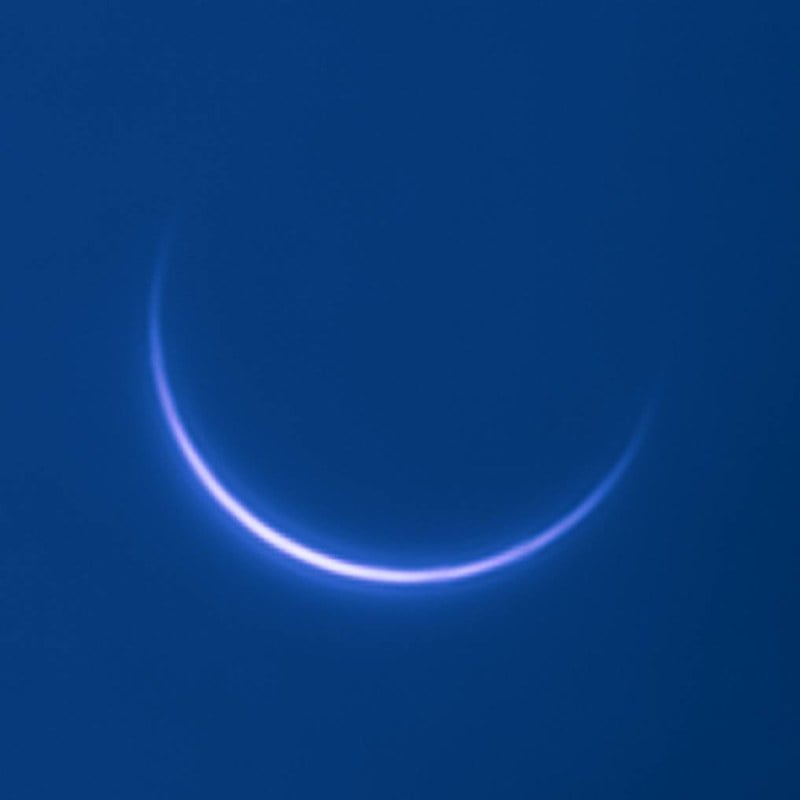
Where have all the planets gone? Late October 2026 sees a decided dearth of planets in the dusk sky, with only bashful Mercury receding from view, and Saturn fresh off of opposition. Venus, the former lucida of the evening sky is now lost from view, taking the plunge sunward. But this vanishing act allows for a dramatic transformation this weekend, as our nearest planetary neighbor brushes past the Sun and transitions into the dawn sky.
Continue reading
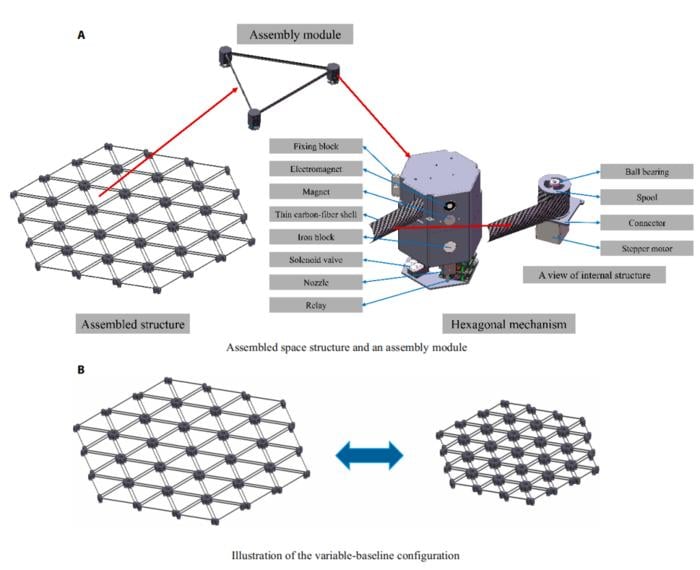
Private companies are getting better and better at launching more and more mass into space with larger and larger rockets. But, there is still a major constraint on the size of objects we can get into orbit - fairing size. This places physical constraints on the overall shape of what we can launch, and severely limits the sizes of, say, a communications array or a power satellite. But a new paper from researchers at Nanjing University of Aeronautics and Astronautics and the Beijing Institute of Technology offers a solution - a self-shaping, deployable module that can fine-tune both its positioning and its own dimensions.
Continue reading
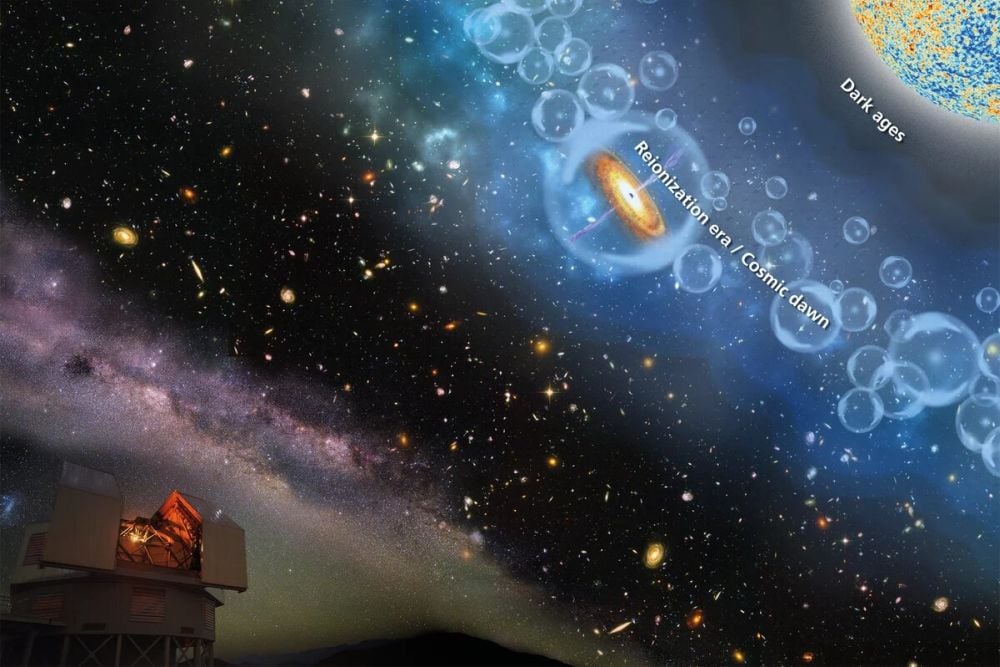
The Epoch of Reionization is when radiation from early galaxies and their stars reionized neutral hydrogen and let light travel freely through the cosmos. Some research shows that supernovae helped the process. But new research shows that, though they may have helped initially, supernovae eventually slowed reionization.
Continue reading
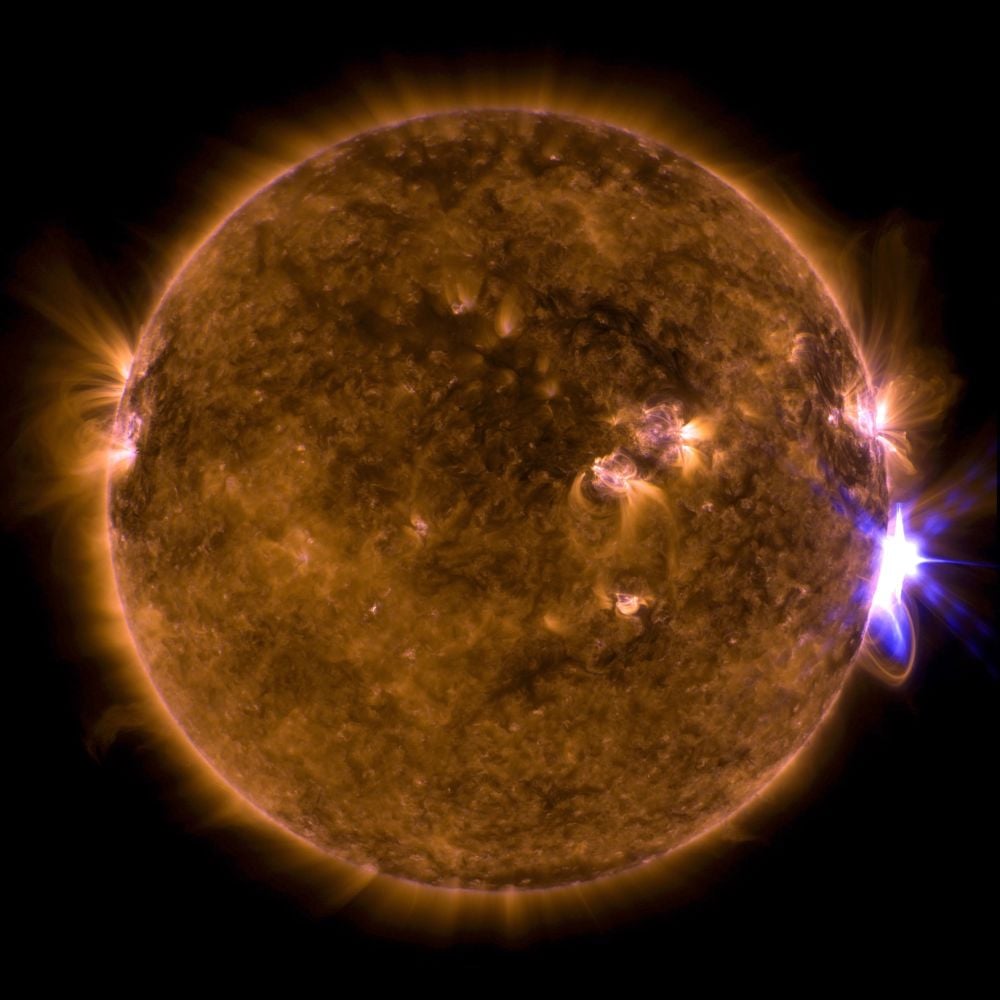
Solar flaring is complex behaviour triggered by reconnection, when magnetic field lines break and then snap back to the Sun's surface. The flaring is complex behaviour, and its details are difficult to observe. Researchers found a new way to study flaring behaviour.
Continue reading
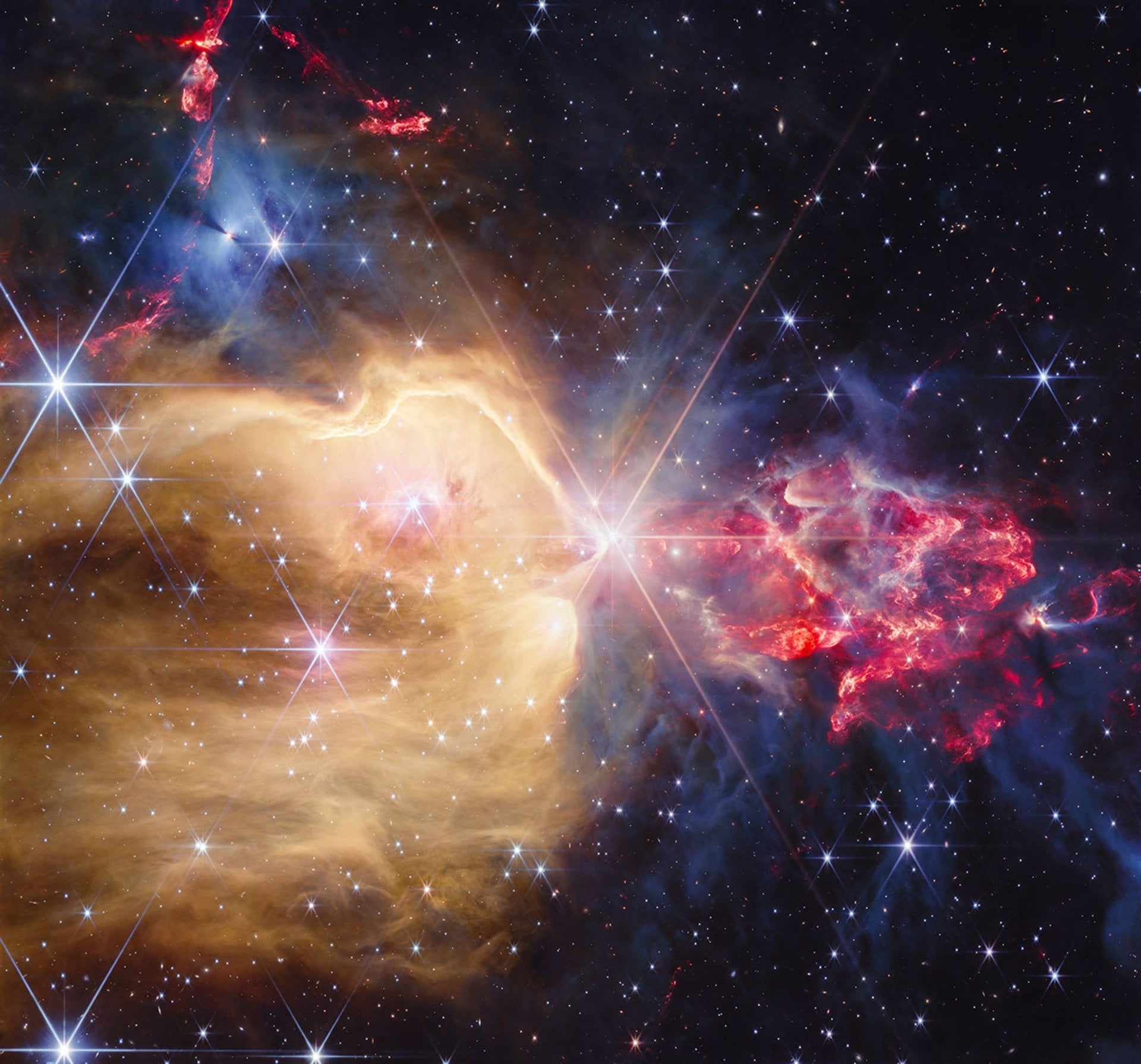
This Webb infrared image, released on October 6th, 2026, shows the star-forming region NGC 7129, about 3,300 light-years from Earth. The central star, LkHα 234, is a young star of 5–8 solar masses whose outflows have cleared a cavity about 3.5 light-years across. On the right side of the region, younger protostars shoot jets of very hot material that create shocks in the surrounding gas.
Continue reading
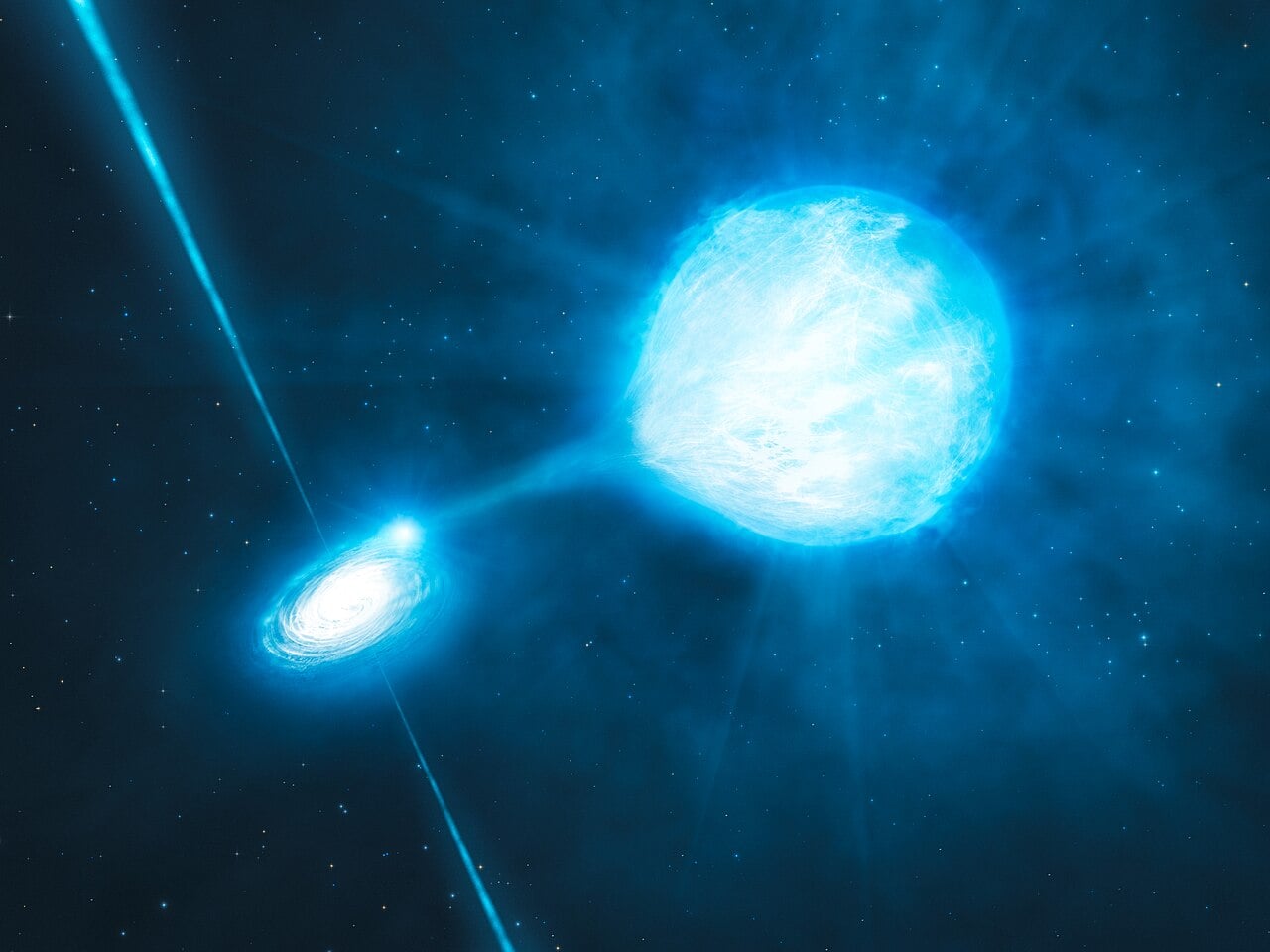
Stellar-mass black holes should be in our neighbourhood within about 50 light years of the Solar System. But they're likely isolated, without much to feed on, making them difficult to find. Gaia found some candidates, but confirming them is tough.
Continue reading
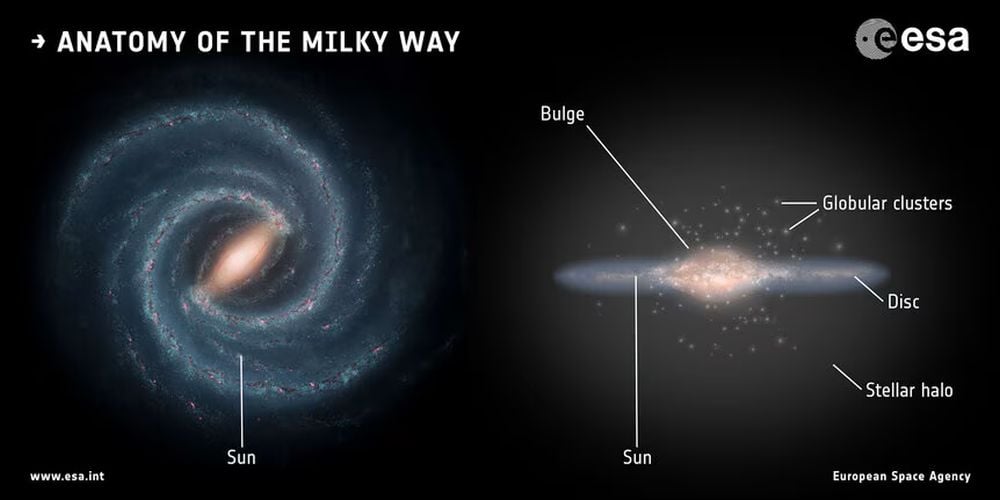
Figuring out how the Milky Way's thin and thick disks formed is a tough question in astronomy. It relies on determining individual stellar ages accurately. Gaia was pretty good at that, and new research based on its data may have found the answer.
Continue reading
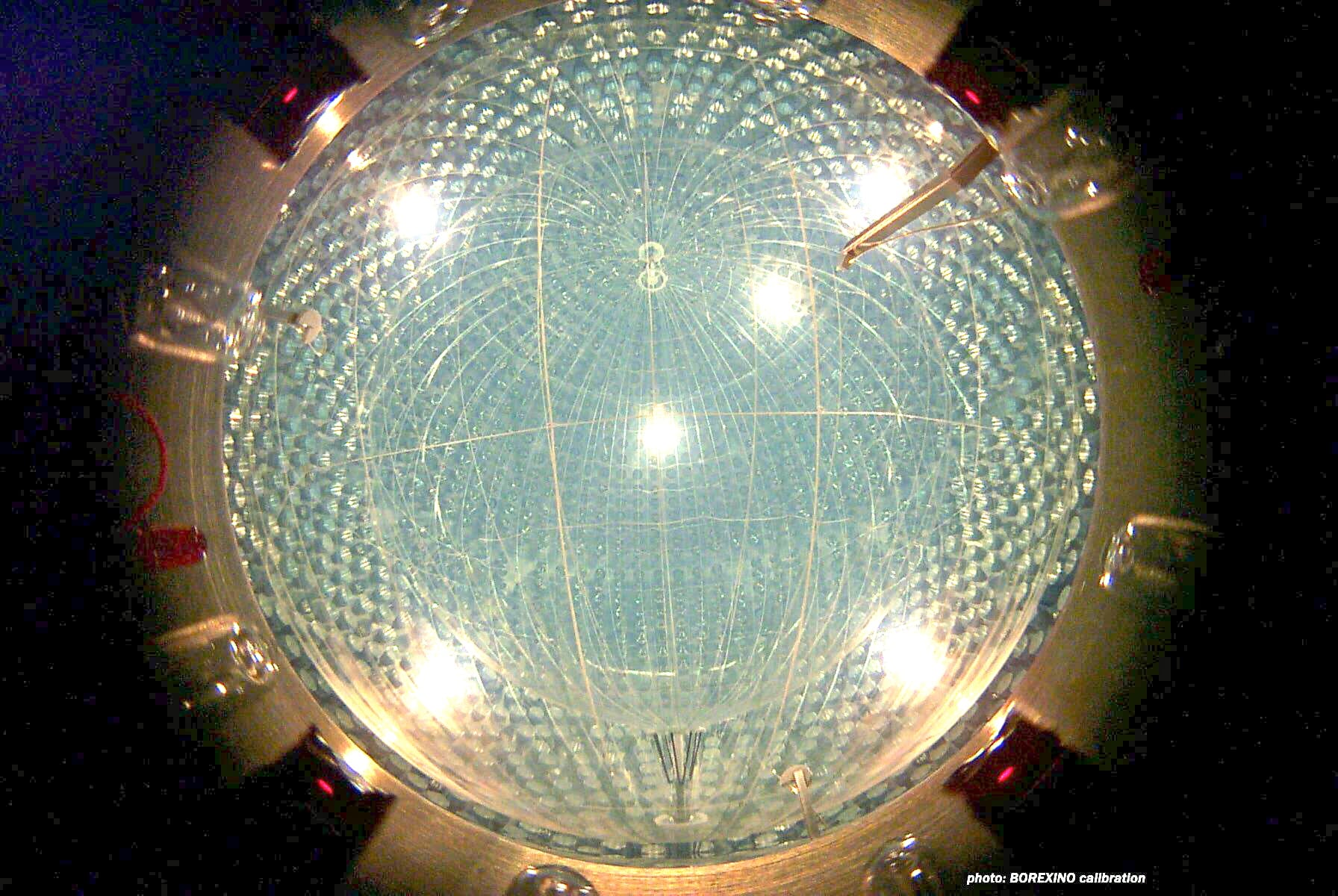
In the early Universe, neutrinos interacted strongly with other matter before some of them "decoupled." The heaviest of these decoupled neutrinos may be the solution to the matter-antimatter cosmic mystery.
Continue reading
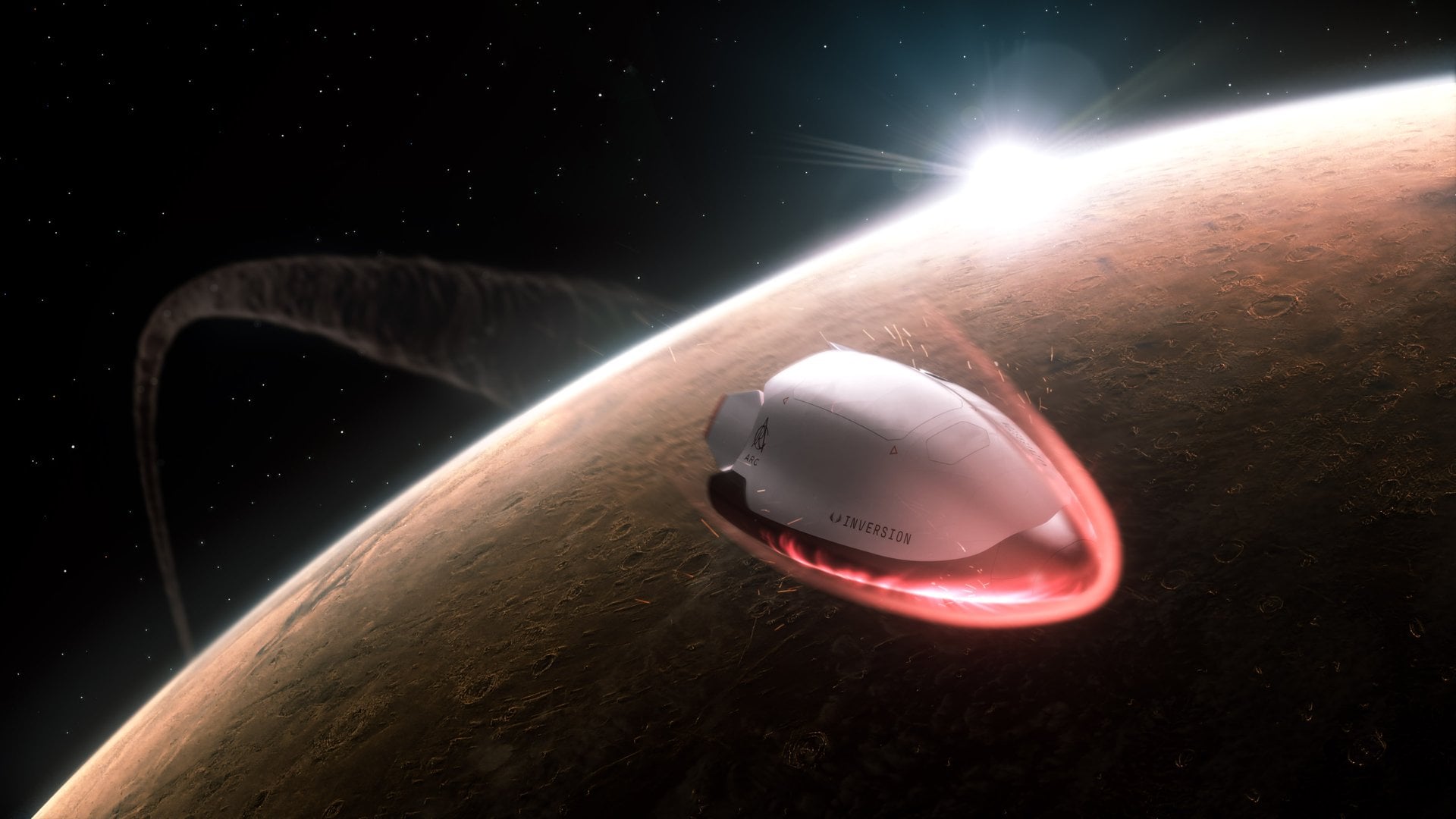
Using a planet’s atmosphere to secure a satellite’s place in orbit, a process known as “aerocapture”, has been the dream of flight engineers for decades. The only problem? It’s really hard to actually do. It requires control systems, thermal management, and orbital mechanics to all coordinate in a dance that allows a spacecraft to not just slow down while passing by another planet (or moon in some cases) but to start to orbit it without the use of lots of additional propellant. For now, that remains a dream, but a recent NASA contract to a California start-up called Inversion is another step towards making it a reality.
Continue reading
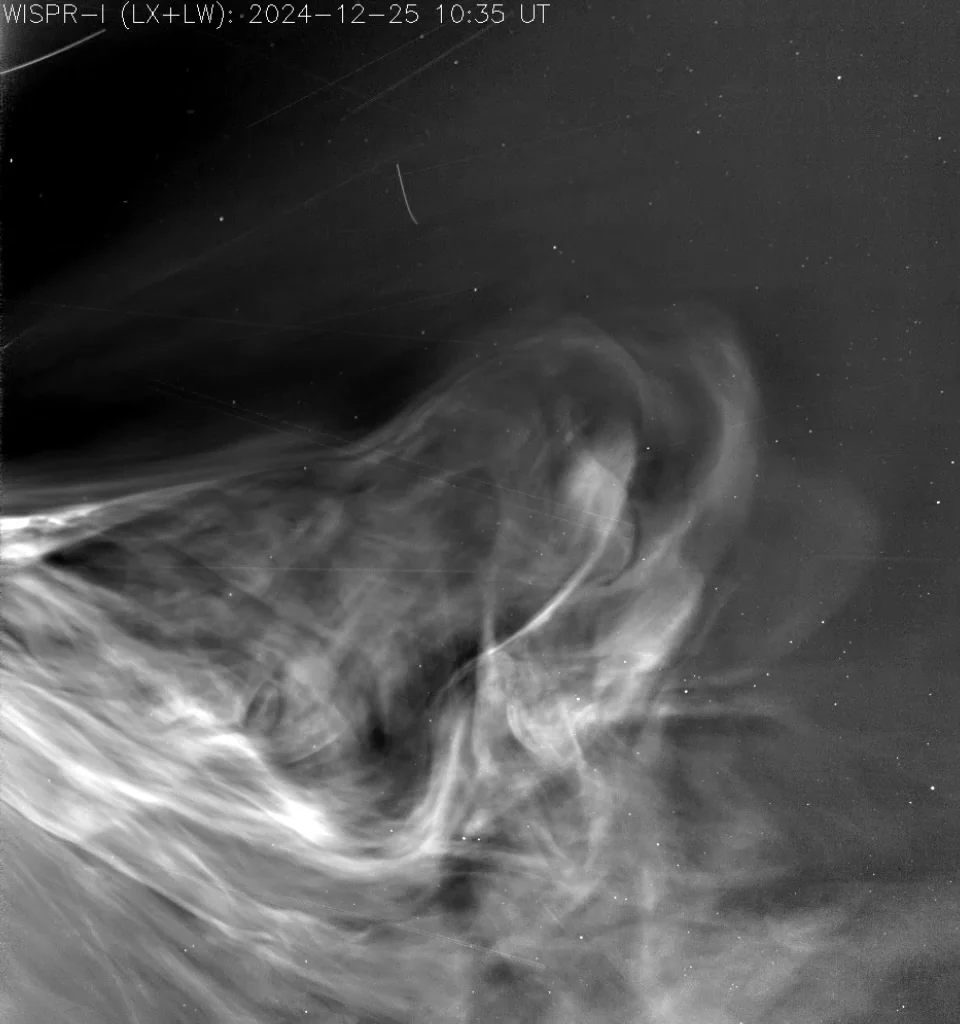
There has been a torrent of solar physics data lately, largely thanks to new spacecraft that have begun actively observing the Sun. One of those spacecraft, Solar Orbiter, happened to have a serendipitous encounter with a type of solar physics phenomenon known as a “switchback”. A new paper, available in Nature Astronomy from researcher Jesse T. Coburn and their co-authors, describes how that serendipitous encounter allowed them to track the switchback back to its birthplace in the solar corona for the first time.
Continue reading
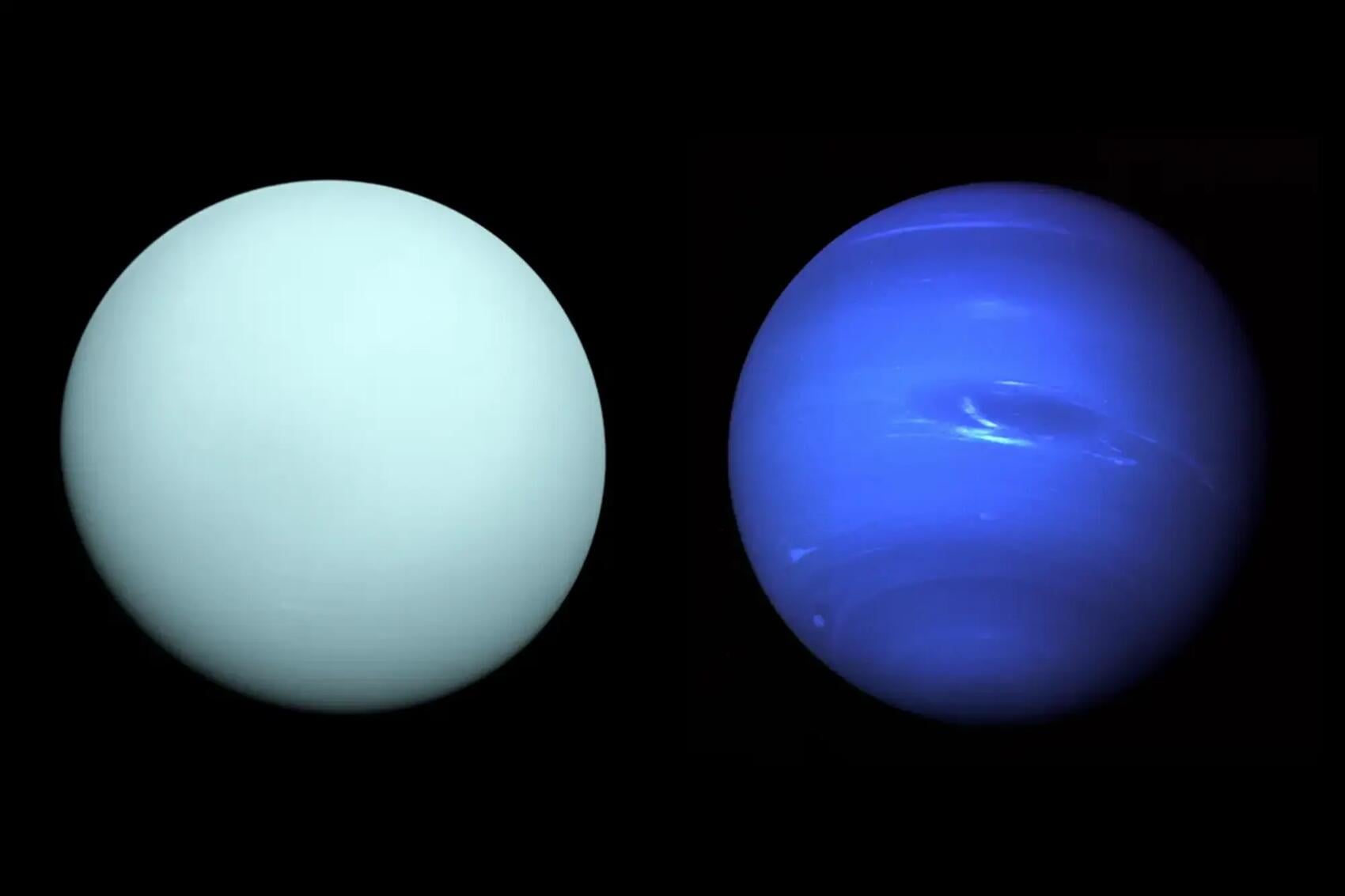
On Earth, water ice is simply water ice. But under extreme pressure, it takes on an unusual asymmetric form. It stops being molecular and its atoms are forced into a strange asymmetry.
Continue reading
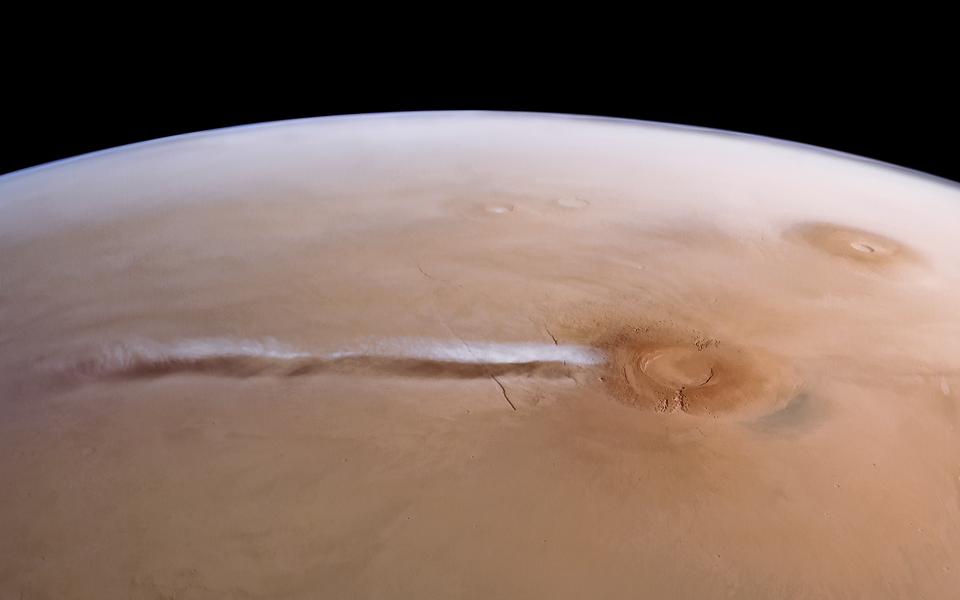
It may not be as obvious, but just like Earth, Mars has seasons. And every day of every summer, an 1,800 kilometer long thin white cloud appears to the west of Arsia Mons, a 20 kilometer high extinct shield volcano. At least for a few hours, before it dissipates until it reappears the next morning. Scientists have known about this feature, which they call the Arsia Mons Elongated Cloud (AMEC), for decades, but planetary scientists have been unable to explain it using traditional atmospheric models. But a new paper, published in Nature Geoscience by a research team led by Dr. Jorge Hernández-Bernal of the Sorbonne, suggests that the cloud could be the first documented real-world example of a cloud flash-freezing out of thin air.
Continue reading
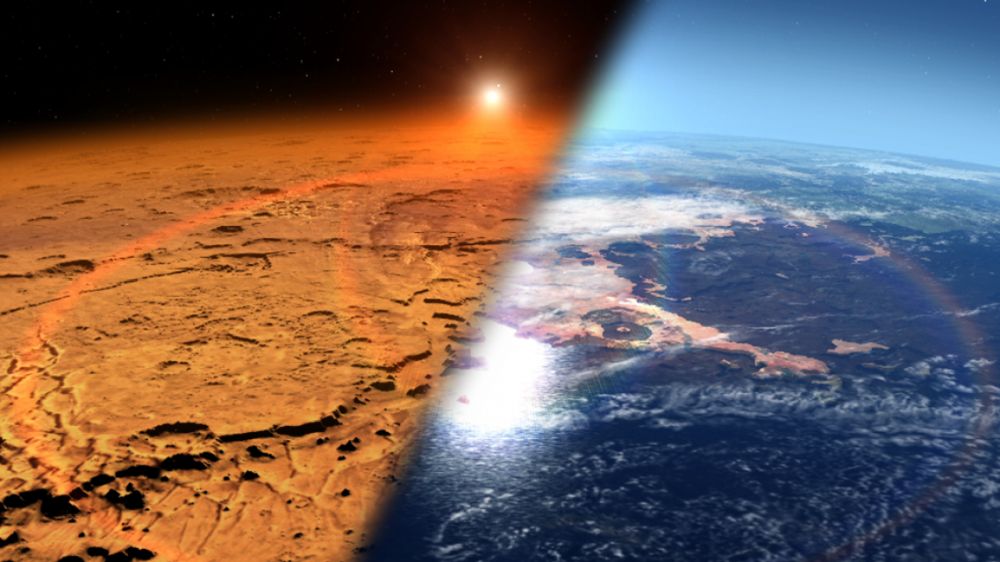
Billions of years ago, rain may have helped shape where the chemistry of life could begin on Mars. A new study maps how formaldehyde, an important prebiotic molecule, may have reached the surface. This map could help guide future missions searching for signs of past life on Mars.
Continue reading
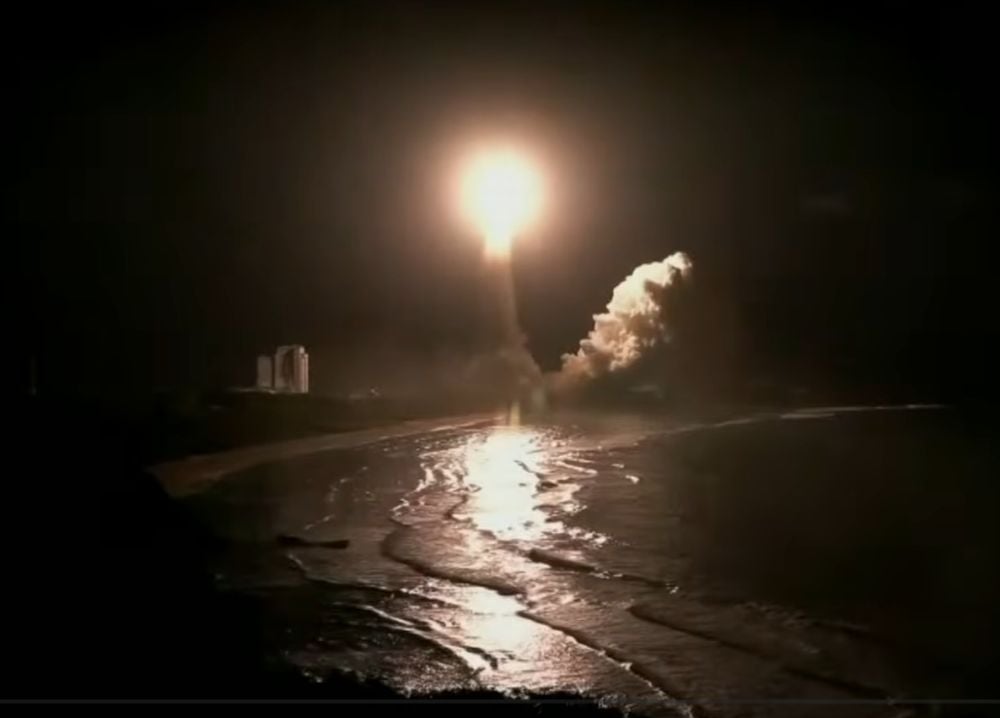
JAXA successfully launched its Martian Moon eXplorer on its way to Mars and Phobos. It'll reach Mars in about six months, and will orbit the planet for about a month before transferring to an orbit around Phobos. It will deploy a small lander, which will help select a sample-gathering location for the main part of the mission. By 2031, the regolith sample from Phobos should be back on Earth.
Continue reading
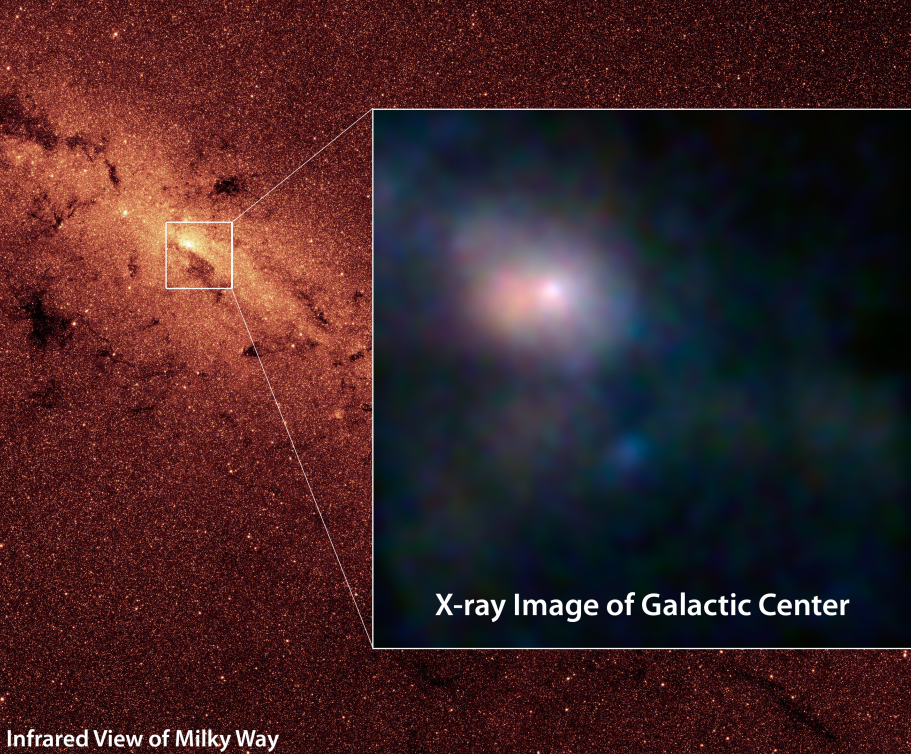
The region near Sagittarius A-star, the Milky Way's supermassive black hole, is enriched in metals, although only modestly. The likely cause is supernovae explosions, which synthesize elements heavier than hydrogen and helium. Over time, this metal-rich gas found its way towards the SMBH. The increased metallicity and heat from the supernova affect how fast gas flows into the SMBH.
Continue reading
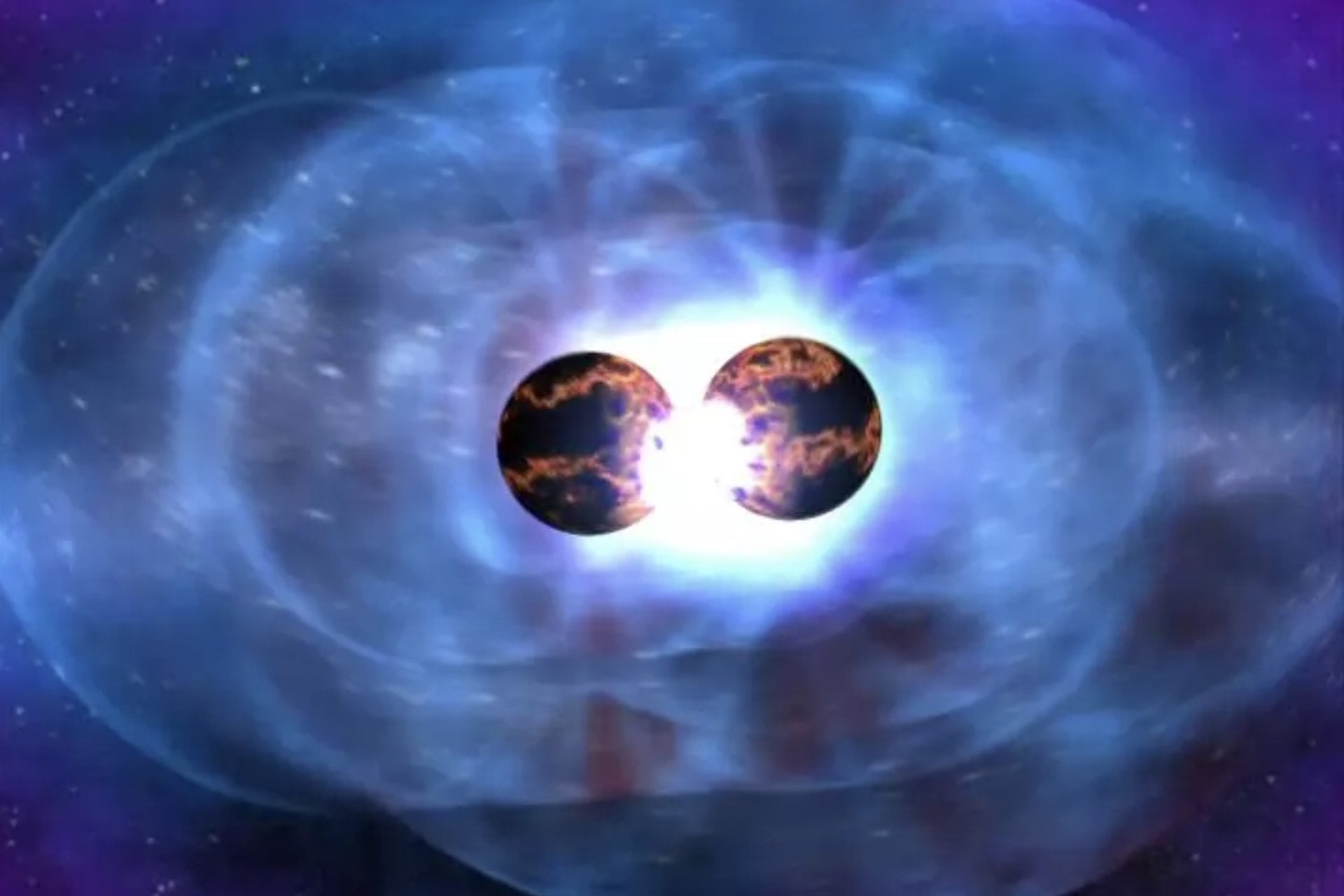
Magnetars are neutron stars with magnetic fields a thousand times stronger than normal. One way that magnetars might form is through the merger of two small neutron stars.
Continue reading
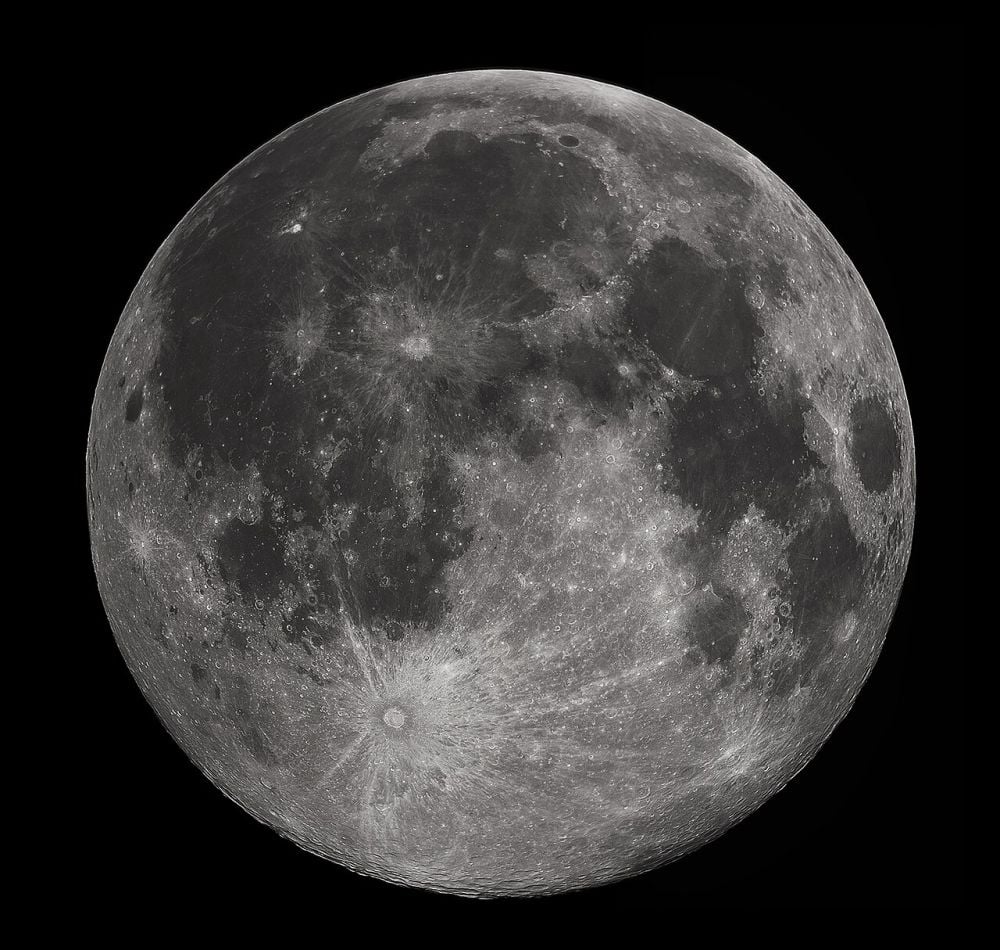
The Moon is slowly cooling and slowly shrinking. A study of its scarp faults calculates the rate of shrinkage, showing that it's extremely small. But the shrinking could still create landslides, a potential hazard for missions to the lunar surface.
Continue reading
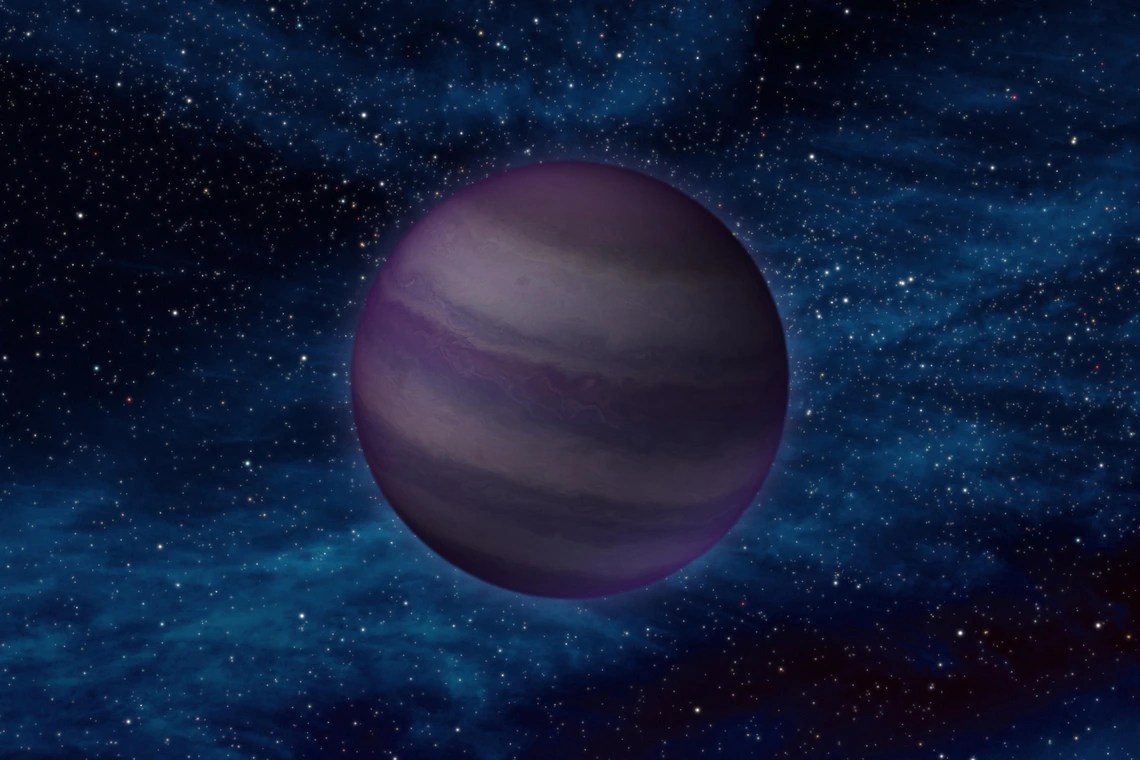
When picturing a star, typically people think of giant balls of burning gas in the sky that emit enough light they are hard to miss. Planets, on the other hand, come in one of two general categories - rocky worlds like Earth or gas giants similar to Jupiter. But there is a third category of astronomical object that doesn’t really fit either of those descriptions, and also doesn’t exist in our own solar system. Known as a brown dwarf, they are sometimes called a “failed star” as they form the same way stars do, but never reach the critical mass of material to create active fusion in the cores. They are also much too massive to be considered a regular planet. But a new paper from researchers led by Brittany Miles of the University of Arizona describes one similarity between the coldest known brown dwarf and some of the planets in our solar system - it has water-ice clouds.
Continue reading
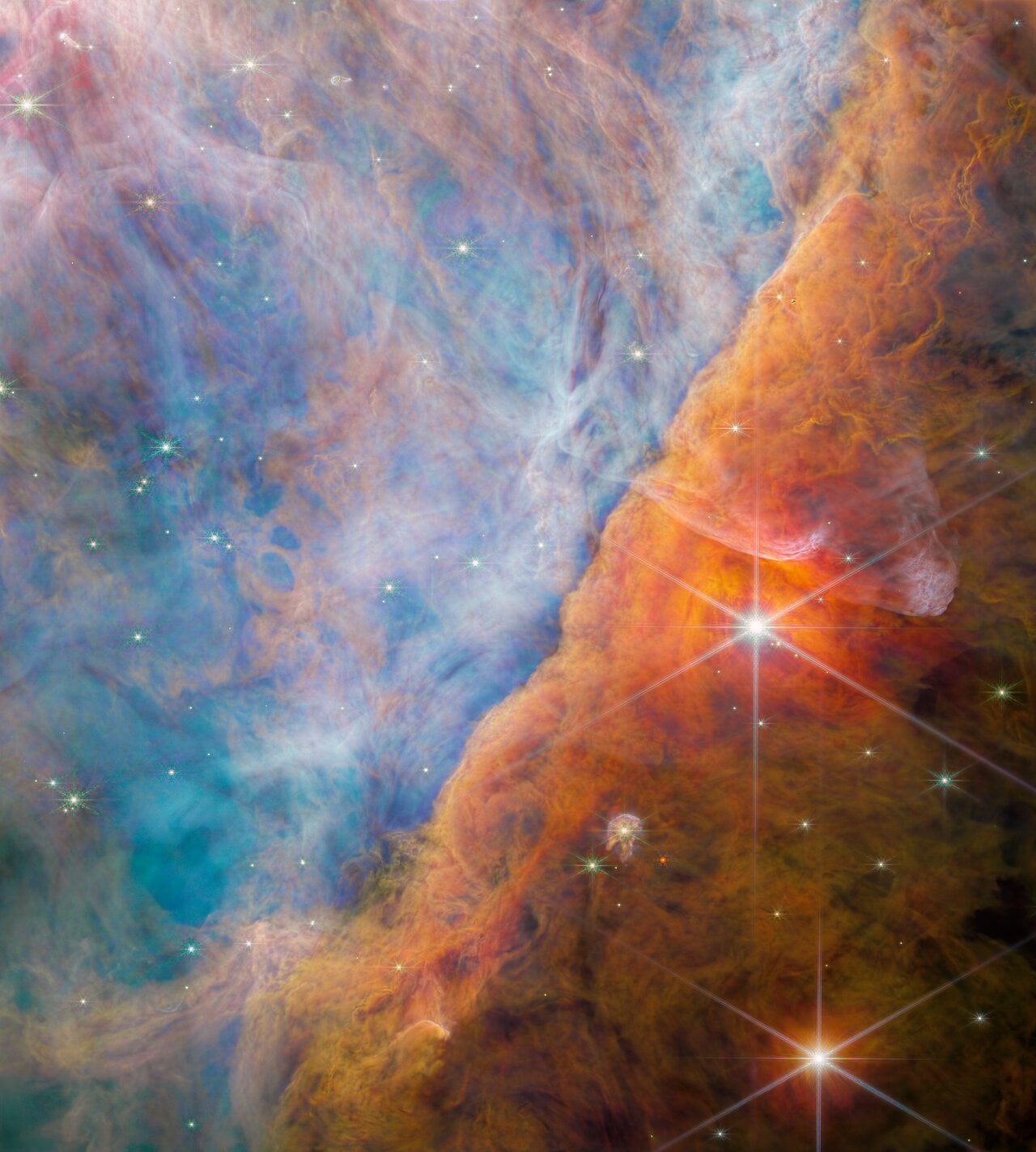
Young stars form in molecular clouds, and once they're turned on, they begin to shape their natal clouds with radiation. Researchers developed a new 3D model of one feature of the Orion Nebula star-forming region called the Orion Bar. Their model matches JWST observations, and explains how the uneven structure in stellar nurseries creates shadowed regions that alters the astrochemistry in the clouds.
Continue reading
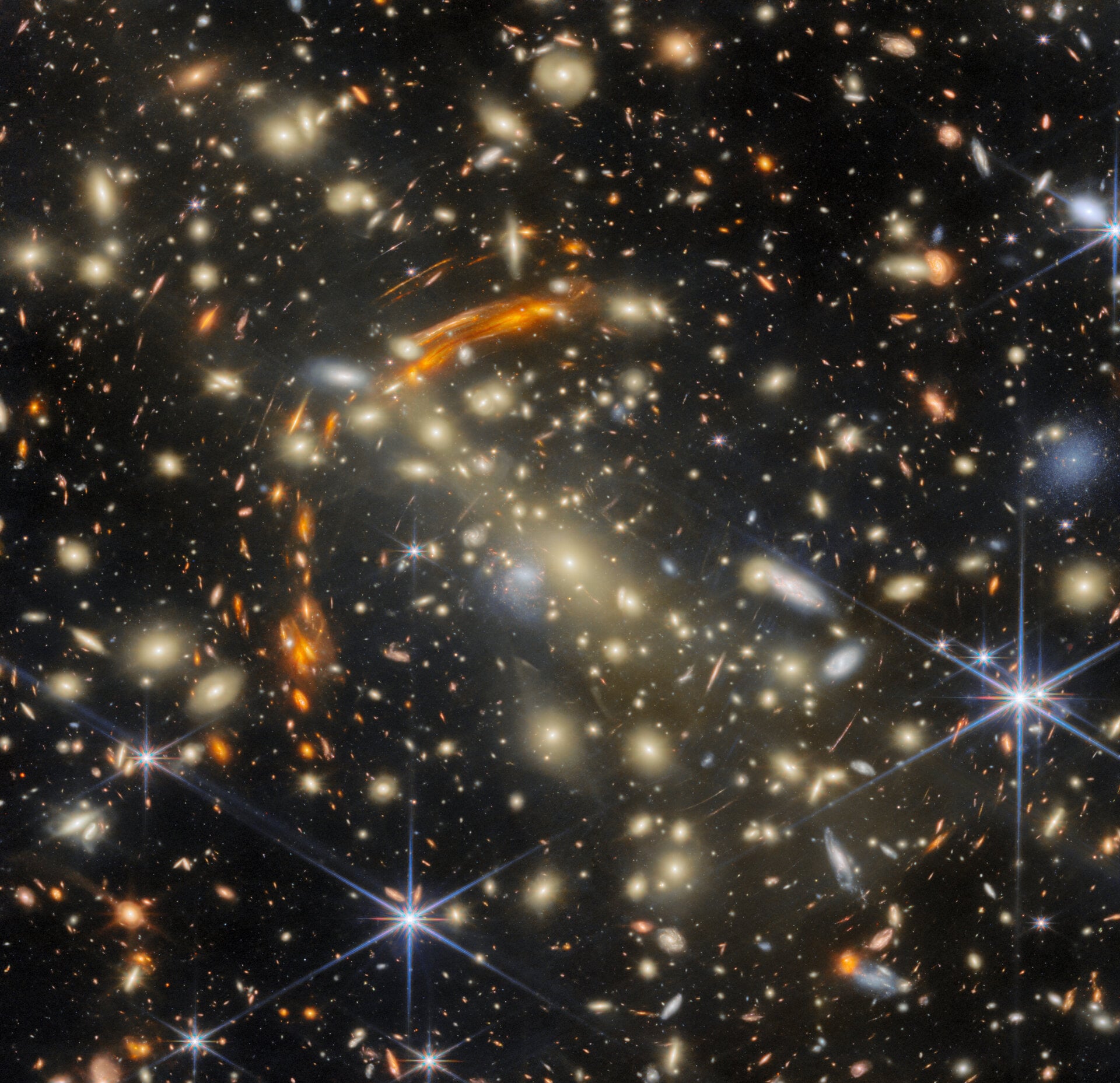
The NASA/ESA/CSA James Webb Space Telescope Picture of the Month features the brilliant golden galaxies belonging to the MACS J0454.1-0300 galaxy cluster.
Continue reading
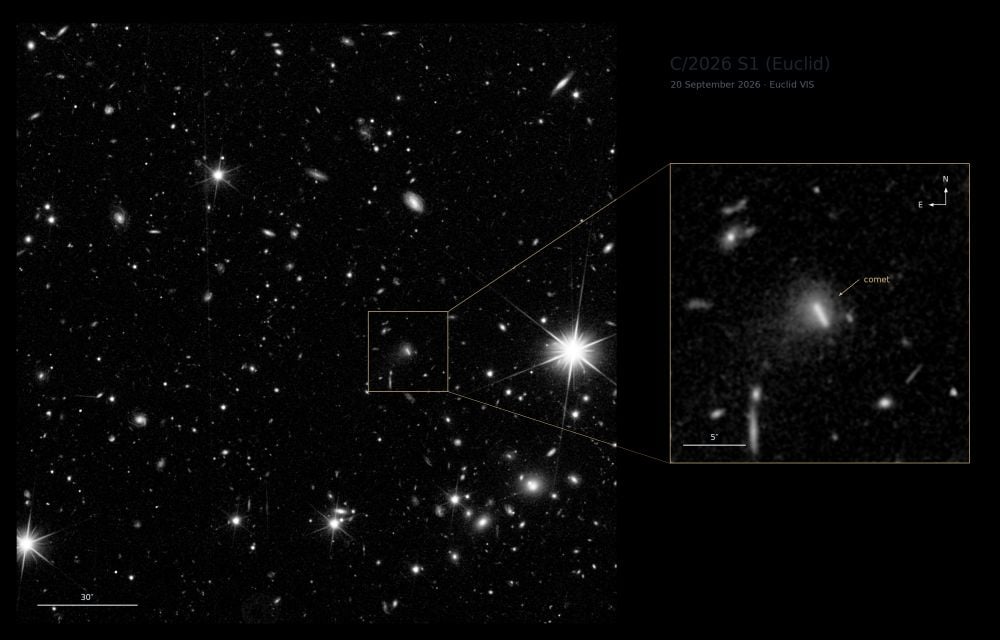
The ESA's Euclid space telescope was launched in July, 2026, and its mission is to observe billions of galaxies. The goal is to measure their redshifts over 10 billion years of Universal expansion, to better understand dark matter and dark energy. Surprisingly, the telescope has discovered a brand new comet, now named C/2026 S1 (Euclid).
Continue reading
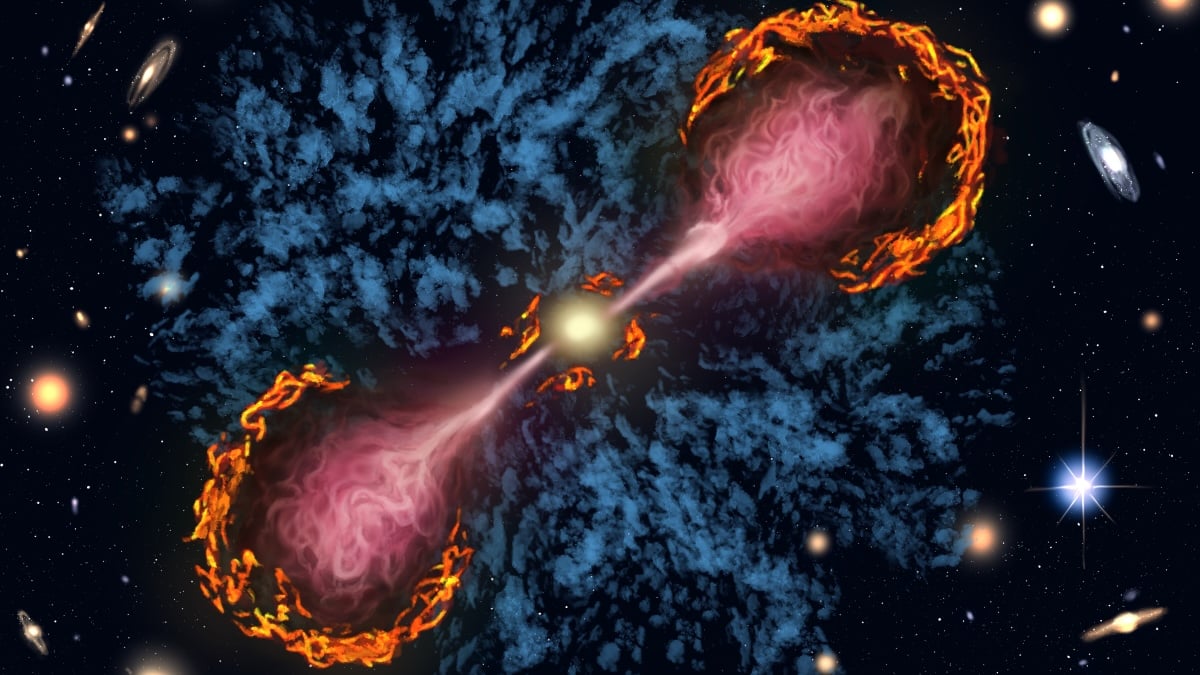
Supermassive black holes power tremendous jets that extend far beyond their galaxy. A new study finds how they can also warm material at the outer edge of a galaxy and reduce the rate of star production over time.
Continue reading
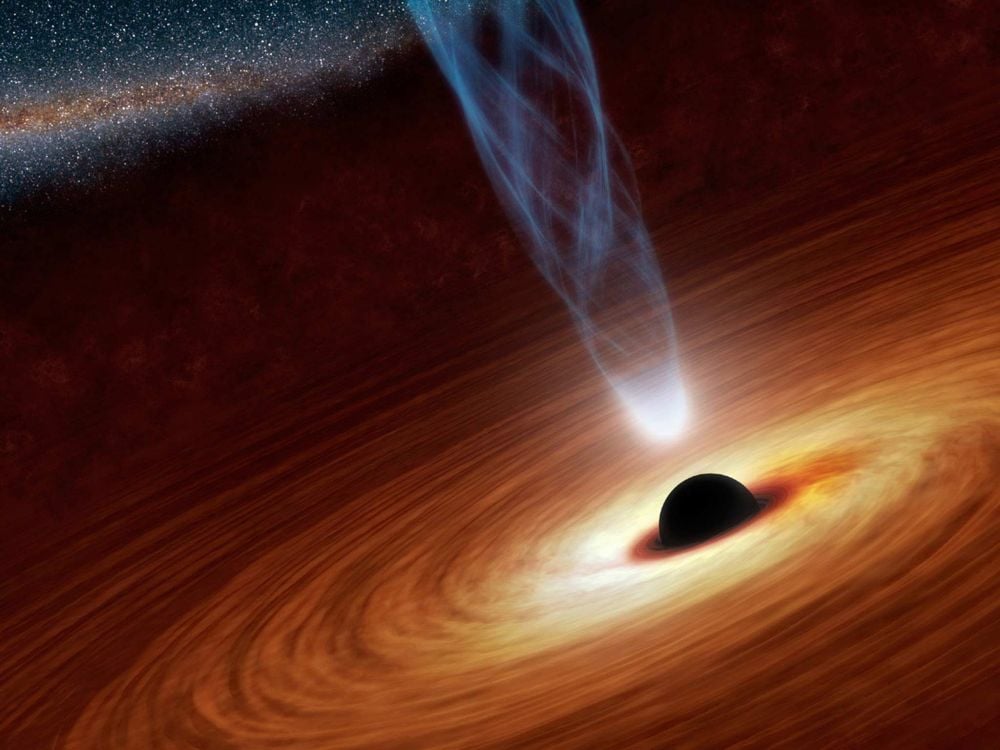
Researchers have confirmed the existence of the first microblazar. Unlike blazars, which are extragalctic and powered by supermassive black holes, microblazars are inside the Milky Way, and are powered by stellar mass black holes. The microblazar may be the source for the most energetic particles in the galaxy.
Continue reading
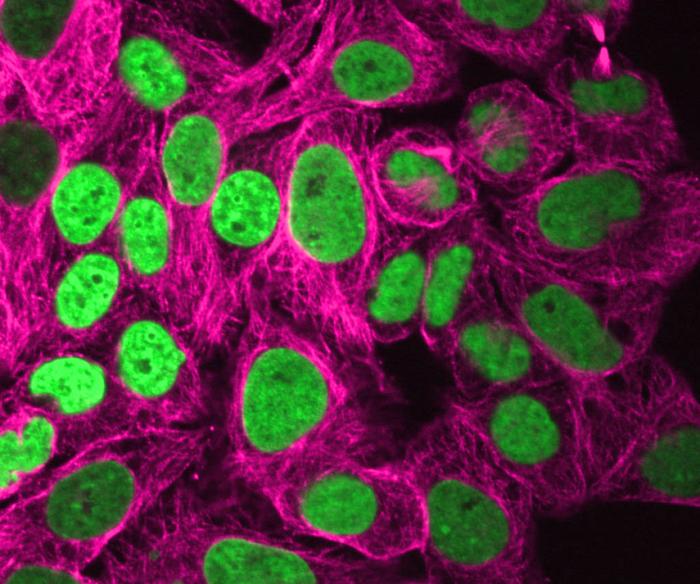
A new study in Science Advances addresses the pressing questions about how long-duration exposure to microgravity affects the human genome.
Continue reading

Despite the upcoming Bepi Colombo visit to Mercury, we need a lander mission to fully understand our solar system’s innermost planet.
Continue reading
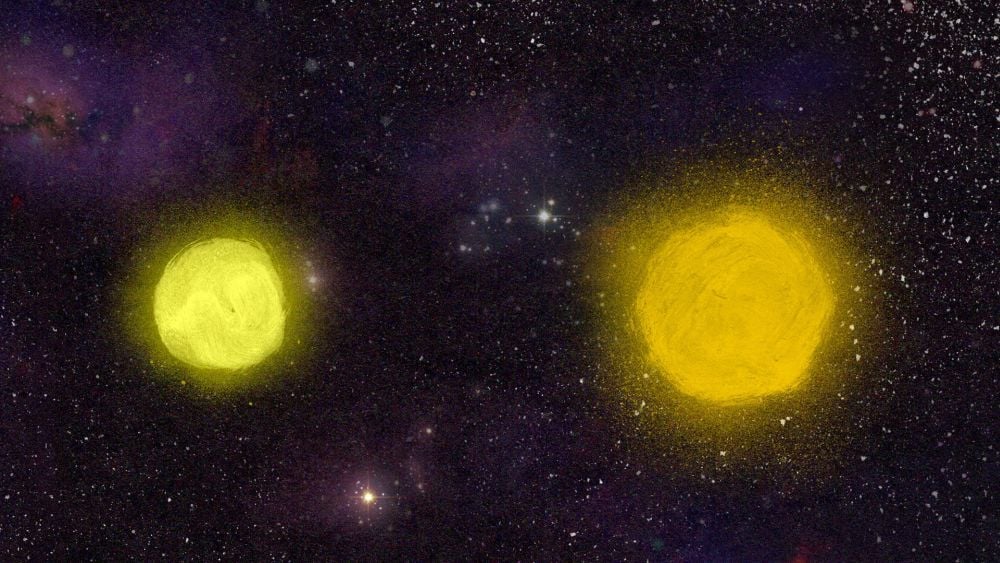
Astronomers used decades of archival data and new radial velocity measurements to search for exoplanets around a neaby binary star, 70 Oph AB. They didn't find any, which can seem like a failure. But in this case, their work only ruled out large, Jupiter-mass planets at certain distances. There could still be Earth-sized planets there, and their precise findings will only fuel a deeper search with more powerful telescopes.
Continue reading
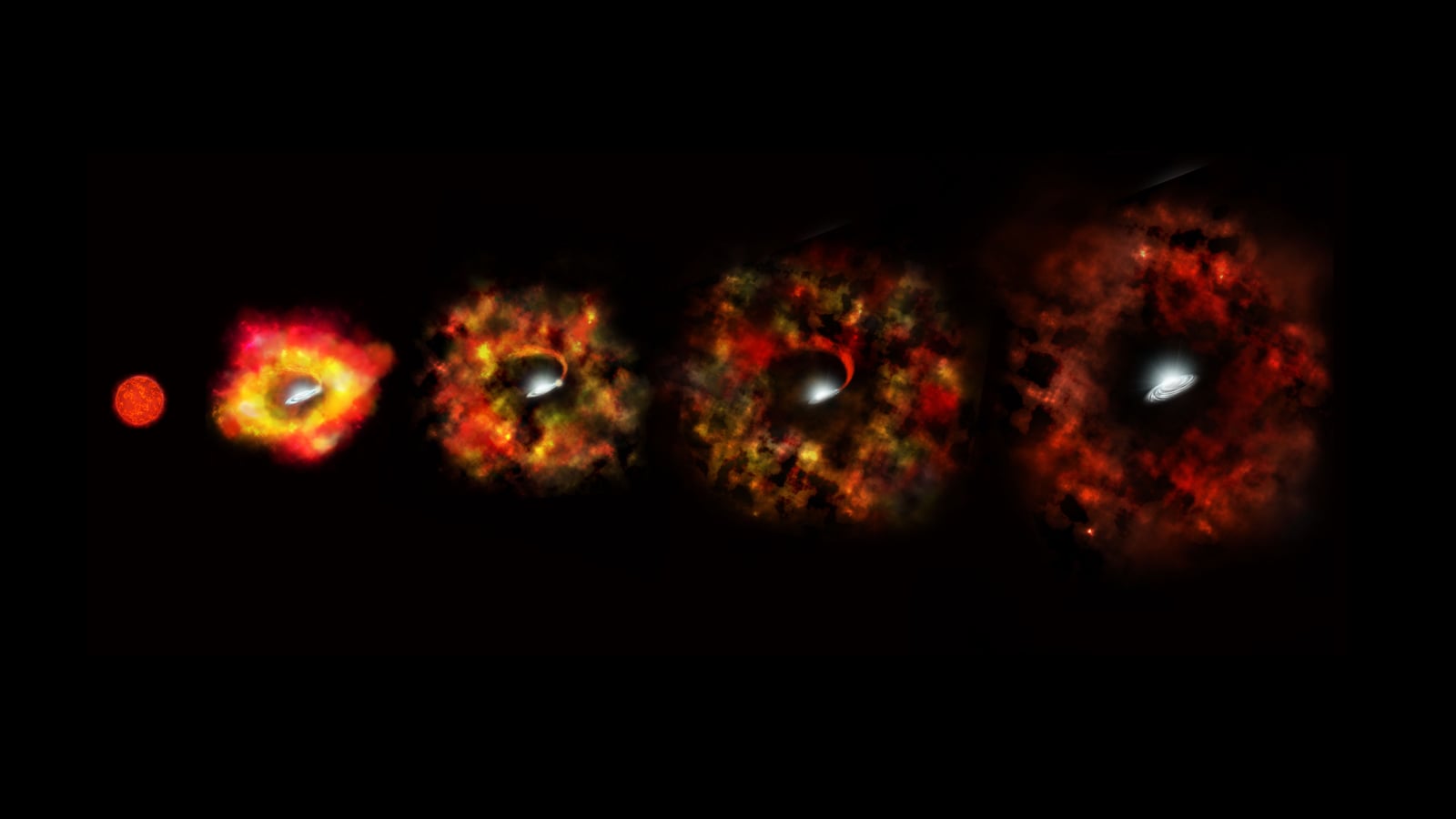
Neutrinos come in three different flavors. A new study finds that neutrino flavor could play a significant role in whether a dying star becomes a supernova or collapses directly into a black hole.
Continue reading
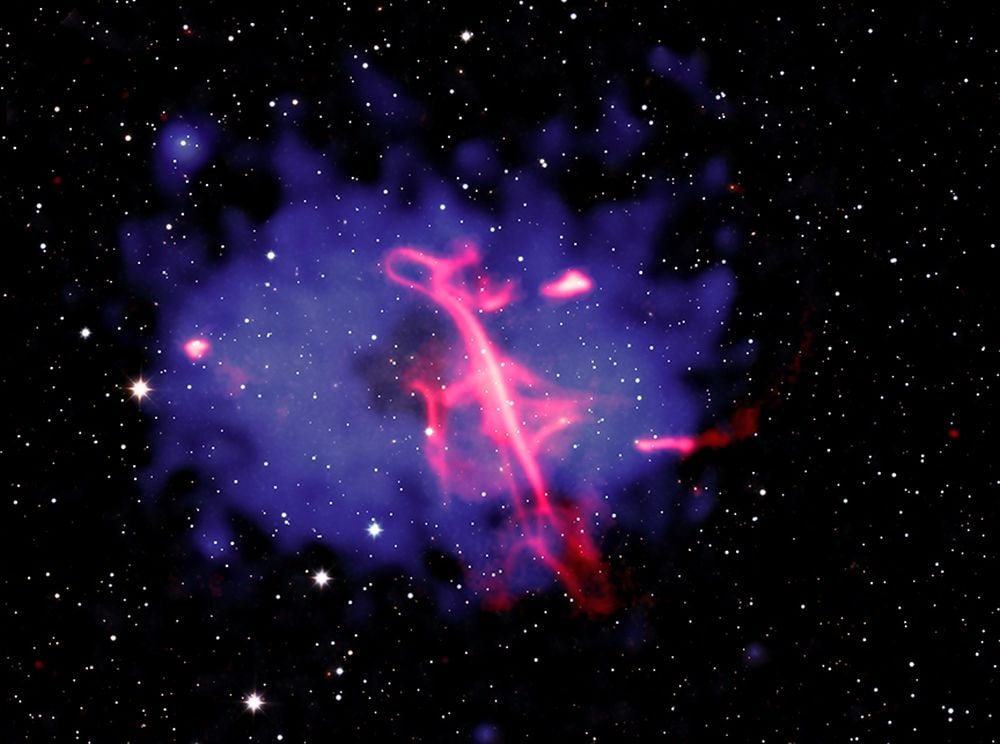
Years ago, astronomers spotted a strange radio formation beyond the Zone of Avoidance. The formation resembles a treble clef, a symbol in musical notation, and the nickname has stuck. Determining what created it has been difficult, but new research has revealed that the Treble Clef is a radio phoenix.
Continue reading
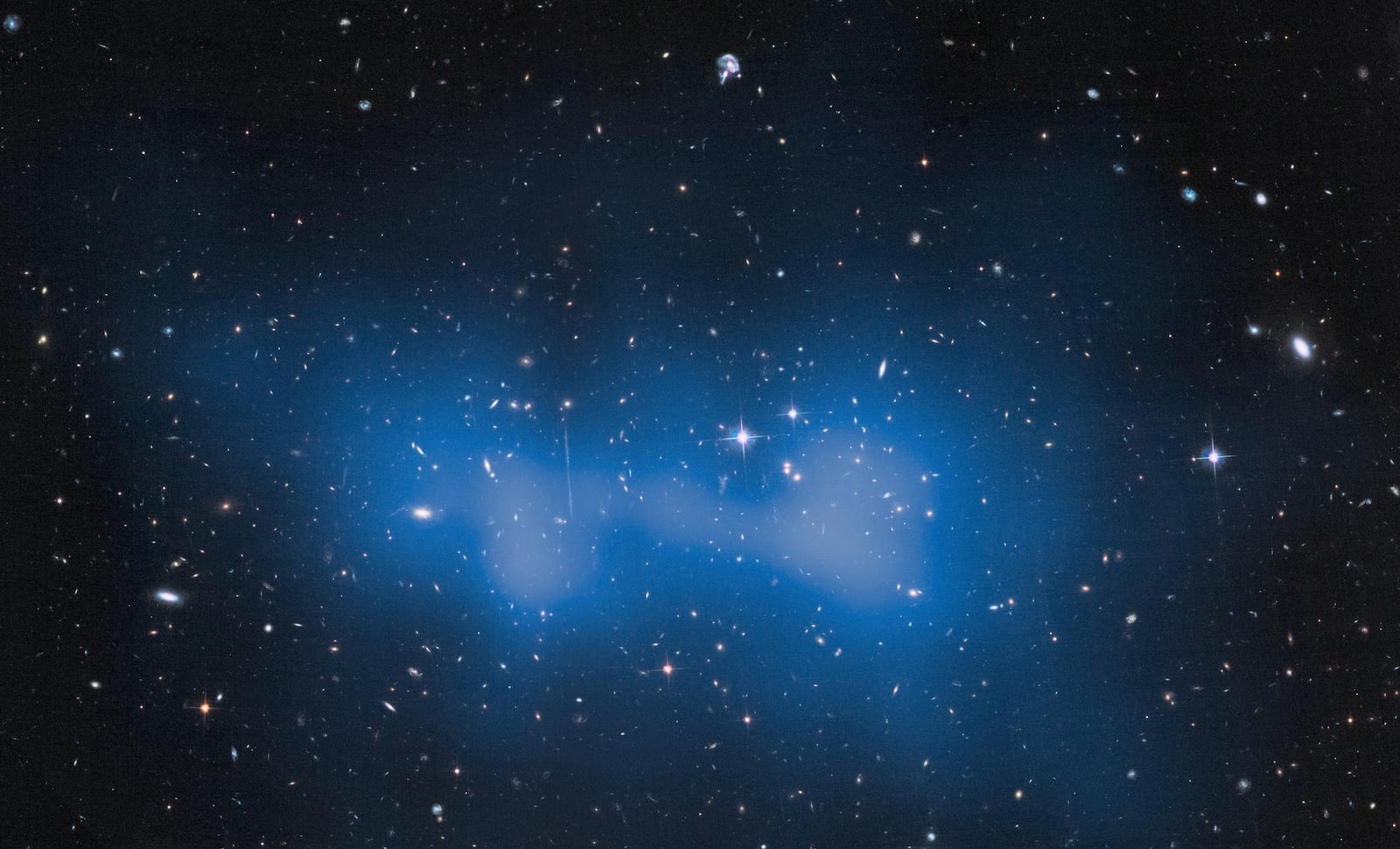
The El Gordo supercluster is unusually large given its distance. How could such a large galaxy cluster form so quickly? The answer could be that dark matter is self-interacting in an interesting two-state way.
Continue reading
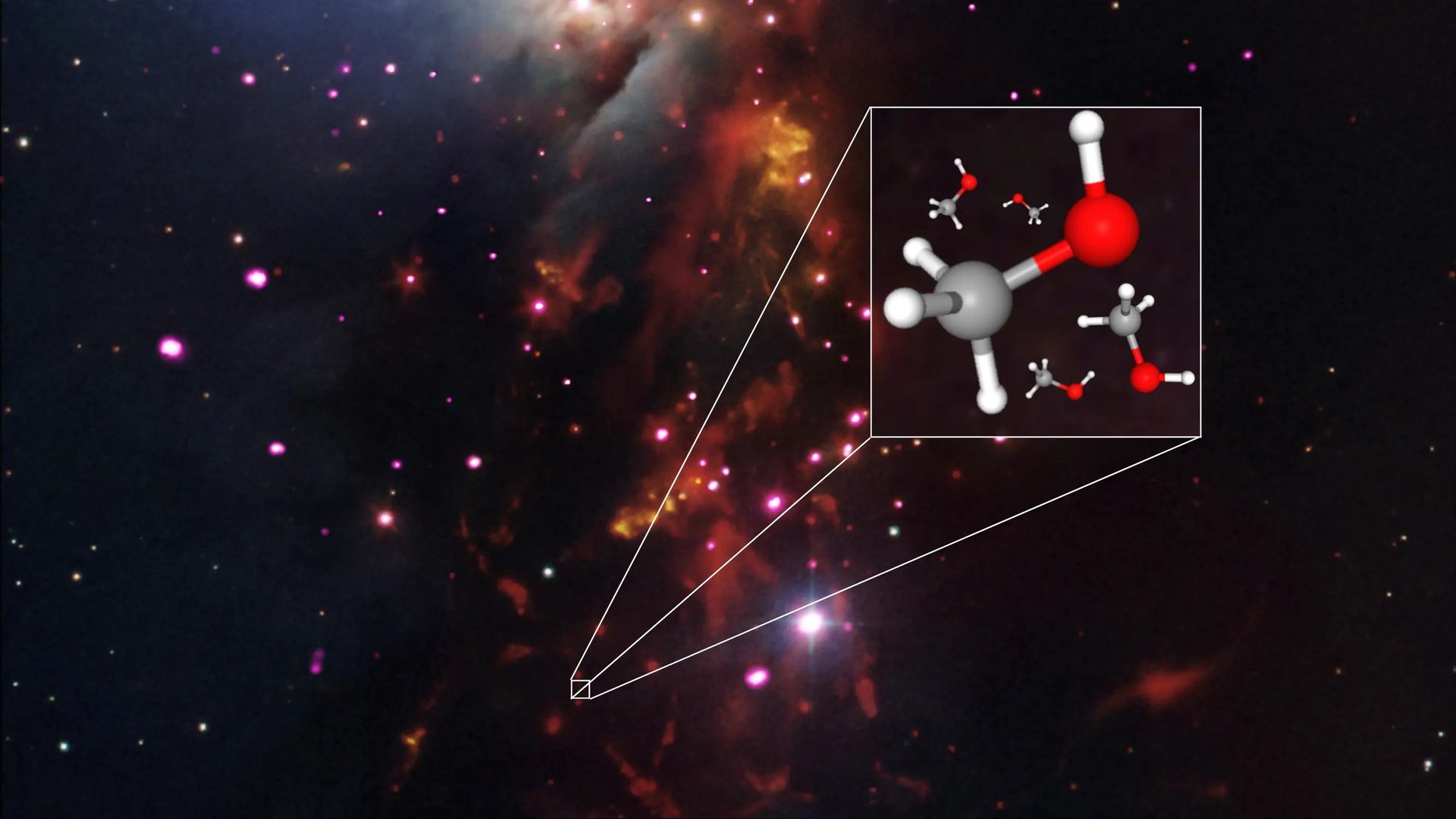
As part of the ALMA COMPASS Large program, an international research team has detected a rare form of methanol in space for the first time.
Continue reading
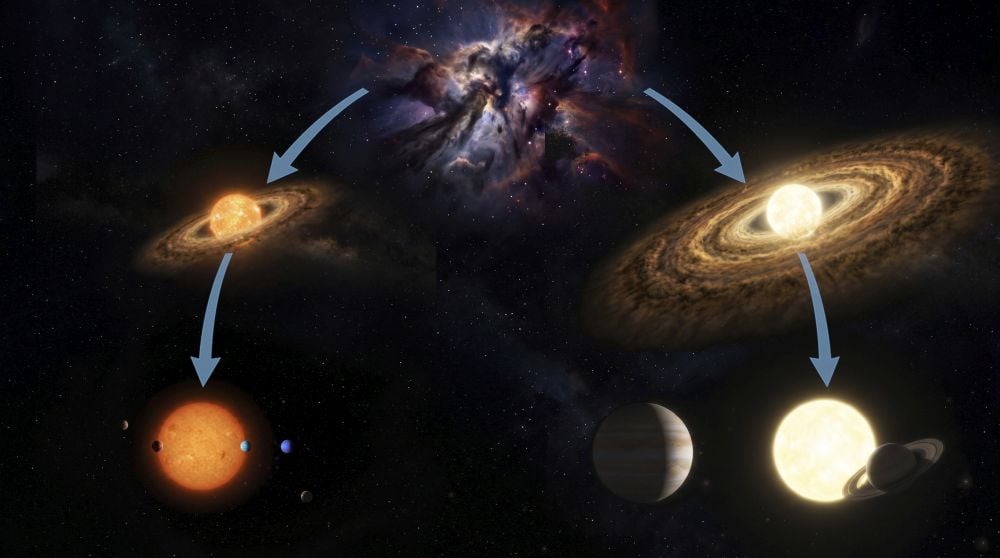
New research draws a link between a host star and the characteristics of its planetary system. Higher mass stars create one family of systems, while lower mass stars create another. These results provide a new, more detailed template for understanding exoplanet systems.
Continue reading
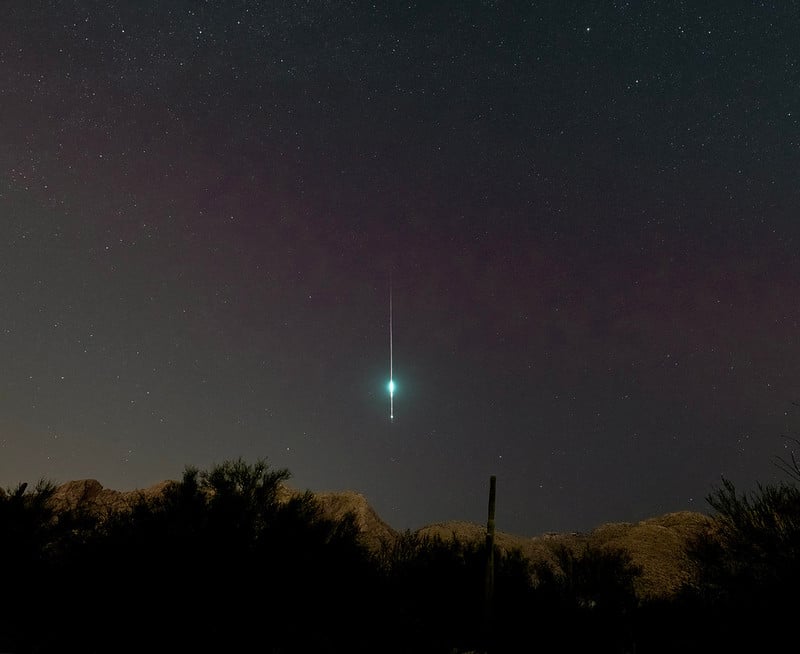
Fall meteor season has begun. Late October not only sees dusk falling ever earlier as ghouls and goblins walk the Earth on Halloween, but it also sees the peak of two fine annual meteor showers kicking off Halloween season: the Orionid and Taurid meteor showers.
Continue reading
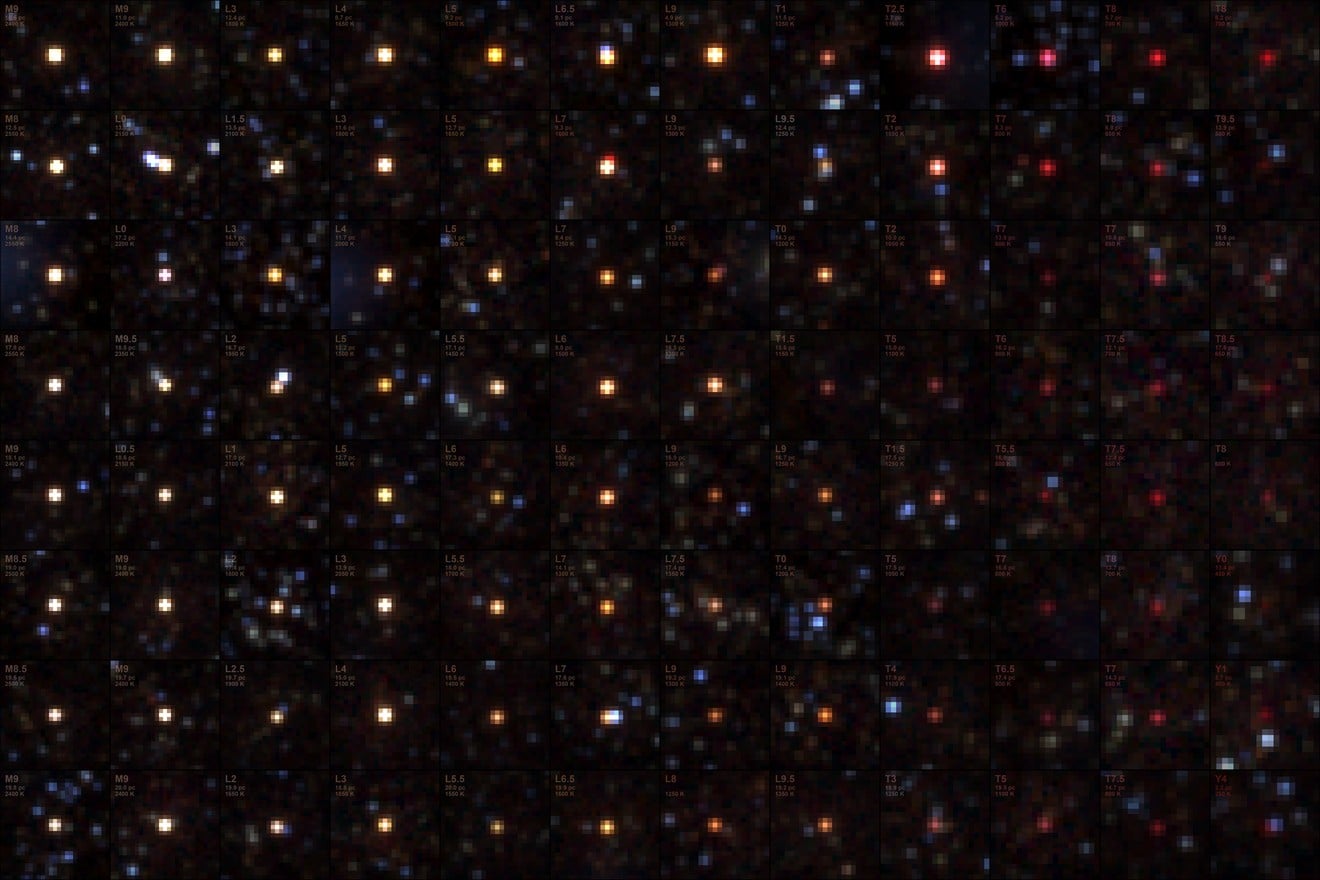
Brown dwarfs are the black (or brown?) sheep of astronomy. They’re too big to be considered a traditional gas planet, but they are too small to have started nuclear fusion and made the full transition to star-hood. They also change dramatically over time, cooling, shrinking, and spinning faster as they age. Or at least we think they do - our models of the atmospheres of these celestial objects aren’t the best, according to a new paper in The Astrophysical Journal Letters by a team led by Zafar Rustamkulov at Caltech and NASA’s Jet Propulsion Laboratory.
Continue reading
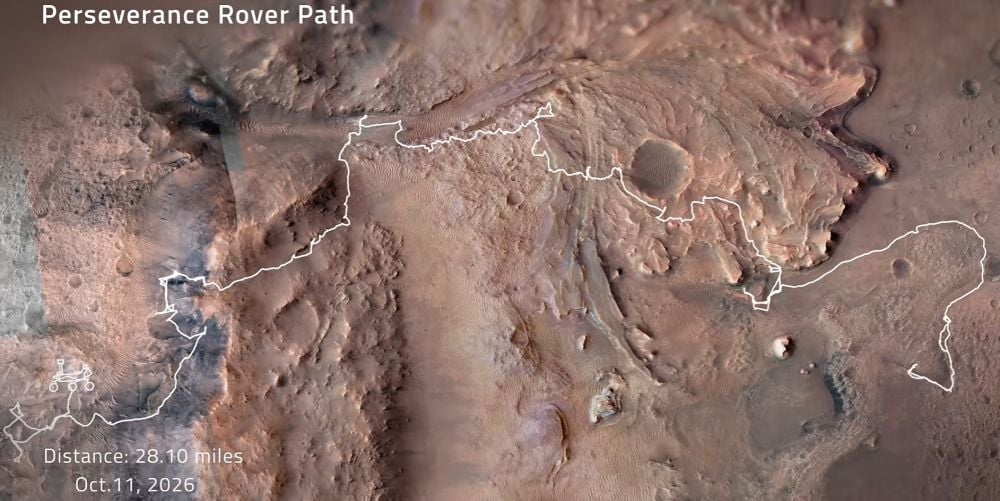
NASA's Perseverance Rover has reached another milestone. It now holds the record for the longest distance travelled on another world, meaning Mars and Earth's Moon. It's all thanks the ingenuity behind AutoNav, it's hazard-detection driving system. It's a win for science, as more distance travelled means more scientific objectives are reached.
Continue reading
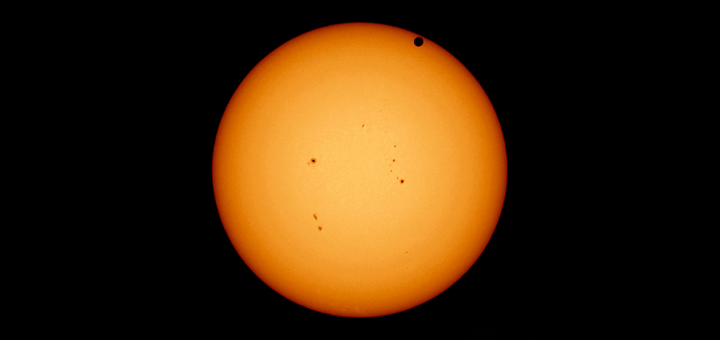
The edge of the Sun appears darker than its central region. This effect is known as limb darkening and tells us about the solar atmosphere. This same limb darkening effect has now been observed on several nearby stars and could help us improve our understanding of stellar atmospheres.
Continue reading
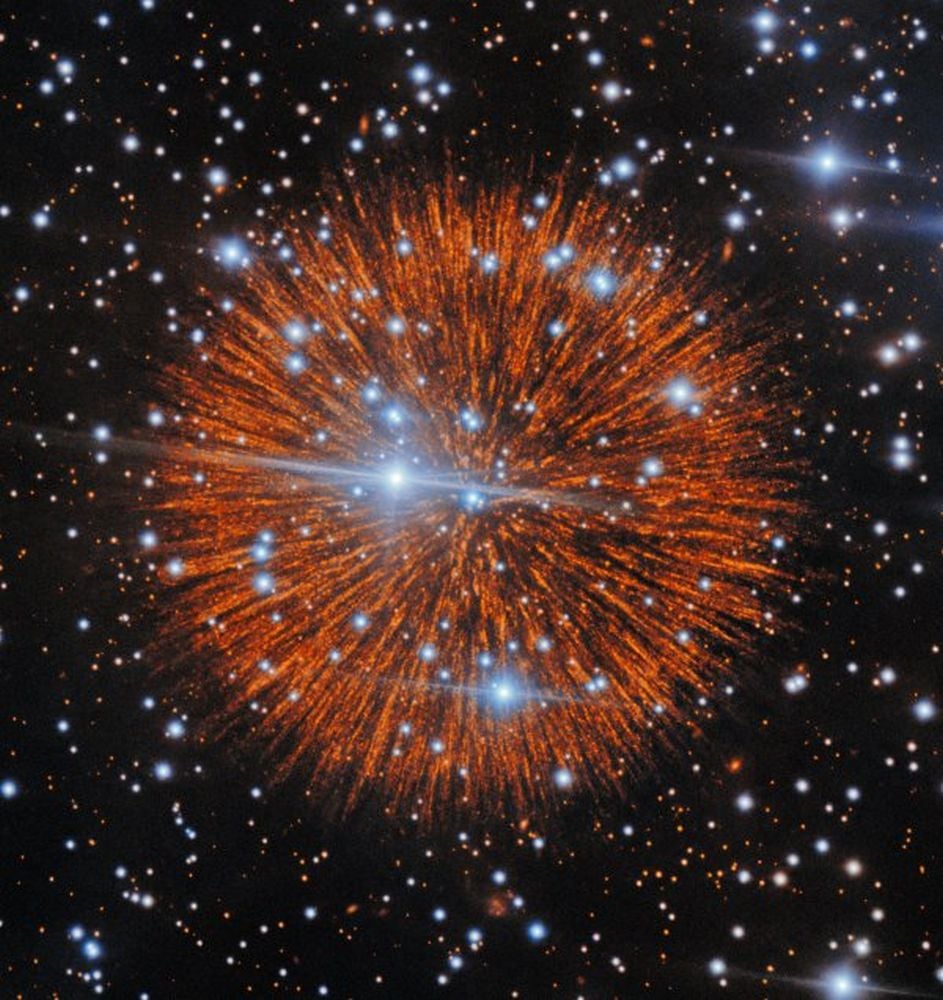
When a supernova exploded in 1181, Chinese and Japanese sky-watchers recorded it. They couldn't have known what the object was, and why it appeared for six months then disappeared. But in our modern times, we know it was a supernova, and we've even, most likely, found its remnant. New observations reveal more detail than ever in the unusual and rare supernova remnant.
Continue reading
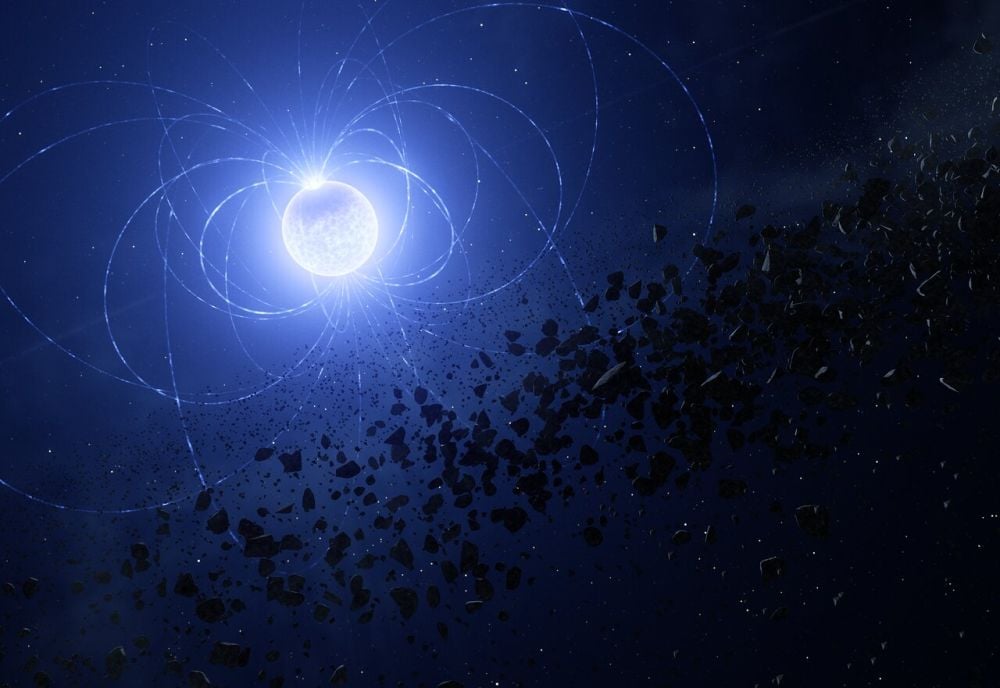
The Chandrasekhar limit states that a white dwarf can be no larger than 1.4 solar masses. A new study demonstrates how highly magnetized white dwarfs could overcome that limit, and how such super-Chandrasekhar white dwarfs could form.
Continue reading
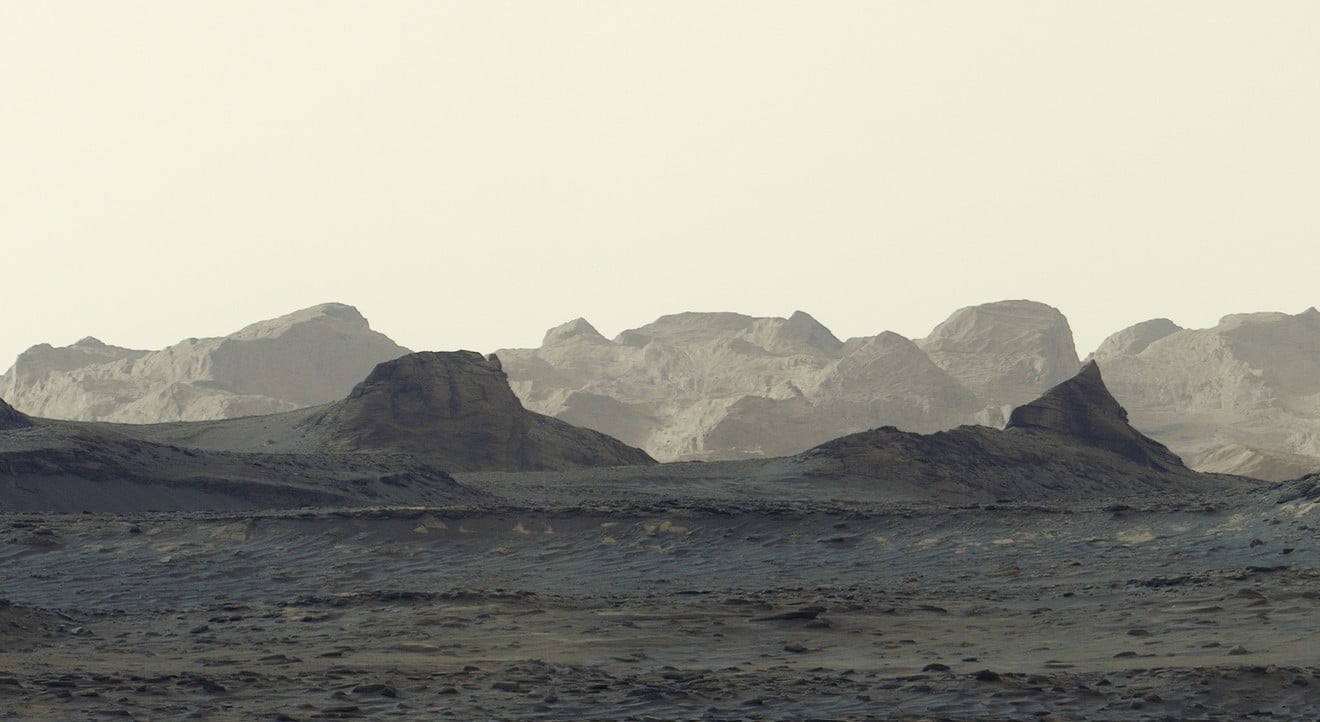
Mars is a planetary geologist’s paradise. NASA’s Curiosity rover drove that home recently, with a captivating panorama seen from the slopes of Mount Sharp. The image shows a stunning vista, and was not white-balance adjusted during processing, to show just what a viewer might really see at sunrise standing of Mars.
Continue reading
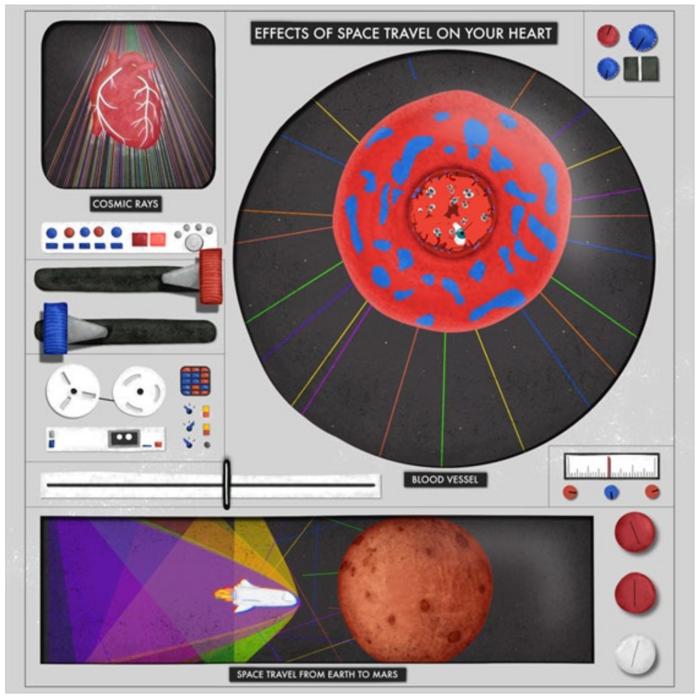
When astronauts first travel to Mars, or anywhere else in deep space, they will have to contend with two problems that our planet itself protects us from on its surface - radiation and weightlessness. Scientists already know both can have a profound impact on the human body, but just how much of one, and how long that impact can last, remain a mystery. A new paper by researchers at the Medical College of Wisconsin, and published in PLoS One, tackles those questions, and unfortunately comes up with some less than ideal answers in terms of the long term implications of deep space exposure.
Continue reading
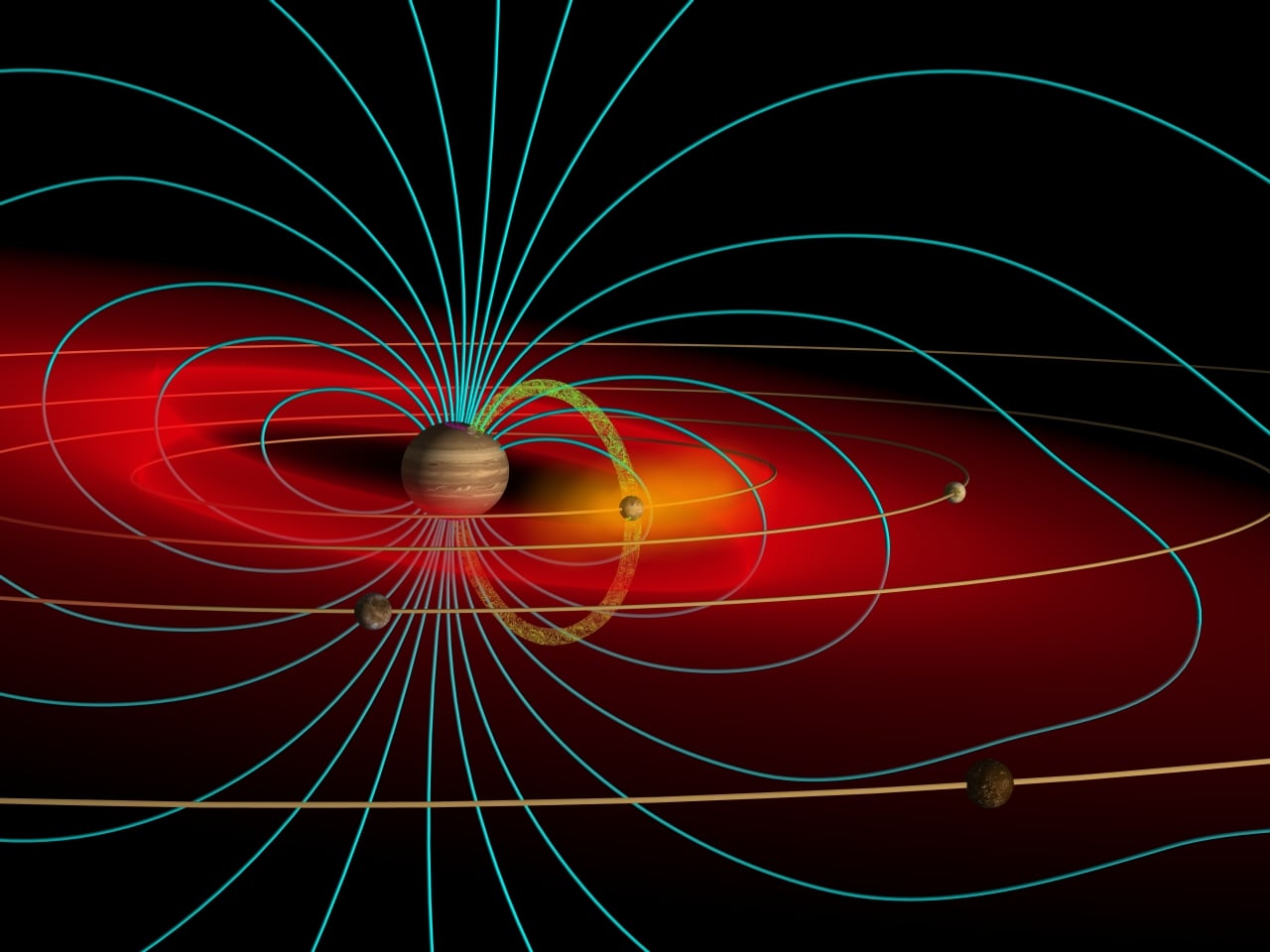
Using observations from NASA's Juno spacecraft, an international team led by Shandong University shows that Jupiter's magnetodisk is a rippling structure that rotates with the planet, contrary to what scientists previously thought.
Continue reading
 Universe Today