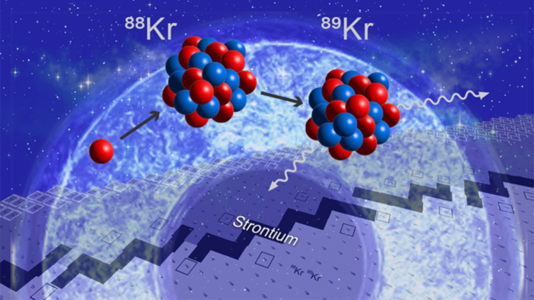
Everything from the gold in your smart phone to the calcium in your bones was originally created in a star. But for a long time there has been a question about the levels of one particular element - strontium, which makes fireworks burn bright red and is used in glow-in-the-dark paint. A new paper published in Nature Communications Physics from a large group of researchers led by Caley M. Harris, a graduate student at Michigan State University, thinks they have found an answer for why that particular elemental level was skewed - and doing so required some very elaborate laboratory testing.
Continue reading
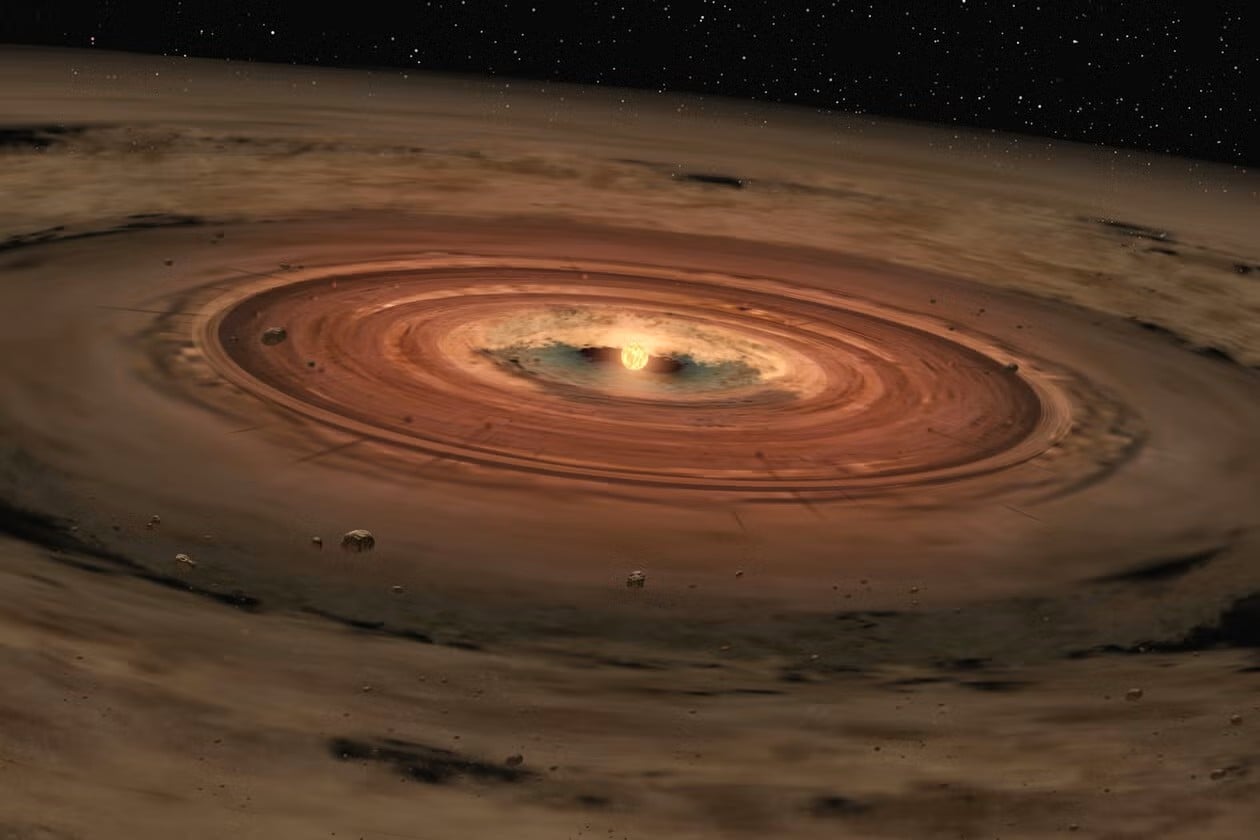
The early stages of the solar system remain shrouded in mystery. Not much remains from that time, but scientists have developed plenty of theories about what was going on back then. One of those theories attempts to answer a simple question - did the early system prefer “fire” or “ice”? A new paper published in Nature Astrophysics from lead author Damanveer Grewal, an assistant professor of Earth and planetary sciences at Yale, and his co-authors, have a definitive answer to that question - the early solar system preferred fire.
Continue reading
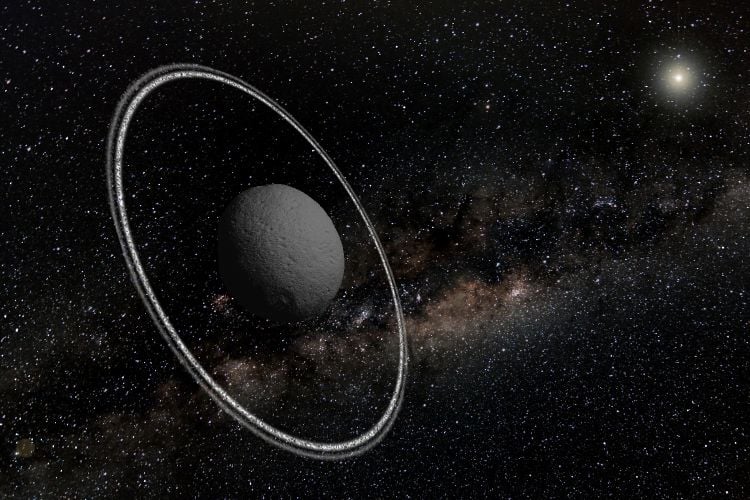
When we think of asteroids, we often think of the main asteroid belt between Mars and Jupiter that contains the majority of the known asteroids in our solar system. However, our solar system hosts several other populations of asteroids and icy rocks, including the Jupiter Trojan asteroids that orbit in Jupiter’s orbit, and the icy bodies and comets of the Kuiper Belt. But there’s one population of asteroids that often gets overlooked called Centaurs, primarily because their orbits are not in a fixed location and instead whose orbits cross the orbits of the outer planets.
Continue reading
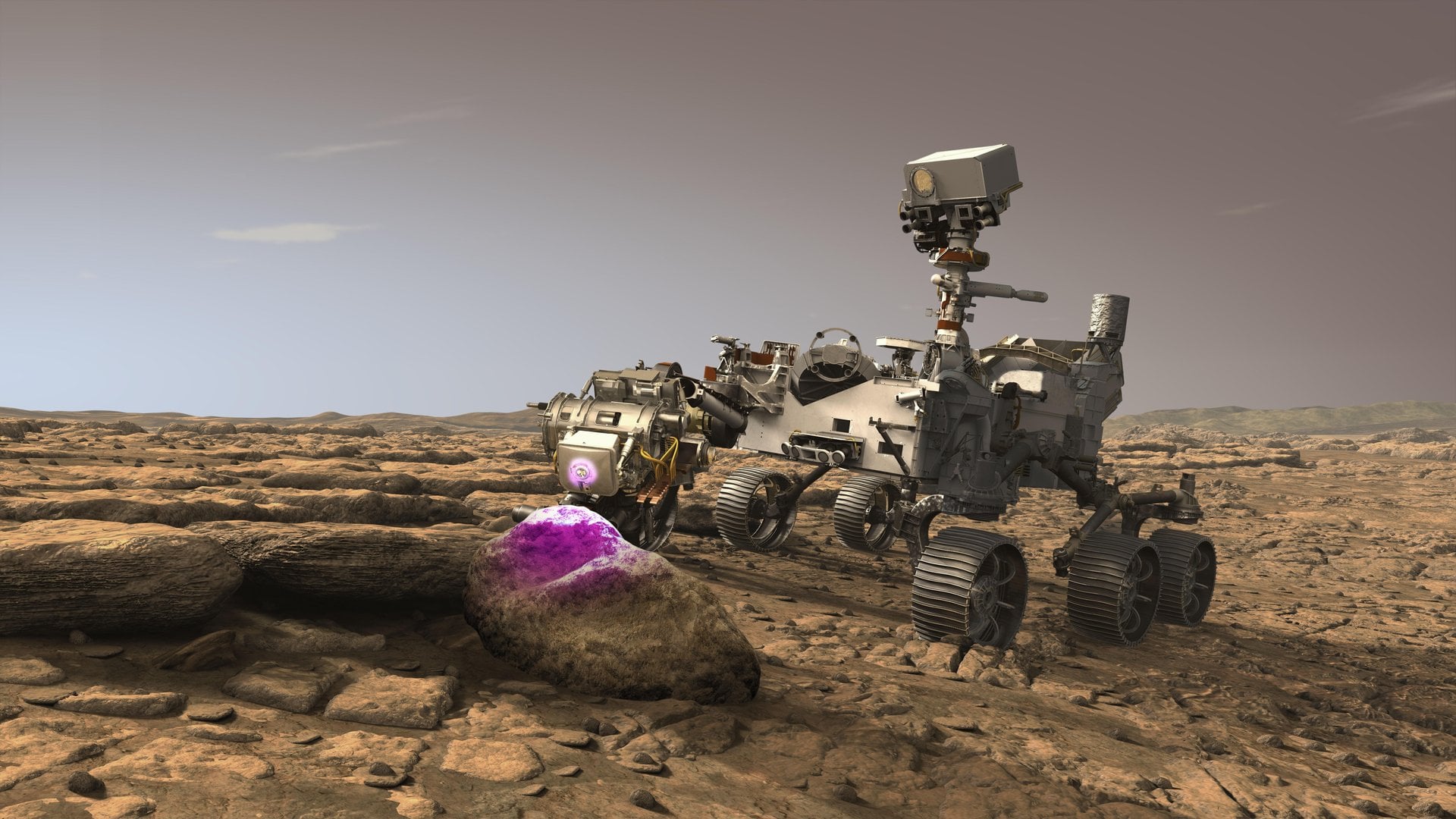
A new geochemical modeling study led by researchers at JAXA and the University of Tokyo addresses Mars' "missing" stores of carbonate rocks.
Continue reading
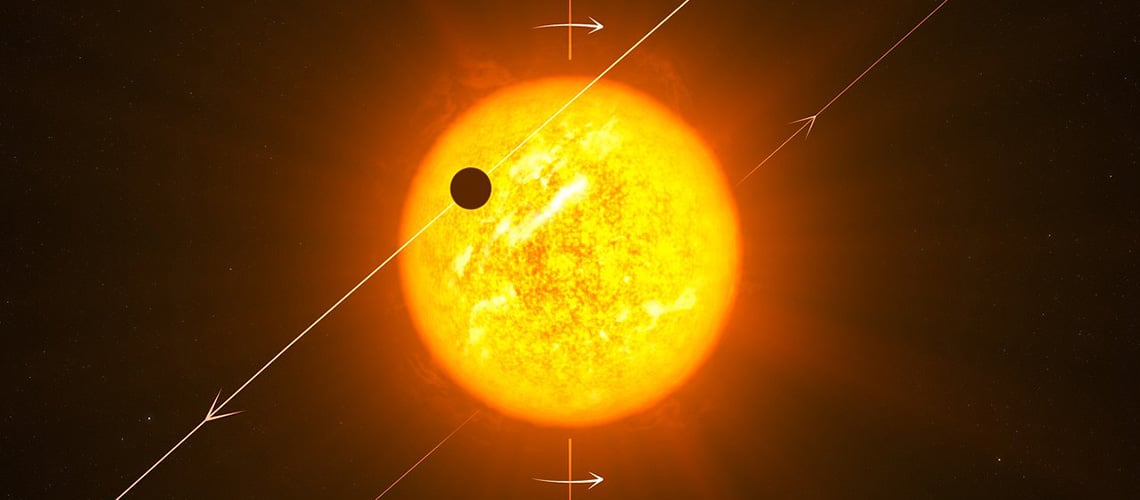
In our own solar system, all eight planets orbit our Sun in a nice, orderly fashion. None are more than 7° or so out of alignment with the equator, and all of them rotate in the same direction as the Sun itself. But that’s not the case for all solar systems, and a new paper published in Astronomy & Astrophysics from a team of researchers led by Yann Carteret, a PhD student at the University of Geneva (UNIGE), describes the first time we’ve ever found an exoplanet orbiting the opposite direction of its red dwarf parent star - and it has major implications for our understanding of planet formation theory.
Continue reading
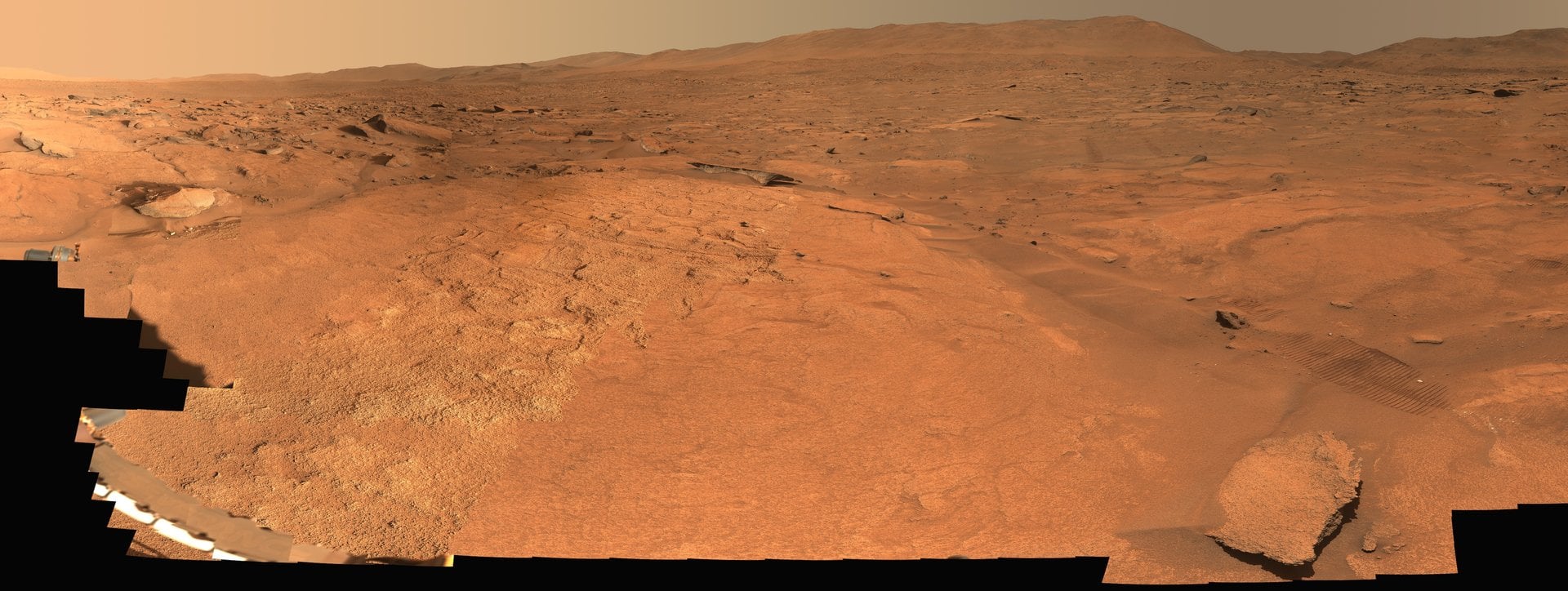
A new study reveals that Jezero Crater’s enigmatic ‘Margin Unit’ was shaped by a complex sequence of ancient lakes, groundwater systems, and hydrothermal fluids.
Continue reading
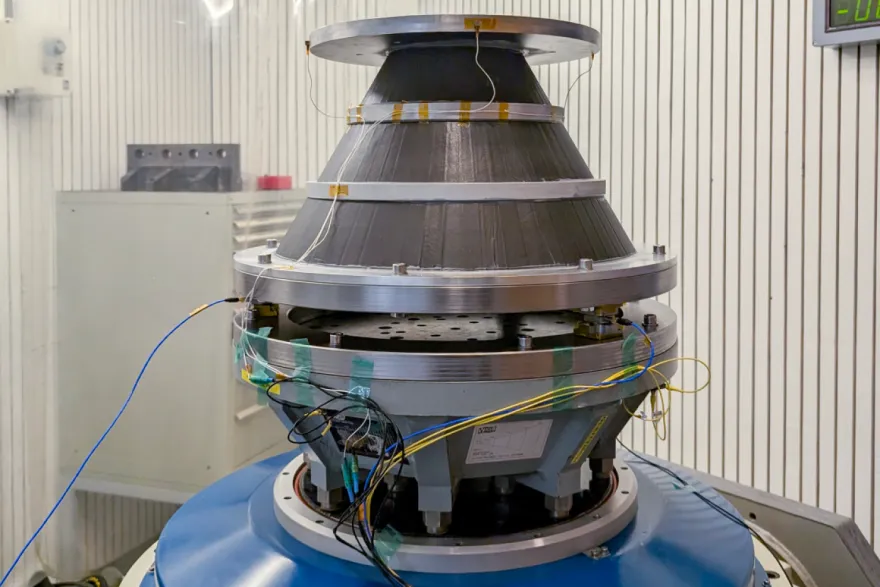
Rocket launches are some of the most violent travel methods man has ever created. They generate millions of pounds of thrust and convert that into intense g-forces. Humans must undergo serious training to withstand those experiences, but machines have to do so as well, but by design rather than training. If a delicate mirror or solder joint cracks before a multi-billion dollar satellite even begins its mission, the years of effort that went into its design and assembly could be lost. Now, researchers in Switzerland have come up with an ingenious way to make sure that is much less likely to happen.
Continue reading
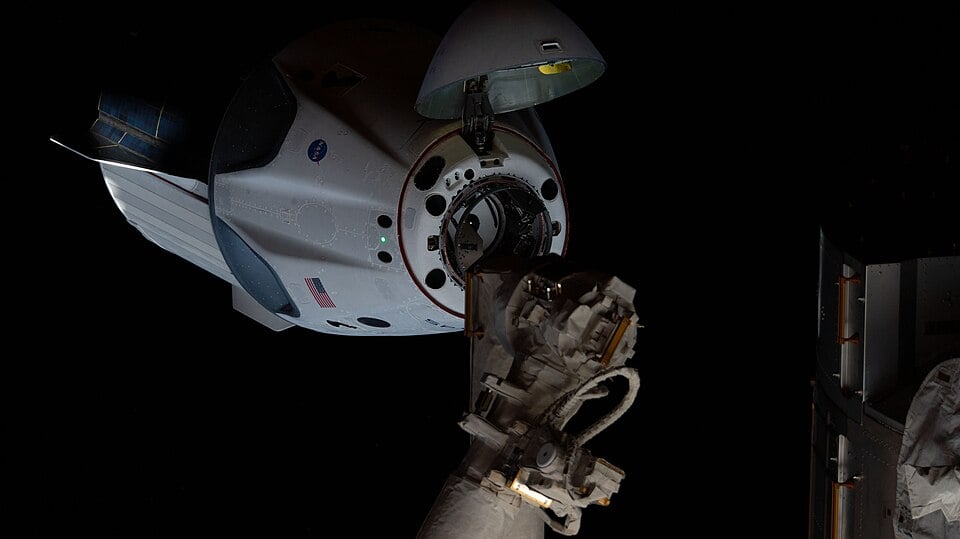
Docking with the ISS may seem simple. However, actually doing so is a showcase in how difficult orbital mechanics can be. It’s equivalent to traveling down a highway at 28,000 km/hr and parallel parking into an open garage on a multi-billion dollar laboratory traveling at the same speed. If you try to accelerate forward you actually drift up, and there’s no air friction to naturally slow you down. Oh, and if you hit the lab, everyone onboard both your craft and the station dies, and the resultant debris field could both wipe out dozens of satellites and even people on the ground. No pressure, obviously. For decades, aerospace engineers have been docking successfully using hard coded physics equations and human pilots to correct them. But now, a new paper, available in pre-print on arXiv from researchers at Stanford, is taking a shot at building an AI to perform a series of “mental simulations” that could fundamentally change how future spacecraft interact with each other.
Continue reading
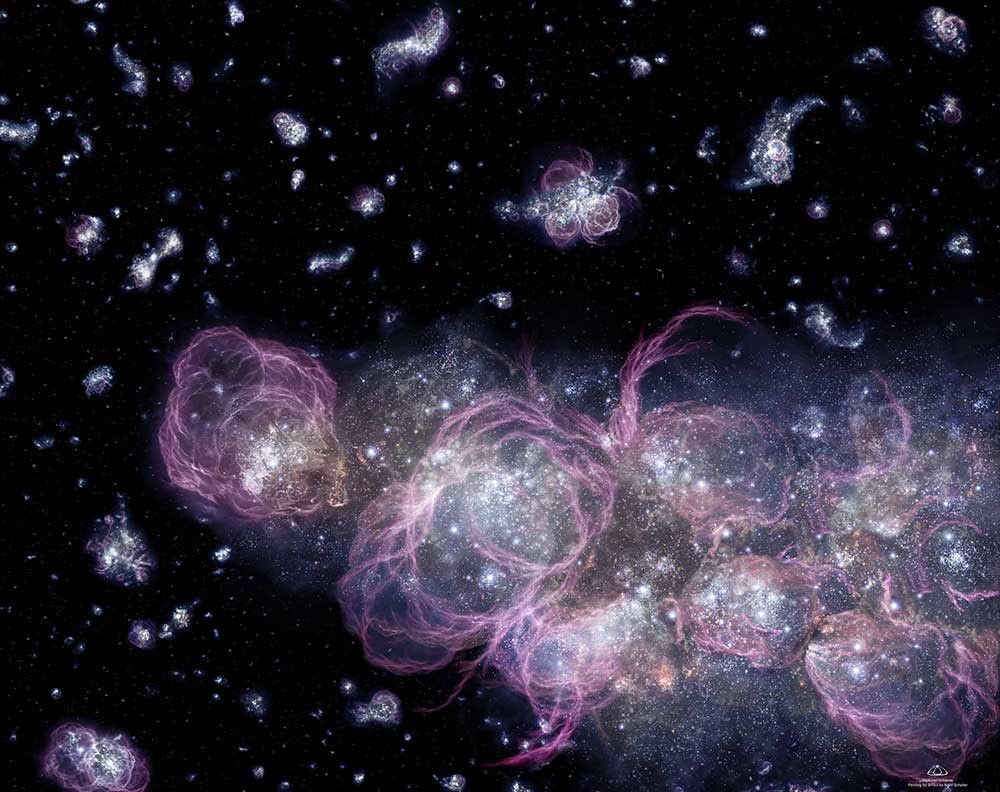
Galaxies and their stars in the early Universe look a lot weirder than those we see today, and astronomers want to know why. A team of researchers at the University of Utah decided to survey certain stars in nearby galaxies as analogs of those that existed when the Universe was still in its infancy. The survey, called the "Treasury of Extremely Metal-Poor O Stars (TEMPOS), used the ultraviolet (UV) light streaming from those relatively close-by stars as detected by the Hubble Space Telescope's Cosmic Origins Spectrograph.
Continue reading
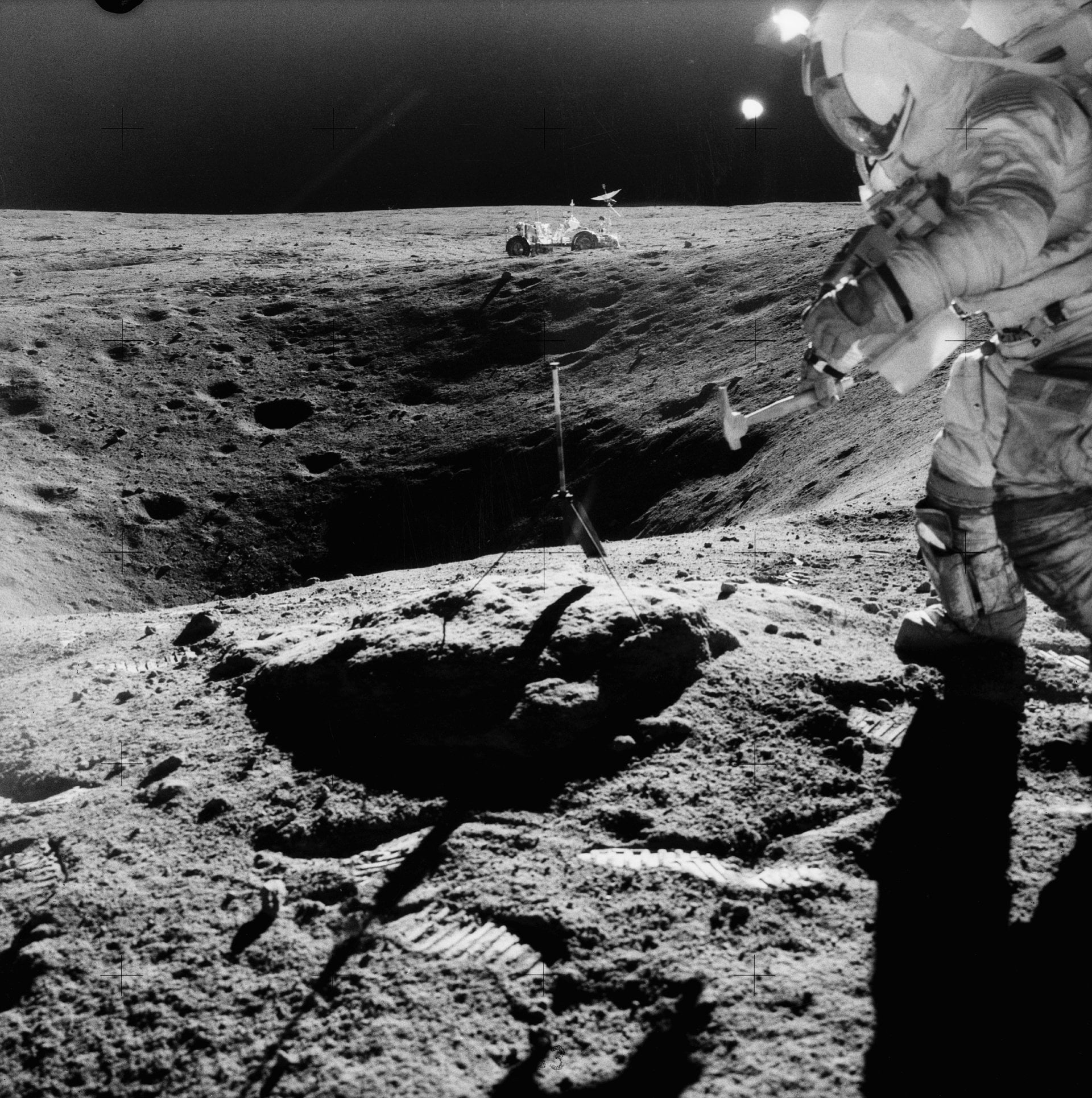
Asteroids which strike the Moon and create new craters offer lunar scientists a window onto the workings of our natural satellite’s shallow subsurface.
Continue reading
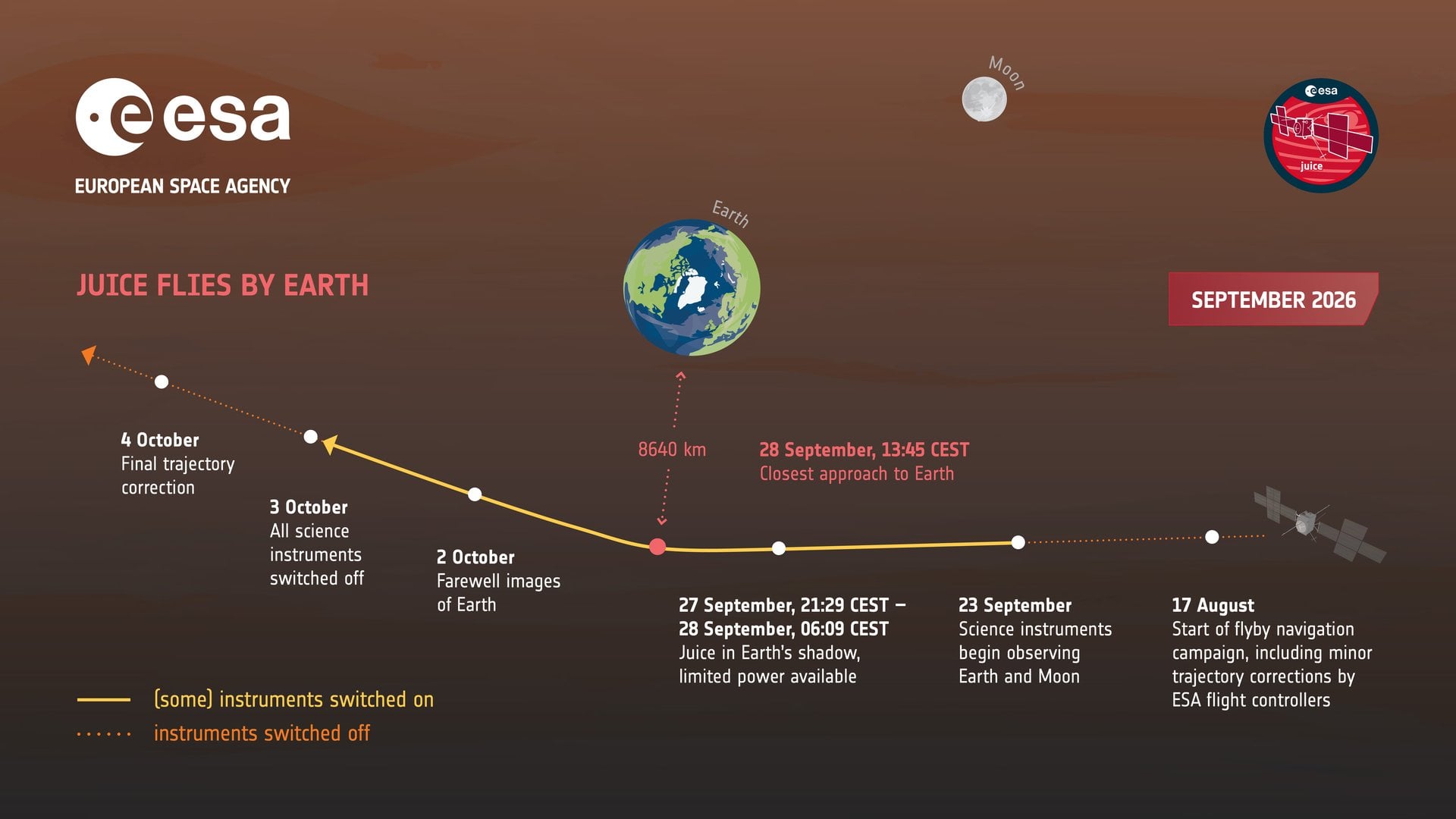
The European Space Agency’s Jupiter Icy Moons Explorer (Juice) will return to Earth on 28 September, with flight controllers guiding the spacecraft close to our home planet to alter its speed and direction en route to Jupiter.
Continue reading
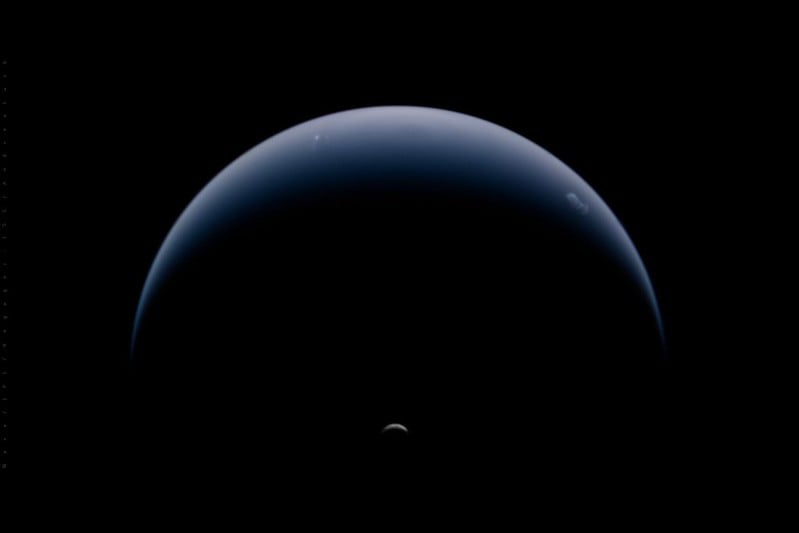
Never seen Neptune for yourself? Late September 2026 presents an ideal opportunity to cross the outermost ice giant off of your ‘life list,’ as the planet reaches opposition for 2026, rising opposite to the setting Sun and riding high to the south towards local midnight.
Continue reading
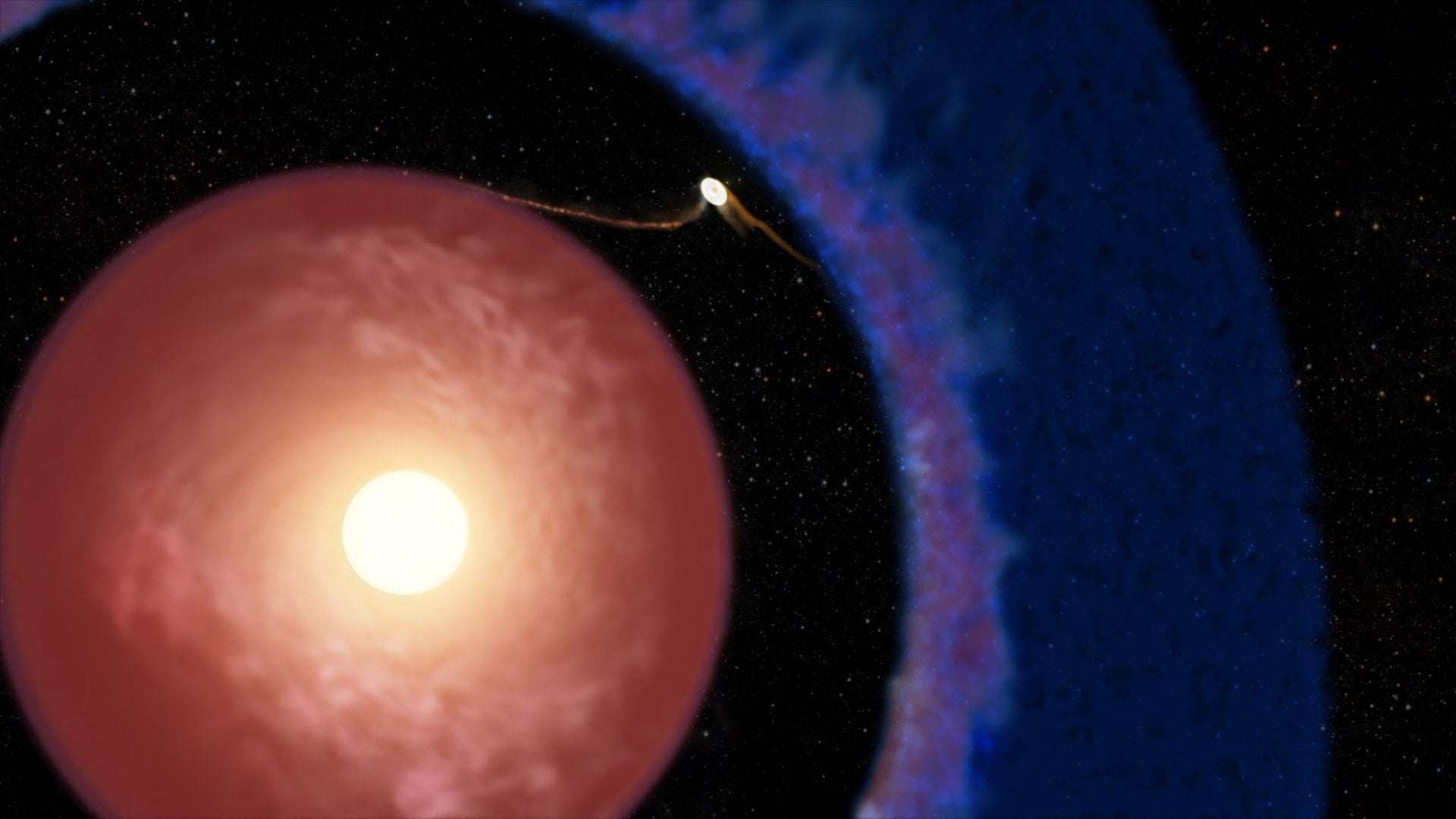
Most exoplanets we find have been around a long time. They’ve cleared out their orbital path (one of the requirements of planethood, as fans of Pluto well know), have their own gravitational pull, and in many cases shine with their own infrared light. But it takes a long time to get to that point - finding “young” planets is much harder. But a new paper available in The Astrophysical Journal Letters by a research team led by Andrea Bernardi of Diego Portales University in Chile describes a new paper that definitely takes the prize as the youngest exoplanet we’ve yet found.
Continue reading
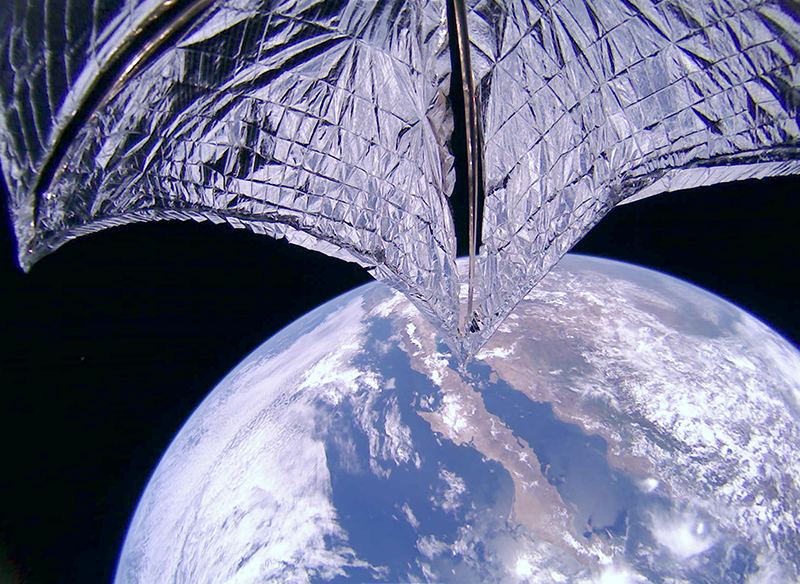
Asteroids don’t come with a warning label that they might one day hit Earth. While we don’t know of any currently on course to do so, we are finding thousands of new ones each year, and there’s always a potential that one could. We proved a viable technique for dealing with that eventuality - the DART mission successfully moved a small asteroid using a “kinetic impactor” - basically a big rod designed to push the asteroid off its trajectory. But DART had one big flaw - it was traveling in the same direction as the asteroid, and approached it from behind, eventually hitting it with an impactor launched while in orbit around it. That technique might work if we have enough warning, but would require years of orbital mechanical maneuvering to pull off. An alternative, proposed by researchers at Beihang University, is to use a new type of solar sail to deflect a potentially hazardous asteroid by hitting it head on.
Continue reading
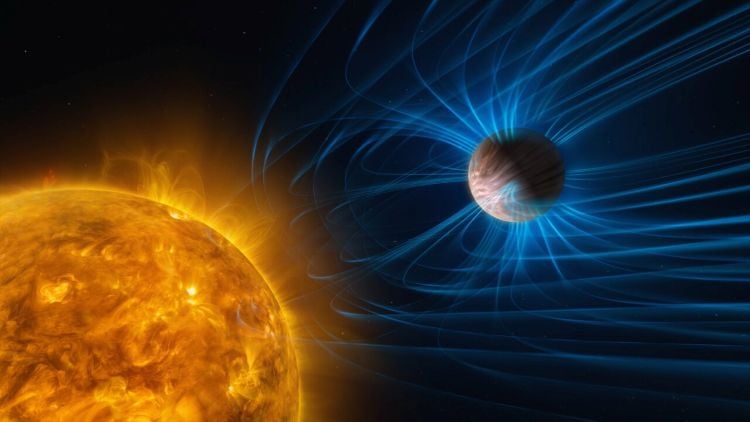
Studying exoplanets has provided astronomers with a plethora of insights regarding what characteristics need to be searched to find life beyond Earth. For the longest time, astronomers merely thought an exoplanet in a star’s habitable zone was a sufficient criterion for an Earth-like world. However, astronomers have learned that certain stars are more active than our Sun, resulting in exoplanets orbiting in the habitable zone being blasted with far more radiation than Earth could handle. In recent years, astronomers have recognized that a planet’s magnetic field, which shields the Earth from harmful radiation, could be a prime characteristic for identifying Earth-like worlds.
Continue reading
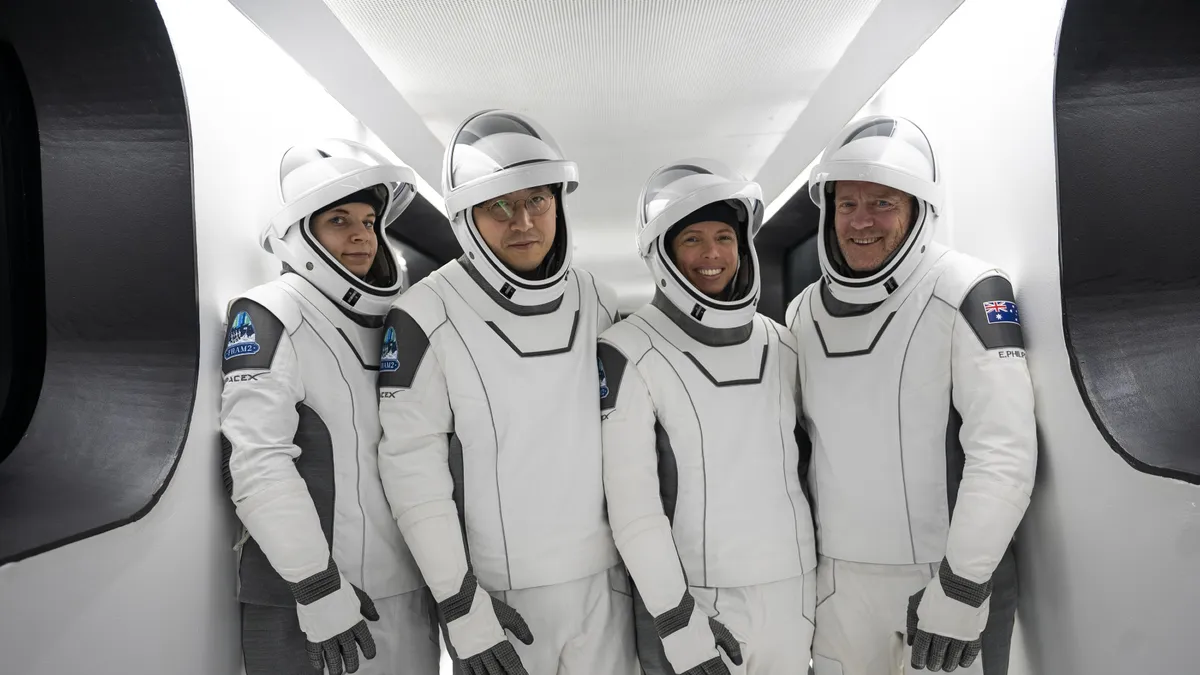
A team of researchers acquired the first diagnostic X-ray images during a commercial spaceflight, demonstrating that X-ray medicine can be performed in space.
Continue reading
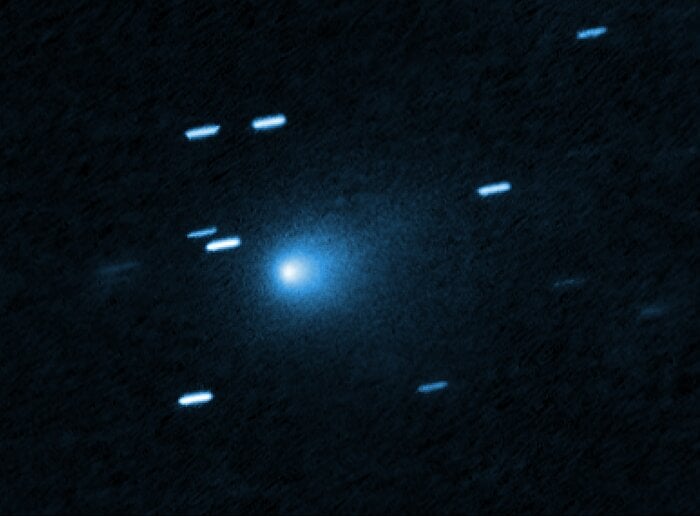
More and more details about 3I/ATLAS are filtering through the scientific process as time goes on. Our third known interstellar visitor attracted the attention of some of the most powerful observatories in the world when it was discovered in July 2025, and some of those telescopes found something peculiar - the isotopes it contained appeared different. A new paper submitted to The Astrophysical Journal Letters (and available in pre-print on arXiv) by Kenji Furuya of the RIKEN Pioneering Research Institute in Japan and his co-authors, shows how that isotopic discrepancy is likely due to the “low-metallicity” of the stellar nursery 3I/ATLAS was born in.
Continue reading
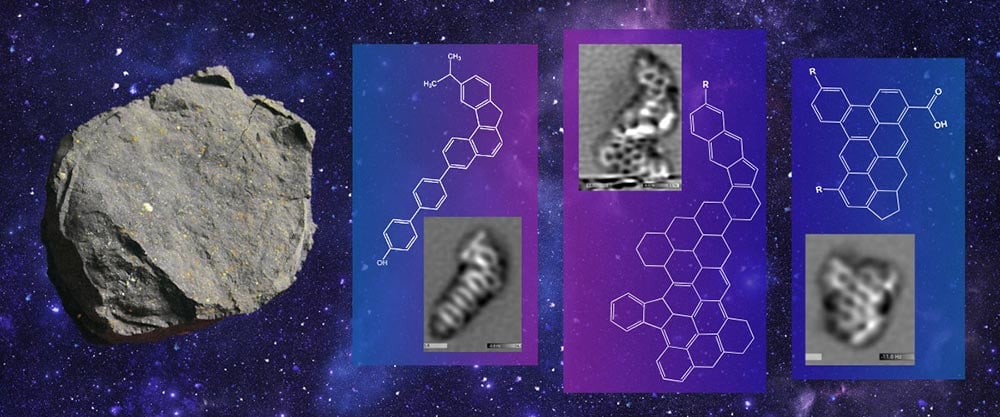
Scientists have known for a while that meteorites contain the “building blocks” of life - complex organic molecules such as amino acids, simple sugars, or even the chemical rungs of DNA. But anyone who has taken an organic chemistry class knows there are plenty of other carbon-based molecules out there, and a new study from Joseph W. Frye-Jones of the National High Magnetic Field Laboratory and Florida State, which was published in The Planetary Science Journal, found tens of thousands of types of previously unseen organic compounds in two of the world’s most famous meteorites.
Continue reading
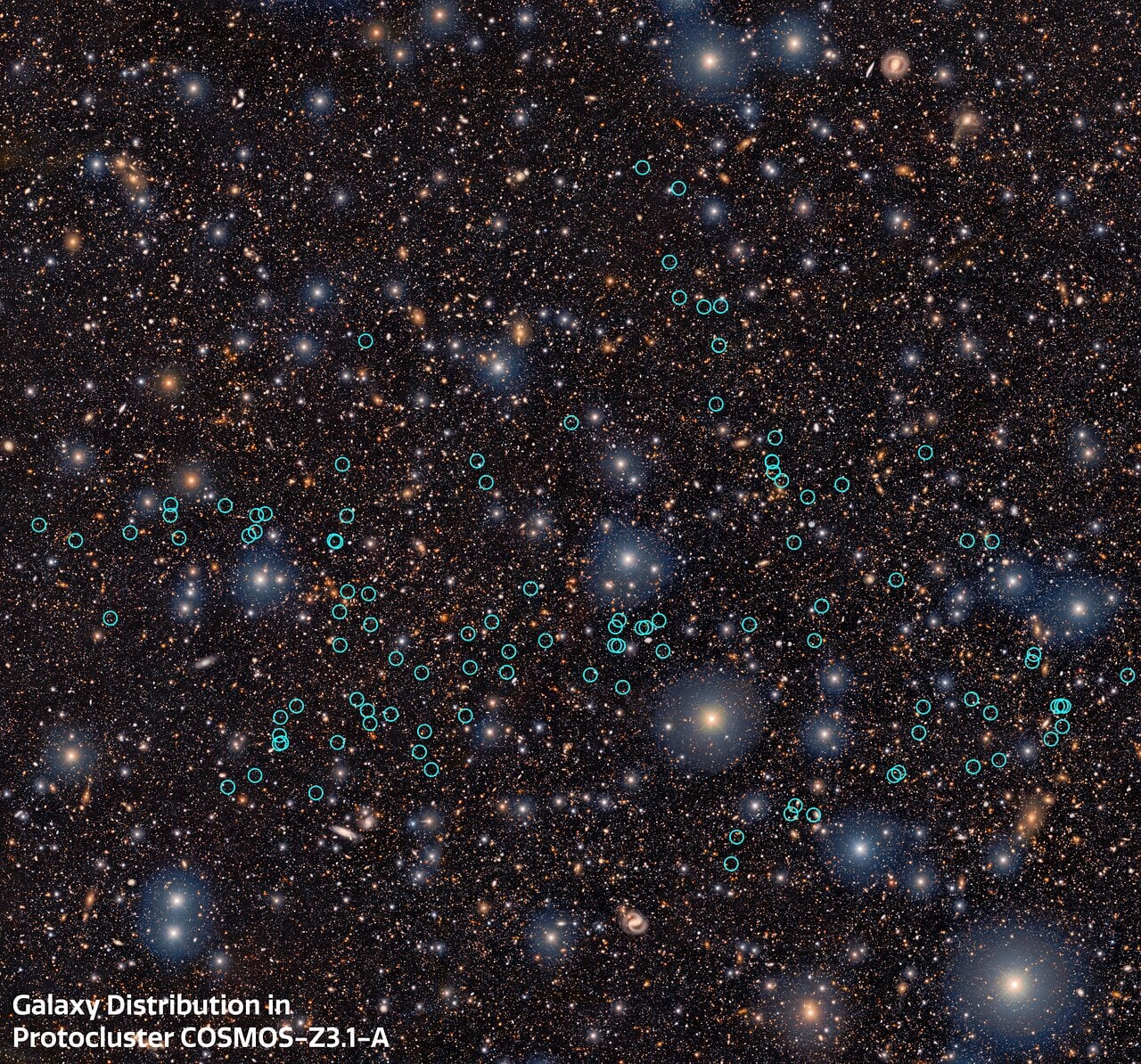
The discovery of a very early and rare proto-supercluster of infant galaxies may help give clues to the formation of such clusters and their connection to the Cosmic Web.
Continue reading
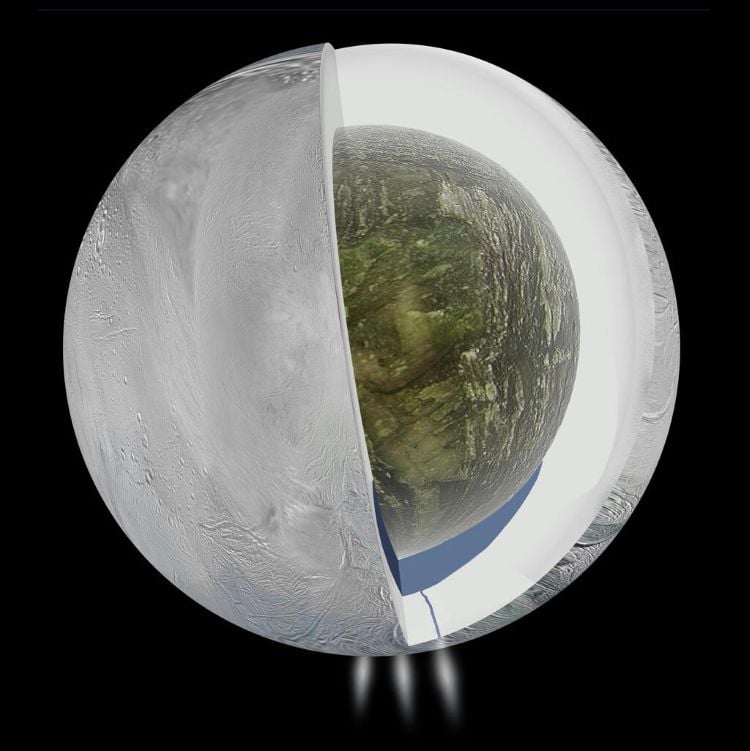
There are more than 450 confirmed moons orbiting the eight major planets, but only a handful of them provide unique scientific value to pique the interests of the scientific community, specifically their potential for hosting life as we know it. This is due to the subsurface oceans that exist beneath icy crusts, including Jupiter’s Europa and Ganymede, and Saturn’s Enceladus. But what processes are responsible for producing these subsurface oceans, or potentially preventing them from forming in the first place?
Continue reading
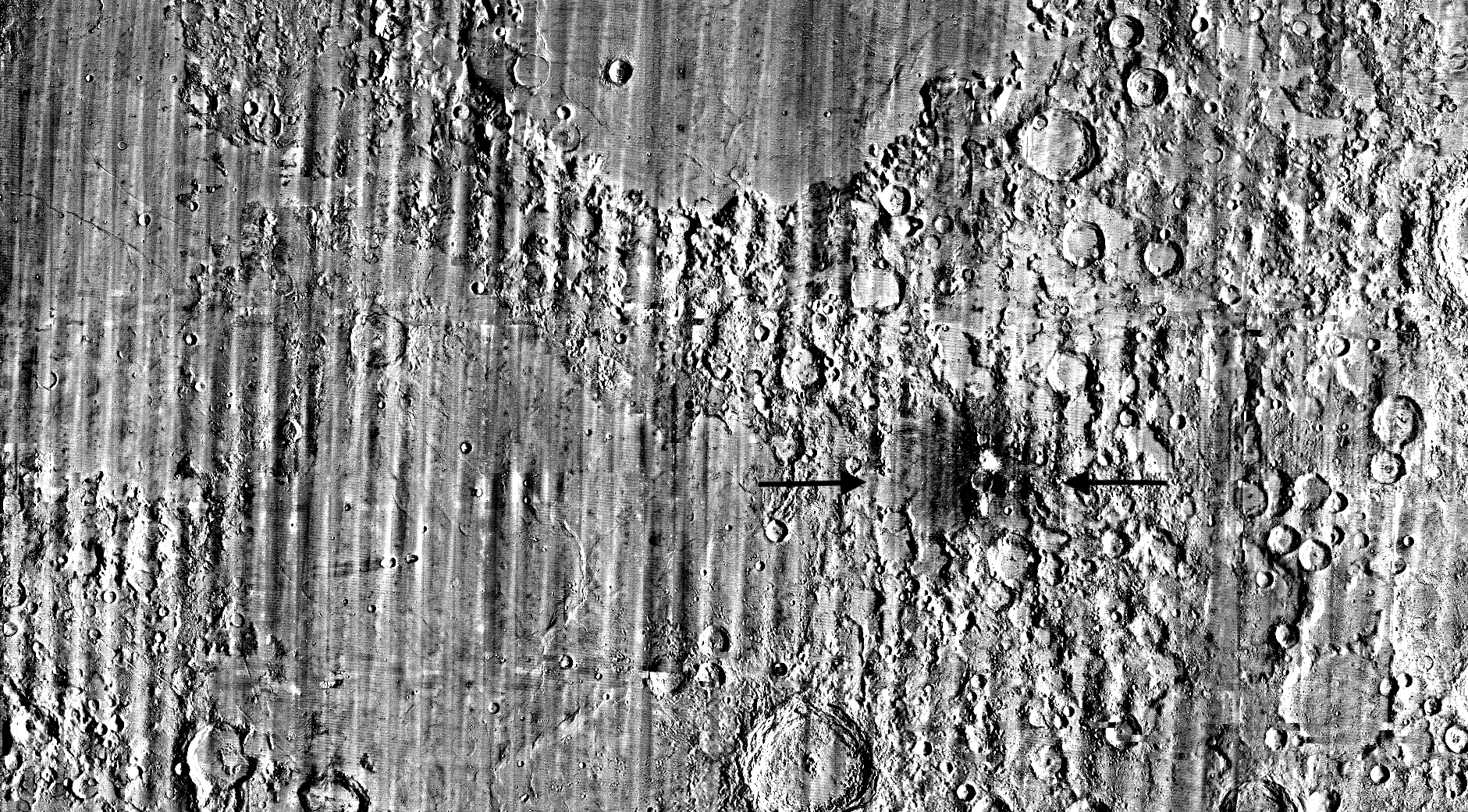
It's easy to think of the Moon as the static constant companion in the night sky. Its face hasn’t visibly changed in millennia, and always faces us with the same side. But looks can be deceiving, as our closest companion is constantly bombarded by asteroids and comets that make small craters across the lunar landscape. While they might not be large enough for us to see with our naked eye, professional Moon watchers can pick up on them. And a recent paper published in Science Advances, describes the largest ever found in modern times.
Continue reading
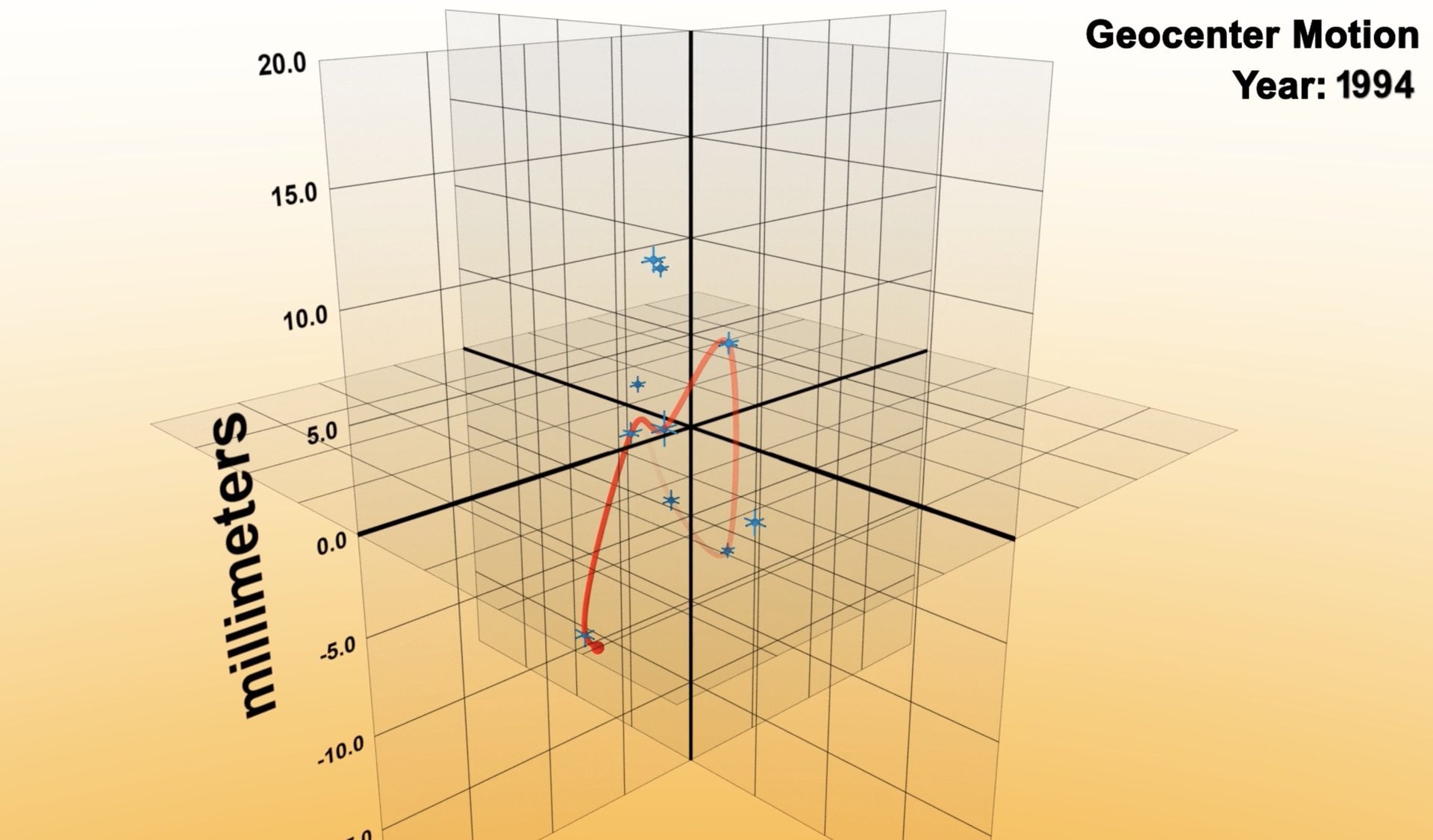
Earth's center of mass isn't stationary. It drifts seasonally and over the course of years. A new study measures this down to the scale of millimeters and finds the seasonal drift is smaller than we thought.
Continue reading
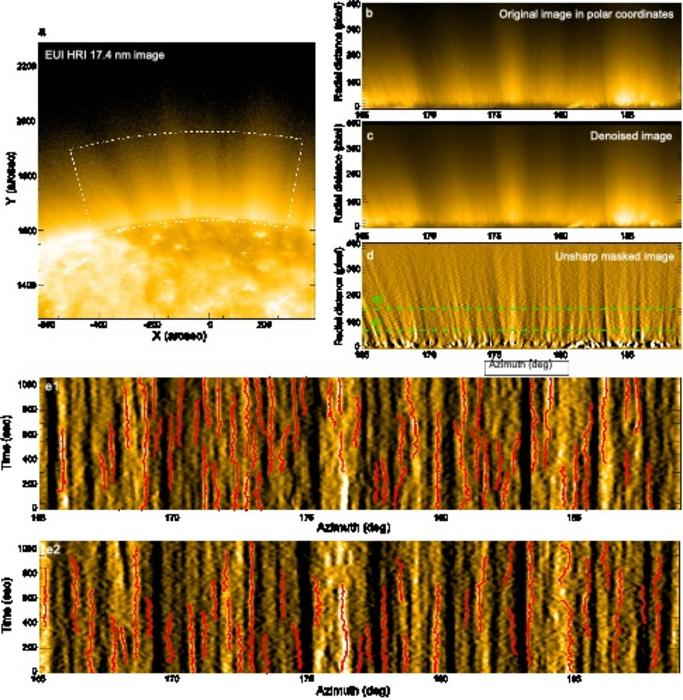
The Sun’s magnetic fields are a twisty, curvy, ever changing mess. In particular, our star’s polar regions host regions called polar coronal holes that host invisible magnetic highways that stretch out into interplanetary space. But there’s a lot we don’t know about how those highways actually work, and in particular how they give the particles that form the fast solar wind an extra “kick” that sends them zooming at hundreds of kilometers per second. A new paper from a team led by Dr. Yuhang Gao and Prof. Hui Tian at Peking University, and published recently in the journal National Science Review, thinks they might have found an answer by using high-speed shots from Solar Orbiter to detect never-before seen rapid, high-frequency magnetic waves in those areas.
Continue reading
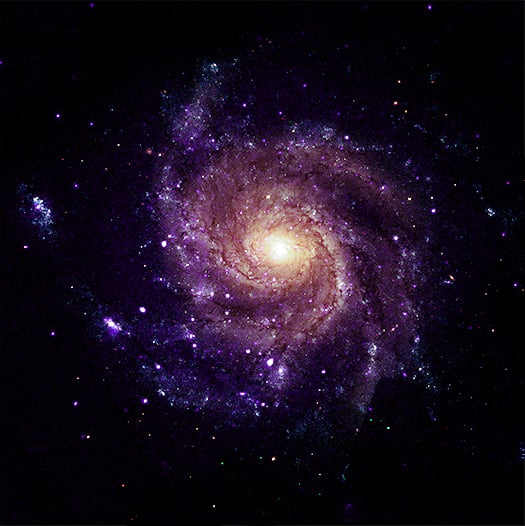
X-rays showcase some of the most unique astronomical objects in the universe. Neutron stars and black holes siphoning gas from companion stars stick out like sore thumbs at this level of radiation. However, according to a new paper by Mustafa Muhibullah and Jimmy Irwin from the University of Alabama and Rosanne Di Stefano from the Center for Astrophysics at Harvard & the Smithsonian, there appears to be another group of ultra-bright X-ray emitters that we’ve completely missed until now. They call them Hypersoft X-ray Sources (HSSs) and, according to a press release accompanying the paper, might answer two long-standing astronomical questions.
Continue reading
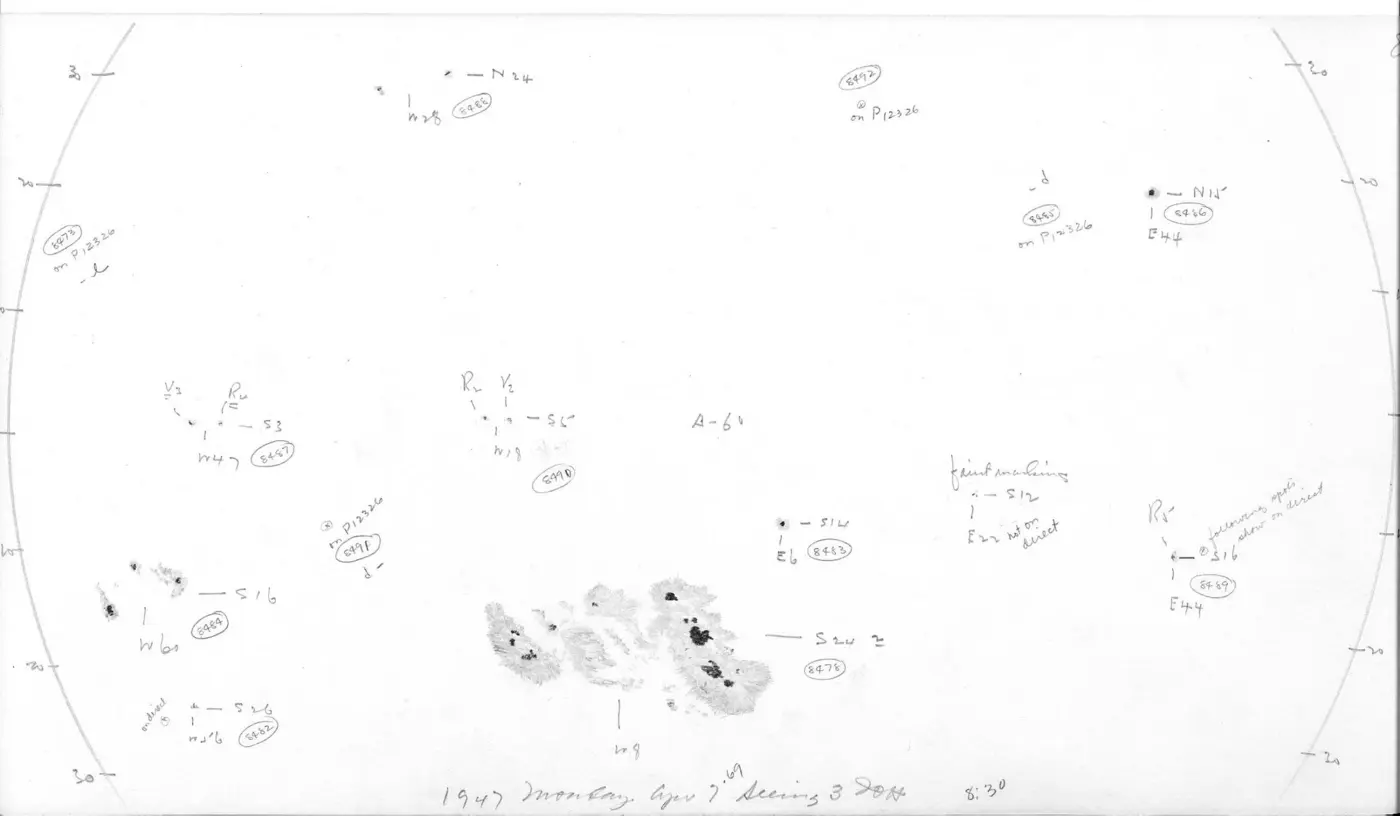
We have long known that the Sun is active. It “flares” quite often, sending huge amounts of energy off in a certain direction - sometimes directly at Earth. But we also know that, compared to other Sun-like stars, it seems relatively quiet, and not capable of producing the “superflares” we sometimes see in its stellar equivalents. That sounds like great news for humanity, and some scientists have even argued that lack of superflares was a critical impetus for the development of complex life on Earth. But a new paper from Natalie Krivova of the Max Planck Institute for Solar System Research and her co-authors in the journal Philosophical Transactions A calls the assumption that our Sun is incapable of such dramatic outbursts into question. That also means that, eventually, our highly technological society could bear the brunt of one of them.
Continue reading
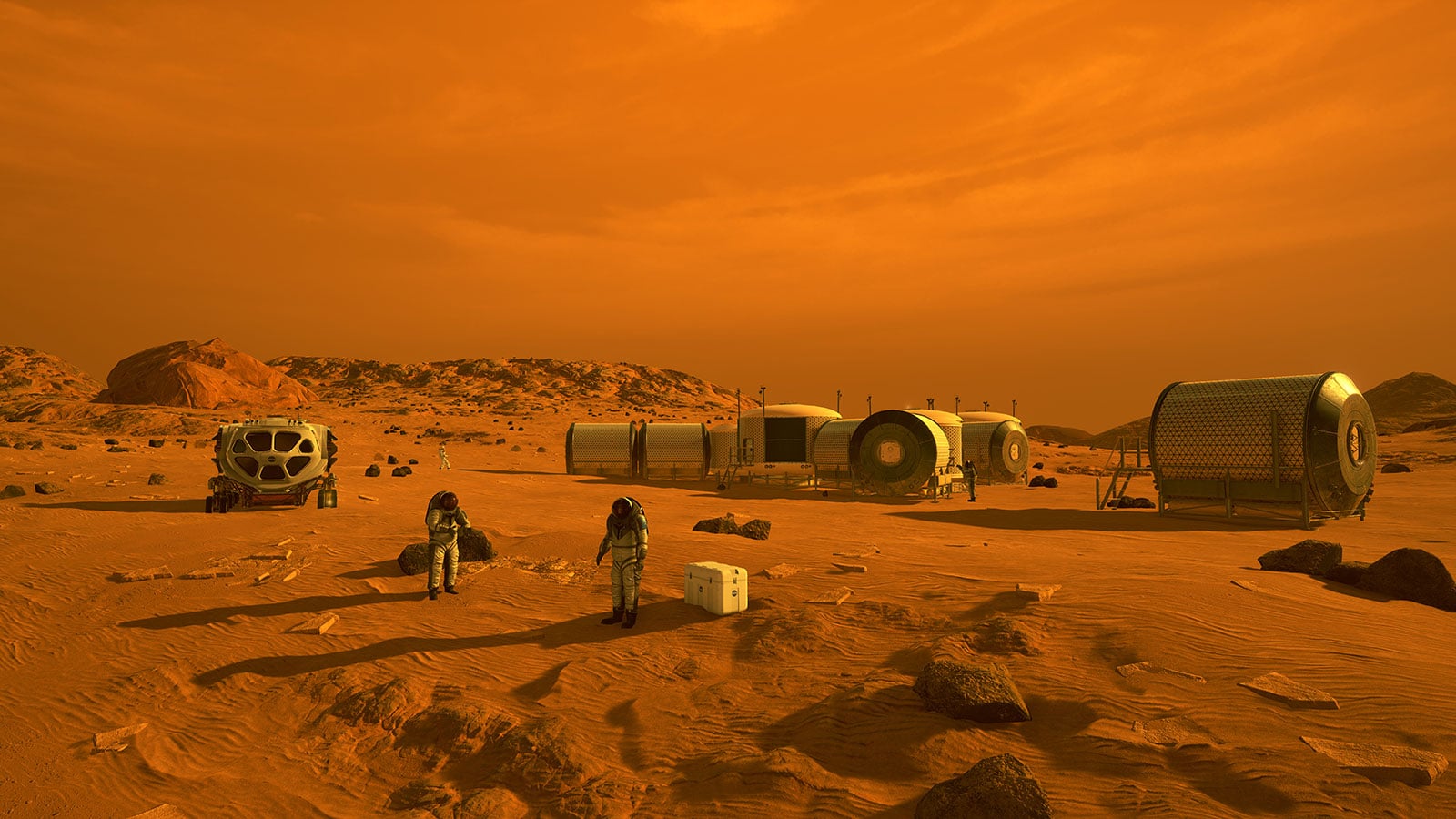
MIT PhD candidate Lanie McKinney is developing technology to convert the chemicals in the Martian atmosphere into propellant to bring astronauts home.
Continue reading
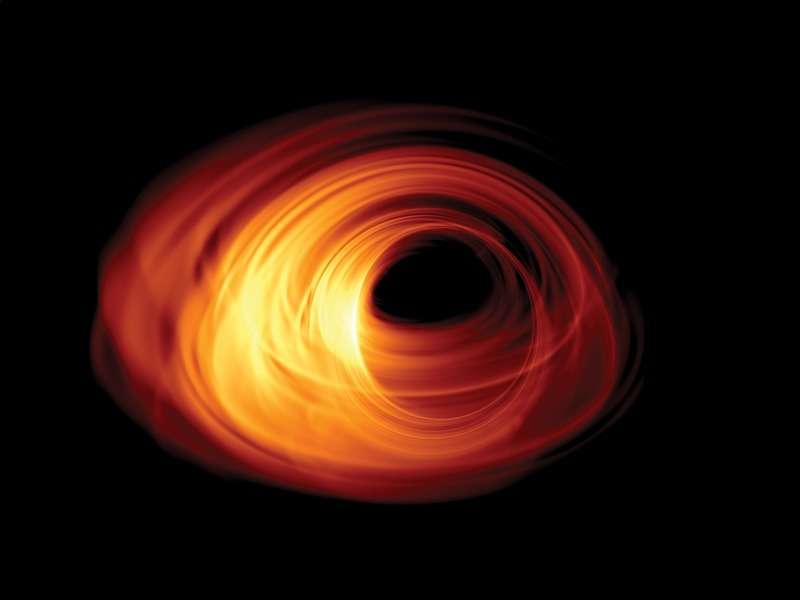
Scientists theorize that the rapid emergence of supermassive black holes (SMBHs) in the early Universe can be explained by the direct-collapse black hole (DCBH) scenario. In a recent study, astronomers investigated the potential host environments of DCBHs and found that this scenario is a plausible explanation for how the "seeds" of SMBH formed.
Continue reading
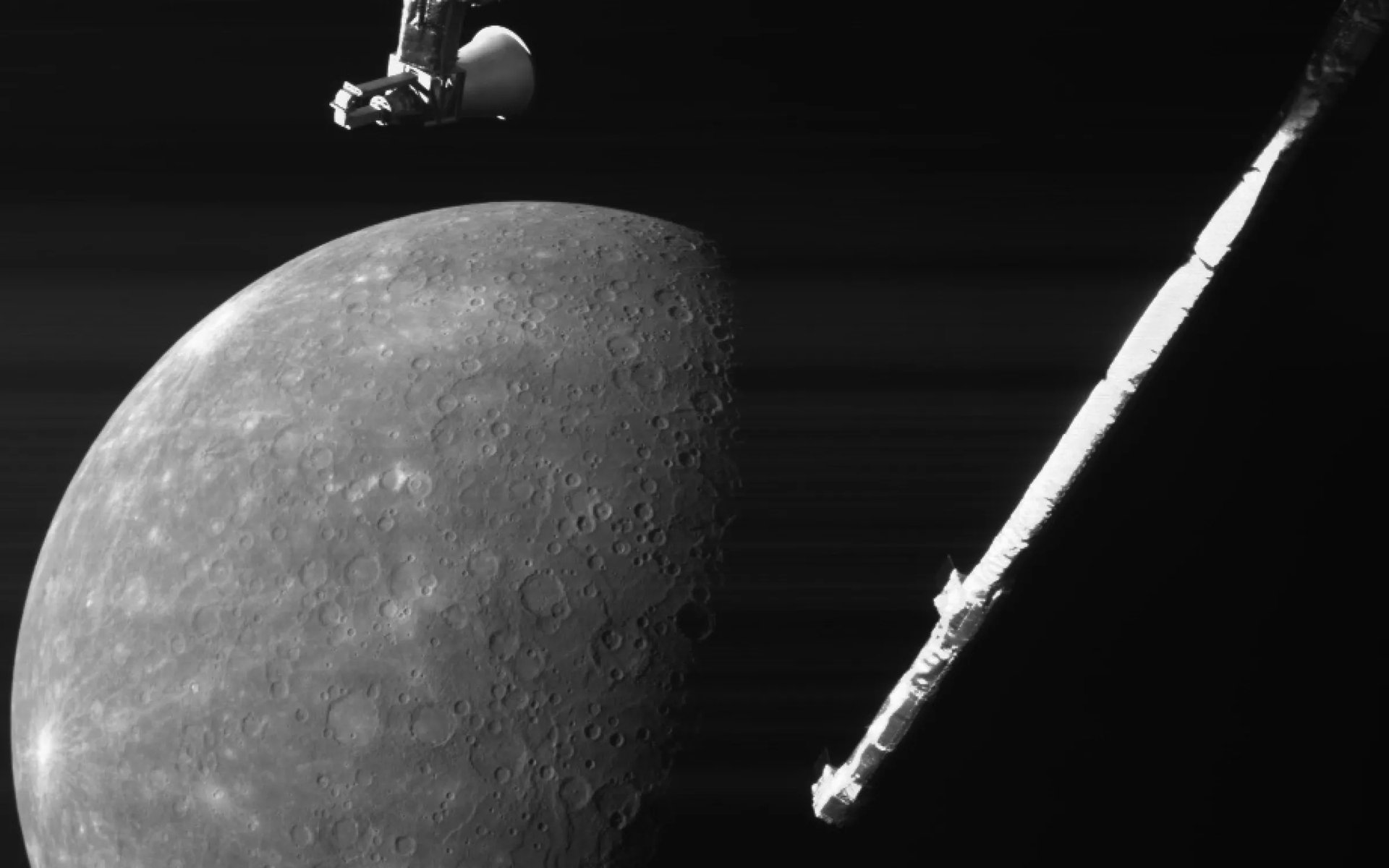
BepiColombo's measurements of particle bombardment at Mercury will help assess the impact of space storms on Mercury's surface and on Earth's atmosphere.
Continue reading
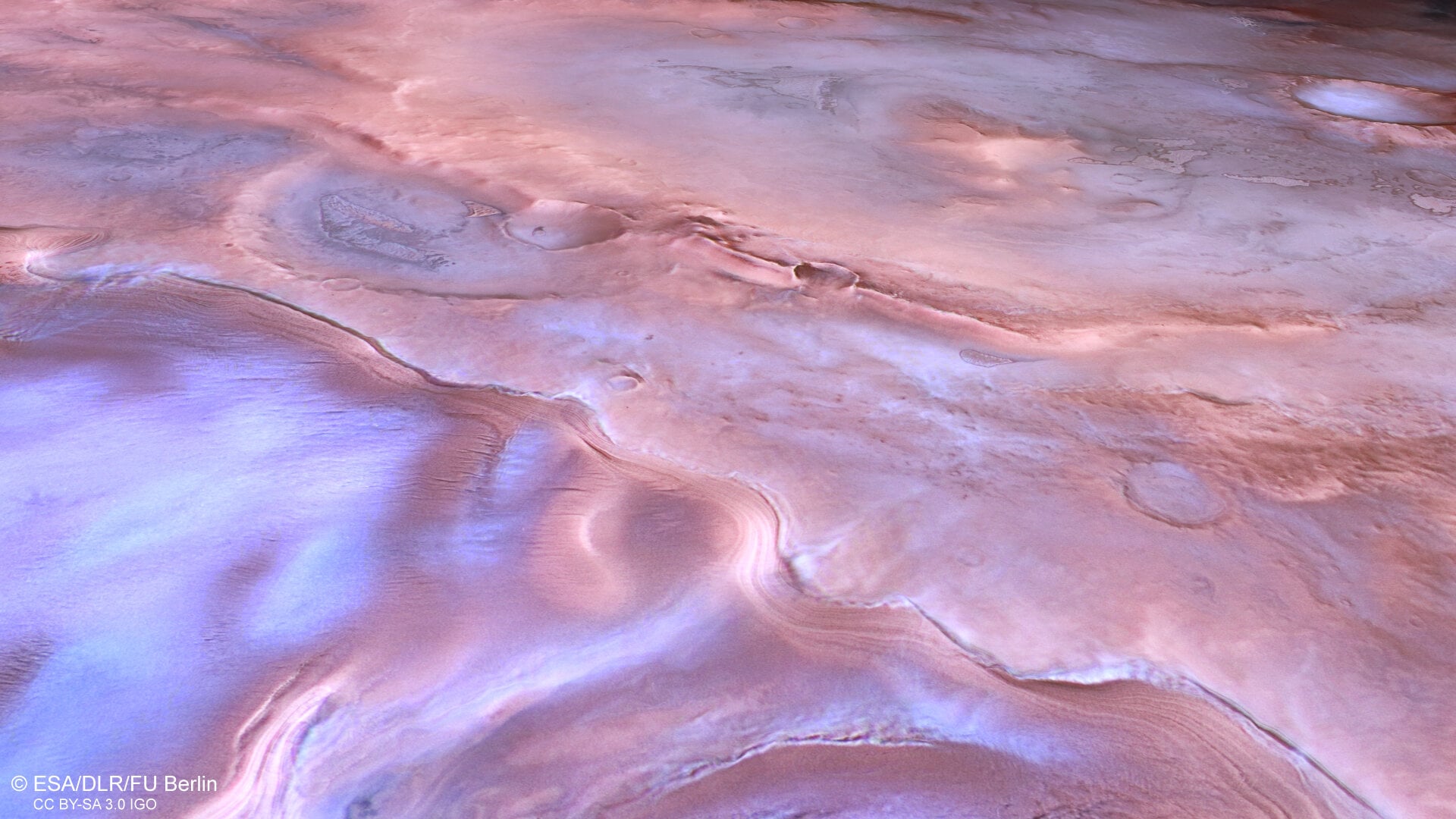
Mars appears red because of iron oxides in the regolith. But it's not uniformly red. Different lighting conditions and different materials accumulated on the surface can make it appear purple, as in these images from Mars Express and its High-Resolution Stereo Camera.
Continue reading
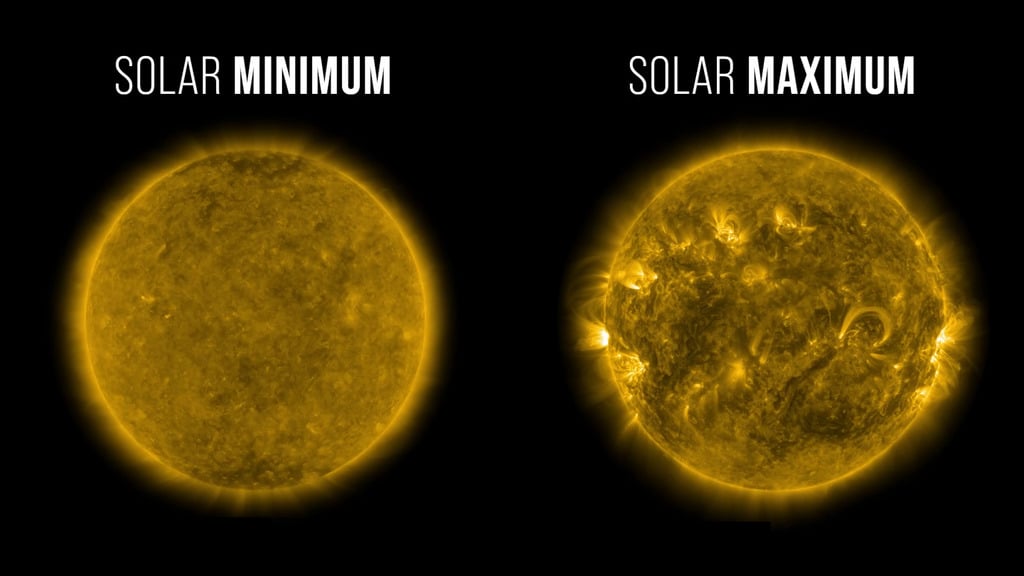
Astronomer Sandra Chapman has found a connection between the quiet period of one solar cycle and the active period of the next. Her data shows how a critical cutoff point is the key, but the real test will be the solar maximum of Cycle 26 in the 2030s.
Continue reading
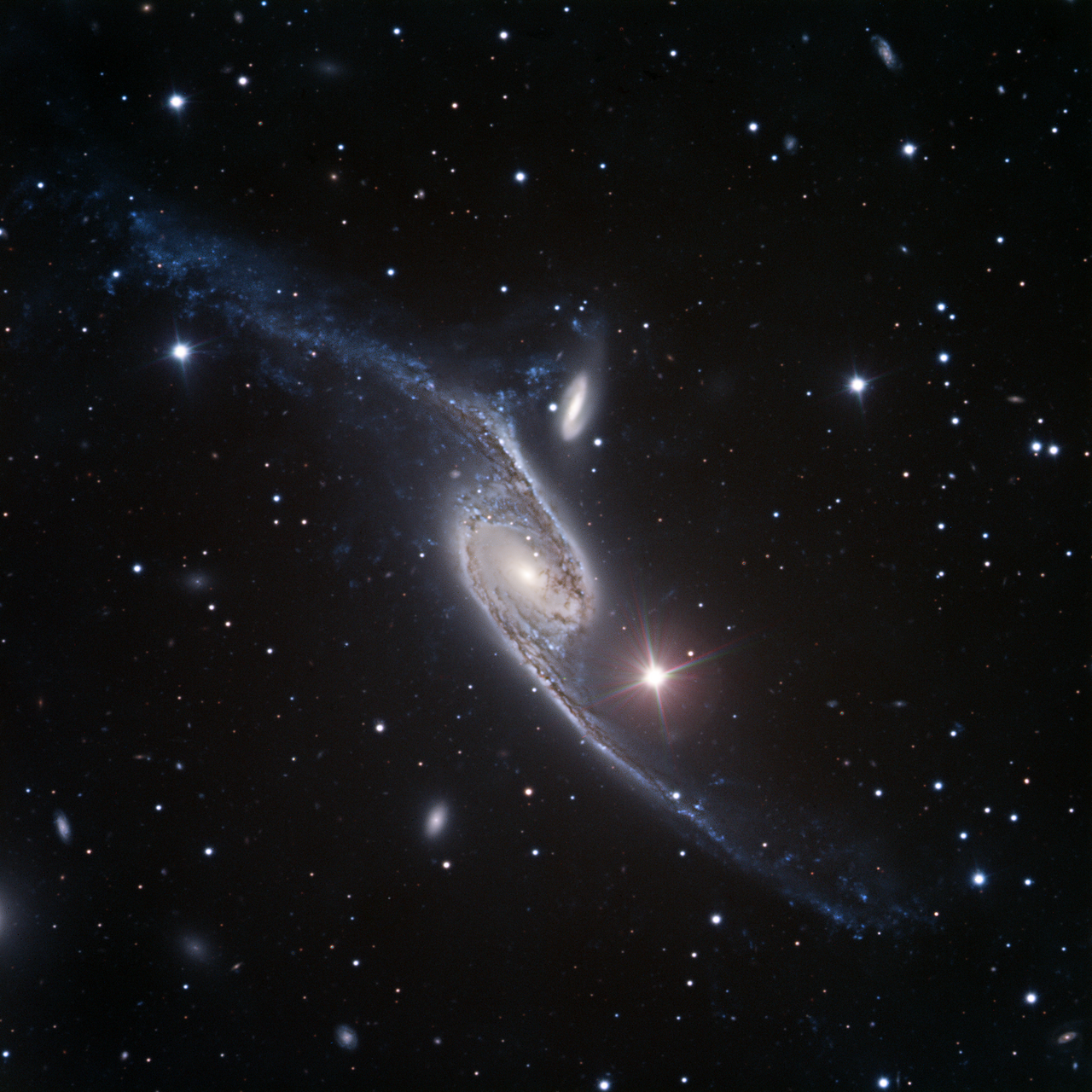
Cosmic topology is as esoteric as cosmology can get. But a growing number of astrophysicists think it holds keys to understanding the universe on its largest scales.
Continue reading
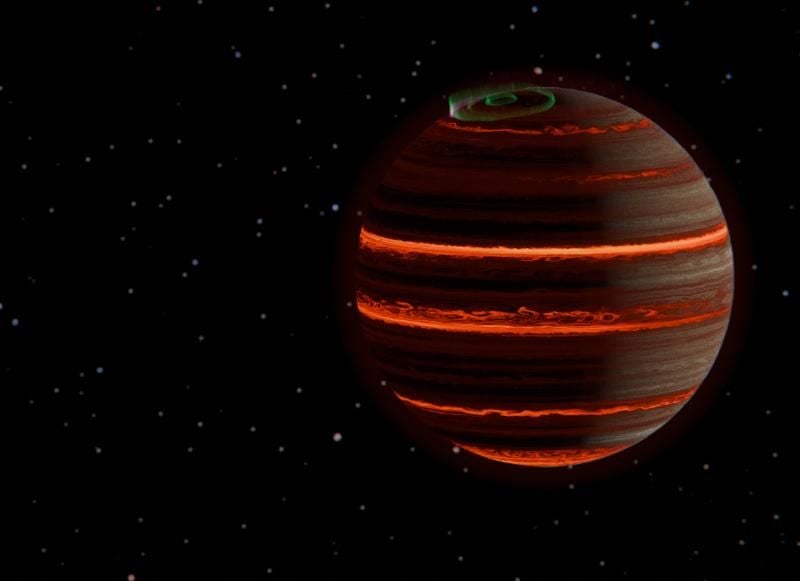
Scientists from Trinity have developed a powerful way to unravel the changing weather patterns on distant worlds. Using this approach, they discovered that the weather on a well-studied brown dwarf, “SIMP 0136”, previously linked with Northern Lights-like phenomena, is largely shaped by just two dominant processes: changes in temperature and the vertical structure of its clouds.
Continue reading
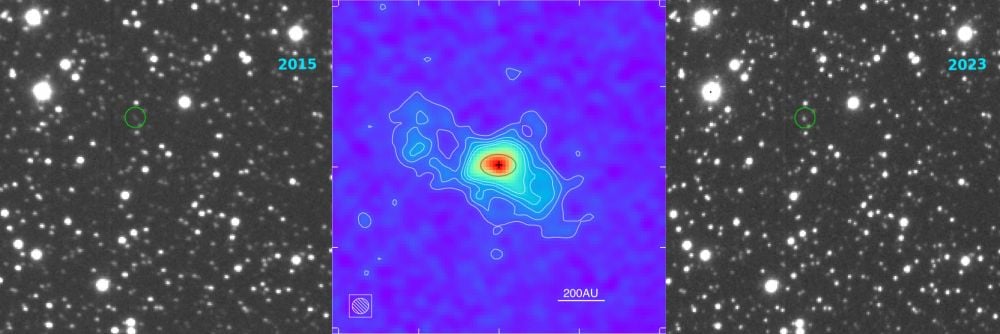
30 years ago, an amateur astronomer noticed a white dwarf star suddenly getting brighter. New research shows this is due to a Very Late Thermal Pulse, a type of helium flash. The star has heated up and become brighter, and is now called a 'born again' star. It's evolved into a Wolf-Rayet type star, and astronomers will get to watch as it continues to evolve on human timescales.
Continue reading
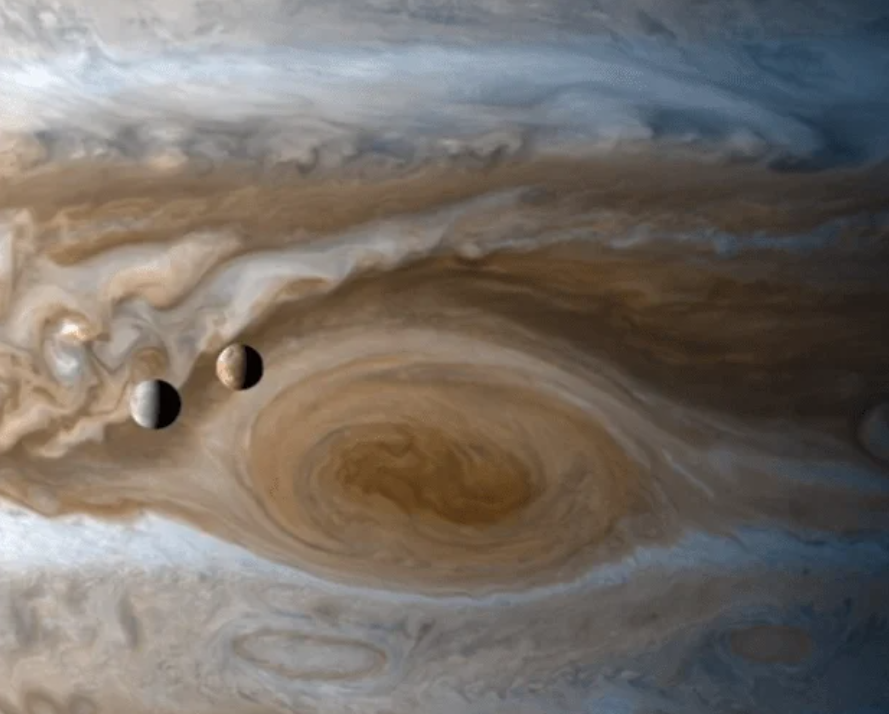
It’s that time of the decade again. Late 2026 going into early 2027 is a special time for the major Jovian moons, as they trade places passing one in front of another as seen from our Earthly point of view. We call this mutual transit-eclipse season, a favorable time to catch the complex interplay of Jupiter’s major moons.
Continue reading
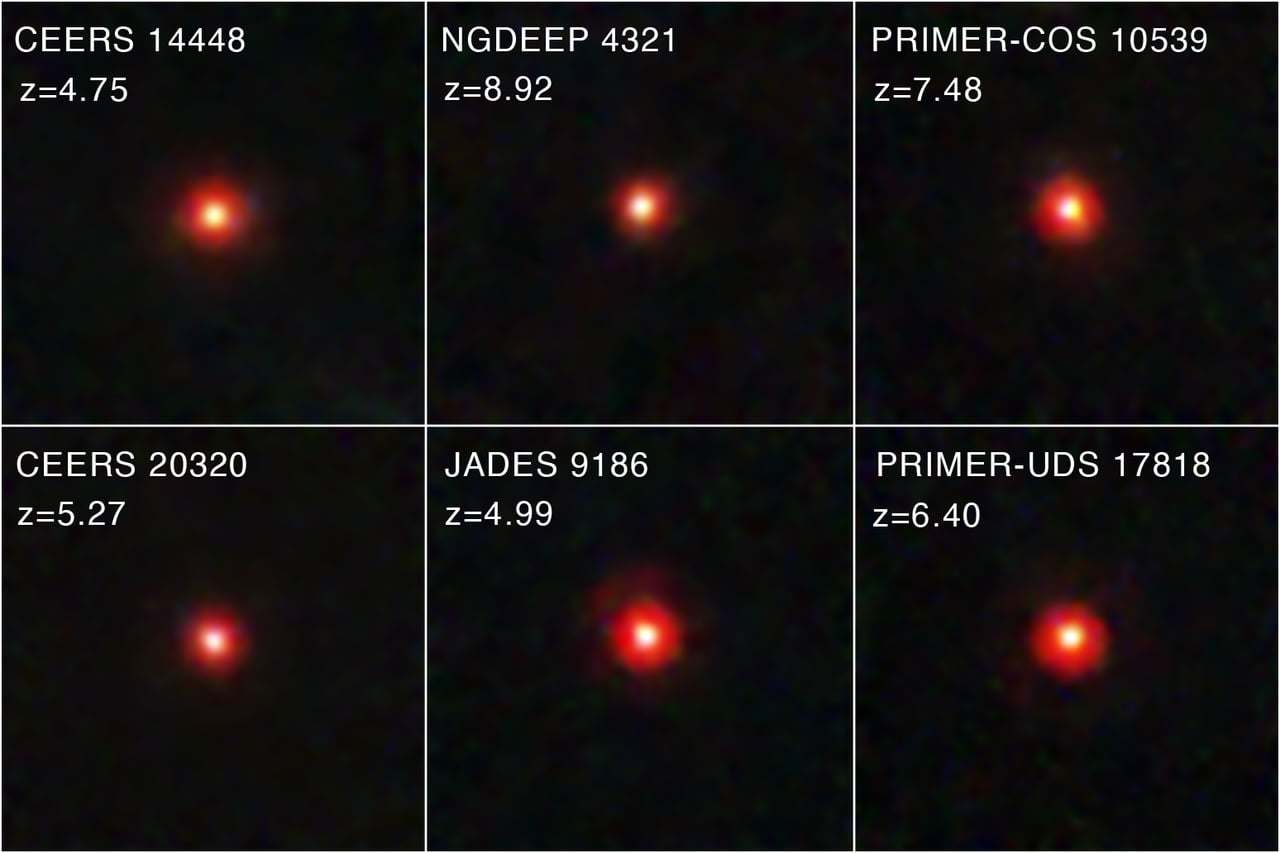
Computer simulations find that overmassive black holes form readily in the early universe. Their spectra match that of Little Red Dots, which later become powerful quasars and supermassive galactic black holes.
Continue reading
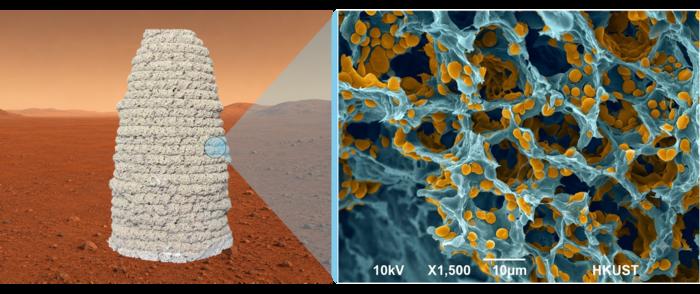
If we are ever to have a permanent presence on Mars, we will have to learn to build there. Shipping the material from Earth to build something as simple as a pressurized habitat is prohibitively expensive, so we will have to make sure of the materials available on Mars’ surface. A research team led by Ning Liu at the Hong Kong University of Science and Technology recently published a paper in Chem Circularity that uses biology to do much of the heavy lifting for the structural materials we would typically use concrete for. If their method is adopted, we might quickly find another Earth-based lifeform in abundance on Mars - yeast.
Continue reading
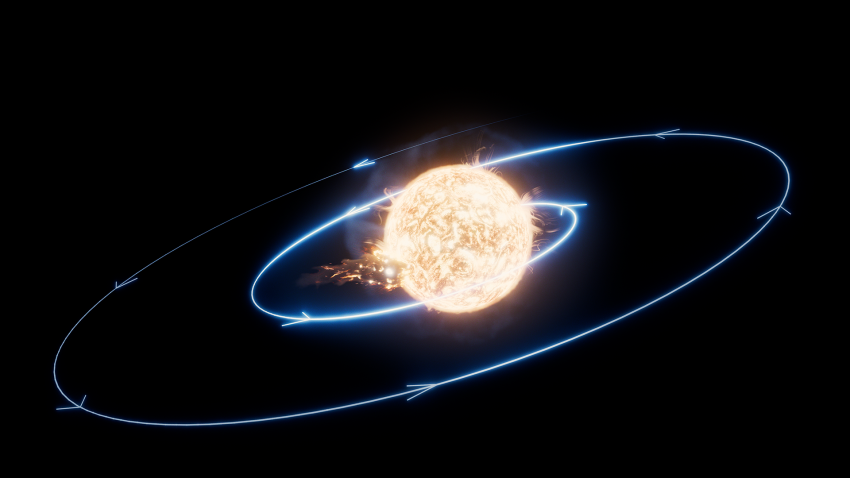
New research suggests that some unusual characteristics of the Sun may be explained if it swallowed a large planet sometime during the Solar System’s formation.
Continue reading
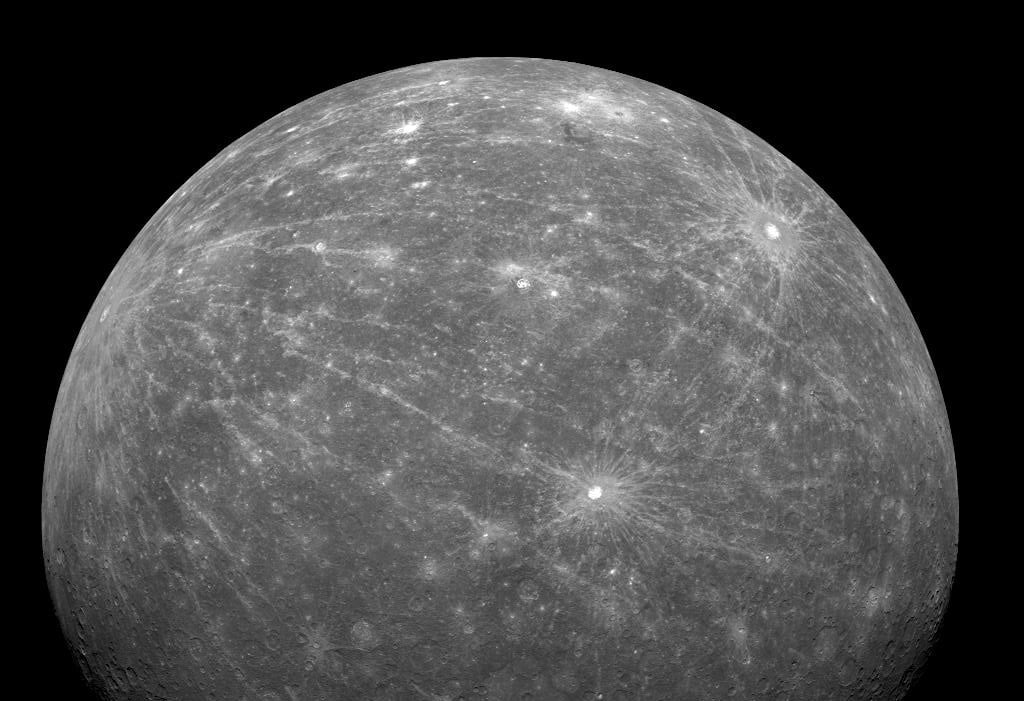
The rough, impact-debris-covered surface of Mercury has hidden the true rate at which Mercury has been shrinking, which scientists previously underestimated by 30%
Continue reading
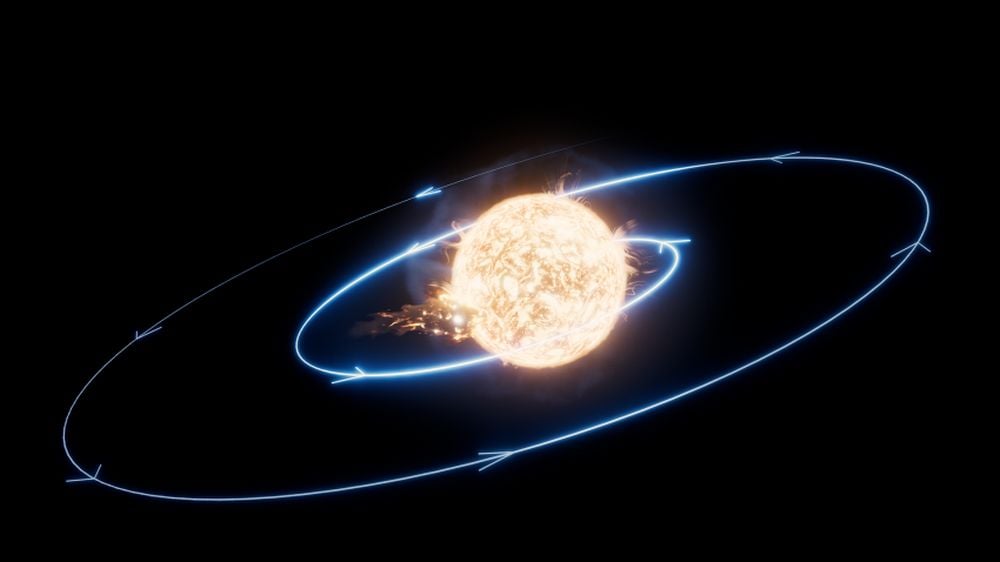
Astronomers know that stars can engulf planets when they stray too close. But how can they know, by looking at a star, if it has ever done so? The answer lies in Beryllium, an element not synthesized inside stars.
Continue reading
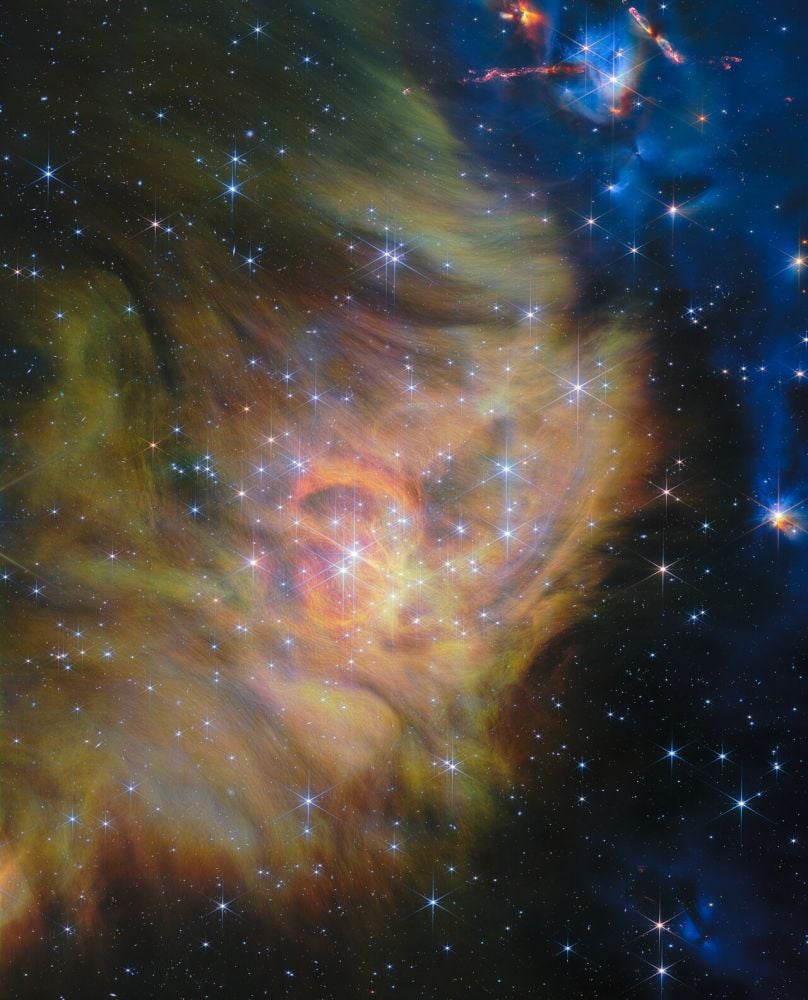
How small can brown dwarfs be before the definition breaks down? That question is at the heart of new research, and new JWST images. Using the space telescope, researchers have discovered a new class of brown dwarfs with low masses, marked by a peculiar hydrocarbon feature.
Continue reading
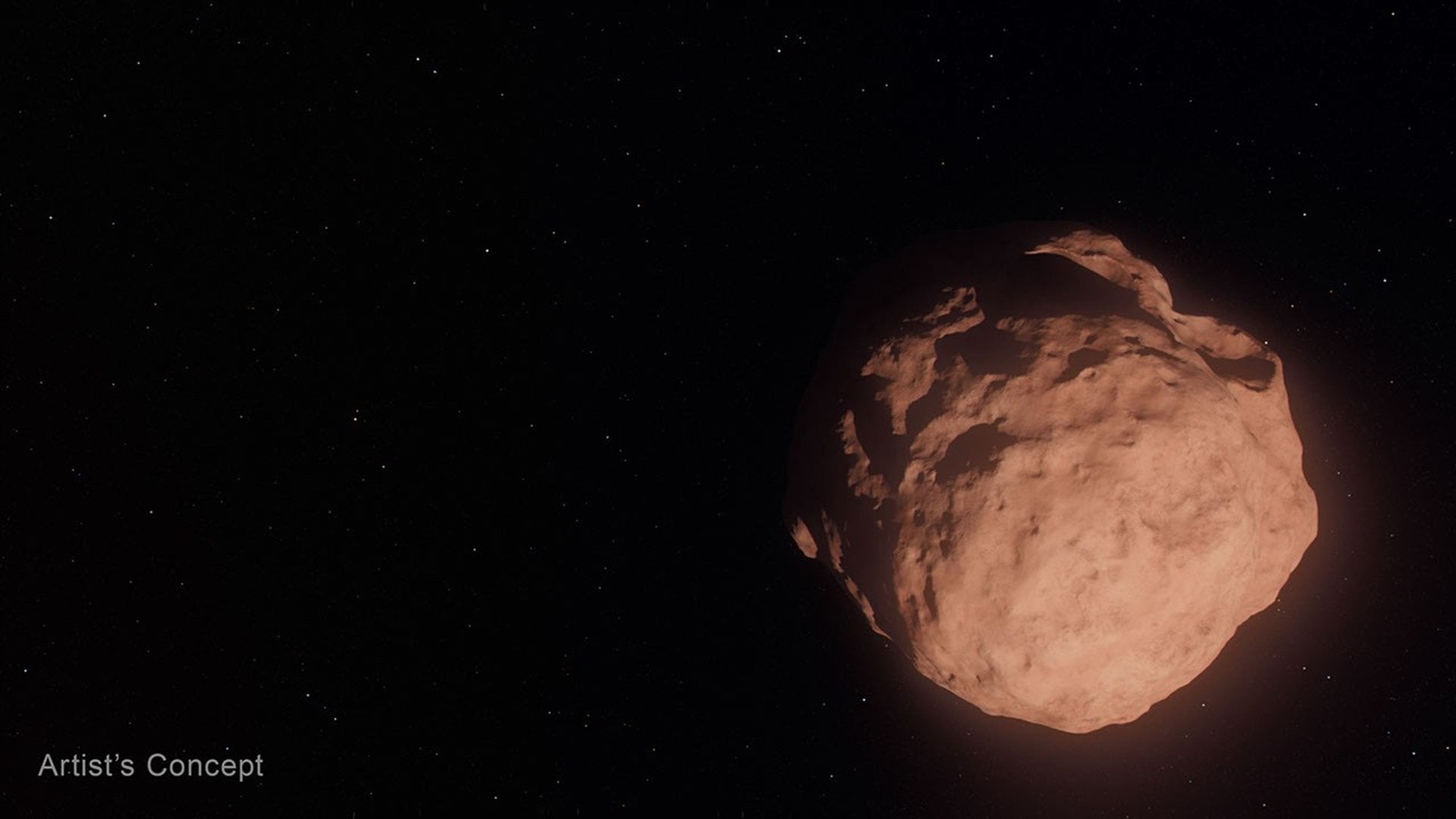
Some Trans-Neptunian Objects (TNOs) formed closer to the Sun and migrated to the outer solar system, while others formed there originally. A new study finds that "hot" and "cold" origin TNOs can be distinguished not only by their orbits, but also by their surface color.
Continue reading
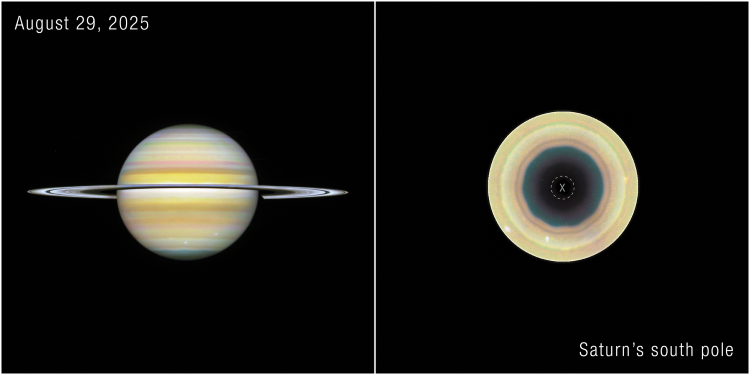
The planet Saturn is arguably the most recognizable planetary object in the entire solar system because of its massive rings. Anytime a child is asked what their favorite planet is, the answer is often “The one with the rings!” But, while Saturn’s rings are its most striking feature, the famed planet has a myriad of other unique features that often get overlooked, specifically its polar activity. This includes a long-known rotating hexagon in its north polar region, but what kinds of activity could be occurring in Saturn’s southern polar region, and what could this teach scientists about planetary formation and evolution?
Continue reading
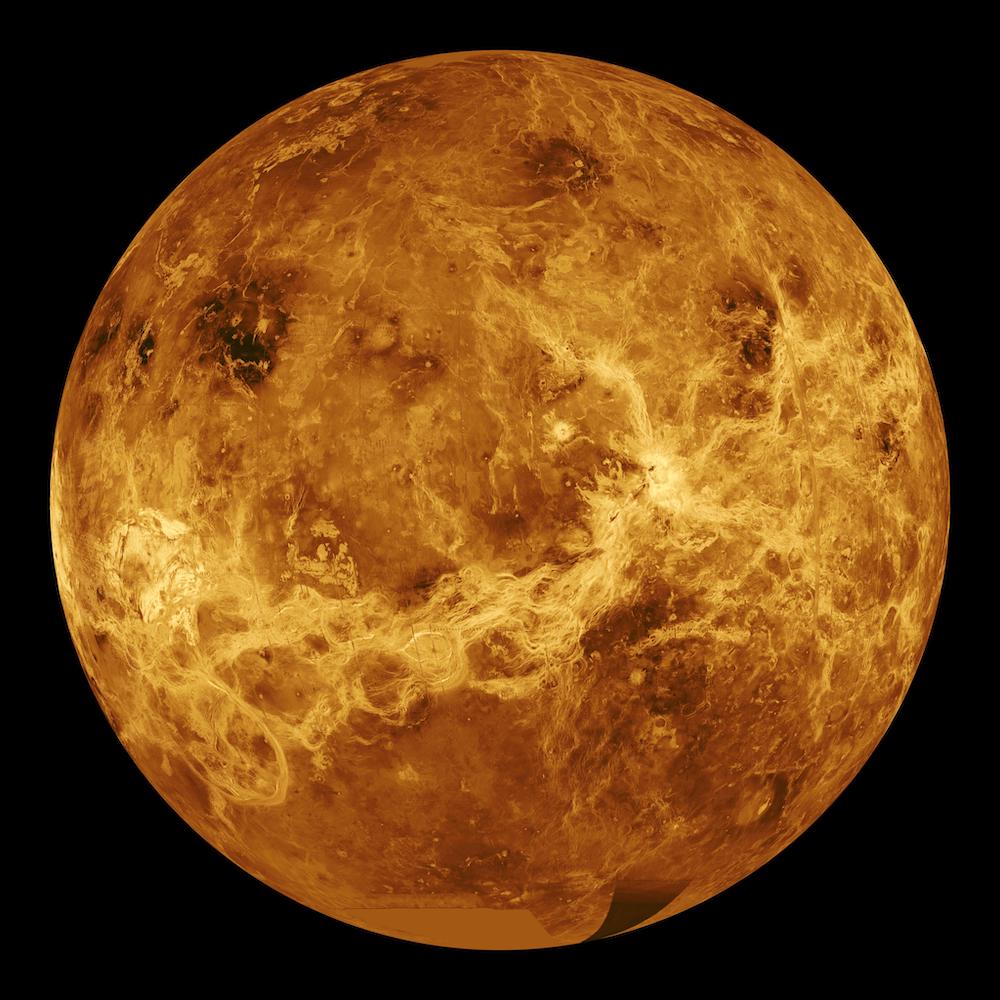
Earth has a big beautiful Moon, while Venus, its 'sister planet', doesn't. Why is that? Did it ever have one? If it did, new research shows it was never going to last very long.
Continue reading
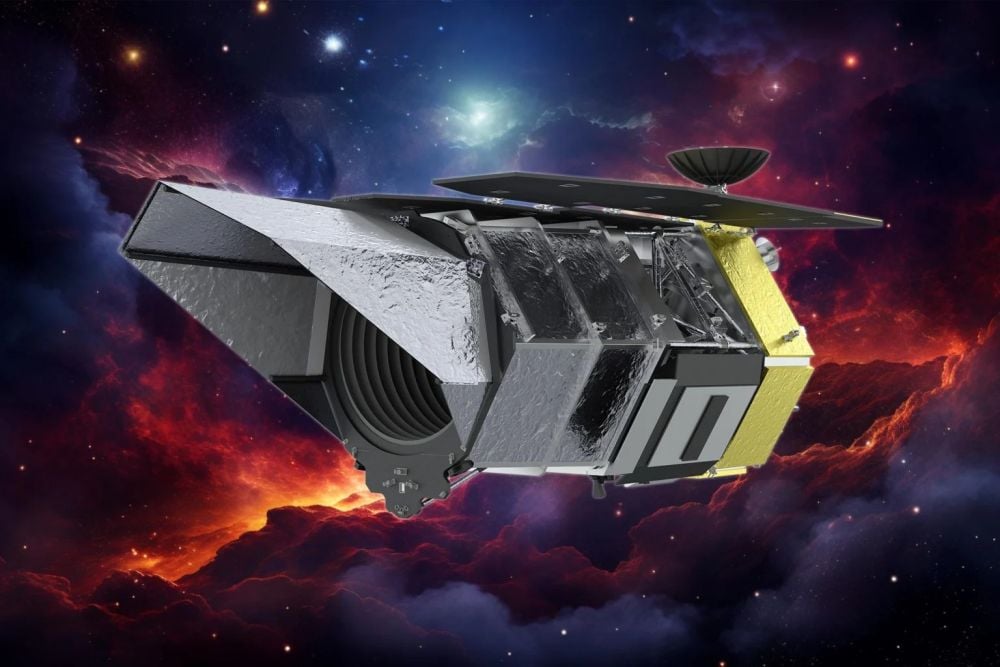
More good news for NASA's Nancy Grace Roman Space Telescope. The telescope's first mid-course correction was extremely efficient, using only 10% of the fuel allotted for it. This efficiency, coupled with other factors, means the powerful space telescope will likely have an additional ~12 years of observing time.
Continue reading
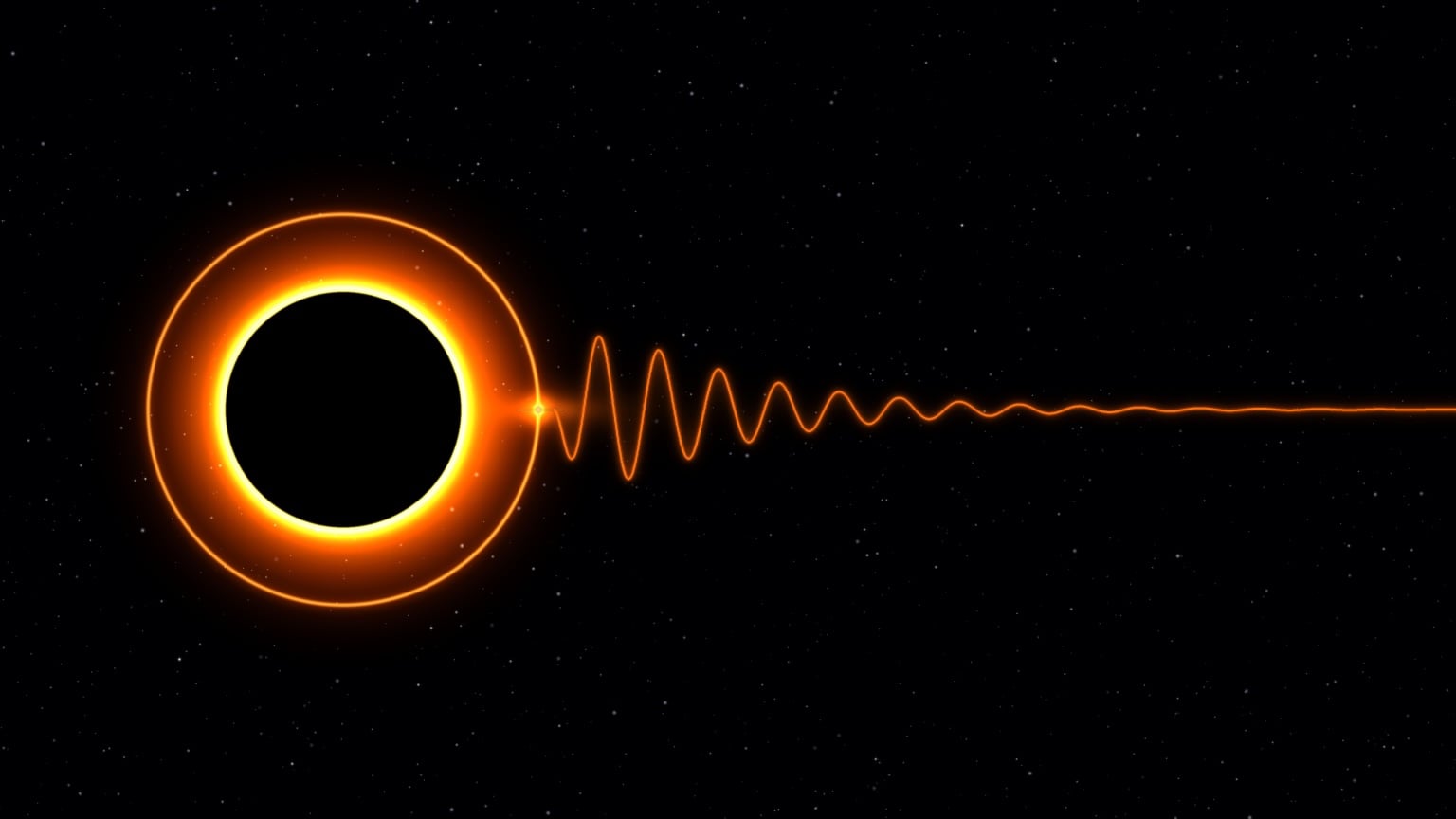
Researchers have found that if black holes have certain features, known as "hair," then we could prove it by observing the gravitational ringdown of merging black holes. Future studies could test the no-hair theorem of general relativity.
Continue reading
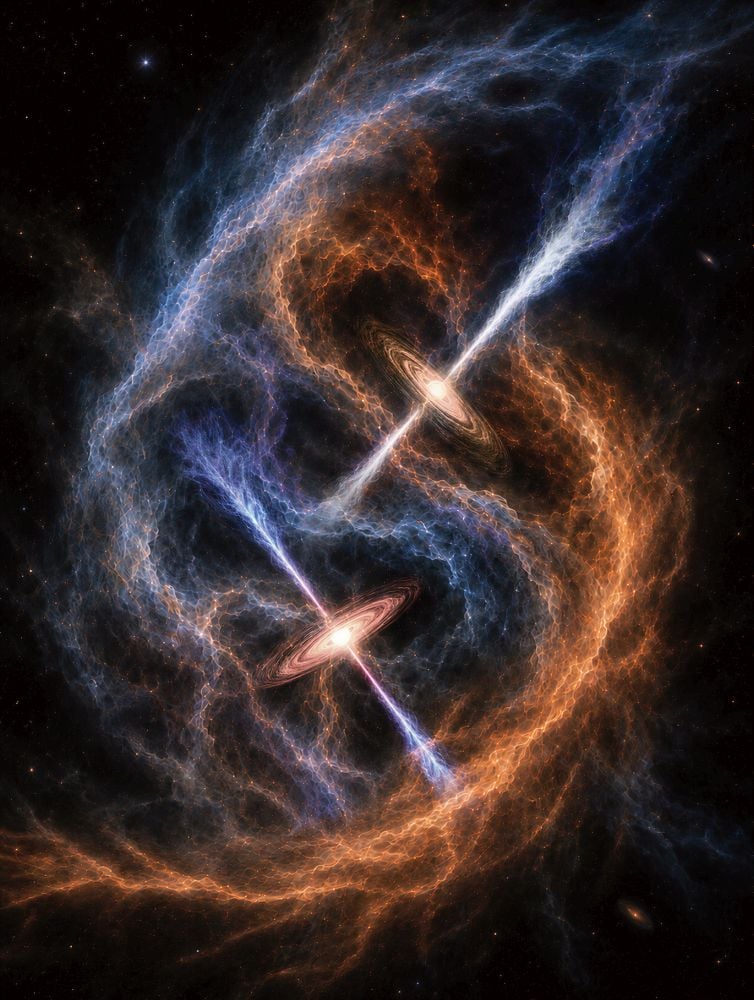
Astronomers used 8 years of observations to create a 3D image of a very young, very massive binary star as it forms. The image shows that the disks in the system are all misaligned. Those misalignments, together with the orbit, are clues to the system's chaotic history.
Continue reading
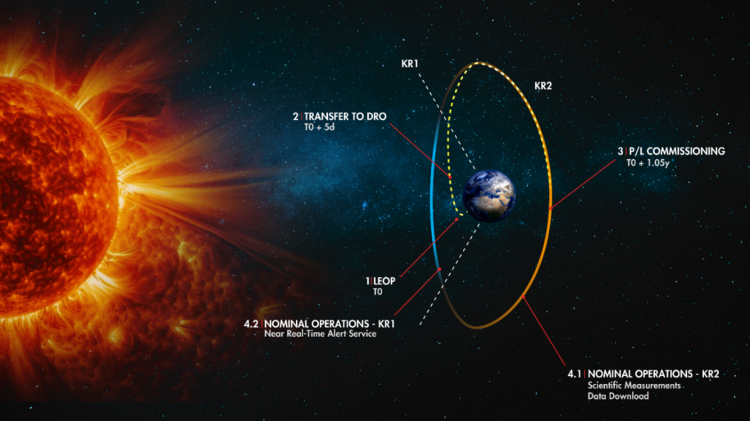
Our Sun is the very reason life exists on our small, blue planet. It provides solar radiation that warms the planet and ignites the intricate biochemical processes like photosynthesis producing oxygen for life to breathe. However, while the Sun is known for giving life, it can also potentially take it away with its solar flares, geomagnetic storms, and solar radiation storms, all of which are referred to as space weather. But how can space weather be forecasted so industries can better prepare and protect their assets, including Earth infrastructure, satellites, and even human safety?
Continue reading
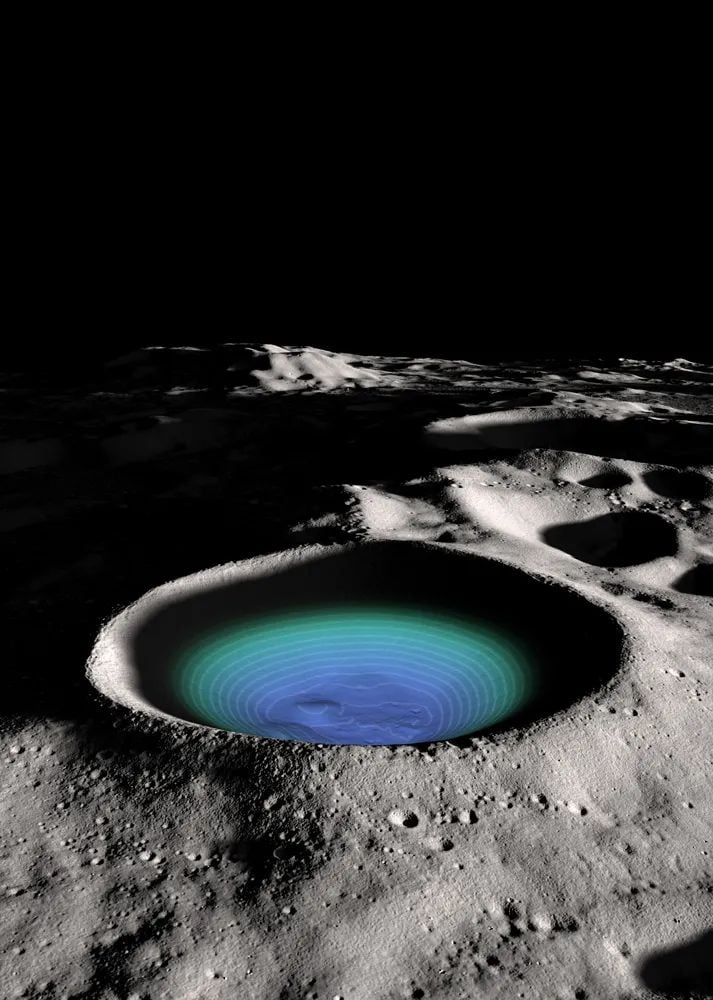
Bezos said we should move heavy industry to the Moon. Musk says we'll have sustainable lunar cities. We know there's ancient water ice in craters on the Moon's poles, but there's not enough water to support a city.
Continue reading
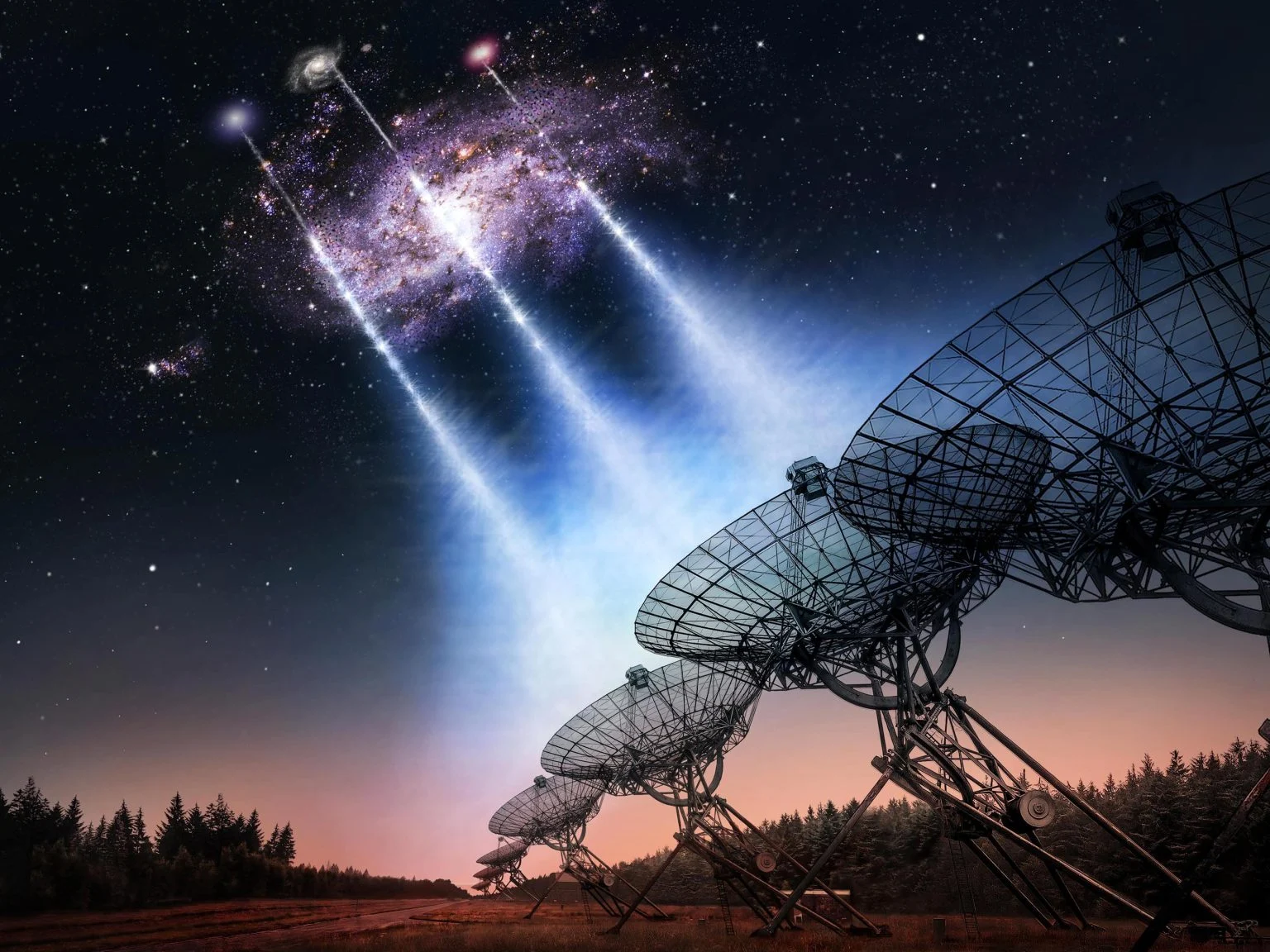
A new study led by researchers from Caltech demonstrates the effectiveness of Fast Radio Bursts (FRBs) as a tool for measuring cosmological distances and the clustering of matter.
Continue reading
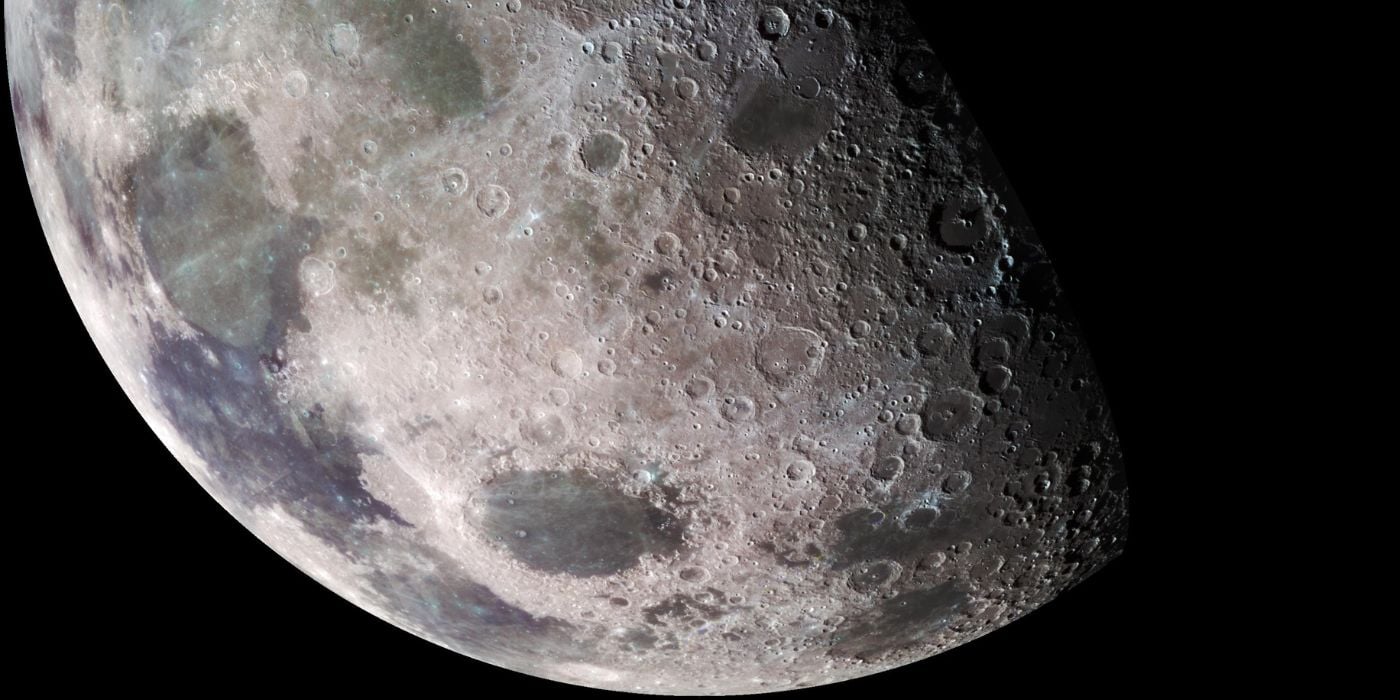
Most of our experience with the Search for Extraterrestrial Intelligence (SETI) has been focused on capturing radio signals that alien species have sent out, whether intentionally or unintentionally. That creates a huge “synchronicity” problem - what if there aren’t any alien civilizations broadcasting radio signals now, but there were a billion years ago? The Milky Way is around 13 billion years old - hoping that we exist at the same time as an alien civilization that happens to be actively messaging is a huge leap of faith. But, according to a new paper available in pre-print on arXiv and submitted to the International Journal of Astrobiology by Lewis J Pinault, as associated researcher at the SETI Institute, and his co-authors, we could take a completely alternative approach to trying to find alien civilizations - by looking for evidence of them in lunar dirt.
Continue reading
 Universe Today