 Universe Today
Ancient Swedish Goths Had Surprisingly Accurate Calendars
Ancient Swedish pagans had surprisingly accurate calendars and the ability to measure phases of the Moon to an incredible precision.
General space and astronomy news

Ancient Swedish pagans had surprisingly accurate calendars and the ability to measure phases of the Moon to an incredible precision.
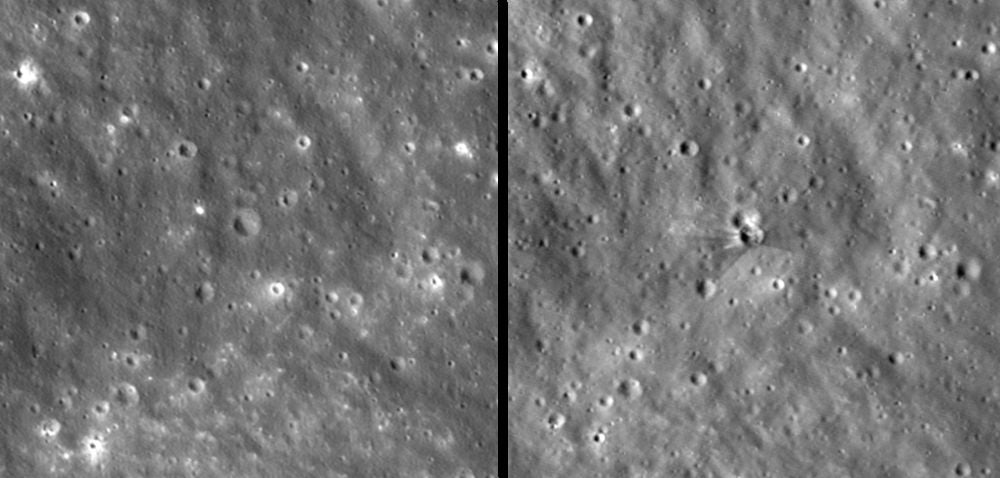
A SpaceX Falcon upper stage crashed into the Moon on August 5th. NASA's Lunar Reconnaissance Orbiter captured images of the crash site from different viewing angles and with different sunlight angles. The images showed that the crater is about 18 meters wide and about 3 meters deep. SpaceX says the crash was an accident.
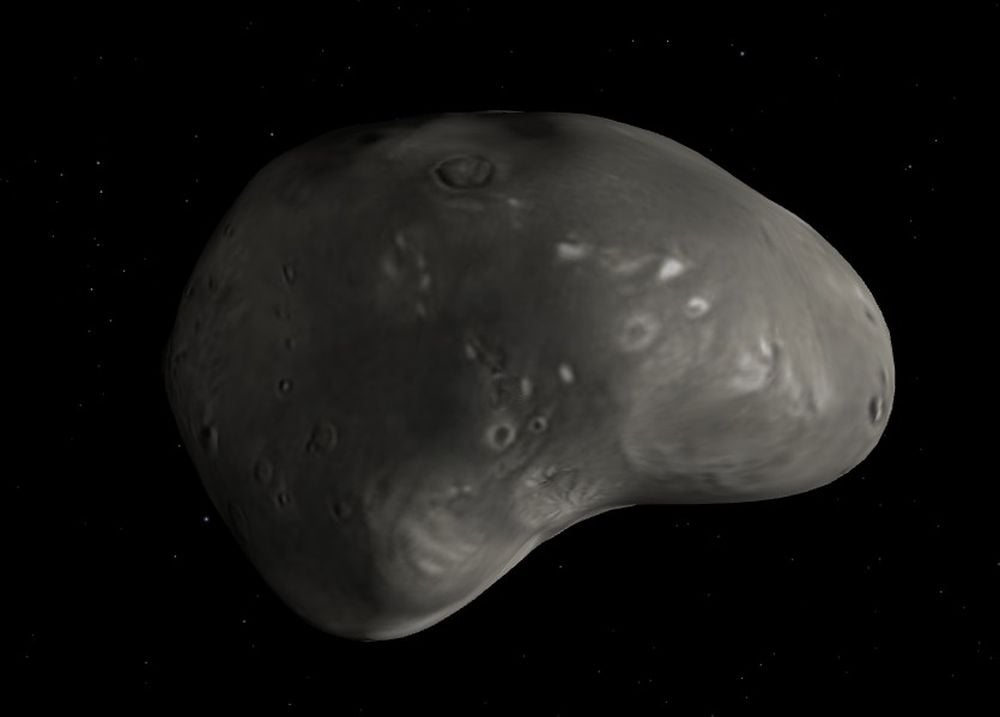
Mars' moon Deimos has a large crater on its southern pole. It's also covered by a layer of regolith so deep it buries many other, smaller craters. New research shows that an impact is responsible for both, and that the moon is rather fragile and porous, like a rubble pile asteroid.
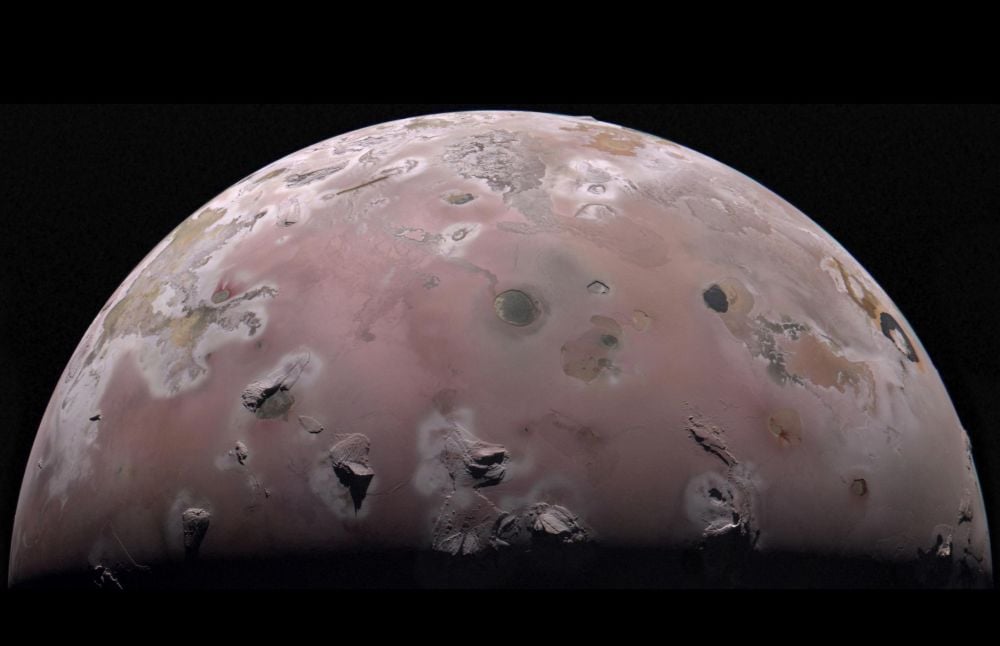
Juno's Microwave Radiometer (MWR) was built peer deep down into Jupiter's massive atmosphere. But during the spacecraft's extended mission, it's been studying the Galilean moons. During two flybys of volcanic Io, the spacecraft its MWR to measure the heat flowing from deep within the moon.
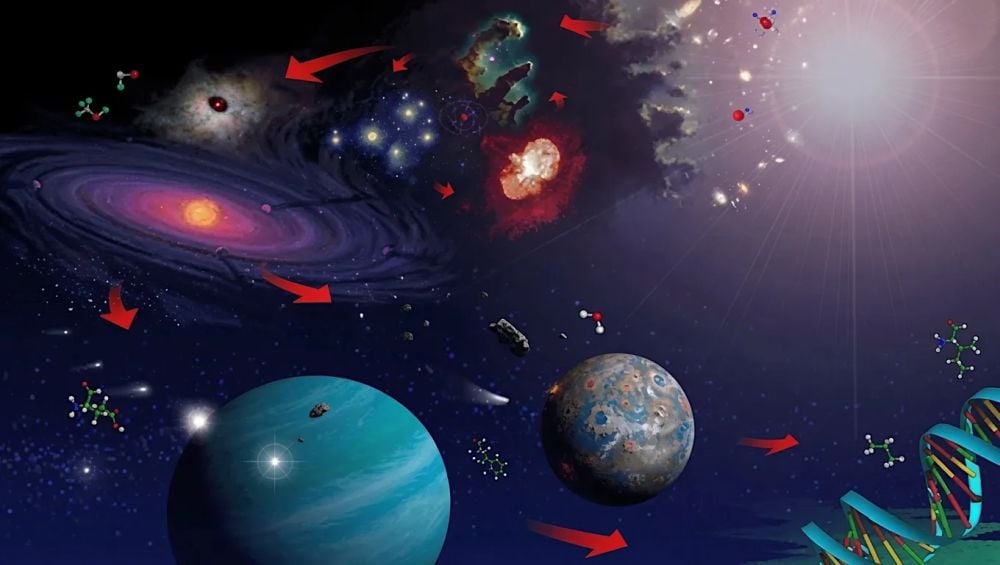
AI is a powerful tool in scientific research. It can be used to find patterns in vast quantities of data. But it also generates false positives, as most of us know. This is an "Achilles Heel" according to researchers who tested a neural network's ability to detect life.
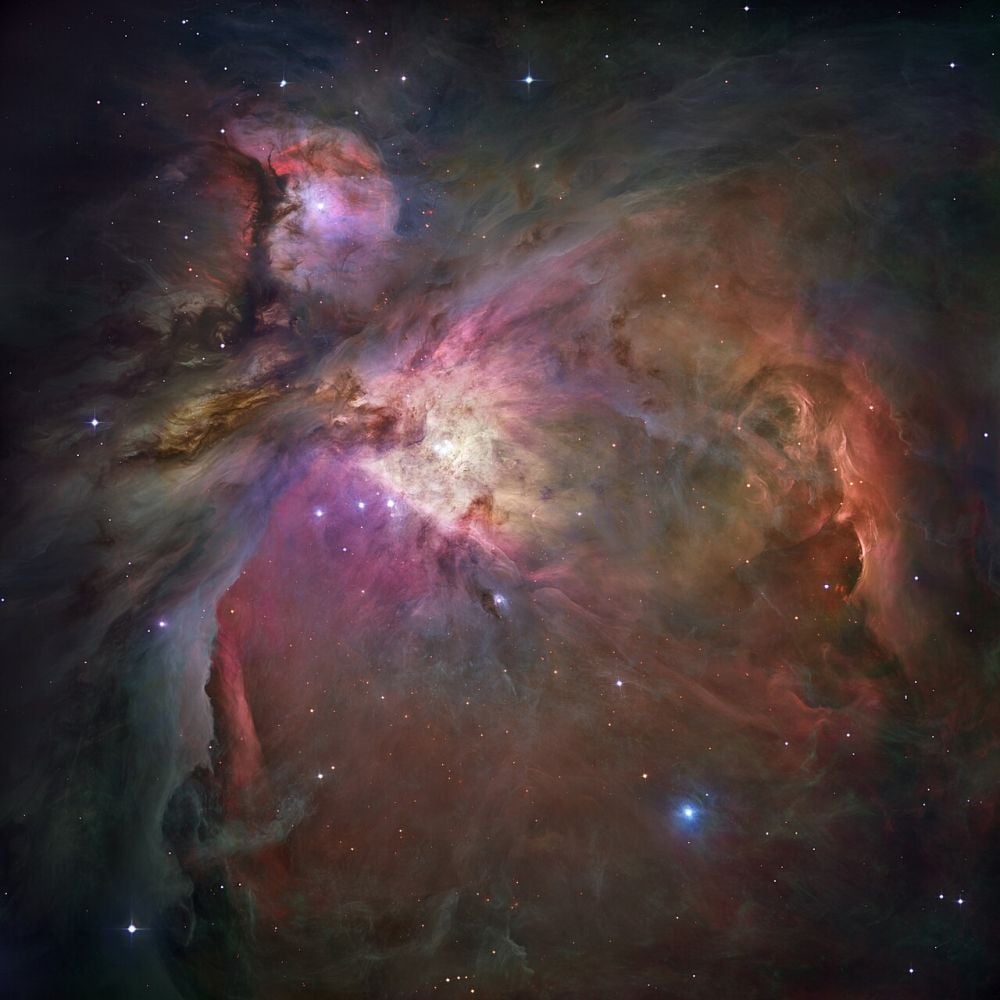
A team of researchers used the world's largest single-dish telescope and an interferometer to uncover previously hidden structures within the Orion Nebula. The project produced the sharpest maps ever made of neutral hydrogen in Orion, the closest region of massive star formation. The findings expose the complex relationship of star-forming regions with their environment and suggest that the Orion Nebula has been shaped by multiple episodes of stellar feedback rather than a single expanding bubble.
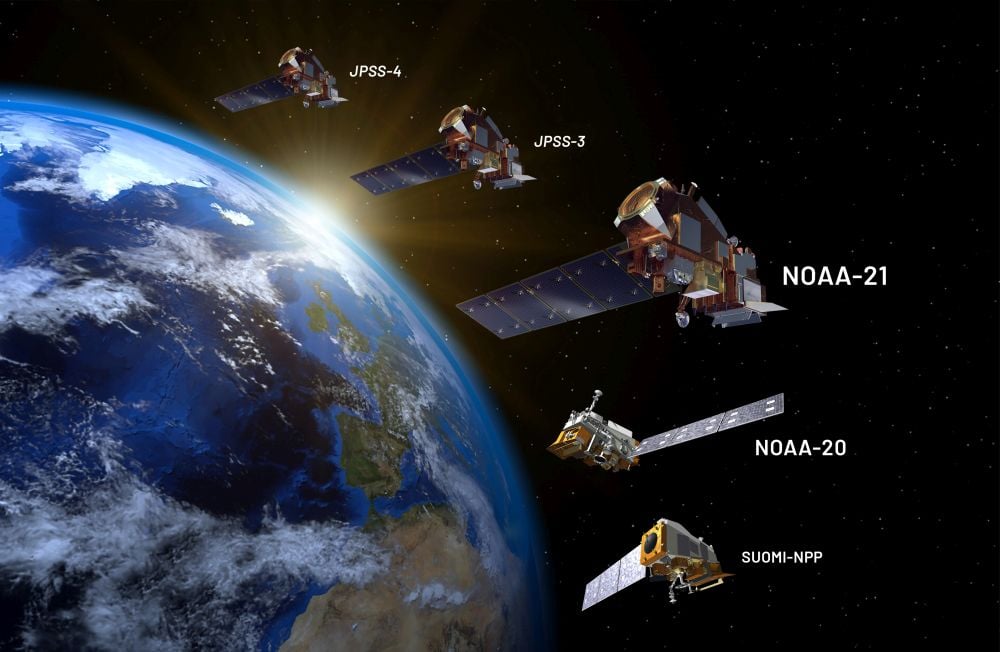
The Outer Space Treaty from 1967 prohibits weapons in space. But a satellite launched by Russia has generated suspicion. Despite claims that it's a normal satellite, some things about it suggest otherwise. New research proposes a way to detect atomic weapons in space, helping enforce the treaty.
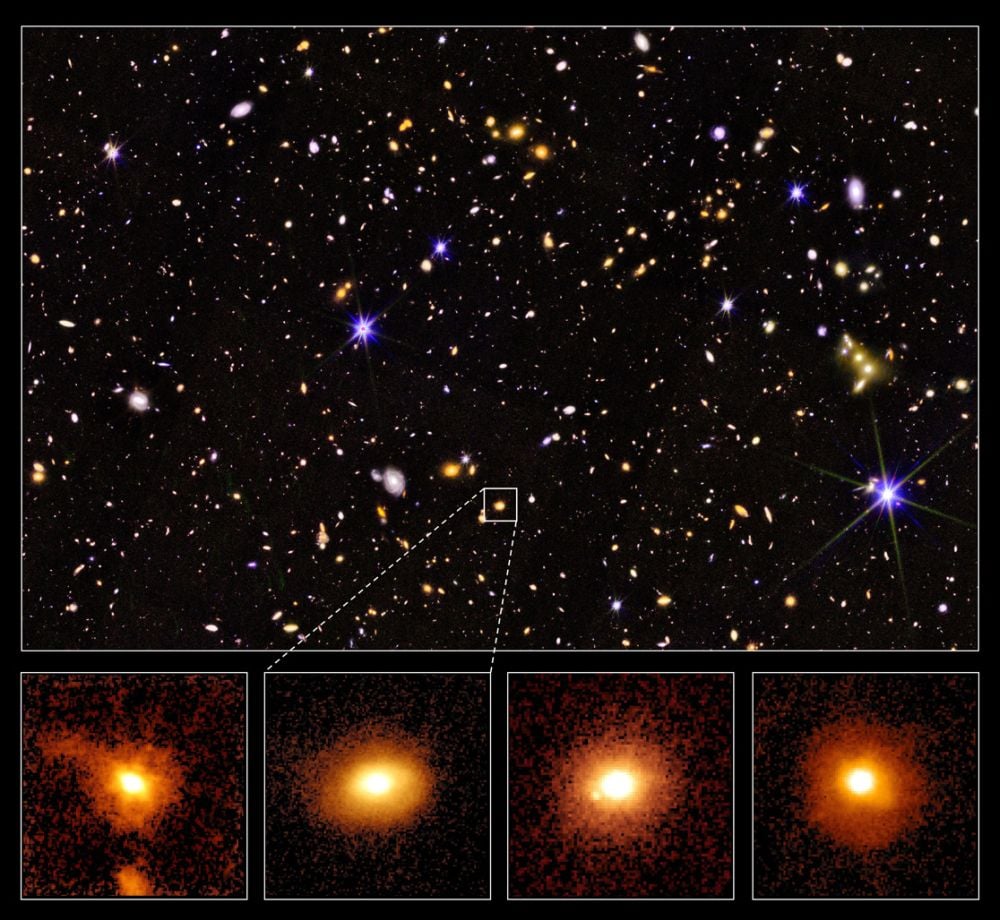
With its ability to observe the red-shifted light from early galaxies, the JWST has revealed some surprises. Many massive galaxies in the early Universe had ceased star formation and were already quenched hundreds of millions of years sooner than thought. By examining their morphology, new research shows that mergers that were previously hidden from view are responsible.
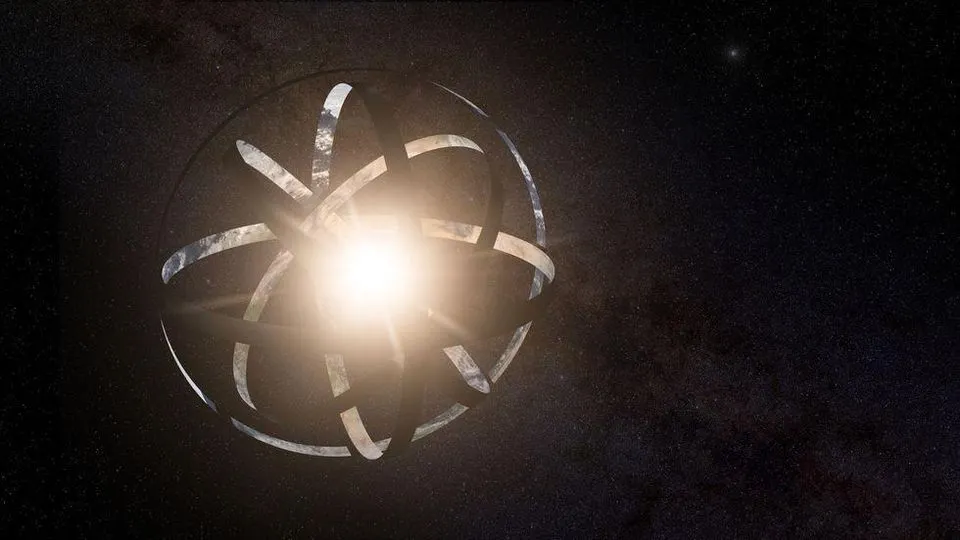
A new study reevaluates the Kardashev Scale using a new framework that includes the Bitcoin network as a means of measuring the trajectory of human development.
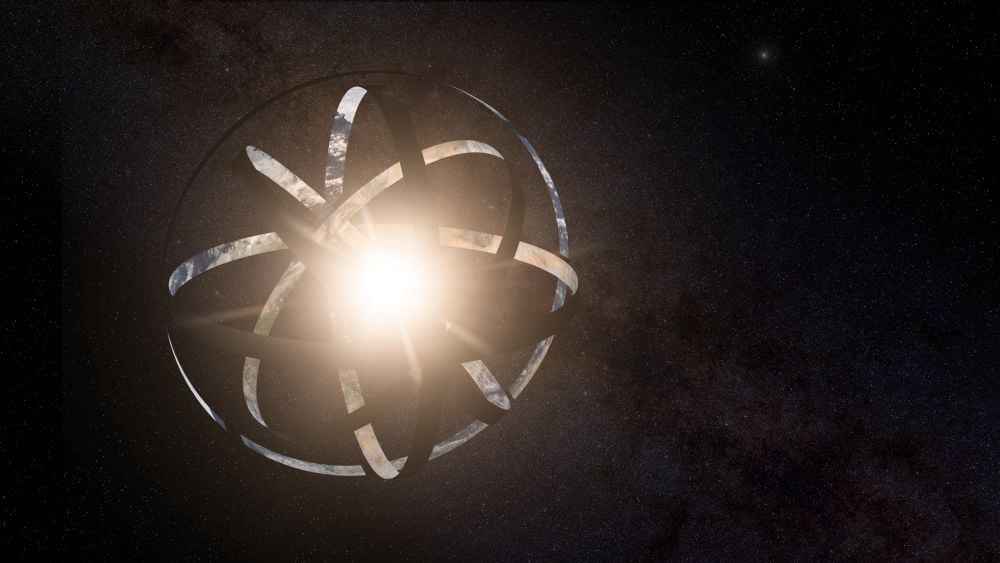
New research examines 10 different types of global technological civilizations, how they govern themselves, how they use resources, and other factors, to determine which types may endure and which may be doomed to collapse. Simulations show that resource use plays the key role. The simulations also show which types of detectable technosignatures each may generate.
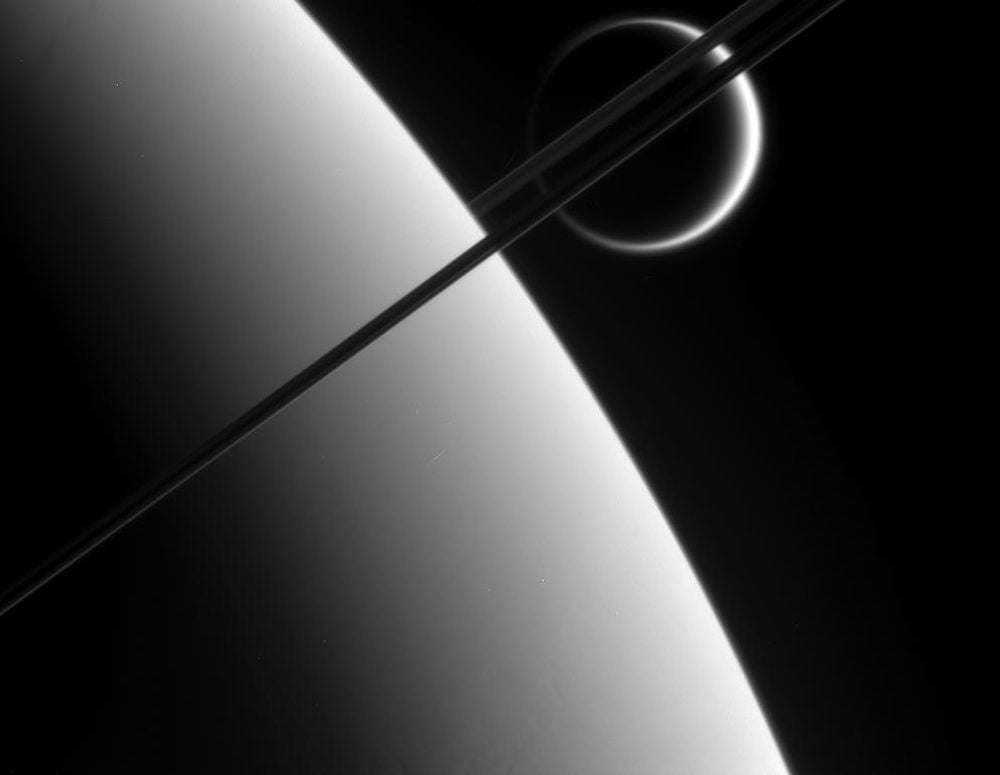
New research presents a timeline for recent (astronomically speaking) events in the Saturnian system. It shows that Titan collided with a proto-Hyperion, and the collision smoothed Titan's surface while some of the debris accreted onto a new Hyperion and also created Saturn's rings. The research can also explain some of the Saturnian system's other unusual characteristics.
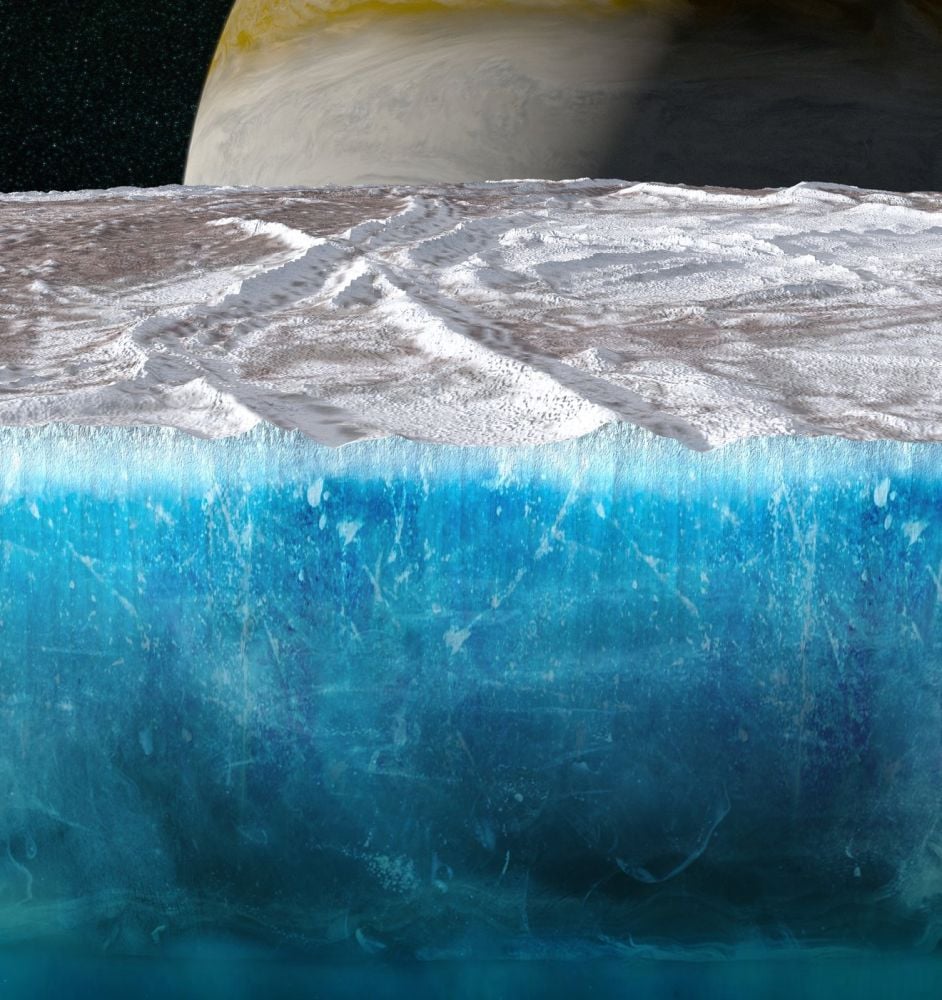
Jupiter's icy moon Europa is a tantalizing target in the search for habitability in our Solar System. Its thick, global ice sheet overlies a warm, salty, chemically-rich ocean. But for life to exist in that ocean, nutrients need to find their way from the surface to the ocean. New research says that may be very difficult.
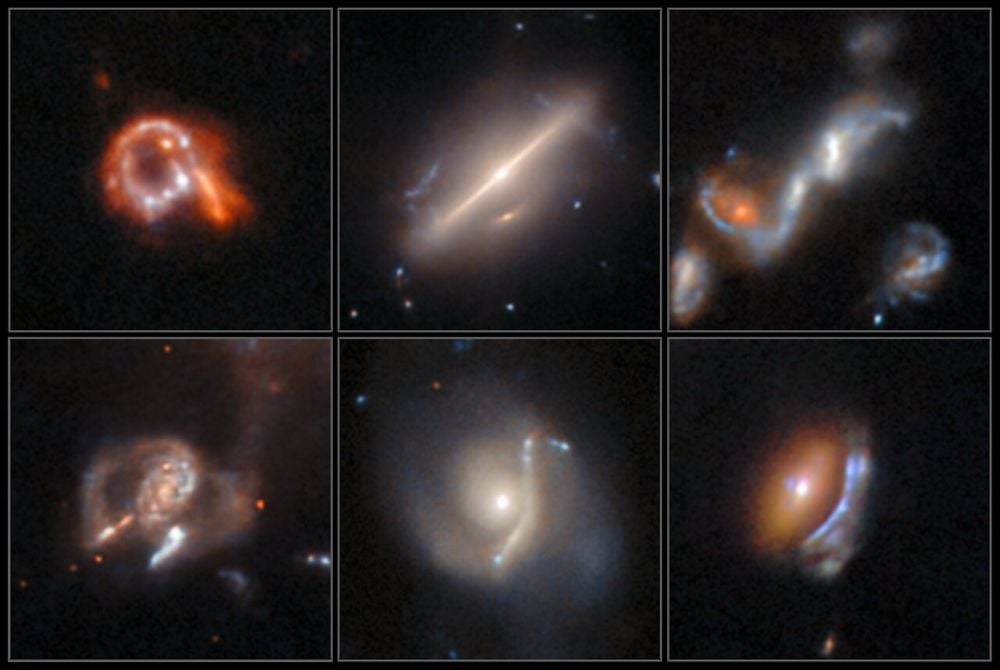
AI faces strong skepticism due to its potential for misuse, its drain on resources, and even its potential dumbing down of students. But new results illustrate its uses. A team of astronomers have used a new AI-assisted method to search for rare astronomical objects in the Hubble Legacy Archive. The team sifted through nearly 100 million image cutouts in just two and a half days, uncovering nearly 1400 anomalous objects, more than 800 of which had never been documented before.
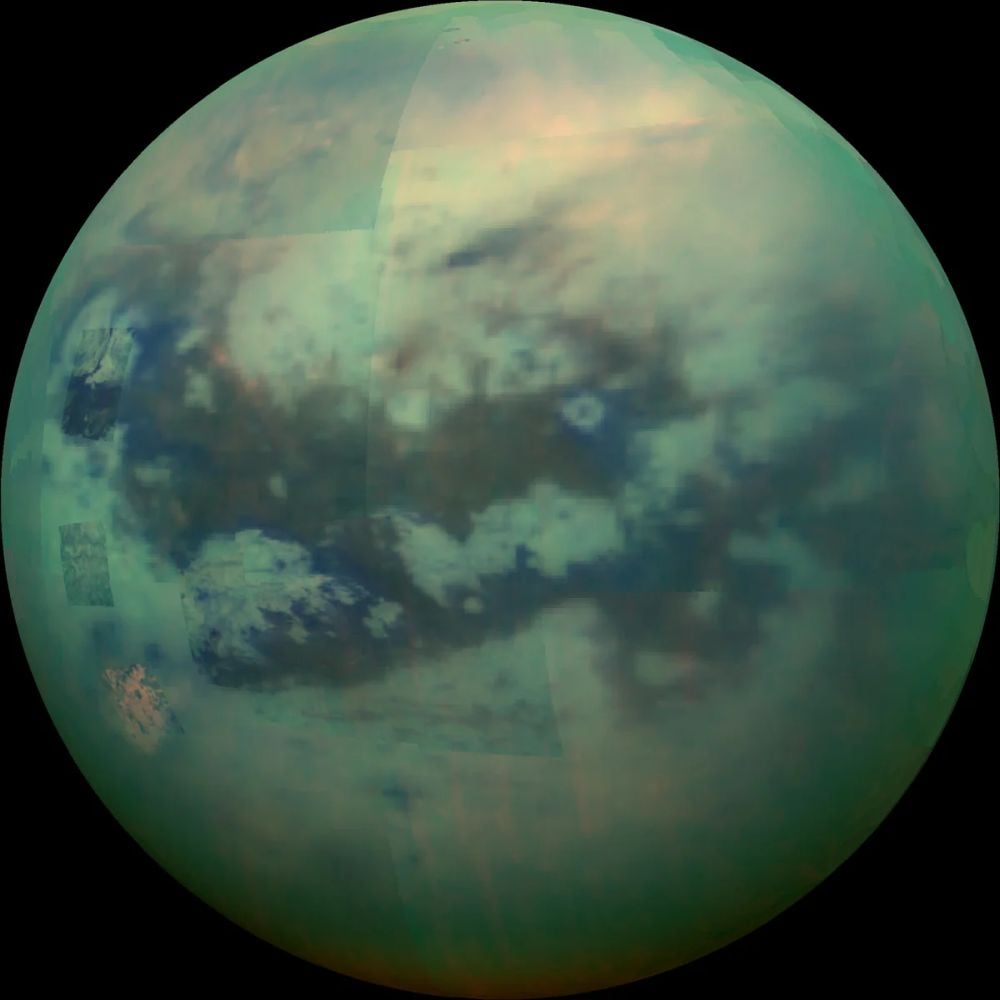
Hydrogen Cyanide, which is toxic, may have played an important role in the emergence of life. Its unique properties, especially in frigid environments in space, may have helped generate the complex molecules necessary for life to appear.
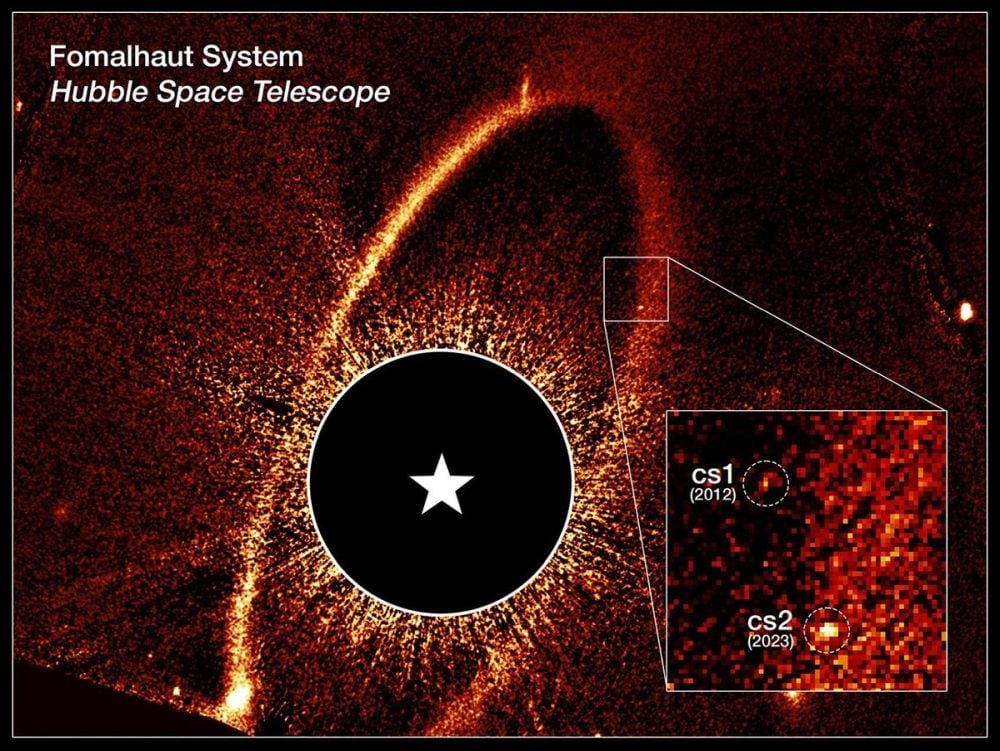
For the first time, astronomers using the Hubble Space Telescope have spotted a pair of catastrophic collisions in another solar system. They were observing Fomalhaut, a bright star about 25 light-years away, and detected a pair of planetesimal collisions and their light-reflecting dust clouds. The system is young, and the collisions reflect what our Solar System was like when it was young.
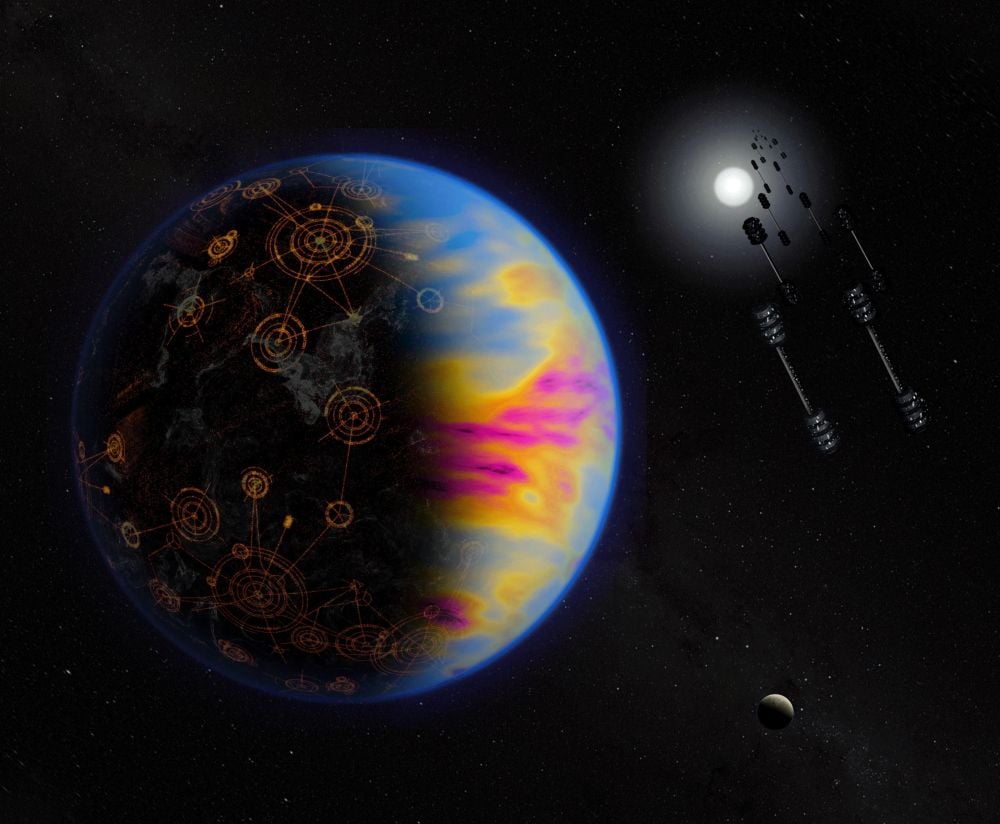
When we gaze up at the night sky, we assume that what we're seeing is a representative population of similar stars at similar distances. But it's not. The stars we see are a mixture of massive and small, distant and near. In fact, we can't even see our closest neighbour, Proxima Centauri. We see these stars because they have large observational signals, and that illustrates one of the problems in astronomy.
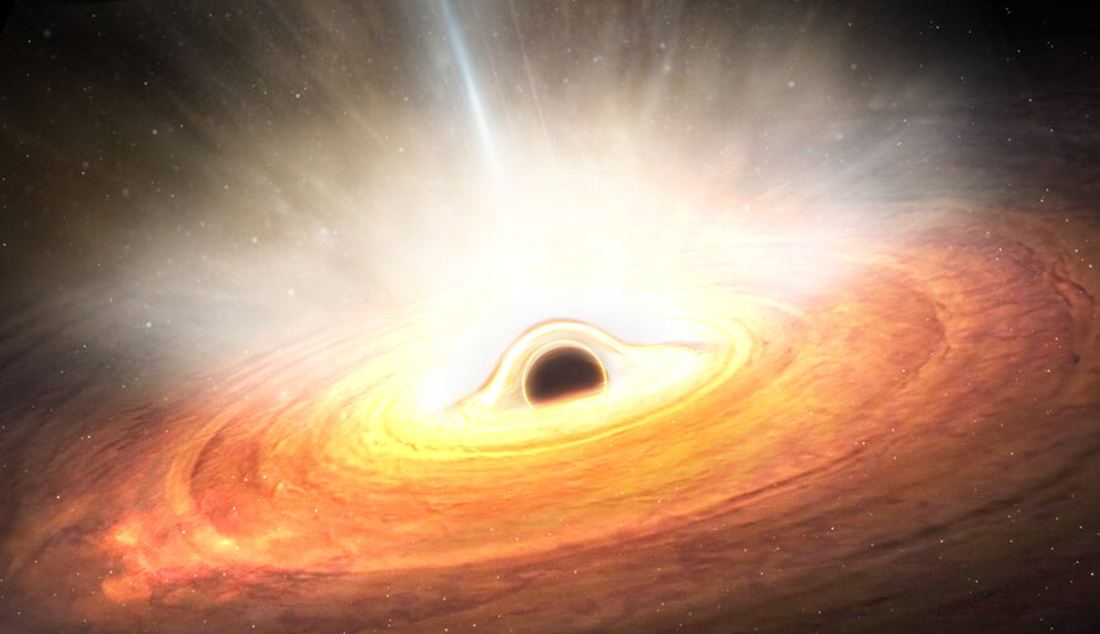
In a recent paper, a team of researchers proposes how humanity may someday relocate its entire civilization near the center of our galaxy to take advantage of the relativistic effects of the supermassive black hole there. They also indicate how other advanced civilizations could have done so already.
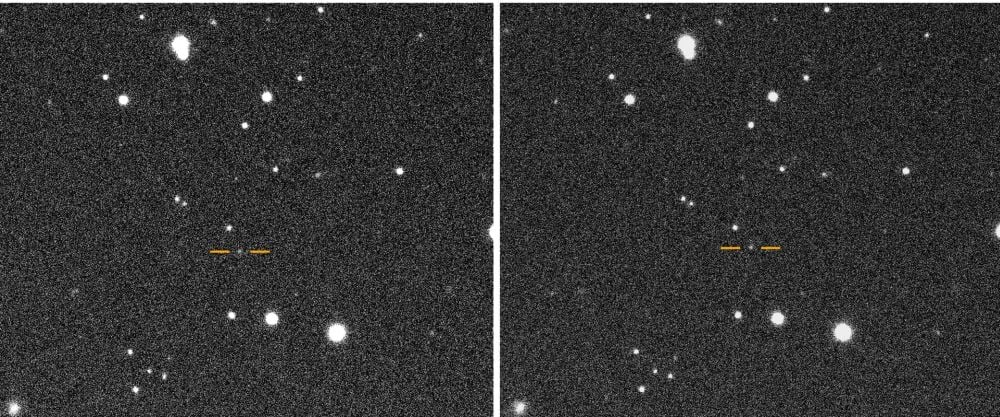
Astronomers have detected an extremely fast asteroid in the blinding light of the Sun. Objects are extremely difficult to discern in the Sun's glare, but these 'twilight' asteroids could pose a threat to Earth. It's important that we find them all.
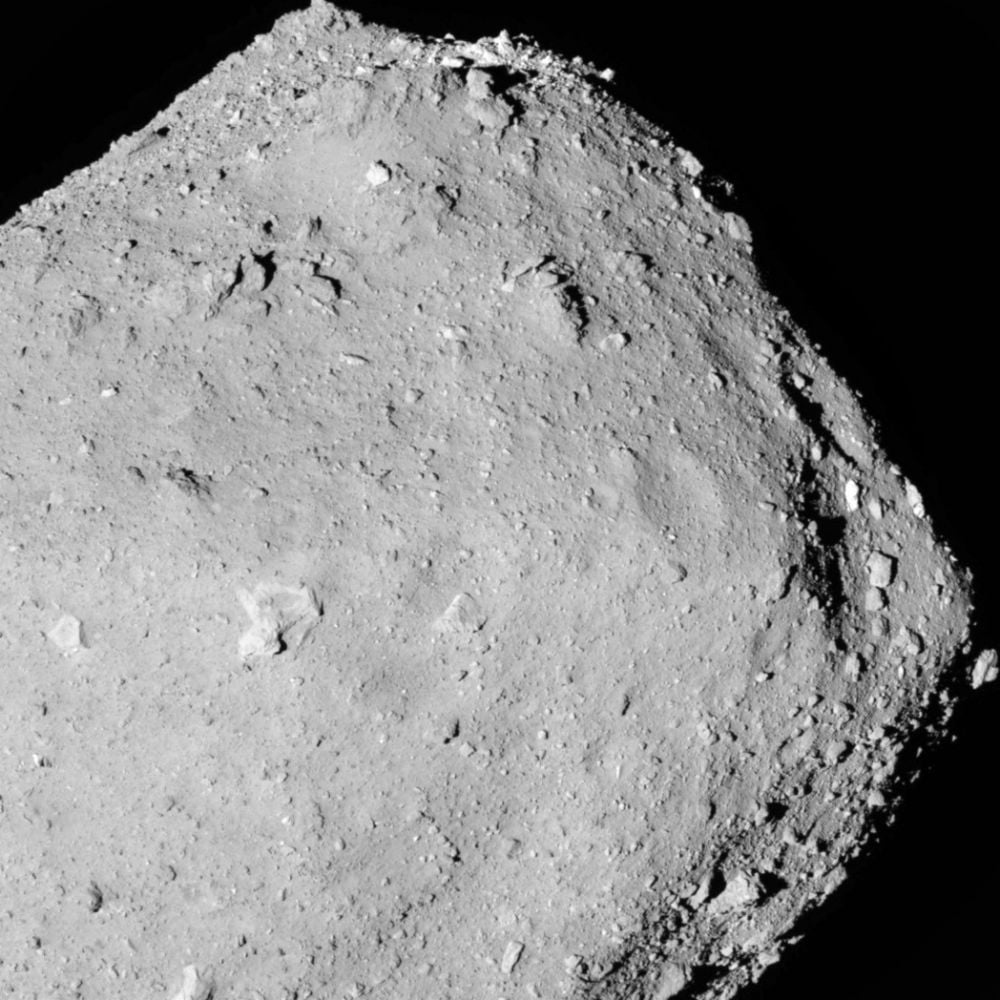
Researchers working with a sample from asteroid Ryugu discovered that water flowed on the asteroid almost one billion years after it formed. The finding suggests that carbon-rich asteroids could've delivered far more water to Earth than thought.
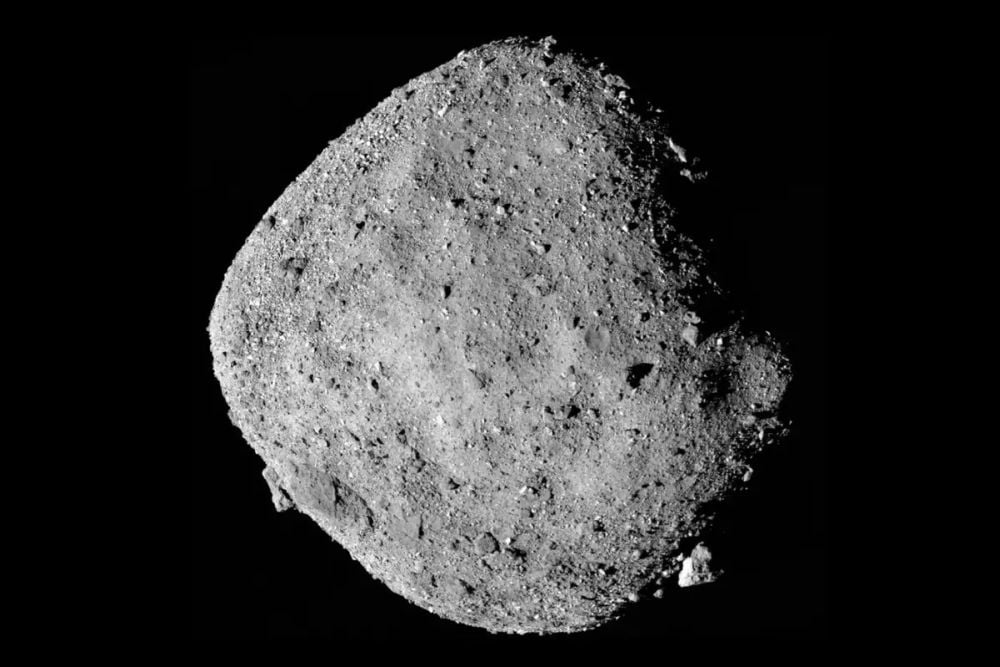
New research based on samples from asteroid Bennu show that the asteroid contains materials from throughout the Solar System. Some of its materials are from even more distant realms: the asteroid contains stardust from stars that existed long before our Solar System did.