Brian Koberlein
Brian Koberlein is an astrophysicist and author of the books Astrophysics Through Computation and Radio Sky: 40 Years of the Very Large Array. You can find more of his work on his website.
Recent Articles
-
-
The Knotty Problem of Matter Asymmetry Might Be Solved By Extending Physics
December 02, 2025Why is the Universe filled with matter? Why isn't it an equal amount of matter and antimatter? We still don't know the answer, but a new approach looks at the symmetries of extended models of particle physics and finds a possible path forward. It's a knotty problem that may just have a knotty solution.
-
The Universe Was Warm Before It Was Bright
December 01, 2025There is a period in the Universe known as the cosmic dark ages. It lies between the recombination of the first atoms and the ignition of the first stars, when the Universe was thought to be cold and dark. Now astronomers have looked at the faint glow of atomic hydrogen to find that while the Universe was dark, it wasn't quite as cold as we thought.
-
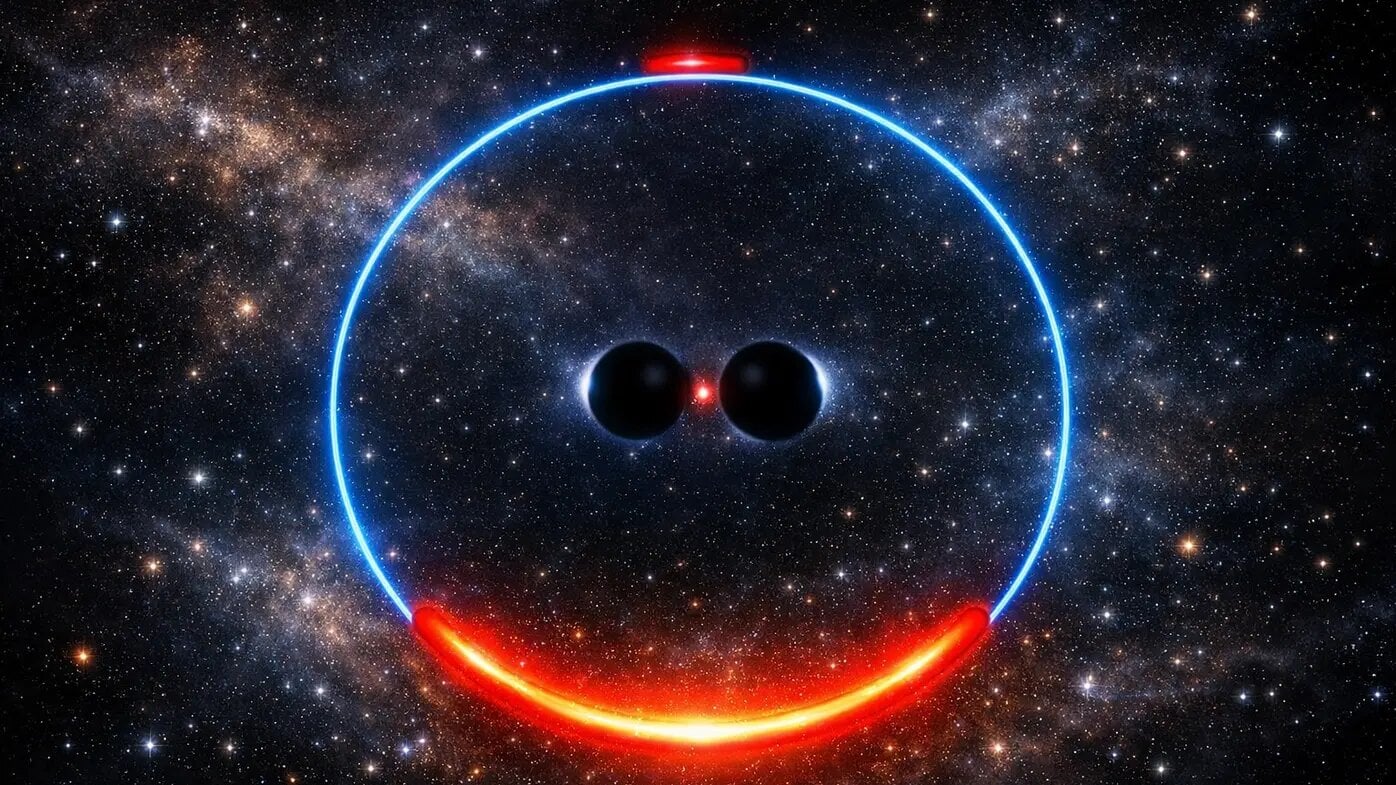
We've Long Thought The Surface Area Of A Black Hole Can't Decrease. Now We Have Data To Back It Up.
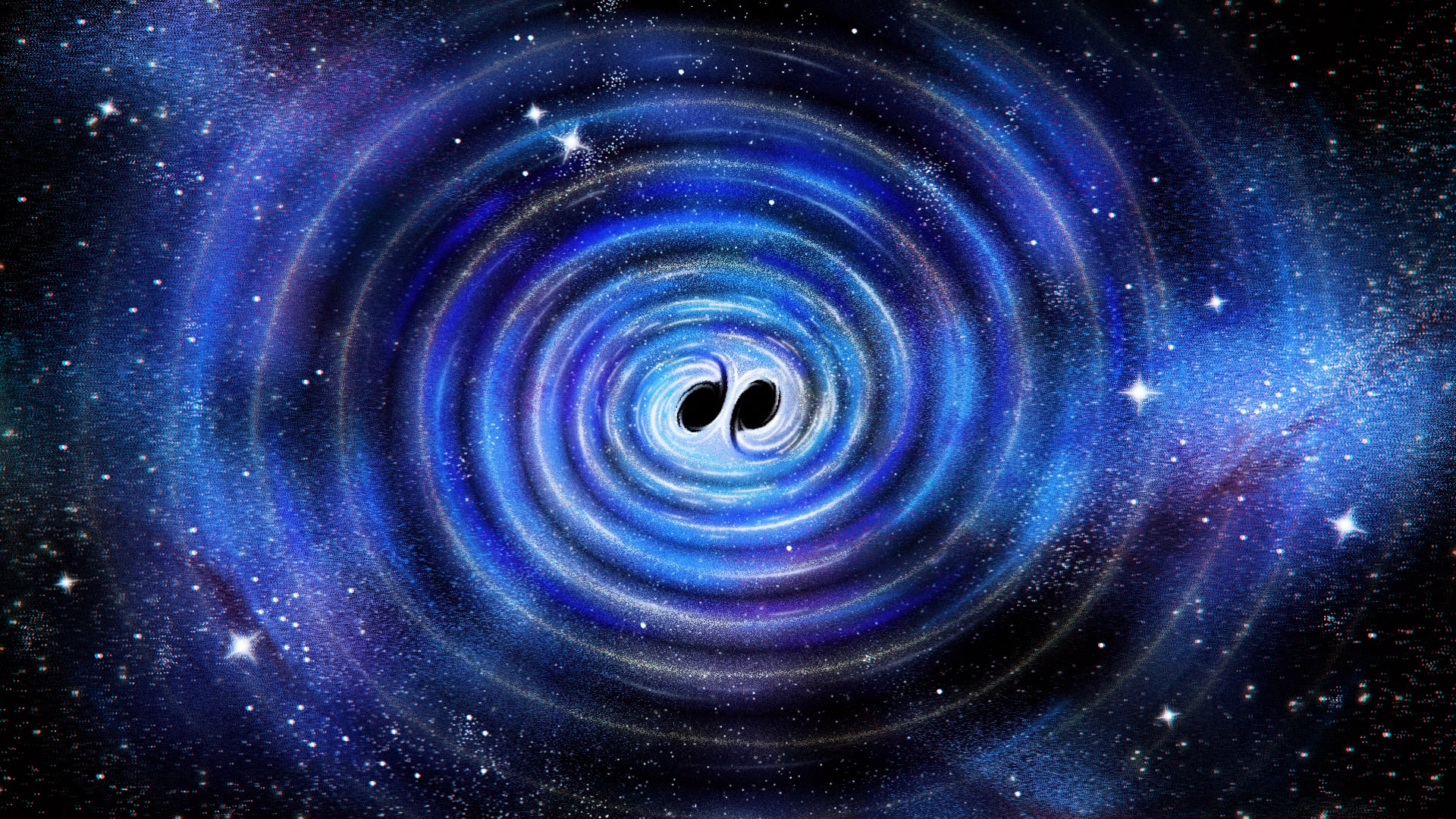
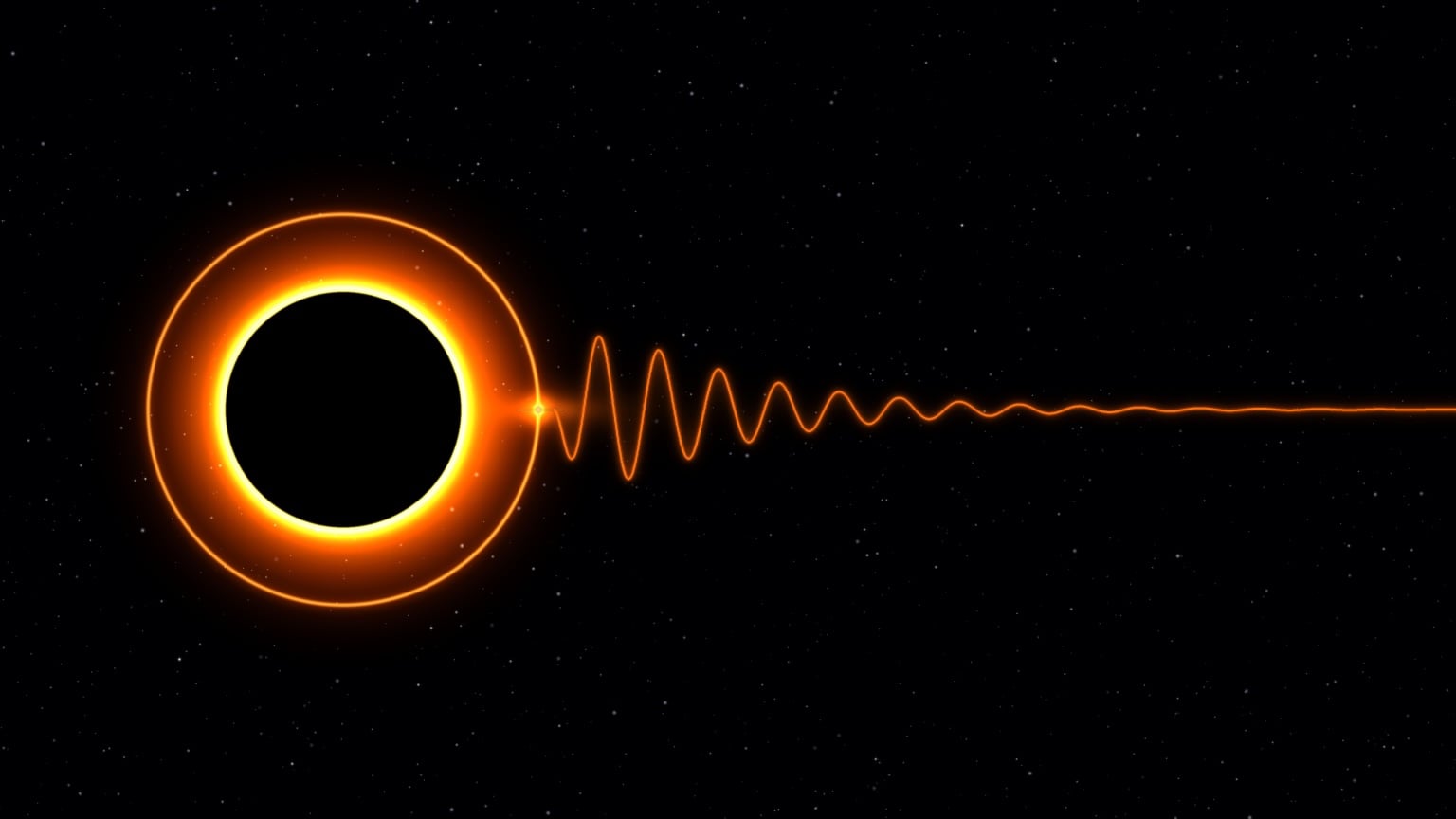
November 19, 2025Observations of a merging black hole further supports the Area Theorem of black hole thermodynamics, which states that the event horizon of a black hole produced by two merging black holes must have a surface area no less than the areas of the original two.
-
Remember That Paper Claiming The Universe Is Decelerating? Here's What A Nobel Laureate Has To Say About It
November 16, 2025So I got an email from Adam Reiss. You know, the guy who was awarded the 2011 Nobel Prize in Physics along with Saul Perlmutter and Brian Schmidt for discovering the rate of cosmic expansion is accelerating. He pointed out a few issues with the decelerating Universe paper, and with his permission I'd like to share them with you.
-
The Standard Cosmological Model Is The Simplest Model Of The Universe, But Not The Only One
November 14, 2025A new study of supernovae suggests that the standard model of cosmology isn't quite right. If the data holds up, what other cosmological models might work better?
-
If The Supernova Standard Candle Is Wrong, It Could Solve The Hubble Tension
November 13, 2025New evidence suggests the standard model of cosmology is wrong, but the results could resolve the long-standing Hubble Tension problem in modern cosmology.
-
The Universe is Decelerating and Standard Candles Aren't So Standard According to a New Study
November 13, 2025A new study argues that the Universe is decelerating, based on a correlation between the brightness of Type-Ia supernovae and the age of their host galaxies.
-
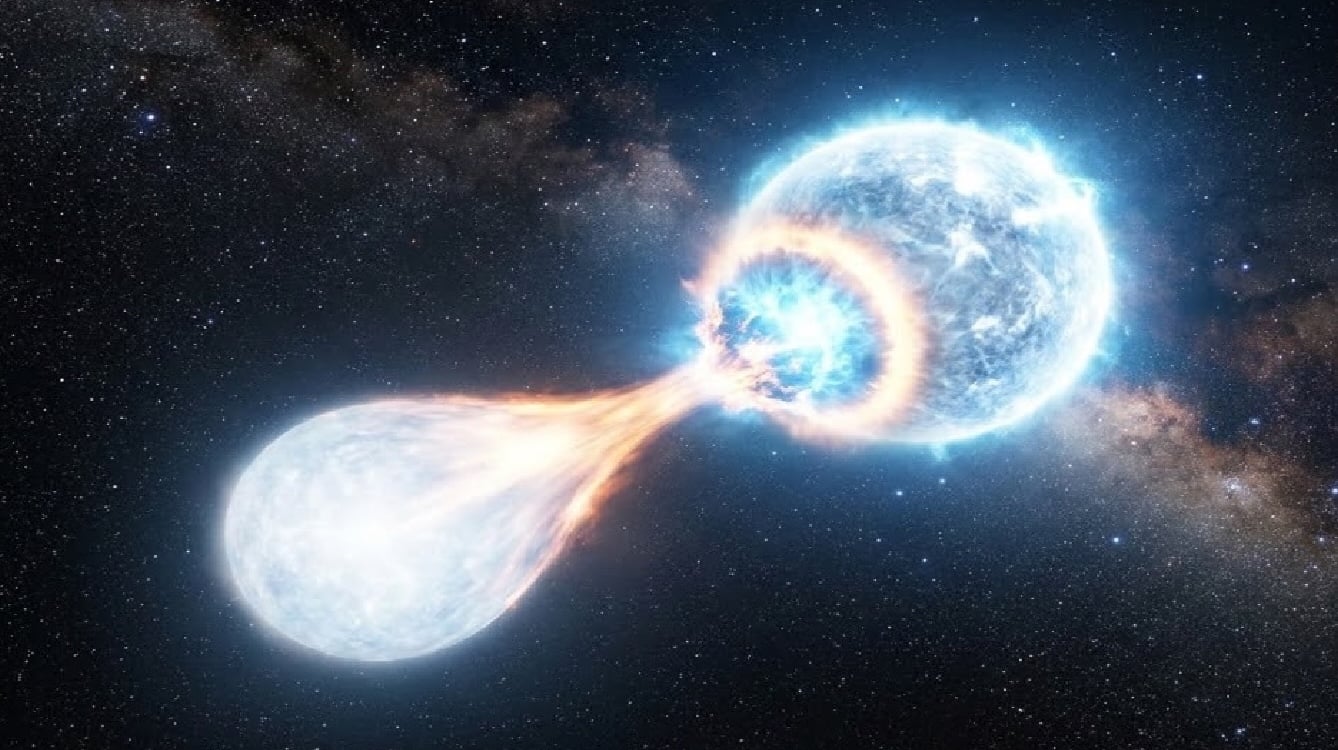
When Neutron Stars Collide, Neutrinos Get Into The Mix
November 05, 2025When neutron stars collide, neutrinos can play a significant role in the outcome. Even more so when you take flavor mixing into account.
-
The Early Universe Helps Black Holes Grow Big, But Not In The Long Run
November 04, 2025Cosmic inflation helps black holes grow quickly, but it can't explain how supermassive black holes grew to billions of solar masses in less than 500 million years.
-
Modeling Black Holes Is Easier With A Flicker Of Light
November 03, 2025Modeling supermassive black holes is hard, but it's a bit easier if you use a non-singular model.
-
Do Black Holes Really Need Singularities?
October 31, 2025Black holes are usually described as having an event horizon and a singularity, but there are alternative models that don't have these bothersome mathematical paradoxes.
-
To Expand Gravitational Wave Astronomy, Astronomers Look to a Band That's Mid
October 29, 2025Current gravitational wave observatories can't see a range of frequencies known as mid-band. That could change with a new detector that uses a trick from atomic clocks.
-
The Cosmic Microwave Background is a Wall of Light. Here's How We Might See Beyond It
October 27, 2025We cannot see directly beyond the cosmic microwave background, which means we can't directly observe the first 380,000 years of the Universe. But there are indirect ways we might observe this period.
-
Dark Matter Could Color Our View of the Universe
October 22, 2025Dark matter could tint light passing through it, depending on the model. While the effect is tiny, it is just on the edge of our ability to detect it.
-
How A Trick From Radio Astronomy Could Help Astronomers Find Earth-like Planets
October 20, 2025By treating optical telescopes as an array of smaller telescopes, astronomers could observe exoplanets more clearly.
-
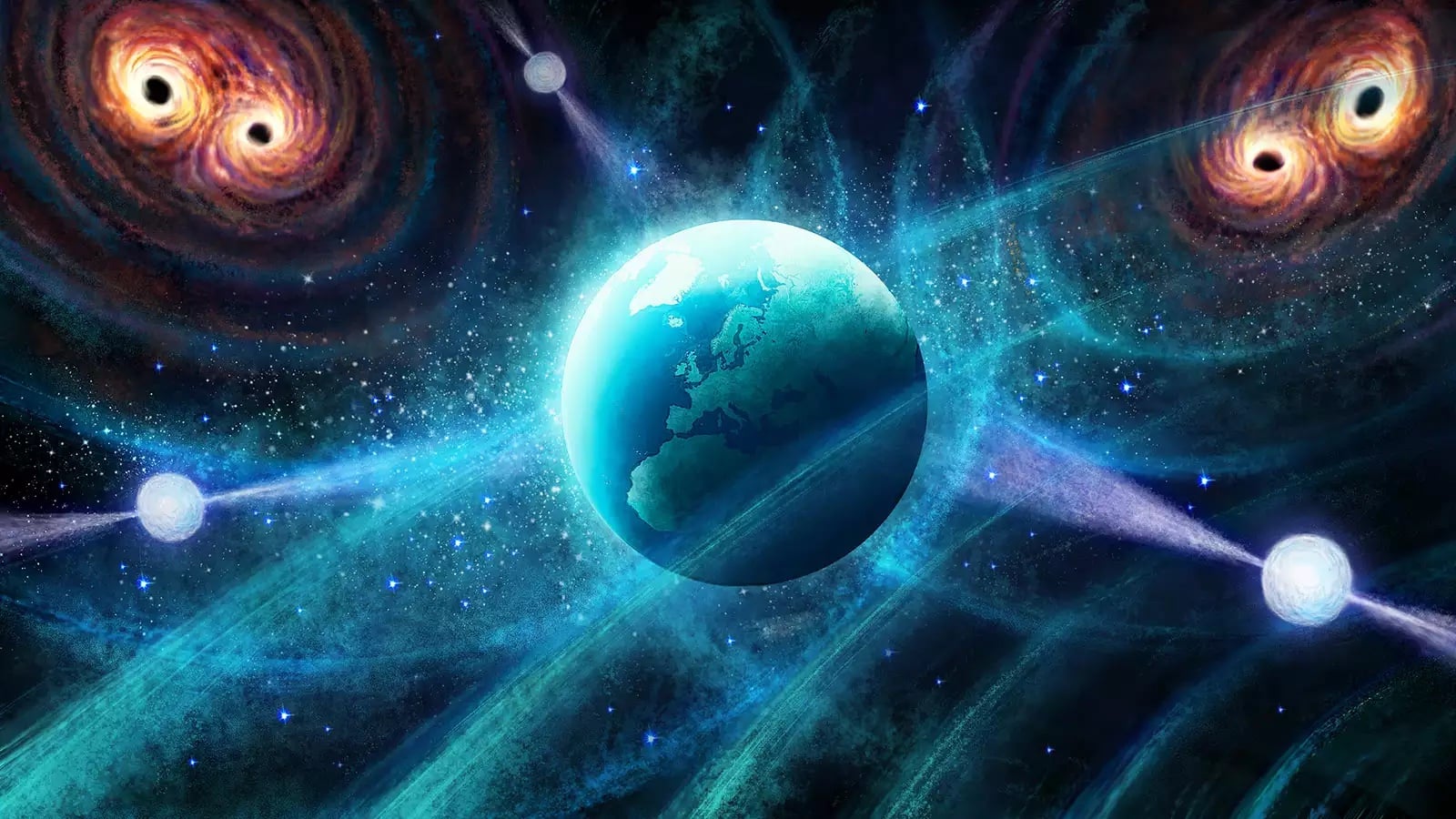
Listening For Gravitational Waves In The Rhythm of Pulsars
October 18, 2025Astronomers are listening for cosmic gravitational waves in the rhythm of pulsars. But even after finding them, they will need to distinguish between cosmic waves and the more local waves of black holes.
-
Alien Civilizations May Only Be Detectable For A Cosmic Blink Of An Eye
October 17, 2025Alien civilizations may evolve so quickly that they are only detectable for a blink of cosmic time, thanks to the rise of artificial intelligence.
-
The Most Metal-Free Star Ever Observed is Found In Our Own Backyard
October 08, 2025Astronomers find a nearly metal-free star in our own back yard, which tells us a few interesting things about early star formation.
-
Black Holes Have No Hair, But They Do Have Comb Overs
October 06, 2025Black have no hair, but the material surrounding them does, and the two can interact in unusual ways. As observations from the Event Horizon Telescope show, the magnetic fields surrounding a black hole can change extremely fast.
Universe Today