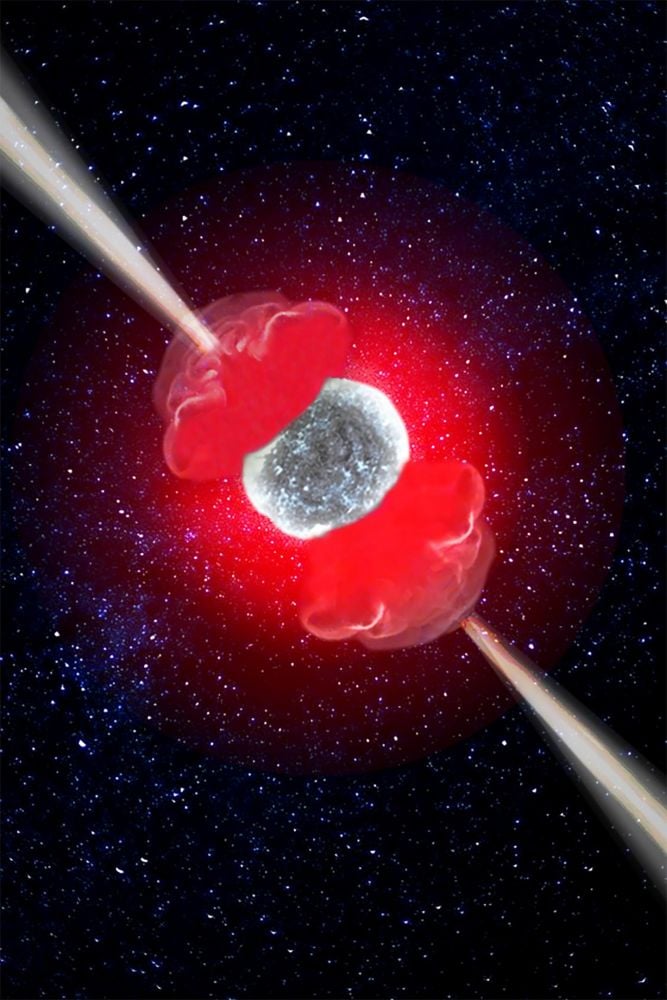
Astrophysicists think that hypernovae are the most powerful stellar explosions in the Universe. They're the most explosive type of core-collapse supernova. But the evidence for them is not voluminous, and new research pokes holes in it, pointing out that hypernovae may not actually exist.
Continue reading
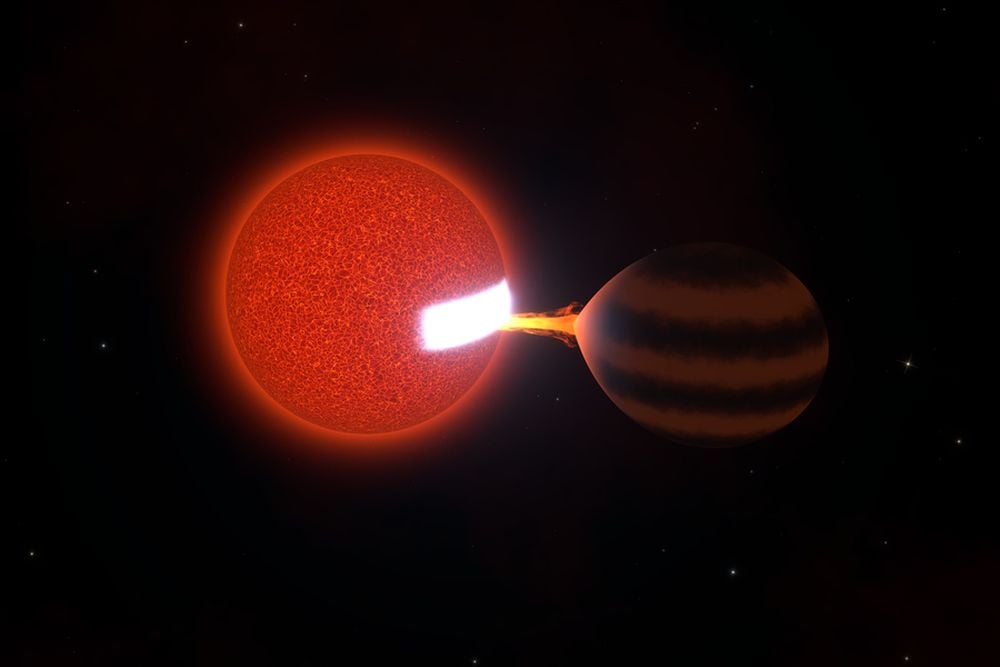
Astronomers detected an unusual triangular light curve about 300 light years away. They were searching for Black Widow Binaries, where a dense neutron star eats its companion. But they found something different: an M dwarf slowly eating its binary companion brown dwarf.
Continue reading
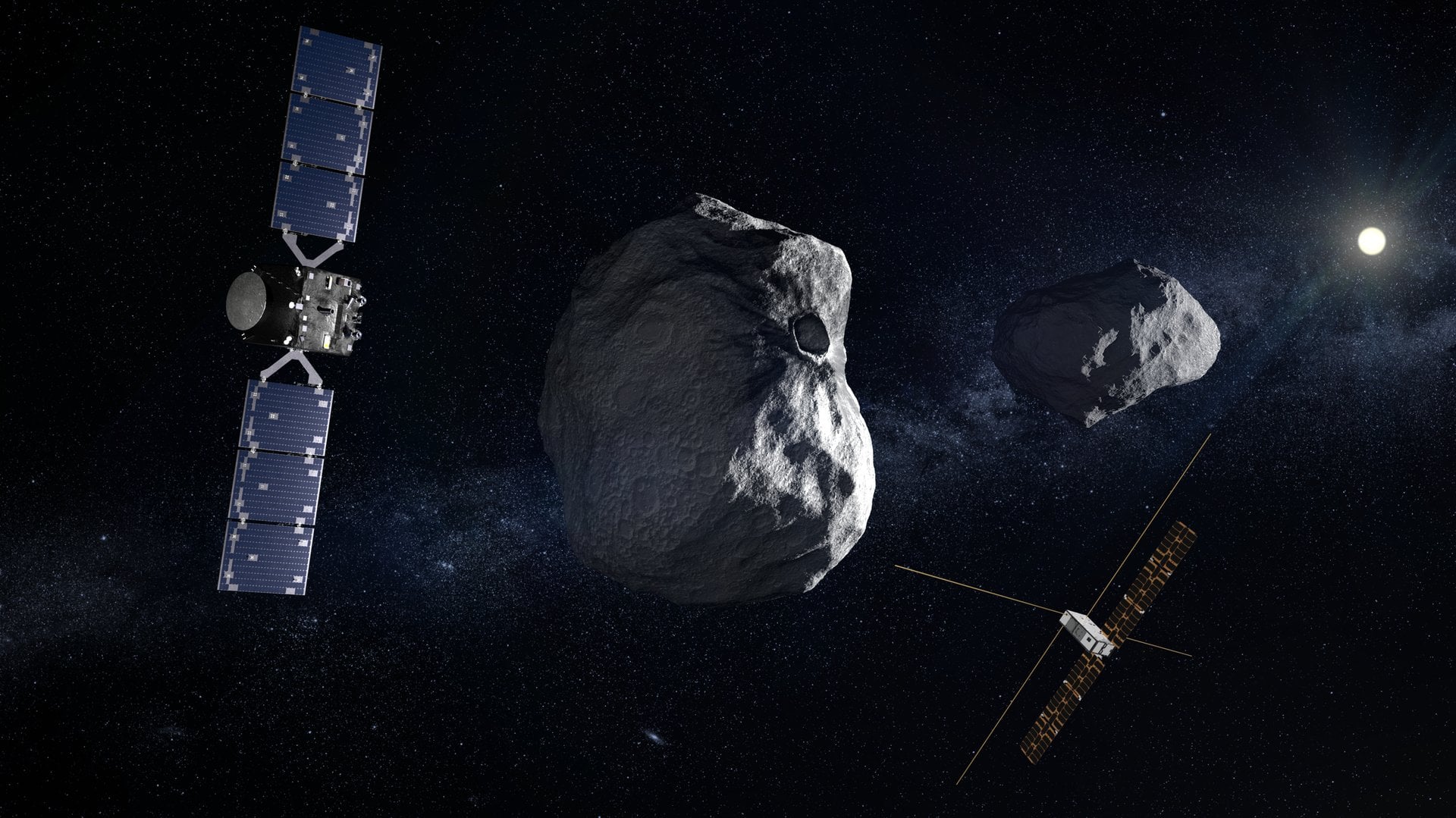
In just one more month, the European Space Agency’s Hera mission will make history. Moving at 12 kilometers per second versus Earth, the mission is about to rendezvous with the binary Dimorphos-Didymos asteroid pair. NASA’s Double Asteroid Redirection Test (DART) mission slammed into Dimorphos in 2022, and now Hera will provide a follow up view of the mission’s resulting handiwork. The European Space Agency (ESA) recently released a thought-provoking look at the perspectives of Hera, and what an astronaut might see from the surface of the asteroids as the mission speeds by.
Continue reading
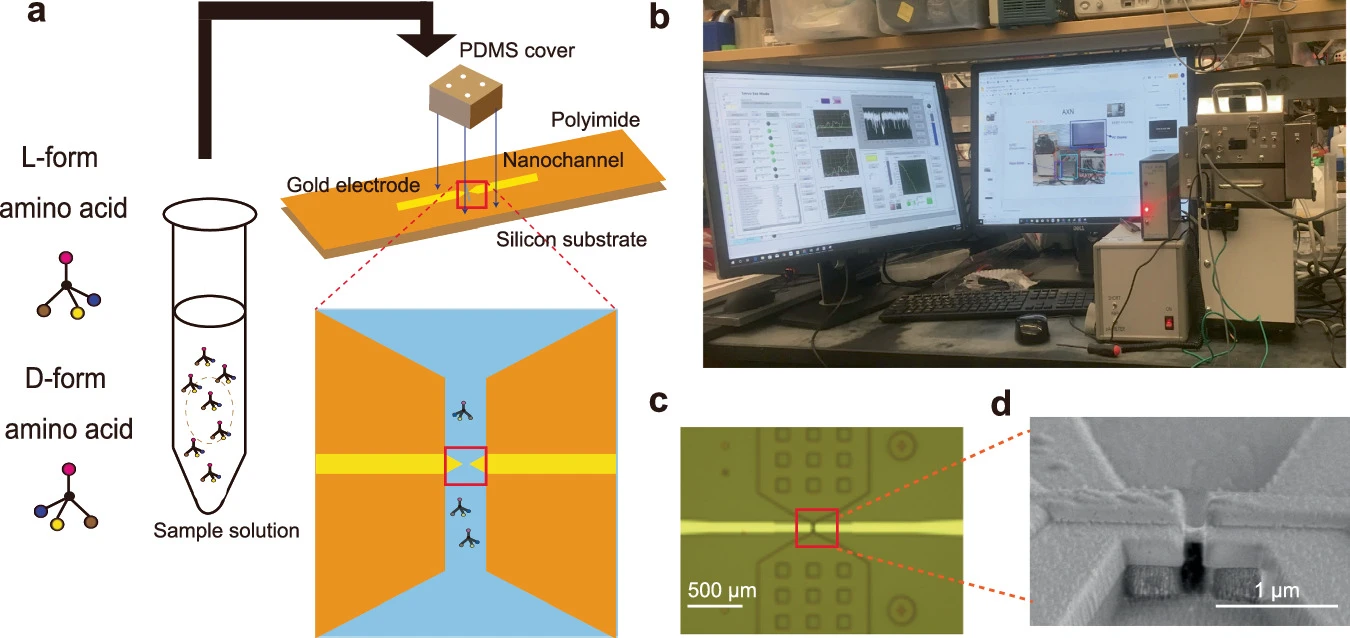
Looking for biosignatures across the solar system requires looking for asymmetry. Amino acids, the building blocks of proteins, are famously either “left-handed” (L) or “right-handed” (D). We know abiotic processes (i.e. those that create amino acids but don’t involve life) create a 50/50 mixture of the two types, which is called a racemic mixture. But life as we know it almost exclusively relies on left-handed amino acids to fold proteins and right-handed ones to construct nucleic acids. So if we find an imbalance in the types of amino acids we analyze from somewhere in the solar system, it's a good indication that life is behind that imbalance.
Differentiating between the two “chiralities”, as they’re called, is possible, but typically requires advanced equipment and chemical disposables that make them burdensome for spaceflight applications. But a new paper in Nature Communications from researchers led by Takahito Ohshiro and Masateru Taniguchi of Osaka University offers an alternative - a solid-state quantum tunneling sensor that can read the chirality of a single amino acid molecule using basically just some gold wire.
Continue reading
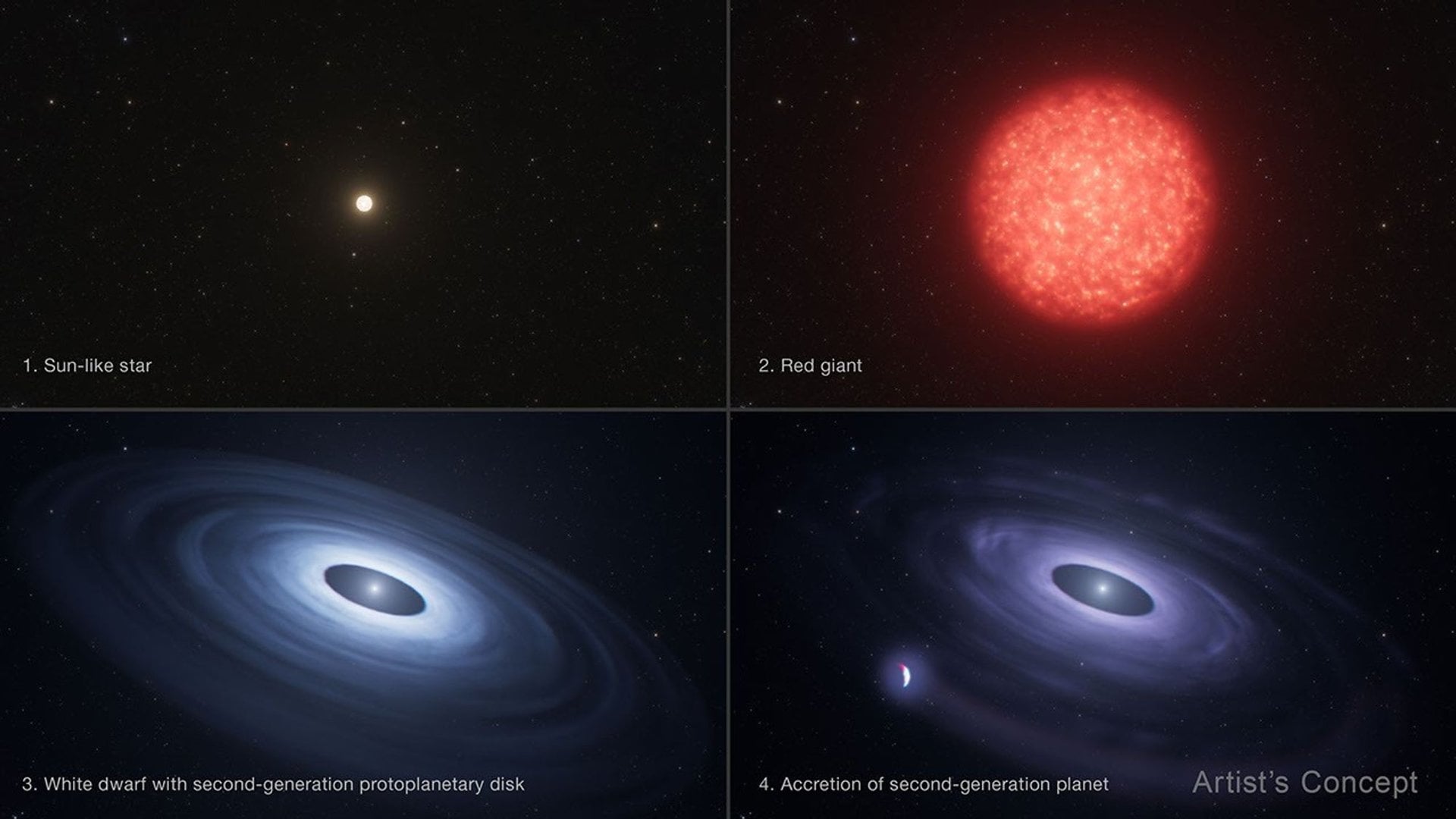
Diligent sleuthing by astronomers has broken open a cold case in the data archive of NASA’s Hubble Space Telescope. In a study published Monday in Nature Astronomy, researchers report uncovering a surprising chemical clue that indicates the white dwarf star HS 0209+0832 may host a second-generation planet.
Continue reading
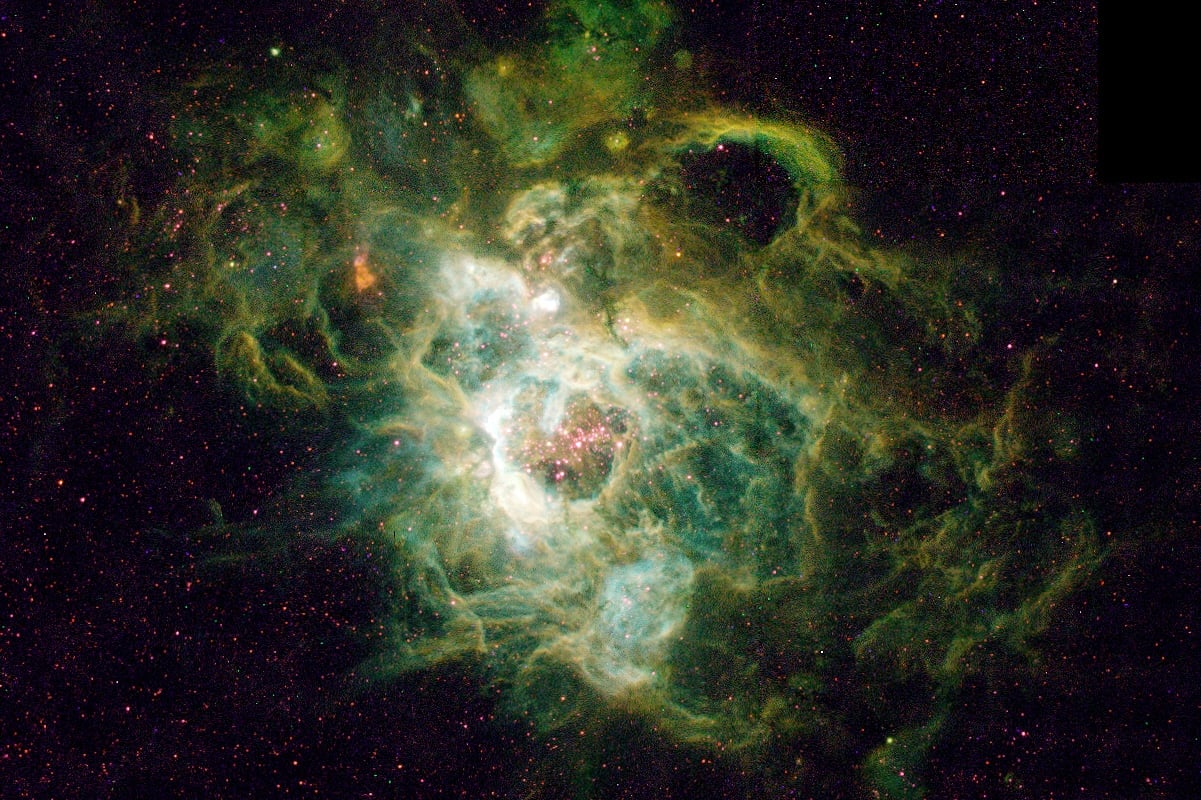
Most helium in the Universe is primordial helium, formed during the Big Bang. But a fraction of helium was formed by long-dead stars. Distinguishing between the two allows astronomers to further confirm our observations of the Big Bang.
Continue reading

Growing fresh food on the Moon is going to be crucial if astronauts there are ever going to eat anything other than freeze-dried rations. Since husbanding animals on the lunar surface is…difficult (to put it mildly), most mission planners believe that plants are the solution. But we still don’t entirely understand how one of the most fundamental materials to plant growth, water, operates under partial gravity. A team of researchers, led by Karl Hasenstein of the University of Louisiana at Lafayette, and including John Kiss of the Florida Institute of Technology, and Christopher McKay of NASA’s Ames Research Center, recently published a paper in Microgravity Science and Technology that lays out the physics for how water behaves at lunar gravity.
Continue reading
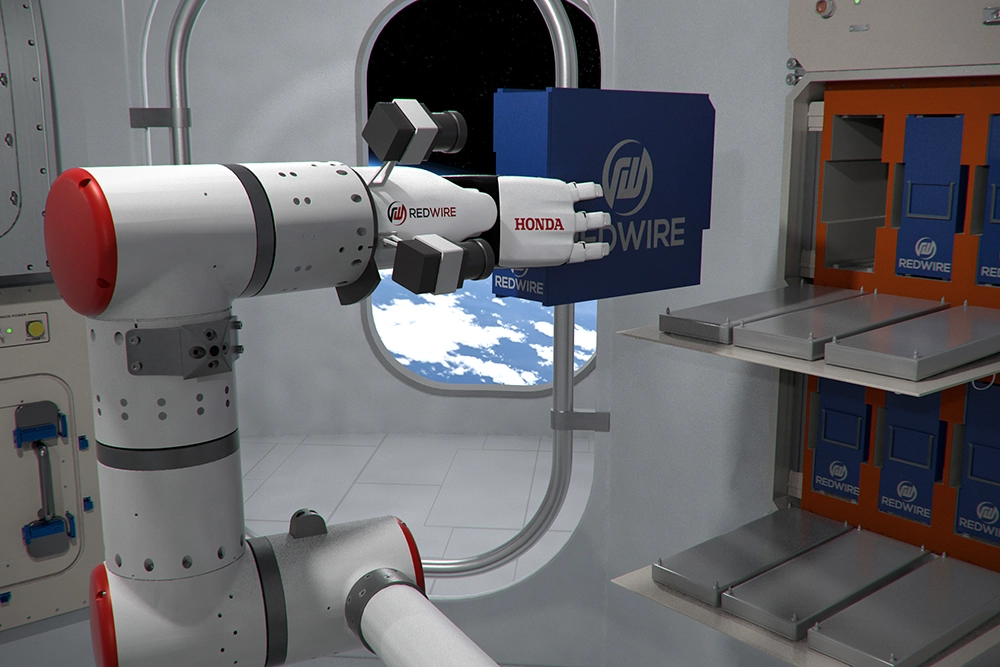
As I’m writing this I’m able to stare out into my driveway at my trusty Honda Odyssey. Most of the public’s association with Honda is through their “mobility” products - i.e. their cars. But the company has an impressive track record of other technical achievements, not the least of which has been in robotics. Now, it’s teaming up with space infrastructure firm Redwire to develop an automated laboratory support system for use on future commercial space stations.
Continue reading
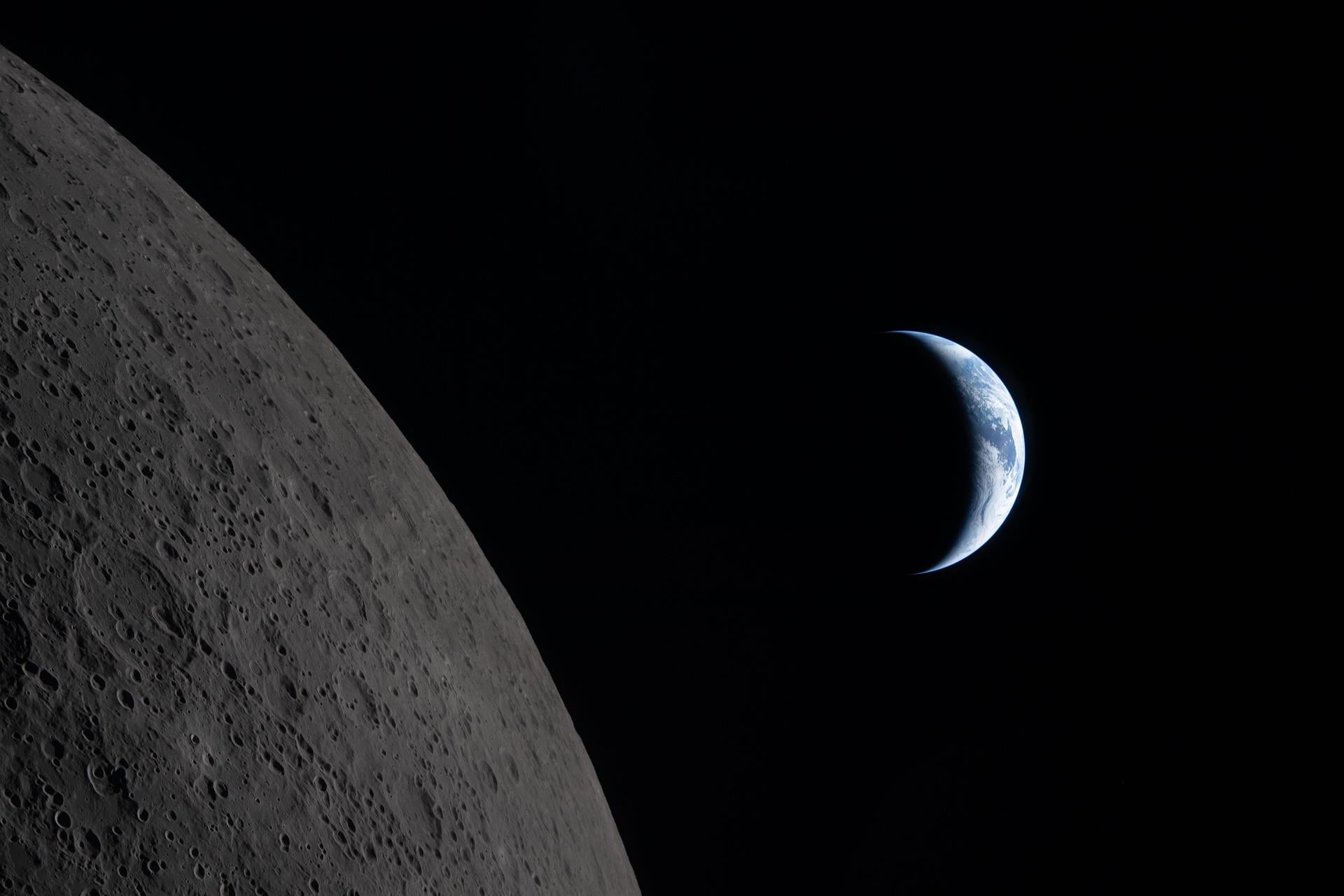
Through photographs, spoken observations, drawings, and annotations, the Artemis II crew created a unique scientific record—one that is now available to the science community and the public for further study. Explore highlights here, and find the full suite of reports and select data resources at the bottom of the page.
Continue reading
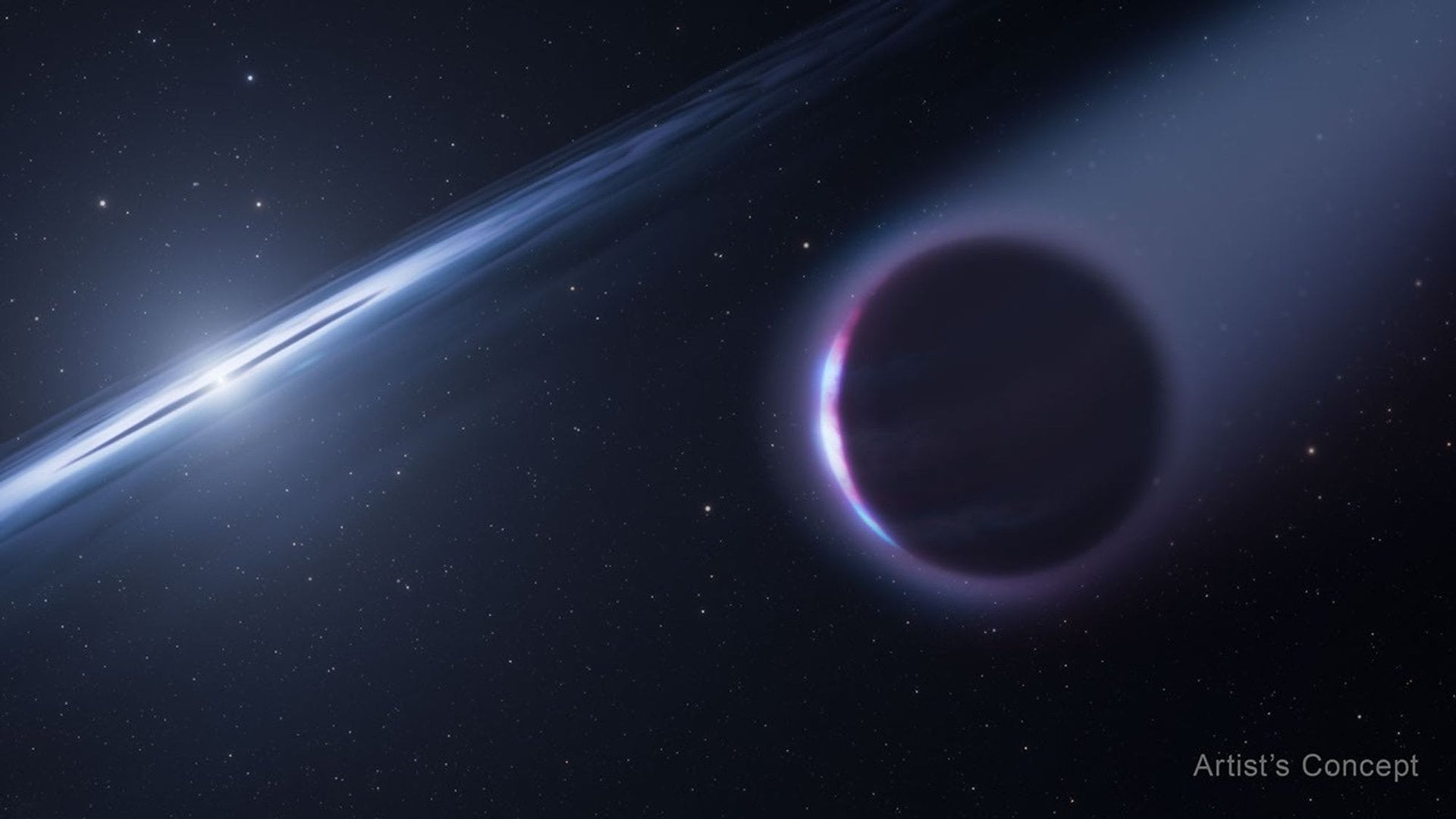
Potential ‘Second generation’ planet detection around a dying stellar white dwarf opens a whole new chapter of exoplanetary science.
Continue reading
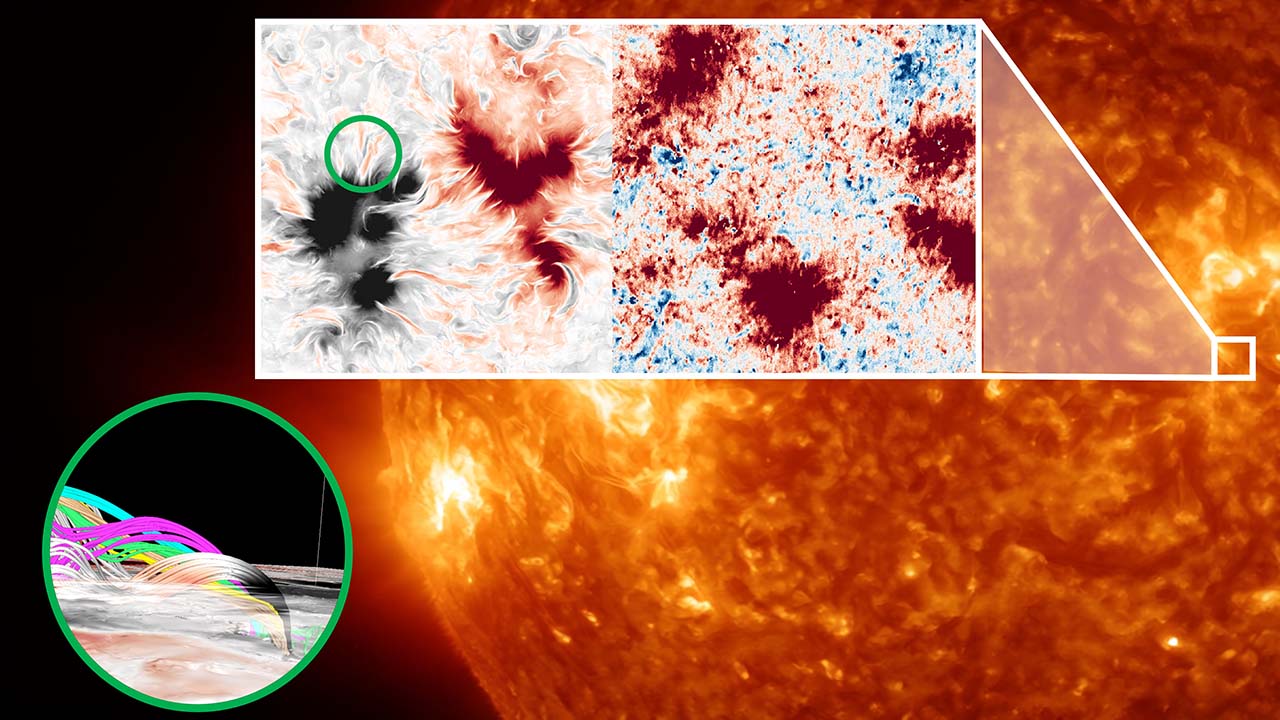
There’s lots of things you can do with balloons. Children’s birthday parties come to mind, as do retirement parties. But you can also observe the Sun in unprecedented detail with one - or at least with a suite of equipment attached to a gondola floating beneath one. That’s what the SUNRISE III mission did back in 2024, and scientists have had time to compile a series of three scientific papers on the results from that mission, which have been published in the Astrophysical Journal Letters.
Continue reading
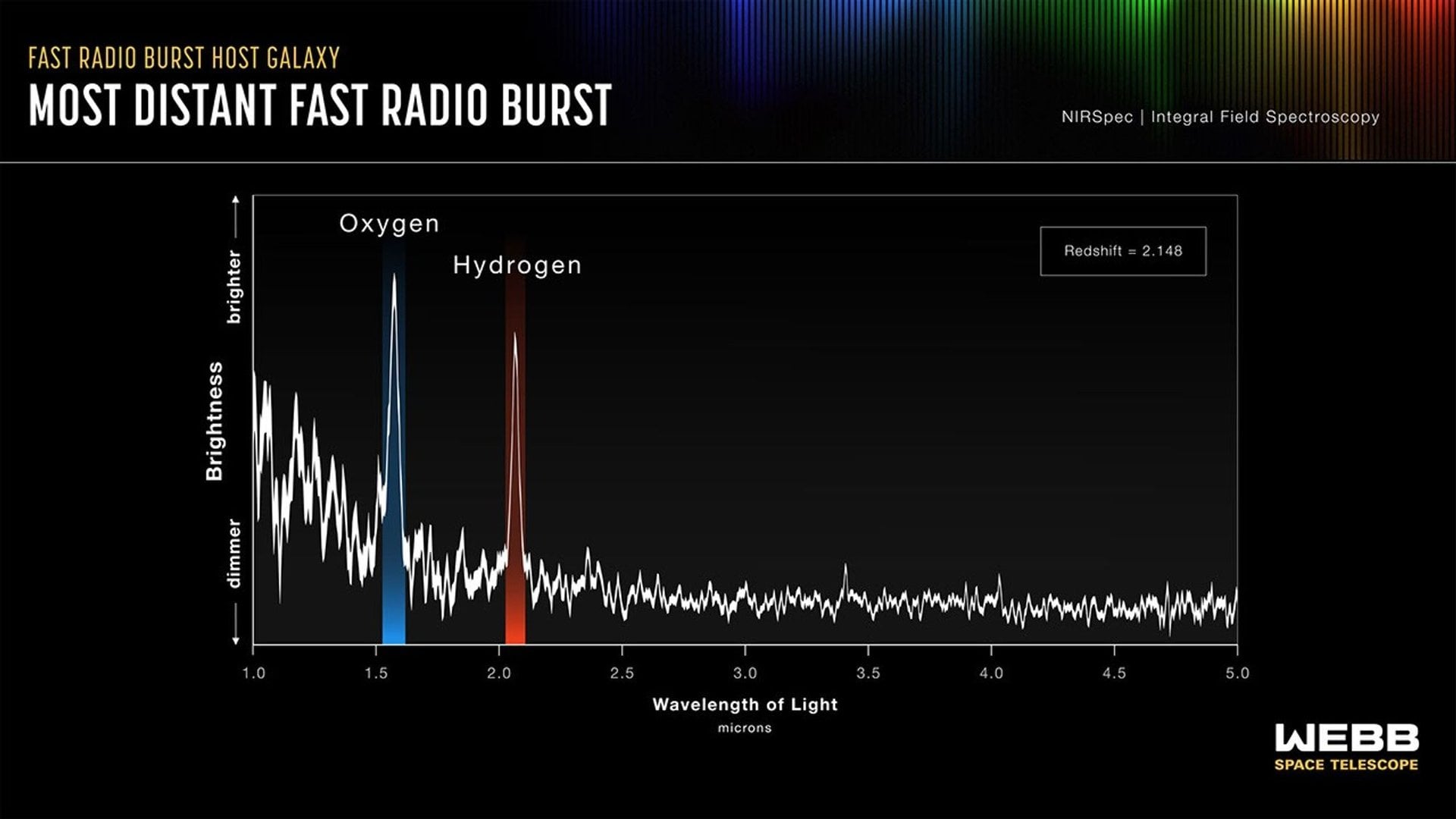
Astronomers use the Webb to study a distant fast radio burst and reveal clues as to the origin of these mysterious events.
Continue reading
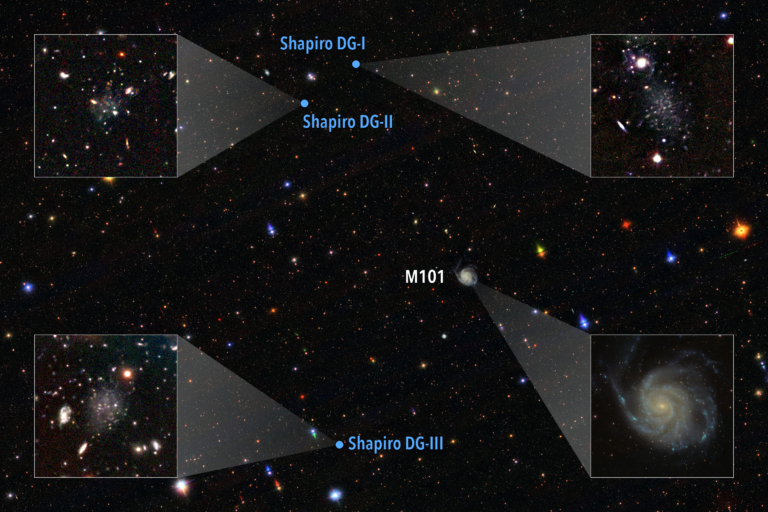
It's not too often that a high school student-turned undergraduate gets three galaxies named after him, especially ones that are breaking the rules of star formation. Julian Shapiro, an astrophysics student at the University of California, Berkeley, found strange dwarf galaxies in the vicinity of the large spiral M101 while doing research into their star formation rates as a high school student. They're now known as Shapiro I, II, and III. In the process, he's become an inspiration to other students who might be interested in astrophysical research.
Continue reading
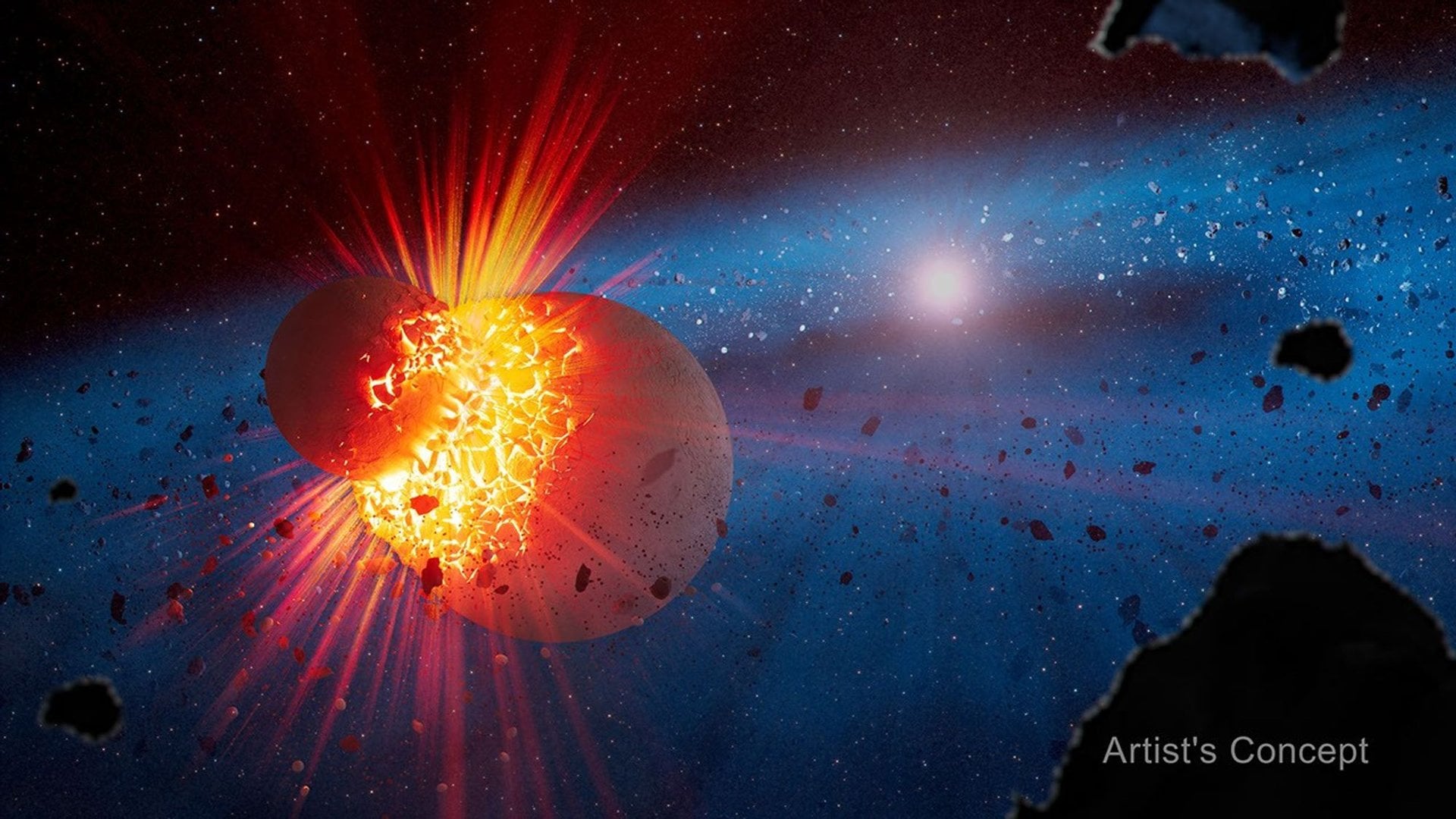
In the early history of our solar system, scientists theorize that a Mars-sized object called Theia smashed into the infant Earth, creating the Earth-Moon system. Using Webb, astronomers are studying young star systems to learn more about the early Solar System's evolution.
Continue reading
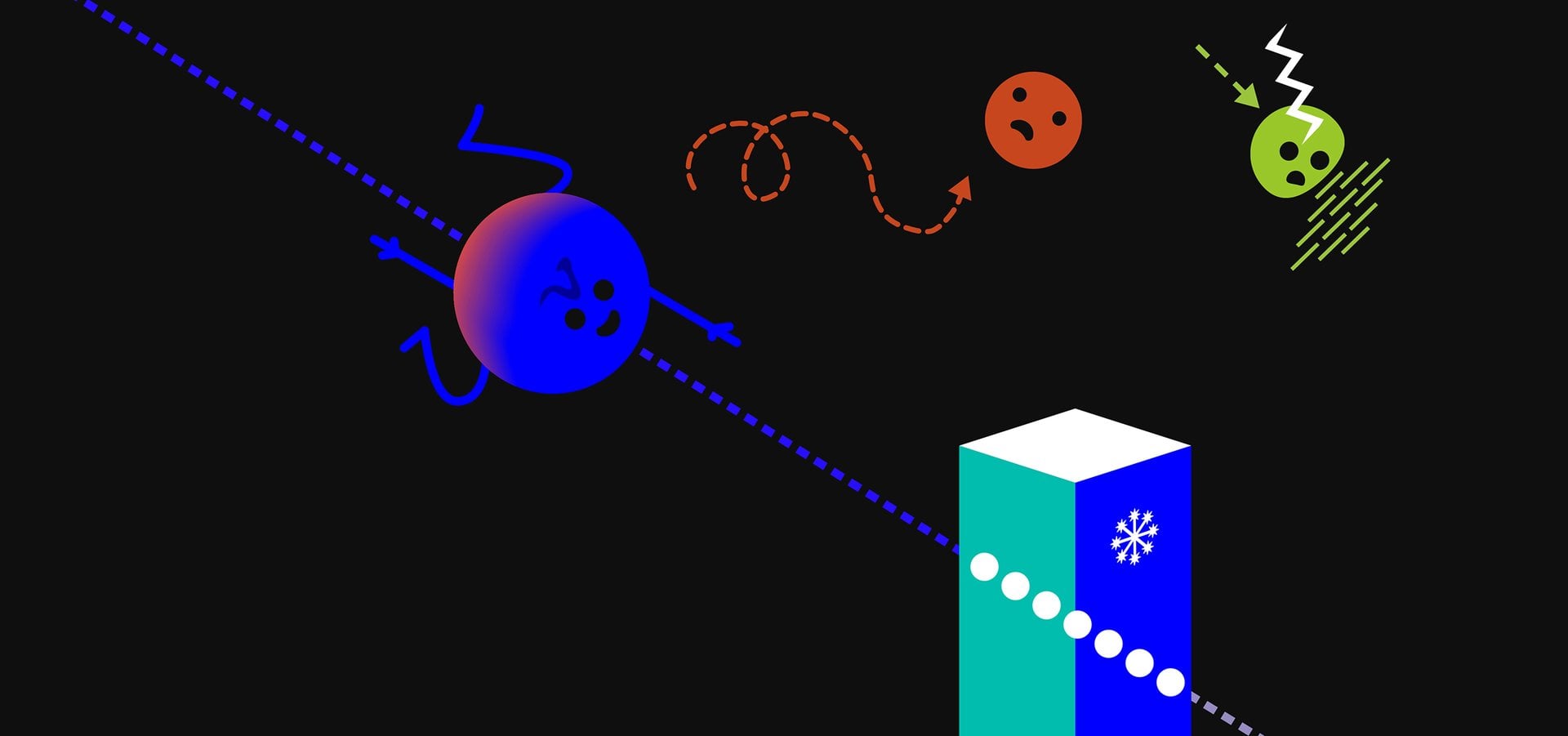
Neutrinos are persnickety particles. We couldn't really detect neutrinos from deep space until Francis Halzen had a brilliant, Nobel Prize-winning idea.
Continue reading
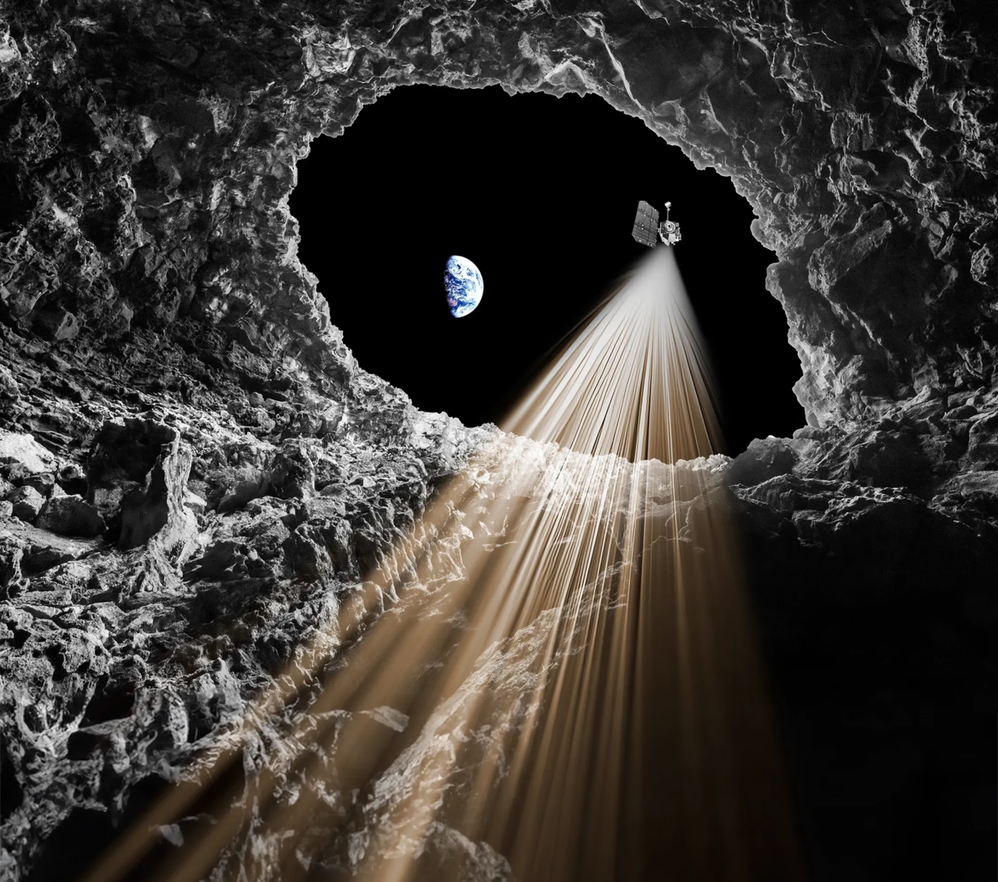
NASA has selected a Planetary Science Institute-led proposal to investigate whether a potentially large underground cave extends beyond the opening of a lunar pit.
Continue reading
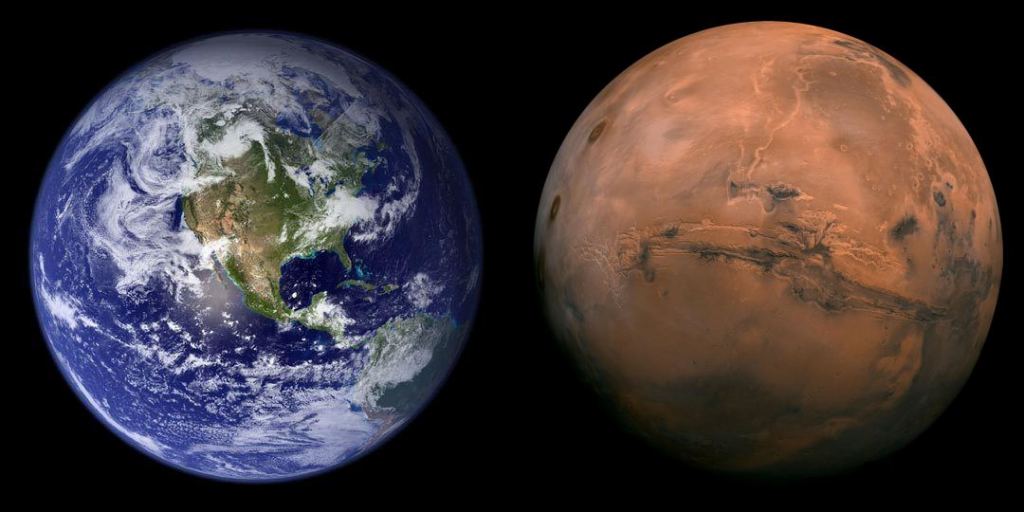
A surprising discovery suggests that Mars and Earth formed through different processes, which could help scientists confirm whether exoplanets are habitable.
Continue reading
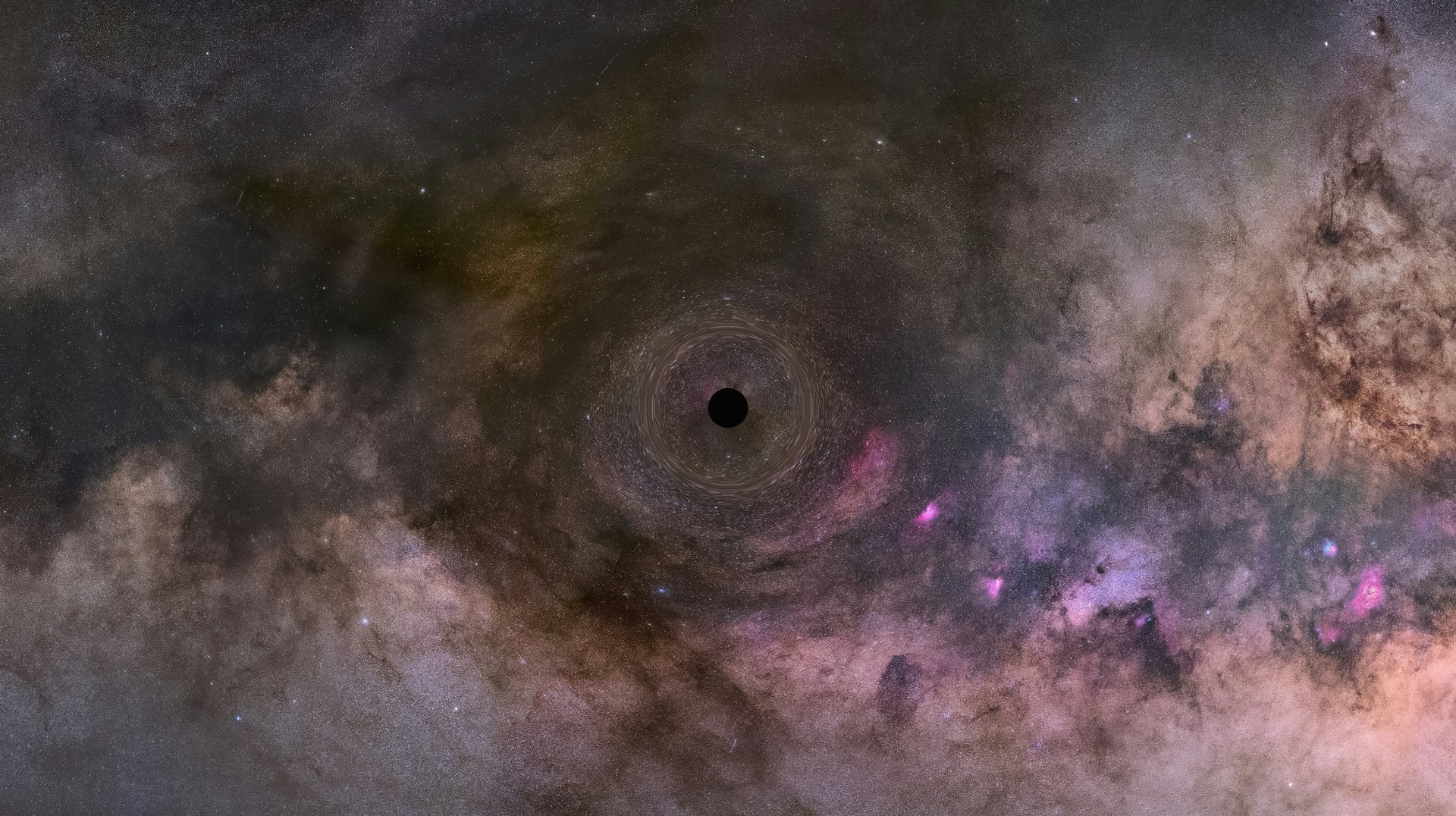
According to stellar evolution models, there should be hundreds of millions of black holes floating around in our galaxy. But so far we’ve only found 70. That’s in large part because they are so hard to find, but a citizen science project from the University of Southampton is actively seeking out these hidden monsters with the help of tens of thousands of amateur astronomers through a project on Zooniverse called [Black Hole Hunters](https://www.zooniverse.org/projects/cobalt-lensing/black-hole-hunters).
Continue reading
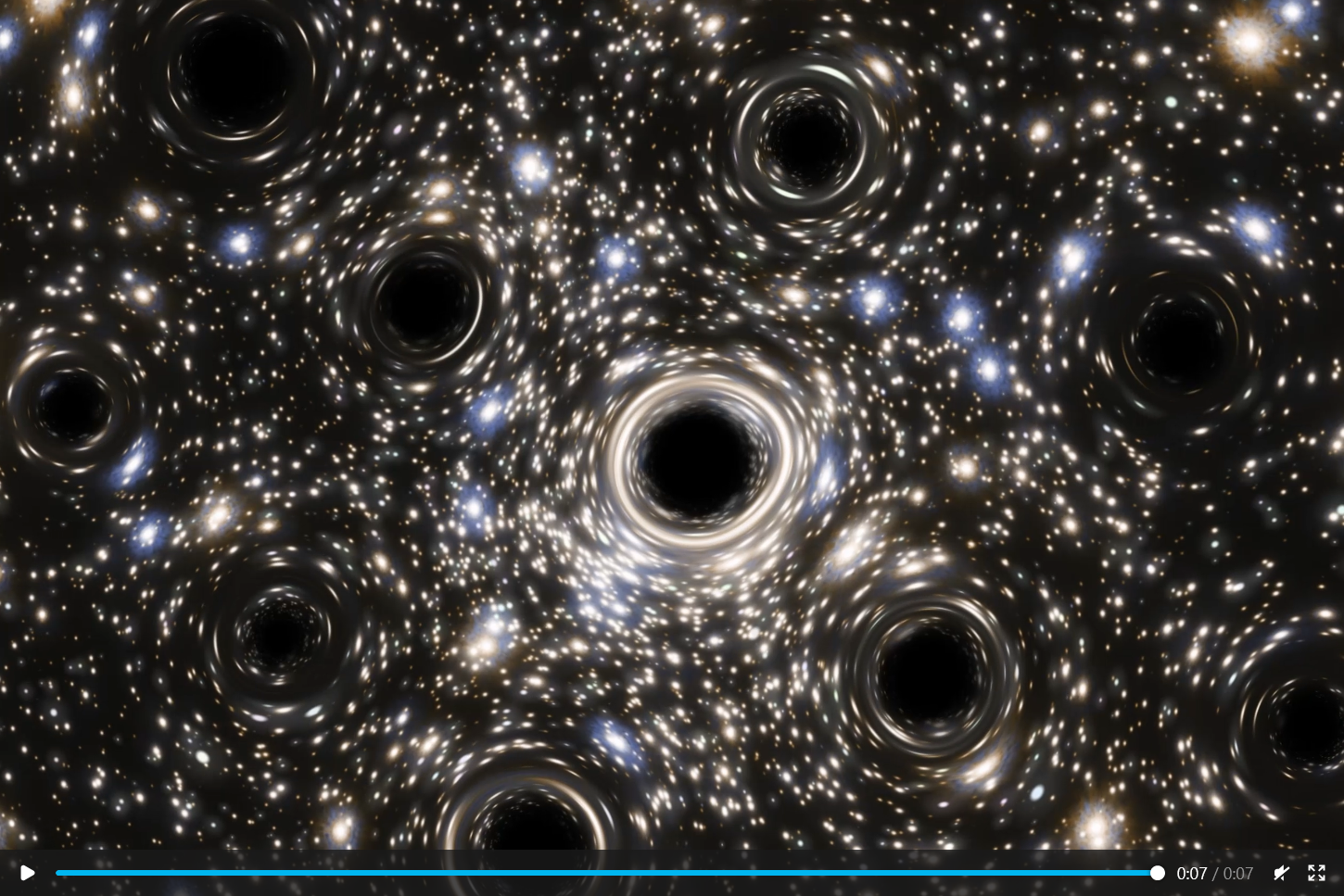
According to new research, "wandering" black holes may have left an imprint on the Universe as they traveled for billions of years.
Continue reading
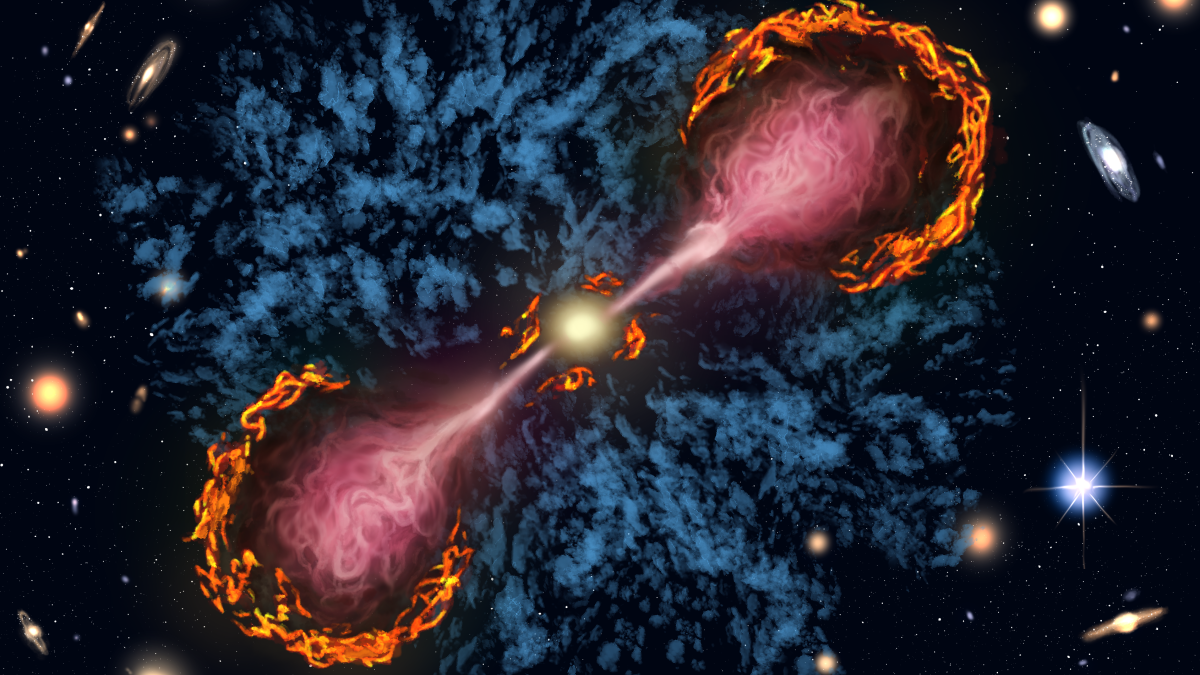
In recent decades, astronomers have found evidence that supermassive black holes can really mess with their galaxies' evolution. They gobble up material intended for star formation, quenching the birth of stars. Conversely, jets streaming away from those hungry monsters can also energize gas-rich regions and enhance the chances of a galaxy birthing batches of stars in those areas.
Continue reading
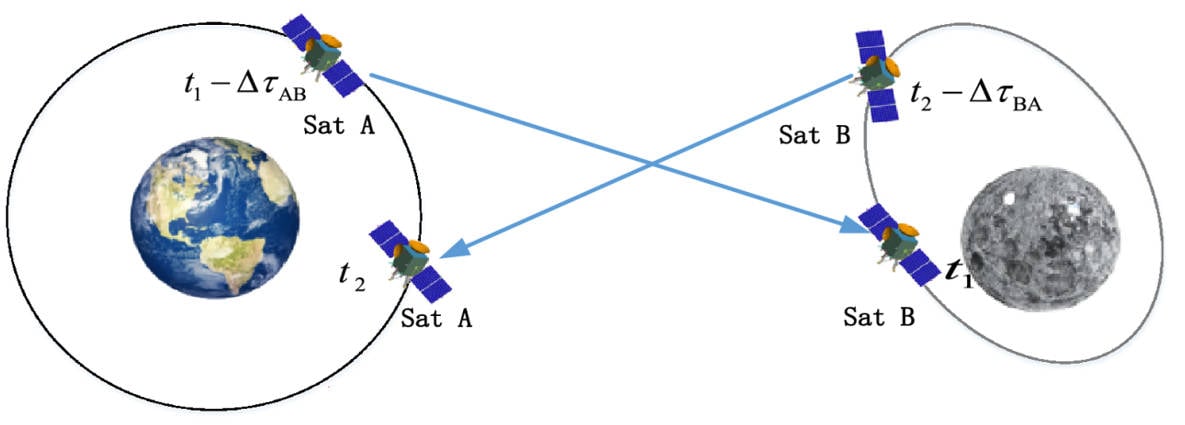
Global Positioning Systems are a key feature in everyday life for much of the world’s population. Whether it’s ensuring a ship delivers its goods safely, or you’re able to avoid a road closure on your commute home, GPS can help. But the system has a weakness - it relies on ground stations that could suffer from blackouts, natural disasters, or cyber attacks. And if those ground stations go offline for long enough, the whole system itself can begin to “drift”. Aerospace engineers have been attempting to counteract this problem for years, but so far with little success. But a new paper from a research team led by Xia Lin and Baojun Lin at the Shanghai Engineering Center for Microsatellites, and published in Satellite Navigation, explains a potential answer to this problem - link the GPS satellites up with some in orbit around the Moon.
Continue reading
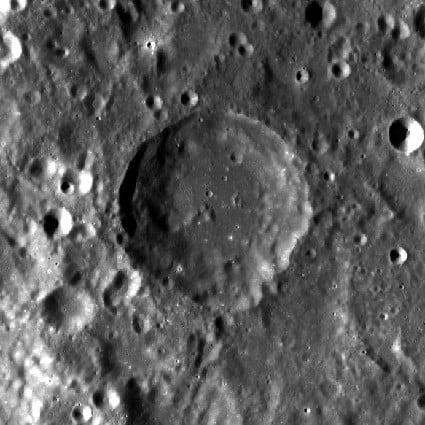
Scientists know for certain the moon doesn’t currently have a magnetosphere. But they’ve been debating for decades about whether it ever did. Data from both Apollo samples and orbital scientific instruments have proven divisive, and so the debate still rages. But a new paper from researchers at ETH Zurich, DLR, and the Institute of Applied Geosciences hopes to resolve the debate once and for all - by definitively proving that the Moon did, indeed, once have a magnetic dynamo.
Continue reading
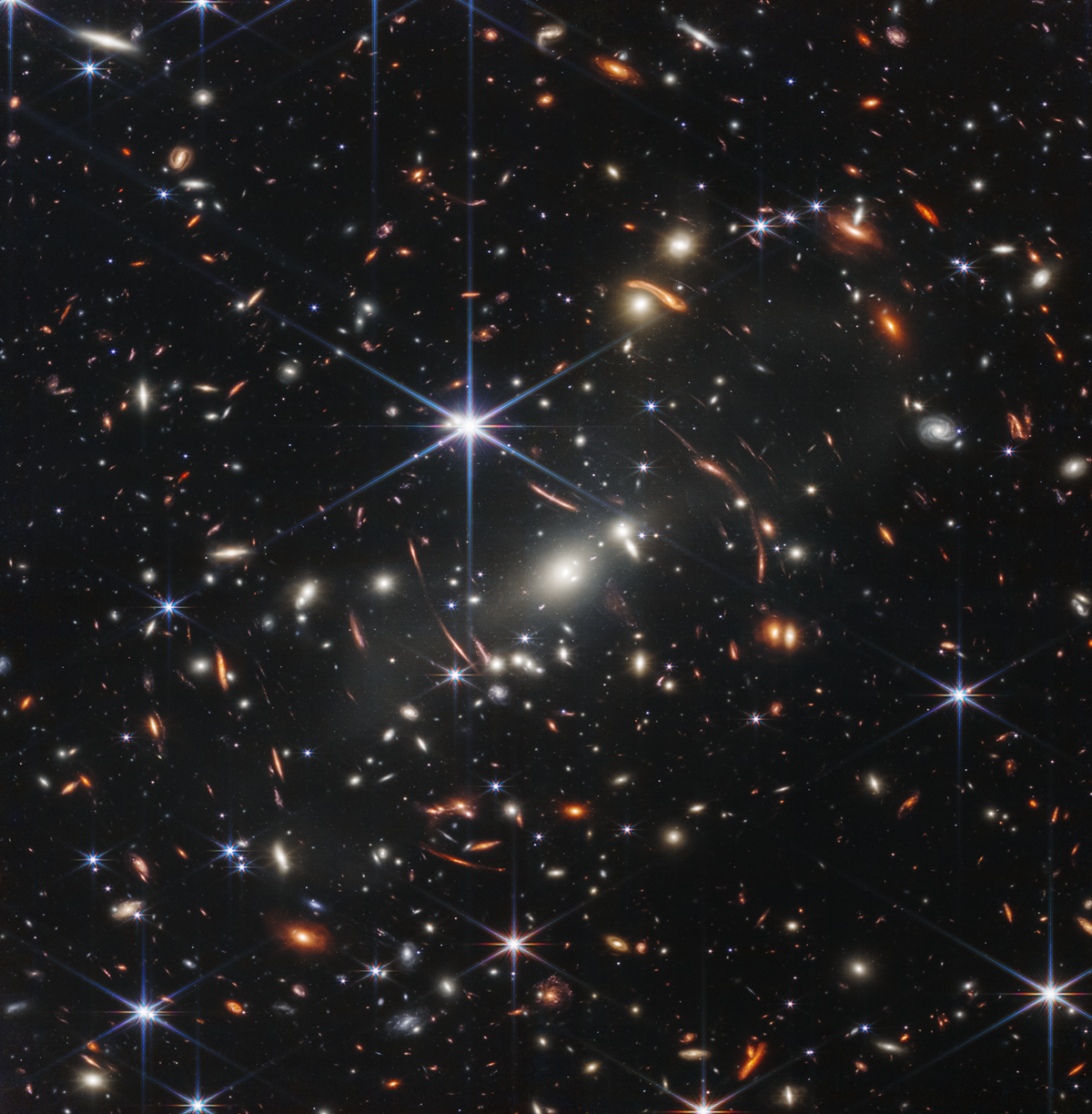
In a recent study, researchers at the international MEGATRON project used some of the most detailed simulations of the early Universe to investigate how the first stars and galaxies formed.
Continue reading
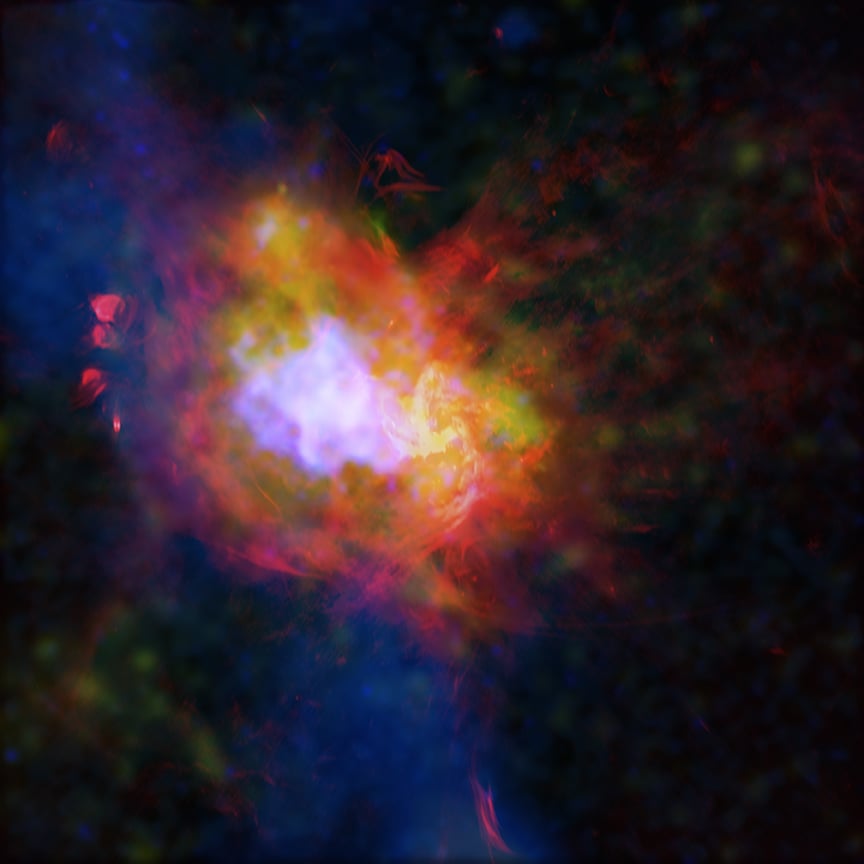
The core of the Milky Way is a dense, active, messy region, dominated by a supermassive black hole called Sagittarius A* (Sgr A*) hiding at the heart of the galaxy. But Sgr A* is only a supporting actor in this stunning new image from the Chandra X-ray Observatory.
Continue reading
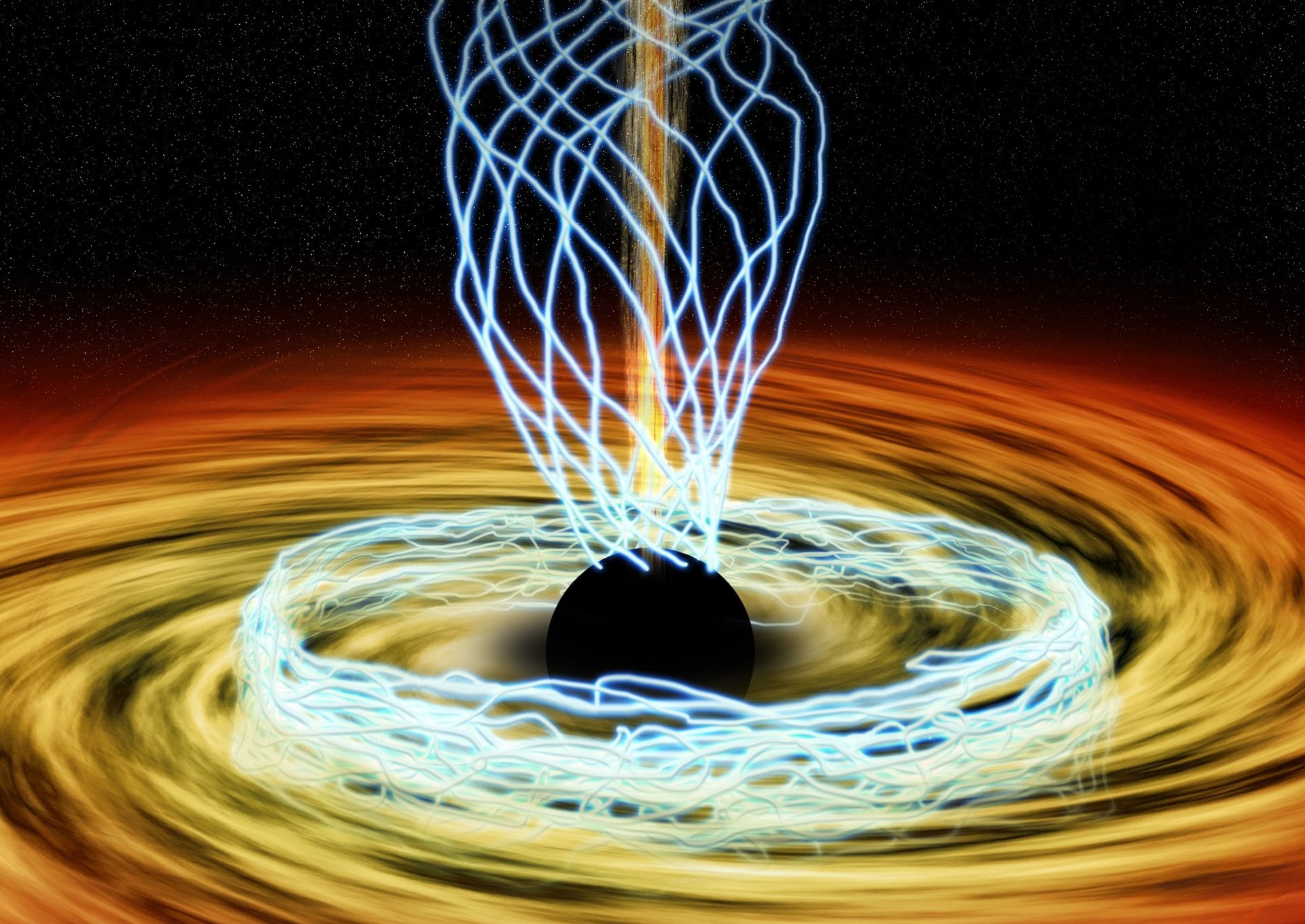
Supermassive black holes generate tremendous amounts of energy through their accretion disks and jets. But they can also generate energy through the magnetic Penrose process. A new study looks at how we might observe this process through multimessenger astronomy.
Continue reading
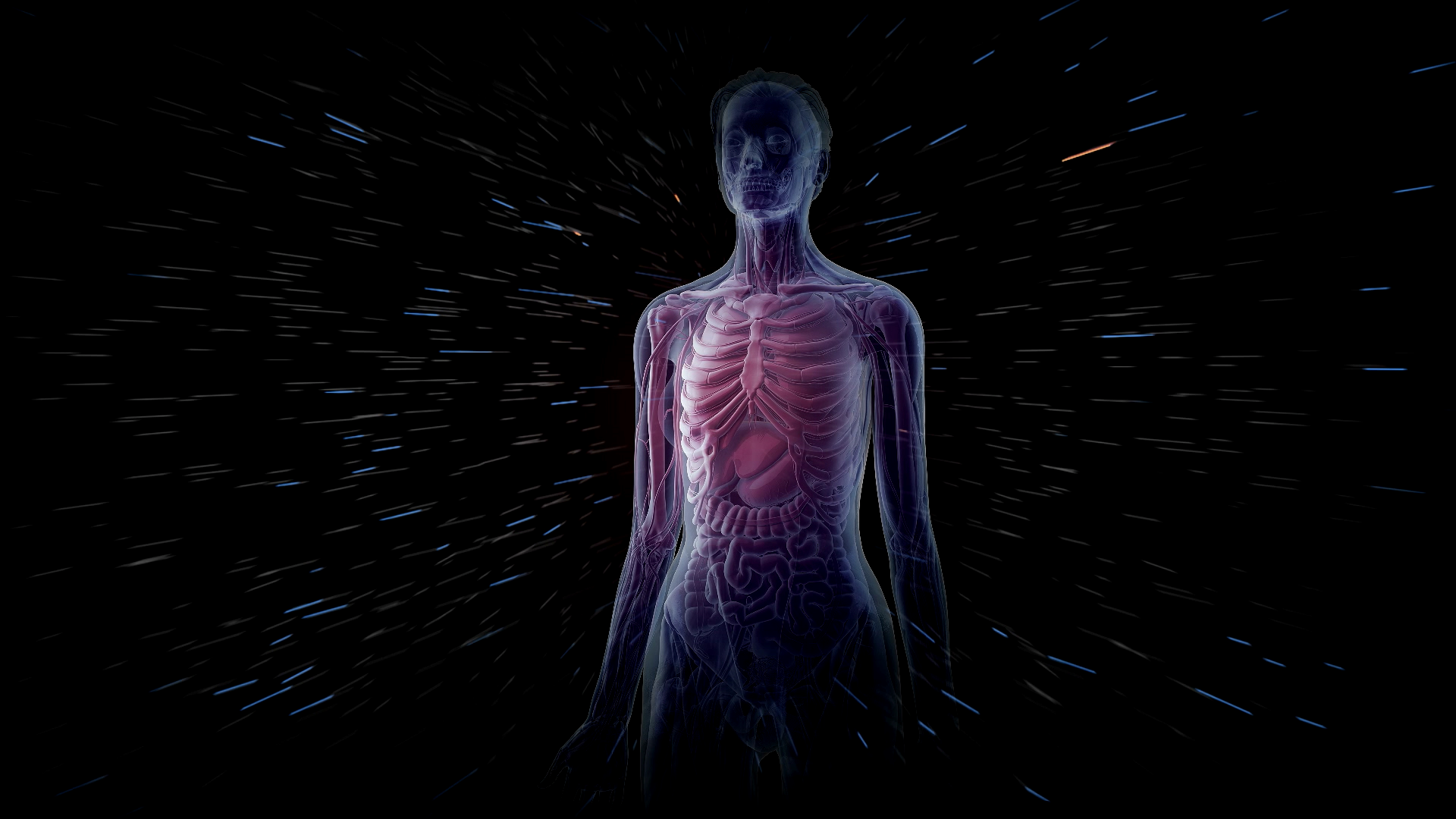
Deep space travel comes with a huge potential downside - radiation exposure that can kill an astronaut either quickly or slowly over time if not managed correctly. But what exactly does that mean, and is there any way to handle it other than sticking more and more protective layers between the squishy biological systems inside a spacecraft and the radiative void of deep space? A new paper from researchers at Oklahoma State University and the University of Texas Health Science Center hopes to answer both questions, and while the causes of radiation they point out are complex, they also offer some potential solutions as well.
Continue reading
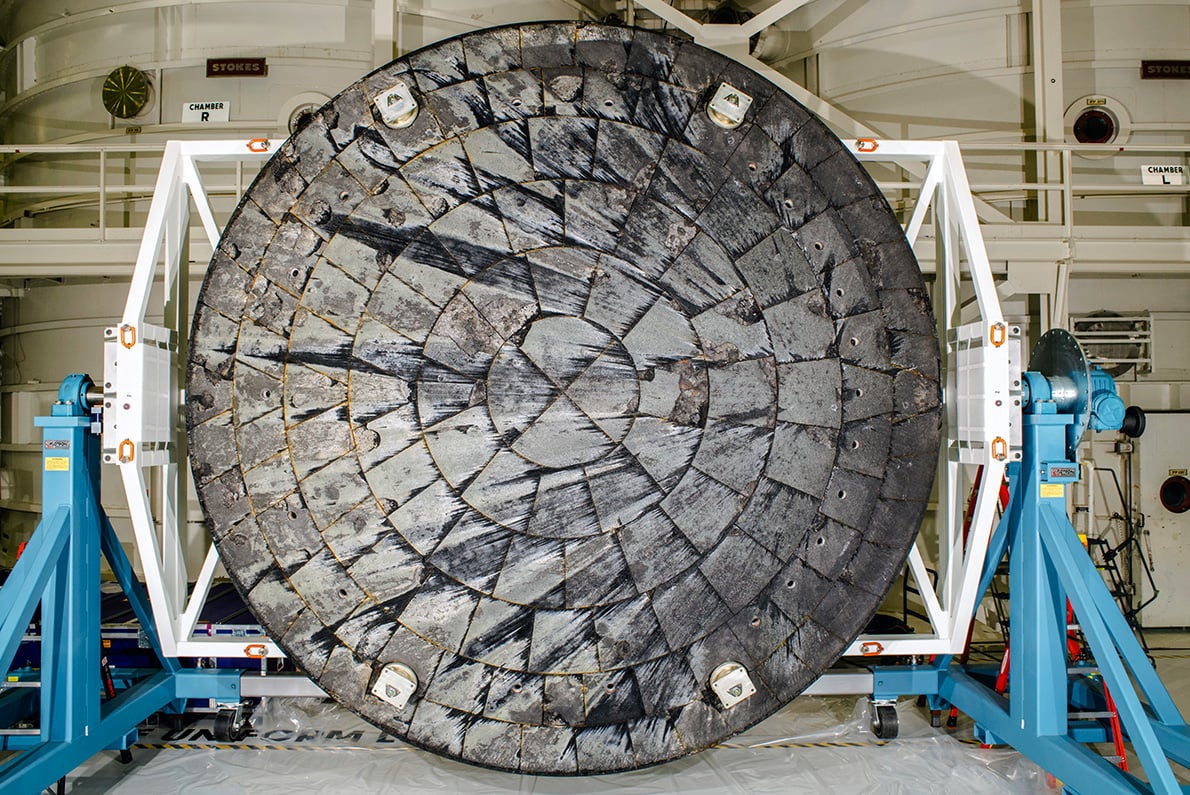
Heat shields are undeniably one of the most important parts of any spacecraft that intends to enter an atmosphere. And the material they are made out of is absolutely critical. Improving them has been a bit of a challenge though, as typically researchers only get “before” and “after” pictures of when the heat shield completes its job of helping a spacecraft land safely back on Earth. That changed recently, though, with a collaboration between NASA and the Advanced Light Source (ALS) located at Lawrence Berkeley National Laboratory, which allowed researchers to watch a heat shield fall apart in real time.
Continue reading
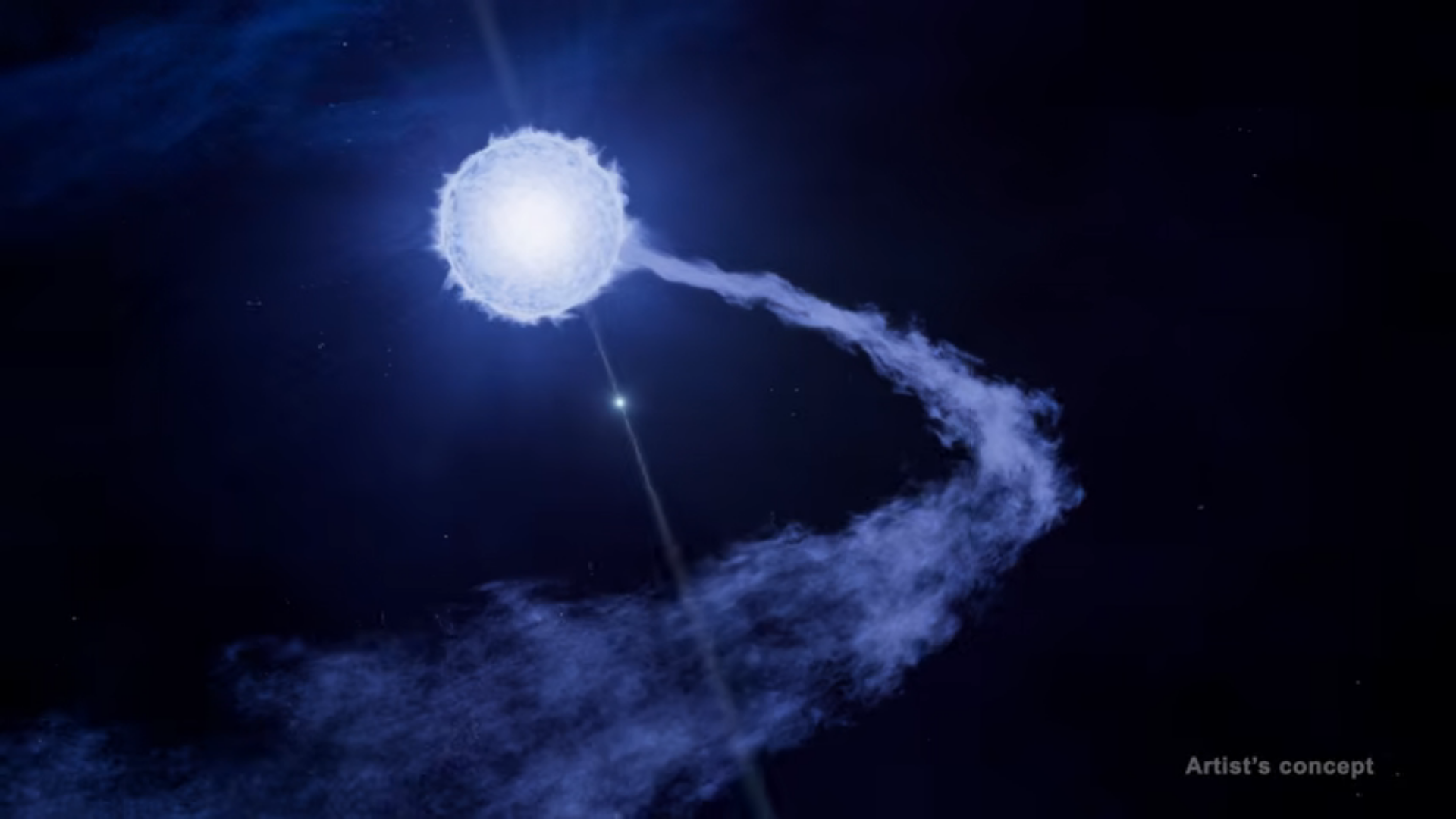
Using data from the Japan-led XRISM observatory, astronomers have directly observed a giant star’s stellar wind captured by its compact companion (triggering X-ray flares) for the first time.
Continue reading
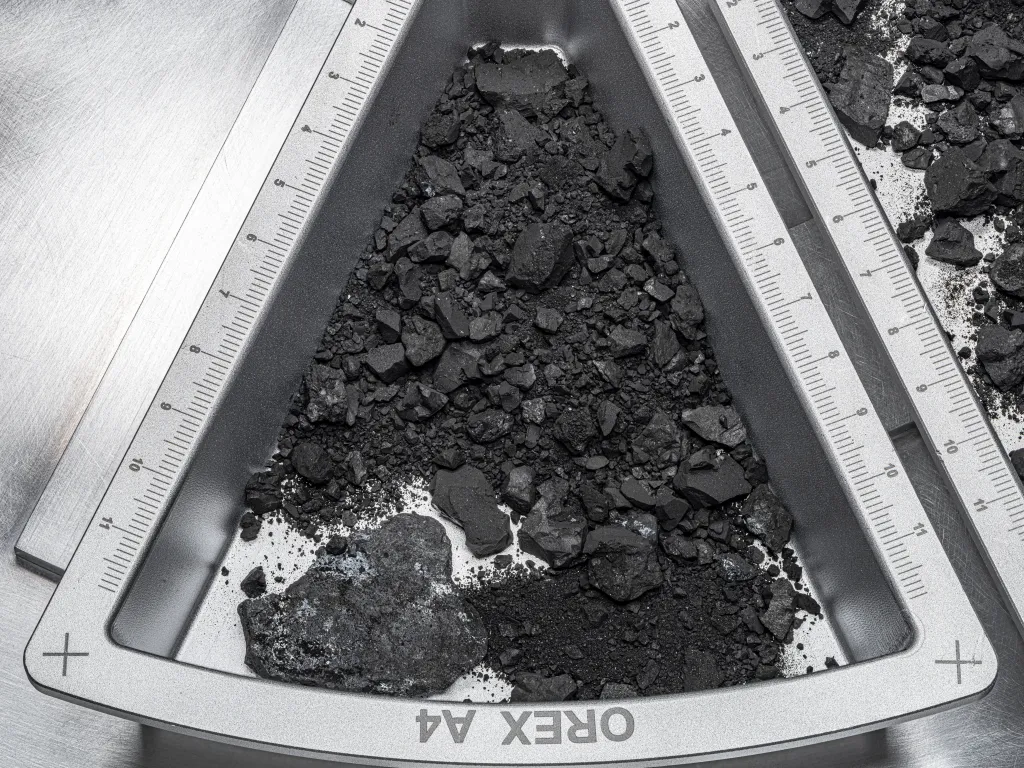
Asteroid sample return missions have brought well preserved samples of the early solar system (that hadn’t been roasted in a fireball) back to Earth for the first time. But those samples, like the OSIRIS-REx sample from asteroid (101955) Bennu, sometimes provide more questions than answers. A new paper, published in Science Advances from researchers at ETH Zurich and Lawrence Livermore National Laboratory, highlights one of those questions - why Bennu appears to have been born in both the inner and outer solar system - and a possible answer to it.
Continue reading
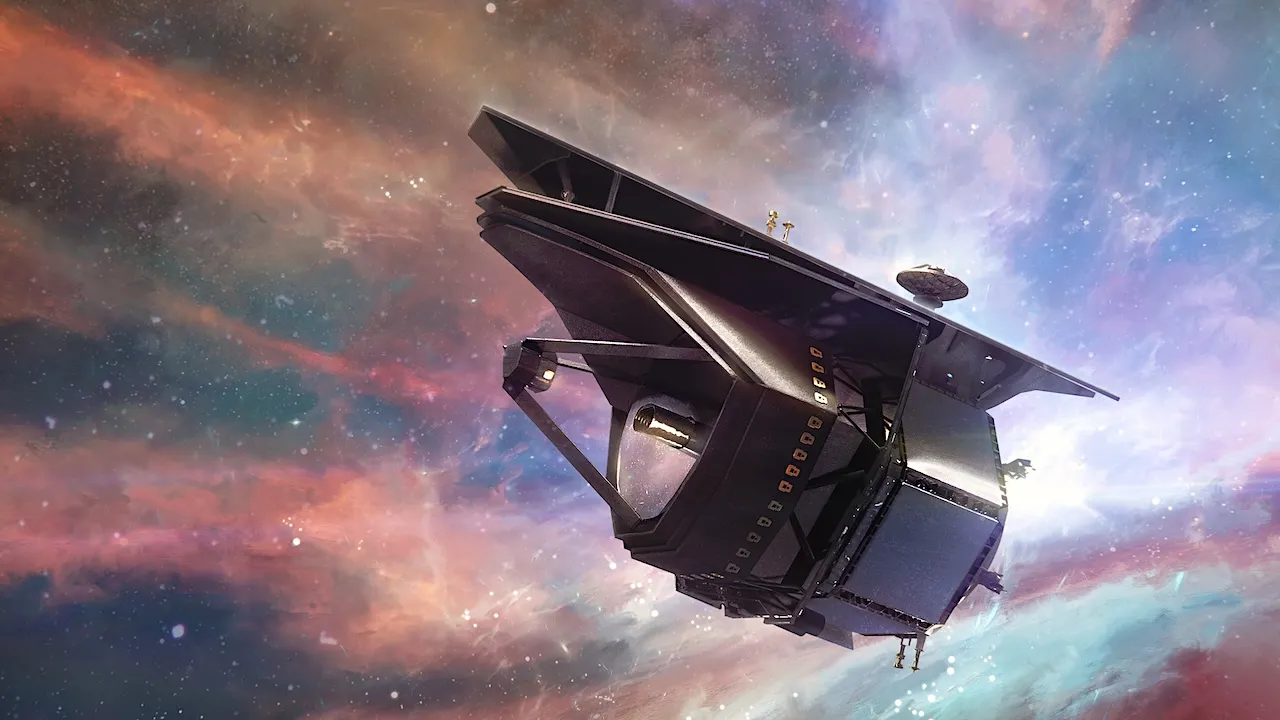
NASA announced Wednesday a mission to explore the history and evolution of the universe, PRIMA (PRobe far-Infrared Mission for Astrophysics), is advancing to the next phase of development. This space telescope is the first in a new class of NASA astrophysics missions, called Probe Explorers, within the agency’s longstanding Explorers Program.
Continue reading
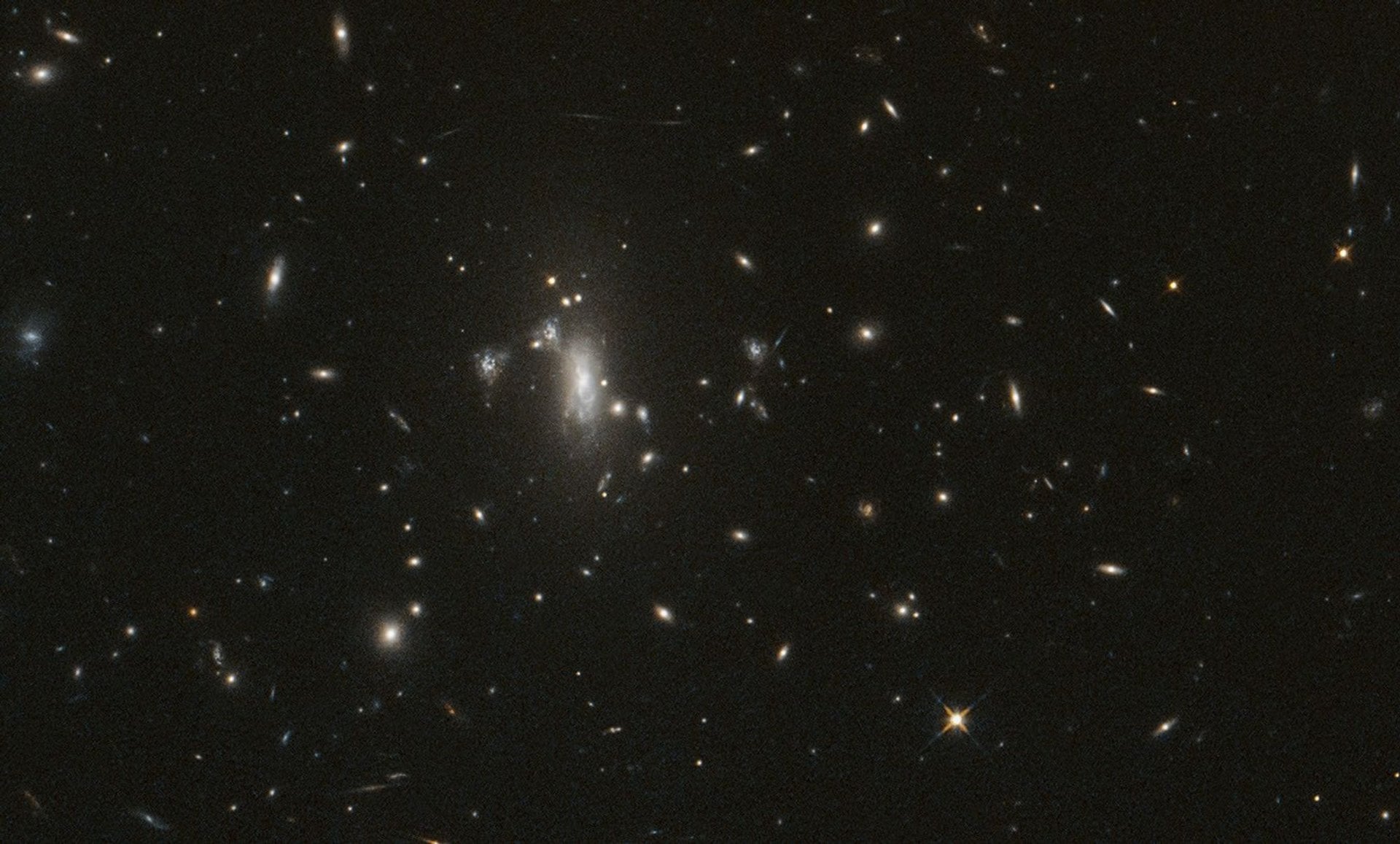
NASA’s Hubble Space Telescope completed its 200,000th orbit around Earth on Sept. 19th and marked this milestone with observations that could help refine astronomers' measurements of cosmic expansion (aka. the Hubble Constant).
Continue reading
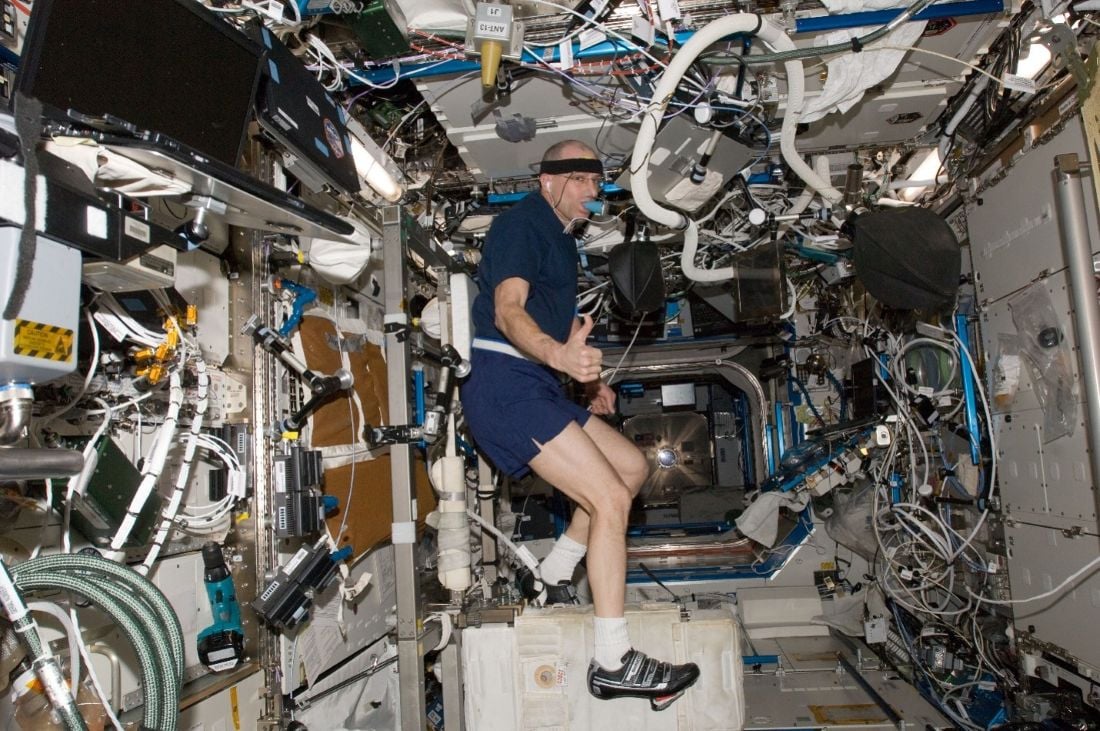
Getting a human body to Mars will take a toll on it. NASA and other space agencies have been concerned for years that the 6-9 month travel time to get to the Red Planet could have such a deleterious impact on human anatomy that any crewed mission would fail before it even began. But a new study, co-led by Dr. Benjamin Levine of the University of Texas Southwestern Medical Center and published in the journal Circulation, eases some of that concern by claiming that, given a sufficient exercise regimen in low gravity, astronauts should be able to operate on Mars upon arrival without any major cardiac issues.
Continue reading
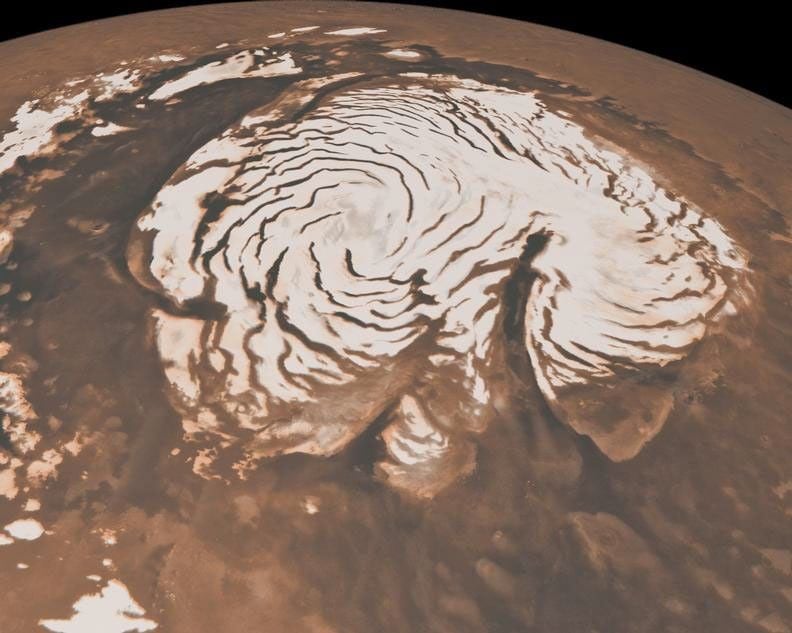
The planet Mars is known for its massive dust storms, dust devils, and two large polar ice caps, with its north polar cap being one of the Red Planet’s most striking features. Comprised of water ice, the north polar cap not only holds potential for being a source of water for future human missions, but it also helps researchers’ piece together past climates on Mars. But an ongoing debate within the scientific community is the ice-dust relationship at the north polar cap, specifically how much dust comprises the north polar cap compared to the much larger amount of water ice.
Continue reading
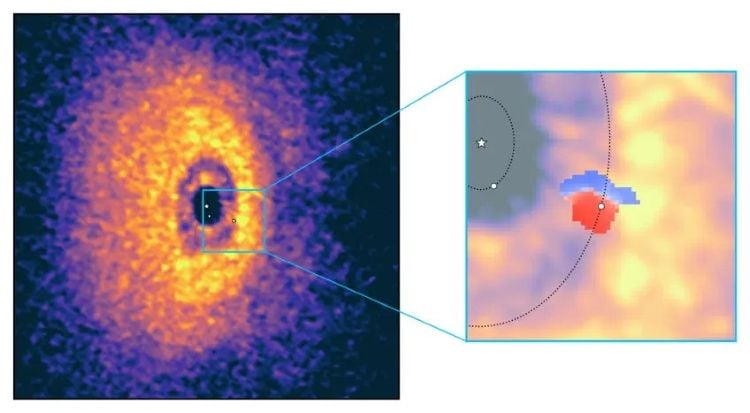
The formation and evolution of planets is the driving force behind both where and how we might find life beyond Earth. This complex and lengthy process first begins with a massive ball of gas and dust that swirls until it flattens into a disk, followed by rocks ranging in size from pebbles to kilometer-scale objects clumping together in a process known as accretion, as they too swirl around within the larger disk and form rocky planets closer to the star and the farther out planets collect the gas, ice, and dust that the star couldn’t evaporate. Until now, researchers have been limited to visualizing the swirling gas and dust forming planets through computer models.
Continue reading
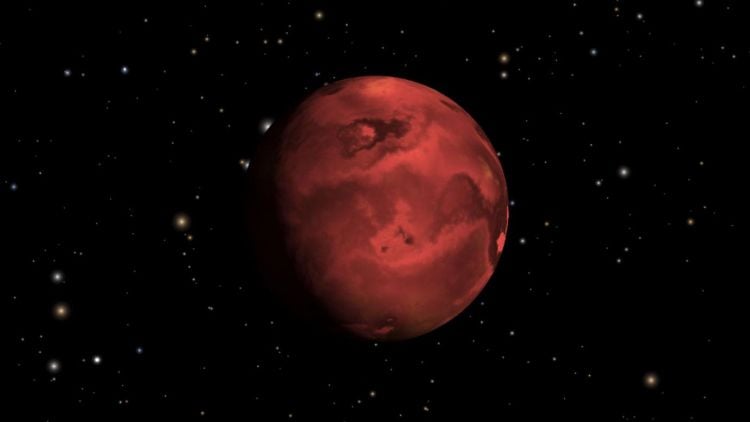
Exoplanets continue to challenge our understanding of planetary formation, evolution, and whether they might be able to support life as we know it. Scientists often use planets in our solar system as analogs for exoplanets, studying exoplanets with extremely short orbital periods forces scientists to constantly rethink our understanding of what planets can withstand during their lifetimes. One such type of exoplanet that has entered the foray in recent years are “lava world” exoplanets, and especially lava exoplanets that orbit dangerously close to their stars. But while it has been long known that lava worlds on with higher temperatures have atmospheres, “colder” lava worlds have been found to lack atmospheres.
Continue reading
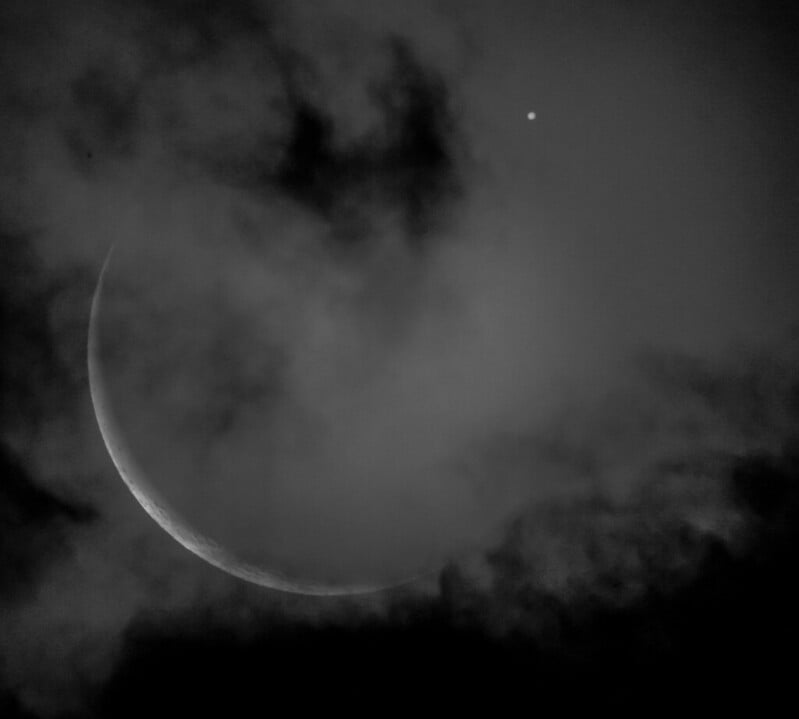
It’s a busy skywatching month ahead. The first full week of October sees two top-notch skywatching events, with Saturn reaching opposition, and the Moon occulting Jupiter for North America on October 6th. This month’s occultation of Jupiter by the Moon is one of the best-placed and top skywatching events for 2026, while Saturn puts on a fine show near opposition.
Continue reading
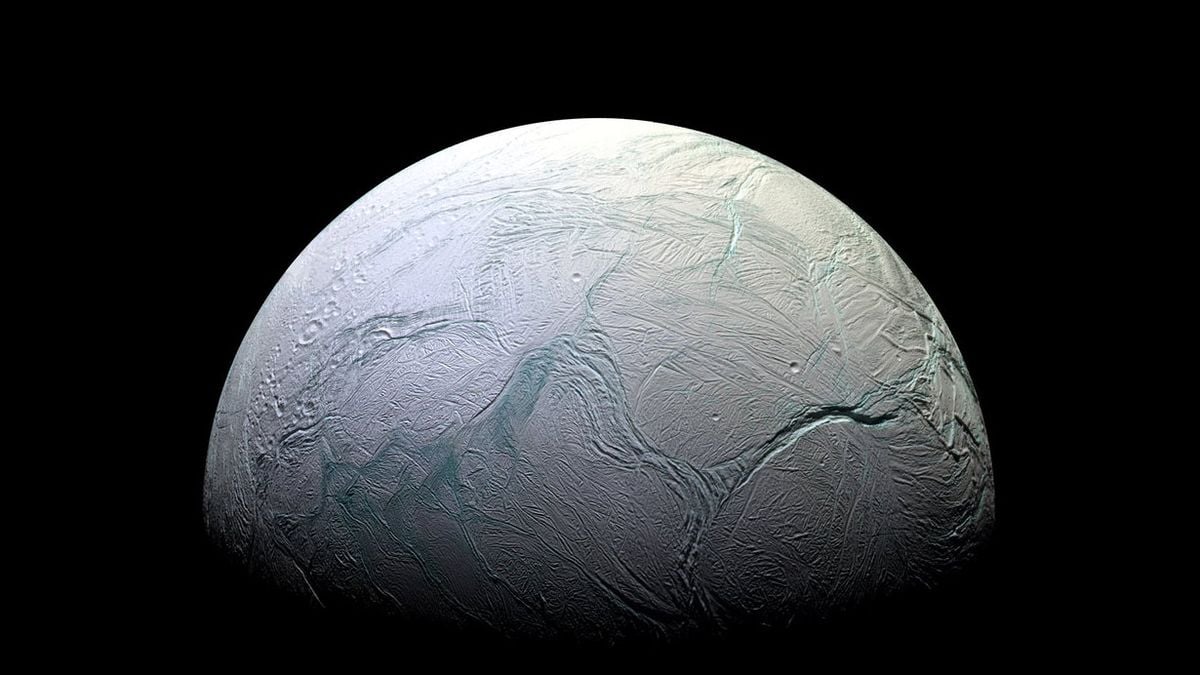
Planetary scientists from Freie Universität Berlin have published two new studies that indicate that a spacecraft could identify evidence of life much more easily than previously thought.
Continue reading
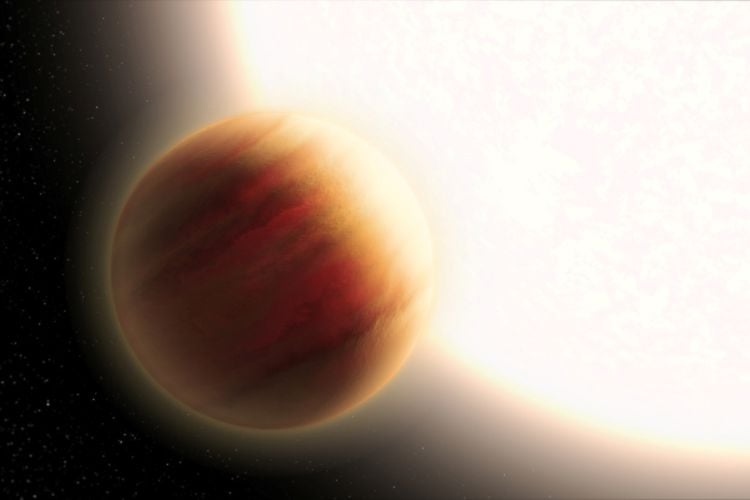
Since their first discovery in 1995, hot Jupiter exoplanets (hot Jupiters, for short) quickly challenged our understanding of exoplanet formation and evolution, including exoplanetary system architecture. This is because, as their name implies, they orbit at extremely close distances to their host stars, ranging from a few days to a few hours. Some of their orbits are even oval-shaped, called eccentric in the scientific community, meaning their orbit is oval-shaped. But could such an orbit cause a hot Jupiter to completely vanish from view, preventing astronomers from studying it?
Continue reading
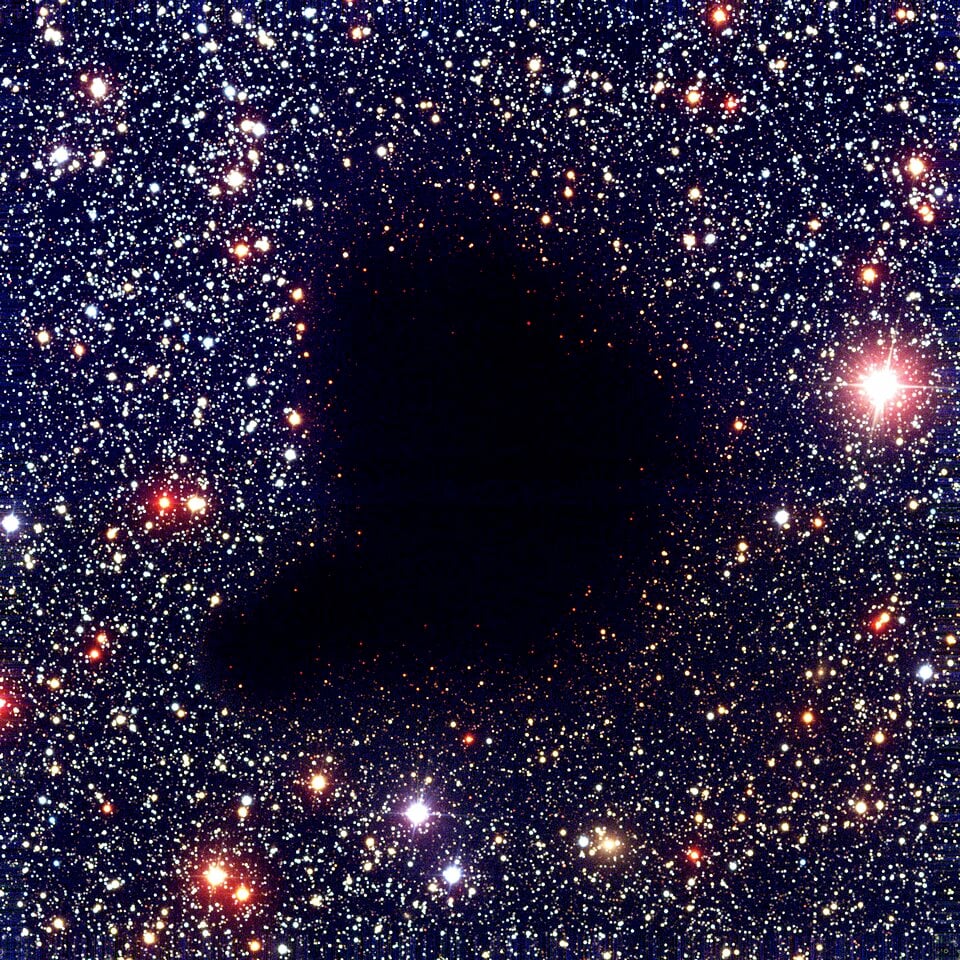
The Universe has been making fewer stars lately and astronomers want to know why. The obvious answer is: there hasn't been enough starbirth material. But, is that true? Is some other process at play? An international team led by researcher Hong Guo of the Chinese Academy of Sciences decided to dig into the reasons why it looks like starbirth is falling off.
Continue reading
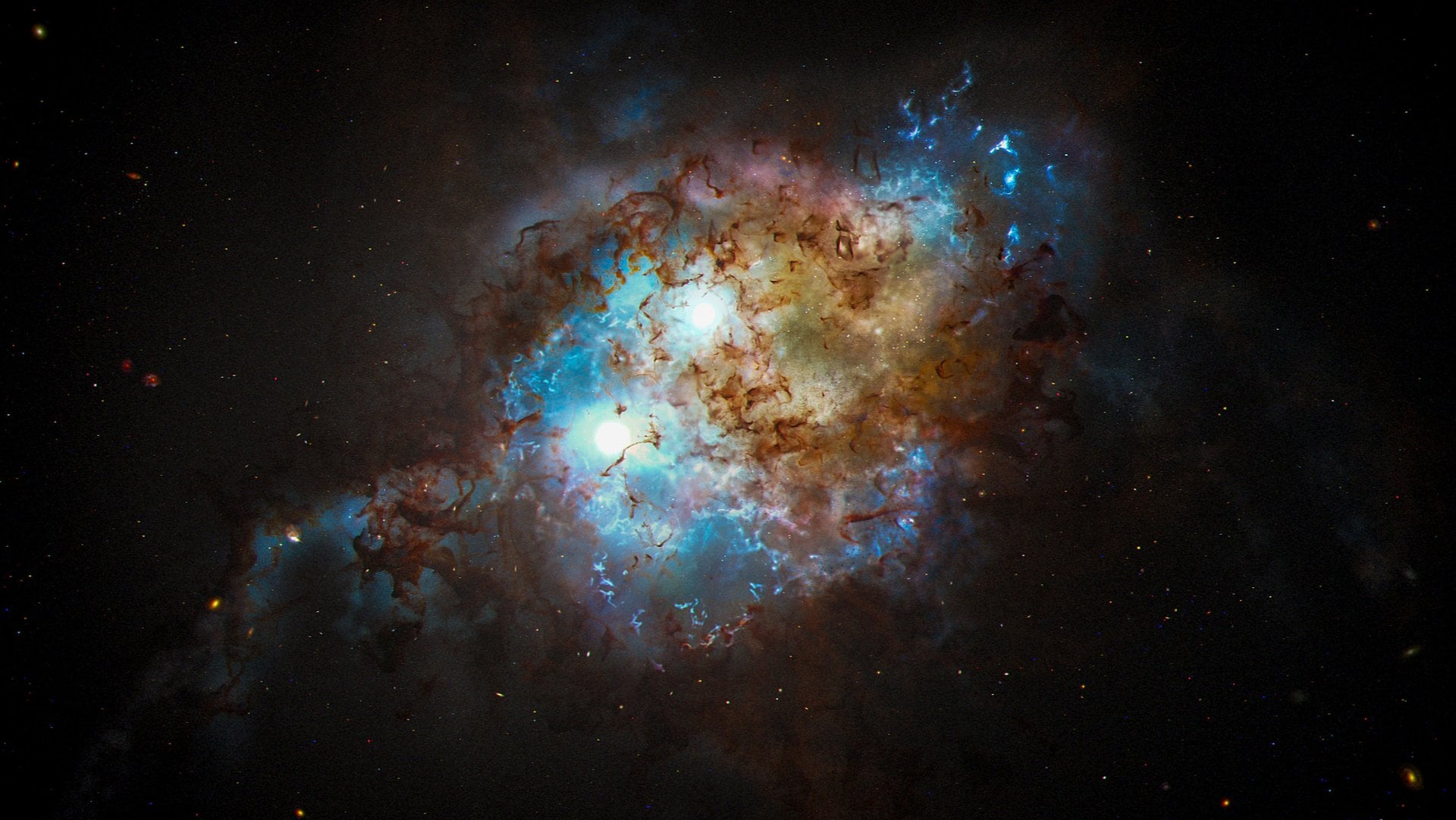
A new way to accurately measure the distance between quasar pairs is showing promise through University of Alberta research.
Continue reading
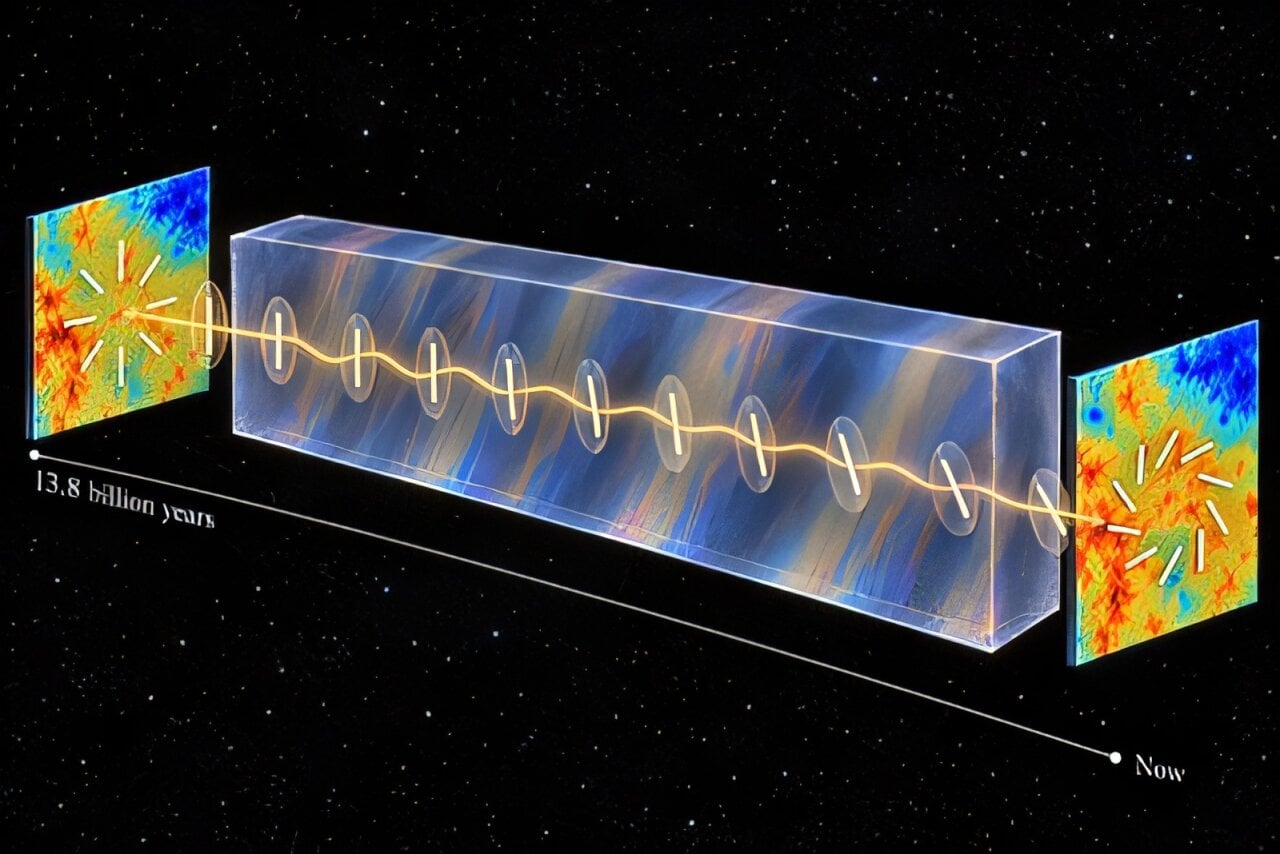
The standard model of cosmology predicts that the Universe is homogeneous. A new study tests this using the polarization of the cosmic microwave background and finds this isn't quite true. This study supports an earlier study which also found a small polarization bias.
Continue reading
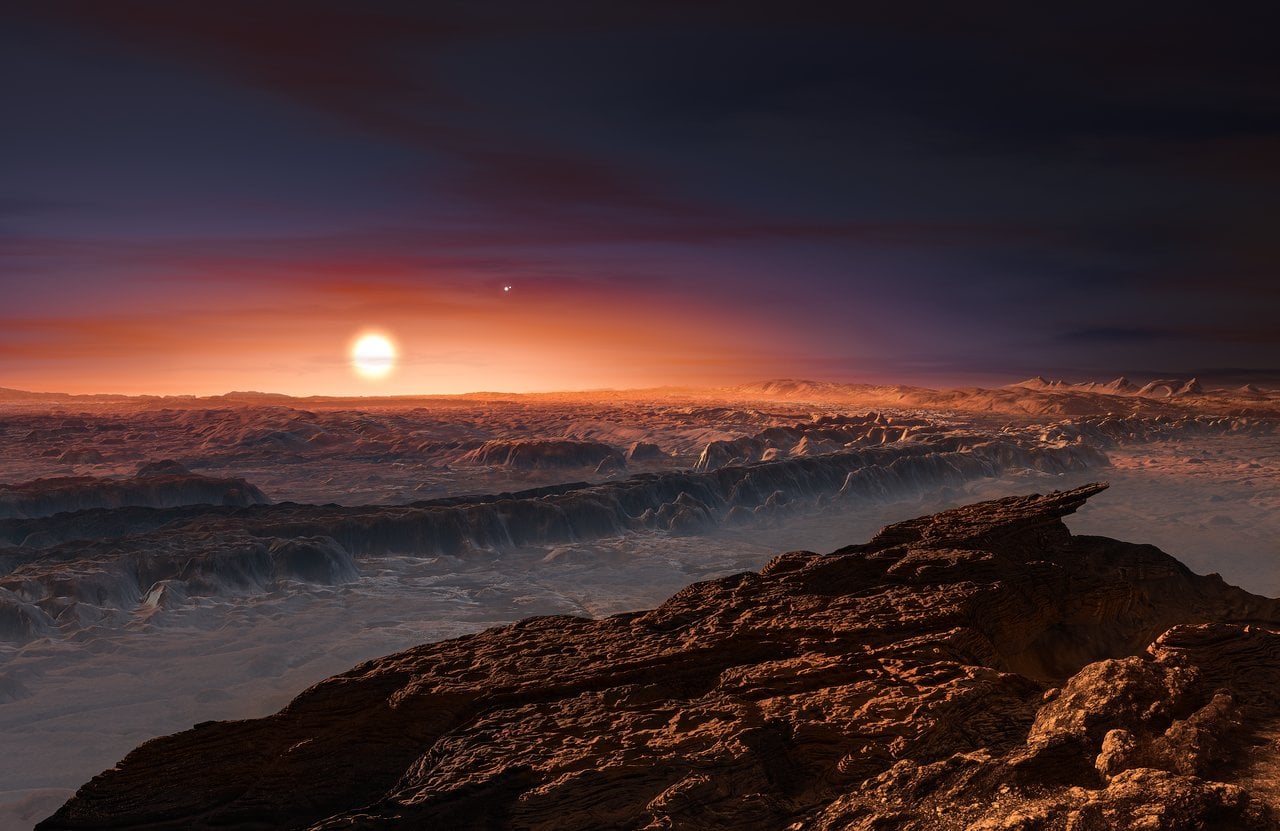
There’s an active debate in the astrobiology community of where to use our best telescopes to look for our best chance of seeing alien life. That debate has been going on for decades, and will continue for some time to come, but now there’s another option up for consideration. A new paper in the International Journal of Astrobiology by Dr. Christopher Doughty of Northern Arizona University talks about how the total amount of carbon a planet is able to bring into the service of biology is a good indication of how evolved life on it might be.
Continue reading
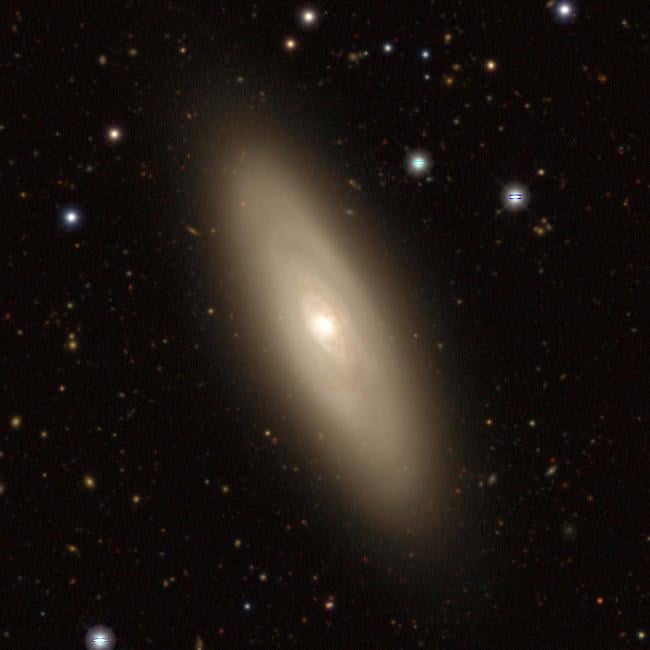
The black holes at the hearts of galaxies get the credit and/or blame for a lot of things in their hosts. For example, they take the blame for gobbling up star-forming material, effectively "quenching" starbirth in some areas of galaxies. On the bright side, it now turns out that some of them may be commonly participating in the births of stars, too.
Continue reading
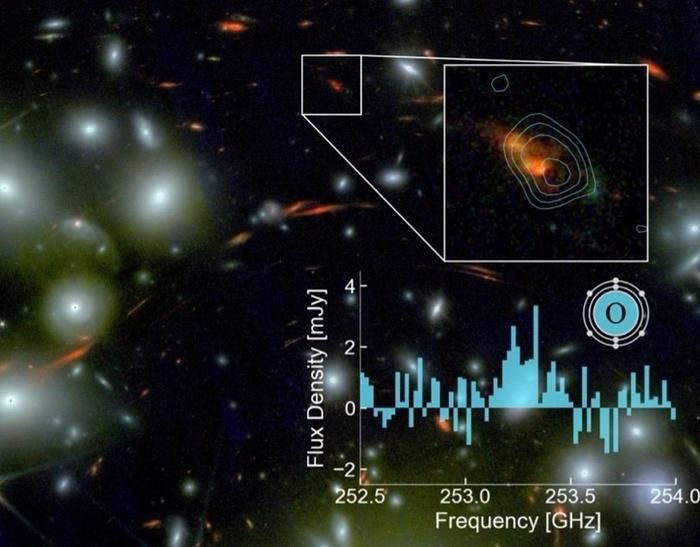
Approximately 13.8 billion years ago, the Big Bang is hypothesized to have occurred, kickstarting our universe and eventually life on our small, blue world. While the Big Bang has yet to be directly observed, scientists have worked tirelessly to piece together the events that happened immediately after the Big Bang, specifically the first billion years or less, with the goal of gaining insight into the how the first stars, and potentially planets, formed and evolved.
Continue reading
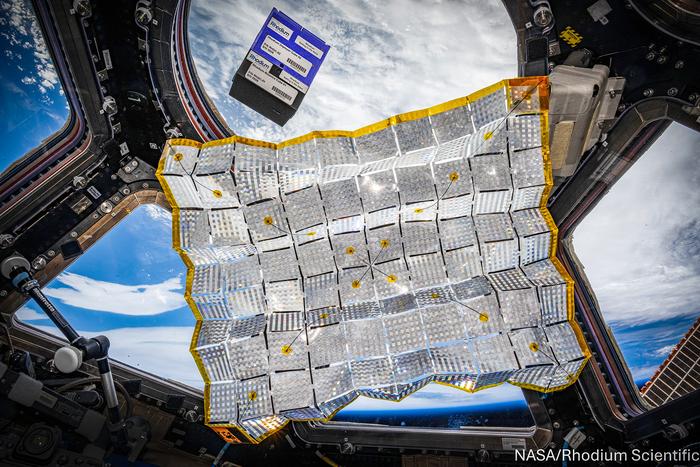
Students in Cornell’s Space Systems Design Studio have published results from two lightsail experiments (Alpha CubeSat and Sailing to the Stars) built by engineering students at Cornell University.
Continue reading
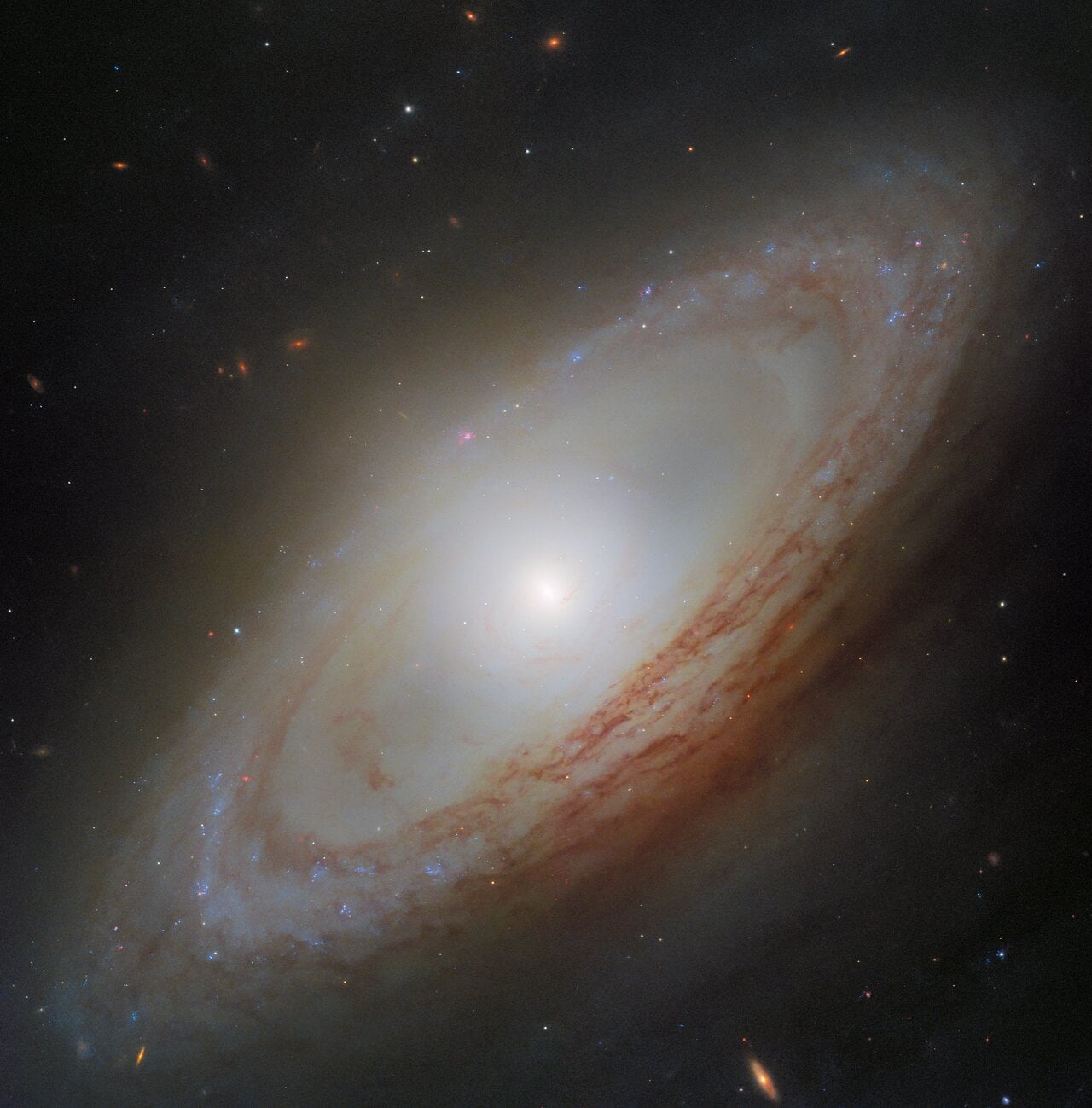
Galaxies are like snowflakes, no two exactly alike, even the spirals. The Hubble Space Telescope did a visual dive into the distant spiral NGC 4693 and found some intriguing hints to its past. For one thing, this member of the Virgo Cluster seems to have a central region that's rotating out of sync with the spiral arms and bulge. Those arms don't seem to connect to the central region, and the bulge itself seems to extend out above the plane of the galaxy.
Continue reading
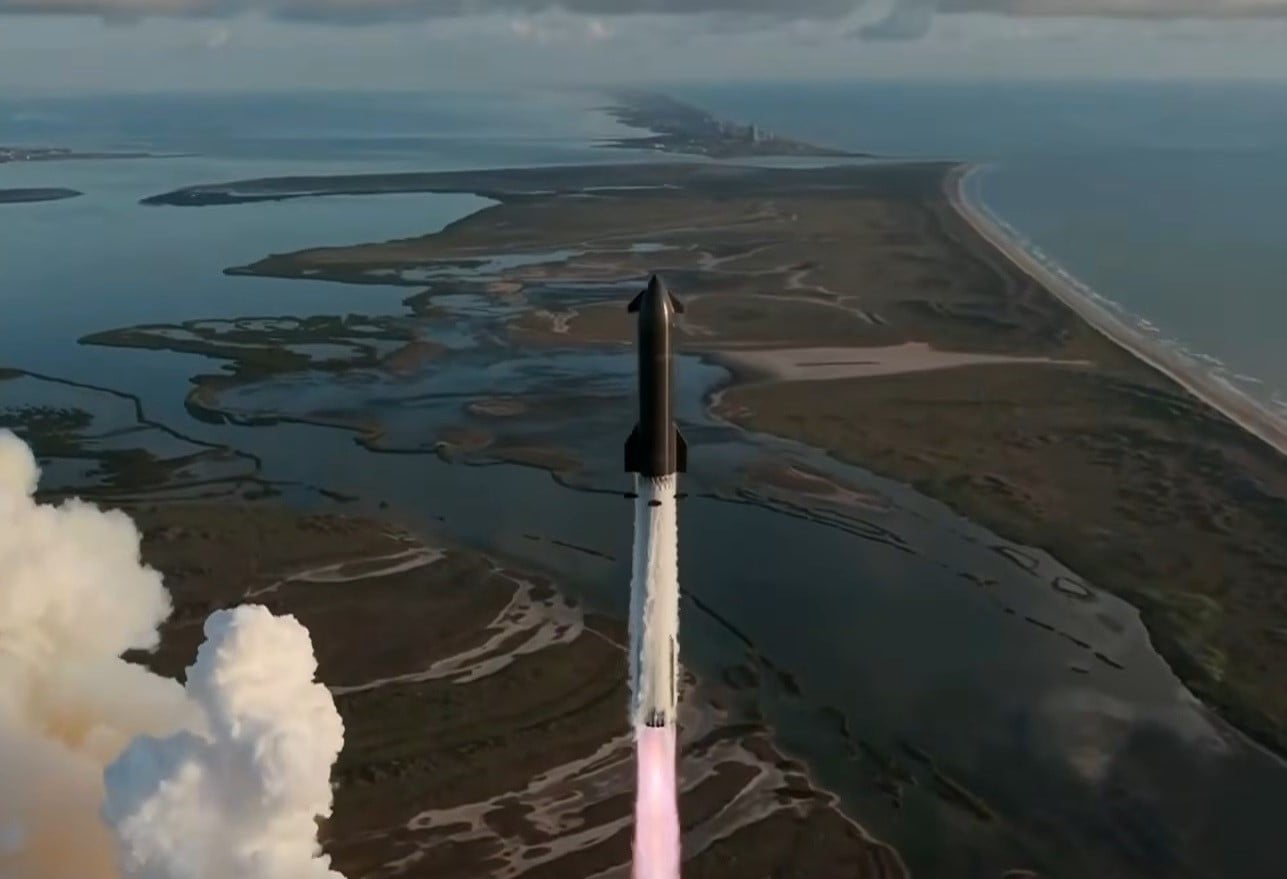
SpaceX sent its Starship super-rocket on its first orbital flight — a shorter-than-planned test mission that put operational Starlink satellites into orbit for the first time.
Continue reading
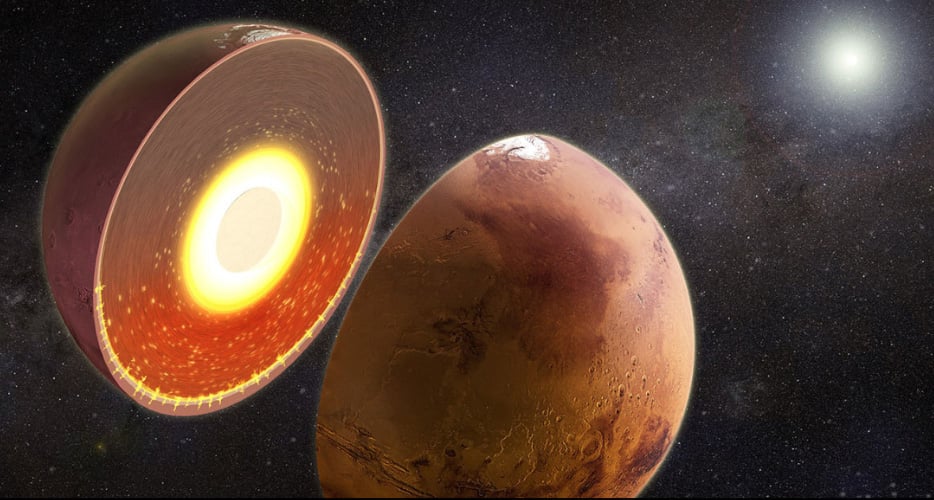
Something deep inside Mars has scientists looking for clues to its internal evolution. A team at the University of Arizona led by Alexander Byrne, used a technique called "tidal tomography" to probe a heat anomaly in the southern hemisphere mantle. It turns out this subsurface region measures about 200 to 400 degrees Celsius warmer than the rest of the mantle. That warm spot may contain information about how Mars has changed over its lifetime.
Continue reading
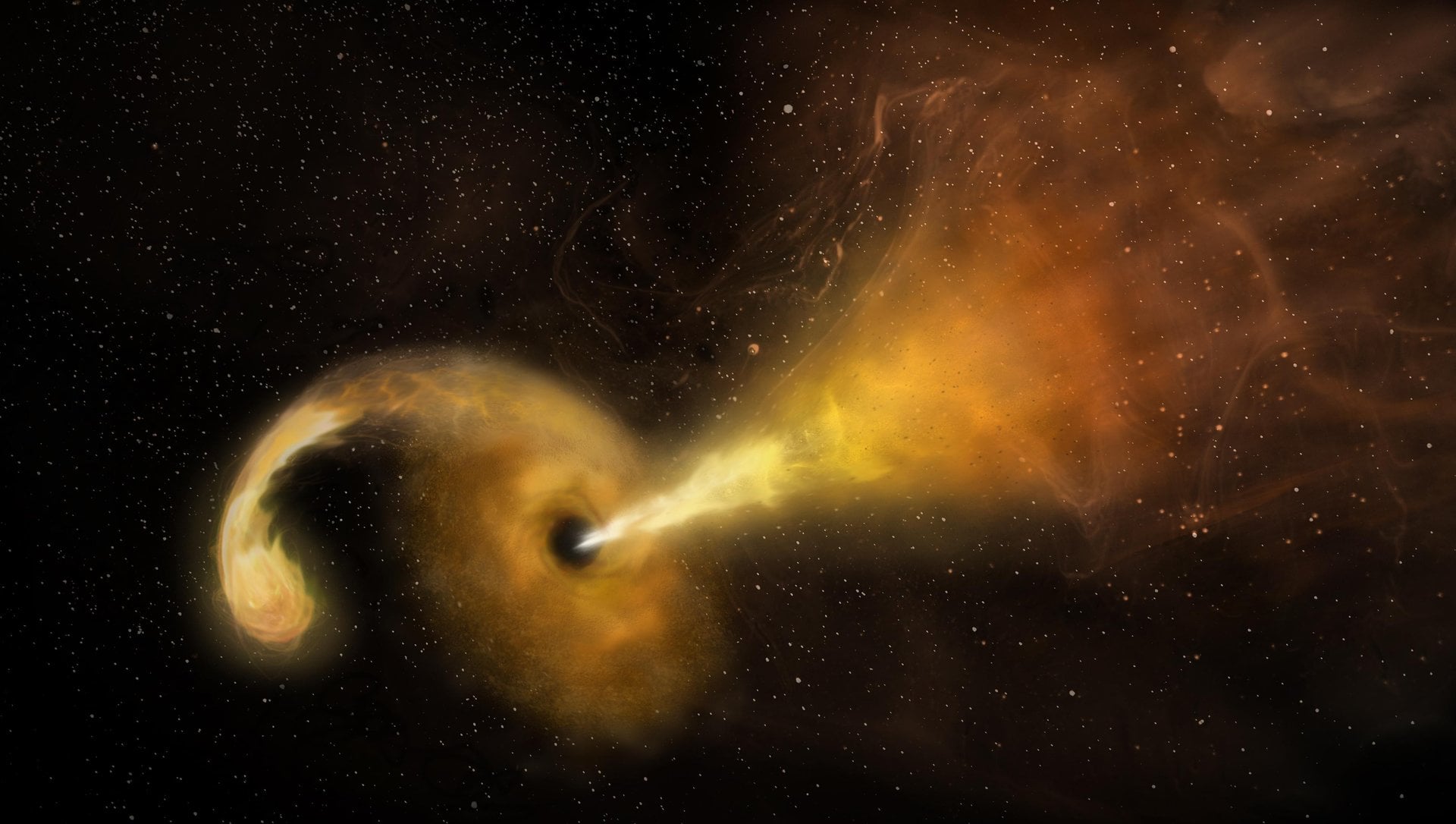
Both stellar-mass black holes and supermassive black holes can produce ionized jets streaming from their poles. Stellar-mass black holes consume the material of companion stars, while supermassive black holes rip stars apart in tidal disruption events. Despite these different eating habits, the formation of jets requires similar conditions.
Continue reading
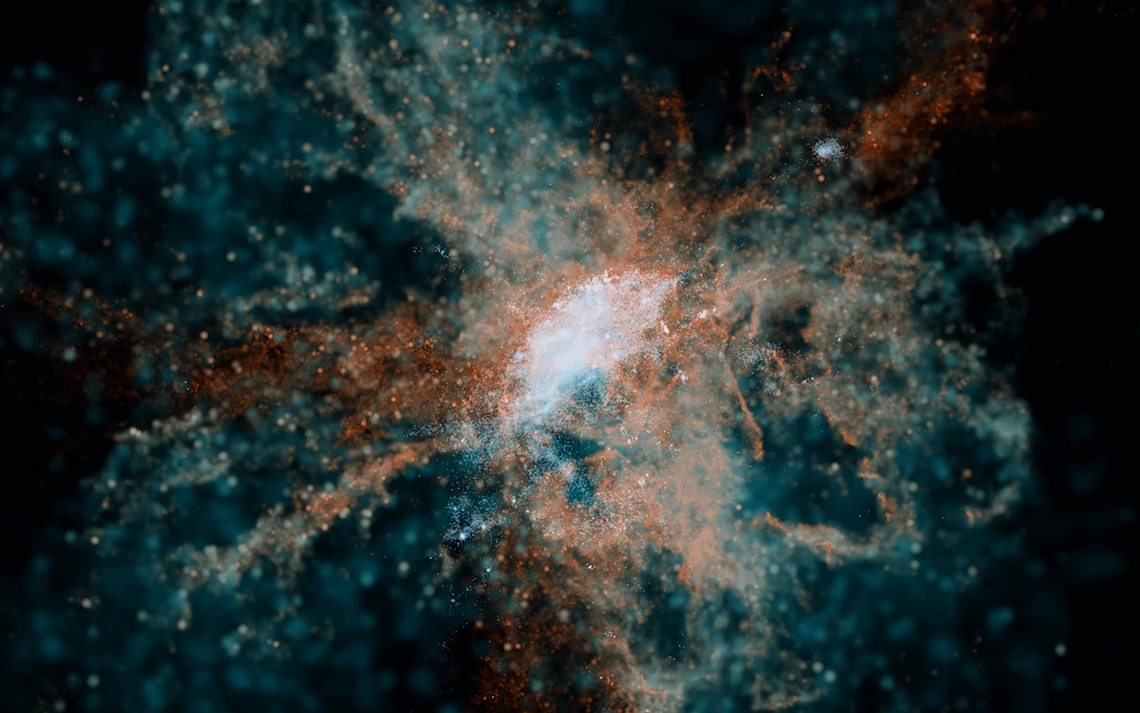
Way back in the earliest epochs of the Universe, the Big Bang was followed by a period called the Cosmic Dark Ages. It was a time when the cosmic soup of primordial particles was so thick that light couldn't propagate. Hence the term "dark"; also, because, even with our best telescopes, we can't see "into" that epoch. Although we don't have a definite "century by century" timeline of activity, that doesn't mean that period of history didn't lead to something interesting.
Continue reading
 Universe Today