Universe Today
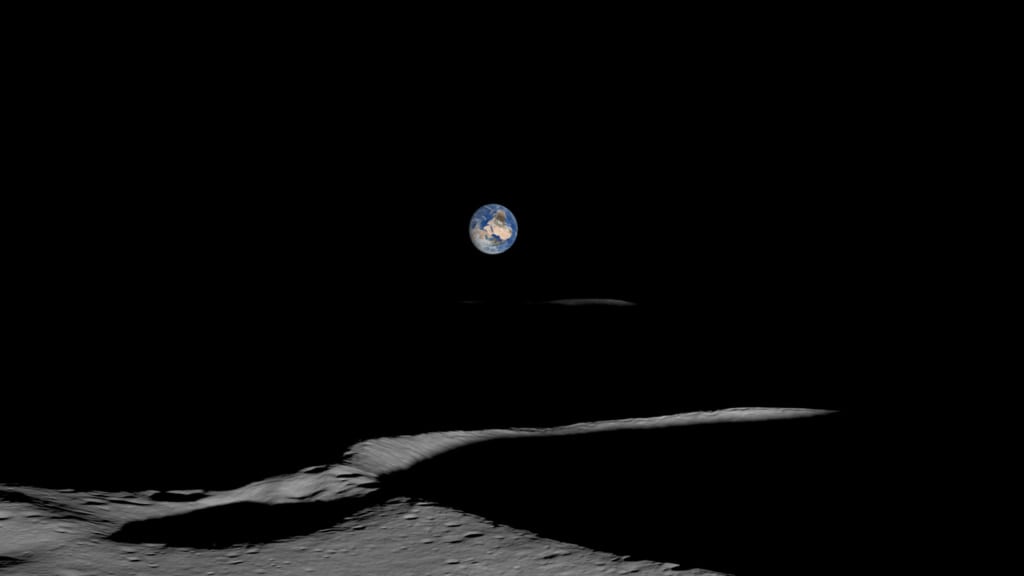
When people eventually head to the Moon for long-term exploration and habitation, they'll need equipment and spacesuits made of well-tested materials. That's where NASA's Lunar Environment Test Rig (LESTR) comes in handy. It simulates extreme cold lunar night conditions right here on Earth in a NASA Glenn lab, testing lunar-bound materials in temperatures ranging from 40 K to 125 K (-233 C to -148 C) in a vacuum.
“We are working to develop a next-generation shape memory alloy that is capable of functioning at temperatures down to 40 Kelvin, one of the coldest regions we could go to with rover capability,” said Dr. Santo Padula II, principal investigator for LESTR at Glenn. “With this rig, we can test how shape memory alloys will behave in the coldest areas of the Moon and Mars. That will be a very big day for us: to be able to see what its properties look like at such low temperatures — something we’ve never seen before.”
SImulating the Lunar Wilderness
Why such rigid requirements? It's because anything going to the Moon will have to function flawlessly across a range of conditions. For example, temperatures on the Moon change from bitterly cold at night to blazing hot during the day. Not only that, but the Moon has no protective atmosphere. So, for anything to exist in such a lunar wilderness, it has to withstand those conditions. “Just as no building ever gets built without knowing exactly how the construction materials behave, no space mission is complete without a robust structural design that hinges on knowing how the materials used within it behave,” said Ariel Dimston, technical lead for LESTR at NASA Glenn.
Both the lunar and Earth-Moon space pose challenges for anything that lands and traverses on the surface. Very cold conditions affect circuit boards, electrical connections, rubber fittings, and glass. All of these can freeze and break apart, leaving astronauts without vital systems. For years, NASA has tested mission components using liquid cryogens such as hydrogen and helium. Engineers use them in special tanks, which is a challenging step.
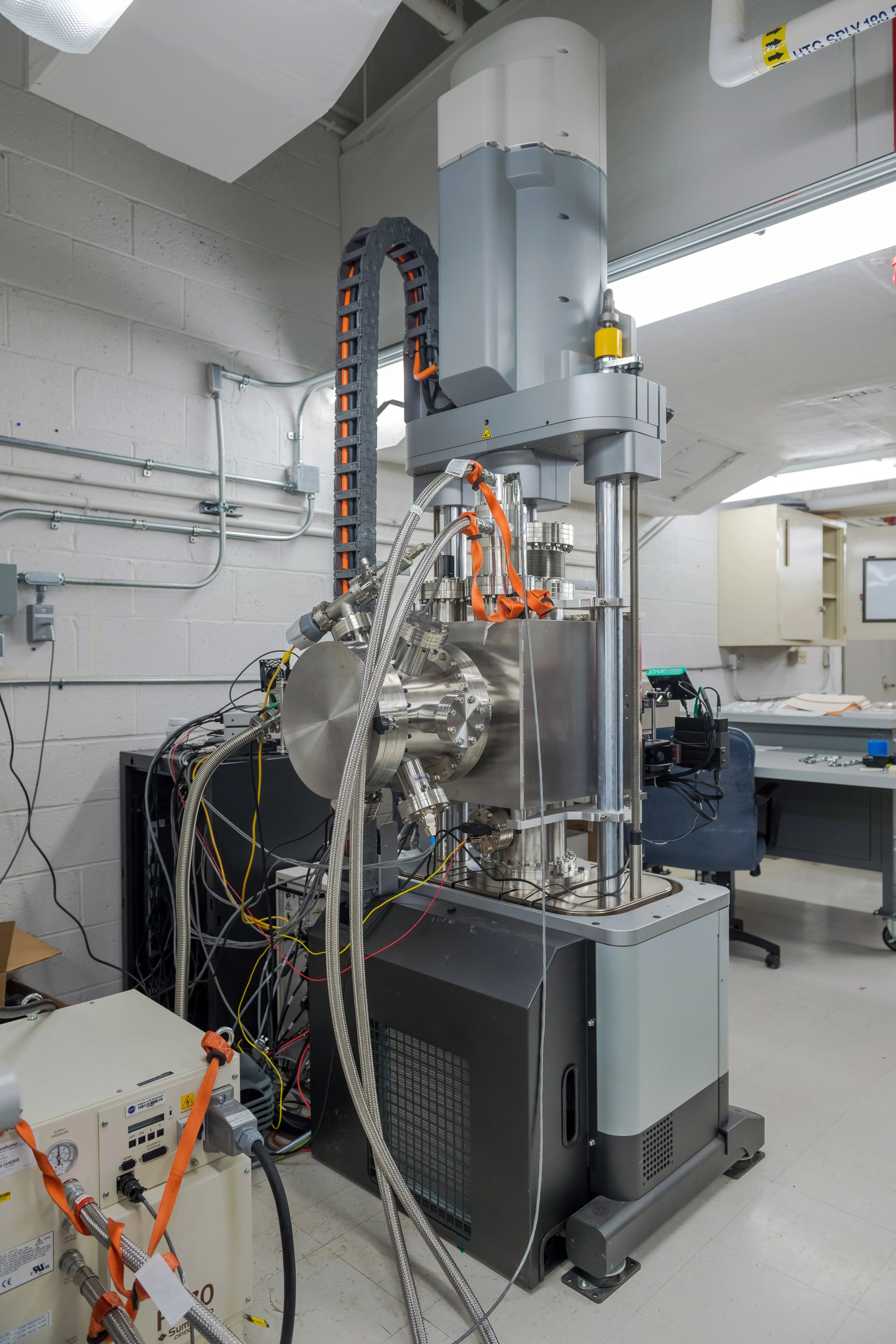 The Lunar Environment Structural Test Rig at NASA’s Glenn Research Center in Cleveland simulates the intense cold of the lunar night. NASA/Steven Logan
This is where LESTR comes into play. It provides the same cryogenic-type cooling, but without the liquids and the special handling that traditional cryogen testing requires, such as dewars and wet heaters. It's safer and more affordable, as well. LESTR is basically a highly specialized refrigerator, called a cryocooler. “What makes LESTR special is that the entire rig operates in a completely dry vacuum: no liquid nitrogen, no liquid helium, no liquid anything,” Dimston said. “This is the first mechanical test rig that escapes from all of the challenges involved with cryogenic fluids.”
Testing Materials
Dimston and his team are testing various materials in LESTR as they work to understand what can - and can't - withstand lunar and space conditions. They've been testing yarns that may get used in future spacesuits and habitats. Eventually, they hope to test materials that will become tires on rovers. What they want is something that will retain its "shape memory" after experiencing extreme cold conditions. The perfect shape memory alloy technology could help future rovers travel across the uneven, rocky surfaces of the Moon and Mars without the risk of flat tires.
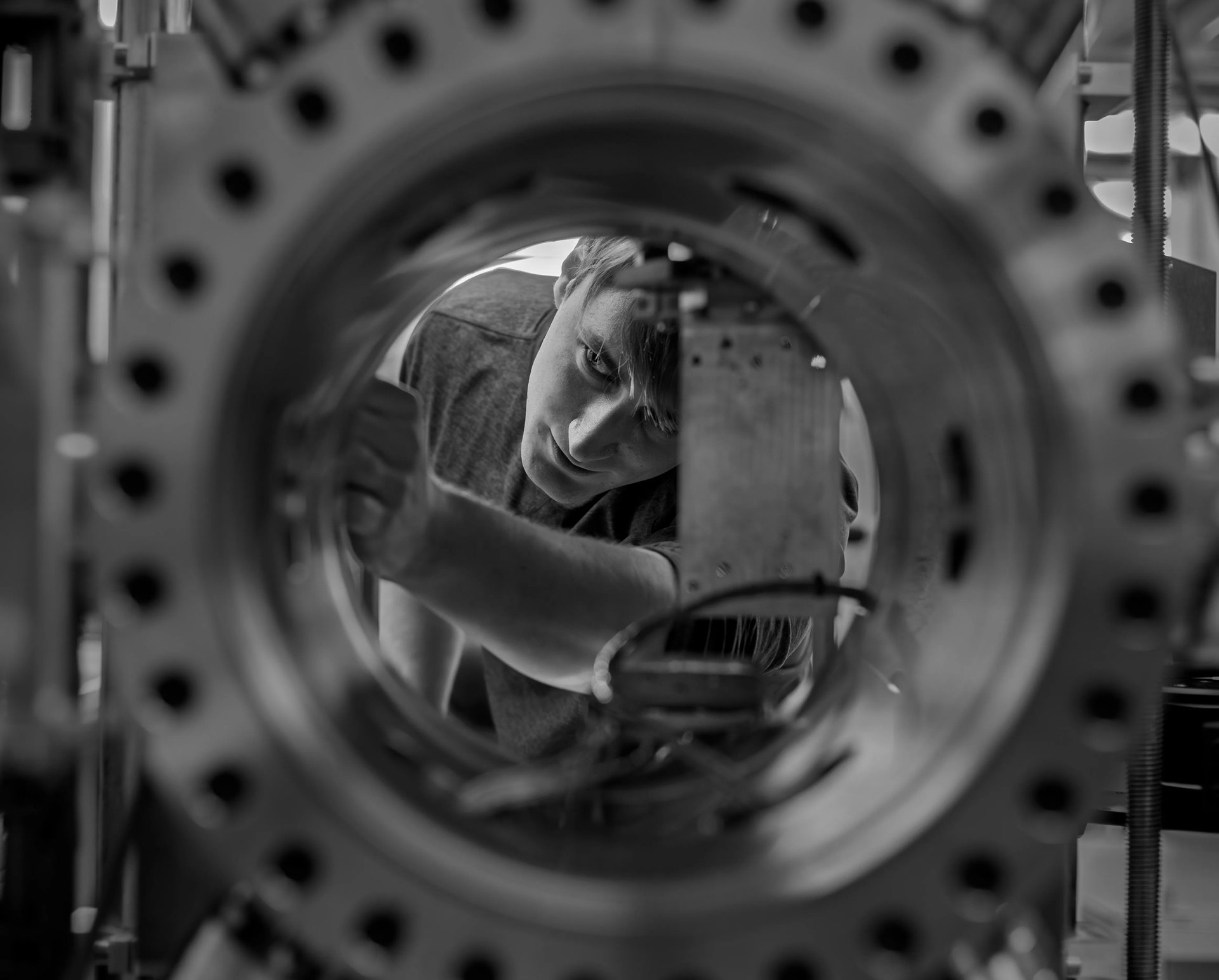 Cryogenic engineer Adam Rice tests the Lunar Environment Structural Test Rig (LESTR) at NASA’s Glenn Research Center in Cleveland to simulate the thermal-vacuum conditions of the lunar night. NASA/Steven Logan
As the Artemis missions to the Moon continue over the next decade, well-tested materials will be an important part of the habitats, vehicles, instruments, and other pieces of equipment needed as astronauts land on and begin to explore the Moon. The lunar south pole is of particular interest, since it may have well-hidden deposits of water ice and hydrated minerals. The permanently shadowed craters there can experience temperatures as low as -250 C. Any equipment used there needs to be able to withstand such cold temperatures and continue to function. That includes astronaut space suits as well as the instruments and rovers they will use during their explorations.
Ultimately, what NASA learns with LESTR tests will benefit Mars missions, as well. While the Red Planet doesn't exhibit exactly the same frigid conditions as the Moon, its environment is challenging. So, any materials sent there can and will be simulated by NASA and its partners. Those crewed Mars-bound voyages will spend months in space on the way there and back, and the astronauts will take more time exploring the Martian surface. All of the materials in their ship, habitats, spacesuits, and instruments, will be tested here on Earth first. In addition, NASA will apply lessons learned on the Moon as it develops the timelines and materials for the first Marsnauts in the coming decades.