We have long known that the Sun is active. It “flares” quite often, sending huge amounts of energy off in a certain direction - sometimes directly at Earth. But we also know that, compared to other Sun-like stars, it seems relatively quiet, and not capable of producing the “superflares” we sometimes see in its stellar equivalents. That sounds like great news for humanity, and some scientists have even argued that lack of superflares was a critical impetus for the development of complex life on Earth. But a new paper from Natalie Krivova of the Max Planck Institute for Solar System Research and her co-authors in the journal Philosophical Transactions A calls the assumption that our Sun is incapable of such dramatic outbursts into question. That also means that, eventually, our highly technological society could bear the brunt of one of them.
Continue reading
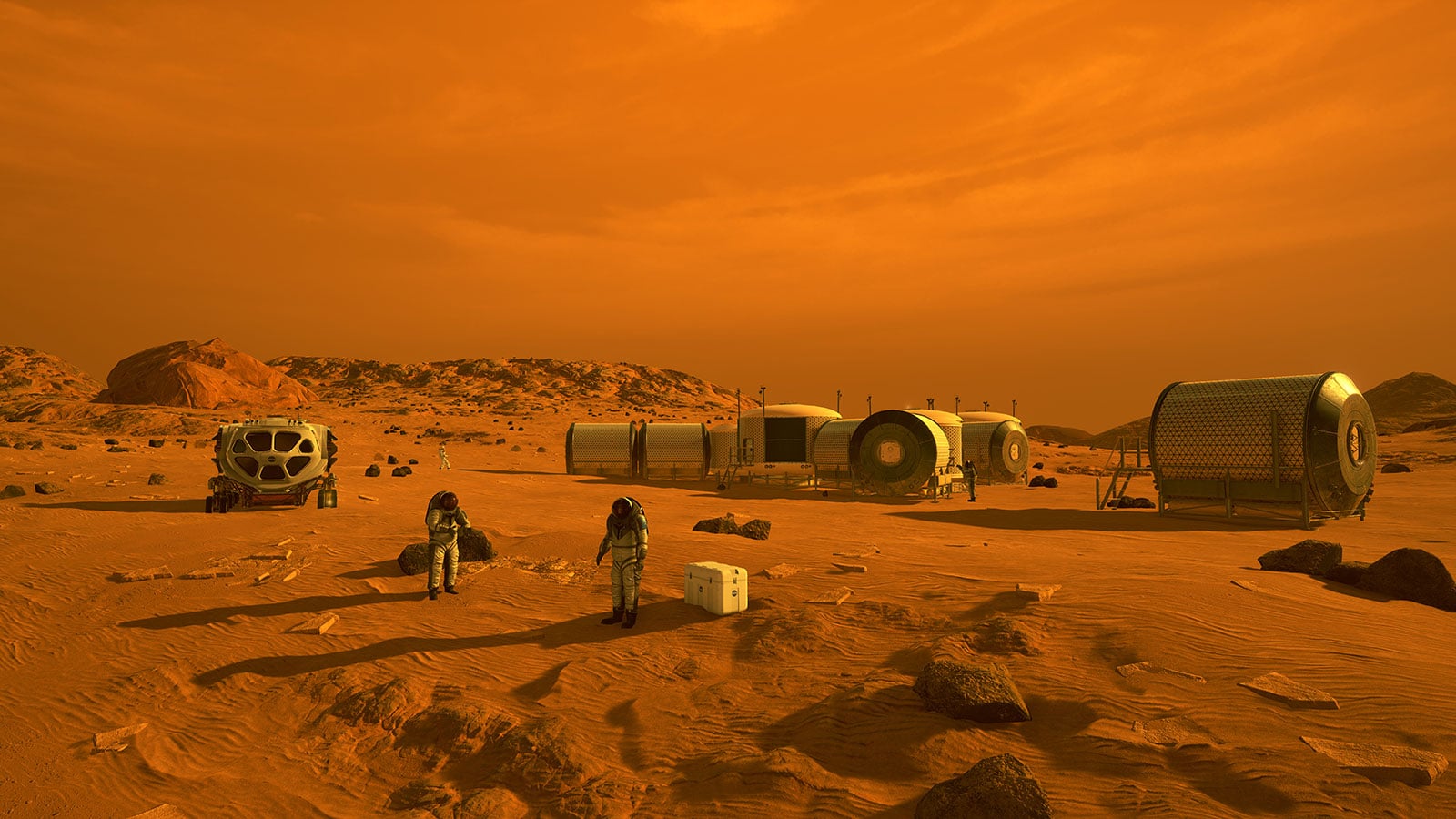
MIT PhD candidate Lanie McKinney is developing technology to convert the chemicals in the Martian atmosphere into propellant to bring astronauts home.
Continue reading
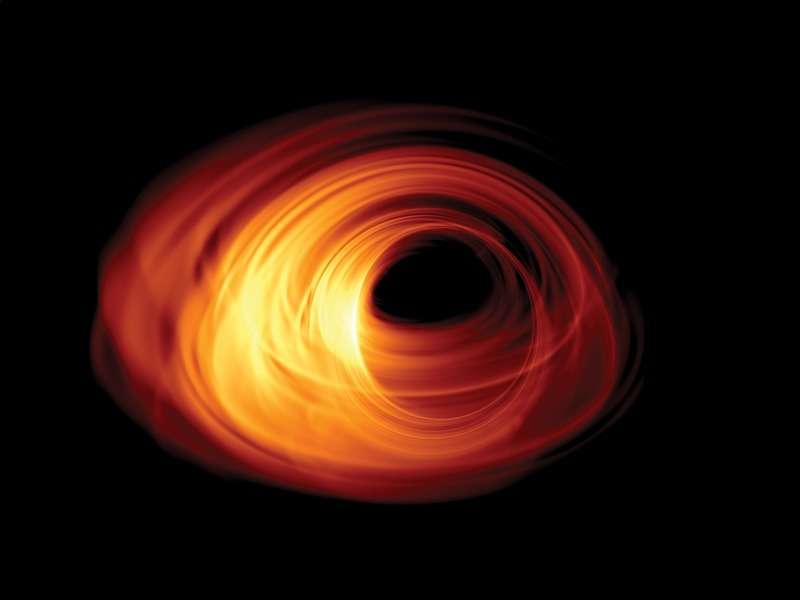
Scientists theorize that the rapid emergence of supermassive black holes (SMBHs) in the early Universe can be explained by the direct-collapse black hole (DCBH) scenario. In a recent study, astronomers investigated the potential host environments of DCBHs and found that this scenario is a plausible explanation for how the "seeds" of SMBH formed.
Continue reading
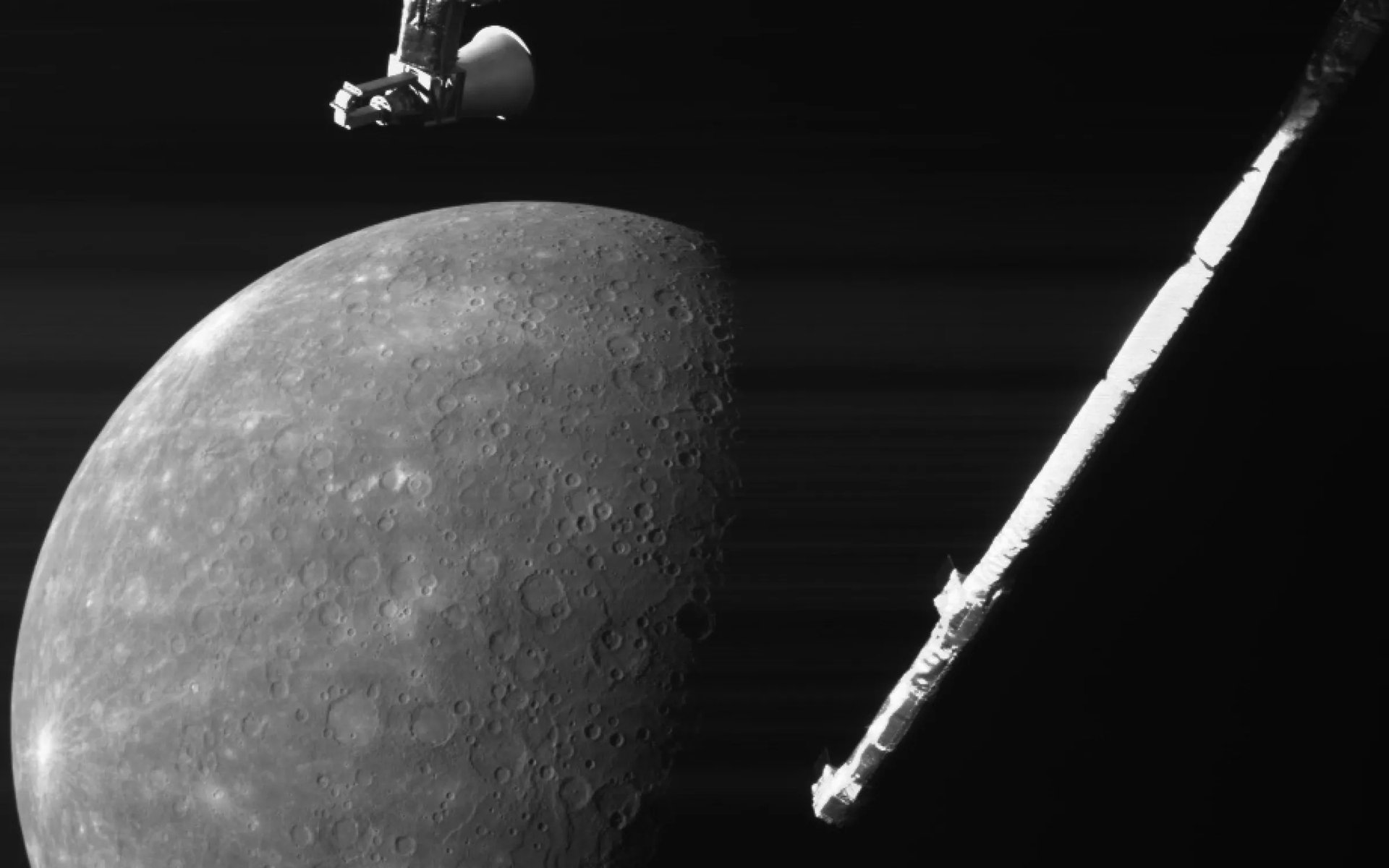
BepiColombo's measurements of particle bombardment at Mercury will help assess the impact of space storms on Mercury's surface and on Earth's atmosphere.
Continue reading
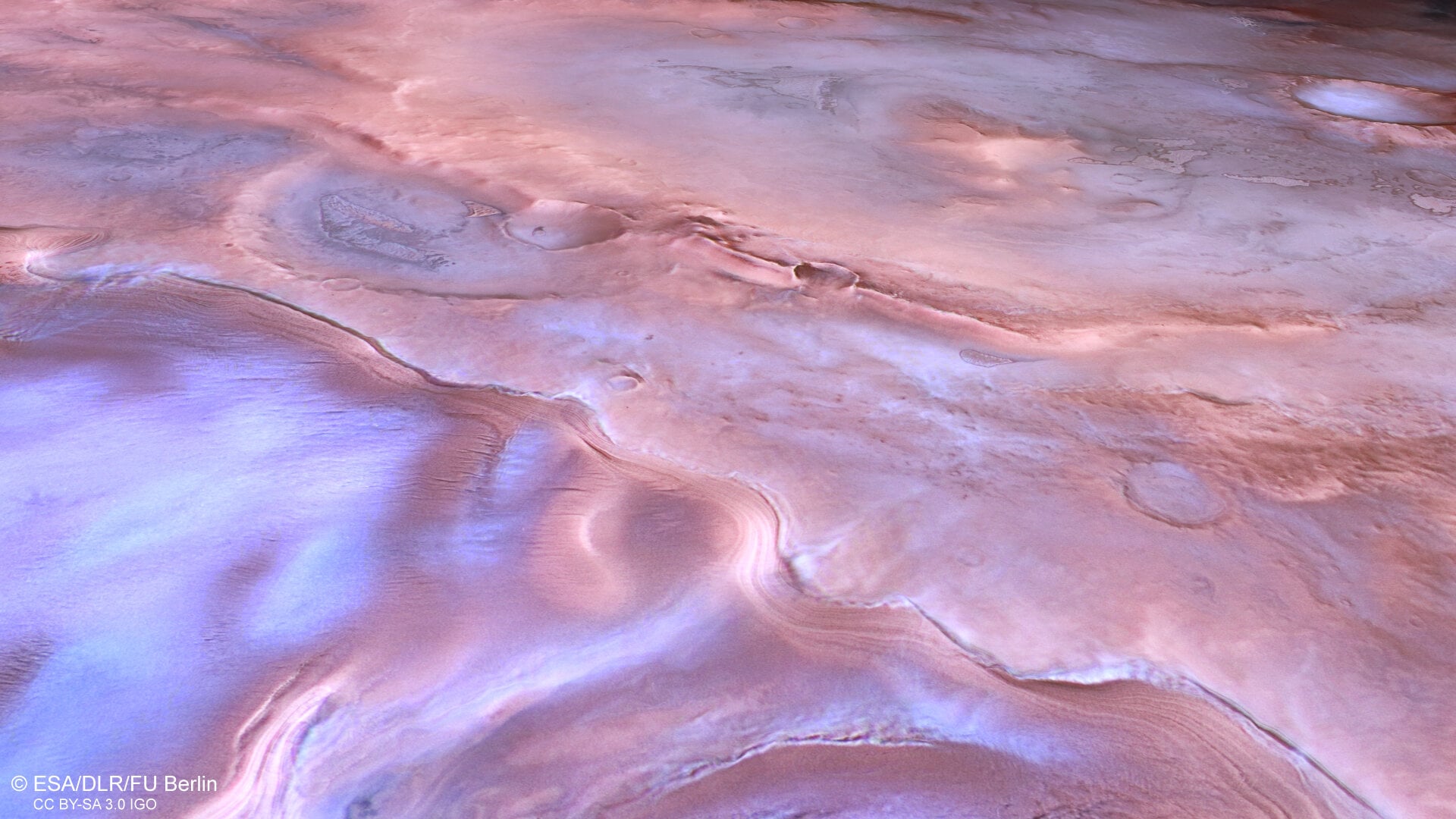
Mars appears red because of iron oxides in the regolith. But it's not uniformly red. Different lighting conditions and different materials accumulated on the surface can make it appear purple, as in these images from Mars Express and its High-Resolution Stereo Camera.
Continue reading
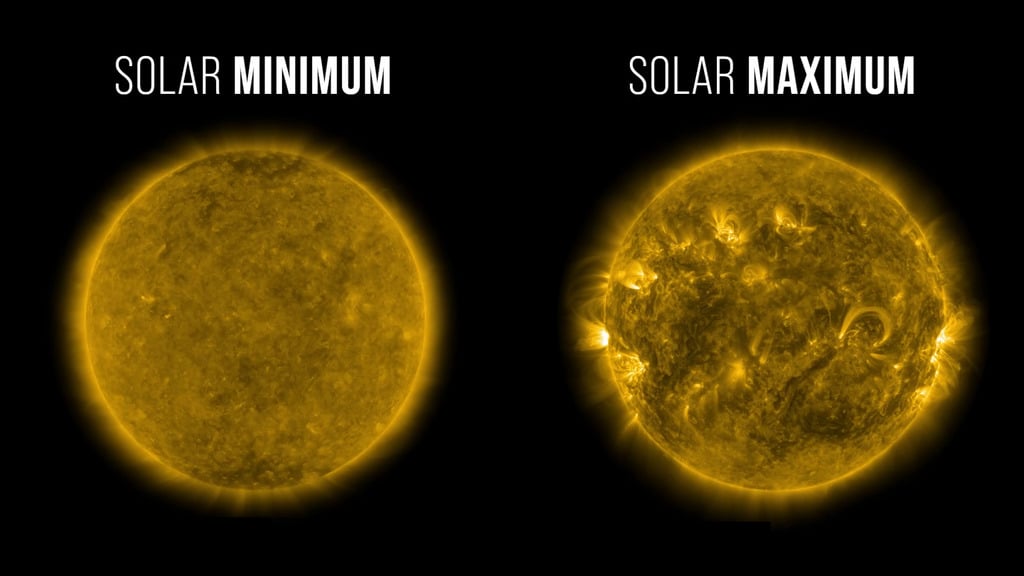
Astronomer Sandra Chapman has found a connection between the quiet period of one solar cycle and the active period of the next. Her data shows how a critical cutoff point is the key, but the real test will be the solar maximum of Cycle 26 in the 2030s.
Continue reading
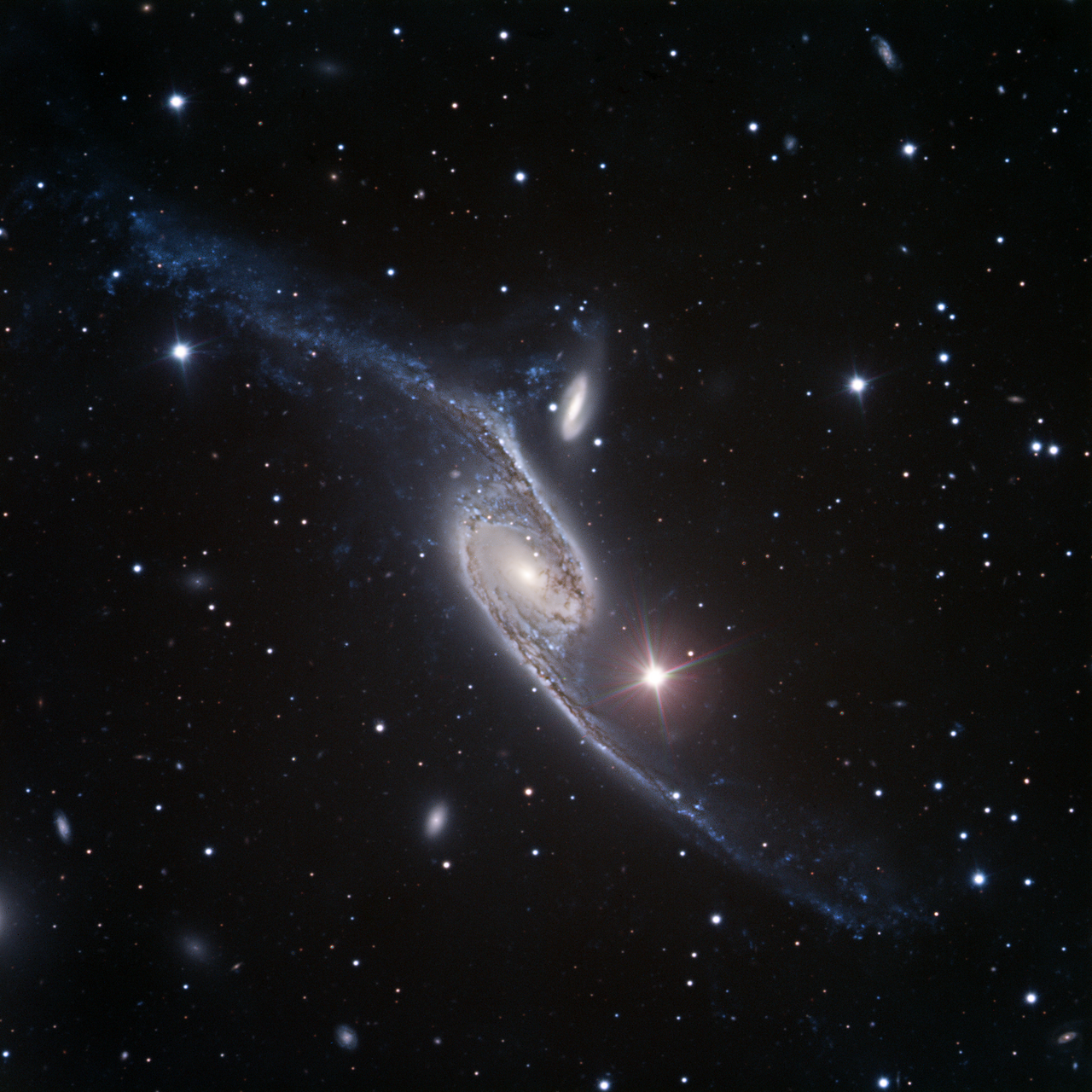
Cosmic topology is as esoteric as cosmology can get. But a growing number of astrophysicists think it holds keys to understanding the universe on its largest scales.
Continue reading
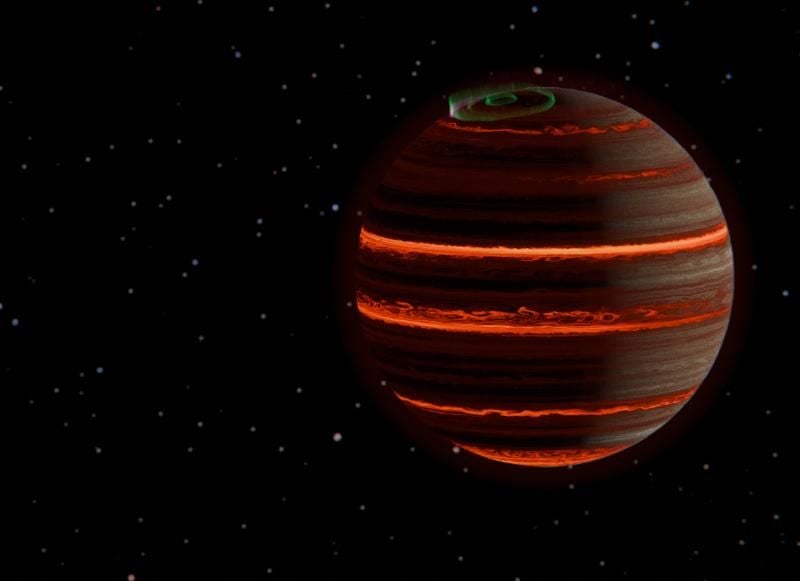
Scientists from Trinity have developed a powerful way to unravel the changing weather patterns on distant worlds. Using this approach, they discovered that the weather on a well-studied brown dwarf, “SIMP 0136”, previously linked with Northern Lights-like phenomena, is largely shaped by just two dominant processes: changes in temperature and the vertical structure of its clouds.
Continue reading
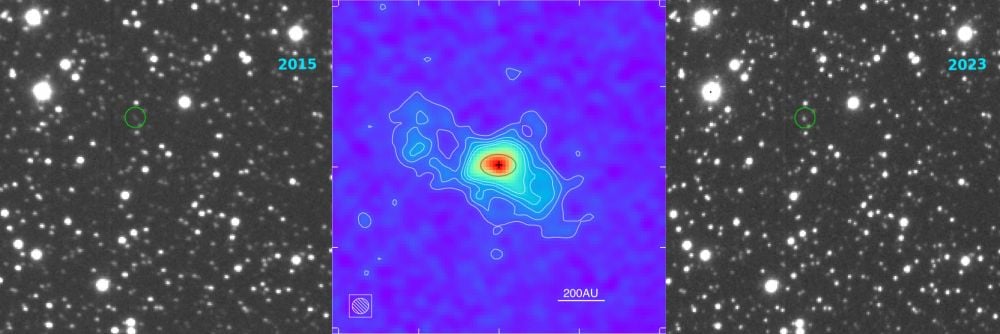
30 years ago, an amateur astronomer noticed a white dwarf star suddenly getting brighter. New research shows this is due to a Very Late Thermal Pulse, a type of helium flash. The star has heated up and become brighter, and is now called a 'born again' star. It's evolved into a Wolf-Rayet type star, and astronomers will get to watch as it continues to evolve on human timescales.
Continue reading
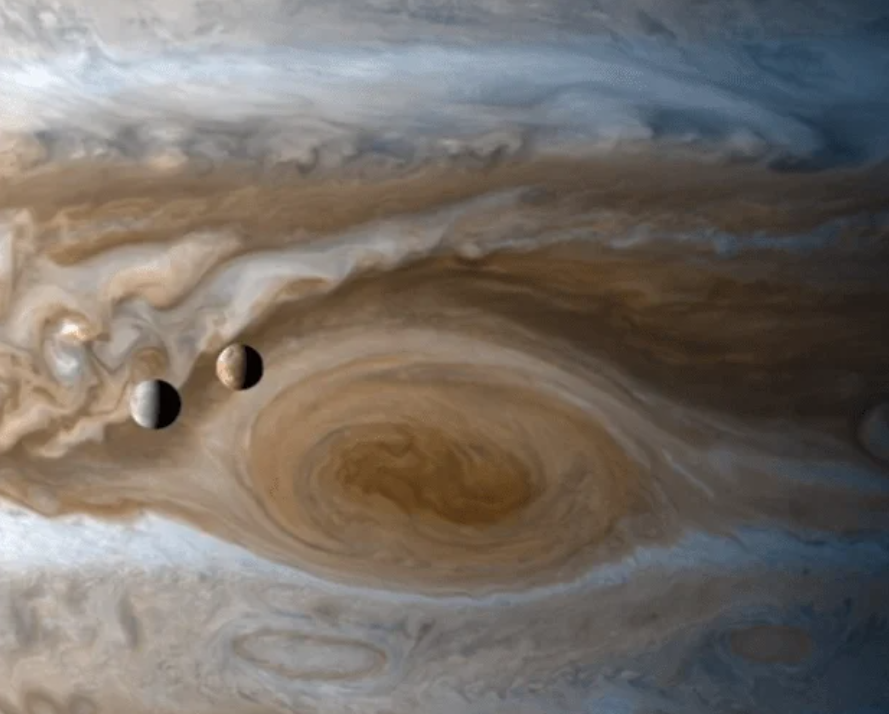
It’s that time of the decade again. Late 2026 going into early 2027 is a special time for the major Jovian moons, as they trade places passing one in front of another as seen from our Earthly point of view. We call this mutual transit-eclipse season, a favorable time to catch the complex interplay of Jupiter’s major moons.
Continue reading
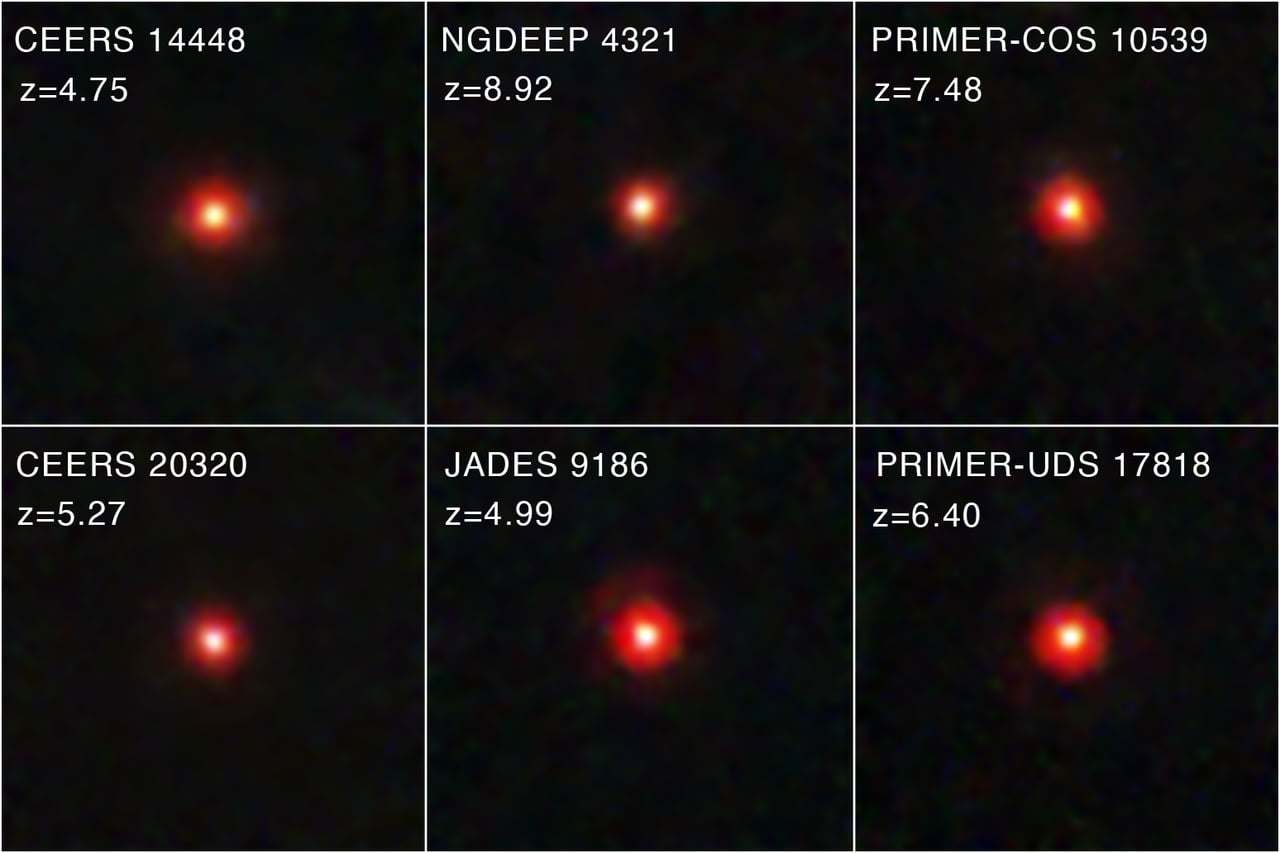
Computer simulations find that overmassive black holes form readily in the early universe. Their spectra match that of Little Red Dots, which later become powerful quasars and supermassive galactic black holes.
Continue reading
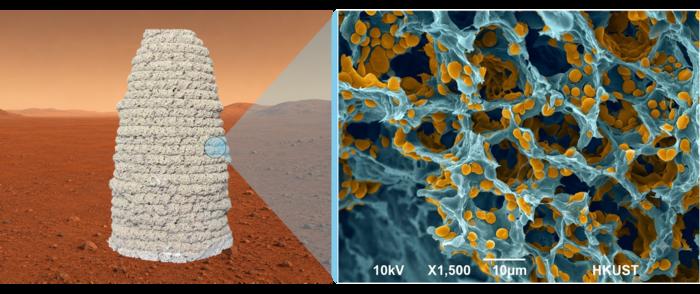
If we are ever to have a permanent presence on Mars, we will have to learn to build there. Shipping the material from Earth to build something as simple as a pressurized habitat is prohibitively expensive, so we will have to make sure of the materials available on Mars’ surface. A research team led by Ning Liu at the Hong Kong University of Science and Technology recently published a paper in Chem Circularity that uses biology to do much of the heavy lifting for the structural materials we would typically use concrete for. If their method is adopted, we might quickly find another Earth-based lifeform in abundance on Mars - yeast.
Continue reading
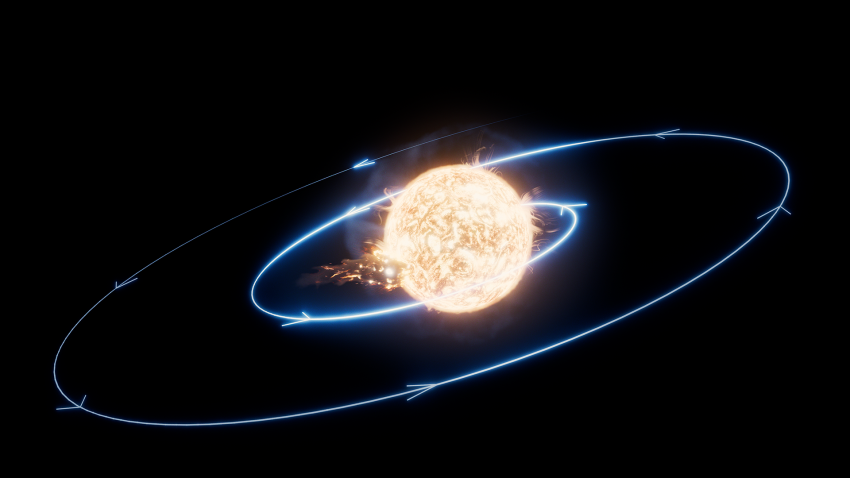
New research suggests that some unusual characteristics of the Sun may be explained if it swallowed a large planet sometime during the Solar System’s formation.
Continue reading
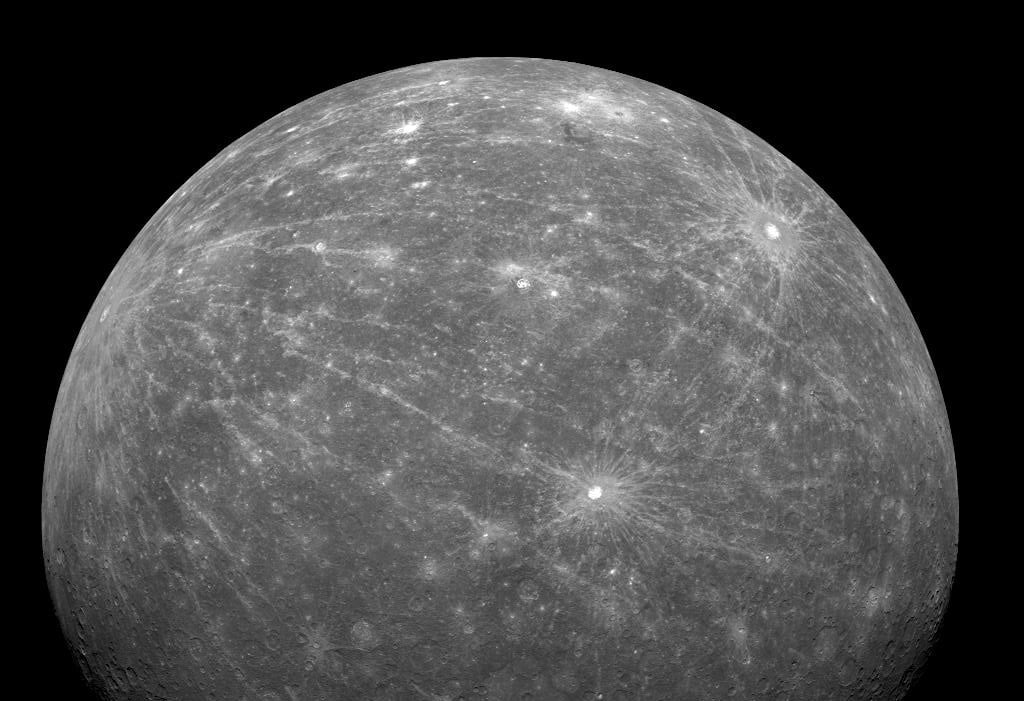
The rough, impact-debris-covered surface of Mercury has hidden the true rate at which Mercury has been shrinking, which scientists previously underestimated by 30%
Continue reading
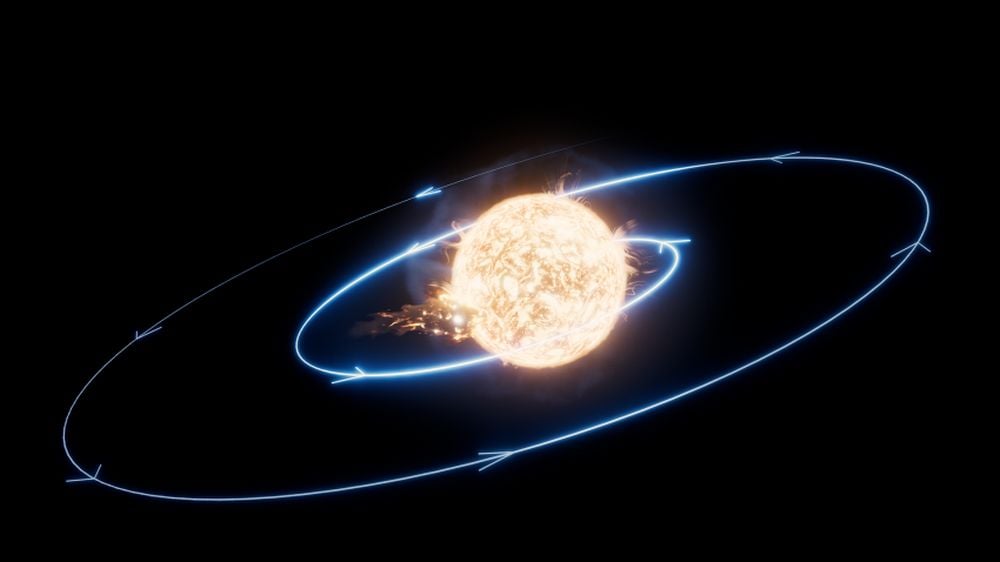
Astronomers know that stars can engulf planets when they stray too close. But how can they know, by looking at a star, if it has ever done so? The answer lies in Beryllium, an element not synthesized inside stars.
Continue reading
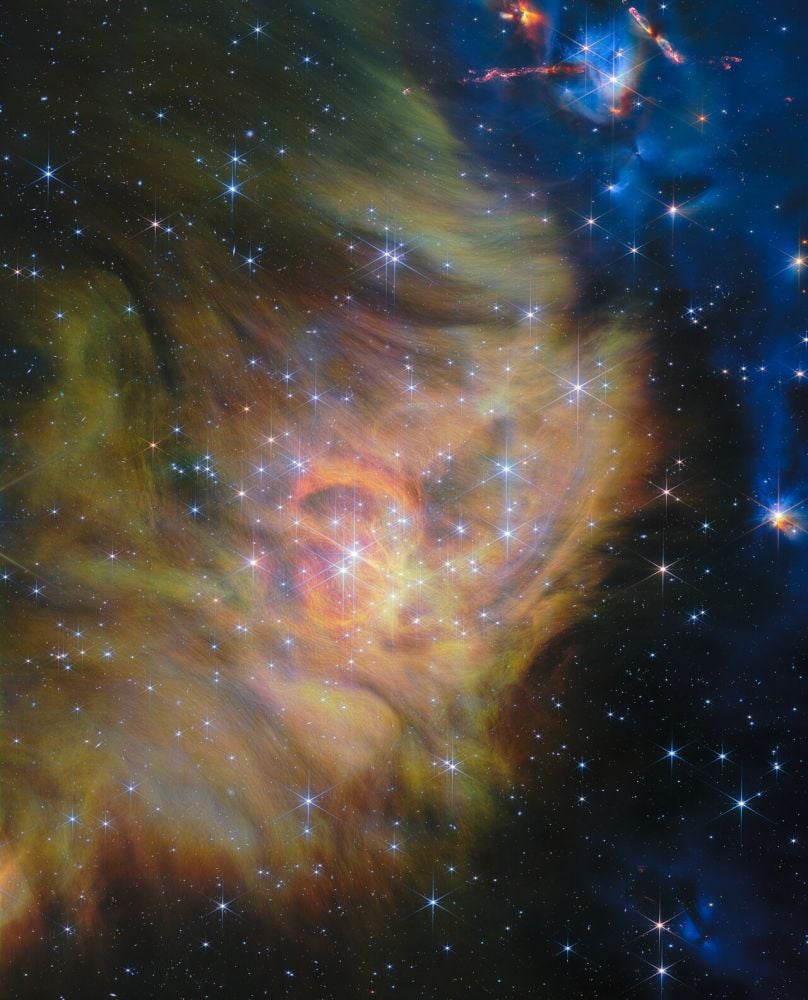
How small can brown dwarfs be before the definition breaks down? That question is at the heart of new research, and new JWST images. Using the space telescope, researchers have discovered a new class of brown dwarfs with low masses, marked by a peculiar hydrocarbon feature.
Continue reading
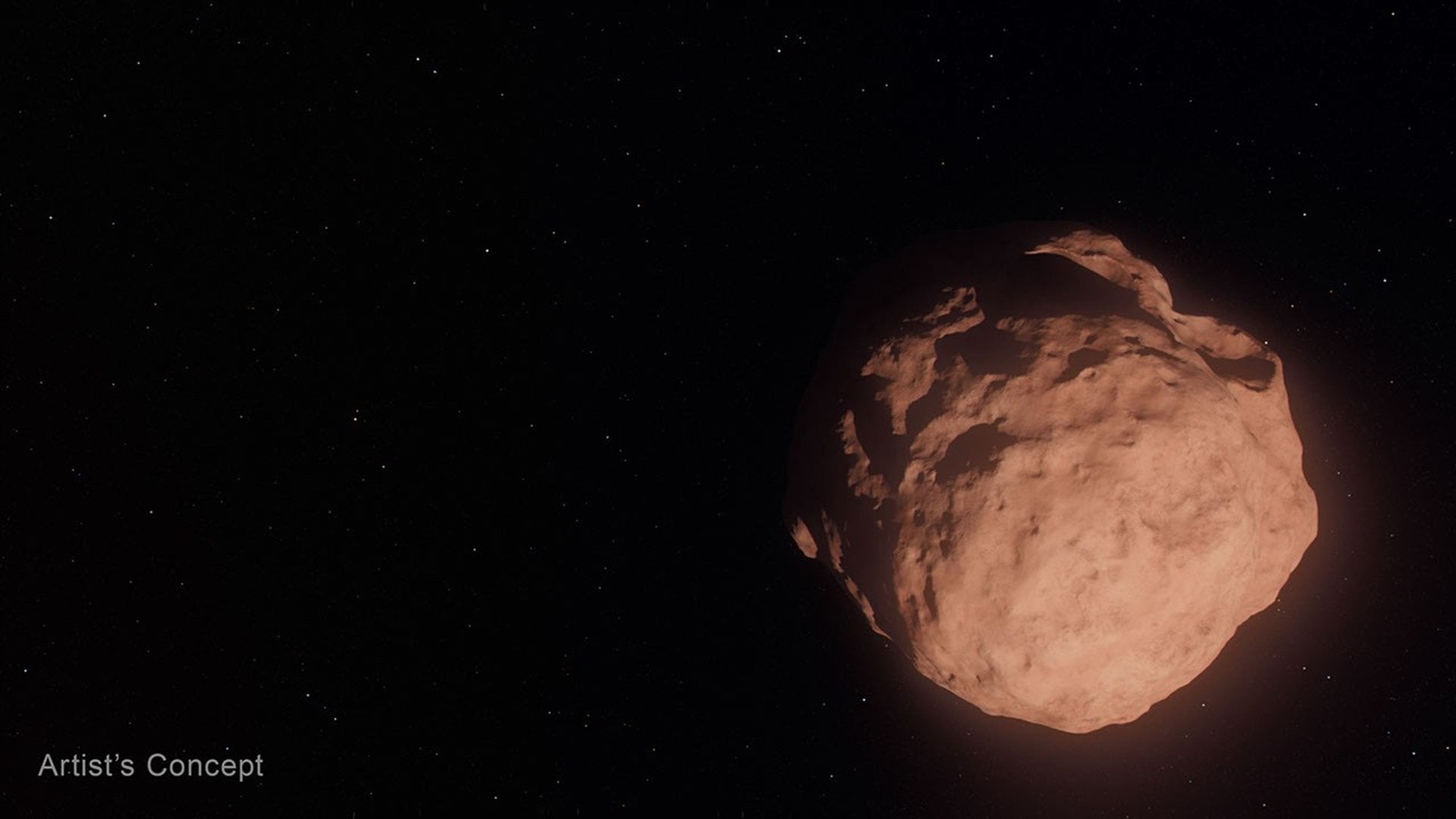
Some Trans-Neptunian Objects (TNOs) formed closer to the Sun and migrated to the outer solar system, while others formed there originally. A new study finds that "hot" and "cold" origin TNOs can be distinguished not only by their orbits, but also by their surface color.
Continue reading
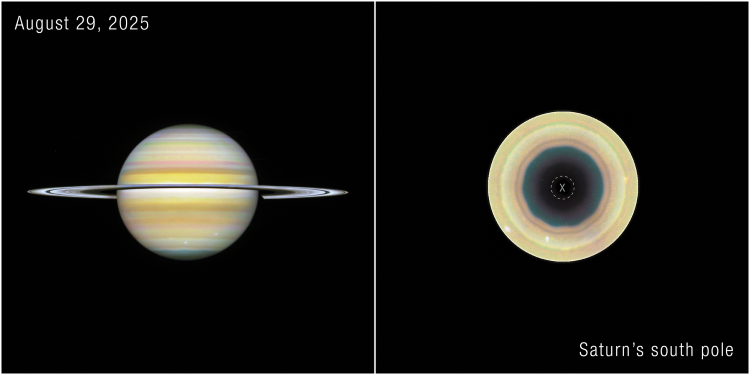
The planet Saturn is arguably the most recognizable planetary object in the entire solar system because of its massive rings. Anytime a child is asked what their favorite planet is, the answer is often “The one with the rings!” But, while Saturn’s rings are its most striking feature, the famed planet has a myriad of other unique features that often get overlooked, specifically its polar activity. This includes a long-known rotating hexagon in its north polar region, but what kinds of activity could be occurring in Saturn’s southern polar region, and what could this teach scientists about planetary formation and evolution?
Continue reading
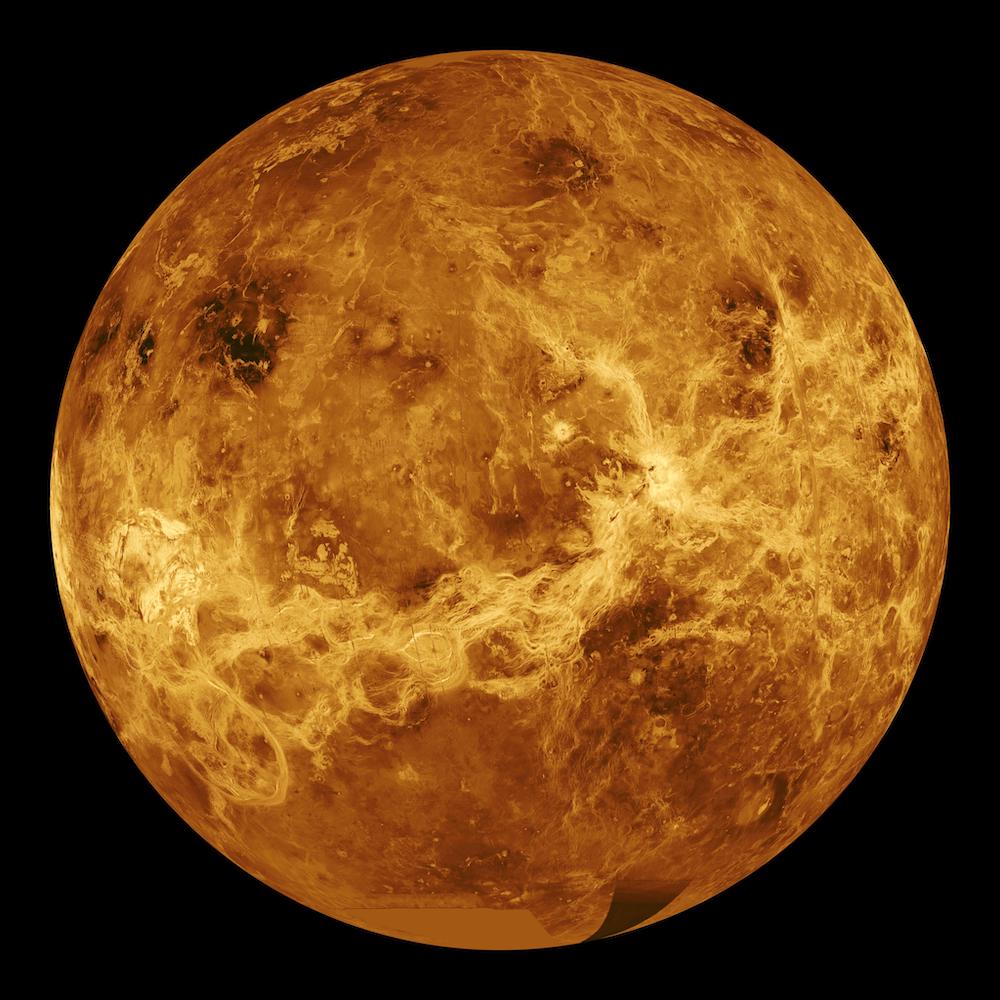
Earth has a big beautiful Moon, while Venus, its 'sister planet', doesn't. Why is that? Did it ever have one? If it did, new research shows it was never going to last very long.
Continue reading
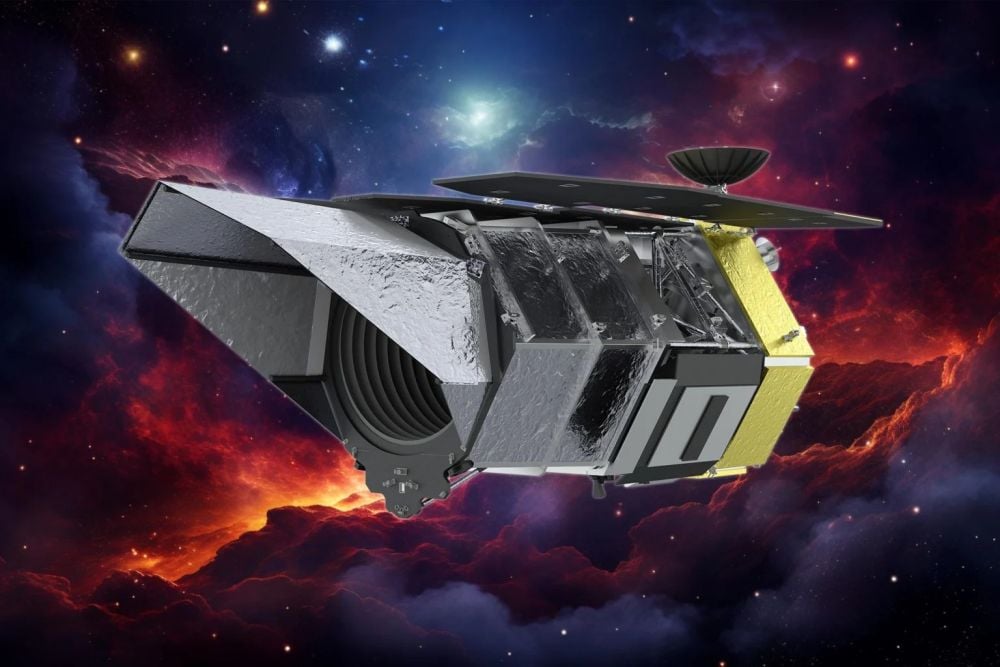
More good news for NASA's Nancy Grace Roman Space Telescope. The telescope's first mid-course correction was extremely efficient, using only 10% of the fuel allotted for it. This efficiency, coupled with other factors, means the powerful space telescope will likely have an additional ~12 years of observing time.
Continue reading
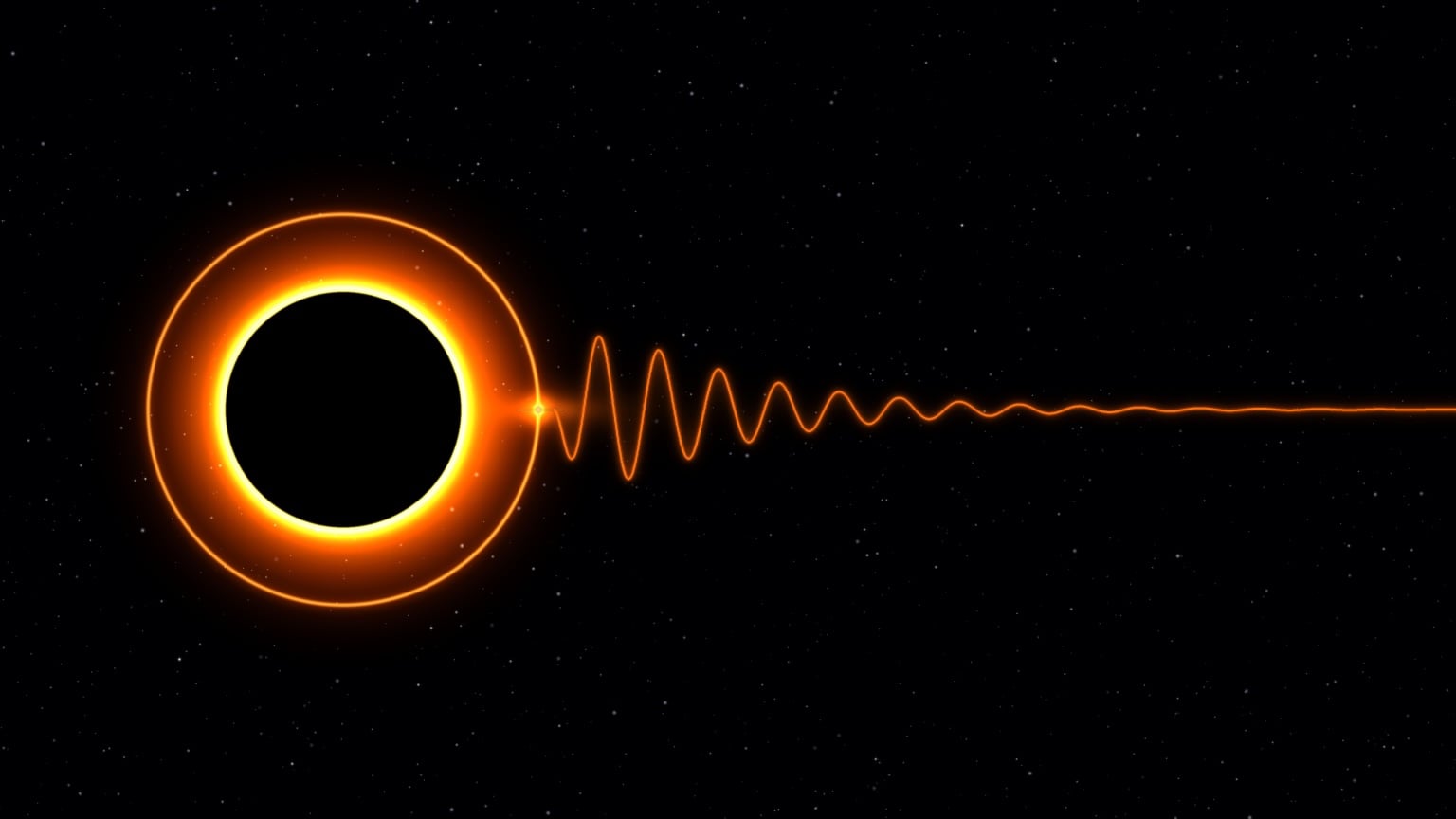
Researchers have found that if black holes have certain features, known as "hair," then we could prove it by observing the gravitational ringdown of merging black holes. Future studies could test the no-hair theorem of general relativity.
Continue reading
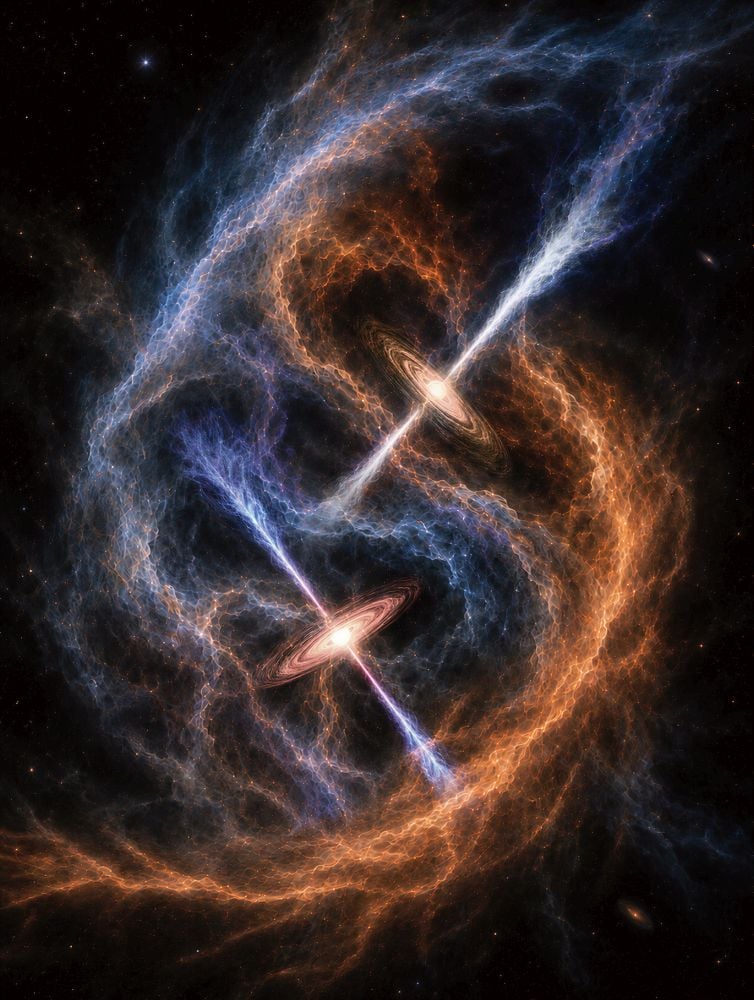
Astronomers used 8 years of observations to create a 3D image of a very young, very massive binary star as it forms. The image shows that the disks in the system are all misaligned. Those misalignments, together with the orbit, are clues to the system's chaotic history.
Continue reading
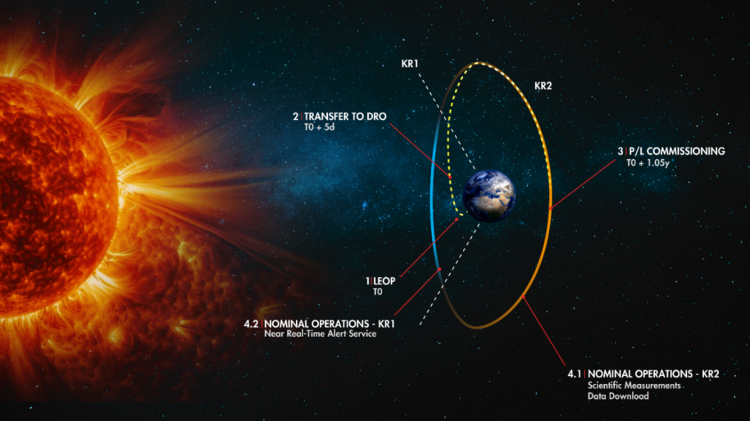
Our Sun is the very reason life exists on our small, blue planet. It provides solar radiation that warms the planet and ignites the intricate biochemical processes like photosynthesis producing oxygen for life to breathe. However, while the Sun is known for giving life, it can also potentially take it away with its solar flares, geomagnetic storms, and solar radiation storms, all of which are referred to as space weather. But how can space weather be forecasted so industries can better prepare and protect their assets, including Earth infrastructure, satellites, and even human safety?
Continue reading
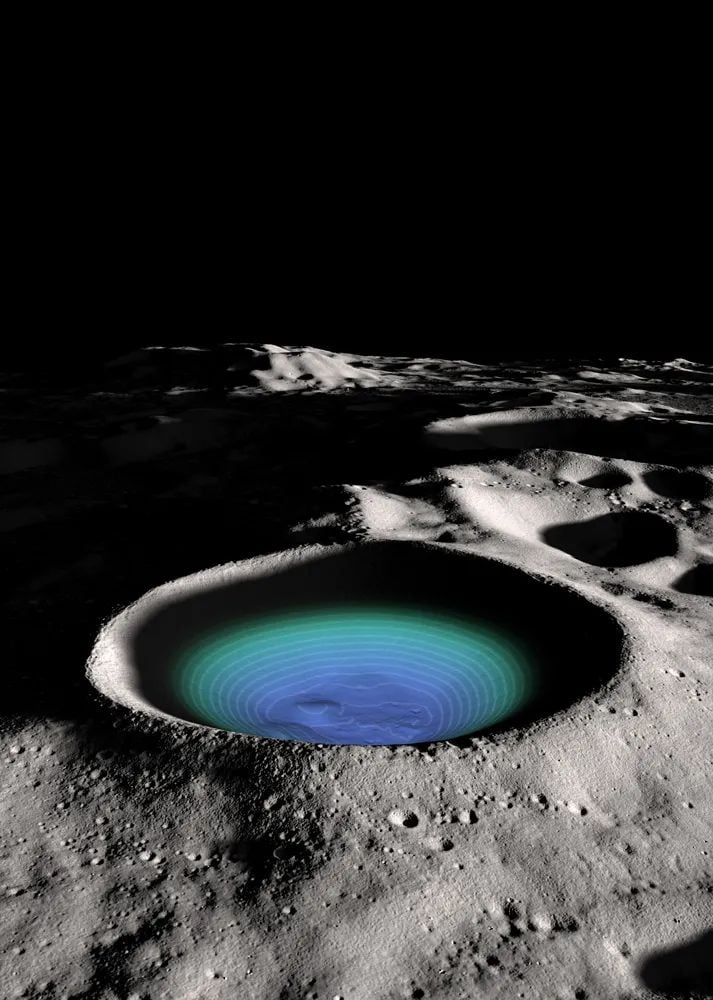
Bezos said we should move heavy industry to the Moon. Musk says we'll have sustainable lunar cities. We know there's ancient water ice in craters on the Moon's poles, but there's not enough water to support a city.
Continue reading
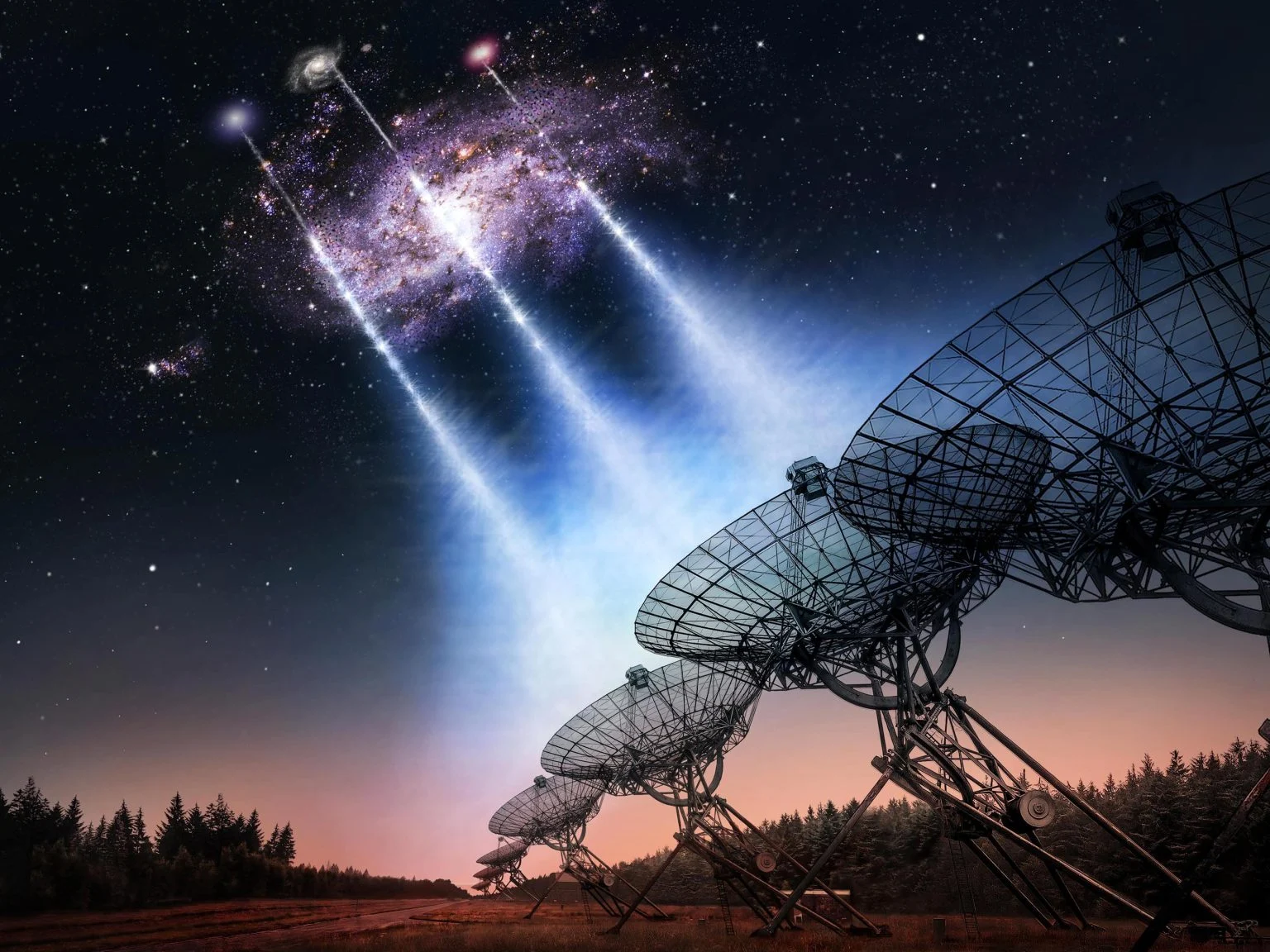
A new study led by researchers from Caltech demonstrates the effectiveness of Fast Radio Bursts (FRBs) as a tool for measuring cosmological distances and the clustering of matter.
Continue reading
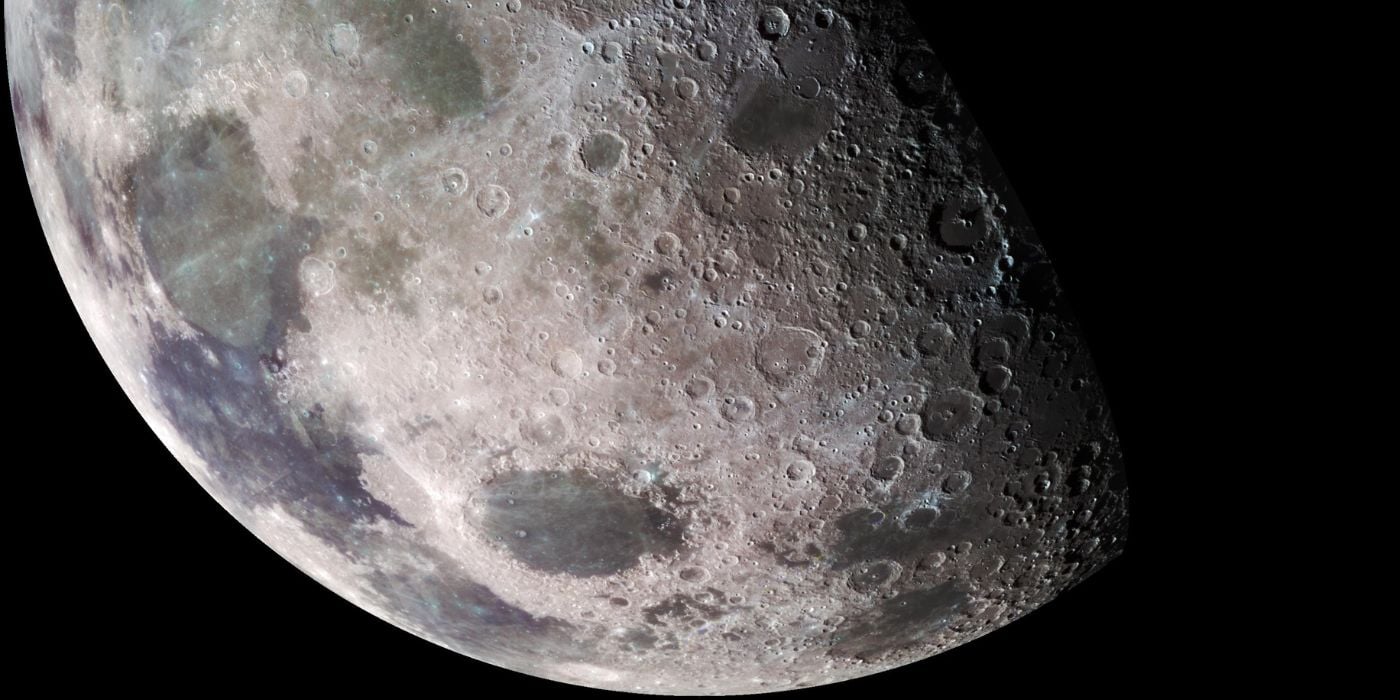
Most of our experience with the Search for Extraterrestrial Intelligence (SETI) has been focused on capturing radio signals that alien species have sent out, whether intentionally or unintentionally. That creates a huge “synchronicity” problem - what if there aren’t any alien civilizations broadcasting radio signals now, but there were a billion years ago? The Milky Way is around 13 billion years old - hoping that we exist at the same time as an alien civilization that happens to be actively messaging is a huge leap of faith. But, according to a new paper available in pre-print on arXiv and submitted to the International Journal of Astrobiology by Lewis J Pinault, as associated researcher at the SETI Institute, and his co-authors, we could take a completely alternative approach to trying to find alien civilizations - by looking for evidence of them in lunar dirt.
Continue reading
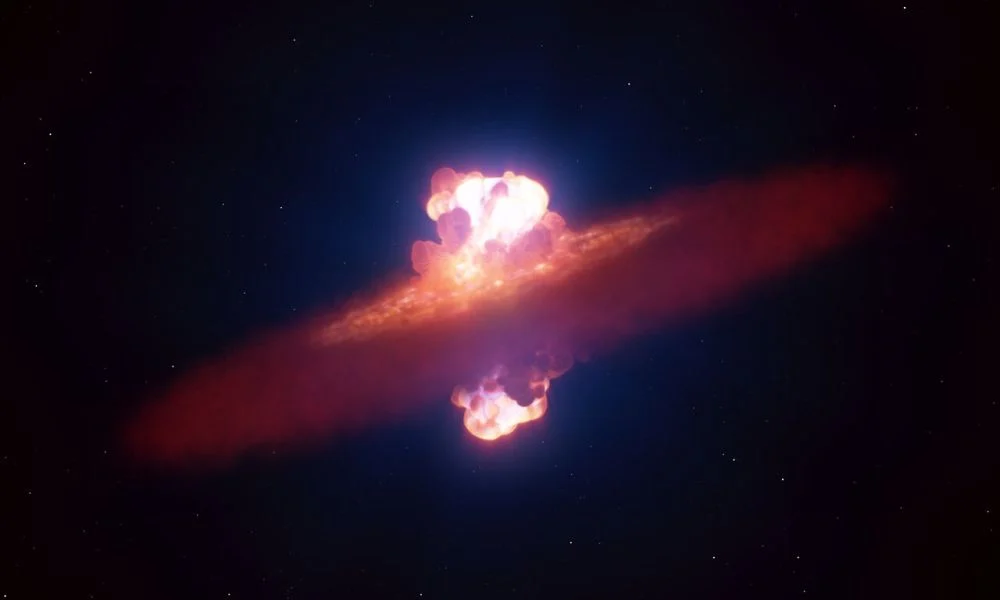
The most comprehensive catalogue of exploding white dwarf stars ever assembled has revealed new clues about dark energy, the mysterious force driving the universe’s accelerating expansion.
Continue reading

Monitoring Earth from above is a messy, inconsistent business. Clouds can block a satellite view, the angle of the Sun can create huge shadows, and orbital paths might not take a system across the same general area for weeks. That inconsistency is hard to deal with for traditional software, and can even confuse standard deep learning algorithms. But, according to a new review paper by researchers Raul-Alexandru Gorgan and Dorian Gorgan of the Technical University of Cluj-Napoca, there’s a new type of frontier AI that could be able to help - bio-inspired Liquid Neural Networks.
Continue reading
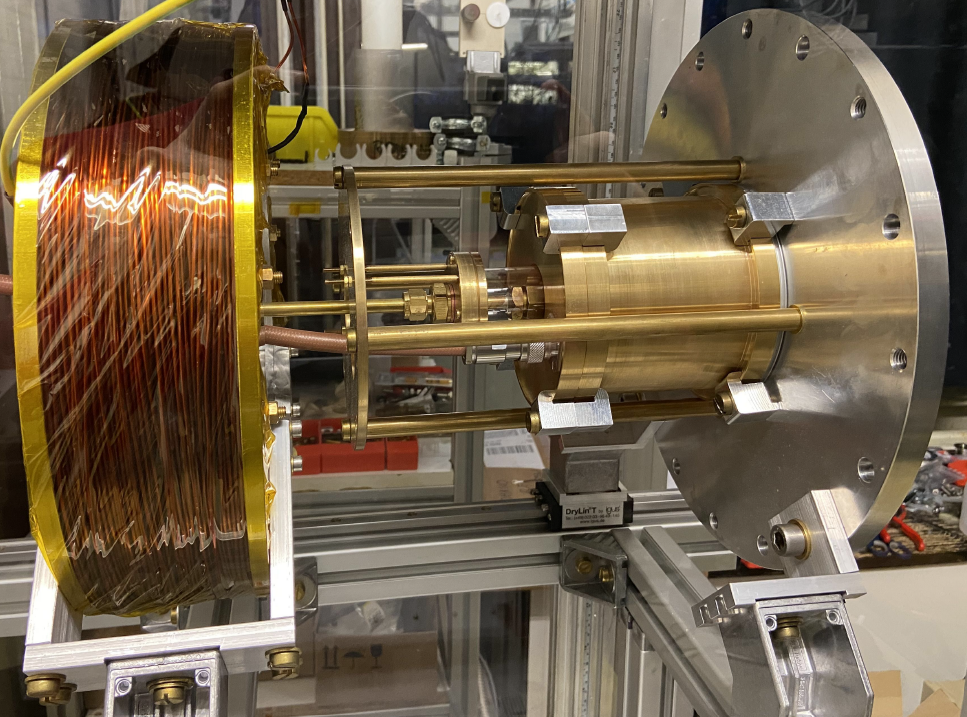
Choosing what orbit to put a satellite in always comes with trade-offs. When it comes to Very Low Earth Orbit (VLEO), between 100-450 km, there are distinct advantages. Remote sensing cameras can take better pictures, comms and radar require less power, and atmospheric drag will automatically clean up dead satellites. But there’s also a cost - air friction requires any satellite in this orbit to use an engine near constantly to stay in orbit, which in turn requires fuel - typically in the form of expensive gases like Xenon. So, as part of his PhD thesis at the University of Stuttgart, which is available in arXiv, Francesco Romano decided to solve that problem by using the very air molecules that cause that friction as fuel for a plasma engine to keep satellites aloft indefinitely in VLEO.
Continue reading

Venus likely never had a moon and even if it did, it would have soon been torn asunder by the planet’s own gravity, says prominent planetary astrophysicist.
Continue reading

Light could only travel freely in the Universe after cosmic reionization. Before that, neutral hydrogen stopped photons from travelling. The JWST has found evidence of an overdensity of galaxies carving out a bubble of reionization. Is this how it all started?
Continue reading

As our telescopes have improved and we’ve been able to peer farther back in time, we’ve begun finding more fascinating features of the universe. But one thing we definitely haven’t found yet is Population III (Pop III) stars. These were the earliest stars in the universe, formed completely from pristine hydrogen and helium, with no “metals” (i.e. elements heavier than those two) polluting their processes. They are also theorized to be absolutely massive, and “die with passion” as Bill Wurtz once put it in a famous YouTube video. A new paper, available in pre-print form on arXiv by Tae Bong Jeon from the Cosmic Frontier Center at the University of Texas at Austin, looks at just how massive those starbursts could be, and whether the James Webb Space Telescope could detect one.
Continue reading

Scientists were shocked when they received the first images of Martian gullies. They were even more shocked as those gullies appeared to change over time. Their similarities to gullies seen on Earth were uncanny, but all of Earth’s gullies are formed by the water run-off, and Martian is too cold and has too sparse an atmosphere to have liquid water on its surface. Whatever has been causing those changing gullies couldn’t have been water, so what was it? A new paper from Apolline Leclef of the Institut d’Astrophysique Spatiale at Université Paris-Saclay and her colleagues, available in pre-print on arXiv, shows how they are likely caused by CO2 frost turning into a fluid.
Continue reading

We’ve found over 5,500 exoplanets so far. Dozens of them have been in the habitable zone of their parent stars, where, at least in theory, they could host an ocean. But we’ve never definitively found a liquid ocean on another planet. A new paper from researchers Eleanor Cornish and Tyler Robinson of the University of Arizona, available in pre-print on arXiv and submitted to the Astrophysical Journal, looks at a unique way we might be able to find one - by looking for its “glint”.
Continue reading
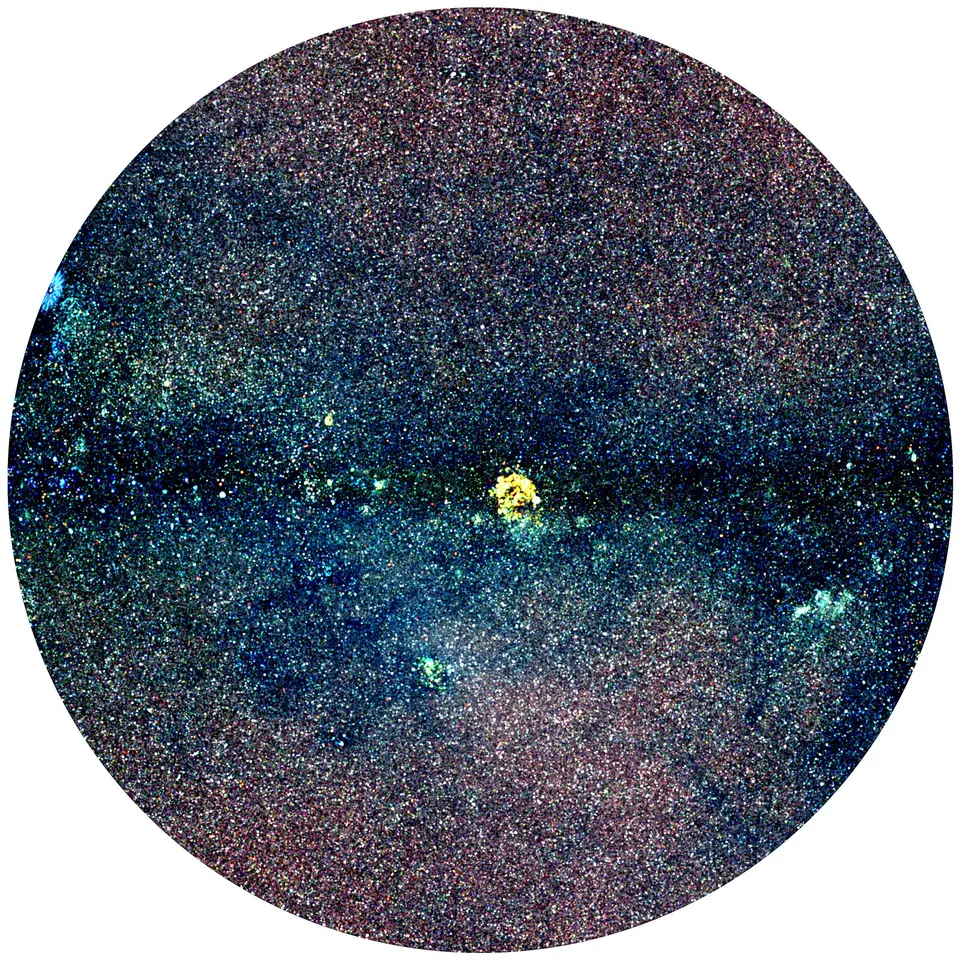
The eROSITA Consortium has issued the survey's second data release (DR2), nearly doubling the previously known eROSITA X-ray sources to two million.
Continue reading
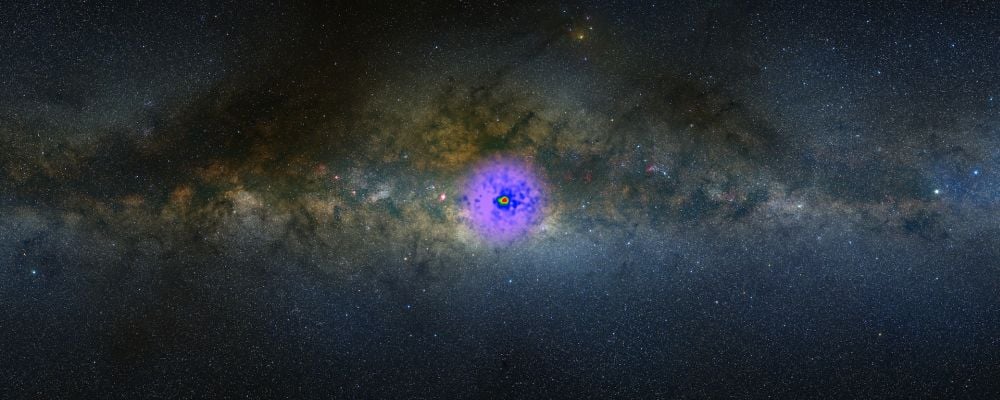
Over a decade ago, the Fermi satellite detected an excess of gamma-ray emissions in the galactic center. Potential explanations included Sgr. A*, the Milky Way's SMBH, pulsars, and even self-annihilating dark matter. There's no clear answer yet, since the region is so difficult to observe. But recent research shows that dark matter can't be ruled out.
Continue reading
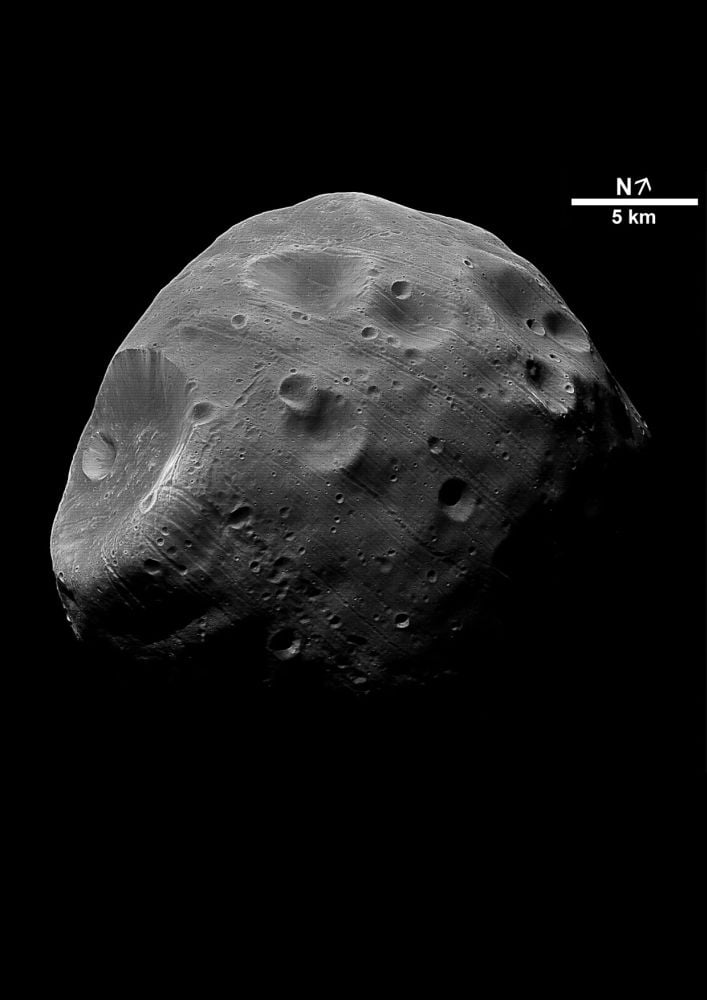
JAXA's Martian Moon eXploration (MMX) will be on its way to Mars and Phobos next month. It will collect samples from Phobos and return them to Earth. A new morphodynamic atlas of the small moon will help scientists collect and understand the samples.
Continue reading
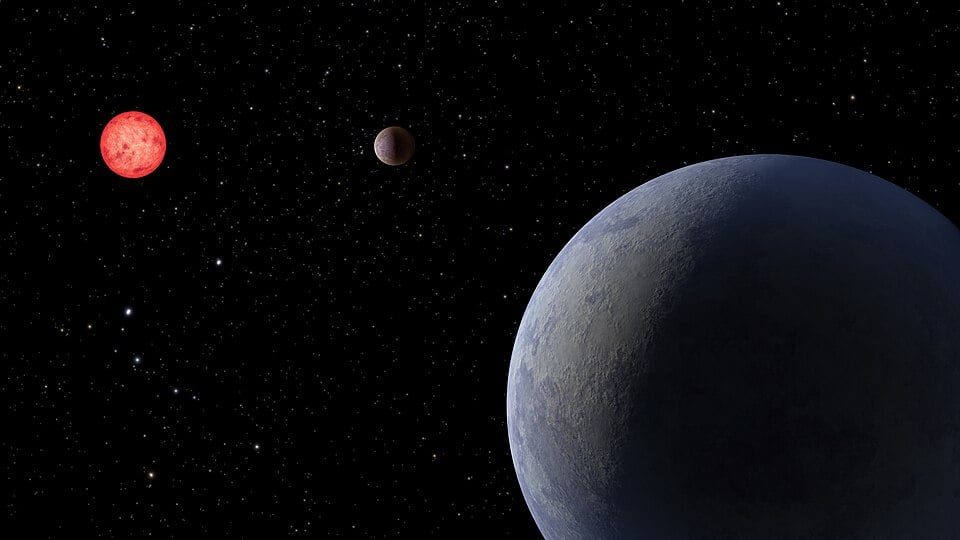
The James Webb Space Telescope (JWST) has opened up many wonders of the cosmos to scientists since it began its science operations a few years ago. But one thing that it hasn’t done is find an “exomoon”. These, as yet still theoretical, moons orbit exoplanets in other star systems, and JWST was supposed to find a plethora of them. However, so far it has found precisely none. It seems the cause is noise in the telescope’s instrumentation or noise from the star itself. But a new paper, available in pre-print form on arXiv from David Kipping, an astronomer at Columbia and also the host of the Cool Worlds YouTube Channel, shows how JWST can, in fact, find an exomoon. It likely just has to look for one in the same place repeatedly.
Continue reading

Ancient Swedish pagans had surprisingly accurate calendars and the ability to measure phases of the Moon to an incredible precision.
Continue reading
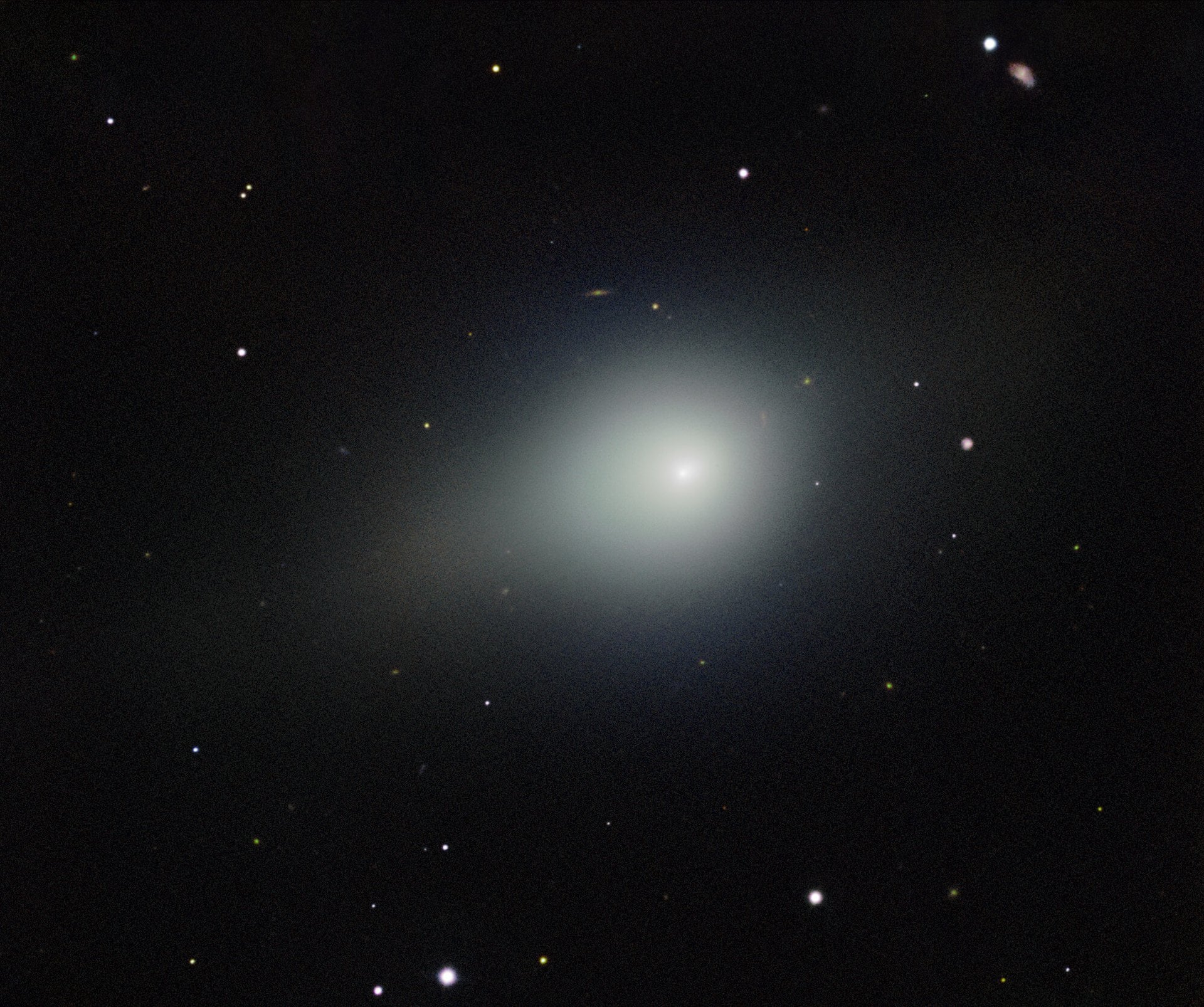
UK astronomers have uncovered new clues about the origin of 3I/Atlas – only the third known object from beyond our Solar System ever spotted in our cosmic neighbourhood.
Continue reading
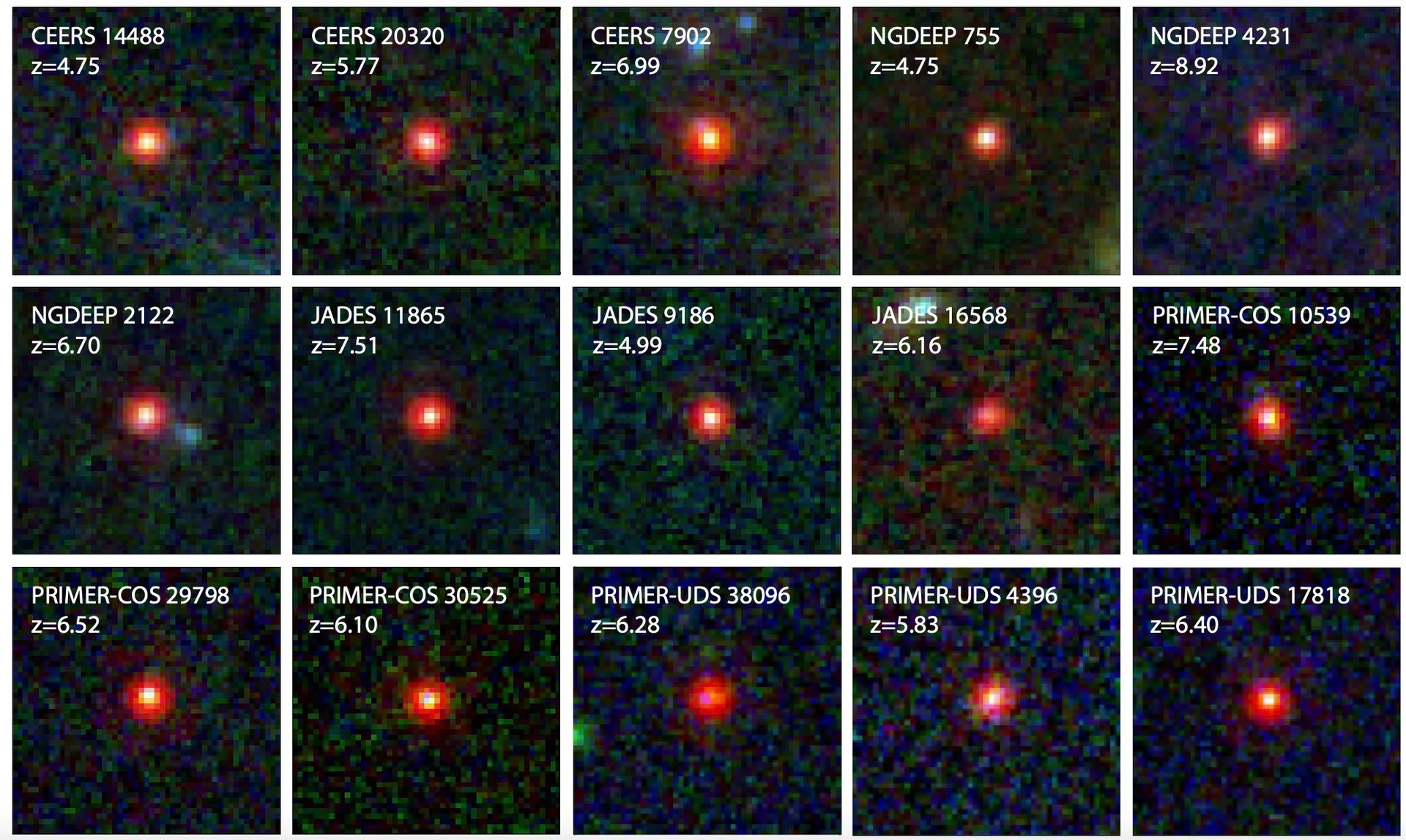
Those "Little Red Dots" discovered by the James Webb Space Telescope, galaxies that existed during the very early Universe, could be sending neutrino particles that are reaching us today.
Continue reading
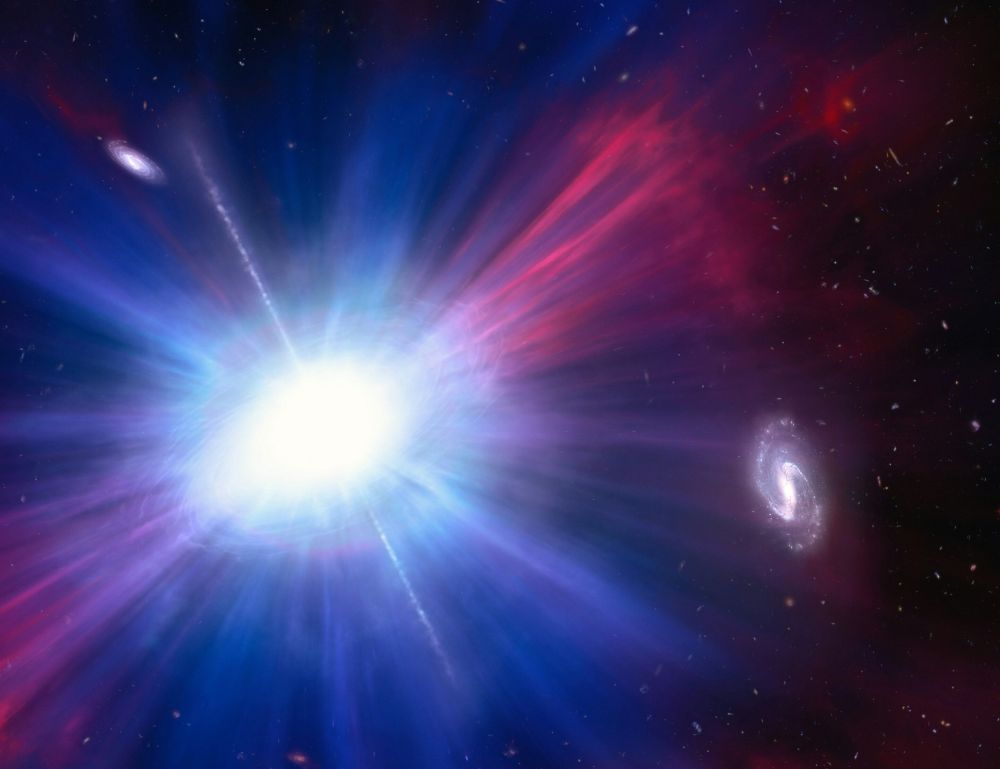
Astronomers observe faint light signals from stellar objects, study it intently, and try to understand what's behind these signals. In one case, the signals they detected masqueraded as an imminent supernova explosion. But more observations revealed a different reality.
Continue reading

Stephan's Quintet contains the most well-studied compact galaxy group. Japanese researchers have mapped star forming gas in the Quintet, along with its turbulence. The results show that the Quintet is an evolved group of interacting galaxies where gas struggles to settle down and form stars. Even where gas is concentrated, turbulence from interactions throttles star formation.
Continue reading
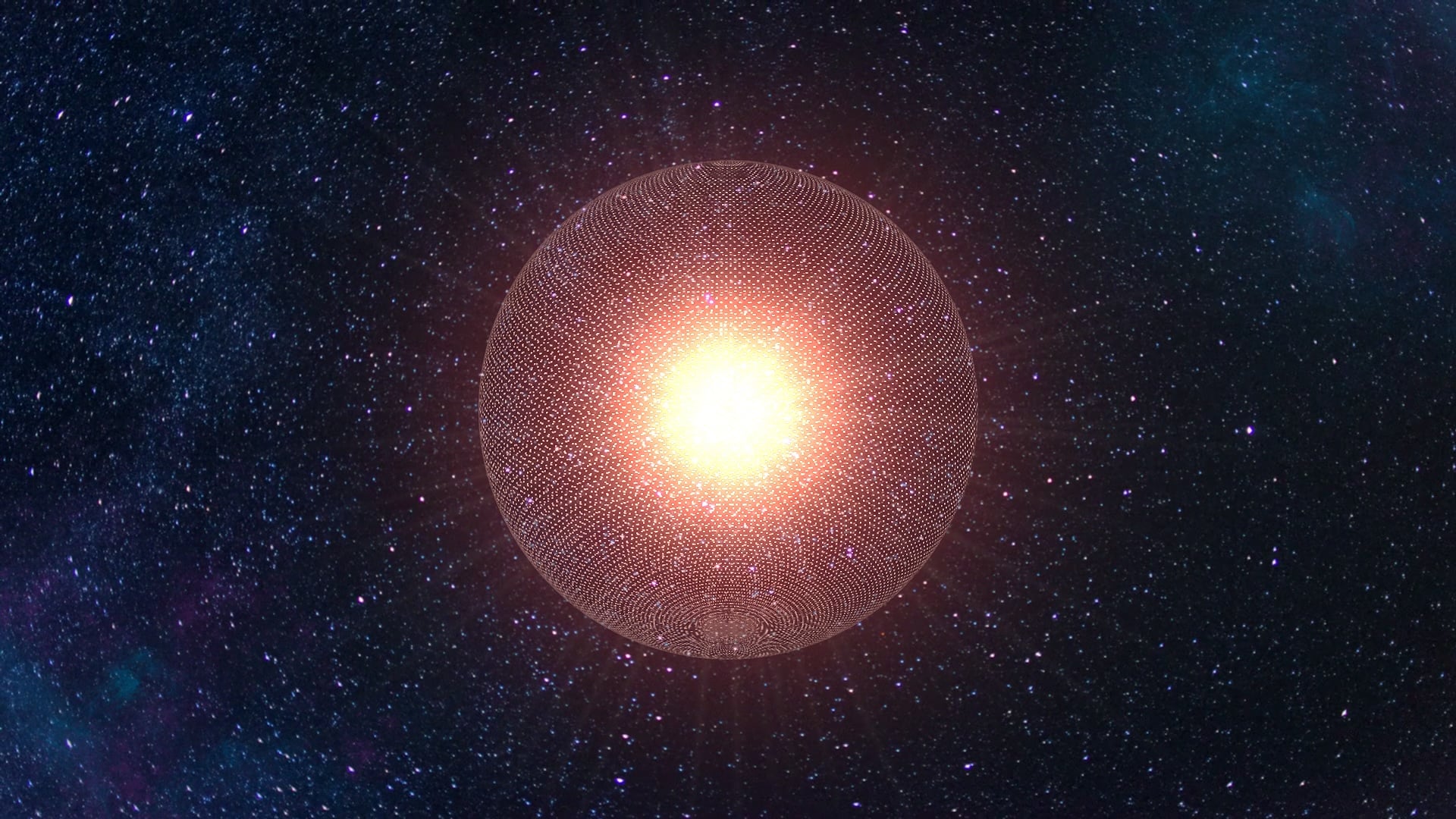
Astronomers have long searched for Dyson spheres as a sign of advanced alien civilizations. But if an alien civilization is dependent on advanced computing, we may be better served by looking for a Slysh halo.
Continue reading
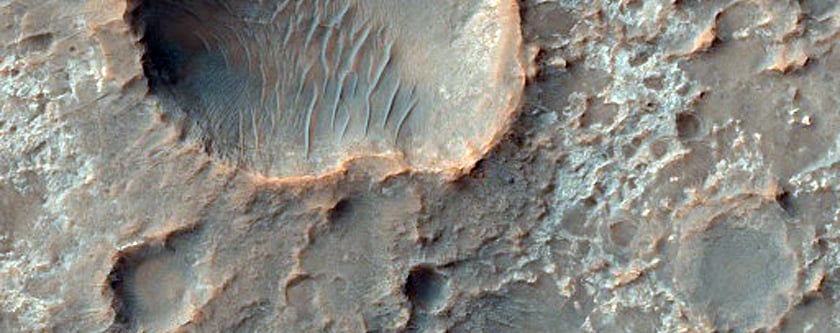
We’ve been searching for life on Mars for a long time now, but so far we’ve come up empty. The fundamental problem is a Catch-22 of two of the key ingredients for life. Life as we know it needs liquid water and reasonable temperatures, both of which are available on Mars, but hardly ever at the same time. But a new paper from lead author Anna Bognar and her team at ELTE Eötvös Loránd University and the Konkoly Observatory describes a way for life to have access to both requirements at the same time - by hiding away in salt crystals.
Continue reading
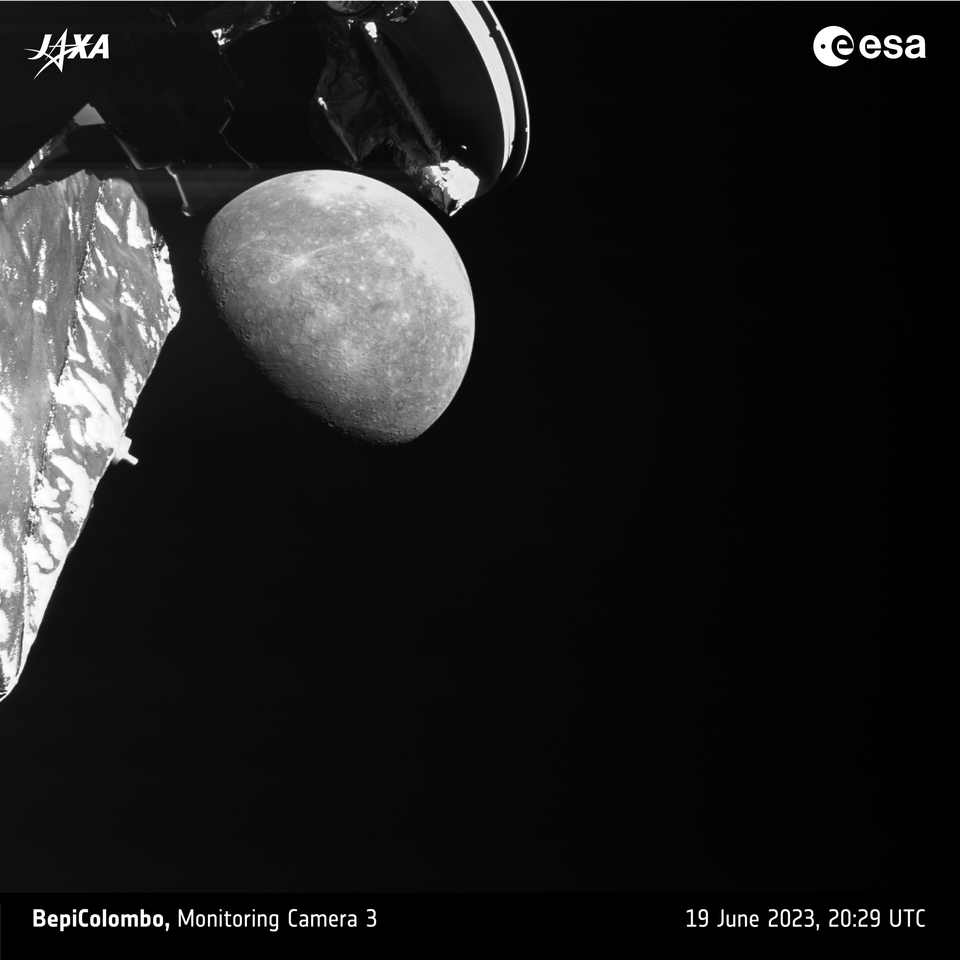
The latest mission to the innermost planet in the solar system hit a milestone last week. After an eight year journey, BepiColombo finally separated from its propulsion stage to set itself up for an orbital insertion to Mercury. Taking place on September 3rd, the separation, which is part of a much longer series of logistical steps over the next few months, seemed to go without a hitch. But getting to that point was certainly a process, and still more challenges lie ahead.
Continue reading
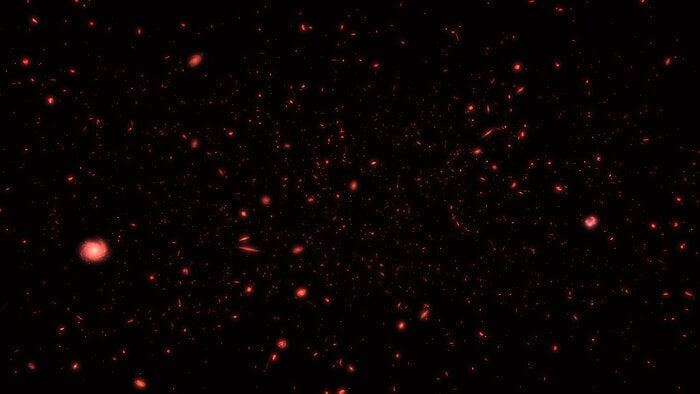
A few hundred million years after the Big Bang, the first stars ignited - literally the “let there be light” moment for the universe. Now known to astronomers as Population III, or Pop III, stars, these giants were very different from the stars we know today. They were formed out of pristine hydrogen and helium, with almost no “metal” (i.e. other elements) holding them back. They were also huge, growing to tens to hundreds of times larger than the Sun. And they died young, in many cases collapsing into the universe’s earliest black holes. Some of those black holes even partnered up, eventually colliding into one another and creating gravitational waves that, if we have instruments sensitive enough, we could potentially detect. A new study led by astrophysicist N.V. Krishnendu of the University of Birmingham and their colleagues shows just how much we can learn about them with the new suite of gravitational detectors about to come online.
Continue reading
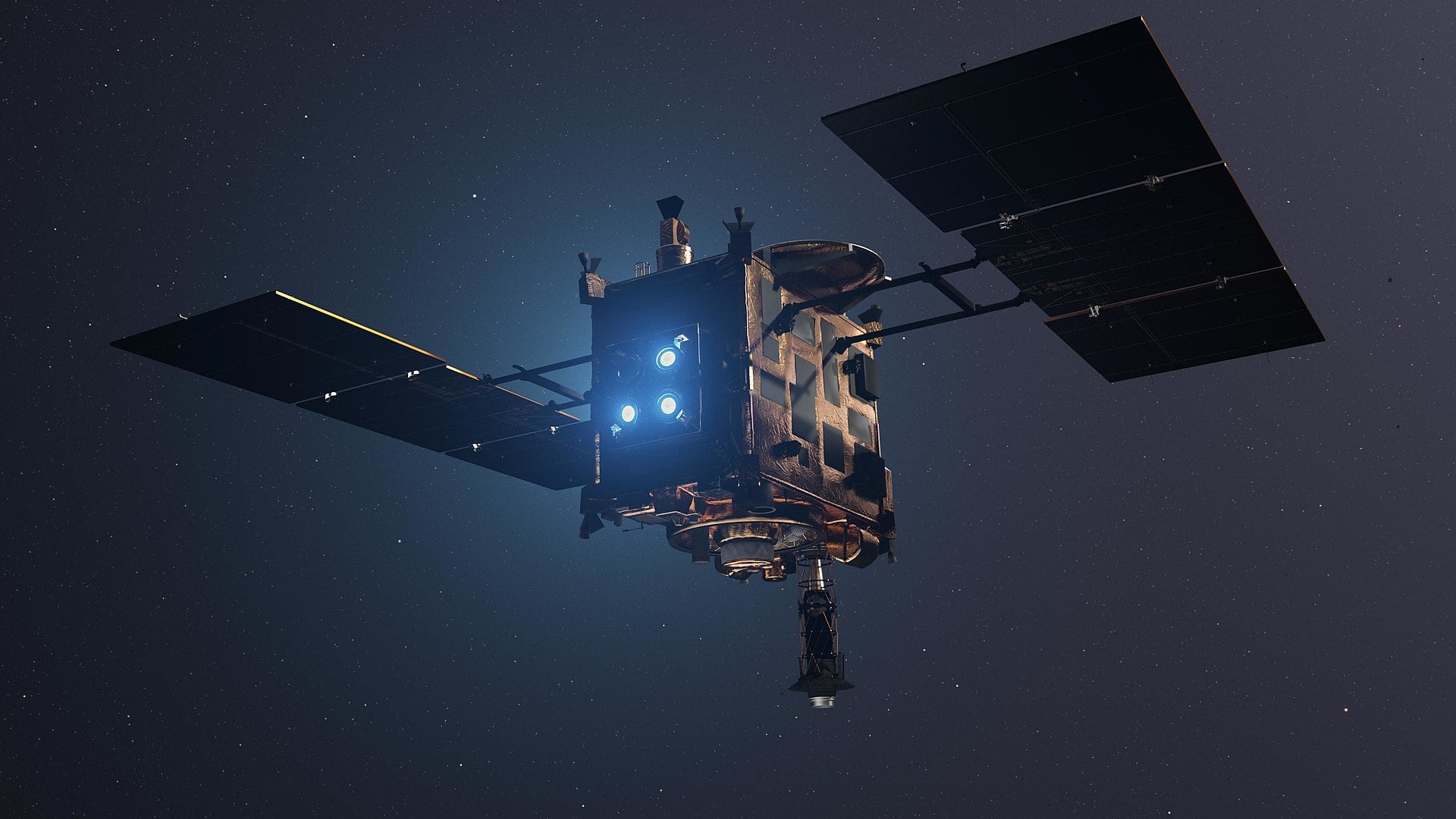
On Sunday July 5th, 2026, the Japan Aerospace Exploration Agency (JAXA) achieved the first-ever successful laser ranging experiment while making a flyby of an asteroid.
Continue reading
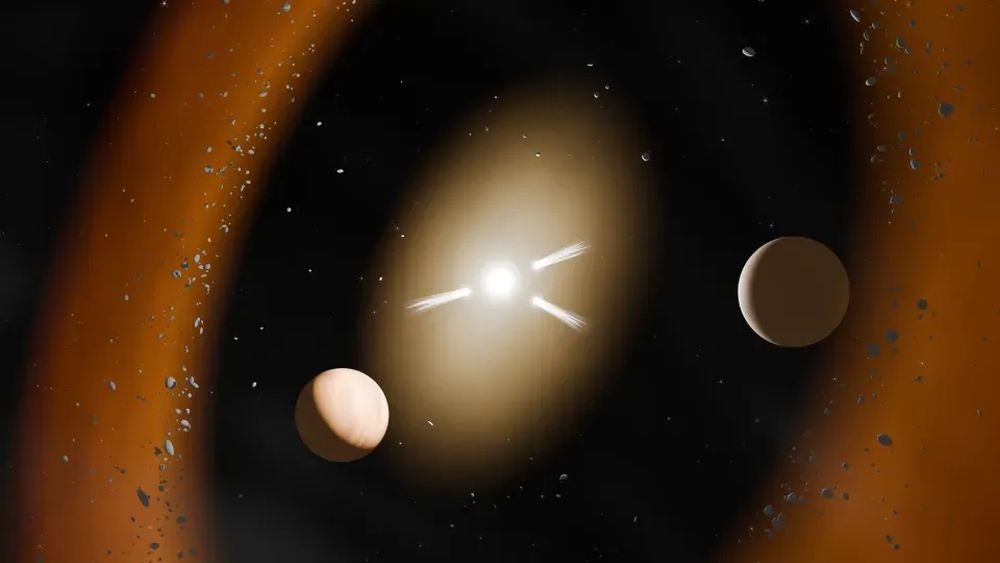
Did icy comets deliver water to the young Earth? That idea won't go away. Now, astronomers at Lund University in Sweden have found evidence of exocomets orbiting a young star named PDS 70. The observations suggest that these comets are delivering water to that system's inner regions.
Continue reading
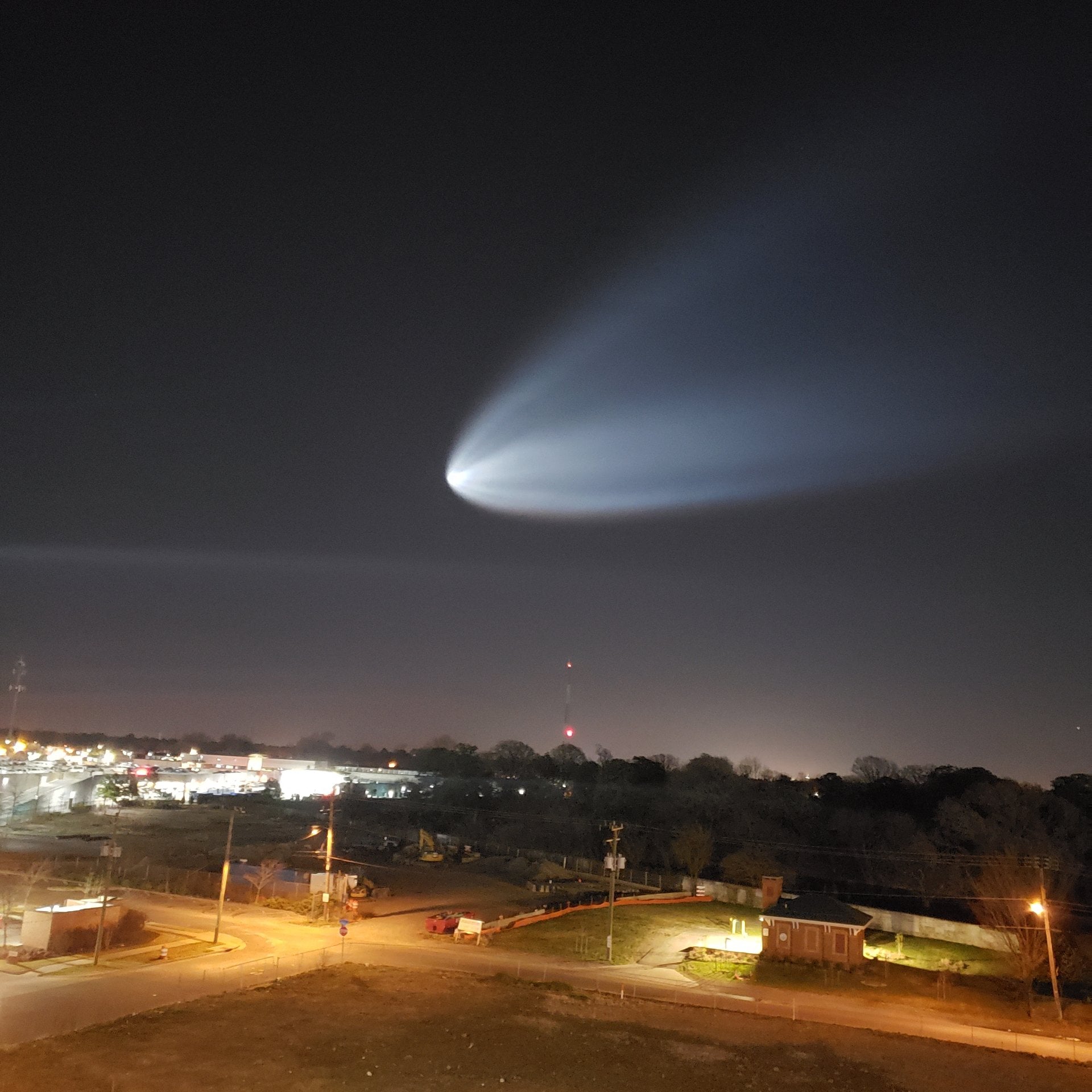
What used to be a rare sight gracing the twilight sky is now becoming strangely commonplace. If you live on either U.S. coast, you have to good chance at seeing what’s become a common sky scene in our modern technocene era: a space launch jellyfish.
Continue reading
 Universe Today