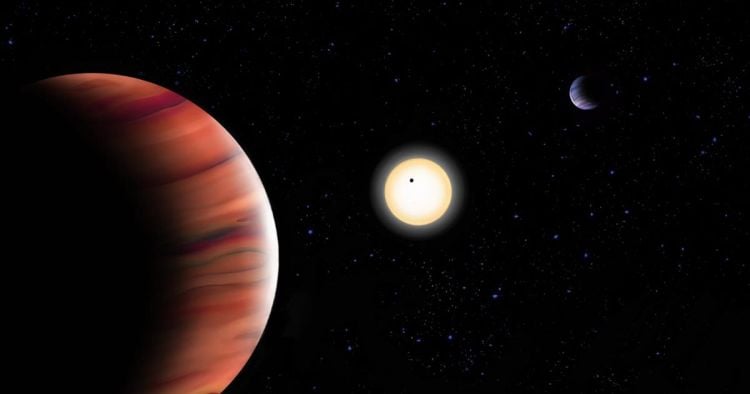
It turns out that even after studying our solar system in depth and discovering more than 6,100 exoplanets across more than 4,500 exoplanetary systems, not all solar systems are created equal. The longstanding notion is that planets orbit almost entirely in the same orbital path, also called an orbital plane. But what if an exoplanetary system was found to have exoplanets that not only orbit in different planes, but also exhibits changing behavior regarding when they pass in front of their star?
Continue reading
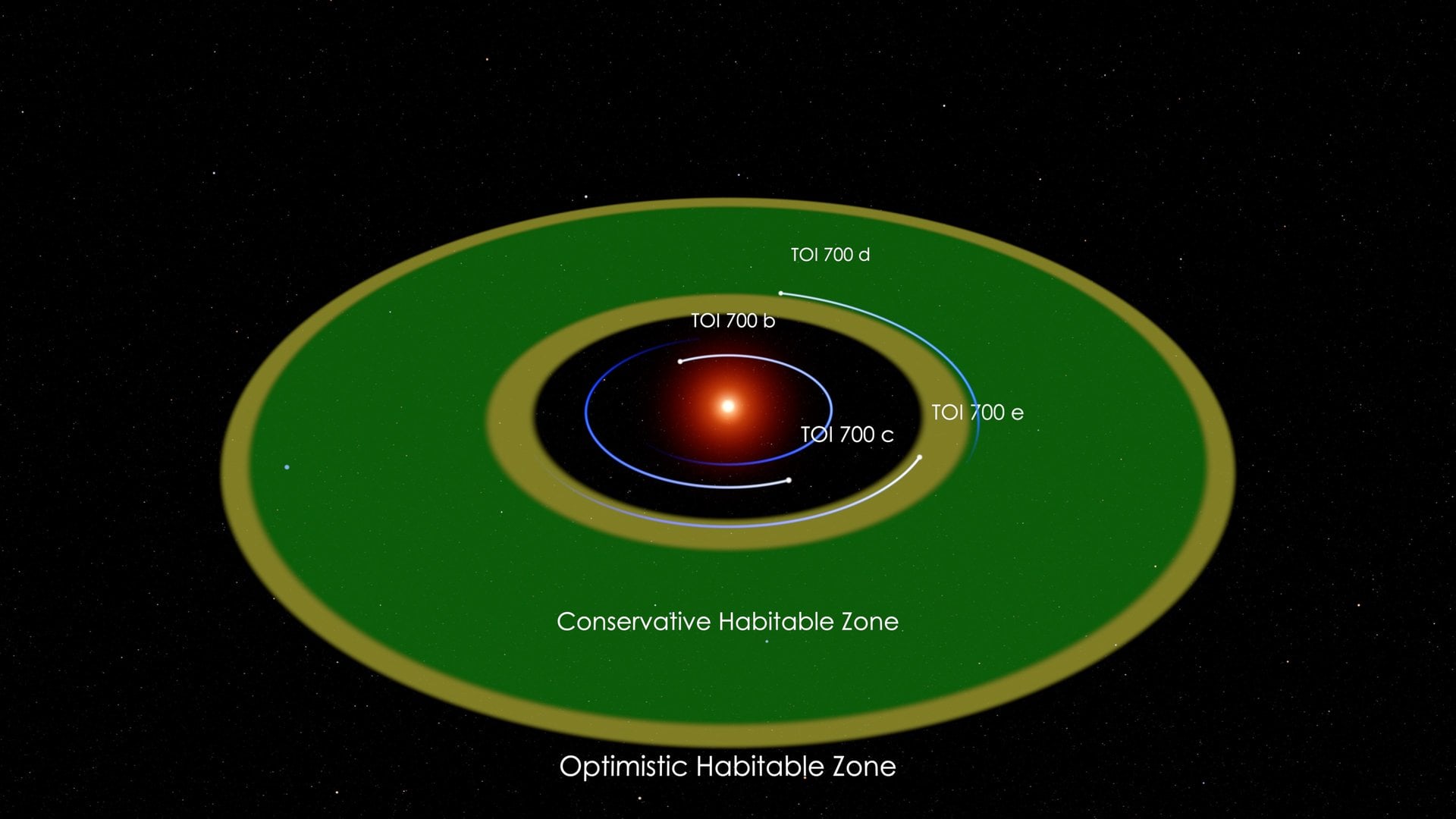
The Moon has played a huge role in the development of Earth. It stabilizes the planet, tempered dramatic climate swings, and possibly even provided the tidal heating that might have led to the first life forms. So it’s natural we would want to find a similar Earth/Luna system somewhere else in the cosmos. But astronomers have been searching for one for years at this point to no avail. And a new paper from Emily Pass and her colleagues at MIT, Harvard, and the University of Chicago describes using the James Webb Space Telescope to track some of the most promising exomoon candidates - only to be foiled by the star they were orbiting.
Continue reading
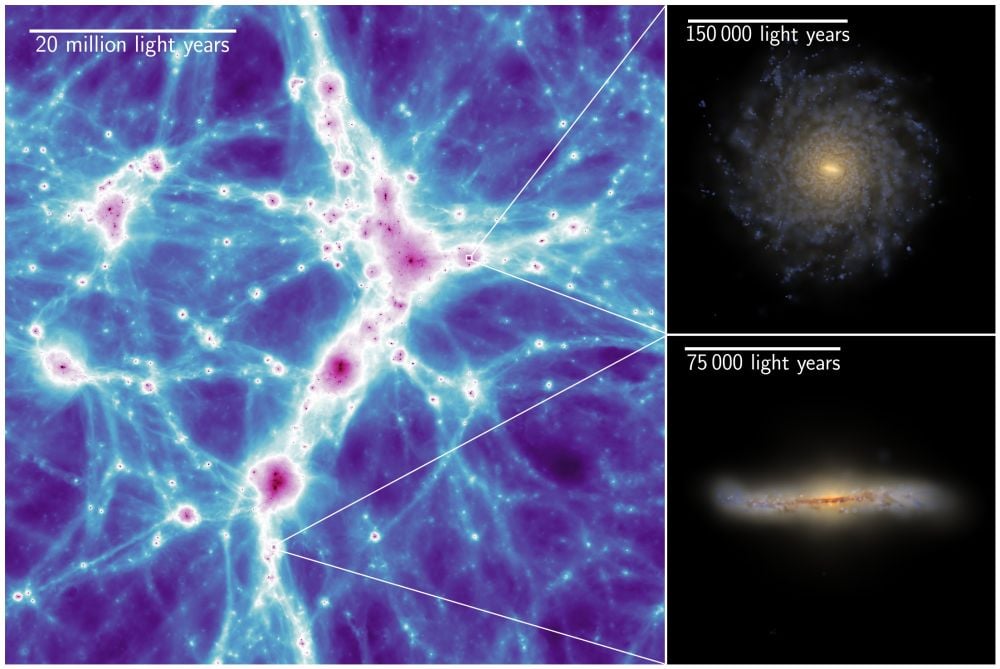
The new Colibre cosmological simulation includes more critical detail than previous simulations. It also includes updated models of things like AGN feedback and star formation. The simulations also include a sonic component, giving the results a cinematic and information-rich flair.
Continue reading
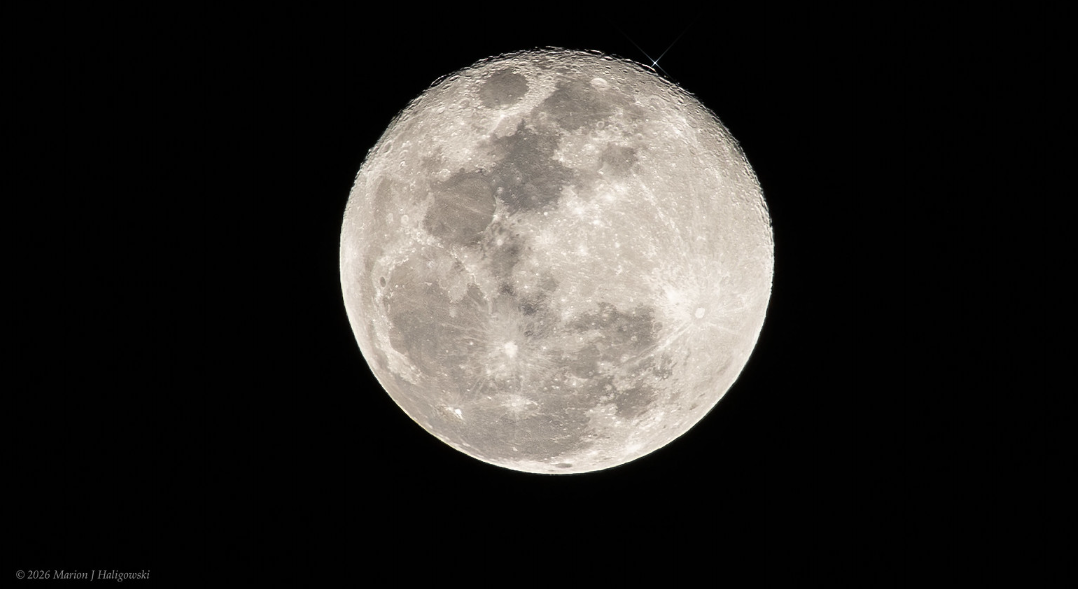
Much of visual astronomy requires nothing more than clear skies, keen eyes, and patience. If you’re out skywatching Saturday evening and live in North or South America, watch for the waxing gibbous Moon pairing with Regulus at dusk. For a privileged region, the Moon will actually blot out or occult the star, in one of the best-placed lunar occultations of a bright star for 2026.
Continue reading
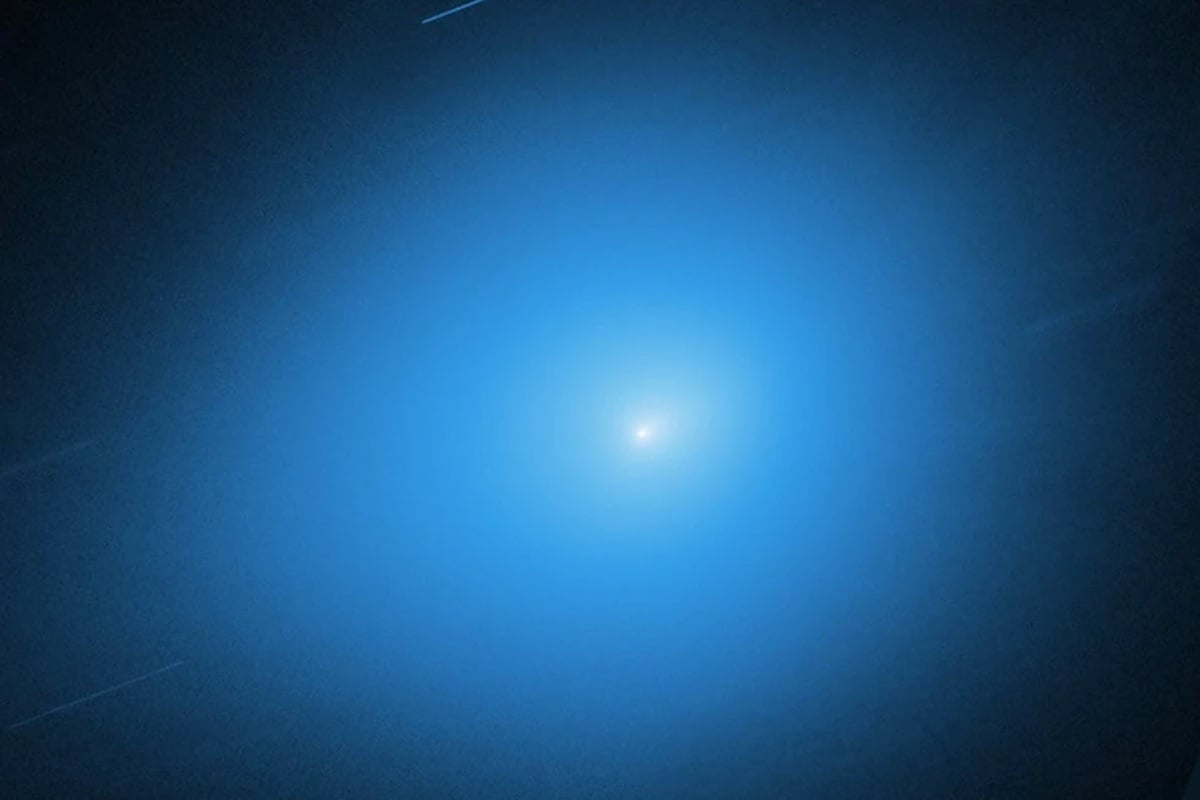
A new analysis of data obtained by JWST on 3I/ATLAS as it was on its way out of the Solar System (in December 2025) showed that its interior is rich in methane ice.
Continue reading
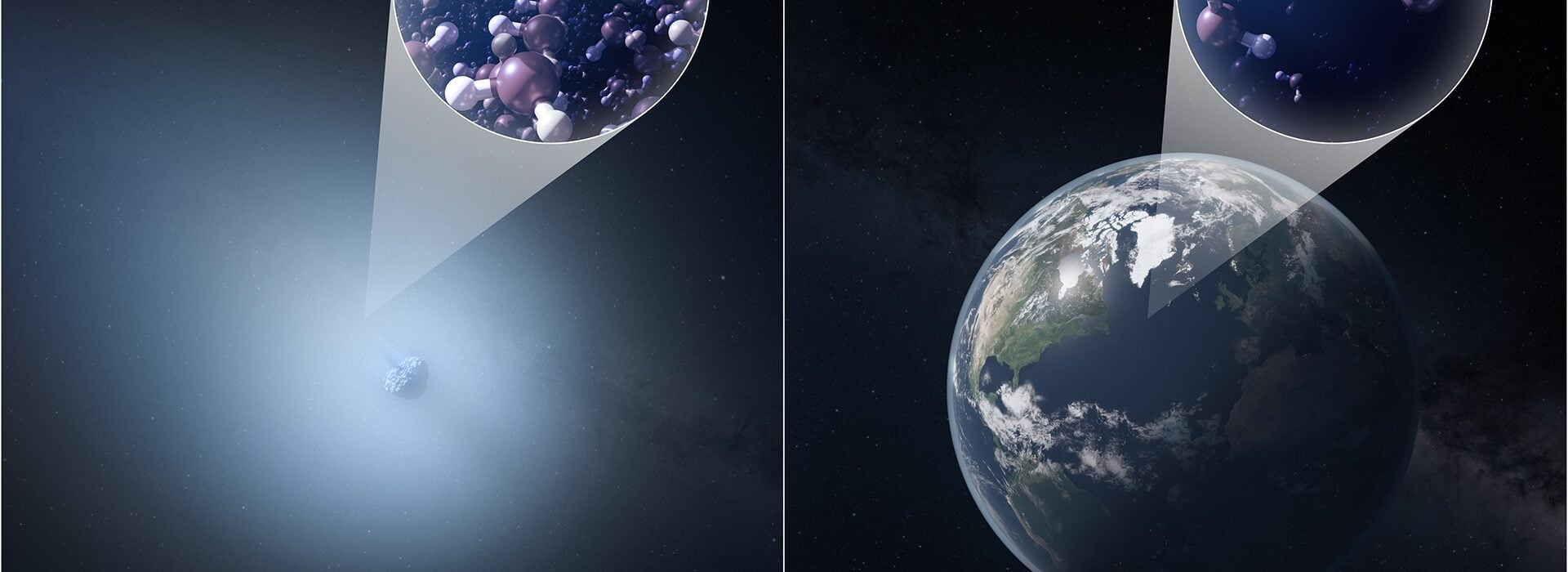
The interplanetary comet 3I/ATLAS is remarkably rich in a specific type of water that contains deuterium, meaning it came from somewhere colder and with lower levels of radiation than our early Solar System.
Continue reading
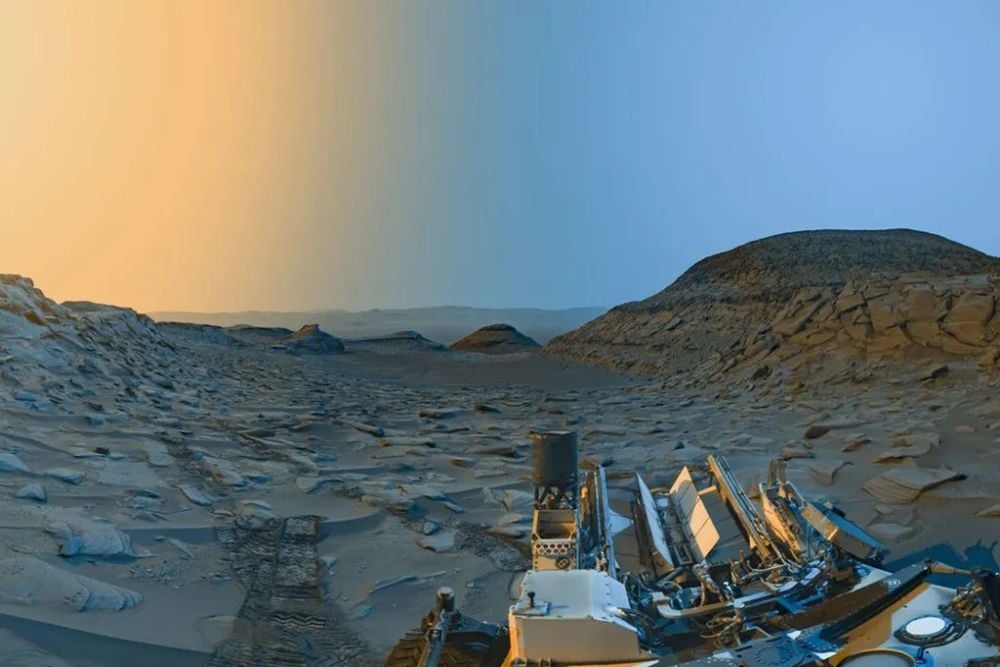
NASA's MSL Curiosity rover found a bathtub ring-like deposit of zinc, manganese, and iron in Gale Crater. These metals precipitate out of water in the right conditions, and there's not really any other way they could've become concentrated here. Adding to the excitement, these deposits also form in lakes on Earth, where the concentrated metals are food for some types of bacteria.
Continue reading
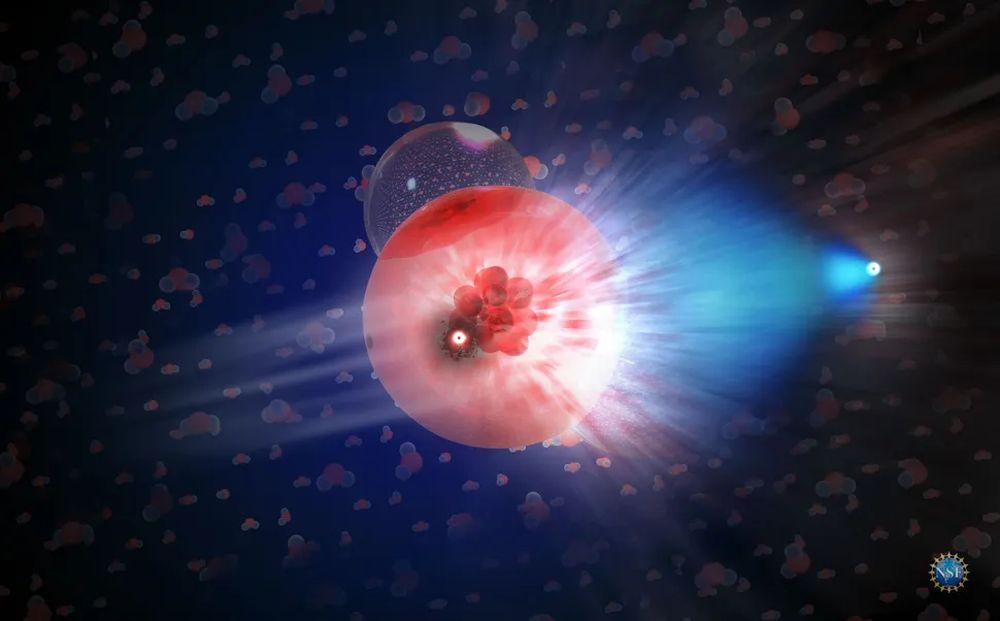
Neutrinos are very difficult to detect. And when they are detected, pinpointing their sources is likewise difficult. New research shows that the most energetic neutrino ever detected must have had an extraordinarly energetic source. It could even be primordial.
Continue reading
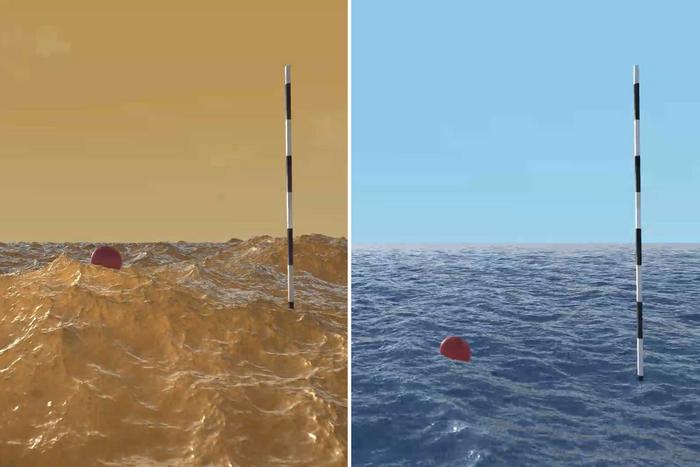
One of the most dramatic and memorable scenes from Interstellar comes from Miller’s planet - and if you don’t want a spoiler for an 11 year old movie, feel free to skip to the next paragraph. When the crew arrives on this potential new home for humanity, they are faced with a literal 1.2 km high wall of water bearing down on them quickly. It’s a great representation of how waves on other planets can act differently than on Earth. Admittedly, according to Kip Thorne, the scientific advisor for that movie, those waves are actually caused by the planet’s proximity to a local black hole rather than the wind that forms our waves here.
Continue reading
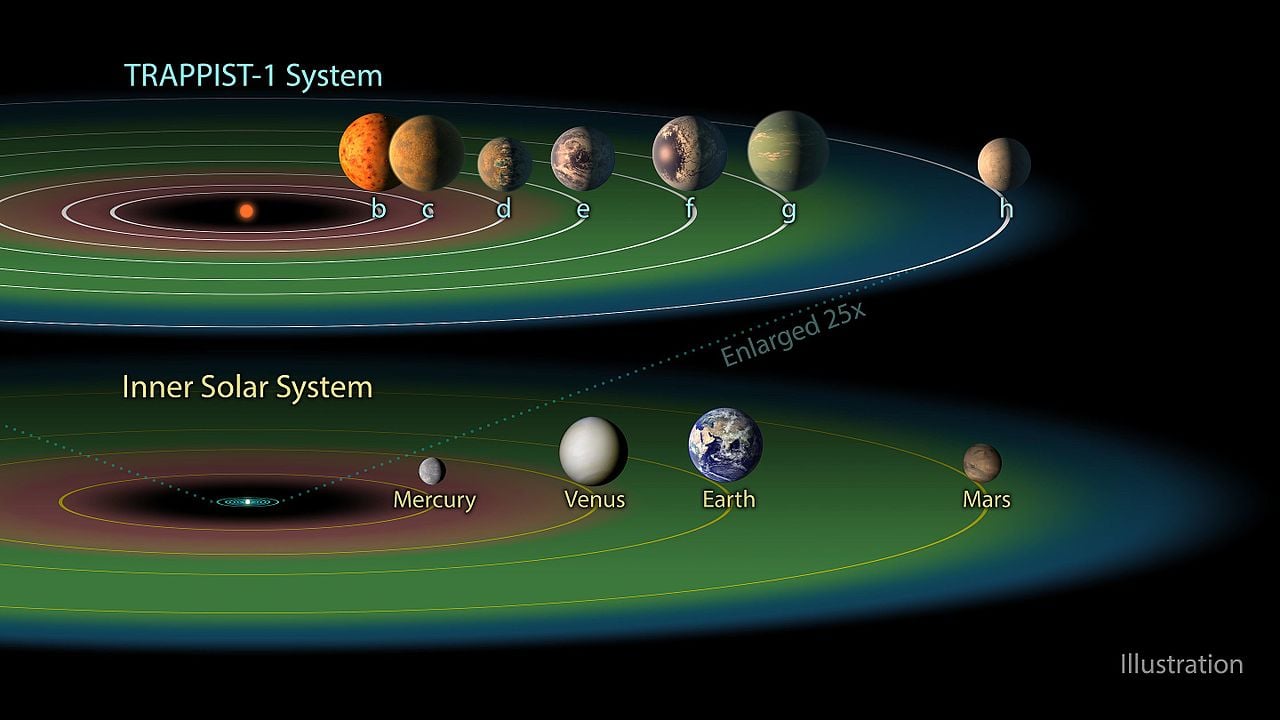
One side is scorched to over 200 degrees, while the other is plunged into a darkness so cold it falls below minus 200. Welcome to TRAPPIST-1b and 1c, two rocky worlds that have just revealed the first ever climate maps of Earth sized planets beyond our Solar System. The James Webb Space Telescope has been watching, and what it found tells us something profound about where life might, and might not exist in our Galaxy.
Continue reading
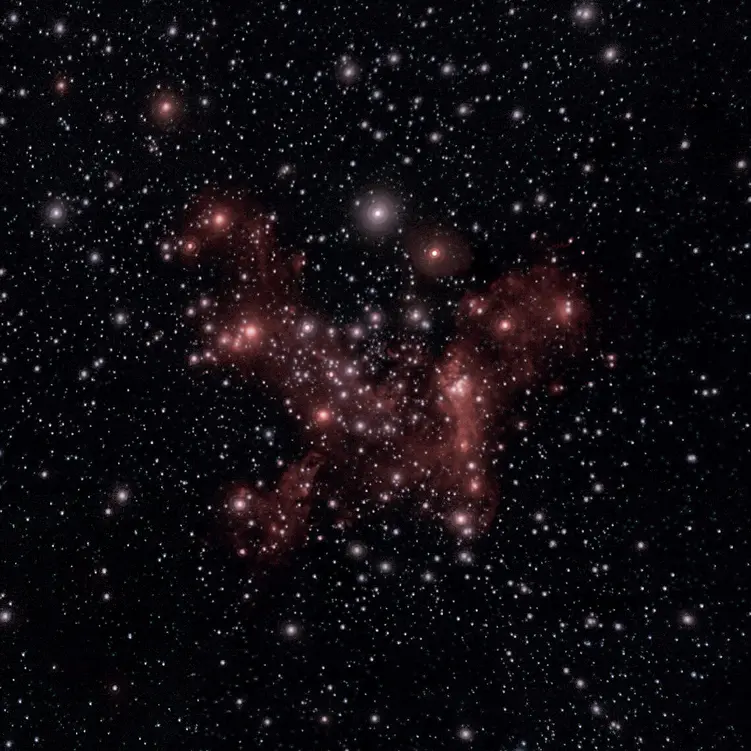
At the heart of our Galaxy lurks a supermassive black hole four million times the mass of our Sun. For decades, astronomers have watched mysterious gas clouds drifting towards it on almost identical paths, wondering where they came from and why. Now, a team of researchers think they have finally cracked the puzzle and the answer involves two massive stars locked in a violent embrace!
Continue reading
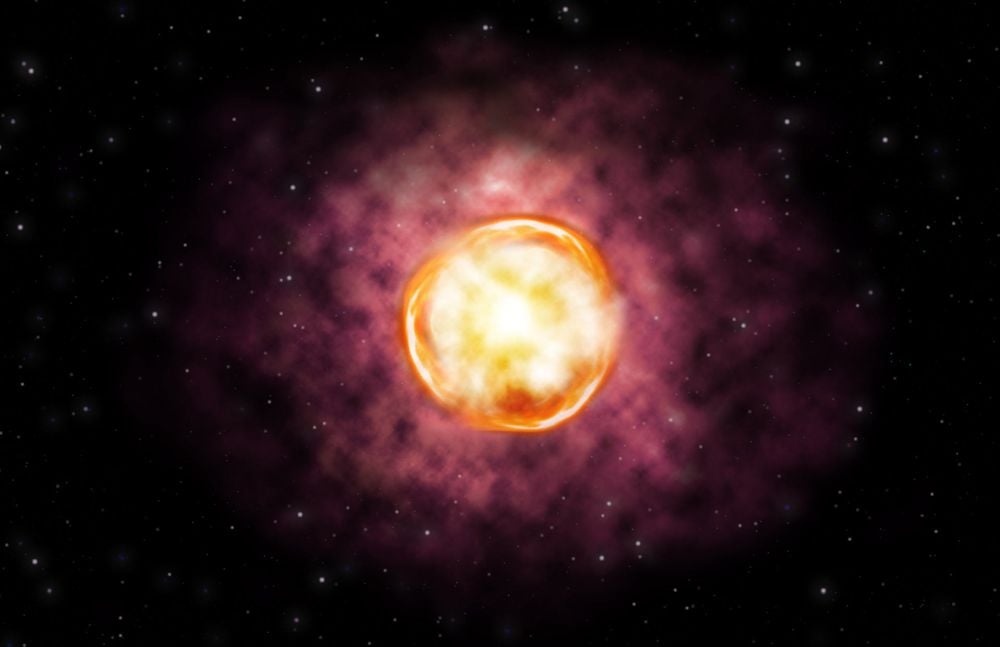
An international team led by Monash University has uncovered evidence of a rare form of exploding star, helping to shed light on one of the most cataclysmic events in the universe. At the end of their lives, most massive stars collapse into black holes—objects with gravity so strong that not even light can escape. But some are completely destroyed in pair-instability supernova explosions. This can explain the so-named "Forbidden Gap" in black hole masses.
Continue reading
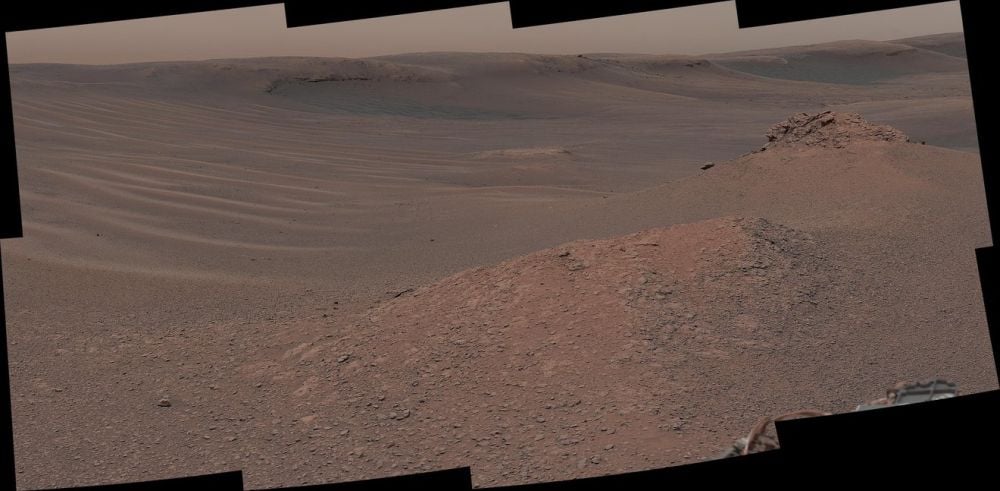
MSL Curiosity found 7 new organic molecules preserved in Martian sandstone. While they aren't proof that life existed on Mars, they are important. They show that the planet is capable of protecting ancient biosignatures from radiation and preserving them in rock.
Continue reading
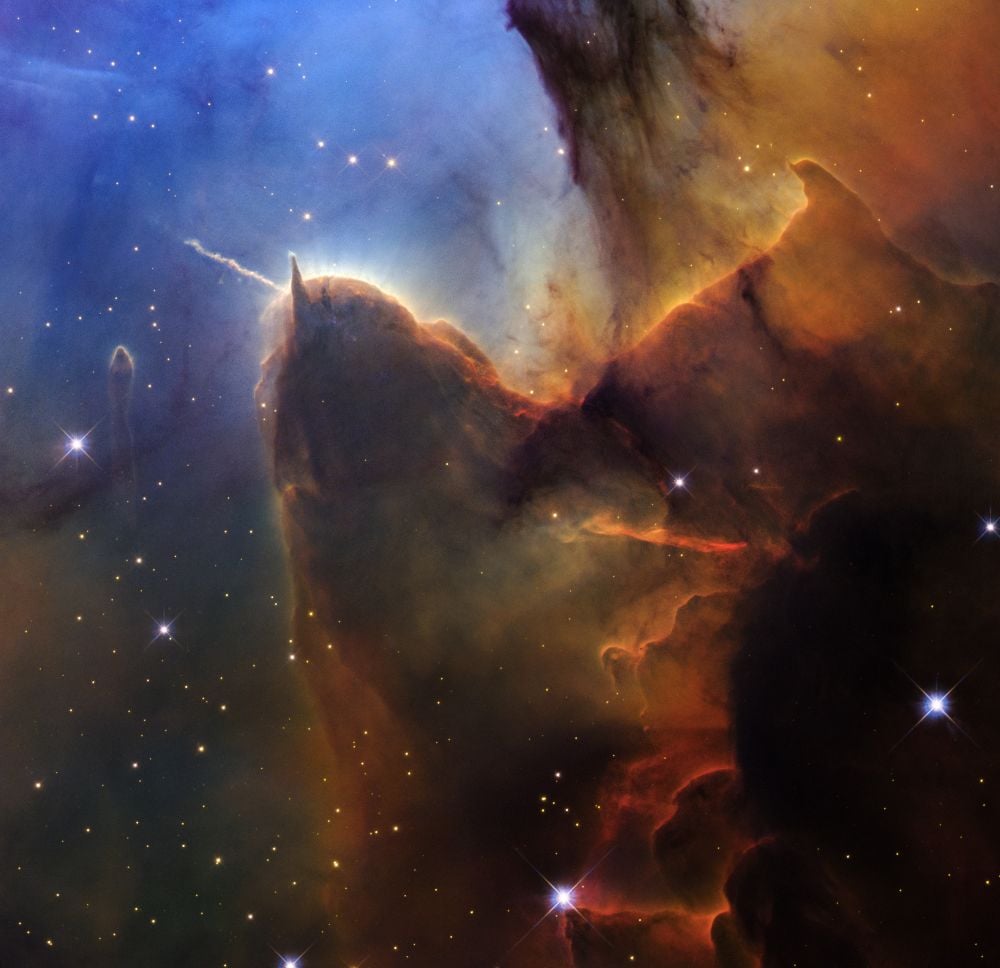
Back in 1997, the Hubble Space Telescope imaged the spectacular Trifid Nebula, a region of active star-formation. Now the telescope has revisited the Trifid. By comparing both images, astronomers have tracked some changes that tell them about how young stars behave and evolve.
Continue reading
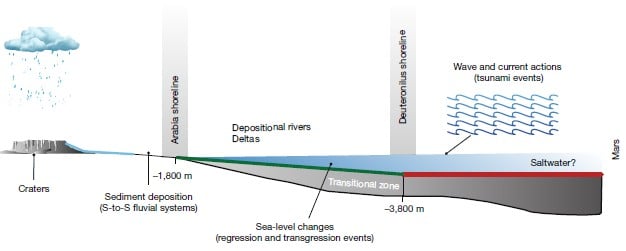
Scientists have been debating for decades whether Mars once held a vast ocean covering a large part of its northern face. To prove the idea, they’ve been looking for a “bathtub ring” - a distinct, level shoreline that shows where water once stood. But, despite years of looking, they’ve only been able to find a very distorted potential shoreline whose height deviates by several kilometers - not exactly great evidence of a stable water level. But, according to a new paper in Nature from Abdallah Zaki and Michael Lamb of CalTech, what scientists should have been looking for wasn’t a bathtub ring, but a continental shelf.
Continue reading
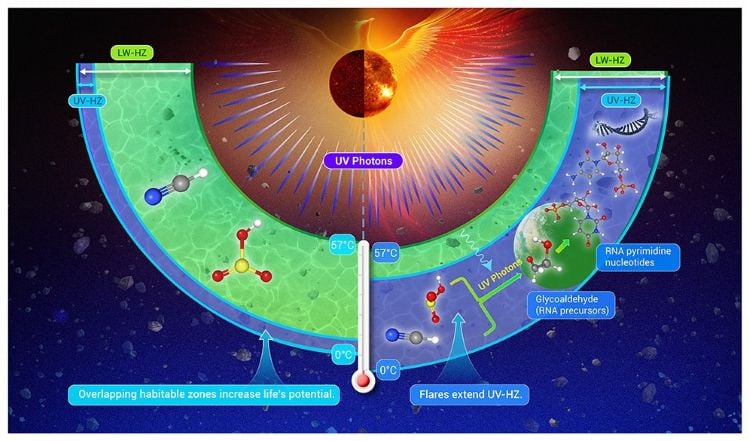
The search for life beyond Earth has traditionally focused on exoplanets orbiting Sun-like stars, which is a G-type star. However, low-mass stars, which are designated as K-type and M-type stars, have rapidly become a target for astrobiology, primarily due to their much longer lifetimes. This also means the habitable zone (HZ), which is the distance from a star where liquid water could exist, is much smaller than our solar system’s HZ, and is referred to as the liquid water habitable zone (LW-HZ). In contrast, another type of HZ that involves a star’s ultraviolet (UV) radiation potentially enabling life-harboring conditions is known as UV-HZ.
Continue reading
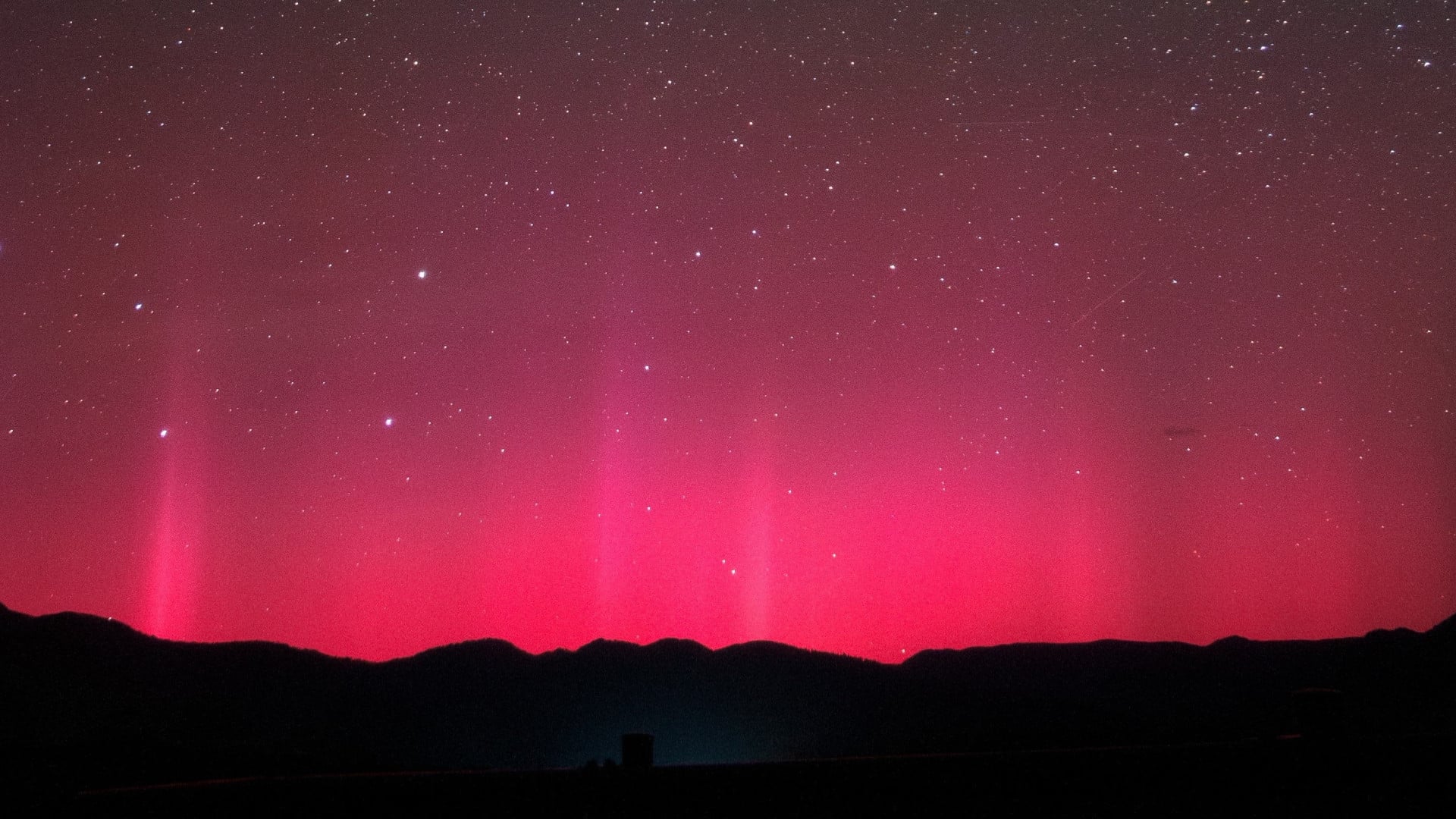
As we make our way through the latest solar maximum period, scholars and scientists are looking to similar events in the past to learn more about ancient bouts of solar activity. In particular, they want to know more about solar proton events (SPEs). These outbursts of high-energy particles get triggered by flares and coronal mass ejections.
Continue reading
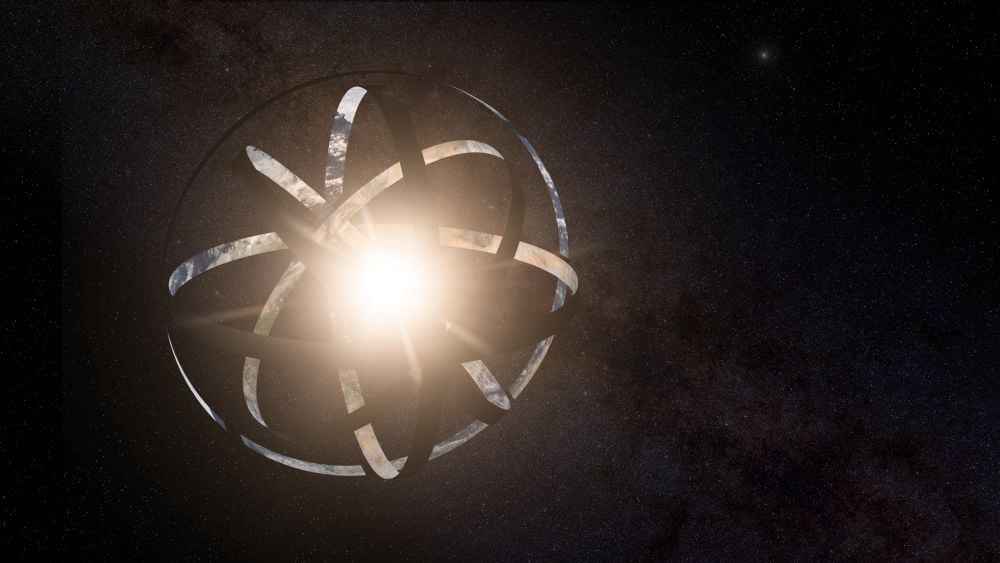
New research examines 10 different types of global technological civilizations, how they govern themselves, how they use resources, and other factors, to determine which types may endure and which may be doomed to collapse. Simulations show that resource use plays the key role. The simulations also show which types of detectable technosignatures each may generate.
Continue reading
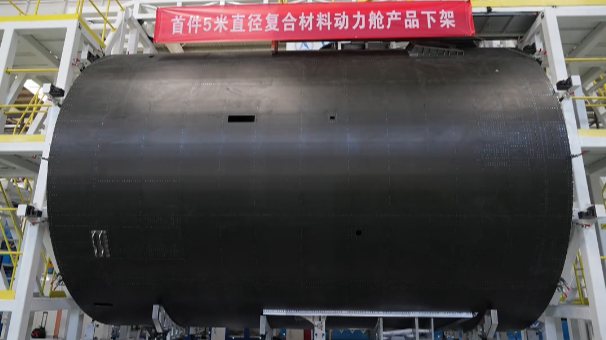
So far, America has remained ahead in the new space race. But its biggest rival is making continual steps to catch up. China announced another step in that direction with the unveiling of its first ever reusable five-meter-wide composite propulsion module, announced in a press release on April 11th.
Continue reading
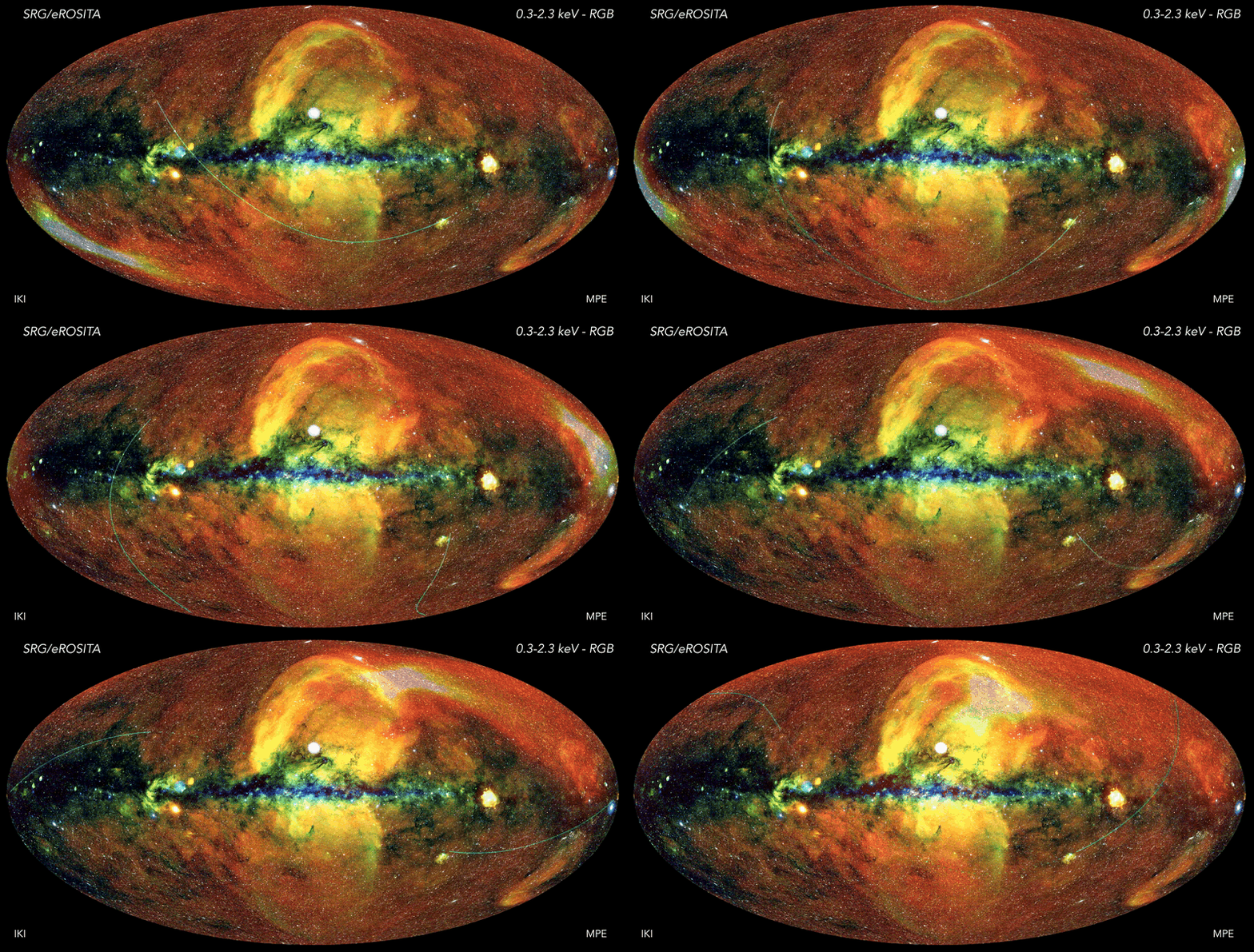
Using the eROSITA space telescope, MPE researchers have successfully isolated the X-ray glow from our Solar System, revealing its impact on the soft X-ray sky. The findings, published in Science, underscore the importance of considering Solar System processes when analyzing X-ray data and highlight eROSITA’s role in advancing not only astrophysics but also heliophysics.
Continue reading
 Universe Today