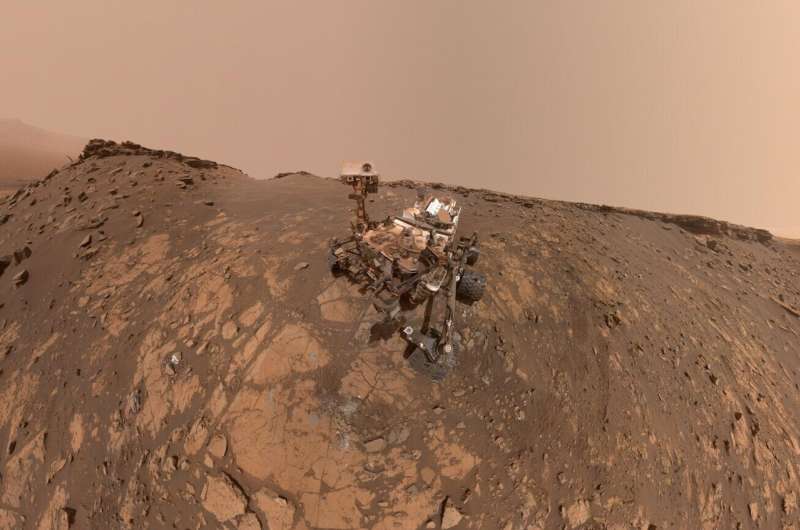
A Ph.D. student and his supervisor at Imperial College London have developed a simple way to test for active life on Mars and other planets using equipment already on the Mars Curiosity rover and planned for future use on the ExoMars Rosalind Franklin rover.
Continue reading
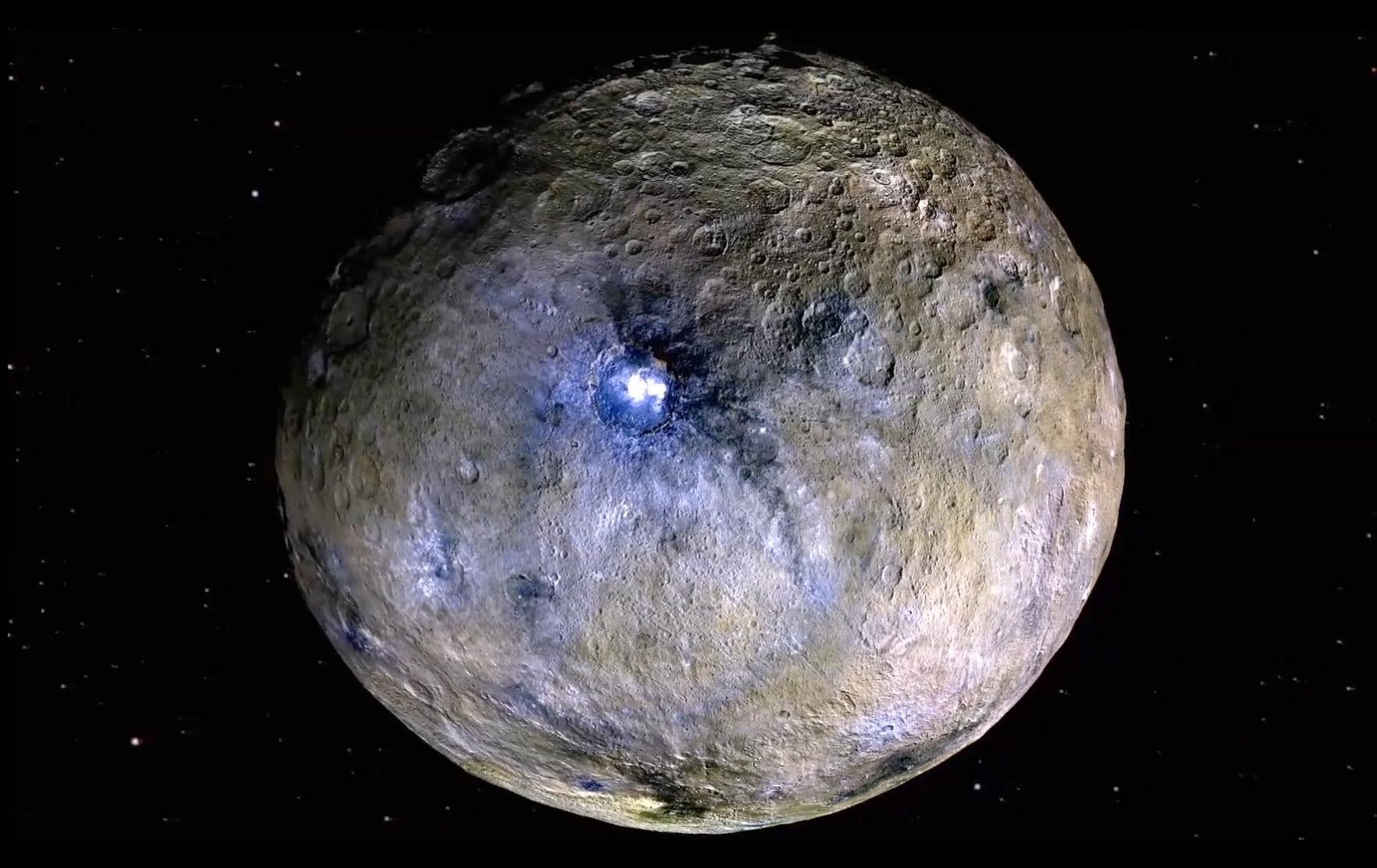
The dwarf planet is cold now, but new research paints a picture of Ceres hosting a deep, long-lived energy source that may have maintained habitable conditions in the past.
Continue reading
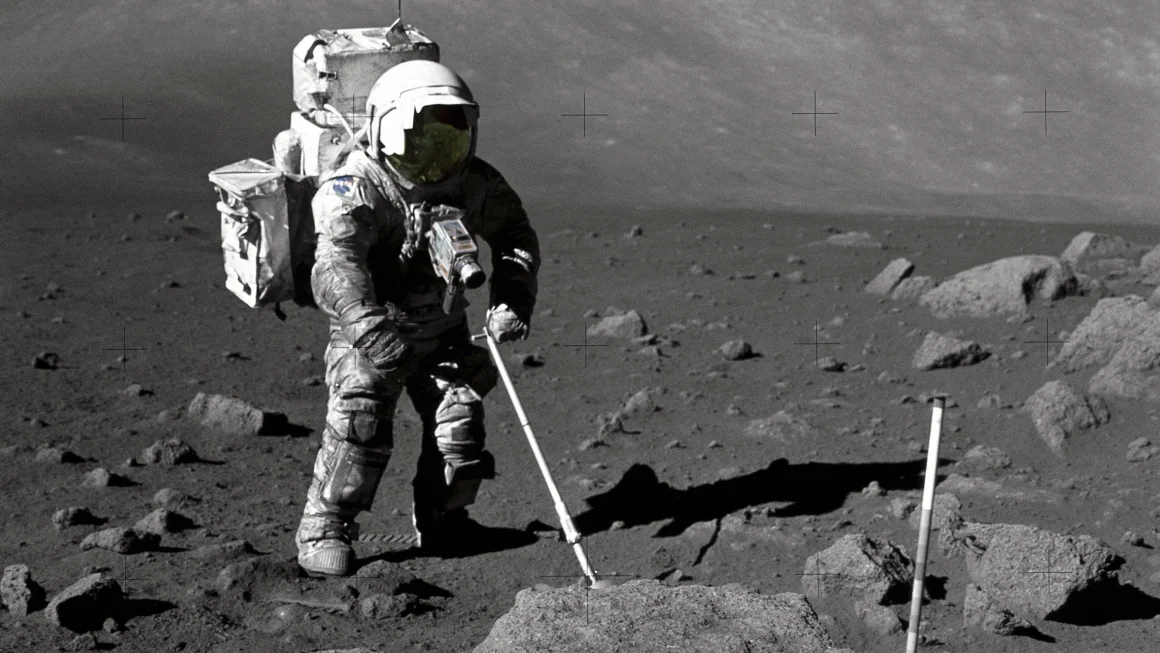
You know, if you think about it, and trust me we’re about to, the Moon is kind of weird.
Continue reading
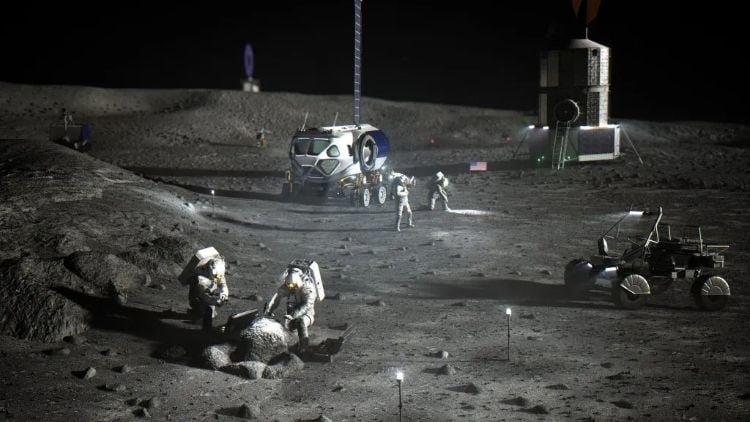
How can thermoelectric generators (TEGs) help advance future lunar surface habitats? This is what a recent study published in Acta Astronautica hopes to address as a team of researchers from the Republic of Korea investigated a novel technique for improving power efficiency and reliability under the Moon’s harsh conditions. This study has the potential to help mission planners, engineers, and future astronauts develop technologies necessary for deep space human exploration to the Moon and beyond.
Continue reading
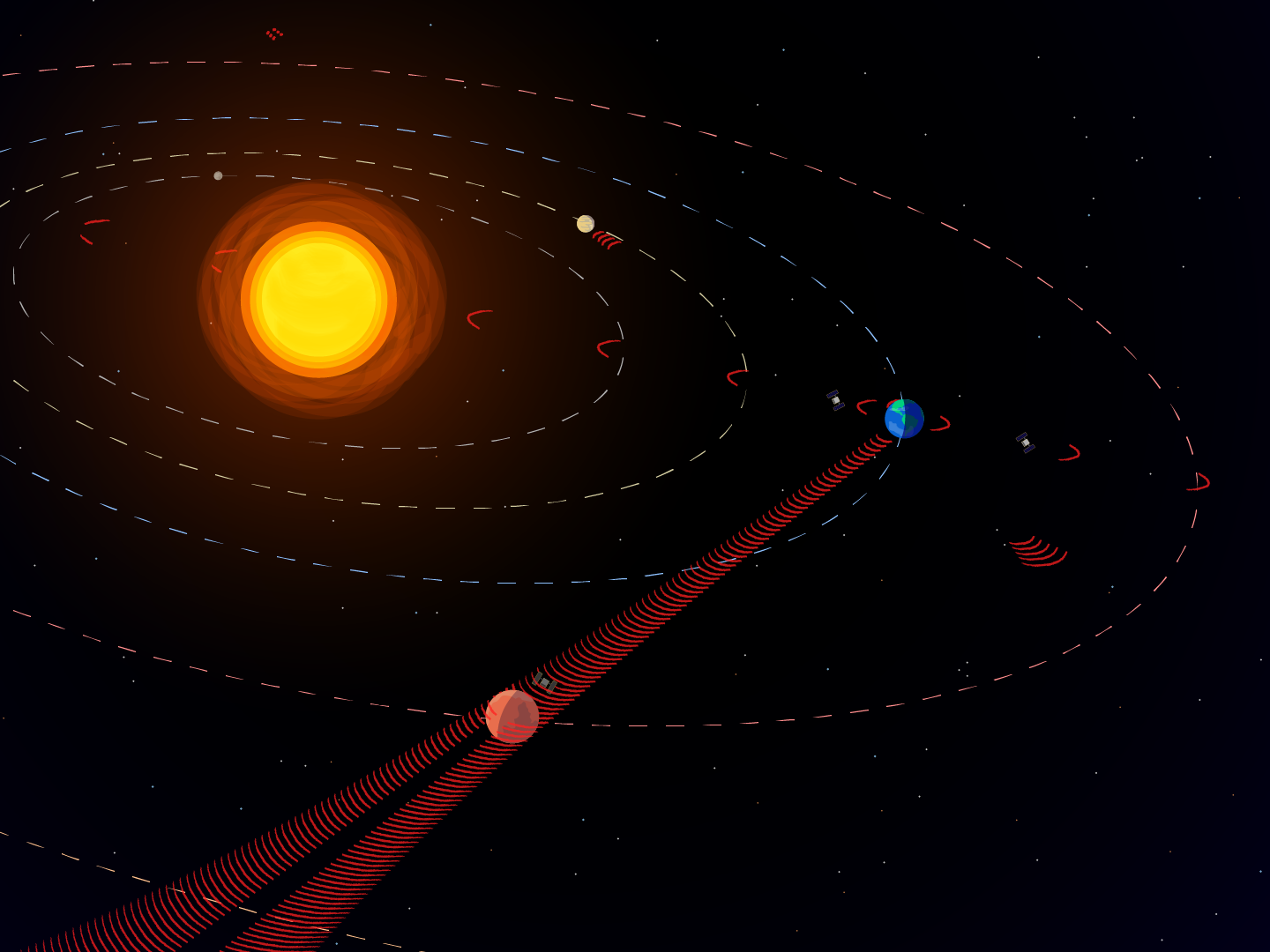
New analysis of human deep space communications suggests the most likely places to detect signals from an extraterrestrial intelligence.
Continue reading
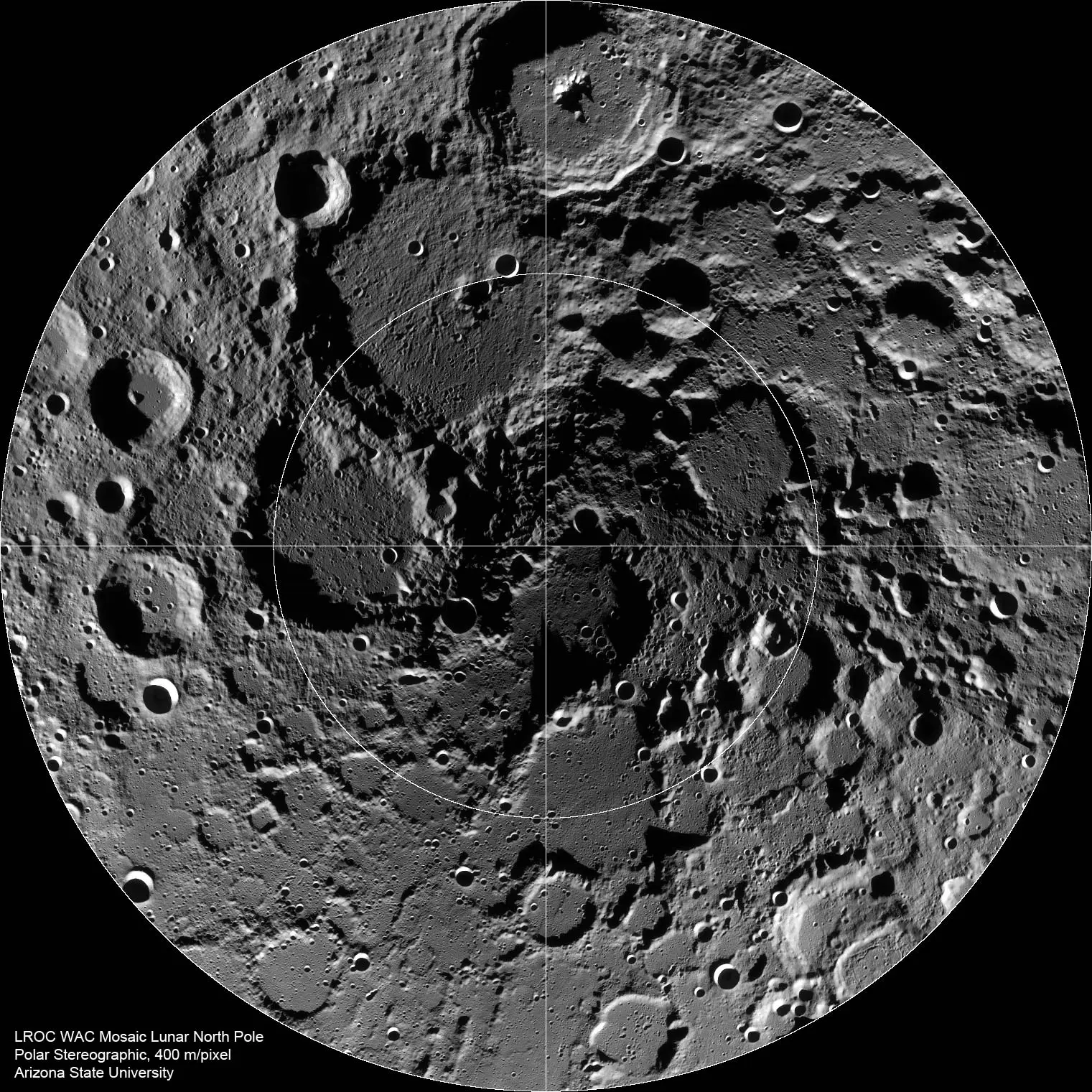
How do you tell how old an astronomical object is? I mean, the next time the Moon is in the sky, take a look at it. How would you even begin to answer that question?
Continue reading
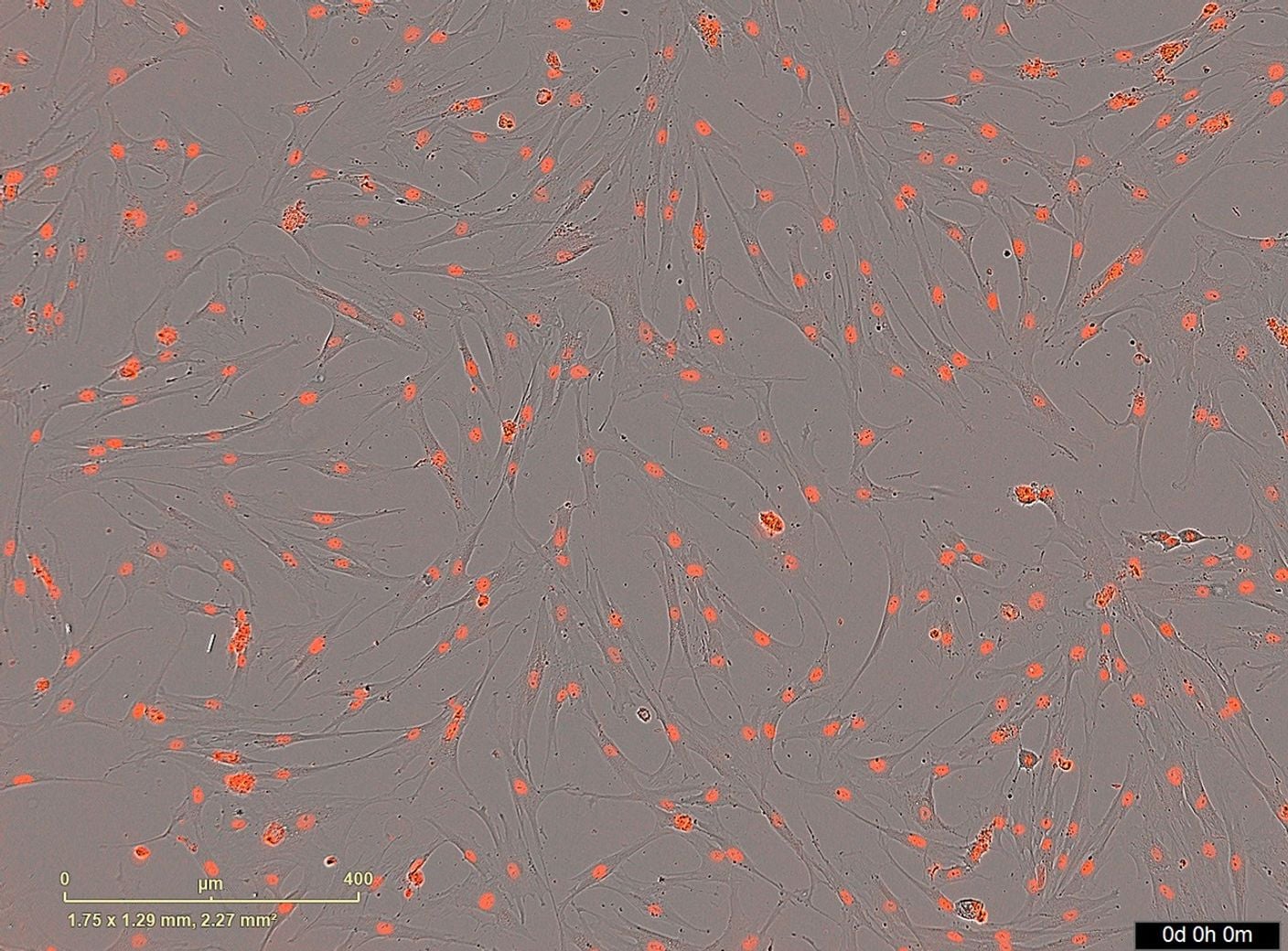
The 33rd SpaceX commercial resupply services mission for NASA, scheduled to lift off from the agency's Kennedy Space Center in Florida in late August, is heading to the International Space Station with an important investigation for the future of bone health.
Continue reading
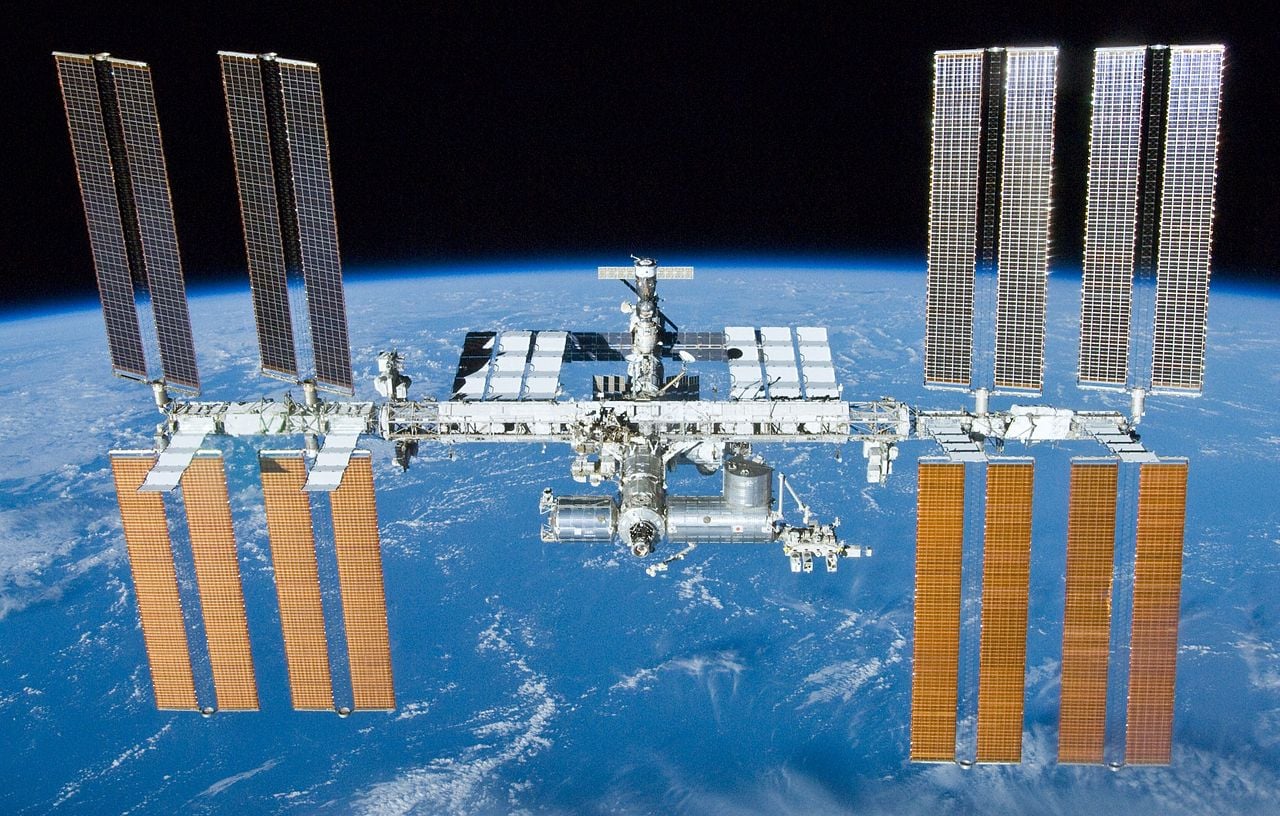
Using stem cells from mice, researchers from Kyoto University tested the potential damage spaceflight can have on spermatazoa stem cells and the resulting offspring. After six months aboard the ISS, the stem cells were used to successfully produce healthy offspring.
Continue reading
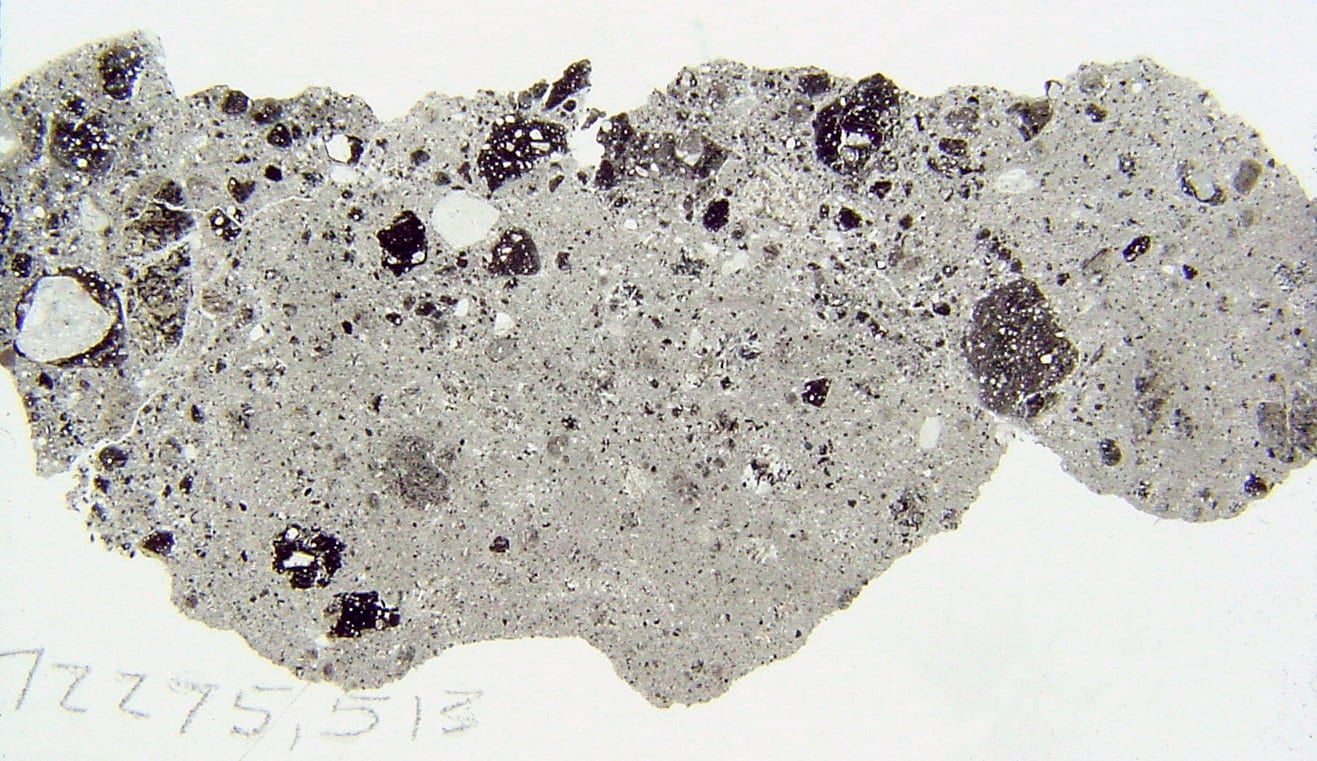
A set of instruments shut off almost 50 years ago are still producing useful results. It’s the seismometers left by the Apollo missions to monitor moonquakes, which as the name suggests are earthquakes but on the Moon.
Continue reading
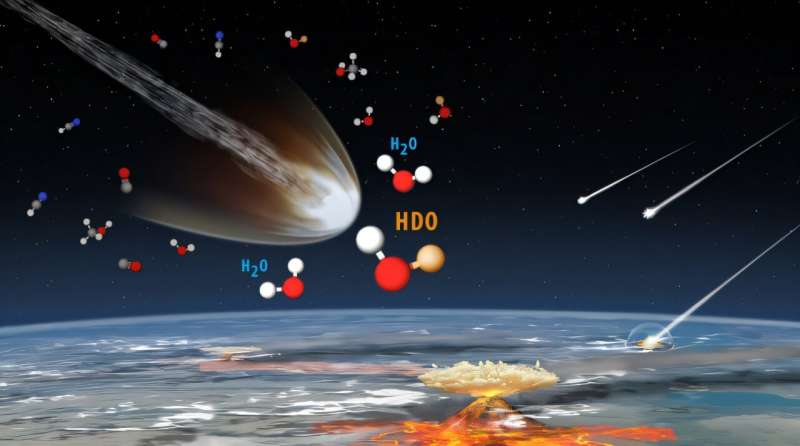
Comets are like the archeological sites of the solar system. They formed early on, and their composition helps us understand what the area around the early Sun was like, potentially even before any planets were formed. A new paper from researchers at a variety of US and European institutions used the Atacama Large Millimeter Array (ALMA) to capture detailed spatial spectral images of comet 12P/Pons-Brooks, which is very similar to the famous Halley’s comet, and might hold clues to where the water on the Earth came from.
Continue reading
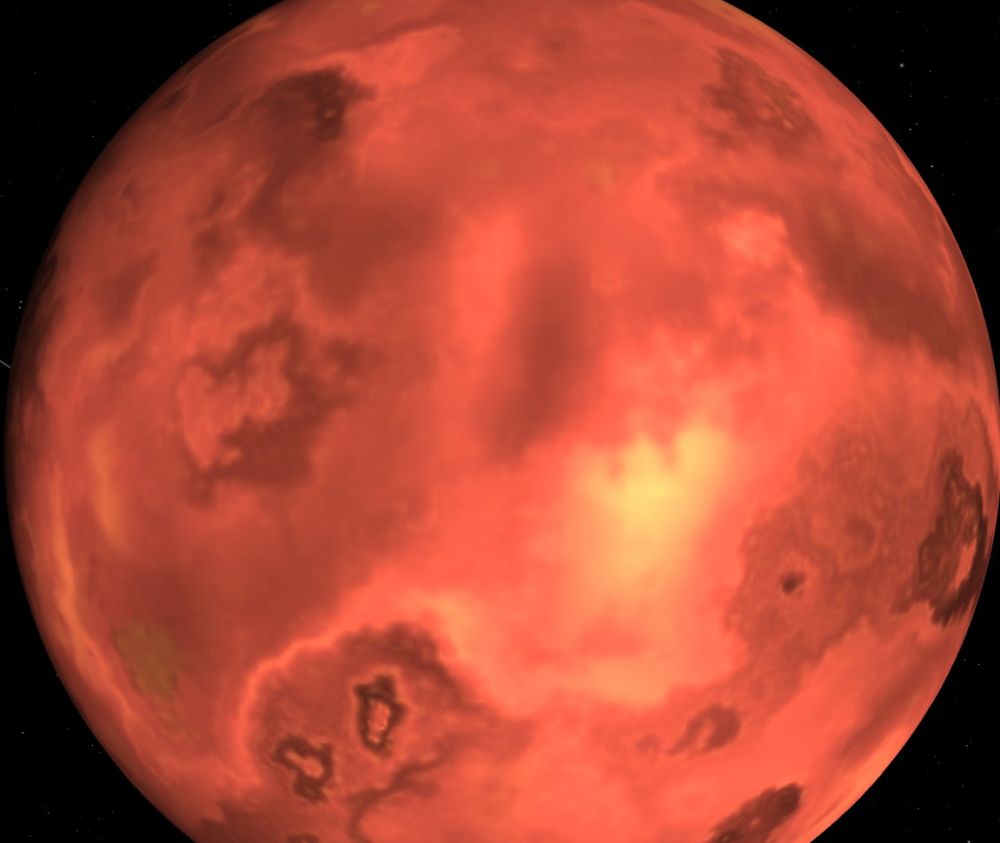
In 2022, astronomers announced the discovery of GJ 3929b. It's a rocky planet, similar to Earth in both mass and size. Astronomers have examined the planet with the JWST and concluded that it's a barren world with no atmosphere.
Continue reading

The JWST has found another moon orbiting Uranus. It's the planet's 29th known moon, and it bears the uninspiring, temporary name S/2025 U1. It's too small and faint to be detected by the Hubble, or by Voyager 2, the only spacecraft to visit the ice giant.
Continue reading
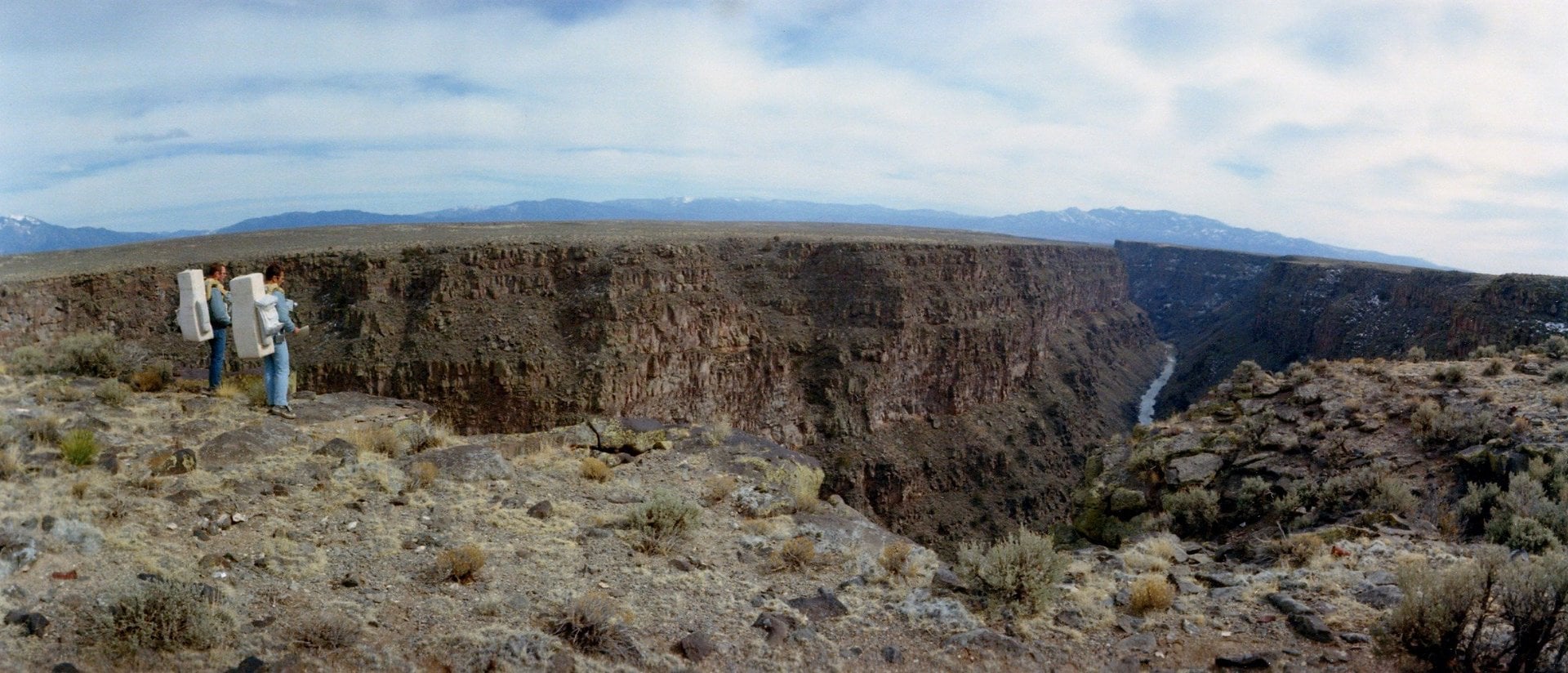
Neil Armstrong almost made a mistake. He had found an interesting rock sticking out of a formation. Curious to see what the rock was made of, he needed to examine its interior more closely. So he reached for his hammer and took a swing.
Continue reading
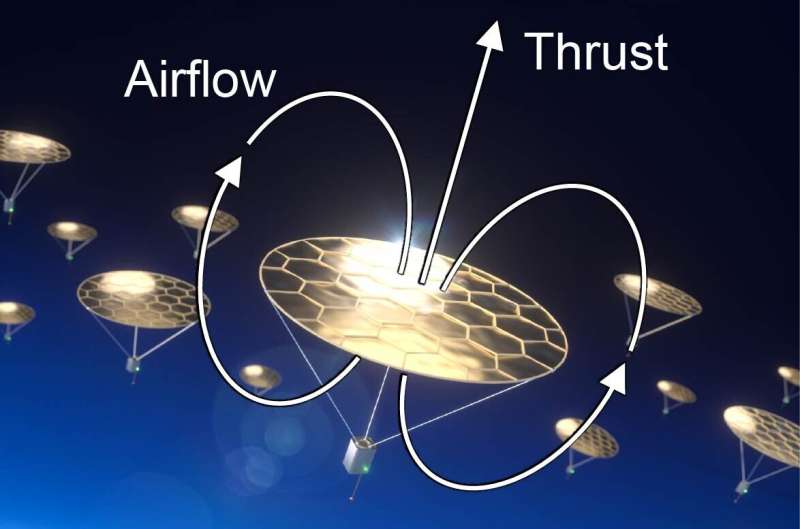
Earth’s atmosphere is large, extending out to around 10,000 km from the surface of the planet. It’s so large, in fact, that scientists break it into five separate sections, and there’s one particular section that hasn’t got a whole lot of attention due to the difficulty in keeping any craft afloat there. Planes and balloons can visit the troposphere and stratosphere, the two sections closest to the ground, while satellites can sit in orbit in the thermosphere and exosphere, allowing for a platform for consistent observations. But the mesosphere, the section in the middle, is too close to have a stable orbit, but too sparse in air for traditional airplanes or balloons to work. As a result, we don’t have a lot of data on it, but it impacts climate and weather forecasting, so scientists have simply had to make a lot of assumptions about what it's like up there. But a new study from researchers at Harvard and the University of Chicago might have found a way to put stable sensing platforms into the mesosphere, using a novel flight mechanism known as photophoresis.
Continue reading
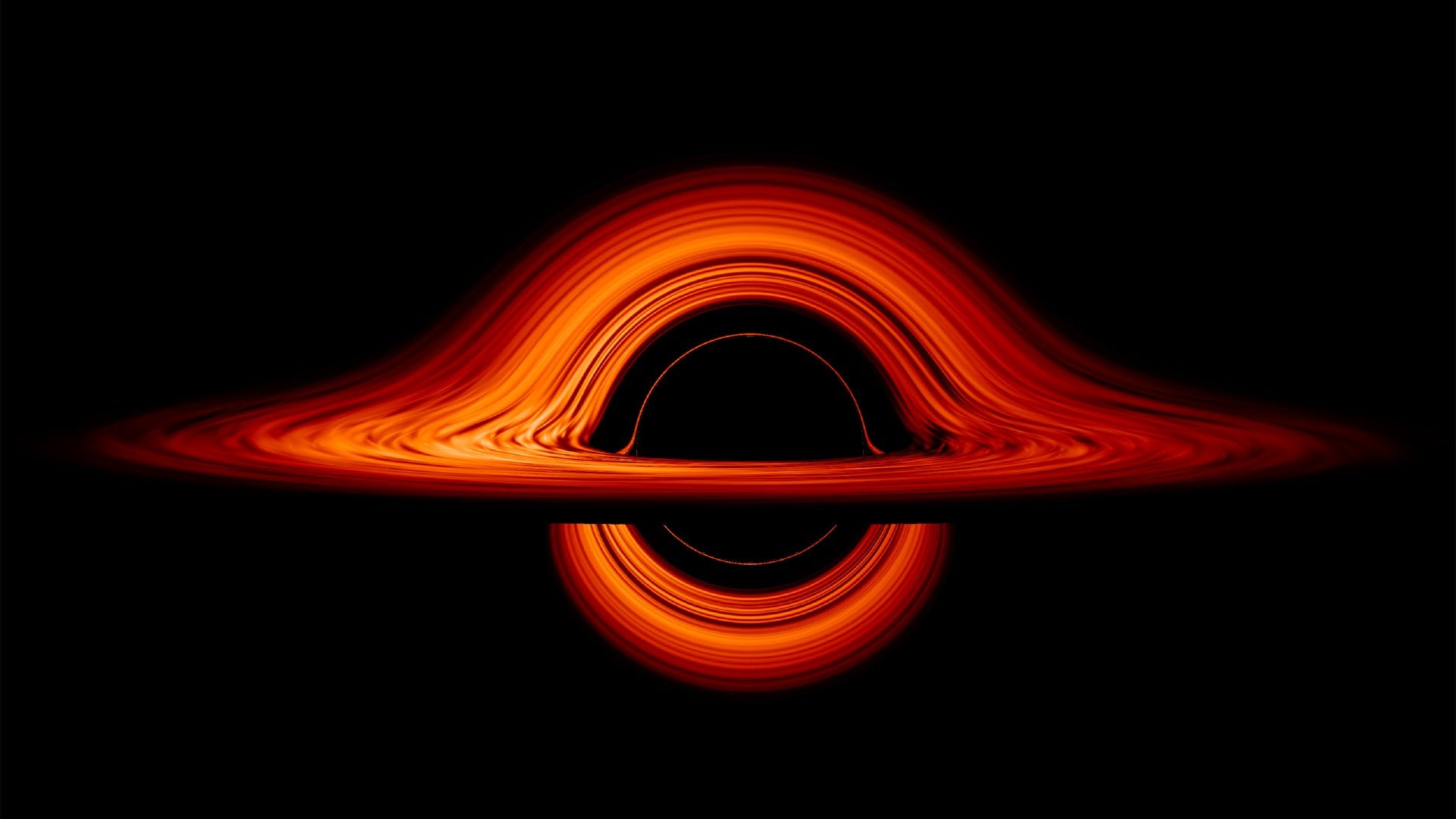
A new theoretical study by University of Virginia astrophysicist Jonathan Tan, a research professor with the College and Graduate School of Arts & Sciences’ Department of Astronomy, proposes a comprehensive framework for the birth of supermassive black holes.
Continue reading
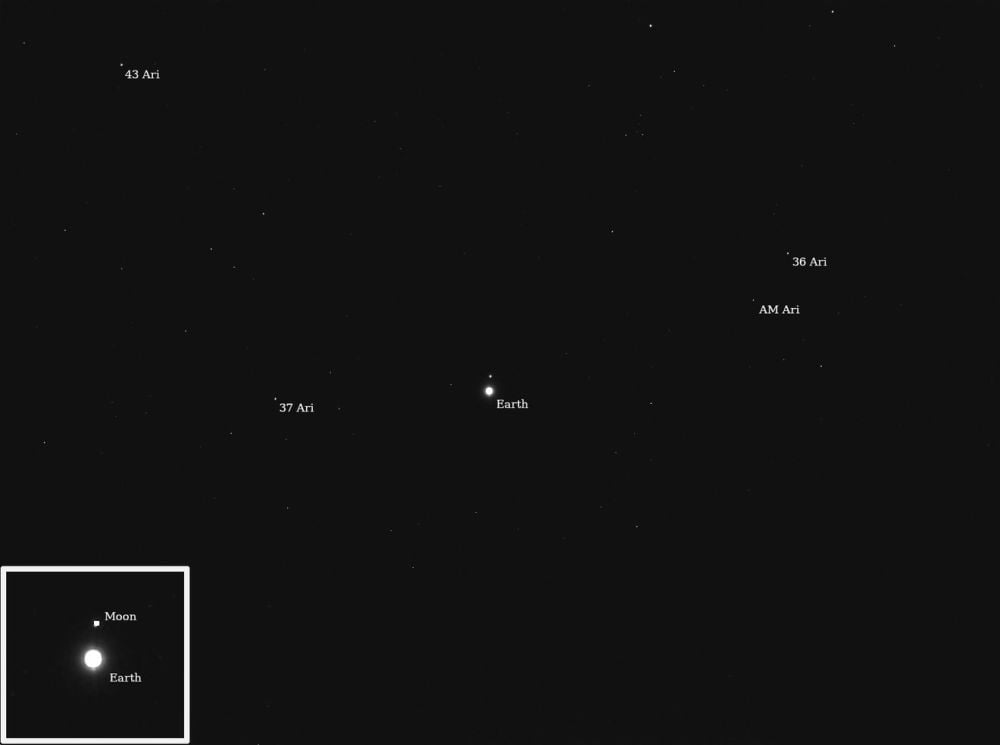
New images from NASA's Psyche spacecraft show that its cameras are working just fine. By pointing them at Earth and the Moon, NASA was able to test the spacecraft's cameras and science instruments. Since both bodies reflect light like Psyche, and since their spectra are familiar, it's a valuable opportunity to test and calibrate the instruments.
Continue reading

For thousands of years, humanity viewed the skies as unchanging, except for a few “wandering stars” (that we now know are planets). As we improved our ability to perceive the cosmos with light-gathering telescopes and electronic detectors, we realized that the universe is full of things that change in brightness, whether it be an exploding star or a matter-gulping black hole. NASA’s Nancy Grace Roman Space Telescope is poised to deliver an avalanche of such transients, including thousands of “standard candle” supernovae that allow us to measure the expansion history of the universe.
Continue reading
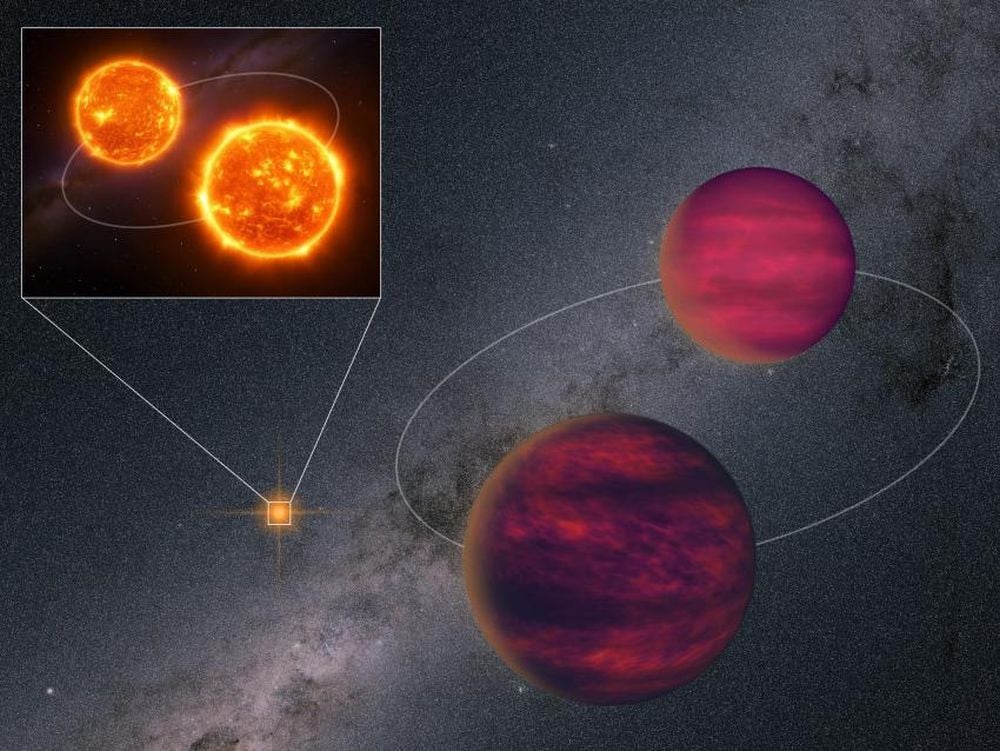
The discovery of an extremely rare quadruple star system could significantly advance our understanding of brown dwarfs, astronomers say. Brown dwarfs in wide binary orbits offer a chance to determine their properties more clearly.
Continue reading
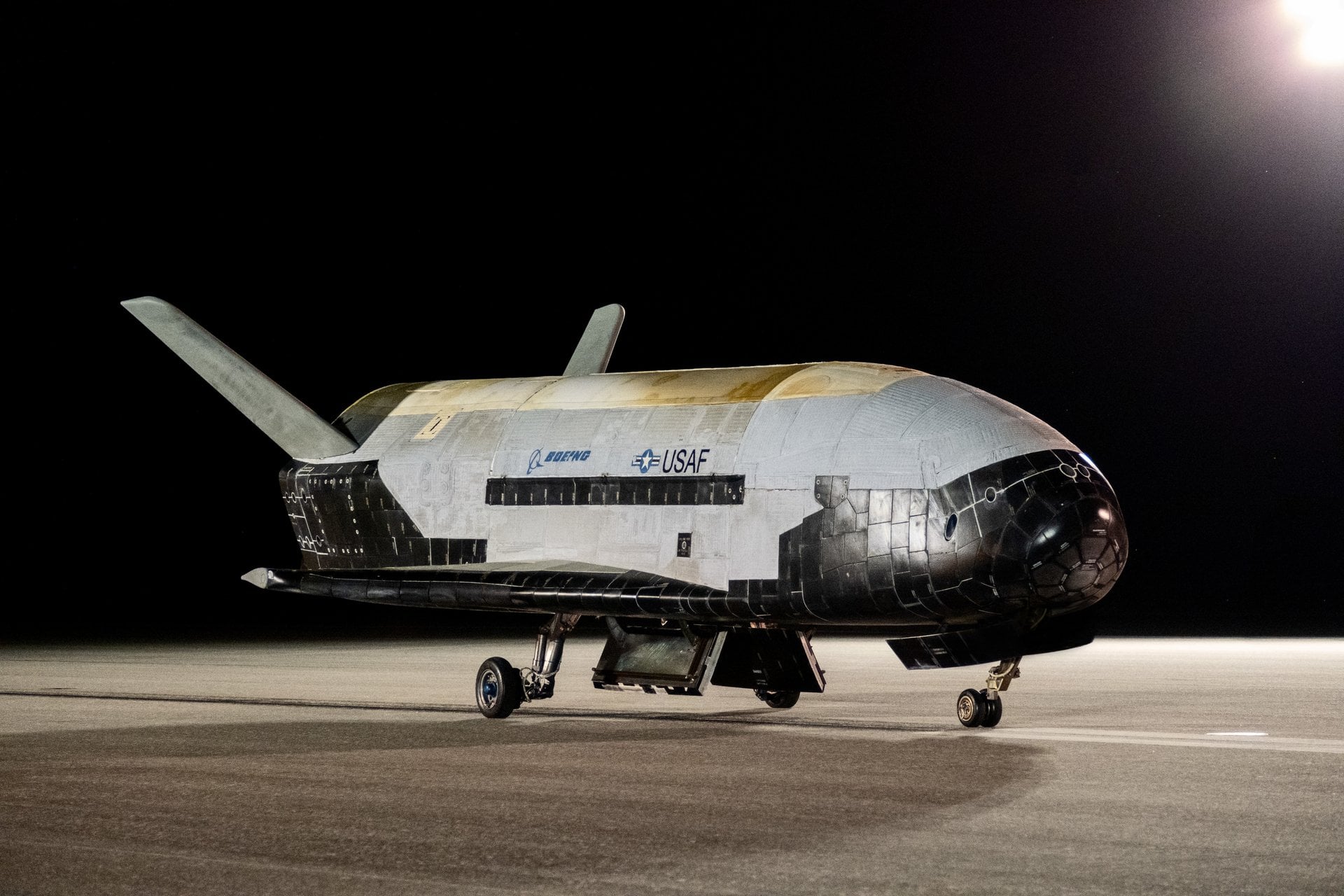
The hunt will be on shortly, to once again recover a clandestine mission in low Earth orbit. SpaceX is set to launch a Falcon-9 rocket from launch pad LC-39A at the Kennedy Space Center Thursday night August 21st, with the classified USSF-36 mission. The U.S. Space Force has announced that this is the eighth mission for its fleet of two Orbital Test Vehicles (OTV-8). This is the automated ‘mini-space shuttle’ about the size of a large SUV that launches like a rocket, and lands like a plane.
Continue reading
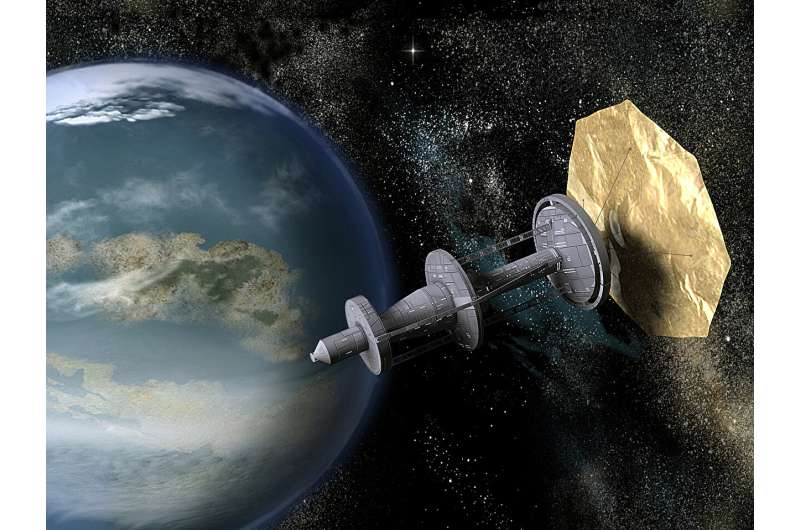
Sometimes inspiration can strike from the most unexpected places. It can result in a cross-pollination between ideas commonly used in one field but applied to a completely different one. That might have been the case with a recent paper on lightsail design from researchers at the University of Nottingham that used techniques typically used in video games to develop a new and improved structure of a lightsail.
Continue reading

How do tidal forces determine a planet’s orbital evolution, specifically planets in the habitable zone? This is what a recently submitted study hopes to address as an international team of researchers investigated how tidal forces far more powerful than experienced on Earth could influence orbital evolution of habitable zone planets with highly eccentric orbits around low-mass stars. This study has the potential to help researchers better understand the formation and evolution of exoplanets, specifically regarding where we could find life beyond Earth.
Continue reading

Some scientists thought that the asteroids Ryugu and Bennu were from the same family. Now that they have samples and JWST spectra from both, the verdict is in: They're both from the Polana collisional family, a diverse and widespread family of asteroids.
Continue reading
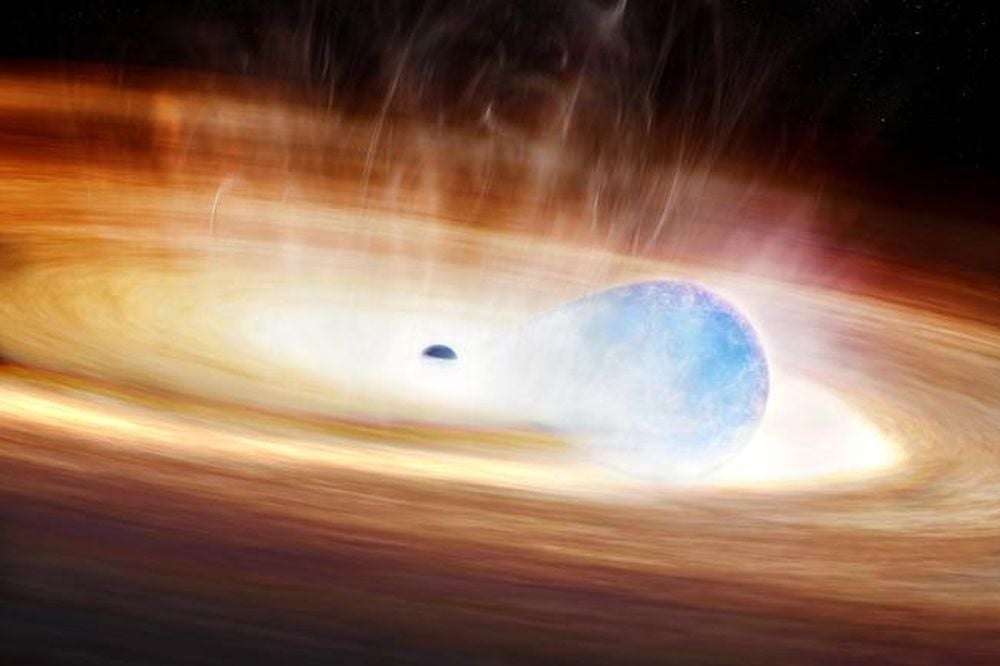
Astronomers have discovered what may be a massive star exploding while trying to swallow a black hole companion, offering an explanation for one of the strangest stellar explosions ever seen.
Continue reading
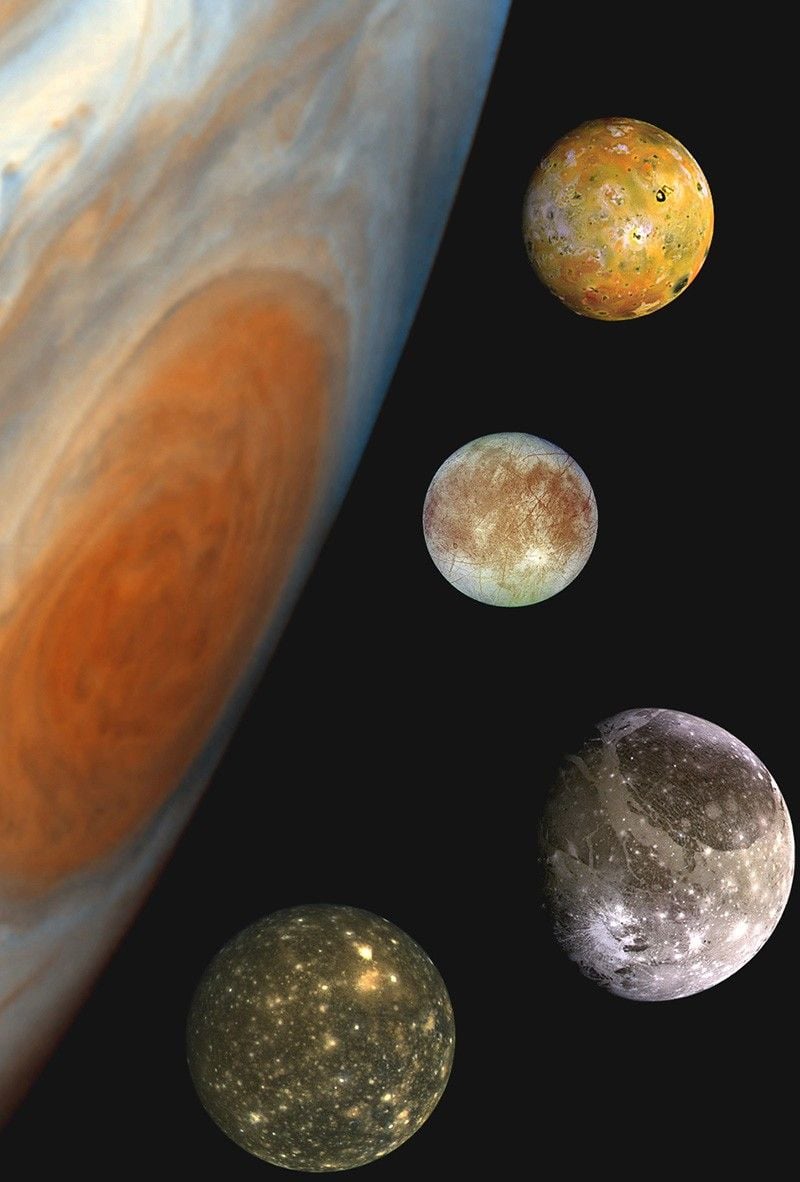
The Three Body Problem isn’t just the name of a viral Netflix series or a Hugo Award winning sci-fi book. It also represents a really problem in astrodynamics - and one that can cause headaches to mission planners in terms of its complexity, but also one that offers the promise of an easier way to enter stable orbits that might otherwise be possible. A new paper from researchers at the Beijing Institute of Technology shows one way those orbital maneuvers might be enhanced while exploring planetary systems - by using a gravity assist from its moons.
Continue reading
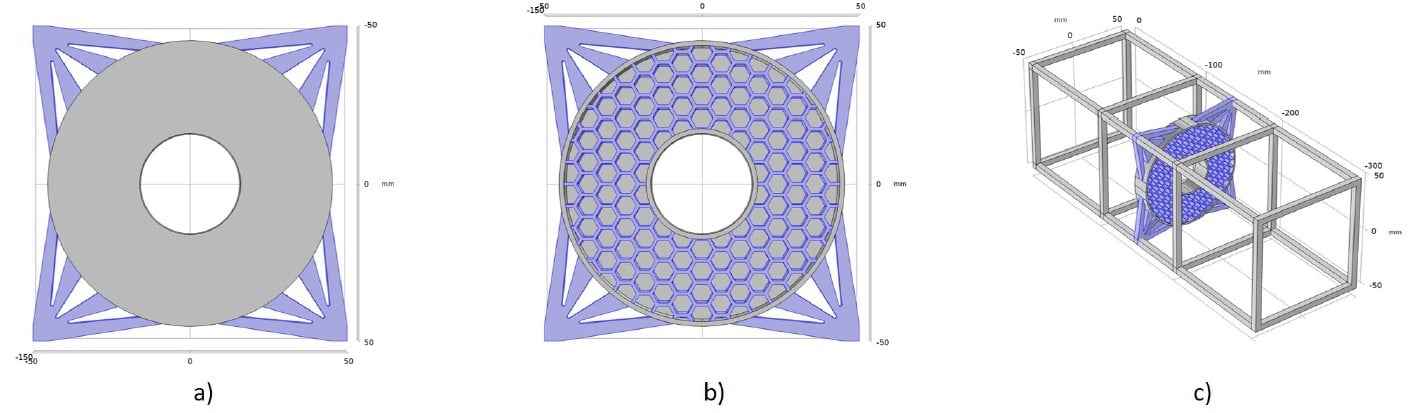
Compact, reflective, easy to manufacture mirrors are a critical component for advancing astronomical technology in space. Mirrors are a key component in most telescopes, though they are notoriously hard to manufacture with the necessary precision, especially at large scales. A new paper from researchers in the UK uses additive manufacturing to make a thin, flexible, and lightweight mirror out of aluminum and analyzes its properties to see if it will be useful in applications such as CubeSats.
Continue reading
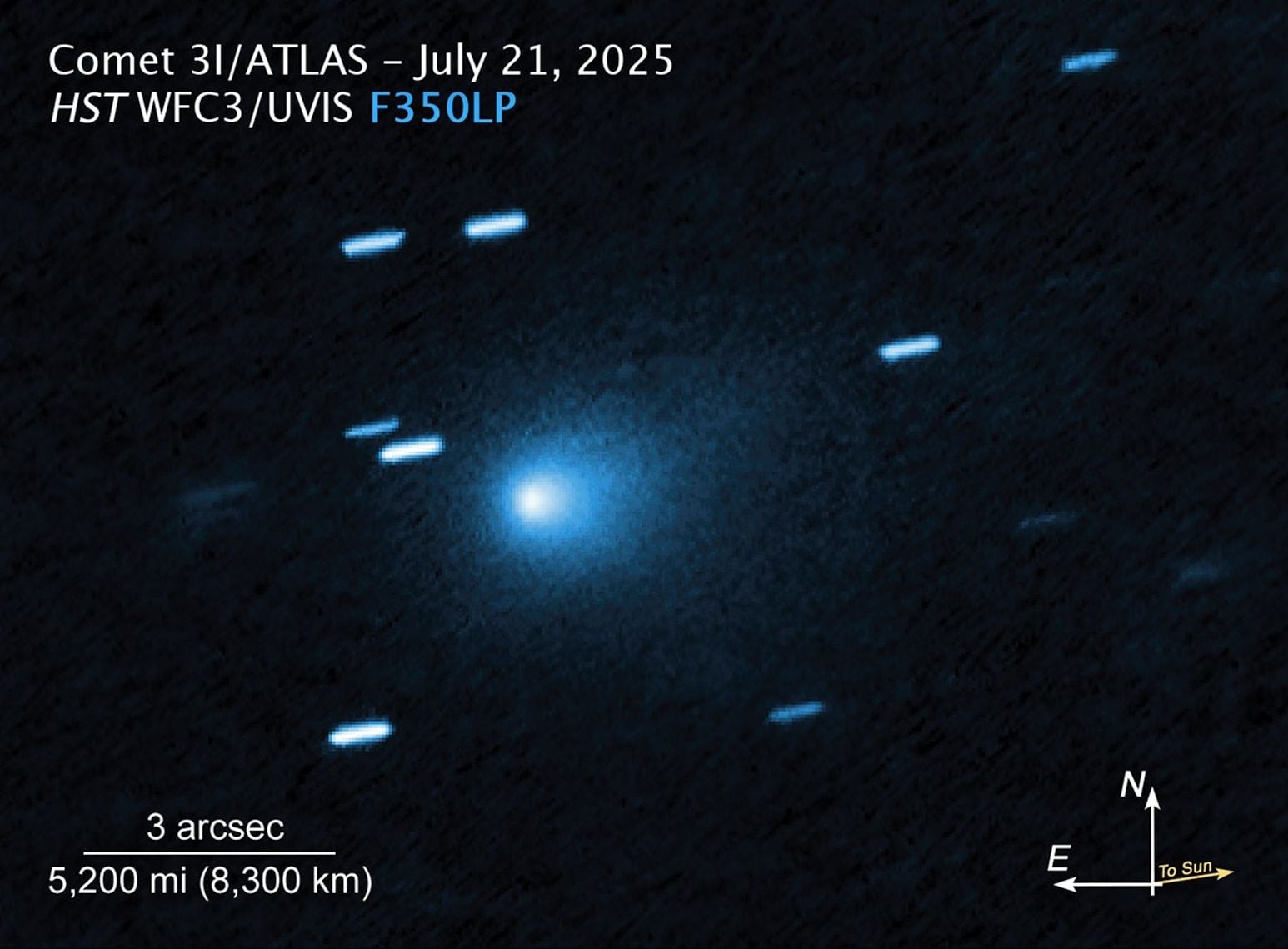
In a recent paper, researchers followed the trajectories of 1I/`Oumuamua, 2I/Borisov, and 3I/ATLAS - three installer objects that have entered the Solar System in the past decade - to constrain their possible origin. Through a series of Monte Carlo simulations, they came up with predictions of where they came from and how old they are.
Continue reading
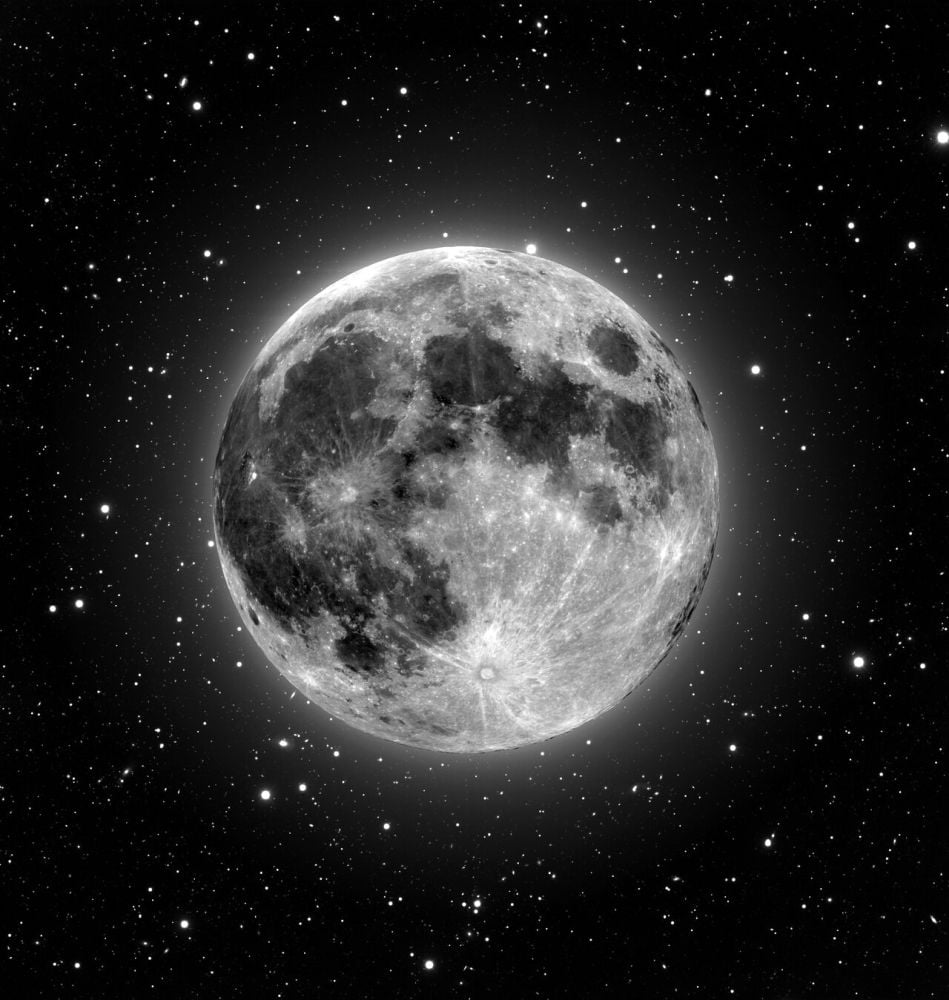
Exoplanets with and without a magnetic field are predicted to form, behave, and evolve very differently. In order to understand the exoplanet population, and to make progress understanding habitability, astronomers need to understand and constrain exoplanets' magnetic fields. Detecting them may best be done from the Moon.
Continue reading
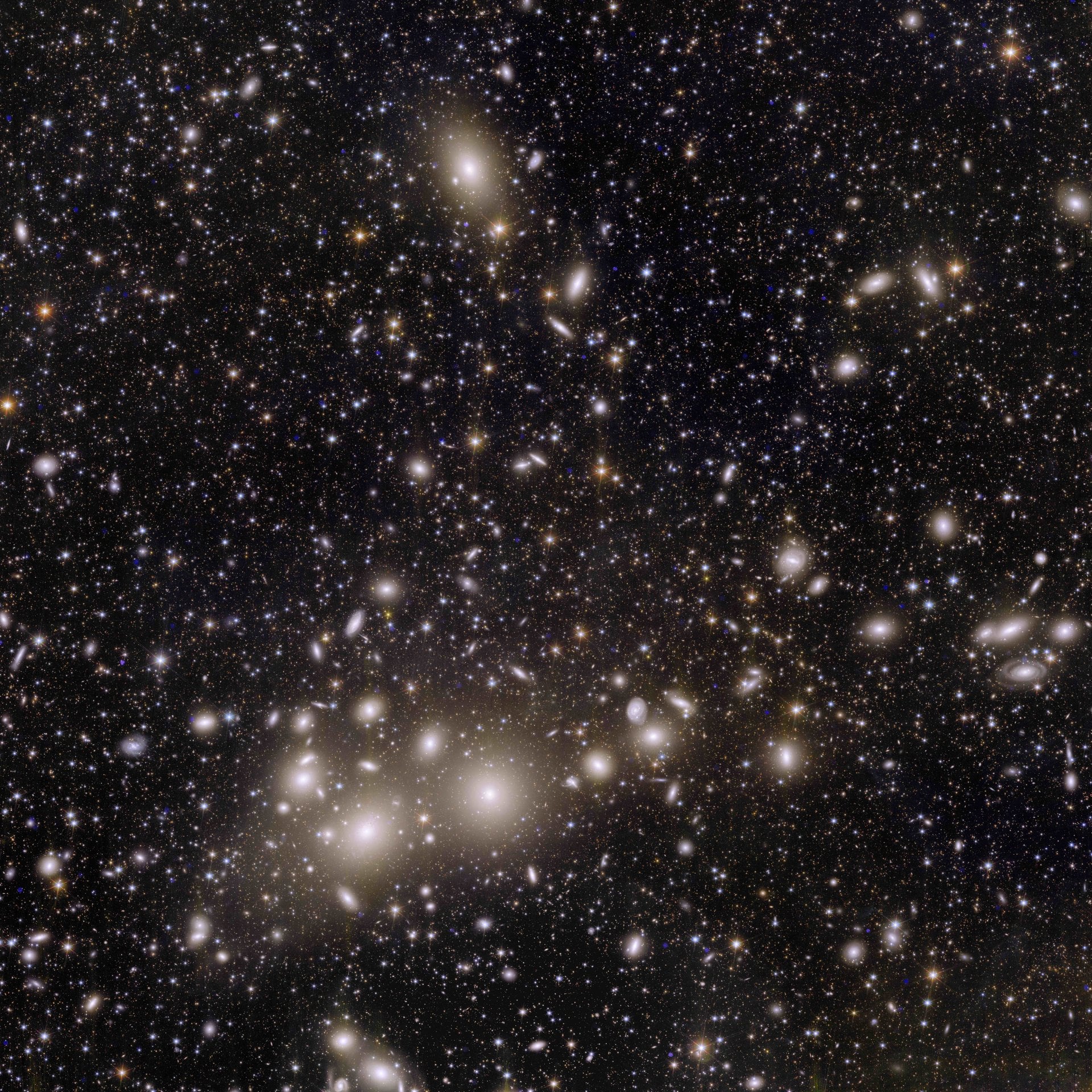
Physicists from the University of Copenhagen have begun using the gigantic magnetic fields of galaxy clusters to observe distant black holes in their search for an elusive particle that has stumped scientists for decades.
Continue reading

We already know a decent amount about how planets form, but moon formation is another process entirely, and one we’re not as familiar with. Scientists think they understand how the most important Moon in our solar system (our own) formed, but its violent birth is not the norm, and can’t explain larger moon systems like the Galilean moons around Jupiter. A new book chapter (which was also released as a pre-print paper) from Yuhito Shibaike and Yann Alibert from the University of Bern discusses the differing ideas surrounding the formation of large moon systems, especially the Galileans, and how we might someday be able to differentiate them.
Continue reading
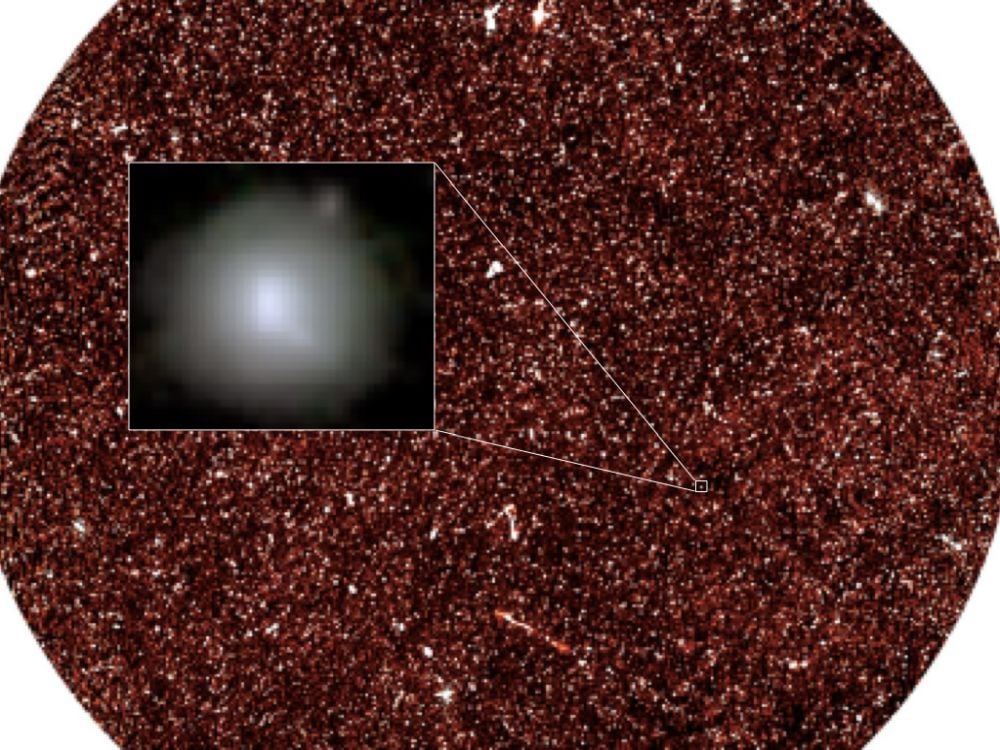
The Universe's early galaxies were engulfed in halos of high-energy cosmic rays. It's likely because they had tangled and turbulent magnetic fields. These fields accelerate cosmic rays to higher energies.
Continue reading
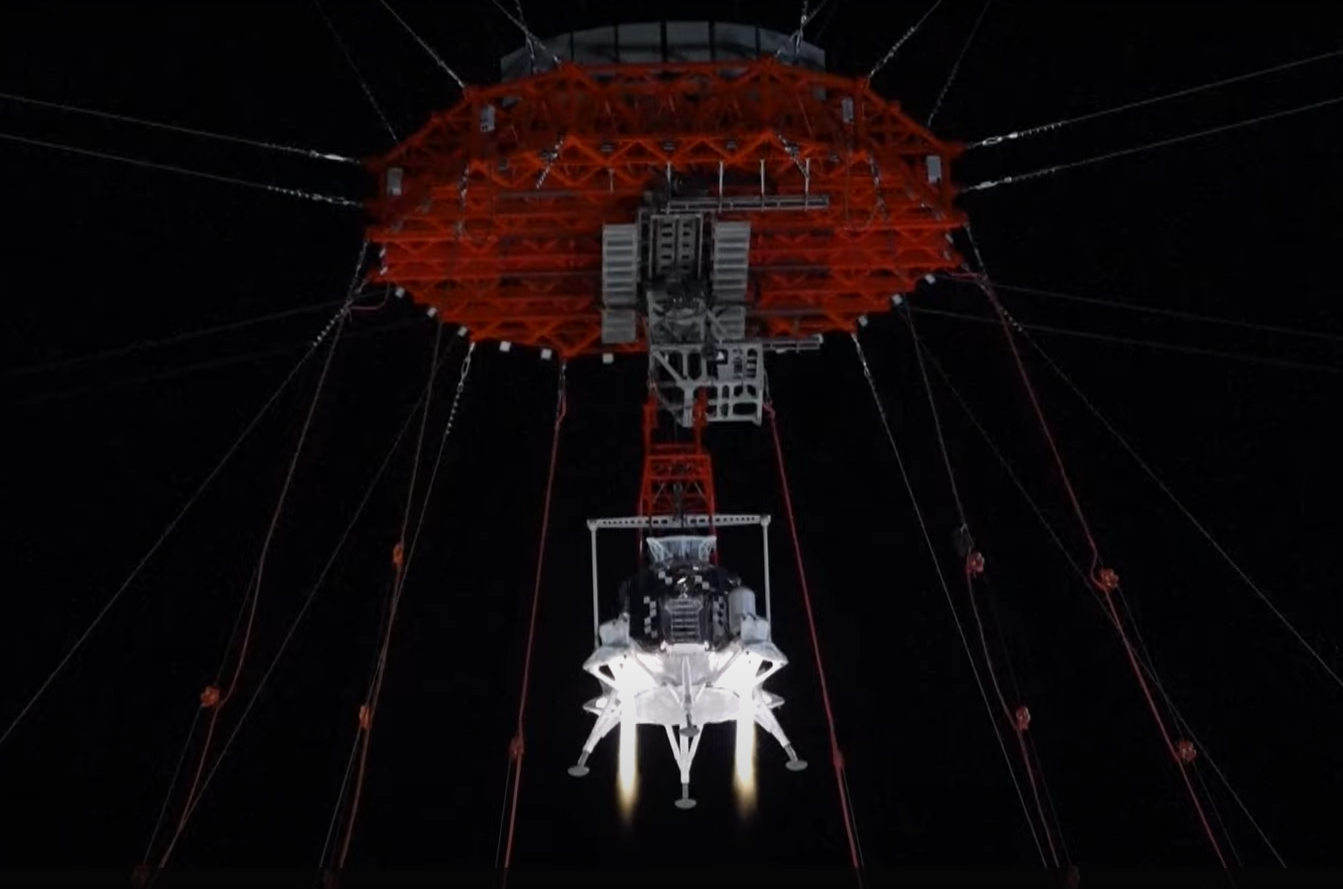
China took a step closer to the Moon, with the first short test for their crewed lunar lander. The test was completed on Wednesday, August 6th at a facility in China’s northern Hebei Province, and lasted just under 30 seconds. The tethered test successfully demonstrated the integration and performance of key systems, simulating descent, guidance, control and engine shutdown. This marks the first test for a China’s Manned (crewed) Space Agency (CMSA’s) human-rated lander.
Continue reading
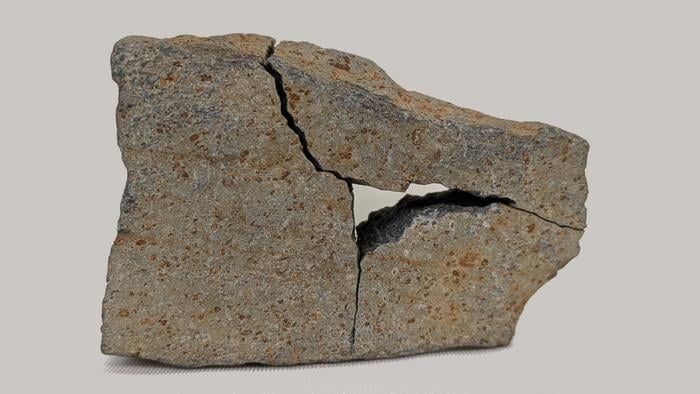
Taking a walk is great for inspiration. There have been numerous studies about how people think more clearly on walks, and how new ideas come to them more frequently while doing so. That’s part of the reason some of the most famous minds in history included a daily walk in their schedule. Just such an inspiration must have happened recently to Nicholas Heinz, a scientist at NASA’s Jet Propulsion Laboratory (JPL) in California. On a hike in Arizona he found a rock that could be used as an analog of a unique one found by the Perseverance rover on Mars - and decided to take it back to his lab to study it.x
Continue reading
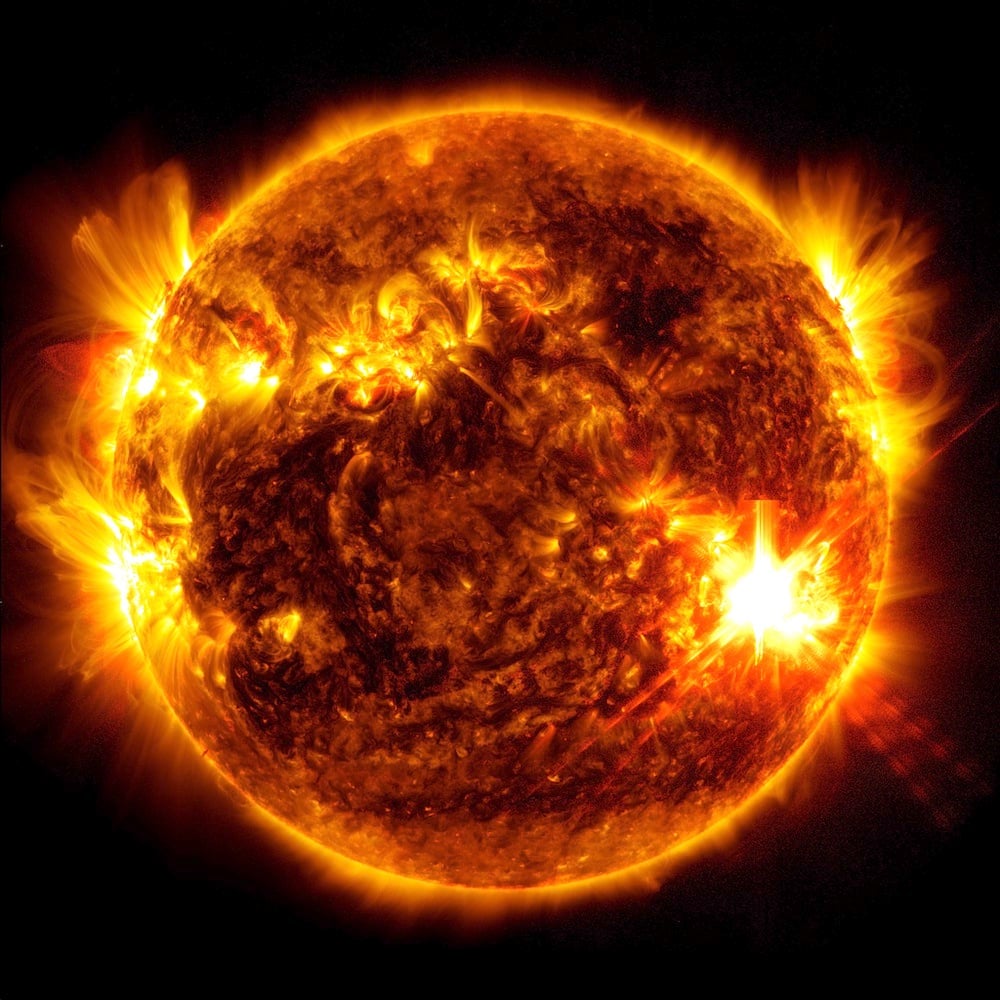
Climate change isn't just transforming weather on Earth's surface, it’s also fundamentally altering how space weather affects the thousands of satellites orbiting our planet. New research reveals that rising carbon dioxide levels will dramatically change how geomagnetic storms impact the upper atmosphere, creating both opportunities and challenges for the satellite industry in the decades ahead.
Continue reading
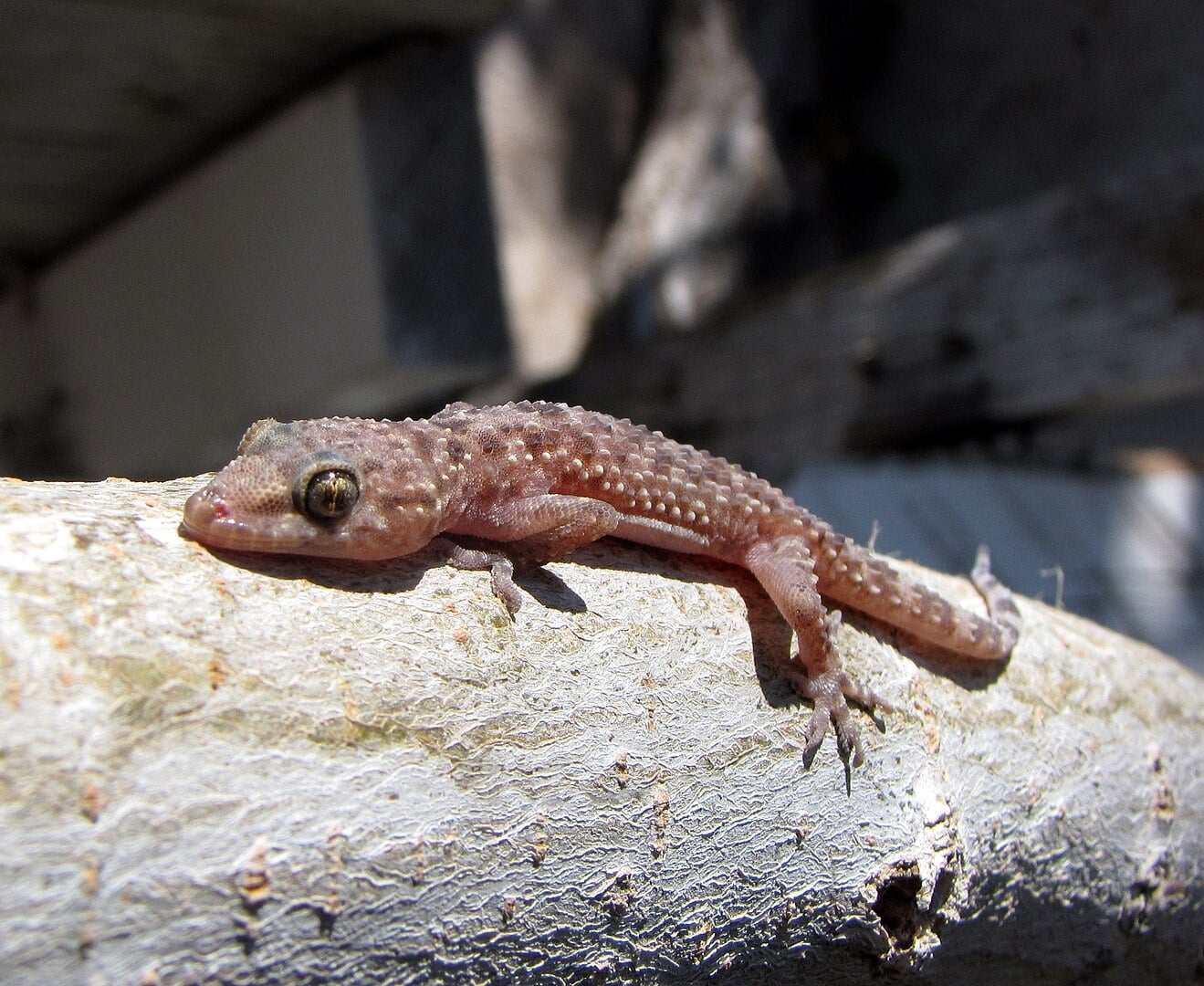
Space is getting dangerously crowded. More than 50,000 pieces of debris larger than 10 centimetres are currently hurtling around Earth at breakneck speeds, turning Earth orbits into veritable minefields. Dead satellites, rocket fragments, and collision debris pose such a serious threat that the International Space Station regularly performs emergency manoeuvres to dodge potential impacts. Now, an international team of researchers thinks they've found an elegant solution to this growing crisis and it's inspired by a humble house gecko's amazing ability to walk on walls.
Continue reading

What if the universe began with a fireworks show? A new theory suggests that supermassive black holes, the mysterious giants found at the heart of galaxies, were born from the universe's very first stars in a spectacular flash of light that ionised all of space before vanishing forever. This dramatic "Pop III.1" model could finally explain how these giant stellar remnants grew so impossibly large so quickly after the Big Bang, while potentially solving several major puzzles plaguing modern astronomy, from the Hubble Tension to the nature of Cosmic Dawn itself.
Continue reading
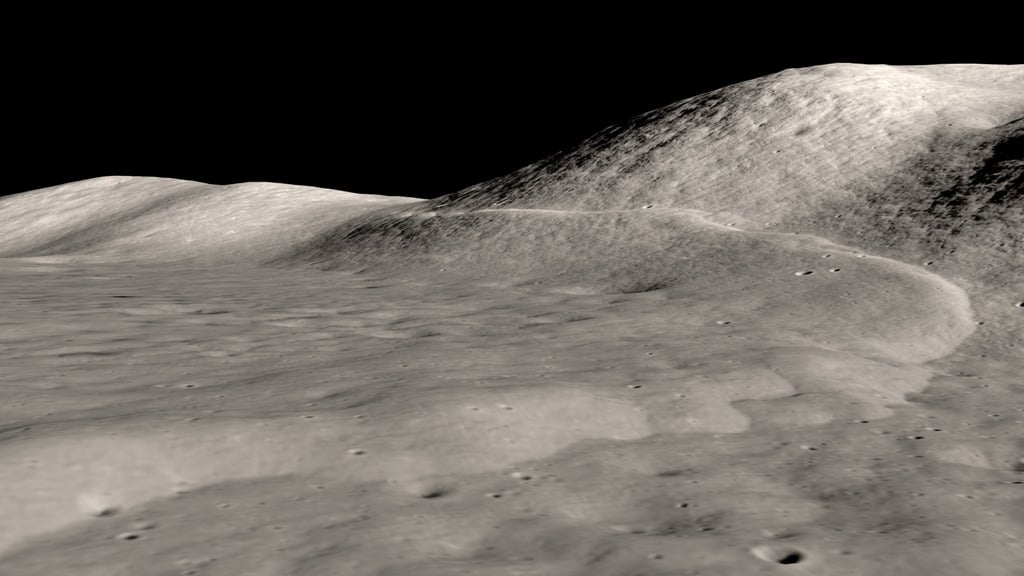
Our Moon is a seismically active world and its long history of quakes could affect the safety of permanent base structures there. That's one conclusion from a study of quakes along the Lee-Lincoln fault in the Taurus-Littrow valley where the Apollo 17 astronauts landed in 1972. “The global distribution of young thrust faults like the Lee-Lincoln fault, their potential to be still active and the potential to form new thrust faults from ongoing contraction should be considered when planning the location and assessing stability of permanent outposts on the Moon,” said Smithsonian senior scientist emeritus Thomas R. Watters, lead author of the paper.
Continue reading
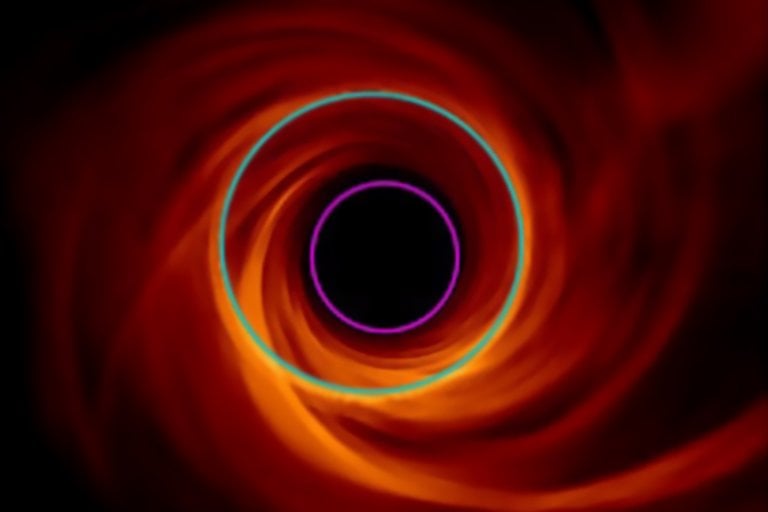
Supercomputer simulations are helping scientists sharpen their understanding of the environment beyond a black hole’s "shadow," material just outside its event horizon.
Continue reading
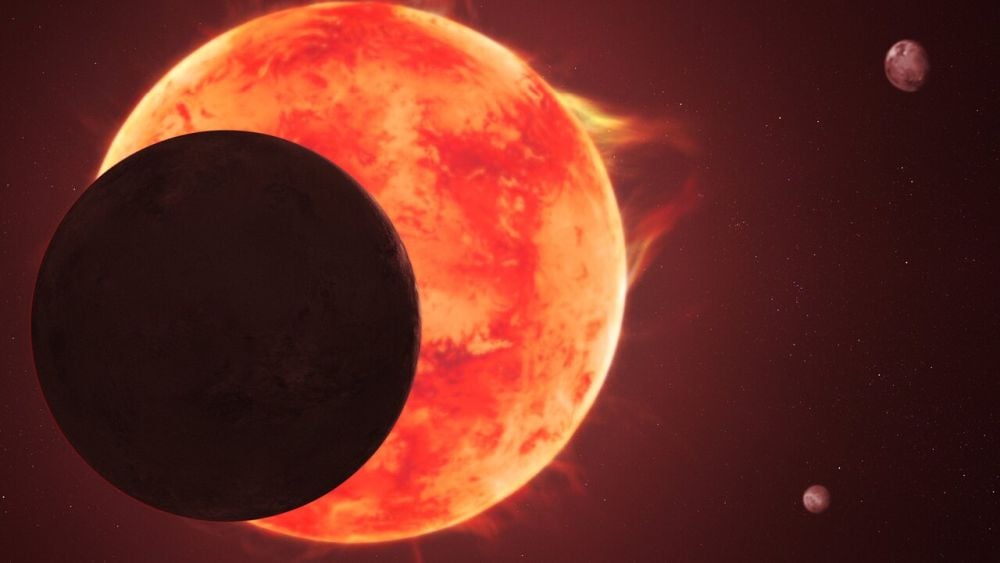
The exoplanet TRAPPIST-1 d intrigues astronomers looking for possibly habitable worlds beyond our Solar System because it is similar in size to Earth, rocky, and resides in an area around its star where liquid water on its surface is theoretically possible. But according to a new study using data from the NASA/ESA/CSA James Webb Space Telescope, it does not have an Earth-like atmosphere.
Continue reading
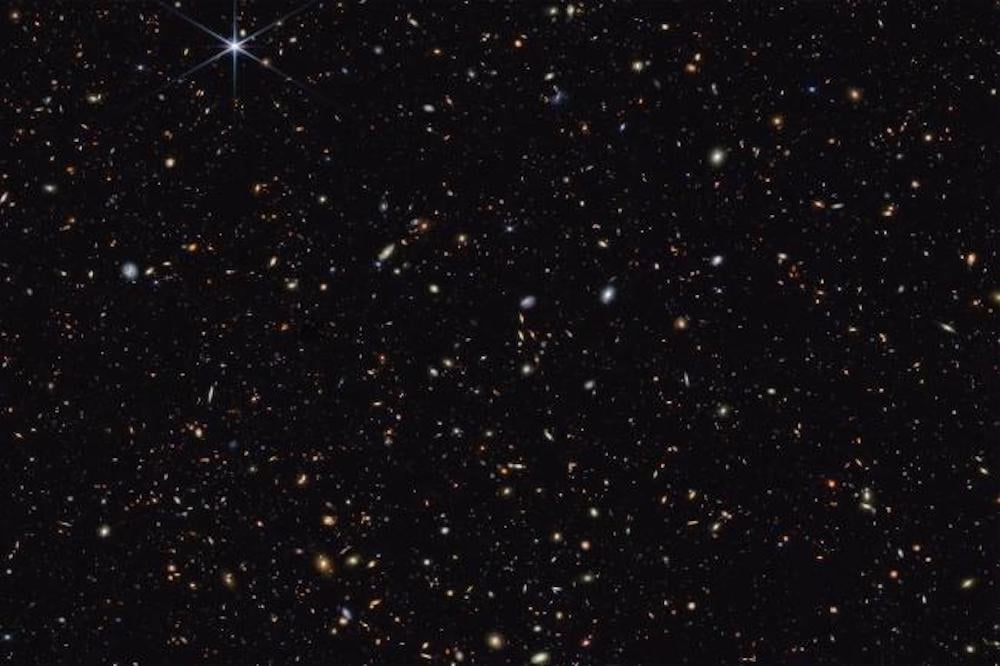
Deep in the darkness, tiny red specks of light have been driving astronomers to distraction. These mysterious "little red dots" discovered by the James Webb Space Telescope shouldn't exist, they’re impossibly compact yet blazingly bright, defying our understanding of how galaxies form. Now, Harvard researchers believe they've solved this billion year old puzzle with a theory involving the universe's rarest structures; dark matter halos.
Continue reading
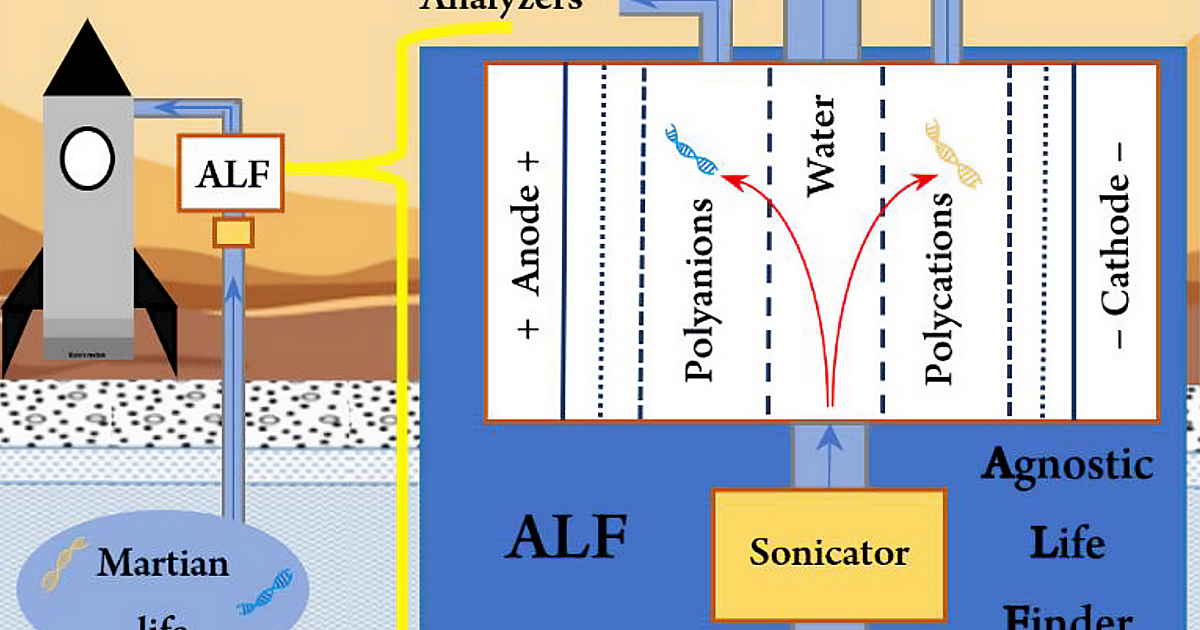
Mars still holds the promise of being one of the first places in the solar system humanity will colonize. However, if there was evolutionarily distinct, extant life on the planet, it might sway the heart of even the most ardent Mars colonization fans. So astrobiologists are in a race against time to try to determine whether or not such life exists, before the entire planet becomes an analogue of the Earth’s biosphere, if only unintentionally, and only a shadow of the ones that exists here. A new paper from the Christopher Temby and Jan Spacek of the Agnostic Life Finder (ALF) team discusses one of the most promising ways to prove definitively that life exists on the Red Planet - finding polyelectrolyte polymers - in other words, DNA.
Continue reading
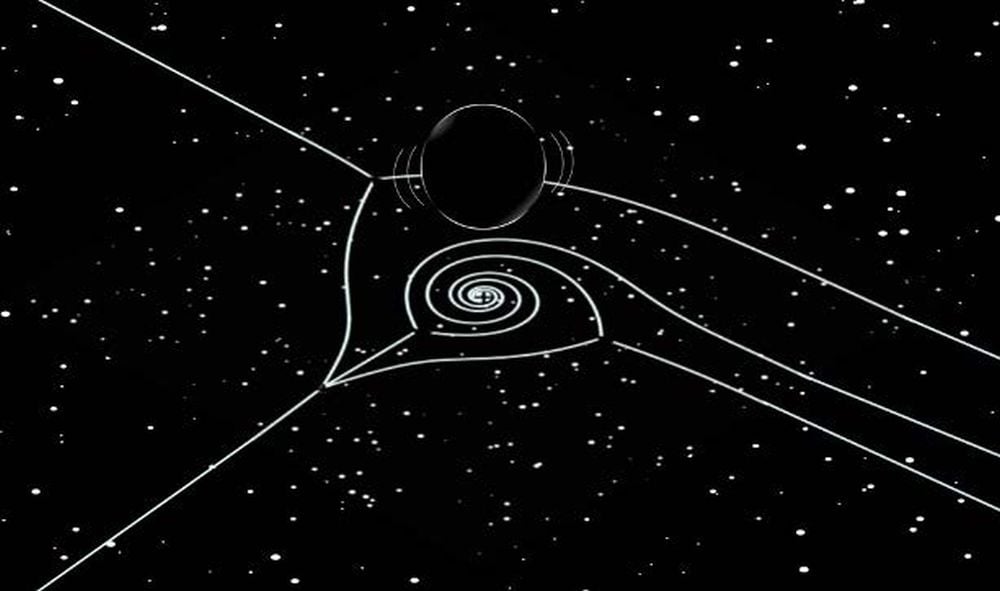
When black holes are disrupted by things like infalling matter or gravitational waves, they vibrate like a bell struck with a clapper. The vibrations decay over time as the black hole returns to an equilibrium state. Astrophysicists can measure these vibrations to learn more about the black hole.
Continue reading
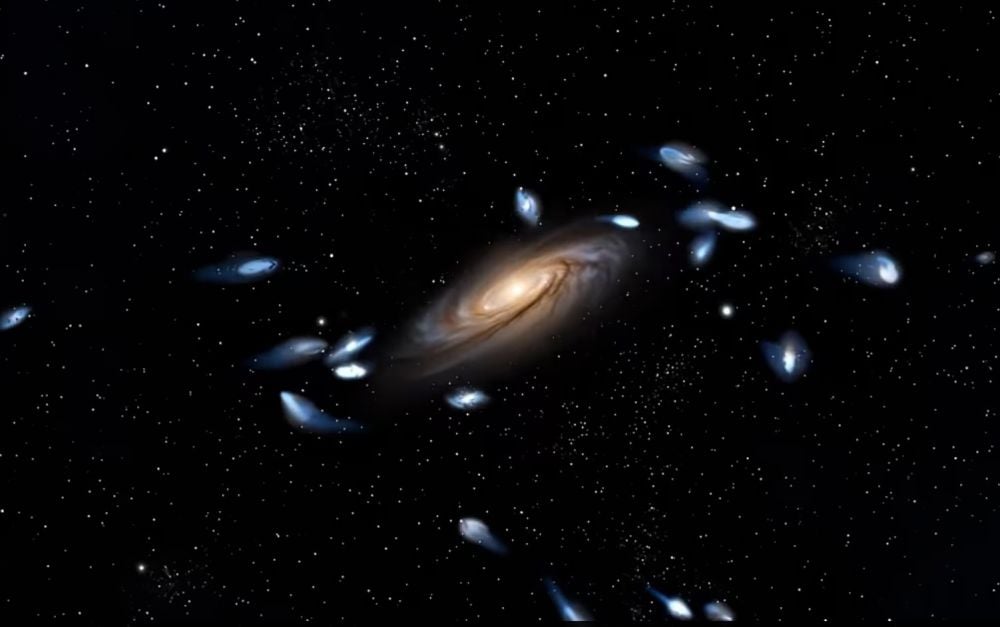
New research shows how the 'dancing' behaviour of dwarf satellite galaxies can predict mergers between their hosts. A distant pair of galaxies is undergoing the same type of merger that Milky Way/Andromeda will undergo. Can the behaviour of their dwarf satellites tell astronomers what will happen when the MW and Andromeda merge?
Continue reading
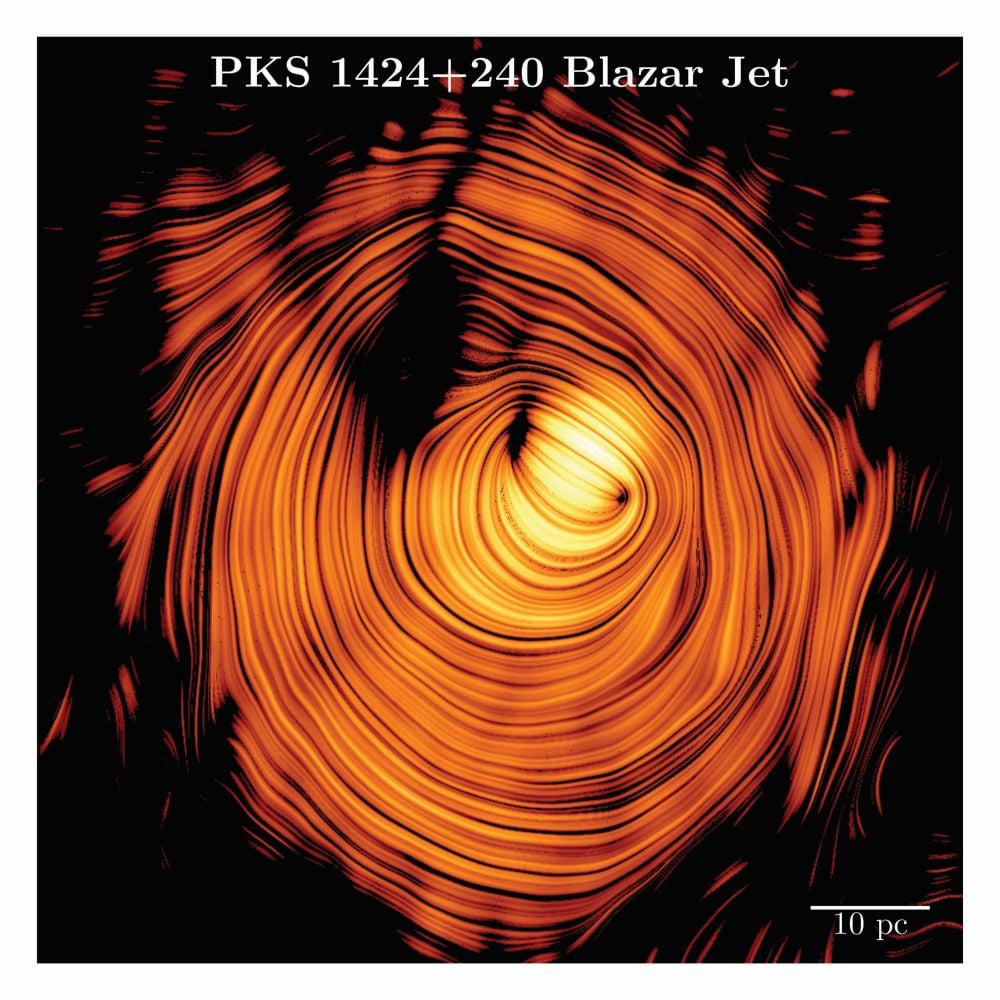
A stunning new image of a cosmic jet has helped astronomers unlock the mystery behind the unusually bright emission of high-energy gamma rays and neutrinos from a peculiar celestial object. The source is a blazar—a type of active galaxy powered by a supermassive black hole devouring matter at the heart of a galaxy. They have captured what looks like the mythical "Eye of Sauron" in the distant universe and may have just solved a decade-long cosmic puzzle.
Continue reading
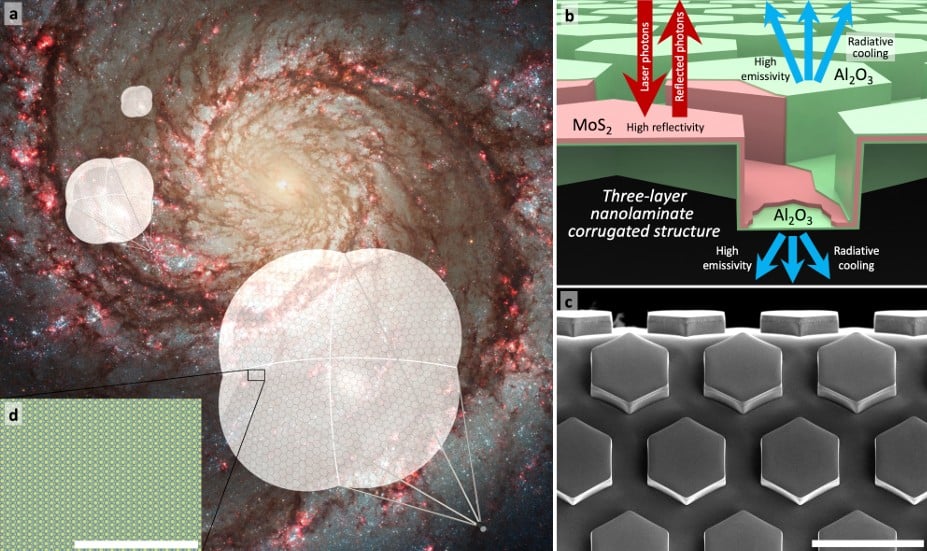
Any material used as a light sail is bound by very restrictive physical requirements. It has to be extremely light , can’t melt from the energy applied to it, and must bend, but not break, from that pressure. Various research groups around the world have been working on materials they believe will meet those requirements, and a new paper from researchers at the University of Pennsylvania describes experimental testing of what they believe to be the most functional light sail material yet developed.
Continue reading
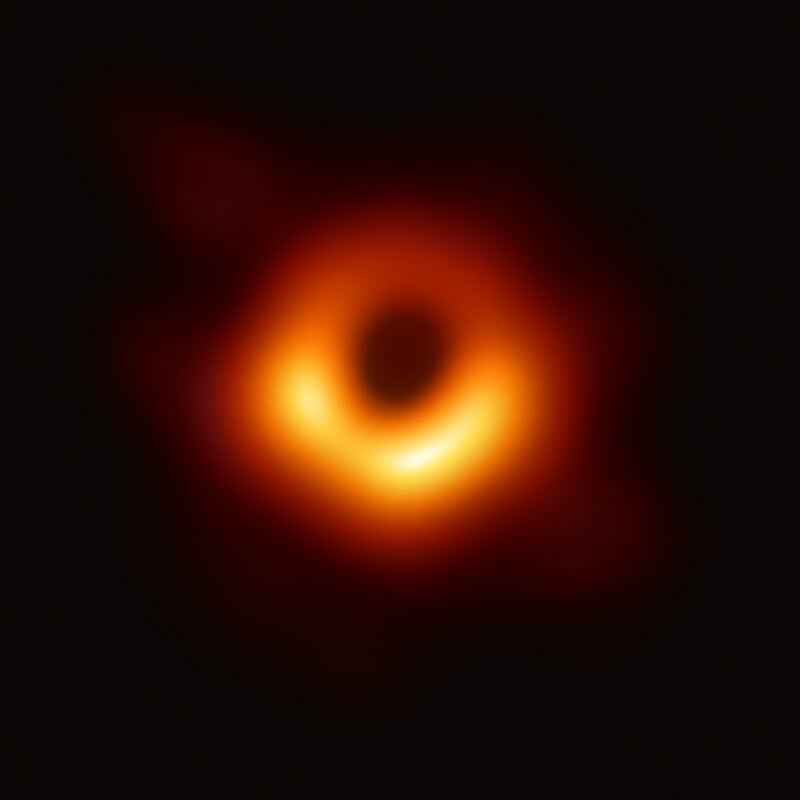
A supermassive black hole in the act of awakening from slumber haas been detected by a team of astronomers. Using powerful radio telescopes, they observed this sleeping giant as it began to stir for the first time, offering an unprecedented look at how these stellar monsters come to life. Located 6 billion light years away, this giant has been dormant but suddenly roared to life just 1,000 years ago, revealing secrets about how the universe's most powerful forces shape entire galaxies.
Continue reading
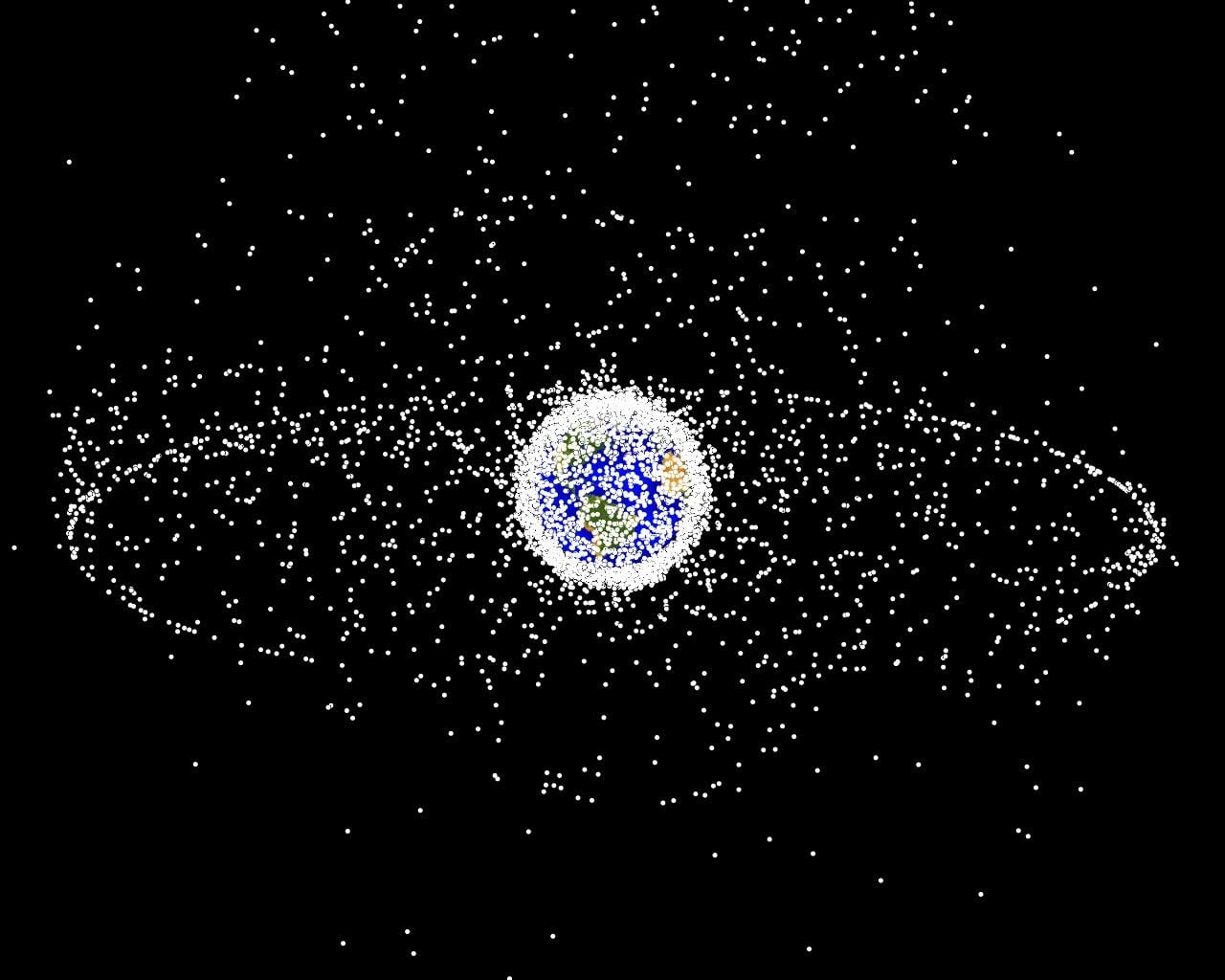
Space is getting dangerously crowded but a new automated system could be the key to preventing catastrophic collisions that threaten our satellites and astronauts. The European Space Agency has developed CREAM (Collision Risk Estimation and Automated Mitigation), a revolutionary technology that aims to transform how we manage traffic in Earth orbit and keep space safe for future generations.
Continue reading
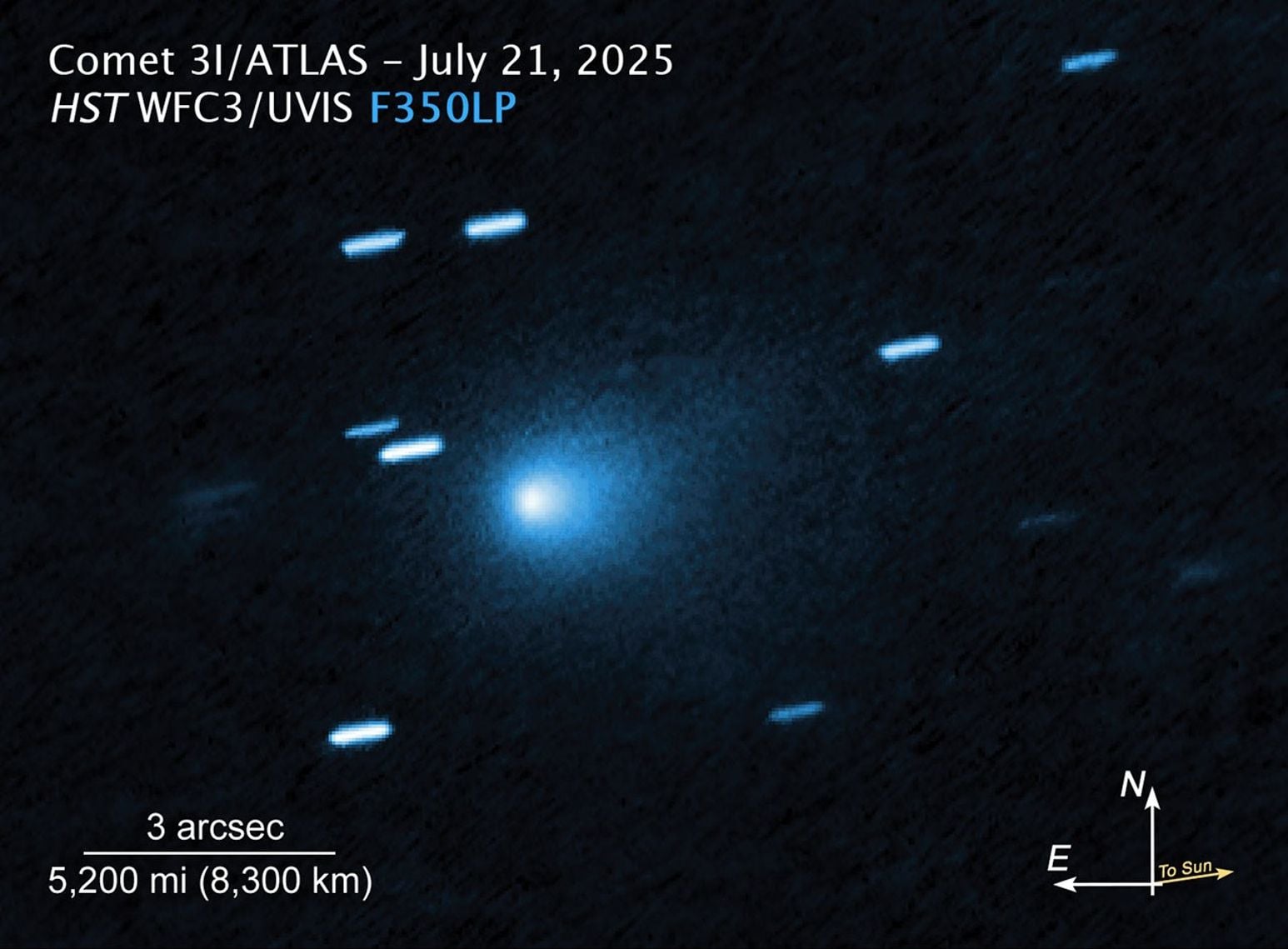
arXiv:2507.21402v1 Announce Type: new Abstract: The interstellar object 3I/ATLAS is expected to arrive at a distance of $53.56(\pm 0.45)$ million ${\rm km}$ ($0.358\pm 0.003$~au) from Jupiter on March 16, 2026. We show that applying a total thrust $\Delta$V of $2.6755{{\rm km~s^{-1}}}$ to lower perijove on September 9, 2025 and then execute a Jupiter Oberth Maneuver, can bring the Juno spacecraft from its orbit around Jupiter to intercept the path of 3I/ATLAS on March 14, 2026. A close fly-by...
Continue reading
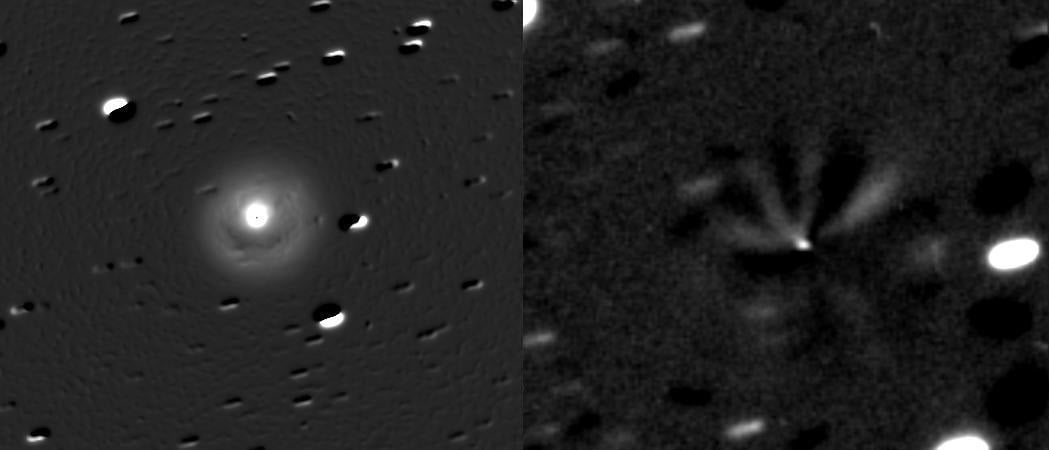
A team of scientists have made a discovery that could help solve one of Earth's greatest mysteries, where did our planet's water come from? Using powerful radio telescopes, the researchers have detected water vapour in a comet located far beyond Neptune's orbit, and the results are changing our understanding of how life sustaining water arrived on our world.
Continue reading
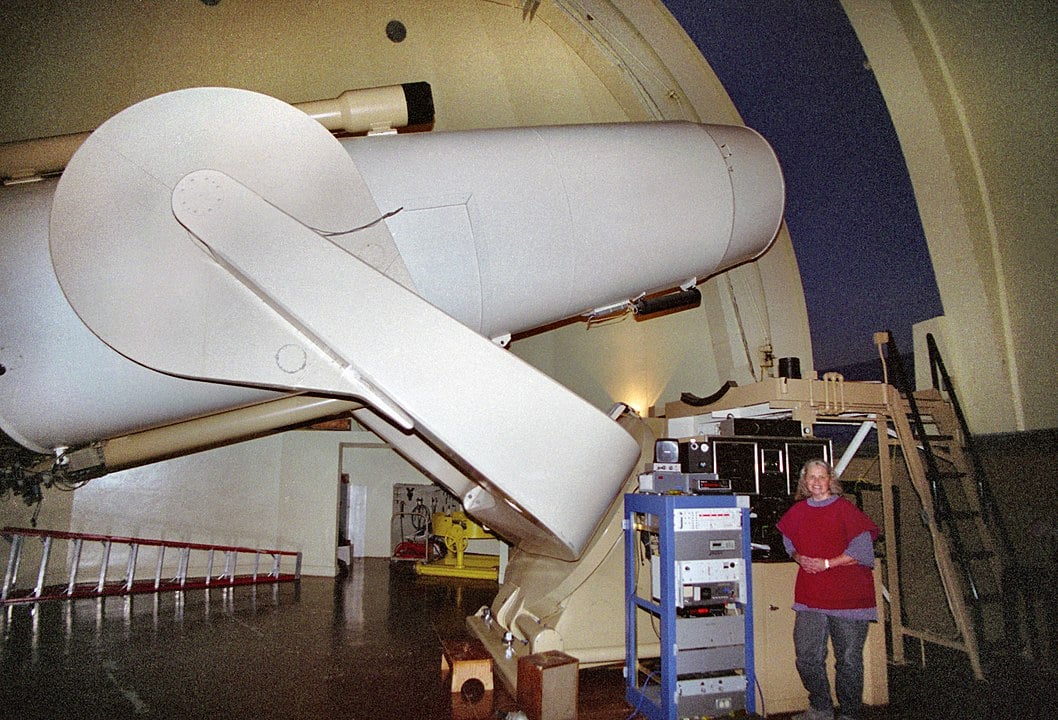
For decades, astronomers have searched for signs of extraterrestrial intelligence using radio telescopes and optical instruments, scanning the skies for artificial signals. Now, researchers are taking a different approach, this time looking much closer to home for alien artefacts that might already be in our Solar System.
Continue reading
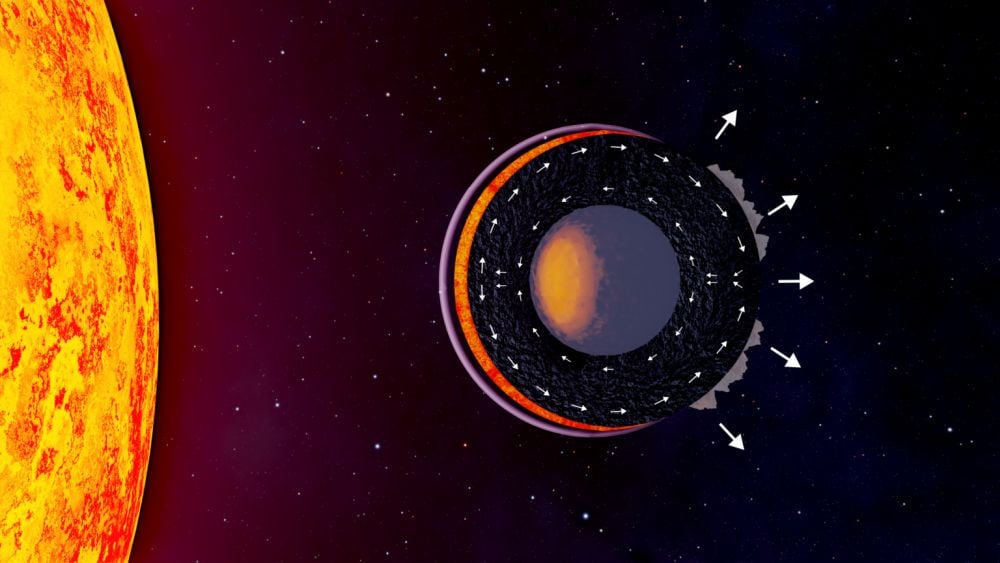
Some exoplanets are so close to their stars that the rock is melted. Astronomers have dozens of these lava planets, maybe more because they're challenging to confirm. New research shows how the JWST can help astronomers understand them.
Continue reading
 Universe Today