Universe Today
Your sunscreen sits in the bathroom cabinet, slowly changing. The mayonnaise in your fridge gradually separates. That prescription cream loses effectiveness over time. All these materials share something fundamental, they're soft matter, substances like gels, foams, and colloids whose internal structure reorganises slowly and mysteriously over months or years.
Understanding exactly what happens inside these materials as they age has always been complicated by gravity. Even sitting still on a shelf, Earth's gravitational pull constantly influences how particles within these substances settle, cluster, and rearrange themselves. So a team of researchers from Politecnico di Milano and the Université de Montpellier decided to study soft matter somewhere gravity that gravity will have no effect.
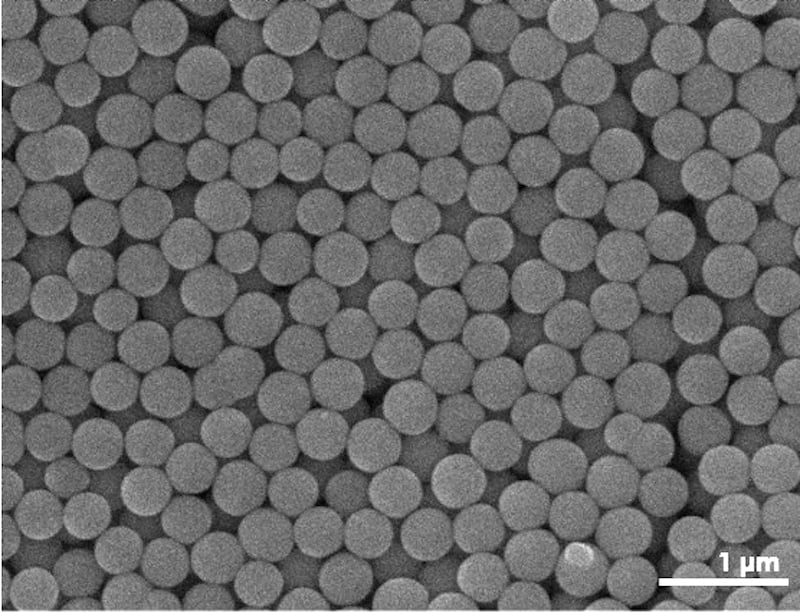 Scanning electron microscope image of a colloid (Credit : Yasrena)
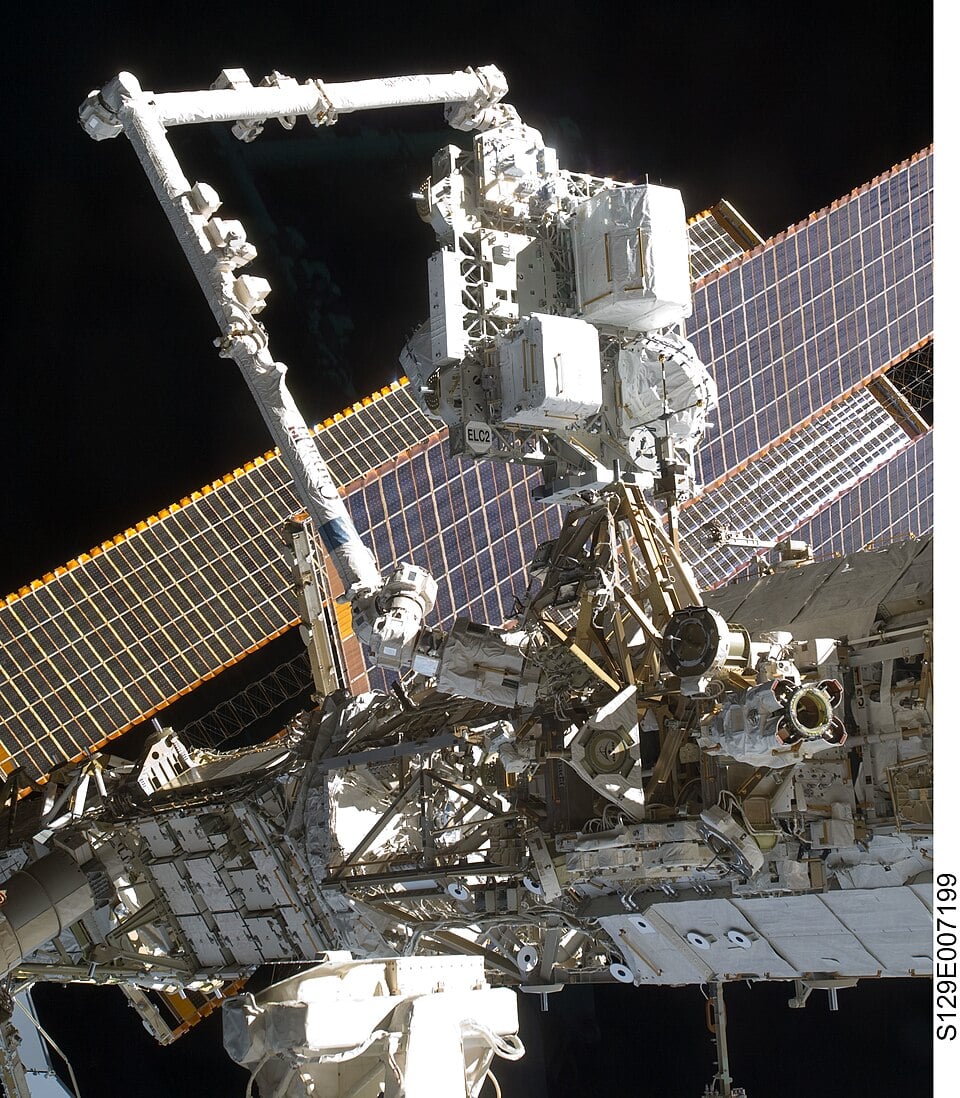
The result is COLIS, a new experimental facility now operating aboard the International Space Station. The laboratory represents the culmination of more than 25 years of collaboration between Luca Cipelletti, a physicist at the Laboratoire Charles Coulomb, and Roberto Piazza, who runs the Soft Matter laboratory at Politecnico di Milano.
COLIS uses sophisticated optical techniques to look inside materials without disturbing them. Dynamic light scattering analyses how laser beams pass through samples, revealing tiny variations called speckle patterns that show how gels and other soft materials restructure over time. The facility can also carefully heat samples to trigger aging processes in precise, reproducible ways, then watch what happens at the molecular level.
Early results have already surprised the research team. Gravity affects soft matter structure more dramatically than expected, influencing material properties even over long timescales.
"It's amazing to see how much gravity, so familiar in our daily lives, acts behind the scenes to shape the materials we use every day," - Roberto Piazza from the Soft Matter laboratory at Politecnico di Milano.
Pharmaceutical companies need drugs that remain stable for years. Cosmetics manufacturers want creams that don't separate. Food producers require emulsions that maintain consistency through distribution and storage. Understanding how these materials truly behave when gravity isn't constantly interfering could revolutionise formulation design.
Transported to the International Space Station, COLIS is now analysing samples of colloidal nanoparticles ideal for investigating internal reorganisation and aging. The project operates under the European Space Agency's "Colloids in Space" programme with support from Italian and French space agencies.