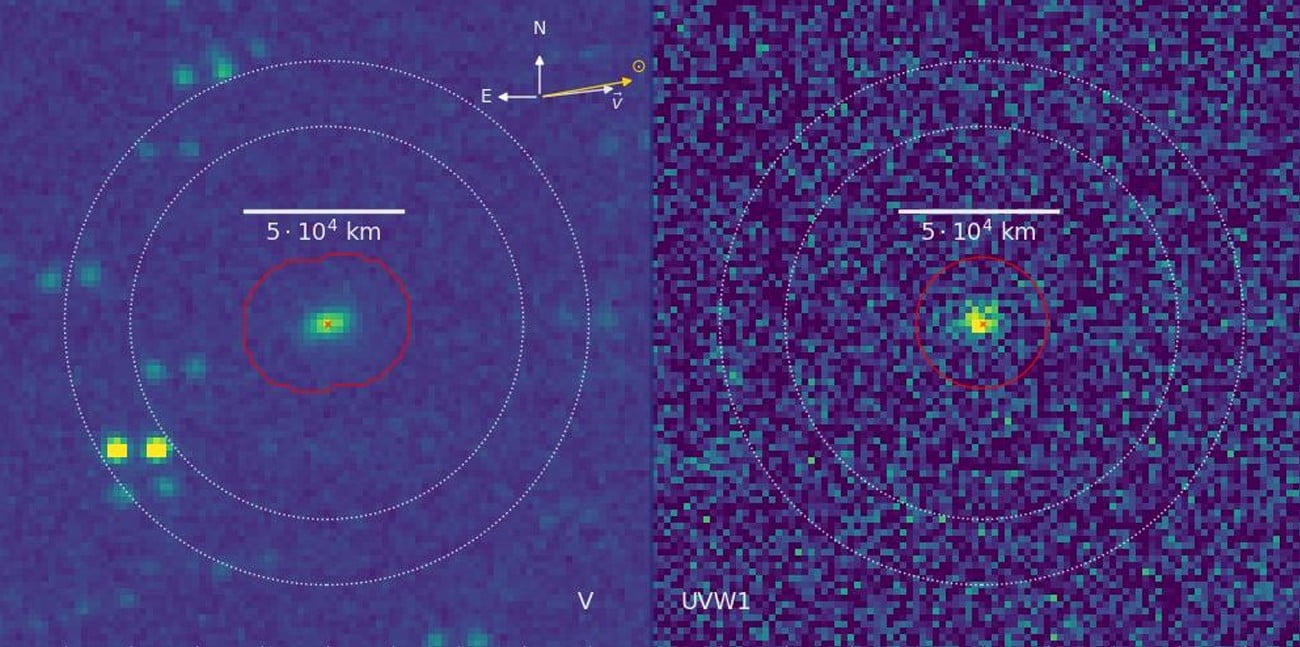
3I/ATLAS, our third discovered interstellar visitor, has been in the news a lot lately for a whole host of reasons, and rightly so given the amount of unique scientific data different groups and telescopes have been collecting off of it. A new pre-release paper from researchers at the Auburn University Department of Physics recounts yet another interesting aspect of the new visitor - its water content.
Continue reading
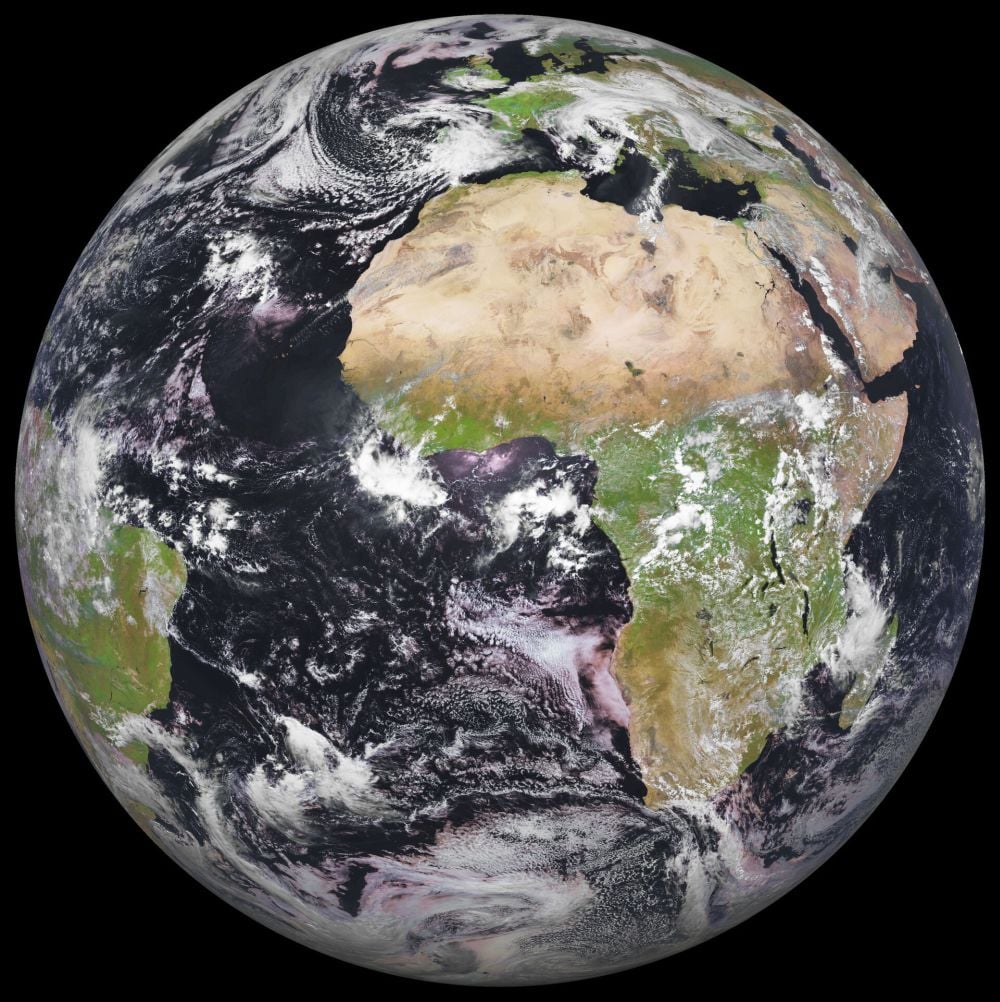
University of Warwick astronomers, in partnership with institutions in Spain, are showing how astronomy tools, that are usually used to study stars, can be repurposed as climate sensors, helping us track how Earth's atmosphere is changing in the face of global warming.
Continue reading
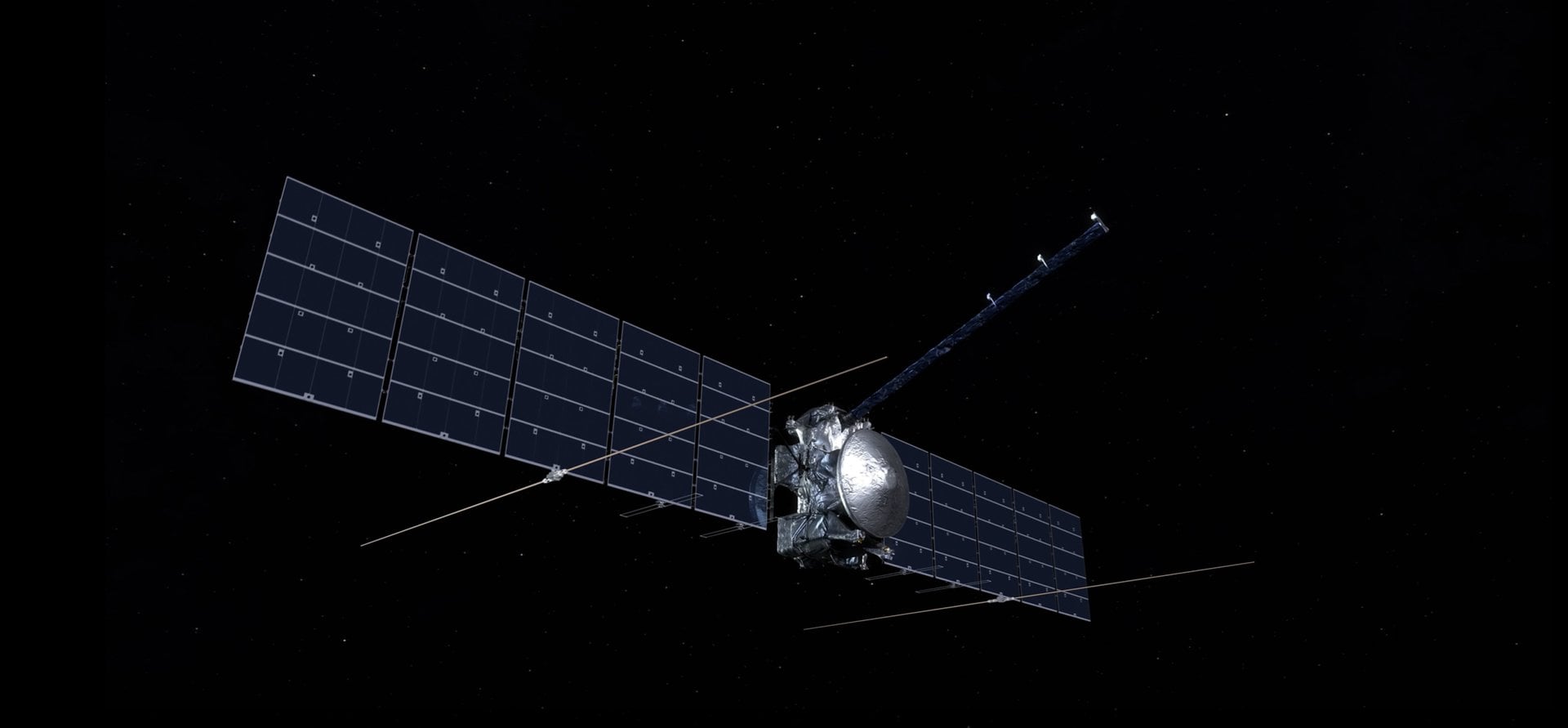
NASA's Europa Clipper, the largest interplanetary probe, tested its radar during a Mars flyby. The results show the kind of detailed imagery the probe will capture once it arrives at Jupiter’s moon Europa.
Continue reading
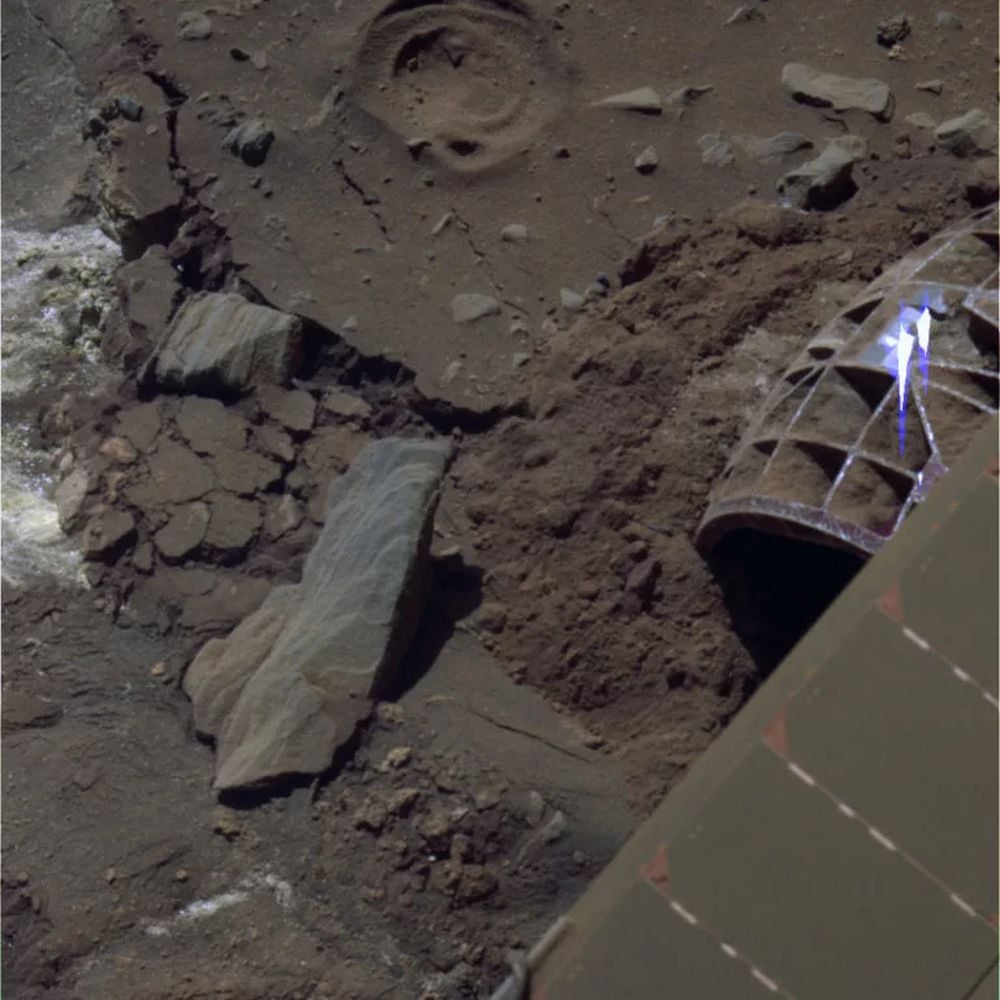
Engineers at the University of Wisconsin-Madison uncovered a critical flaw in how lunar and Martian rovers are tested on Earth. Simulations revealed that test results have been misleading for decades because researchers only adjusted rover weight to simulate low gravity—but ignored how Earth’s gravity affects the terrain itself. Using a powerful simulation tool called Chrono, the team showed that sandy surfaces behave very differently on the Moon, where they’re fluffier and less supportive.
Continue reading
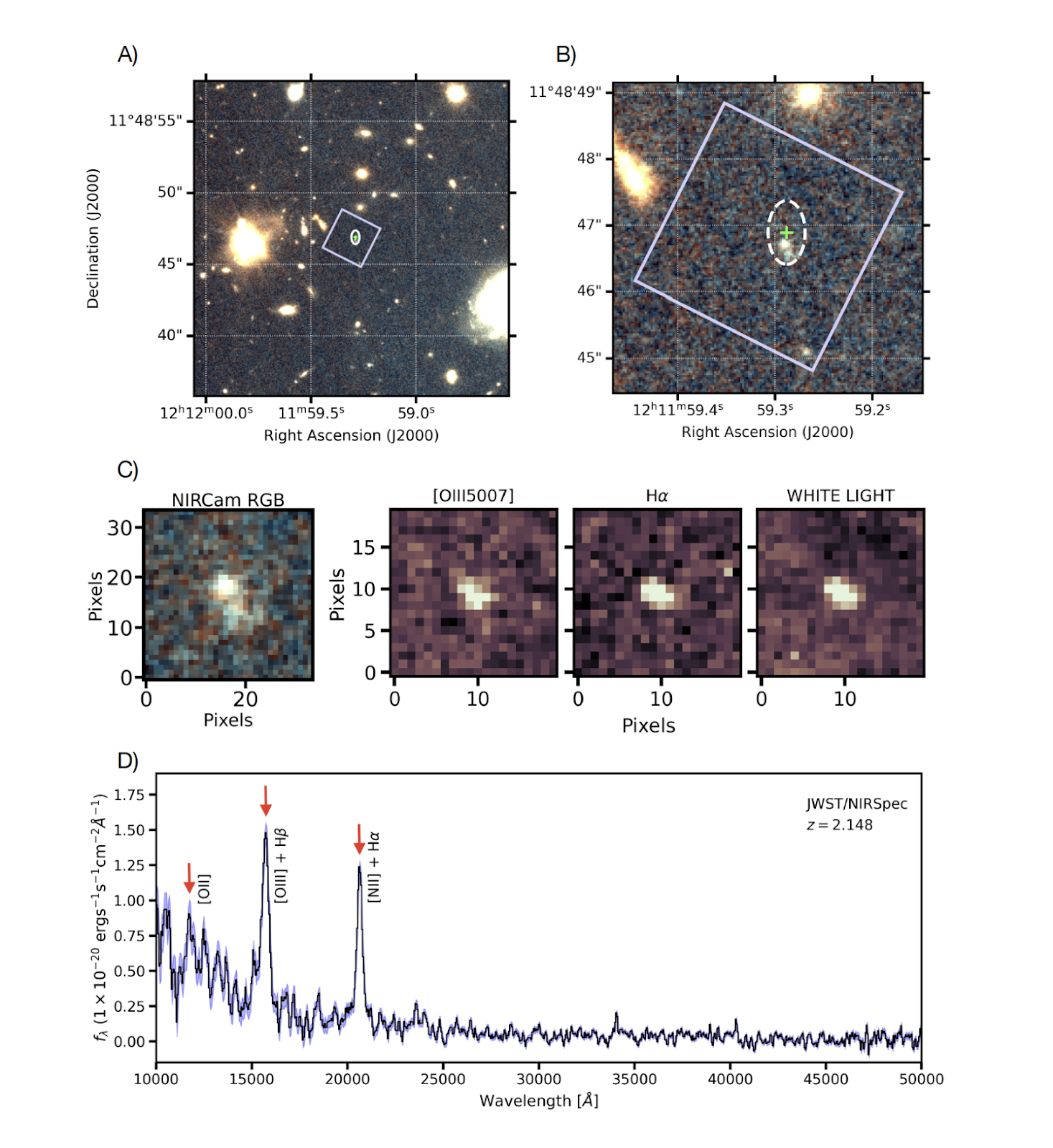
Astronomers have detected a fast radio burst (FRB) from when the Universe was just 3 billion years old, a remarkable achievement that opens new windows into the early universe and the mysterious phenomena that shaped it.
Continue reading
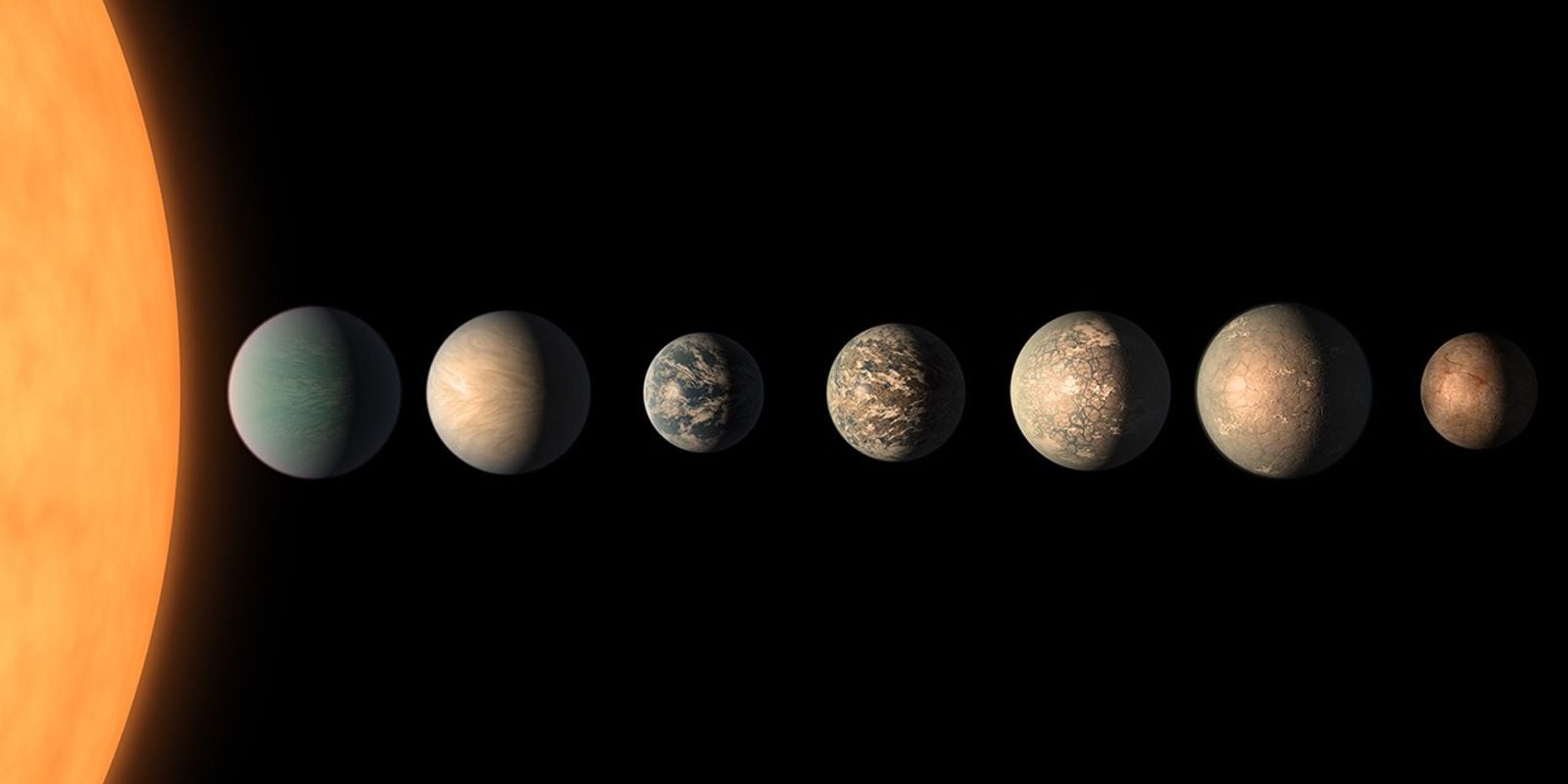
A team of astronomers using the James Webb Space Telescope have achieved a breakthrough in understanding TRAPPIST-1, the famous red dwarf star hosting seven Earth sized planets. By analysing stellar flares, the team discovered that flares cause dark magnetic features on the star's surface to disappear, creating persistent brightening effects. This represents the first-ever measurement of magnetic feature spectra on an M8 dwarf star.
Continue reading
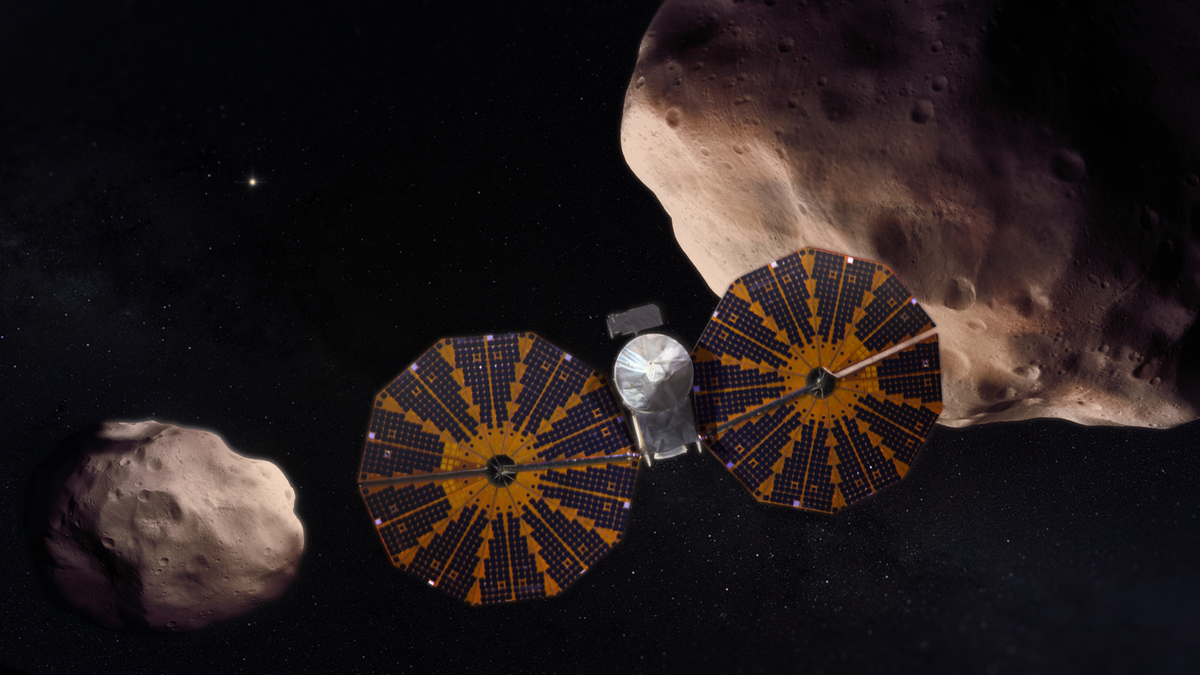
Lucy is already well on its way to Jupiter’s Trojan asteroids. But that doesn't mean that it can’t make some improvements to its trajectory along the way. A new paper suggests it might be possible to nudge Lucy into a slightly different orbit, allowing it to pass an as-yet-undiscovered asteroid sometime during its exploration of the L5 cloud of Trojan around Jupiter. If completed, it could lend an entirely new research target to Lucy’s repertoire and further define the differences between the two Trojan clouds.
Continue reading
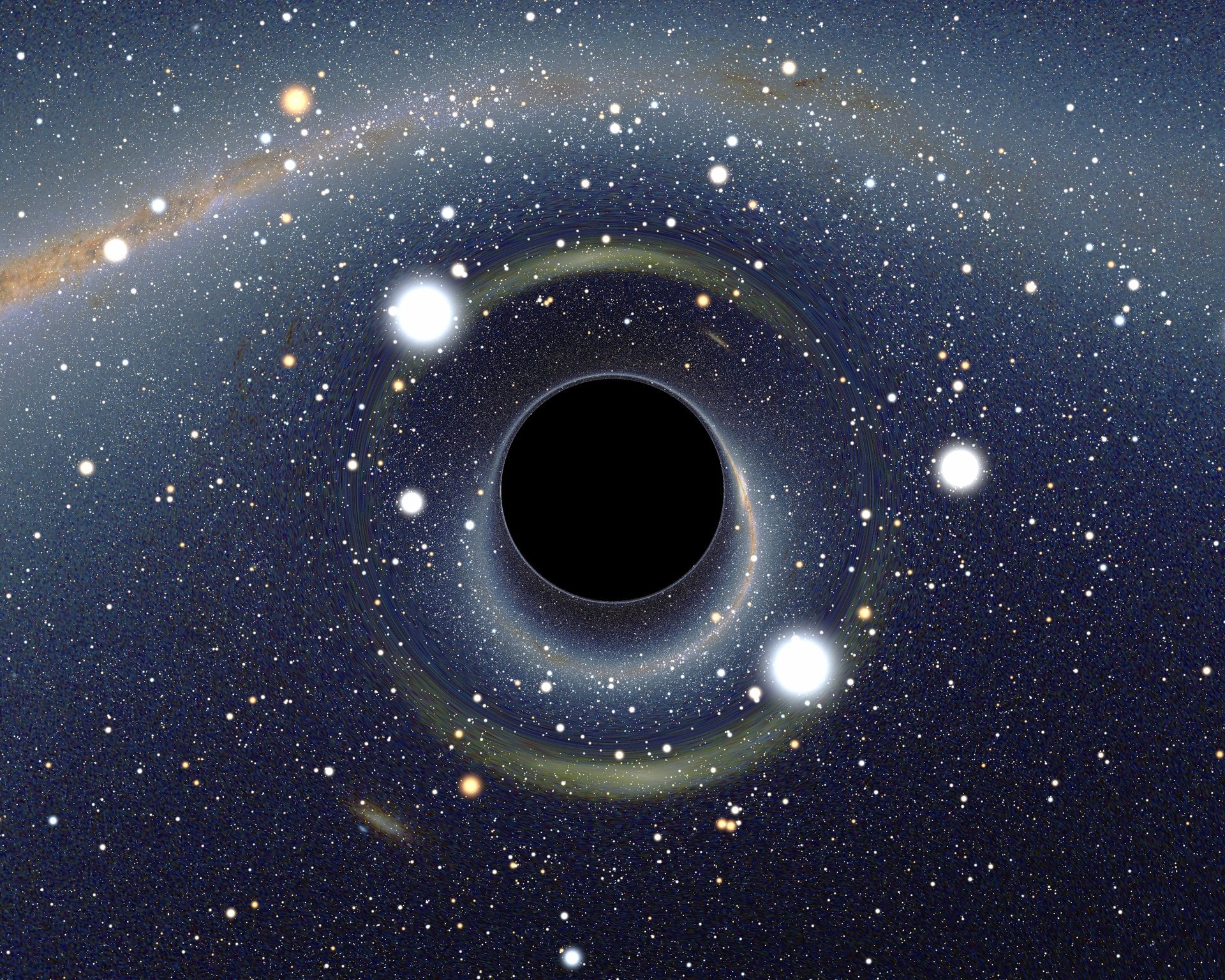
What if we could send a probe smaller than a paperclip, yes a paperclip to visit a black hole? It sounds impossible, but one scientist believes this extraordinary mission could become reality within our lifetimes. Astrophysicist Cosimo Bambi has outlined a bold plan to launch microscopic spacecraft toward the nearest black hole, potentially revolutionising our understanding of physics and Einstein's theory of general relativity. While the technology doesn't exist today and would cost trillions, within the next 20-30 years it could become a reality!
Continue reading
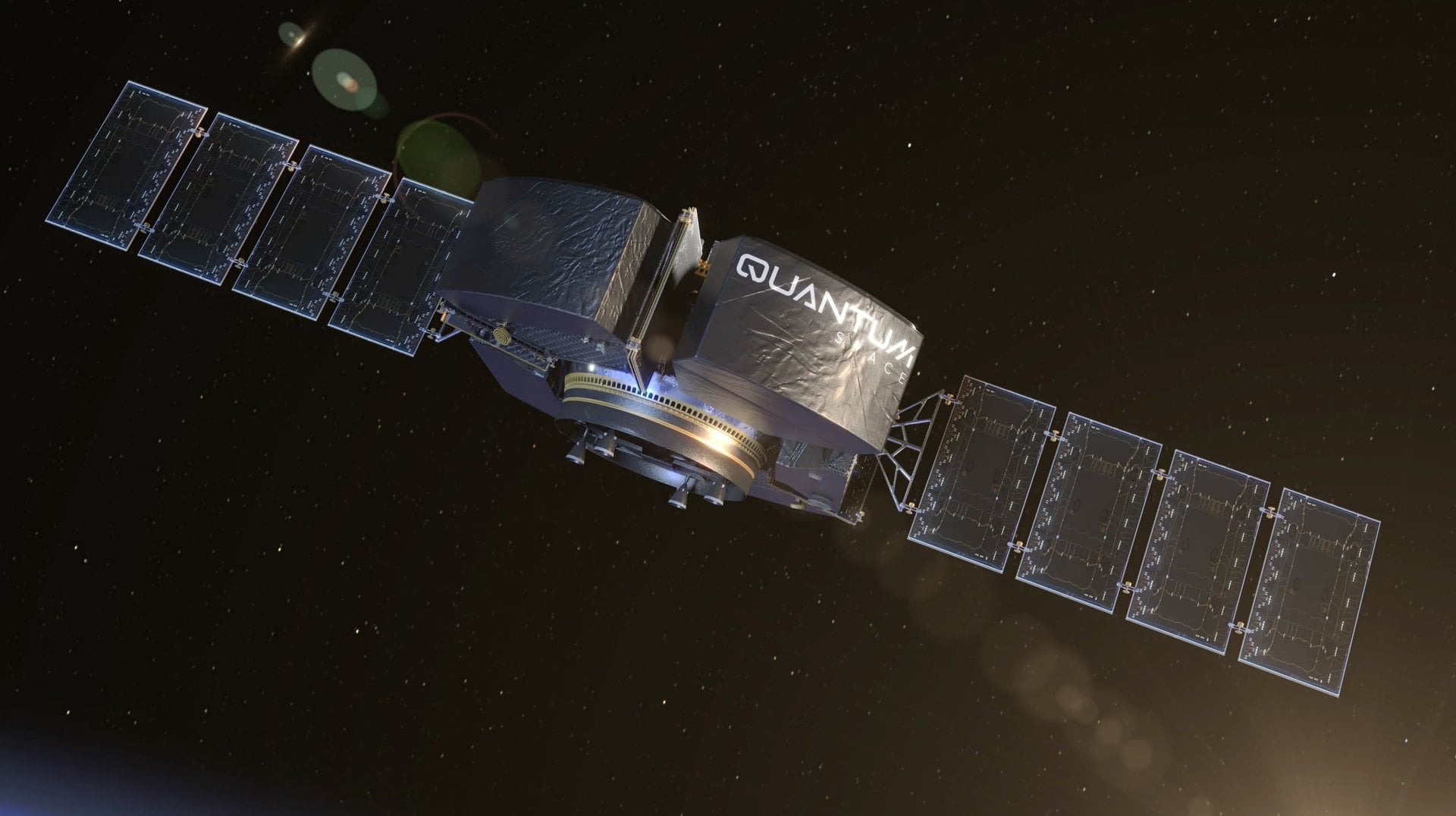
NASA has selected six companies to produce studies focused on lower-cost ways to launch and deliver spacecraft of various sizes and forms to multiple, difficult-to-reach orbits. The firm-fixed-price awards comprise nine studies with a maximum total value of approximately $1.4 million.
Continue reading
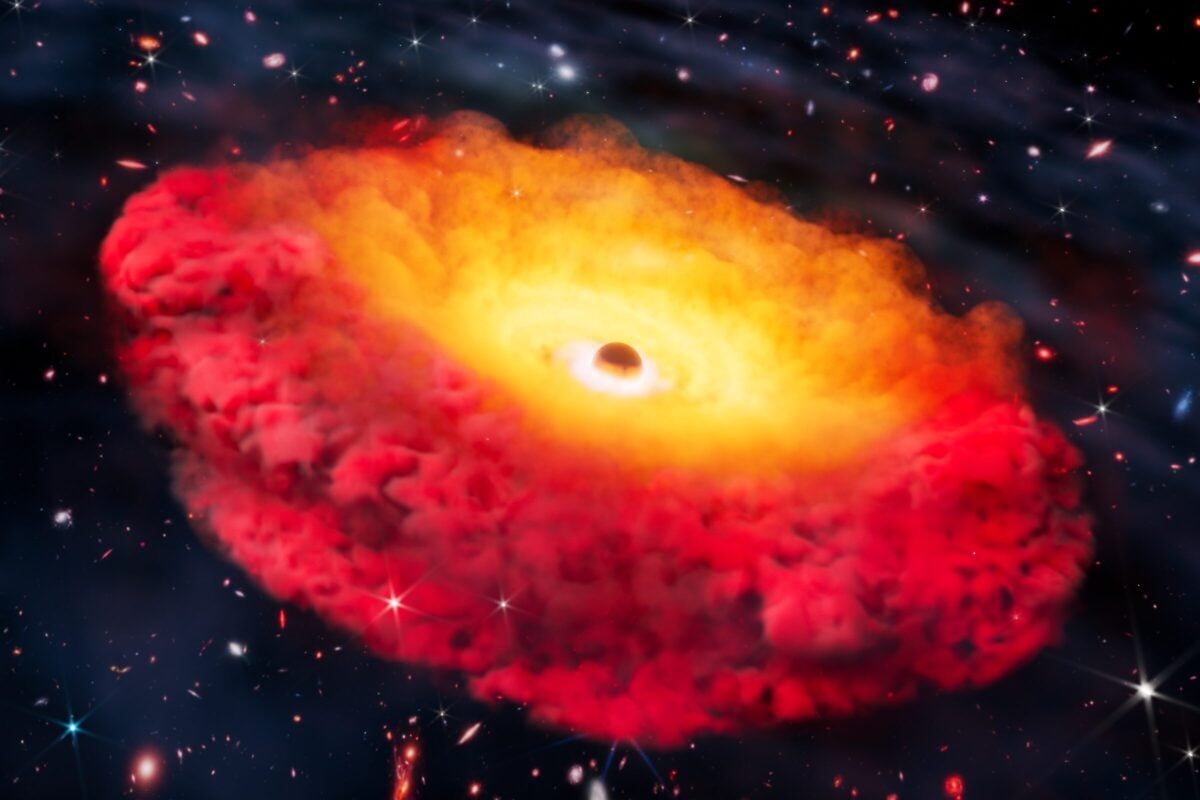
An international team of astronomers led by The University of Texas at Austin’s Cosmic Frontier Center has confirmed the most distant black hole ever observed. Located at the center of the galaxy CAPERS-LRD-z9, this black hole existed 13.3 billion years ago, just 500 million years after the Big Bang. As such, it provides a unique opportunity to study the structure and evolution of the period known as "Cosmic Dawn."
Continue reading
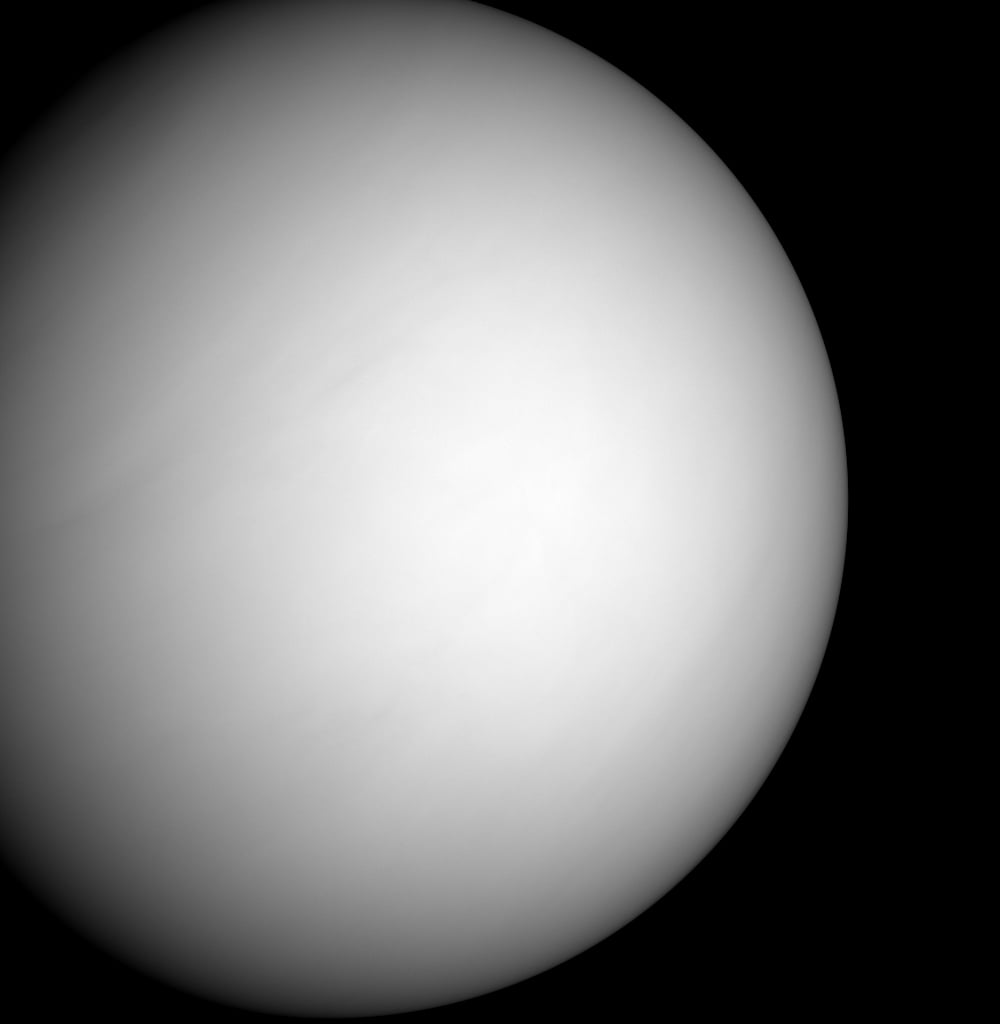
Venus, often called Earth's twin, remains one of the most mysterious planets in our Solar System. While it's similar in size to Earth, Venus spins incredibly slowly and backwards compared to other planets. It also lacks a moon, unlike Earth and Mars. Now, new research explores whether a massive asteroid impact in Venus's early history could explain these puzzling characteristics.
Continue reading
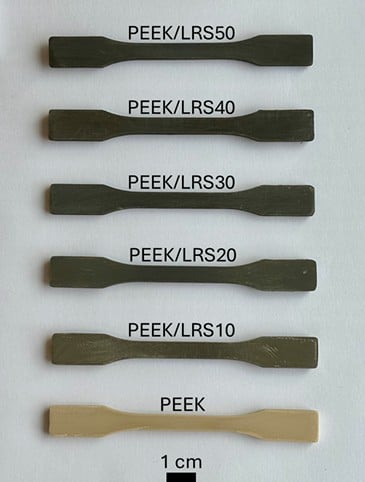
3D printing is going to be a critical technology in space exploration, both for its ability to create almost any object, but also because it can utilize in-situ resources, at least in part. However, the more of those space resources are used in a print, the more the mechanical properties change from that on Earth, leading to problems with tensile or compressive strength. But a new paper from researchers at Concordia University hit a new milestone of how much lunar regolith can be used in a mixed feedstock for additive manufacturing, making it possible to use even more locally sourced material, and saving more launch cost, than ever before.
Continue reading
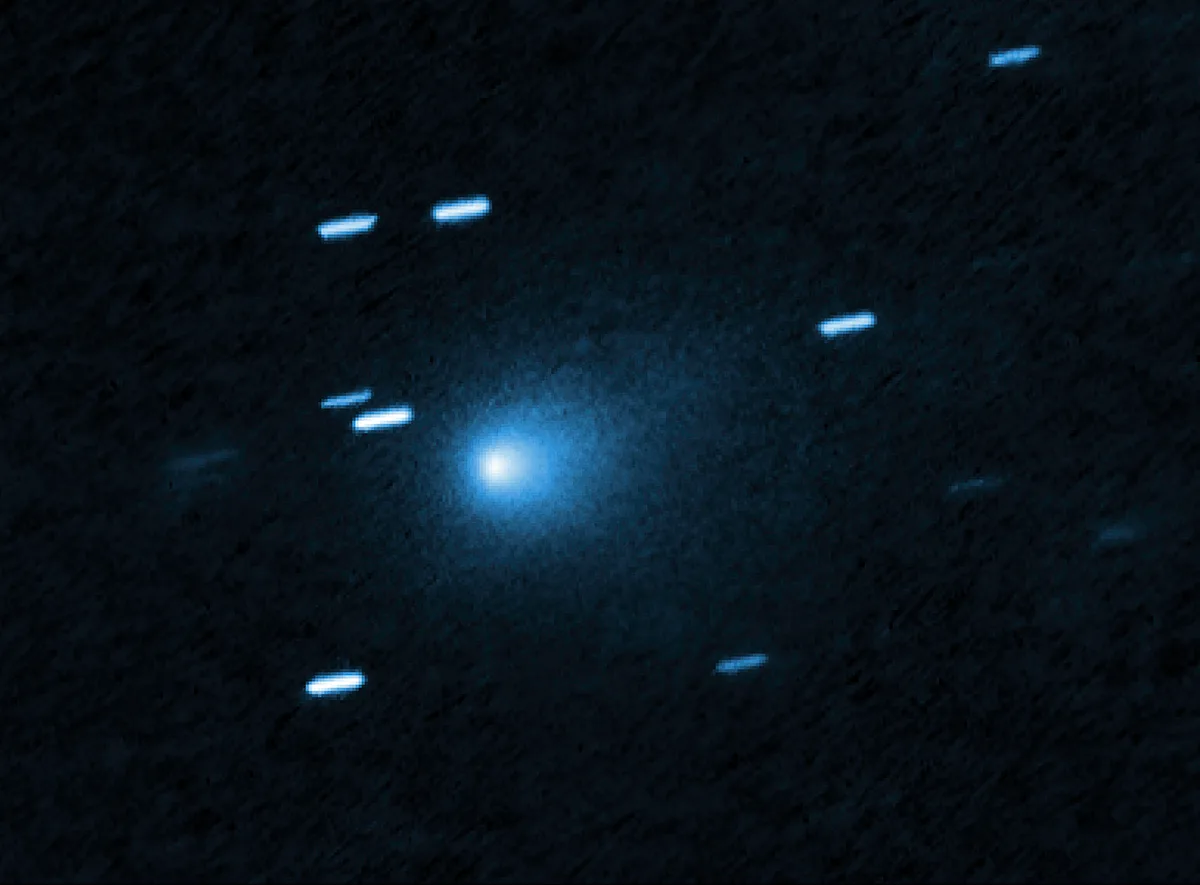
A mysterious visitor from another star system is putting on a spectacular show as it streaks through our Solar System, shedding tons of ancient dust and revealing secrets from the depths of interstellar space. Using the Hubble Space Telescope, a team of astronomers have captured unprecedented details of 3I/ATLAS—only the third confirmed object from beyond our Solar System as it awakens under our Sun's warmth, offering a rare glimpse into alien worlds billions of kilometres away.
Continue reading
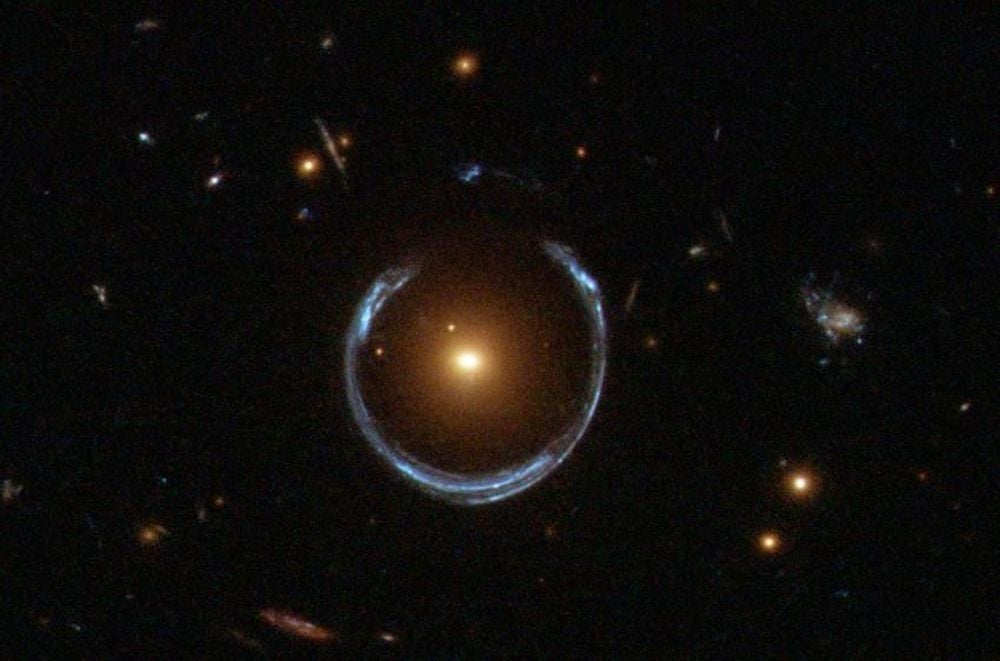
Astronomers from Brazil and the UK have detected what could be the most massive black hole ever found. It's about 36 billion solar masses, which is a stunning 10,000 times more massive than Sagittarius A*, the monstrous supermassive black hole at the heart of the Milky Way. This behemoth is about 5 billion light-years away.
Continue reading
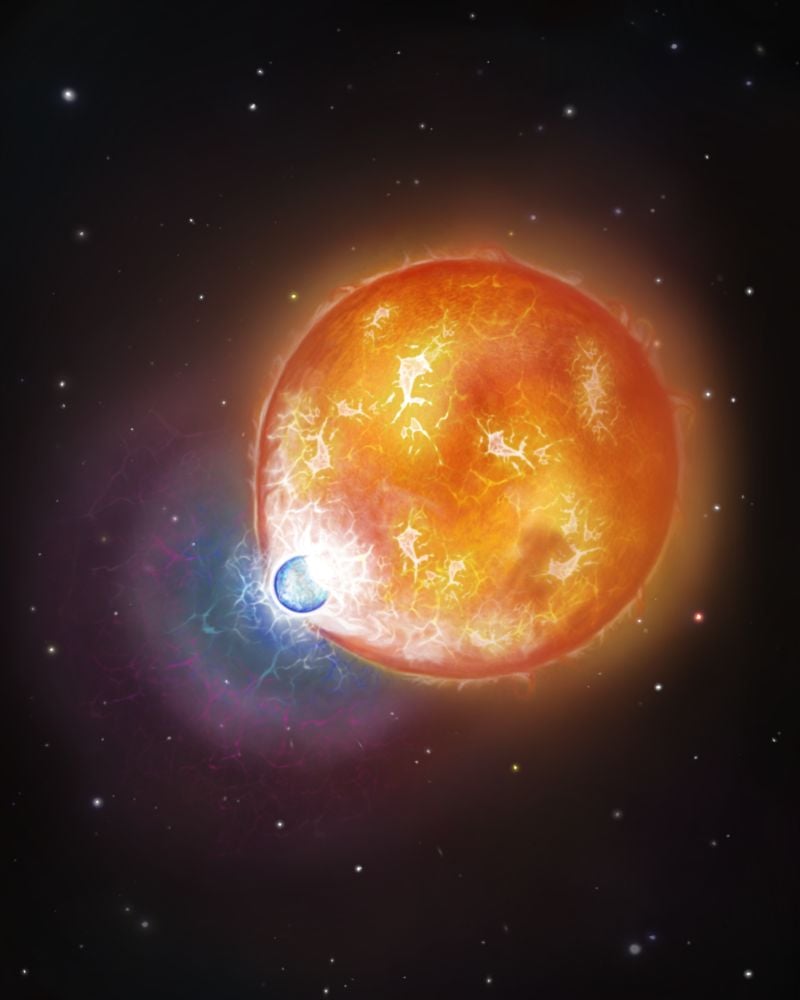
White dwarfs are the stellar remnants left behind by stars after they run out of hydrogen and cease fusion. Only a small number of them are "high-mass white dwarfs" more massive than the Sun. New research indicates that these massive white dwarfs are the result of mergers.
Continue reading
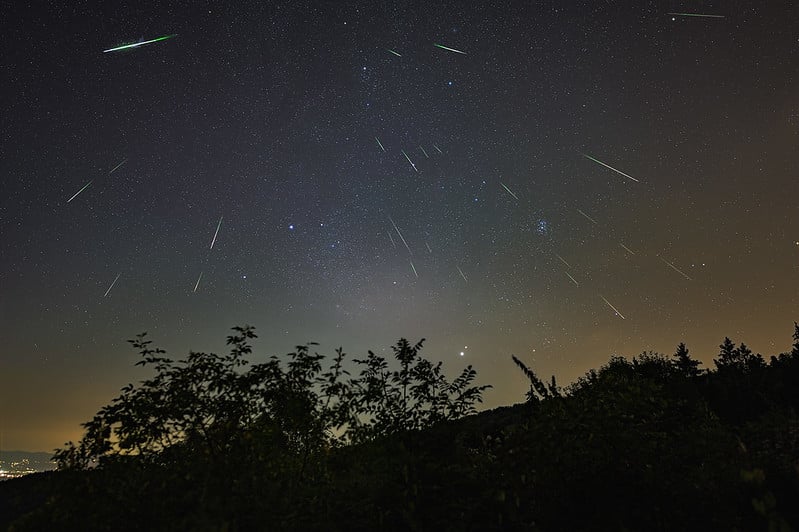
It’s that time of year once again. August sees warm nights, with late summer campers out awaiting that ‘Old Faithful’ of annual meteor showers: the August Perseids. While 2025 also sees the shower peaking right around Full Moon, don’t despair; with a little bit of planning and patience, you can still catch this shower at its best.
Continue reading
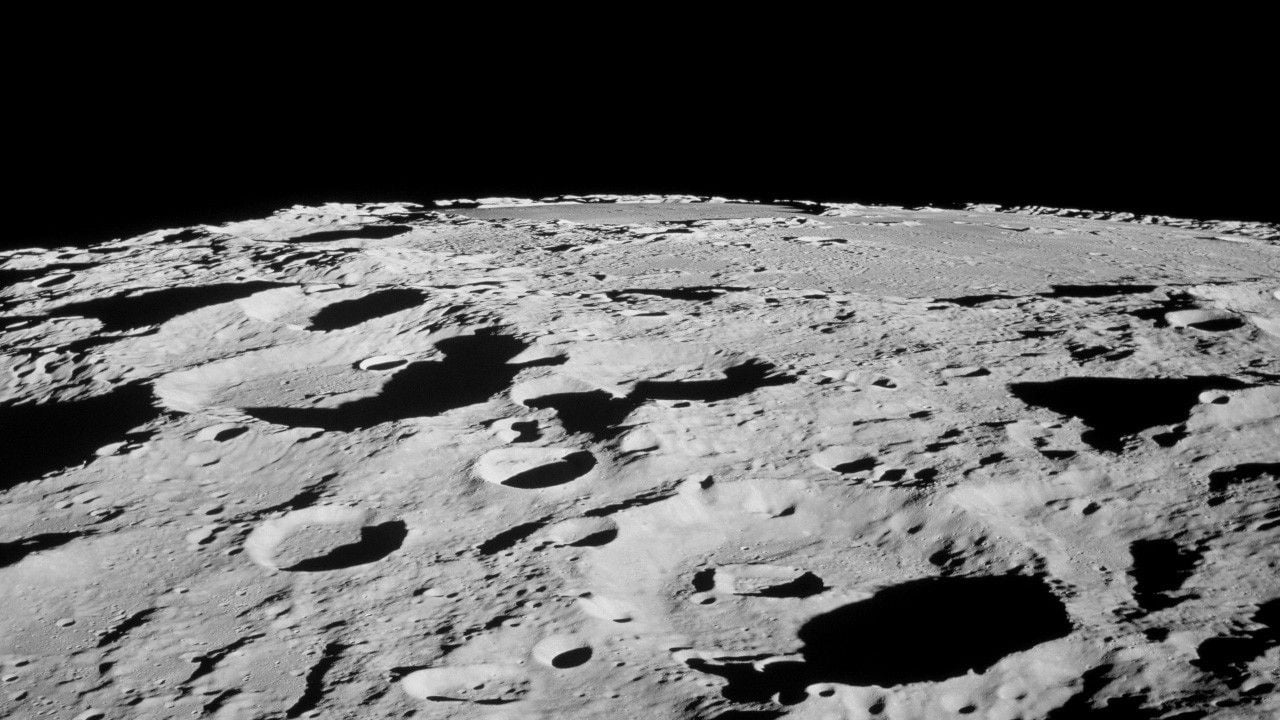
The resources tucked away in asteroids promise to provide the building blocks of humanity’s expansion into space. However, accessing those resources can prove tricky. There’s the engineering challenge of landing a spacecraft on one of the low-gravity targets and essentially dismantling it while still remaining attached to it. But there’s also a challenge in finding ones that make economic sense to do that to, both in terms of the amount of material they contain as well as the ease of getting to them from Earth. A much easier solution might be right under our noses, according to a new paper from Jayanth Chennamangalam and his co-authors - mine the remnants of asteroids that hit the Moon.
Continue reading
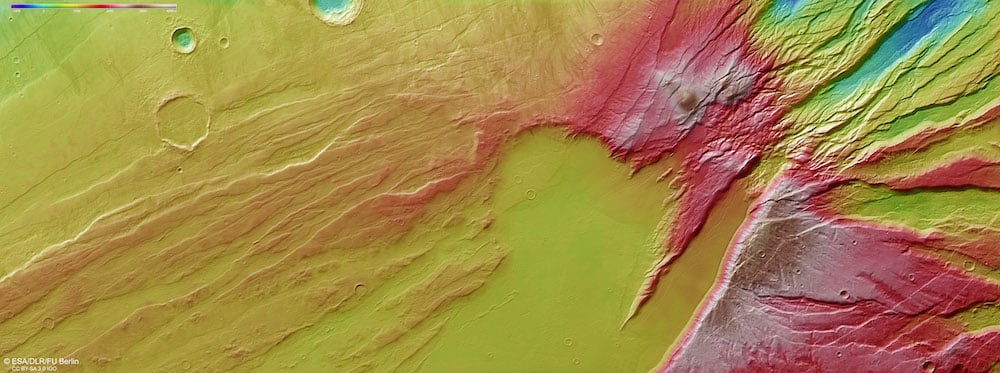
Deep cracks stretching hundreds of kilometers across the Martian surface might look like simple scars from ancient impacts, but they're actually windows into a surprisingly dynamic planetary history. New images from Europe's Mars Express spacecraft reveal how these valleys, filled with slow moving rivers of ice and rock, have preserved evidence of climate swings far more extreme than anything Earth has experienced. The story written in these Martian fractures challenges our view of the red planet.
Continue reading
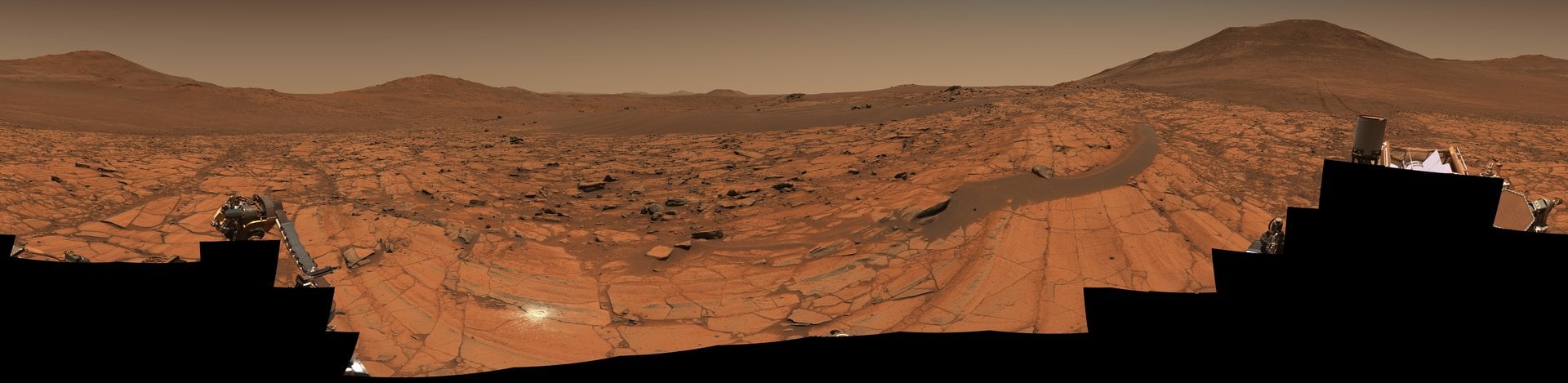
‘Float rocks,’ sand ripples, and vast distances are among the sights to see in the latest high-resolution panorama by NASA's Perseverance rover, taken on a particularly clear day.
Continue reading
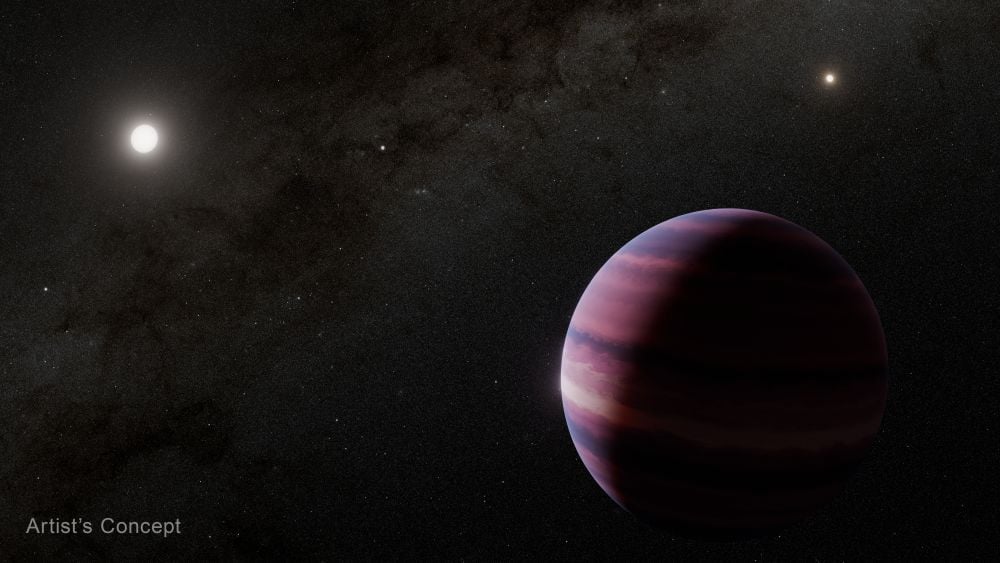
Astronomers using the NASA/ESA/CSA James Webb Space Telescope have found strong evidence of a giant planet orbiting a star in the stellar system closest to our own Sun. At just 4 light-years away from Earth, the Alpha Centauri triple star system has long been a compelling target in the search for worlds beyond our solar system.
Continue reading
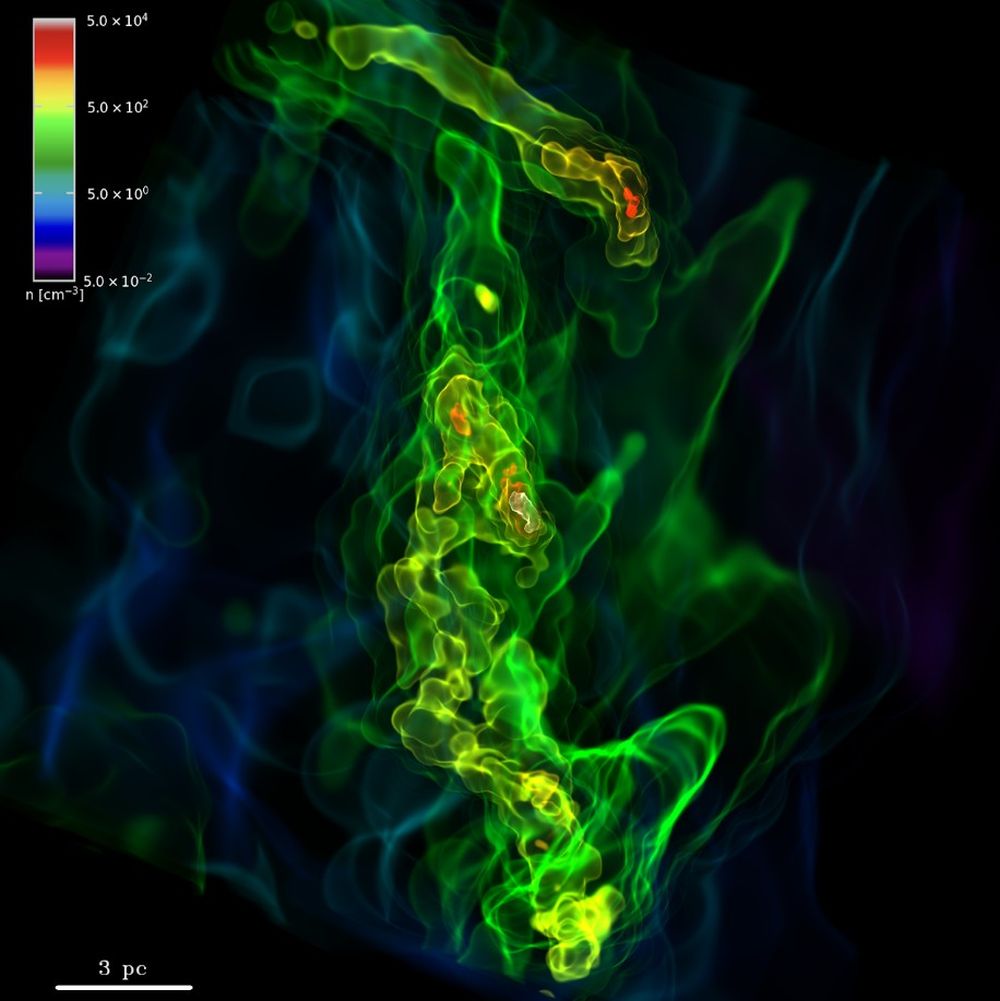
What was the Universe like before the first stars formed? Dark, obviously. But there must have been some level of activity in the gas clouds that preceded the first stars. New research shows that these primordial clouds were turbulent, clumpy, and supersonic.
Continue reading
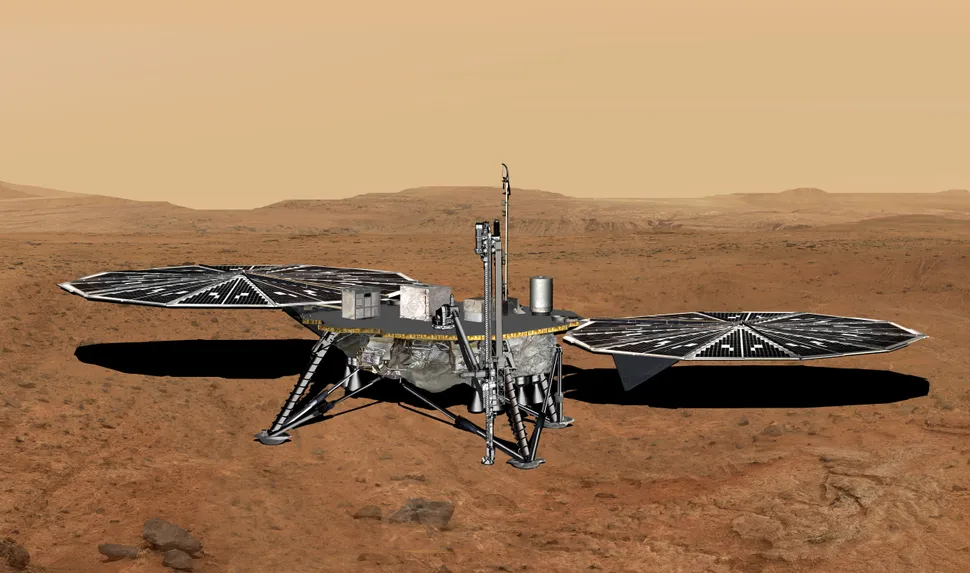
Searching for life on Mars has been an explicit goal of the astrobiological community for decades. However, they have not really had the resources to effectively do so, and they might be running out of time. Crewed missions to Mars are planned for as little as 15 years from now (though those timelines might be changing…again), and by the time that happens it may be too late to separate Martian life from unintentionally transplanted Earth-life. According to a group of researchers from the Agnostic Life Finding Association, there is one final chance to detect Martian life before it is irreversibly contaminated - the Mars Life Explorer (MLE). But to do its job properly, it’s going to need an upgrade.
Continue reading
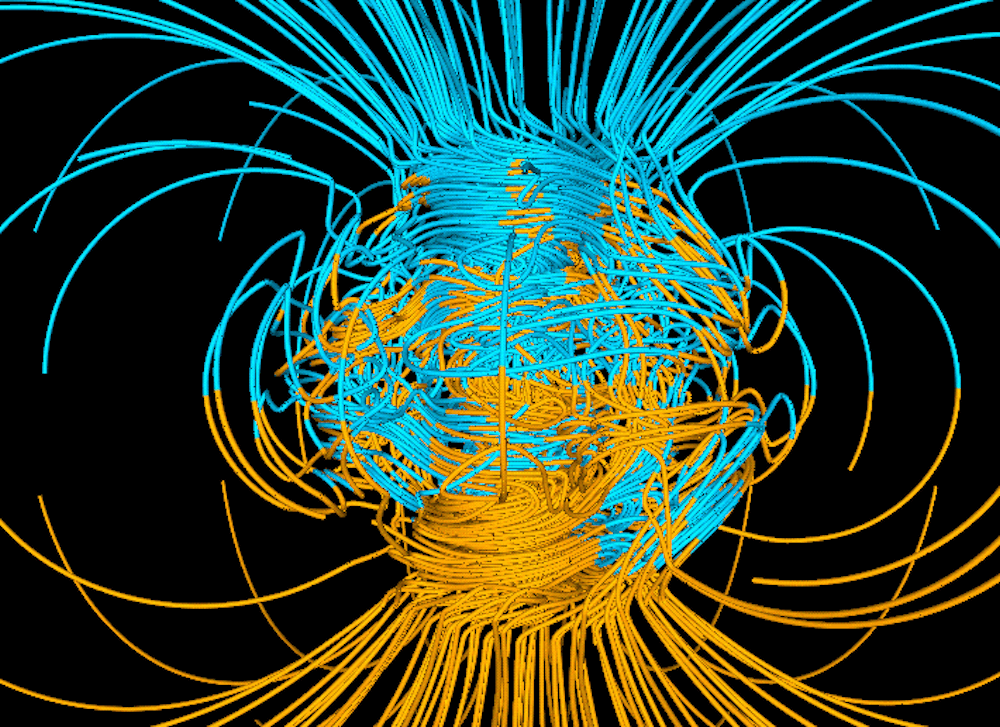
Scientists have finally solved a billion year old mystery that explains how life on Earth survived its earliest and most vulnerable stages. Using powerful computer simulations, researchers have proved that our planet's completely liquid core could generate the magnetic field that acts as an invisible shield against deadly cosmic radiation. This groundbreaking discovery reveals that Earth has been protecting life far longer than previously thought, creating a safe haven where the first complex molecules could form and evolve without being destroyed by high energy particles from space.
Continue reading
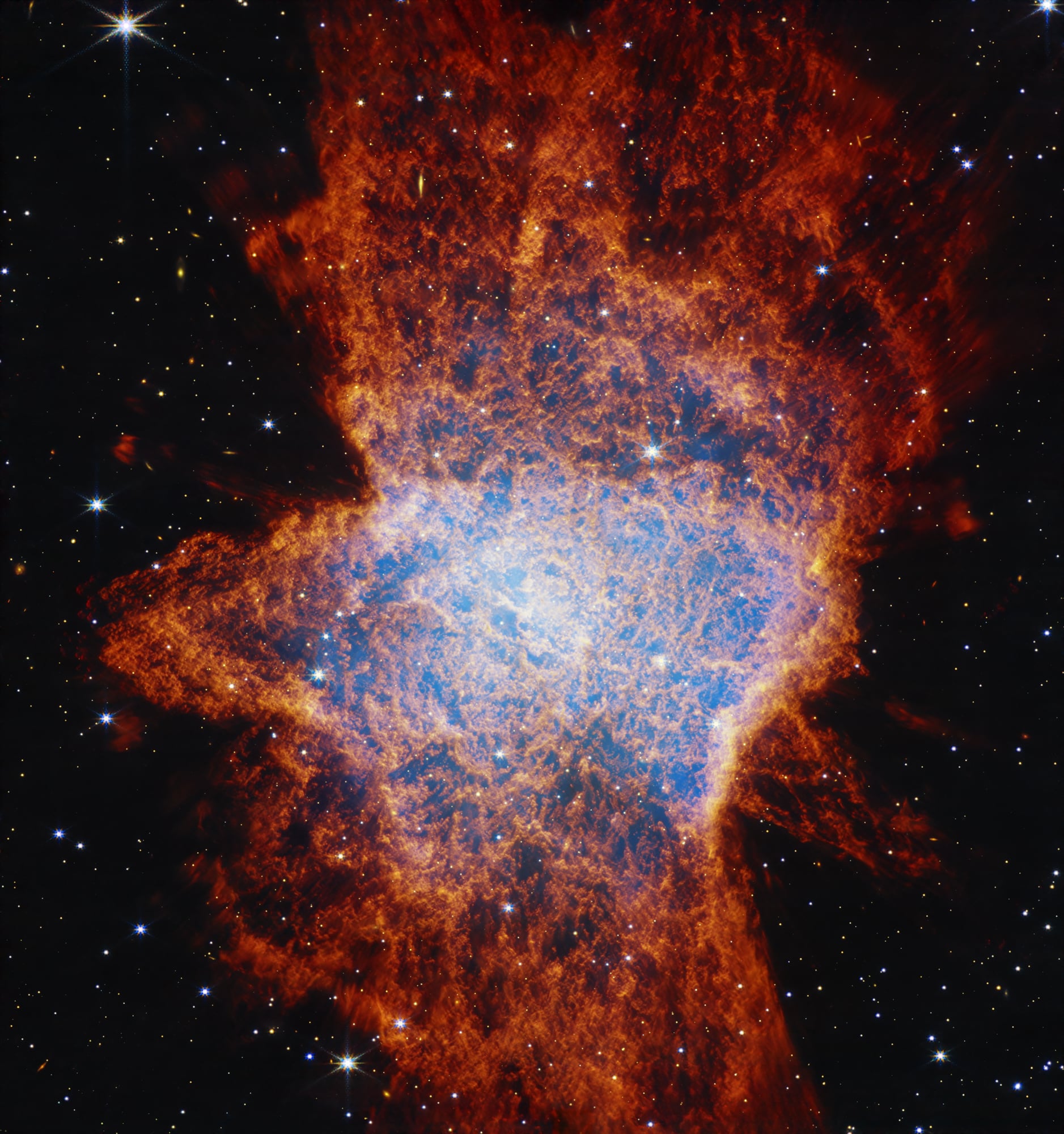
The James Webb Space Telescope’s latest look at a planetary nebula, NGC 6072, provides new insights into the lifecycle of stars. This could help astronomers predict what will happen to our Sun during its final days as well.
Continue reading
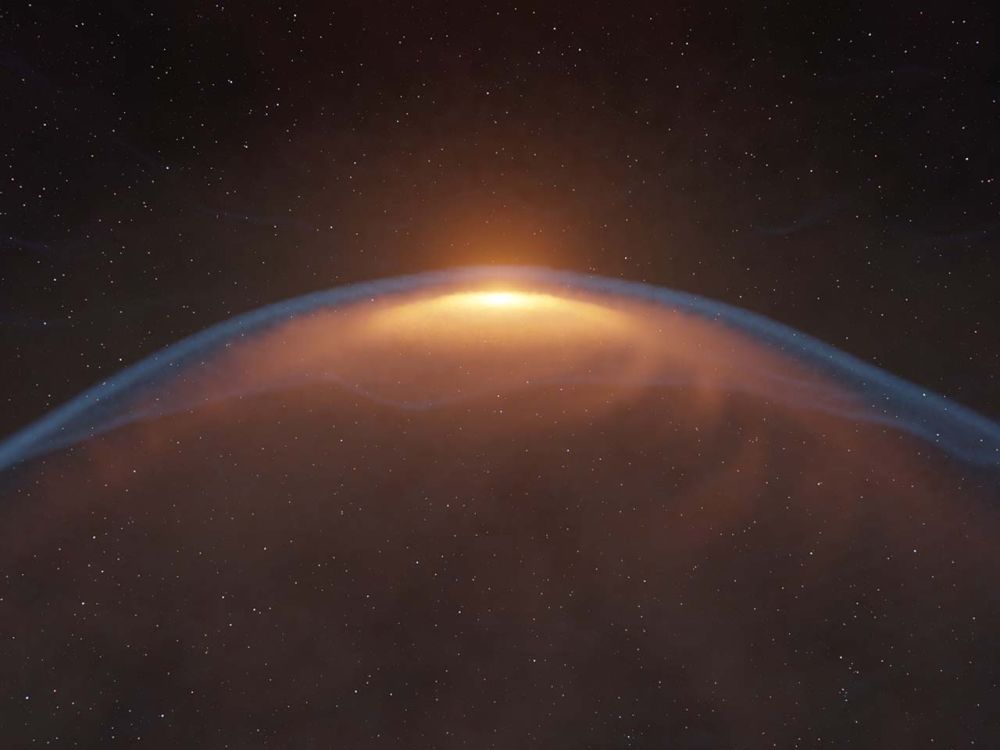
A jet from a young star created an expanding bubble that collided with the star's protoplanetary disk. Astronomers have found these explosive bubbles before, but never one that's collided with the disk. What does this mean for planet formation?
Continue reading
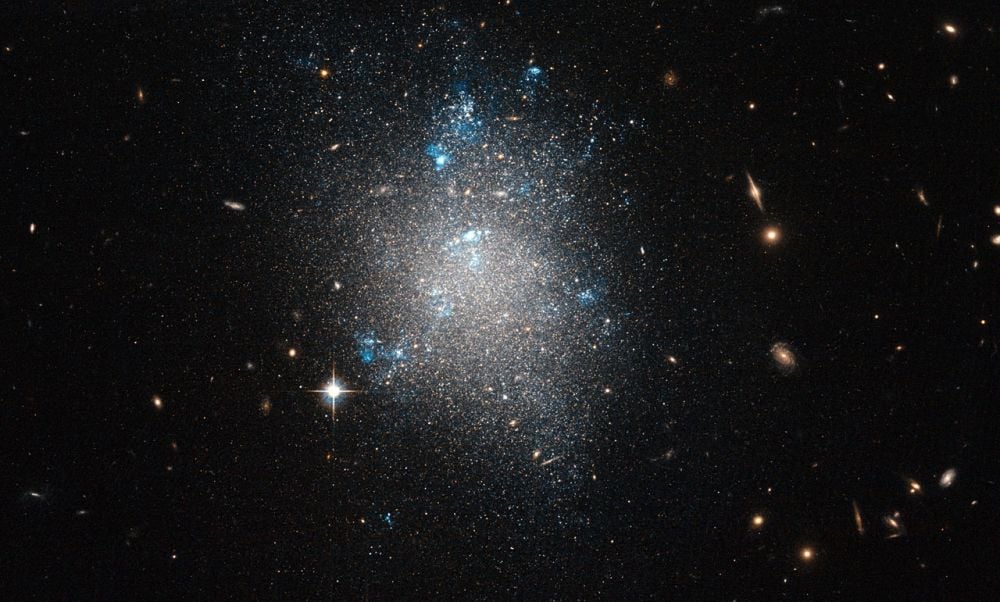
Massive galaxies like the Milky Way have smaller satellite galaxies that are tidally disrupted and absorbed. Astronomers think this is how galaxies assemble hierarchically. New research examines galaxies much less massive than the Milky Way to see if they also have their own, much less massive satellites.
Continue reading
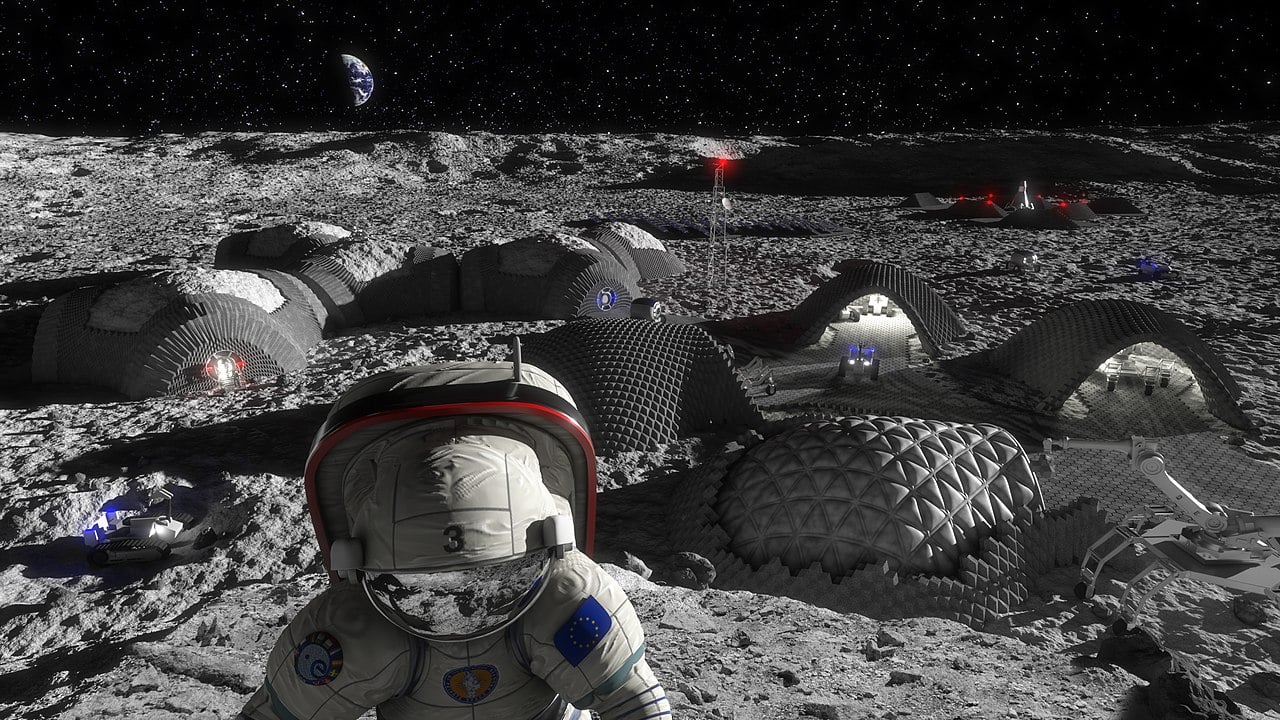
Imagine building an entire city on the Moon using nothing but sunlight and lunar soil! Chinese scientists have made this science fiction dream a reality by creating a revolutionary machine that acts like a solar powered 3D printer, melting lunar soil at temperatures exceeding 1,300°C to create strong construction bricks. This technology could transform space exploration by eliminating the need to transport heavy building materials from Earth, making lunar bases not only possible but affordable.
Continue reading
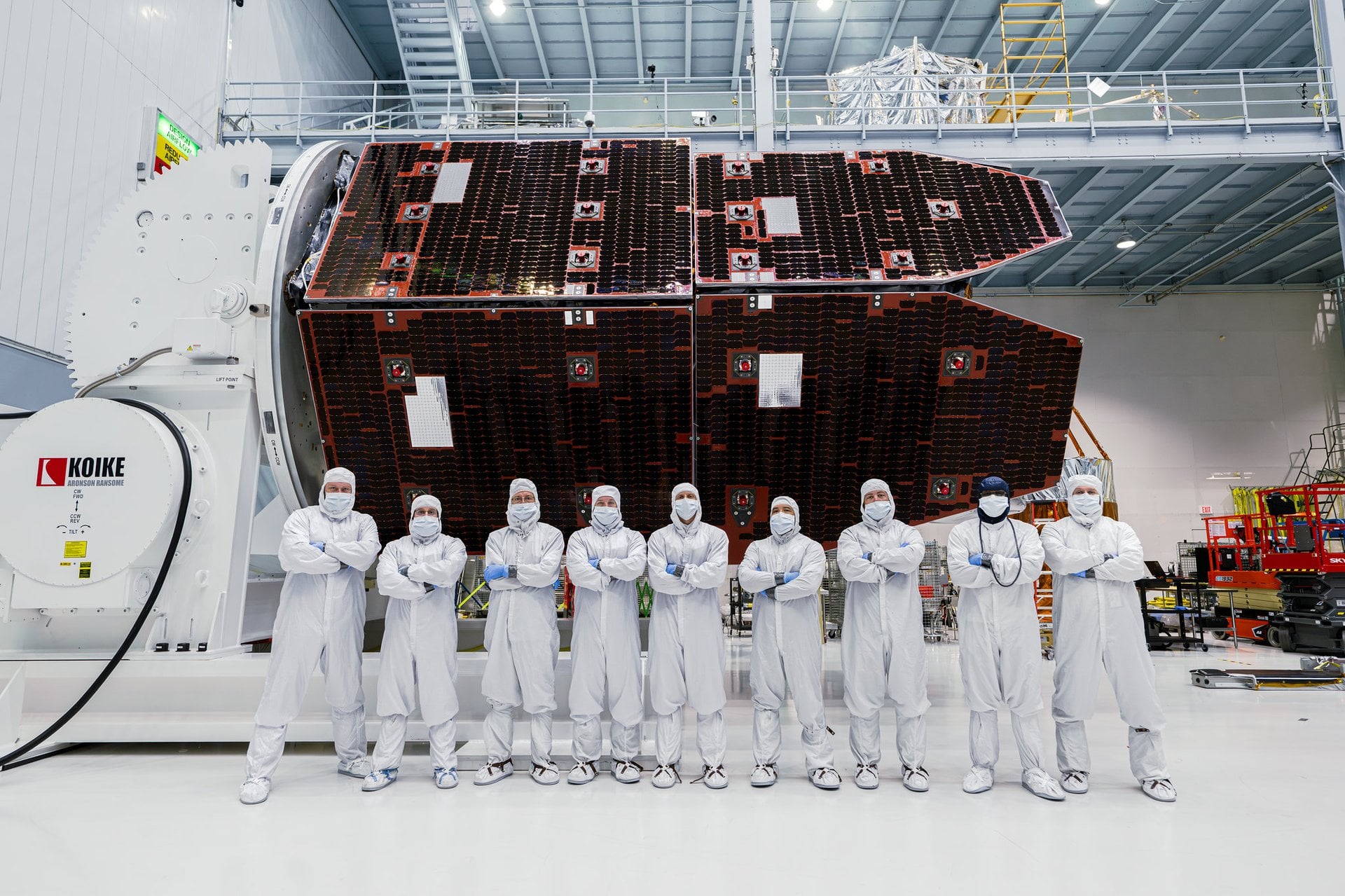
Technicians have successfully installed two sunshields onto NASA’s Nancy Grace Roman Space Telescope’s inner segment. Along with the observatory’s Solar Array Sun Shield and Deployable Aperture Cover, the panels (together called the Lower Instrument Sun Shade), will play a critical role in keeping Roman’s instruments cool and stable as the mission explores the infrared universe. […]
Continue reading
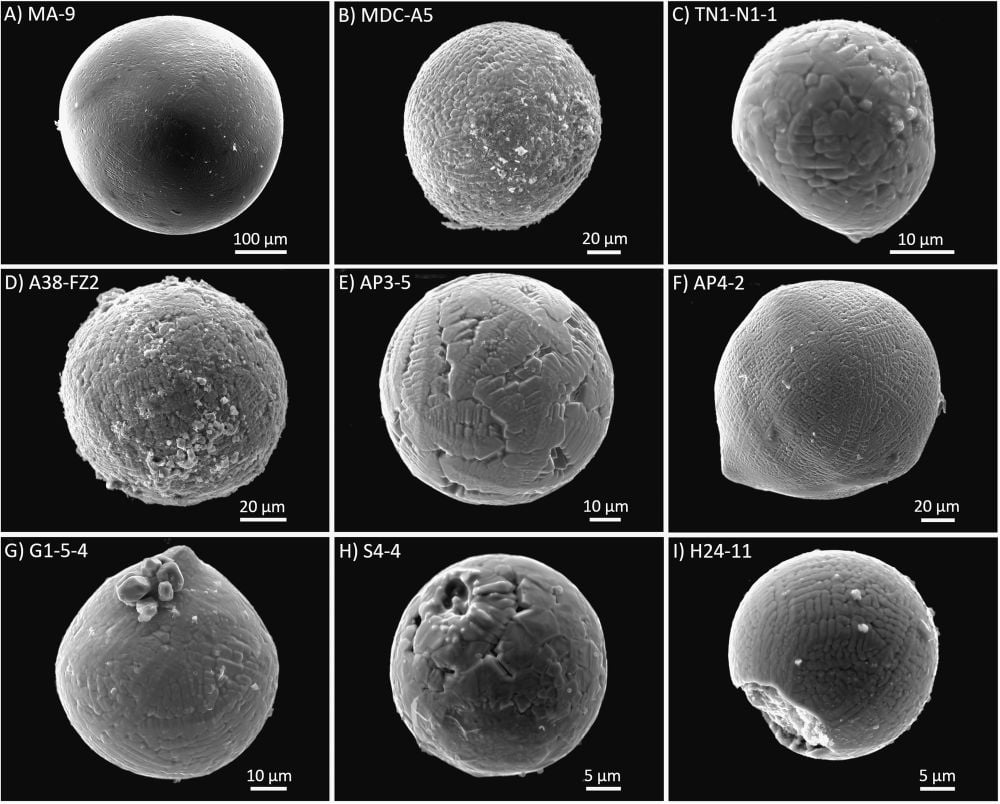
Earth has endured, and been shaped by, a constant rain of material from elsewhere in the Solar System. Some of the material was large, like the Chicxulub asteroid that ended the dinosaur's reign. But most of it is in the form of tiny micrometeorites. Those tiny rocks hold clues to Earth's ancient atmosphere.
Continue reading
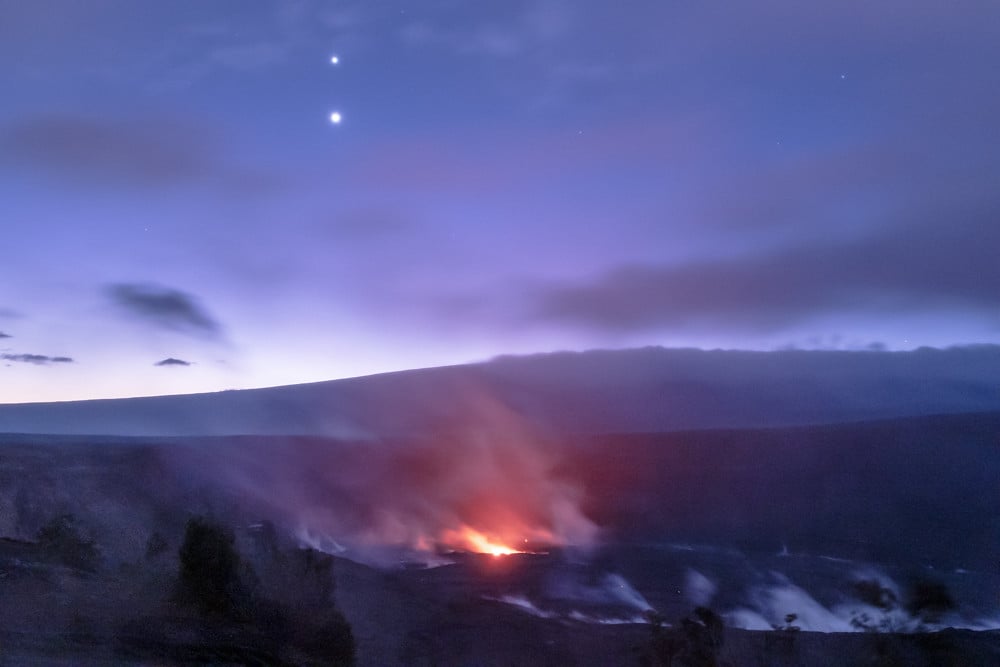
August sees all of the naked eye worlds excepting Mars hiding in the dawn. Set your alarm, and you can uncover Mercury through Saturn all in the dawn twilight sky, crowned with a fine close conjunction of Jupiter and Venus on Tuesday, August 12th. You can see the changing scene each morning starting this weekend, as the two get ever closer from one morning to the next.
Continue reading
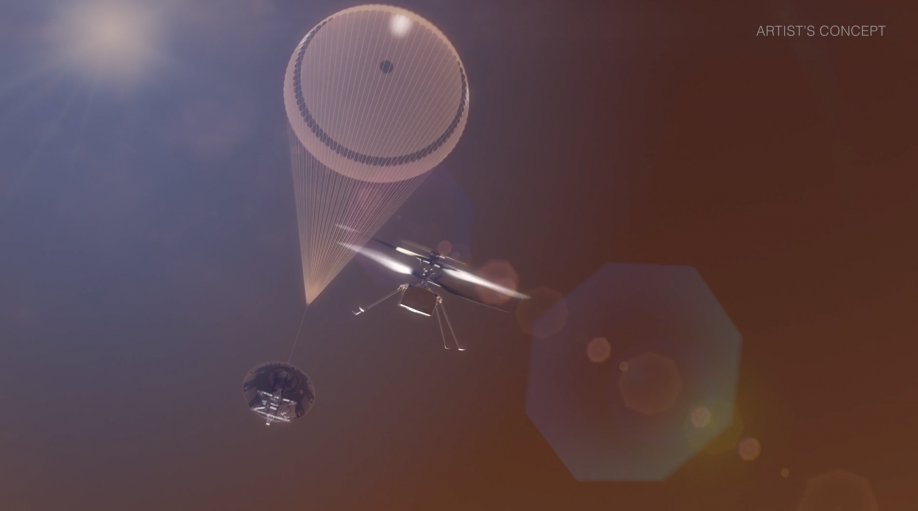
Ingenuity marked a number of milestones in space exploration. Arguably most importantly, it proved that powered flight was possible on another planet. However, it did have some limitations, such as being tied to the Perseverance rover and there only being one copy of the helicopter itself. AV Inc, one of the sub-contractors for Ingenuity, hopes to fix those problems with a proposed new mission called Skyfall that would involve six helicopters and no rover.
Continue reading
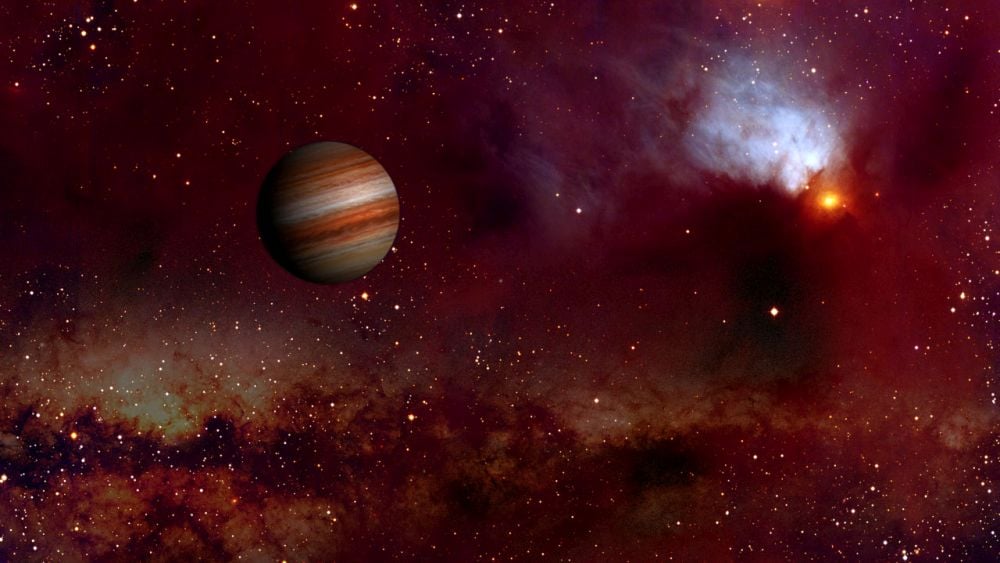
New research from the University of St Andrews has found that giant free floating planets have the potential to form their own miniature planetary systems without the need for a star.
Continue reading
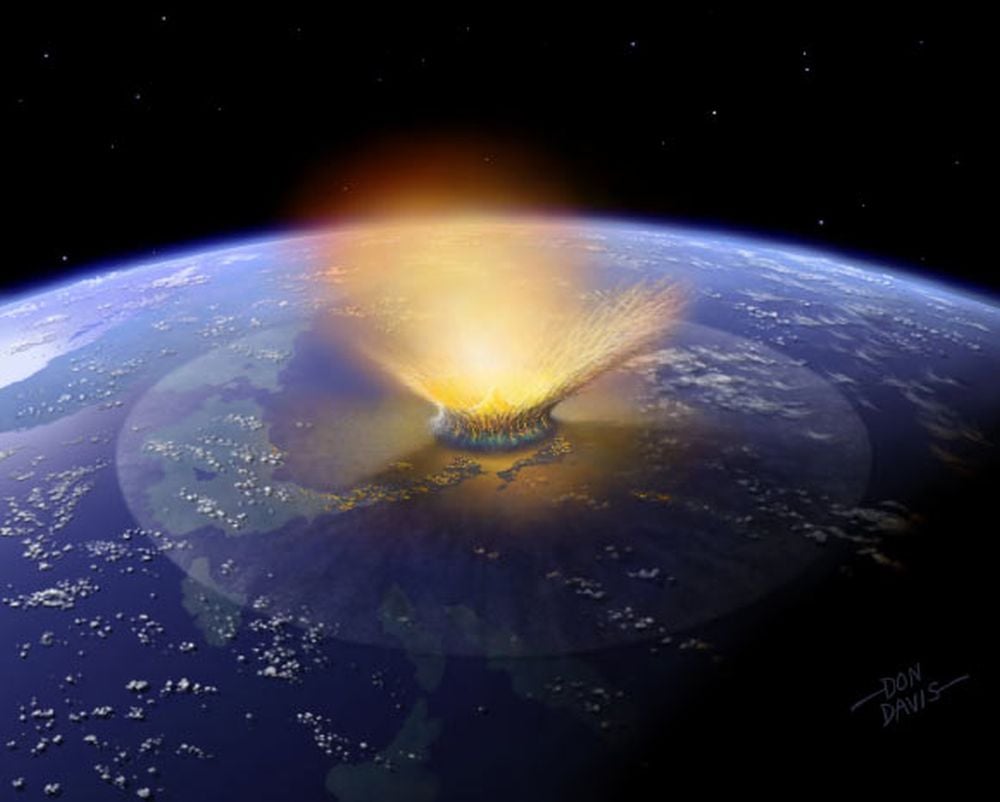
Earth's history was shaped by the bombardment of icy and rocky bodies. These impacts delivered volatiles and organic compounds to the planet. They also brought water, helping Earth become the life-supporting planets it is today. Could the same thing happen on exoplanets?
Continue reading
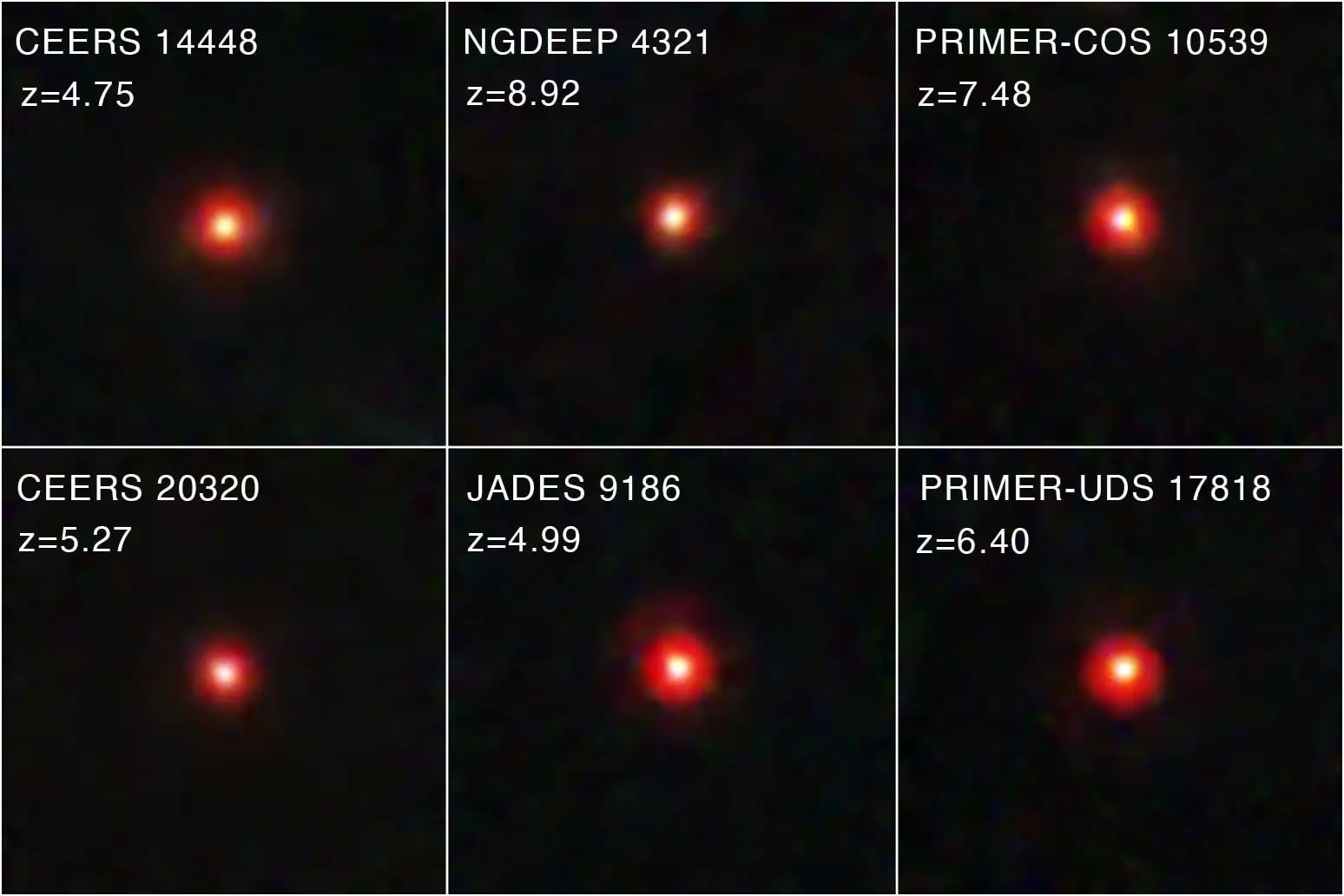
Little Red Dots are thought to be young supermassive black holes at the center of early galaxies. That would make them young versions of Active Galactic Nuclei. But Little Red Dots don't emit much x-ray light, and we're starting to learn why.
Continue reading
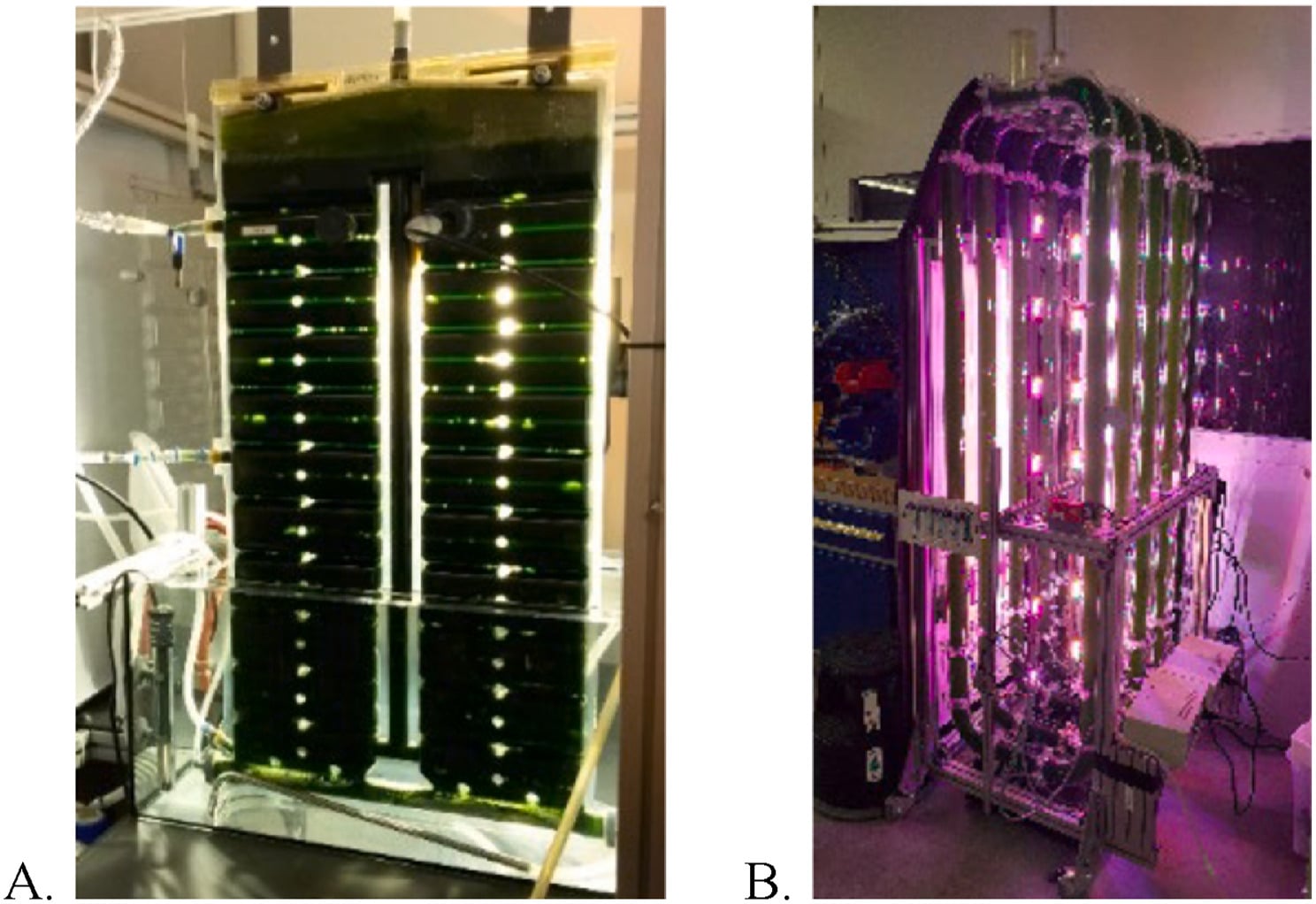
Astronauts exploring the Moon will need all the help they can get, and scientists have spent lots of time and plenty of money coming up with different systems to do so. Two of the critical needs of any long-term lunar mission are food and oxygen, both of which are expensive to ship to the Moon from Earth. So, a research team from the Technical University of Munich spent some of their time analyzing the effectiveness of using local lunar resources to build a photobioreactor (PBR), the results of which were recently published in a paper in Acta Astronautica.
Continue reading
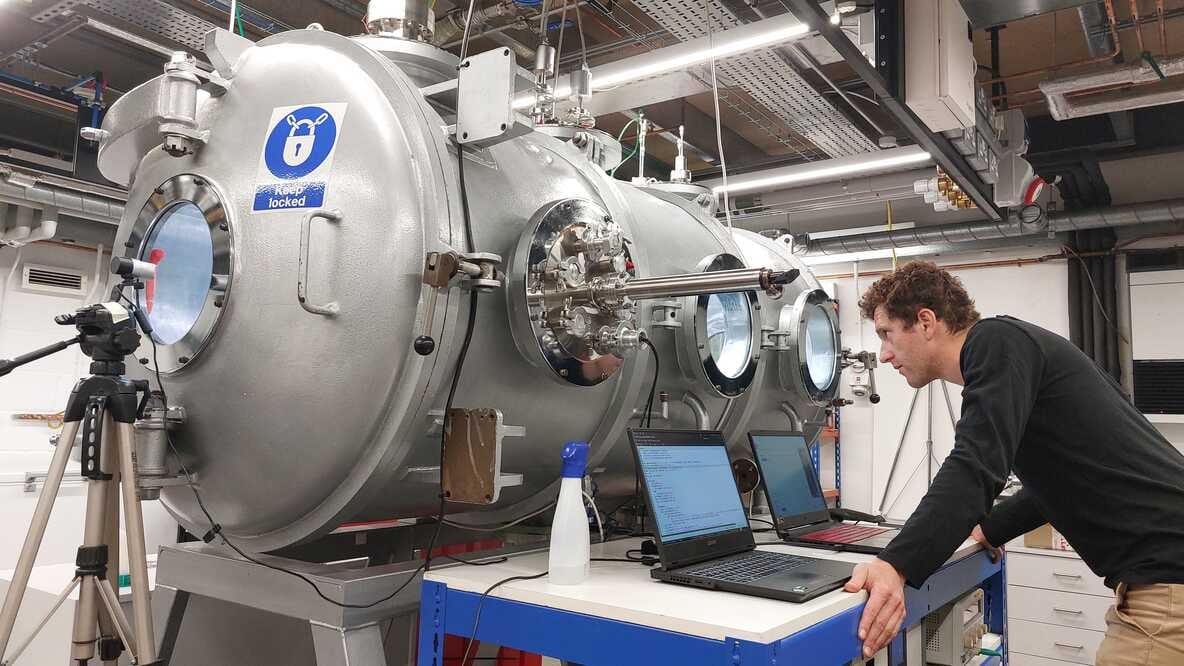
Many objects in the outer Solar System contain large amounts of water ice, leading to a thick icy shell surrounding an ocean of liquid water. This water behaves like lava on Earth, reshaping their surfaces through a process called cryovolcanism. To better understand this process, researchers have created a low-pressure chamber that simulates the near-vacuum conditions on the surfaces of worlds like Europa and Enceladus. They could watch water create features we see across the Solar System.
Continue reading
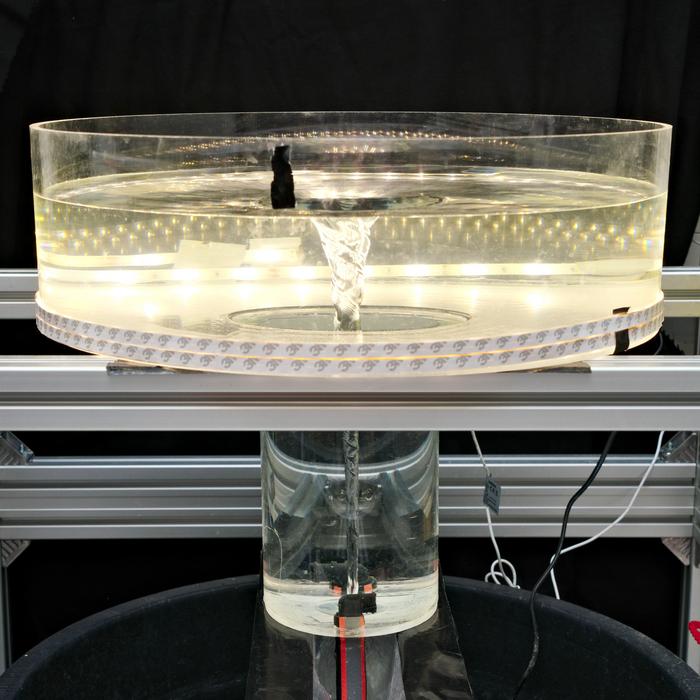
Sometimes the easiest way to understand the physics of a phenomenon is to make a physical model of it. But how do you make a model of a system as large as, say, a protoplanetary disc? One technique, suggested in a recent paper in the Monthly Notices of the Royal Astronomical Society Letters by researchers at the Max Planck Institute for Astrophysics and the University of Griefswald, would be familiar to any grade schooler who took a science class - spin water around in a circle really fast.
Continue reading
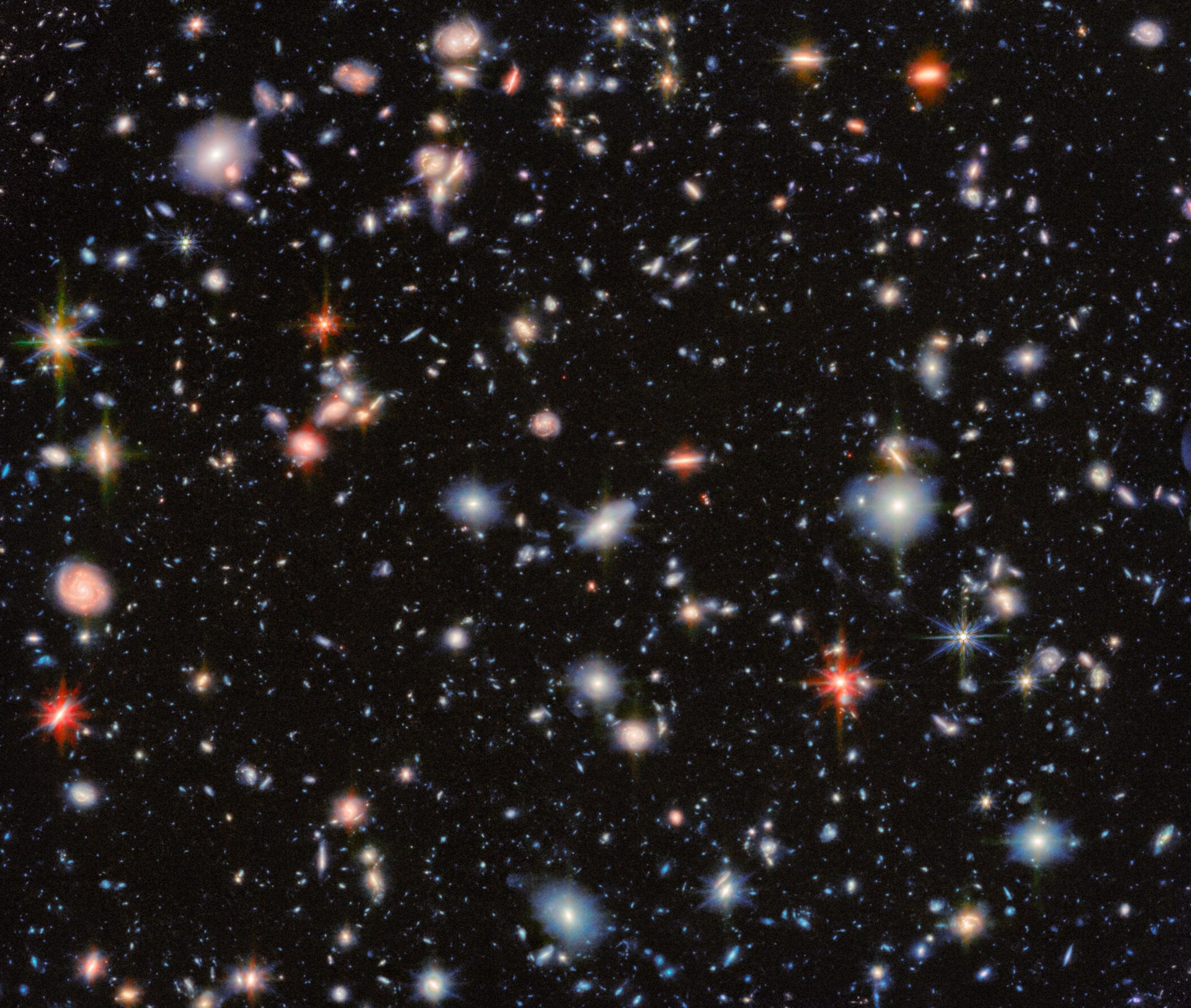
This image from the James Webb Space Telescope revisits one of the most iconic regions of the sky, the Hubble Ultra Deep Field. The result is a detailed view of thousands of distant galaxies, some dating back to the earliest periods of cosmic history.
Continue reading
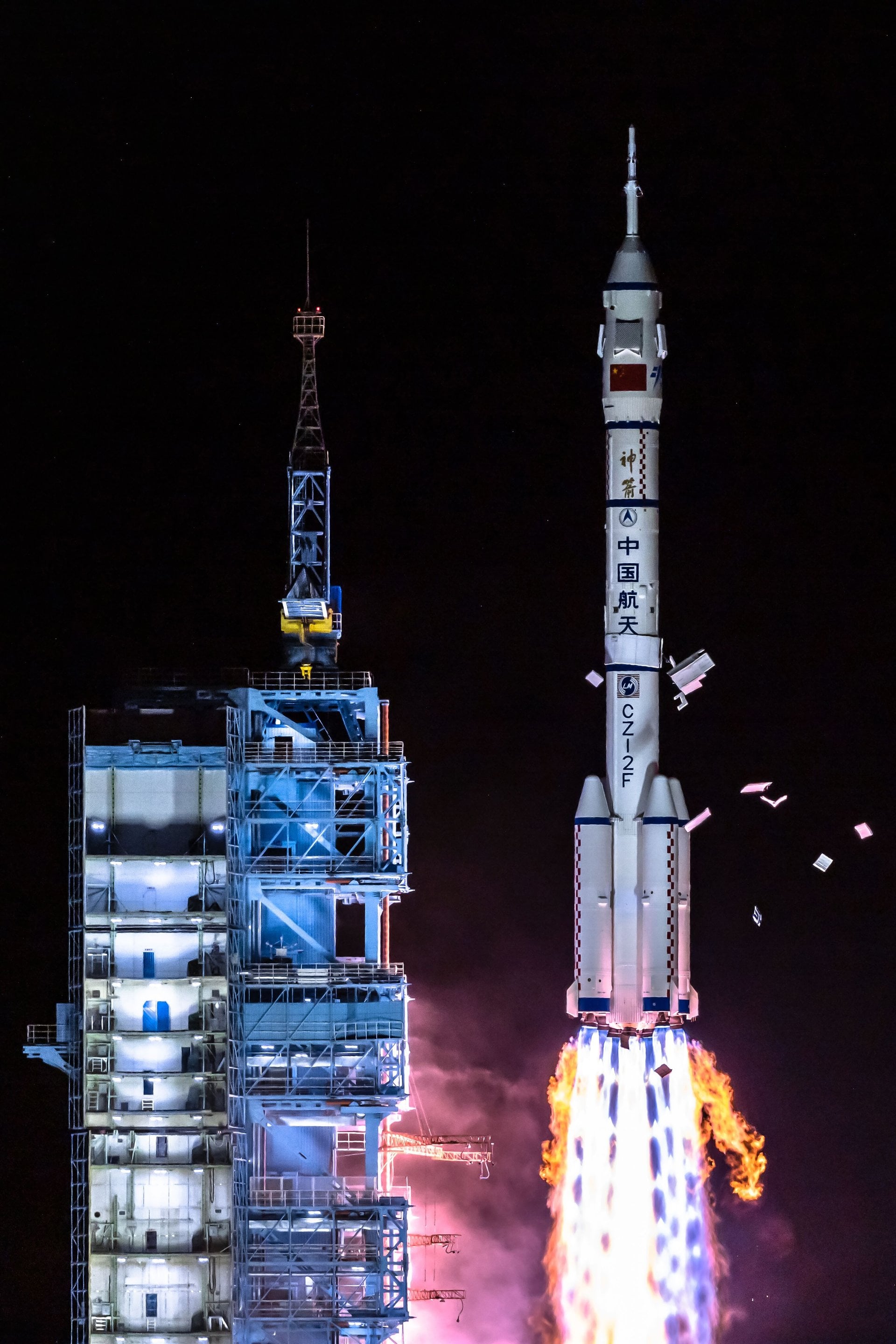
If you have any doubts about the objectives of the program, just check out their logo: a stylized crescent moon with two footprints in the middle.
Continue reading
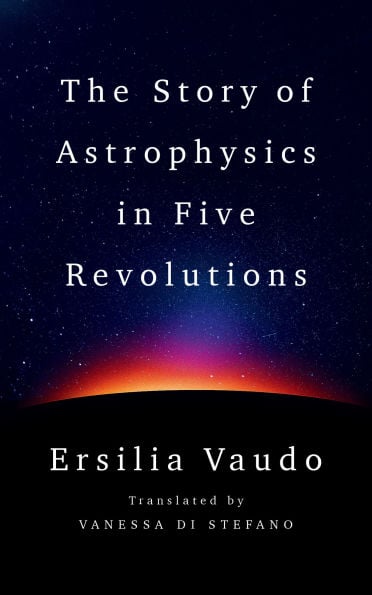
In the northern hemisphere, we're getting on to enjoying summer time which traditionally includes vacationing. Typically, vacations are a time to pause from work and remember life's possibilities beyond work. Now, perhaps you, the vacationer, want to rekindle a brief fling you had with science or maybe begin a new science tryst. Ersilia Vaudo's book "The Story of Astrophysics in Five Revolutions" could be just the impetus necessary for such a diversion.
Continue reading
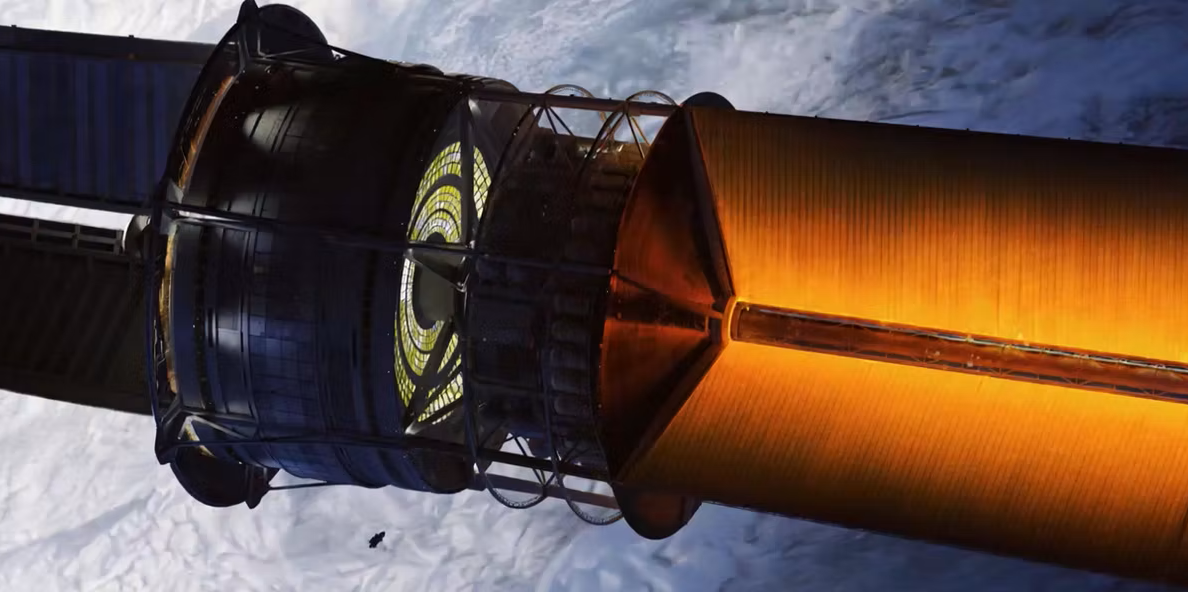
The UK-based not-for-profit company Initiative for Interstellar Studies (i4is) has announced the winners of the Project Hyperion Design Competition, a global challenge that called upon interdisciplinary teams to envision generation ships designed for a 250-year journey to Proxima b. The teams designed habitats of such a spacecraft that would allow a society to sustain itself and flourish in a highly resource-constrained environment.
Continue reading
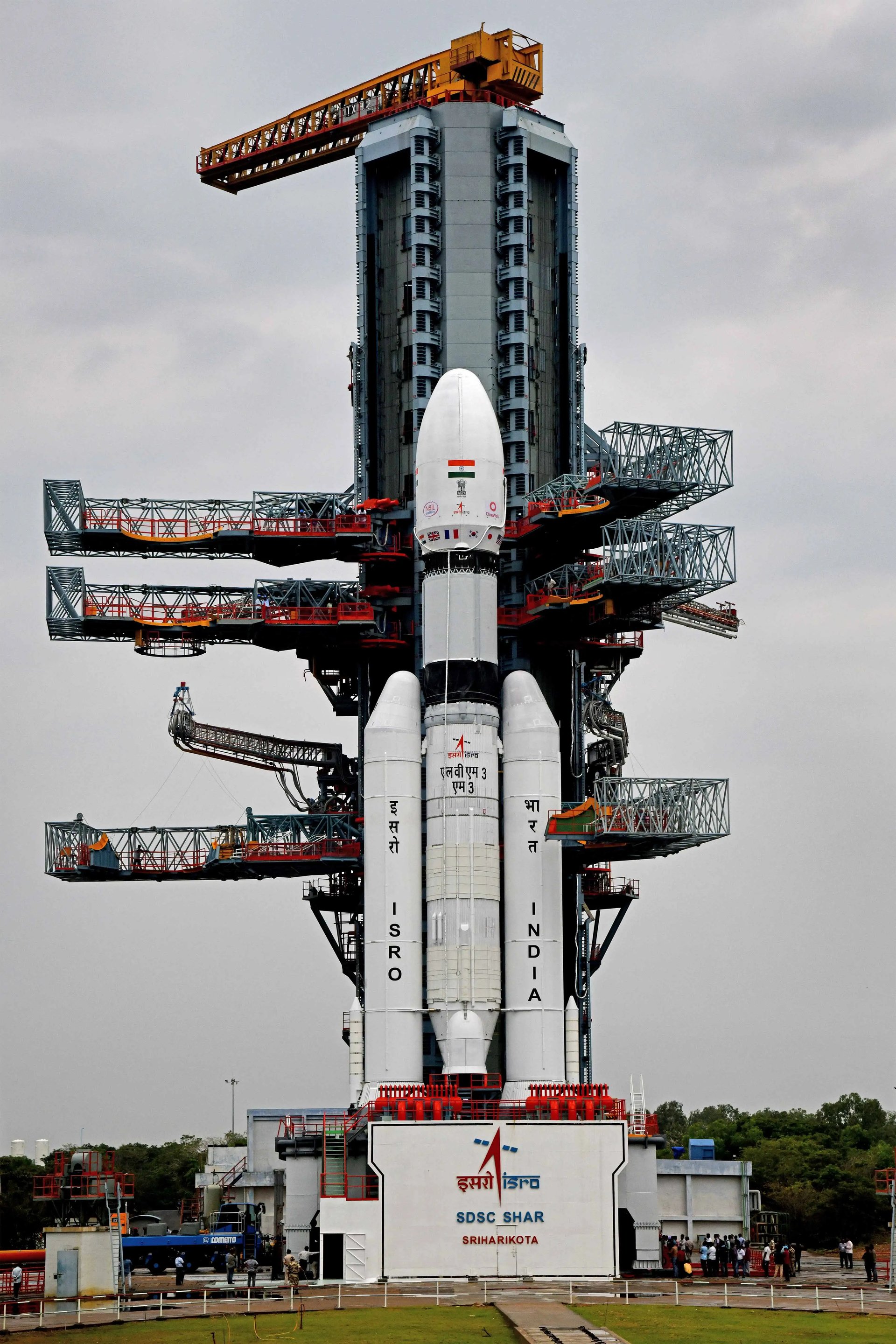
The United States and China aren’t the only powerful, wealthy nations in the world, and they’re certainly not the only nations active in space.
Continue reading
If you want to get to the moon, you need to spend an enormous amount of resources developing, creating, testing, and deploying a variety of spacecraft and technologies.
Continue reading
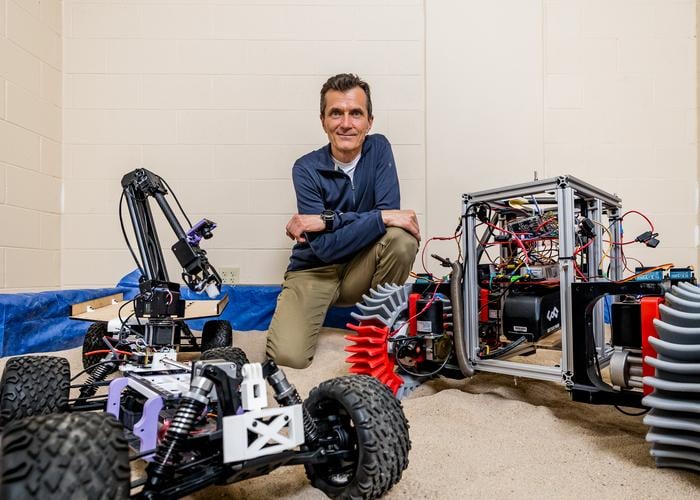
Simulating extraterrestrial environments on Earth has always been a challenge. Our planet has a pleasant atmosphere, reasonable temperatures, and a moderate amount of gravity, unlike the rest of the solar system. Or maybe that’s just because we think that way because we adapted to how it is here as we evolved here. In either case, the physical environment here makes it difficult for us to set up test environments that can accurately test probes going to other parts of the solar system. Many times, it involves vacuum chambers, air conditioners and heaters pumping hot and cold air into them, and soil simulant - lots and lots of soil simulant. But, according to a new paper from researchers at the University of Wisconsin-Madison, we’ve been neglecting one important aspect of these tests, and it might be the reason Spirit eventually got permanently stuck on Mars - sand is affected by gravity too.
Continue reading
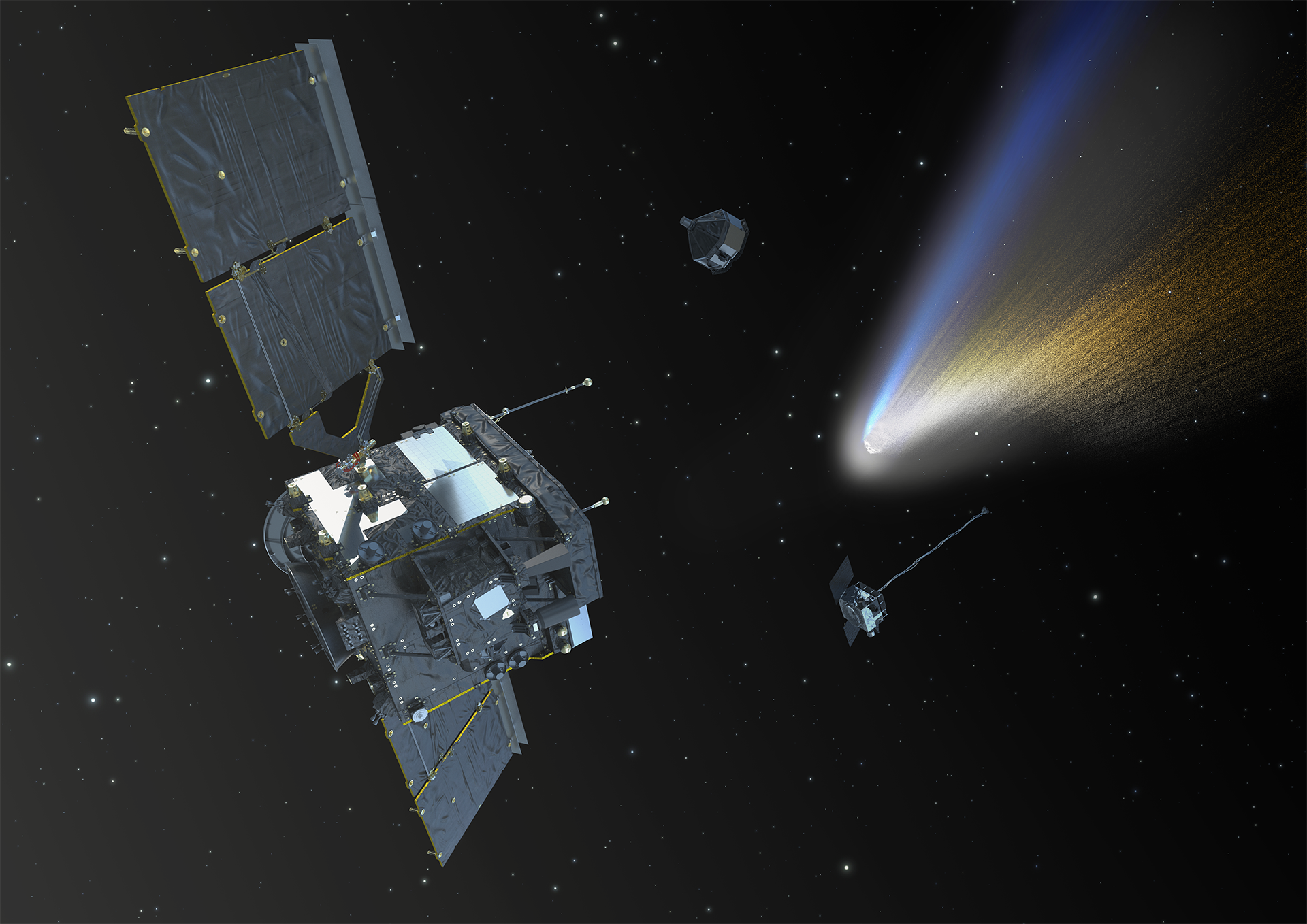
It’s a tantalizing prospect. Since 2017, three interstellar objects have been spotted passing through our solar system: 1I/ʻOumuamua, 2I/Borisov… and just this month, 3I/ATLAS. Discovered on July 1st by the Asteroid Terrestrial-impact Last Alert Survey, 3I/ATLAS is zipping through the inner solar system in the last half of 2025.
Certainly, all assets on the ground and in space will be turned towards 3I/ATLAS over the next few frenzied months, to glean what we can… but what would 3I/ATLAS look like up close? Can we even consider chasing down such a speedy visitor?
Continue reading
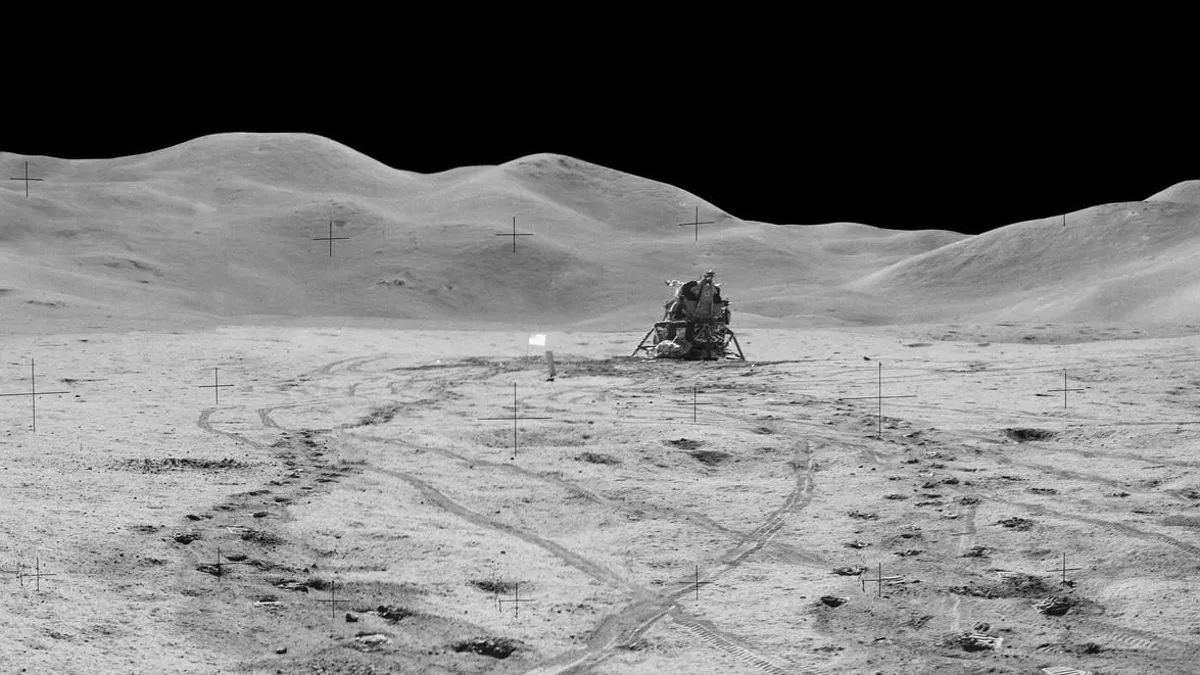
I don’t think space or lunar tourism is going to be the big draw that transforms the moon into something unrecognizable.
Continue reading
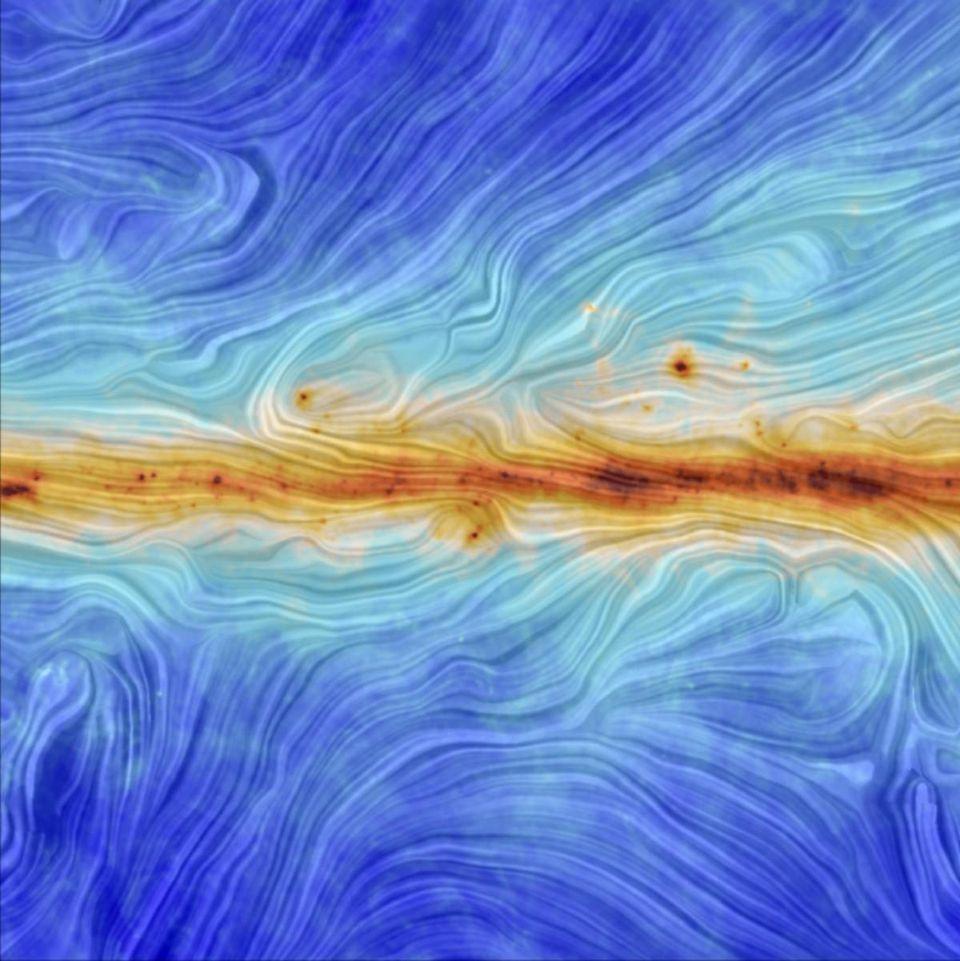
Scientists have achieved a groundbreaking milestone by creating the first detailed map of magnetic fields in one of the most chaotic regions of space, the turbulent center of our own Milky Way. Using innovative techniques to track microscopic dust grains, researchers have finally decoded the invisible forces that govern star formation in this extreme galactic environment. Their discoveries not only solve a 40 year mystery surrounding strange high speed electron streams racing through space, but also reveal how magnetic fields, stellar winds, and gas clouds perform an intricate dance that shape our Galaxy.
Continue reading
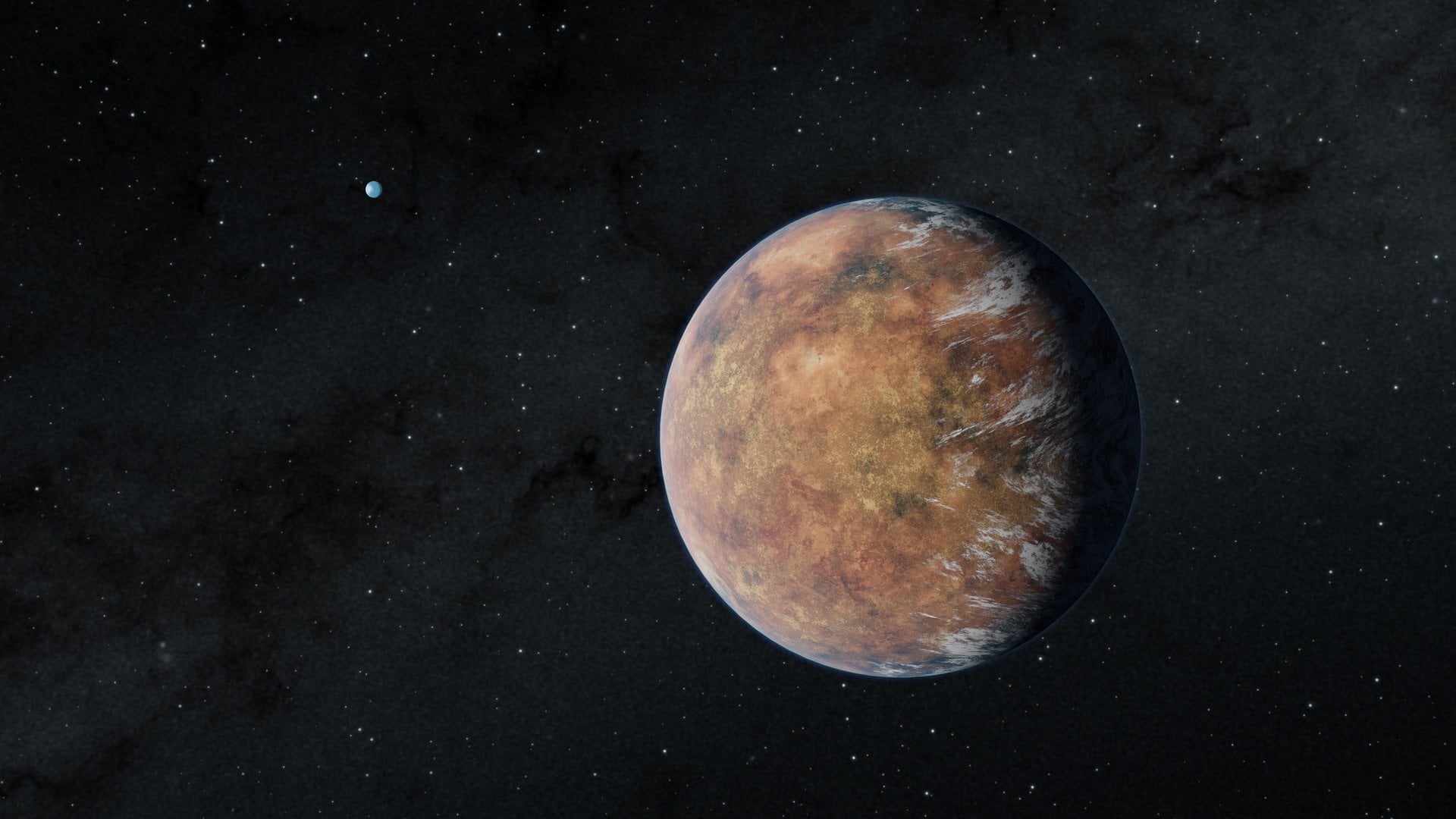
Science is driven by our desire to understand things. In some cases, where it requires significant effort and investment to develop systems that can understand new things, science benefits from a game plan that the community of researchers focused on a particular niche can rally around, even if they don’t necessarily agree on the details. In astronomy and space science, those game plans typically take the form of Decadal Surveys, produced by the National Academies to define the path forward in a specialization or sub-field.
However, there are almost always follow-up reports that break down the suggestions from the Decadal Surveys into actionable plans that experts in the field then spend the next ten years executing on. One of those “tactical” plans was recently released on arXiv by the two lead scientists of NASA’s Exoplanet Exploration Program (ExEP), though it was listed as Rev H and released at least internally back in January 2025. In it, Drs. Karl Stapelfeldt and Eric Mamajek lay out 17 scientific goals that ExEP plans to work on over the next 3-5 years.
Continue reading
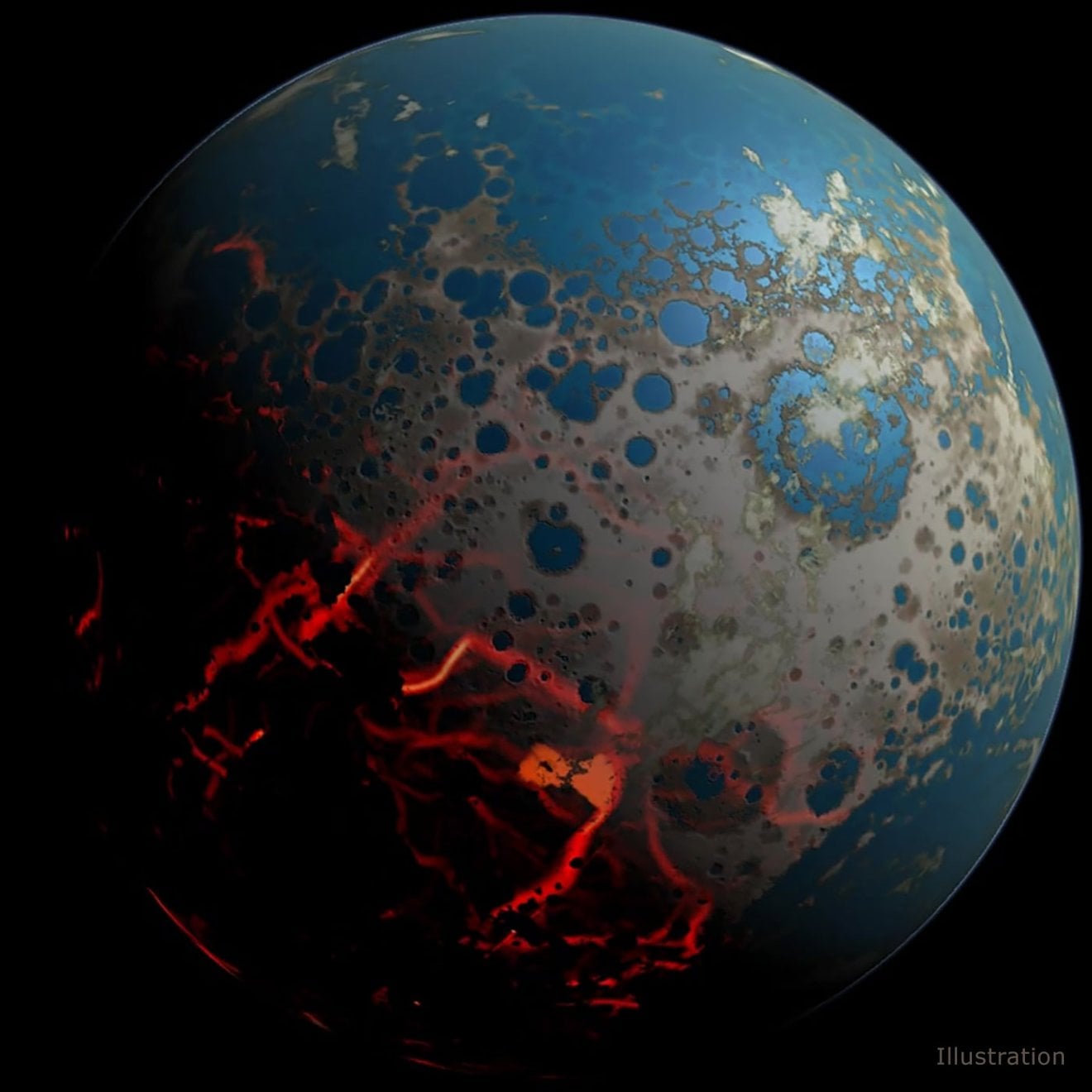
Life arose early in Earth's history. Was this an inevitable process, or an extremely unlikely event that happened early on, and what does this tell us about the likelihood of life on other worlds? In a new paper, a researcher calculated the variables that went into the formation of life and found that a spontaneous emergence is theoretically feasible, but extremely unlikely. Instead, he suggests that there could be protection mechanisms or unknown self-organising principles that got life going.
Continue reading
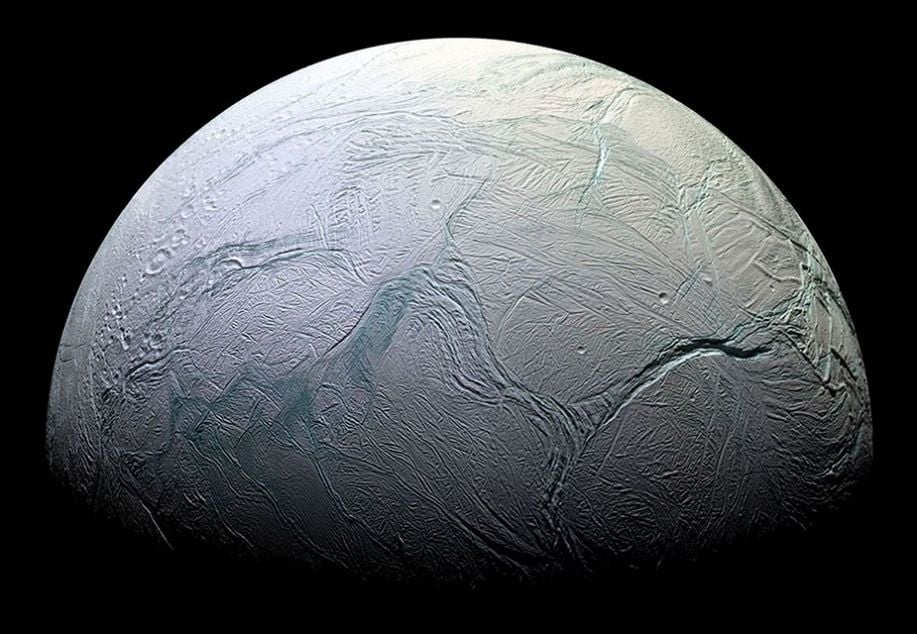
If you've ever dreamed of traveling through space as an explorer, you know there'll be some serious "downside dangers". One of them is cosmic rays. These high-speed particles slam through anything, including our bodies, damaging DNA and ripping molecules apart. As dangerous as they sound to unprotected spacefarers, they could actually help microscopic life survive hiding under the icy surfaces of places like Europa or Enceladus.
Continue reading
 Universe Today