Universe Today
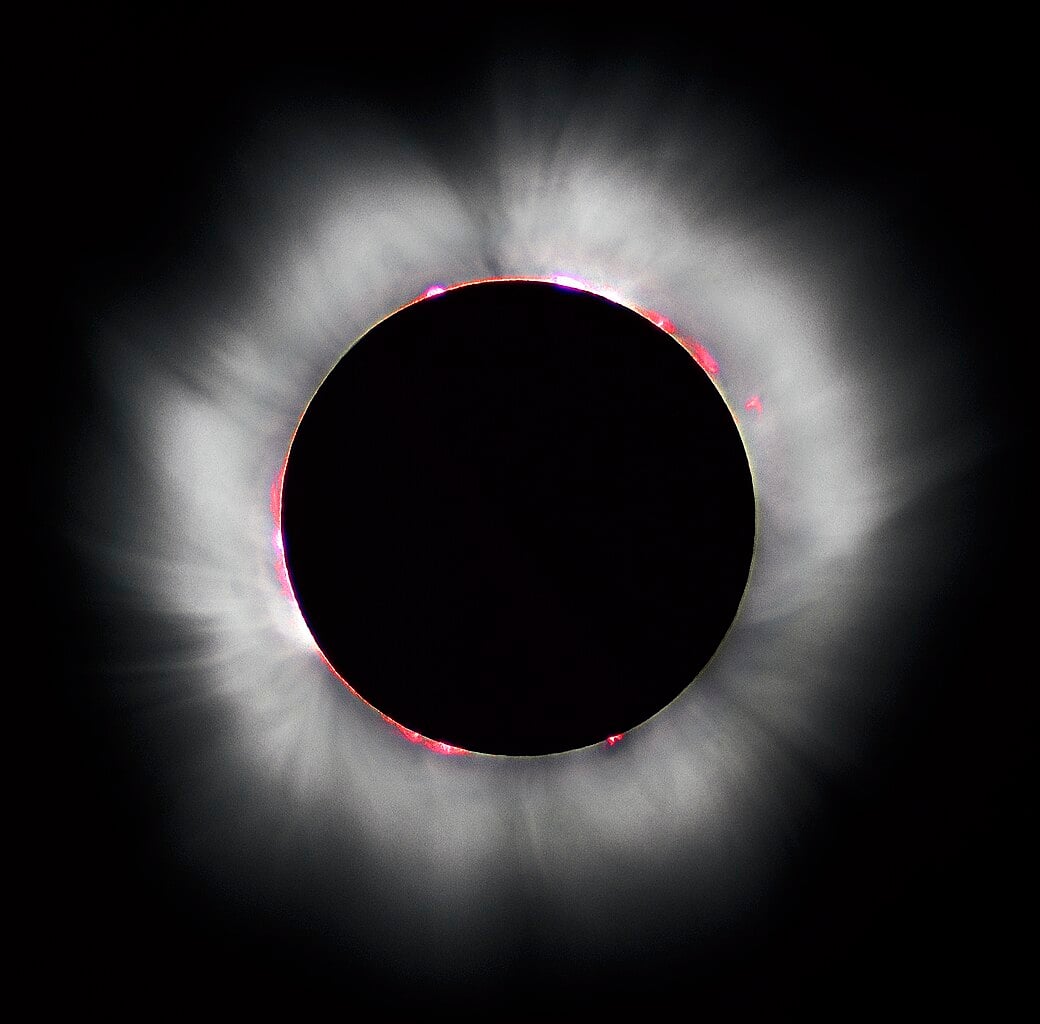
On a summer day in 709 BCE, scribes at the Lu Duchy Court in ancient China looked up to witness something extraordinary. The Sun vanished completely from the sky, and in its place hung a ghostly halo. They recorded the event carefully, noting that during totality the eclipsed Sun appeared "completely yellow above and below." Nearly three millennia later, that ancient observation has helped modern scientists measure how fast Earth was spinning and understand what our Sun was doing at a time when Homer was composing poetry.
The eclipse record itself, preserved in the "Spring and Autumn Annals," represents perhaps the earliest datable account of a total solar eclipse. But when researchers tried to verify it using modern astronomical calculations, they hit a problem. The math said a total eclipse shouldn't have been visible from Qufu, the ancient capital where the observers recorded it.
 The south gate in the Chinese province of Qufu where ancient scribes witnessed the eclipse (Credit : Gisling)
The solution came unexpectedly from archaeology! The team, led by Hisashi Hayakawa from Nagoya University, realised previous studies had used the wrong coordinates for ancient Qufu. Consulting excavation reports of the actual city site, they discovered earlier researchers had been looking eight kilometers away from where the Lu Court actually stood. That small geographical error had thrown off all subsequent calculations.
With corrected coordinates, everything fell into place. The researchers could now calculate Earth's rotation speed during the eclipse with unprecedented accuracy. They determined that 2,700 years ago, our planet was spinning slightly faster than it does today. The difference stems largely from tidal friction caused by the Moon's gravity gradually slowing Earth's rotation over millennia.
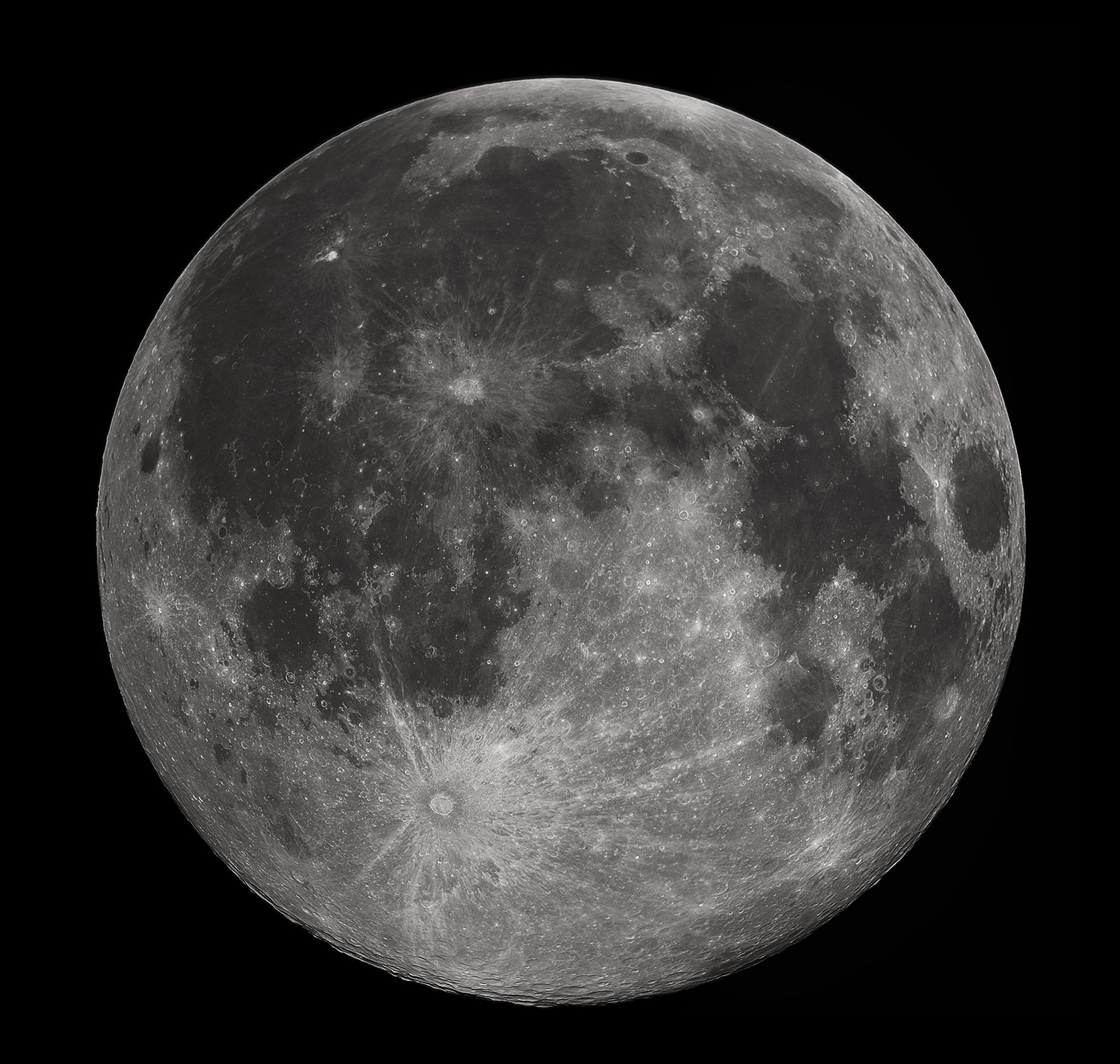 Tidal friction caused by the Moon's gravity has slowed the rotation of the Earth (Credit : Gregory H. Revera)
But the ancient record offered something even more intriguing. That description of the Sun appearing "completely yellow above and below" during totality likely refers to the solar corona, the Sun's faint outer atmosphere visible only during total eclipses. If so, it represents one of the earliest surviving written descriptions of this phenomenon.
The morphology described by those ancient observers suggests something significant about solar activity in 709 BCE. The Sun goes through approximately 11-year cycles of more and less active phases, occasionally interrupted by longer quiet periods called grand minima when sunspots nearly disappear. According to radiocarbon measurements from tree rings, the Sun had just emerged from such a quiet period lasting from 808 to 717 BCE.
The ancient corona description supports what tree ring data independently suggests that by 709 BCE the Sun had returned to regular activity cycles and was approaching peak activity. During photosynthesis, trees absorb radiocarbon whose concentrations reflect cosmic ray levels, which decrease when solar activity increases. The match between ancient human observation and modern radiocarbon analysis validates both methods.
China's exceptional astronomical records exist because ancient dynasties hired experts to monitor the sky for omens, believing celestial events reflected imperial conduct. Their superstition created systematic record keeping that now provides scientists with invaluable data spanning millennia.
Source : Historical geography helps researchers solve 2,700-year old eclipse mystery