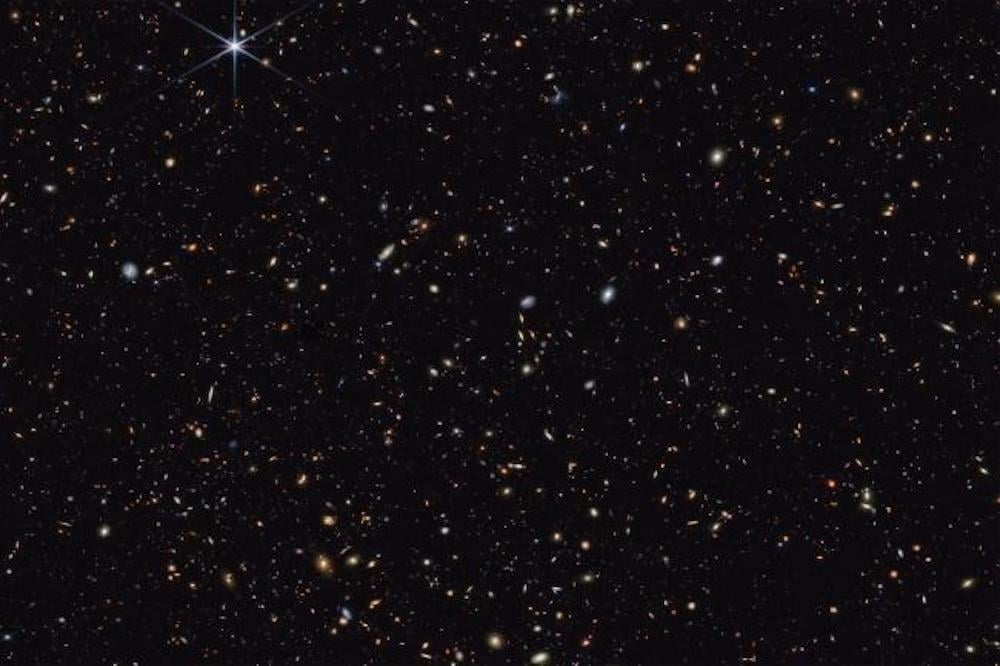
One of the most difficult parts of astronomy is understanding how time affects it. The farther away you look in the universe, the farther back you look in time. One way this complicates things is how objects might change over time. For example, a supermassive black hole at the center of a galaxy in the early universe might appear one way to our modern telescopes, but the same supermassive black hole might appear completely differently a few billion years later. Understanding the connection between the two objects would be difficult to say the least, but a new paper from researchers at the University of Science and Technology in South Korea describes one potential parallel, between the recently discovered “Little Red Dots” of the early universe and “BlueDOGs” of the slightly later universe.
Continue reading
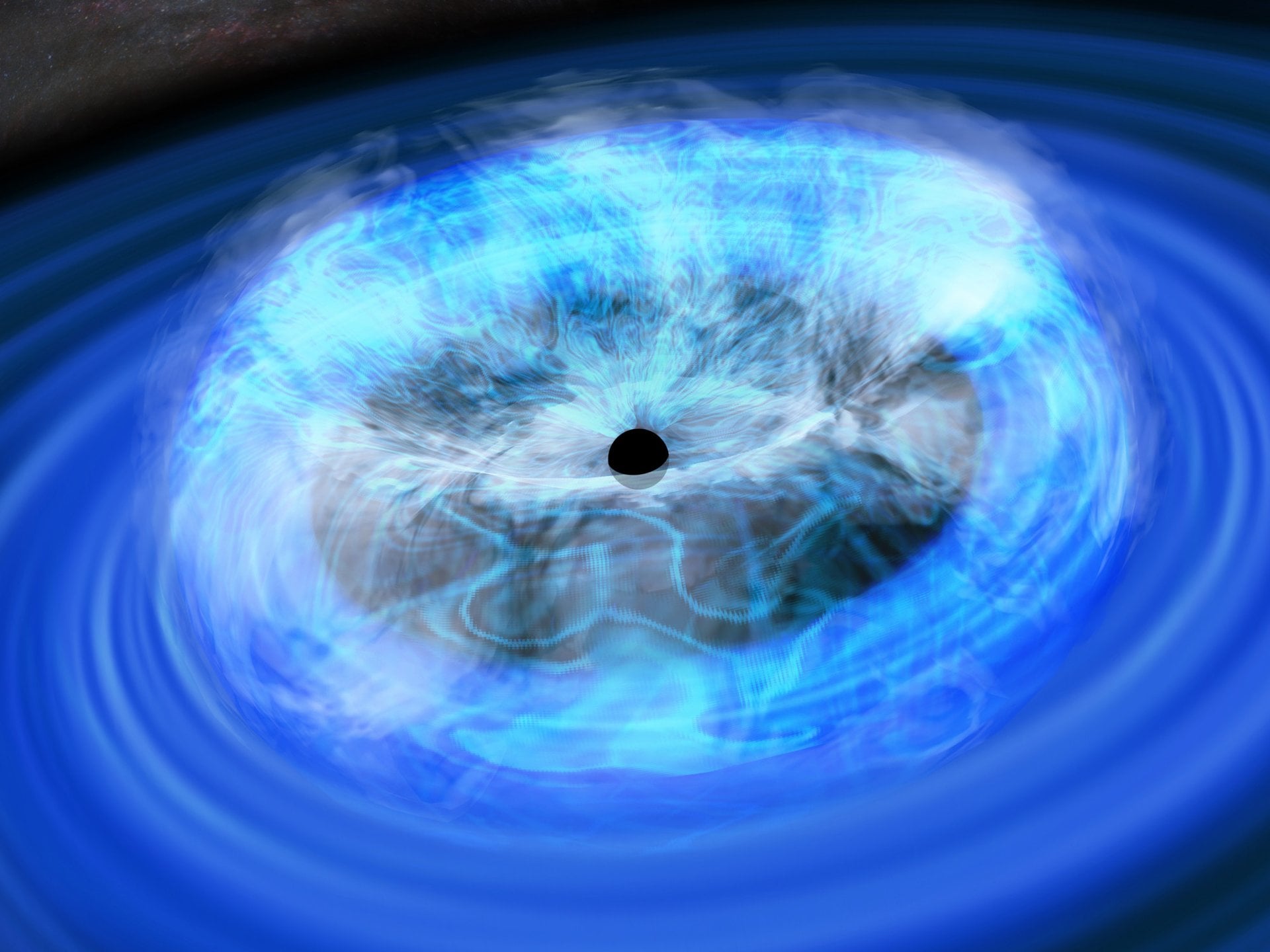
An international team of astronomers led by Matus Rybak (Leiden University, Netherlands) has proven, thanks to accidental double zoom, that millimetre radiation is generated close to the core of a supermassive black hole. Their findings have been accepted for publication in the journal Astronomy & Astrophysics.
Continue reading

The so-called Butterfly star gets its name from its edge-on appearance. The star's protoplanetary disk blocks out starlight revealing a nebula, or butterfly wing, on each side. Deeper JWST observations show the disk is tilted and asymmetrical, which affects how planets form.
Continue reading
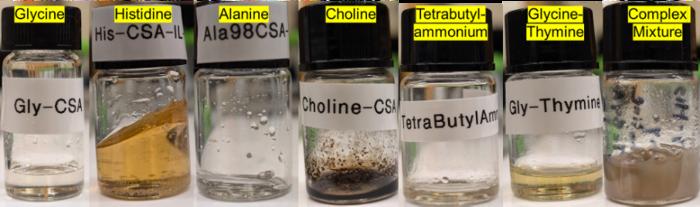
Water is key to life as we know it. But that doesn’t mean its key to life everywhere. Despite the fact that the ability to house liquid water is one of the key characteristics we look for in potentially habitable exoplanets, there is nothing written in stone about the fact that life has to use water as a solvent as opposed to other liquid options. A new paper from researchers at MIT, including those who are developing missions to look for life on Venus, shows there might be an alternative - ionic liquids that can form and stay stable in really harsh conditions.
Continue reading
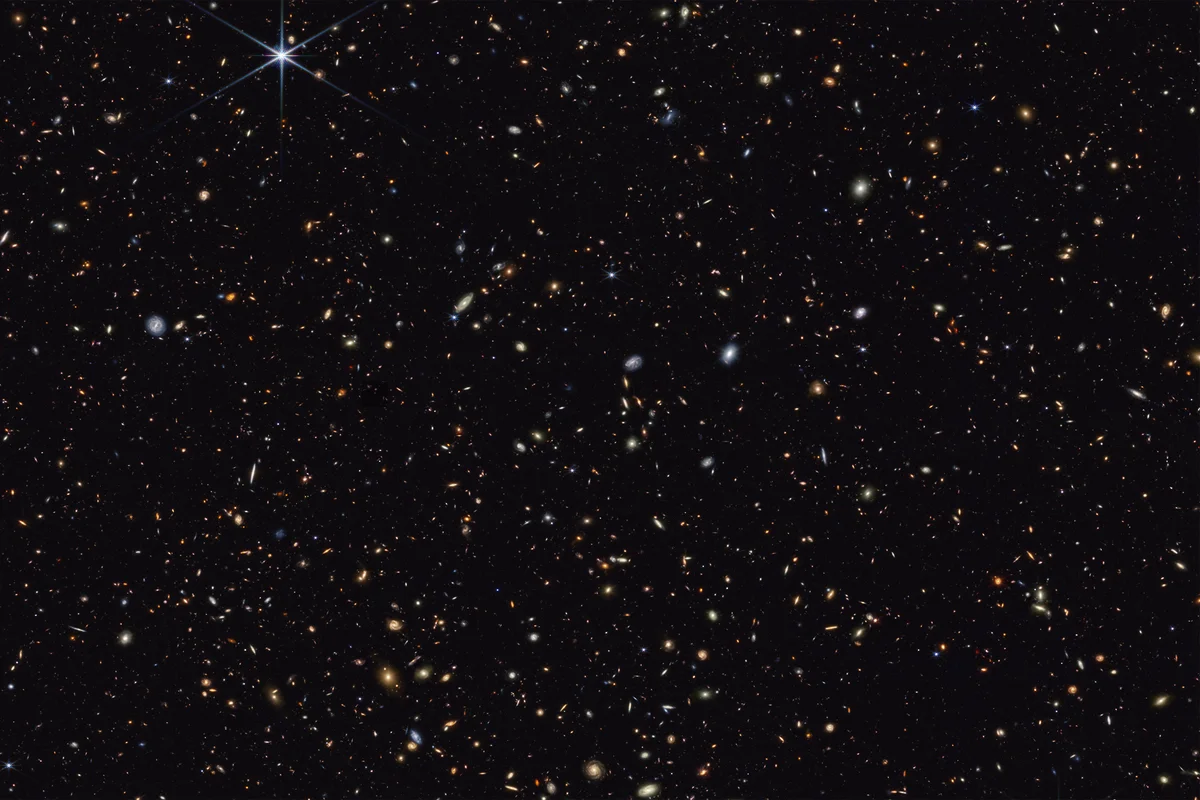
Images taken with the MIRI infrared camera on the James Webb Space Telescope (JWST) have made it possible to observe the first galaxies in long-wavelength infrared light for the first time. Alongside a recent study published in Astronomy and Astrophysics, these images provide new insights into how the first galaxies formed over 13 billion years ago.
Continue reading
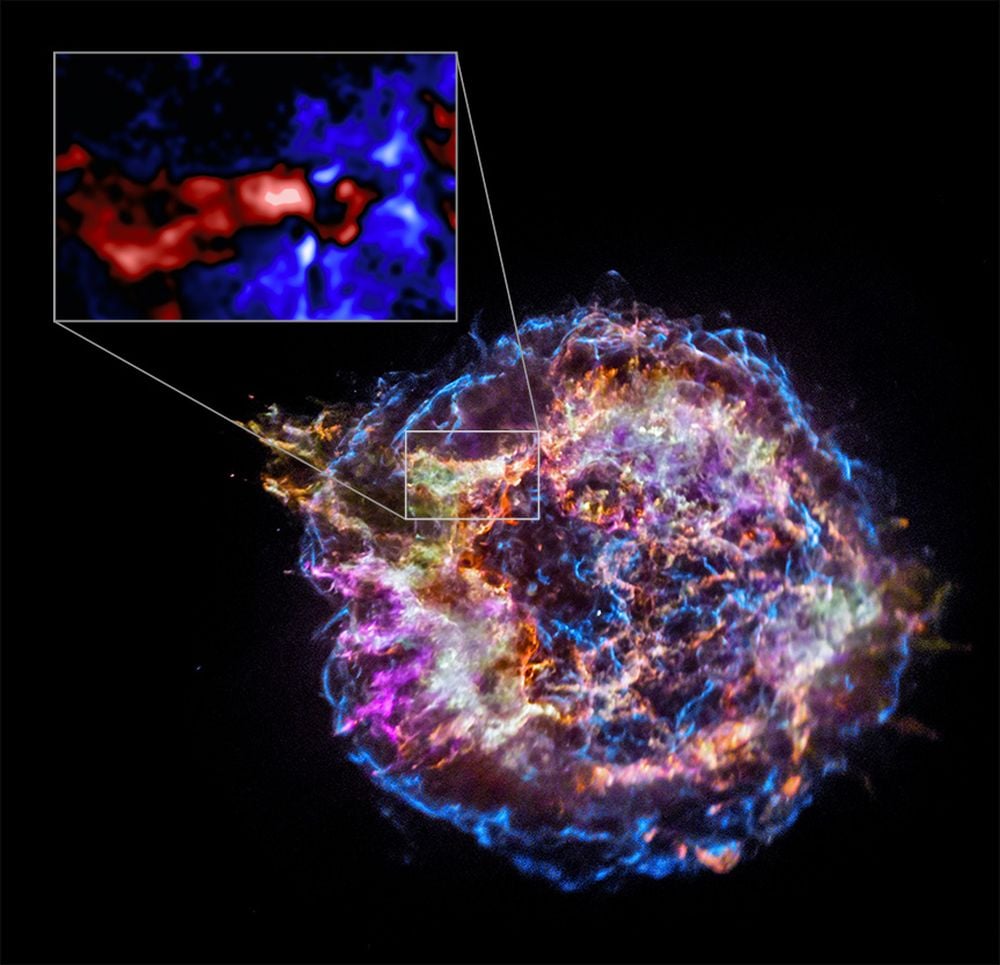
NASA's Chandra Reveals Star's Inner Conflict Before Explosion - https://chandra.si.edu/press/25_releases/press_082825.html
Continue reading
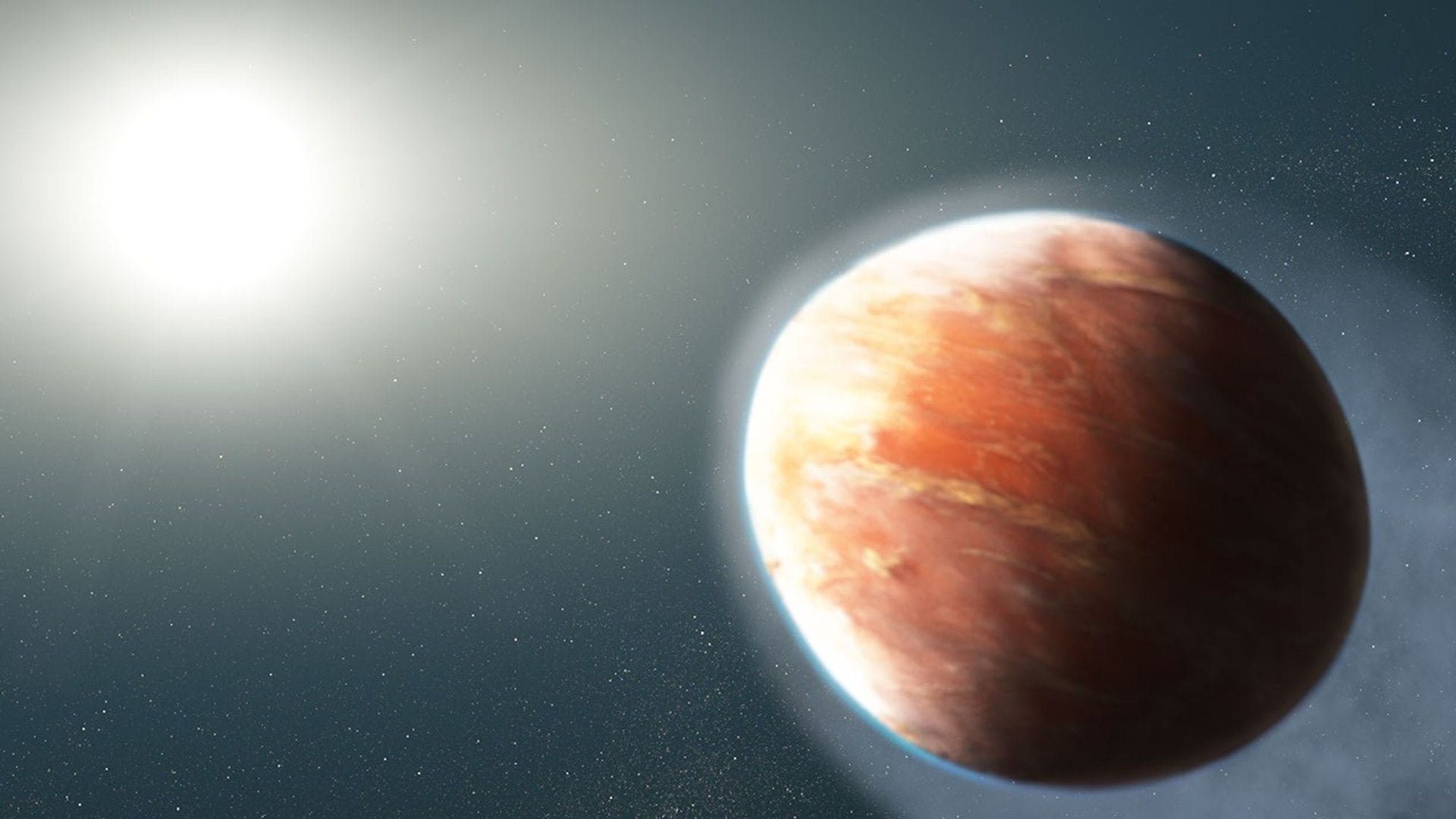
Life is complicated, and not just in a philosophical sense. But one simple thing we know about life is that it requires energy, and to get that energy it needs certain fundamental elements. A new paper in preprint on arXiv from Giovanni Covone and Donato Giovannelli from the University of Naples discusses how we might use that constraint to narrow our search for stars and planets that could potentially harbor life. To put it simply, if it doesn’t have many of the constituent parts of the “building blocks” of life, then life probably doesn't exist there.
Continue reading
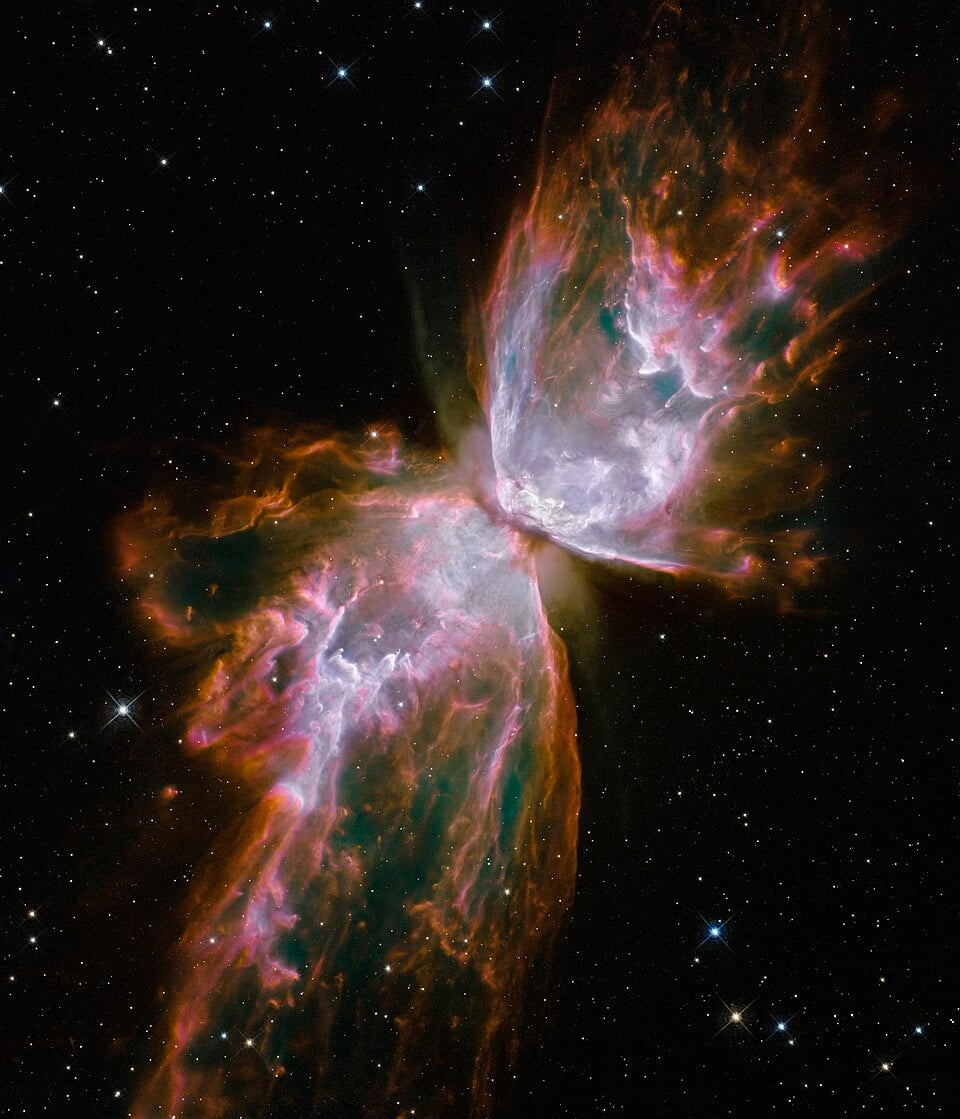
Deep in the constellation Scorpius, about 3,400 light years from Earth, a spectacular cosmic butterfly is revealing fundamental secrets about how worlds like our own came to exist. Using the James Webb Space Telescope, astronomers have peered into the heart of the Butterfly Nebula and discovered clues that could transform our understanding of rocky planet formation.
Continue reading
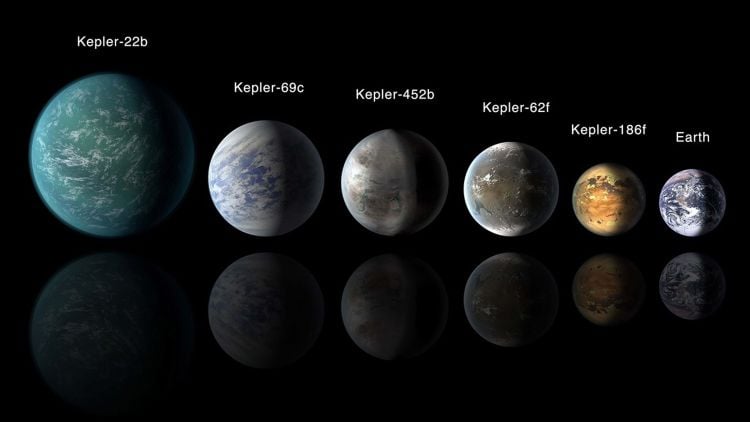
What role can the relationship between oxygen (O2) and ozone (O3) in exoplanet atmospheres have on detecting biosignatures? This is what a recent study submitted to Astronomy & Astrophysics hopes to address as an international team of researchers investigated novel methods for identifying and analyzing Earth-like atmospheres. This study has the potential to help scientists develop new methods for identifying exoplanet biosignatures, and potentially life as we know it.
Continue reading
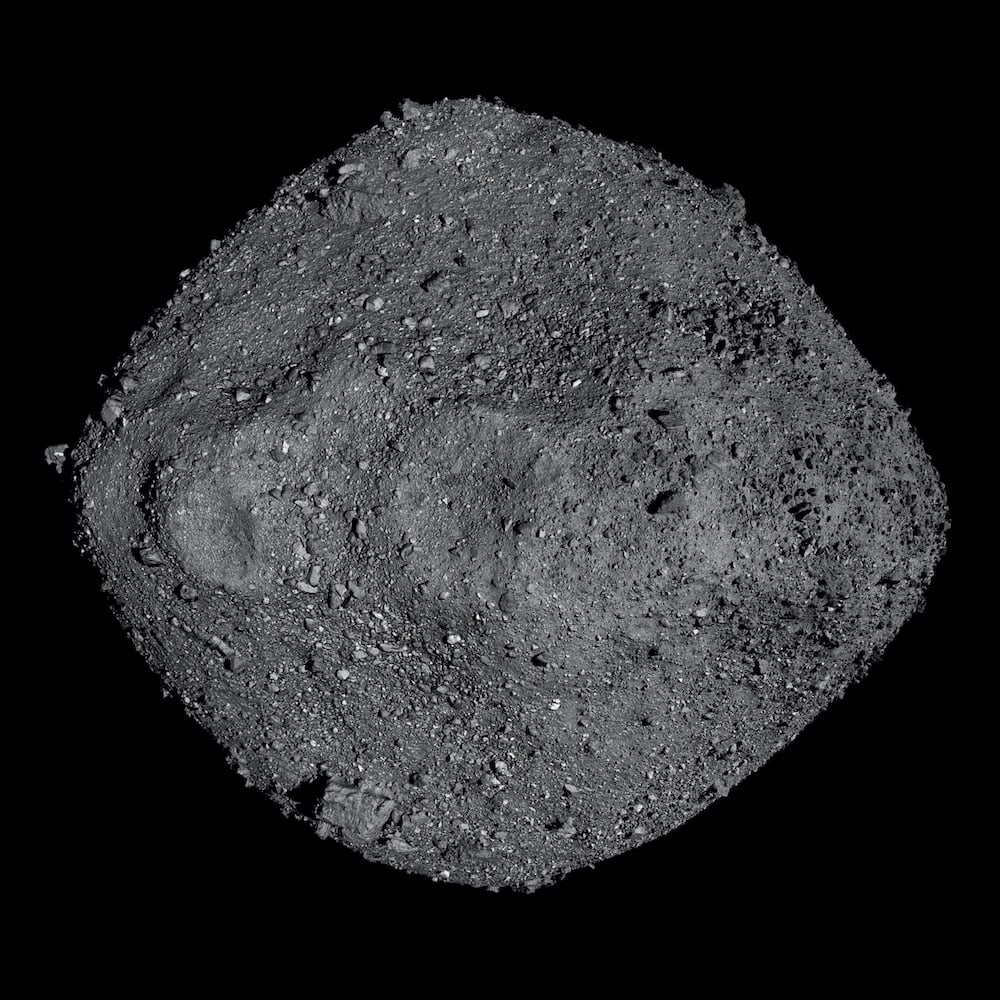
When NASA's OSIRIS-REx spacecraft returned from its mission to asteroid Bennu in 2023, it brought back more than just ancient space rocks, it delivered answers to puzzles that have baffled astronomers for years. Among the most intriguing questions was why asteroids that should look identical through telescopes appear strikingly different colours from Earth.
Continue reading
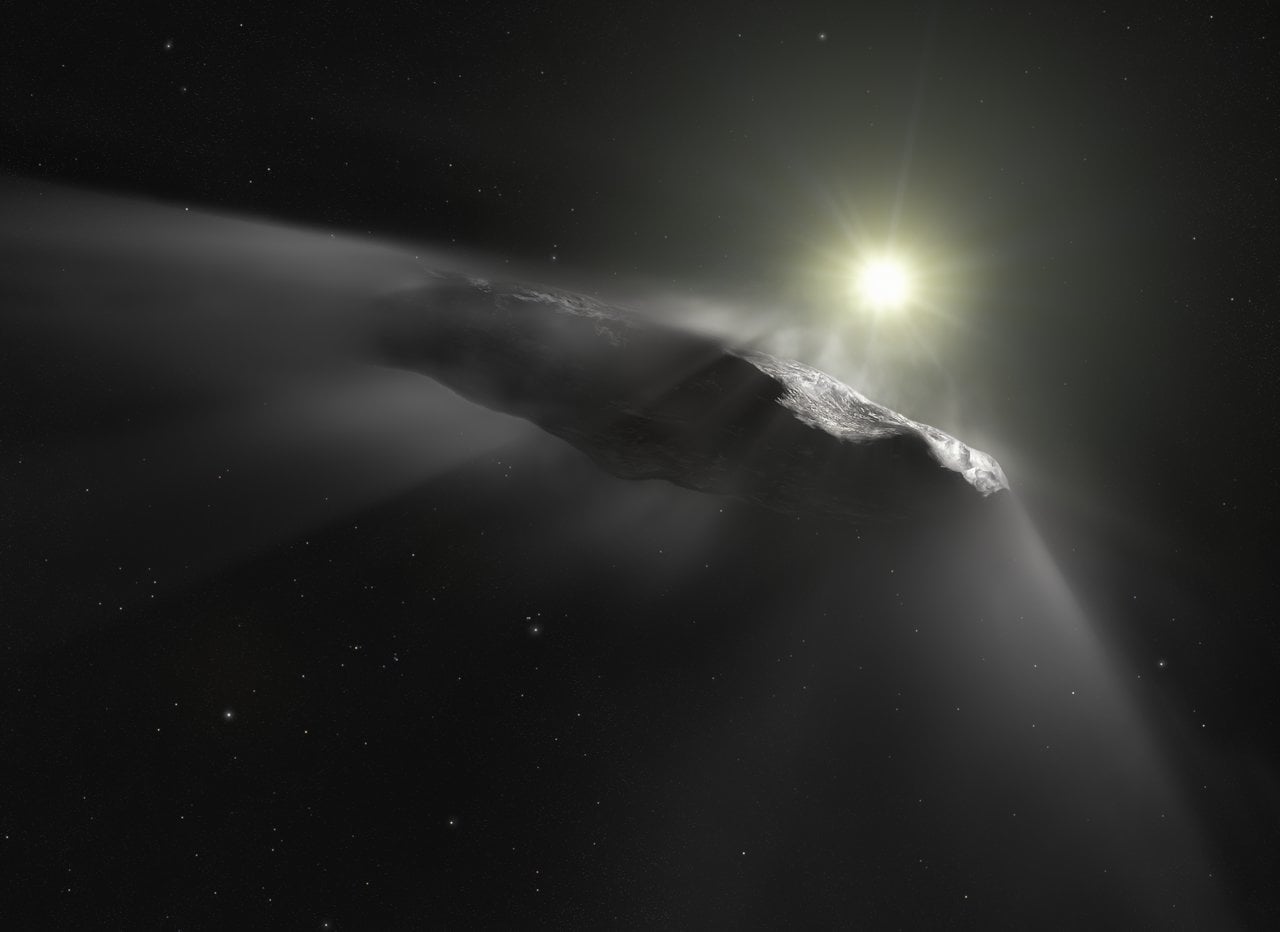
The recent discovery of the third known interstellar object (ISO), 3I/ATLAS, has brought about another round of debate on whether these objects could potentially be technological in origin. Everything from random YouTube channels to tenured Harvard professors have thoughts about whether ISOs might actually be spaceships, but the general consensus of the scientific community is that they aren’t. Overturning that consensus would require a lot of “extraordinary evidence”, and a new paper led by James Davenport at the DiRAC Institute at the University of Washington lays out some of the ways that astronomers could collect that evidence for either the current ISO or any new ones we might find.
Continue reading
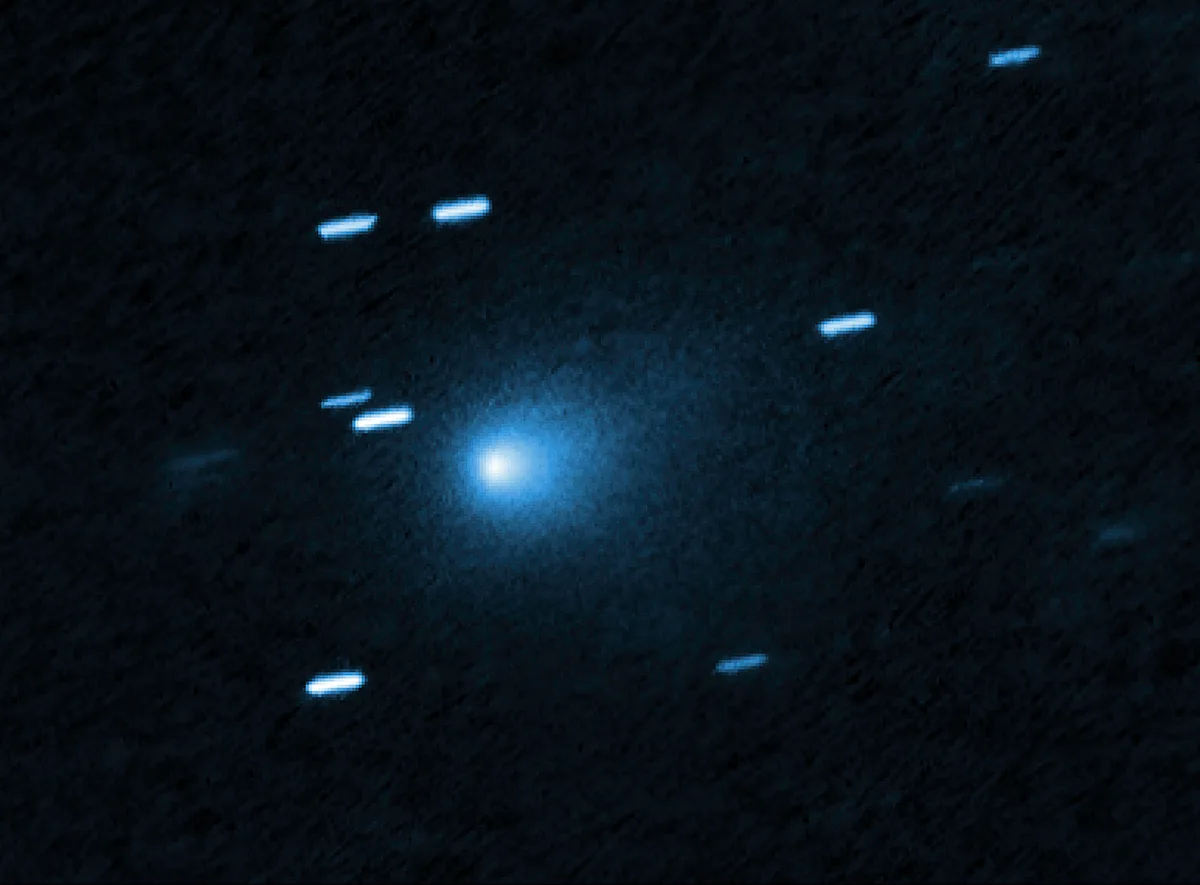
All (or at least most) astronomical eyes are on 3I/ATLAS, our most recent interstellar visitor that was discovered in early July. Given its relatively short observational window in our solar system, and especially its impending perihelion in October, a lot of observational power has been directed towards it. That includes the most powerful space telescope of them all - and a recent paper pre-printed on arXiv describes what the James Webb Space Telescope (JWST) discovered in the comet’s coma. It wasn’t like any other it had seen before.
Continue reading
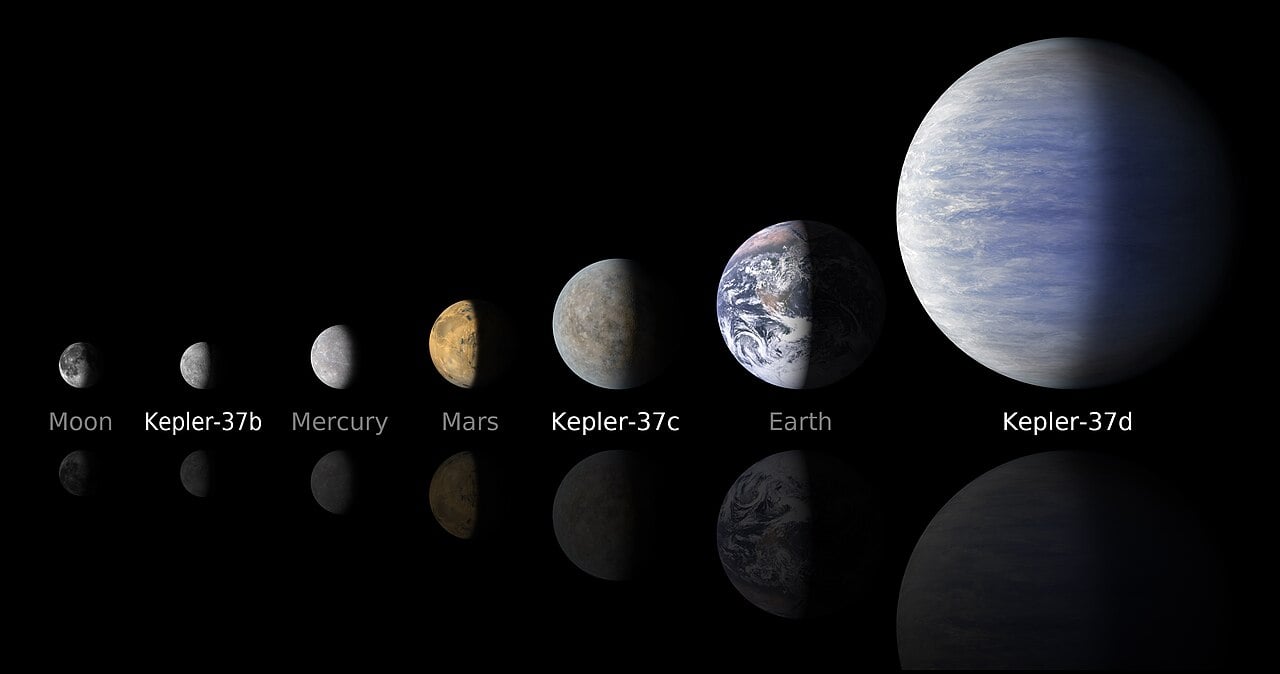
Imagine worlds where water exists in forms so exotic that they defy our everyday understanding of matter, where the familiar liquid we drink every day transforms into something that behaves like neither gas nor liquid. These aren't science fiction fantasies, but real planets that represent some of the most common worlds in our Galaxy, and scientists at UC Santa Cruz have just developed new models to understand them.
Continue reading
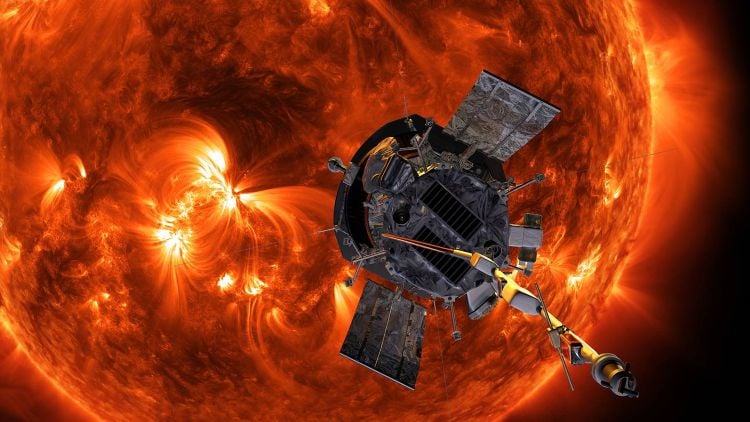
What processes are responsible for our Sun’s solar wind, heat, and energy? This is what a recent study published in Physical Review X hopes to address as a team of researchers presented evidence for a newly discovered type of barrier that the Sun exhibits that could help explain the transfer of energy to heat within the Sun’s outer atmosphere. This study has the potential to help scientists better understand the underlying mechanisms for what drives our Sun and what this could mean for learning about other suns throughout the cosmos.
Continue reading
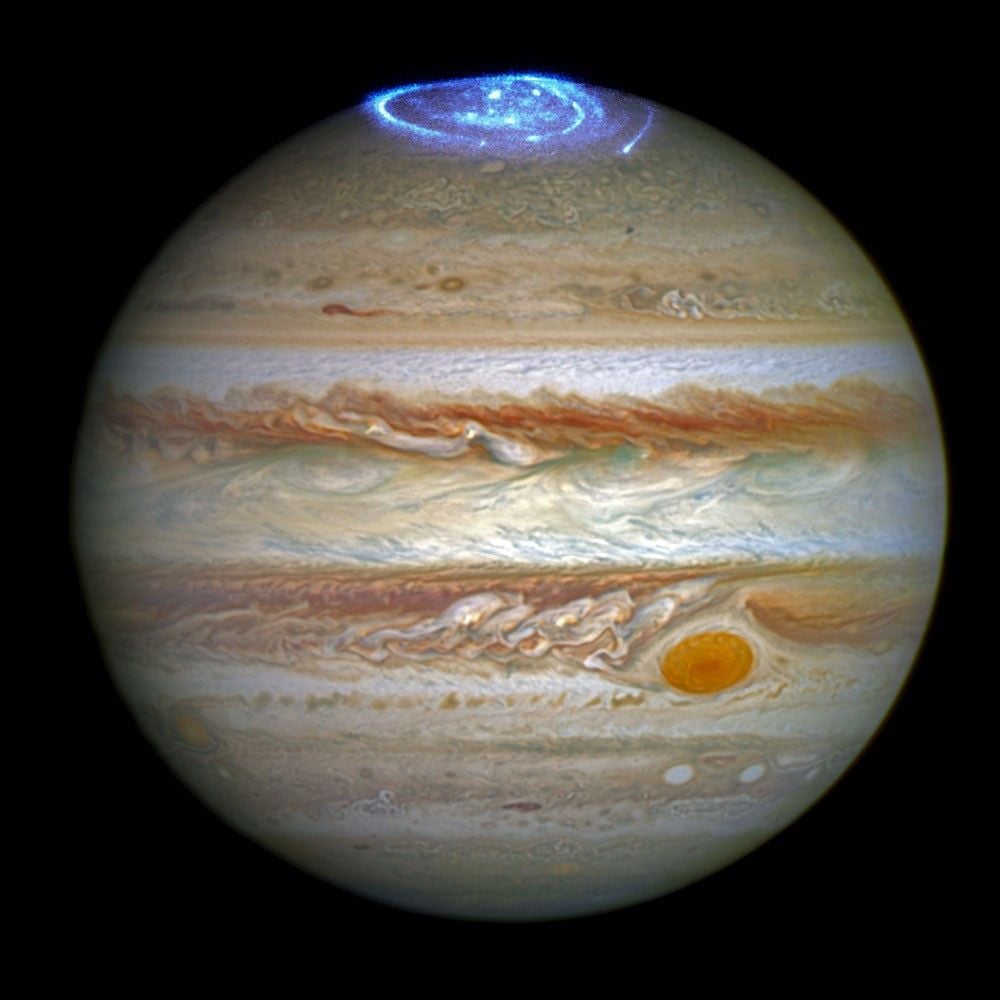
In the cold darkness above Jupiter's poles, where temperatures plummet to hundreds of degrees below zero, something remarkable is happening that challenges our understanding of planetary science. Using data from NASA's Juno spacecraft, researchers have uncovered a completely new type of plasma phenomenon that creates auroras that can only be seen with specialised instruments, revealing that our Solar System's largest planet operates by rules we never knew existed.
Continue reading
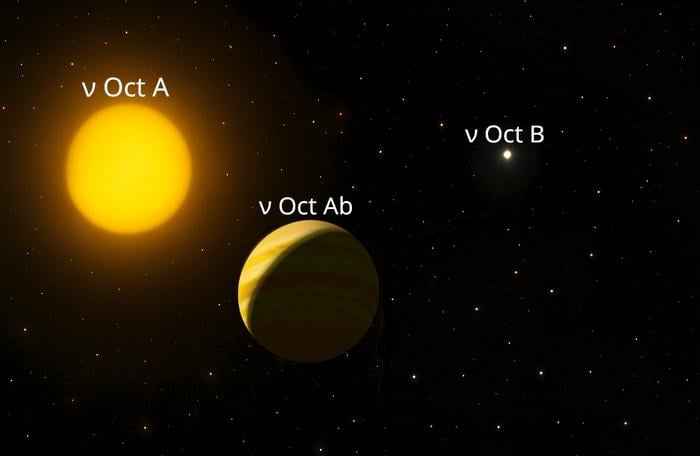
What can binary star systems teach astronomers about the formation and evolution of planets orbiting them? This is what a recent study published in Nature hopes to address as a team of scientists investigated past studies that claimed a specific binary star system could host a planet demonstrating a retrograde orbit, meaning it orbits in the opposite direction of the star’s rotation. This study has the potential to help scientists better understand binary and multiple star systems, specifically the formation and evolution of their planets and what this could mean for finding life beyond Earth.
Continue reading
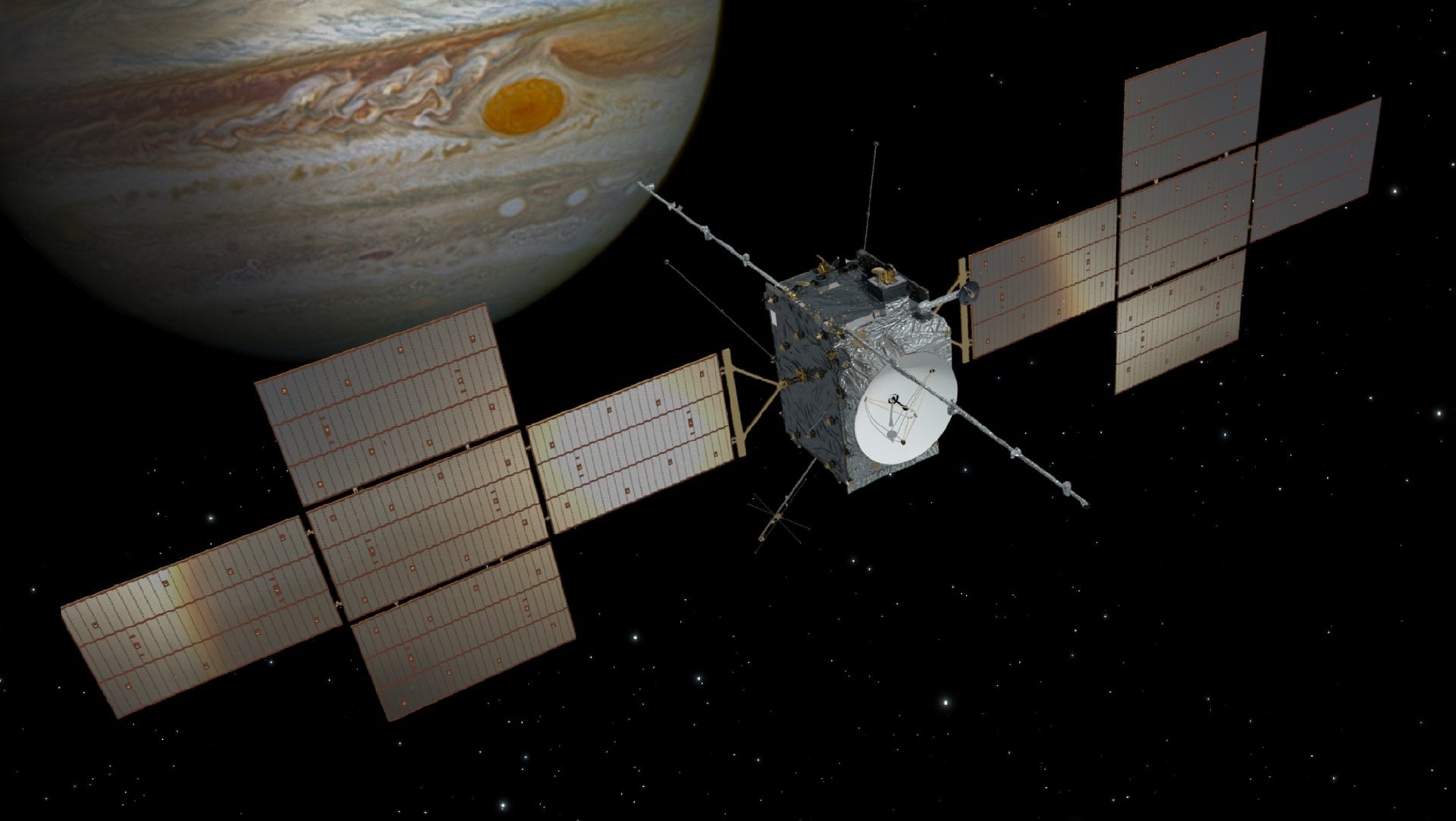
The European Space Agency’s Jupiter Icy Moons Explorer (Juice) suffered a communications anomaly on its way Venus for a gravity-assist maneuver. Thanks to swift and coordinated action by the teams at ESA’s European Space Operations Centre (ESOC) and Airbus, communications were restored in time to prepare for its upcoming flyby with Venus.
Continue reading
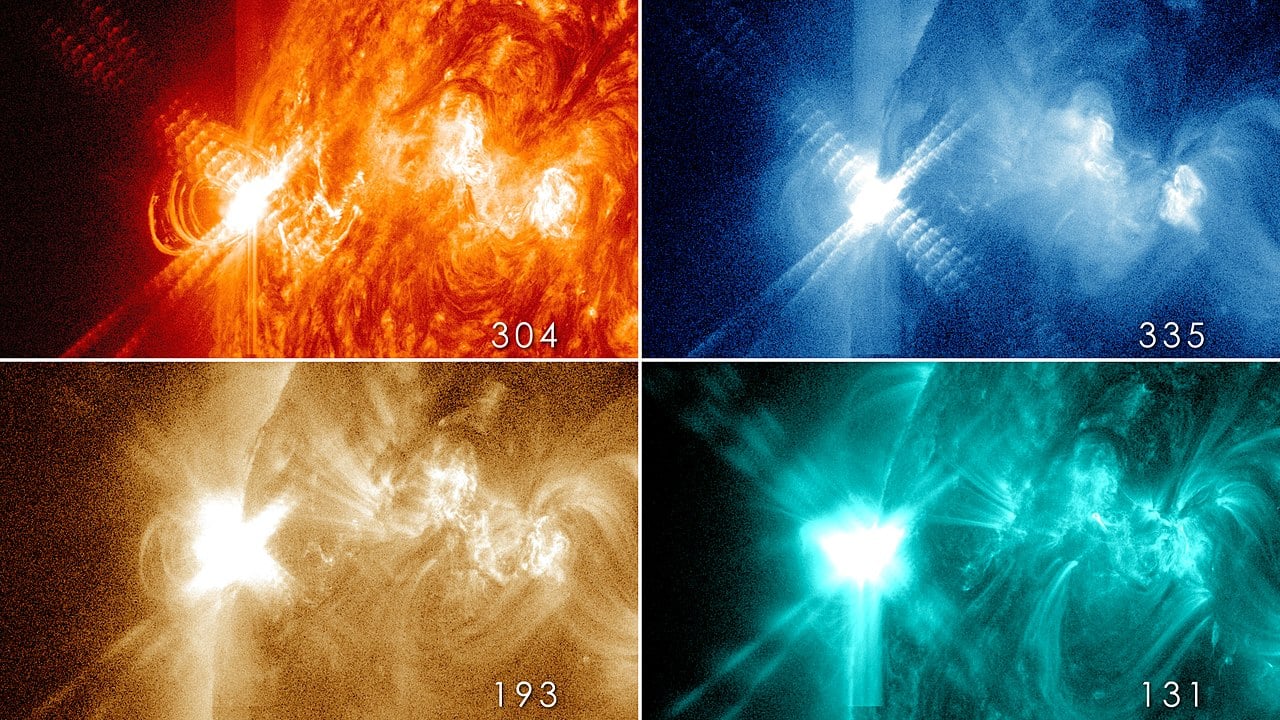
On August 8, 2024, the NSF Daniel K. Inouye Solar Telescope in Hawaii achieved a historic milestone by capturing the sharpest images ever taken of a solar flare. The unprecedented observations revealed coronal loops in stunning detail. The arches of superheated plasma following the Sun's magnetic field lines were captured at such resolution that it’s possible to see individual structures as narrow as 21 kilometres across.
Continue reading
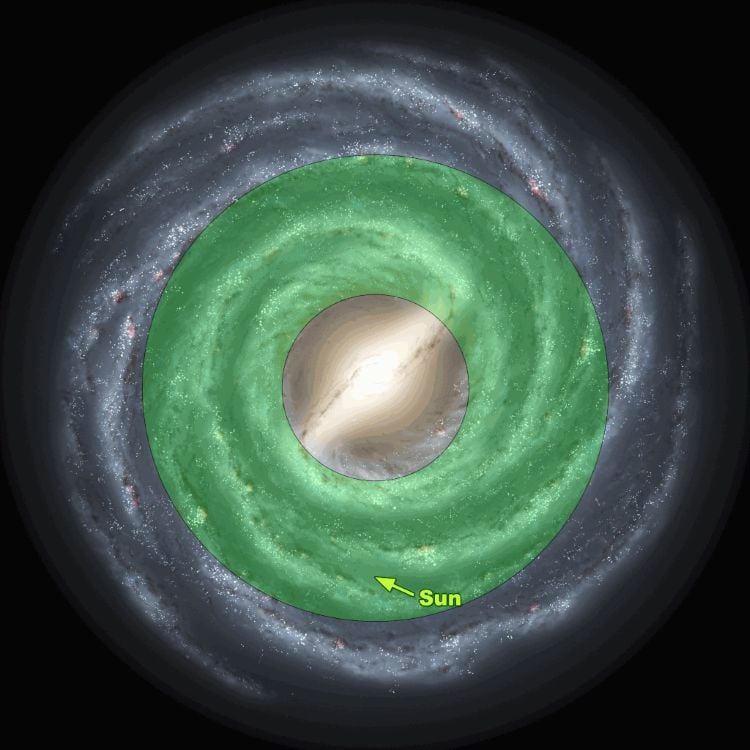
What can the Galactic Habitable Zone (GHZ), which is a galaxy’s region where complex life is hypothesized to be able to evolve, teach scientists about finding the correct stars that could have habitable planets? This is what a recent study accepted for publication in Astronomy & Astrophysics hopes to address as an international team of researchers investigated a connection between the migration of stars, commonly called stellar migration, and what this could mean for finding habitable planets within our galaxy. This study has the potential to help scientists better understand the astrophysical parameters for finding habitable worlds beyond Earth and even life as we know it.
Continue reading
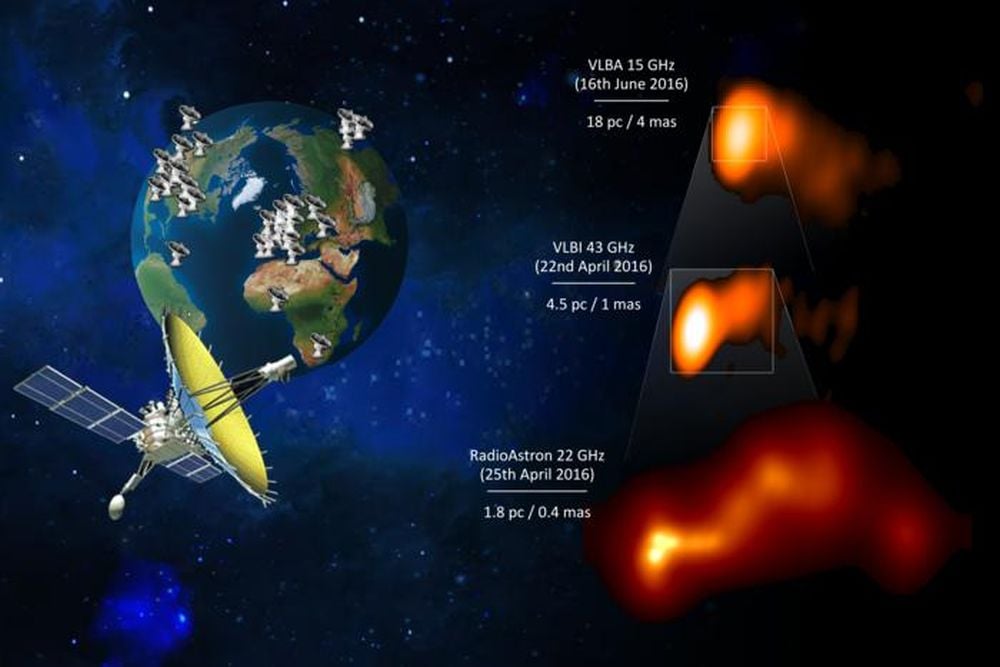
Astronomers used a powerful virtual radio telescope to observe a distant active galaxy. The observations revealed a ribbon-like jet of super-heated plasma. The plasma reaches temperatures of more than 10 trillion Kelvin, indicating that a pair of supermassive black holes are energizing the center of the galaxy.
Continue reading
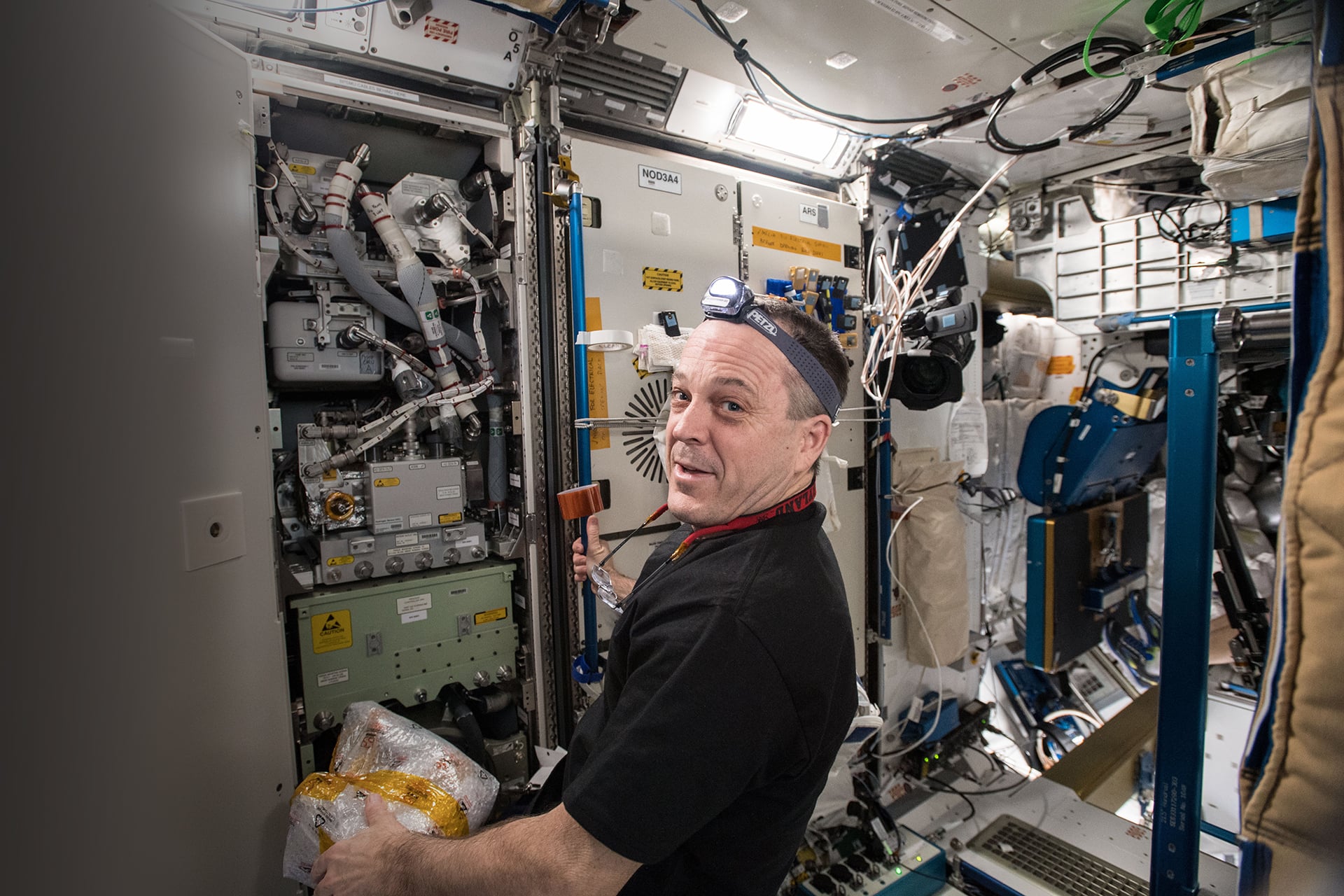
Since sending the first human into space in the 1960s, the solution to one key challenge has remained elusive: the efficient and reliable production of oxygen in space. On the International Space Station, this problem is addressed by heavy and energy-intensive systems that are not ideal for long-duration space missions.
Continue reading
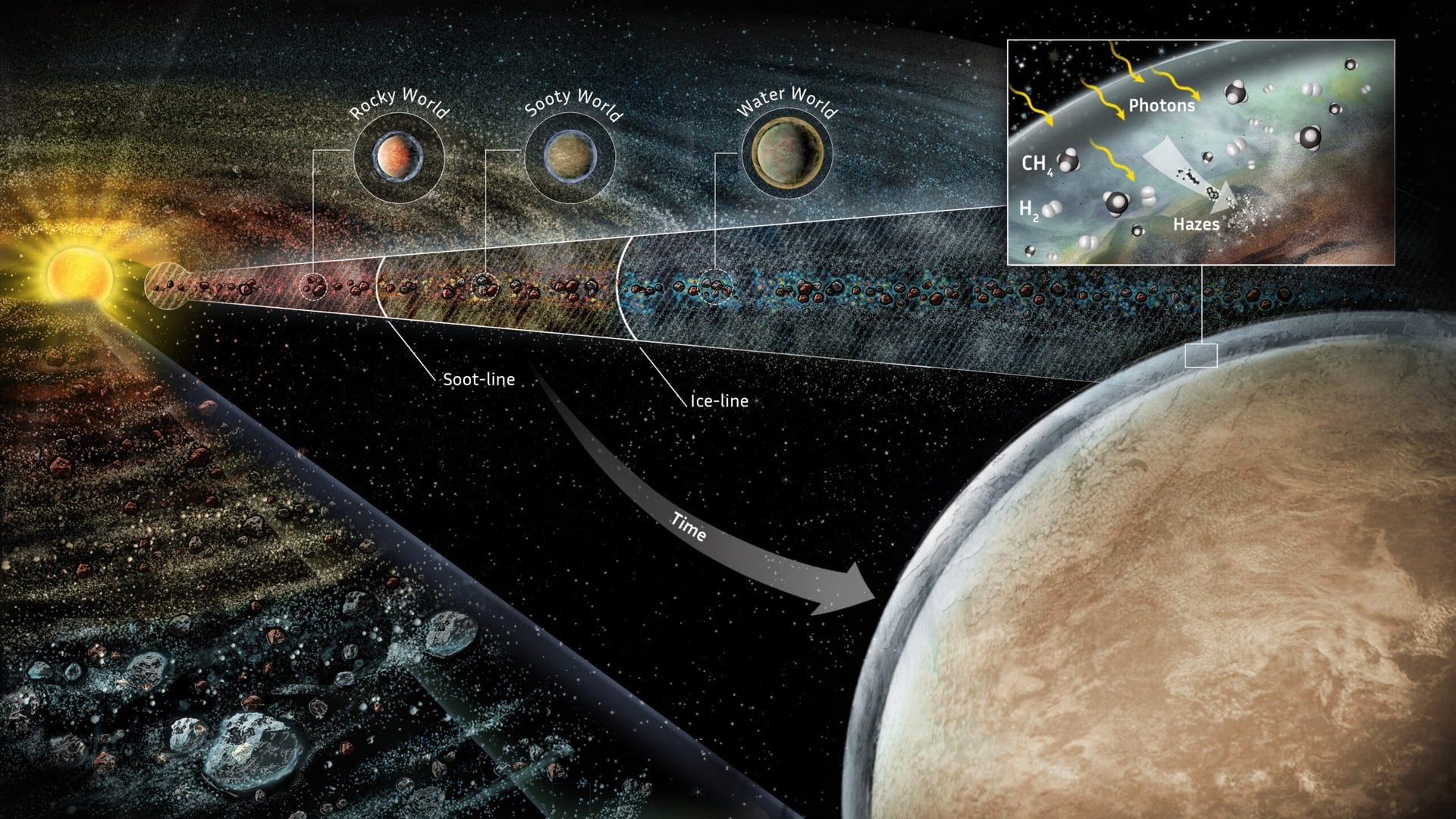
According to astronomers, water worlds, though admittedly not those containing Kevin Costner, are one of the most common types of planets in our solar system. This is partly due to low density estimates and the abundance of water ice past the “snow line” orbit of a star. But a new paper led by Jie Li and their colleagues at the University of Michigan, suggests there might be an alternative type of planet that fits the density data but is made up of a completely different type of material - soot.
Continue reading
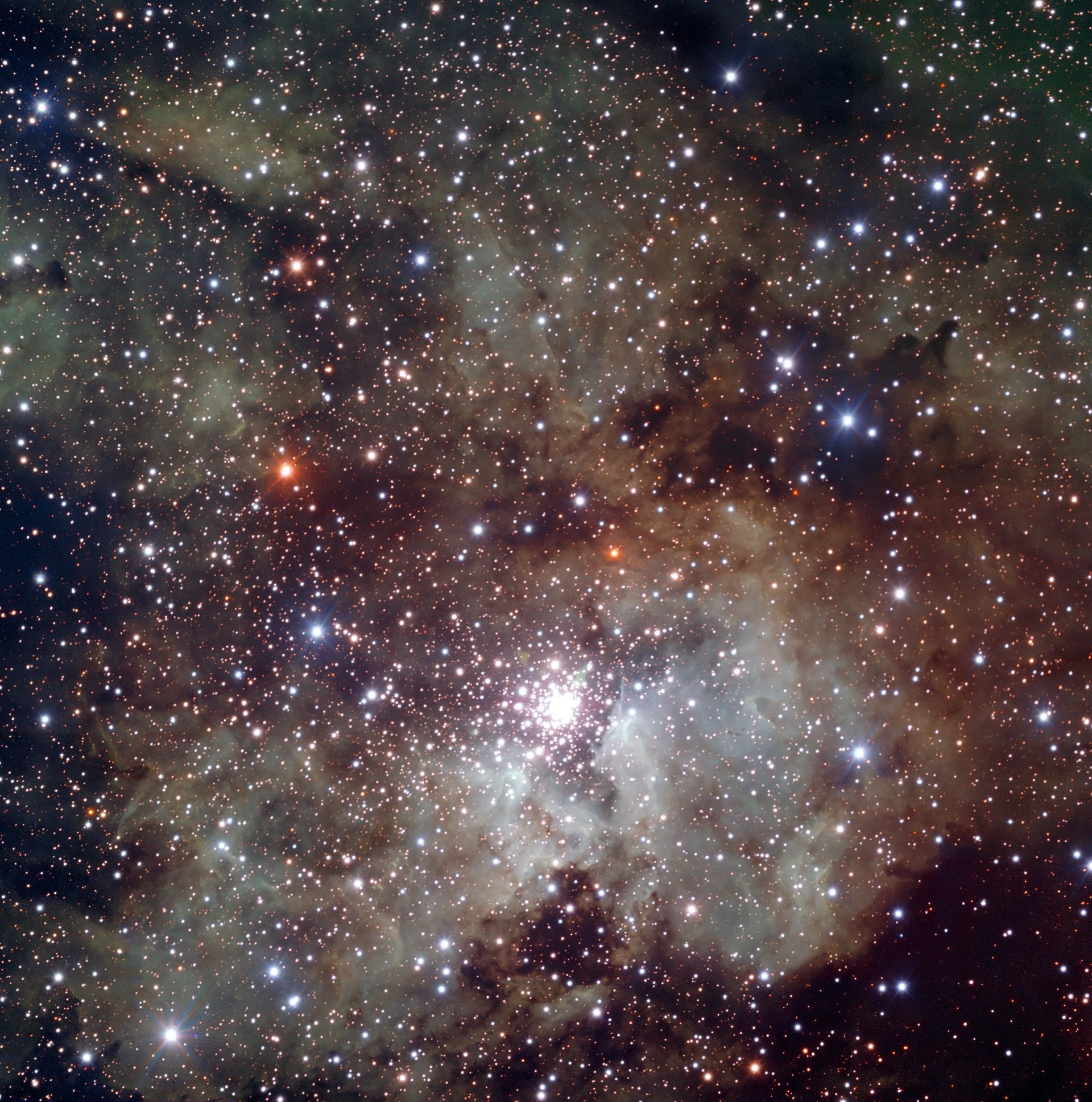
Deep in one of our Galaxy's most spectacular star forming regions, astronomers have undertaken the most detailed look yet at a pair of stellar giants that rank among the heaviest stars ever directly measured in the Milky Way. The binary system NGC 3603-A1, located 25,000 light years from Earth, consists of two massive stars locked in an incredibly tight orbital dance.
Continue reading

Hidden within meteorites that fall to Earth are tiny spheres that have puzzled scientists for decades. These mysterious droplets, called chondrules, are time capsules from the birth of our Solar Syste and now, a team from Japan and Italy have used them to pinpoint exactly when Jupiter formed, solving a long standing planetary mystery.
Continue reading
Wait wait wait. There are other, less stressful options. I don’t want to end on such a downer note. There is hope for us yet!
Continue reading
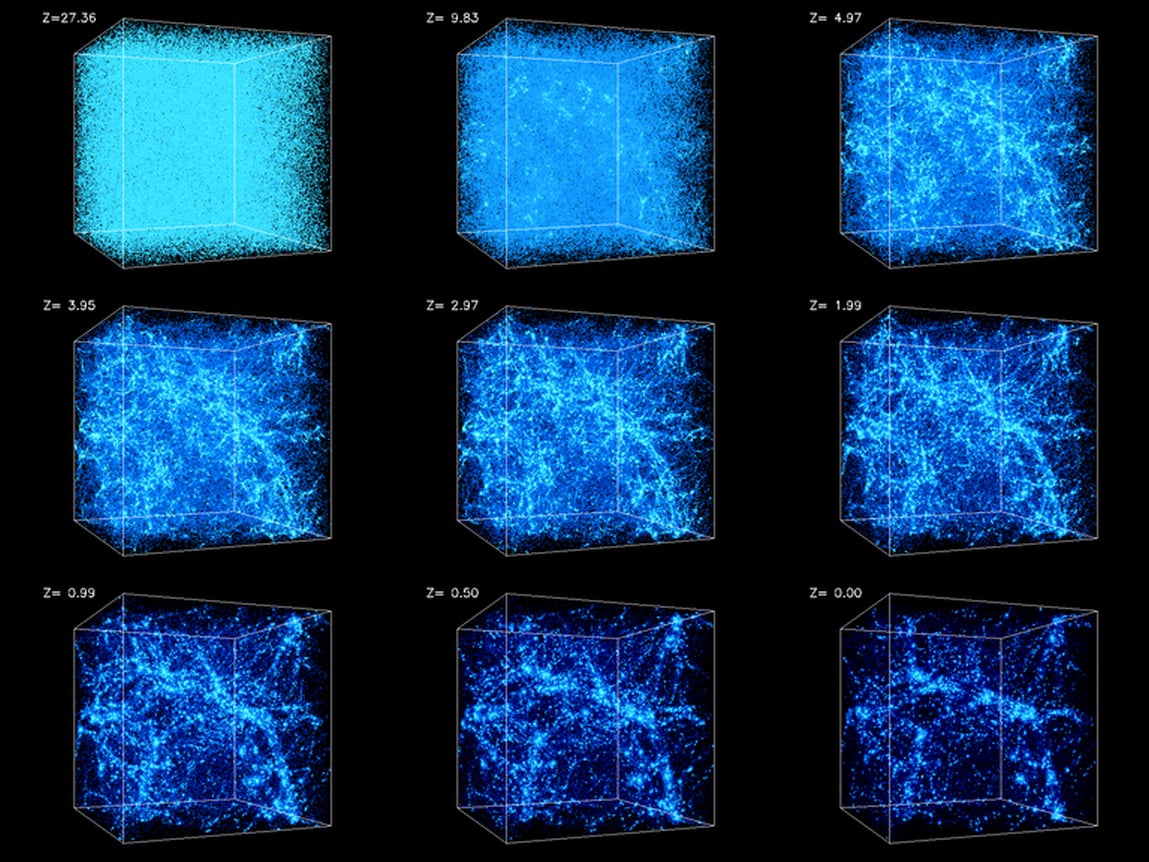
For nearly a century, cosmologists have relied on a simplified model of the universe that treats matter as uniform particles that don't interact with each other. While this approach helped scientists understand the Big Bang and the expansion of space, it ignores a fundamental reality, that our universe is anything but uniform. Stars cluster into galaxies, matter collapses into black holes, and vast empty voids stretch across space, all constantly interacting through gravity and other forces.
Continue reading
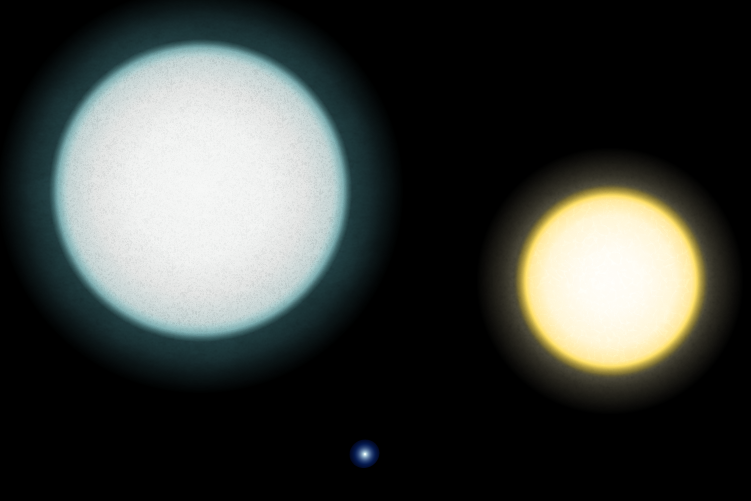
When most stars like the Sun die, they don't go out with a bang, they fade away as white dwarf stars, Earth-sized remnants that slowly cool over billions of years. For decades, it was thought these stellar corpses were poor candidates for hosting life because they cool predictably, giving any orbiting planets only brief windows in the "habitable zone" where liquid water could exist. But new research suggests this assumption may be fundamentally wrong.
Continue reading
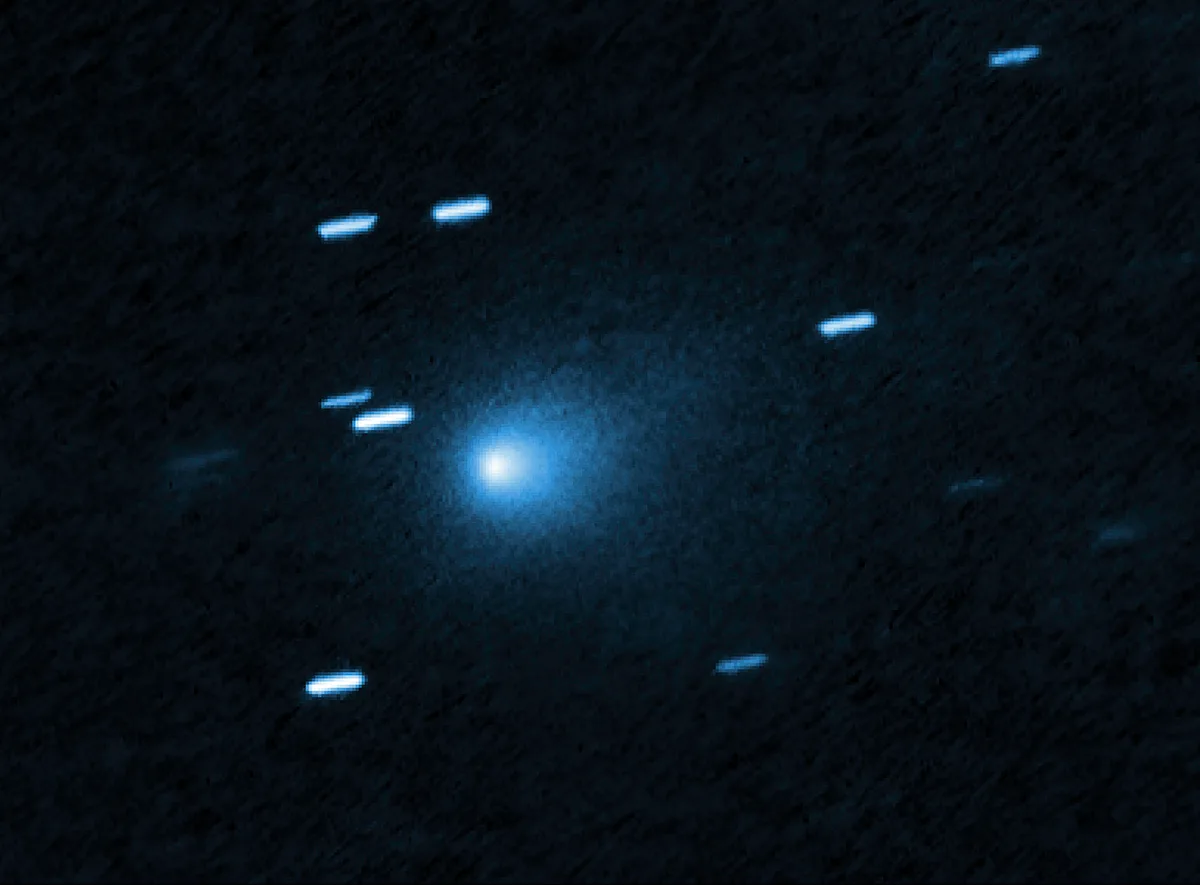
One of the advantages of having so many telescopes watching large parts of the sky is that, if astronomers find something interesting, there are probably images of it from before it was officially discovered sitting in the data archives of other satellites that noone thought to look at. That has certainly been the case for our newest interstellar visitor, 3I/ATLAS, which, though discovered in early July, had been visible on other telescopes as early as May. We previously reported on Vera Rubin’s detection of 3I/ATLAS well before it was officially found, and now a new paper has found the interstellar object in TESS’s data going back to early May - and it looks like it may have been “active” around that time.
Continue reading
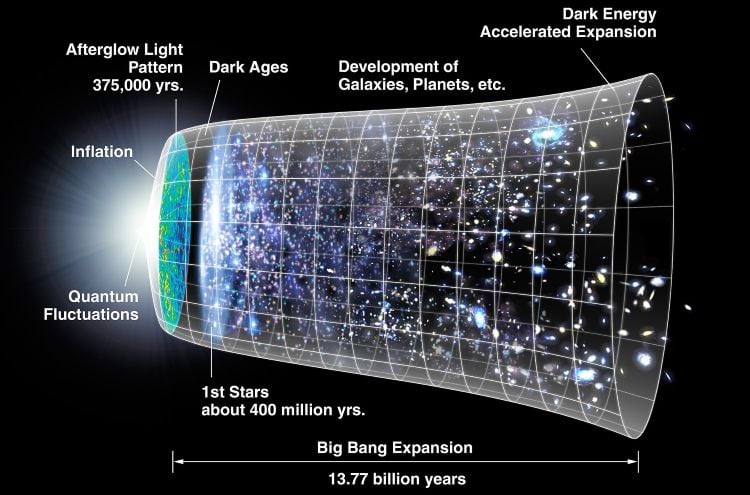
How exactly did the universe start and how did these processes determine its formation and evolution? This is what a recent study published in Physical Review Research hopes to address as a team of researchers from Spain and Italy proposed a new model for the events that transpired immediately after the birth of the universe. This study has the potential to challenge longstanding theories regarding the exact processes that occurred at the beginning of the universe, along with how these processes have governed the formation and evolution of the universe.
Continue reading
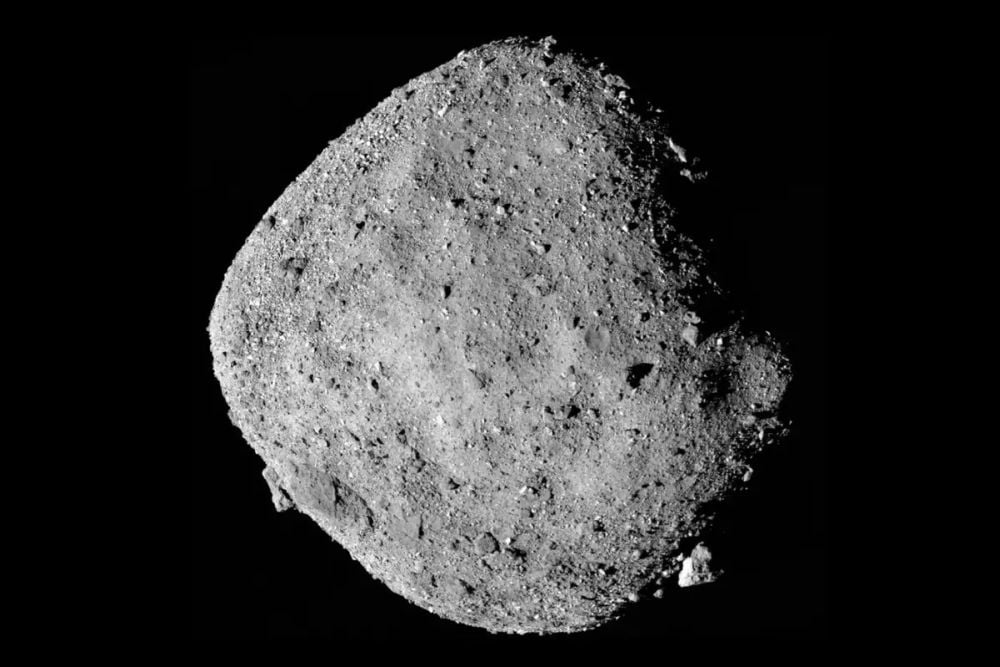
New research based on samples from asteroid Bennu show that the asteroid contains materials from throughout the Solar System. Some of its materials are from even more distant realms: the asteroid contains stardust from stars that existed long before our Solar System did.
Continue reading
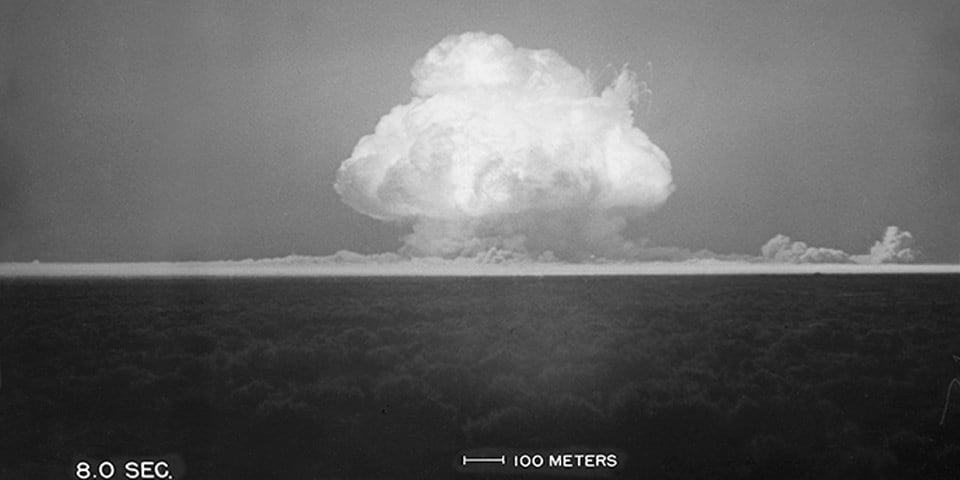
What about the middle stages? The march from single-celled organisms doing their single-celled thing to intelligent creatures that can wield tools and leave feedback reviews about them?
Continue reading
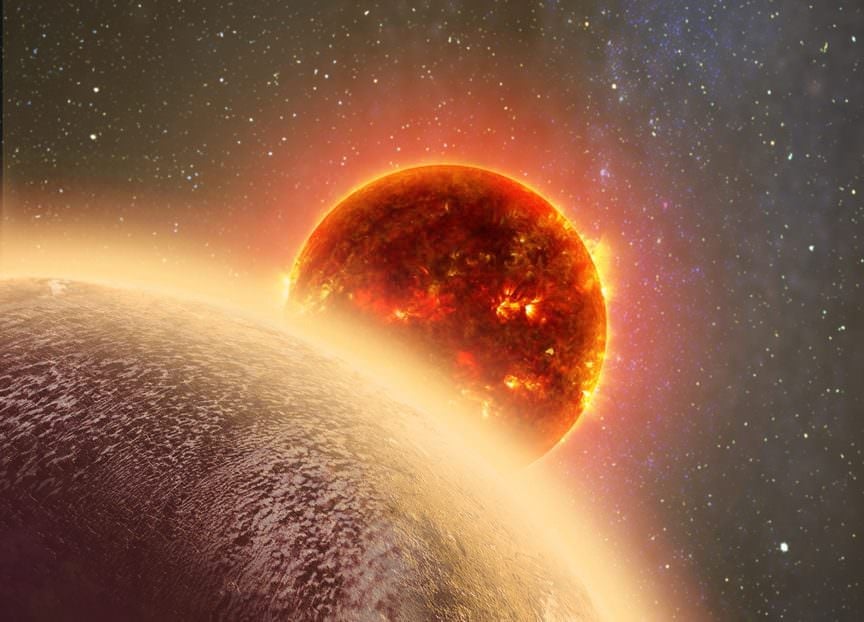
Astronomers sometimes find conflicting data when trying to answer a question. This is a normal part of the scientific process, and it simply means that more data is needed to prove or disprove the theory they are trying to test. One prominent example of conflicting data in recent exoplanet research was that of planet GJ 1132 b, which either had or didn’t have an atmosphere, depending on which data set was being used. A new paper from researchers using more observational time on the James Webb Space Telescope (JWST) can now definitively say that, most likely, GJ 1132 b doesn’t have an atmosphere - and that finding has wider implications for exoplanet research more generally.
Continue reading
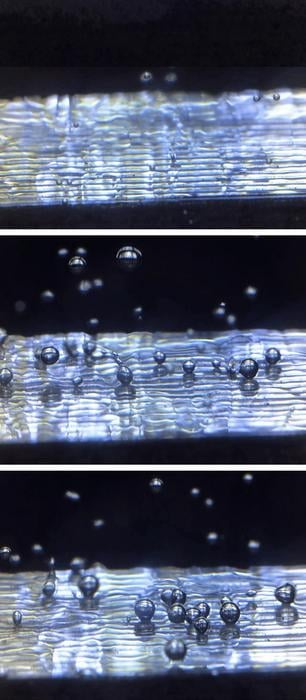
What can parabolic flights teach scientists and engineers about electrolyzers and how the latter can help advance human missions to the Moon and Mars? This is the goal of a recent grant awarded to the Mars Atmospheric Reactor for Synthesis of Consumables (MARS-C) project, which is sponsored by the Southwest Research Institute (SwRI) and The University of Texas at San Antonio (UTSA). The $500,000 award for this research is part of NASA’s TechLeap Prize program with the goal of testing experimental electrolyzer technology that can be used for future missions.
Continue reading

The early Universe continues to spring surprises on astronomers. In a recent study of dim, distant objects, astronomers at the University of Missouri found at least 300 of them that look way too bright. That means they're forming stars much earlier than expected, or something else is going on. Whatever it is could affect our understanding of events in the infant cosmos.
Continue reading
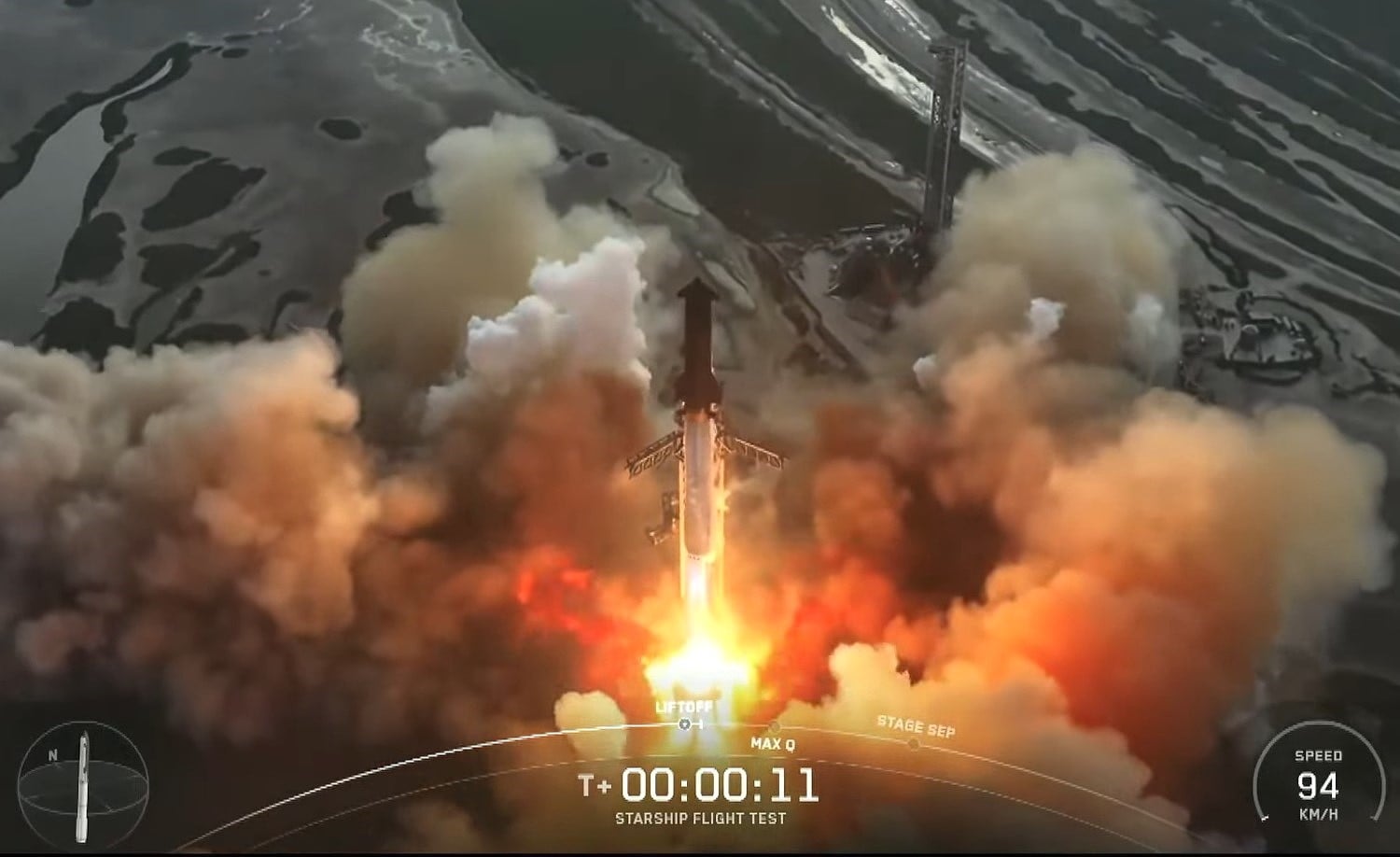
After a string of setbacks, SpaceX executed the most successful flight test of its Starship launch system to date, featuring a first-of-its-kind payload deployment and a thrilling Indian Ocean splashdown.
Continue reading
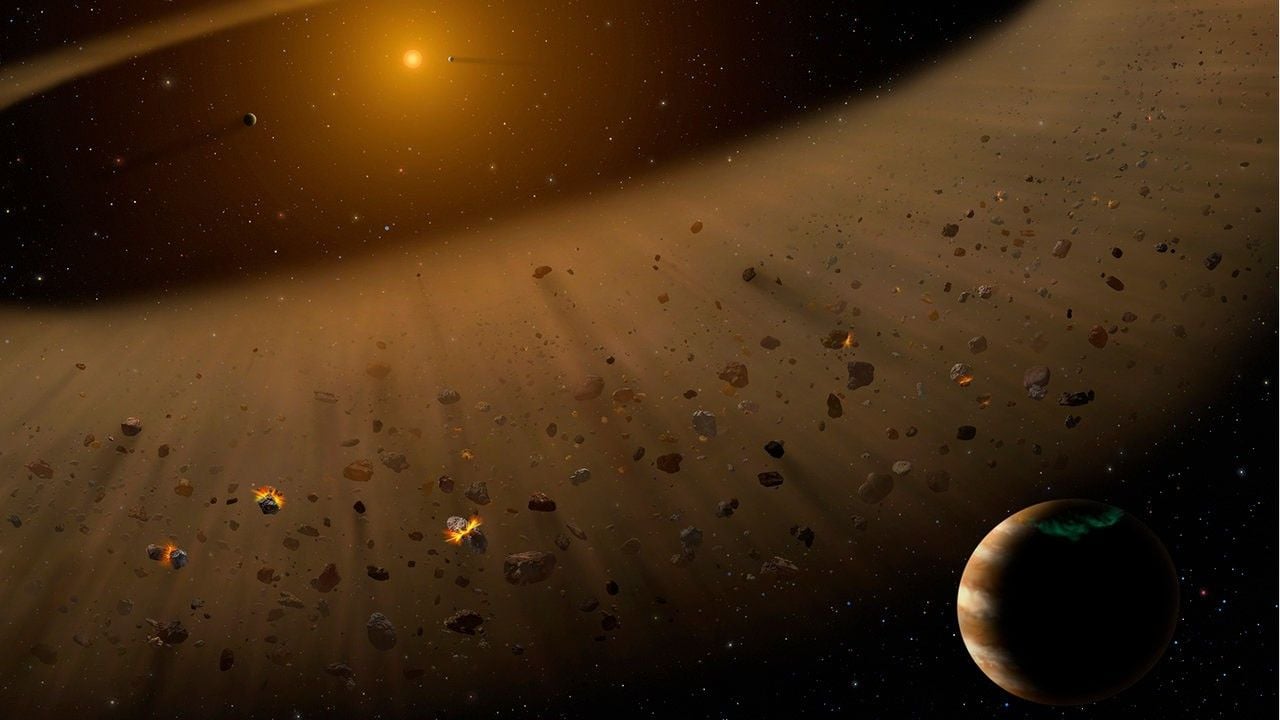
Sometimes in science a negative result is just as important as a positive one. And sometimes data artifacts get the better of even the best space observatories. Both of those ideas seem to hold true for the James Webb Space Telescope’s recent observation of Epsilon Eridani, one of our nearest stars, and one that has decades worth of debate about whether there is a planet orbiting it or not. Unfortunately, while JWST’s NIRCam did find some interesting features, they were too close to a noise source in the telescope's instruments to be definitively labeled a “planet”. Their results were recently published on arXiv, and while it may sound disappointing, this type of work is exactly how science progresses.
Continue reading
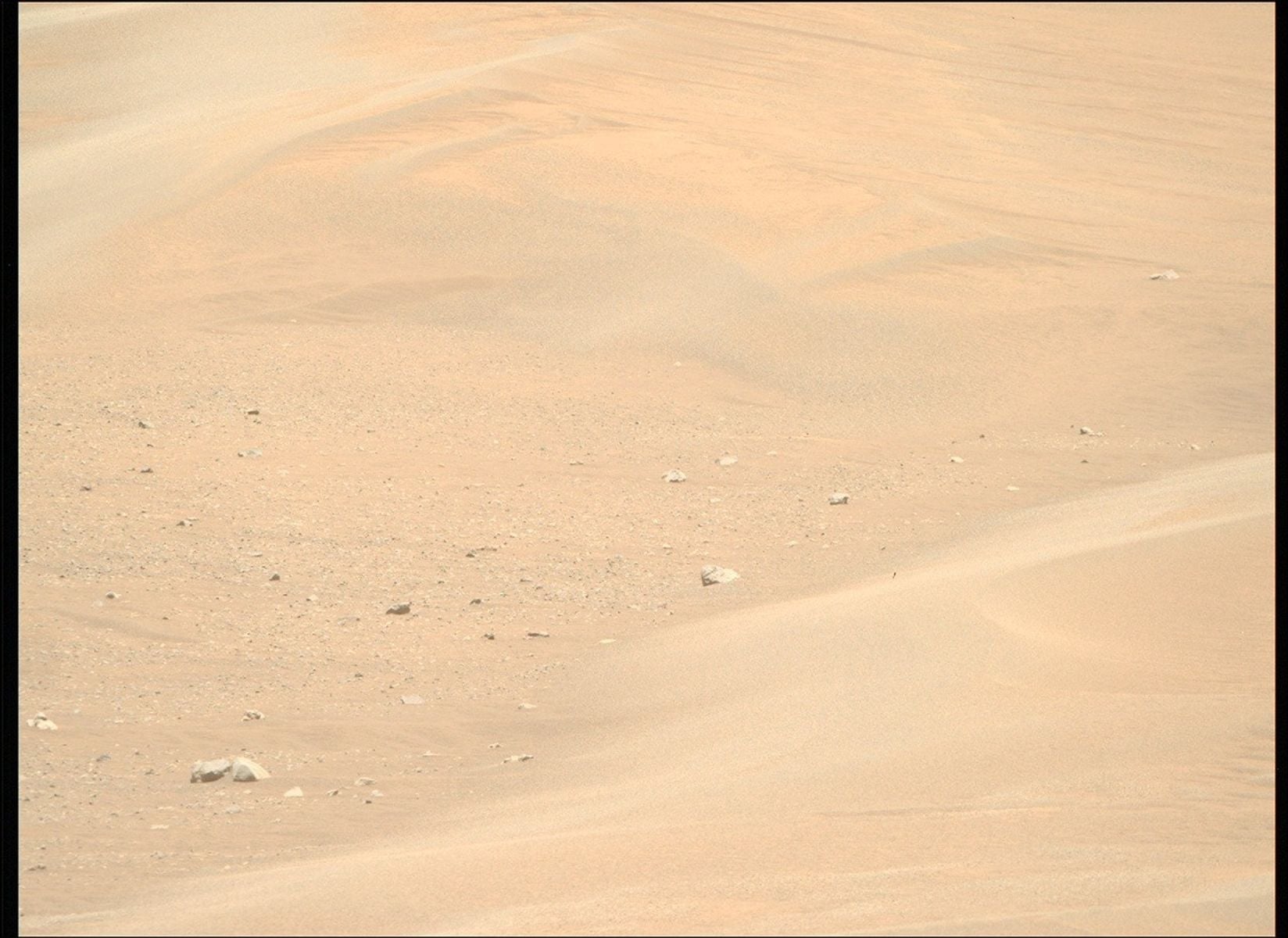
NASA's Perseverance rover has turned its attention to towering sand formations called megaripples at a site named Kerrlaguna on Mars. These windblown features, standing up to 1 metre tall, are providing new insights into how wind shapes the red planet today and could even help prepare for future human missions to Mars.
Continue reading
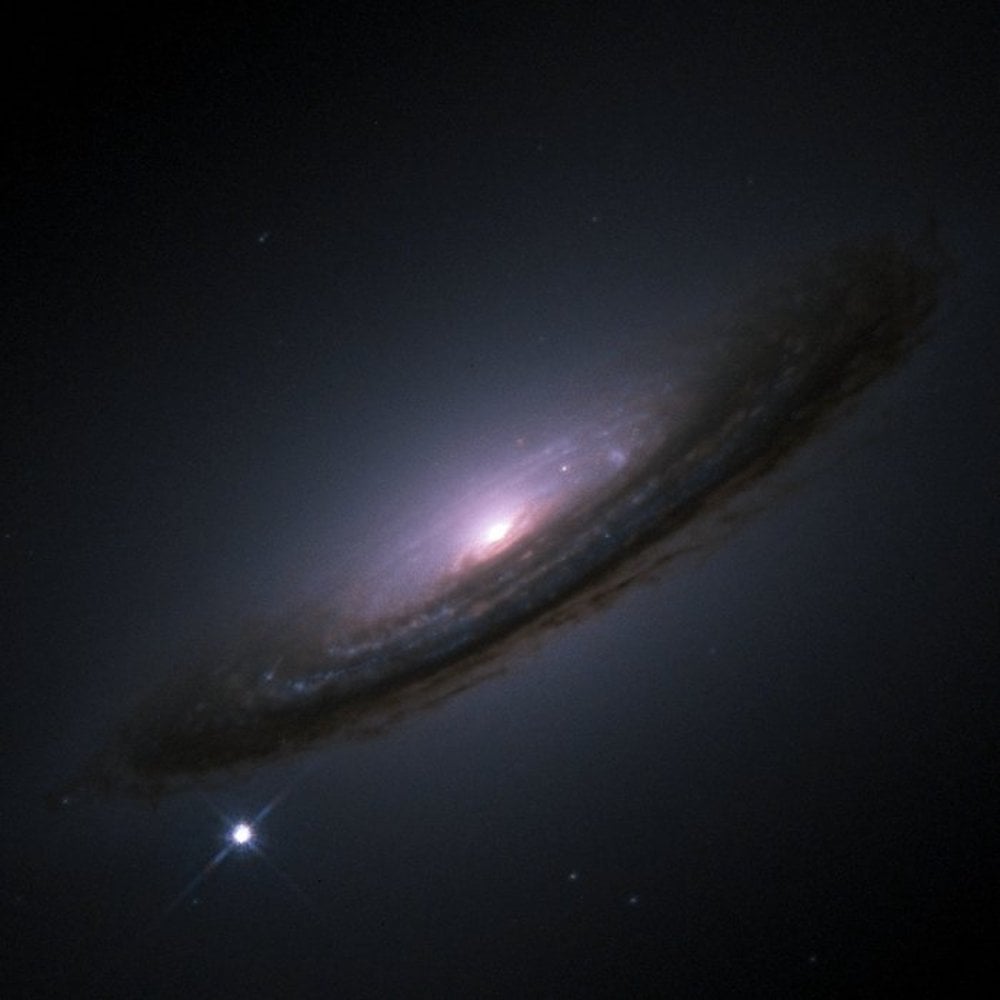
Scientists at the South Pole have developed revolutionary new algorithms that can track mysterious particles coming from space called neutrinos in just 30 seconds, helping astronomers around the world hunt for the sources of cosmic radiation. This breakthrough technology has already eliminated some promising candidates and is transforming our ability to solve one of the universe's greatest mysteries.
Continue reading
A star 3,000 light years away pulled off the ultimate disappearing act, dimming by 97% for eight months before mysteriously returning to full brightness. This unexpected vanishing trick has finally been solved by astronomers who discovered a massive dust disk and a hidden companion star orchestrating one of the rarest eclipsing events ever observed, a one in a million phenomenon that won't happen again until 2068.
Continue reading
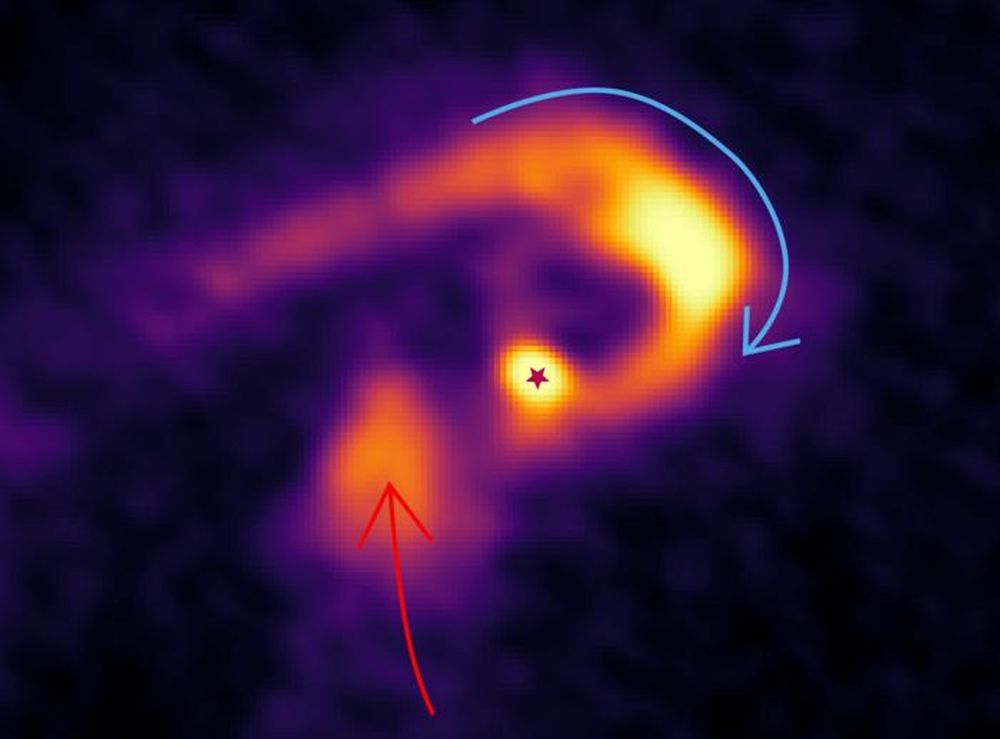
Stars with eight or more stellar masses are termed high-mass stars. There are questions around how these stars can become so massive, since as they form they lose mass through stellar winds and radiation. New research shows that elongated streams of gas that feed these stars explains their high masses.
Continue reading
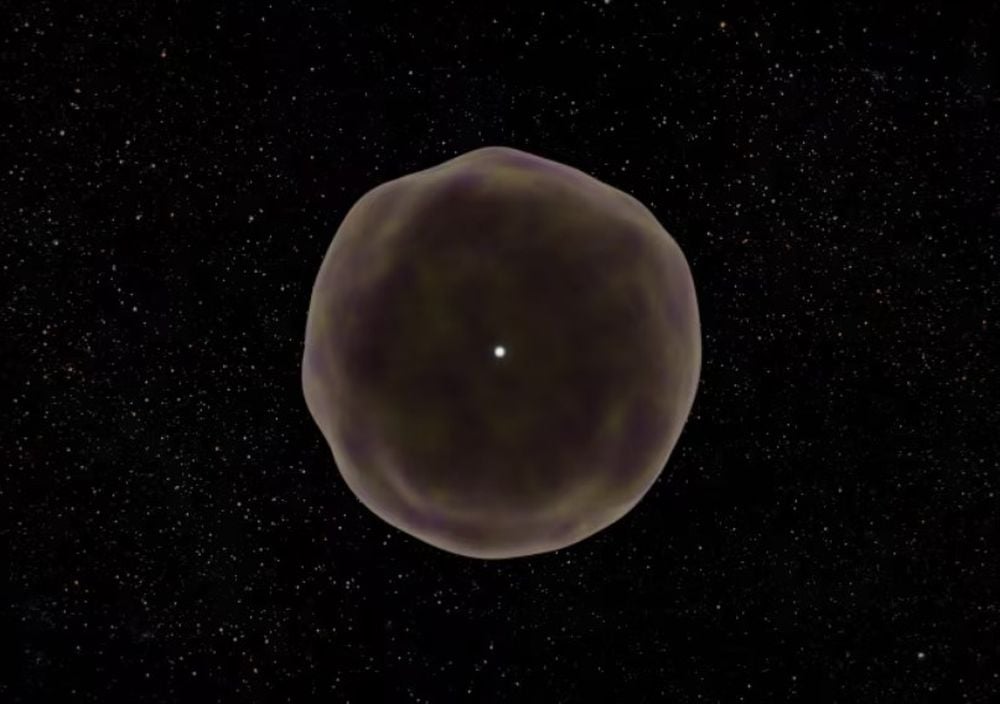
For the first time, astrophysicists have spotted a supernova right before it explodes. This is a rare glimpse inside a massive star before it meets its doom. The star was stripped down to its core, and the observations confirm theories that show stars have onion-like layers.
Continue reading
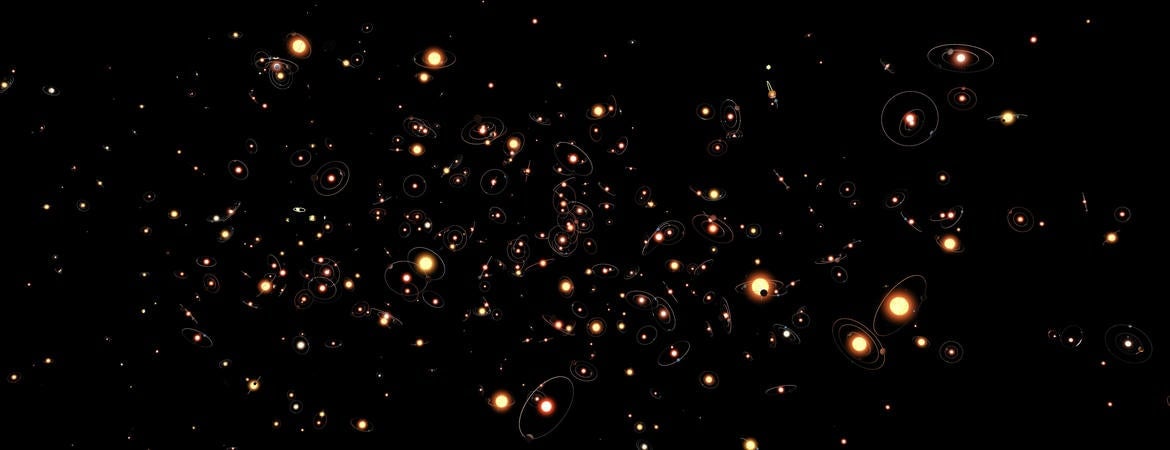
According to a recent study by a team from the University of California, Riverside, exoplanets could be used by astronomers to investigate Dark Matter - the mysterious mass that makes up 85% of matter in the Universe.
Continue reading
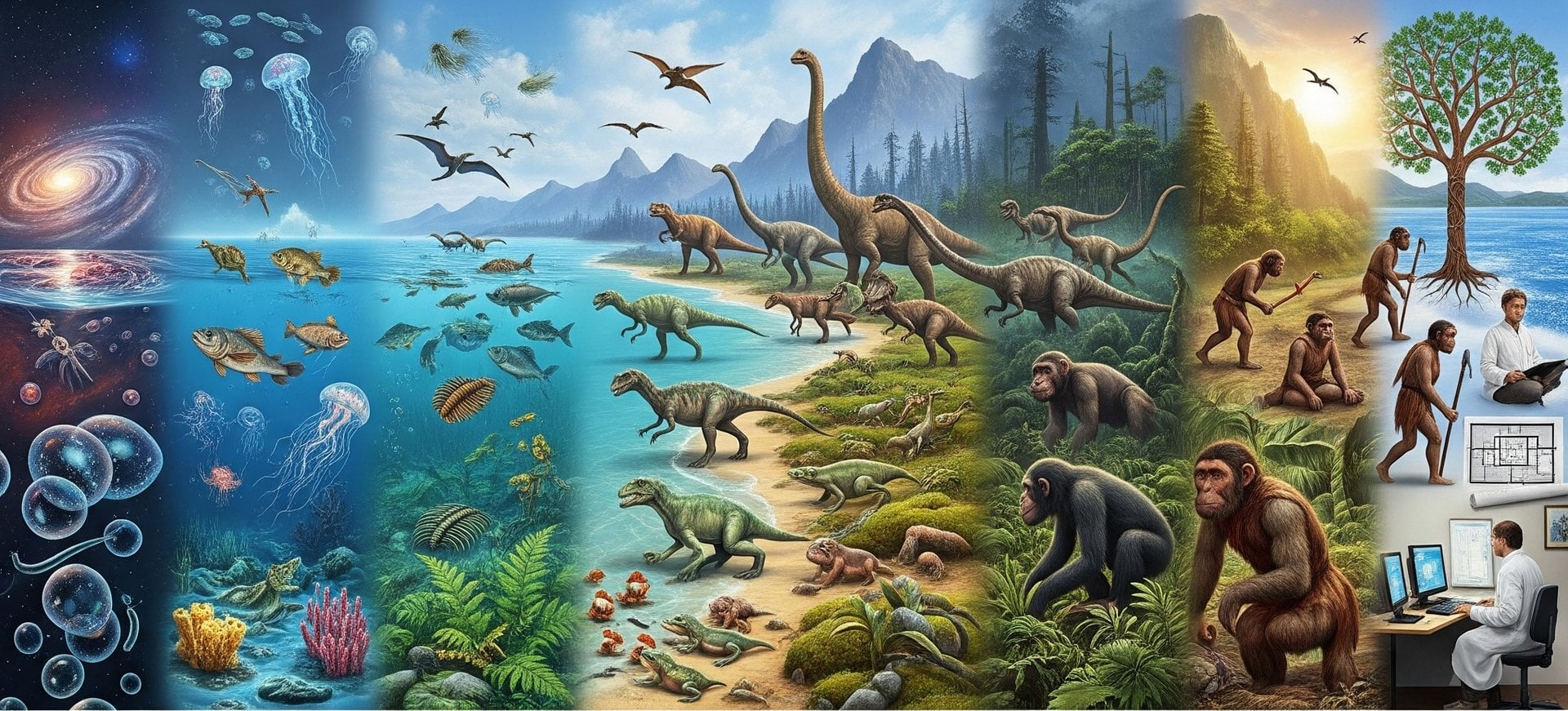
Now versions of the Great Filter argument had been around for decades (just like Fermi was not the first person to ask where everybody is), but the most comprehensive form of the argument comes from Robin Hanson in 1996.
Continue reading
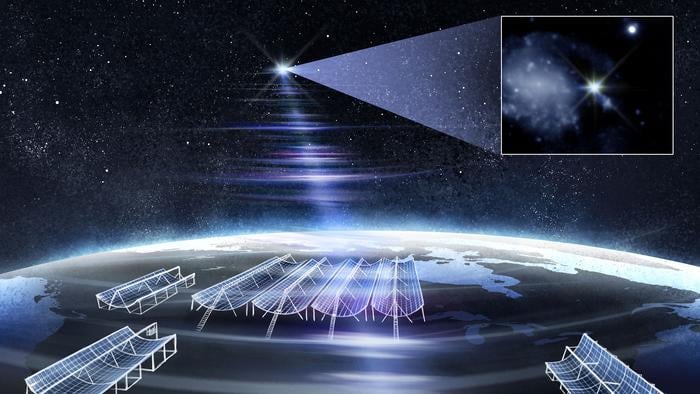
Fast radio bursts (FRBs) are some of the most powerful signals in the universe. They can emit as much power in a few milliseconds as our Sun does in several days. Despite their strength, we still don’t have a definitive answer to what causes them. That is partly because, at least for the ones that only happen once, they are really hard to point down. But a new extension to the Canadian Hydrogen Intensity Mapping Experiment (CHIME) might provide the resolution needed to determine where non-repeating FRBs come from - and its first discovery was one of the brightest FRBs of all time, which helped researchers track it with an unprecedented level of precision, as described in a new paper in The Astrophysical Journal Letters.
Continue reading

A new study led by the Institute of Space Sciences (ICE-CSIC) in Barcelona presents a new method and protocol for detecting supernovae within days. Their findings are crucial to astronomers hoping to learn more about these powerful events and the life cycles of stars.
Continue reading
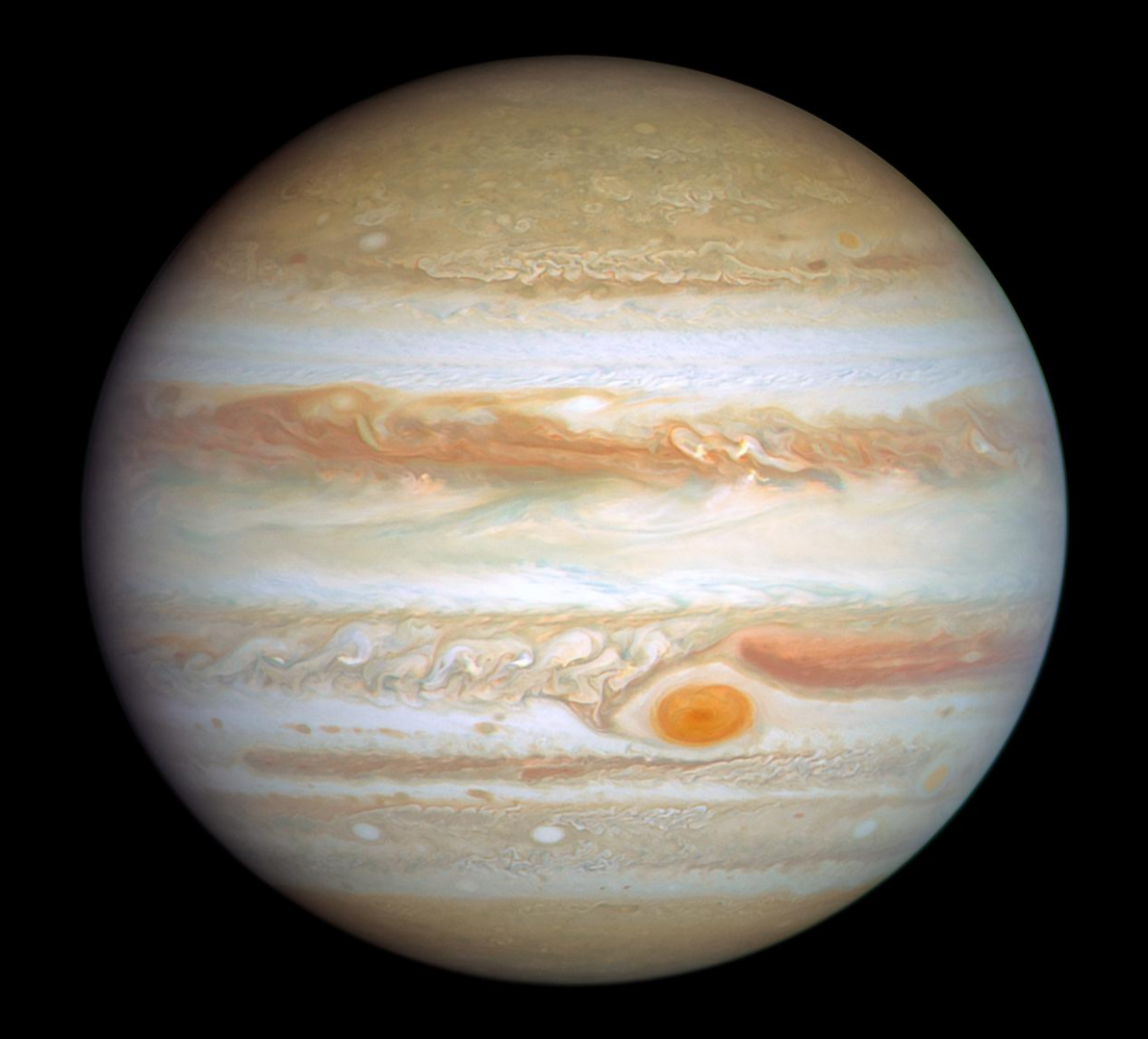
Scientists thought they had Jupiter figured out until NASA's Juno spacecraft peered inside our Solar System’s largest planet and discovered something completely unexpected. Jupiter doesn't have the solid, well defined core that researchers had imagined, instead, Jupiter's core is mysteriously fuzzy and blurred, defying everything we thought we knew about how giant planets form. Now, powerful computer simulations are overturning the leading theory about how this strange structure came to be, suggesting that Jupiter's secrets run deeper than anyone realised.
Continue reading
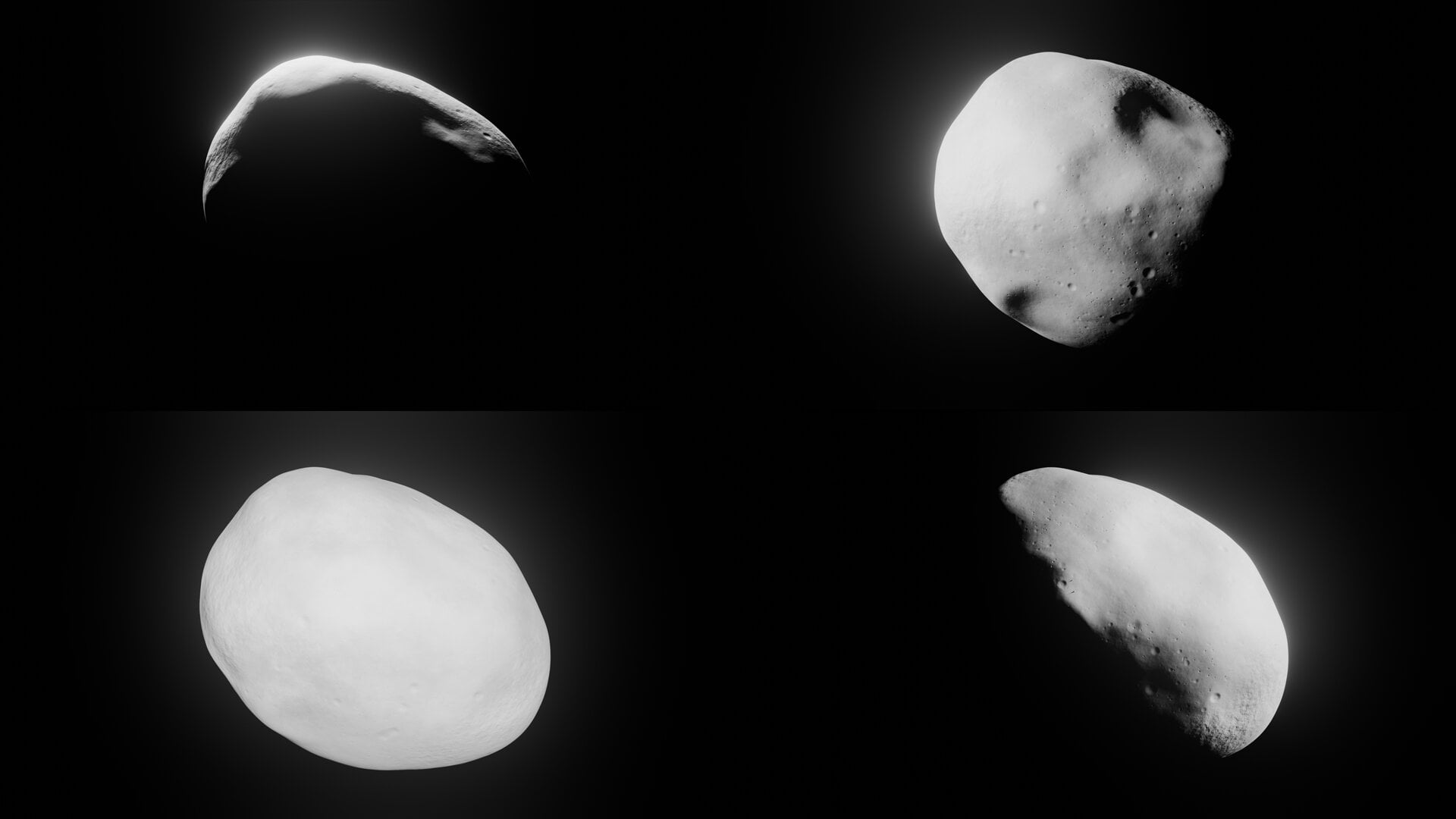
Asteroids floating through our Solar System are debris left over from when our planetary neighbourhood formed 4.6 billion years ago. Scientists study these ancient fragments as time capsules that reveal secrets about our Solar System's earliest days. Now, new research has uncovered a surprising connection between two completely different types of asteroids that may actually share the same dramatic origin story.
Continue reading
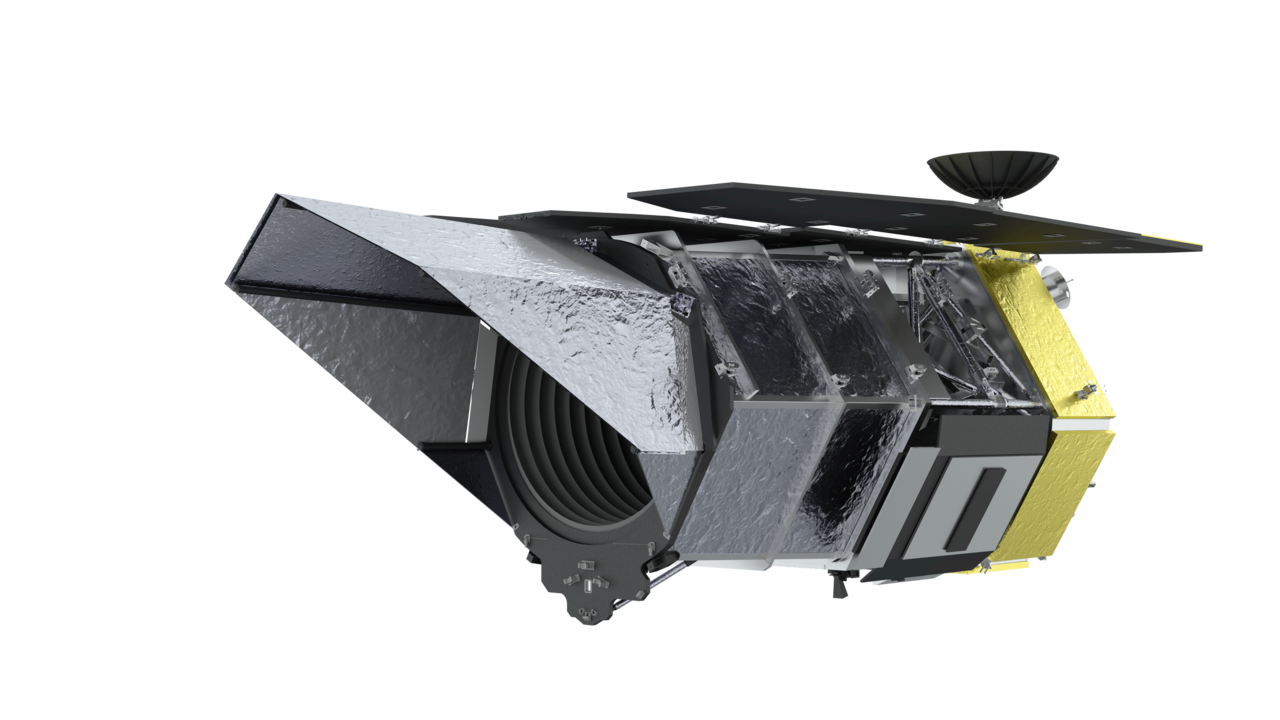
When NASA's Nancy Grace Roman Space Telescope launches in October 2026, it won't just be peering into the distant universe to study dark energy and exoplanets. This powerful observatory will also serve as Earth's newest guardian, helping scientists track and understand potentially dangerous asteroids and comets that could threaten our planet.
Continue reading
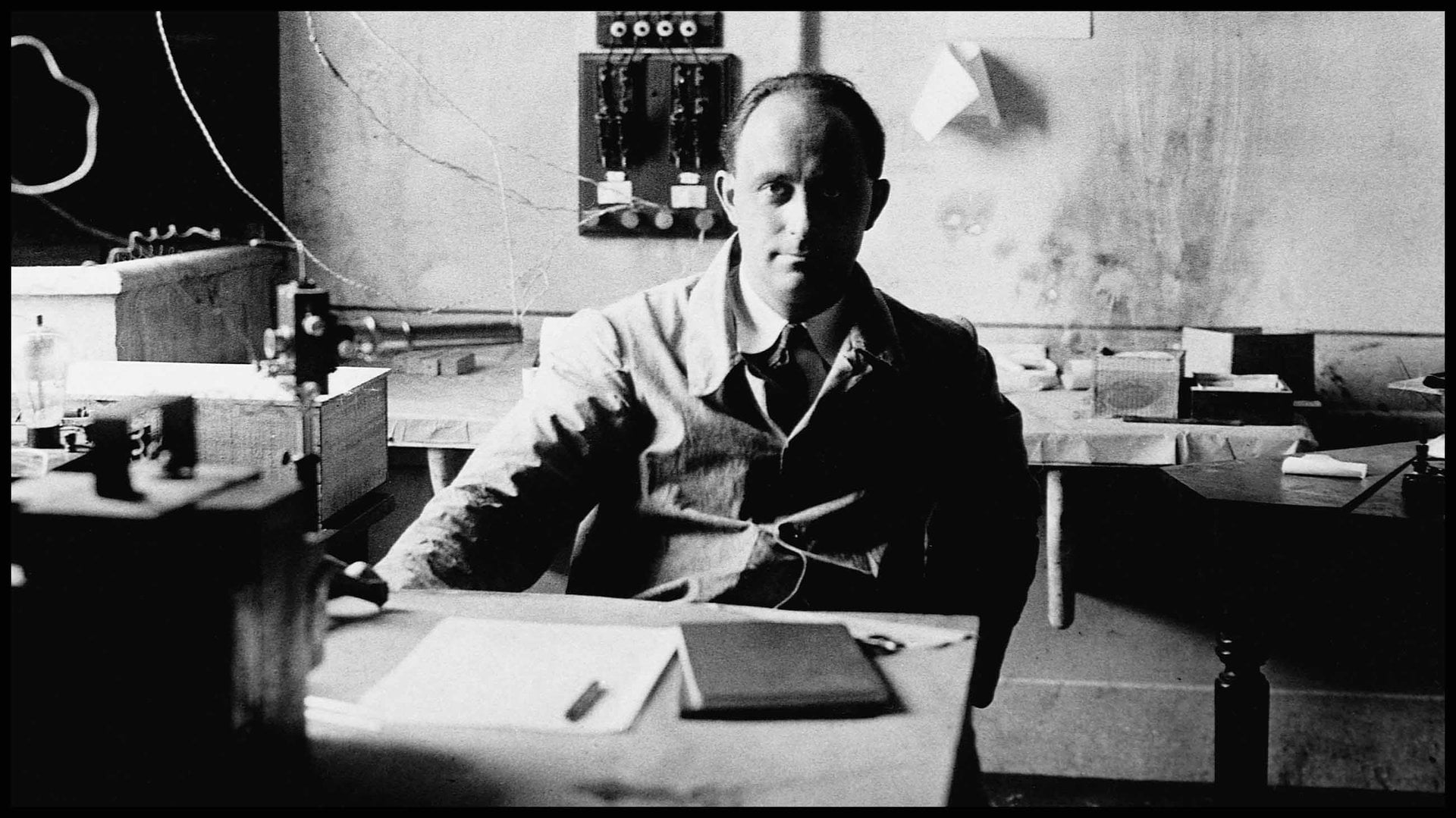
Where is everybody?
For decades that question was merely a part of physics legend, the kind of thing grad students overhear when their advisors take them out to dinner.
Continue reading
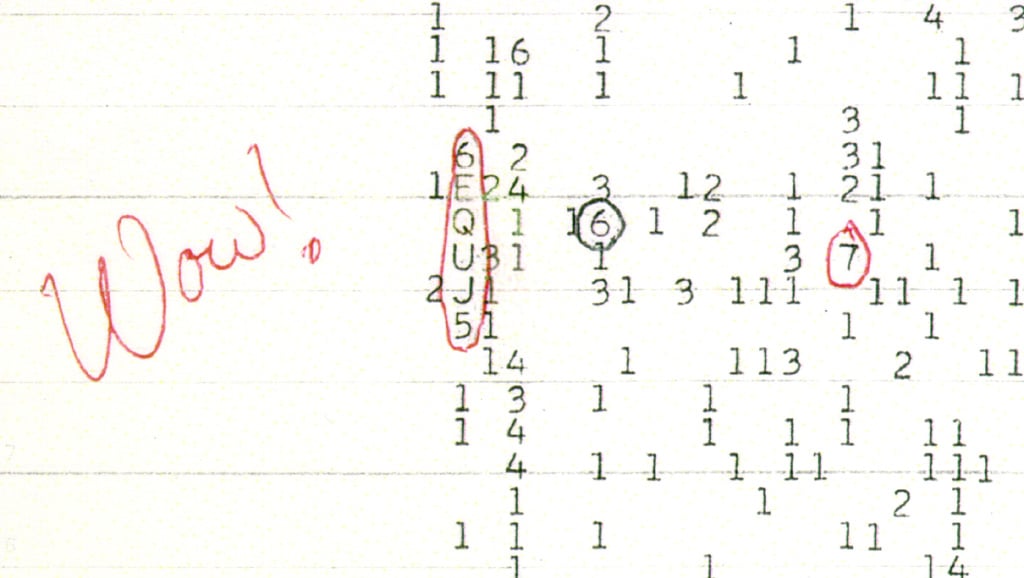
The “Wow!” signal has been etched red marker in the memory of advocates for the search for extraterrestrial intelligence (SETI) since its unveiling in 1977. To this day, it remains one of the most enigmatic radio frequency signals ever found. Now a new paper from a wide collection of authors, including some volunteers, provides some corrections, and some new insights, into both the signal and its potential causes.
Continue reading
 Universe Today