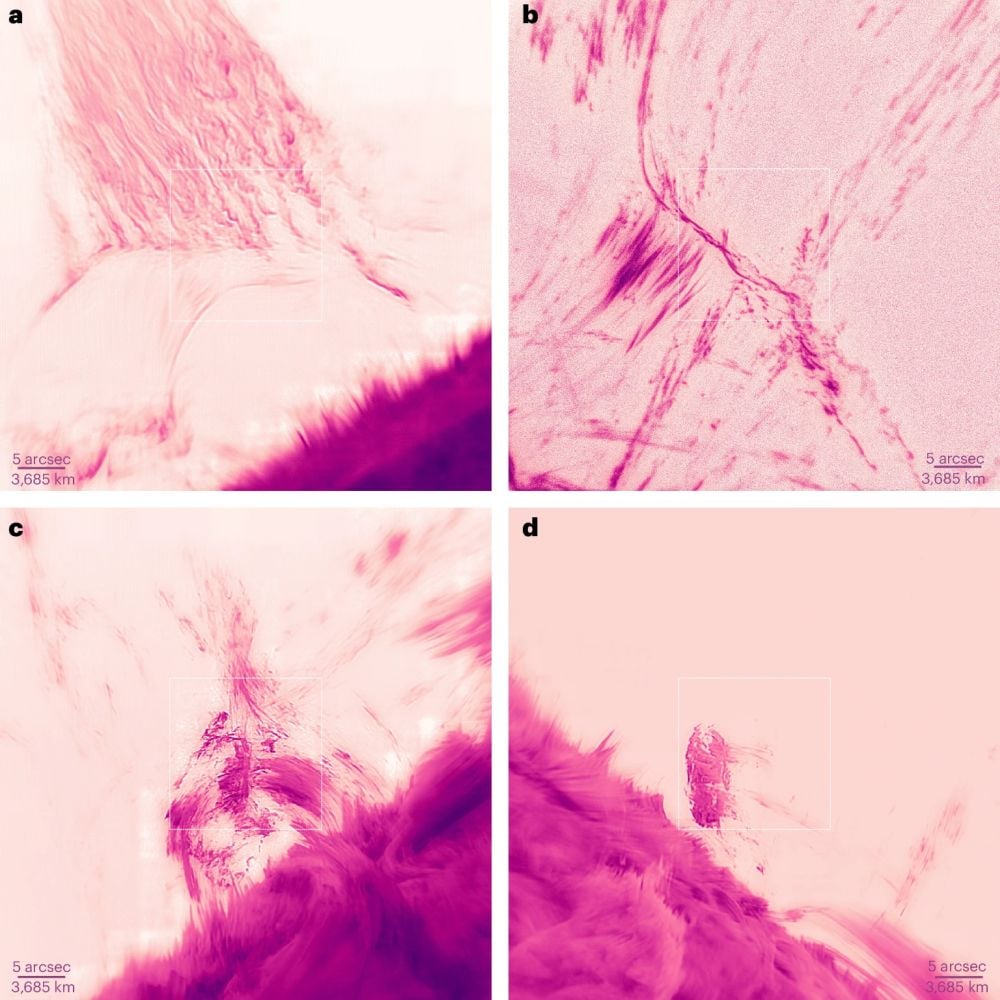
Modern ground-based telescopes rely on adaptive optics (AO) to deliver clear images. By correcting for atmospheric distortion, they give us exceptional pictures of planets, stars, and other celestial objects. Now, a team at the National Solar Observatory is using AO to examine the Sun's corona in unprecedented detail.
Continue reading
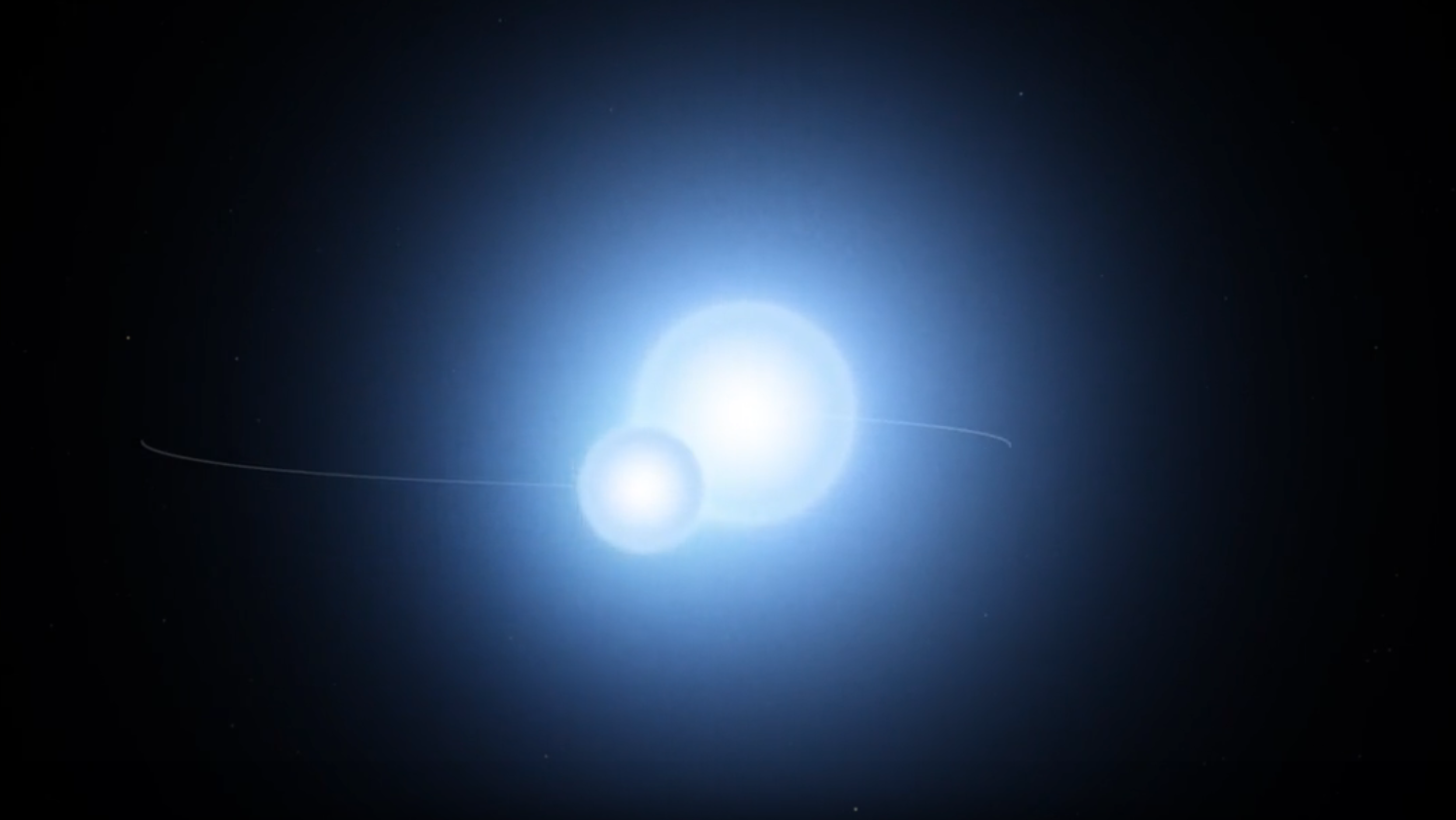
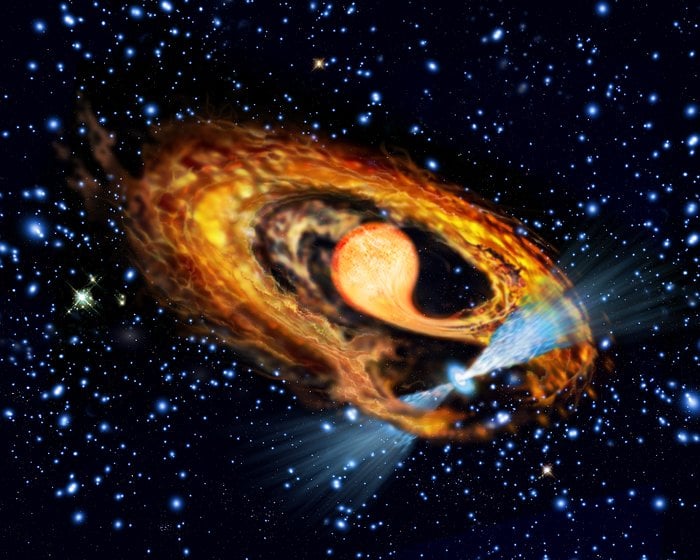
Astronomers have spotted a pulsar in a binary system, taking about 3.6 hours for the stars to orbit one another. Their orbit is so close that, from our vantage point, the pulsar's radio signals vanish for roughly one-sixth of each cycle—blocked by the companion's interference. Researchers think that the more massive star died first, exploding as a supernova and collapsing into a neutron star, passing within the atmosphere of the other. It took about 1,000 years to blow away the envelope of material.
Continue reading
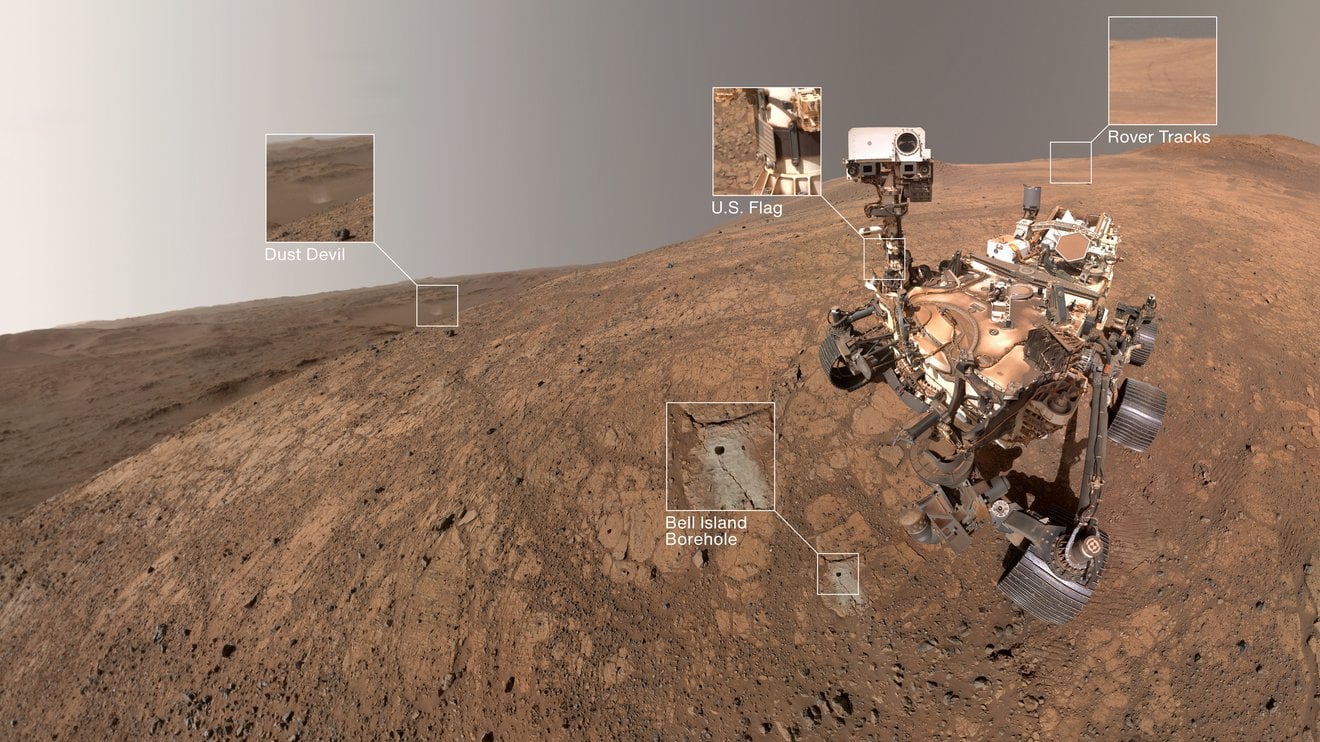
On May 10th, while striking a selfie to mark its 1,500th day on Mars, NASA's Perseverance Rover got an unexpected guest star—a towering dust devil swirling in the distance photobombed the shot. The rover was on Witch Hazel Hill, an area on the rim of Jezero Crater that it has been exploring for the last 5 months. The dust devil on the other hand was sneaking into the background from a distance of 5 km away. The selfie image was made up of 59 separate photos taken by the rover using its WATSON camera.
Continue reading
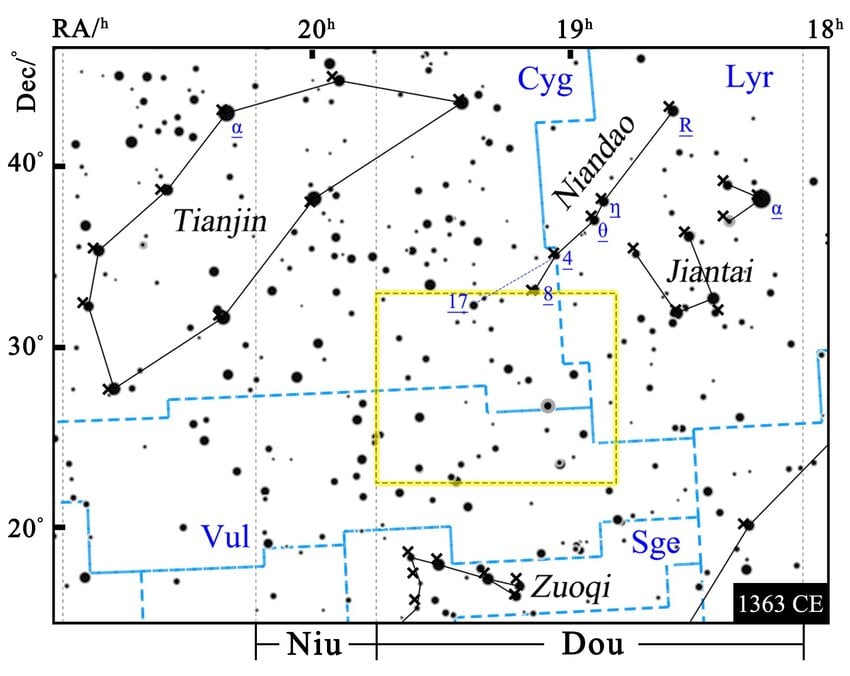
Over the past 90 years, astronomers have successfully matched several Chinese historical records of "guest stars" with known supernovae. However, identifying historical novae (smaller stellar explosions) has proven to be far more challenging, with many proposed candidates later turning out to be comets or meteors instead. One particularly debated case involves a guest star recorded in 1408 CE by Chinese astronomers. A team of astronomers now think they may have finally been able to identify the event, a rare nova that could potentially solve this centuries old astronomical mystery.
Continue reading
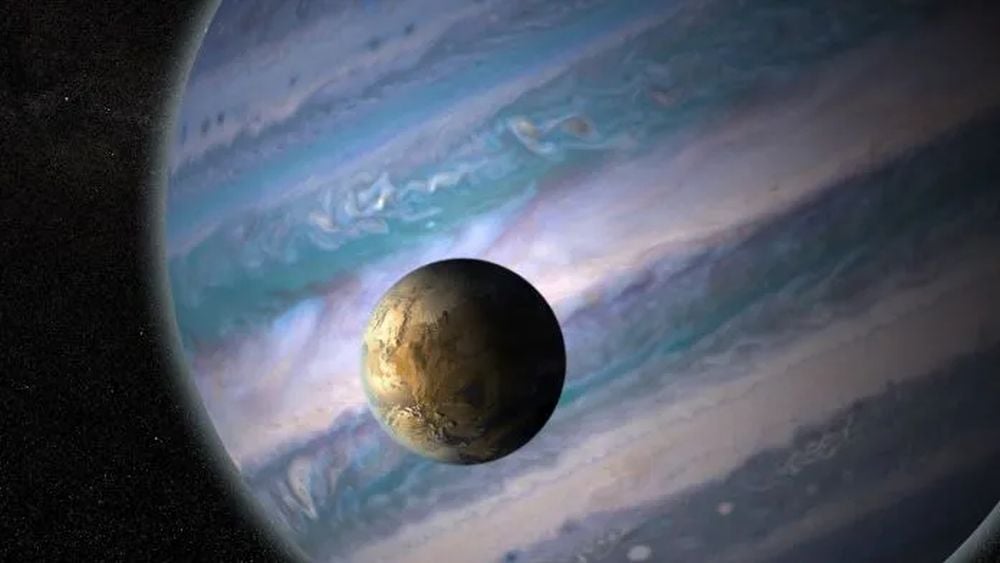
Of the roughly 6,000 exoplanets we've discovered, a significant number are in the apparent habitable zones of their stars. Most are giant planets; either gas giants like Jupiter and Saturn, or ice giants like Uranus and Neptune. Could some of those have habitable exomoons?
Continue reading

Astronomers with the Event Horizon Telescope have developed a new way to observe the radio sky at multiple frequencies, and it means we will soon be able to capture color images of supermassive black holes.
Continue reading
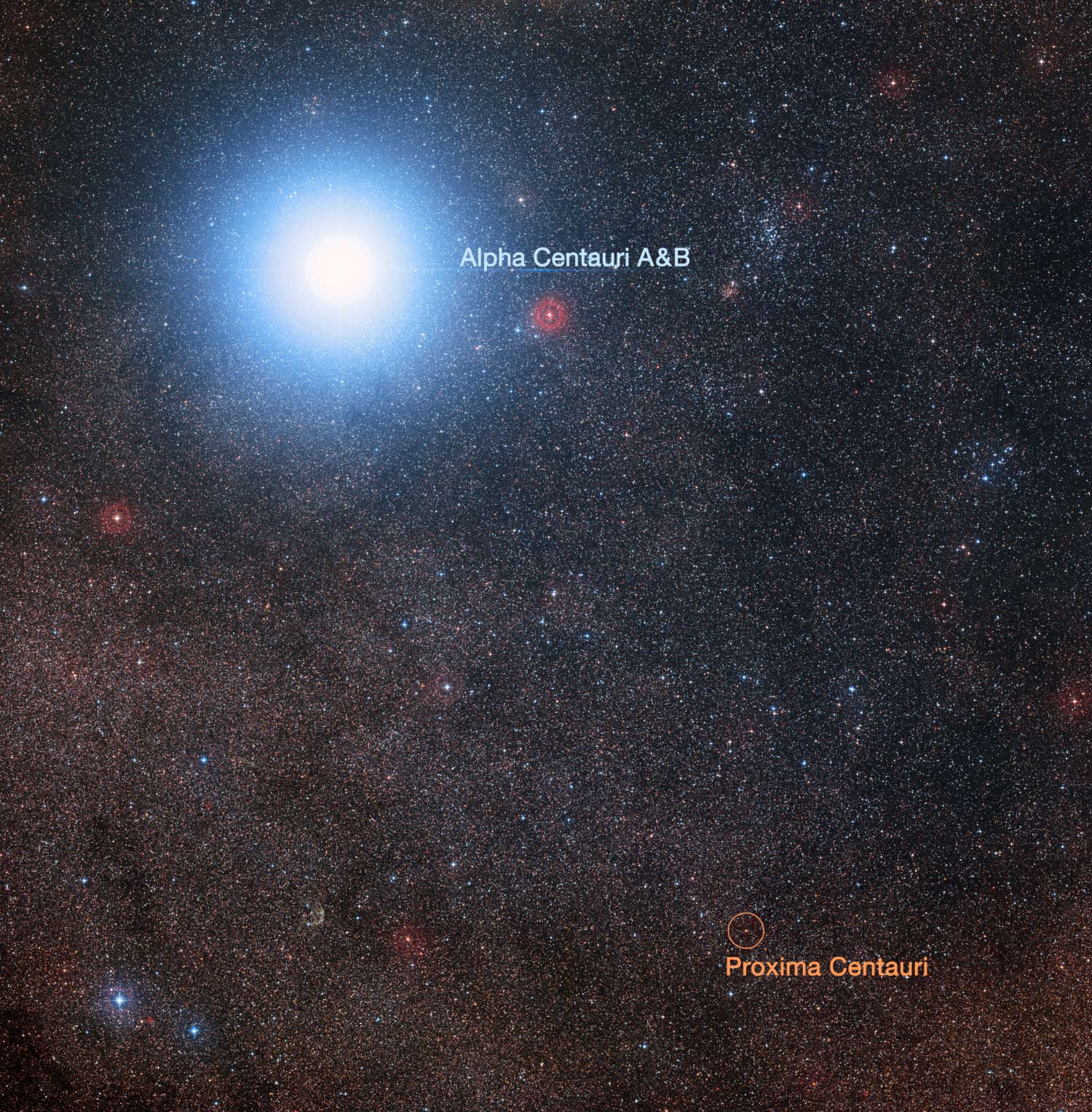
An international team of researchers has announced the preliminary findings of Webb's observations of the Alpha Centauri system. According to their analysis, Webb could detect a Jupiter-sized planet and a very bright zodiacal dust disk around Alpha Cen A. More information will be released soon!
Continue reading
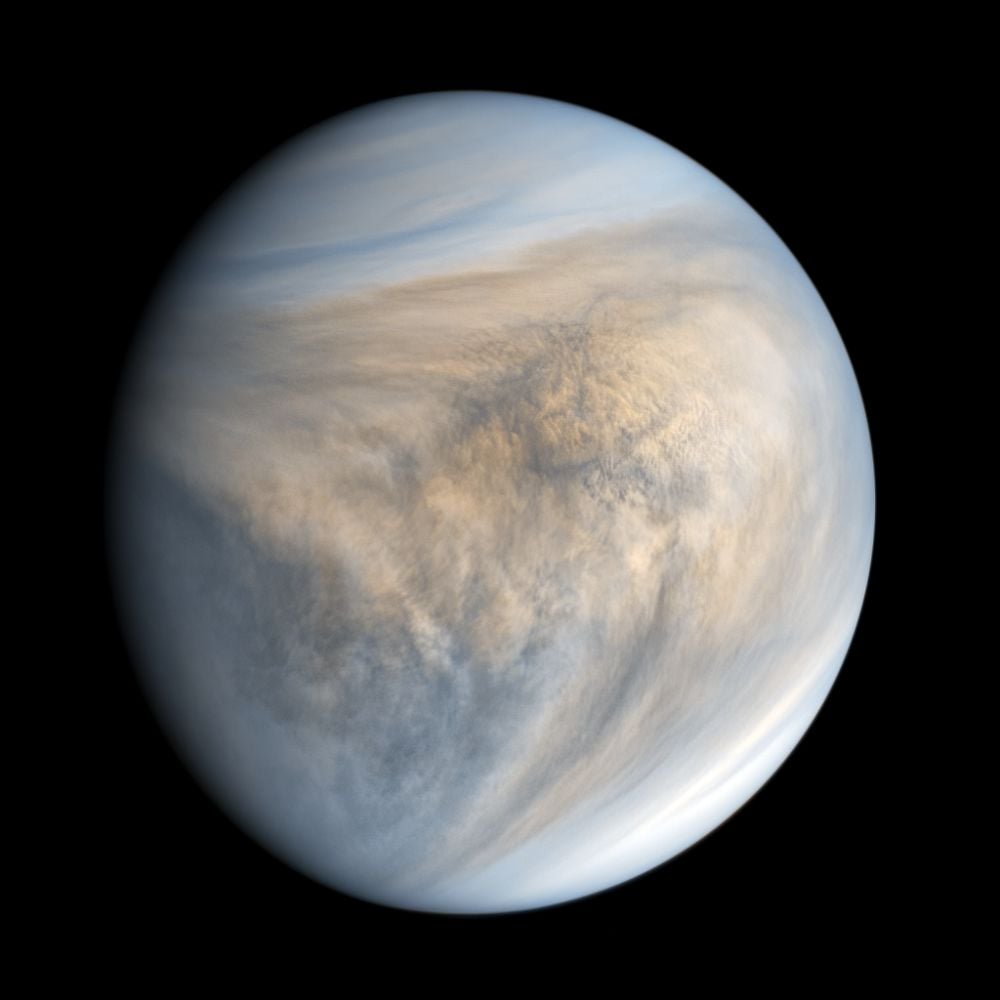
Twenty years ago, the US Congress instructed NASA to find 90% of near-Earth asteroids threatening Earth. They've made progress finding these asteroids that orbit the Sun and come to within 1.3 astronomical units of Earth. However, they may have to expand their search since astronomers are now finding asteroids co-orbiting Venus that could pose a threat.
Continue reading
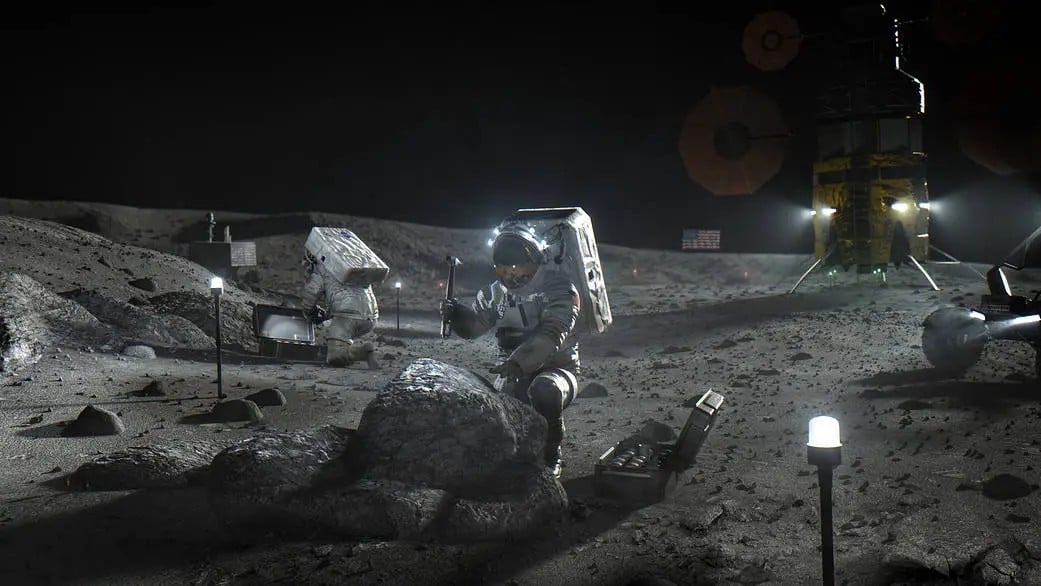
Sometimes, space enthusiasts blind themselves with techno-optimism about all the potential cool technological things we can do and the benefits they can offer humanity. We conveniently ignore that there are trade-offs: if one group gets to utilize the water available on the lunar surface, that means another group doesn't get to. Recognizing and attempting to come up with a plan to deal with those sorts of trade-offs is the intent of a new paper by Marissa Herron and Therese Jones of NASA's Office of Technology, Policy, and Strategy, as well as Amanda Hernandez of BryceTech, a contractor based out of Virginia.
Continue reading
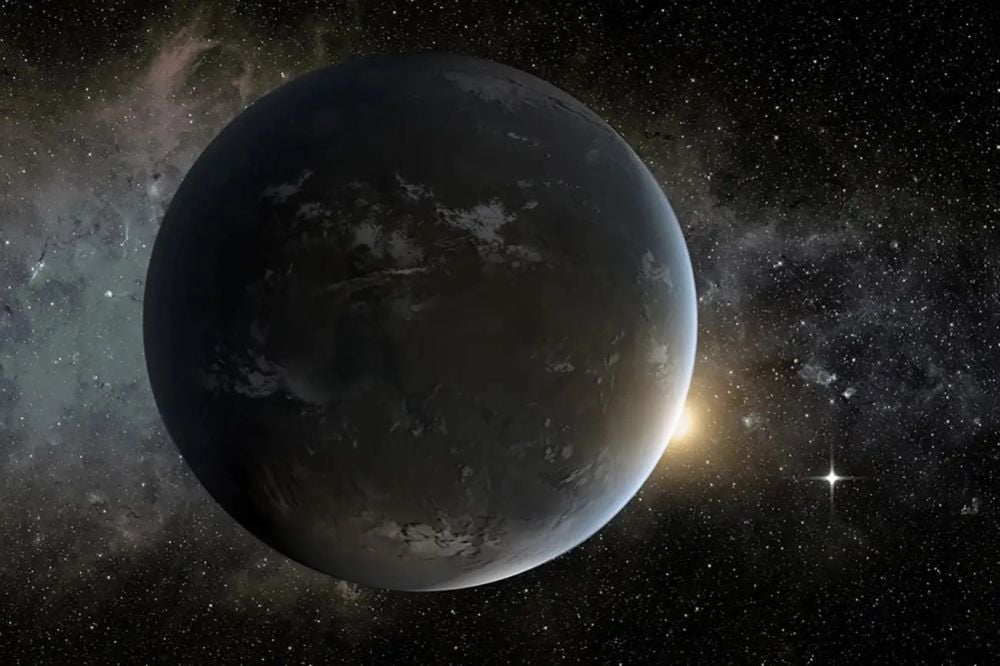
Whenever scientists present new research showing potential biosignatures on an exoplanet, follow-up articles spread like ripples on a pond. Mainstream media usually runs with it, which shows how the issue captures people's attention. The issue of life on other worlds is a compelling one. This is what happened recently with the exoplanet K2-18b.
Continue reading
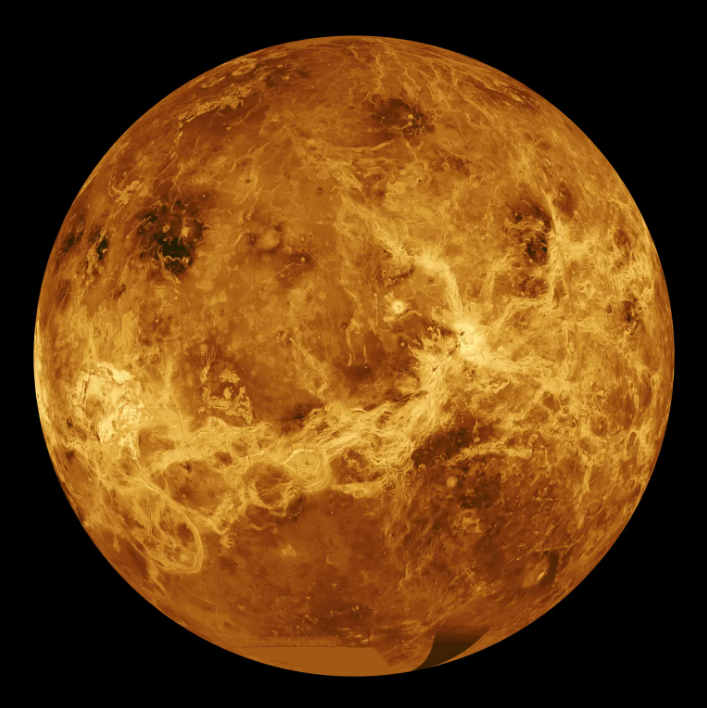
Our nearest neighbor is only slightly smaller than the Earth… but that's just about the only thing the two planets have in common. Now, a recent NASA-funded study suggests that the interior of Venus may be equally strange as well.
Continue reading
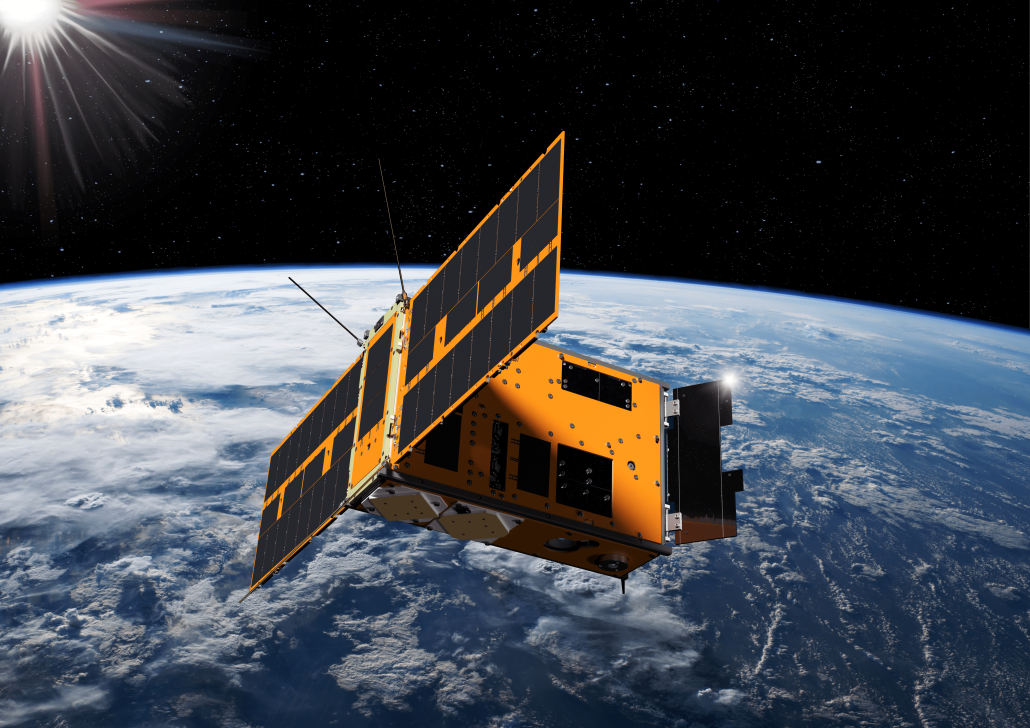
Multi-messenger astronomy has been all the rage lately. It involves capturing data on the gravitational and electromagnetic signals from catastrophic cosmic events. However, with that newfound interest comes required updates to infrastructure. Gravitational wave detectors have been upgraded and will be even more sensitive soon. But to realize the promise of multi-messenger astronomy, scientists must have a fleet of spacecraft watching the entire sky for high-energy signals indicative of the events that cause gravitational waves. At least, that is the team's long-term plan behind the High Energy Rapid Modular Ensemble of Satellites Pathfinder (HERMES-PF) mission, which successfully launched in March and is currently undergoing commissioning.
Continue reading
.jpg)
Our understanding of our Solar System is still evolving. As our telescopes have improved, they've brought the Solar System's deeper reaches into view. Pluto was disqualified as a planet because of it. Now, new research says another dwarf planet may reside at the edge of the Solar System. Its presence supports the Planet X hypothesis.
Continue reading
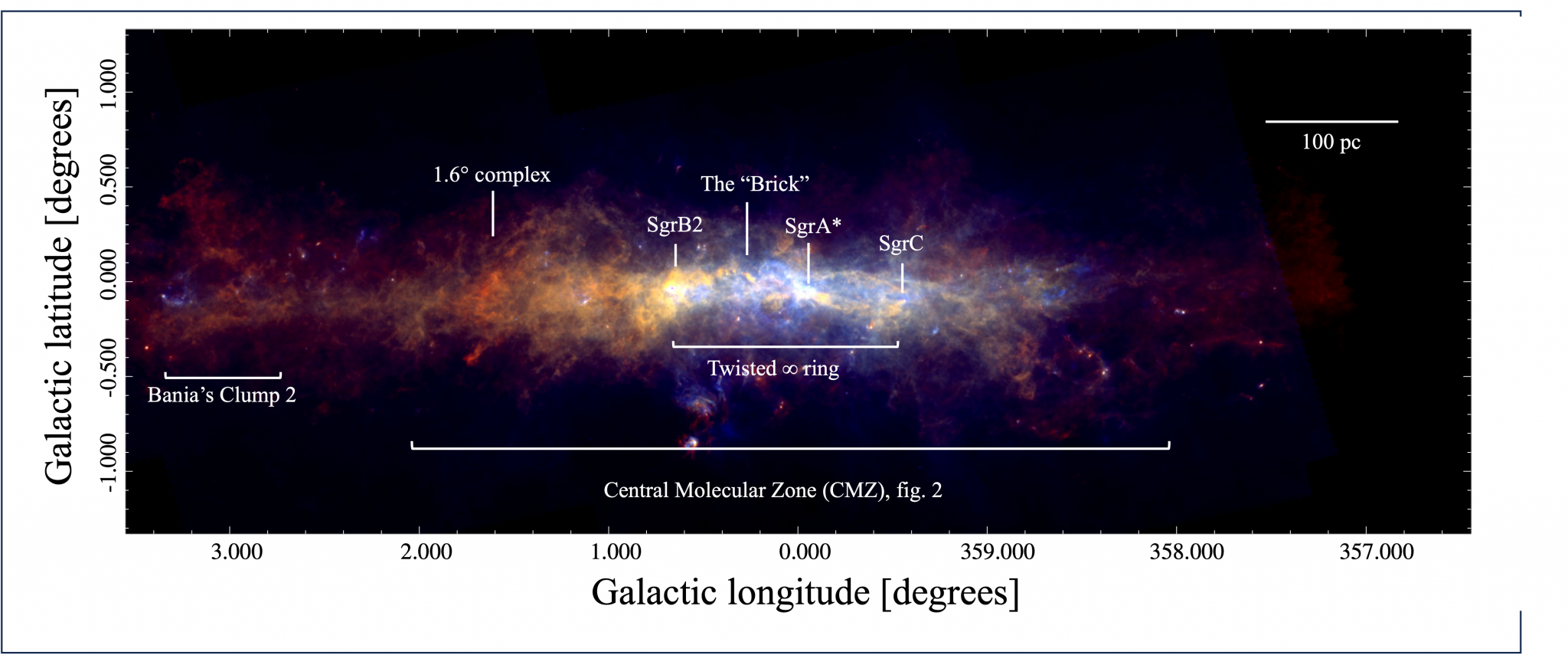
The Solar System is a whopping 26,000 light-years from the heart of the Milky Way, where a mysterious and dense region—shrouded in thick gas and dust—holds one of the Galaxy's most active zones: the Central Molecular Zone (CMZ). A team of scientists have unleashed a cutting-edge 3D model of this region, mapping out everything from massive molecular clouds to young stars in the making. Armed with powerful radio telescopes and infrared observatories, they've pieced together a detailed map, offering a rare glimpse into the heart of our Galaxy's chaotic core.
Continue reading
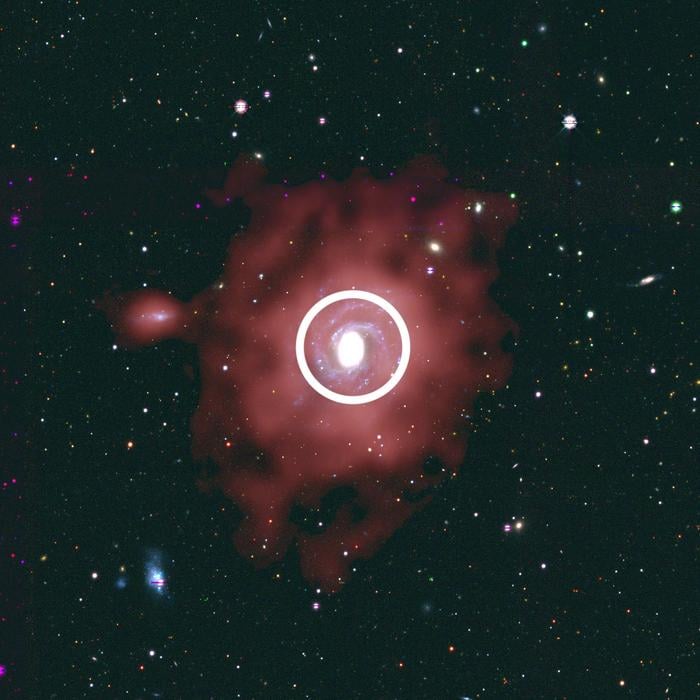
Galaxies are stellar factories generating stars at different speeds—some working at a breakneck pace while others trickling along! We have known for a long time that the availability of raw materials makes a difference to stellar formation, but according to a new paper which surveyed 1,000 galaxies the location of the matter plays a role too. Those with a high stellar formation rate seem to have a high volume of gas reserves in the heart of their densest star clusters with the highest concentration of stars.
Continue reading
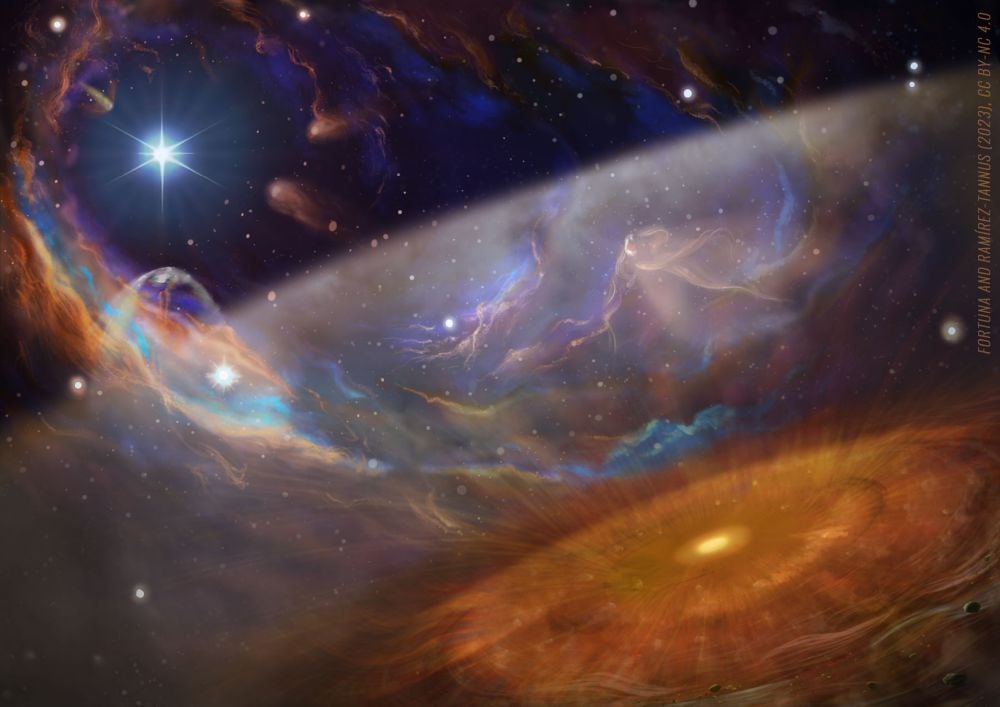
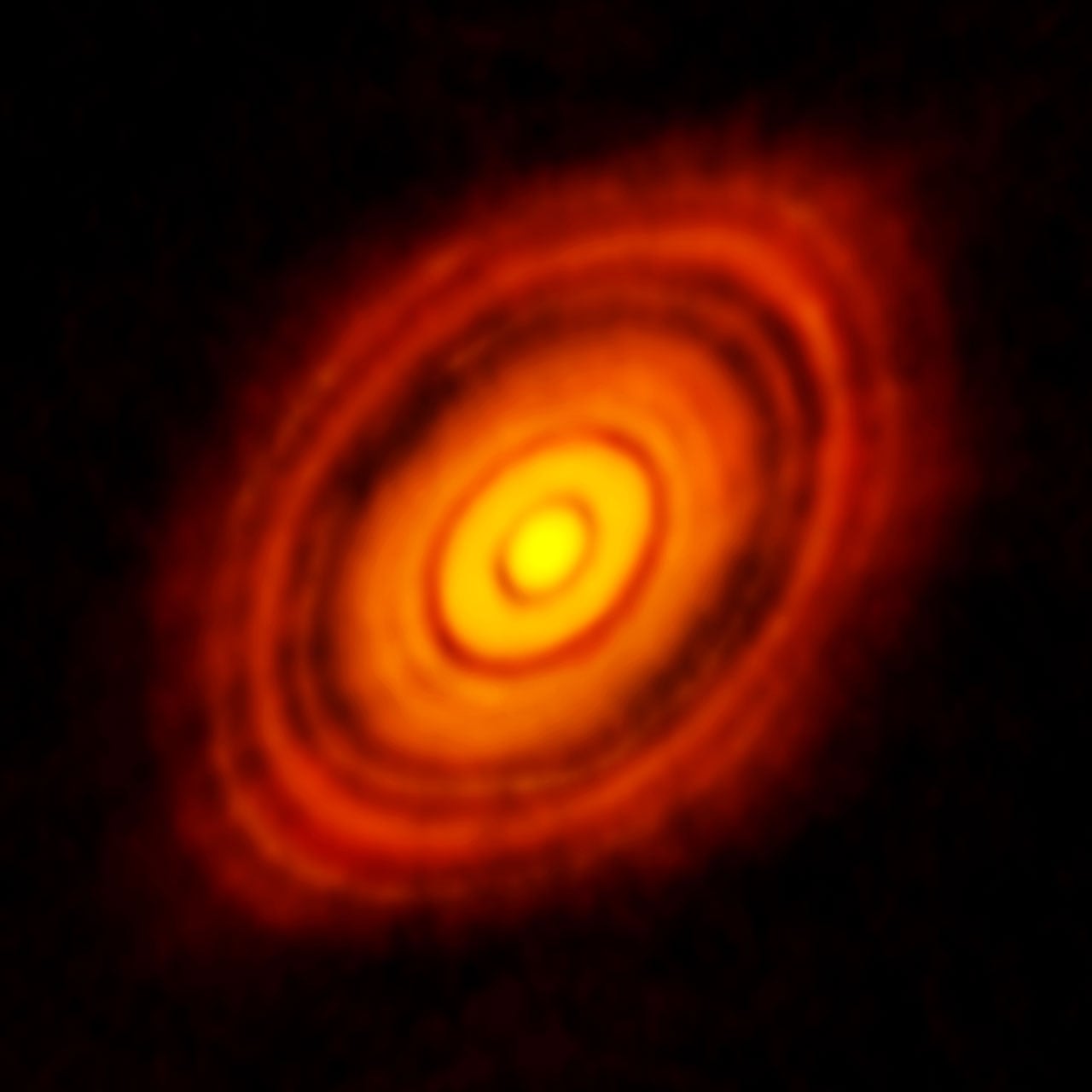
We know that planets form in protoplanetary disks, swirling collections of gas and dust that rotate around very young stars. But we don't know all the details, partly because it's difficult to see inside these disks and watch the process unfold. One question astronomers want an answer to concerns ultraviolet radiation. Does extreme ultraviolet radiation disrupt the planet-forming process?
Continue reading
Co-paired stars, or stars that travel together, can provide insights into processes that other stars can't. Differences in their brightness, orbits, and chemical composition can hint at different features, and scientists are beginning to exploit them. A new paper from researchers in Australia, China, the US, and Europe analyzed data to determine if one of those features - specifically the depletion of particular elements in a star - could be a sign that it has formed a planet, or if it ate one.
Continue reading
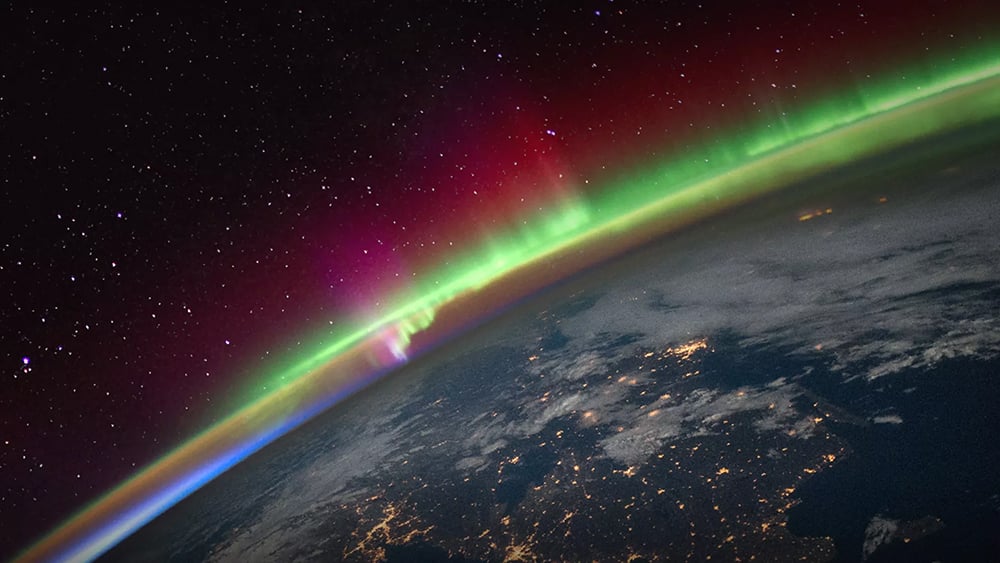
Some 13,000 years ago, the Sun emitted a huge belch of radiation that bombarded Earth and left its imprint in ancient tree rings. That solar storm was the most powerful one ever recorded. The next strongest was the 1839 Carrington Event. It was spurred by a huge solar flare that triggered a powerful geomagnetic storm at Earth. The resulting "space weather" disrupted telegraph communications around the world. Today, as we move through this year's "solar maximum", a period of solar activity that occurs every 11 years, scientists want to prepare governments for the effects of severe solar storms.
Continue reading

The JWST has done it again. The powerful space telescope has already revealed the presence of bright galaxies only several hundred million years after the Big Bang. Now, it's sensed light from a galaxy only 280 million years after the Big Bang, the most distant galaxy ever detected.
Continue reading
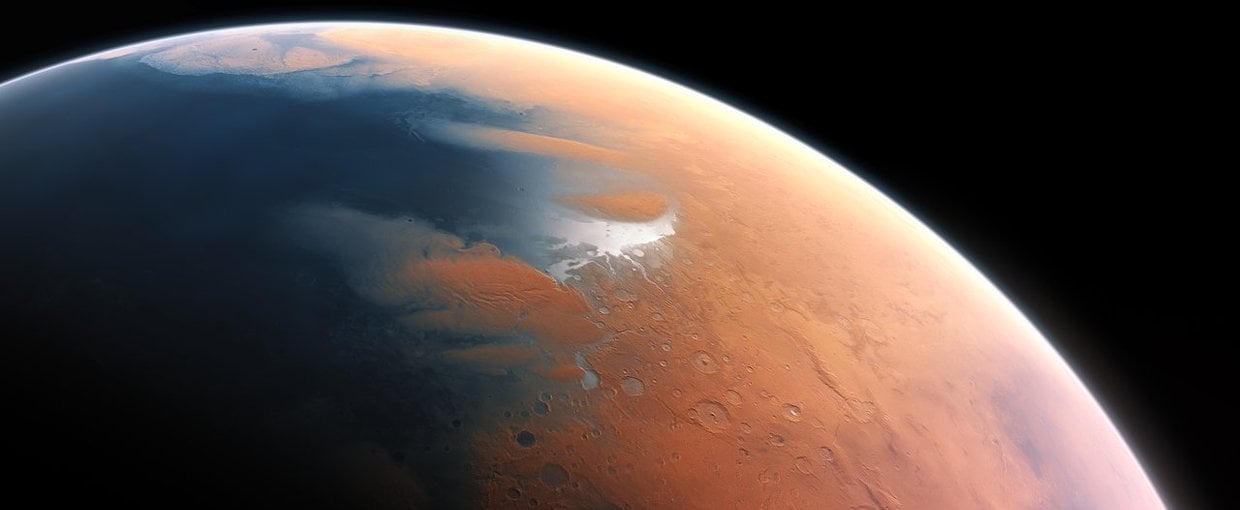
Mars' oceans, lakes, and rivers are long gone. They've left behind evidence of their time here in river channels, deltas, paleolakes, and other features. The water's existence isn't a mystery, but its whereabouts is. Did it disappear into space, or did it retreat into underground aquifers?
Continue reading
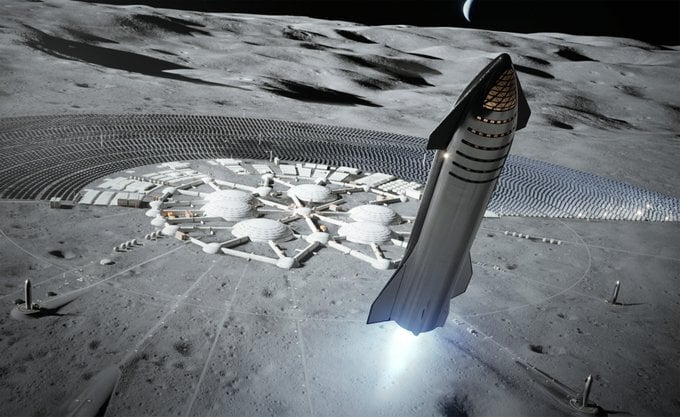
As humanity heads back to the Moon, a silent danger lurks: exhaust plumes from multiple spacecraft will blast lunar dust into orbit, creating a potentially deadly obstacle course for future missions. The solution will be to build landing pads on the lunar surface out of the lunar regolith. Researchers simulated landing pads just like these and their tests showed they could handle the heat and force of the propellant exhaust from a landing spacecraft. The techniques they found will minimise erosion over multiple landings.
Continue reading
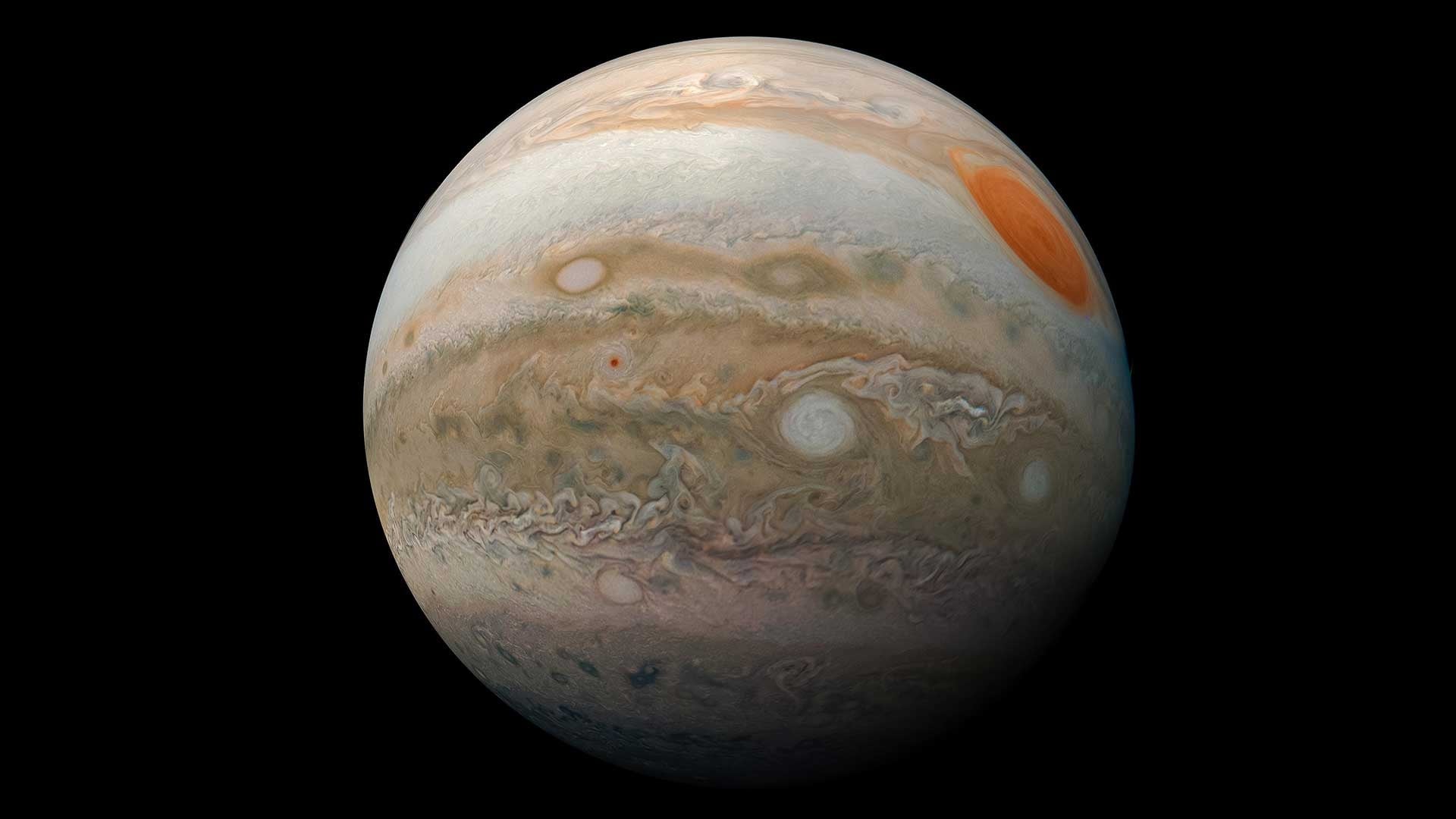
Jupiter and its powerful gravity have played a major role in sculpting the Solar System. A new study provides a glimpse into Jupiter's primordial state, which could have implications for our understanding of how the Solar System evolved.
Continue reading
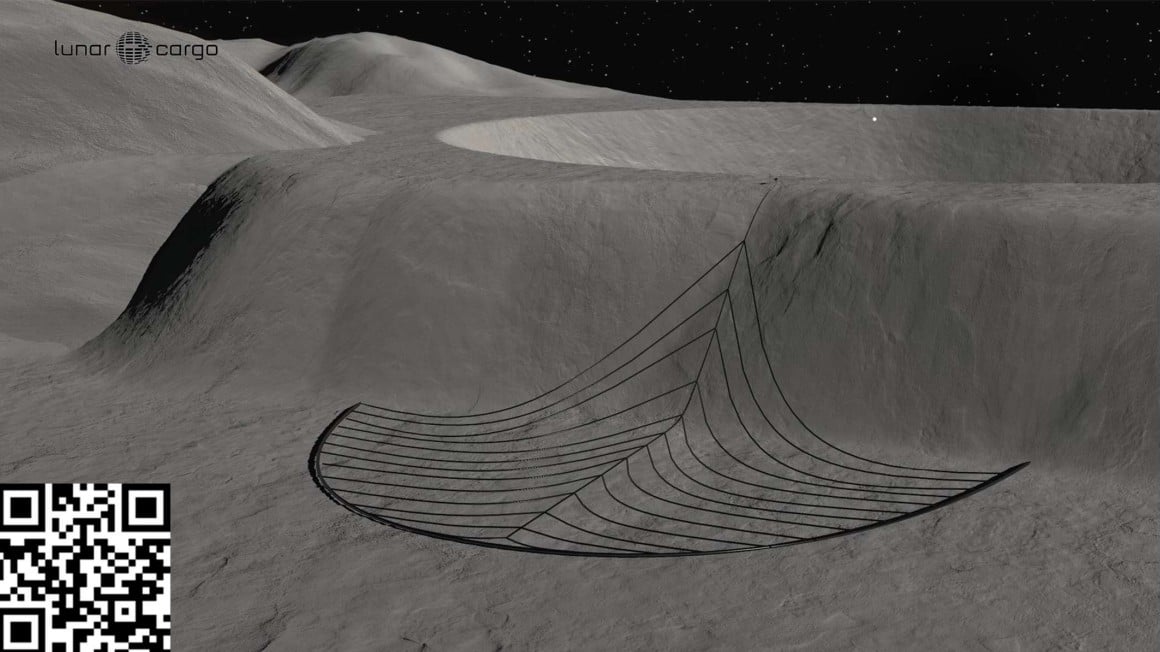
Members of the space exploration community are always coming up with novel ideas to solve problems that they view as holding back humanity's expansion into the cosmos. One such problem that has become more noticeable of late, due to the failure of several powered lunar landers, is the difficulty of landing on the Moon. To open up the wealth of resources on our nearest neighbor, we will have to regularly deliver cargo to it as well as ship cargo off of it. A new idea from Lunar Cargo, a company based in Europe, has come up with a novel, patented way to deliver cargo to the Moon - the Momentum Absorption Catcher for Express Deliveries on Non-Atmospheric Somata, or M.A.C.E.D.O.N.A.S.
Continue reading
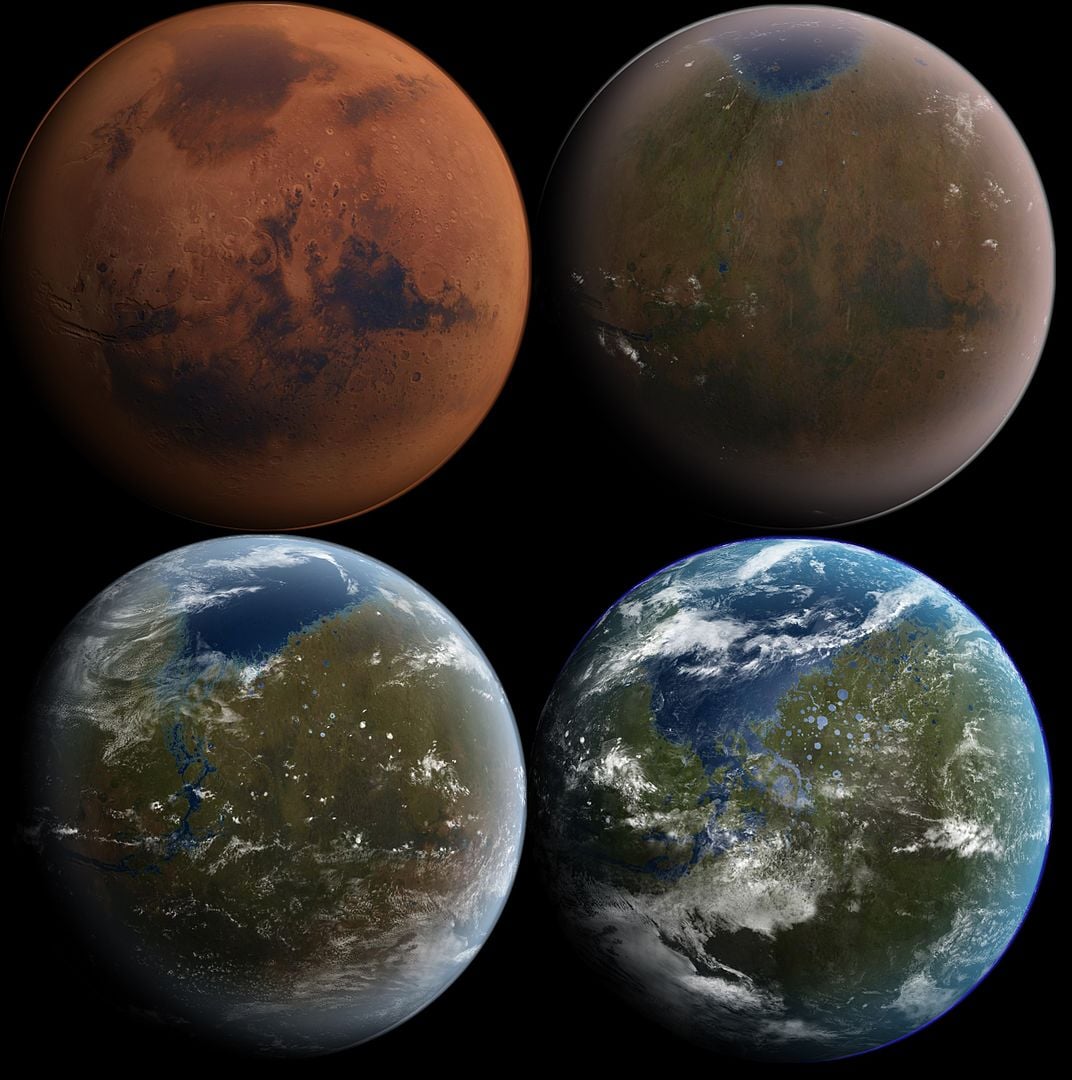
Mars has fascinated us for centuries. Since the invention of the telescope, science fiction writers have mused over its habitability. Its location in the Solar System's habitable zone suggests it could, in theory, support life—despite lacking a global magnetic field and surface water. In a new paper, researchers propose that terraforming Mars is now an achievable goal. They outline methods for warming the planet, releasing pioneer species to build an ecosystem, and improving its atmosphere.
Continue reading
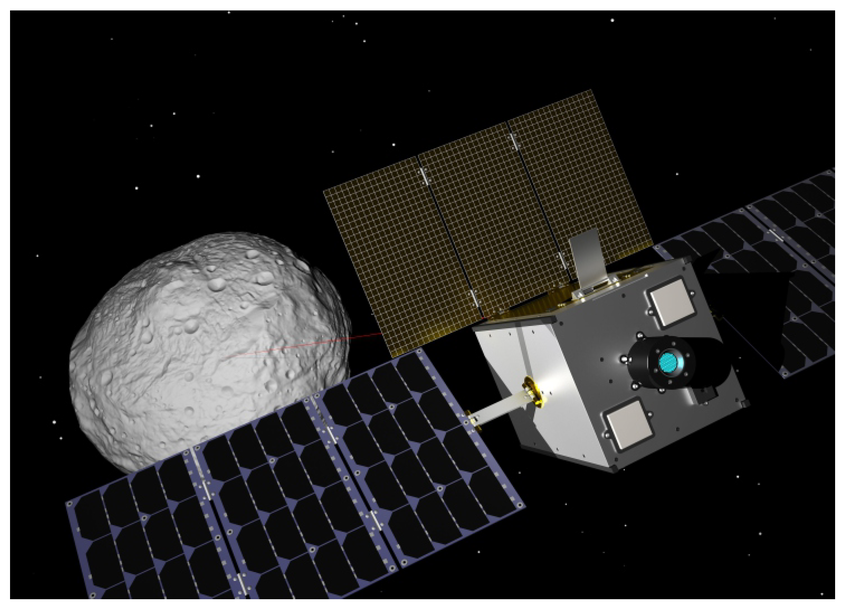
In recent years, humanity has visited several near-Earth asteroids (NEAs), including Ryugu (Hayabusa2) and Didymos (DART). However, we will need more frequent missions to start gathering more helpful information about this class of over 37,000 space rocks. CubeSats have off-the-shelf components and a relatively small size, making them a potentially good candidate for such an exploration program. But how would they reach these asteroid locations given their relatively limited payload and propulsion capacity? That is the focus of a new paper from Alessandro Quarta of the University of Pisa. He looks at potential trajectory planning for CubeSats given one of several configurations of ion drives. He shows how many NEAs can be accessed by simply entering a heliocentric orbit and awaiting the asteroid's arrival as part of its orbit.
Continue reading
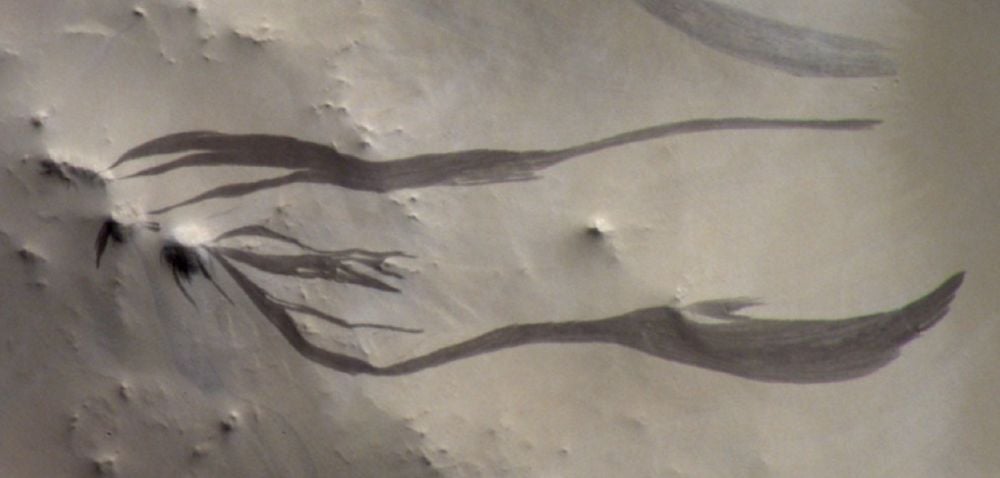
It was big news years ago when Mars orbiters found streaks of what appeared to be water running down Martian cliffs and crater walls. Scientists worked hard to figure out what they were. Some proposed that they were seasonal streaks of briny ice, melting as the weak Mars summer arrived. New research says no to that.
Continue reading
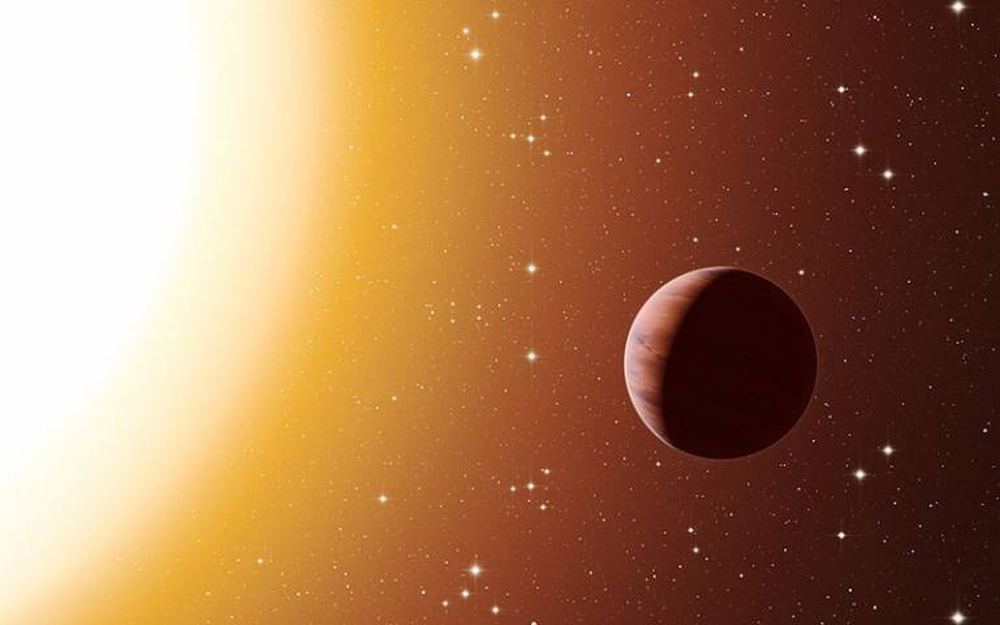
Tracking exoplanets via orbital mechanics isn't easy. Plenty of variables could affect how a planet moves around its star, and determining which ones affect any given exoplanet requires a lot of data and a lot of modeling. A recent paper from researchers led by Kaviya Parthasarathy from National Tsing Hua University in Taiwan tries to break through the noise and determine what is causing the Transit Timing Variations (TTVs) of HAT-P-12b, more commonly known as Puli.
Continue reading
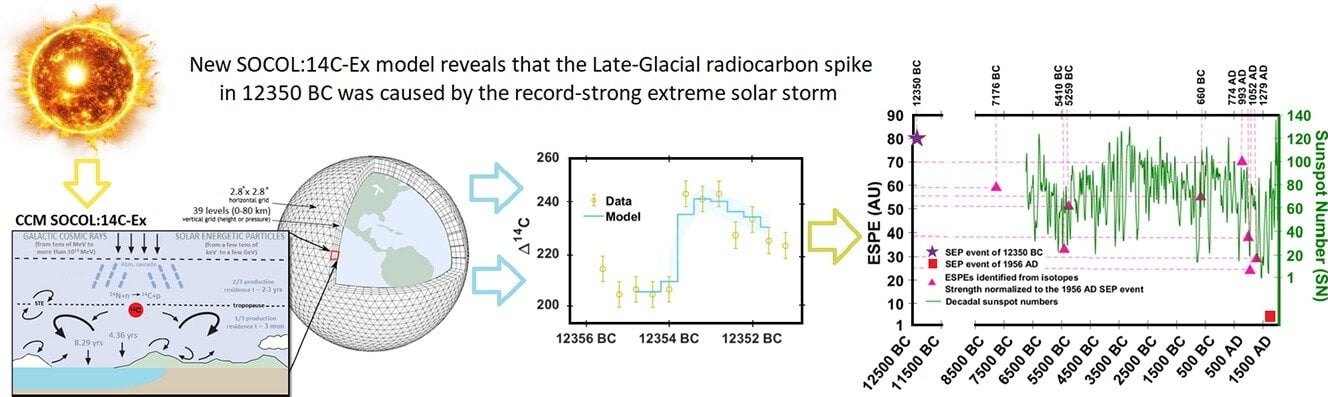
Extreme solar storms are a relatively rare event. However, as more and more of our critical infrastructure moves into space, they will begin to have more and more of an impact on our daily lives, rather than just providing an impressive light show at night. So it's best to know what's coming, and a new paper from an international team of researchers led by Kseniia Golubenko and Ilya Usoskin of the University of Oulu in Finalnd found a massive Extreme Solar Particle Event (ESPE) that happened 12350 years ago, which is now considered to be the most energetic on record.
Continue reading
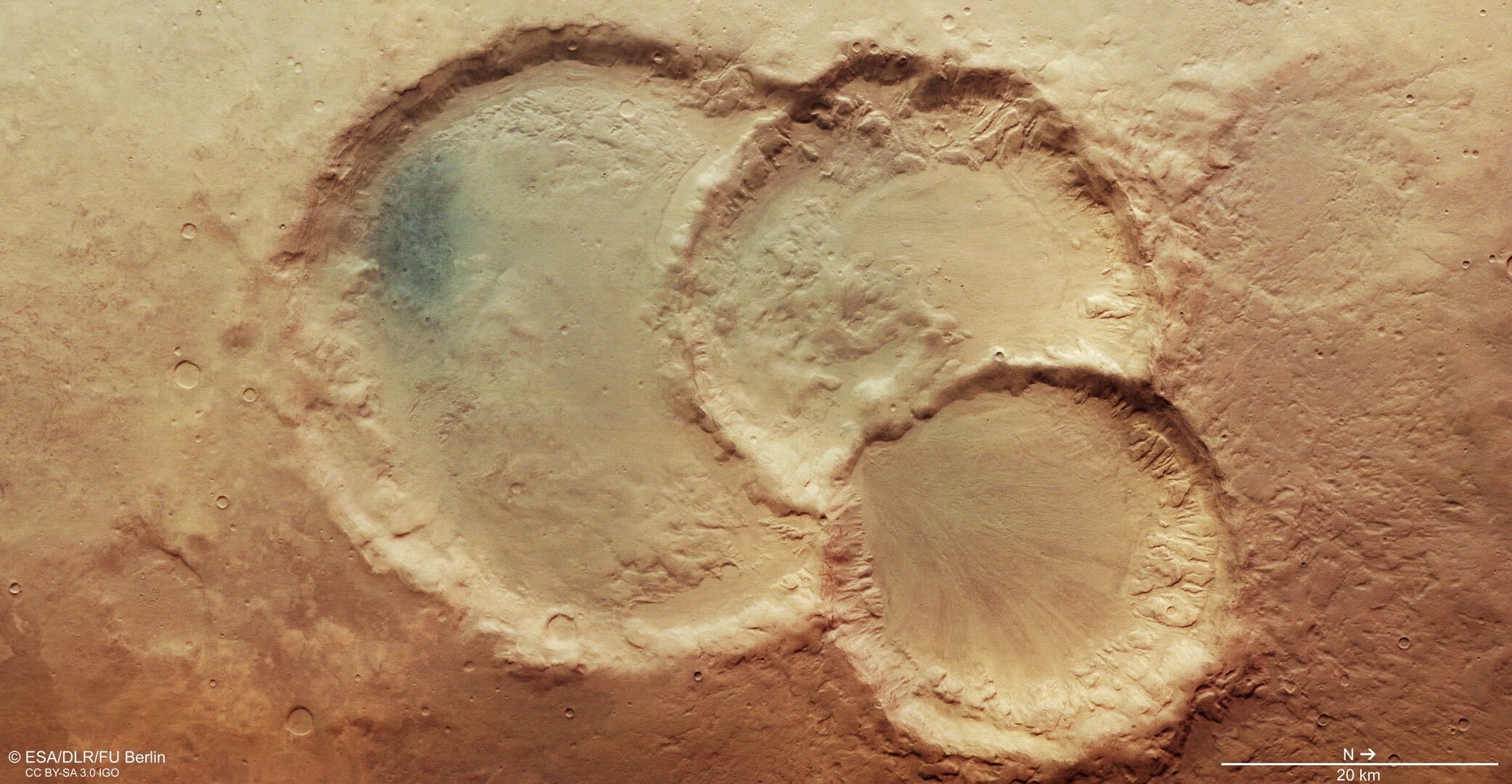
Spacecraft orbiting Mars can reveal small features on the planet's surface, but there are only so many things you can see from above. When a meteor strikes the surface of Mars, it can excavate sub-surface material, allowing scientists to study what lies beneath. Researchers have simulated various impacts on Mars, changing the sub-surface material from bedrock to water-ice glaciers, and then calculated what should be visible after an impact, enabling new science.
Continue reading
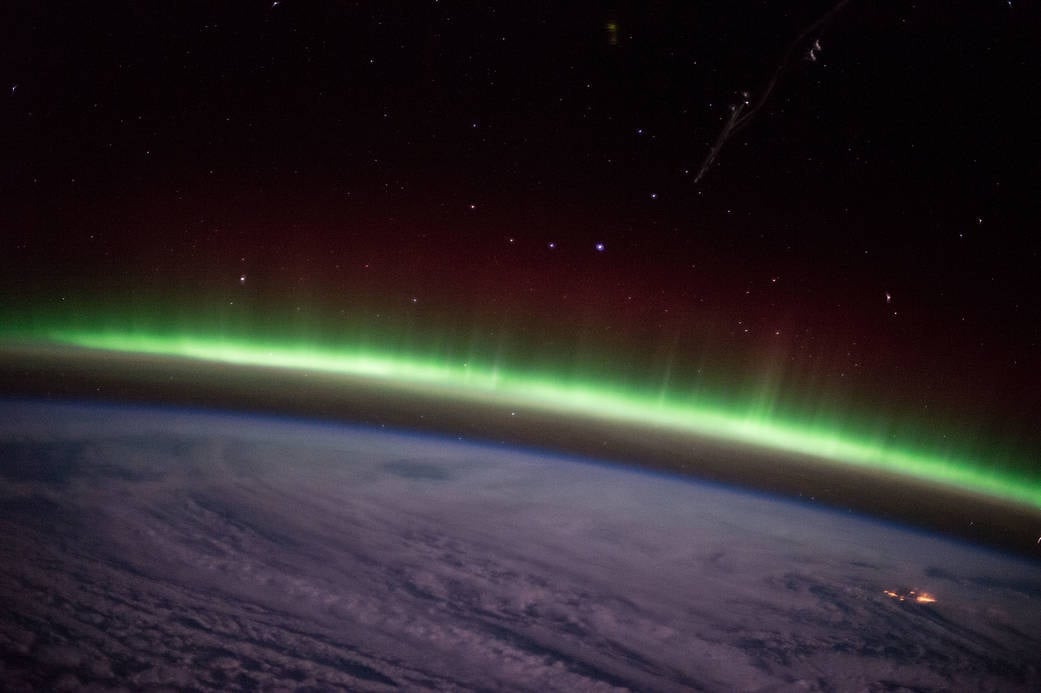
Earth's magnetosphere channels particles from solar storms into stunning auroras. Mars lacks a planet-wide magnetic field and has patchy auroras barely detectable with instruments. Or so we thought. New images captured by NASA's Perseverance Rover with its Mastcam-Z instrument show green auroras in visible light. When humans finally walk on Mars and look to the skies, they could possibly see faint auroras there, too.
Continue reading
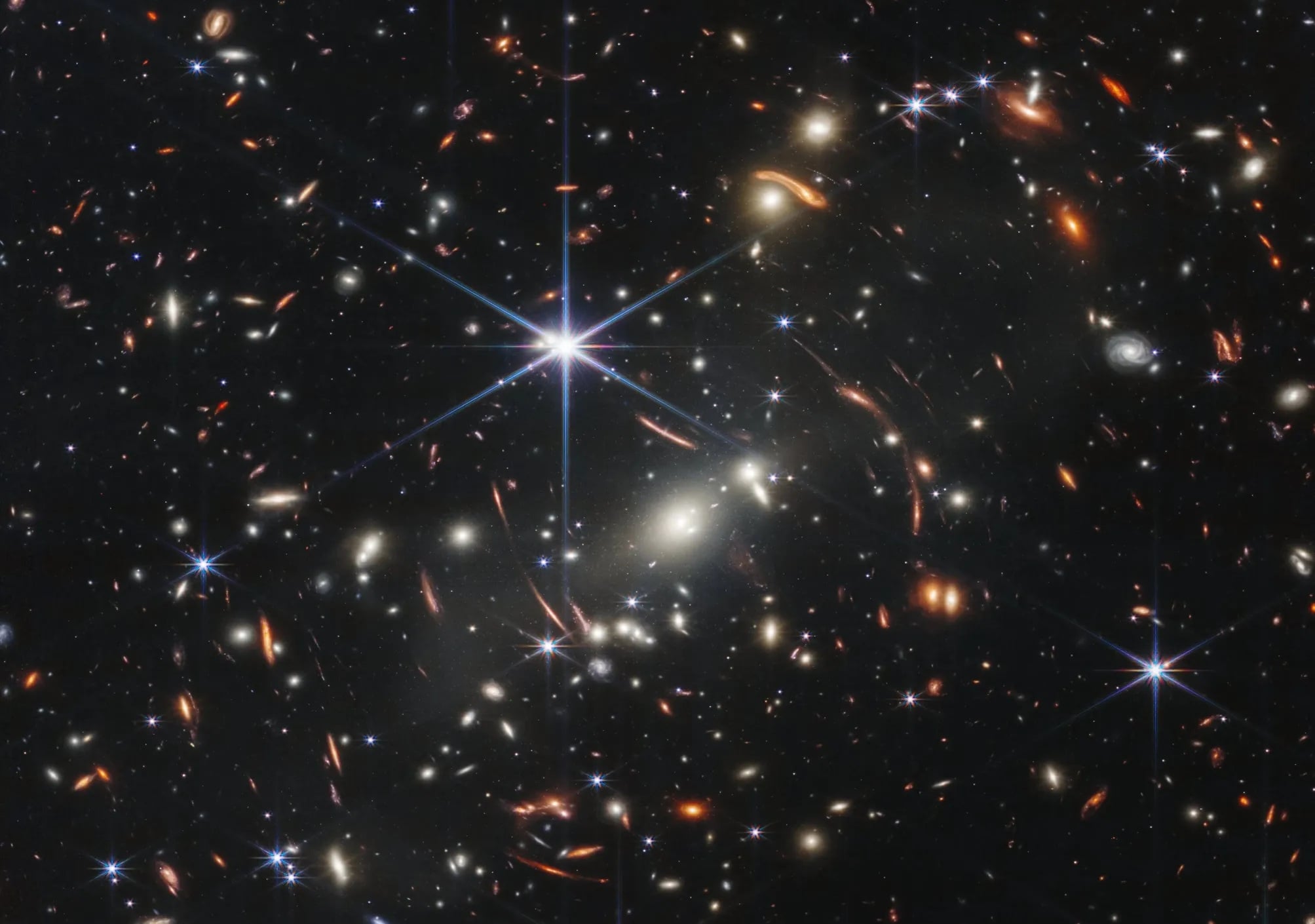
In a recent paper, an international team proposed an ultra-long wavelength radio interferometer that could examine the Cosmic Dark Ages and Cosmic Dawn. Known as the Dark Ages Explorer (DEX), this telescope could provide fresh insights into how and when the first stars and galaxies formed.
Continue reading
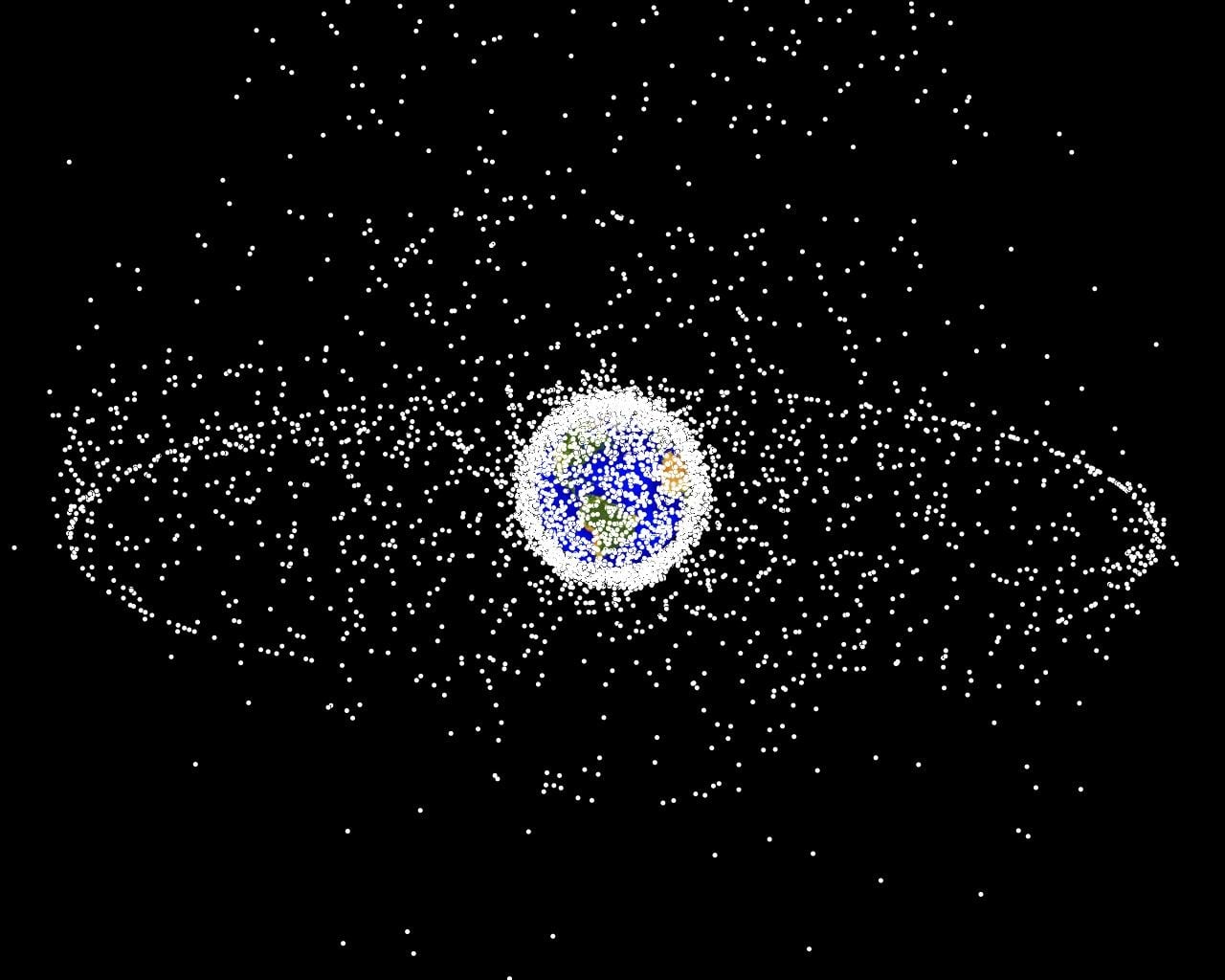
The satellite population in Low-Earth Orbit (LEO) is not an open book. While data on many satellites is public, others are shrouded in secrecy, and information is incomplete for others. New research shows how observers can determine satellite shapes by watching them occult background stars.
Continue reading
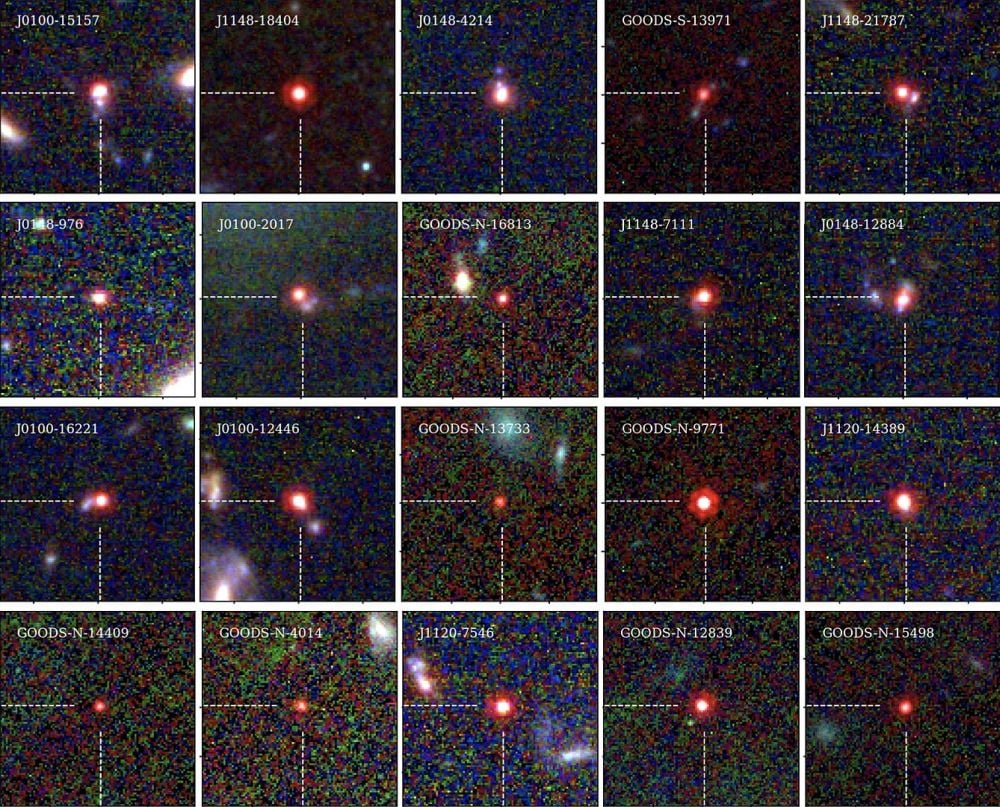
When the JWST came to life and began observations, one of its first jobs was to gaze back in time at the early Universe. The Assembly of Galaxies is one of the space telescope's four main science themes, and when it observed the Universe's first galaxies, it uncovered a mystery. According to our understanding of how galaxies evolve, some were far more massive than they should be.
Continue reading
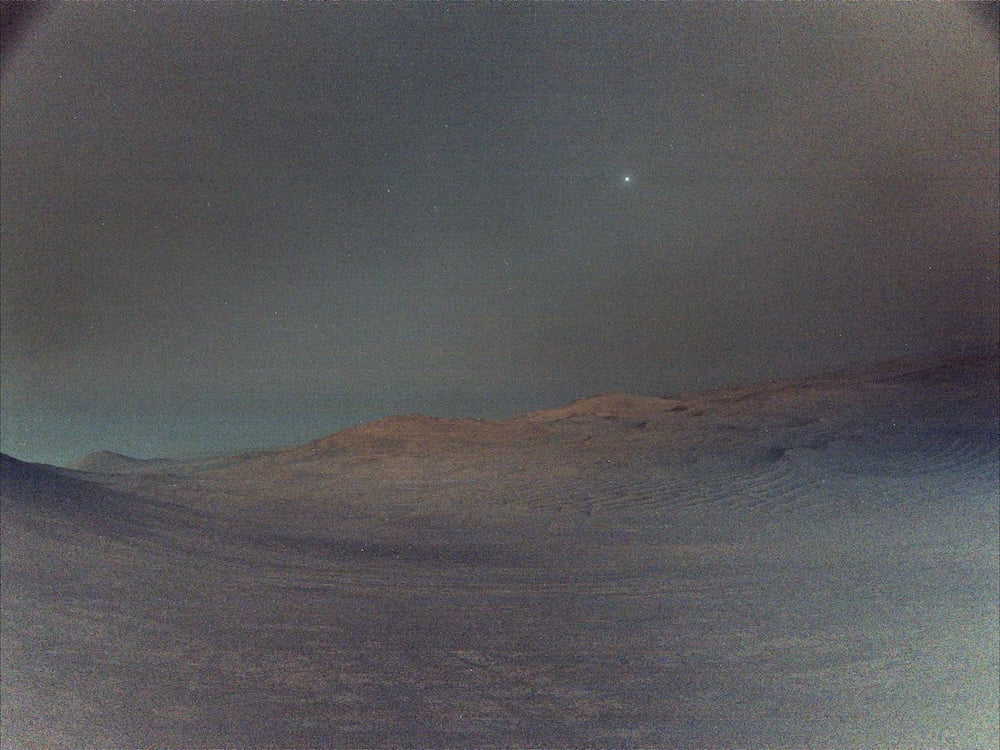
NASA's Perseverance Rover didn't just look up—it captured a sprint across the Martian sky! On March 1st, its navigation camera locked onto Deimos as the moon raced overhead in the pre-dawn darkness. Sixteen rapid-fire, 3-second exposures stacked together reveal the moon's movement across the Martian sky. The pictures were taken in very low light, so it's pretty grainy and noisy, but there are two additional stars in the sky, Regulus and Algieba, in the constellation Leo.
Continue reading

Scientists have discovered that black holes don't just devour everything—they also fire back. While nothing can escape the event horizon, black holes generate ferocious winds that blast outward at significant fractions of the speed of light. New research challenges the long-held belief that they flow smoothly and continuously. Instead, these winds are violent, fragmented bursts resembling rapid-fire streams of gas bullets. Astronomers have now witnessed this phenomenon firsthand, detecting five distinct gas components travelling 20-30% the speed of light and erupting like geysers from the black hole's vicinity.
Continue reading
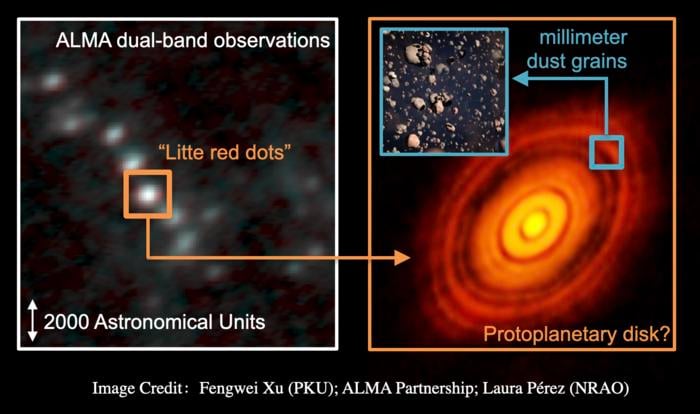
Astronomers have discovered a protoplanetary disks where planets are born thrive in the most violent region of our Galaxy. For years the galactic center was thought to be too chaotic and hostile for planet formation. This is wrong. New ALMA observations have seen planet nurseries flourishing in the turbulent Central Molecular Zone near our Galaxy's heart, challenging everything we thought we knew about how worlds are born. Planets find a way.
Continue reading
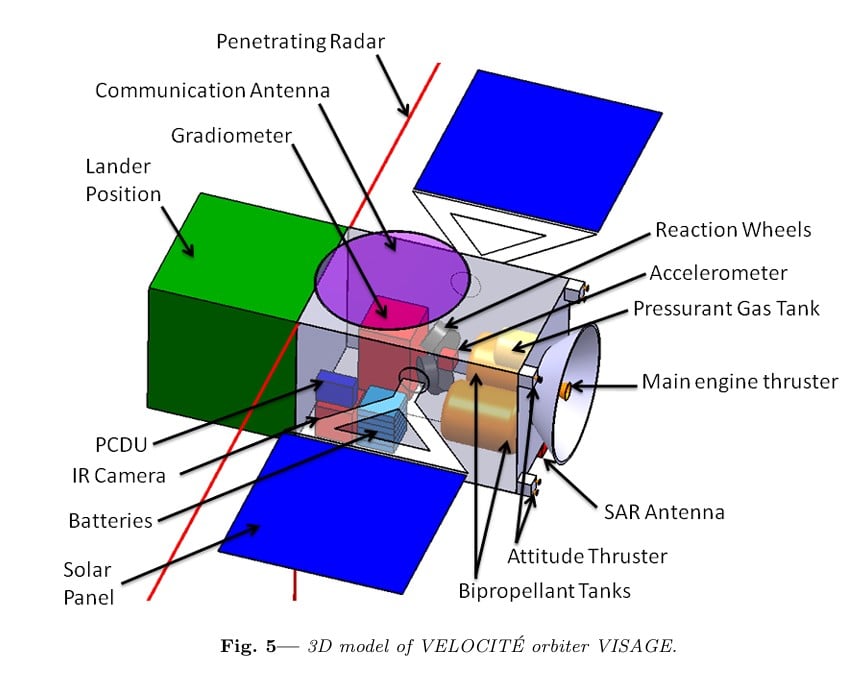
Sometimes it's fun to look back at old missions that never were. There are more of those than the missions that receive funding and are launched, but many of those were influenced by the ones that were funded that came before. A great fountain of mission ideas is the Alpbach Summer School, held annually in Austria. Every year, at least two teams publish papers defining a complete mission concept as part of their capstone experience at the school. One published in 2014 describes a mission designed to look at Venus' tectonic activity, and even though the concept is over 11 years old, the scientific questions it sought to answer are still outstanding today.
Continue reading
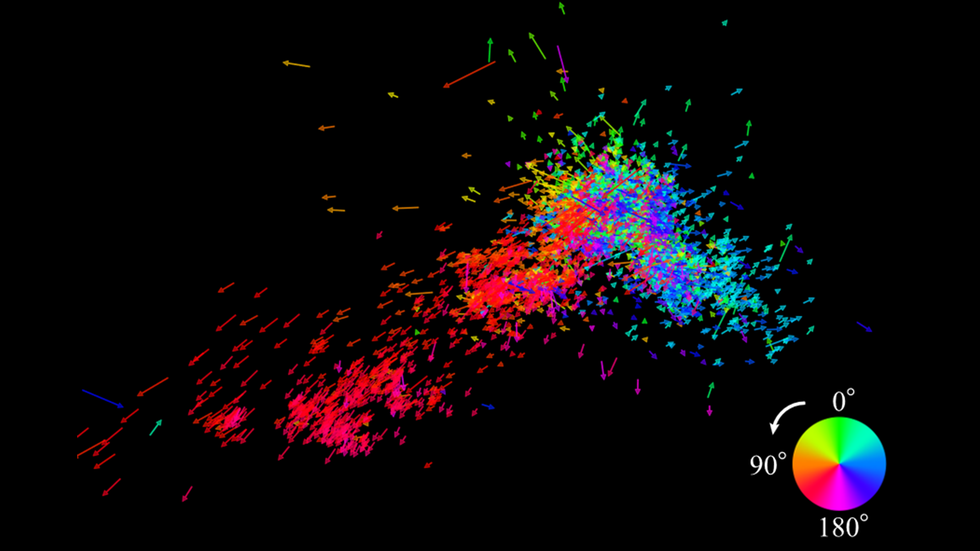
The Small Magellanic Cloud is one of our closest galactic neighbours. It's a dwarf irregular galaxy about 200,000 light-years away, containing several hundred million stars. New research based on massive stars in the SMC shows it's being stretched along two different axes.
Continue reading
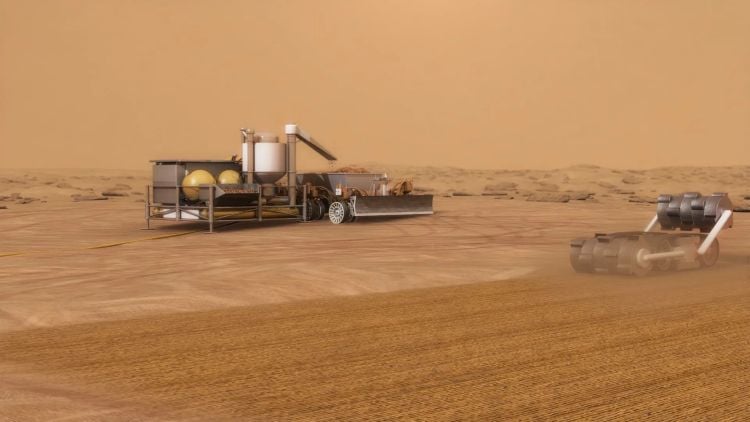
Computational Fluid Dynamics. Those words are enough to strike fear into the heart of many an undergraduate engineer. Modeling how liquids move through a system is mathematically challenging, but in many cases, absolutely vital to understanding how those systems work. Computational Fluid Dynamics (more commonly called CFD) is our best effort at understanding those complex systems. A new paper from researchers at the University of Texas at El Paso (UTEP) applies those mathematical models to an area critical for the upcoming era of space exploration - propellant production from in-situ resources.
Continue reading
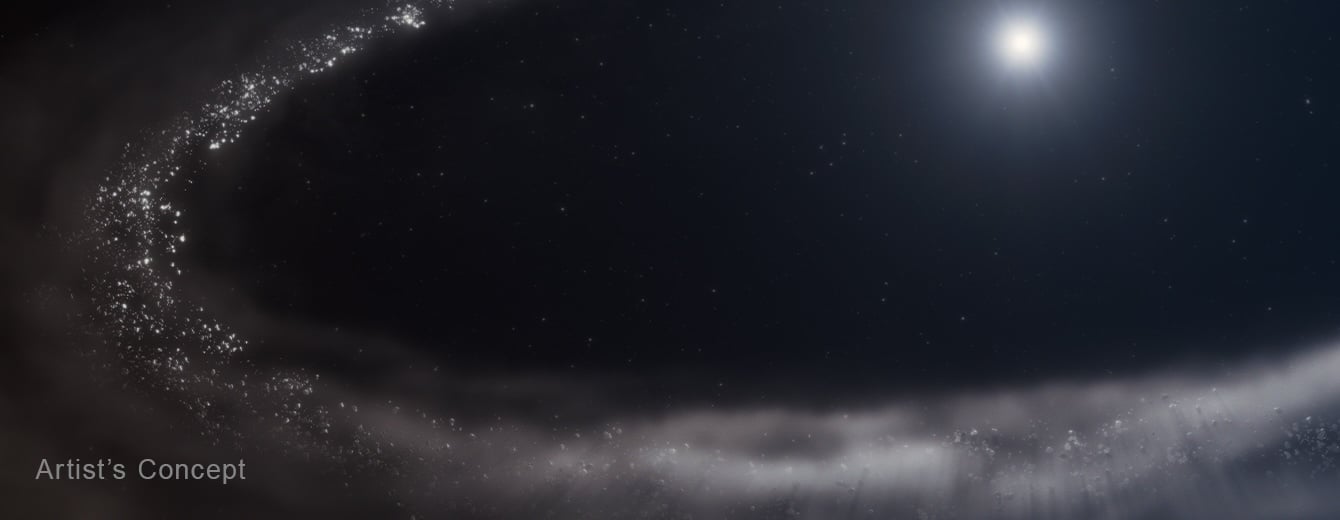
Just as ice dominates the outer Solar System, blanketing the moons of giant planets and coating objects in the Kuiper Belt and Oort Cloud—astronomers using the James Webb Space Telescope have made a chilly discovery in a distant planetary system. The alien system HD 181327, 155 light-years away harbours significant deposits of both ordinary and crystalline water ice. They detected the ice in regions that are farther away from the star, with the outer area containing as much as 20% water ice.
Continue reading
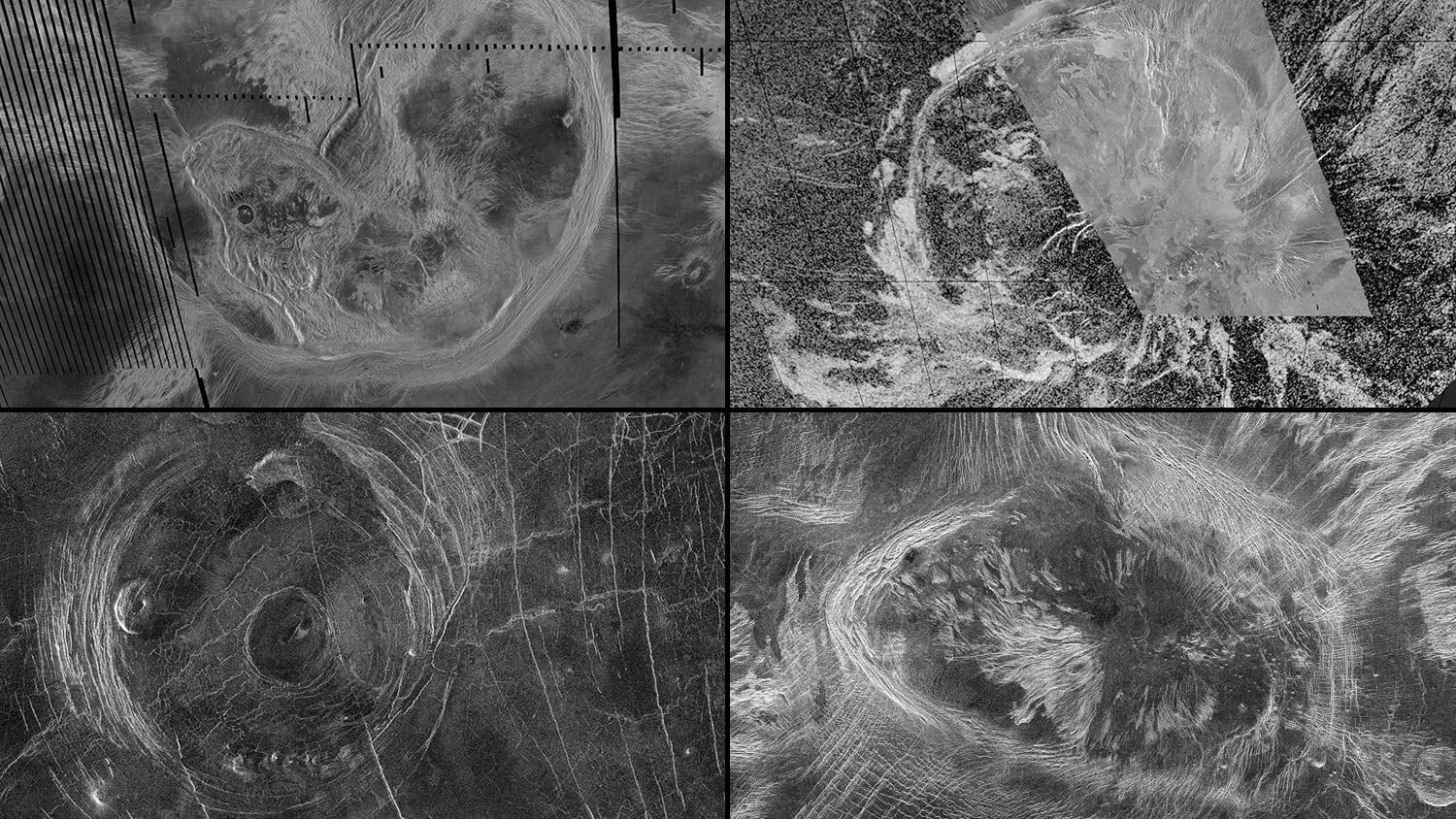
One of the big differences between Venus and Earth is the lack of plate tectonics. While Earth's continents float on tectonic plates—constantly reshaping our world—Venus was previously thought to remain locked in a largely static crust with only occasional volcanic hotspots. But everything we thought we knew might be wrong! Researchers examining 30-year-old NASA Magellan spacecraft images have spotted what appears to be the smoking gun of tectonic activity on our hellish sister planet, potentially rewriting planetary science as we know it.
Continue reading
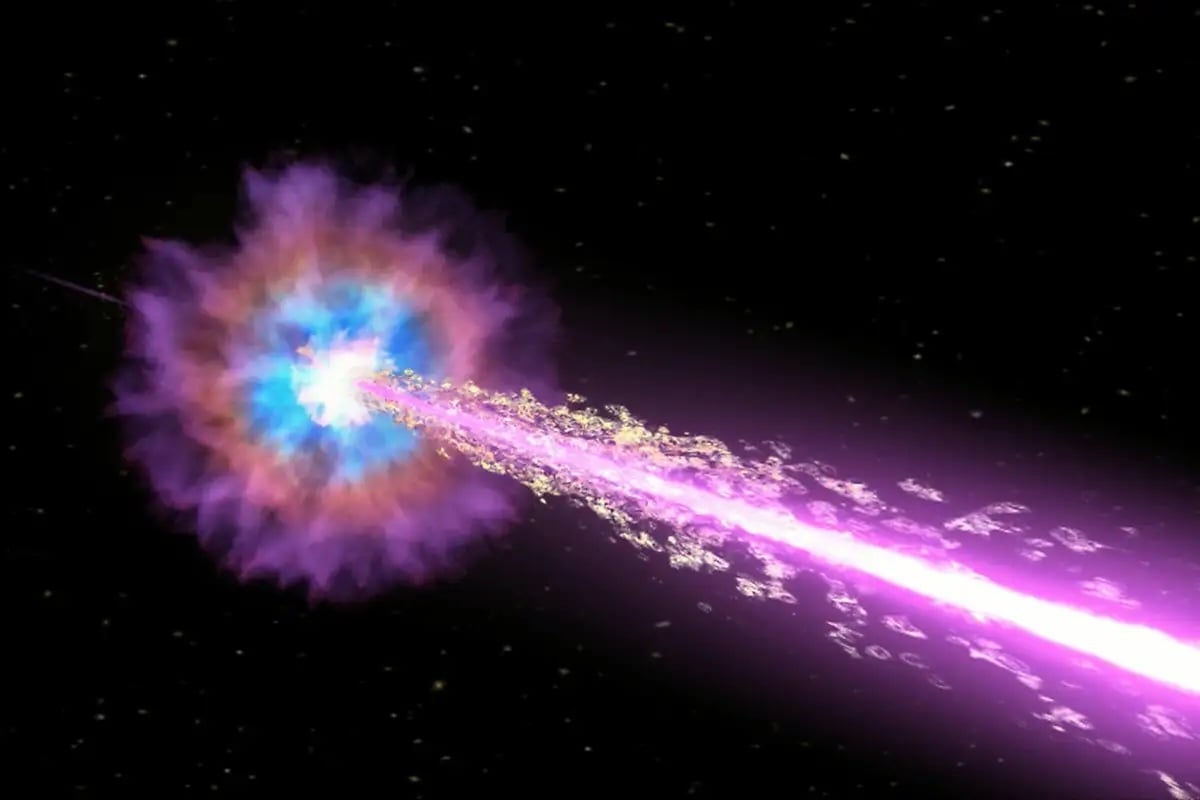
Gamma-ray bursts (GRBs) are the most powerful phenomena in the Universe. First detected during the Cold War, these events beam a tremendous amount of high-energy light our way in a short period of time. They come in two types: short GRBs that last for less than two seconds and long GRBs that last for minutes. Both types have mysterious origins. Short GRBs could be caused by the collisions of neutron stars or perhaps the powerful flares of a magnetar. Observations of long GRBs suggest they are caused by a powerful supernova called a hypernova, where a massive star collapses to become a black hole. But a new study suggests that the origins of long GRBs are more diverse.
Continue reading
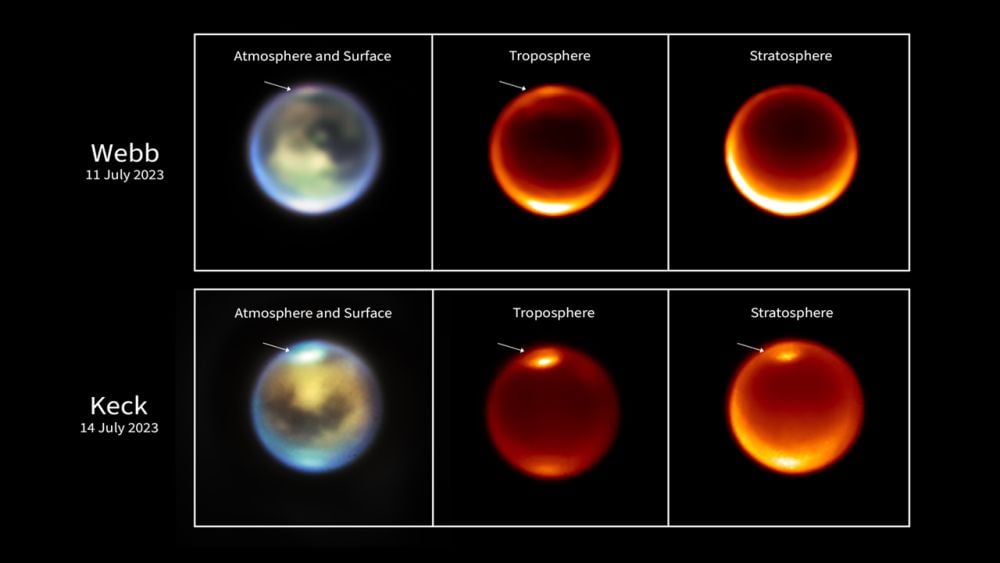
Saturn's moon Titan is the only other body in the Solar System with weather similar to Earth's. The large moon has a thick, nitrogen-rich atmosphere like Earth's, liquid on its surface, and a precipitation cycle. But instead of water, the surface liquid and the precipitation cycle are mainly based on methane.
Continue reading
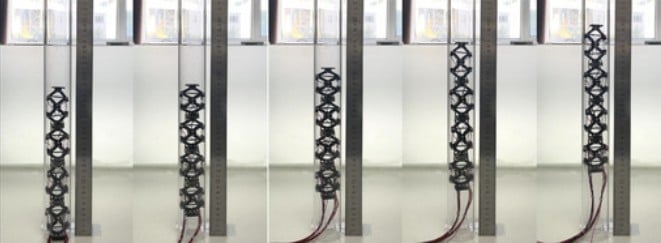
Shape Memory Alloy (SMA) is becoming increasingly common in space exploration applications. It has primarily been used in deployable structures, such as antenna booms or solar sail deployment. However, it also has a use case nearer the ground of whatever planet, moon, or asteroid it finds itself near. A new paper by Shufeng Tang and their colleagues at the Inner Mongolia University of Technology uses SMA to solve a problem in an area near and dear to space explorers' hearts—small space flexible robotics.
Continue reading
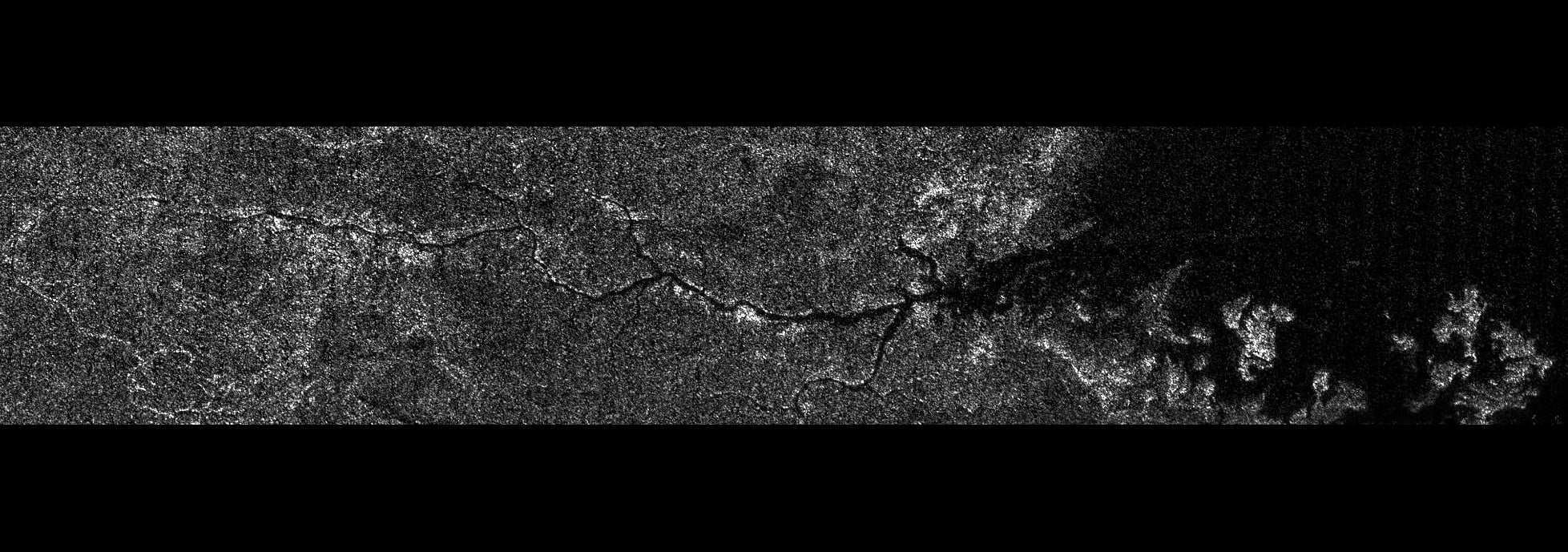
Titan, the largest moon of Saturn, looks more Earth-like on its surface than any other place in the Solar System. With its thick atmosphere and liquid methane rain, it has lakes, rivers, sand dunes and seas. But appearances can be deceiving and in other ways, Titan is in fact a very alien world. One baffling difference, recently discovered, is that Titan's rivers do not seem to form deltas when they reach the sea.
Continue reading
What steps can be taken to enhance in-situ resource utilization (ISRU) for future astronauts on Mars? This is what a recent study presented at the 56th Lunar and Planetary Science Conference hopes to address as an international team of researchers investigated the reasons, benefits, and challenges of conducting ISRU on Mars. This study has the potential to help astronauts, scientists, engineers, and mission planners develop new methods for enhancing the survivability of future Mars astronauts while also maximizing mission success.
Continue reading
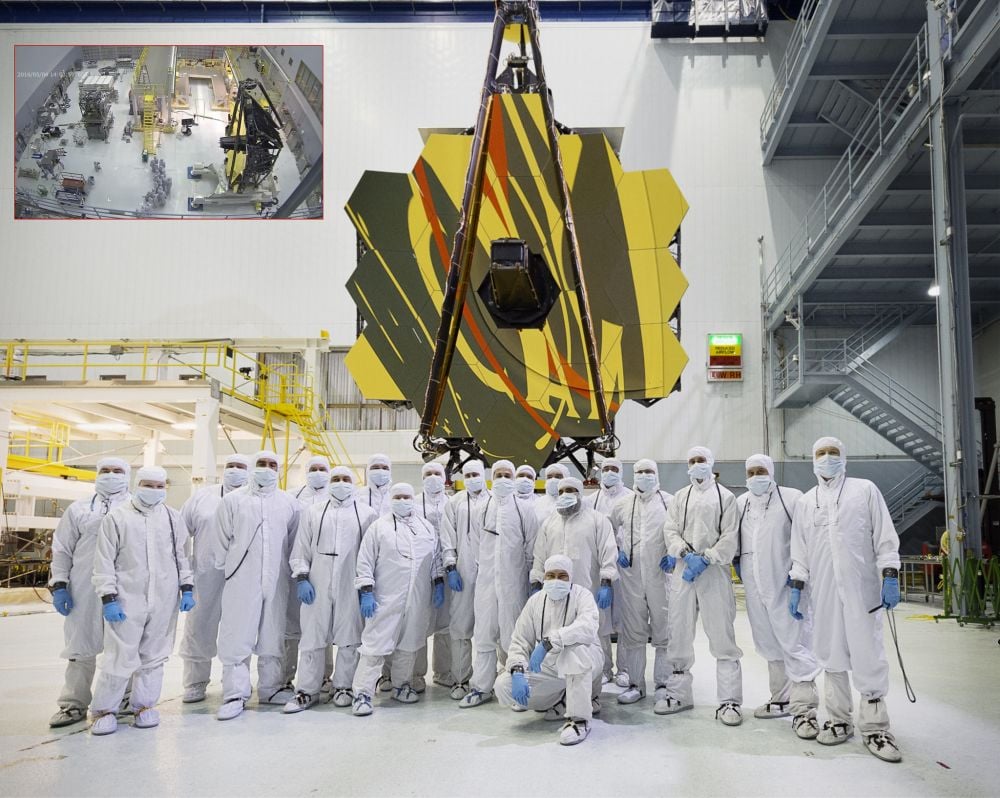
Spacecraft are expensive and intricately engineered machines designed to perform complex missions in harsh space environments. They're costly and require a long time to design and build. Due to their uniqueness and high value, and the need to keep them sterilized, they're assembled in cleanrooms that limit the amount of dust and microbes. New research shows that microbes are adapting to these clean rooms and learning how to thrive in them.
Continue reading
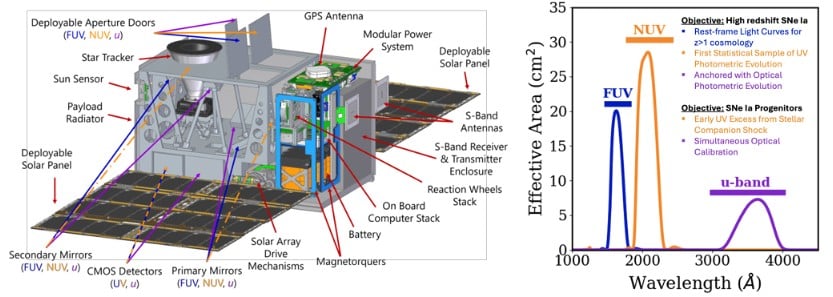
Technology Readiness Levels (or TRL levels, because repeating the last word of initialisms is common in English) is a metric commonly used by NASA to define how developed a technology for use on a mission is. These typically range from 1-9, with 1 being an idea in someone's head, and 9 having been successfully flown on a mission. One of the assessments of new projects that NASA does is a check of the TRL levels of its constituent components - those with a higher level get higher marks, since it is assumed that the technology necessary to get them ready will require less work. So, sometimes, NASA and other organizations will sponsor smaller missions to work on a specific technology needed for one of its big flagship programs. That seems to be the approach from a team led by Keri Hoadley of the University of Florida, who recently laid out a mission concept for the Ultraviolet Type Ia Supernova CubeSat (UVIa).
Continue reading
For a while now, there has been a problematic mystery at the heart of the standard cosmological model. Although all observations support the expanding Universe model, observations of the early period of the cosmos give a lower rate of acceleration than more local observations. We call it the Hubble tension problem, and we have no idea how to solve it. Naturally, there have been several proposed ideas: what if general relativity is wrong; what if dark matter doesn't exist; what if the rate of time isn't uniform; heck, what if the entire Universe rotates. So, let's add a new idea to the pile: what if dark matter evolves?
Continue reading
Tracking the sources of photons is a hobby of many astrophysicists. Some types of photons are tied so closely to particular phenomena that tracking their sources would help answer some larger questions in astrophysics itself. Photons on the "511 keV line" are one such type of photon, and they have been overrepresented near the galactic core, with no known source being prolific enough to create them. A new paper from Zachary Metzler and Zorawar Wadiasingh of the University of Maryland and NASA's Goddard Space Flight Center suggests one potential source - millisecond pulsar (MSP) binaries.
Continue reading
 Universe Today