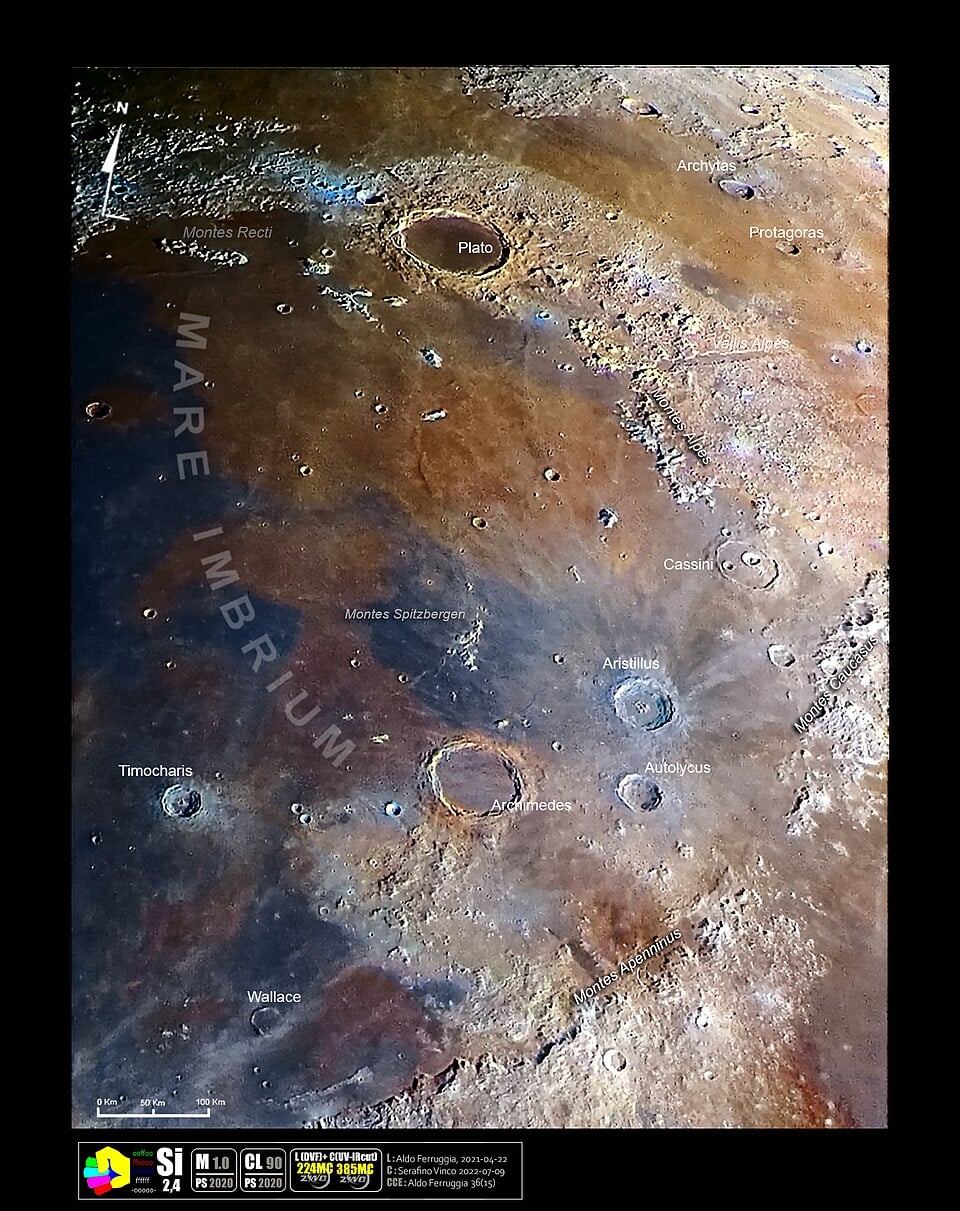
If we could peel back the Moon's cratered crust and examine its mantle, we might find answers to some foundational questions that date back to the Apollo moon landings. We lack the technological capability to excavate the Moon's mantle, but Nature has a way. A massive, ancient impact excavated material from deep beneath the Moon's crust and left it on the surface for us to study. It could help confirm the Moon's origins.
Continue reading

NASA's Transiting Exoplanet Survey Satellite (TESS) has already uncovered hundreds of exoplanets of all sizes. Now, a team of astronomers is pushing the search even further—this time, looking for signs of planetary rings. Scanning 308 TESS planet candidates, they zeroed in on large, fast-orbiting worlds circling bright, nearby stars. Out of those, six showed subtle hints that rings might be present. But despite the tantalising clues, none offered definitive evidence of ring systems—at least not yet.
Continue reading
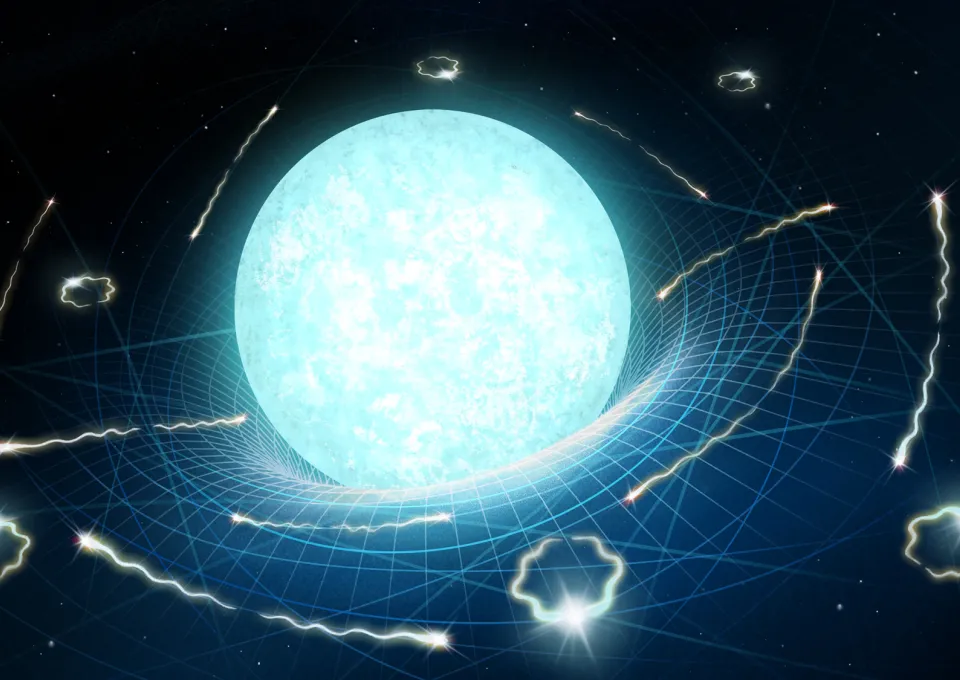
You've probably heard that black holes stick around for a long time—but even they are not eternal. Over unimaginable spans of time, they slowly evaporate into space through a process called Hawking radiation. And here's the kicker: this doesn't just apply to black holes. Anything with mass—stars, moons, even you—can, in theory, evaporate in this way. Black holes are a special case since they don't have a surface and can actually swallow some of their own radiation, making their demise painfully slow. The biggest ones might take up to 10^100 years to disappear. But smaller objects? Something like the Moon—or a human being—could fade into nothingness in "just" 10^90 years.
Continue reading
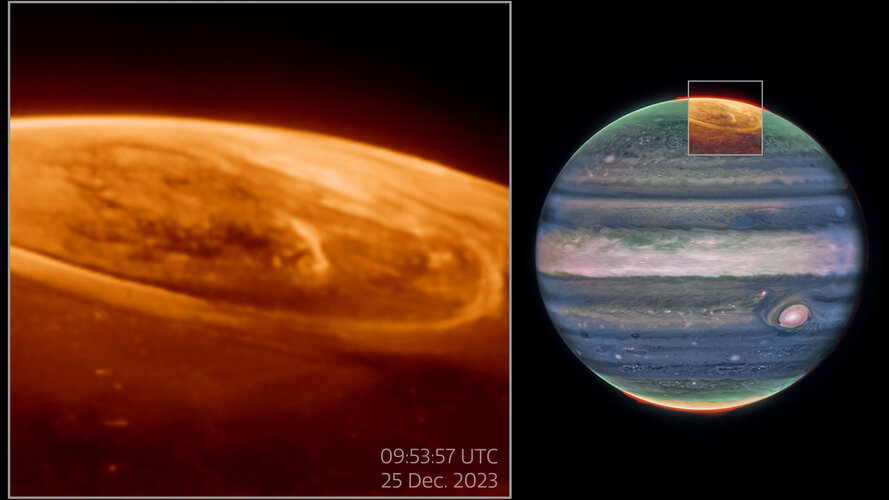
James Webb Space Telescope zoomed in on Jupiter's turbulent north pole in 2023 on the lookout for aurora. The results were amazing. Scientists have finally crunched through the data, revealing how the aurora rapidly change, fizzing and popping with light over the course of a few minutes. The team didn't stop there, training Hubble's ultraviolet eye on the same light show, they've created the most comprehensive view of Jupiter's auroral displays ever captured.
Continue reading
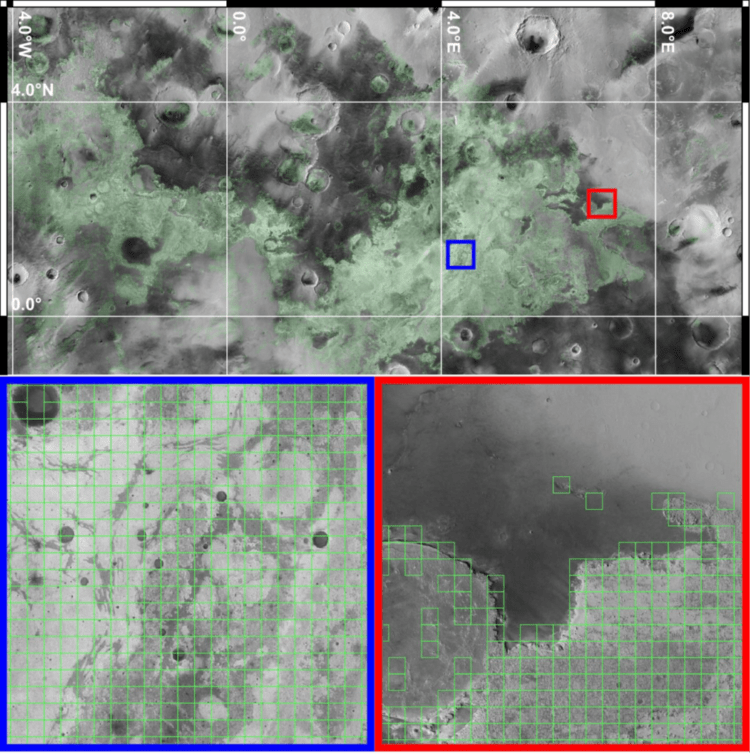
How can artificial intelligence (AI) be used to advance mapping and imaging methods on other planets? This is what a recent study presented at the 56th Lunar and Planetary Science Conference hopes to address as a lone researcher investigated using machine learning models to enhance mapping and imaging capabilities from orbital images obtained from the Mars Reconnaissance Orbiter (MRO) Context Camera (CTX), which is currently orbiting Mars. This study has the potential to help scientists, engineers, and the public better understand the benefits of AI in conducting more advanced science, specifically regarding global images around Earth and other worlds.
Continue reading
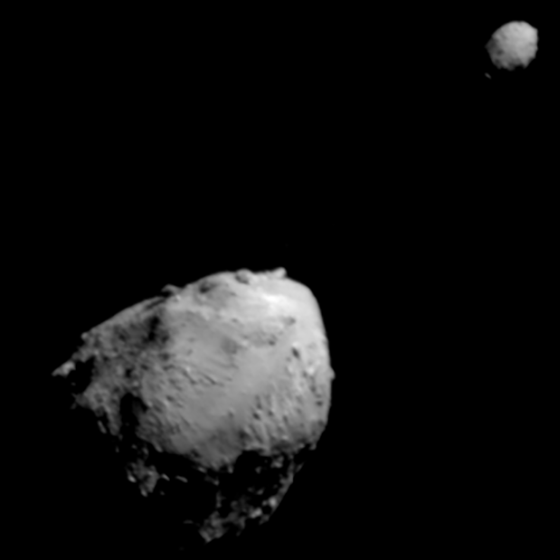
When NASA's Galileo spacecraft flew past asteroid Ida, it discovered a second, smaller asteroid in orbit: Dactyl. This was the first confirmed discovery of an asteroid with a moon, but now we know of many, including 13 asteroids larger than 100 km with satellites. Researchers have found that the mostly rapidly spinning asteroids are more likely to have moons; a large impact both spins up the asteroid and creates the debris that remains in orbit.
Continue reading
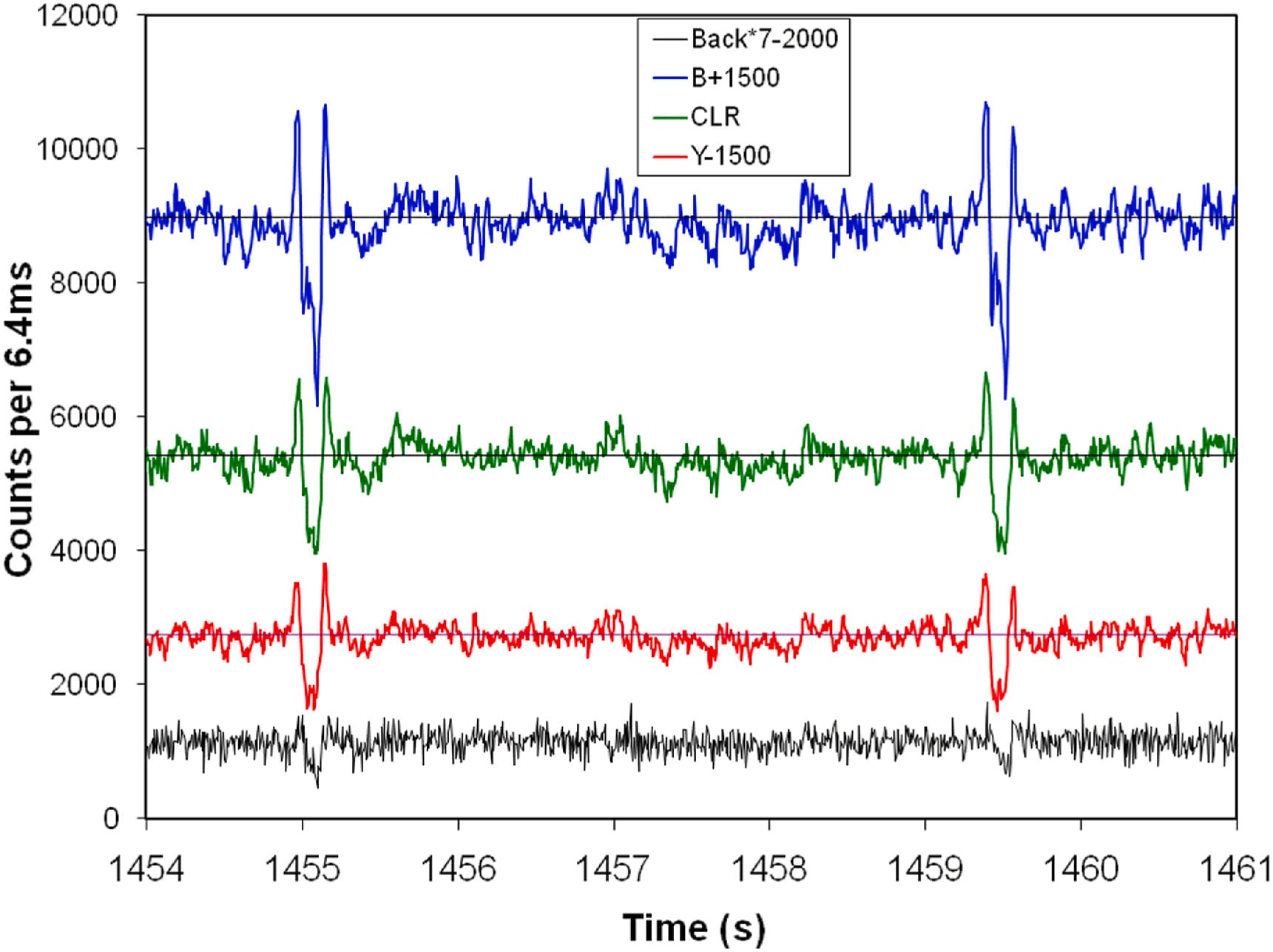
Veteran NASA scientist Richard H. Stanton describes the results of a multi-year survey of more than 1300 Sun-like stars for optical SETI signals. This survey revealed two fast identical pulses from a Sun-like star about 100 light-years from Earth, that match similar pulses from a different star observed four years ago.
Continue reading
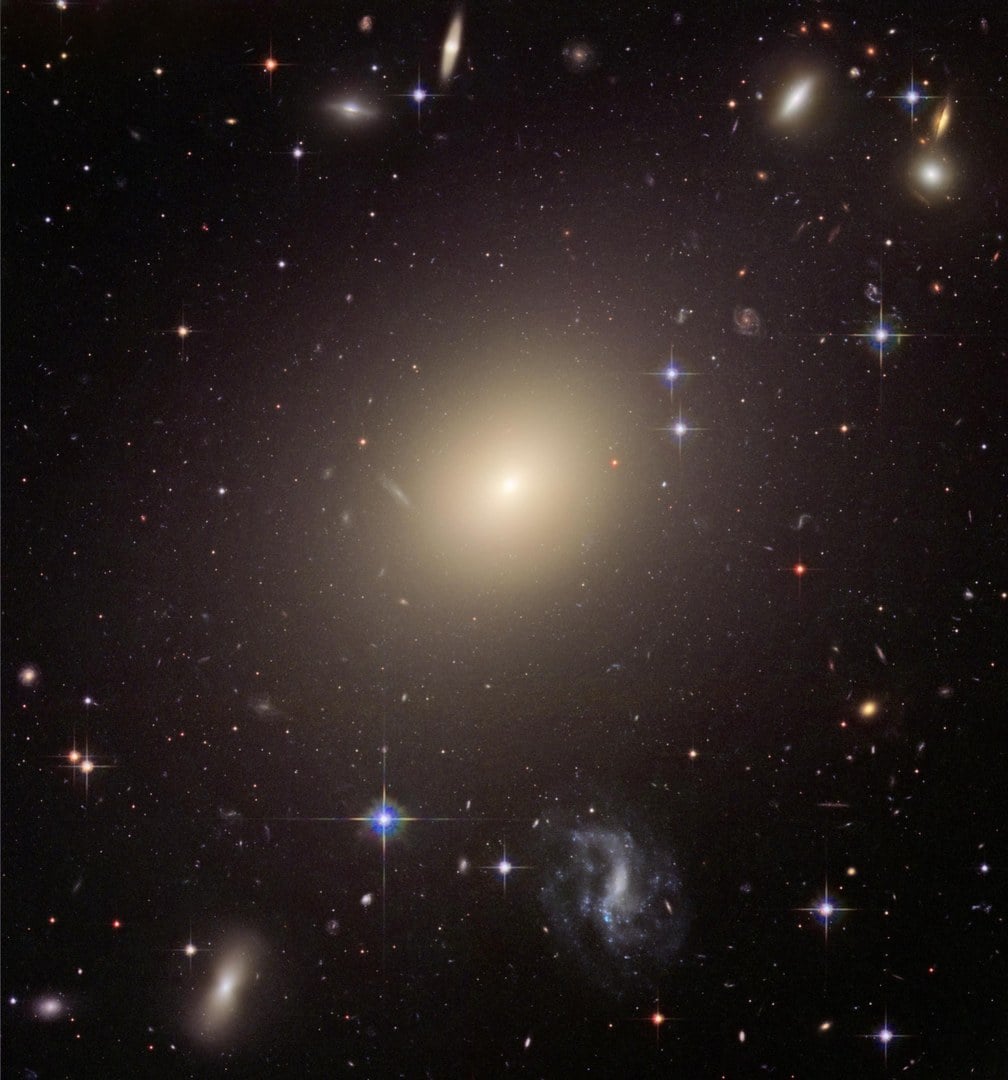
The Cosmic Microwave Background is one of the bedrock pieces of evidence for the Big Bang. It's described as the cosmic afterglow from the Universe's birth. However, new research calls into question our understanding of the CMB and what it tells us about the evolution of the Universe.
Continue reading
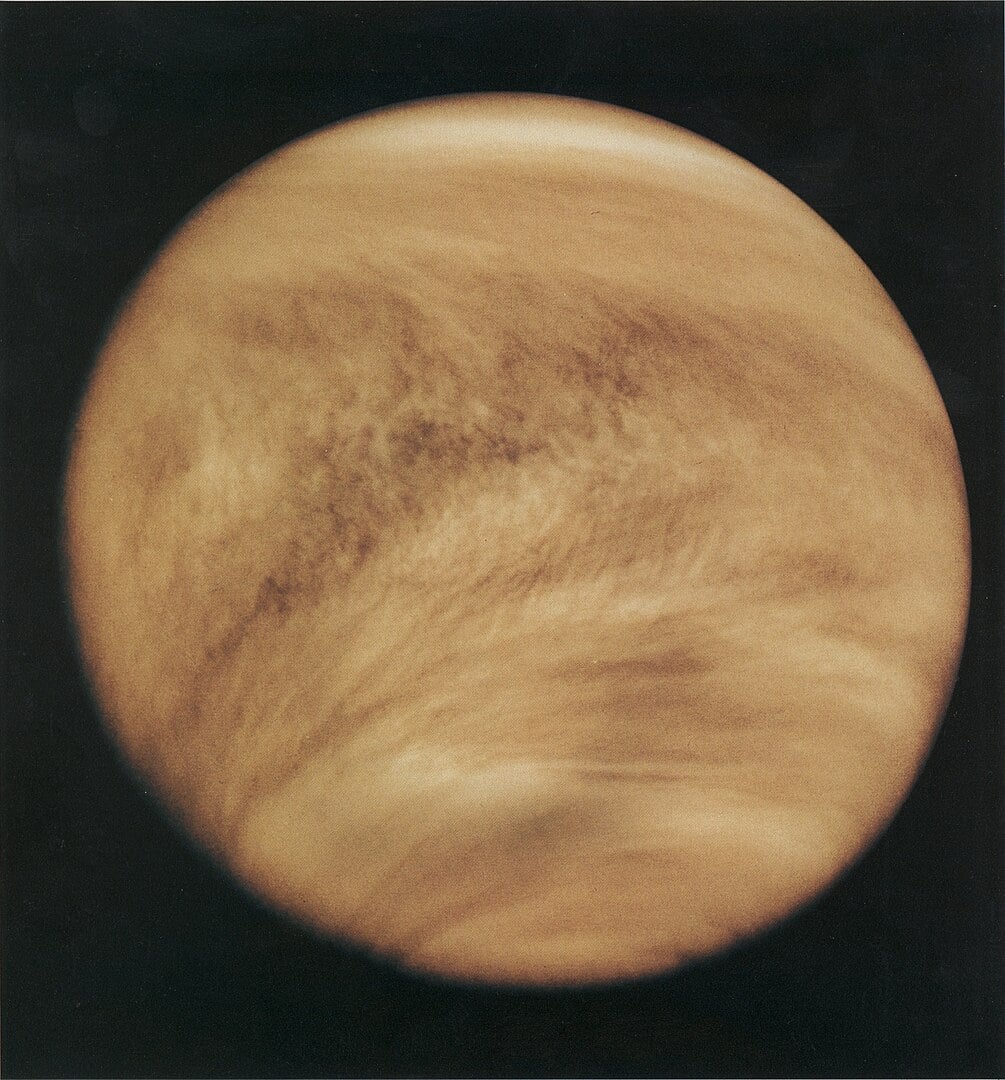
Could some type of life find refuge in Venus' clouds? The detection of phosphine and potentially ammonia in the planet's atmosphere is posing that question. If life could survive there, would it be like Earth life? Or would it have a different molecular basis?
Continue reading
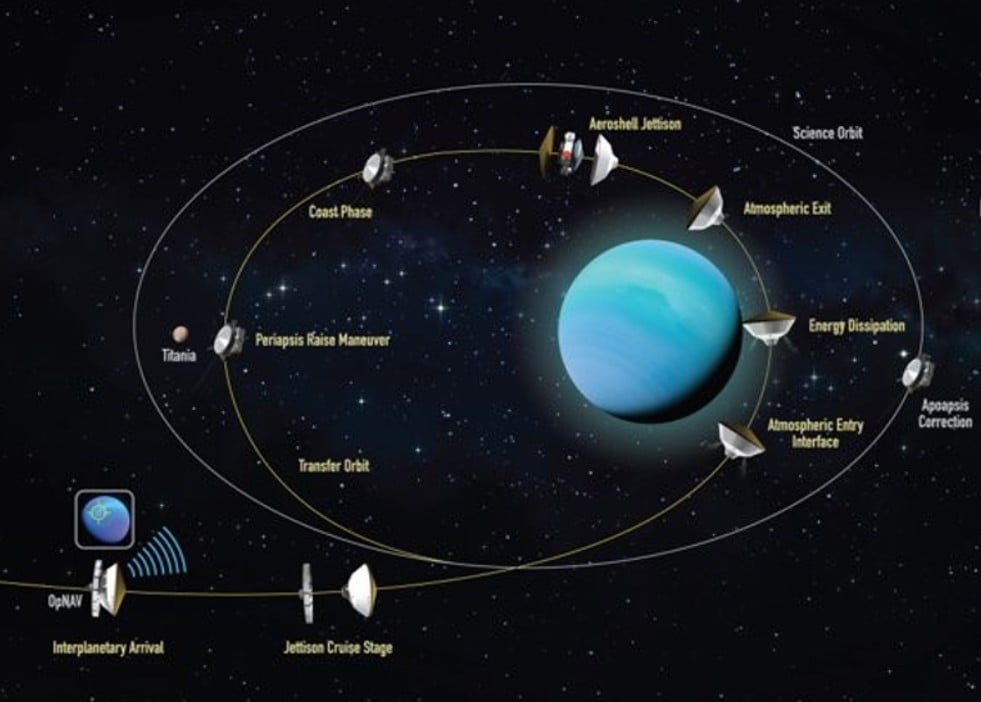
Getting a probe to the Icy Giant planets takes some time - a journey to Uranus could take as long as 13 years, even with a gravity assist from Jupiter. However, several ideas are in the works to speed up that process, especially given the increased interest in sending a probe their way. One of those ideas is to use an aerocapture system to slow a probe down once it reaches its intended target. A new paper from Andrew Gomez-Delrio and their co-authors at NASA's Langley Research Center describes how a proposed Uranus Orbiter and Probe (UOP) mission could utilize the same aerocapture technology that Curiosity used to dramatically improve both the speed and payload capacity of the mission.
Continue reading
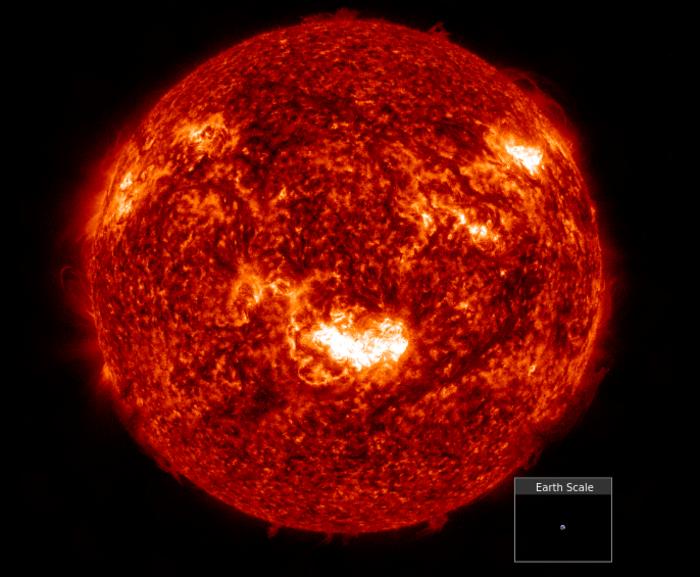
One year ago, our star erupted with almost apocalyptic force—unleashing the most violent solar assault in two decades. Dubbed the Gannon storm, it wasn't just another solar flare. Multiple coronal mass ejections collided and merged into a single devastating megastorm that slammed into Earth's protective shield. As our magnetosphere buckled the night skies exploded with spectacular auroral displays. The event even reached Mars with images from Curiosity sprinkled with streaks from charged particles.
Continue reading
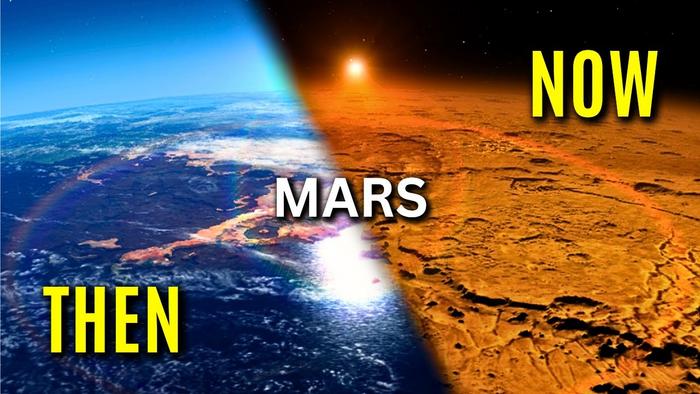
Mars once flowed with water—then 3 billion years ago, it mysteriously disappeared. Where did these ancient Martian seas go? Did the Red Planet's collapsing magnetosphere allow solar winds to strip away its water into space or did the water sink into the Martian regolith, hiding from our view?NASA's InSight mission may have cracked the case. Seismic waves from meteorite impacts revealed water layer lurking 5.4-8 kilometres below the surface.
Continue reading
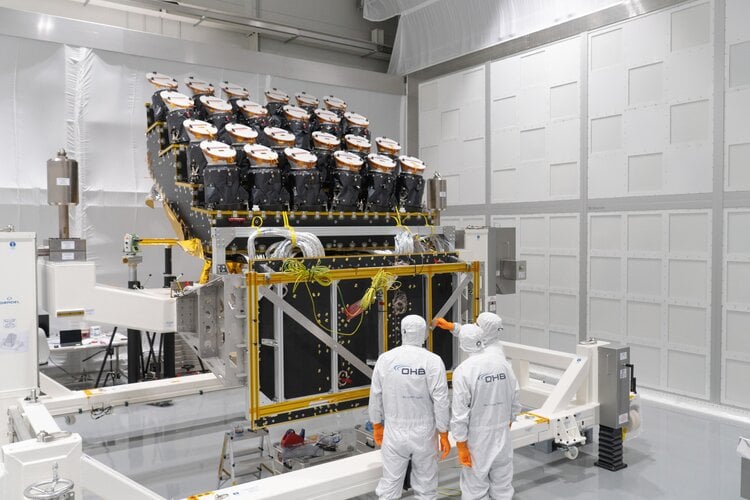
ESA's Plato Mission just hit a major milestone: 24 of 26 high-tech cameras have now been mounted and will soon be ready to hunt. This isn't your average telescope; it's a planet-spotting powerhouse designed to catch distant worlds passing in front of their stars. The clever camera arrangement creates a cosmic wide-angle lens, scanning a massive 5% of the entire sky in one go. No other planet-hunter comes close to this field of view.
Continue reading
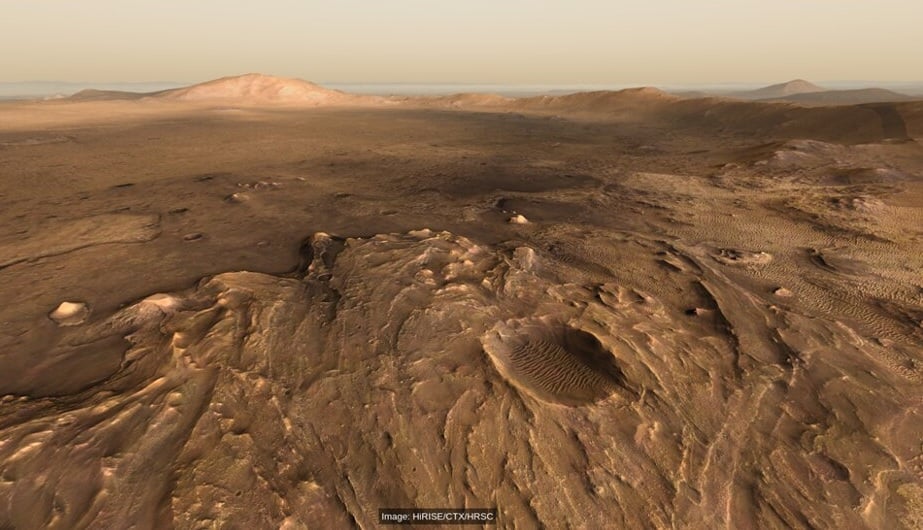
NASA's Perseverance Rover landed in Jezero Crater, an ancient impact crater that was probably filled with water for a long time. During its exploration, the rover has discovered volcanic rocks on the crater floor, but the original source hasn't been found. Now, a team of researchers thinks there's a composite volcano right on the edge of Jezero Crater. They identify a conical-shaped structure that rises about 2 km above the surrounding plains.
Continue reading
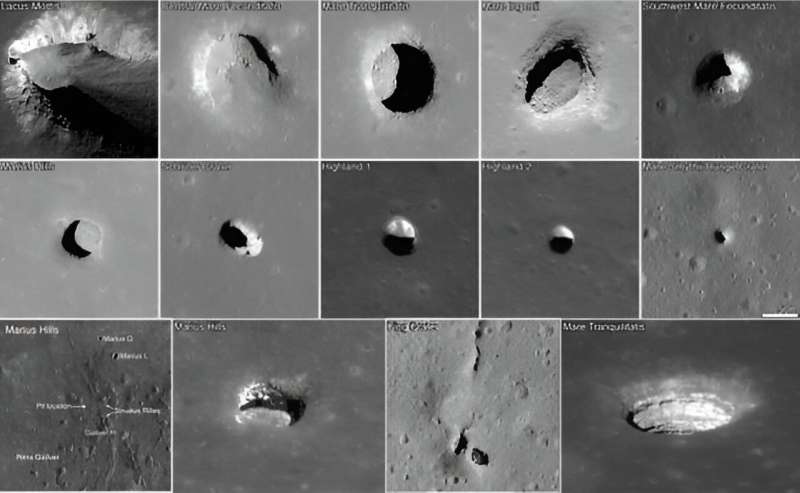
Some parts of the Moon are more interesting than others, especially when searching for future places for humans to land and work. There are also some parts of the Moon that we know less about than others, such as the Irregular Mare Patches (IMPs) that dot the landscape. We know very little about how they were formed, and what that might mean for the history of the Moon itself. A new mission, called the LUnar Geology Orbiter (LUGO), aims to collect more data on the IMPs and search for lava tubes that might serve as future homes to humanity.
Continue reading
.jpg)
We don't have to rely solely on the JWST to observe the Universe's oldest stars. Some of the oldest stars in the Universe reside in globular clusters, and the Milky Way has about 150 of them. How old exactly? New research has the answer.
Continue reading
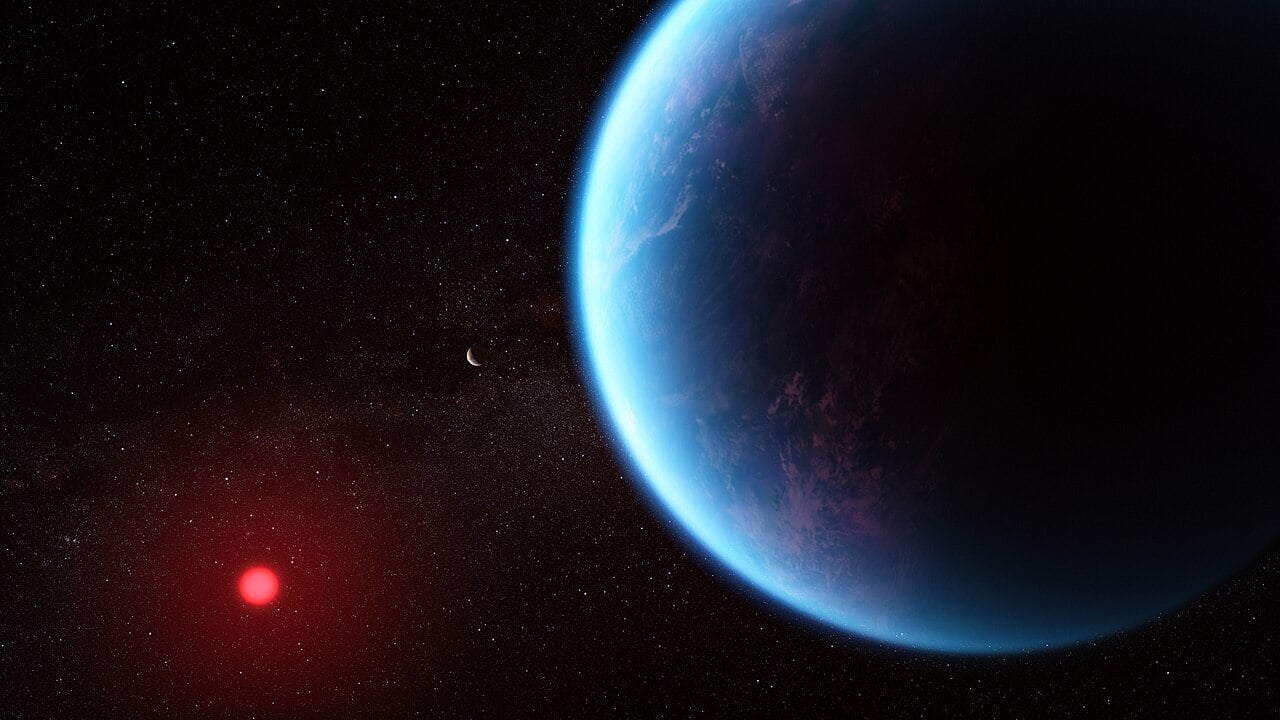
Extraordinary claims require extraordinary evidence. That truism, now known as the "Sagan standard" after science communication Carl Sagan, has been around in some form since David Hume first published it in the 1740s. But, with modern-day data collection, sometimes even extraordinary evidence isn't enough - it's how you interpret it. That's the argument behind a new pre-print paper by Luis Welbanks and their colleagues at Arizona State University and various other American institutions. They analyzed the data behind the recent claims of biosignature detection in the atmosphere of K2-18b and found that other non-biological interpretations could also explain the data.
Continue reading
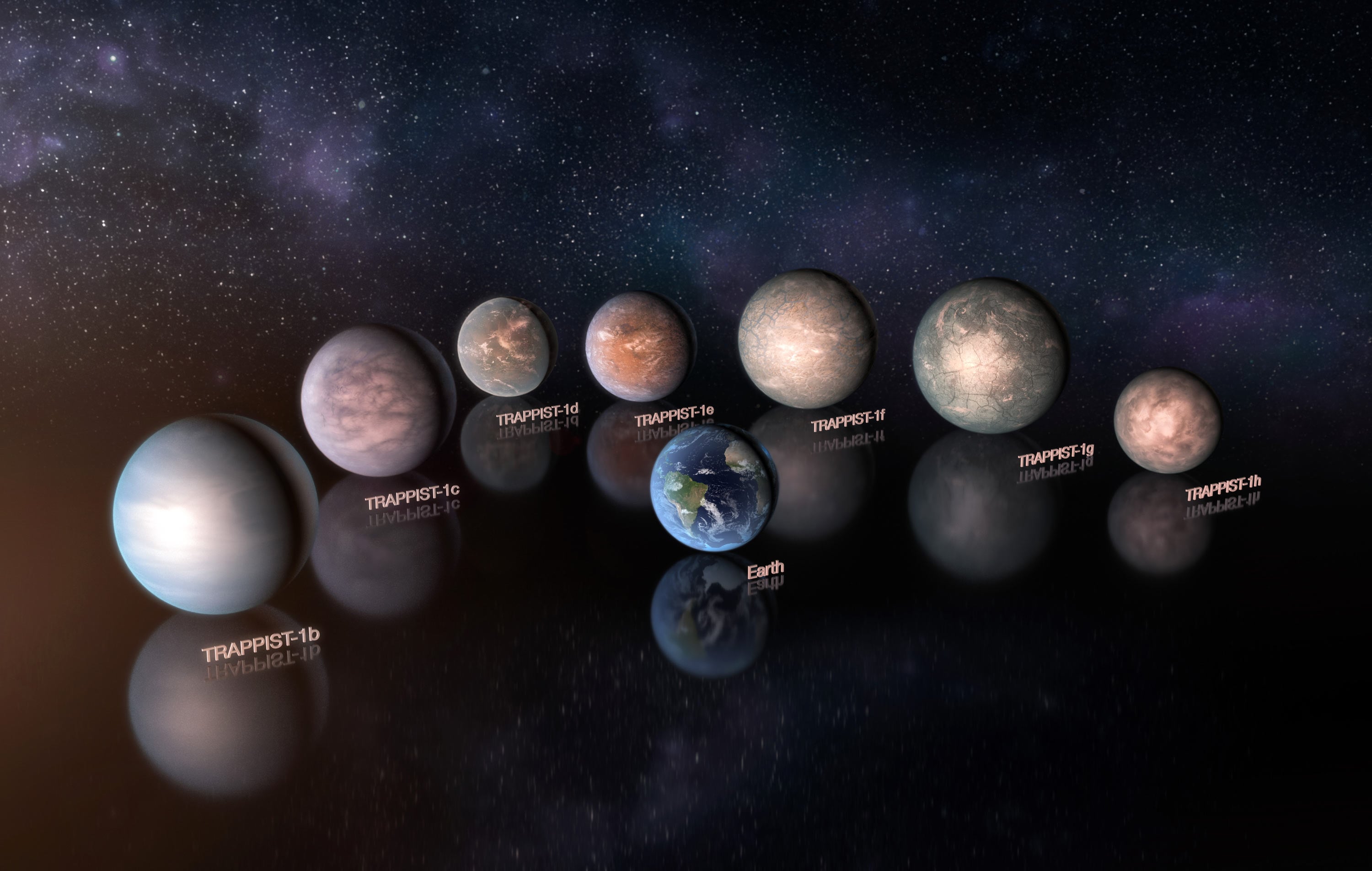
Most astronomers agree that life is likely common throughout the Universe. While Earth is the only world known to have life, we know that life arose early on our world, and the building blocks of life, including amino acids and sugars, form readily. We also know there are countless worlds in the cosmos that might be home for life. But just because life is likely, that doesn't mean proving it will be easy. Many of the biosignatures we can observe can also have abiotic origins. So how can we be sure? One way is to compare our observations of a habitable world with other worlds in the system.
Continue reading
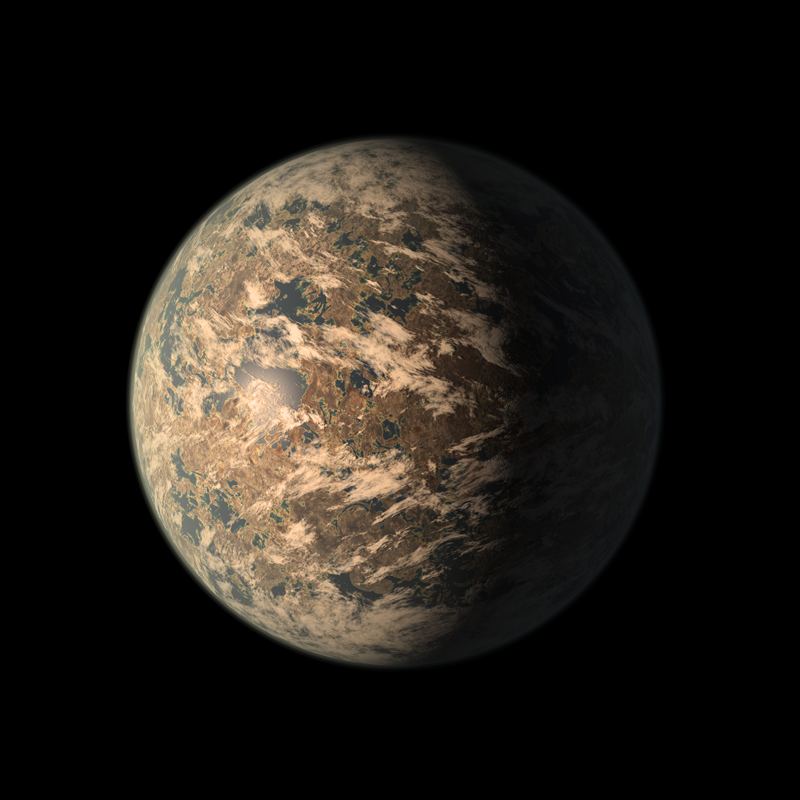
We tend to think of habitability in terms of individual planets and their potential to host life. But barring outliers like rogue planets with internal heating or icy moons with subsurface oceans created by tidal heating, it's exoplanet/star relationships that generate habitability, not individual planets. New research emphasizes that fact.
Continue reading
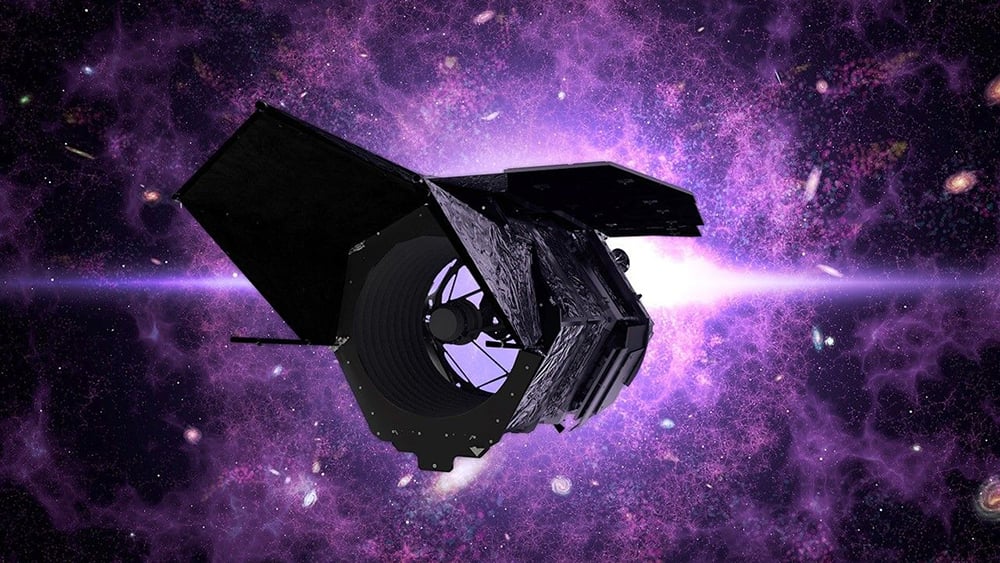
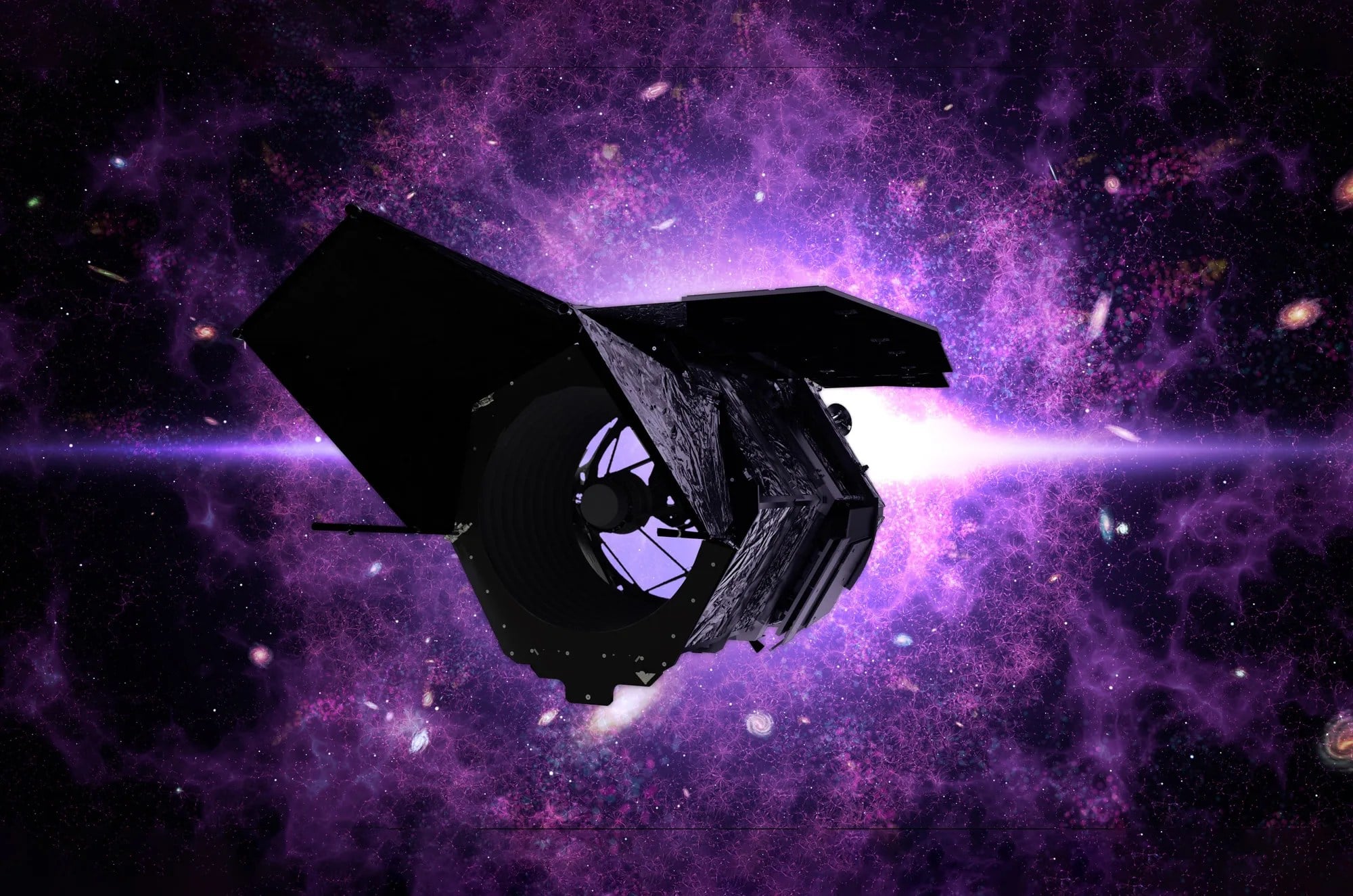
Over the past decade or so, astronomers have speculated about the characteristics of rogue planets in the Milky Way Galaxy. These "free-floating" worlds don't orbit stars, but instead roam the spaceways. They're hard to spot with current technology, but the upcoming Nancy Grace Roman Space Telescope (Roman) will be a perfect instrument to find them and give insights into the history and features they may have in common with Solar System worlds.
Continue reading
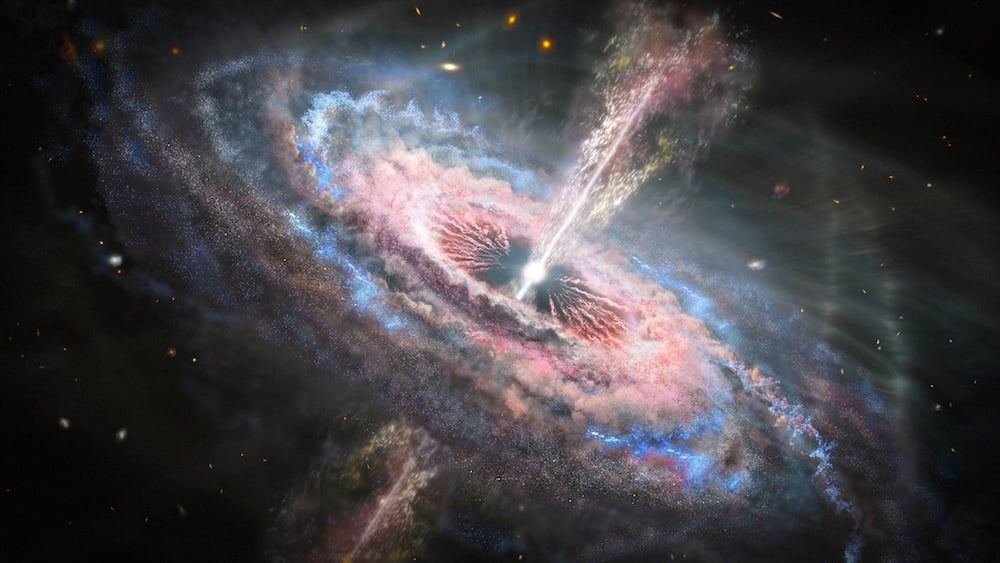
One of the unanswered questions in astronomy is just how supermassive black holes grew so big, so quickly. A team of astronomers have tried to answer this question by searching for actively feeding supermassive black holes (aka quasars) as a way to measure how much material material they are actually accumulating. They studied nebulae near the quasars that light up with the quasar is releasing radiation and found that many of the more distant quasars have only been active for a few hundred thousand years, not long enough to grow to the size we see today.
Continue reading
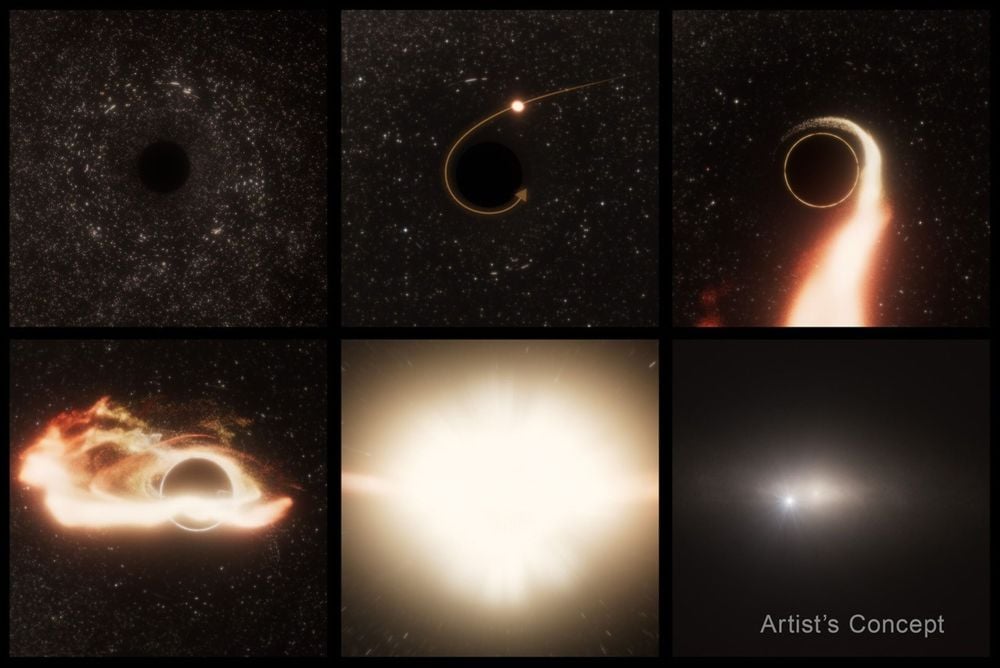
Supermassive Black Holes reside at the center of large galaxies, where they dominate their surroundings and sometimes eat stars. When they gobble up a star, they emit a distinctive light flare. This makes it easier for astronomers to pinpoint their location. Astronomers have detected one of these flares offset from a galactic center. Is the black hole shifting its location?
Continue reading

The Fermi Paradox presents us with a striking contradiction: despite the high probability of numerous civilizations existing throughout the Universe, we've encountered no evidence or communication from any alien intelligence. A new paper just published calculates that we should have a 99% chance of detecting at least one signal from another civilisation—assuming they survive for several hundred years and could be distributed anywhere across the Milky Way galaxy. This calculation further deepens the mystery of our apparent cosmic solitude.
Continue reading
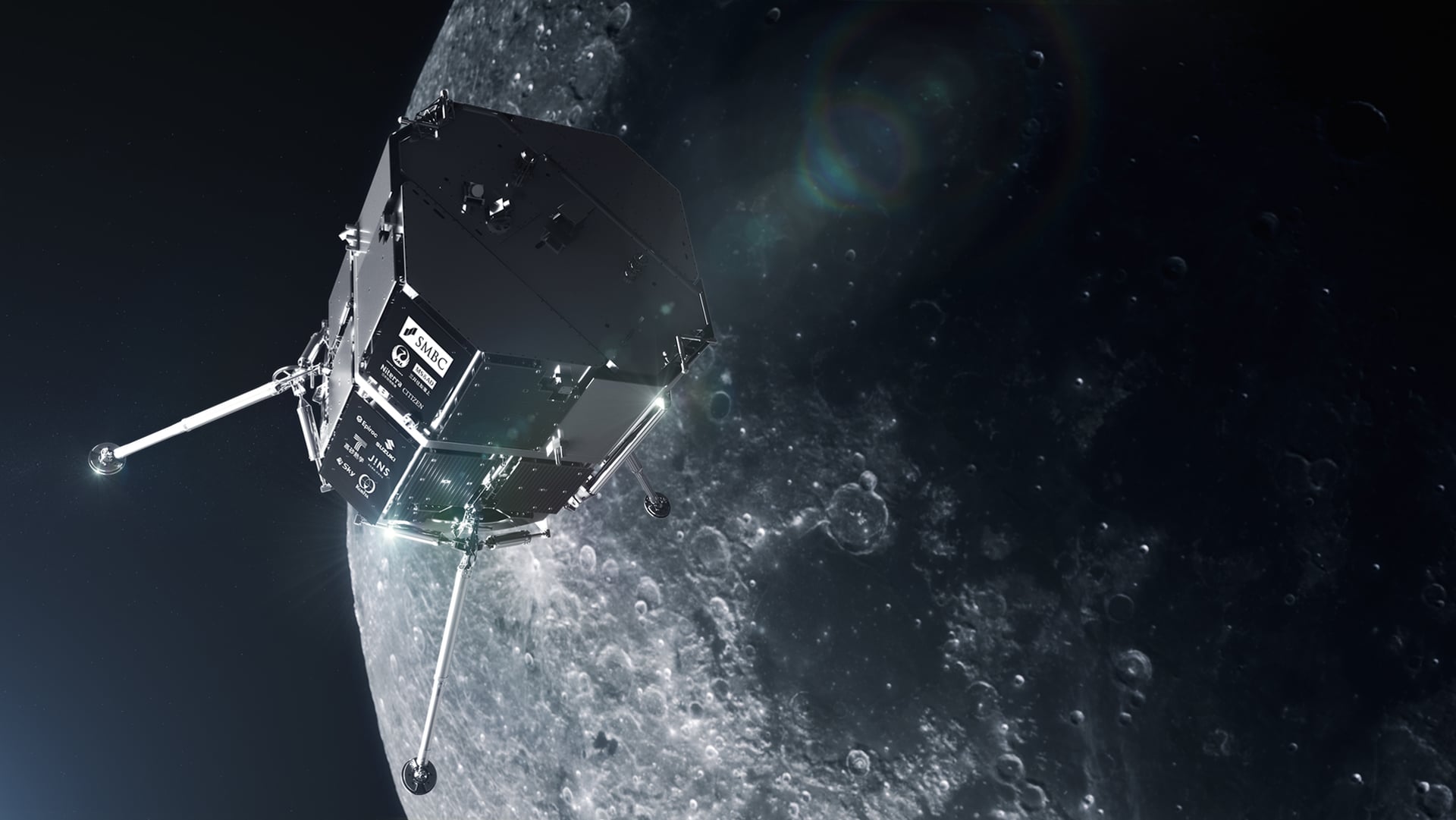
On May 7th, the Japanese space exploration company ispace announced that its HAKUTO-R RESILIENCE lander entered lunar orbit after completing a 9-minute thruster burn. It's now in a stable lunar orbit, and operators will spend the next month testing and preparing for its landing attempt on June 5. This is the company's second attempt at landing on the Moon, after the first attempt crashed in 2023. It's carrying a micro-rover and several science experiments.
Continue reading
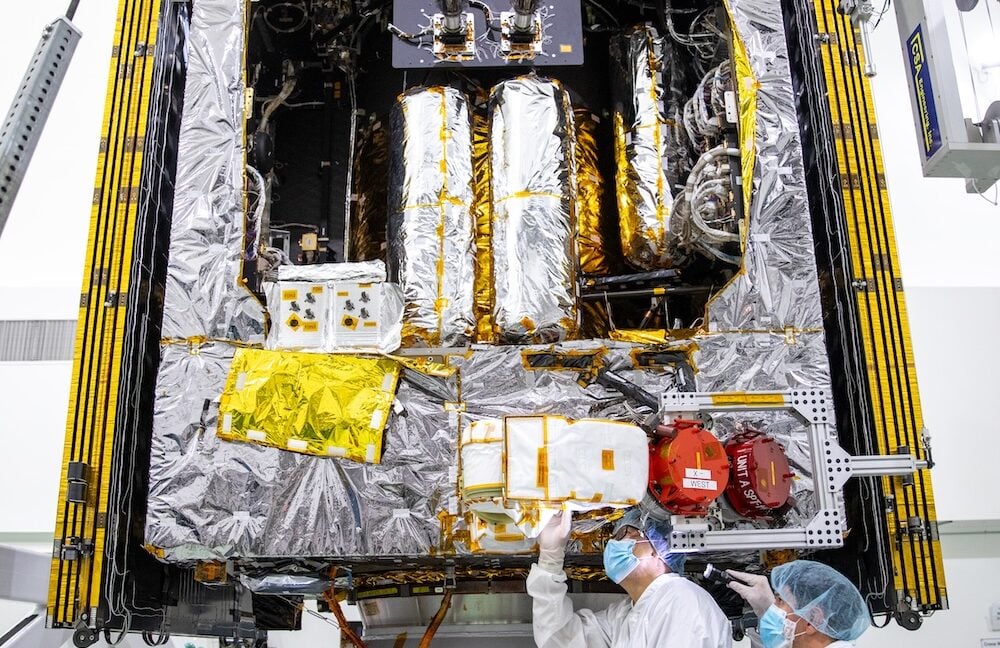
NASA's Psyche mission is on its way to explore a metal-rich asteroid in the asteroid belt between Mars and Jupiter. All was going well since its launch in October 2023 until nasa announced a decrease in fuel pressure for the propulsion system. It uses a solar electric propulsion system, generating thrust with four electric ion engines that expel xenon ions, giving the spacecraft a gentle nudge in the opposite direction. It has been firing its thrusters continuously since May 2024, but in April 2025, engineers detected the pressure drop. Thankfully they have redundancy built in but are still troubleshooting the issue.
Continue reading
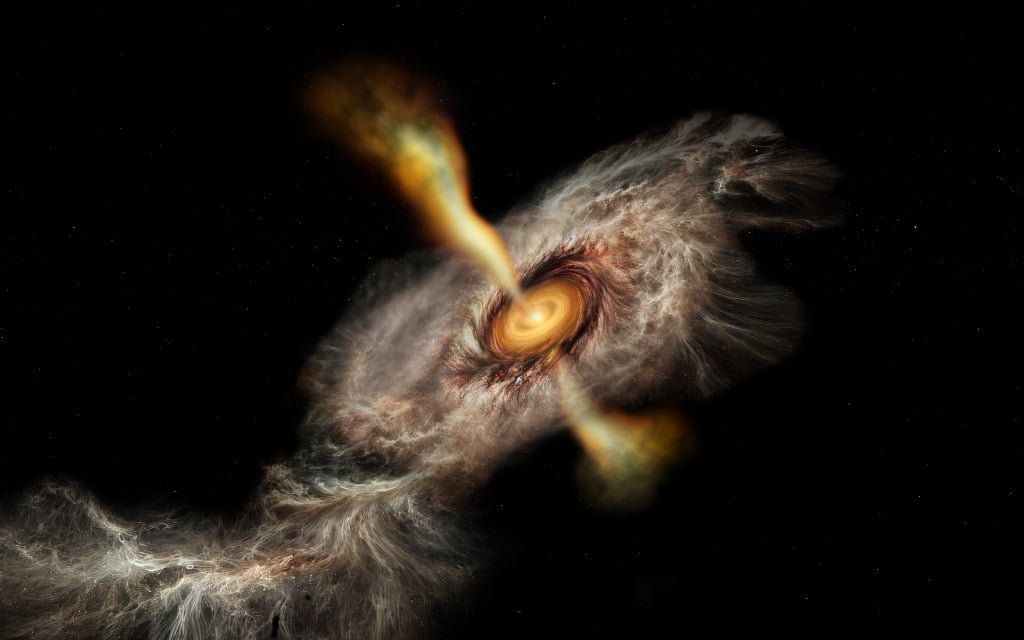
The most massive stars in the Milky Way contain one hundred times more mass than the Sun, even more in some cases. These O-type stars are extremely hot, luminous, and blue, and often die in supernova explosions. Astrophysicists want to know how they get so big, and a simple household chemical might hold the answer.
Continue reading
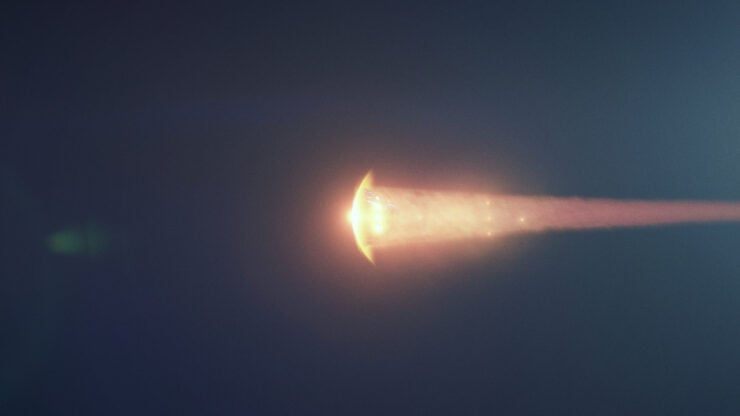
When ISS astronauts return home, they have a hot ride back to Earth's surface. It's been that way since the beginning of human spaceflight to orbital space and beyond. The incoming vehicle uses friction with Earth's atmosphere to slow down to a safe landing speed. The "hot ride" part comes because that friction builds up high temperatures on the spacecraft's "skin". Without protection, the searing heat of atmospheric re-entry could destroy it. This same heating happens to incoming meteoroids as they whip through Earth's atmosphere.
Continue reading
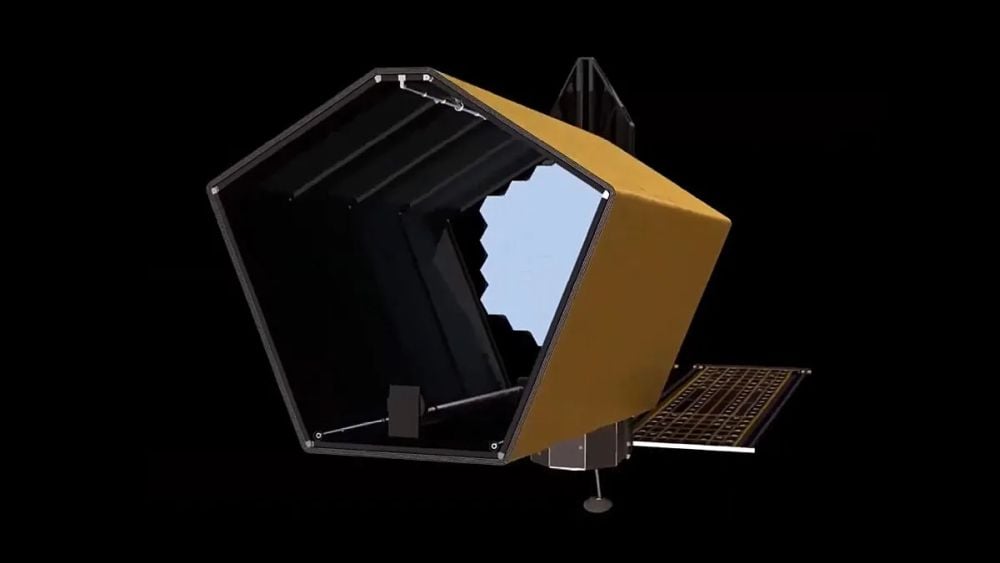
If astronomy has a Holy Grail, it's another habitable world. To find one, NASA is working with partners to develop the Habitable Worlds Observatory (HWO). The HWO would be the first telescope built to detect Earth-like planets around Sun-like stars. China is building the Closeby Habitable Exoplanet Survey (CHES), and new research shows that by working together, HWO and CHES would amplify their results.
Continue reading
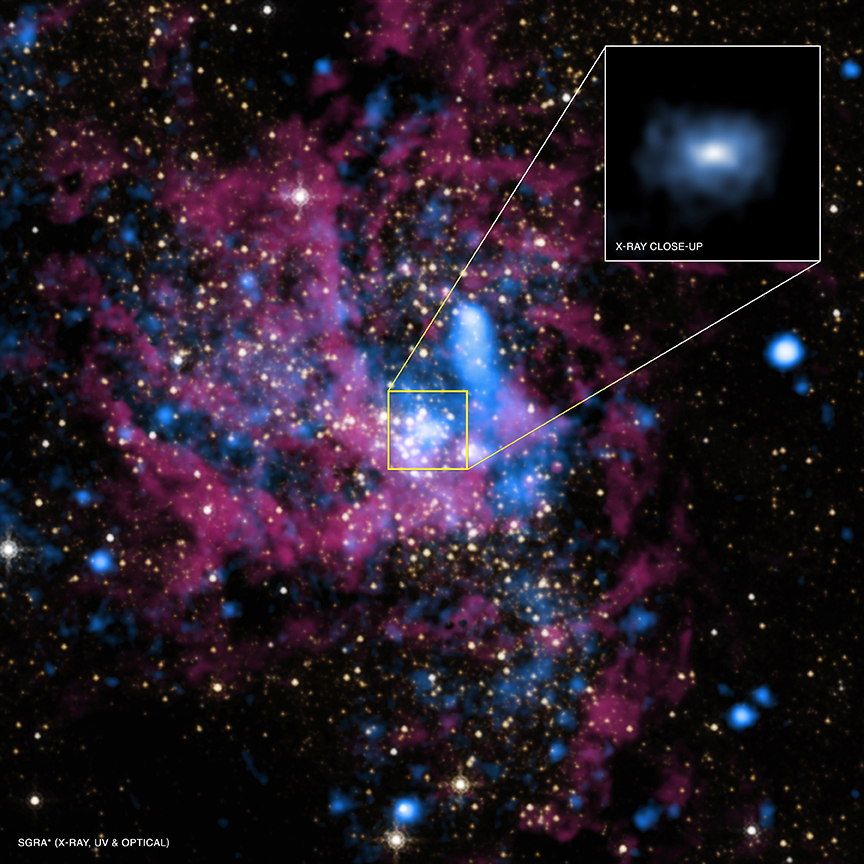
There is a supermassive black hole at the center of our galaxy, and it's not alone. There is also likely a forest of binary black holes, neutron stars, and white dwarfs. All of these emit gravitational waves as they gradually spiral ever closer together. These gravitational waves are too faint for us to detect at the moment, but future observatories will be able to observe them. This poses an interesting astronomical challenge.
Continue reading
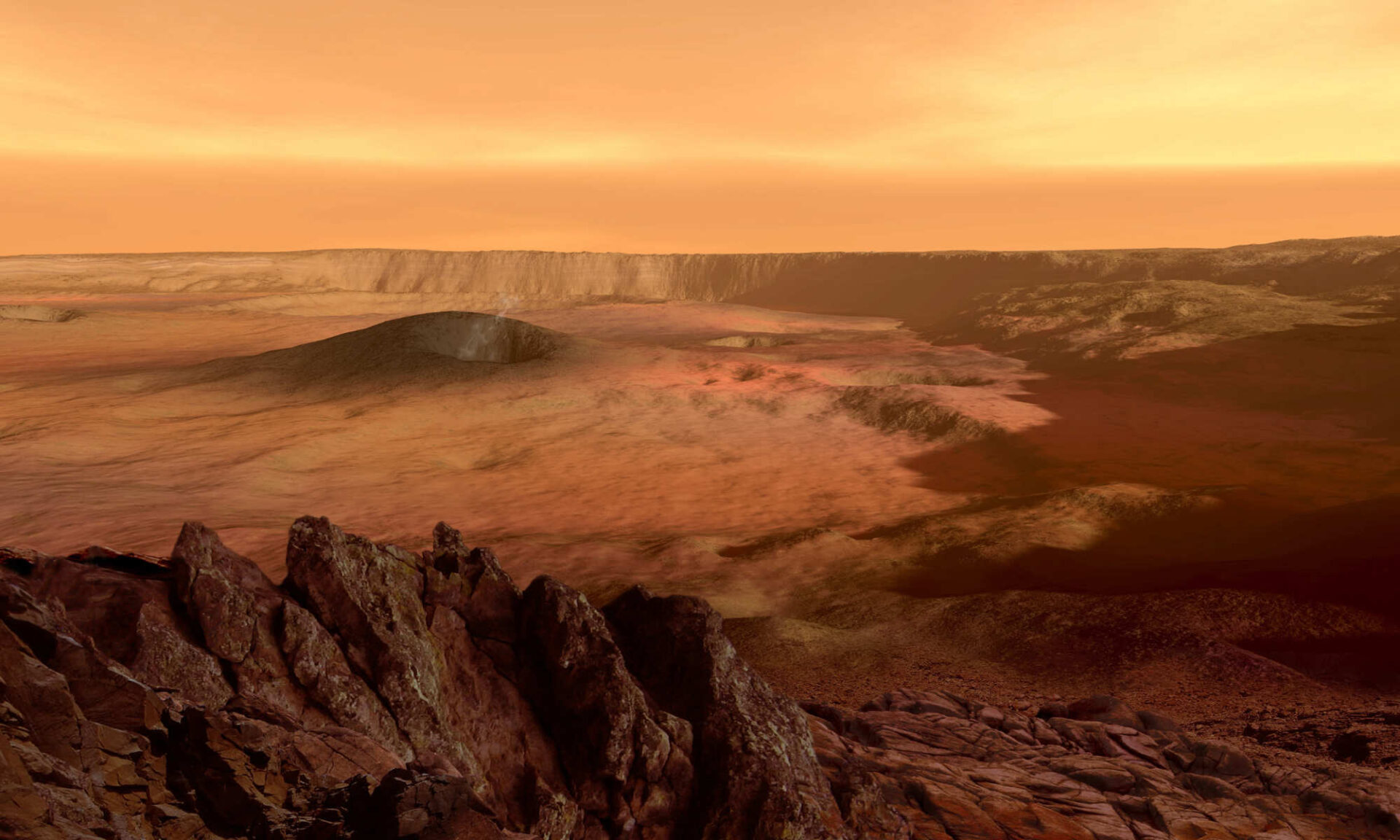
Researchers have identified several features on Mars that look surprisingly similar to conditions on Earth. One notable feature is giant wave-like landforms called solifluction lobes, which are in cold, mountainous regions of Earth, like the Arctic or Rocky Mountains. These are slow-moving patterns similar to fluids running downhill, but on Mars, they're 2.6 times larger because of its lower gravity. They can grow much taller before collapsing on Mars.
Continue reading
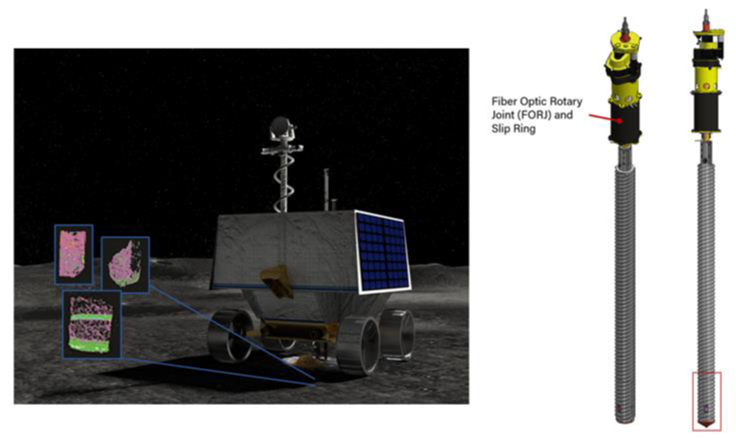
What new technologies or methods can be developed for more efficient in-situ planetary subsurface analyses? This is what a recent study presented at the 56th Lunar and Planetary Science Conference hopes to address as a team of researchers investigated how a novel instrument called OptiDrill could fill existing technological voids regarding the sampling and collection of regolith (top dust layer) and subsurface samples on a myriad of planetary bodies throughout the solar system.
Continue reading
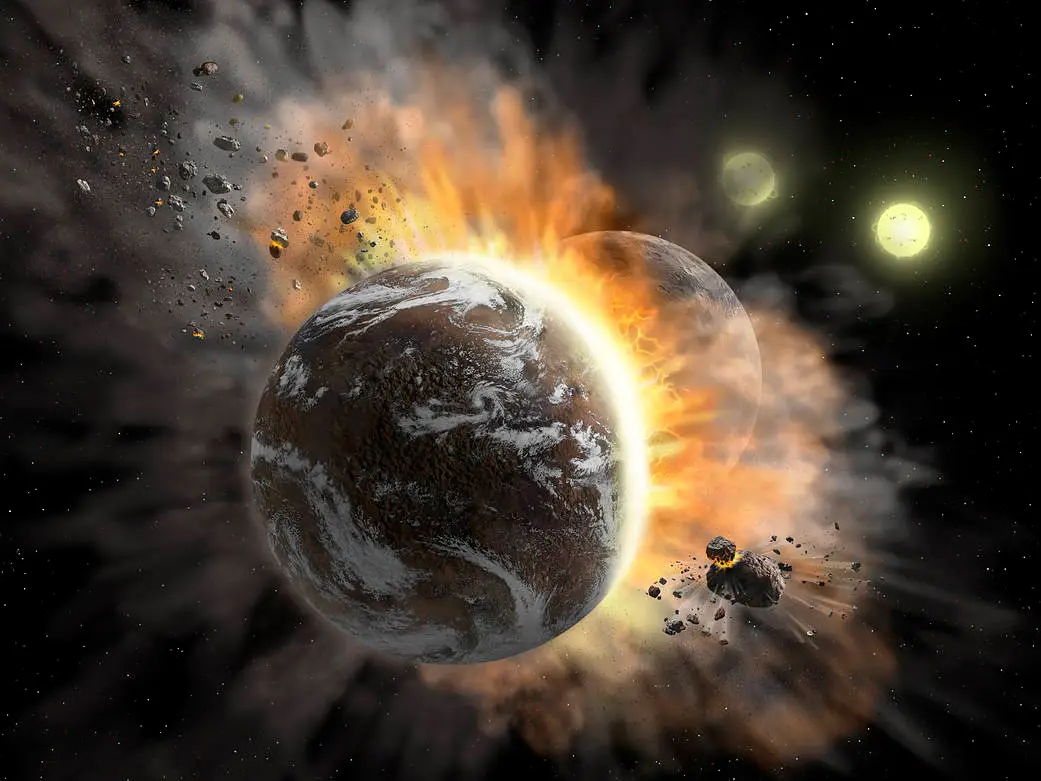
To understand how chaotic the early Solar System was, we need only gaze at the Moon. Its cratered surface bears the scars from multitudes of collisions. The early Solar System was like a debris field where objects smashed into each other in cascades of collisions. The same must be true in all young solar systems, and in a new paper, researchers simulated a collision between two massive planets to see what would happen.
Continue reading
Continue reading
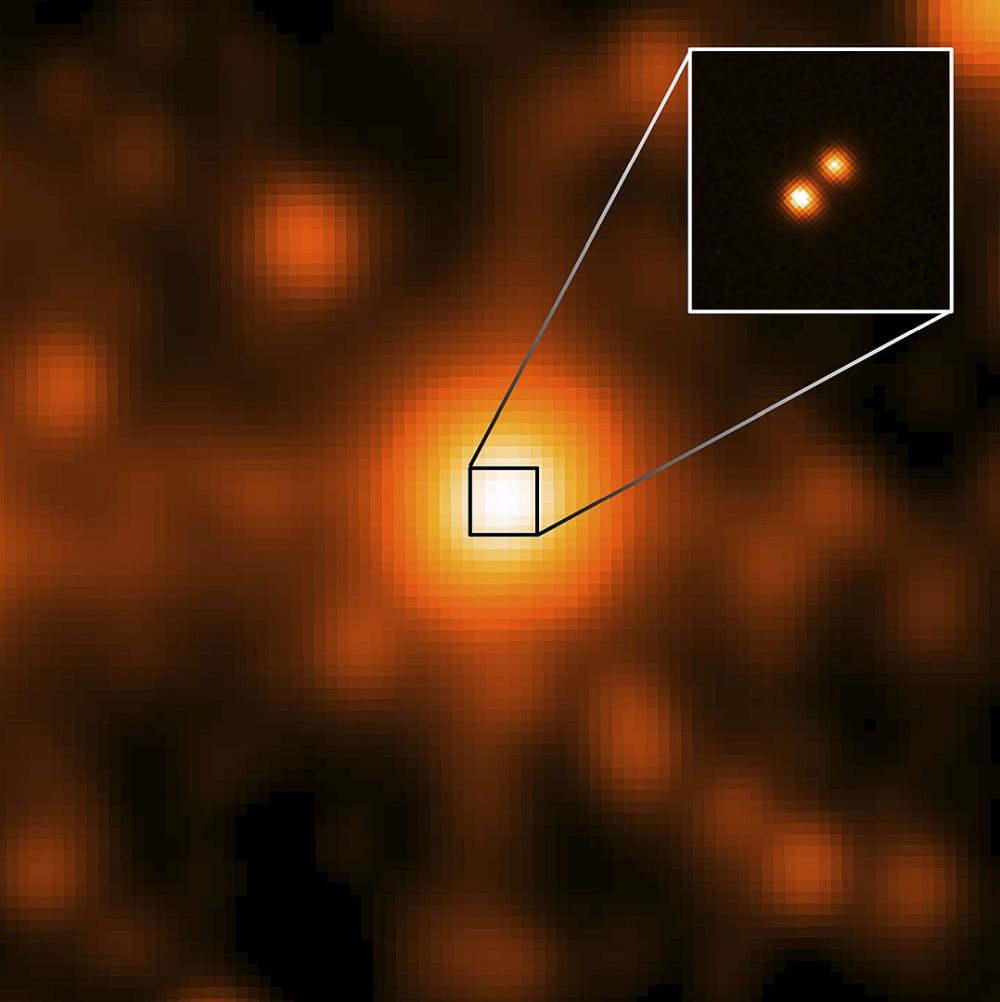
When astronomers want to understand brown dwarfs, they often turn to WISE 1049AB. It's a benchmark brown dwarf in astronomy, and the closest and brightest brown dwarf we know of. The binary pair, which is also known as Luhman 16, is about 6.5 light-years away. Brown dwarfs are a crucial bridge between planets and stars, and understanding them helps astronomers understand the dynamics of both exoplanets and stars.
Continue reading
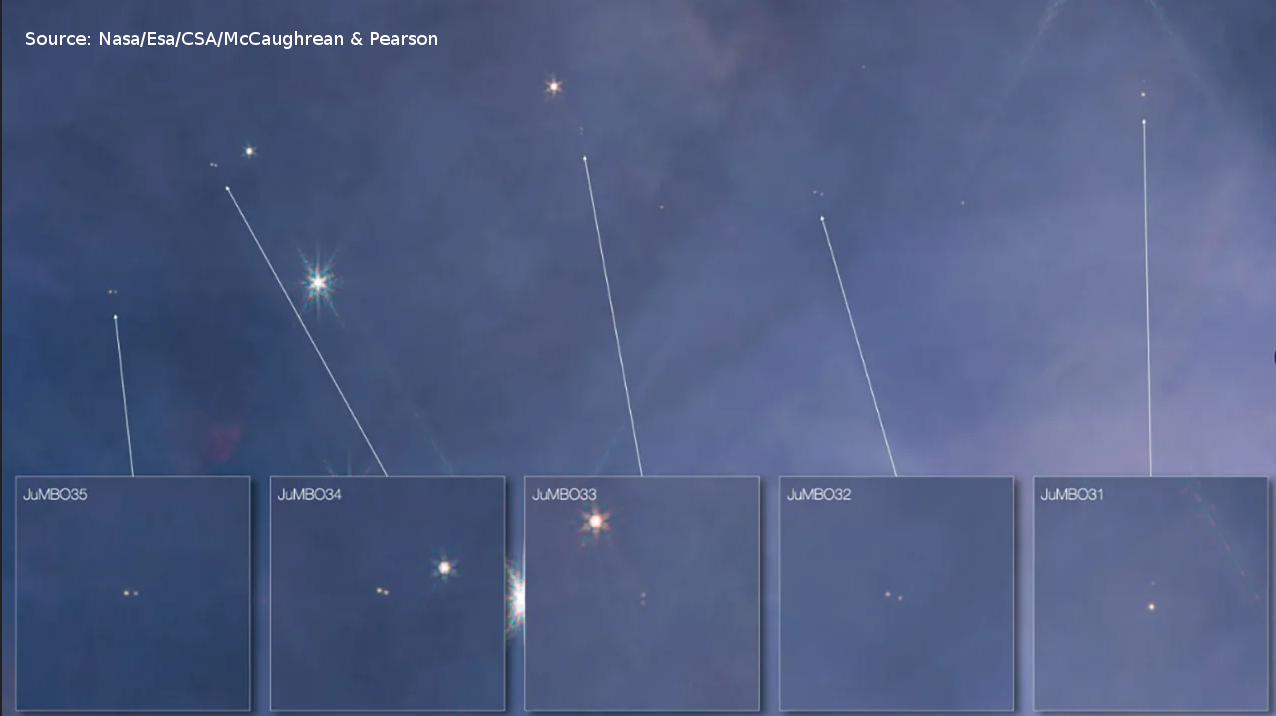
The JWST continues to live up to its promise by revealing things hidden from other telescopes. One of its lesser-known observations concerns Free-Floating Planets (FFP). FFPs have no gravitational tether to any star and are difficult to detect because they emit so little light. When the JWST detected 42 of a particular type of FFP in the Orion Nebula Cluster, it gave astronomers an opportunity to study them more closely.
Continue reading

A new space mission is open for business. Last week, we got a look at science images from NASA's SPHEREx (Spectro-Photometer for the History of the Universe, Epoch of Re-ionization, and Ices Explorer) mission. The mission will now begin science operations, taking 3,600 unique images a day in an effort to create a 3D map of the sky.
Continue reading
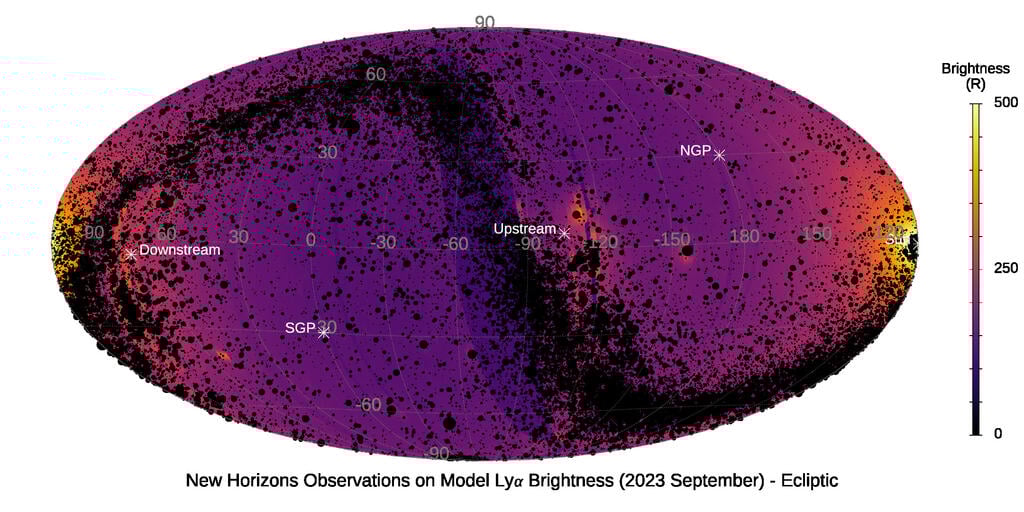
New Horizons' primary mission is complete. It's already completed its pass through the Pluto system and even stopped by 486958 Arrokoth, a Kuiper belt object on its way out of the solar system. But that doesn't mean it's done providing new scientific insights. A new paper looks at data collected by its ultraviolet spectrograph, which looked at one particular wavelength and helped provide context to a few different questions about the solar system.
Continue reading
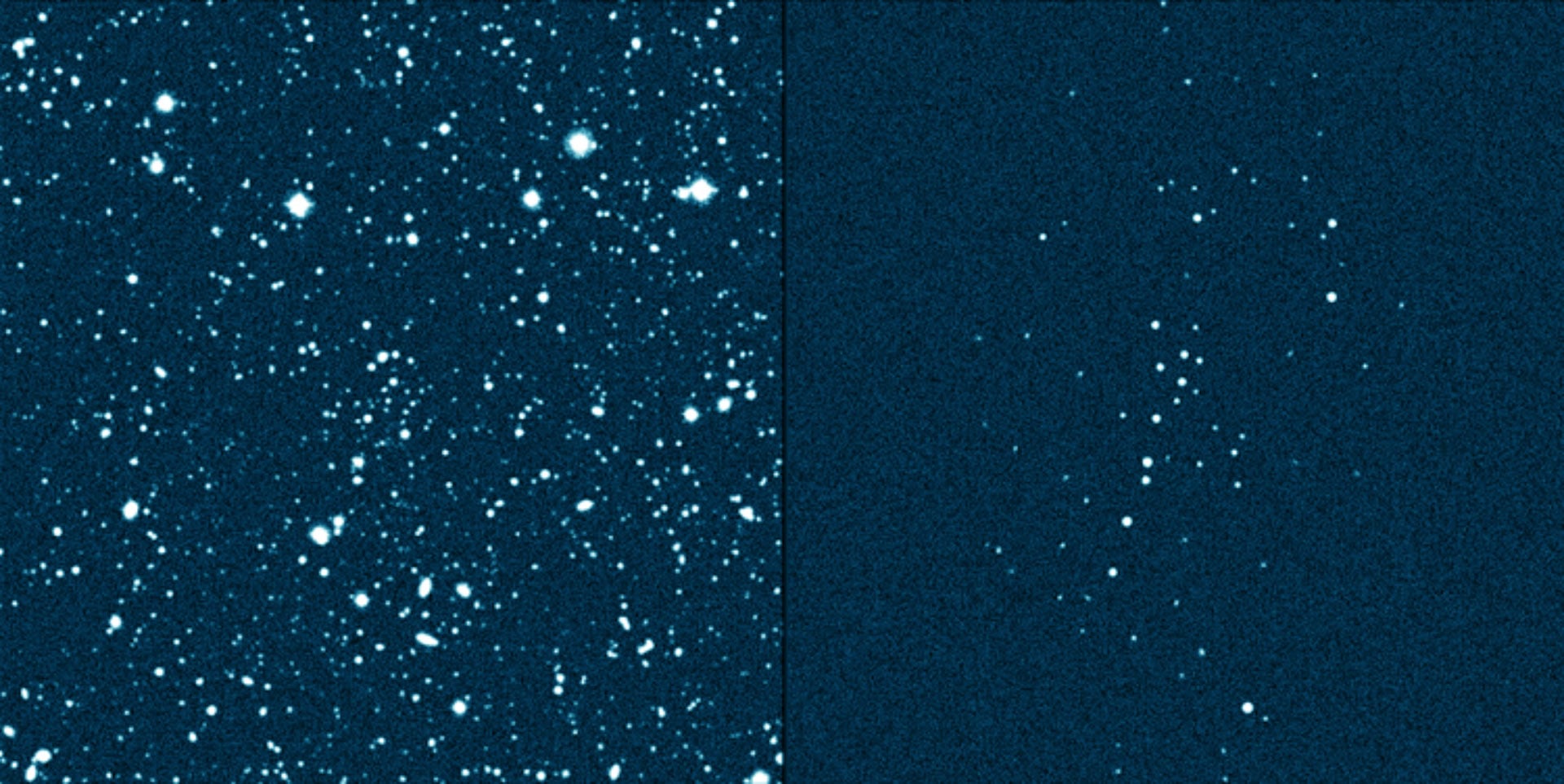
How do you distinguish a galaxy from a mere cluster of stars? That's easy, right? A galaxy is a large collection of millions or billion of stars, while a star cluster only has a thousand or so. Well, that kind of thinking won't get you a Ph.D. in astronomy! Seriously, though, the line between galaxy and star cluster isn't always clear. Case in point, UMa3/U1.
Continue reading
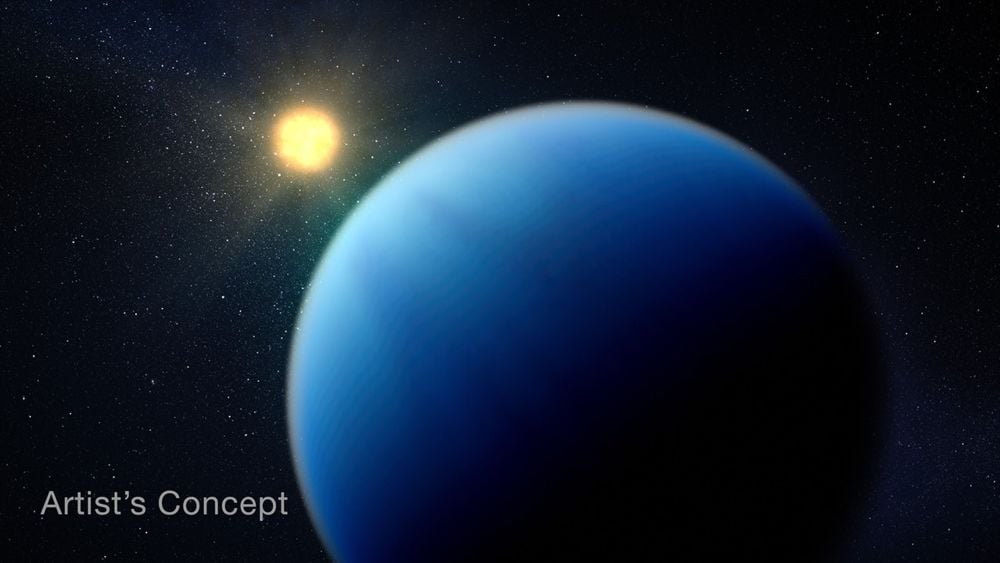
The idea that our Solar System is representative of other solar systems hasn't survived the age of exoplanet discovery. Kepler and TESS have shown us that our system doesn't even contain the most common type of planet: sub-Neptunes. These planets pose a mystery to planetary scientists, and the JWST is helping unravel the mystery.
Continue reading
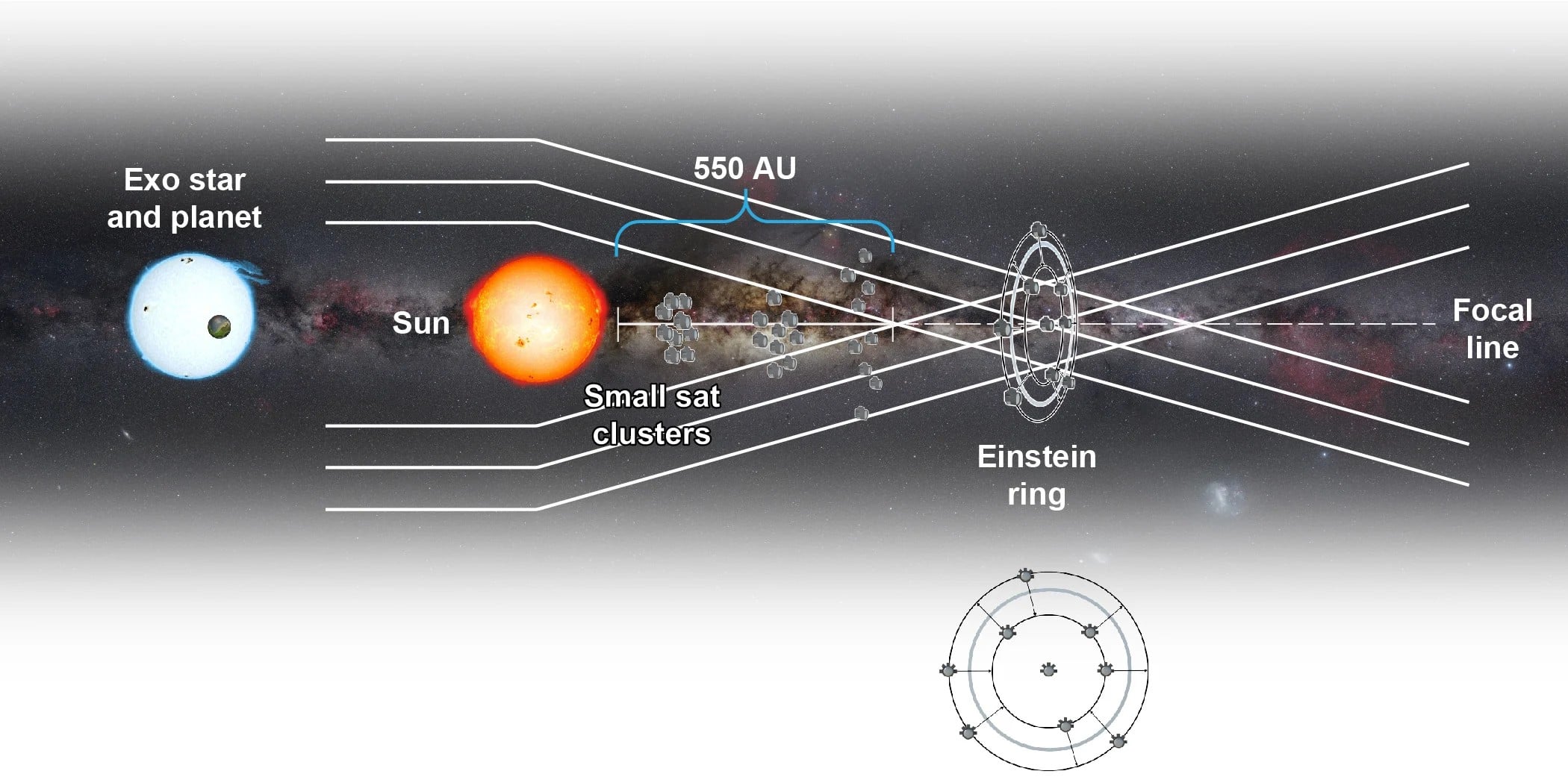
The solar gravitation lens (SGL) has much potential as a telescope. This point in space, located about 650 AU away from the Sun, uses fundamental properties of physics to amplify the light from extremely far-away objects, allowing us to see them at a level of detail unachievable anywhere else. However, any SGL mission would face plenty of technical and physical challenges. A new paper by independent researcher Viktor Toth is the latest in a series that discusses those challenges when imaging a far-away exoplanet, and in particular, looks at the difficulties in dealing with potential moving cloud cover. He concludes that using the SGL might not be the most effective way of capturing high-resolution images of an exoplanet, after all.
Continue reading
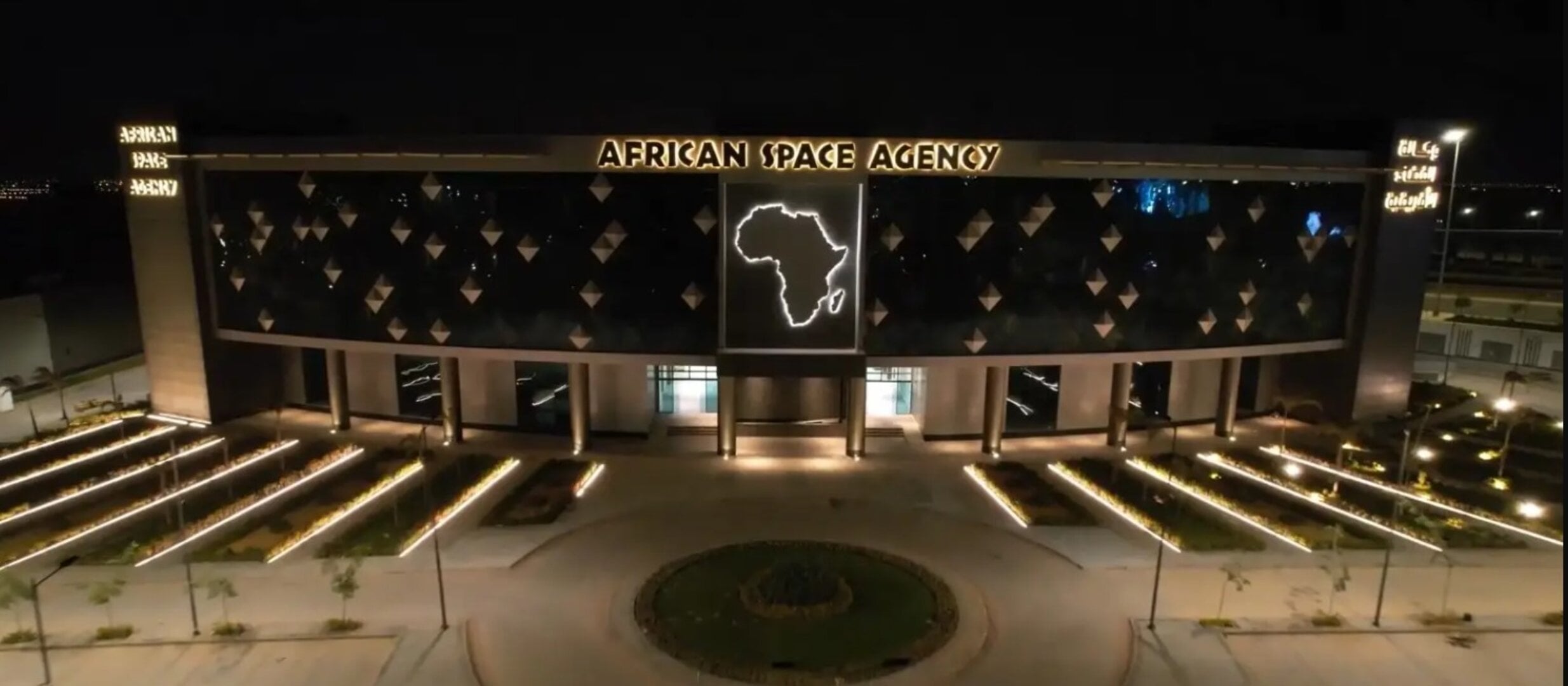
On 20 April, 2025, the African Space Agency (AfSA) was formally launched at an inauguration ceremony in Cairo, Egypt. The decision to create AfSA was made by the African Union (AU) in 2016 to coordinate the continent's approach to space, and enact the African Space Policy and Strategy. AfSA will coordinate African space cooperation with Europe and other international partners.
Continue reading
Continue reading
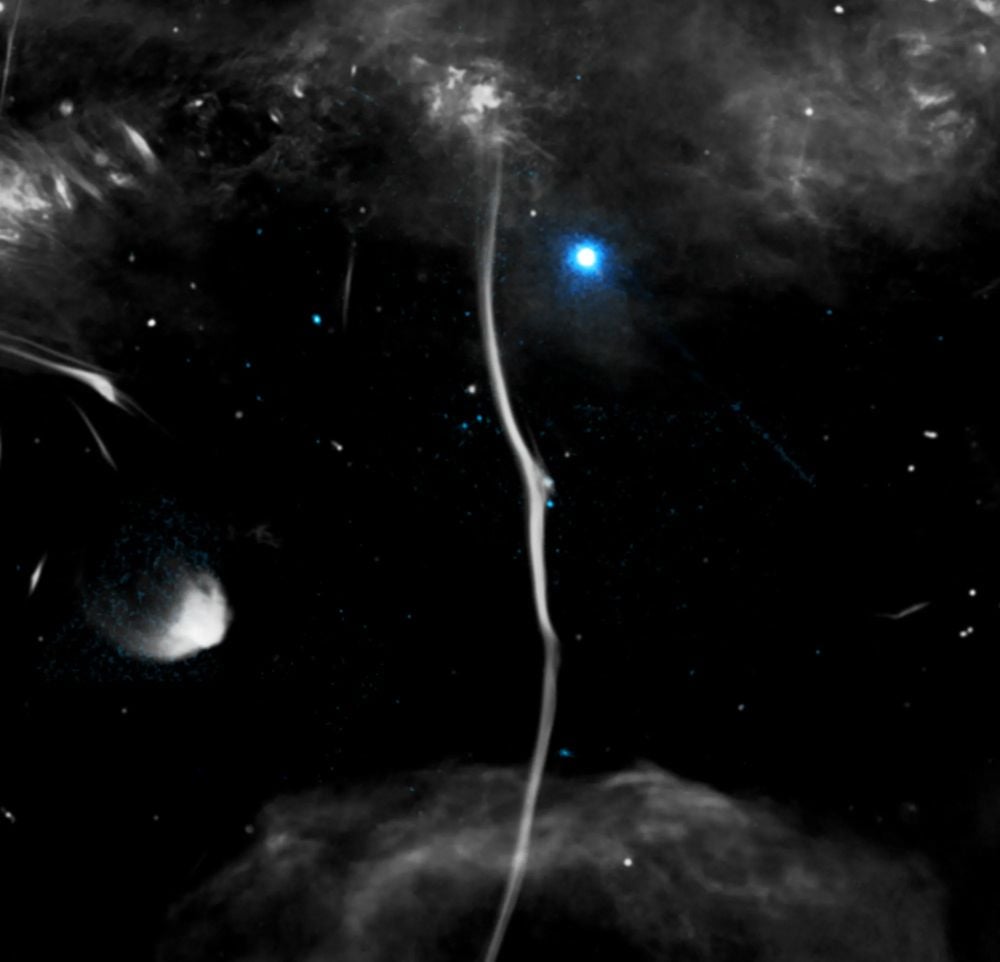
The center of the Milky Way is a busy place, tightly packed with stars and dominated by the supermassive black hole Sagittarius A*. It also features powerful magnetic fields that regulate star production, influence gas dynamics and gas cloud formation, and even affect the accretion processes around Sagittarius A*. Gigantic filaments of gas that look like bones form along the magnetic field lines, and one of them appears to be fractured.
Continue reading
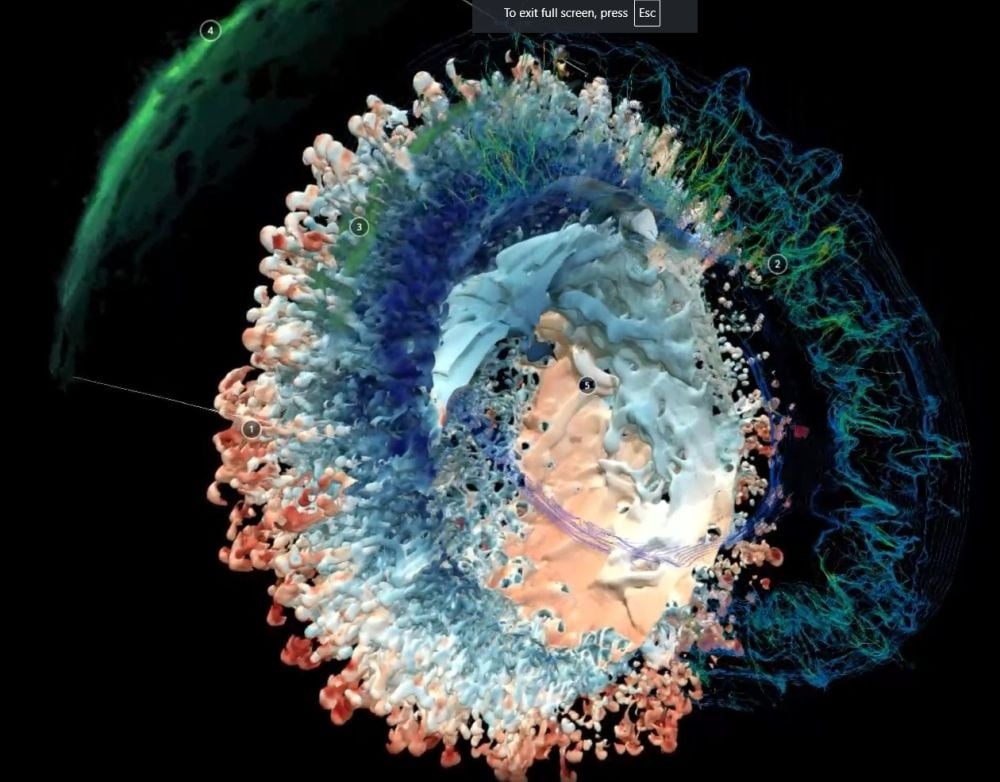
NASA's Chandra X-ray Observatory has released new 3D models of space objects that many Universe Today readers will be familiar with. The list includes the supernova remnants Cassiopeia A, G292.0+1.8, the Cygnus Loop, and the young T Tauri star BP Tau. The models are based on observations from space telescopes, theoretical models, and computational algorithms.
Continue reading
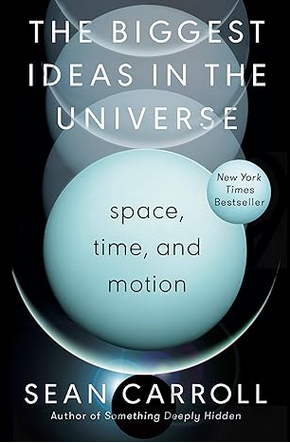
Has your dinner time conversations been dragging a bit of late? Feel like raising its knowledge level to a bit higher than the usual synopsis of the most recent reality TV show? Then take the challenge presented by Sean Carroll in his book "The Biggest Ideas in the Universe – Space, Time and Motion". Using this, your conversation might soon be sparkling with grand thoughts about modern physics, time travel, going faster than light and the curvature of the universe.
Continue reading
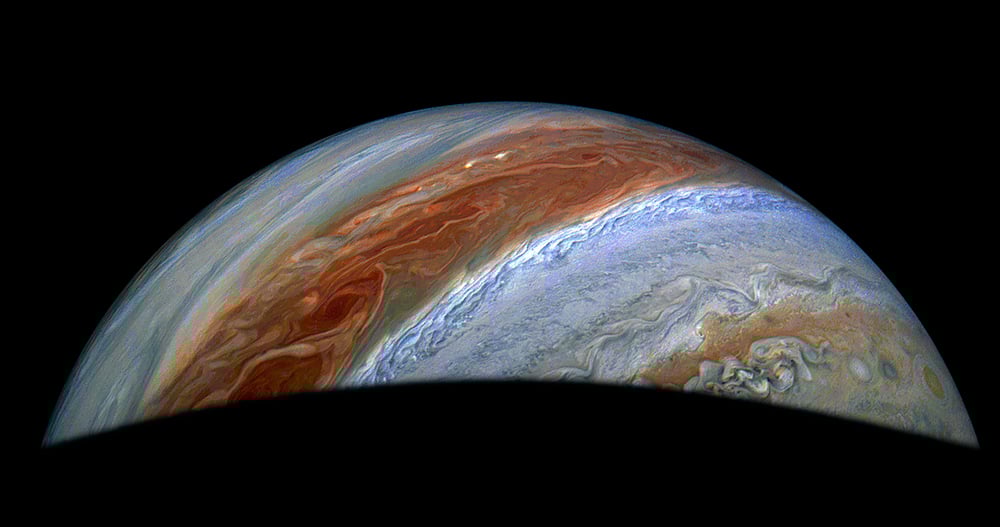
The Juno spacecraft circling in Jovian space is the planetary science gift that just keeps on giving. Although it's spending a lot of time in the strong (and damaging) Jovian radiation belts, the spacecraft's instruments are hanging in there quite well. In the process, they're peering into Jupiter's cloud tops and looking beneath the surface of the volcanic moon Io.
Continue reading
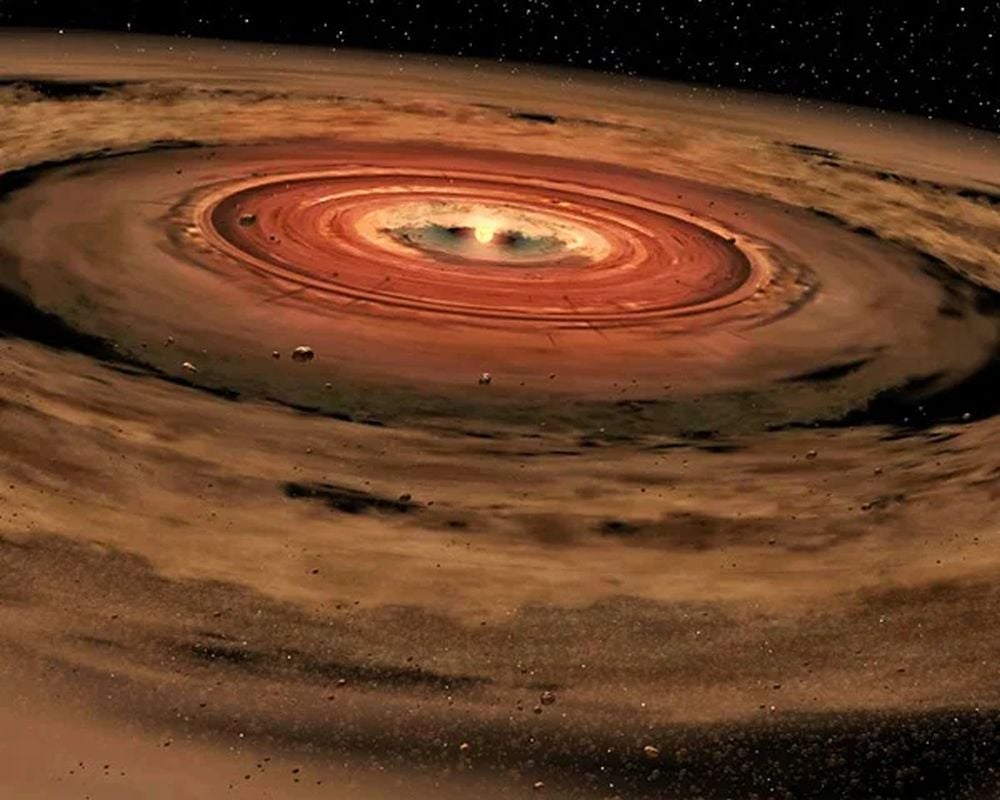
As young stars form, they exert a powerful influence on their surroundings and create complex interactions between them and their environments. As they gobble up gas and dust, they generate a rotating disk of material. This protoplanetary disk is where planets form, and new research shows that stars can feed too quickly and end up regurgitating material back into the disk.
Continue reading
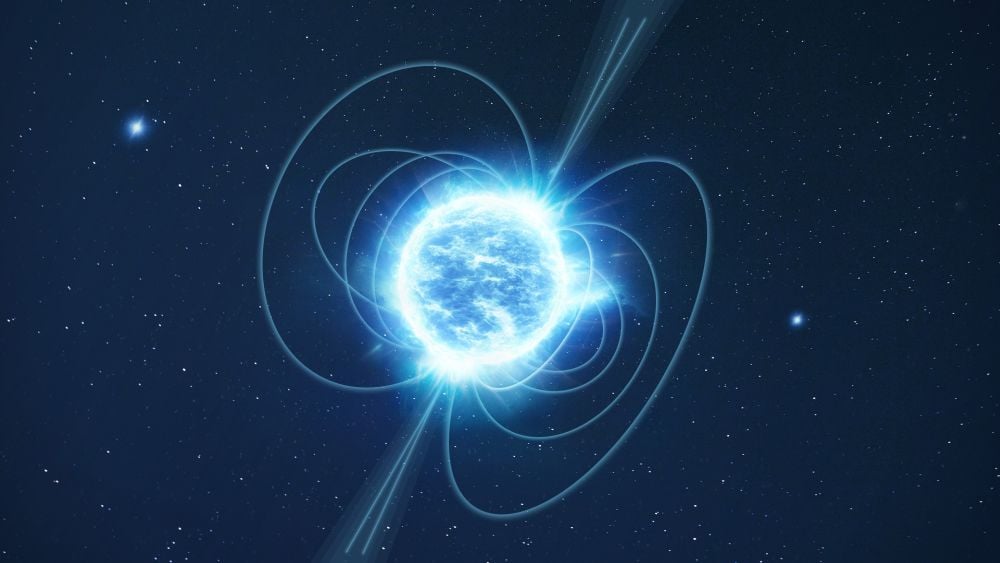
A team of researchers led by the Los Alamos National Laboratory examined the possibility that the jets coming from collapsing stars could be responsible for creating the heaviest elements in the Universe.
Continue reading

We tend to think of Extraterrestrial Intelligences (ETIs)—if they exist—as civilizations that have overcome the problems that still plague us. They're advanced, peaceful, disease-free technological societies that enjoy absolute political stability as they accomplish feats of impeccable engineering. Can that really be true in a Universe where entropy sets the stage upon which events unfold?
Continue reading
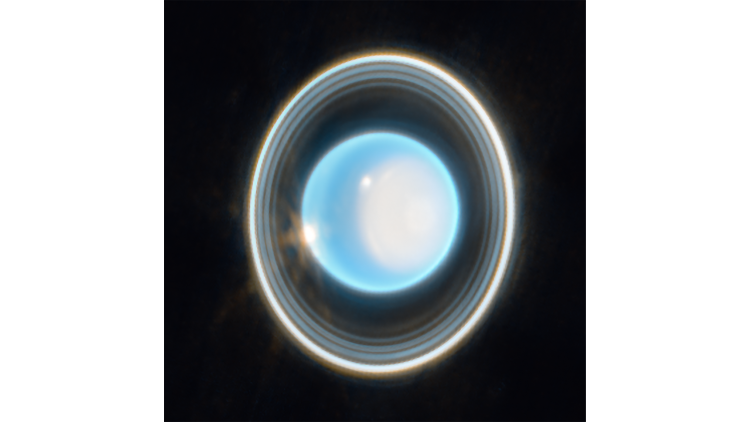
What methods can be employed to send a spacecraft to Uranus despite the former's immense distance from Earth? This is what a recent study presented at the 56th Lunar and Planetary Science Conference hopes to address as a team of scientists investigated ways to cut the travel time to the second most distant planet from the Sun. This study has the potential to help scientists, engineers, and mission planners develop low-cost and novel techniques for deep space travel while conducting cutting-edge science.
Continue reading
 Universe Today