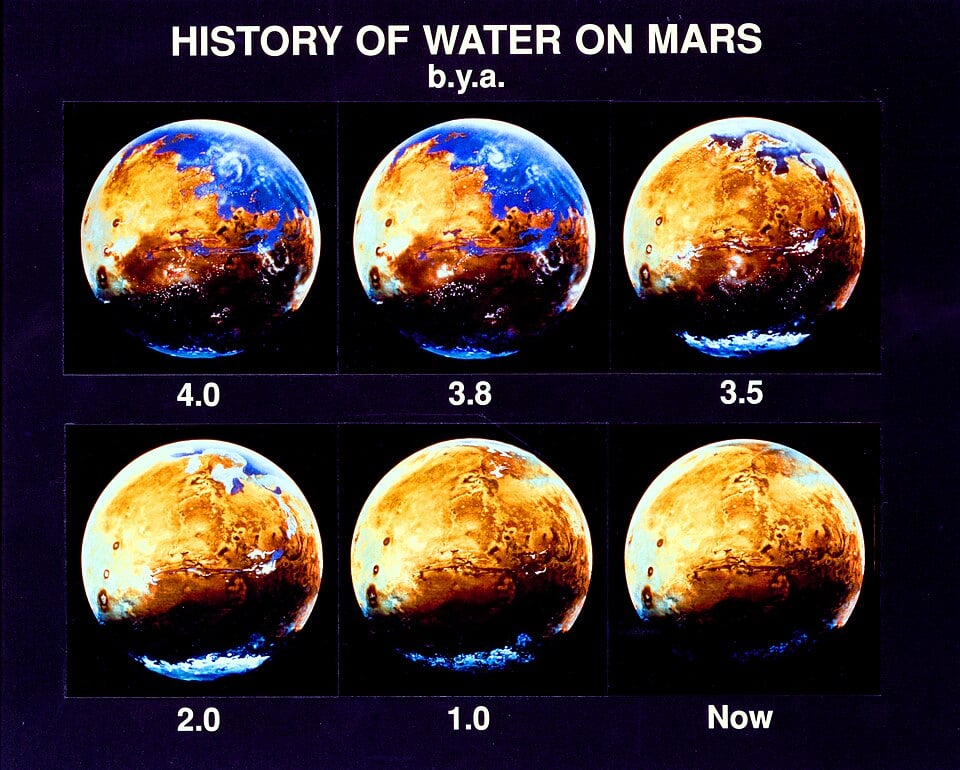
Rover data from more than 20 years ago has revealed clues to the existence of liquid water on ancient Mars. The NASA Spirit Rover carried a specialized instrument called a Mössbauer Spectrometer that performed mineralogical analyses of soil, rock, and dust on the surface of the Red Planet at Gusev Crater. Individual measurements didn't always indicate definitive proof of water, but when scientist Paolo de Souza of Edith Cowan University in Australia examined years' worth of measurements together, a definite pattern began to show up in the existence of minerals that could only exist in the presence of water. His analysis shows that Mars used to sport a lot more water than scientists expected and that the data showing its existence was in the data all along.
Continue reading
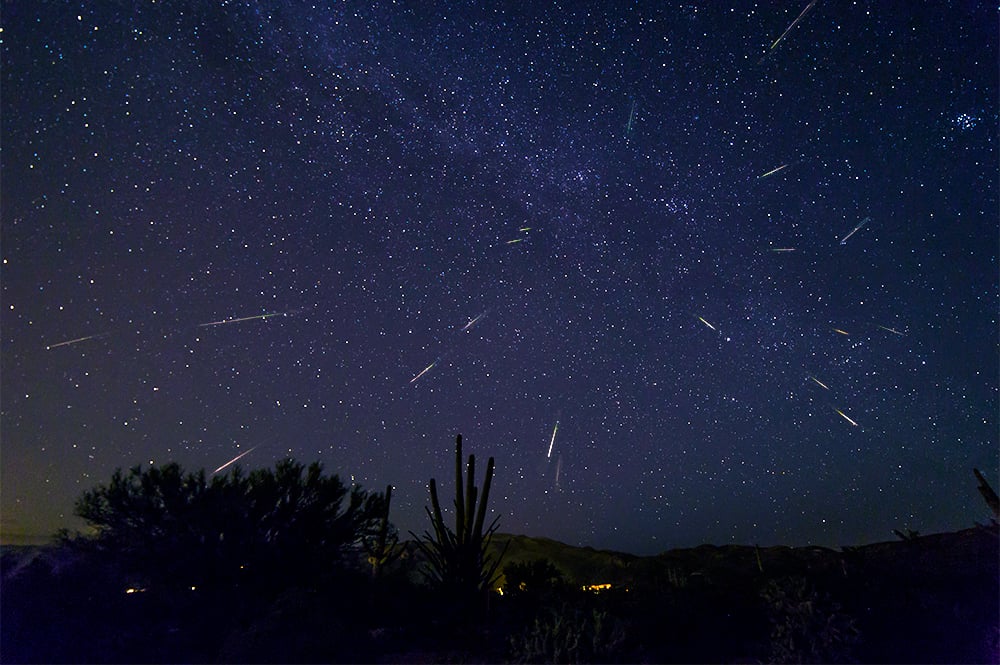
You couldn’t ask for a better year for one of the top annual meteor showers. If skies are clear be sure to watch for one of the top skywatching draws of 2026: the August Perseid meteor shower. While the Perseids are a draw on any year, 2026 is special, and has a few things going for it in terms of the Moon phase, peak timing and prospects.
Continue reading
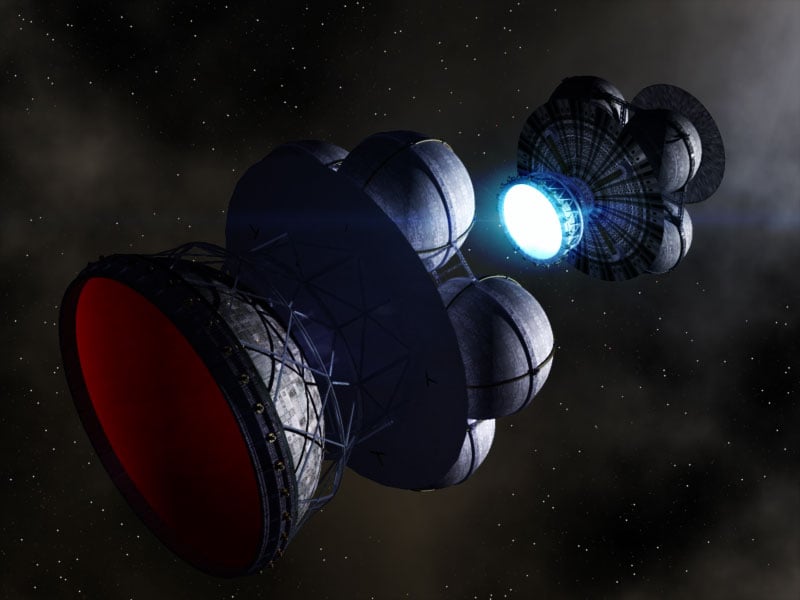
During the Space Age and Cold War, fusion-powered spacecraft systems were investigated as a possible means of reaching another star system within a human lifetime. Many of the proposed ideas are still on the table today, waiting for future advancements to make them realizable.
Continue reading
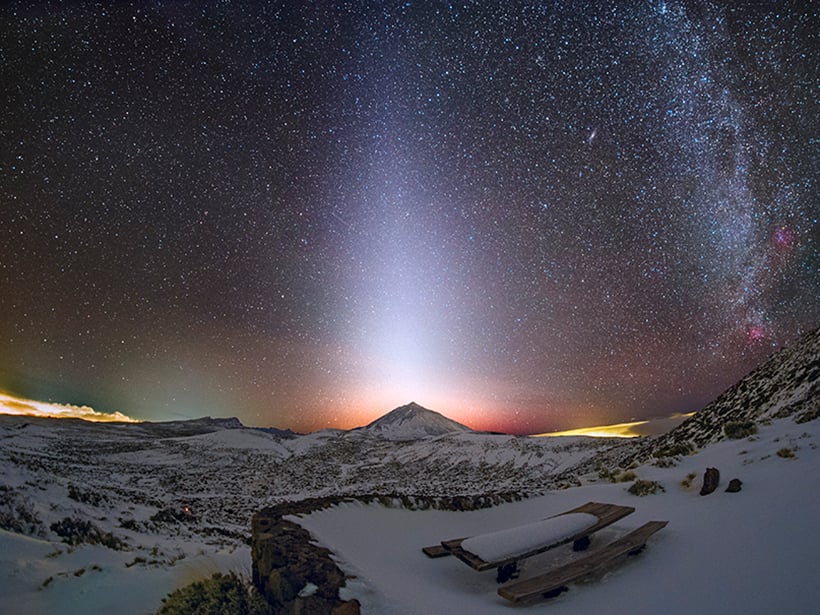
Most exoplanetary systems have a plane of dust similar to the zodiacal dust of our solar system. This dust absorbs some of the very light we use to find biosignatures in exoplanet atmospheres, and could make our search for life more challenging.
Continue reading
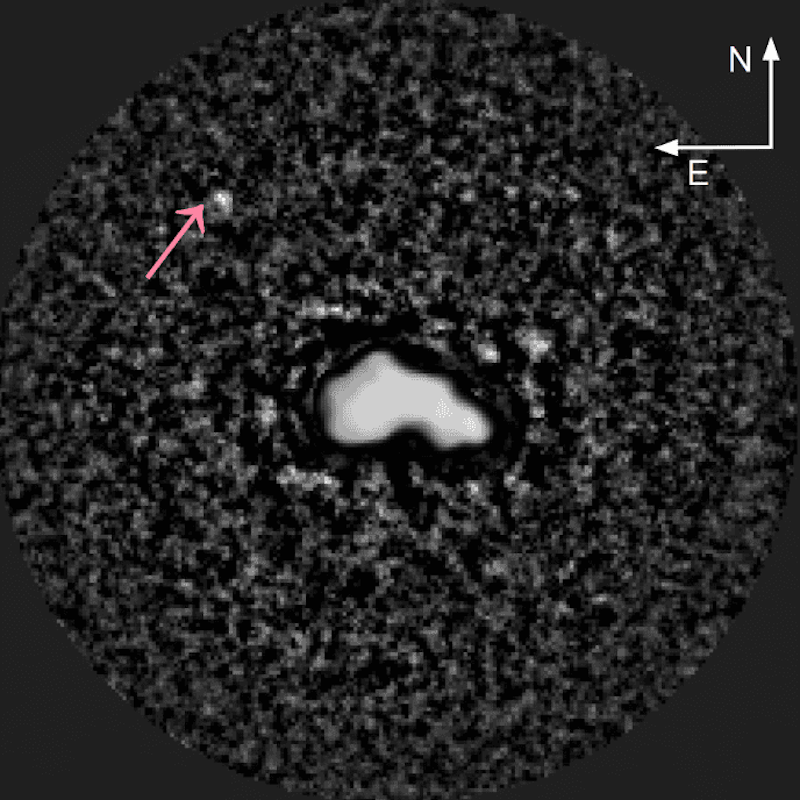
We have been watching asteroid (44) Nysa for well over a century without ever really knowing what it looks like. Now the sharpest images ever taken of it, from two of the largest telescopes on Earth, have revealed two deep valleys running right around its circumference and the team behind them think those are necks, joining three separate lobes into a single 75 kilometre body. If that holds up, Nysa is the first three lobed world we have ever found. And in the glare beside it the same observations turned up something nobody was looking for, a tiny moon a kilometre across, which may be the thing that settles the argument.
Continue reading
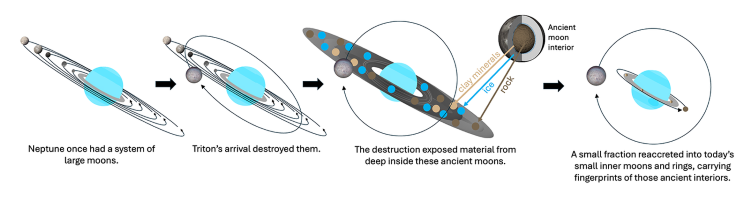
The planet Neptune has 16 known moons, with its largest Moon, Triton, comprising more than 99.5 percent of the mass of all of them. Triton’s incredible size has led scientists to hypothesize it was a captured object originating from the Kuiper Belt, which wreaked havoc on Neptune’s original moon system upon its capture and subsequential elliptical orbit. Today, some remnants of these original moons are part of the dusty rings that orbit Neptune. But what did that original moon system consist of? Were they the same small worlds observed today or are they pieces of what was once much larger worlds?
Continue reading
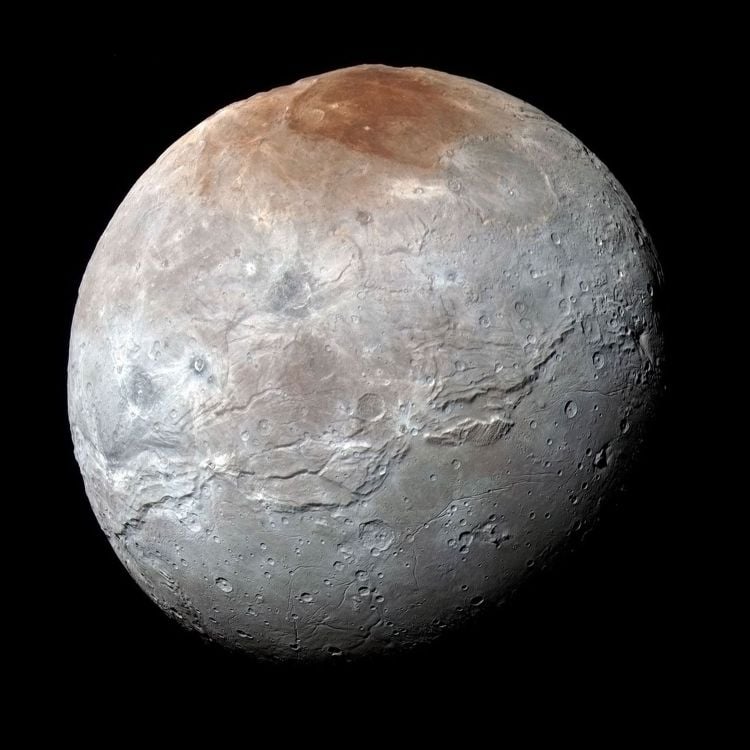
Pluto’s moon, Charon, is one of the most unexplored (and arguably underappreciated) planetary objects in the entire solar system. This is primarily because it’s only been visited once by NASA’s New Horizons spacecraft during its famous Pluto flyby in July 2015. Despite this quick encounter, New Horizons beamed back troves of data regarding Charon that scientists continue to pour over with the goal of gaining insight into Charon’s formation and evolution. This is because Charon is the largest moon compared to its parent body in the solar system, noted by it being half of Pluto’s diameter and one-eighth of Pluto’s mass.
Continue reading
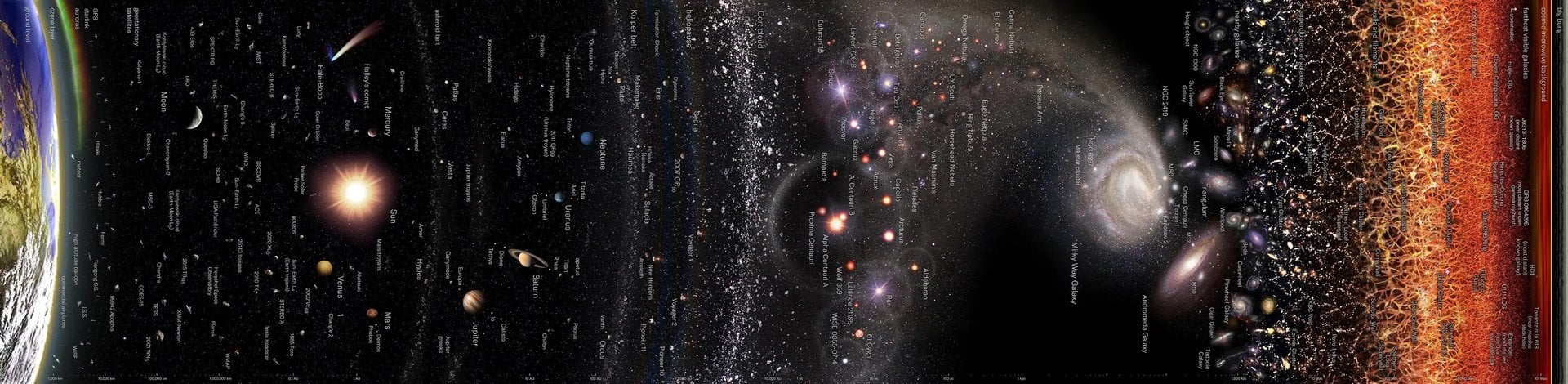
Given the state of our technology, it would take a spacecraft a ridiculously long time to reach even the nearest star in our galaxy. However, scientists continue to ponder ways in which we could achieve the dream of interstellar spaceflight. Here are a few of their best ideas.
Continue reading
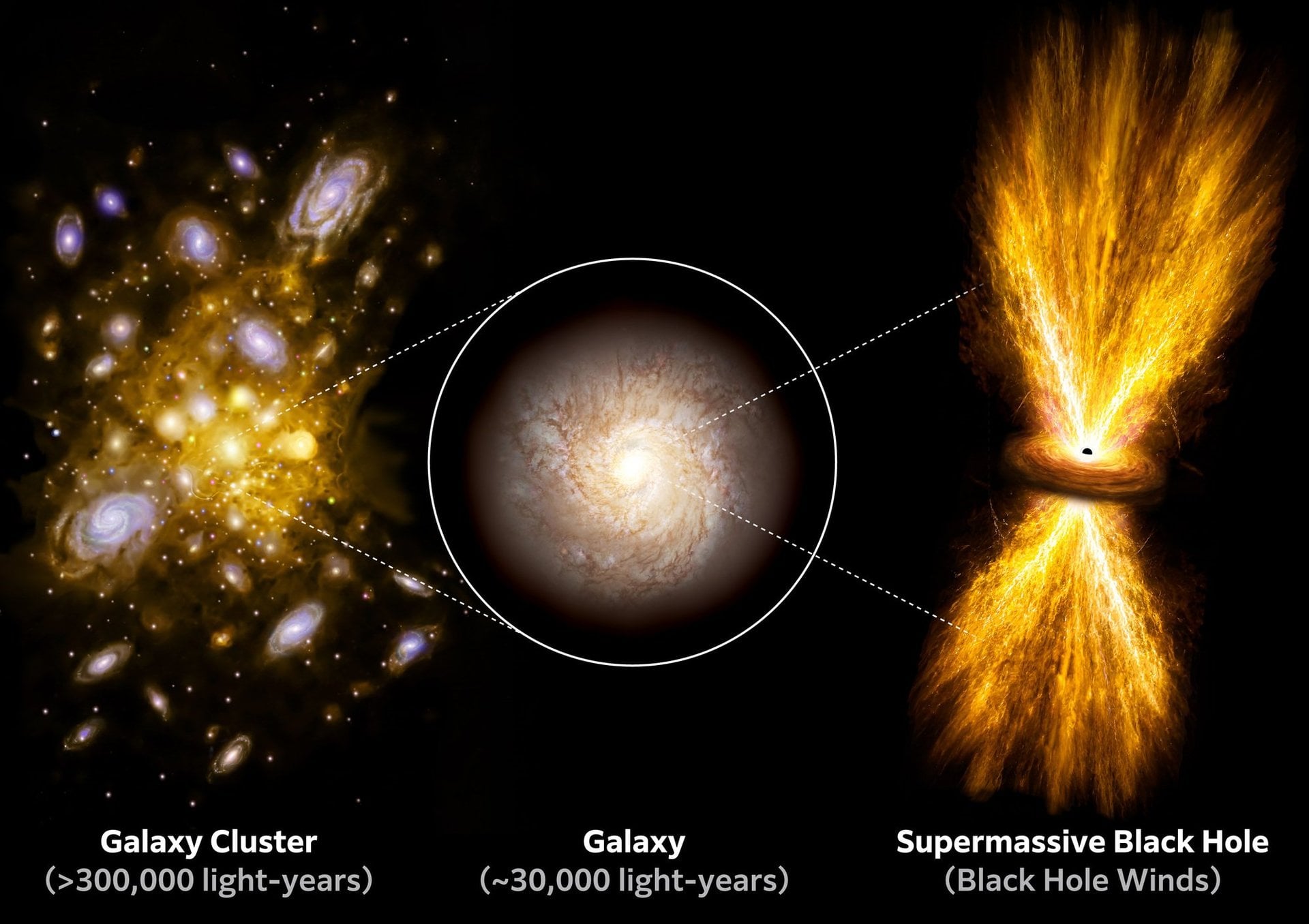
There are a number of things in the Universe that could wipe out life as we know it, but — for now, and for Earth — a blast from our galaxy's supermassive black hole isn't one of them. That's not to say that Sagittarius A* doesn't pose a danger. If it wakes up someday and blasts out a strong wind, that definitely could affect Earth. It could well have powered a quasar in the past, and could do so again.
Continue reading
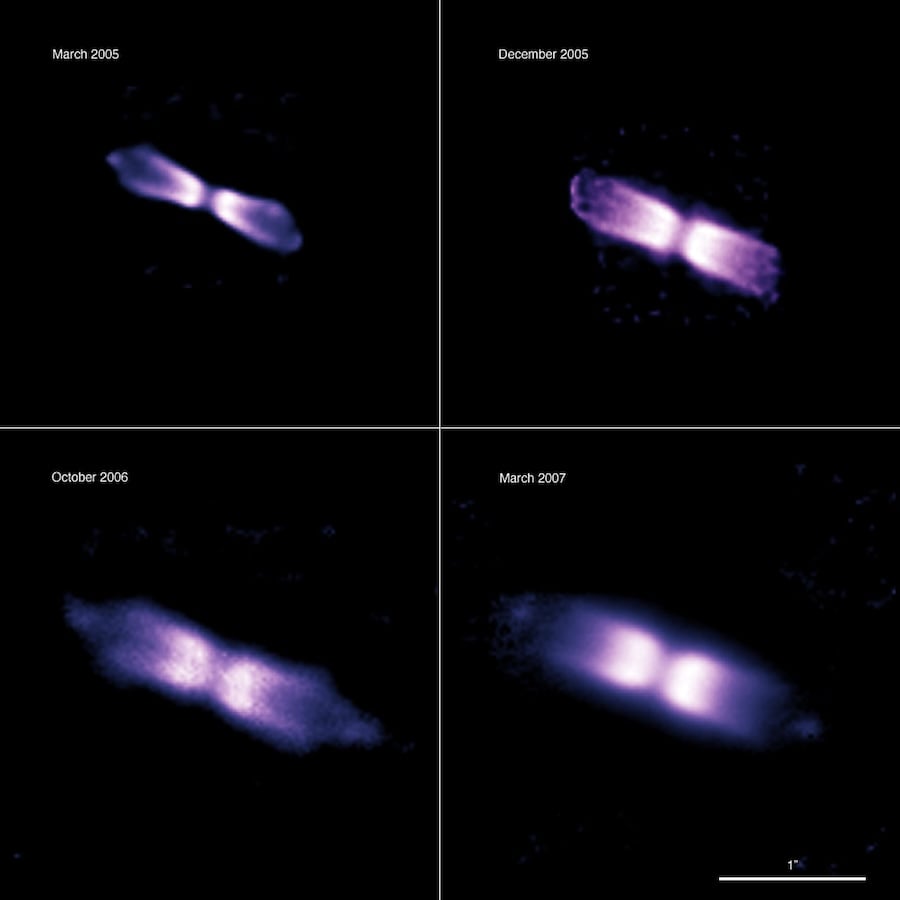
Twenty five years ago a star in the constellation Puppis blew itself apart and then vanished behind a curtain of its own soot. Astronomers knew only that the explosion contained no hydrogen at all, which for the most abundant element in the universe is a very strange absence. Now the dust has finally thinned, and the culprits have stepped into view, a white dwarf quietly stripping a rare helium star of its substance. But the emerging picture came with something nobody expected, clumps of gas tearing outwards at twenty million miles an hour, of a kind never seen in any other nova. Nobody yet knows what fired them.
Continue reading
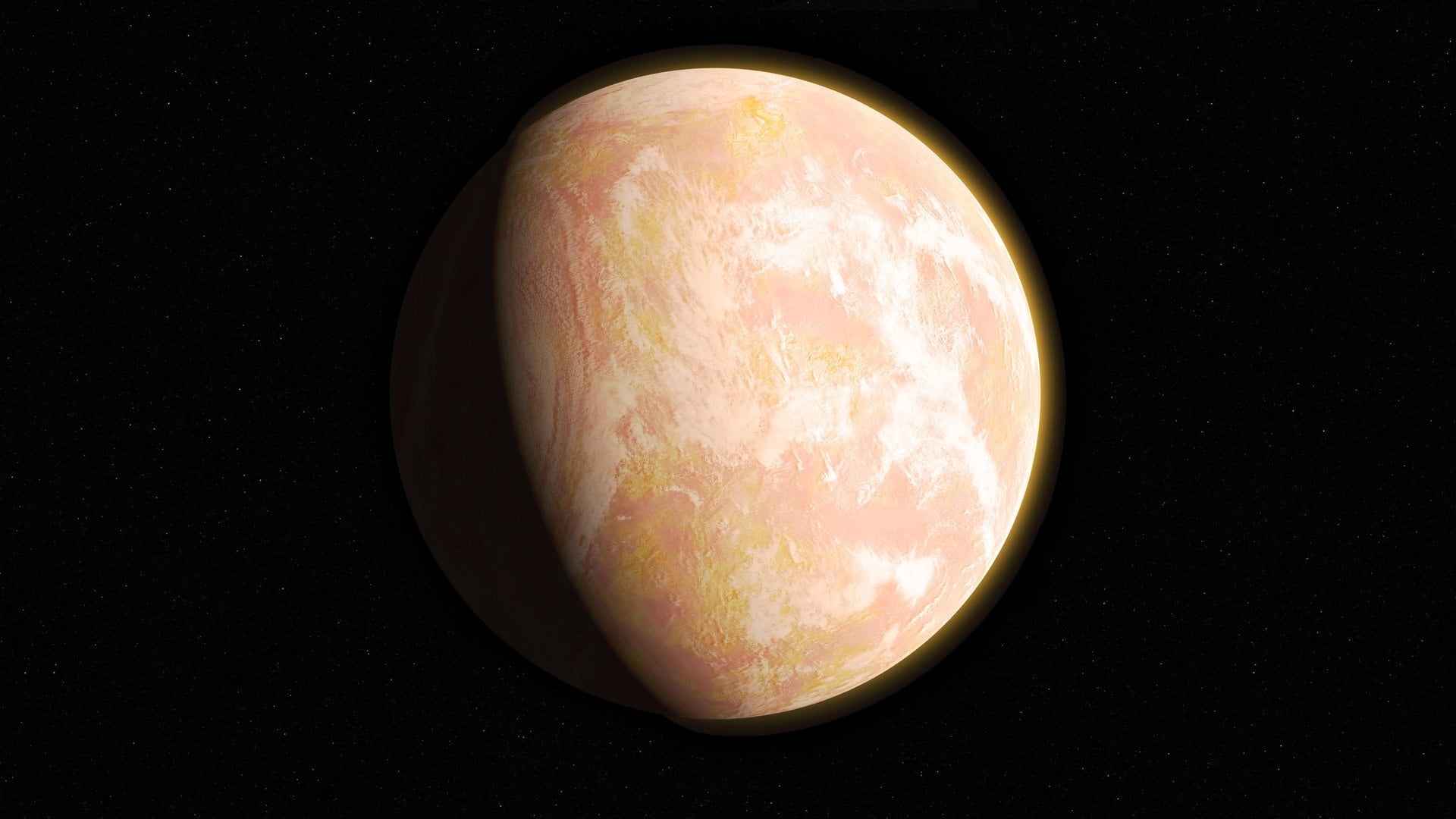
A Tokyo-based astrobiologist is using an ingenious new way to garner insight into Earth’s 3.5-billion-year-old biosphere.
Continue reading
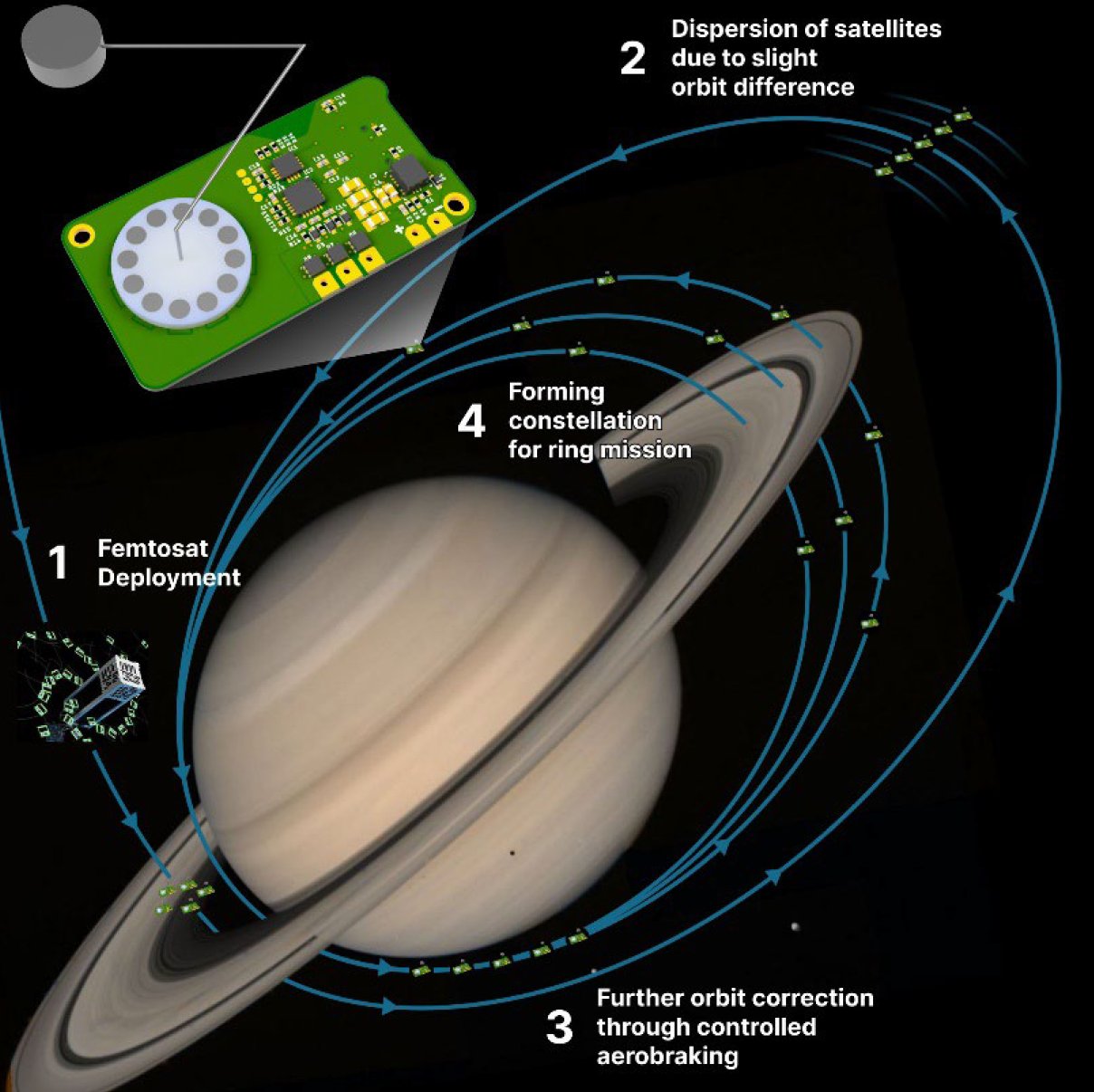
Cassini, NASA’s last major mission to Saturn, famously plunged to its fiery death in the gas giant’s atmosphere at the end of its mission. It had captured more accurate in-situ data of the Saturnian system than any mission before or since. But there’s one particular part that it couldn’t directly approach - Saturn’s rings. But NASA very obviously wants to take a nice up-close look at them, as they have recently funded a NASA Institute for Advanced Concepts (NIAC) Phase I grant to send a swarm of 10,000 highly expendable “femtosatellites” to get up close and personal with the most spectacular rings in our solar system.
Continue reading
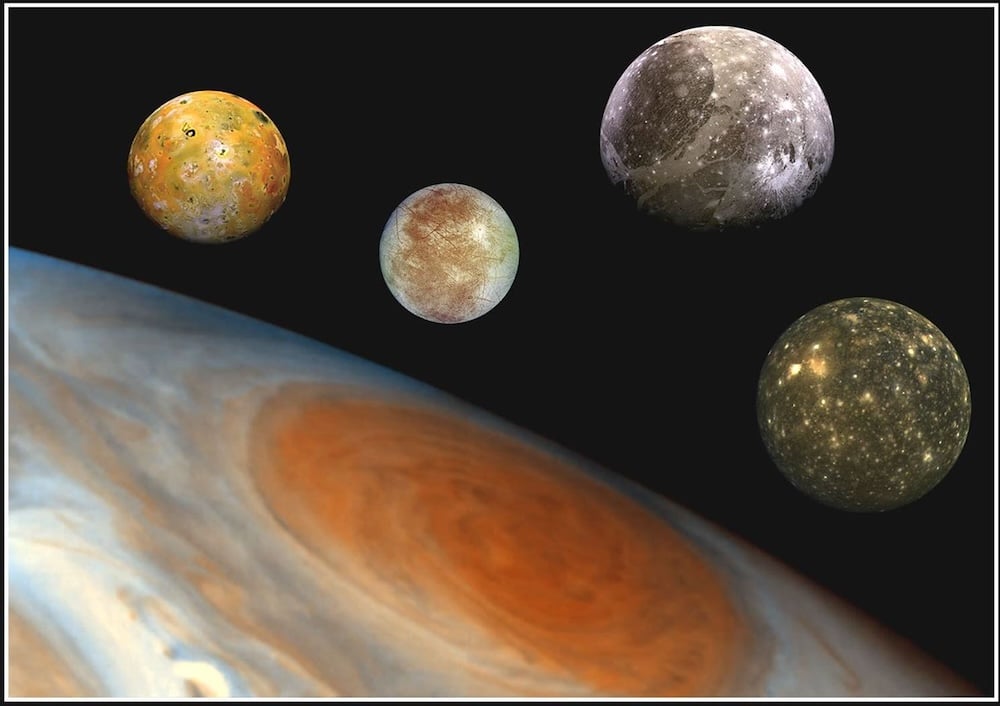
The galaxy is littered with rogue planets, worlds flung out of the systems that built them, drifting between the stars with no sun to call their own. But when a planet is torn away, does anything go with it? New simulations say yes, a passing star can rip a world out of its orbit and leave its moons still faithfully circling it, sailing off into the dark as a set. If our own Jupiter were evicted tomorrow, all four Galilean moons would go with it. And in that darkness, with no sunlight at all, one of those moons might still be warm enough for an ocean.
Continue reading
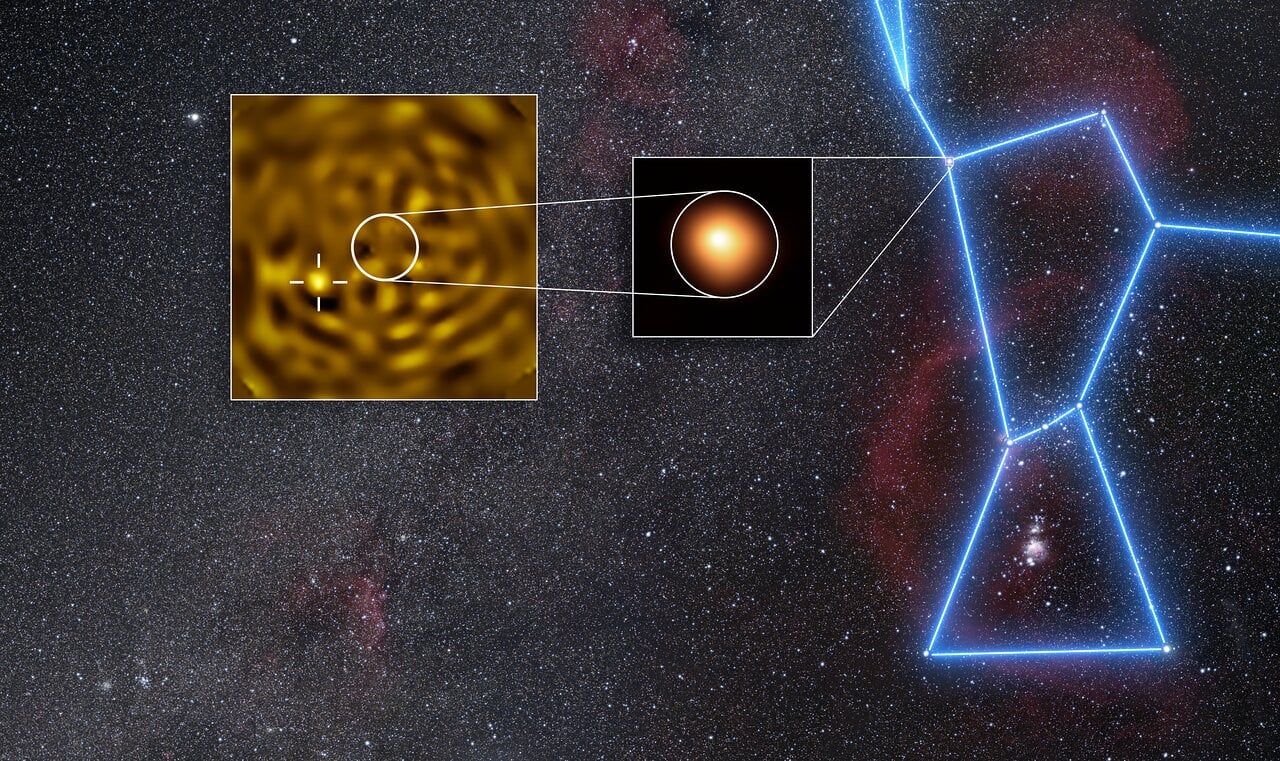
Most of us are familiar with Betelgeuse (also known as alpha Orionis), the bright shoulder star in the constellation Orion. It's a red supergiant star that lies somewhere between 400 and 550 light-years away from us and is quite bright. Betelgeuse contains about 14 times the mass of the Sun and is a fairly young star compared to ours. It appears to be no more than 10 million years old, which means that it evolved rapidly from a protostar to the red giant we see today. That lifecycle means Betelgeuse will explode as a supernova sometime in the relatively near future — say within the next 100,000 years.
Continue reading
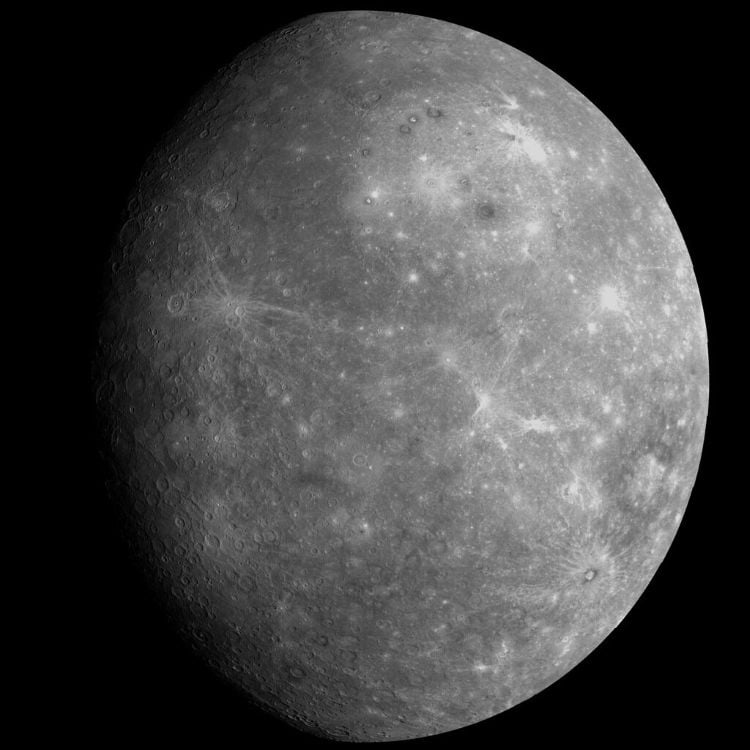
The planet Mercury is the first planet from the Sun but also one shrouded in mystery. This is primarily due to the limited number of spacecrafts that have visited it, but this limited data has provided scientists with new and exciting characteristics previously thought impossible. One fascinating aspect is its magnetic field, which was first discovered in March 1974, which both surprised and puzzled scientists due to the planet’s small size, which is measured at about half the size of the continental United States from coast to coast.
Continue reading
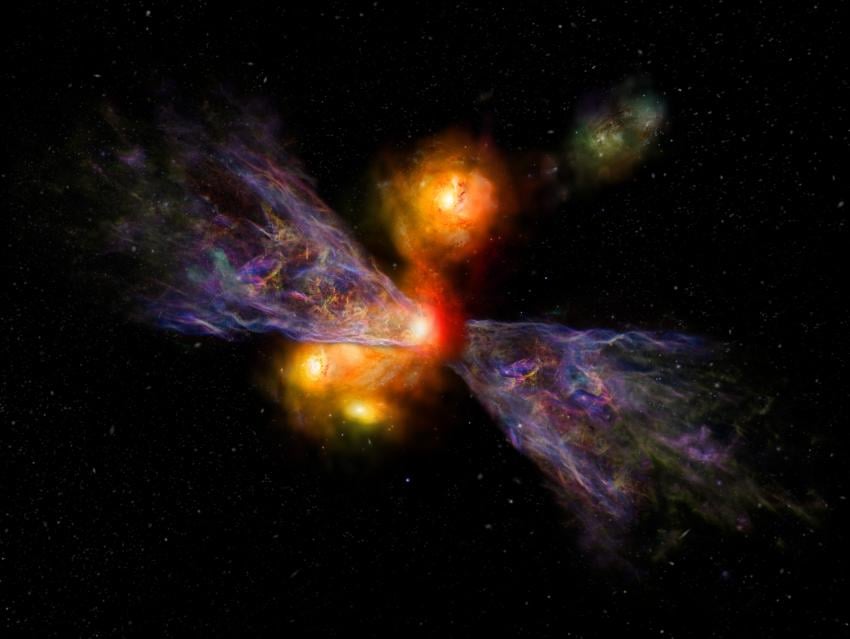
Galaxies in the infancy of the Universe are the building blocks of more modern galaxies. They began as small "shreds" of material that coalesced over time to form larger ones. That's why astronomers use observatories such as the James Webb Space Telescope (JWST) to study the young Universe. The light from those early objects appears in the infrared part of the spectrum, which JWST is tuned to see.
Continue reading
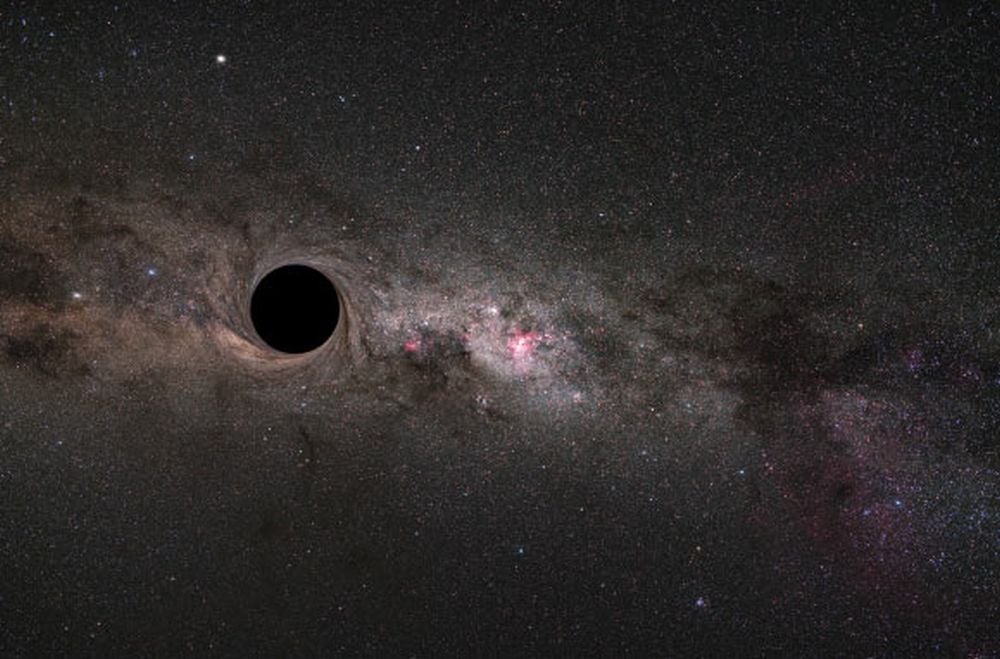
Primordial black holes (PBH) remain hypothetical, but that isn't stopping astrophysicists from figuring out how they could interact with other stellar objects. New research shows how PBHs, formed in the early Universe from collapsing pockets of dense subatomic matter instead of from stars, can enter white dwarfs. In some cases, that could've triggered a Type Ia supernova with particular chemical fingerprints, which should be detectable.
Continue reading
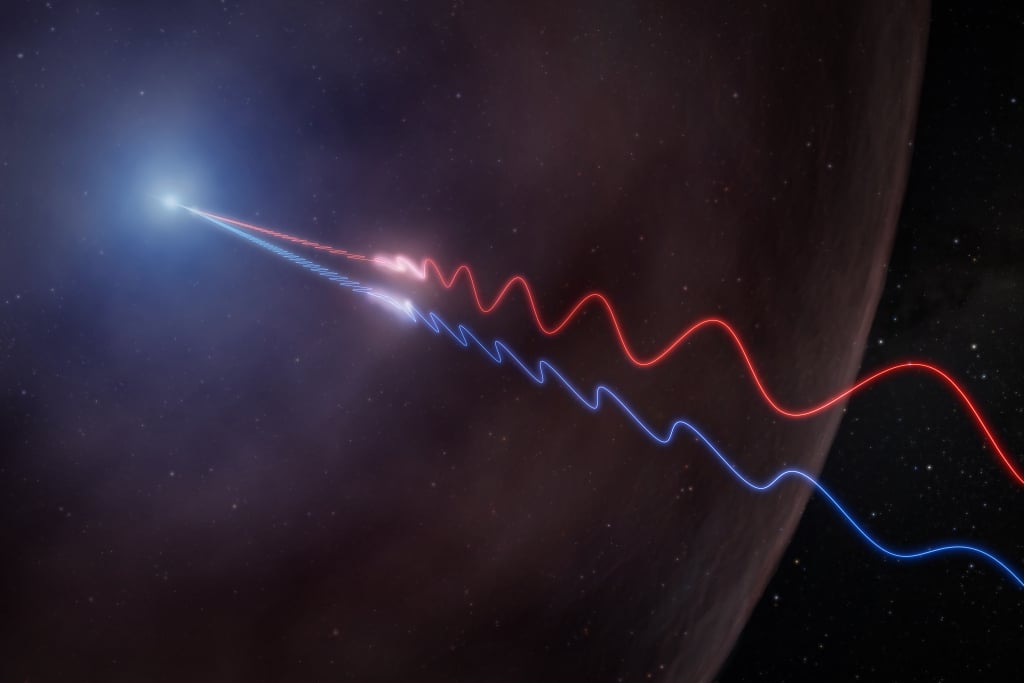
On March 10, 2026, the Fermi telescope gamma-ray burst team reported the detection of a long-duration gamma ray burst that occurred when a star exploded inside a dense, highly magnetized cloud of hydrogen gas. That HII region is a bubble of ionized hydrogen created by winds from a massive young star. Astronomers immediately turned as many telescopes as possible to view the burst and its afterglow, including the NSF's Karl Jansky Very Large Array.
Continue reading
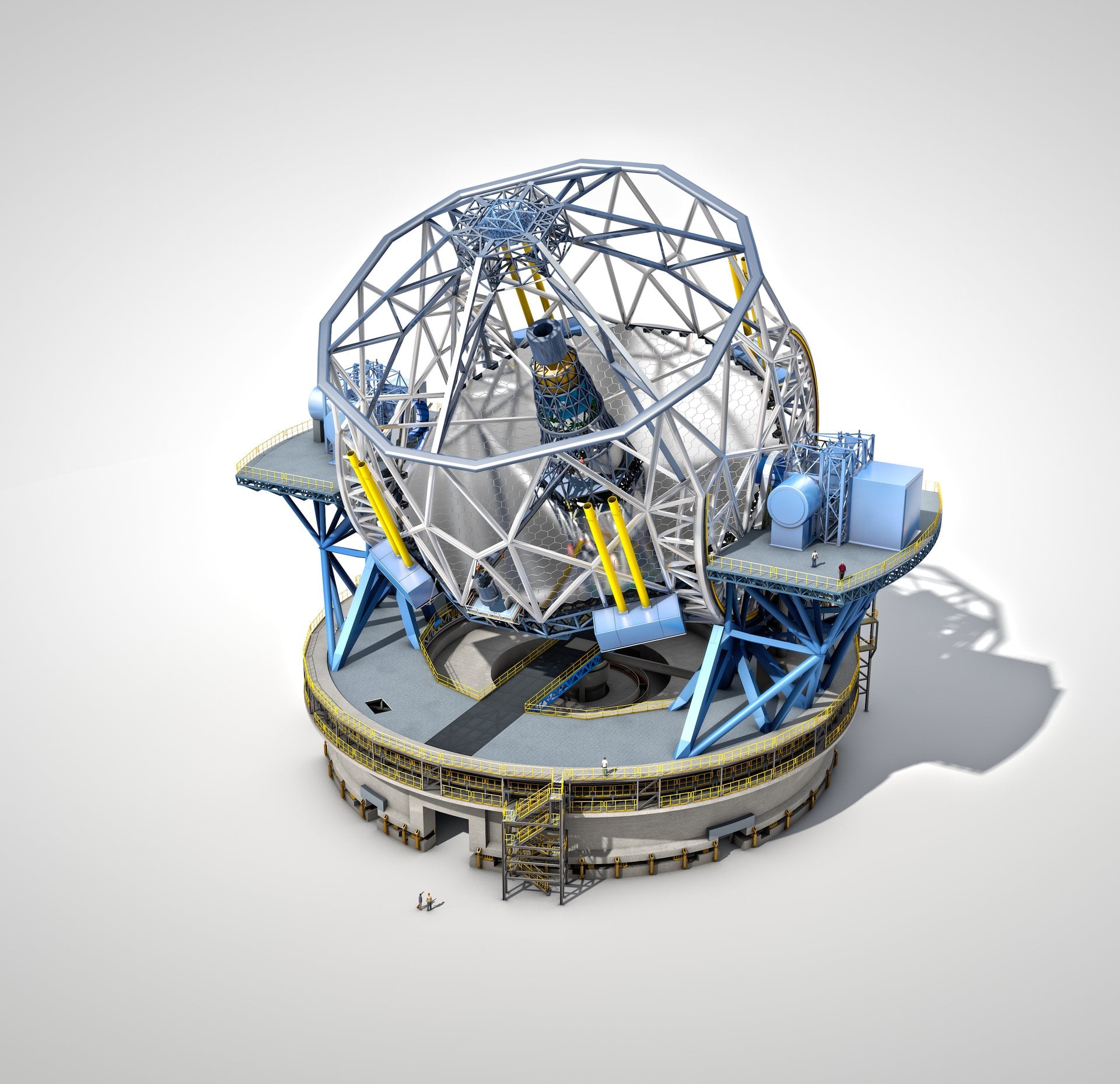
Before any major telescope commissioning, there are dozens of papers that attempt to define what we can expect from it. We’re starting to see some come through for the Extremely Large Telescope (ELT), which hopefully will get a more imaginative name when the 39m behemoth is officially commissioned in Chile in the 2030s. A new paper from Evann Kurzawa-Ferrandez and his co-authors at NASA’s Jet Propulsion Laboratory, and available in pre-print on arXiv, showcases what kind of biologically relevant gases we can find on some of our nearest exoplanets.
Continue reading
NASA has selected a concept study, led by physicist Paul Stankus, exploring whether a pair of spacecraft flying in tight formation could one day produce an actual image of an Earth like exoplanet's surface, oceans, continents and all. It's an early stage idea, backed by NASA's Innovative Advanced Concepts program, but if it ever came together, it would represent an extraordinary leap beyond simply detecting a distant world to genuinely seeing its face.
Continue reading
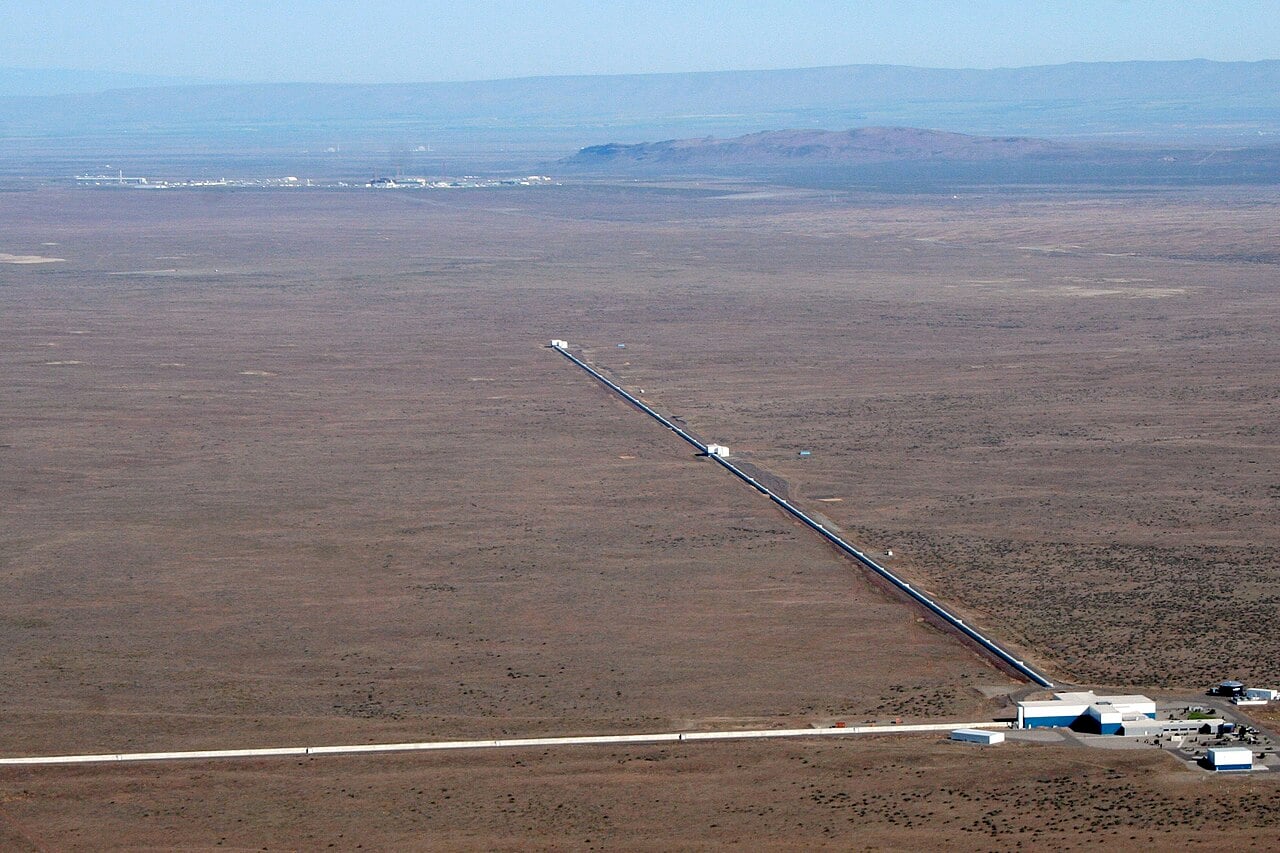
A team of researchers have found a surprisingly simple way to boost the sensitivity of gravitational wave detectors like LIGO. It’s surprisingly simple to, just point an ordinary thermal imaging camera at the mirrors themselves. The technique could improve LIGO's next upgrade by up to 31%, letting it detect neutron star collisions tens of millions of light years farther away, and is already being built into the design of its planned successor, Cosmic Explorer.
Continue reading
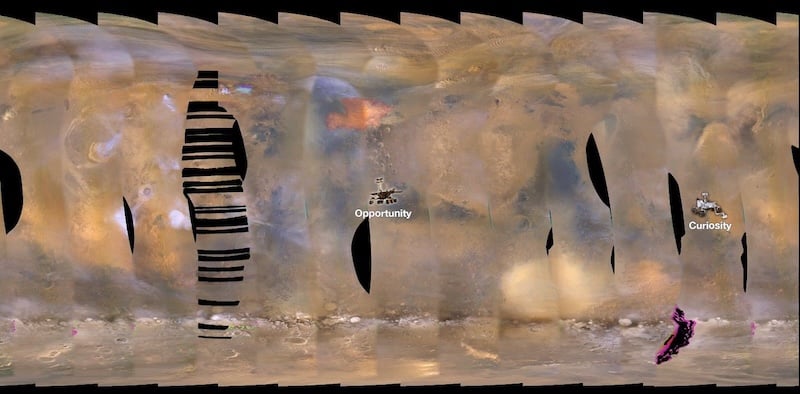
A new study presented at the Royal Astronomical Society's National Astronomy Meeting suggests that solar storms may warm the Martian lower atmosphere, but only when they strike during a major Martian dust storm. The discovery was accidental, emerging from a search for a different effect entirely, and hints that the weather system on Mars may be more tangled and interconnected than scientists previously assumed.
Continue reading
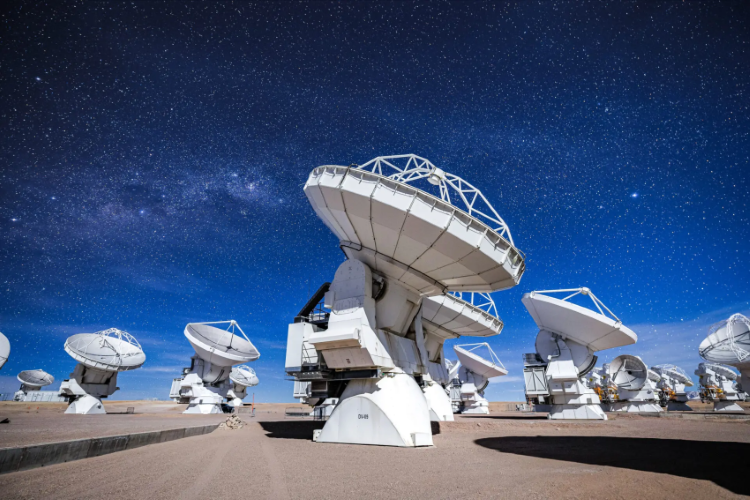
Confirming the existence of extraterrestrial intelligence via radio signals, also called technosignatures, is the cornerstone of radio astronomy. While humanity has been asking since time immemorial whether or not we’re alone in the universe, radio astronomers are at the frontlines trying to tirelessly answer this longstanding question. To accomplish this, they’ve traditionally focused on a specific radio frequency band called the “water hole”, which resides between 1.42 and 1.66 GHz. This is due to two water-forming molecules, hydrogen and hydroxyl, emitting these frequencies.
Continue reading
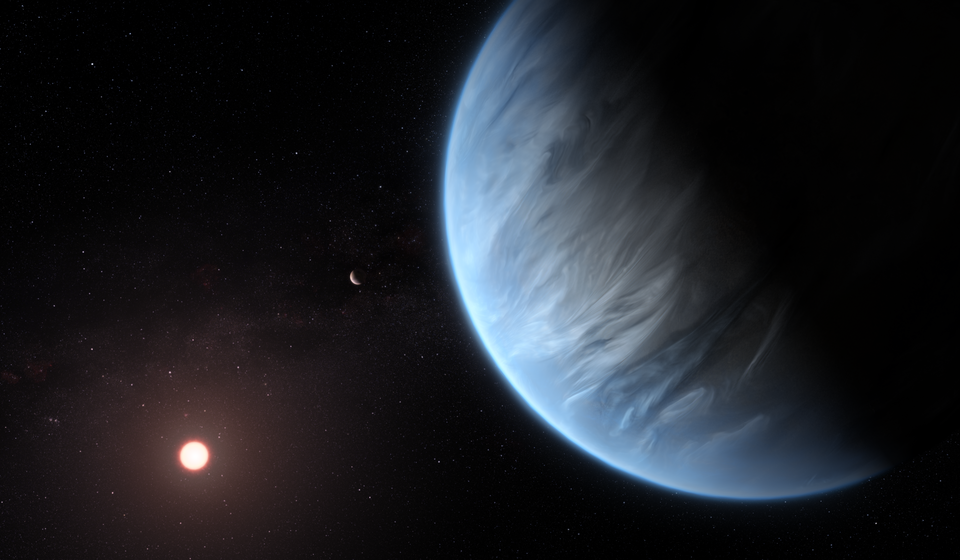
When astronomers talk about directly imaging an exoplanet that is orbiting a far away star, the analogy they most commonly go with is trying to spot a fireflight next to a massive search light. An Earth-like exoplanet is incredibly dim - usually between 100 million and 10 billion times fainter than its host star. Understandably, that makes them very difficult to see. But a new paper from Hyunsoo Choi of Hanyang University in South Korea and his co-authors, which is available in pre-print on arXiv, describes a theoretical solution - use a mix of smart computer algorithms and quantum physics.
Continue reading
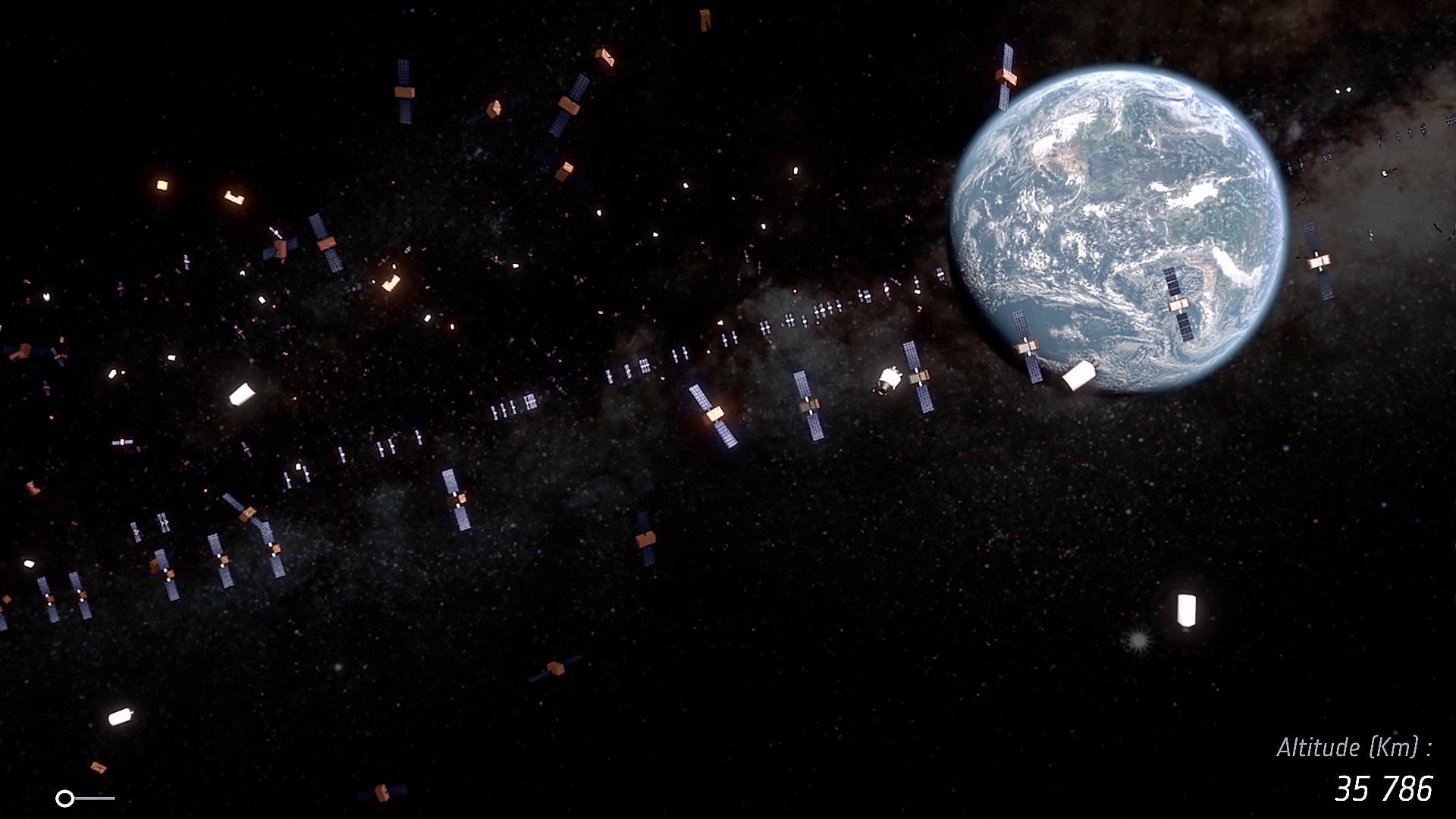
Geostationary orbit (GEO) is arguably one of the most important orbital spaces we have. So it's critical that we keep it clear of debris that could destroy the valuable GPS, weather tracking, and communications satellites already in this orbit. Unfortunately, that is easier said than done; small pieces of debris at that altitude can slip past even our most sensitive sensors. But now, a new paper published in the Journal of Astronautical Sciences by James Blake and an international collaboration of researchers showcases how an advanced algorithm can help find tiny pieces of debris that would otherwise be missed by traditional surveys.
Continue reading
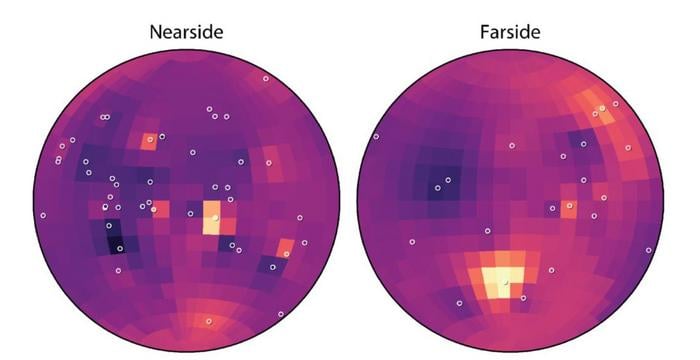
A strong foundation is key for any building construction, and this doesn’t just apply to construction on Earth. As humanity slowly expands throughout the many worlds of our solar system, and possibly beyond, understanding the planetary surfaces is key to constructing long-lasting habitats beyond Earth. Thus, it’s only natural this venture begins with our own Moon, which is the target of a permanent lunar south pole base by NASA. While the Moon is covered by a thin layer of dust, also called regolith, it’s vital for engineers to know the thickness of this regolith to know the safest locations to construct future lunar habitats and buildings.
Continue reading
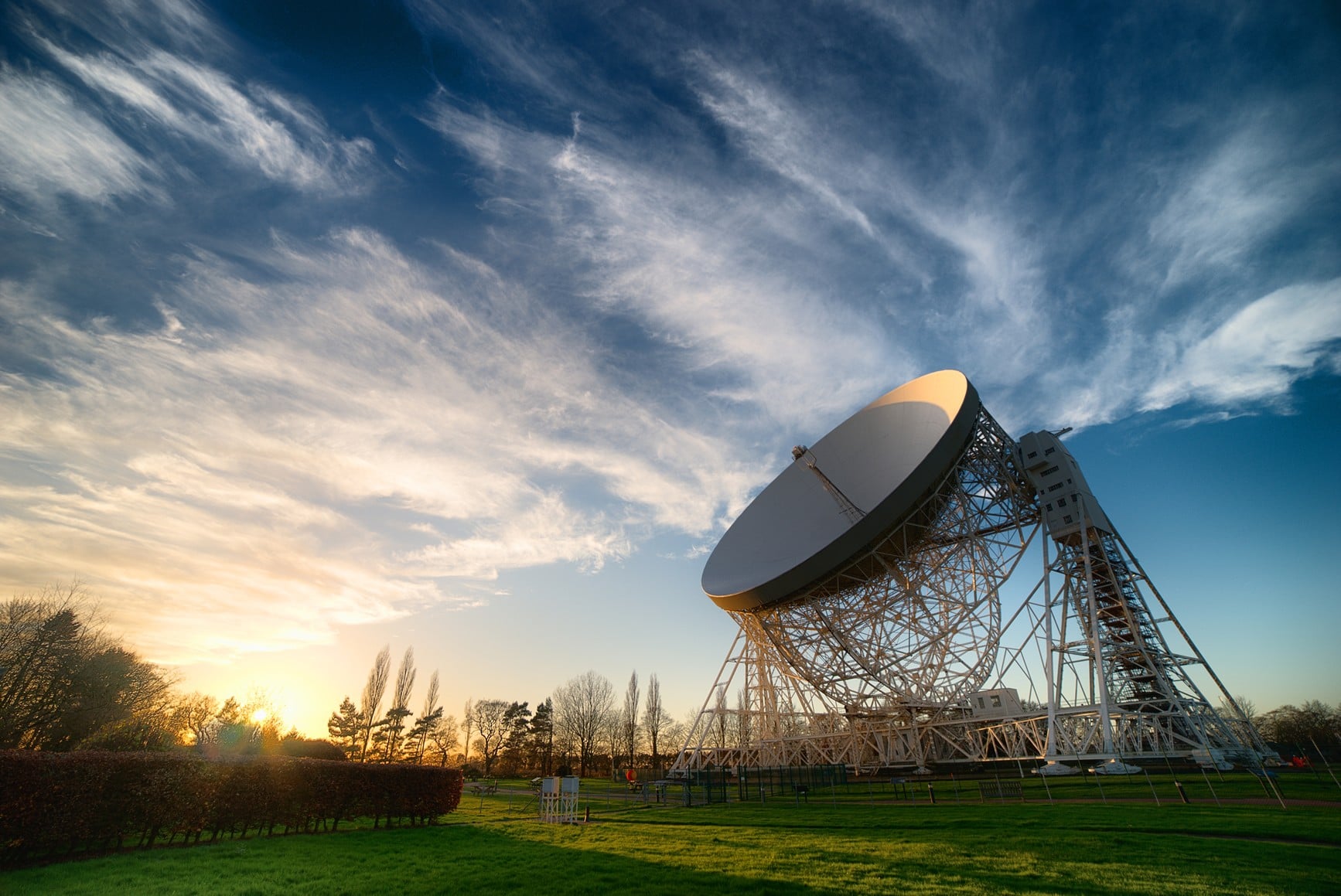
Every year, thousands and thousands of satellites get launched into orbit around our planet. The result is an increasingly congested "space" above Earth populated by equipment that provides services to the surface. At the same time, these satellites affect ground-based astronomy research and create potential for damage when they eventually fall through Earth's atmosphere to the ground. In addition, near-Earth space hosts old rocket bodies and other materials left in space by past missions.
Continue reading
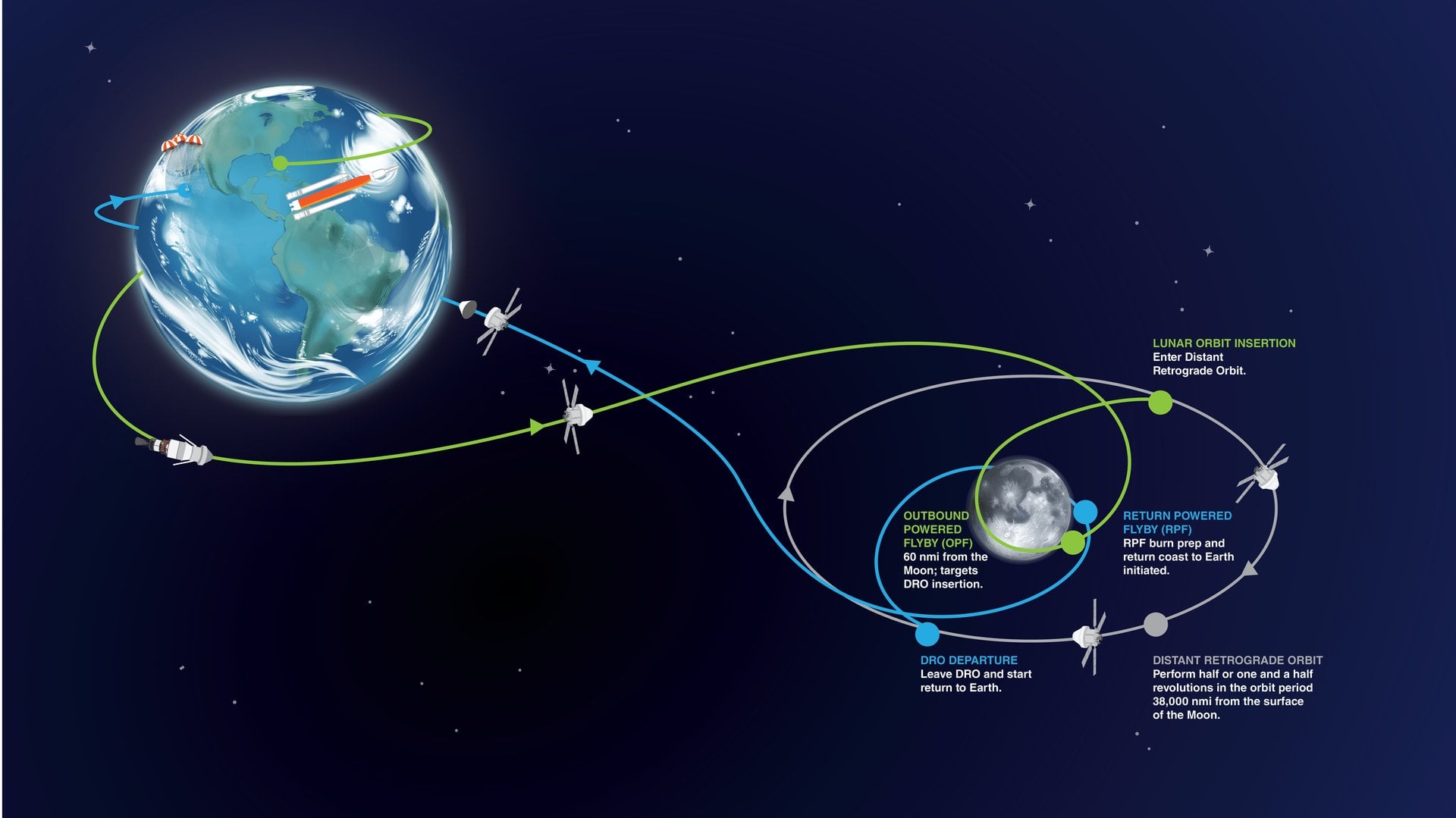
A new study from the Chinese Academy of Sciences (CAS) addresses the threat of debris in cislunar space, which could pose threats for future missions bound for the Moon.
Continue reading
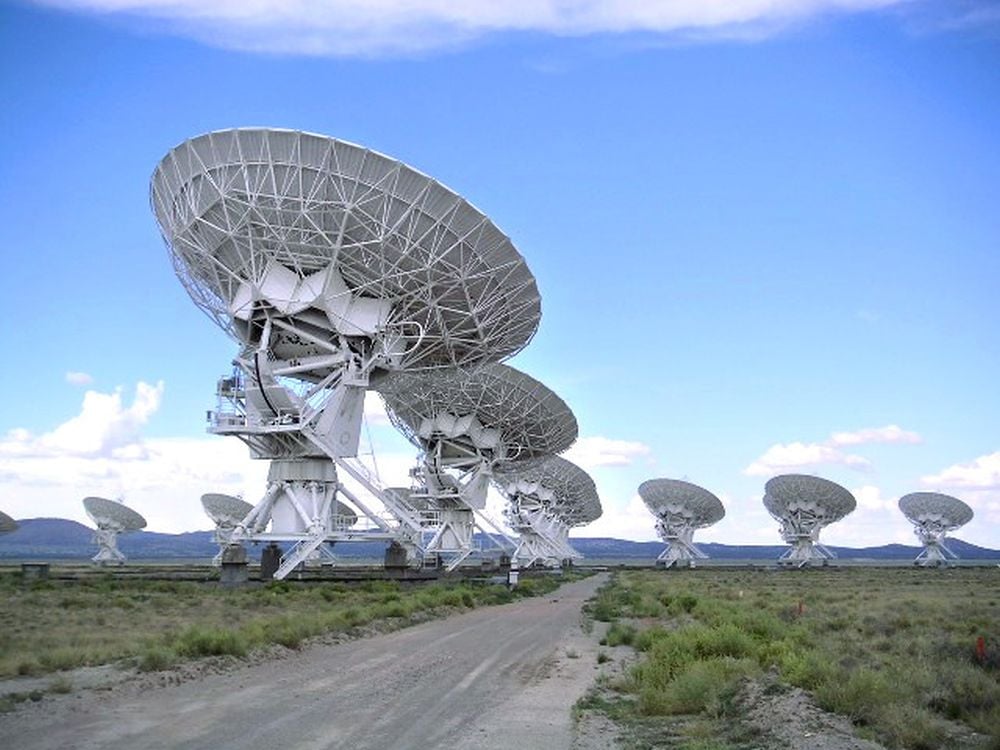
The National Radio Astronomy Observatory has completed a new survey with the updated Karl G. Jansky Very Large Array (VLA) in New Mexico. It's called the VLASS, the Very Large Array Sky Survey, and it's the most detailed radio survey of the sky ever completed. The VLA used the power of its 28 movable dishes to complete the survey.
Continue reading
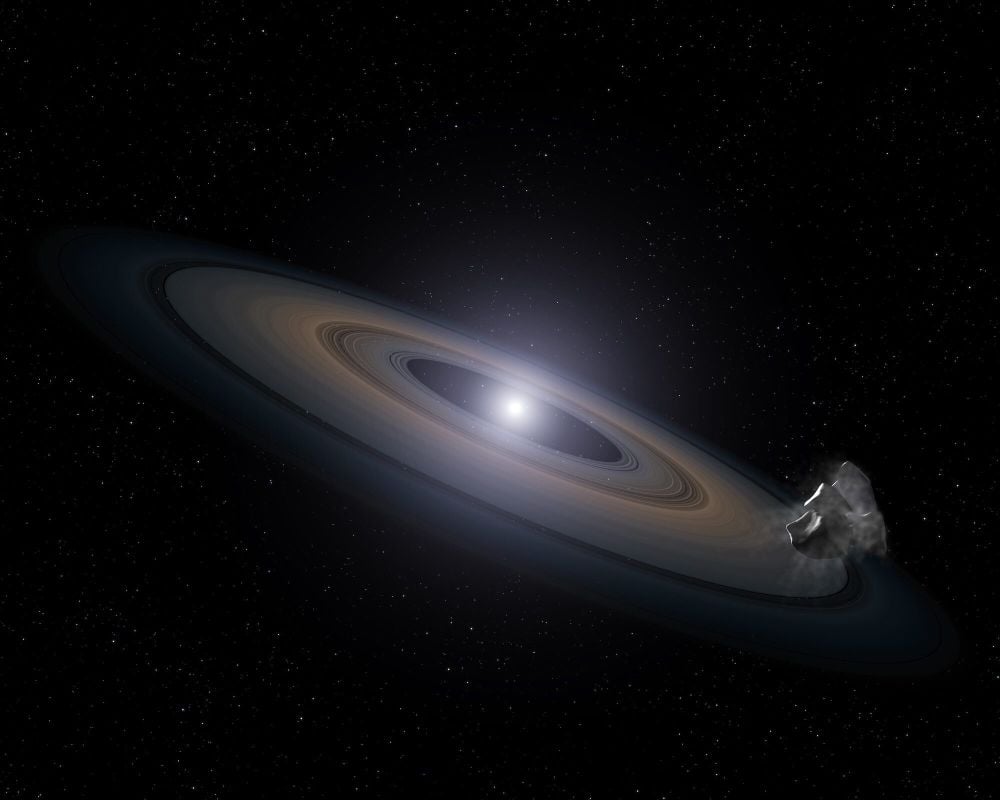
Planetary debris disks around white dwarfs appear to be more plentiful than thought. That's because some white dwarfs are magnetic, and those magnetic fields create patches of metallic debris near the stars' poles, where it's more difficult to detect. This leads to an underestimation of debris, something new research is trying to correct.
Continue reading
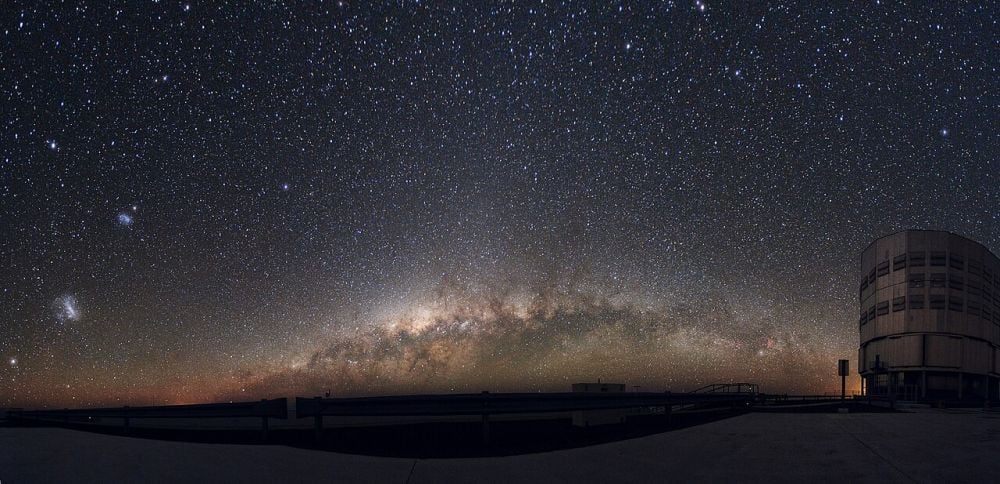
Astronomers want to know how universal the initial mass fraction (IMF) of galaxies is. To do they that, they need to discern binary stars in other galaxies, a difficult task. Researchers used the JWST to study the Small Magellanic Cloud and determine how many binary stars are there, since they can confuse measurements of the IMF.
Continue reading
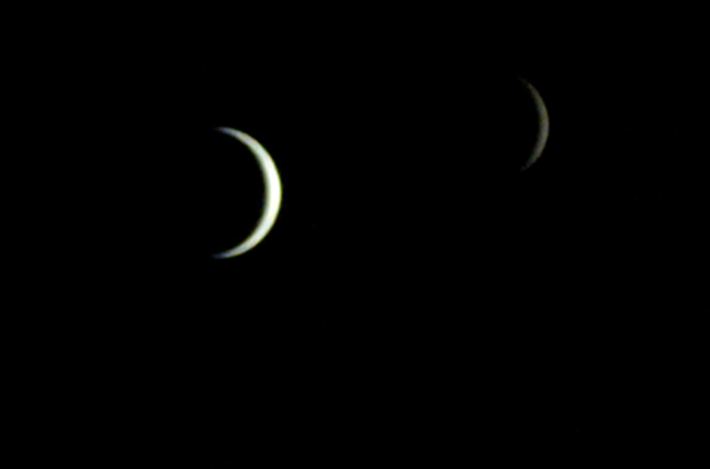
Sometimes, you have embark on a journey to appreciate home. The Escape and Plasma Acceleration and Dynamics Explorers (ESCAPADE) mission recently gave us just such a view of our homeworld and our large natural satellite, as seen from the spacecrafts’ temporary orbit around the Sun-Earth L2 Lagrange point.
Continue reading
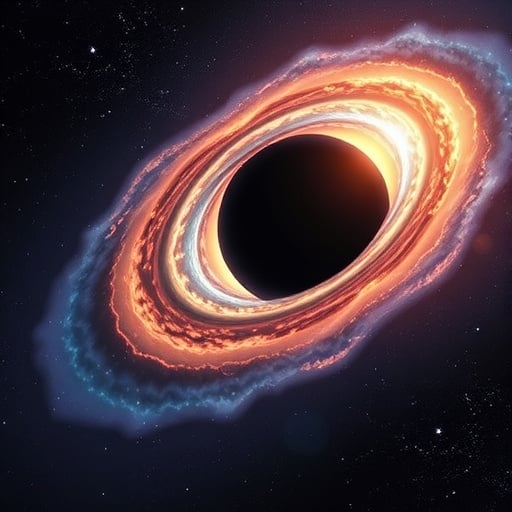
What happens when a black hole and a star meet in the middle of nowhere in a galaxy? It sounds like it could be a dramatic science fiction backdrop, with some hapless starship caught in the crunch. Actually, such encounters in real life are pretty rare. They happen maybe once every 100,000 years. But, when they do occur, the immense gravity of the supermassive black hole tears the star apart. It's an eerie-looking process. The star gets "spaghettified" — that is, pulled on one side by the black hole. That rips out a stream of gas from the star which eventually forms a disk around the black hole.
Continue reading
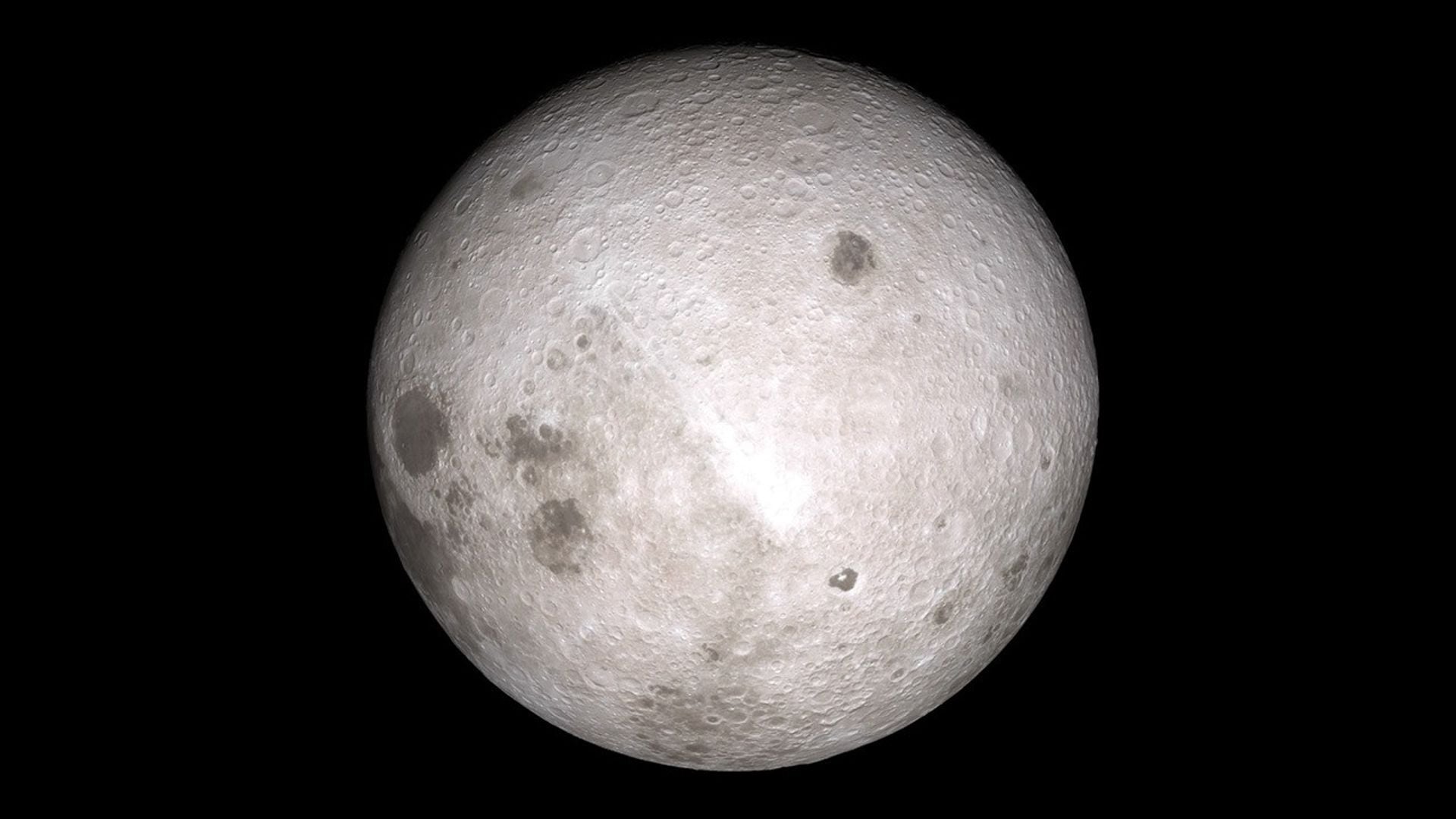
Based on a new analysis of the Chang'e-6 lunar samples, scientists are again questioning the timing and intensity of the Late Heavy Bombardment period.
Continue reading
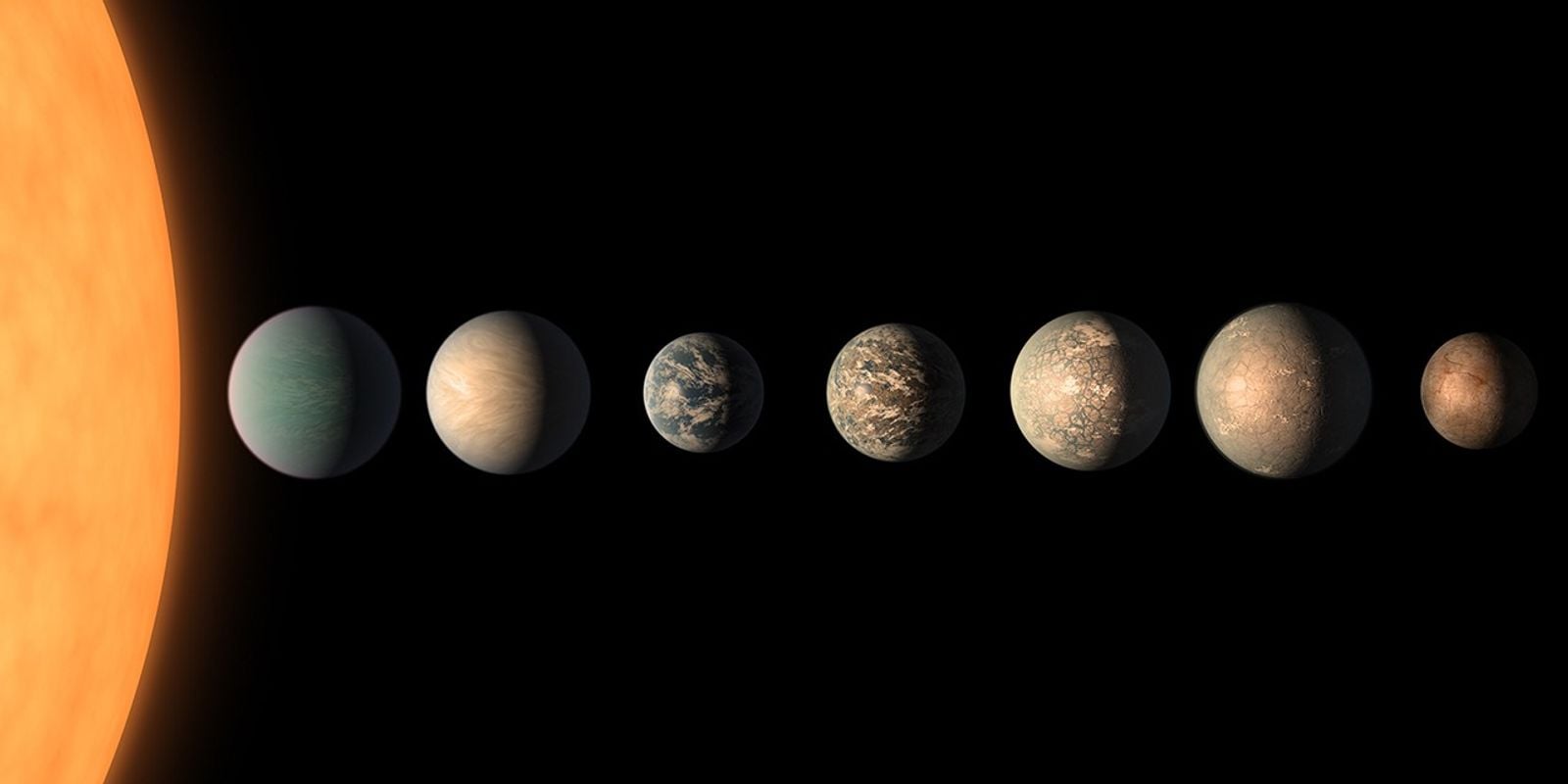
The search for extrasolar rocky planets circling other stars is more than mere science. It offers researchers a chance to gain crucial insight into how our own planet functions.
Continue reading
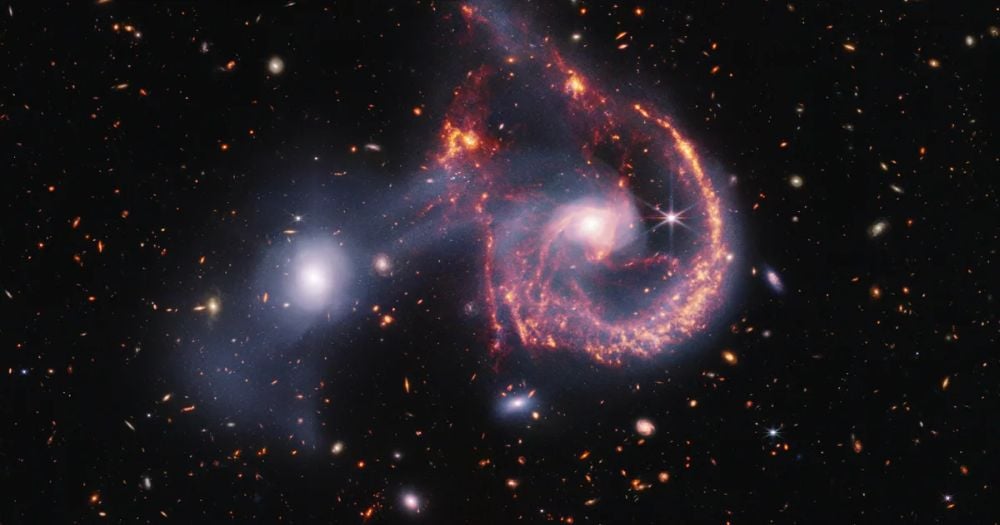
In recent years, the idea that galaxy mergers are responsible for quenching galaxies has grown in importance. This paradigm says that galaxies merge, their black holes form a powerful quasar, and that quasar stifles star formation. But new results from the IllustrisTNG simulations shows that this paradigm may not be accurate.
Continue reading
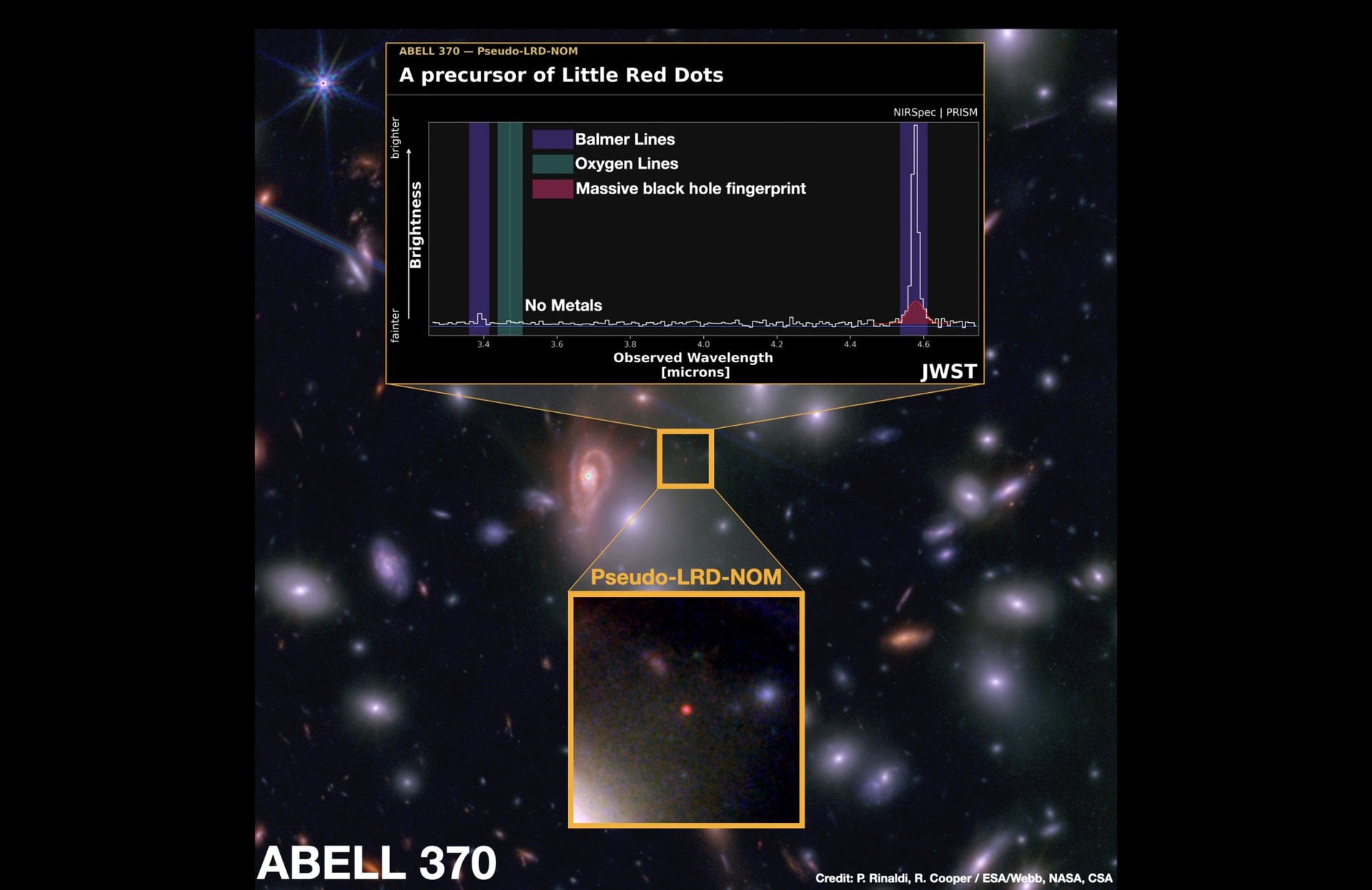
Little Red Dots are among the most intriguing discoveries made to date by the infrared-sensitive James Webb Space Telescope (JWST). They are distant, small objects that appear red in the JWST observations and they've only been known since 2024. More than 300 of them have been found as part of JWST's infrared surveys of the early Universe.
Continue reading
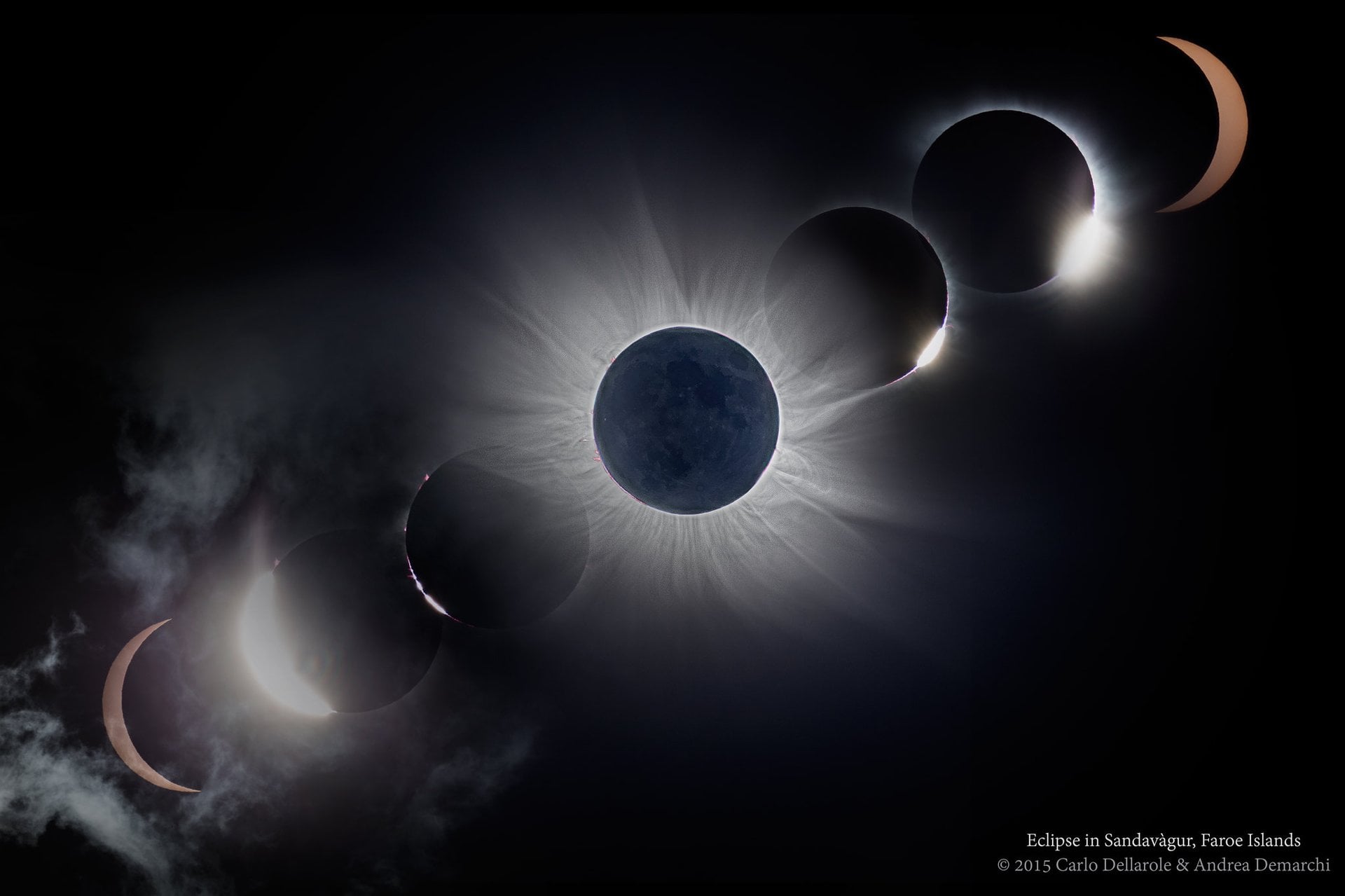
Where will you be on August 12th? Many an eclipse chaser and the ‘eclipse curious’ will make the journey to stand in the Moon’s shadow on that fast-approaching Wednesday date. This unique eclipse sees the pencil-thin shadow of our Moon curl around the Earth’s pole, before arcing across Greenland, Iceland and the Iberian peninsula towards a dramatic sunset over the western Mediterranean.
Continue reading
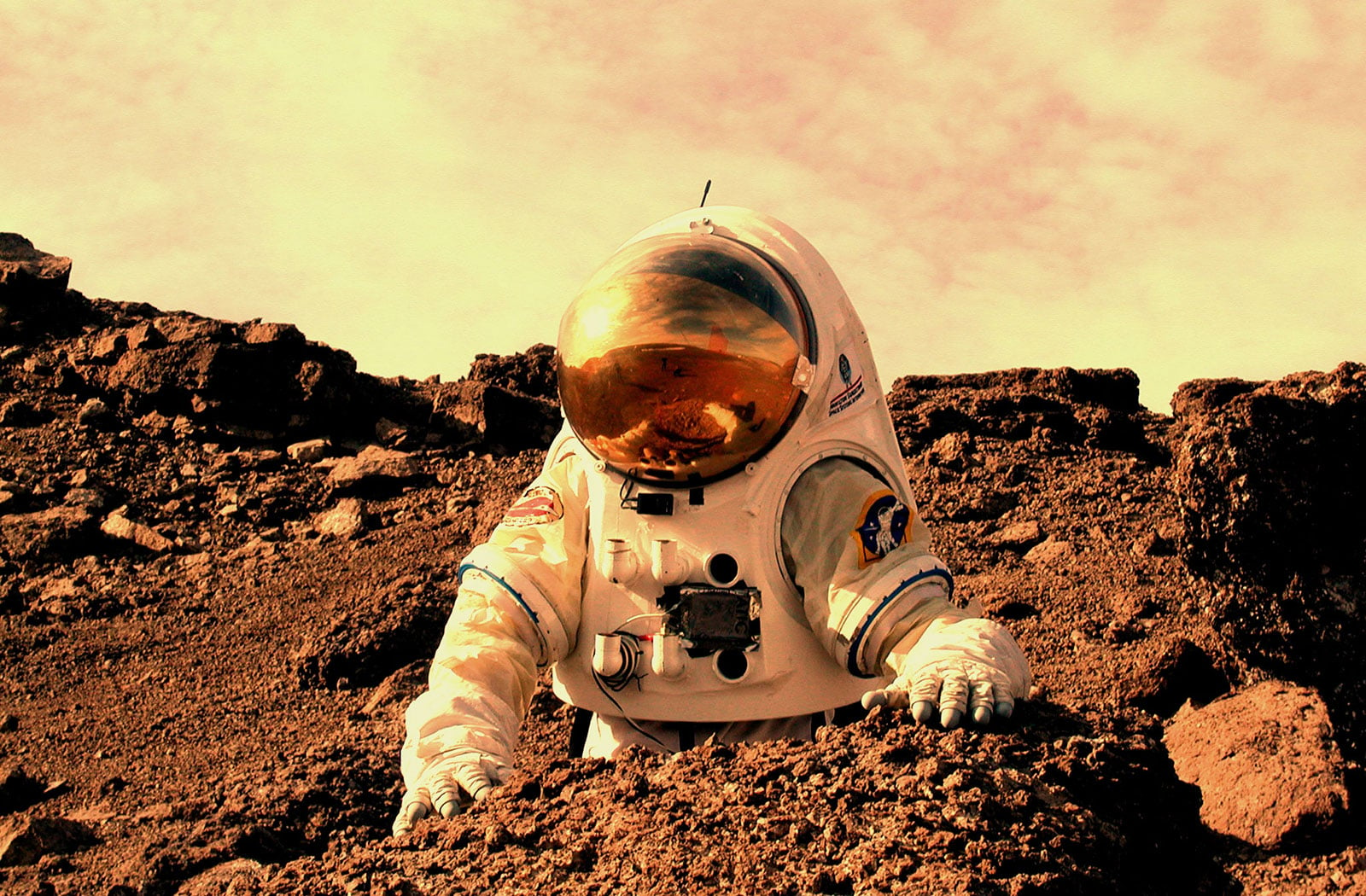
Long before a human ever sets foot on the Red Planet, we already know how hard the environment is. Once one finally does, the only things protecting them from that harsh environment will be the infrastructure we’ve built up there, and the spacesuit that keeps that in a protective bubble. Unfortunately, modern space suits aren’t built with Martian gravity, which is 3/8ths of Earth’s, in mind. To prove that point, a team of NASA and industry engineers made a presentation at the 55th International Conference on Environmental Systems (ICES) that showed that the newest generation of spacesuits are simply too heavy to use on Mars.
Continue reading
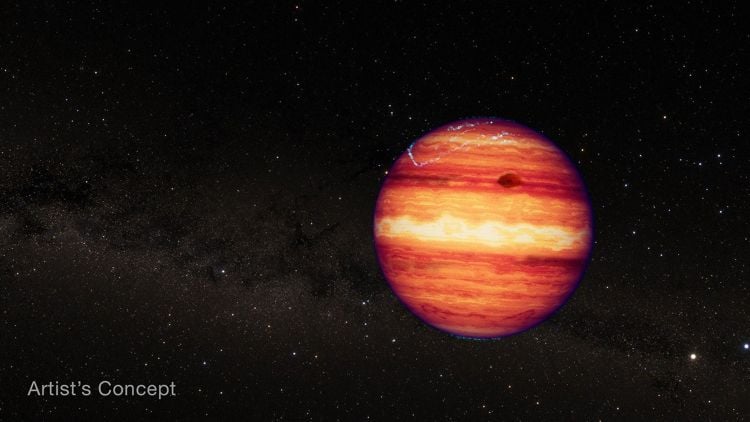
Jupiter’s moon, Io, is the most volcanically active planetary body in the solar system, boasting hundreds of active volcanoes spewing molten lava into space. This occurs from a process called tidal heating where Jupiter’s massive gravity constantly stretches and compresses the much smaller moon during the latter’s non-circular orbit. However, a lesser-known fact is that Io’s volcanic gases fuel Jupiter’s aurorae by traveling along Jupiter’s magnetic field lines, resulting in Jupiter’s bright aurorae observed by spacecraft and Earth-based telescopes. But what if this same phenomenon could be used to detect Io-like exomoons, also called exo-Ios, orbiting Jupiter-like exoplanets?
Continue reading
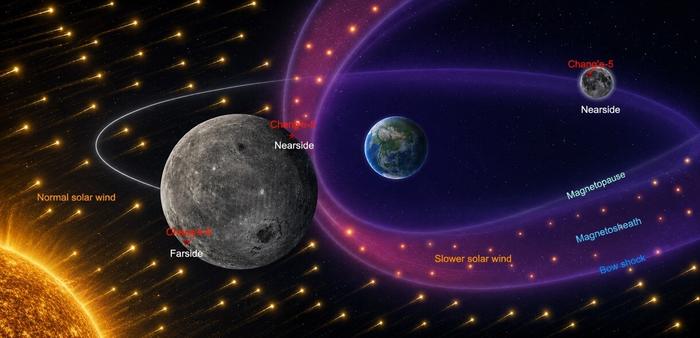
The samples returned by the Chang'e-6 mission from the far side of the Moon reveal that the two hemispheres have had rather different experiences when it comes to space weather.
Continue reading
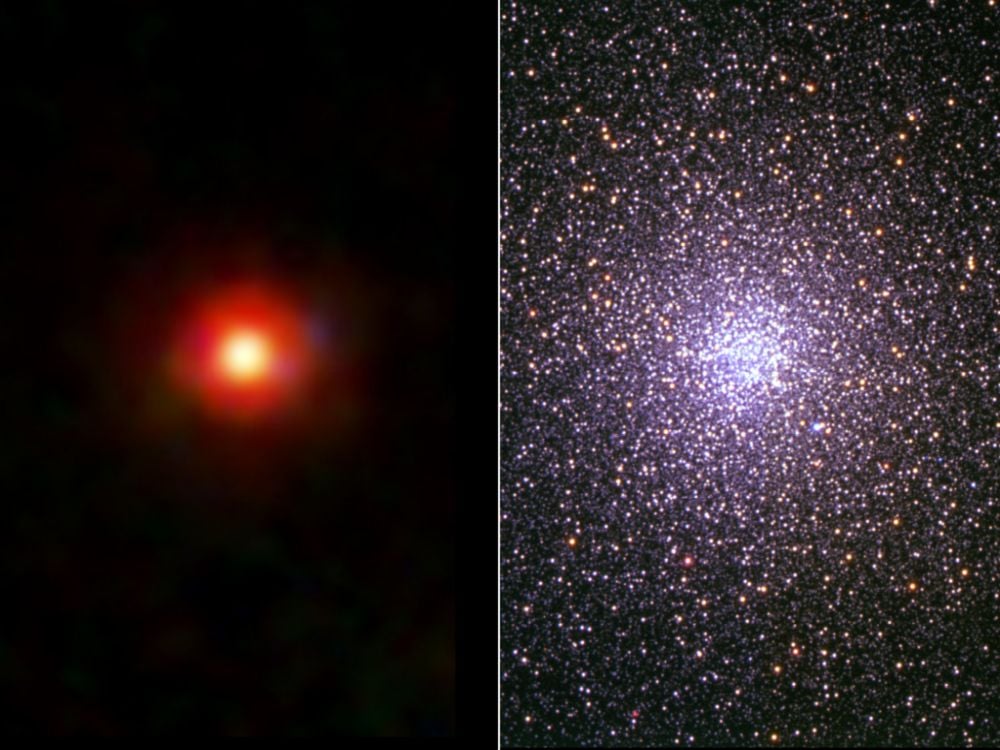
Little Red Dots are one of the mysteries uncovered by the JWST. Astronomers have been trying to figure out what they are, and have come up with multiple possibilities. New research says they could be ancient Globular Clusters with supermassive stars in their centers.
Continue reading
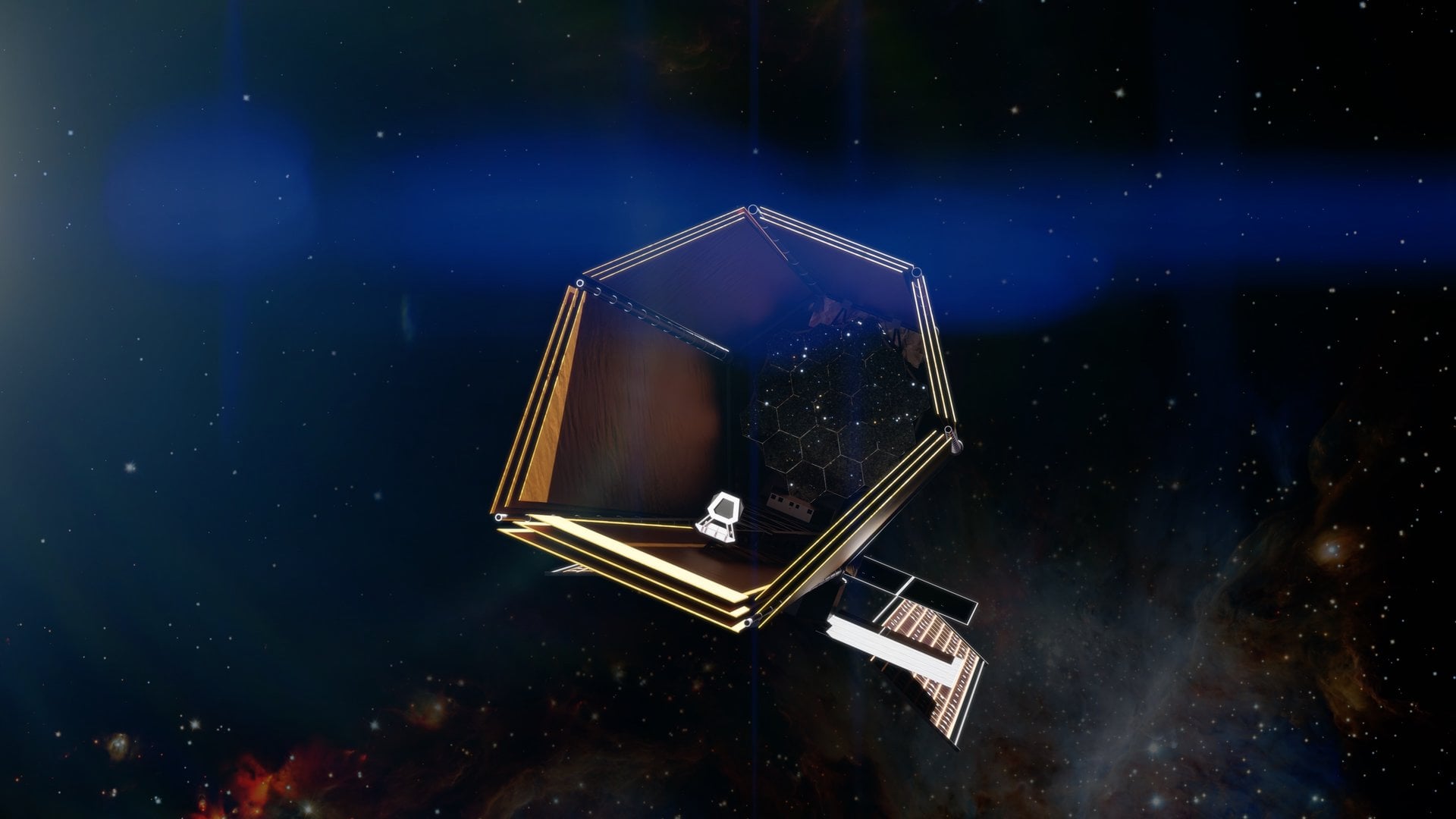
We’ve been covering the journey of the Habitable Worlds Observatory for some time now. Over the past few years, it's gone from a proposal to a relatively fleshed-out plan for how and what the next Great Observatory should do—in this case, look at and characterize potentially habitable exoplanets. Back in August 2024, NASA set up the HWO Technology Maturation Project Office (TMPO) to coordinate the technological and scientific development needed to make the mission a success. They recently released a comprehensive plan for the first steps of that process in pre-print form on arXiv, and it’s very clear on what needs to happen before the Mission Concept Review (MCR) at the end of the decade.
Continue reading
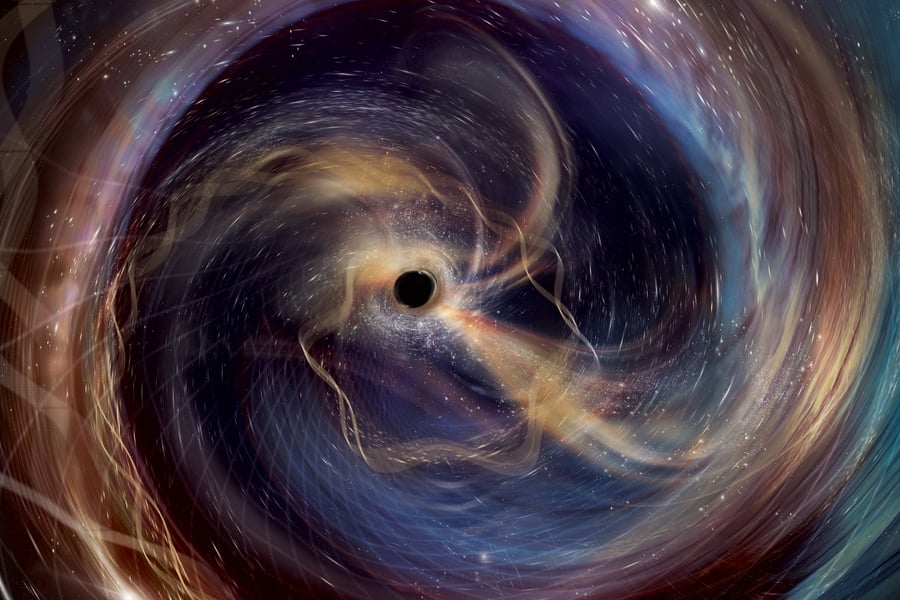
A black hole merger is one of the Universe's most energetic and massive events. During such a collision, two black holes orbit closer and closer until they collide and become a much more massive black hole. The event also gives off radiation and, as it happens, gravitational waves. They help tell the story of the two objects involved in the collision.
Continue reading
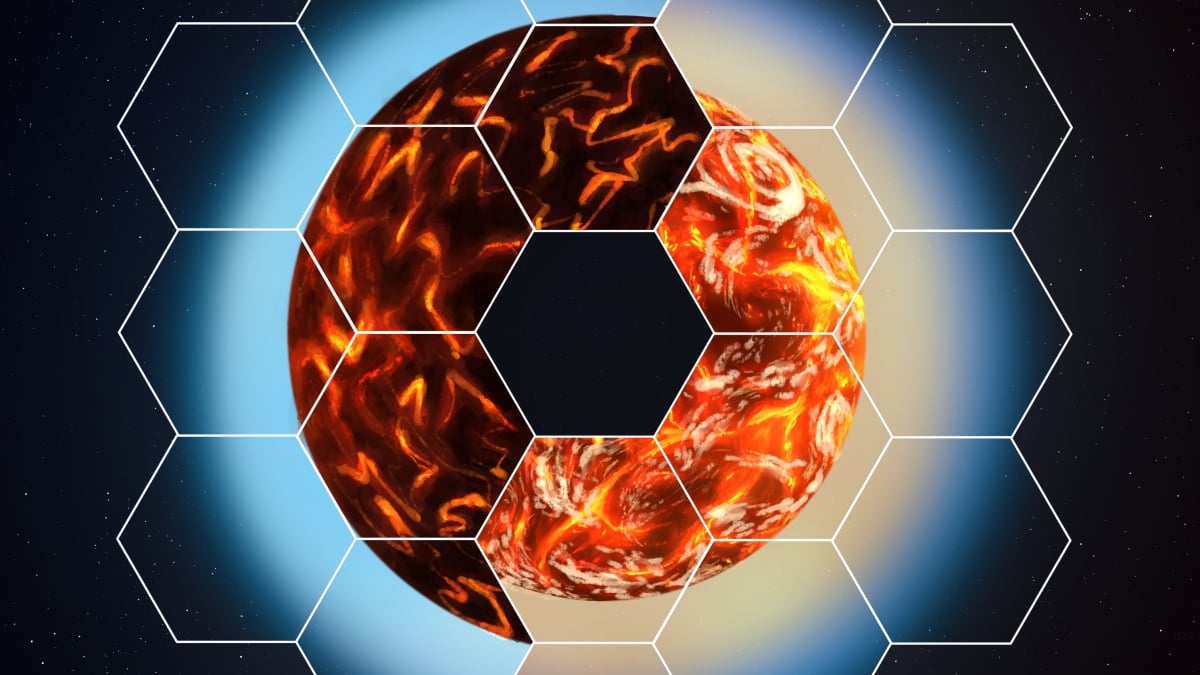
Scientists at ASU's School of Earth and Space Exploration have demonstrated how clouds in a sub-Neptune's atmosphere shape the interior structure of the planet.
Continue reading
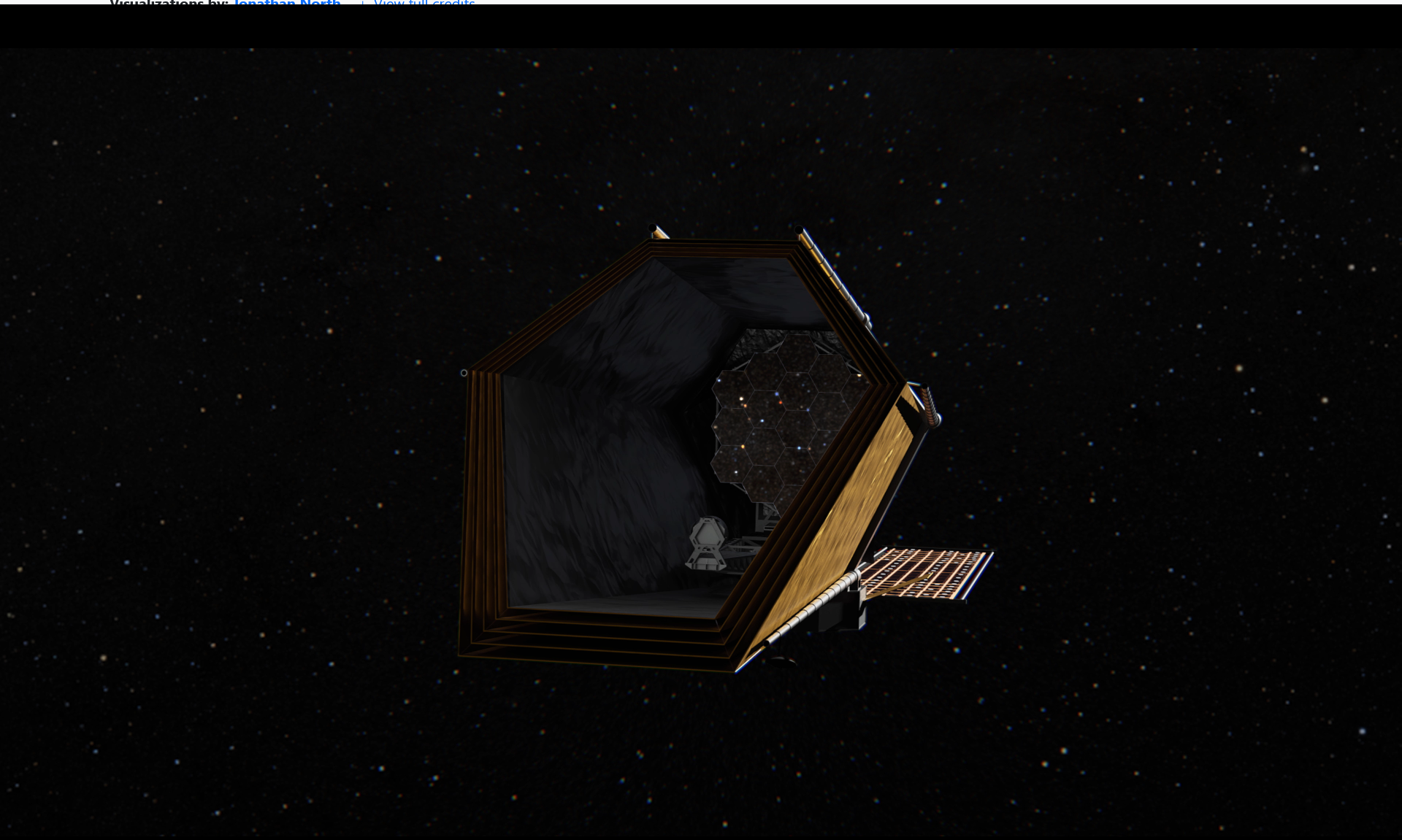
Through the Photonics-Enabled Exoplanet Spectroscopic System (PEEPSS) program, researchers are developing a technology that will assist NASA's planned Habitable World's Observatory (HWO).
Continue reading
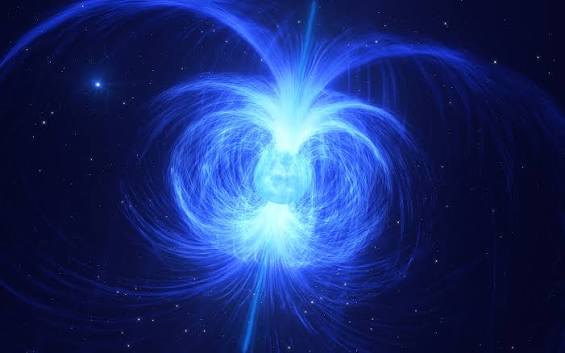
One of the challenges of searching for “technosignatures” (i.e. signs that intelligent life somewhere in the universe has created technology) is understanding what to look for. Technology is a very broad area, and different types would show up as different features. One of the most commonly cited is a Dyson sphere, which attempts to encapsulate a star and capture it’s outgoing light to produce energy. But while we’ve looked for the mid-infrared waste heat these structures would produce for decades, we haven’t found a definitive instance of one. According to a new paper, available in pre-print on arXiv by Turkish high school student Sahin Torlakcik, that might be because we are looking for the wrong type of energy all together.
Continue reading
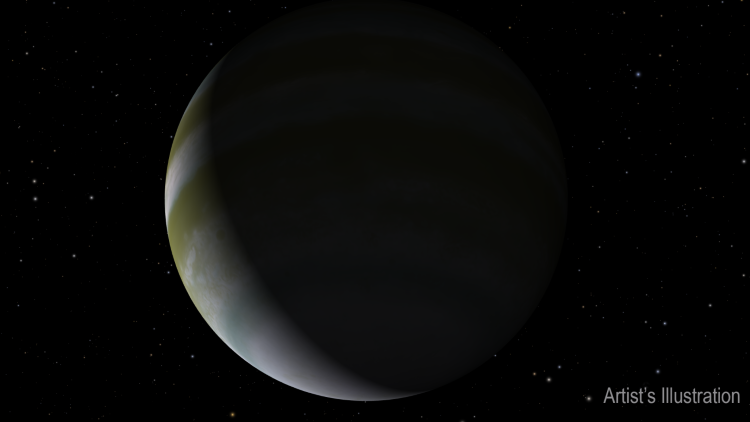
Sub-Neptune exoplanets, exoplanets that are slightly smaller than Neptune, have been designated as the most common type of planet in the Milky Way Galaxy based on their vast discovery numbers, totaling almost 3,300 out of the more than 6,300 confirmed exoplanets to date. Despite these numbers, the characteristics of sub-Neptunes remain relatively unknown. This is primarily due to our own solar system not having its own sub-Neptune to use as an analog, along with their atmospheres being thick and hazy. As a result, this makes telescopic observations, even from powerful instruments like NASA’s James Webb Space Telescope, extremely difficult.
Continue reading
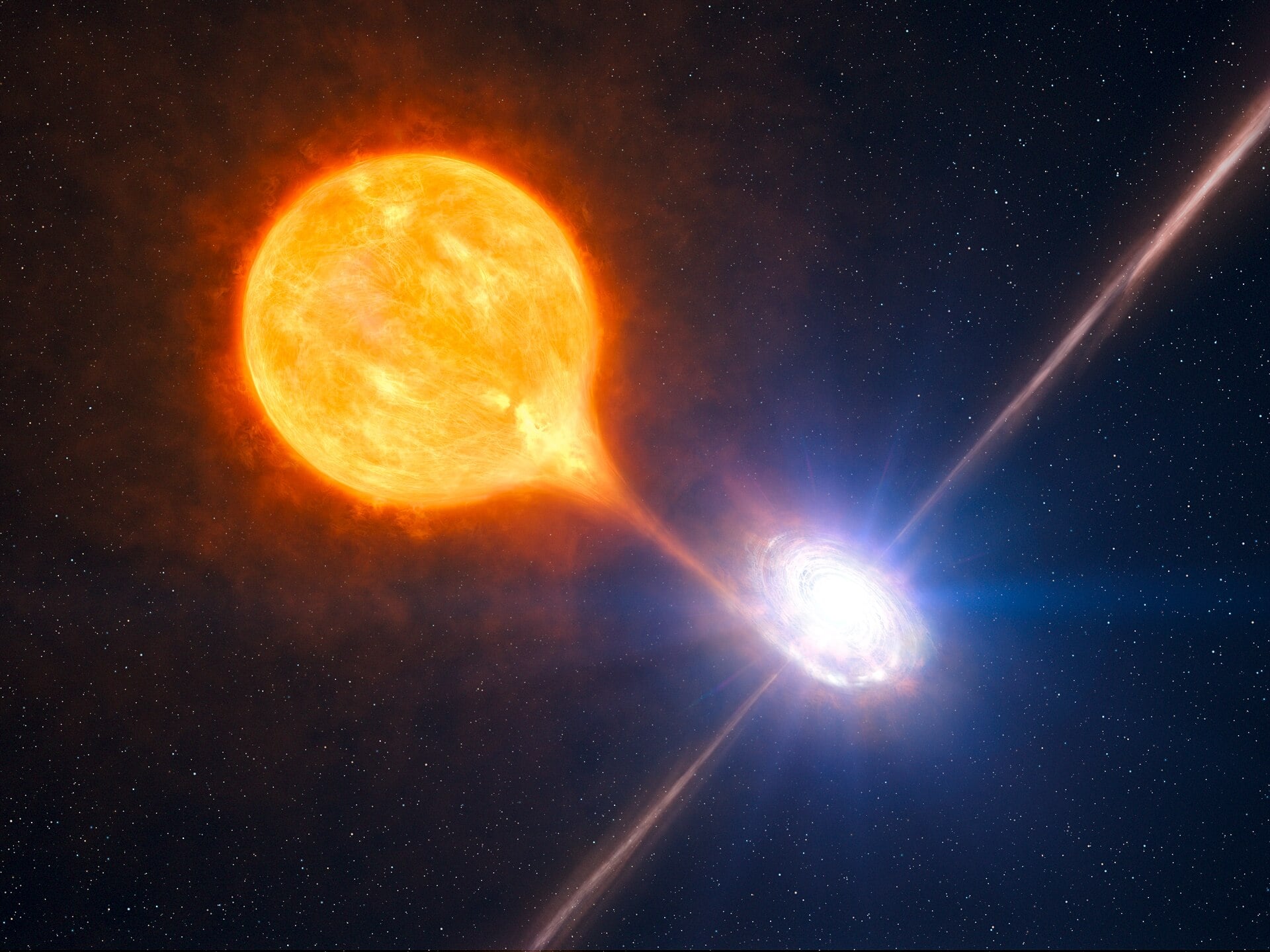
Black holes represent some of the most extreme environments in the universe. They’re the sources of the strongest consistent gravitational fields, which allows us to test Einstein’s Theory of General Relativity to an extent that’s impossible with small objects. But we’re also reaching our limit of what we can learn about one remotely. So various authors have put forward ideas for how we might eventually send a probe directly to a black hole to observe it up close. One of the most vocal of those authors is Cosimo Bambi of Fudan University in Shanghai - and he recently released a paper, available in pre-print on arXiv, about what it would take for us to send a gram-size probe to a nearby black hole.
Continue reading
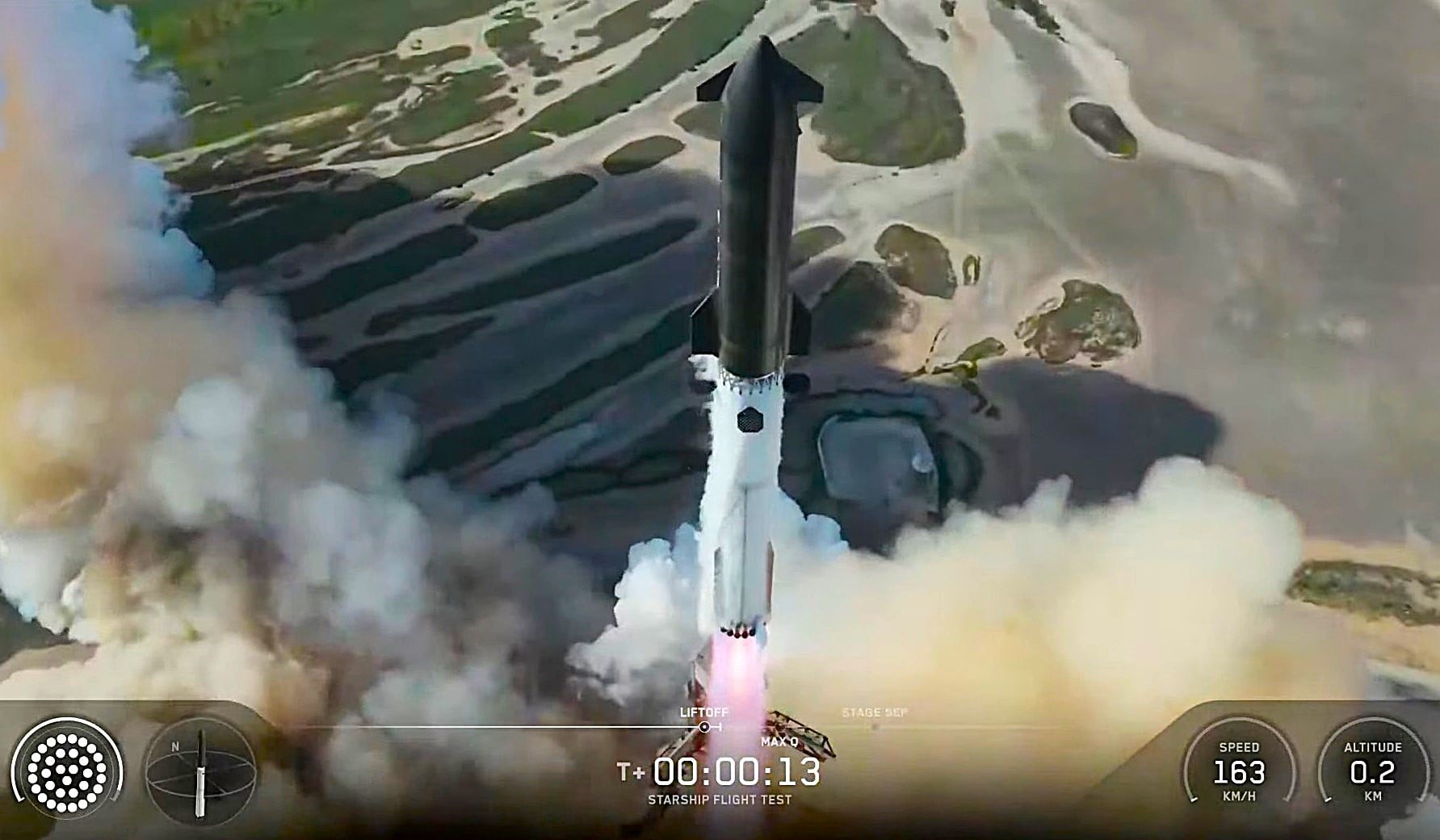
SpaceX's Starship super-rocket deployed operational next-generation Starlink satellites for the first time during its 13th flight test, which addressed snags that arose in the previous test.
Continue reading
 Universe Today