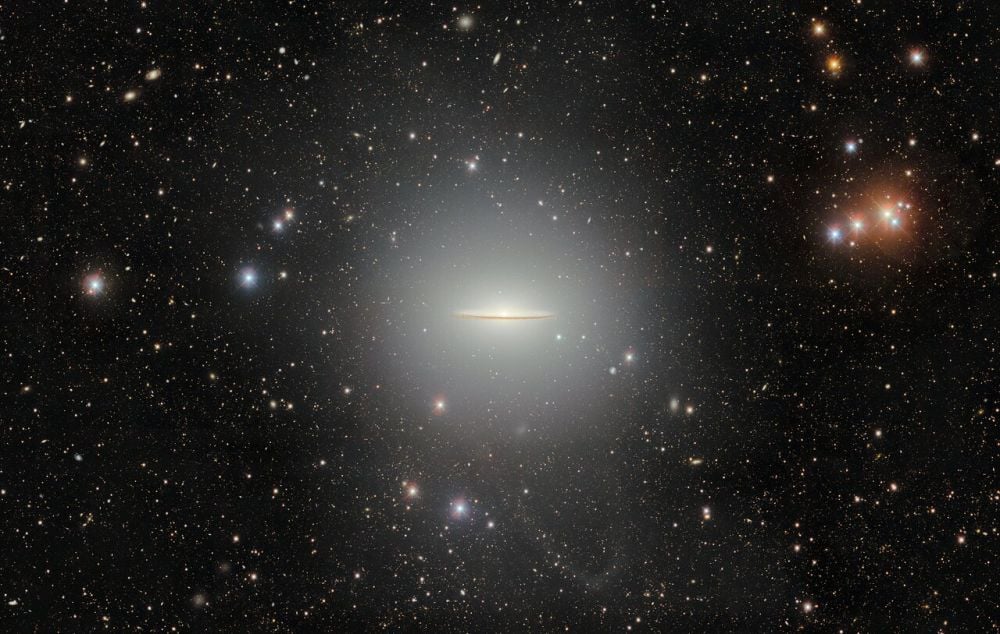
The 570 megapixel Dark Energy Camera captured this image of the iconic Sombrero Galaxy. The galaxy has characteristics of both elliptical galaxies and spiral galaxies, and is likely the result of multiple mergers and cannibalizations of dwarf galaxies. A faint stellar stream, only fully traced a few years ago, is revealed by DECam's resolving power.
Continue reading
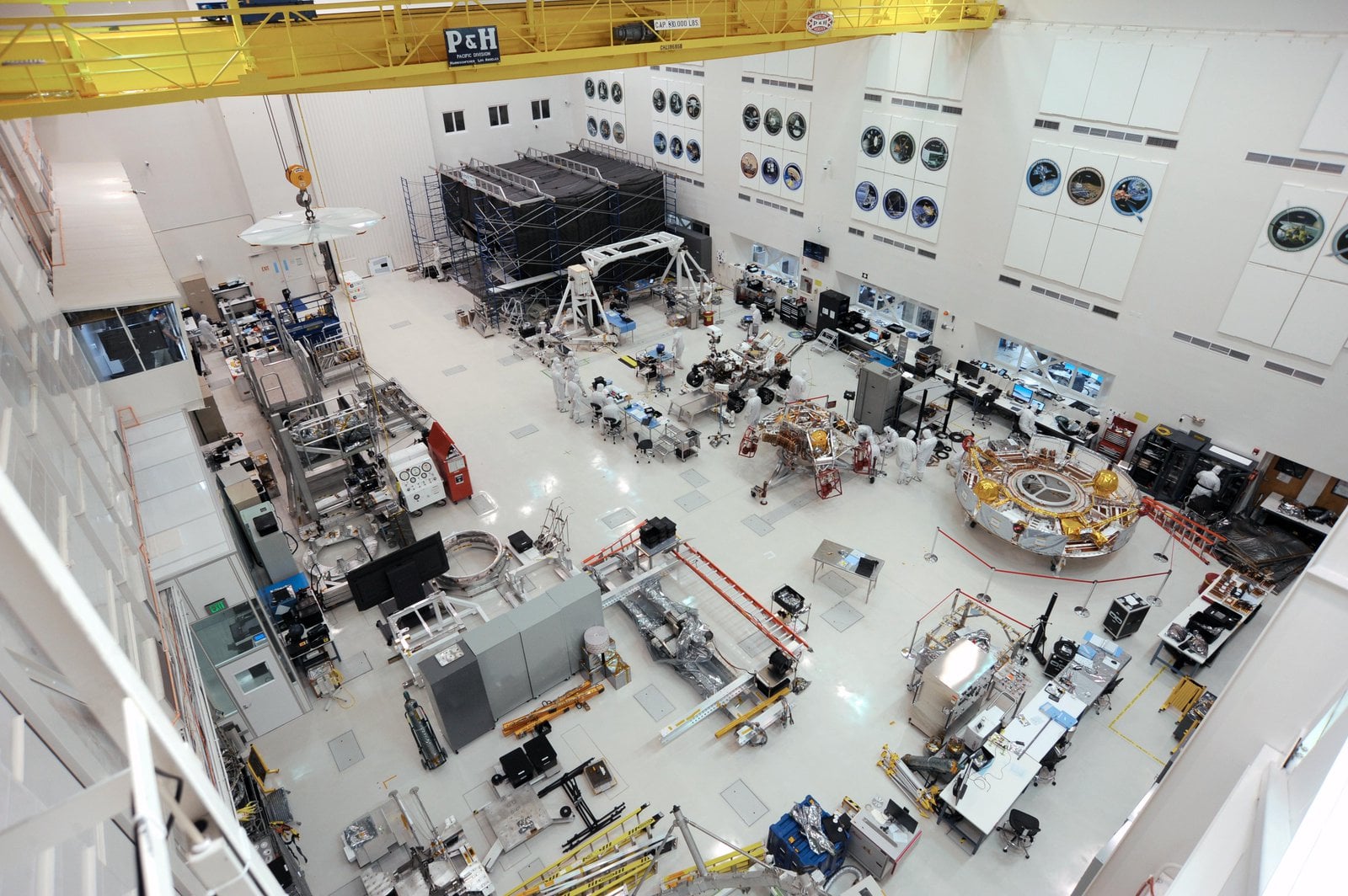
NASA and other space agencies spend a lot of time and money considering the cleanliness of their missions. Billions of dollars are spent in and on cleanrooms every year, with the express effort of ensuring both that the equipment operates without interference, but also that we don’t accidentally contaminate our exploration target with life from Earth itself. So far, we have primarily focused on bacteria in our efforts to stop this contamination, but according to a new paper by Atul M. Chander of NASA Jet Propulsion Laboratory and his co-authors, we might be missing an entirely different threat - fungi.
Continue reading
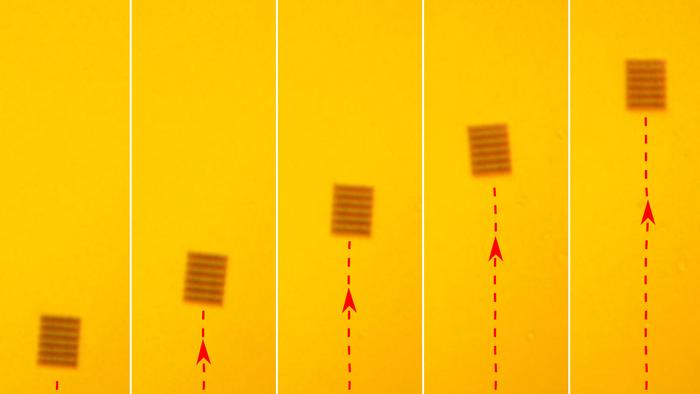
Using nothing but a laser beam, scientists at Texas A&M University have demonstrated that tiny engineered devices can be lifted and steered in three dimensions without any physical contact. This breakthrough could one day form the basis of a propulsion system capable of reaching our nearest neighbouring stars in decades rather than centuries.
Continue reading
Researchers at the Institute of Science Tokyo have developed an origami inspired foldable antenna for CubeSat satellites that weighs just 64 grams yet in orbit, it deploys to two and a half times its stowed size. The antenna folds away neatly for launch and deploys automatically in space, achieving high gain communications performance from a package small enough to fit in your pocket and could one day support missions as far away as the Moon.
Continue reading

Space travel has taught us valuable lessons for living and working in outer space, specifically regarding how microgravity (often mistakenly called zero-gravity) impacts the human body during short- and long-term spaceflight. This includes decreased muscle and bone mass, fluid shifts, reduced heart rate, psychological health, compromised immune system, and radiation exposure. But with agencies like NASA aspiring to build a lunar base and establish a long-term presence on the Moon, and eventually Mars, how could space travel impact potentially having babies in space?
Continue reading
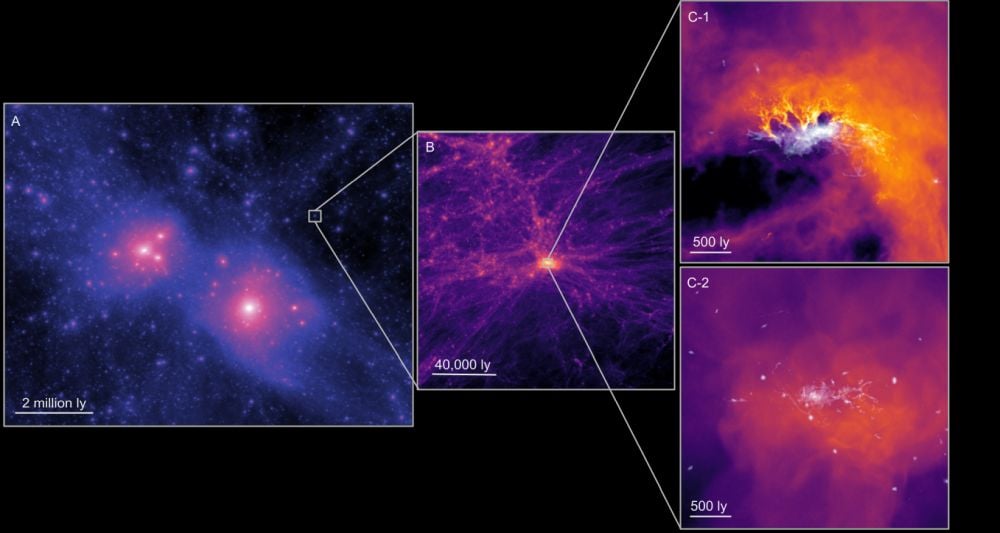
The Milky Way has a sizable retinue of dwarf galaxies, and they may hold important clues about conditions in the early Universe. However, they're difficult to observe because many of them are so faint. The tiniest ones are called Ultra-faint dwarf galaxies, and a new simulation aimed at how they form is showing how these faint collections of stars and gas mirror the conditions of the early Universe.
Continue reading
These images, released on April 14, 2026, show two open star clusters, Trumpler 3 (left) and NGC 2353 (right). They represent a recent study from NASA’s Chandra X-ray Observatory that shows how young Sun-like stars are dimmer in X-rays than previously thought. This latest study looked at eight clusters of stars between the ages of […]
Continue reading
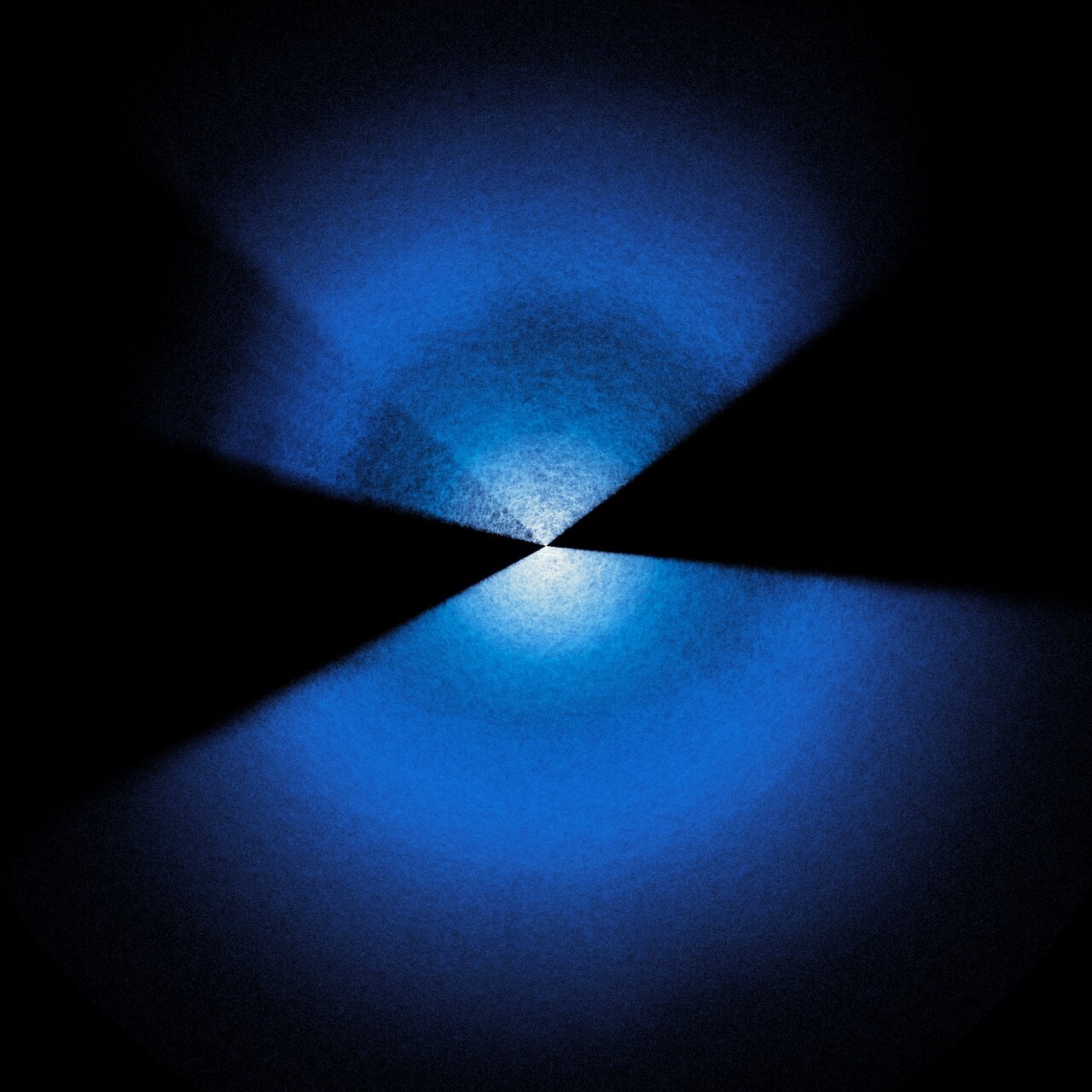
A team of scientists at the University of Virginia is using a telescope in Arizona to study cosmic structure and the result is the largest 3D map of the Universe ever created. The Dark Energy Spectroscopic Instrument (DESI) at Kitt Peak National Observatory is their tool, and the ultimate goal is to get a handle on the mystery of dark energy by charting the positions of galaxies.
Continue reading
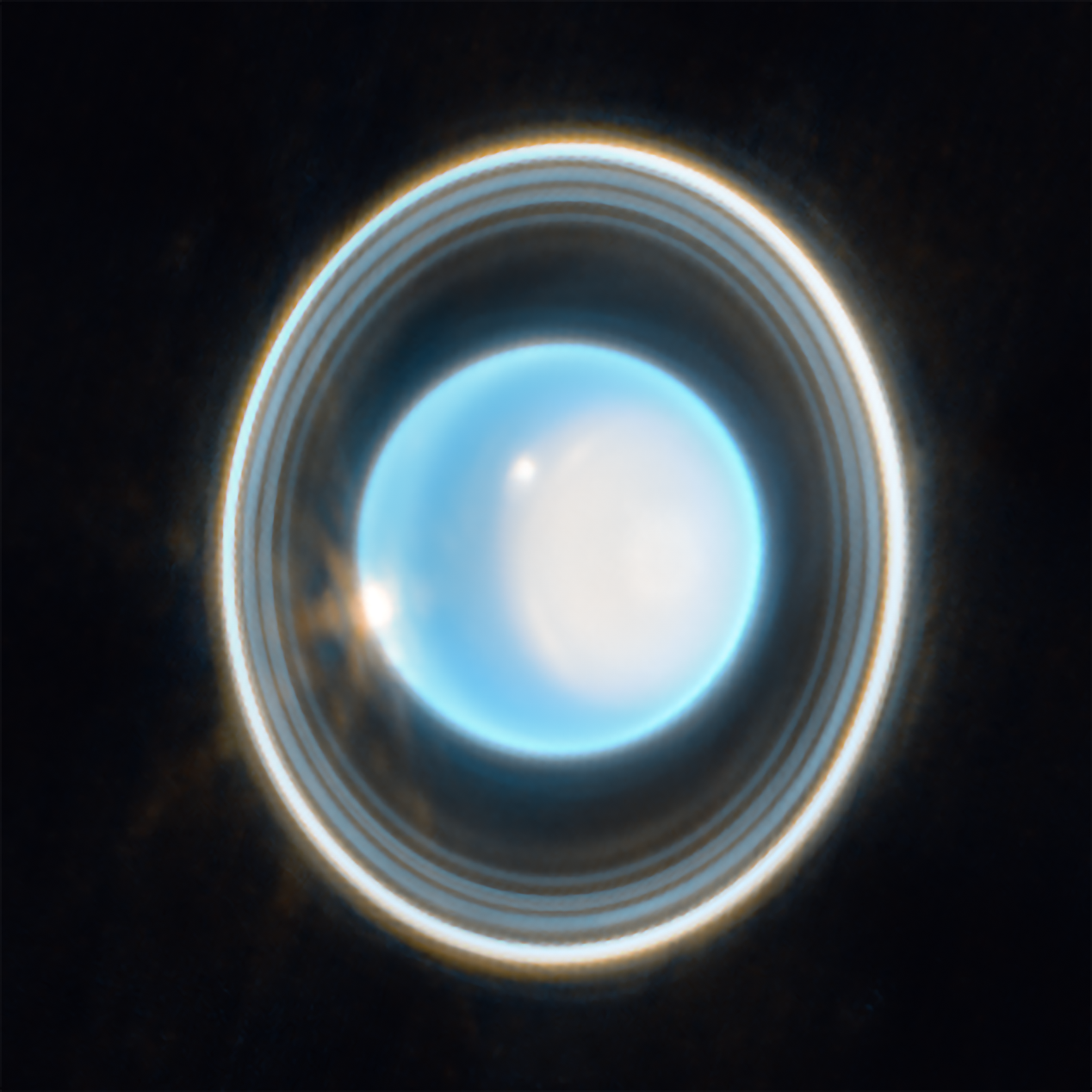
The planet Uranus is a weird place. Not only does it roll around the Sun on its side once every 84.3 Earth years, it also sports a spindly set of rings corralled in some places by strange little moons. Two of those rings, the μ (mu) and ν (nu) rings are incredibly faint, which makes them challenging to study.
Continue reading
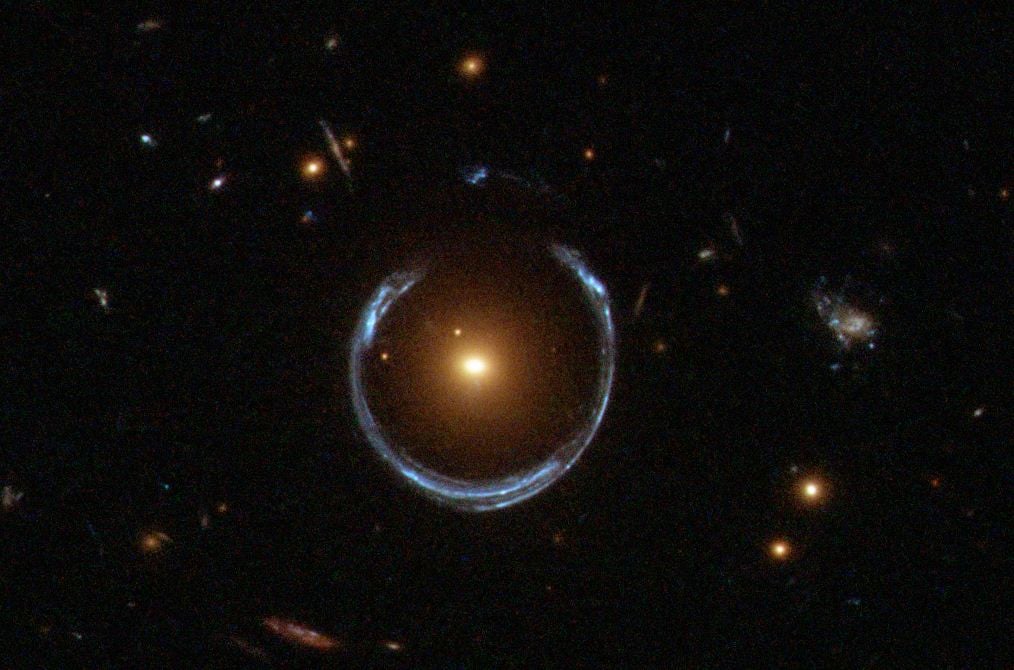
Einstein told us that massive objects bend light and he was of course, right. Across the universe, giant galaxies are acting as natural telescopes, warping and distorting the light of objects behind them into spectacular arcs and rings. Now the Euclid space telescope wants your help to find them and the scale of the hunt is unlike anything attempted before.
Continue reading
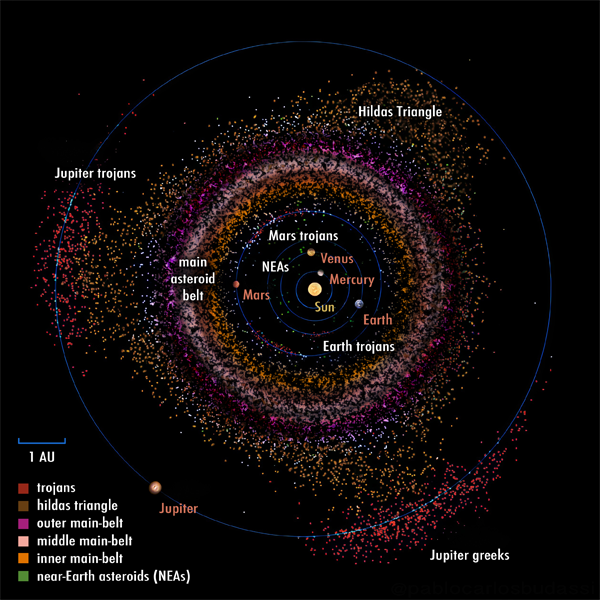
If humans are ever going to live permanently on Mars, someone is going to have to work out where all the raw materials, the food, they oxygen or the material for the structures to name just a few. A new study has tackled that unglamorous but absolutely critical question and the answer involves robots, asteroids, and one of the most complex supply chains ever designed.
Continue reading
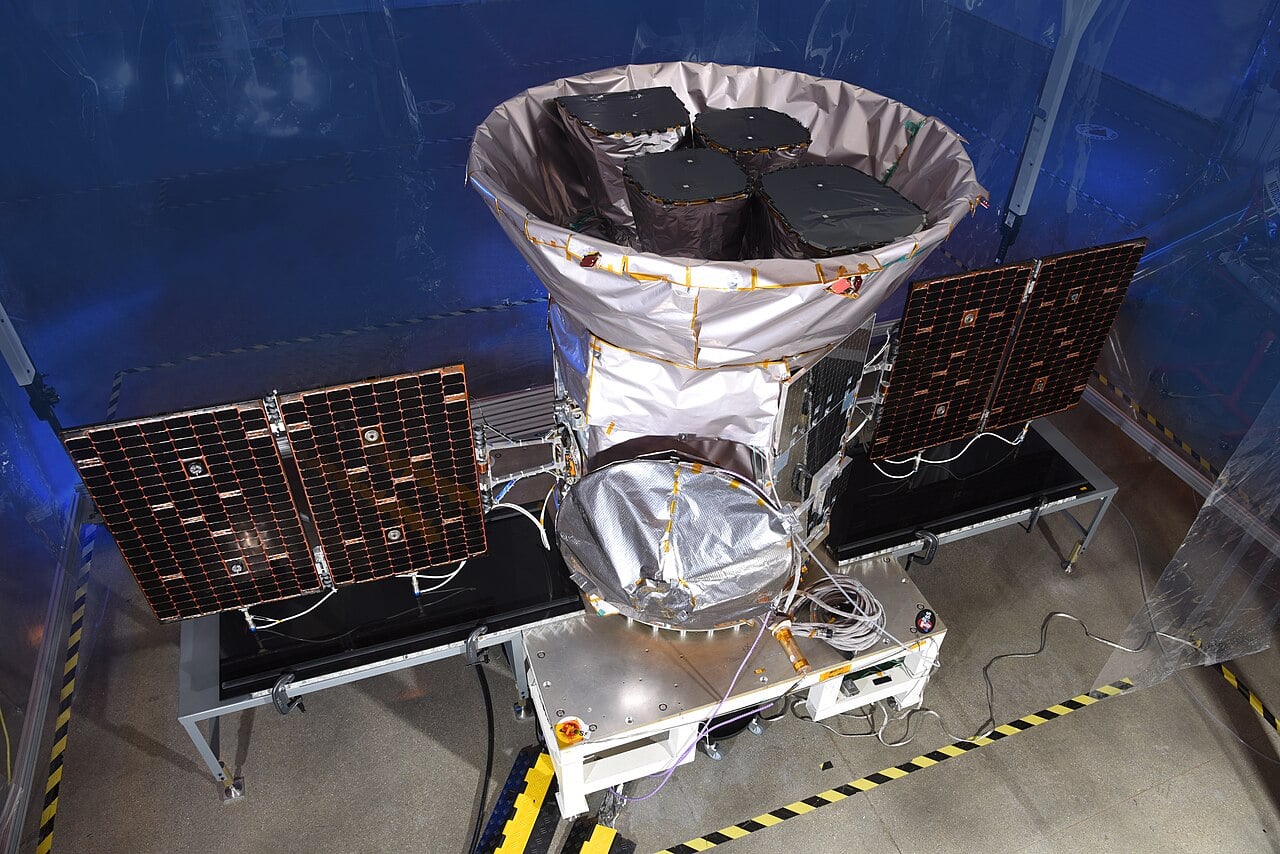
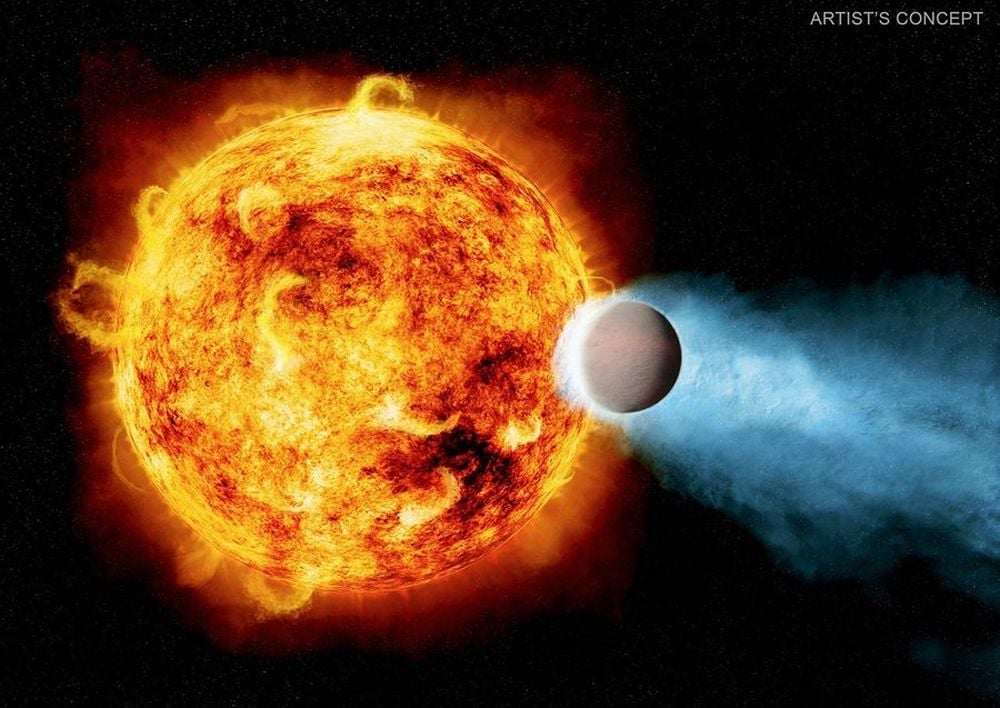
NASA's planet hunting telescope has been busy. A new study has just sifted through the light of over 83 million stars and emerged with more than 11,000 potential worlds, including a confirmed giant planet orbiting a distant star. The results don't just add to our catalogue of planets. They fundamentally change where we look for them.
Continue reading
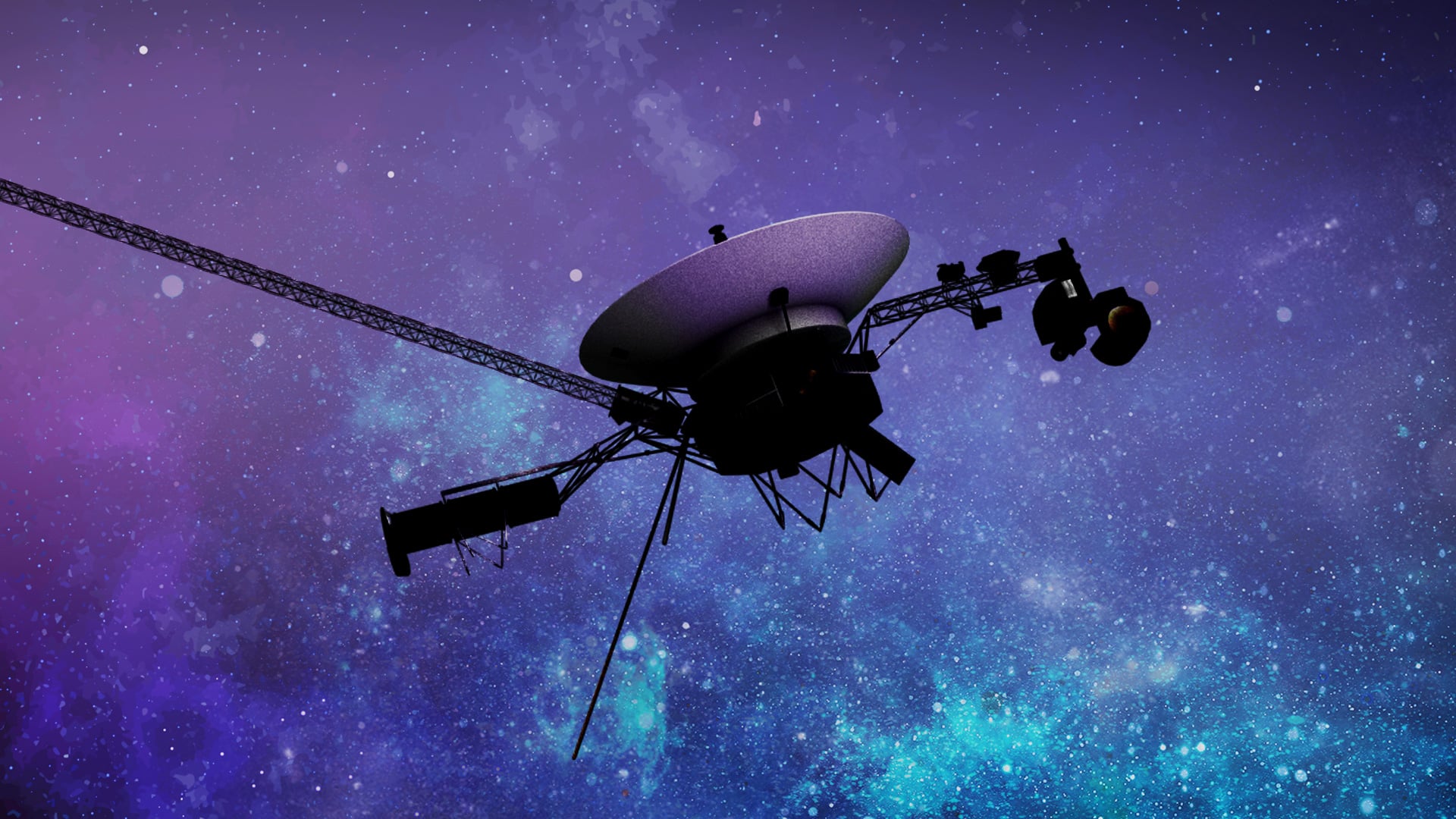
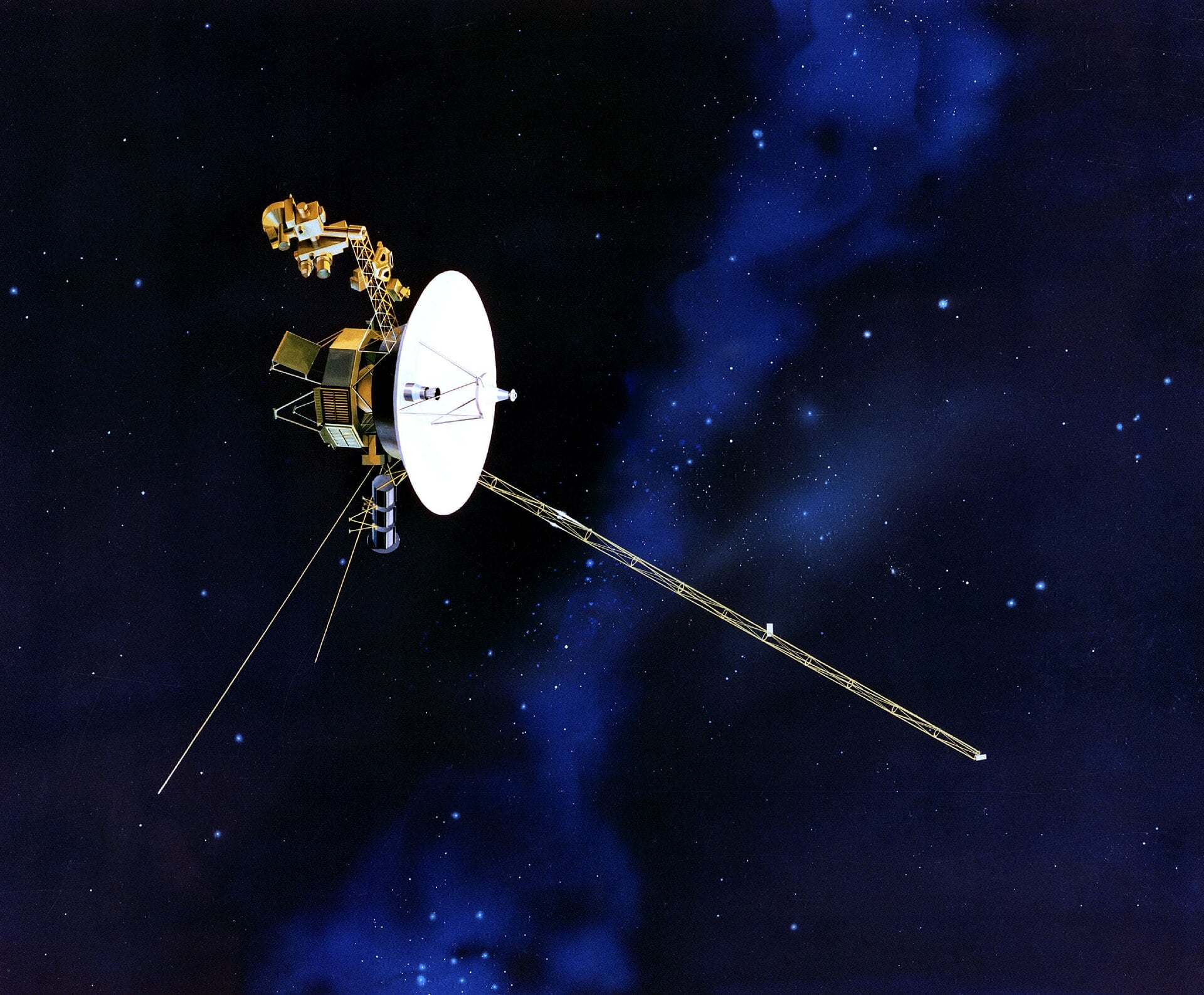
On April 17th, engineers at NASA's Jet Propulsion Laboratory (JPL) sent commands to shut down an instrument aboard Voyager 1 called the Low-energy Charged Particles experiment, or LECP. The nuclear-powered spacecraft is running low on power, and turning off the LECP is considered the best way to keep humanity's first interstellar explorer going.
Continue reading
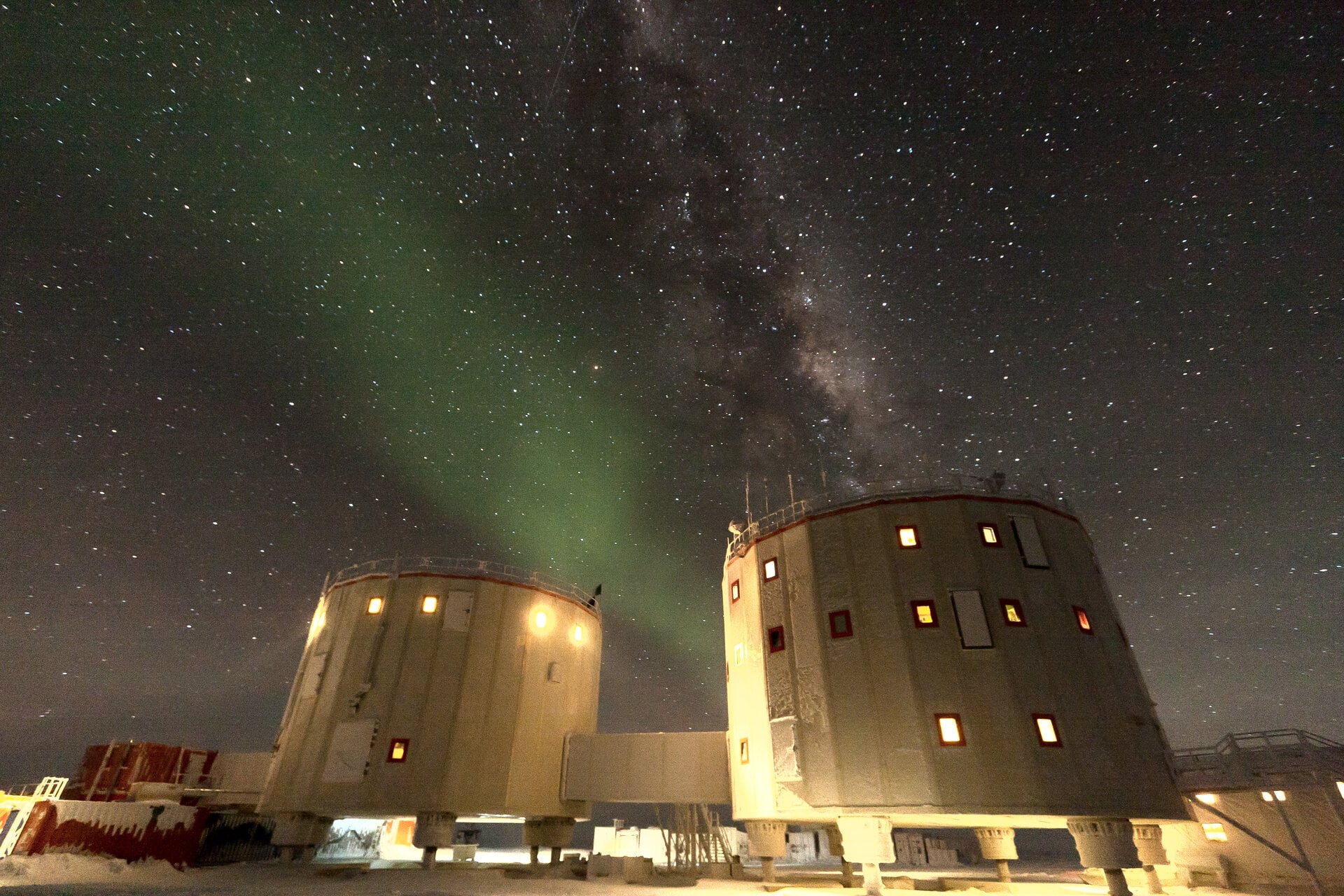
ASTEP, the Antarctic Search for Transiting ExoPlanets, a small visible telescope operating at Concordia station, continues making a real impact in characterizing odd new exoplanetary systems.
Continue reading
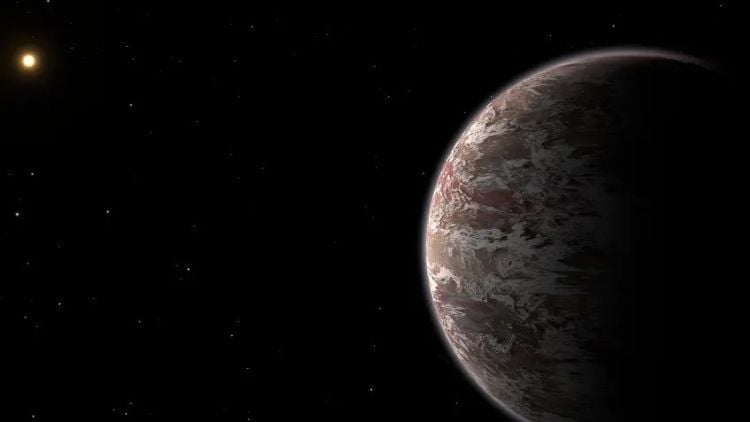
The giant planets in our solar system—Jupiter, Saturn, Uranus, and Neptune—have challenged our understanding of planetary formation and evolution. Specifically, their atmospheric formations and compositions have provided awe-inspiring images from spacecraft and given scientists key insights into the interior mechanisms of these massive worlds. But what about exoplanets? What can their atmospheres teach scientists about their formation, evolution, composition, and interior mechanisms? And how do longstanding exoplanet models stack up against the real thing?
Continue reading
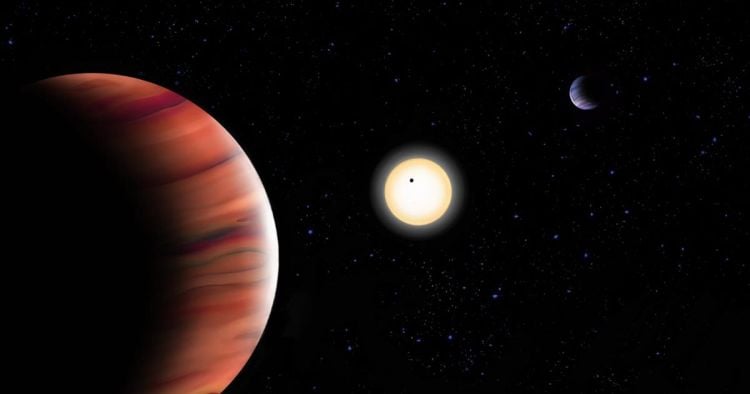
It turns out that even after studying our solar system in depth and discovering more than 6,100 exoplanets across more than 4,500 exoplanetary systems, not all solar systems are created equal. The longstanding notion is that planets orbit almost entirely in the same orbital path, also called an orbital plane. But what if an exoplanetary system was found to have exoplanets that not only orbit in different planes, but also exhibits changing behavior regarding when they pass in front of their star?
Continue reading
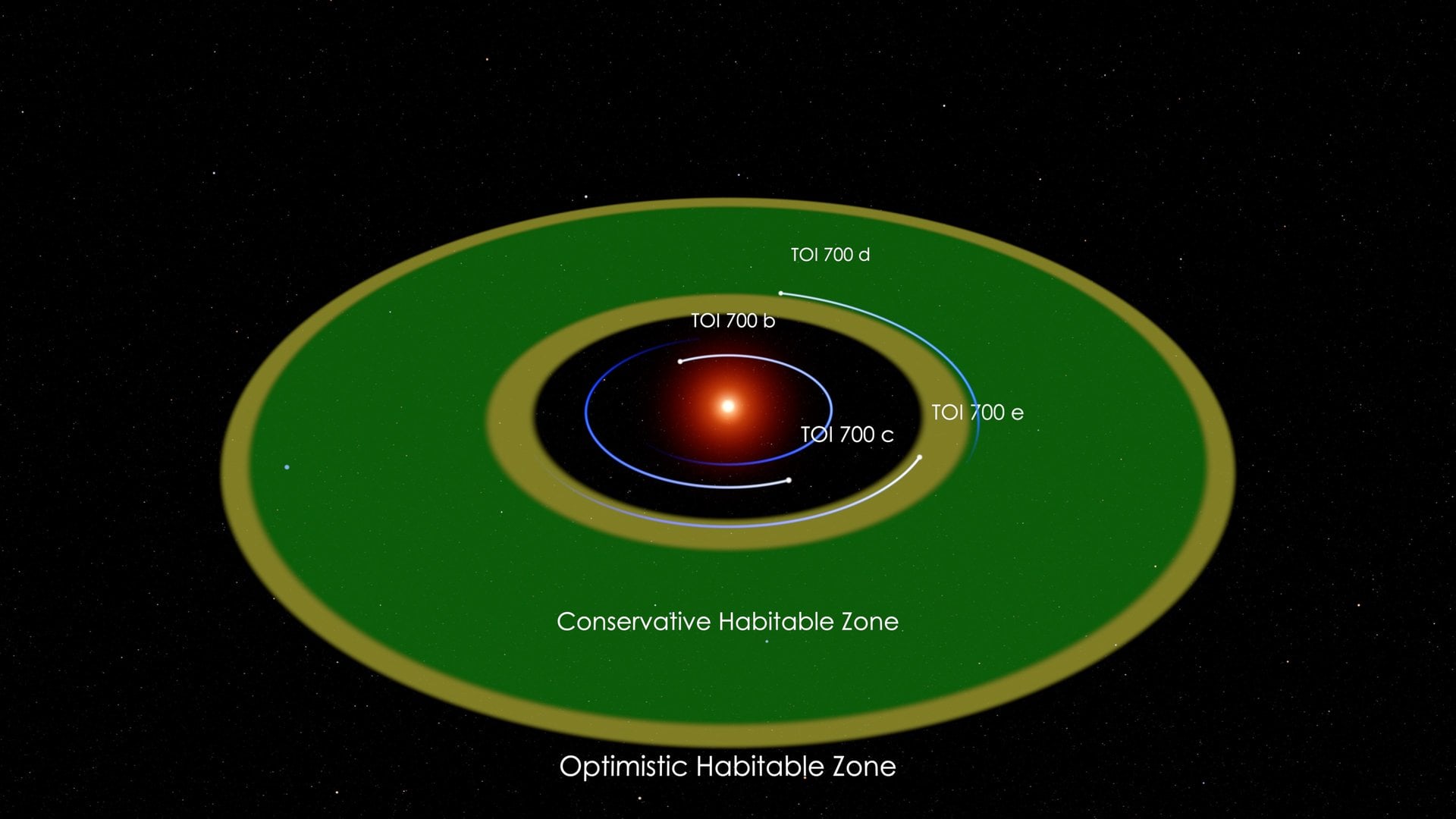
The Moon has played a huge role in the development of Earth. It stabilizes the planet, tempered dramatic climate swings, and possibly even provided the tidal heating that might have led to the first life forms. So it’s natural we would want to find a similar Earth/Luna system somewhere else in the cosmos. But astronomers have been searching for one for years at this point to no avail. And a new paper from Emily Pass and her colleagues at MIT, Harvard, and the University of Chicago describes using the James Webb Space Telescope to track some of the most promising exomoon candidates - only to be foiled by the star they were orbiting.
Continue reading
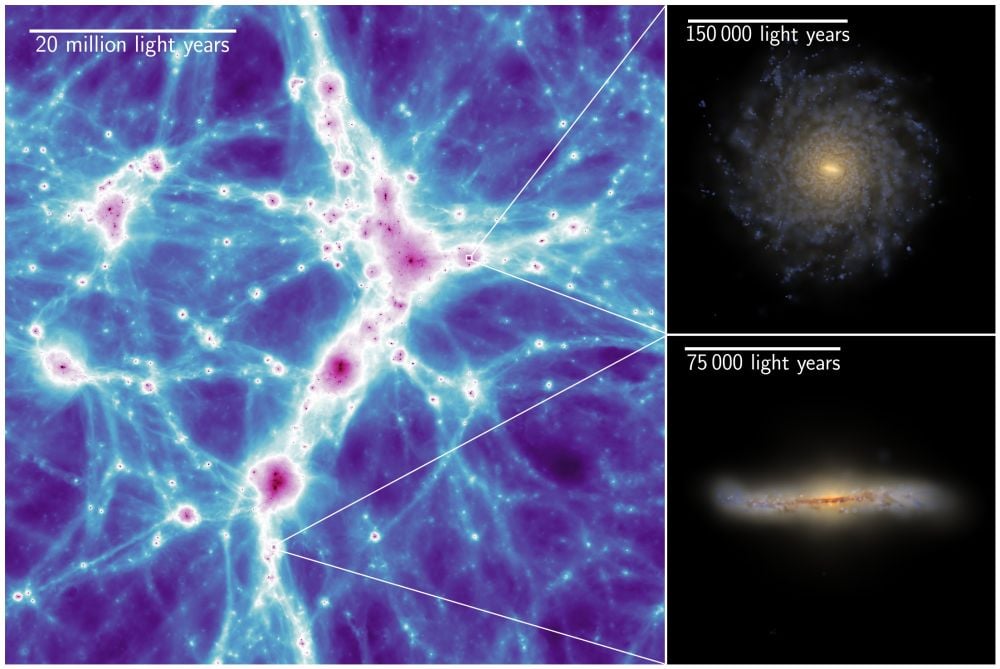
The new Colibre cosmological simulation includes more critical detail than previous simulations. It also includes updated models of things like AGN feedback and star formation. The simulations also include a sonic component, giving the results a cinematic and information-rich flair.
Continue reading
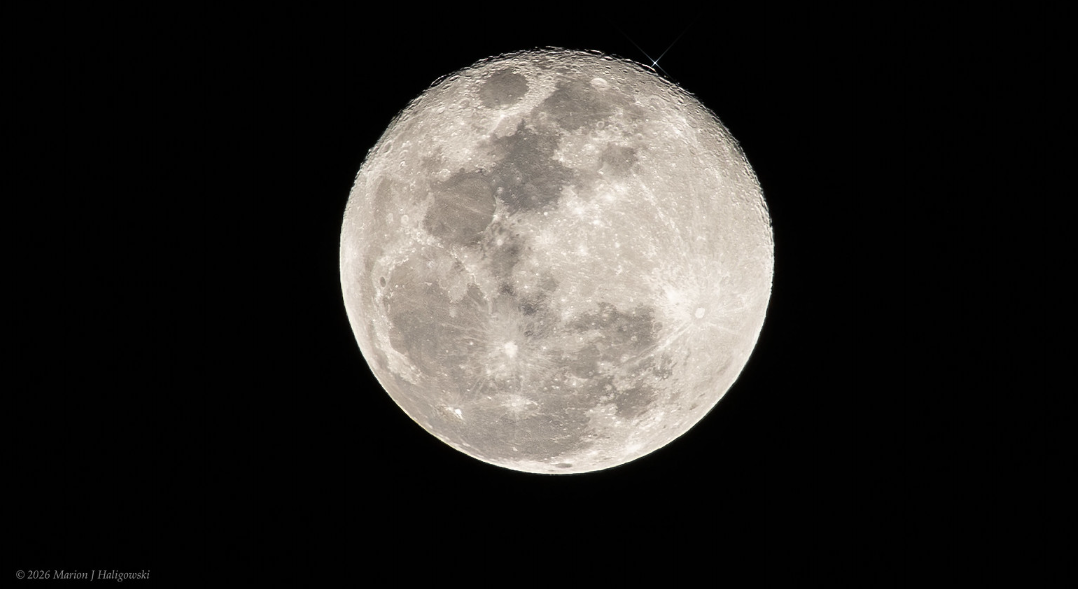
Much of visual astronomy requires nothing more than clear skies, keen eyes, and patience. If you’re out skywatching Saturday evening and live in North or South America, watch for the waxing gibbous Moon pairing with Regulus at dusk. For a privileged region, the Moon will actually blot out or occult the star, in one of the best-placed lunar occultations of a bright star for 2026.
Continue reading
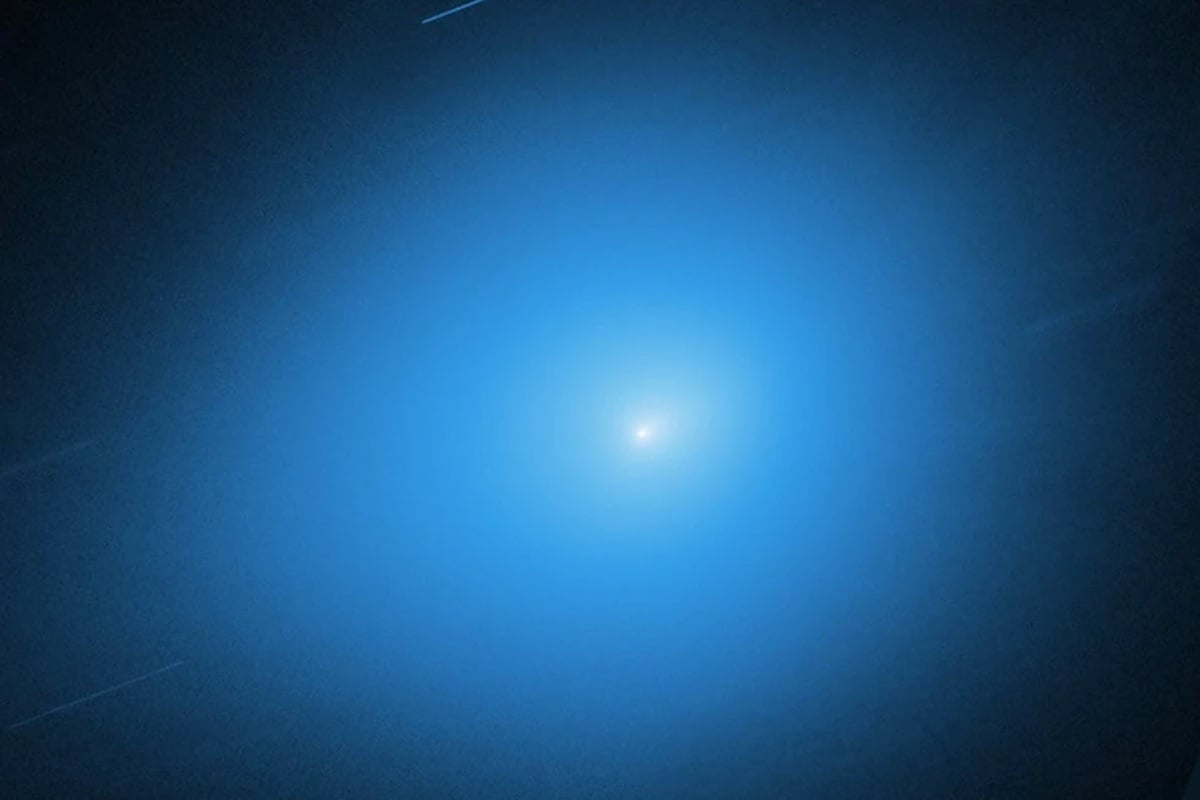
A new analysis of data obtained by JWST on 3I/ATLAS as it was on its way out of the Solar System (in December 2025) showed that its interior is rich in methane ice.
Continue reading
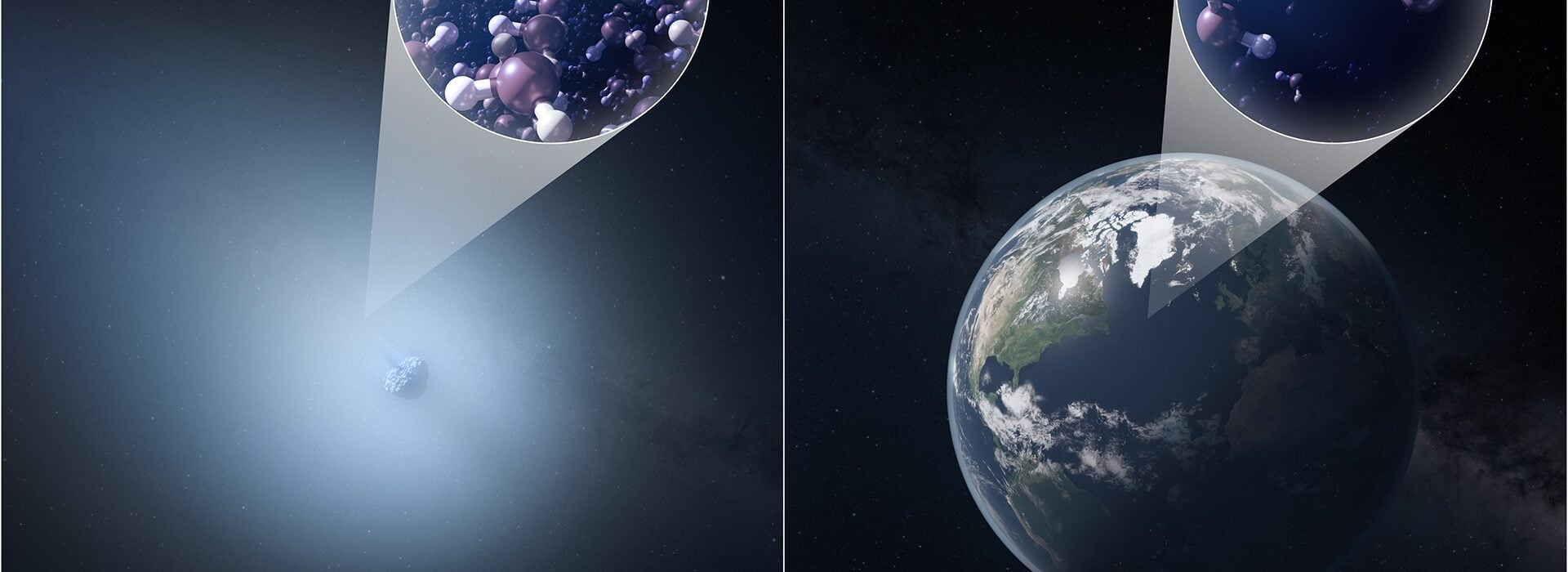
The interplanetary comet 3I/ATLAS is remarkably rich in a specific type of water that contains deuterium, meaning it came from somewhere colder and with lower levels of radiation than our early Solar System.
Continue reading
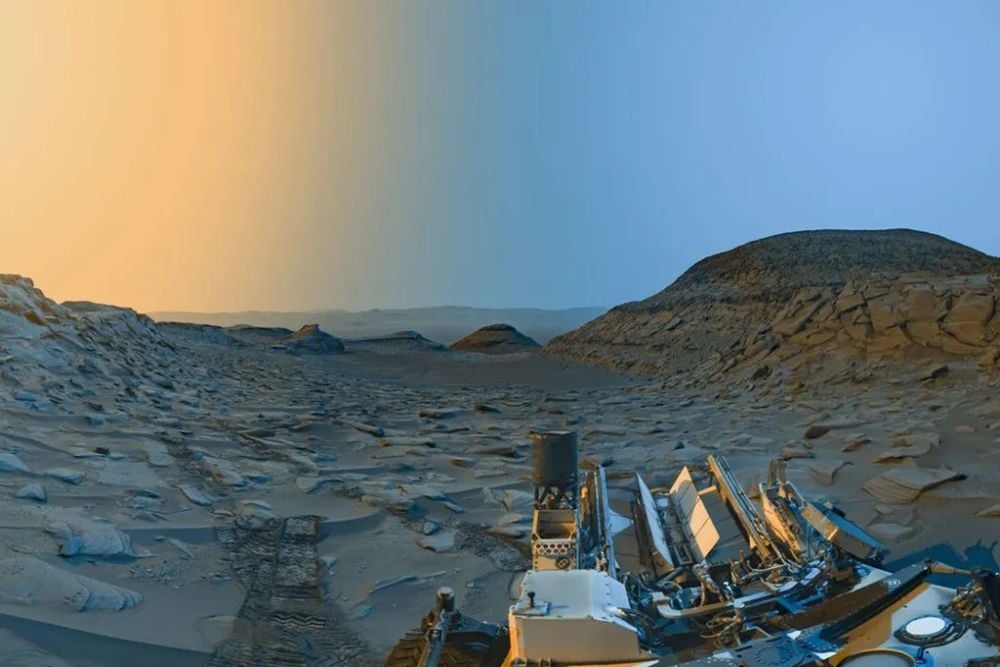
NASA's MSL Curiosity rover found a bathtub ring-like deposit of zinc, manganese, and iron in Gale Crater. These metals precipitate out of water in the right conditions, and there's not really any other way they could've become concentrated here. Adding to the excitement, these deposits also form in lakes on Earth, where the concentrated metals are food for some types of bacteria.
Continue reading
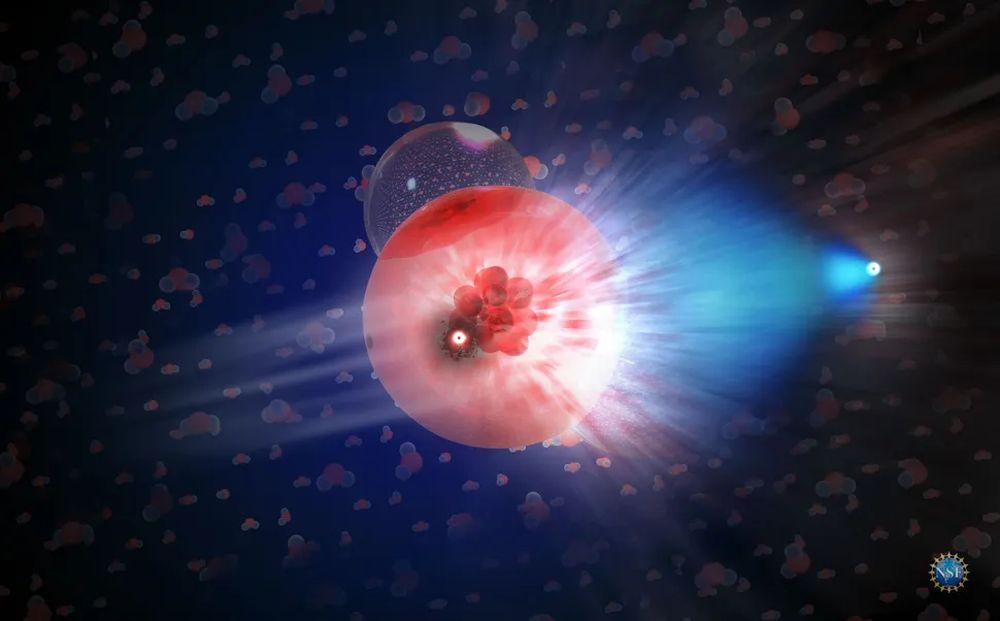
Neutrinos are very difficult to detect. And when they are detected, pinpointing their sources is likewise difficult. New research shows that the most energetic neutrino ever detected must have had an extraordinarly energetic source. It could even be primordial.
Continue reading
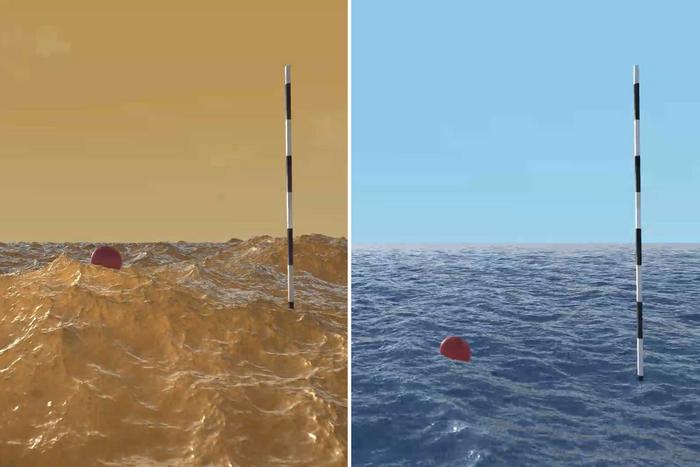
One of the most dramatic and memorable scenes from Interstellar comes from Miller’s planet - and if you don’t want a spoiler for an 11 year old movie, feel free to skip to the next paragraph. When the crew arrives on this potential new home for humanity, they are faced with a literal 1.2 km high wall of water bearing down on them quickly. It’s a great representation of how waves on other planets can act differently than on Earth. Admittedly, according to Kip Thorne, the scientific advisor for that movie, those waves are actually caused by the planet’s proximity to a local black hole rather than the wind that forms our waves here.
Continue reading
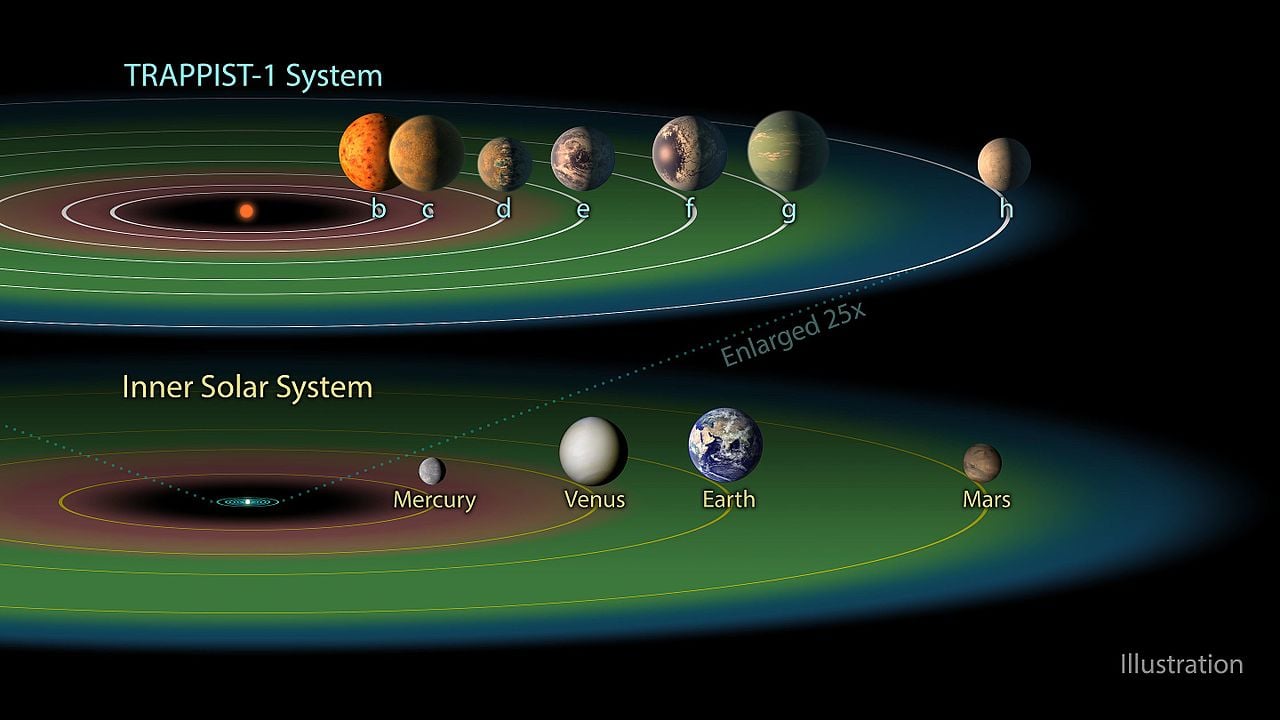
One side is scorched to over 200 degrees, while the other is plunged into a darkness so cold it falls below minus 200. Welcome to TRAPPIST-1b and 1c, two rocky worlds that have just revealed the first ever climate maps of Earth sized planets beyond our Solar System. The James Webb Space Telescope has been watching, and what it found tells us something profound about where life might, and might not exist in our Galaxy.
Continue reading
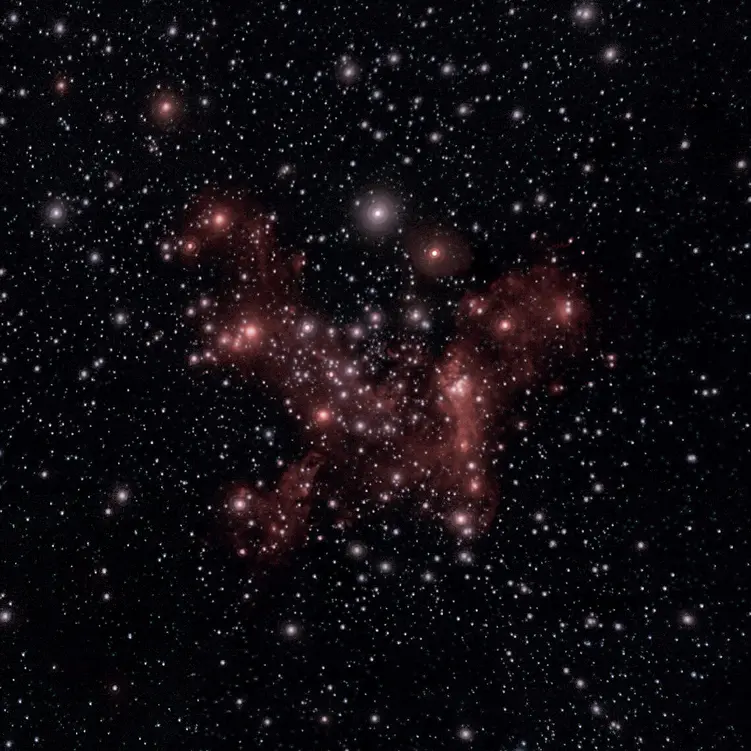
At the heart of our Galaxy lurks a supermassive black hole four million times the mass of our Sun. For decades, astronomers have watched mysterious gas clouds drifting towards it on almost identical paths, wondering where they came from and why. Now, a team of researchers think they have finally cracked the puzzle and the answer involves two massive stars locked in a violent embrace!
Continue reading
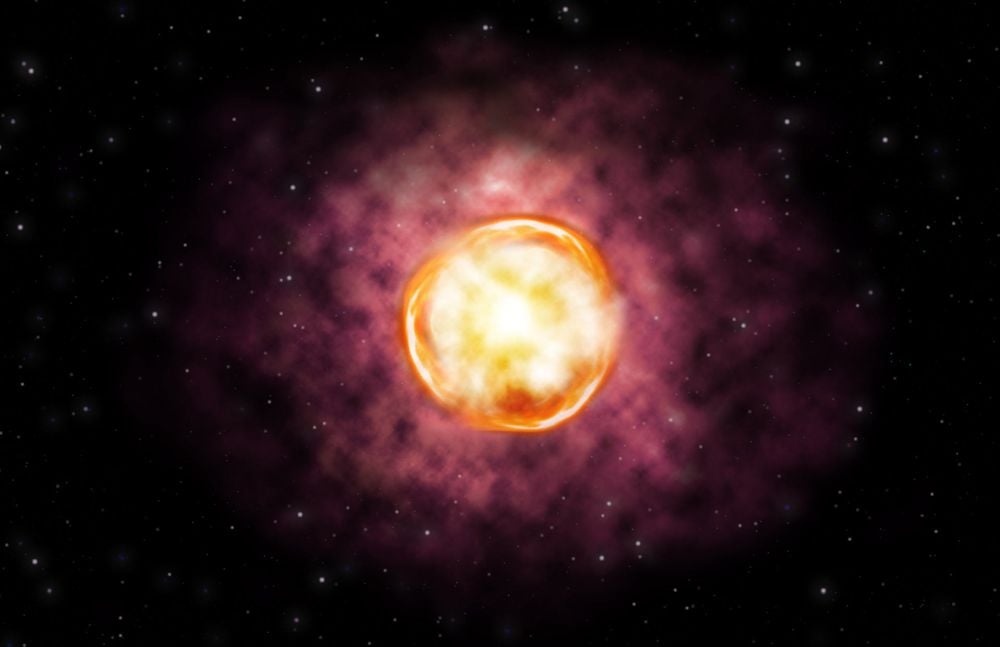
An international team led by Monash University has uncovered evidence of a rare form of exploding star, helping to shed light on one of the most cataclysmic events in the universe. At the end of their lives, most massive stars collapse into black holes—objects with gravity so strong that not even light can escape. But some are completely destroyed in pair-instability supernova explosions. This can explain the so-named "Forbidden Gap" in black hole masses.
Continue reading
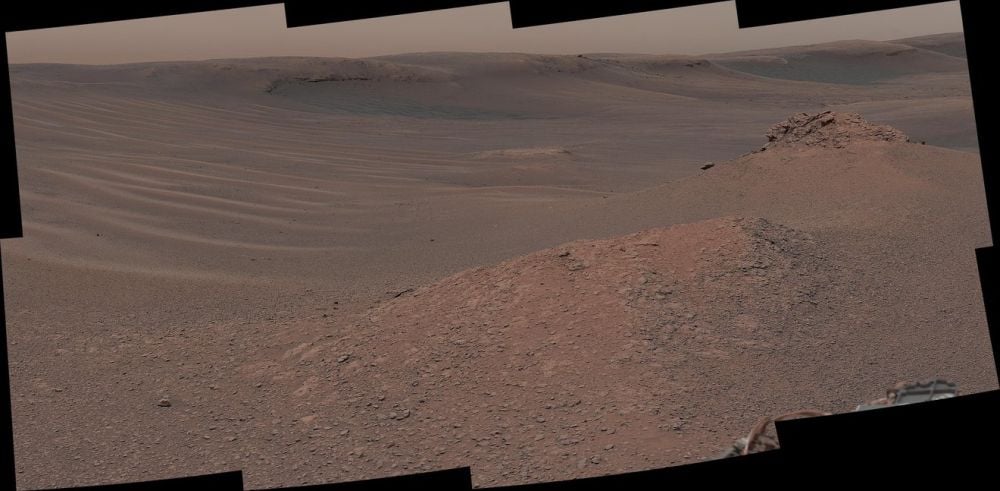
MSL Curiosity found 7 new organic molecules preserved in Martian sandstone. While they aren't proof that life existed on Mars, they are important. They show that the planet is capable of protecting ancient biosignatures from radiation and preserving them in rock.
Continue reading
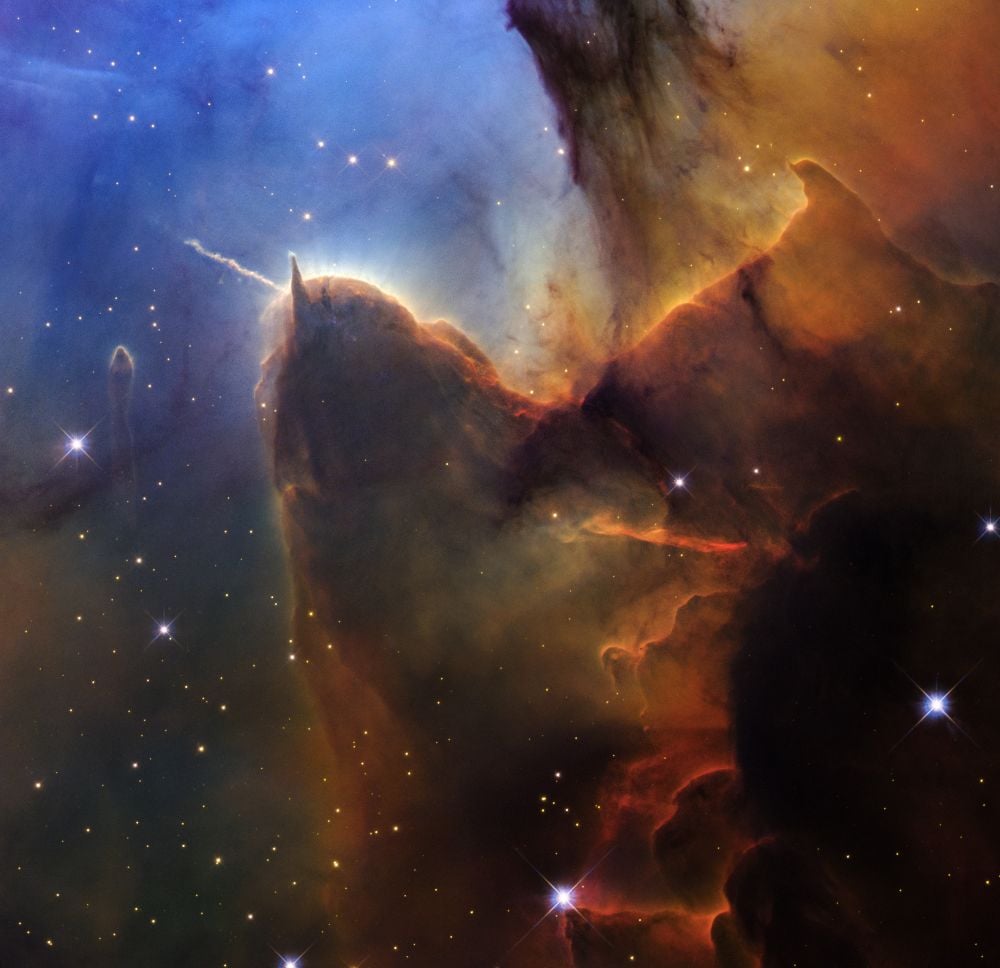
Back in 1997, the Hubble Space Telescope imaged the spectacular Trifid Nebula, a region of active star-formation. Now the telescope has revisited the Trifid. By comparing both images, astronomers have tracked some changes that tell them about how young stars behave and evolve.
Continue reading
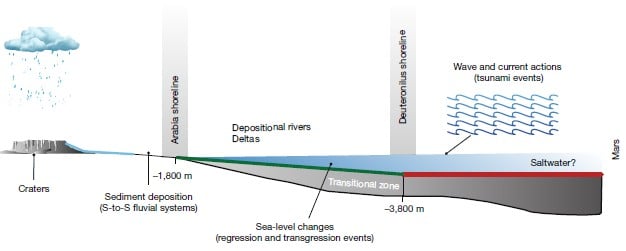
Scientists have been debating for decades whether Mars once held a vast ocean covering a large part of its northern face. To prove the idea, they’ve been looking for a “bathtub ring” - a distinct, level shoreline that shows where water once stood. But, despite years of looking, they’ve only been able to find a very distorted potential shoreline whose height deviates by several kilometers - not exactly great evidence of a stable water level. But, according to a new paper in Nature from Abdallah Zaki and Michael Lamb of CalTech, what scientists should have been looking for wasn’t a bathtub ring, but a continental shelf.
Continue reading
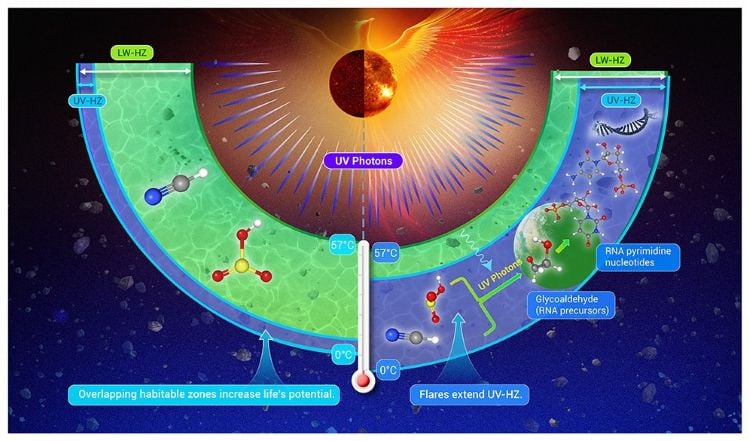
The search for life beyond Earth has traditionally focused on exoplanets orbiting Sun-like stars, which is a G-type star. However, low-mass stars, which are designated as K-type and M-type stars, have rapidly become a target for astrobiology, primarily due to their much longer lifetimes. This also means the habitable zone (HZ), which is the distance from a star where liquid water could exist, is much smaller than our solar system’s HZ, and is referred to as the liquid water habitable zone (LW-HZ). In contrast, another type of HZ that involves a star’s ultraviolet (UV) radiation potentially enabling life-harboring conditions is known as UV-HZ.
Continue reading
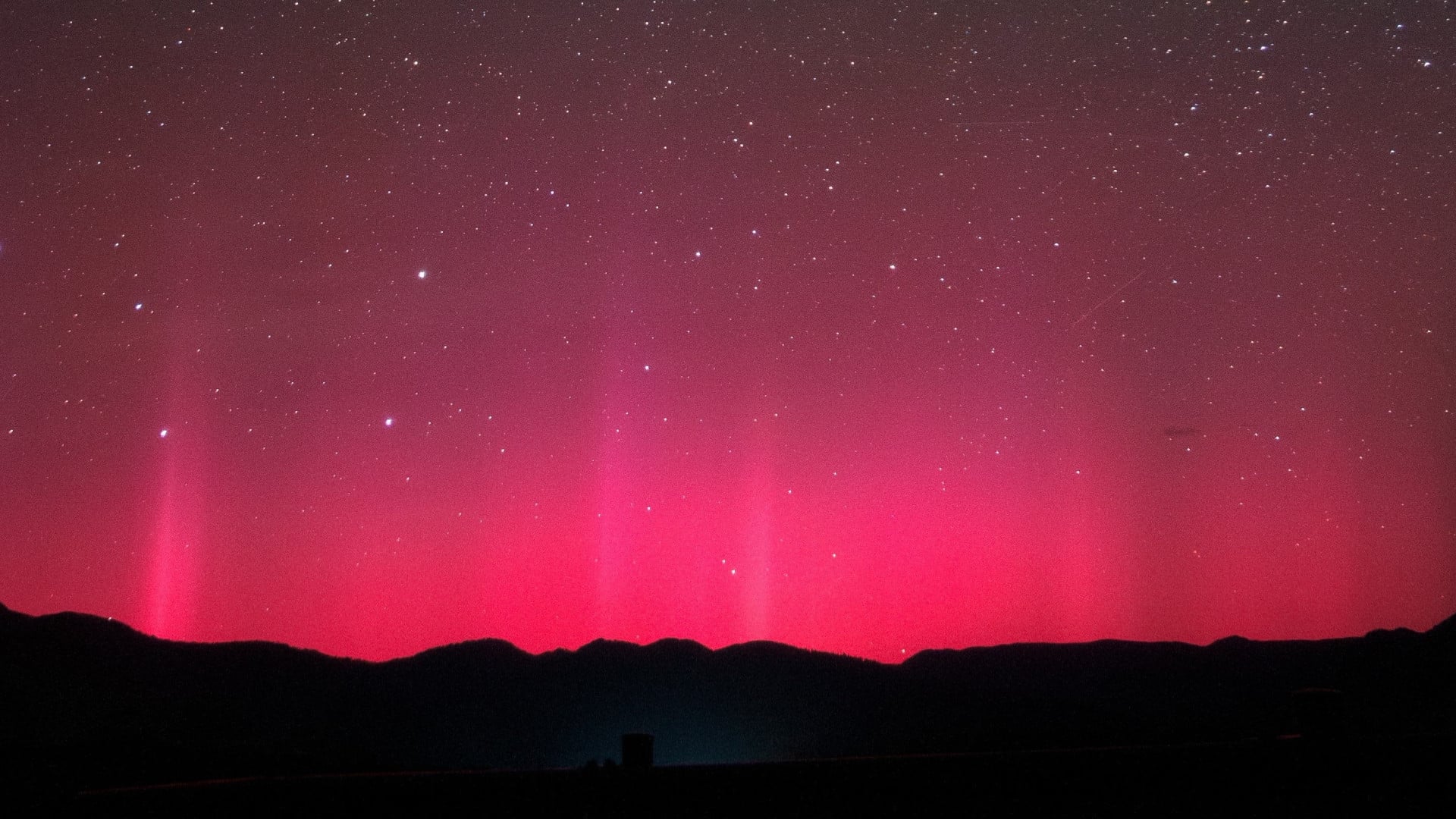
As we make our way through the latest solar maximum period, scholars and scientists are looking to similar events in the past to learn more about ancient bouts of solar activity. In particular, they want to know more about solar proton events (SPEs). These outbursts of high-energy particles get triggered by flares and coronal mass ejections.
Continue reading
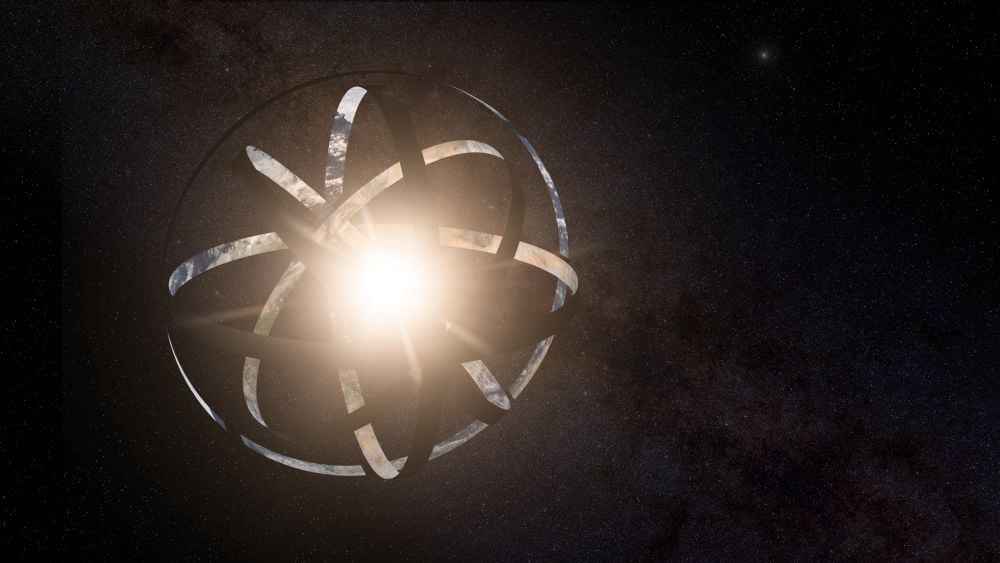
New research examines 10 different types of global technological civilizations, how they govern themselves, how they use resources, and other factors, to determine which types may endure and which may be doomed to collapse. Simulations show that resource use plays the key role. The simulations also show which types of detectable technosignatures each may generate.
Continue reading
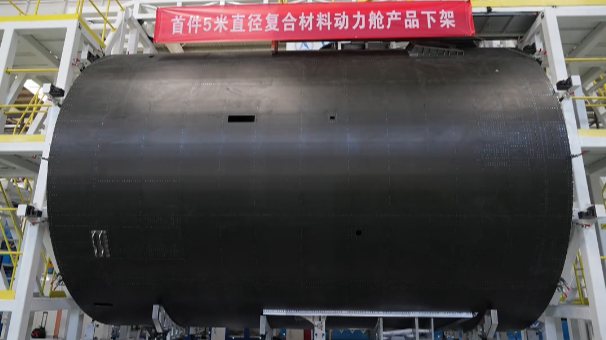
So far, America has remained ahead in the new space race. But its biggest rival is making continual steps to catch up. China announced another step in that direction with the unveiling of its first ever reusable five-meter-wide composite propulsion module, announced in a press release on April 11th.
Continue reading
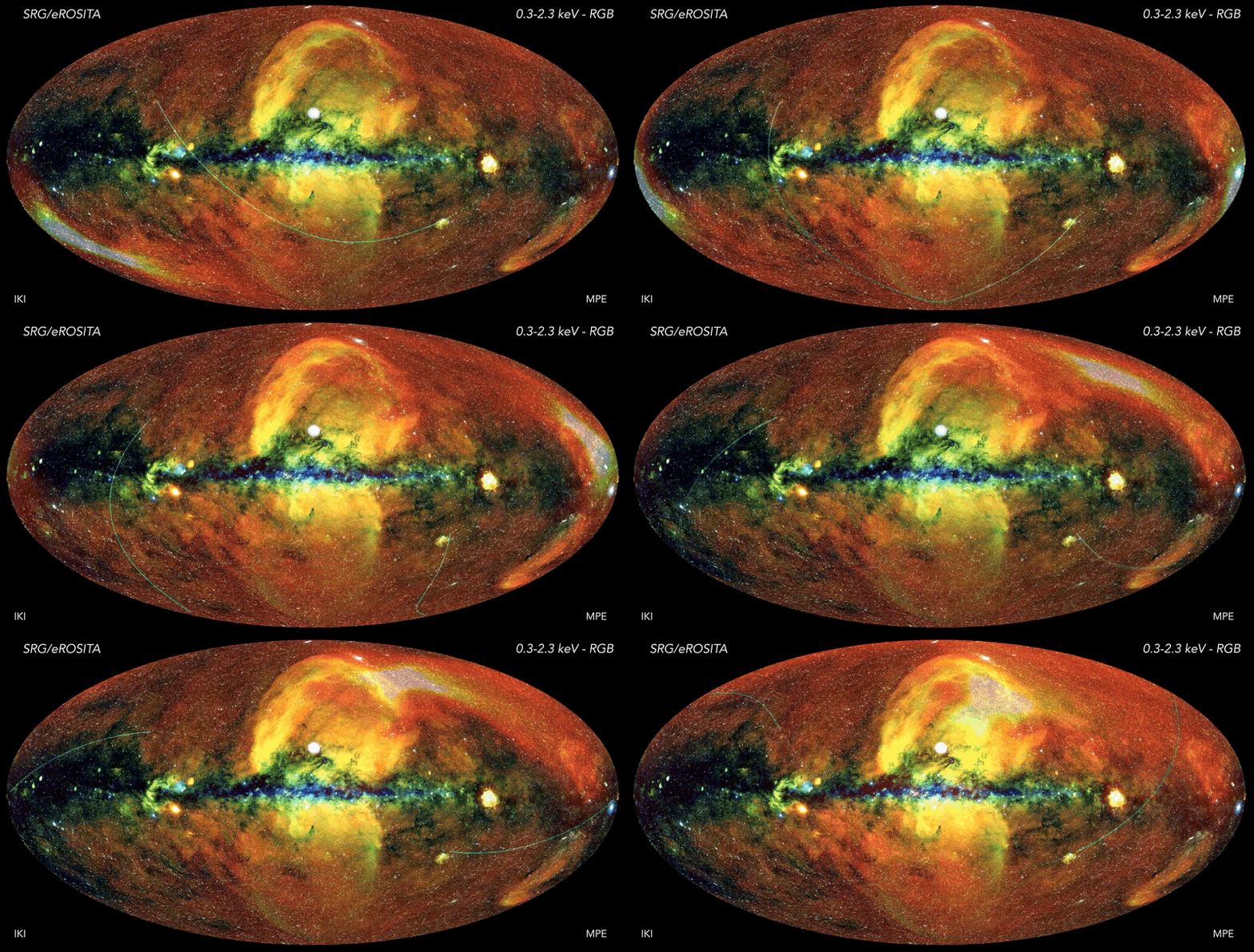
Using the eROSITA space telescope, MPE researchers have successfully isolated the X-ray glow from our Solar System, revealing its impact on the soft X-ray sky. The findings, published in Science, underscore the importance of considering Solar System processes when analyzing X-ray data and highlight eROSITA’s role in advancing not only astrophysics but also heliophysics.
Continue reading
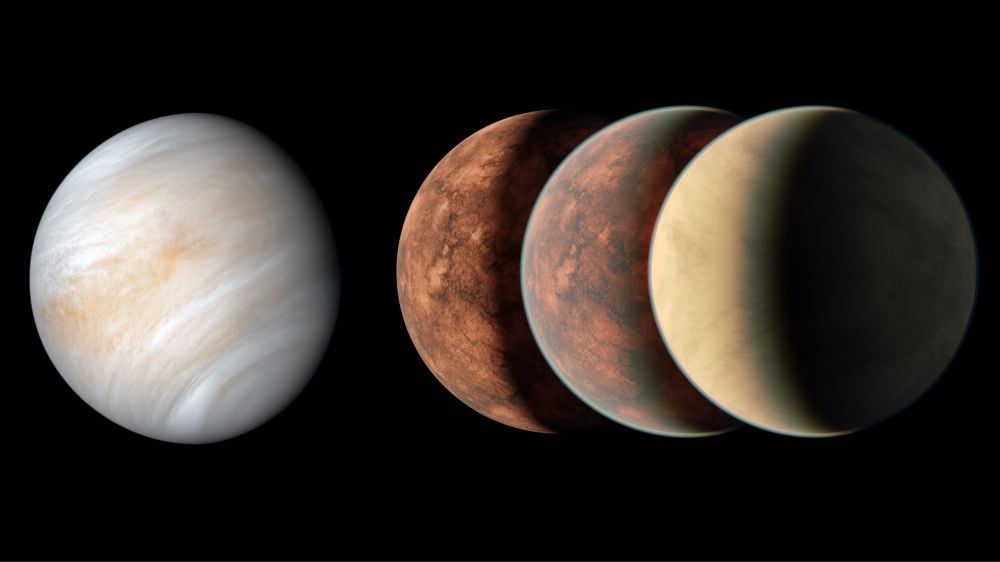
Water is critical to life because cells need liquid to function. That's why scientists focus on finding and studying exoplanets in habitable zones. But even if they're in habitable zones, exoplanets need lots of water to support their carbon cycles. So without water, exoplanets become inhospitable greenhouse planets, regardless if they're in habitable zones or not.
Continue reading
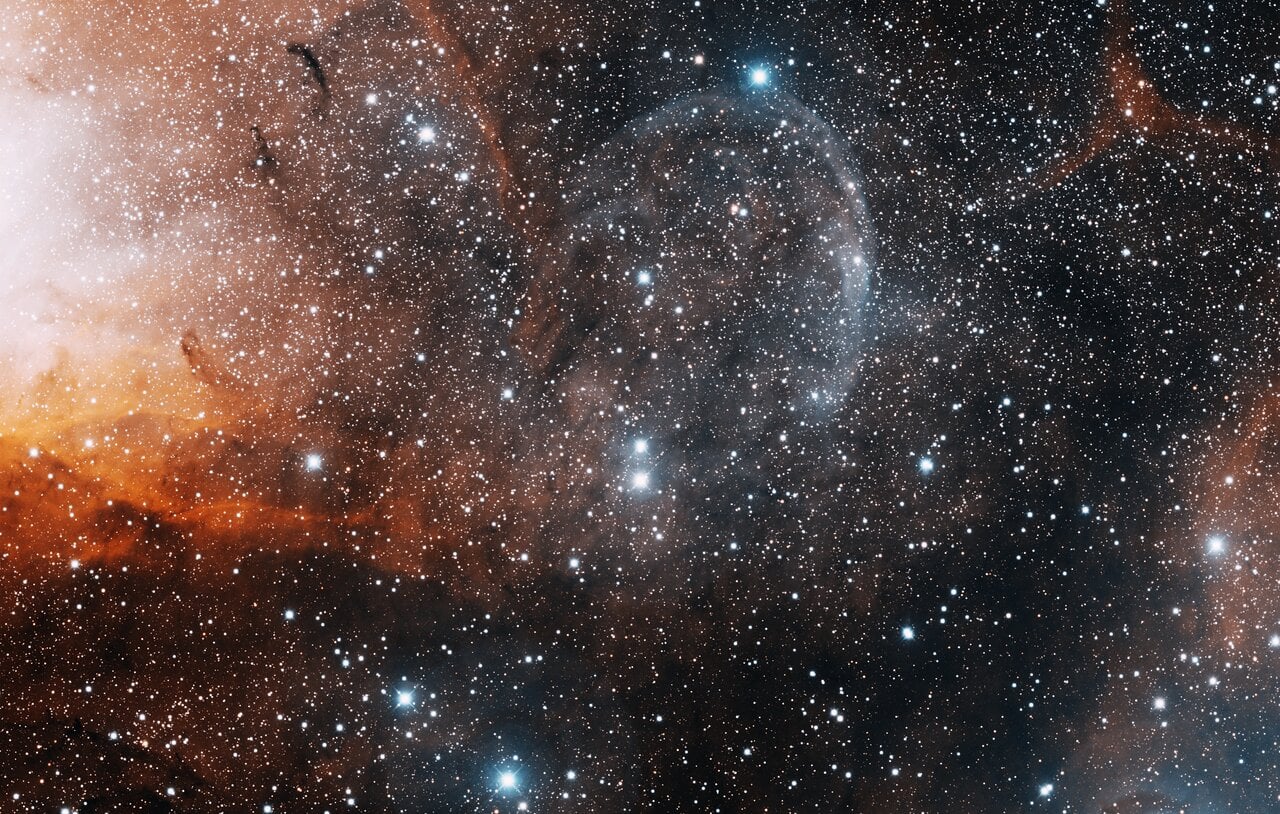
New missions mean new capabilities - and one particularly interesting new mission is finally up and running. Data is starting to come in from SPHEREx, the medium-class surveyor that is mapping the entire sky every six months. A paper based on some of that early data was recently published in The Astrophysical Journal, mapping ice and compounds called Polycyclic Aromatic Hydrocarbons (PAHs) throughout some interesting regions of our Milky Way.
Continue reading
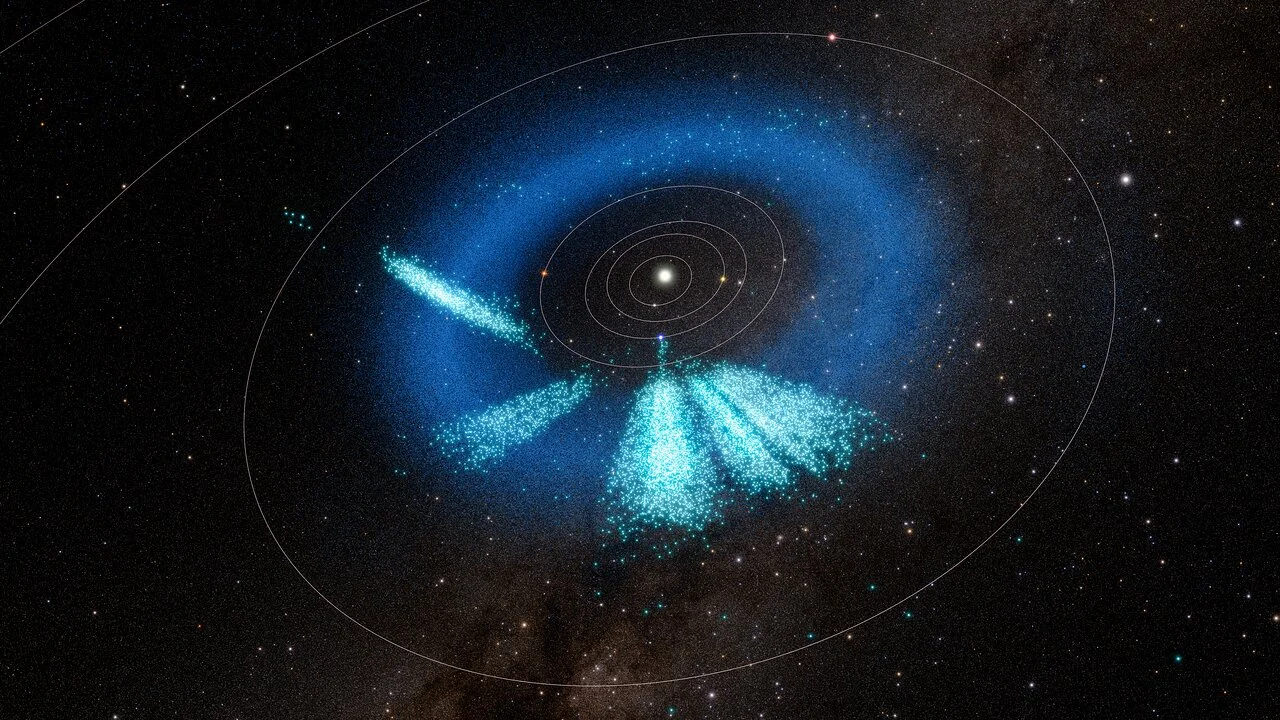
Rubin’s largest asteroid haul yet, gathered before the Legacy Survey of Space and Time even begins, is just the “tip of the iceberg”
Continue reading
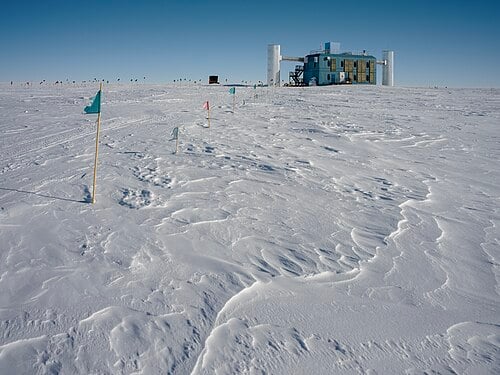
Cherenkov radiation isn't just a beautiful phenomenon. It turns up in nuclear reactors, in the upper atmosphere, in gamma ray telescopes on three continents, in a cubic kilometer of Antarctic ice, and in hospital imaging suites. Here's what a light boom is actually good for.
Continue reading
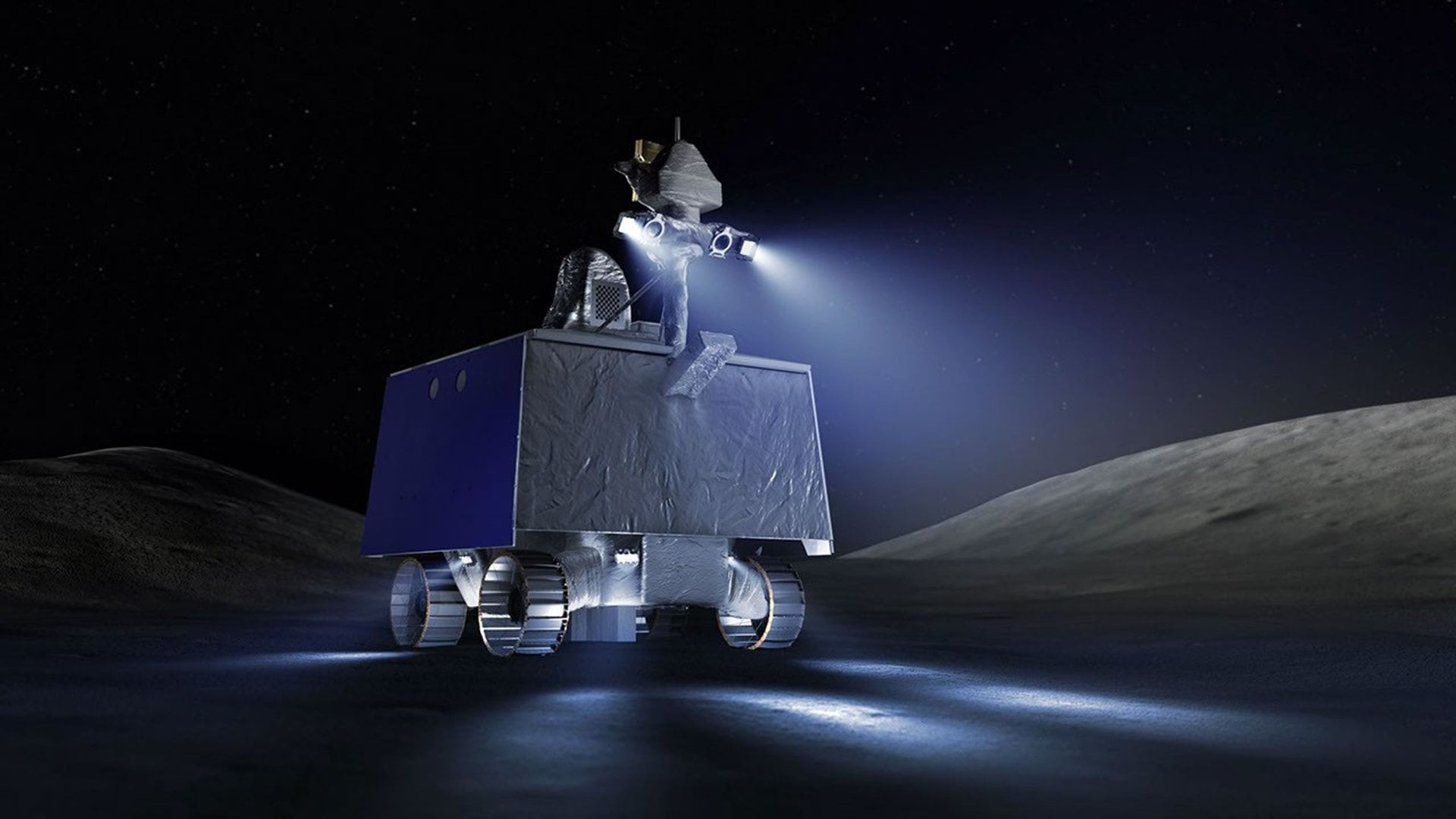
Using lunar regolith simulant, a team of researchers demonstrated that "immature" regolith similar to what is expected around the Moon's southern polar region is suitable for rovers to drive on.
Continue reading
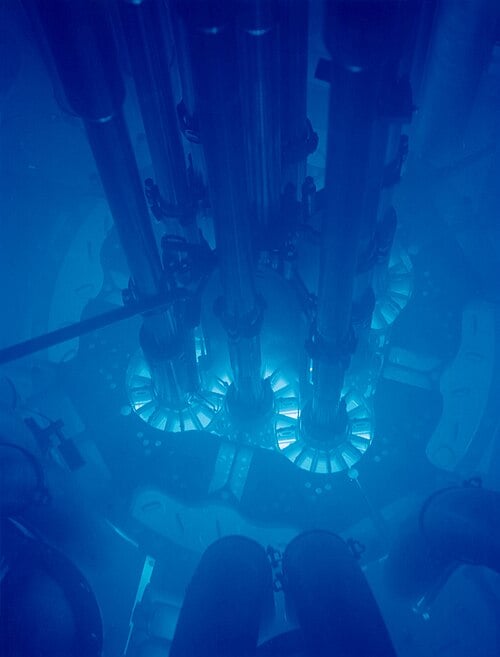
We have the crowd. We have the star. Now it's time to put them together. Here's exactly what happens — and why — when a charged particle outruns the local speed of light in a material. Also: why it's always blue.
Continue reading
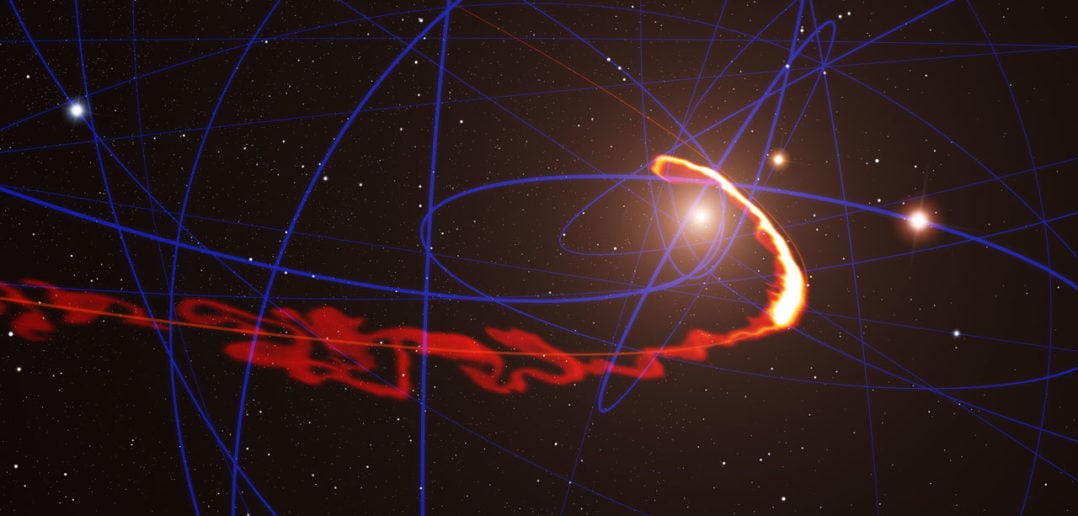
In 2014, a strange cloudy object called G2 made a close approach to Sagittarius A*, (Sag A*) the supermassive black hole at the heart of the Milky Way Galaxy. Astronomers were pretty excited, partly because they thought it might get torn apart by Sag A*'s intense gravitational pull. That didn't happen, and the event was a cosmic fizzle. Instead, G2 skipped around the black hole. Various observations showed that it wasn't just a gas cloud. It was likely a dusty protostellar object encased in a dusty cloud. Or perhaps several merged stars. But, it survived the flyby and continued on a shortened orbit.
Continue reading
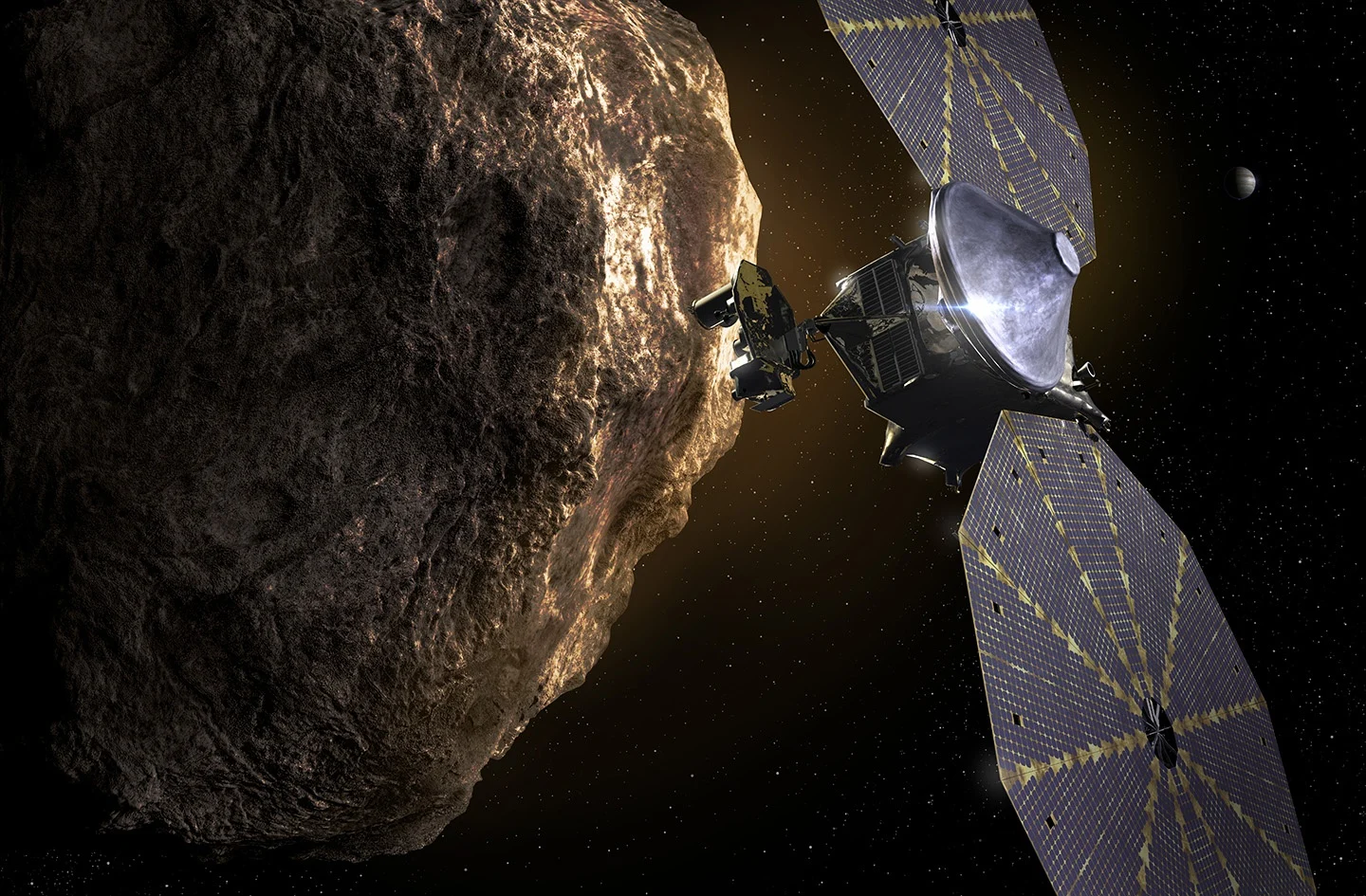
Understanding the beginning of the solar system requires us to look at some very strange places. One such place is at the so-called “Trojan” asteroids that share Jupiter’s orbit in front of and behind it. But for a long time, these cosmic time capsules have held a mystery for astronomers: why are they color-coded? The populations of larger asteroids are very clear split into two distinct groups - the “reds” and the “less reds”, because apparently they’re all red to some extent. A new paper from researchers in Japan tried to solve this mystery by taking a close look at even smaller asteroids, and their findings, published in a recent edition of The Astronomical Journal, actually brings up a completely different question - why don’t smaller Trojan asteroids have the same color-coding?
Continue reading
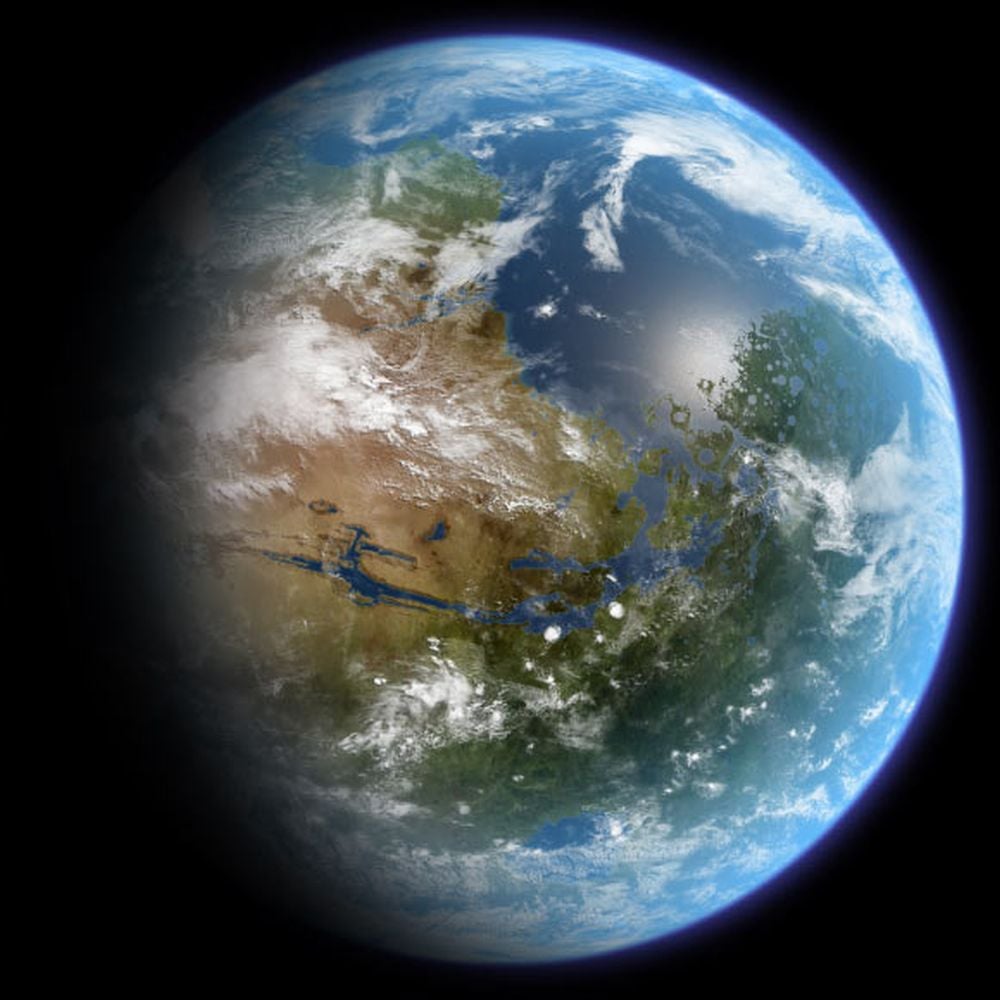
Researchers from the Earth-Life Science Institute (ELSI) and National Institute for Basic Biology have developed a new method to detect extraterrestrial life without relying on traditional biosignatures. By modelling how life might spread between planets, they demonstrate that life could be detected through statistical patterns across planetary populations rather than on individual planets. This "agnostic biosignature" approach could assist in guiding future searches for life beyond Earth.
Continue reading
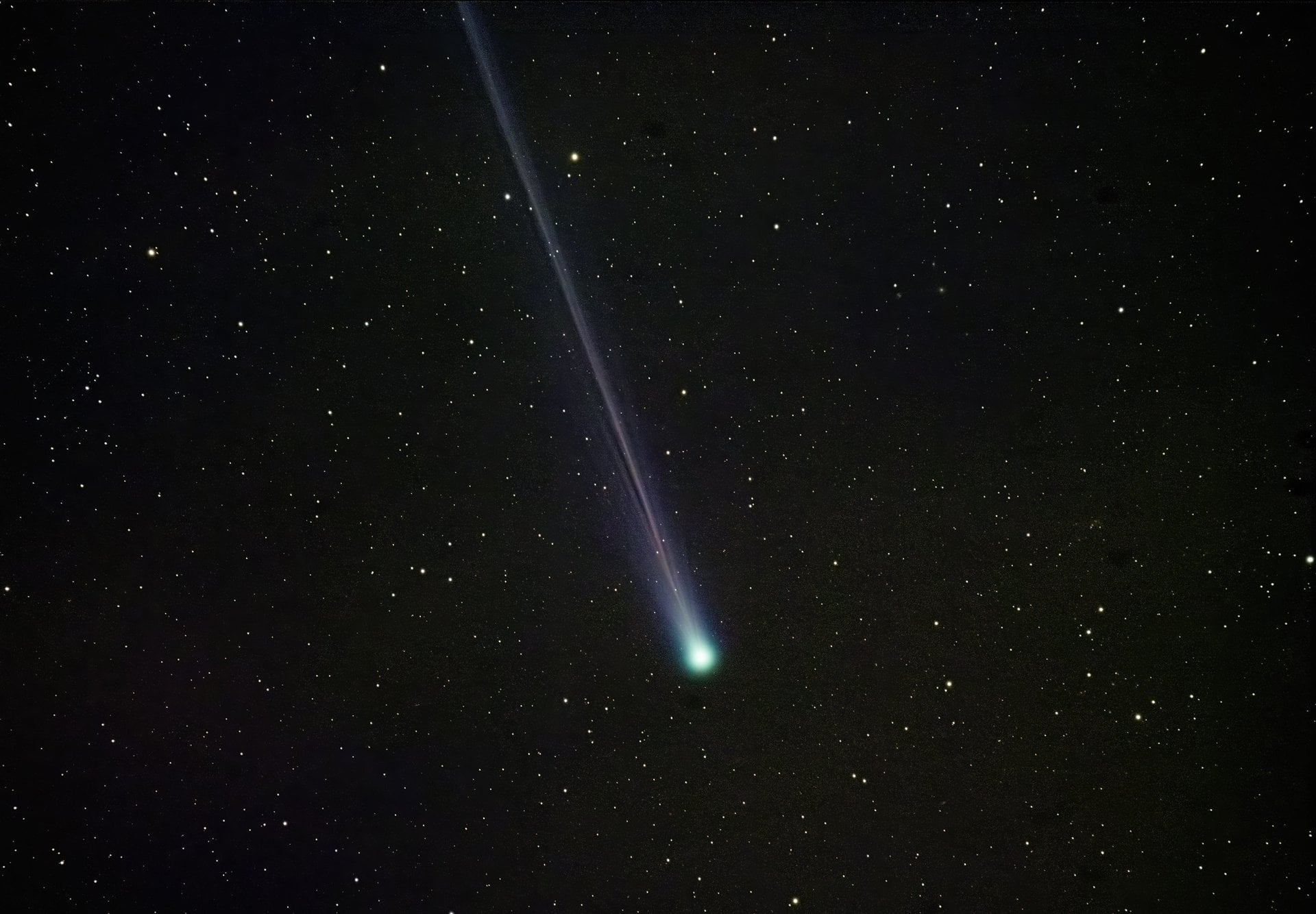
We’re one comet down, and one to go for spring season 2026. We recently wrote about prospects for sungrazer C/2026 A1 MAPS and comet C/2025 R3 Pan-STARRS in April 2026. While the bad news is, Comet A1 MAPS disintegrated like so many sungrazers before it during its blistering close perihelion passage on April 4th, comet R3 Pan-STARRS put on an amazing dawn showing for early rising astrophotographers.
Continue reading

Living long-term on the Moon means surviving the devastating toll that deep space takes on a human body. Astronauts in low gravity environments suffer muscle and bone loss, vision-altering fluid shifts, and heavy radiation exposure - all of which are incredibly hazardous to our biology. So, to help future lunar explorers survive, a new crew just arrived at the International Space Station (ISS). That might not sound surprising, except this crew is composed of worms.
Continue reading
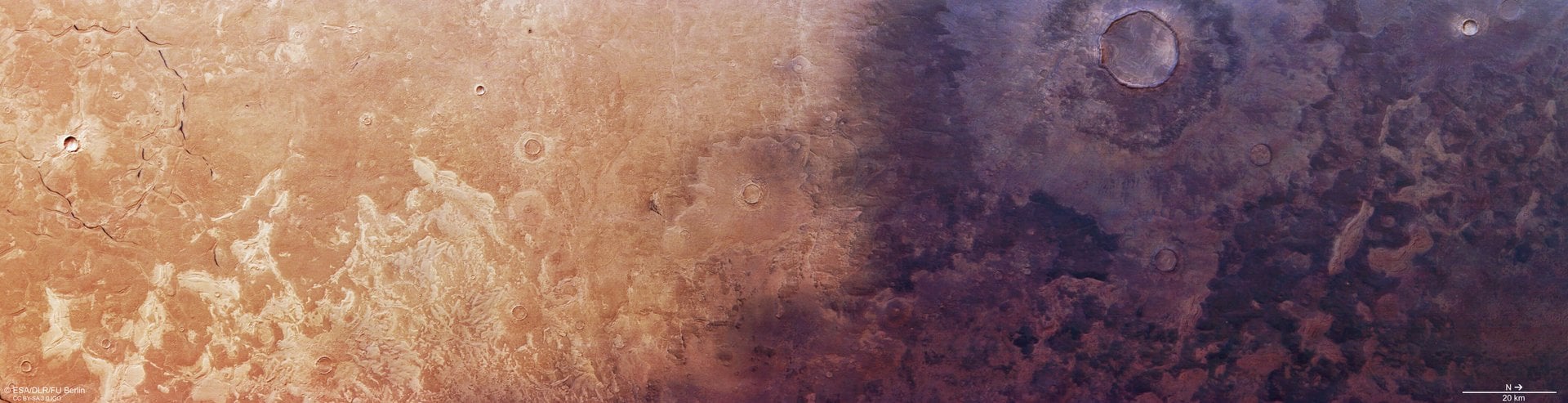
Mars is well known as a static, frozen desert. We tend to think of the only thing changing on the surface of the Red Planet is due to the occasional dust storm. But if you look closely - and are willing to wait decades - you’ll see the planet is very much alive - at least in the environmental sense. The European Space Agency just released some spectacular new images from the High Resolution Stereo Camera (HRSC) on its Mars Express Orbiter, one of which shows a surprisingly “fast” geological change happening in Utopia Planitia. A dark, ominous-looking blanket of volcanic ash is actively creeping across the bright red sands - and it's moving (relatively) fast.
Continue reading
Before Brad Bradington can sprint down the red carpet, we need to understand the crowd. Specifically, we need to understand why a crowd of atoms and molecules slows down light — and why that creates a loophole that changes everything.
Continue reading
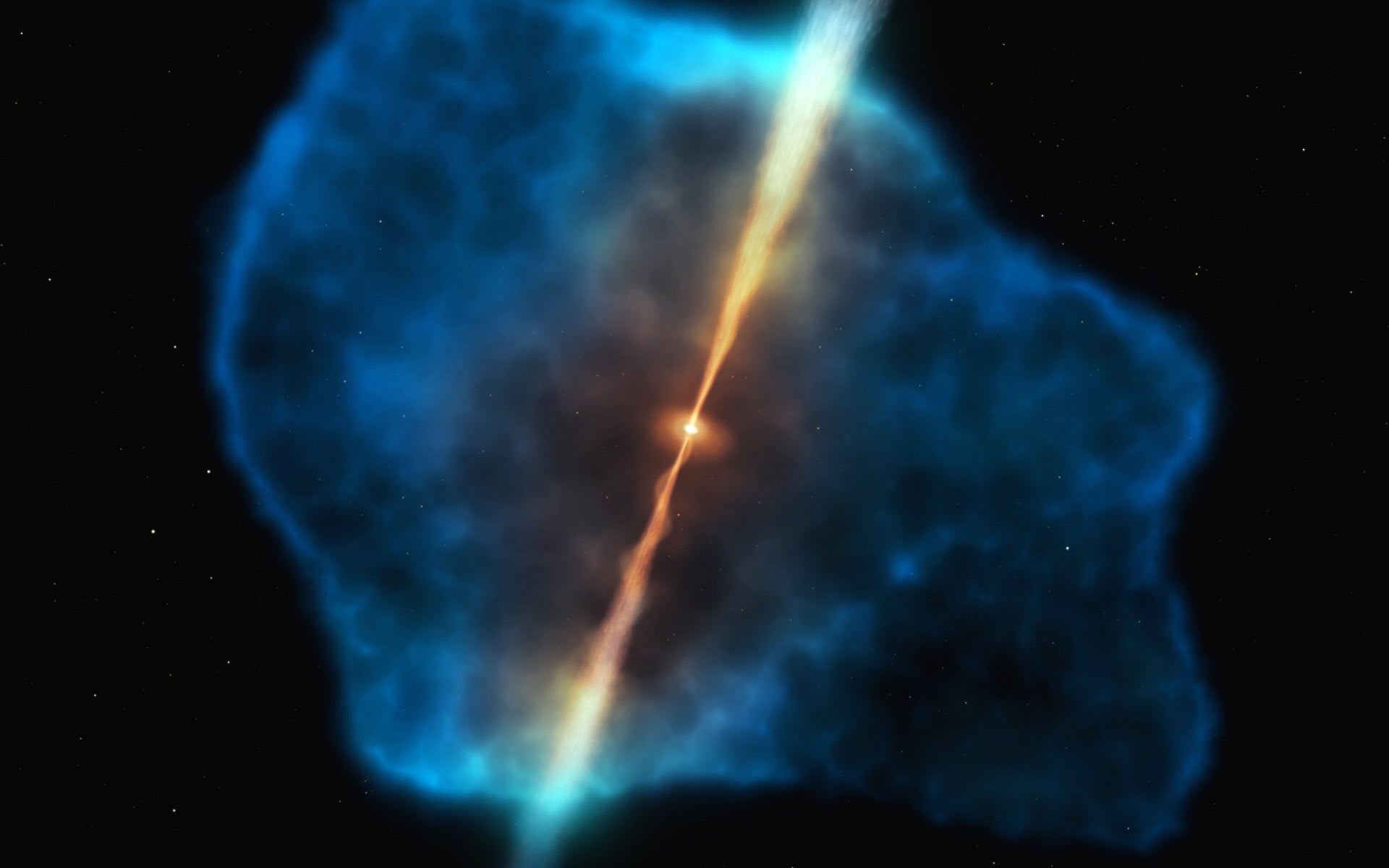
Astronomers using data from the Hobby–Eberly Telescope Dark Energy Experiment (HETDEX) have discovered tens of thousands of gigantic hydrogen gas halos, called “Lyman-alpha nebulae,” surrounding galaxies 10 billion to 12 billion years ago.
Continue reading
Engineers love a good practical challenge, especially when it comes to spaceflight. But there’s one particular challenge facing the crewed missions of the near future that scares mission planners above almost all others - fire. For decades, we’ve relied on a NASA test known as NASA-STD-6001B to screen material flammability for flight. But space is much more complicated than an Earth-bound test provides for. A new paper from researchers at NASA’s Glenn Research Center and Johnson Space Center and Case Western Reserve University details a planned mission to test the flammability of materials on the Moon’s surface - where they expect flame to act much differently than it does here on Earth.
Continue reading
 Universe Today