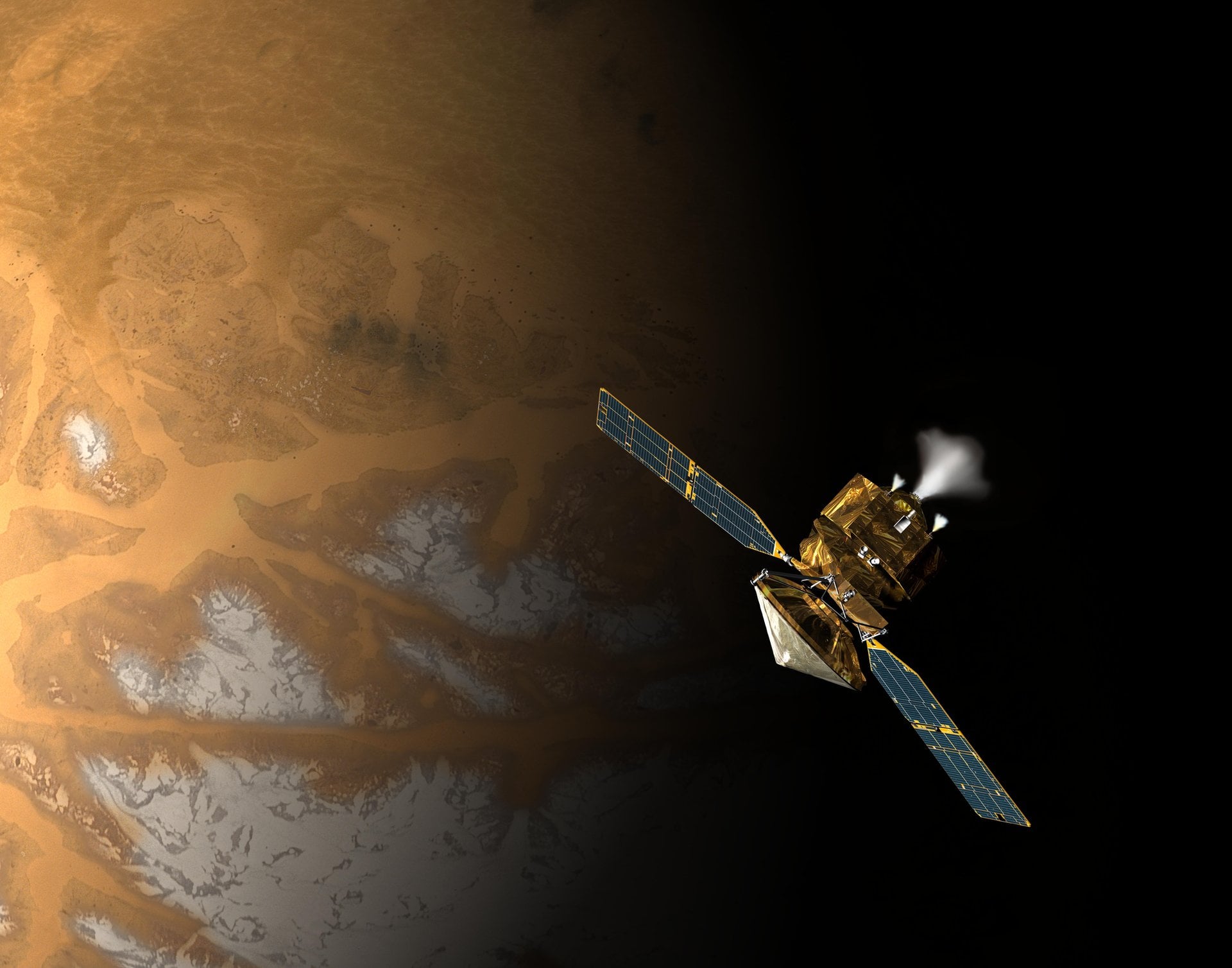
To say NASA has been undergoing some massive administrative changes lately is a huge understatement. One of the more concerning ones, according to a new paper at the 57th Lunar and Planetary Science Conference by Ari Koeppel and Casey Dreier of the Planetary Society, is the trend towards the Silicon Valley mindset of “move fast and break things” - which they argue doesn’t work very well when it comes to producing valuable science.
Continue reading
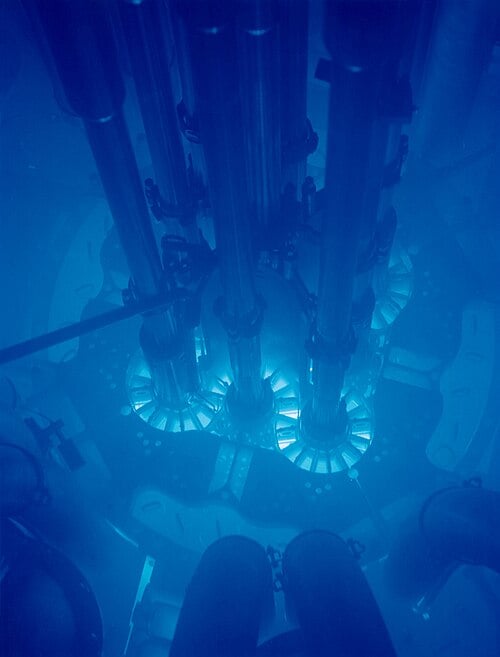
In 1934, a Soviet physicist named Pavel Cherenkov shone gamma rays into a bottle of water and noticed a faint blue glow. So had others before him. They all shrugged and moved on. Cherenkov didn't. What he found — by refusing to dismiss something he didn't understand — turned into one of the most useful phenomena in modern physics.
Continue reading
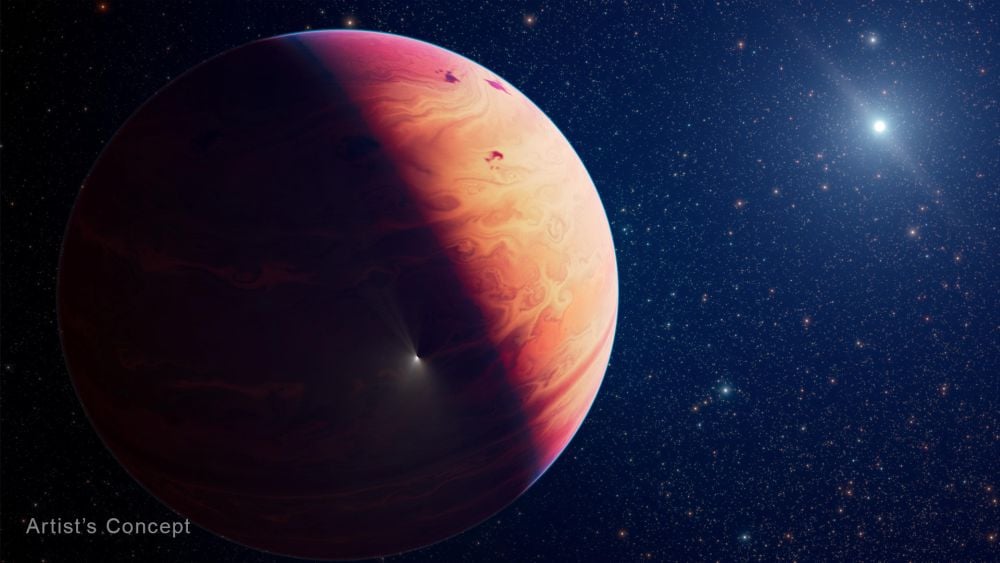
It's obvious that Earth is a planet. It's obvious that the Sun is a star. But for substellar objects like brown dwarfs, it's not so clear. Researchers are using the JWST to find a stronger dividing line between star and planet that depends on how they formed.
Continue reading
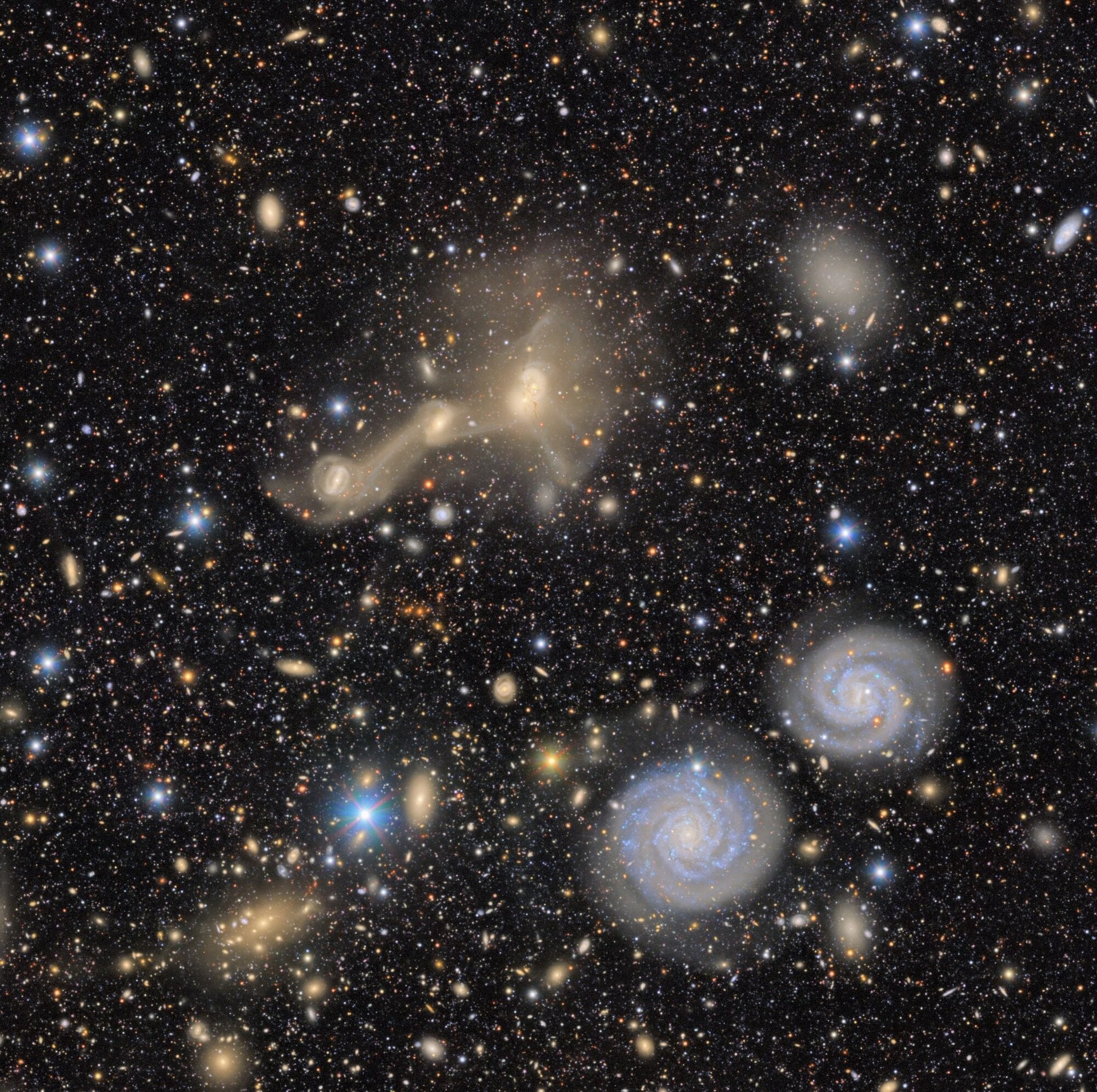
A pair of dwarf galaxies in the giant Virgo Cluster show what can happen when these stellar cities interact. Scientists at the University of Michigan focused the James Webb Space Telescope (JWST) onto the galaxies NGC 4486B and UCD736 and found each of them sporting "overmassive" black holes at or near their hearts. Those supermassive black holes comprise a large fraction of each galaxy's mass.
Continue reading
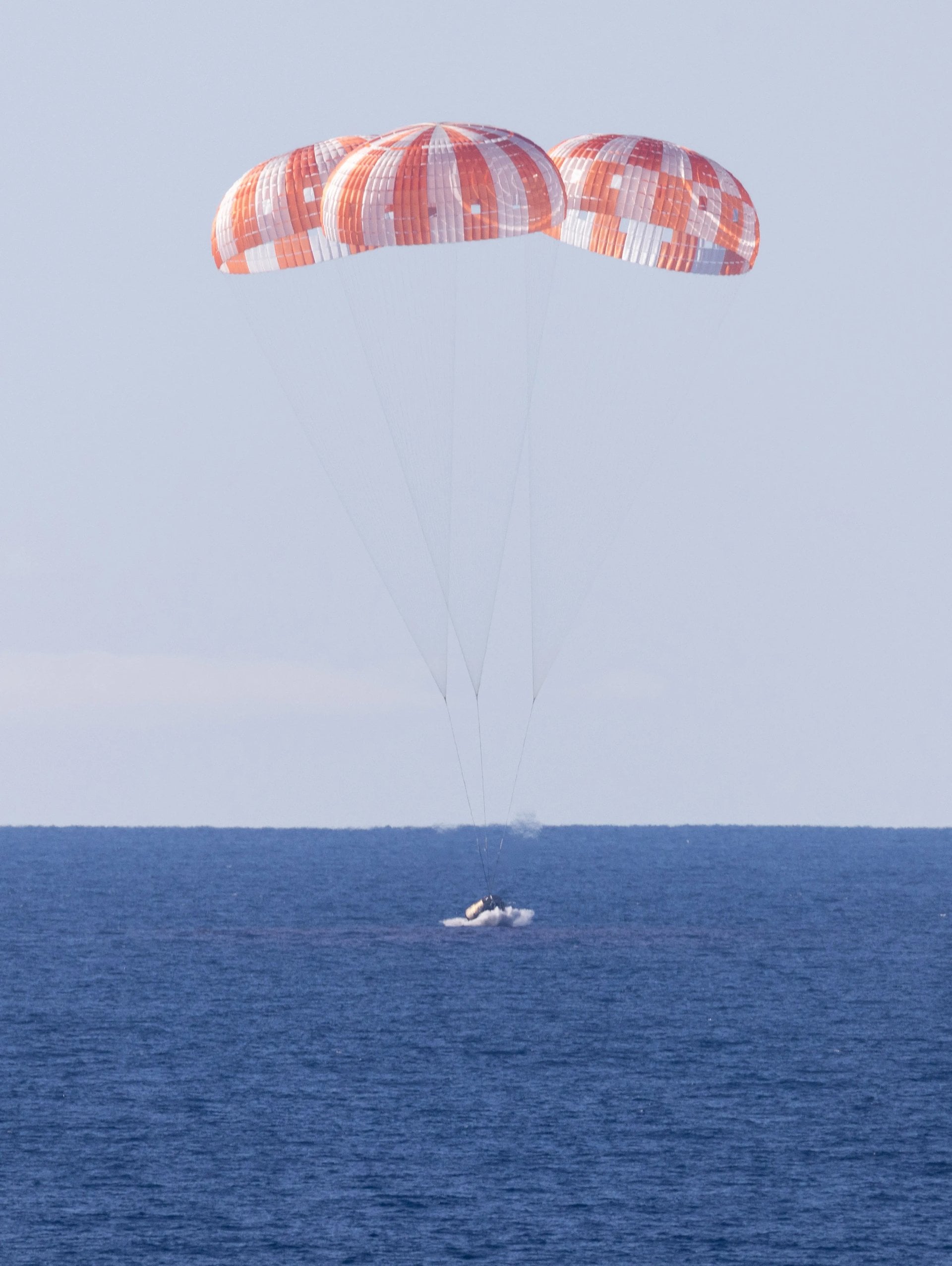
After achieving their record-breaking 10-day flight around the Moon, the crew of the Artemis II mission returned home on Friday, April 10th, 2026.
Continue reading
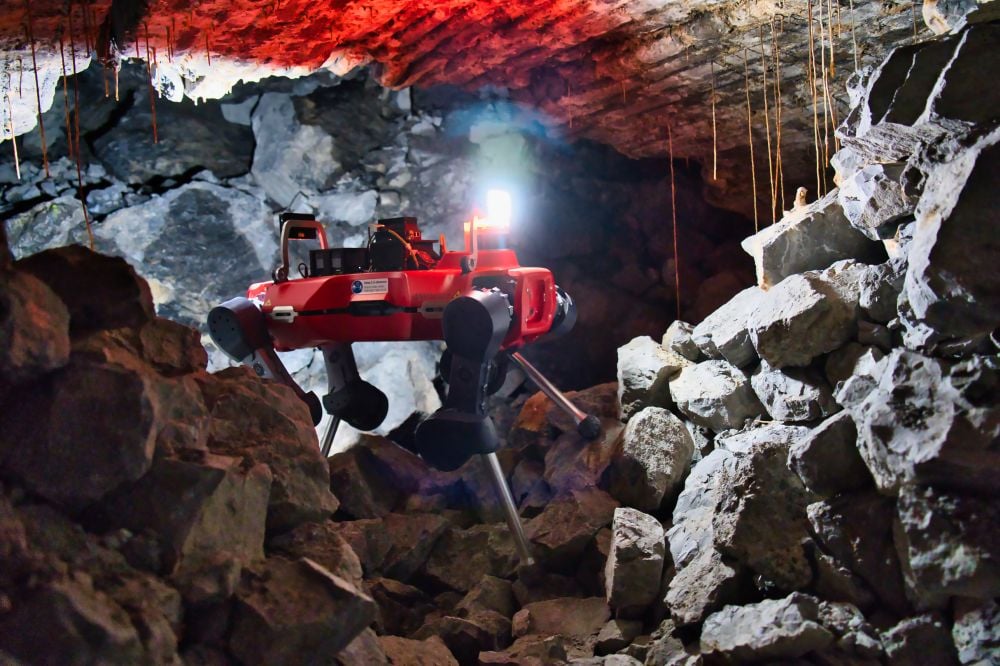
European researchers tested four-legged semi-autonomous rovers that carry only two instruments. These capable and agile robots could be part of the future exploration of Mars and the Moon. Their autonomy means they can do more with fewer instructions.
Continue reading
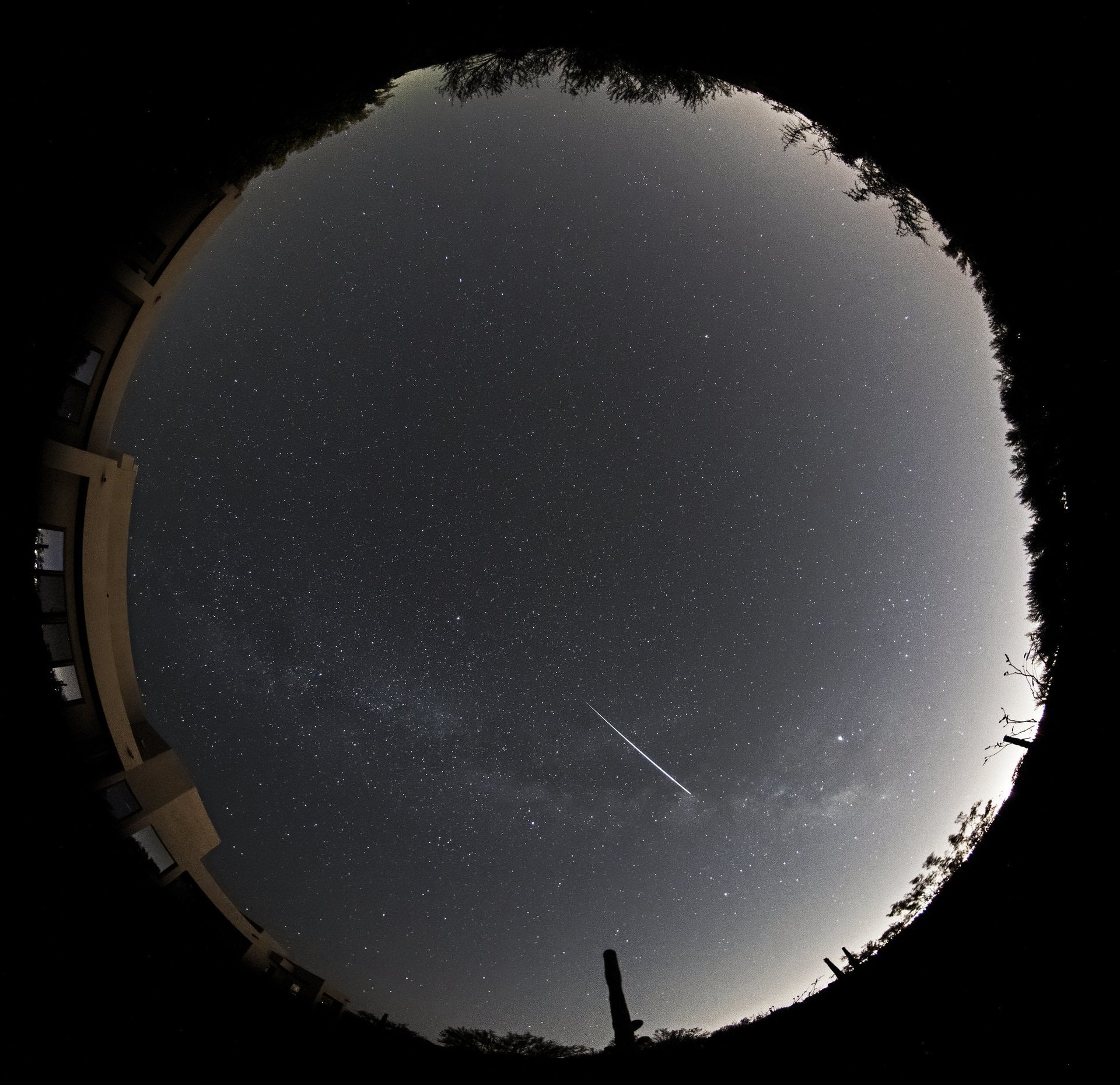
April flowers mean one thing to springtime sky-watchers: it’s time for the Lyrid meteor shower. The Lyrids are always a good bet, and always make the top ten list for annual meteor showers. And to top it off, 2026 is a favorable year for the Lyrids, with the waxing crescent Moon mostly out of the way.
Continue reading
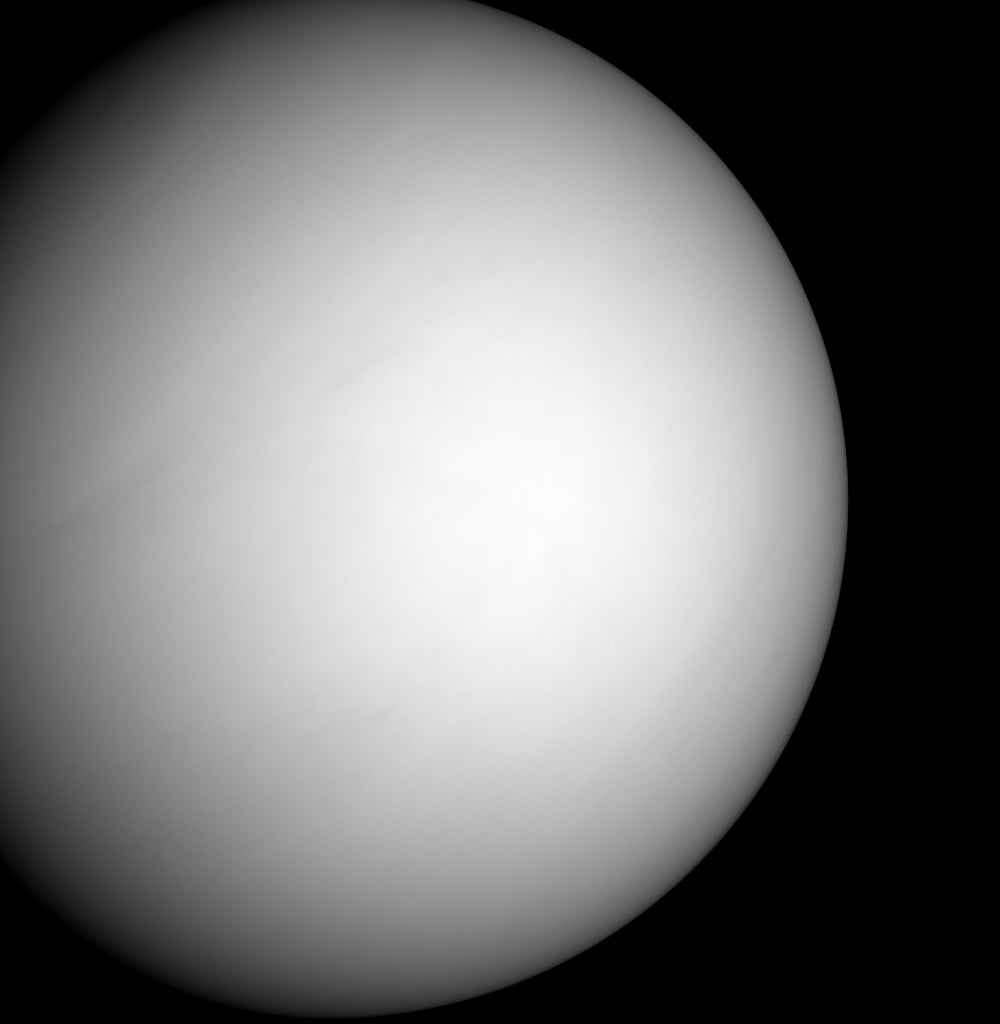
Venus has been hiding a secret for fifty years. Just below its main cloud deck sits a mysterious layer of haze that spacecraft first detected in the 1970s and nobody could explain where it came from. Now a research team in Japan has finally cracked it, and the answer comes from the last place most people would think to look!
Continue reading
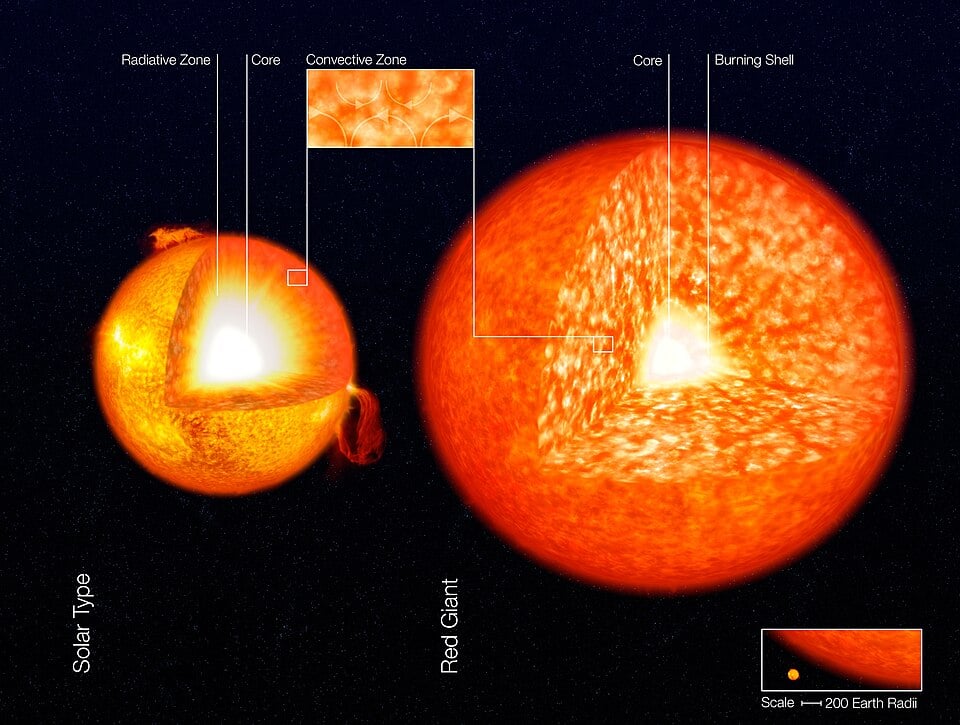
Every star you've ever looked at is hiding a magnetic secret and it may have been hiding it since birth. A new theoretical study has connected, for the first time, the magnetic fields detected deep inside dying red giants with the magnetism found at the surfaces of their long dead remnants. These fields may be ancient fossils, born early in a star's life and surviving billions of years of violent transformation completely intact.
Continue reading
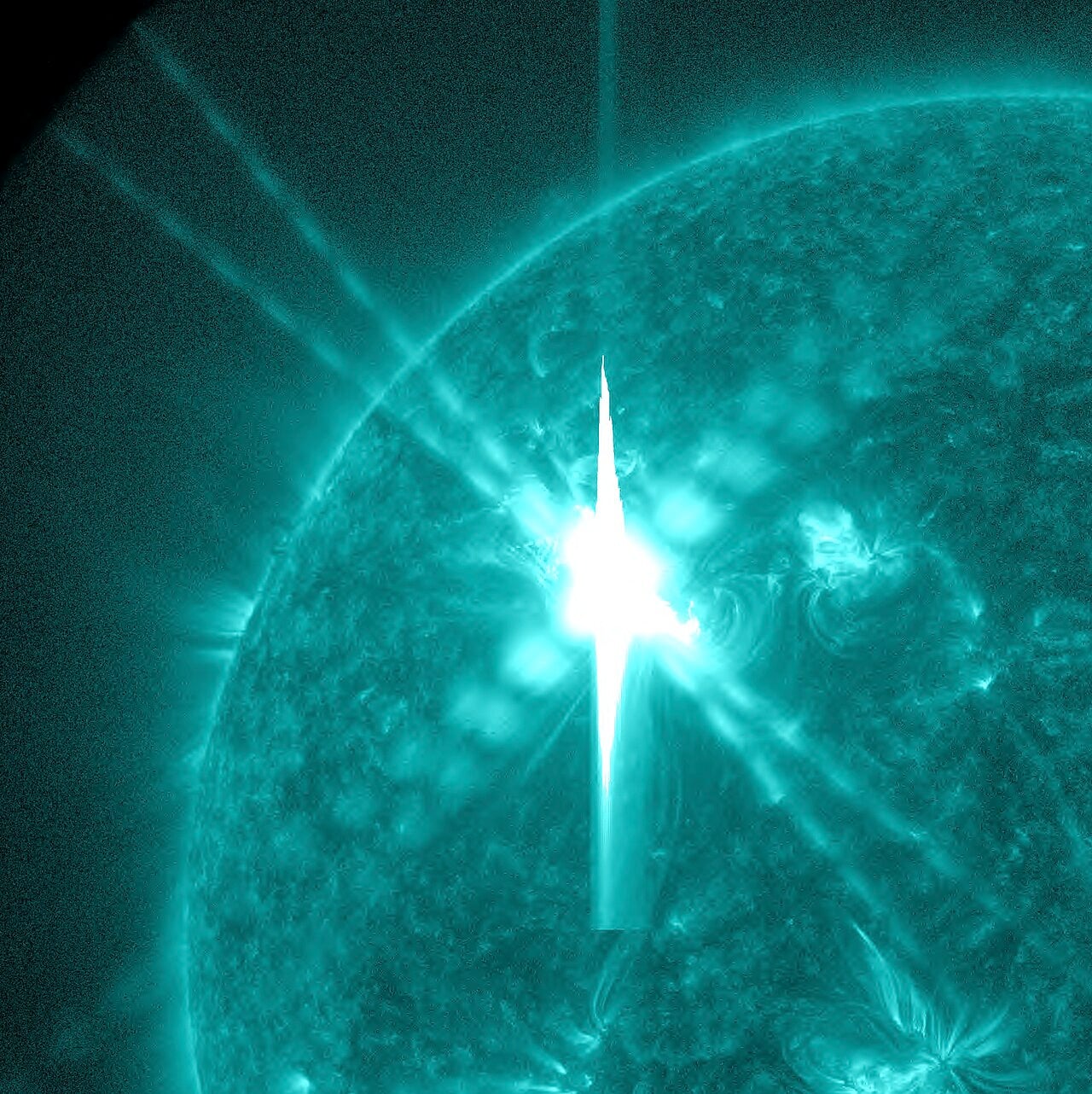
The Sun is the most studied star in the universe, yet some of its most violent behaviour remains stubbornly out of reach. Solar flares, explosive eruptions that can disrupt satellites, knock out power grids and bathe astronauts in radiation release enormous bursts of X-rays that carry vital clues about what drives them. Now, a team of Japanese engineers has built the sharpest X-ray telescope ever to fly on a solar mission, and the technology it has pioneered could soon fit inside a satellite the size of a shoebox.
Continue reading
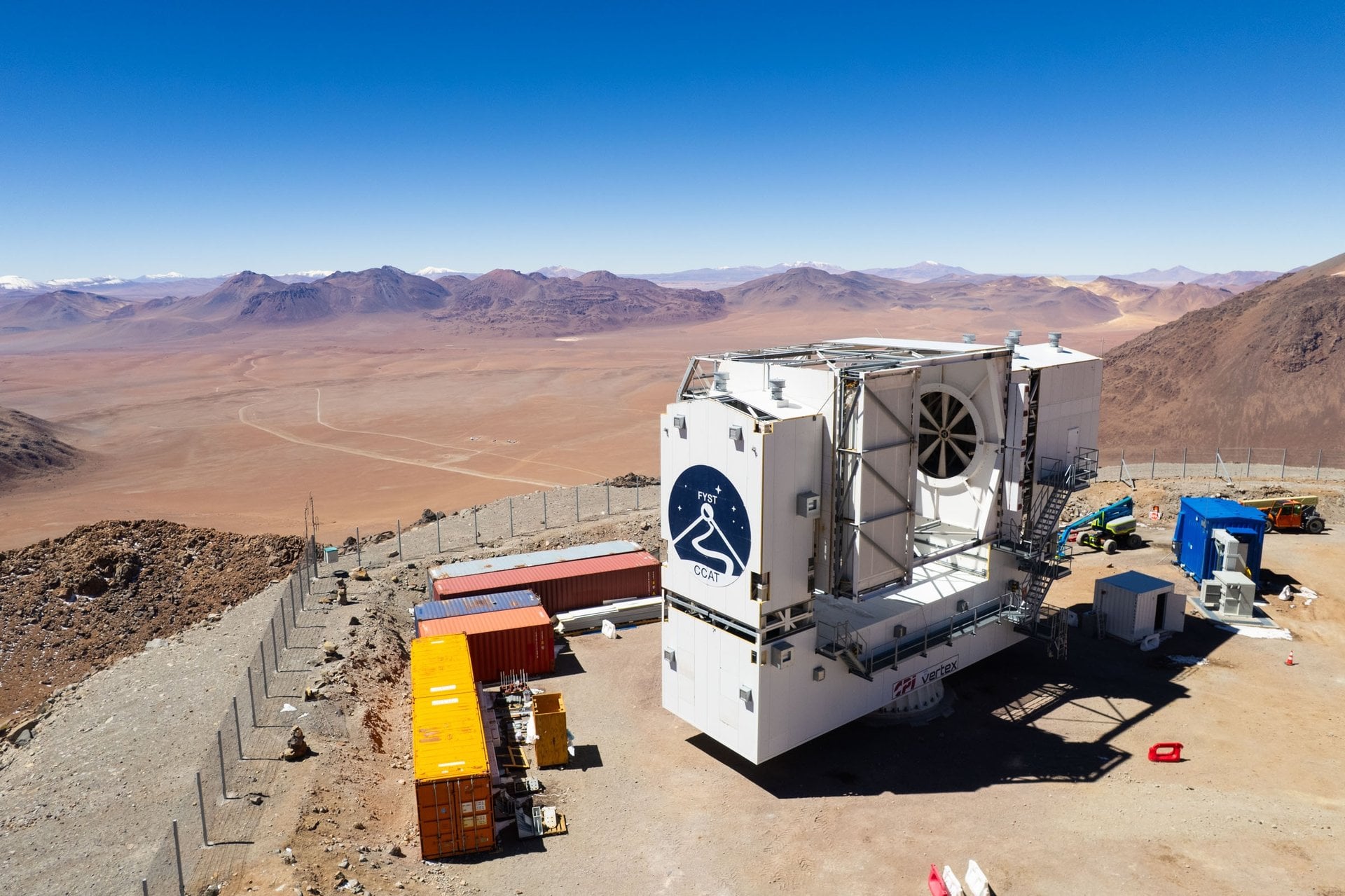
Thirty four years ago, a group of Cornell scientists looked at a remote Chilean mountaintop and imagined what might be built there one day. That day has arrived. The Fred Young Submillimeter Telescope has just opened its eyes on the universe from one of the most extreme observatory sites ever chosen, and the science it promises to deliver from the first moments after the Big Bang to the hidden nurseries of newborn stars.
Continue reading
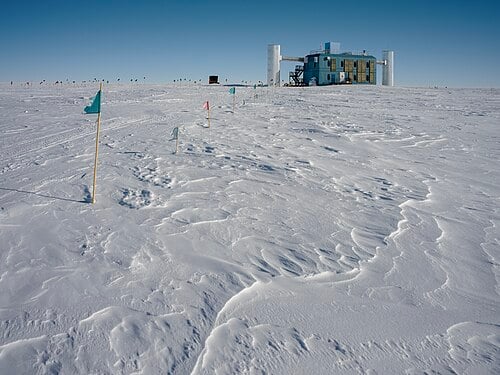
In 1937, Ettore Majorana asked a question nobody else was even thinking about: does a particle have to have a distinct antiparticle? For neutrinos — which carry no charge — the answer might be no. They might be their own antiparticles. Deep underground right now, experiments are watching atoms decay, waiting for the signal that would prove it. So far: nothing. But the case is not closed.
Continue reading
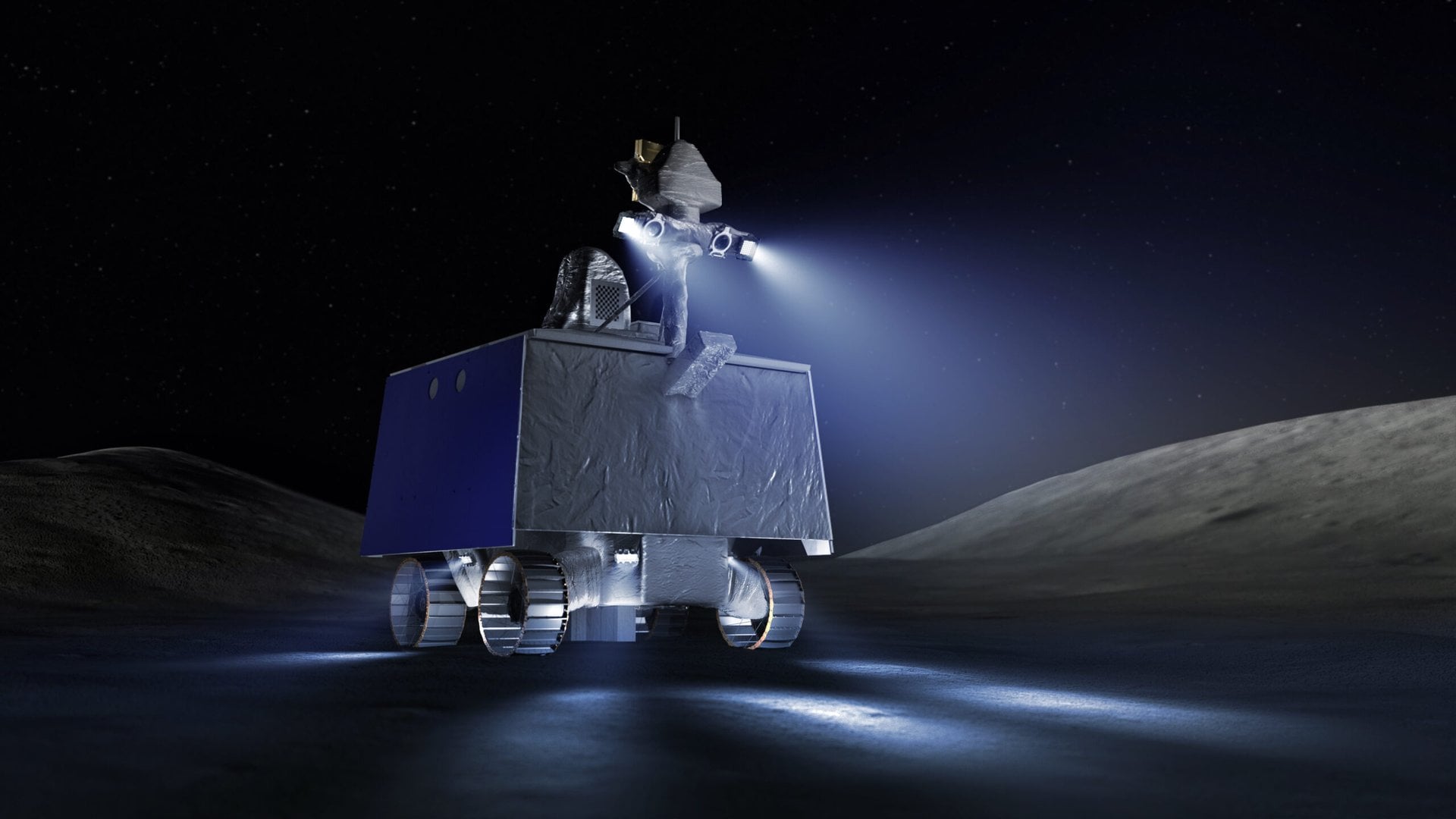
Rovers equipped with Radioisotope Power Systems (RPSs), aka. nuclear reactors, could effectively explore the craters in the Moon's southern polar region.
Continue reading
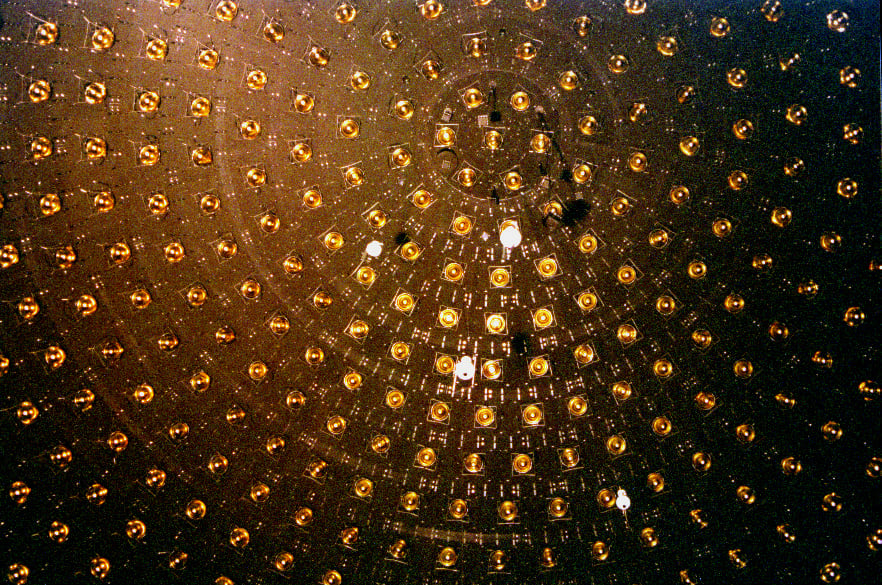
They are the most abundant particles in the universe, yet we barely know they exist. Neutrinos stream through everything, through walls, through planets and even through you…. in their billions every second, leaving no trace. We've known for decades that they have mass, but pinning down exactly how much has defeated physicists for years. Now, the most sensitive experiment ever built has pushed our knowledge to a new frontier, and what it found raises a profound question about why these ghostly particles are so extraordinarily light.
Continue reading
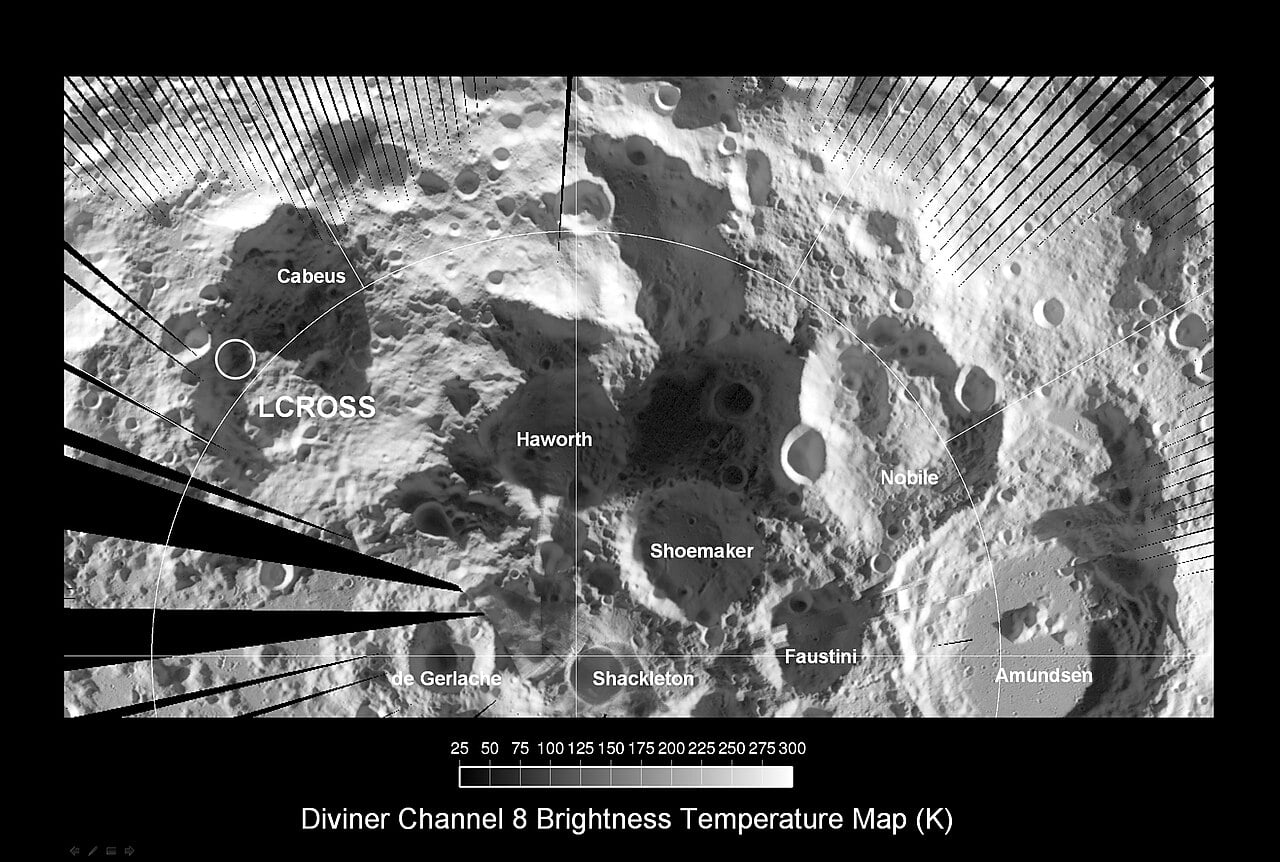
The lunar south pole is where humanity plans to build its first permanent outpost but we still don't fully understand what lies beneath the surface. A new study has used radar to peer below the ground in one of the Moon's most complex and battered regions and what it's finding raises important questions about the geological minefield that future astronauts will be navigating. Ancient impacts, frozen melt sheets, and billions of years of overlapping debris may complicate our plans more than we thought.
Continue reading
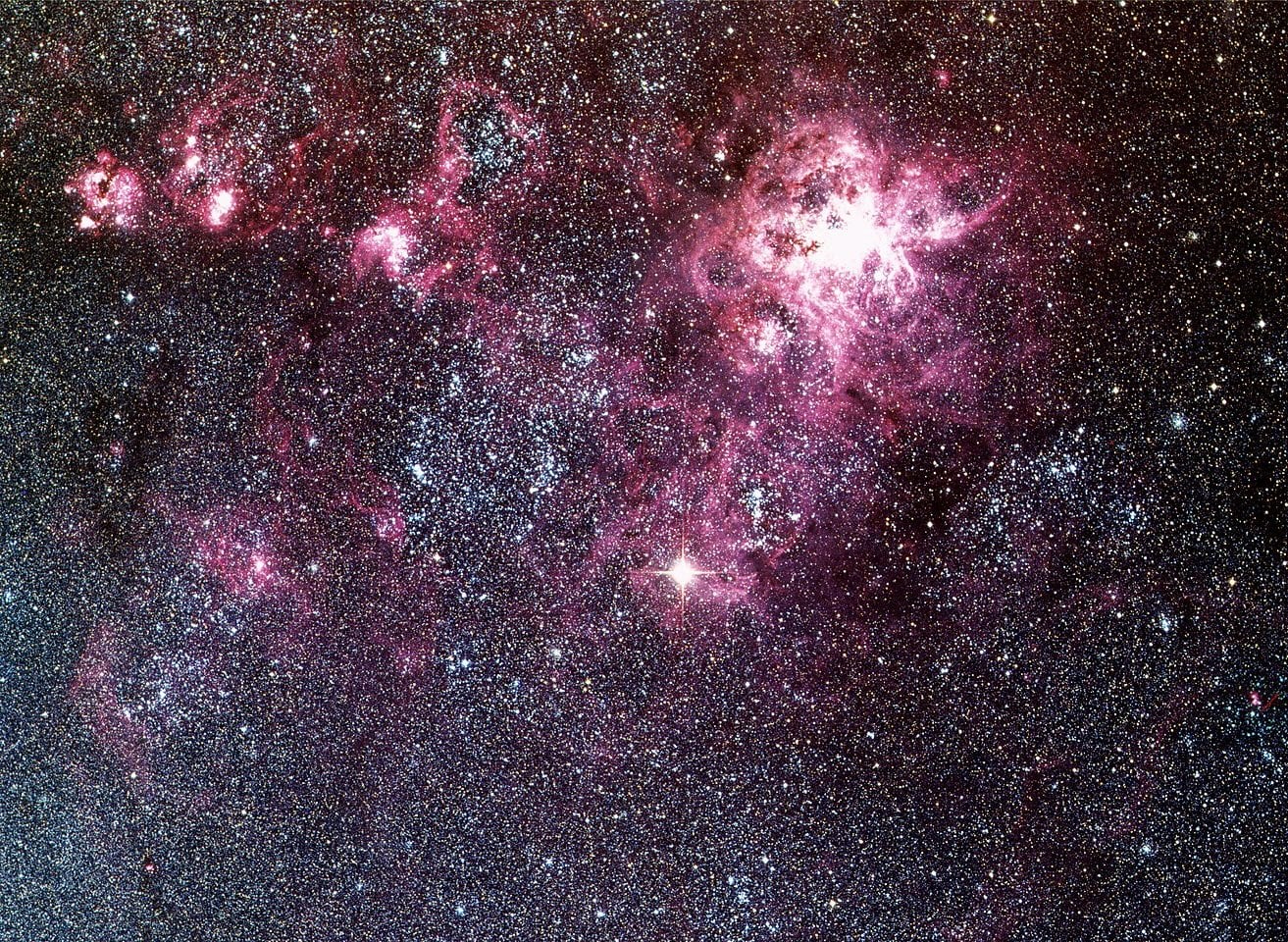
When a massive star explodes on the far side of the universe, the light from that explosion normally fades long before it reaches us. But occasionally, the universe conspires to help. A newly discovered supernova has been caught using the gravity of an entire galaxy as a natural magnifying glass, boosting its light by at least a hundred times and revealing a stellar death that would otherwise have been completely invisible. It is the most magnified supernova ever found, and it opens a remarkable new window onto the distant universe.
Continue reading
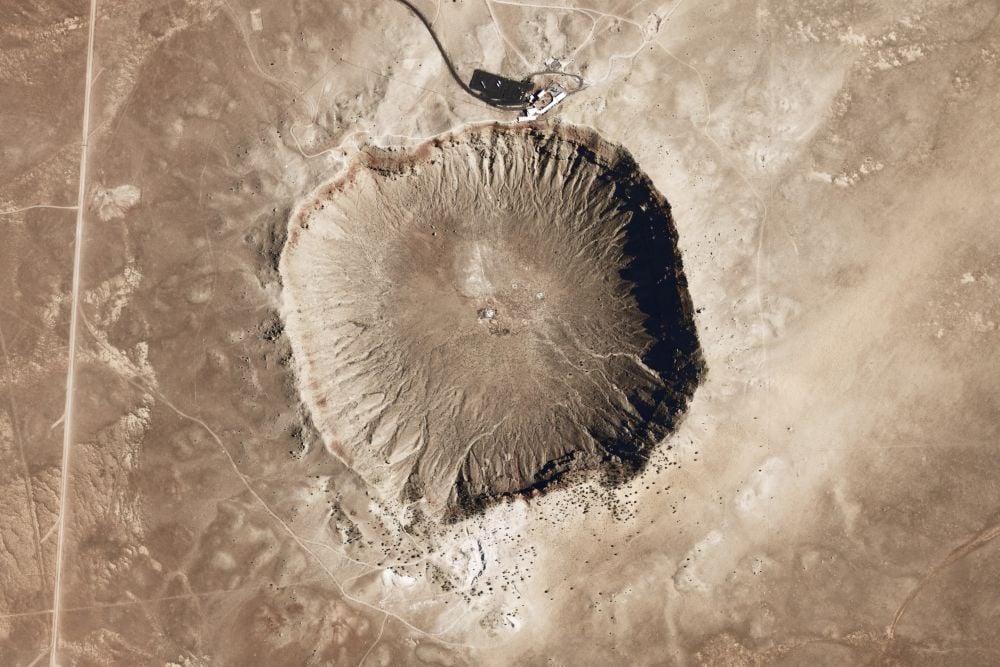
Around 900,000 years ago, an impactor slammed into modern-day Kazakhstan and excavated a crater about 14 km in diameter. It was the most recent hypervelocity impactor powerful enough to trigger a nuclear winter, but not an exinction. New research suggests the crater is almost twice as large, showing that the energy released by the impact was much greater than thought.
Continue reading

Neutrinos have mass — yet they never flip between left- and right-handed states the way every other massive particle does. The most logical fix is Paul Dirac's: invisible right-handed neutrinos that interact with nothing whatsoever. The math works. It even produces a beautiful explanation for why neutrino masses are so absurdly tiny. But it requires believing in particles that are permanently, in-principle undetectable.
Continue reading
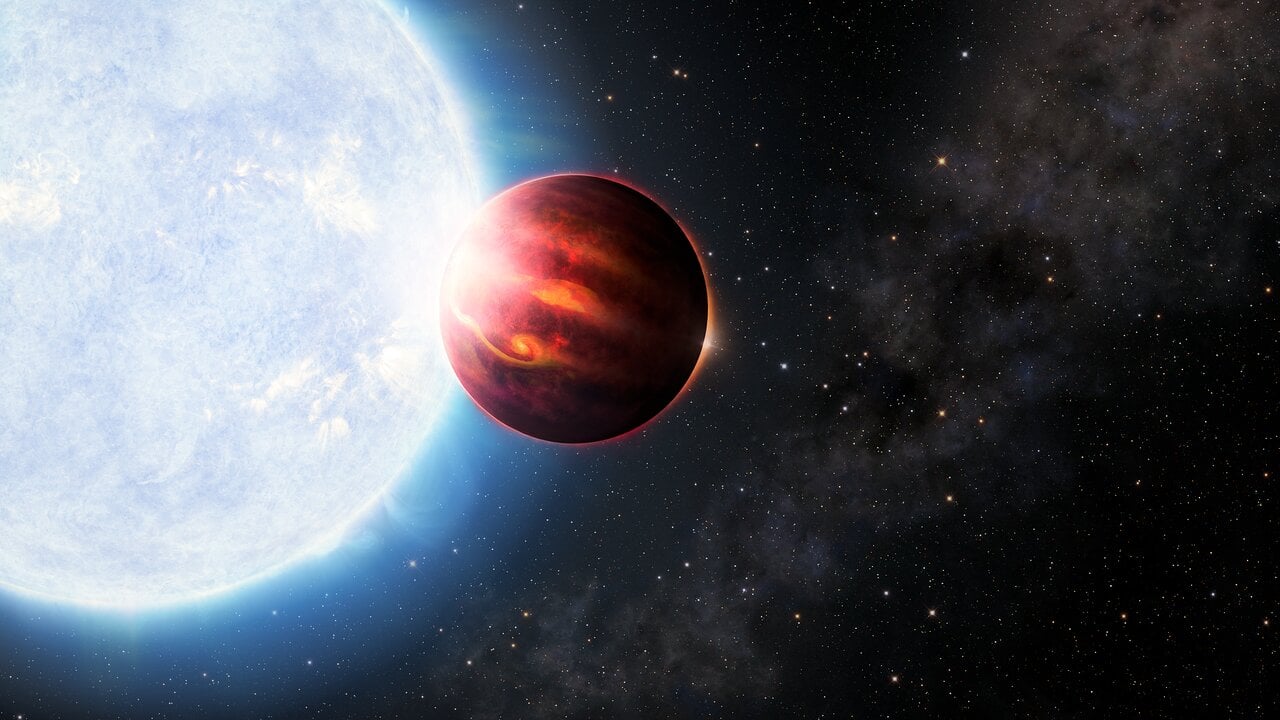
An ultra-hot Jupiter exoplanet orbiting a nearby star gave scientists using the Gemini South telescope a look at how both a star and its hot planet can have similar chemical compositions. The team, led by Arizona State University graduate student Jorge Antonio Sanchez, took spectra of the planet, called WASP-189b, using the Immersion Grating Infrared Spectrograph instrument. The observations measured the abundance of magnesium compared to silicon in the hot planet's atmosphere and allowed the team to compare it to the makeup of its parent star.
Continue reading
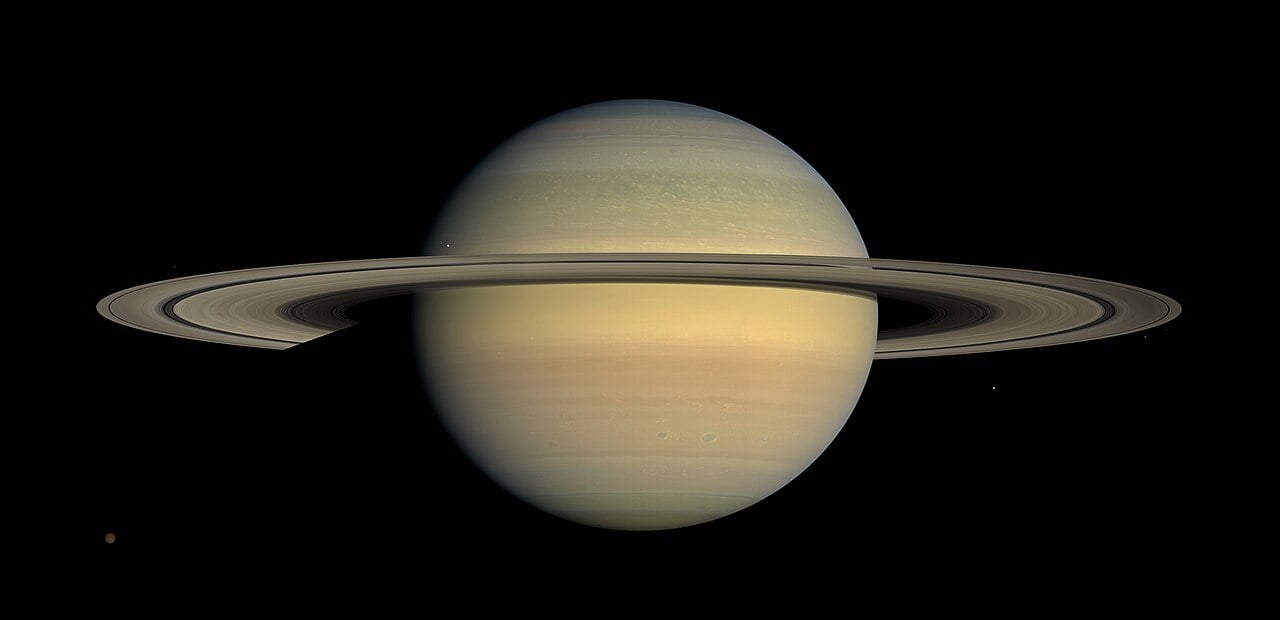
Saturn is one of the most recognisable and studied planets in the Solar System, it was the first thing I ever saw through a telescope and yet it is still finding ways to surprise us. New research analysing data from NASA's Cassini spacecraft has revealed a significant and unexpected quirk in Saturn's protective magnetic bubble, one that confirms the giant planets of our Solar System play by completely different rules to Earth.
Continue reading
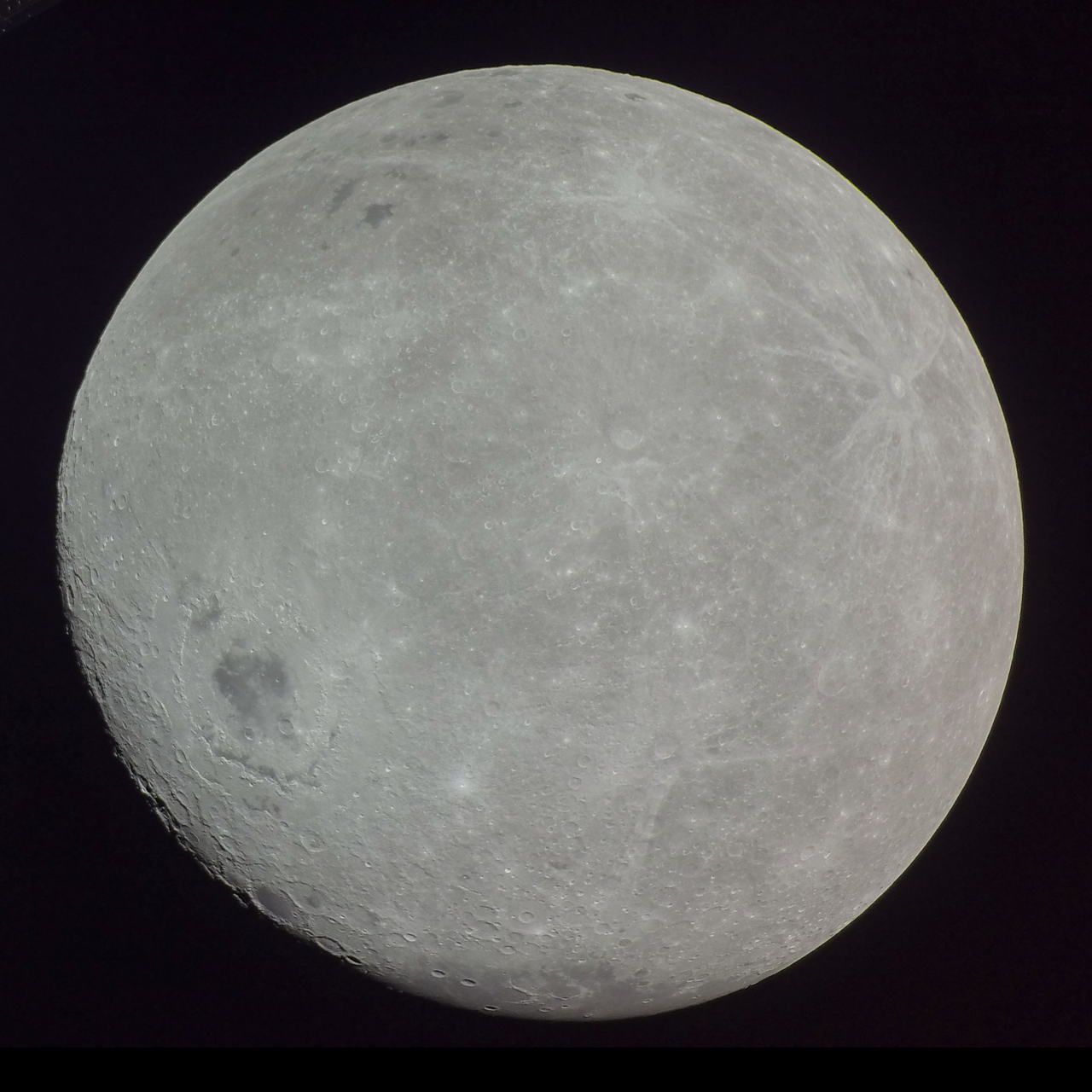
For the first time in history, scientists have used a spacecraft on the far side of the Moon to search for signals from extraterrestrial intelligence. China's Chang'E-4 lander sat in the most radio quiet location humanity has ever placed an instrument, shielded from Earth's constant electronic chatter by the entire bulk of the Moon itself. They found nothing but that is almost beside the point!
Continue reading
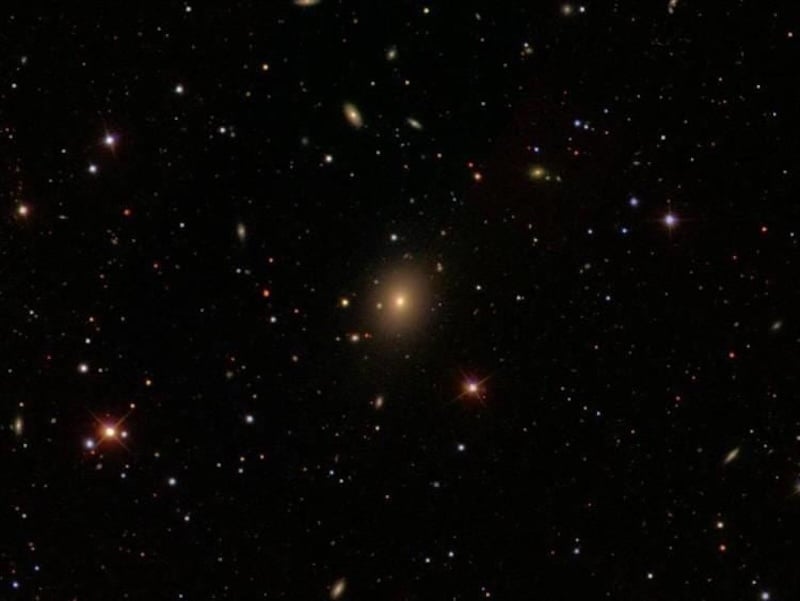
Deep in the heart of a distant galaxy, two monsters are locked in a death spiral and for the first time, they have been caught them in the act. A new study has confirmed the first close pair of supermassive black holes ever detected, orbiting each other every 121 days and closing in fast. If the models are right, they could collide within a century.
Continue reading
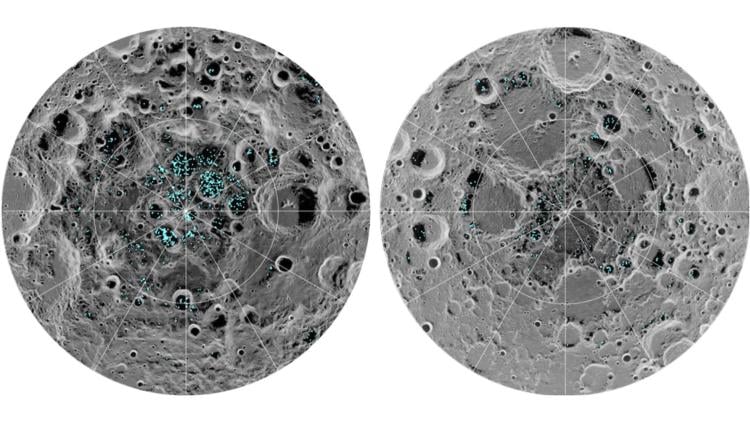
A new study challenges old assumptions by revealing that water on the Moon likely came from multiple sources over billions of years, rather than from a single major deposit long ago.
Continue reading

The weak nuclear force is the eccentric cousin of the four forces — the one that only shakes hands with left-handed particles. That bizarre preference turns out to be absolutely critical for stars, nuclear fusion, and the existence of most matter. And neutrinos love it. There's just one problem: neutrinos appear to only exist in one handedness, which makes no sense at all.
Continue reading
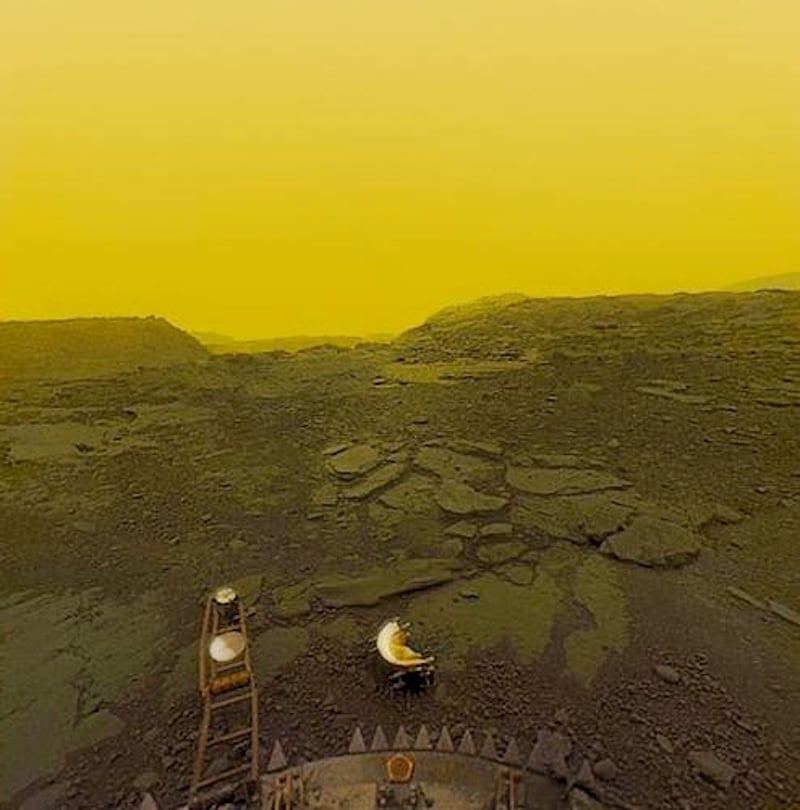
Every piece of electronics ever sent to Venus has been destroyed within hours of landing, cooked alive by surface temperatures hot enough to melt lead. Now a team of engineers at the University of Southern California has built a memory chip that laughs in the face of that heat, surviving temperatures hotter than molten lava and it started with a happy accident!
Continue reading
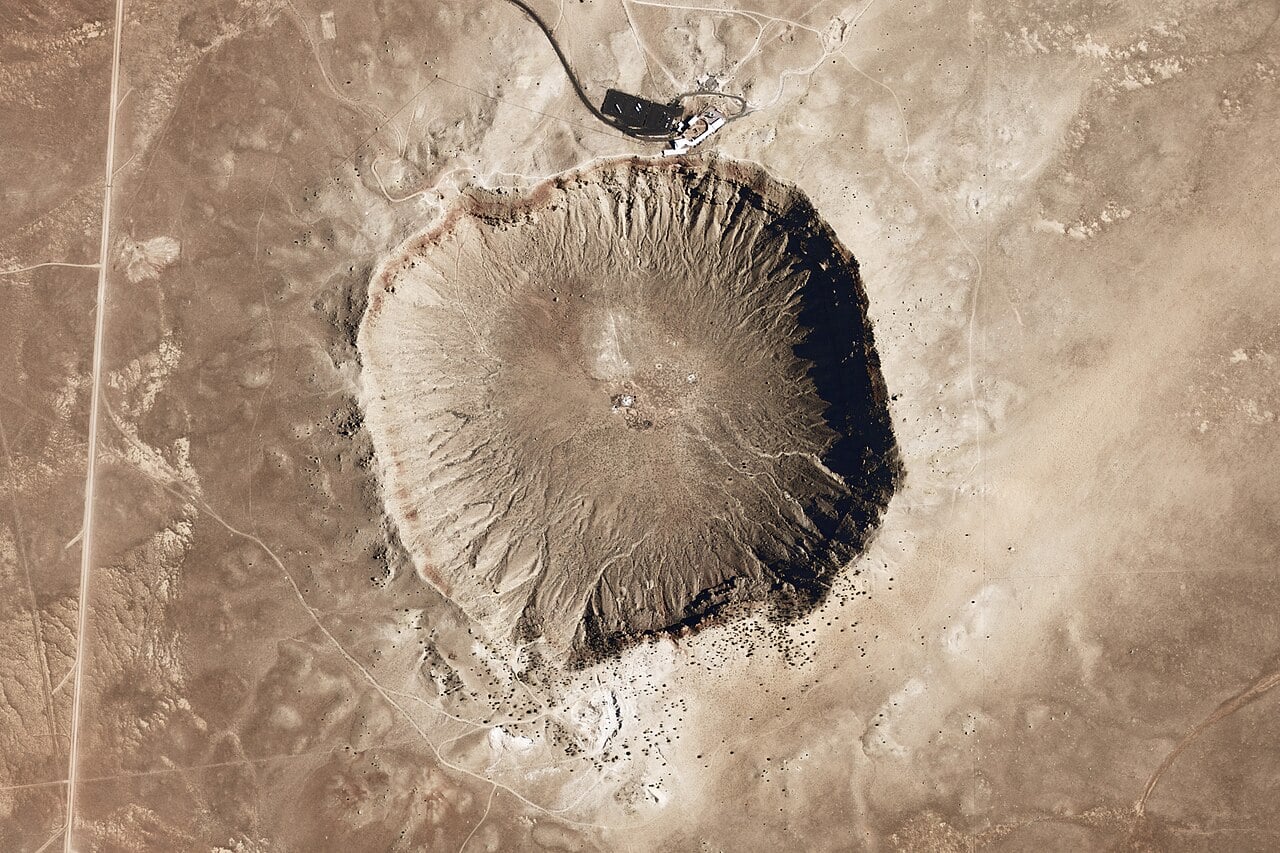
What if the same collisions we think of as forces of destruction were actually the spark that created life on Earth? New research published in the Journal of Marine Science and Engineering is making a compelling case that meteor impacts didn't just reshape our planet's surface, instead that they may have built the very cradles where life first emerged.
Continue reading
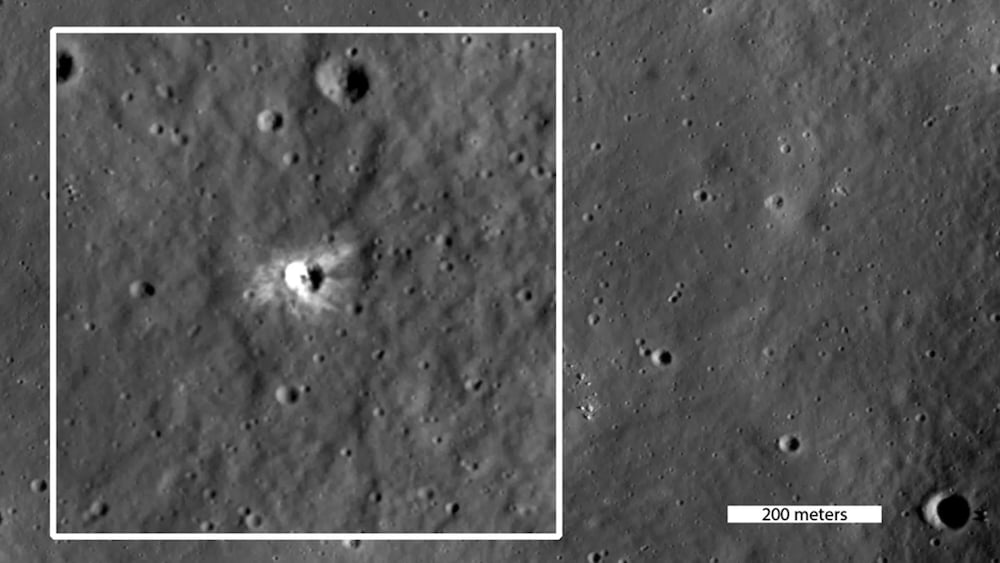
A crater the size of two football pitches has appeared on the Moon and for the first time, scientists have been able to watch exactly what happened. Captured by NASA's Lunar Reconnaissance Orbiter before and after the impact, this remarkable discovery is giving planetary scientists an unprecedented close up of one of the Solar System's most fundamental processes. Here's what they found.
Continue reading

A brilliant physicist vanished in 1938, leaving behind one strange, quiet paper. It described something that shouldn't exist: a particle that is its own antiparticle. To understand why that matters, we first need to rethink what a particle even is — and that means getting weird with chirality, the Higgs field, and the neutrino's stubborn refusal to follow the rules.
Continue reading
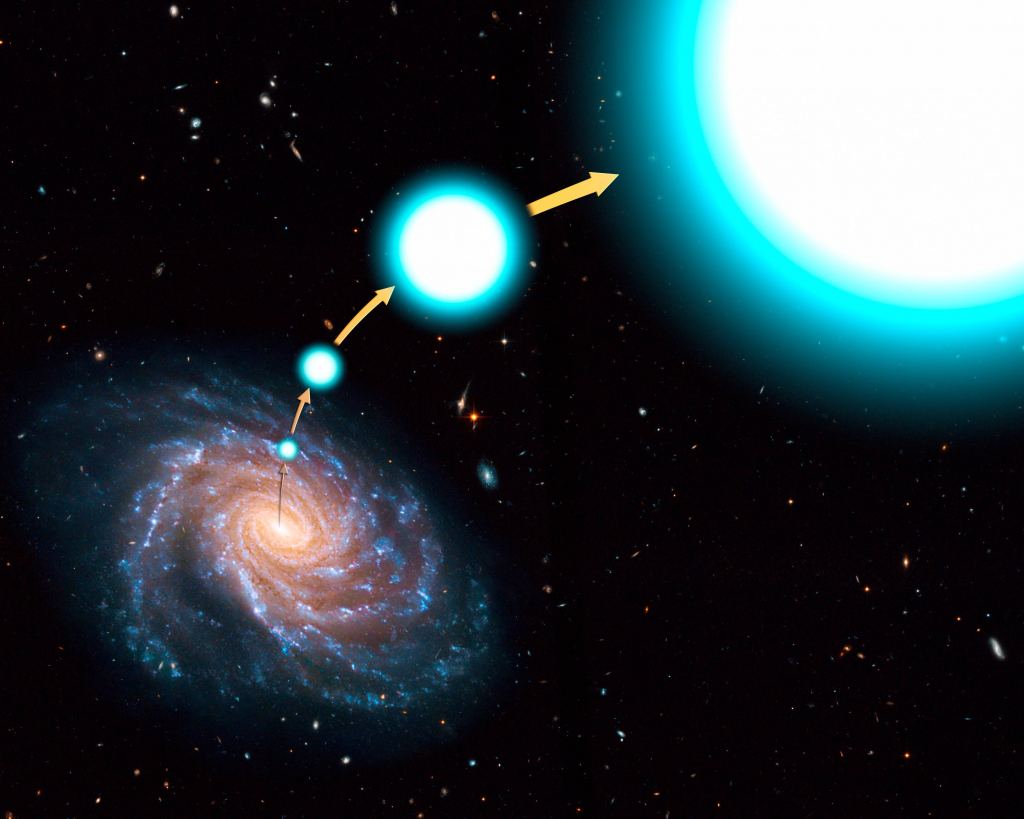
A class of undergraduate students at University of Chicago has used data from the Sloan Digital Sky Survey (SDSS) to discover one of the oldest stars in the universe, a star that formed in a companion galaxy and migrated to the Milky Way.
Continue reading
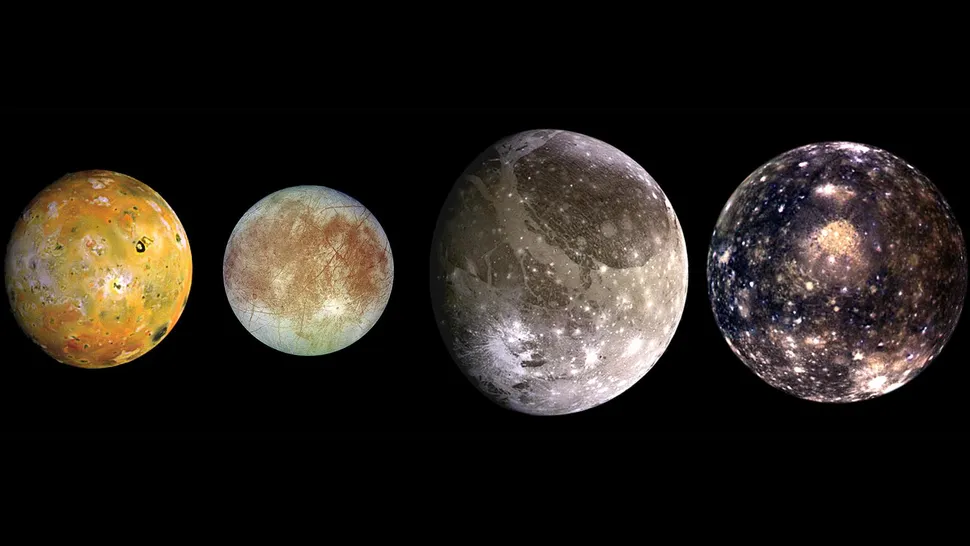
The two largest planets in our Solar System, Jupiter and Saturn, have the largest systems of moons. However, Jupiter has more large moons than Saturn, which has only one. Since both planets are gas giants, the reasons for the differences in these satellite systems have long puzzled astronomers. This motivated a collaborative team of researchers from Japan and China to develop a physically consistent model that can explain this.
Continue reading
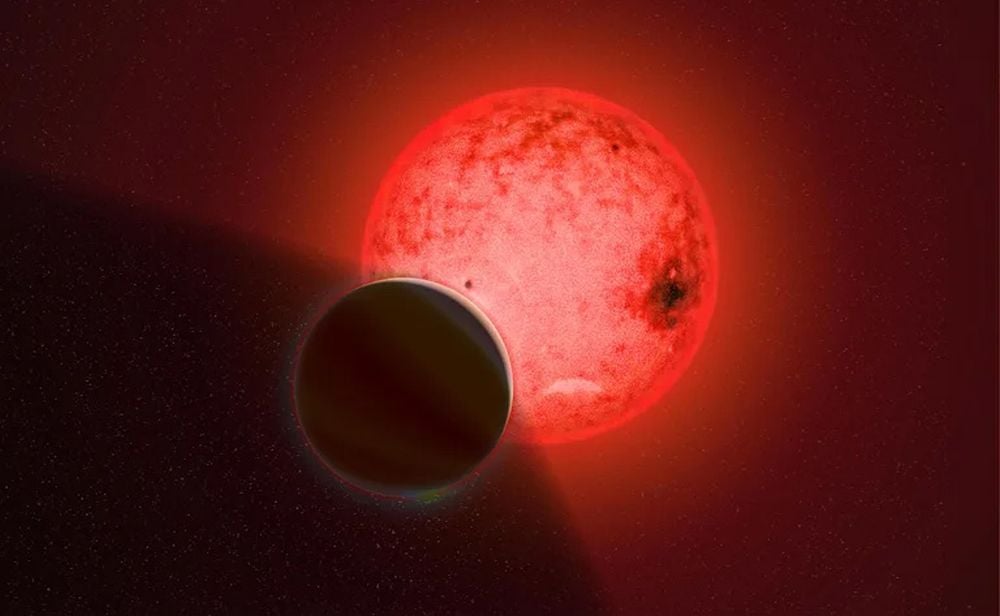
According to theory and models of planet formation, large gas giants should form around massive stars. That's because massive stars have more massive protoplanetary disks. But astronomers have the opposite arrangement in some cases. New research highlights a massive gas giant on a close-in orbit around a low-mass M-dwarf, and it poses another challenge to our understanding planet formation.
Continue reading
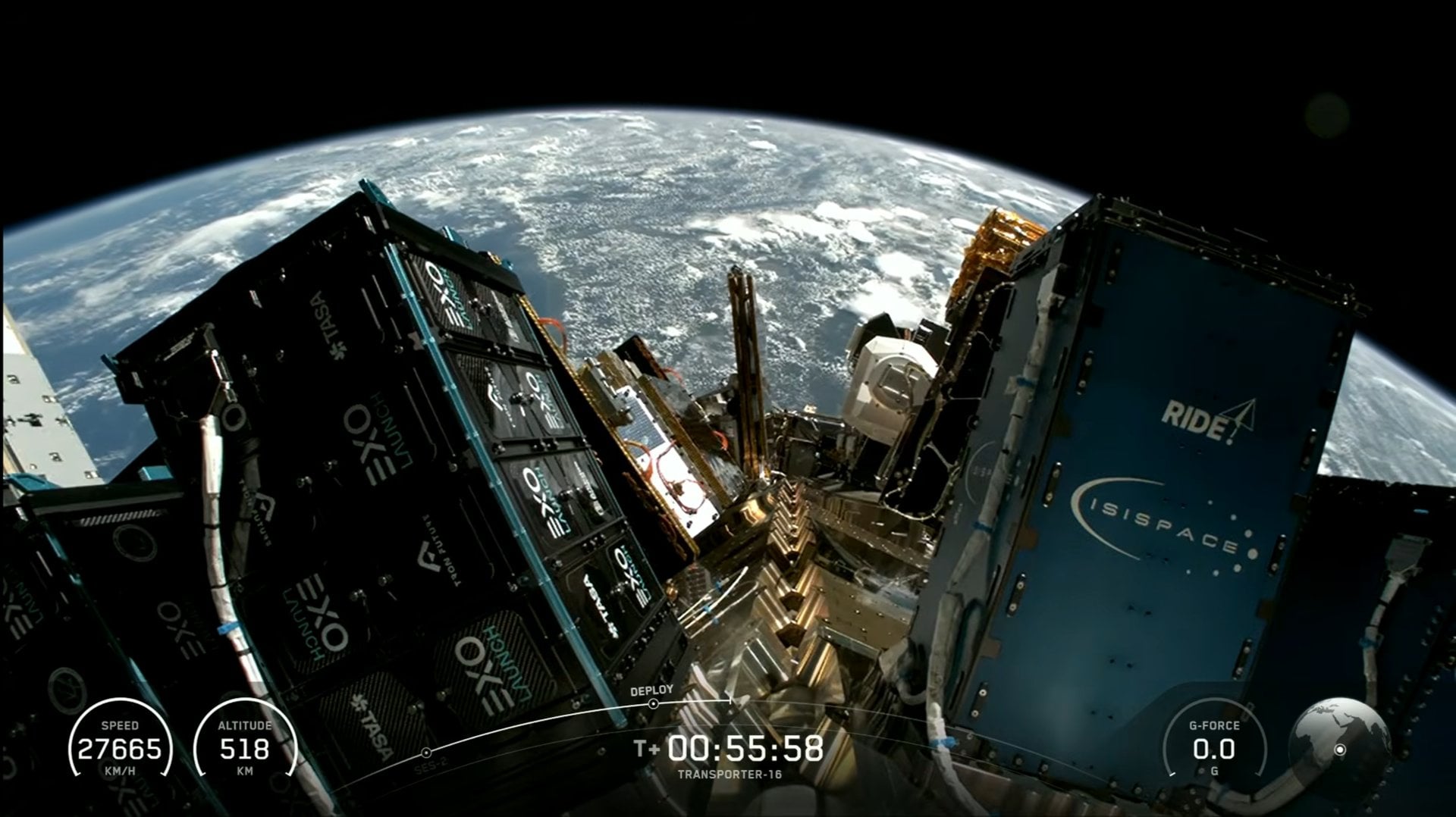
Space is getting crowded - and not just with satellites, but with the massive amounts of data they’re generating. The amount of information being generated and passed through orbit is exploding. From high-resolution Earth observation images to global maritime monitoring, it’s also become a critical link in our infrastructure. But there’s another space this growing crowd of satellites is dependent on that is also filling up fast - the radio frequency spectrum. If we want to keep expanding our orbital infrastructure, we need to rethink how we move data around. On March 30, 2026, the European Space Agency (ESA) supported a series of eight CubeSats and one specialized payload on SpaceX’s Transporter-16 rideshare mission with the overarching goals of testing high-throughput laser communication, inter-satellite networking, and in-orbit artificial intelligence processing to make space data transfer faster, more secure, and vastly more efficient.
Continue reading
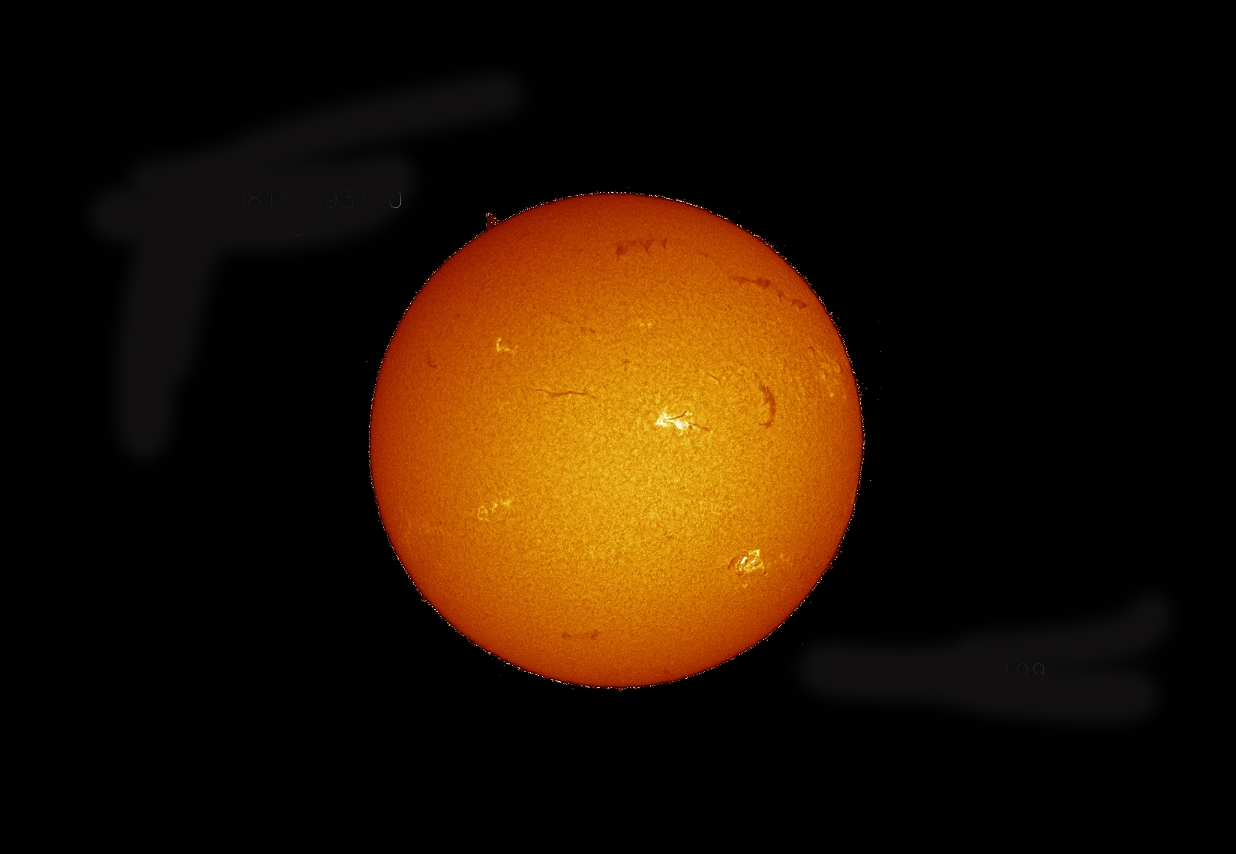
On August 19, 2022, astronomers using the Daniel K. Inouye Solar Telescope (DKIST) on the Hawaiian island of Maui caught the fading remnants of a C-class solar flare. Their observations showed something unusual: very strong spectral fingerprints of calcium II H and hydrogen-epsilon lines. It was the first time these two light signatures were seen in great detail during a flare. According to computer models, those lines were stronger than expected and play a not well-understood role in how flares heat the solar atmosphere where they occur.
Continue reading
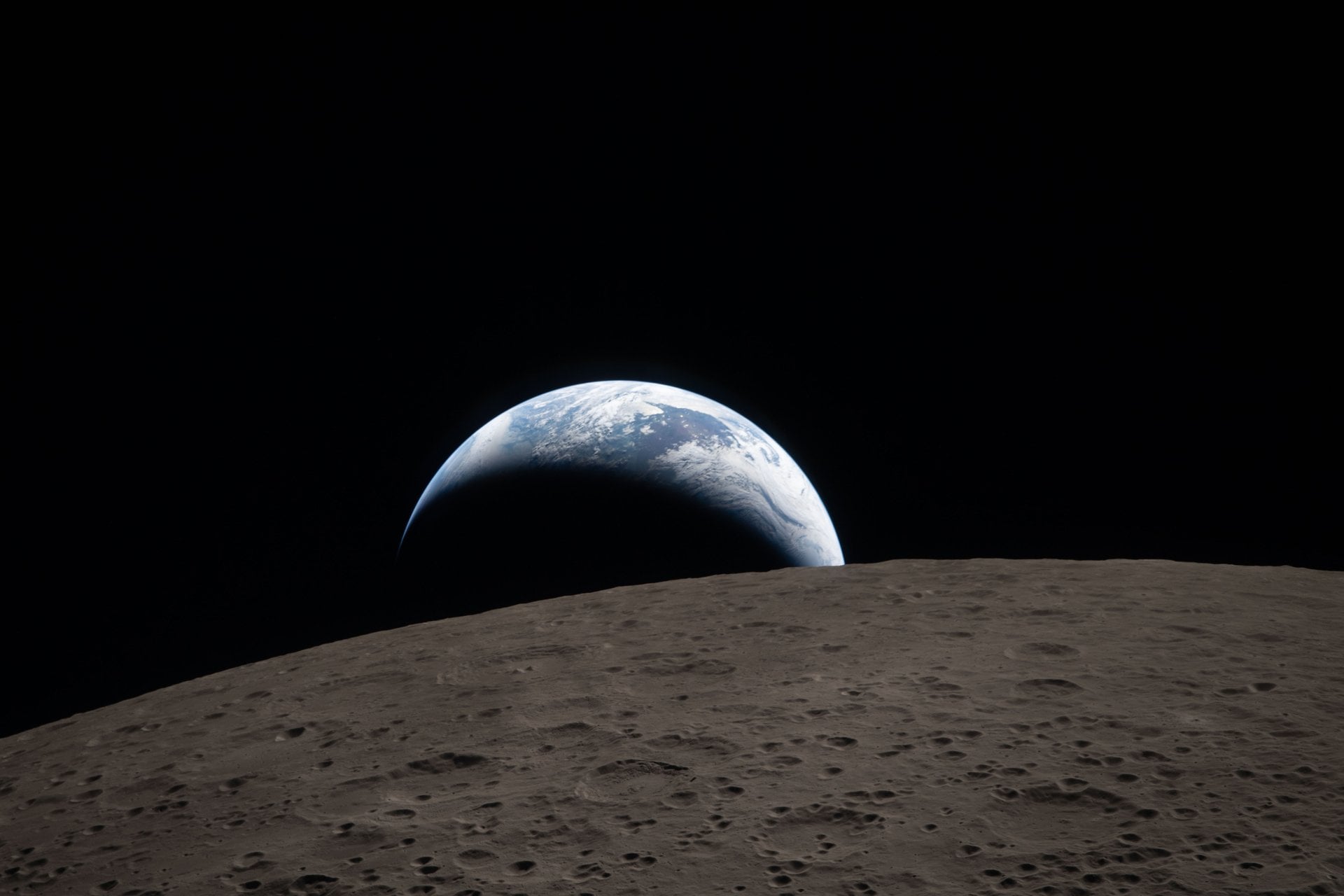
The first flyby images of the Moon captured by NASA’s Artemis II astronauts during their historic test flight reveal some regions no human has seen, including a rare in-space solar eclipse. Released Tuesday, astronauts captured the images April 6 during the mission’s seven-hour flyby of the lunar far side, showing humanity’s return to the Moon’s […]
Continue reading
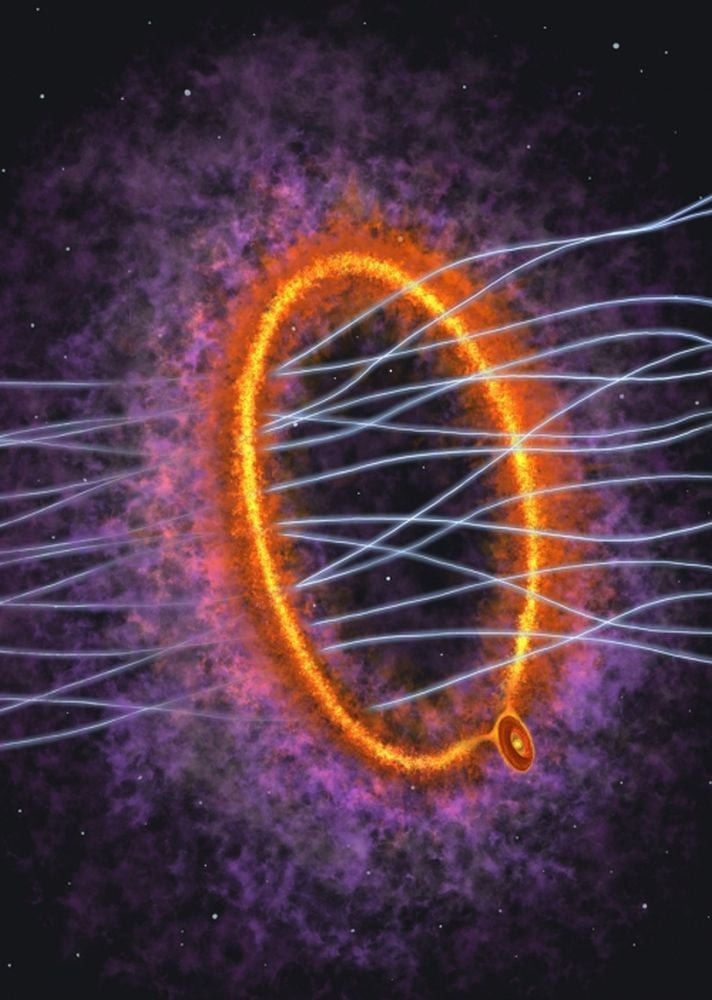
Observing the Taurus Molecular Cloud, a research team led by Kyushu University has found that during the early growth period of a baby star, the protostellar disk blows magnetic flux 1,000 au in size and creates a giant, relatively warm ring. Describing these phenomena as a baby star’s “sneezes,” these expulsions of energy and gas help the star to properly develop.
Continue reading
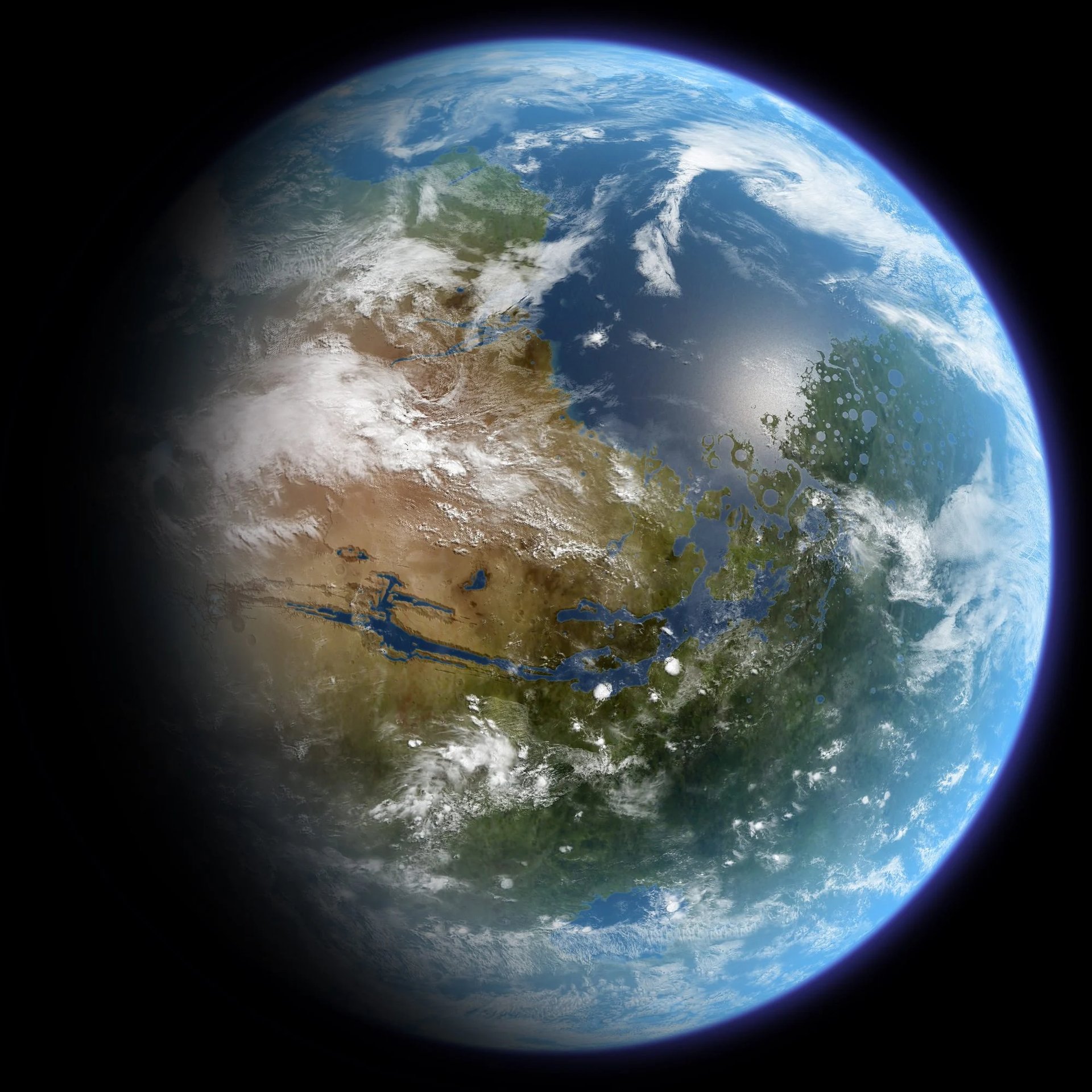
Reading the Mars Trilogy by Kim Stanley Robinson brings the benefits and pitfalls of efforts to terraform the Red Planet into sharp relief. Since the 1970s, when Carl Sagan first suggested the possibility that we could make Mars more Earth-like, that process has been a staple of science fiction. But there’s always been a significant amount of humanity that thinks we shouldn’t. A new paper available in pre-print on arXiv from Edwin Kite of the University of Chicago and his co-authors skirts around the ethical and moral questions of whether we should and tries to take a long hard look at whether we can.
Continue reading
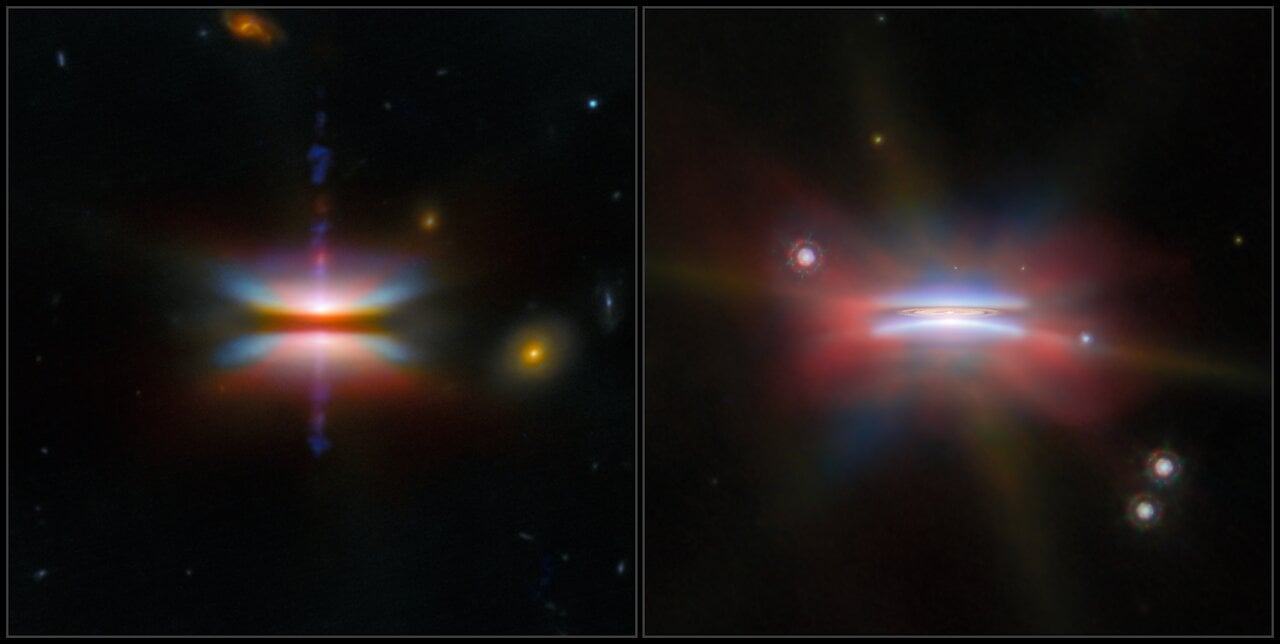
Two images of protoplanetary disks side-by-side. The left image shows a dark horizontal band covering the star, with broad, colorful, conical outflows above and below it, and a narrow jet pointing directly up and down from the star. The right image shows the star within a yellow dusty disk, with scattered dust creating purple lobes above and below the disk. Each is on a black background with several galaxies or stars around it.
Continue reading
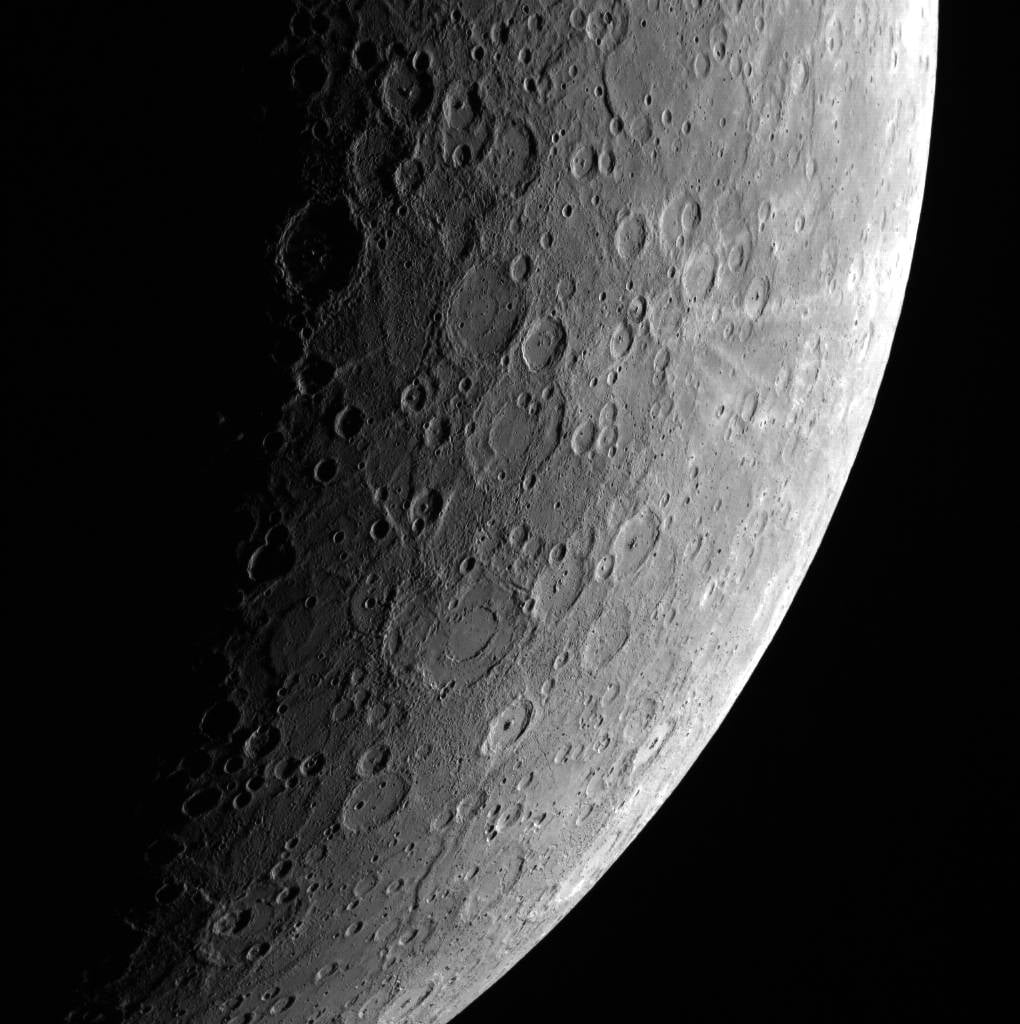
A Mercury lander mission would create opportunities to sample unique geological features. However, extreme temperature fluctuations on Mercury’s surface pose challenges for exploration on the planetary surface. In a narrow region near the terminator, temperate conditions would allow a rover to run on solar power and collect data and surface samples without needing to withstand the extreme heat.
Continue reading
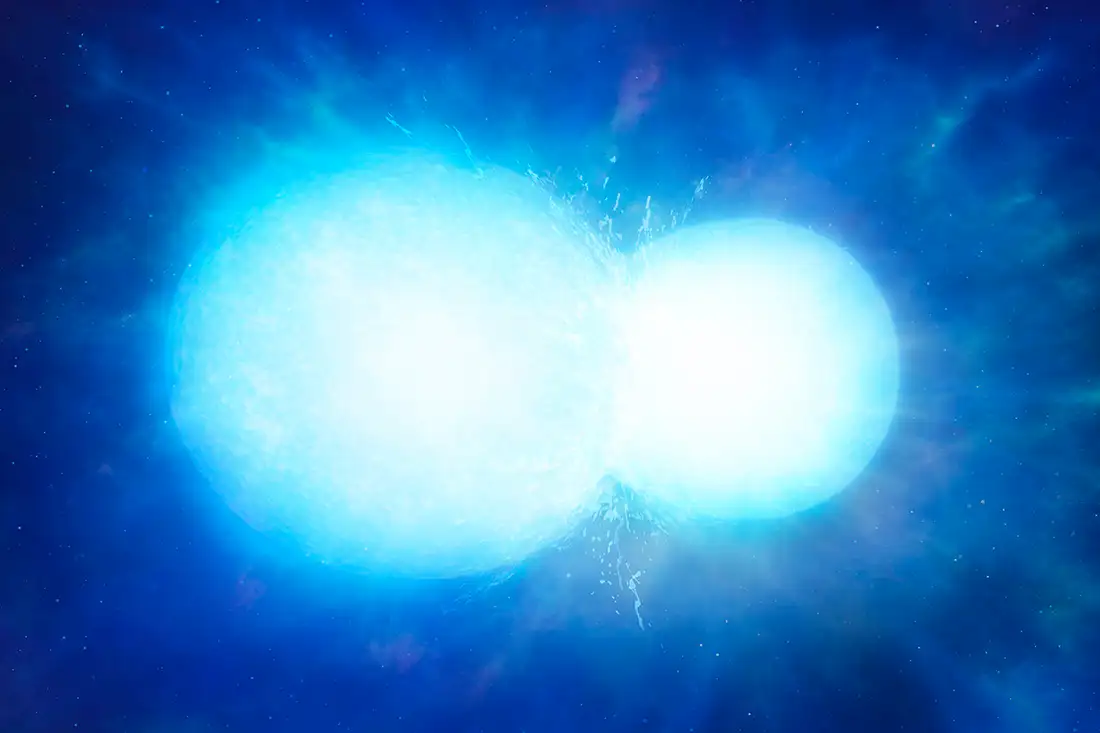
In the vastness of the Universe, any new object with interesting properties can spur the search for similar objects, potentially establishing a new class of stars. In a paper published in Astronomy & Astrophysics and an arXiv preprint, researchers from the Institute of Science and Technology Austria (ISTA) describe two stellar remnants that share five properties, including X-ray emission, despite being isolated objects. According to the team, these two remnants are sufficient to define a new class of stars.
Continue reading
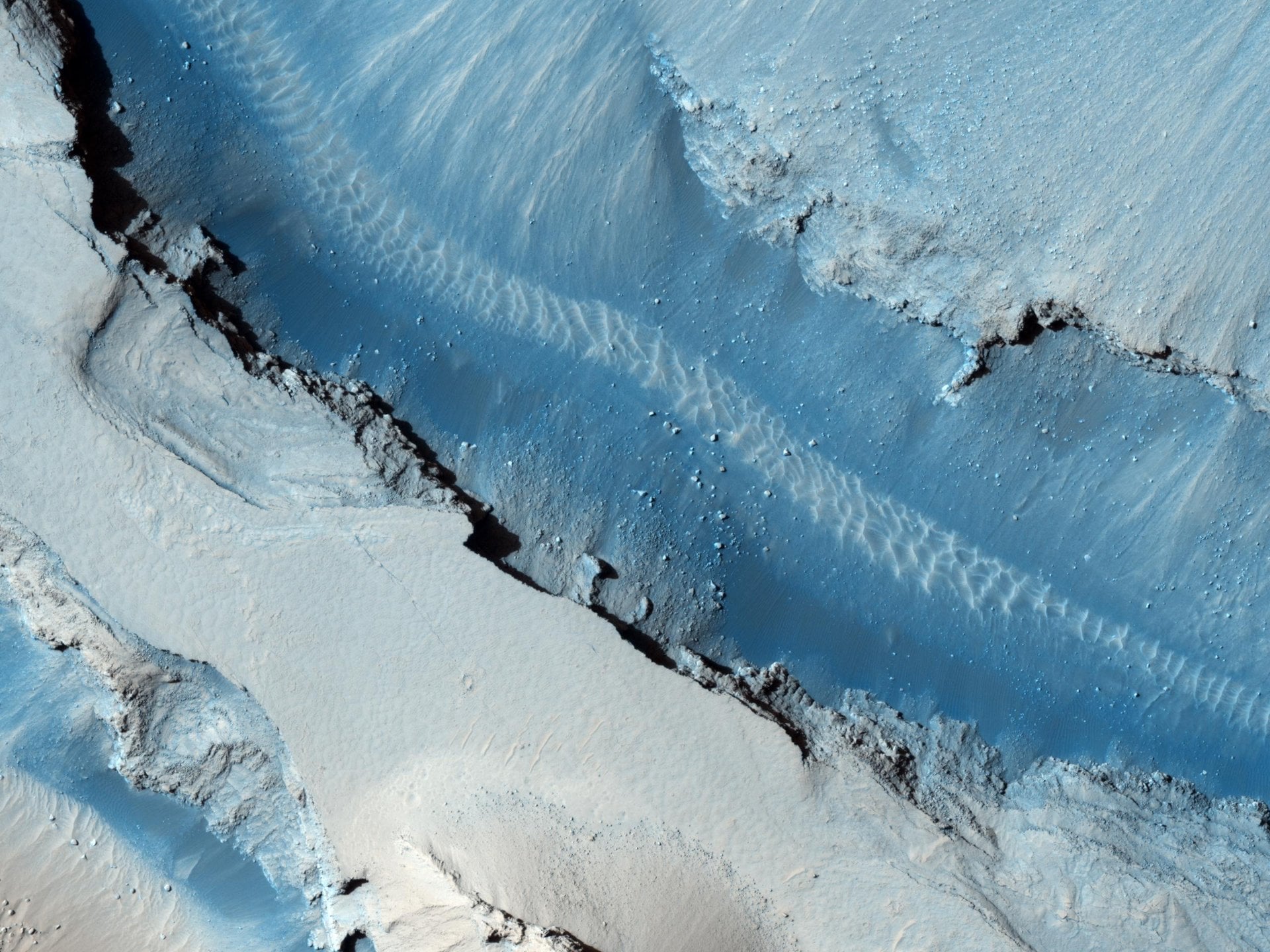
We’ve spent decades scratching the surface of Mars trying to uncover life there. But we’ve been searching a barren wasteland bombarded by radiation and bathed in toxic perchlorates. The entire time, it's likely that it’s been too hostile to harbor extant life. So if we want a better shot at finding currently living life on Mars, we need to go underground. That is exactly the purpose of Orpheus, a proposed Mars vertical takeoff and landing (VTOL) hopper mission put forth by Connor Bunn and Pascal Lee of the SETI Institute at the 57th Lunar and Planetary Science Conference (LPSC).
Continue reading
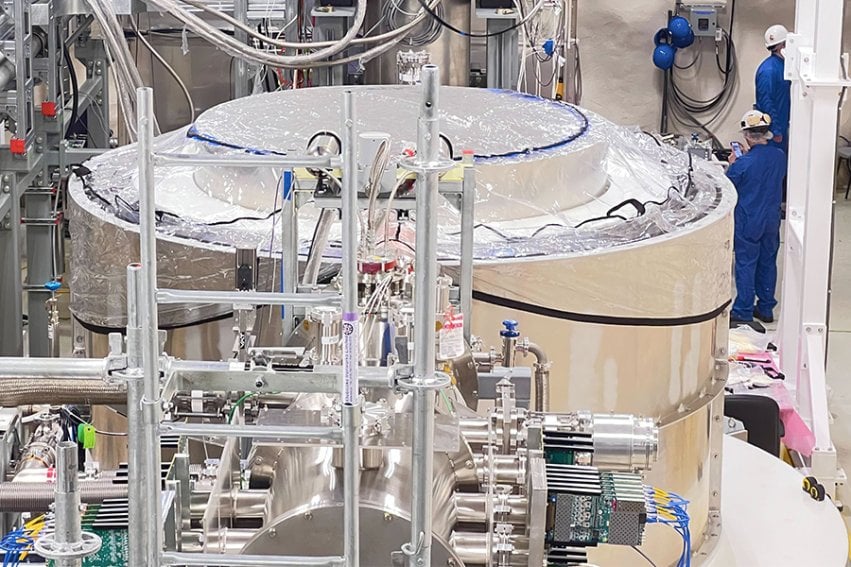
The Super Cryogenic Dark Matter Search (SuperCDMS) experiment has reached its coldest operating temperature, hundreds of times colder than outer space.
Continue reading
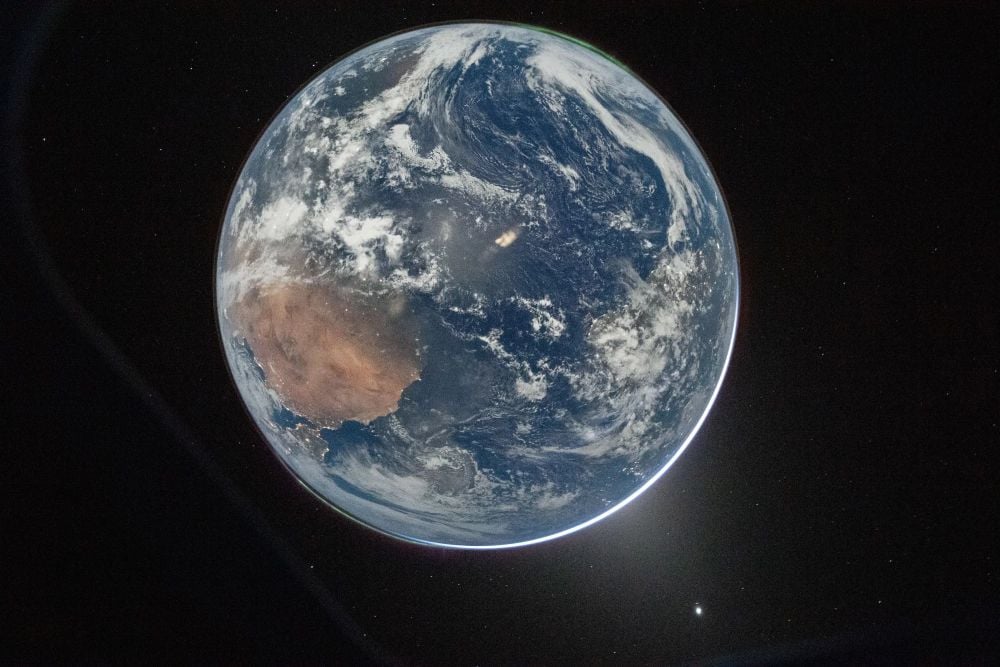
New research shows that Earth formed from inner Solar System material. Isotopic geochemistry analysis found no evidence that material from beyond Jupiter contributed to Earth's bulk composition. The results also support the idea that Earth's water wasn't delivered by comets.
Continue reading
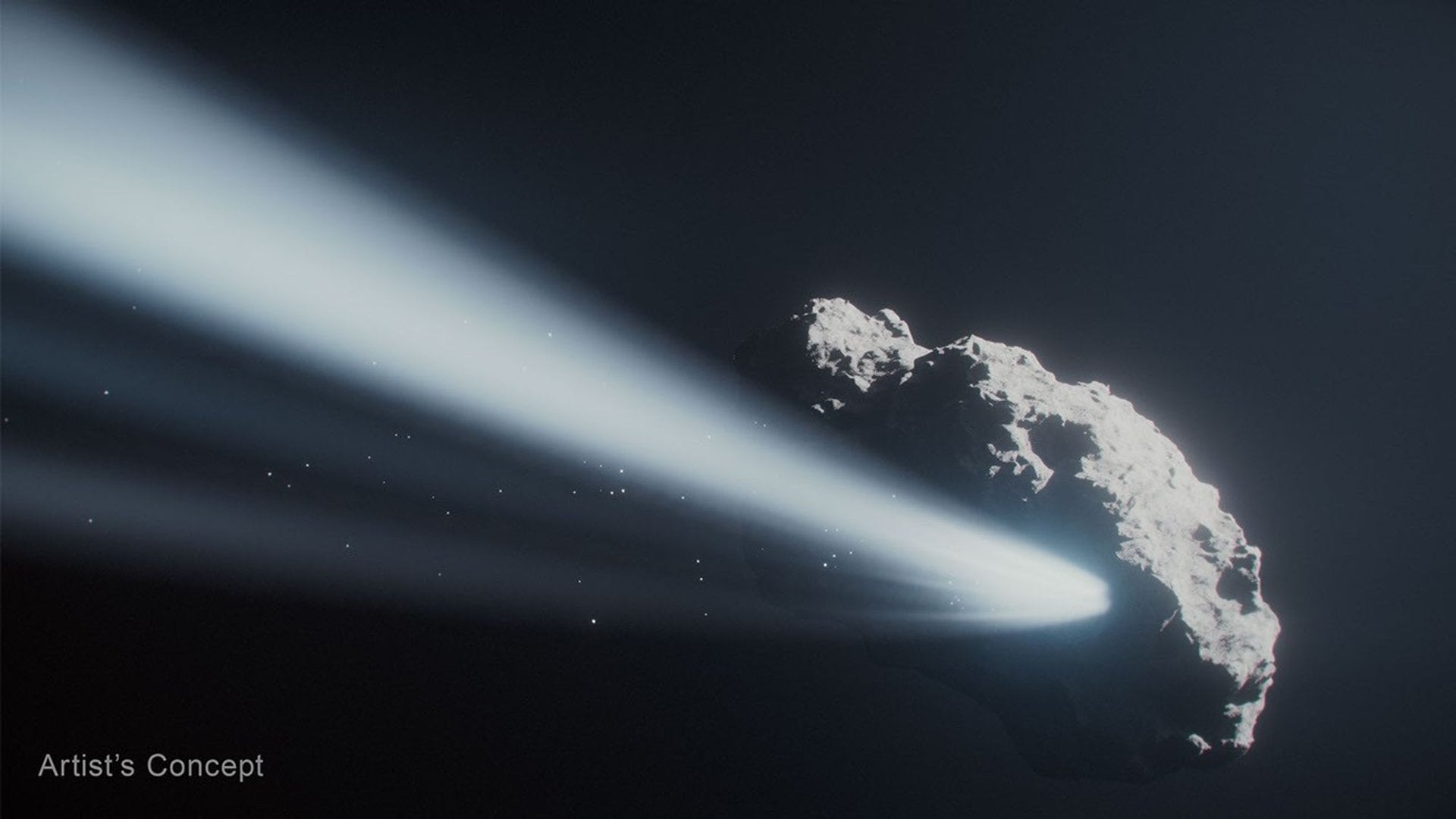
Japan’s space agency, JAXA, has been knocking it out of the park with small-body exploration missions for decades. They had historic successes with both Hayabusa and Hayabusa2, and they are going to visit the Martian Moons soon with the Martian Moons eXploration (MMX) mission. But after that, they are aiming for something much more pristine and arguably more difficult - a comet. The Next Generation Small-Body Return (NGSR) was recently described in a paper at the Lunar and Planetary Science Conference (LPSC), and is under assessment as a large-class mission for the 2030s.
Continue reading
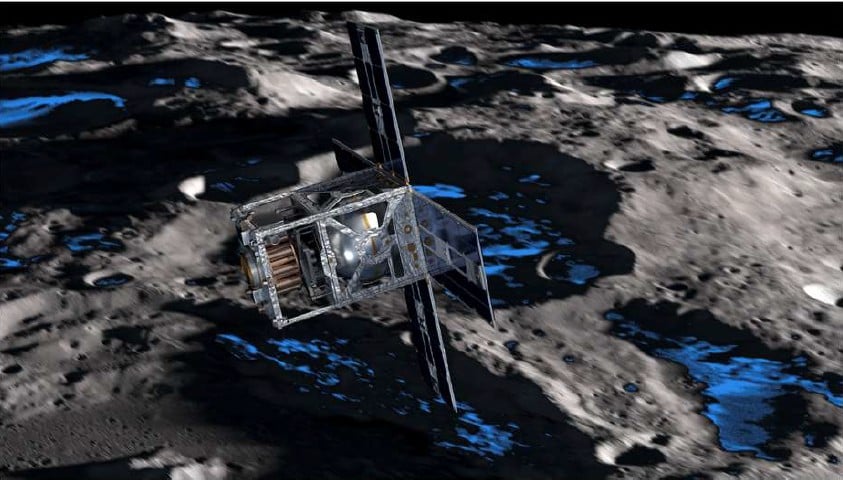
The water locked up in the Permanently Shadowed Regions (PSRs) of the Moon’s south pole is a critical resource if we are ever going to get a permanent lunar presence off the ground. But while we know the water ice there exists, we don’t really know how much. We have to move from general estimates to mineable-scale prospecting data. That is what Oasis-1, the newly proposed lunar prospecting mission from Blue Origin that was recently introduced at the 2026 Lunar and Planetary Science Conference (LPSC) is meant to do.
Continue reading
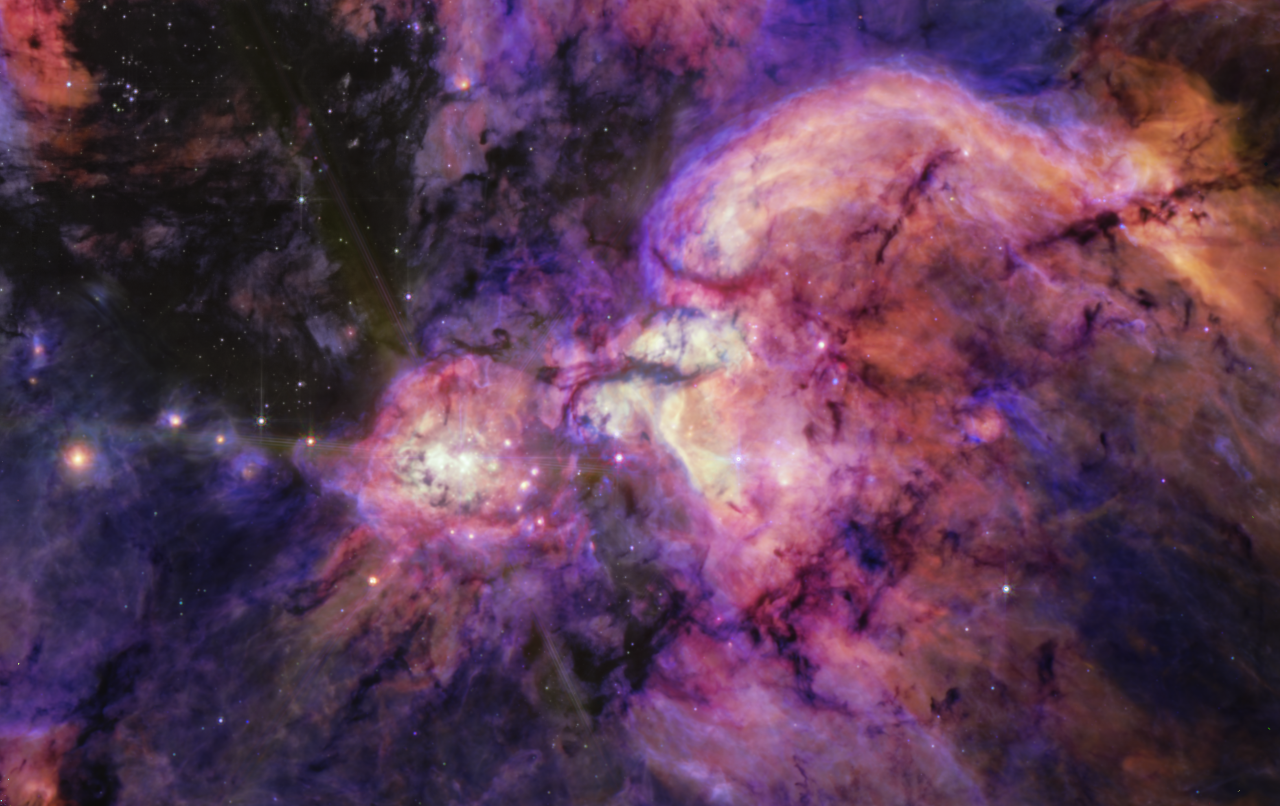
Star formation is a dramatic and complex process that erupts throughout the Universe. Yet, a lot of the action gets hidden by clouds of gas and dust. That's where observatories such as the James Webb Telescope JWST and the Atacama Large Millimeter Array (ALMA) come in handy. They use infrared light and radio waves, respectively, to pierce the veil surrounding the process of starbirth.
Continue reading
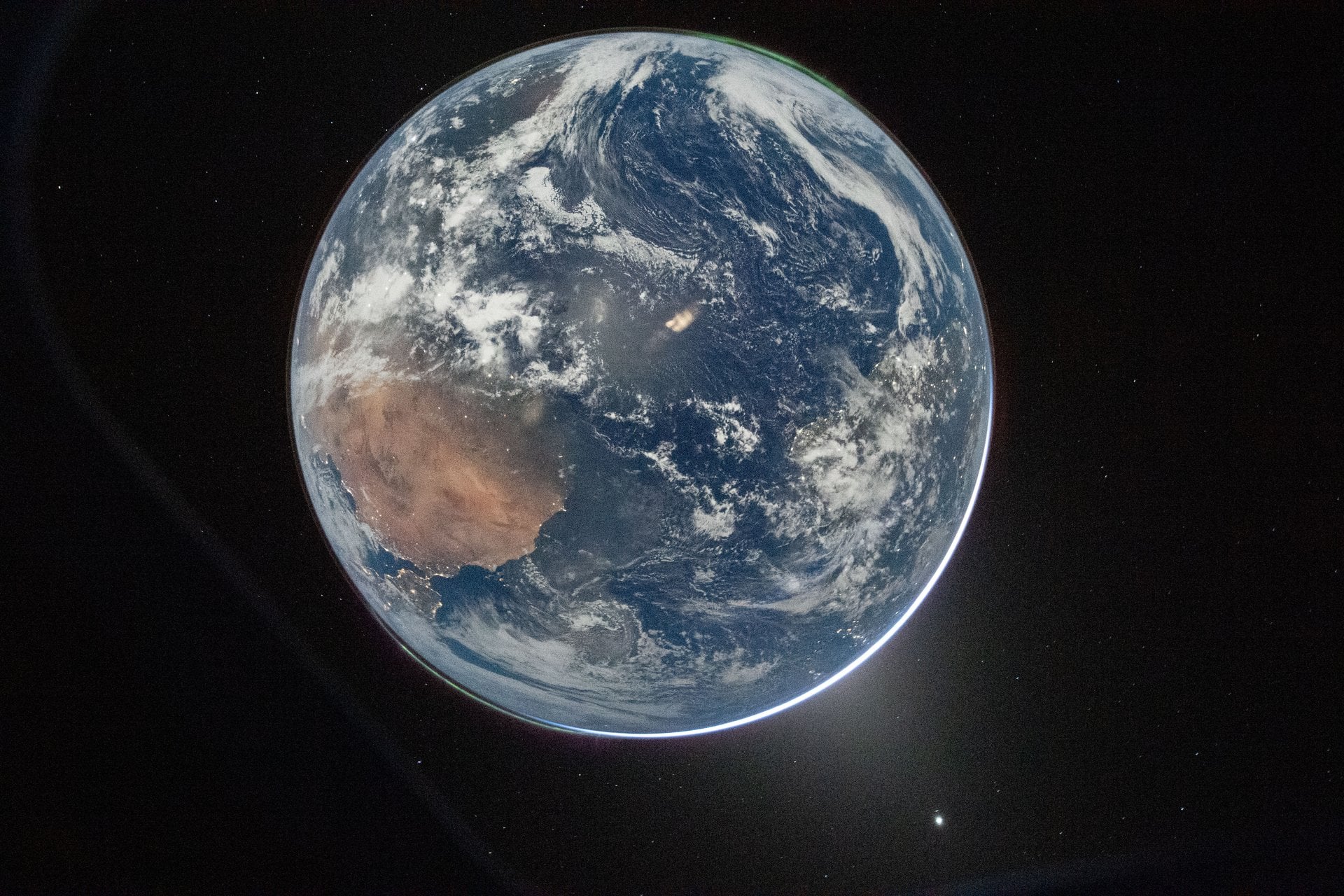
NASA astronaut and Artemis II Commander Reid Wiseman took this picture of Earth from the Orion spacecraft's window after completing the translunar injection burn. There are two auroras (top right and bottom left) and zodiacal light (bottom right) is visible as the Earth eclipses the Sun.
Continue reading
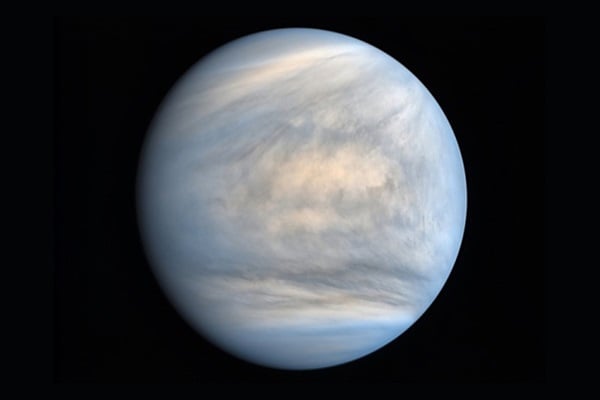
A new study presented at the 2026 LPSC suggests that if life does exist in Venus' clouds, there's a chance it came from Earth.
Continue reading
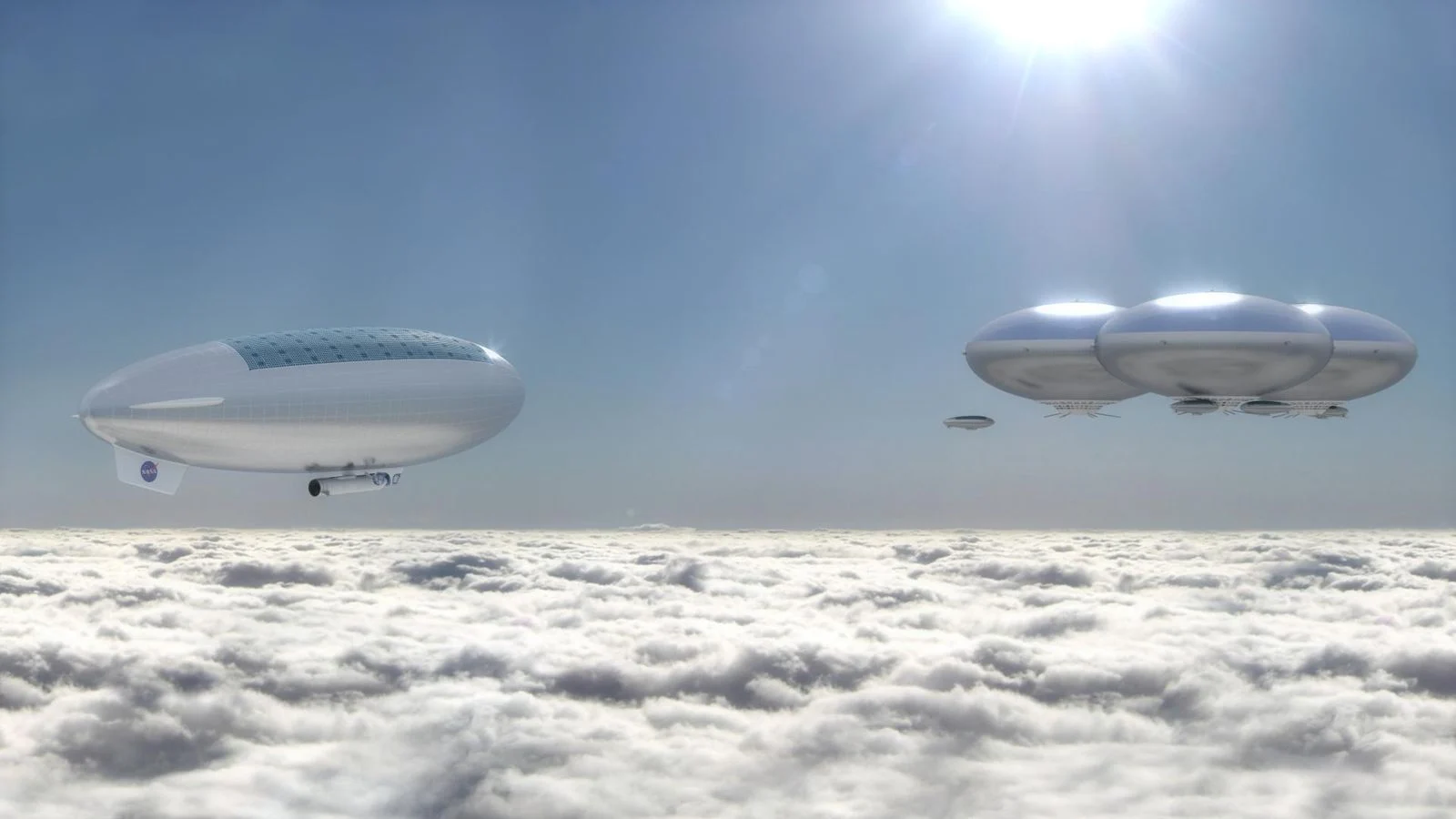
In a new proposal, a team of scientists explores how aerial robotic platforms (areobots) with in-situ resource utilization (ISRU) capability could operate for years in Venus' atmosphere.
Continue reading
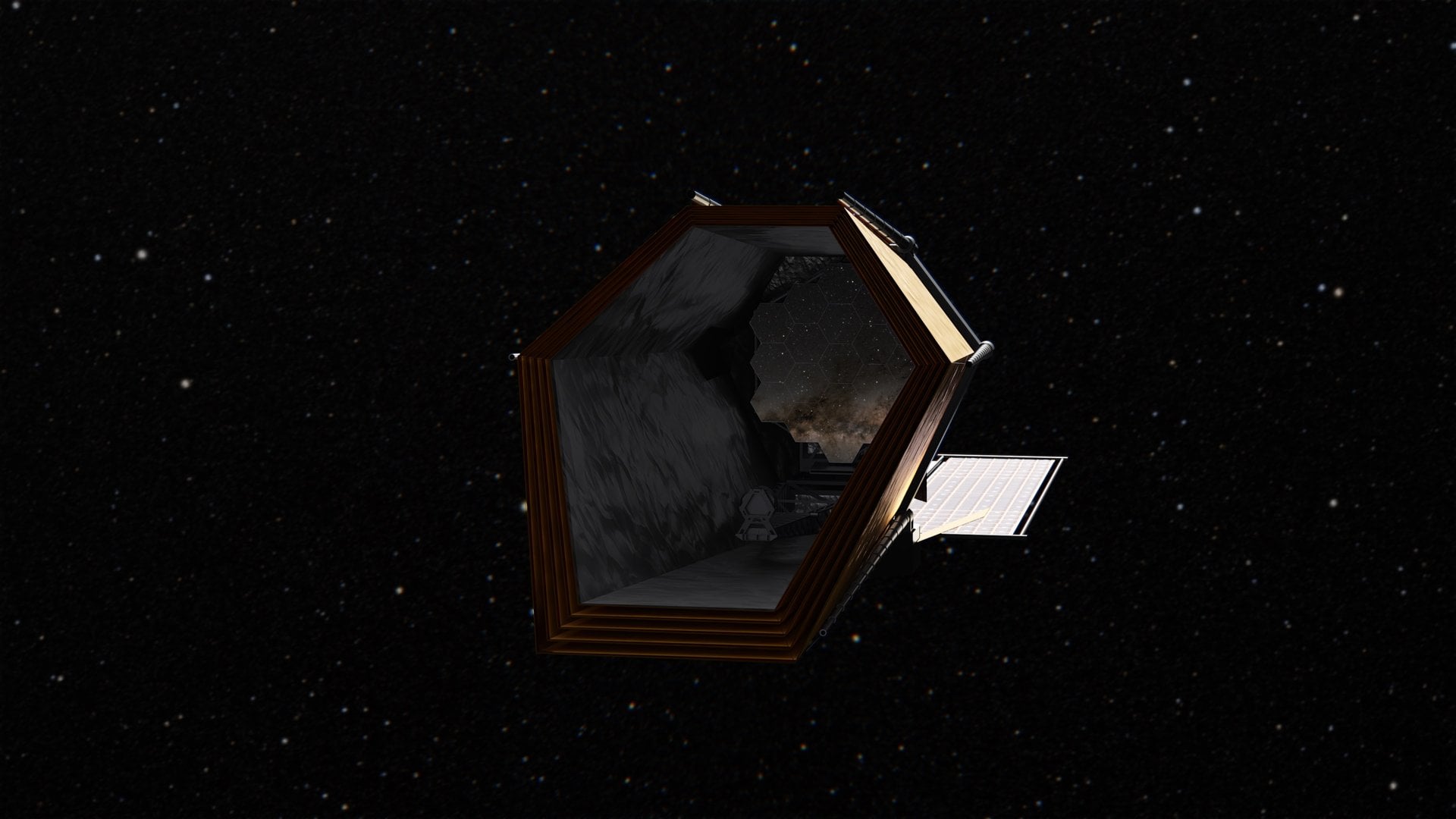
We’re getting closer and closer to finding a real Earth-like exoplanet. But finding one is only half the battle. To truly know if we’re looking at an Earth analog somewhere else in the galaxy, we have to directly image it too. That’s a job for the Habitable Worlds Observatory (HWO), a planned space-based telescope whose primary job is to do precisely that. But even capturing a picture and a planet and getting spectral readings of its atmospheric chemistry still isn’t enough, according to a new paper available in pre-print on arXiv by Kaz Gary of Ohio State and their co-authors. HWO will need to figure out how much a planet weighs first.
Continue reading
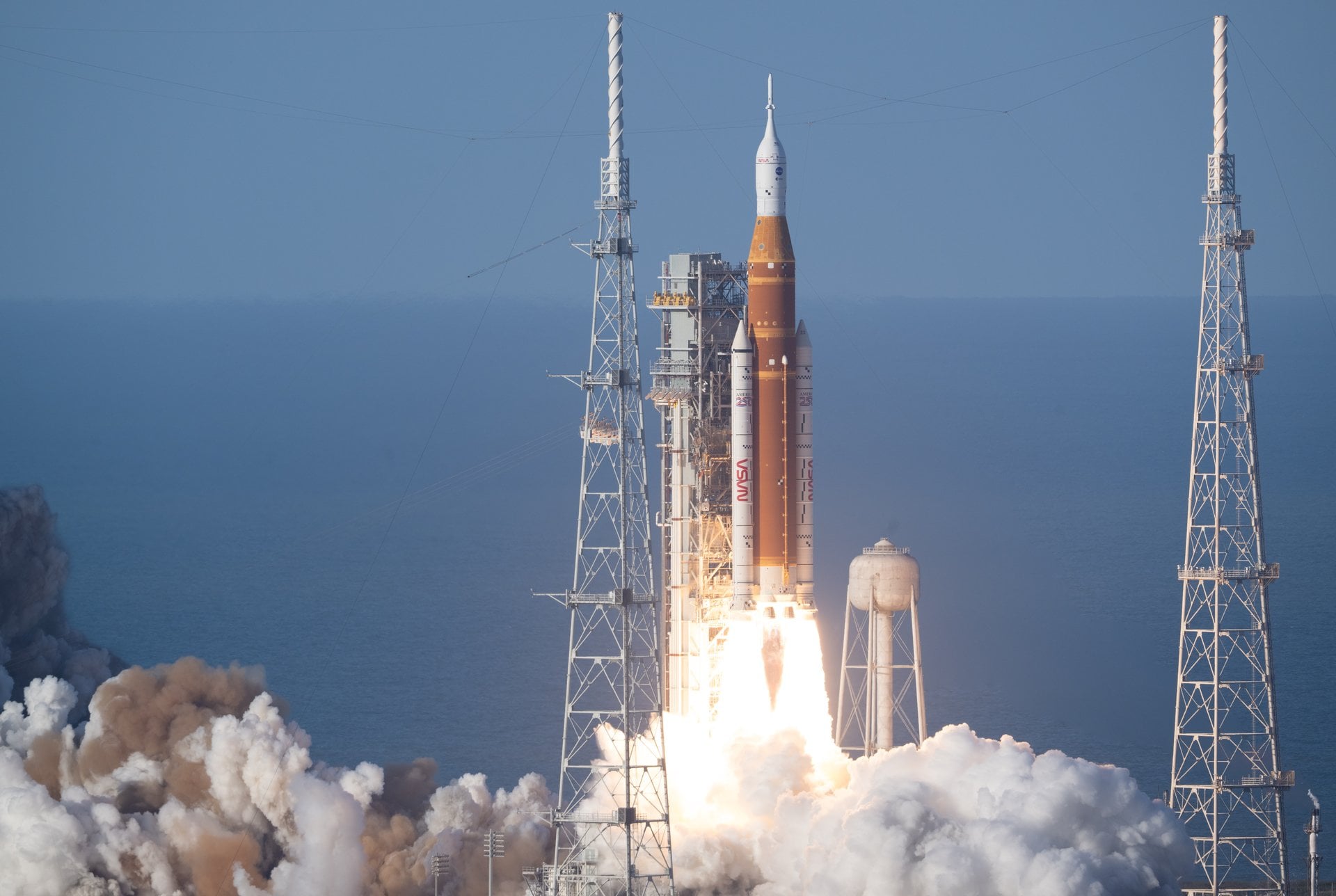
At 06:25 p.m. EDT (03:25 p.m. PDT) on April 1st, the Artemis II mission lifted off from the historic Launch Pad-39B at NASA's Kennedy Space Center in Florida. This mission will send astronauts on a ten-day journey around the Moon and will be the first crewed mission to venture beyond Low Earth Orbit (LEO) since the Apollo Era.
Continue reading
 Universe Today