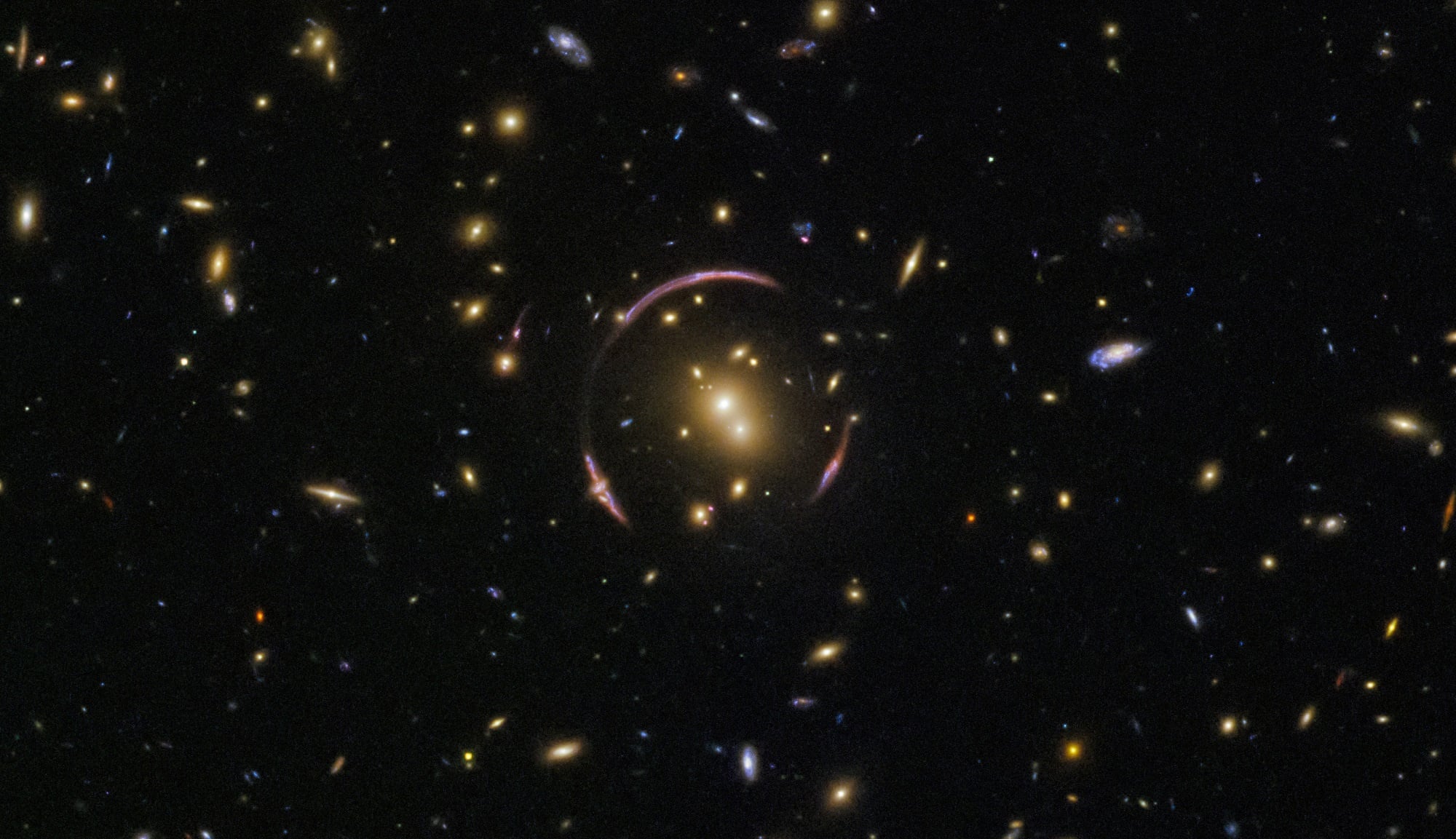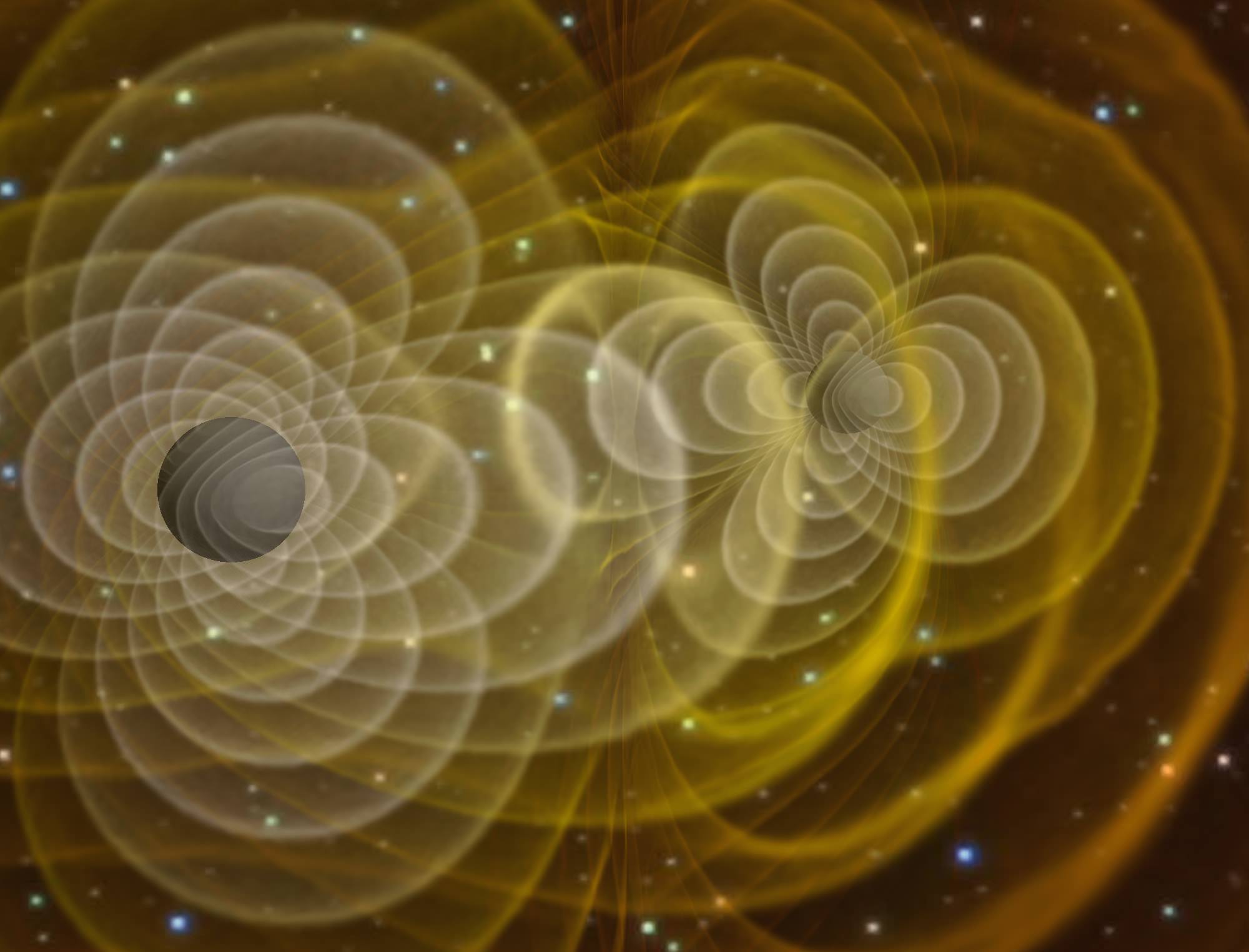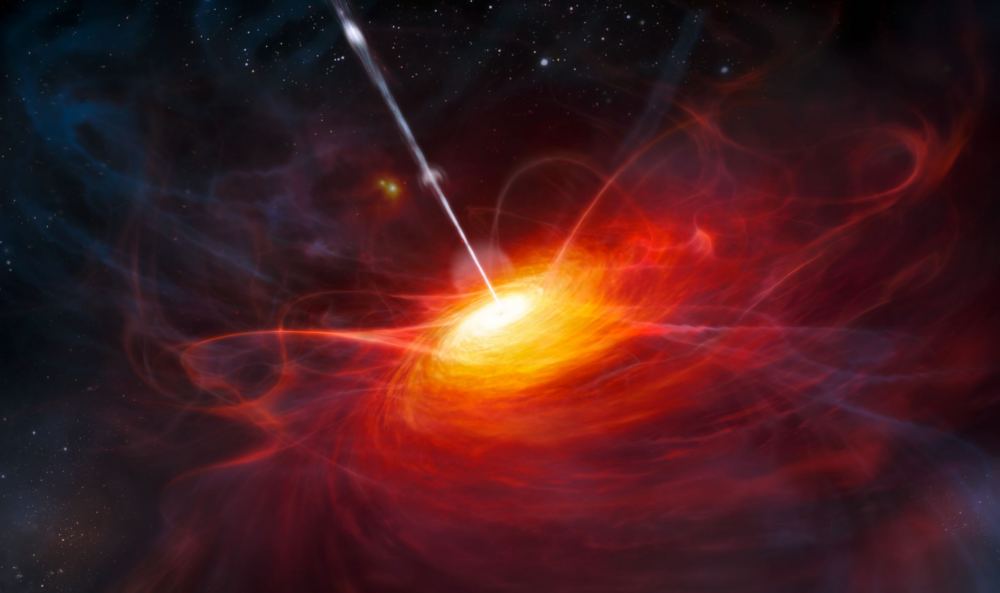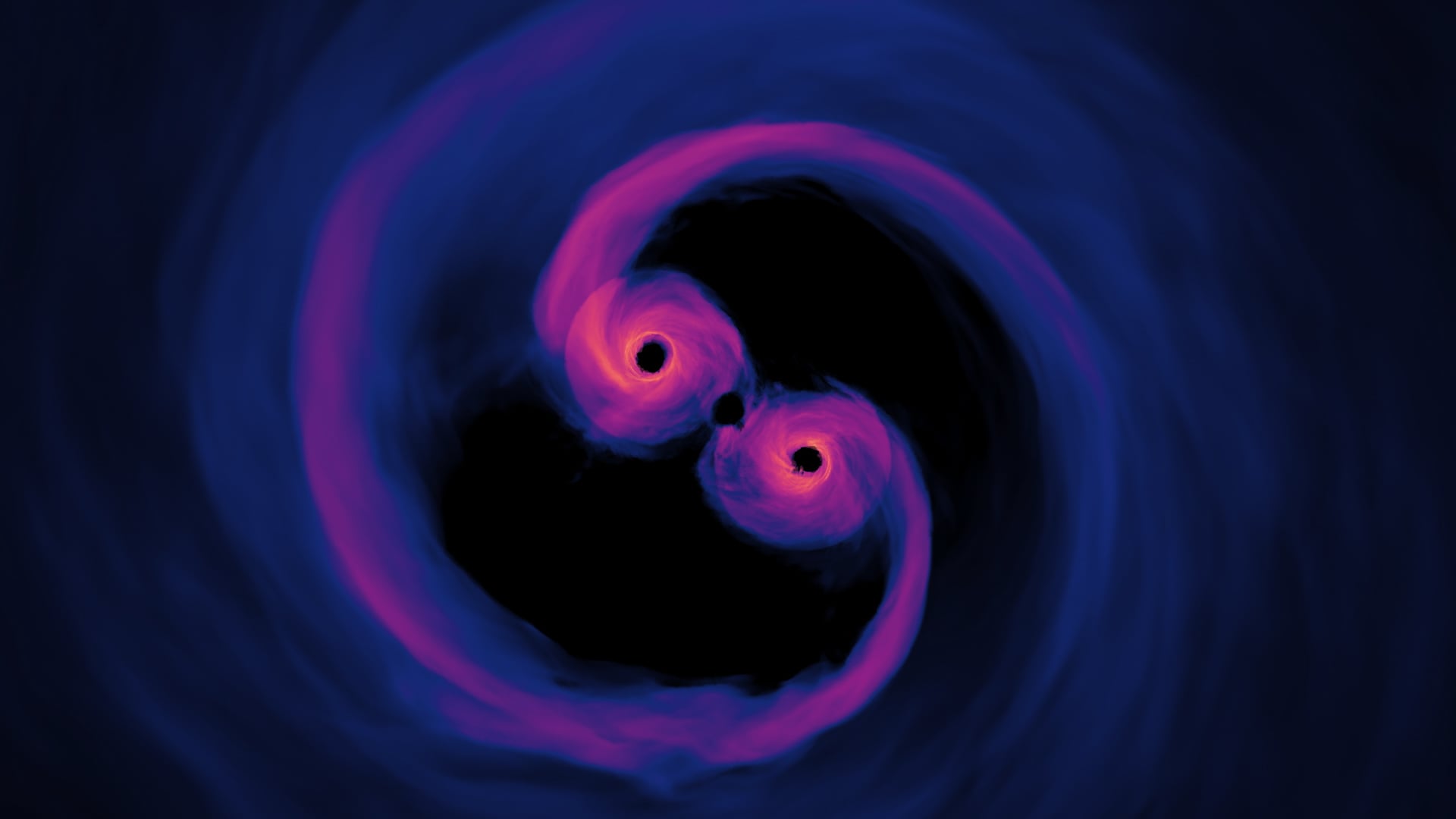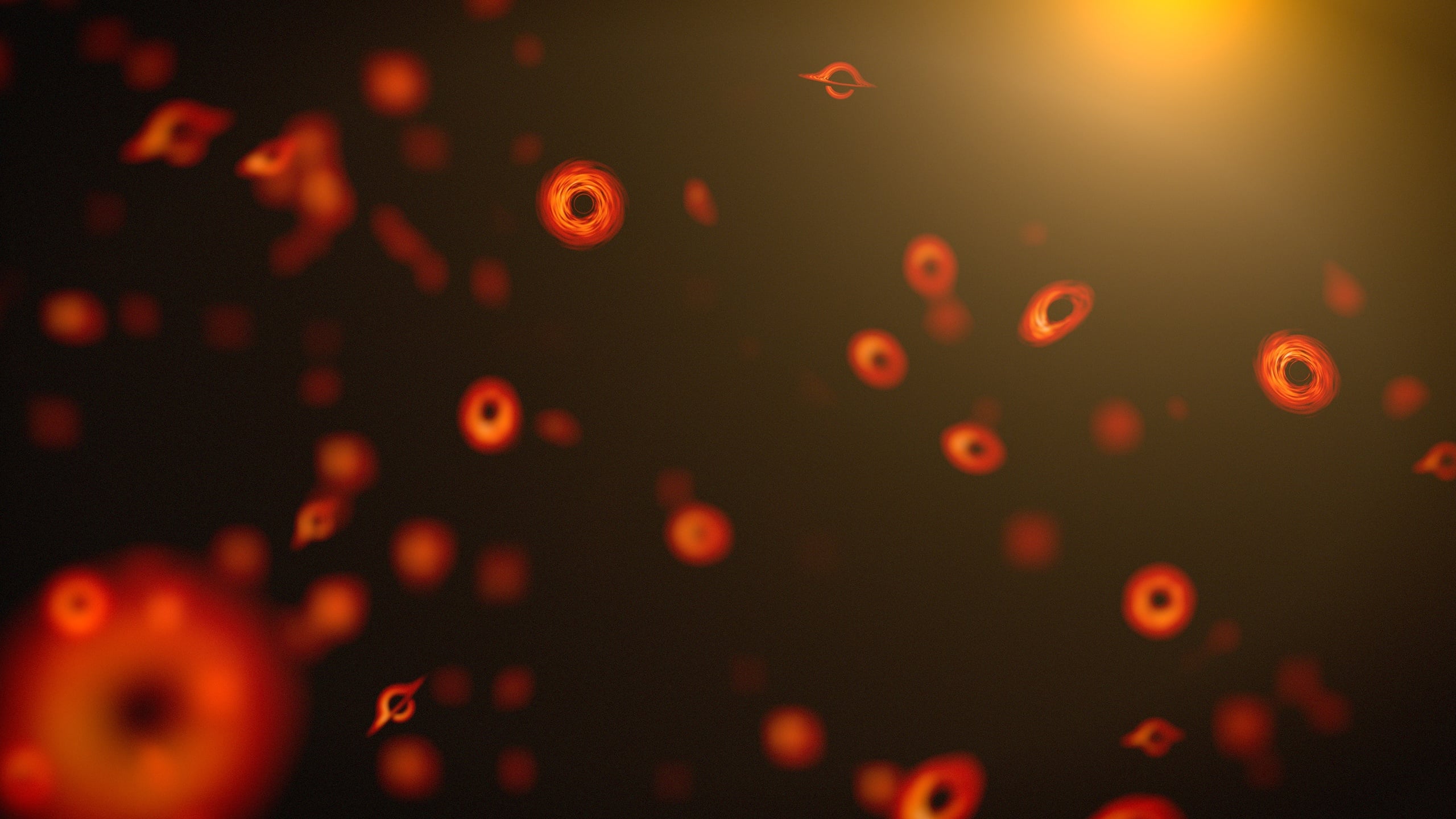
As far as we know, black holes can only be formed by the death of massive stars, but a persistent theory says that black holes of all masses could have formed directly in the early Universe. These primordial black holes would help explain several mysteries in astronomy: outlier mergers of black holes, dark matter, and young supermassive black holes. How are they different from stellar mass black holes, and what upcoming instruments could detect them?
Continue reading
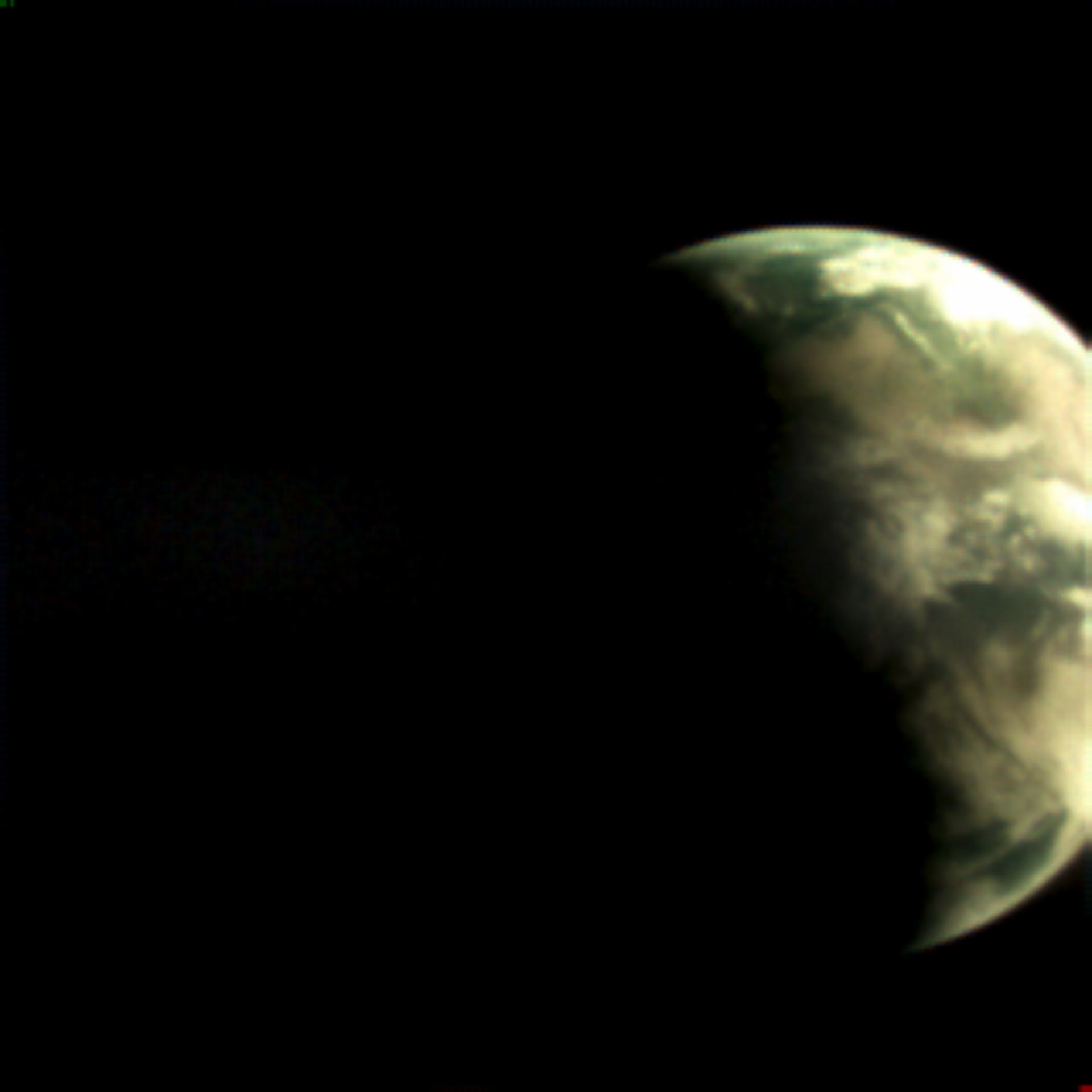
An innovative camera pioneering a new technology in space caught a unique view of our home world.
Continue reading
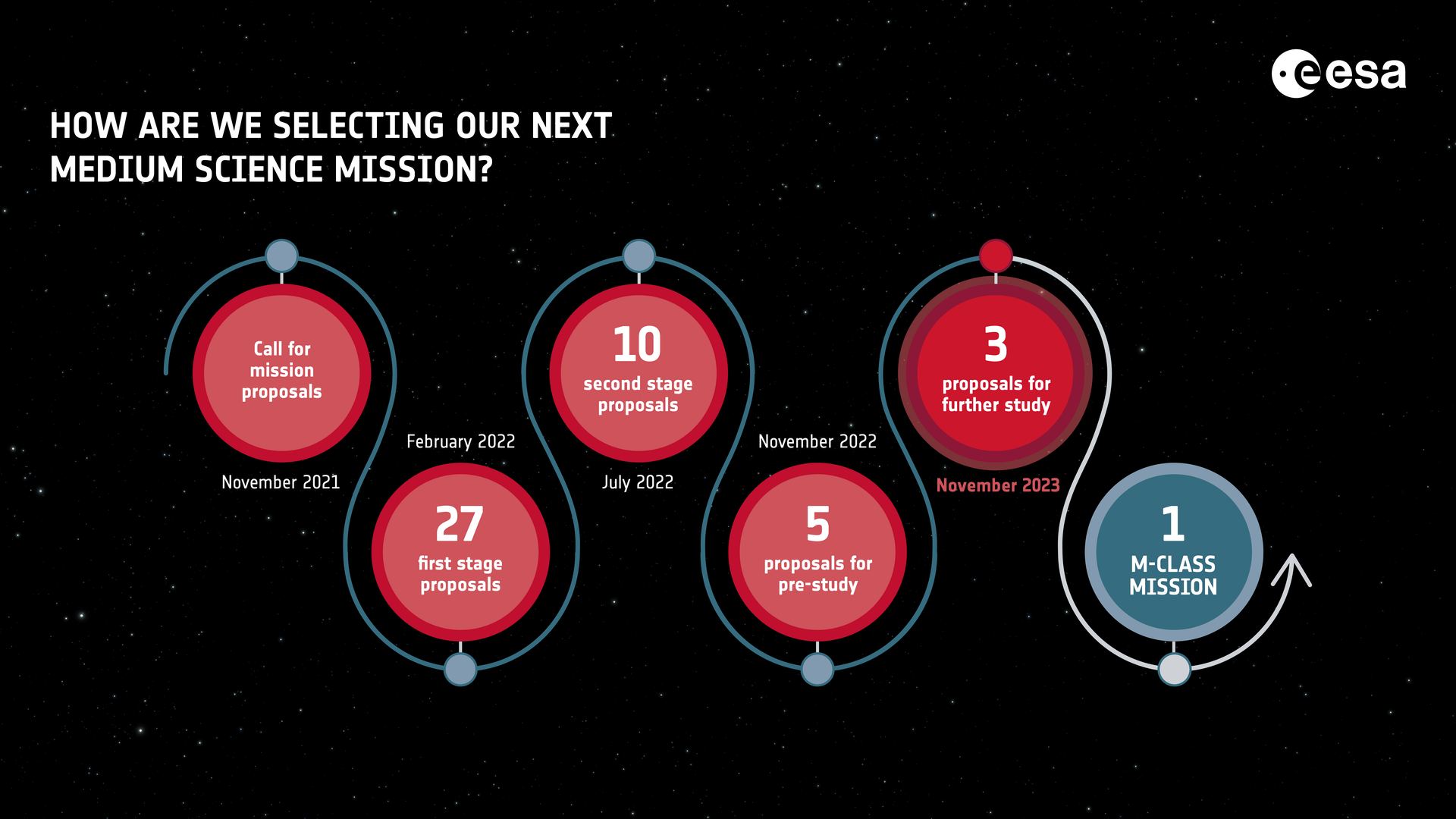
The ESA Science Programme has narrowed down the possibilities for its next M-class mission to three concepts.
Continue reading
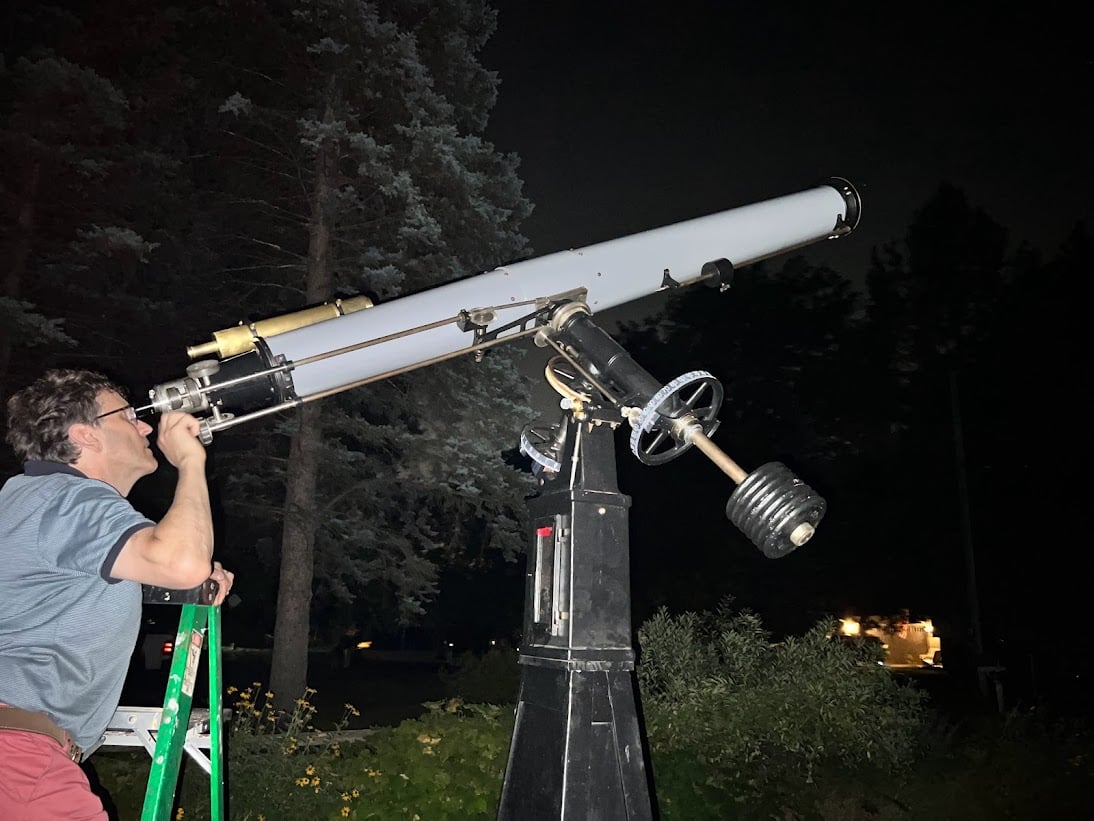
An old refractor telescope sees a second life under the night skies, thanks to the efforts of a dedicated amateur observer.
Continue reading
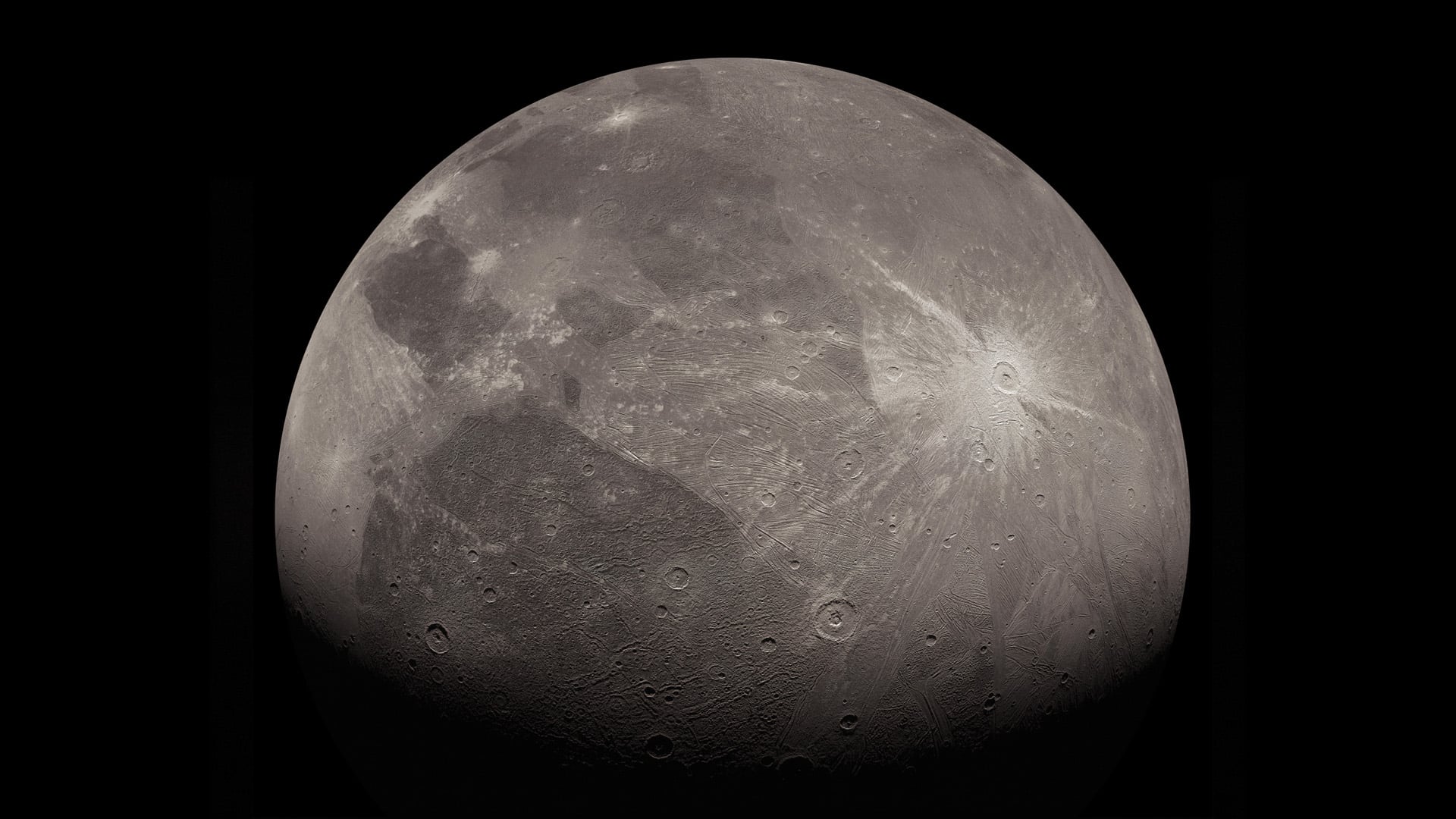
During its last flyby of Ganymede, the Juno probe reported finding traces of mineral salts and organic molecules on its surface.
Continue reading
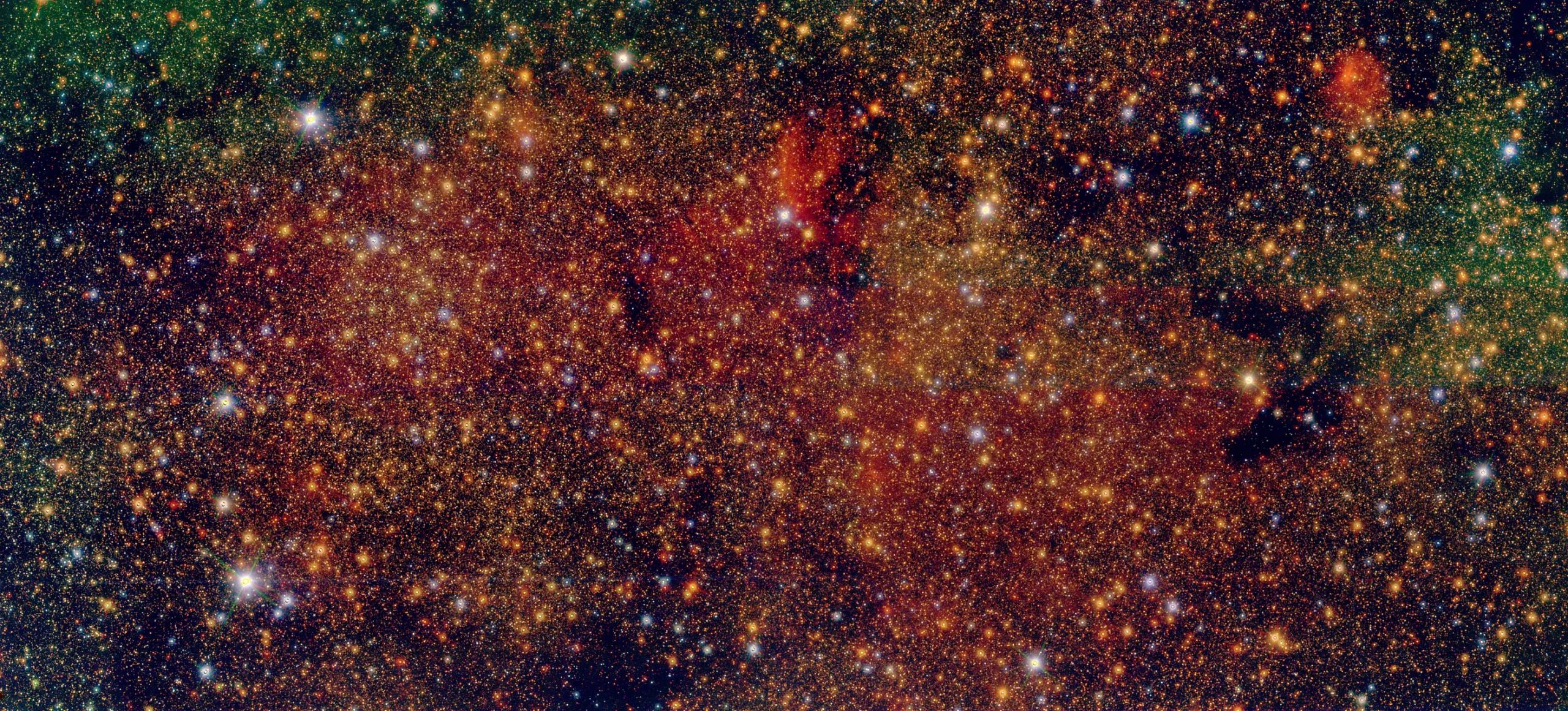
Using data from Webb's NIRSpec instrument, an international team has confirmed that quasars shut down star formation in galaxies billions of years ago.
Continue reading
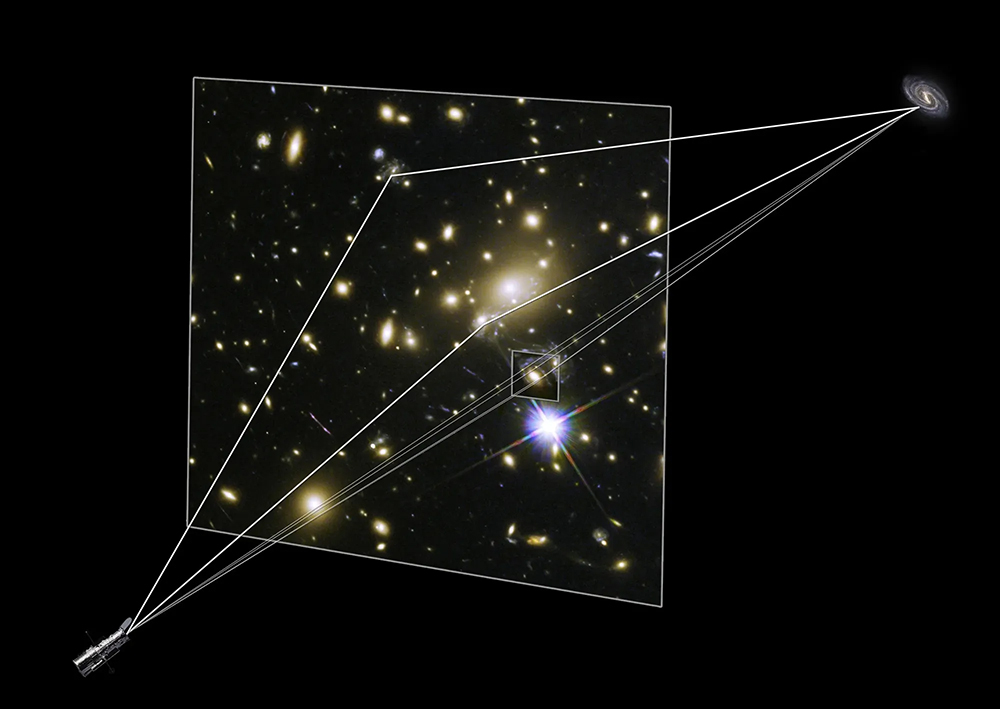
A new paper shows how gravitational lenses could be used to beam power from one star system to another.
Continue reading
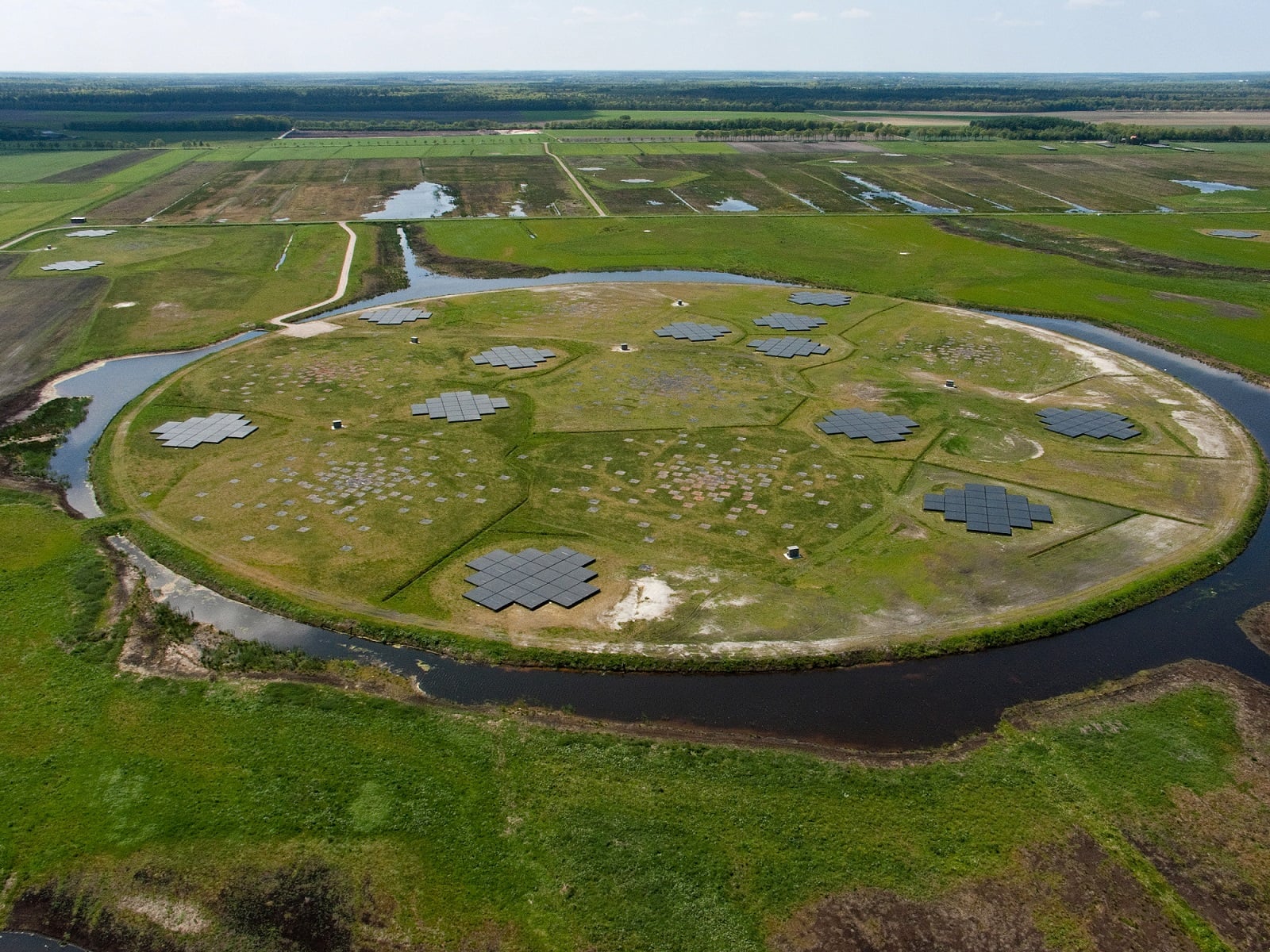
A new paper recommends that future SETI experiments rely on simultaneous observations to eliminate background interference.
Continue reading
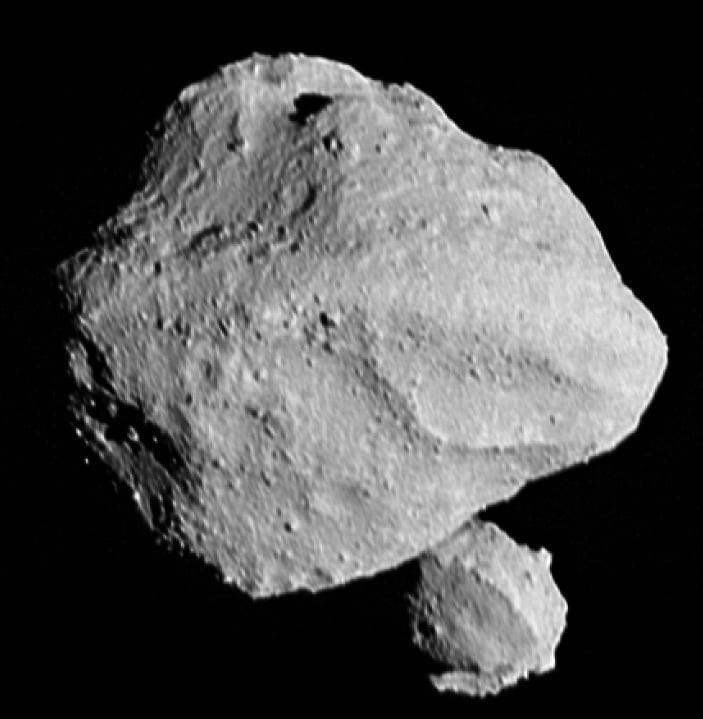
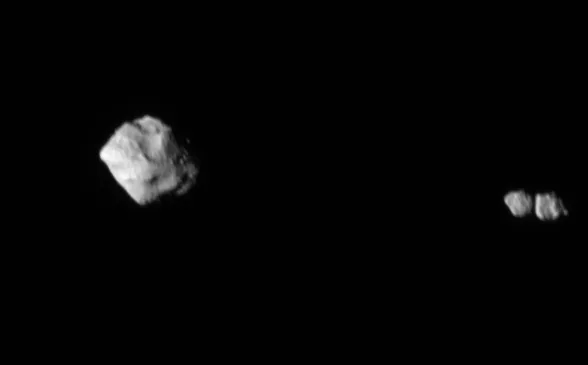
NASA's Lucy mission hits the jackpot on its very first asteroid flyby this week.
Continue reading
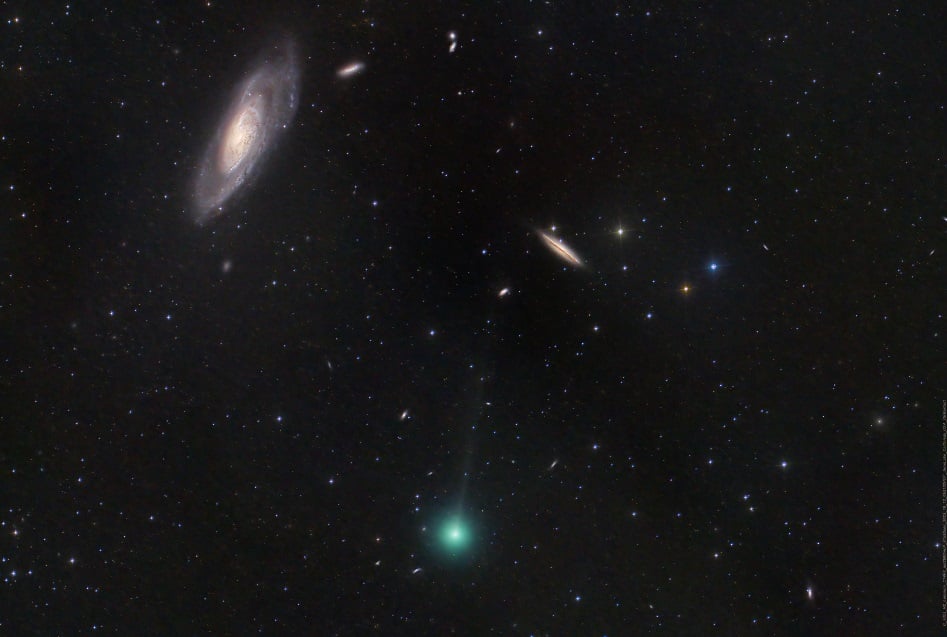
Discovered early this year, Comet C/2023 H2 Lemmon may approach naked eye brightness in November.
Continue reading
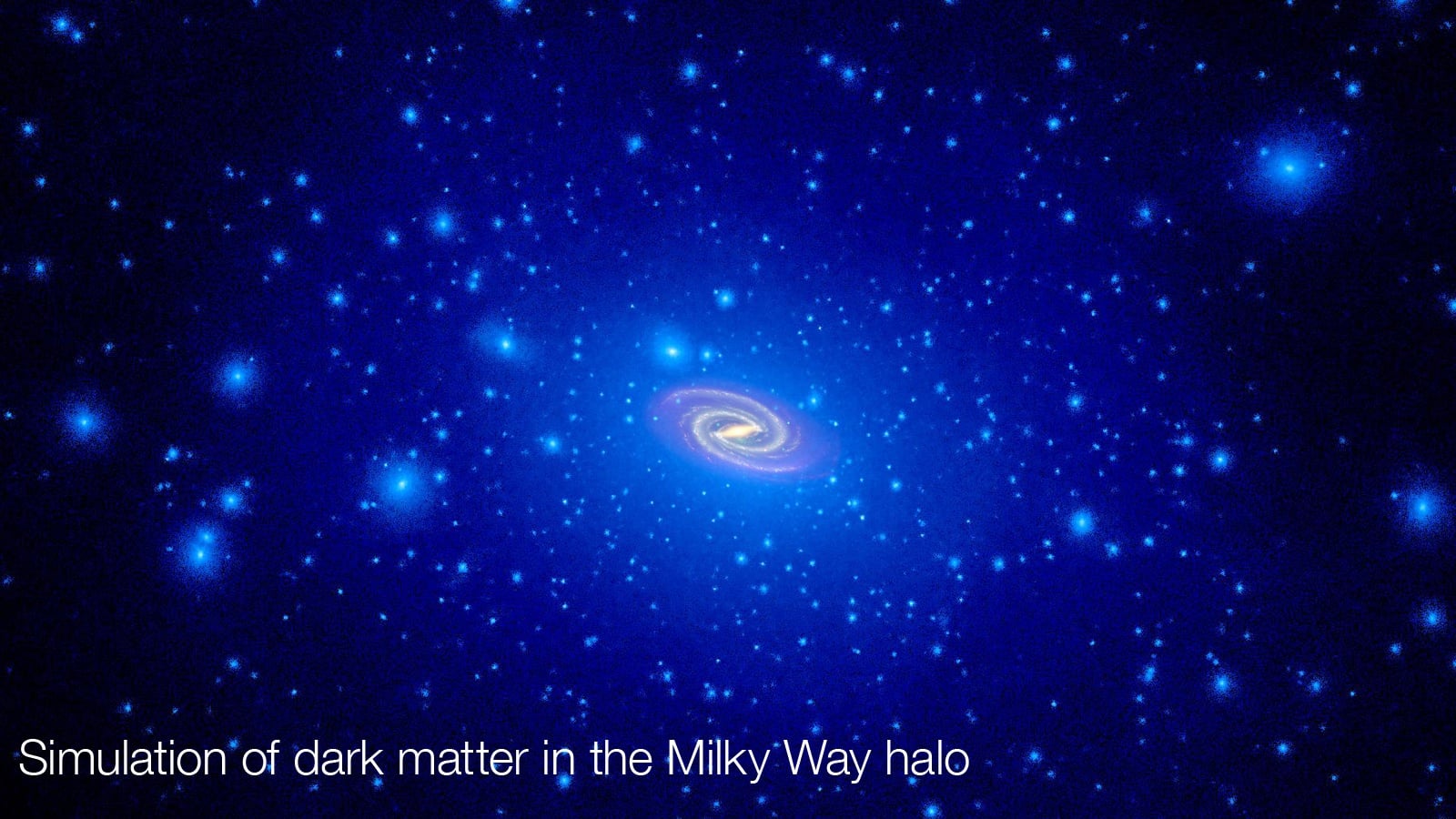
Thanks to new techniques, astronomers are mapping the Universe with more precision, finding galaxies with more and less dark matter. Now astronomers think they've found one that's almost all dark matter with few stars. Dubbed "Nube", the galaxy contains about the same mass as the Large Magellanic Cloud, measuring 22,000 light-years across, with almost no stars inside it. This is the most massive and extended "Almost Dark Galaxy" astronomers have ever found.
Continue reading
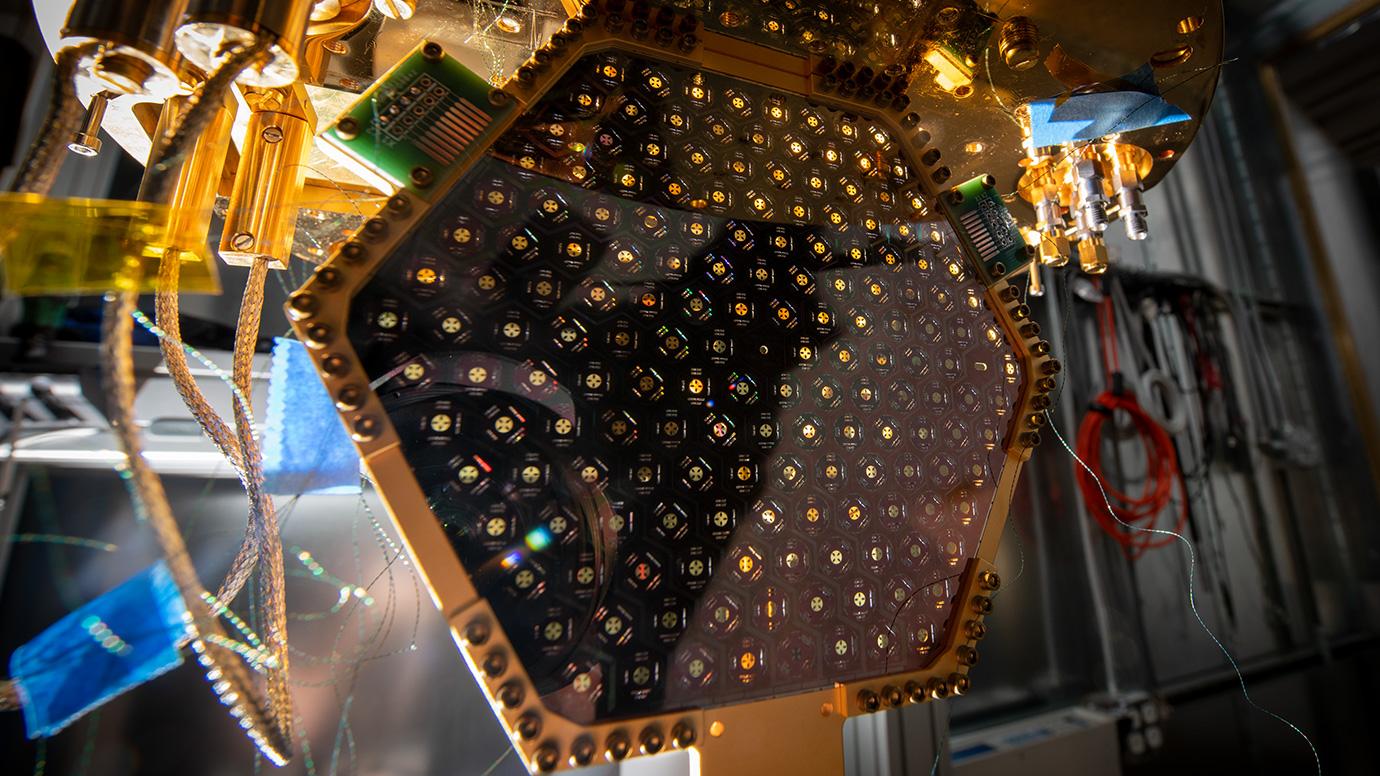
The NSF just awarded researchers at UChicago to start developing the CMB-S4 experiment, which will map the earliest moments of the Universe!
Continue reading
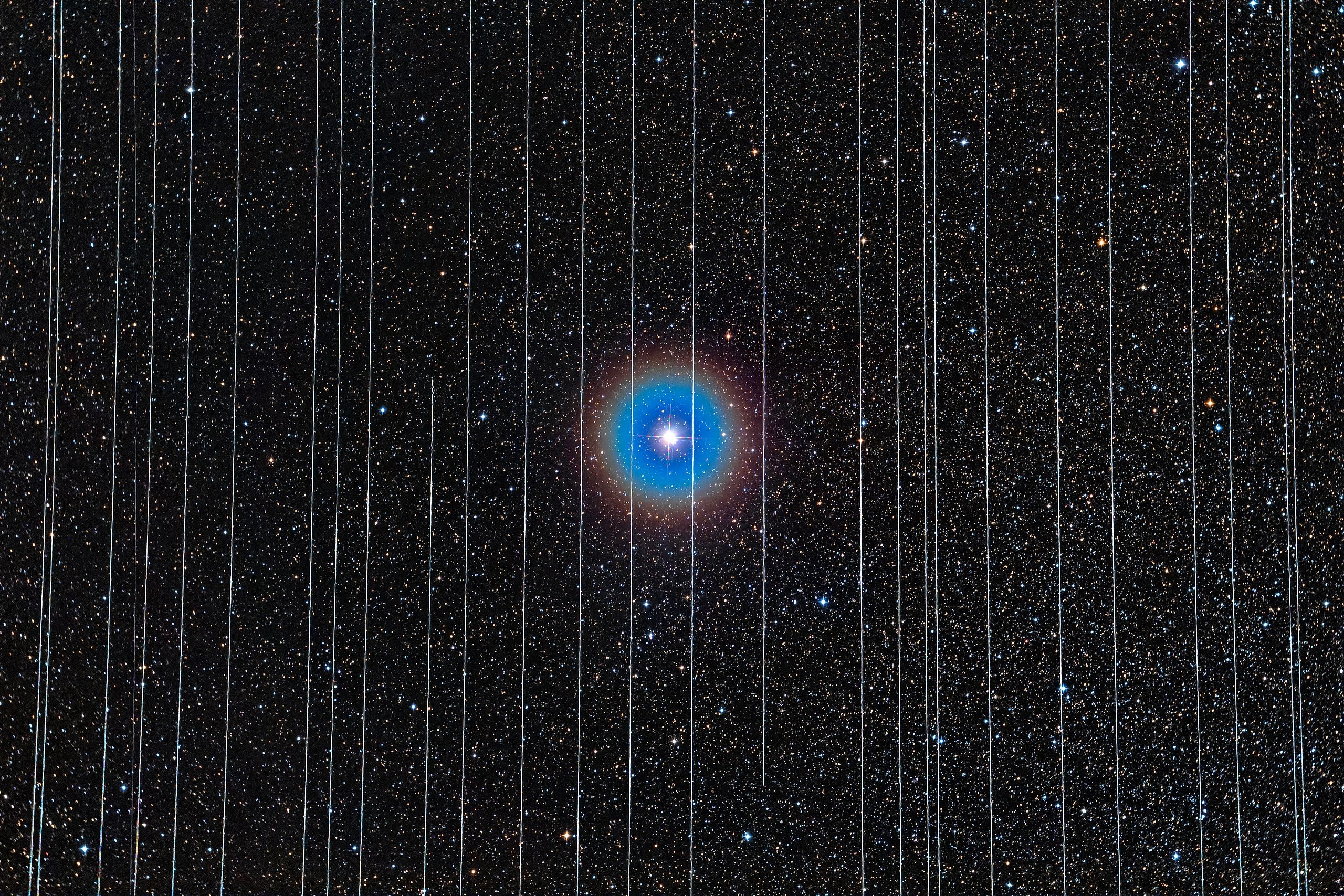
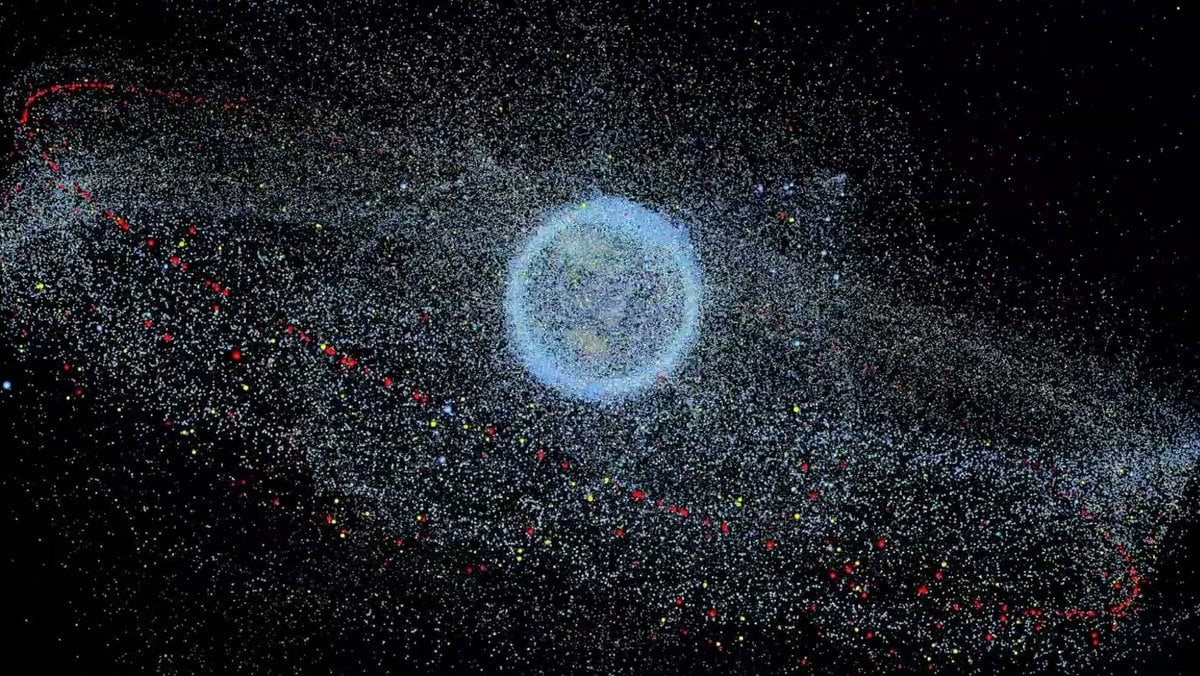
Telescopes searching for brief flashes like supernovae and asteroids have to contend with a rising number of glints from satellites. These glints can last for a fraction of a second, but they're bright enough to be recorded as a starlike object in the field of view of a survey like the Vera Rubin Observatory. In a new study, astronomers identified tens of thousands of these glints captured by a survey telescope, and there could be 80,000/hour happening across the sky.
Continue reading
 Universe Today