Continue reading
Continue reading
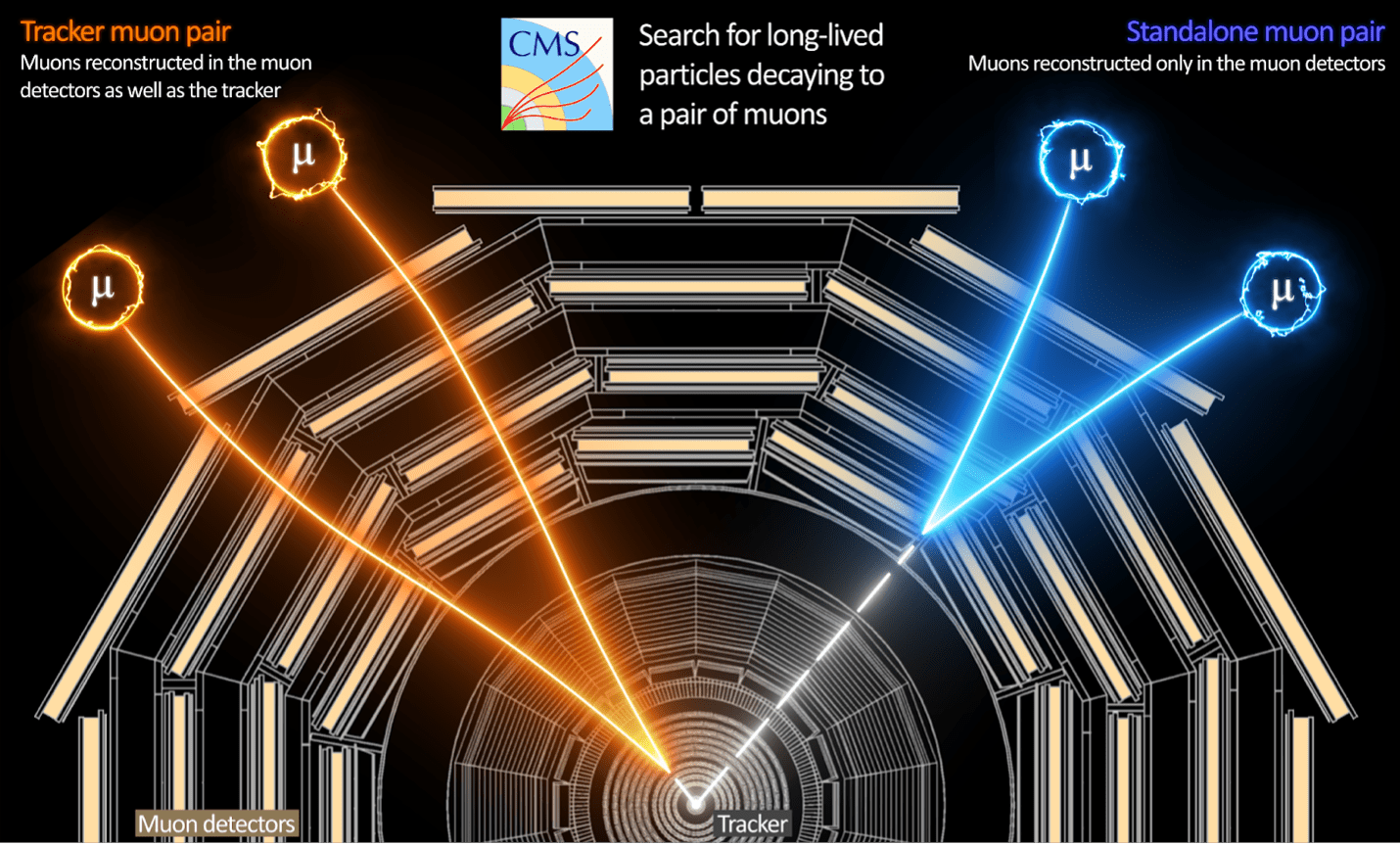
Now that the Large Hadron Collider has measured the mass of the Higgs boson, physicists are trying to understand how these particles interact with the rest of the Universe. One theory is that decaying Higgs bosons could produce "dark photons," which would only live for about a tenth of a billionth of a second. That doesn't sound like much, but it's long enough to detect "displaced muons," a by-product of the decay that would indicate the presence of dark photons.
Continue reading
Continue reading

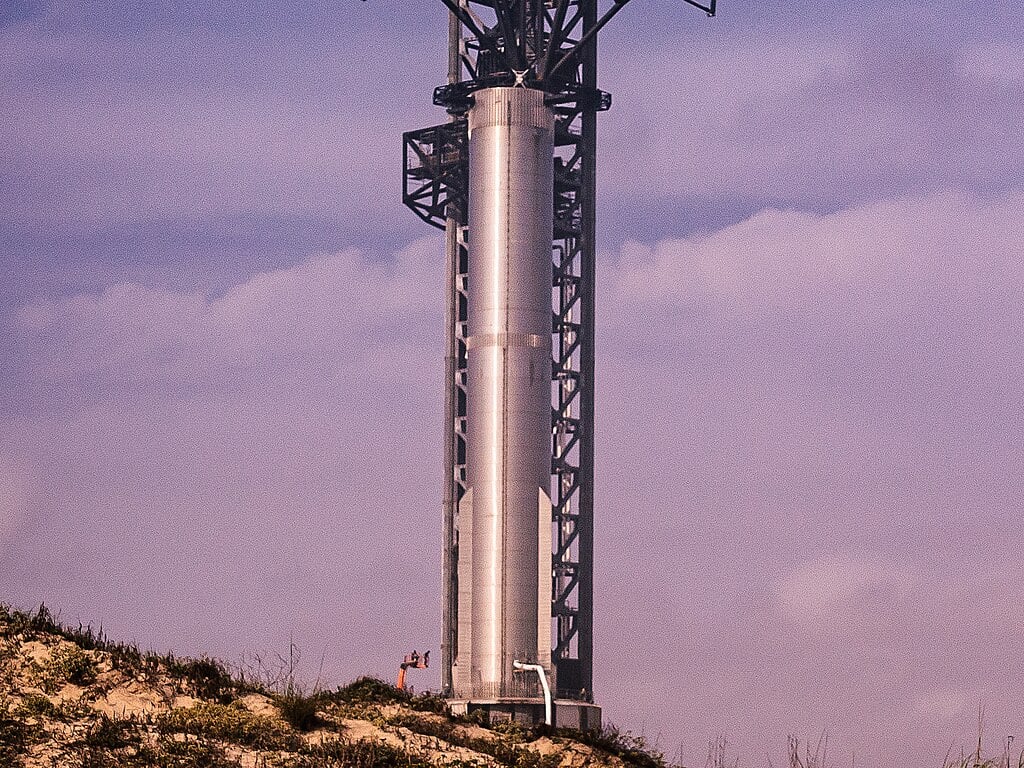
SpaceX has completed its second orbital launch test; and once again, the results were a bit mixed!
Continue reading
Continue reading
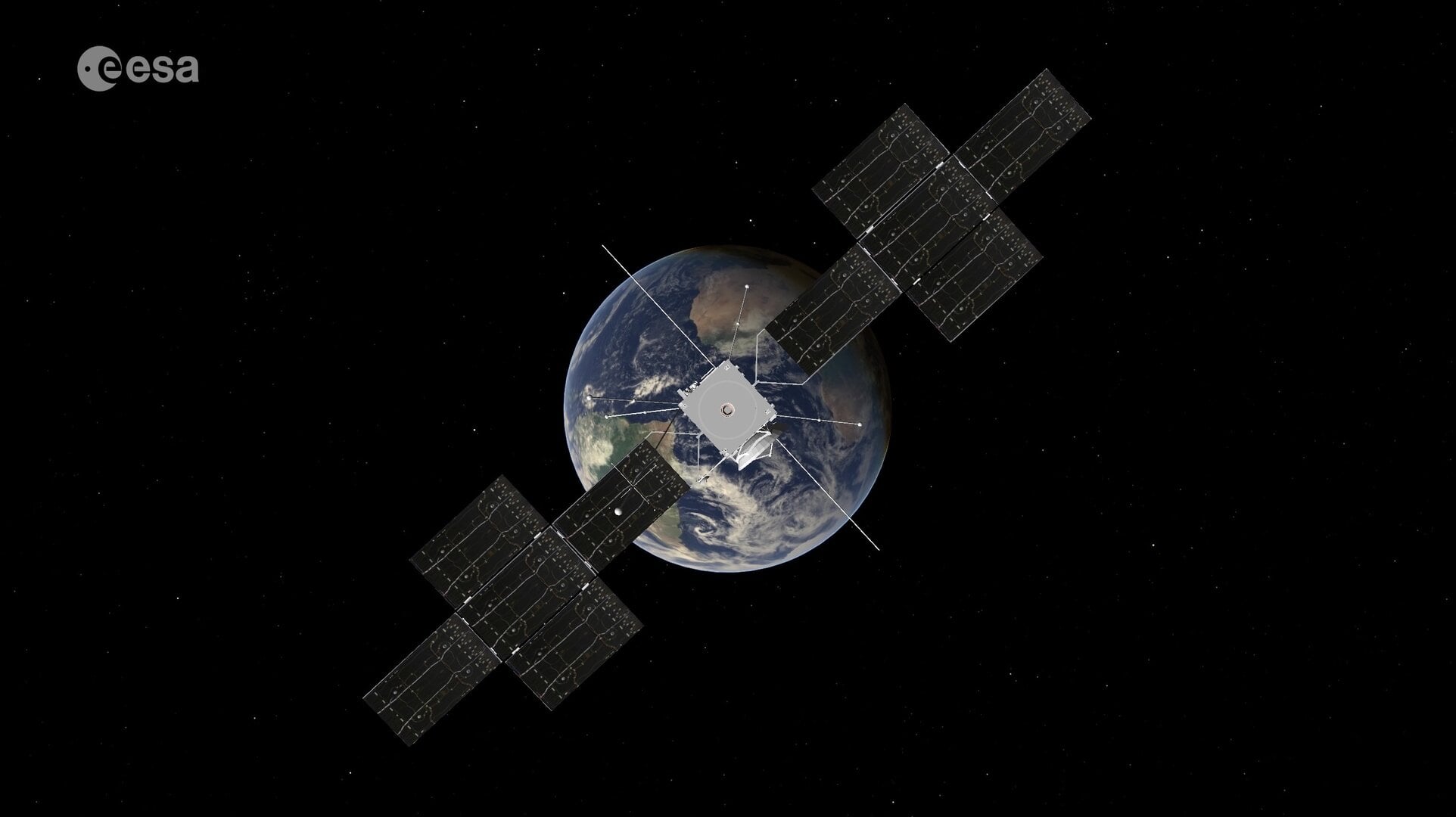
JUICE Prepares for a first of its kind double-flyby next year.
Continue reading
Continue reading
Continue reading
Continue reading
Continue reading
Continue reading
Continue reading
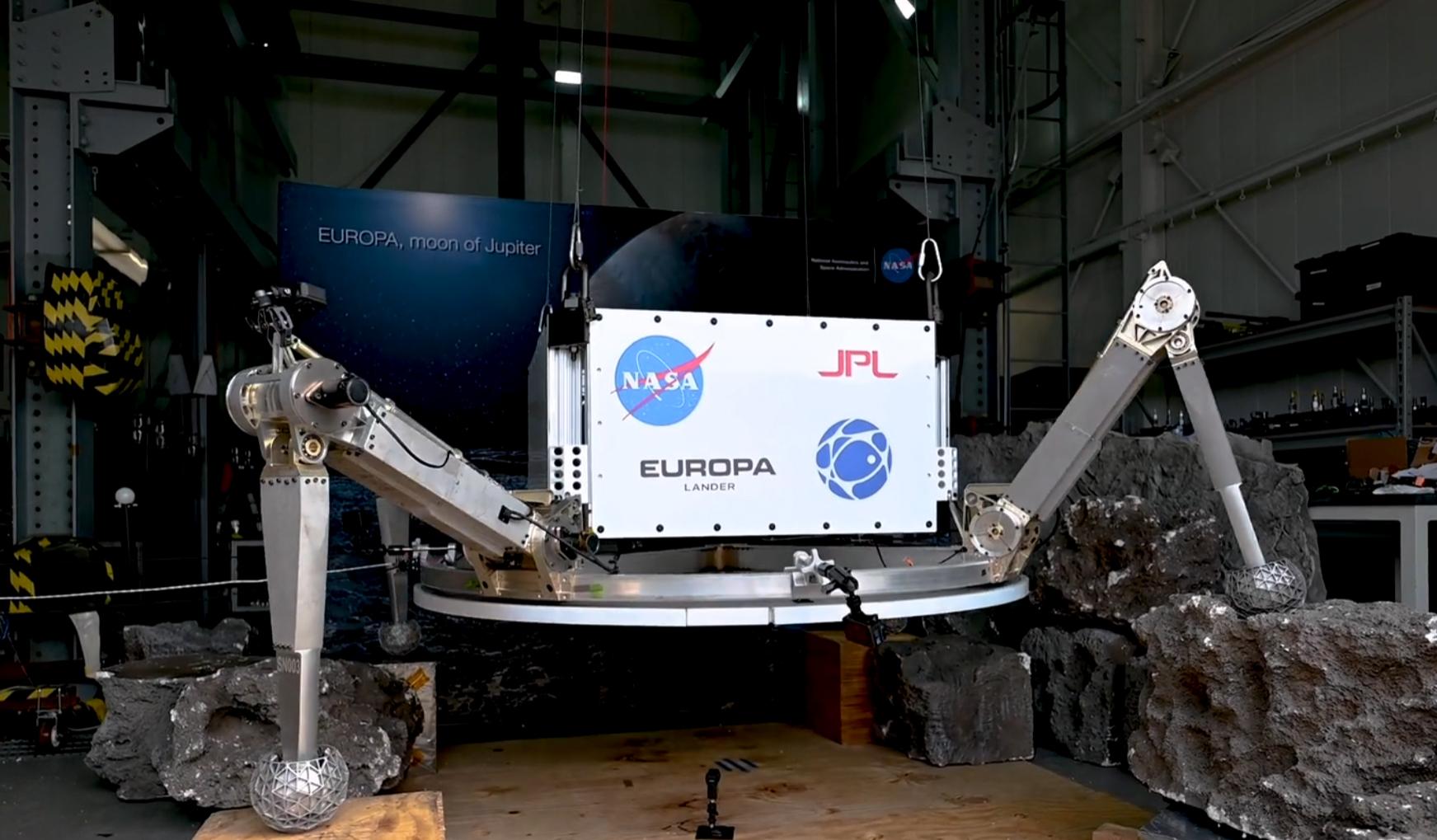
NASA engineers are testing a prototype for a Europa Lander, which will search the surface of Jupiter's icy moon for signs of life!
Continue reading
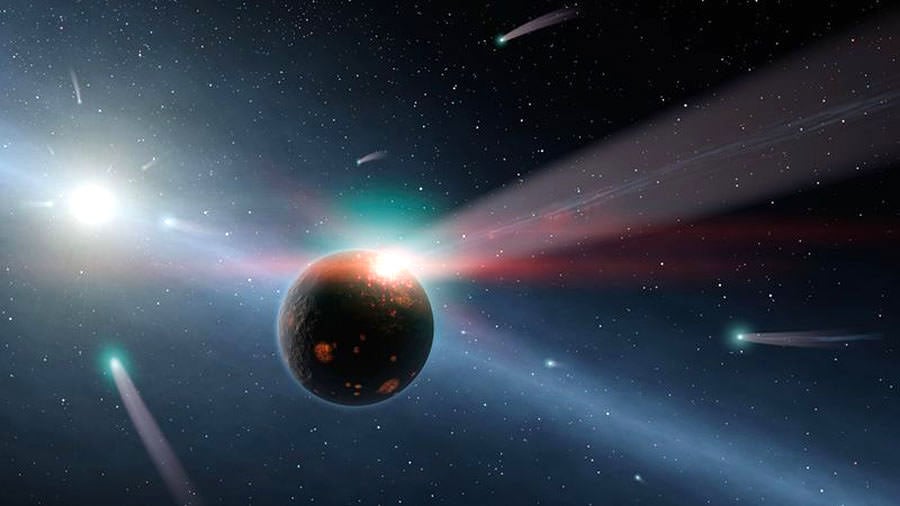
New research shows how comets could deliver the building blocks for life in systems with close-orbiting planets, aiding in the search for life beyond our Solar System.
Continue reading
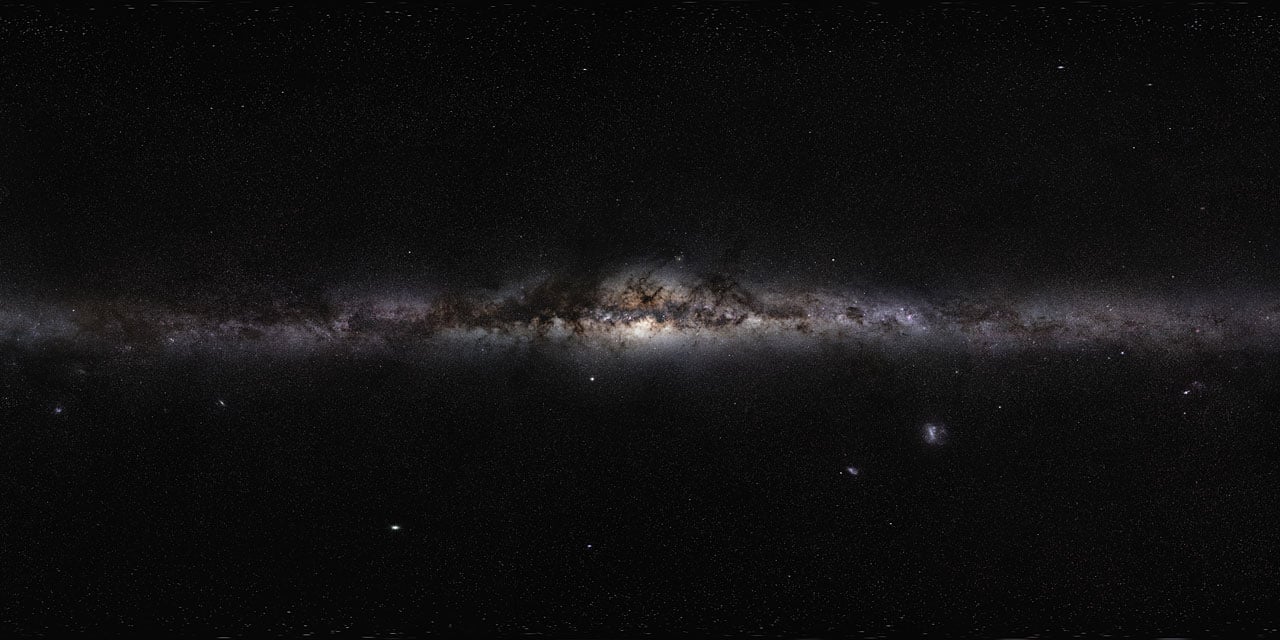
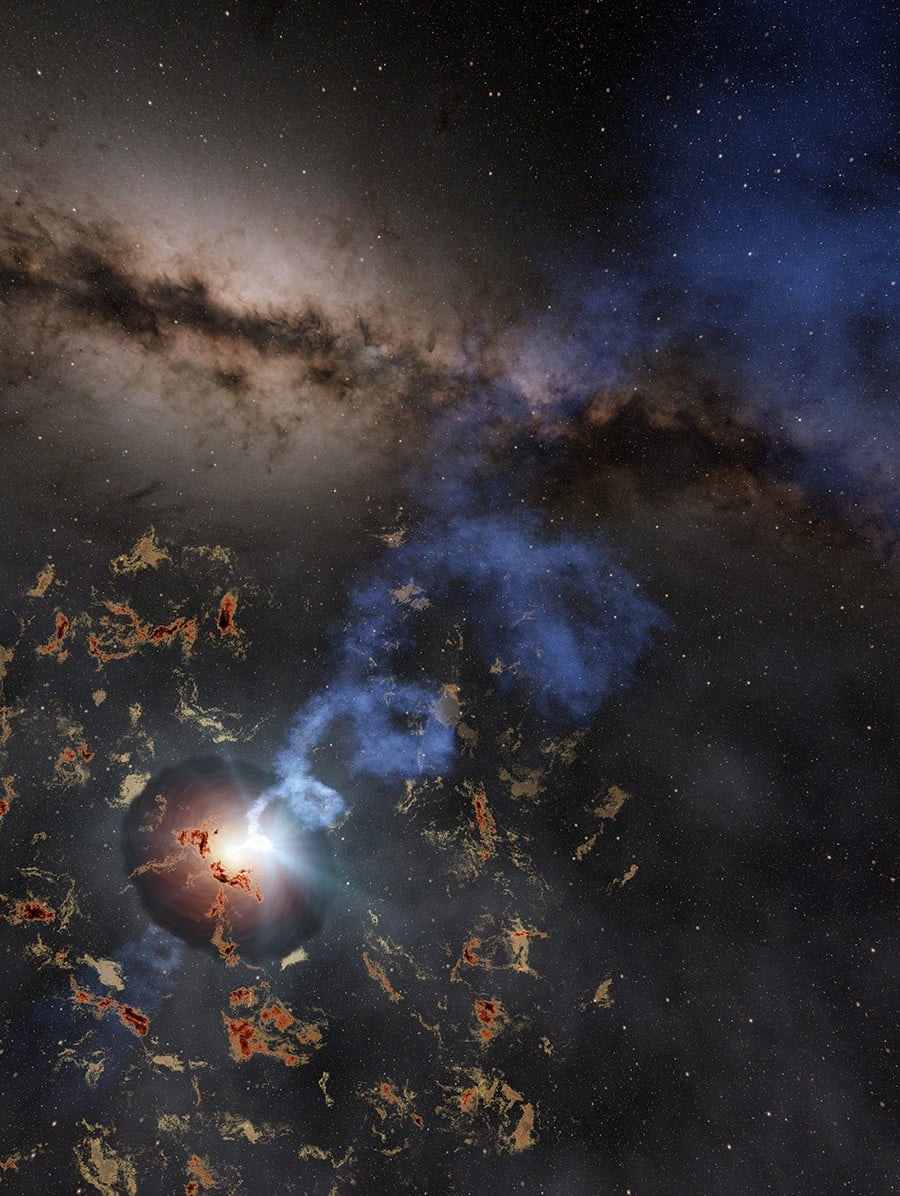
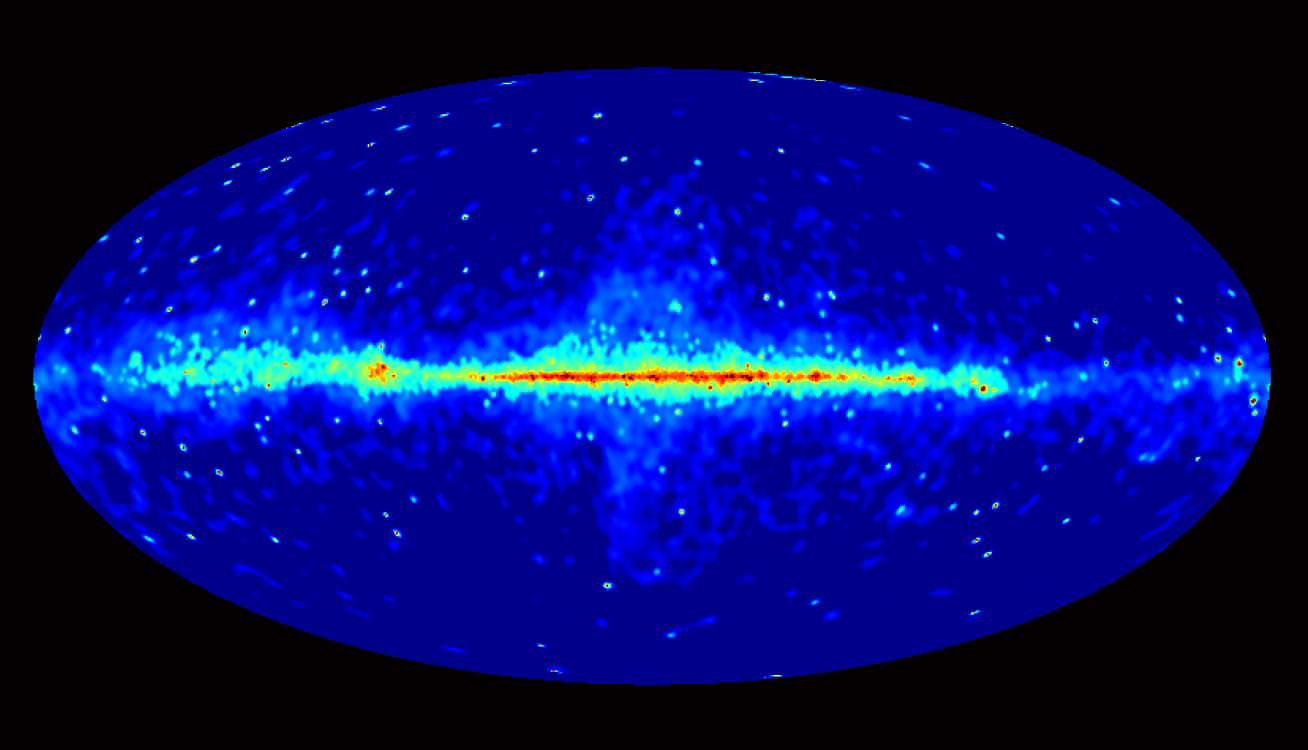
The Solar System sits within the galactic plane, so it was once impossible to look past the core of the Milky Way through countless stars and clogging dust to the distant cosmos. This region was called "The Zone of Avoidance." But those days are over. While visible light is blocked, infrared and radio can pierce through the region, revealing galaxies on the far side of the Milky Way. Astronomers are finding thousands of previously hidden galaxies behind the core.
Continue reading

Continue reading
Continue reading
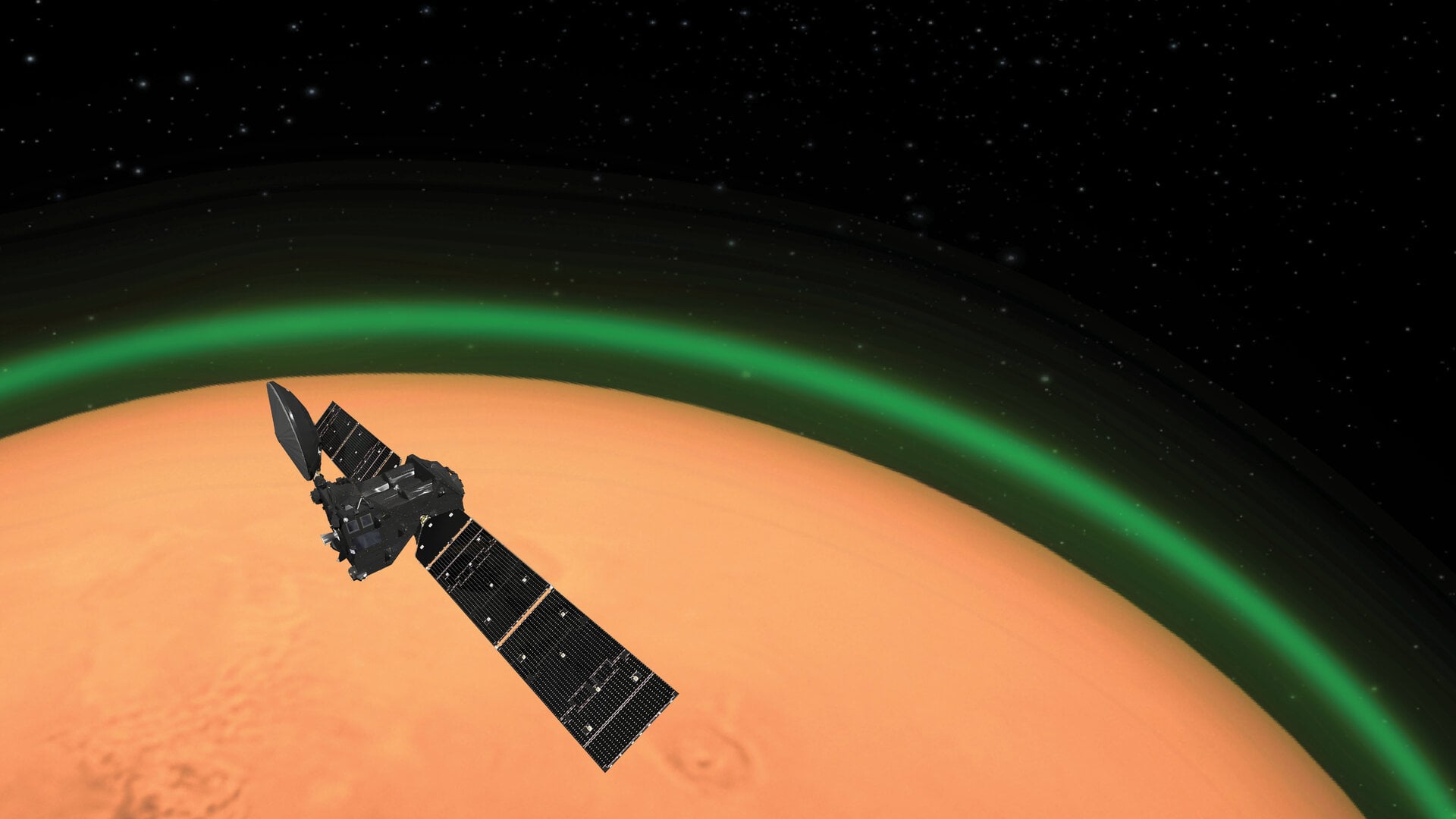
The ESA's ExoMars mission just observed nightglow in Mars' atmosphere, a phenomenon that also happens on Earth.
Continue reading
Continue reading
Continue reading

Continue reading
Continue reading
Continue reading
Continue reading
Continue reading
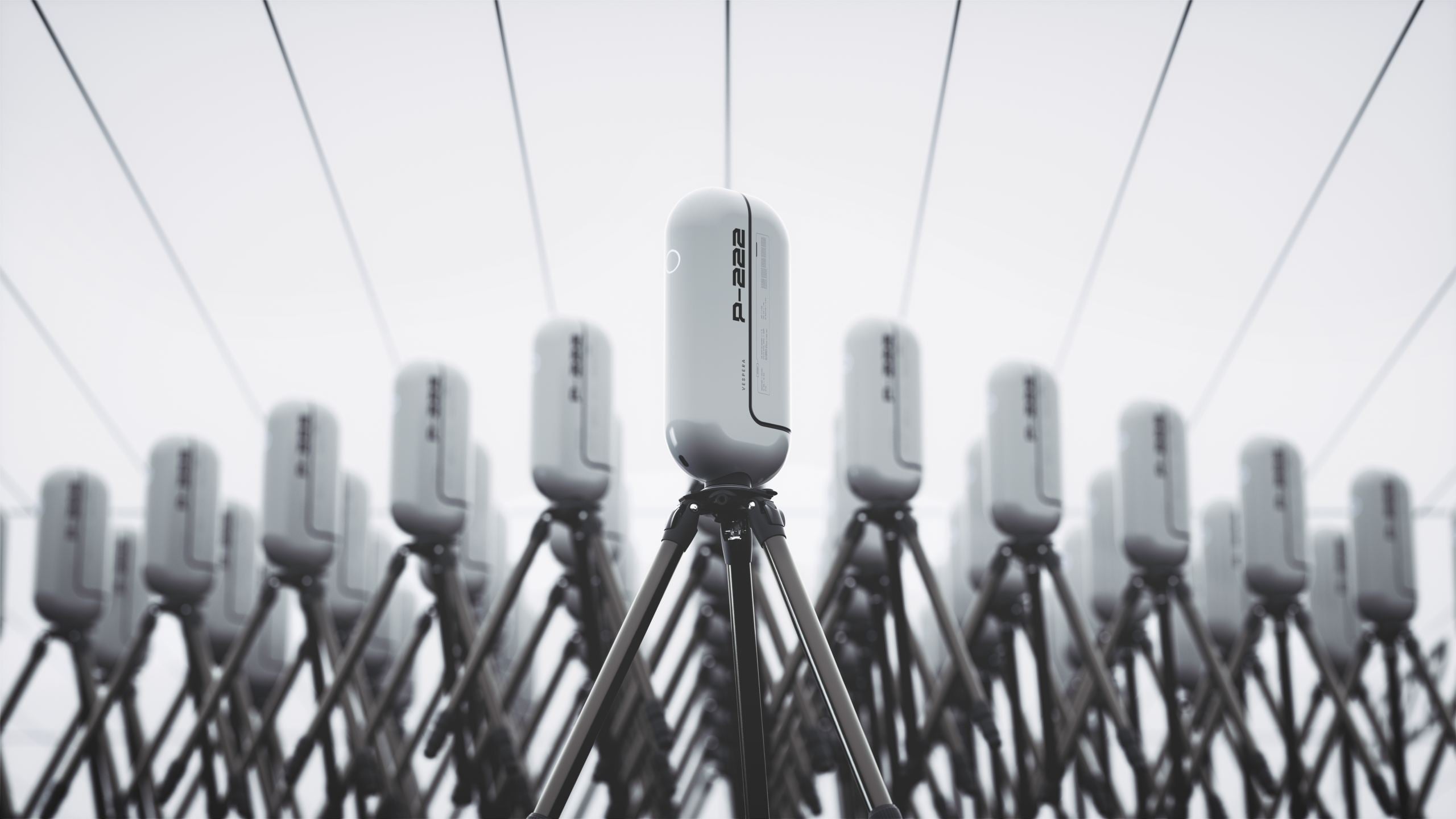
A top name in smartscope technology releases an exciting new limited edition unit.
Continue reading
Continue reading
Continue reading
Continue reading
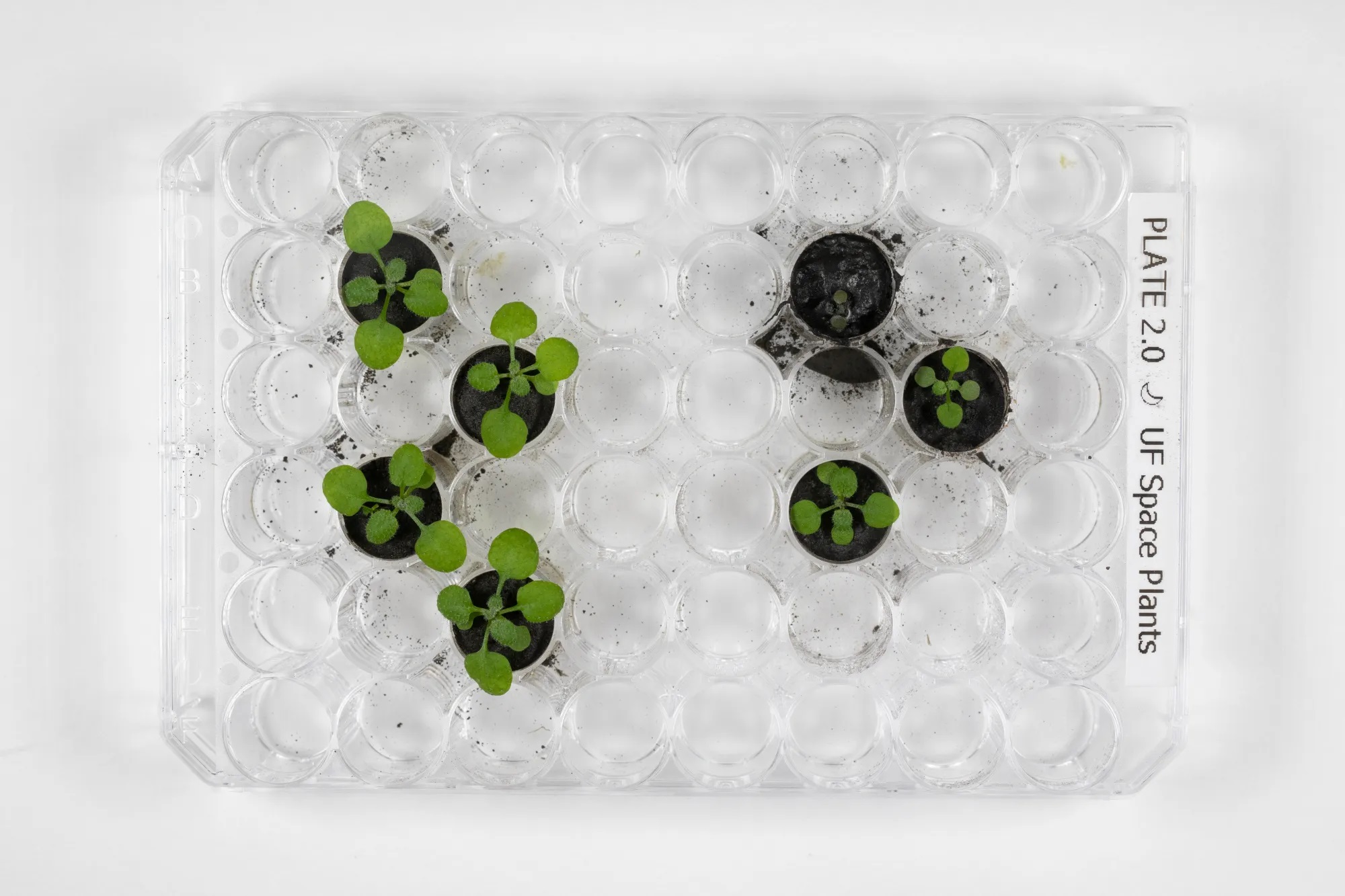
A team of Chinese researchers has shown how fertility can be boosted for plants grown in lunar soil.
Continue reading
Continue reading
Continue reading

Continue reading
Continue reading
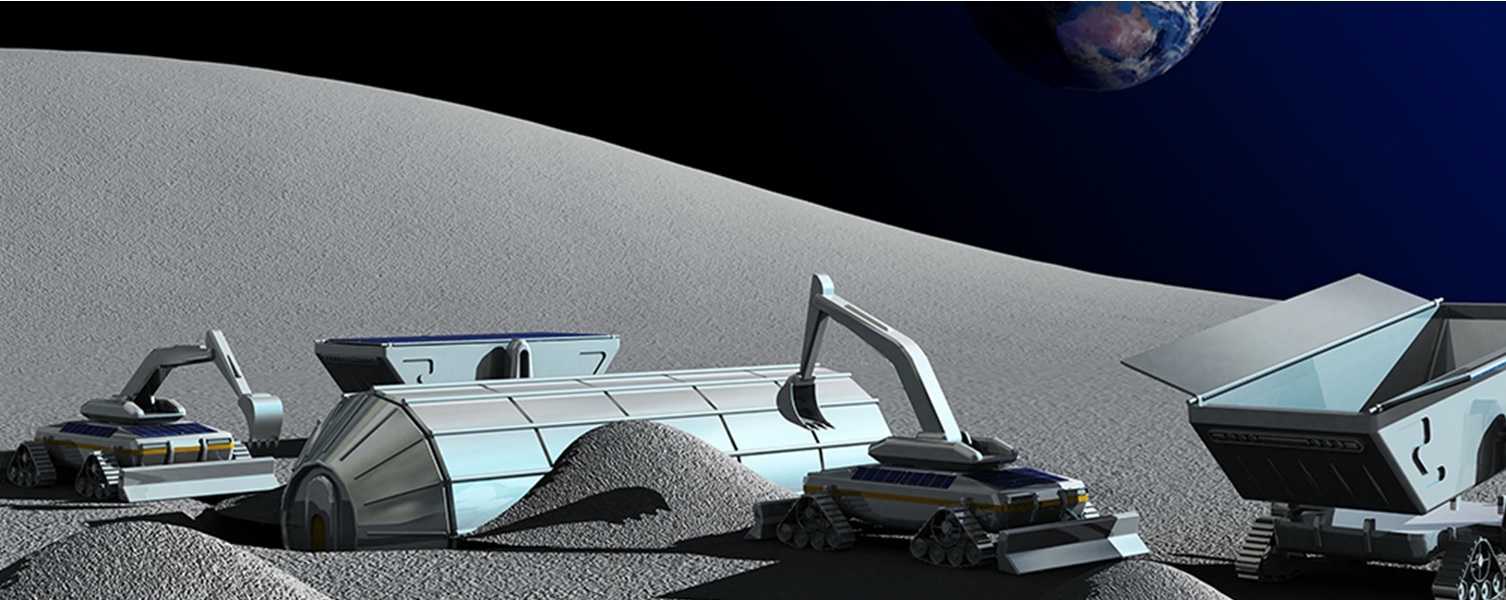
JAXA has partnered with the Kajima Corporation to develop autonomous construction technology to build on the Moon!
Continue reading
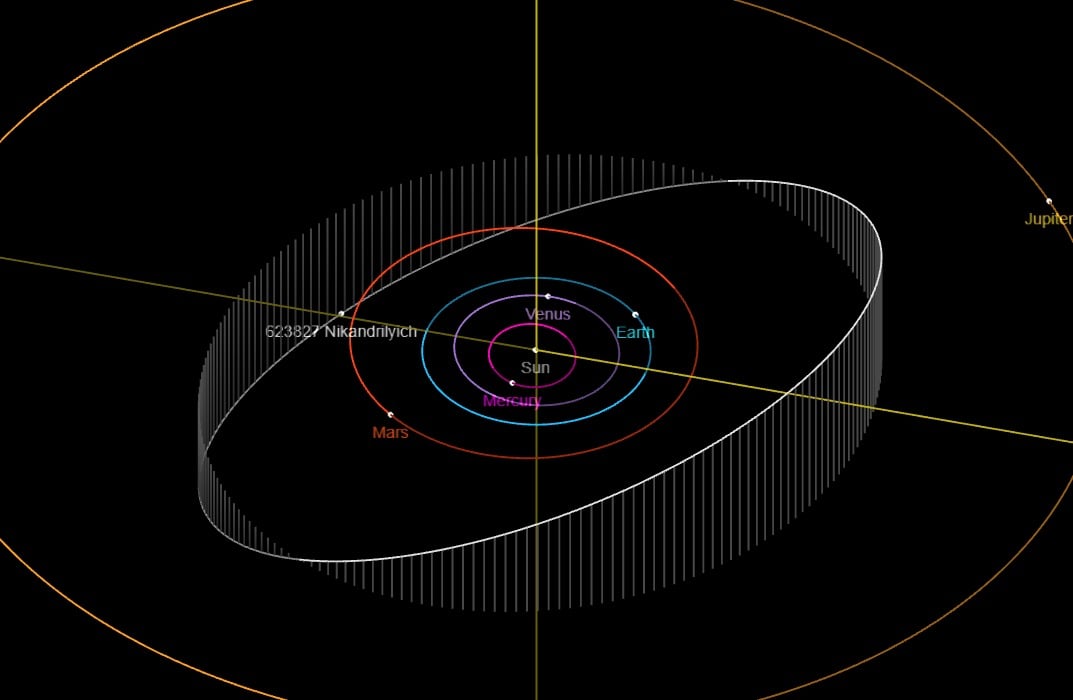
Two recent asteroid discoveries made by an amateur astronomer highlight what is possible, with access to the right equipment.
Continue reading
Continue reading
Continue reading
Continue reading
Continue reading
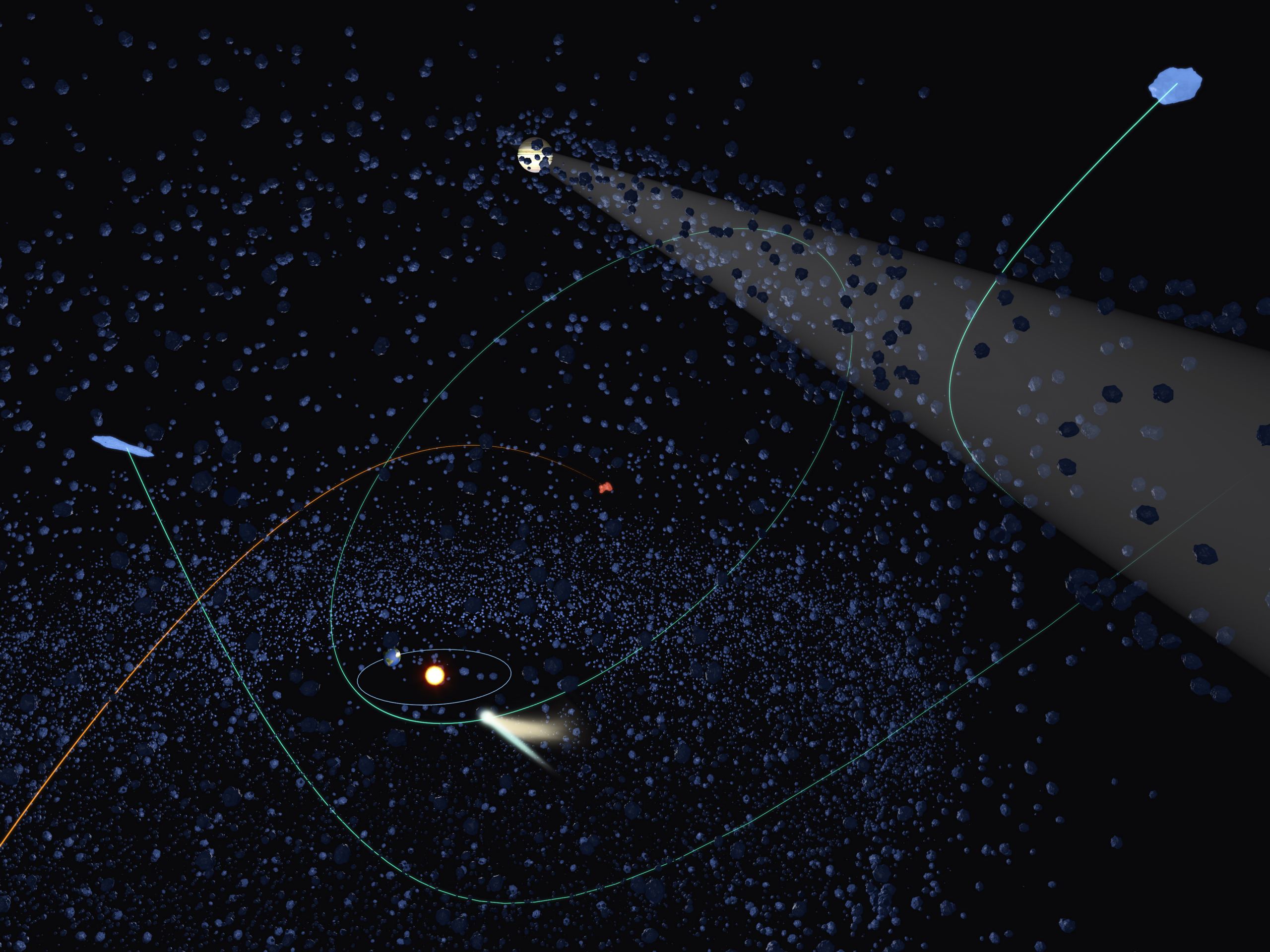
Astronomers have seen meteors strike the Earth on hyperbolic trajectories for decades; they would have escaped the Solar System if our planet hadn't gotten in the way. They could have come from other solar systems, but an interstellar meteorite has never been found. Instead, these might be coming from the Oort Cloud, perturbed by a rogue planet or star passing close to the Solar System. It might be happening more often than we thought.
Continue reading

Continue reading
Continue reading

Continue reading
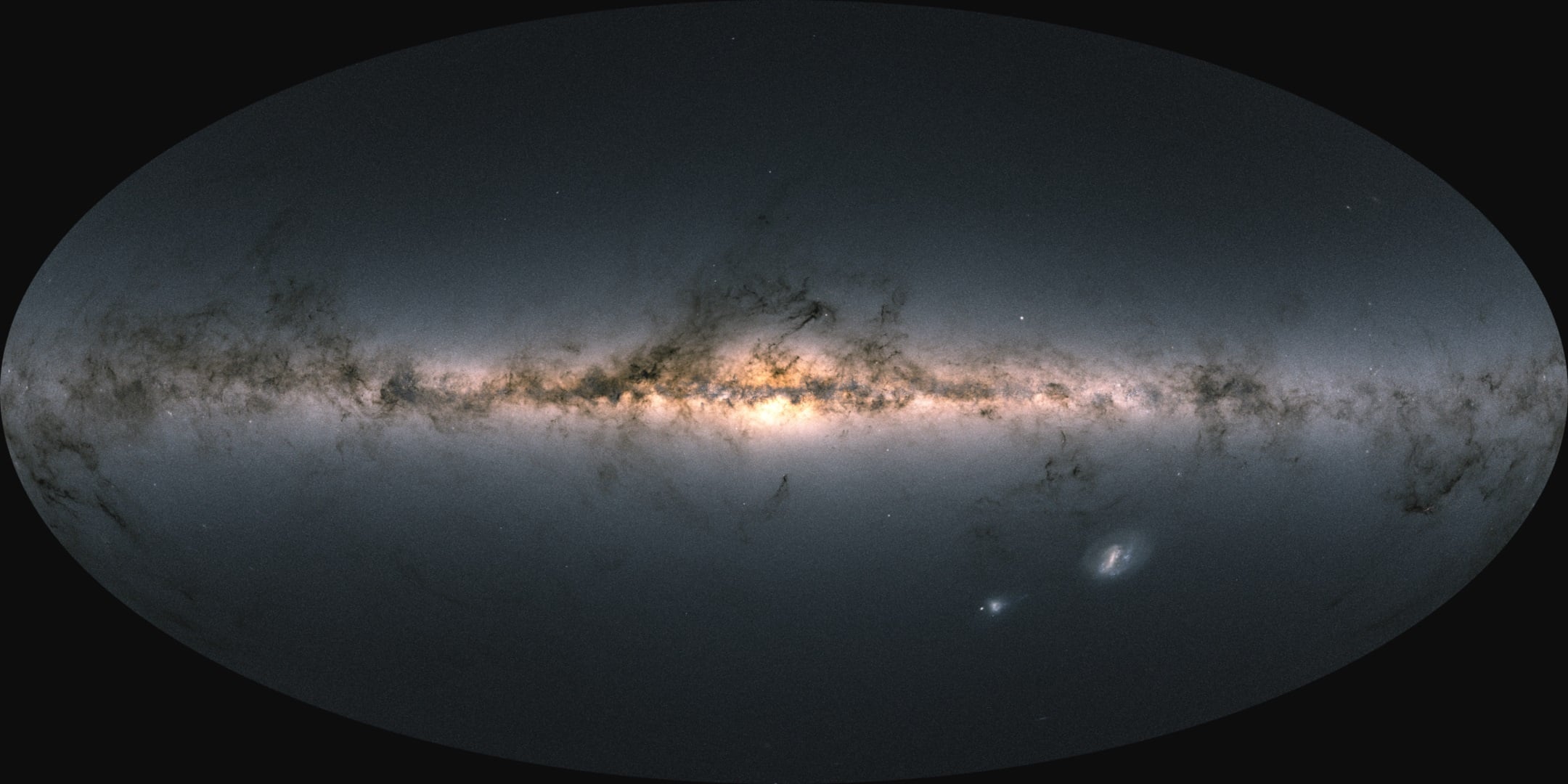
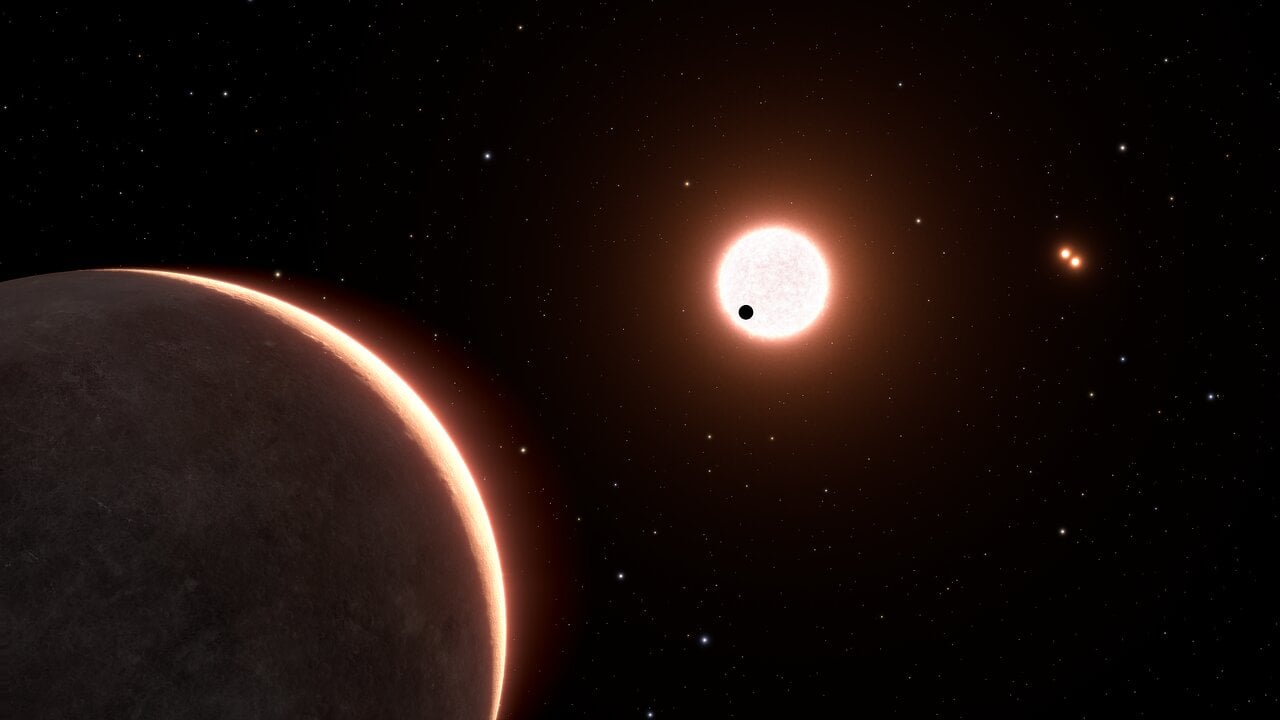
Using data from DR3, a team of Chinese researchers have predicted thousands of future microlensing events!
Continue reading
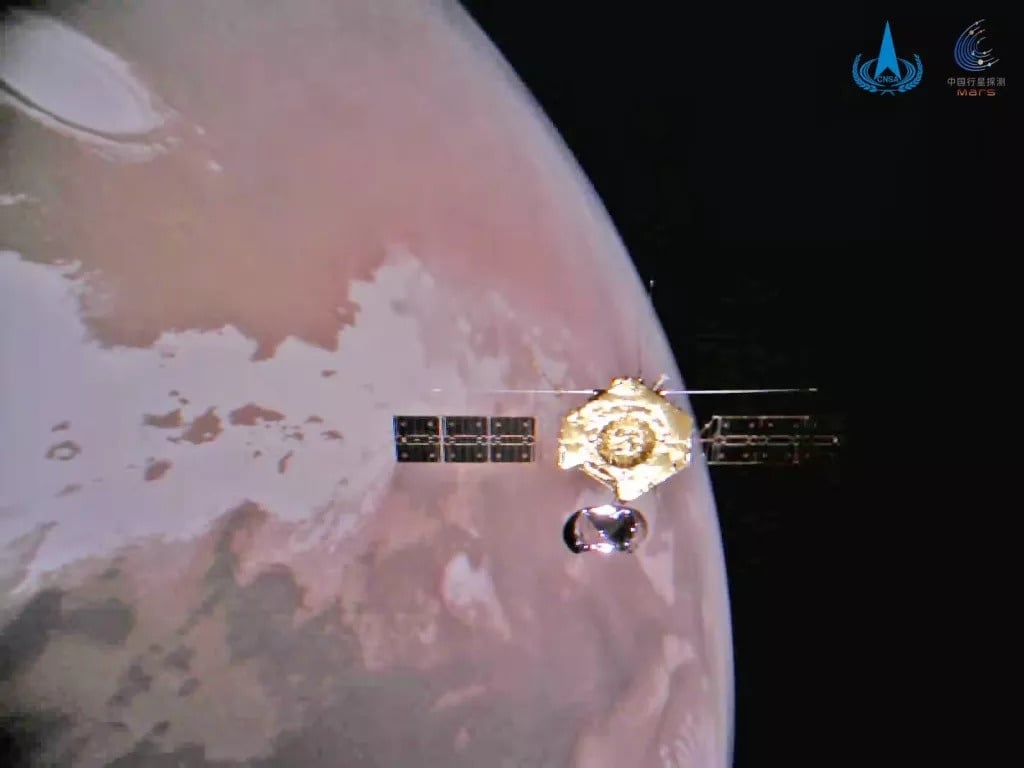
In preparation for their sample-return mission to Mars (Tianwen-3), Chinese scientists have created an atmospheric model that accurately simulates Martian weather
Continue reading
Continue reading
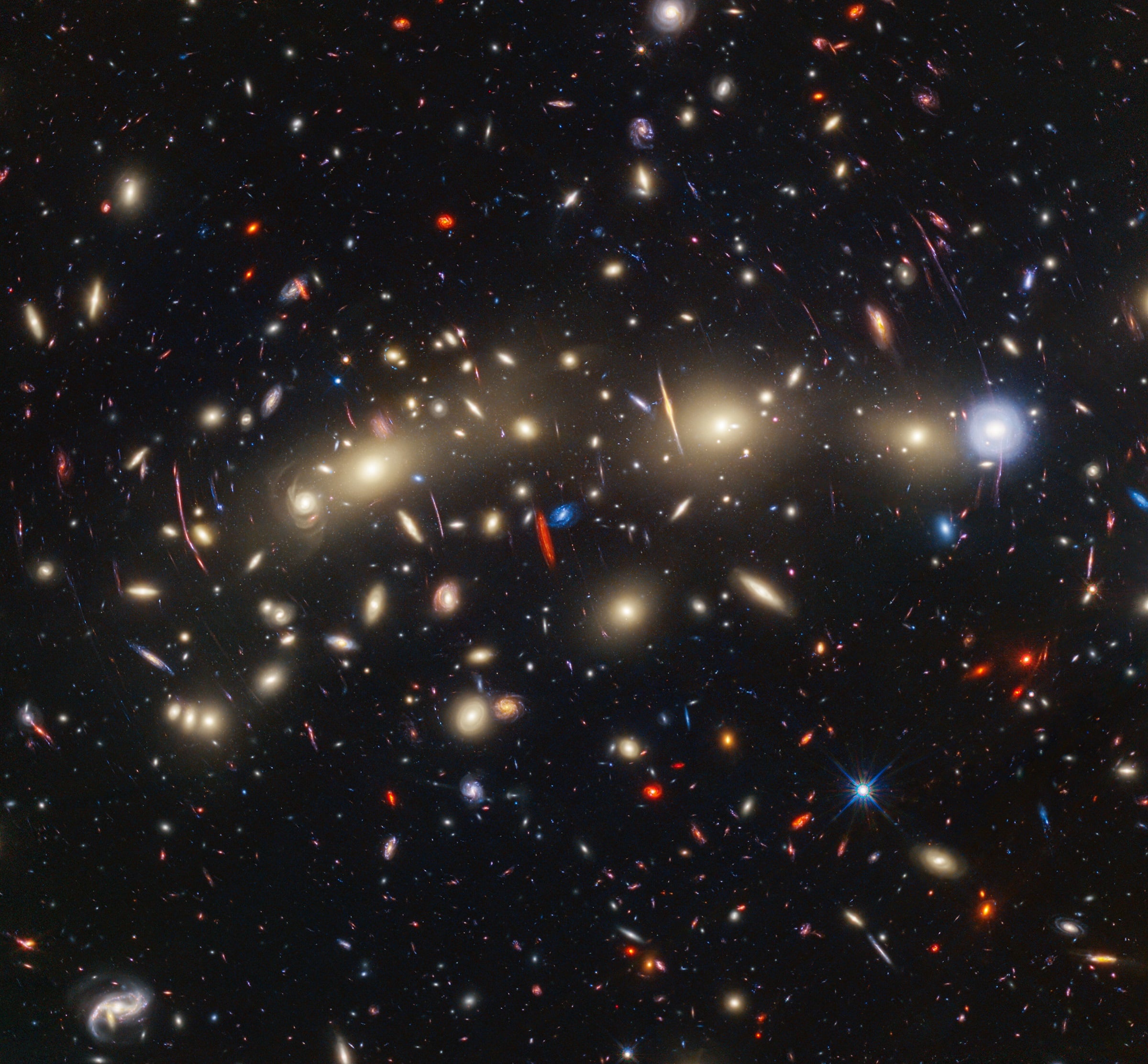
Hubble and Webb have come together to create one of the most detailed and revealing images of an iconic galaxy cluster!
Continue reading
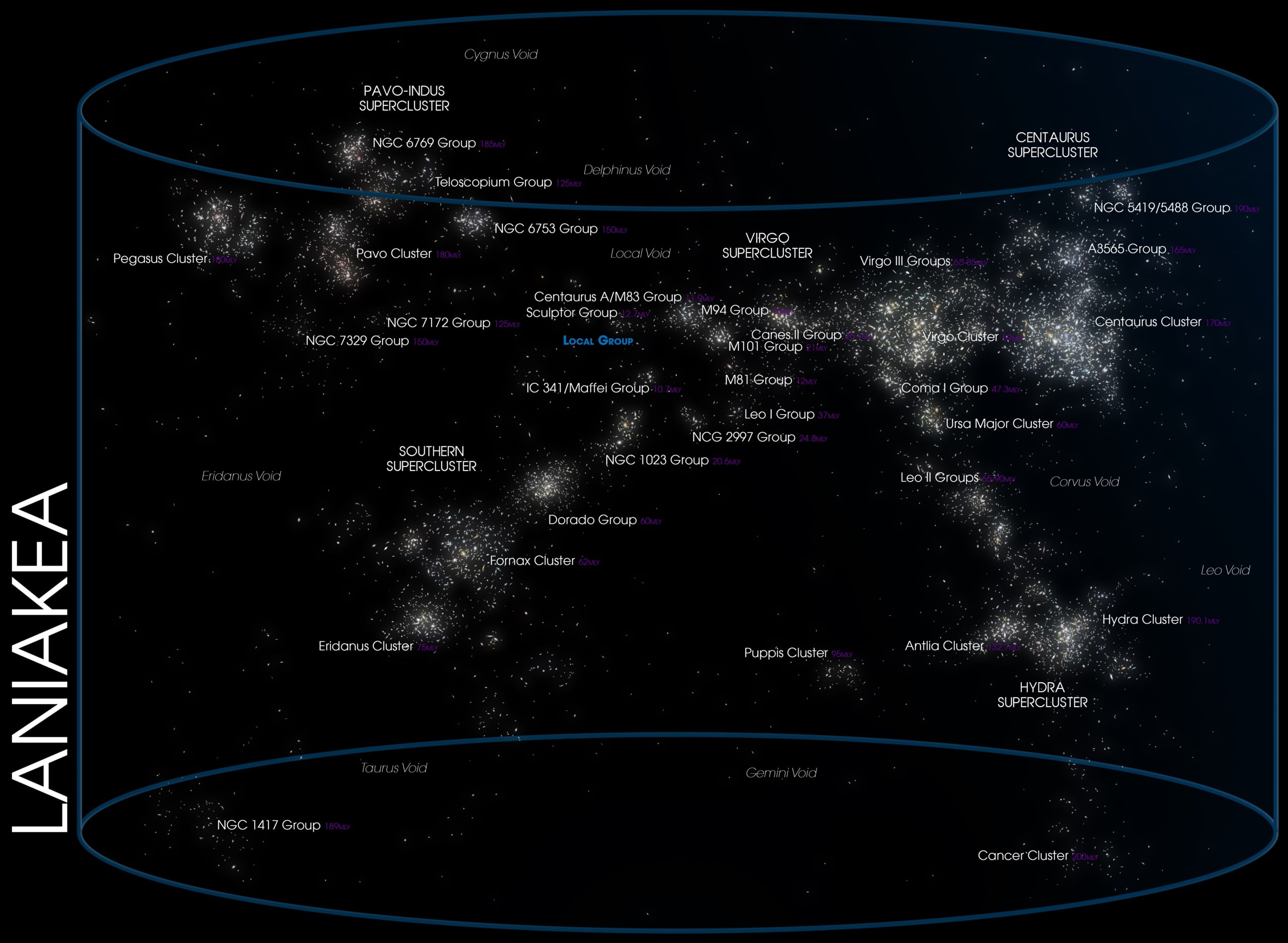
When you measure the Universe's expansion rate to relatively nearby galaxies against the expansion rate in the cosmic microwave background radiation, the numbers don't agree, and their error bars don't overlap. This is the Hubble Tension. A new paper suggests the difference might be even greater by 2-3% (1.1 km/s/Mpc) when you account for the gravitational effect from the Laniakea supercluster, which dominates the gravity in our part of the Universe.
Continue reading
 Universe Today