
Continue reading
Continue reading
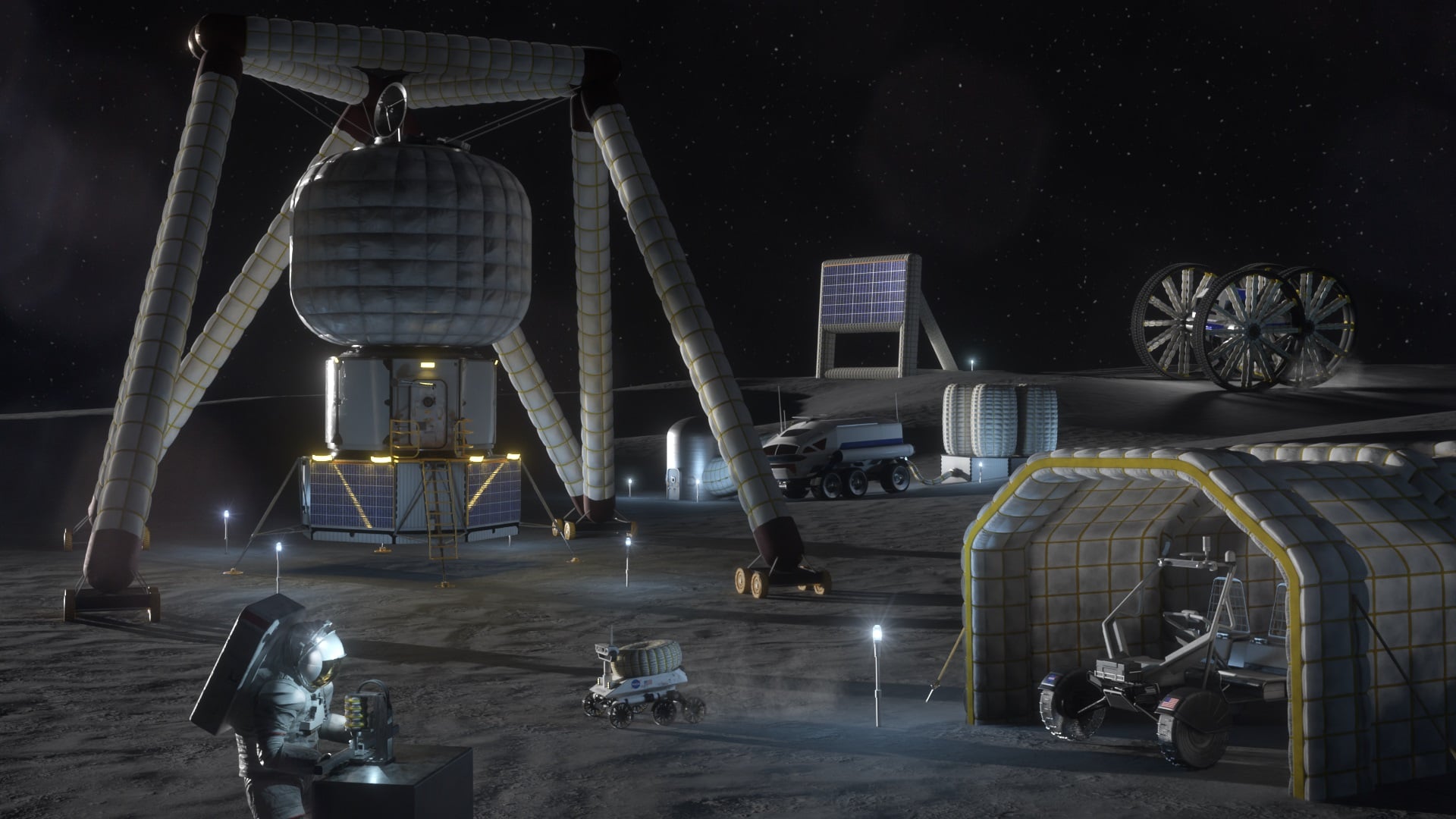
NASA's 2024 BIG Ideas Challenge is seeking innovative ideas for building inflatable habitats on the lunar surface!
Continue reading
Continue reading
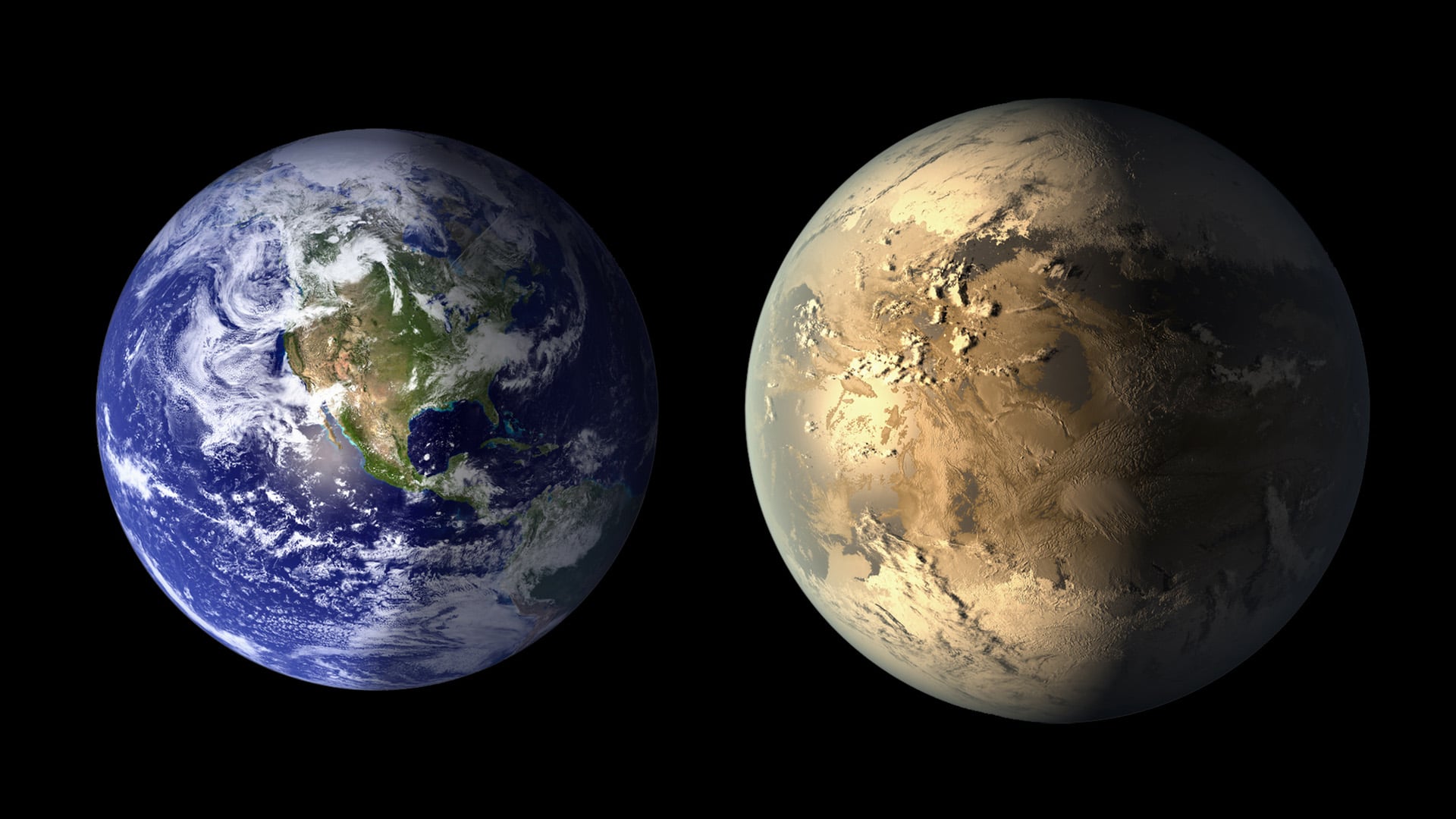
Astrobiologists have difficulty finding a single chemical that proves conclusive life on an exoplanet. A new paper suggests that studying a planet's atmosphere in context with its neighbors might be the way. You could measure carbon compared to other planets in the same system. A low amount of carbon could indicate oceans, plate tectonics, or life itself. The good news is that JWST is sensitive enough to make the observations in the TRAPPIST-1 system.
Continue reading
Continue reading

China's Chang'e-4 mission grew the first plants on the Moon, and the results of the experiment could lead to lunar greenhouses someday!
Continue reading
Continue reading

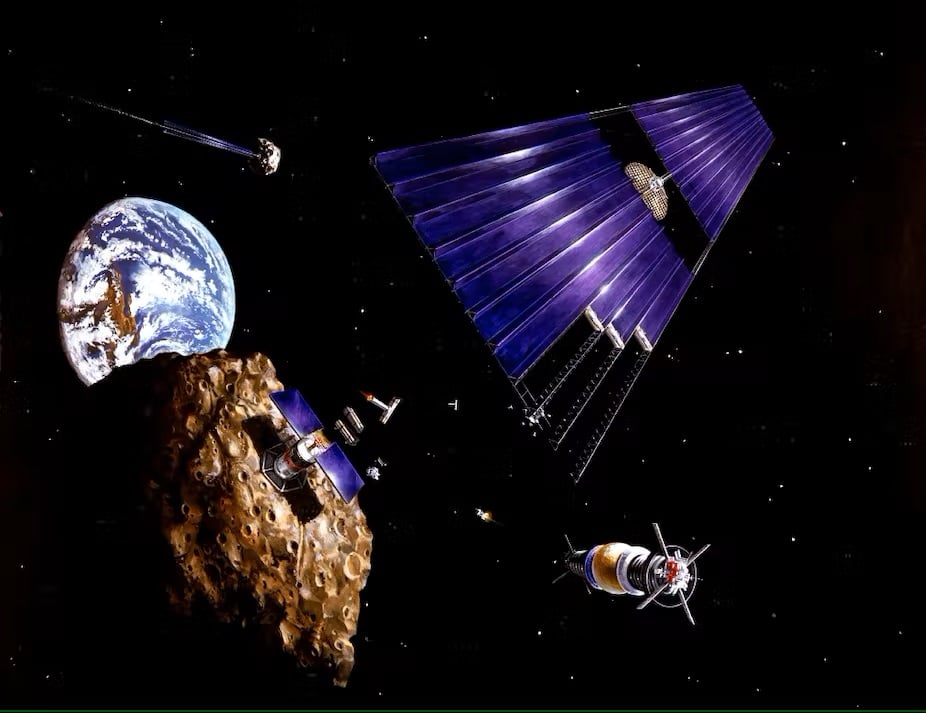
On July 15th, 2023, astronomers discovered an asteroid 43 meters across, two days before it passed within a quarter of the distance from the Earth to the Moon. If it had struck the Earth, it would have impacted with 1.5 megatonnes of energy and caused significant local damage. Is there anything we could do to stop asteroids this size from causing damage, even if we have just hours or days of notice? Surprisingly, yes, with the "pulverize it" method.
Continue reading
Continue reading
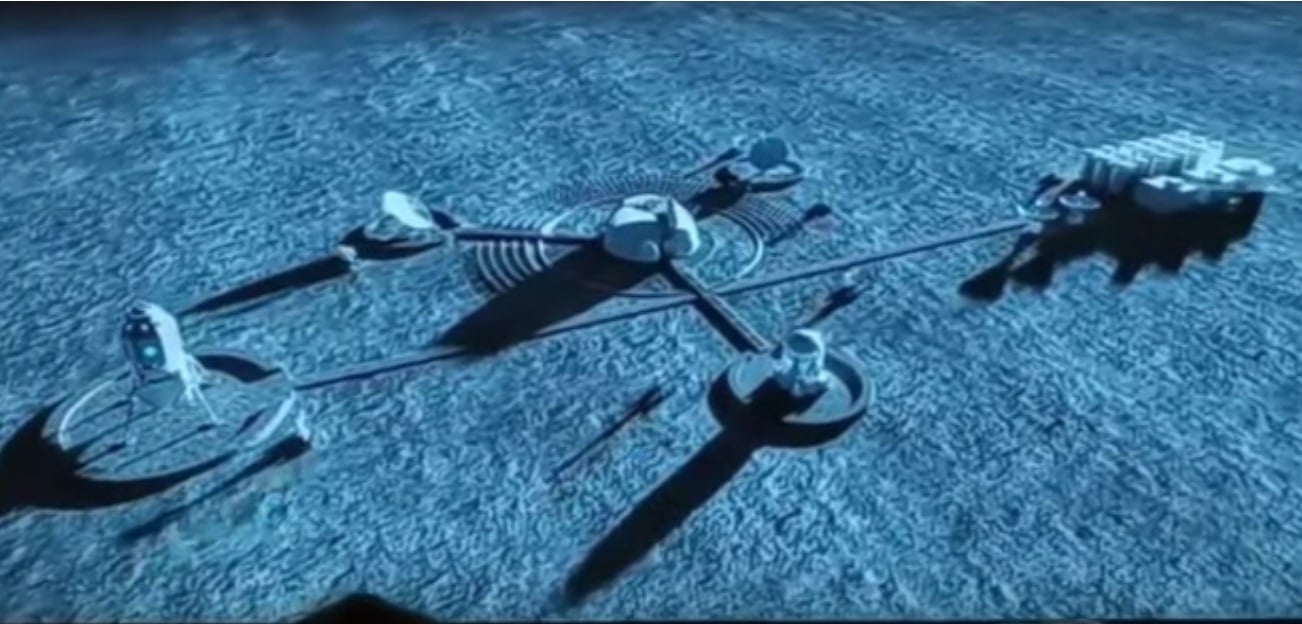
In a recent bootlegged video, China provided a detailed look at their plans for the future of lunar exploration.
Continue reading
Continue reading
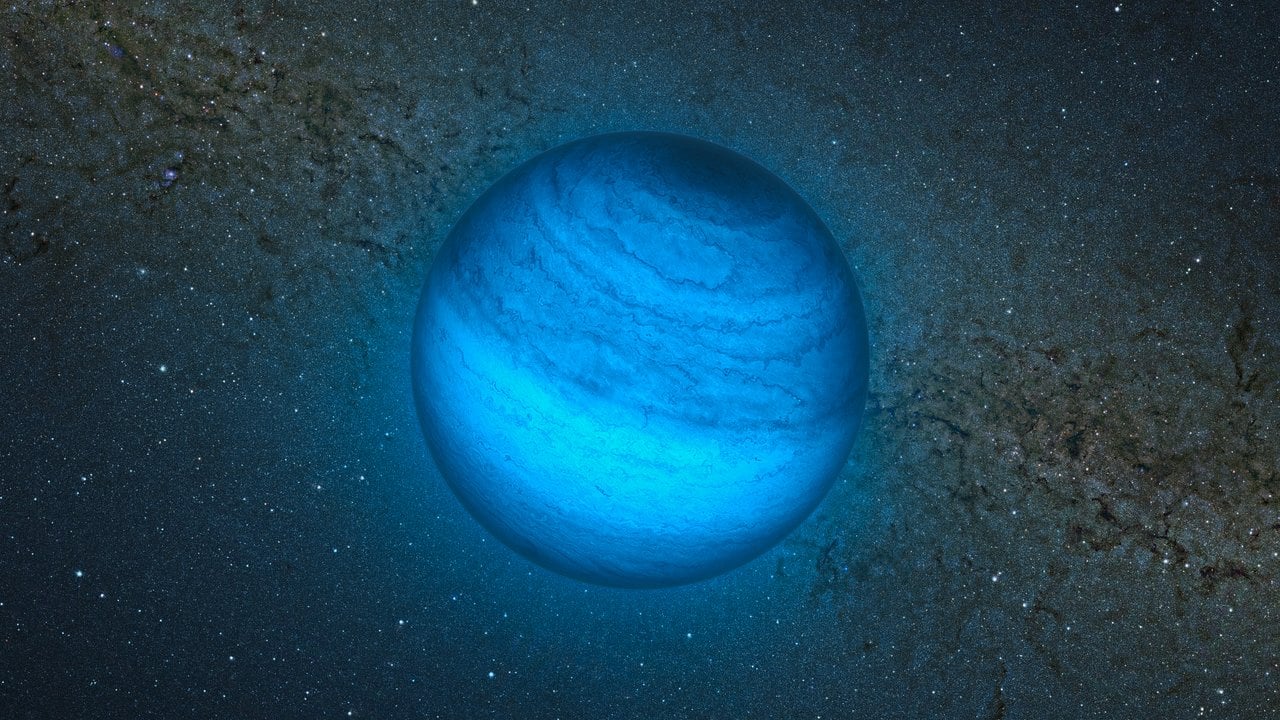
Astronomers are discovering that free-floating, rogue planets are common in the Milky Way. Hundreds were recently found in the Orion Nebula. Discovering the mechanism for these rogue planets is still a challenge. A new paper suggests that misaligned binary star systems are unstable shortly after formation, with more massive planets kicking out the smaller worlds. They predict that there should be many more low-mass planets out there to find as instruments improve.
Continue reading
Continue reading

Continue reading
Continue reading
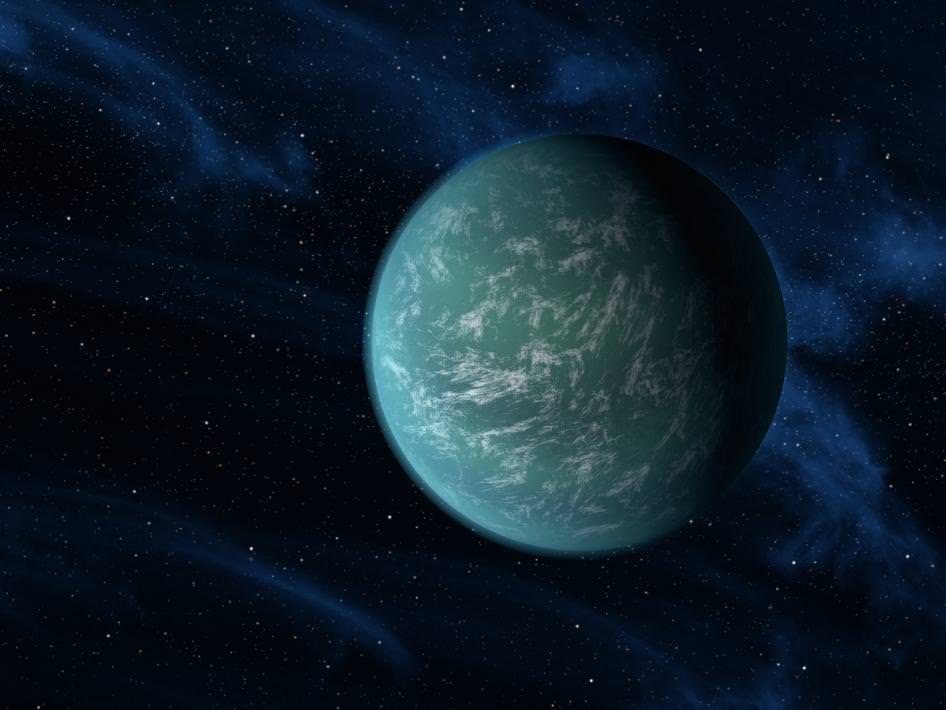
Continue reading
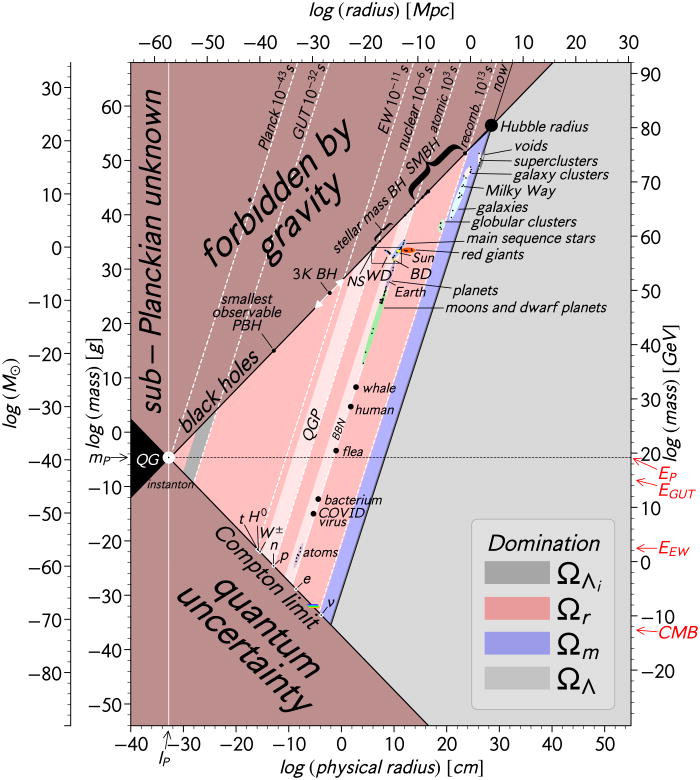
Continue reading
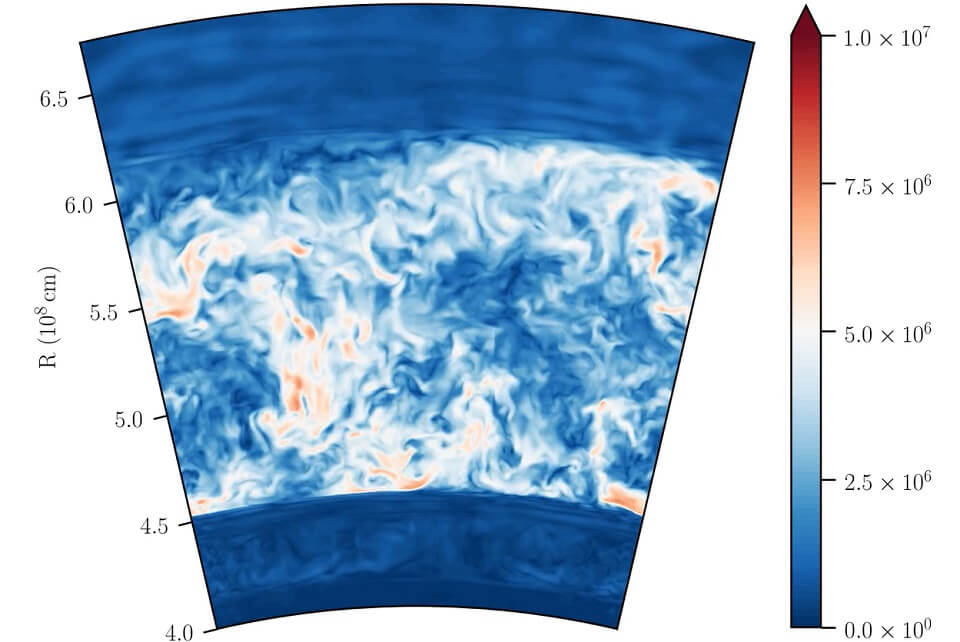
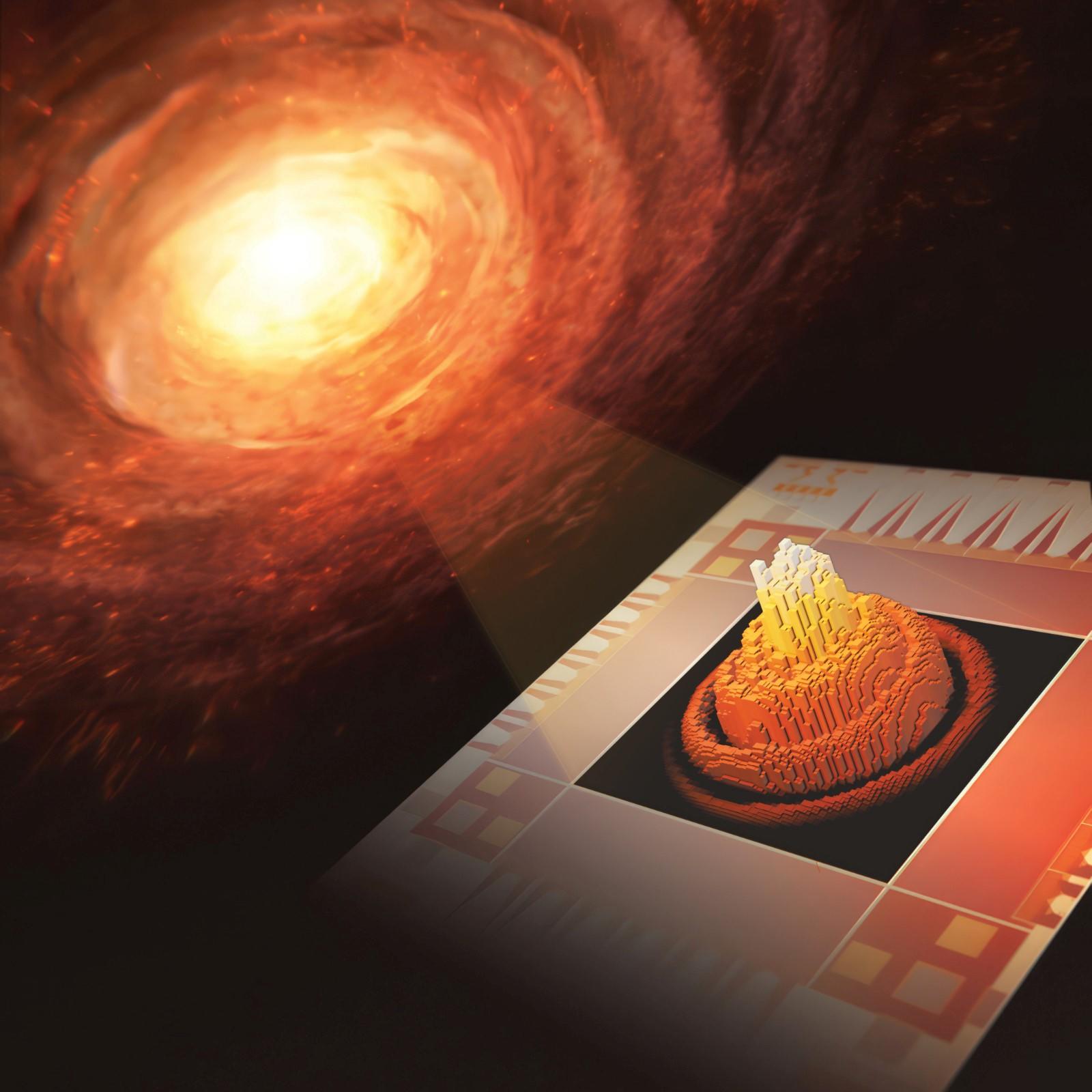
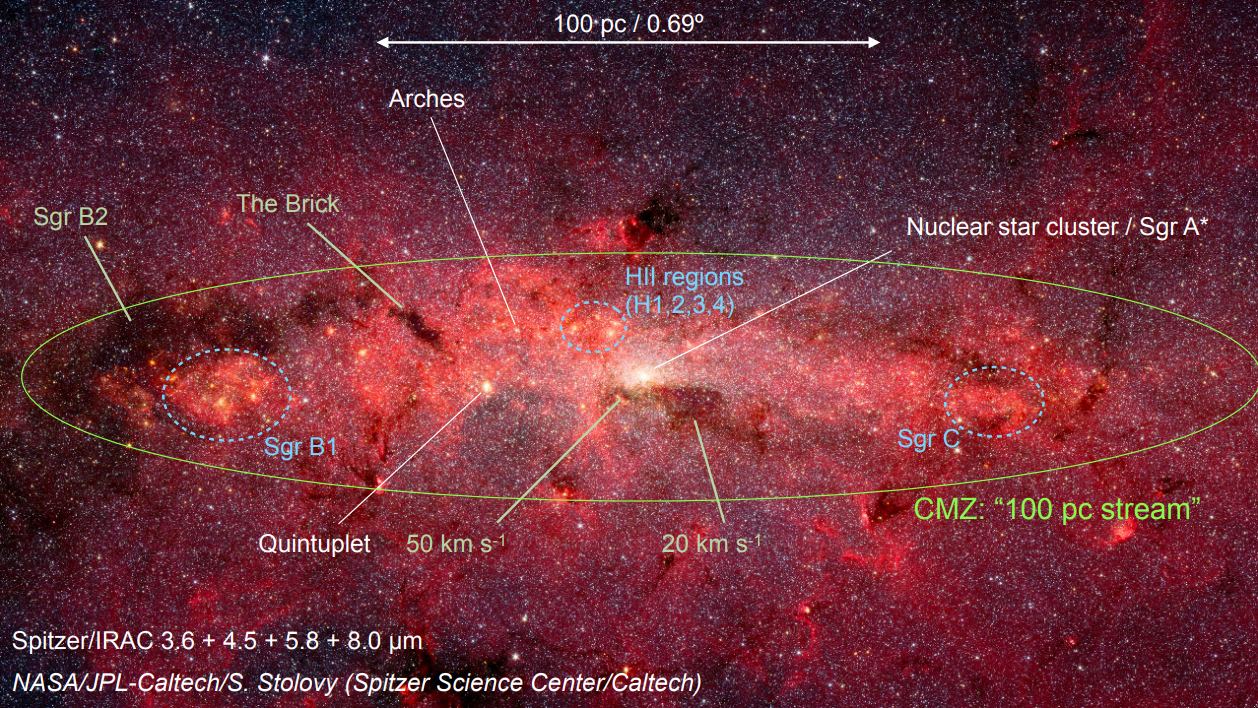
Is the supermassive black hole at the heart of the Milky Way (SagA*) spinning? And how fast? It's tricky to know how fast a black hole is spinning without an accretion disk, but astronomers can estimate using polar outflows of material streaming from the black hole. Researchers observed the region around SagA* with the Chandra X-Ray Observatory and estimated that it is spinning. In fact, it's spinning as quickly as the laws of physics will permit.
Continue reading
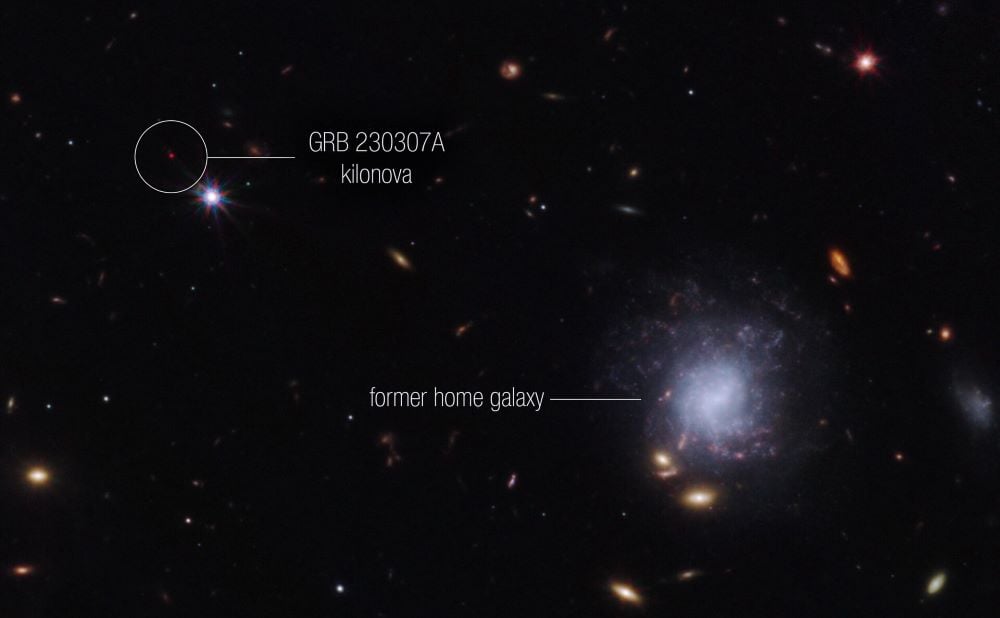
Continue reading
Continue reading
Continue reading
Continue reading
Continue reading
Continue reading
Continue reading

Continue reading
Continue reading
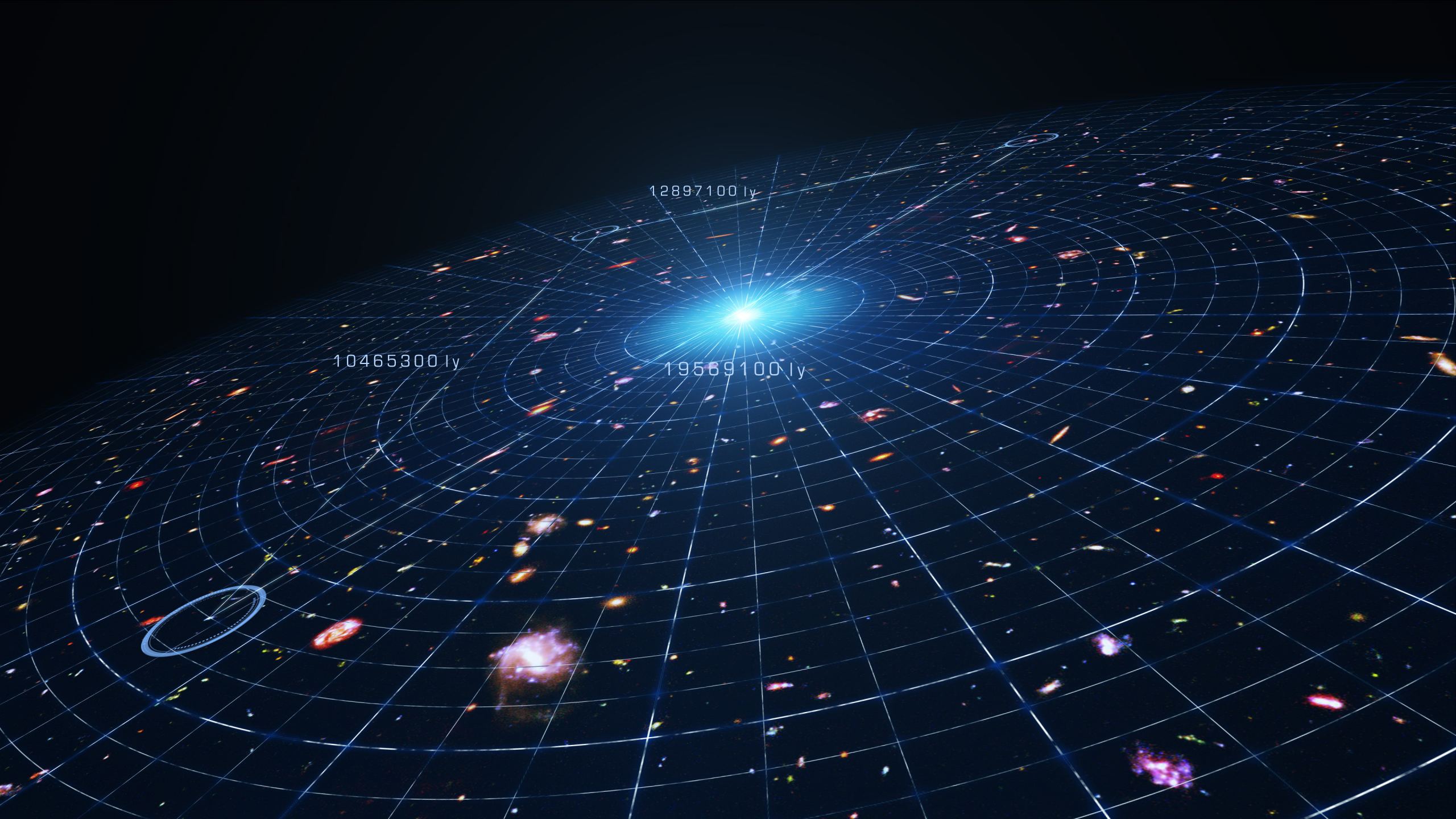
New research shows how intelligent life might expand in an ever-expanding Universe, which has serious implications for SETI and the fate of our civilization.
Continue reading
Continue reading
Checking out the October Hunter's Full Moon this coming weekend? This Full Moon is also special, as it features the final eclipse of 2023. The eclipse is a partial lunar, and occurs on the night of Saturday/Sunday, October 28th/29th.
Continue reading
Continue reading

Continue reading
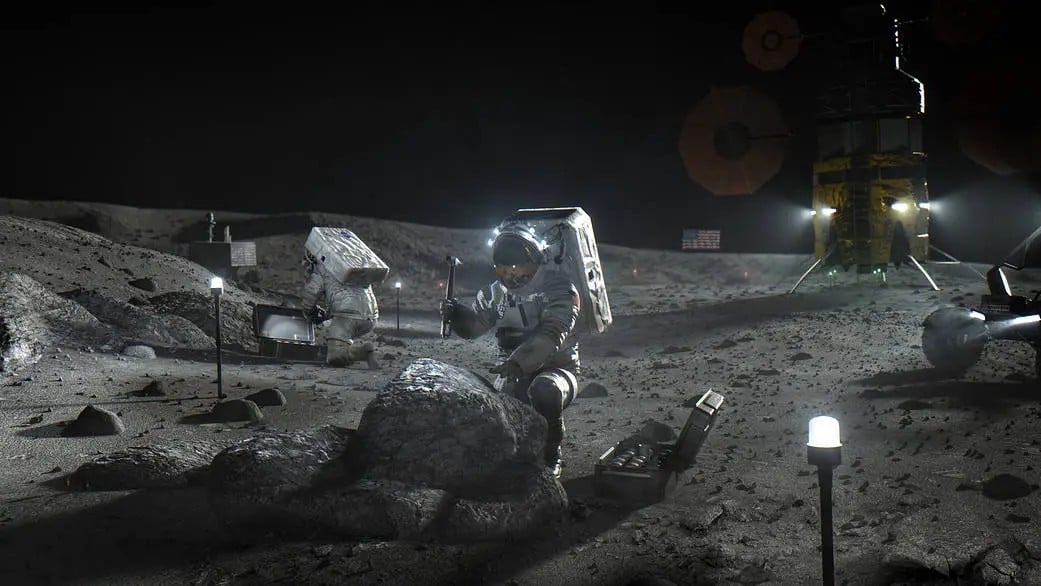
An international team of scientists used topographical data of the Moon's southern polar region to determine the optimal routes for Artemis and other astronauts to follow during EVAs.
Continue reading
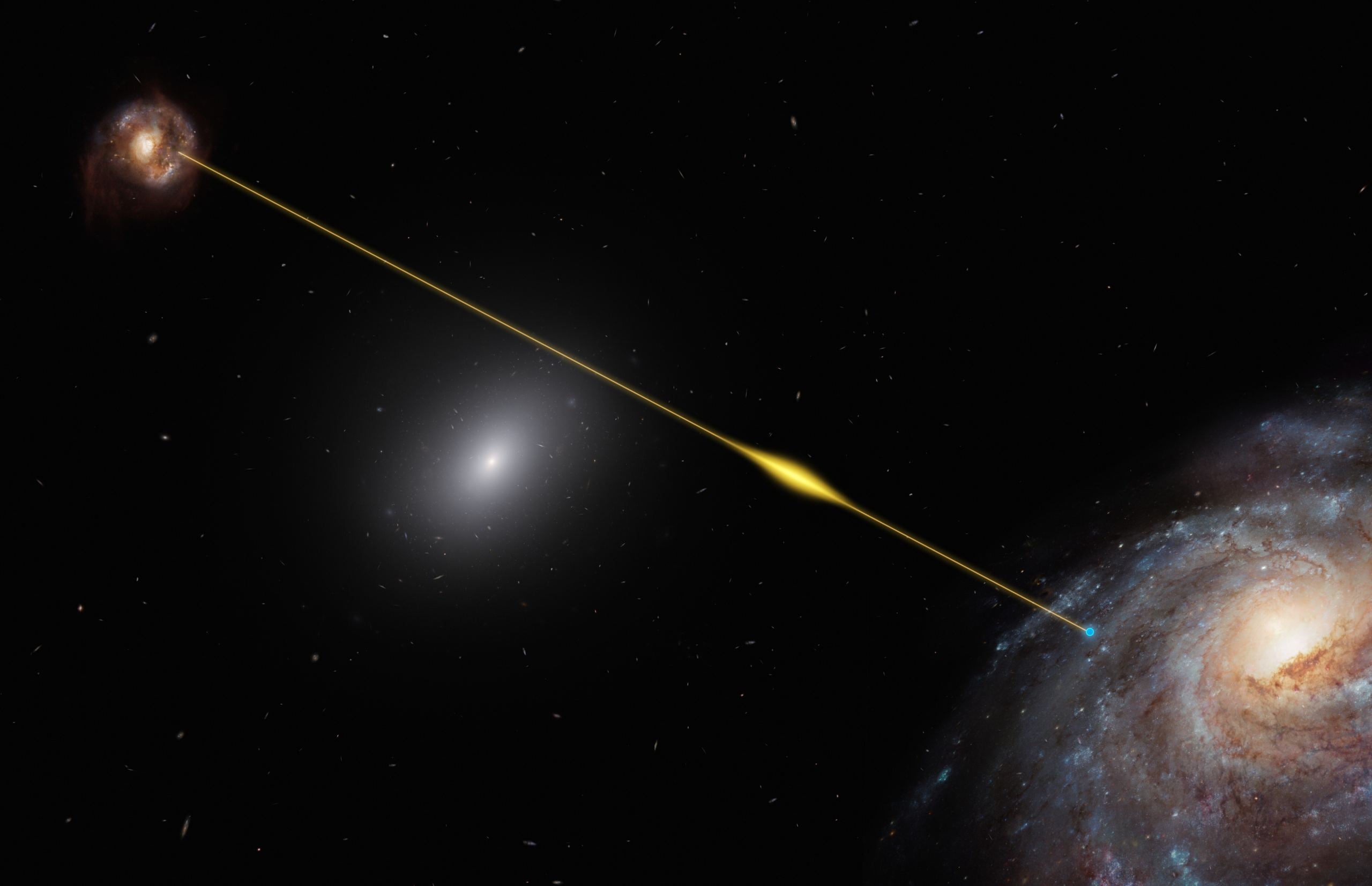
A newly discovered fast radio burst (FRB) absolutely smashed the record for the most distant ever discovered. The burst was found in June 2022 at Australia's ASKAP radio telescope after it had spent 8 billion years crossing the Universe. The FRB released the equivalent of 30 years of solar radiation in milliseconds. The burst could also help astronomers weigh the Universe, measuring how much gas it had to pass through on its long journey to reach Earth.
Continue reading
Continue reading
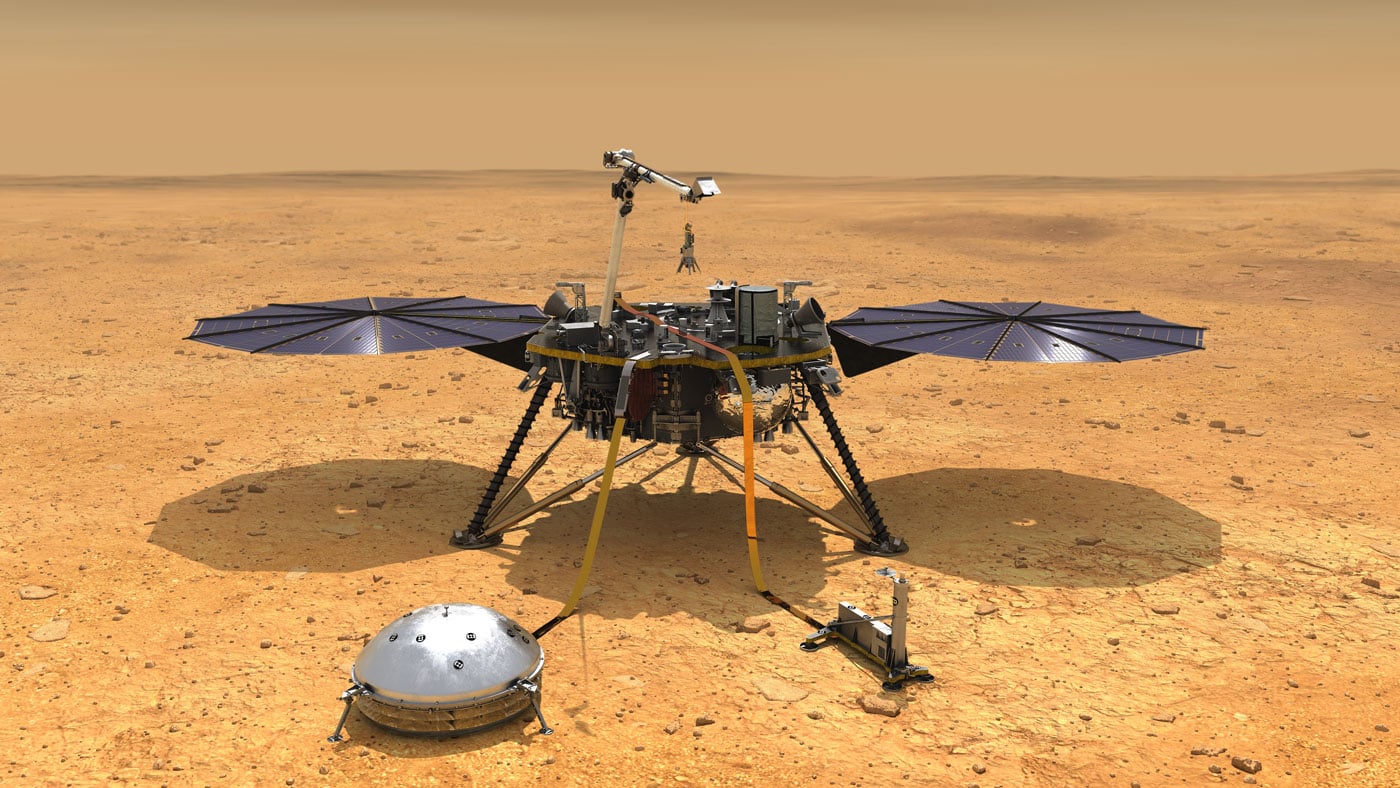
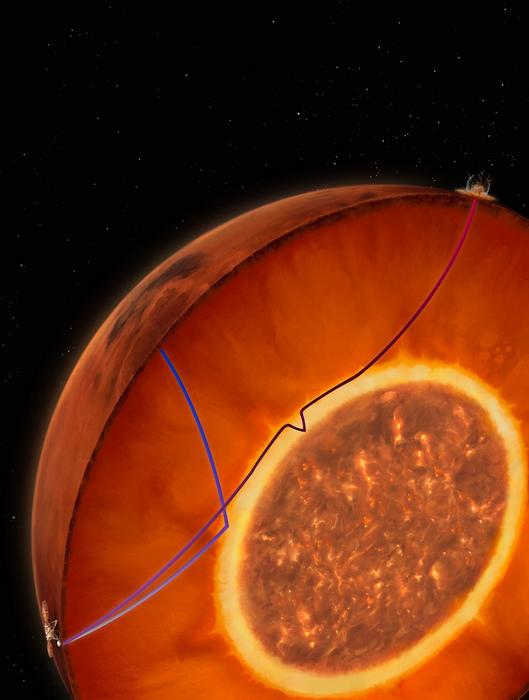
A new paper in the Geophysical Research Letters explains how the largest recorded seismic event on Mars provided evidence for a different sort of tectonic origin -- the release of stress within the Martian crust.
Continue reading
Continue reading
Continue reading
Continue reading
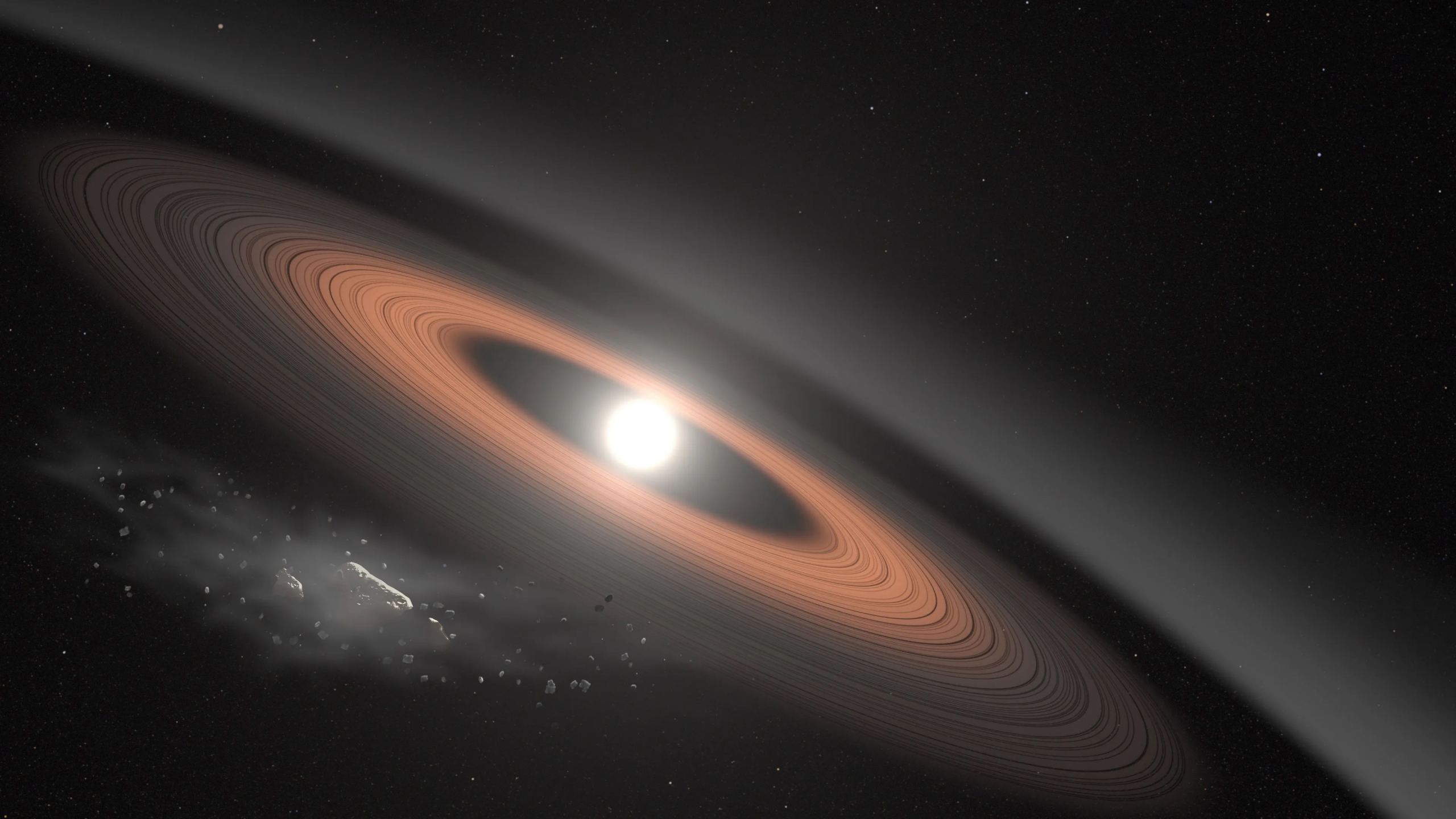
White dwarfs are the ultimate fate of stars like our Sun, and one of the most exciting examples is located 95 light-years from Earth. In 2018, astronomers saw it suddenly flare up, suggesting that an exoasteroid was disrupted, leading to observations of dust and debris around the star. Astronomers think the star is surrounded by the remnants of its planetary system, crushed into a debris disk. Now, JWST has made its first observations of this intriguing star.
Continue reading
Continue reading
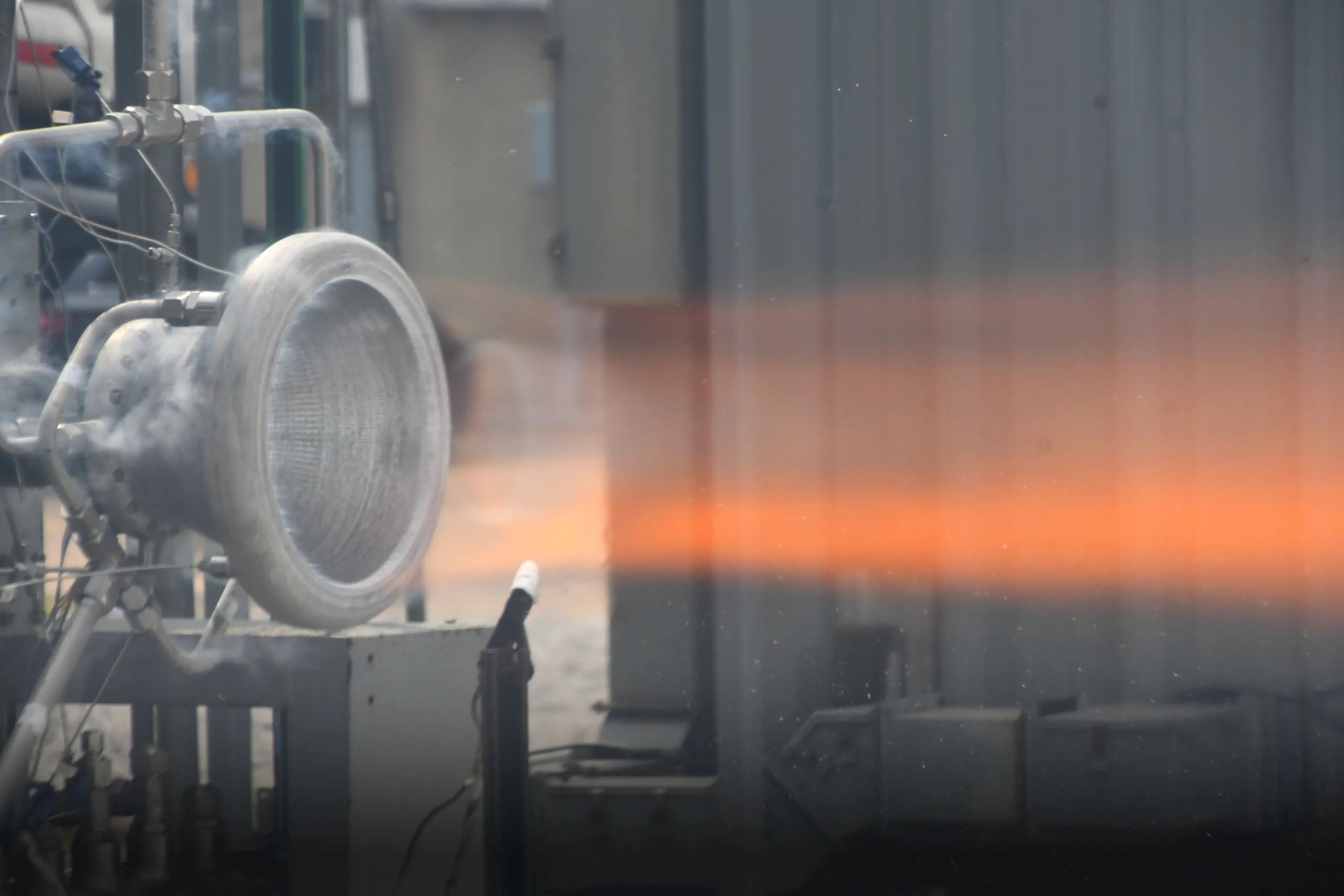
NASA recently test fired an engine that uses 3D-printed aluminum rocket nozzles, which could be a game changer for space exploration!
Continue reading
Continue reading

The Mercury , part of the BepiColombo International Mercury Exploration Project, has revealed some interesting things about Mercury's magnetosphere.
Continue reading
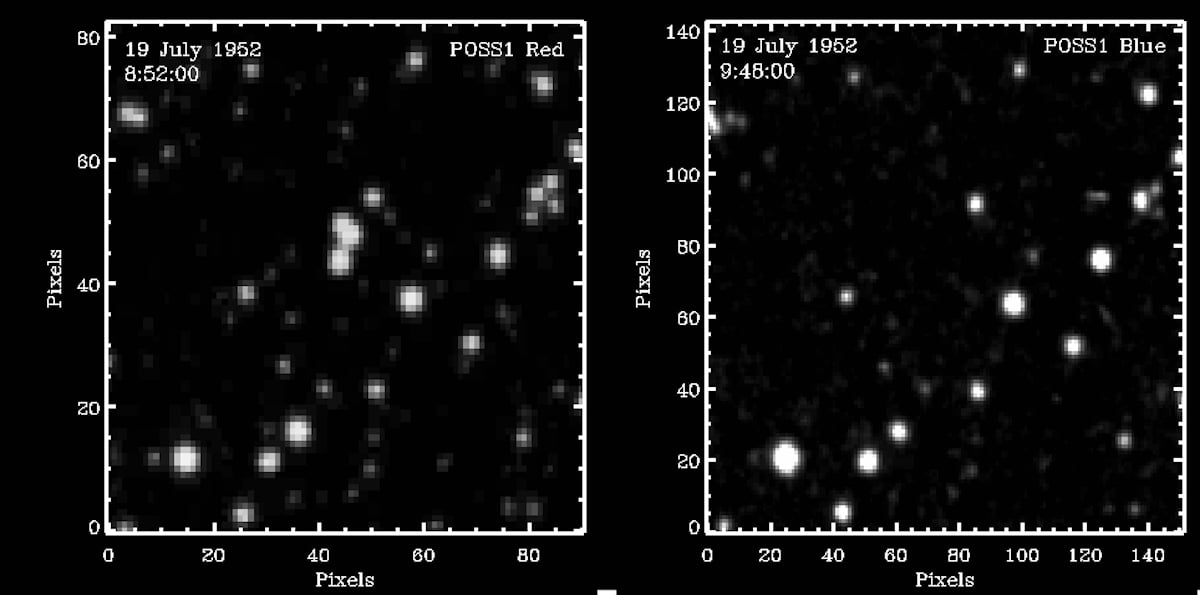
In 1952, the Palomar Observatory imaged a close grouping of three point-like light sources, measuring 15th magnitude in brightness. It took another image an hour later, and the three objects had vanished. Follow-up observations scanned the area down to 21st magnitude and they were still missing. Now astronomers have used the 10.4-m Gran Terescopio Canarias, which should have seen anything brighter than 25.5 mag. Still nothing. What were they, and where did they go?
Continue reading
Continue reading
Continue reading
Continue reading
Continue reading
 Universe Today