A single pixel of light holds astonishing detail. How ocean glint, rotational mapping, and the vegetation red edge let us read a distant planet's oceans, continents, and even forests, all without ever resolving it as more than a point.
Continue reading
Nitrous oxide (otherwise known as laughing gas) is likely a key atmospheric component of life in the cosmos.
Continue reading
Astronomers know that evolved AGB stars shed their outer layers, contributing to the makeup of the interstellar medium. But new JWST observations show this can happen even near a supermassive black hole, where powerful radiation could obliterate molecules.
Continue reading
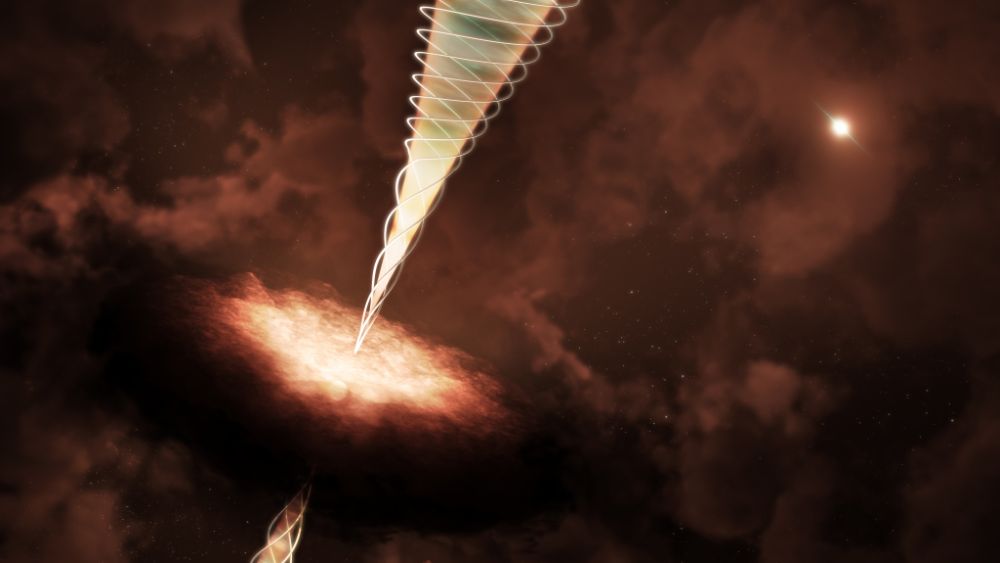
For decades, scientists have theorized that young protostar jets are shaped and driven by complex, twisted magnetic fields. But they couldn't detect them. Now, thanks to ALMA, they've found them around a young binary protostar.
Continue reading
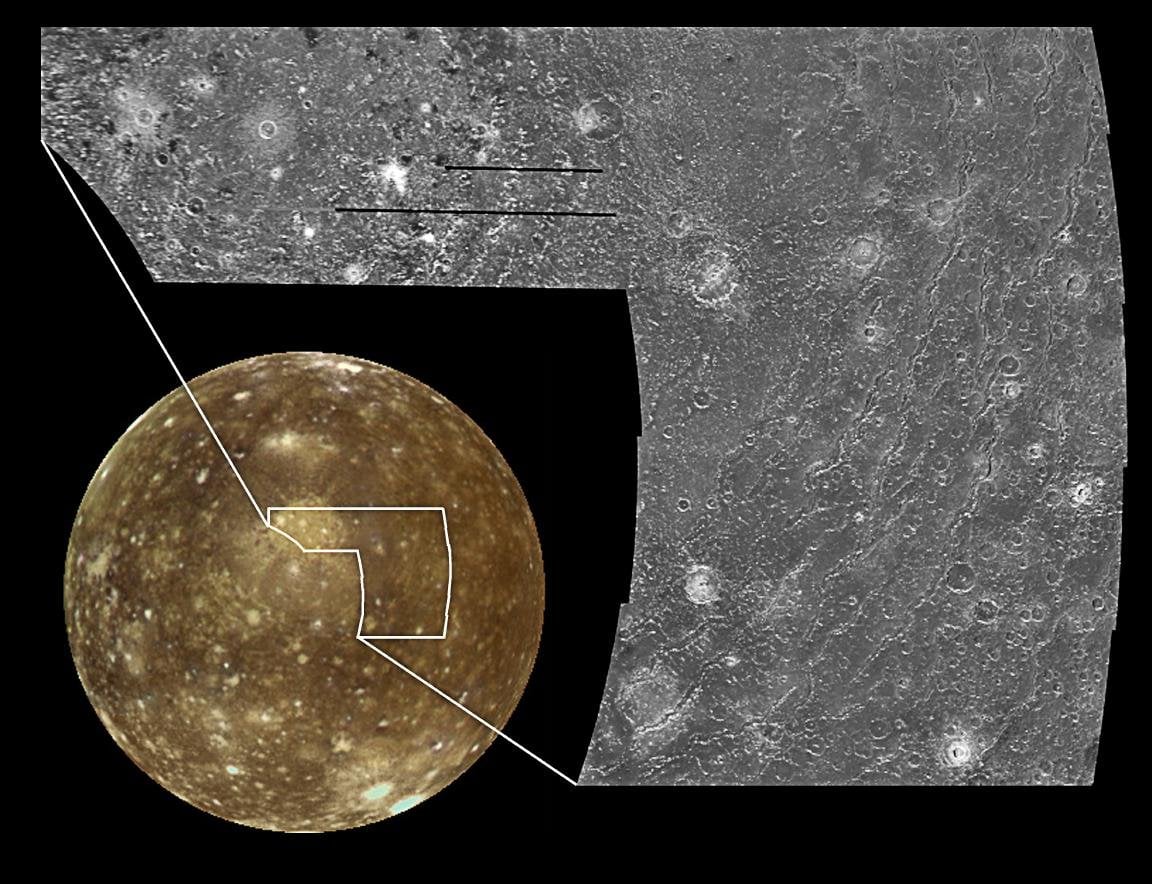
Of Jupiter’s four Galilean moons, Callisto is the one that gets the least attention. Io is constantly being resurfaced by volcanoes. Europa has a giant liquid water ocean. And Ganymede has its own magnetic field that interacts with its parent planet in weird ways. Callisto, by comparison, seems sedate, with its ancient, crater-saturated surface seemingly frozen in time. But new data from the James Webb Space Telescope (JWST) shows that even this most benign of the Big Four moons is more active than previously realized.
Continue reading
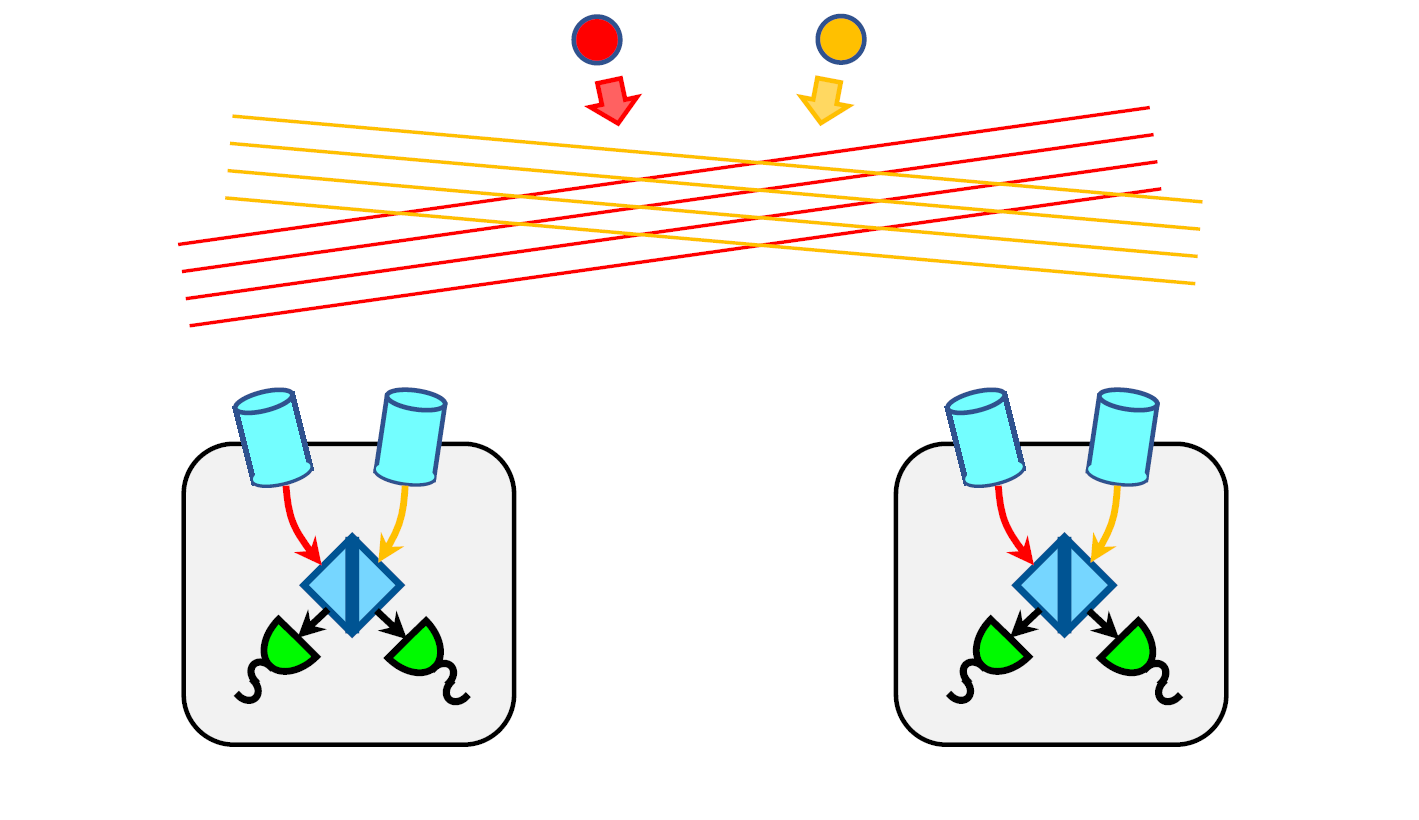
Gravitational wave astronomy has seen plenty of improvements since the original signal was captured in 2015. Despite that, it remains an engineering challenge to actually create the detectors needed for the precise measurements that gravitational waves require. A new NASA Innovative Advanced Concepts (NIAC) grant is funding a concept from a team led by Paul Stankus at Brookhaven National Laboratory that could potentially solve some of those engineering problems - by using quantum mechanics.
Continue reading
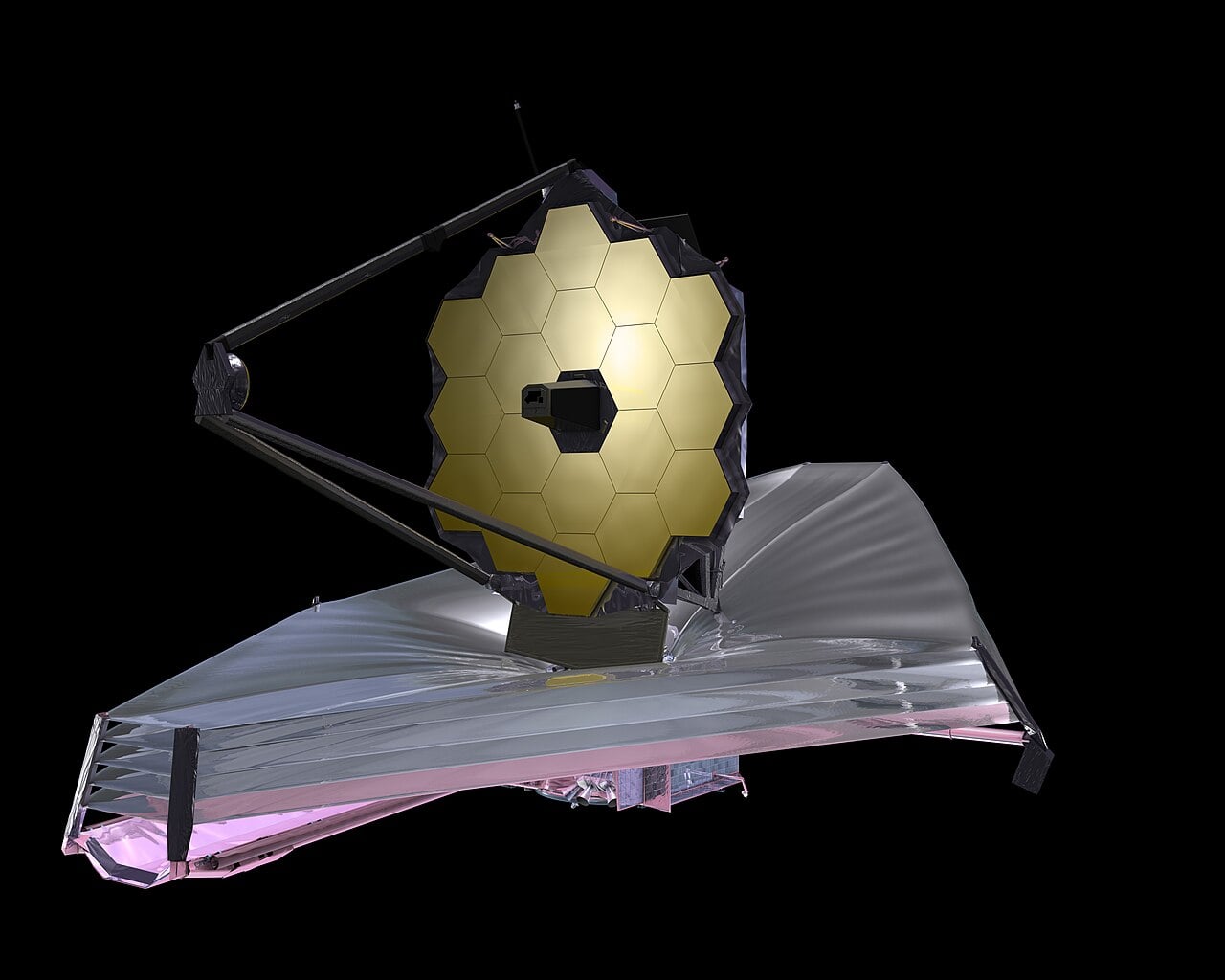
The Habitable Worlds Observatory is being built for one purpose: to directly image another living Earth. Inside the coronagraph that must block ten billion times the planet's light, the picometer-stable mirror we don't yet know how to build, and the messy problem of reading an atmosphere.
Continue reading
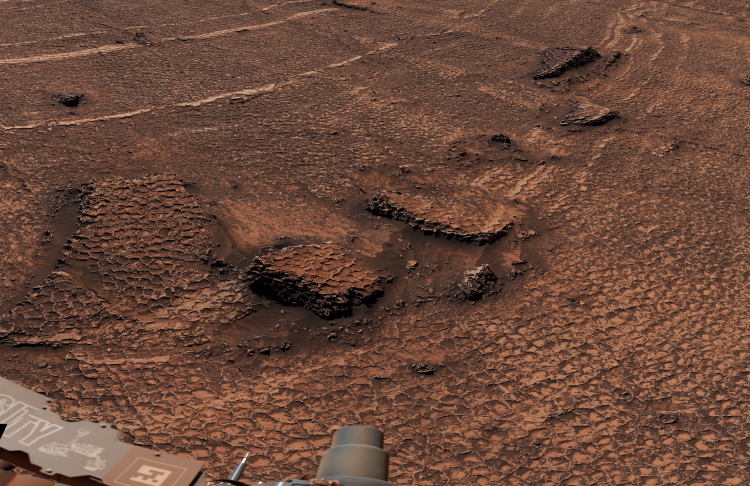
The surface of Mars is home to some of the most breathtaking and awe-inspiring landscapes in the solar system. This is primarily due to the Red Planet lacking several re-surfacing processes that Earth possesses, including plate tectonics, volcanism, and flowing water. While Mars does have dust storms, this has done little to reshape the planet’s surface, which has remained largely undisturbed for billions of years. However, this near-pristine landscape has enabled scientists to look back in time while slowly piecing together what Mars was like long ago.
Continue reading
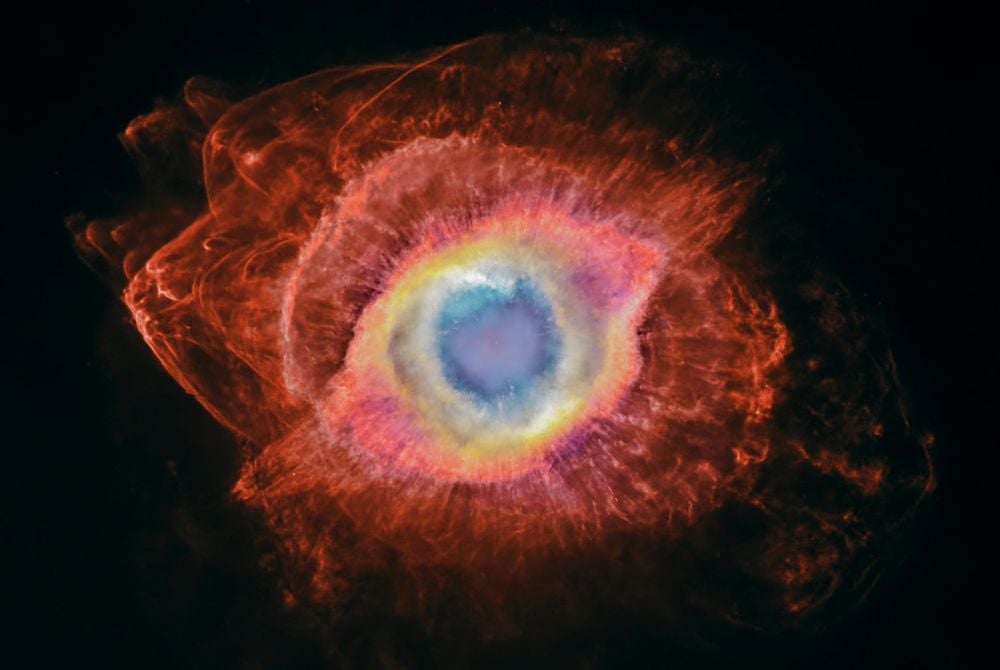
Astronomers used new MOTHRA telescope in Chile to image the famous Helix Nebula. They found 22 glowing shock waves where stellar debris from a dying star collided with interstellar gas. After colliding with gas, stellar fragments remain intact for just 10,000 years, the team estimates. The observations show how dying stars are recycled and return material to the interstellar medium to form new stars and planets.
Continue reading
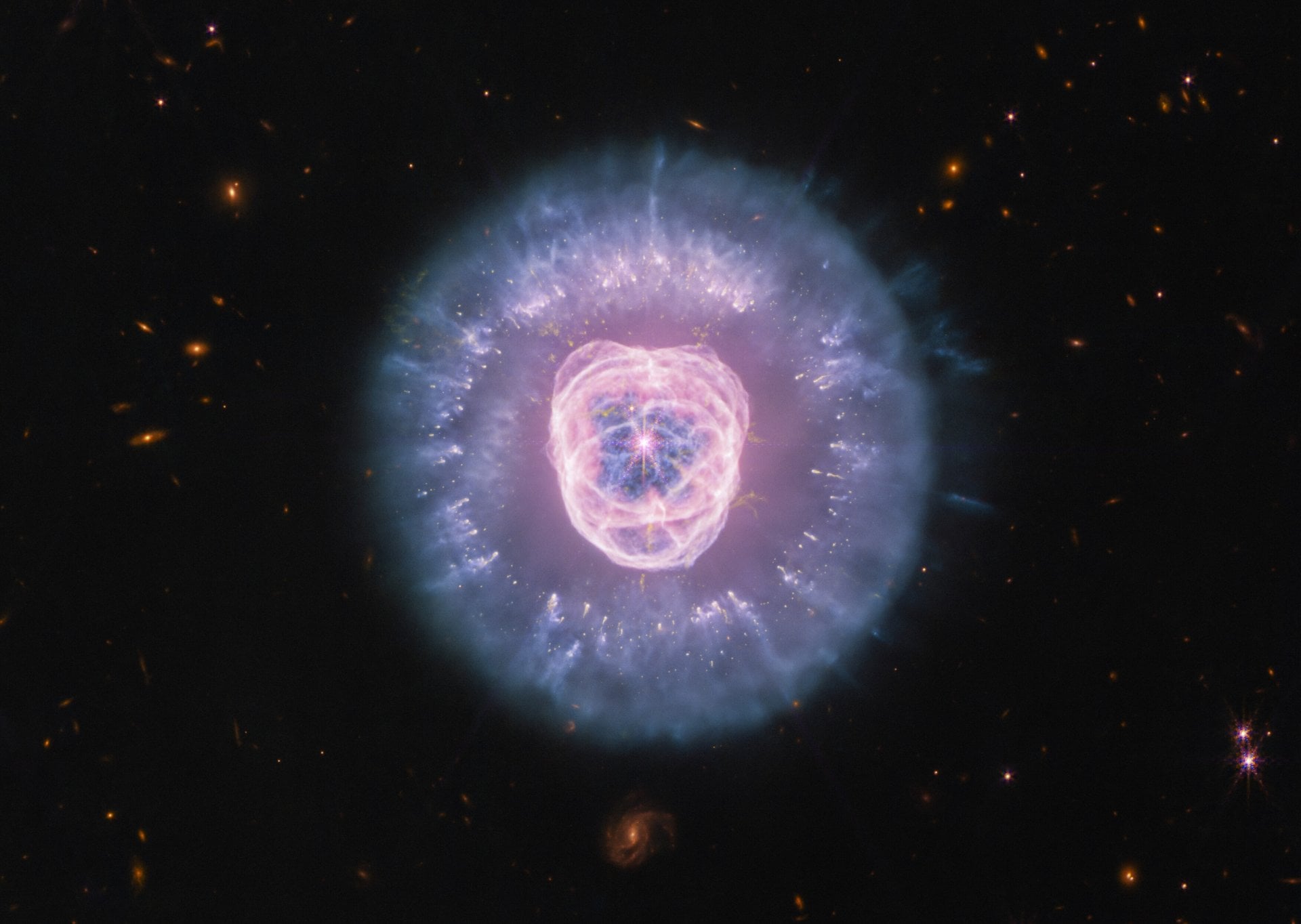
The NASA/ESA/CSA James Webb Space Telescope has captured images of NGC 2392 (also known as the Lion Nebula), which Hubble previously imaged in 2000.
Continue reading
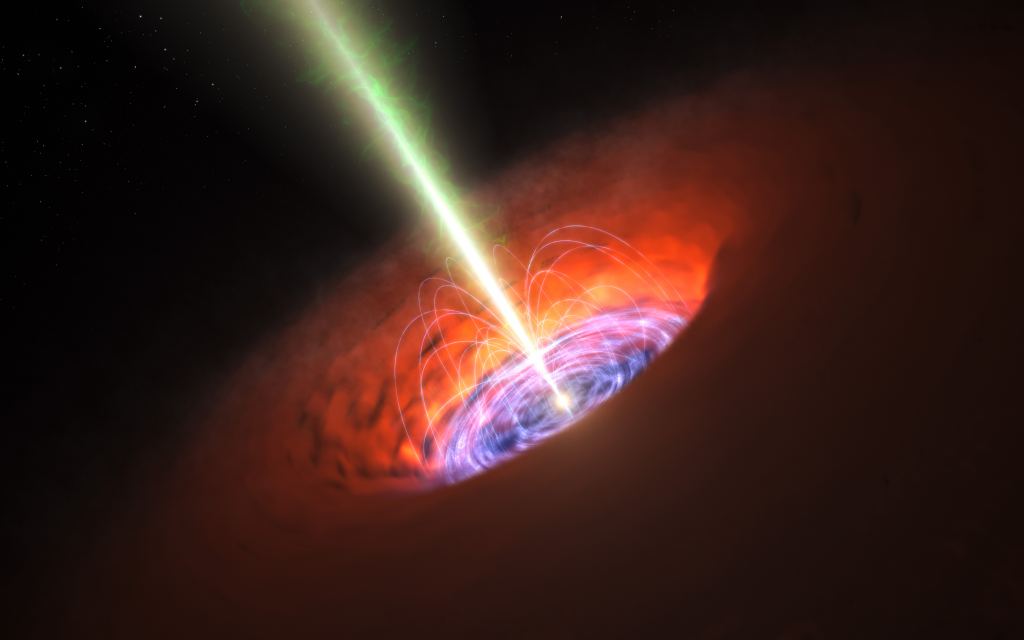
Black holes aren't just engines of inexorable destruction. They're complex regions of space and time, and under the right conditions, giant planets can form in their AGN disks.
Continue reading
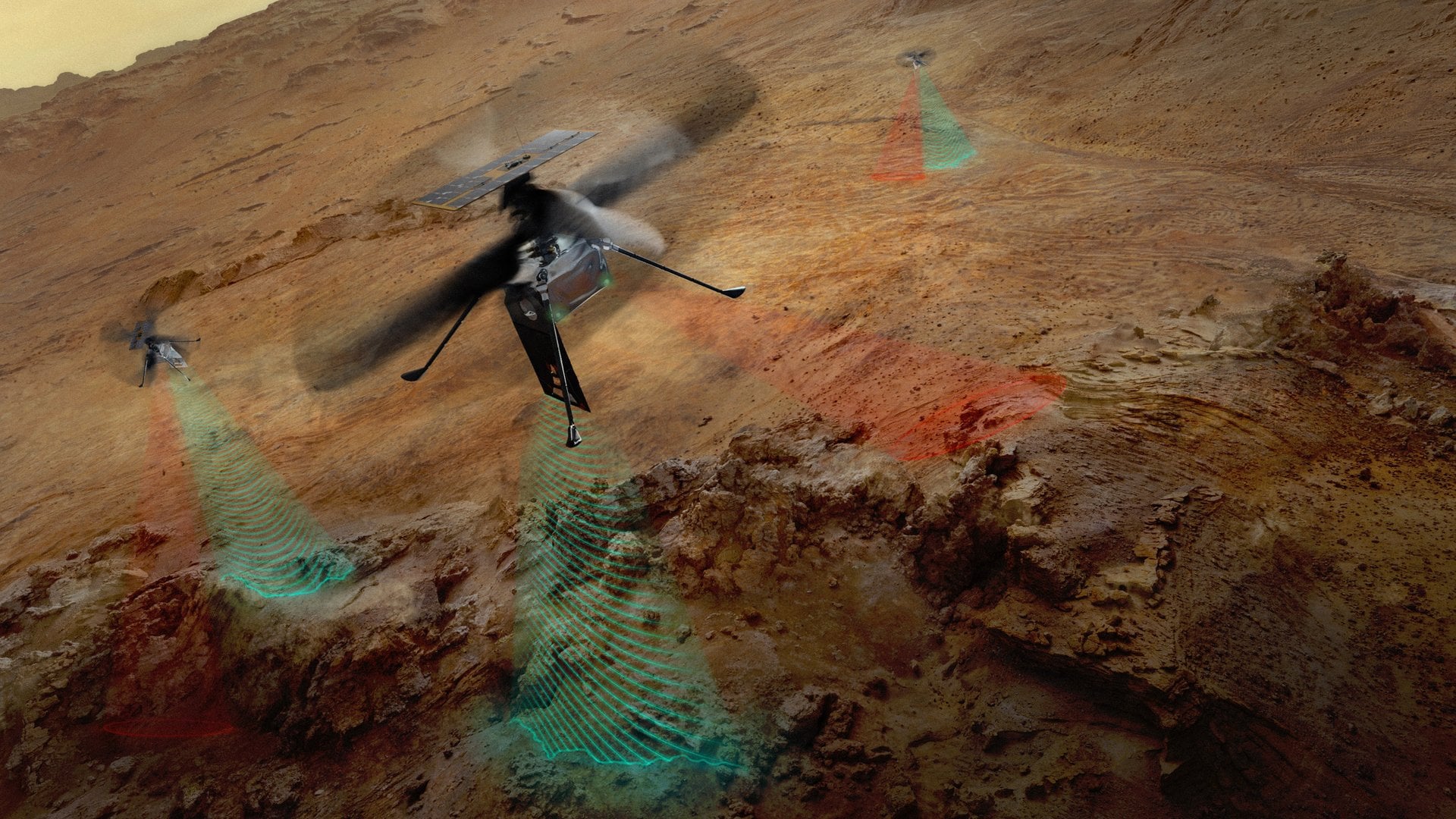
Engineers developed a unique fabric-based design for a ground-penetrating radar that will be a key instrument on NASA’s SkyFall Mars helicopters. The hardware will enable the SkyFall mission’s trio of planetary rotorcraft to use ground-penetrating radar to study the Martian subsurface.
Continue reading
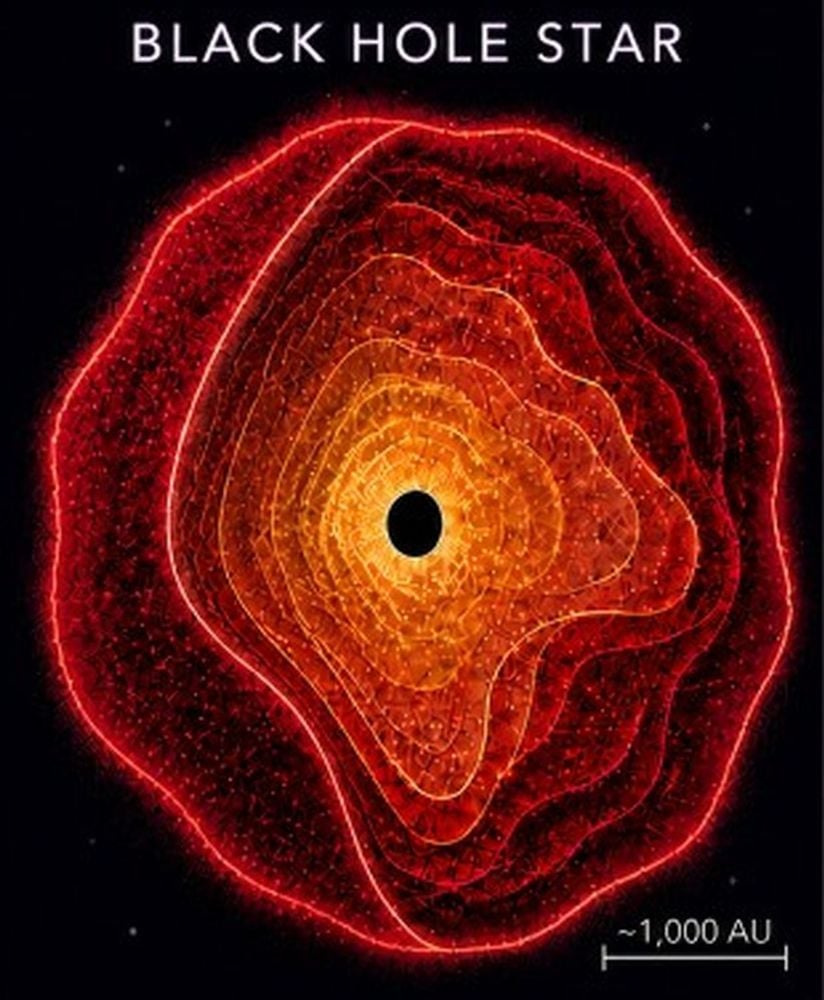
Little red dots have puzzled astronomers since their discovery in JWST data from the Universe’s deep past. Their ‘powering engines’ might resemble a newly discovered phenomenon dubbed a “black hole star”—an early, rapidly growing black hole wrapped in dense gas. This object, described in a study published today in Nature by researchers at the Institute of Science and Technology Austria (ISTA) and international collaborators, may help explain how billion-solar-mass black holes formed so soon after the Big Bang.
Continue reading
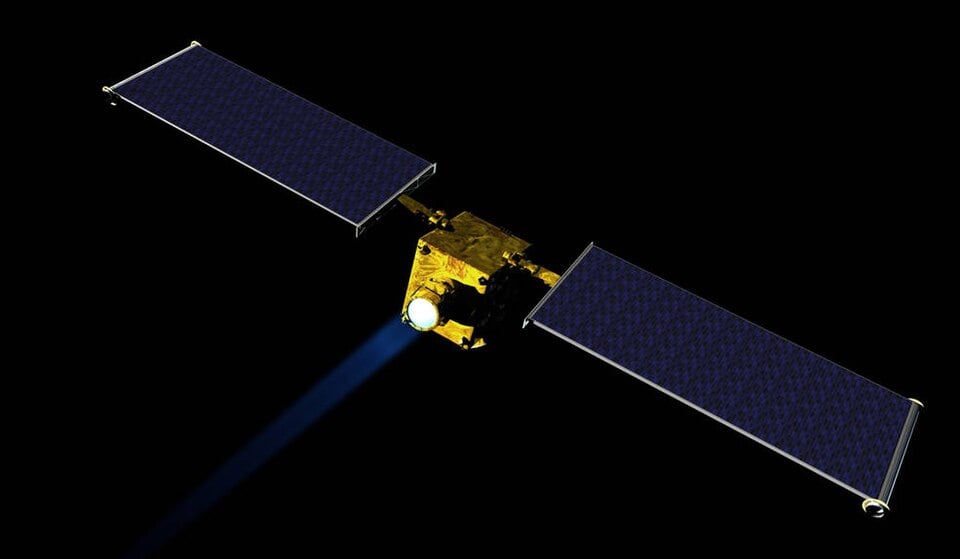
Readers of a certain age will remember a golden area of asteroid films, capstoned by two with very different endings. Deep Impact engrained the devastating consequences of letting a large piece of rock hit our planet, whereas Armageddon, though arguably the more kitschy of the two films, was an uplifting story about technical ingenuity and sacrifice. And now, the central crux of that movie’s storyline - essentially blasting an asteroid with a nuclear detonation - is taking center stage as our last line of defense against a potential Deep Impact scenario. A new paper from researchers at the China Academy of Launch Vehicle Technology, and published in Space: Science & Technology, describes two potential scenarios examining how we might actually be able to nuke a space rock - and whether it would actually save us.
Continue reading
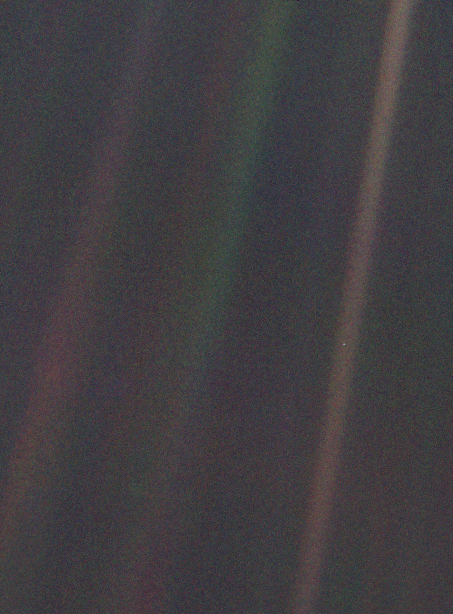
If an alien civilization could see Earth only as a single pale blue dot, what could they learn? We start with transit spectroscopy, the biosignature cocktail of oxygen, methane, ozone, and water, and why even the James Webb will struggle to find life.
Continue reading
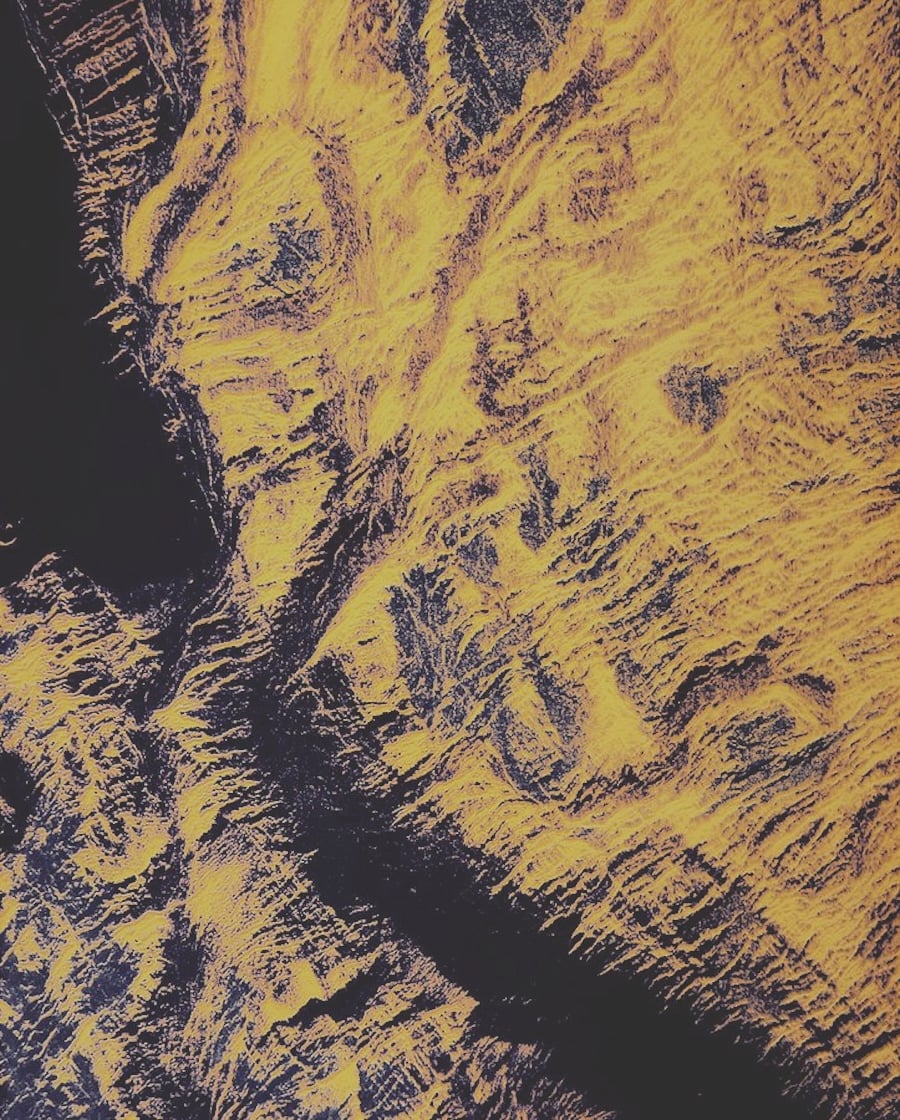
A new study warns that astronomers measuring the rotation of distant exoplanets may often be measuring atmospheric winds instead, since the clouds of Venus circle the planet roughly 60 times faster than Venus itself actually spins. Kane proposes using multi-wavelength observations to correct for this, work that will matter enormously once the European Space Agency's PLATO mission launches in 2027 and, researchers predict, discovers several hundred Venus like exoplanets.
Continue reading

New research shows that extreme space weather can significantly raise radiation exposure on commercial flights and increase electronic faults in aircraft systems. A severe 1956 scale solar storm could expose passengers to a year's worth of radiation in a single flight, and the researchers point to last year's Airbus A320 grounding, triggered by a solar radiation linked flight computer fault, as proof this isn't theoretical. To address the gap, the team has proposed a new aviation specific radiation scale designed to give airlines clearer, more reliable guidance on when to monitor, reroute, or ground flights during severe events.
Continue reading
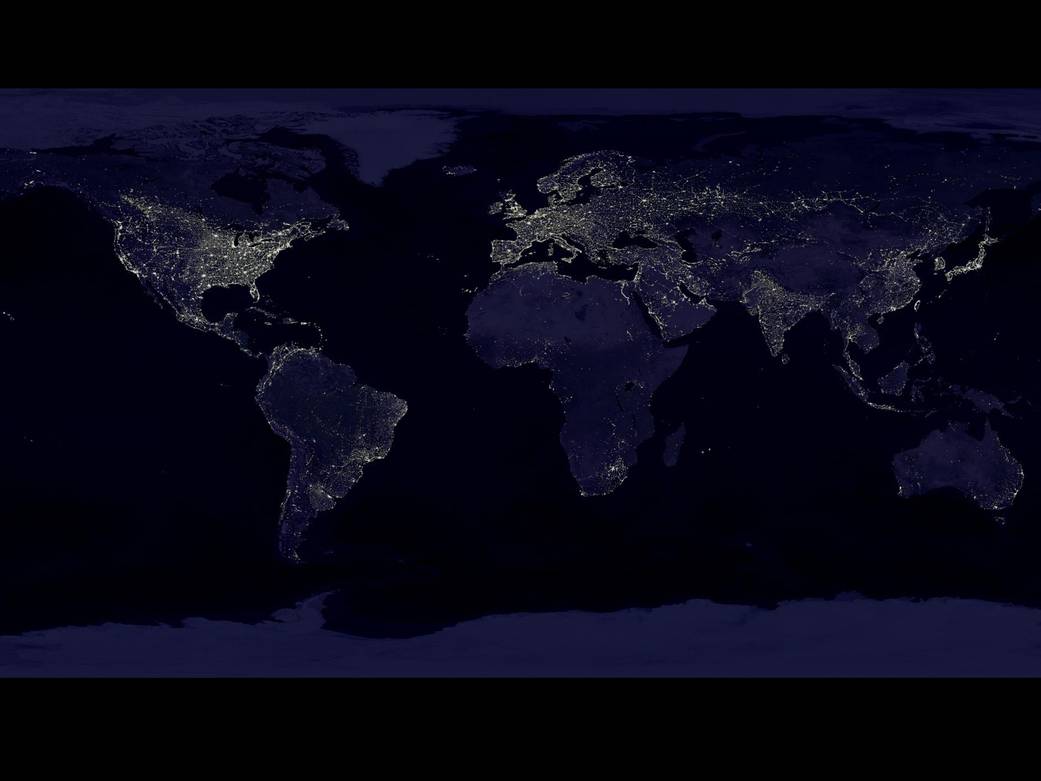
A new study modelling Reflect Orbital's proposed constellation of giant orbital mirrors finds their light pollution would be severe. A single 54 metre satellite would appear four magnitudes brighter than the full moon to anyone in its beam, and its scattered glow would outshine moonlight across the sky from 14 kilometres away, remaining visible from over 30 kilometres out. With the pilot satellite already approved by the FCC despite astronomer objections, and up to 50,000 mirrors planned by the mid-2030s, the research puts hard numbers on a fight over who controls the night sky, and who answers for what's lost when it disappears.
Continue reading
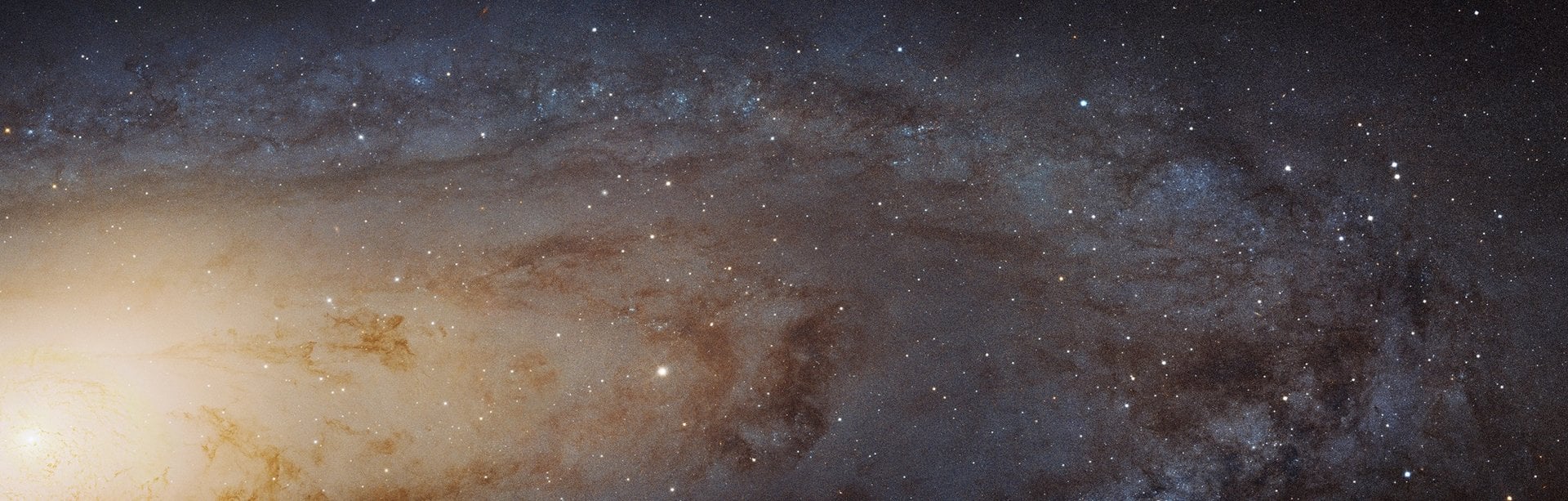
A team of scientists led by the University of Washington has studied how star formation is declining in the Andromeda galaxy using highly detailed Hubble surveys.
Continue reading
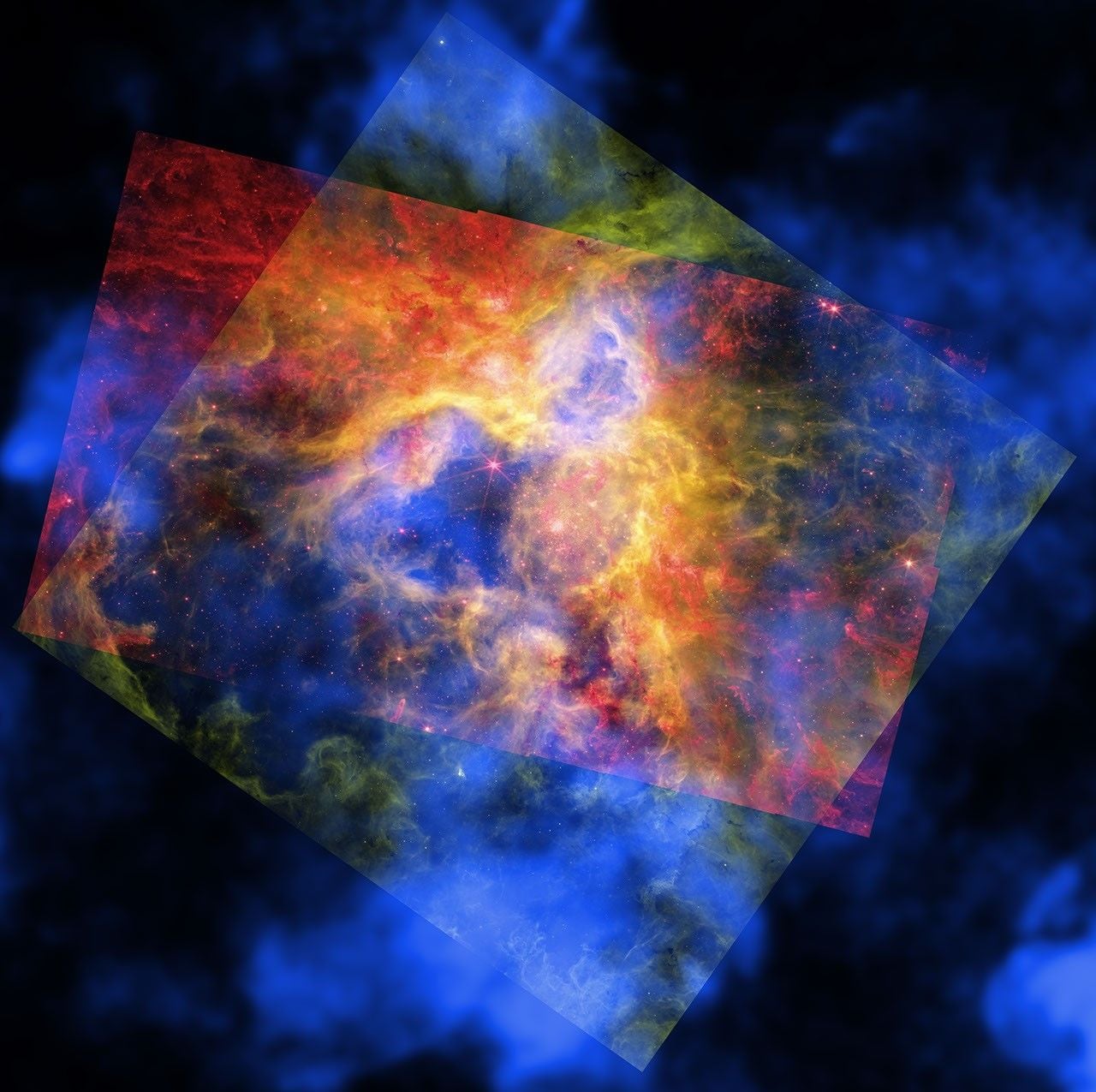
A new composite image combining data from Chandra, Hubble, Webb and the retired Spitzer telescope has helped astronomers solve a long standing puzzle in the Tarantula Nebula, a star forming region 160,000 light years away. Young, massive stars there should be heating enough gas to emit X-rays, but observations showed far less X-ray emission than predicted.
Continue reading
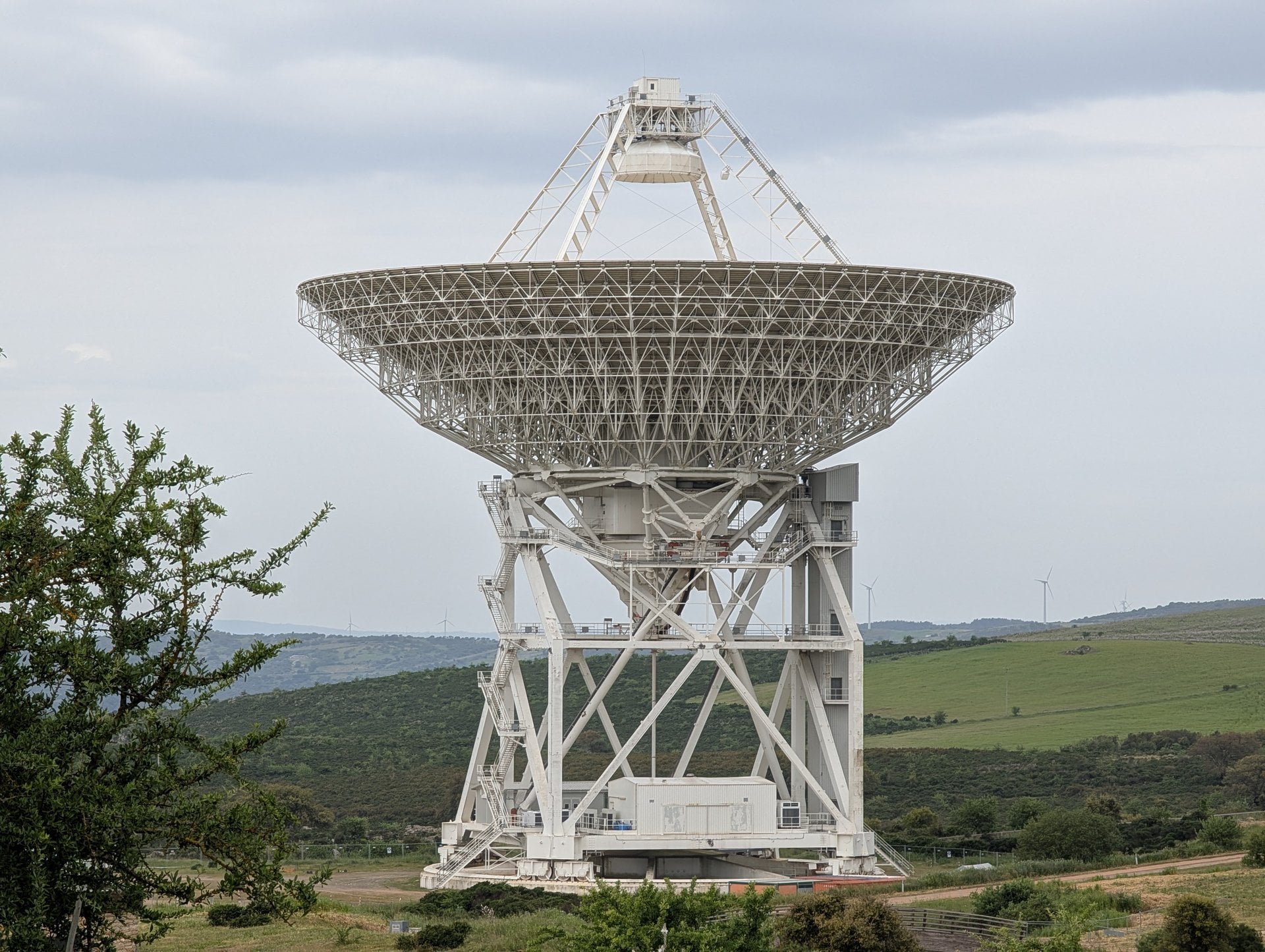
Largest Italian radio telescope located on an out of the way mountain plateau in southern Sardinia sheds light on the cosmos’ still misunderstood Fast Radio Bursts (FRBs).
Continue reading
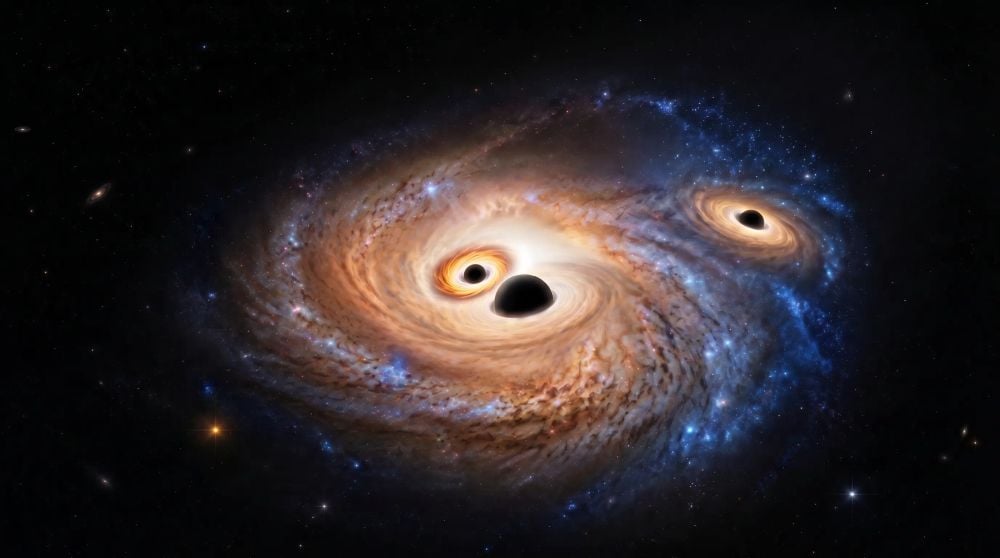
Astronomers working with the JWST have found a galaxy only 1.3 billion years after the Big Bang that contains three black holes. Two are close to the galaxy's center and will merge soon. The third is more distant, and is expected to merge much later. The discovery shows that black hole mergers were an important contributor to the masses of the SMBH we find in galaxies today.
Continue reading
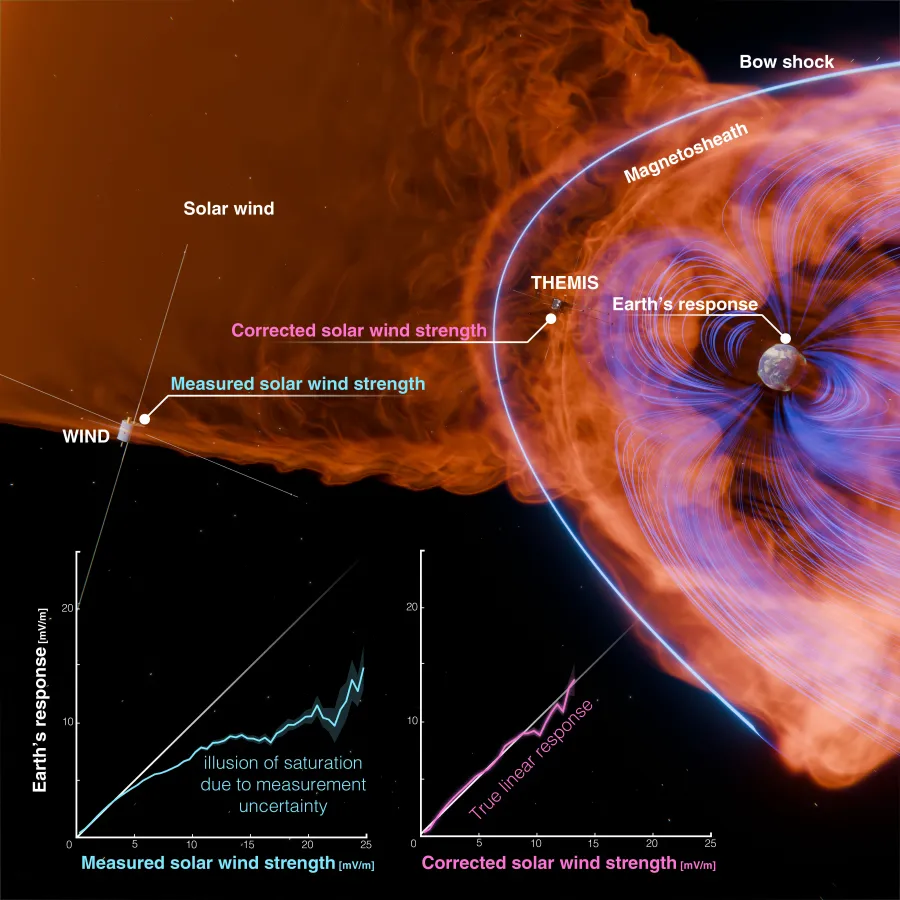
Science seems like a straightforward endeavour. You come up with a hypothesis, collect data to prove or disprove it, and analyze that data to see if the hypothesis is right. But anyone who actually does science will tell you many times it’s not that straightforward. And one of the most common complexities is in data analysis. A new paper suggests that one such complexity, known as regression to the mean, might be causing us to massively underestimate how severe solar storms can truly be.
Continue reading
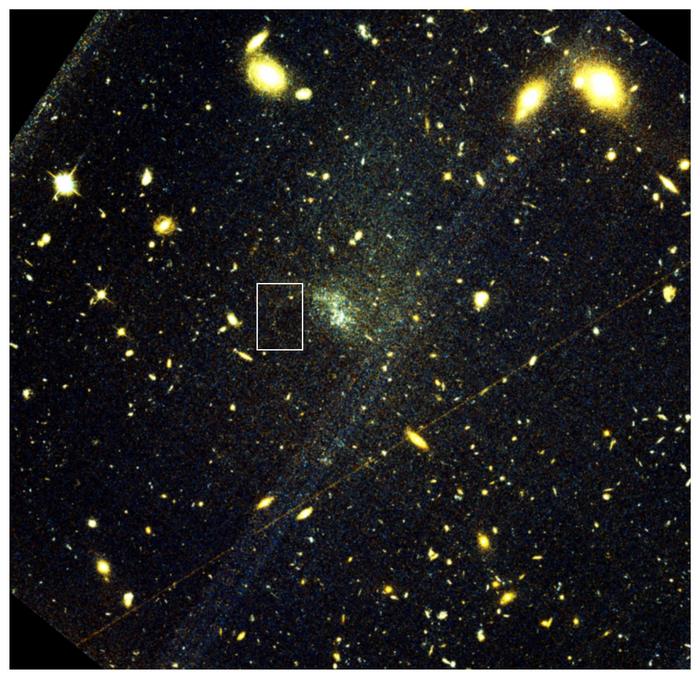
Scientists have discovered a rare star formation hidden in a distant galaxy, unlike anything seen before beyond the Milky Way. What’s more, the discovery offers a brand new way to measure the distribution of dark matter in distant galaxies.
Continue reading
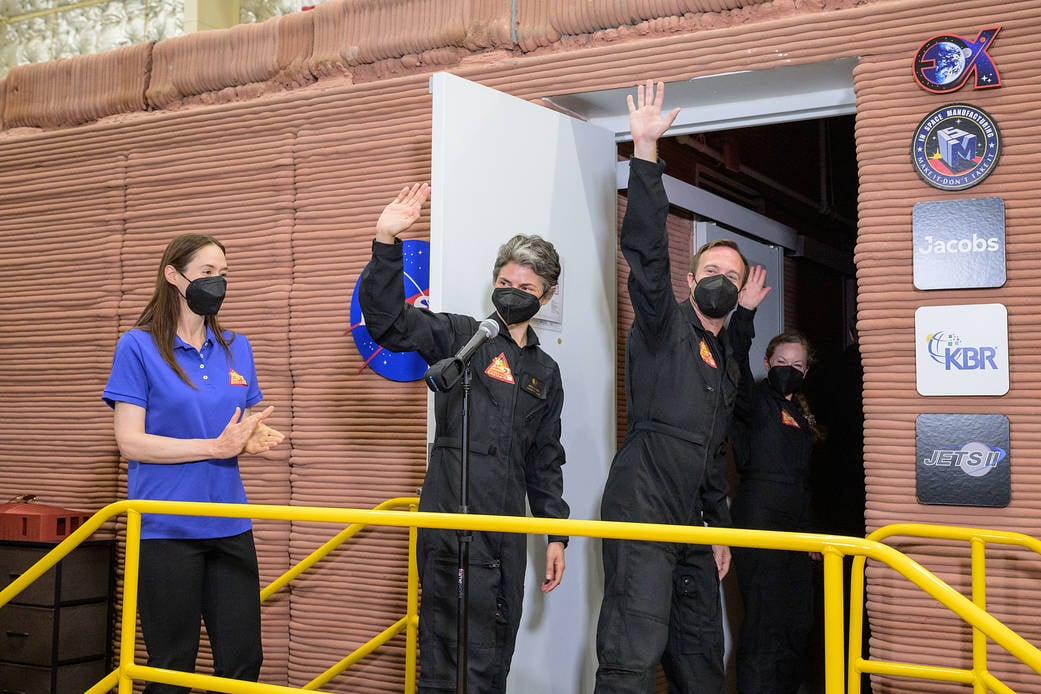
What does a home actually need to do for us, beyond keeping the weather out? Engineers at MIT have started mapping the answer for astronauts heading to the Moon and Mars, tracing exactly how the walls, layouts and lighting around a person shape their stress, their loneliness and their sense of belonging. It turns out the science of surviving a place and the science of living in one are not the same thing at all, and I have spent enough of the last year thinking about that difference to know how much it matters.
Continue reading
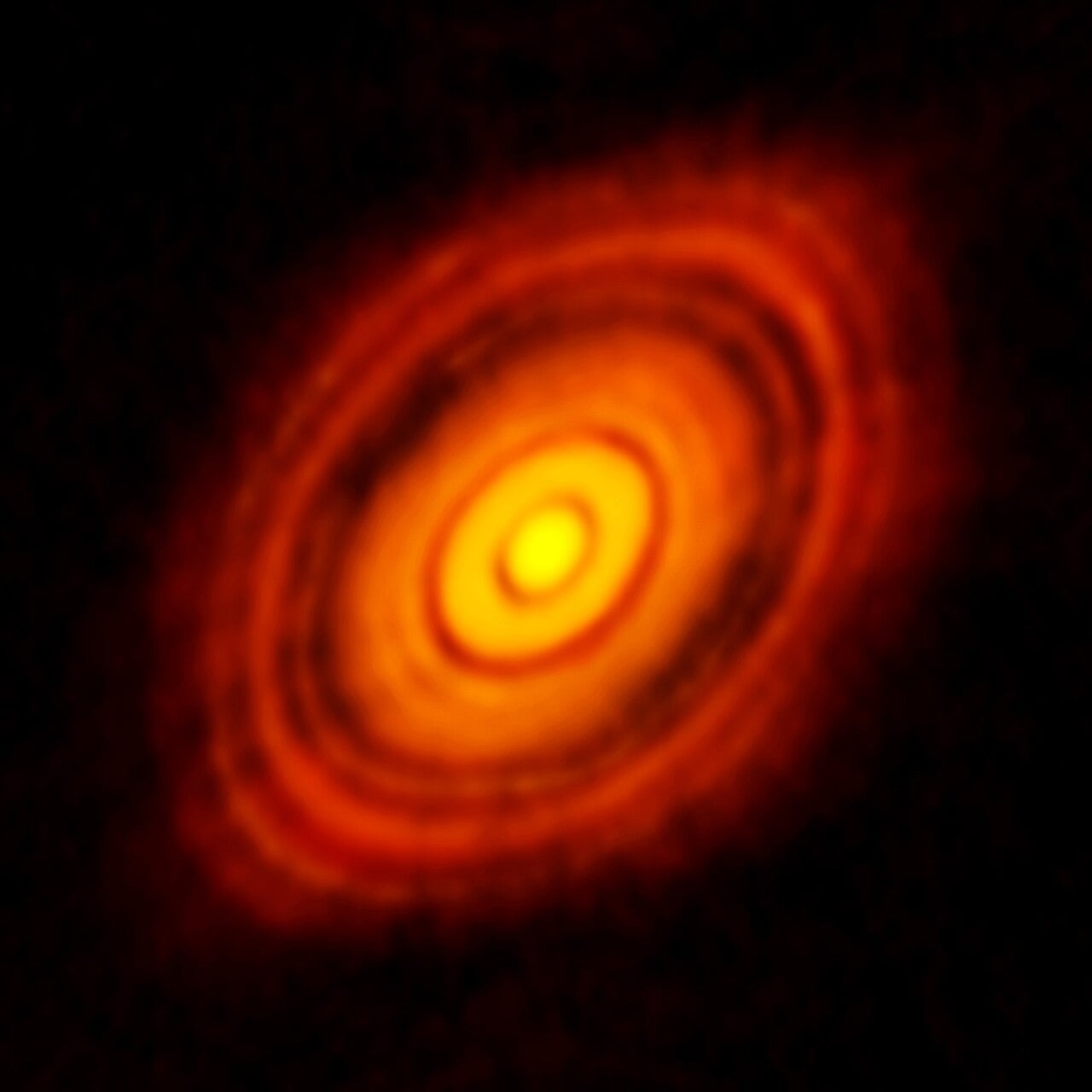
Planet building was supposed to be one of the universe's slow projects, something that only got going billions of years after the Big Bang. New research suggests otherwise. The raw materials for rocky worlds, and perhaps even the water needed for life, may have been ready to go just 100 million years after the Big Bang, long before the first galaxies had even taken shape.
Continue reading
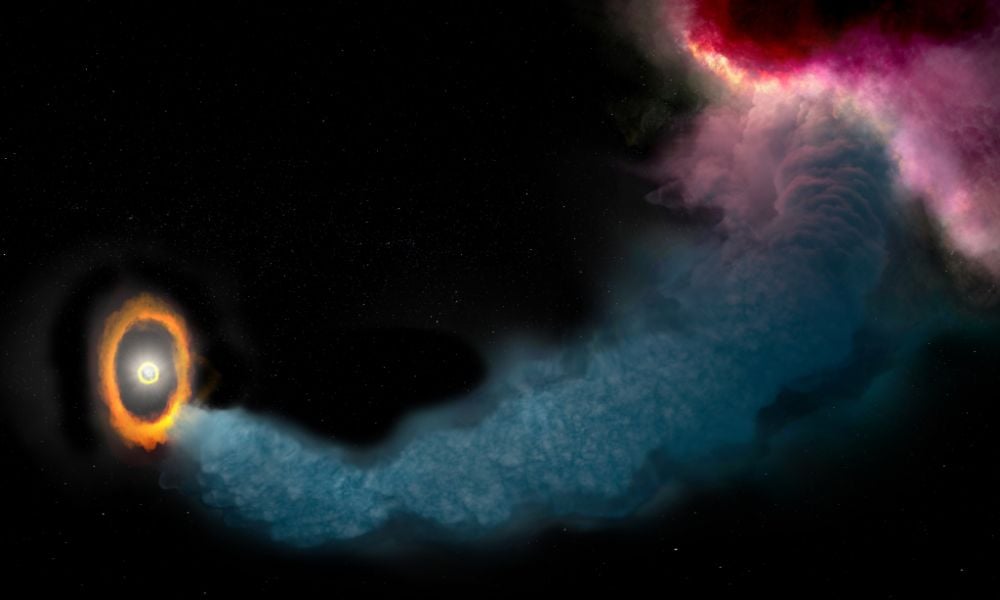
Astronomers found evidence that a giant stream of gas flowing into the GW Orionis young triple-star system may have tilted its planet-forming disk, offering a new explanation for why some planetary systems are misaligned. The next step is to search for shock fronts in the system, and to search for more of these massive streams of gas in other systems.
Continue reading
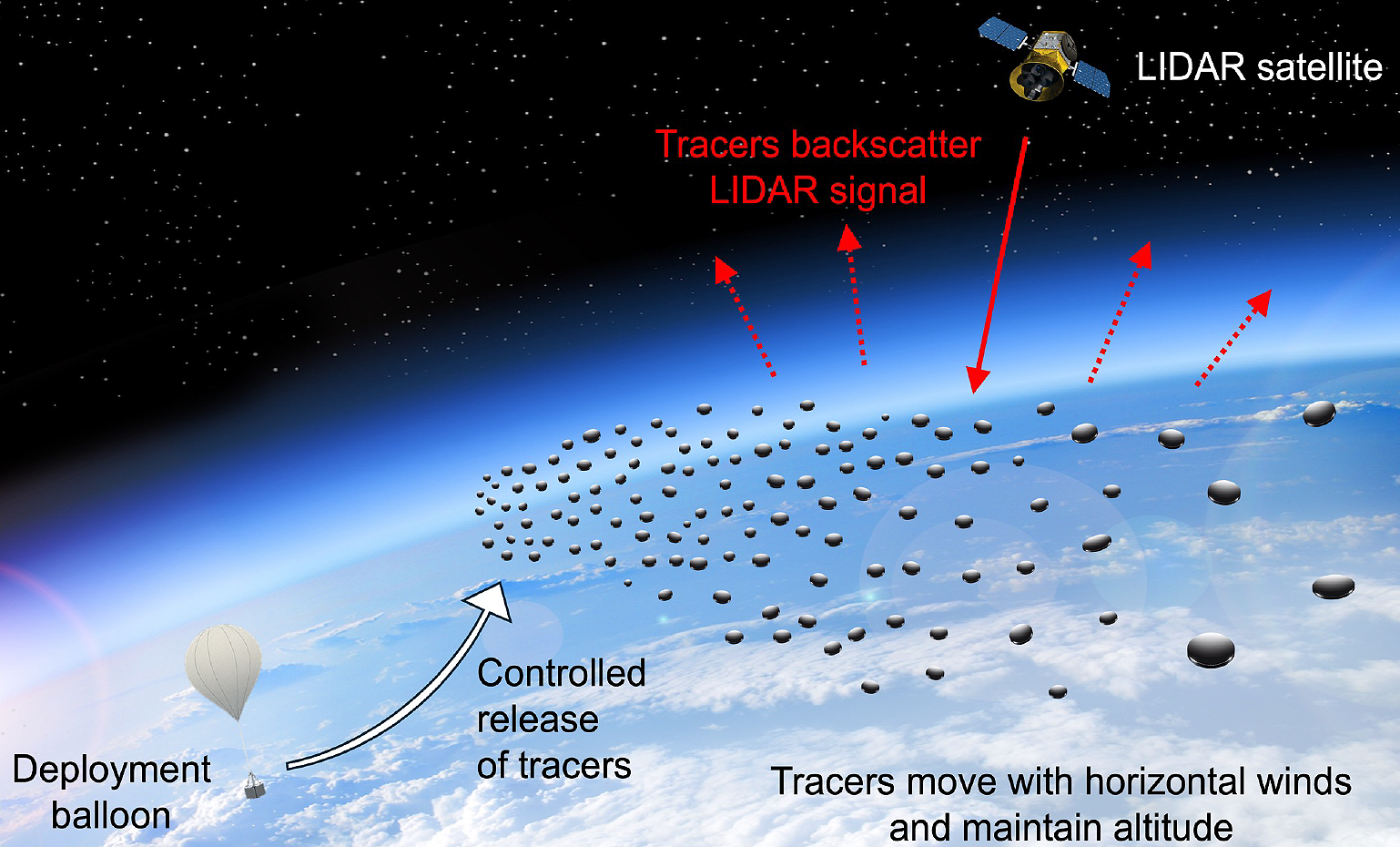
The atmospheric is a dynamic place, and just how well we understand that dynamism depends on what part of the atmosphere it is. Low altitudes can be reached by traditional balloons, with full suites of sensing equipment. Higher reaches are the domain of satellites, with their zippy orbits allowing them to travel through the less dense regions. But there a section scientists call the “ignorosphere”, between 30-100 kilometers up that still plays a major role in global climate dynamics, but which are only able to reach with temporary sounding rockets that only collect data for a few minutes before falling back to Earth. But a new technology from Benjamin Schafer of Rarefied Technologies that received a NASA Innovative Advanced Concepts (NIAC) grant hopes to solve that problem by inserting a fleet of sensors that can float in that area for months, while providing insight to these hard-to-capture long-term patterns that influence weather everywhere on the globe.
Continue reading
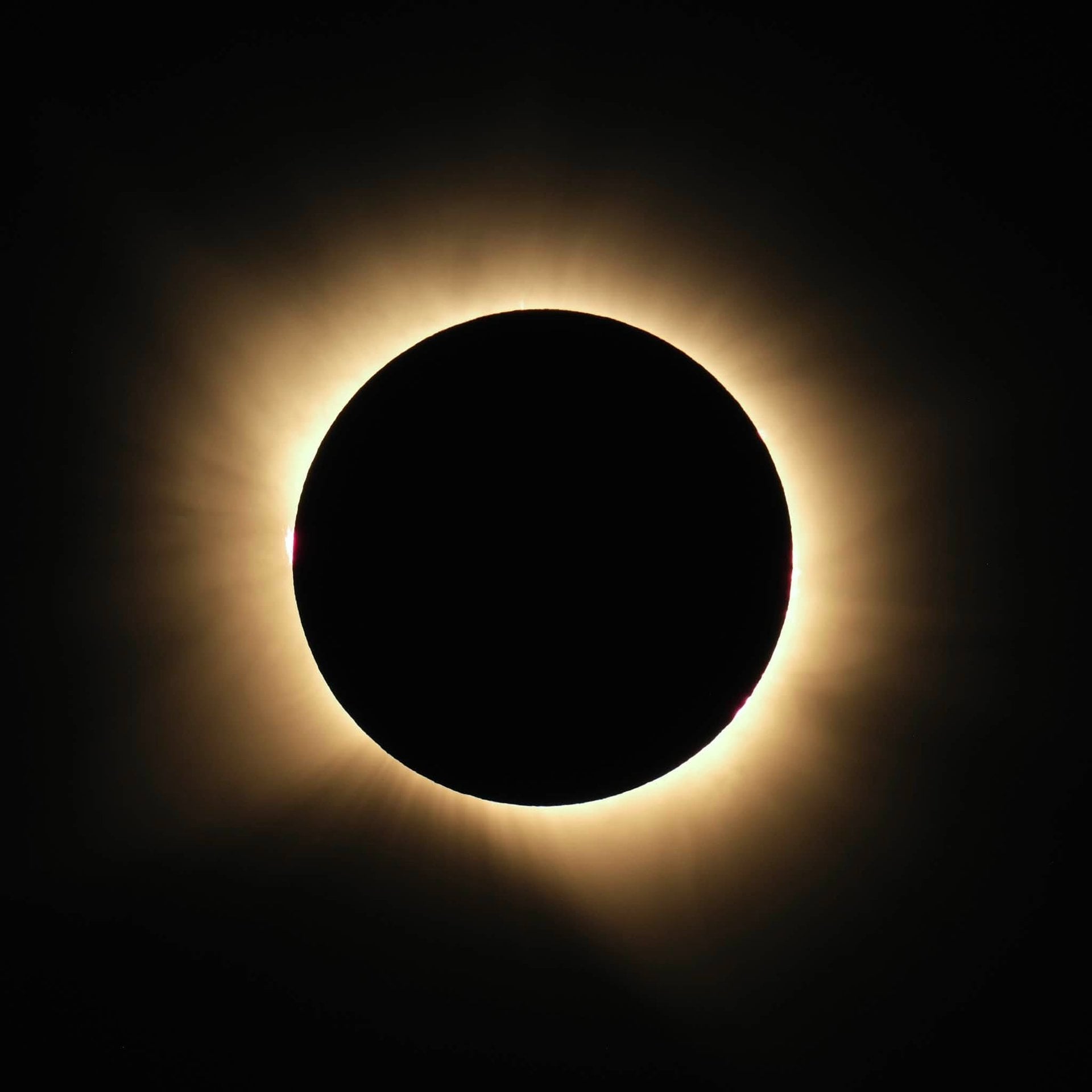
It was an eclipse for the ages. This past week, many an eclipse chaser and the ‘eclipse curious’ made the journey to stand in the shadow of the Moon, for the only total solar eclipse of 2026. Viewers across northeastern Spain had thrilling views of a low to the horizon eclipse at sunset, while viewers to the north and across Iceland had dicier, cloudy skies to contend with. Here are amazing reader views of the eclipse, along with a few special ones from space.
Continue reading
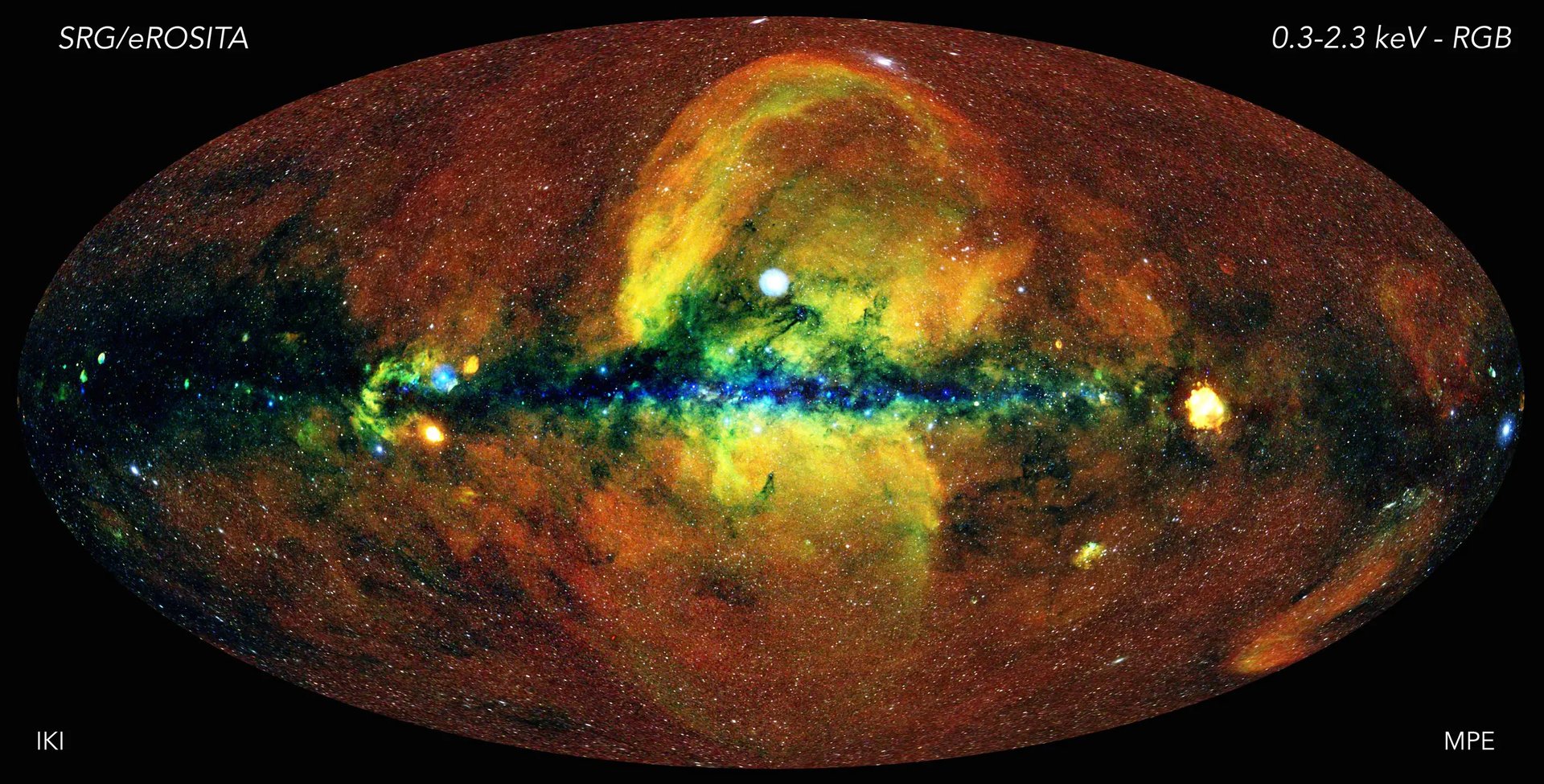
The eROSITA telescope has released its second great catalogue of the X-ray sky with close to two million sources across half the sky, roughly double what it published before. Buried in it is a result from Bonn that matters more than the headline number. A team there went after the faintest part of a massive galaxy cluster, the outer region where fresh material is still arriving along threads of gas stretching between clusters. Nobody had measured that emission before. The gas turns out to be hotter, denser and poorer in heavy elements than the models say it should be.
Continue reading
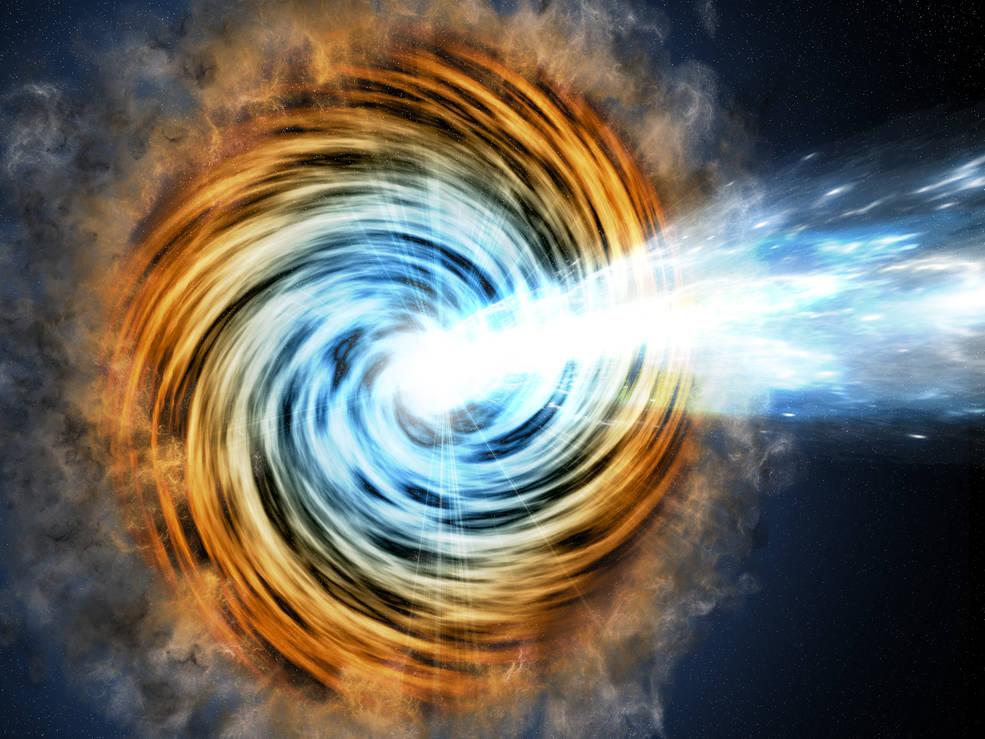
Blazars are galaxies with a jet aimed almost directly at us, and they flicker across every part of the spectrum at once. Almost everything we think we know about them comes from short observing campaigns just a handful of days, every year or two, in one narrow band of energy. A Polish and German team has now done the opposite, following a single blazar for nearly twenty years with two orbiting observatories and in two observations from 2012 they found something in the spectrum that nobody had predicted.
Continue reading
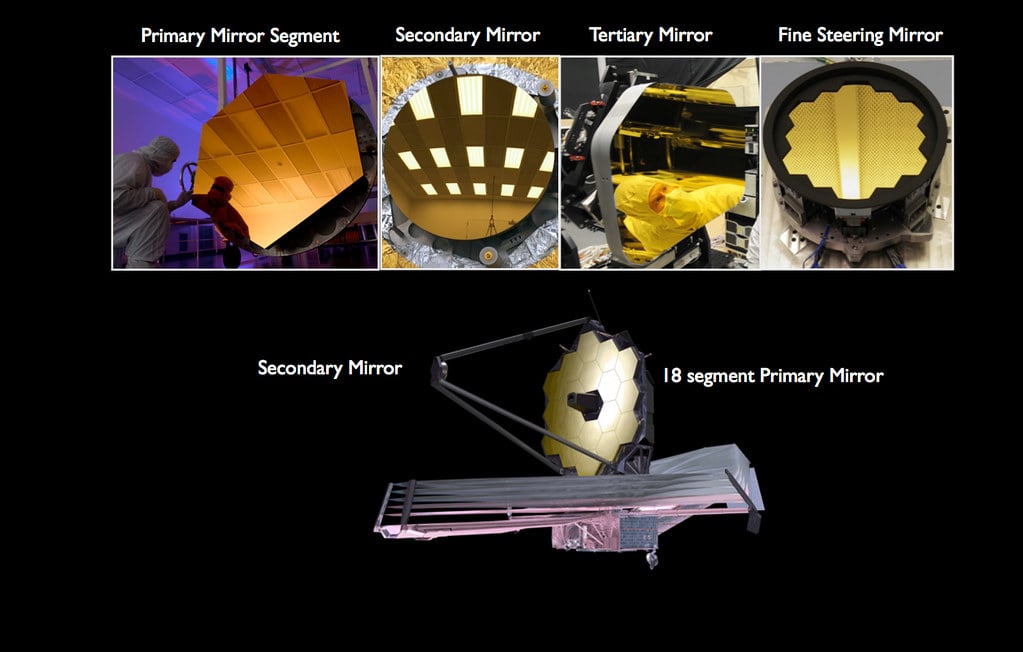
Reading the atmosphere of another world means catching starlight as it filters through that planet's air during a transit. The signal is about one part in a million and a true Earth twin transits only once a year, so you cannot simply repeat the measurement until the noise averages away. Each attempt has to work on its own. A team led from Shanghai has proposed the alternative to building an impossibly large mirror in space - nine hundred, one metre telescopes, flying together, watching the same transit and analysing the light together.
Continue reading
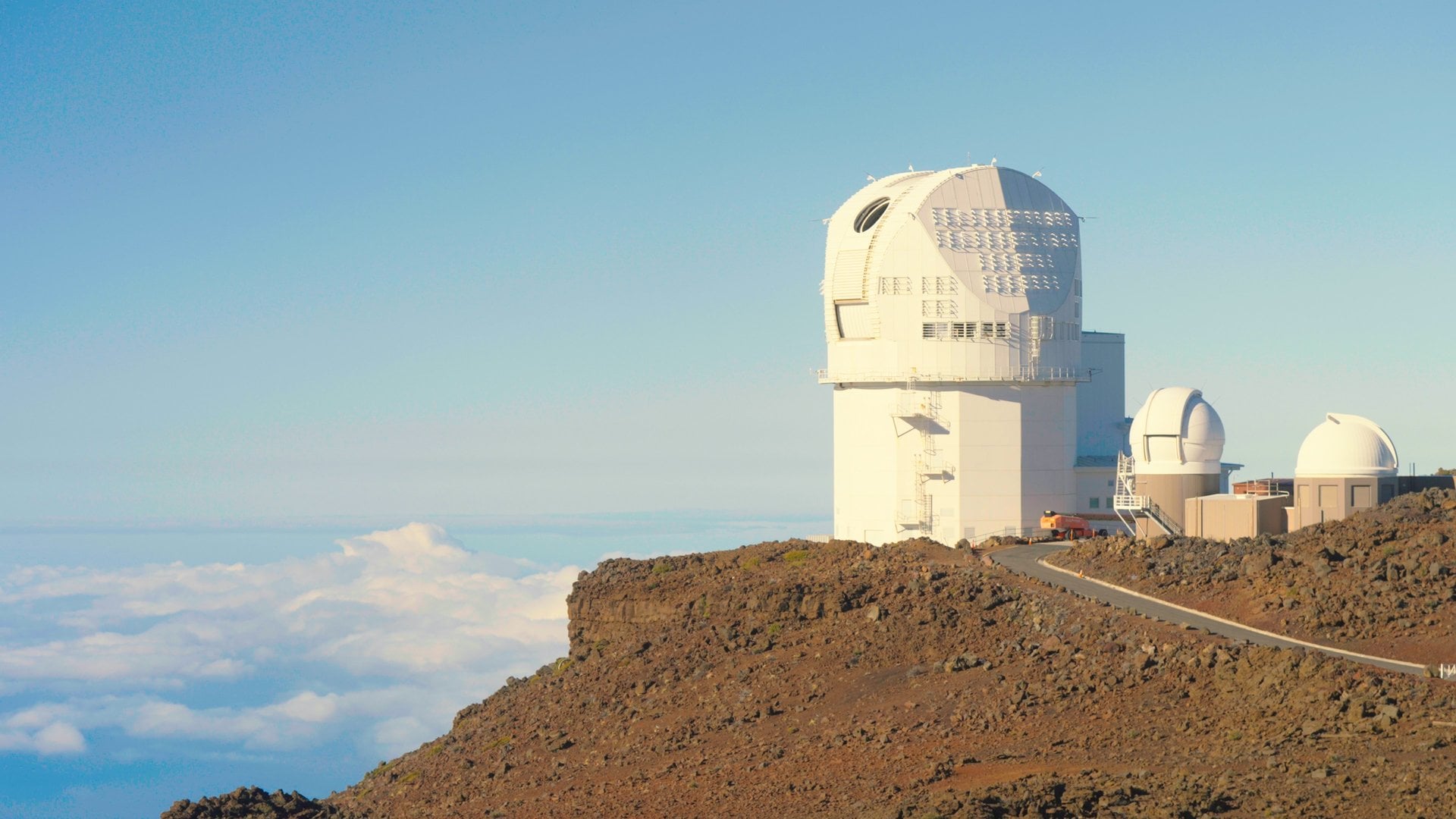
Scientists using the Daniel K. Inouye Solar Telescope (DKIST) in Hawai'i have found a mechanism occurring on the Sun's surface that they think is heating our star's outer atmosphere. The process, called a Kelvin-Helmholtz Instability (KHI), could well be the root cause of a phenomenon called flux braiding that builds up and moves around on the Sun and heats the coronasphere. This discovery may well also explain the fundamental physics of similar activity at other stars.
Continue reading
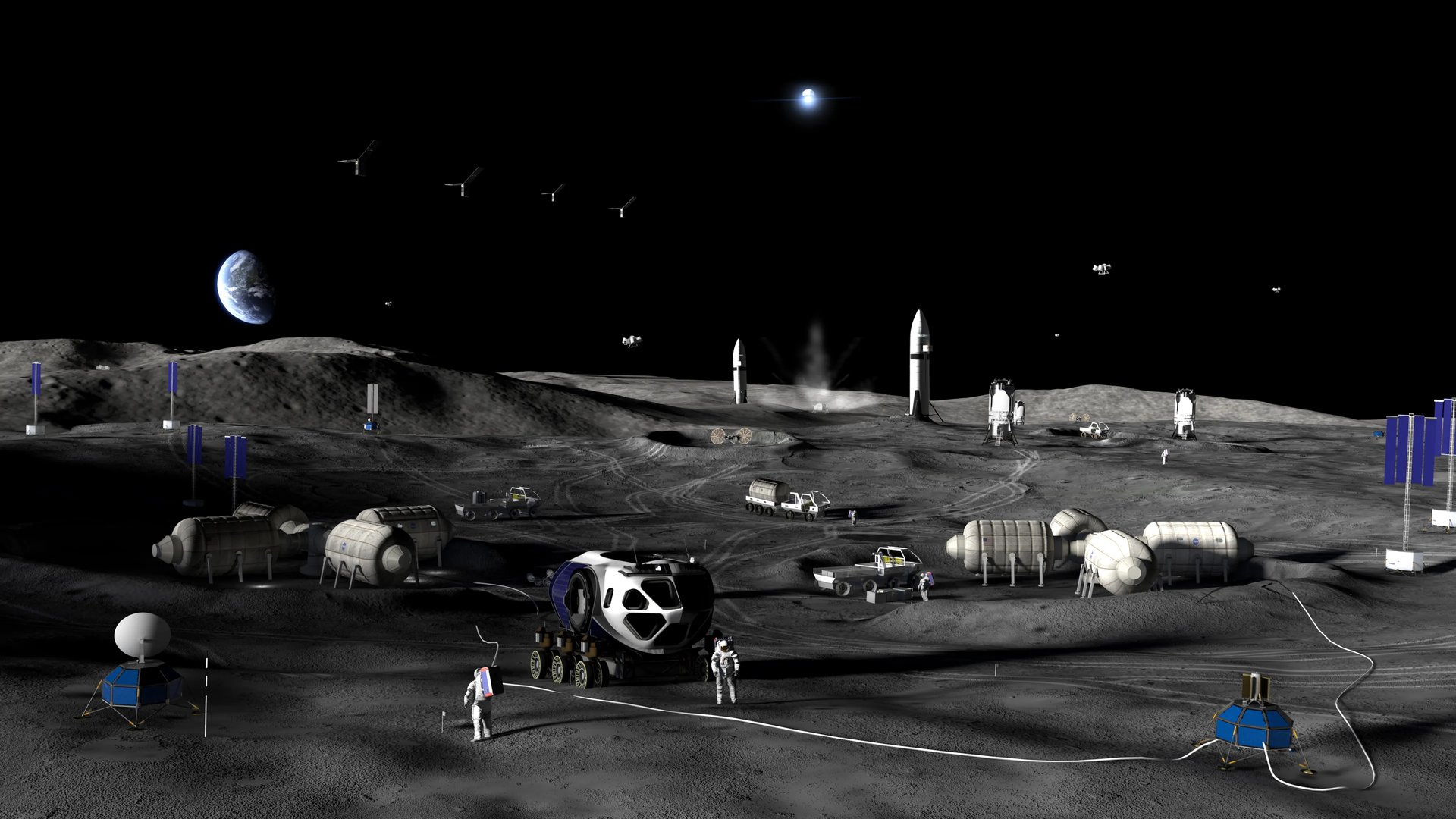
The surface of the Moon is a bleak and forbidding place that might be hiding a lot of water ice on and under the dusty landscape. However, most possible ice deposits don't just stand out in an image. You need specialized mapping to find traces of water ice. So, scientists have devised another way to find the Moon's frosty hidden reserves. They use seismic waves from moonquakes as locator beacons.
Continue reading
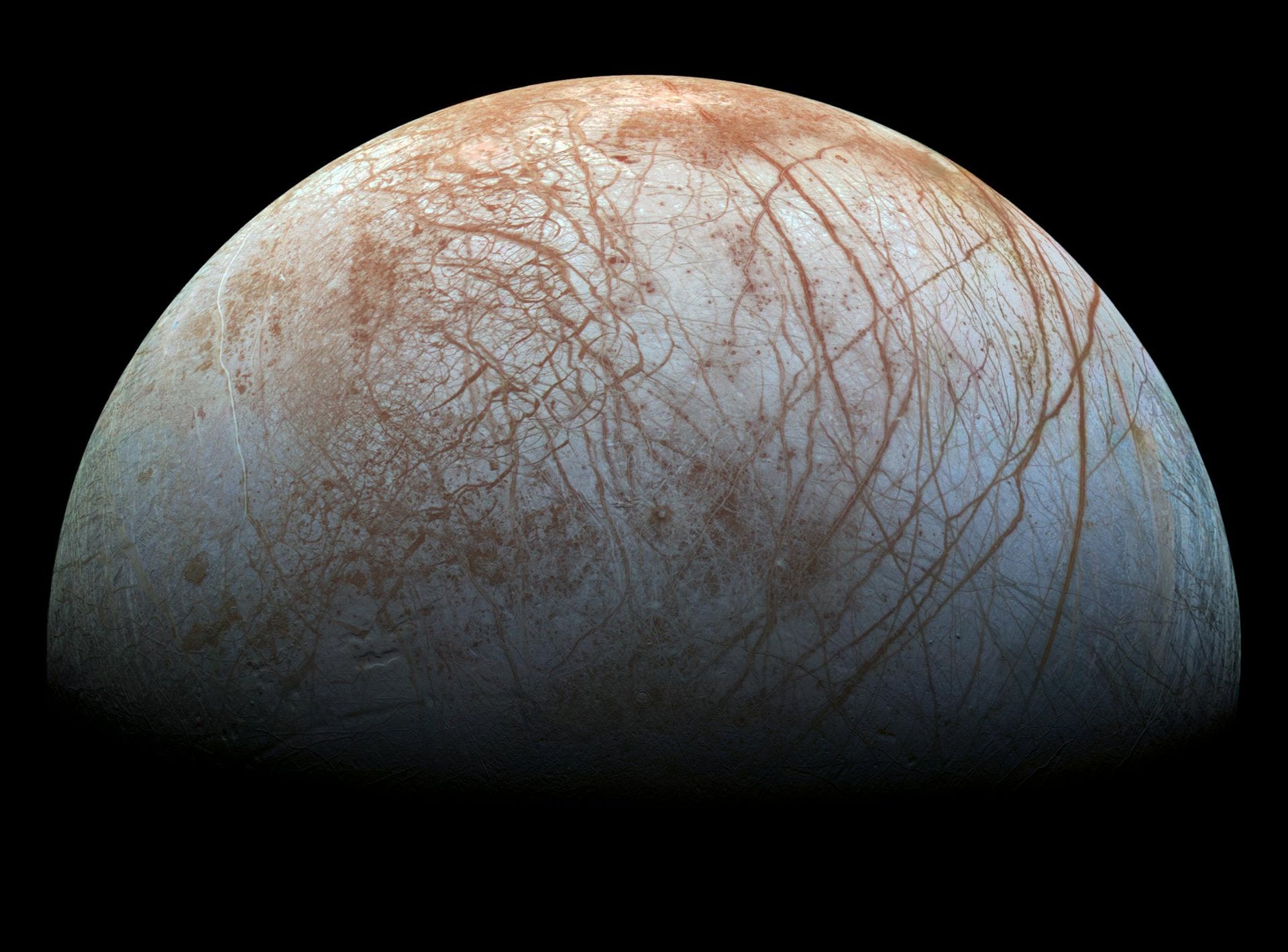
Lujendra Ojha, a planetary scientist, led a study suggesting that Europa’s icy shell may be a stronger barrier between the moon’s hidden ocean and its surface than previously thought.
Continue reading
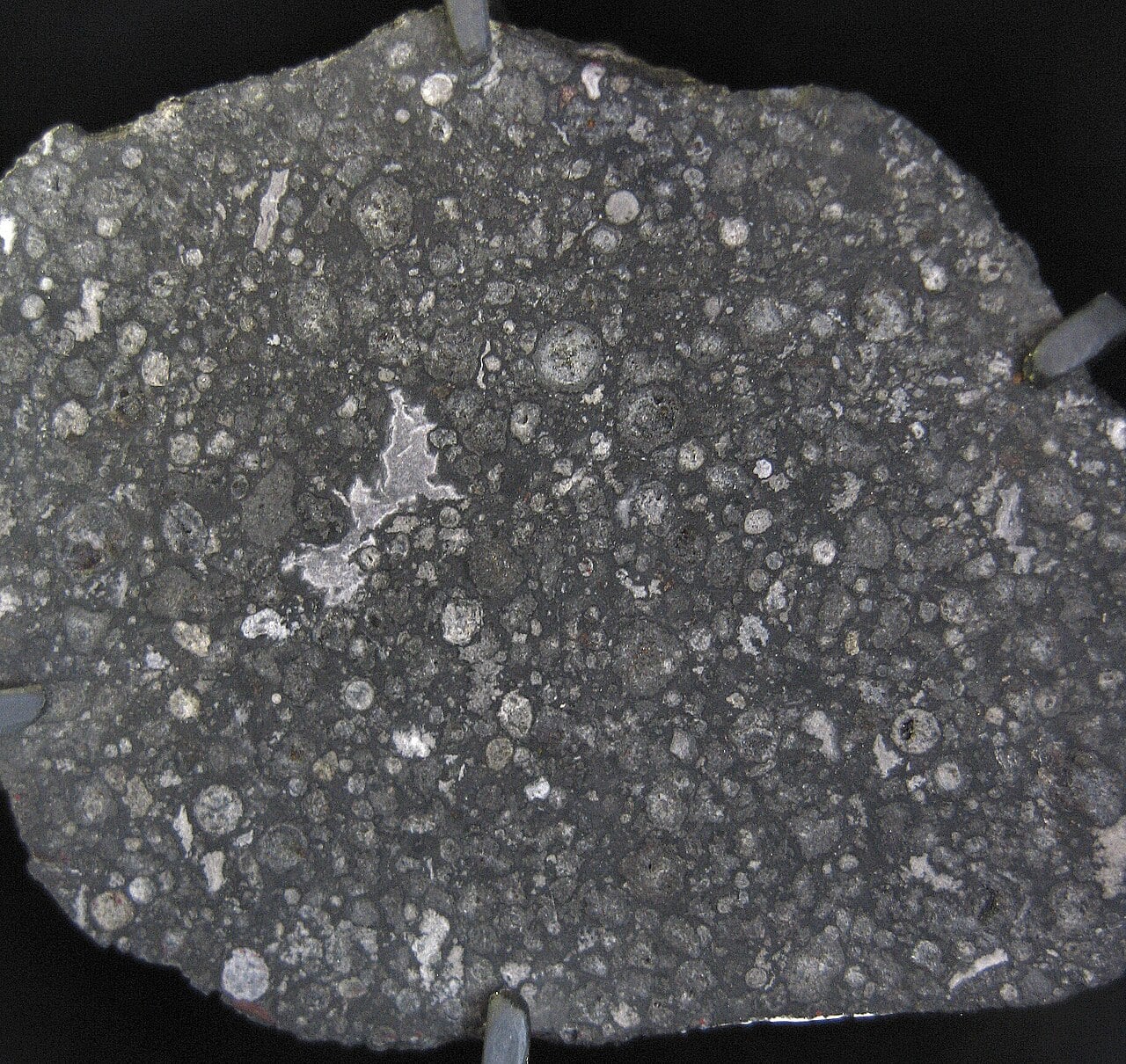
A snowflake cannot form out of nothing. Water vapour will sit in the air quite happily, supercooled and reluctant, until it finds a speck of dust to build on and then it crystallises around it. Cosmochemists have had a version of that problem for decades. The early Solar System was a furnace of gas, and the first solid grains had to condense out of it somehow, yet condensing from a perfectly uniform gas is slow and difficult work. New research from Caltech, analysing fragments of a meteorite that fell over Mexico in 1969, suggests the seeds were already there. Buried inside the oldest solids we possess are specks of stardust from a star that lived and died before the Sun existed.
Continue reading
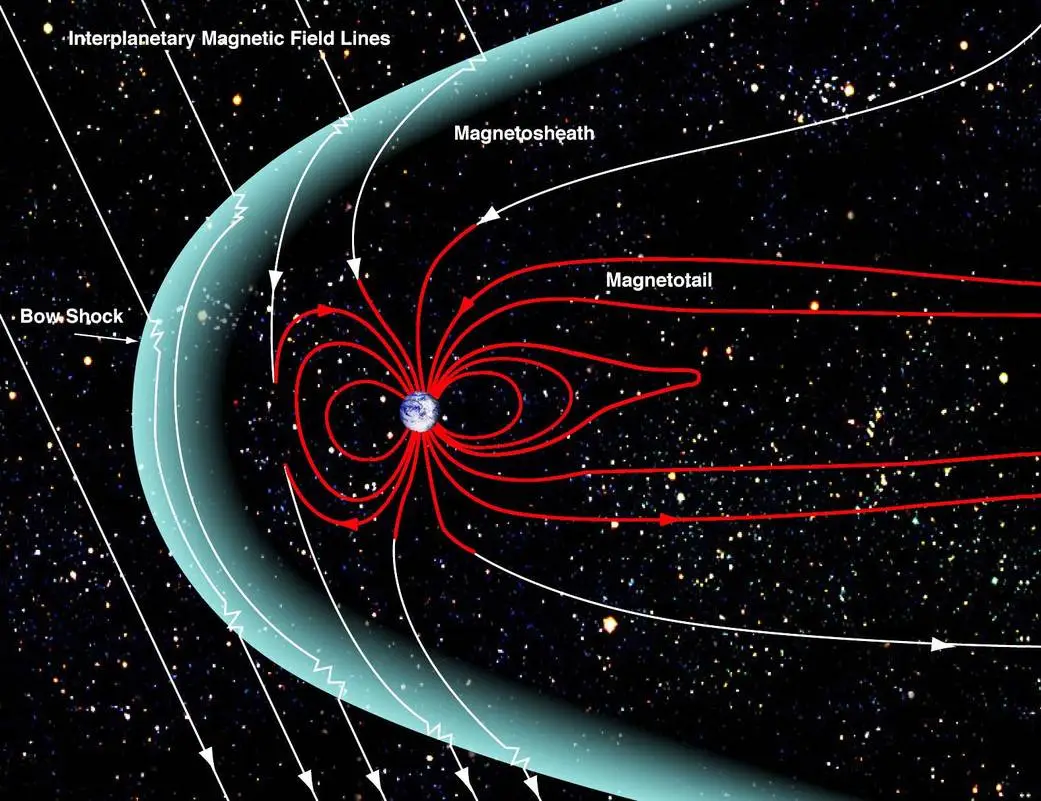
Hunting for dark matter usually means building something enormous and burying it — a tank of liquid xenon in a mine, a magnet the size of a lorry, decades of engineering and a great deal of money. A team in Japan have just done it differently. They realised that the Earth's own magnetic field is larger than any magnet we could ever construct, and that the gap between the ground and the ionosphere behaves as a natural resonating cavity, ringing at around eight cycles per second. If dark matter is what some theorists suspect, it should leave a faint hum in that cavity. So they went looking, not with a new instrument, but in ten years of geomagnetic readings already recorded at a quiet observatory in Dumfriesshire in Scotland.
Continue reading
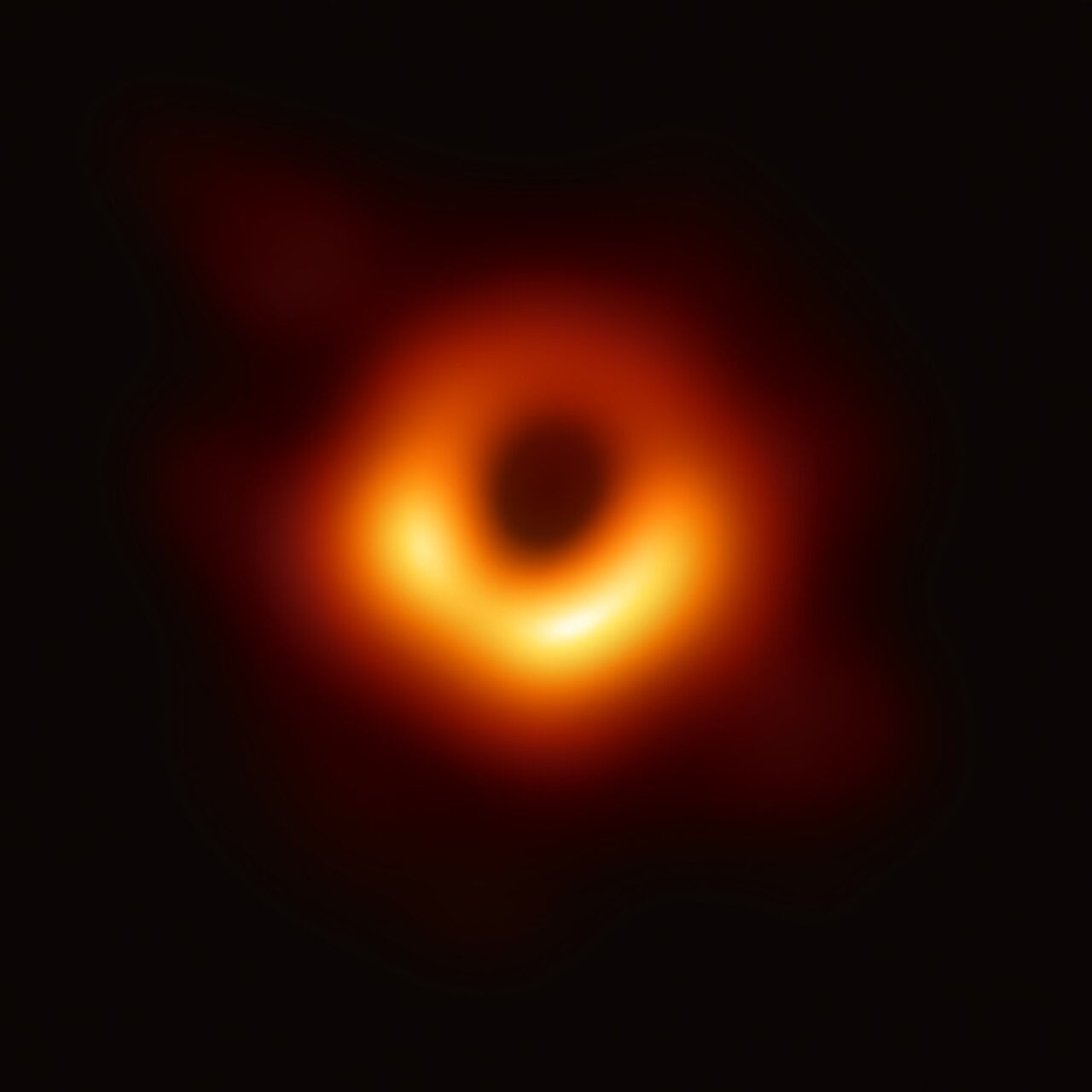
Ask what lies inside a black hole and the honest answer has always been a bit of a shrug and something about a singularity, a point where density becomes infinite and physics stops being able to tell you anything at all. It is the most unsatisfying answer in astrophysics, second only perhaps to what happened before the Big Bang. Now two theorists in China have produced a solution in which something else sits inside the horizon entirely, a neutron star, whole and intact, twelve kilometres across, its interior perfectly well behaved and apparently defying the laws of physics.
Continue reading
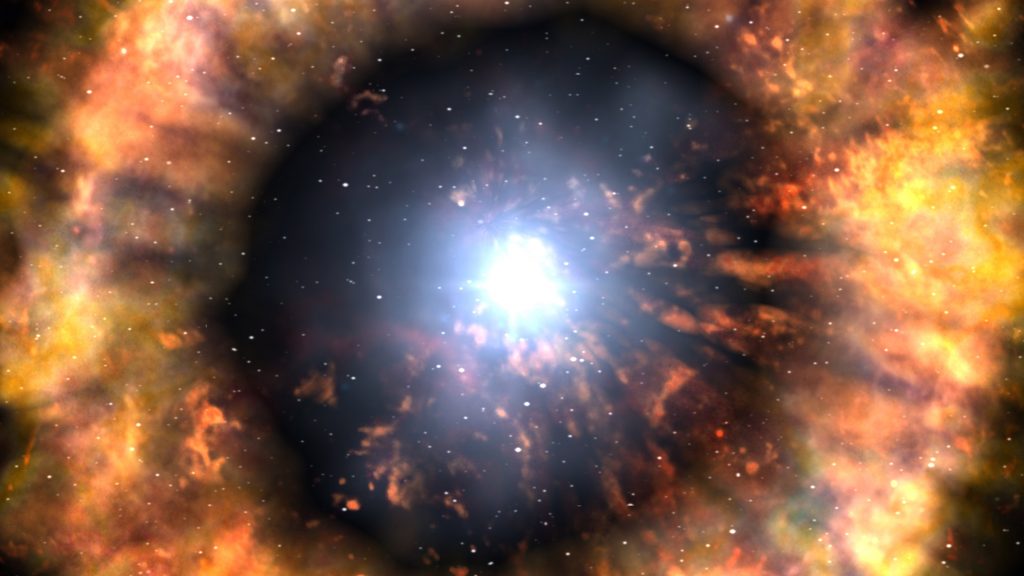
Astronomers were fortunate when the Einstein Probe detected the difficult-to-observe initial shock break out (SBO) from a supernova. The SBO is the first electromagnetic indication that a star is going to explode, and by observing it and the aftermath, researchers were able to determine what type of progenitor star exploded, and what it's pre-explosion environment was like.
Continue reading
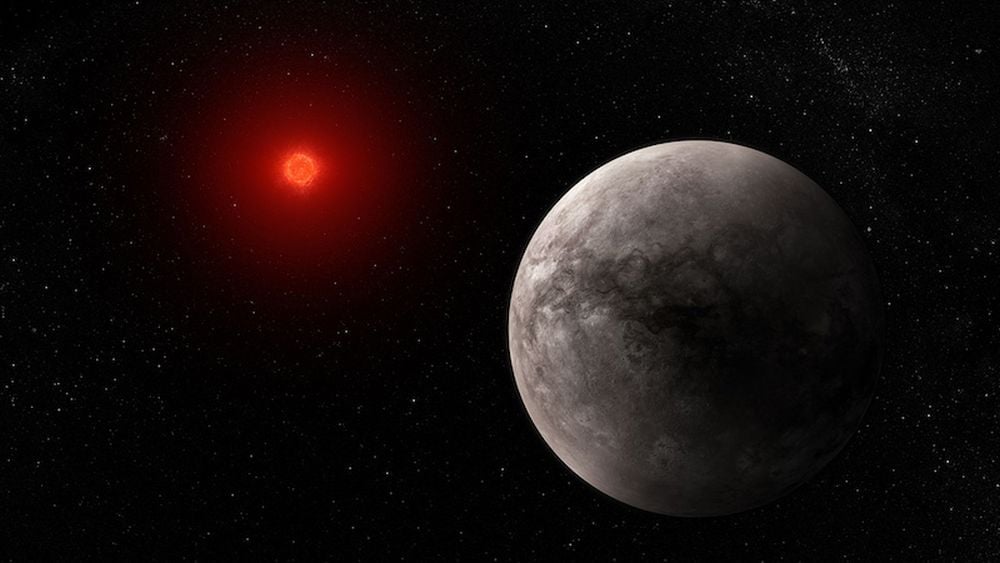
Exoplanets need to be habitable for a long time for complex life to develop. To sustain habitability, exoplanets need to retain their atmospheres. But many exoplanets are exposed to extreme ultraviolet light and coronal mass ejections that can strip atmospheres away. A new mission aims to understand these processes and help exoplanet scientists identify exoplanets that can stay habitable for meaningful lengths of time.
Continue reading
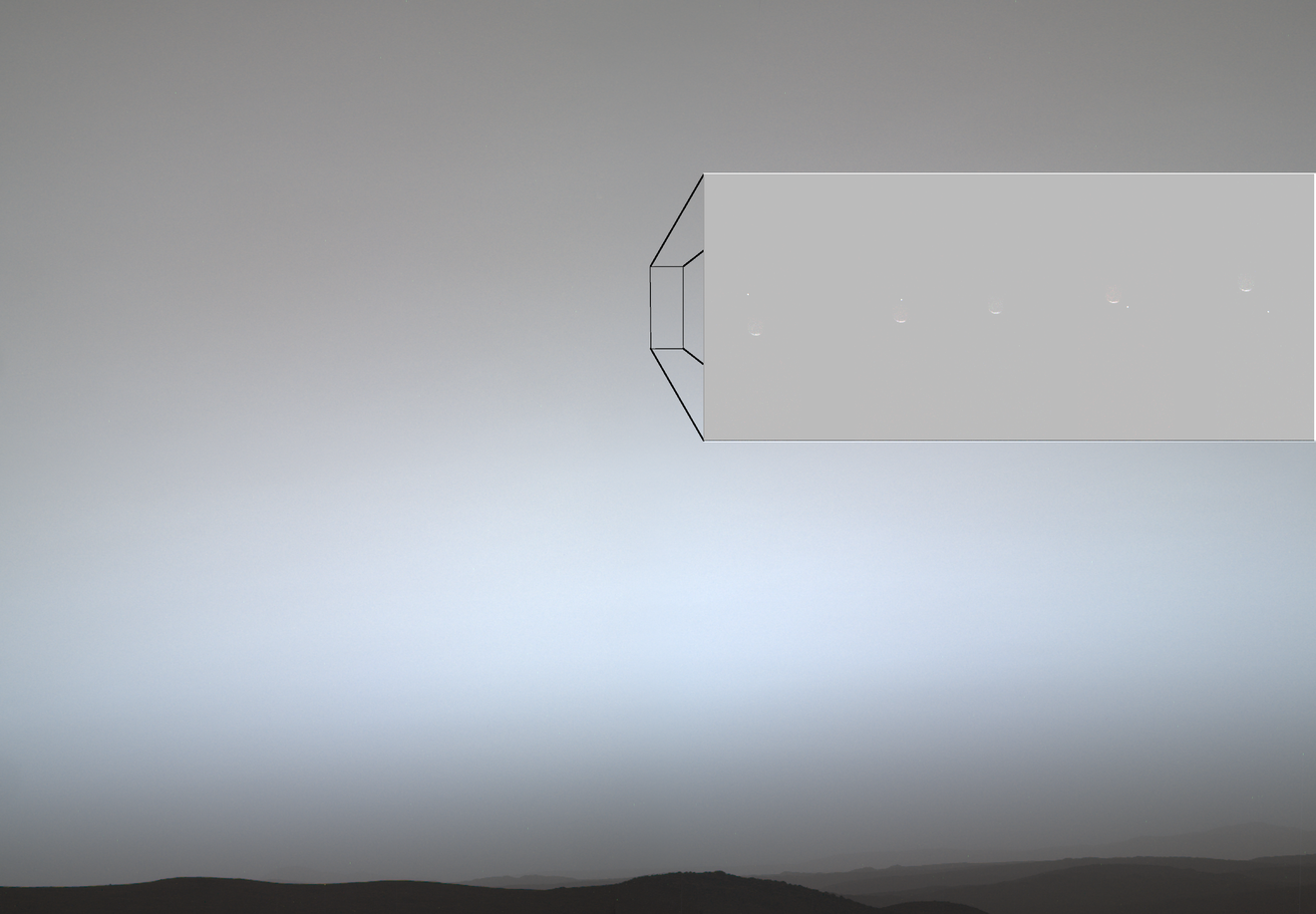
Sure. It may not look like much. But sometimes, the 'wow' factor in an image lies in knowing just what you're seeing. While most of us are eagerly awaiting Wednesday’s total solar eclipse across the North Atlantic and Spain, robotic emissaries on the Martian surface have recently given us a look at an astronomical occlusion of a different sort, as Phobos crossed in front of Earth.
Continue reading
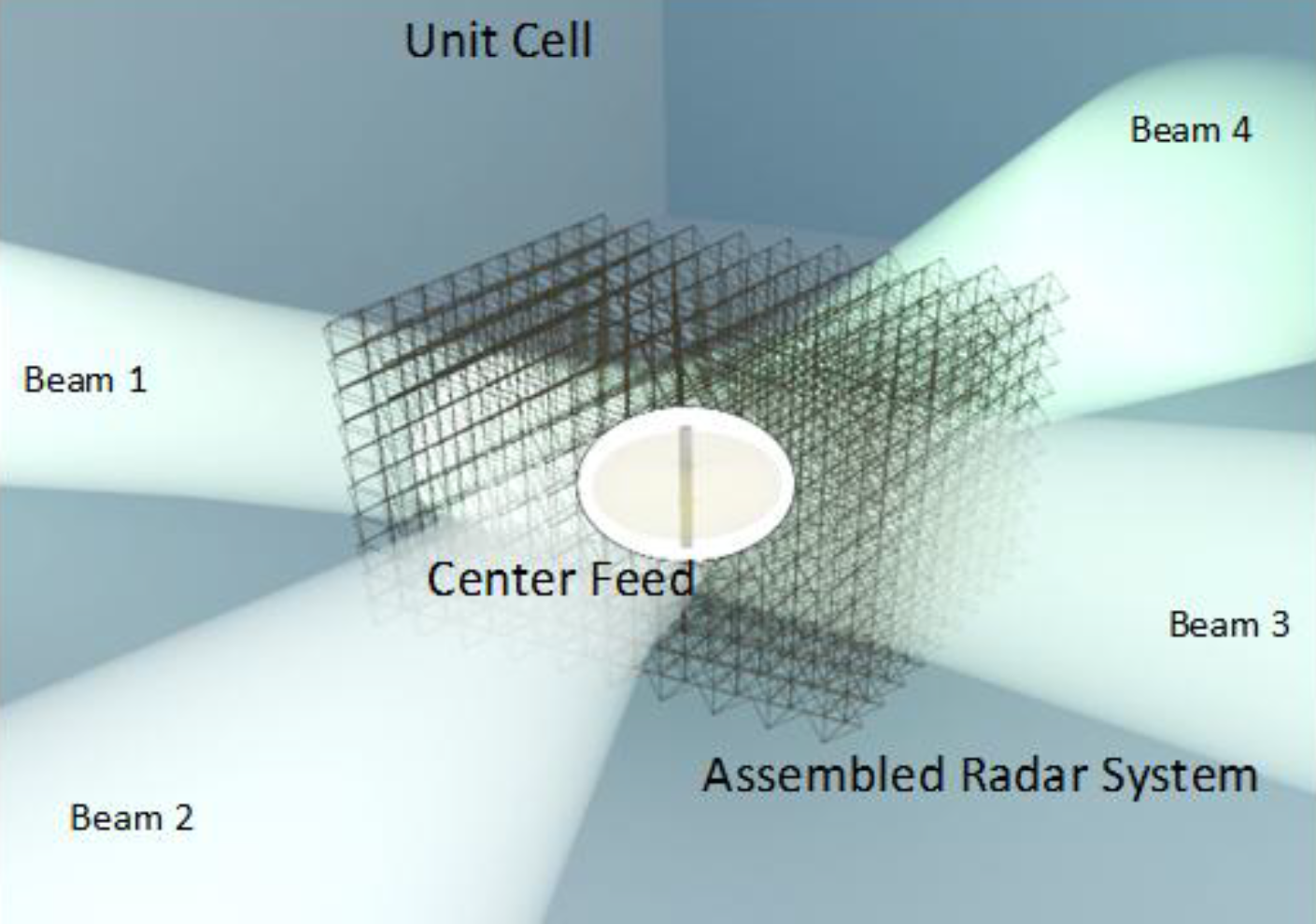
Tracking the debris orbiting at high velocity in space is only going to get harder over time. We have ground-based radar systems, such as the Space Fence, designed to detect pieces down to around 10 cm. But finding objects smaller than that, which can still cause a lot of damage traveling at 17,000 miles per hour, requires completely new thinking. One potential solution is a new idea from Dr. David Smith of Duke University, who was recently funded for a NASA Innovative Advanced Concepts (NIAC) Phase I grant to build robotically assembled electromagnetic metamaterials for long-range space situational awareness.
Continue reading
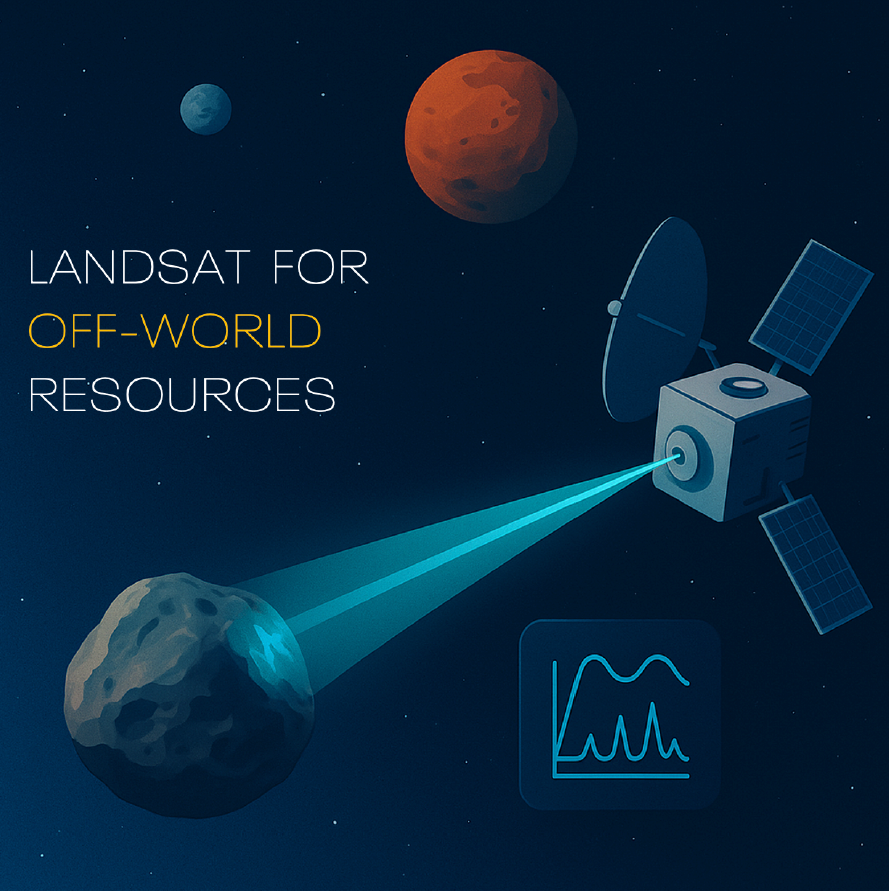
In-situ Resource Utilization (ISRU) is going to be a critical technical component of any human expansion out into the solar system. Our first challenge with utilizing those resources, though, is finding them. We know how, at least in theory - send a probe to an asteroid, or a particular part of the Moon, and take a sample, maybe analyze that sample with some spectrographs, or send it back to Earth to be poked and prodded. The problem with this methodology is simple - it’s expensive. Sending dedicated probes to every near-Earth asteroid, or every potentially interesting site near a lunar base is prohibitively expensive. So a new NASA Innovative Advanced Concepts (NIAC) grant explores a different opportunity - using a single, relatively small spacecraft to visit multiple ISRU locations, and figure out their composition from tens of kilometers away.
Continue reading
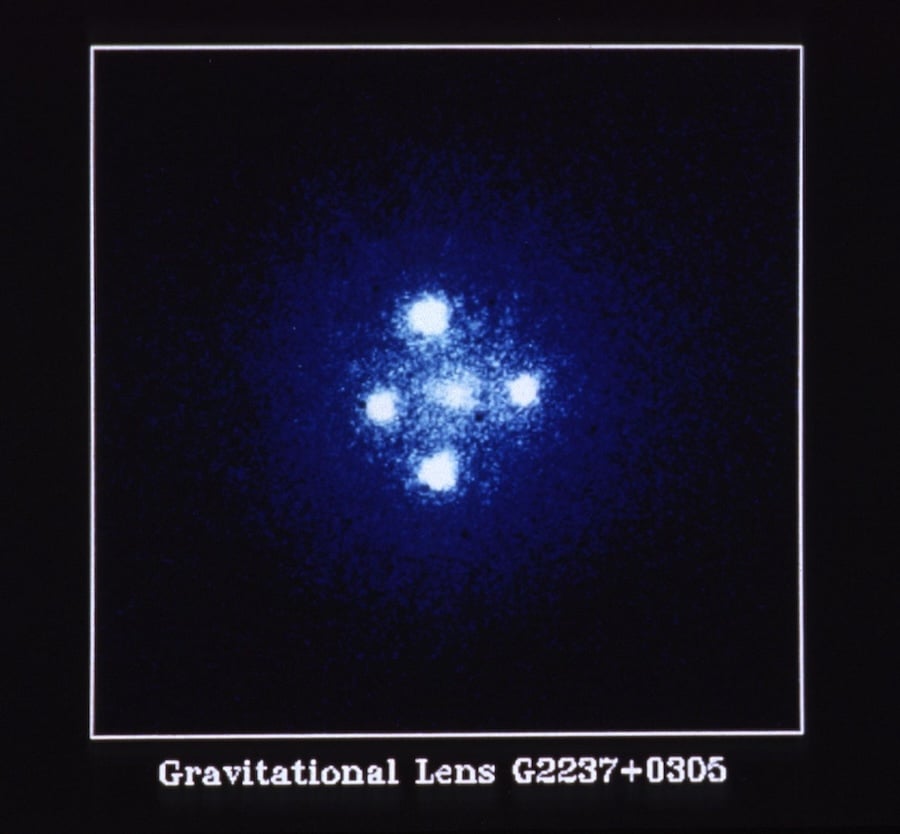
A quasar is a supermassive black hole in the act of feeding, and it’s so bright that it drowns out the galaxy it sits in. That is a nuisance if you want to weigh the galaxy and weighing it is exactly what you need to do to understand how black holes and the host galaxies grew up together. There is a way round it however, catch a quasar whose galaxy happens to be bending the light of something further away, and the bending betrays the mass. The catch is that such alignments are vanishingly rare, and the survey that might contain them holds 800,000 quasars. A team at Ohio State set a neural network on the pile and it came back with seven.
Continue reading
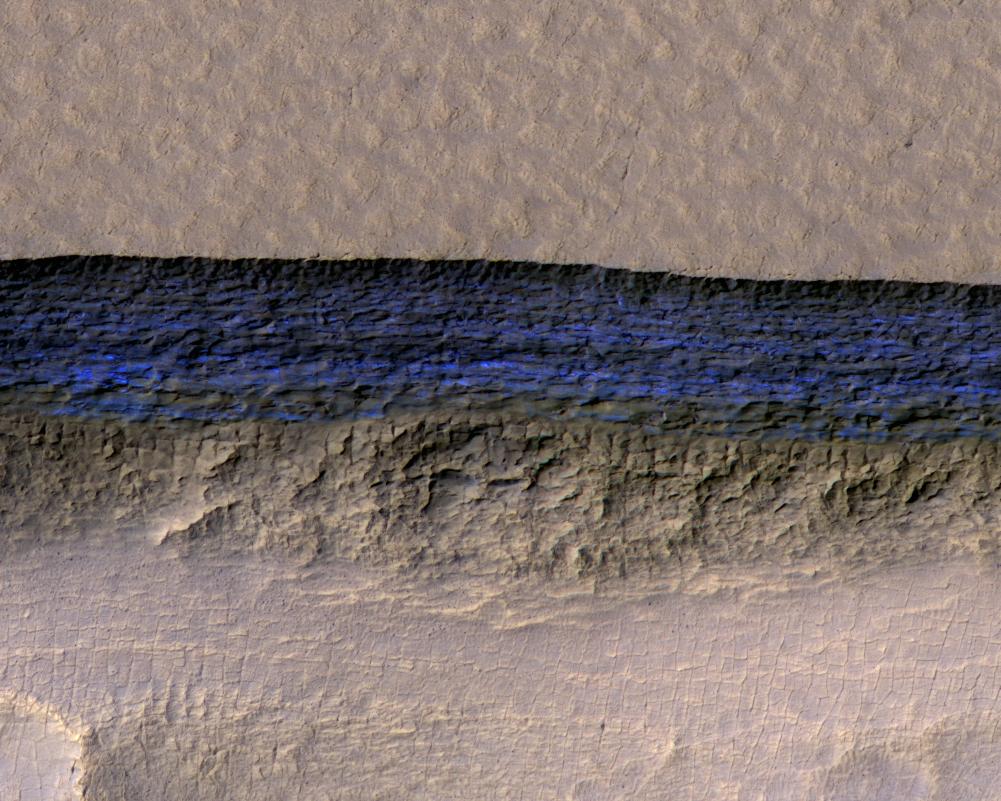
Mars has plenty of water, and almost all of it is in the wrong place. The poles are rich in ice, the equator, where you would actually want to land, has none within reach. That leaves the mid-latitudes, and until now the honest answer about what lies beneath them has been a bit of a shrug. Two new studies from the Planetary Science Institute have changed the shape of that answer. Rather than simply asking whether the data are consistent with buried ice, they have started calculating the odds and can now say, of a given patch of Martian ground, that there is a 64 per cent chance of finding ice if you dig there.
Continue reading
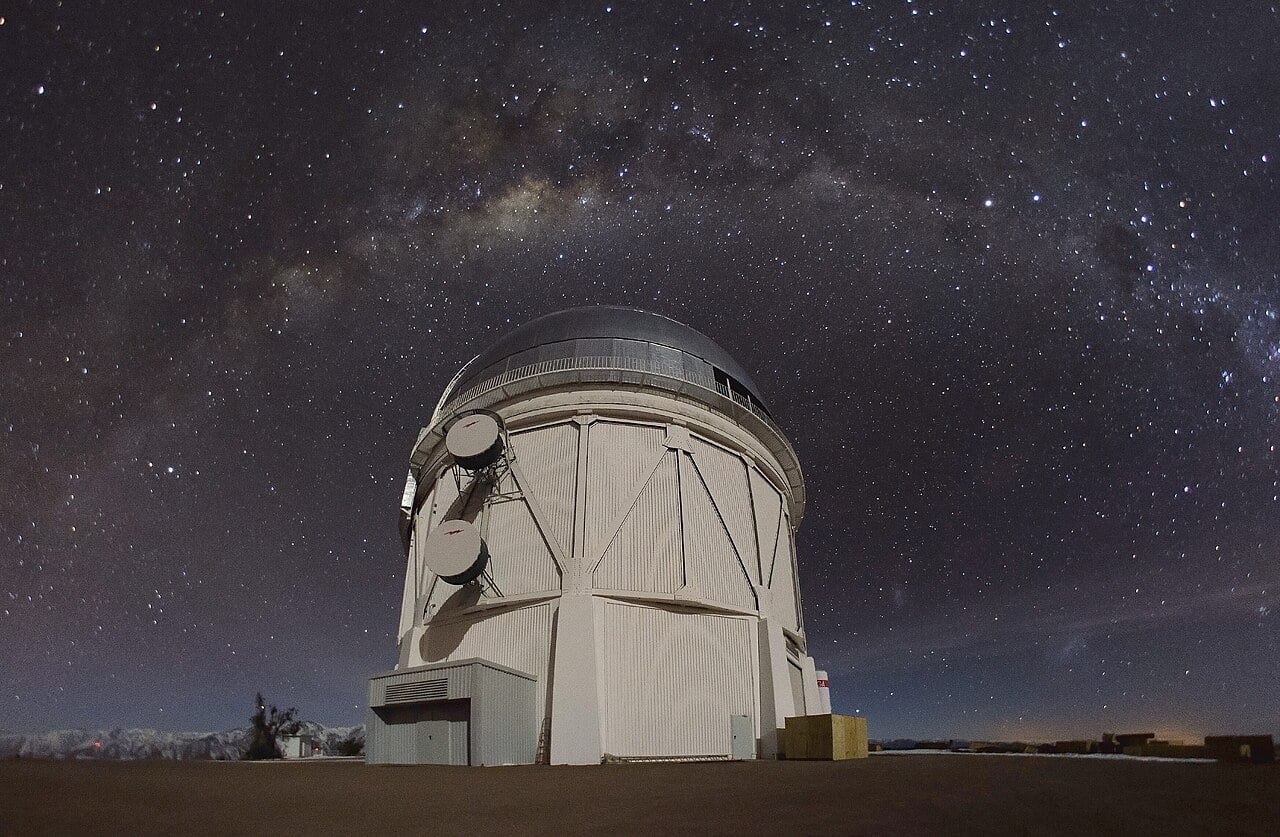
Time on a large professional telescope is one of the scarcest resources in science. Astronomers wait months for a few hours, and every one of those hours is a running argument with the weather, the Moon and the atmosphere. Point at the wrong target at the wrong moment and the data comes back soft, washed out, or useless, with the next chance half a year away. A team has now handed that argument to a machine. Their system was trained not on the rules astronomers use but on what astronomers actually did, night after night, for years.
Continue reading
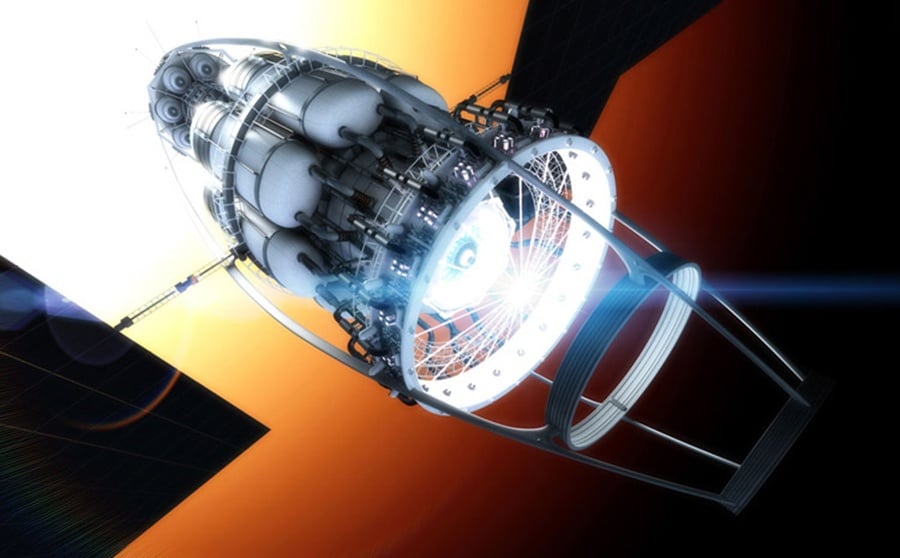
With the end of the Space Age and the winding down of the Cold War, scientists again returned to the question of interstellar flight. Having failed to realize a working concept that could be realized in the near term, more exotic ideas began to be considered, reflecting further breakthroughs in theoretical physics.
Continue reading
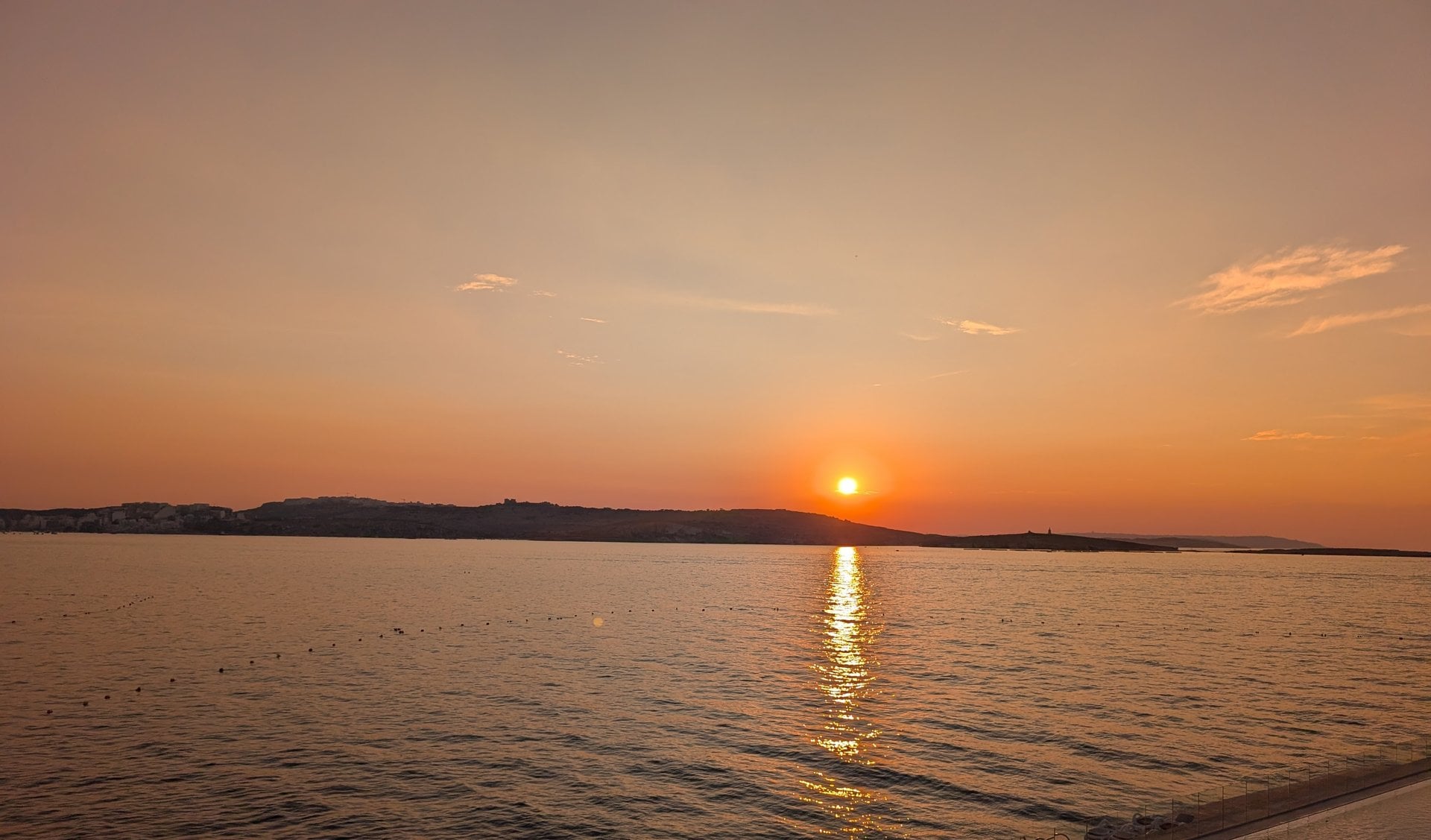
Ancient Maltese seafarers had both a complex cosmology and likely at least rudimentary skills in celestial navigation. It's thought that they used stars in the southern constellation of Crux to make their way around the south-central Mediterranean.
Continue reading
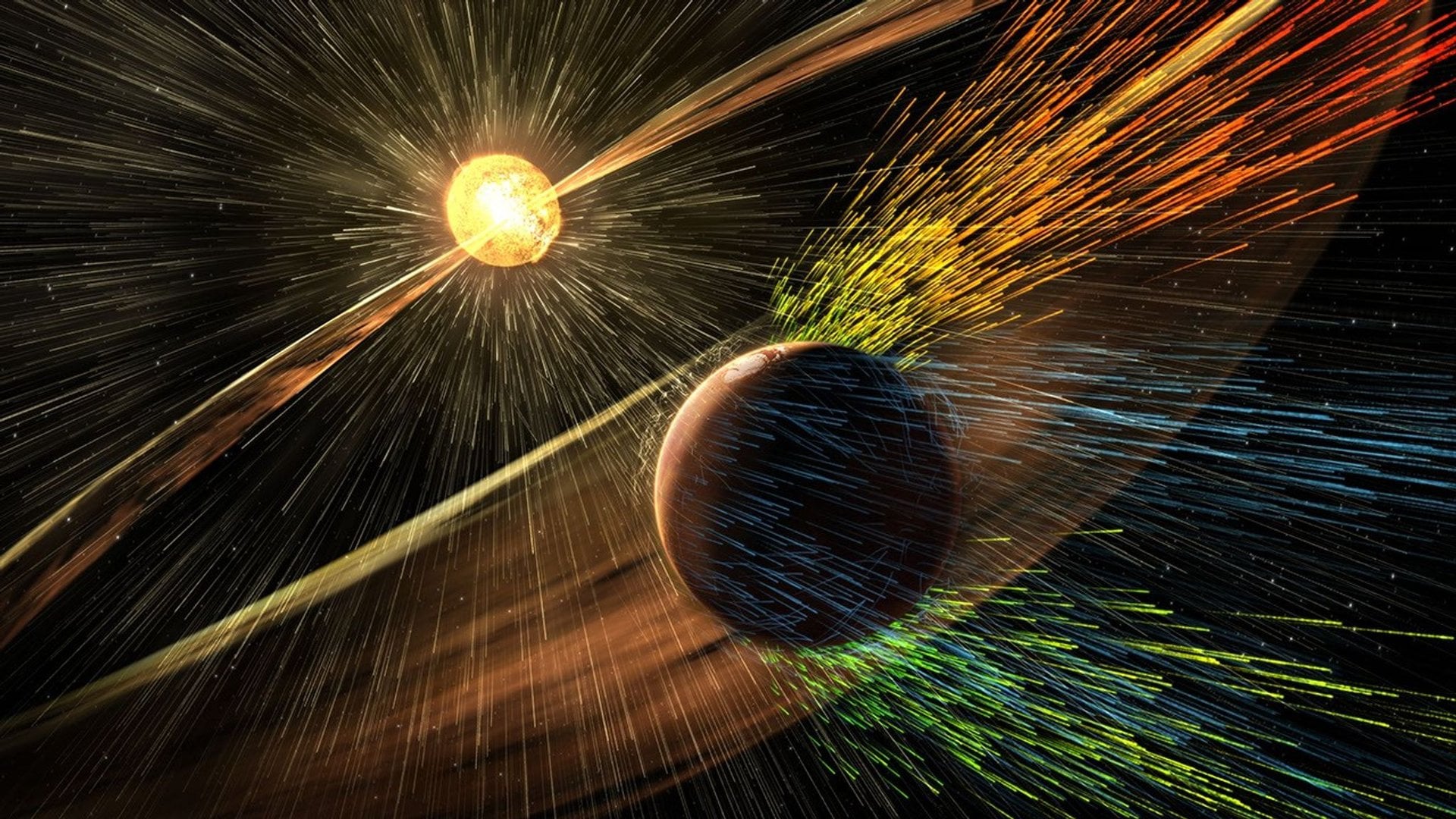
NASA MAVEN (Mars Atmosphere and Volatile Evolution) mission scientists have uncovered a key puzzle piece in understanding certain types of auroras on Mars, finding that they form in a similar way to Earth-based auroras.
Continue reading
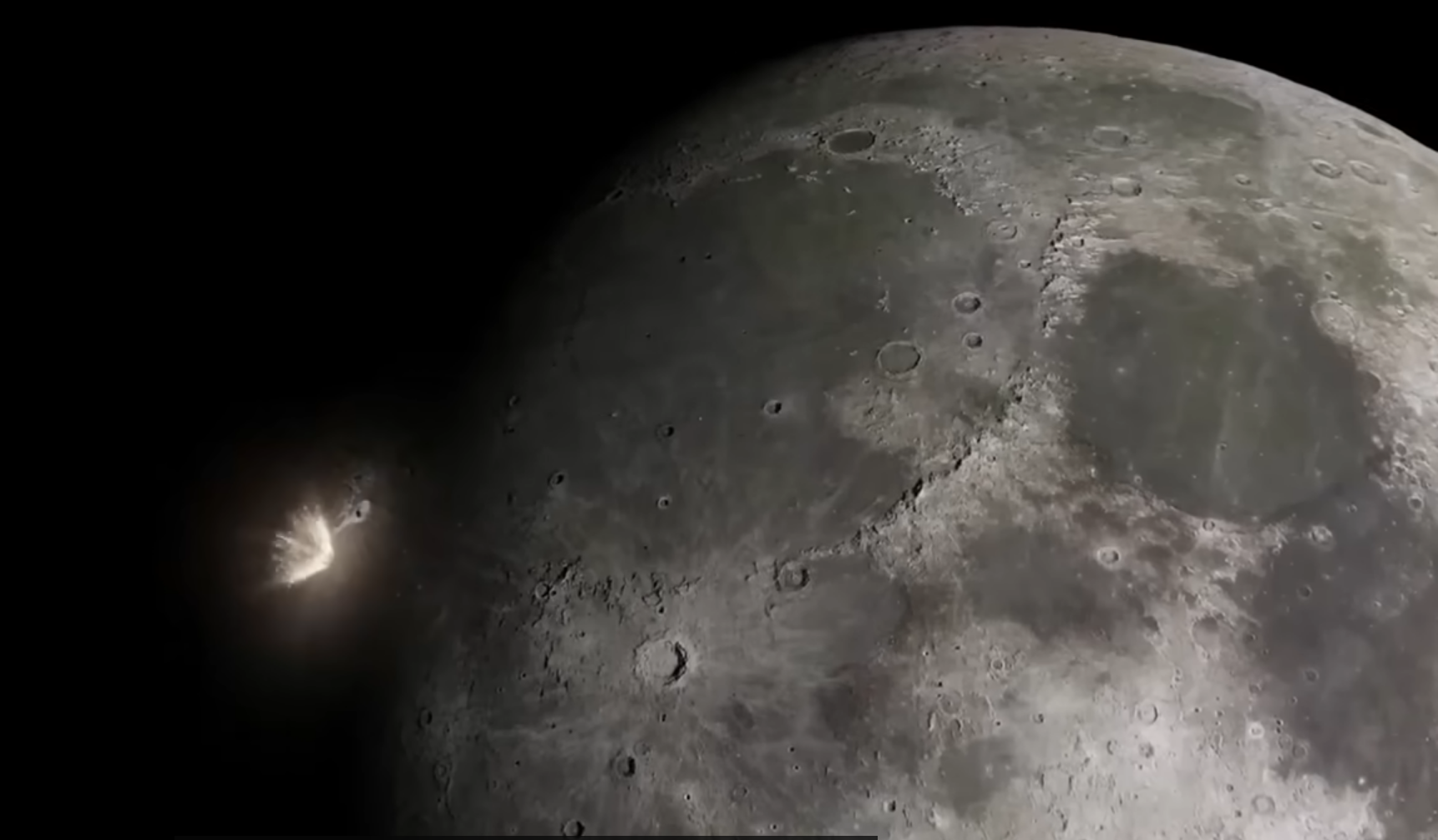
The spent upper stage from a SpaceX Falcon 9 rocket has struck the Moon, illustrating the hazard posed by debris in cislunar space. This problem will increase as launches to orbit and to the Moon become more common in the coming years.
Continue reading
 Universe Today