 Universe Today
New Study Shows That Earth and Mars Had Different Origins
A surprising discovery suggests that Mars and Earth formed through different processes, which could help scientists confirm whether exoplanets are habitable.
The study of planets and moons
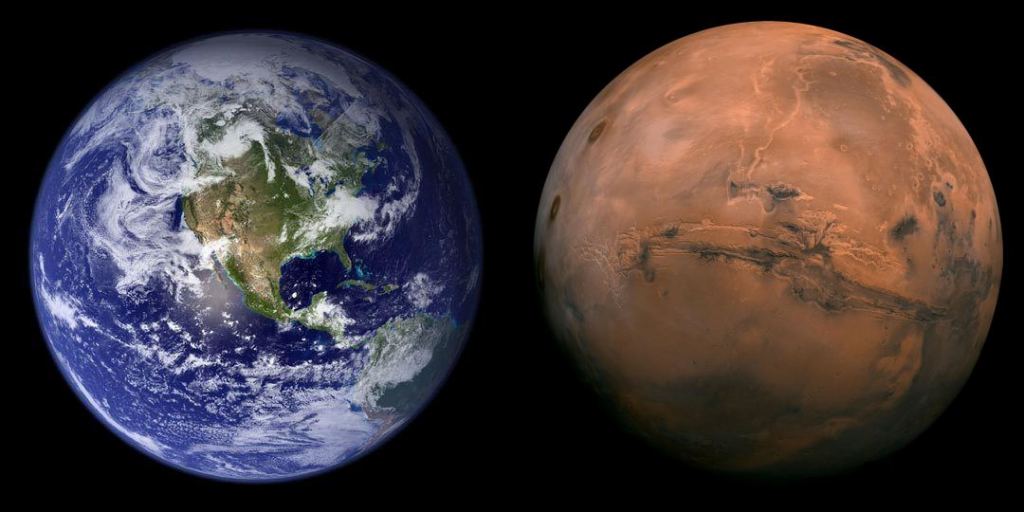
A surprising discovery suggests that Mars and Earth formed through different processes, which could help scientists confirm whether exoplanets are habitable.
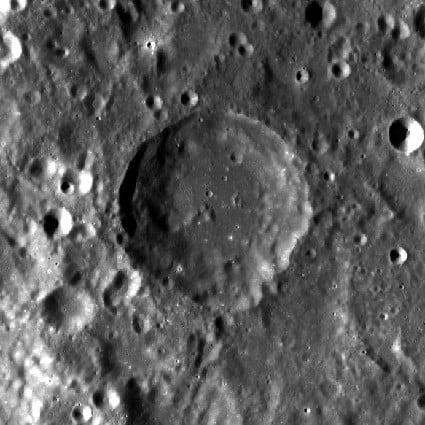
Scientists know for certain the moon doesn’t currently have a magnetosphere. But they’ve been debating for decades about whether it ever did. Data from both Apollo samples and orbital scientific instruments have proven divisive, and so the debate still rages. But a new paper from researchers at ETH Zurich, DLR, and the Institute of Applied Geosciences hopes to resolve the debate once and for all - by definitively proving that the Moon did, indeed, once have a magnetic dynamo.
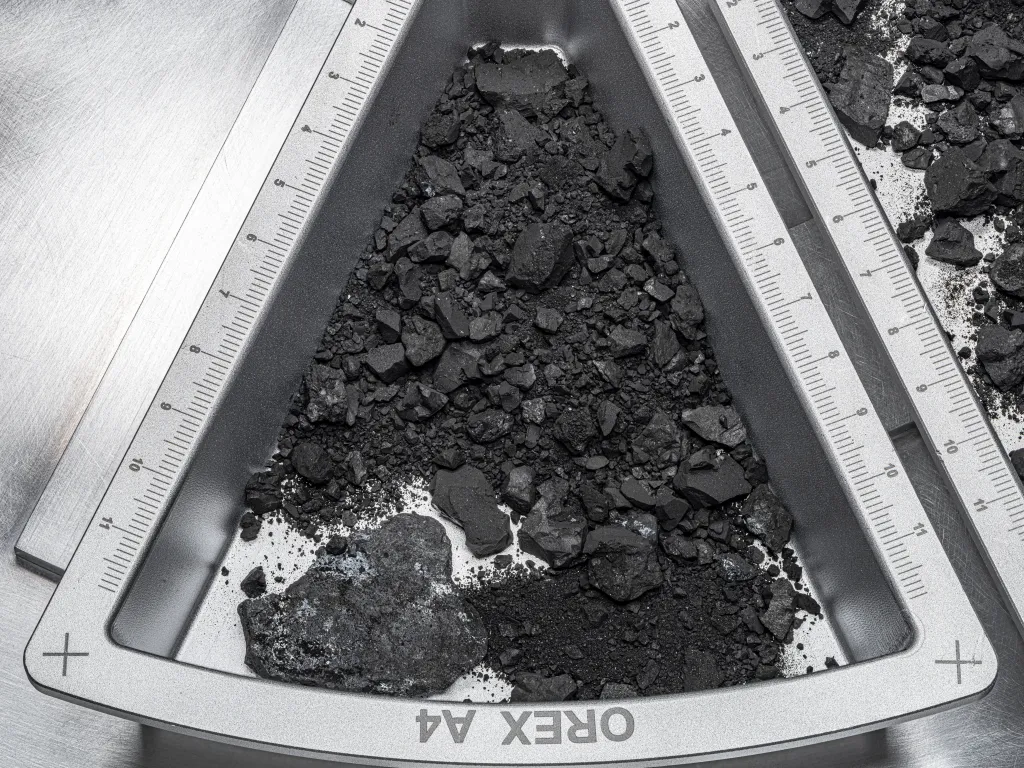
Asteroid sample return missions have brought well preserved samples of the early solar system (that hadn’t been roasted in a fireball) back to Earth for the first time. But those samples, like the OSIRIS-REx sample from asteroid (101955) Bennu, sometimes provide more questions than answers. A new paper, published in Science Advances from researchers at ETH Zurich and Lawrence Livermore National Laboratory, highlights one of those questions - why Bennu appears to have been born in both the inner and outer solar system - and a possible answer to it.
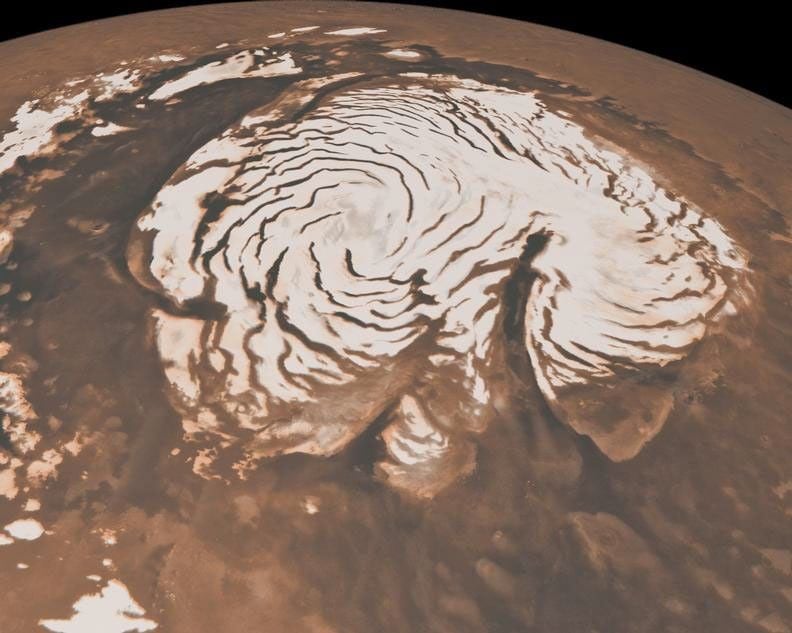
The planet Mars is known for its massive dust storms, dust devils, and two large polar ice caps, with its north polar cap being one of the Red Planet’s most striking features. Comprised of water ice, the north polar cap not only holds potential for being a source of water for future human missions, but it also helps researchers’ piece together past climates on Mars. But an ongoing debate within the scientific community is the ice-dust relationship at the north polar cap, specifically how much dust comprises the north polar cap compared to the much larger amount of water ice.
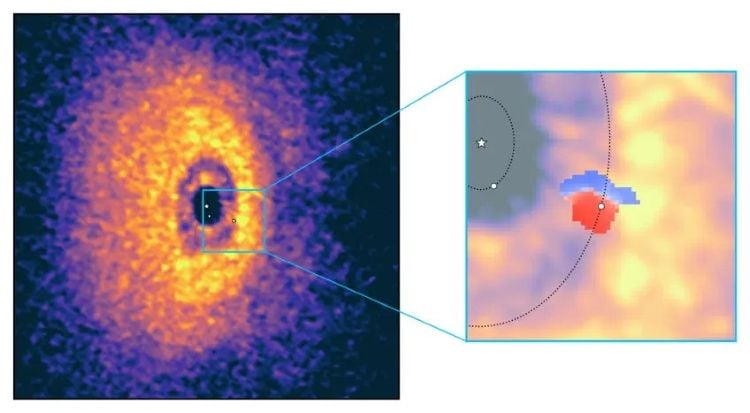
The formation and evolution of planets is the driving force behind both where and how we might find life beyond Earth. This complex and lengthy process first begins with a massive ball of gas and dust that swirls until it flattens into a disk, followed by rocks ranging in size from pebbles to kilometer-scale objects clumping together in a process known as accretion, as they too swirl around within the larger disk and form rocky planets closer to the star and the farther out planets collect the gas, ice, and dust that the star couldn’t evaporate. Until now, researchers have been limited to visualizing the swirling gas and dust forming planets through computer models.
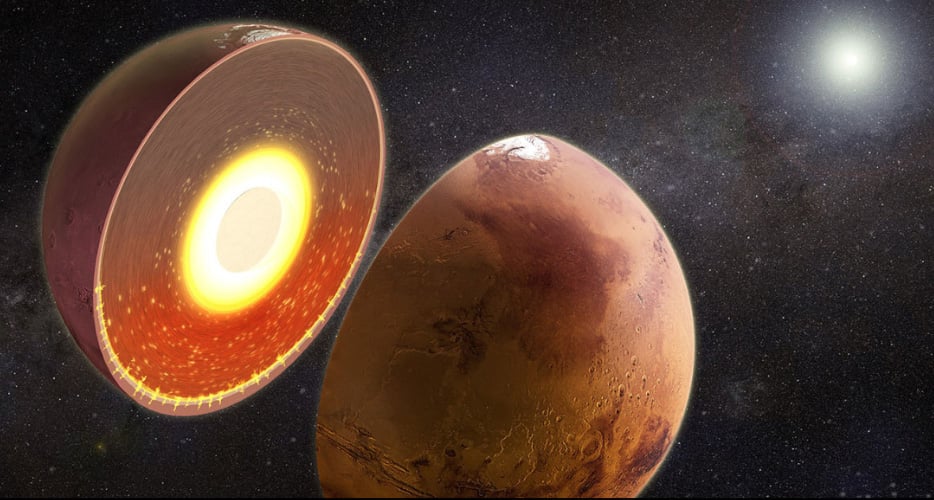
Something deep inside Mars has scientists looking for clues to its internal evolution. A team at the University of Arizona led by Alexander Byrne, used a technique called "tidal tomography" to probe a heat anomaly in the southern hemisphere mantle. It turns out this subsurface region measures about 200 to 400 degrees Celsius warmer than the rest of the mantle. That warm spot may contain information about how Mars has changed over its lifetime.
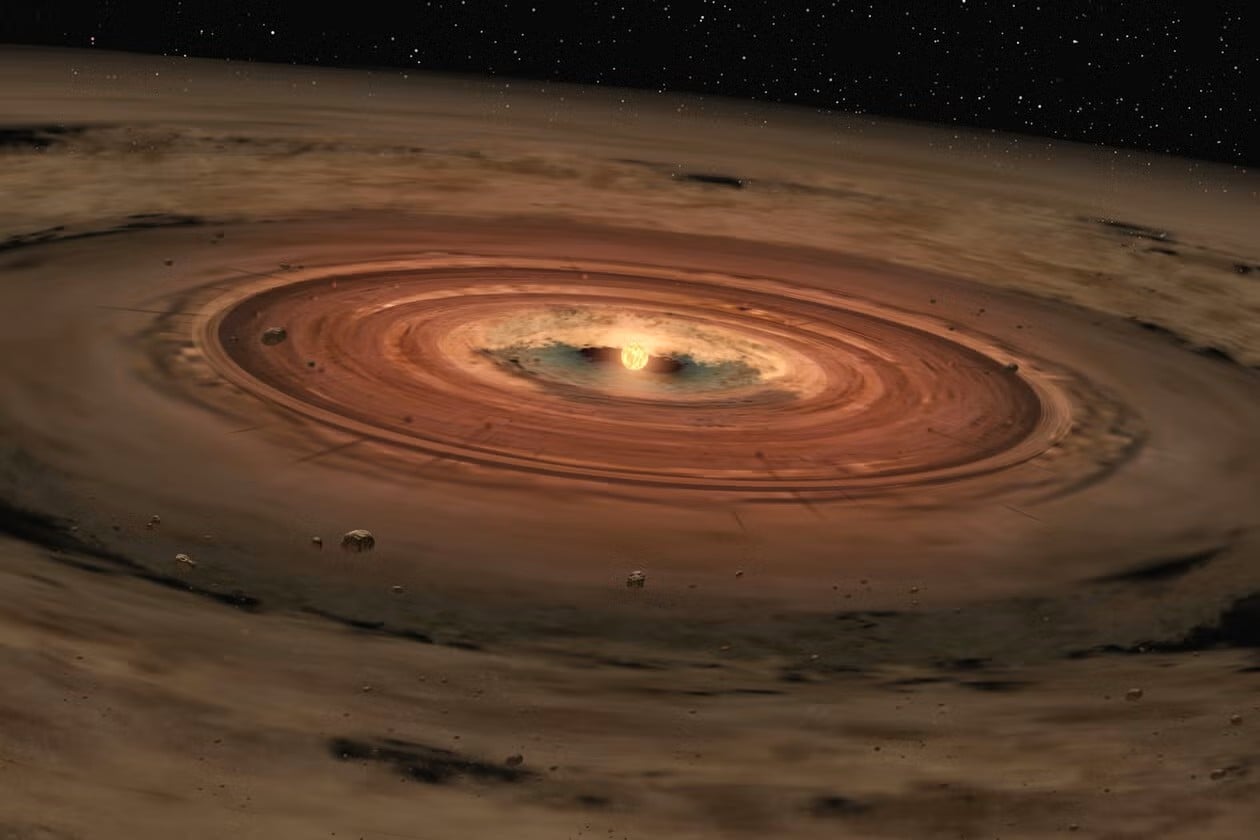
The early stages of the solar system remain shrouded in mystery. Not much remains from that time, but scientists have developed plenty of theories about what was going on back then. One of those theories attempts to answer a simple question - did the early system prefer “fire” or “ice”? A new paper published in Nature Astrophysics from lead author Damanveer Grewal, an assistant professor of Earth and planetary sciences at Yale, and his co-authors, have a definitive answer to that question - the early solar system preferred fire.
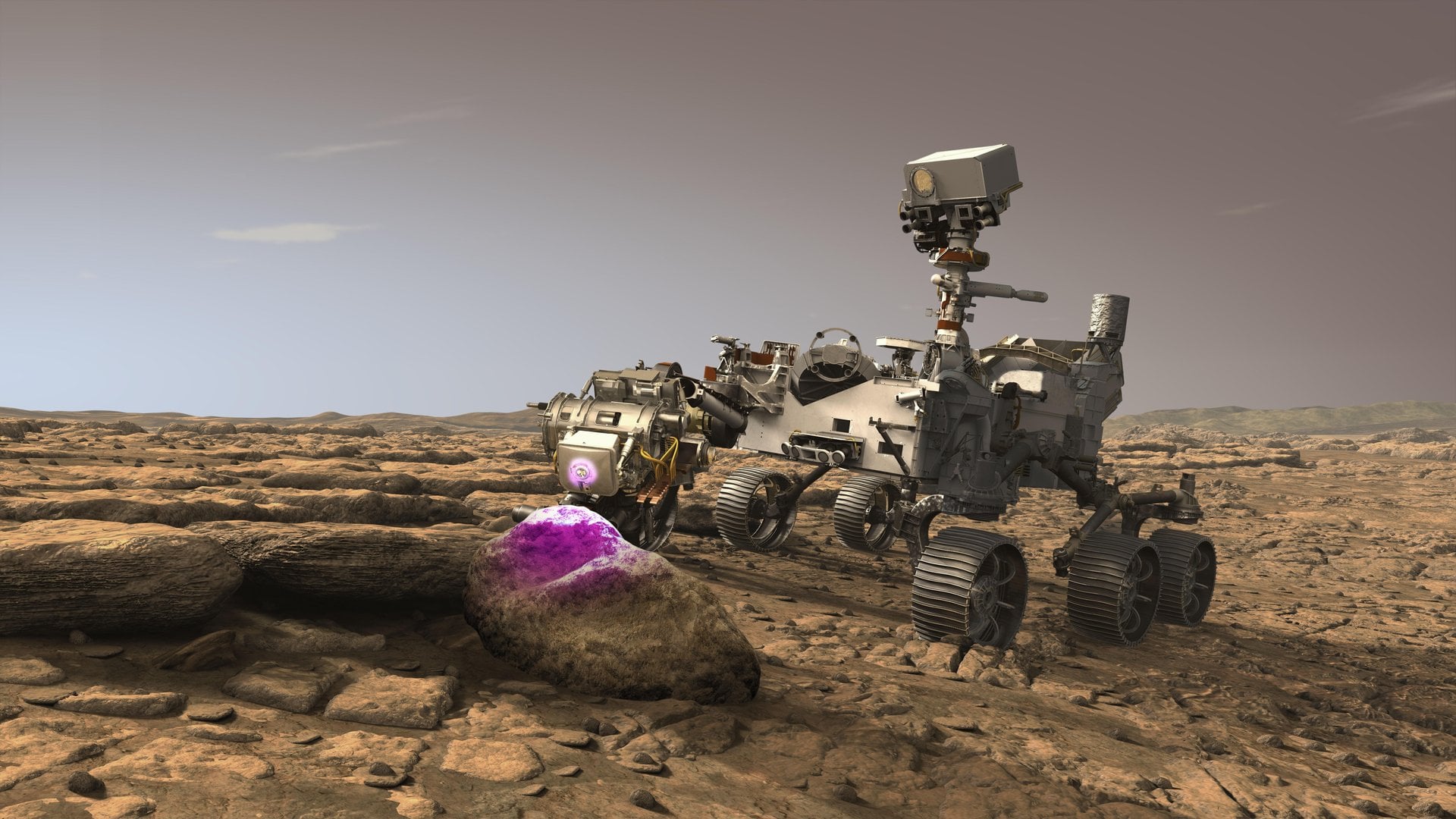
A new geochemical modeling study led by researchers at JAXA and the University of Tokyo addresses Mars' "missing" stores of carbonate rocks.
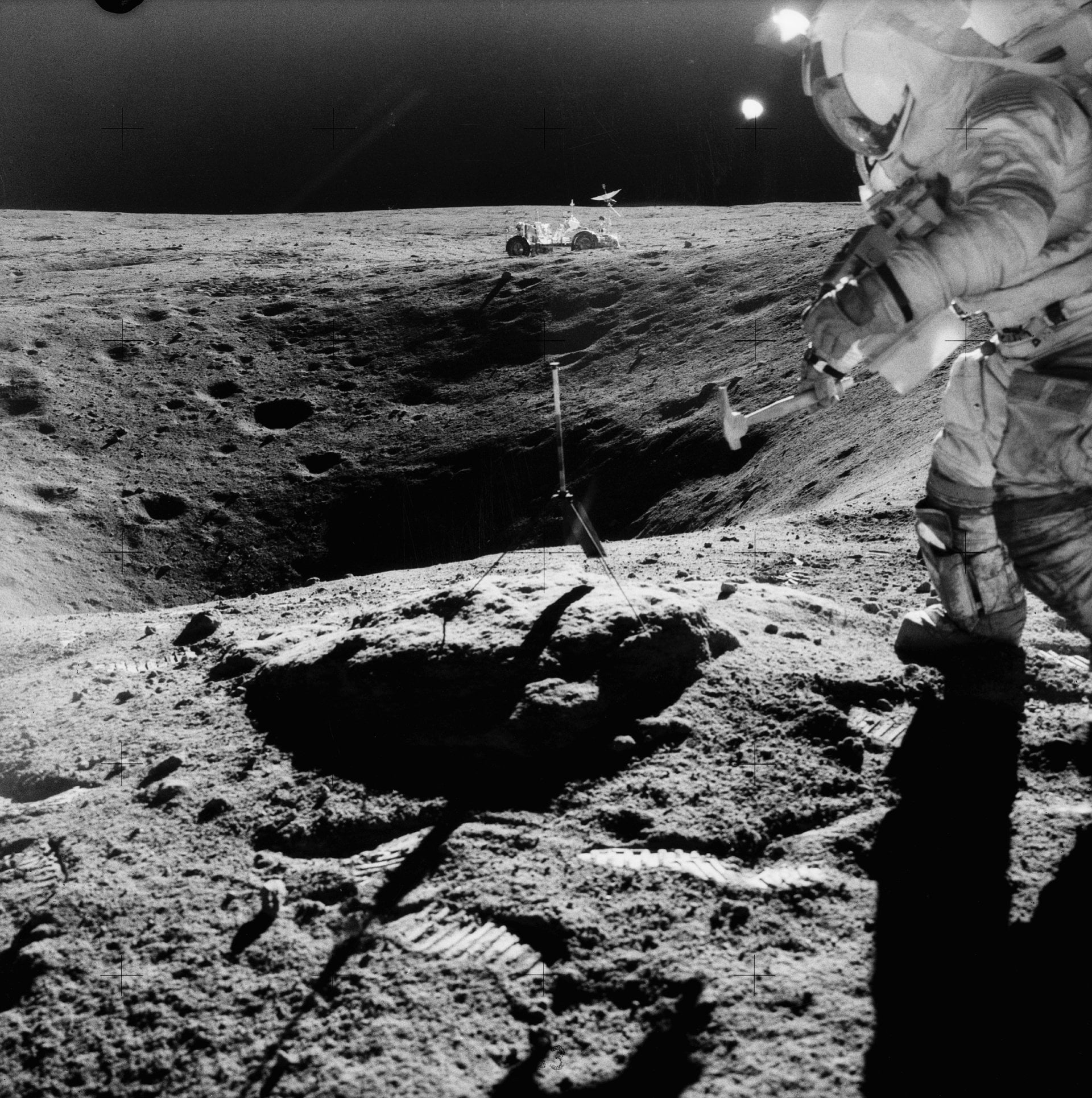
Asteroids which strike the Moon and create new craters offer lunar scientists a window onto the workings of our natural satellite’s shallow subsurface.
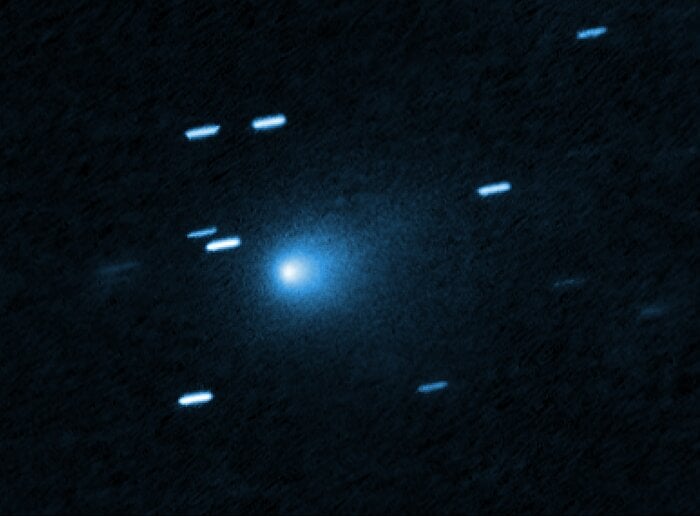
More and more details about 3I/ATLAS are filtering through the scientific process as time goes on. Our third known interstellar visitor attracted the attention of some of the most powerful observatories in the world when it was discovered in July 2025, and some of those telescopes found something peculiar - the isotopes it contained appeared different. A new paper submitted to The Astrophysical Journal Letters (and available in pre-print on arXiv) by Kenji Furuya of the RIKEN Pioneering Research Institute in Japan and his co-authors, shows how that isotopic discrepancy is likely due to the “low-metallicity” of the stellar nursery 3I/ATLAS was born in.
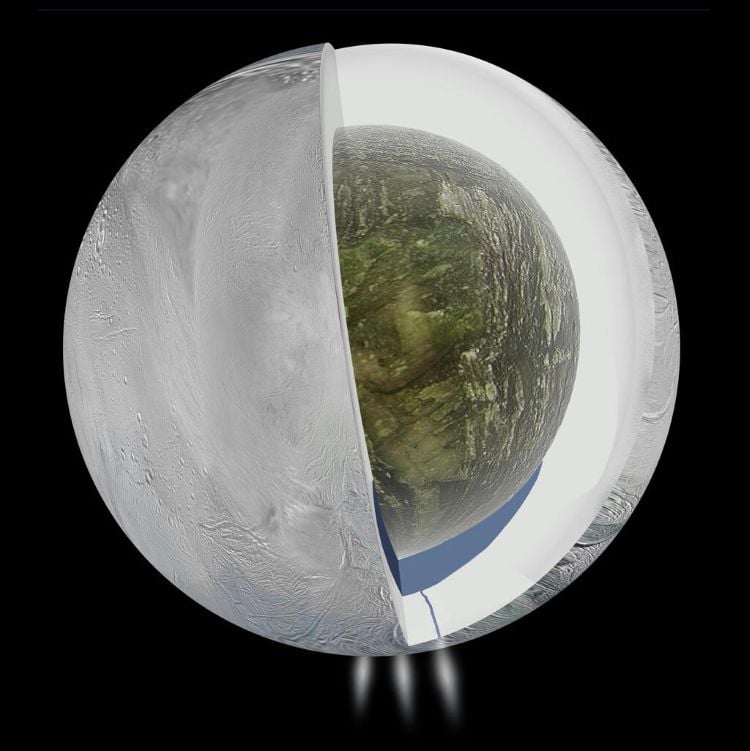
There are more than 450 confirmed moons orbiting the eight major planets, but only a handful of them provide unique scientific value to pique the interests of the scientific community, specifically their potential for hosting life as we know it. This is due to the subsurface oceans that exist beneath icy crusts, including Jupiter’s Europa and Ganymede, and Saturn’s Enceladus. But what processes are responsible for producing these subsurface oceans, or potentially preventing them from forming in the first place?
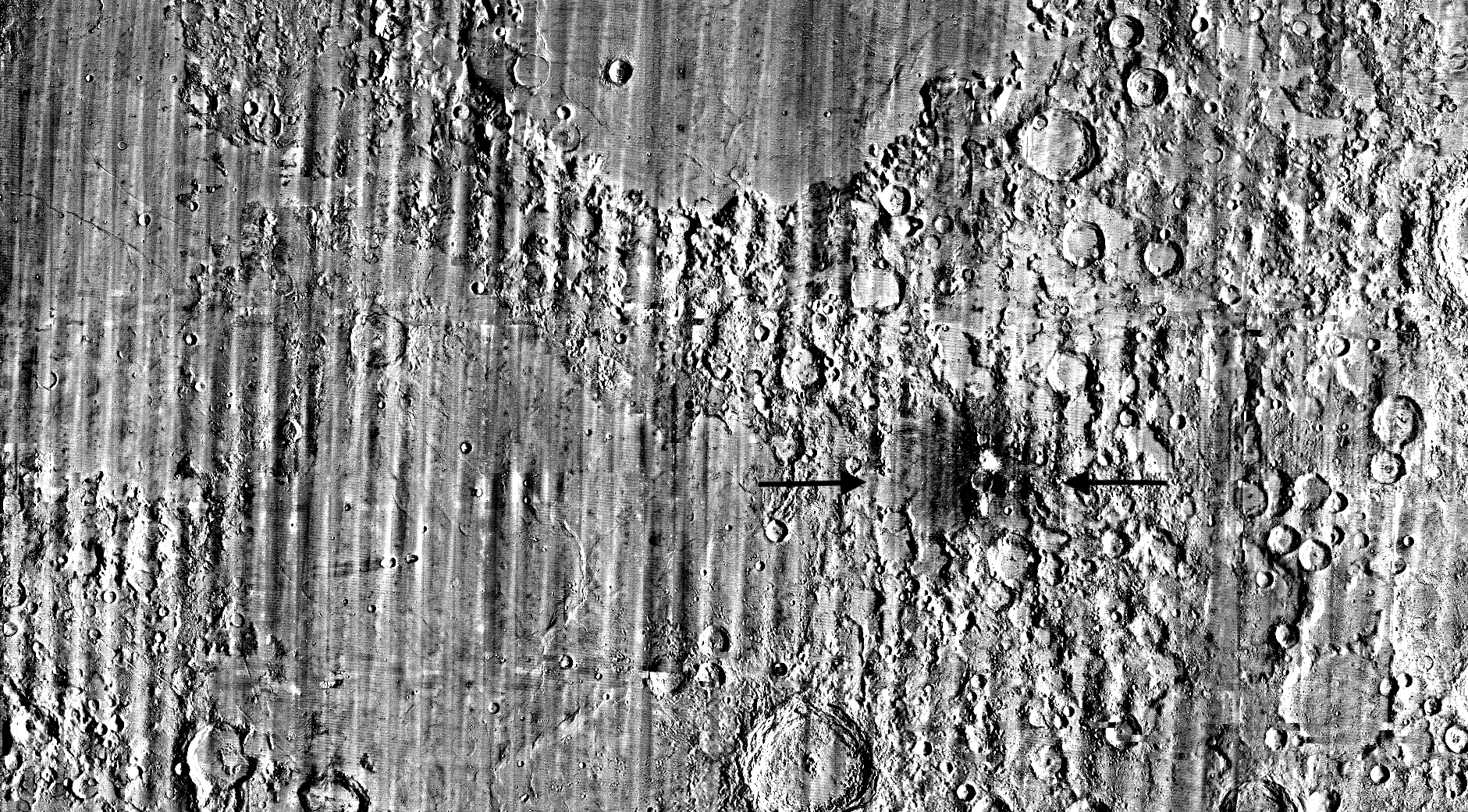
It's easy to think of the Moon as the static constant companion in the night sky. Its face hasn’t visibly changed in millennia, and always faces us with the same side. But looks can be deceiving, as our closest companion is constantly bombarded by asteroids and comets that make small craters across the lunar landscape. While they might not be large enough for us to see with our naked eye, professional Moon watchers can pick up on them. And a recent paper published in Science Advances, describes the largest ever found in modern times.
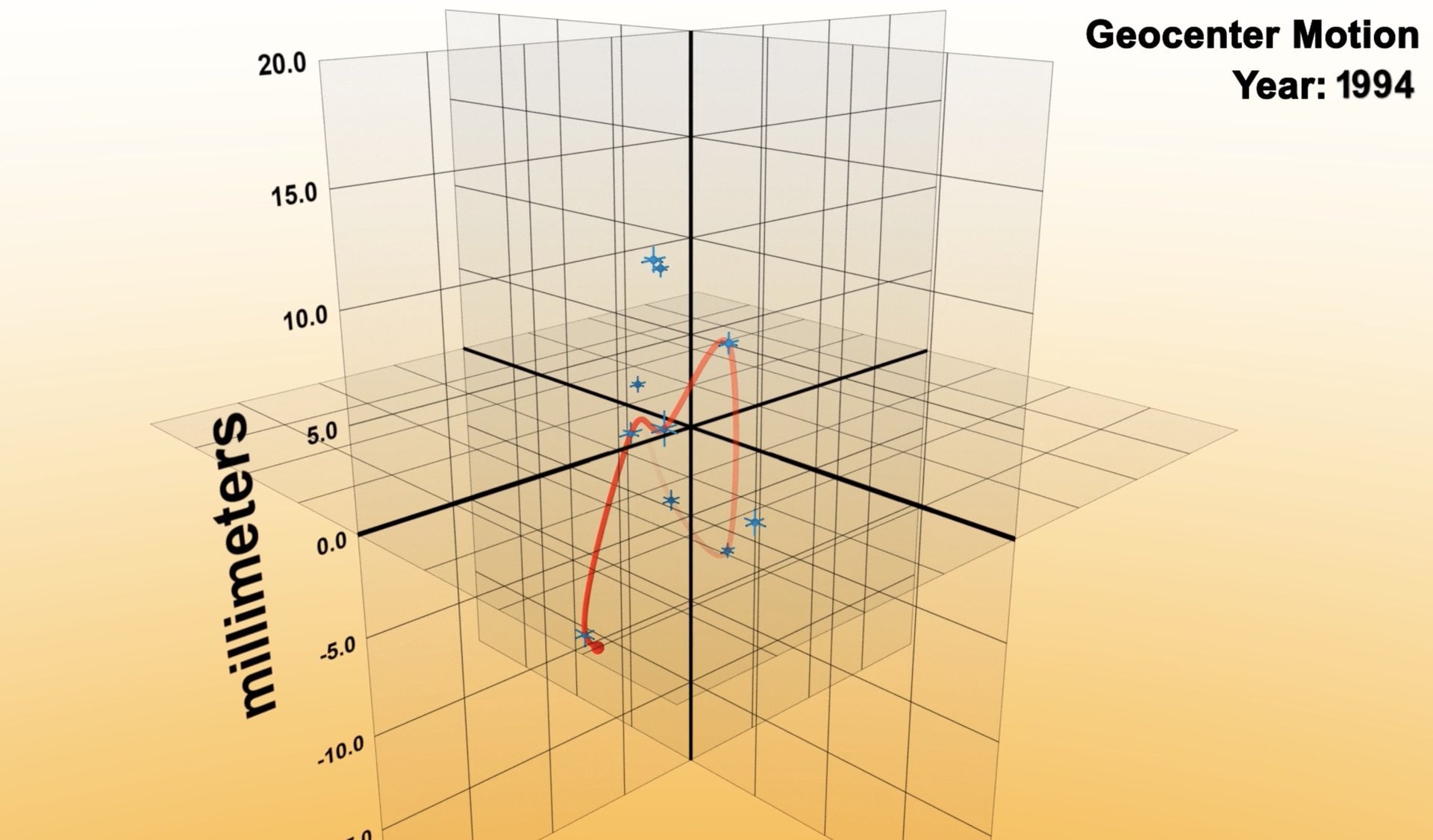
Earth's center of mass isn't stationary. It drifts seasonally and over the course of years. A new study measures this down to the scale of millimeters and finds the seasonal drift is smaller than we thought.
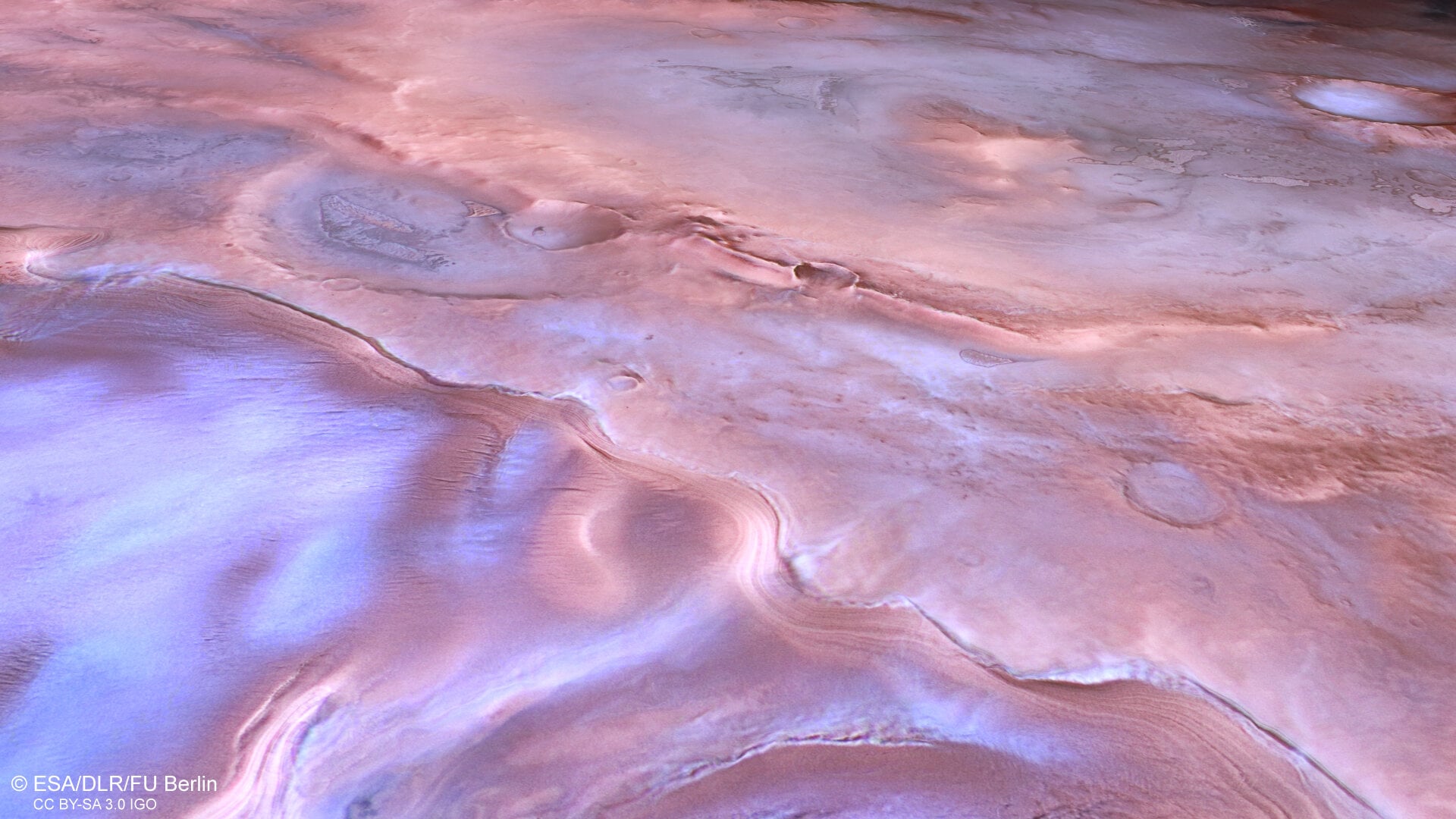
Mars appears red because of iron oxides in the regolith. But it's not uniformly red. Different lighting conditions and different materials accumulated on the surface can make it appear purple, as in these images from Mars Express and its High-Resolution Stereo Camera.
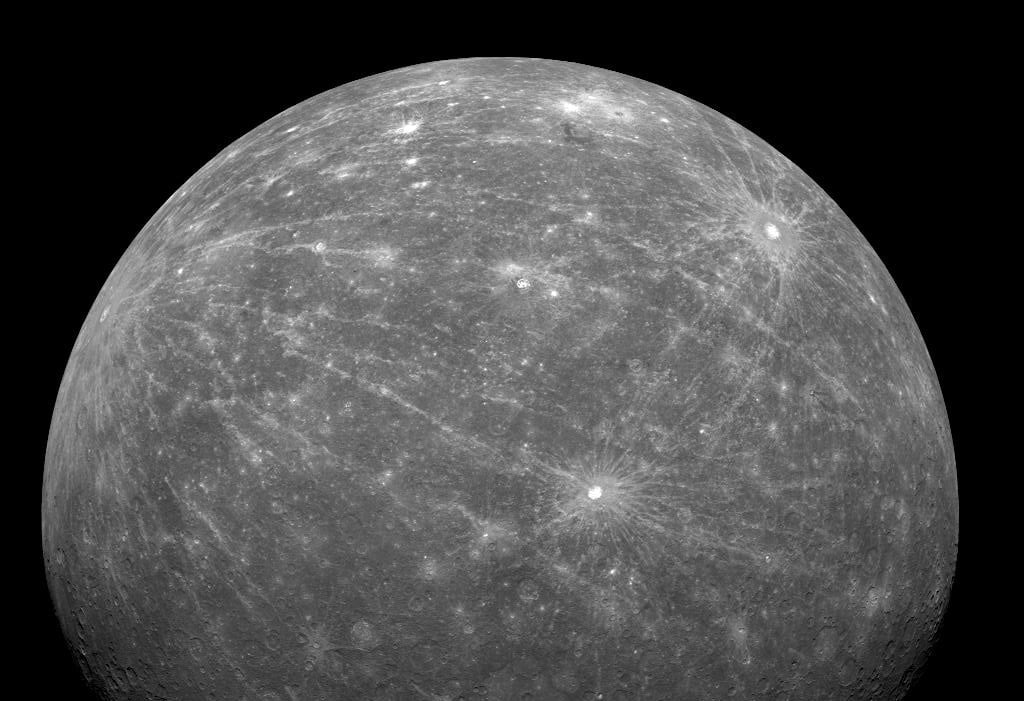
The rough, impact-debris-covered surface of Mercury has hidden the true rate at which Mercury has been shrinking, which scientists previously underestimated by 30%
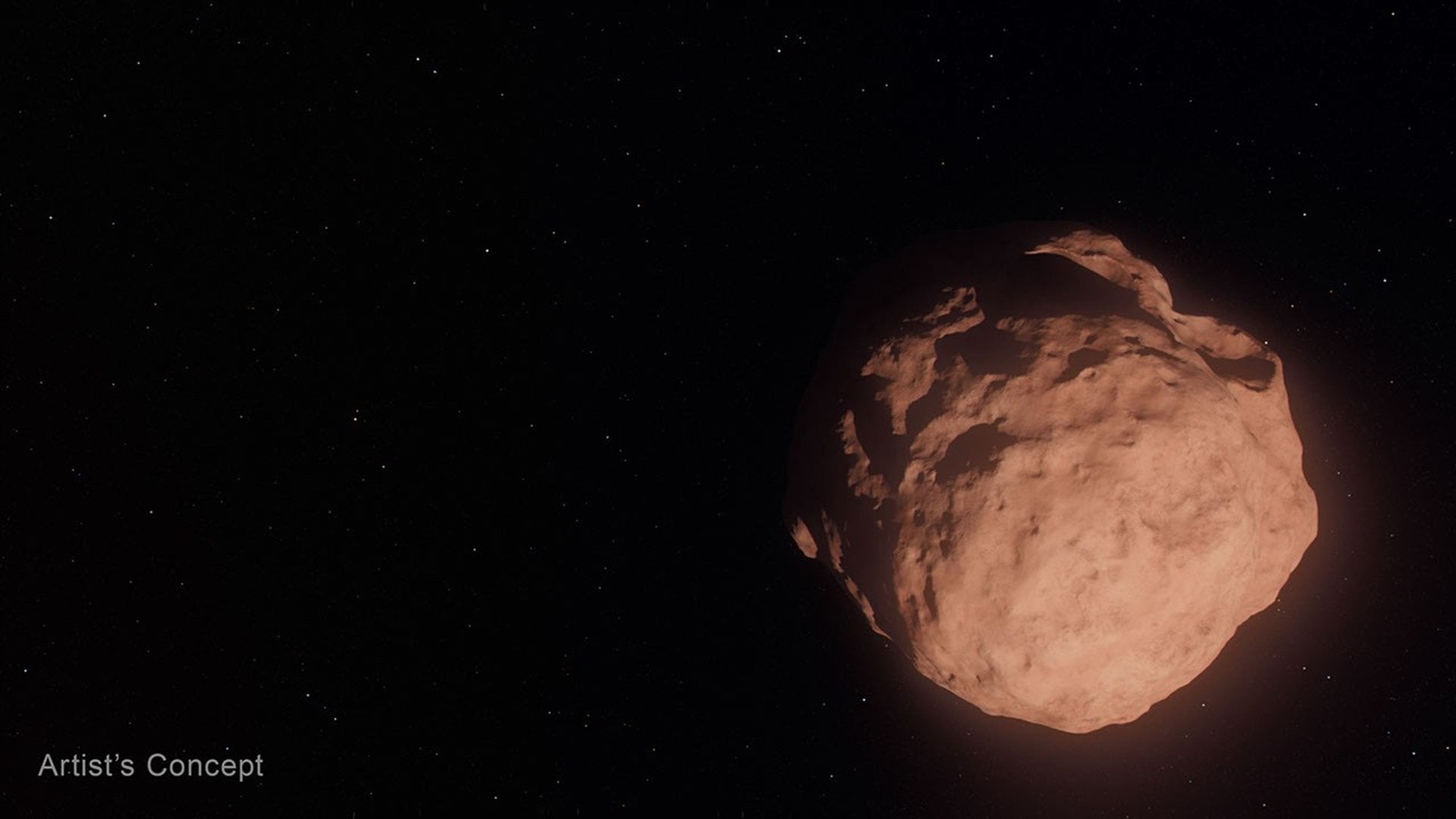
Some Trans-Neptunian Objects (TNOs) formed closer to the Sun and migrated to the outer solar system, while others formed there originally. A new study finds that "hot" and "cold" origin TNOs can be distinguished not only by their orbits, but also by their surface color.
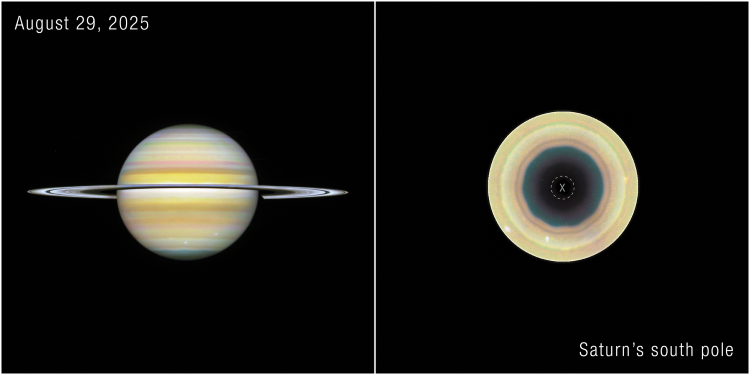
The planet Saturn is arguably the most recognizable planetary object in the entire solar system because of its massive rings. Anytime a child is asked what their favorite planet is, the answer is often “The one with the rings!” But, while Saturn’s rings are its most striking feature, the famed planet has a myriad of other unique features that often get overlooked, specifically its polar activity. This includes a long-known rotating hexagon in its north polar region, but what kinds of activity could be occurring in Saturn’s southern polar region, and what could this teach scientists about planetary formation and evolution?
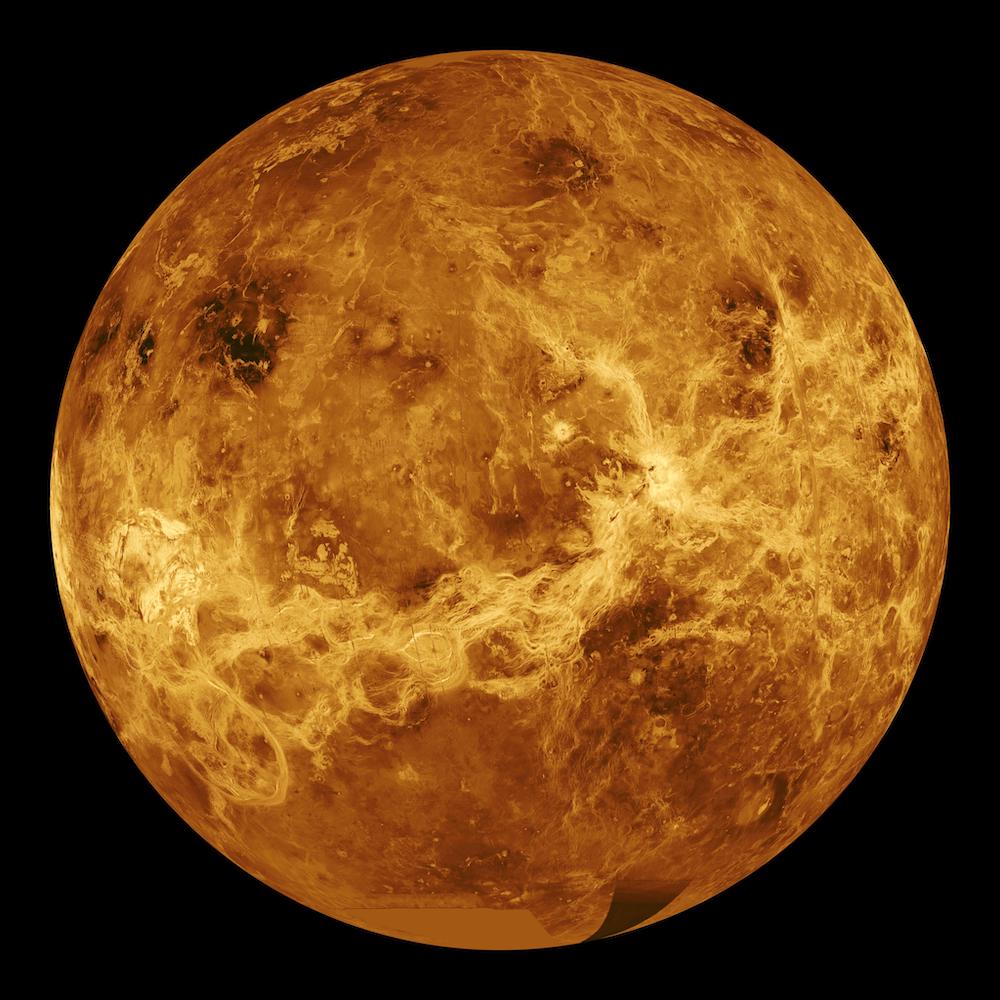
Earth has a big beautiful Moon, while Venus, its 'sister planet', doesn't. Why is that? Did it ever have one? If it did, new research shows it was never going to last very long.
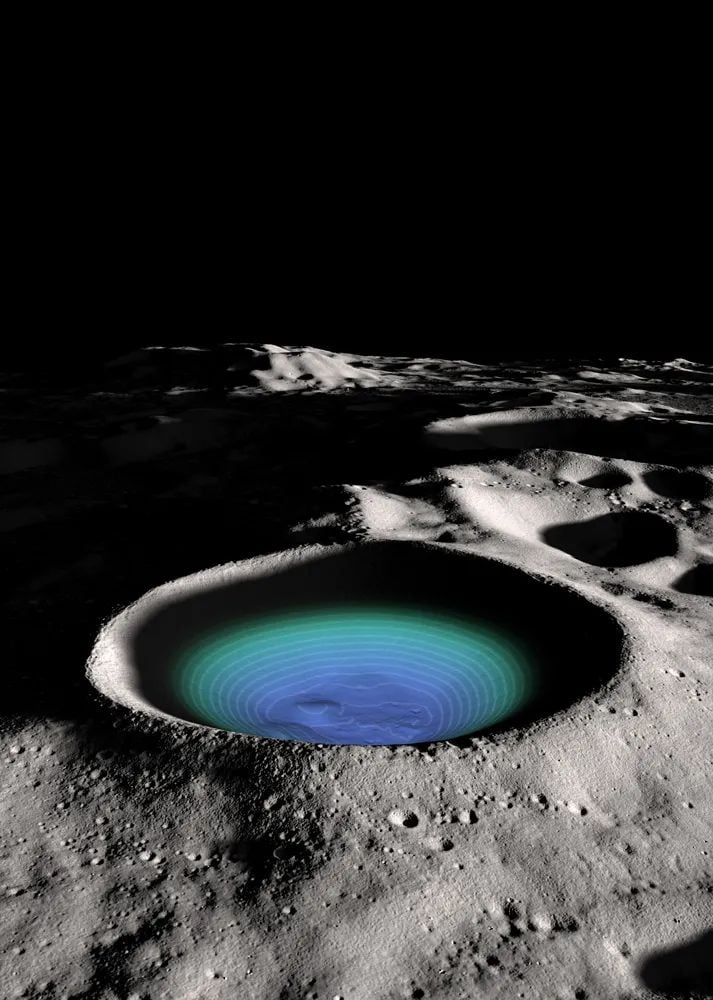
Bezos said we should move heavy industry to the Moon. Musk says we'll have sustainable lunar cities. We know there's ancient water ice in craters on the Moon's poles, but there's not enough water to support a city.

Venus likely never had a moon and even if it did, it would have soon been torn asunder by the planet’s own gravity, says prominent planetary astrophysicist.