Bruce Dorminey
Over the last three and a half decades, award-winning science journalist Bruce Dorminey --- a former Forbes senior science contributor, former Hong Kong Bureau Chief at Aviation Week and Space Technology magazine and former Paris-based technology correspondent for the Financial Times, has written for a multitude of high profile publications. They include Astronomy Magazine, Sky and Telescope, Scientific American, Science, Nature News, National Geographic, and Universe Today. He is the author of the 2001 book "Distant Wanderers: The Search for Planets beyond the Solar System." He was also the host of the "Cosmic Controversy" podcast which is still available via Podbean.

Recent Articles
-
-
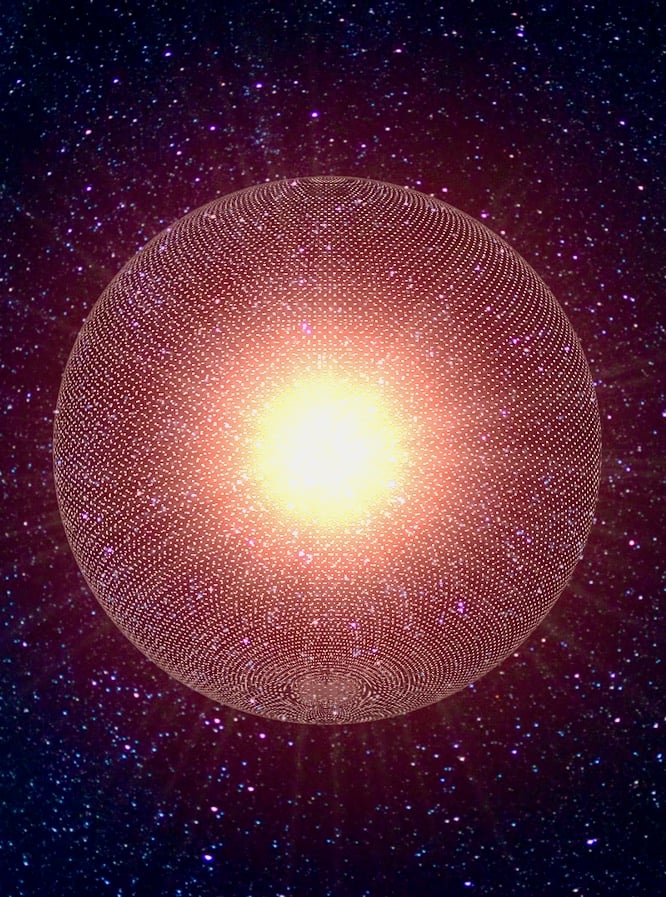
NASA’s Webb Telescope Rules Out Two New Dyson Sphere Candidates
August 27, 2026Recent searches for the technosignatures of hypothetical Dyson Spheres again turn up empty.
-
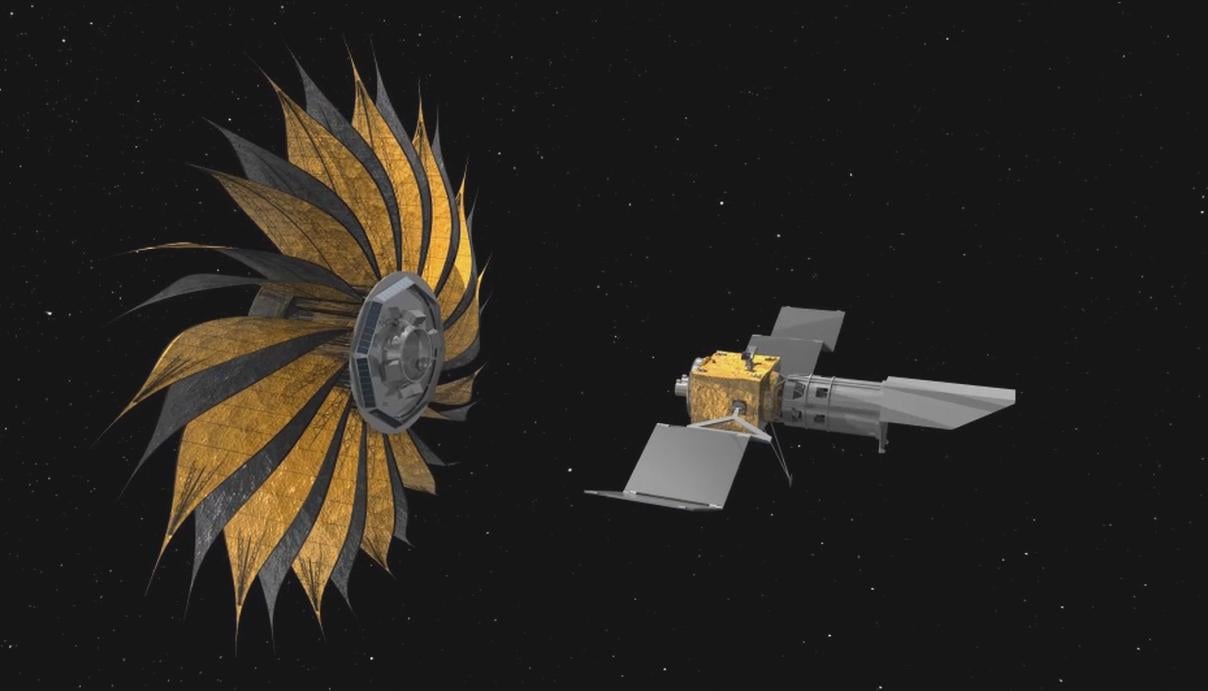
NASA Starshade Would Enable Astronomers To Directly Image Rocky Exoworlds
August 24, 2026Innovative NASA-funded orbital starshade could help capture first direct images from extrasolar earths.
-
New Solar System Models Show Earth Is No Fluke
August 21, 2026Astrobiologists use new starting points to produce ‘organic’ models of our solar system’s formation.
-
Life On Earth May Have Had A Cold Start
August 19, 2026Nitrous oxide (otherwise known as laughing gas) is likely a key atmospheric component of life in the cosmos.
-
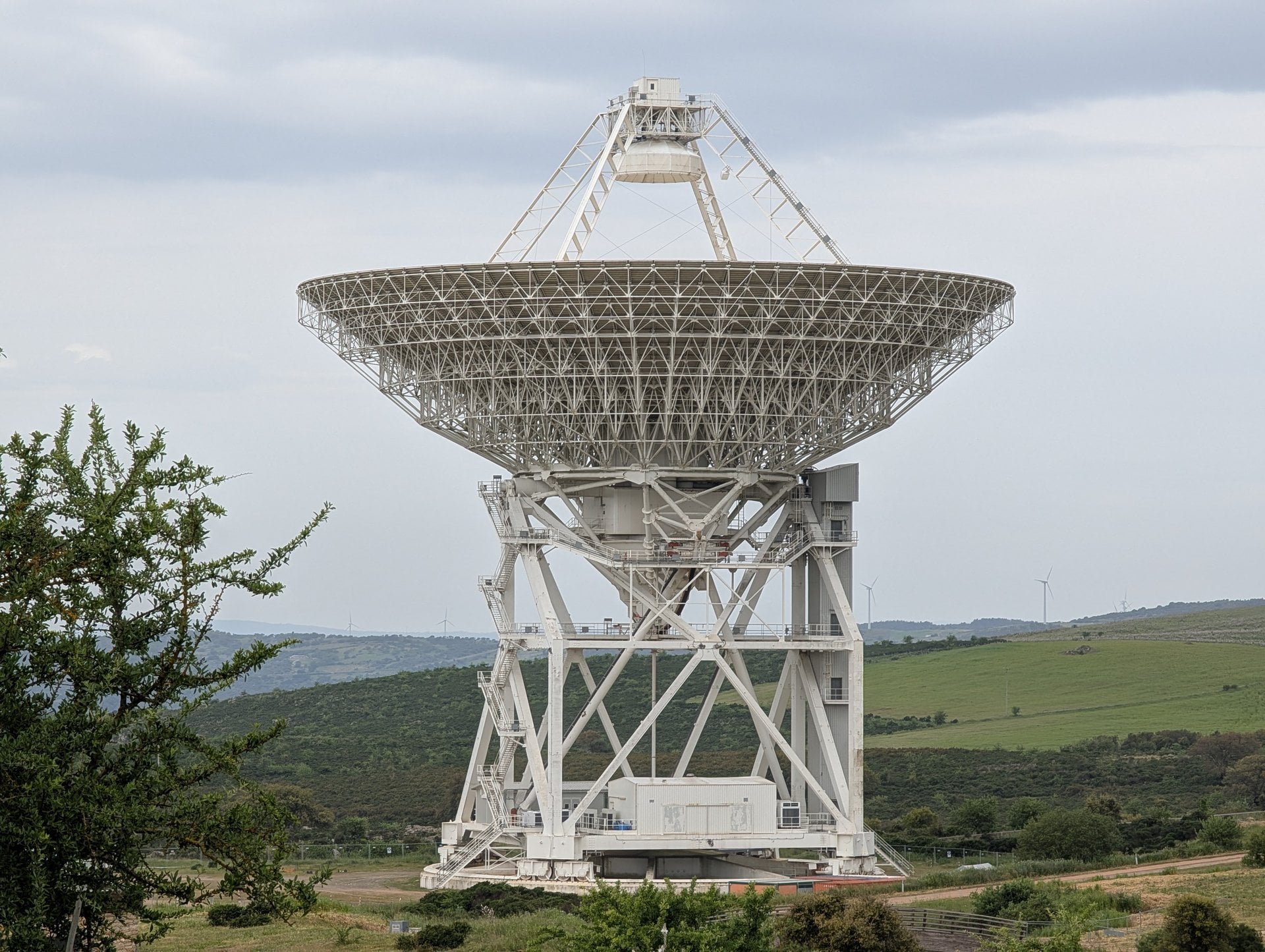
Upgraded Sardinia Radio Telescope To Continue Probing Mysterious Fast Radio Bursts
August 14, 2026Largest Italian radio telescope located on an out of the way mountain plateau in southern Sardinia sheds light on the cosmos’ still misunderstood Fast Radio Bursts (FRBs).
-
Ancient Maltese Seafarers Likely Navigated By The Stars
August 10, 2026Ancient Maltese seafarers had both a complex cosmology and likely at least rudimentary skills in celestial navigation. It's thought that they used stars in the southern constellation of Crux to make their way around the south-central Mediterranean.
-
Astrobiologist Uses Apollo Lunar Samples As Mirror Onto Early Earth
July 31, 2026A Tokyo-based astrobiologist is using an ingenious new way to garner insight into Earth’s 3.5-billion-year-old biosphere.
-
Astrobiology Offers Crucial Window Onto Earth’s Distant Past And Future
July 28, 2026The search for extrasolar rocky planets circling other stars is more than mere science. It offers researchers a chance to gain crucial insight into how our own planet functions.
-
On The Hunt For Earth’s First Complex Life
July 18, 2026Finding microfossils of Earth’s oldest complex life is a bit like chasing an astrobiological rainbow. The eukaryotic pot of gold at rainbow’s end always seems just a bit out of reach.
-
Most Of Moon’s Water Likely Remains Chemically Bound In Its Deep Interior
July 13, 2026Aside from an unknown quantity of water in the Moon’s permanently shaded polar craters, the lion’s share of what water the Moon may have is likely chemically bound in its deep interior.
-
ESA’s ExoMars Trace Gas Orbiter Has Yet to Detect Methane On Mars
June 29, 2026After more than eight years of searching and with instruments designed to detect it, the European Space Agency’s (ESA) Mars Trace Gas Orbiter has yet to find methane in the red planet’s atmosphere.
-
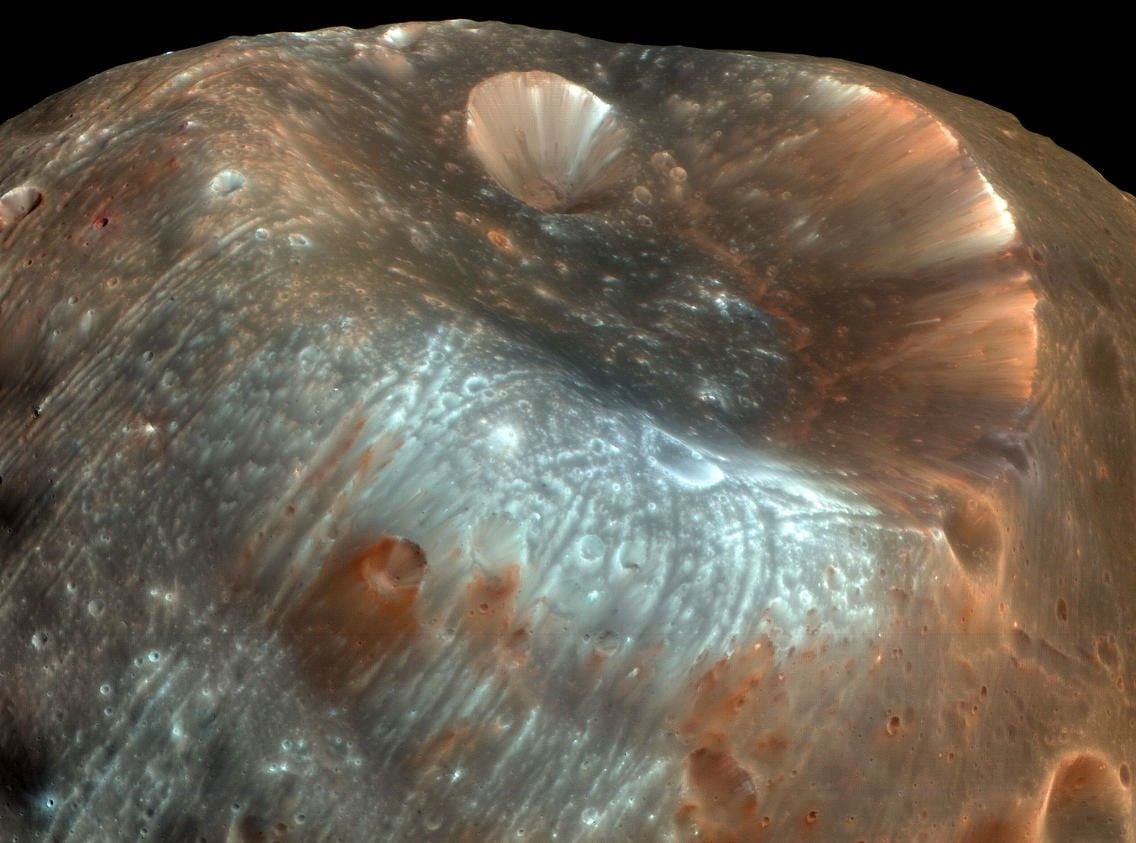
Making Sense Of Mars’ Tiny Moon Of Phobos
June 20, 2026Understanding the Martian moon of Phobos’ origin hinges on decoding its interior. Japan’s Martian Moons Exploration (MMX) mission due for launch in late 2026 should help.
-
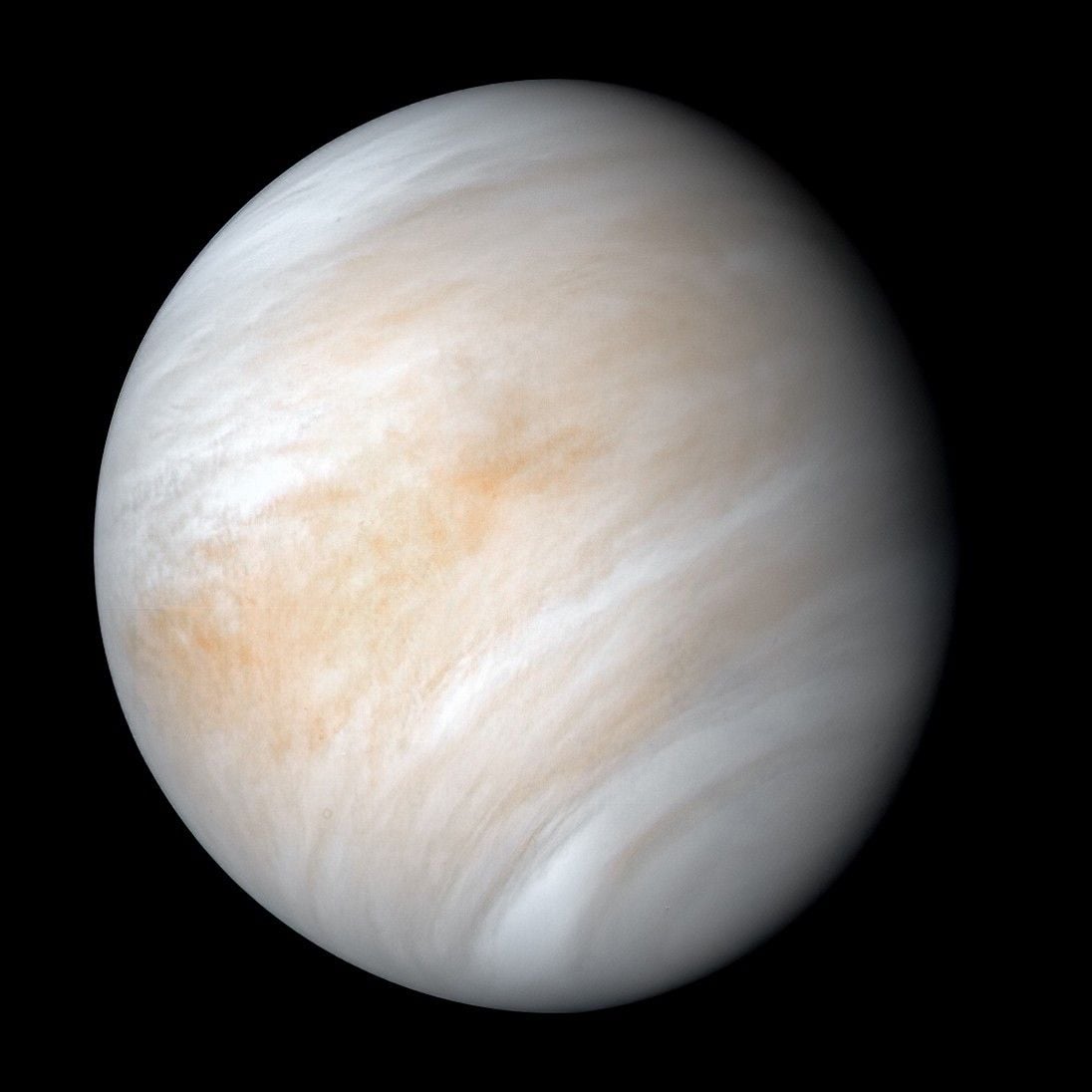
Venus’ Strange Rotation Was Likely Triggered By A High Velocity Moon-Sized Impactor
June 14, 2026Venus’ extraordinarily slow retrograde rotation was likely caused by a chance encounter with a moon-sized impactor. One that some 4.5 billion years ago likely slammed into our sister planet at a high angle and high velocity.
-
On The Hunt For Cosmic Dawn And The Universe’s Very First Stars
June 10, 2026After decades of searches, cosmologists are within reach of finding cosmic dawn. A longtime observational cosmologist explains.
-
Ceres’ Surface Is Much More Complex Than Previously Thought
June 01, 2026The dwarf planet Ceres has a surface that seems to get more perplexing with each new study. A recent paper presented at EGU26 in Vienna only adds to its mystery.
-
NASA’S Juno Makes Closest Ever Approach To Jupiter’s Moon Of Thebe
May 22, 2026NASA’S Juno spacecraft images Jupiter’s tiny moon of Thebe in a recent close approach.
-
Hellish Venus-Like Planets May Be More Prevalent Than True ExoEarths
May 20, 2026Exoplanet hunters are keen to find the next extrasolar earthlike planet, one that may harbor life as we know it. But preliminary results from a new study indicate that our galaxy may be filled with a plethora of exo-Venuses. Yet as one exoplanetary researcher notes: the template for such exo-worlds --- our own Venus --- has been ‘criminally underexplored.’
-
Bizarre Venus Surface Formations Puzzle Planetary Scientists
May 15, 2026Enigmatic crownlike surface formations on Venus hold keys to understanding our twin planet’s deep interior. Or so says a new paper presented at the recent European Geosciences Union 2026 general assembly in Vienna.
-
Jupiter Is Much More Complicated Than Previously Thought, Says NASA
May 12, 2026Jupiter, the gravitational behemoth that makes up a lion’s share of our solar system’s planetary content, is much more complicated than ever previously thought. Or so say leaders from NASA’s highly successful Juno mission.
Universe Today