Continue reading
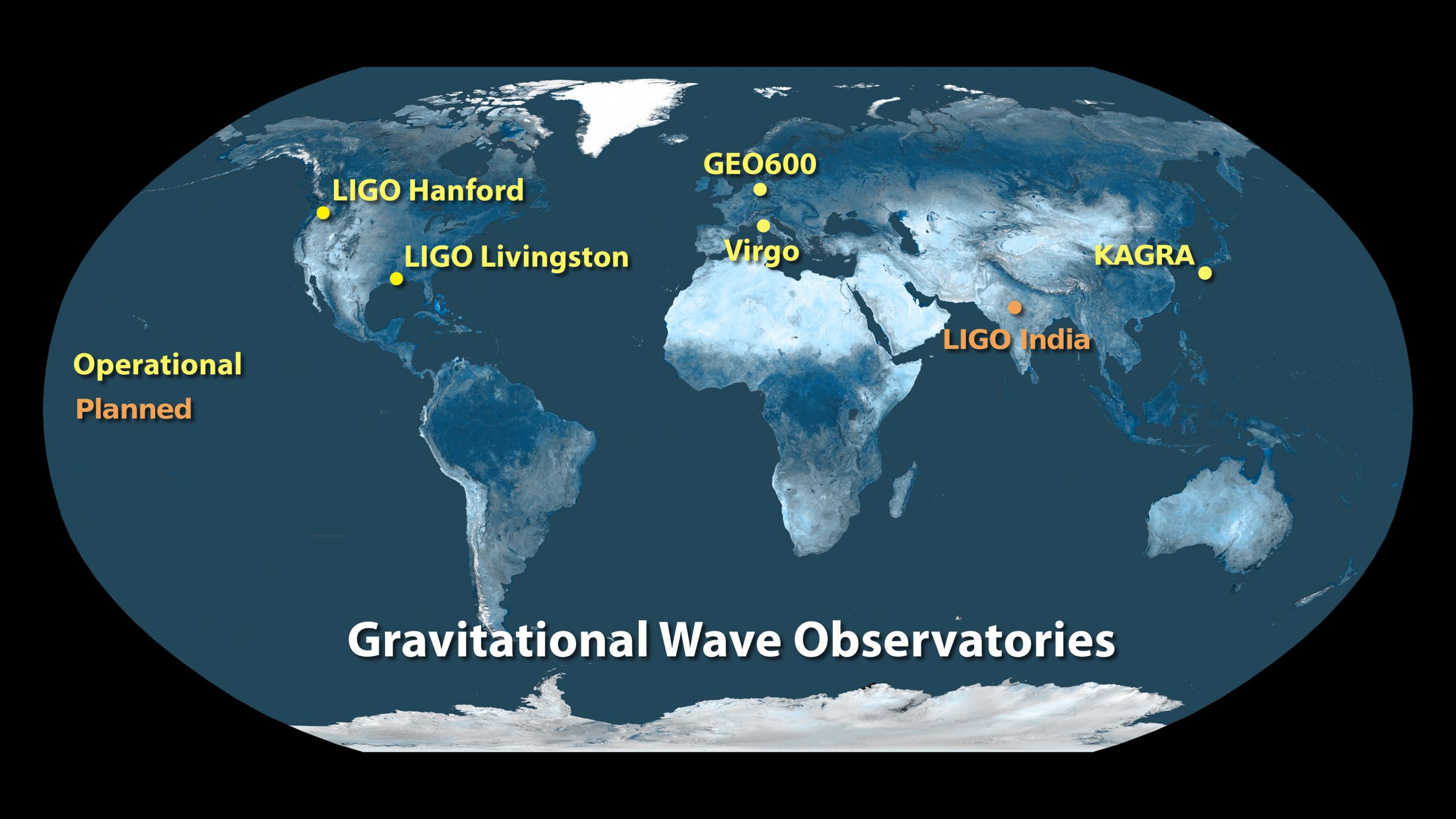
All current and planned gravitational wave observatories are located in the northern hemisphere, in the US, India, Europe, and Japan. Even the next-generation observatories like Cosmic Explorer 40-km and the Einstein Telescope will be in the north. But a telescope in the southern hemisphere would provide a much larger baseline, allowing the detection of fainter gravitational waves. A new paper makes the case for building an observatory south of the equator.
Continue reading
Continue reading
Continue reading

Continue reading
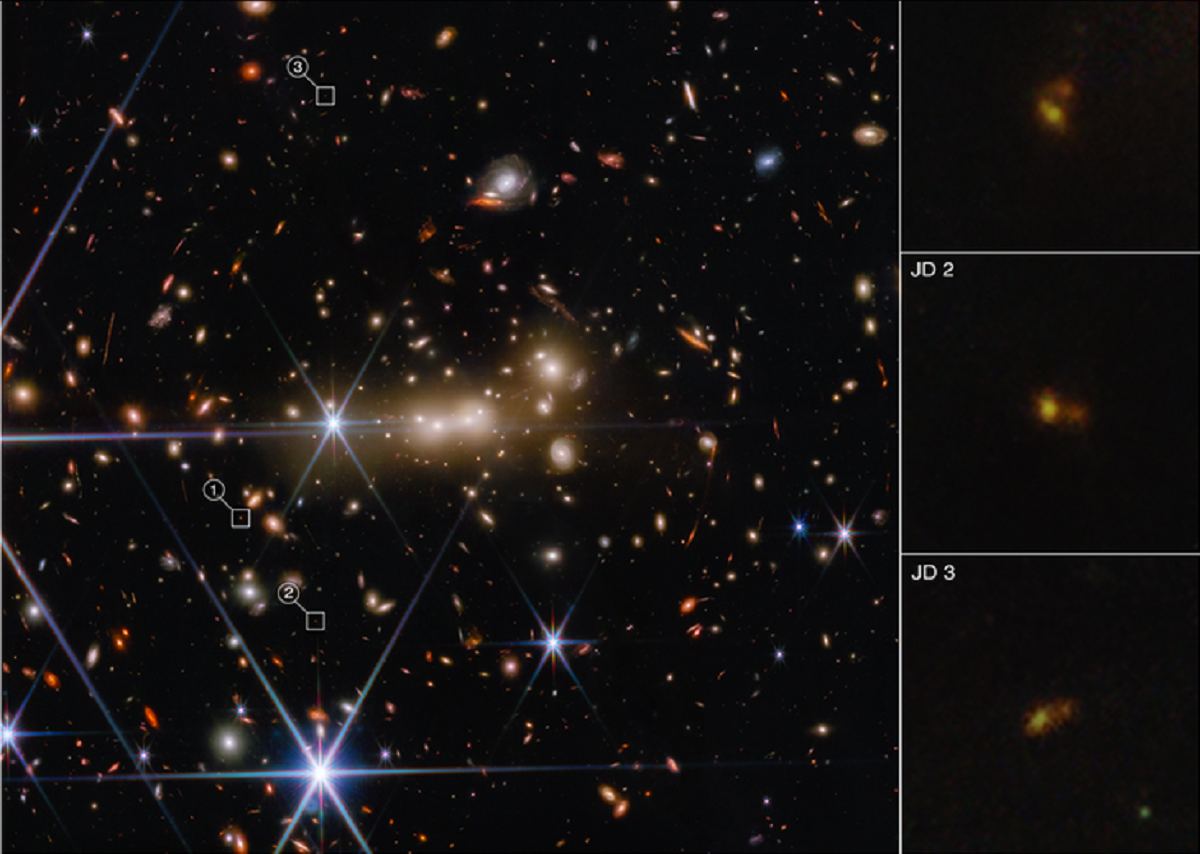
Thanks to data obtained by Webb, astronomers have confirmed that MACS0647-star-1 is the second farthest star observed to date.
Continue reading
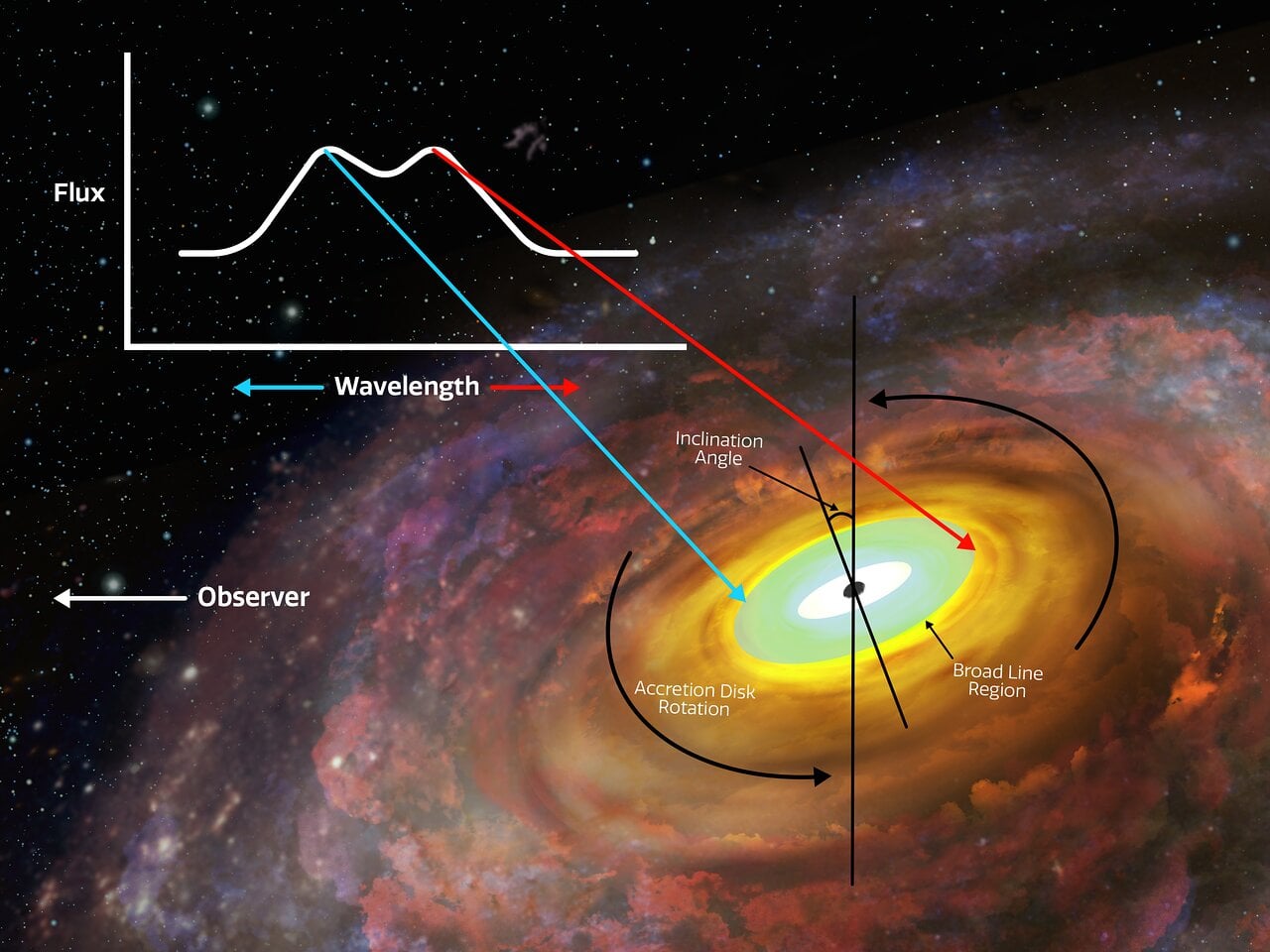
Actively feeding supermassive black holes are known as quasars, and they can outshine all the stars of their host galaxy. Part of their brightness comes from the accretion disk surrounding the black hole, but they're hard to image directly because quasars are so far away. New data from one of the world's largest telescopes has managed this feat, detecting near-infrared emission lines that mark significant regions in the accretion disk in a quasar.
Continue reading
Continue reading
Continue reading
Continue reading
Continue reading
Astronomers have found supermassive black holes in the centers of most galaxies. To get the black holes we see today, they must have been feeding in the past, packing on the mass to grow so big. But, a recent survey with JWST failed to turn up as many active galactic nuclei as astronomers expected. This just deepens the mystery. How did mature galaxies like the Milky Way get their black holes if they didn't go through this feeding period?
Continue reading
Continue reading
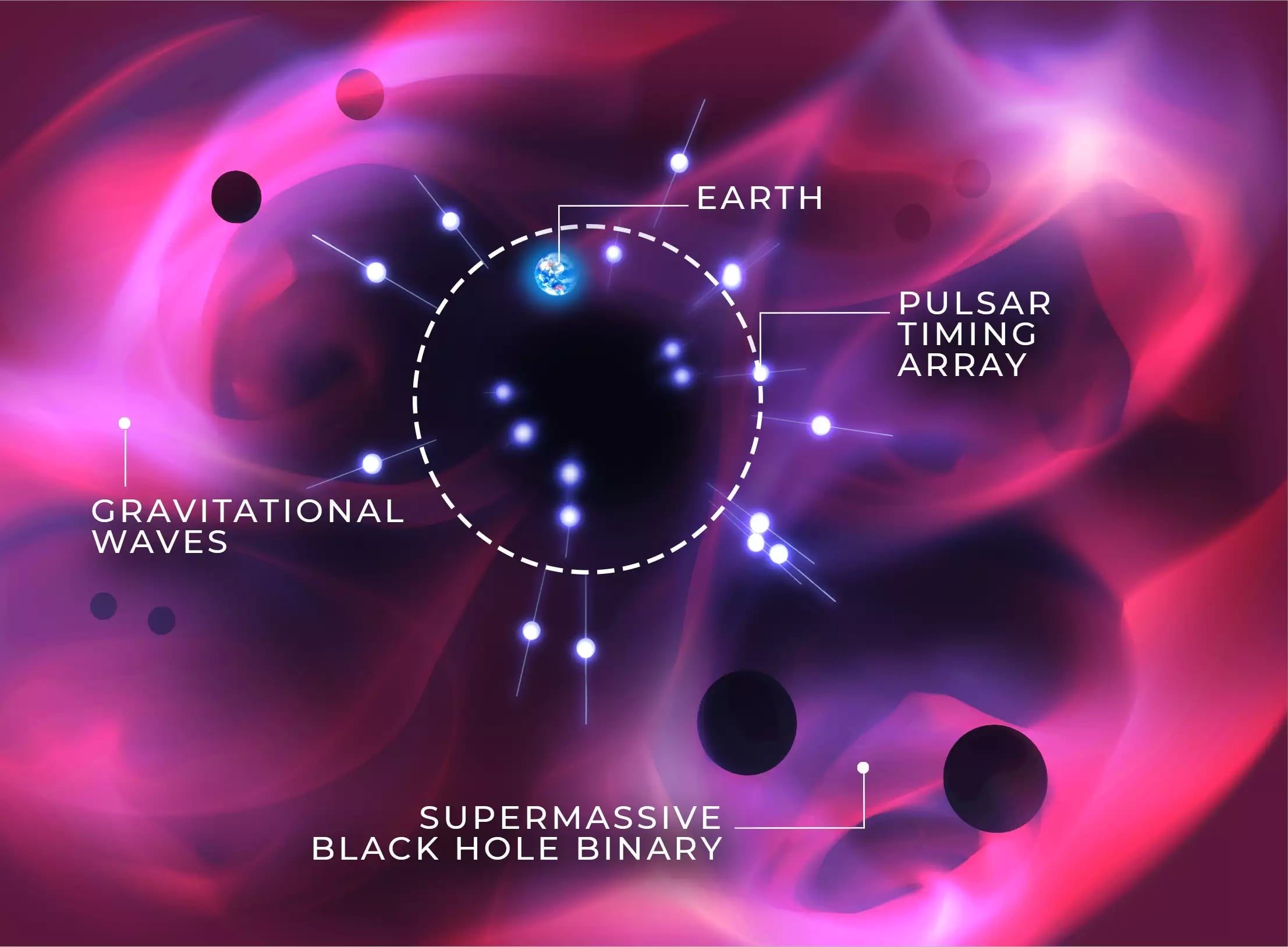
After over a decade of observations of pulsars, astronomers could finally tease out the gravitational wave background of the Universe, the combined signal from merging supermassive black holes. But it was just the general presence of mergers, not specific events. A new paper proposes that the same pulsars could next be used to detect the gravitational waves from individual merging supermassive black holes. The more nearby pulsars astronomers can find, the more accurate their measurements will become.
Continue reading
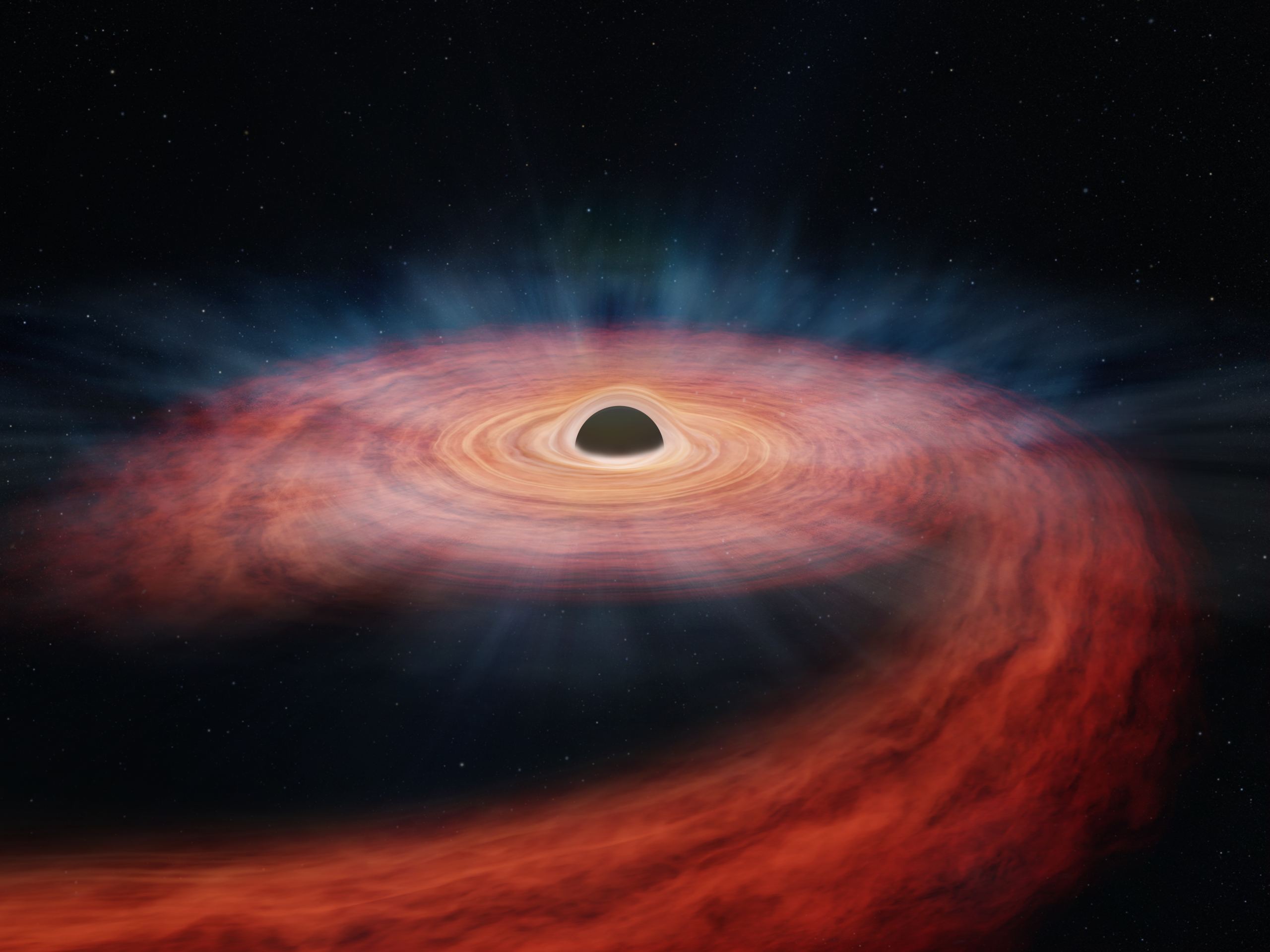
A pair of X-ray telescopes have observed the messy aftermath of a star that came too close to a supermassive black hole 290 million light-years away. It's believed that the star had three times the mass of the Sun, so this was one of the largest tidal disruption events ever seen. Although the black hole consumed some of the star, most of its guts were thrown into the surrounding space, polluting the region with the chemicals that allowed astronomers to estimate its stellar mass.
Continue reading
Continue reading
Continue reading
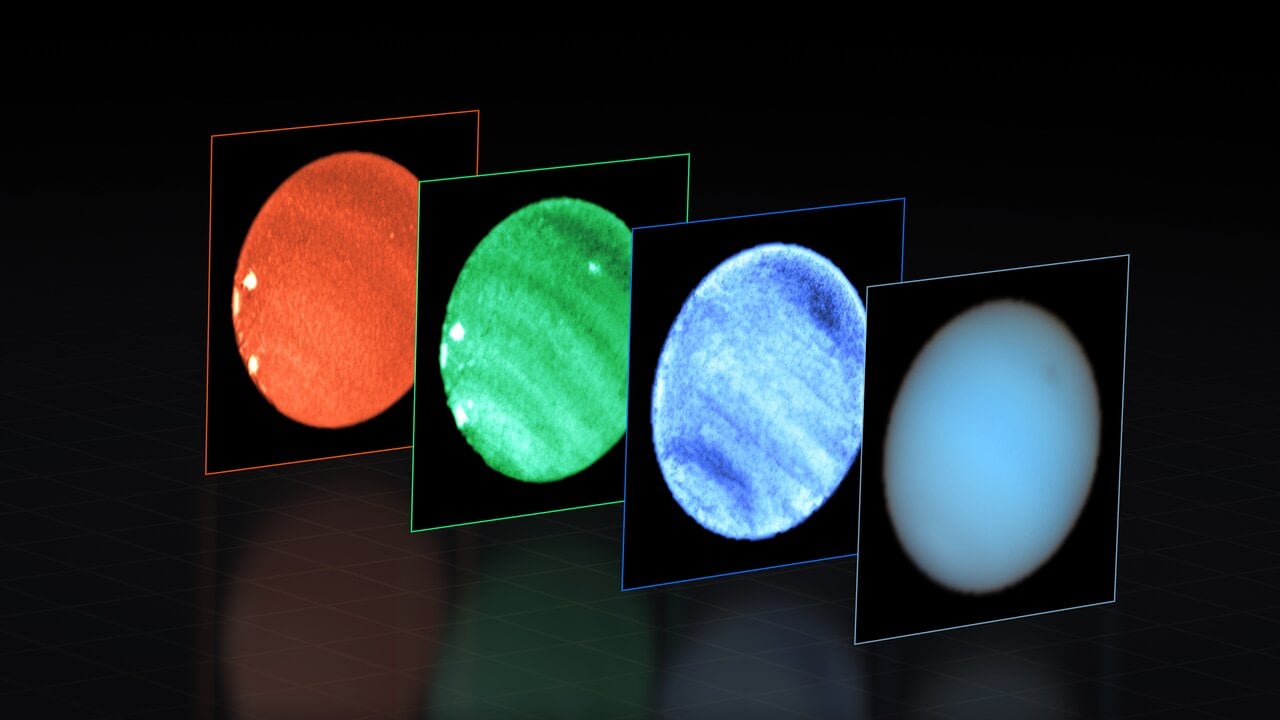
Using the ESO's VLT, an international team of observers was able to study Neptune's Great Dark Spot with a ground-based telescope for the first time.
Continue reading
Continue reading
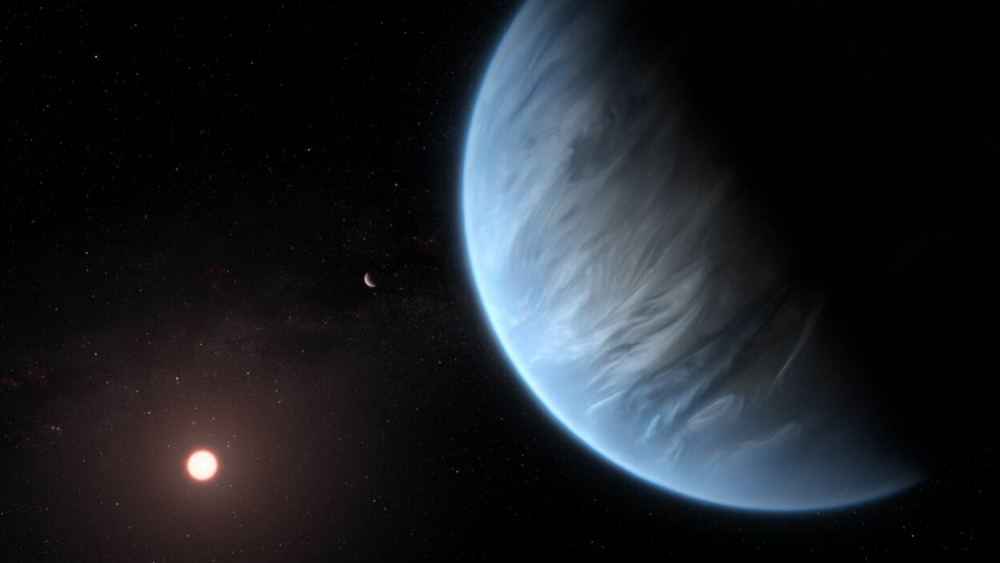
JWST has demonstrated how well it can analyze the atmosphere of exoplanets, revealing carbon dioxide, water vapor, and sulfur compounds. The hope, of course, is that it might be able to find evidence of biosignatures. Astronomers have found over 5,000 confirmed exoplanets, and TESS has turned up 4,000 candidate exoplanets. With this enormous catalog of confirmed and potential planets, which are high priorities that JWST should be pointed at?
Continue reading
Continue reading
Continue reading
Continue reading
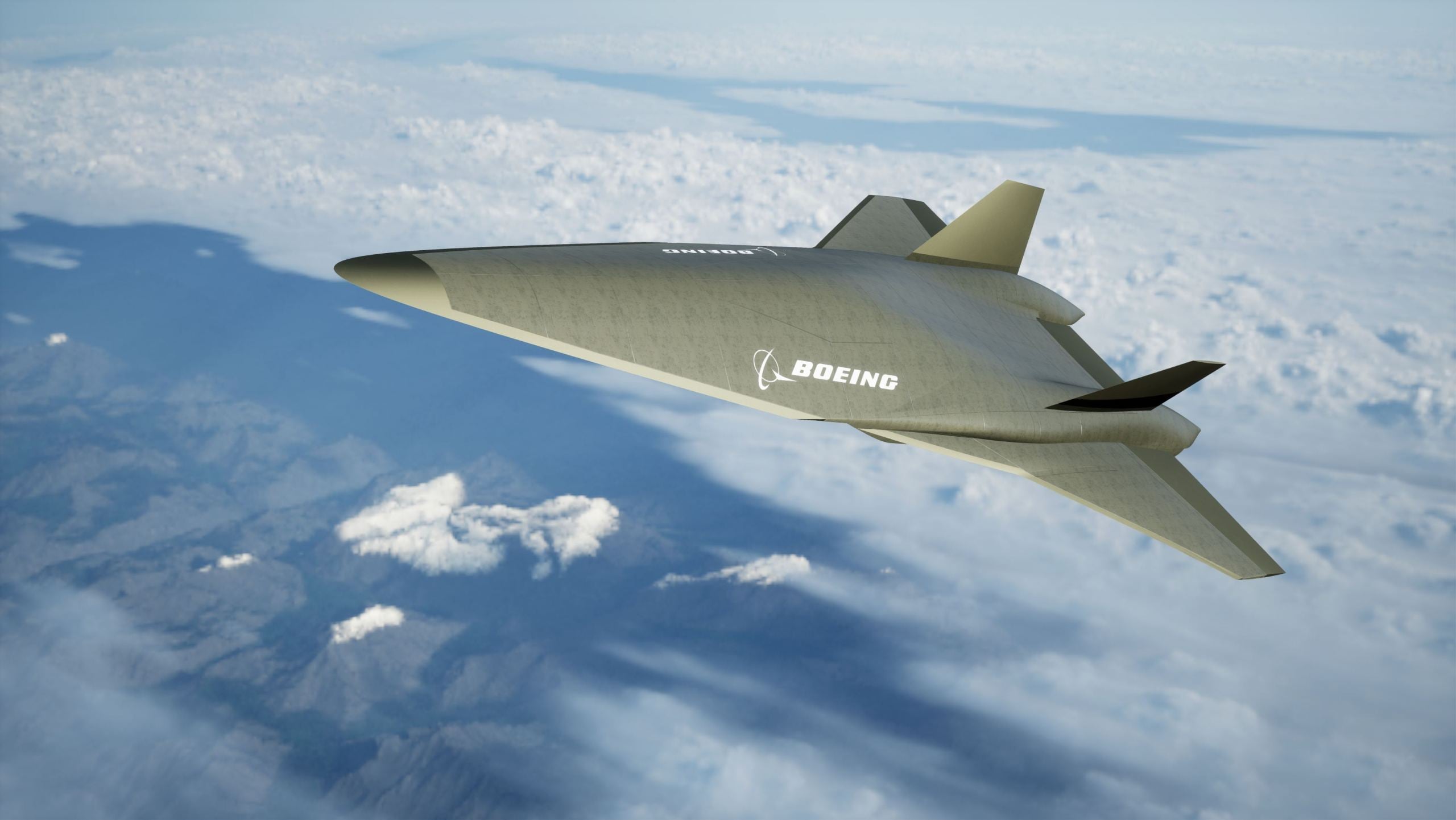
NASA has completed a series of studies that evaluated the potential for supersonic air travel between Mach 2 and 4!
Continue reading
Continue reading
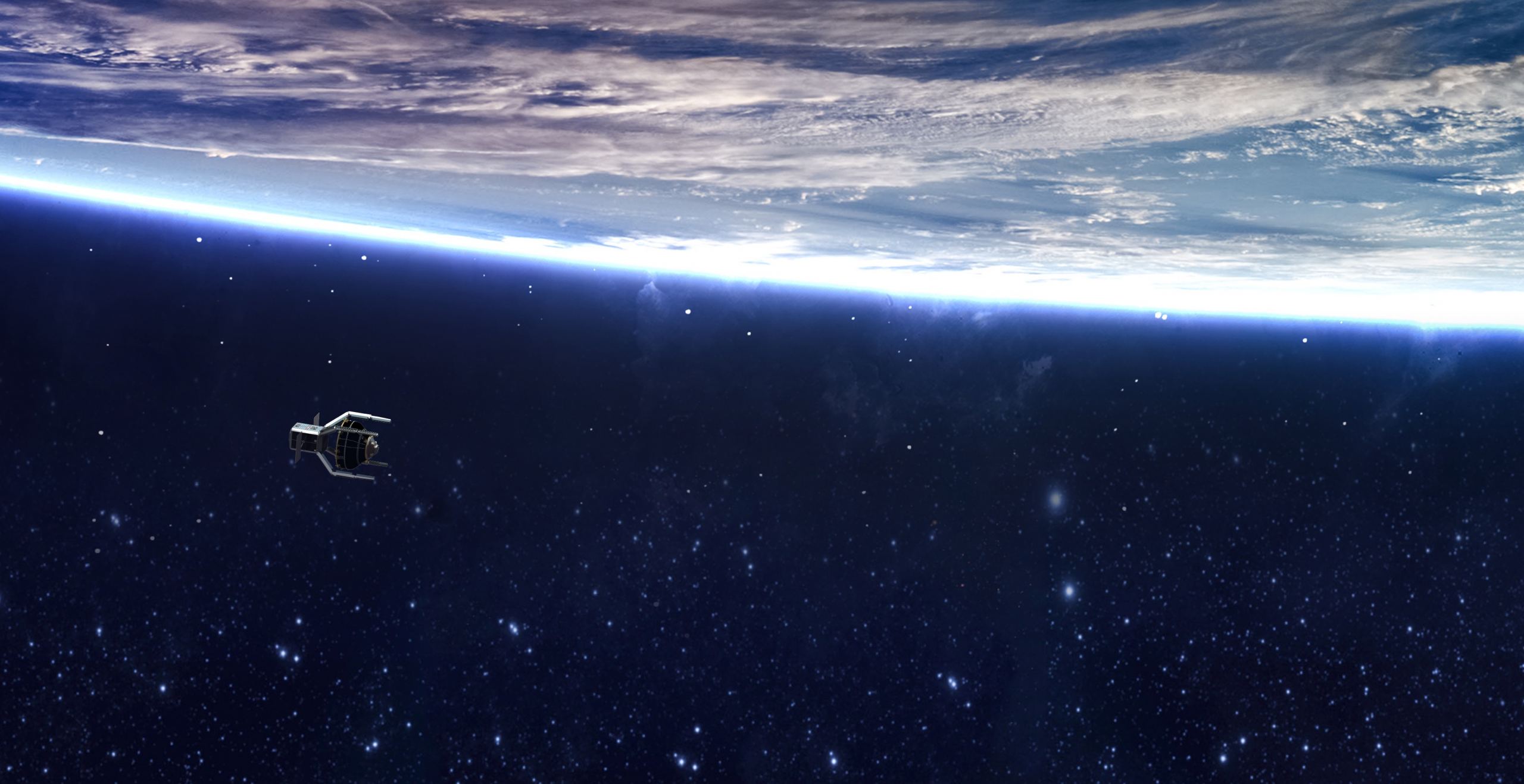
The European Space Agency's ClearSpace-1 satellite was zeroing in on the spent payload adaptor from a 2013 rocket launch. Its task would be to extend arms, grab the chunk of debris, hug it tightly, and then pull it back into the Earth's atmosphere, de-orbiting and removing it from low-Earth orbit. On August 10th, mission controllers detected multiple pieces of space debris near its target - debris that was probably dislodged from it in the recent past. They're now scrutinizing the situation to plan their next step in the mission.
Continue reading
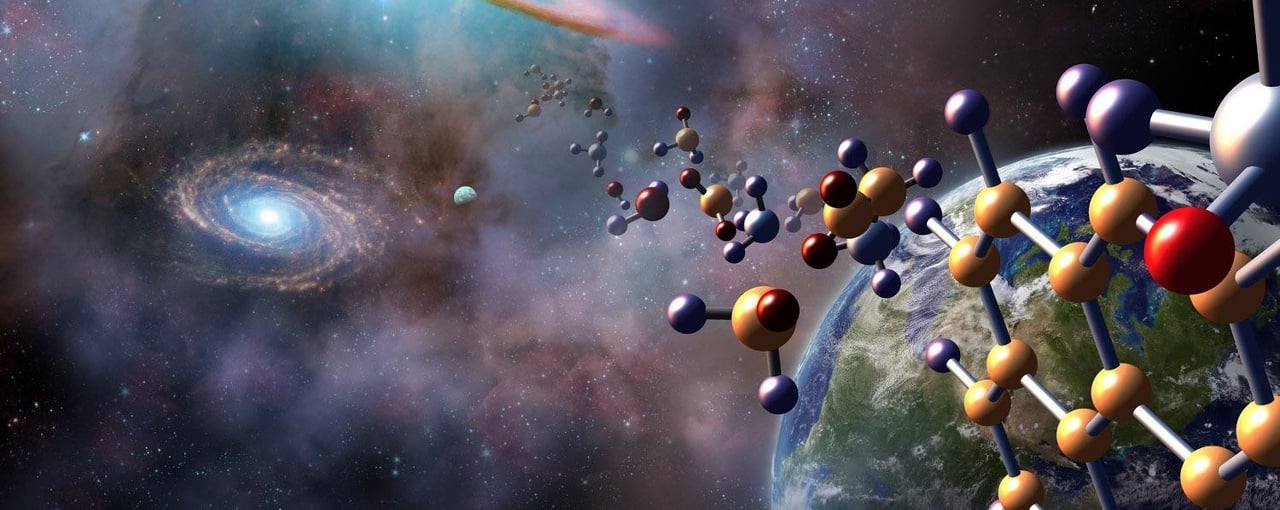
A new study considers how future astrobiology studies could search for life "as we don't know it" on exoplanets.
Continue reading
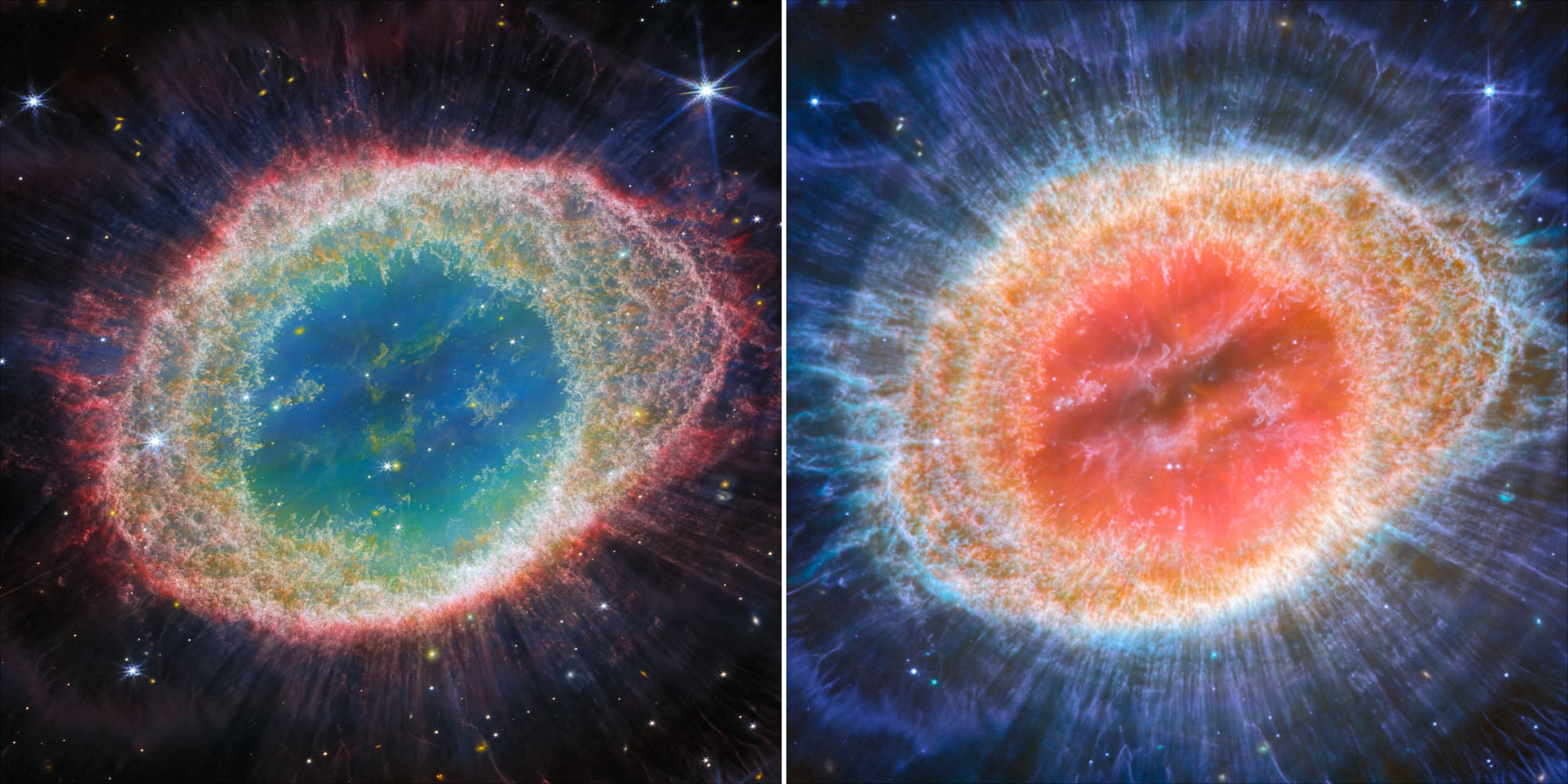
We recently got a new image of the famous Ring Nebula from JWST using its NIRCam instrument. This week we got an update taken with MIRI. The Ring Nebula is a perfect example of a planetary nebula, where a dying star throws its outer layers off into space. The new images reveal 20,000 individual clumps of dense molecular gas, each as massive as Earth. There is a narrow band of hydrocarbons in the ring, which surprised astronomers with its presence. The Ring Nebula is only 2,200 light-years from Earth, which makes it the ideal object to study, giving us clues about the future of our own Sun.
Continue reading
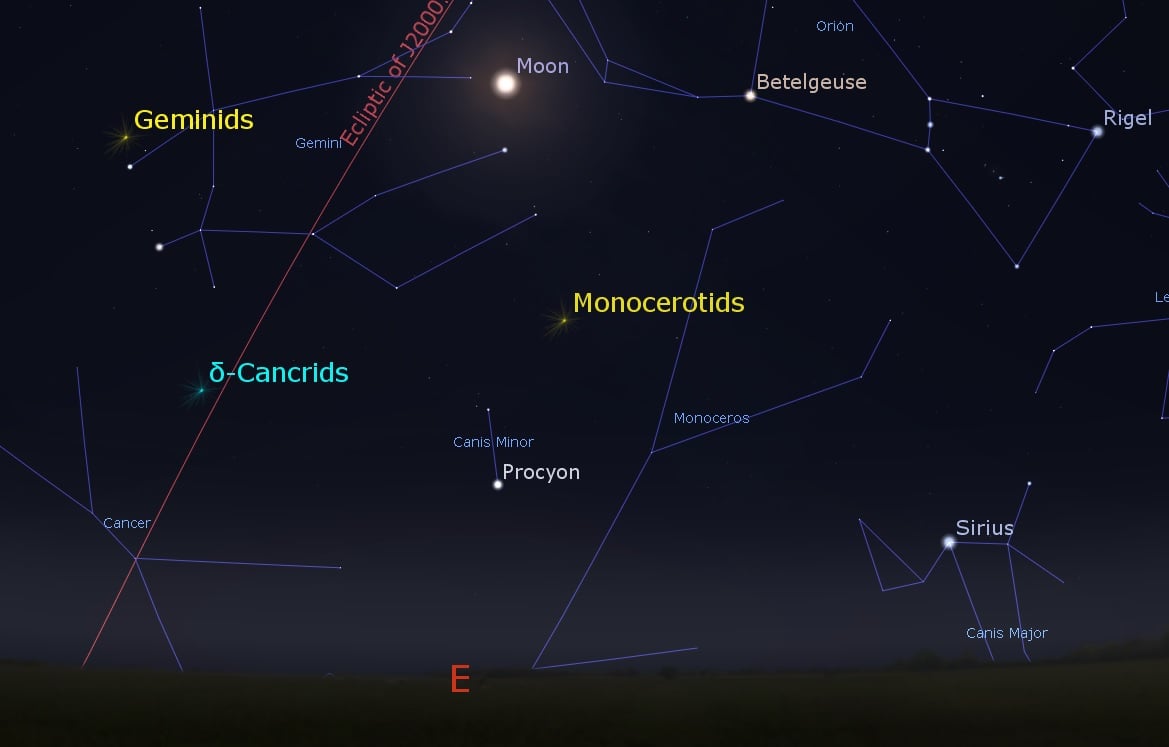
Most North America gets to see the Moon blot out Antares Thursday night.
Continue reading
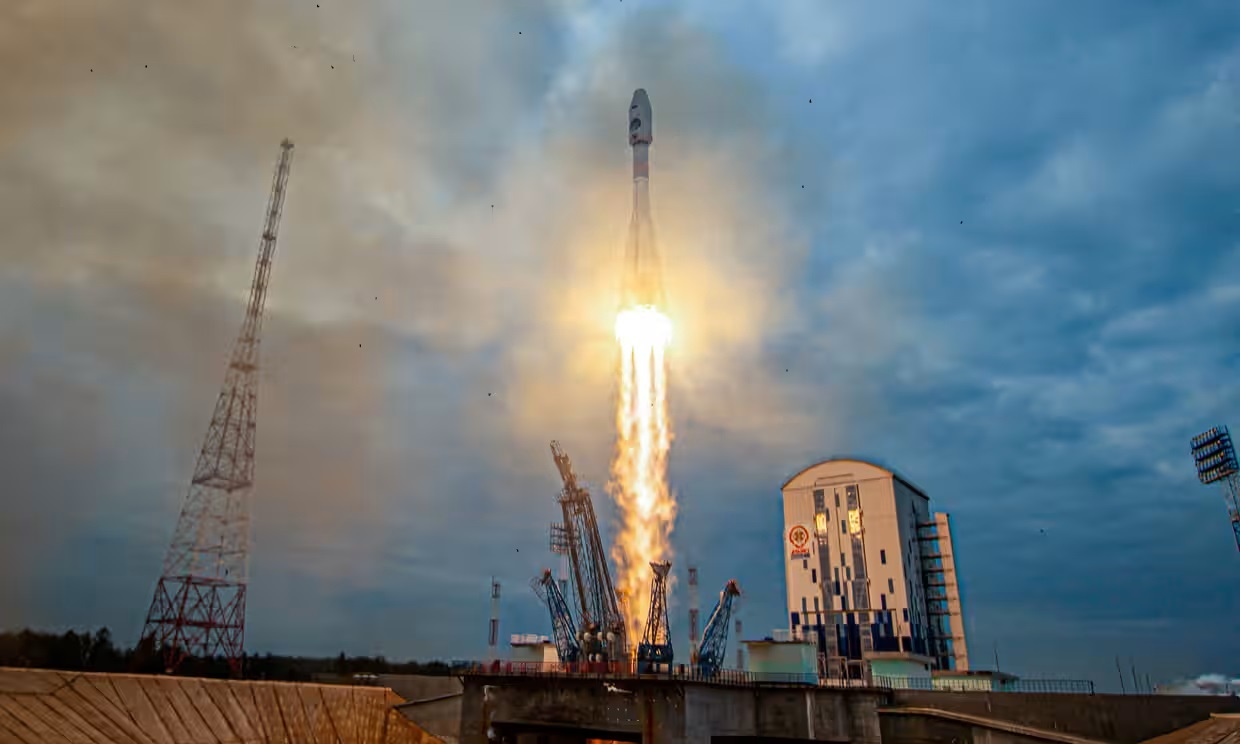
On Saturday, Aug. 19th, Russia's Luna-25 spacecraft suffered an engine malfunction and crashed its lunar lander on the Moon's surface.
Continue reading
Continue reading
Continue reading
Continue reading
Universe Today sat down with NASA technologist, engineer, and author Les Johnson as he talked about some of the highlights from the 8th Interstellar Symposium.
Continue reading
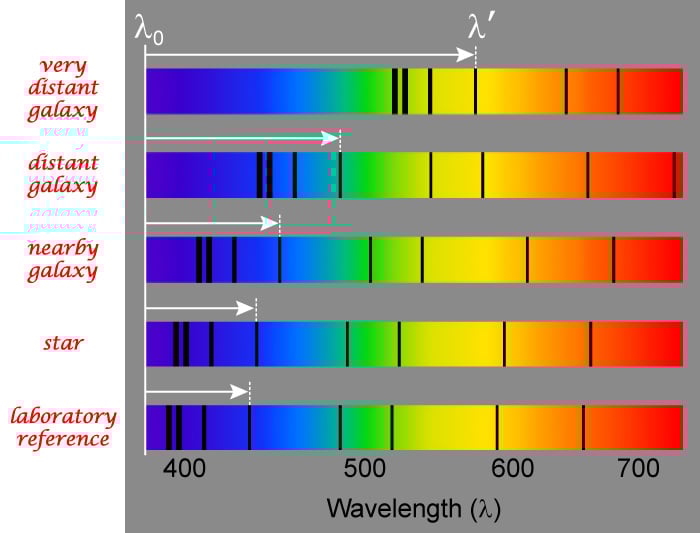
Almost all the galaxies in the Universe are speeding away from us because of the Big Bang and the acceleration of dark energy. One technique to measure this expansion is redshift, seeing how light is reddened over time as its wavelength stretches out. But every observation astronomers can make is a snapshot, measuring the redshift now. But an intriguing idea is to measure how the redshift changes over time as a galaxy's movement accelerates. It's called "redshift drift" and requires an exact series of measurements over time.
Continue reading
Continue reading
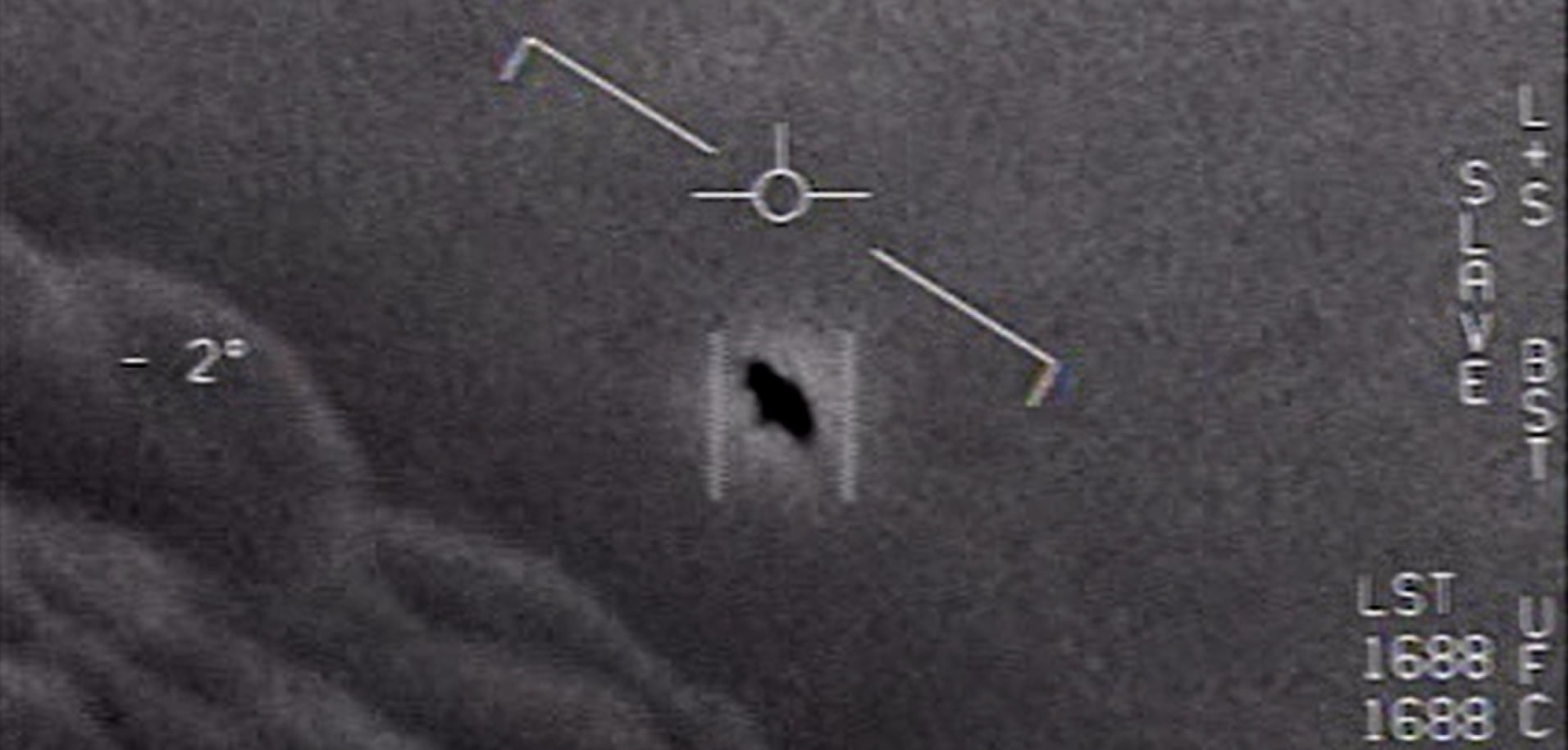
A new study shows how hyperspectral imaging and AI could help in the study of Unidentified Aerial Phenomena (UAP).
Continue reading
Continue reading
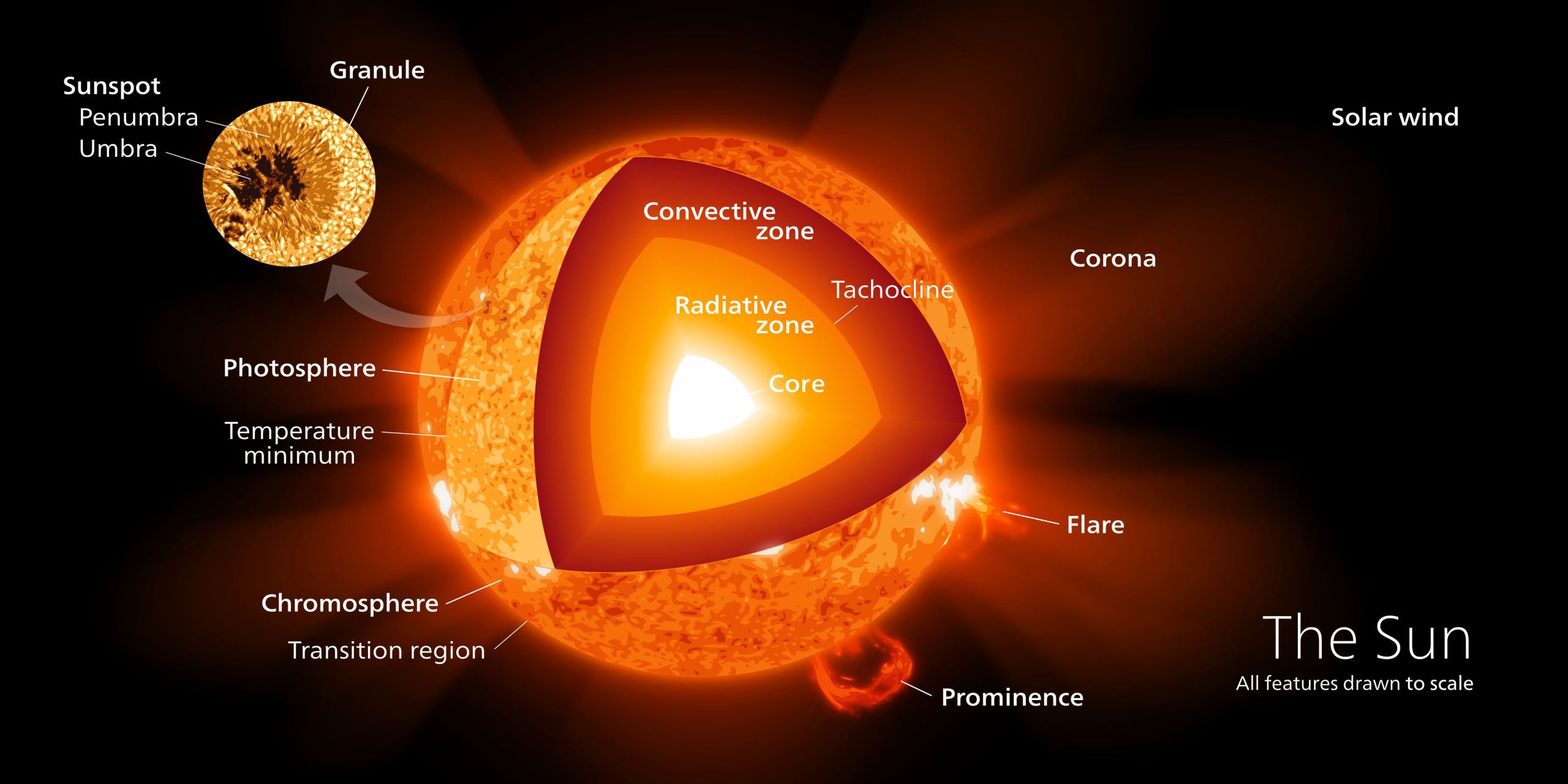
Stars begin as giant clouds of gas and dust that pull together through mutual gravity into a dense protostar. At some point, the intense pressure and temperature cause fusion in the star's core, where lighter elements, like hydrogen, are fused into heavier elements, like helium. When the Sun runs out of one type of fuel, it shifts to the next type and begins the process again, with the heaviest stars reaching iron. A new simulation shows a portion of the interior of a star as it completes one of these stellar phases.
Continue reading
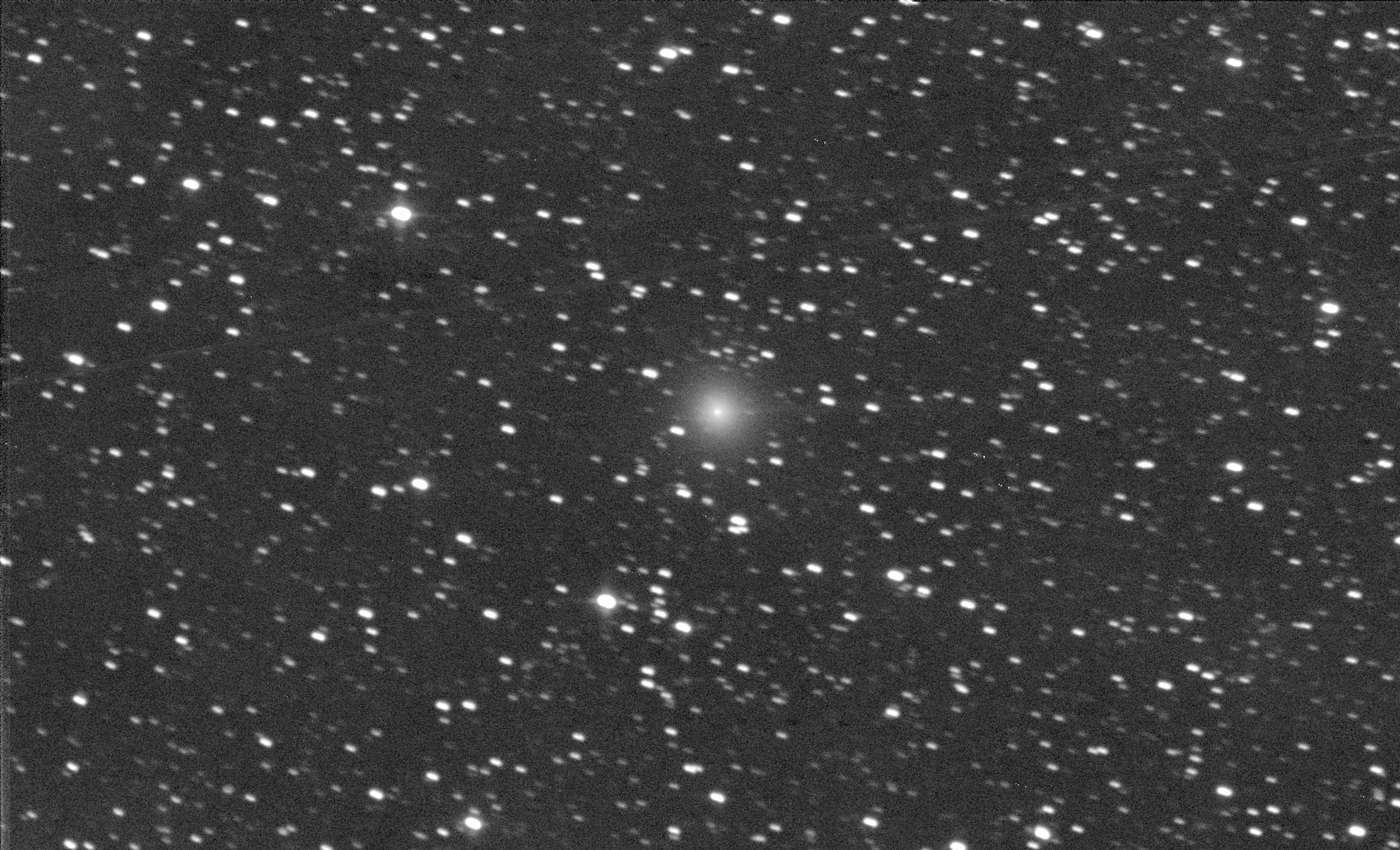
New Comet P1 Nishimura graces the August dawn sky...but how bright will it get?
Continue reading
Continue reading
Continue reading
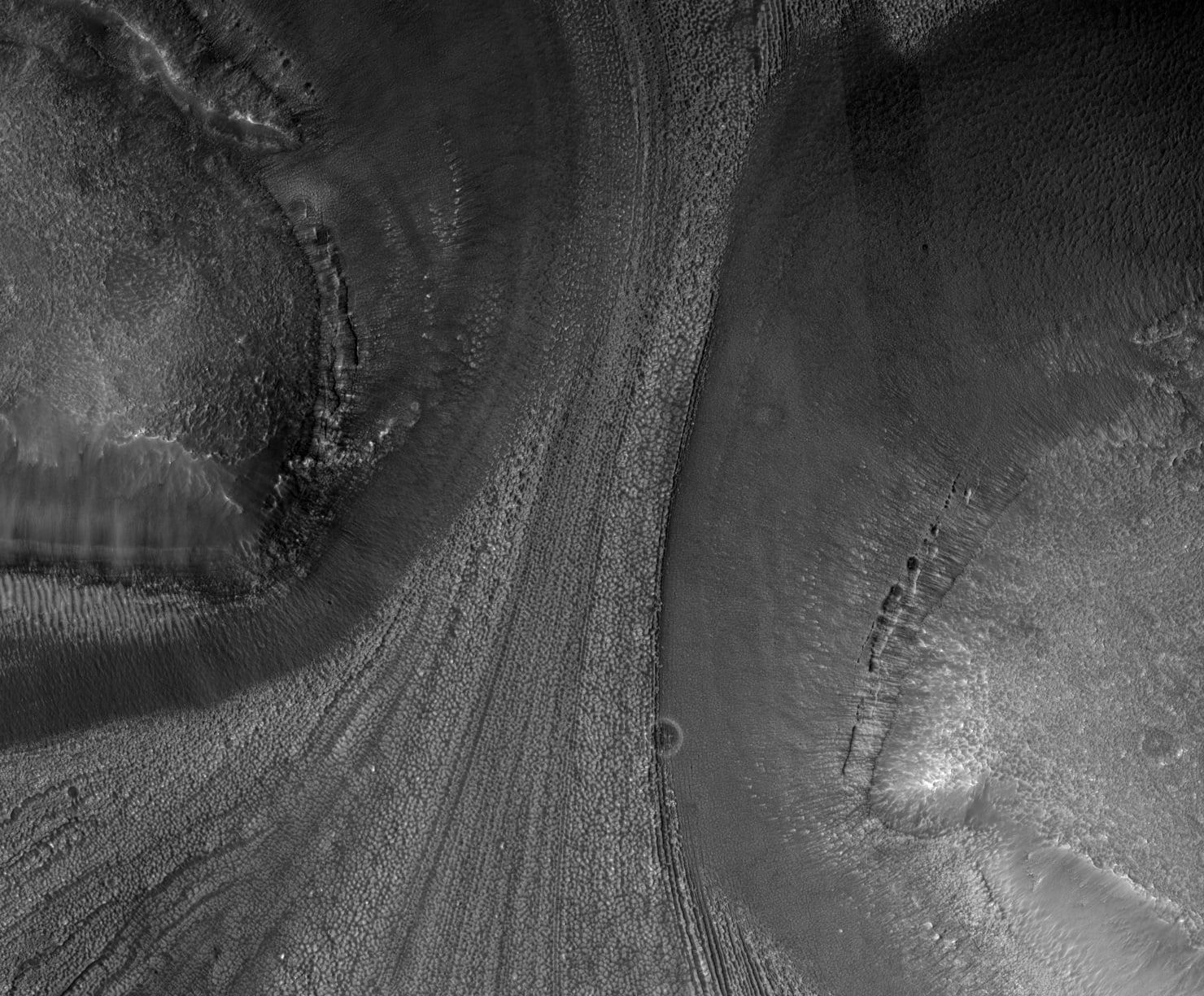
An image taken by the HiRISE camera aboard NASA's MRO shows evidence of past glaciers away from Mars' polar regions.
Continue reading
The Milky Way and Andromeda are set to collide in a few billion years but are still over two million light-years apart. Cosmologically, this is right next door, but it could still be far enough to measure the effect of dark energy, which is pushing back on the galaxies coming together. According to a new study, the movement of the two galaxies towards each other could give an upper limit on the cosmological constant model of dark energy. Other merging pairs of galaxies could provide more data and help refine the measurements.
Continue reading
Continue reading
Continue reading
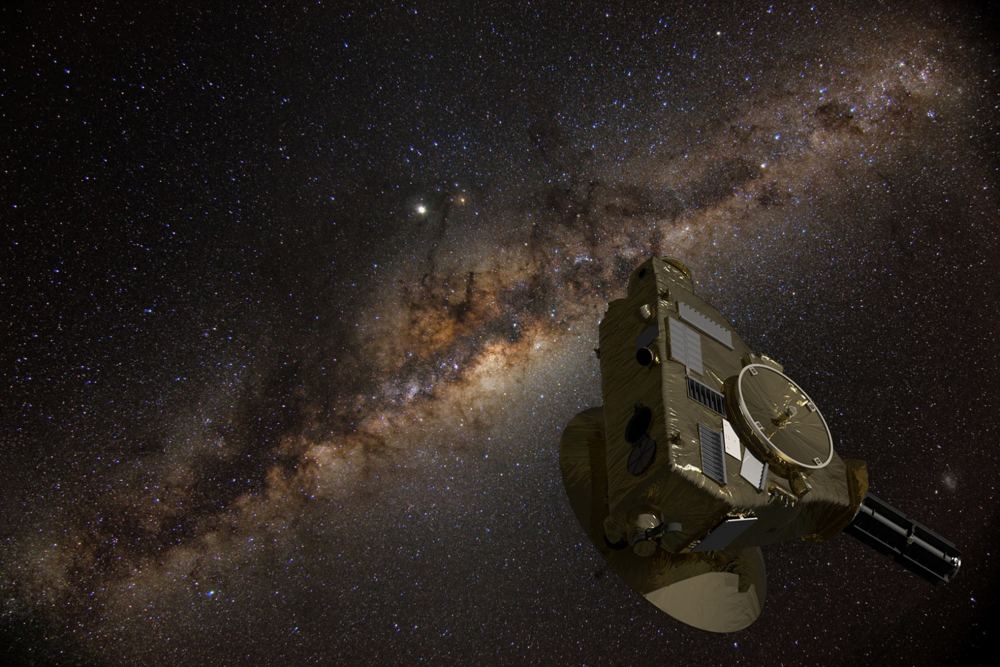
NASA's New Horizons Spacecraft has completed its flybys of Pluto and Arrakoth and is now about 8 billion kilometers from Earth. Although astronomers are looking for another Kuiper Belt target, they can send it towards; the spacecraft is perfectly positioned to look at the Universe itself. At such a great distance, the spacecraft is beyond the dust that causes light pollution in the inner Solar System, darker than the darker skies on Earth. This unique vantage point will measure just how dark the Universe is.
Continue reading

Astronomers have confirmed the age of Maisie's galaxy, which existed when the Universe was just 390 million years old, making it one of the earliest ever seen.
Continue reading
Continue reading
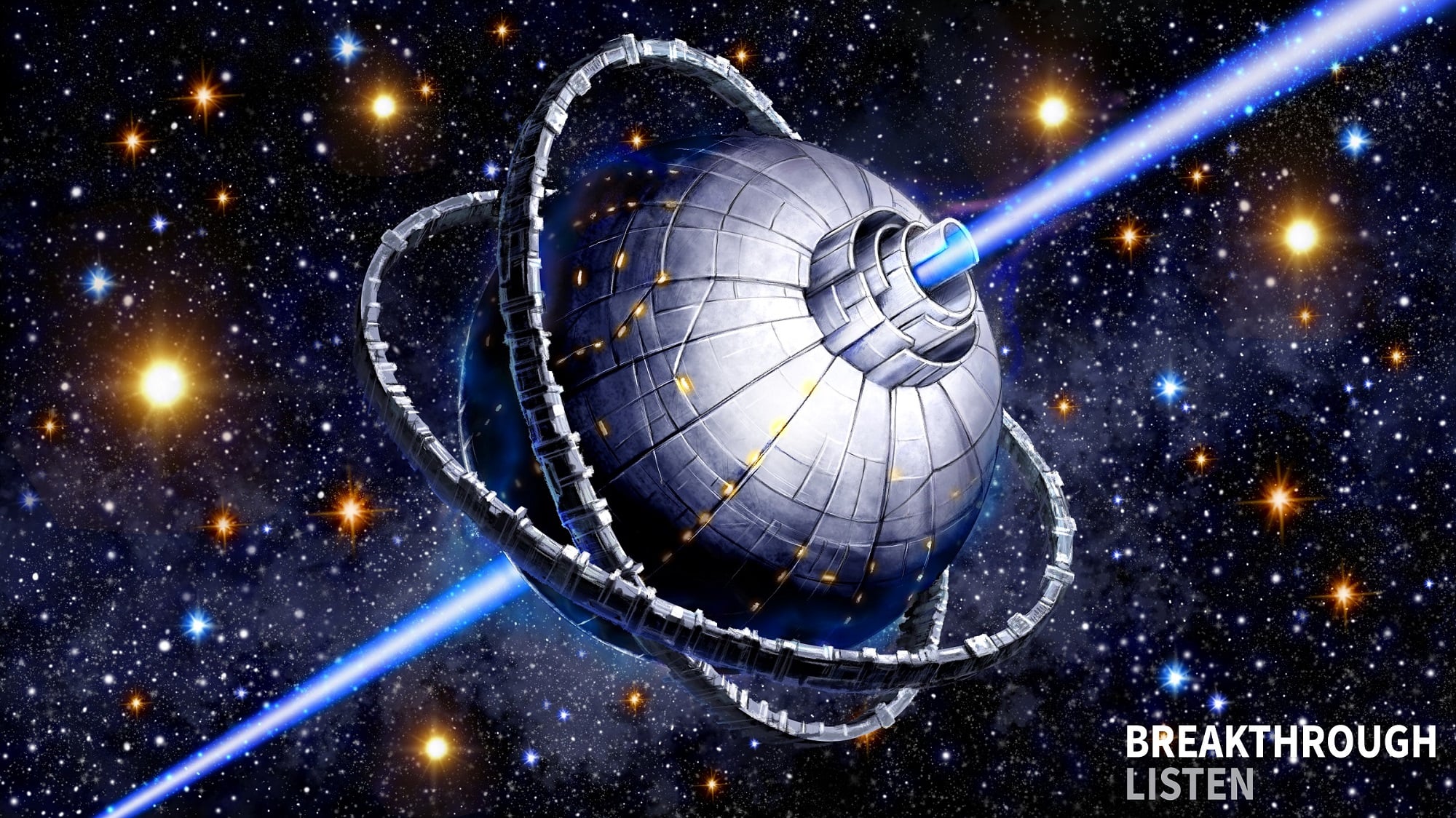
This year's Penn State SETI Symposium provided a good rundown of the field and the kinds of studies scientists will be able to do in the near future.
Continue reading
 Universe Today