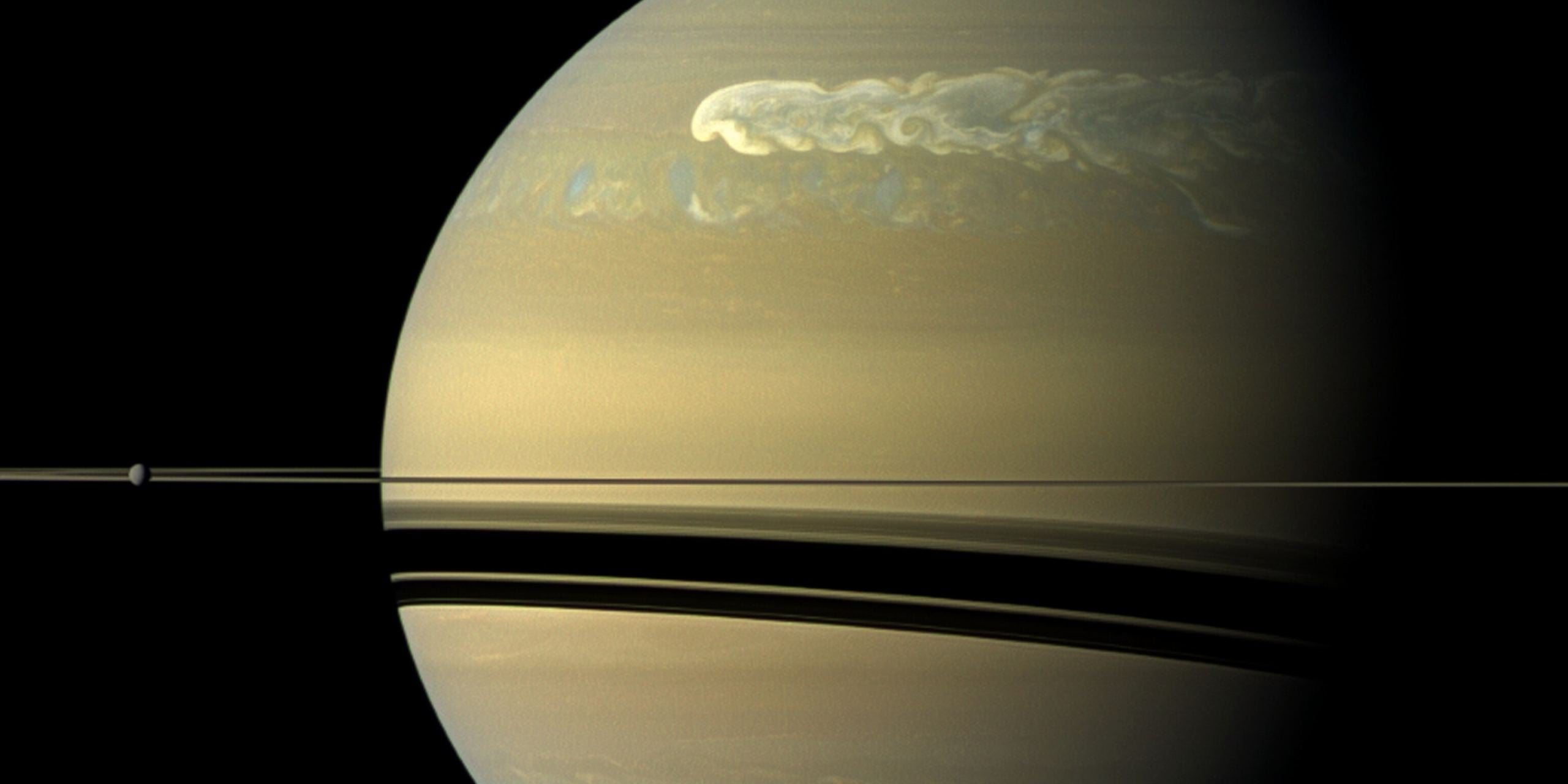
While Jupiter has the famous Great Red Spot cyclonic storm, the other giant planets have less turbulent-looking surfaces. But they do have mighty storms all their own. According to a new study, mega-storms on Saturn can flare up every 20-30 years and have long-lasting effects that persist for centuries. The astronomers looked at Saturn's radio emissions and mapped the ammonia gas distribution. They found that the storms churn up this gas and can be used to trace when storms happened in the past.
Continue reading
Continue reading

Continue reading
Continue reading
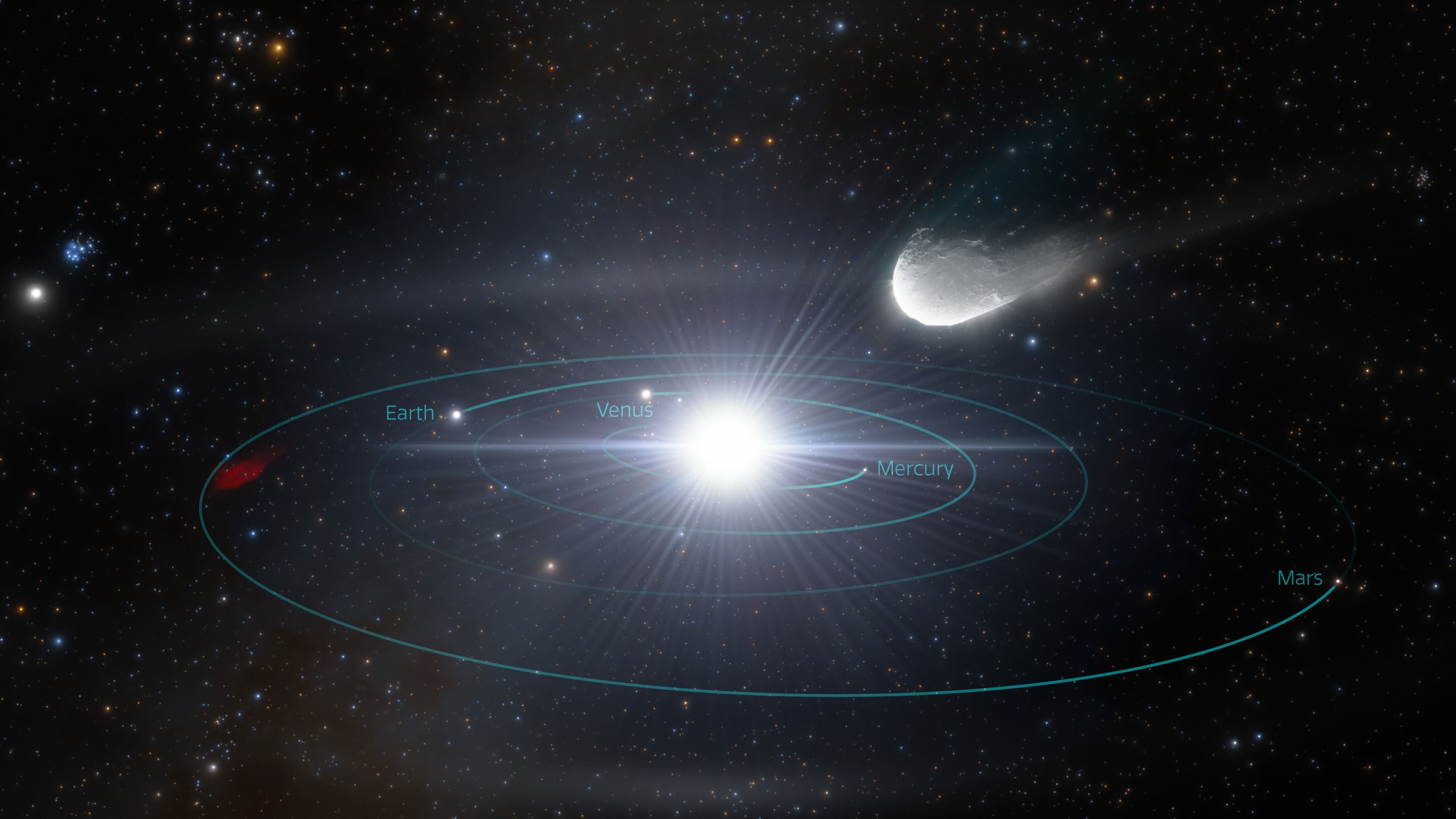
Astronomers have discovered two interstellar objects, Oumuamua and 2I/Borisov. When the Vera C Rubin Observatory comes online next year, it'll scan the entire southern sky every few nights, revealing thousands of comets and asteroids. Some fraction of these will be interstellar objects, passing briefly through the Solar System. It's estimated that Vera Rubin will discover dozens of interstellar objects, some of which might make the perfect targets for an interceptor mission.
Continue reading
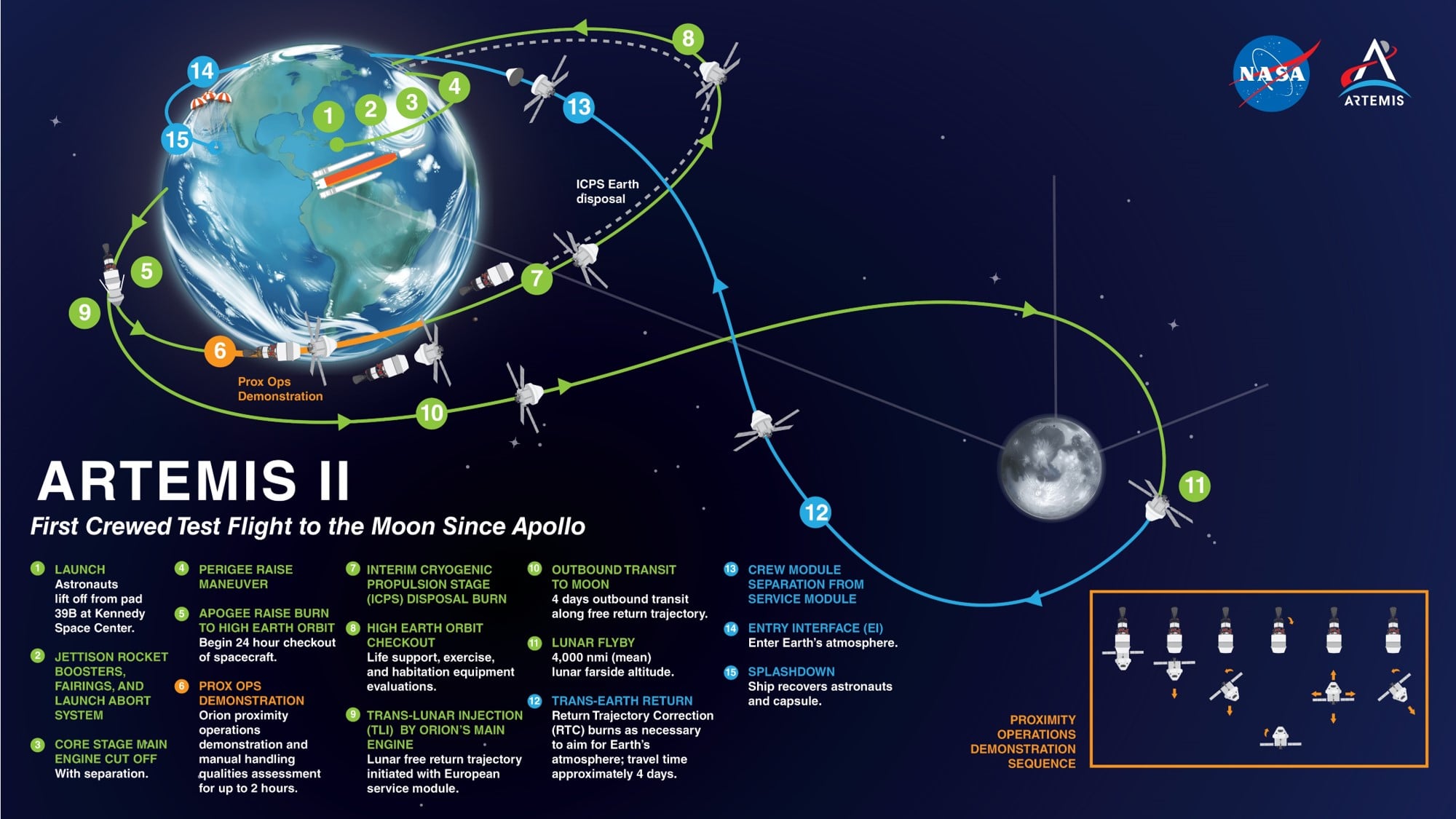
A team of scientists calculated the orbital trajectory for a spacecraft that will make regular trips between the Earth and Moon in the near future.
Continue reading

Continue reading
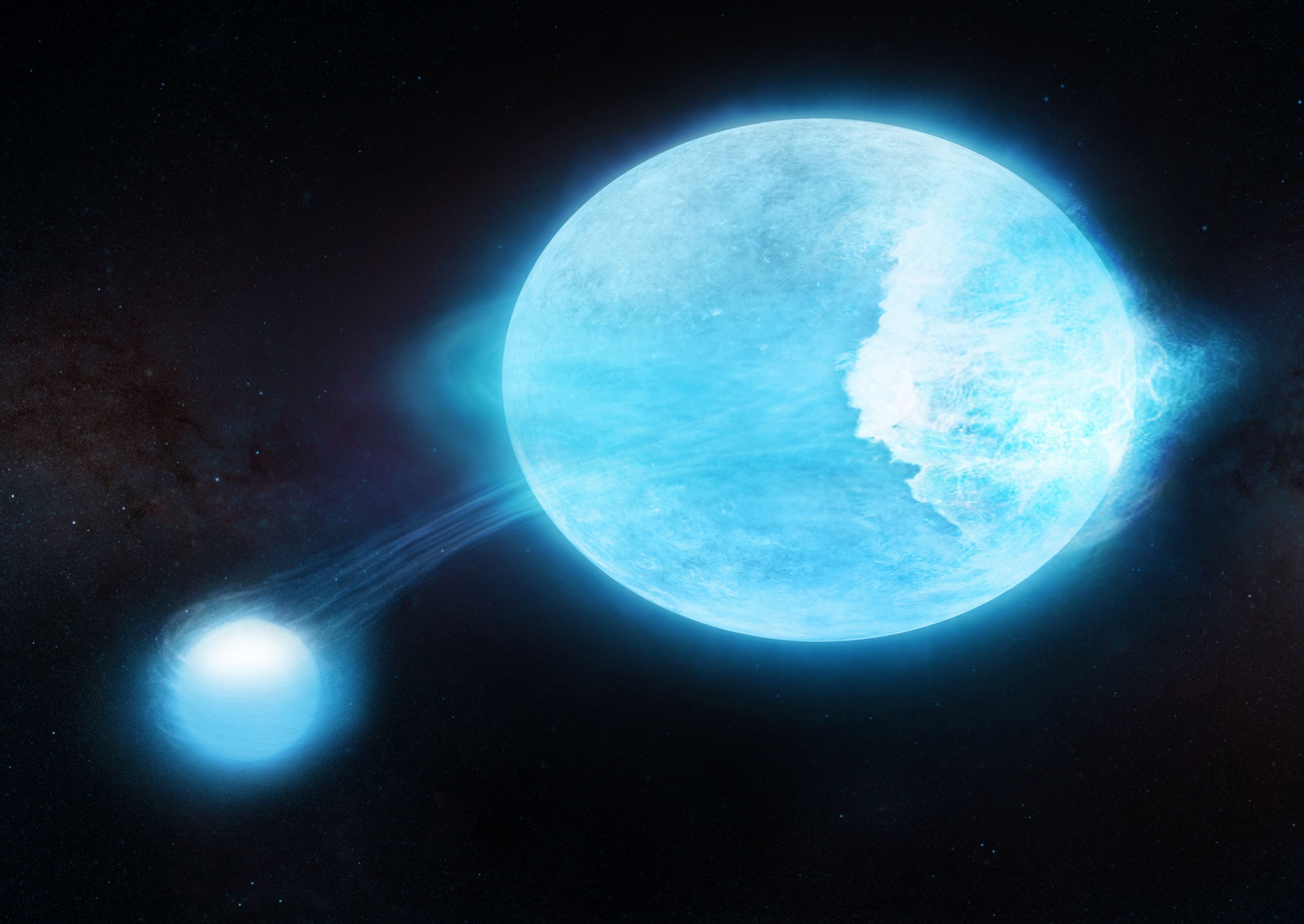
Although the surface of a star seems quite different from the ocean, the underlying effect of gravity can create similar conditions. One type of star is known as a "heartbeat star," where a binary system interacts with one another, generating enormous stellar tides from their mutual gravity. In one extreme system, the gravitational effect is 200 times larger than any heartbeat star seen before. An enormous wave is generated across the star as its binary companion approaches. Like ocean waves, these waves break, crashing down onto the star's surface.
Continue reading
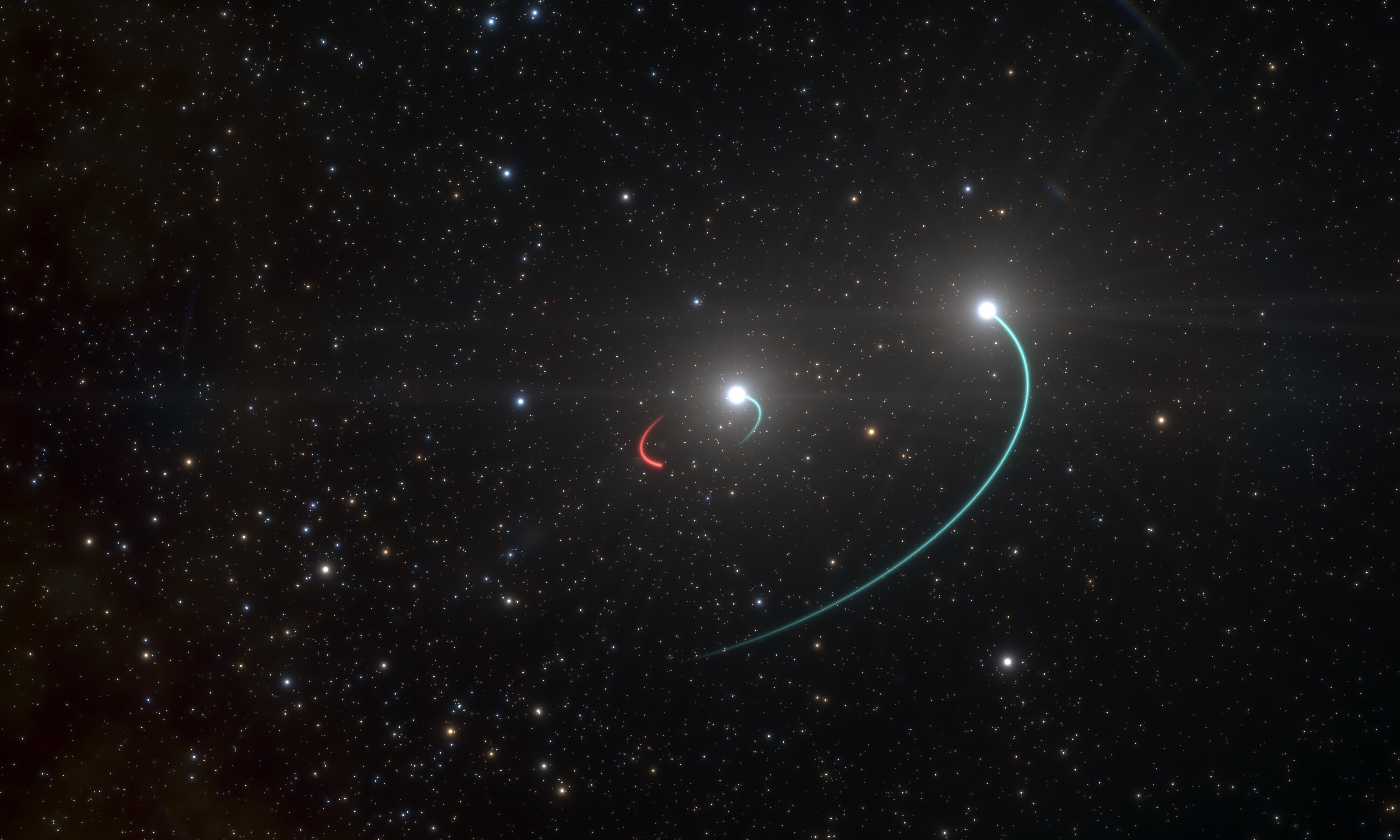
Scientists have observed a rare quadruple star system in formation, revealing new insights into how multi-star systems form.
Continue reading
Continue reading
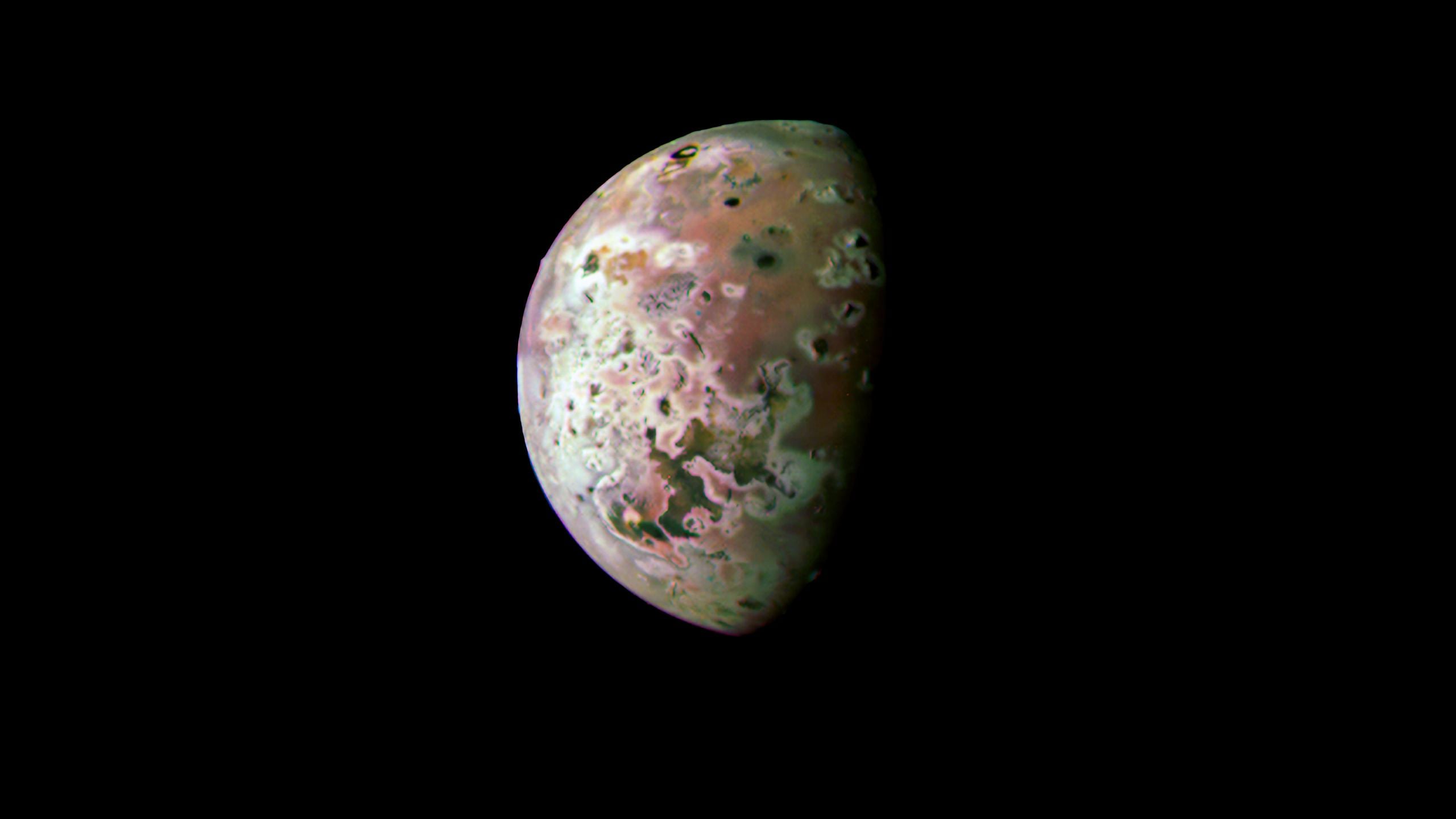
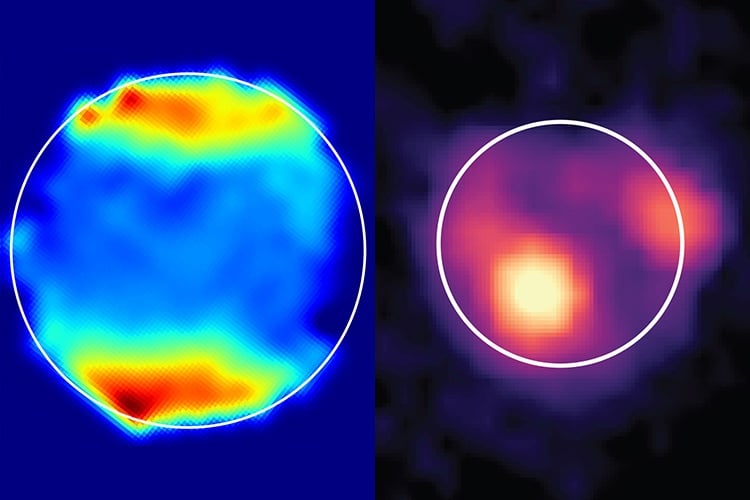
The Juno made its closest pass to Io, Jupiter's volcanic moon, and snapped some stunning images of an eruption on its surface.
Continue reading
Continue reading
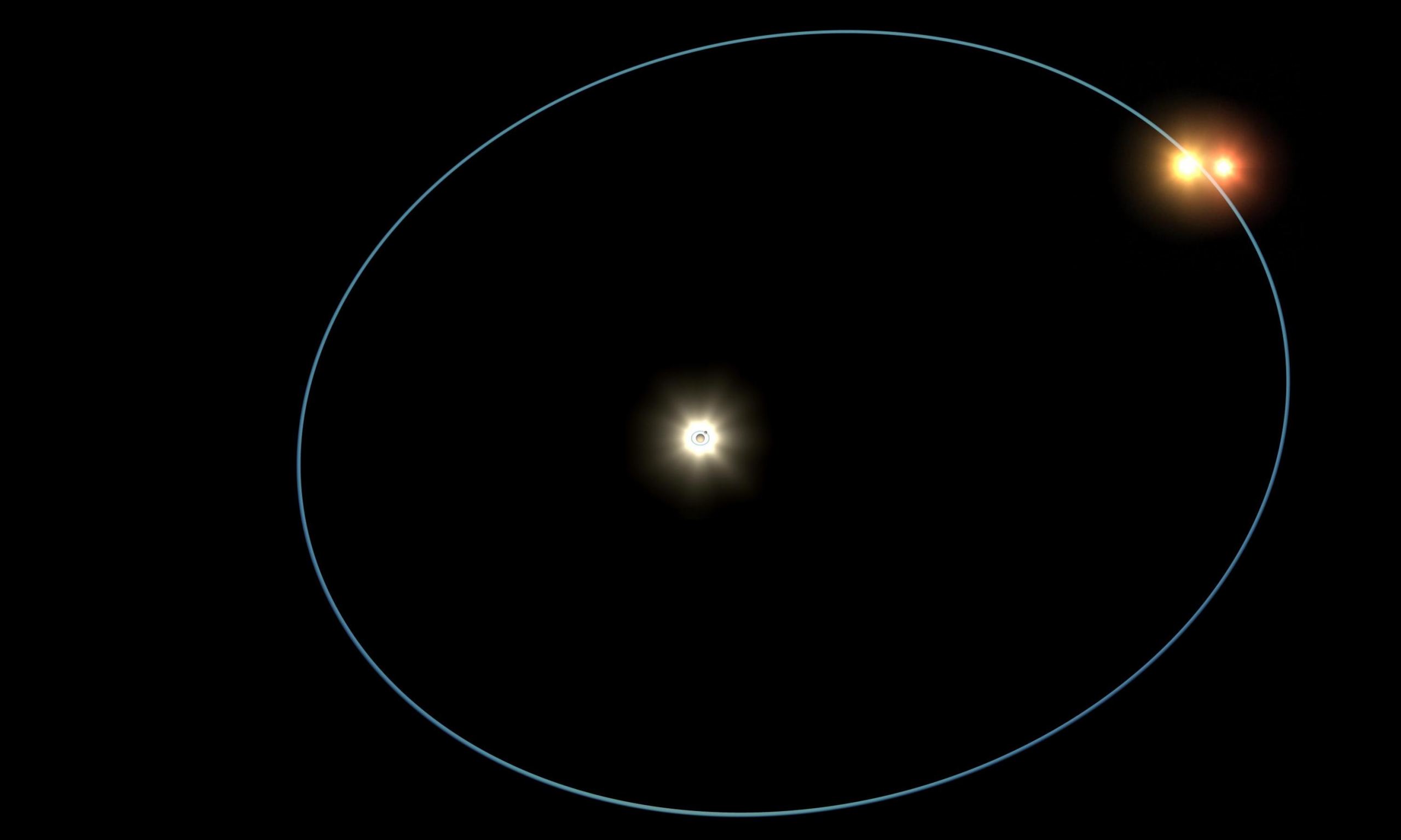
There are two leading explanations for dark matter, massive particles that don't interact with regular matter apart from gravity and a subtle difference in how gravity behaves at large distances. Astronomers have studied the interactions of over 20,000 binary stars with wide orbits cataloged in Gaia data. They found that orbital accelerations of the stars match the predictions made by modified Newtonian gravity and provide compelling evidence for the MOND hypothesis over the dark matter being a particle.
Continue reading
Continue reading
Continue reading

Continue reading
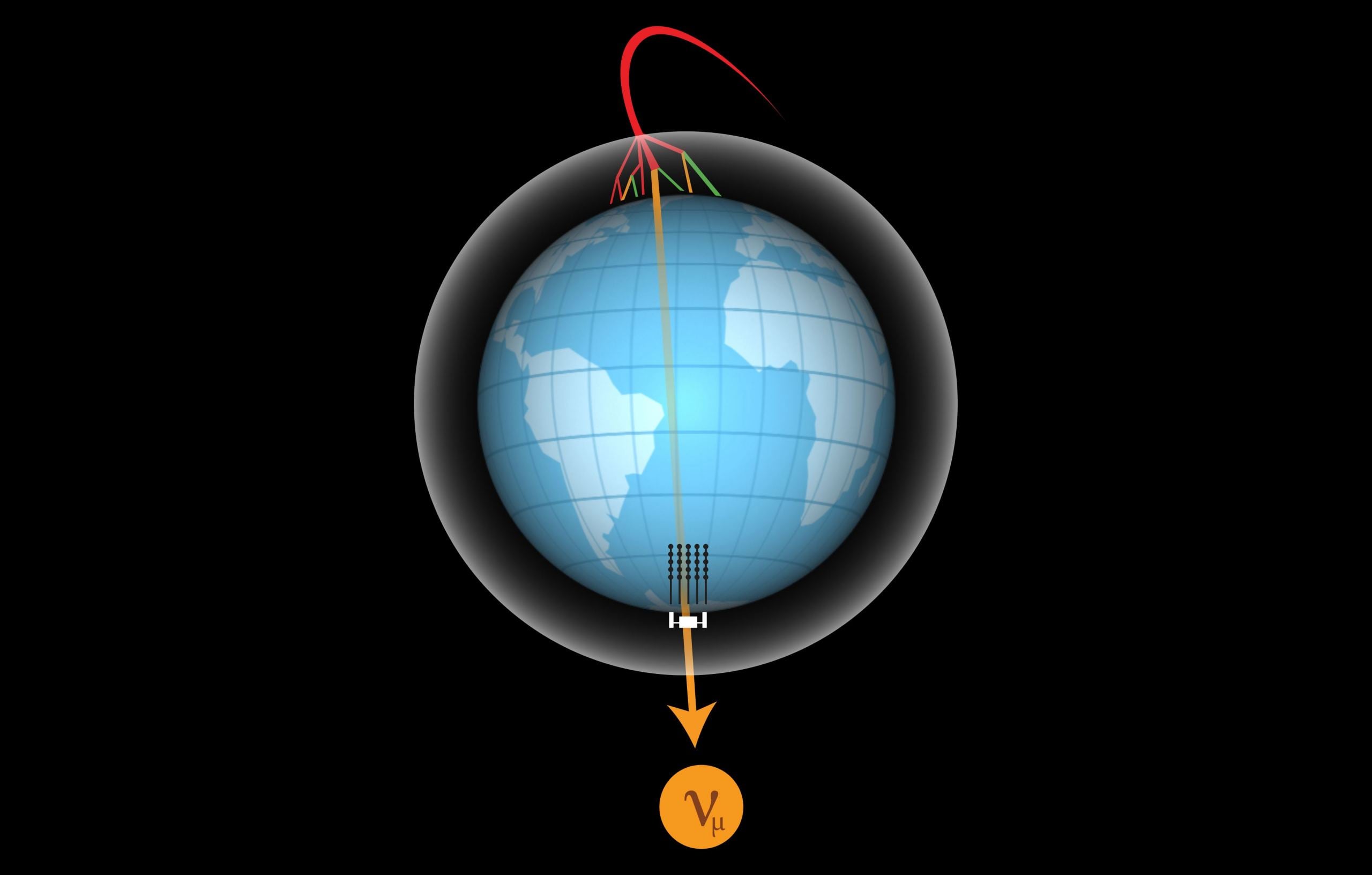
If dark matter is made of heavy particles, they could become captured by the gravitational field of massive objects like stars or planets. Constrained in a small area, these particles could crash into one another and annihilate with radiation. Astronomers have searched through 10 years of data captured by the IceCube Neutrino Observatory at the South Pole for any evidence of this dark matter annihilation. Although they didn't detect any evidence, the next generation IceCube Update will significantly improve the search.
Continue reading
Continue reading

This year's Penn State SETI Summit kicked off with a a lecture on how history will remember SETI pioneer Frank Drake, creator of the famous Drake Equation and leader of Project Ozma.
Continue reading
Continue reading
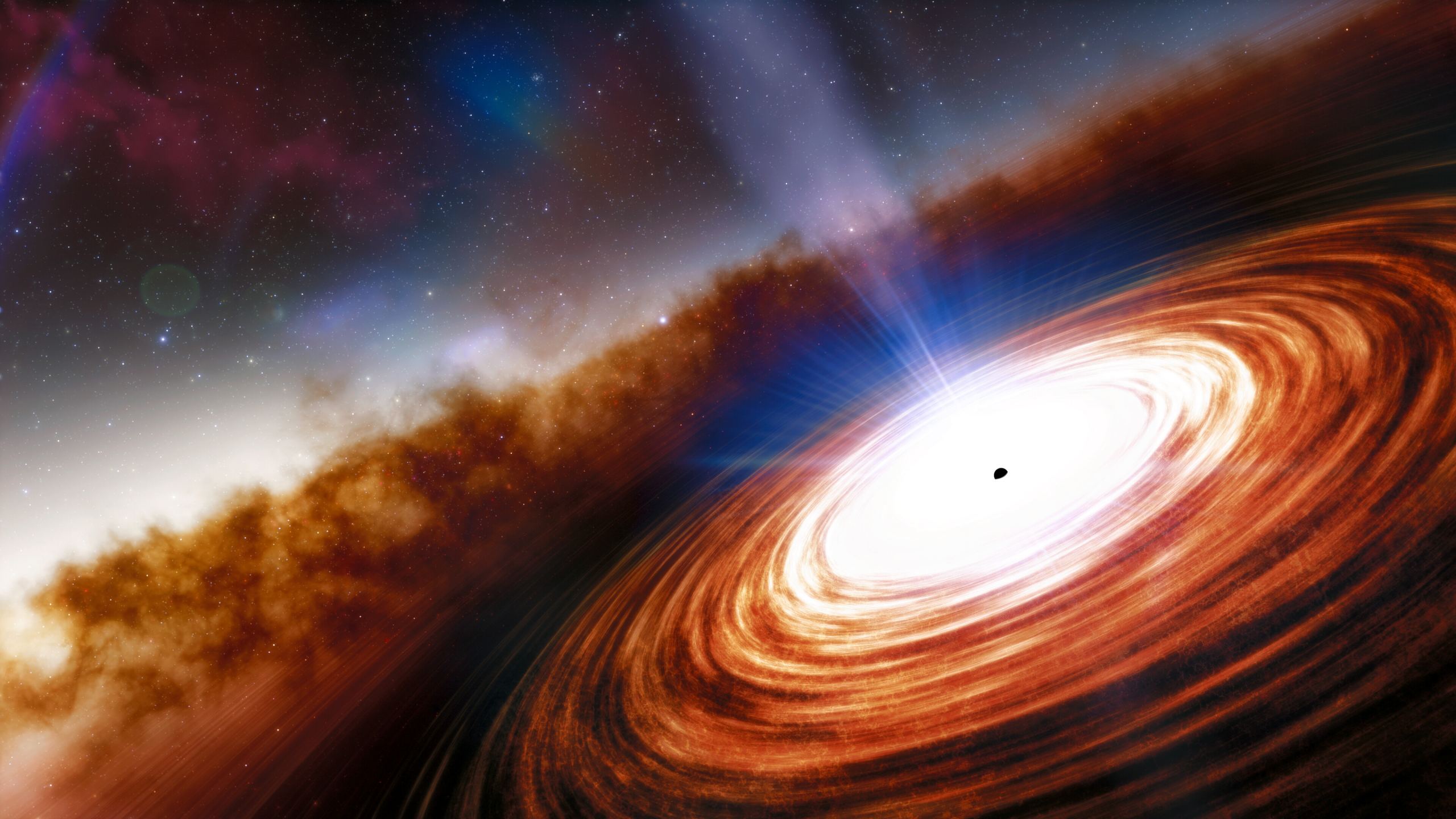
One of the outstanding mysteries in astronomy is how supermassive black holes gained so much mass so early in the Universe. The traditional theory is that stellar mass black holes merge, building up to supermassive levels. Another theory suggests that supermassive black holes might have collapsed directly out of enormous clouds of gas and dust. Astronomers using JWST and Chandra think they've discovered a black hole that's too massive, too early, and could only have formed from direct collapse.
Continue reading
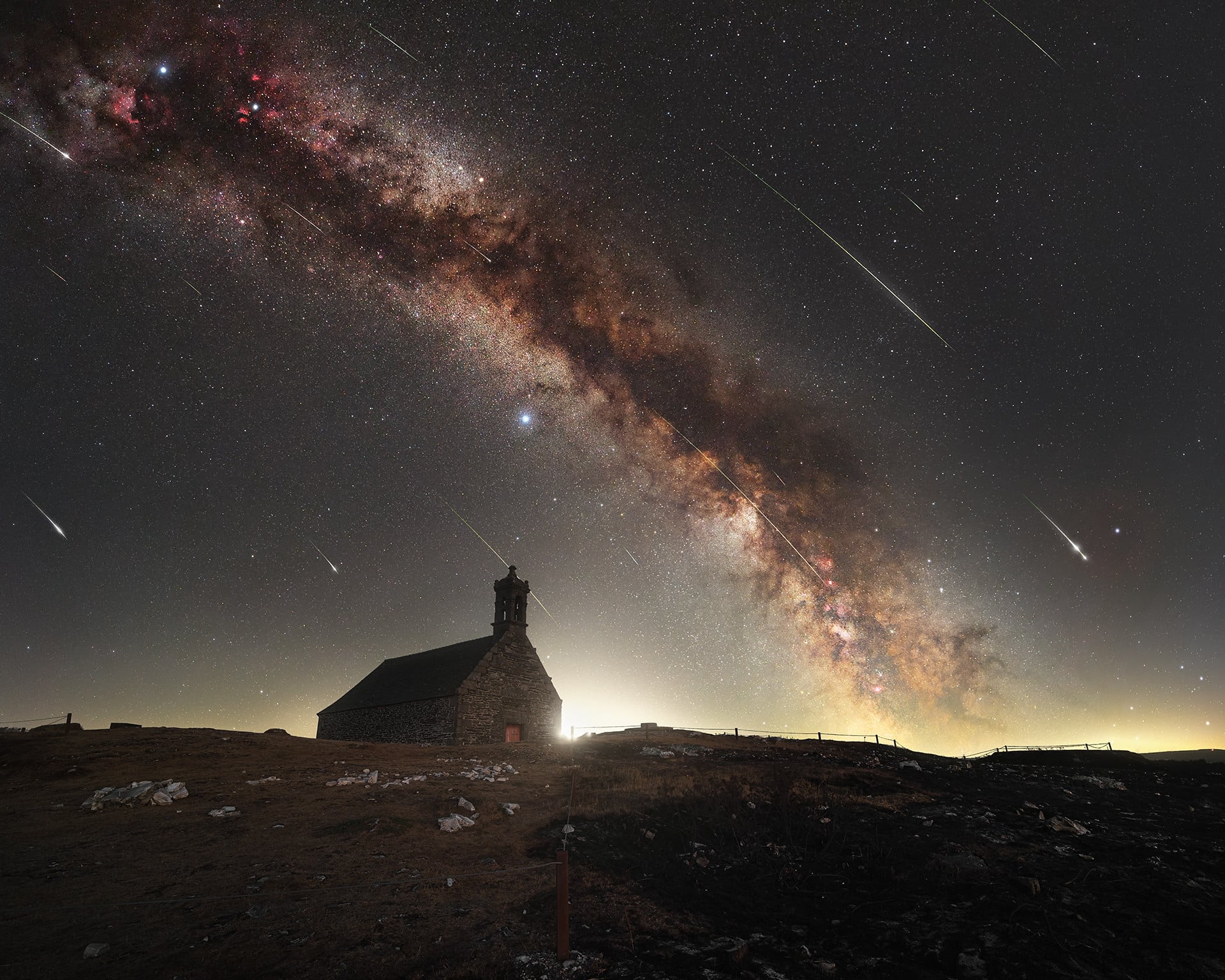
Don't miss one of the best meteor displays of 2023, as the Perseids peak this coming weekend.
Continue reading

Continue reading
Continue reading
Continue reading
Continue reading
Continue reading
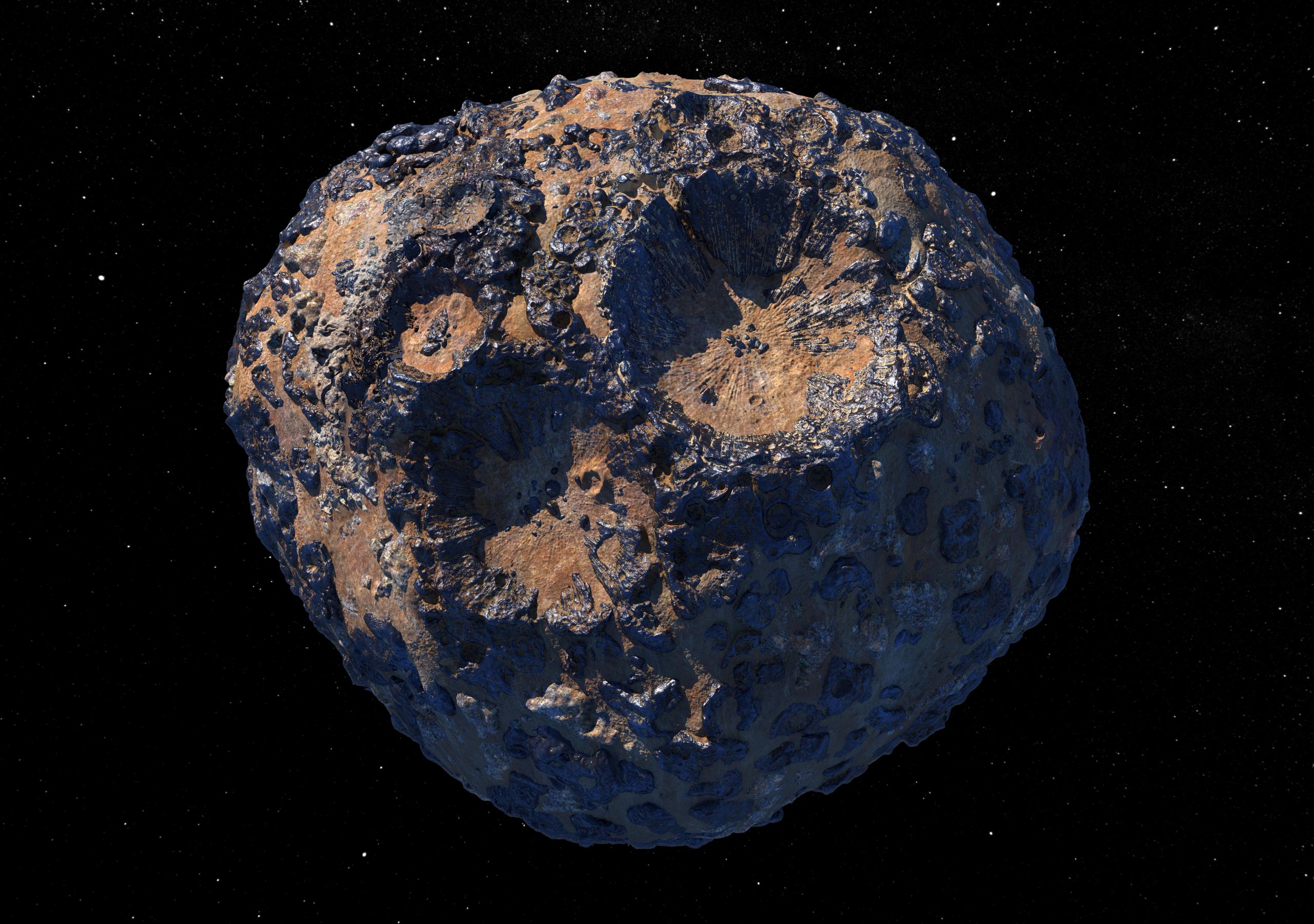
A portion of the metallic meteorites found on Earth have traces of magnetism. This is surprising since you need a larger world with an internal dynamo like the Earth. New research suggests that iron-heavy asteroids can collect into piles of rubble, with other space rocks forming a cold inner pile surrounded by a warmer liquid outer layer. As the core draws heat from the outer layer, it initiates convection and a small magnetic field that is detectable in the iron meteorites billions of years later.
Continue reading

Continue reading

Continue reading

Our modern technological civilization wouldn't have been possible without open-air combustion, which can only happen when atmospheric oxygen levels reach at least 18%. A new study asks if this could be a bottleneck for developing other advanced civilizations. Without at least 18% oxygen, fires won't easily burn, so technologies like steam power and combustion engines wouldn't be possible. Earth has only reached that level of atmospheric composition in the last 500 million years.
Continue reading
Continue reading
Continue reading
Continue reading
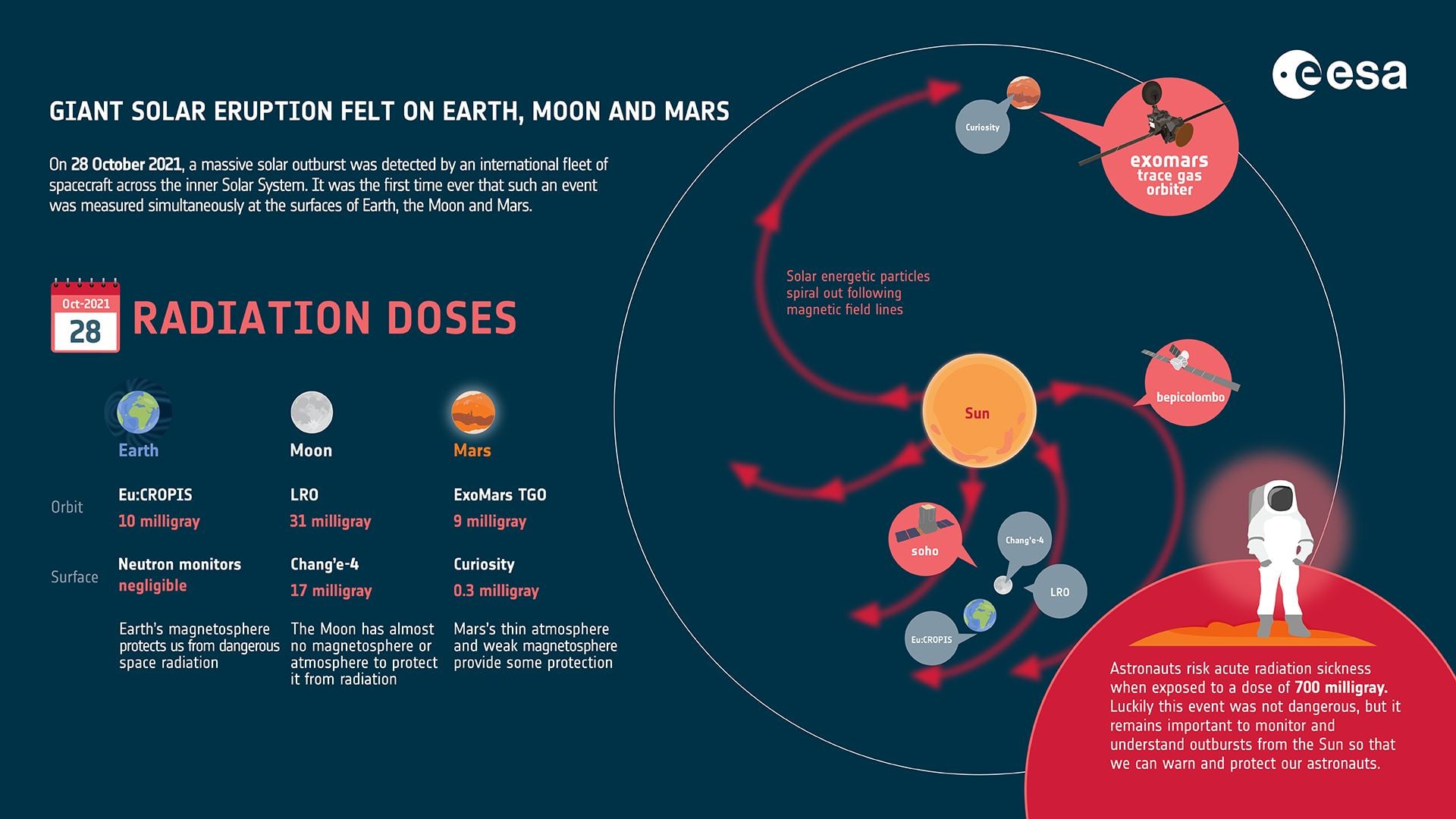
The coronal mass ejection on October 28th, 2021, was measured by missions on Earth, the Moon, and Mars for the very first time.
Continue reading
Continue reading
Continue reading
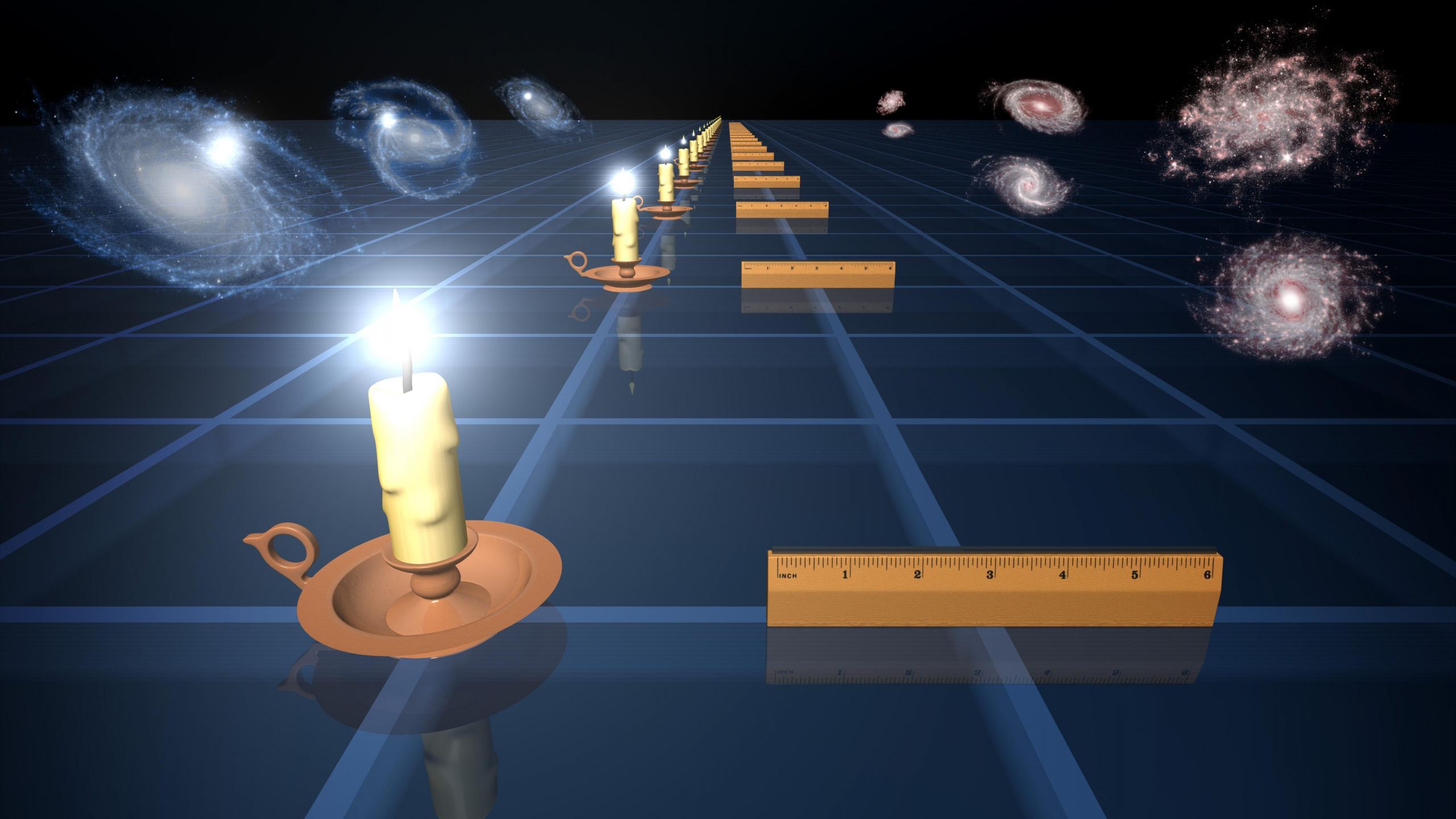
Over the last decade, various measurements have disagreed over the rate that the Universe is expanding. Astronomers use Cepheid variables as standard candles to measure relatively nearby galaxies and then use them to calibrate more distant candles like Type 1a supernovae. The most accurate measurements have been done with the Hubble Space Telescope, but a new survey of 330 Cepheid variables has been done with JWST, narrowing down the error bars even more and building a perfect distance ladder to Type 1a supernovae.
Continue reading
Continue reading

Astronomers have found stellar mass and supermassive black holes, but they're still on the hunt for an intermediate size; black holes with thousands of times the mass of the Sun. One natural place to look is at the heart of the Milky Way, near our galaxy's supermassive black hole. Researchers have examined the region around the galactic core and the movement of stars whipping around the central black hole. Although they didn't find evidence for a companion black hole, they've set size constraints on what could be there.
Continue reading
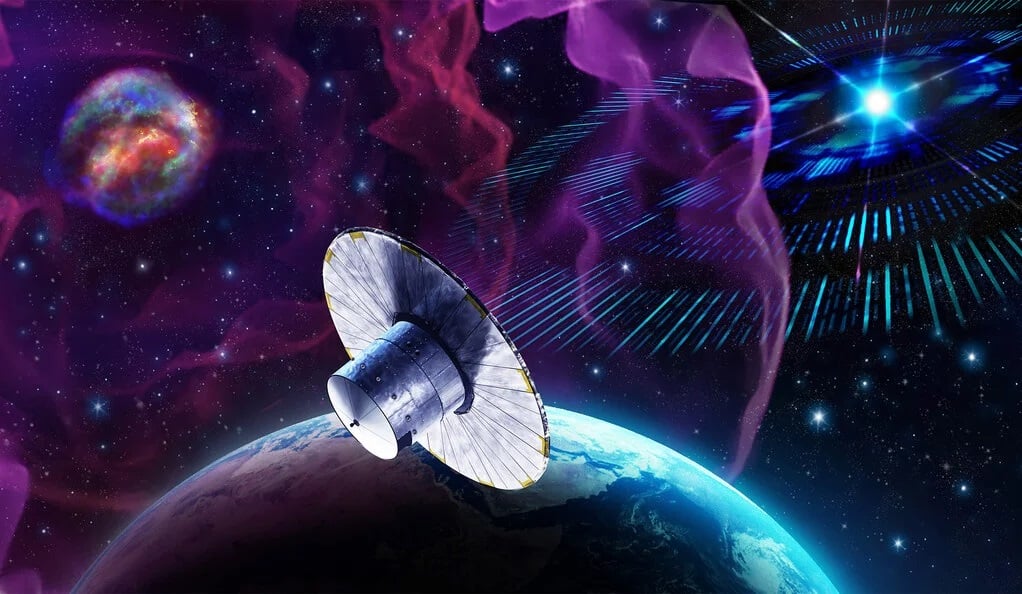
A new study cross-references supernova from the Gaia observatory's third data release with possible alien transmissions.
Continue reading
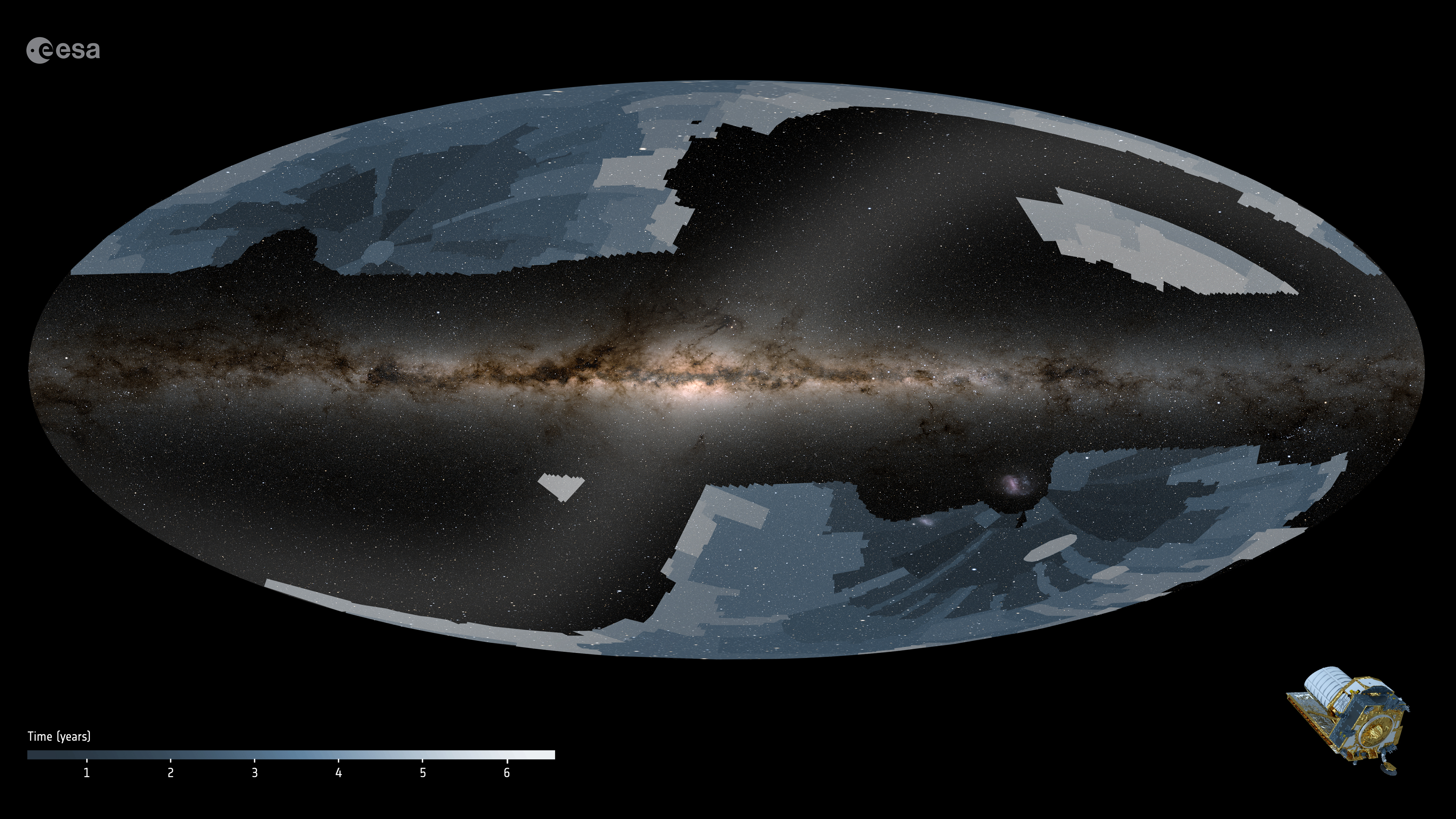
ESA's Euclid mission has made the journey through space to reach the Earth-Sun L2 Lagrange Point. The two instruments on board have come online and taken their first images of the cosmos. The left side of the image was taken by the VISible instrument (VIS), which will help astronomers study the shapes of billions of galaxies. The right side of the image was taken with the Near-Infrared Spectrometer and Photometer, which allows astronomers to measure the brightness and color of galaxies. Astronomers will use these instruments to make the most comprehensive 3D map of the Universe, hunting for dark matter and energy.
Continue reading
Continue reading
Continue reading
Continue reading
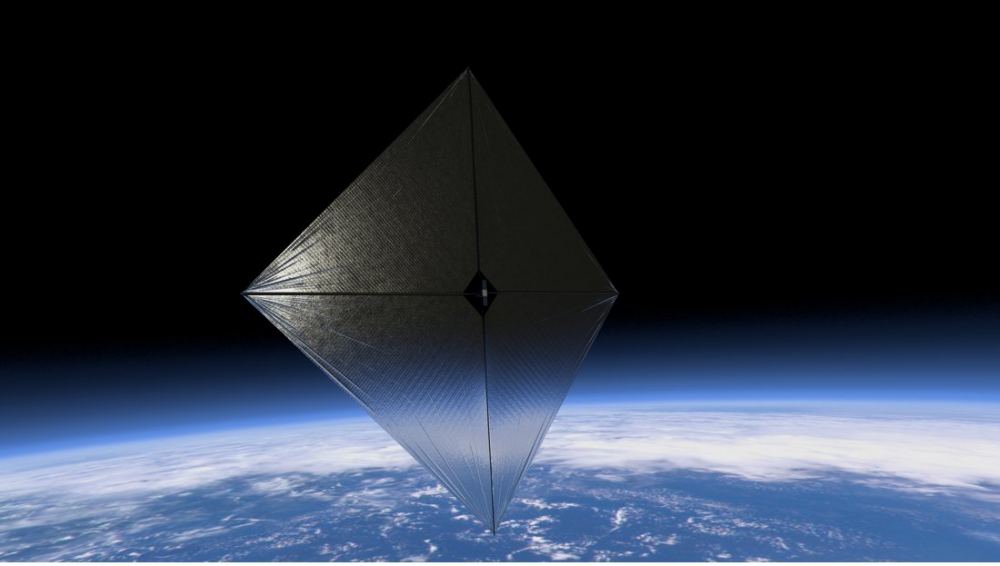
Continue reading
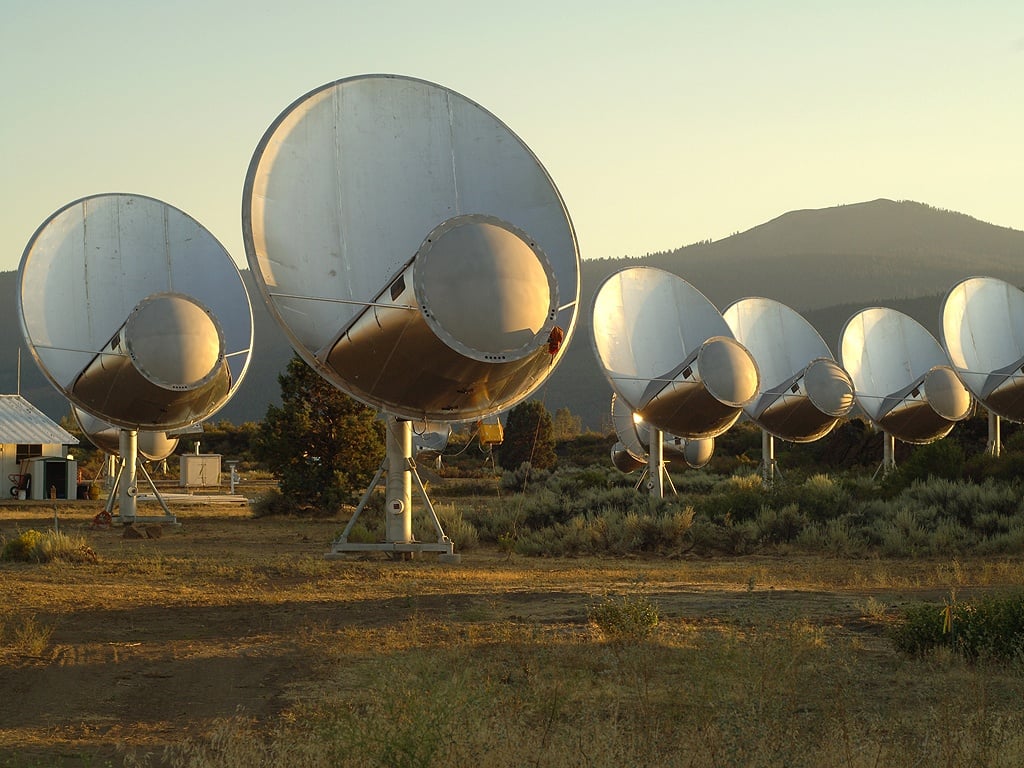
Astronomers have only been scanning the skies for a signal from extraterrestrial civilizations for about 60 years. Although no signal has been found, a new study suggests that this lack of detection can help us predict what the future holds for SETI. According to their analysis, this means there's a 50% probability that Earth won't detect signals for the next 60 to 1800 years.
Continue reading
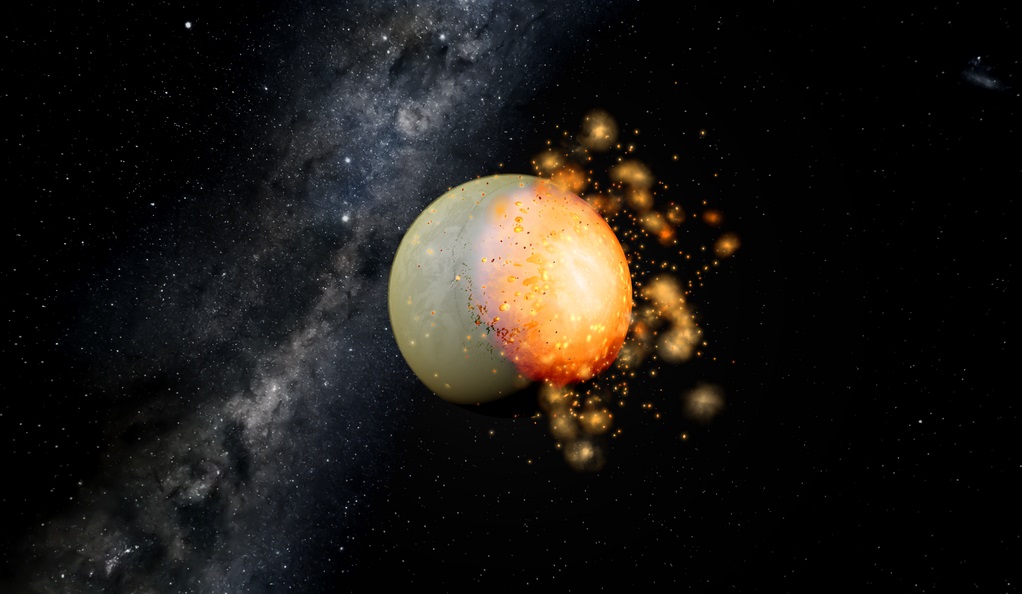
A new study connects impacts during Venus' early history to its smooth and "youthful" appearance today.
Continue reading
Continue reading

Continue reading
 Universe Today