Continue reading
Continue reading
Continue reading
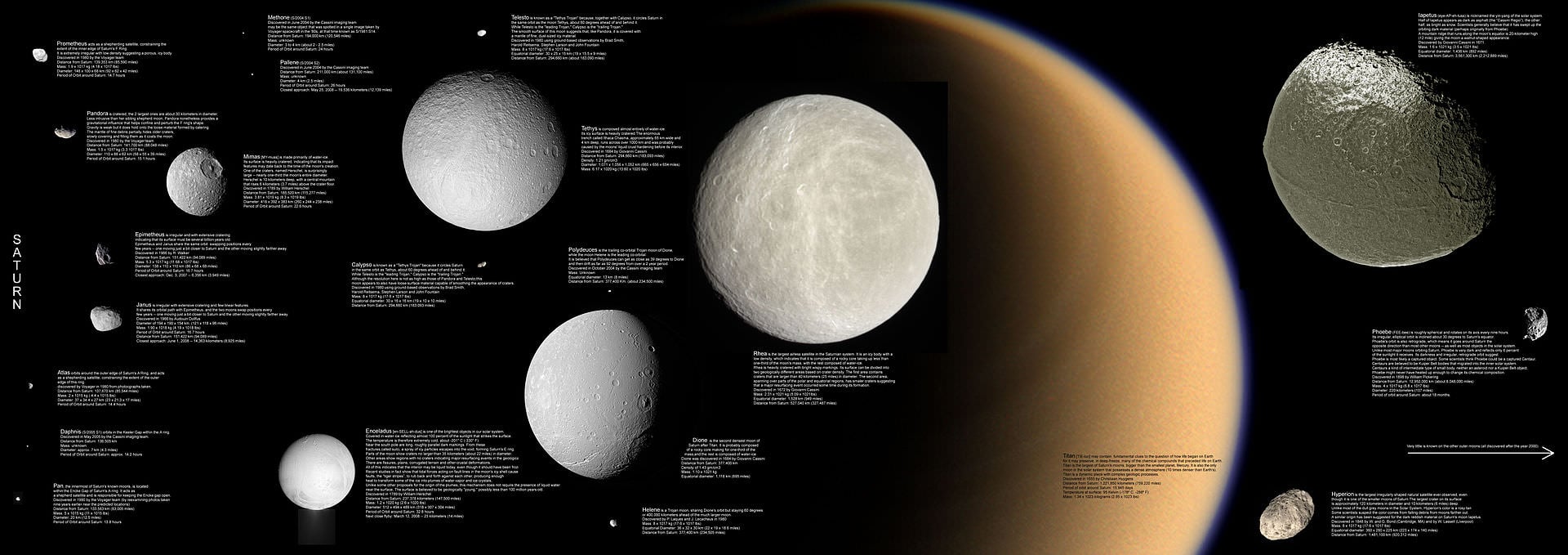
A team of researchers has obtained new estimates on the age of Saturn's irregular satellites, which range from 4.1 and 4,4 billion years.
Continue reading
Continue reading
Continue reading
Continue reading
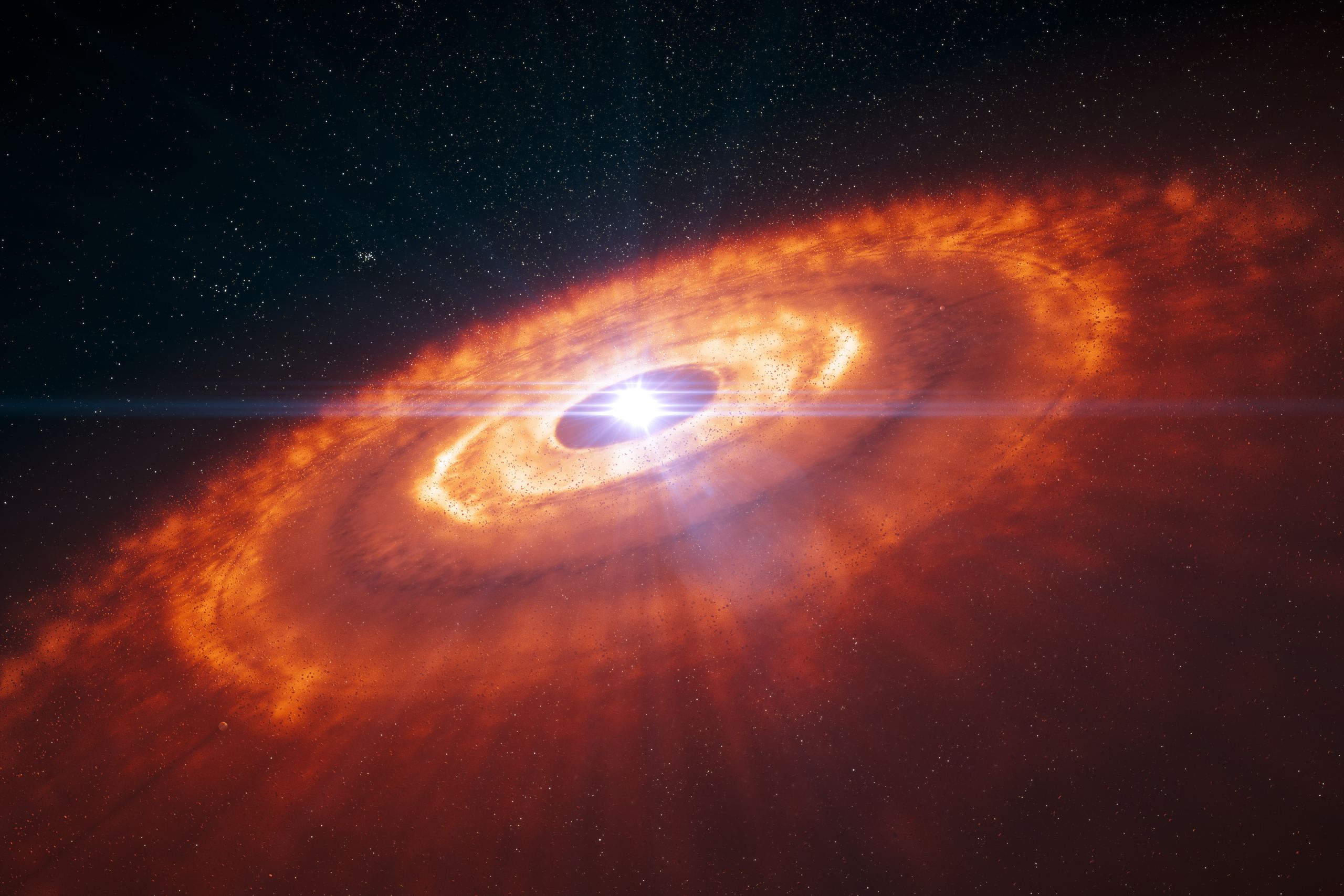
Modern instruments like ALMA have revealed newly forming stars surrounded by accretion disks. These images are so sensitive you can even see the gaps in the disk where new planets form, right? Maybe not. According to a new paper, systems with many newly forming planets are inherently unstable, so they can't all indicate new worlds. Some gaps and rings around the stars might just indicate collections of pebbles that can never accrete into actual planets. The challenge will be to figure out which is which.
Continue reading
Continue reading
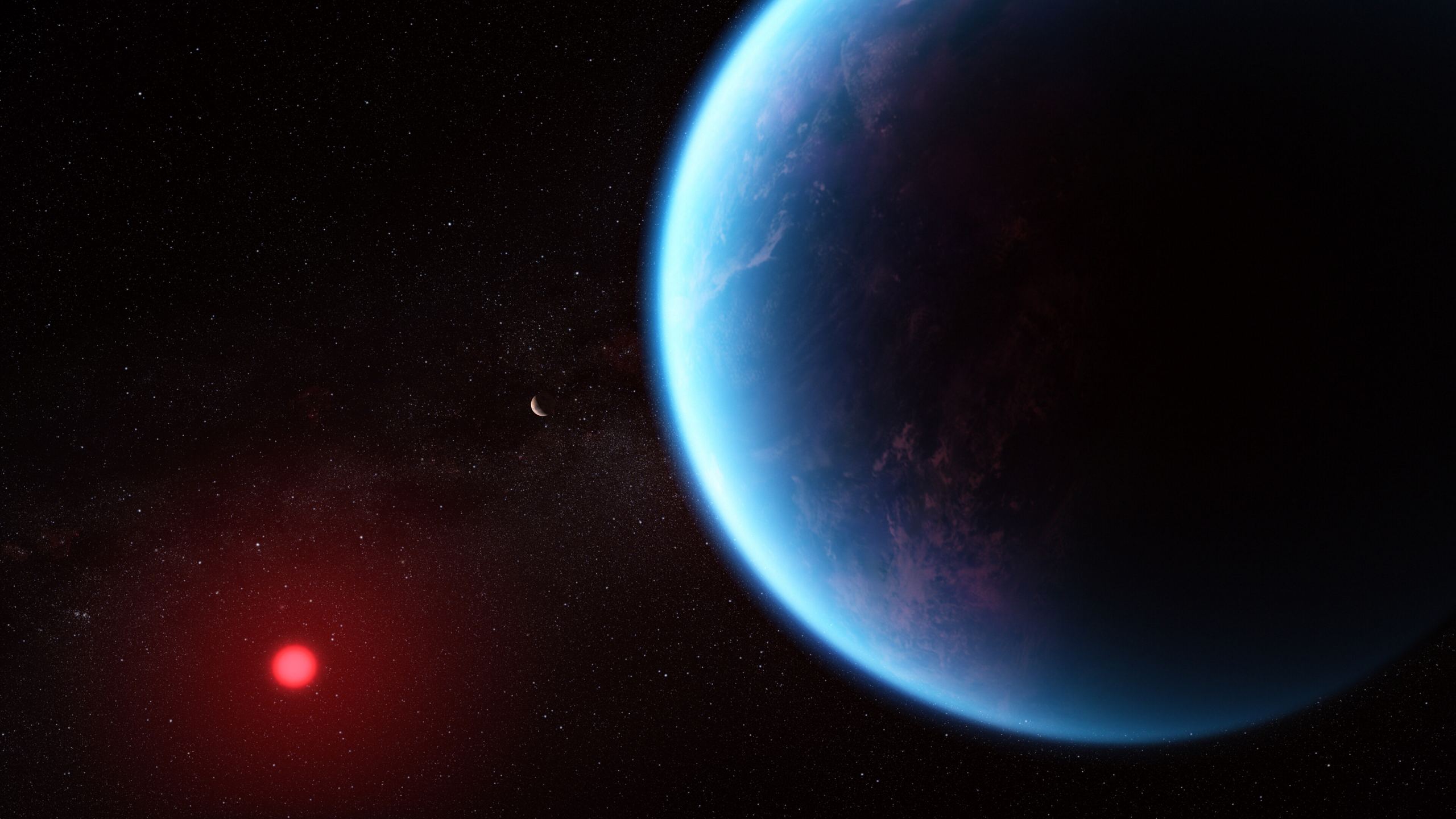
Astronomers have directed JWST to examine the atmosphere of an exoplanet called K2-18 b, which orbits a cool dwarf star about 120 light-years from Earth. The planet is 8.6 times as massive as Earth, and the observations have revealed methane and carbon dioxide in its atmosphere. This opens up the intriguing possibility that this exoplanet is an example of a theorized "hycean world," a planet with a hydrogen-rich atmosphere and a water ocean covering its surface that extends deeper than anything we have on Earth.
Continue reading
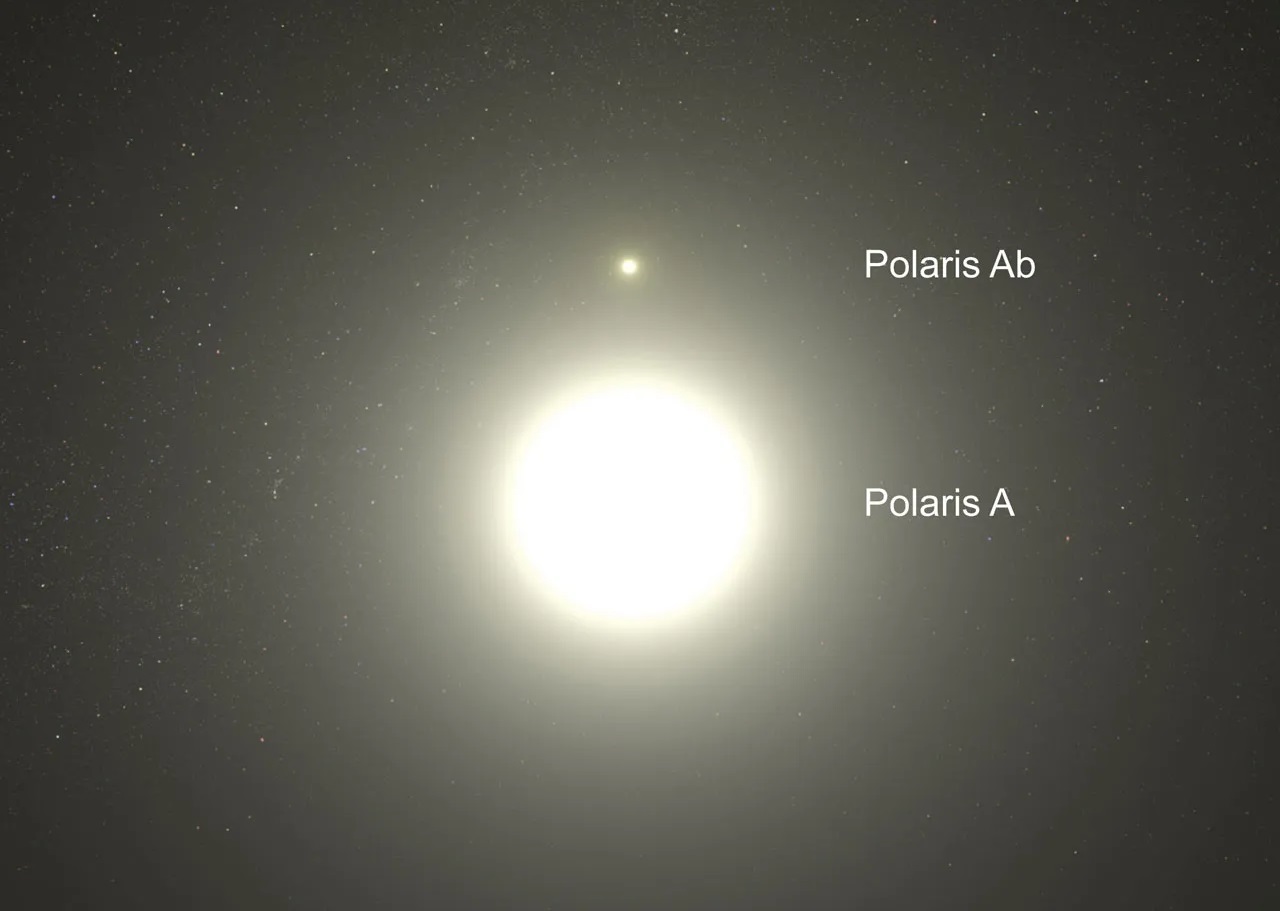
A new study has revealed that Polaris' pulsating behavior may be caused by its binary companion, resolving a long-standing mystery in astronomy.
Continue reading
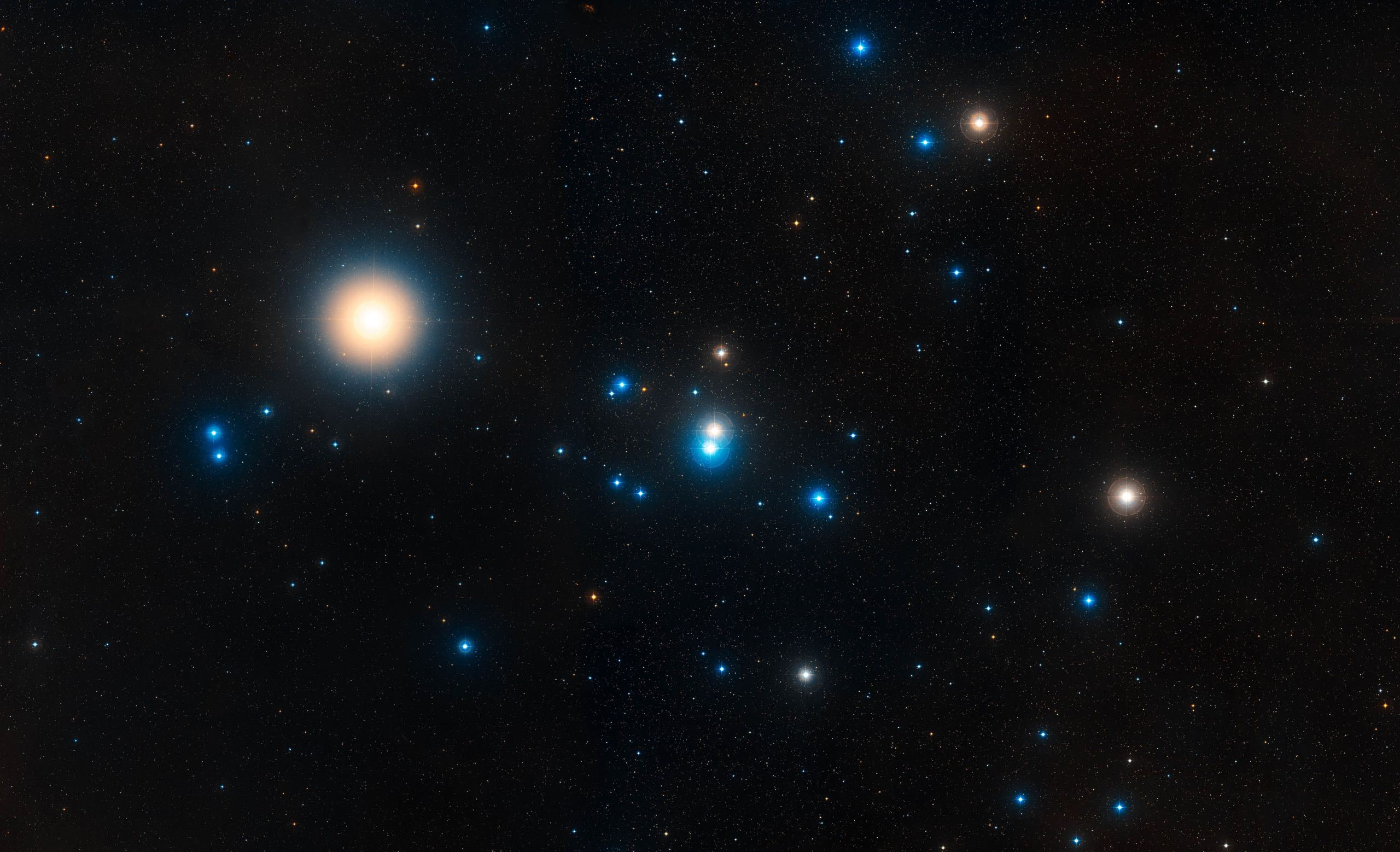
The Hyades cluster is the closest open star cluster to Earth, located at a distance of about 150 light-years. Although black holes haven't been directly seen in the cluster, it's an excellent place to search for them because the largest stars would have detonated as supernovae and collapsed in neutron stars and black holes. Astronomers have simulated the motions of stars in the cluster with black holes lurking around and then compared them to the motions of the actual stars. They only matched with the presence of black holes near the center of the cluster.
Continue reading

Astronomers don't know if the Universe is finite or infinite. Whatever the case, it's larger than the Observable Universe, which measures 93 billion light-years across. A new paper proposes that the actual Universe is comparatively tiny, not much bigger than its observed size - just a few orders of magnitude larger. A smaller Universe solves some problems with other theories of cosmology, including inflation and the amount of dark energy in the Universe.
Continue reading
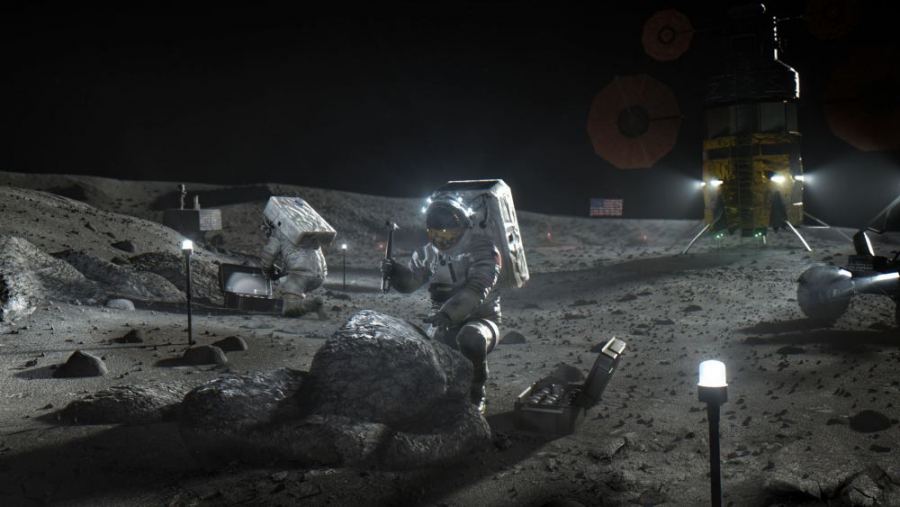
A new study from Caltech shows that the moon experiences "moonquakes" with precise regularity, like a "lunar alarm clock."
Continue reading
Continue reading
Continue reading
Continue reading
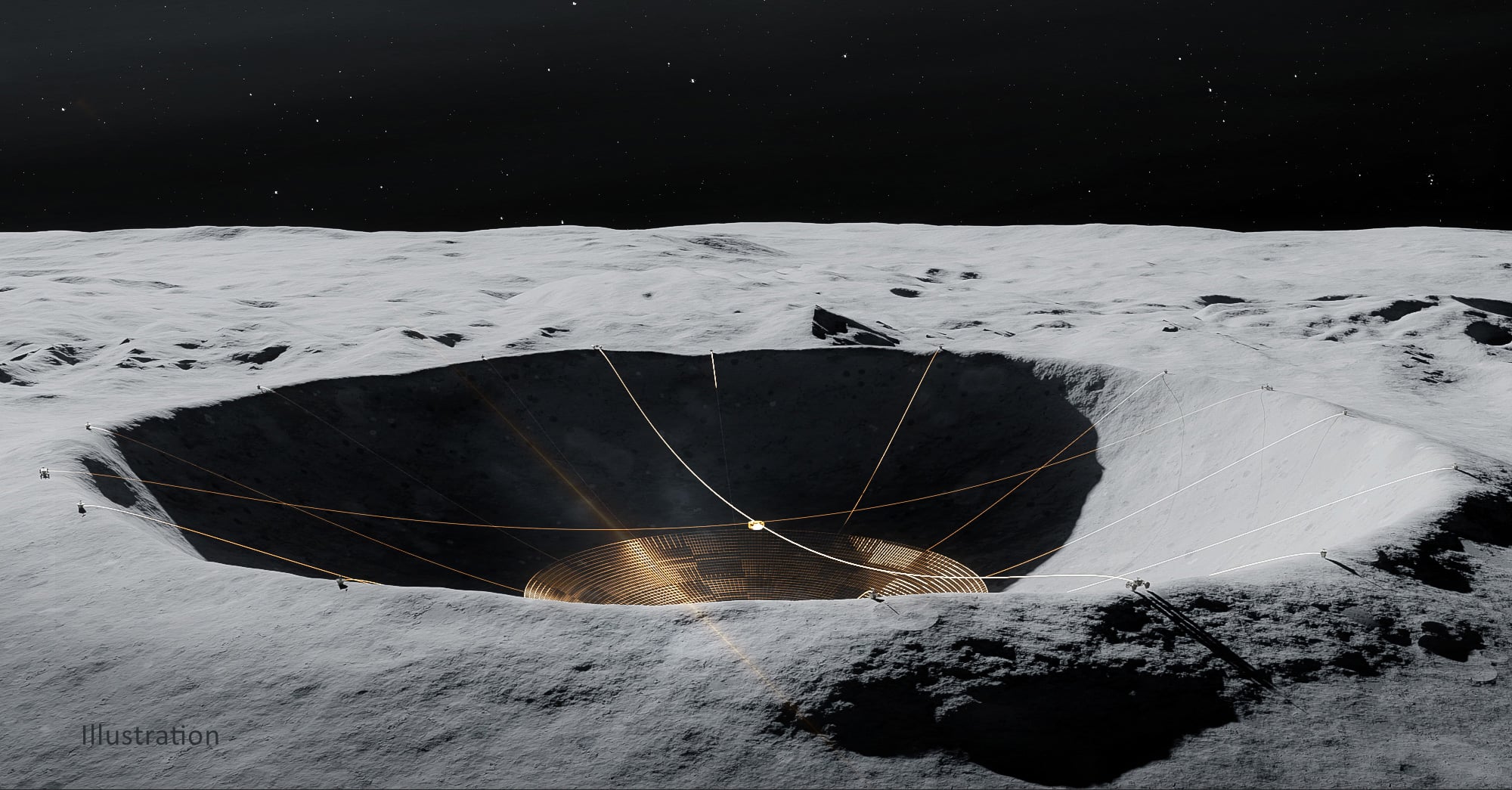
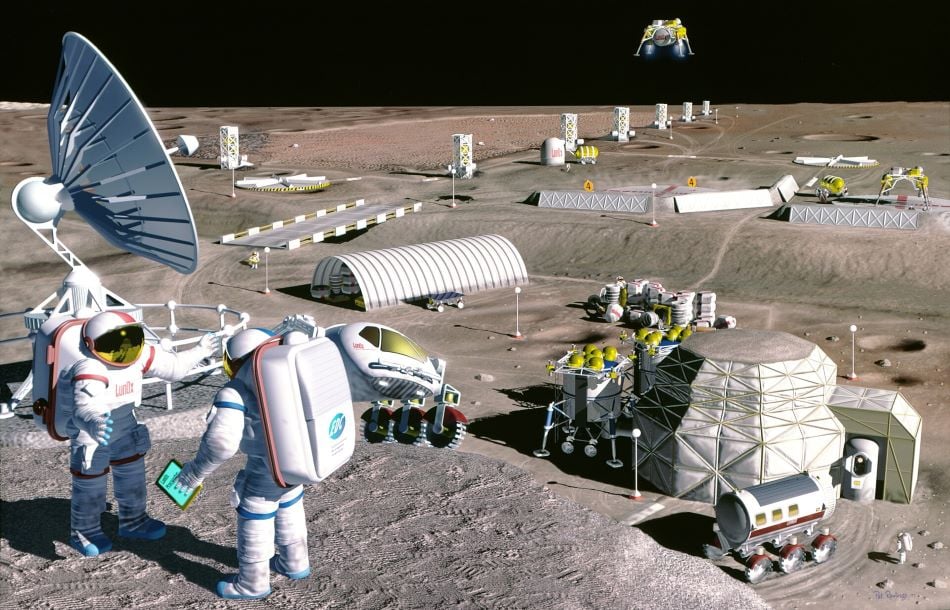
As the next round of giant observatories nears completion, astronomers are starting to ponder what comes next. One exciting location to consider is the Moon. There's no atmosphere on the Moon, so a lunar telescope would act like a space telescope. Still, solid ground, lower gravity, and potentially human astronauts are available to do maintenance and make upgrades. A new paper reviews different kinds of telescopes that could be built on the Moon and their unique advantages over Earth- or space-based instruments.
Continue reading
Continue reading

Catch periodic cosmic interloper 103P Hartley while you can.
Continue reading
Continue reading

Continue reading
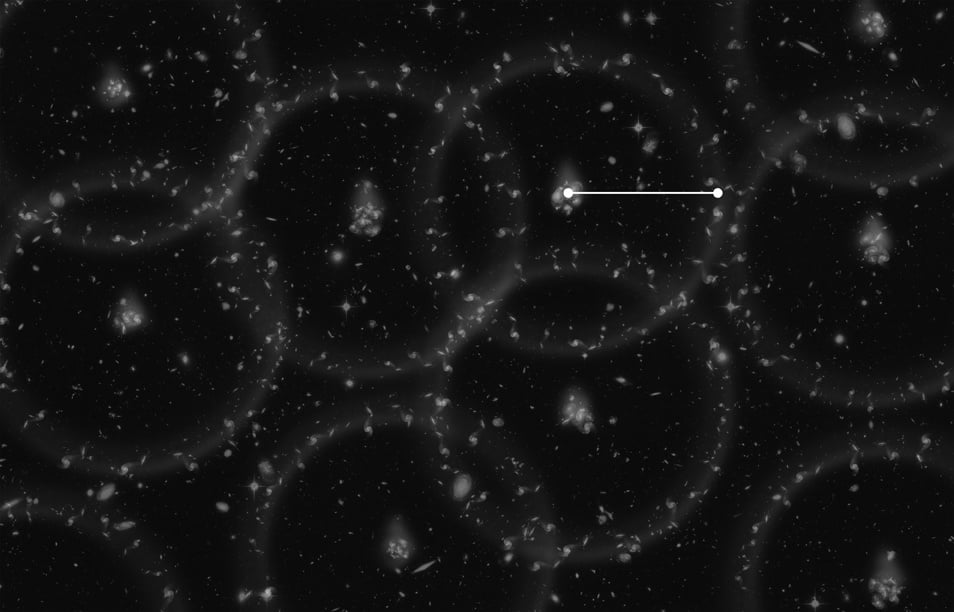
A team of astronomers have developed a new technique that relies on Baryon Acoustic Oscillations to measure cosmic distances.
Continue reading
Continue reading
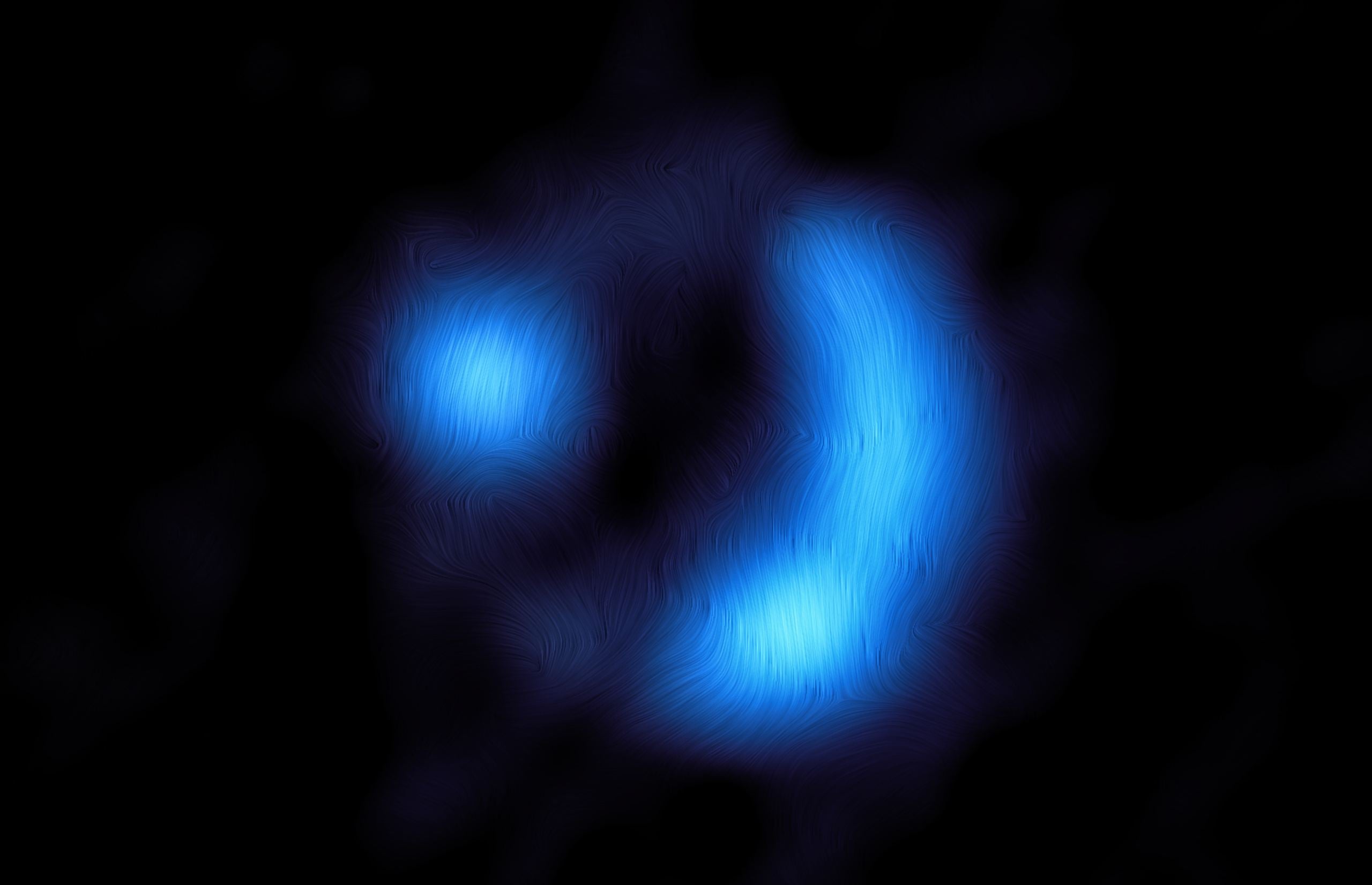
Galaxies are surrounded by magnetic field lines, spanning tens of thousands of light-years. These magnetic fields have previously been measured surrounding only the closest galaxies. Still, astronomers have made the map of a galaxy seen just a few billion years after the Big Bang. Astronomers discovered with ALMA, searching dust grains in the galaxy that align with the nearby magnetic fields. The light they emit becomes polarized, which can then be turned into magnetic field maps.
Continue reading
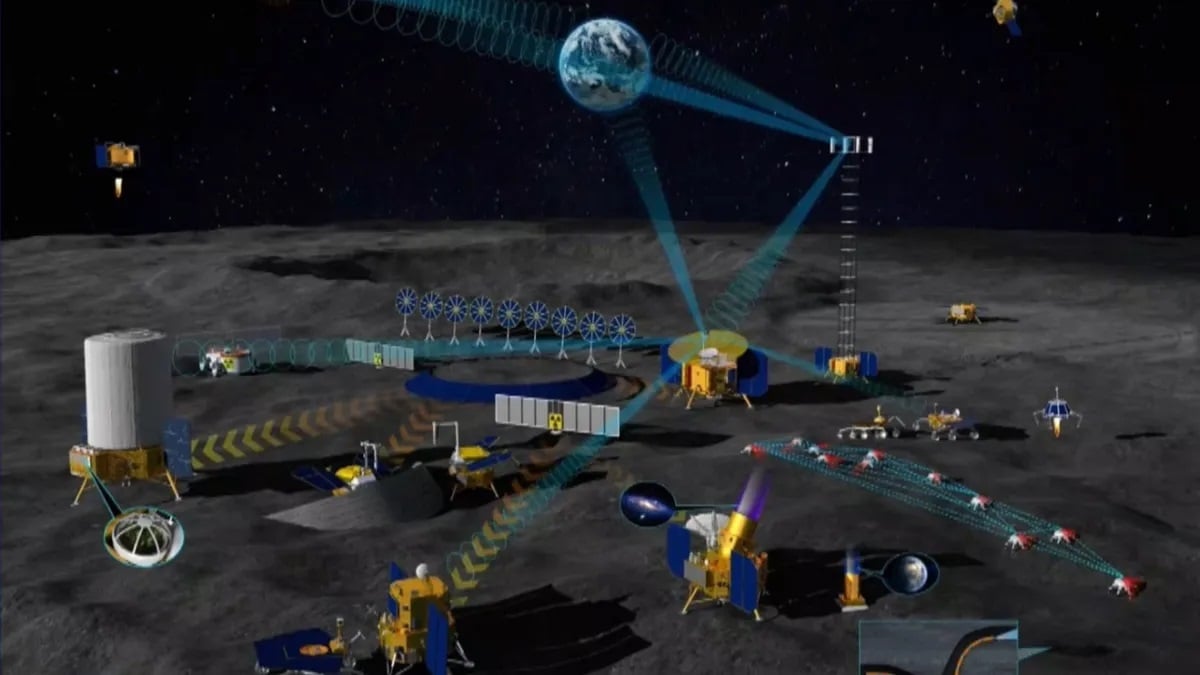
China has released artist renditions of the spacecraft and lander module that will send the first taikonauts to the Moon.
Continue reading
Continue reading
Continue reading
Continue reading
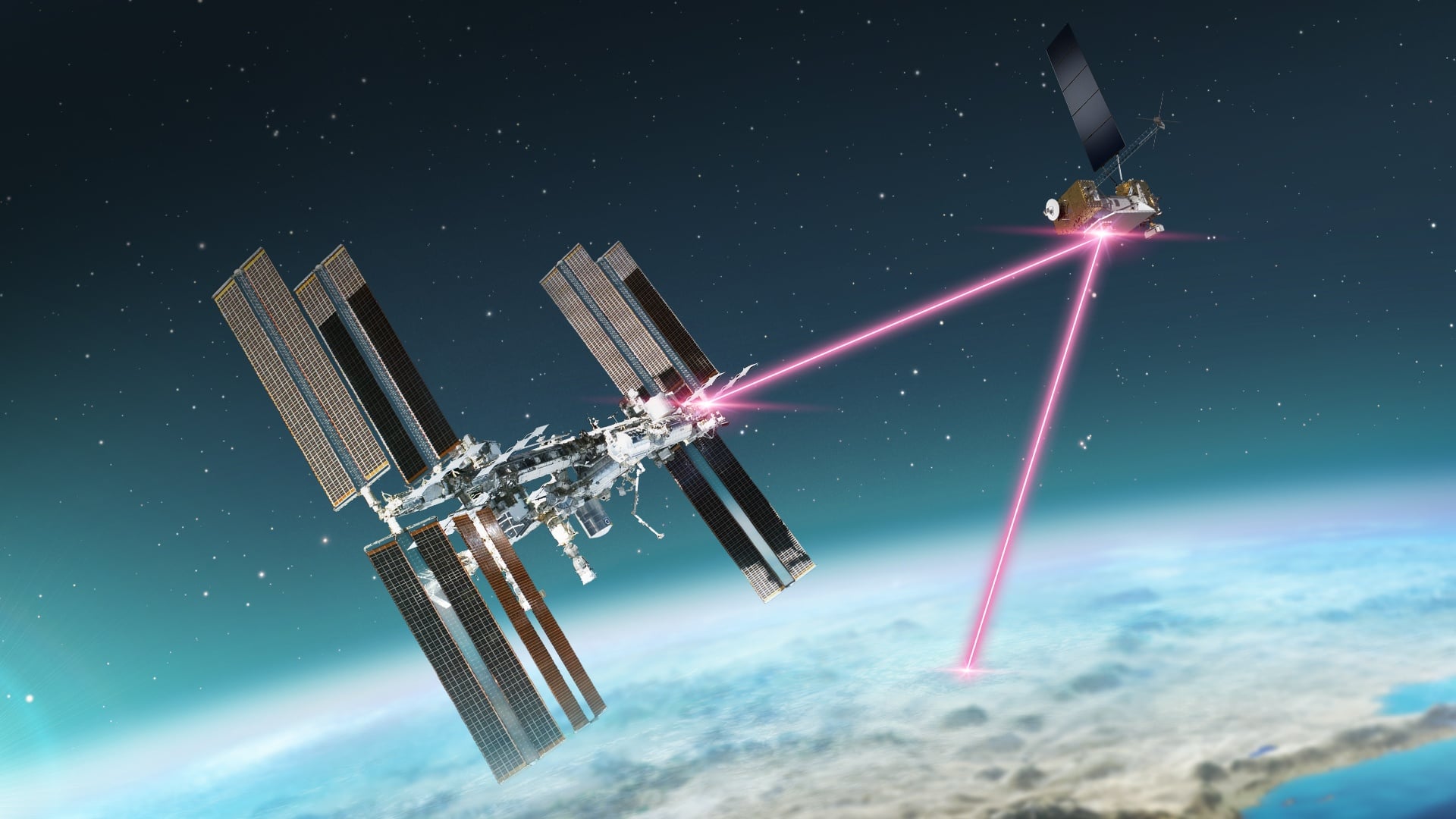
NASA is upgrading the ISS communication system with the first end-to-end laser relay system.
Continue reading
Continue reading
Continue reading

All organisms communicate information with their cells using signaling molecules. Add up all these communications, and it's the equivalent of 10^24 bits per second, which is an incomprehensibly large amount. Humanity's digital communication only amounts to 10^15 bits per second, nine orders of magnitude less. However, humanity's information transmission is growing exponentially, and according to a new study, it should catch up within 90 years. These estimates could help astronomers search for technological civilizations more advanced than us.
Continue reading
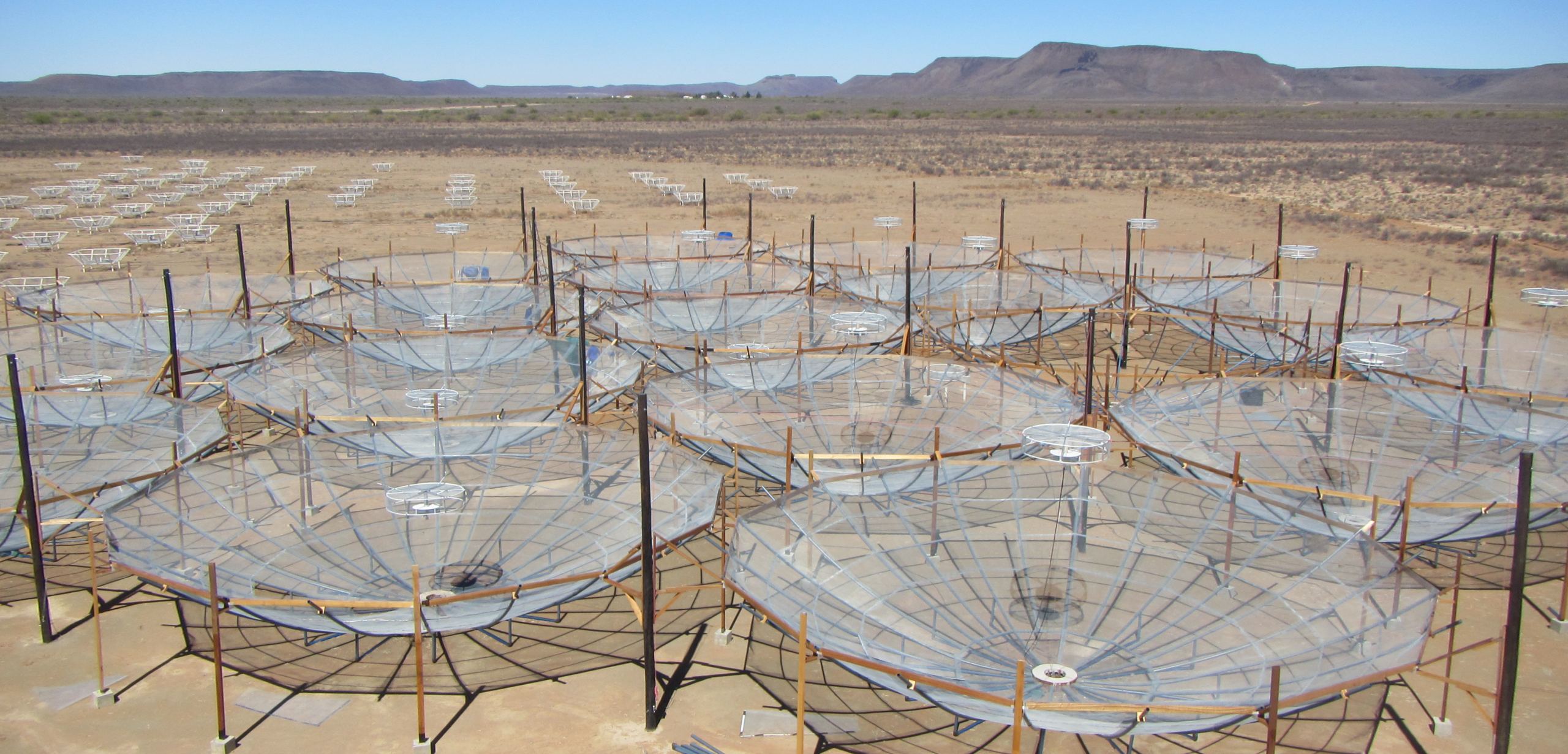
A gap in astronomical knowledge is Cosmic Dawn, a time when the first stars in the Universe formed, ending the cosmological dark ages. If there was dark matter at this early time, its decay might have heated up the intergalactic medium, sending out a signal that could be detectable today. A new paper suggests that the newly built Hydrogen Epoch of Reionization Array (HERA) telescope could measure this dark matter decay with 1,000 hours of observation or constrain its presence by three orders of magnitude.
Continue reading
Continue reading
Astronomers have measured the Universe's expansion rate and found that various methods don't agree, and their error bars don't overlap. This is called the "Hubble Tension" or the "Crisis in Cosmology." Either the measurements are wrong, or new physics is waiting to be discovered. Cosmologists have proposed a period of rapid expansion early on in the Universe called "Early Dark Energy." Still, a recent paper suggests one rapid expansion event wouldn't explain other observations about the Universe. It's probably a combination of factors.
Continue reading
Continue reading

In 1987, a supernova suddenly appeared in the Large Magellanic Cloud and was studied by astronomers worldwide. Although the detonating star was 165,000 light-years away, this was still the closest supernova seen in centuries. Astronomers have continued to study the expanding debris cloud over the decades, and now JWST has joined the effort, revealing new features never before seen with other observatories. The central core is so dense with gas and dust that its central neutron star remnant is still hidden, even to JWST.
Continue reading
Continue reading
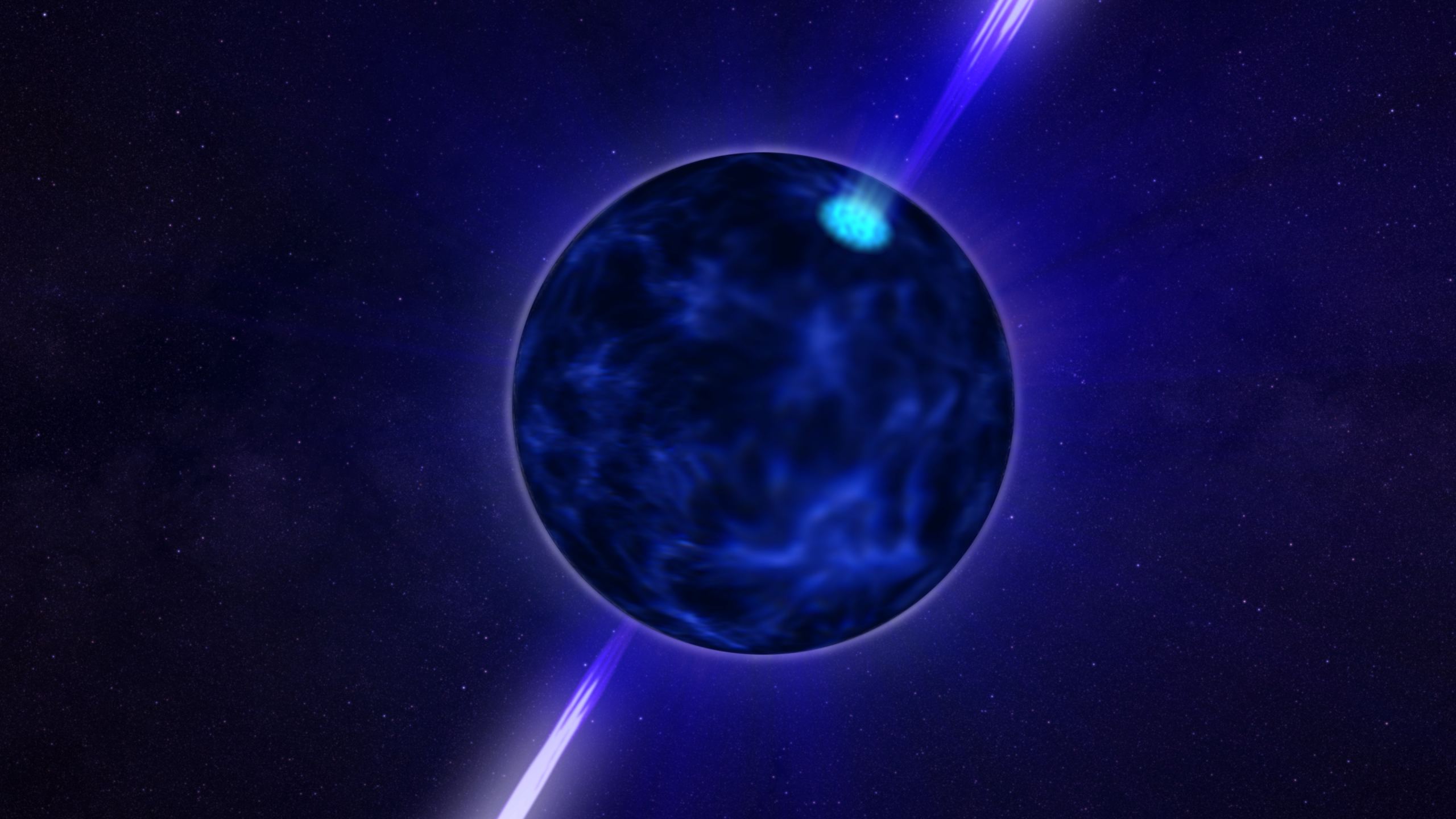
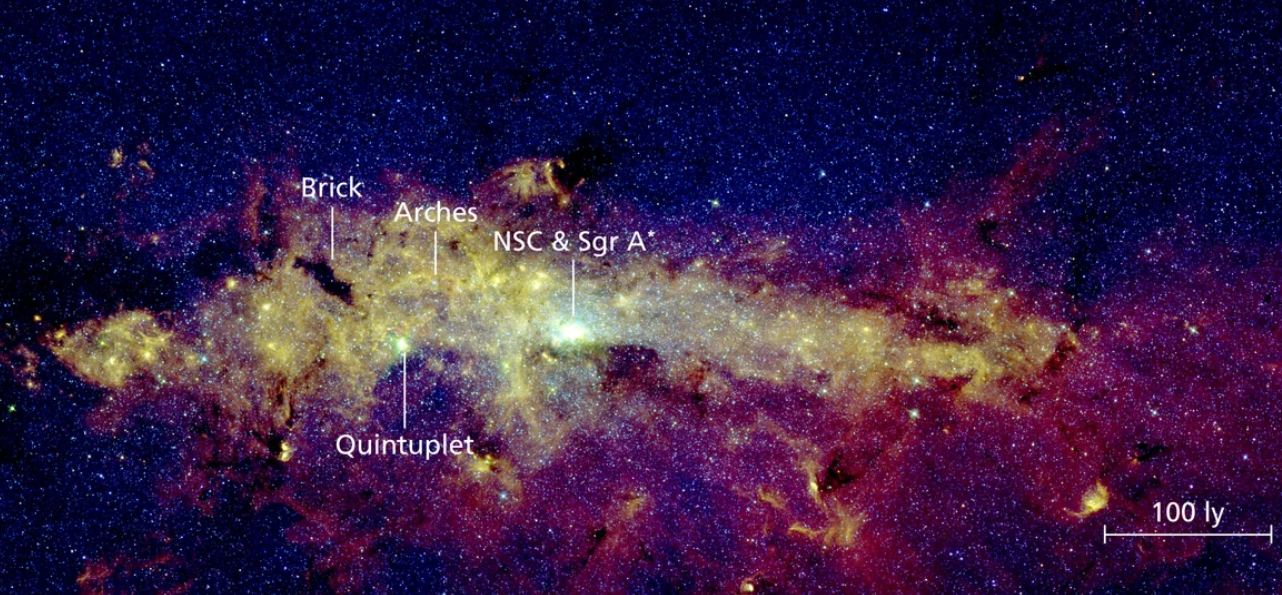
The Event Horizon Telescope is a collection of radio telescopes across the globe that simultaneously gathered data about the Milky Way's supermassive black hole, acting as a single telescope the size of planet Earth. This revealed the galaxy's heart in unprecedented detail, helping to confirm the black hole's event horizon and prove some of Einstein's predictions about General Relativity. But if those observations happened to contain any signals from pulsars in the area, it would allow for even more precise measurements, as if there were atomic clocks orbiting Sgr A*.
Continue reading
Continue reading
Continue reading
Continue reading
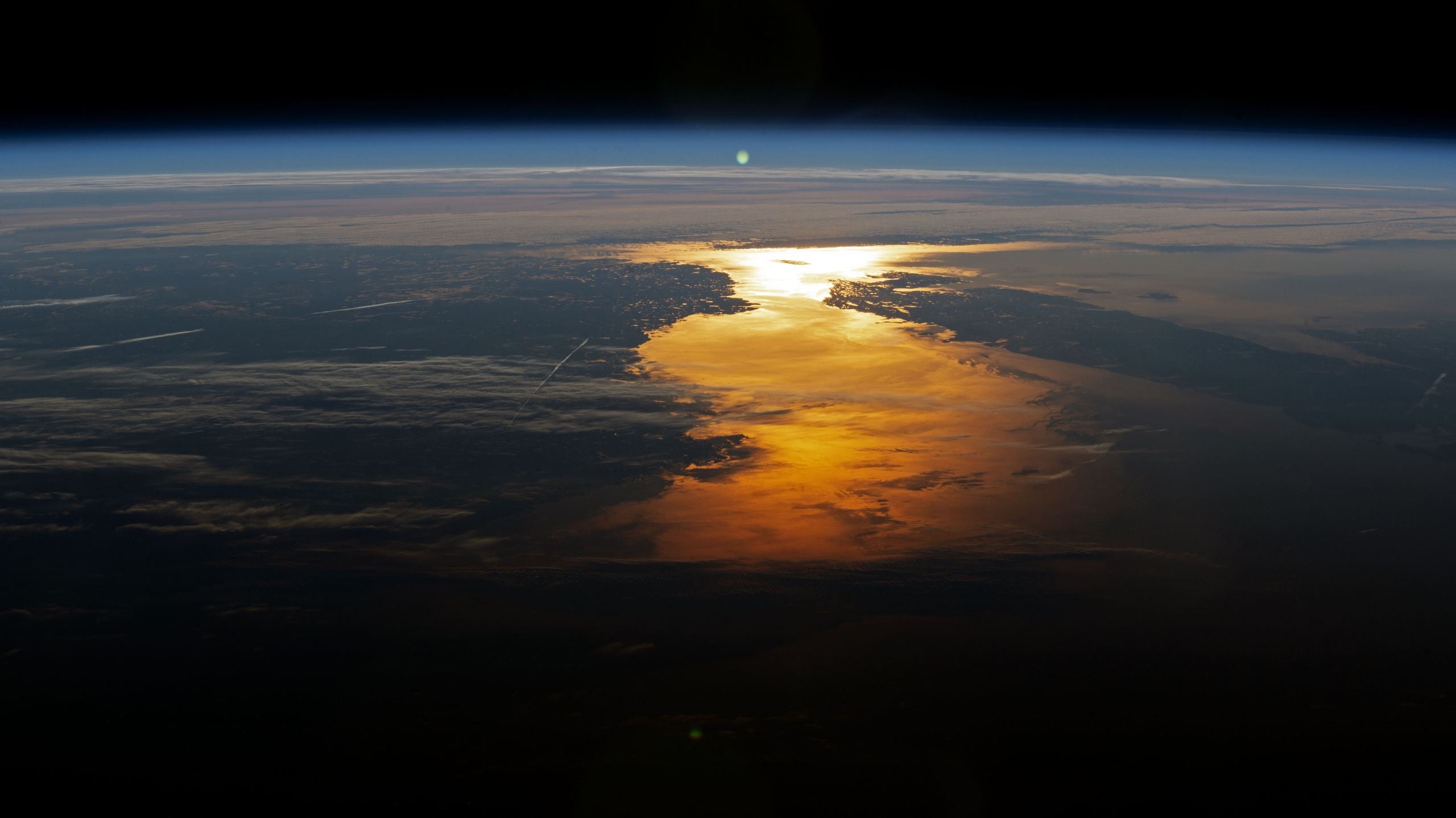
JWST is the most powerful instrument astronomers have to study the atmospheres of exoplanets, looking for trace gases that might indicate life on another world. What if Earth was an exoplanet orbiting a nearby star? What could JWST learn about our planet? In a new study, astronomers took observations of Earth from various spacecraft and then simulated what JWST would see if it got our home planet in the crosshairs. The telescope could detect various chemicals, from water vapor to methane, but it could also sense the presence of chlorofluorocarbons resulting from our industrial infrastructure.
Continue reading
Continue reading
Continue reading
Continue reading
Continue reading
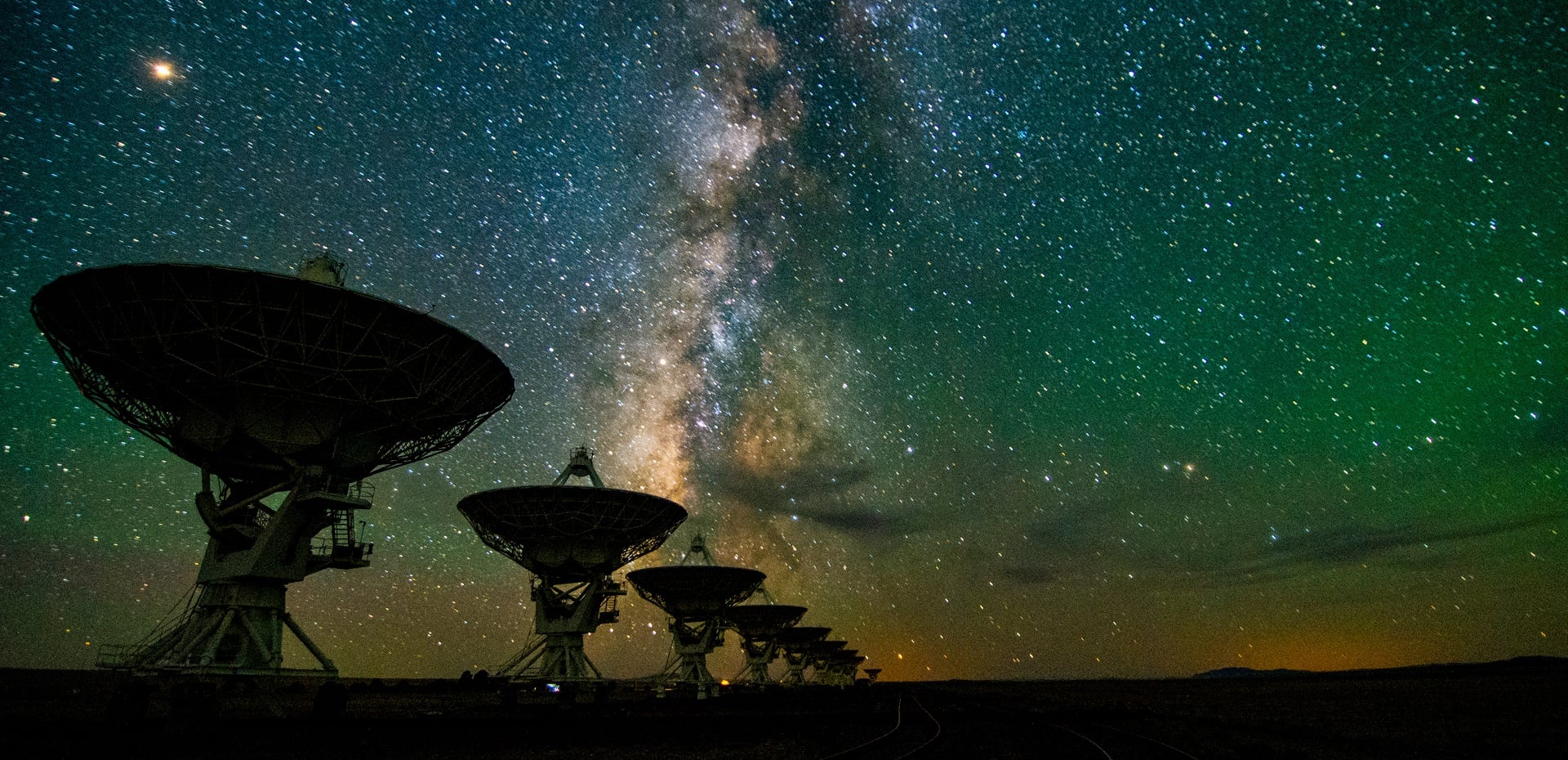
Although humans have only sent a couple of tentative signals into space, many are concerned about the risks. Should we let alien civilizations know we're here? According to a new paper, humanity has already been broadcasting its existence for thousands of years, and civilizations with advanced enough technology should be able to observe us. It's science fiction to us, but megastructure space telescopes could have baselines of millions of kilometers, powerful enough to detect structures on the surface of Earth from thousands of light-years away.
Continue reading
Continue reading
 Universe Today