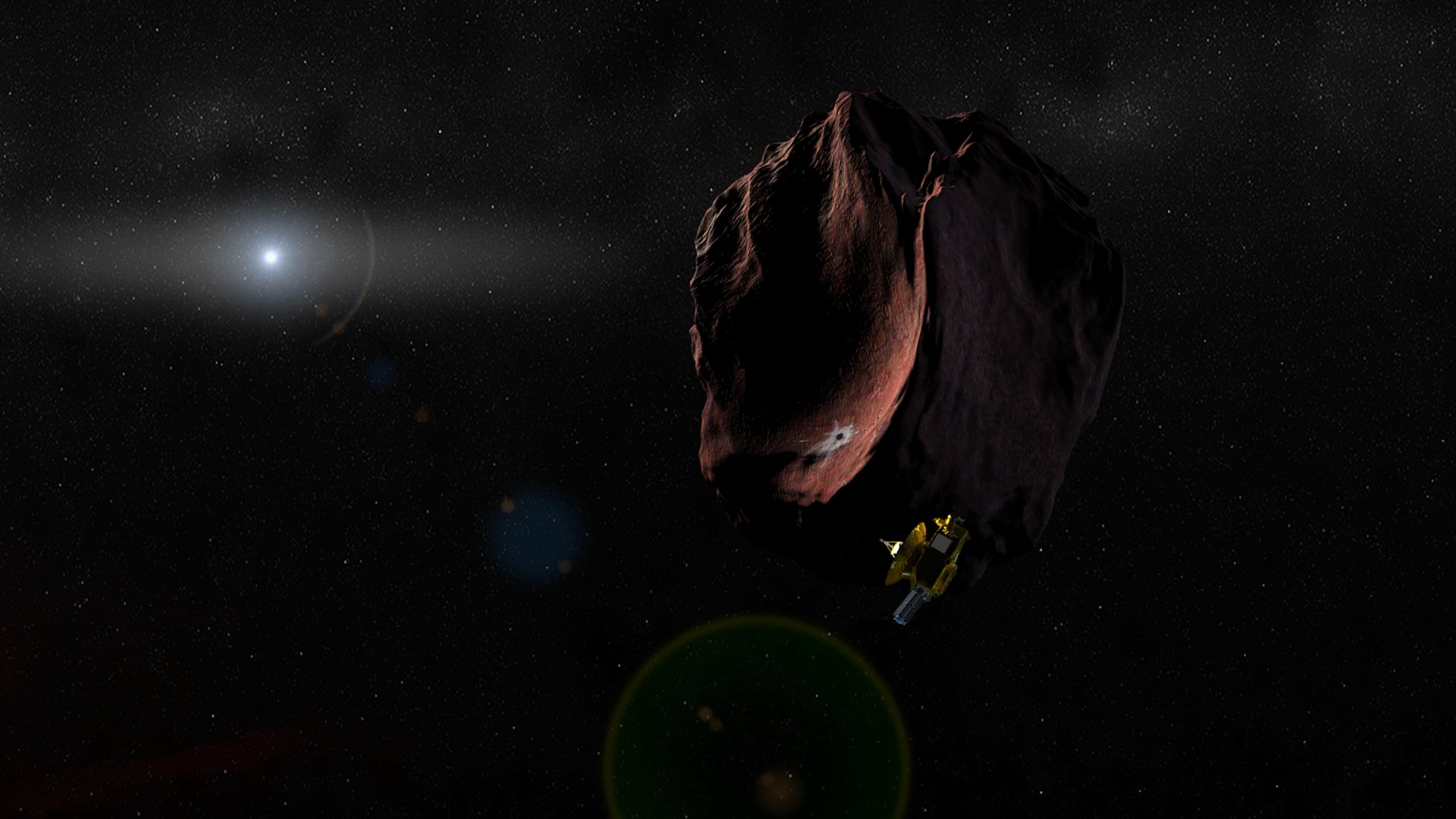
After six years of observing the cosmos, the Dark Energy Survey has announced that it is also responsible for discovering hundreds of Trans-Neptunian Objects (TNOs)
Continue reading
Continue reading
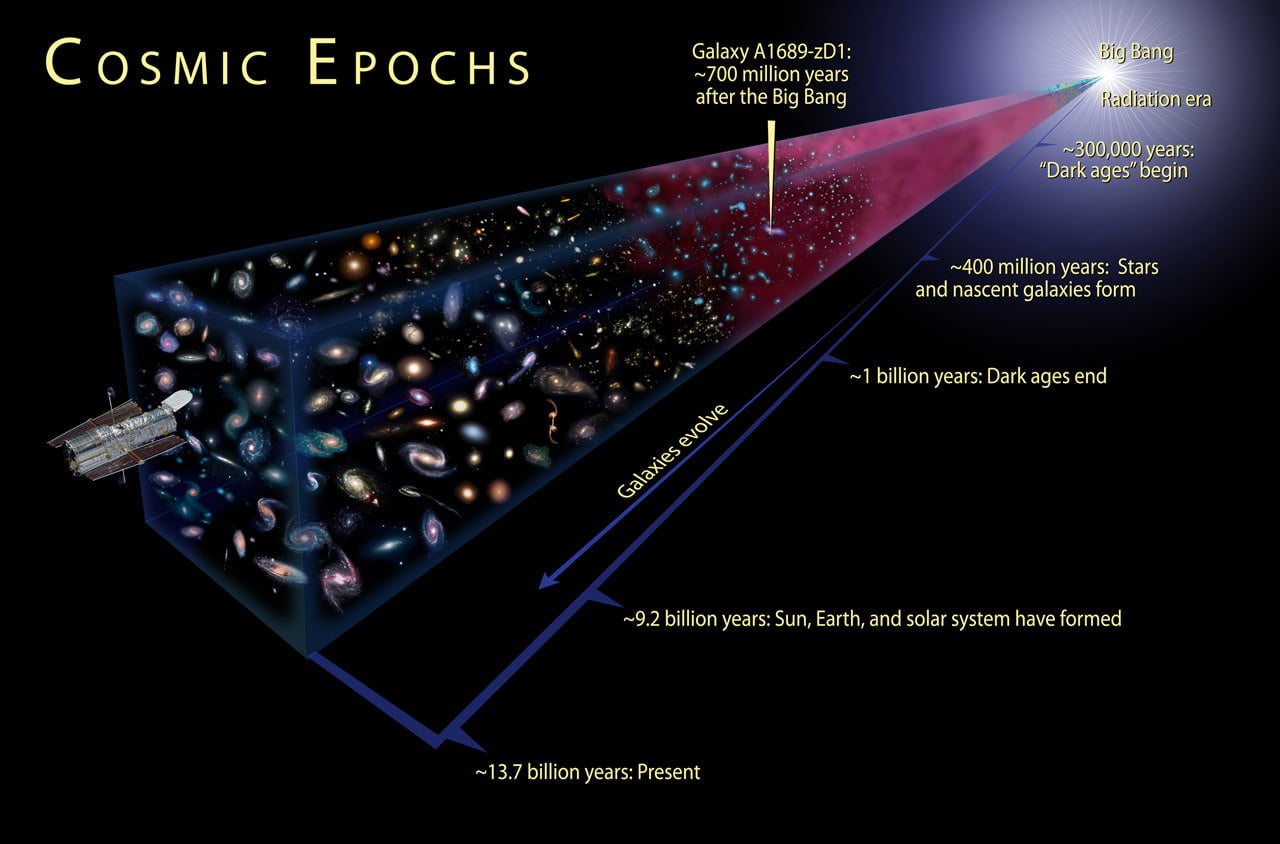
A new study takes a look at what astronomers will be able to see when the Cosmic Dawn becomes observable in the near future.
Continue reading
Continue reading
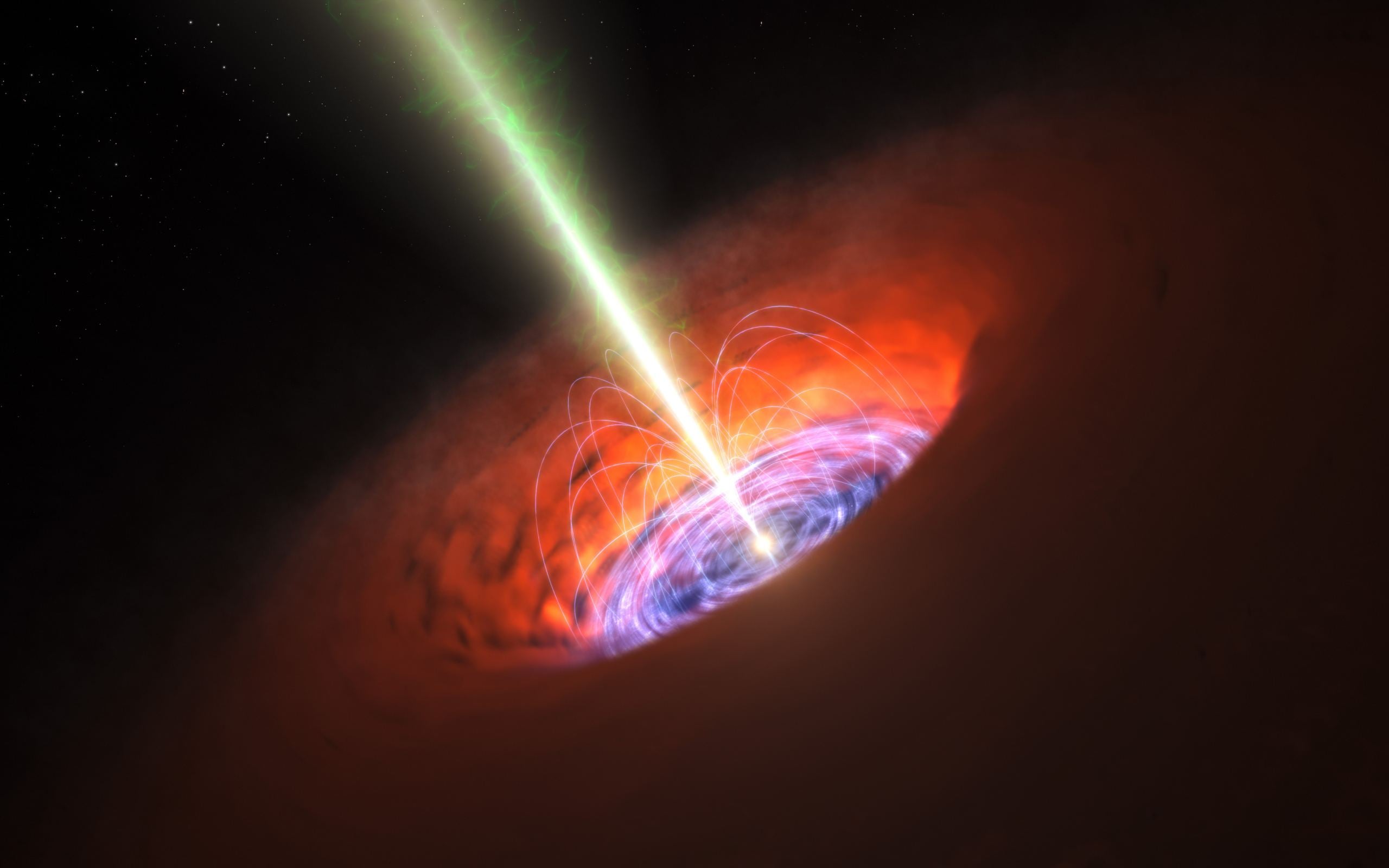
Black holes have a pressure as well as a temperature, thanks to the thermodynamics of quantum gravity.
Continue reading
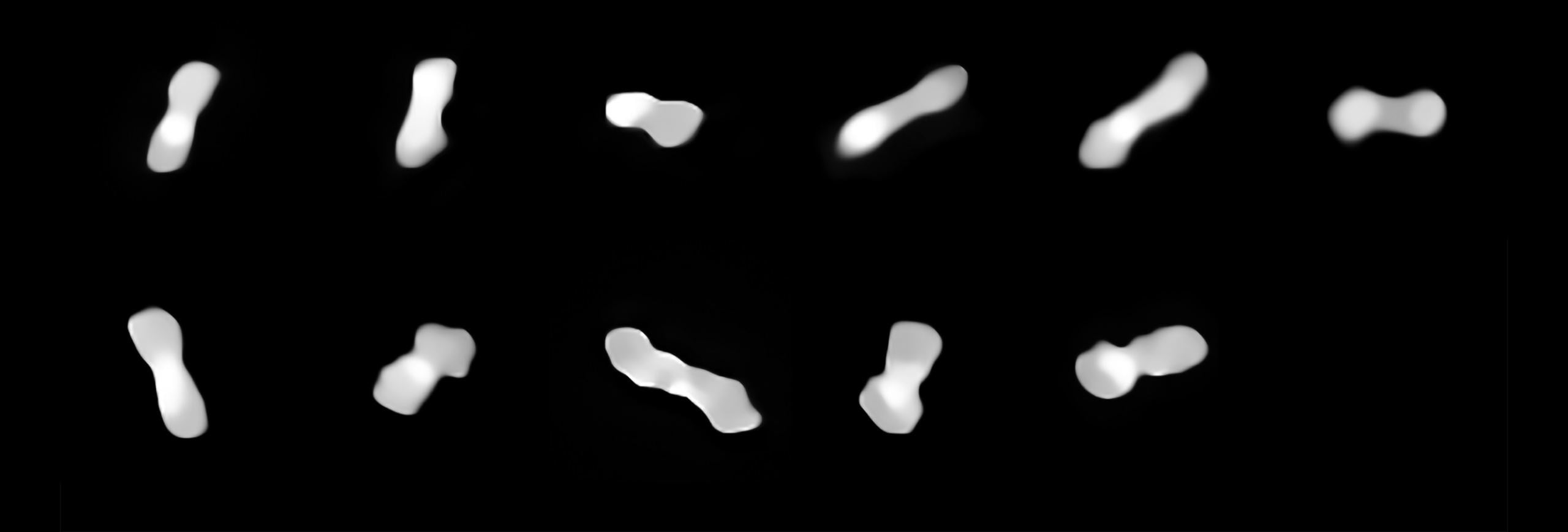
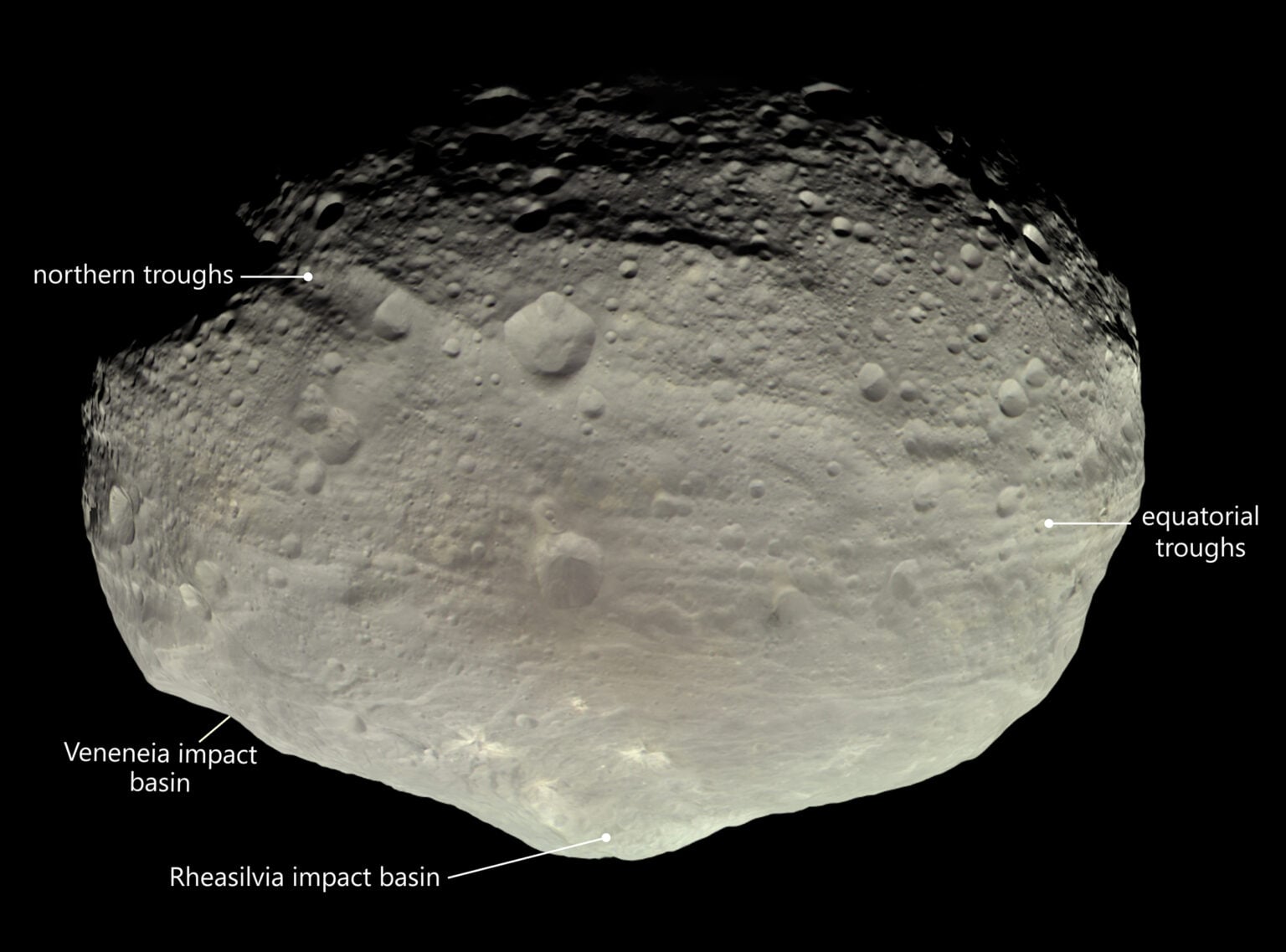
The European Southern Observatory returns stunning views of an enigmatic asteroid.
Continue reading
Continue reading

A new startup has created the world's first gas station in Low Earth Orbit (LEO), which will extend the lives of all of the satellites that will be going to space very soon!
Continue reading
Continue reading
Continue reading
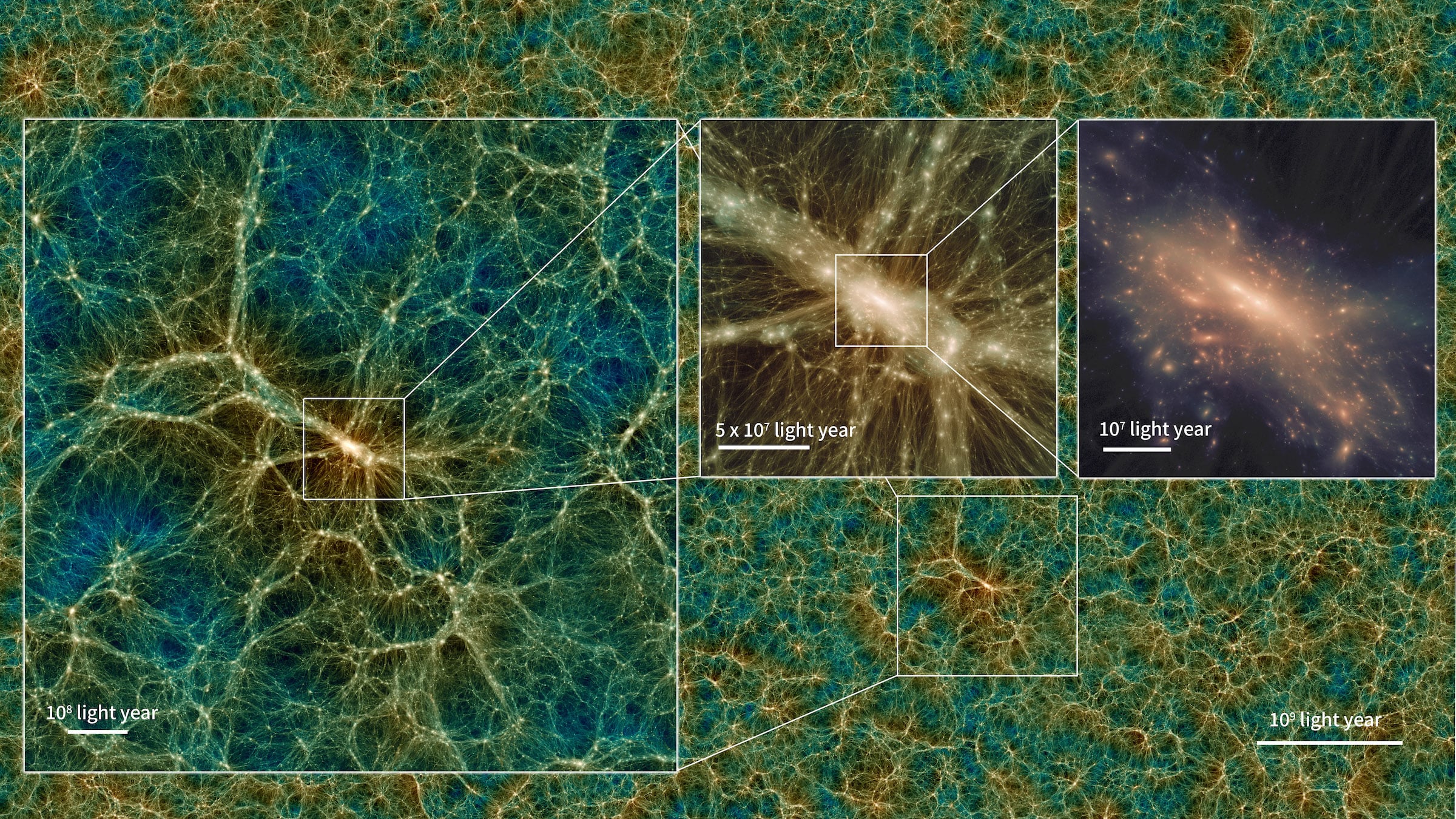
You could fit an entire simulated universe in your pocket, if you have $40,000 to spare.
Continue reading
Continue reading
Continue reading
Continue reading
Continue reading
Continue reading
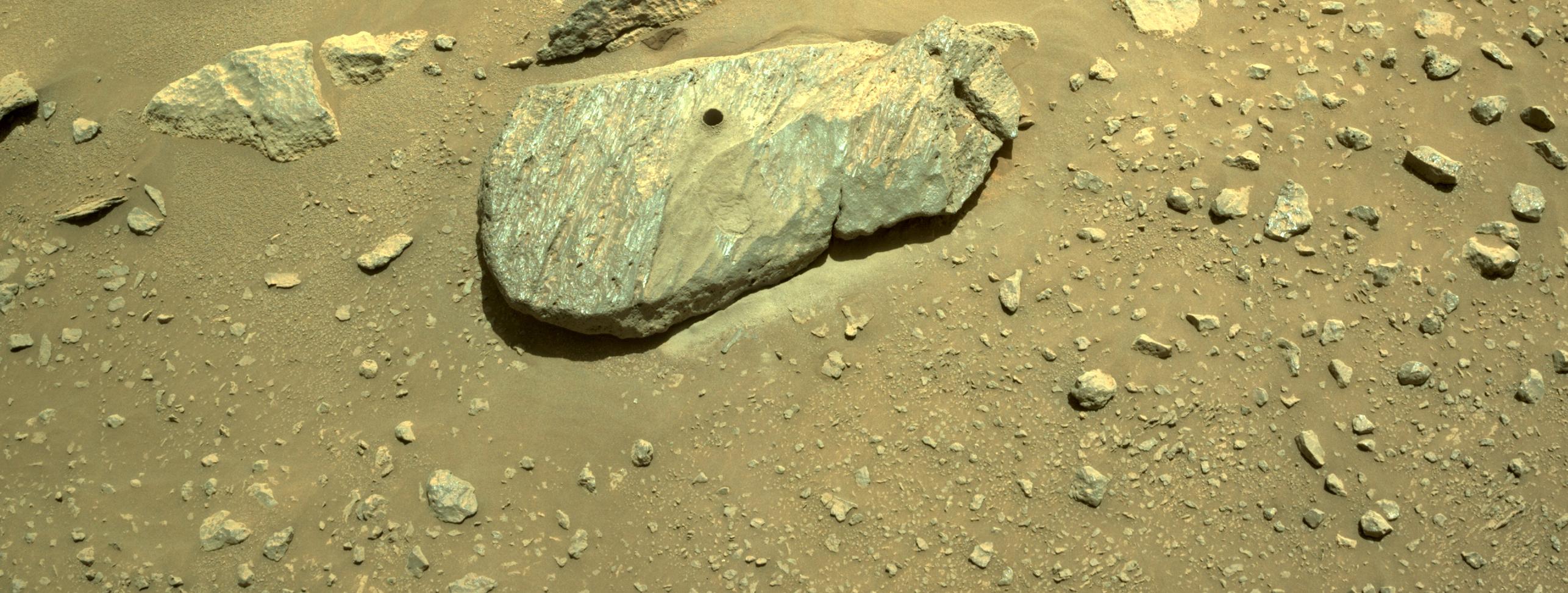
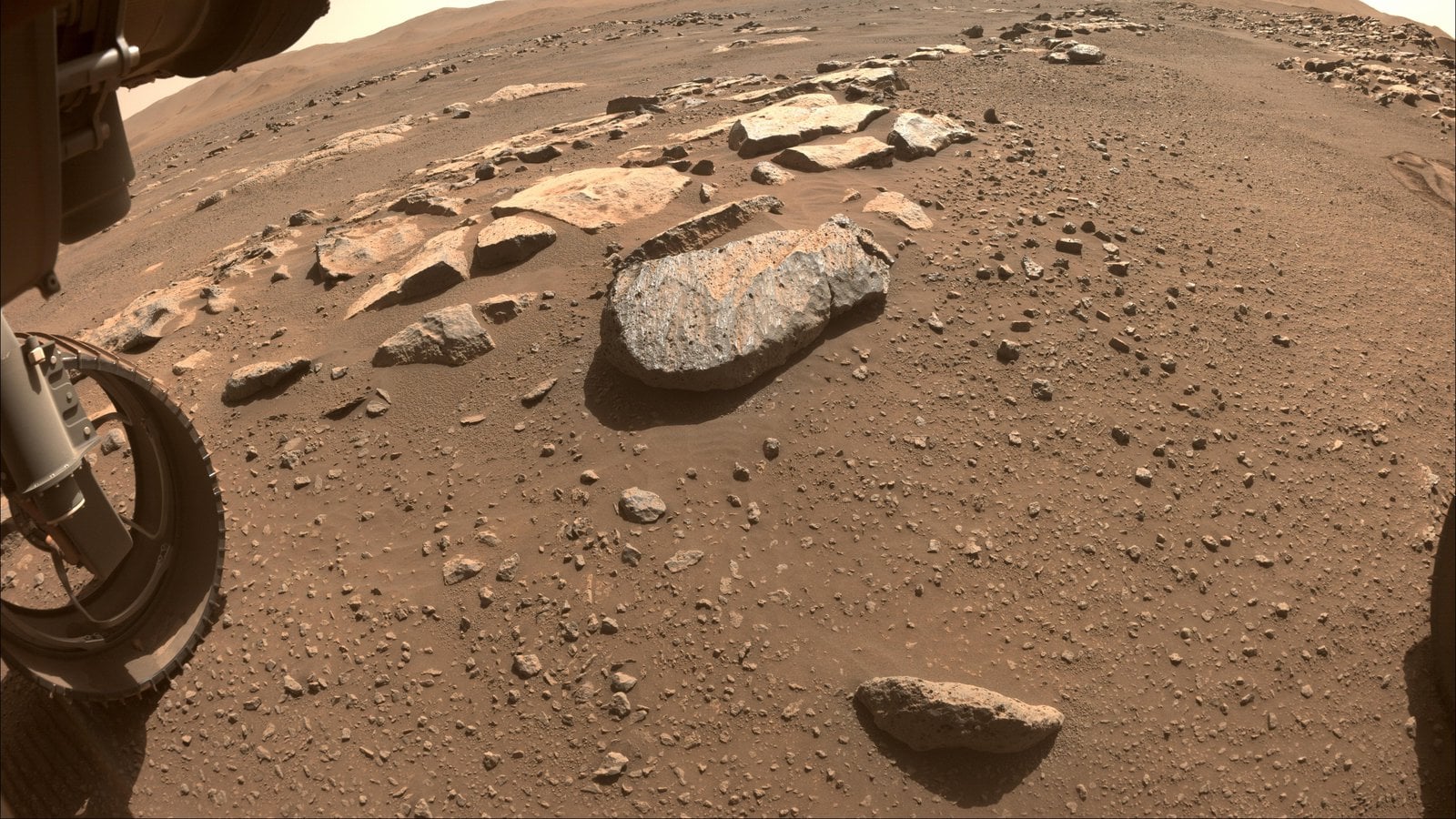
After failing in its first try, the Perseverance rover just successfully obtained a rock sample from the Martian surface that will someday be brought back to Earth.
Continue reading
Continue reading
Continue reading
Continue reading
Continue reading
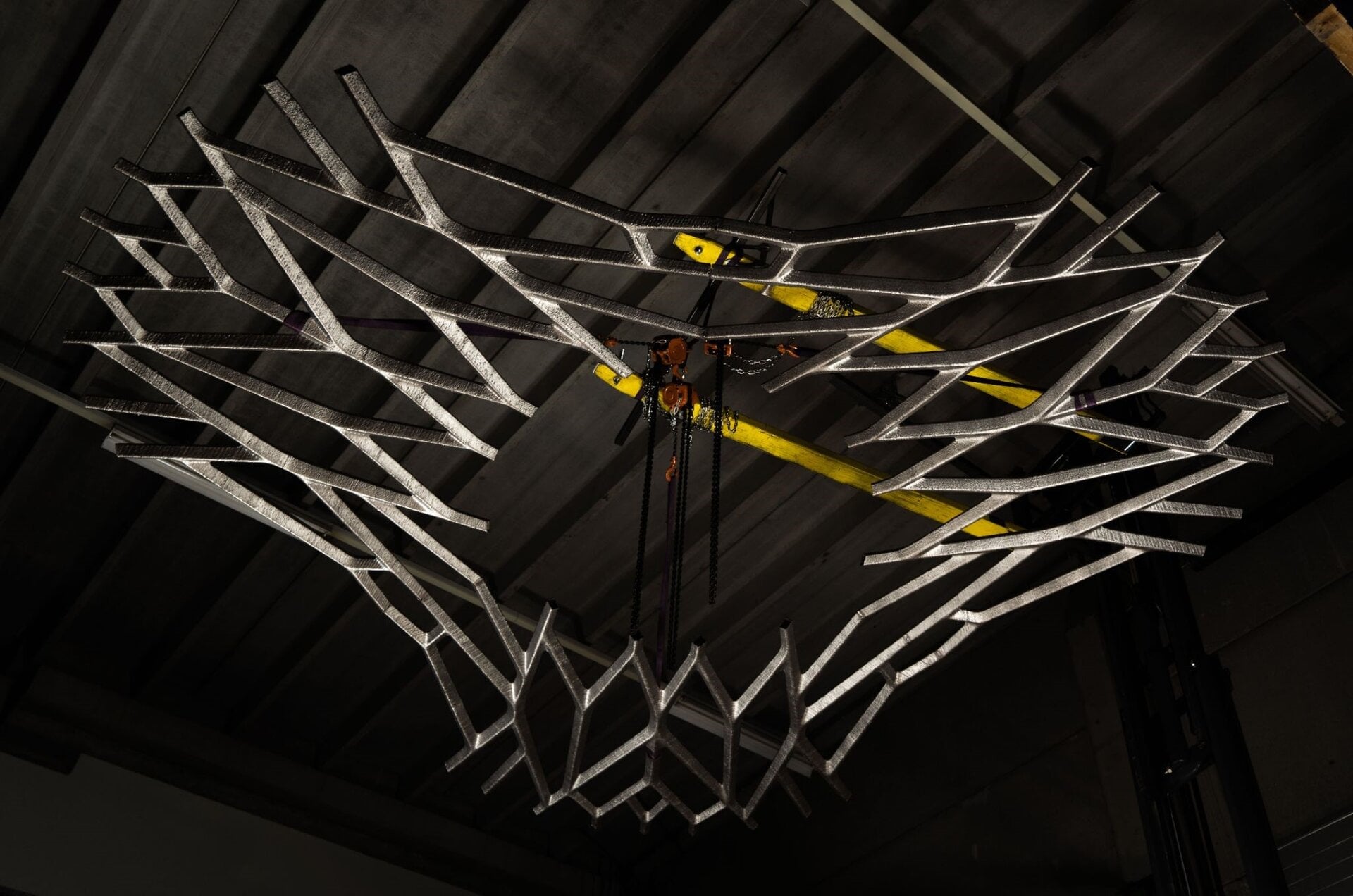
The ESA's has unveiled a key piece of their proposed lunar habitat, a 3D-printed steel floor frame.
Continue reading

Continue reading
Continue reading
Continue reading
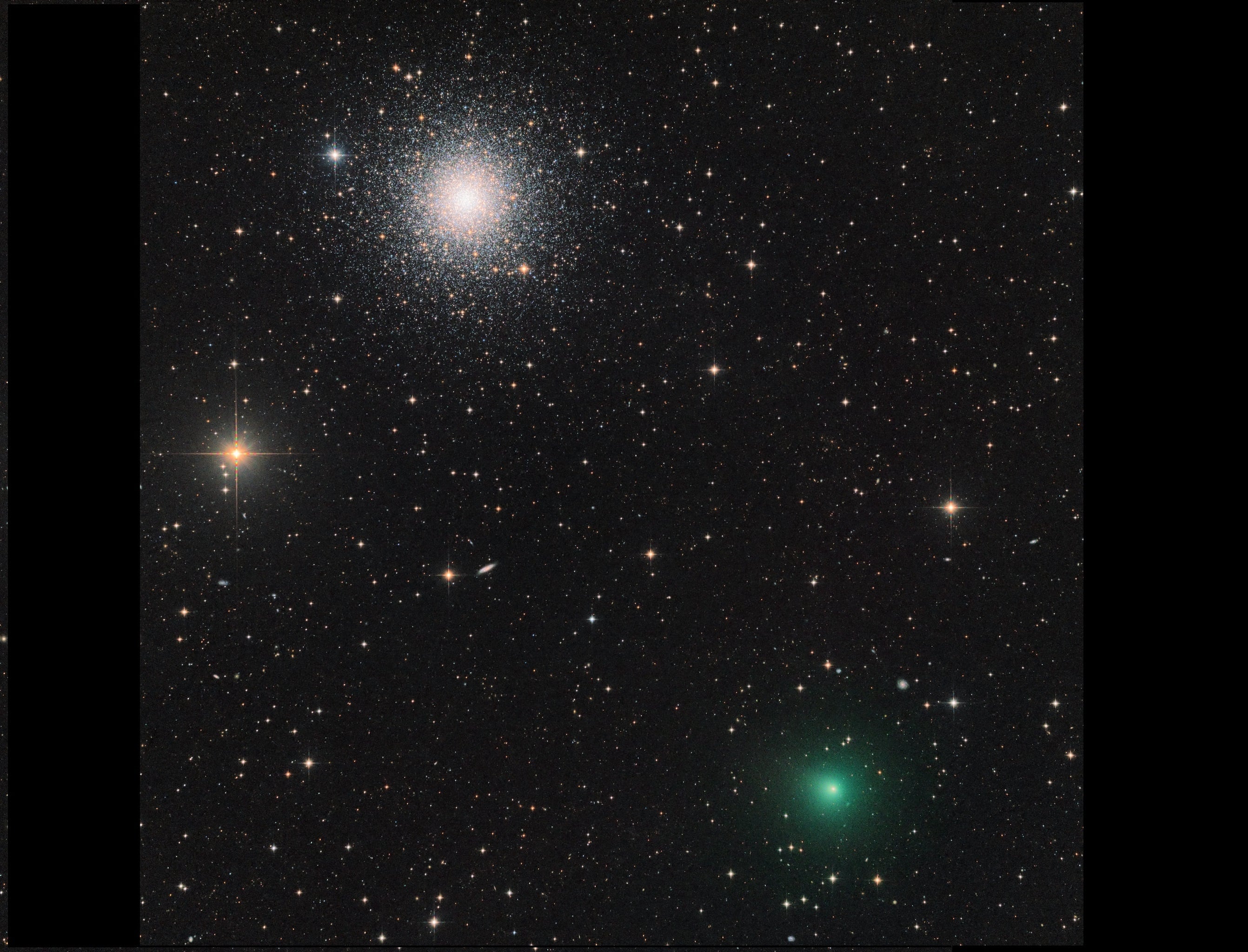
Fall 2021 offers up an all-night parade of challenging telescopic comets.
Continue reading
Continue reading
Continue reading

Continue reading
Continue reading
Continue reading
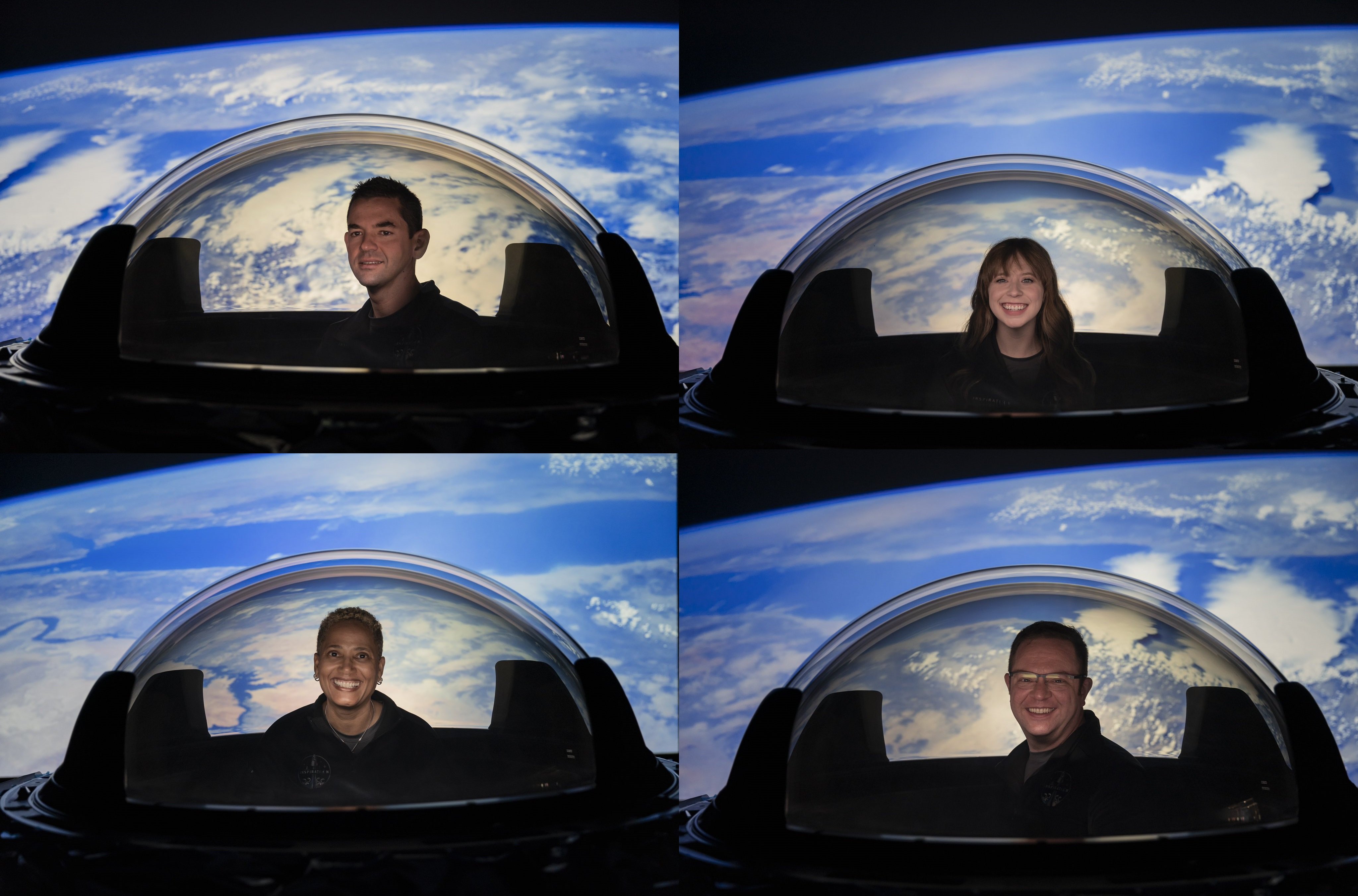
The crew of the upcoming Inspiration4 mission (the first all-civilian spaceflight) took a moment to get their pictures taken inside the glass dome that will let them to see Earth from orbit.
Continue reading

A new study has identified another class of exoplanet that could drastically increase the odds of finding life beyond the Solar System.
Continue reading
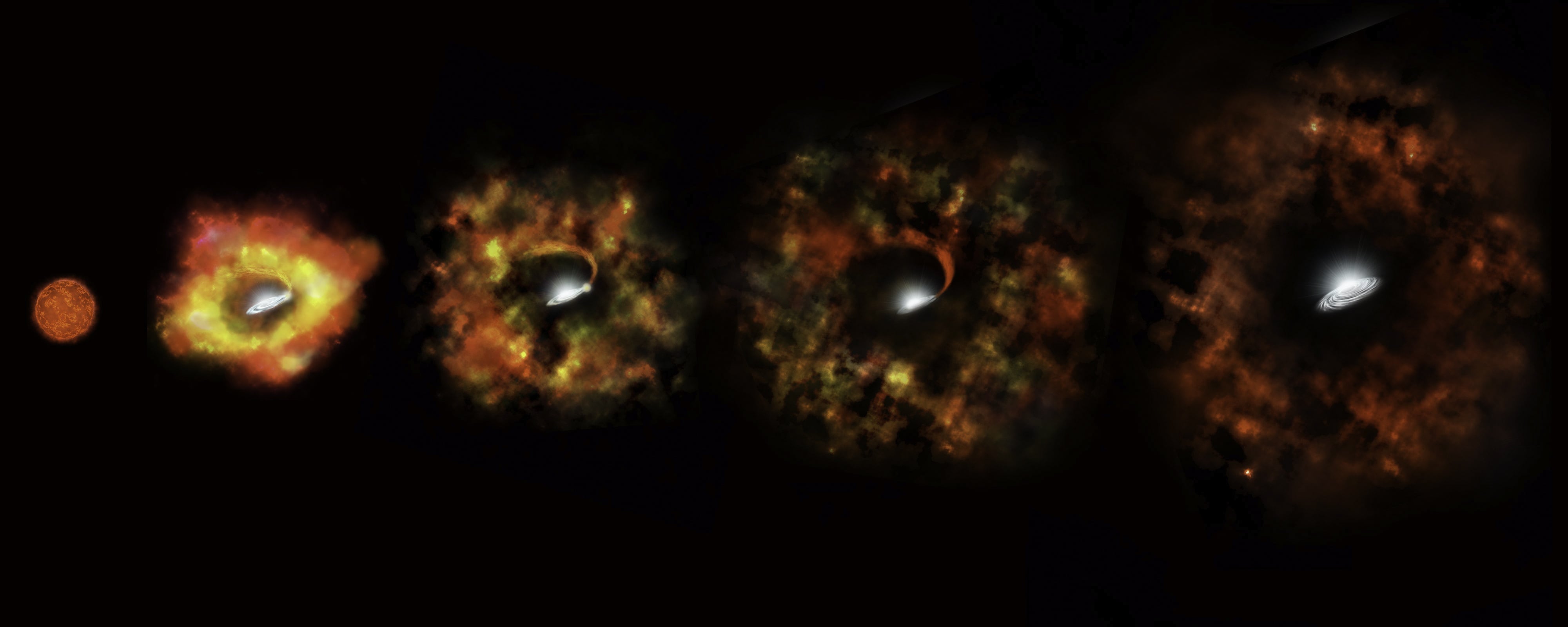
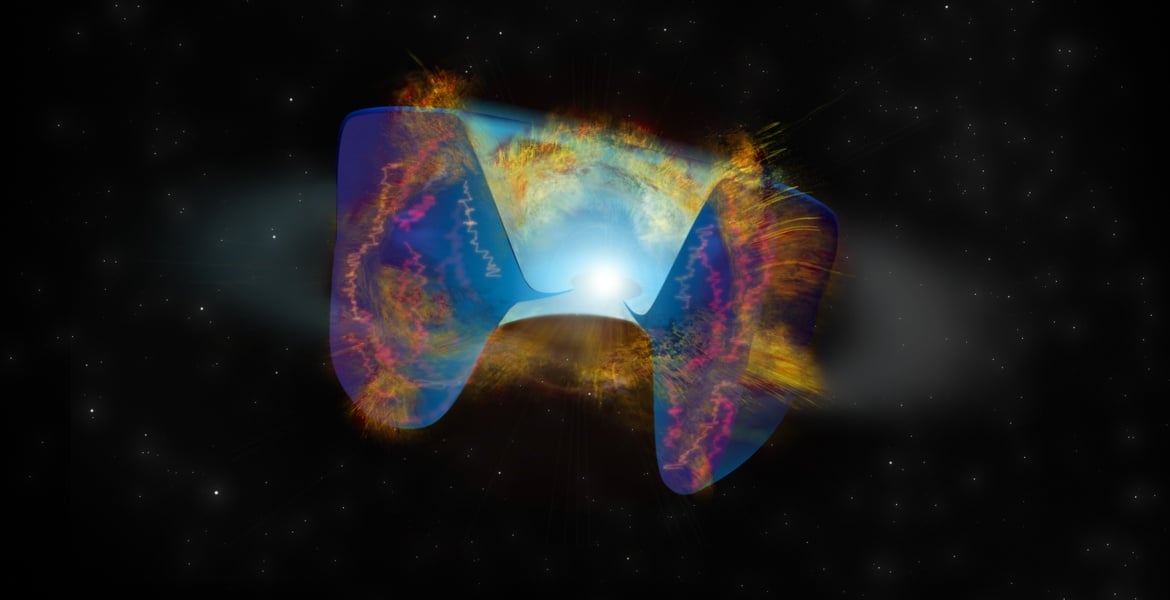
Above a certain mass, large stars don't become supernovae. That limit might be lower than we thought.
Continue reading
Continue reading
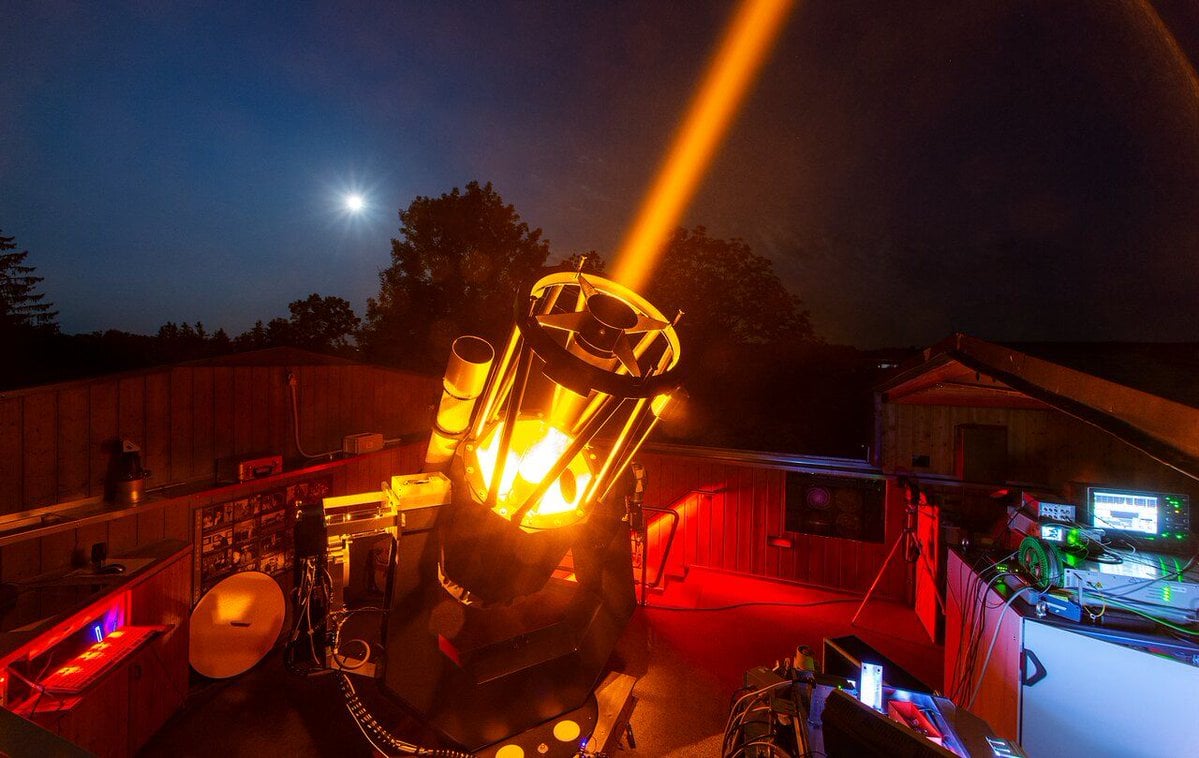
In some applications, bigger lasers mean better lasers. That is the case in astronomy, where lasers are used for everything from telescope calibration to satellite communication. The European Southern Observatory ([ESO](https://en.wikipedia.org/wiki/European_Southern_Observatory)) and some of its commercial partners have developed a laser 3 times more powerful than the existing industry standard. With that increased power level, the new system has the potential to dramatically improve the way telescopes deal with one of the most fundamental problems in ground-based astronomy - atmospheric turbulence.
Continue reading
Continue reading
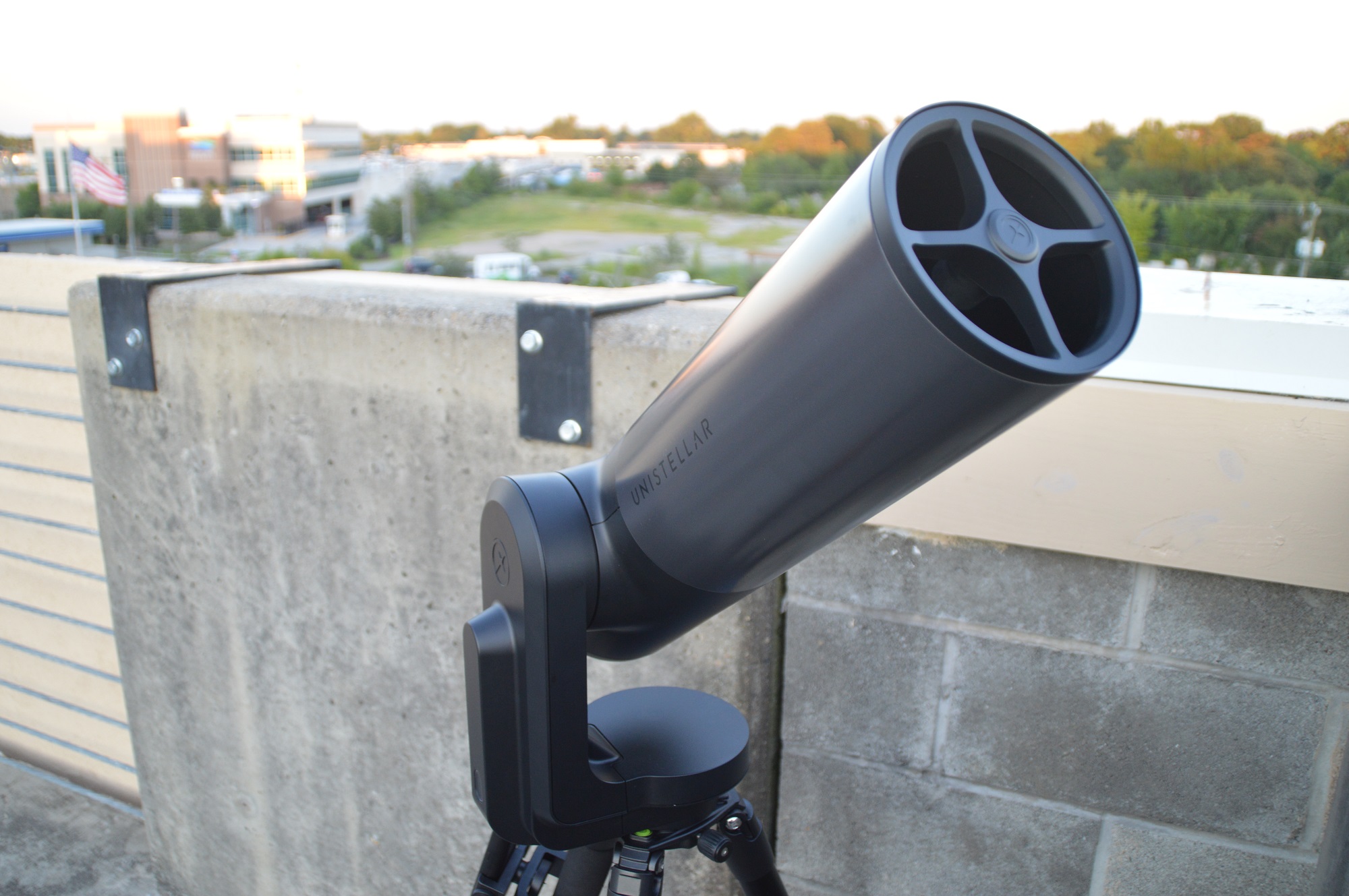
A leader in the 'smartscope' industry releases its exciting new eQuinox telescope.
Continue reading
According to a new study by an international team of researchers, a mission to Mars would have to be less than four years to mitigate the threat posed by radiation.
Continue reading
Continue reading
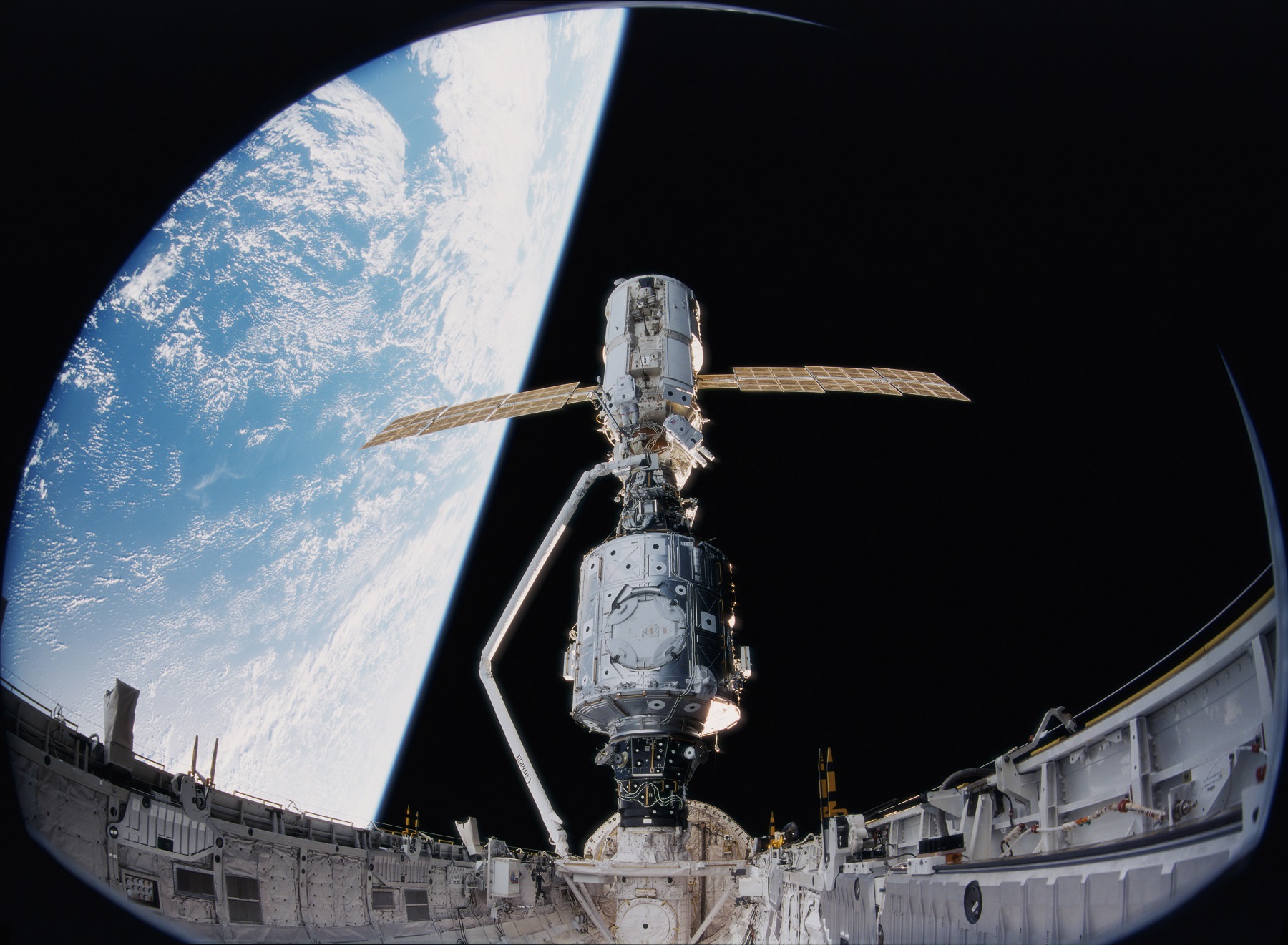
Cosmonauts aboard the ISS have reported new cracks in the Zarya module, the latest indication that the ISS is showing its age.
Continue reading

Continue reading
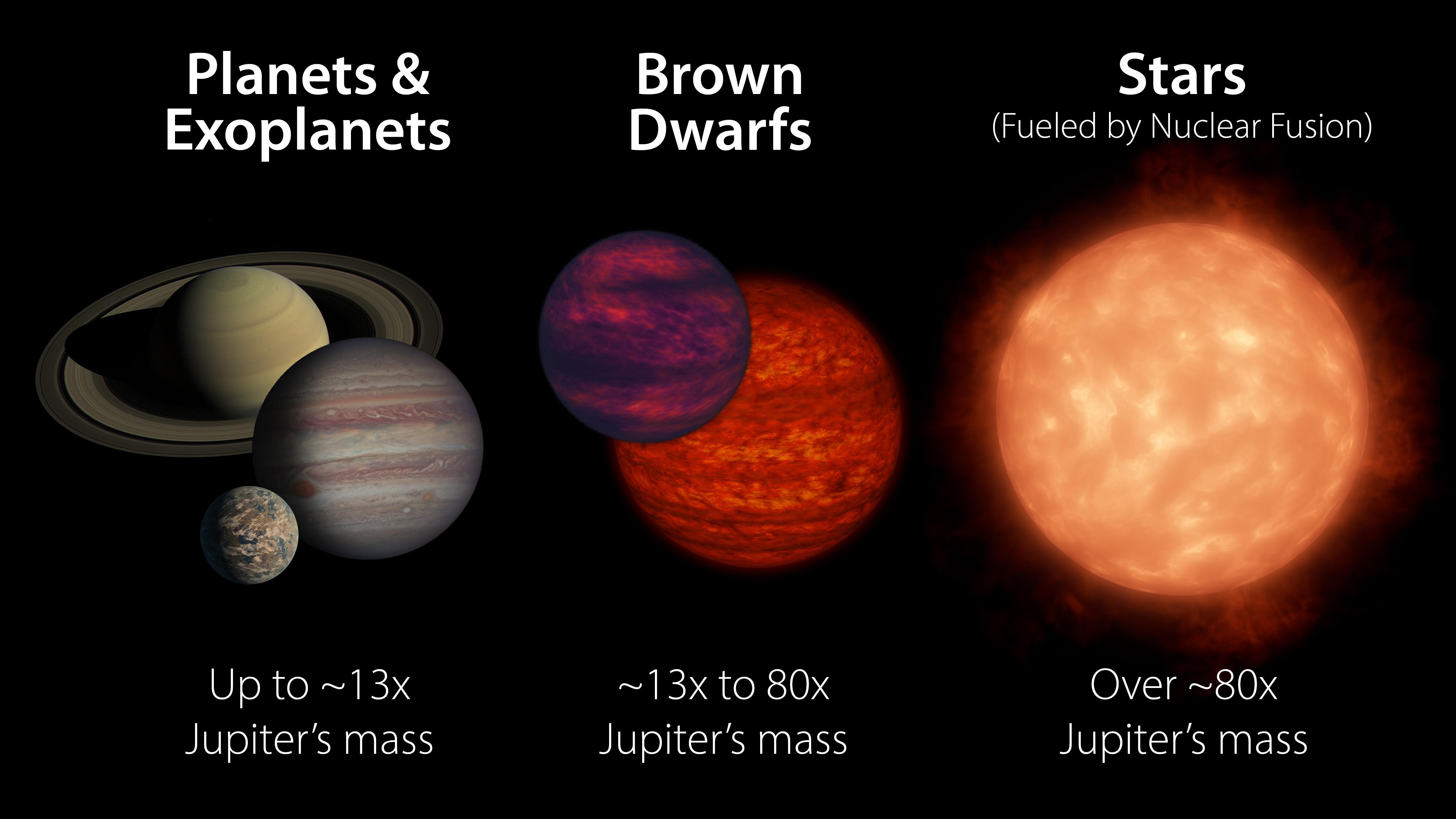
An accidental discovery suggests that brown dwarfs are more common than we thought, and may solve the mystery of the brown dwarf desert.
Continue reading
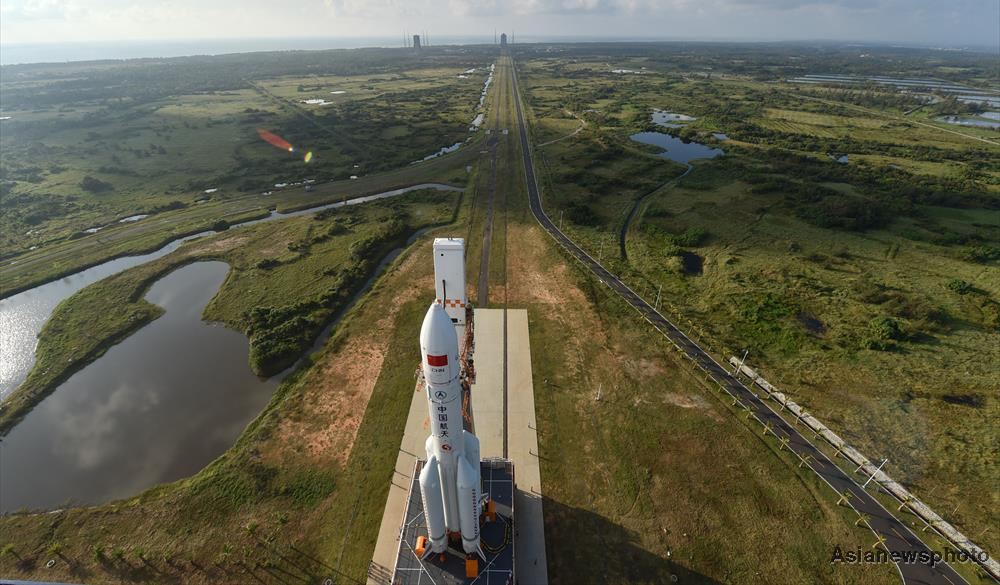
China is considering building spacecraft in orbit that would measure a few kilometers long and ensure they become the dominant power in space.
Continue reading
Continue reading
Continue reading
Continue reading
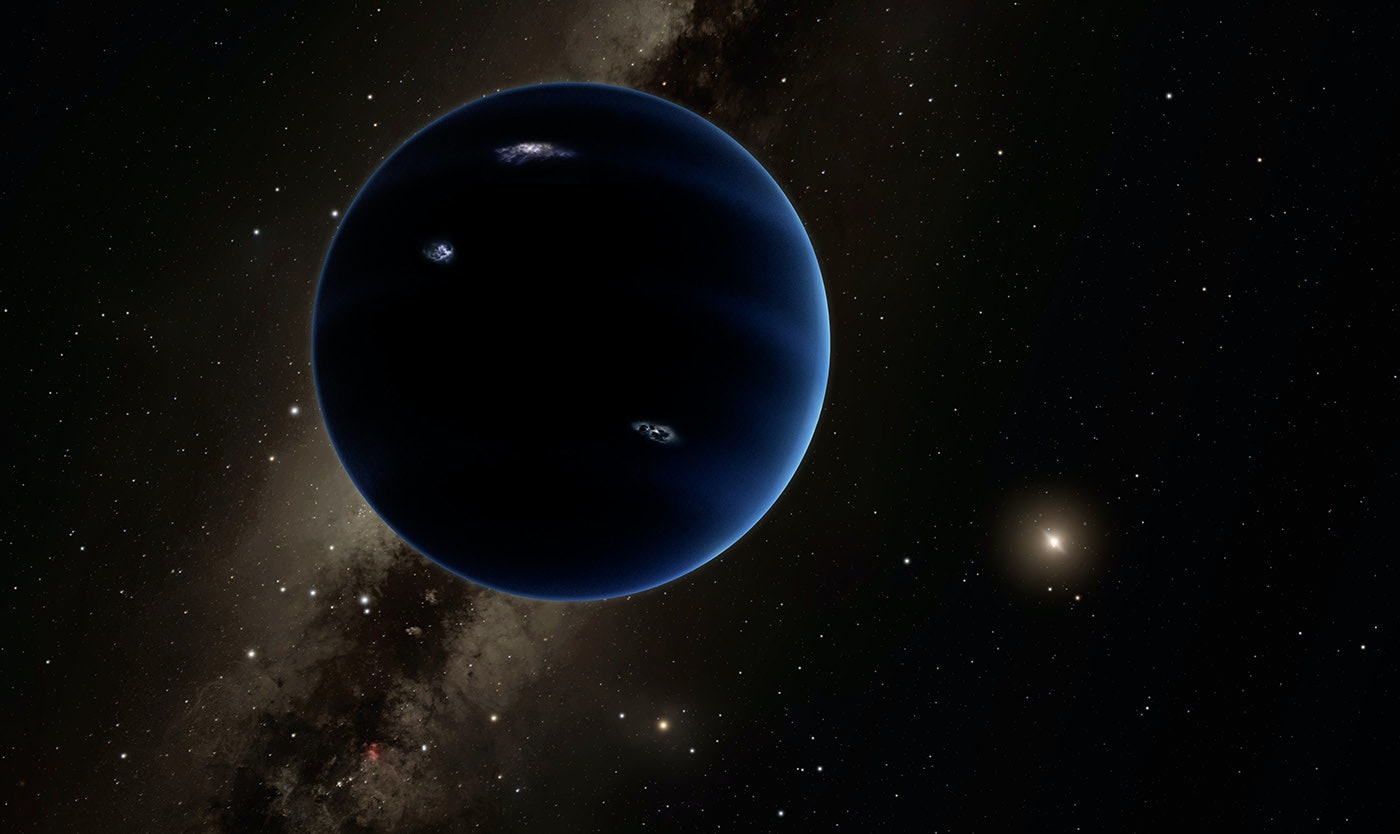
A study of Kuiper belt objects points strongly to the existence of a super-Earth on the outer edge of our solar system.
Continue reading
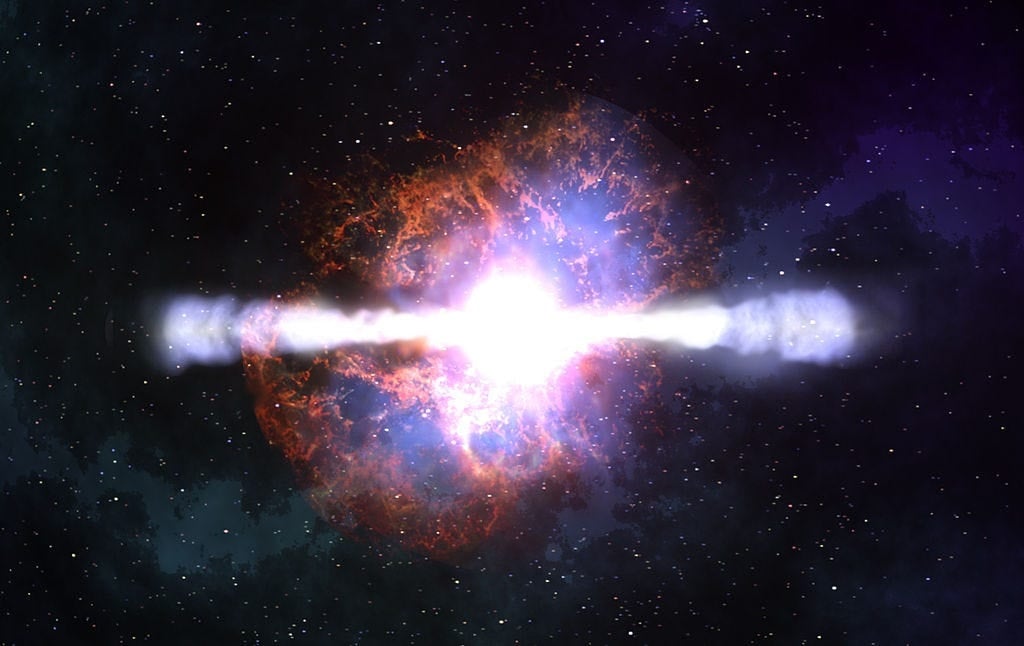
Using a novel approach, a team of researchers has confirmed that the elusive source of cosmic rays is indeed supernova remnants!
Continue reading
Continue reading
 Universe Today