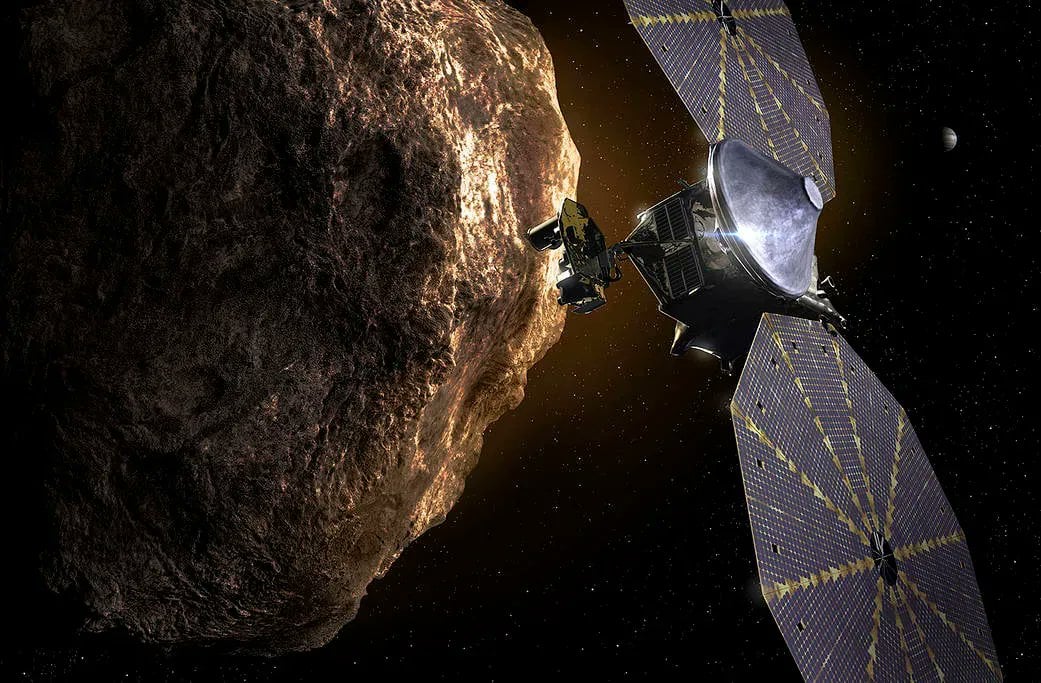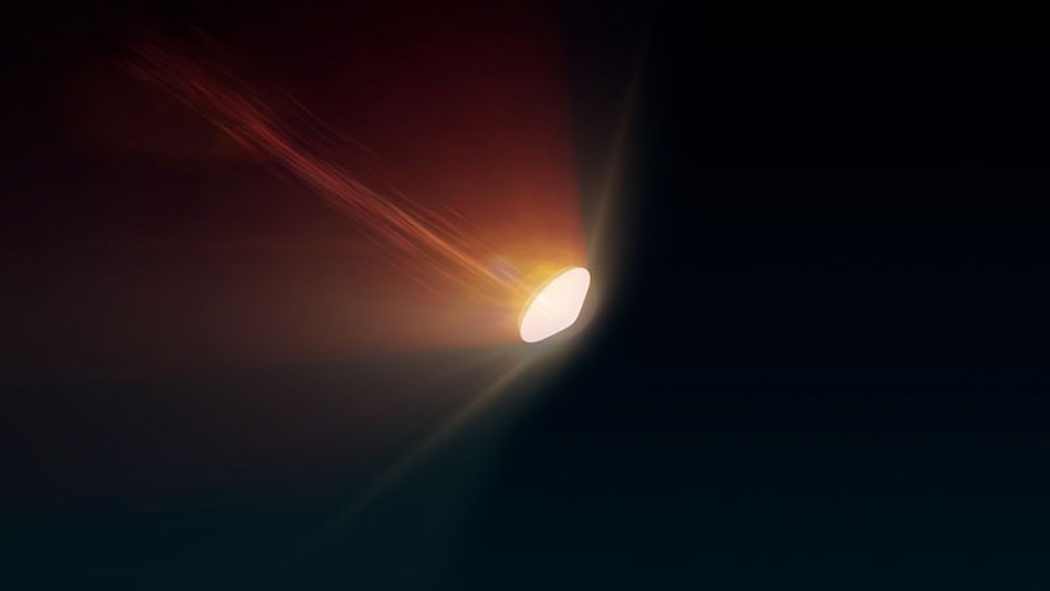
NASA engineers are developing and testing a shielding system to protect the Mars Sample Return mission from micormeterites and space debris,
Continue reading
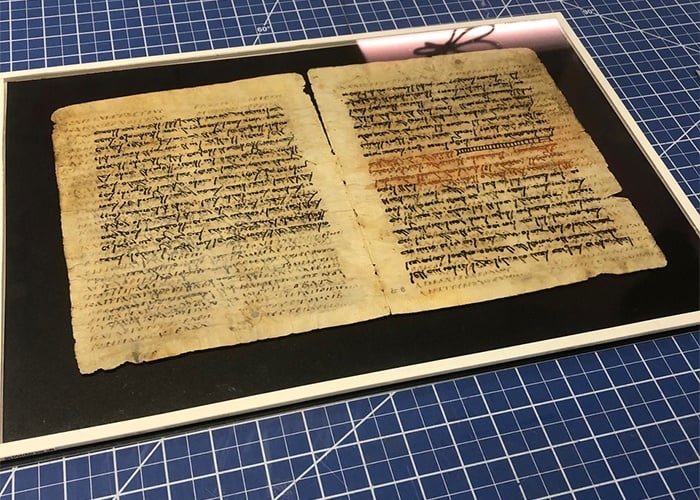
Spectral imaging reveals the Hipparchus astronomical catalog was much more precise than we thought.
Continue reading
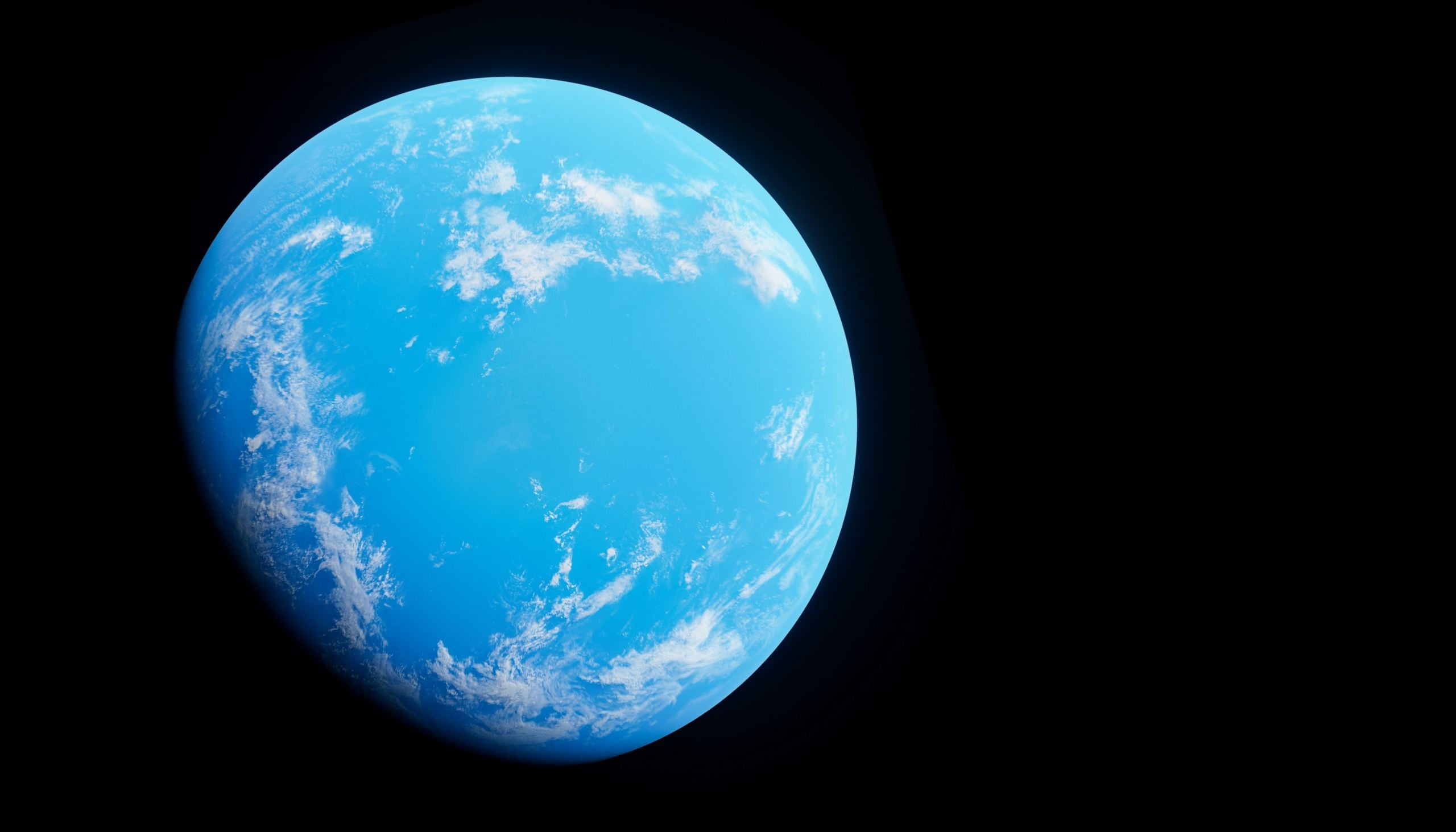
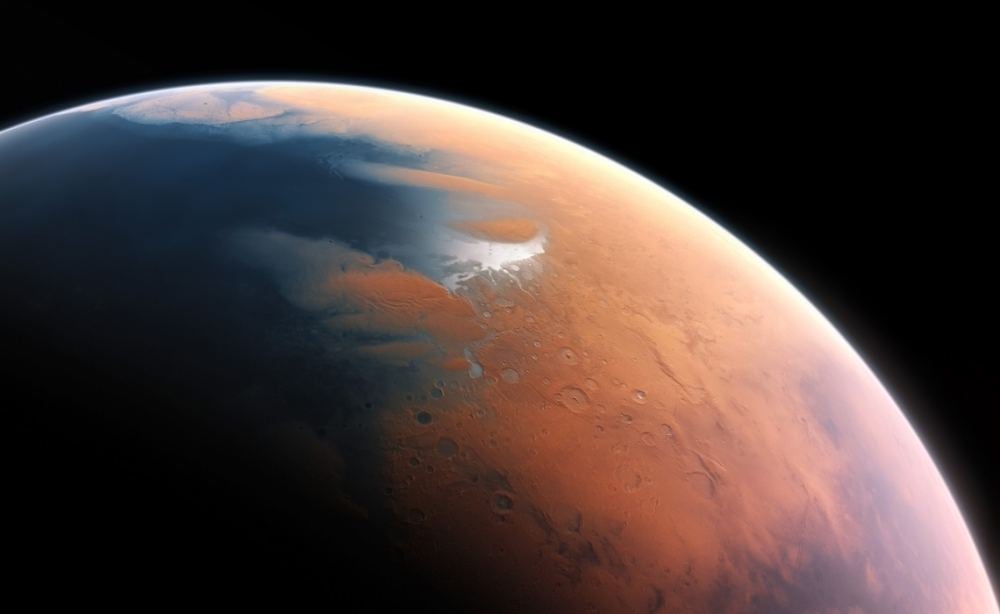
New research suggests that when Earth was still a ball of molten rock, Mars may have been covered in warm, blue oceans!
Continue reading
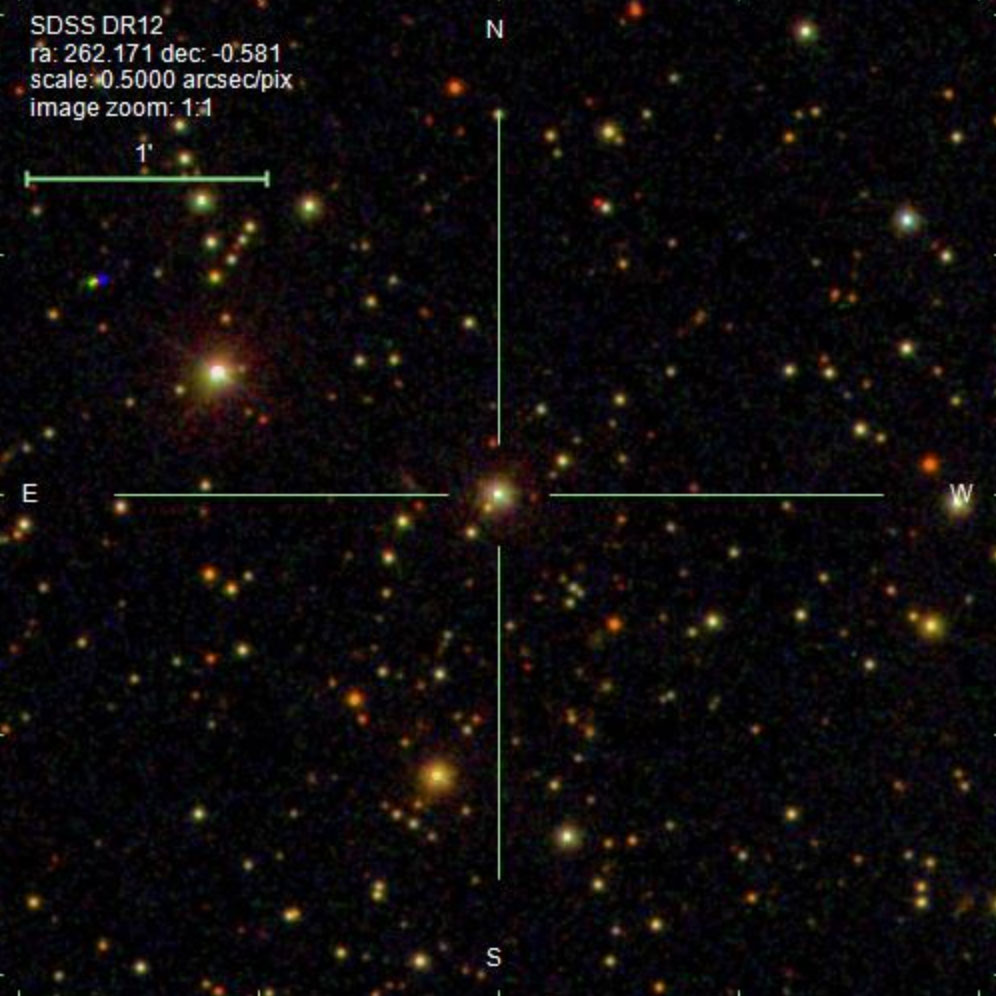
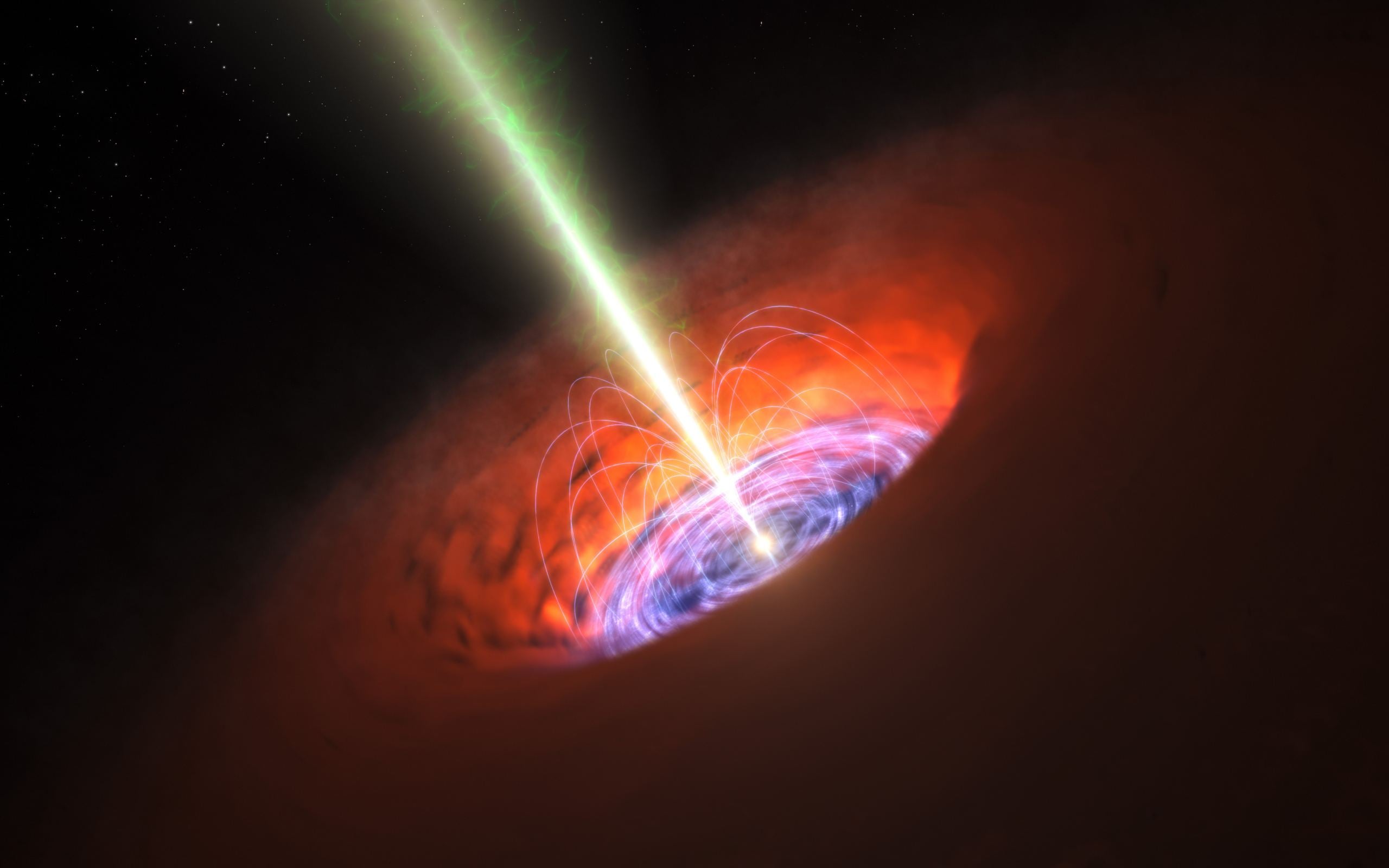
Using data from multiple observstories, a team of astronomers has discovered a monster blackhole right in our backyard!
Continue reading
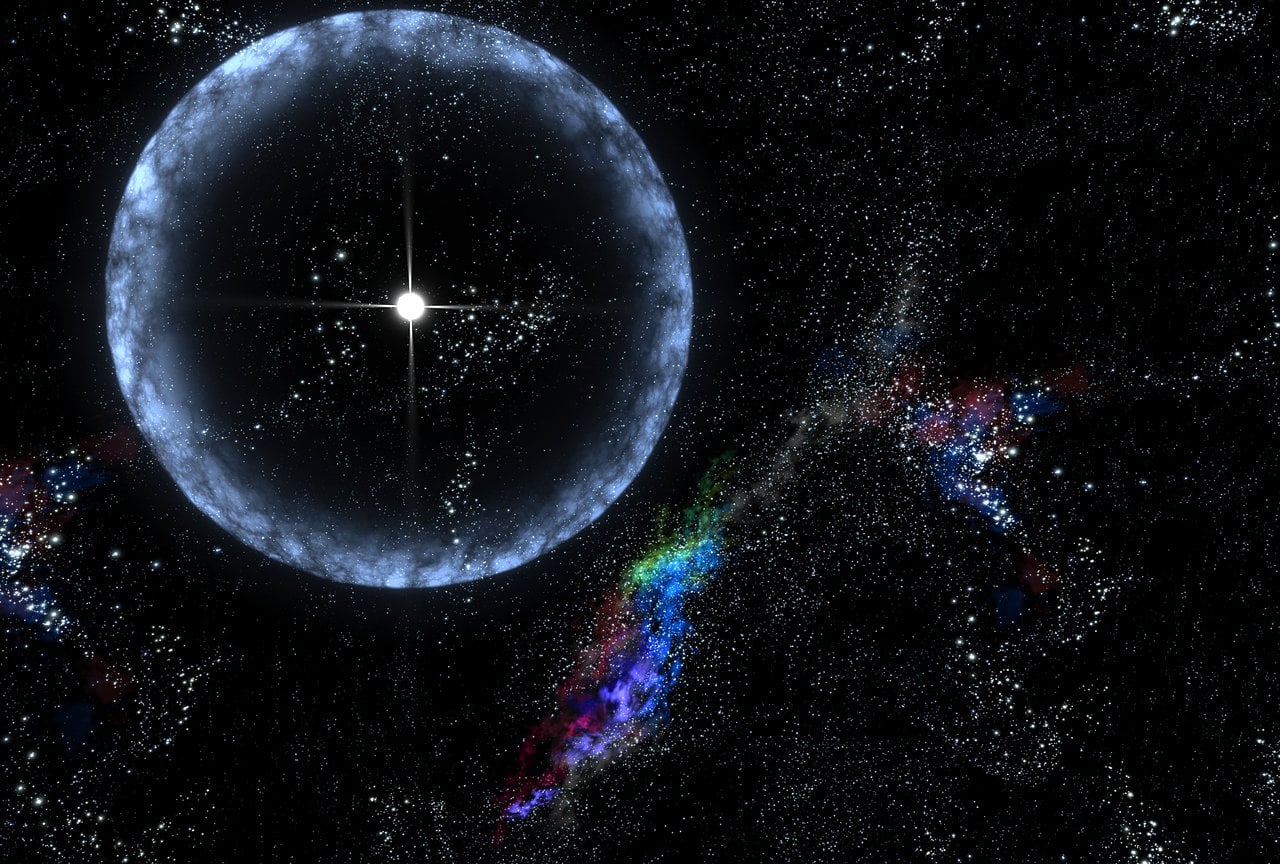
Two decades of supernova observations still leave big mysteries unsolved.
Continue reading
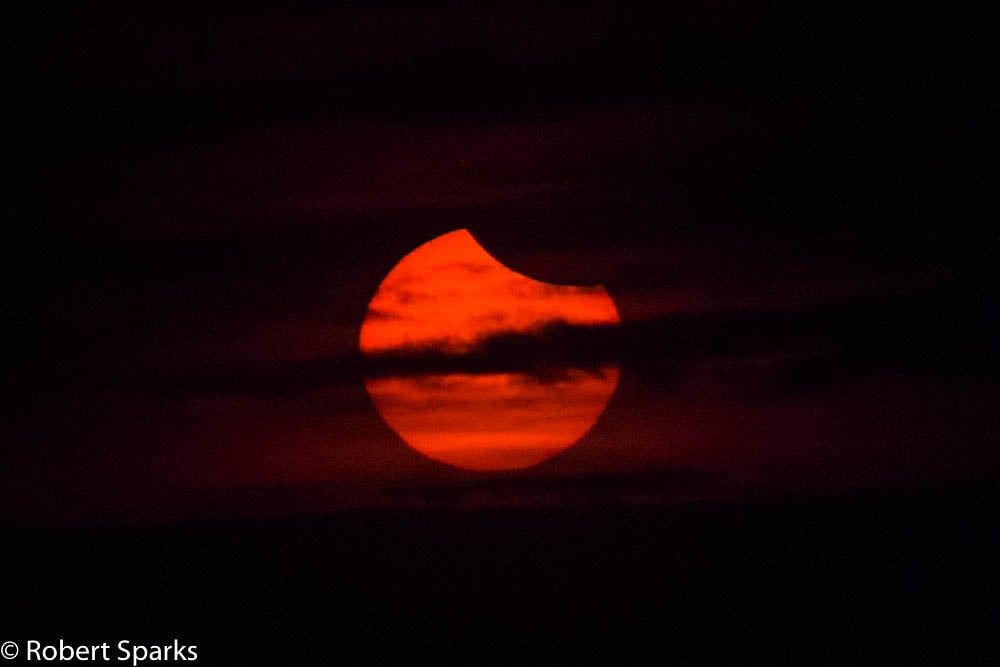
Europe, the Middle East, and northeast Africa will see the final solar eclipse of 2022 next Tuesday.
Continue reading
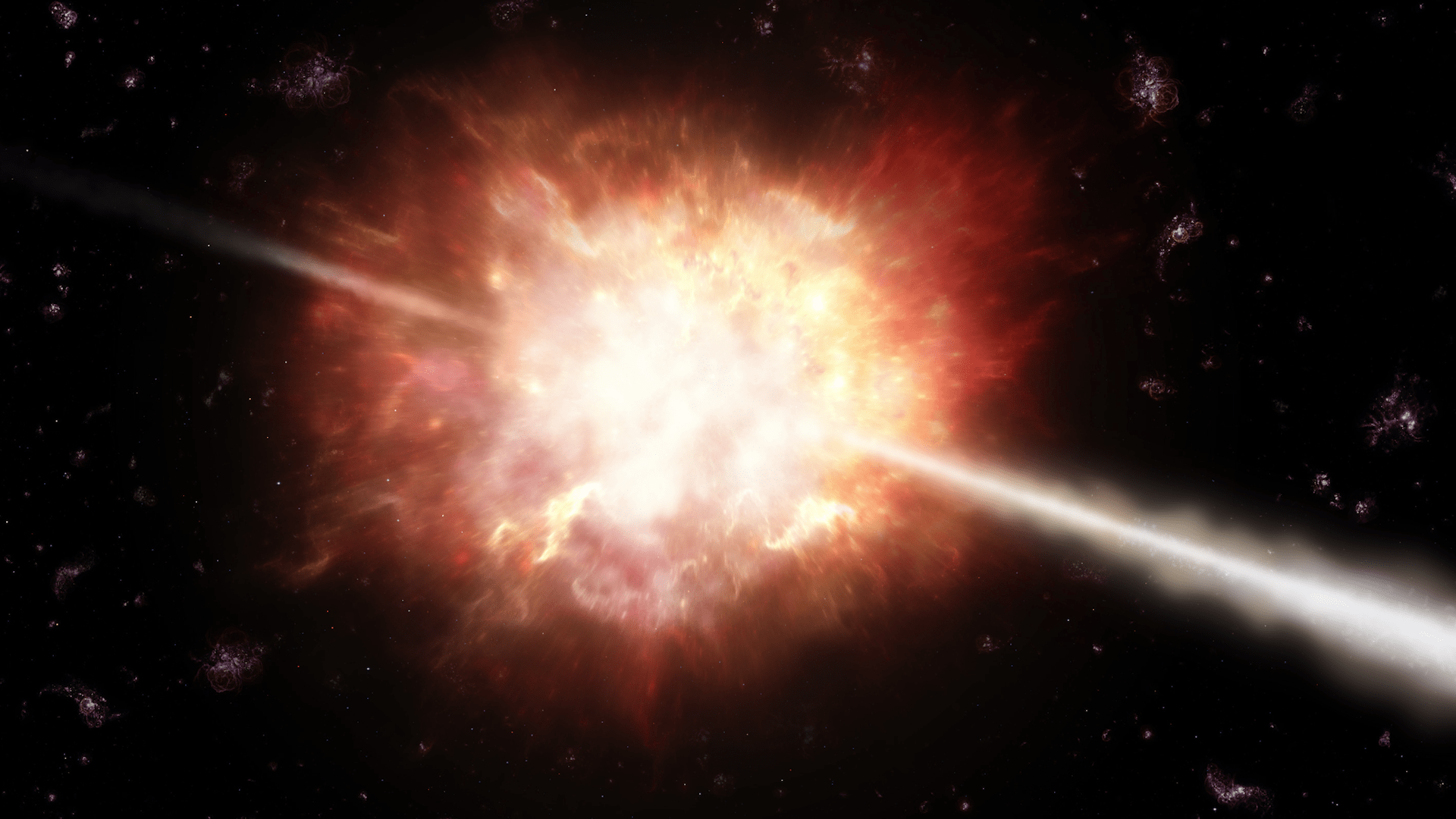
In a series of studies, two teams of astronomers shared their data on the closest and most powerful gamma ray burst ever observed.
Continue reading
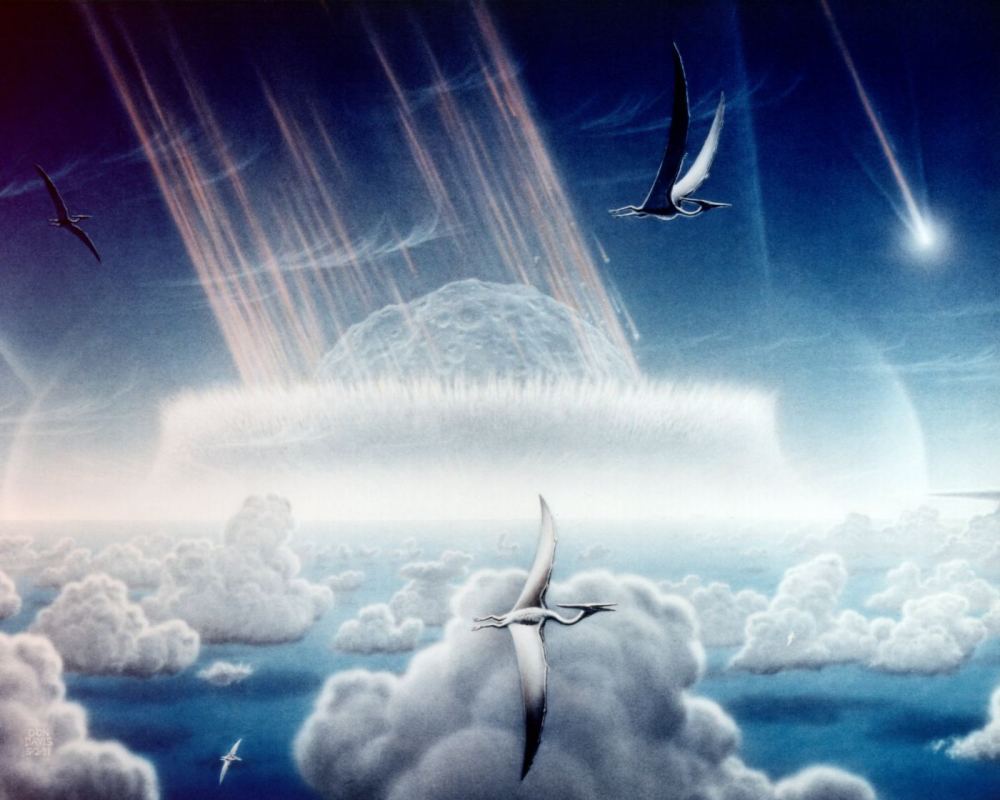
New research shows that in addition to killing the dinosaurs, the Chicxulub Impact caused a global tsunami 30,000 more powerful than anything we've ever seen!
Continue reading
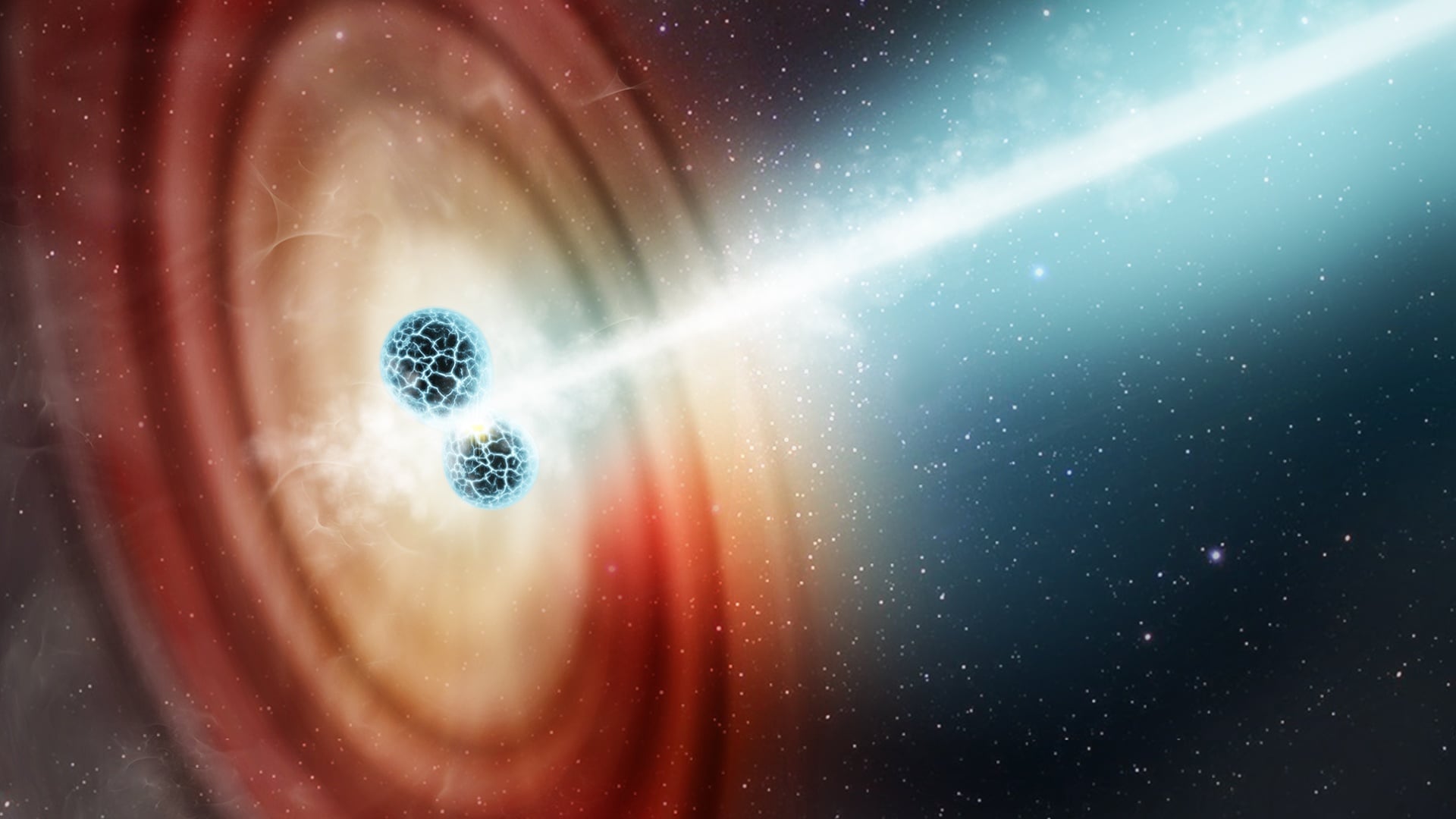
A team of astrophysicists examined the site of the 2017 kilonova explosion and observed a rapidly-spinning disk and relativistic jets.
Continue reading
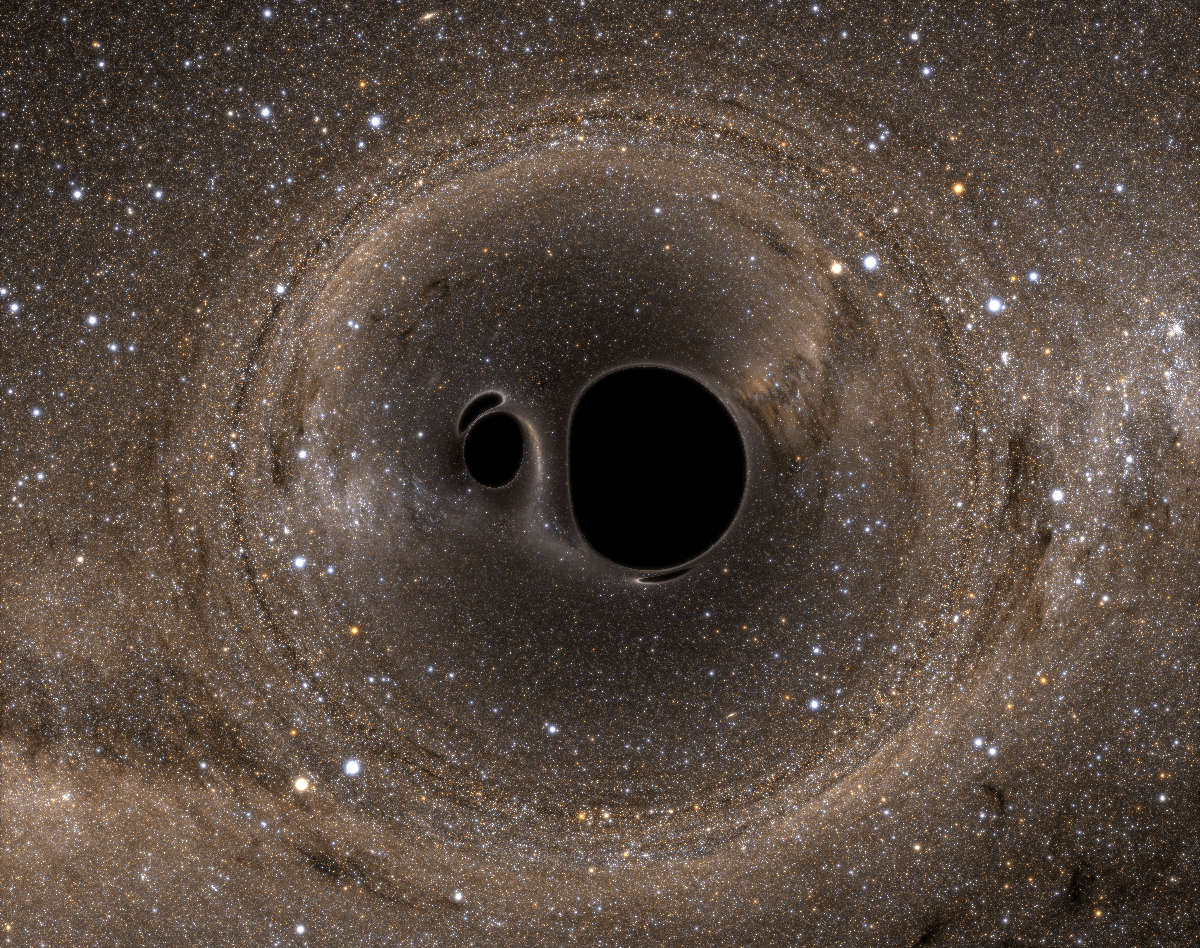
An international team led from Cardiff University has confirmed that black hole binaries experience precession.
Continue reading
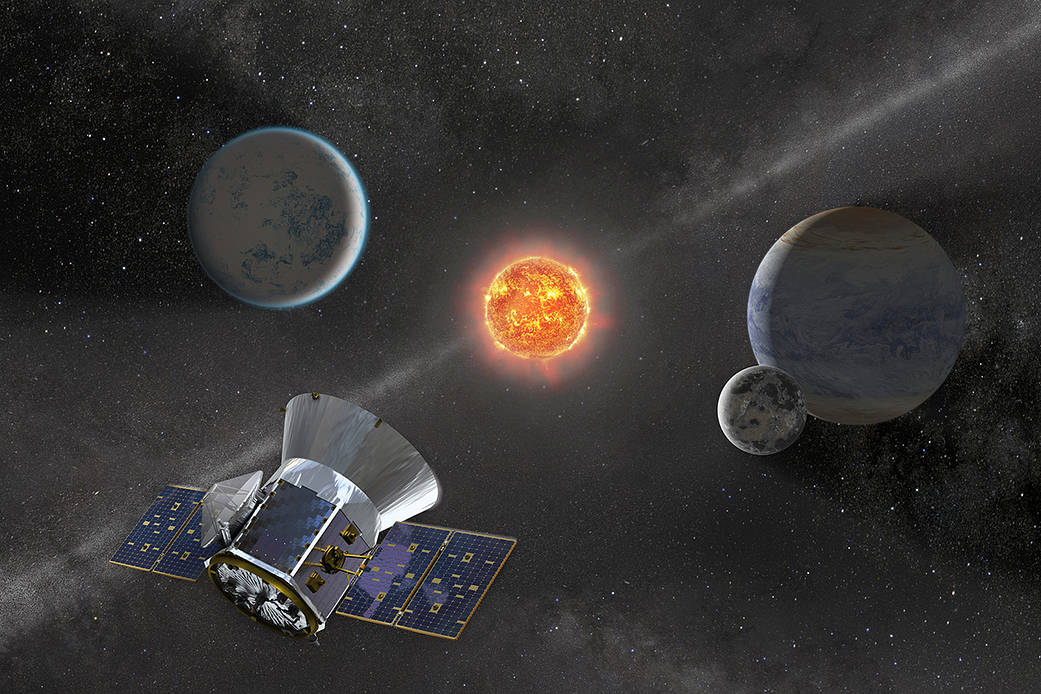
NASA has announced that TESS is back online and resumed normal operations!
Continue reading
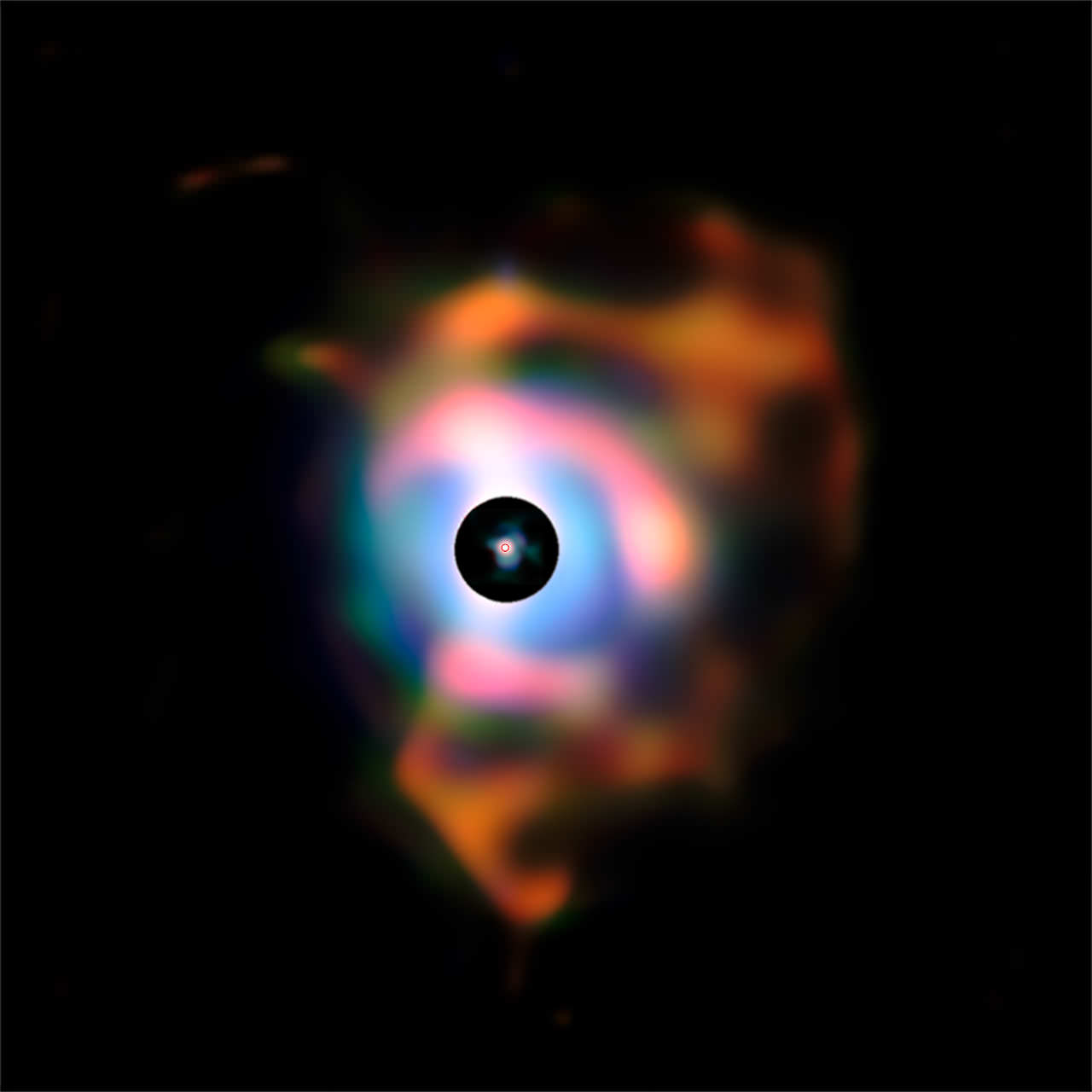
A study of red supergiant supernovae suggests they become dim and red just before they day.
Continue reading
 Universe Today