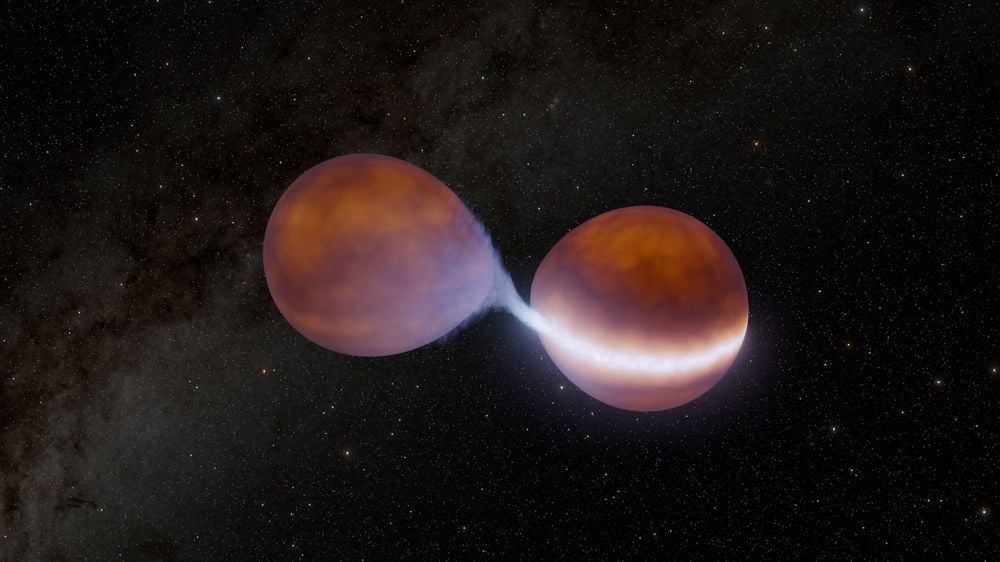
Astronomers have found the first case of a brown dwarf binary pair experiencing mass transfer. The pair are very close to one another, with an orbital period of only 57 minutes. The pair will eventually merge into one, brighter star, or the accretor will become massive enough to trigger fusion. At only 1,000 light-years away, the system is a strong candidate for more detailed, follow-up observations.
Continue reading
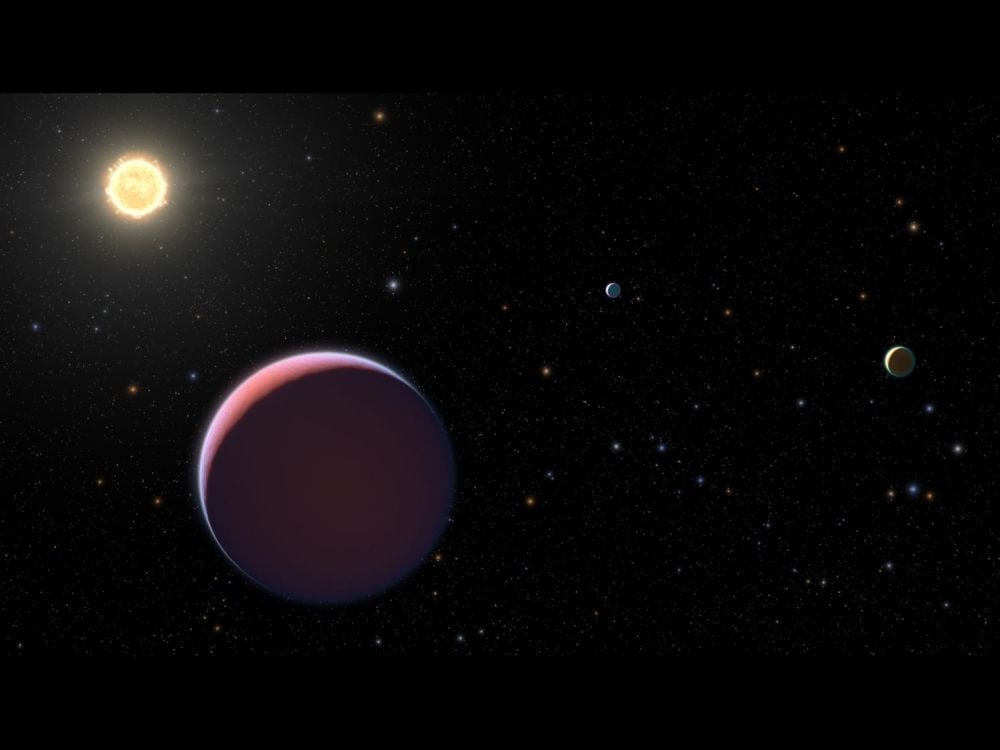
Super-puff planets have extremely low densities, and exoplanet scientists aren't sure why. They seem to defy our understanding of how planets form. Researchers used the JWST to observe the atmosphere of Kepler-51d, one of the puffiest of the super-puffs. Unfortunately, even the powerful space telescope found a featureless spectrum. What does it mean?
Continue reading
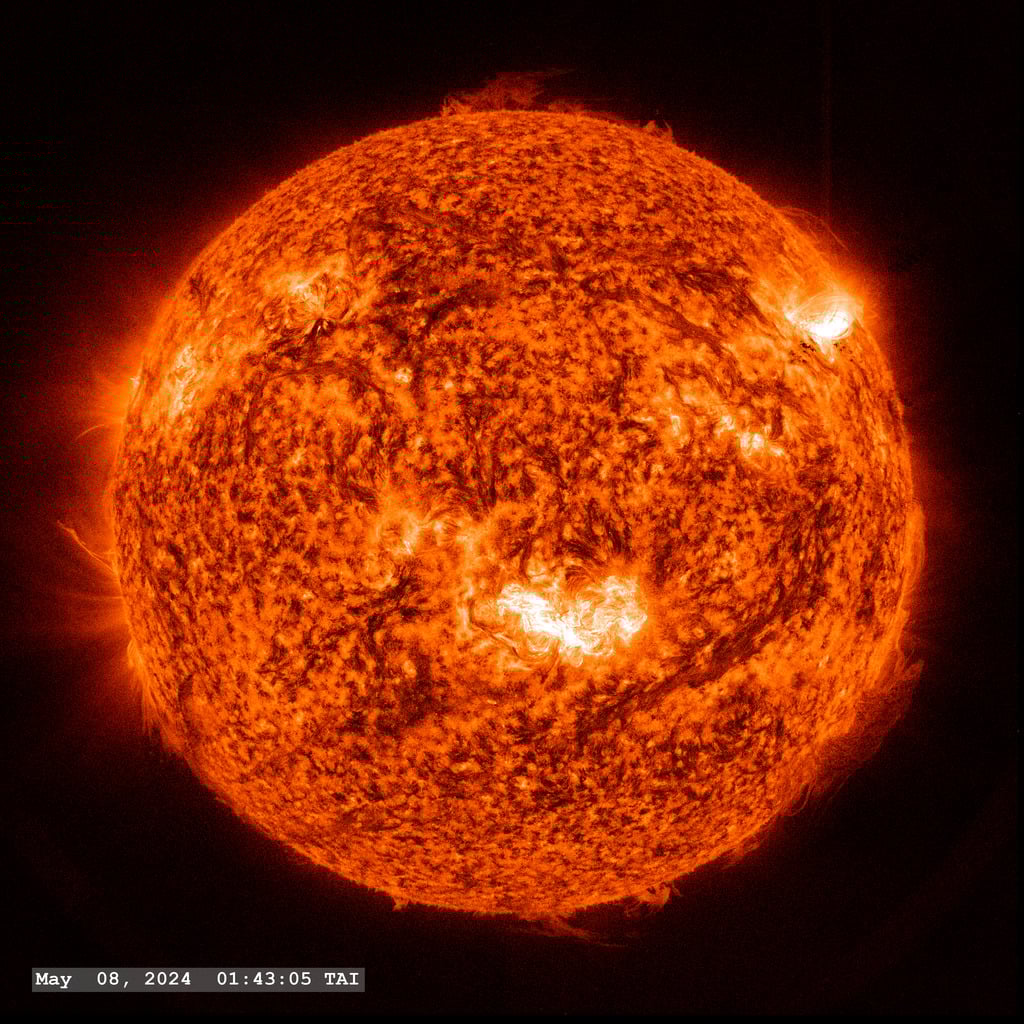
Space weather is a fascinating subject, but one we still have a lot to learn about. One of the main components of it is the active regions (ARs) of the Sun. These huge concentrations of magnetic fields show up throughout the Sun’s photosphere and are the primary source of solar flares and coronal mass ejections (CMEs). They can be simple pairings of magnetic flux or huge, magnetically complex tangles that spend weeks creating massive solar storms before dissipating. But tracking the longest lived of these ARs has been a headache for solar physicists, and a recent paper by Emily Mason and Kara Kniezewski, published in The Astrophysical Journal, both dives into this tracking problem and uncovers some interesting features of the Sun’s most persistent ARs.
Continue reading
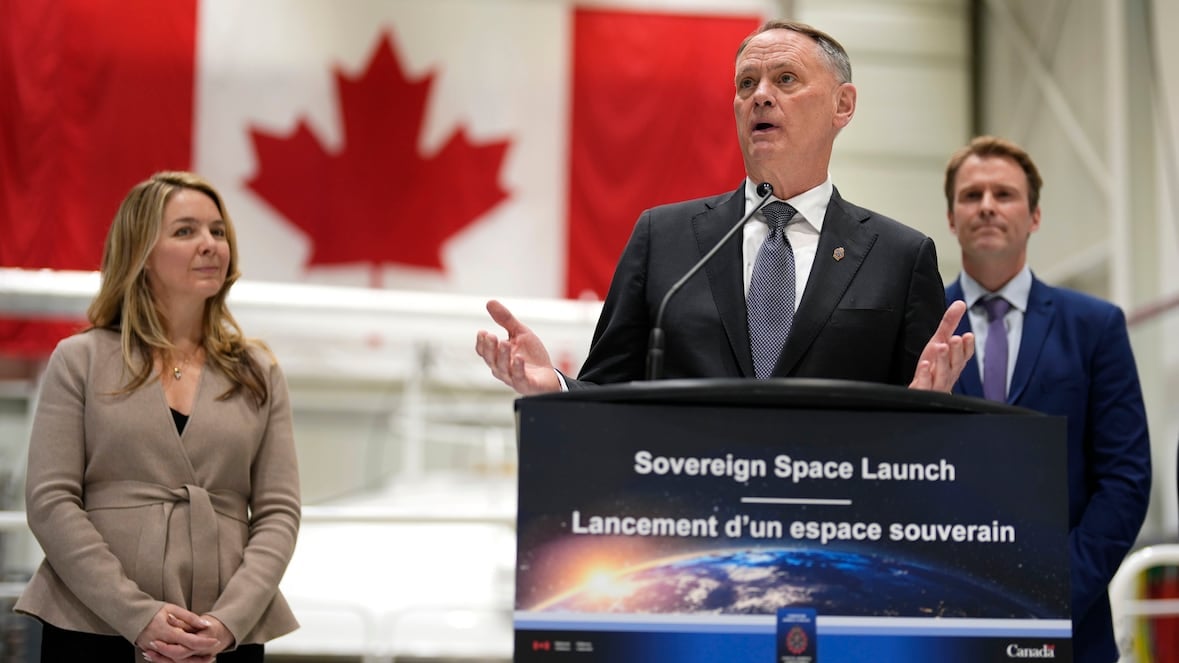
Minister of National Defence David McGuinty announced on Monday, March 16th, that the Canadian government is committing $200 million to develop Canada's first commercial spaceport in Nova Scotia, which will be run by Maritime Launch Services.
Continue reading
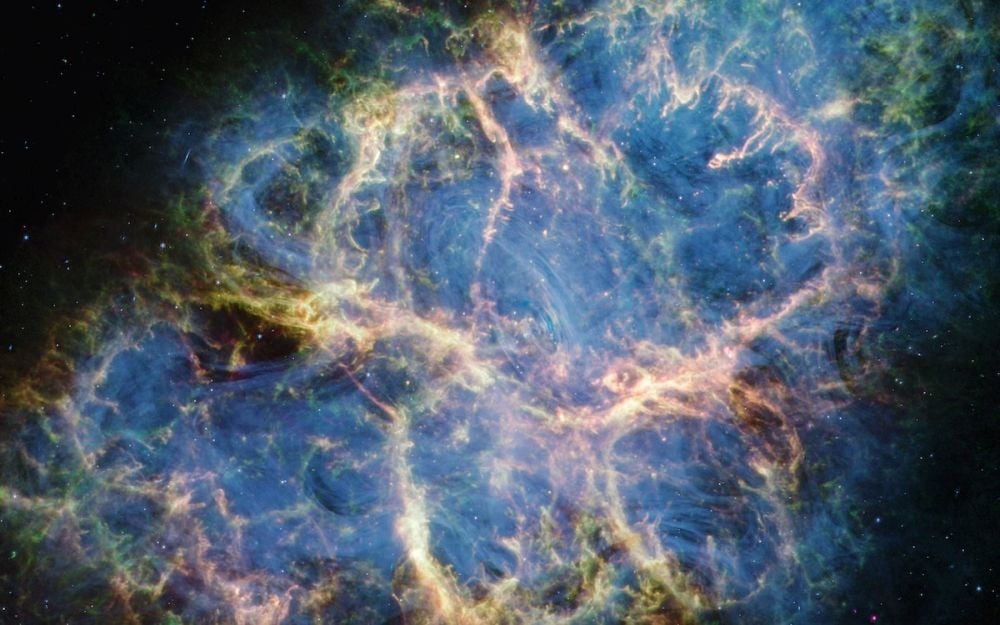
Pulsars are rapidly rotating neutron stars. The Crab Pulsar, an often studied supernova remnant, is known for its unusual radio emission patterns. New researchs says it's because of a "tug-of-war" between magnetism and gravity. Gravity acts as a focusing lens and plasma in the magnetosphere acts as a defocusing lens.
Continue reading
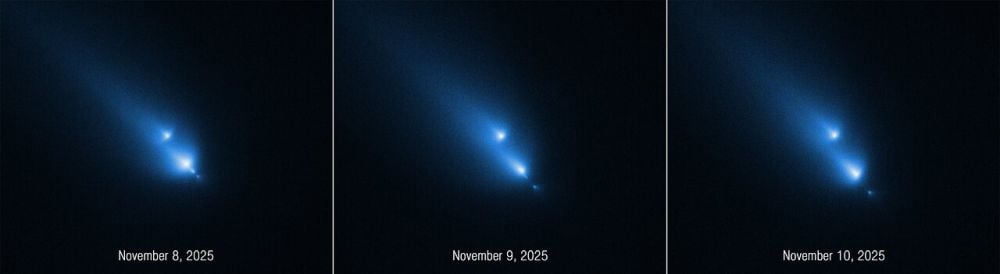
A team of astronomers were fortunate when their original comet target couldn't be observed with the Hubble. They quickly pivoted to a different target, and caught Comet K1 in the process of breaking apart. This gave them an excellent opportunity to learn more about the doomed object.
Continue reading
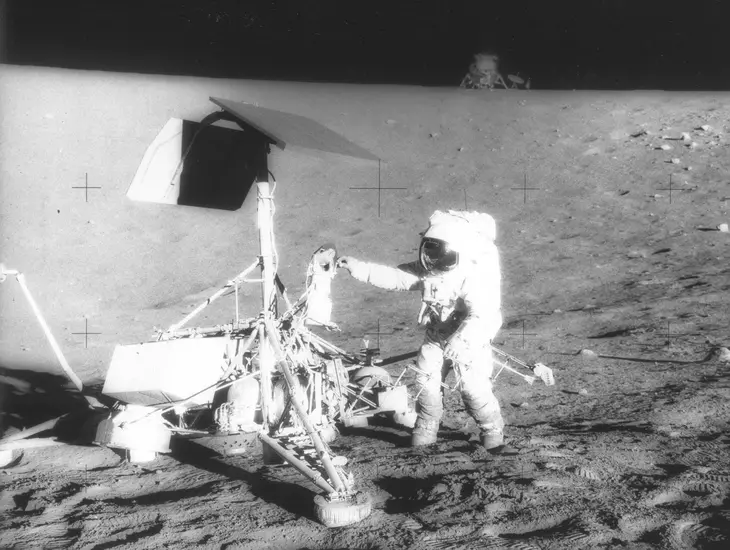
In 1959, the Luna 2 probe from the Soviet Union became the very first human-made object to reach our closest celestial neighbor. In the decades since, we have been leaving footprints - both literally and figuratively - all over the Moon. Today, there are over 100 metric tons of human-made material resting on the Moon’s surface - everything from advanced cameras and sensors to literal human waste. But that’s nothing compared to what’s to come. NASA predicts the next decade will see over 100 new lunar missions, equaling or exceeding all the missions previously flown. Which brings up a pressing question about all the stuff that’s already there - how do we protect that history? A new paper by Teasel Muir-Harmony, the Curator of the Space History Department of the Smithsonian and Todd Mosher, a Scholar in Residence at University of Colorado, Boulder, reports on a Smithsonian National Air and Space Museum and the American Institute of Aeronautics and Astronautics Summit on Outer Space Heritage that dives into the legal, scientific, and engineering hurdles of preserving these historic sites.
Continue reading
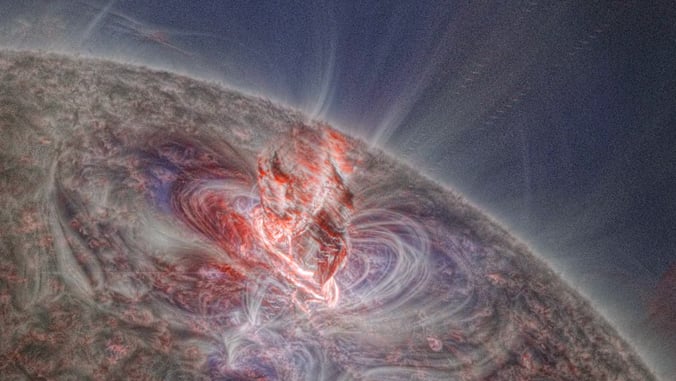
It was an amazing sight witnessed by many during the April 2024 total solar eclipse. For a few precious moments, it seemed like a celestial dimmer switch was thrown, as the Moon eclipsed the Sun. It was one of the very few times you could actually see prominences and the pearly white corona of the Sun in person, without the aid of special equipment. Now, a recent study out of the University of Hawai’i has linked high resolution images taken during totality with observations from missions orbiting the Sun, in an effort to chronicle the evolution of space weather.
Continue reading
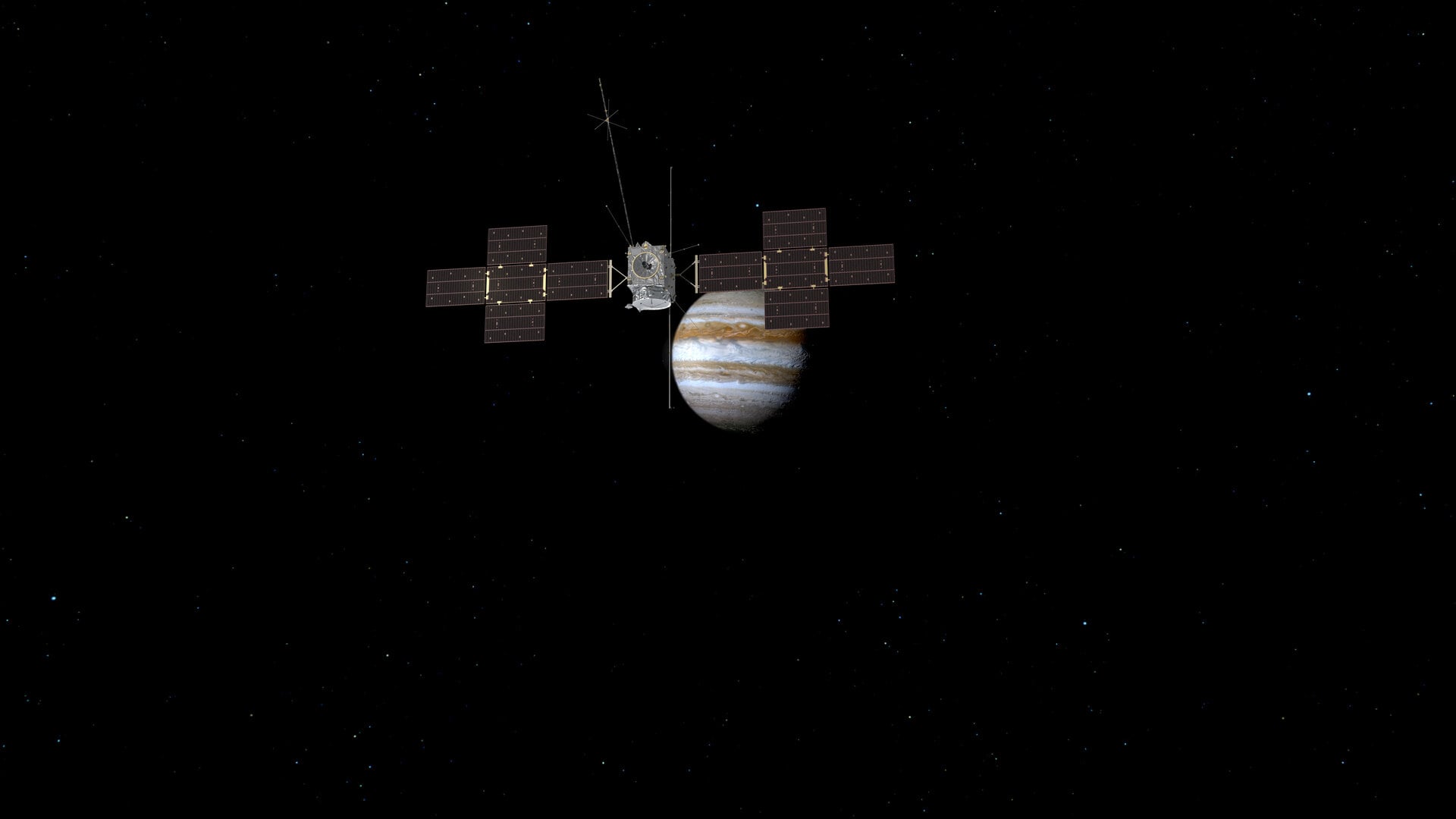
The European Space Agency’s (ESA’s) Jupiter Icy Moons Explorer (JUICE) probe is on its (very long) way to Jupiter, and will finally arrive at the King of Planets in 2031. Its primary mission is to focus on the “big three” icy moons - Ganymede, Europa, and Callisto. But while JUICE is busy mapping Ganymede’s magnetic field, it will also be keeping a sharp eye on the other 94 moons in the Jupiter system. A recent paper published in Space Science Reviews by Tilmann Denk of DLR, Germany’s space research association, and his co-authors showcases just how much “bonus science” JUICE is expected to squeeze out of these other targets.
Continue reading
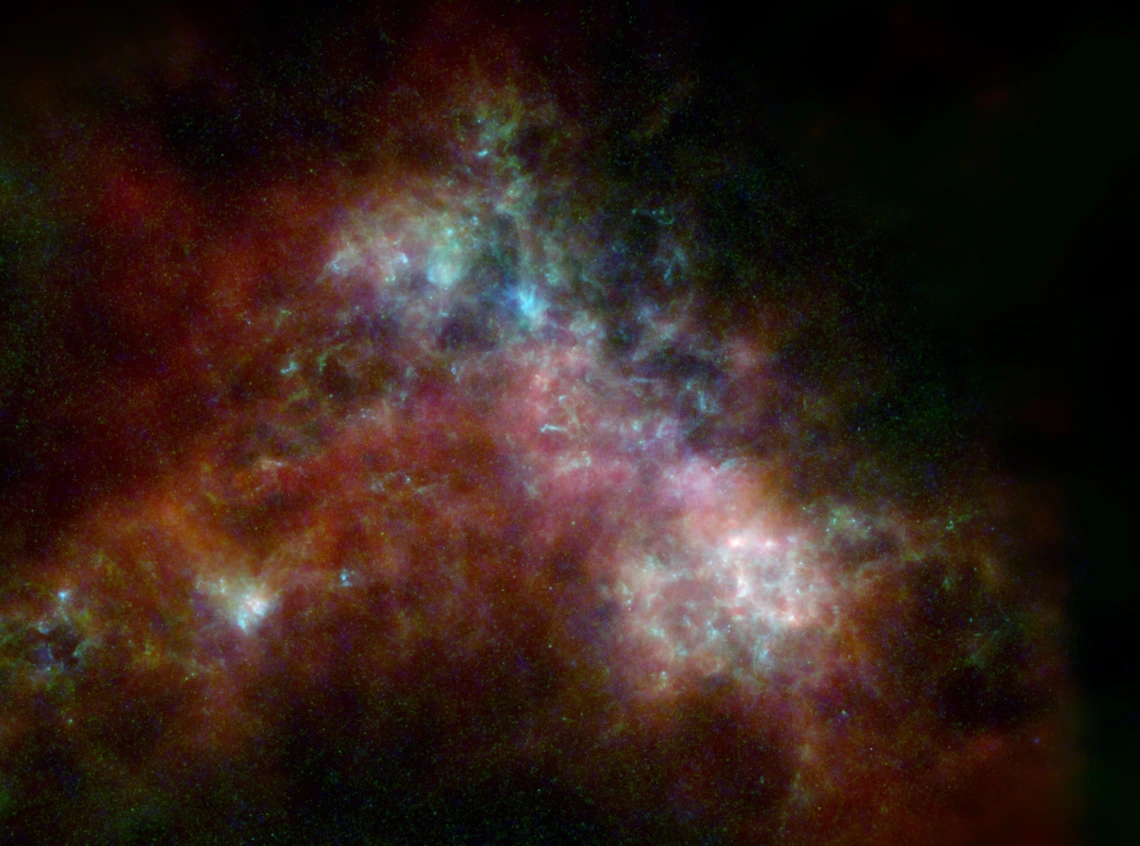
A strange lack of stellar orbits around the core of the Small Magellanic Cloud (SMC) mystified astronomers for decades. Not only that, but the SMC has a strange, irregular shape, and sports a tidal. Now, a team of observers led by graduate student Himansch Rathore at the University of Arizona, has tracked down the reason why the stars don't orbit. It's because the SMC crashed directly through its neighbor, the Large Magellanic Cloud (LMC), in the distant past. That huge collision disrupted stellar motions and [sent them on wildly different trajectories](https://www.universetoday.com/articles/something-is-tearing-the-small-magellanic-cloud-apart). It also disturbed the clouds of gas within the SMC and created a tail of gas stretching out across space.
Continue reading
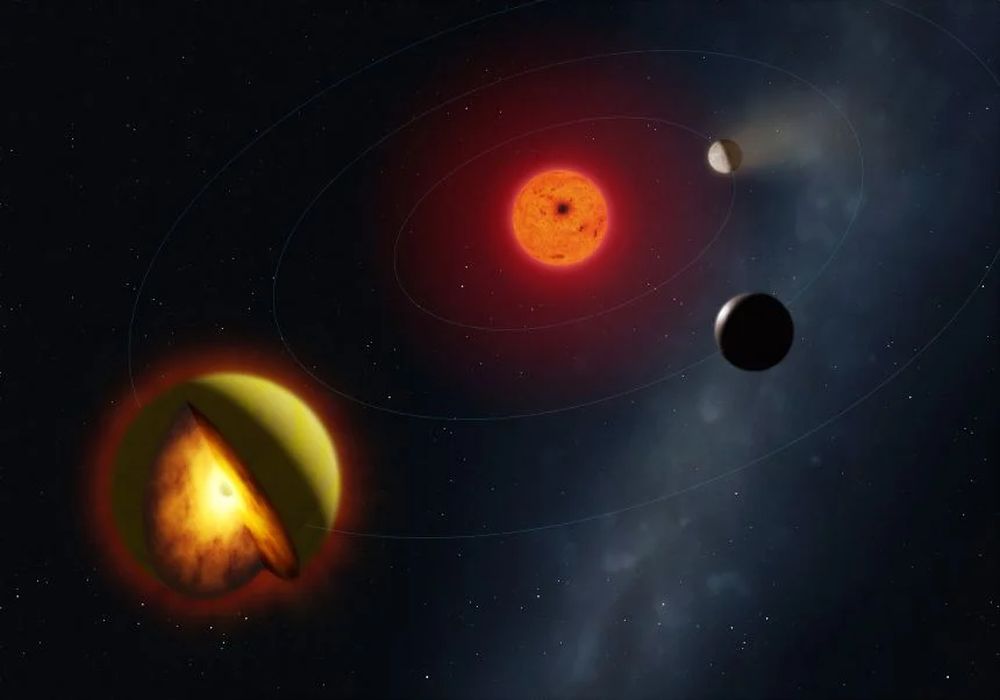
A study led by the University of Oxford has identified a new type of planet beyond our Solar System – one that stores large amounts of sulphur deep within a permanent ocean of magma. The magma ocean has lasted 5 billion years so far, while Earth's magma ocean likely lasted only tens of millions of years.
Continue reading
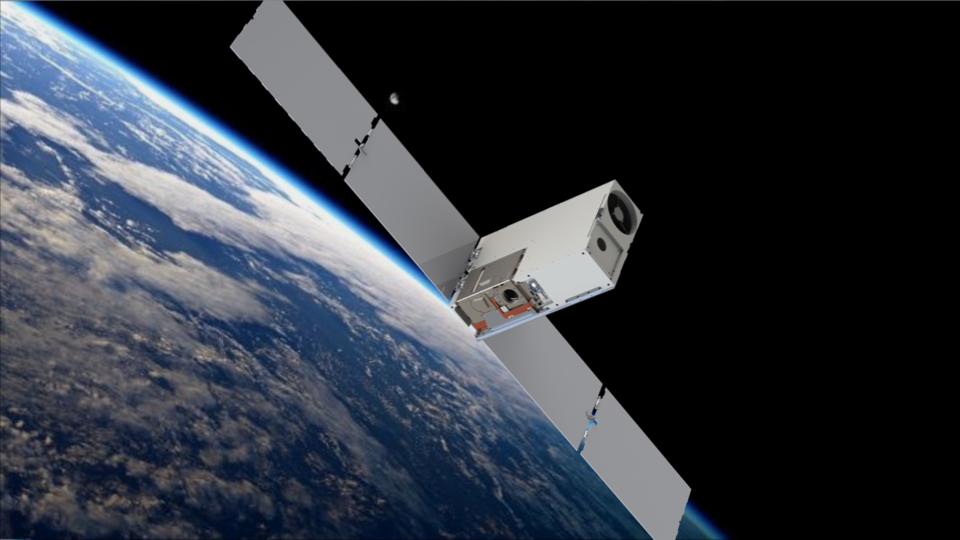
With the first images from the spacecraft now in hand, the team behind NASA’s Star-Planet Activity Research CubeSat (SPARCS) is ready to begin charting the energetic lives of the galaxy’s most common stars to help answer one of humanity’s most profound questions: Which distant worlds beyond our solar system might be habitable?
Continue reading
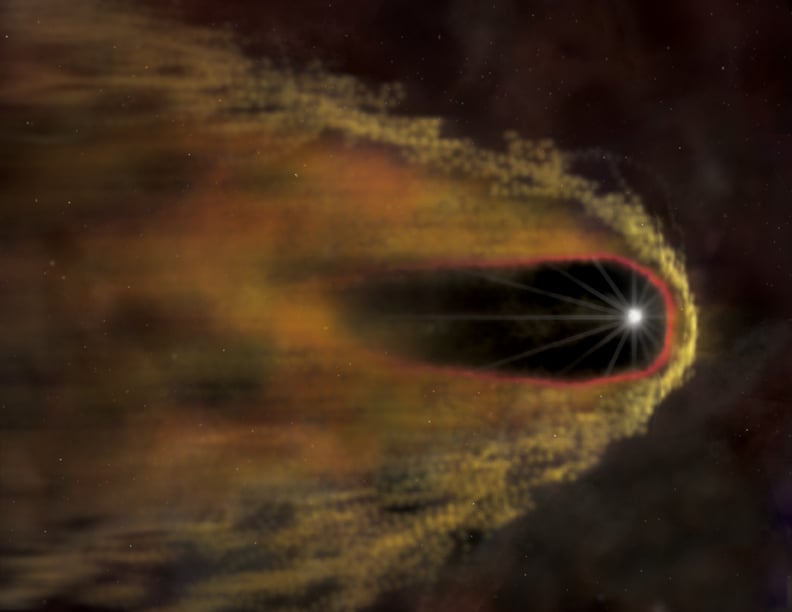
Greek mythology has given a name to a great many objects in our solar system. But perhaps one of the least well understood are the Trojans, named after the people of Troy featured in The Iliad. When astronomers refer to them, they are normally talking about a group of over 10,000 confirmed asteroids orbiting at the Lagrange points both in front of and behind Jupiter on its orbit around the Sun. But, more generally, astronomers can now use the term to refer to any co-orbital setup - indeed almost every planet in our solar system has Trojans, though not as many as Jupiter. Which also leads to the belief that “exotrojans” must exist around other stars. Despite our best efforts with initiatives like the TROY project, so far we have yet to find one. But a new paper published in The Astrophysical Journal by Jackson Taylor of West Virginia University and an abundance of co-authors took the hunt to one of the most extreme environments in the universe: pulsar binary systems.
Continue reading
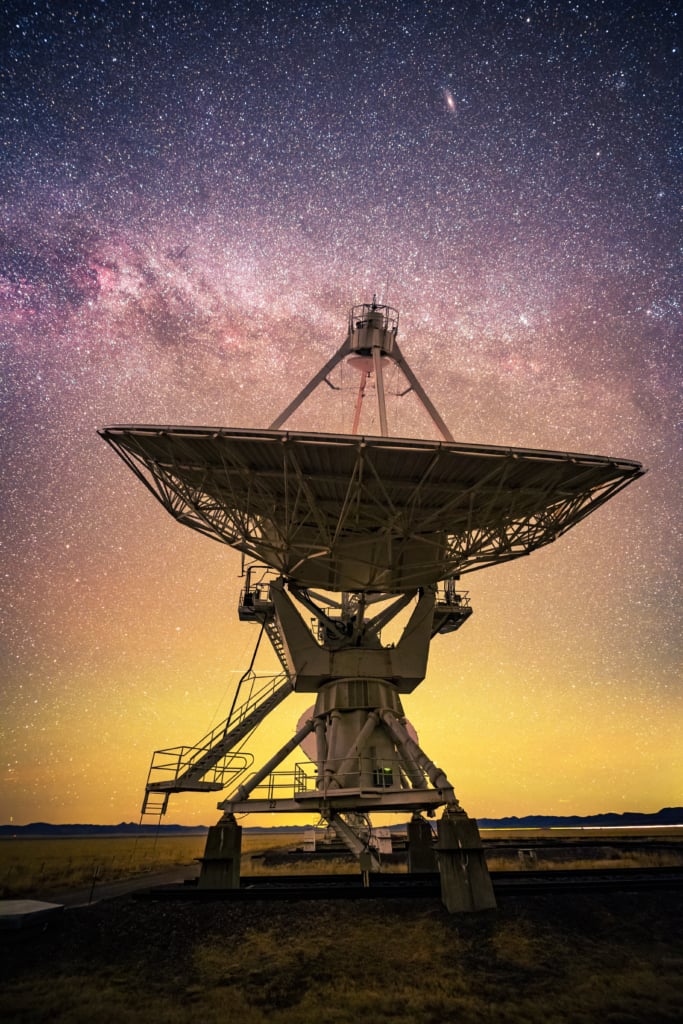
After decades of searching for alien signals in narrow radio and microwave bandwidths, a new paper suggests that we take a wholly different approach. The idea is to broaden the search to a much wider range of the electromagnetic spectrum.
Continue reading
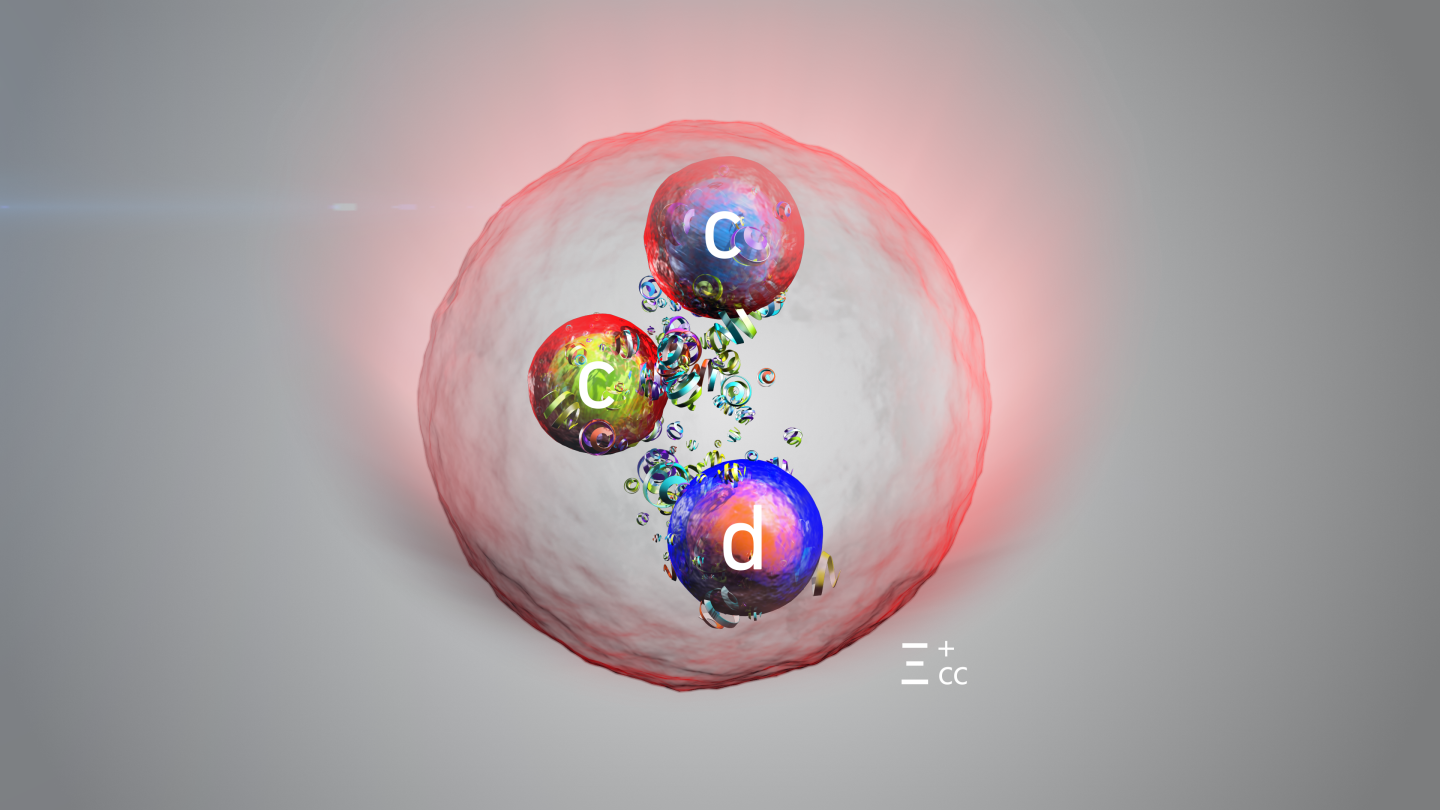
Scientists at Europe's CERN research center say the Large Hadron Collider's LHCb experiment has discovered a "doubly charmed" particle that's like a proton, but four times as weighty.
Continue reading
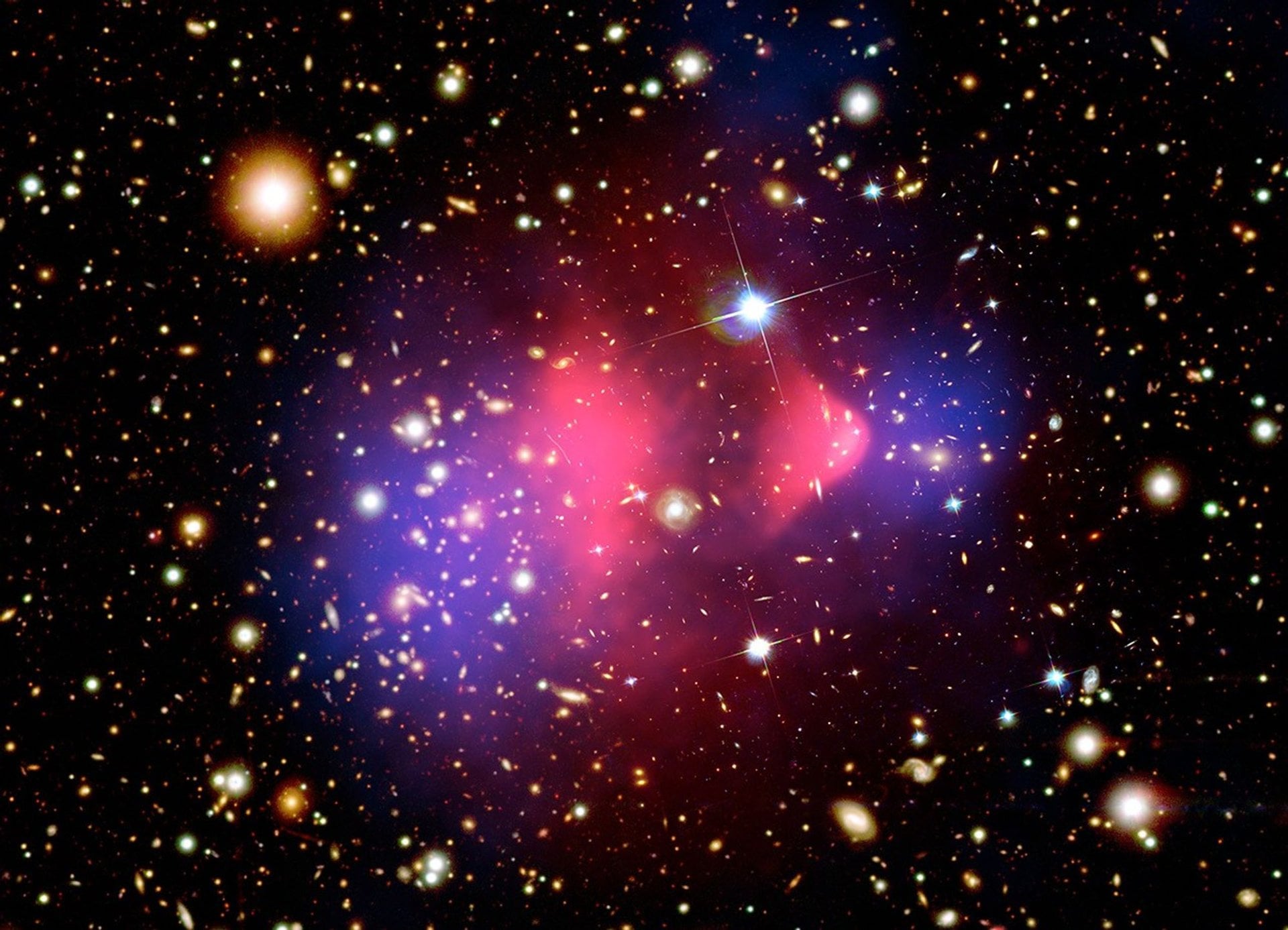
The WHAT? Yeah, the vortons. It’s not an anime monster-hunting show. It’s not some AI startup company. It’s a…it’s a thing. I think.
Continue reading
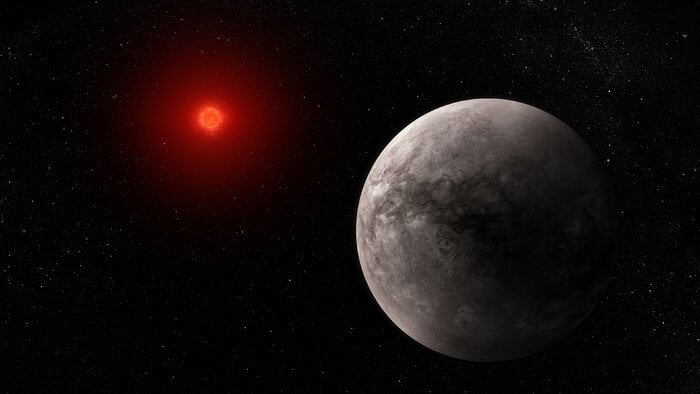
Oxygen has been the most important gas in our search for life among the cosmos thus far. On Earth, we have it in abundance because it is produced by biological synthesis. But that might not be the case on other planets, so even if we do find a very clear high oxygen signal in the atmosphere of an exoplanet, it might not be a clear indication that life exists there. A new paper, available in pre-print on arXiv, from Margaret Turcotte Seavey and a team of researchers from institutions like the NASA Goddard Space Flight Center and Johns Hopkins University, adds some additional context to what else might be going on in those atmospheres. In particular, they note that if there’s even a little bit of water vapor, it can make a big difference in whether a lifeless rock looks like a living, thriving world.
Continue reading
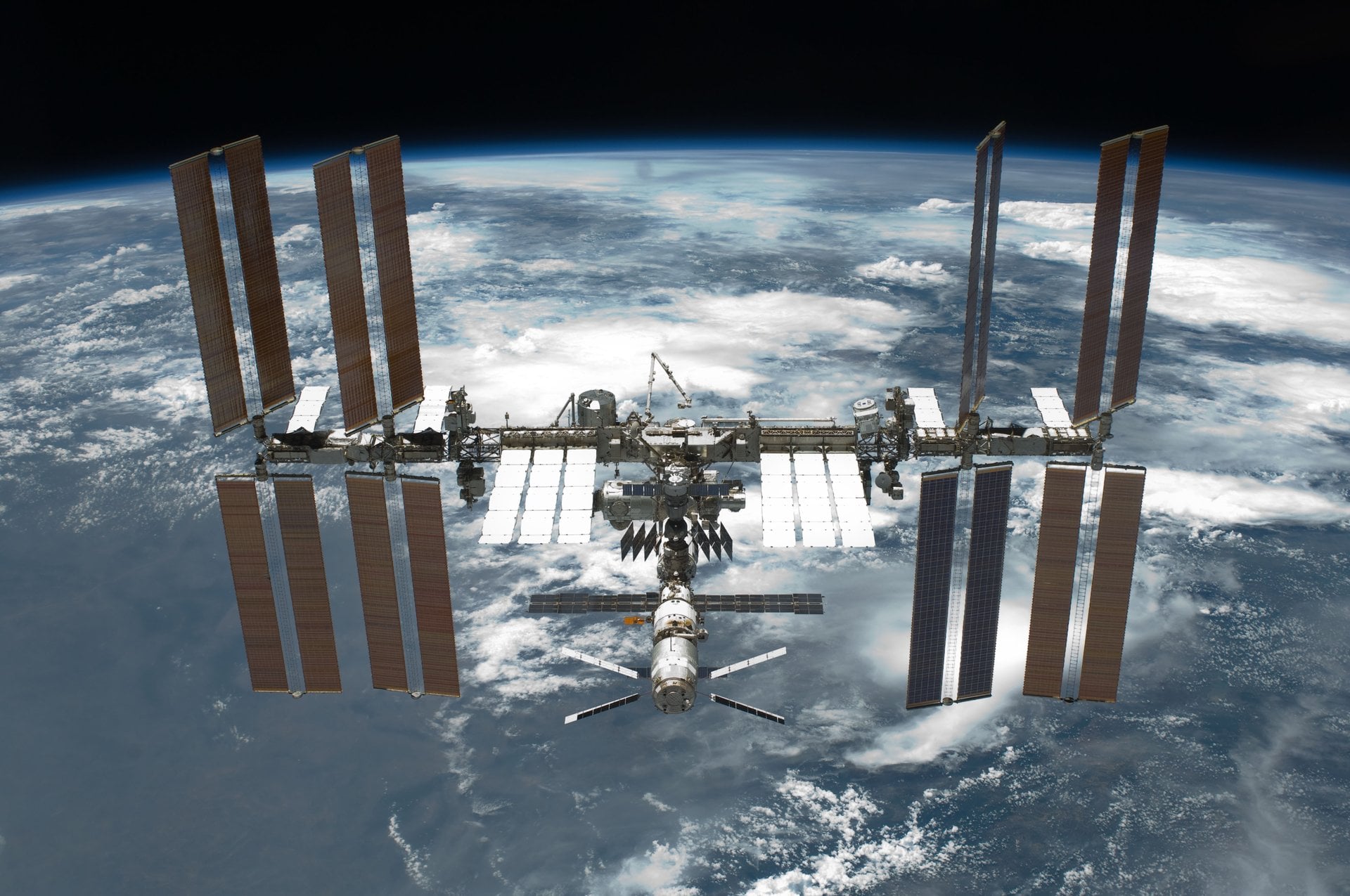
With the ISS set to retire in 2030, several plans are in place to replace it. These include existing space stations, proposals by rising national space agencies, and commercial space stations. With multiple outposts in orbit, the potential for research, development, and even conflict is considerable!
Continue reading

There may be as many rogue planets or free-floating planets in the Milky Way as there are stars. If there are billions of these worlds, some of them have likely held onto their moons. New research reveals a pathway to habitability for these rogue exomoons.
Continue reading
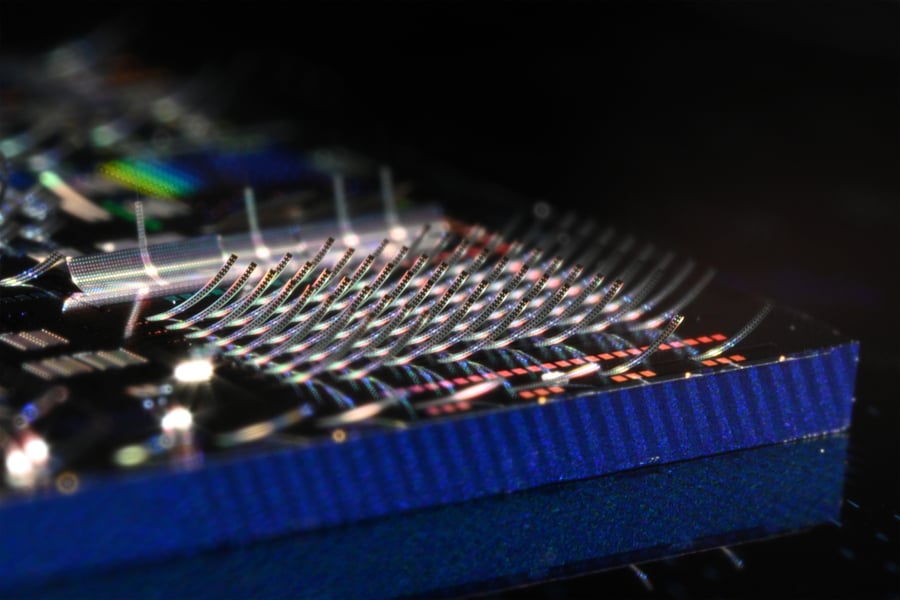
Every ounce counts when launching a rocket, which is why considerations for the Size, Weight, and Power (SWaP) of every component matters so much. For decades, one of the heaviest and most power-hungry components on a spacecraft has been its optical and communications hardware - specifically the bulky mechanical mirror used for LiDAR and free-space laser communications. But a new paper, published in Nature by researchers at MIT, MITRE, and Sandia National Laboratories, might have just fundamentally changed the SWaP considerations of LiDAR systems. Their technology, which they’re called a “photonic ski-jump” could one day revolutionize how spacecraft communicate.
Continue reading
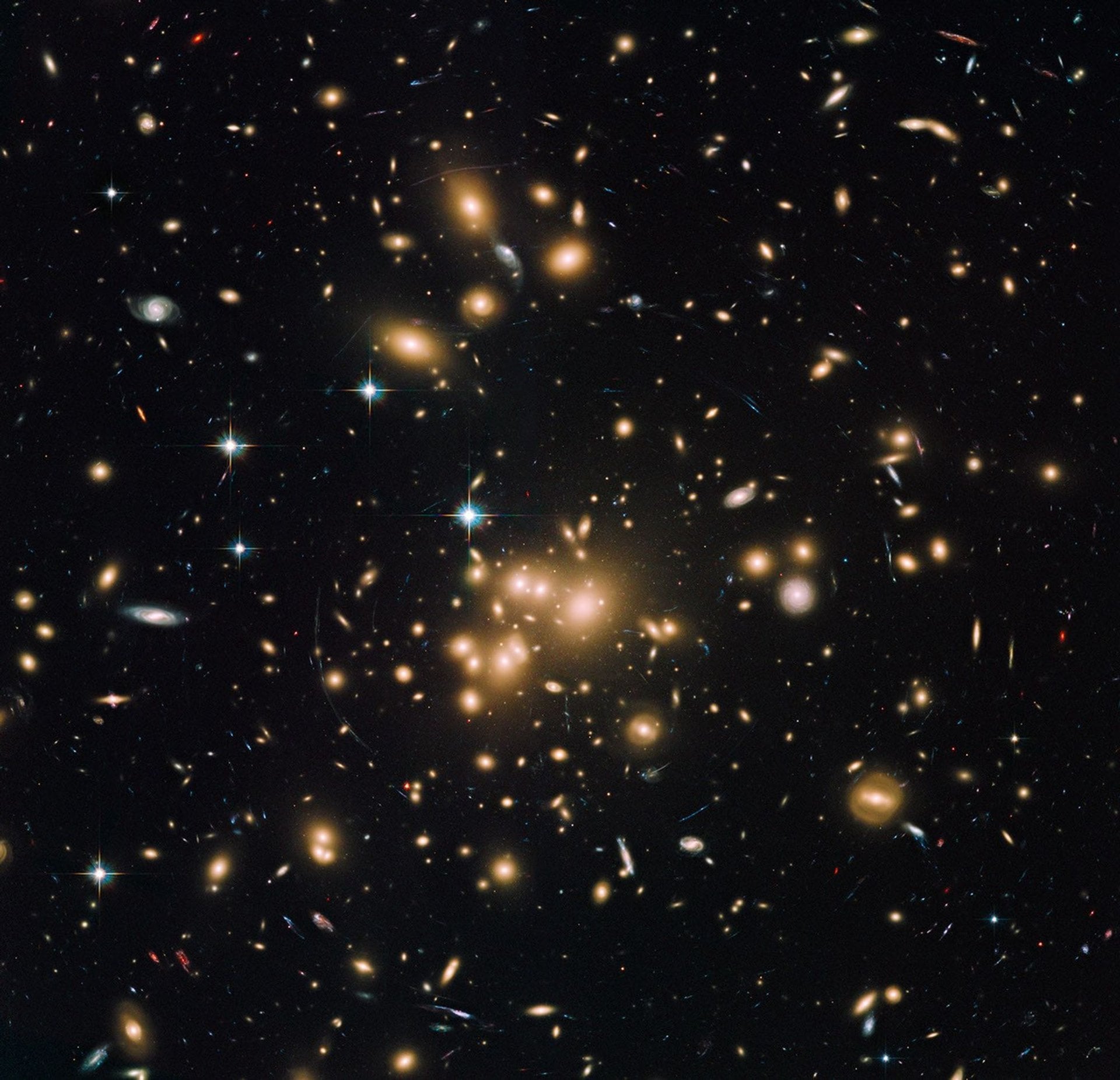
And yeah, we have a problem.
Continue reading

One particularly well known fact about the Moon is that it doesn’t have much of a magnetosphere to speak of. There’s no blanket to protect it from the solar wind ravaging its surface, blowing away its atmosphere and charging the notoriously dangerous dust particles that make up its regolith. However, scientists have also known for around 60 years that some parts of the moon do experience sudden spikes in a magnetic field - some of which are up to 10 times stronger than the background magnetization. Since their discovery, these “lunar external magnetic enhancements” (LEMEs) have puzzled researchers - what was causing them, and why did they reach so high above the lunar surface that spacecraft could see them? A new paper published in The Astrophysical Journal Letters by Shu-Hua Lai and her colleagues at the National Central University in Taiwan explains for the first time what is likely causing these LEMEs - a novel type of the Kelvin-Helmholtz instability.
Continue reading
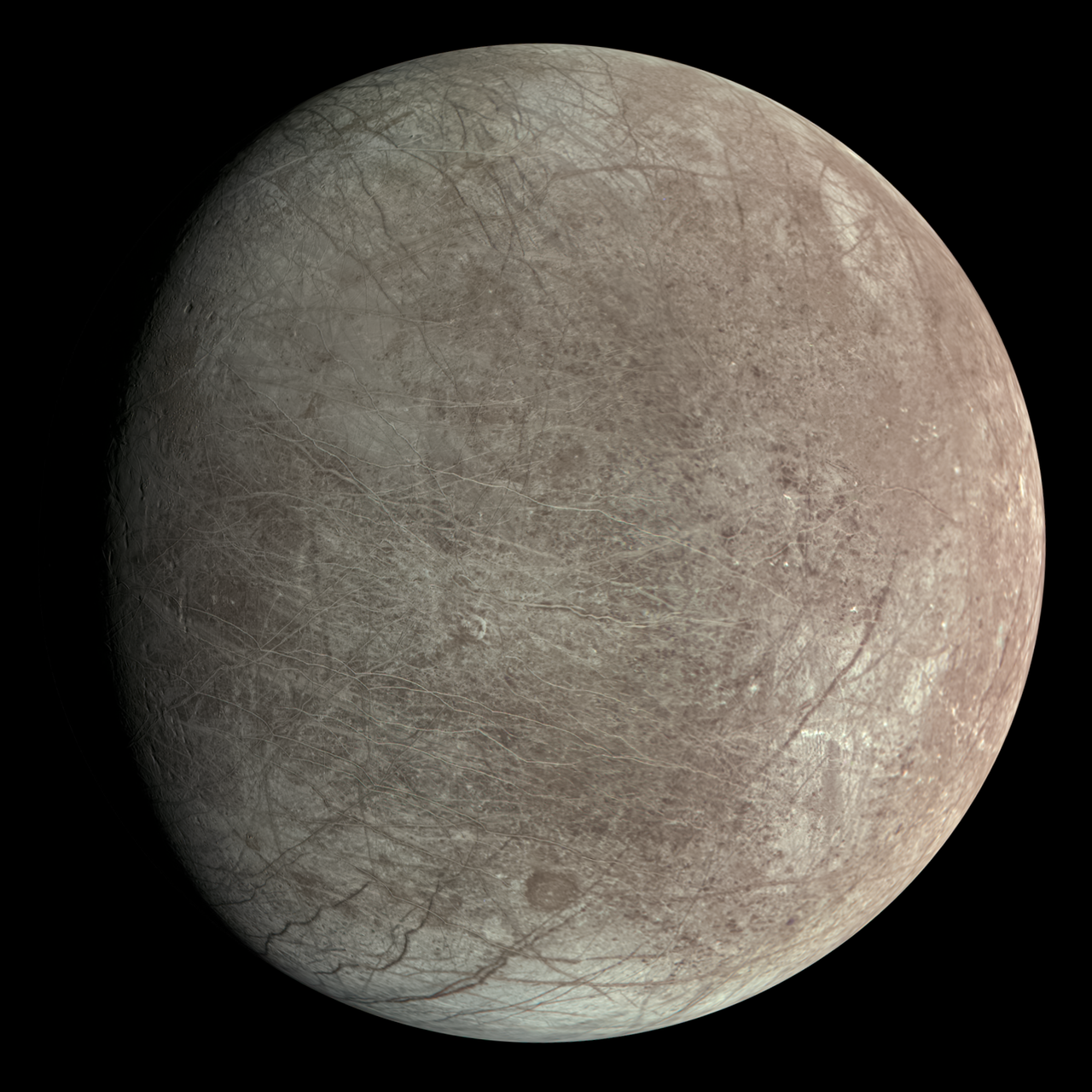
Beneath Europa's cracked and frozen shell lies a vast ocean of liquid water and what's seeping up through that ice may be one of the most compelling clues we have ever found about the moon's potential for life. A new analysis of James Webb Space Telescope observations has revealed that carbon dioxide on Europa's surface is far more widespread than previously thought, spreading across multiple regions of geological terrain in a distinctive lens like pattern. The findings are rewriting what we thought we knew about how material moves between Europa's hidden ocean and its surface.
Continue reading
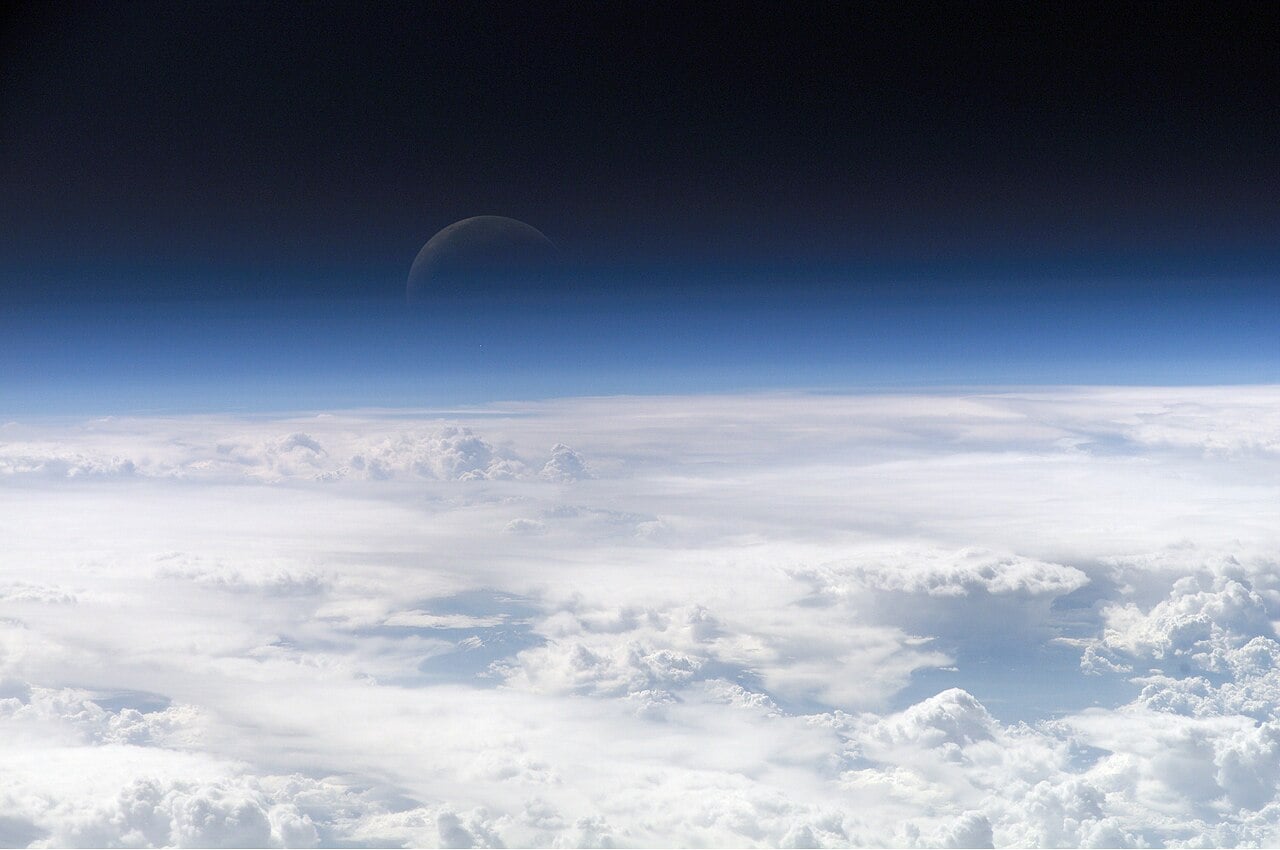
For sixty years, the search for life beyond Earth has been built on the single assumption that alien life will look enough like us to recognise. A radical new idea called Assembly Theory is challenging that assumption. A team from the Arizona State University has proposed applying it to the atmospheres of distant exoplanets, not to look for specific gases, but to measure how much complexity a planetary atmosphere contains, and whether blind chemistry alone could plausibly have produced it. If it works, it could transform the way humanity searches for life among the stars, and redefine what we are even searching for.
Continue reading
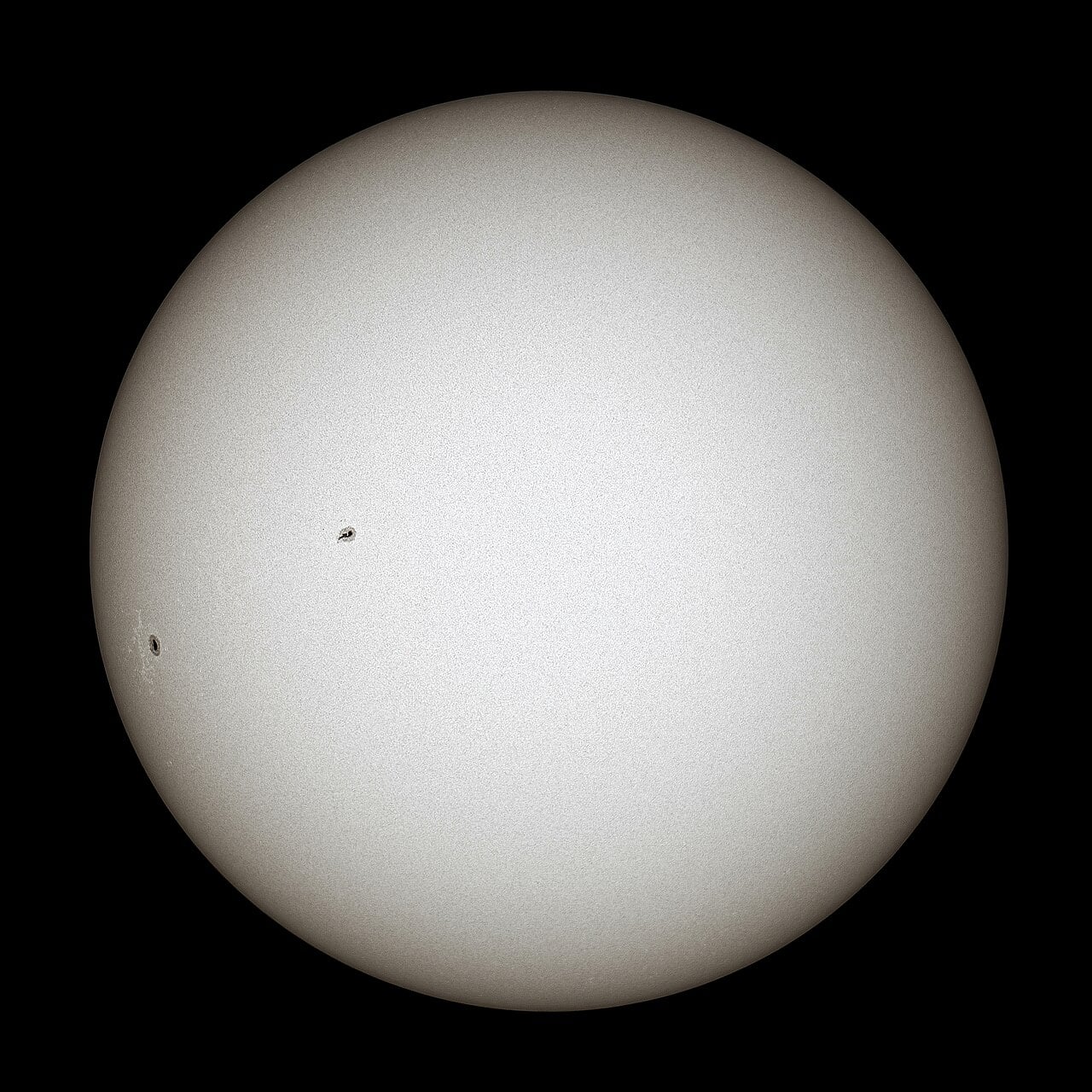
Our Sun didn't always call this quiet corner of the Milky Way home. New research using data from the European Space Agency's Gaia satellite has uncovered evidence that the Sun fled the chaotic heart of our Galaxy four to six billion years ago and it didn't go alone. A vast migration of stars almost identical to our own swept outward together, a great exodus that may have made life on Earth possible. The story of how astronomers pieced this together is as remarkable as the discovery itself.
Continue reading
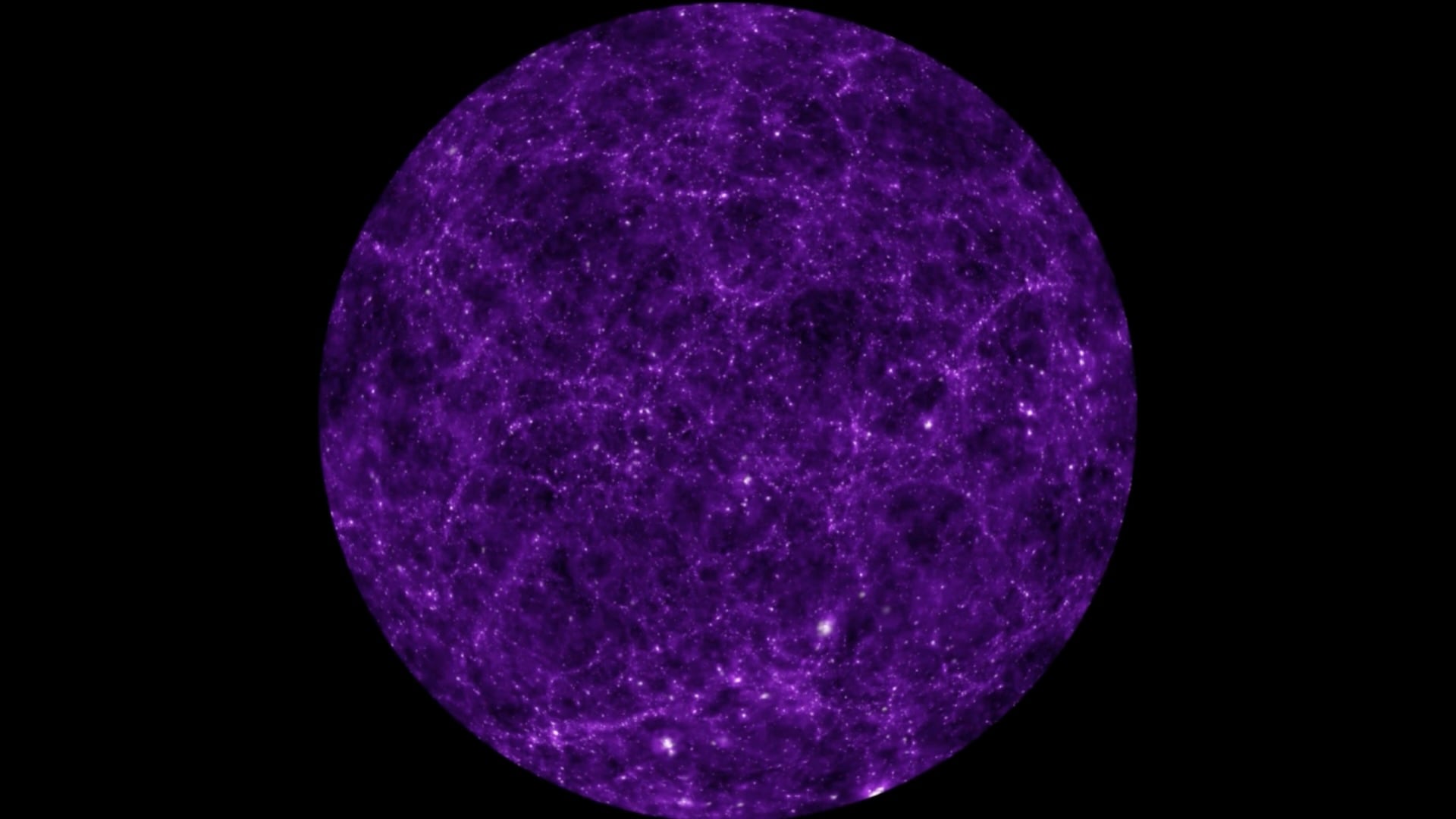
But here’s the thing about these defects. They can’t just go away. They’re stuck.
Continue reading
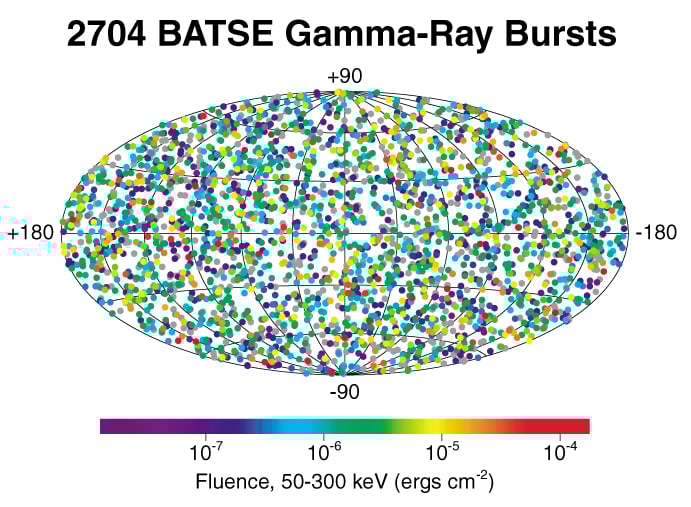
On 2 July 2025, NASA's Fermi Gamma-ray Space Telescope detected a gamma-ray burst lasting over seven hours, nearly twice the duration of anything previously recorded. Not only was it the longest ever seen, it repeated, firing off multiple distinct bursts across an entire day. GRB 250702B, as it became known, doesn't fit any known category of astronomical explosion. But a new paper in Monthly Notices of the Royal Astronomical Society offers the explanation that a star torn apart by an intermediate mass black hole may well be the culprit!
On 2 July 2025, NASA's Fermi Gamma-ray Space Telescope detected a gamma-ray burst lasting over seven hours, nearly twice the duration of anything previously recorded. Not only was it the longest ever seen, it repeated, firing off multiple distinct bursts across an entire day. GRB 250702B, as it became known, doesn't fit any known category of astronomical explosion. But a new paper in Monthly Notices of the Royal Astronomical Society offers the explanation that a star torn apart by an intermediate mass black hole may well be the culprit!
Continue reading
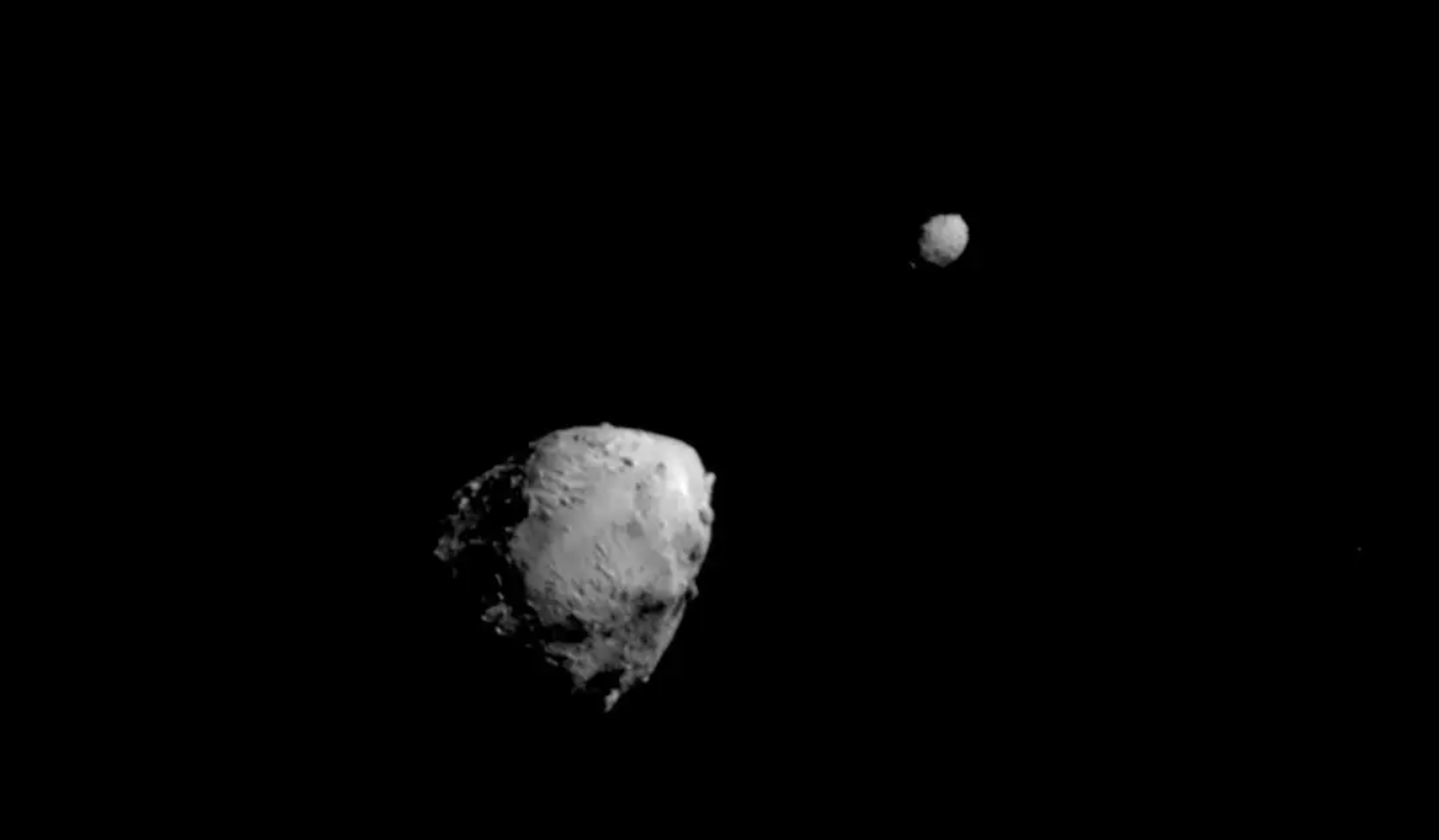
The spacecraft changed the binary system’s orbit, confirming that a kinetic impactor can be an effective planetary defense technique for deflecting a near-Earth object.
Continue reading
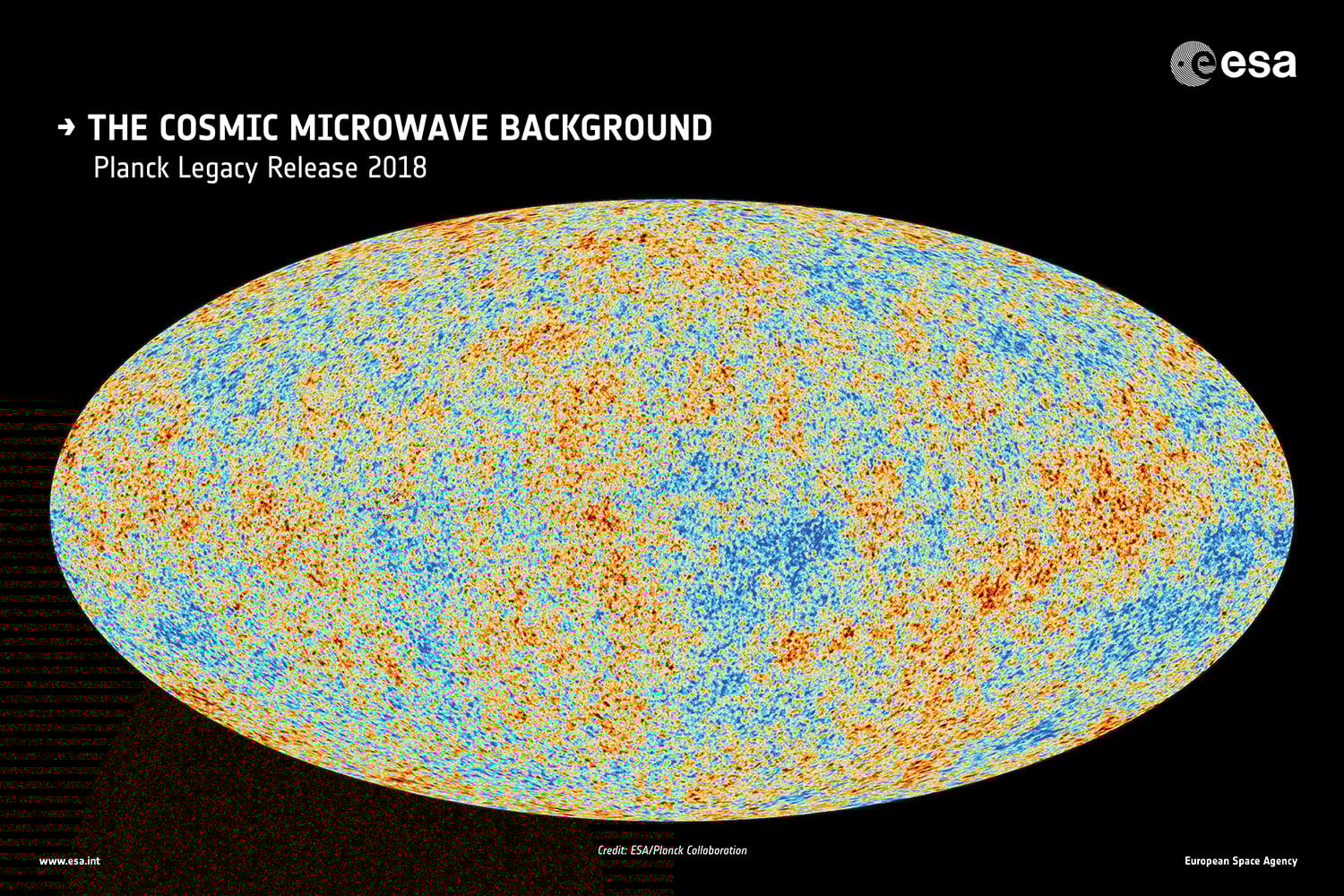
Every time you flip a light switch, or check the time, or feel the sodium ions wiggling in your brain — don’t think about that one too much—you’re assuming something fundamental. You’re assuming the universe is a finished product. A completed work. You think the Big Bang happened, the forces of nature settled into their seats, and we’ve been cruising on a smooth, predictable ride ever since.
Continue reading
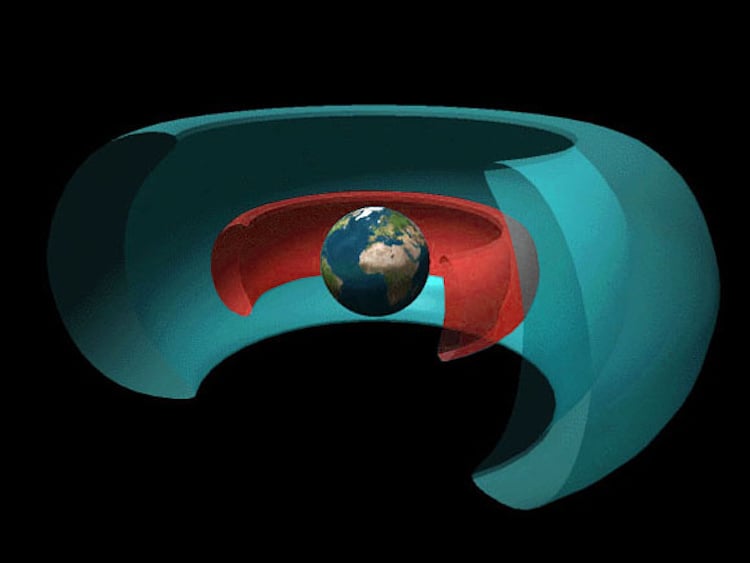
Every planet with a magnetic field has a radiation belt, a region of space where charged particles get trapped and flung around at extraordinary speeds. Earth has two of them, and they've been puzzling scientists for decades. Now, a physicist at the University of Helsinki has built a model that defines a universal upper limit to just how energetic those belts can ever get. The answer applies not just to Earth, but to every planet in the Solar System, every gas giant, and even the strange objects sitting halfway between planets and stars.
Continue reading
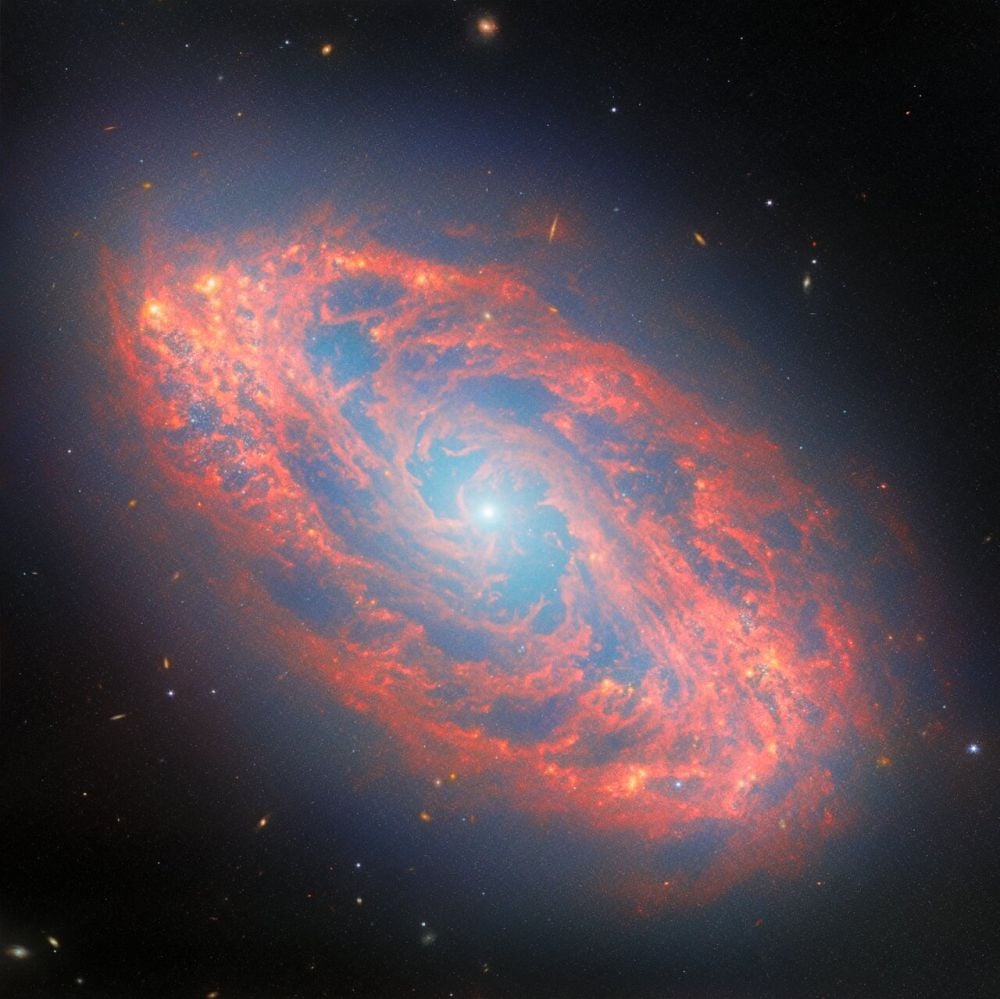
Stars peek through the dusty, winding arms of NGC 5134, a spiral galaxy located 65 million light-years away, in this Feb. 20, 2026, image from NASA’s James Webb Space Telescope. Webb’s Mid-Infrared Instrument collects the mid-infrared light emitted by the warm dust speckled through the galaxy’s clouds, tracing the clumps and strands of dusty gas. The telescope’s Near Infrared Camera records shorter-wavelength near-infrared light, mostly from the stars and star clusters that dot the galaxy’s spiral arms. The image helps researchers understand star formation in spiral galaxies. Image Credit: ESA/Webb, NASA & CSA, A. Leroy
Continue reading
So that's all nice. But why now?
That's the question everyone asks. We went decades — centuries, millennia really — without seeing a single rock that didn't have a "Made in the Solar System" sticker on it. Then, in the span of less than ten years, we get the Big Three: 'Oumuamua, Borisov, and now 3I/ATLAS.
Continue reading
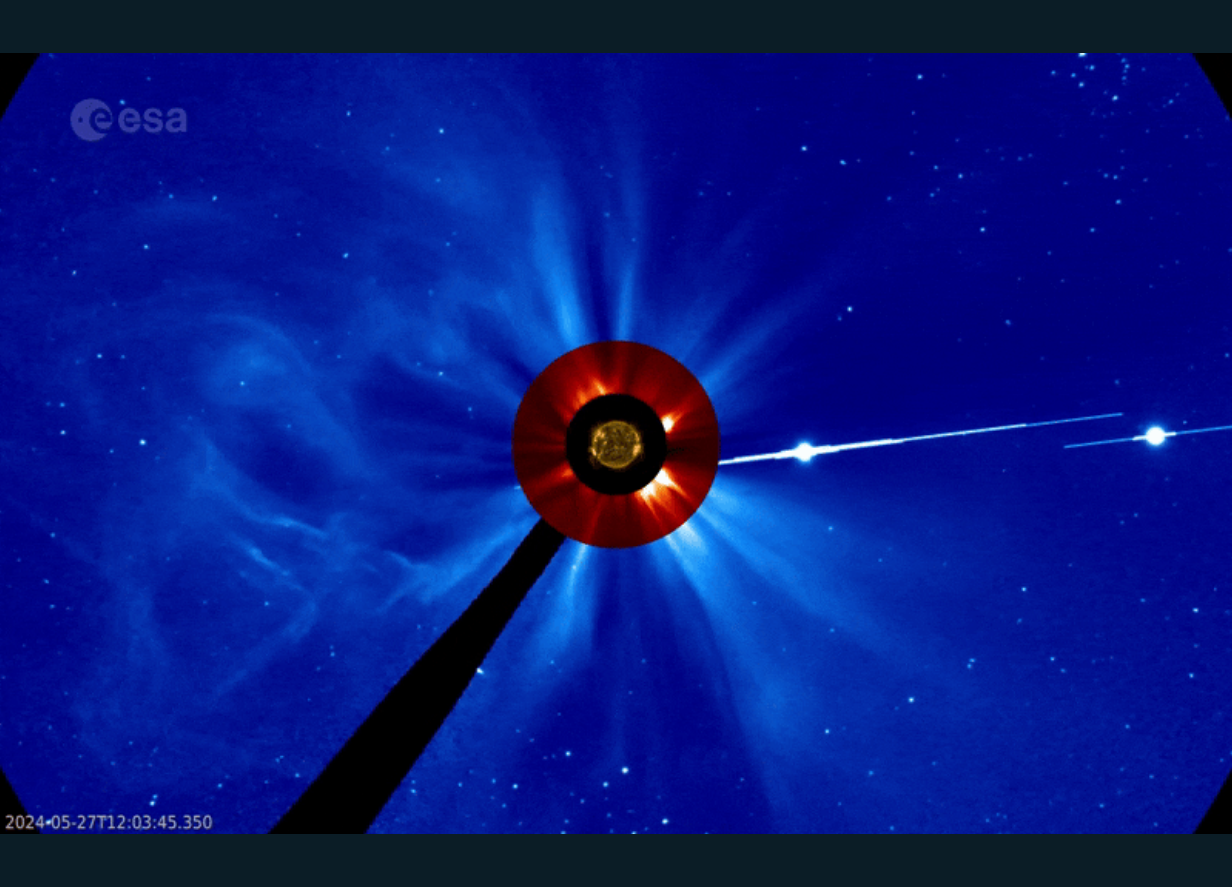
What happens when a solar superstorm hits Mars? Thanks to the European Space Agency’s Mars orbiters, we now know: glitching spacecraft and a supercharged upper atmosphere.
Continue reading
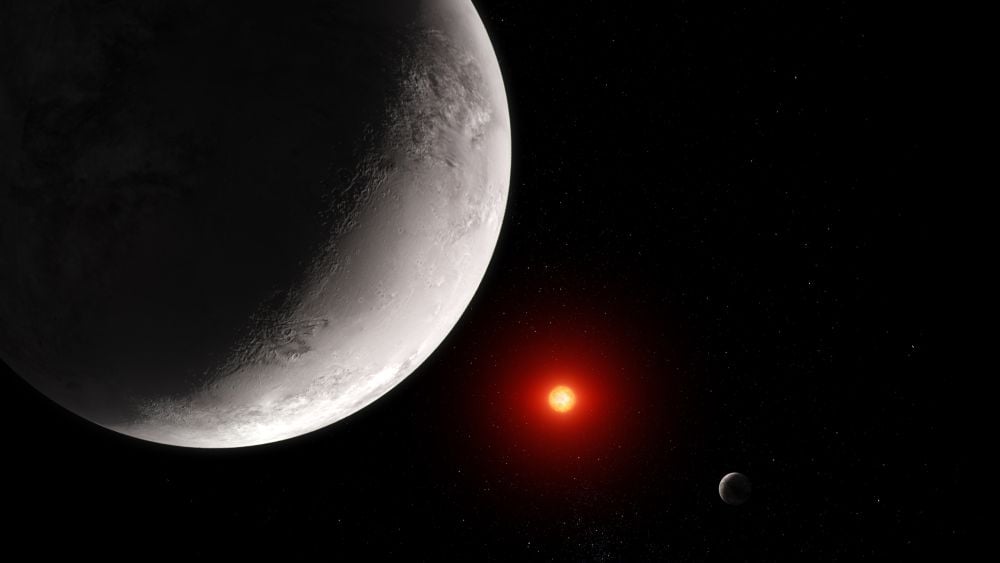
Rocky planets are found in abundance around M-type stars (red dwarfs), so finding another one doesn't always generate headlines. But an international team of astronomers say that one recent M-dwarf rocky planet found by TESS is especially noteworthy. This one can serve as a benchmark for comparative studies of this type of exoplanet and their at-risk atmospheres.
Continue reading

Astronomers say unusual readings from a star system 11,000 light-years away suggest that two of the planets circling the star crashed into each other, creating a huge, light-obscuring cloud of rocks and dust.
Continue reading
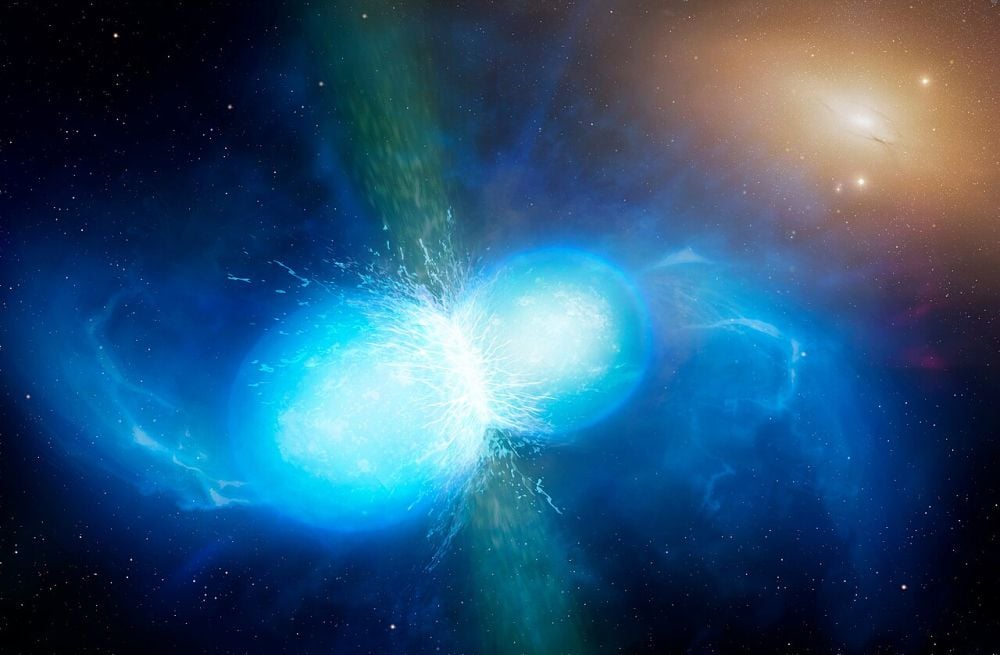
A neutron star merger is an extraordinary event. It features extremely powerful, chaotic magnetic fields that generate extremely energetic photons. Supercomputer simulations show that the extreme gamma-ray photons created in the mayhem can't even escape the chaos.
Continue reading
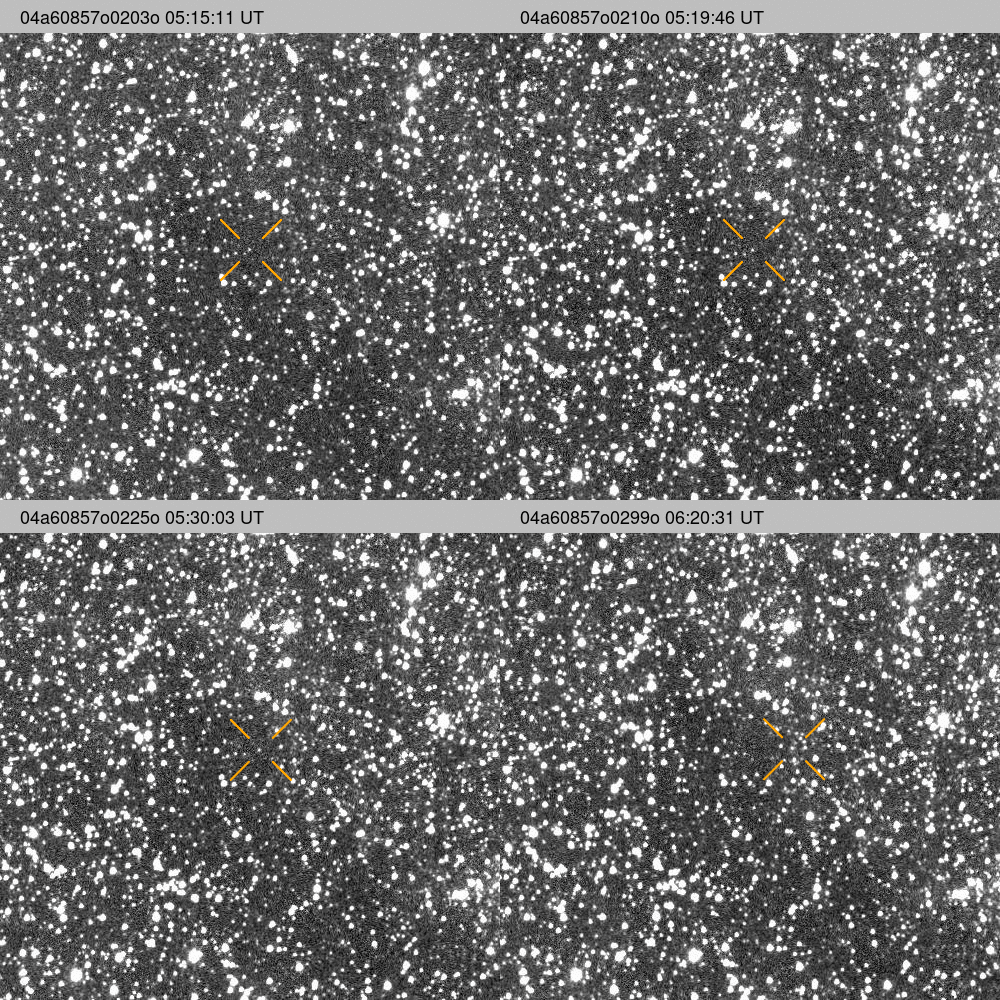
So why should we expect interstellar comets like 3I/ATLAS and 'Oumuamua and even to some extent Borisov to be different-different?
Continue reading
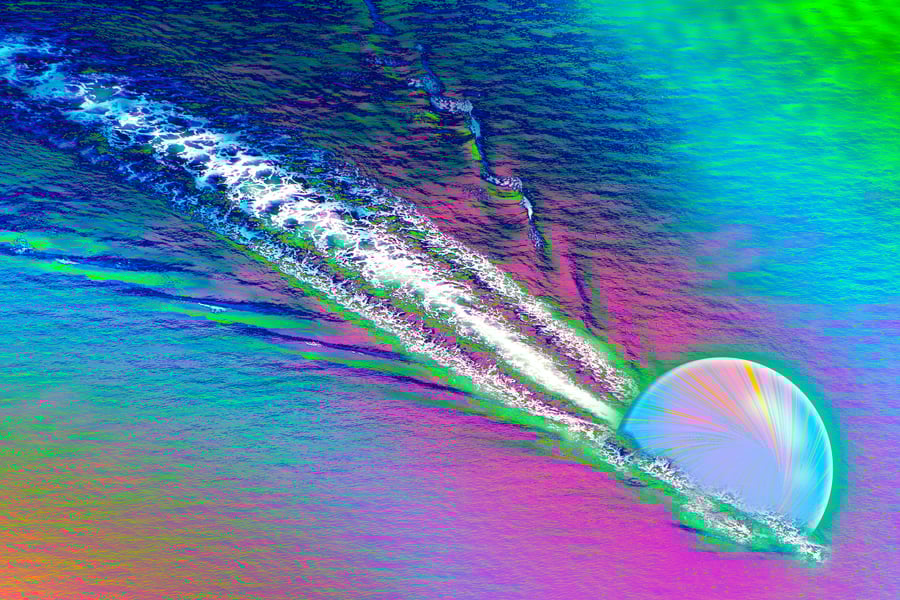
MIT physicists have observed the first clear evidence that quarks create a wake as they speed through quark-gluon plasma, confirming the plasma behaves like a liquid.
Continue reading
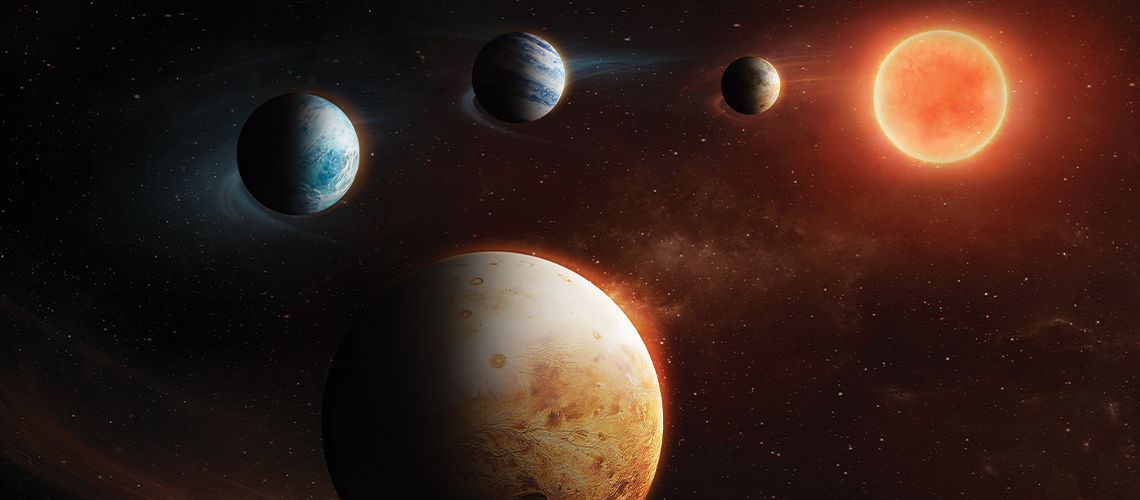
We’re starting to see just how exceptional our own solar system and its history is, as more exoplanets are discovered. A fourth exoplanet discovery in the LHS 1903 system made by ESA’s CHEOPS mission places a rocky world right where it shouldn’t be. This ‘inside-out system’ could challenge our current understanding of planetary formation.
Continue reading
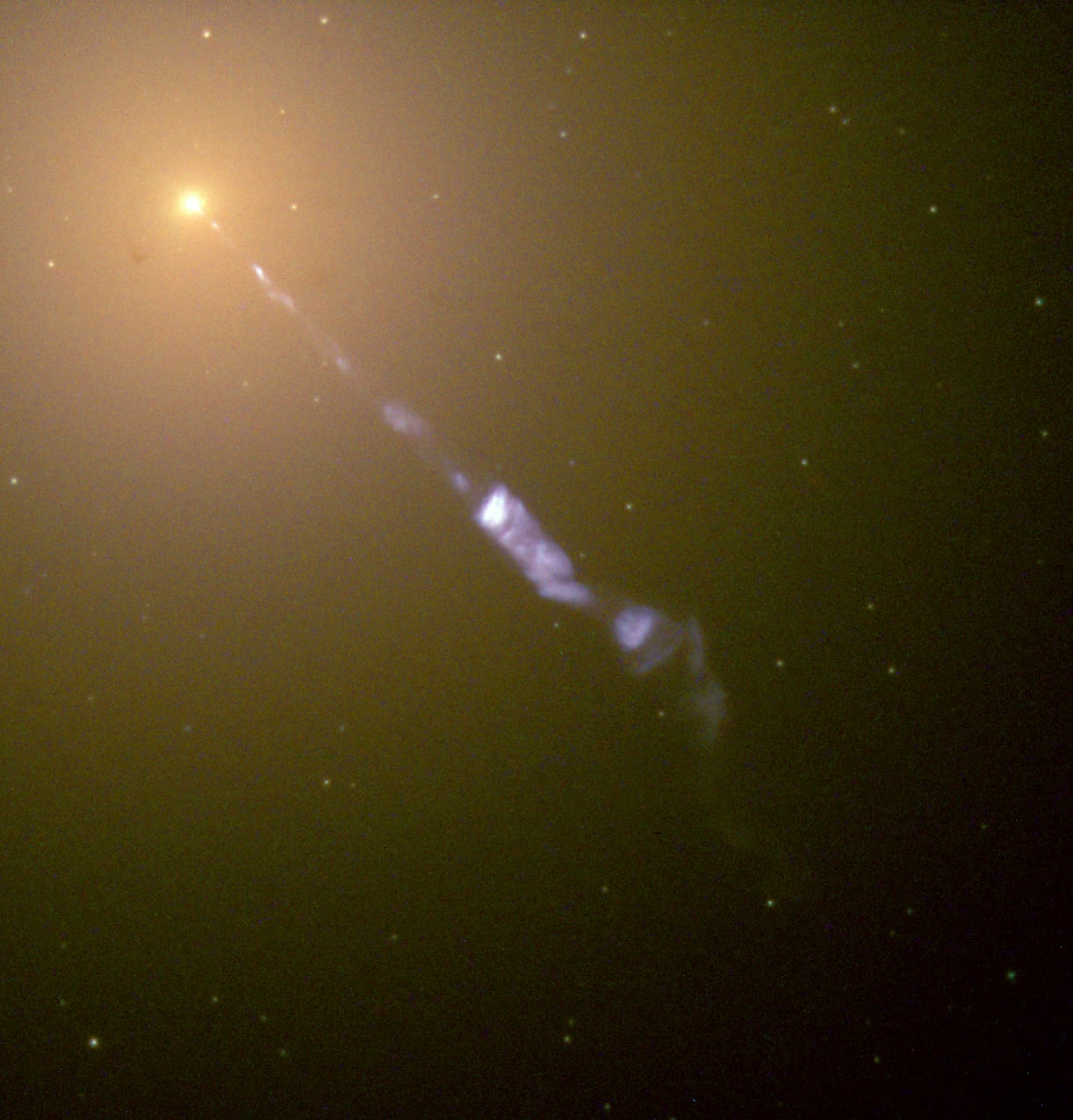
Three years ago, a detector sitting on the floor of the Mediterranean Sea recorded a single subatomic particle carrying more energy than anything of its kind ever seen before. Where it came from has been a mystery ever since. Now, scientists working with the KM3NeT detector off the coast of Sicily think they may have found the culprit, a population of blazars, some of the most violent objects in the universe, each one powered by a supermassive black hole firing a jet of plasma directly toward Earth.
Continue reading
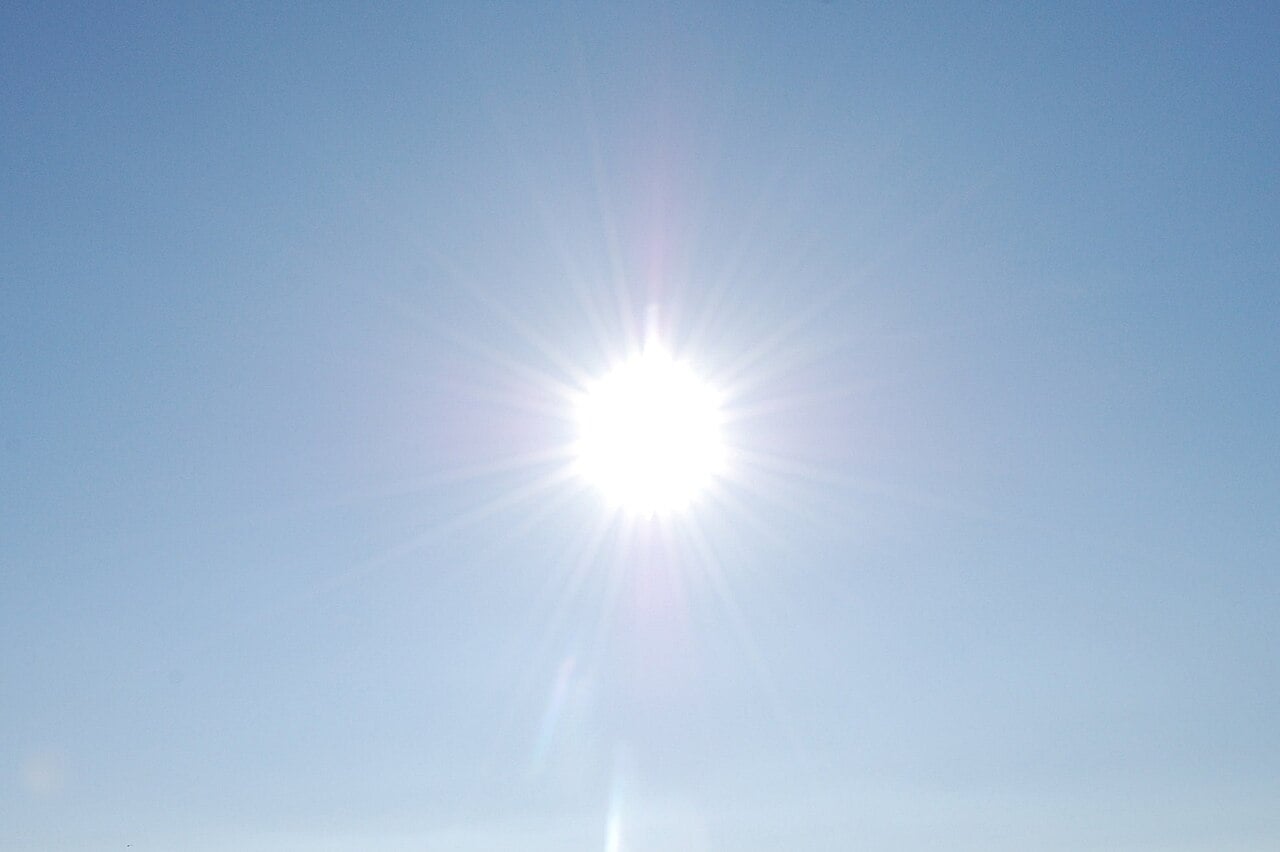
For 45 years, astronomers believed that stars like our Sun would eventually flip their rotation pattern as they aged with the poles speeding up and the equator slowing down. It was one of those theoretical predictions that seemed rock solid, written into textbooks and built into stellar models. Now, researchers at Nagoya University in Japan have run the most powerful simulations of stellar interiors ever attempted, and the theory has collapsed. Stars like the Sun, it turns out, seem to keep the same rotation pattern for their entire lives.
Continue reading
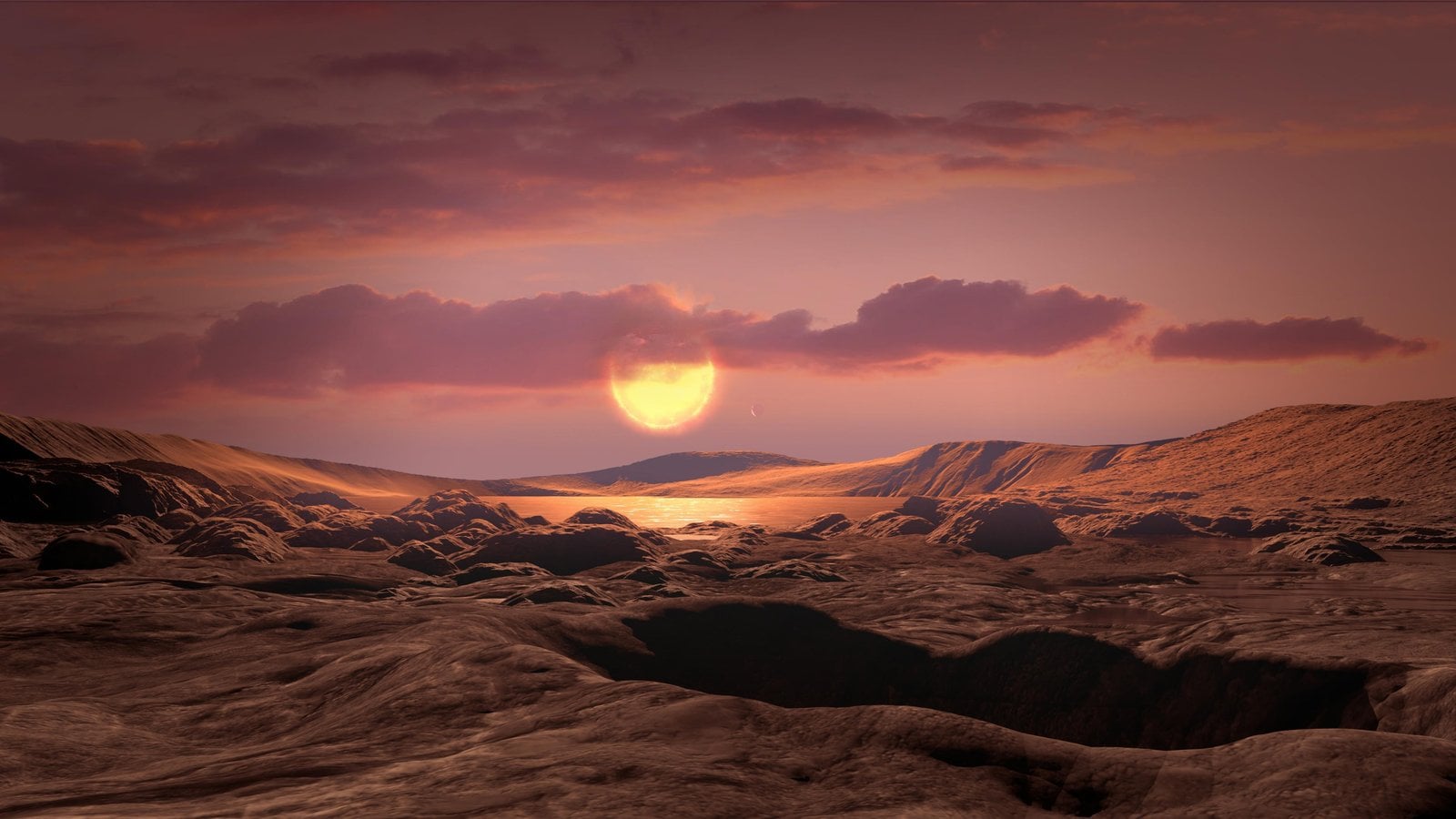
“Follow the water” has been a guiding mantra of astrobiology, and even space exploration more generally for decades. If you want to find life, it makes sense to look for the universal solvent that almost all types of life on Earth use. But what if life doesn’t actually need water to live or even evolve? A recent paper, available in pre-print on arXiv by researchers at MIT, including Dr. Sara Seager, and the University of Cardiff, proposes an alternative to water as the basis for life - ionic liquids (ILs) and deep eutectic solvents (DES). These liquids could allow life to exist in environments we had once thought were far too hot, too cold, or too barren to support life, and could dramatically change our search for it throughout the cosmos.
Continue reading

While megastructures are clearly speculative, new research shows that they can (in theory) be built in a way that ensures long-term stability. These findings can provide insight into the properties of potential technosignatures in search for extraterrestrial intelligence studies.
Continue reading
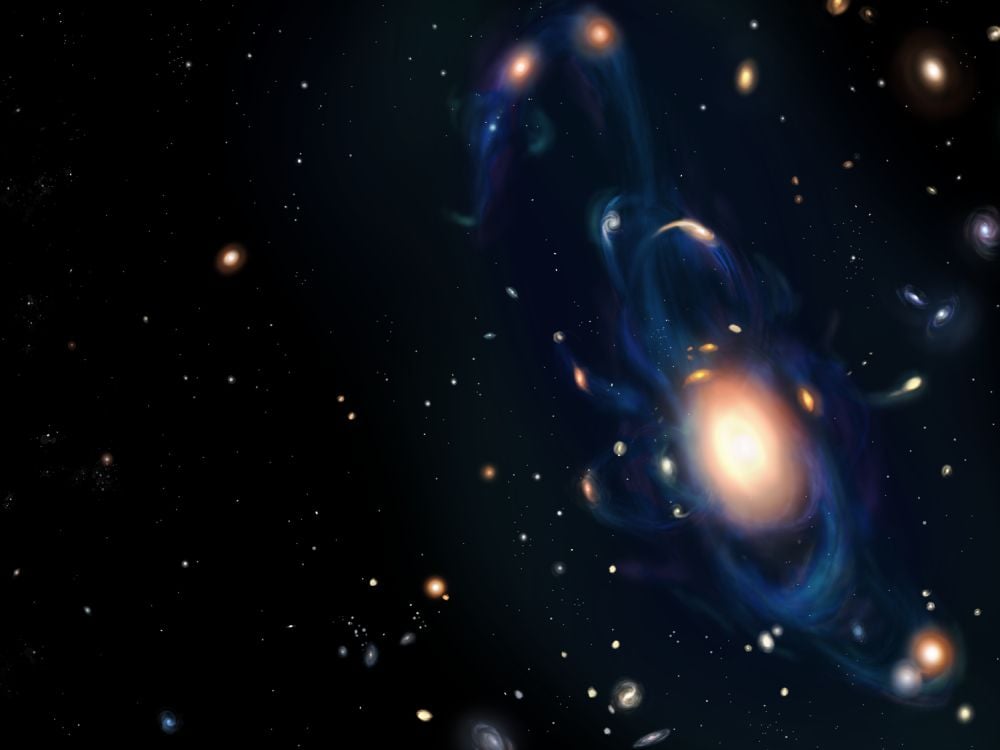
NASA telescopes have detected what could be the most distant gamma-ray burst ever detected. A merging pair of neutron stars generated when they merged and exploded as a kilonova. It happened in an unusual location: a tidal stream of debris created by a group of merging galaxies.
Continue reading

Once you start listing the properties of 3I/ATLAS, it becomes clear pretty quickly that this thing is distinctly different from any other comet we've ever seen. Here's just a small taste.
Continue reading
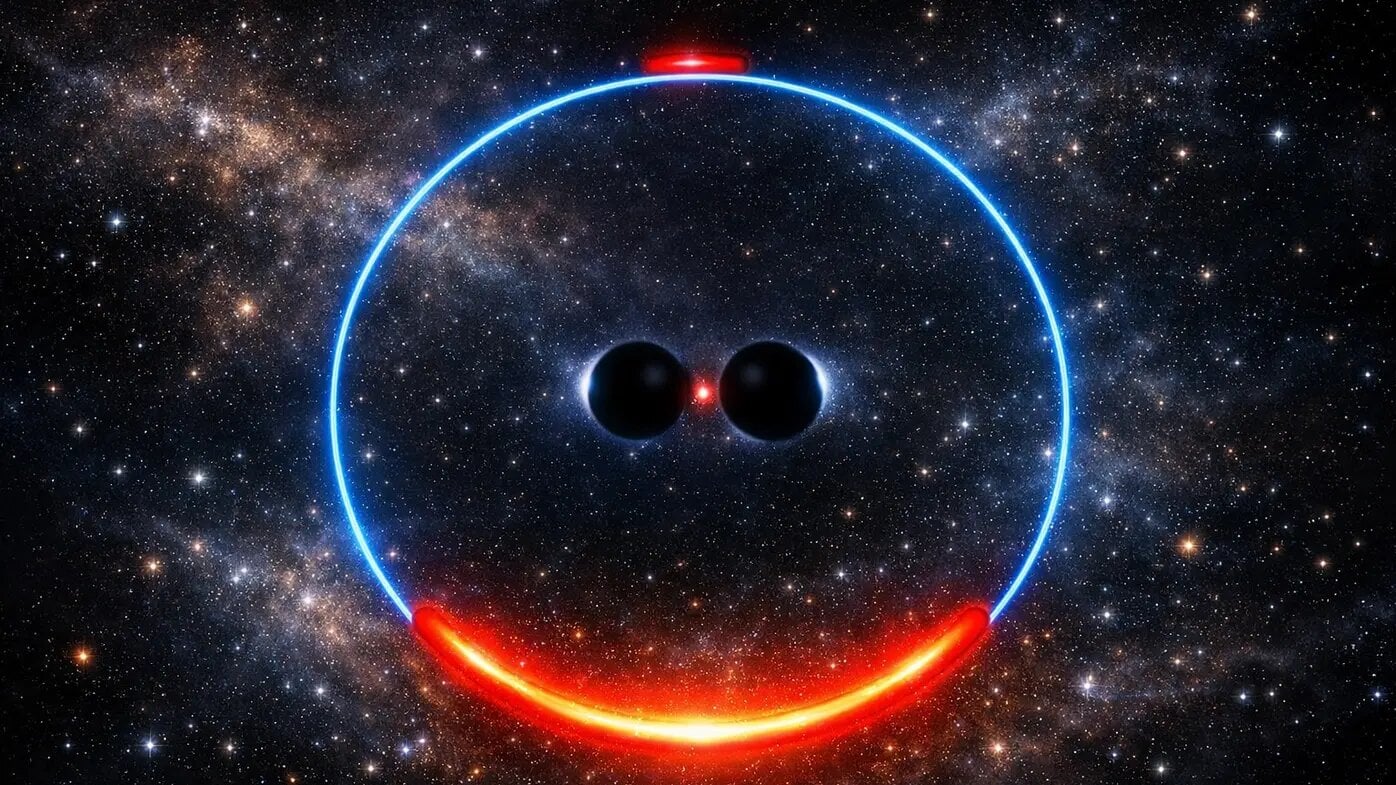
Supermassive black hole binaries can be difficult to detect in many galaxies, but a new approach could find them by looking for the regular flashes of starlight caused by the gravitational lensing of these black holes.
Continue reading
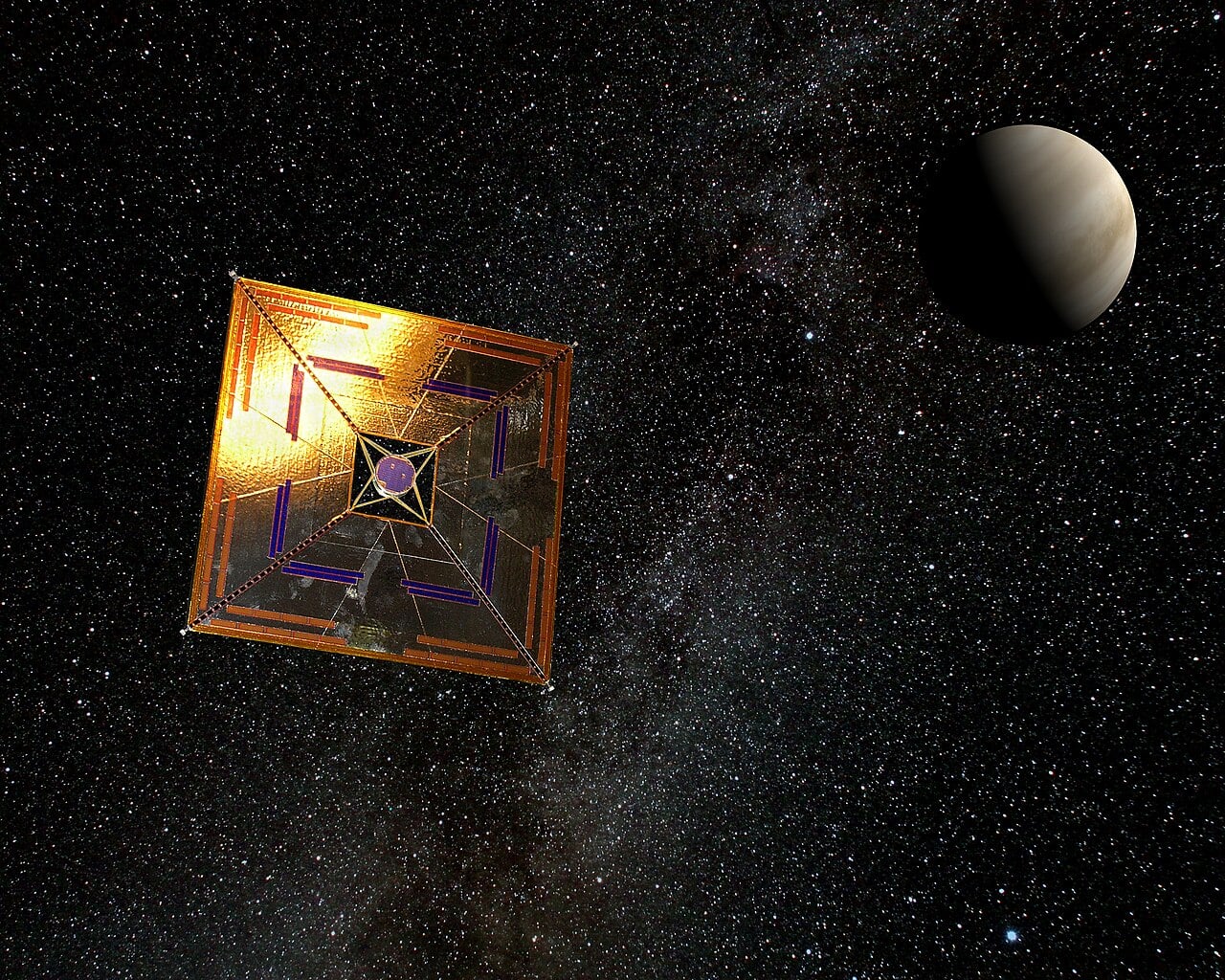
Traditional chemical rockets, though they are the most commonly used propulsion method for space exploration today, are beholden to the tyranny of the rocket equation. Every ounce of thrust they use must also start out as fuel, which means the rocket itself will have to weigh more, and weight is one of the limiting factors in how fast a propulsion system can go. So, scientists have been searching for, and actively testing, alternatives for decades. One of the most promising is the solar sail - a huge reflective sheet that uses sunlight, or in some cases a “pushing laser” to maneuver about the solar system without any onboard propellant necessary. A recent paper published in the Journal of Nanophotonics by Dimitar Dimitrov and Elijah Taylor Harris of Tuskegee University describes a new type of light sail that solves some of the major problems of existing designs.
Continue reading

China has just laid out one of its most ambitious spaceflight schedules yet and the details reveal a programme that is accelerating. Two crewed missions, a cargo resupply flight, a year long solo endurance experiment, and the first ever space station flight by astronauts from Hong Kong or Macao are all on the cards for 2026. Beyond Earth orbit, the countdown to a Chinese crewed Moon landing is ticking louder than ever. Here's what's coming up and why it matters.
Continue reading

A NASA spacecraft that spent seven years mapping Earth's invisible radiation shields has made its final journey home and it came back years ahead of schedule. Van Allen Probe A, launched in 2012 to study the powerful belts of charged particles that wrap around our planet, re-entered Earth's atmosphere in March 2026, most of it burning up in a blaze of friction and heat. What brought it down early wasn't a malfunction or a mission decision. It was the Sun and that twist in the story tells us something important.
Continue reading

When a powerful solar storm erupts, the warning system we currently rely on gives us just hours to respond, barely enough time to protect the satellites, power grids, and communication networks that modern life depends on. But a new tool developed by scientists at the Southwest Research Institute and the National Science Foundation could change that entirely, pushing advance warnings of dangerous space weather from hours to weeks. The secret lies not at the Sun's surface, but deep in its hidden interior and unlocking it has required a remarkable fusion of physics and artificial intelligence.
Continue reading
 Universe Today