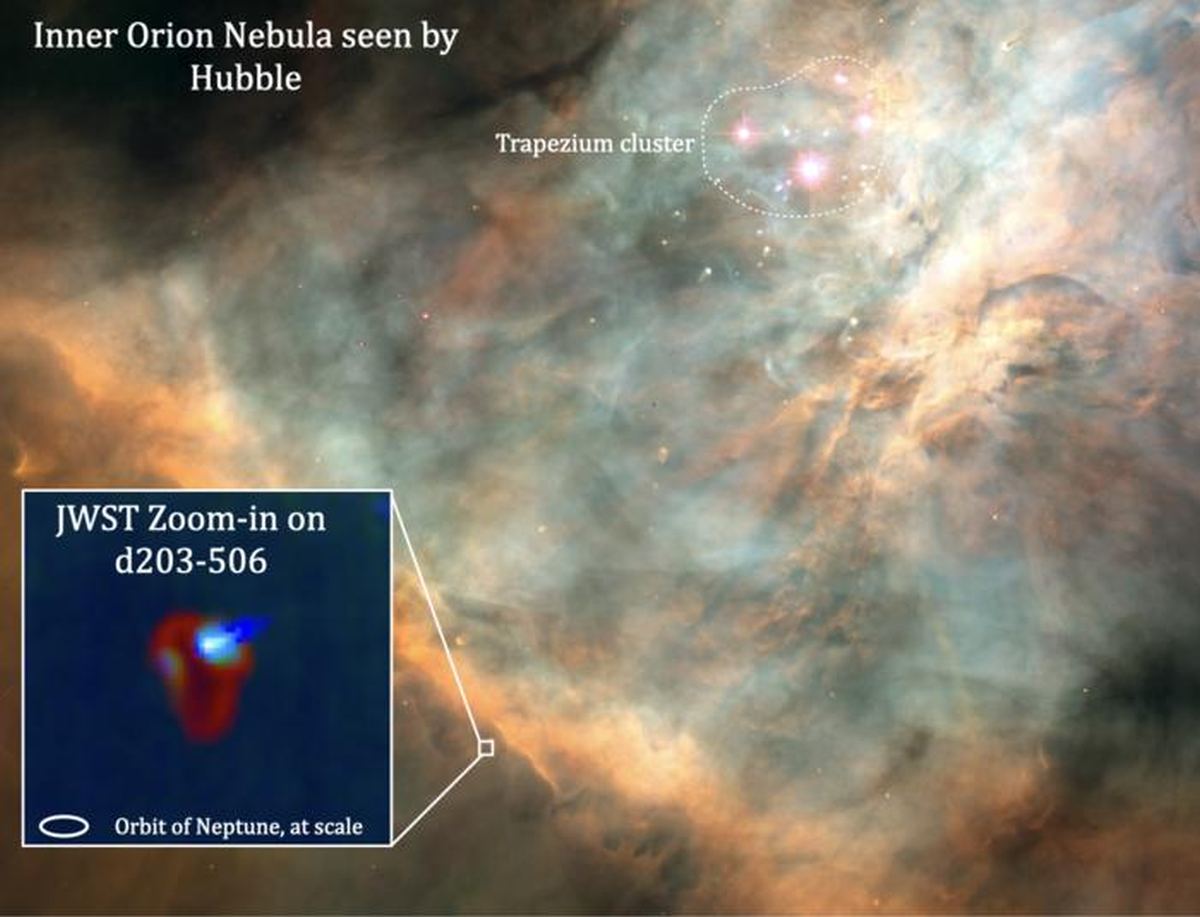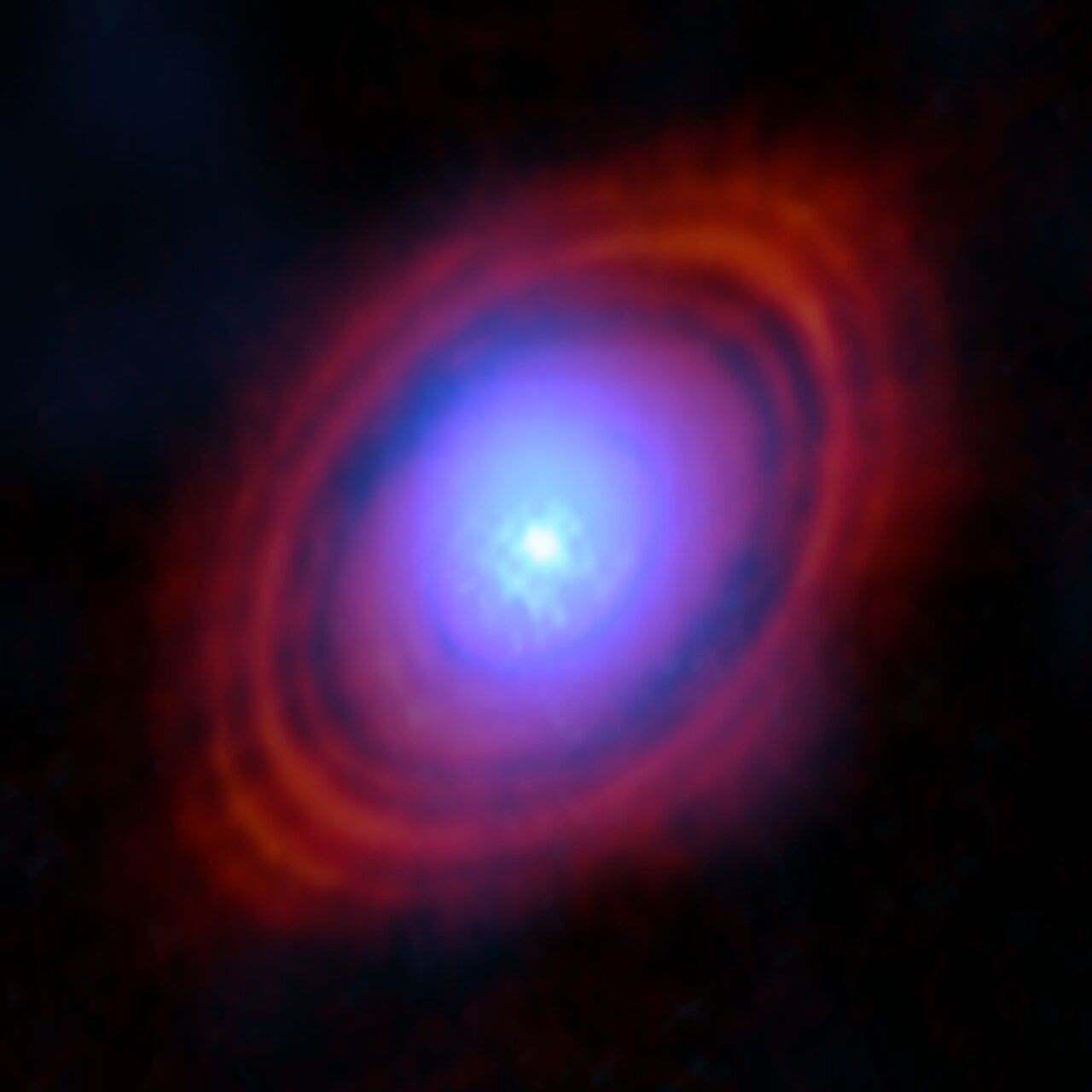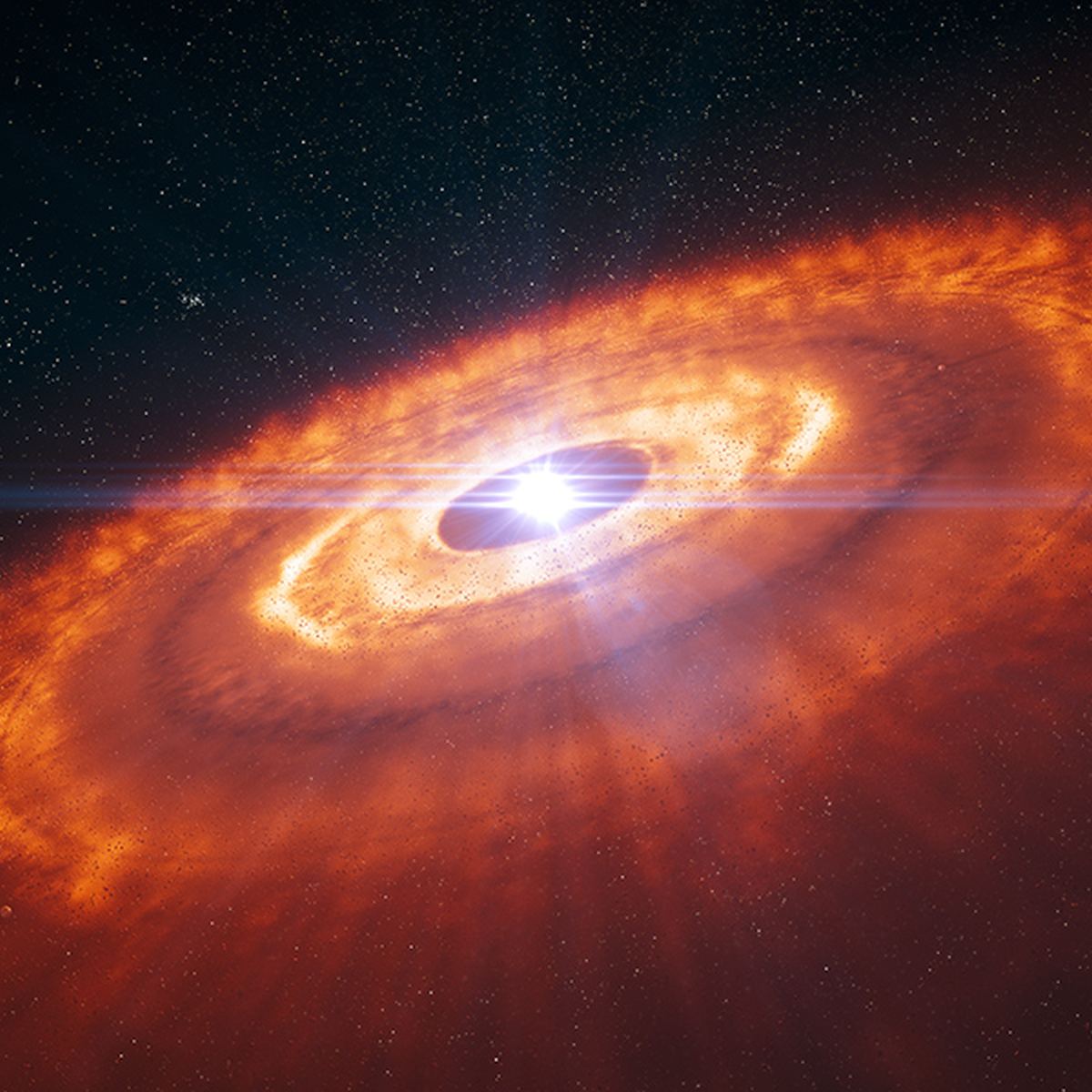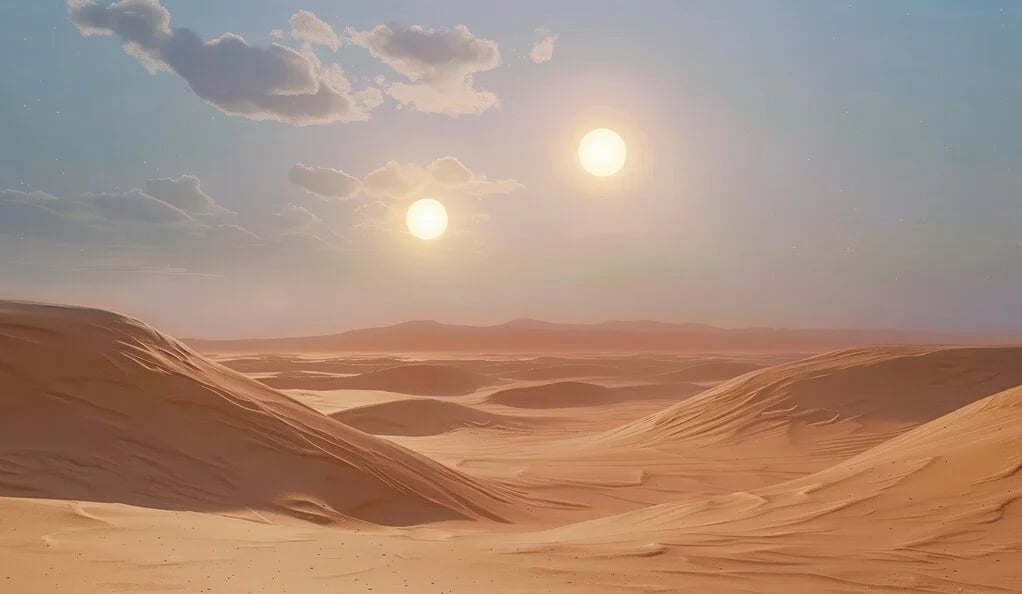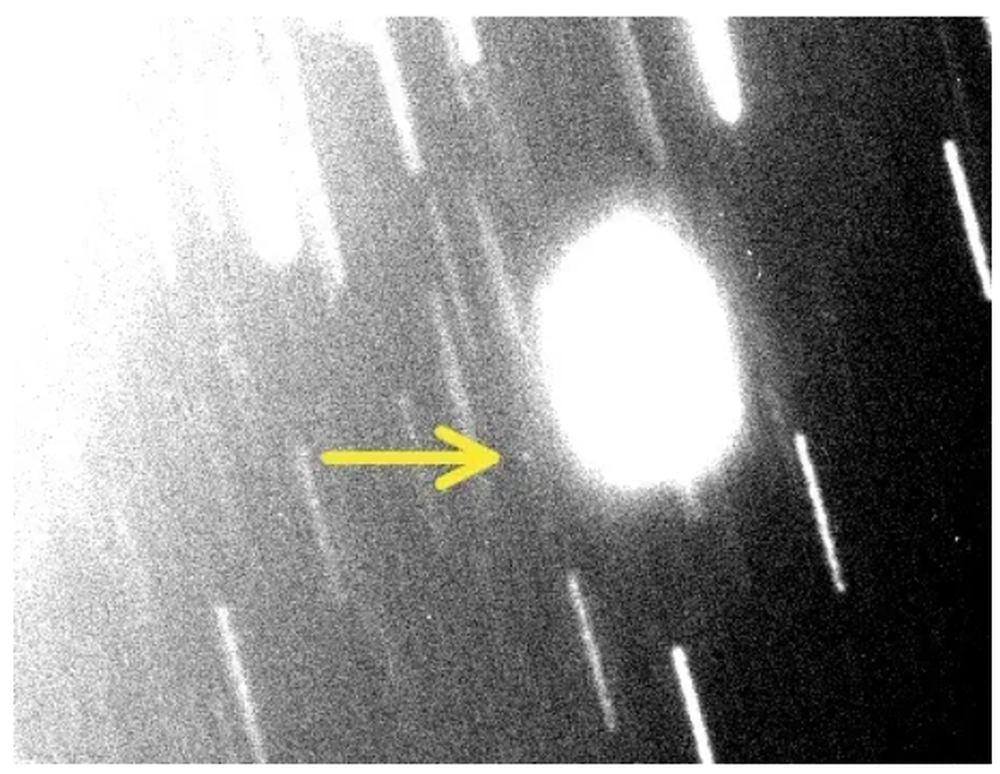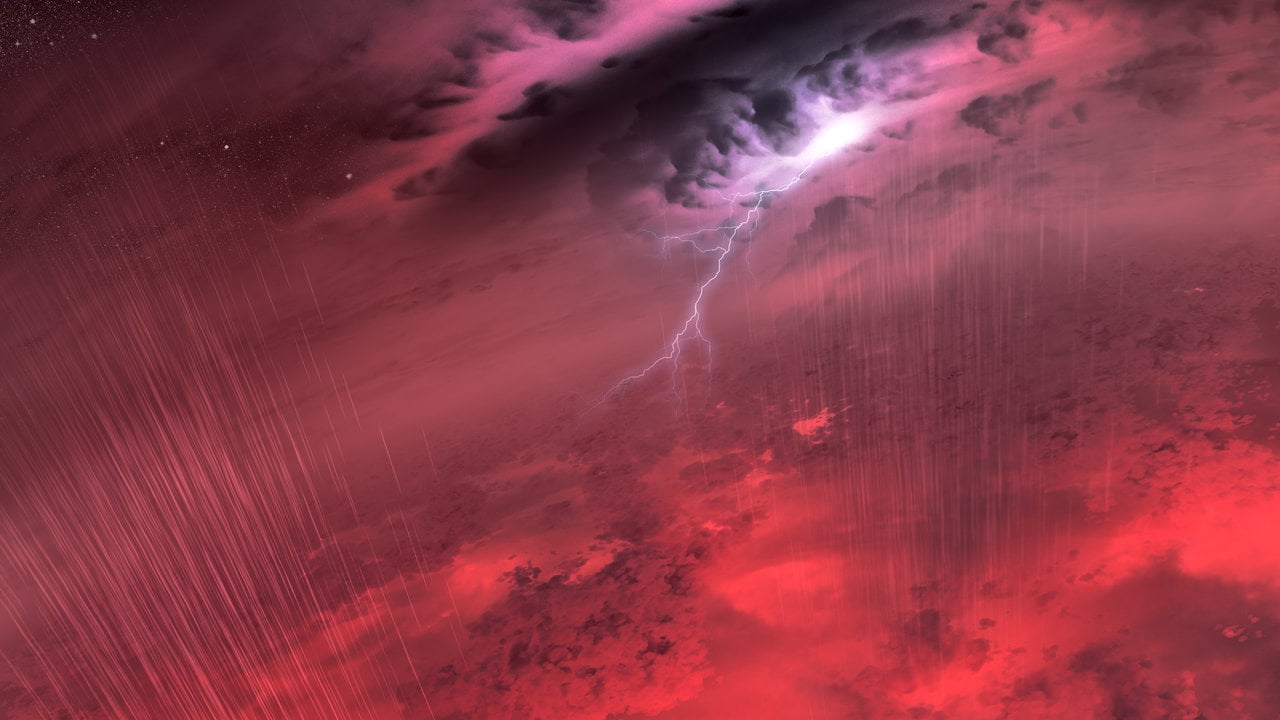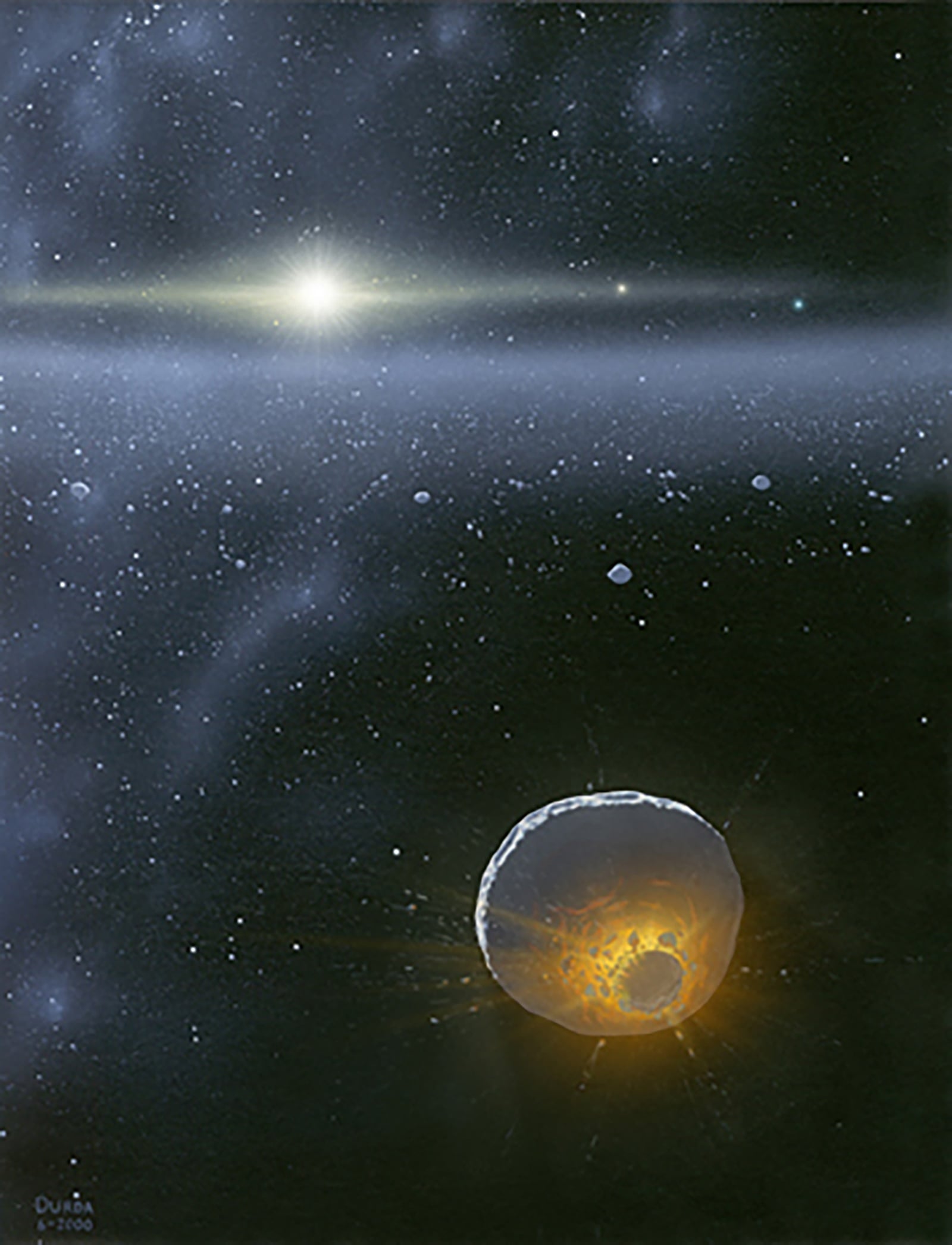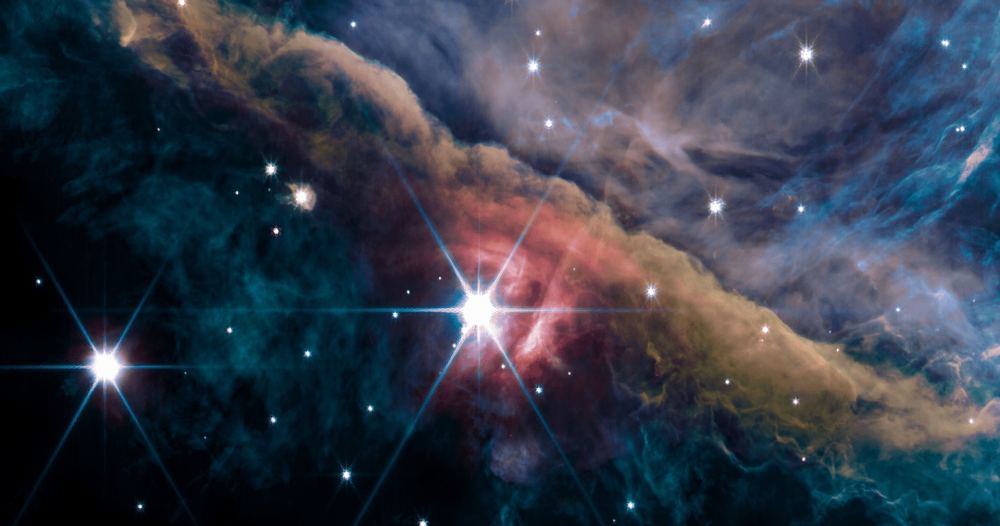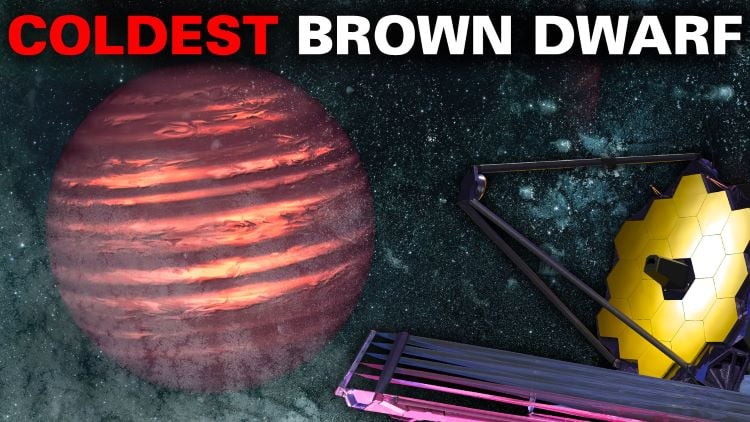
When a young star begins forming, it's spinning rapidly, surrounded by a flattened disk that grows its future planets. Once the star can ignite fusion in its core, its stellar winds kick in, clearing out the remaining gas and dust, starving its planets for material. Now, JWST has found an older star in this exact phase of the cycle, dispersing its gas into interstellar space. This limits how much larger the planets can become until no material remains.
Continue reading
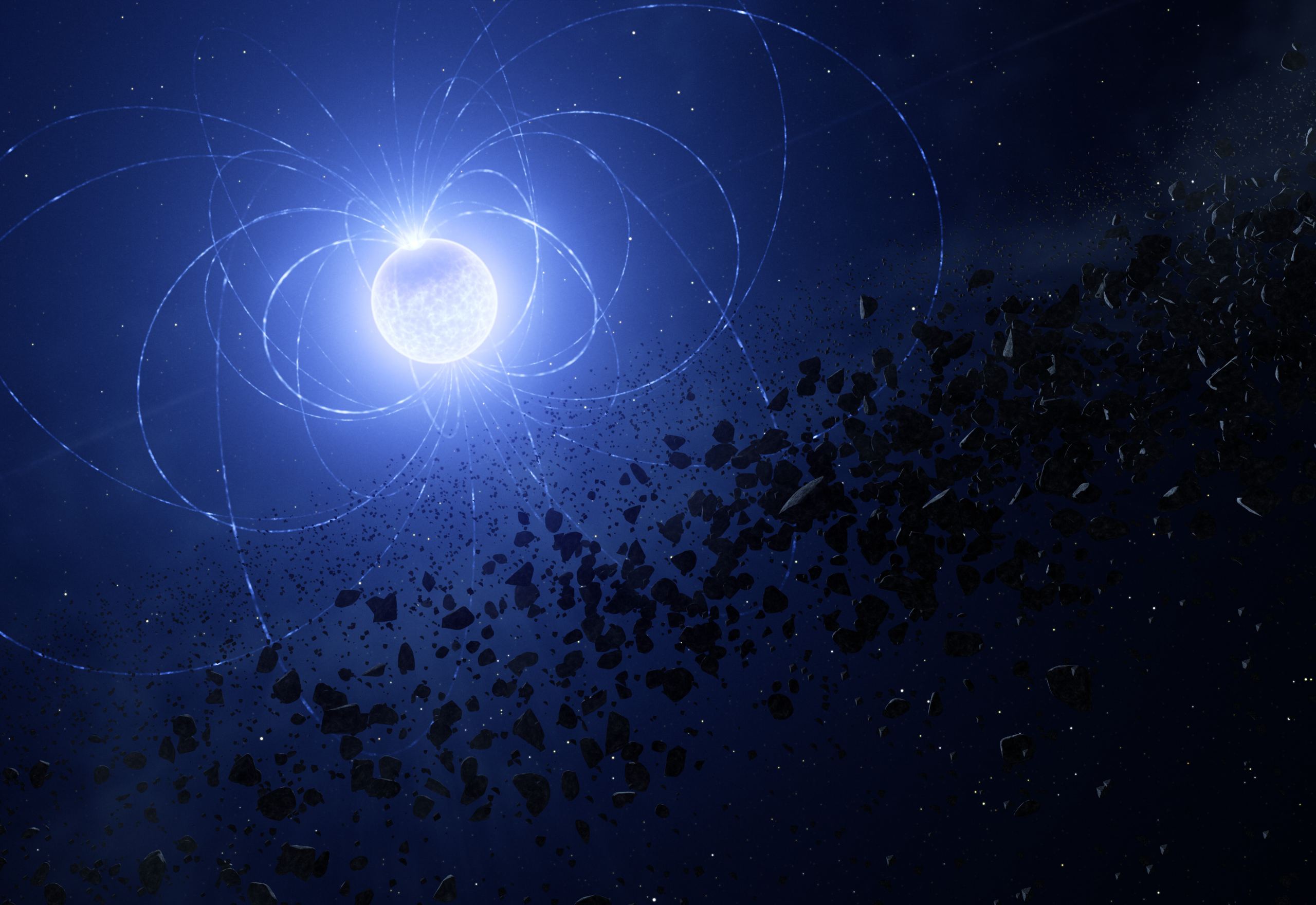
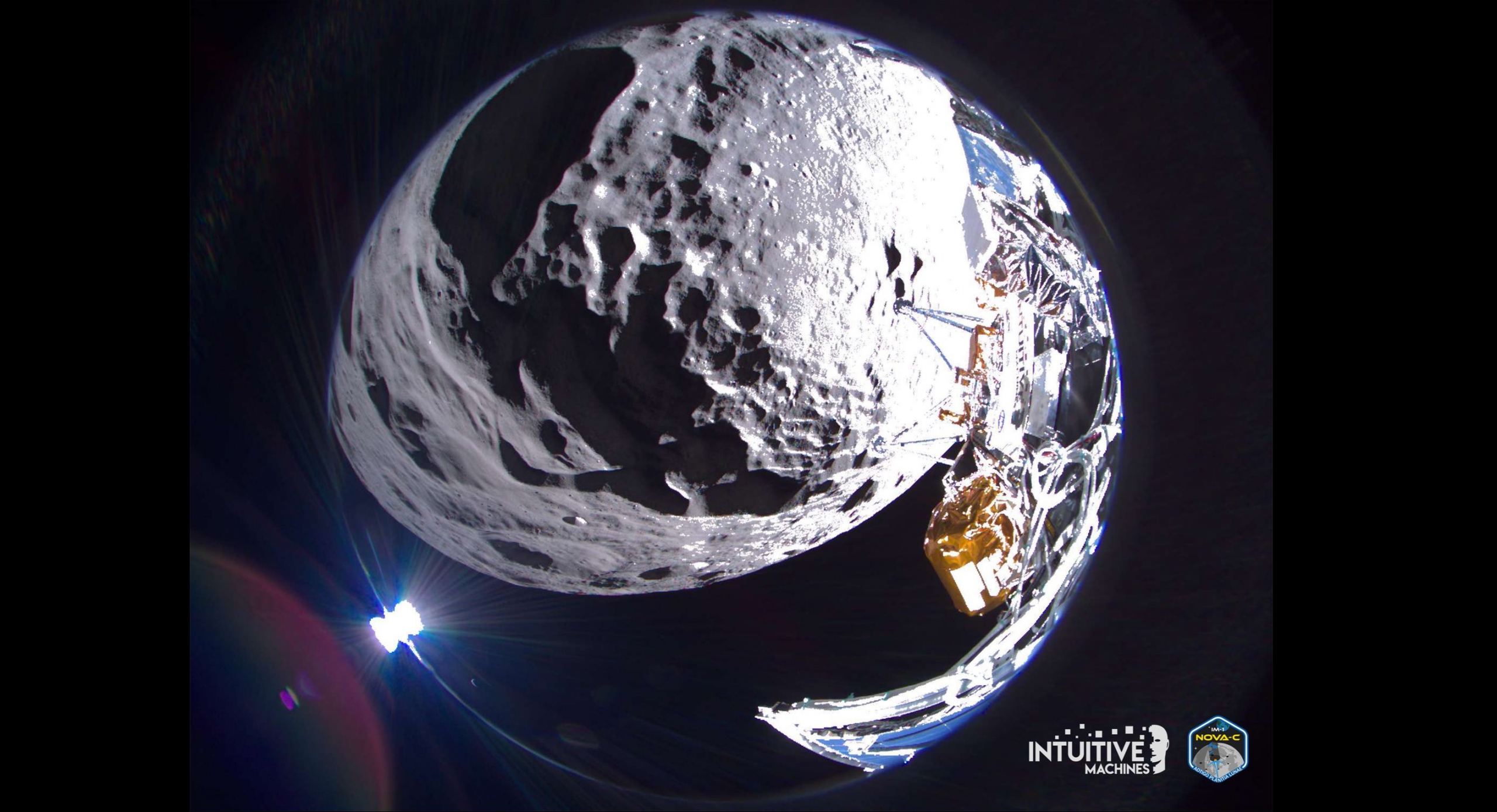
When a star like the Sun reaches the end of its life, it becomes a red giant and blows away its outer layers, leaving an exposed core - a white dwarf. What happens to its planets? Some were consumed when it became a red giant; others could spiral inward and impact the star. Astronomers have found white dwarfs that were polluted with metals in the past, but now they've found one with a metal scar on its surface, where a large, metal-rich asteroid crashed onto the surface.
Continue reading
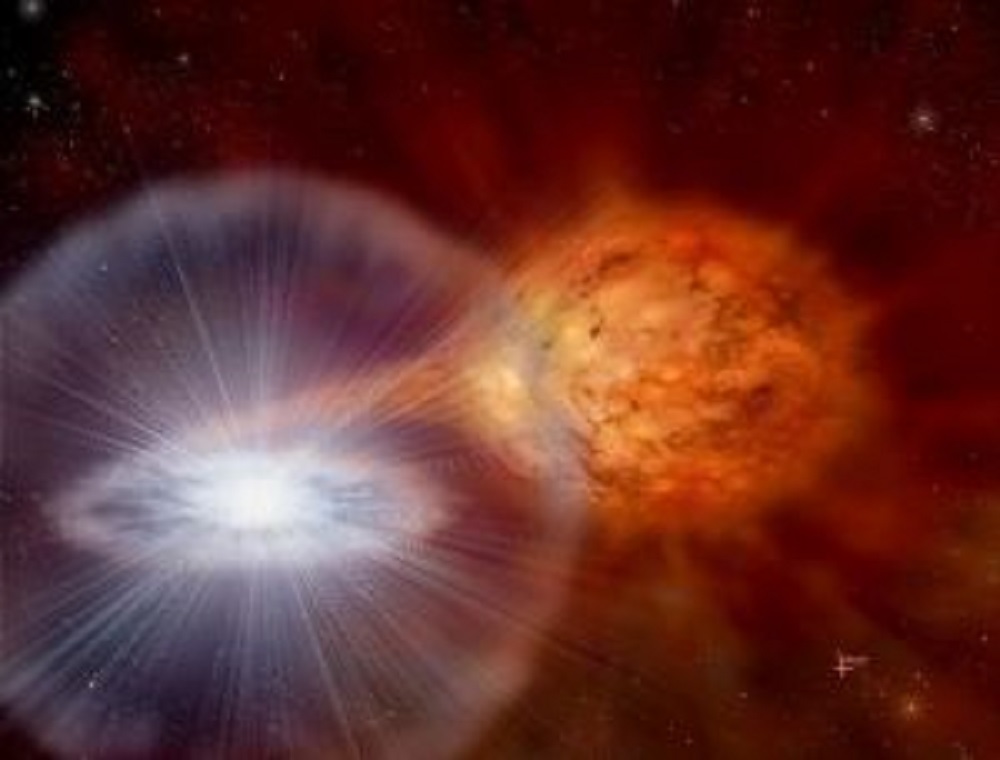
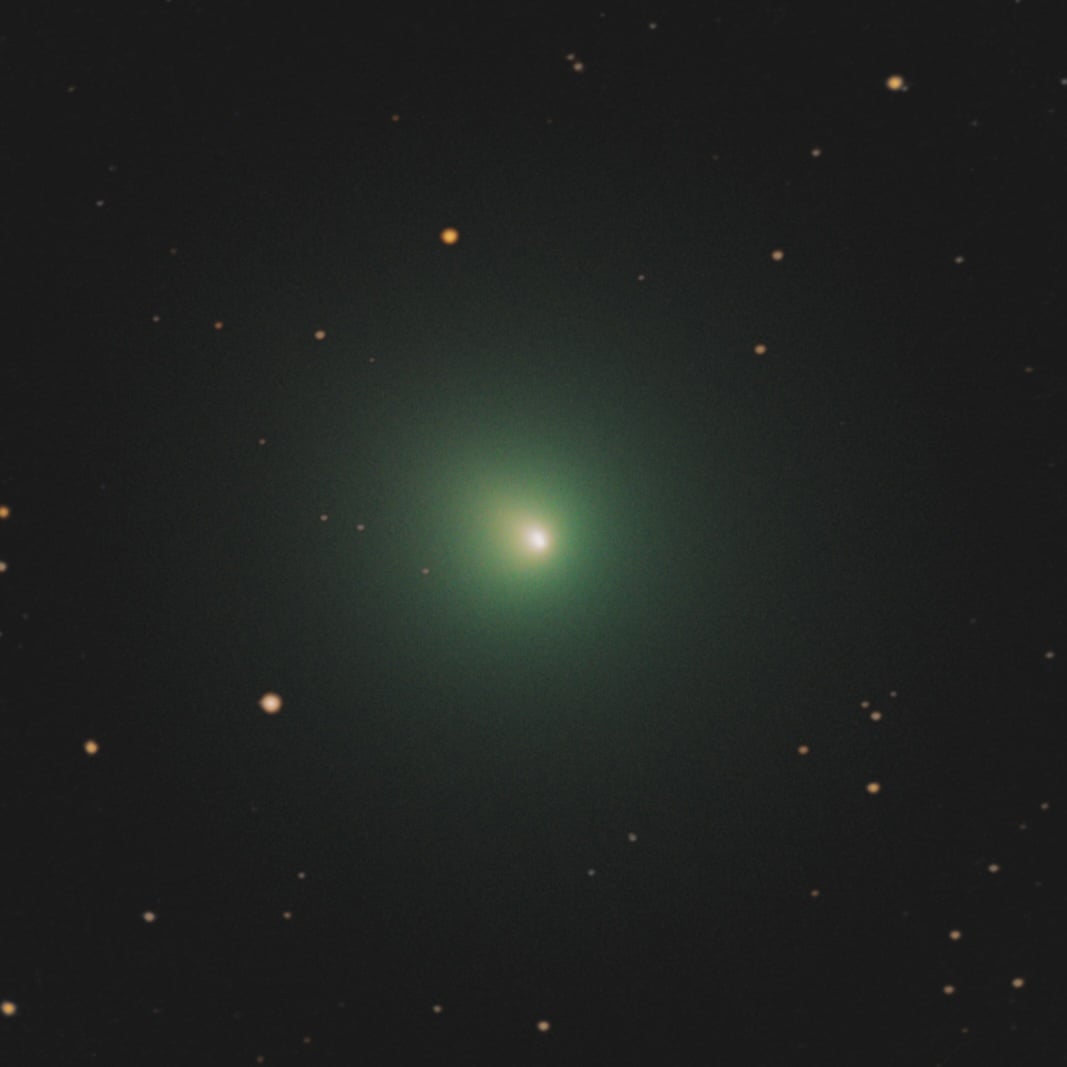
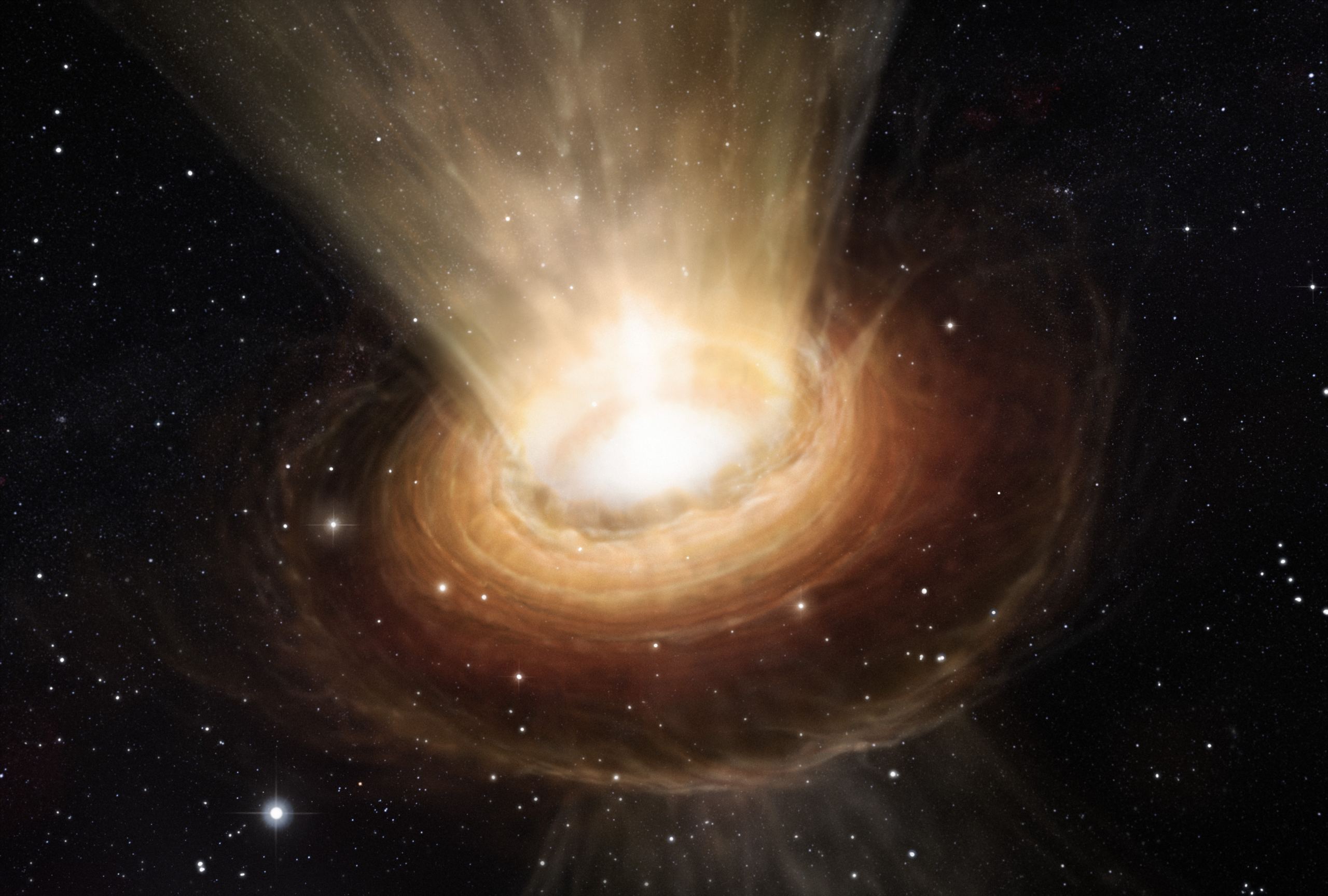
If predictions are correct, a key outburst star could put on a show in early 2024.
Continue reading
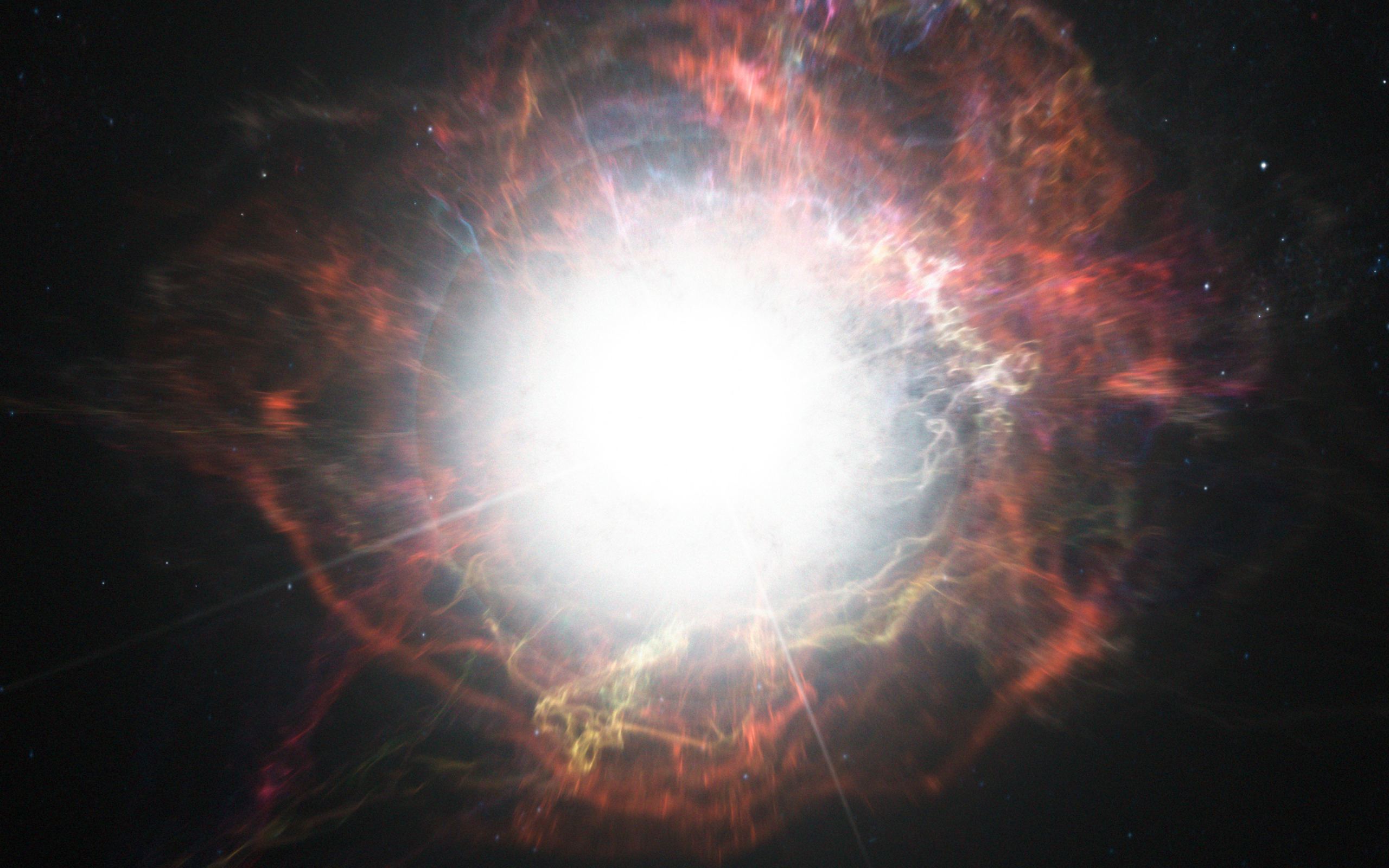
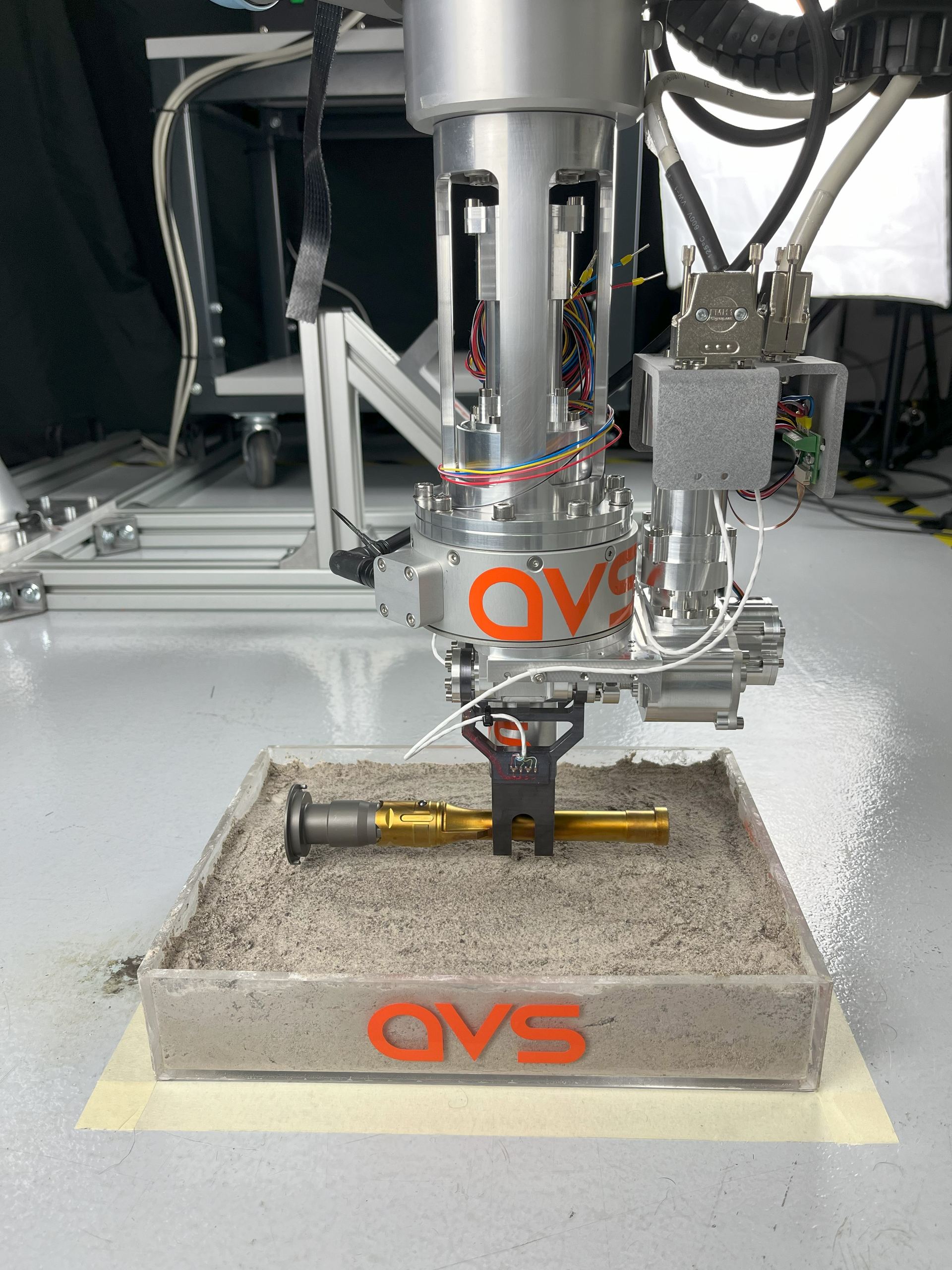
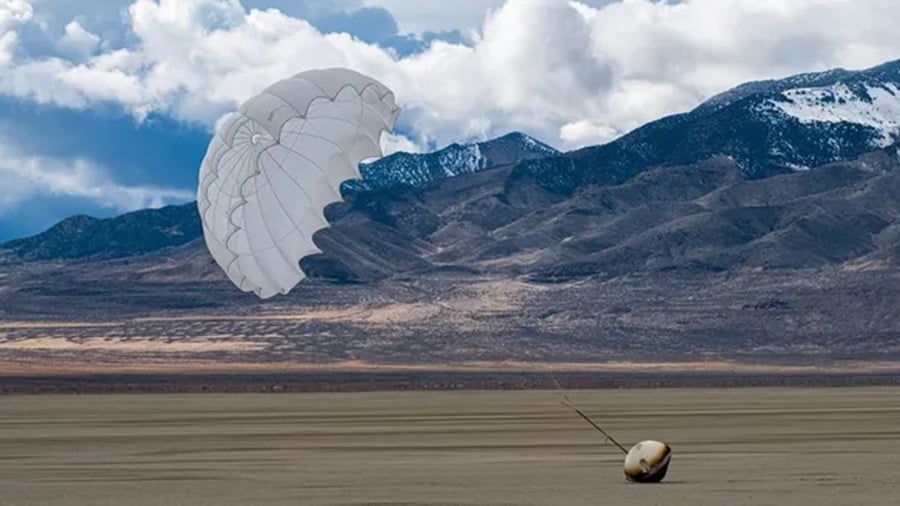
The early Earth didn't have many chemicals needed for life on its surface, but they were present in asteroids and comets. Astronomers think they were delivered by countless objects crashing into the planet early in its history. But there's also a constant rain of organic-rich cosmic dust entering the Earth's atmosphere, and some can even pile up into sedimentary deposits left behind by glaciers. Did cosmic dust help fertilize prebiotic chemistry?
Continue reading
 Universe Today