
amma-ray bursts are the most powerful explosions in the Universe, briefly outshining all the stars in their galaxy combined. They typically last for just seconds or a few minutes at the most. In 2022, an ultra-long gamma-ray burst exploded in the sky, lasting so long, with two separate blasts of radiation that it triggered the Fermi Gamma-Ray Burst Monitor twice. The blast was clocked at almost 1000 seconds, with a double blast that made some astronomers wonder if it was due to a gravitational lens.
Continue reading
Continue reading
Continue reading
Determining the age of a star is surprisingly tricky and has wide error bars. It's only inside star clusters that you get a chance to accurately measure a star's age since they all had the exact origin and age. But a new technique hopes to discover the age of stars by measuring their rotation. As stars get older, their rotation rate slows down. By plotting the rotation rates of stars in clusters against their known ages, they can apply it to individual stars which aren't in clusters.
Continue reading
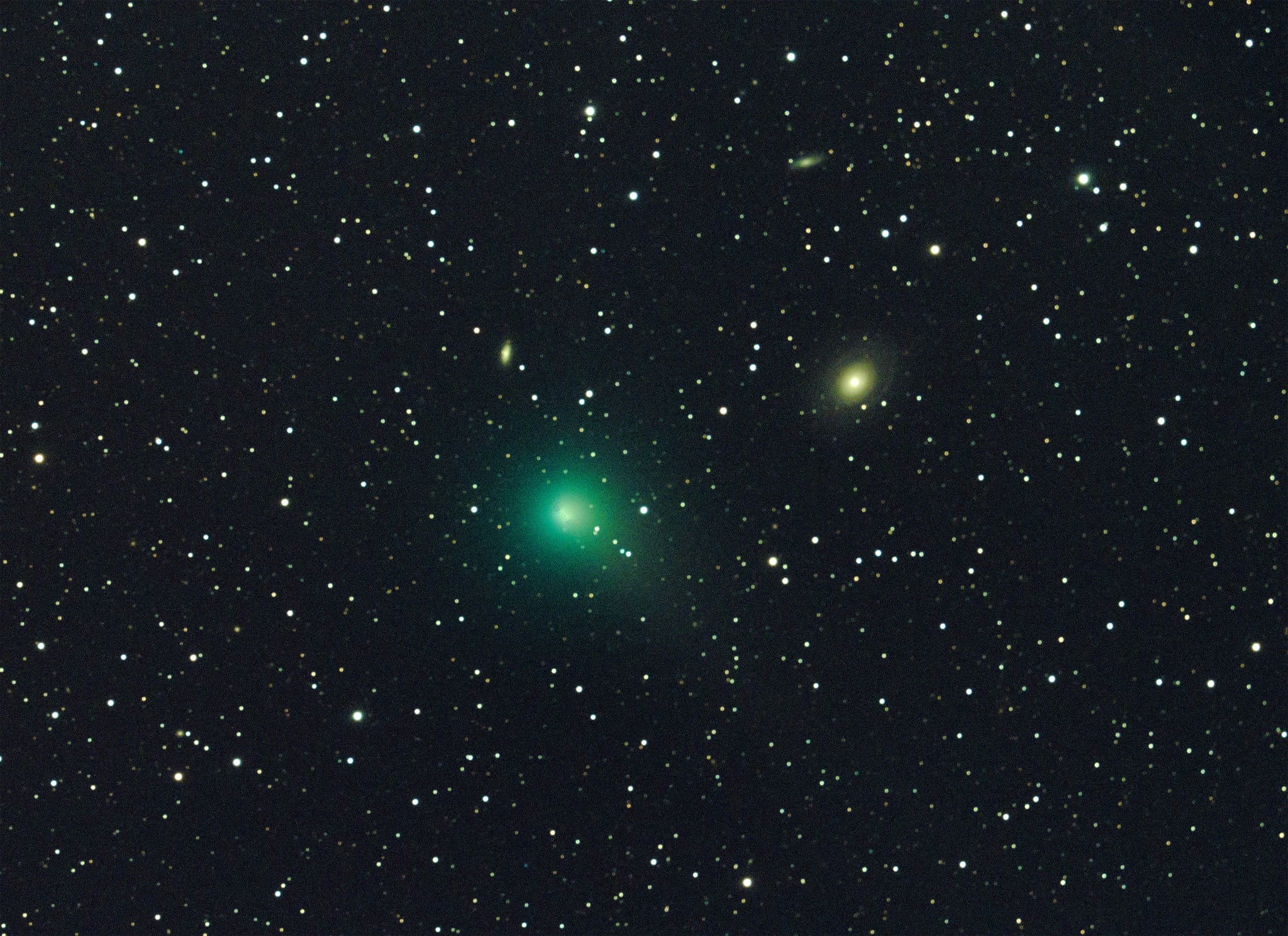
The time to catch Comet T4 Lemmon is now, before it vanishes for another 36,000 years.
Continue reading
Continue reading
Continue reading
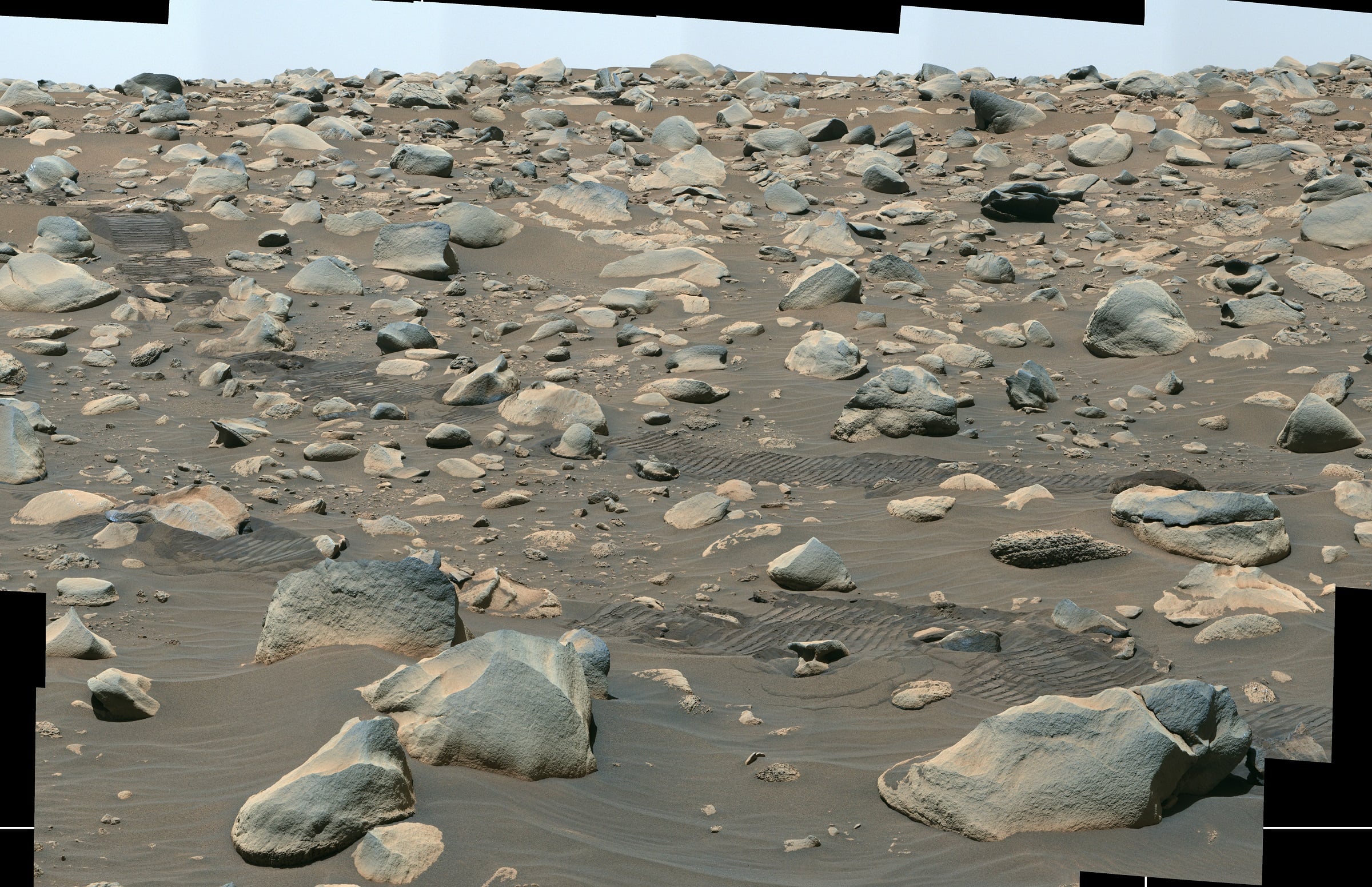
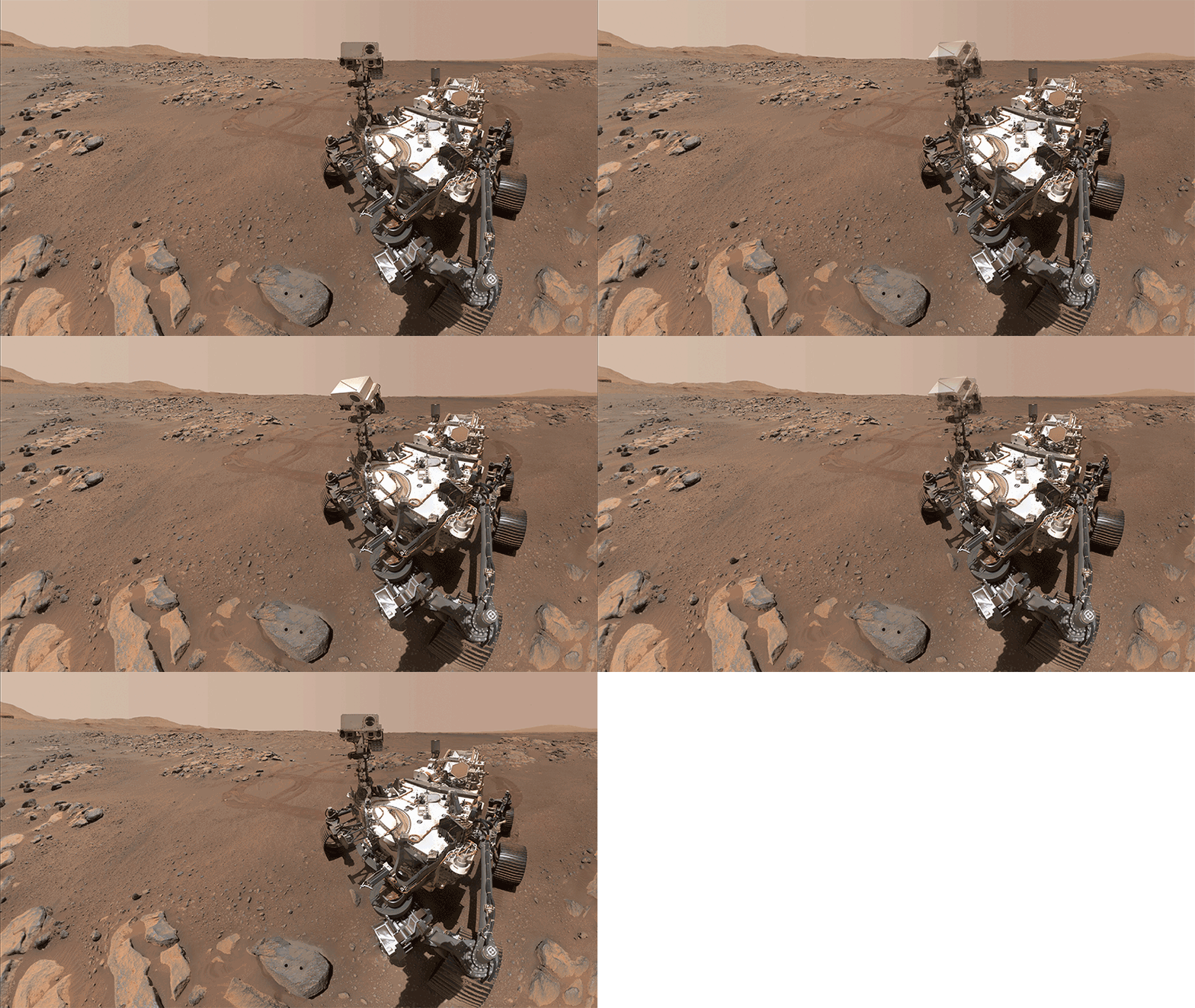
NASA's Perseverance rover took its 20th sample from "Emerald Lake," an area filled by rocks that were deposited by an ancient river.
Continue reading
Continue reading
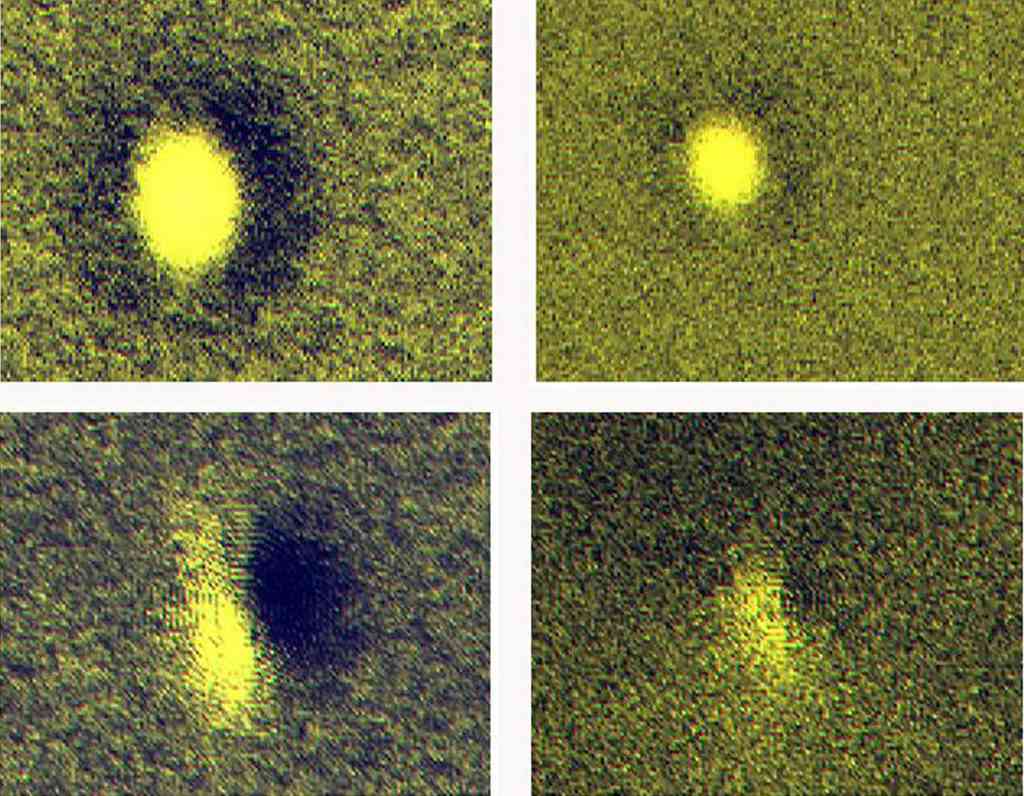
Unlike Earth, Venus lacks the plate tectonics that give rise to volcanoes. But the surface of Venus looks far younger than other worlds, like Mars or the Moon, which means it does have volcanic activity that regularly resurfaces the planet. Because Venus is closer to the Sun, it came farther out in the Solar System and hit the planet at higher velocities. A new study suggests that early catastrophic asteroid impacts melted its mantle, leading to its flavor of volcanism.
Continue reading
Continue reading
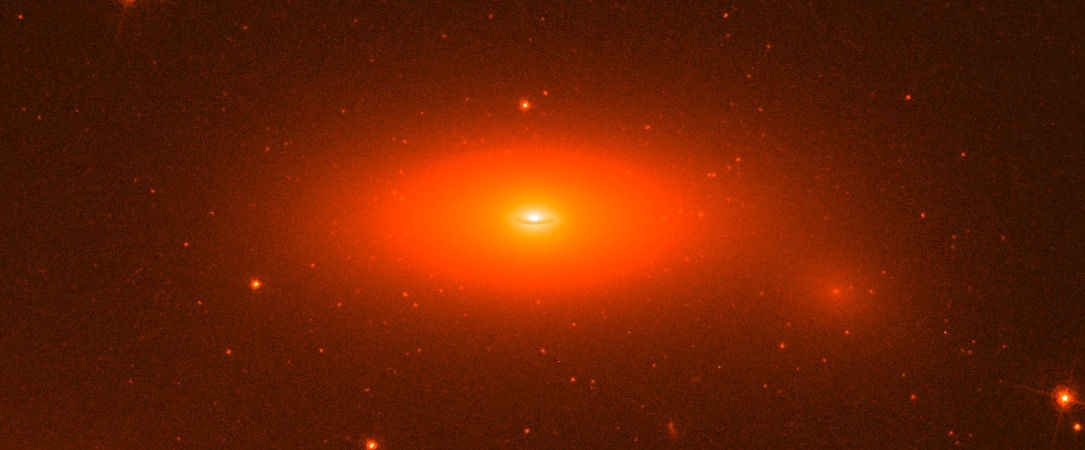
Astronomers have found a massive galaxy that contains little to no Dark Matter, something that doesn't fit with current cosmological models.
Continue reading

Continue reading
Continue reading

Continue reading

Continue reading
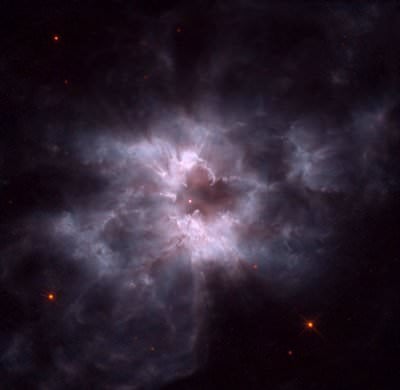
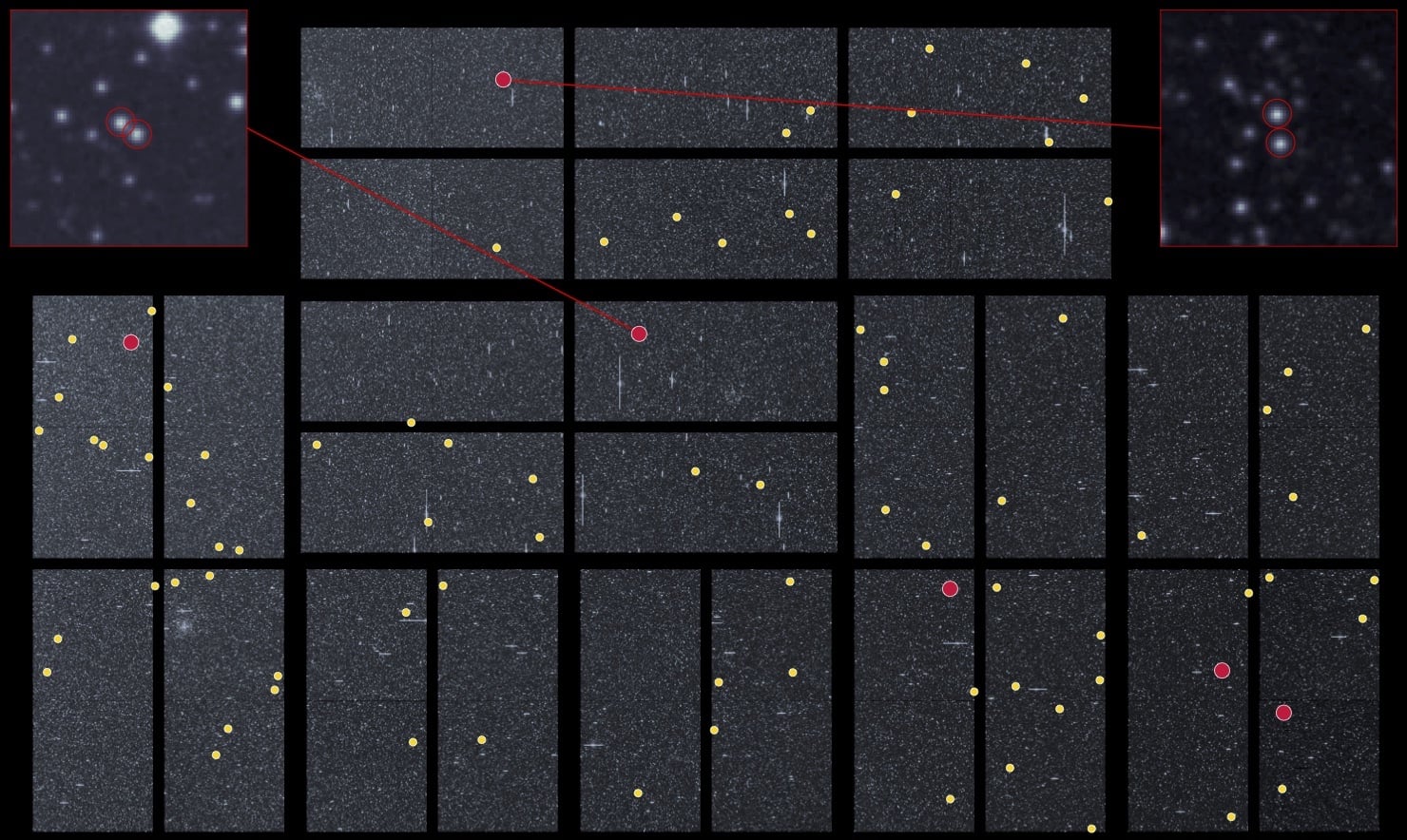
Here's a new one. Astronomers have found a white dwarf star - the dead remnant from a main sequence star like the Sun - with one hemisphere composed of hydrogen while the other is covered in helium. The star was discovered with the Zwicky Transient Facility, revealing that it rotates every 15 minutes. Spectroscopic data unveiled its two-sided nature. What?! Also. How?! Some white dwarfs transition from hydrogen- to helium-dominated surfaces, and astronomers might have caught it in the act.
Continue reading
Continue reading
Continue reading
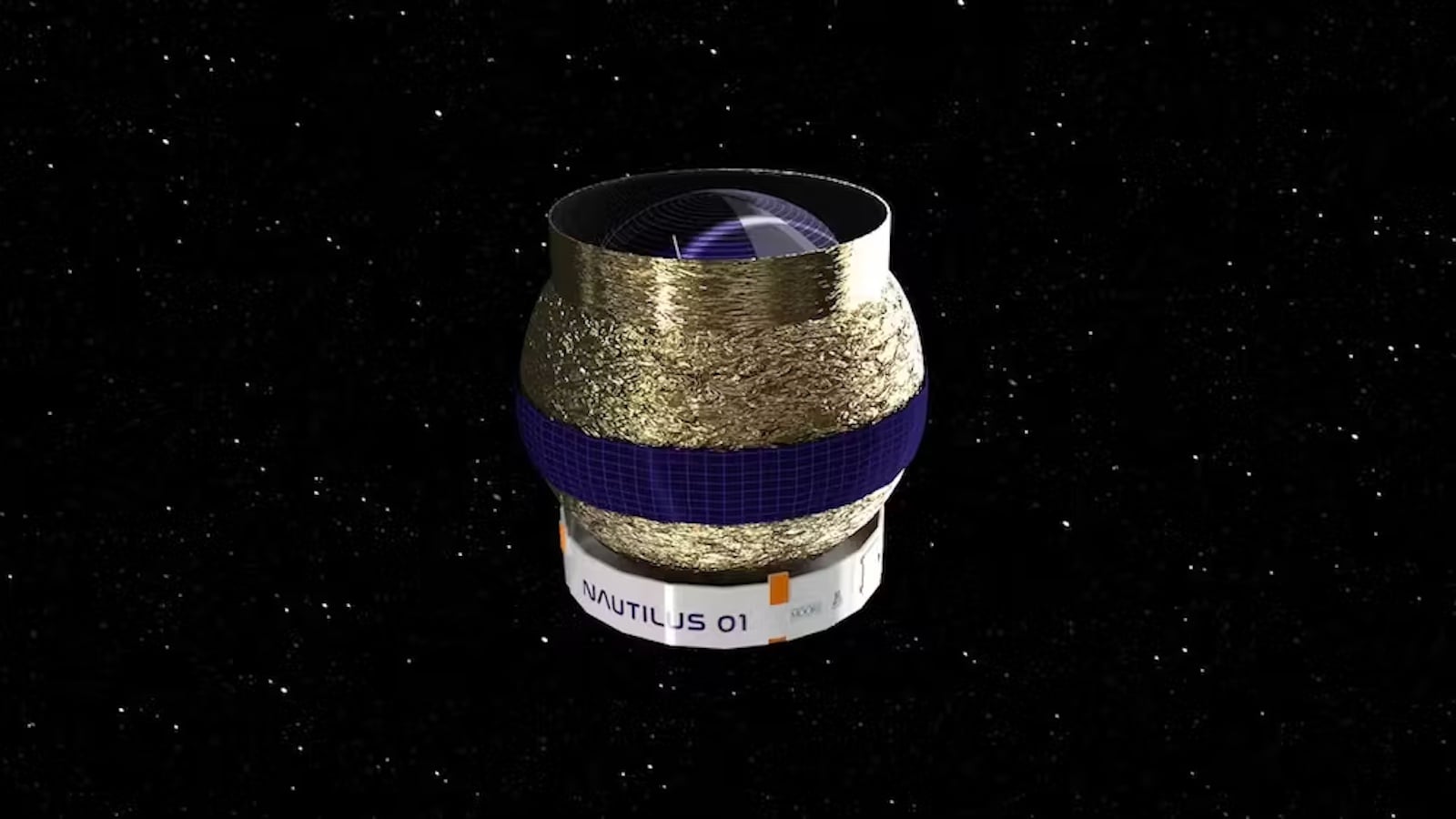
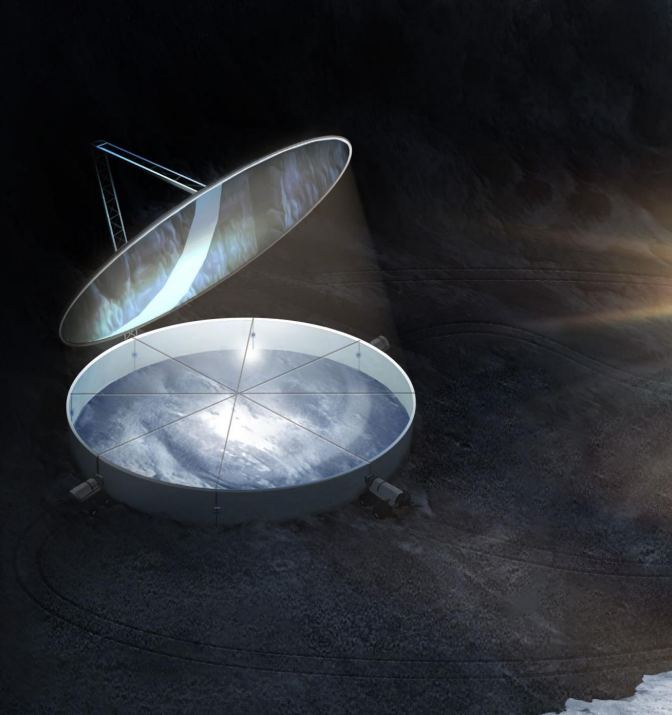
Space telescopes use traditional polished mirrors like ground telescopes, which are heavy, unwieldy, and expensive to build. A new type of flexible telescope lens could be lighter and larger, creating space telescopes that could collect 100 times more light than JWST. Instead of a single large, delicate telescope, the Nautilus Space Observatory would consist of a fleet of lighter, cheaper, identical spacecraft working together to produce images. They'd use thin diffractive lenses, which have been improved to the point that they can produce near-perfect image quality.
Continue reading

Continue reading
Continue reading
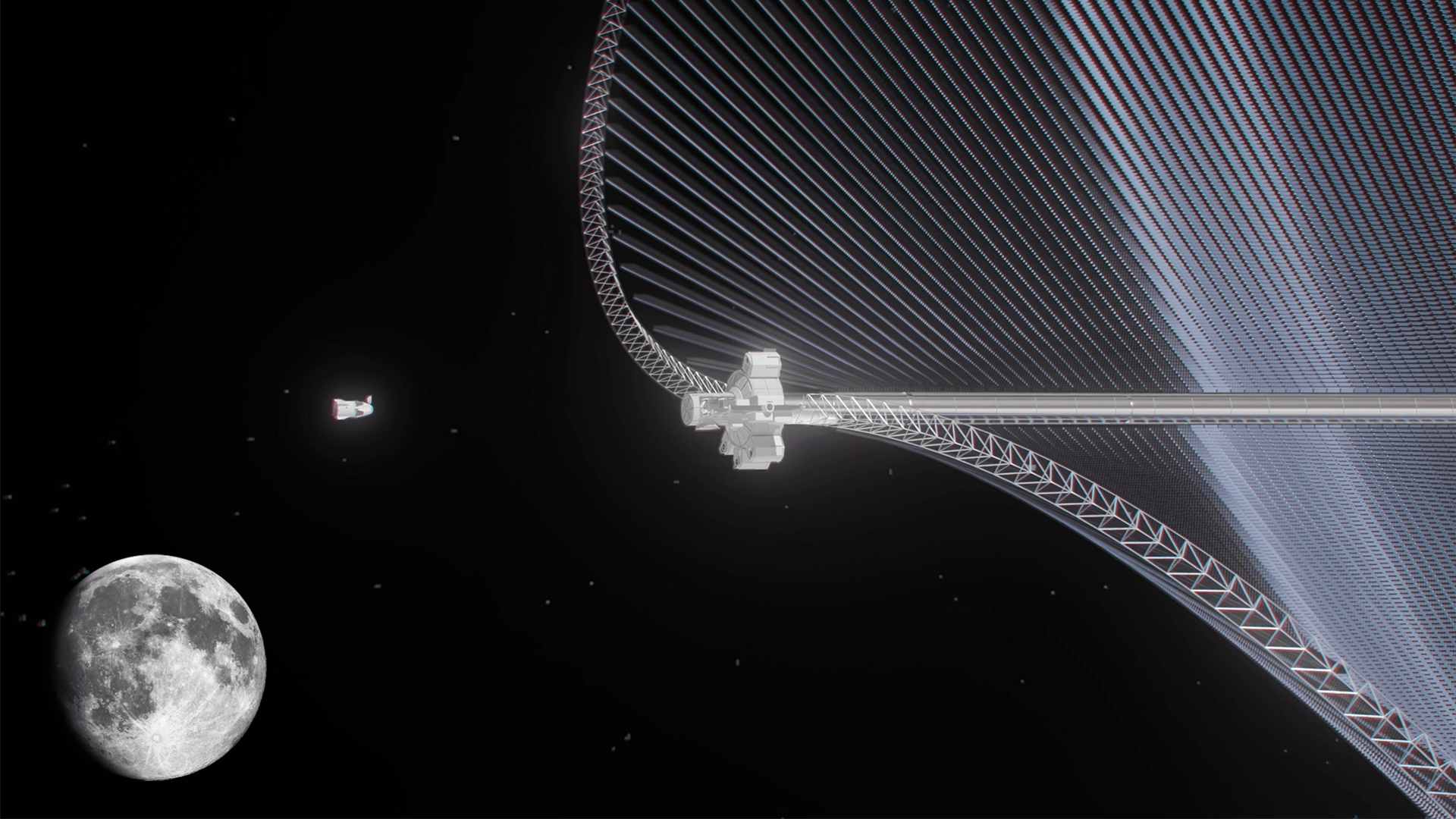
The ESA is conducting a study to assess the potential for building space based solar power satellites... on the Moon!
Continue reading
Continue reading
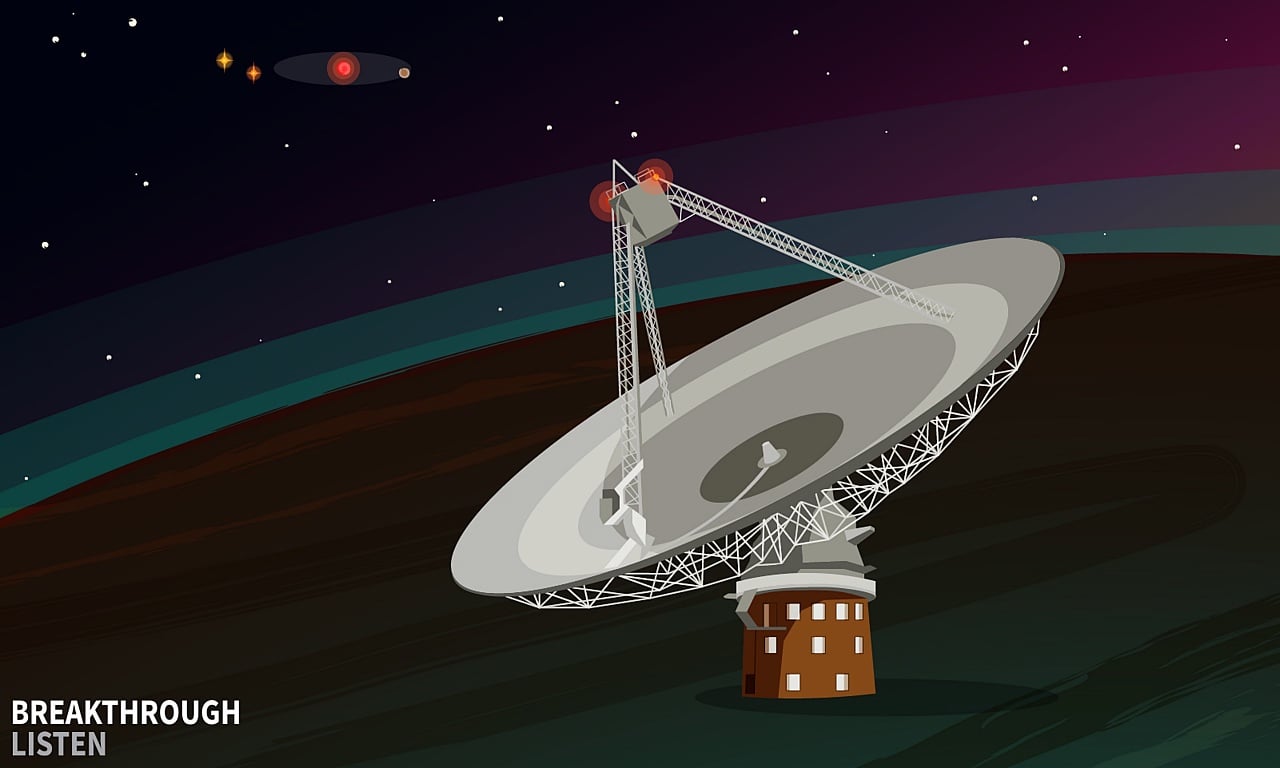
When SETI researchers discover an intriguing radio signal, their first instinct is to ask, "Is the signal coming from Earth?" So many alien messages turned out to be Earth signals reflecting off objects in space, like satellites. Scientists have developed a new technique to vet these signals and confirm whether they came from outer space, even with a single message. When a signal passes through the interstellar medium, it should be affected by free electrons from cold plasma, and it's possible to separate the genuine interstellar message from one that emanated close to Earth.
Continue reading
Continue reading
Continue reading
Continue reading
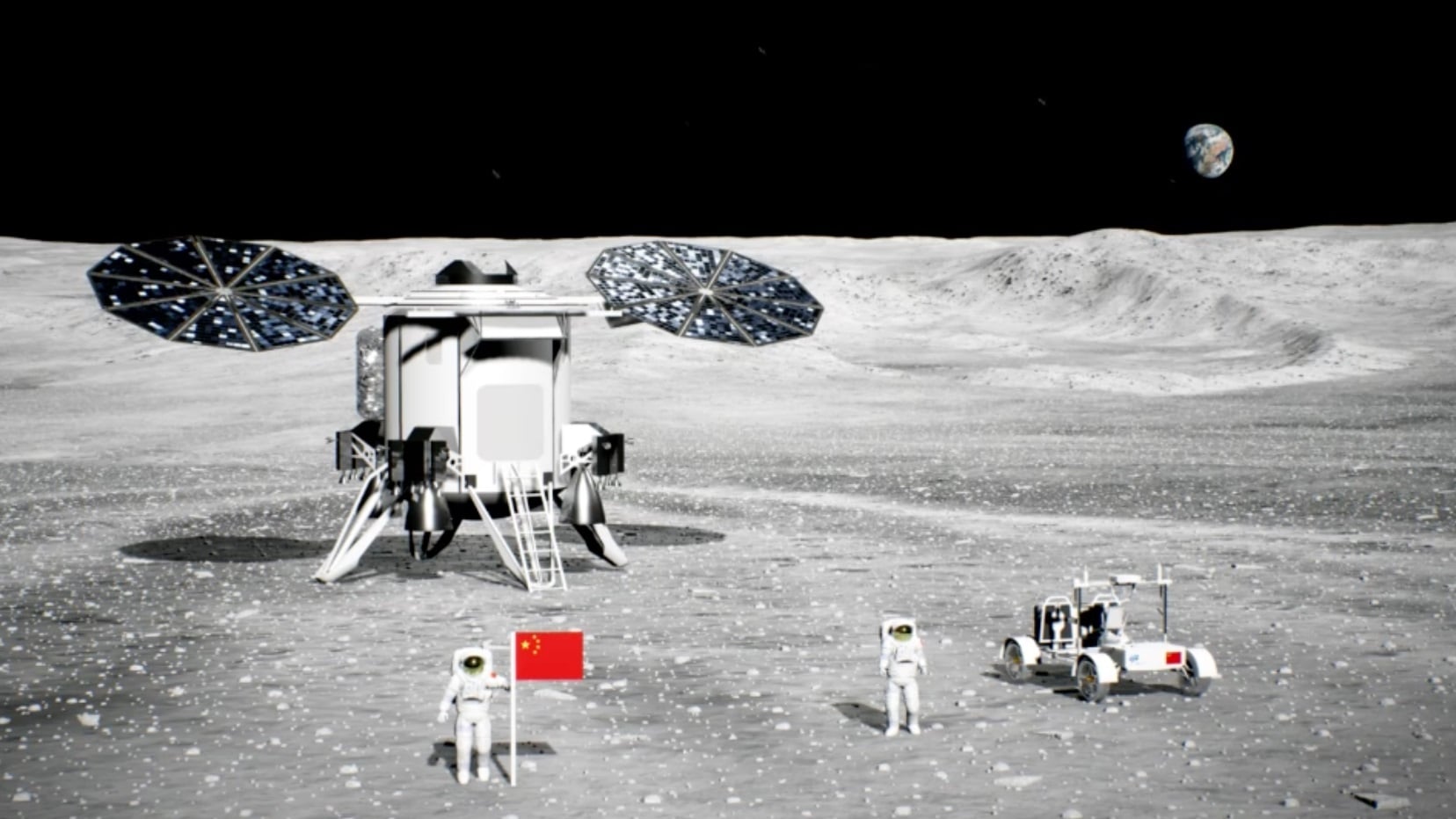
At a recent summit, China revealed new details about its first crewed lunar mission scheduled for 2030, including schematics, graphics, and designs for the rockets, lander, and surface elements.
Continue reading
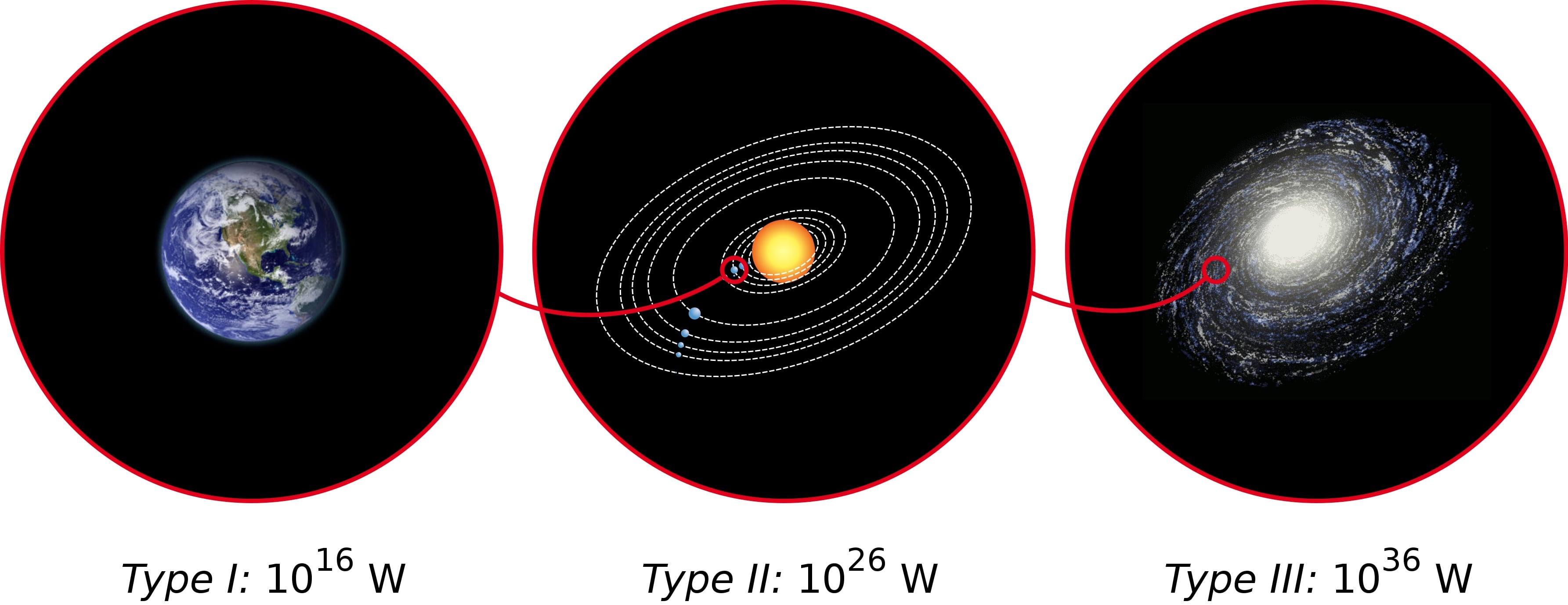
Astronomers have an ultracool star that only has a surface temperature of 425 degrees centigrade, cooler than the cleaning cycle of a typical oven. For comparison, the Sun has a surface temperature of about 5600 C. This isn't the coldest star ever seen, but it's the coldest that was discovered using radio astronomy. This class of ultracool brown dwarfs is challenging to find because they don't have the kind of dynamics that produce magnetic fields and generate radio waves. Stars are active in the radio spectrum because of their magnetic fields, so it's puzzling to find these brown dwarves so inactive.
Continue reading
Continue reading
Continue reading
Continue reading
Continue reading
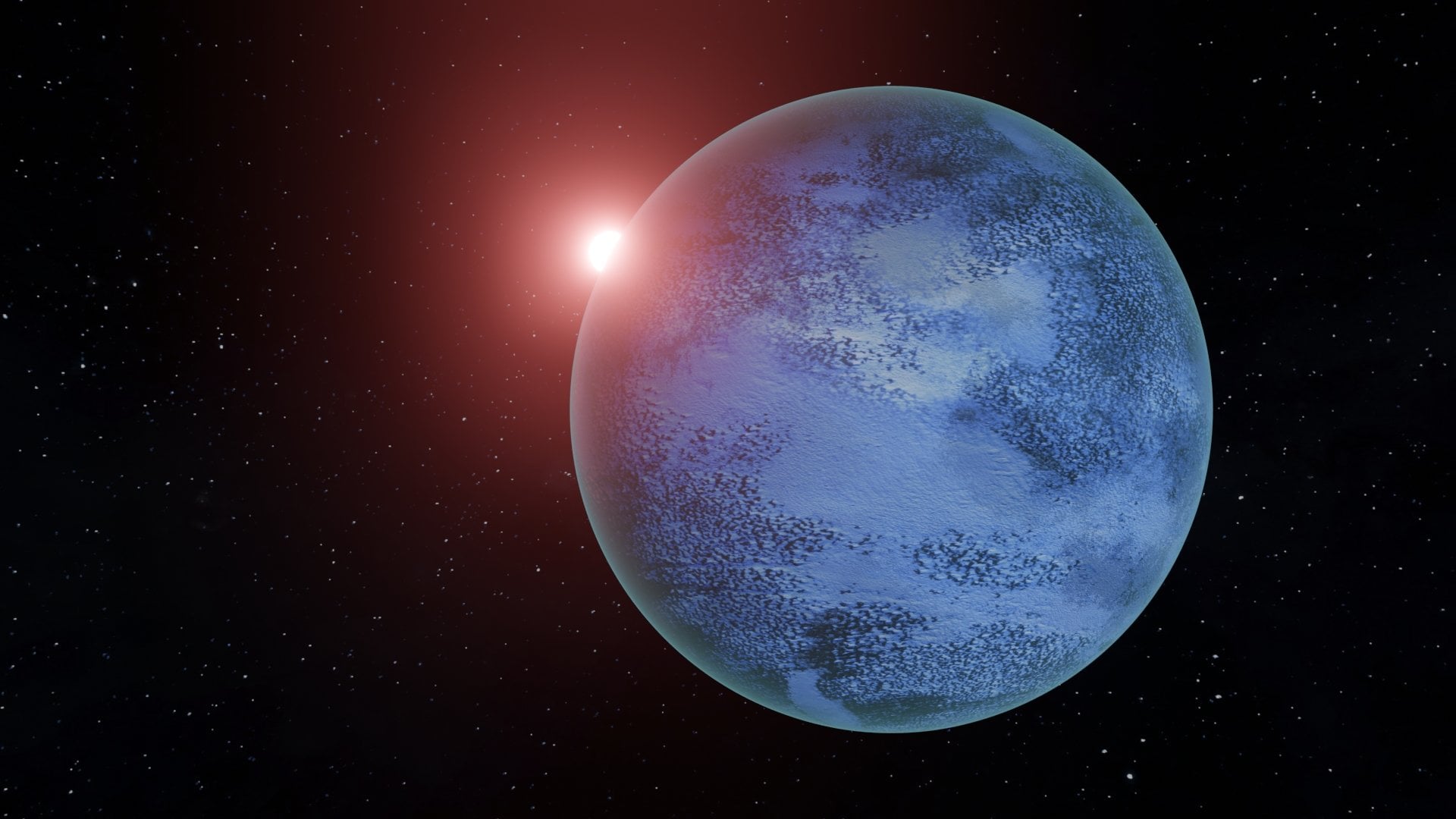
Astronomers previously believed that you needed a special environment for a rocky planet to have liquid oceans on its surface, with just the right temperature and surface pressure. But a new study suggests that the radioactivity from rocks could melt water. Even if the surface is frozen, there could be oceans of water beneath the surface. Researchers suggest that there could be an average of one planet per star with these conditions in the Milky Way - 100 times more likely than previous estimates.
Continue reading
Continue reading
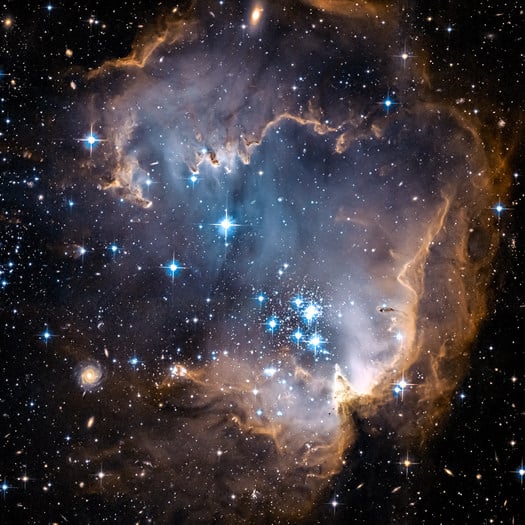
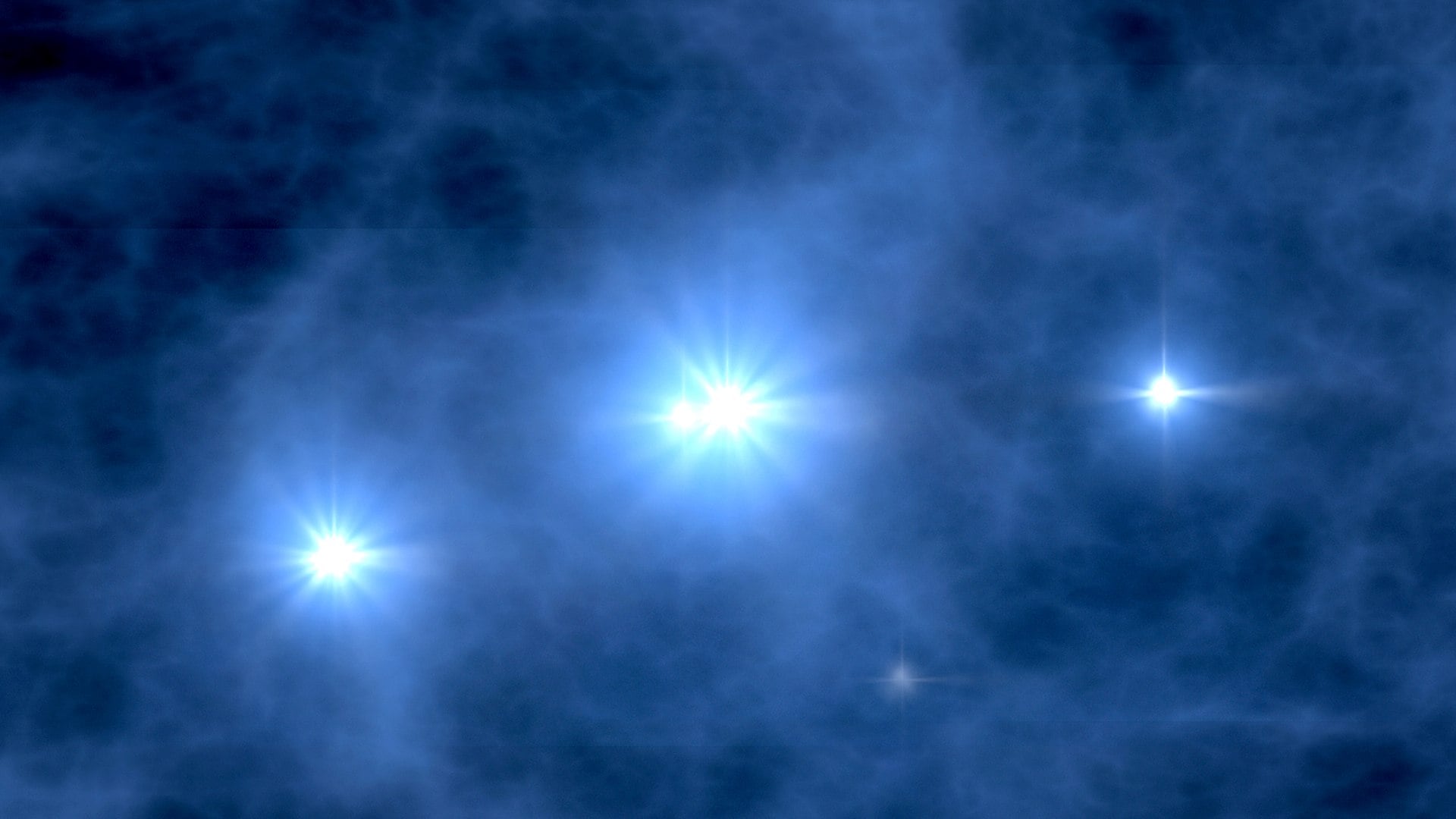
A new paper argues that the universe is 26.7 billion years old. But the model only works by assuming tired light and changing physical constants.
Continue reading
Continue reading
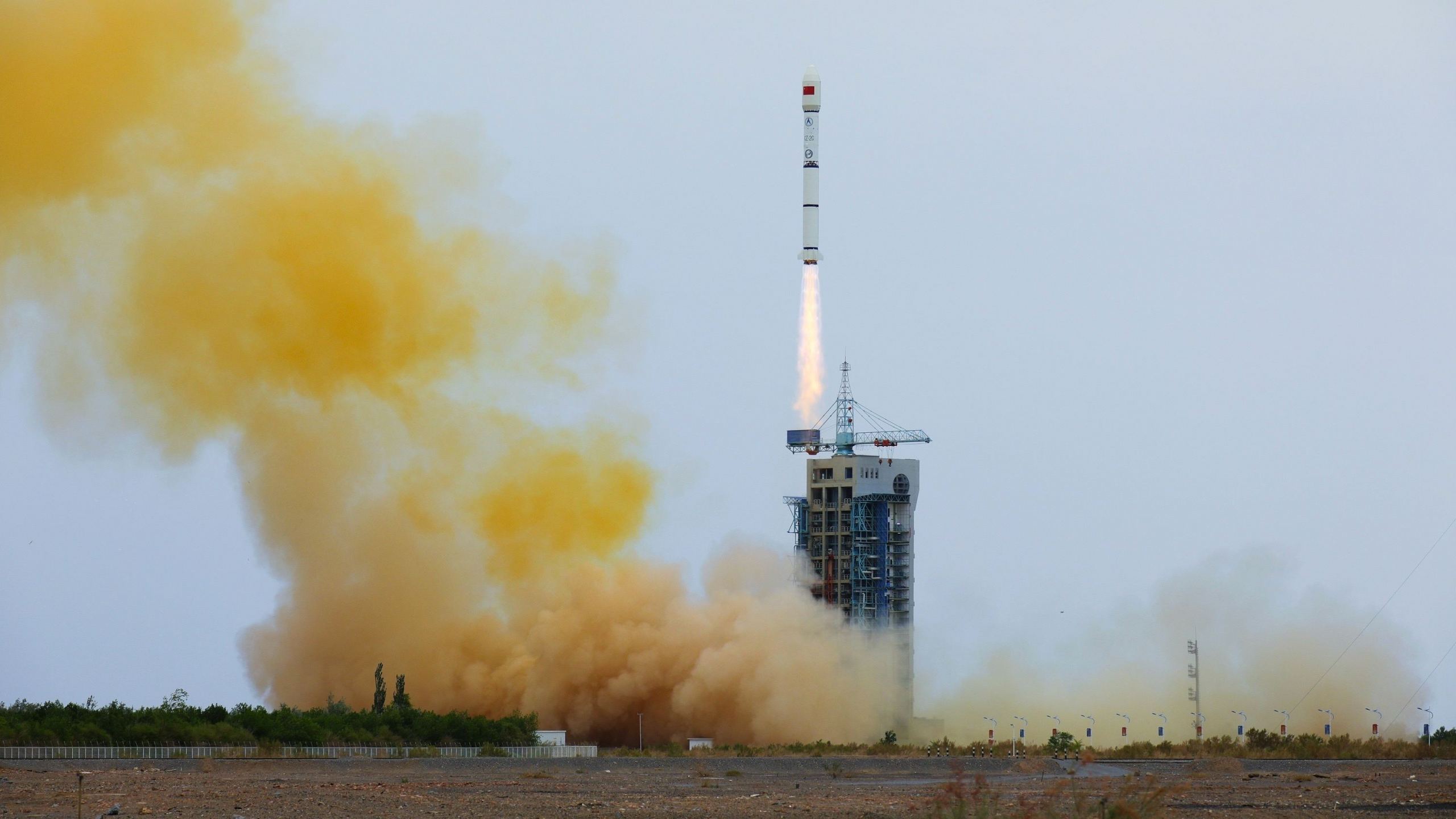
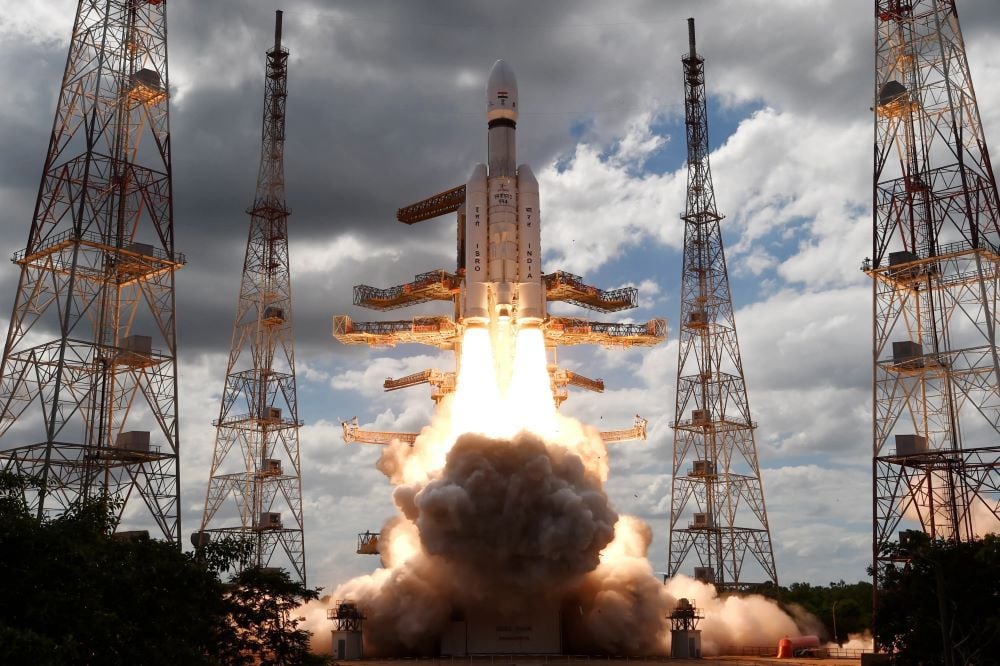
China just launched the first in a series of broadband internet satellites, which could lead to another mega-constellation.
Continue reading

Wildfires in British Columbia and Canada, driven by Climate Change, established new records this year.
Continue reading

Saturn's moon Enceladus is one of the most promising places to look for life in the Solar System. It has an ocean of liquid water venting into space, and evidence from Cassini suggested that it's filled with organic molecules and nutrients for bacteria. A new mission that could continue the search, the Astrobiology eXploration at Enceladus (AXE), has been proposed. This would be a New Frontiers-class mission with a modest budget and a suite of instruments specifically chosen to maximize the science at Enceladus.
Continue reading

Continue reading
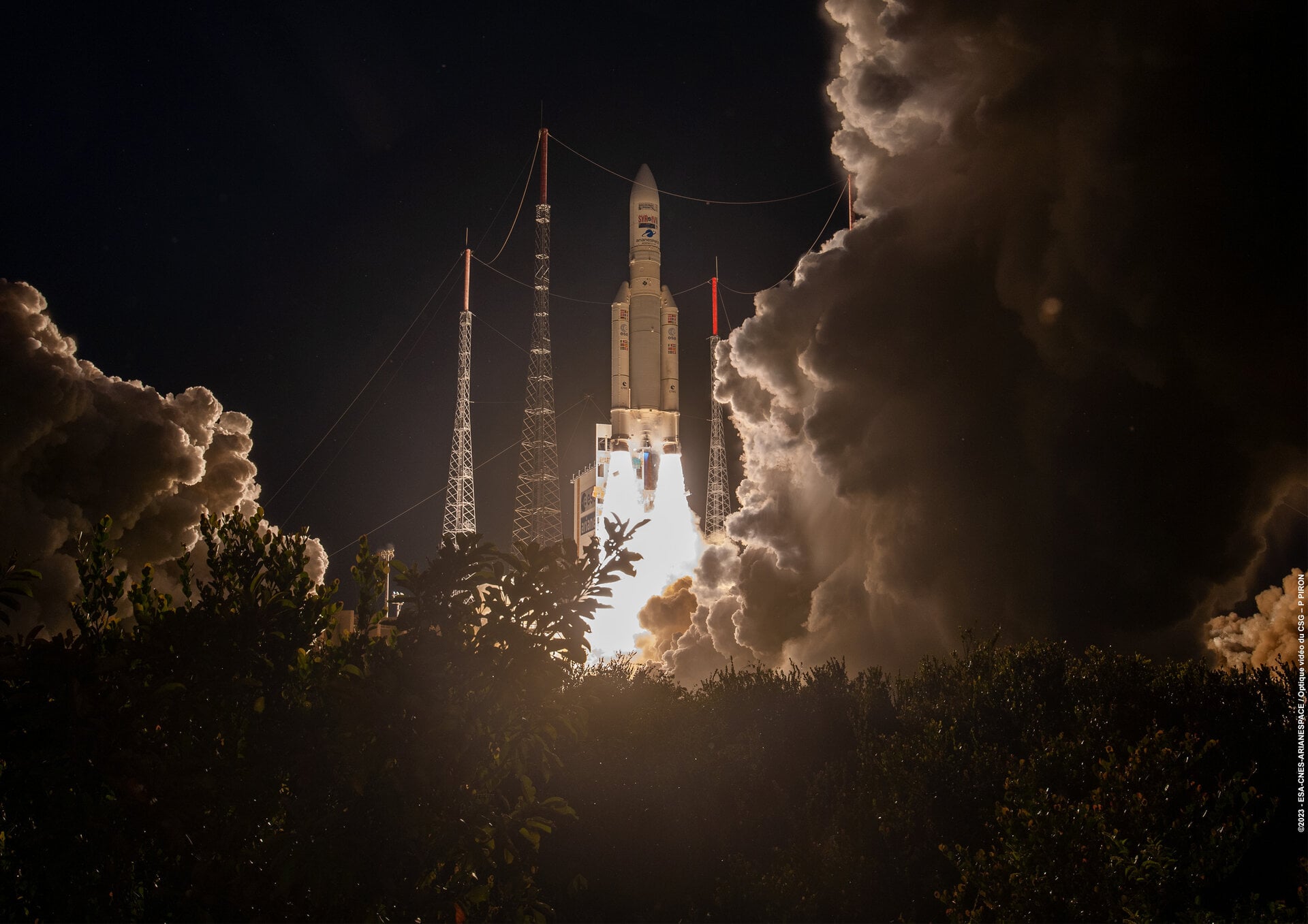
The ESA's Ariane 5 rocket just conducted its last launch to space.
Continue reading
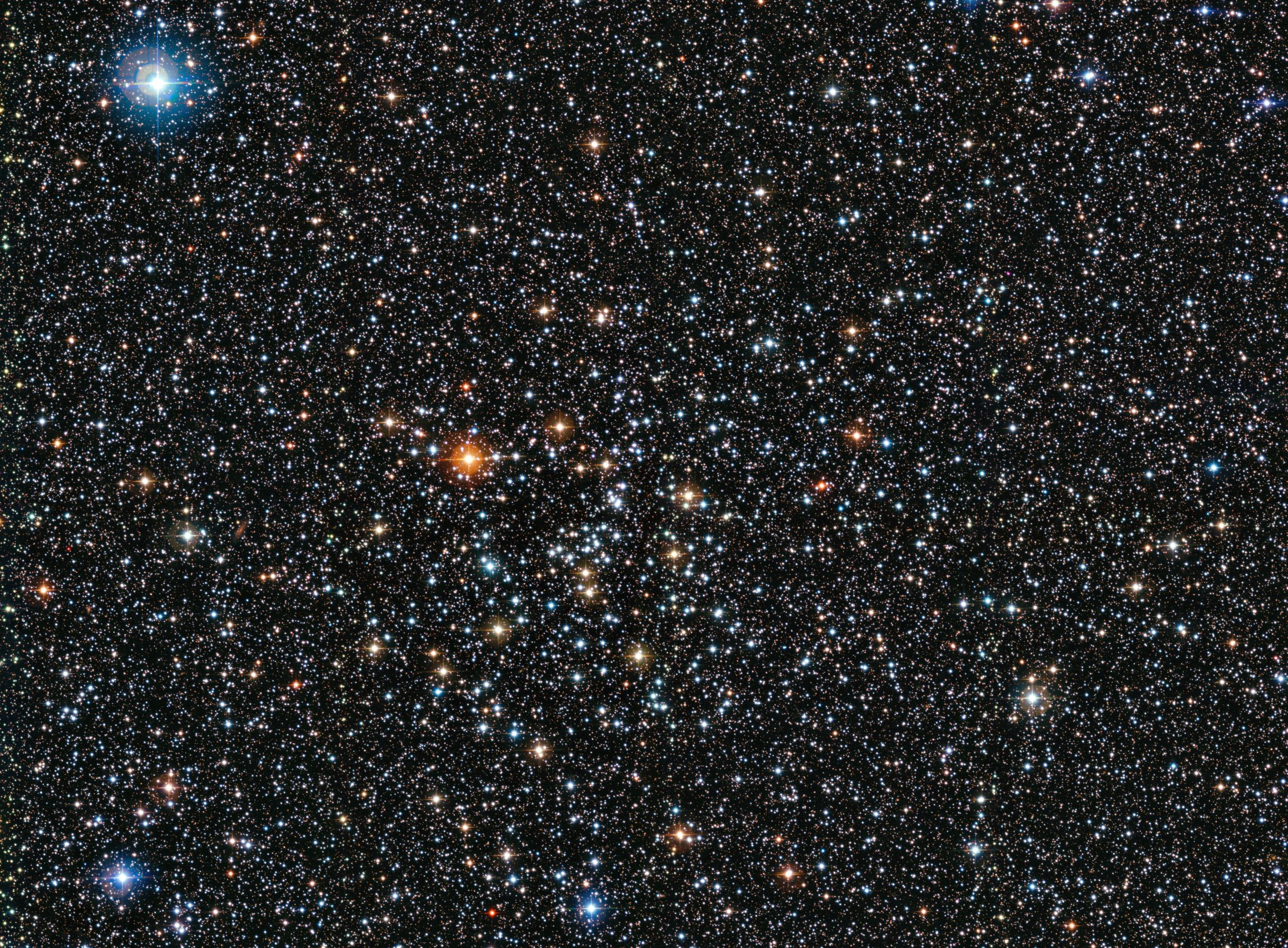
A new machine learning technique could make it much easier to estimate the age of stellar populations.
Continue reading
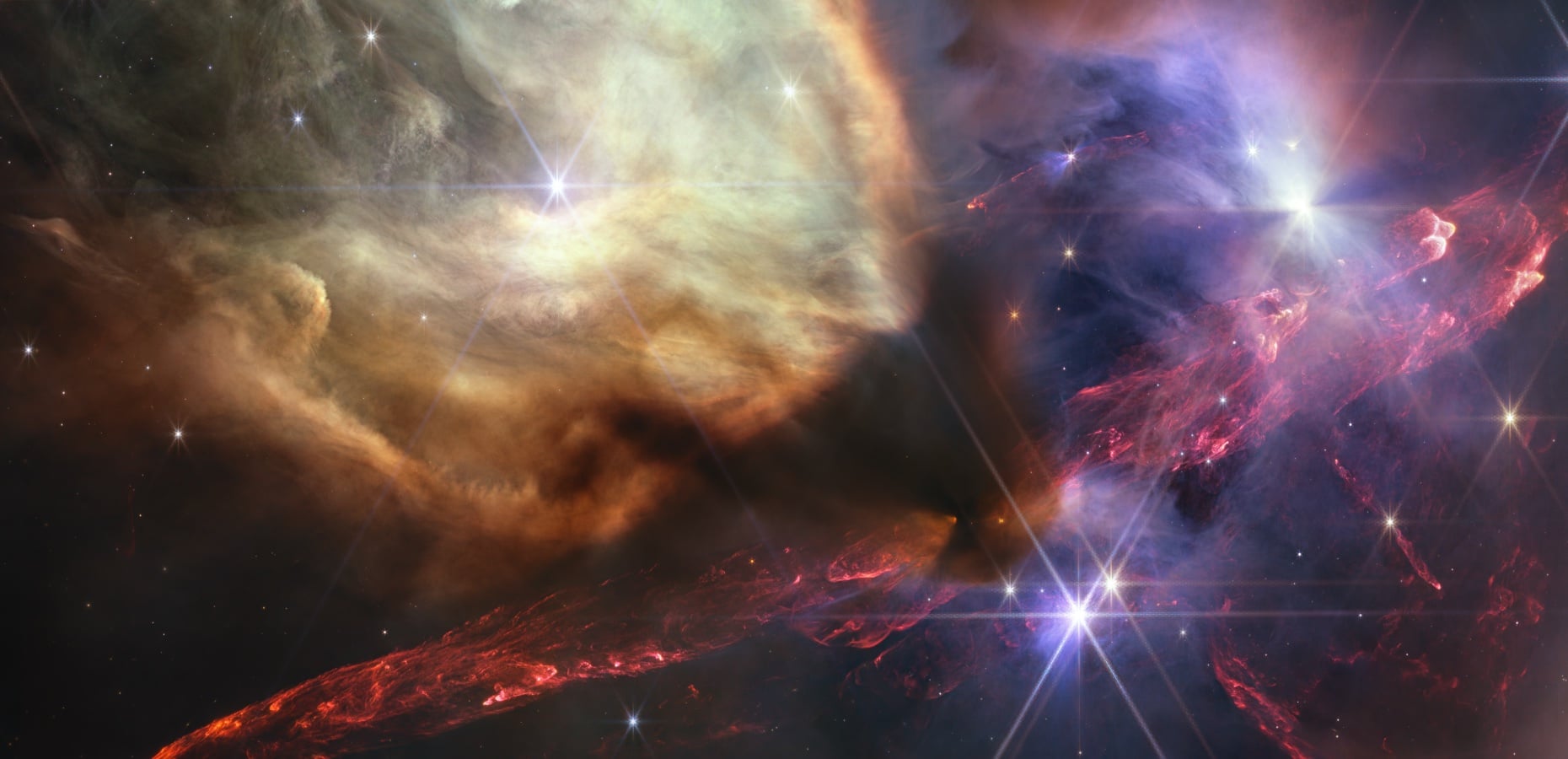
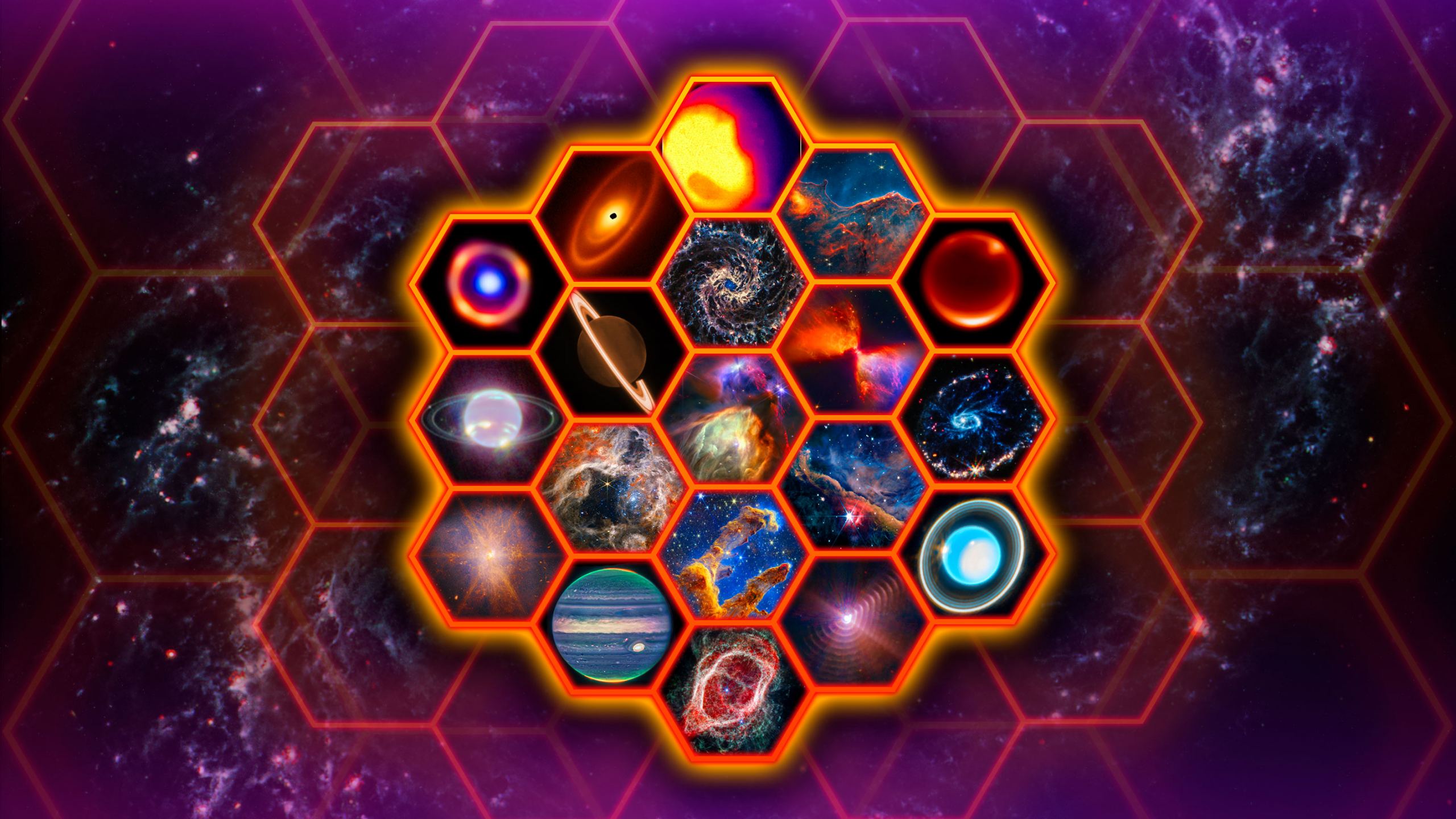
It's been a year since JWST began its operations, so the people behind the telescope released a stunning new image to celebrate. The Rho Ophiuchi complex is already a famous target for astrophotographers because of its many-colored splendor. Under JWST's infrared gaze reveals the closest star-forming region to Earth in all its glory. Jets are blasting out of newly forming stars, impacting the surrounding interstellar gas and lighting up molecular hydrogen. Some of the stars even have the shadows of circumstellar disks.
Continue reading
Continue reading
Continue reading
Continue reading
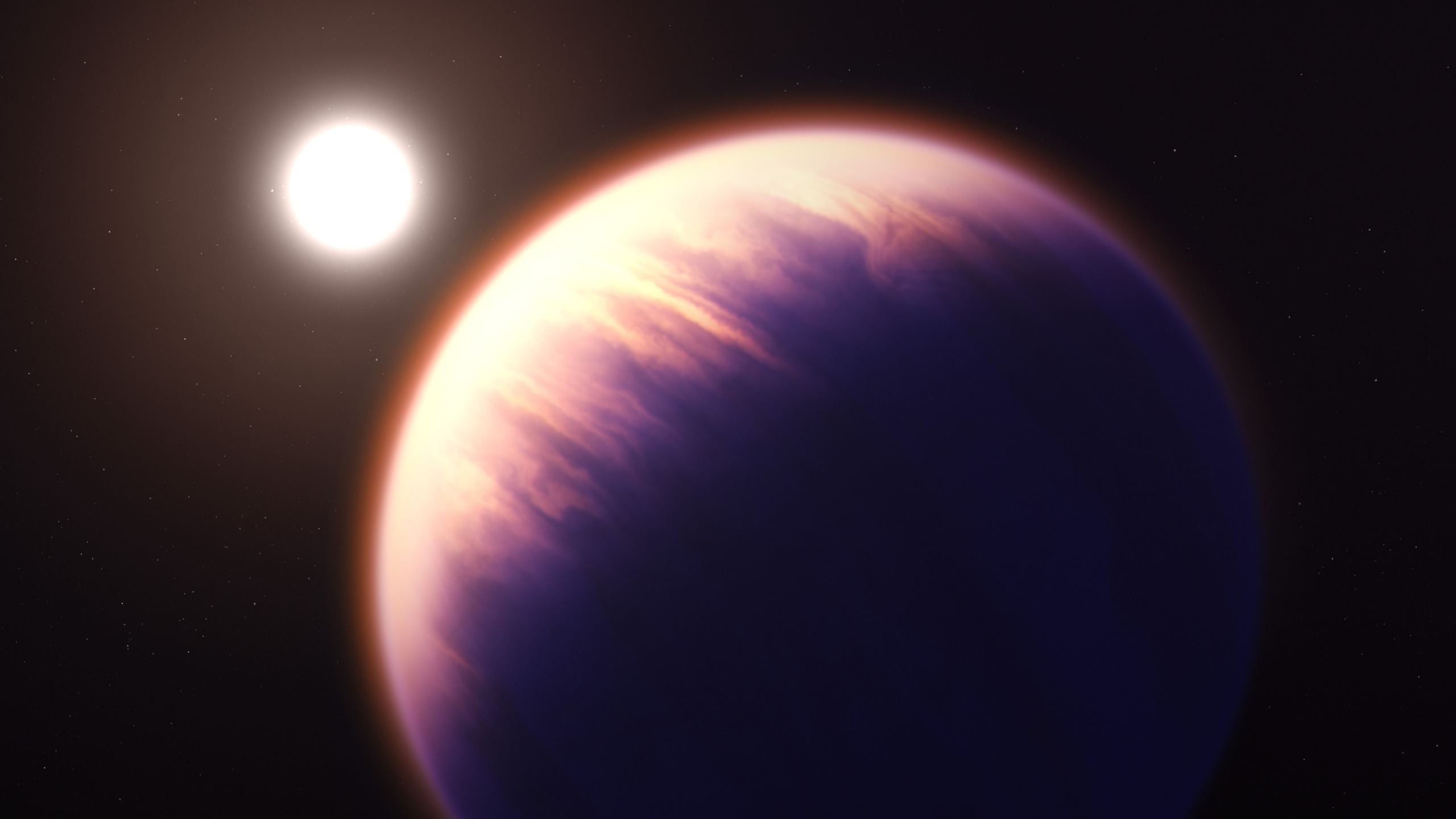
ESA's Cheops mission has been studying an ultra-hot exoplanet around a nearby star and discovered its metallic clouds reflect about 80% of the light shining on it from its host star. The planet is about the size of Neptune, and its high-temperature clouds are filled with silicate mixed with metals like titanium. The planet takes only 19 hours to orbit its star, and astronomers are puzzled why it hasn't had its atmosphere blown away, leaving only bare rock behind. The metal clouds might actually be the solution, reflecting the heat away and preventing the atmospheric stripping.
Continue reading
Continue reading
 Universe Today