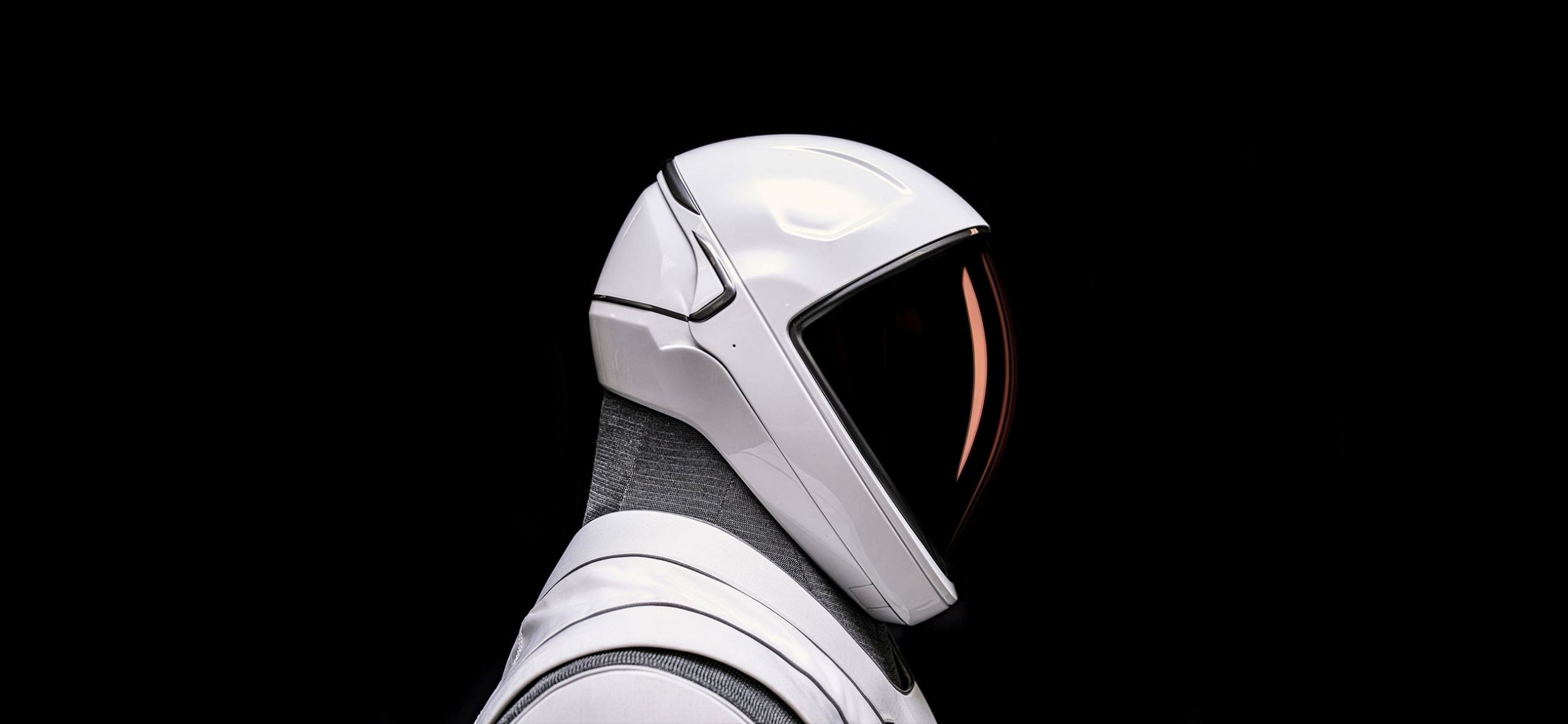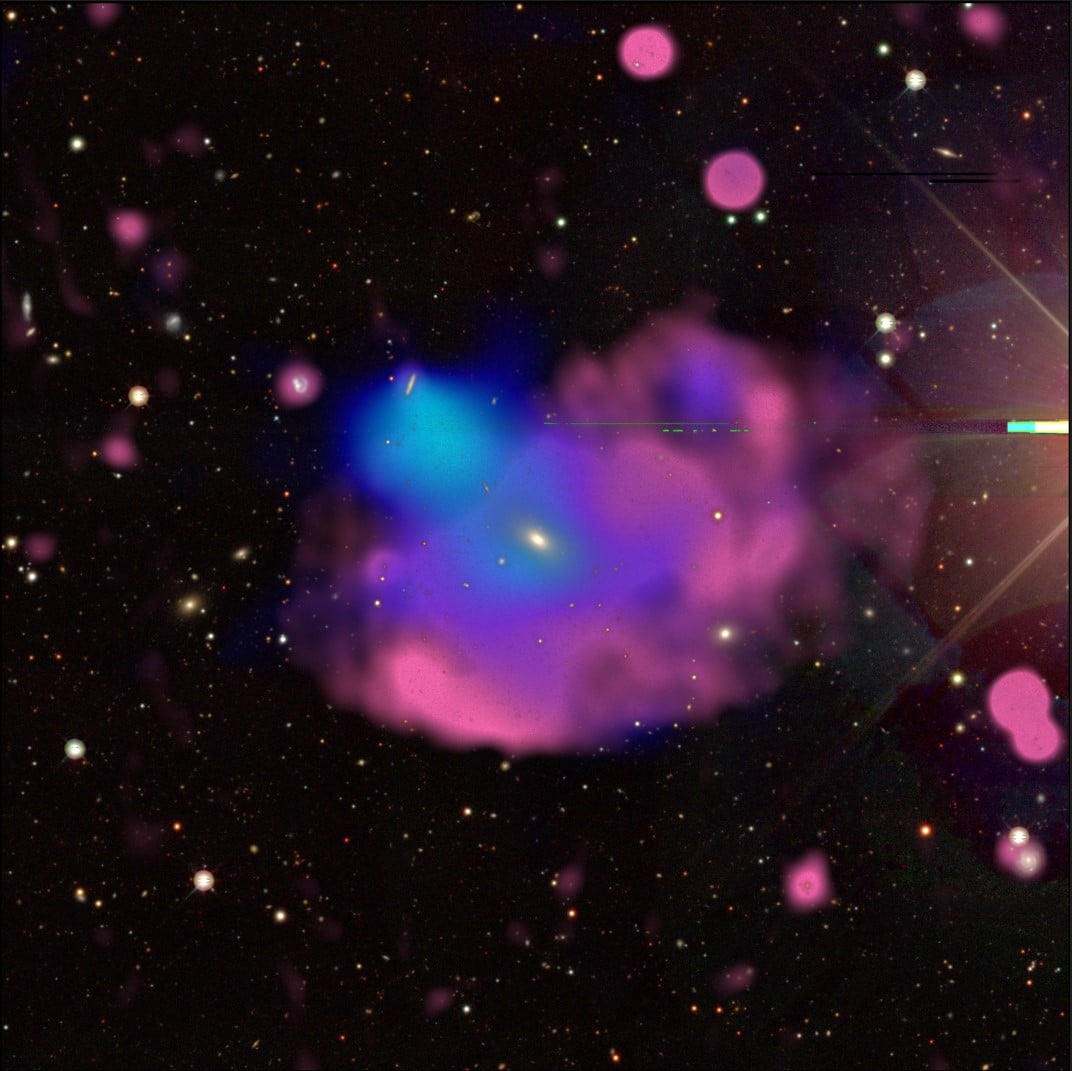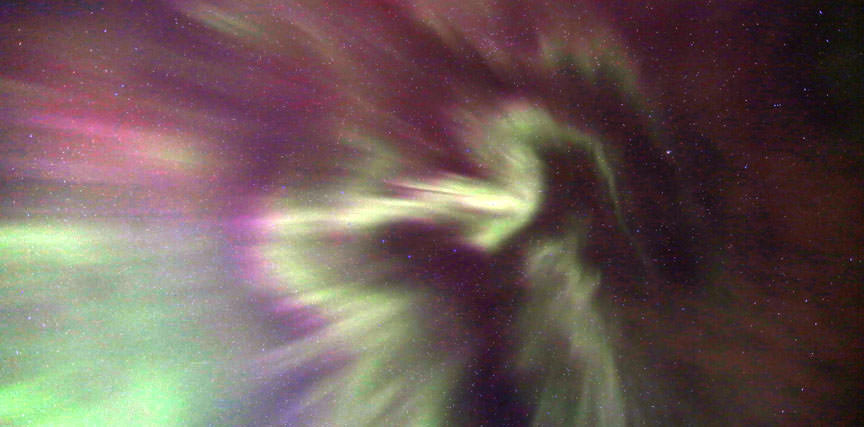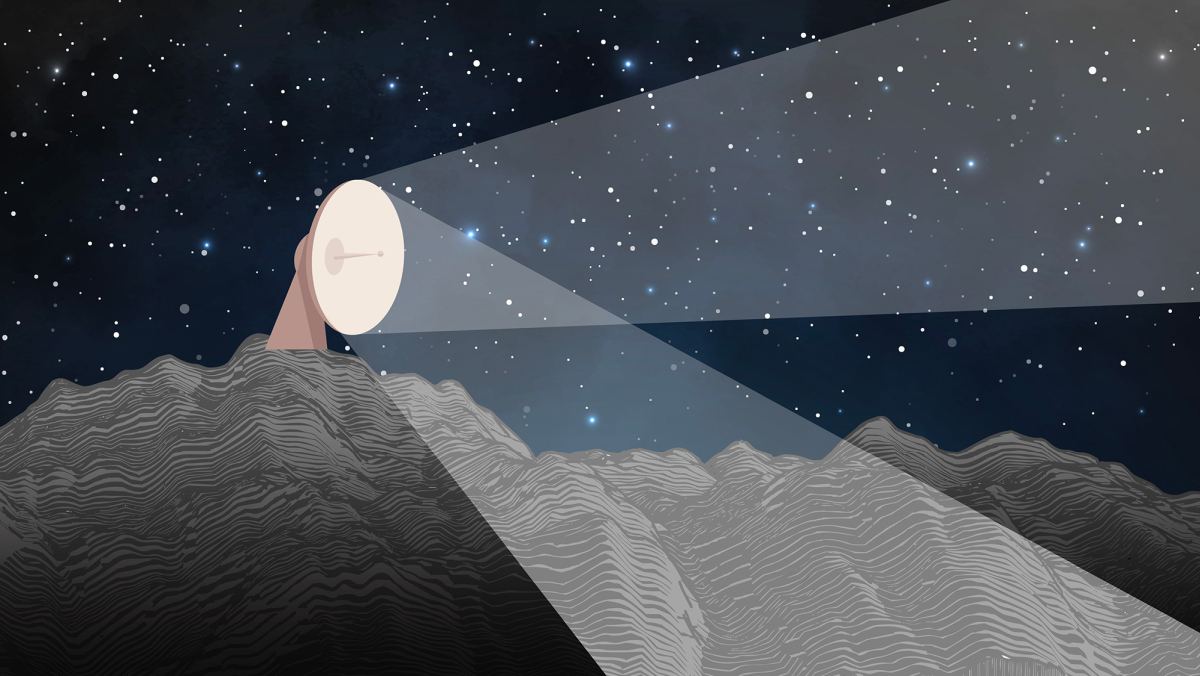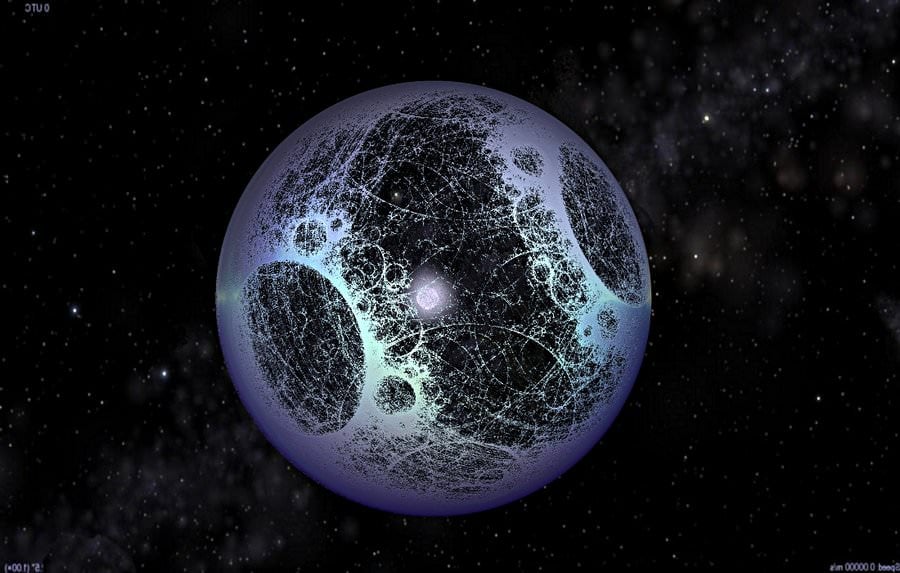
The VERITAS Collaboration and Breakthrough Listen just released the results of the first year of their survey for optical technosignatures.
Continue reading
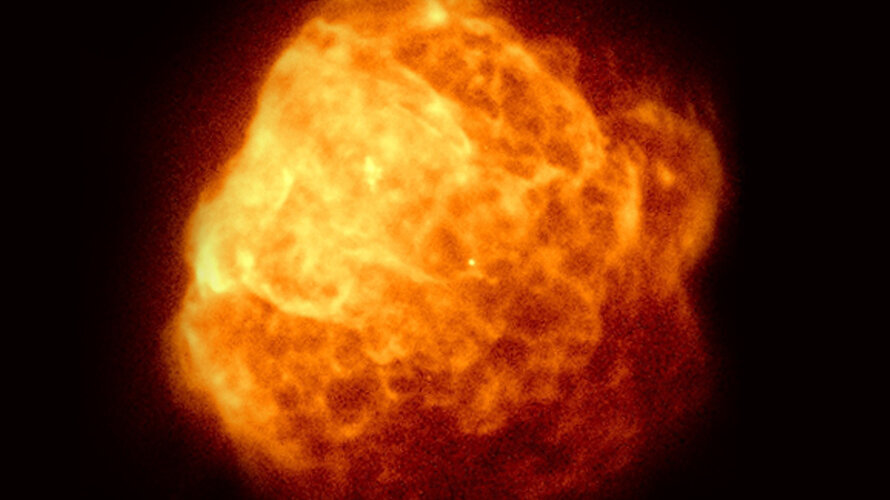
Dust is the building block for much of the Universe, including the planet you were born on. But where did all this dust come from? New research using JWST shows large quantities of dust surrounding two Type II supernovae that detonated in a galaxy 22 million light-years away. The observations from JWST showed that each remnant contained more than 5,000 times the mass of Earth in dust. This helps explain why the earliest galaxies are filled with dust and young stars that exploded as supernovae.
Continue reading
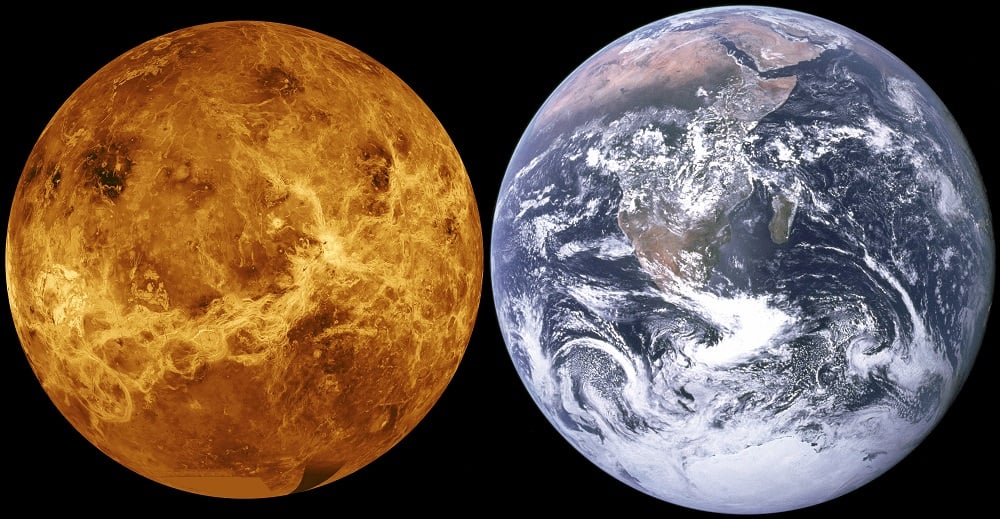
A new study has found that some of the building blocks of organic molecules could survive in Venus clouds, suggesting life could exist there.
Continue reading
Continue reading
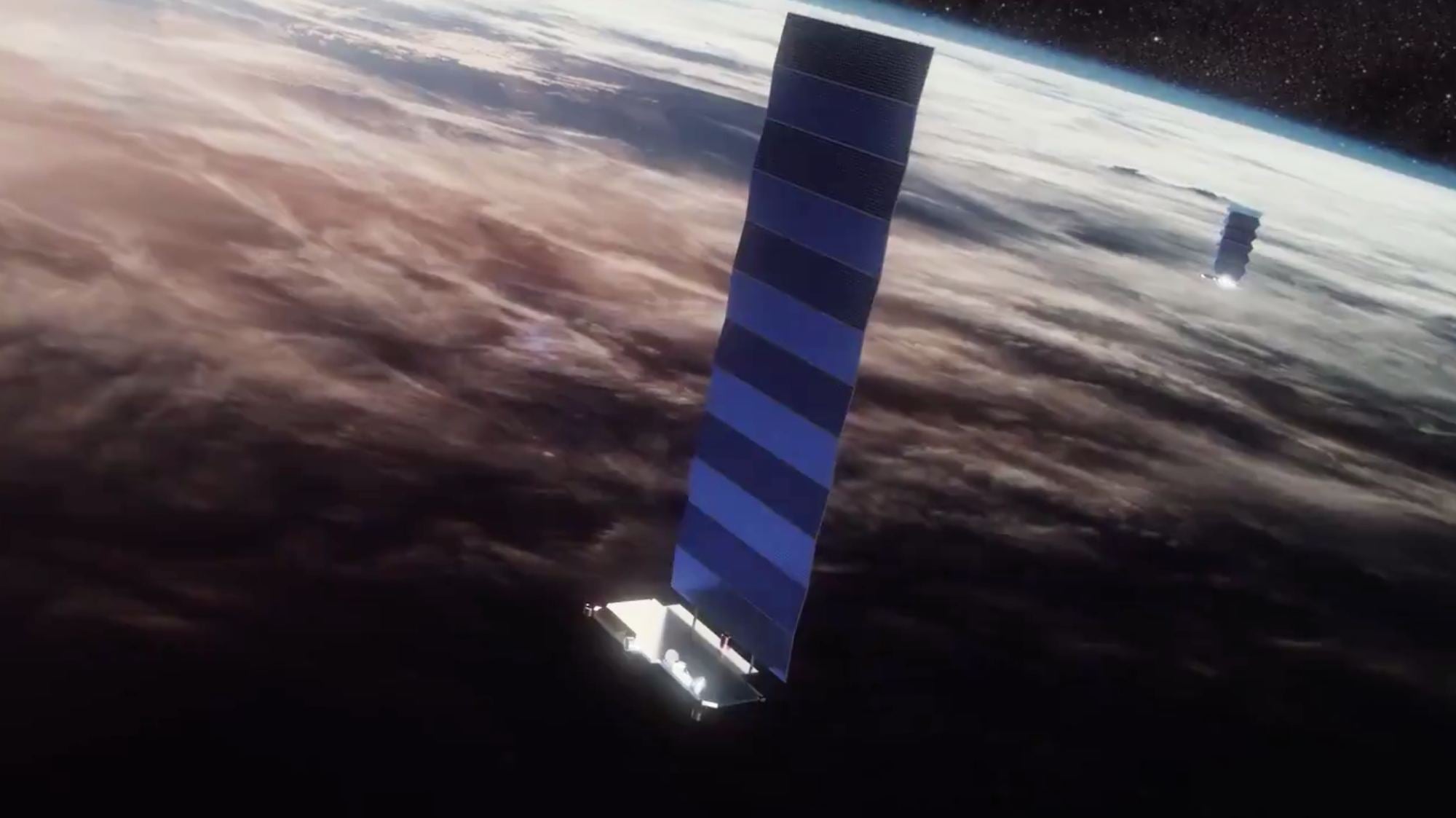
You've heard that satellite constellations like Starlink are a problem for astronomers and their telescopes. Because the satellites are communicating with radio waves, they're also an issue for radio astronomers. A new study used the Low-Frequency Array to observe 68 Starlink satellites as they flew overhead. The telescopes could detect the "unintended electromagnetic radiation" emanating from electronics onboard the Starlink satellites. These could impact radio observations, and unlike visible light, the glare isn't coming from reflected light but emissions from the satellites themselves.
Continue reading
Continue reading
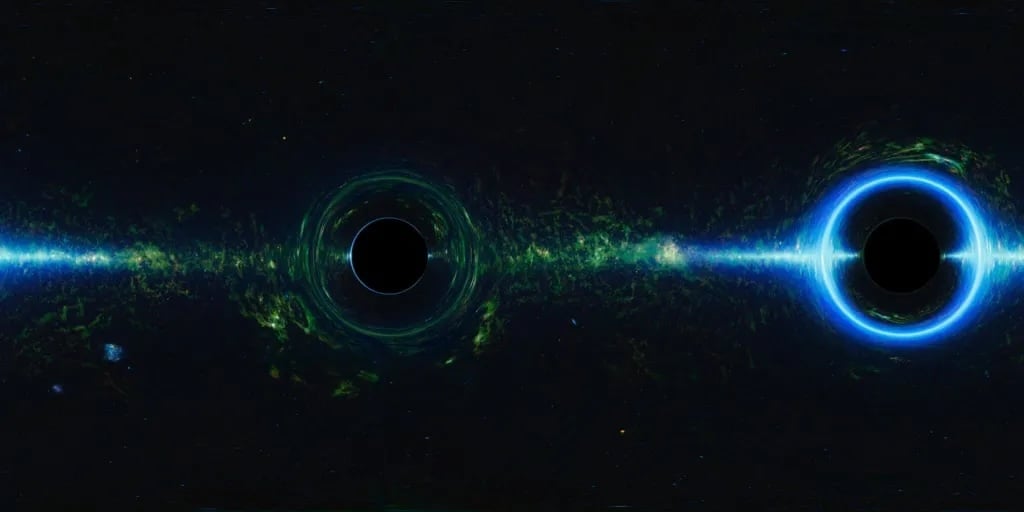
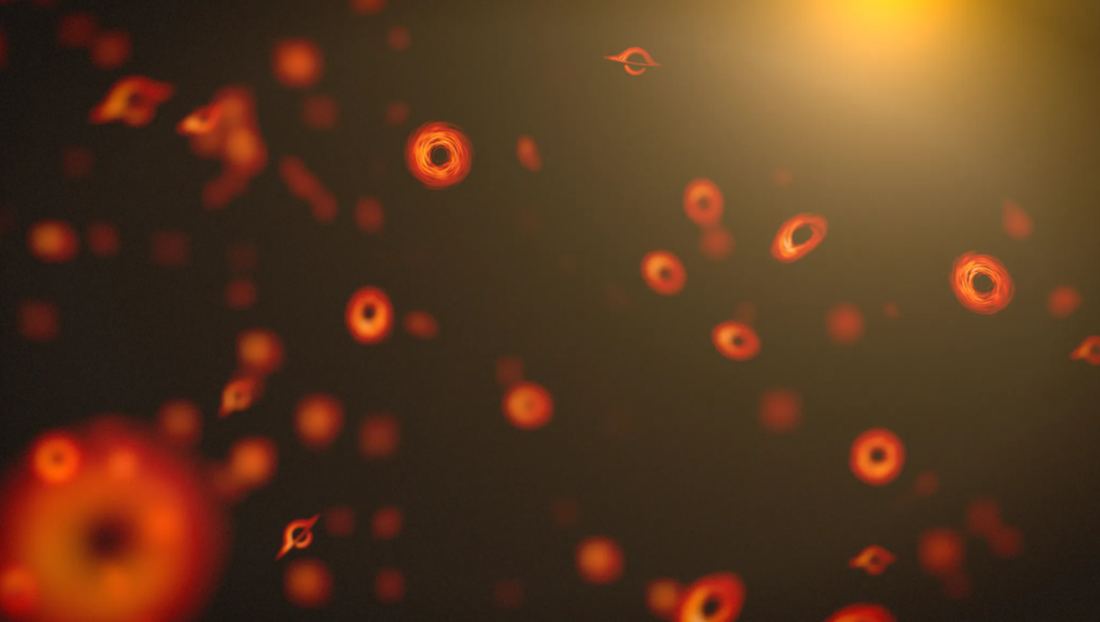
With last week's announcement of the gravitational wave background detected by timing arrays, the assumption was that these are the constant thrum of supermassive black holes orbiting each other. A new paper investigates whether these gravitational wave signals come from a much earlier time in the Universe and a much greater distance. Instead of relatively nearby supermassive black holes, could these be coming from primordial black holes interacting early on in the Universe?
Continue reading
Continue reading
One of Einstein's predictions is that we should see time moving at different rates at different ages of the Universe. Researchers have confirmed this prediction out to half the age of the Universe using Type 1a supernovae as standard candles. Astronomers have gone much further back in time, observing quasars that sent out their light 12 billion years ago. Over this vast distance, time has slowed to a crawl, with every second experienced by those quasars taking five seconds from our perspective.
Continue reading
The observation programs for Cycle 2 of the James Webb Space Telescope have just been announced, and they are a lovely mix!
Continue reading
Continue reading
Astronomers can never have enough ways to measure the expansion in the Universe, from nearby stars to distant quasars. A new study suggests another method might come from the growing catalog of gravitational waves detected by LIGO and other observatories. As two black holes merge in a distant galaxy, the gravitational waves could pass close to a massive cluster that would create a gravitational lens. Some of the waves would take different paths around the gravitational lens, allowing astronomers to measure the expansion rate of the Universe. Gravitationally lensed gravitational waves.
Continue reading
Continue reading
Continue reading
Continue reading
When our Sun runs out of hydrogen fuel in its core, it'll switch to burning helium and bloat up as a red giant. This will make it 100 times larger, gobbling up the inner planets and maybe even Earth. Maybe there's hope. Astronomers have found a planet orbiting a dying star that must have been swallowed up during that expansion phase. The star would have been 1.5 times bigger during the red giant phase than the planet's orbit. Being inside a red giant star doesn't lead to the inevitable death of a planet.
Continue reading
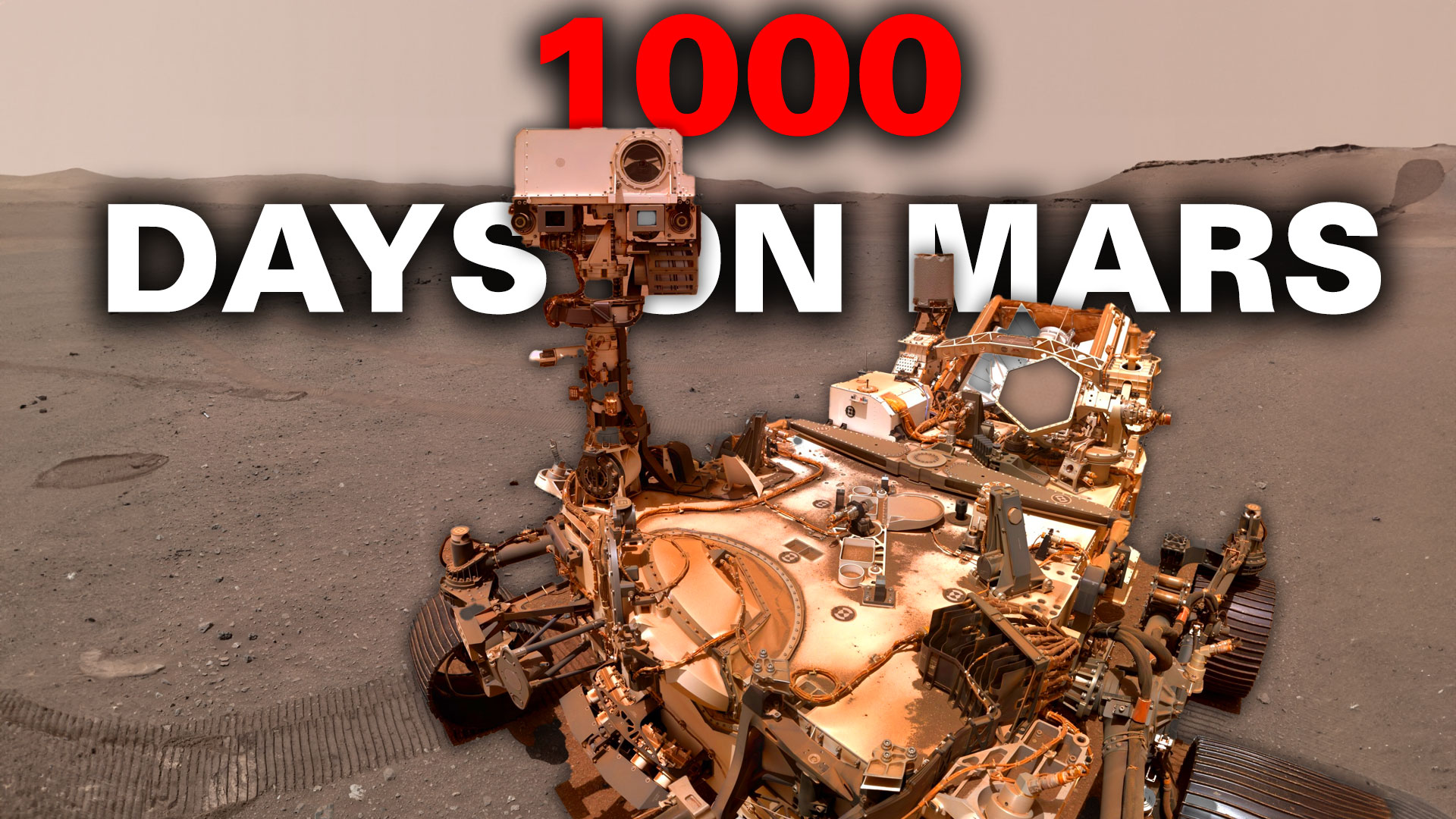
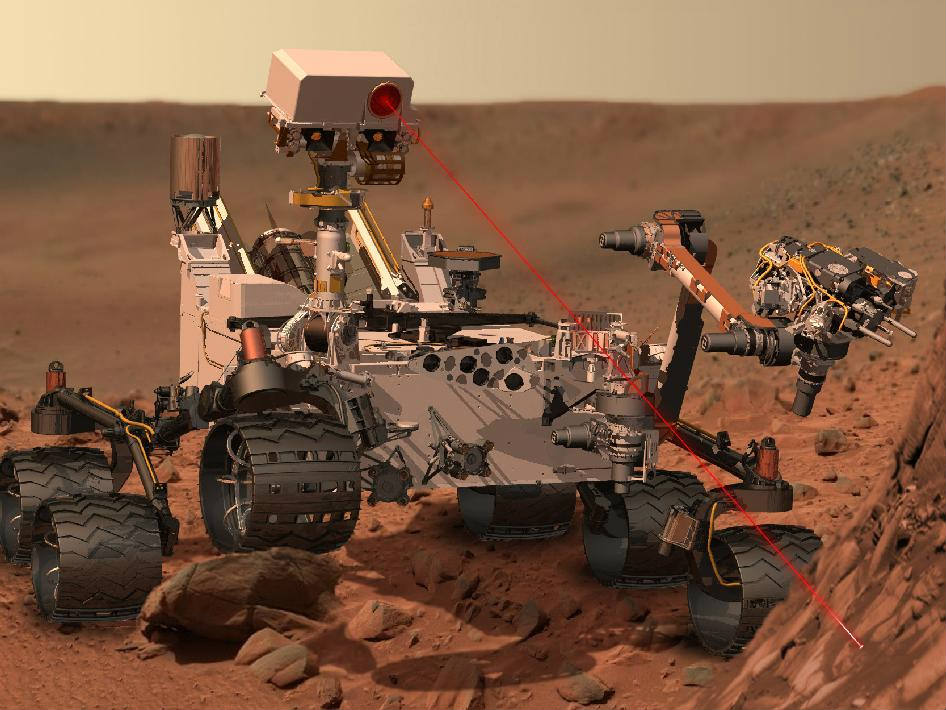
The Perseverance rover has spotted a donut shaped rock on Mars, which could be the remains of a crashed meteorite.
Continue reading
A new theory of Dark Matter suggests that it interact with normal matter in a non-localized way, potentially revolutionizing our understanding of physics!
Continue reading
Pulsars are rapidly spinning neutron stars which release blasts of radio waves with atomic clocklike accuracy. The fastest can be turning hundreds of times a second. But another class of pulsars turns agonizingly slowly in comparison, completing a rotation in hours. Astronomers have termed these "spider pulsars" because they have to feast on a binary companion star to slow down like this. Now researchers have discovered the fastest-turning spider pulsar, completing a rotation every 53 minutes, which fills in a gap in their observations.
Continue reading
Continue reading
Continue reading
Continue reading
Continue reading
Continue reading
Continue reading
Continue reading
Continue reading
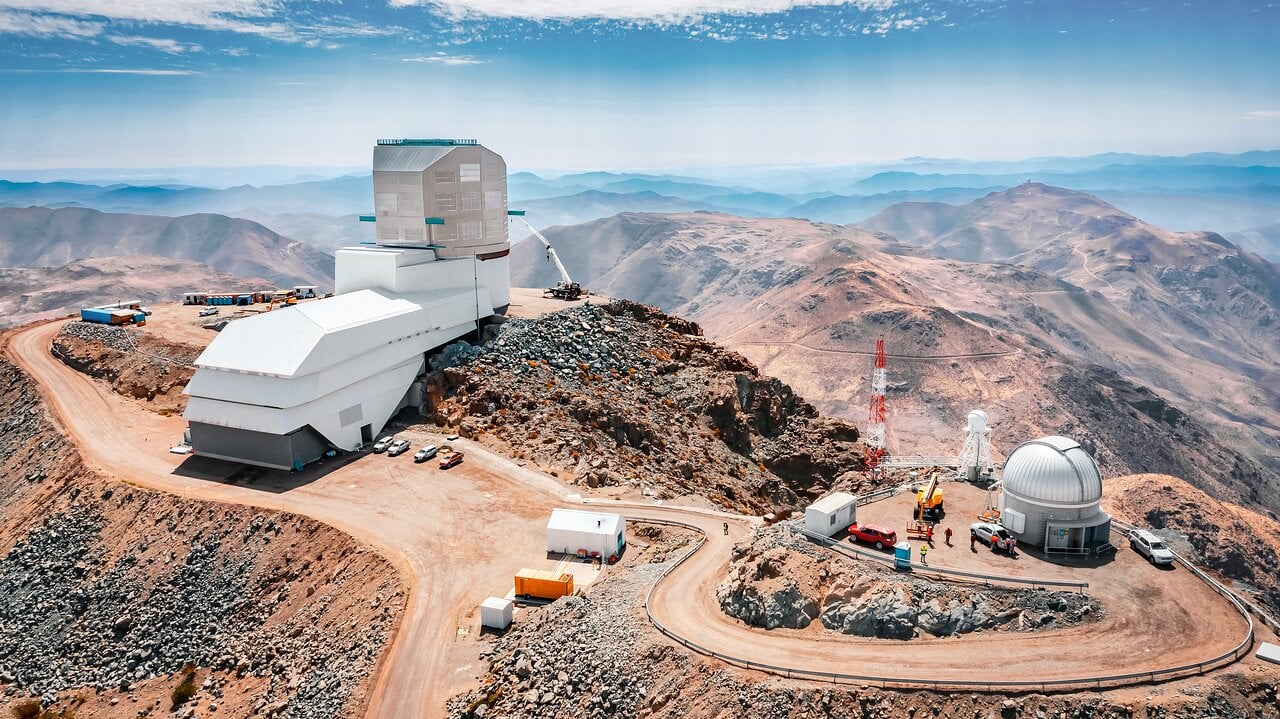
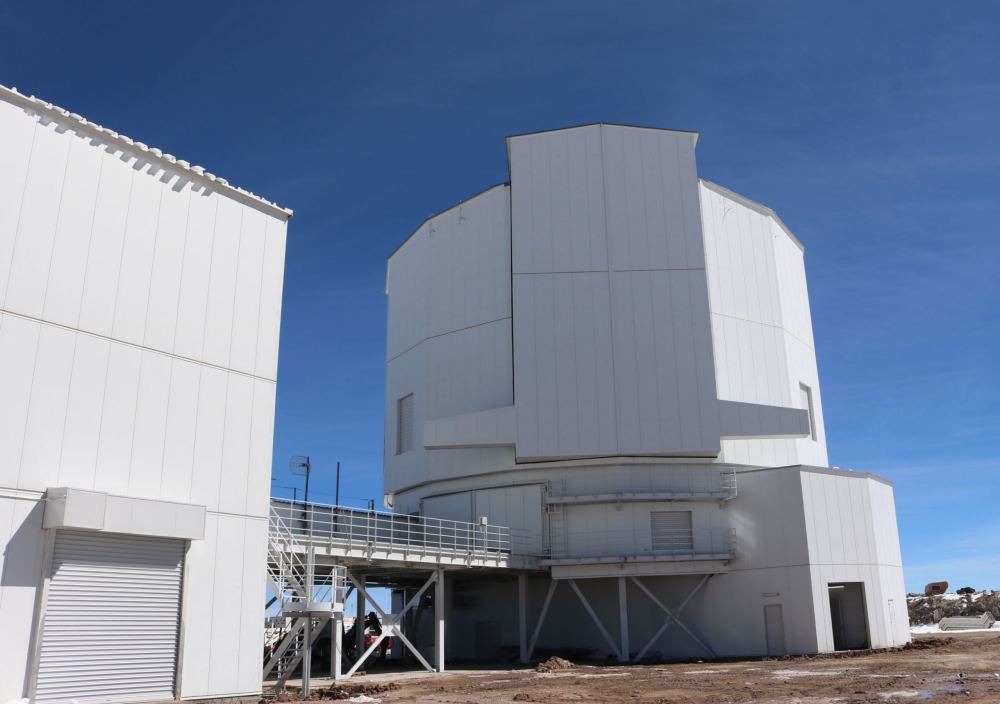
The Vera Rubin Observatory and the Nancy Grace Roman Telescope are two powerful astronomical instruments due to come online in the next couple of years. While Rubin is a ground-based telescope, scanning the southern hemisphere every few nights, Roman is a space telescope with a wide-field view of the cosmos. They're two different instruments but will work as powerful partners, studying gravitational microlensing events, using variable stars to measure distances in the cosmos, and much more.
Continue reading
Continue reading
Thanks to a new subsystem, called the Brine Processor Assembly (BPA) astronauts aboard the ISS can now recover most of their urine for drinking!
Continue reading
Continue reading
Continue reading
Continue reading
Continue reading
Continue reading
Continue reading
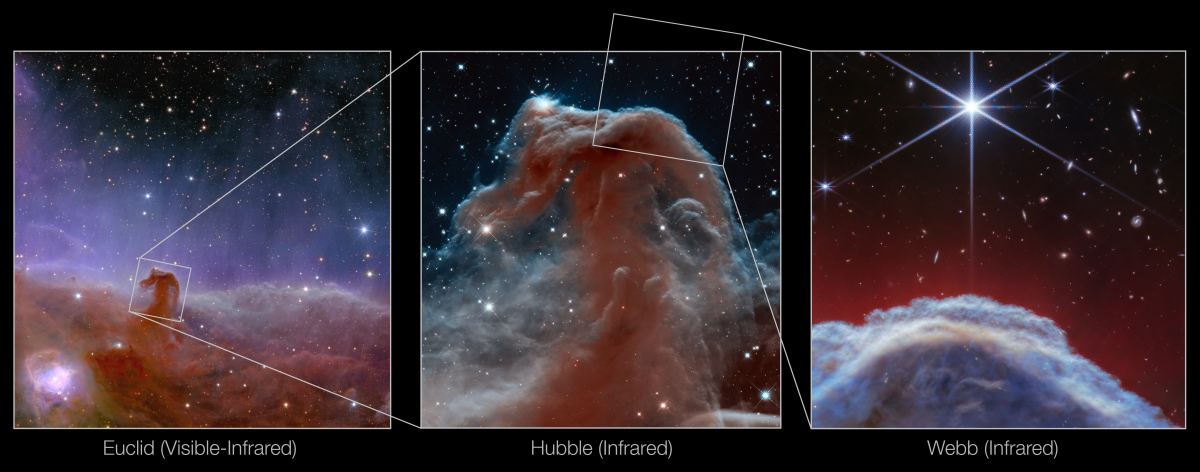
The ESA's Euclid and NASA's Nancy Grace Roman space telescope will work together to resolve the mystery of cosmic expansion!
Continue reading
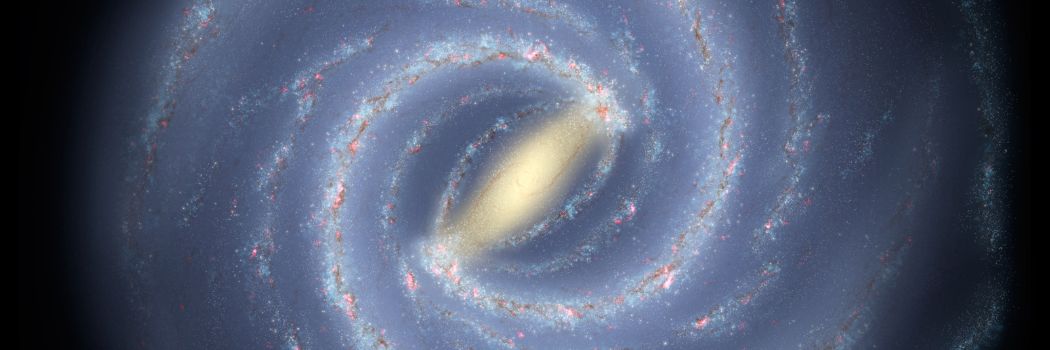
Even though we're embedded inside the Milky Way, we don't know precisely what our galaxy looks like. Astronomers have had to build up a map of our galaxy slowly and carefully by measuring the distance to various structures and mapping them into three dimensions. What would it look like if you could travel millions of light-years away and observe the galaxy from afar? How would its overall chemical composition compare to other galaxies in the Universe?
Continue reading
Continue reading
Continue reading
Continue reading
Continue reading
Continue reading
A study supported by the French Space Agency describes a "reusability kit" that will make any first stage booster retrievable.
Continue reading
Astronomy is a visual science, gathering data with electromagnetic radiation with different detectors, including our eyes. Now experts have converted various visual images into sonograms, allowing you to listen to the pictures. This is perfect for people with vision problems but also allows a different sense to spot exciting features that your eyes might miss. They've also created tactile versions of astronomical objects so you can feel the structures of galaxies, black holes, and star-forming nebulae with your hands.
Continue reading
Comet C/2023 E1 ATLAS skirts the northern pole for summer northern hemisphere observers.
Continue reading
Continue reading
China's Zhurong rover measured the magnetic environment on Mars, which is helping scientists narrow down when its global magnetic field disappeared.
Continue reading
Japan's Martian Moons eXploration (MMX) will include a Phobos exploration rover provided by the French and German space agencies.
Continue reading
Continue reading