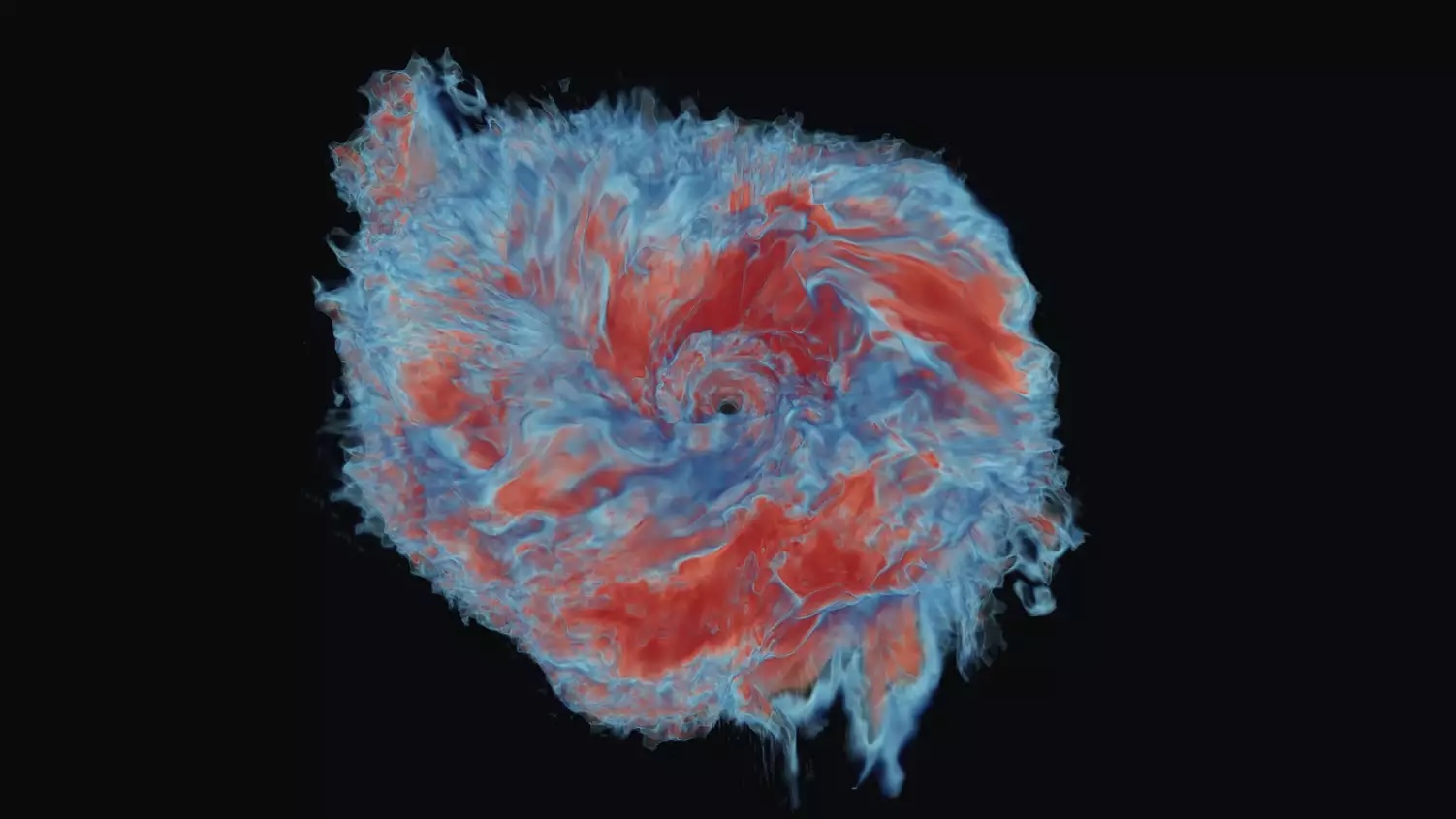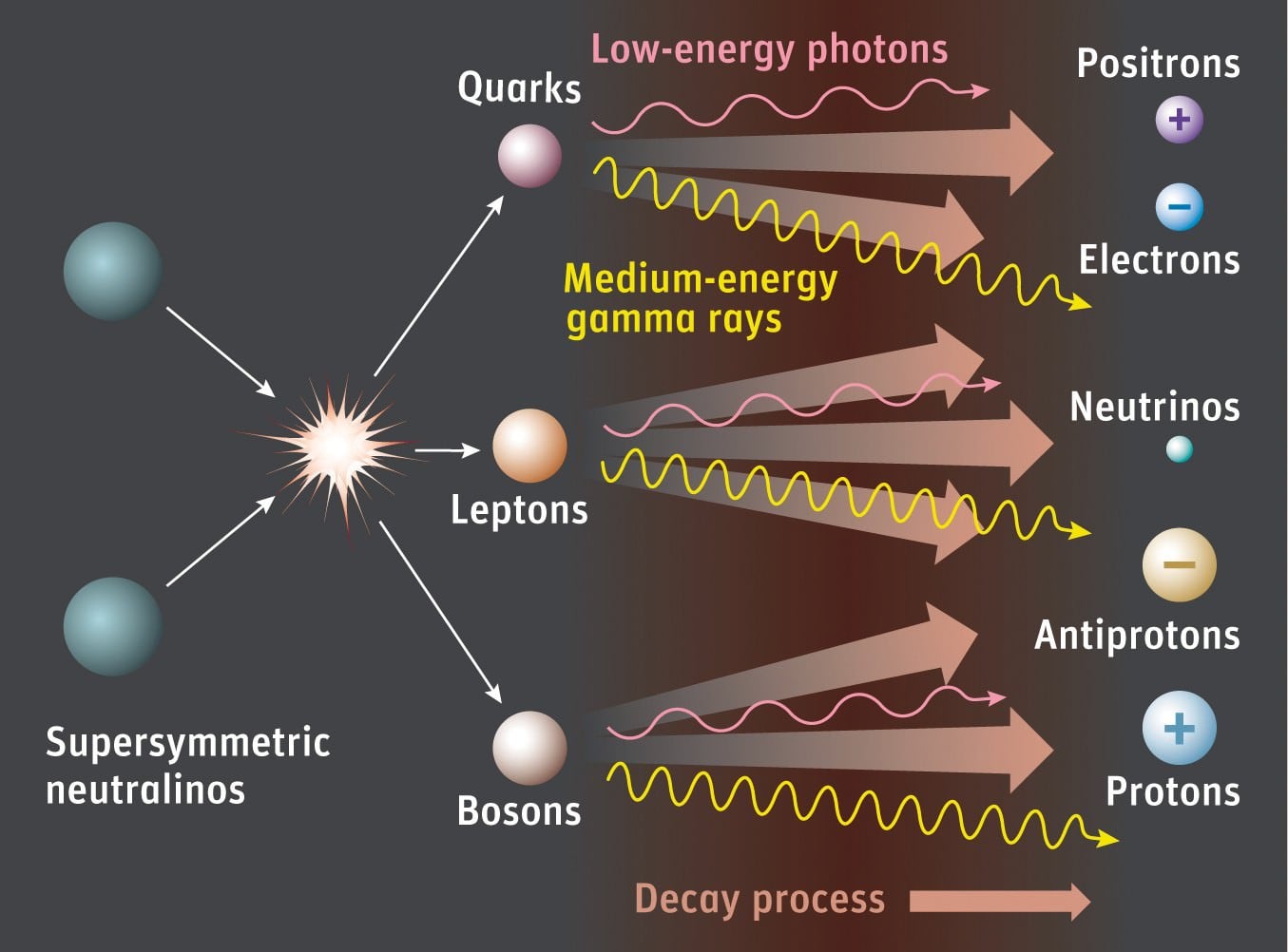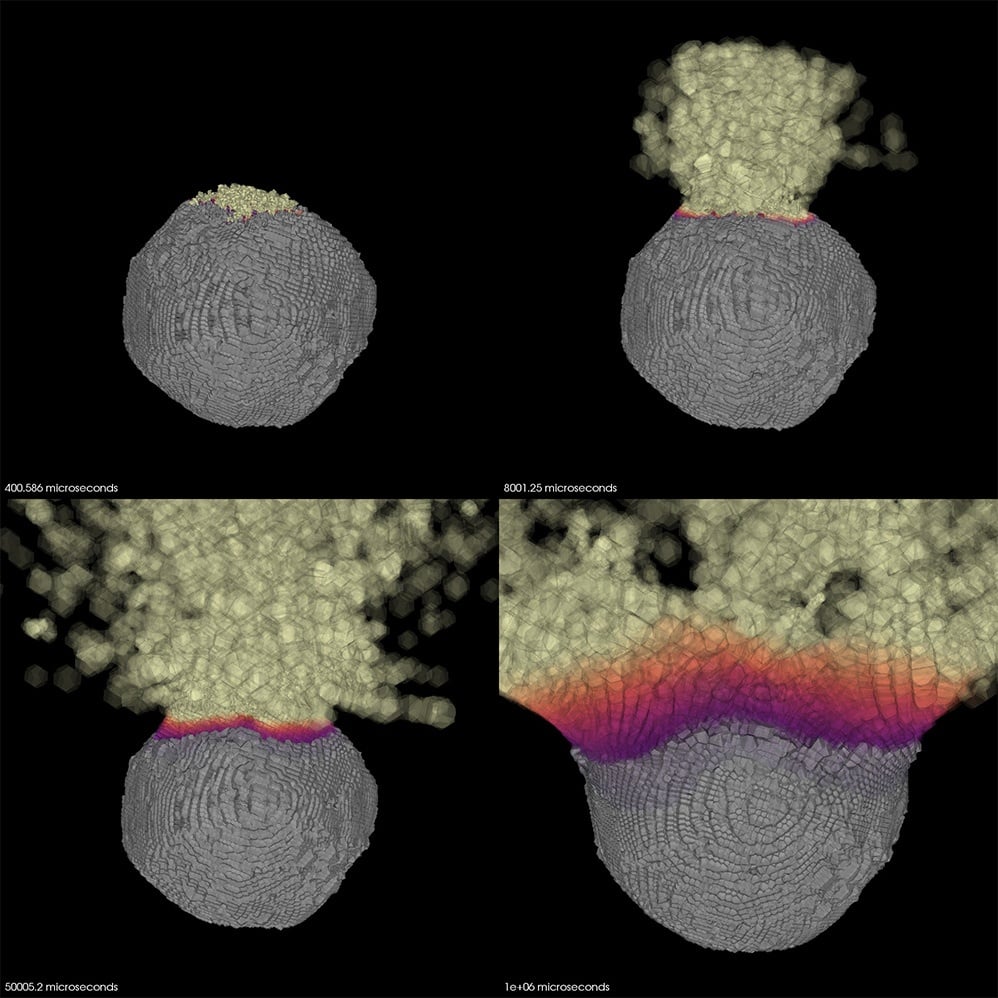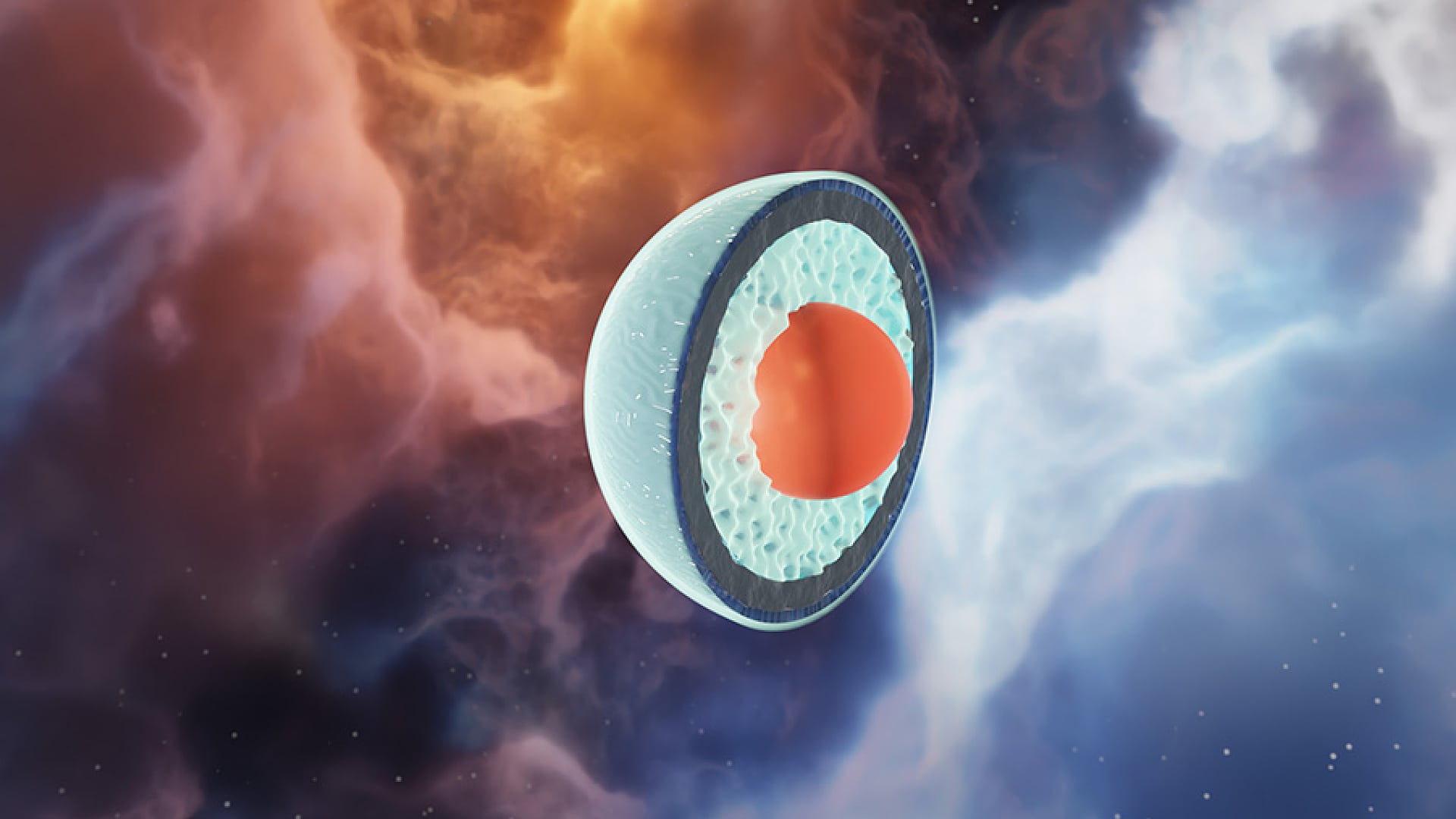
When a star with several times the mass of the Sun dies in a supernova explosion, it ends up as a neutron star, compressing its protons and electrons into neutrons. But neutron stars have layers, and the most massive ones there might have a core made of an even denser material called "deconfined quark matter." A new supercomputer simulation predicts that the most massive neutron stars almost certainly have these quark-matter cores.
Continue reading
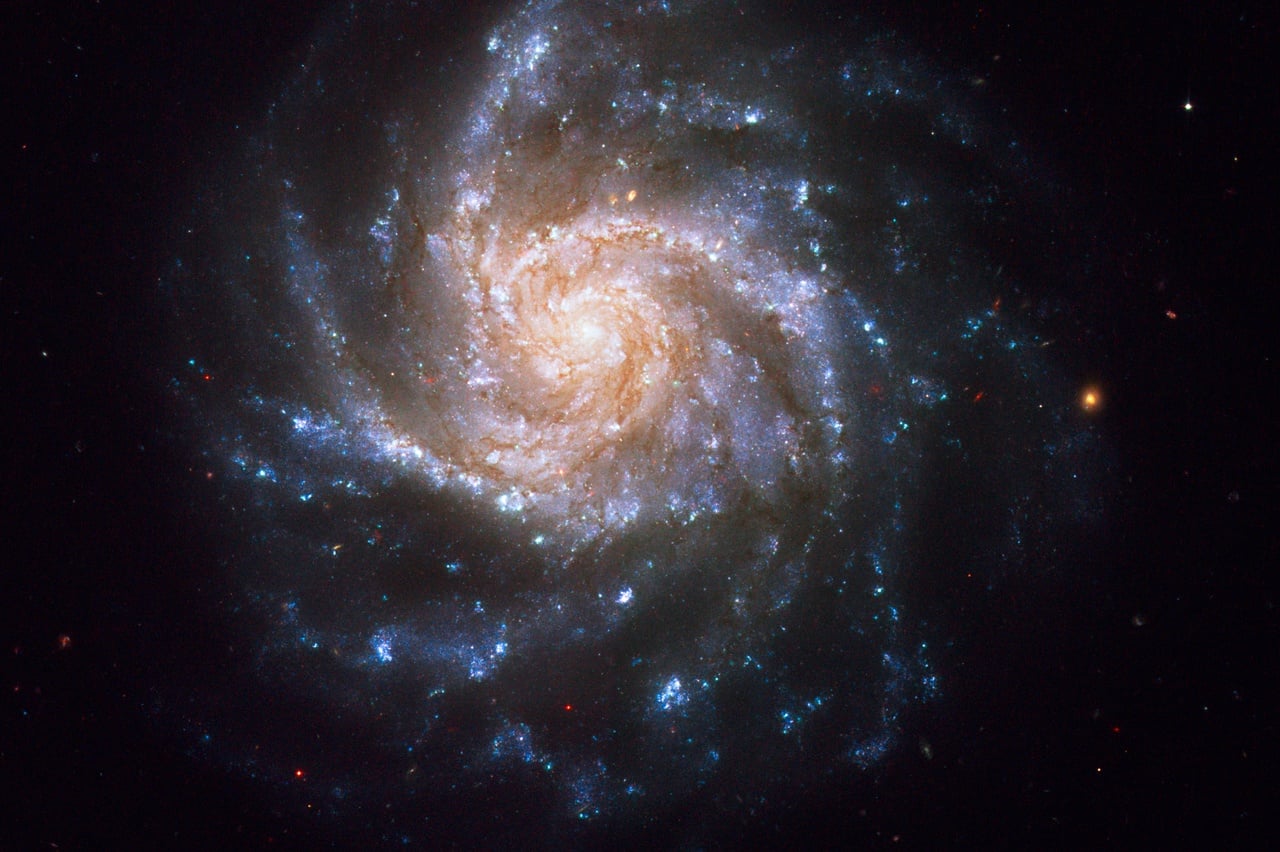
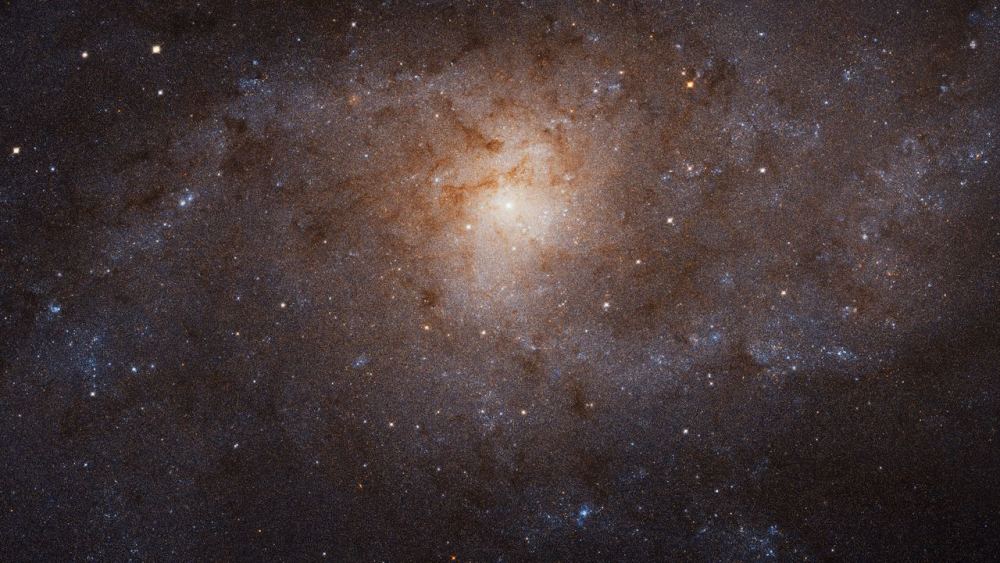
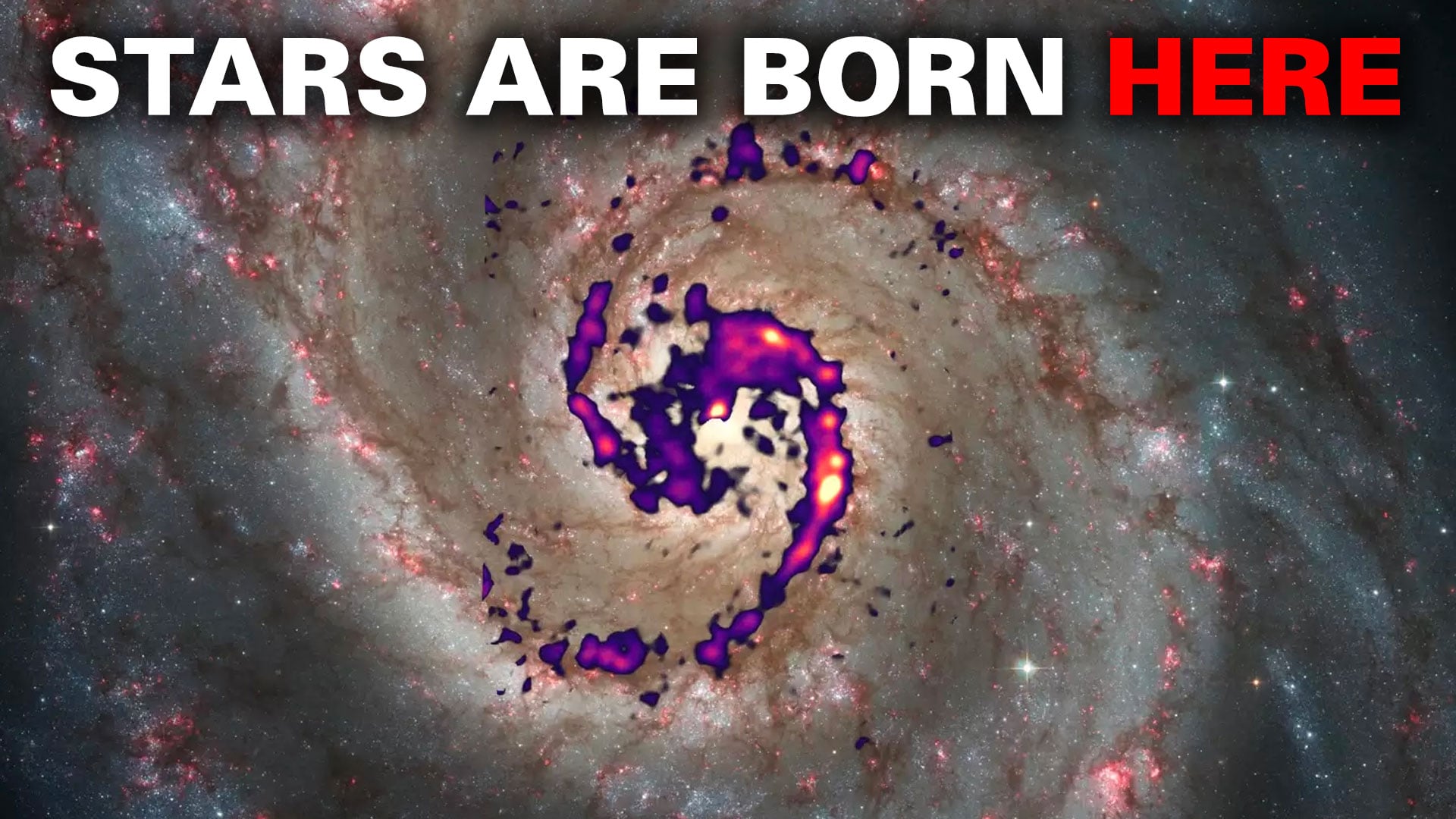
The Milky Way is a mature, grand spiral galaxy, and so are many galaxies around us. Astronomers have assumed that spiral galaxies are the result of many mergers between dwarf galaxies and shouldn't show up until later on in the Universe's evolution. New research using JWST has shown that's not true, with a surprising number of spiral galaxies in the first few billions years of the Universe's history. Spiral arms showed up much earlier than anyone expected.
Continue reading
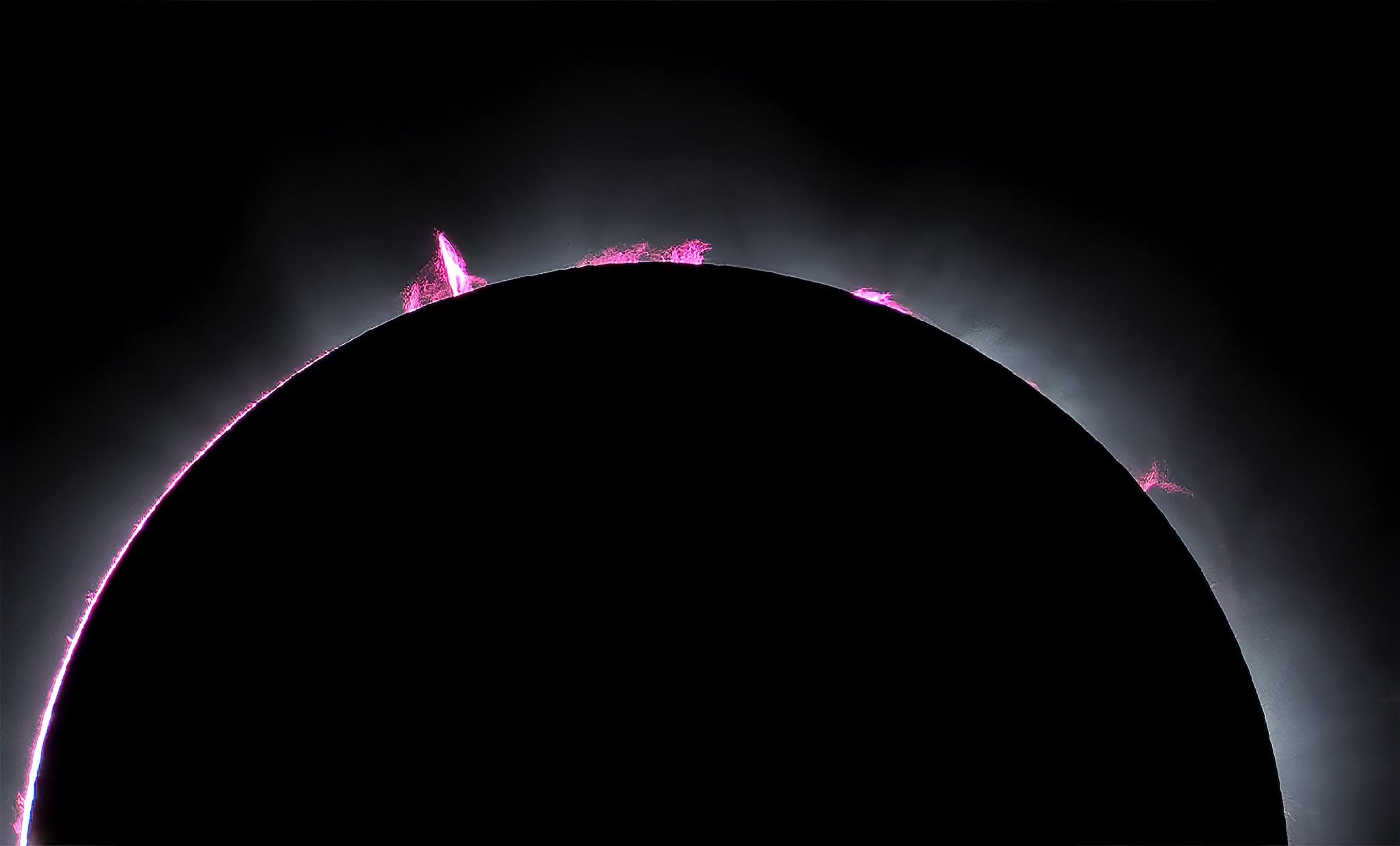
2024 features the final total solar eclipse for the CONUS until 2044, and much more.
Continue reading
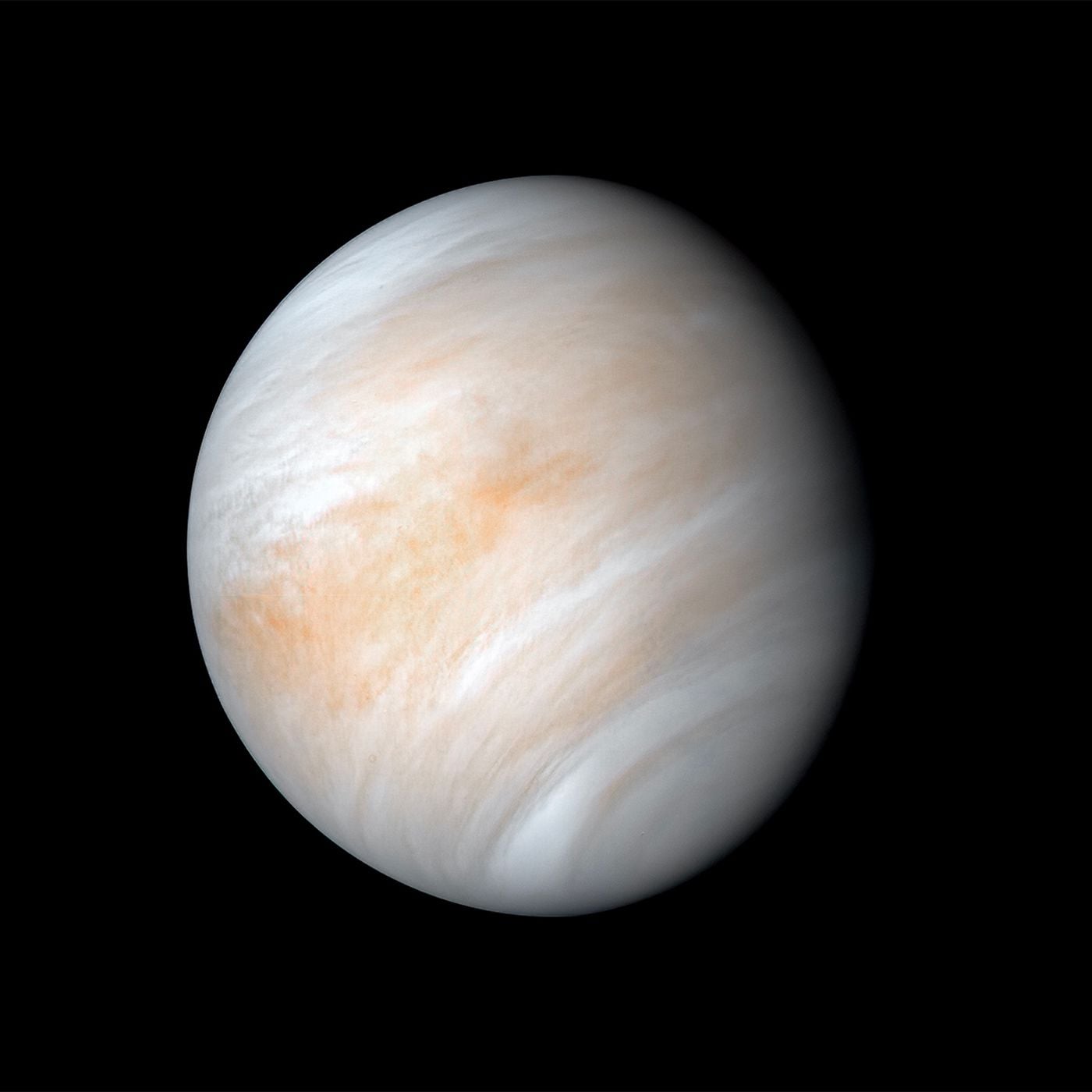
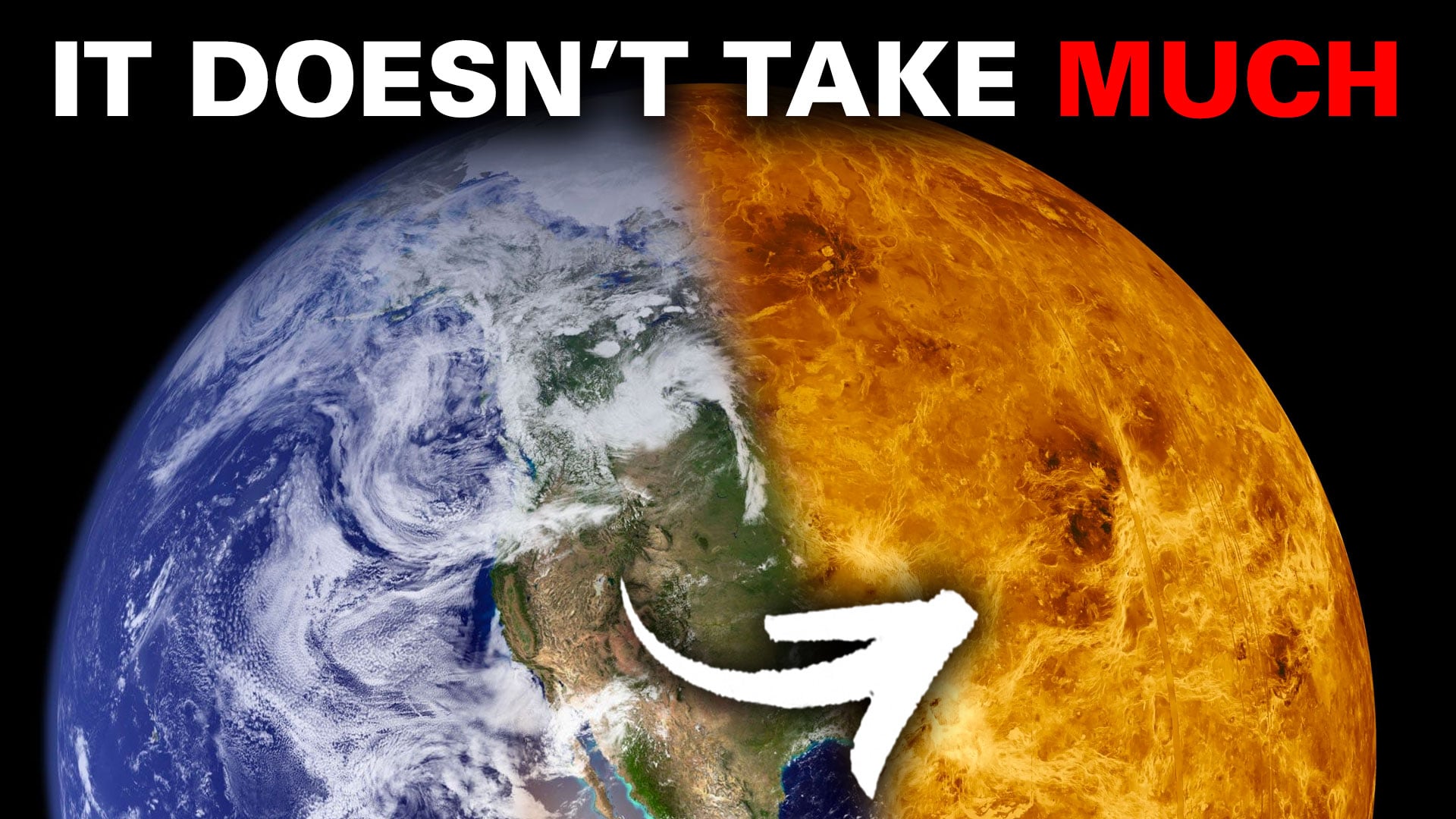
Astronomers have now characterized the atmospheres of several exoplanets, with JWST and upcoming missions promising to turn that into the thousands. The next era will come when our observatories can directly observe the surfaces of exoplanets. We're learning that the atmospheres of planets and their surfaces affect one another, and just by observing their atmospheres, we'll learn valuable secrets about the surfaces of those worlds.
Continue reading
 Universe Today