Martian Resource Potential and Challenges for Future Human Activities

By Laurence Tognetti, MSc - May 13, 2025 08:49 PM UTC | Planetary Science
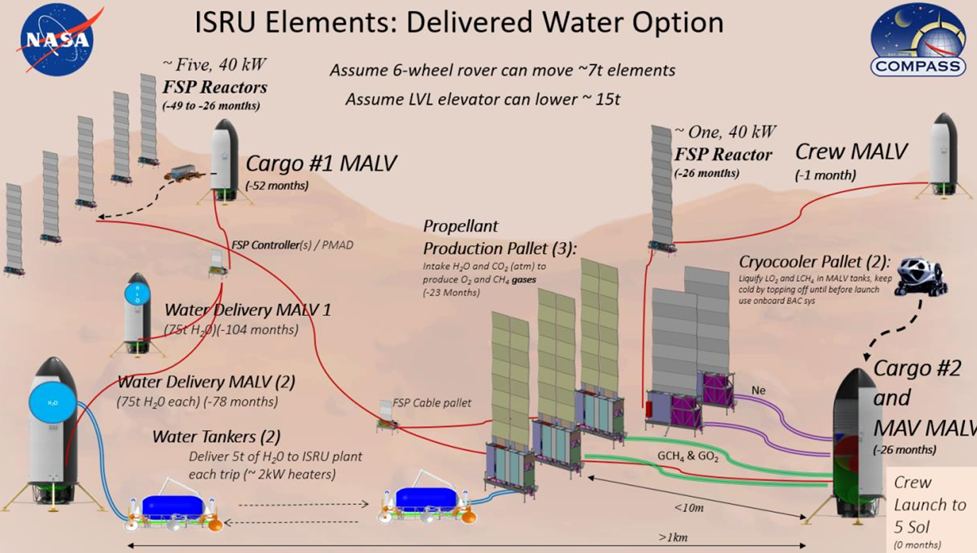
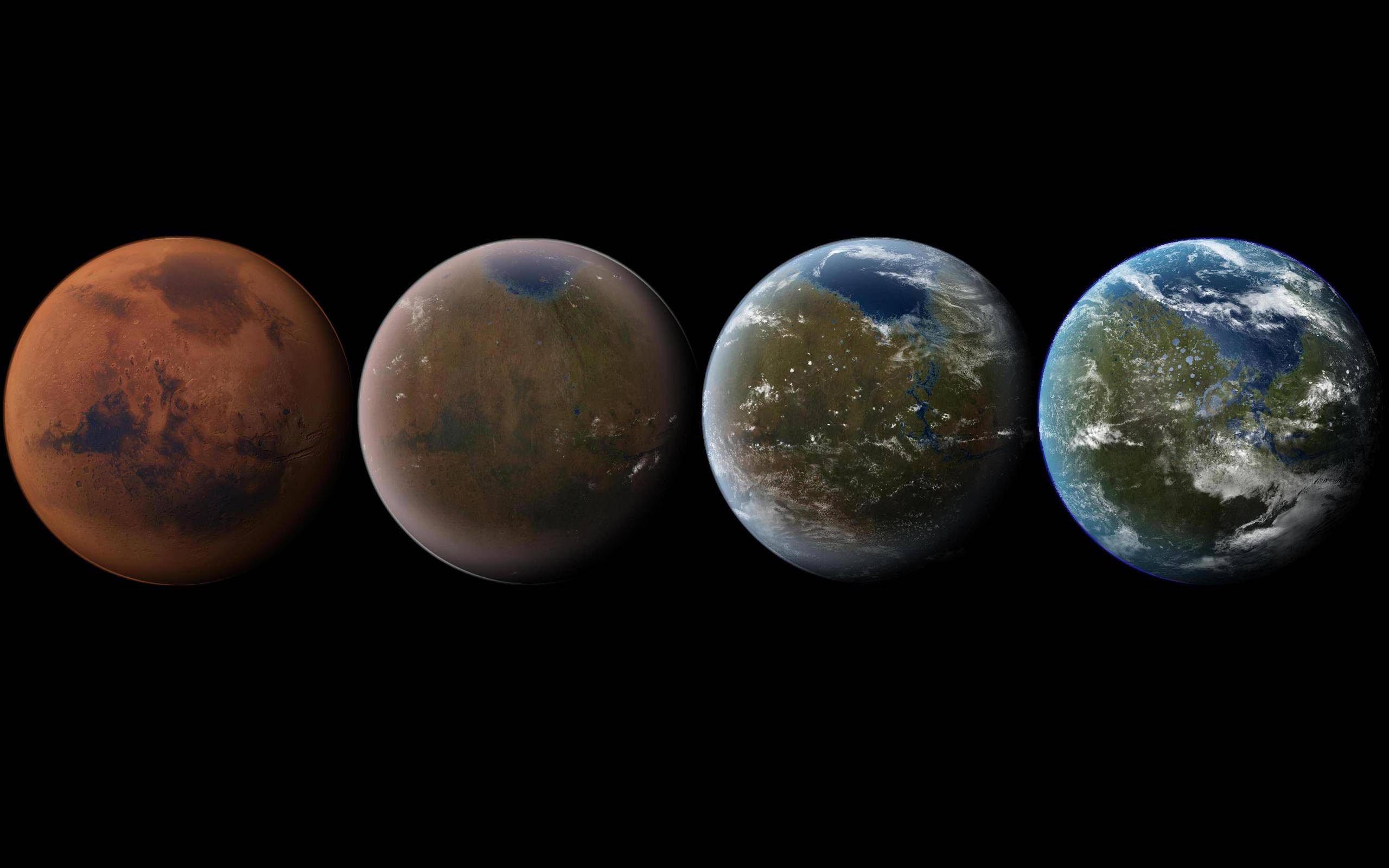
What steps can be taken to enhance in-situ resource utilization (ISRU) for future astronauts on Mars? This is what a recent study presented at the 56th Lunar and Planetary Science Conference hopes to address as an international team of researchers investigated the reasons, benefits, and challenges of conducting ISRU on Mars. This study has the potential to help astronauts, scientists, engineers, and mission planners develop new methods for enhancing the survivability of future Mars astronauts while also maximizing mission success.
Continue reading

Microbes are Evolving that Thrive in Spacecraft Cleanrooms

By Evan Gough - May 13, 2025 01:09 PM UTC | Missions
Spacecraft are expensive and intricately engineered machines designed to perform complex missions in harsh space environments. They're costly and require a long time to design and build. Due to their uniqueness and high value, and the need to keep them sterilized, they're assembled in cleanrooms that limit the amount of dust and microbes. New research shows that microbes are adapting to these clean rooms and learning how to thrive in them.
Continue reading

A CubeSat to Capture a Supernova's UV Spectrum

By Andy Tomaswick - May 13, 2025 12:31 PM UTC | Missions
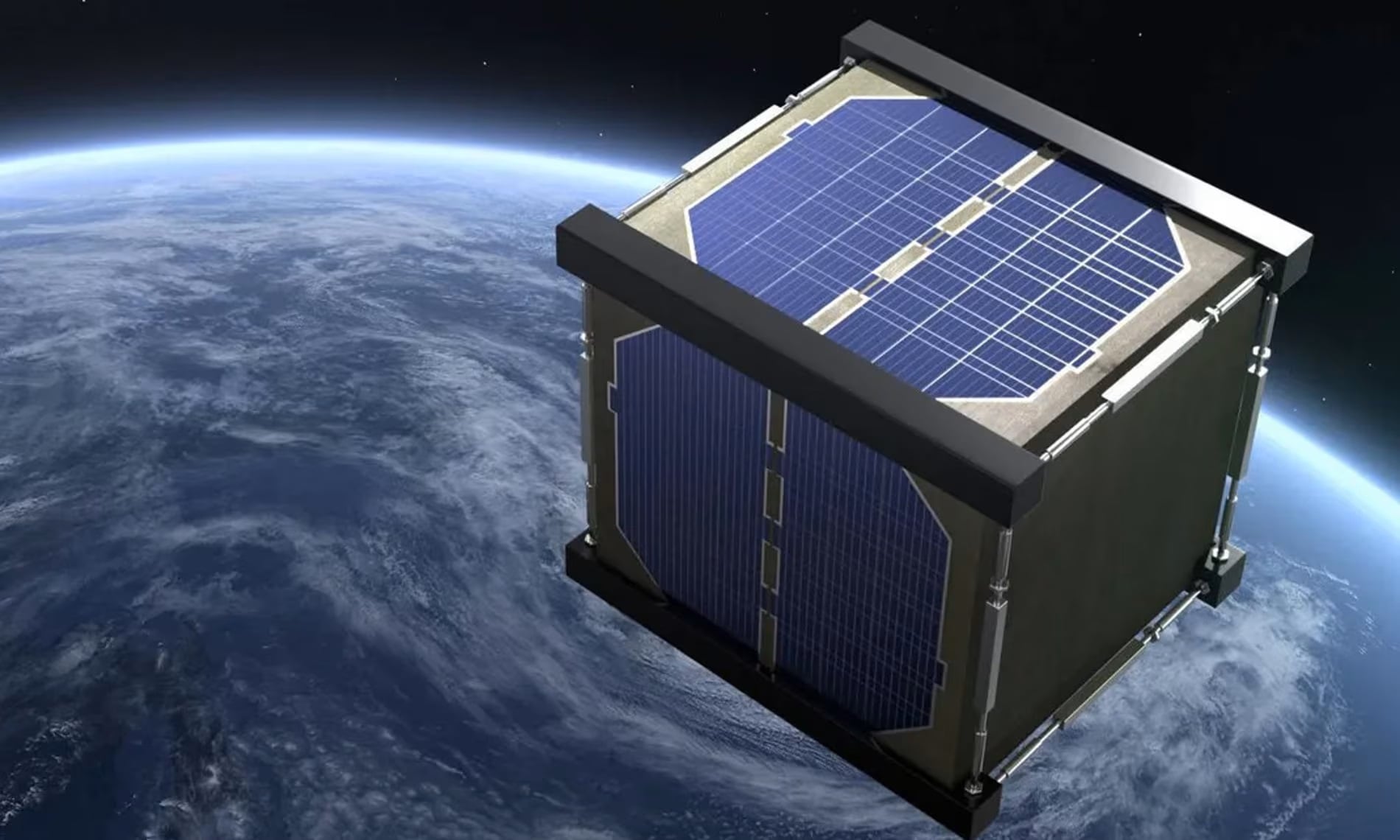
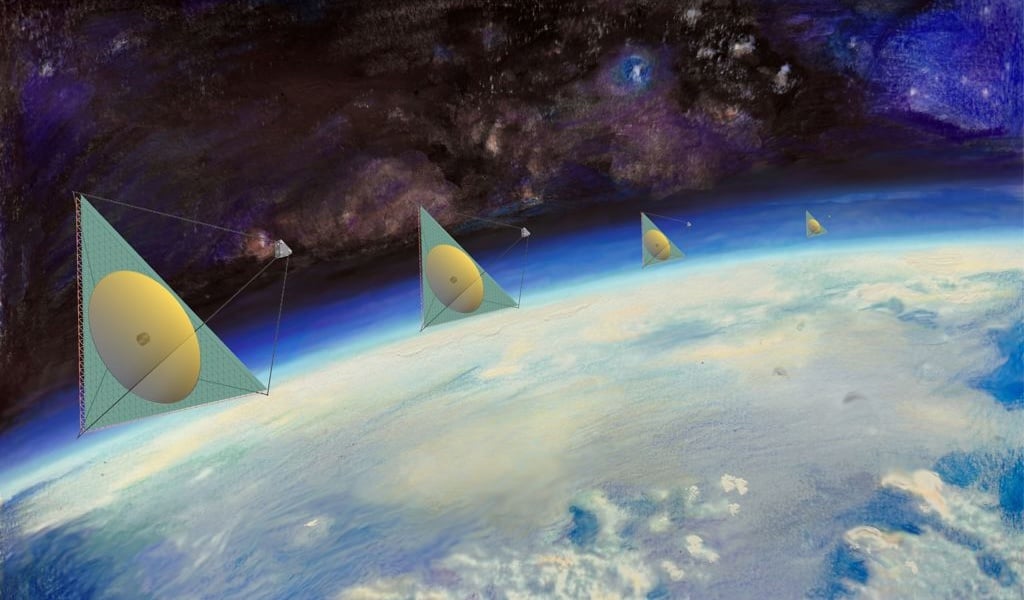
Technology Readiness Levels (or TRL levels, because repeating the last word of initialisms is common in English) is a metric commonly used by NASA to define how developed a technology for use on a mission is. These typically range from 1-9, with 1 being an idea in someone's head, and 9 having been successfully flown on a mission. One of the assessments of new projects that NASA does is a check of the TRL levels of its constituent components - those with a higher level get higher marks, since it is assumed that the technology necessary to get them ready will require less work. So, sometimes, NASA and other organizations will sponsor smaller missions to work on a specific technology needed for one of its big flagship programs. That seems to be the approach from a team led by Keri Hoadley of the University of Florida, who recently laid out a mission concept for the Ultraviolet Type Ia Supernova CubeSat (UVIa).
Continue reading

Could Dark Matter Be Evolving Over Time, and Not Dark Energy?

By Brian Koberlein - May 13, 2025 11:08 AM UTC | Cosmology
For a while now, there has been a problematic mystery at the heart of the standard cosmological model. Although all observations support the expanding Universe model, observations of the early period of the cosmos give a lower rate of acceleration than more local observations. We call it the Hubble tension problem, and we have no idea how to solve it. Naturally, there have been several proposed ideas: what if general relativity is wrong; what if dark matter doesn't exist; what if the rate of time isn't uniform; heck, what if the entire Universe rotates. So, let's add a new idea to the pile: what if dark matter evolves?
Continue reading

Tracking Down "Annihilation Photons" Could Lead To Unique Binary Systems

By Andy Tomaswick - May 13, 2025 11:03 AM UTC | Stars
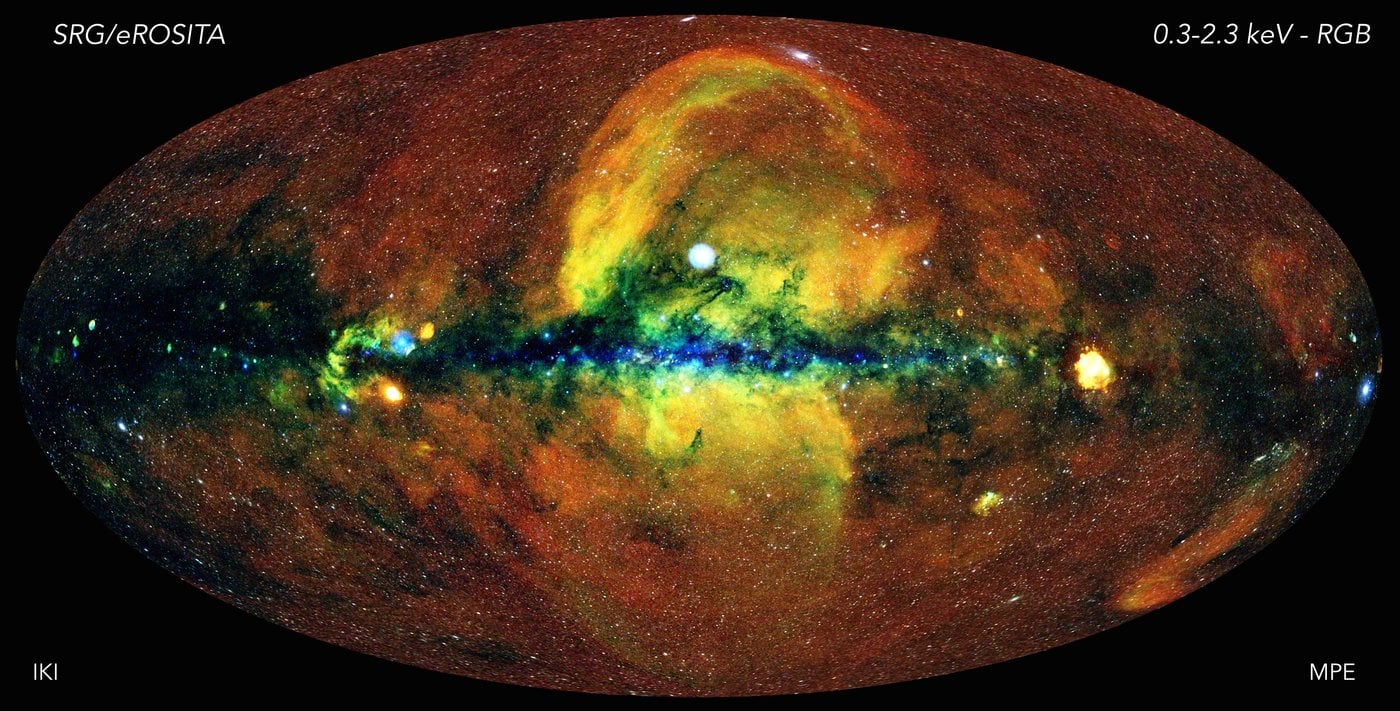
Tracking the sources of photons is a hobby of many astrophysicists. Some types of photons are tied so closely to particular phenomena that tracking their sources would help answer some larger questions in astrophysics itself. Photons on the "511 keV line" are one such type of photon, and they have been overrepresented near the galactic core, with no known source being prolific enough to create them. A new paper from Zachary Metzler and Zorawar Wadiasingh of the University of Maryland and NASA's Goddard Space Flight Center suggests one potential source - millisecond pulsar (MSP) binaries.
Continue reading

Glass Beads on the Moon Contain Material Dug Up from Deep Down

By Evan Gough - May 13, 2025 06:27 AM UTC | Planetary Science
If we could peel back the Moon's cratered crust and examine its mantle, we might find answers to some foundational questions that date back to the Apollo moon landings. We lack the technological capability to excavate the Moon's mantle, but Nature has a way. A massive, ancient impact excavated material from deep beneath the Moon's crust and left it on the surface for us to study. It could help confirm the Moon's origins.
Continue reading

TESS Has Found Exoplanets. Can it Find Rings Around Them?

By Mark Thompson - May 13, 2025 06:16 AM UTC | Exoplanets
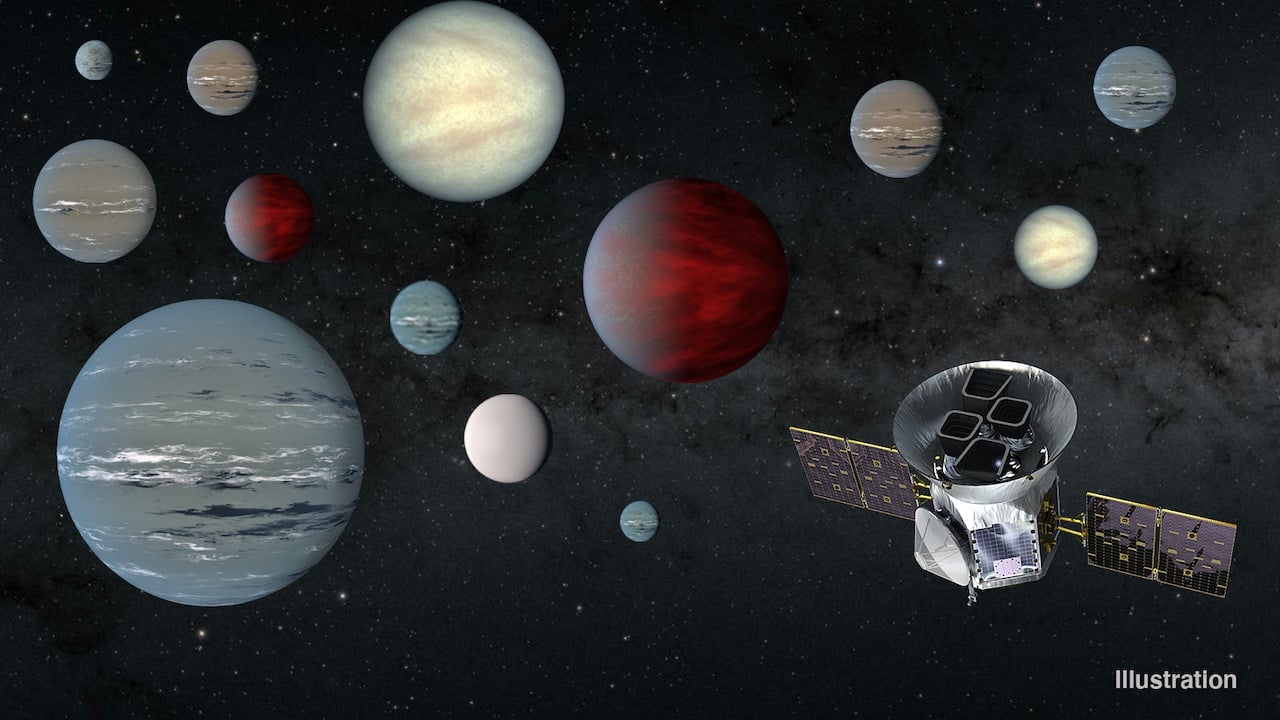
NASA's Transiting Exoplanet Survey Satellite (TESS) has already uncovered hundreds of exoplanets of all sizes. Now, a team of astronomers is pushing the search even further—this time, looking for signs of planetary rings. Scanning 308 TESS planet candidates, they zeroed in on large, fast-orbiting worlds circling bright, nearby stars. Out of those, six showed subtle hints that rings might be present. But despite the tantalising clues, none offered definitive evidence of ring systems—at least not yet.
Continue reading

Everything in the Universe Could Decay from Hawking Radiation

By Mark Thompson - May 13, 2025 05:32 AM UTC | Black Holes
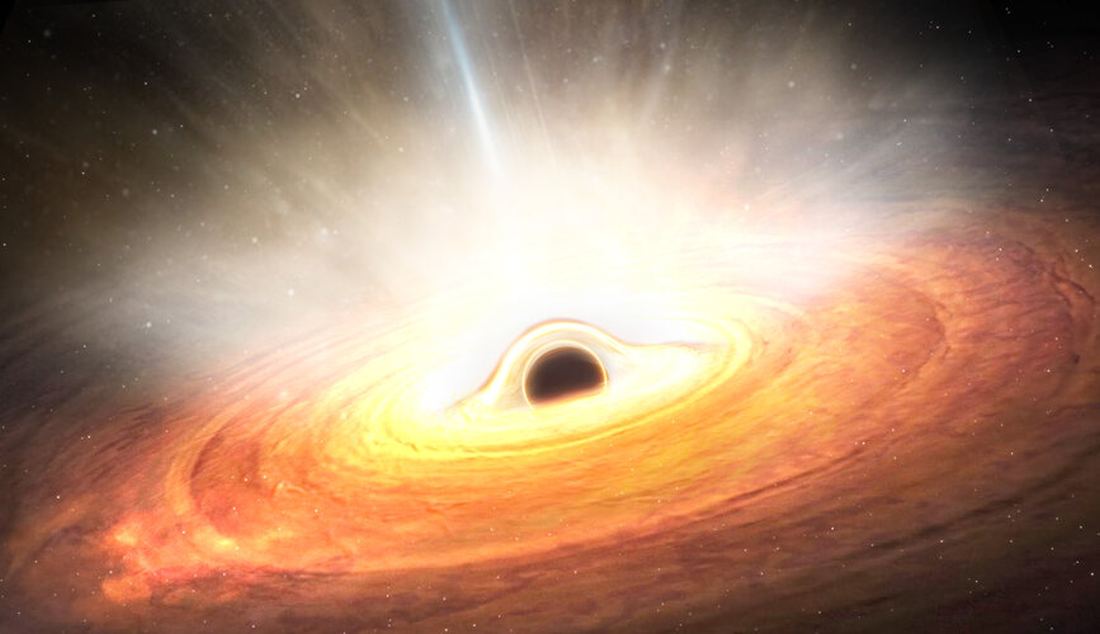
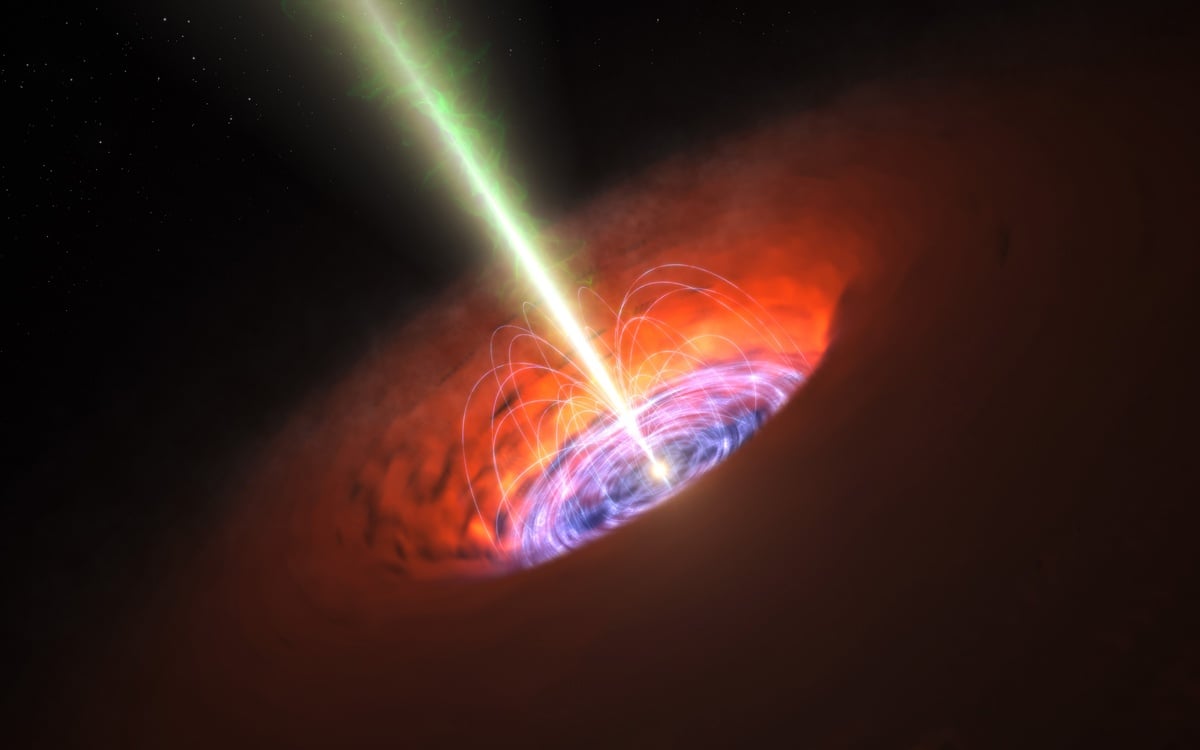
You've probably heard that black holes stick around for a long time—but even they are not eternal. Over unimaginable spans of time, they slowly evaporate into space through a process called Hawking radiation. And here's the kicker: this doesn't just apply to black holes. Anything with mass—stars, moons, even you—can, in theory, evaporate in this way. Black holes are a special case since they don't have a surface and can actually swallow some of their own radiation, making their demise painfully slow. The biggest ones might take up to 10^100 years to disappear. But smaller objects? Something like the Moon—or a human being—could fade into nothingness in "just" 10^90 years.
Continue reading

Webb Watches Auroras Dance in Jupiter's Atmosphere

By Mark Thompson - May 13, 2025 12:37 AM UTC | Telescopes
James Webb Space Telescope zoomed in on Jupiter's turbulent north pole in 2023 on the lookout for aurora. The results were amazing. Scientists have finally crunched through the data, revealing how the aurora rapidly change, fizzing and popping with light over the course of a few minutes. The team didn't stop there, training Hubble's ultraviolet eye on the same light show, they've created the most comprehensive view of Jupiter's auroral displays ever captured.
Continue reading

Advancing Martian Geology Mapping with Machine Learning Tools

By Laurence Tognetti, MSc - May 12, 2025 07:44 PM UTC | Planetary Science
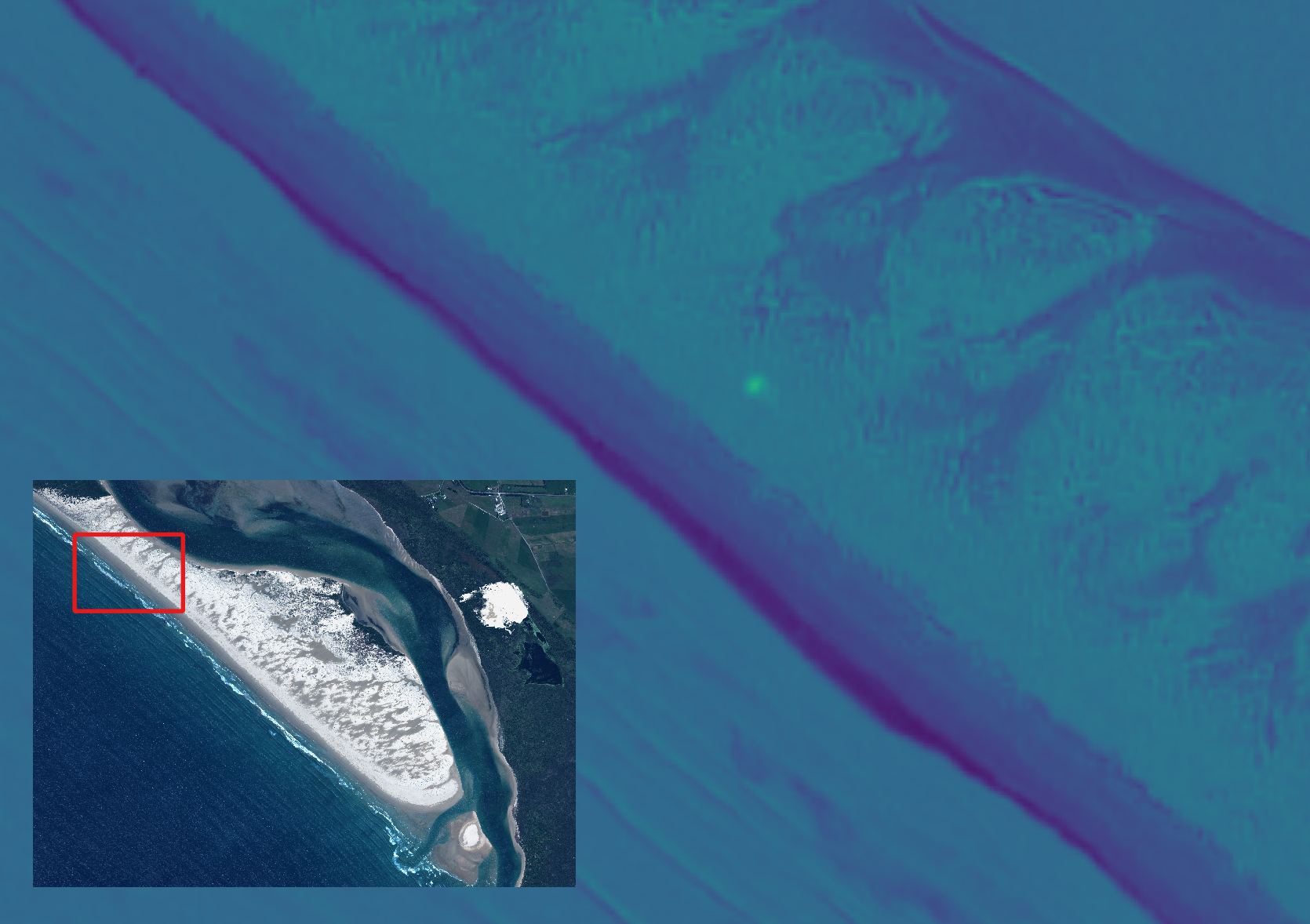
How can artificial intelligence (AI) be used to advance mapping and imaging methods on other planets? This is what a recent study presented at the 56th Lunar and Planetary Science Conference hopes to address as a lone researcher investigated using machine learning models to enhance mapping and imaging capabilities from orbital images obtained from the Mars Reconnaissance Orbiter (MRO) Context Camera (CTX), which is currently orbiting Mars. This study has the potential to help scientists, engineers, and the public better understand the benefits of AI in conducting more advanced science, specifically regarding global images around Earth and other worlds.
Continue reading

The Fastest Spinning Asteroids are Most Likely to Have Moons

By Matthew Williams - May 12, 2025 03:48 PM UTC | Planetary Science
When NASA's Galileo spacecraft flew past asteroid Ida, it discovered a second, smaller asteroid in orbit: Dactyl. This was the first confirmed discovery of an asteroid with a moon, but now we know of many, including 13 asteroids larger than 100 km with satellites. Researchers have found that the mostly rapidly spinning asteroids are more likely to have moons; a large impact both spins up the asteroid and creates the debris that remains in orbit.
Continue reading

How To Aerobrake a Mission To Uranus On the Cheap

By Andy Tomaswick - May 12, 2025 07:31 AM UTC | Missions
Getting a probe to the Icy Giant planets takes some time - a journey to Uranus could take as long as 13 years, even with a gravity assist from Jupiter. However, several ideas are in the works to speed up that process, especially given the increased interest in sending a probe their way. One of those ideas is to use an aerocapture system to slow a probe down once it reaches its intended target. A new paper from Andrew Gomez-Delrio and their co-authors at NASA's Langley Research Center describes how a proposed Uranus Orbiter and Probe (UOP) mission could utilize the same aerocapture technology that Curiosity used to dramatically improve both the speed and payload capacity of the mission.
Continue reading

It's Been a Year Since the Most Powerful Solar Storm in Decades. What Did We Learn?

By Mark Thompson - May 11, 2025 01:56 AM UTC | Solar Astronomy
One year ago, our star erupted with almost apocalyptic force—unleashing the most violent solar assault in two decades. Dubbed the Gannon storm, it wasn't just another solar flare. Multiple coronal mass ejections collided and merged into a single devastating megastorm that slammed into Earth's protective shield. As our magnetosphere buckled the night skies exploded with spectacular auroral displays. The event even reached Mars with images from Curiosity sprinkled with streaks from charged particles.
Continue reading

There's Liquid Water Deep Down on Mars

By Mark Thompson - May 11, 2025 01:08 AM UTC | Planetary Science
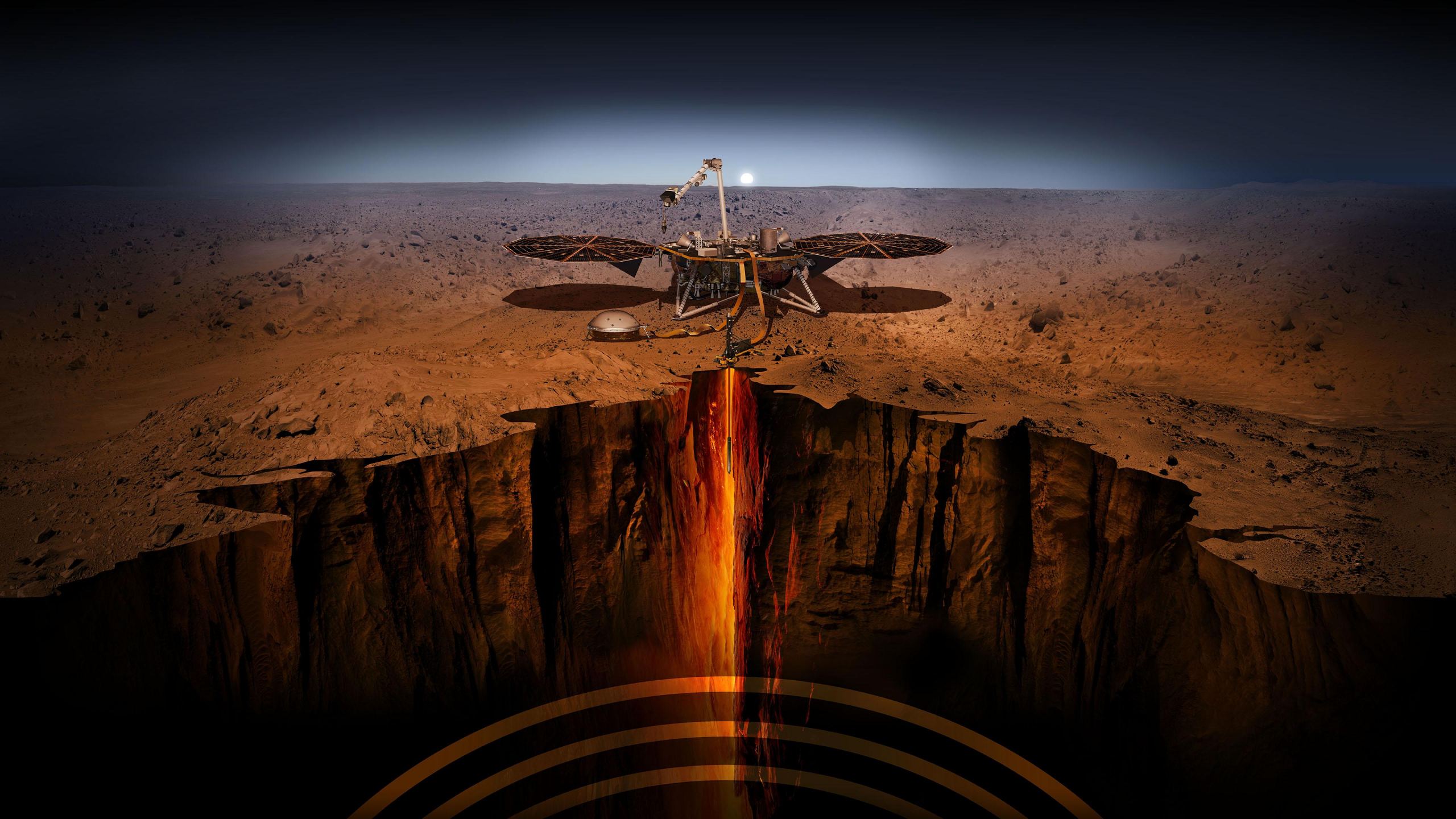
Mars once flowed with water—then 3 billion years ago, it mysteriously disappeared. Where did these ancient Martian seas go? Did the Red Planet's collapsing magnetosphere allow solar winds to strip away its water into space or did the water sink into the Martian regolith, hiding from our view?NASA's InSight mission may have cracked the case. Seismic waves from meteorite impacts revealed water layer lurking 5.4-8 kilometres below the surface.
Continue reading

The Plato Mission Just Got Dozens of Cameras Installed

By Mark Thompson - May 10, 2025 11:57 PM UTC | Missions
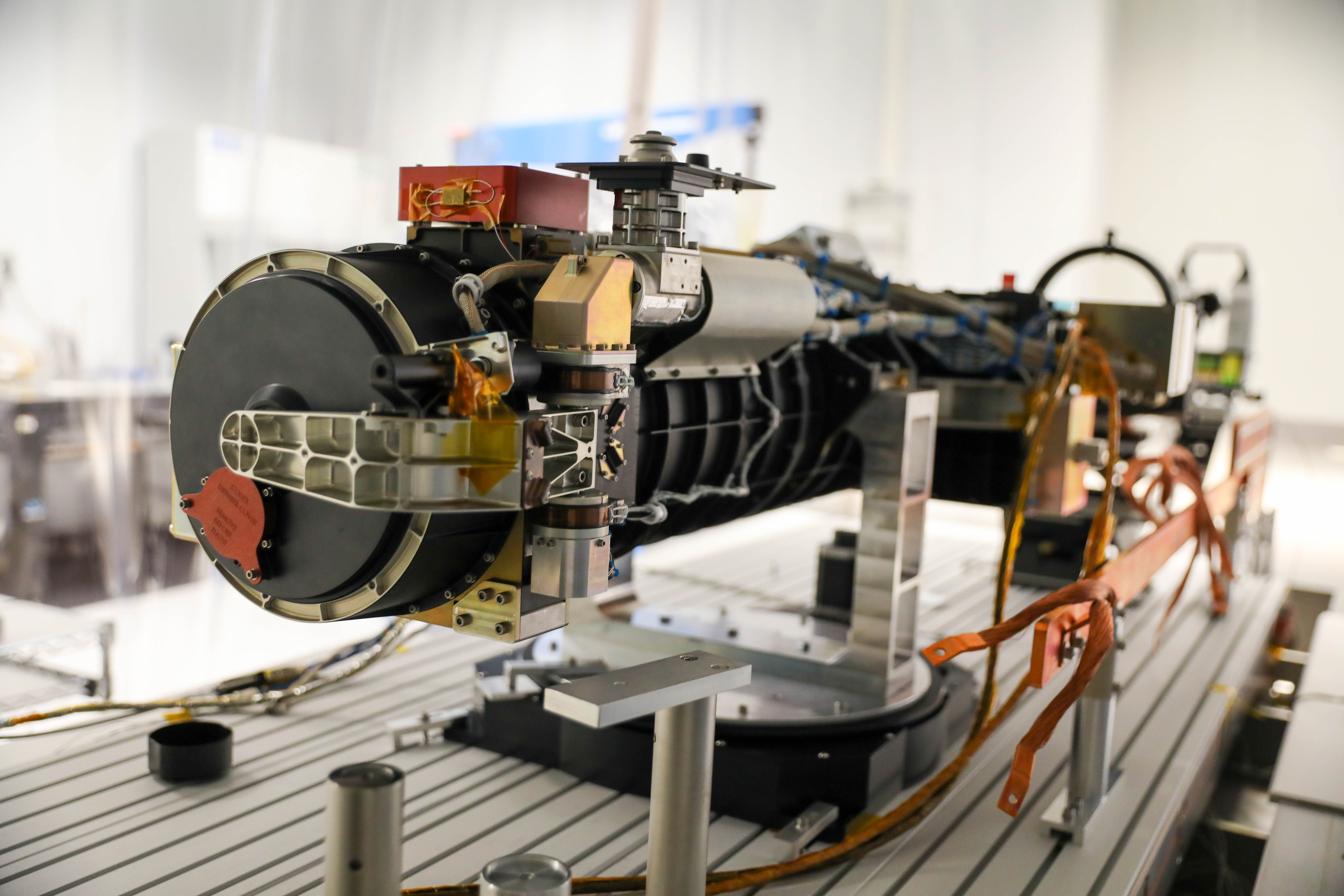
ESA's Plato Mission just hit a major milestone: 24 of 26 high-tech cameras have now been mounted and will soon be ready to hunt. This isn't your average telescope; it's a planet-spotting powerhouse designed to catch distant worlds passing in front of their stars. The clever camera arrangement creates a cosmic wide-angle lens, scanning a massive 5% of the entire sky in one go. No other planet-hunter comes close to this field of view.
Continue reading

Perseverance Happened to Land Right Beside a Composite Volcano

By Matthew Williams - May 09, 2025 03:22 PM UTC | Missions
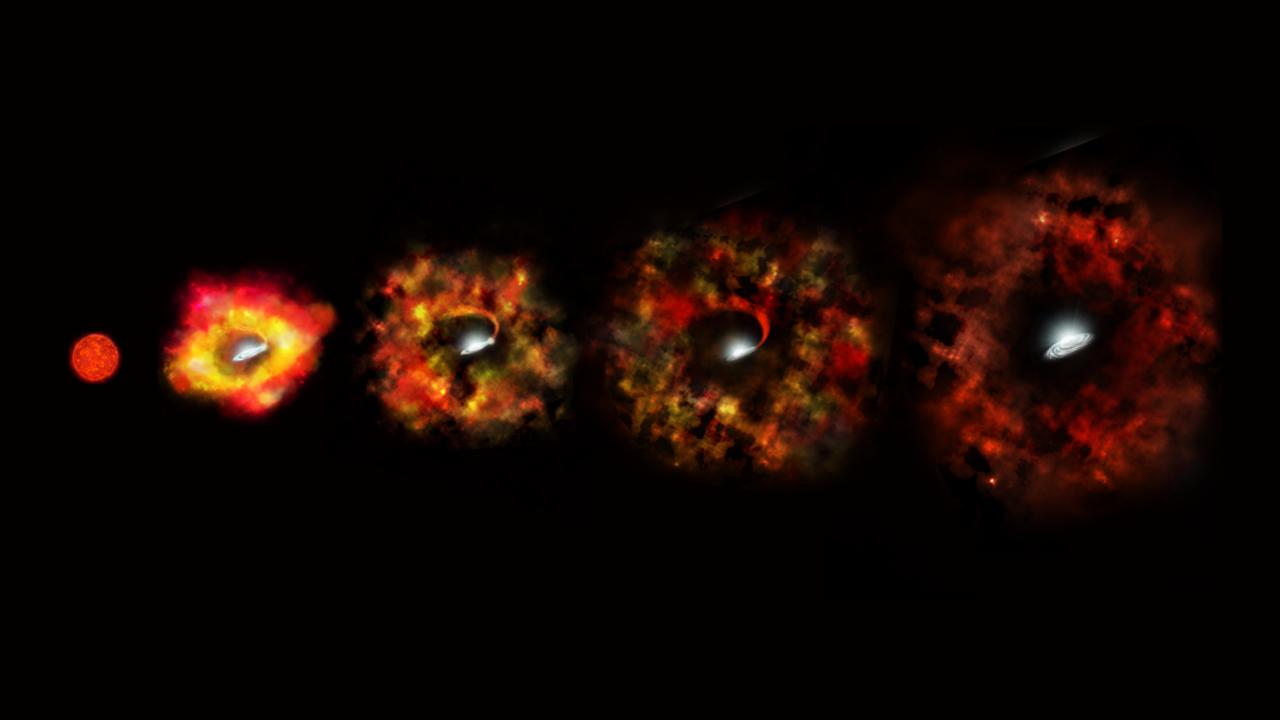
NASA's Perseverance Rover landed in Jezero Crater, an ancient impact crater that was probably filled with water for a long time. During its exploration, the rover has discovered volcanic rocks on the crater floor, but the original source hasn't been found. Now, a team of researchers thinks there's a composite volcano right on the edge of Jezero Crater. They identify a conical-shaped structure that rises about 2 km above the surrounding plains.
Continue reading

Tracing the Moon's Geological History with LUGO

By Andy Tomaswick - May 09, 2025 12:31 PM UTC | Planetary Science
Some parts of the Moon are more interesting than others, especially when searching for future places for humans to land and work. There are also some parts of the Moon that we know less about than others, such as the Irregular Mare Patches (IMPs) that dot the landscape. We know very little about how they were formed, and what that might mean for the history of the Moon itself. A new mission, called the LUnar Geology Orbiter (LUGO), aims to collect more data on the IMPs and search for lava tubes that might serve as future homes to humanity.
Continue reading