Continue reading
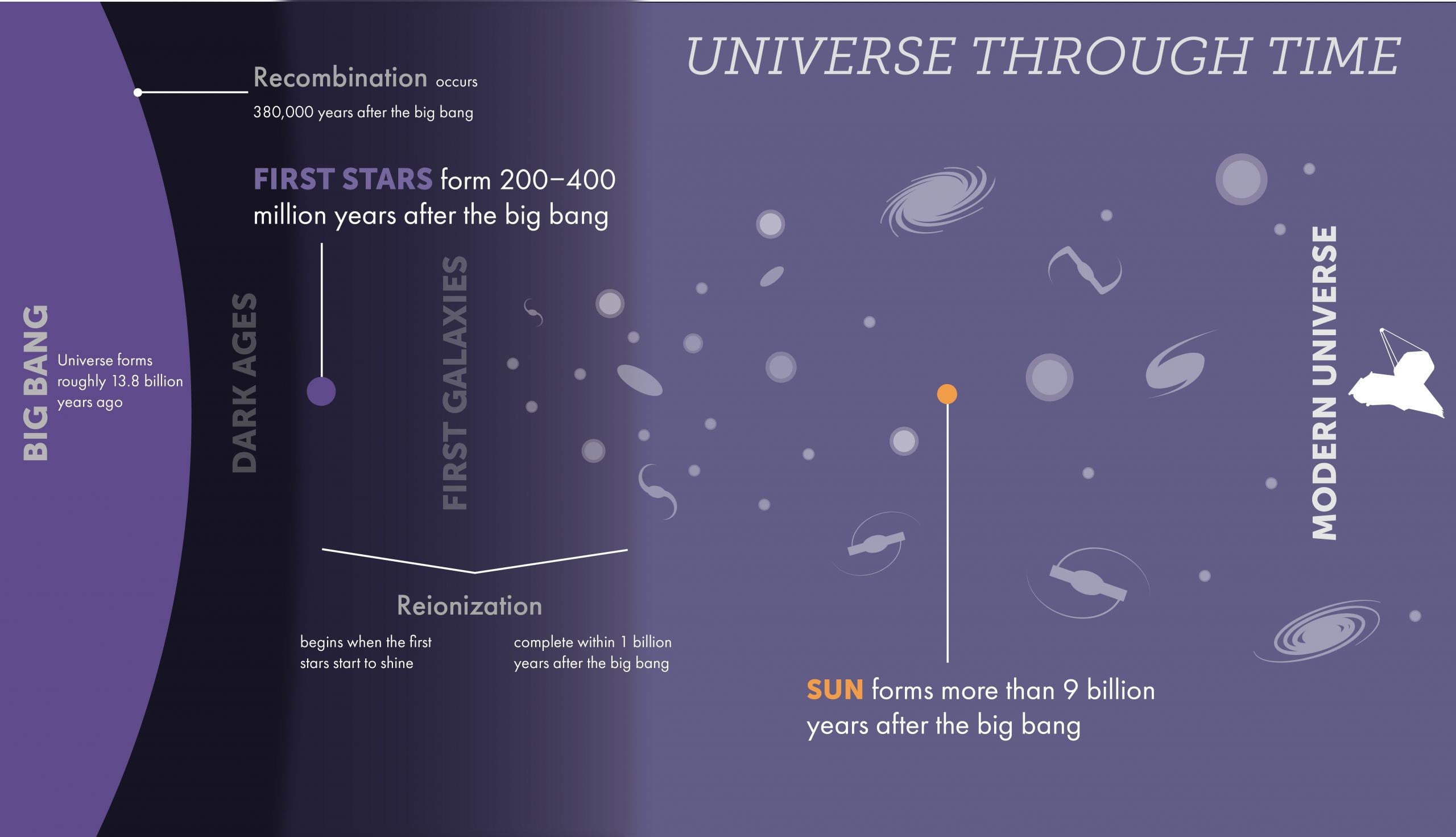
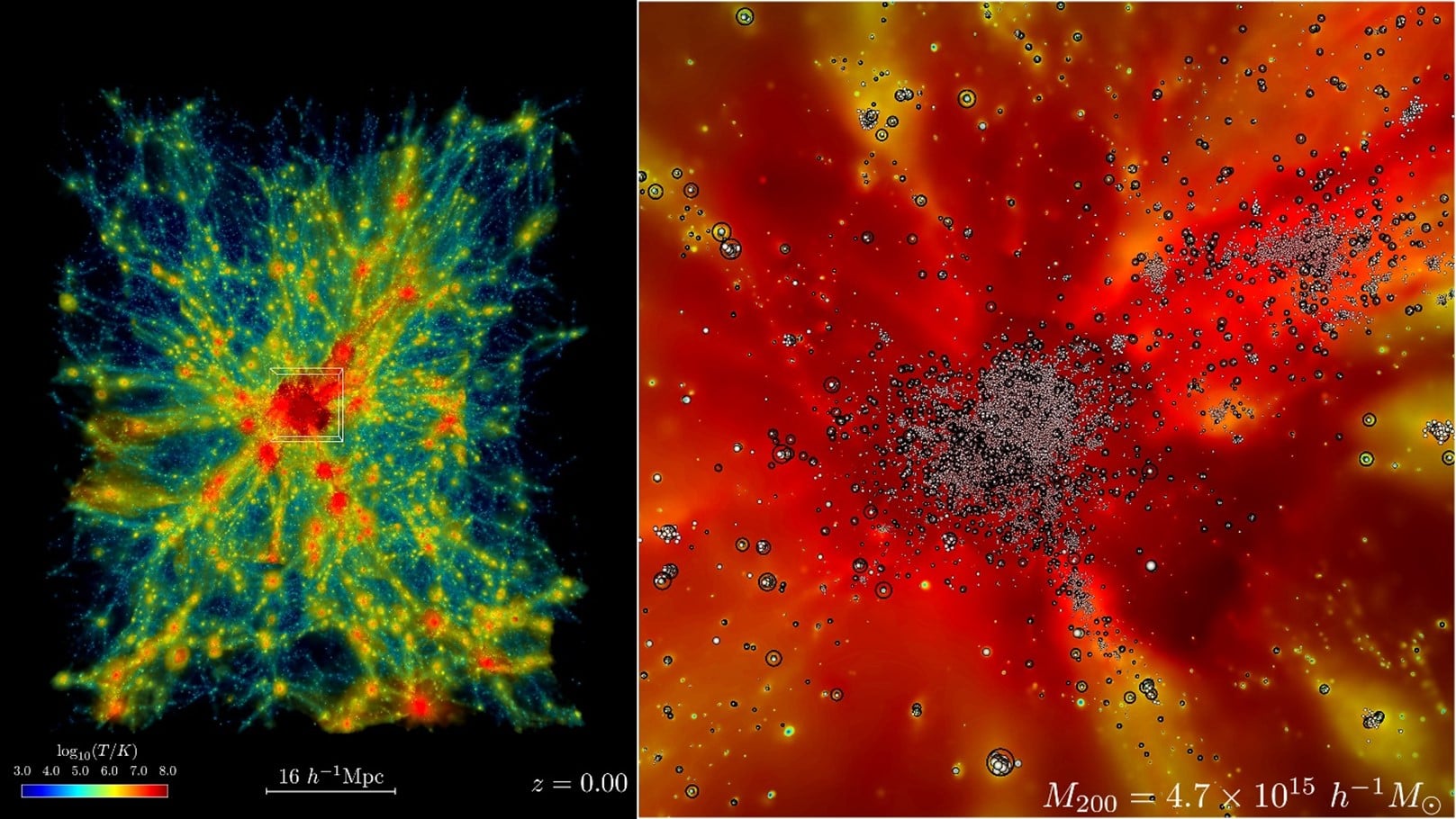
Thanks to Hubble, JWST, and the Planck mission, we're starting to see cracks in the current ideas in cosmology, expressed by the Hubble Tension, the Cosmic Shear Tension, and the role dark energy plays in the expansion of the Universe over time. Good news: powerful new instruments are already surveying the Universe and should measure any deviations from the widely held cosmological models. It's a fun time to be an astronomer.
Continue reading
Continue reading

Continue reading
Continue reading
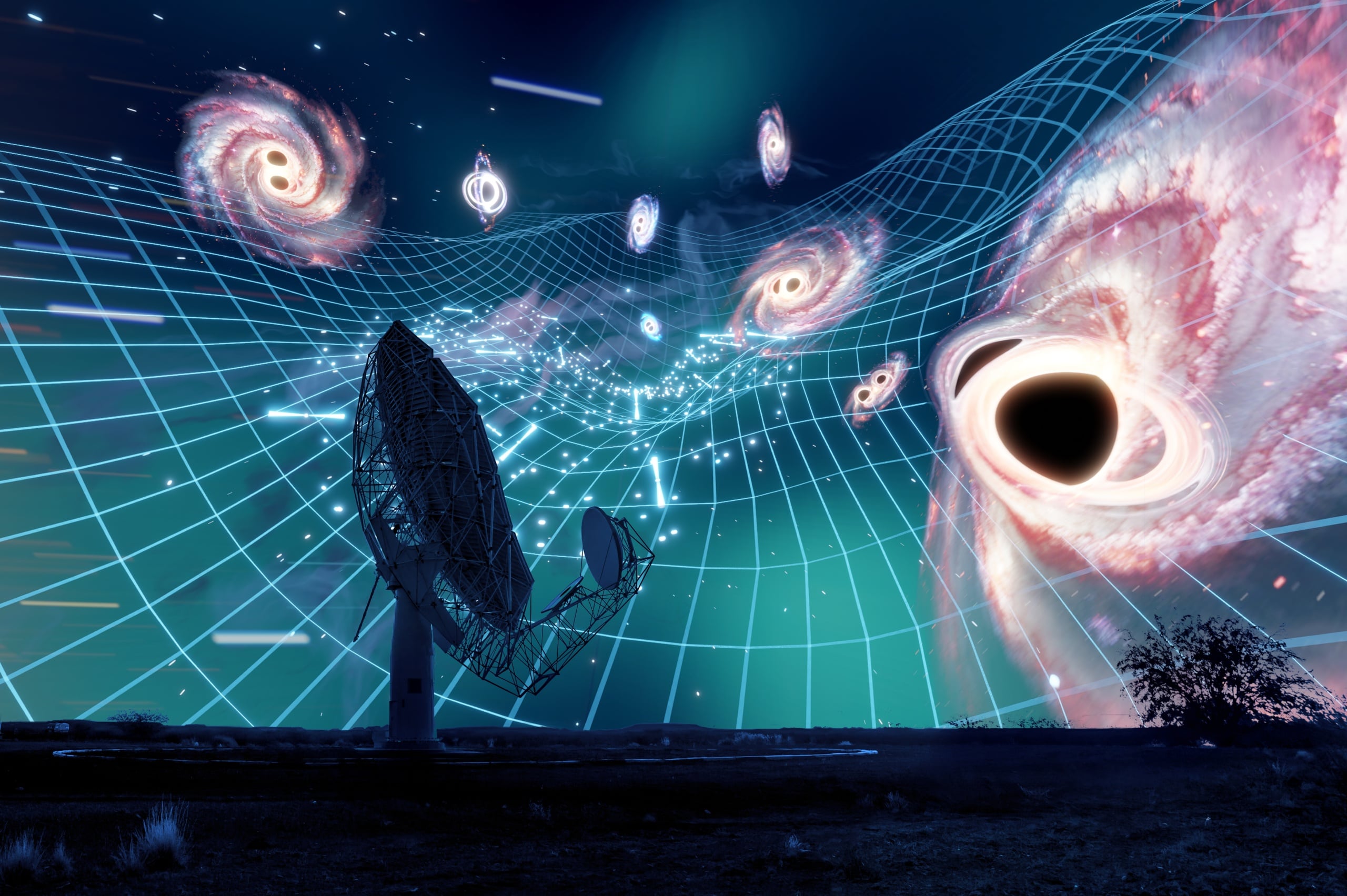
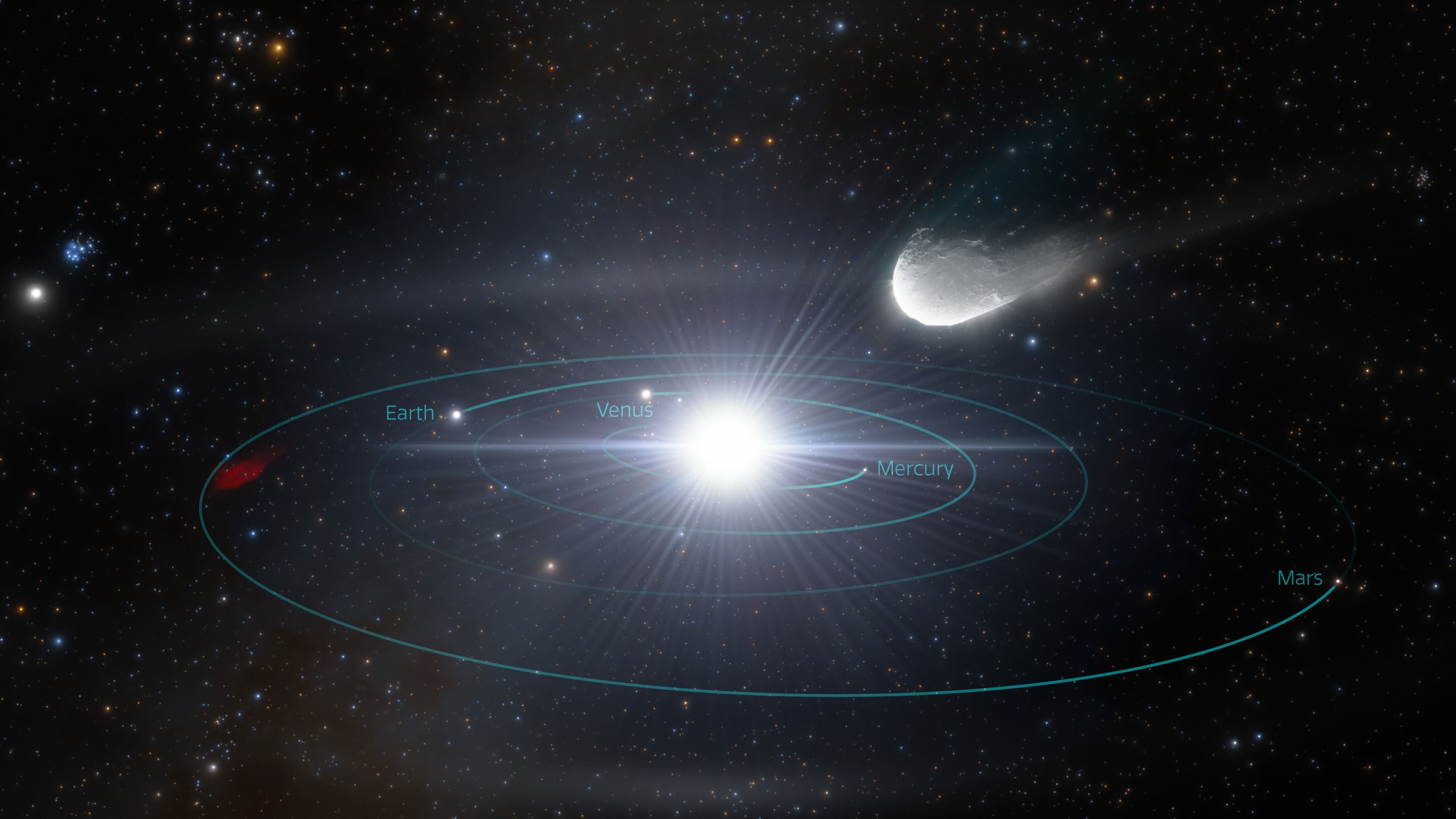
Astronomers are collecting evidence for the gravitational wave background of the Universe, caused by merging supermassive black holes. Now, the MeerKAT radio telescope has confirmed the discovery first made by the NANOGrav experiment, but in a third of the time. For the last five years, MeerKAT has monitored dozens of millisecond pulsars once a week, detecting subtle changes in their radio emissions as gravitational waves flow by.
Continue reading
Continue reading
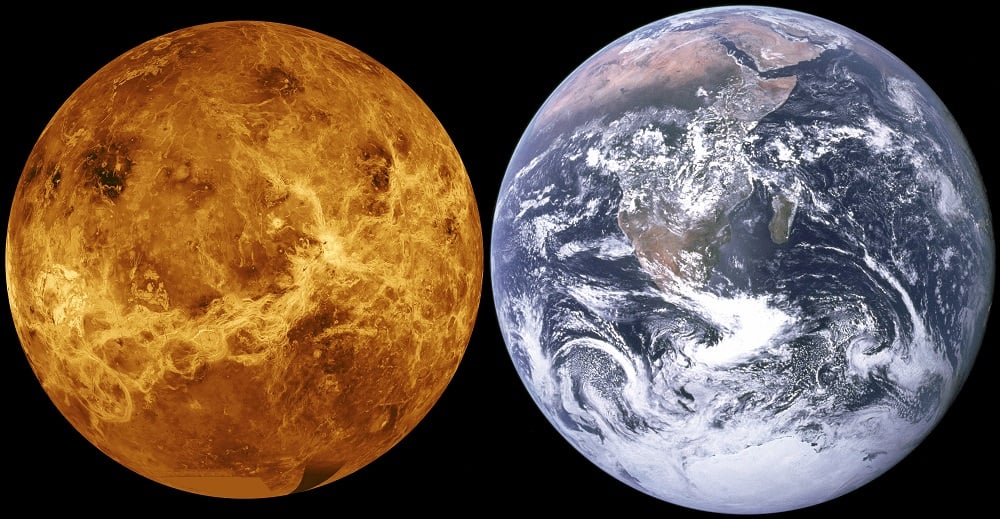
The planetary science community argues back and forth about when Venus was last habitable. Did it lose its oceans billions of years ago, or more recently? A new paper suggests that Venus has been a hellscape for its entire history. No oceans, ever. This result comes from the ratio of atmospheric chemicals and how quickly they're replenished by volcanic outgassing. On Earth, volcanic eruptions are mostly steam from interior water, but on Venus, they're 6% water at most.
Continue reading
Continue reading
Continue reading
Continue reading

Continue reading
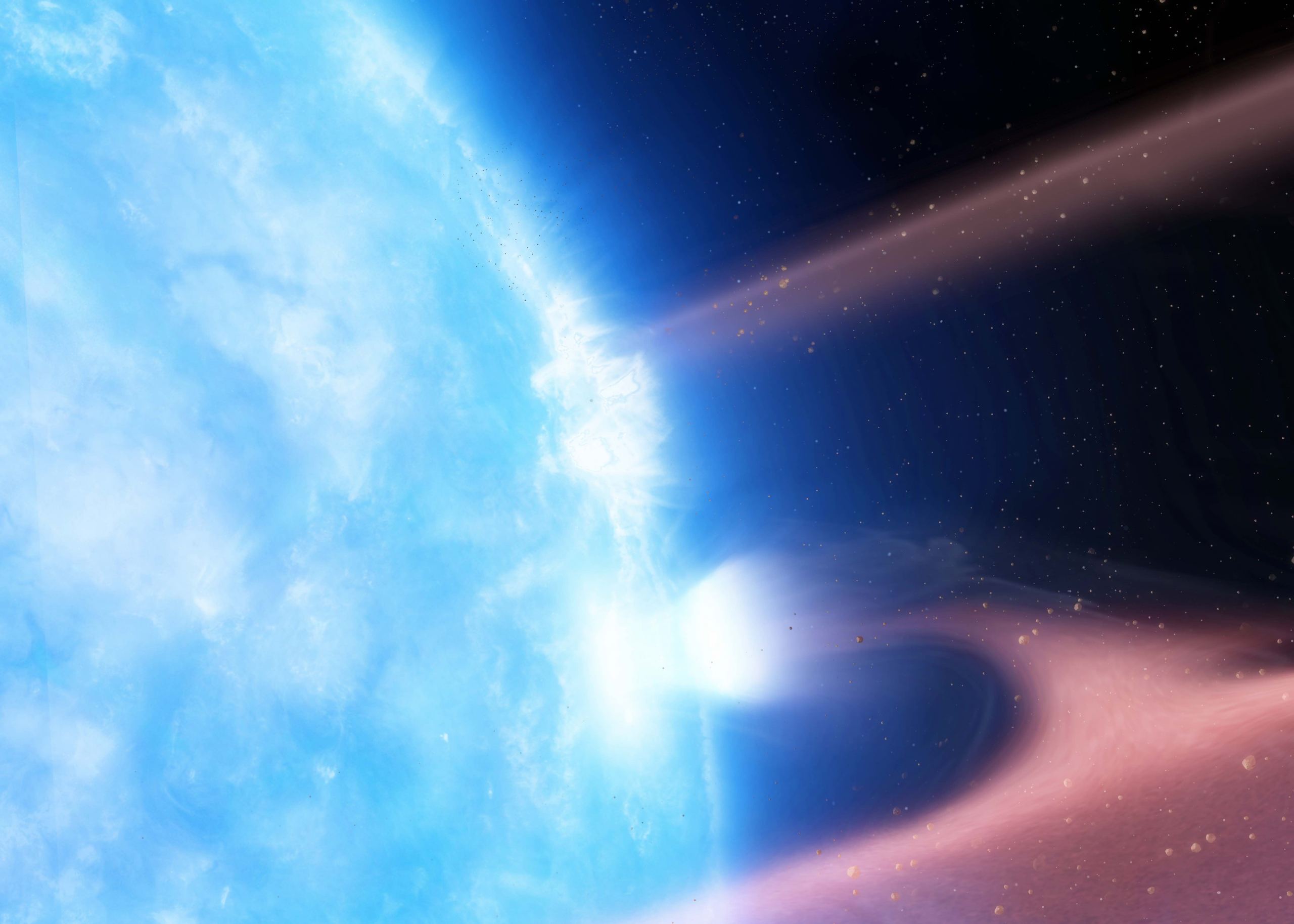
White dwarfs are dead stars like our Sun. Although they're no longer performing fusion in their cores, they're still hot and putting out radiation that could support life. A new paper calculates that a white dwarf could support planets in a new habitable zone for 7 billion years, providing the right temperature and radiation to support a biosphere. They're also small and dim, which makes it easier to study planets in orbit around them for potential biosignatures.
Continue reading
Continue reading
Continue reading
Continue reading
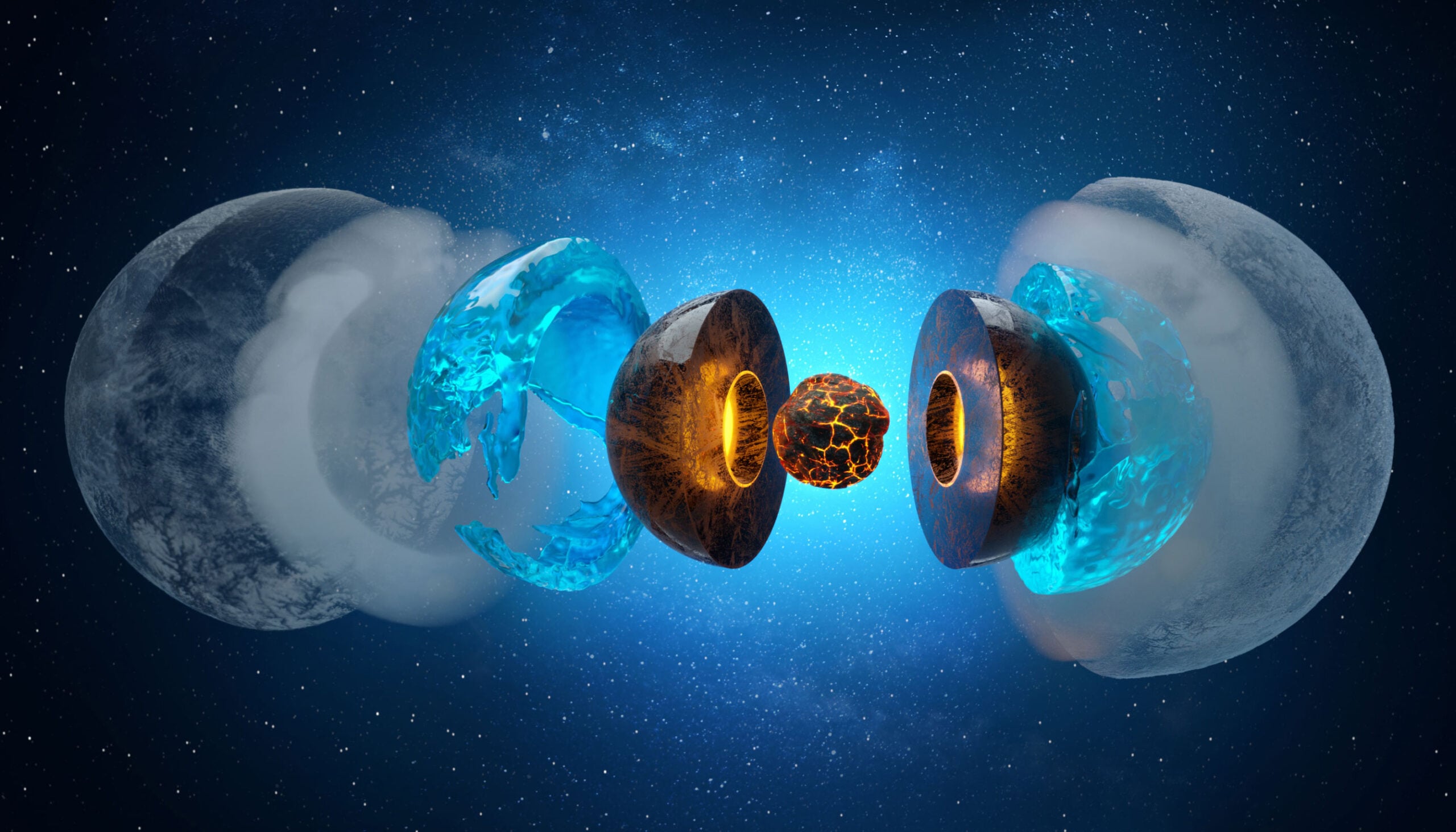
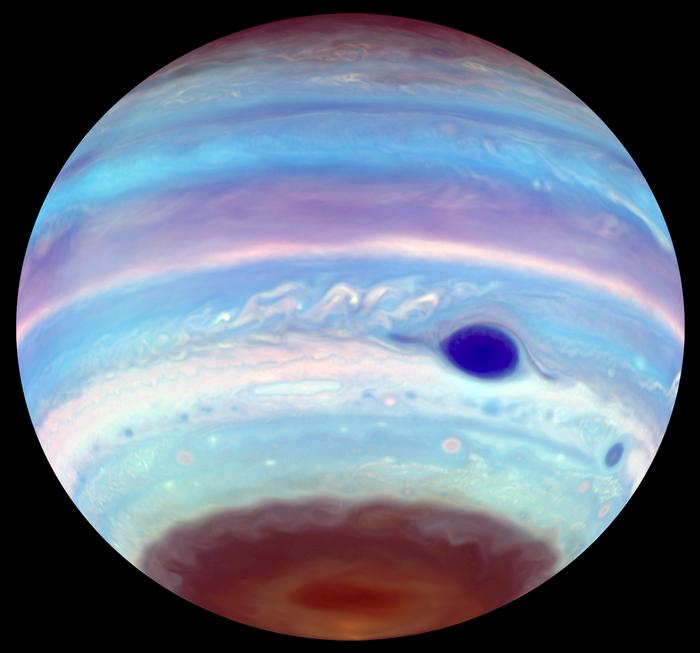
Uranus and Neptune are "ice giants," containing chemicals like methane and ammonia, but compressed under intense pressure. This is just speculation from a couple of flybys with Voyager 2 and telescope observations. A new paper suggests that Uranus and Neptune have distinct layers, which don't easily mix and could explain their unusual magnetic fields. Below the cloud layers is a deep ocean of water and then a compressed fluid of carbon, nitrogen, and hydrogen.
Continue reading

Continue reading
Continue reading
Continue reading
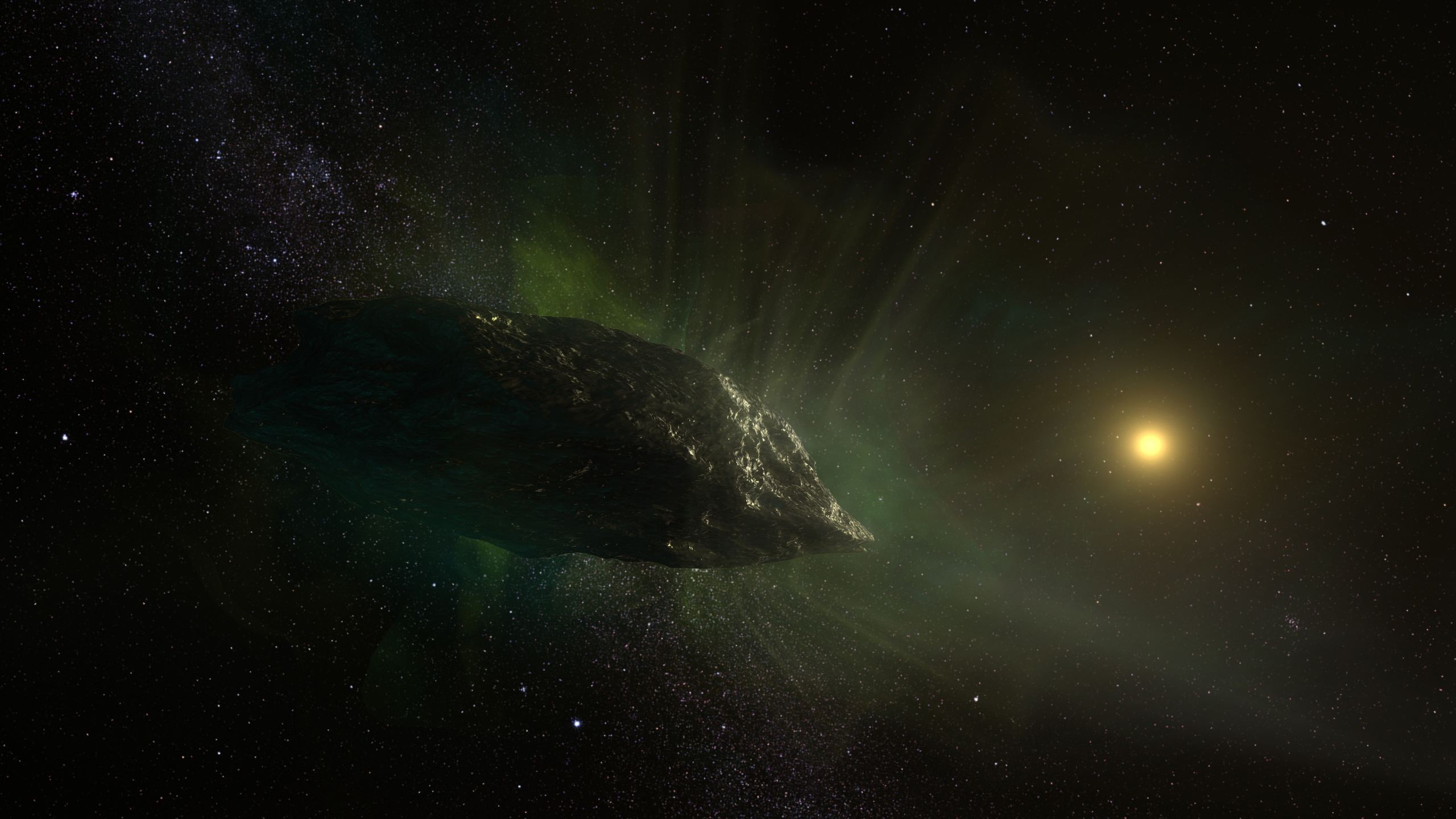
When the Vera Rubin Observatory comes online in a few months, it'll be the most effective asteroid and comet hunter ever built. And not just the homegrown variety, Rubin will discover interstellar objects like Oumuamua and Borisov passing through the Solar System. A new paper suggests the kinds of machine learning algorithms that will have the best chance of uncovering these fast-moving objects as they move through the field of view from night to night.
Continue reading

Continue reading
Continue reading
Continue reading
Continue reading
Continue reading

Continue reading
Continue reading
Continue reading
Continue reading
Continue reading
Continue reading
There is no place you can go on Earth that hasn't been colonized by bacteria, from the bottom of the oceans to the cloud tops. And when Japanese researchers examined samples of Asteroid Ryugu from the Hayabusa2 mission, they realized the little devils had found a new home. Despite containment protocols, with the samples delivered in a hermetically sealed chamber, opened in airtight containers in nitrogen gas, in a negative pressure room, life found a way.
Continue reading

Continue reading
Continue reading
Continue reading
Continue reading
Continue reading
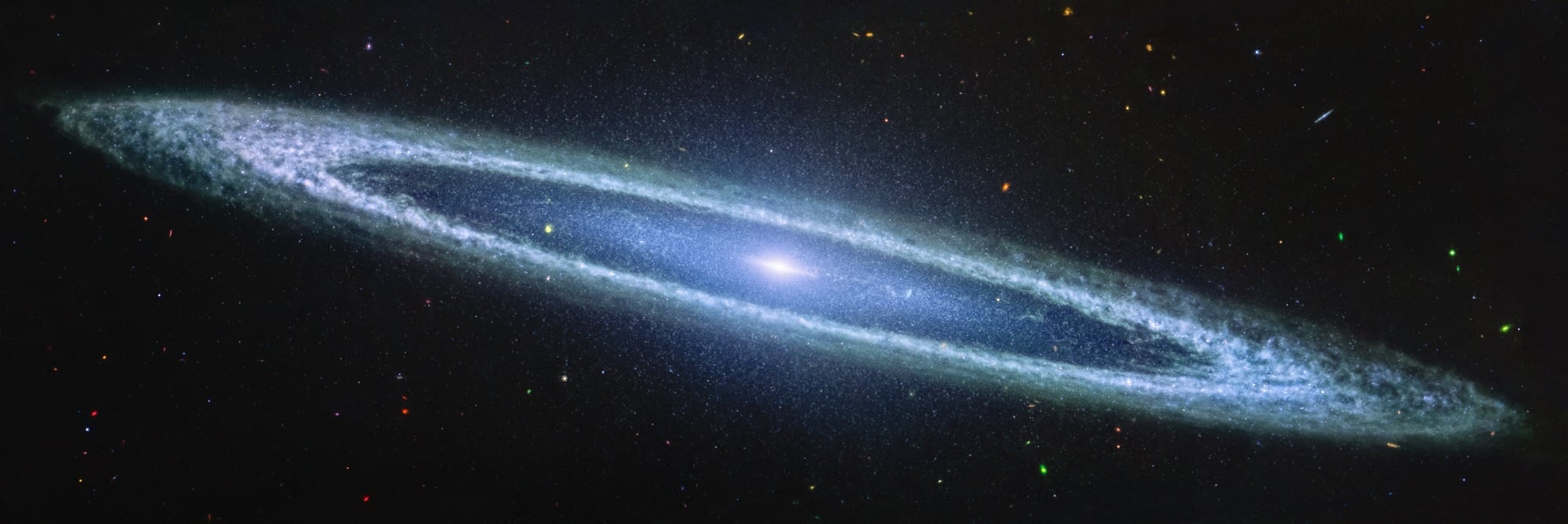
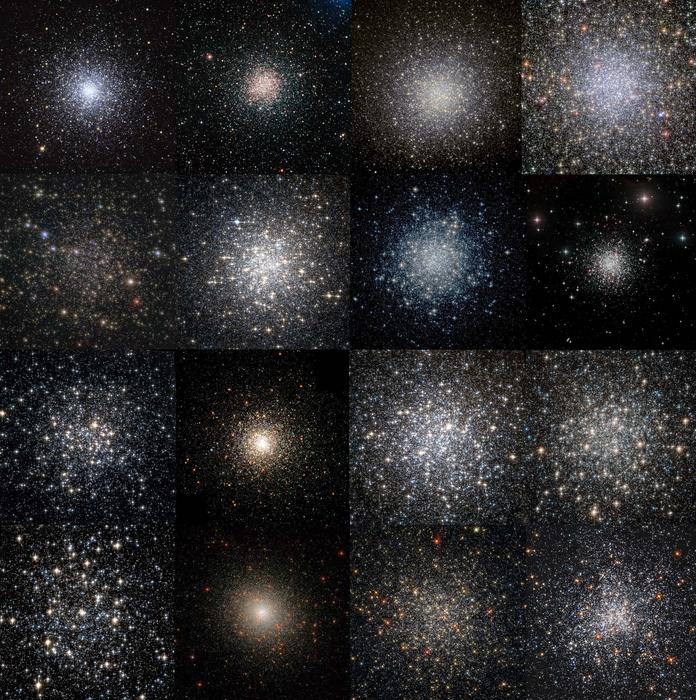
You're looking at a fantastic new image of the Sombrero Galaxy captured by JWST. If you look carefully, you can see the clumpy, cloud-like outer ring made of gas and dust. At the center is an actively feeding supermassive black hole. Thousands of globular star clusters surround the galaxy. In Webb's infrared view, the thick outer ring seen by Hubble disappears, revealing the complex structure underneath that produces surprisingly few stars.
Continue reading

Continue reading
Continue reading
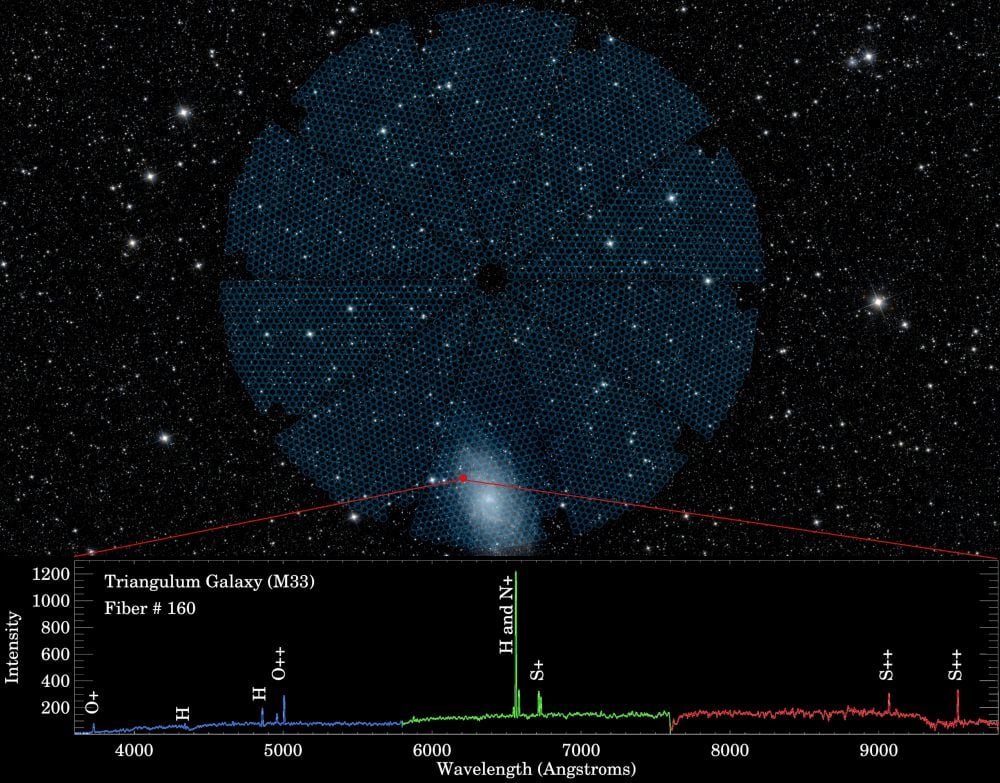
Researchers working with the Dark Energy Spectroscopic Instrument have mapped nearly 6 million galaxies across 11 billion years of the Universe's history. In a new study, they explain that gravity at the largest scales behaves exactly as Einstein predicted it would with the general theory of relativity. These observations also limit the possible theories of modified gravity, which have been proposed to explain dark matter observations.
Continue reading
Continue reading
Continue reading
Continue reading
Continue reading

Continue reading
Continue reading
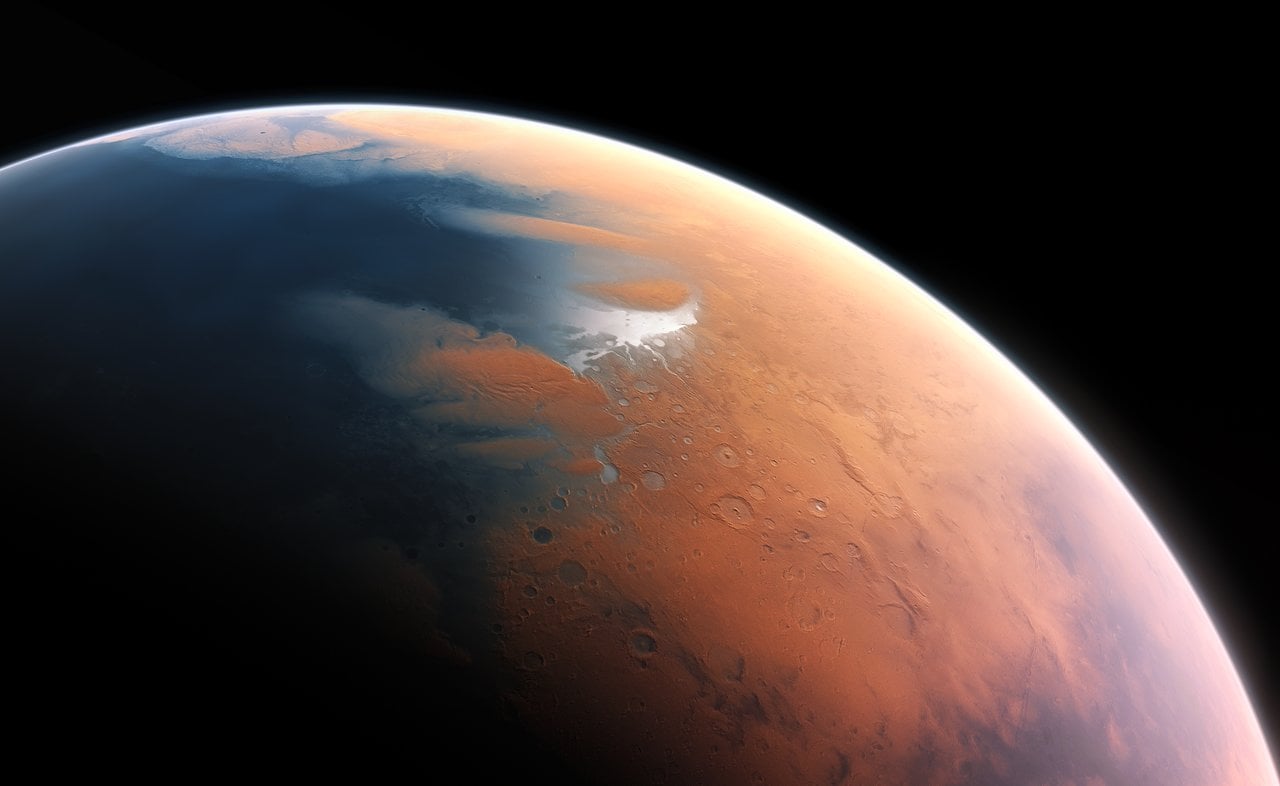
Mars formed 4.5 billion years ago, roughly the same time as the Earth. We know that water was stable on Earth since about 4.3 billion years ago, but when was it present on Mars? Researchers investigated a meteorite that originated from Mars and found zircon crystals that date back to 4.45 billion years ago. They believe this could be the oldest evidence for water on Mars. And not just water, but hot water welling up from hydrothermal systems beneath the surface.
Continue reading
Continue reading
 Universe Today