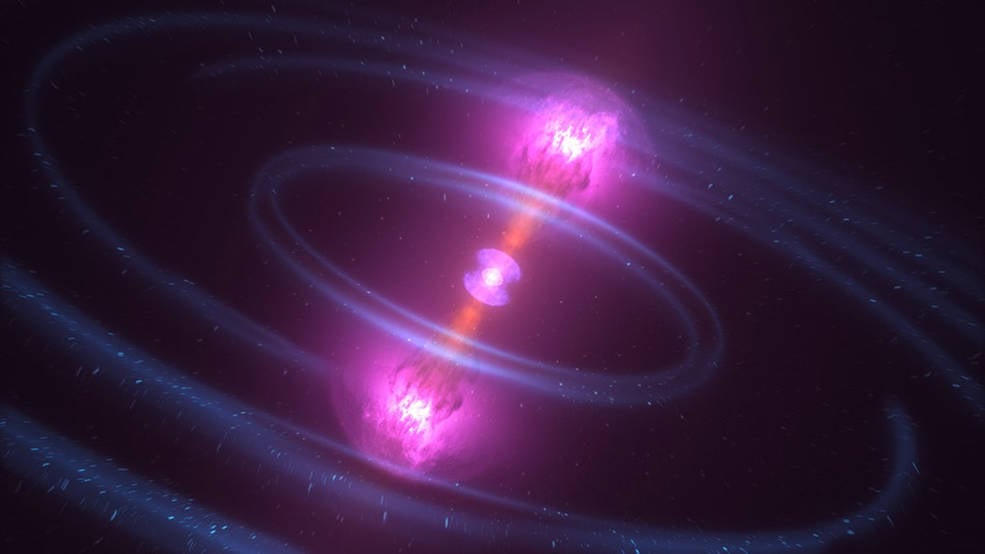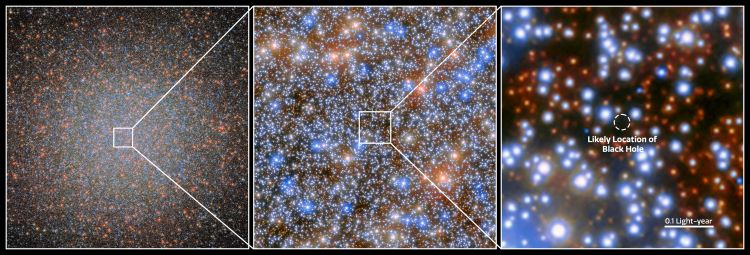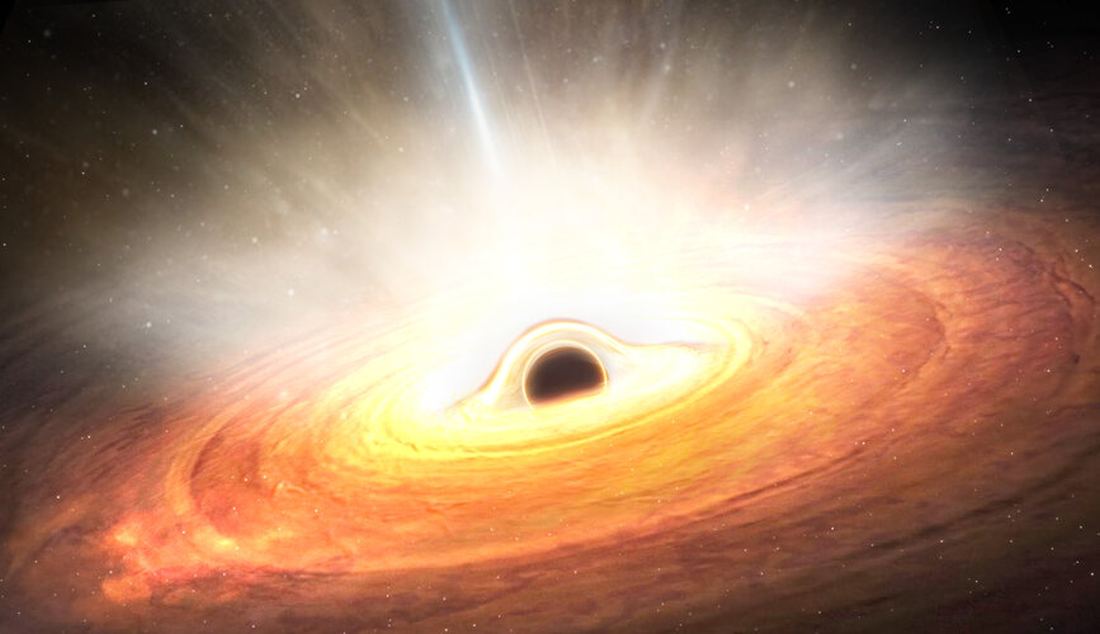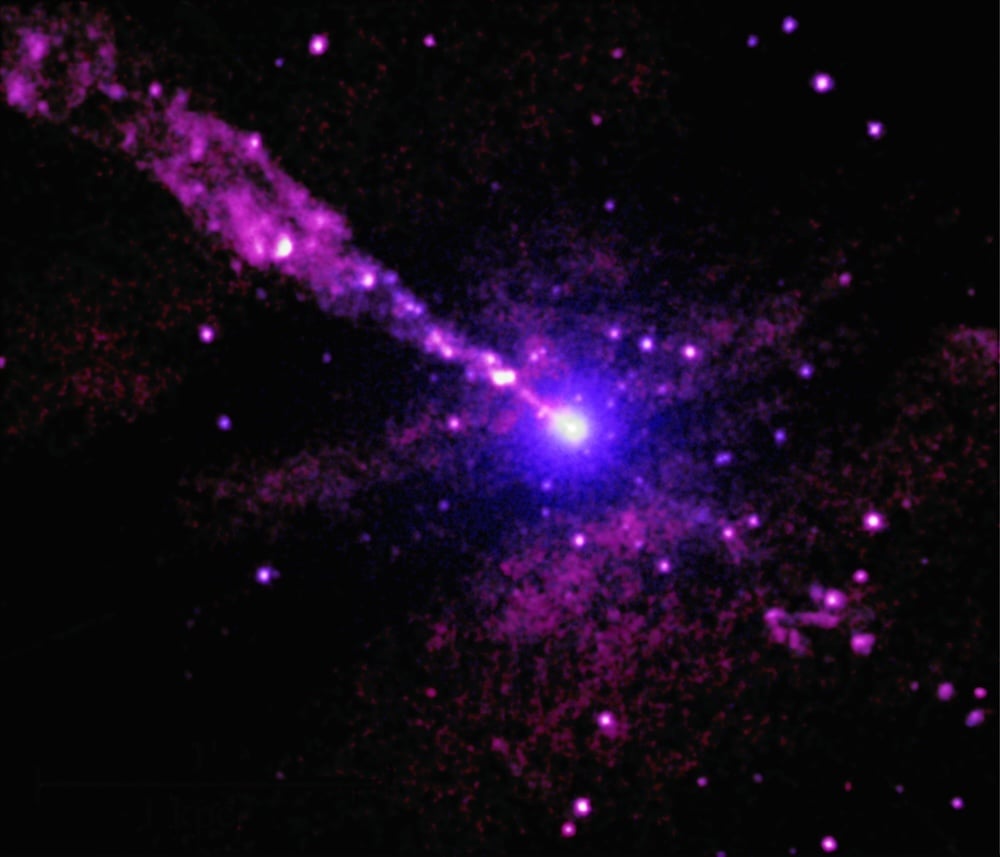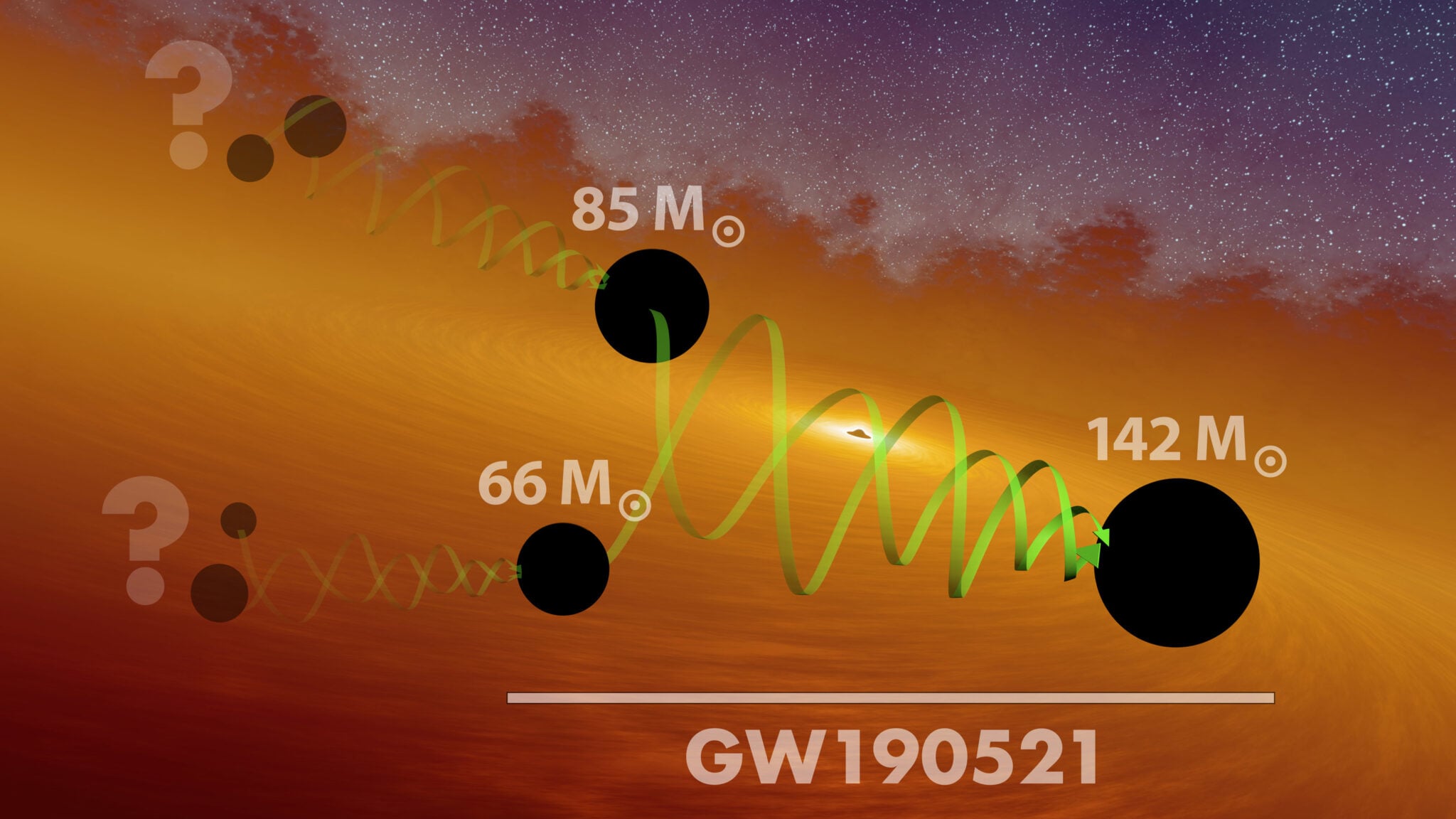
Many of the black holes astronomers observe are the result of mergers from less massive black holes. Using gravitational waves, we can observe two black holes coming together and their combined remnant. But can astronomers observe a black hole and work out the masses of the objects that came together? Can we build a black hole's family tree? In a new paper, researchers propose that the nearby environment puts limits on the kinds of black holes that can merge.
Continue reading
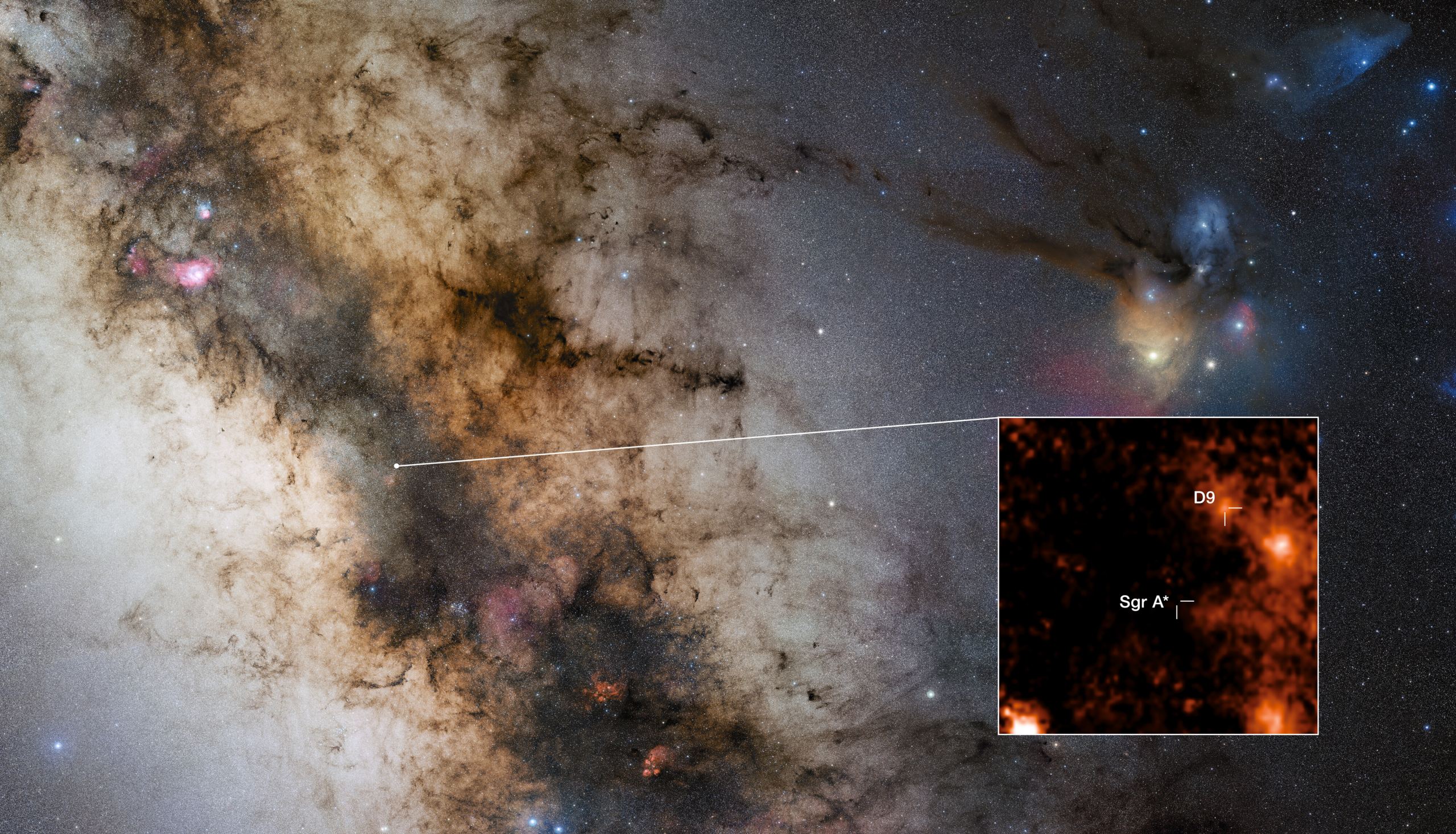
Astronomers have already discovered many stars orbiting the supermassive black hole at the heart of the Milky Way, Sgr A*. Now, researchers have announced they've found a binary star system in the vicinity too. This is surprising since Sgr A* tears at nearby stars with its ferocious tidal forces, and you'd expect binary stars to be separated from one another after too many close flybys. Well, there they are, still a pair after millions of years.
Continue reading
Don Pettit is one of the astronauts currently on board the International Space Station. He's also a serious shutterbug and amateur astronomer. To take advantage of his current lofty perspective, he rigged up a special star tracking mount that he could use to take long-exposure astrophotos from the ISS. The homemade orbital sidereal tracker rotates at a 90-minute period to match the pitch rate of the ISS, allowing him to take 30-second exposures.
Continue reading
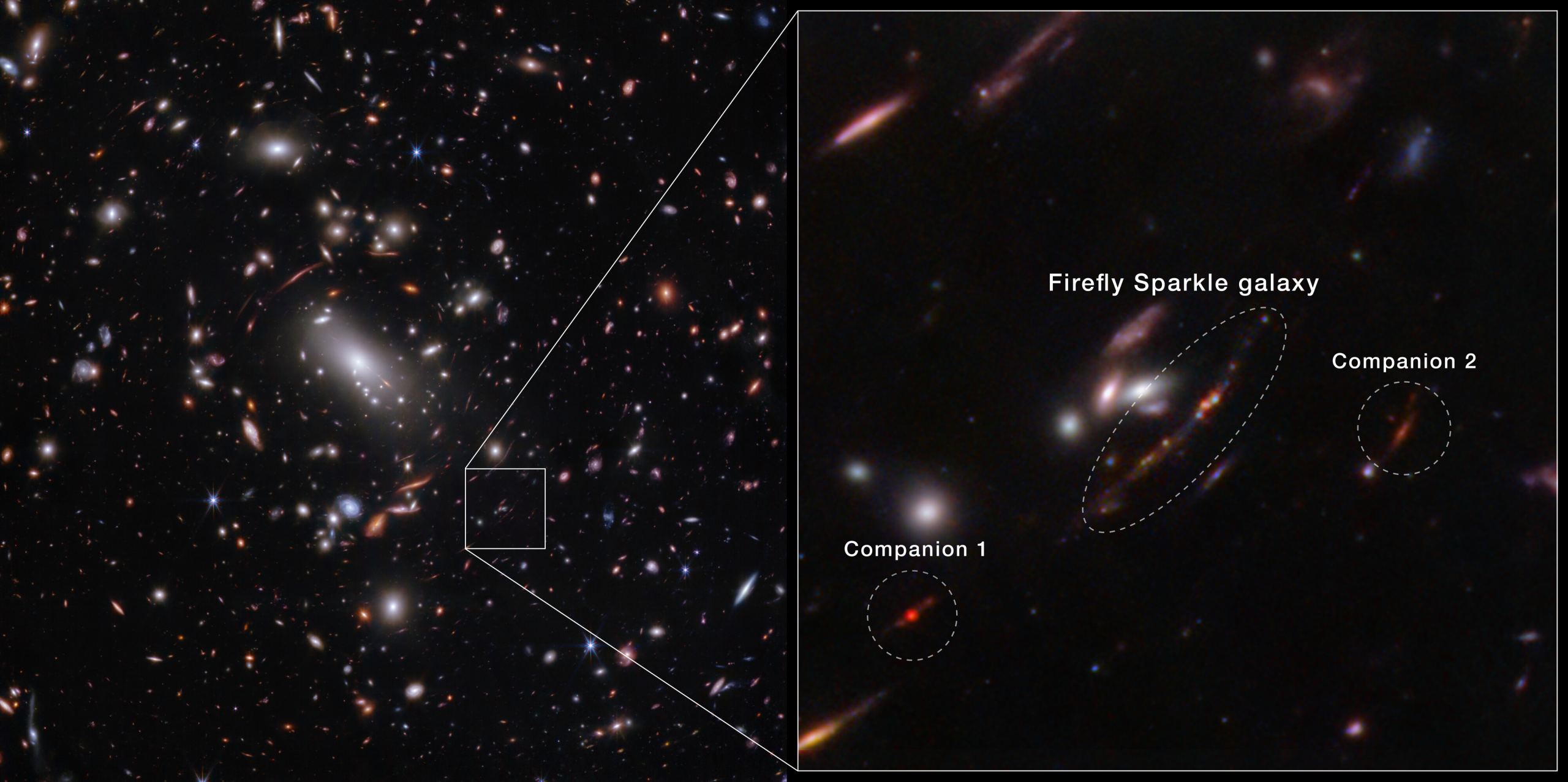
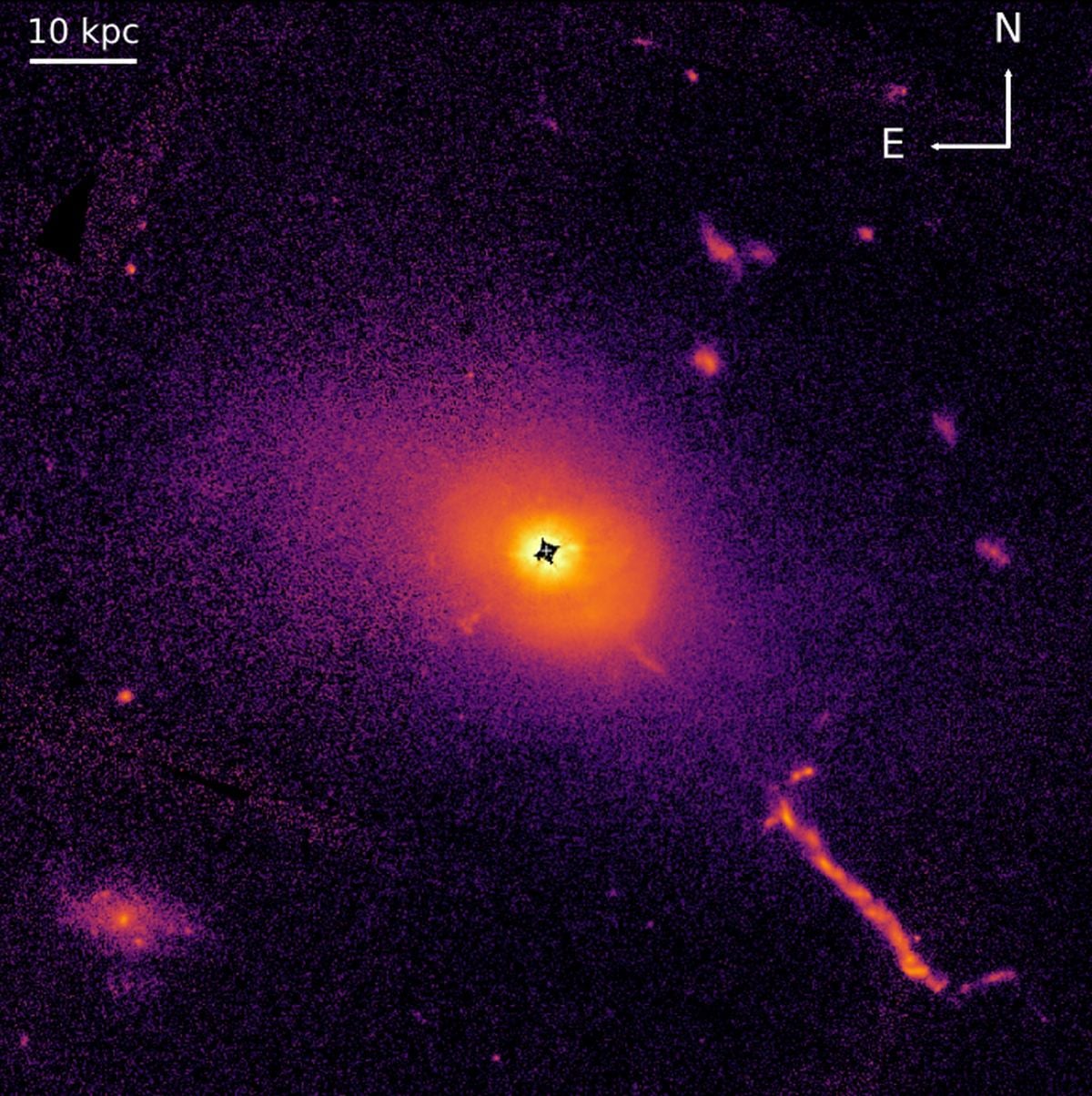
Astronomers have used JWST to weigh a galaxy in the early Universe, finding that it has roughly the same mass as the Milky Way should have had at the same time in the Universe's history. The galaxy was seen in a gravitational lens and contains a collection of star clusters, so astronomers have nicknamed it the "Firefly Sparkle Galaxy." The galaxy also contains companion dwarf galaxies, similar to the Milky Way's Magellanic Clouds, which probably merged with it.
Continue reading
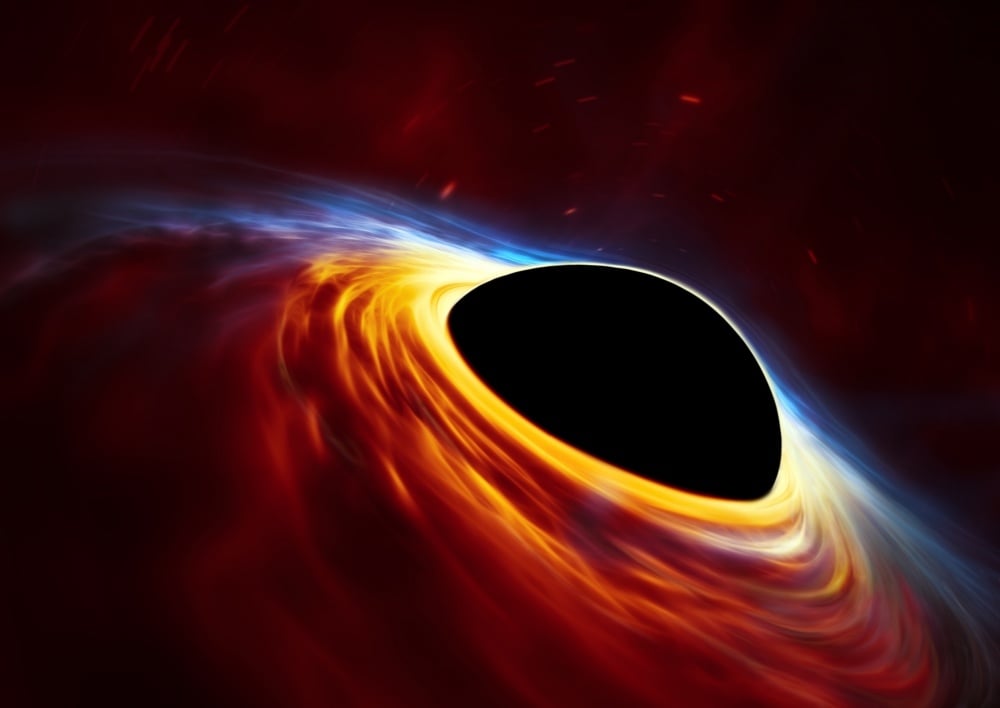
When a massive star dies as a supernova, it can leave behind a pulsar, a rapidly spinning neutron star. The fastest pulsars can spin upwards of 700 times a second, blasting out regular pulses of energy. In a new paper, researchers propose that the fastest-spinning pulsars could contain quark matter in their cores. This would be even denser matter than neutrons and help explain how surprisingly massive neutron stars can spin so rapidly, maybe reaching 1,000 Hz.
Continue reading

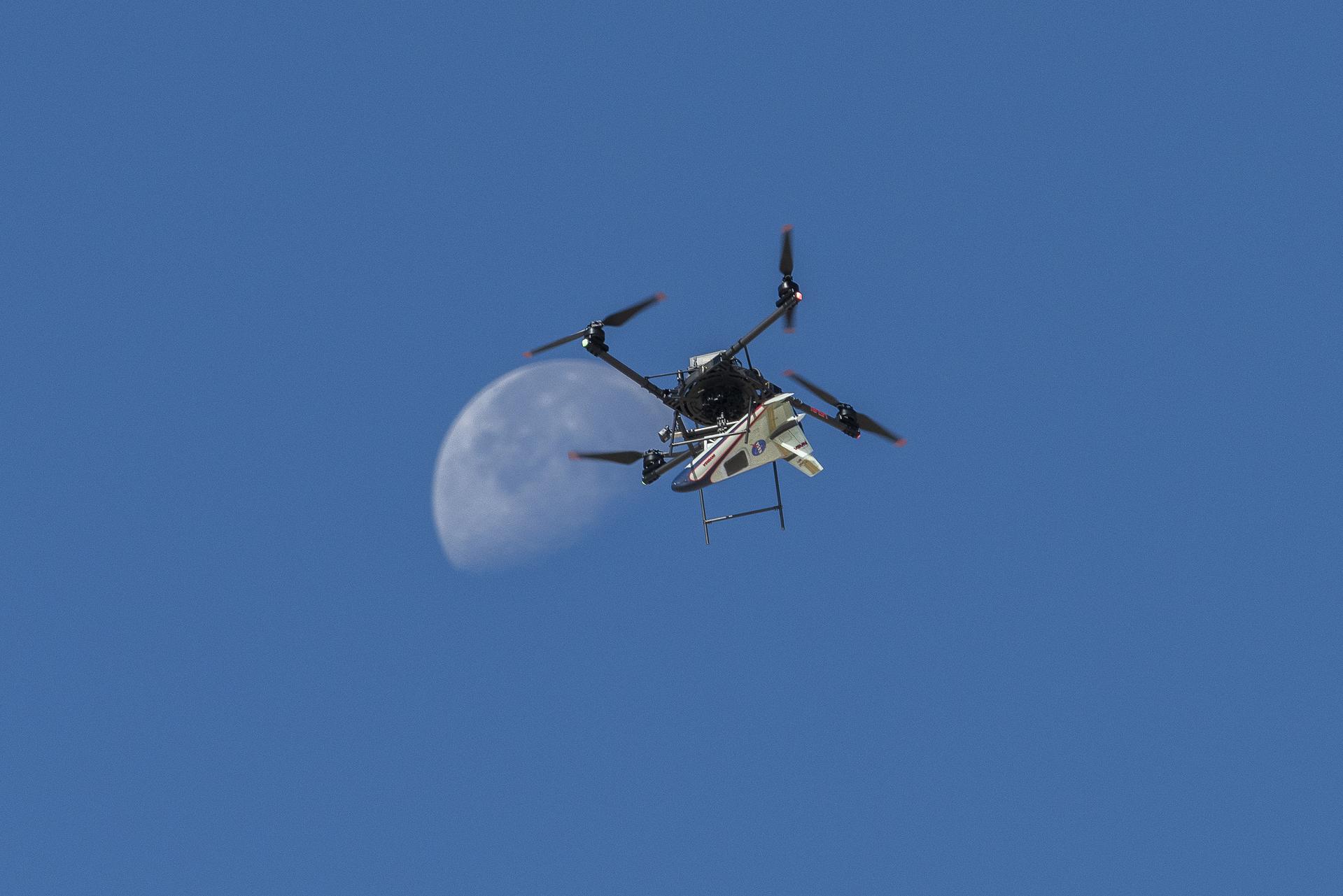
When the Earth was struck by a Mars-sized planet in its early history, it ejected a debris cloud that led to the formation of the Moon. In the beginning, the Moon was extremely close to the Earth, but then conservation of angular momentum led to the Moon drifting away from the Earth - it's still doing it today. Because the Earth was covered in oceans of magma, researchers think the Moon moved quickly away from the Earth, getting to 25 Earth radii within 100,000 years.
Continue reading
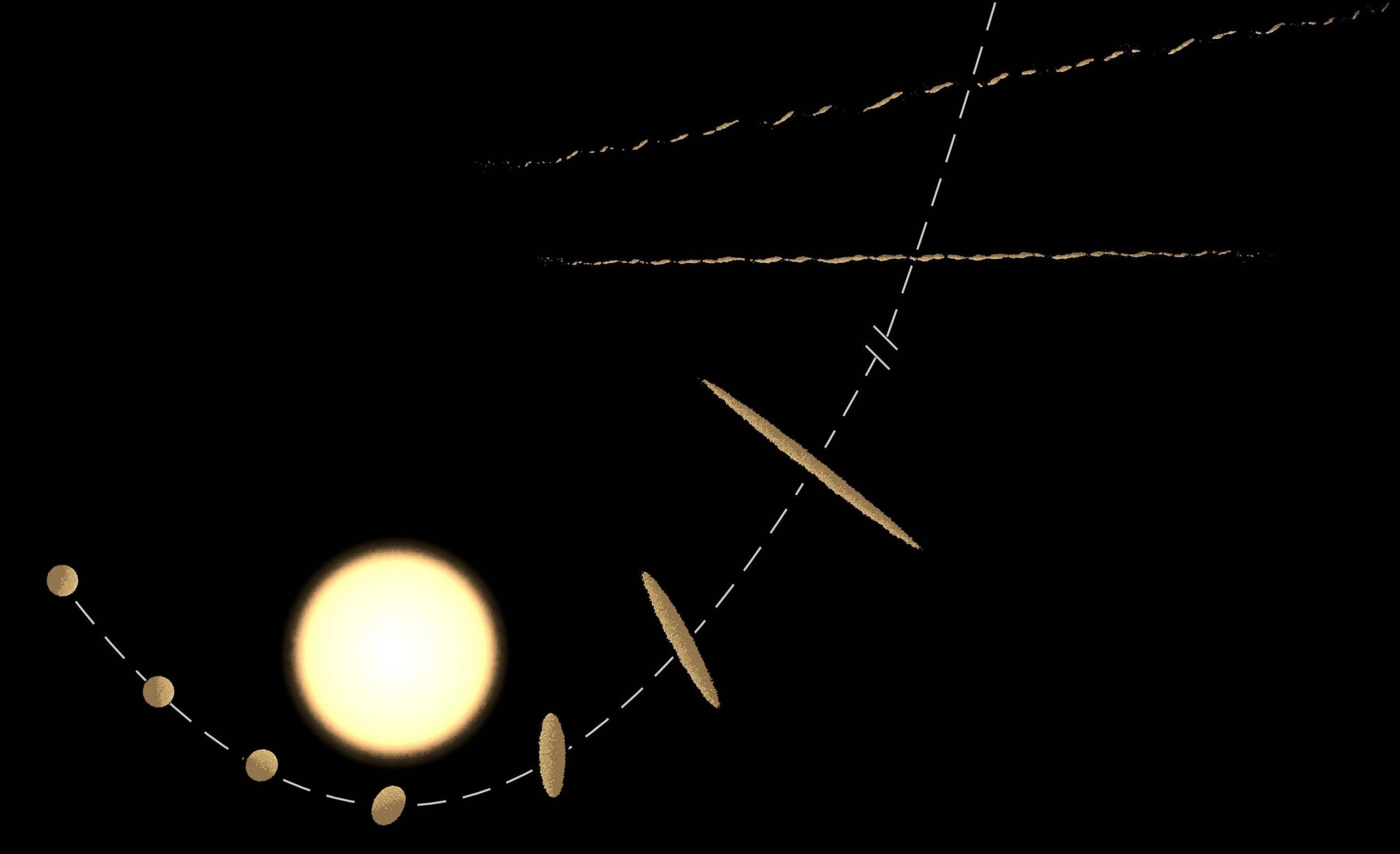
Interstellar objects visit our solar system all the time. A new study shows they likely come in streams of sibling objects from the same star system.
Continue reading
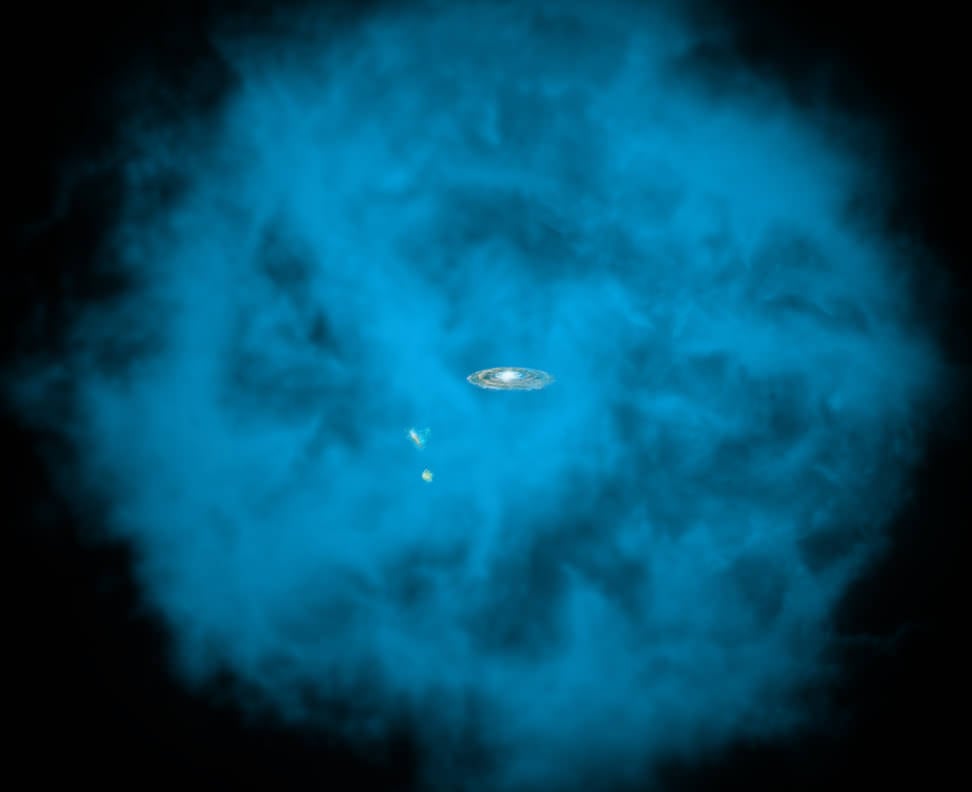
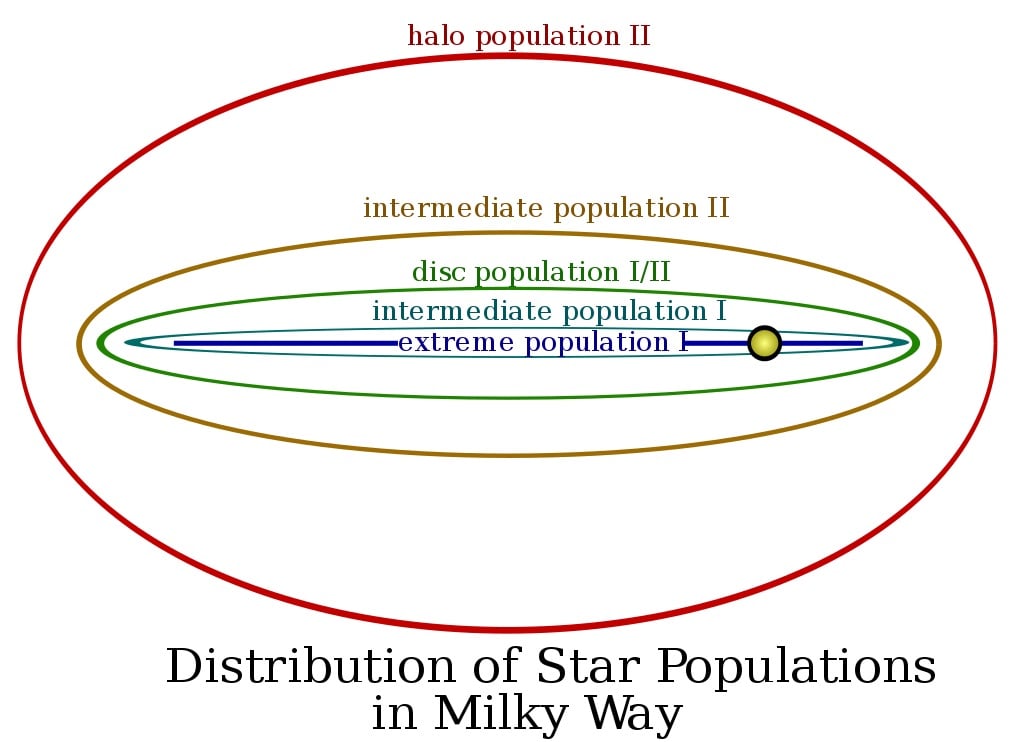
A survey of high velocity clouds in the galactic halo of the Milky Way finds that they make up less of our galaxy's mass than we had previously thought.
Continue reading
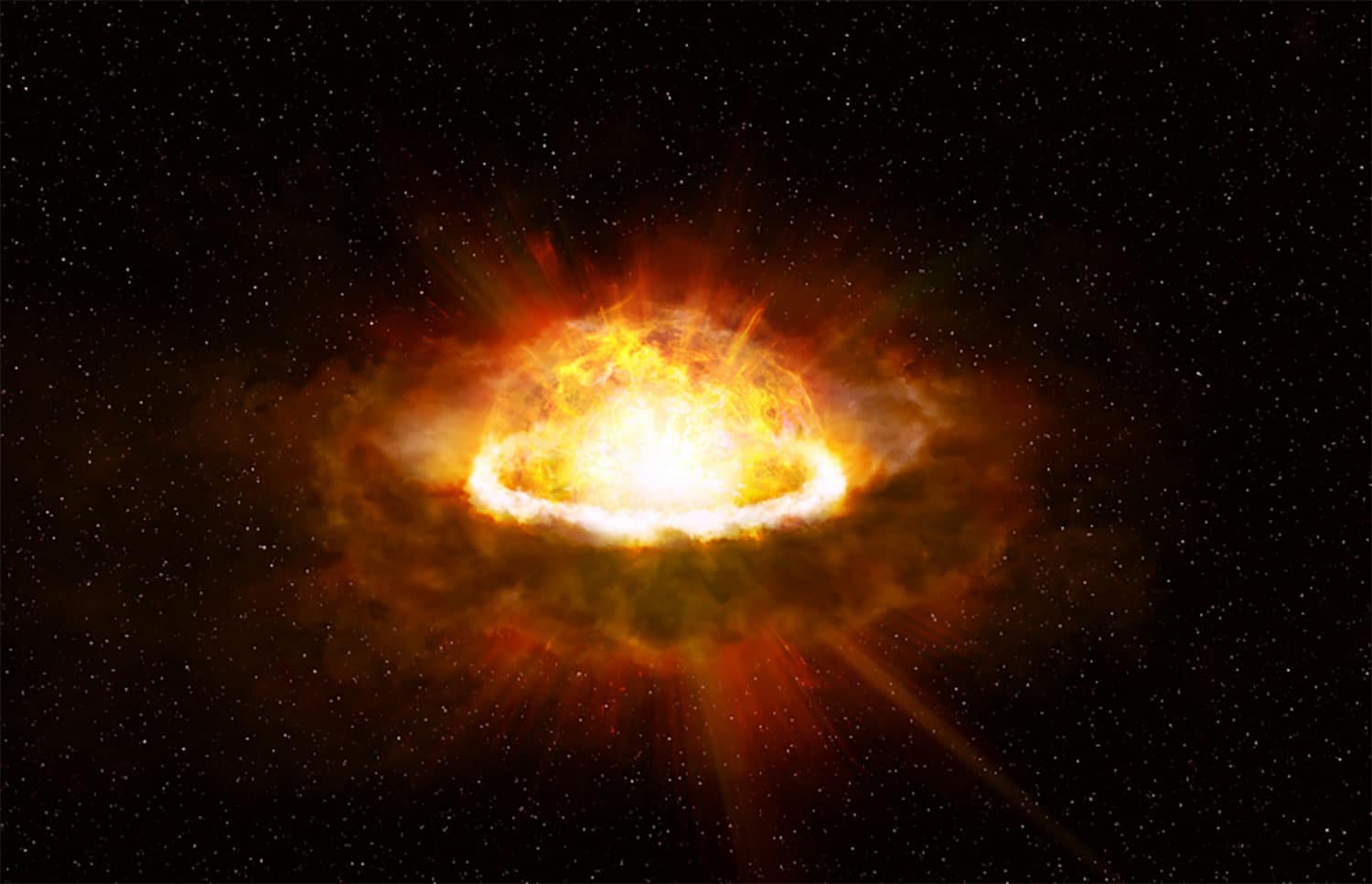
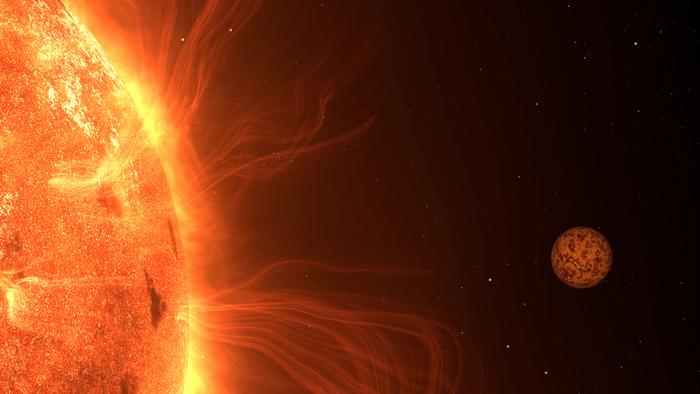
Type Ia supernovae are crucial to our understanding of cosmology. But we still don't fully understand what causes them.
Continue reading
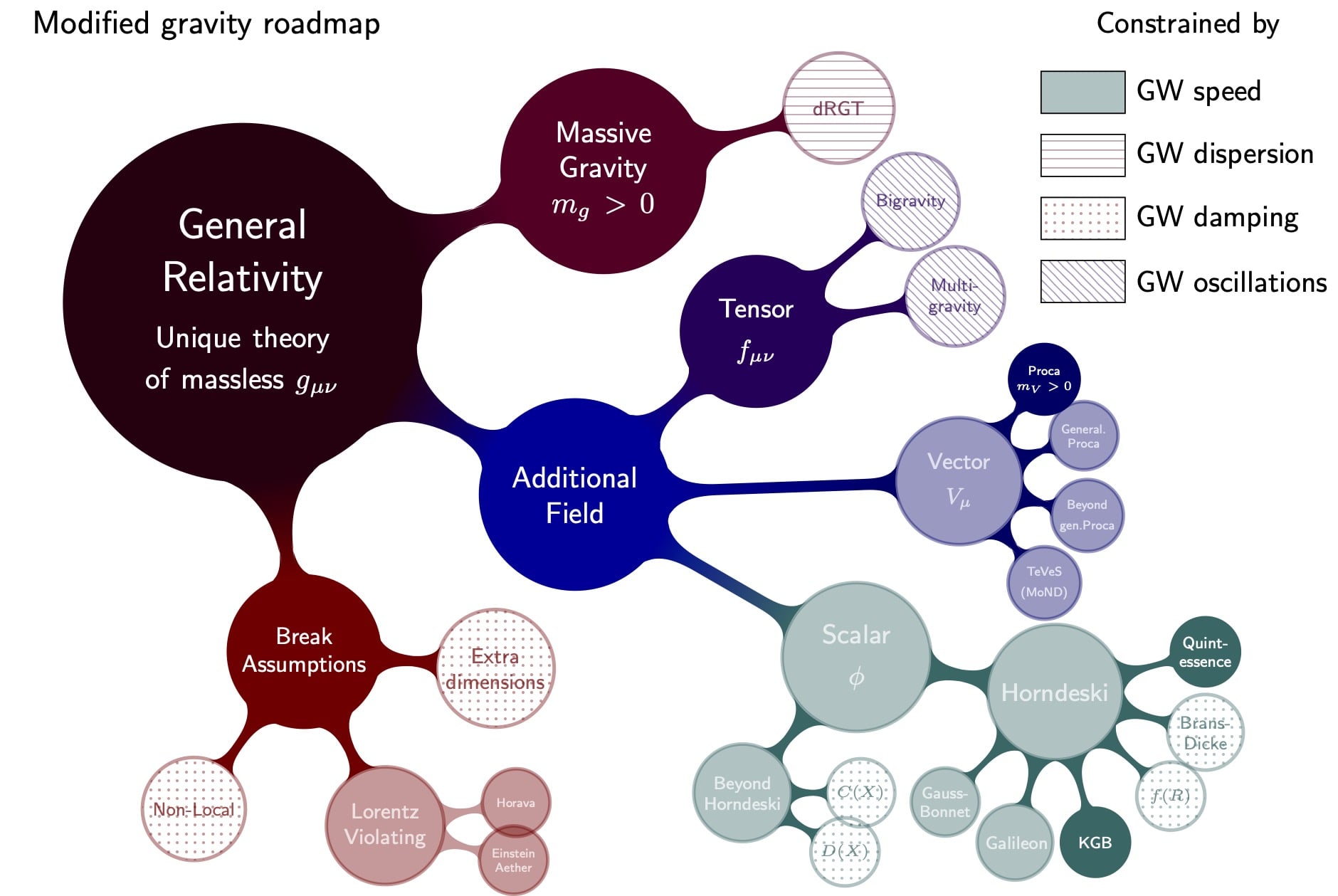
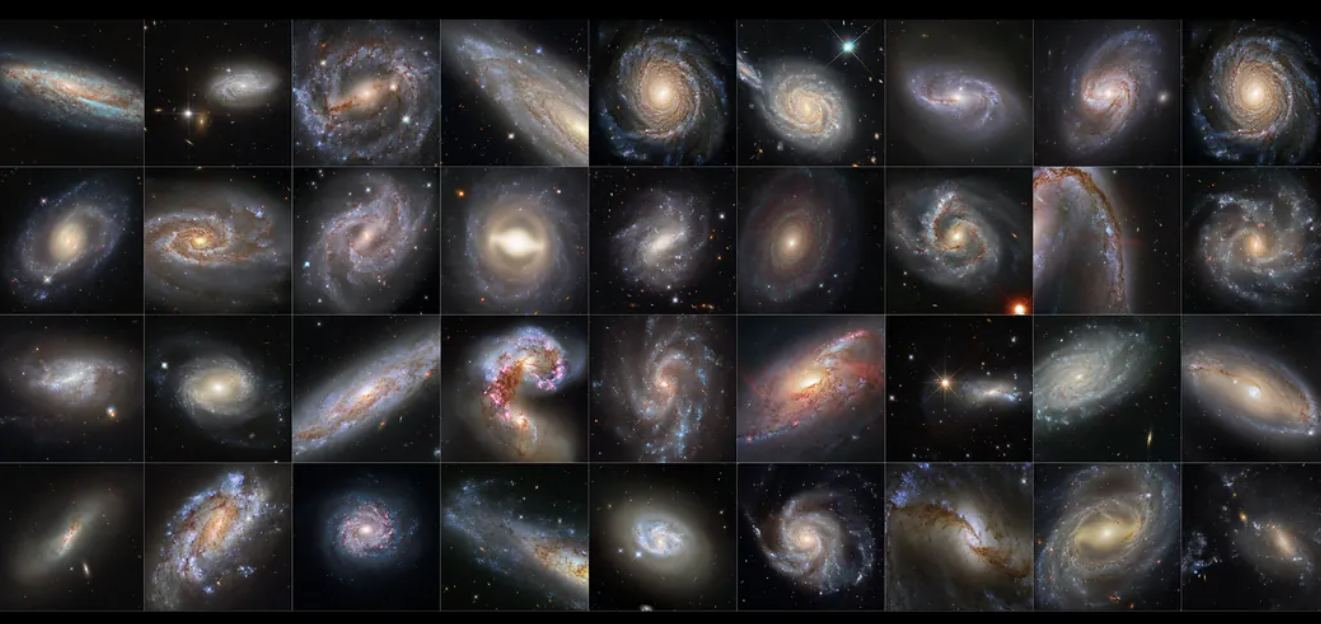
Observations from the Dark Energy Spectroscopic Instrument suggest that the rate of cosmic expansion may be changing over the time. While this wouldn't rule out general relativity, it opens the door to modified gravity models, which may better match the data.
Continue reading
 Universe Today