Black Hole Merger Provides Clearest Evidence Yet that Einstein, Hawking, and Kerr were Right

By Matthew Williams - September 18, 2025 11:44 PM UTC
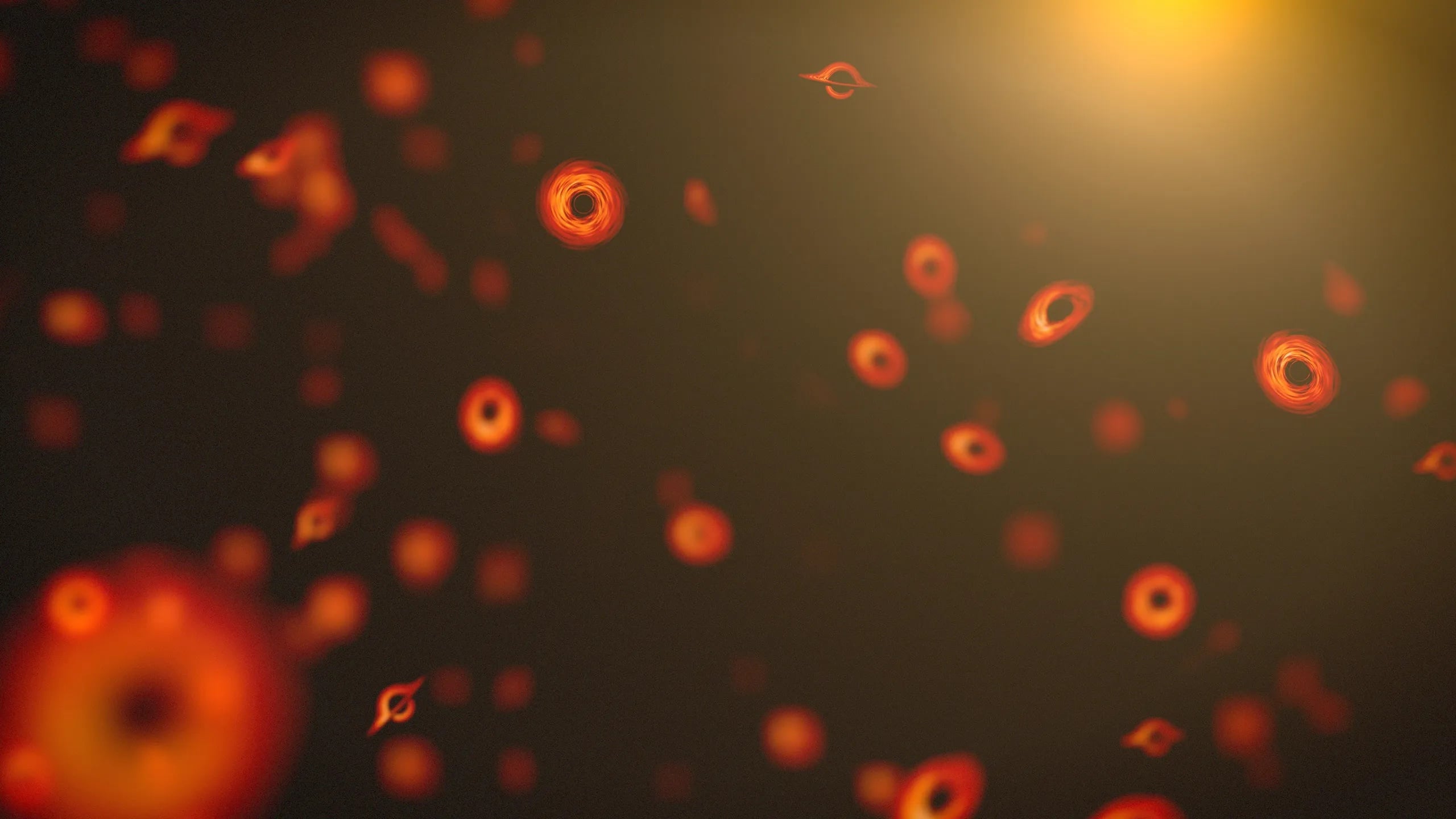
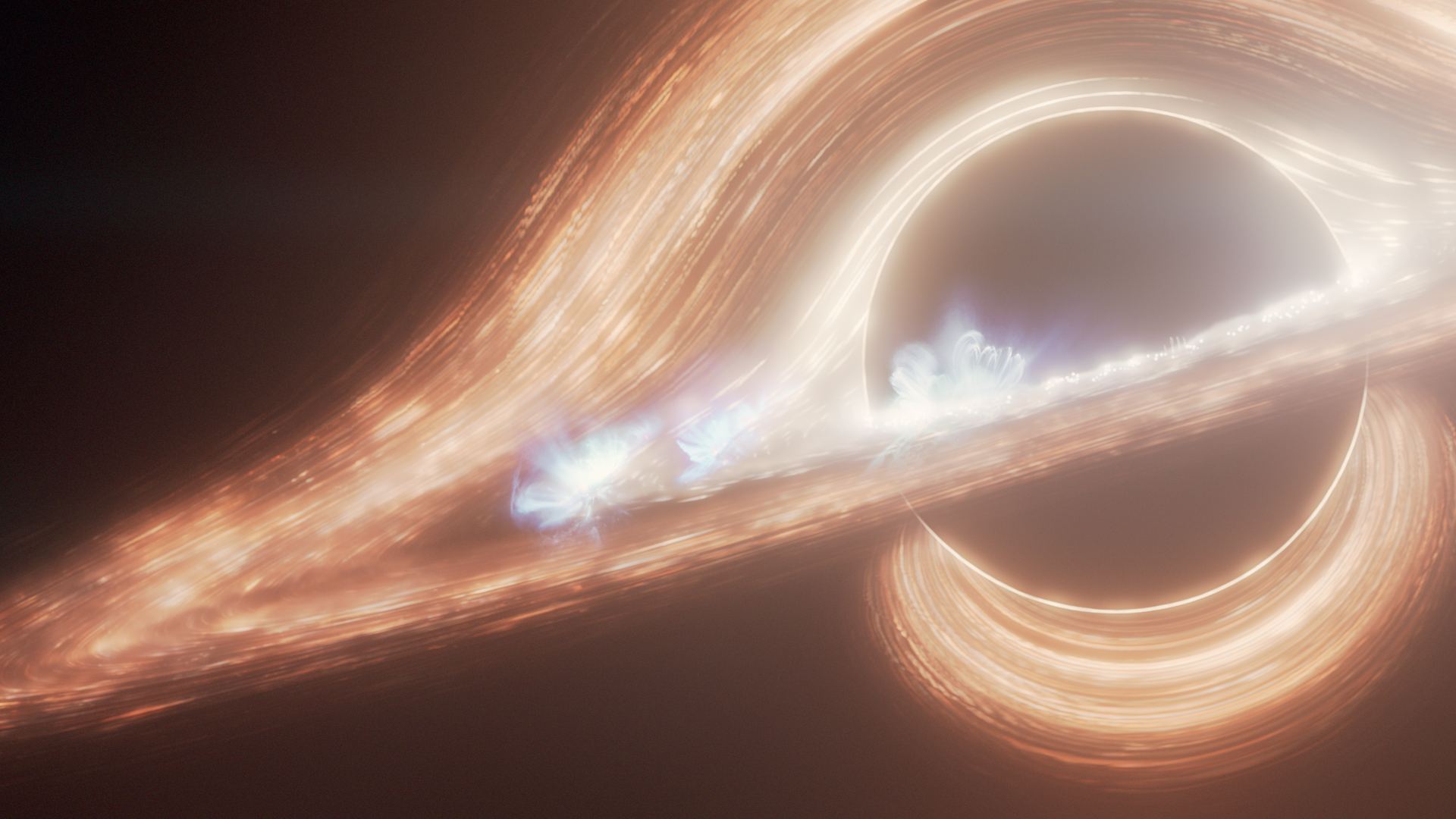
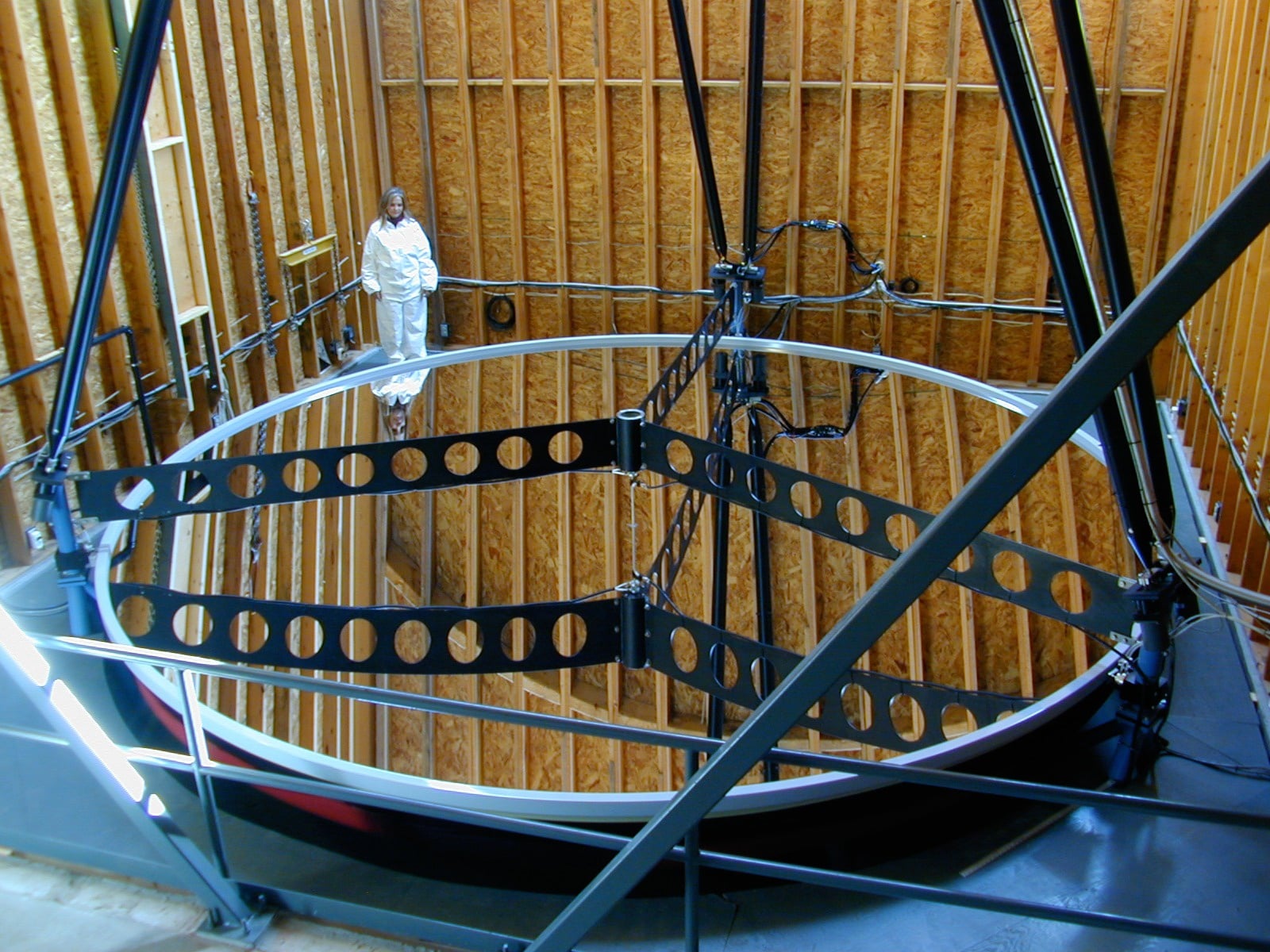
When two black holes collide and merge, they release gravitational waves. These waves can be detected by sensitive instruments on Earth, allowing scientists to determine the mass and spin of the black holes. The clearest black hole merger signal yet, named GW250114 and recorded by LIGO in January 2025, offers new insights into these mysterious objects.
Continue reading

Catch a Far-Flung Partial Solar Eclipse This Weekend

By David Dickinson - September 18, 2025 05:59 PM UTC | Observing
Subtle astronomical events can still produce memorable scenes, hidden away in distant locales. Such a spectacle goes down on Sunday/Monday, September 21st/22nd, with a partial solar eclipse. Although the eclipse only skims the southernmost portion of the South Pacific, viewers along the eastern coast of Australia, Antarctica and all of New Zealand will see an unforgettable sight, as a partially-eclipsed Sun rises out of the sea.
Continue reading

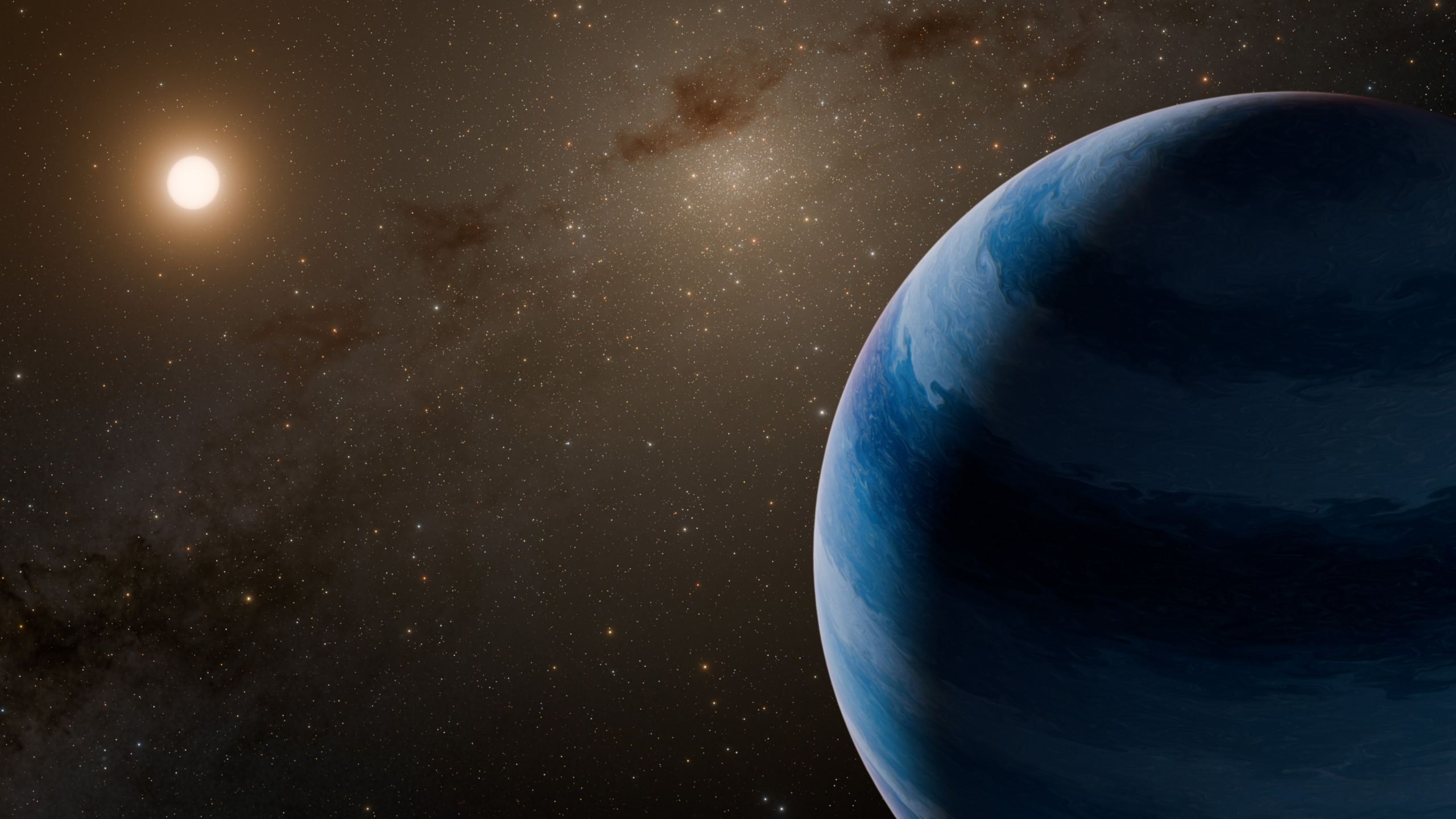
Survey of Exo-Neptunes Defines System Gravitational Evolution

By Andy Tomaswick - September 18, 2025 11:32 AM UTC | Exoplanets
Exoplanet surveys are useful for more than just astrobiology or increasing the tally of known planets in other solar systems. They can also help us understand the evolution of planetary systems themselves. That’s what a new paper from researchers led by astronomers at the University of Geneva and published in Astronomy & Astrophysics attempts to do - by looking at a large population of “exo-Neptunes” they are attempting to understand the intricacies of how planetary systems are formed.
Continue reading

Saturn 'On Razor's Edge' at Opposition for 2025

By David Dickinson - September 17, 2025 05:25 PM UTC | Observing
It seems like most of the planets have fled the evening scene. But that’s about to change this week. Saturn reaches opposition on Sunday, September 21st, passing closest to the Earth at just over 8.5 Astronomical Units (AU) or 1.3 billion kilometers distant, and rising opposite to the setting Sun. This marks the best time to view the ringed world, as it dominates the night sky from sunset until sunrise.
Continue reading

Lucy's Main Belt Target Has Its Features Named

By Andy Tomaswick - September 17, 2025 11:41 AM UTC | Missions
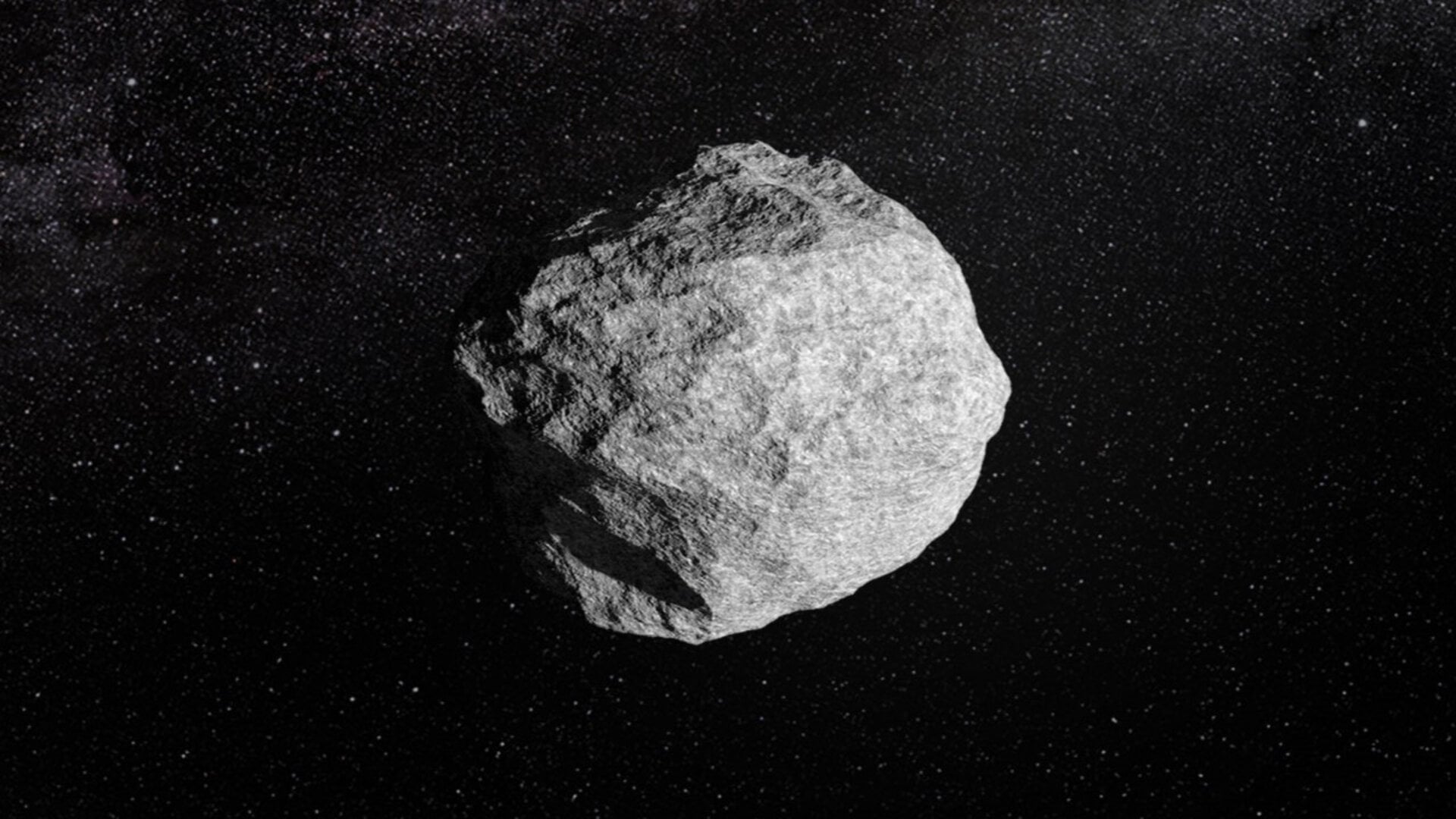
When considering the unnamed major features of all the moons, asteroids, and comets in our solar system there are still a lot of places out there that need proper names. That means the International Astronomical Union (IAU), the non-governmental body responsible for naming astronomical objects, has its work cut out for them. Recently they tackled a relatively easy challenge by approving a series of names on the asteroid Donaldjohnson, the first and only target of NASA’s Lucy mission in the main asteroid belt. With those names come a whole new way to talk about one of the asteroids that humanity has studied most closely thus far.
Continue reading

Rare Triple Conjunction Smiles at Dawn on September 19th

By David Dickinson - September 16, 2025 05:40 PM UTC | Observing
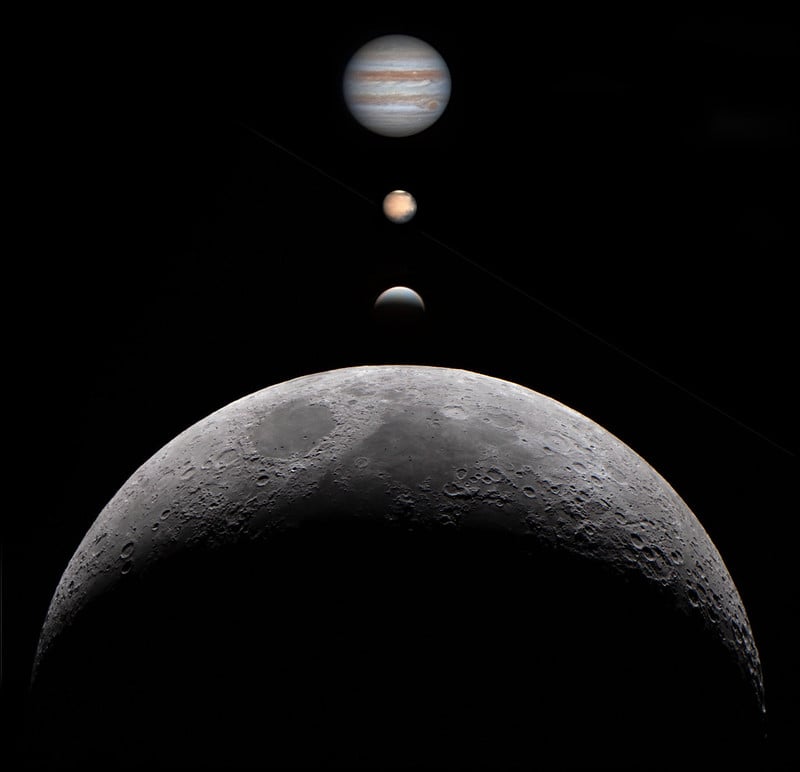
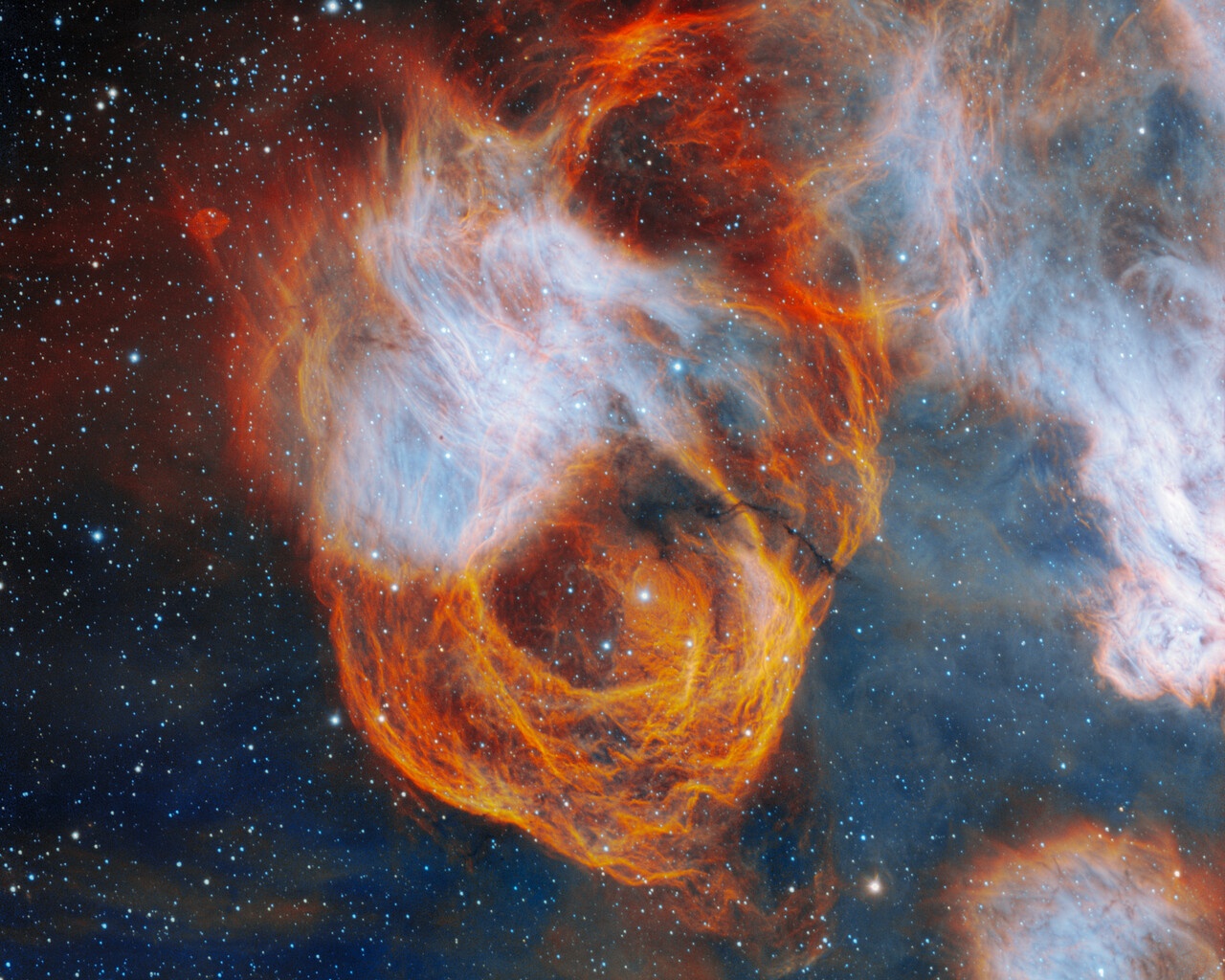
Sometimes, it seems as if the Universe is literally smiling down upon us. If skies are clear this coming Friday September 19th, be sure to wake up early to catch a bizarre celestial scene as Venus, Regulus and the slim crescent Moon huddle together in the eastern dawn. This triple play is a complicated one, evolving one of the best conjunctions for 2025.
Continue reading

First Dark Matter Sub-Halo Found In The Milky Way
By Andy Tomaswick - September 16, 2025 11:32 AM UTC | Cosmology
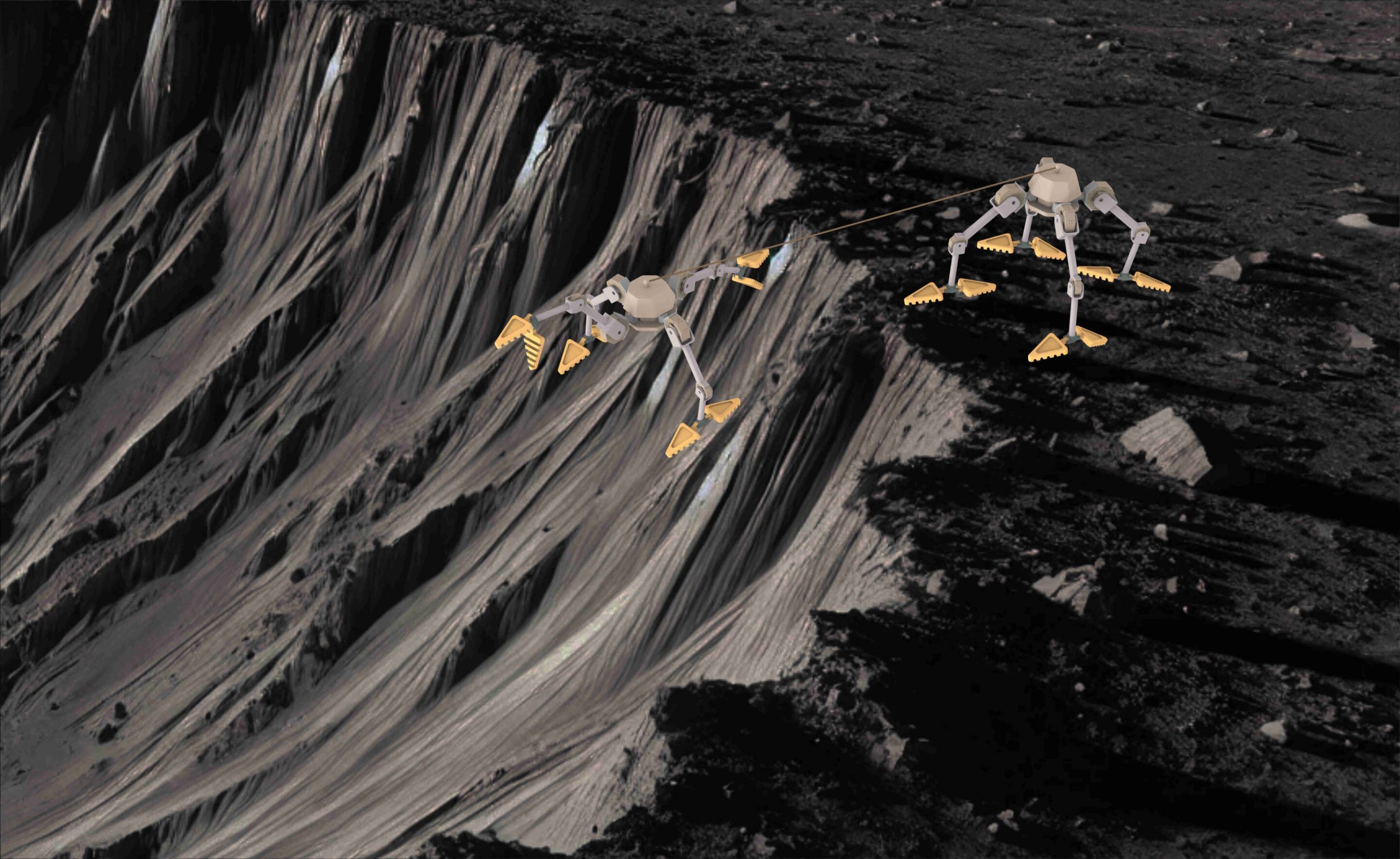
There are plenty of theories about what dark matter is and how it might be gravitationally affecting the universe. However, proving those theories out is hard since it hardly ever interacts with anything, especially on “small” scales like galaxies. So when a research team claims to have found evidence for dark matter in our own galaxy, it's worth taking a look at how. A new paper from Dr. Surkanya Chakrabati and her lab at the University of Alabama at Huntsville (UAH) does just that. They found evidence for a dark matter “sub-halo” in the galactic neighborhood, by looking at signals from binary pulsars.
Continue reading