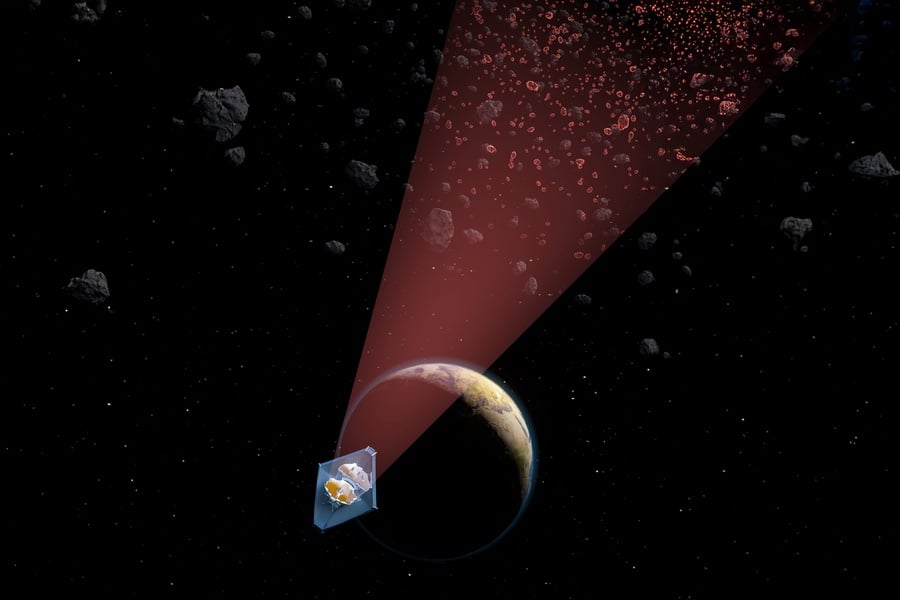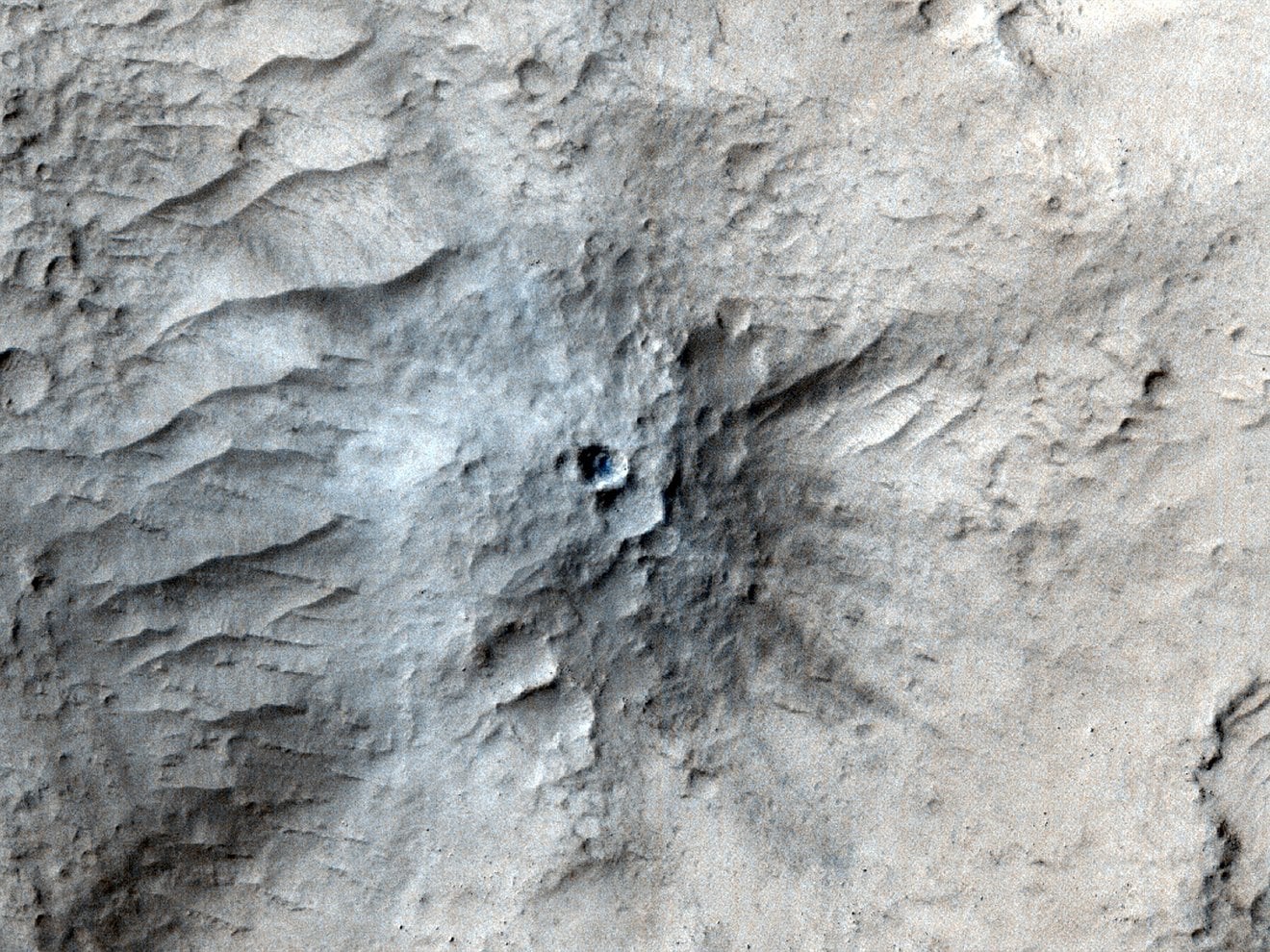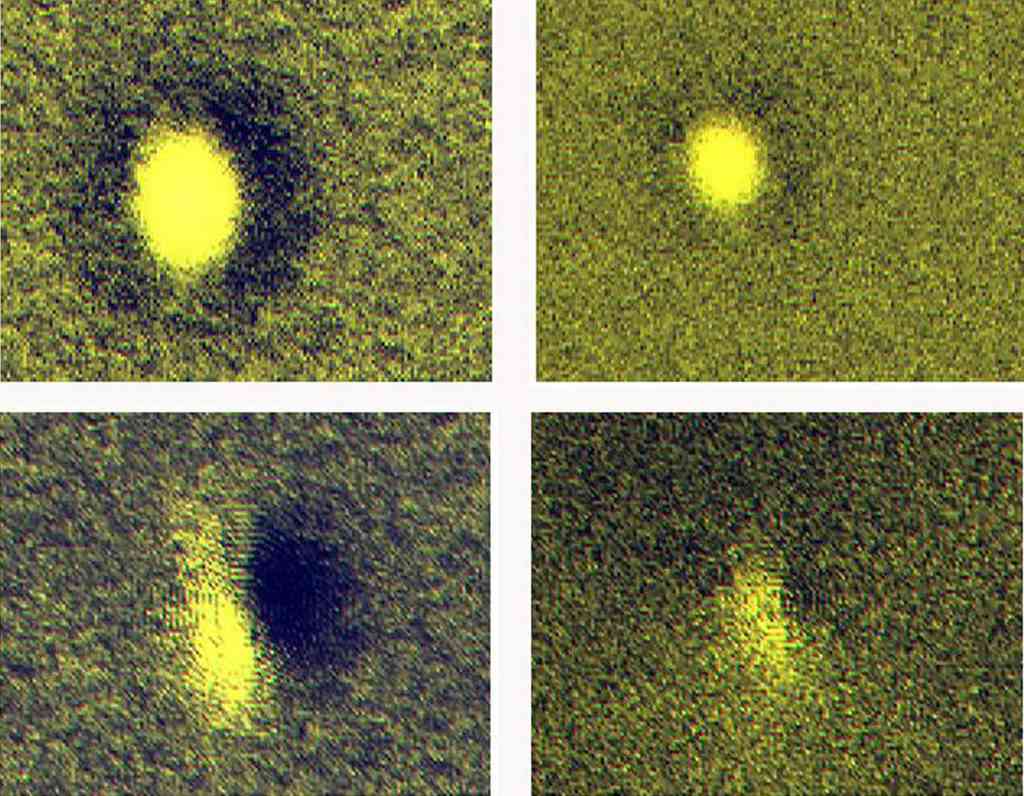
The odds of 2024 YR4 striking Earth in 2032 have doubled to 2.3%, but that's not surprising given that it's still early days.
Continue reading
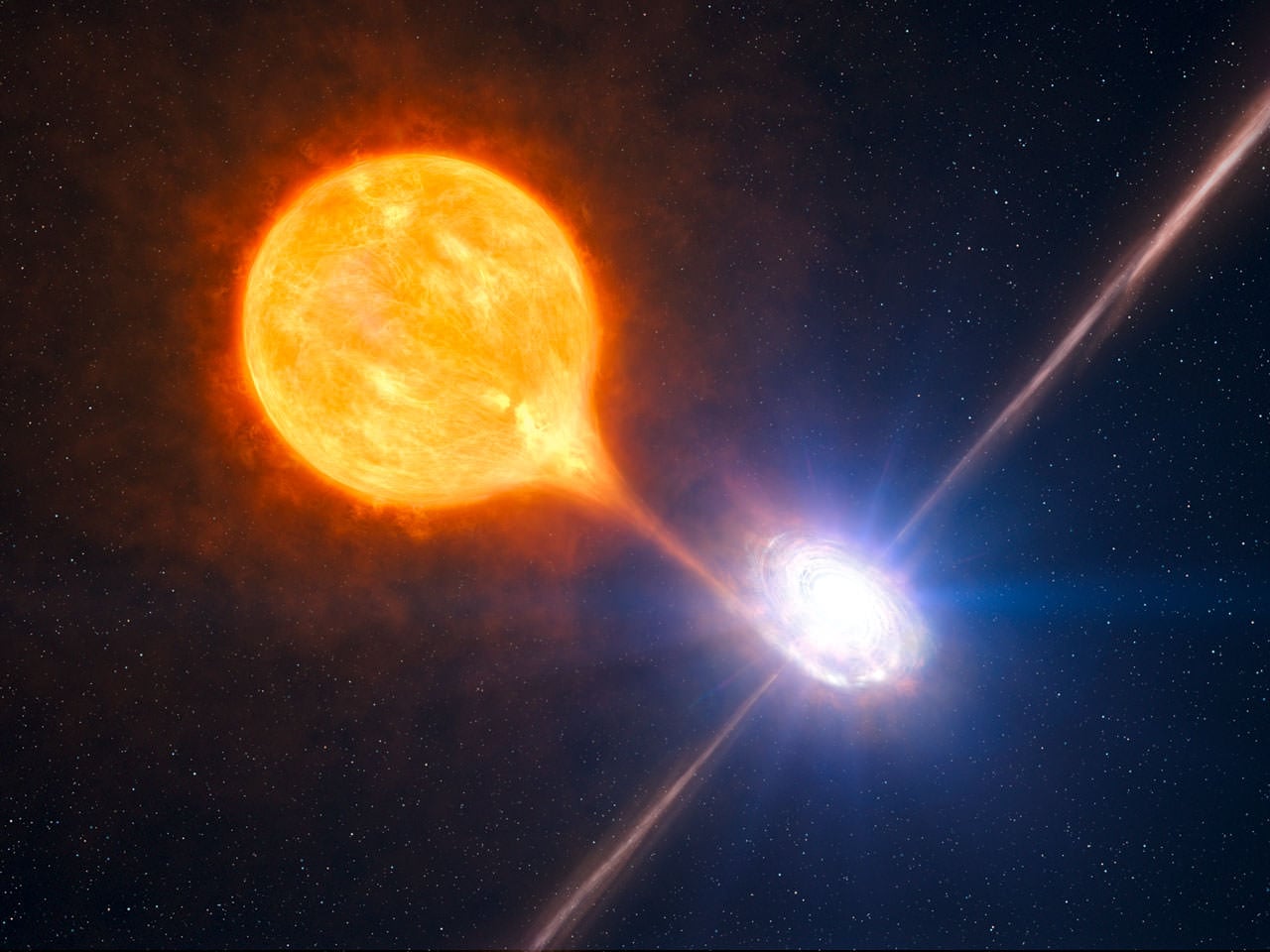
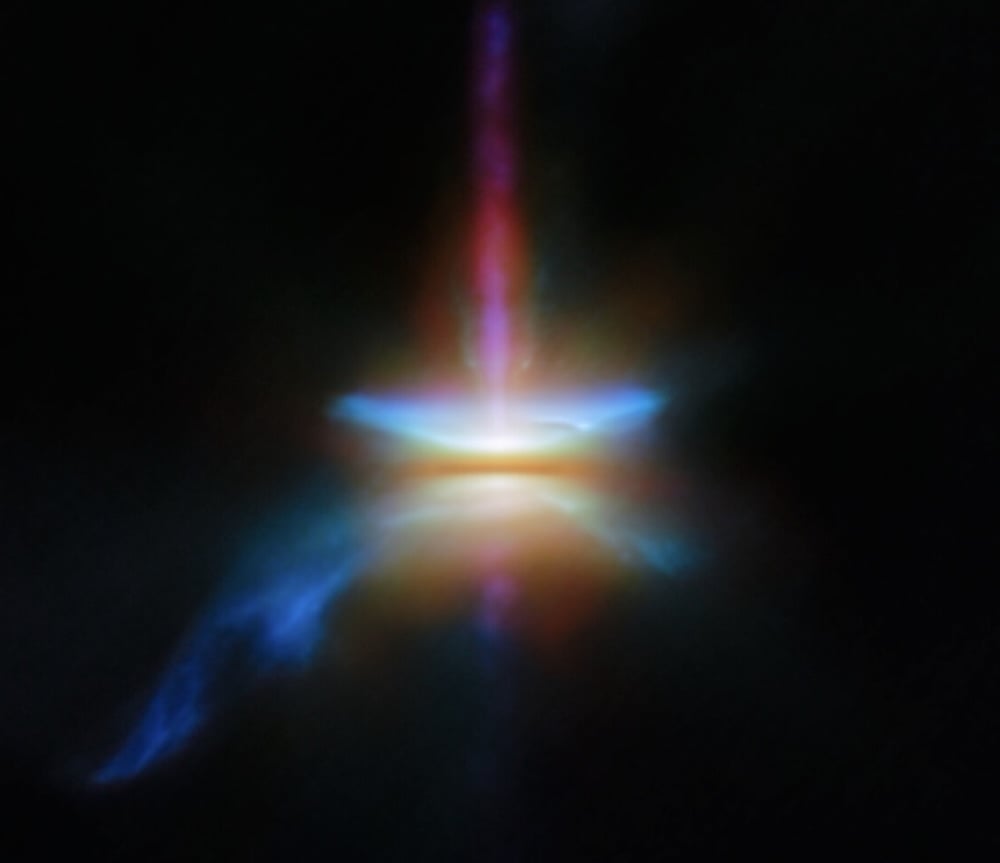
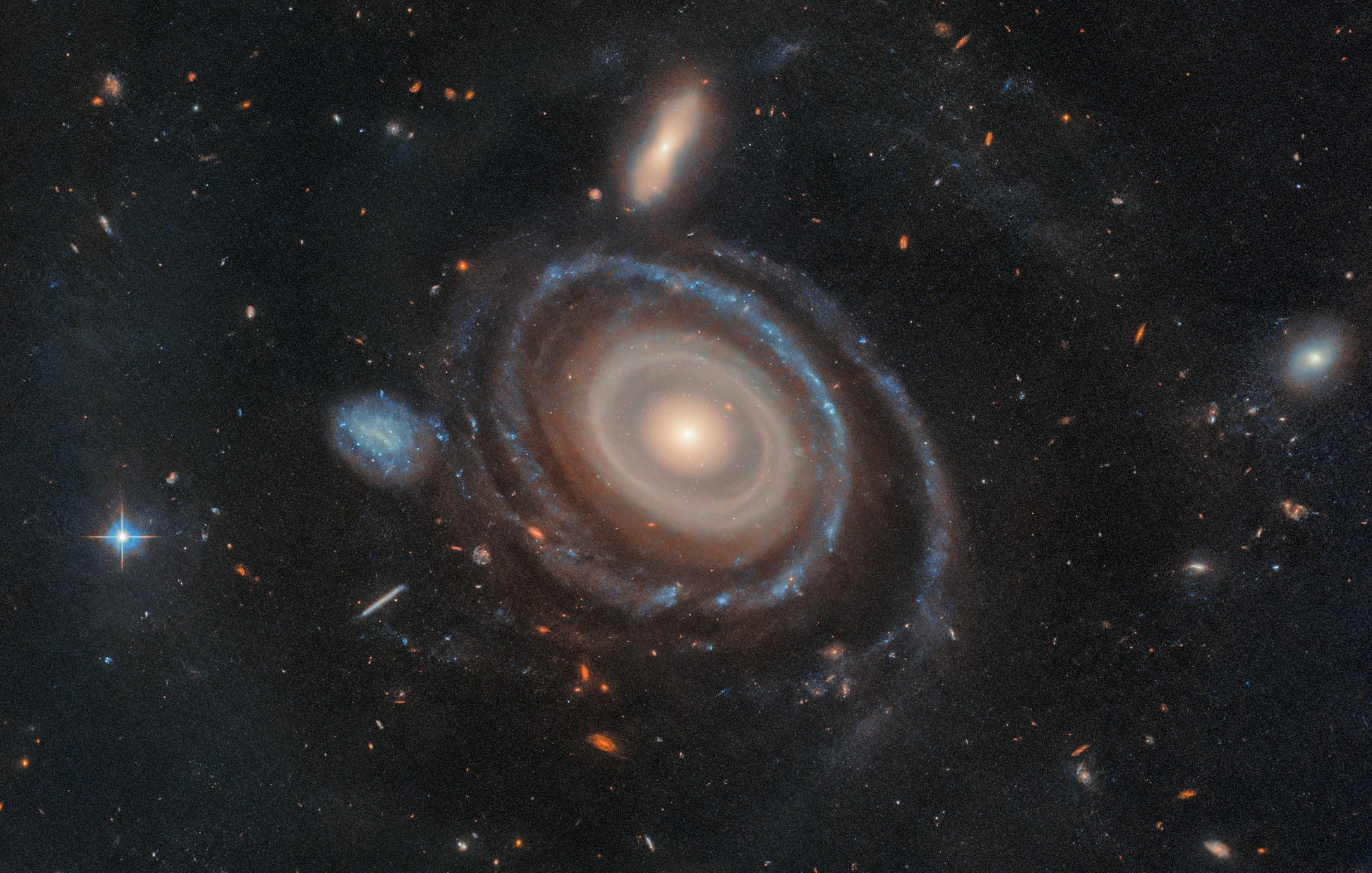
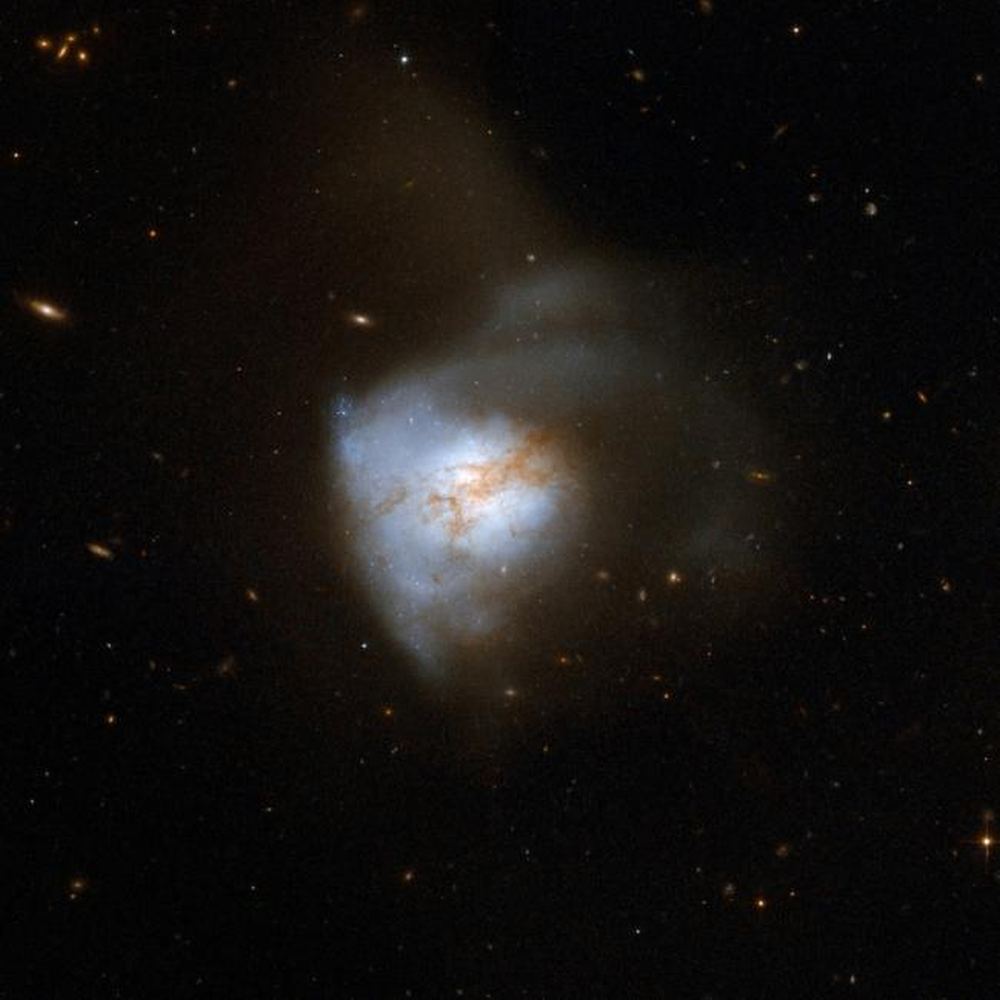
Quasars are the actively feeding supermassive black holes at the hearts of galaxies and can contain millions or even billions of times the mass of the Sun. It's believed they're the source of some of the highest energy cosmic rays detected. But there are also microquasars, where a star and black hole orbit one another. Material from the star accretes around the black hole, and the magnetic fields form jets that can also hurl cosmic rays with similar energies.
Continue reading
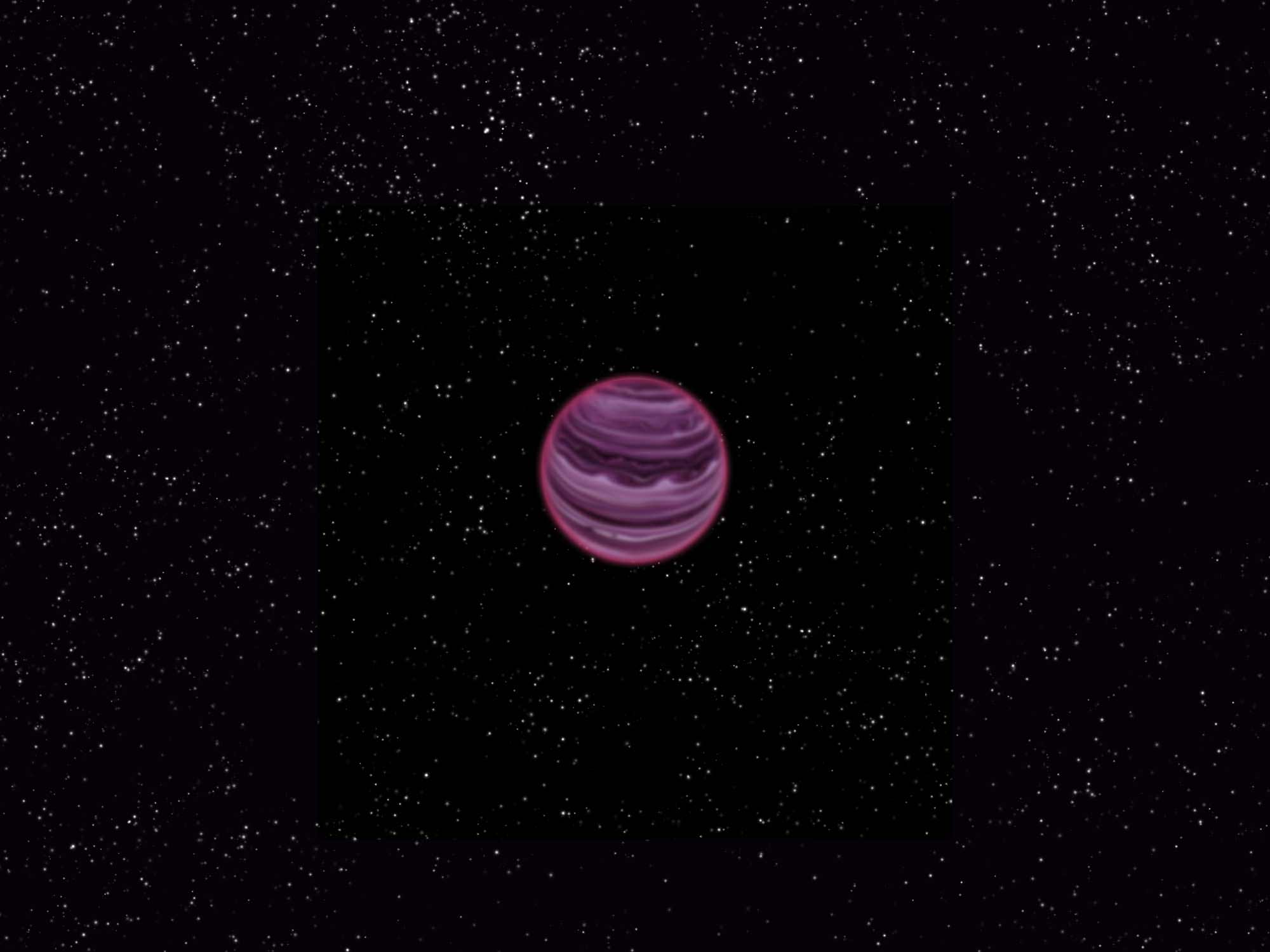
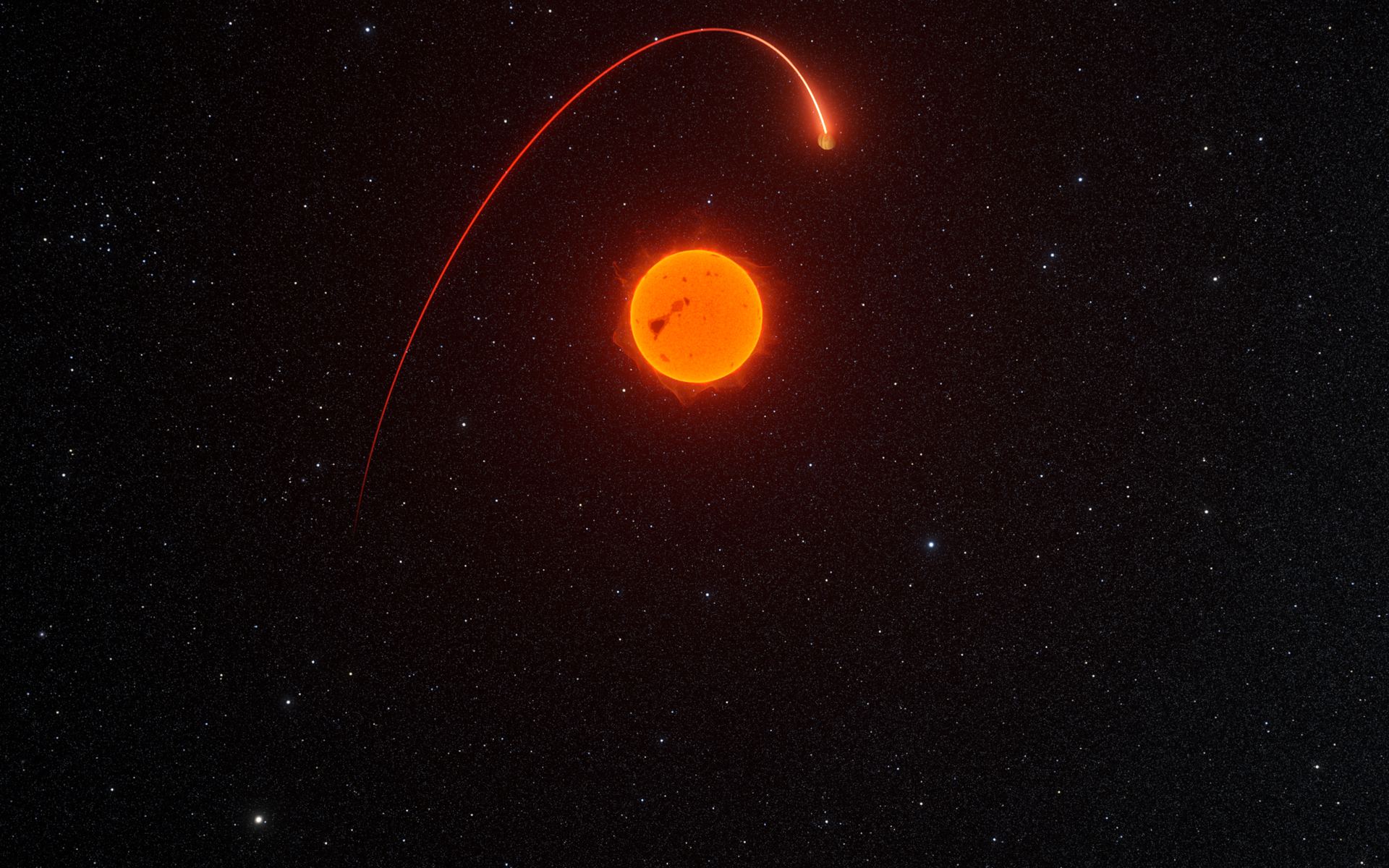
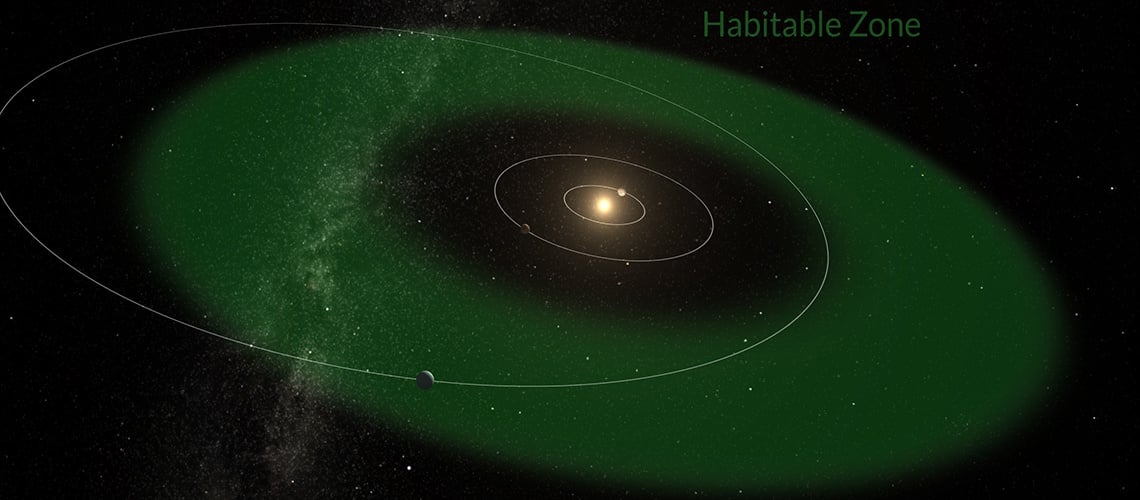
When a star like the Sun dies, it puffs away its outer layers, leaving behind its glowing core. Without fusion to keep it heated, the white dwarf slowly cools down over billions of years. Astronomers have discovered that 6% of massive white dwarfs pause their cooling for up to 10 billion years, providing a stable habitable zone for any planets nearby. This gives life a long time to develop under extremely stable conditions.
Continue reading
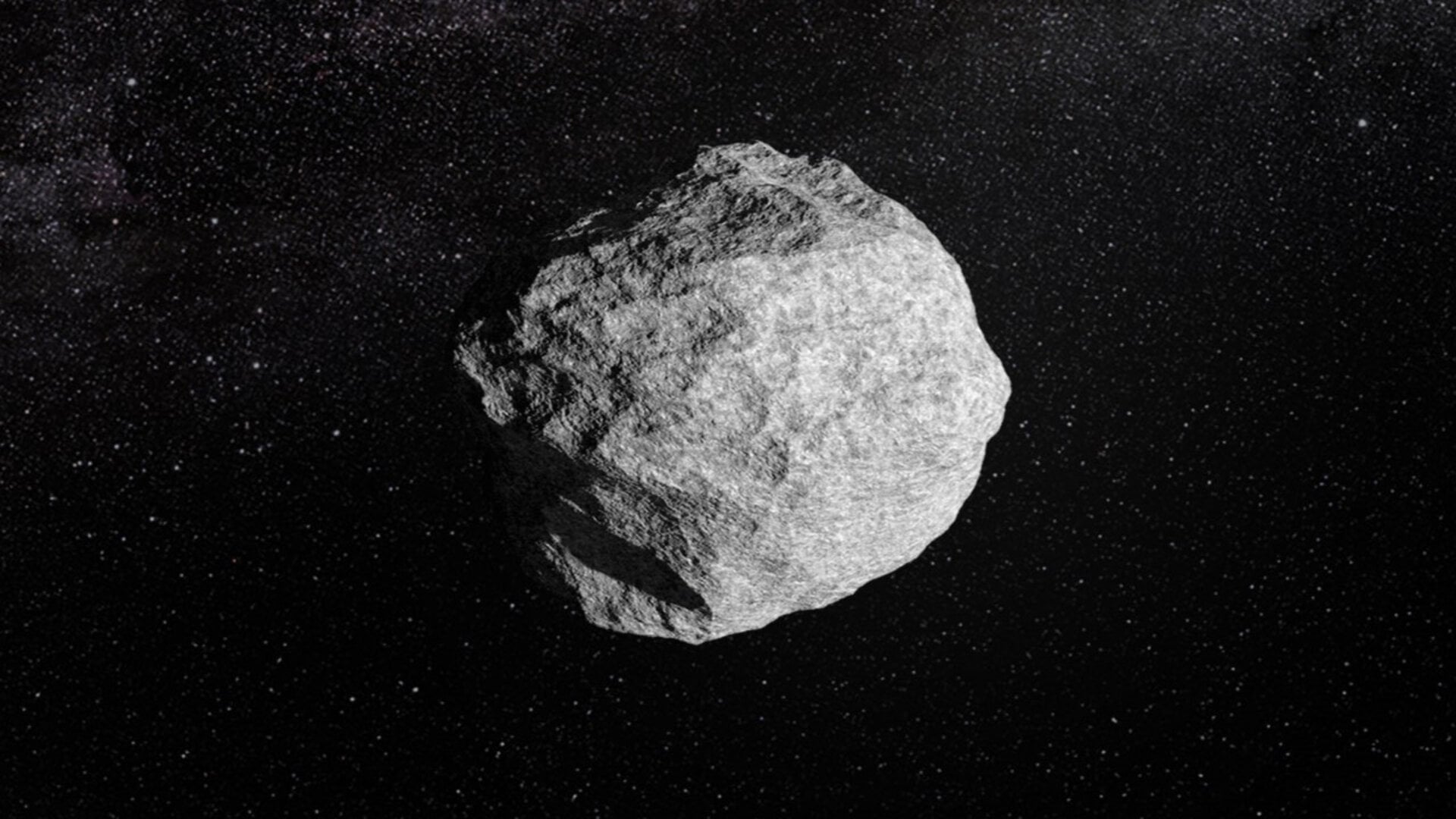
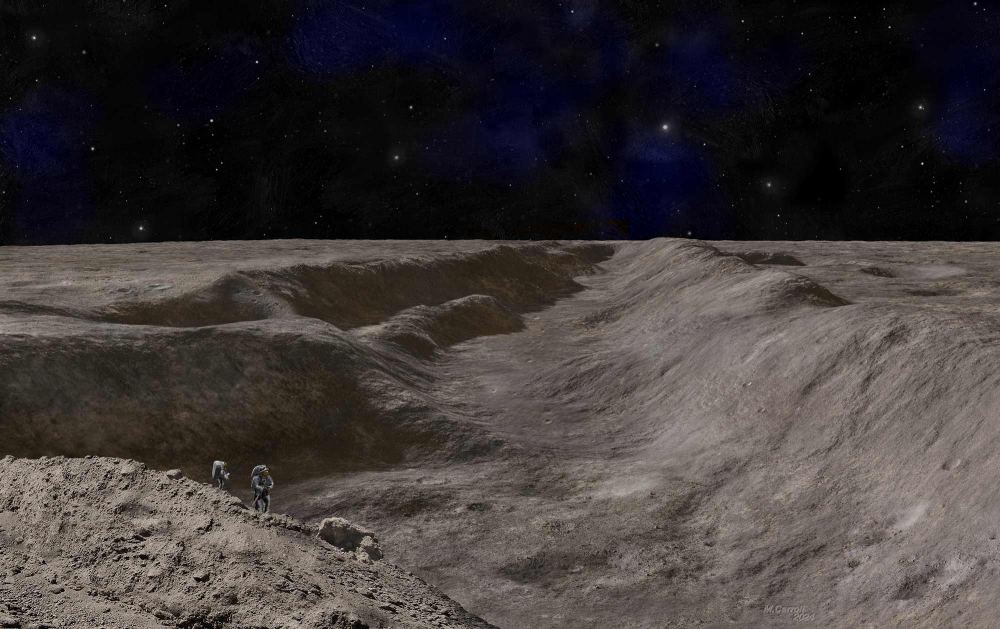
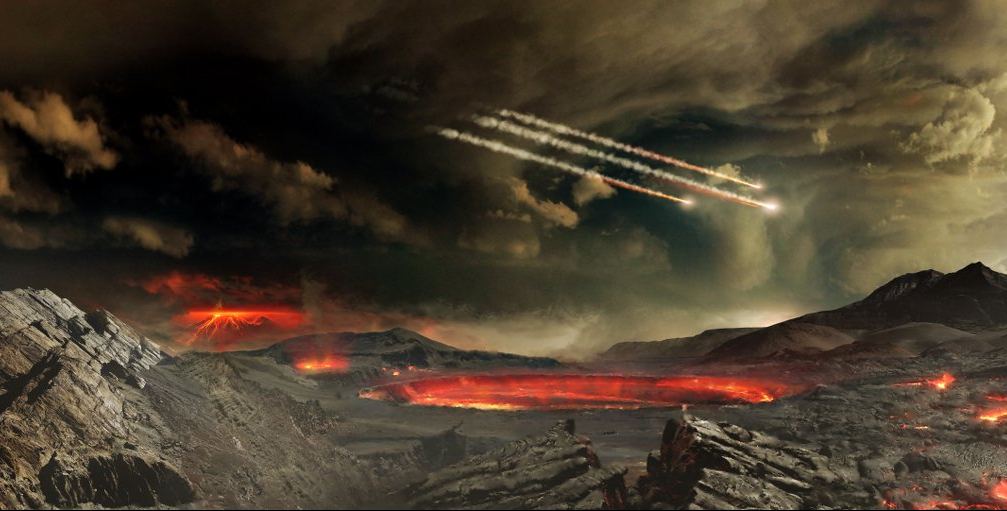
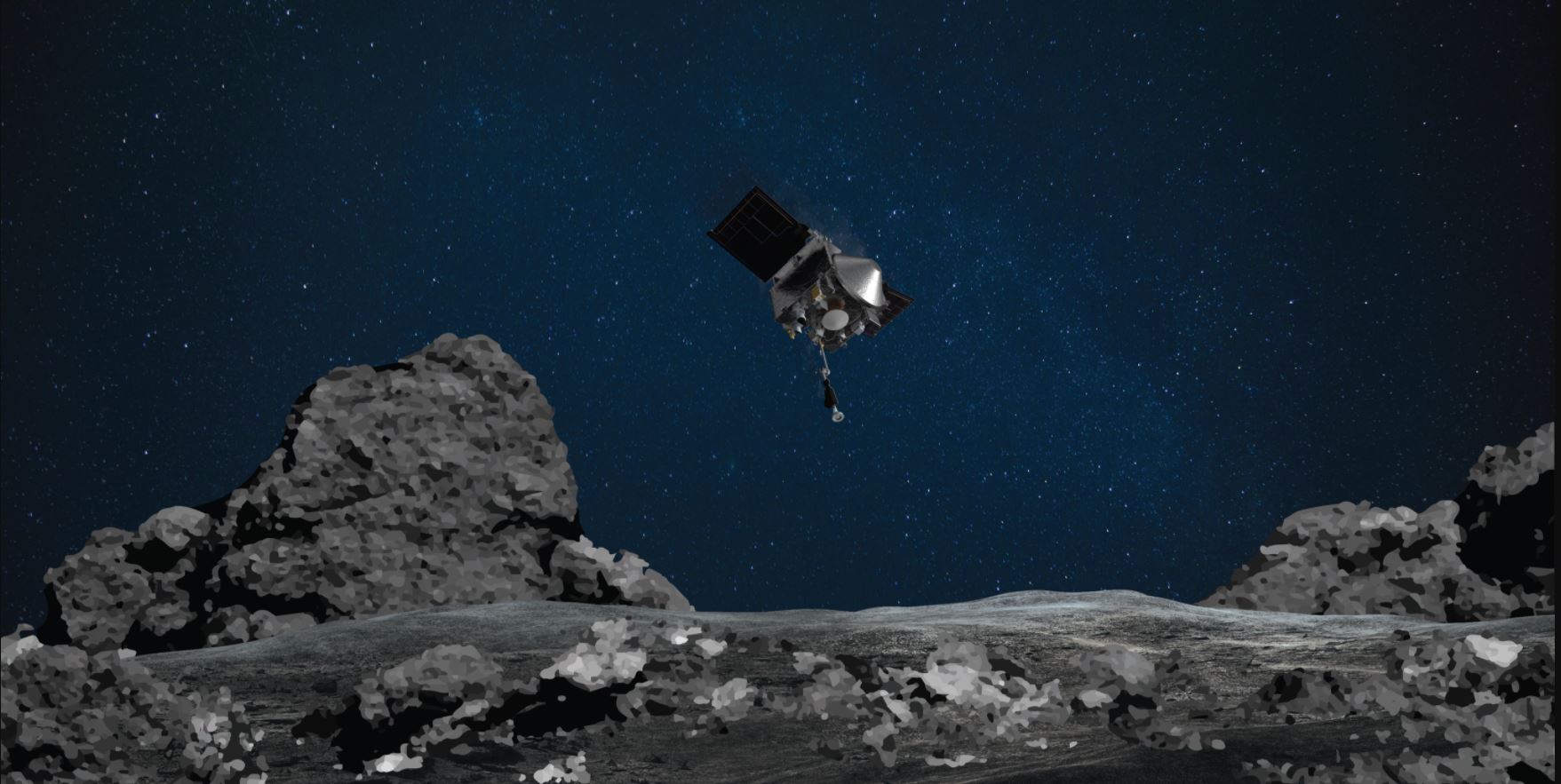
Astronomers have announced the discovery of a new asteroid with a non-zero chance of striking the Earth on December 22, 2032. Designated 2024 YR4, the space rock measures between 40 m and 100 m across, which would create regional damage if it struck the Earth. Initial observations estimate it has a 99% chance of passing the Earth safely but a 1% chance of hitting, which gives it a Level 3 designation on the Torino Impact Hazard Scale.
Continue reading
 Universe Today