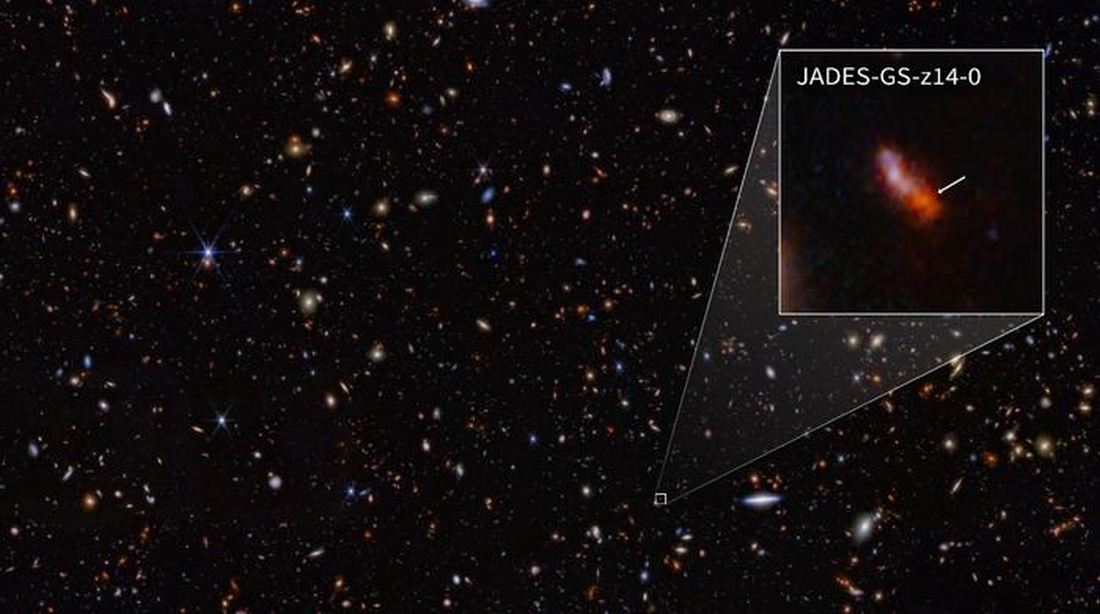
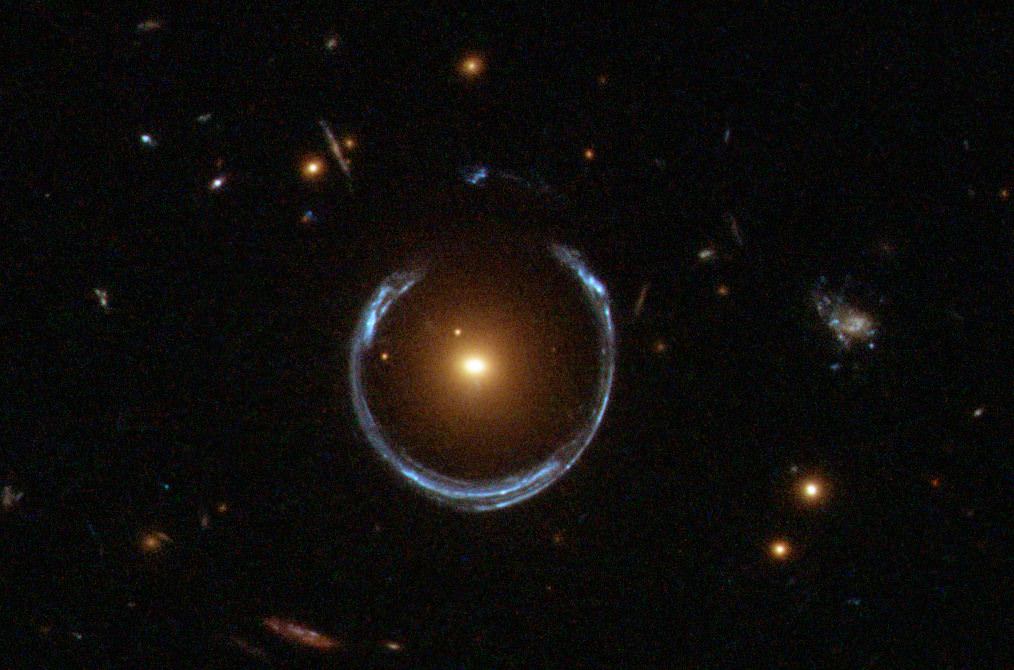
Looking back in time can seem like a sci-fi fantasy. But the nature of the Universe allows us to do it if we have the right telescope. The JWST is the right telescope, and as part of its observations, it frequently examines ancient galaxies whose light is only reaching us now. One of those ancient galaxies is both bright and enriched with metals, both signs of maturity.
Continue reading
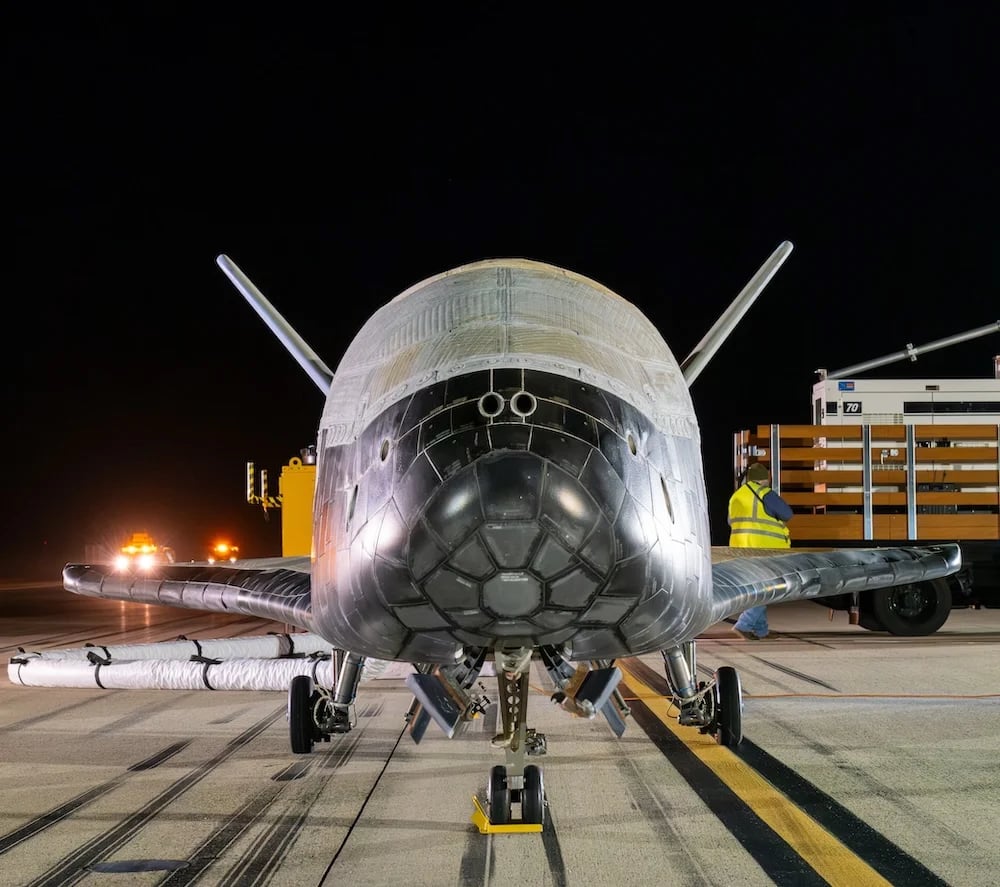
The U.S. Space Force's X-37B spaceplane (which looks remarkably like a Space Shuttle that someone forgot to put the windows in!) completed its seventh mission this week, touching down at Vandenberg Space Force Base after 434 days in orbit. Although the mission is classified, Space Force officials, said that it followed a highly elliptical orbital path while conducting various tests and experiments. They also described the mission as operating "across orbital regimes," whatever that means…is classified!
Continue reading
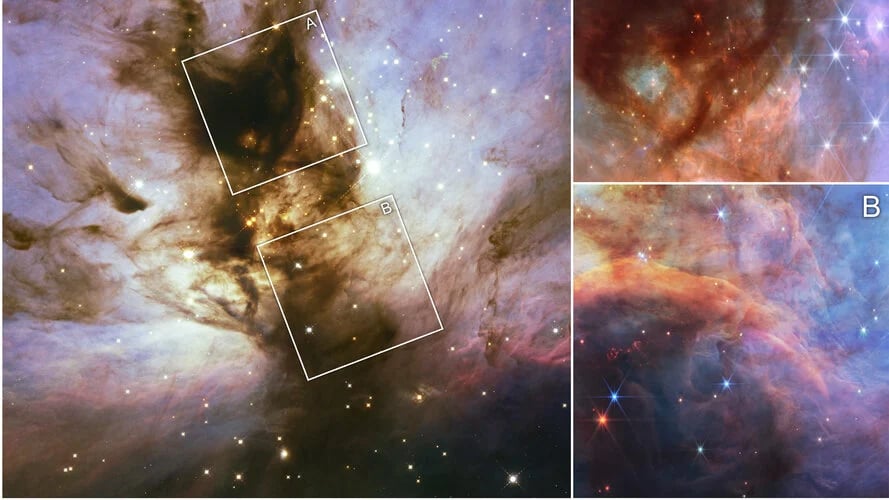
Astronomers know the Flame Nebula well—a stellar nursery around 1,400 light years away. It's less than a million years old and is teeming with brown dwarfs, objects that never quite accumulated enough mass to begin fusing elements in their core. When comparing the James Webb Space Telescope's (JWST) infrared observations with Hubble's visible light images of the Flame Nebula, the difference is, ahem - astronomical! The infrared wavelengths penetrate the obscuring gas and dust, revealing clusters where young stars and brown dwarfs are taking shape.
Continue reading

Firefly Aerospace's Blue Ghost Mission has successfully touched down on the lunar surface and is now undertaking various experiments. Two of these experiments have been captured on video; the first is the LISTER drill, capable of penetrating the lunar regolith to depths of up to 3 meters. It will provide scientists with data to measure the Moon's cooling rate. Additionally, footage has been obtained of the PlanetVac experiment, which is evaluating regolith sample collection methods under the Moon's vacuum conditions.
Continue reading
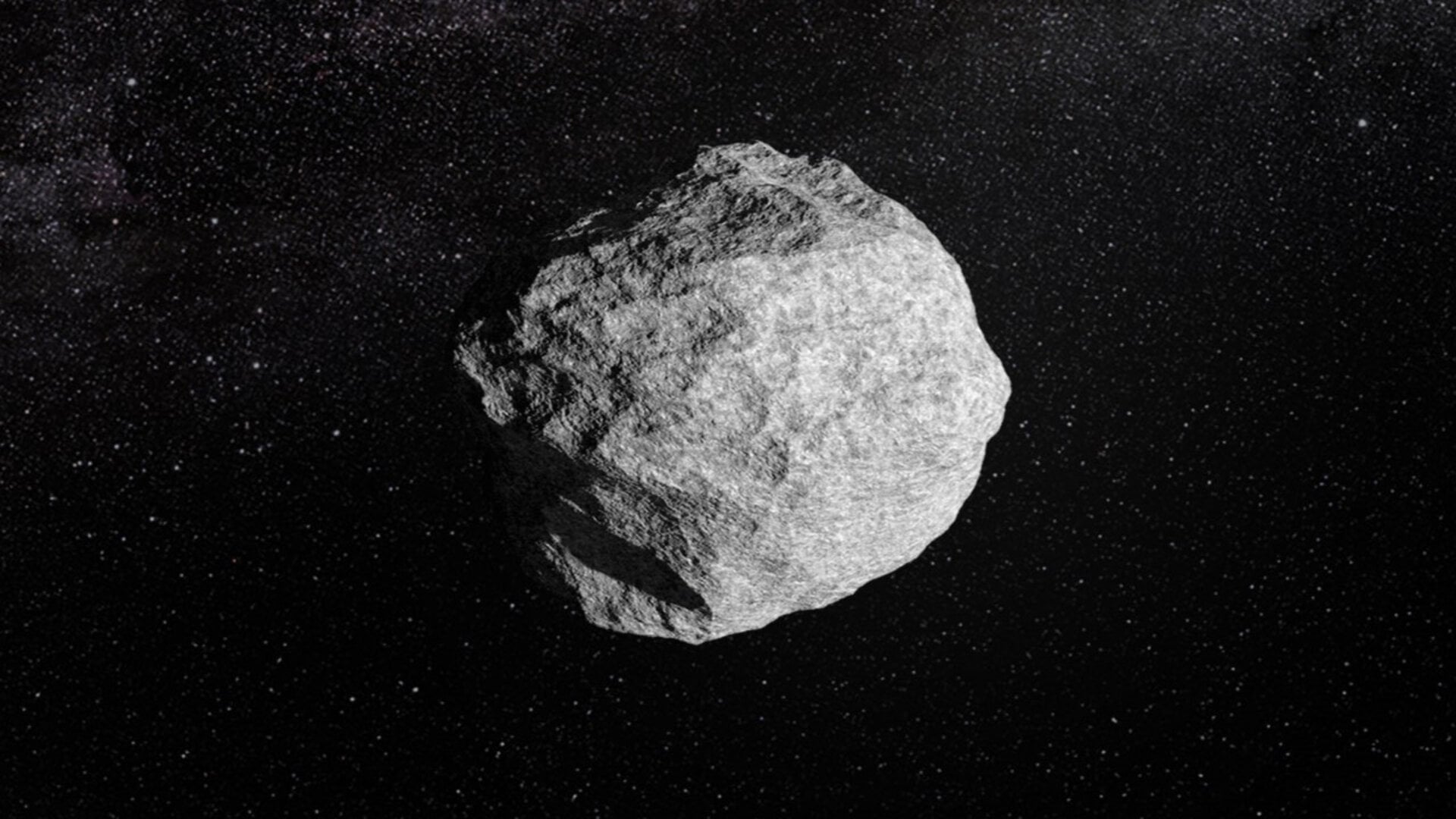
In a recent paper, Adam Hibberd and Marshall Eubanks explore the feasibility of sending a mission to rendezvous with YR4, the asteroid that may pose a hazard to Earth someday.
Continue reading

Despite having recently officially ended its science operations in January, Gaia, one of the most prolific star explorers ever, is still providing new scientific insights. A recent paper pre-published on arXiv (which has not been peer-reviewed but was submitted to the Astrophysical Journal) took another look at some Gaia data to try to find a unique type of astronomical entity - white dwarf stars that are paired up in a binary with a main sequence one. By applying a machine learning technique called a "self-organizing map," they found 801 new white dwarf-main sequence (WDMS) binaries, increasing the total number ever found by over 20%.
Continue reading

Ask almost any physicist what the most frustrating problem is in modern-day physics, and they will likely say the discrepancy between general relativity and quantum mechanics. That discrepancy has been a thorn in the side of the physics community for decades. While there has been some progress on potential theories that could rectify the two, there has been scant experimental evidence to support those theories. That is where a new NASA Institute for Advanced Concepts grantee comes in - Selim Shahriar from Northwestern University, Evanston, was recently funded to work on a concept called the Space-borne Ultra-Precise Measurement of the Equivalent Principle Signature of Quantum Gravity (SUPREME-GQ), which he hopes will help collect some accurate experimental data on the subject once and for all.
Continue reading
Continue reading

Let's face it: Space is a hostile environment for humans. Even on Mars, settlers might have a hard time coping with potentially lethal levels of radiation, scarce resources and reduced gravity. In "Mickey 17" — a new sci-fi movie from Bong Joon Ho, the South Korean filmmaker who made his mark with "Parasite" — an expendable space traveler named Mickey (Robert Pattinson) is exposed over and over again to deadly risks. And every time he's killed, the lab's 3D printer just churns out another copy of Mickey.
Continue reading

Continue reading
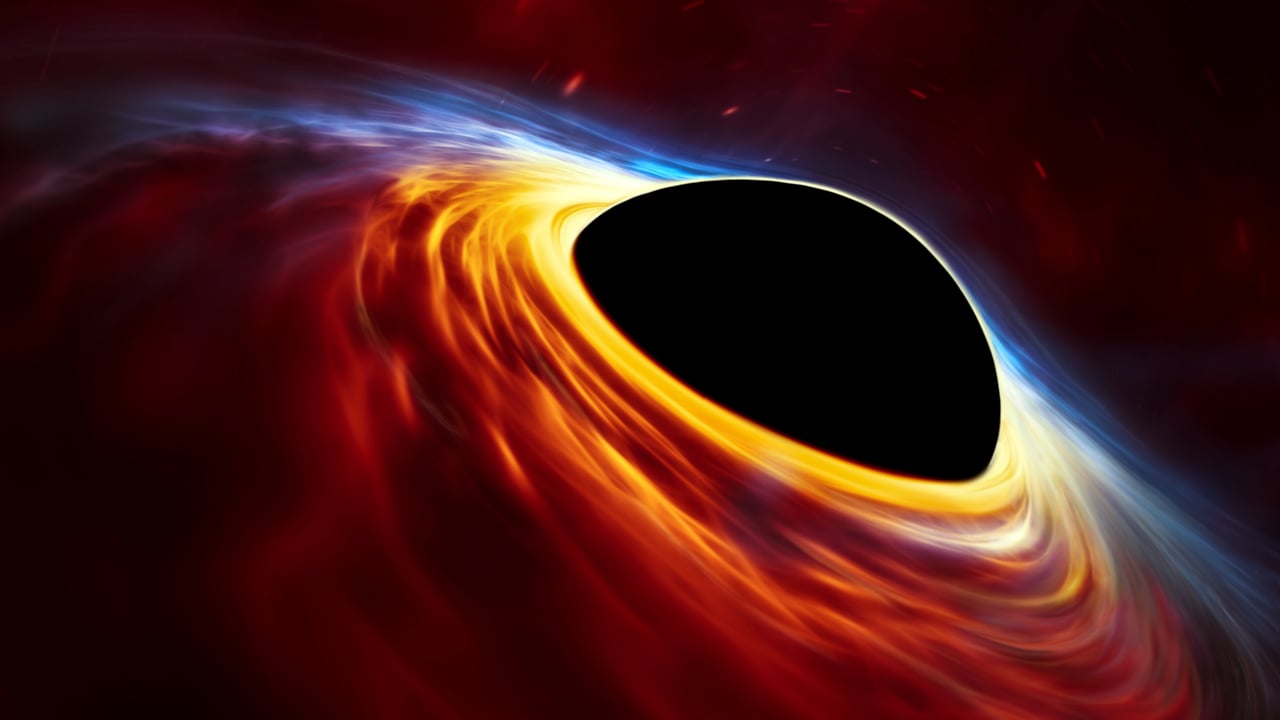
Continue reading
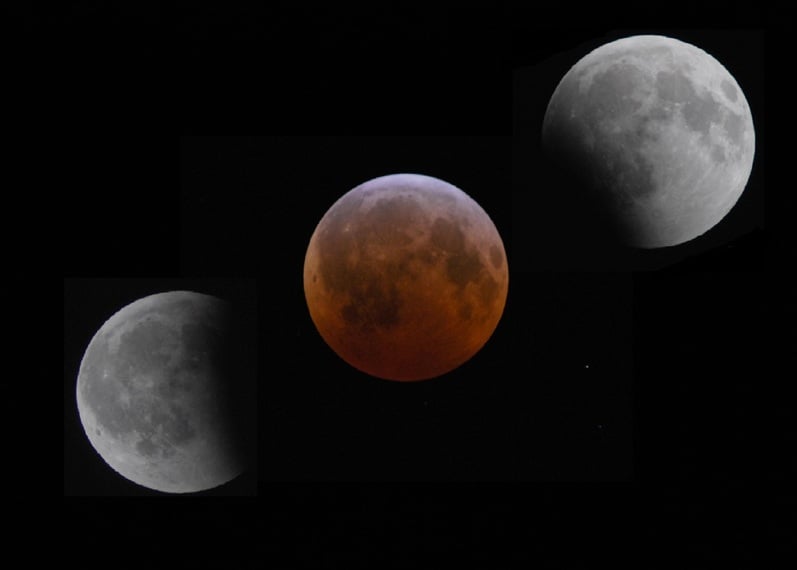
After a long 'eclipse drought,' lunar totality once again spans the Americas
The end is in sight. If skies are clear, North and South America will witness a fine total lunar eclipse early Friday morning, March 14th. This is the first eclipse of 2025, and the first total lunar eclipse for the hemisphere since November 2022.
Continue reading
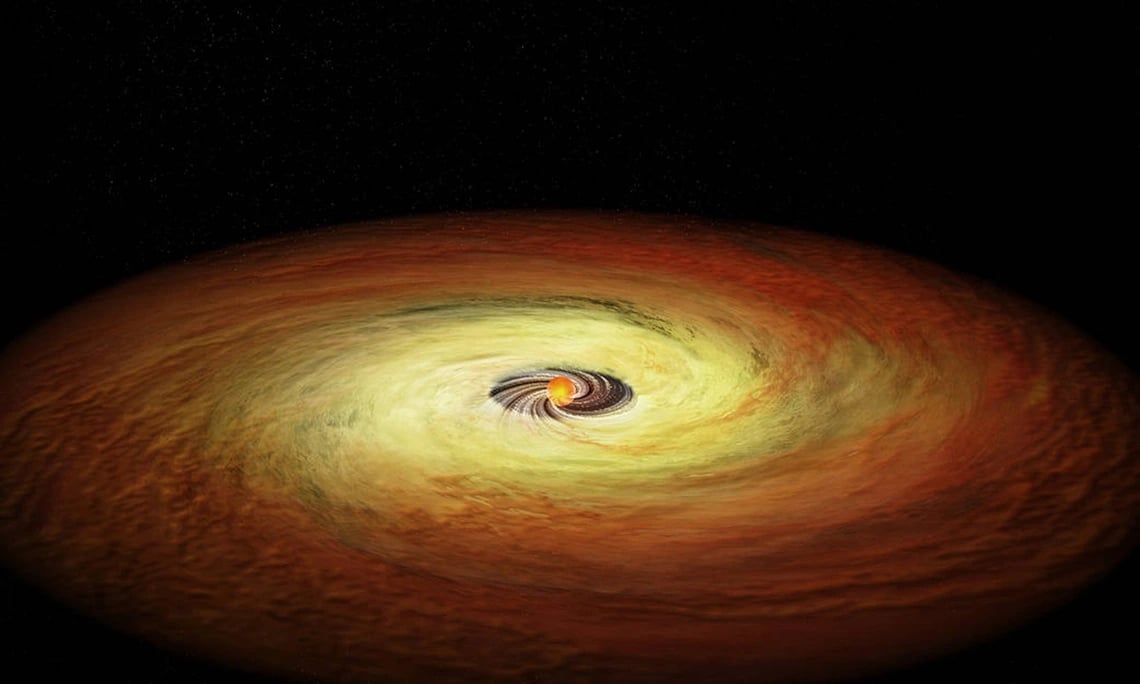
When young stars form, they accumulate an accretion disk of dust and gas, which eventually forms planets. Typically, this process lasts less than 10 million years, as the increasing radiation from the star disperses the remaining material. However, recent observations from the James Webb Space Telescope have revealed a protoplanetary disk in a system estimated to be 30 million years old—three times longer than the expected lifespan. Scientists have already determined this is not a debris disk created by colliding planets, it's an intriguing discovery that has forced a review of our model of planetary system and stellar evolution.
Continue reading
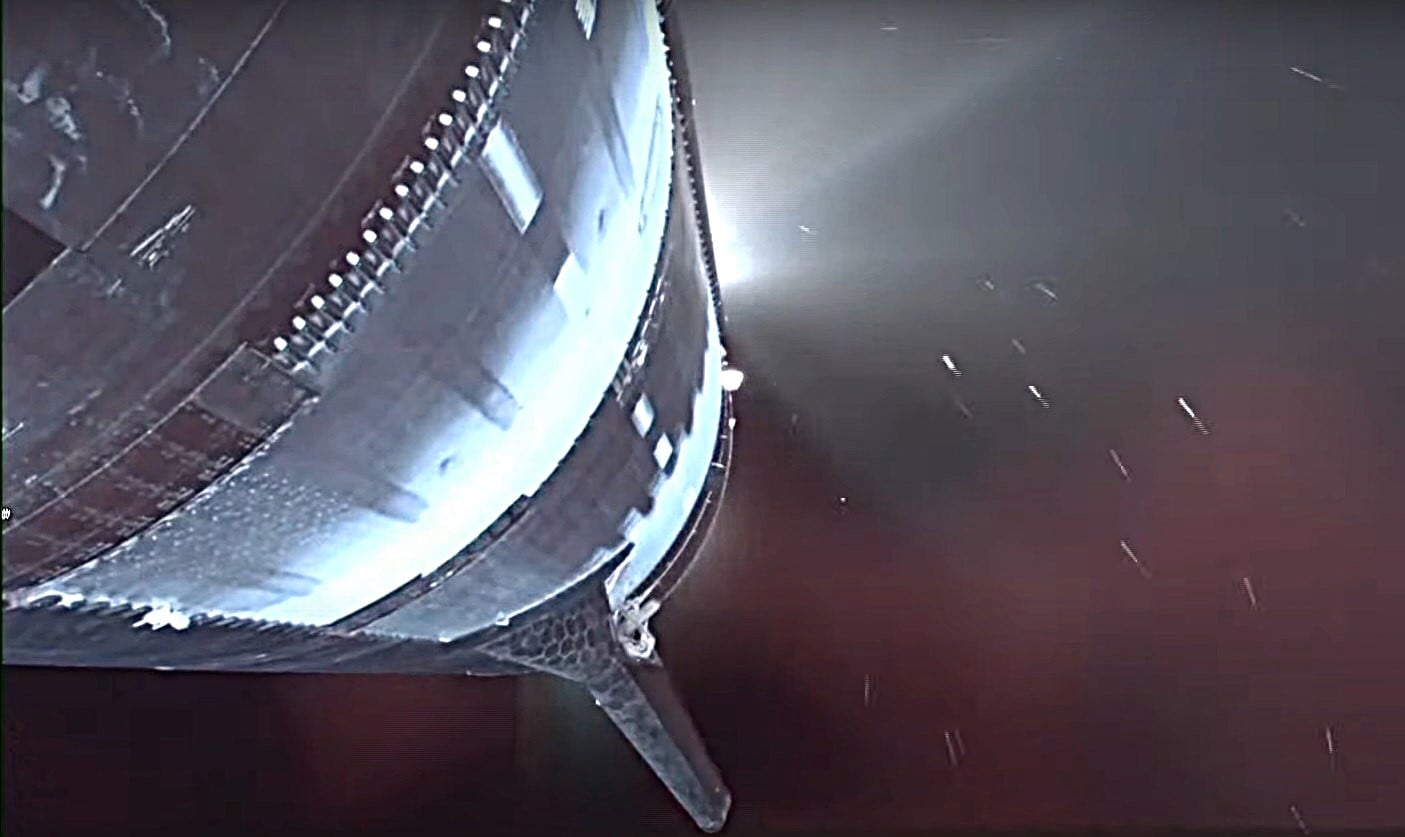
For the second time in a row, SpaceX lost the second stage of its Starship launch system during a flight test, while recovering the first-stage Super Heavy booster.
Continue reading
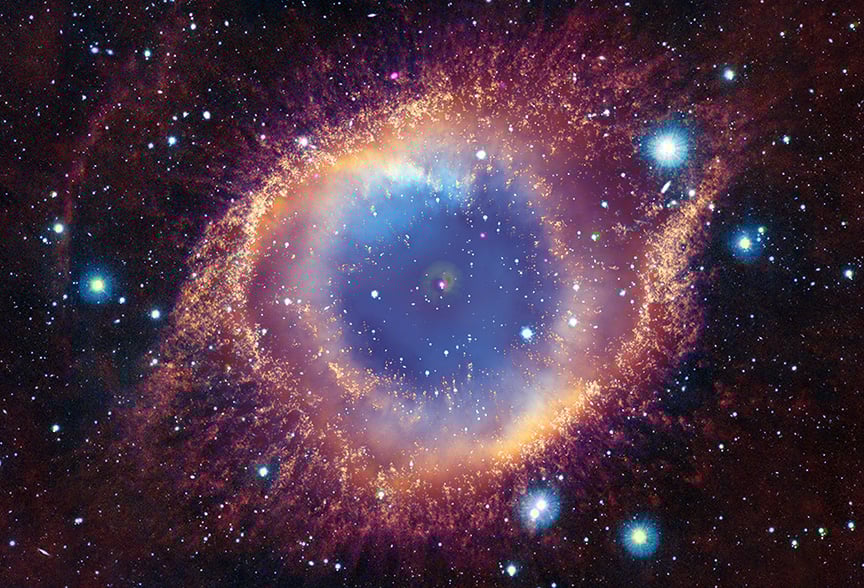
An X-ray signal has been detected at the very centre of the Helix Nebula, at the site of its central white dwarf star. It's a burned out stellar remnant that doesn't usually emit flashes of X-ray radiation but a new study has been analysing the outburst. The team of researchers think that the stellar corpse smashed into one of its surviving planets and that the X-rays are coming from the planetary debris as it falls onto the surface of the white dwarf.
Continue reading

An ultra-hot Neptune exoplanet has been observed by JWST and the image reveals dramatically different hemispheres. The planet orbits so close to its host start that it is tidally locked so one hemisphere remains facing the star. On this permanent daytime side, temperatures reach 2,000°C but the temperatures plummet on the daytime side. The observations show that the daytime side has bright reflective clouds on its cooler western hemisphere but not on its eastern side!
Continue reading
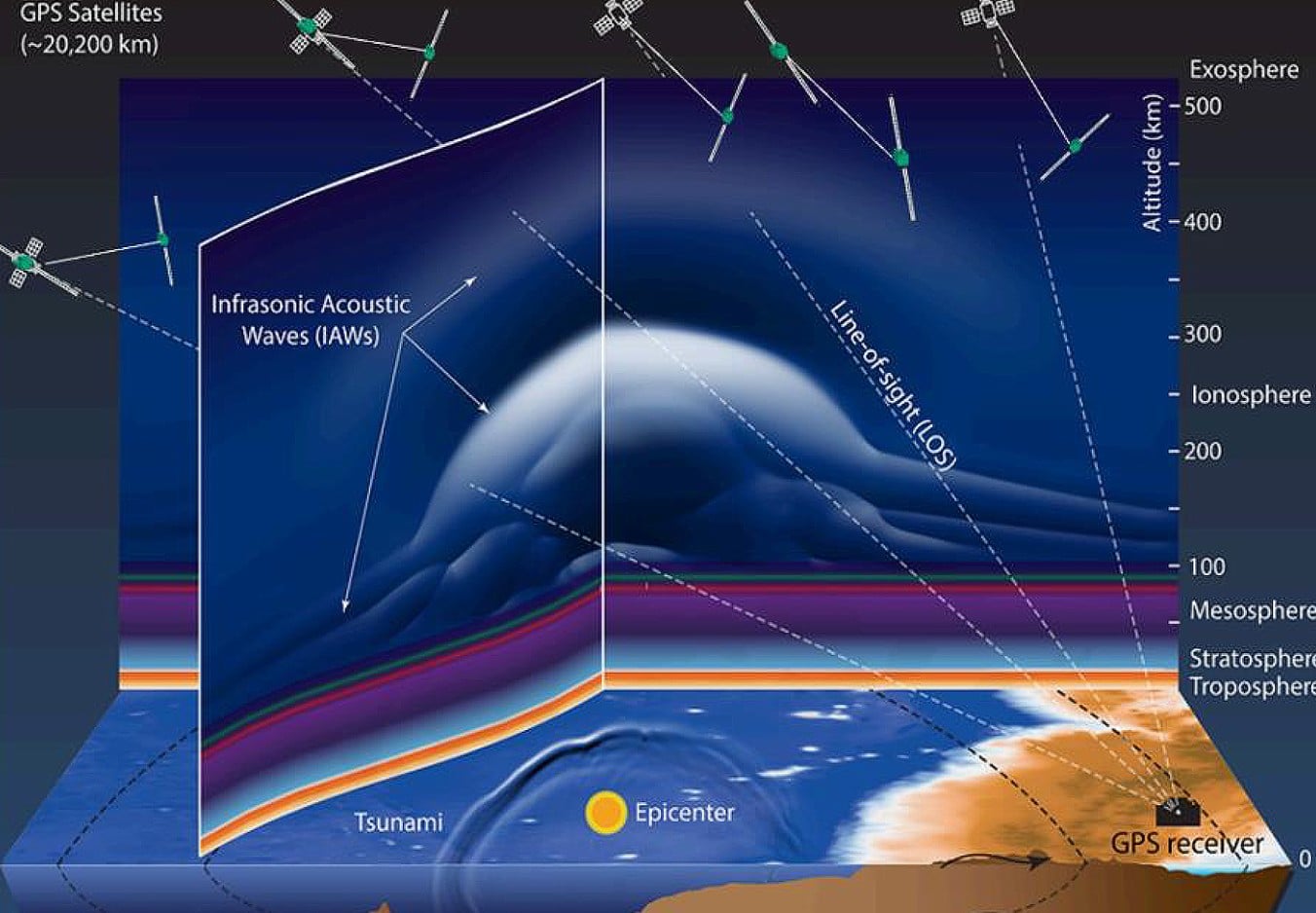
The Gaia Hypothesis theorizes that all of Earth's systems are tied together, making one large, living organism. While there's still some disagreement about whether or not that hypothesis is true, it is undeniable that many of Earth's systems are intertwined and that changes in one can affect another. As our technology advances, we are becoming more and more capable of detecting changes in those systems and how those changes affect other systems as well. A new proposal from a robotics expert at NASA's Jet Propulsion Laboratory (JPL) takes that exploration one step further by trying to develop a system that takes the "pulse" of a planet.
Continue reading
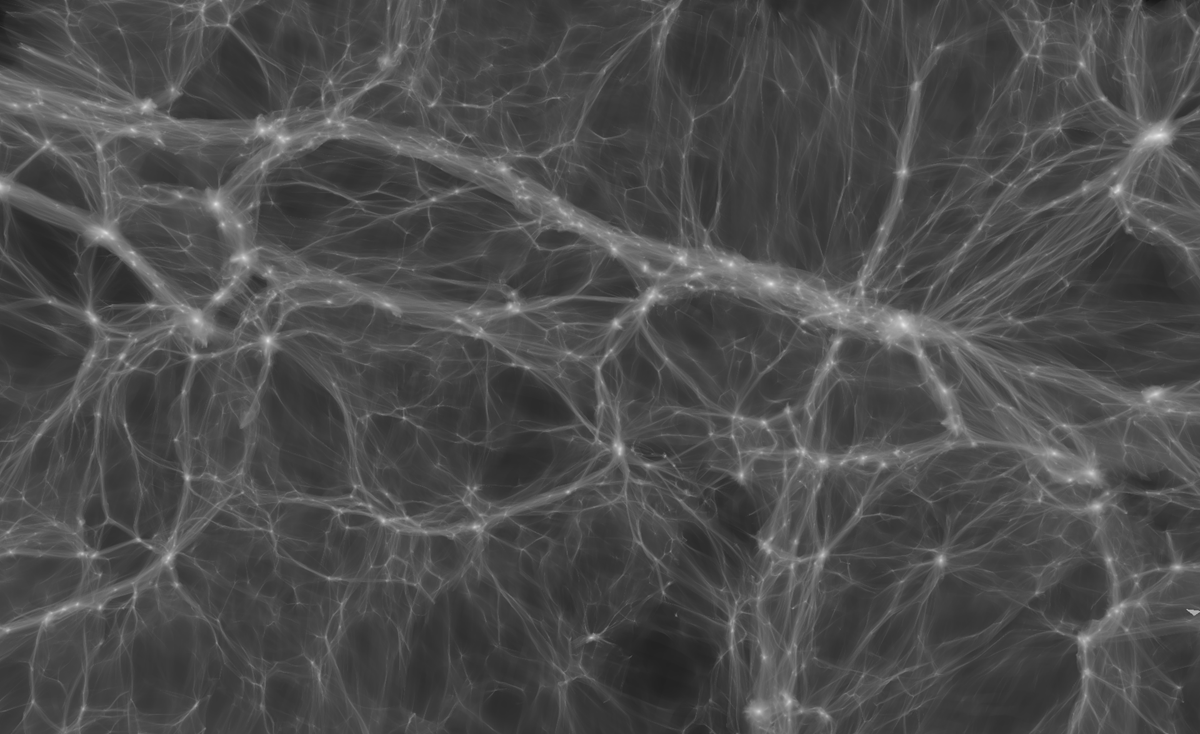
The mystery of Dark Matter endures. Despite sixty years of observation and research, scientists still haven't isolated the particle that accounts for roughly 85% of the Universe's mass. However, ongoing experiments and studies have provided insight into how this mysterious mass works. For instance, a research team led by a member of the Tokyo Metropolitan University relied on a new technique that has set new limits on the lifetime of Dark Matter (DM), bringing scientists a step closer to resolving this cosmological mystery.
Continue reading
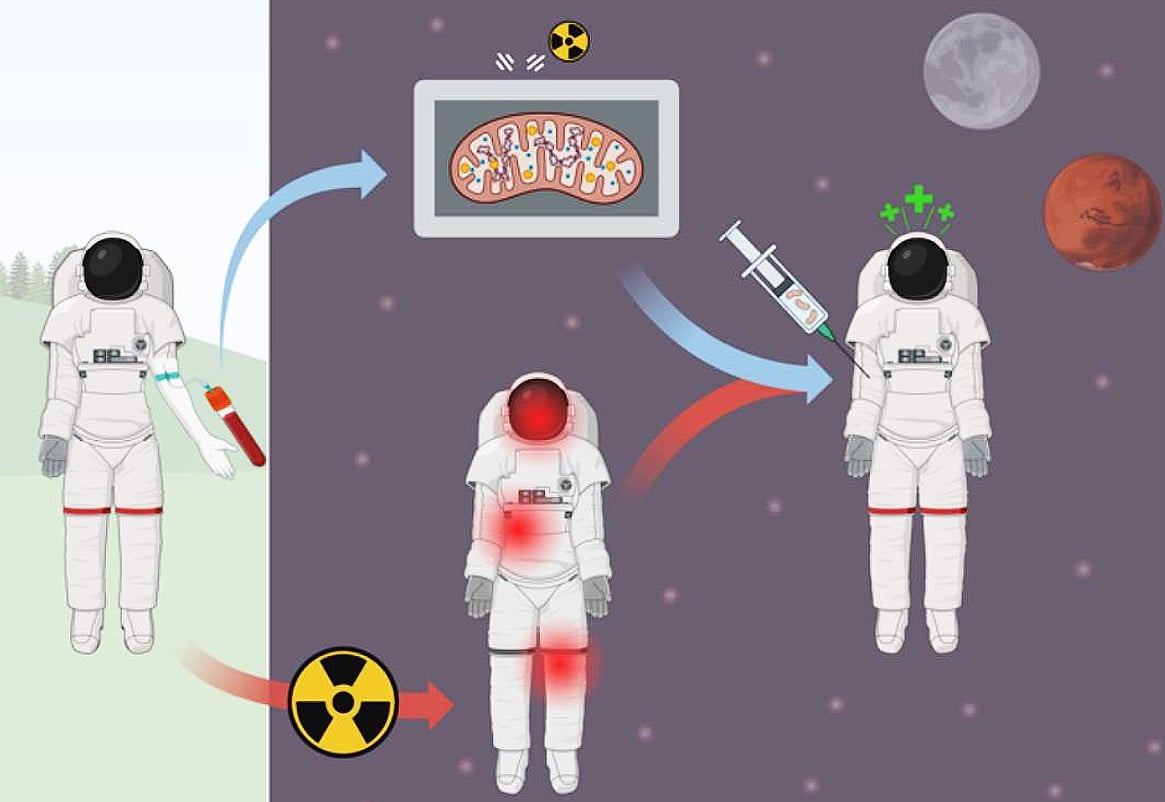
Skeptics love to bring up one particular topic regarding long-term human space exploration - radiation. So far, all of the research completed on it has been relatively limited and has shown nothing but harmful effects. Long-term exposure has been linked to an increase in cancer, cataracts, or even, in some extreme cases, acute radiation poisoning, an immediate life-threatening condition. NASA is aware of the problem and recently supported a new post-doc from MIT named Robert Hinshaw via the Institute for Advanced Concepts (NIAC) program. Dr. HHinshaw'sjob over the next year will be to study the effectiveness of an extreme type of mitochondria replacement therapy to treat the long- and short-term risks of radiation exposure in space.
Continue reading
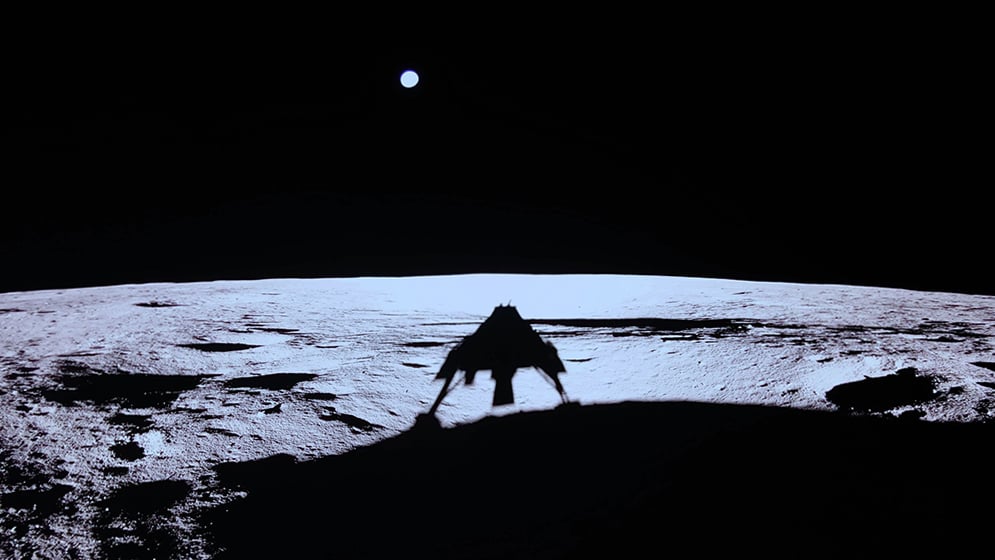
The Moon's getting to be a popular place. Firefly's Blue Ghost touched down on March 2nd in Mare Crisium. It's the first privately built lander to land safely and begin its mission. The little spacecraft set down safely in an upright, stable position and sent back an "I'm here" signal right away.
Continue reading
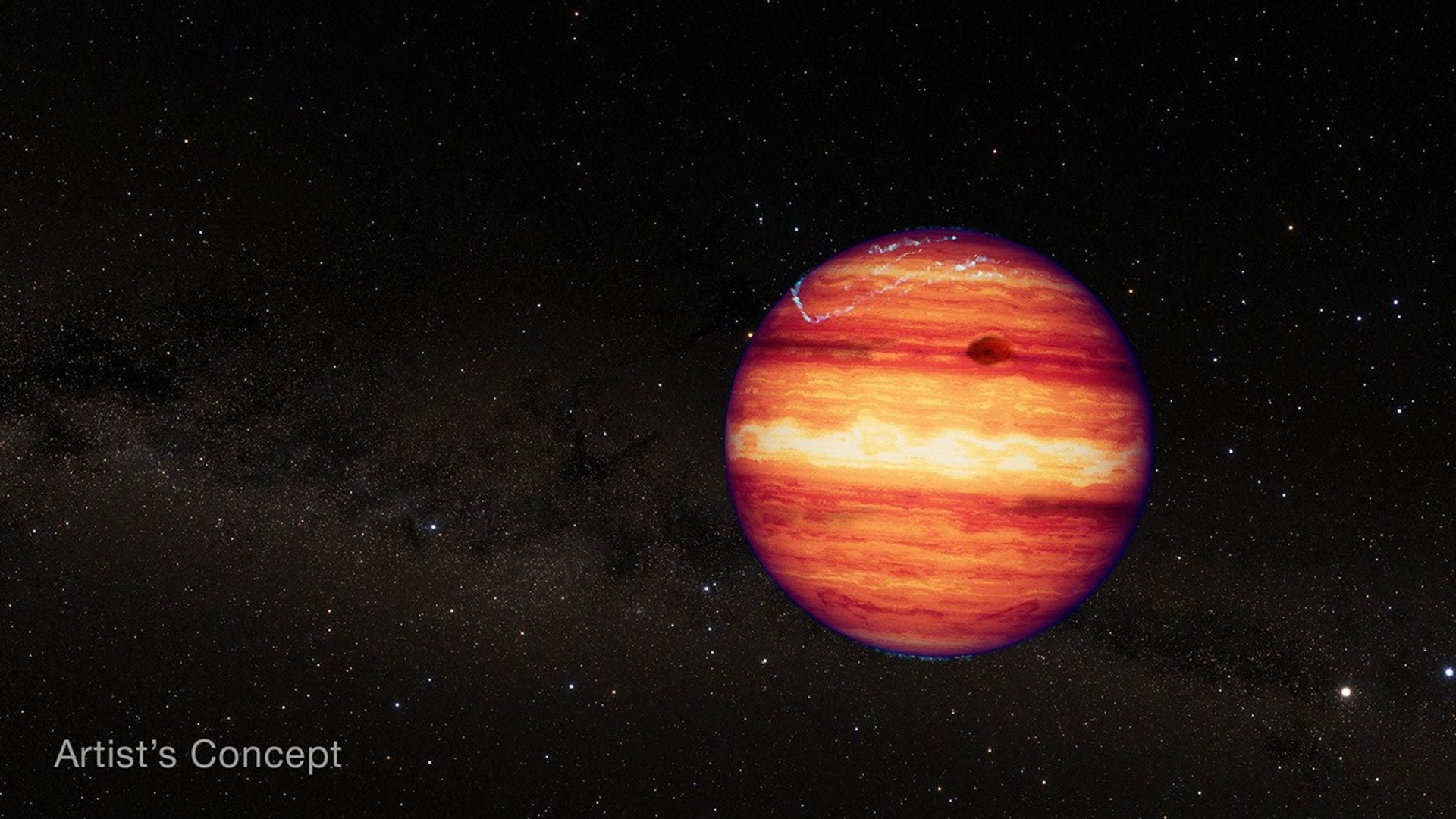
The dividing line between gas giant planets and failed stars is blurry at best. The isolated planetary-mass object SIMP J013656.5+093347.3 could be either one. The distinction is largely semantic. However we choose to label and define it, the object displays a surprisingly complex atmosphere for an isolated object without any stellar energy input.
Continue reading
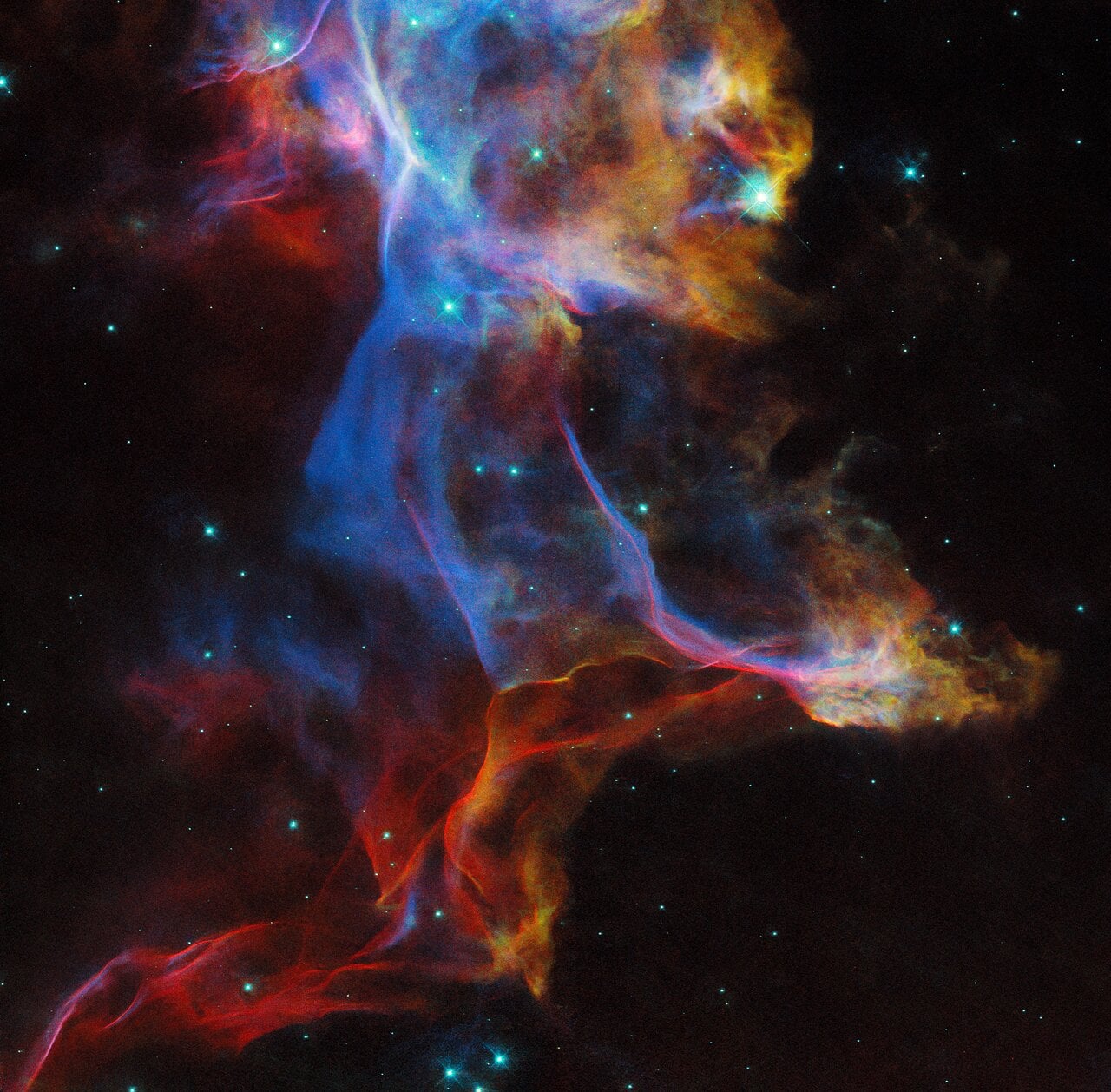
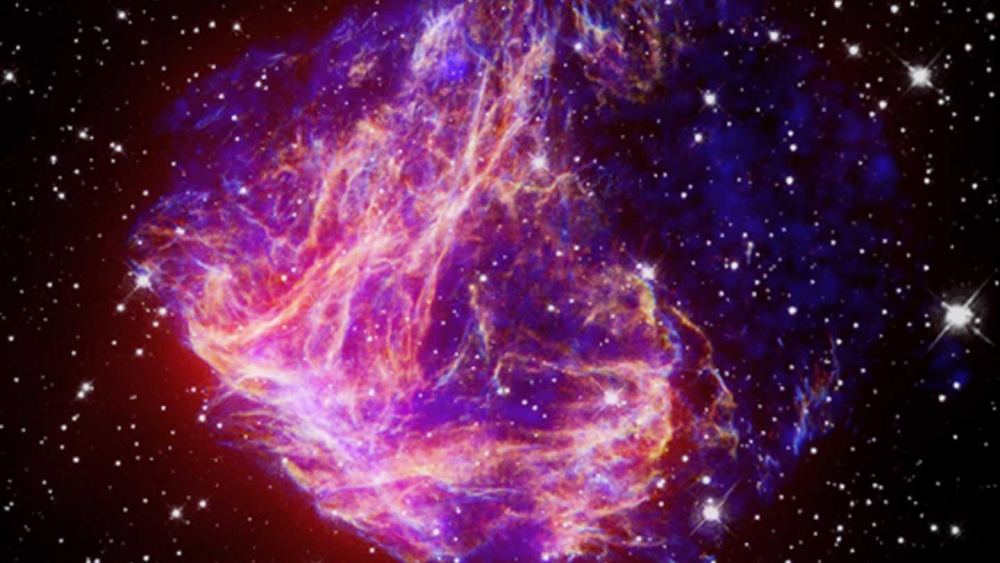
We can't take our telescopic eyes off of supernova explosions. There's something compelling about natural objects so massive that they're doomed to terminate themselves in powerful explosions that outshine their host galaxies. Their patterns of shocked and lit-up gas are pleasing to the eye and ignite our curiosity. What exactly is going on to produce these gorgeous forms?
Continue reading

In an effort to conserve Voyager 2's dwindling energy and extend the spacecraft's mission, NASA has shut down another of its instruments. They did it with the Plasma Spectrometer in October 2024, and it won't be the last. In March, Voyager 2's Low-Energy Charged Particle instrument will be powered down.
Continue reading
Continue reading
Continue reading
Continue reading

Continue reading
Continue reading
Continue reading
Continue reading
Continue reading
Continue reading
Continue reading
Continue reading
Continue reading
Continue reading
Continue reading
Continue reading

Continue reading
Continue reading
Continue reading
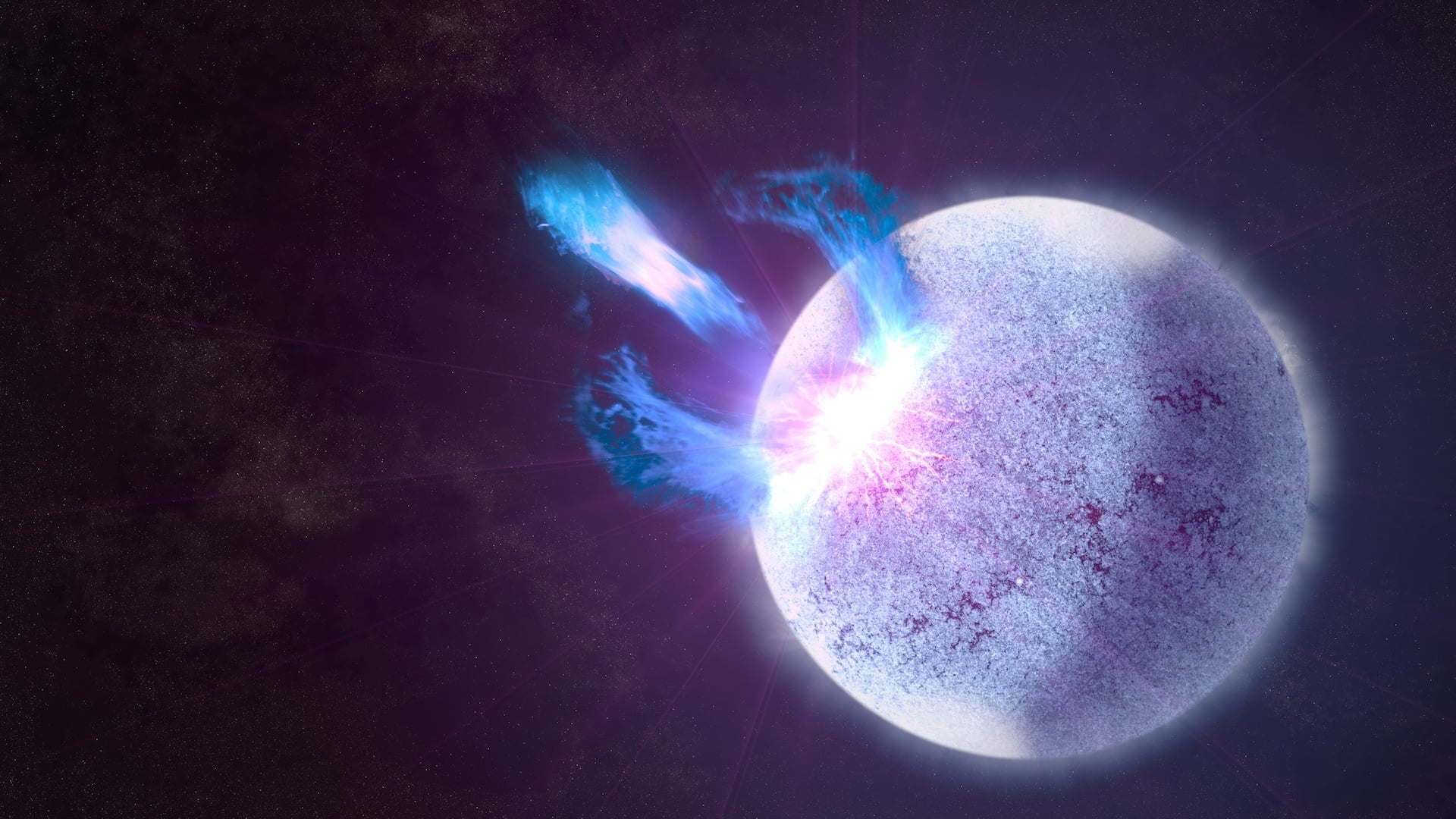
Magnetars are a type of neutron star with the most powerful magnetic fields in the universe. They're formed by the death of massive stars, like pulsars and other neutron stars. So, what creates such intense magnetic fields? Thanks to a new simulation, astronomers have discovered that a magnetar probably forms when material ejected by the supernova explosion falls back down onto the star's surface, amplifying its dynamo effect.
Continue reading
Continue reading
Continue reading
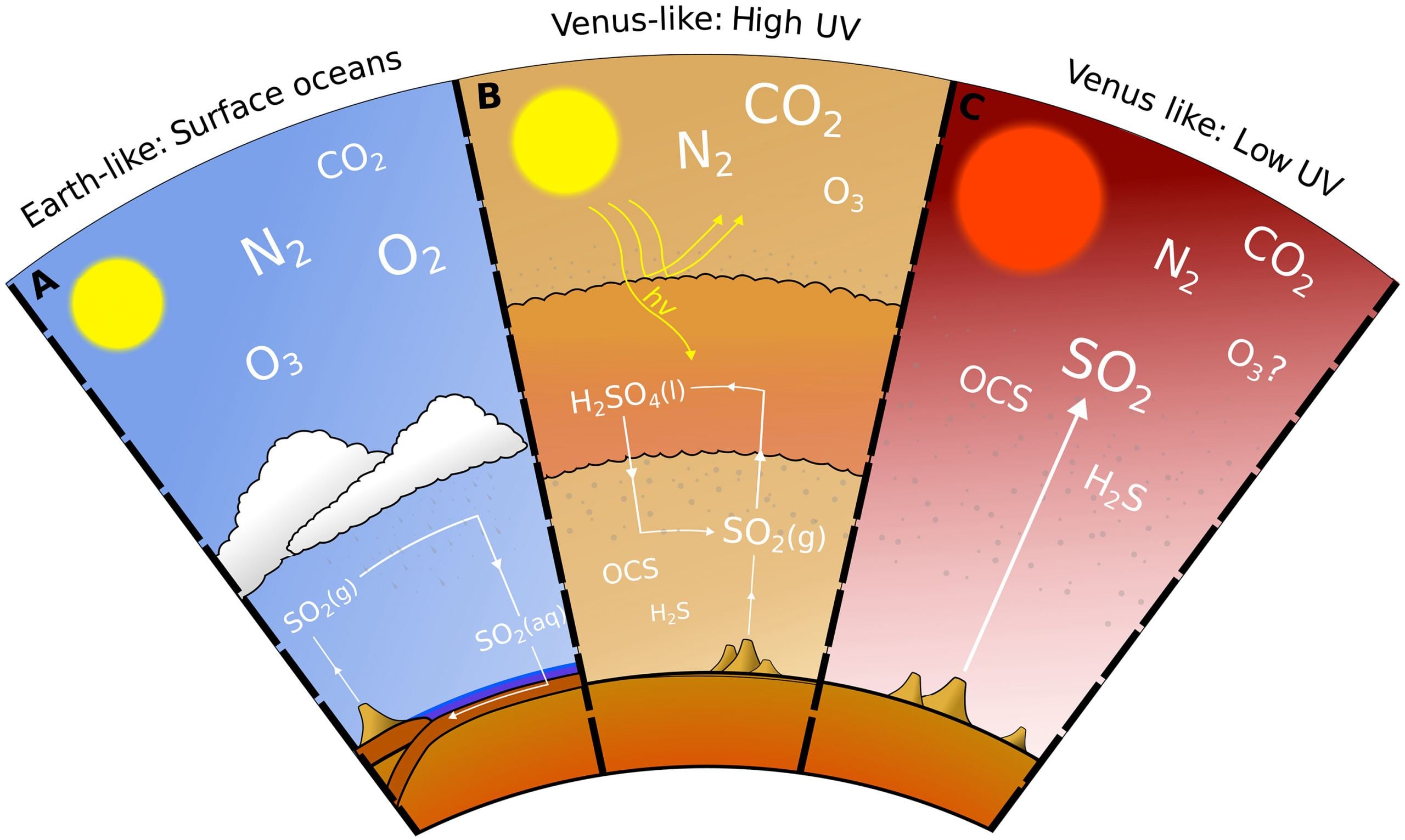
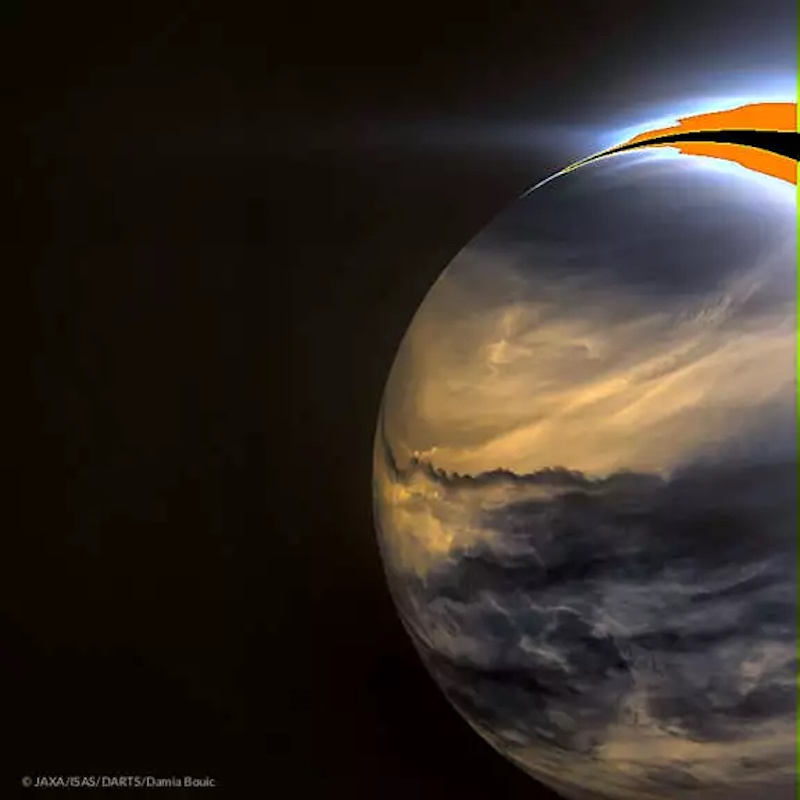
The habitable zone is where planets could have liquid water on their surfaces, but not if they're actually habitable. In a new paper, astronomers propose a new way to map the inner edge of habitable zones by searching for sulfur dioxide (SO?) in the atmospheres of exoplanets. If there's SO?, this indicates that the planet doesn't have liquid water on its surface. Telescopes like Webb could scan planets for SO?, creating a more accurate map of habitable zones.
Continue reading
Continue reading
Continue reading
Continue reading
Continue reading
Continue reading
 Universe Today