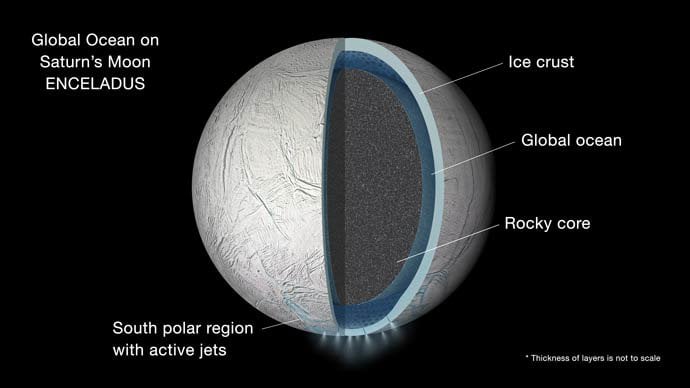
What can the pH level of the subsurface ocean on Enceladus tell us about finding life there? This is what a recent study accepted to Icarus hopes to address as a team of researchers investigated the potential pH level of Enceladus’ subsurface ocean based on current estimates. This study has the potential to help scientists better understand the composition of Enceladus’ subsurface ocean and what this can mean for finding life as we know it.
Continue reading
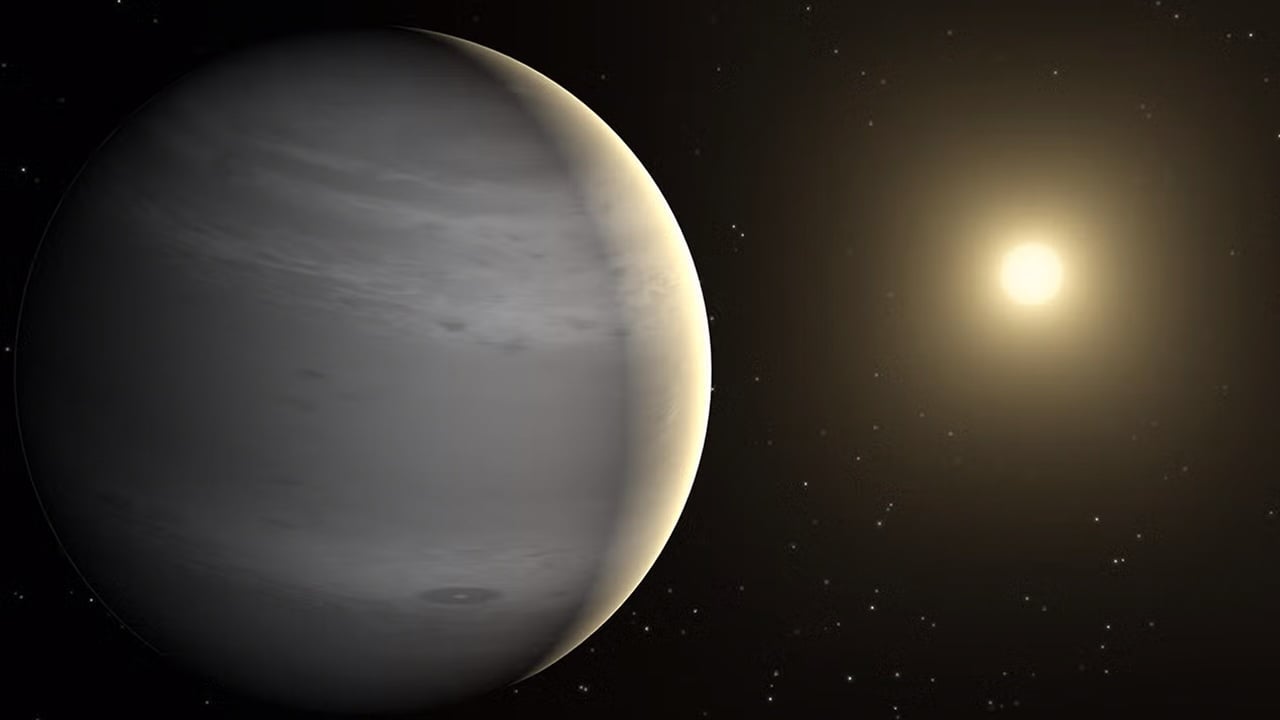
Distant exoplanets can be dodgy to spot even in the best of observations. Despite the challenges, a team of astronomers just reported the discovery of a gas giant exoplanet that lies about 400 light-years from Earth. It's called TOI-4465 b and it takes 12 hours to transit across the face of its star during its 102-day orbit.
Continue reading
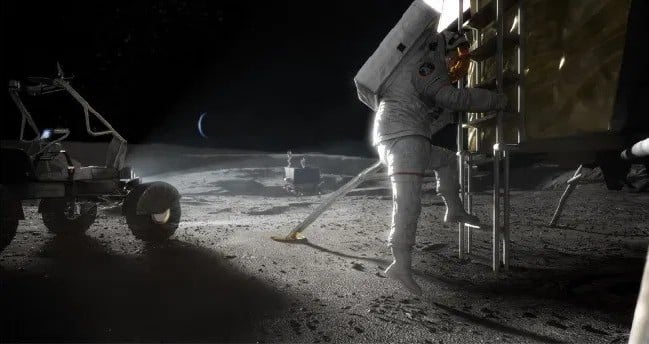
What is the importance of studying and utilizing lunar polar volatiles during the Artemis program, and specifically for first crewed mission, Artemis III? This is what a recent study presented at the Lunar and Planetary Science Conference hopes to address as an international team of researchers investigated using lunar polar volatiles for in situ resource utilization (ISRU) purposes. In geology, volatiles are substances that vaporize at low temperatures, and examples include water, carbon dioxide, and sulfur dioxide. In the case of the Moon, key volatiles are water located in permanently shadowed regions (PSRs) at the lunar south polar region.
Continue reading

Quasars provide some of the most spectacular light shows in the universe. However, they are typically exceedingly rare since they are caused by massive astrophysical forces that don’t happen very often. So it came as quite a surprise when scientists found a group of 11 of them hanging on in the same general area, in what appeared to be equivalent to the galactic countryside. A new paper from Yongming Liang and their co-authors at the University of Tokyo describes this finding, which they dubbed the Cosmic Himalayas, and some of the weird astronomical circumstances that place the discovery in context.
Continue reading

Spacecraft violently shake, rattle, and roll on their way into space aboard a giant explosion. Therefore, they must also be tested to make sure they can withstand those forces before getting to their orbit for deployment. One of NASA’s major observatories recently completed part of its trials, with the core portion of the Nancy Grace Roman Space Telescope successfully completing its shock and vibration testing a few weeks ago.
Continue reading
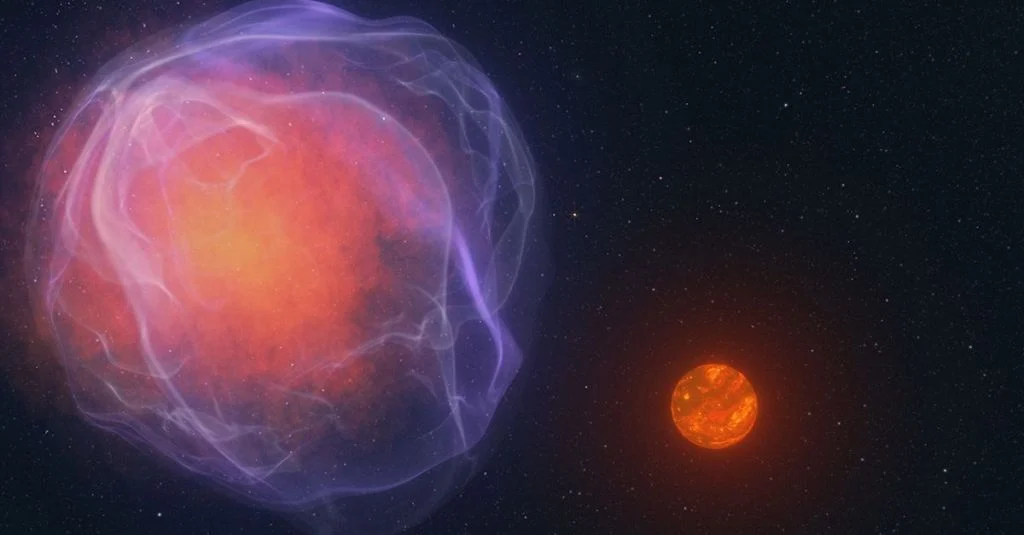
Scientists are constantly finding new ways to look at things, and that’s especially true for objects that represent an outlier of their specific type. Adjectives like “biggest”, “brightest”, or “fastest spinning” all seem to attract scientific studies - perhaps because they’re an easier sell to funding agencies. No matter the reason, that means we typically get a lot of good science on specific objects that represent their particular class of objects well, and a new paper from Ozcan Caliskan from Istanbul University in Turkey hits that nail on the head when it comes to the most massive known white dwarf star.
Continue reading
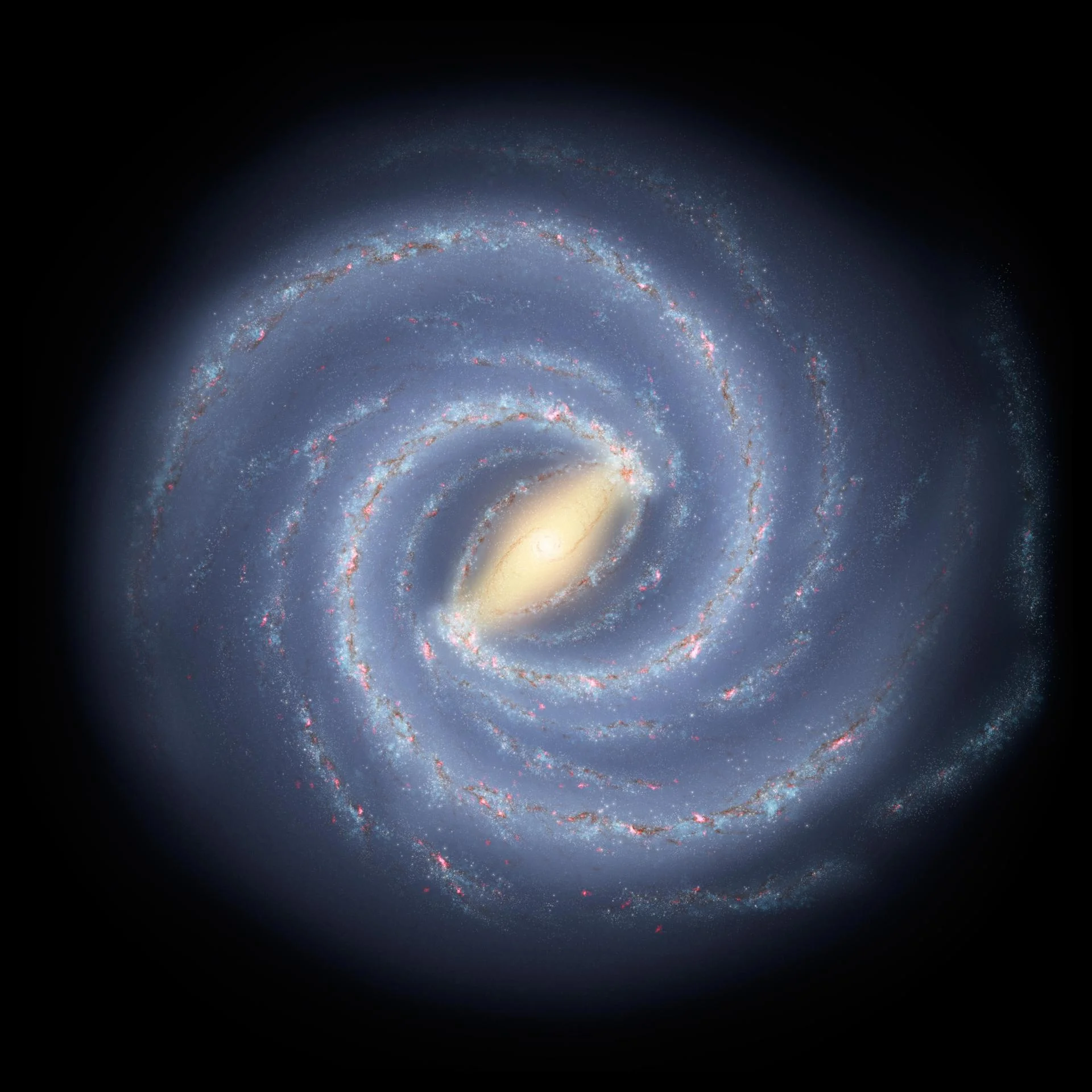
How do you search for a substance that doesn't give off any kind of light, but its gravitational influence shapes galaxies? That's the challenge researchers face as they try to find and explain the mysterious substance called dark matter. They're wrestling with an invisible "something" that appears to make up much of all matter in the Universe.
Continue reading
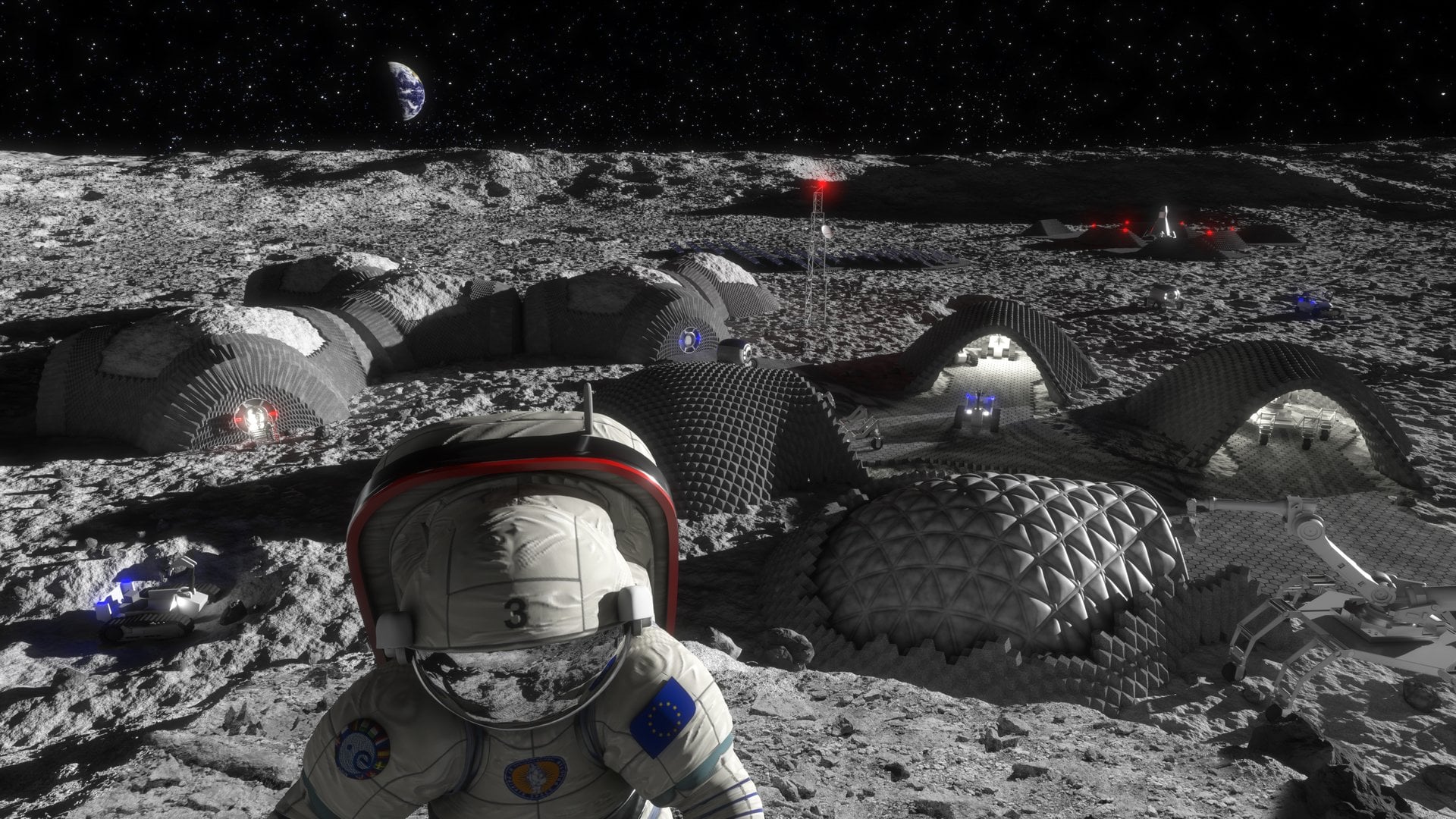
The challenge of building habitats on the Moon is considerable, mainly because most additive manufacturing (aka. 3-D printing) techniques are not feasible. By utilizing a 3-D printing method known as light-based sintering, future missions to the Moon could manufacture bricks out of lunar regolith, rather than trying to build whole structures. This would facilitate a long-term human presence on the lunar surface, consistent with the Artemis Program and other plans for lunar exploration and development.
Continue reading
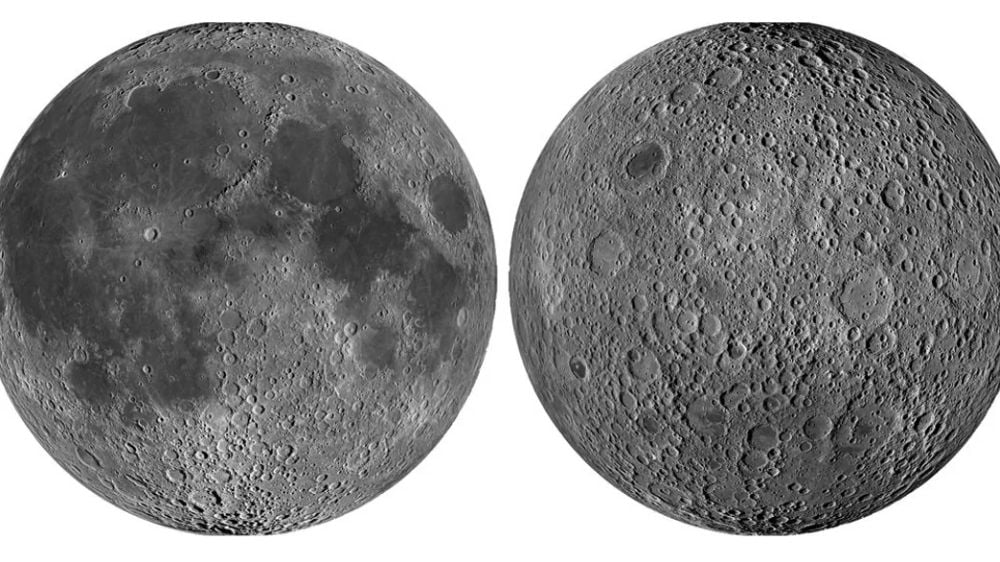
Why does the Moon have two different faces?. That question frames the lunar dichotomy: The nearside that faces us is different than the lunar farside. Scientists have worked hard to understand why that is, and new research says that the presence of certain minerals could explain why.
Continue reading
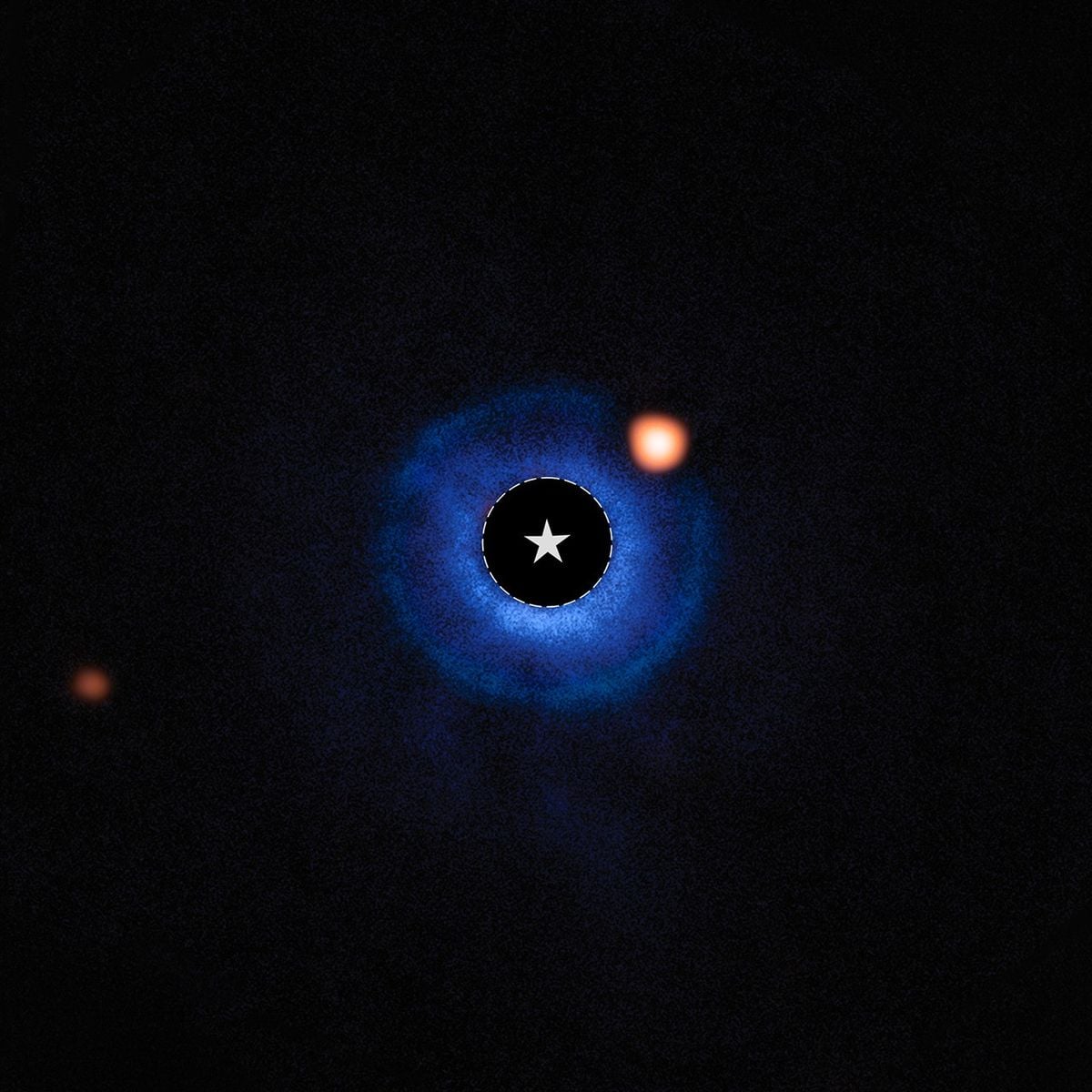
One of Webb’s strong points is its ability to directly image planets around another solar system. The telescope has been in operation for long enough now that a flood of those images are starting, as more and more systems come under the telescope’s gaze. One of those is described in a recent paper and press release from NASA. According to the paper, the planet in a nearby system is about the size of Saturn, which would make it the smallest planet ever found by direct observation.
Continue reading
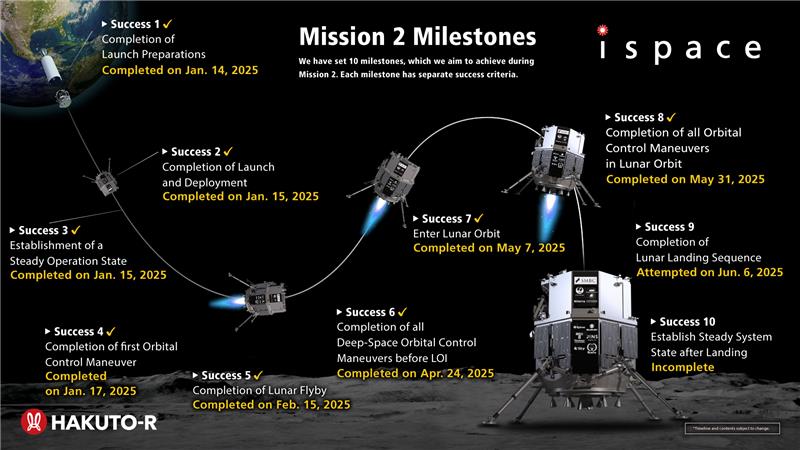
The Japanese company ispace released the technical details that likely doomed the landing of their Hakuto-R Mission 2 lunar lander earlier this month. According to a press release, their engineers narrowed down the issue to a failure of the spacecraft's Laser Range Finder (LRF). Engineers suspect that the LRF's performance deteriorated during flight, causing it to be slow to make its measurements and update its descent speed correctly. It hit the Moon at 42 meters a second, crashing hard.
Continue reading
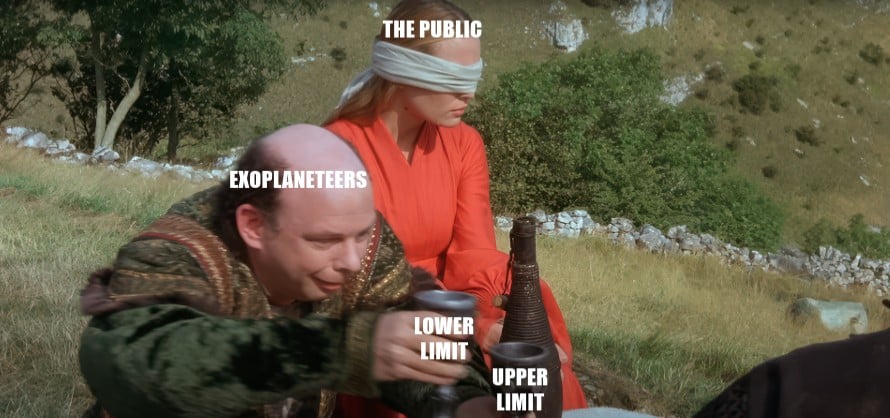
There’s nothing to get a scientist’s heart pumping like a good, old-fashioned statistical debate. When it comes to topics like finding Earth analogues or hints of a biosignature in an atmosphere, those statistical debates could have real world consequences, both for the assignment of additional observational resources, but also for humanity’s general understanding of itself in the Universe. A new paper from two prominent exoplanet hunters, David Kipping from Columbia and Björn Benneke from UCLA, argues that their colleagues in the field of exoplanet detection have been doing statistics all wrong for decades, and make a argument for how better to present their results to the public.
Continue reading
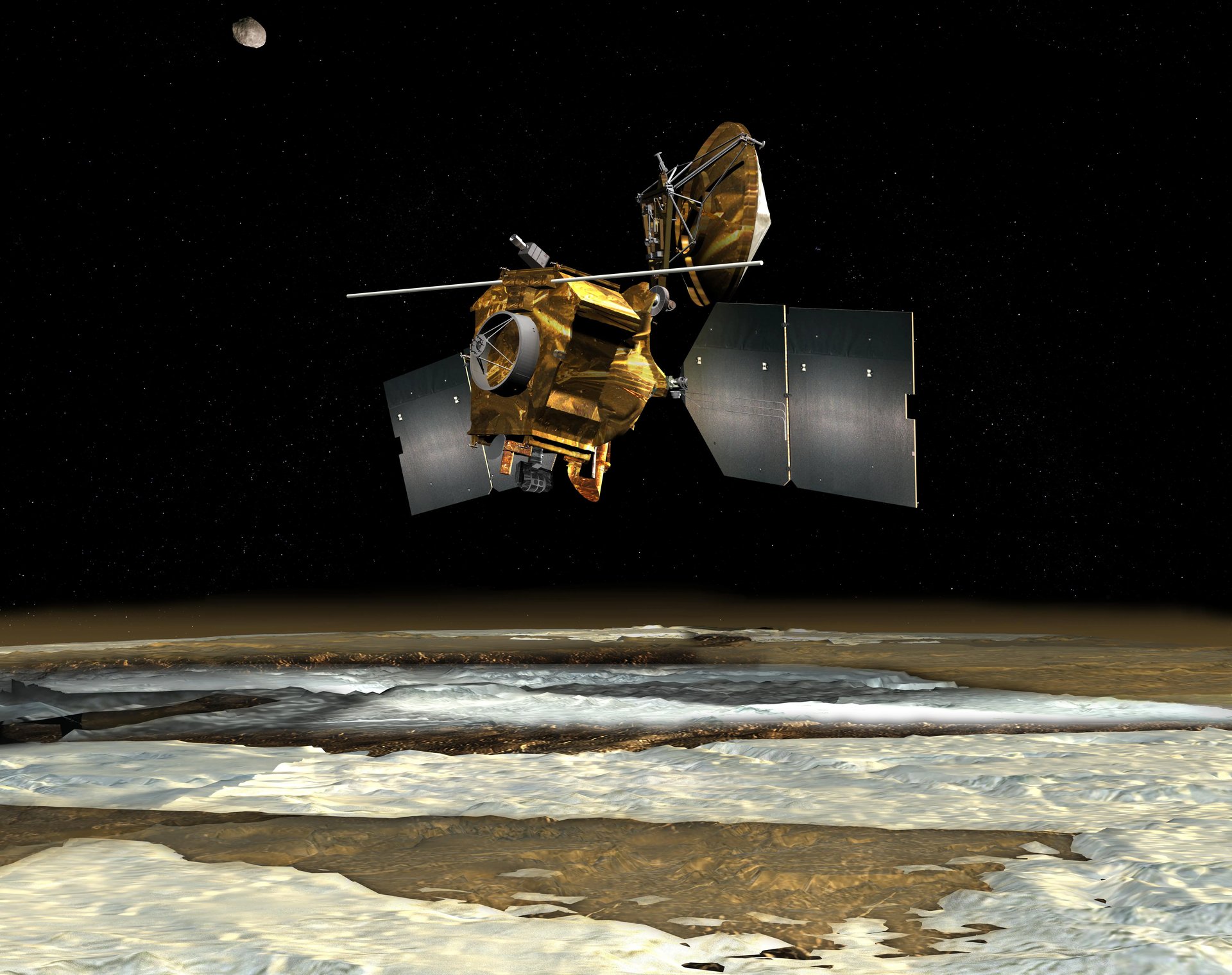
Orientation is more important than most people thing when it comes to sensing. A common example would be when the lasers of a garage door are mis-aligned, forcing the door to remain open until they are brought back in line. But when it comes to scientific sensors, orientation is even more important. So it was with great fanfare that NASA announced a new way to orient sensors on one of the most venerable of its spacecraft - the Mars Reconnaissance Orbiter (MRO) - and the resultant scientific discoveries it enabled.
Continue reading
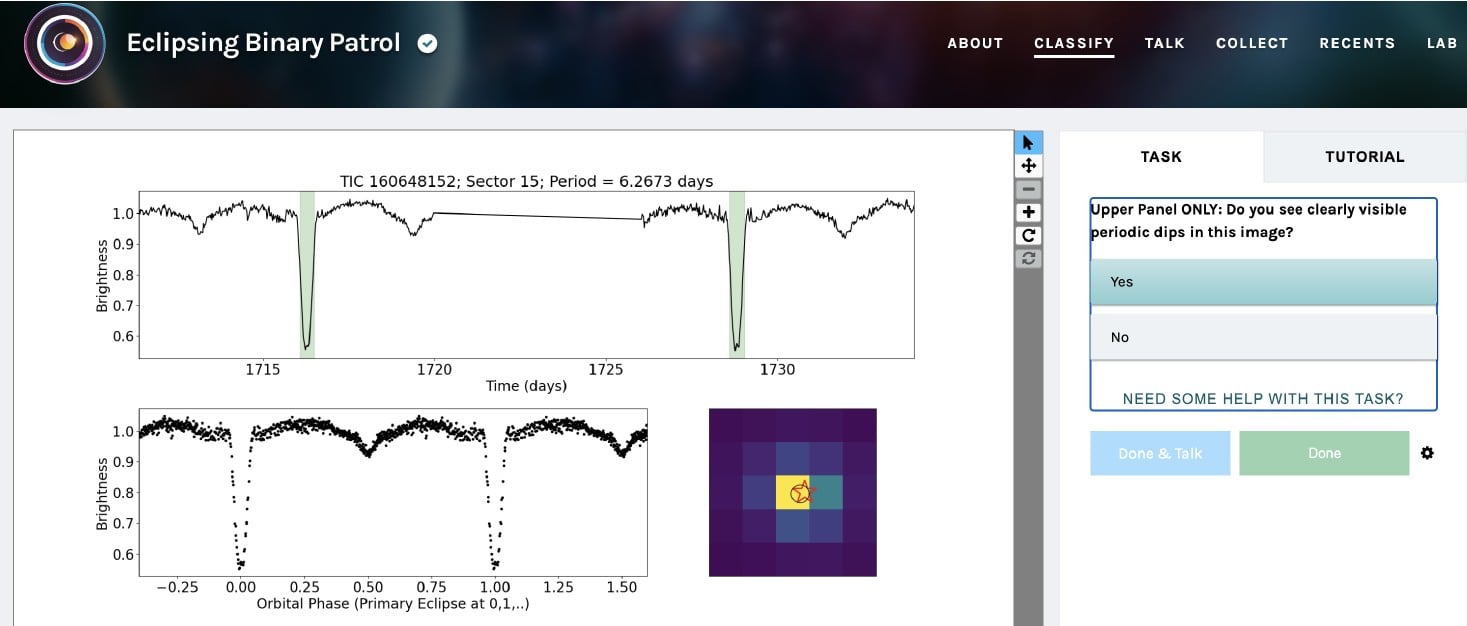
Despite the proliferation of AI based research lately, sometimes researchers need a human eye to make true discoveries. That collaboration was in evidence in a recent paper by Dr. Veselin Kostov, a research scientist at the SETI Institute and NASA’s Goddard Space Flight Center, who led a team of almost 1,800 to review a dataset from the Transiting Exoplanet Survey Satellite (TESS) that led to the discovery of almost 8,000 new eclipsing binary systems.
Continue reading
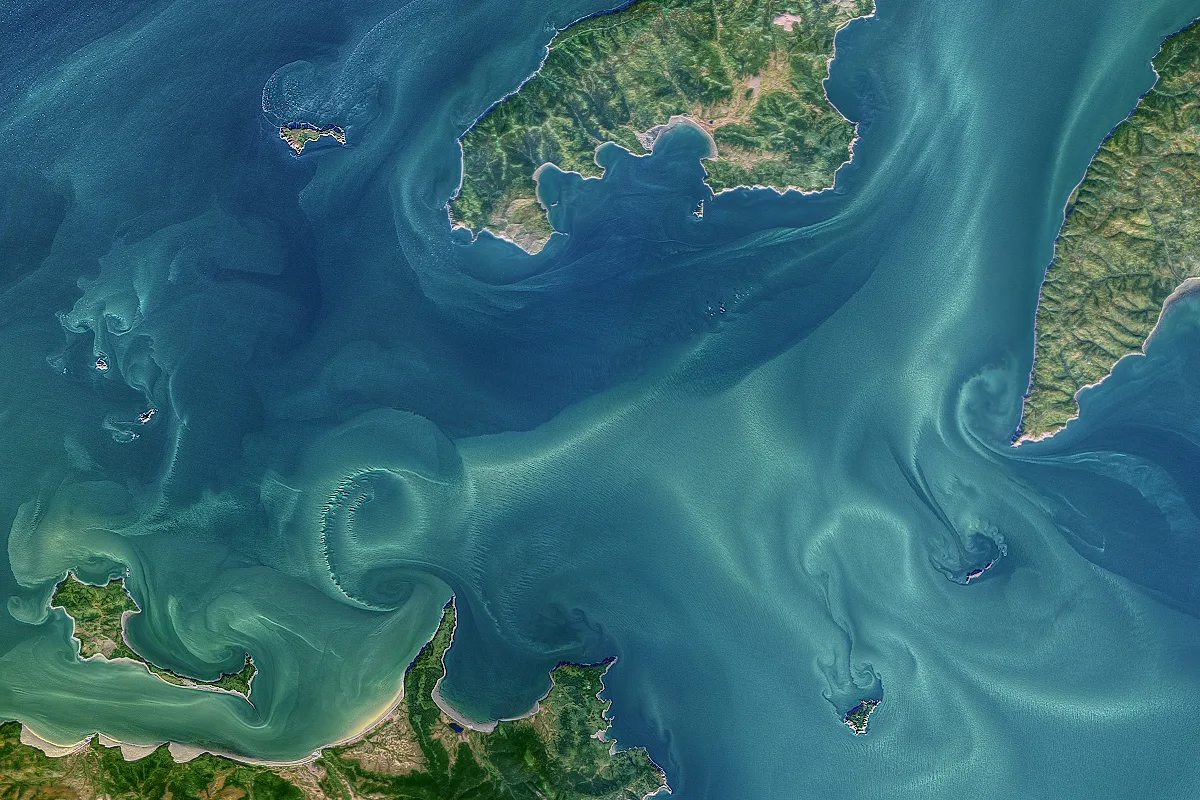
As Charles Darwin explored the Galapagos Islands, he discovered how the different islands allowed for different species to thrive. This is very similar to our current exploration of the Solar System; individual worlds, separated by the vacuum of space. The similarities provide a new insight into predictin planetary contamination risks and improve protection methods. A new paper by Daniel J. Brener and Charlesg S. Cockell uses the spread of life to new islands as a powerful model for rethinking how we prevent Earth's microbes from contaminating other worlds, shifting focus from probability calculations to whether microbes can actually survive in alien environments.
Continue reading
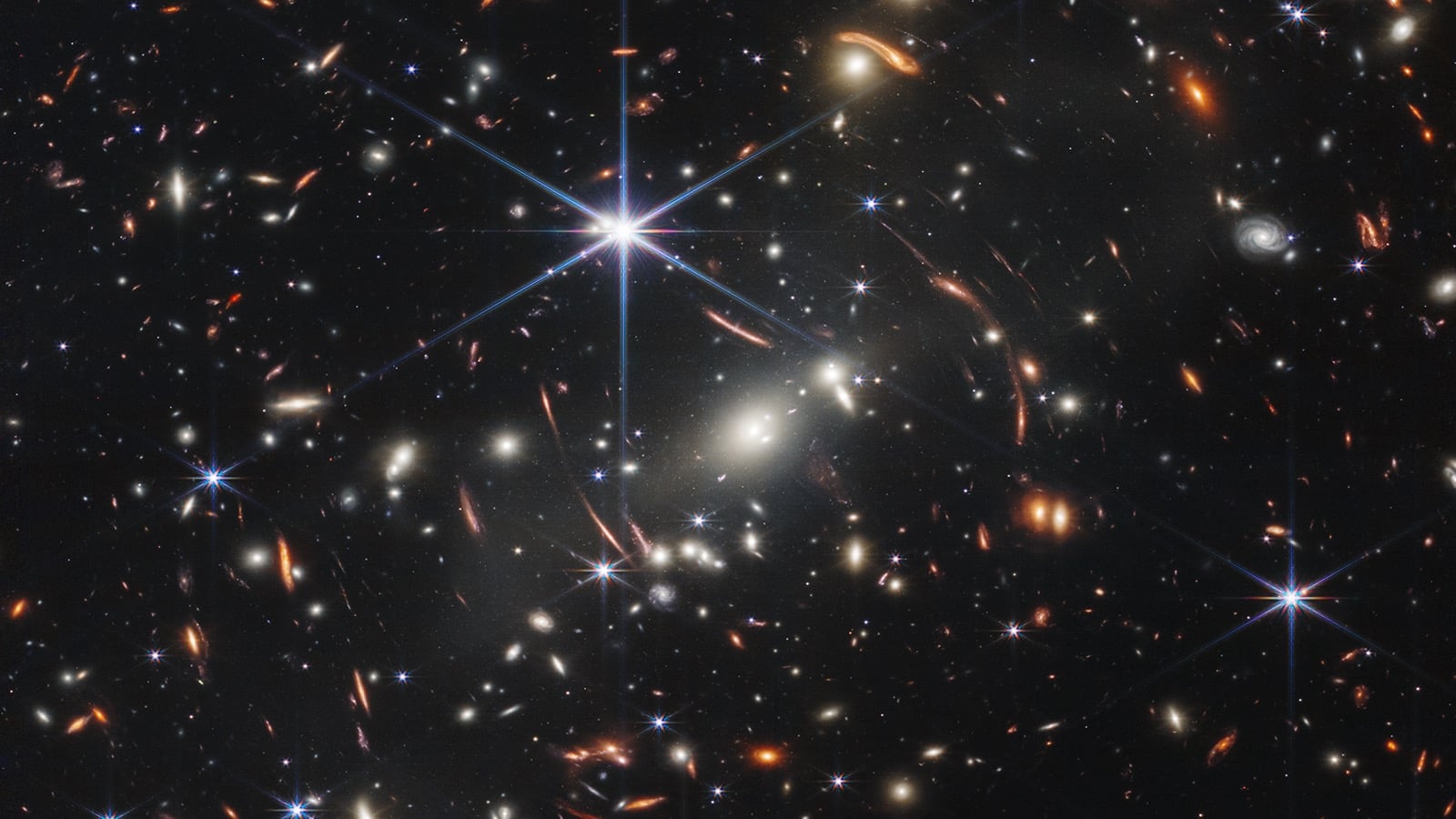
Population III stars are the first generation that formed in the Universe, made from pristine hydrogen and helium, without any heavier "metals." They're difficult to find, surrounded by the early cosmic fog and lasting for only a few million years, but a new paper proposes that Webb could detect the pollution from these first stars as they're enriching the gas around them. There would be a hybrid phase when the first galaxies could contain second-generation stars and the polluted gas from the first stars.
Continue reading

An unfolding mystery is how early supermassive black holes got so big, so early. Their high mass is tough to explain through a ladder of mergers; instead, astronomers suggest they could have formed directly from huge clouds of gas. In a new paper, researchers propose the signals these directly-forming supermassive black holes might emit, and how they could even be detectable by James Webb before they collapse.
Continue reading
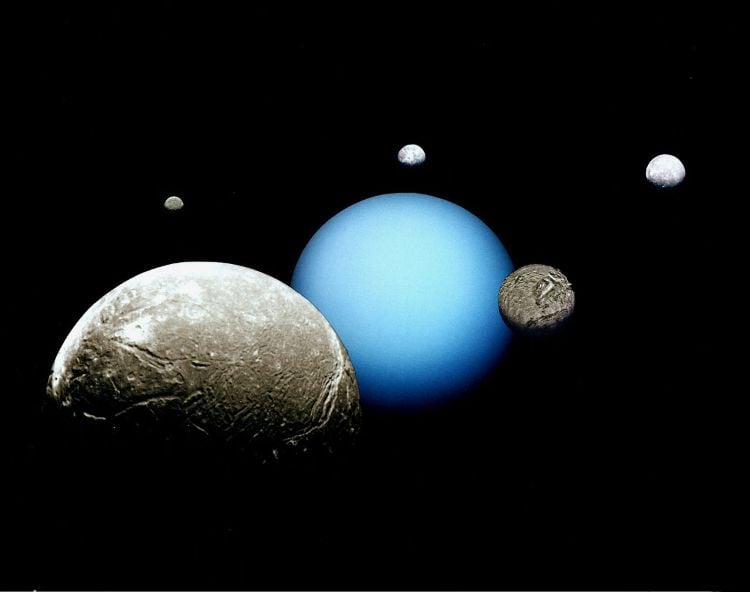
What methods can be used to identify subsurface oceans on the five largest moons of Uranus: Ariel, Umbriel, Titania and Oberon, and Miranda? This is what a recent study presented at the 56th Lunar and Planetary Science Conference hopes to address as a team of scientists from NASA’s Jet Propulsion Laboratory (JPL) investigated potentially using radio science on the Uranus Orbiter and Probe (UOP) concept mission, which was designated as a high priority Flagship-class mission by the 2023–2032 Planetary Science Decadal Survey.
Continue reading
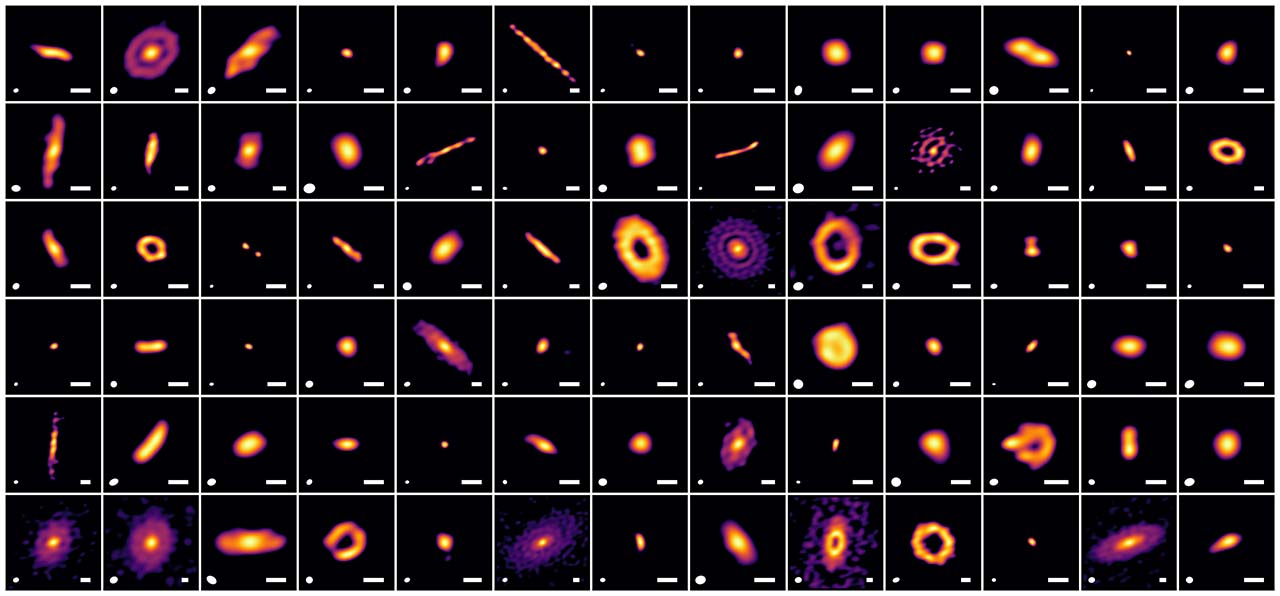
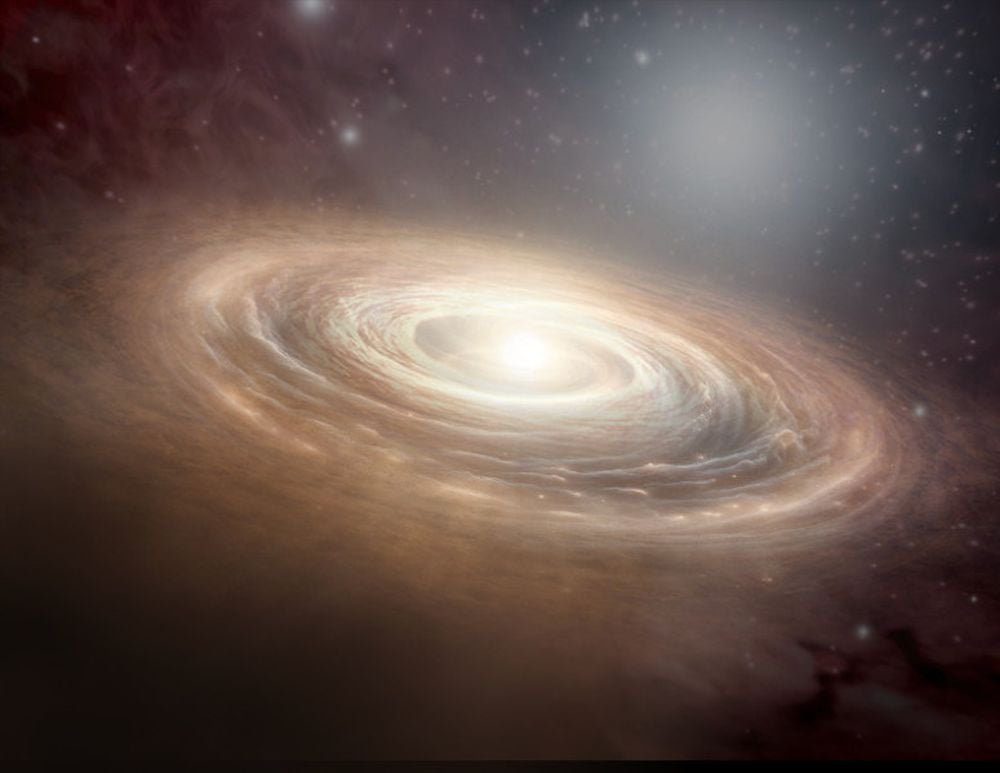
The Sun and its planets formed out of the solar nebula, around 4.6 billion years ago. But what was the delay between the Sun's formation and the planets? Astronomers have surveyed 78 protoplanetary disks in the Ophiuchus star-forming region and seen examples of every step in the planetary formation process. They found that the planets start forming much earlier than previously believed, when the disk is still filled with gas and dust, growing together with their host stars.
Continue reading
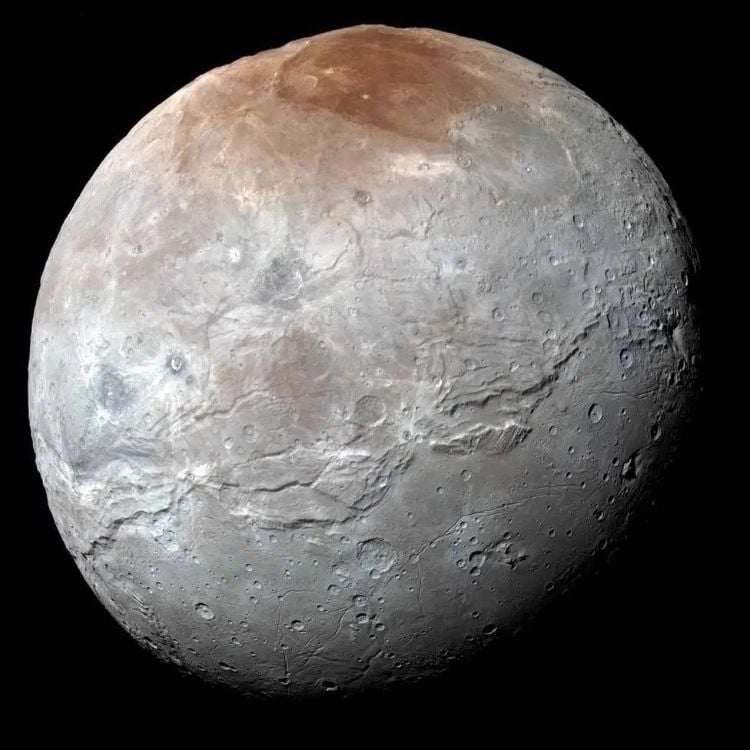
What processes during the formation of Pluto’s largest moon, Charon, potentially led to it having cryovolcanism, and even an internal ocean? This is what a recent study presented at the 56th Lunar and Planetary Science Conference hopes to address as a team of researchers investigated the formation and evolution of Charon to ascertain whether it once possessed an internal ocean during its history and if this could have led to cryovolcanism based on images obtained by NASA’s New Horizons probe.
Continue reading
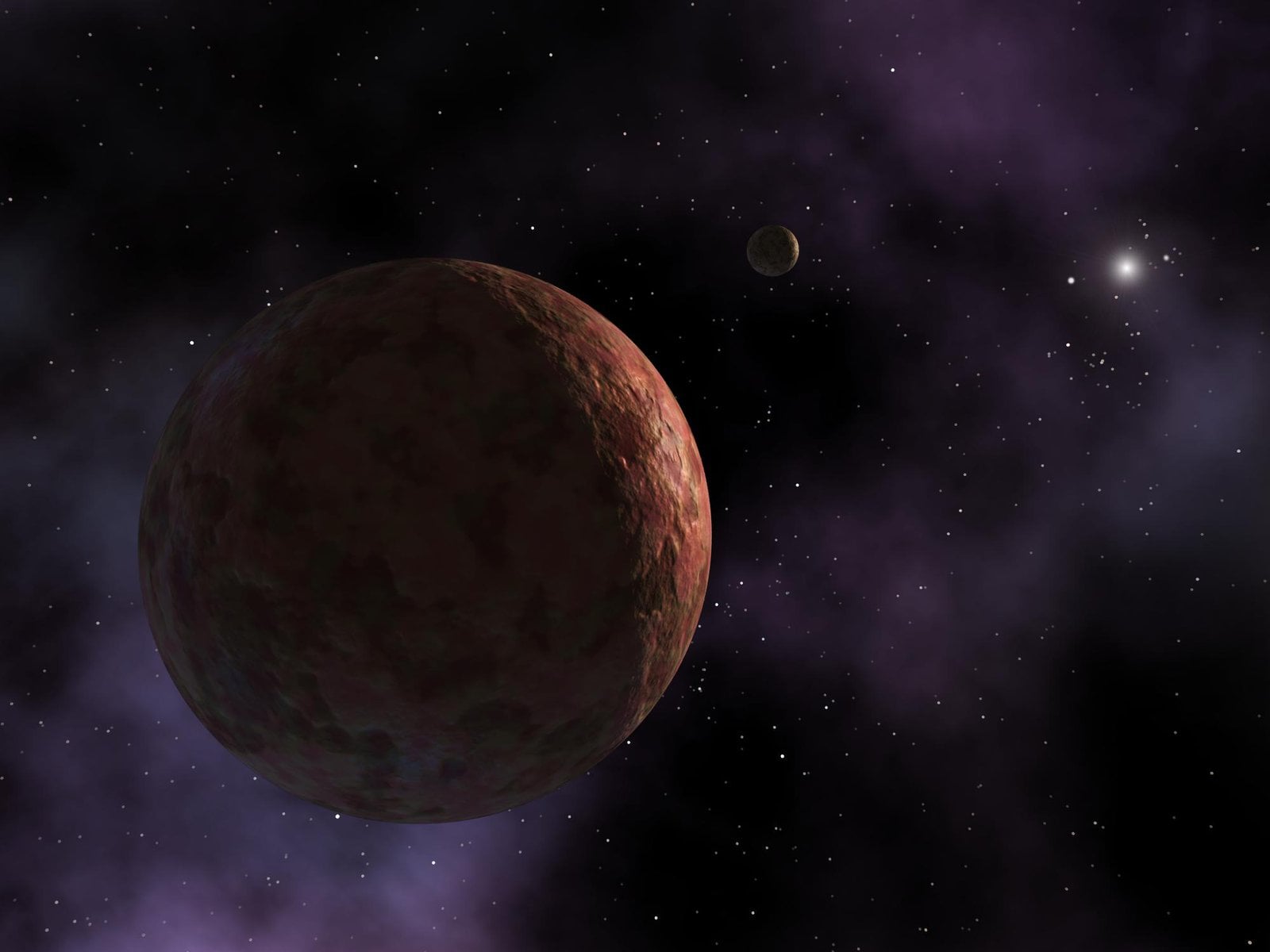
The dwarf planet Sedna will reach its closest point to the Sun in 2075, the ideal time to send a mission to study this world that takes 11,000 years to orbit the Sun. In a new paper, researchers consider two exotic propulsion systems for a mission like this: a direct fusion drive, and an enhanced solar sail. Both methods could allow a spacecraft to reach Sedna in under a decade of flight time.
Continue reading
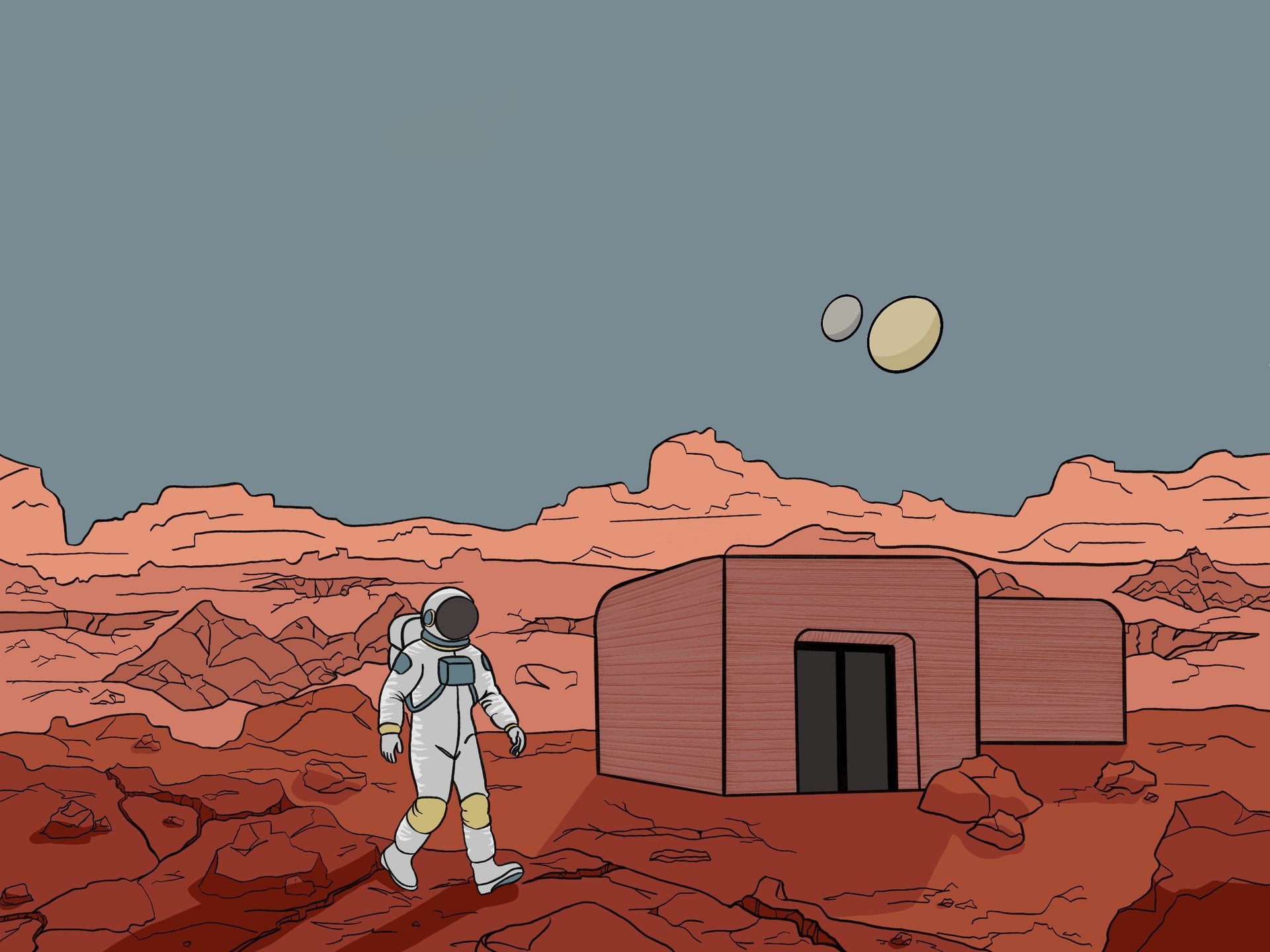
When humans finally reach Mars, they're going to rely on local resources for habitat construction. Researchers are considering how Martian explorers could use lichen and bacteria together with Martian regolith to form building materials. These biomaterials can glue together particles of crushed rock into a building material which can then be 3D-printed into houses, furniture and other buildings. This system might only require regolith, air, light and an inorganic medium to create the building material.
Continue reading
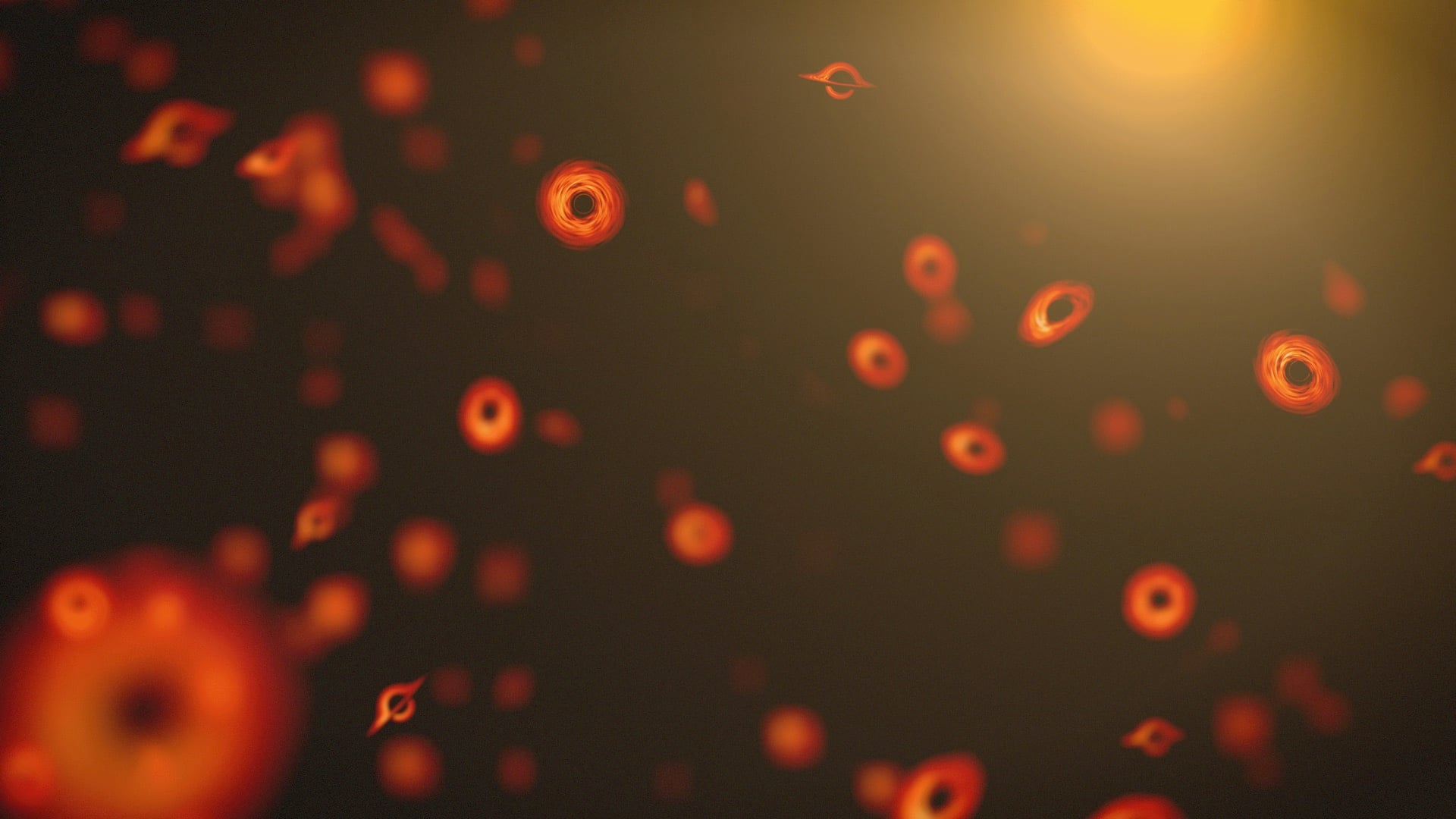
Scientists propose a revolutionary new method to detect primordial black holes by hunting for their Hawking radiation. Instead of searching for faint background signals, researchers suggest using the Alpha Magnetic Spectrometer on the International Space Station to watch for distinctive spikes in positron particles as these ancient black holes pass through our solar system, emitting Hawking radiation.
Continue reading
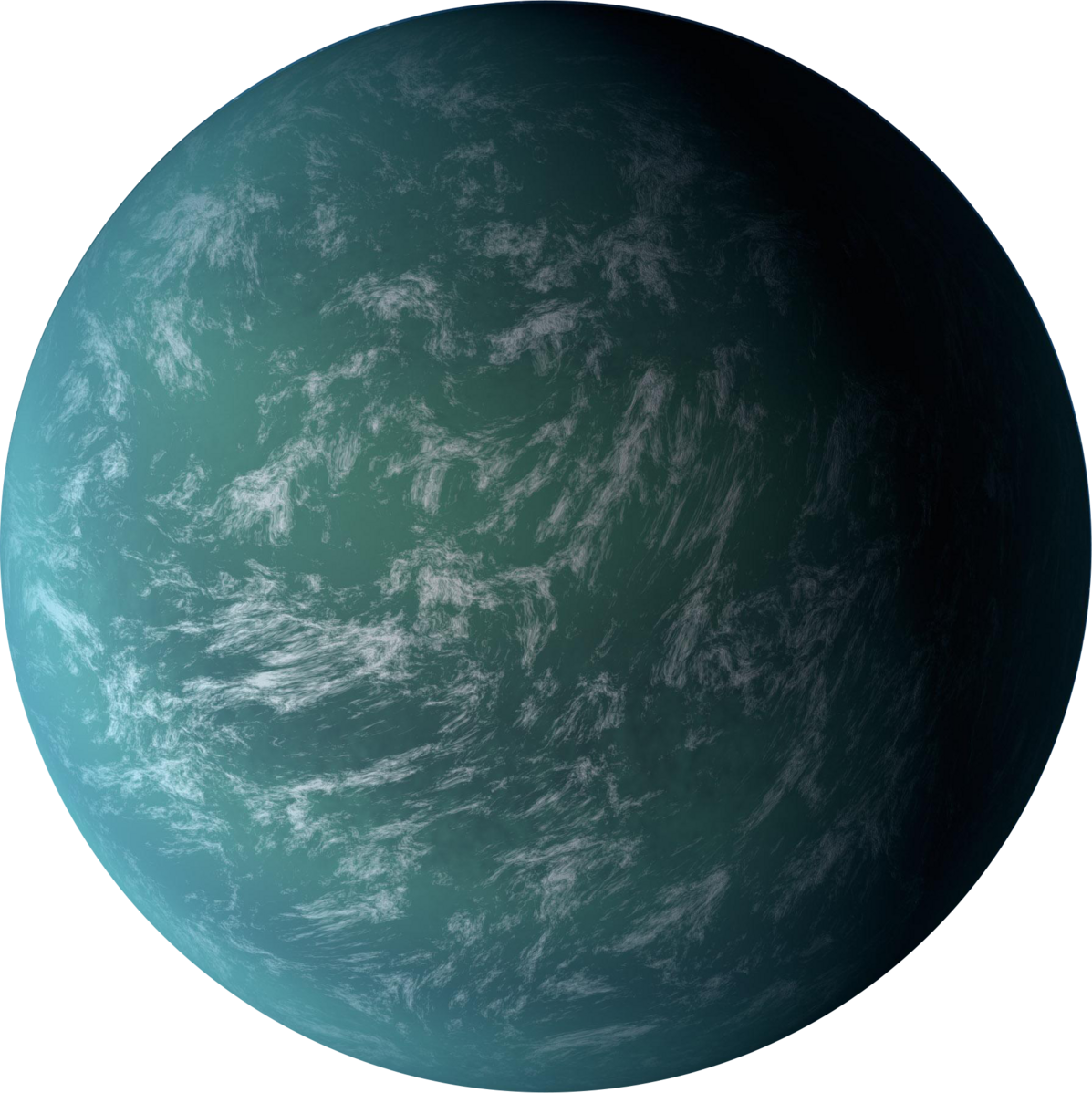
The search for life beyond our planet continues, and one of the most underappreciated tools in an astrobiologists' toolkit is statistics. While it might not be as glamorous as directly imaging a planet’s atmosphere or finding a system with seven planets in it, statistics is absolutely critical if we want to be sure that what we’re seeing is real and not just an artifact of the data, or of our observational techniques themselves. A new paper by Caleb Traxler and their co-authors at the Department of Information and Computer Science at UC Irvine takes on that challenge head-on by statistically analyzing a set of about 10% of the total number of exoplanets found and judging their habitability.
Continue reading
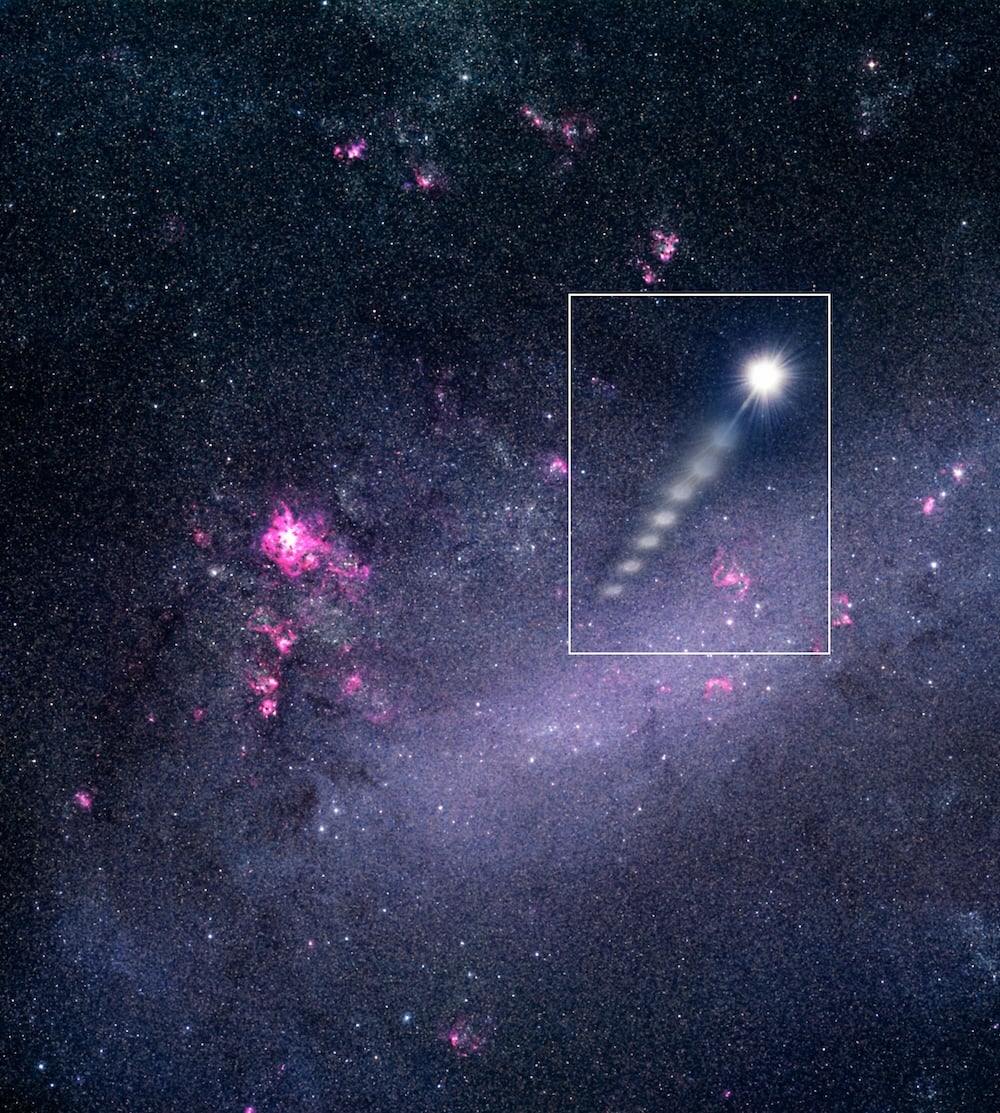
Sometimes a non-detection can tell you a lot. For example, astronomers recently searched through data containing around 5 million stars captured by the Dark Energy Spectroscopic Instrument. They were looking for stars that had been ejected from the center of the Milky Way galaxy, through the gravitational interaction of the supermassive black hole Sgr A*. They failed to find any obvious candidates, which suggests that Sgr A* hasn't merged with another black hole recently.
Continue reading
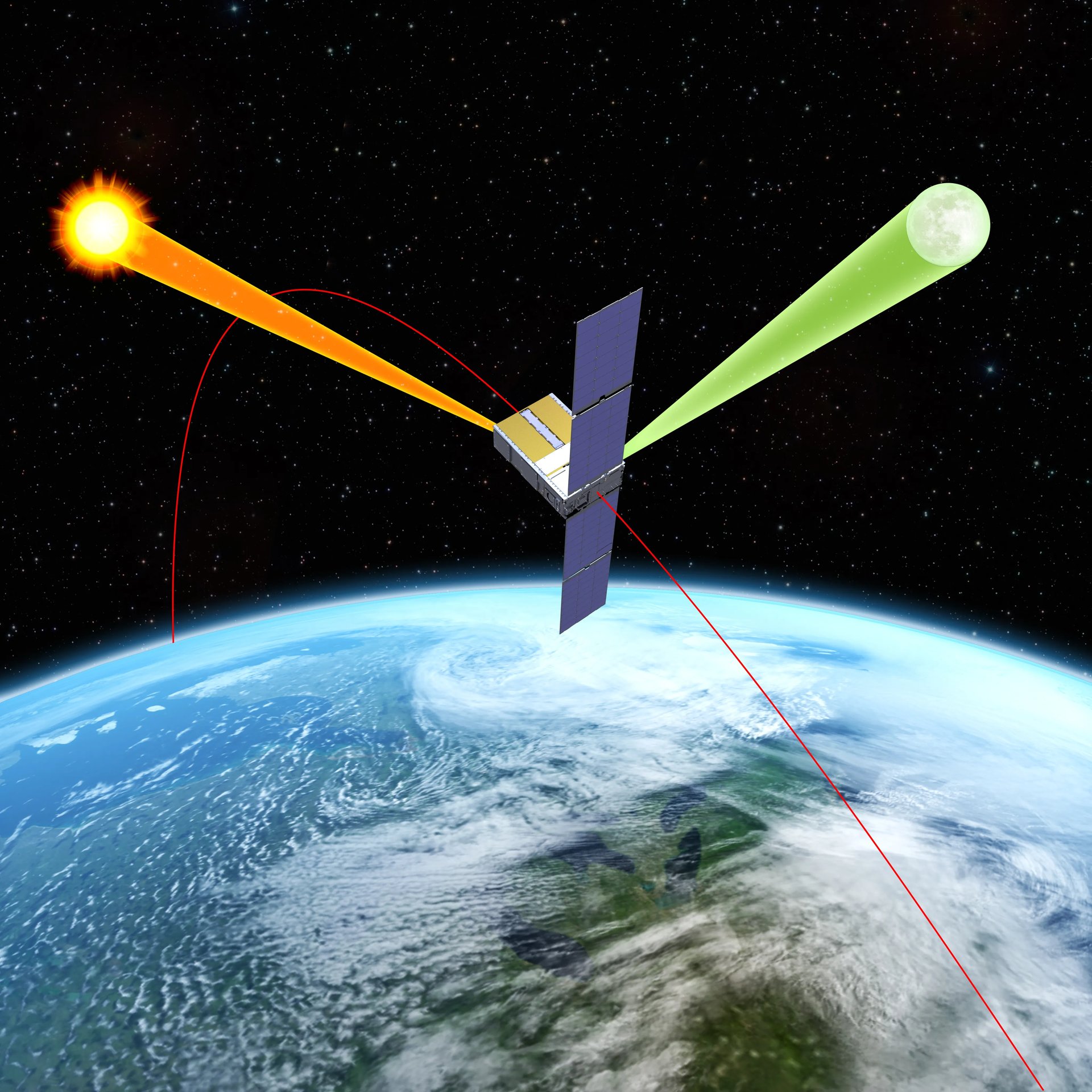
Calibration is a necessary, if typically invisible, step in the successful operation of any scientific telescope. Without a known value to compare its readings against, data from telescopes could suffer from biases or transients that could completely misdirect scientists analyzing it. However, those same scientists also struggle to find good sources of data to calibrate against. Enter Arcstone - a technology demonstration mission that launched earlier this week that plans to use one particular source as a calibration dataset - moonlight.
Continue reading
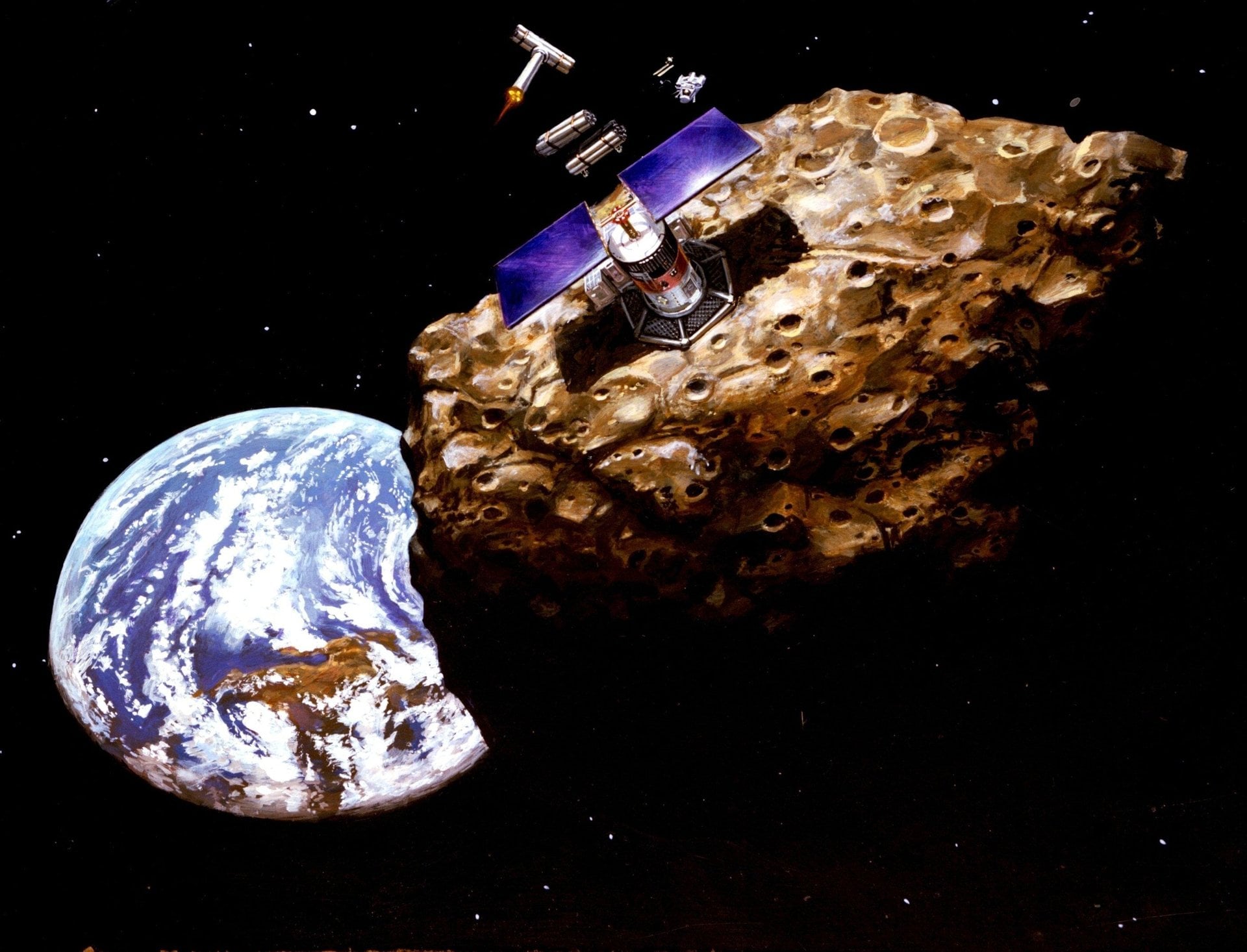
This year's $10,000 Schweickart Prize is going to a team of students who are proposing a panel to address the risks that could arise when we start tinkering with asteroids.
Continue reading
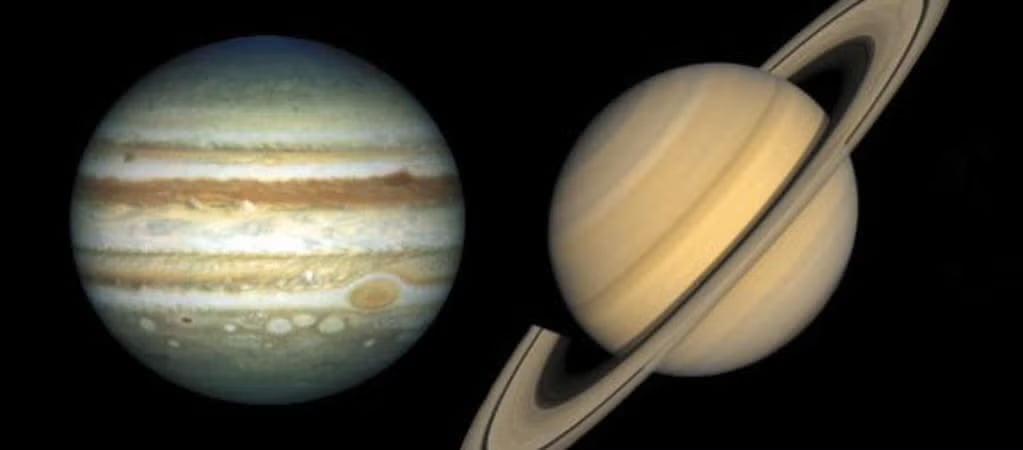
JWST is a powerful telescope and has directly observed a handful of exoplanets. But according to a new paper, it could set its sights higher, way higher. Astronomers suggest that Webb's MIRI and NIRCam instruments have the capabilities to detect planets around nearby stars as cold (or colder) than Saturn, at the same orbital separation, mass, and age as Saturn and Jupiter. They also found that clouds can have a big impact on their ability to study the planets, but it's easier for MIRI.
Continue reading
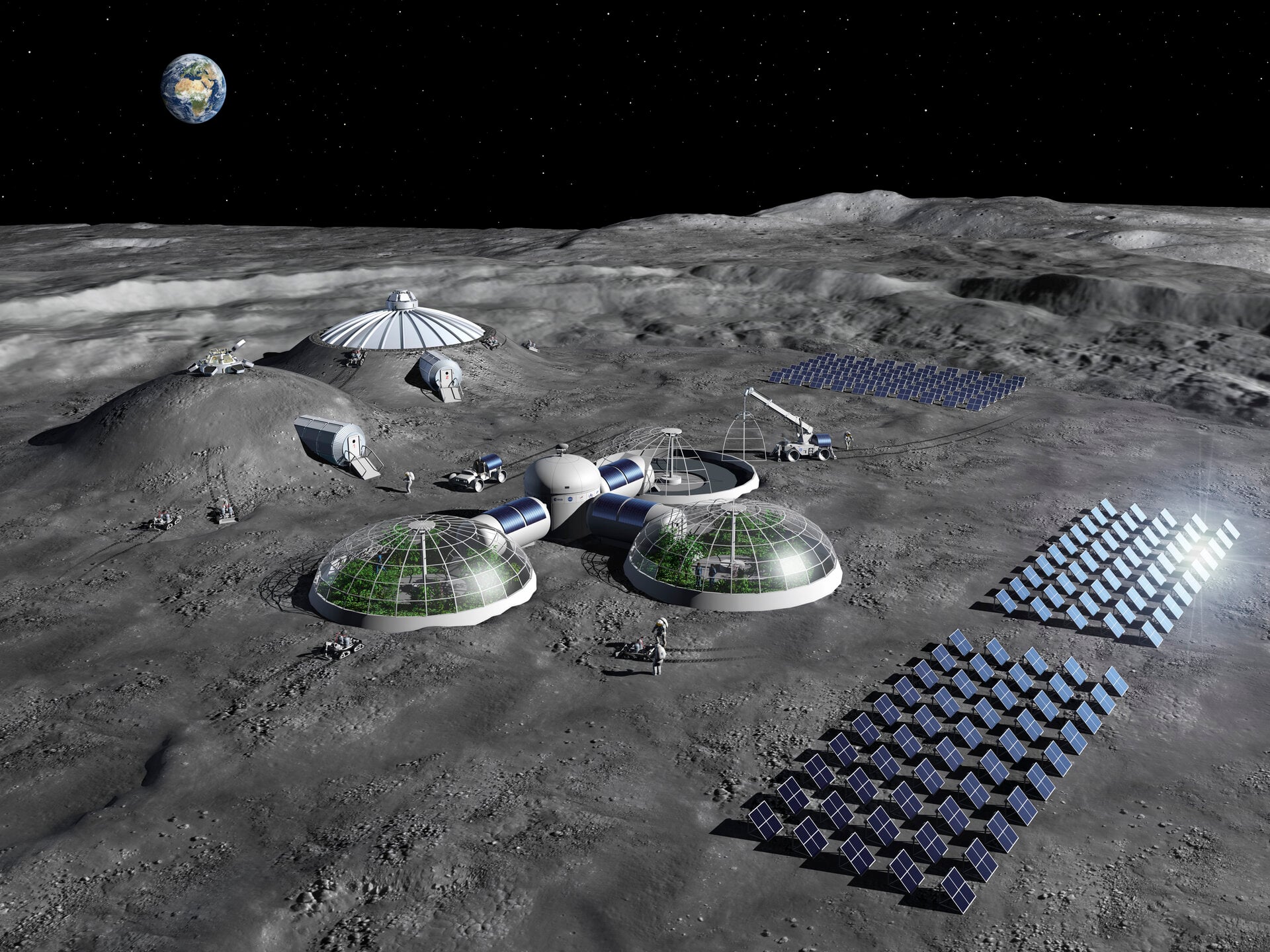
Space exploration enthusiasts tend to overlook the regulatory aspects of their desired goals. They focus on technologies and the science we can do with them rather than mundane things like property rights or environmental considerations. However, in the long run, those enthusiasts will have to grapple with all aspects of exploration programs as they begin to affect more and more of the public. With such foresight, various groups have started putting forward ideas for frameworks of how to holistically think about how to utilize the Moon, as that seems the most likely first stepping stone out to the wider solar system. A new paper from Ekaterina Seltikova and her colleagues at the Space Generation Advisory Council (SGAC) and the University of Toronto puts forth one such framework, with a particular focus on how to develop a lunar economy that is open for everyone.
Continue reading
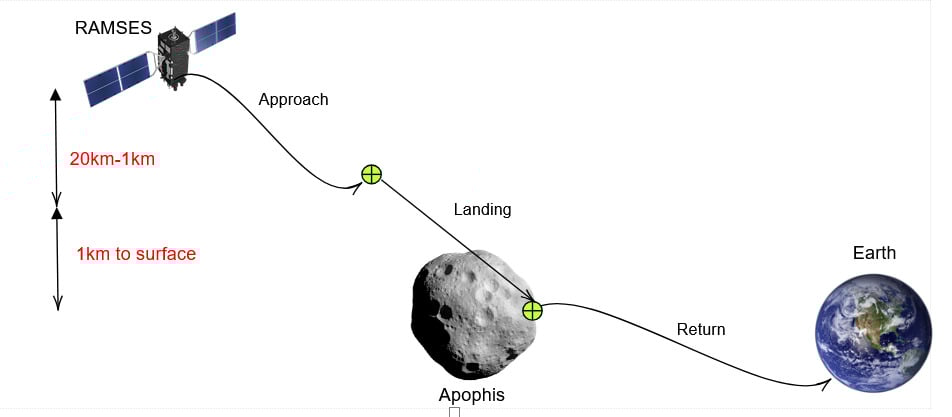
The coming of asteroid (99942) Apophis in April 2029 has sparked plenty of discussion both inside and outside the astronomical community. Despite original fears that it be pose a threat, Apophis will safely pass around 32,000 km away from Earth - though admittedly that is still closer than some geostationary communications satellites. That close approach offers a unique opportunity for those interested in asteroid science to take an up-close look at one of these relic of the early solar system, and various groups are planning to do just that. A new paper from Victor Hernandez Megia and his colleagues at the German Aerospace Center (DLR) suggests a new mission that could provide even further insight into the interior of Apophis - by returning part of it to Earth.
Continue reading

A team of astronomers and astrophysicists affiliated with several institutions in Australia has found that a mysterious fast radio burst (FRB) detected last year originated not from a distant source, but from one circling the planet—a long-dead satellite. The team has posted a paper outlining their findings on the arXiv preprint server.
Continue reading
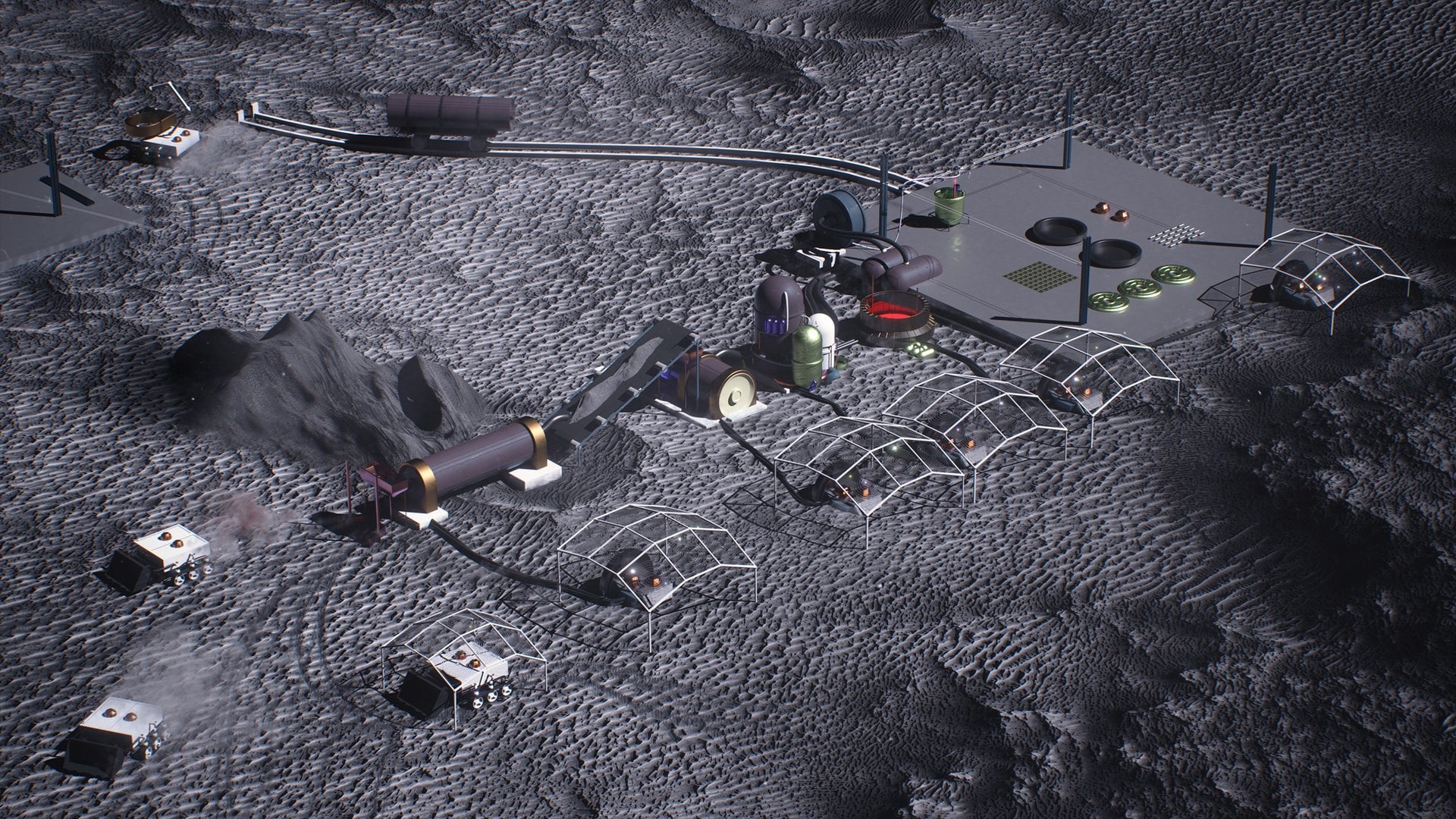
If there are permanent stations on the Moon, the residents will need to learn to live off the land, using local resources to manufacture building material and supplies. Ceramics work well on Earth, and they'll have a role to play on the Moon. The problem is, we don't know how to make them. In a new paper, researchers propose chemical reactions that could produce useful ceramics and even useful byproducts, like aluminum.
Continue reading

Hundreds of millions of years ago, temperatures cooled on Earth to the point that almost the entire planet was covered in glaciers: snowball Earth. Just how life survived has perplexed scientists for some time! A team of researchers believe they have found answers in Antarctica's tiny meltwater ponds, discovering thriving ecosystems packed with diverse microbes, algae, and microscopic animals. These ice bound oases show how ancient life could have weathered Earth's deepest freeze, and not just survived, but flourished.
Continue reading

Astronomers know that red dwarf stars can release powerful flares on a regular basis, and these could irradiate nearby planets. But are there other effects? Researchers have simulated four scenarios of flare activity from quiescent to extreme flare activity and found that it can change temperature fluctuations at different levels in the atmosphere. The upper atmosphere actually cools while the middle and lower atmosphere warms up. Ozone can also be depleted and wind speeds dramatically affected.
Continue reading
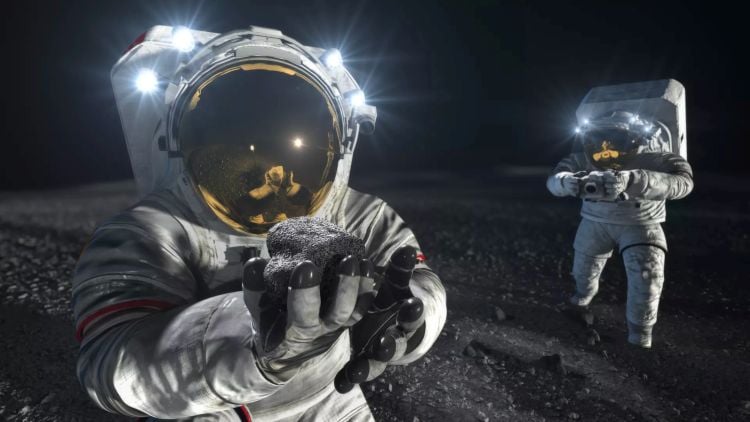
What imaging systems can NASA’s Artemis astronauts use on the Moon to conduct groundbreaking science and efficient documentation on the lunar surface? This is what a recent study presented at the 56th Lunar and Planetary Science Conference (LPSC) aspired to address as a team of researchers from the University of Texas at El Paso and Johns Hopkins University Applied Physics Laboratory investigated using next-generation cameras on the Artemis III mission, which is slated to be the first lunar surface mission of the Artemis program.
Continue reading
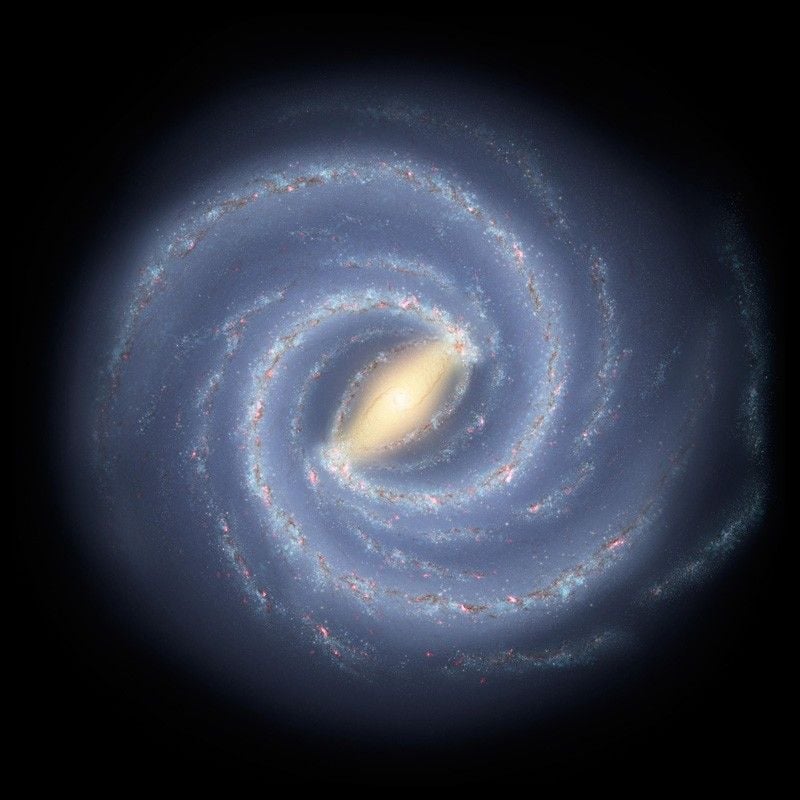
Astronomers have found a new way of accurately mapping the outer gas disk of the Milky Way using the positions of young stars. In the process, they've also discovered that our galaxy's structure is more complex than everyone thought, complete with tufty-looking "flocculent" gas clouds.
Continue reading
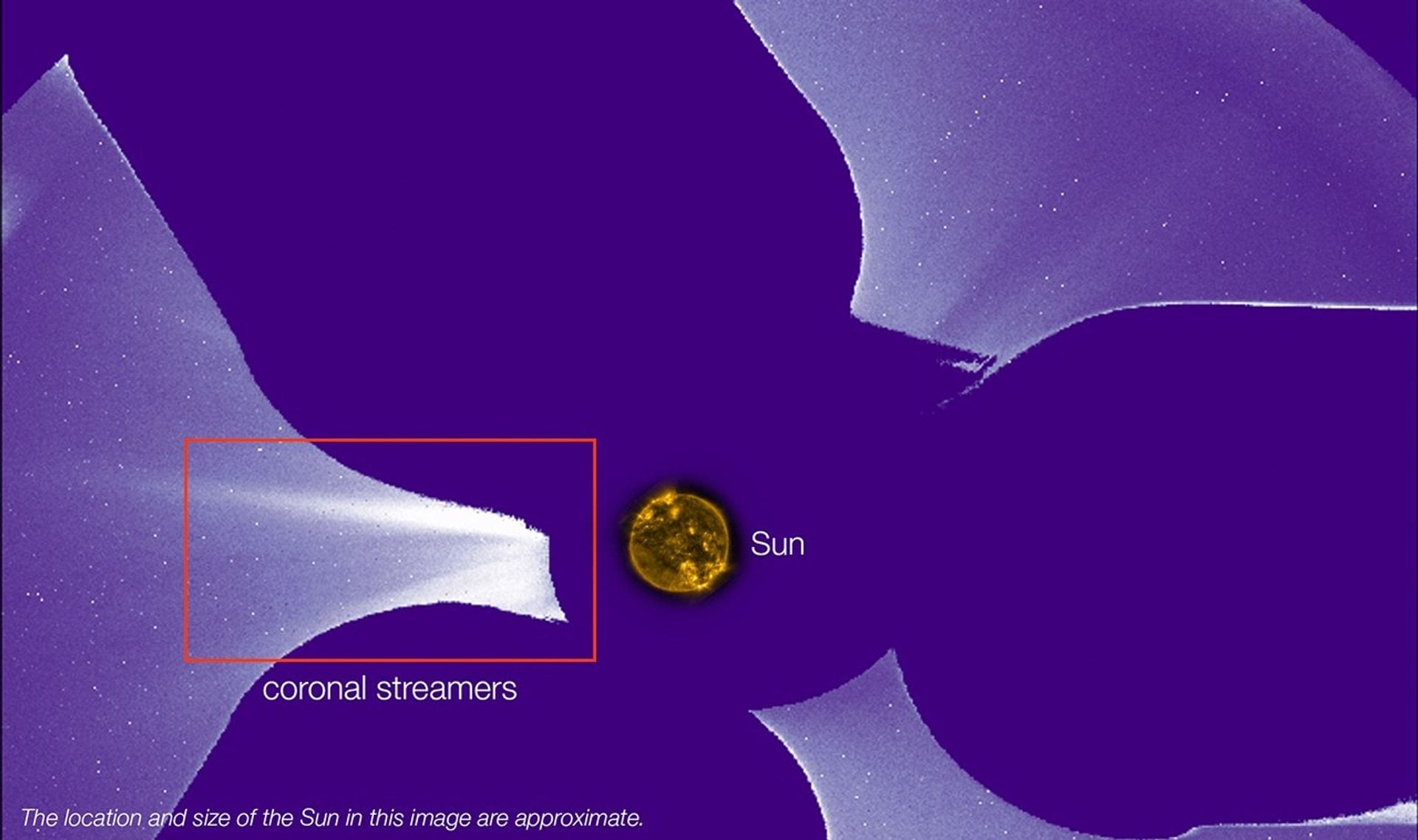
A new solar observing telescope on the exterior of the International Space Station is open for business. NASA recently released images from the newly commissioned Coronal Diagnostic Experiment (CODEX) mounted on the station.
Continue reading
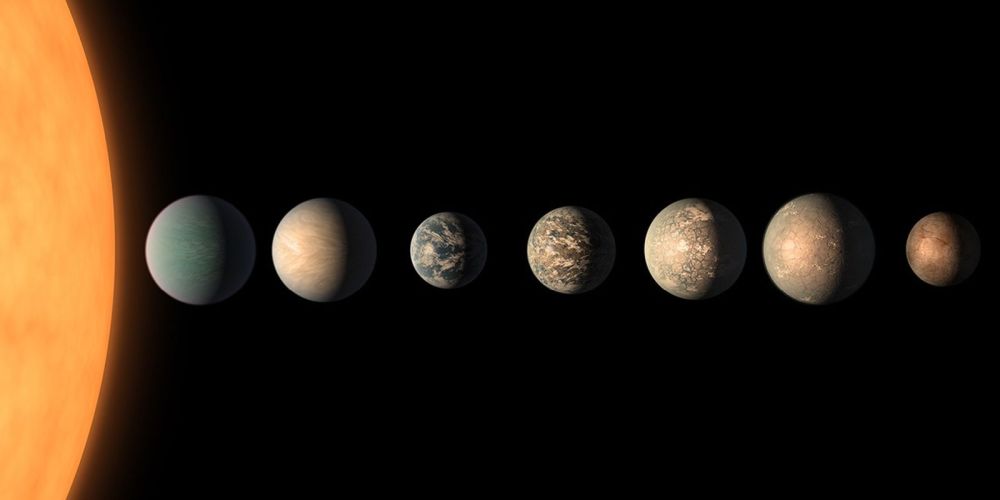
The observed exoplanet population contains a large number of solar systems where multiple exoplanets follow short orbital periods. The most well-known example of a compact solar system is the TRAPPIST-1 system. There are many others, and exoplanet scientists are trying to understand how they form. Scientists at the Southwest Research Institute (SwRI) may have figured it out.
Continue reading
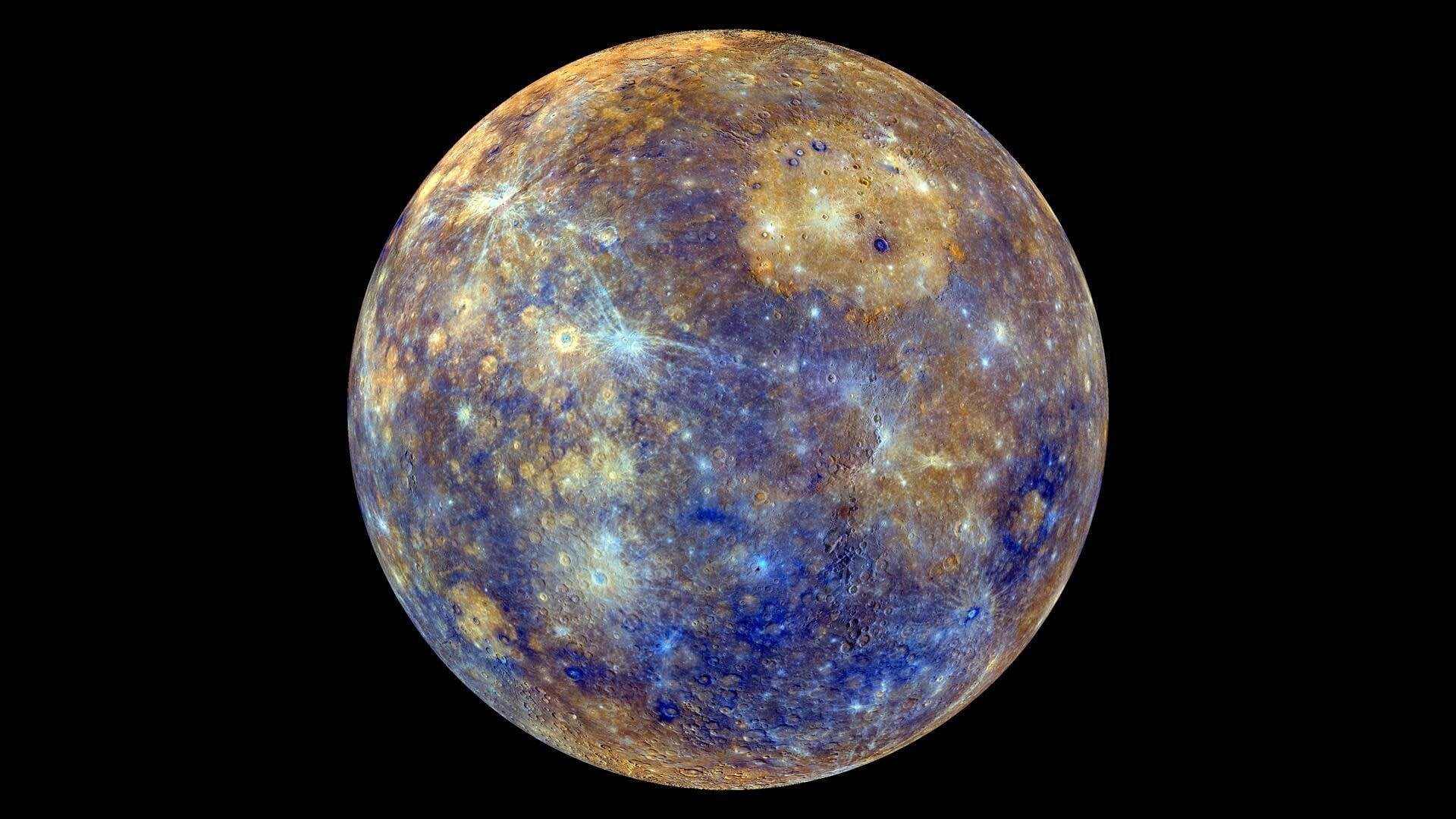
Mercury doesn't give up its secrets easily. The smallest planet in our Solar System is also one of the most extreme, a sun-scorched, metal-rich world with a puzzling magnetic field and lavas unlike anything found on Earth. Now, groundbreaking laboratory experiments are finally beginning to unlock these mysteries, revealing how this planetary oddball could hold the key to understanding rocky planets throughout the universe.
Continue reading
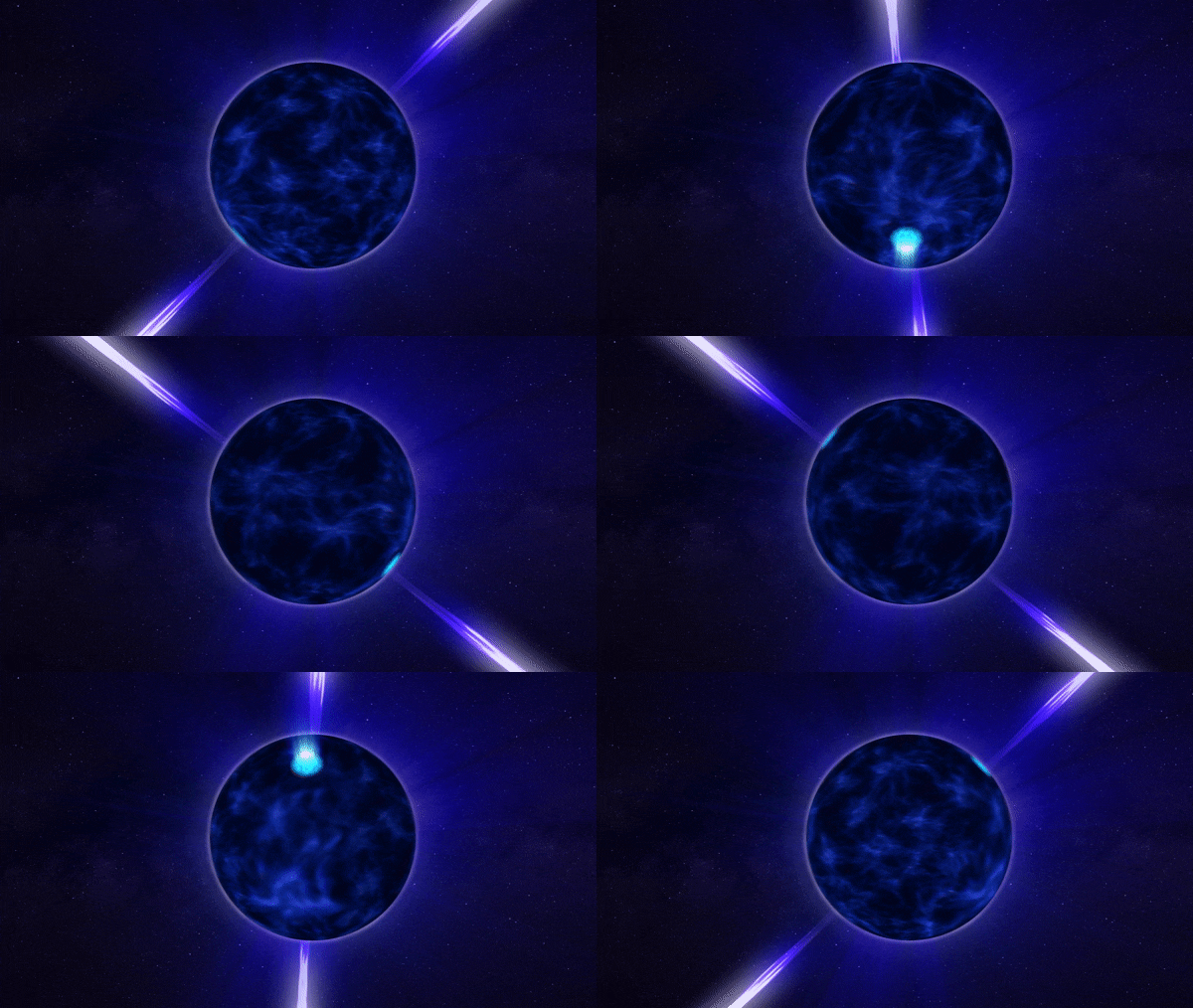
Pulsars are spinning neutron stars, with several times the mass of the Sun compressed into a sphere just 10 km across. They have a theoretical "death line,” a point where pulsars should stop emitting radio waves as they slow down. But researchers have detected two pulsars still beaming radio signals despite being below this death line. One explanation is that there are tiny irregularities on their surfaces, mountains just 1 cm tall. These peaks amplify local electric fields, making it easier for the pulsars to accelerate particles and produce radio emissions that should be impossible.
Continue reading
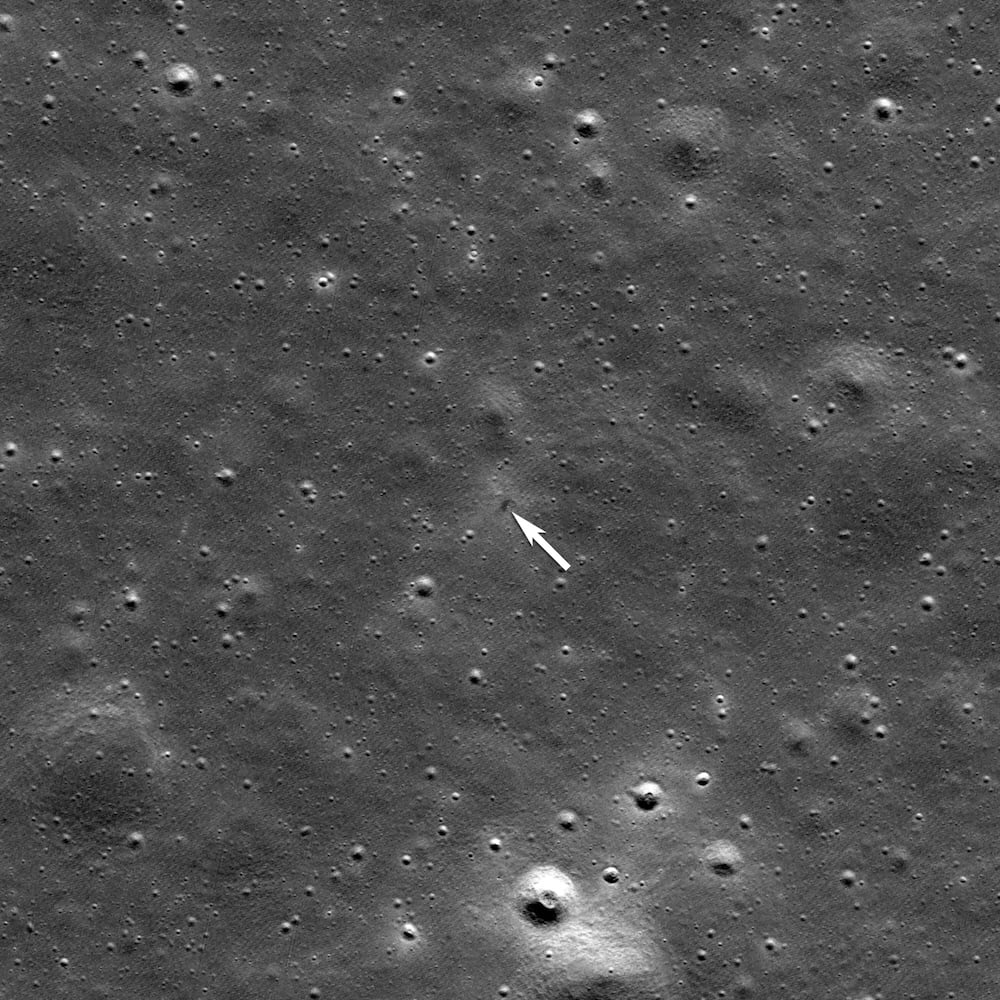
The Japanese ispace HAKUTO-R Mission 2 was supposed to touch down gently on the Moon on June 5, 2025. Unfortunately, communications with the RESILIENCE lander were lost about 90 seconds before it should have landed, and it was assumed to have crashed on the lunar surface. Now, NASA's Lunar Reconnaissance Orbiter has captured the crash site from orbit at an altitude of 80 km and confirmed where it smashed into the Moon.
Continue reading

Since 2025, Solar Orbiter is the first Sun-watching spacecraft to ever get a clear look at the Sun's poles. It discovered that at the south pole, the Sun’s magnetic field is currently a mess. This image shows a magnetic field map from Solar Orbiter's Polarimetric and Helioseismic Imager (PHI) instrument, centred on the Sun's south pole. Blue indicates positive magnetic field, pointing towards the spacecraft, and red indicates negative magnetic field. There are clear blue and red patches vi...
Continue reading
Continue reading
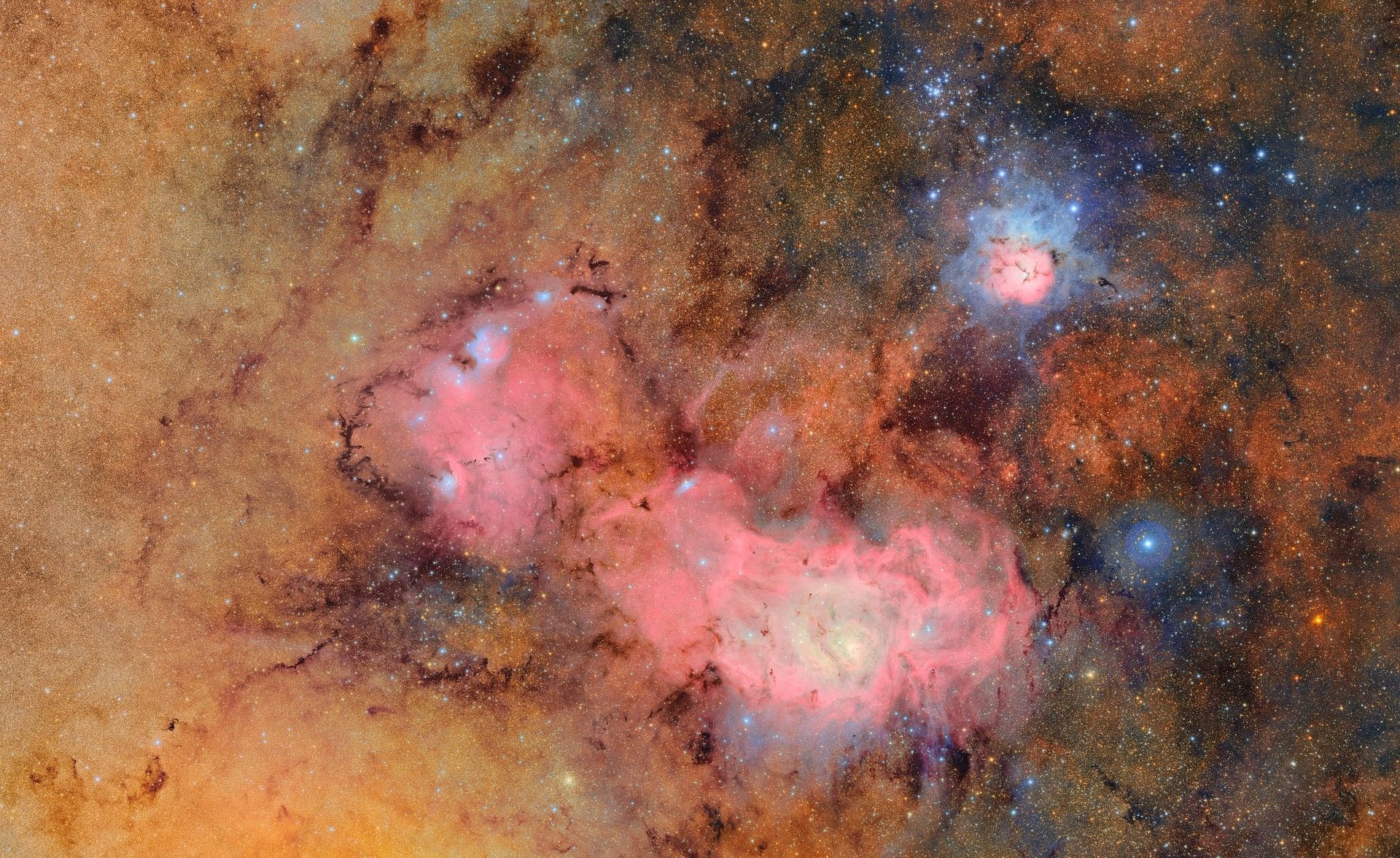
I can recall the excitement of waiting for the first CCD Image I had taken to download, THAT was exciting. I was using a Starlight Express MX716 for those who can remember. This however is far more exciting. The Vera C. Rubin Observatory has officially come online and now we're looking at its first pictures. The telescope has completed ten hours of test observations, viewing millions of galaxies and Milky Way stars. It found thousands of new asteroids in just a few hours of observations, and took incredible pictures of the Triffid and Lagoon Nebulae. Over the course of its 10-year primary mission, it'll capture 800 images of every spot in the southern sky.
Continue reading
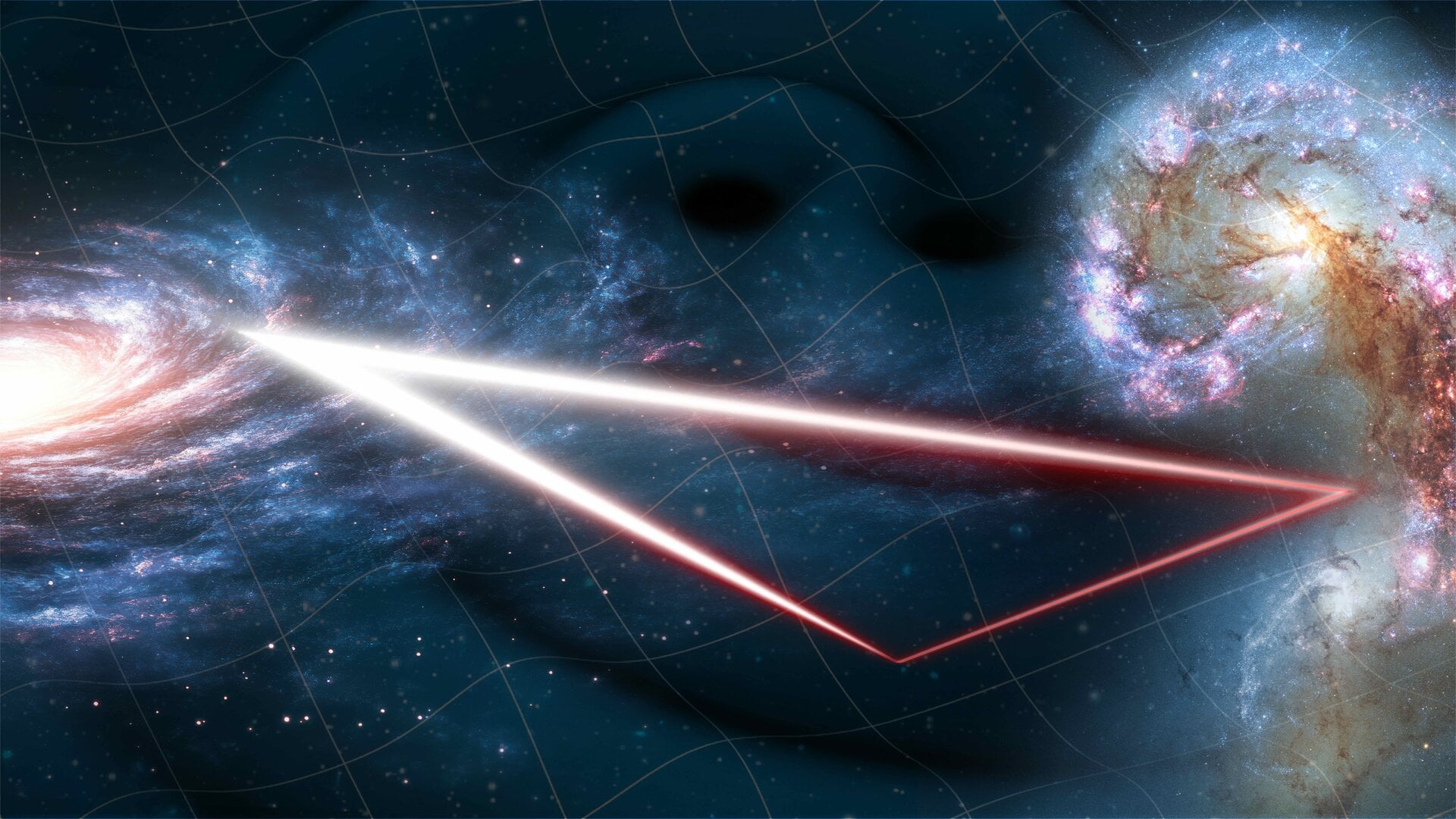
After years of research, and a completed pathfinder mission, the European Space Agency has officially begun the construction of the Laser Interferometer Space Antenna (LISA). This will consist of three spacecraft flying in formation, sending laser signals back and forth to detect passing gravitational waves - including previously undetected supermassive black hole mergers. ESA has chosen OHB System AG to construct the spacecraft, which are due to launch in 2035 on an Ariane 6 rocket.
Continue reading

Mars holds two of humanity's greatest space ambitions, discovering alien life and establishing our first foothold on another world. Key to both is the discovery of water. We know it's at the poles, but where could we find it at lower latitudes? In a new paper, researchers carefully examined images of Mars taken by the Mars Reconnaissance Orbiter. They found examples of features, like "brain coral terrain", expanded craters, and ridges which are evidence of water ice just under the surface.
Continue reading
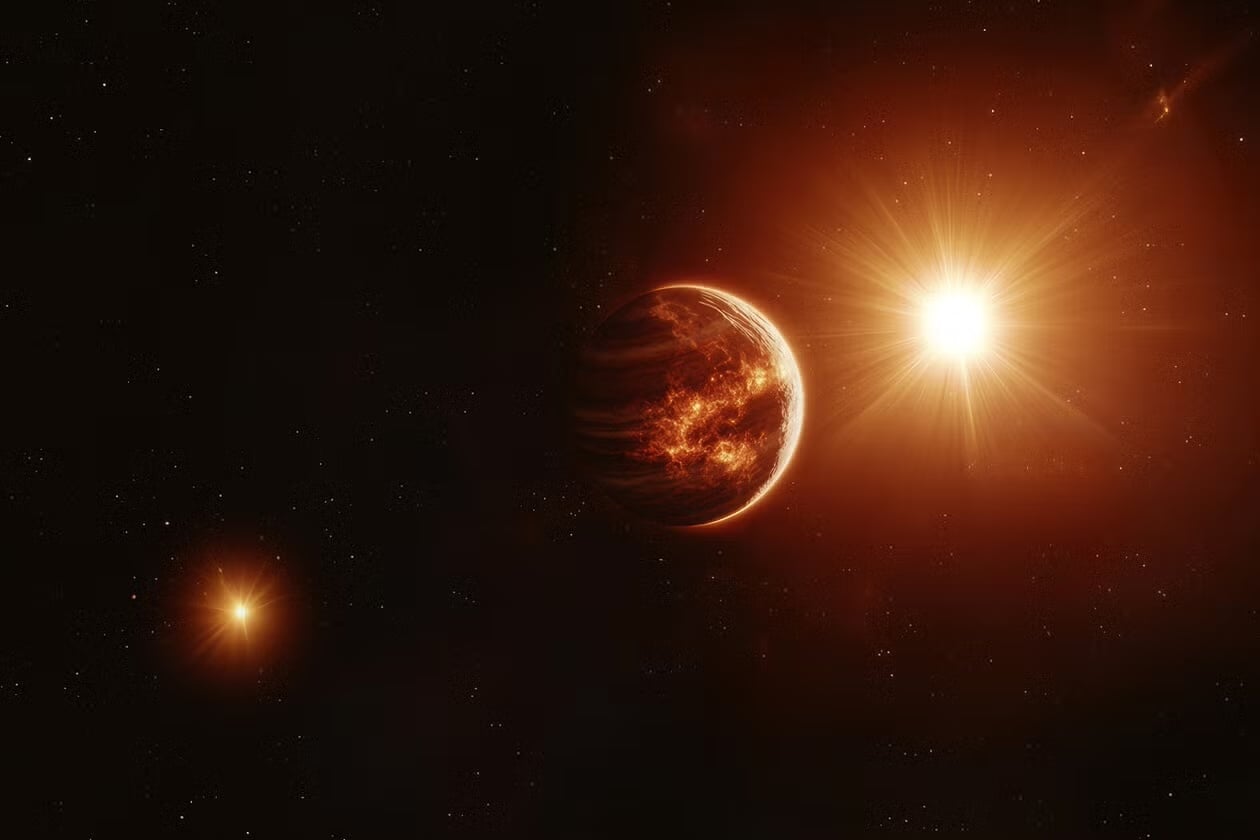
The Solar System lacks hot-jupiters, intensely hot gas giant planets, so close to their stars they take just days or even hours to orbit once. But there are some systems that have not one, but two hot-jupiters. In a new study, researchers show the long-term gravitational interactions with binary stars that can push multiple gas giants into these extremely close orbits around their stars. Both stars can end up with hot-jupiters.
Continue reading
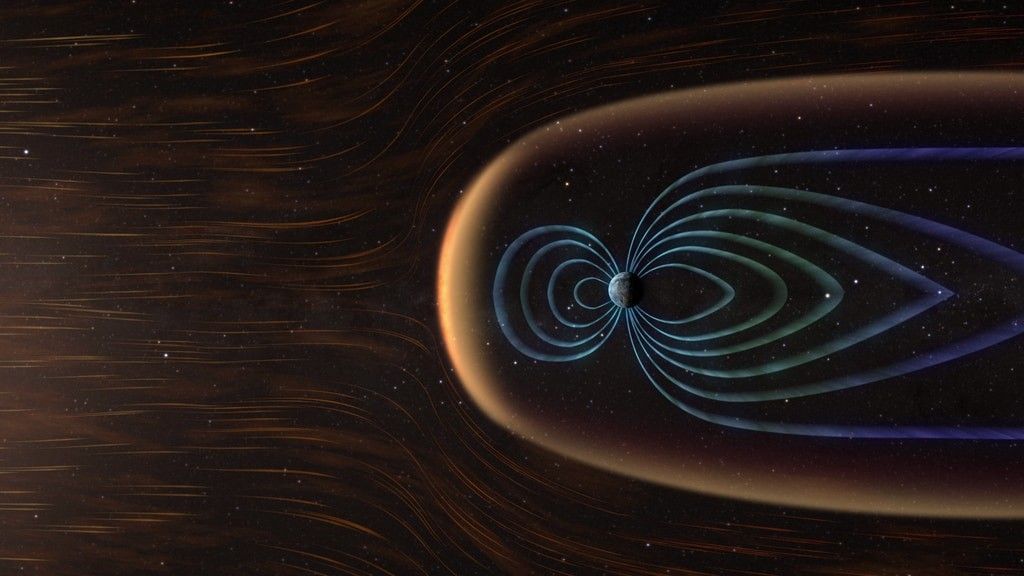
The Earth's magnetosphere is a giant magnetic field that arises from the flow of material deep inside the planet. Because the flow of material isn't constant, the strength and shape of the magnetosphere can change over geologic time. But researchers have found that changes in the magnetosphere seem to be correlated with fluctuations in the amount of oxygen in the Earth's atmosphere. Both could be responding to a single underlying process.
Continue reading

Just when you thought the race to reusable rockets was all wrapped up, a new competitor emerges from the shadows. Honda R&D Co (a subsidiary of Honda Motor Co) successfully tested their new experimental reusable rocket. The 6.3-meter rocket blasted off, reached an altitude of 271.4 m, and then landed within 37 cm of their touchdown point. The flight lasted for 56.6 seconds.
Continue reading
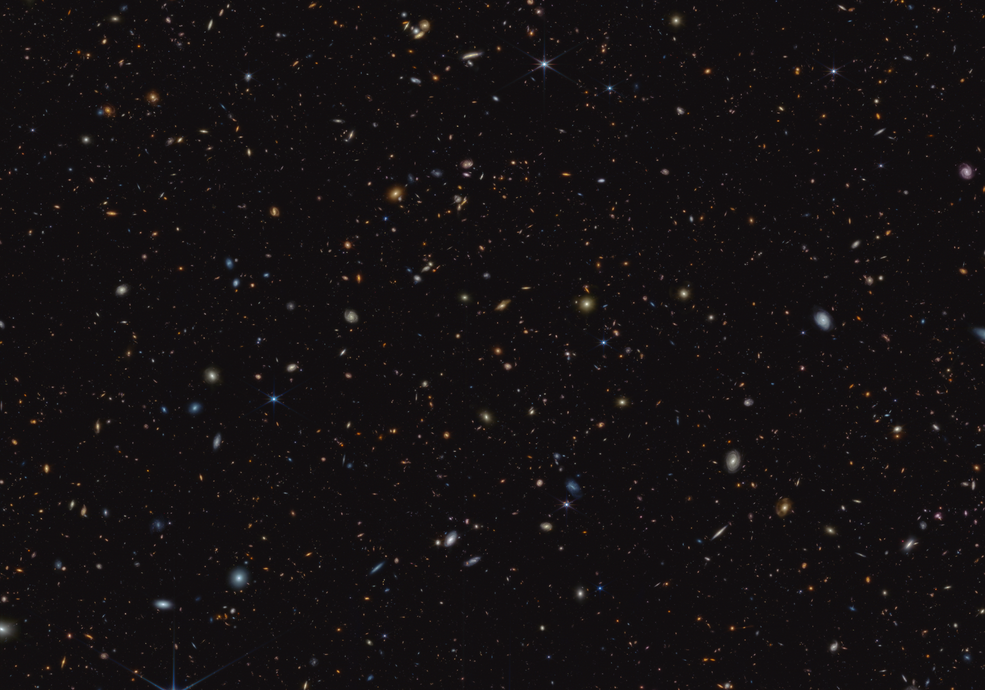
The early Universe was a busy place some 13 billion years ago. That's when countless young galaxies began to evolve and birthed stars at a prodigious rate. The hearts of those very distant galaxies show turbulent, lumpy disks studded with even thicker clumps of dust and gas that spawned huge batches of stars. Astronomers want to understand what's driving the clumping, so they've turned to recent surveys of closer galaxies in the "local Universe" that contain similar lumpy regions.
Continue reading
 Universe Today