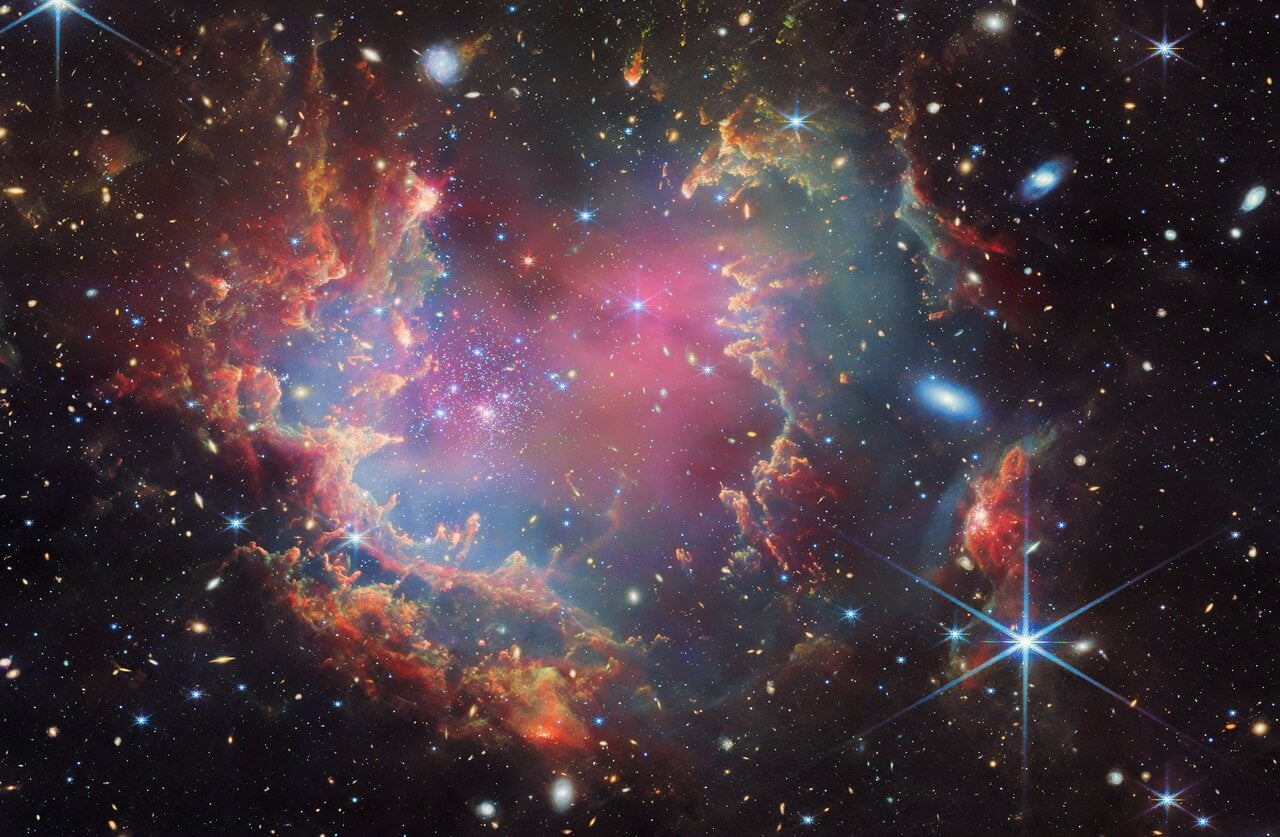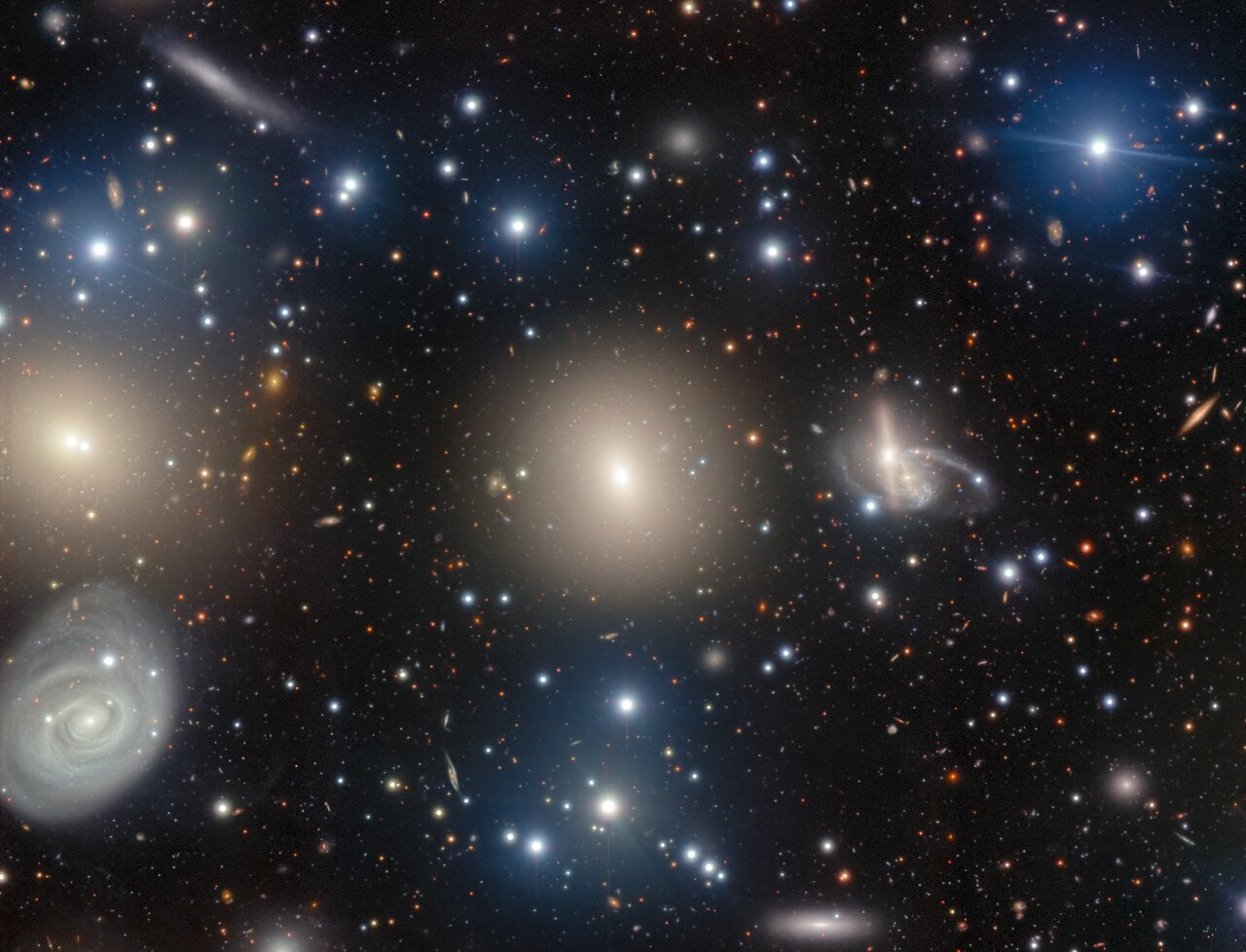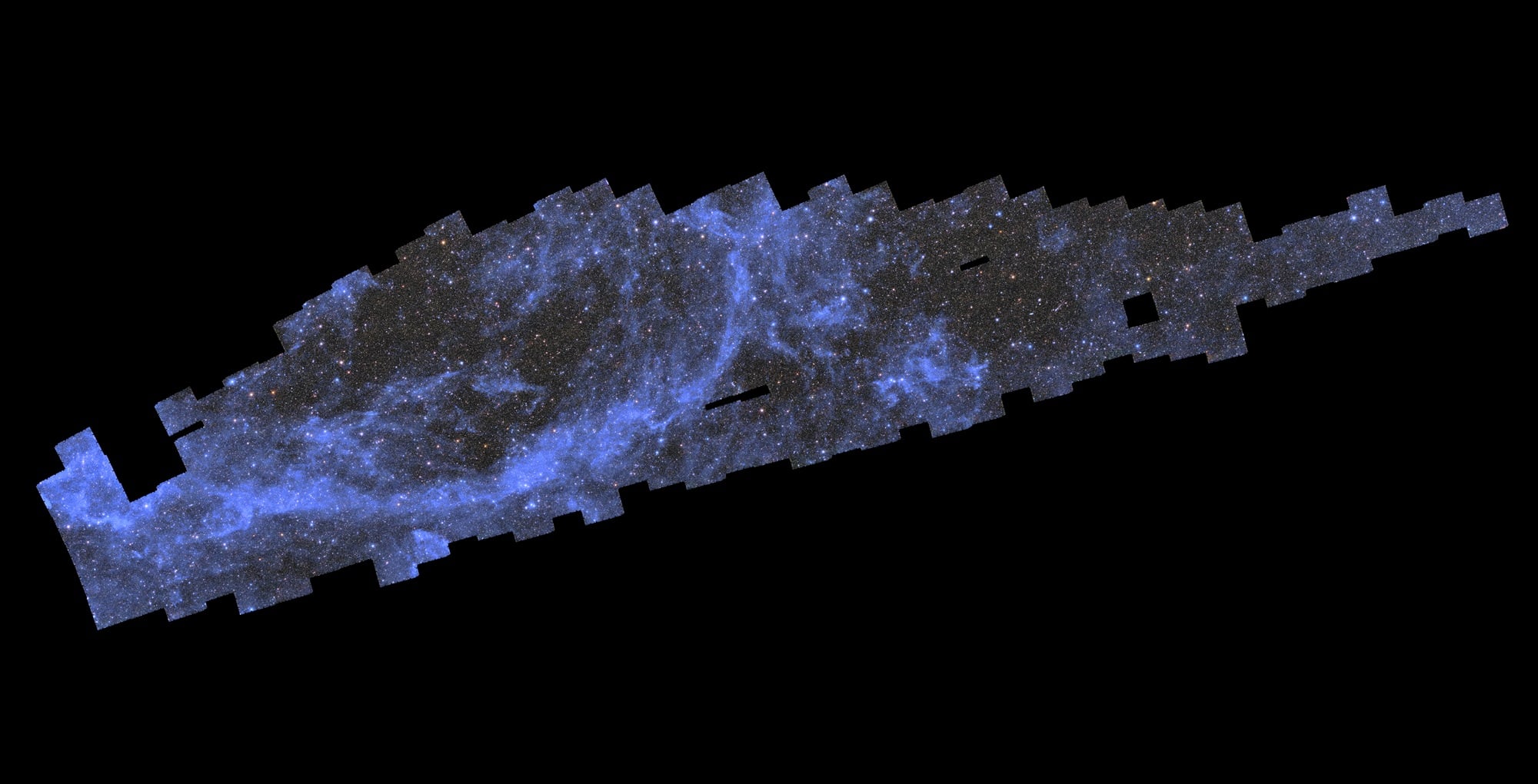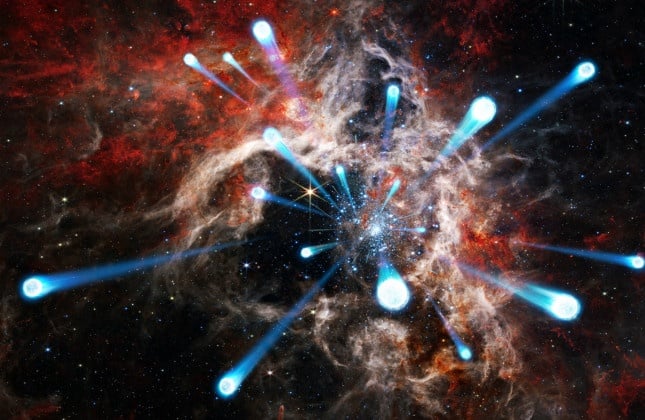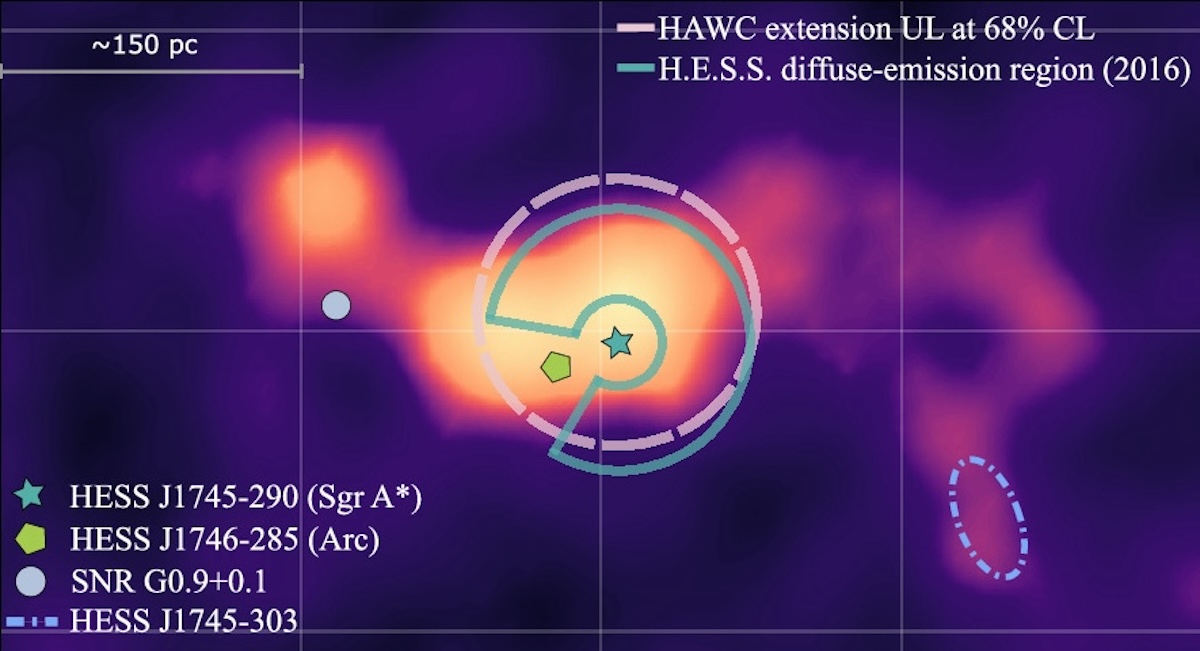
Astronomers have detected ultra-high-energy gamma rays coming from the center of the Milky Way, with nearly 100 events of more than 100 teraelectron volts of energy. Researchers aren't sure what's generating so many of these extreme events, but it's where the Milky Way's supermassive black hole, which is surrounded by neutron stars and white dwarfs that strip material from nearby stars, is located. And all of this is surrounded by dense gas reaching millions of degrees.
Continue reading

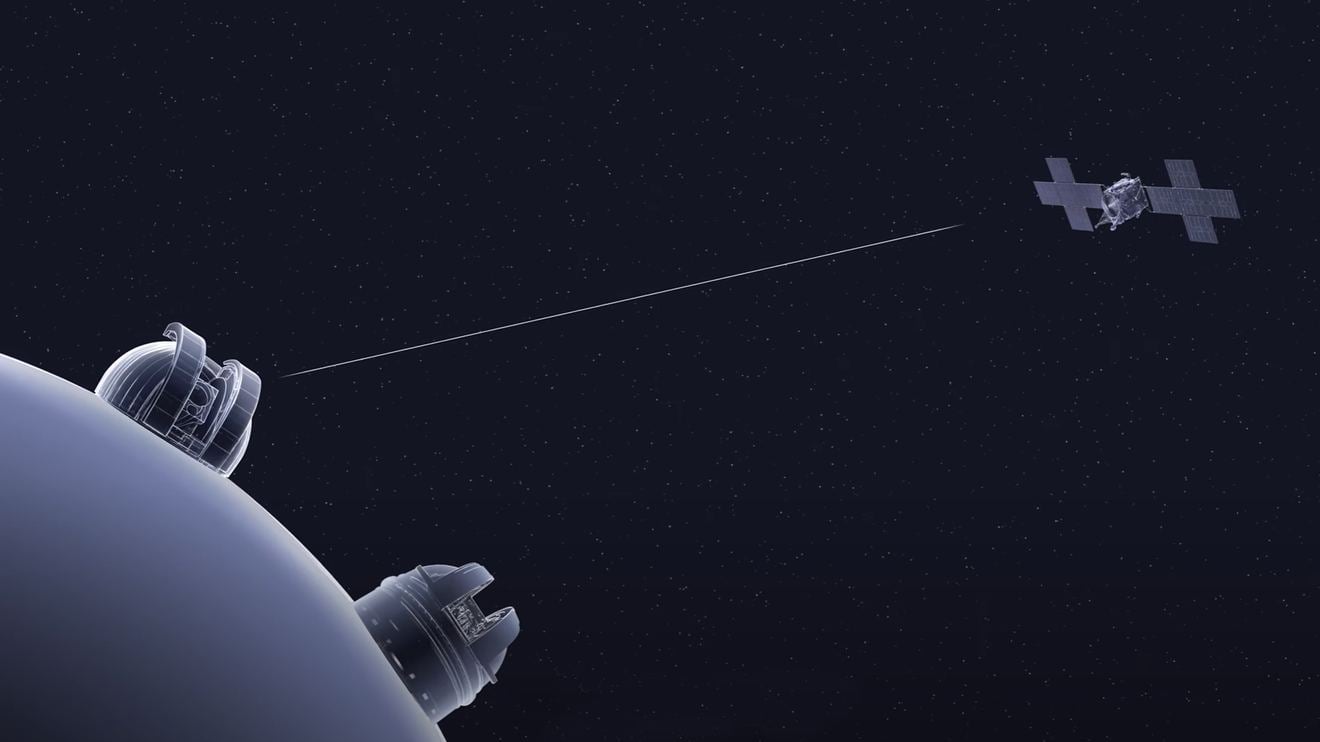
With 'Thousand Sails,' China joins the race to fill up Low Earth Orbit with mega-satellite constellations.
Continue reading
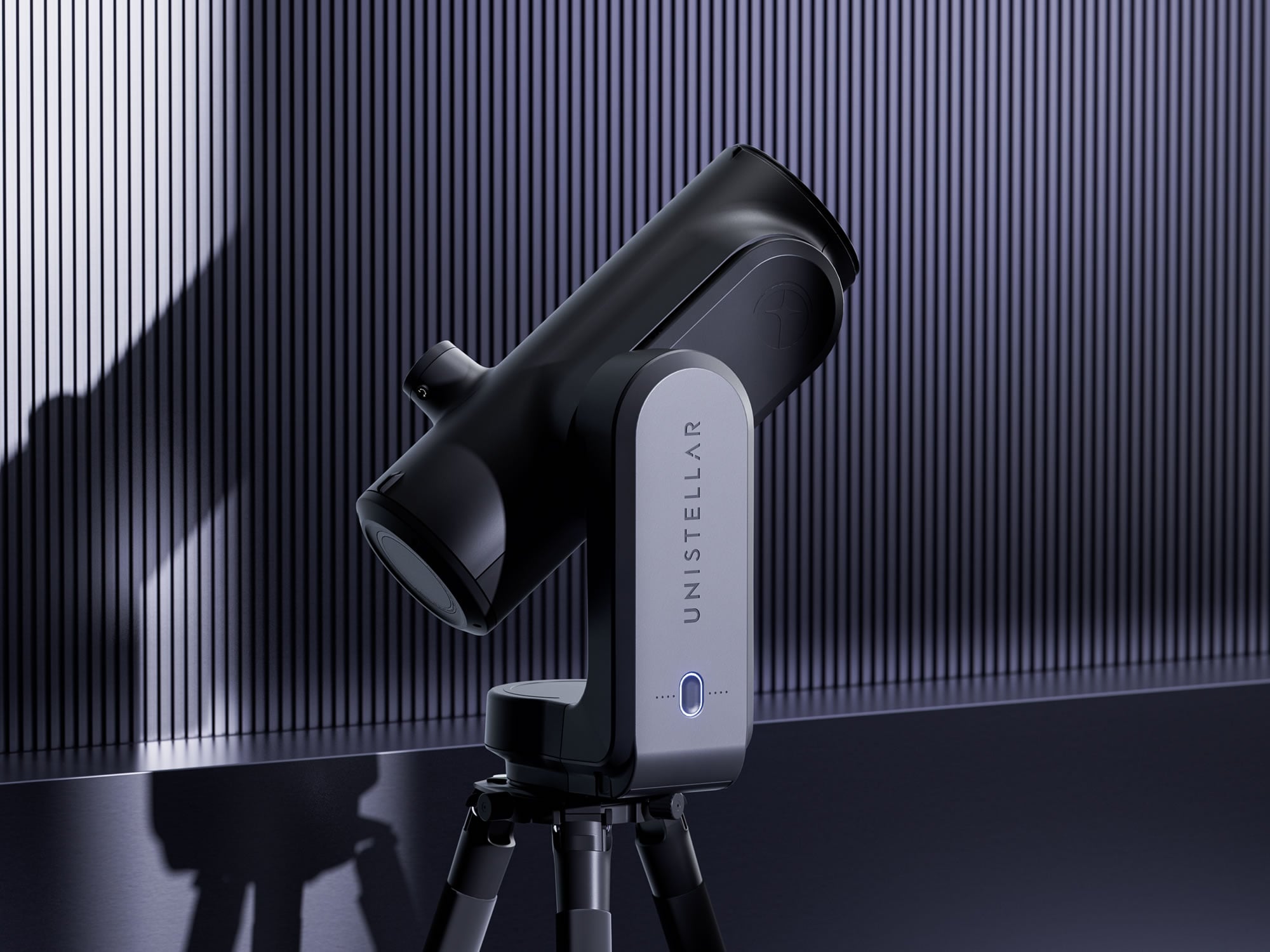
Unistellar's new Odyssey Pro Telescope offers access to deep-sky astrophotography, in a small portable package.
Continue reading
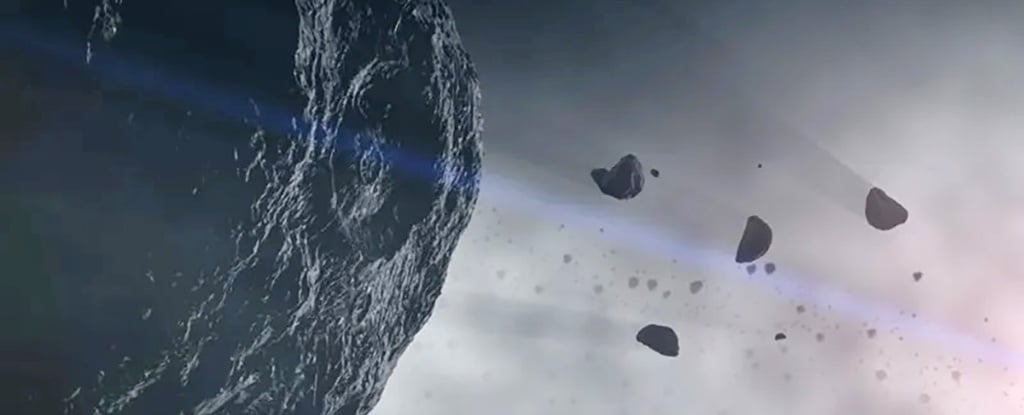
When NASA's OSIRIS-REx mission arrived at asteroid Bennu, its primary mission was to grab a sample and bring it home to Earth. But researchers also tracked its movements carefully throughout the encounter, and this data could help physicists probe for additional forces in the Universe. Although additional forces haven't been found, the observations help set constraints on what's possible. The spacecraft's upcoming encounter with Apophis will continue the experiment.
Continue reading
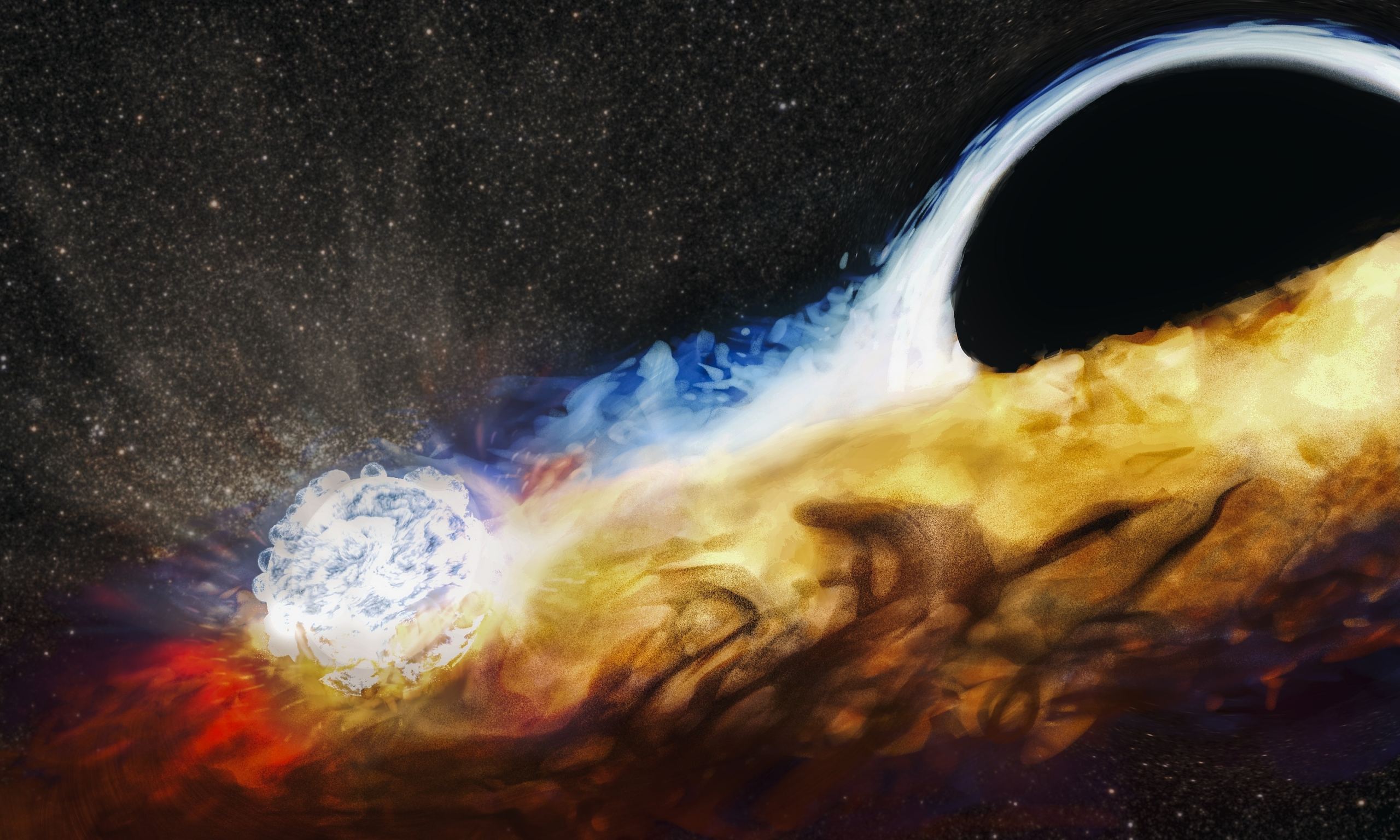
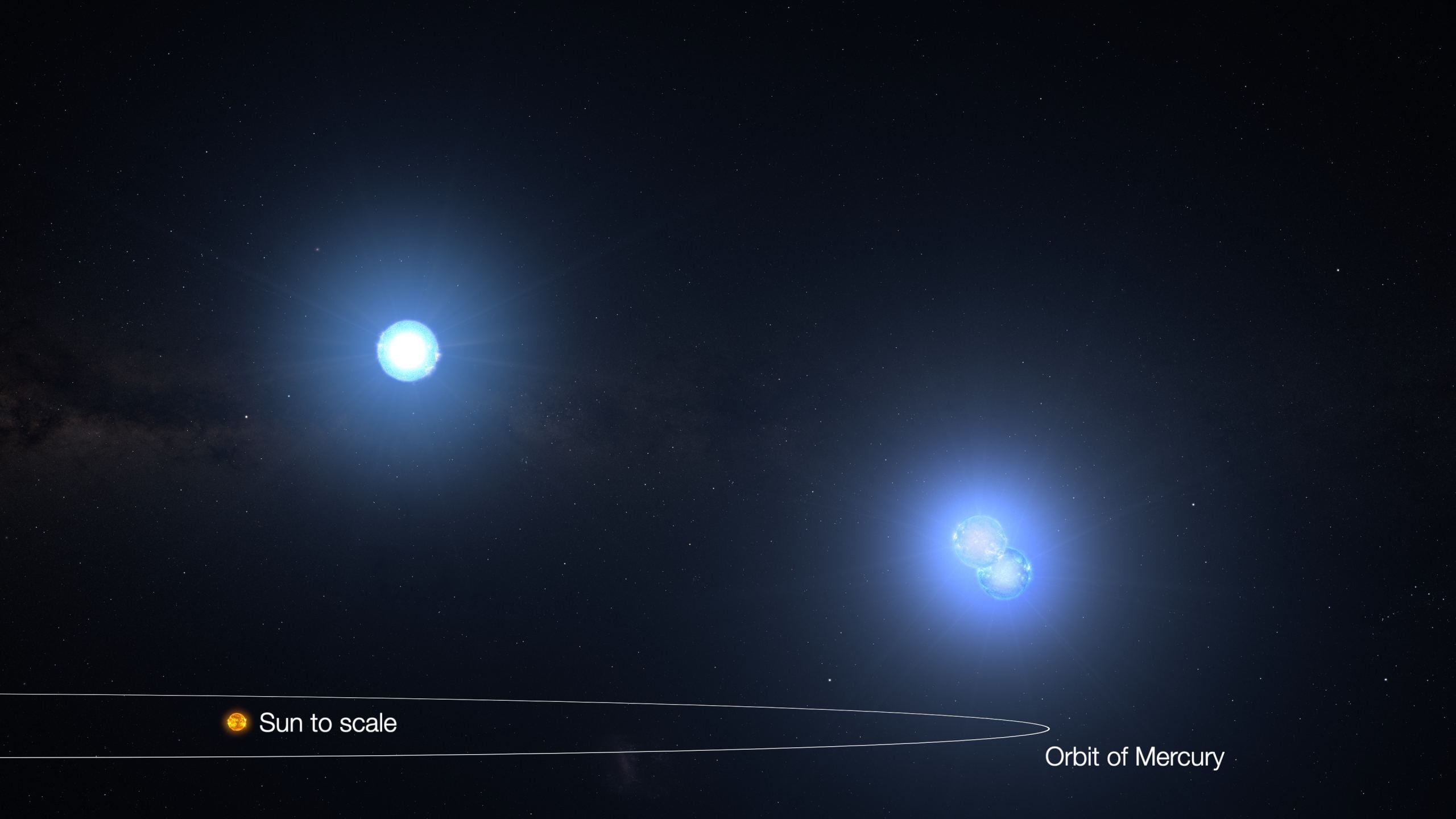
Astronomers have discovered the telltale signature of a supermassive black hole that recently tore a star apart that came too close. This is known as a tidal disruption event, and it causes a flash of X-ray radiation that's detectable from our space telescopes. The expanding debris cloud from the shredded star has drifted into the path of another star, which is now repeatedly crashing through the cloud every 48 hours, sending out additional flares.
Continue reading
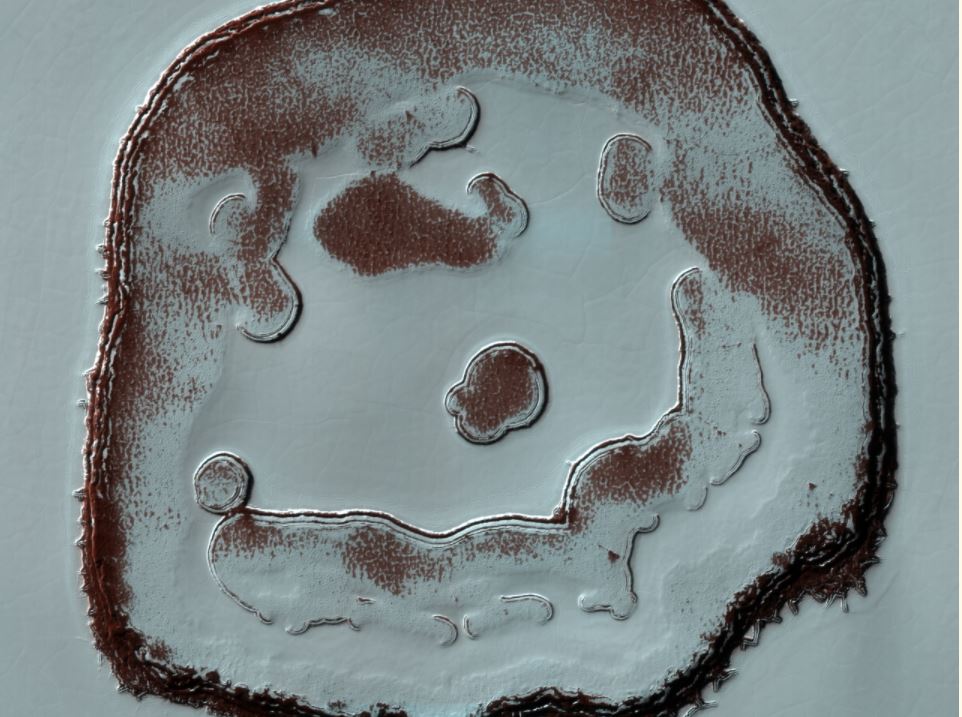
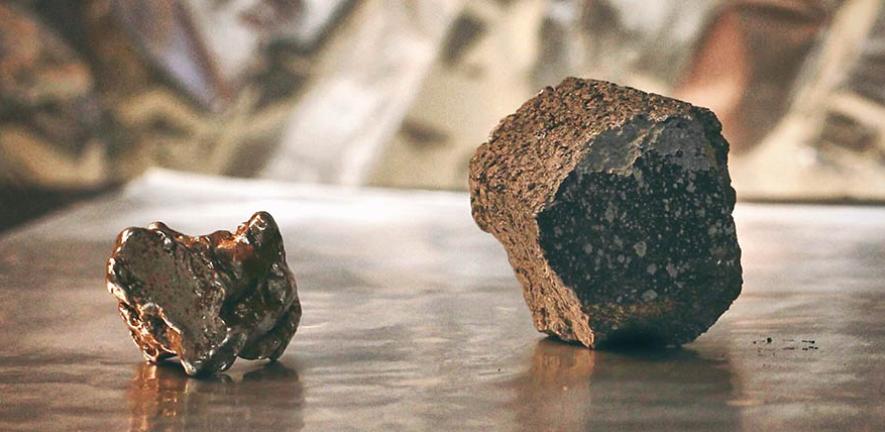
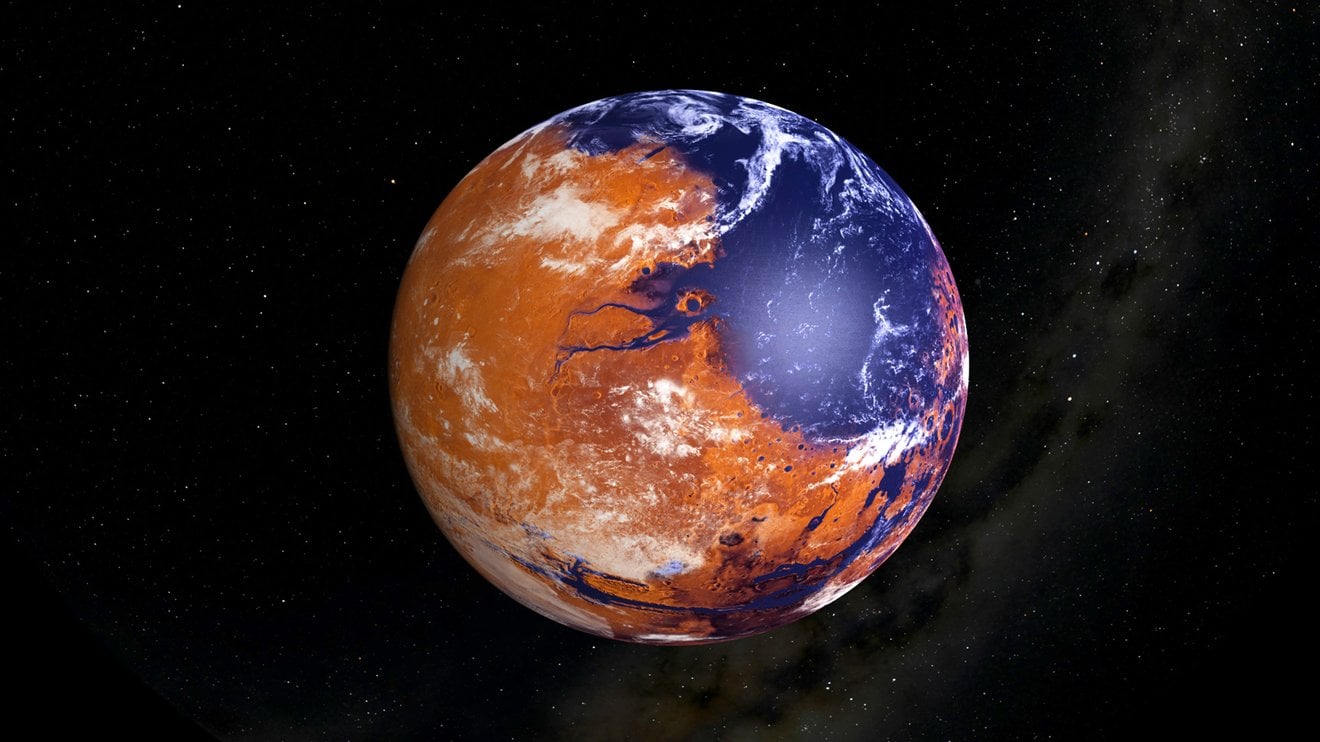
We've learned a tremendous amount about Mars because samples from the Red Planet have already been delivered to Earth: meteorites. Scientists have studied the composition of Martian meteorites and tracked down the specific craters on Mars where many of them came from. It's believed that Mars has been struck hard enough to produce meteorites about ten times in recent history. Some of these craters have yet to be matched with meteorites, but the rocks could be out there.
Continue reading
 Universe Today