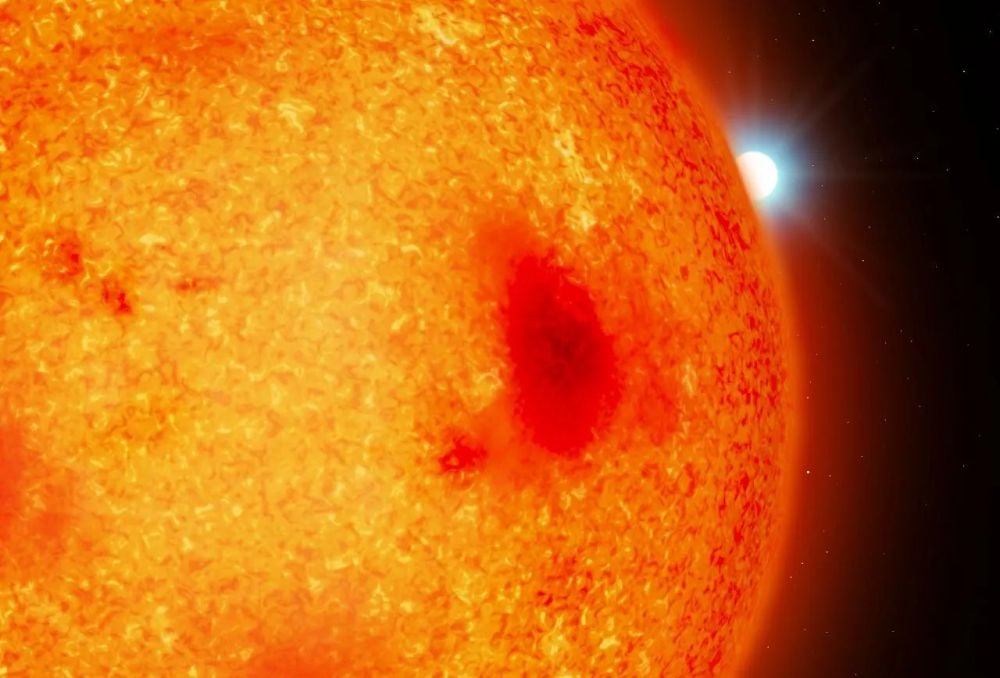
Astronomers have found four new white dwarfs within about 65 light years. Even though the sky has been studied thoroughly, these escaped detection. That's because they're tight binaries with red dwarf partners, and the much brighter red dwarfs hide the white dwarfs. The binaries used to share common envelopes.
Continue reading
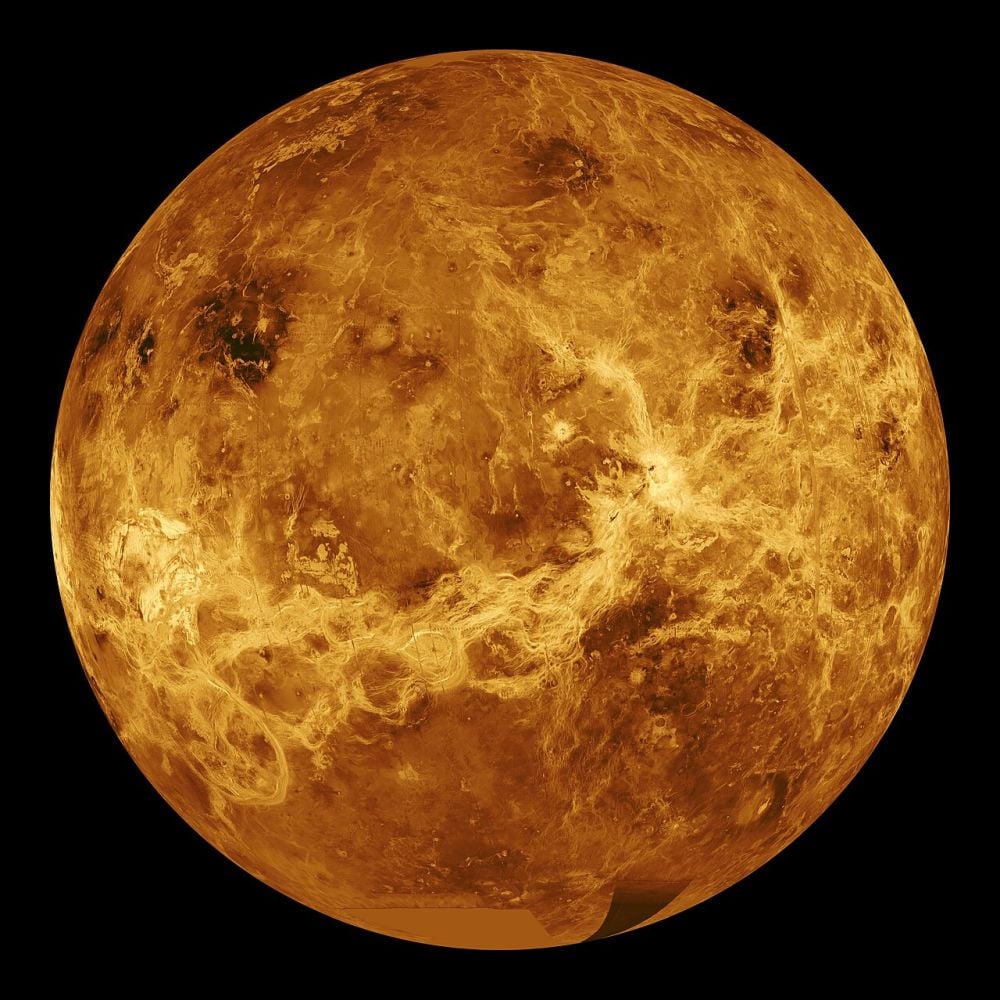
While simply finding exoplanets was an important first step in exoplanet science, more ambitious goals await. The ESA will launch PLATO in 2027 to search for rocky planets. But it will also find planets in the Venus Zone, a region bounded on its outer edge by a runaway greenhouse climate and on the inner edge by loss of atmosphere due to stellar flux. Understanding these planets will help scientists understand how Earth's path led to sustained habitability, while Venus, its sister planet, ended up with a runaway greenhouse climate.
Continue reading
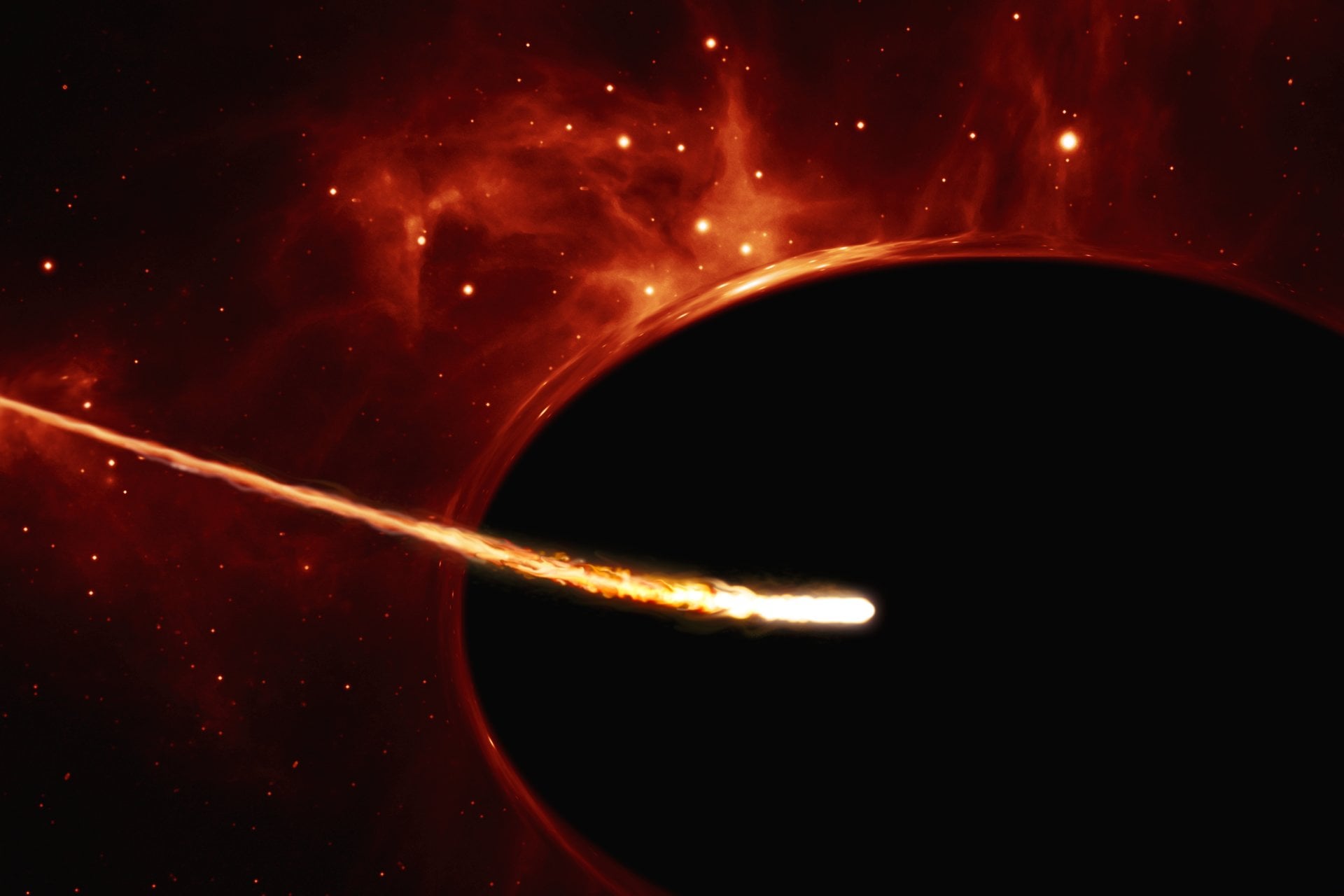
A Sun-like star orbits the supermassive black hole in our Milky Way so closely that it comes within the distance of Neptune's orbit of the Sun. It has a top speed of more than 8% of light speed. With such extreme motion the star gives astronomers the opportunity to test the limits of general relativity.
Continue reading
The story of Subrahmanyan Chandrasekhar, who as a teenager on an ocean voyage worked out that white dwarf stars have a maximum mass of 1.4 Suns. A tour of degeneracy pressure, the relativistic insight everyone else missed, and the number that would define his life.
Continue reading
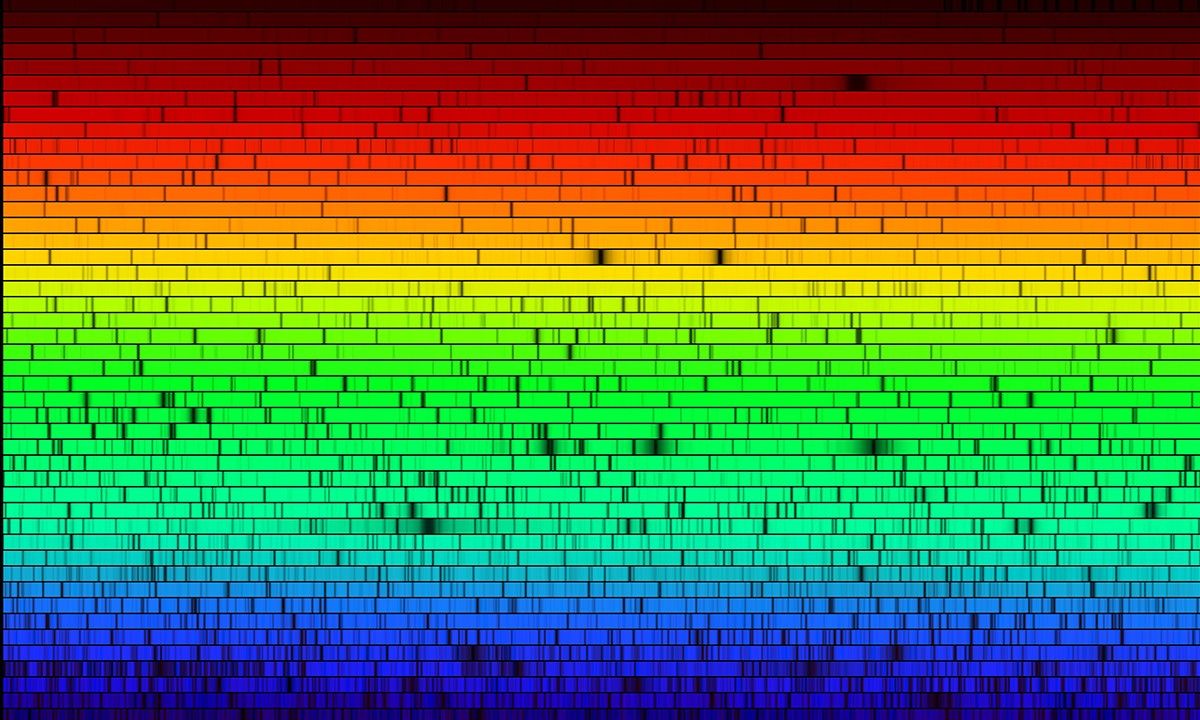
Astronomers have solved a decades old puzzle about the Sun's missing silver, not by finding something new, but by modelling something old far more accurately. A revised, more realistic model of the Sun's atmosphere reveals it actually contains 55 per cent more silver than previously calculated, finally matching what meteorites have been telling us all along. It's a quiet reminder that some of the biggest revelations in astronomy come not from new data, but from asking familiar questions with sharper tools.
Continue reading
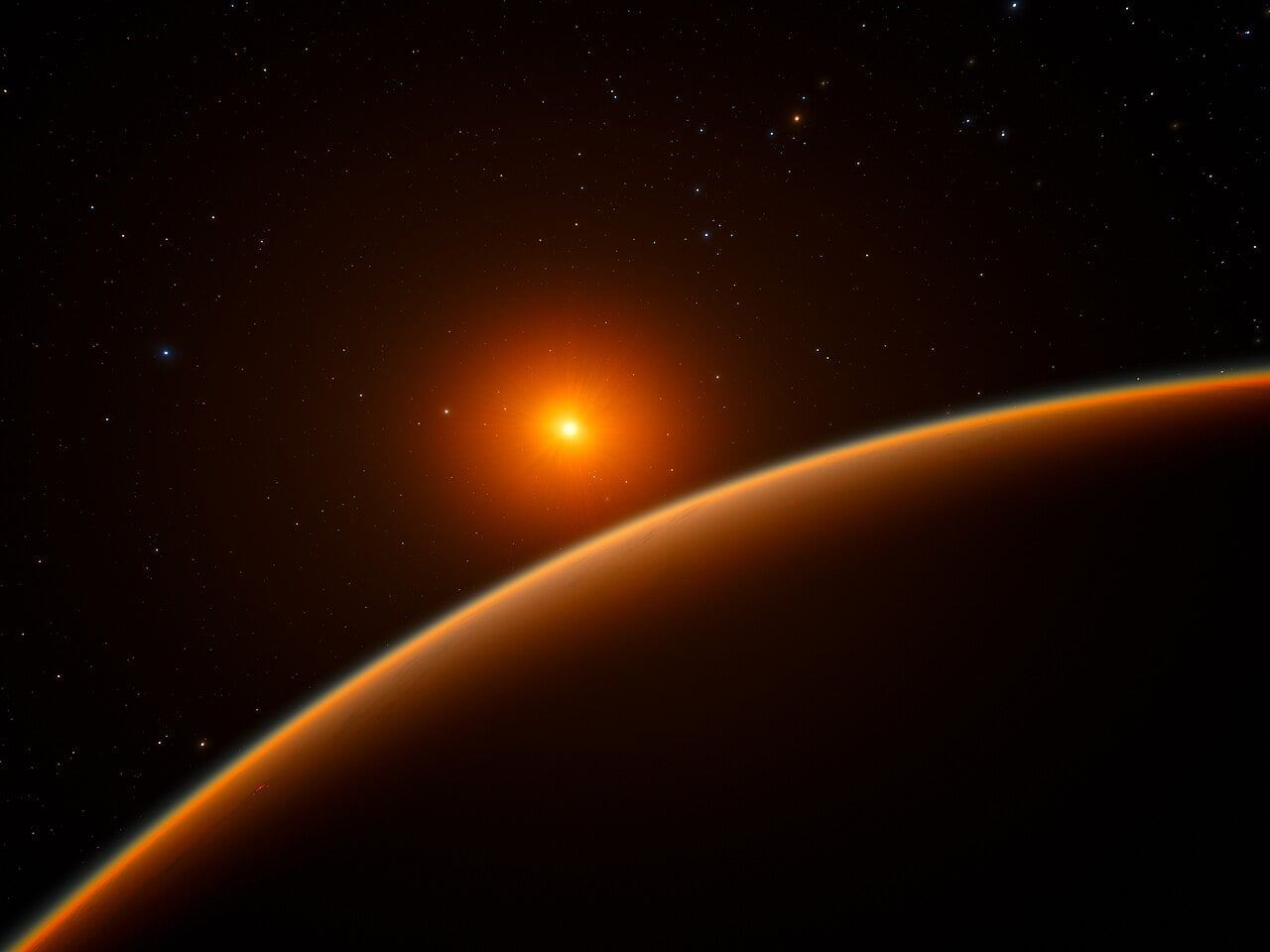
Astronomers have detected an atmosphere around a rocky planet in another star's habitable zone for the very first time. It’s a milestone that brings us a step closer to answering whether life could exist beyond our Solar System. Predicted by a mathematical model before it was ever observed, and confirmed using a rare planetary alignment 48 light years away, this discovery does more than identify one intriguing world, it provides us with a whole new way to search for others like it.
Continue reading
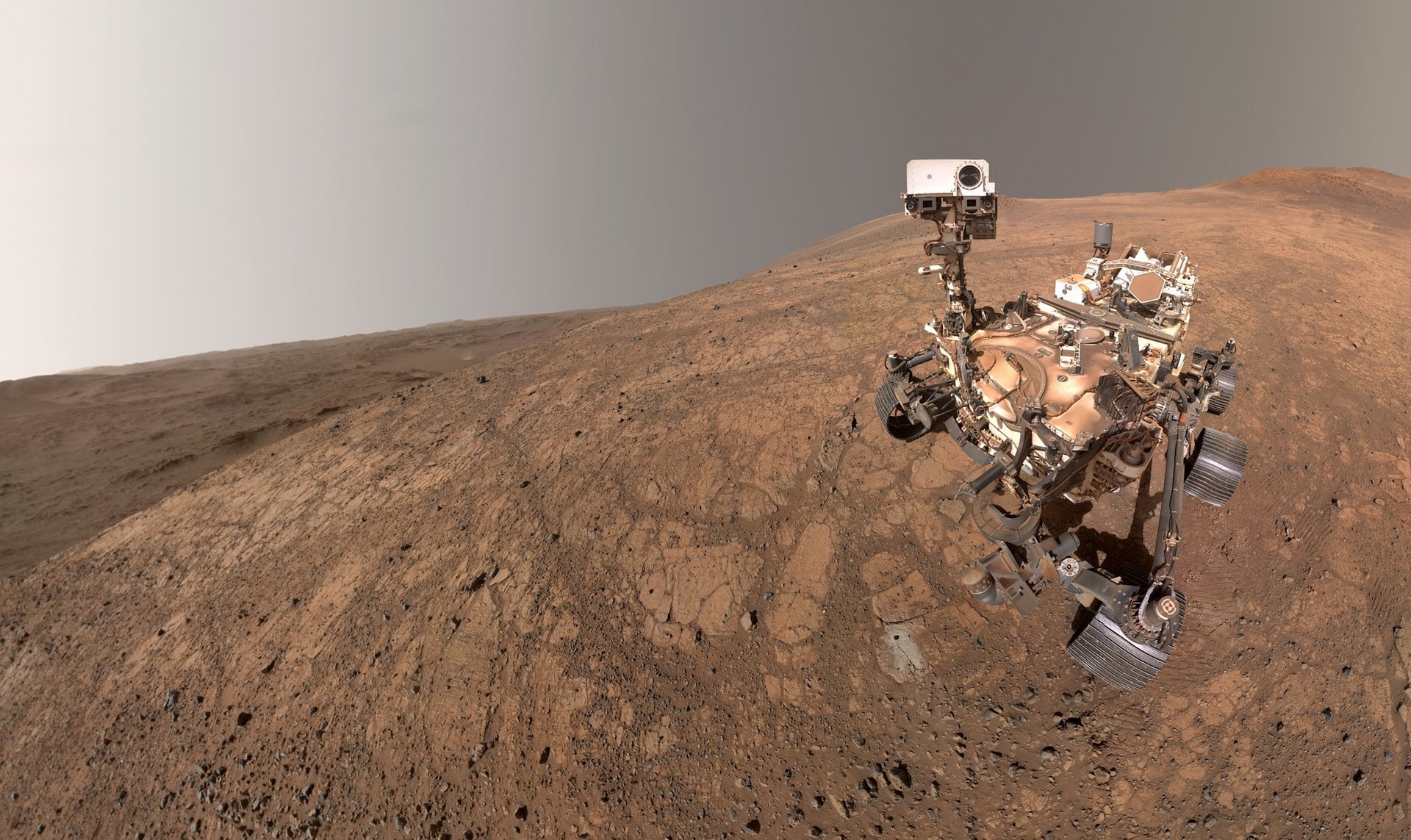
Old rocks exposed on the rim of Jezero Crater preserve a roughly 4-billion-year-old cosmic “weather report” from the solar system’s most dynamic era.
Continue reading
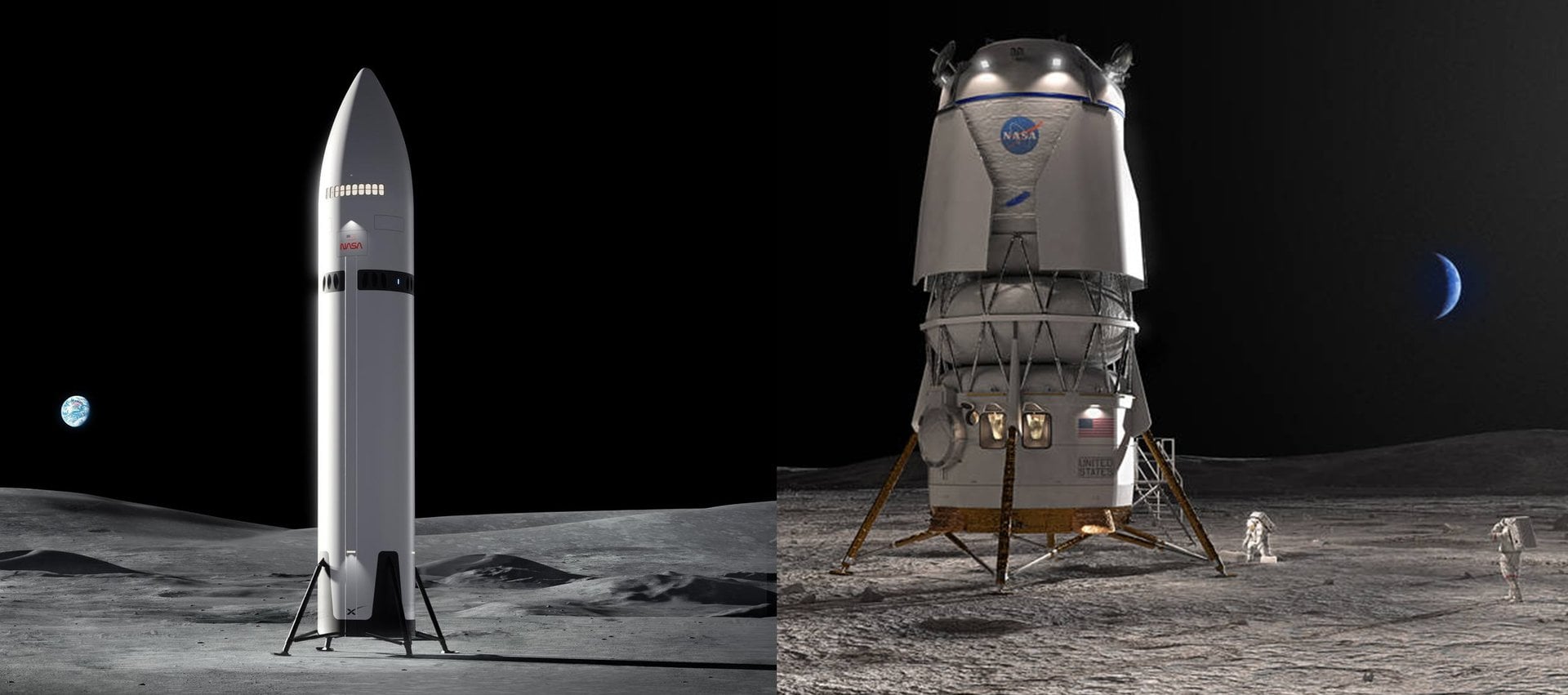
Before Artemis astronauts land on the Moon’s surface in 2028, NASA will conduct the Artemis III demonstration mission in 2027, allowing teams on Earth and in orbit to practice rendezvous and docking operations between commercial human landing systems and the Orion spacecraft. Data from that mission, along with future uncrewed demonstration missions at the Moon,
Continue reading
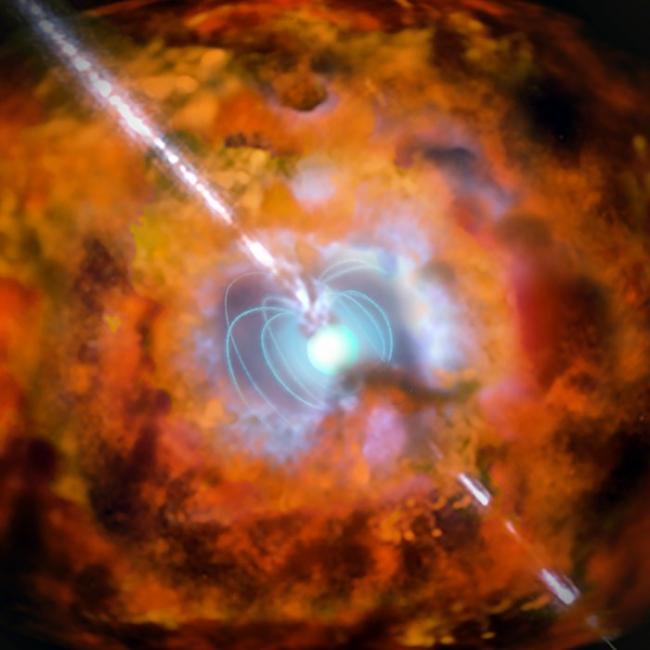
The Submillimeter Array's (SMA) new semi-automated alert system demonstrates how the radio interferometer quickly responds to discoveries from space-based telescopes.
Continue reading

Finding microfossils of Earth’s oldest complex life is a bit like chasing an astrobiological rainbow. The eukaryotic pot of gold at rainbow’s end always seems just a bit out of reach.
Continue reading
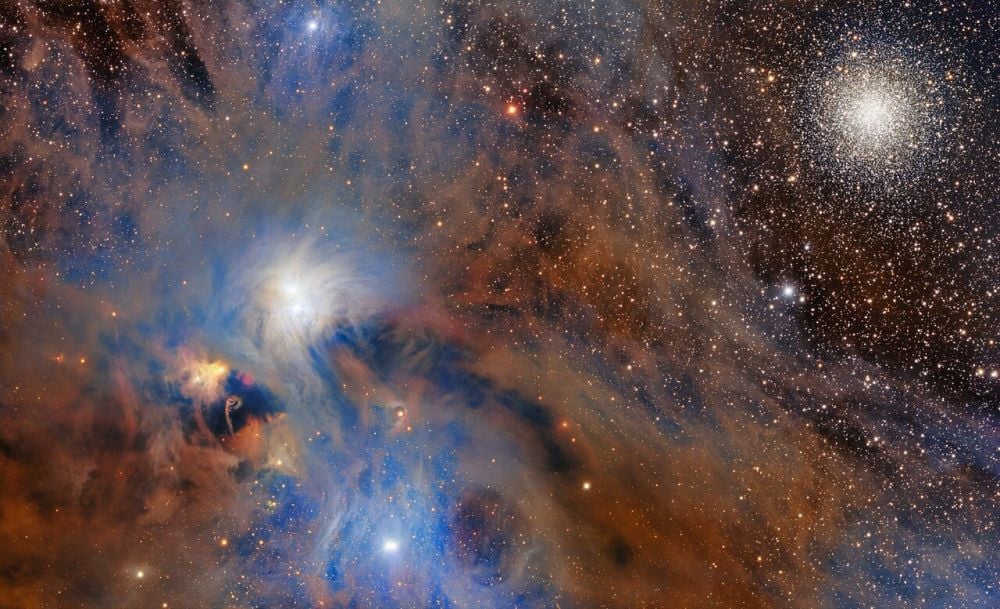
The Dark Energy Camera (DECam) has a massive 570 megapixel camera, and its new image is of the Corona Australis Molecular Cloud. Corona Australis is one of the closest star-forming regions to Earth. It's not as well-studied as the Orion Molecular Cloud or Ophiuchus, but as DECam's new iage of Corona Australis shows, it's just as fascinating.
Continue reading
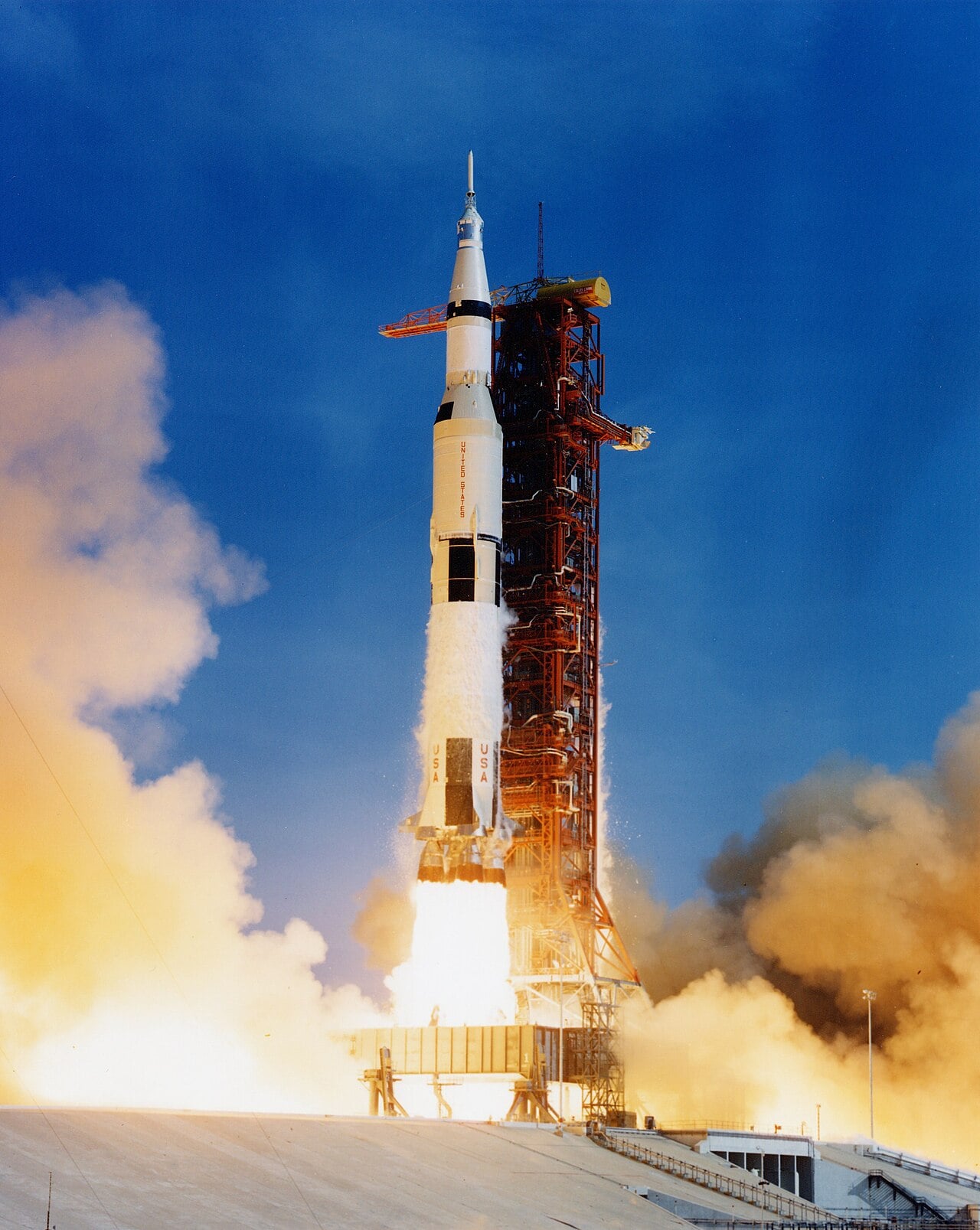
An accelerating observer finds their empty vacuum glowing with real particles, a bizarre effect called Unruh radiation. It's a cousin to Hawking radiation, but with no black hole required, just a rocket and its throttle.
Continue reading
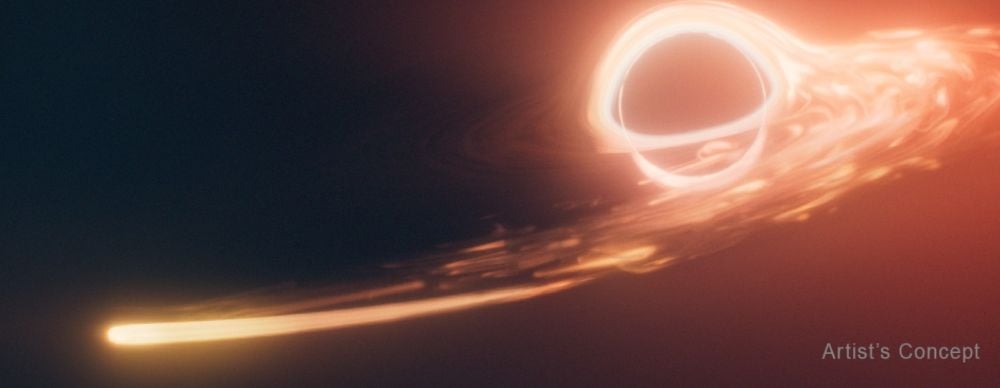
When supermassive black holes (SMBH) in a certain mass range eat a star, they first tear it apart in a Tidal Disruption Event (TDE). By detecting TDE across cosmic time, astronomers can chart the growth of SMBH as the Universe aged. The Nancy Grace Roman Space Telescope will help, by finding about 100 TDEs every year.
Continue reading
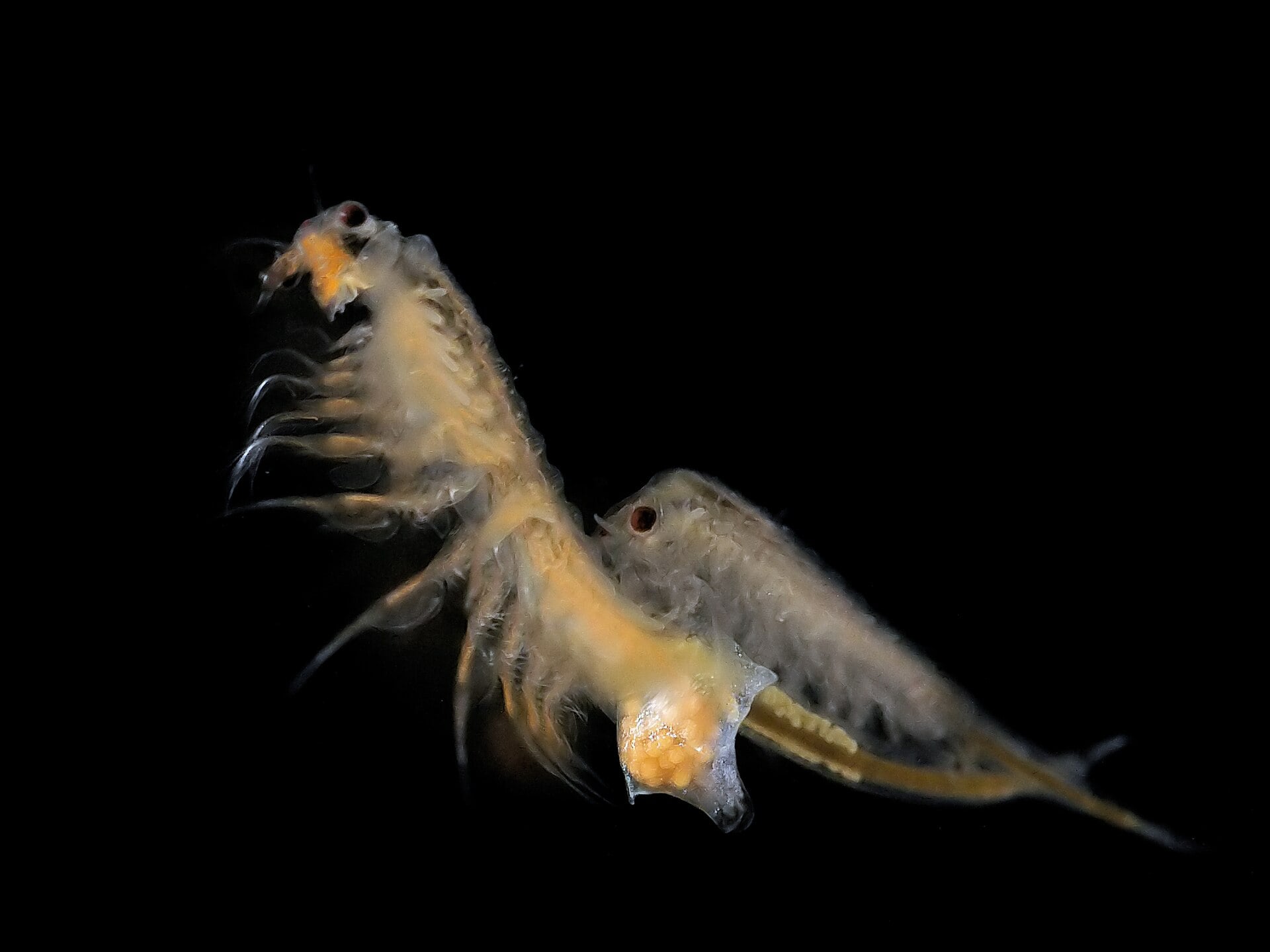
As far as we know, food doesn’t exist naturally in space. We have to bring it with us if we want to explore the final frontier. One of the oldest and most common types of food on planet Earth is seafood, yet we know surprisingly little about how aquatic animals would react to the microgravity environment they would experience in space. A new paper by researchers at Japan’s Okayama University of Science, which was recently published in Microgravity Science and Technology, hopes to tackle that question. It used a novel way to simulate microgravity to watch how crustaceans would react to the space environment, and found that they could likely be good candidates as part of a future space food chain.
Continue reading
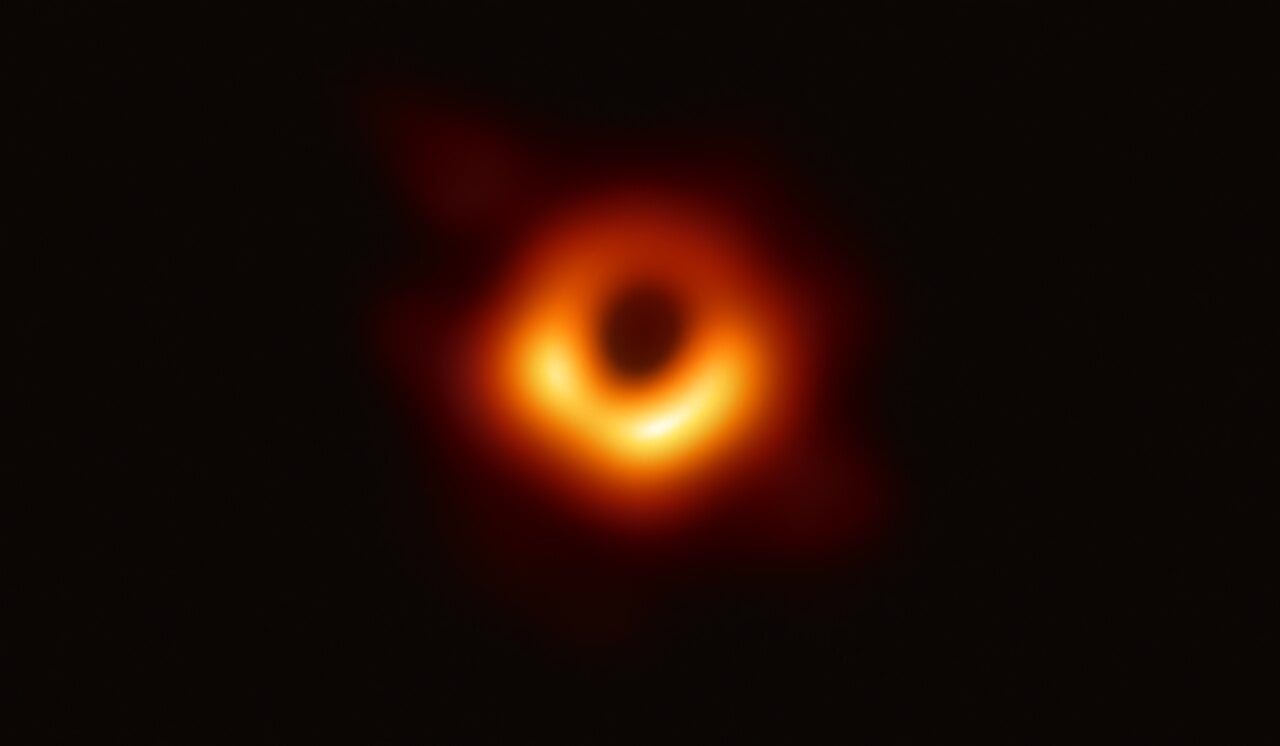
Constant acceleration builds a horizon out of nothing but motion, walling off part of the universe forever. Meet Wolfgang Rindler, the coffee date you'll never reach, and the light that can chase you for infinite time without ever catching up.
Continue reading
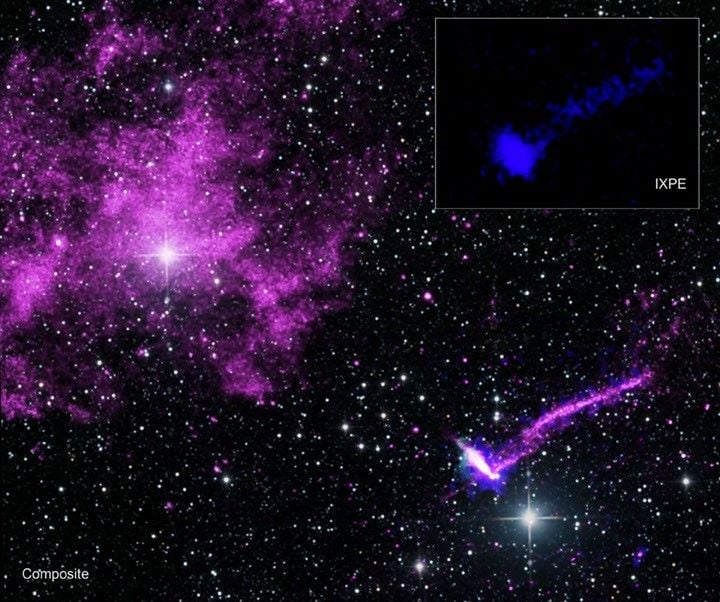
Occasionally, when a massive star dies in a supernova, it can leave behind a dense, rapidly spinning core known as a pulsar. These extreme objects are some of the most fascinating in the universe, and are extremely useful for astronomers when measuring distances or navigating the void of space. A new paper from Jack Dinsmore, a graduate student at Stanford, and his co-authors, and published in The Astrophysical Journal, takes a look at some of the features of one of the most famous examples of a pulsar - PSR J1101-6101, commonly known as the Lighthouse pulsar.
Continue reading
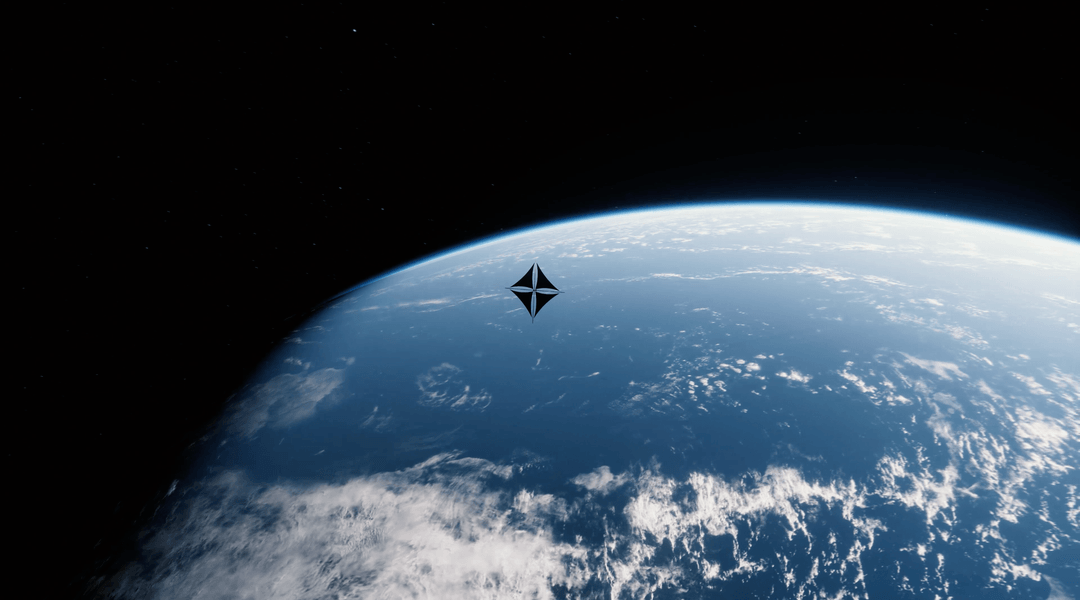
The United States Federal Communications Commission (FCC) recently approved the first test launch of Reflect Orbital’s Eärendil-1 satellite. Sporting an 18 by 18 meter-wide reflector once unfurled, the satellite will test the ability to reflect sunlight back to Earth, on demand. The company envisions more than 50,000 reflectors girding the Earth in low Earth orbit by 2035, while many in the astronomical community have raised concerns on the project's impact.
Continue reading
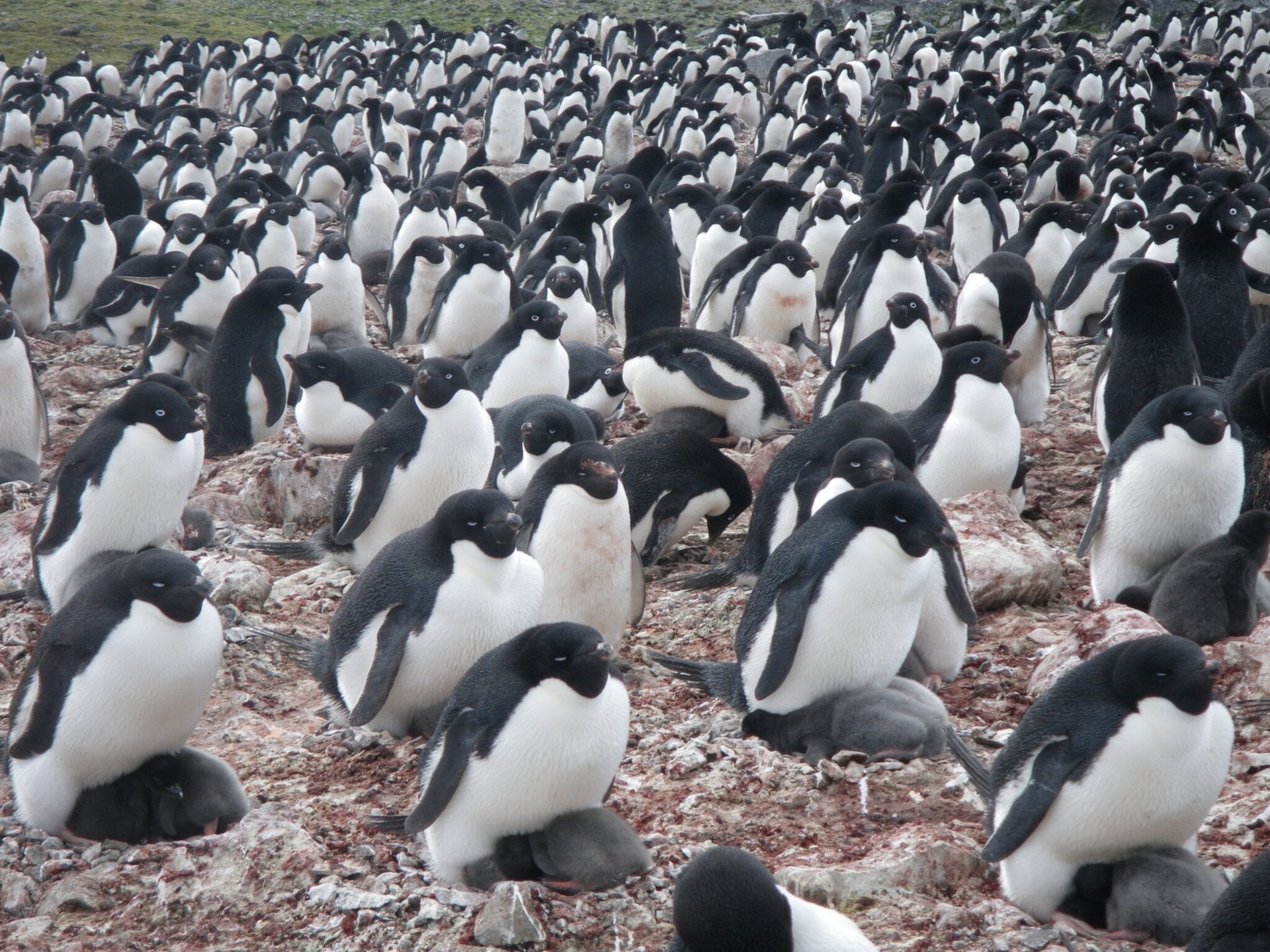
Researchers utilized 30 years of Landsat satellite imagery to analyze the color and spectral signatures of Adélie penguin guano across Antarctica, marking the first time space-based observations have captured food-web and population dynamics at a continental scale.
Continue reading
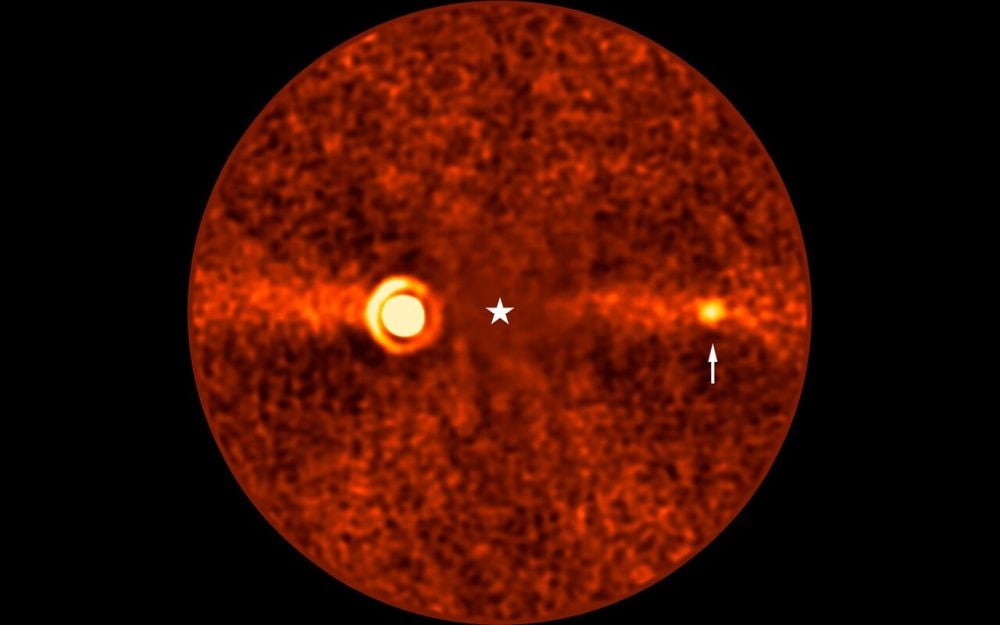
A team of astronomers have discovered a third planet orbiting the star Beta Pictoris. The new planet, Beta Pictoris d, is 100 times fainter than Beta Pictoris b — the first planet discovered in the same system — and is among the lightest exoplanets ever to be imaged from the ground. After spotting the planet using the European Southern Observatory’s Very Large Telescope (ESO’s VLT), the team found it had been hiding in archive observations spanning more than a decade.
Continue reading
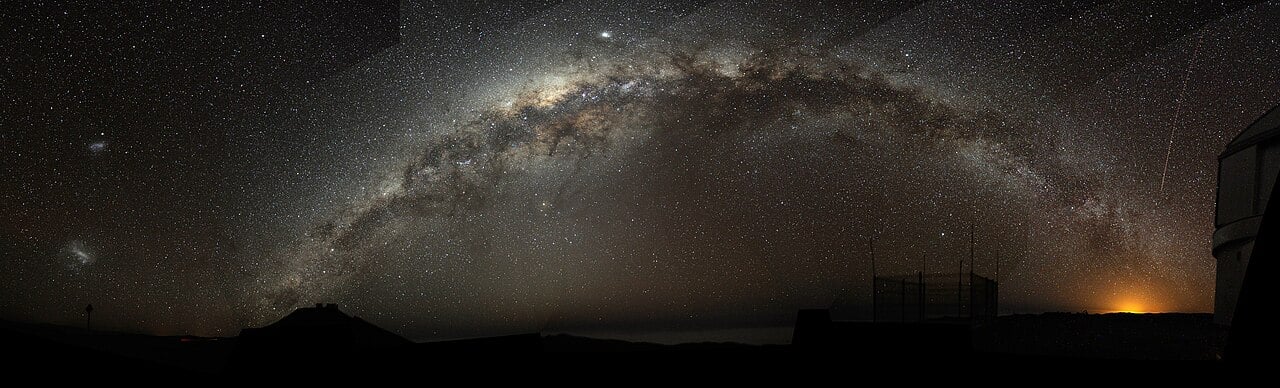
Move fast enough and the entire universe compresses into a searing, blueshifted cone of light aimed at your face. How relativistic aberration and the Doppler effect warp your view of the cosmos as you approach lightspeed.
Continue reading
You can't ride alongside a beam of light, and the reason why opens a door onto the strangest parts of relativity. A tour of rest frames, why a photon has no point of view, and how your speed reshapes reality itself.
Continue reading
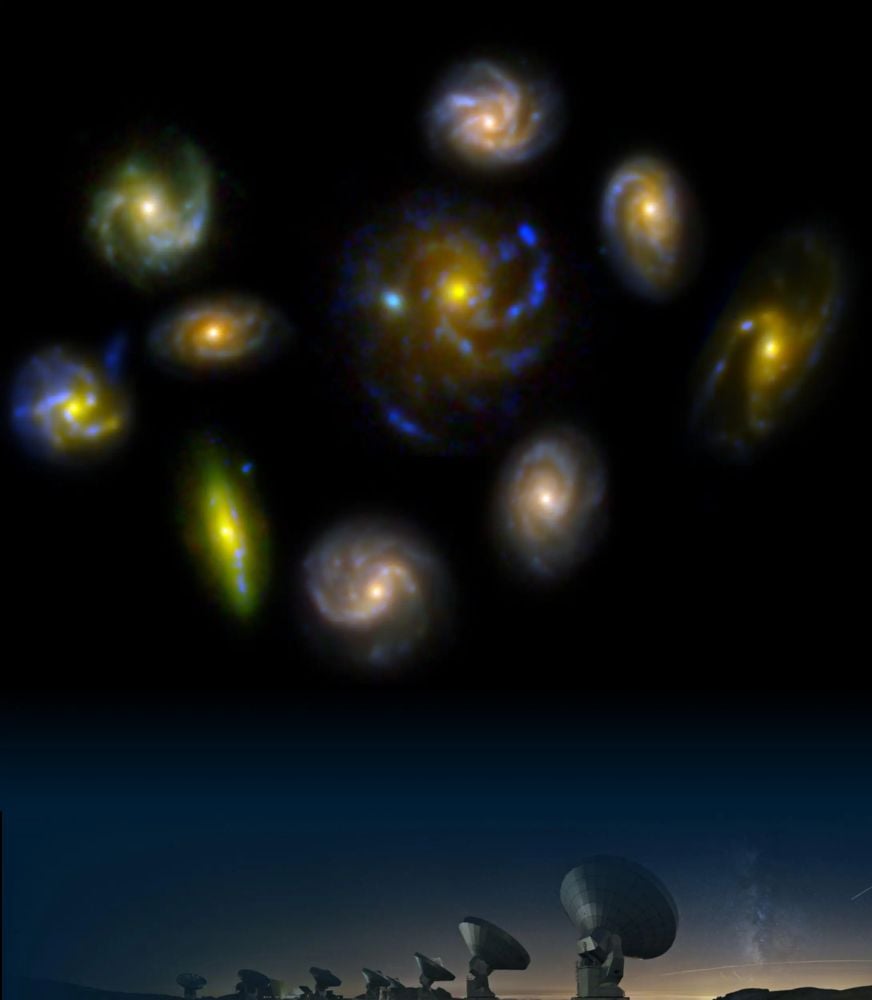
Astronomers thought that early galaxies were messy, clumpy, and turbulent from mergers. That means their gas was all stirred up. So what could explain the rapid star formation during the Cosmic Noon? New research shows that galaxies had well-ordered morphologies earlier than thought, and that their spiral arms and bars allowed gas to flow freely, forming more stars.
Continue reading
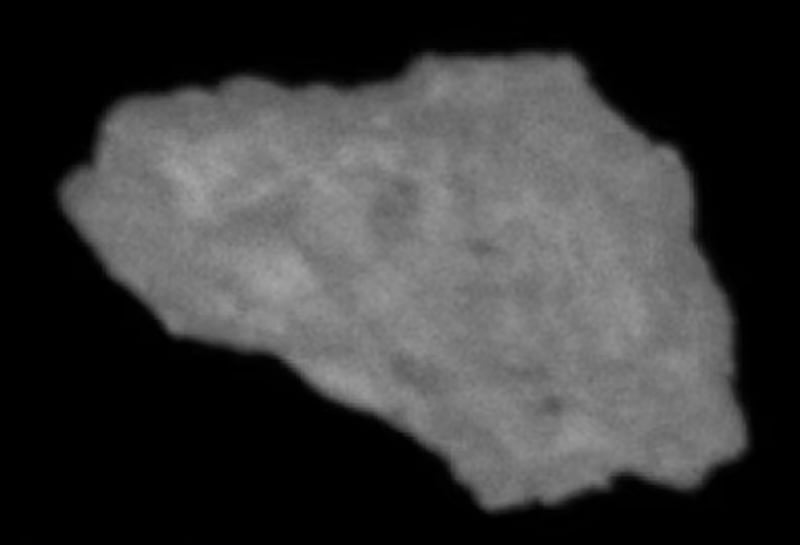
After chasing a small asteroid across a billion kilometres of space, China's Tianwen-2 probe has finally caught up, closing to within twenty kilometres of its target and beginning detailed scientific study. What it uncovers next could help settle a genuinely intriguing question, whether this quiet companion of Earth is simply another asteroid, or a long lost piece of the Moon itself.
Continue reading
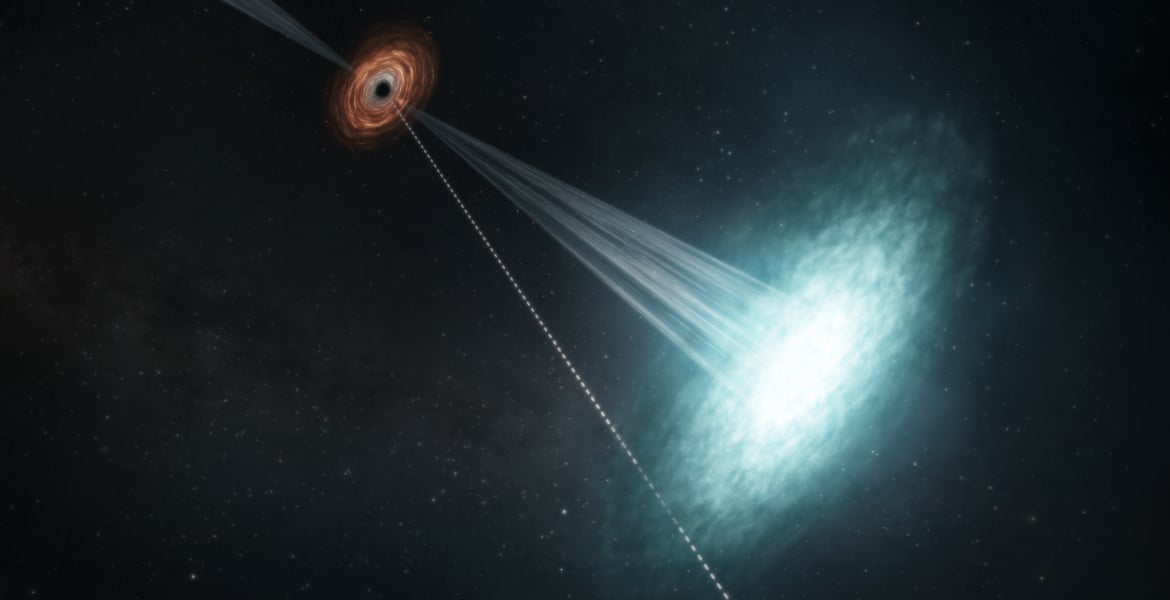
Astronomers using the U.S. National Science Foundation Very Large Array (NSF VLA) have detected an extraordinary burst of radio light from a rare cosmic event in which an intermediate-mass black hole tears apart a star, revealing what appears to be the off-axis afterglow of a powerful jet.
Continue reading
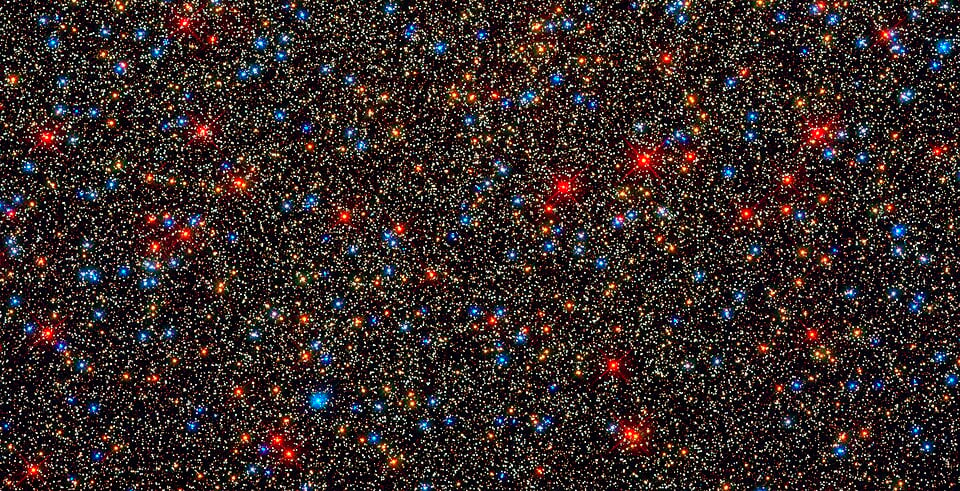
Astronomers have measured the ages of over a hundred and fifty thousand ancient stars scattered across our Galaxy, and found the oldest of them is just the age it should be if the standard picture of the universe is correct. That simple agreement quietly undermines one of the leading attempts to explain a stubborn mystery, and hints that the real answer to the Hubble tension may lie somewhere else entirely.
Continue reading
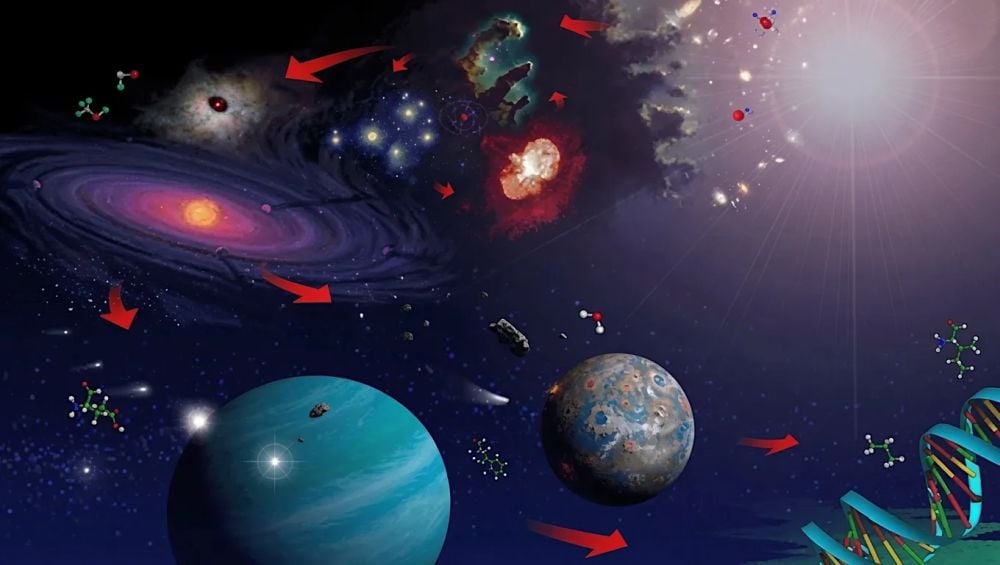
AI is a powerful tool in scientific research. It can be used to find patterns in vast quantities of data. But it also generates false positives, as most of us know. This is an "Achilles Heel" according to researchers who tested a neural network's ability to detect life.
Continue reading
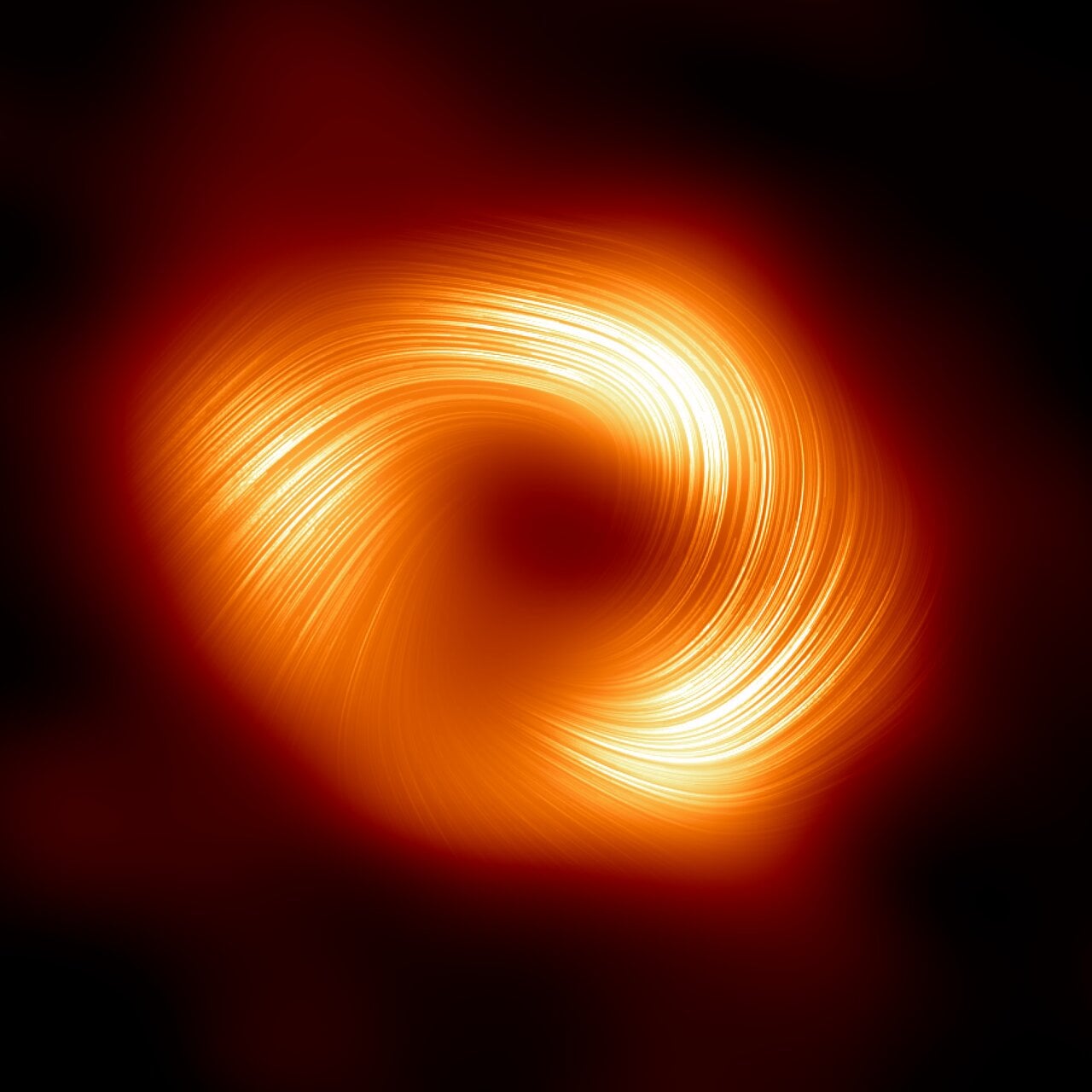
Despite their depiction as massive monsters that simply suck in everything, including light, astronomers know black holes actually spin. And they spin really, really quickly at that. Determining just how quickly is key to understanding how they impact their immediate vicinity, but also the galaxies that surround them. A new paper by Tegan Thomas of the University of Virginia and her colleagues, available in pre-print on arXiv, has some good news and bad news on that front. The bad news is we currently can’t determine how fast black holes are actually spinning. The good news is that, hopefully in the next few years, we will have a new tool that will allow us to.
Continue reading
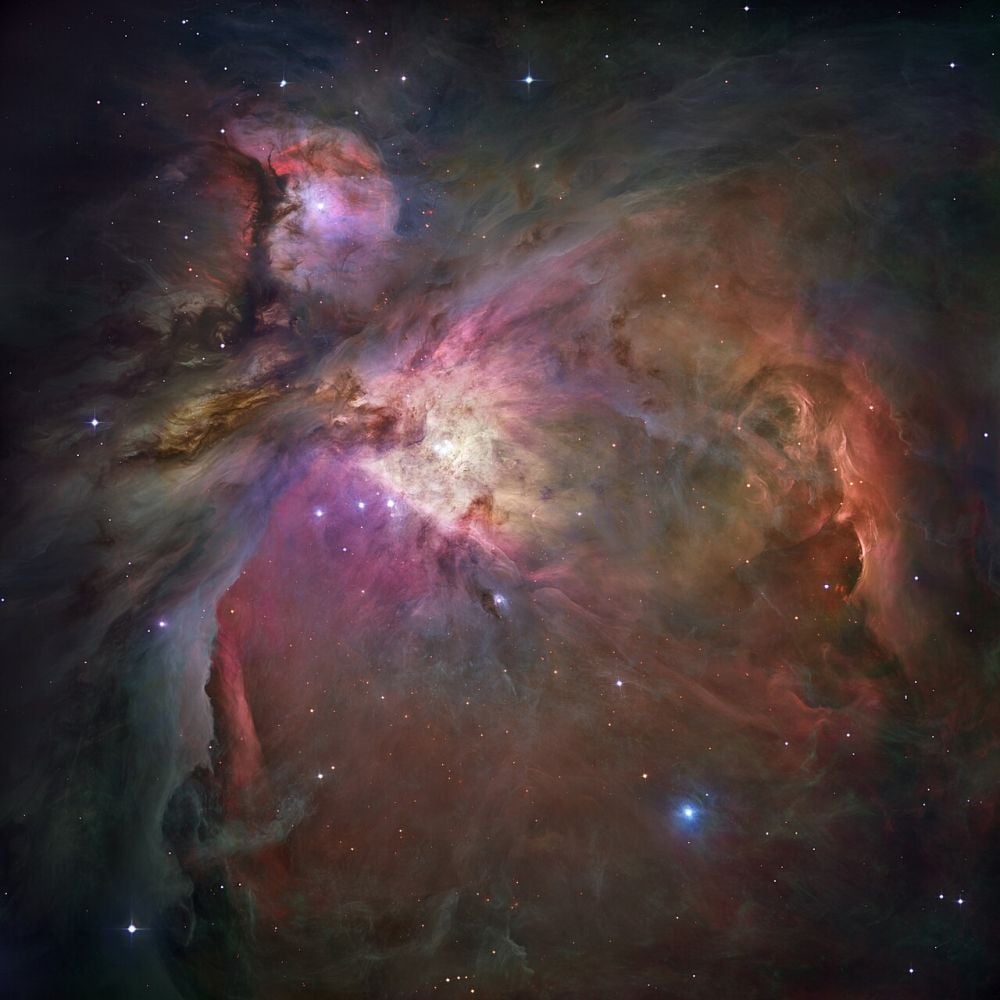
A team of researchers used the world's largest single-dish telescope and an interferometer to uncover previously hidden structures within the Orion Nebula. The project produced the sharpest maps ever made of neutral hydrogen in Orion, the closest region of massive star formation. The findings expose the complex relationship of star-forming regions with their environment and suggest that the Orion Nebula has been shaped by multiple episodes of stellar feedback rather than a single expanding bubble.
Continue reading
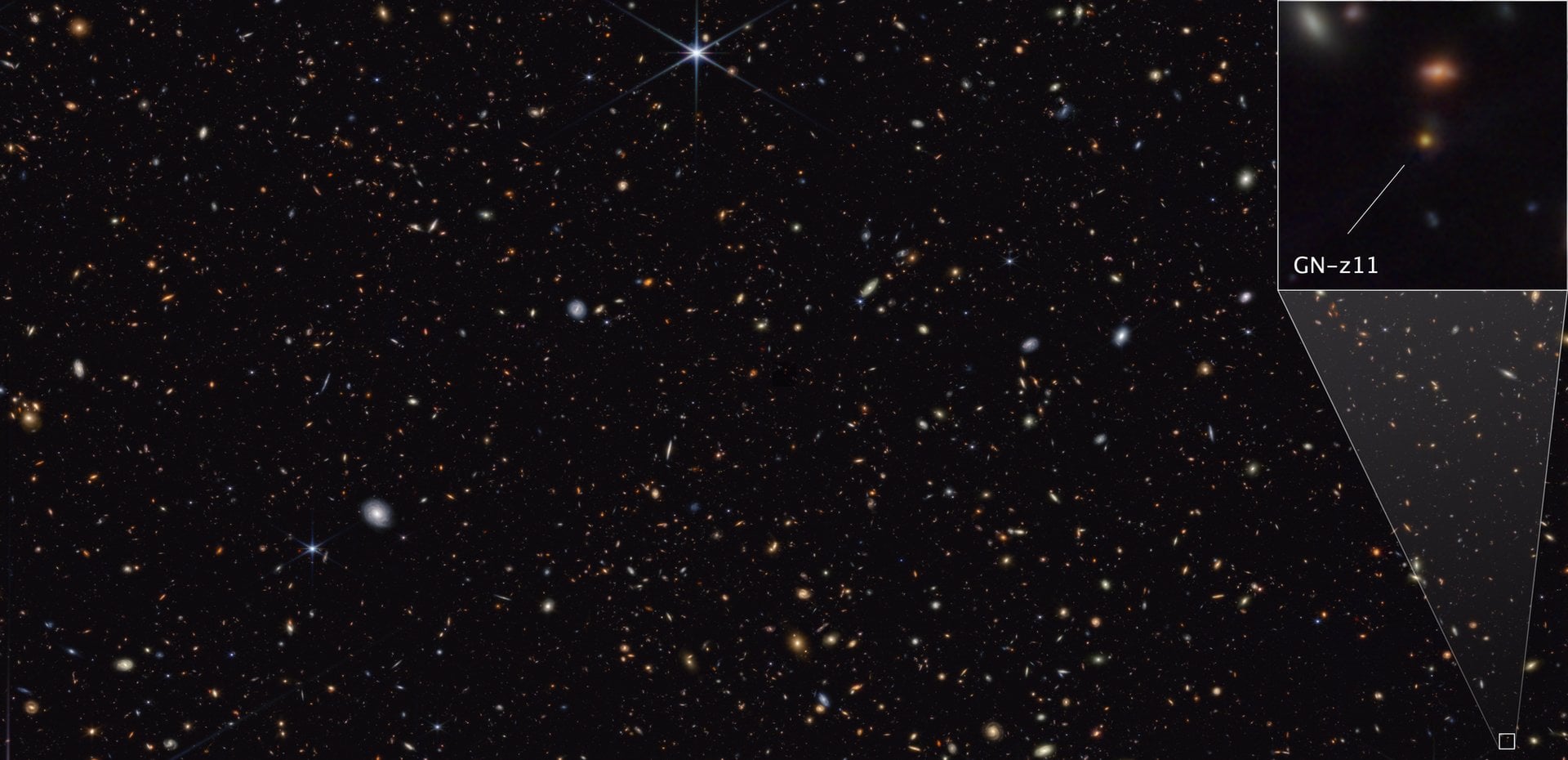
It’s hard hunting down the oldest stars in the universe. These behemoths, known as Population (or Pop) III stars, are a missing link in cosmology between the primordial soup that was the early universe and the complex, “metal”-rich cosmos we’re familiar with today. But we’re slowly getting a better idea of where to look for them, and a new paper available in pre-print on arXiv from Alessandra Venditti of the University of Texas at Austin and her co-authors, highlights some of the recent advances and potential new surveying techniques that could eventually help us definitively find these massive, bright, early sparks in the universe.
Continue reading
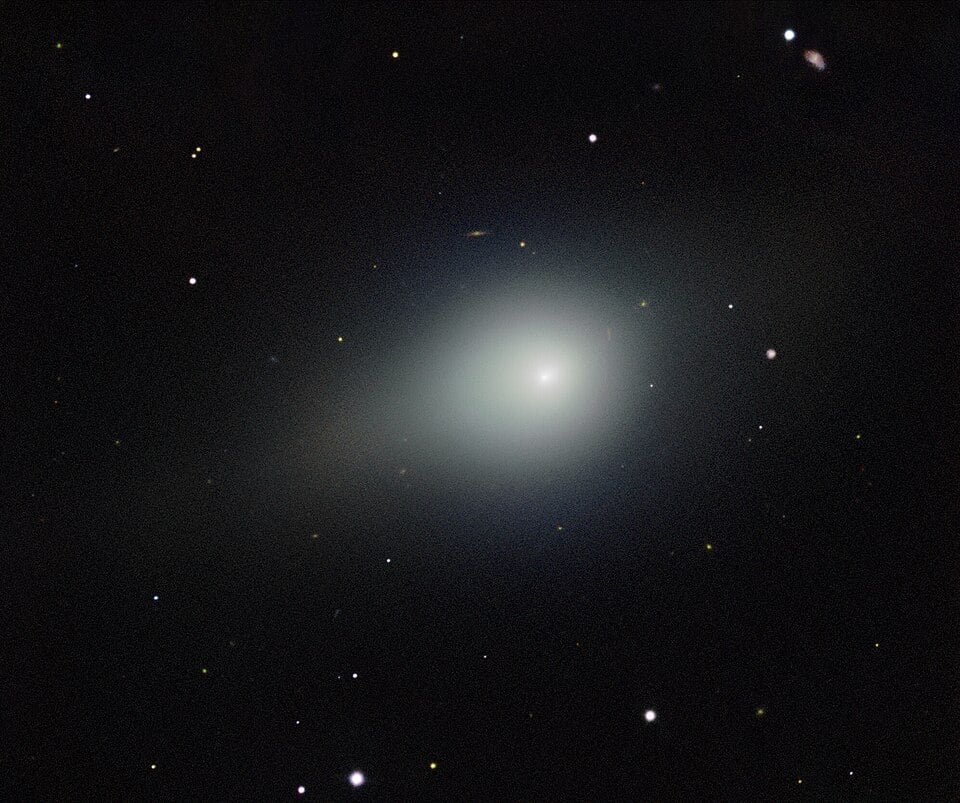
A recent study out of the Planetary Science Institute notes that the close passage of the star HD 7977 may have triggered a cascade, sending long-period comets sunward. What’s more, the same uptick in long-period comets may still be underway today. The study was recently presented at the American Astronomical Society Division on Dynamical Astronomy.
Continue reading
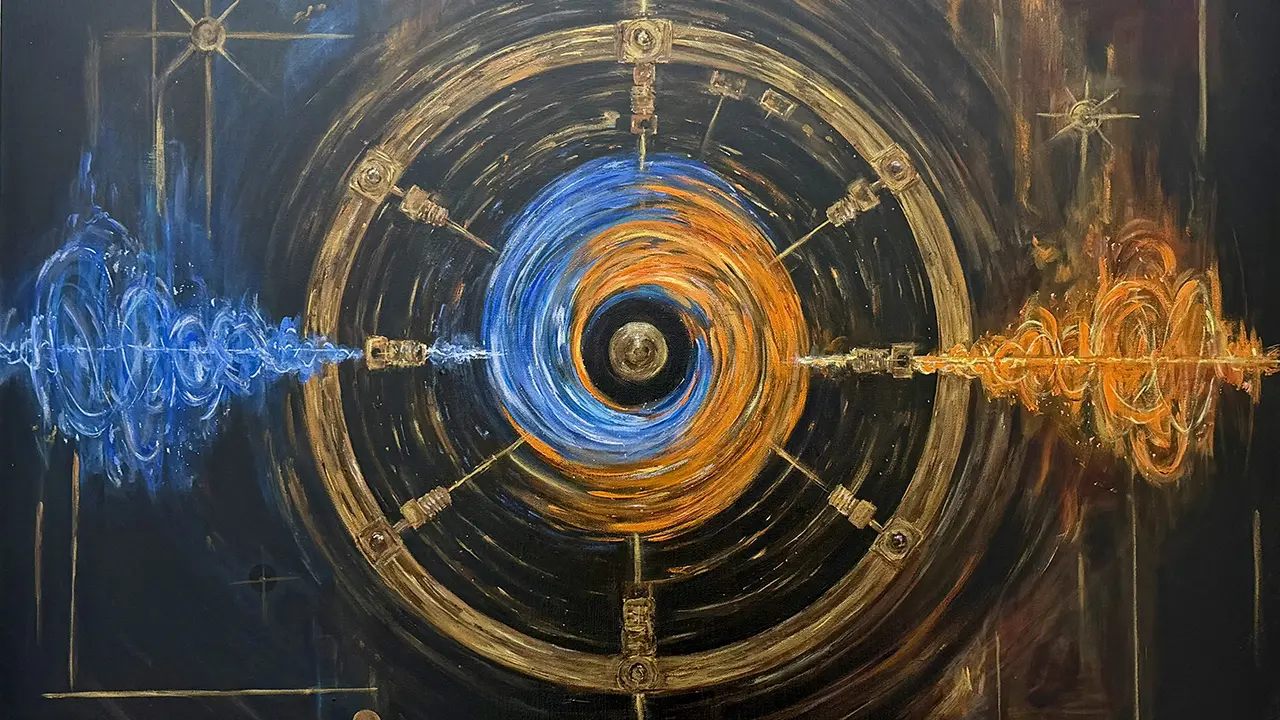
Researchers at the Advanced Science Research Center at the CUNY Graduate Center have demonstrated a new approach to wave amplification through interaction with rotating bodies. Rather than mechanically rotating matter, however, the team engineered a radio-frequency device with properties modulated in space and time to mimic spinning.
Continue reading
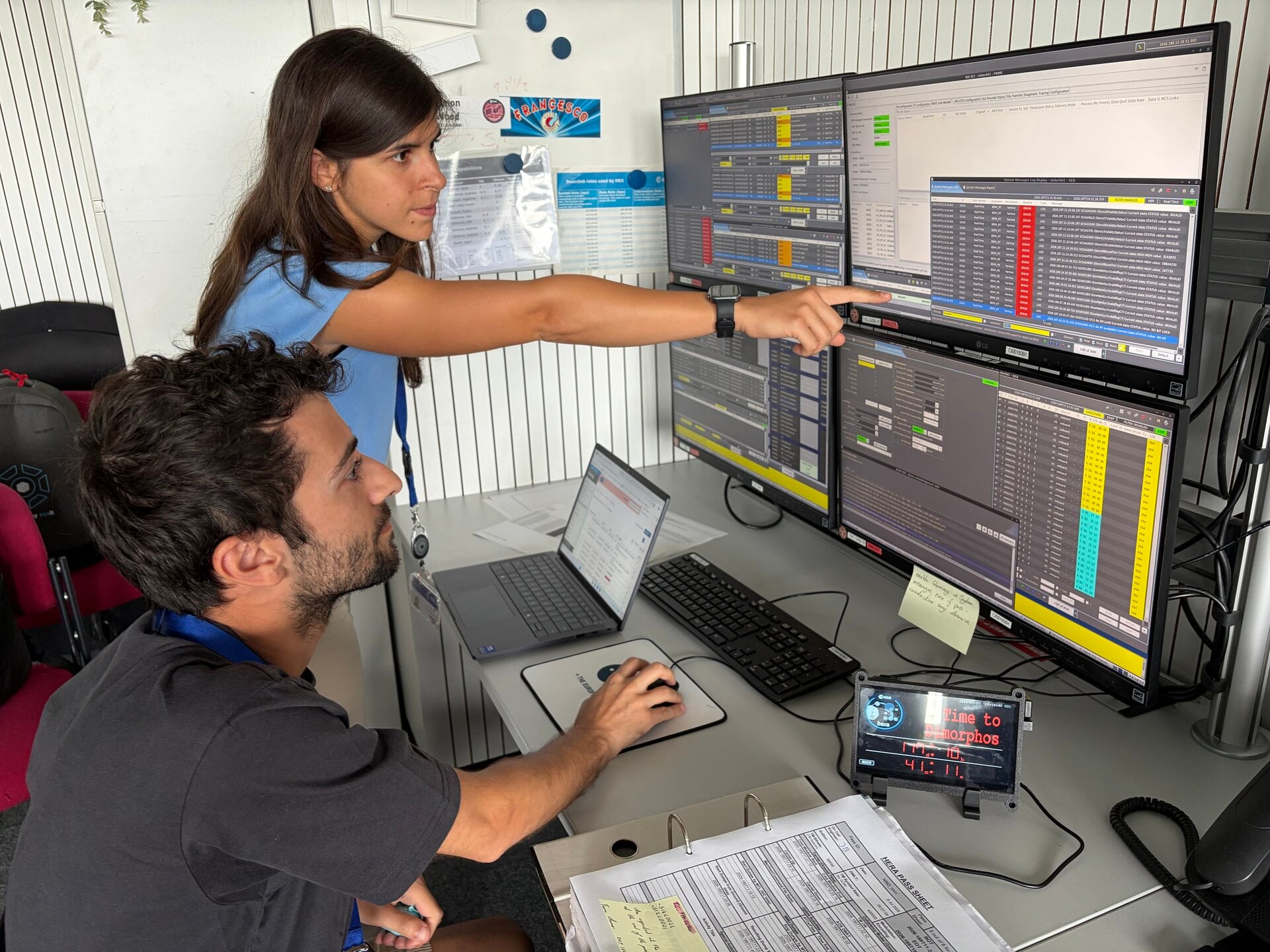
Engineers have just upgraded the software running a spacecraft 140 million kilometres away, then held their breath through two full reboots with an eight minute delay on every command. The prize for getting it right is a close up look at an asteroid humanity has already changed forever, and the answer to a question nobody has been able to answer since 2022, what did we actually do to it?
Continue reading
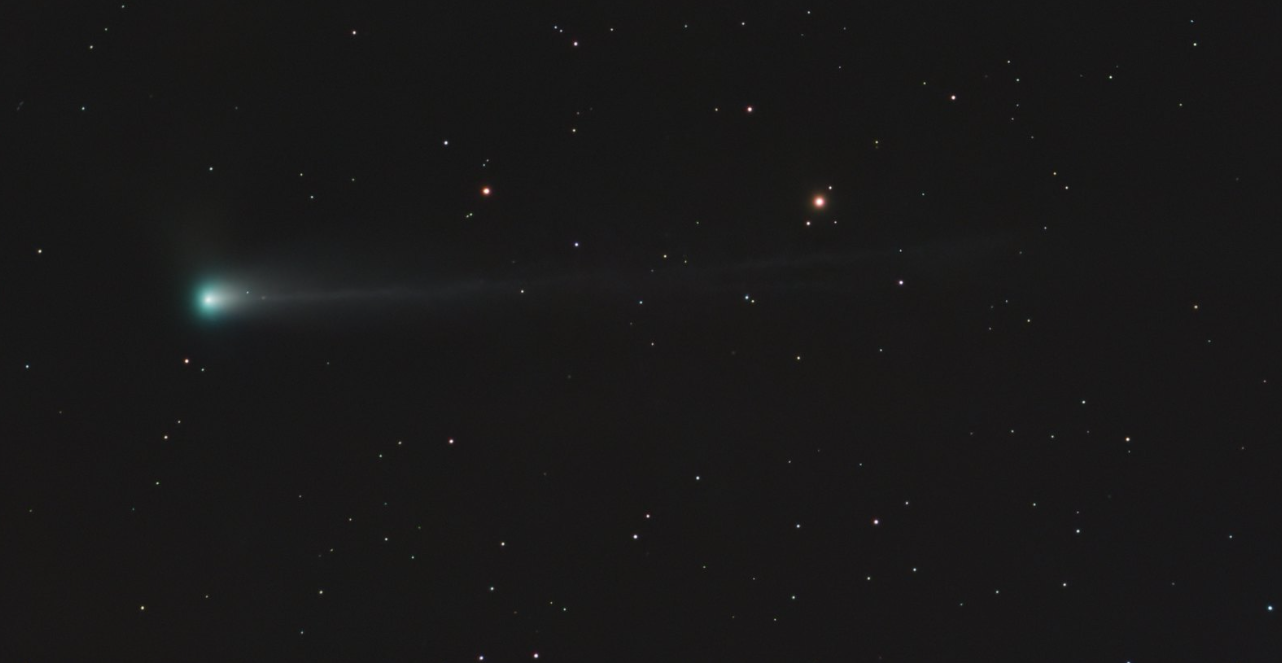
Somewhere in the Milky Way Galaxy is an old star that has lost one of its comets. By some quirk of orbital mechanics, that frozen nucleus of ice and dust got kicked out of its home system and into a long and winding trajectory across space. It entered our Solar System sometime in the distant past and traveled somewhat near to Earth on October 30, 2025, on its way through the system.
Continue reading
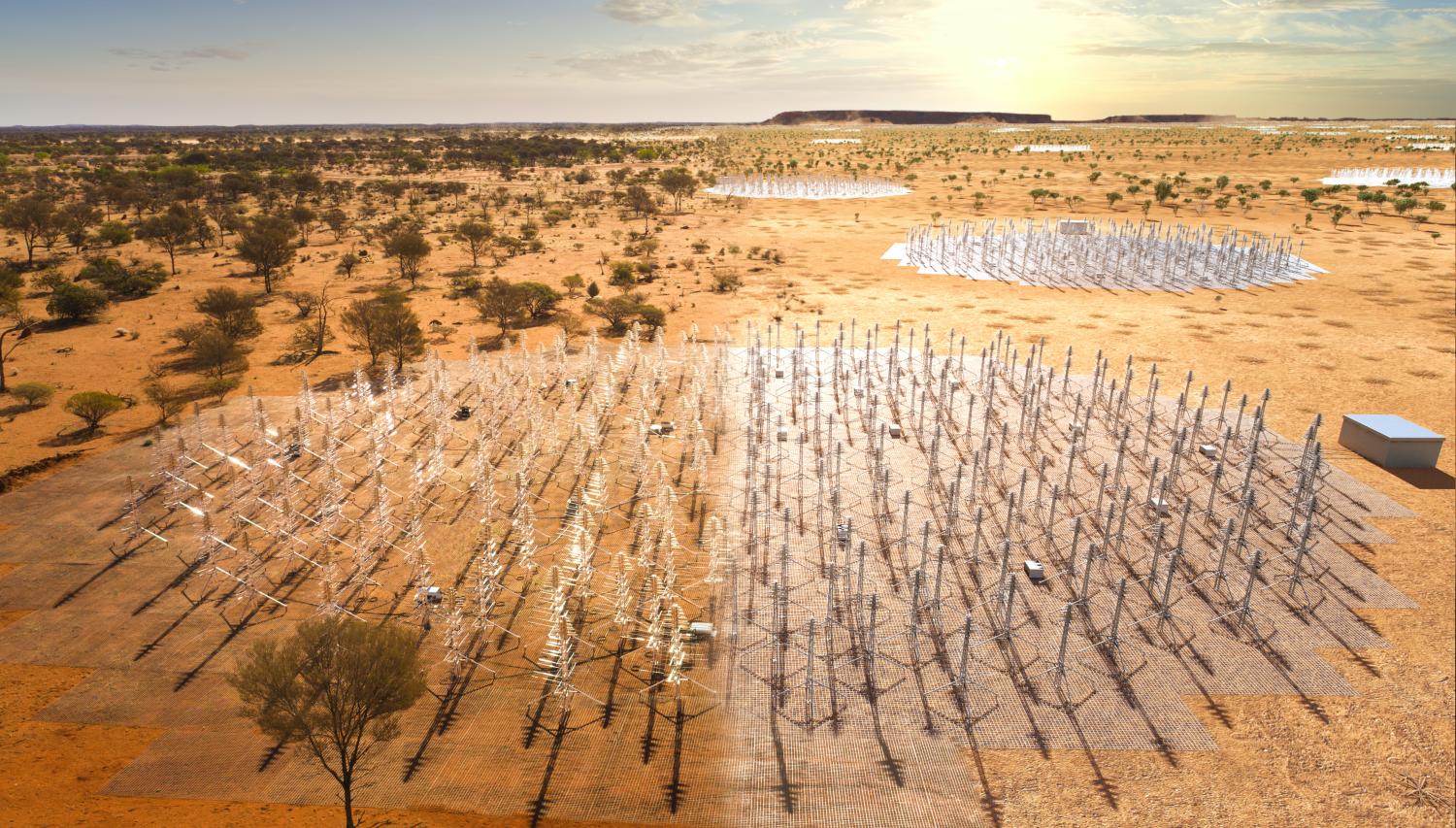
There are parts of the universe that are extremely hard to see, even for our most advanced telescopes. Gas and dust don’t emit any light, and are only visible by the light that they happen to block from stars and galaxies. Magnetic fields are even harder since regular light typically passes right through them. However, according to a new paper available in pre-print on arXiv, by Manisha Caleb of the University of Sydney and their co-authors, we’re currently commissioning a potentially game-changing new tool that could use a particularly violent astronomical phenomenon to provide new insight into these hard to see places.
Continue reading
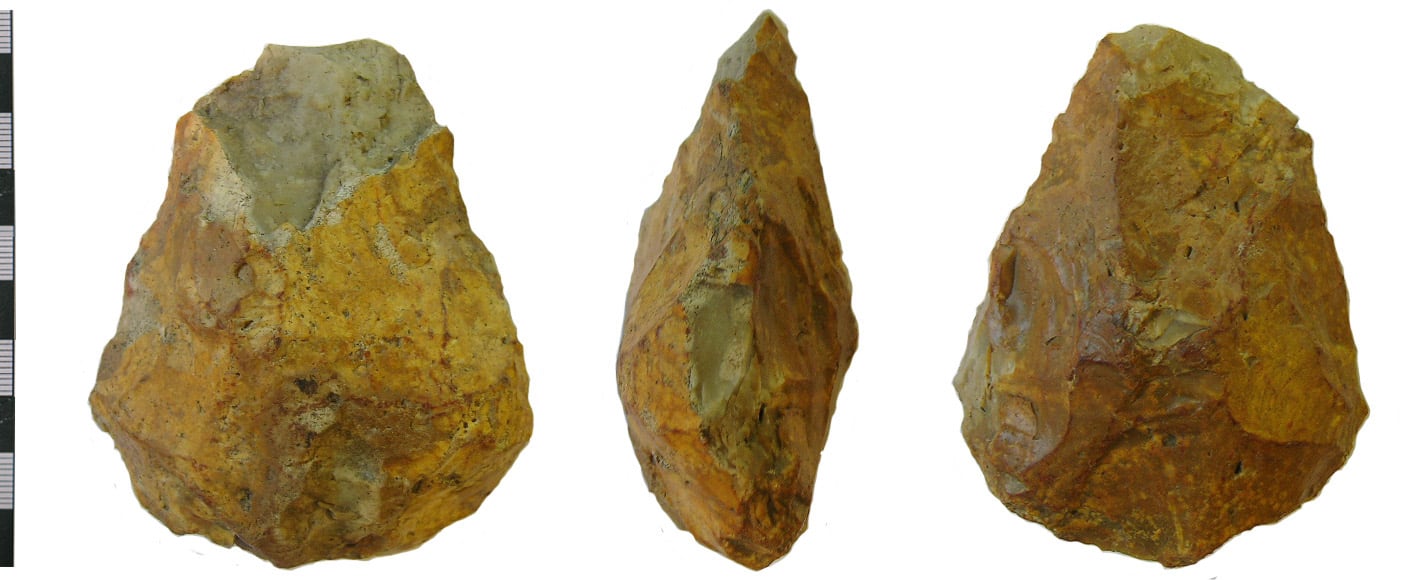
Astrobiology has long been split into two camps: a search for "biosignatures" and a search for "intelligence." These look for very different things, but they also leave a huge gap in between. It took 3.5 billion years for us to go from the first microbe to a civilization that sent radio waves out into the cosmos. Detecting life in between those stages is a relatively untouched aspect of astrobiology—which is also the focal point of a new paper, "Signs and Signatures of Intelligence", available in pre-print on arXiv, by astrobiologist Julia DeMarines.
Continue reading
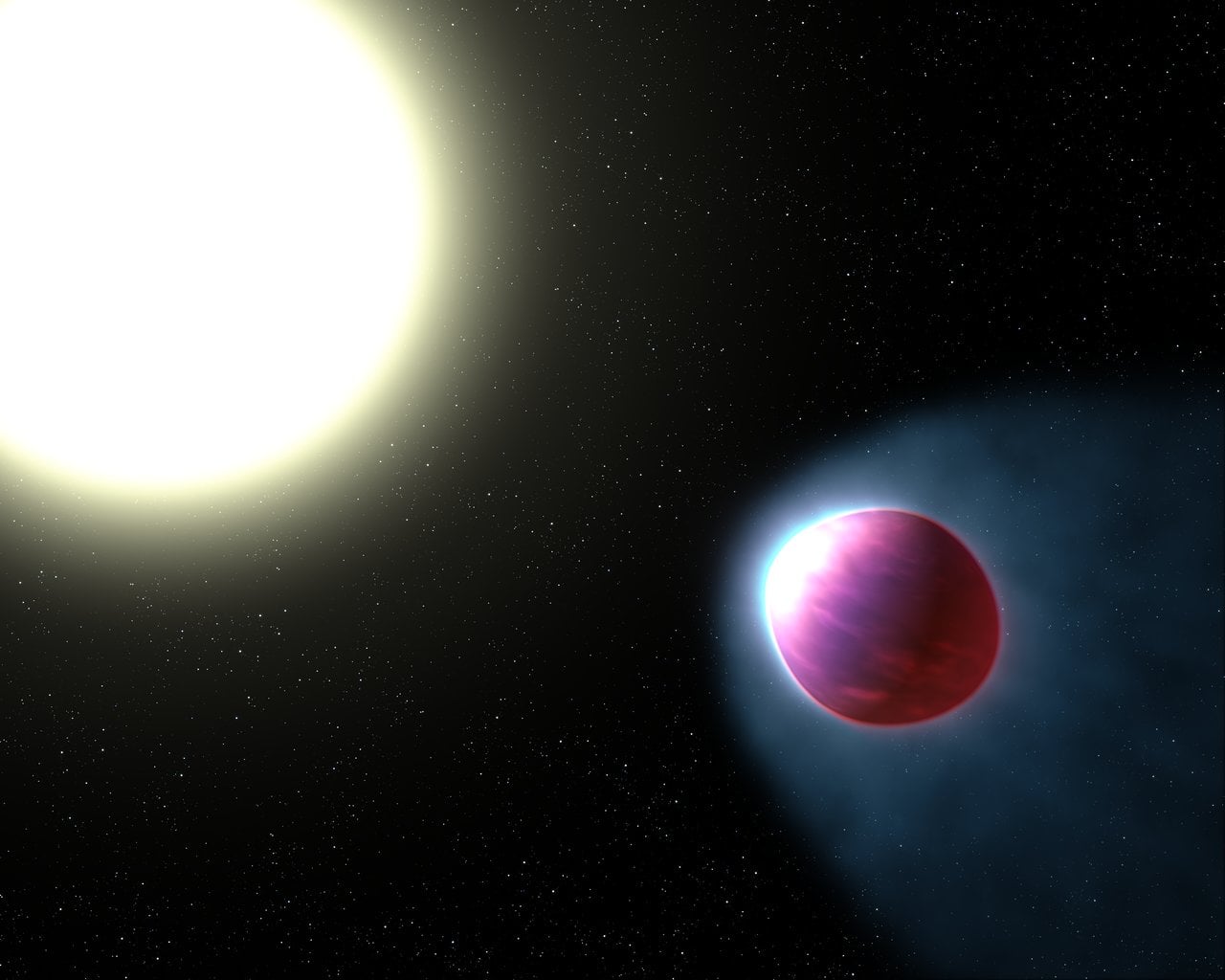
Astronomers using the James Webb Space Telescope have caught an extreme, tidally locked exoplanet in the act of showing two very different faces at once, a fierce, wind battered hemisphere and a comparatively gentler half. The discovery not only reveals a planet with a genuine weather system violent enough to tear water apart, it hints at a missing ingredient in how scientists model alien atmospheres altogether.
Continue reading
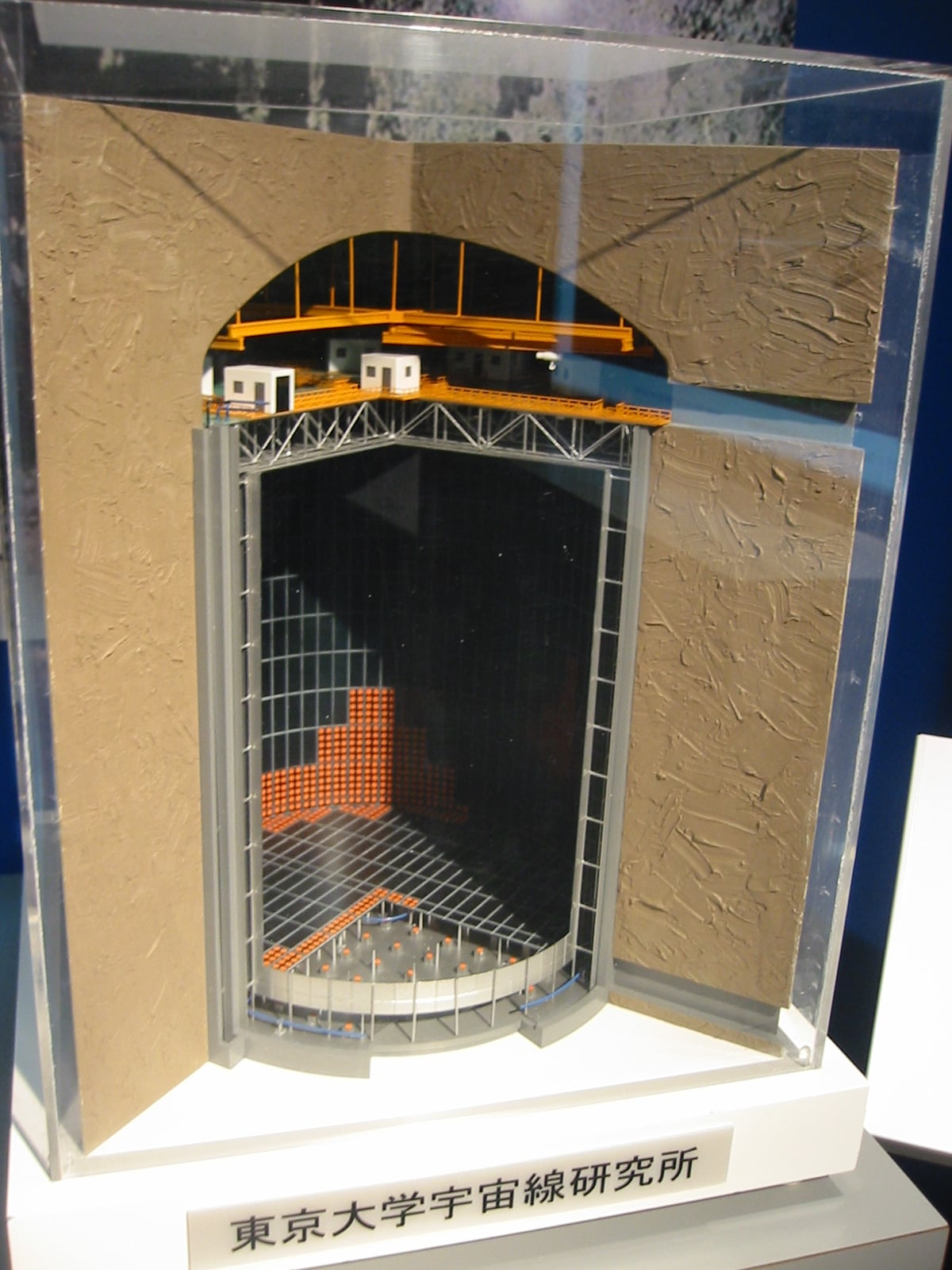
Buried a kilometre underground in Japan, one of the world's most sensitive detectors may have caught its first faint trace of a sound scientists have been straining to hear for decades, the combined whisper of every supernova that has ever exploded across the universe. It is not yet a confirmed discovery, but if it holds up, it could rewrite how we trace the life and death of stars.
Continue reading
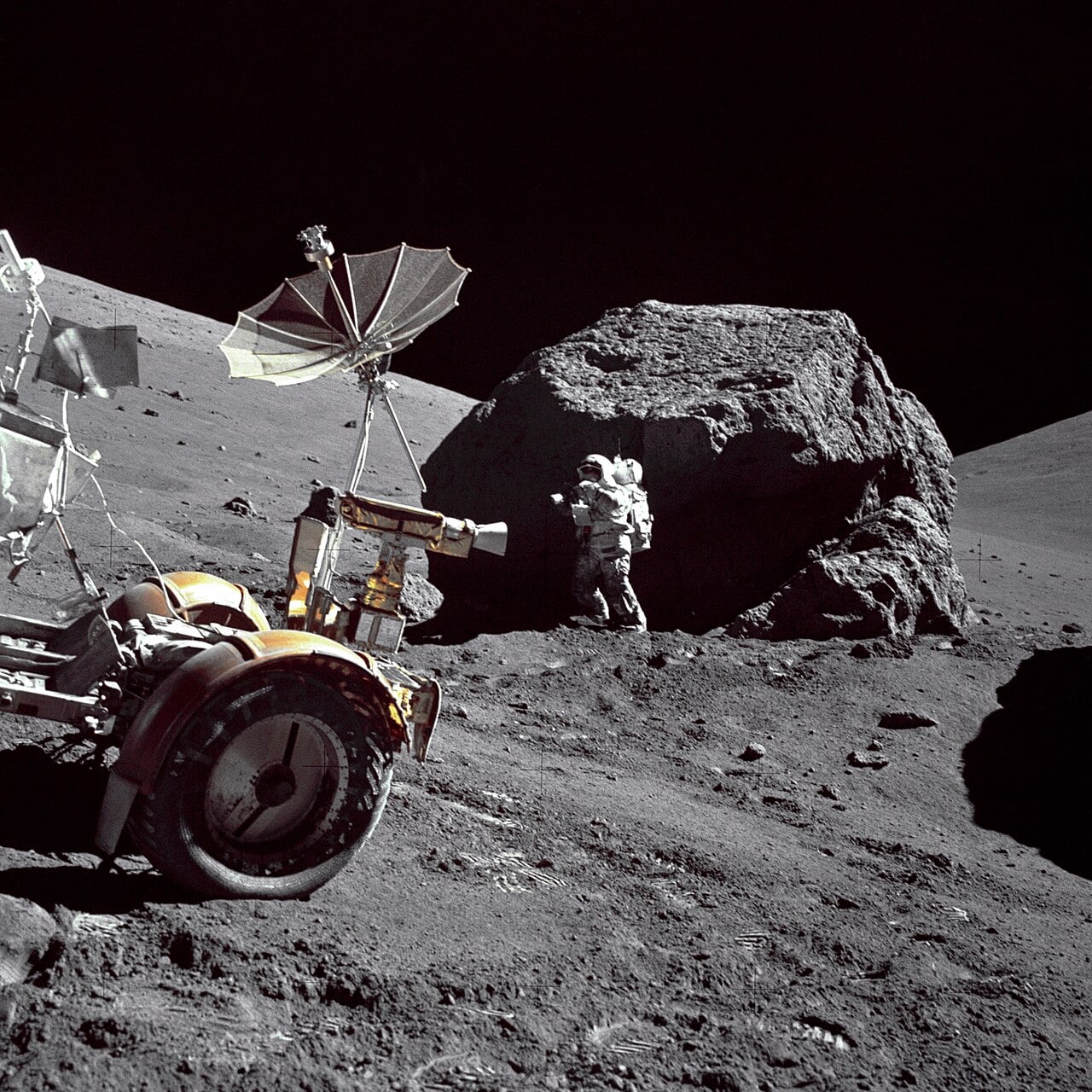
Aside from an unknown quantity of water in the Moon’s permanently shaded polar craters, the lion’s share of what water the Moon may have is likely chemically bound in its deep interior.
Continue reading
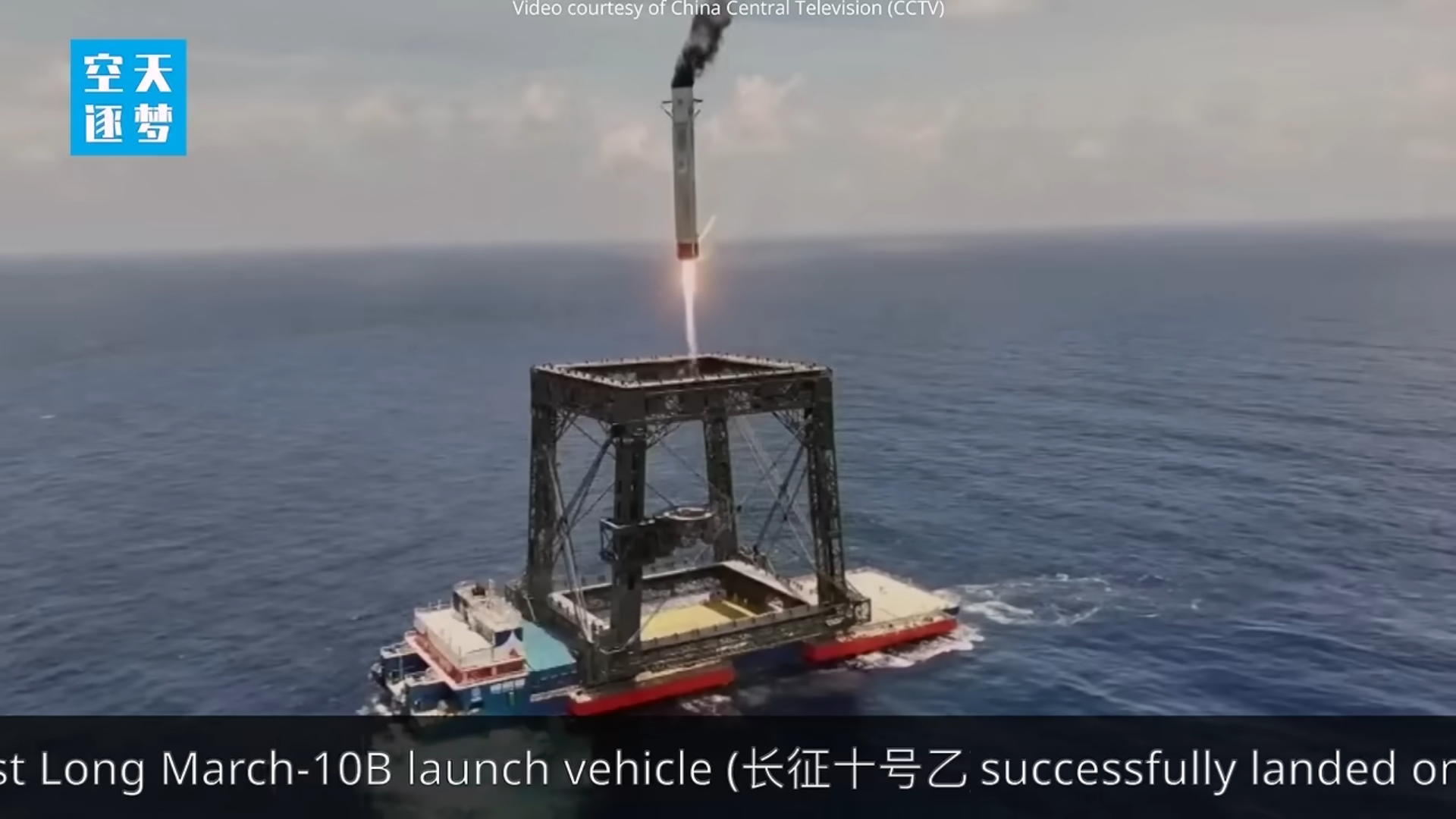
On Friday, July 10th, China achieved a major milestone as its Long March-10B completed a its maiden test flight, which included the retrieval of its first stage booster.
Continue reading
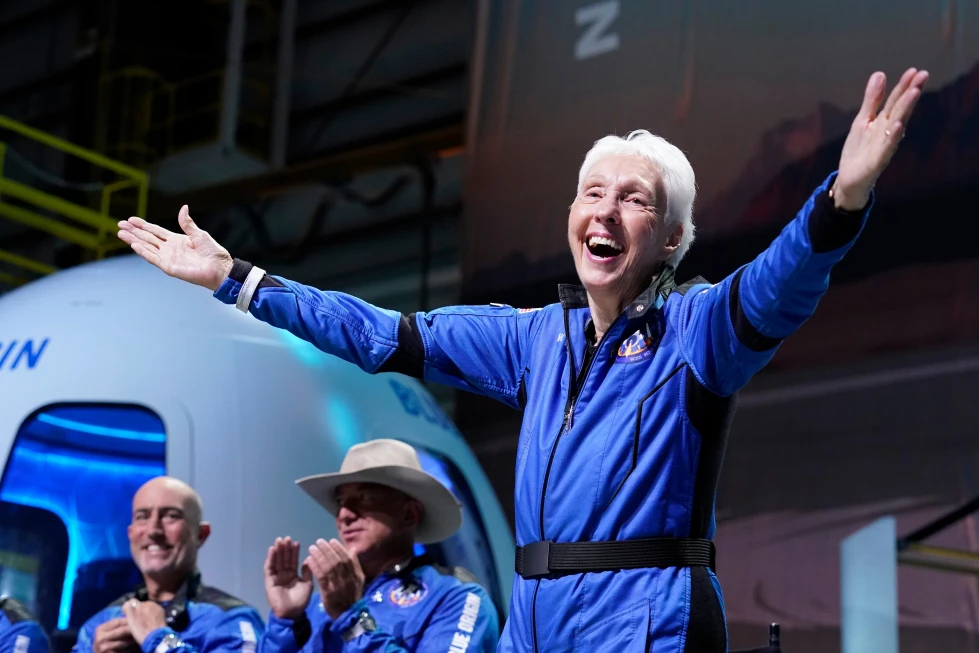
Wally Funk, an aviation pioneer who was the oldest woman to launch into space, has died. She was 87.
Continue reading
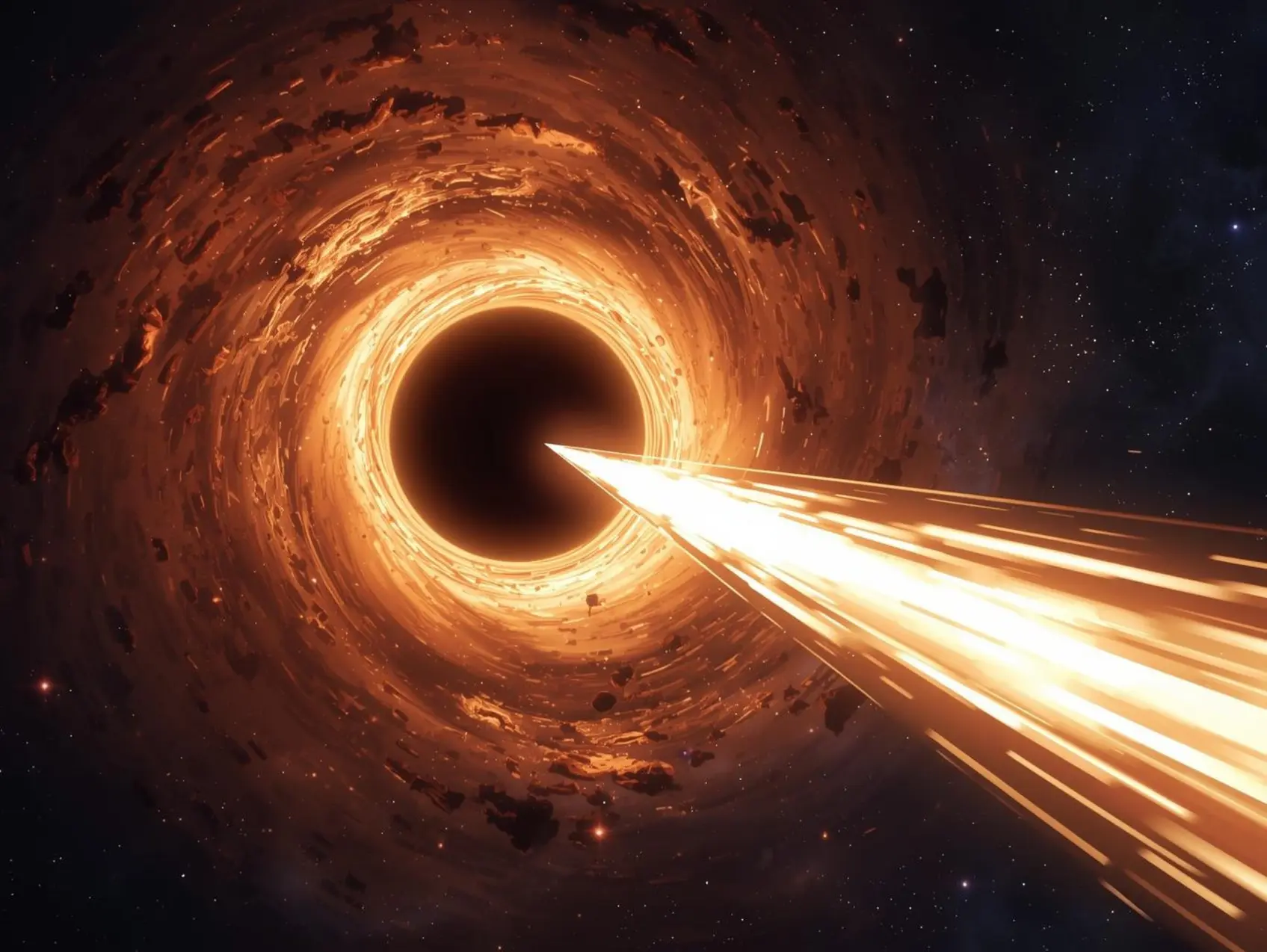
The black hole at the centre of a nearby galaxy is growing exceptionally fast, and is producing a burst of radio emission that has never been observed before. With characteristics that are expected in the early Universe, this unique galaxy provides important insights into the processes that governed the growth of the first black holes.
Continue reading
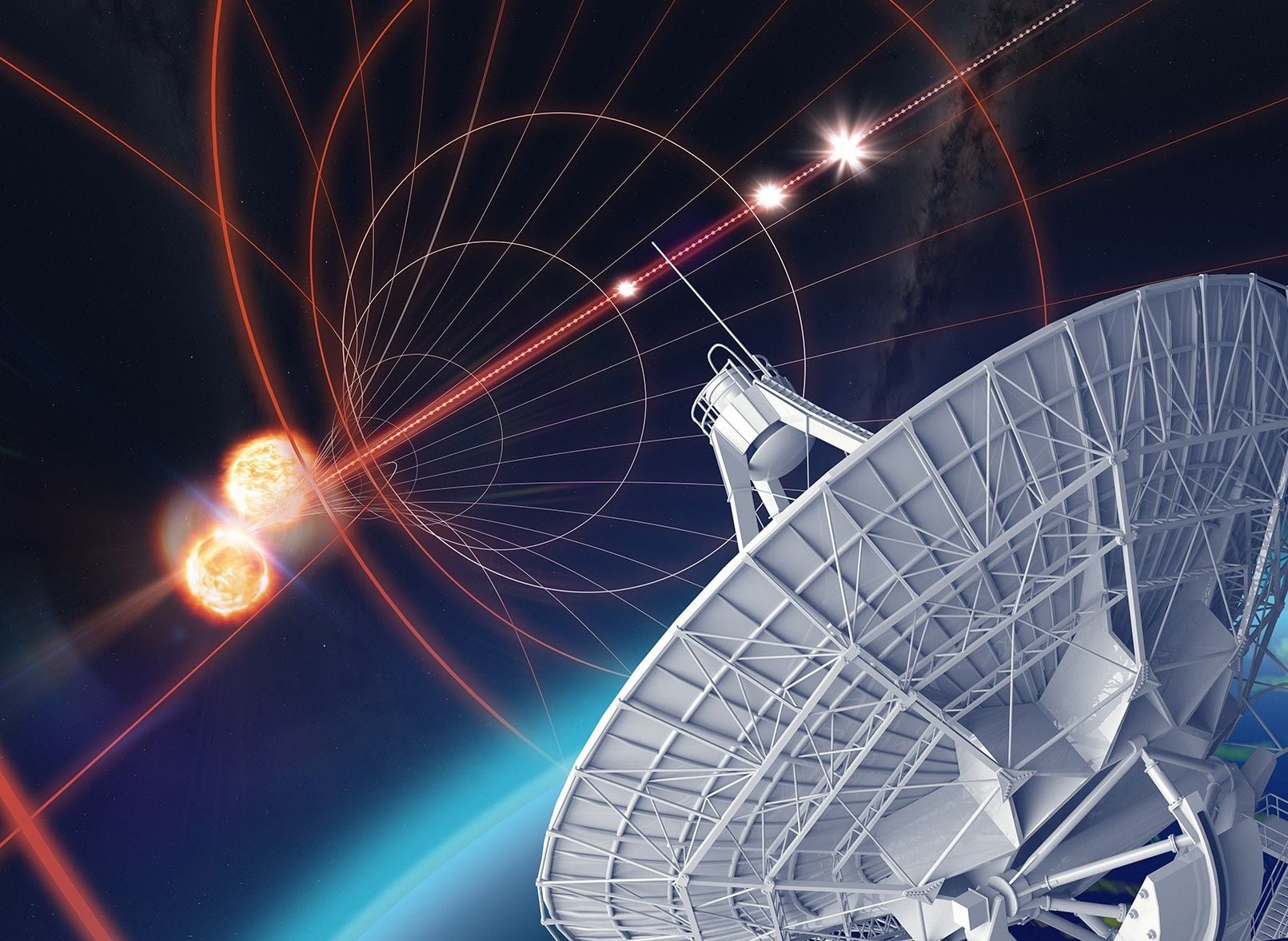
Swinburne University of Technology and CSIRO have combined telescope and gravitational wave data in an attempt to unlock the true value of the Universe's expansion. Existing measurements of the Hubble Constant have split cosmologists for more than a decade.
Continue reading
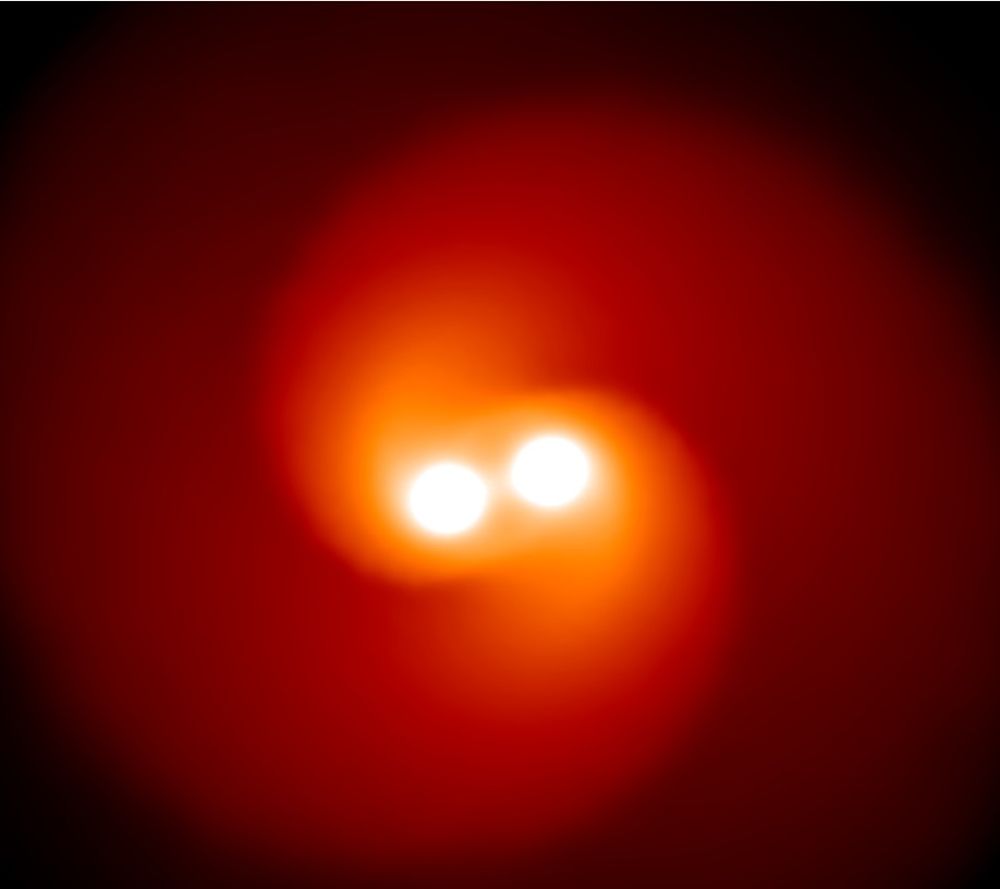
When a massive star reaches the end of its life, it explodes as a supernova that can light up the sky for months. But some supernovae stay luminous for much longer, and astrophysicists have wondered what causes their extended brightness. New research points to binary stars, where one star expels material right before the explosion that creates a cocoon of circumstellar medium.
Continue reading
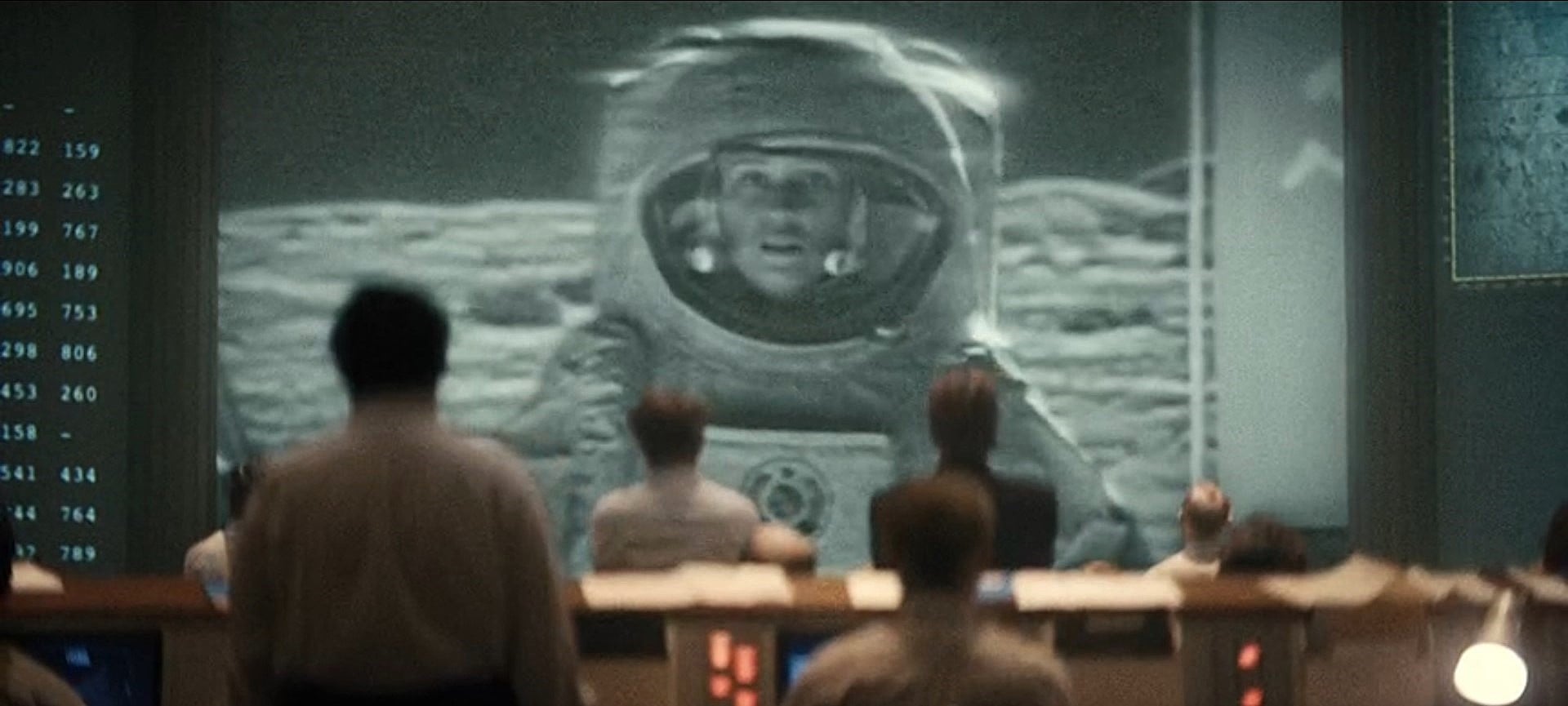
How do you capture the mood of the 1960s space race in a fictional universe where the Soviets beat the Americans to the moon? The production team for Apple TV's "Star City" series rose to the challenge.
Continue reading
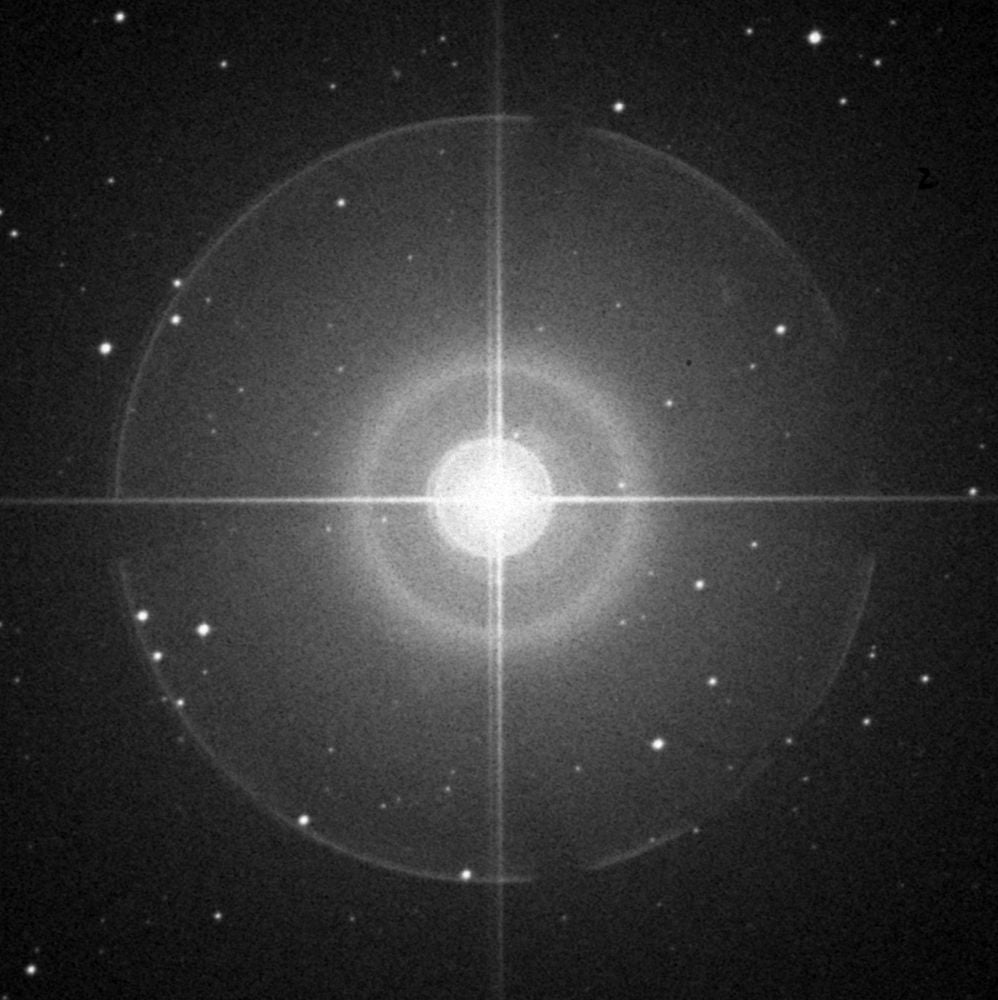
Ptolemy and al-Sufi were keen ancient astronomers, one in Greece and one in Persia, whose observations were separated by almost a thousand years. They both noted that the star Theta Eridani was far brighter than it is today. Now we know why.
Continue reading
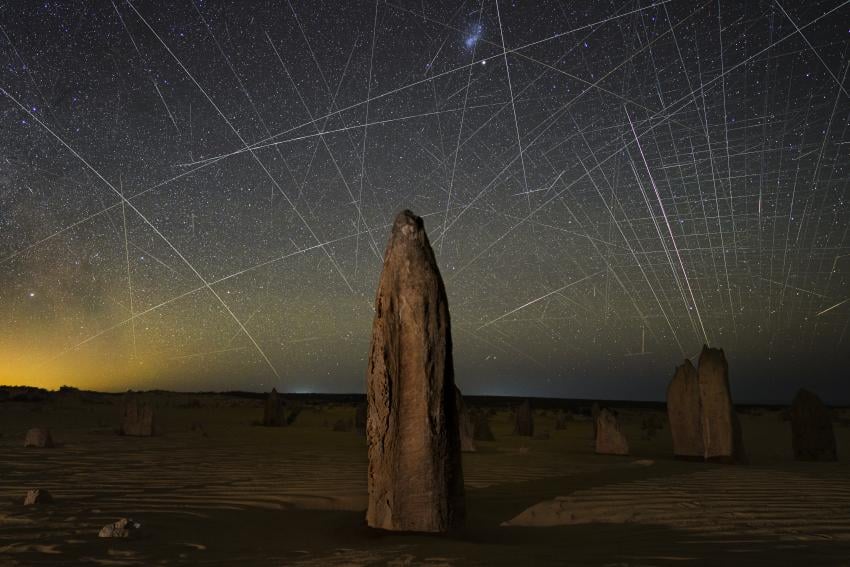
Astrophysicists working tirelessly to tackle the growing impact of satellite constellations have pioneered a new ultra-black coating as one possible way to mitigate the problem.
Continue reading
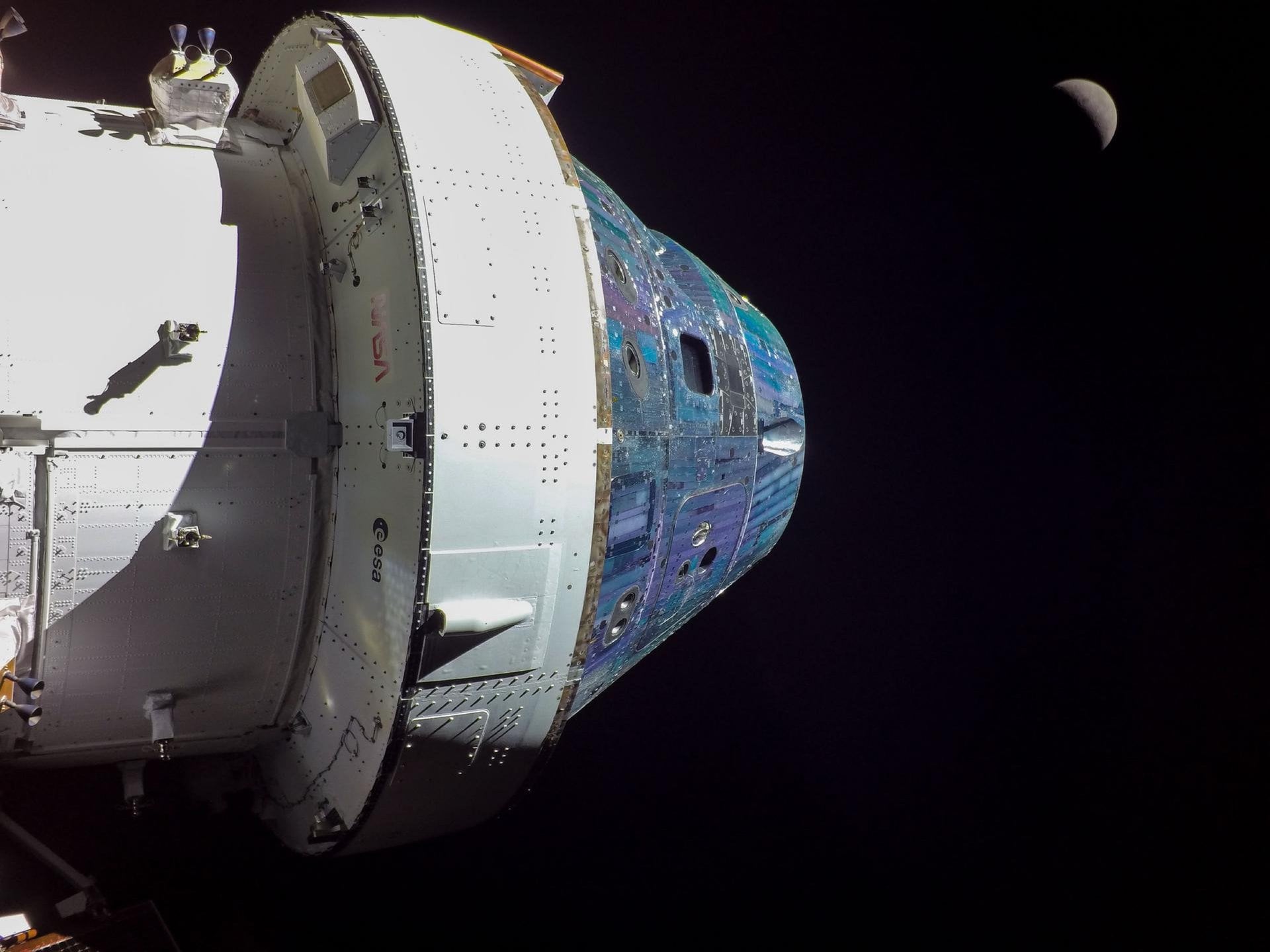
Shielding astronauts from the killer radiation they face is a central challenge facing any designer of a deep-space crewed mission. Even relatively low levels of exposure for long periods of time can lead to everything from central nervous system damage to cancer. But current solutions, such as passive water shells or active superconducting magnets, have their own limitations. To get around those, a new paper, available in pre-print on arXiv by Valerio Parisi and a team of researchers from Italy and Germany, looks at the feasibility of using a permanent magnet (and its associated permanent magnetic field) to potentially block some of that deadly radiation without the costs of competing technologies.
Continue reading
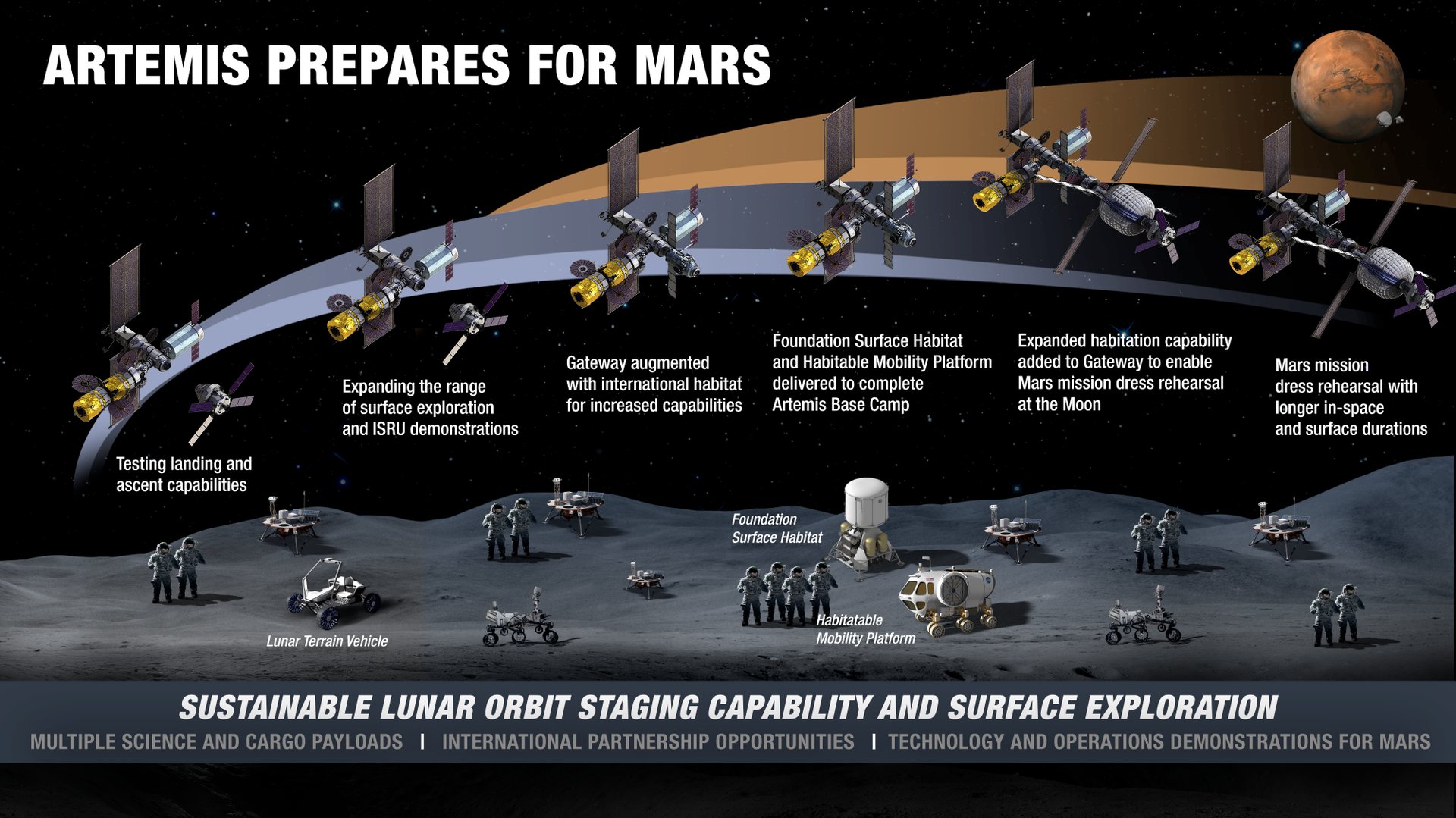
NASA is serious about going back to the Moon. Ongoing missions like the recently completed Artemis II trip around the Moon are just one such sign. But perhaps more importantly, NASA is recognizing how much additional work will have to go into funding technology development if we hope to stay on the lunar surface permanently. To reflect that understanding, the agency recently released a request for public feedback on what it calls the Lunar Enabling Infrastructure Accelerator - which might have been named after a Star Wars fan, since its acronym is LEIA.
Continue reading
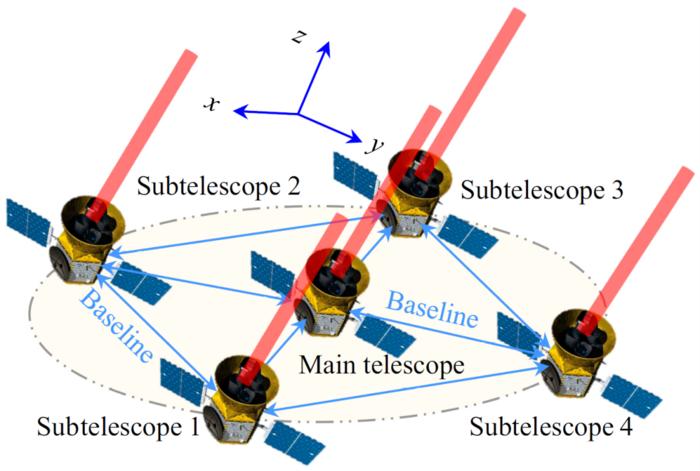
We’ve talked plenty of times here about the infeasibility of launching a mirror big enough to directly image exoplanets using current rocket fairings - at least as long as we’re not sending them 500+ AU away to a gravitational lensing point. We’ve also talked at length about the potential solution to that problem - interferometry, where multiple smaller satellites link up precisely, but are spaced far enough apart to act as one gigantic mirror. The problem is, from a technical standpoint, it’s really hard to build these kinds of systems. But the field has taken another step forward with a new paper from researchers at Xidian University and the Beijing Institute of Control Engineering, published in Space: Science & Technology, which describes a system to both control and calibrate a free-floating interferometer.
Continue reading
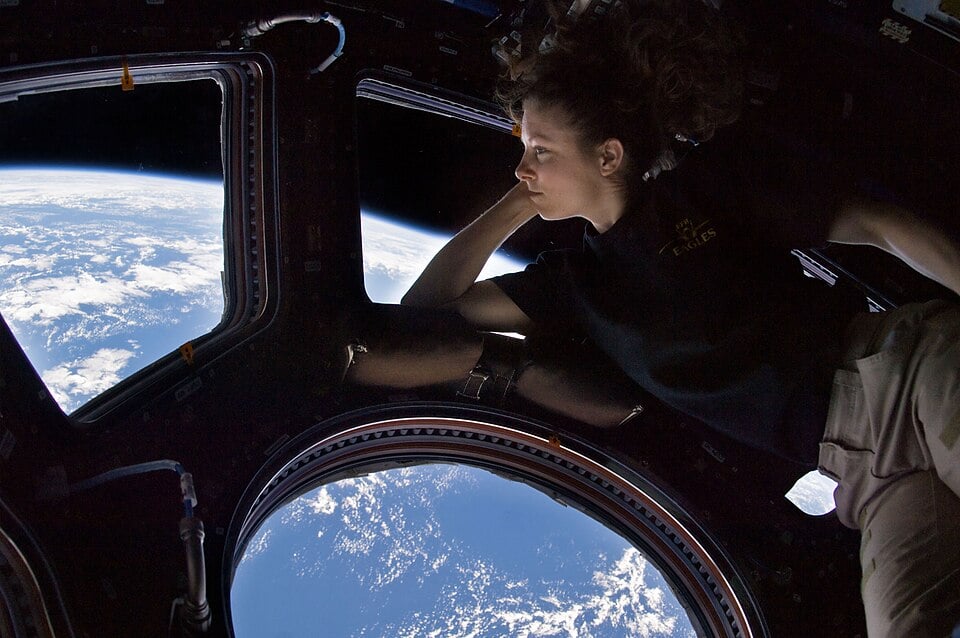
Scientists at UCF have found that the harsh conditions of spaceflight, radiation and weightlessness combined, can trigger changes in the liver that closely resemble accelerated ageing, and remarkably, the same genetic fingerprints show up in real astronaut blood samples. The discovery could shape how we protect future Mars explorers, and might just hold clues to slowing ageing back here on Earth too.
Continue reading
 Universe Today