Continue reading
Continue reading
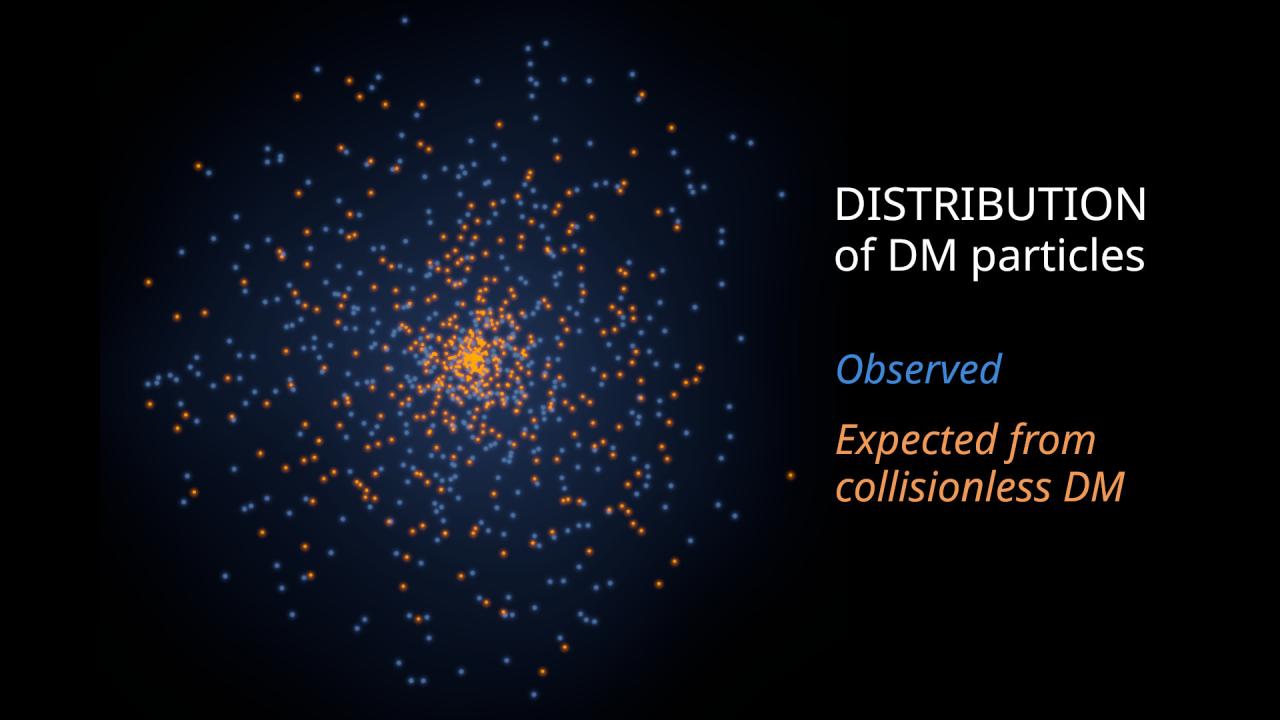
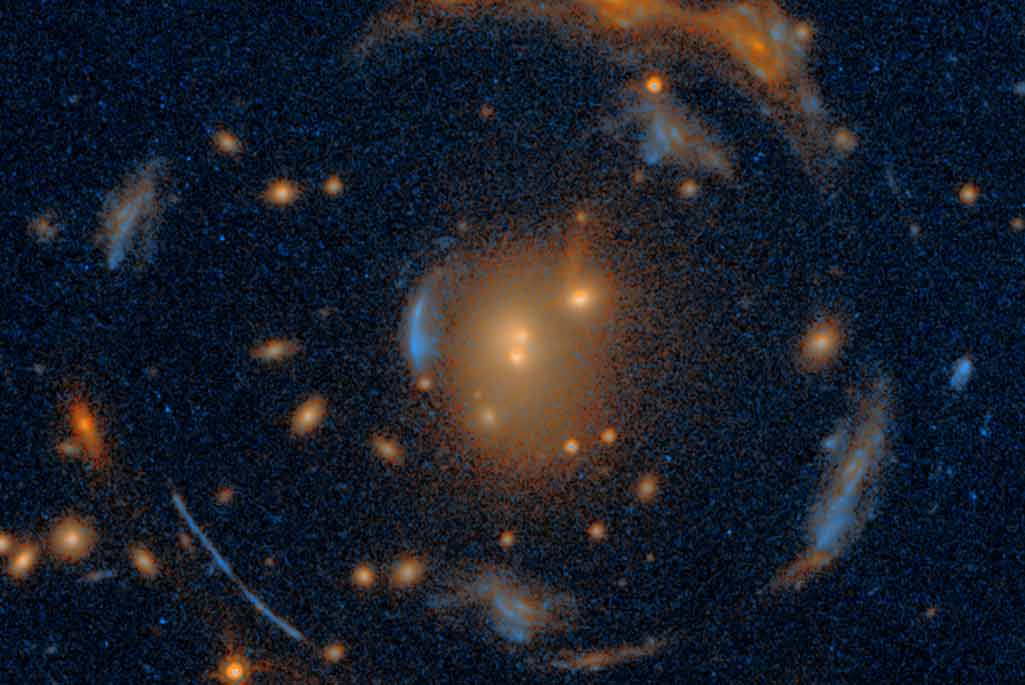
Dark matter seems to be an invisible particle that only interacts with regular matter (or itself) through gravity. But in a new study, based on data gathered by Hubble, researchers think they've found evidence of interactions with regular matter beyond just gravity. They recorded the structure of a low-mass galaxy, measured the concentrations of dark matter, and then compared that to simulations where dark matter only interacts through gravity and found a discrepancy.
Continue reading
Continue reading
Continue reading
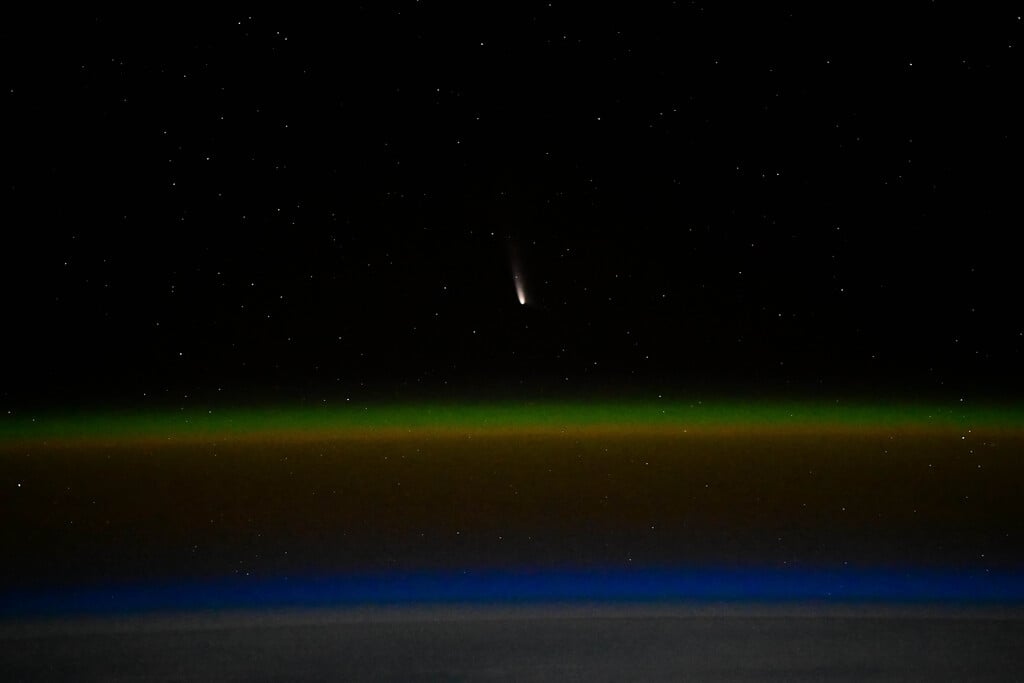
Now is the time to catch Comet A3-Tsuchinshan-ATLAS at dawn.
Continue reading
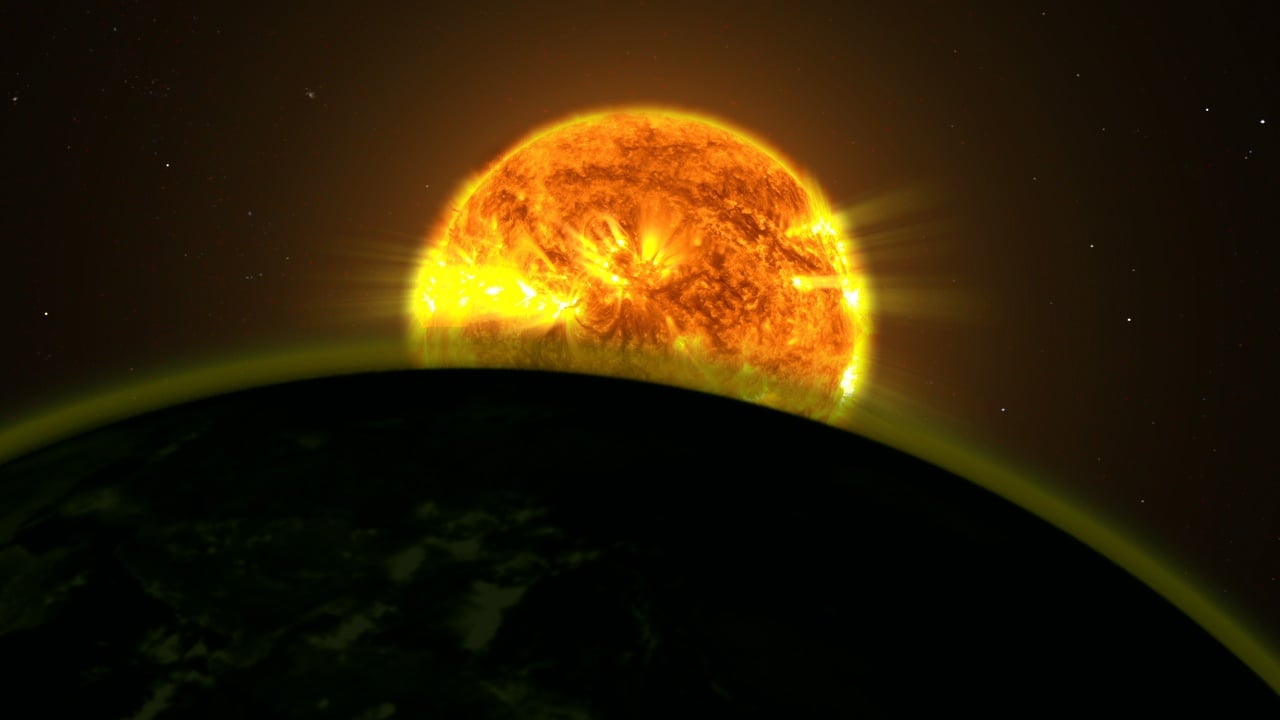
Astrobiologists continue to search for their ideal biosignatures. A chemical or collection of chemicals that would give a clear indication of life on an exoplanet. The problem is that natural processes can produce all the same chemicals that life can generate. Now, researchers have produced dimethyl sulfide in the lab, a chemical made by marine microbes. They used light and gases found in many planetary atmospheres. The search for biosignatures continues.
Continue reading
Continue reading
Continue reading

Continue reading
Continue reading
Continue reading
Earlier this year, researchers claimed that they had found infrared signatures for candidate Dyson Sphere megastructures in archival WISE data. Astronomers were skeptical, suggesting that these objects might just be stars visually close to highly luminous "Hot Dust-Obscured Galaxies (HotDOGS)." The number of candidates matches the expected frequency of these chance alignments. This new paper puts a limit on the number of Dyson Spheres in our galactic neighborhood.
Continue reading
Continue reading
Continue reading
Continue reading
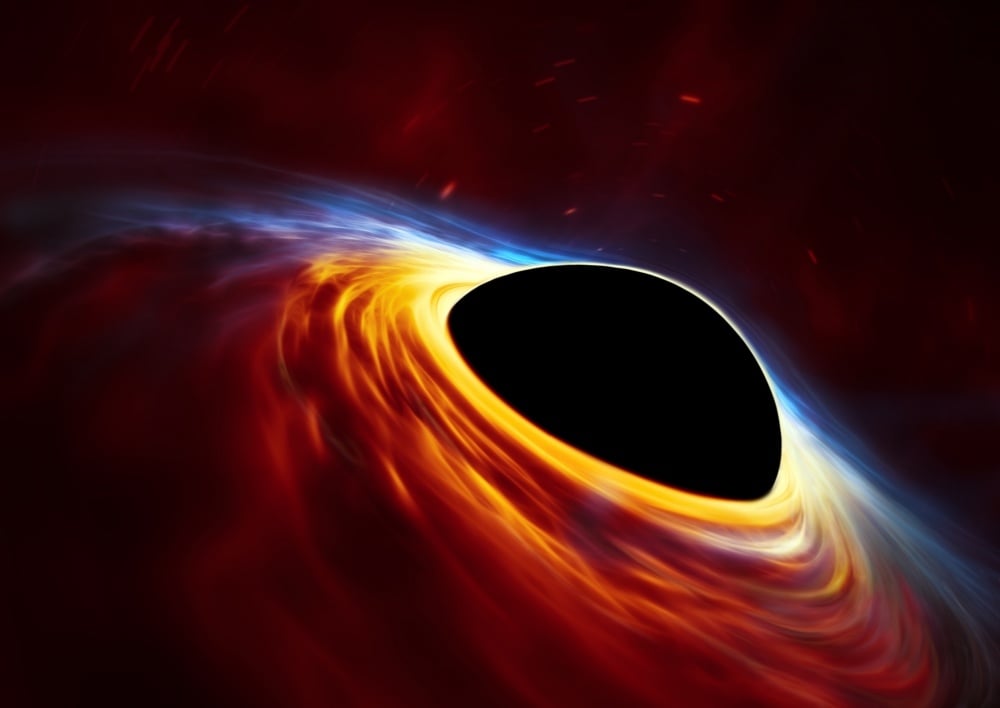
As black holes spin, they drag space-time along with them, and scientists have proposed that this could be a source of energy for an advanced civilization, harvesting momentum from material ejected from this twisting spacetime. The concept has been generalized, and it's theoretically possible to extract energy from anything spinning. Now, researchers have mimicked the process in the lab, beaming electromagnetic waves at a spinning object and extracting energy.
Continue reading
Continue reading
Continue reading
Continue reading
Continue reading
Continue reading
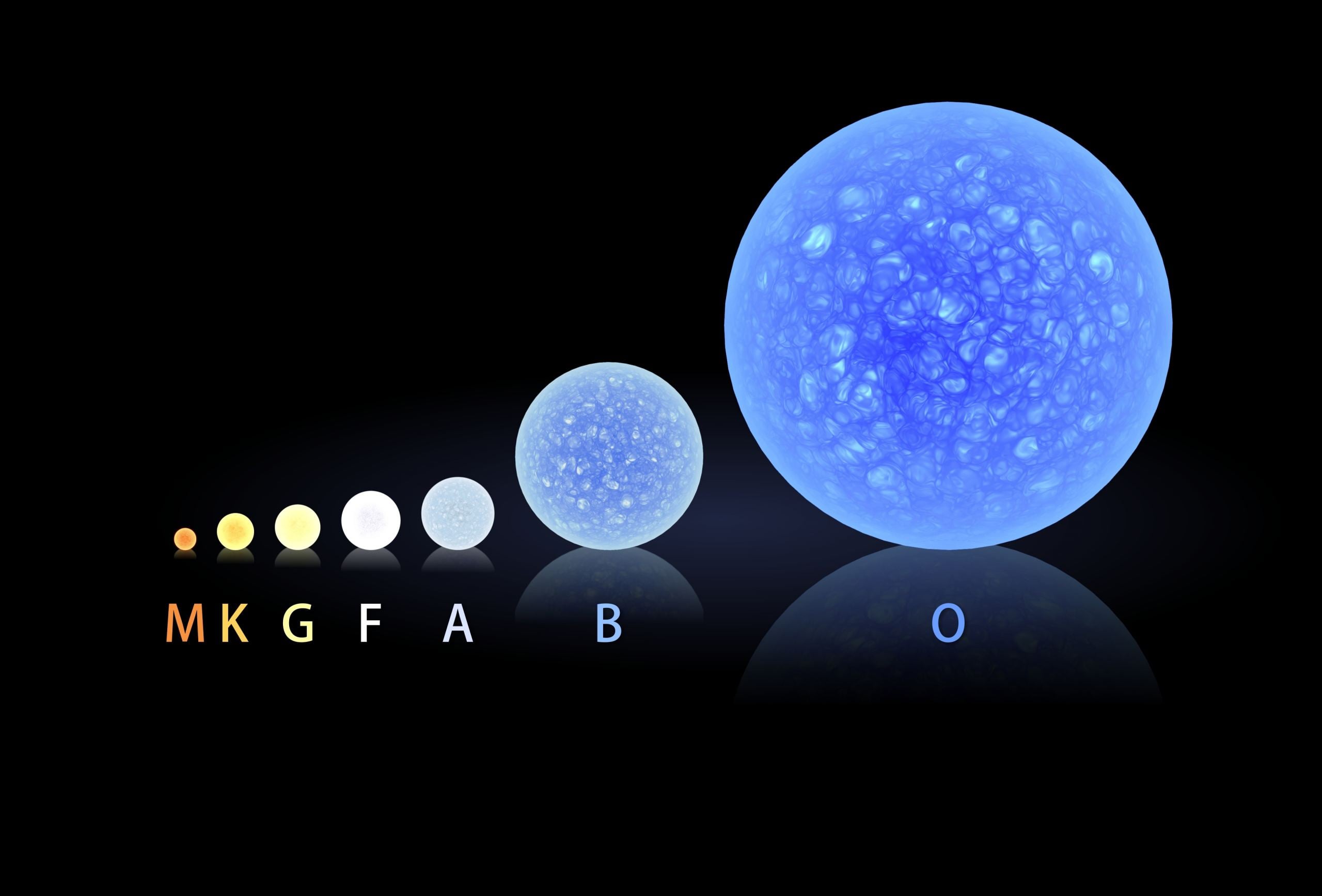
Astronomers have several classifications for stars: the Sun is a G-type star. As you go up the list, the next hotter stars are the F-type, with surface temperatures in the range of 6200–7200 K. Could these stars have habitable zones where planets might support life? According to a new study, there have already been planets discovered within the habitable zones of F-type stars, which also lie outside the region where there is too much ultraviolet radiation.
Continue reading
Continue reading
Continue reading
Continue reading
Continue reading
Continue reading
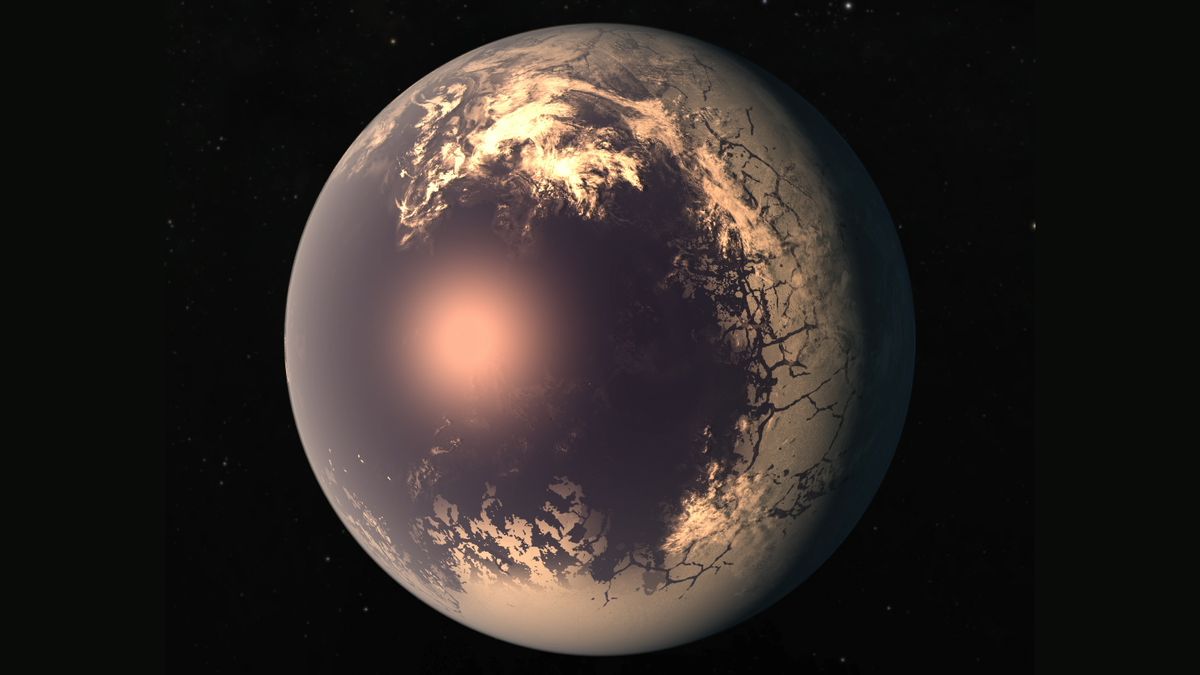
One of the most intriguing planetary systems is TRAPPIST-1, with several Earth-sized worlds orbiting a red dwarf star, and astronomers have already scanned planets to search for evidence of an atmosphere. The first two worlds appear to be airless super-mercuries, and the hope lies on the next few planets, which orbit in the star's habitable zone. But what if the planets are hiding their atmospheres? A new paper suggests that night-side clouds can mimic an airless world.
Continue reading
Continue reading
Continue reading

Continue reading
Continue reading
Continue reading
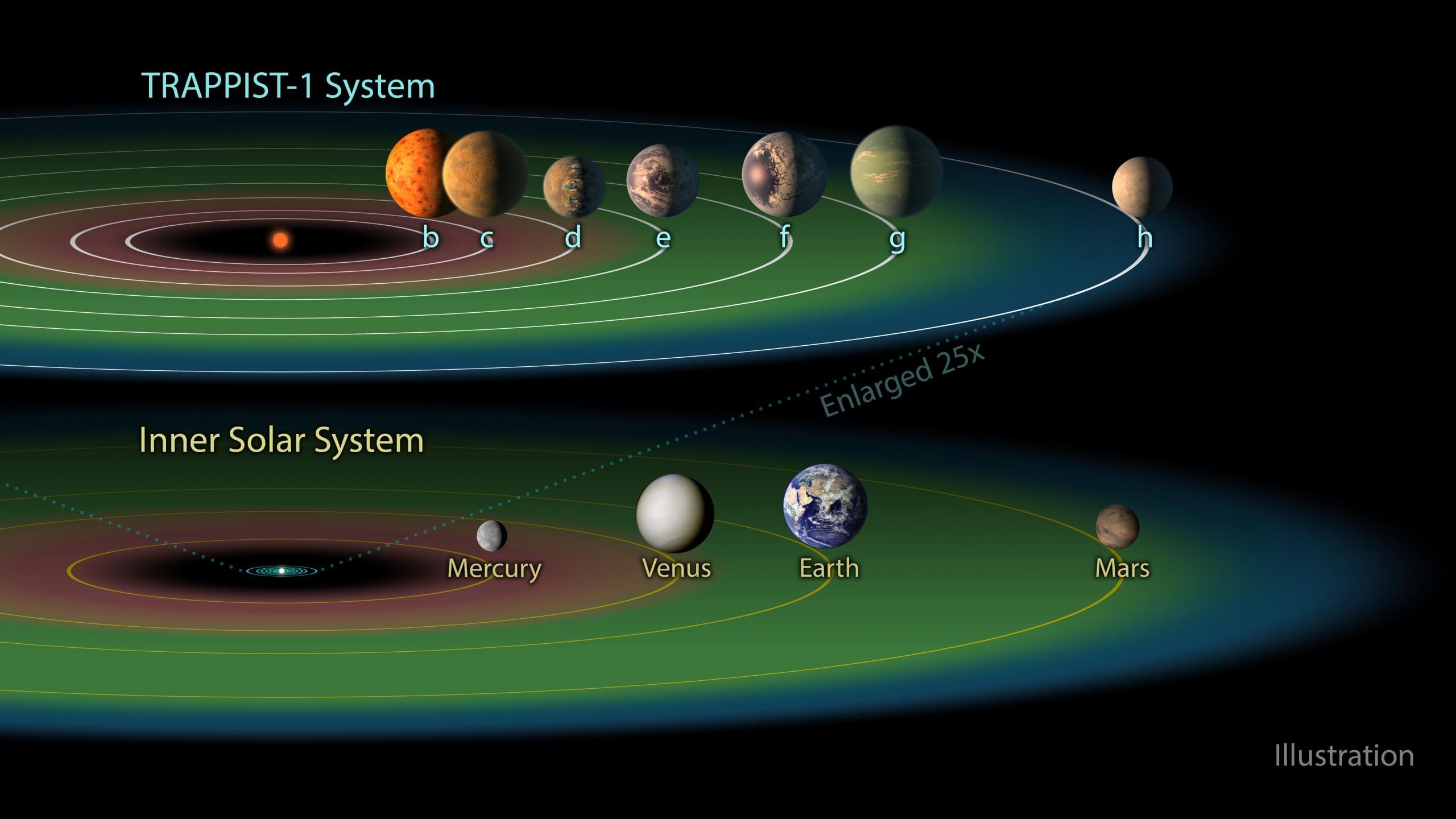
If there's an advanced civilization in the TRAPPIST-1 system living on multiple worlds, there's a way to eavesdrop on their conversation from world to world. Researchers directed the Allen Telescope Array at the TRAPPIST-1 system during times of "planet-planet occultations," when two of the worlds in the system are aligned with Earth and their star. Communications directed at the planet could spill over and be detectable from Earth. No signals were detected.
Continue reading
Continue reading
Continue reading
Continue reading
Continue reading
Continue reading
Continue reading
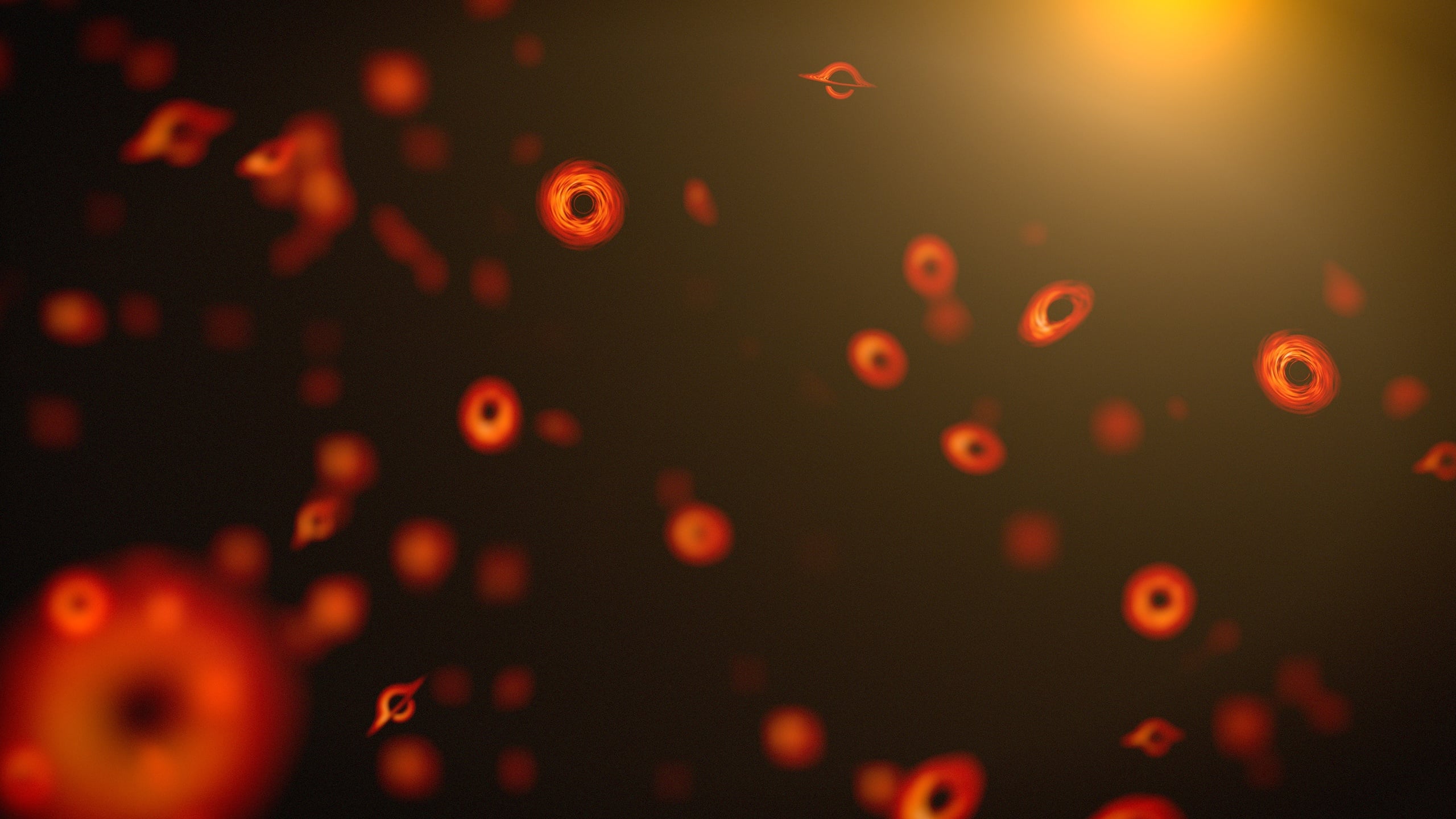
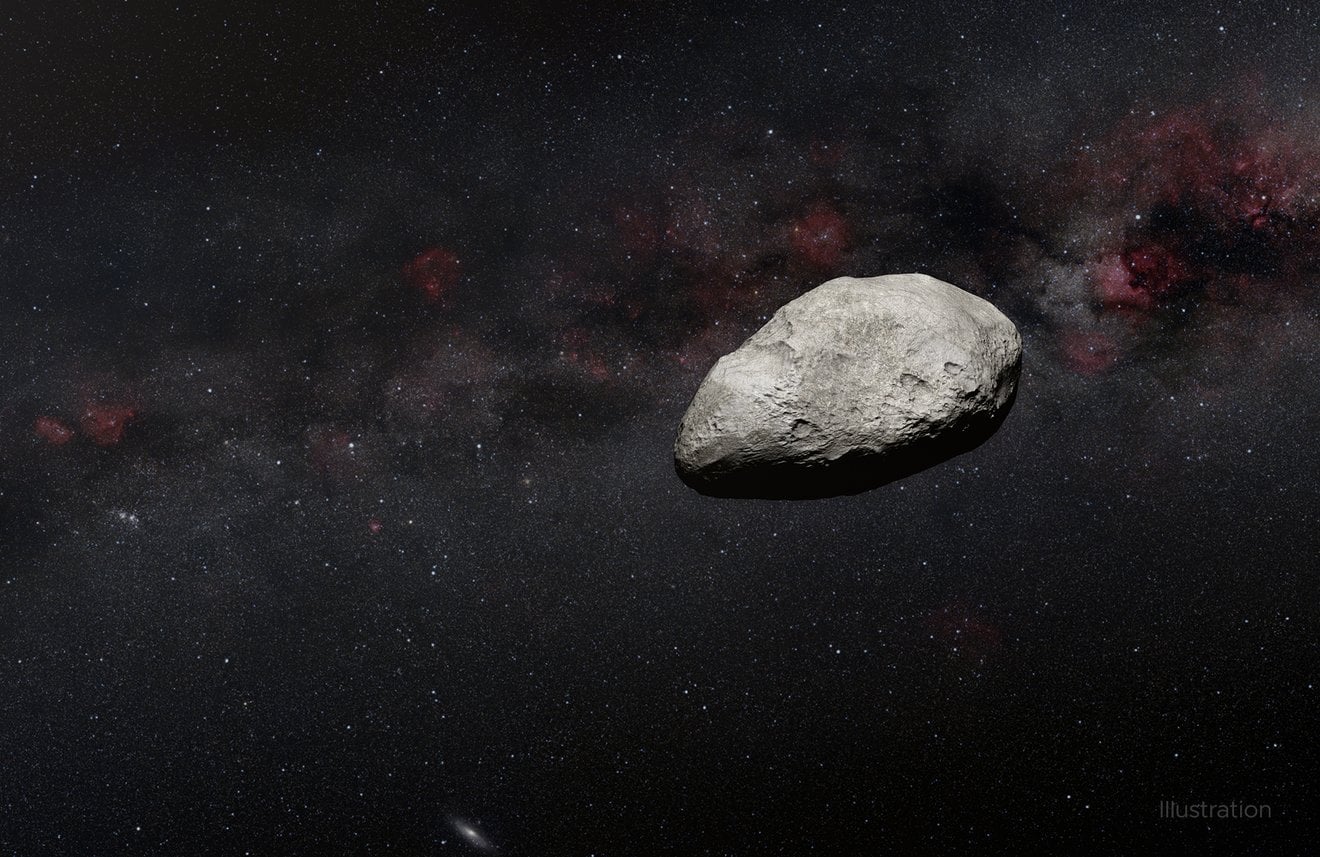
One possible explanation for dark matter is primordial black holes. These are lower-mass black holes formed in the first moments of the universe when the conditions were hot and dense. If there are asteroid-mass black holes floating through the cosmos, a few might be here in the solar system. The only way to detect them would be to measure their gravitational interactions with planets and other asteroids. Is our current technology up to the task?
Continue reading

Continue reading
Continue reading
Continue reading
Continue reading
Continue reading
Continue reading
Continue reading
Continue reading
 Universe Today